Why Cigtrus Is Gaining Buzz as a Nicotine-Free Quit-Smoking Solution
More smokers and vapers are seeking ways to quit without simply switching to another form of nicotine delivery. Health awareness, stricter regulations, evolving social norms, and a deeper understanding of what makes quitting actually work have all boosted demand for alternatives that remove both nicotine and vapor entirely. Cigtrus addresses exactly that demand, and growing awareness is reflecting it.
The Growing Demand for Nicotine-Free, Smoke-Free Alternatives
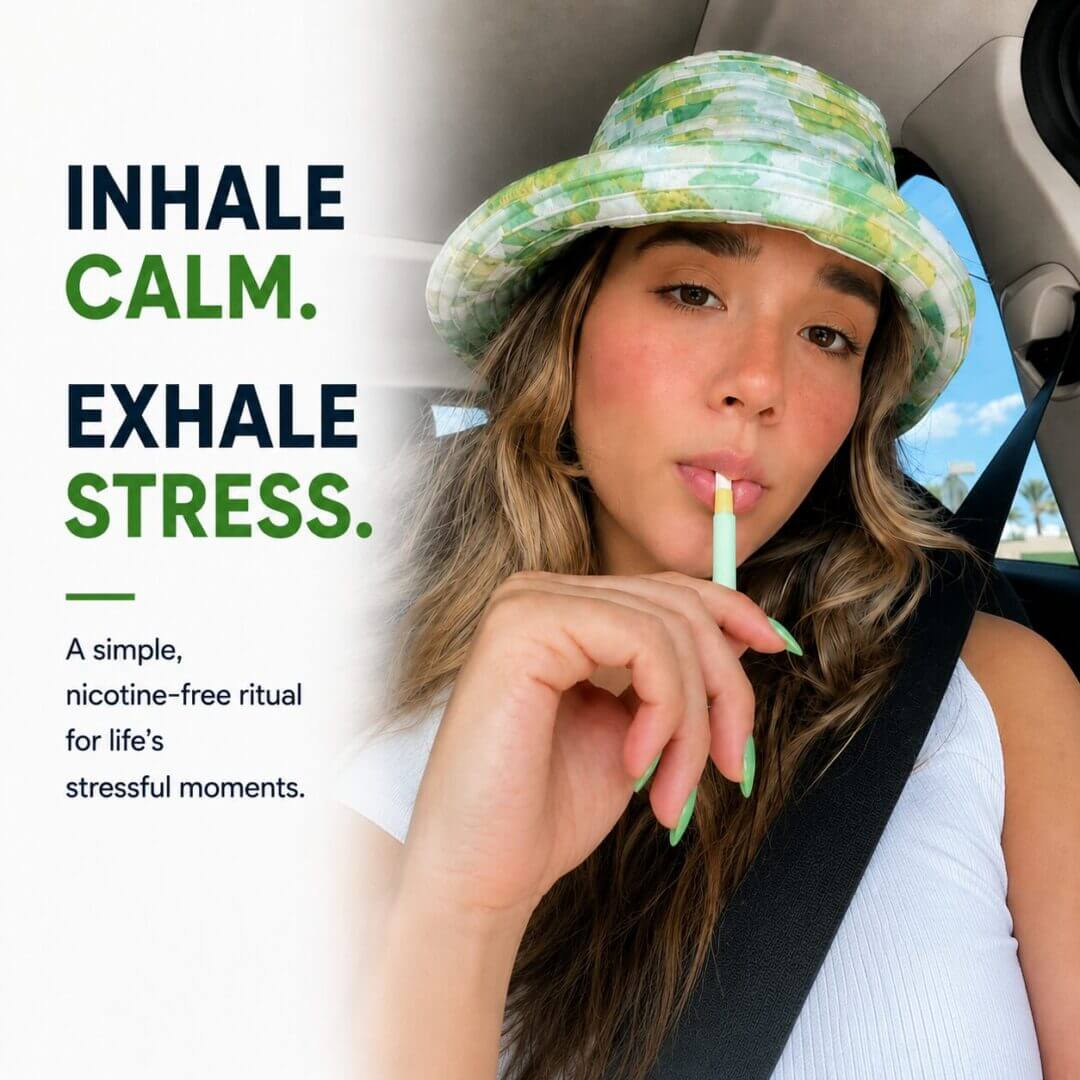
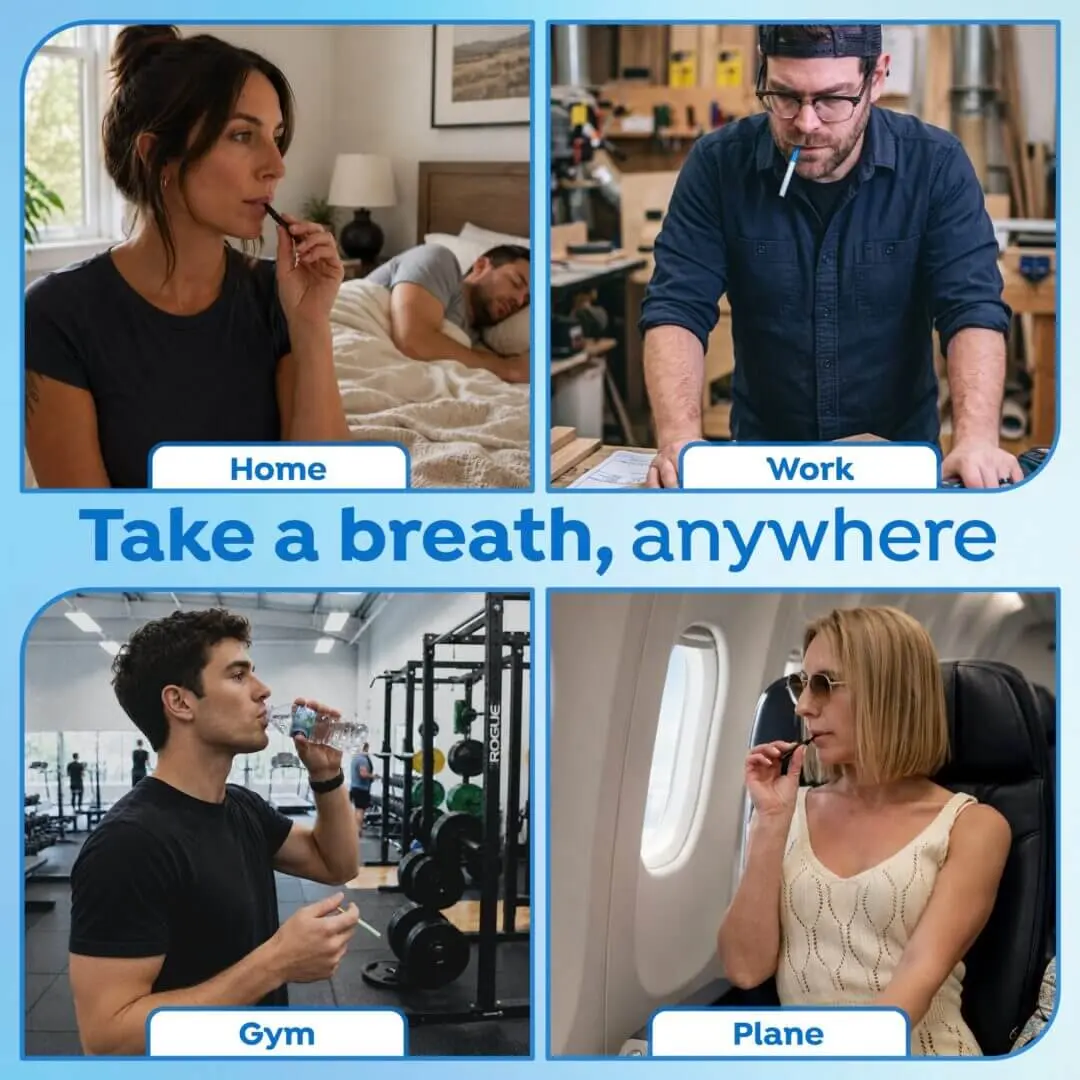
That growing shift reflects something deeper than trend. People want tools that help break the behavioral habit, the hand-to-mouth motion, the oral fixation, the inhalation rhythm, not just the nicotine addiction. They want discreet aids that work anywhere: at home, at work, or on the go. They want something simple, clean, and free from smoke or vapor. Cigtrus was built specifically around those requirements.
“For many people, the hardest part of quitting isn’t the nicotine. It is the physical ritual, holding something, the familiar inhalation, the daily pause. Cigtrus addresses that layer directly.”
What Cigtrus Is, and How It Works
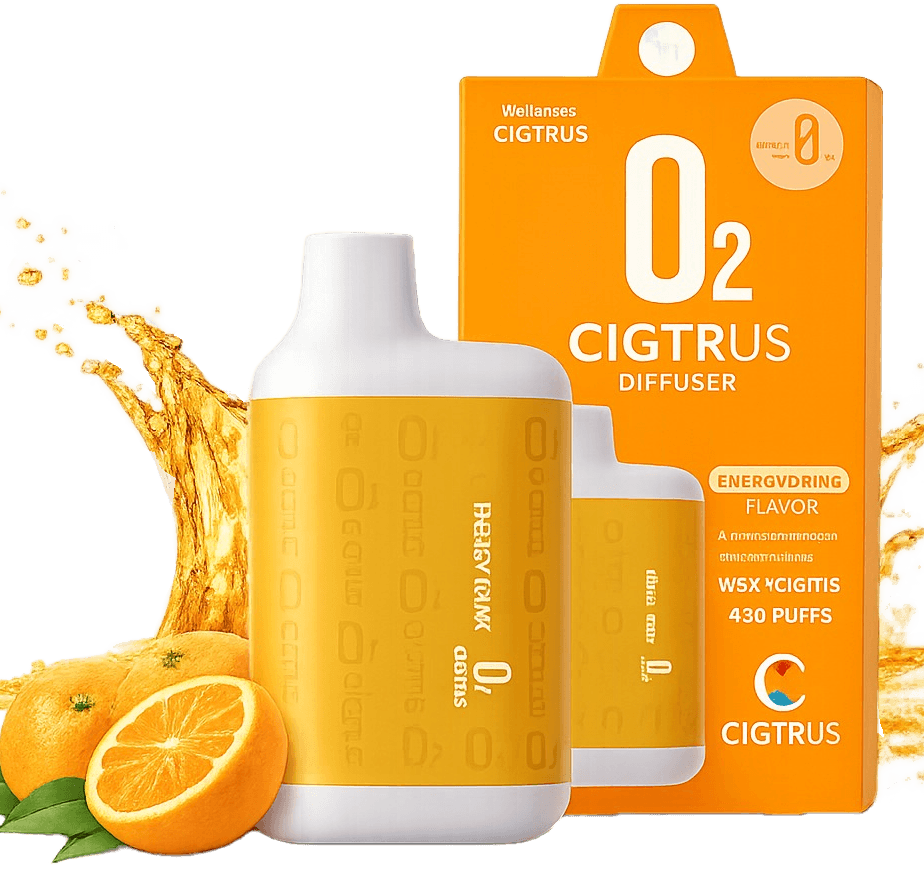
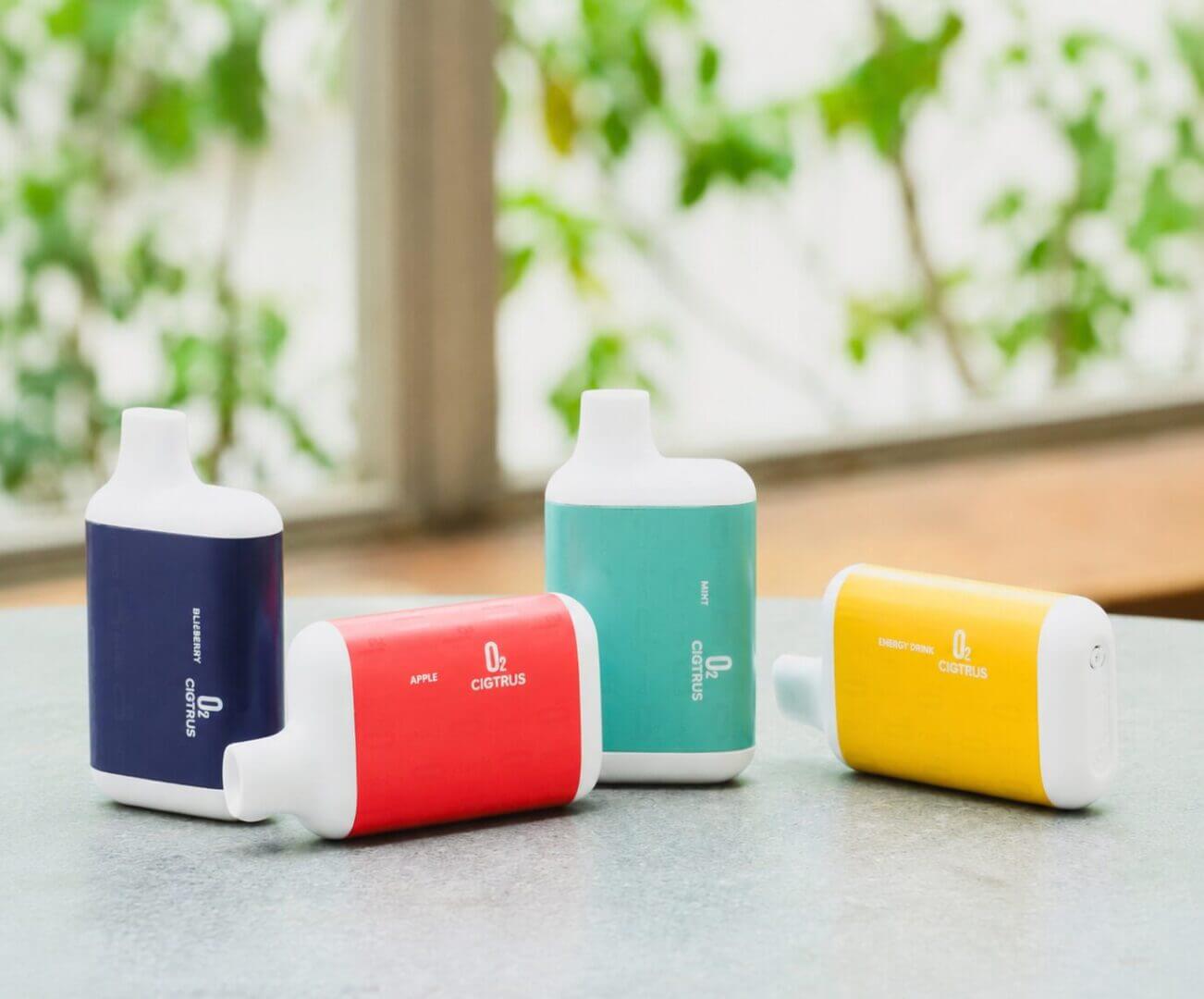
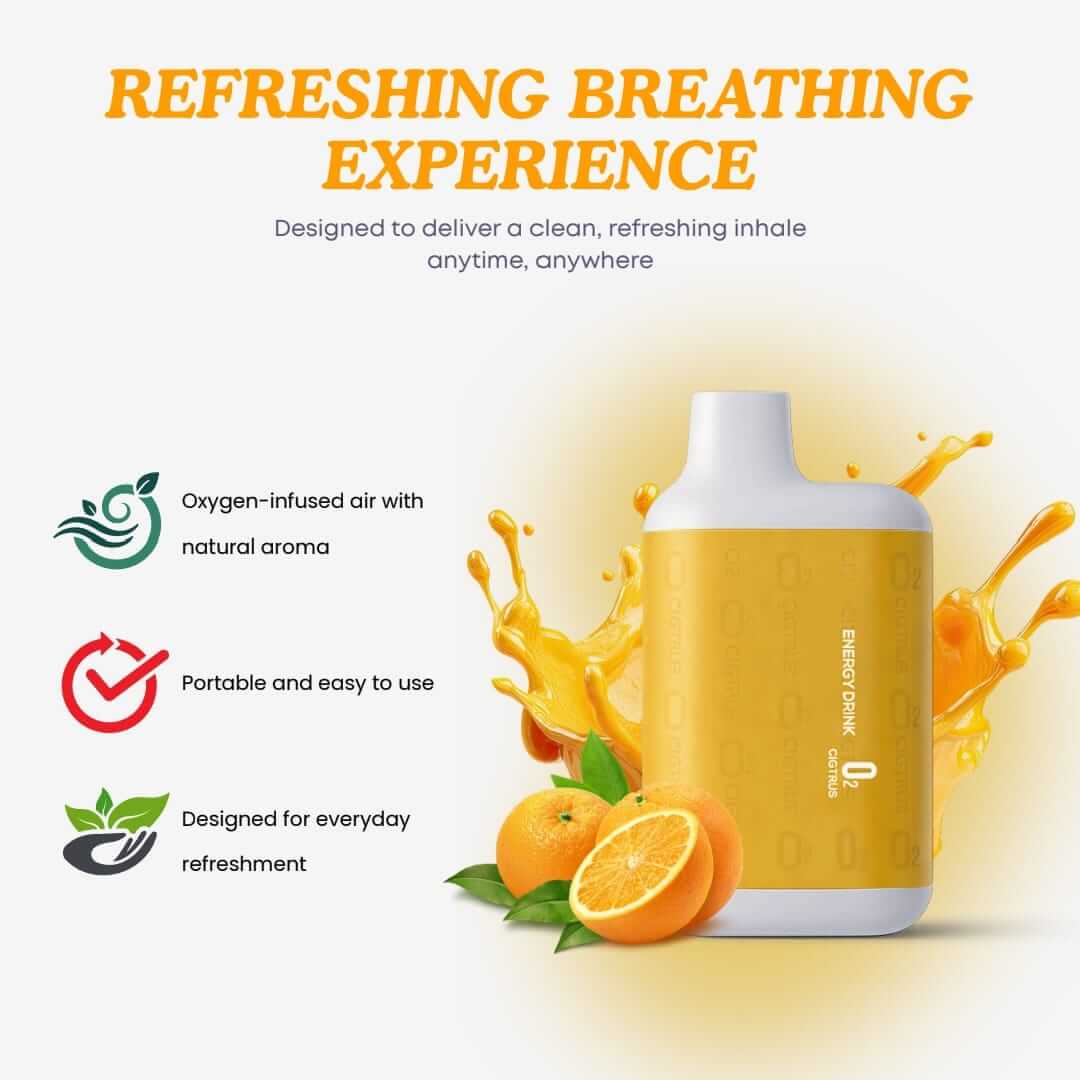
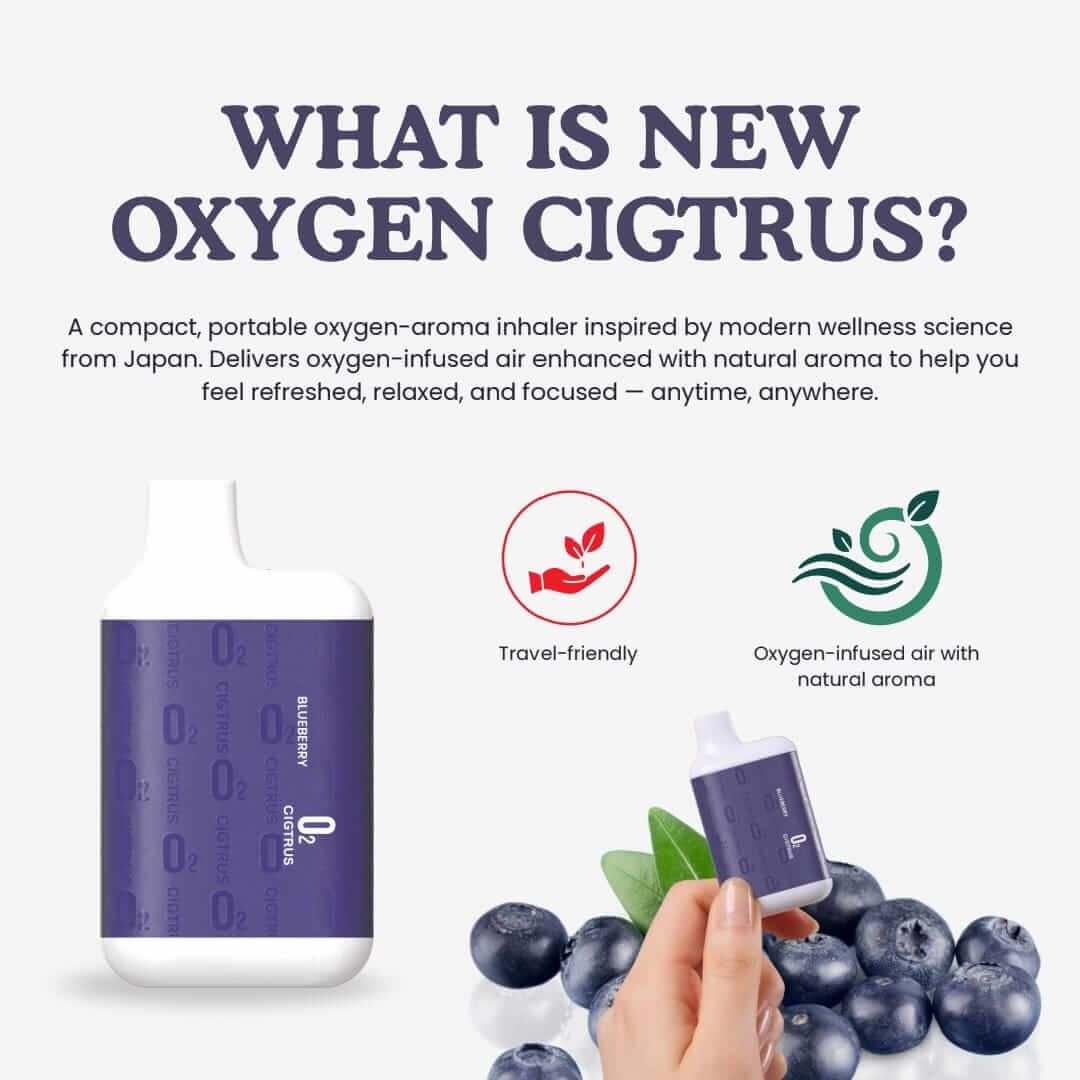
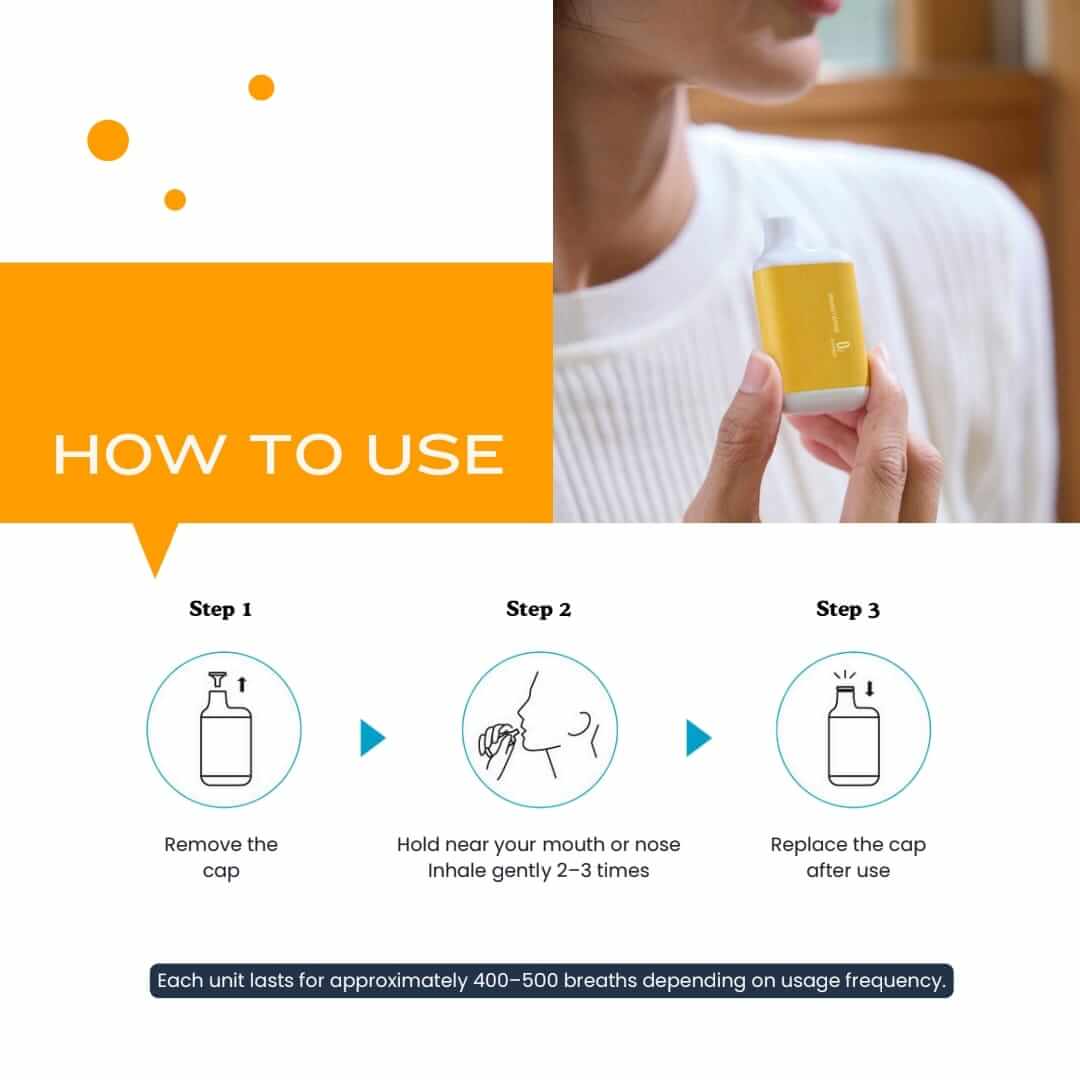
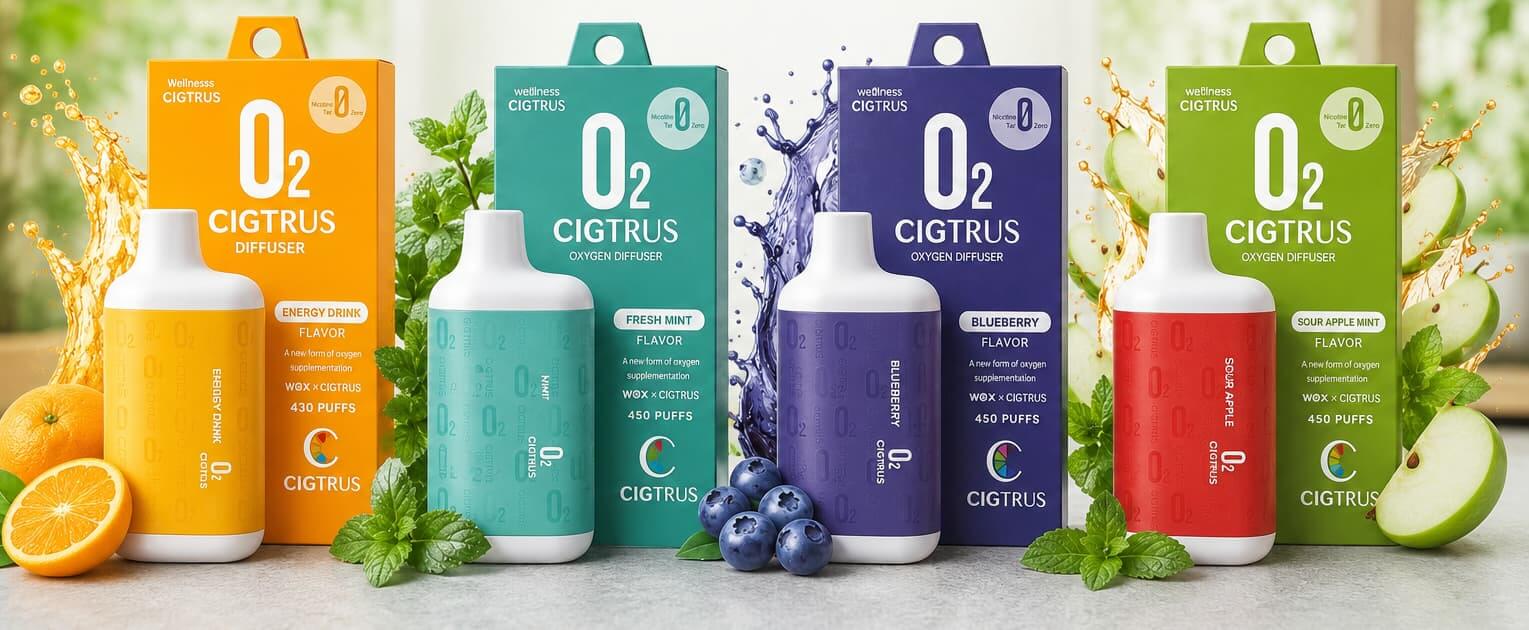
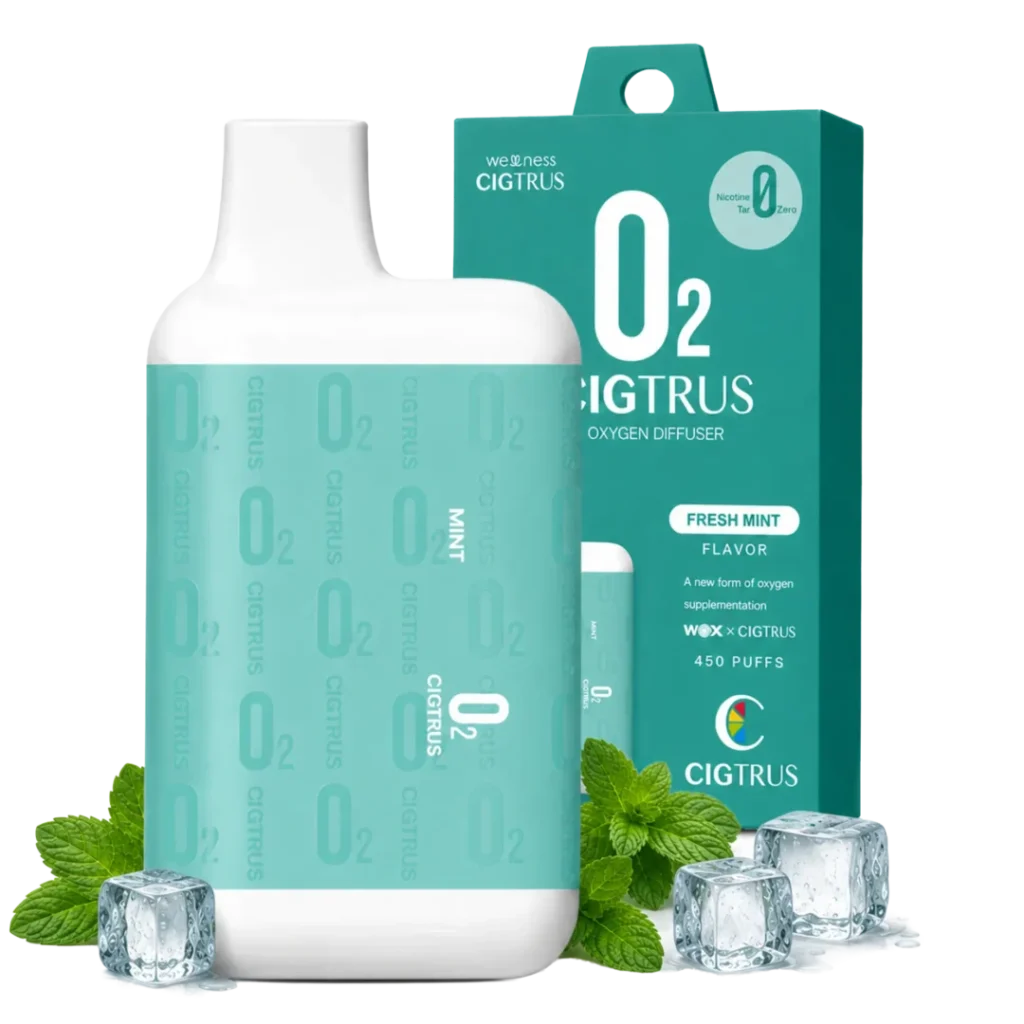
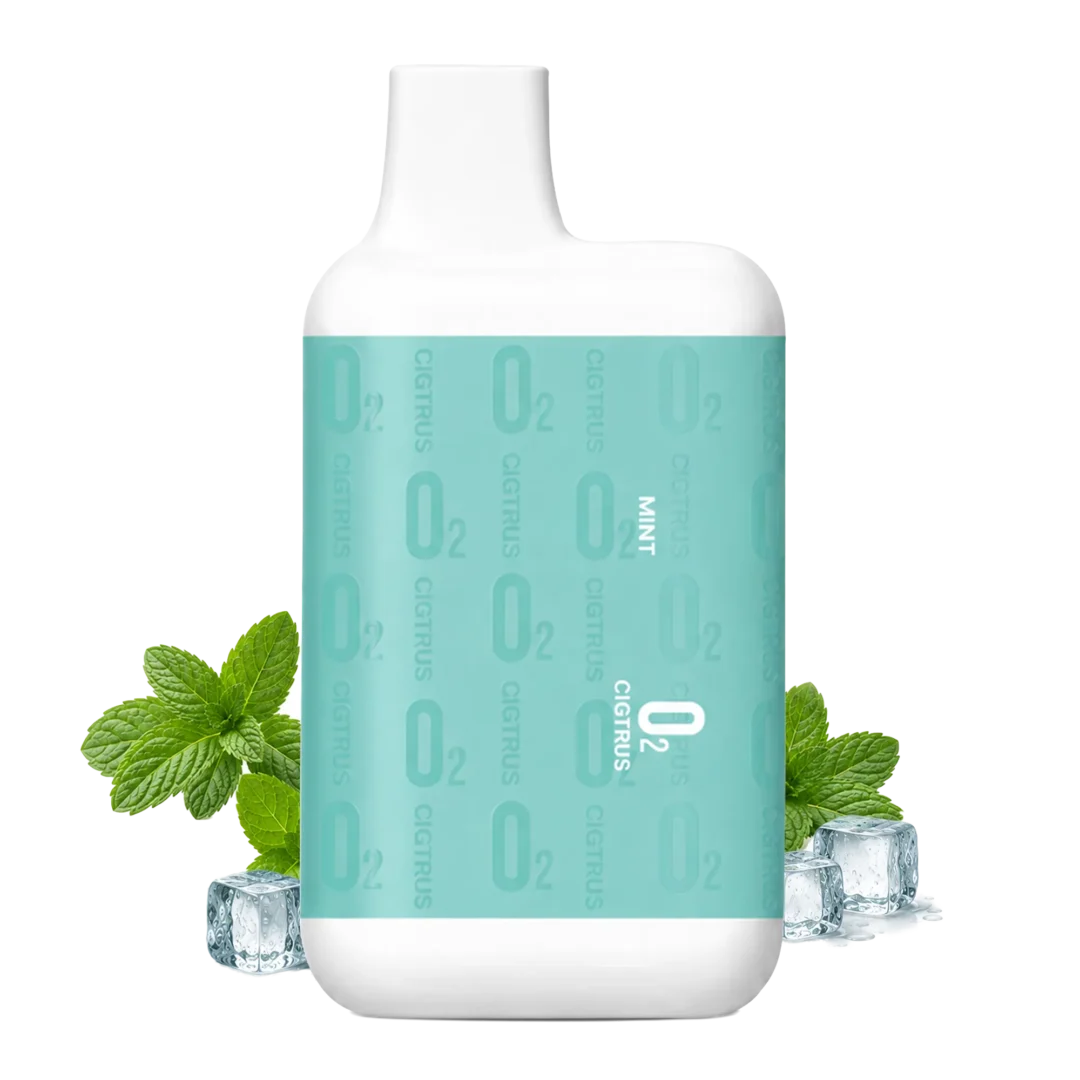
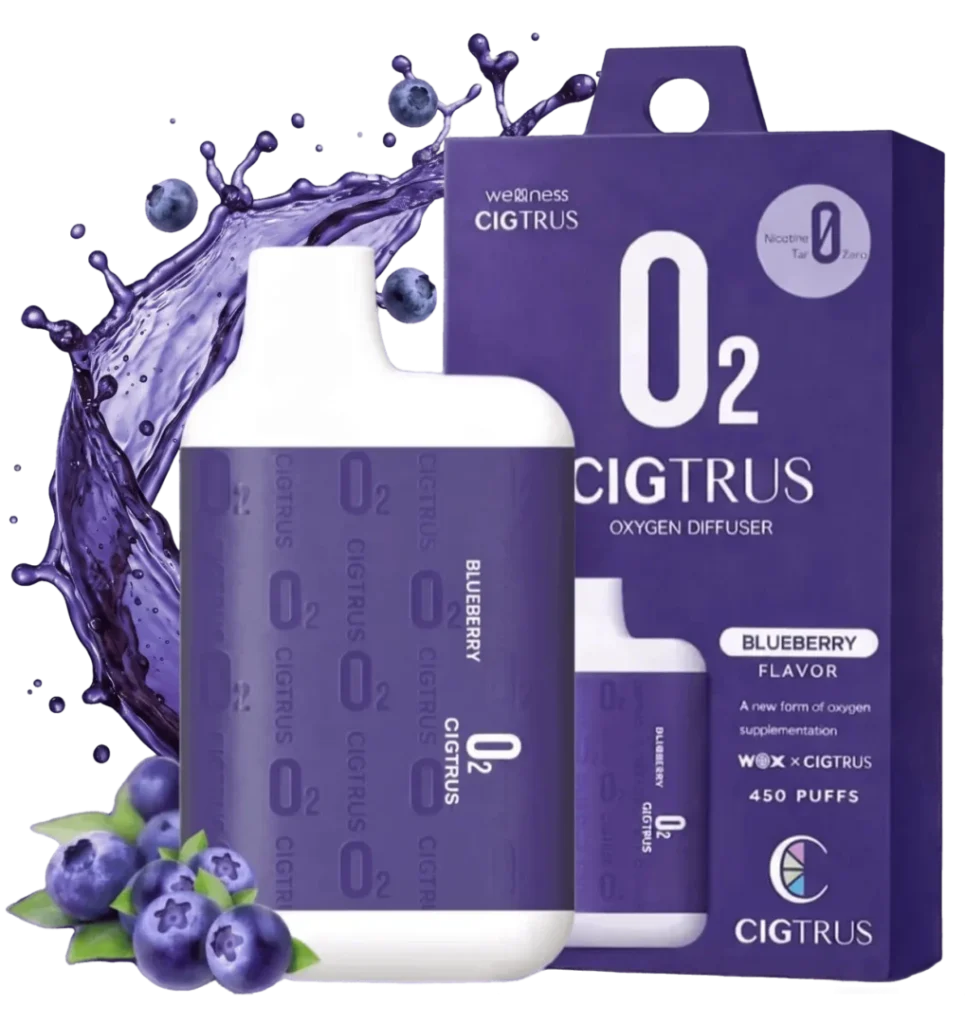
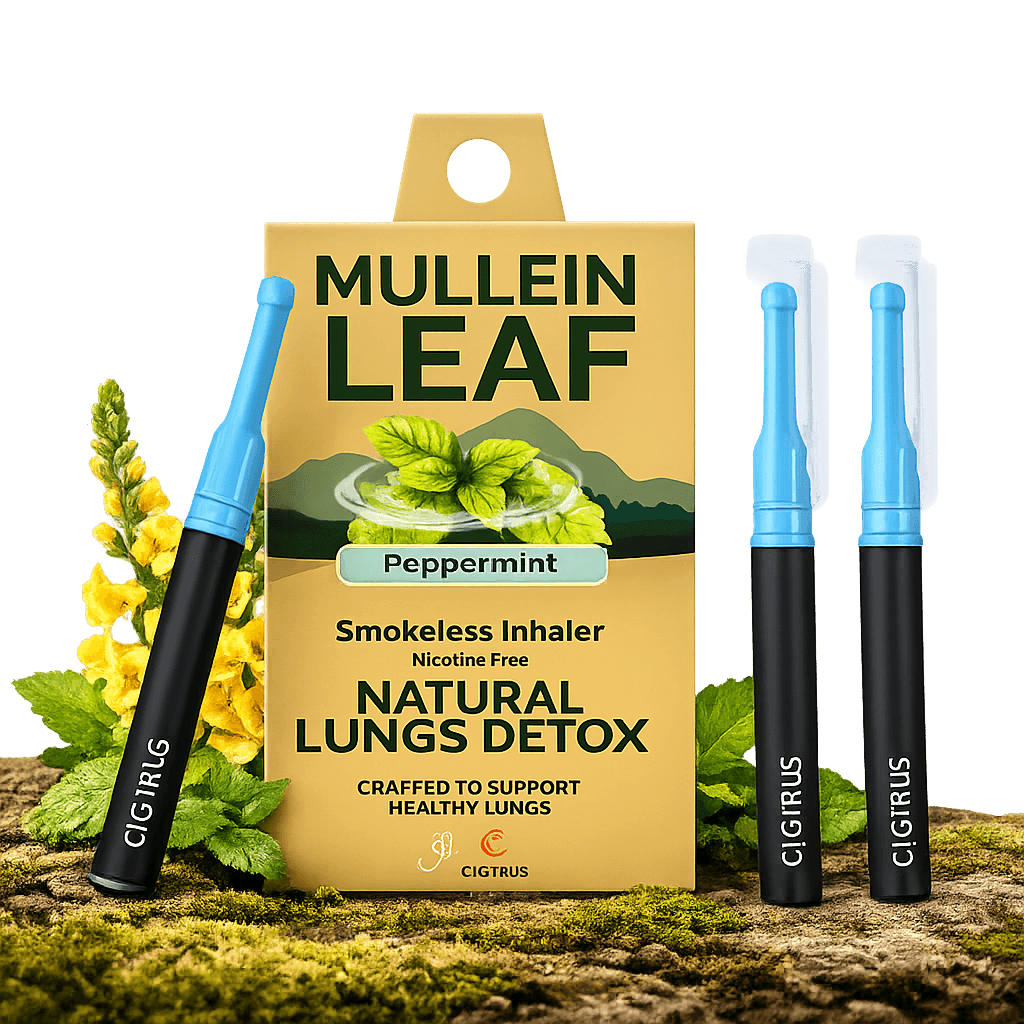
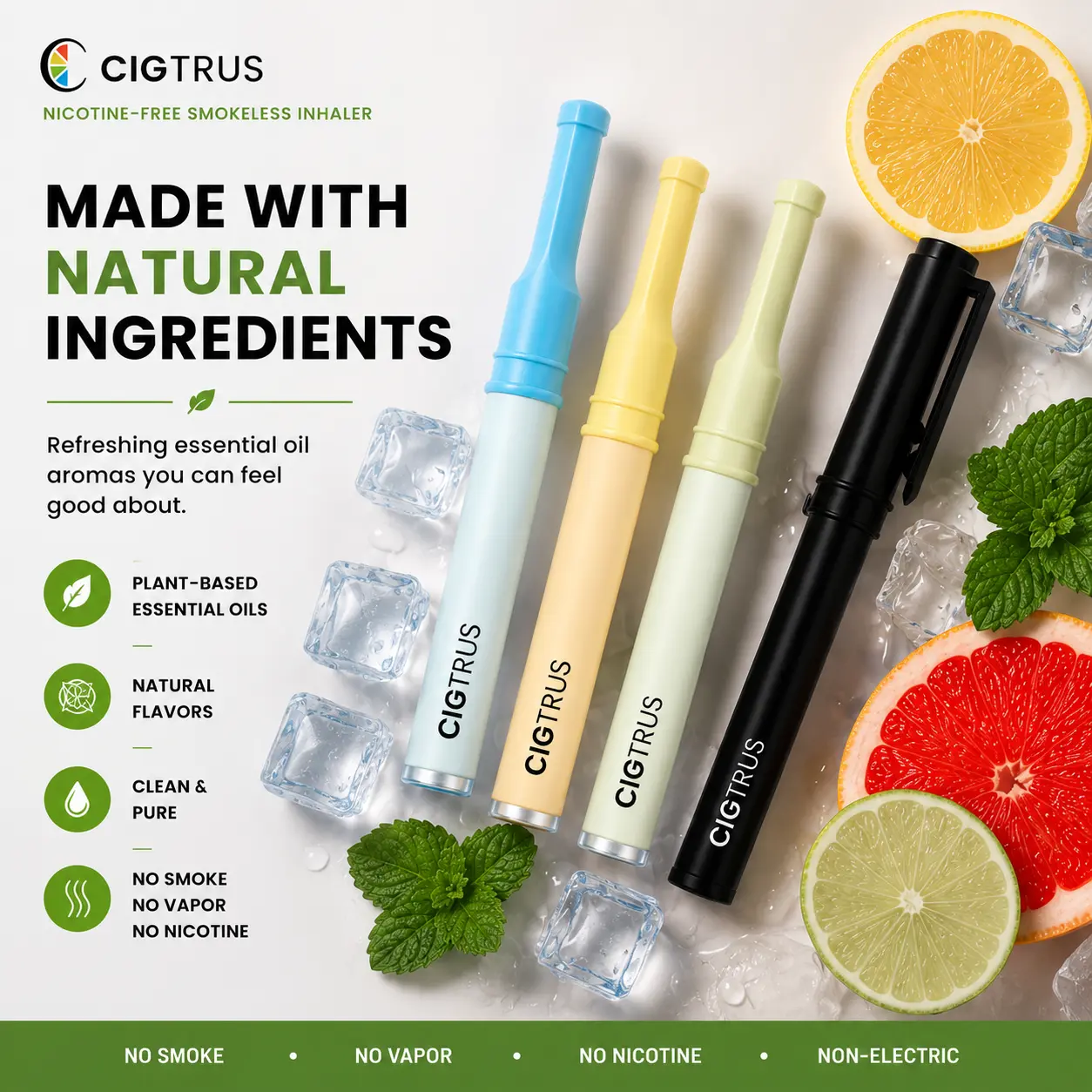
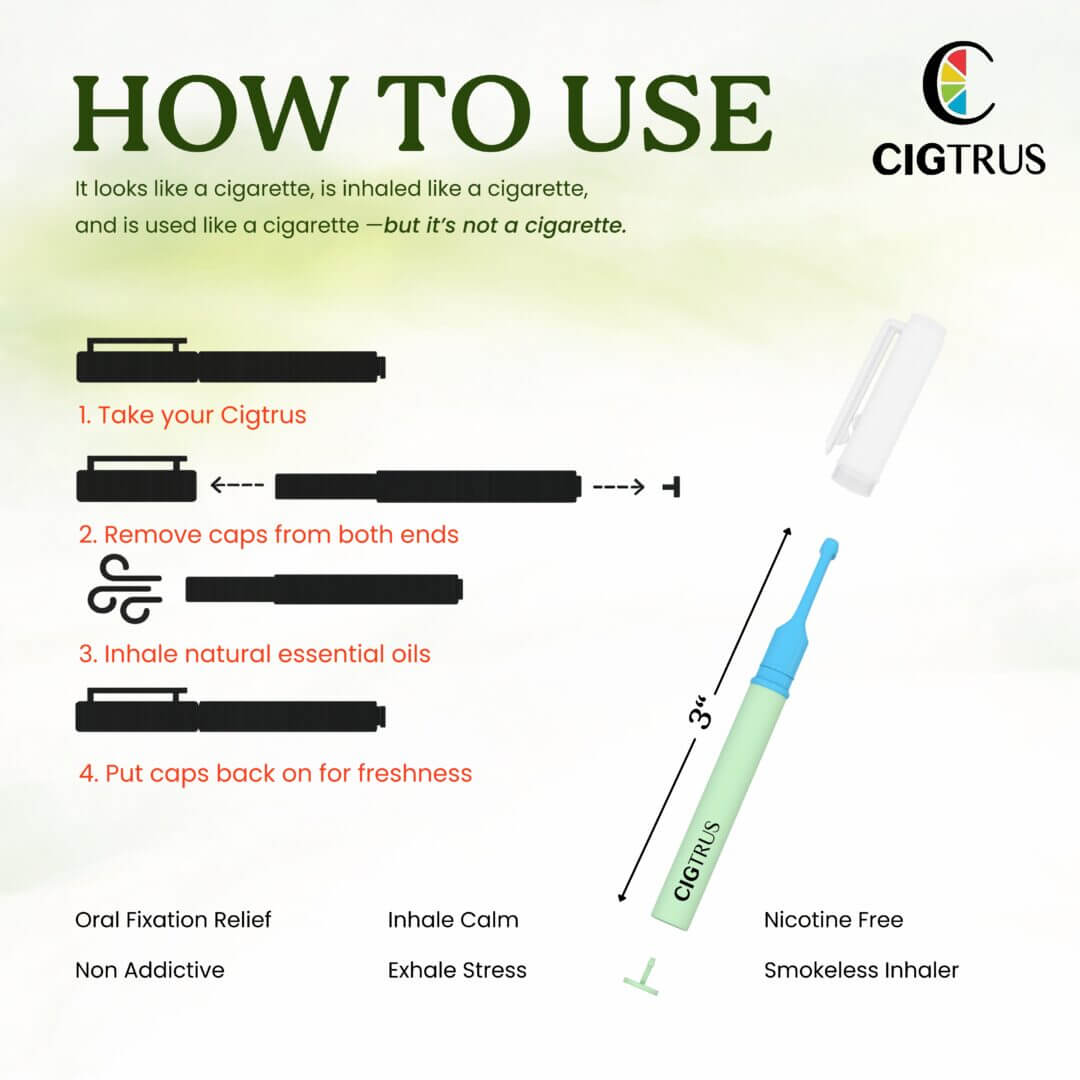
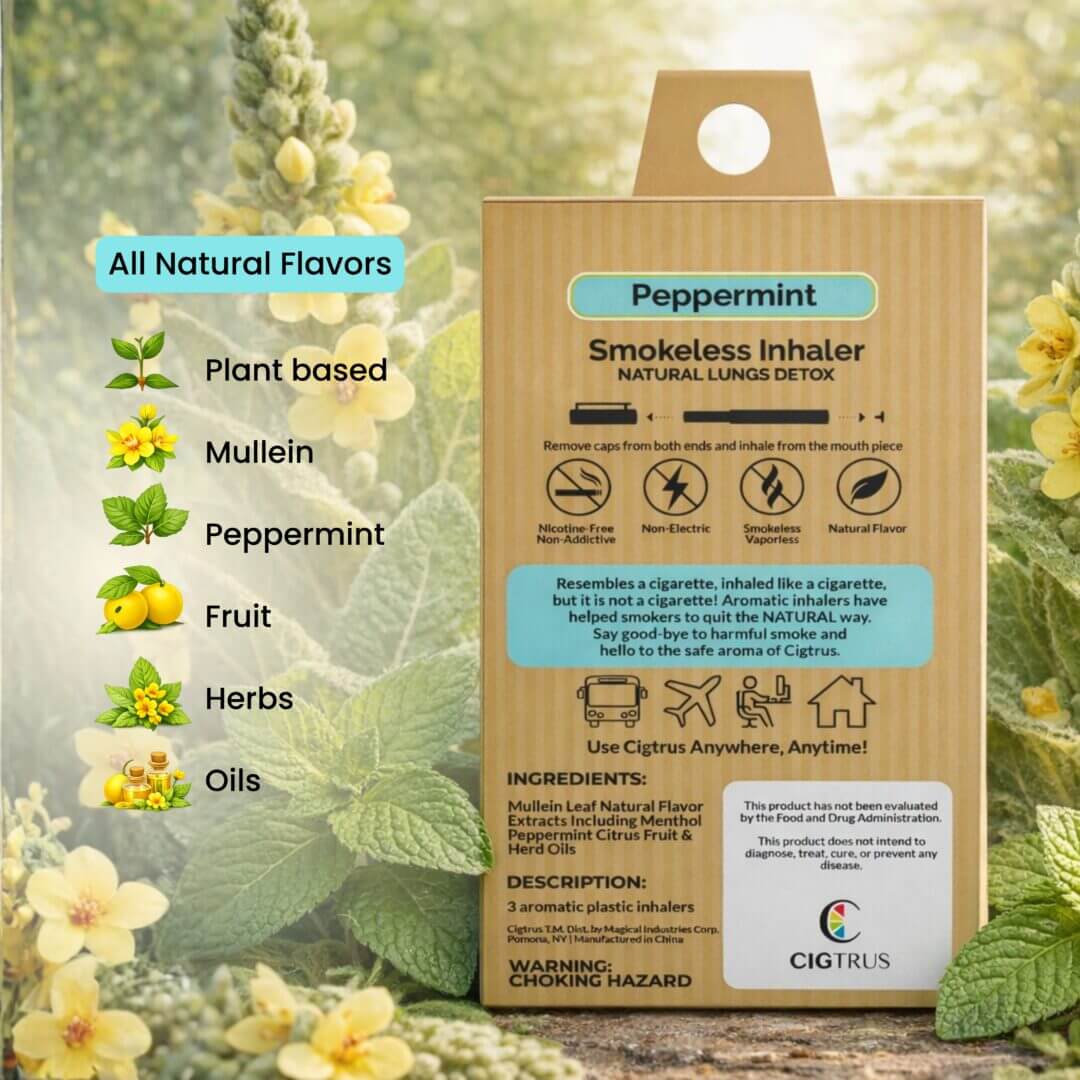
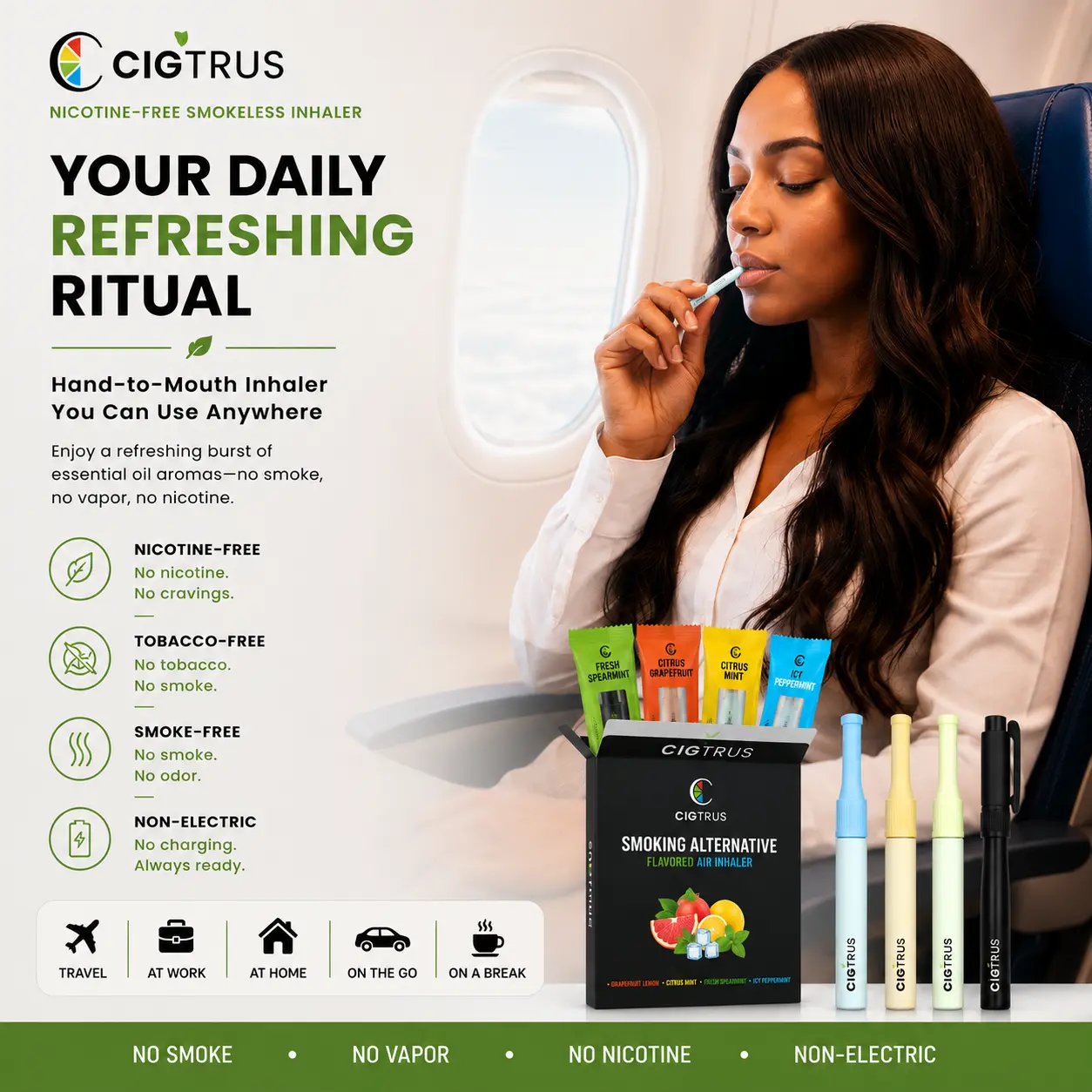
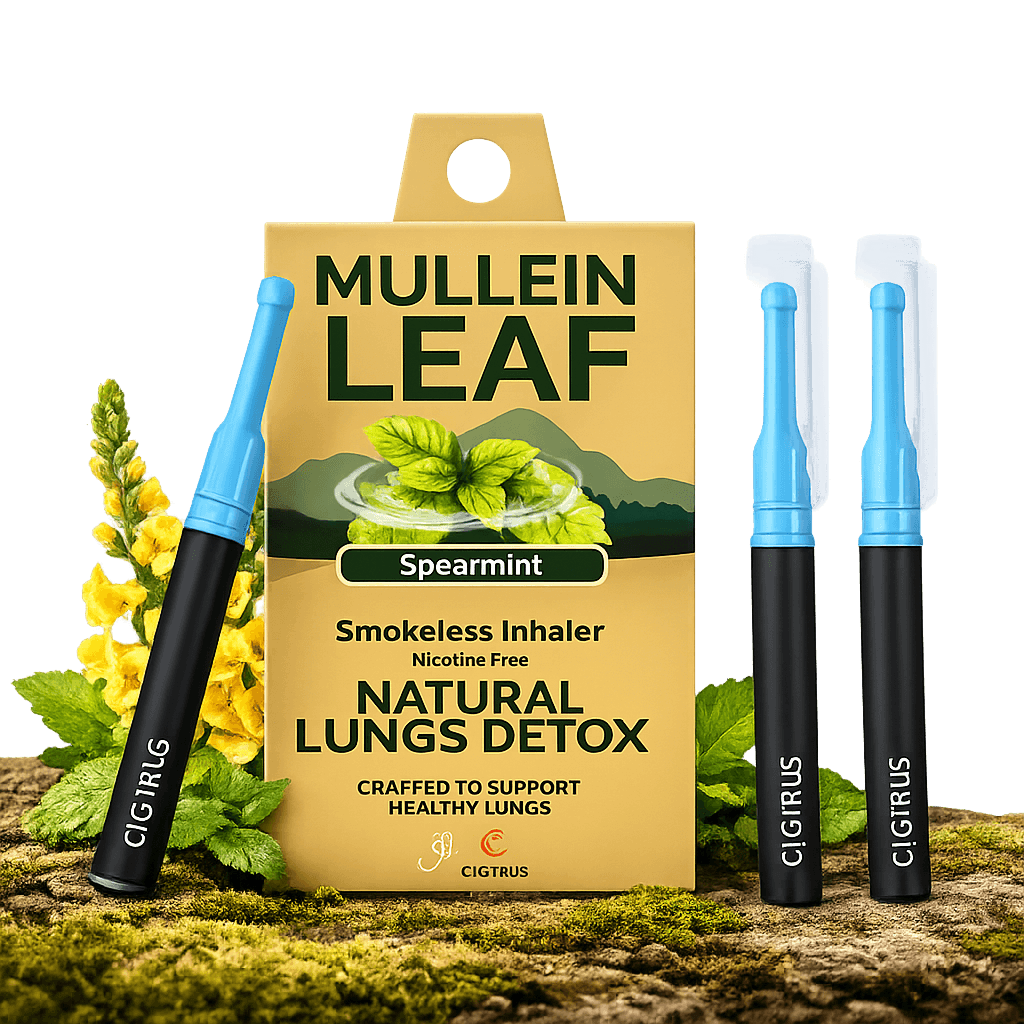
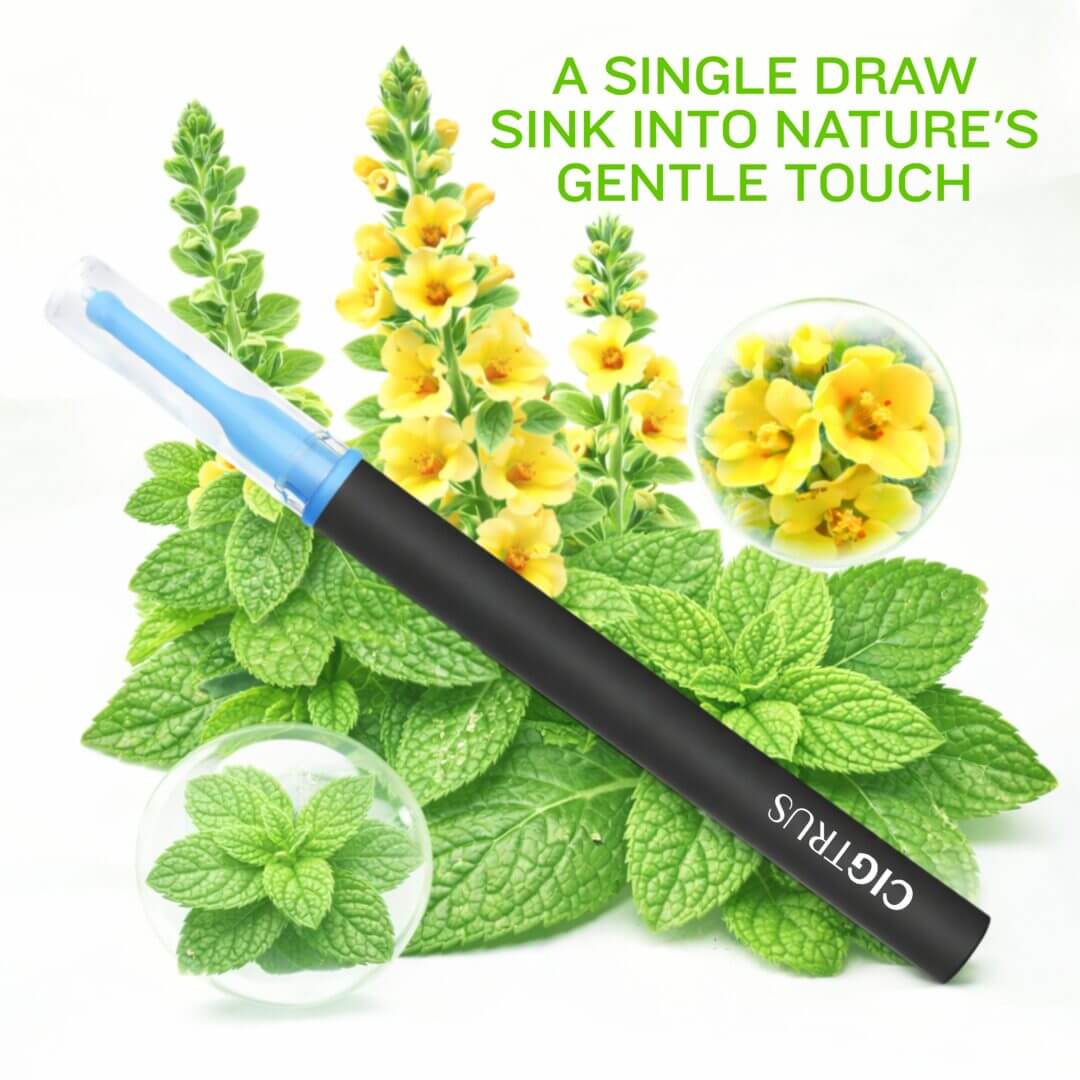
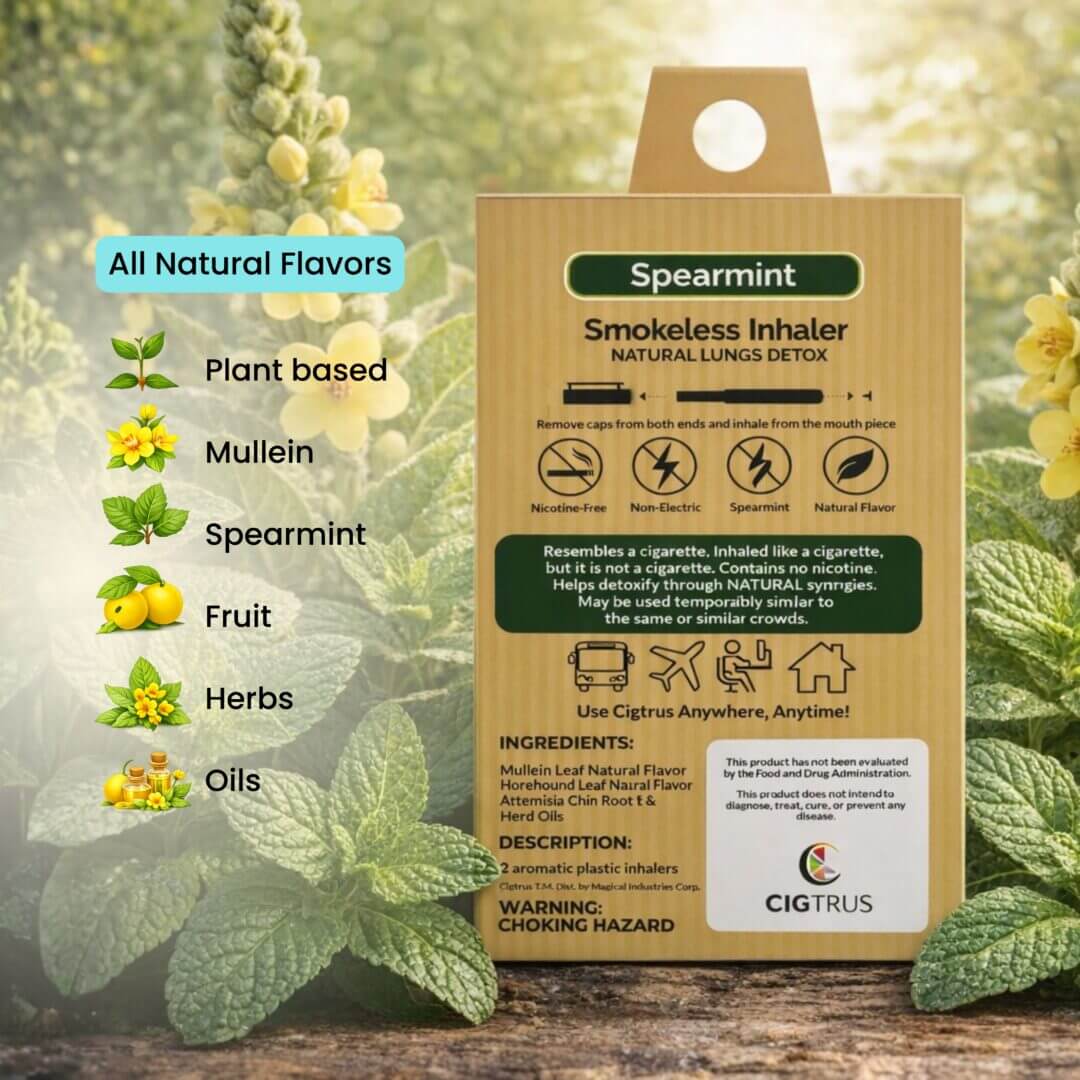
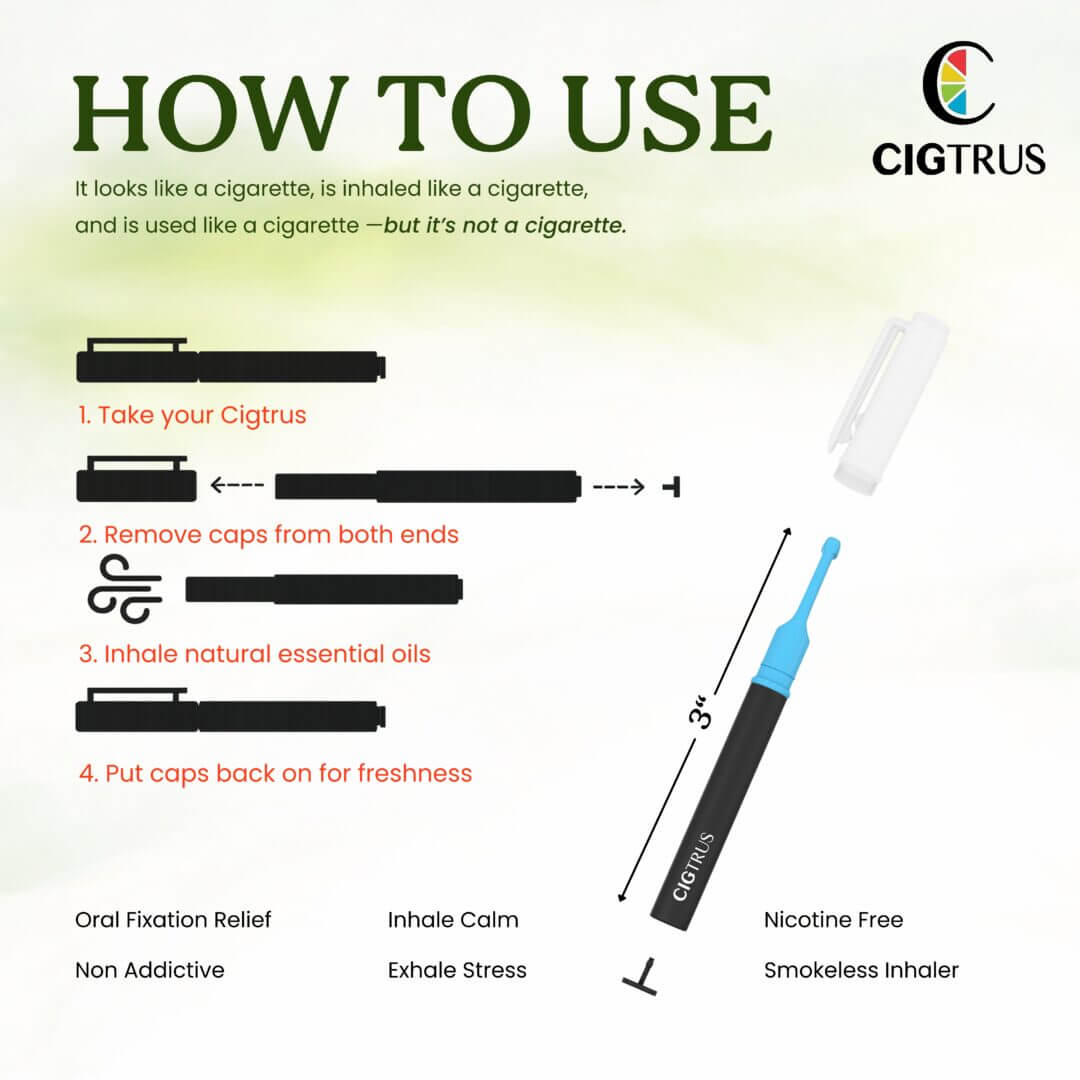
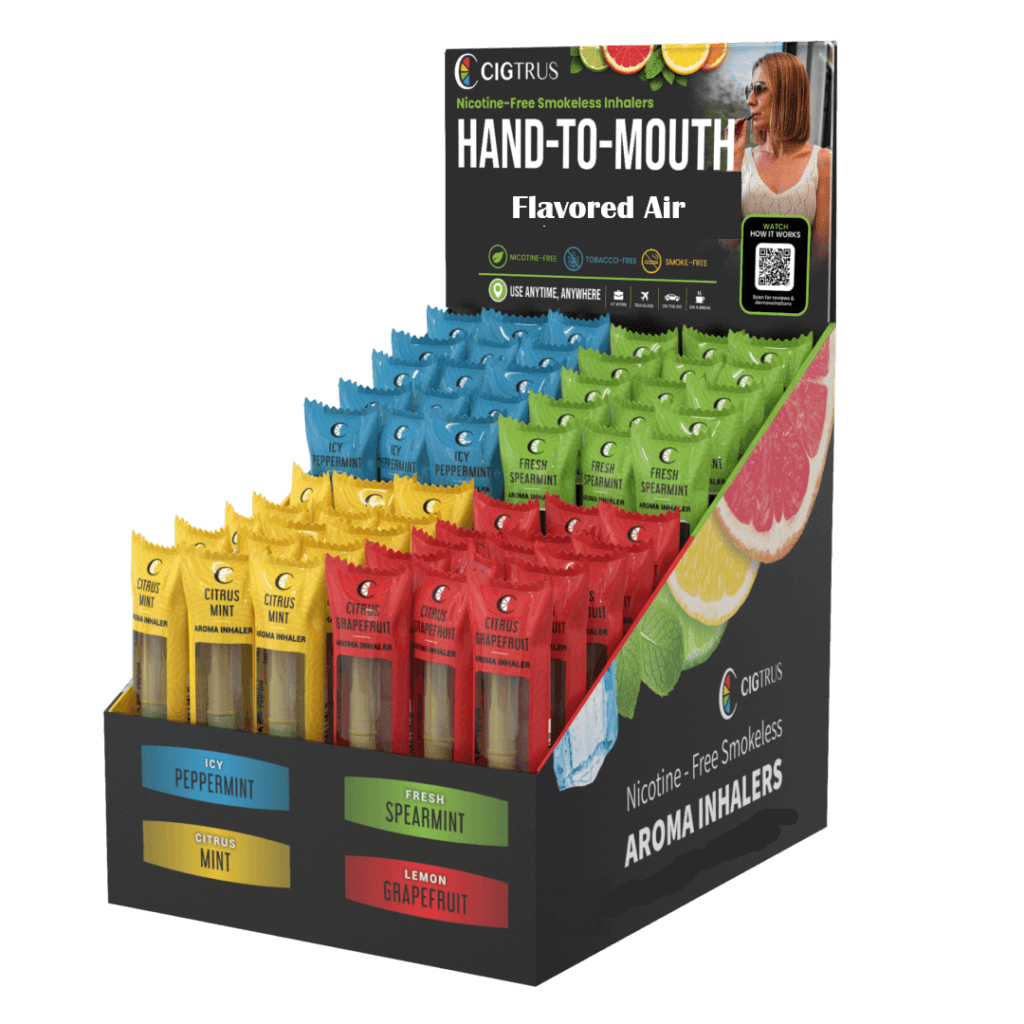
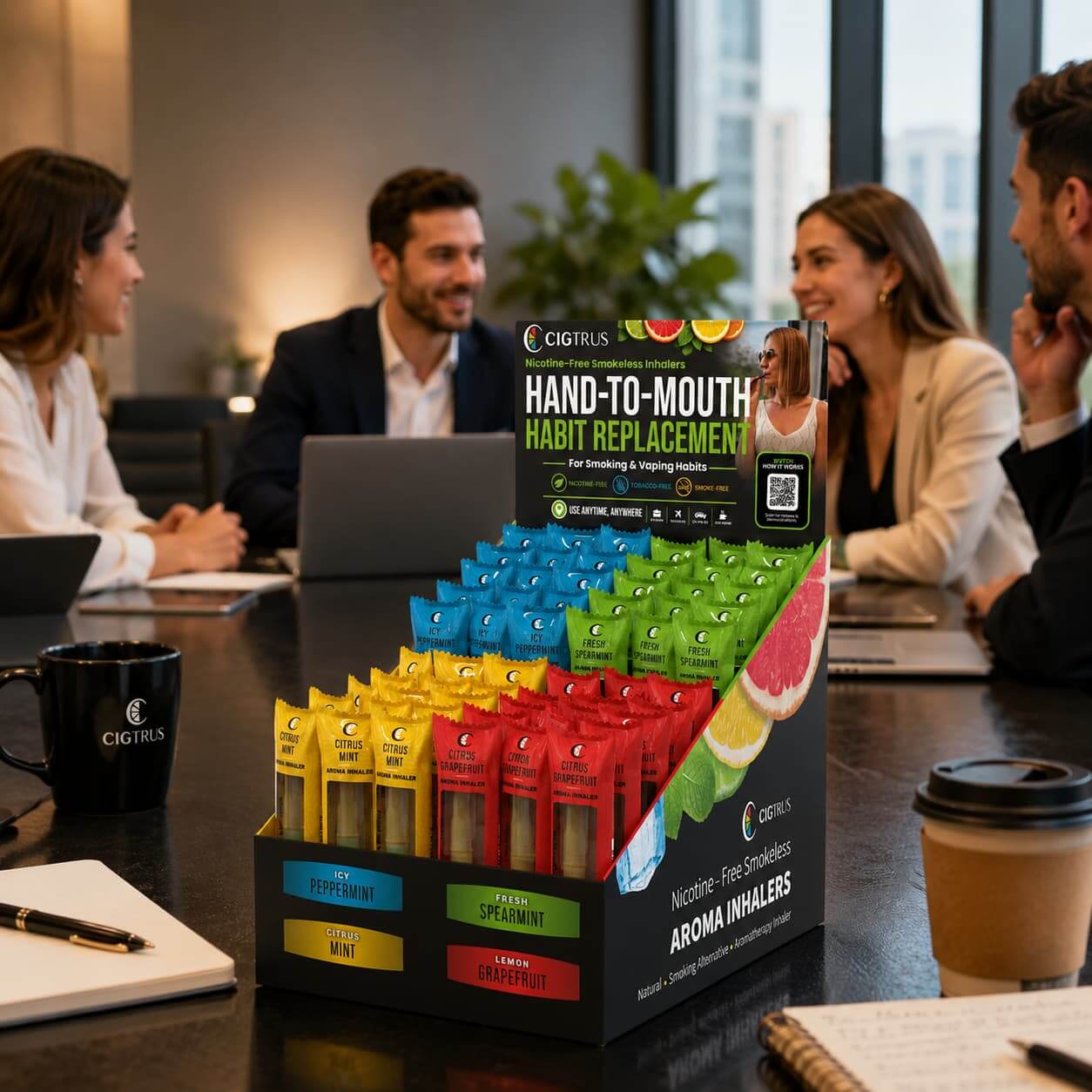
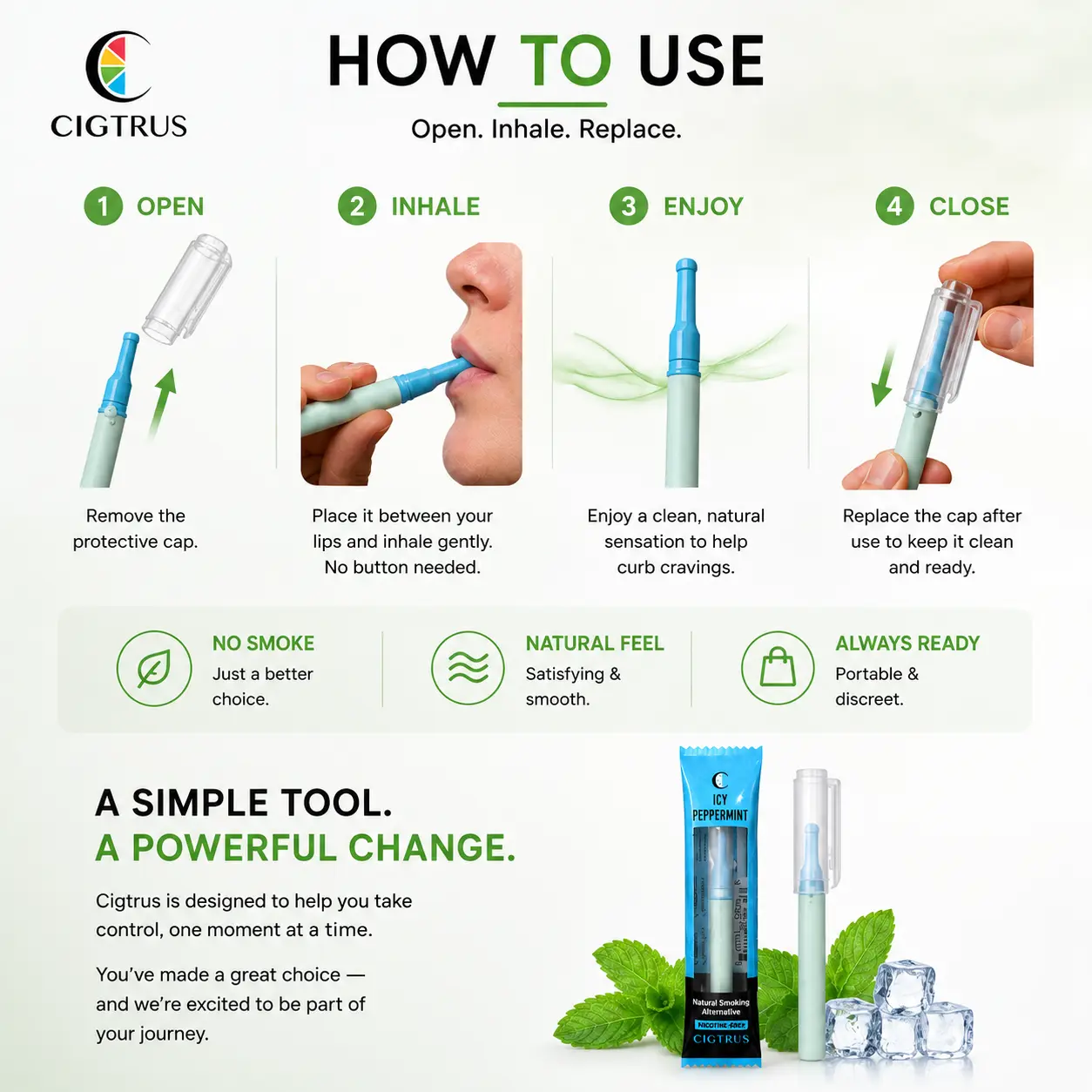
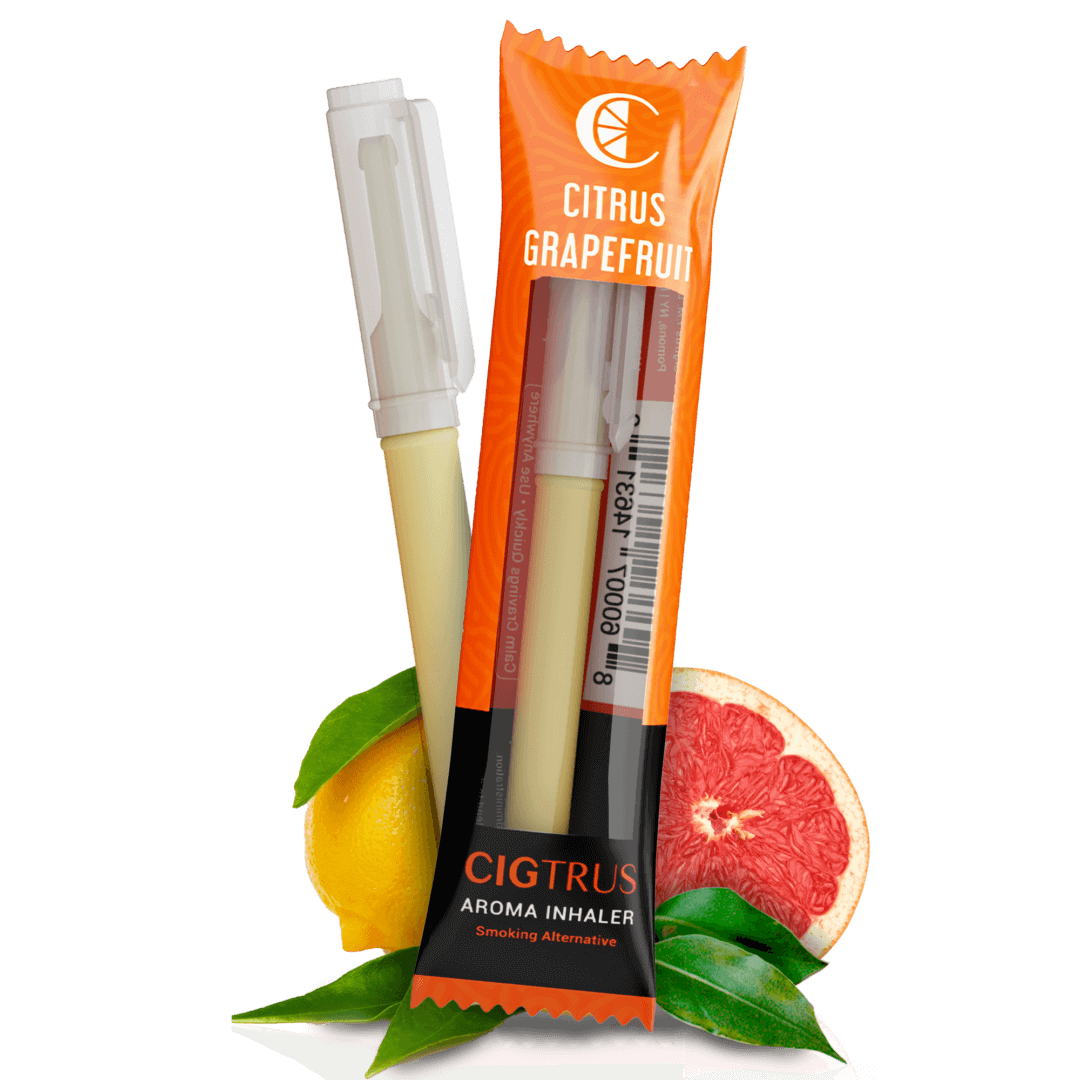
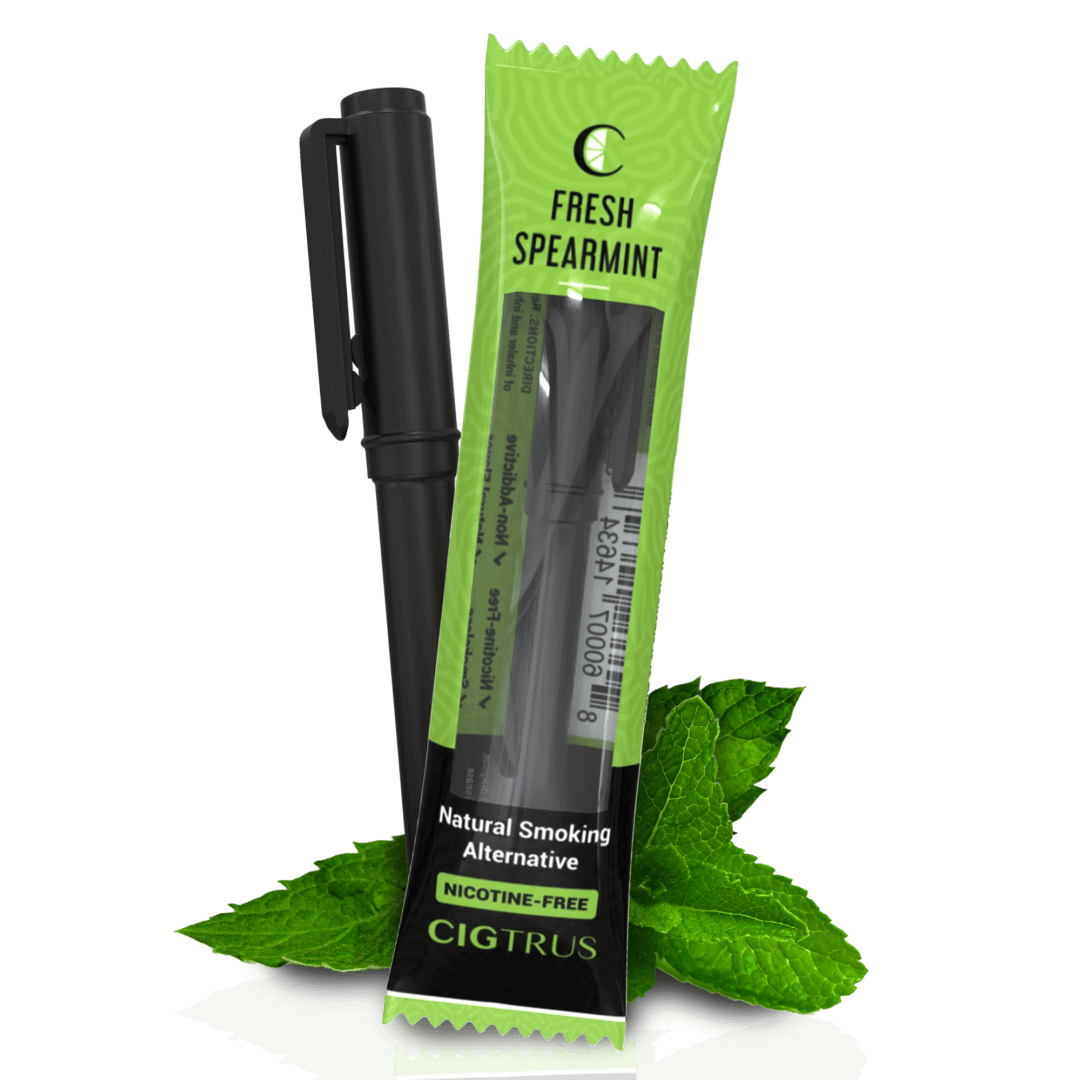
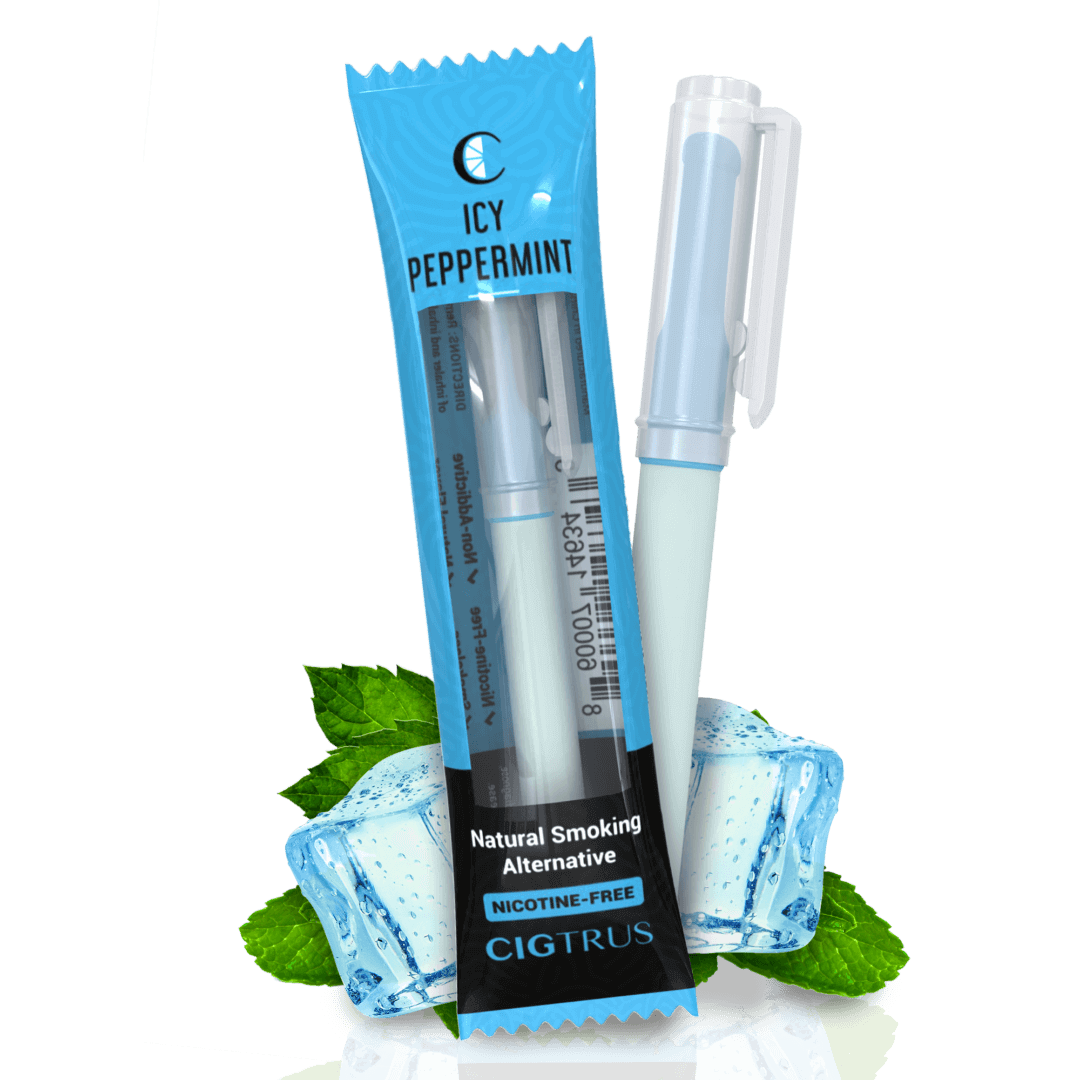
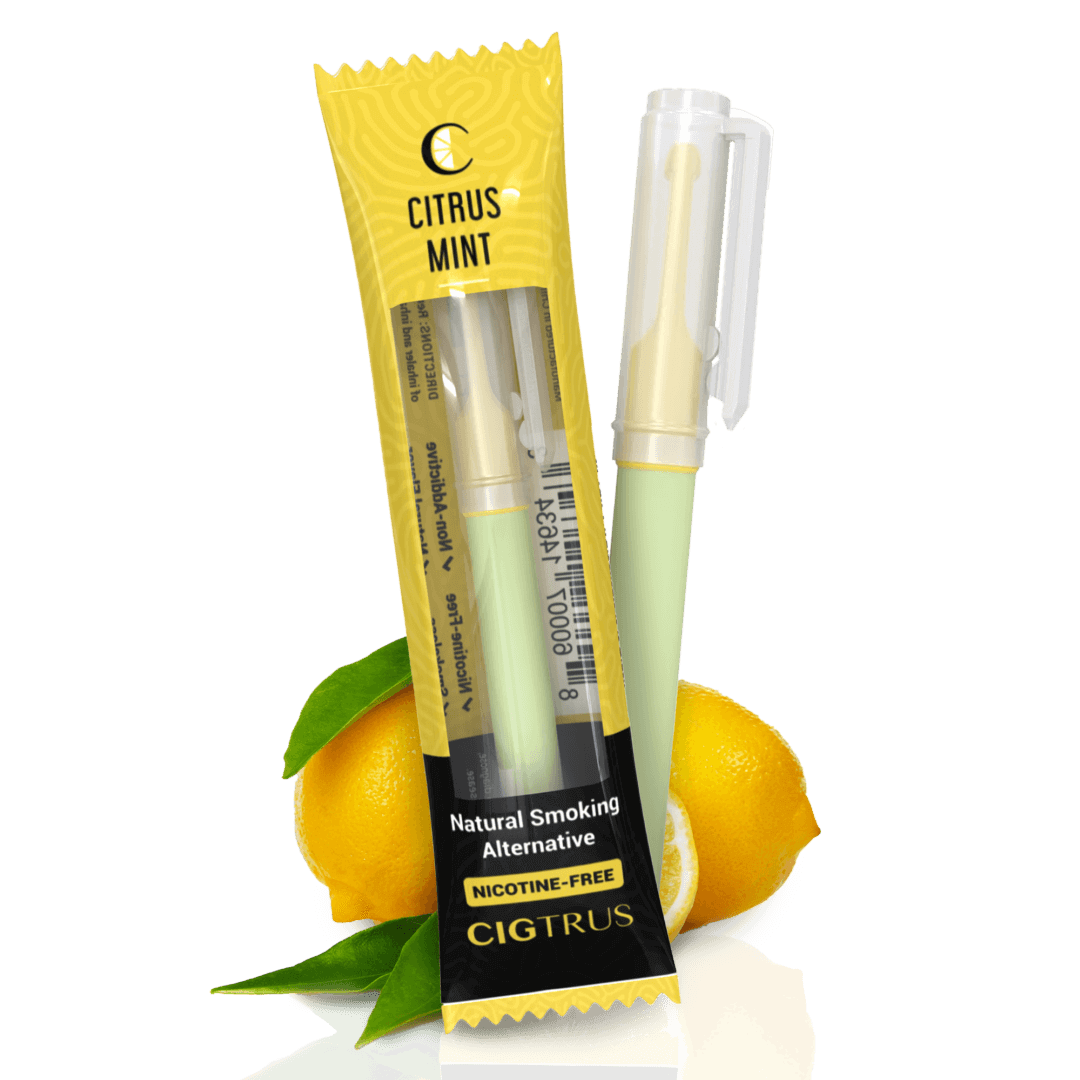
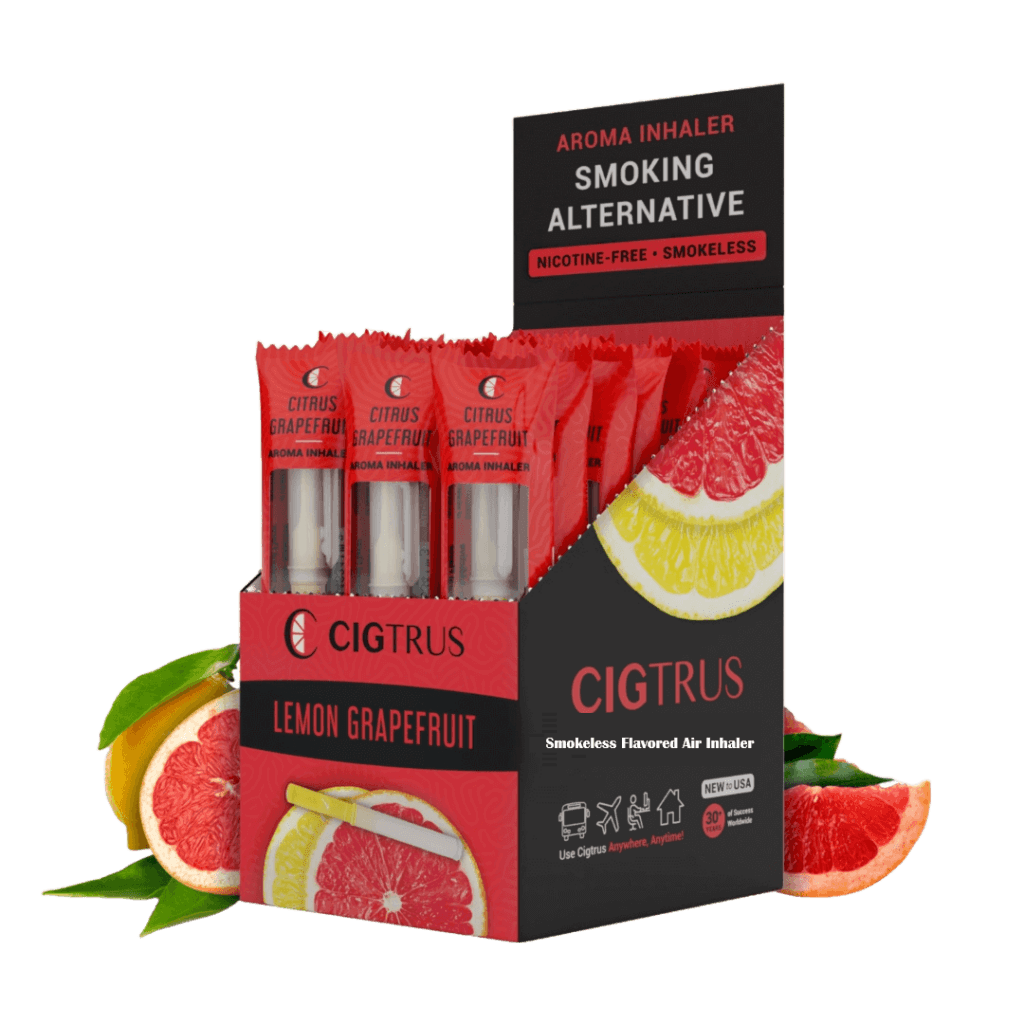
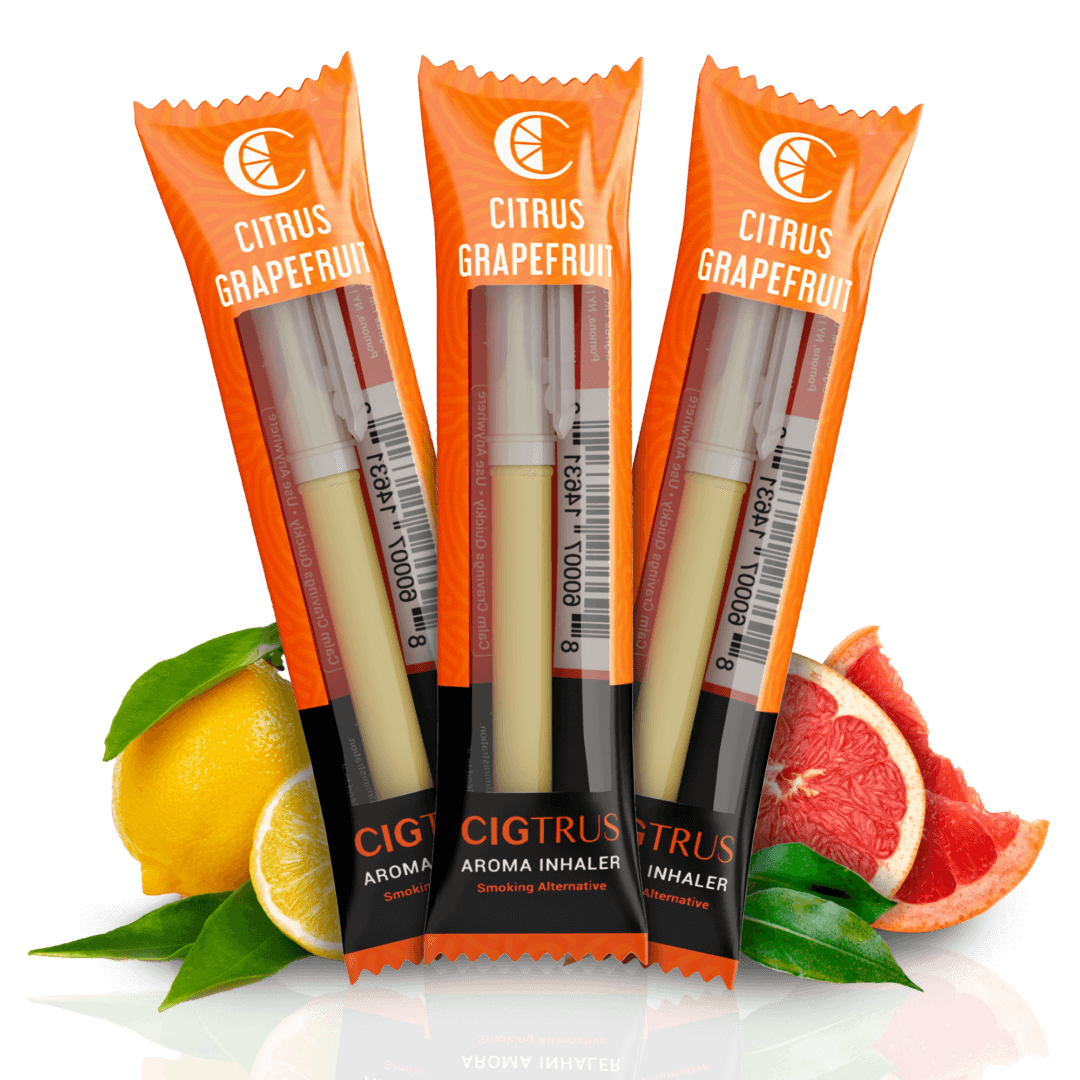
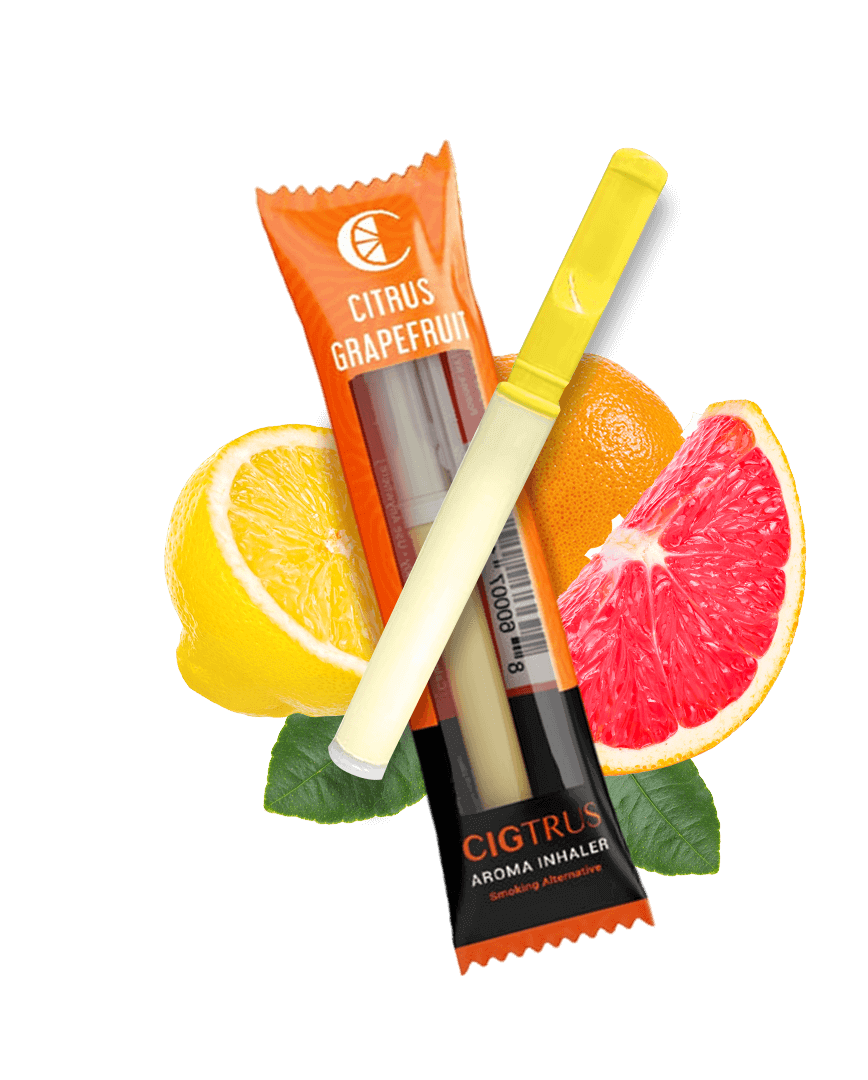
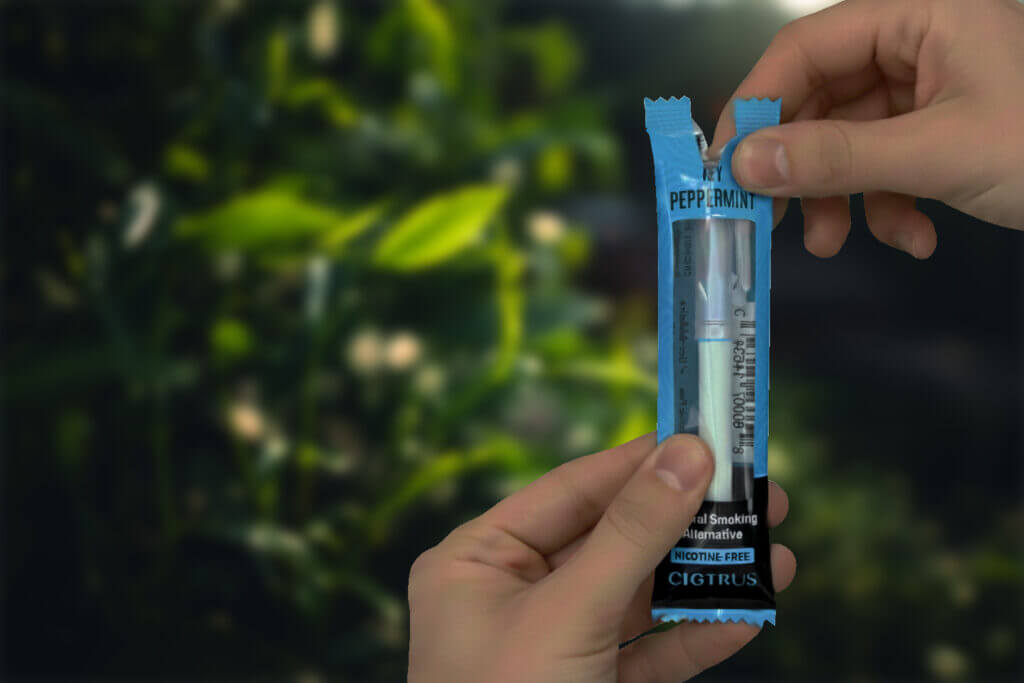
Cigtrus is a smokeless, nicotine-free inhaler designed as a behavioral habit replacement tool for smokers. It contains no nicotine, tobacco, or harmful chemicals. It is non-electric, no battery, no vapor, no heating, and uses natural food-grade essential oil aromas to support the familiar hand-to-mouth motion and inhalation routine without any substance delivery. It comes in four natural aromas, citrus mint, peppermint, grapefruit, and spearmint, to deliver a refreshing sensory experience that addresses both the physical habit and the psychological component of oral fixation.
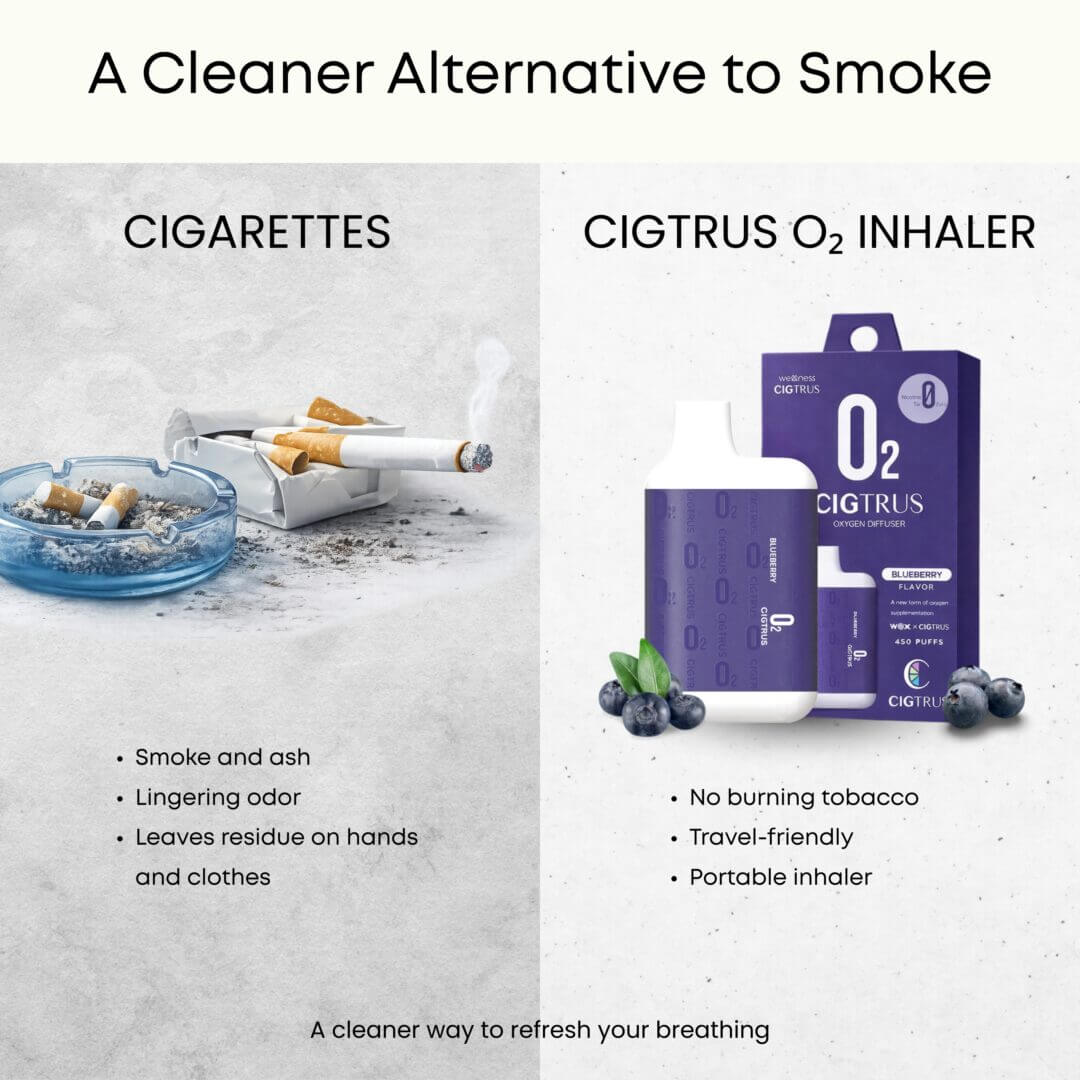
In short, Cigtrus offers the behavioral experience of smoking without nicotine, vapor, or chemicals, making it appealing to those who want to quit without replacing one dependency with another.
Why Cigtrus Meets the Needs of Today’s Quit-Smoking Landscape
Clean, Nicotine-Free and Vapor-Free
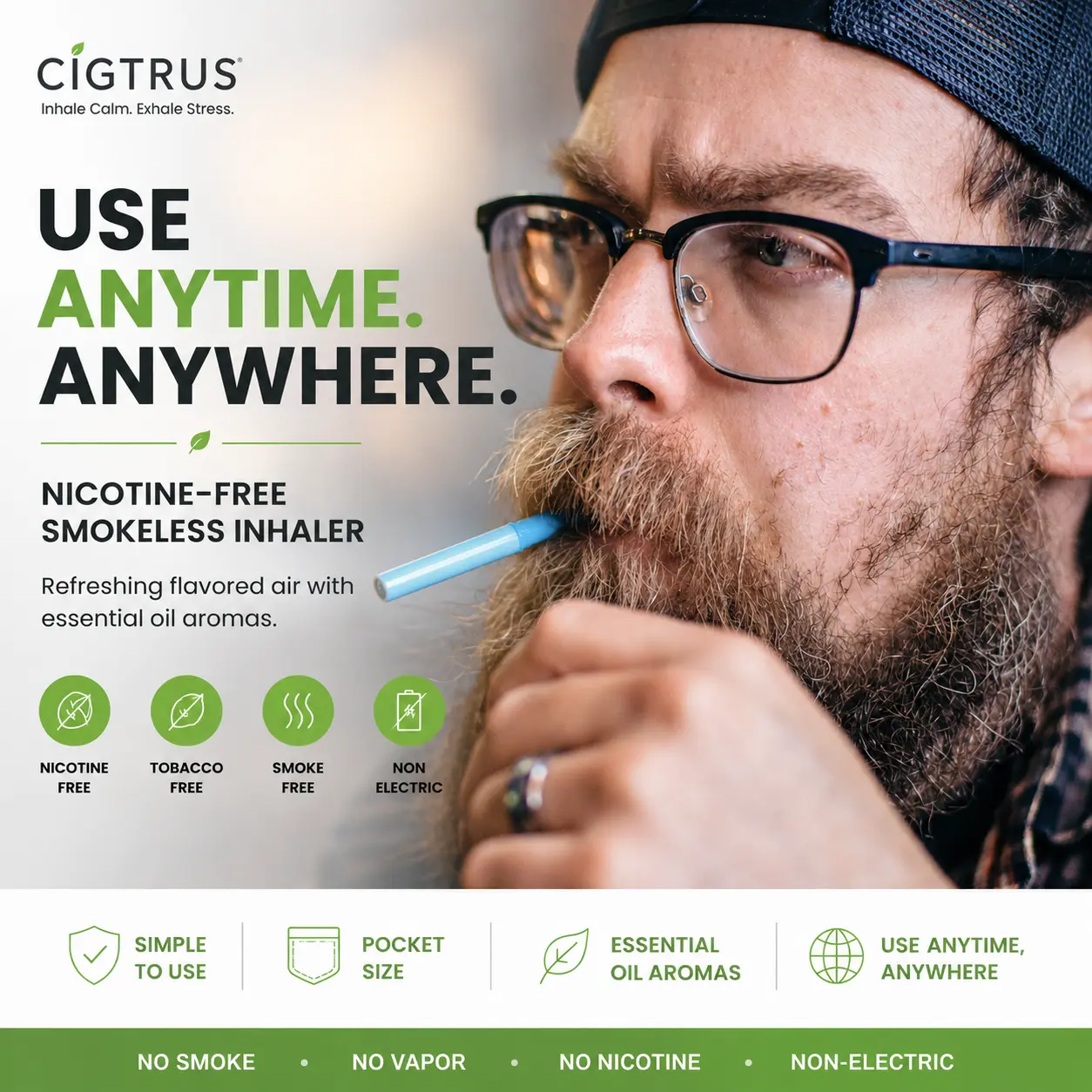
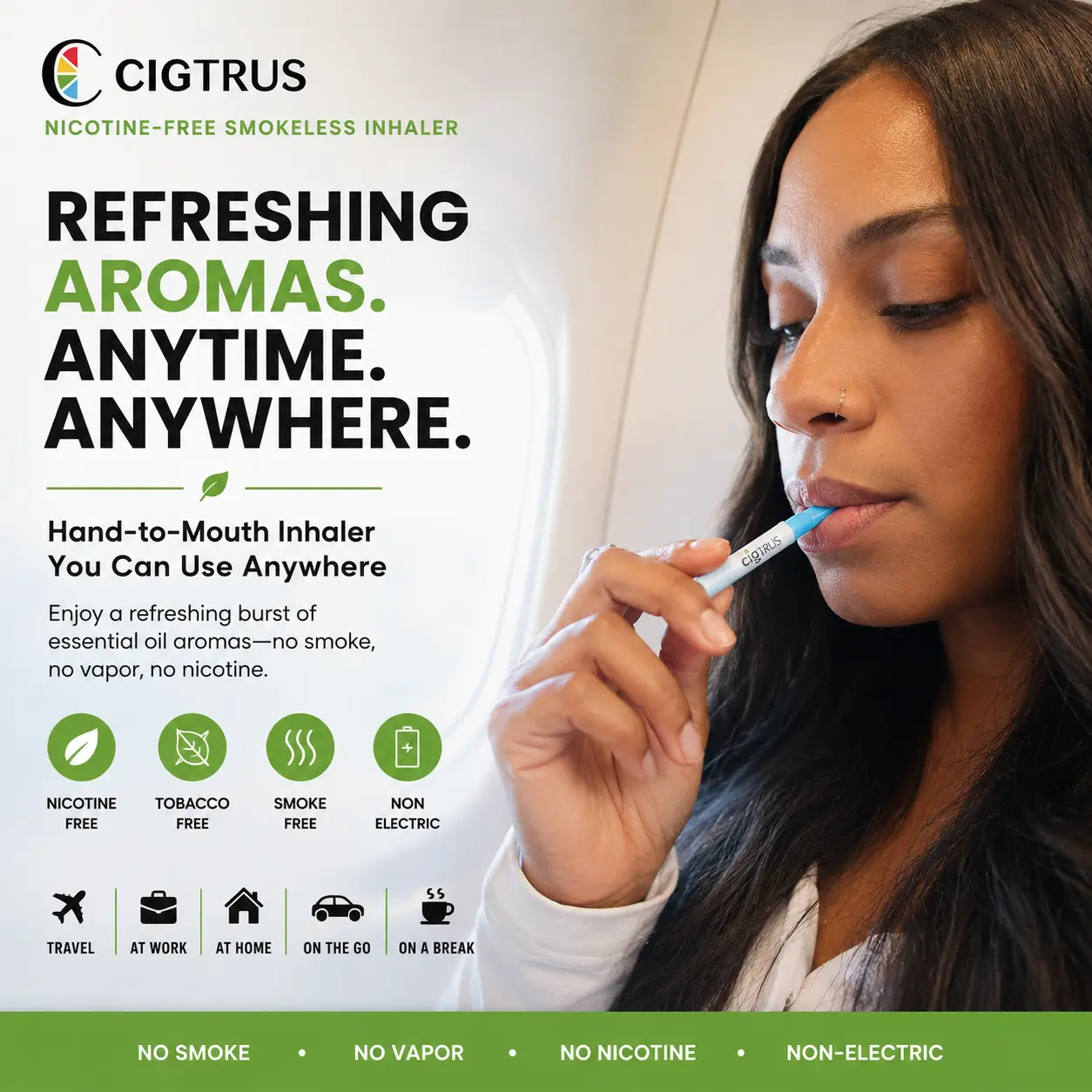
Cigtrus eliminates the core addictive substance and produces no vapor, making it acceptable in offices, public transportation, and any indoor space where smoking and vaping are restricted.
Replaces the Habit, Not Just the Addiction
Many ex-smokers say the hardest part is missing the physical ritual of holding something, inhaling, the hand-to-mouth motion. Cigtrus supports that behavioral component directly.
Simple, Portable, and Discreet
No batteries, no refills, no complicated device. Pocket-sized and ready anywhere, in work meetings, social settings, or commuting, without violating any smoke-free rules.
Natural Aromas and Sensory Support
Four refreshing natural aroma options give a sensory experience that helps manage cravings and makes the behavioral transition feel genuinely satisfying rather than deprived.
What’s Driving Growing Awareness Around Cigtrus
Several converging factors are contributing to growing interest in Cigtrus. Shifting public health attitudes mean more people now aim to quit nicotine and vapor entirely, not just switch products. Tighter restrictions on smoking and vaping in public spaces make smokeless, odorless, discreet solutions more attractive than ever. More cessation approaches now recognize the importance of replacing behavioral habits alongside fighting chemical withdrawal, products like Cigtrus align directly with that insight. And growing awareness of long-term smoking risks is driving demand for clean alternatives that support healthier lifestyles rather than shift dependency from one substance to another.
Community and User Experience
Users who have incorporated Cigtrus into their quit journey frequently highlight its support for the hand-to-mouth habit as the key differentiator, particularly during the weeks and months after nicotine withdrawal ends, when the behavioral habit continues firing at familiar trigger moments. The simplicity and portability are consistently cited as practical advantages that make consistent use easy rather than effortful.
Who Might Benefit Most From Cigtrus
Smokers wanting to quit completely
Those who want to avoid replacing cigarettes with another nicotine habit.
People struggling with the ritual
Those who miss the physical act more than nicotine and need a genuine behavioral substitute.
Those in smoke-free environments
People working or living in spaces where smoking and vaping are banned who need something always accessible.
People early in their quit journey
Especially when oral fixation, behavioral triggers, and habitual reach are the primary drivers of relapse.
Using Cigtrus Most Effectively
Cigtrus works best when used consciously and consistently, paired with a clear quit goal, trigger awareness, and where appropriate, professional cessation support. The inhaler handles the behavioral substitution and sensory component at every trigger moment; quitting remains an active, ongoing decision that benefits from being combined with broader support. No single tool guarantees success, and Cigtrus is designed to be the behavioral complement to a complete quit plan rather than the entirety of it.
Why This Moment Matters for Quit-Smoking Solutions Like Cigtrus
As awareness grows around vaping risks, long-term smoking harm, and the limitations of nicotine replacement therapy, demand increases for safer, cleaner alternatives. Smokeless, nicotine-free options that address the behavioral habit as well as the addiction stand to gain significant ground. Cigtrus fits that emerging space, addressing behavioral, sensory, and convenience needs while removing nicotine and vapor entirely. With these advantages and growing user awareness, Cigtrus is increasingly seen not just as a quit tool, but as a lifestyle choice: a bridge from dependency toward genuine freedom.
See Why the Buzz Is Growing.
Natural aroma, no nicotine, no vapor, the behavioral habit replacement that covers what NRT leaves out.
👉 Try the Variety Pack