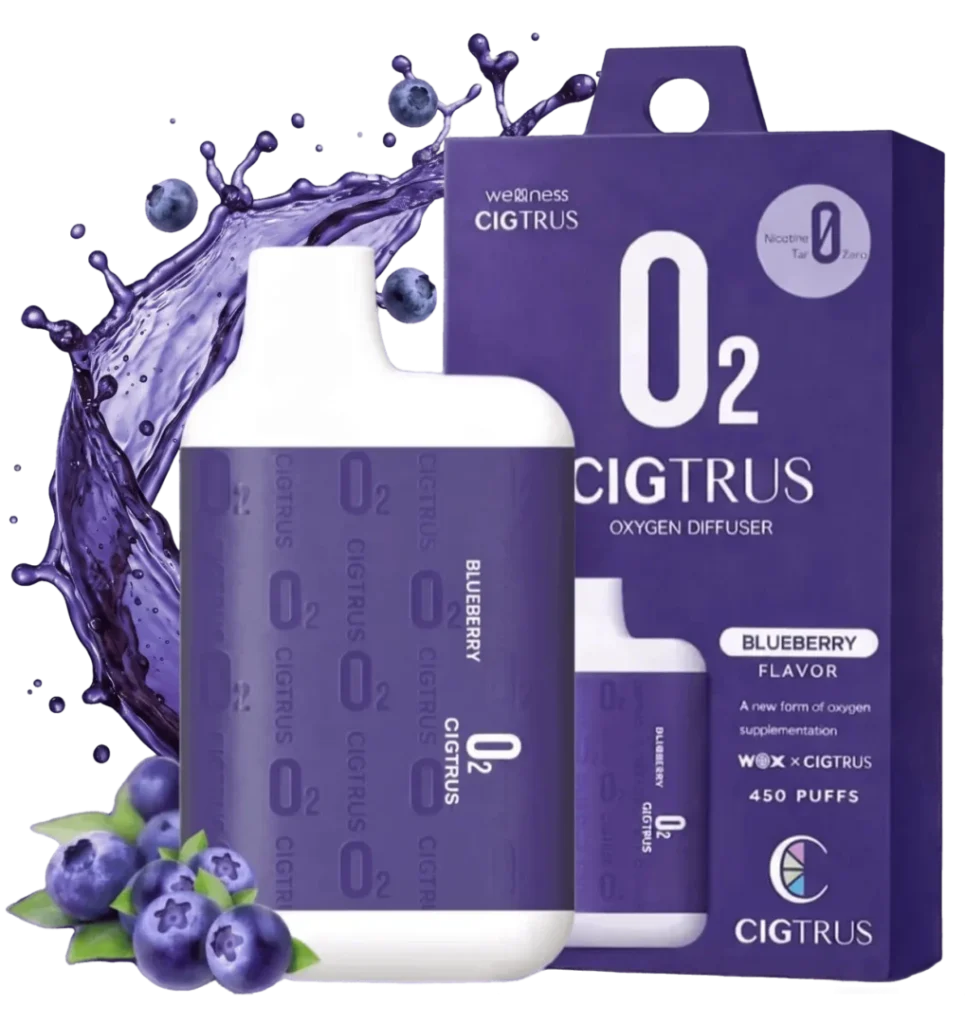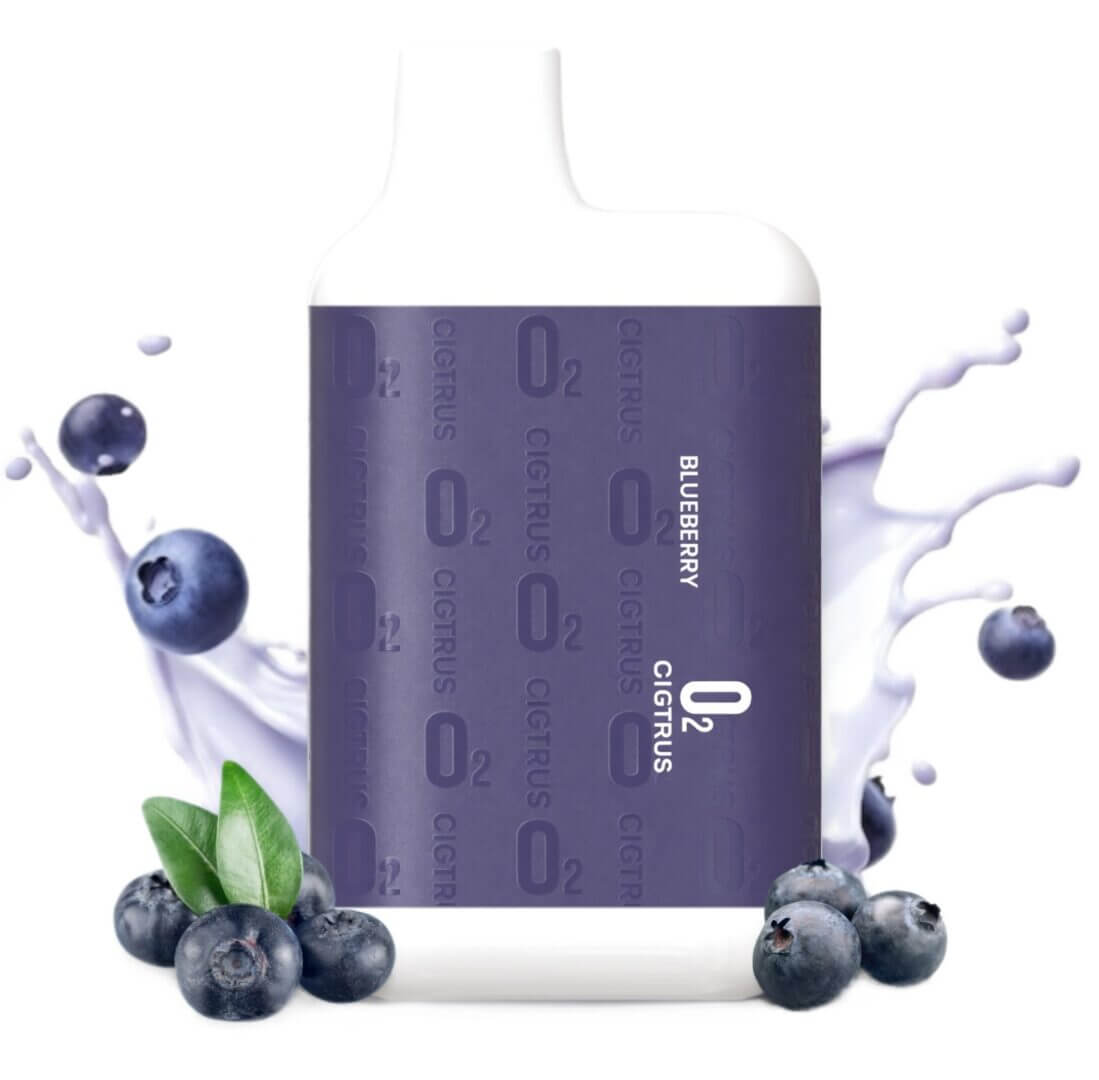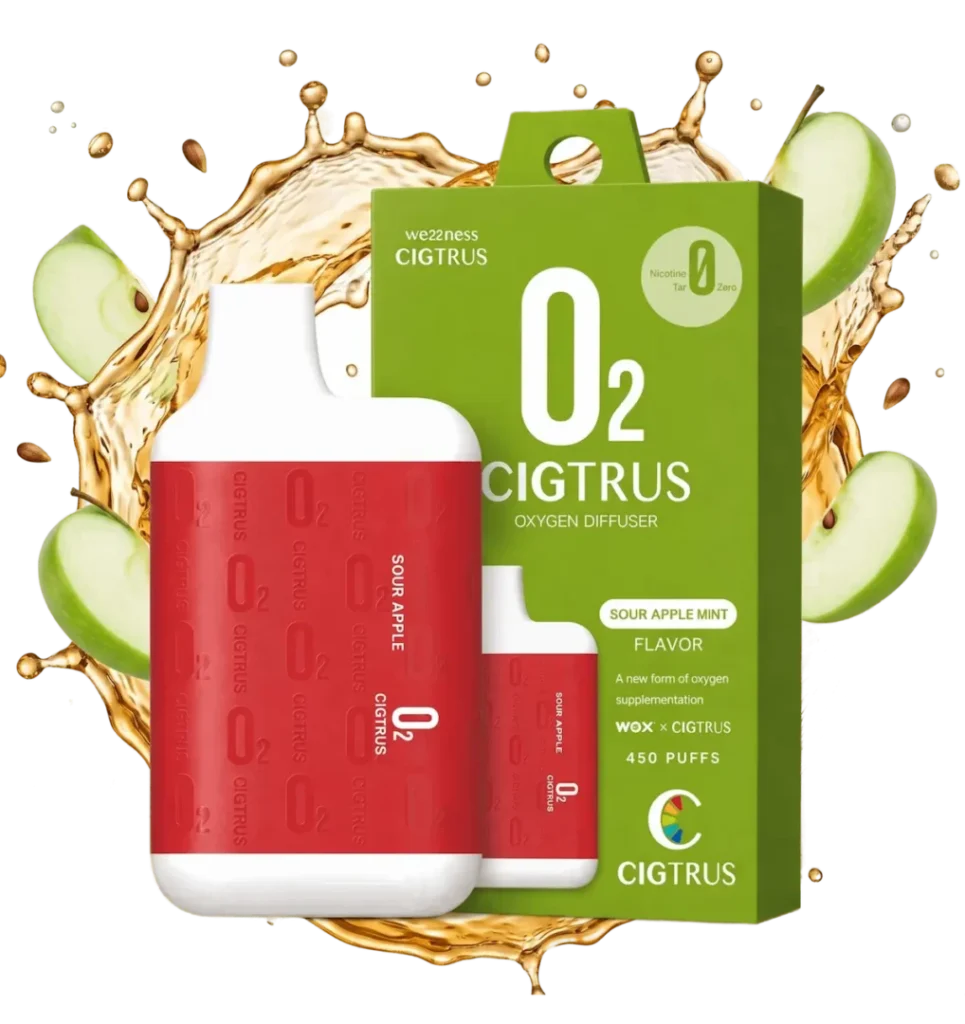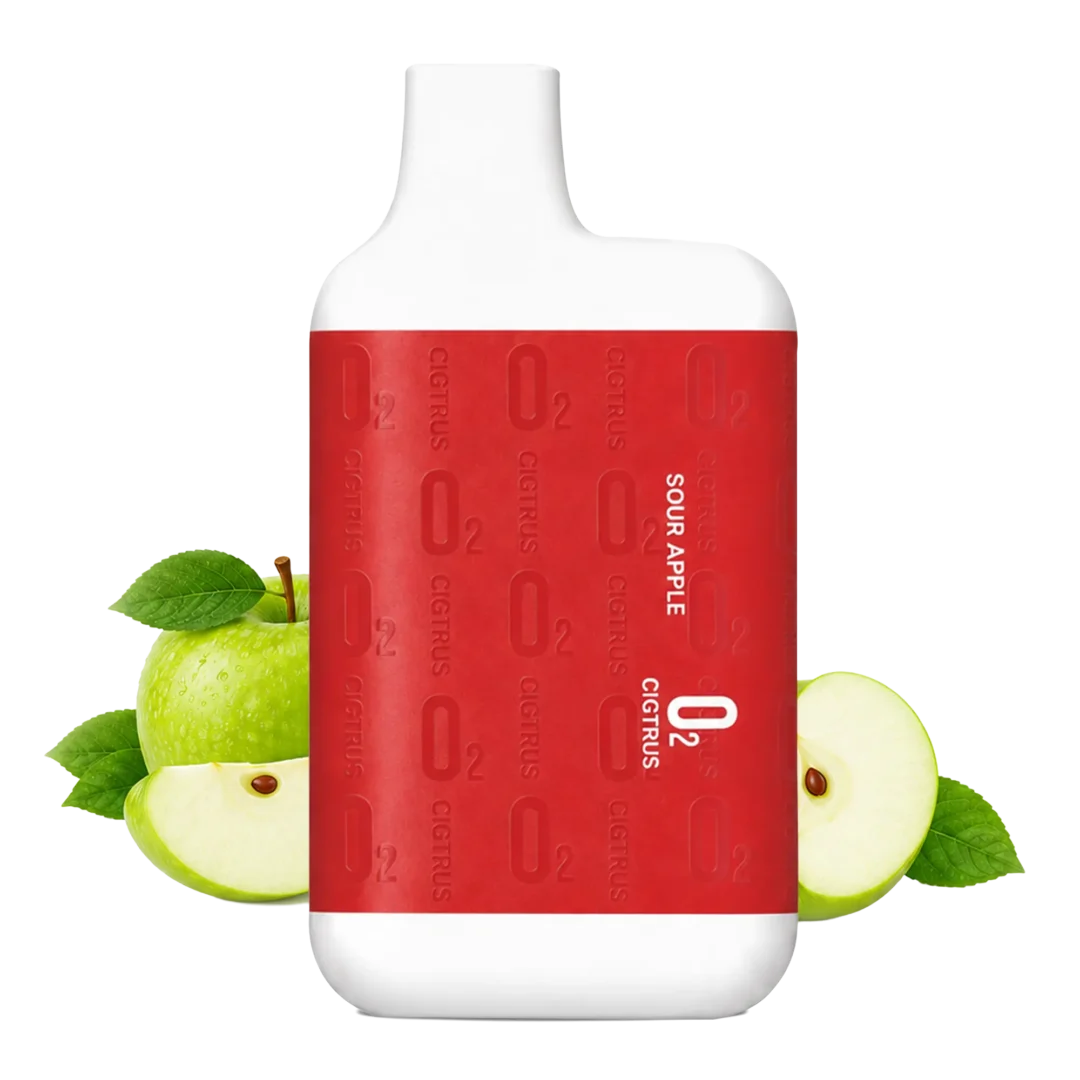
No Smoke, No Nicotine, No Problem: How Cigtrus Supports Craving Control
Stopping smoking involves breaking two related dependencies: chemical addiction and behavioral habit. Nicotine fuels the addiction, but the ritual, the hand-to-mouth motion, the inhale, the exhale, the oral fixation, becomes just as deeply ingrained. Even when the body no longer needs nicotine, the brain and reflexes still reach for the familiar routine.
Traditional quit aids address the chemical side. They leave the behavioral side completely untouched. That is exactly why so many people relapse long after nicotine withdrawal has passed, the habit continues firing at every trigger, with nothing to intercept it.
Three Paths to Quitting, and Where Cigtrus Fits
For decades, quitting smoking has meant choosing between a few well-worn approaches. Cigtrus represents a genuinely different option.
Cold Turkey
Remove everything at once, nicotine and the habit simultaneously. High willpower required. High relapse rate without behavioral support.
Nicotine Replacement
Patches, gum, lozenges, address the chemical side. Do not address the hand-to-mouth habit, oral fixation, or the behavioral routine.
Habit Substitution
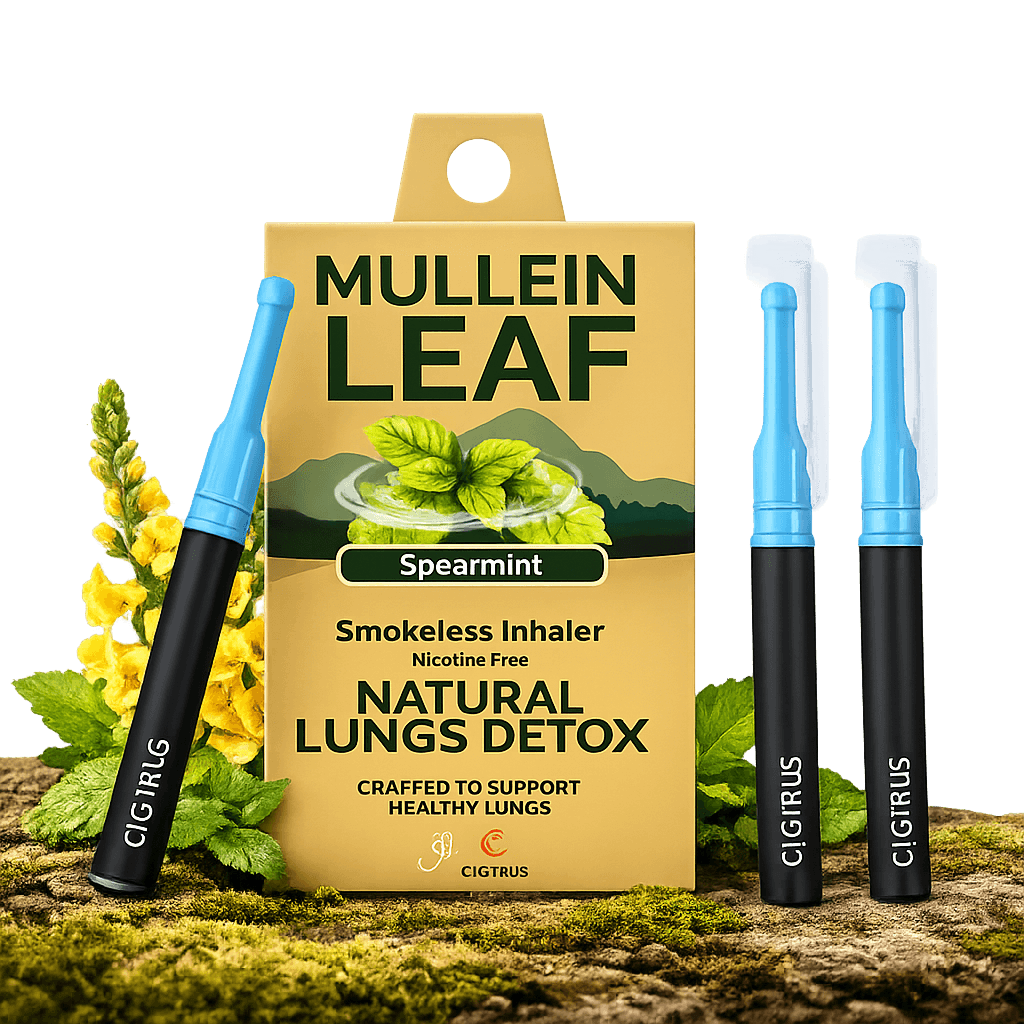
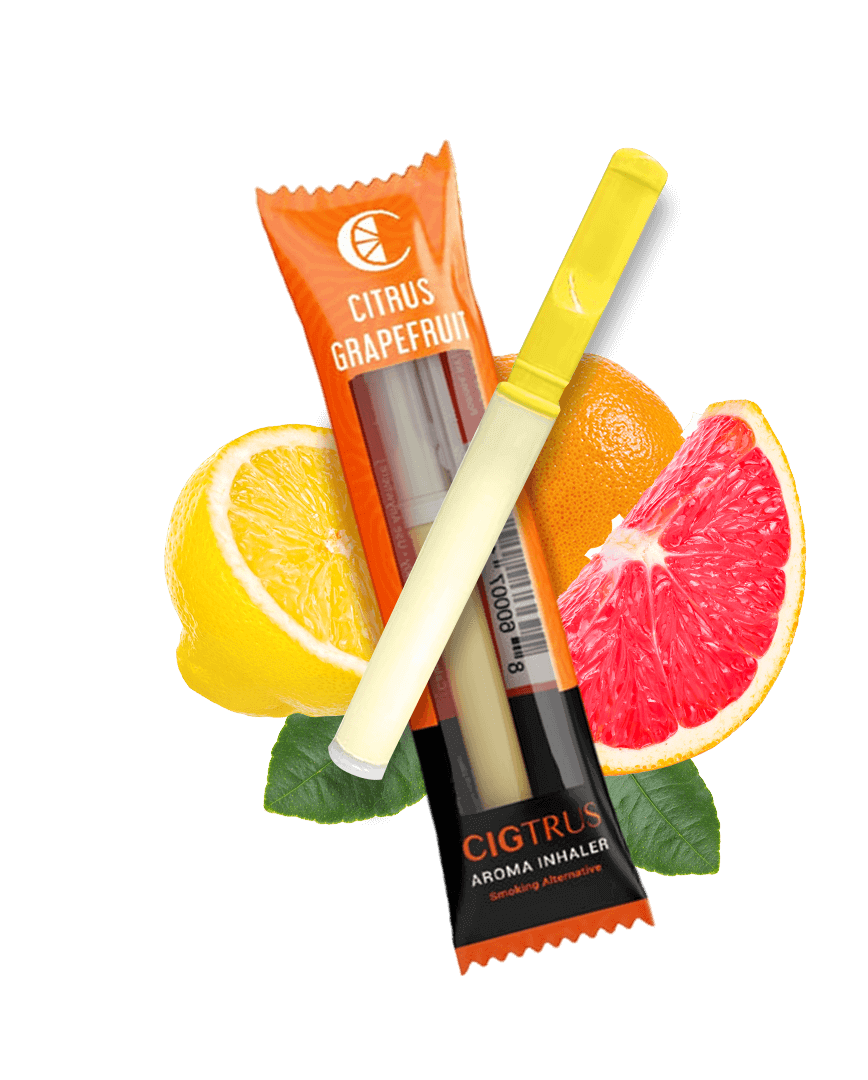
Replace the behavioral routine itself, the motion, the inhale, the pause, with a clean nicotine-free alternative. This is what Cigtrus does.
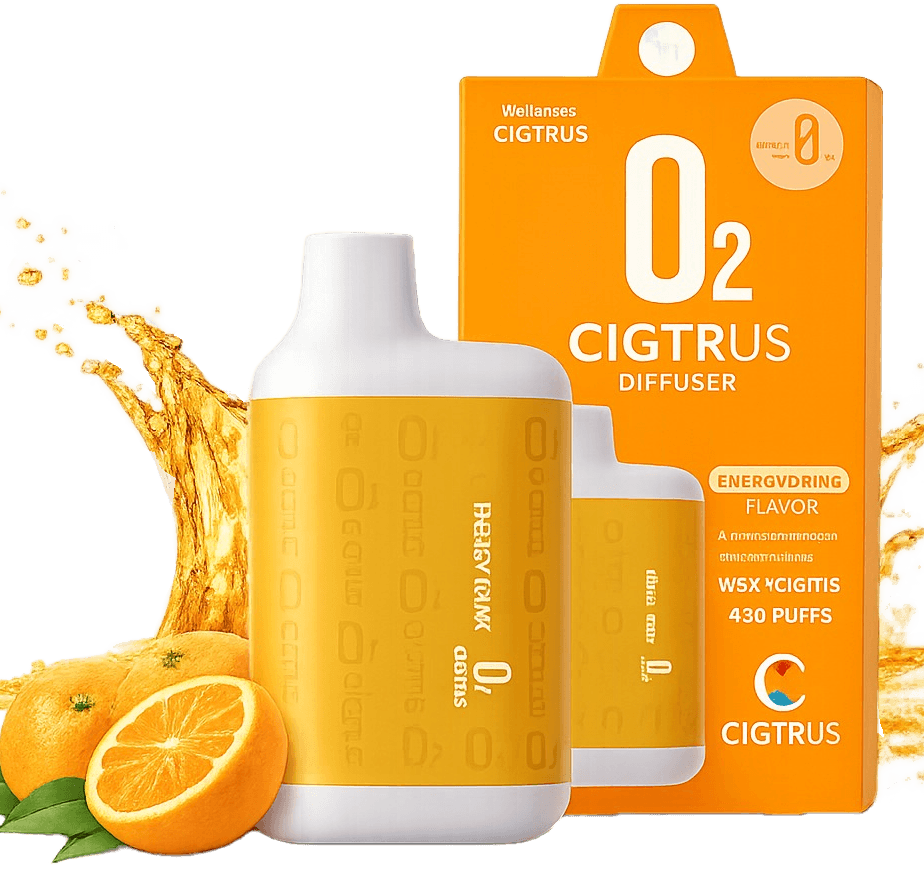
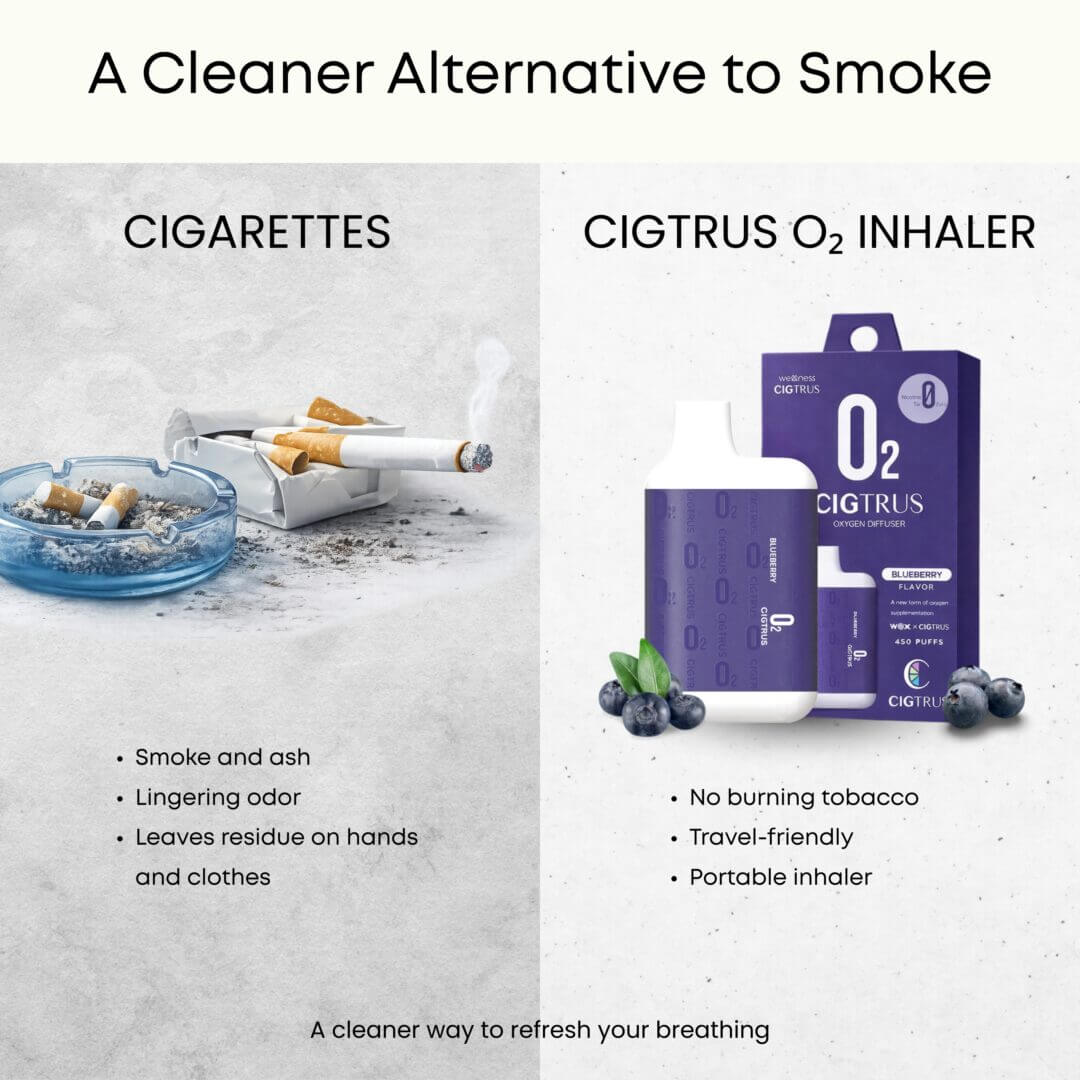
Cigtrus offers a third path: not cold turkey, not nicotine replacement, but habit substitution. It gives smokers a way to keep the comfort of the motion while removing the smoke, chemicals, and nicotine entirely.
“Chemical replacement doesn’t satisfy habitual or behavioral dependence. The rituals and actions tied to smoking remain even when the nicotine is gone. For people whose addiction is rooted more in habit than chemistry, addressing the behavioral side matters as much, or more.”
How Cigtrus Supports Craving Control
Here is how Cigtrus addresses the four craving mechanisms that traditional quit aids leave completely unaddressed.
Habit Substitution: The Motion
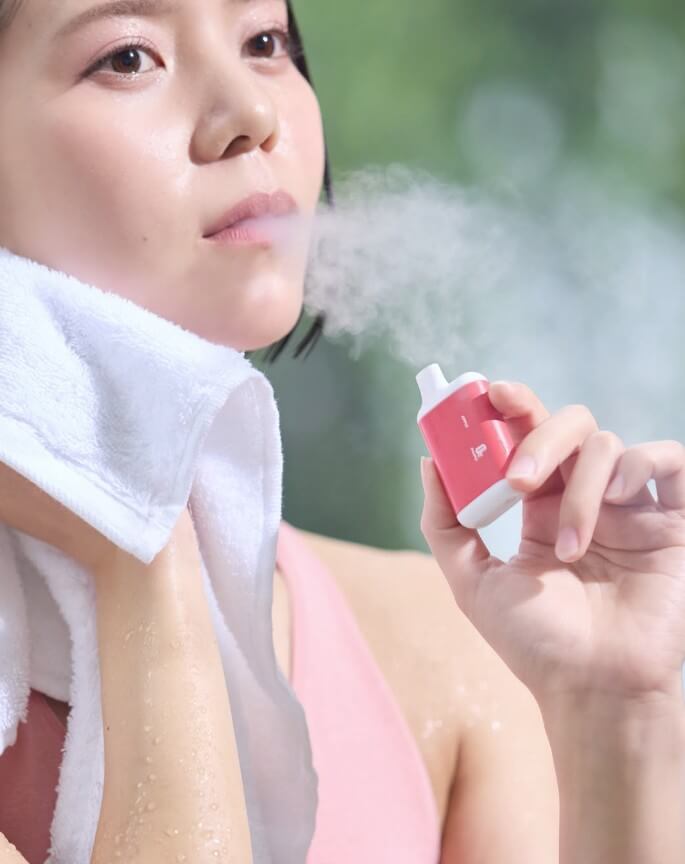
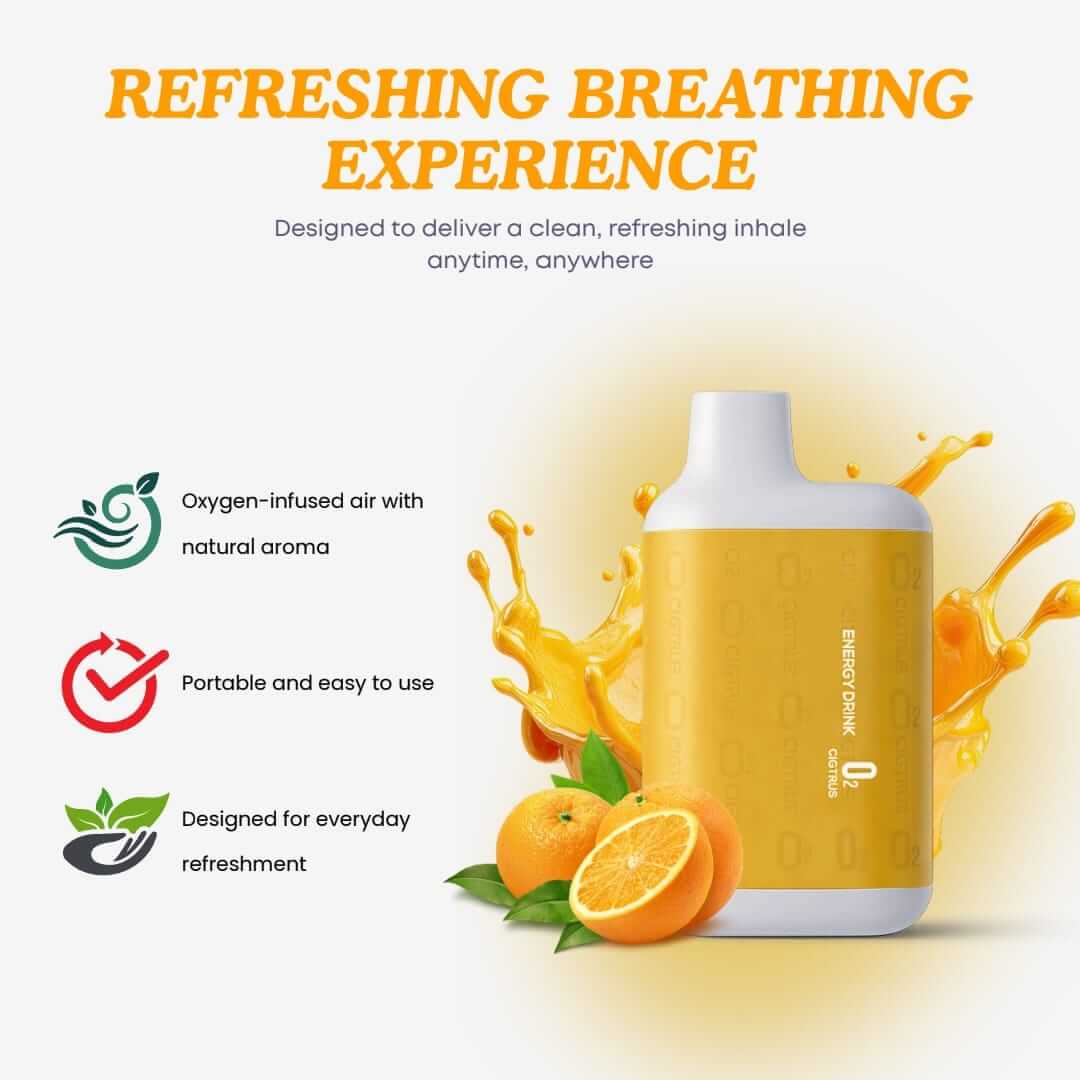
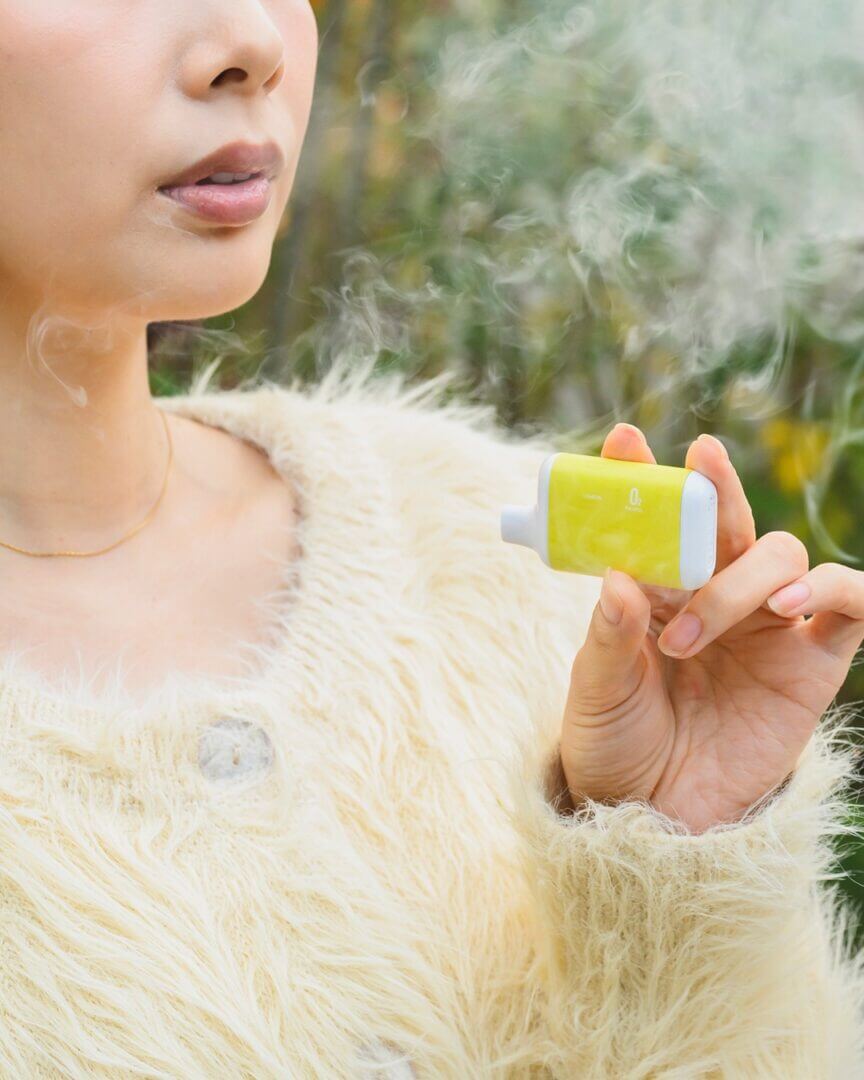
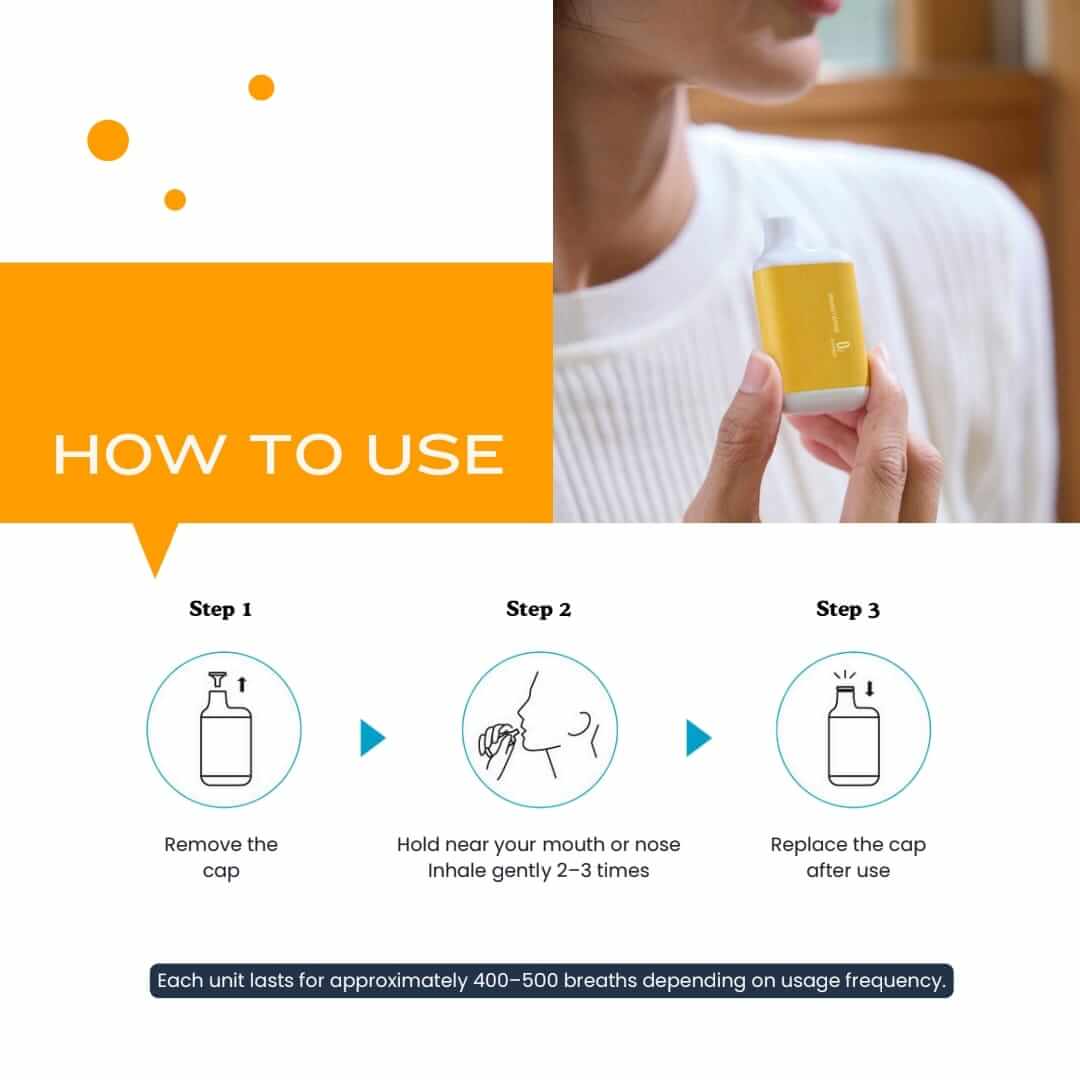
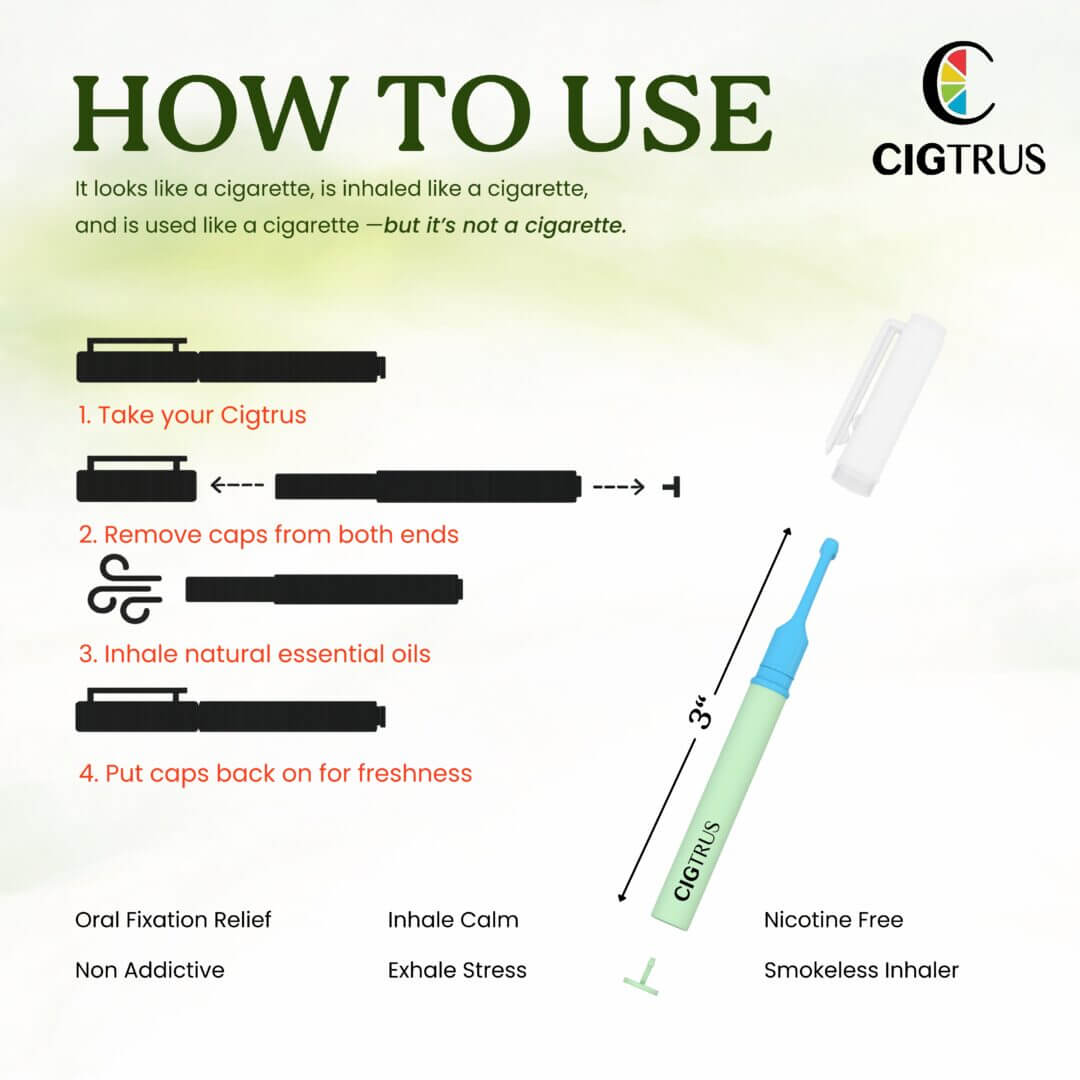
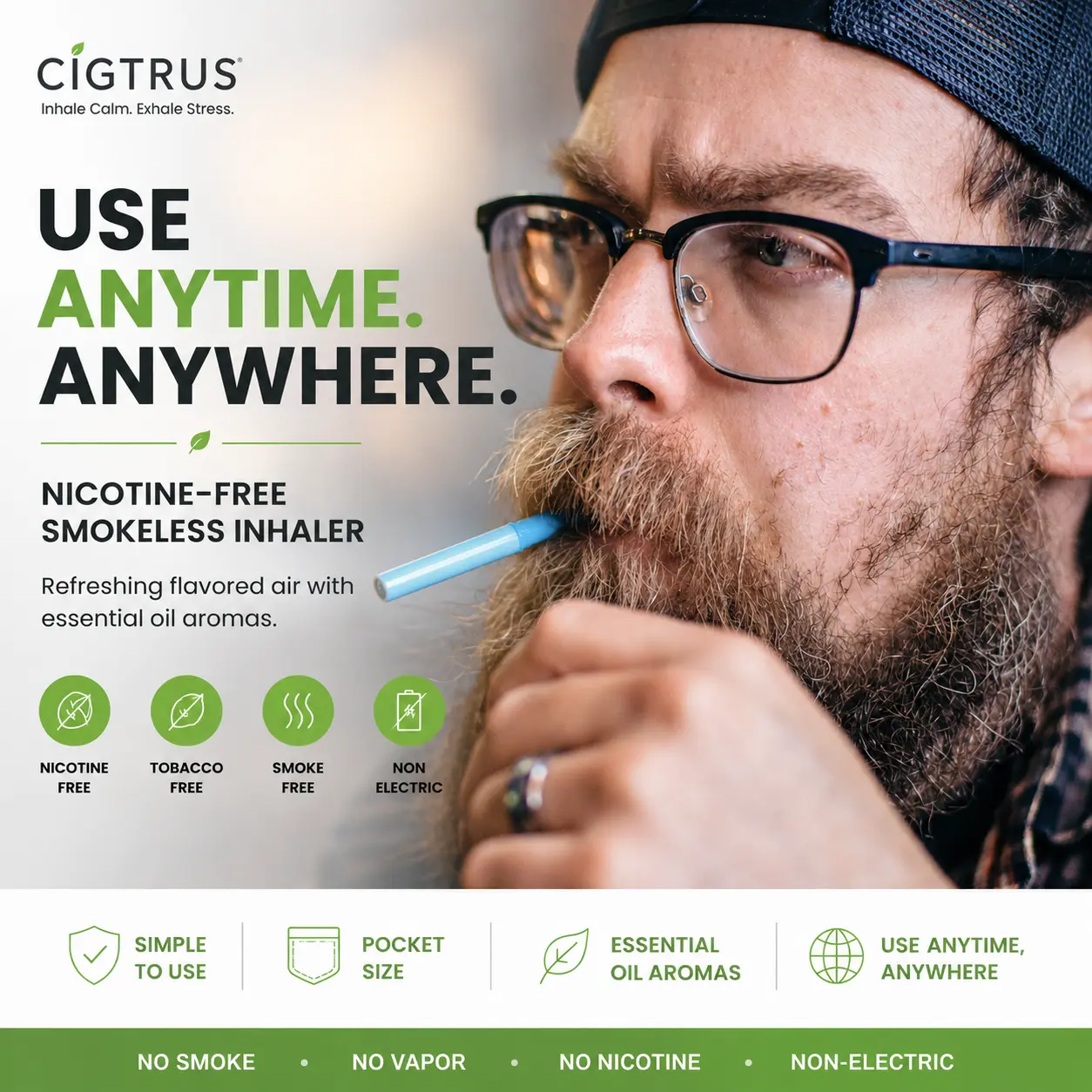
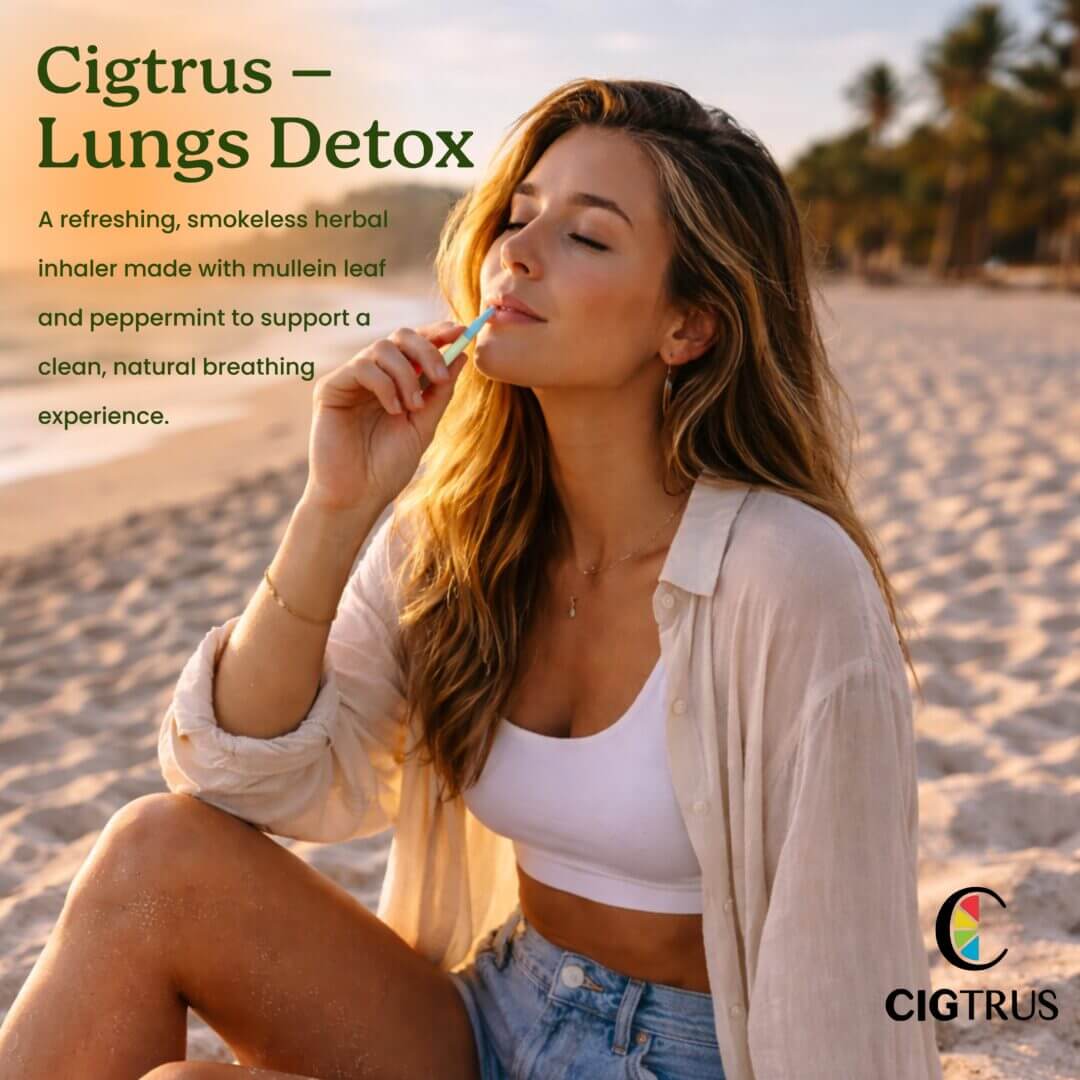
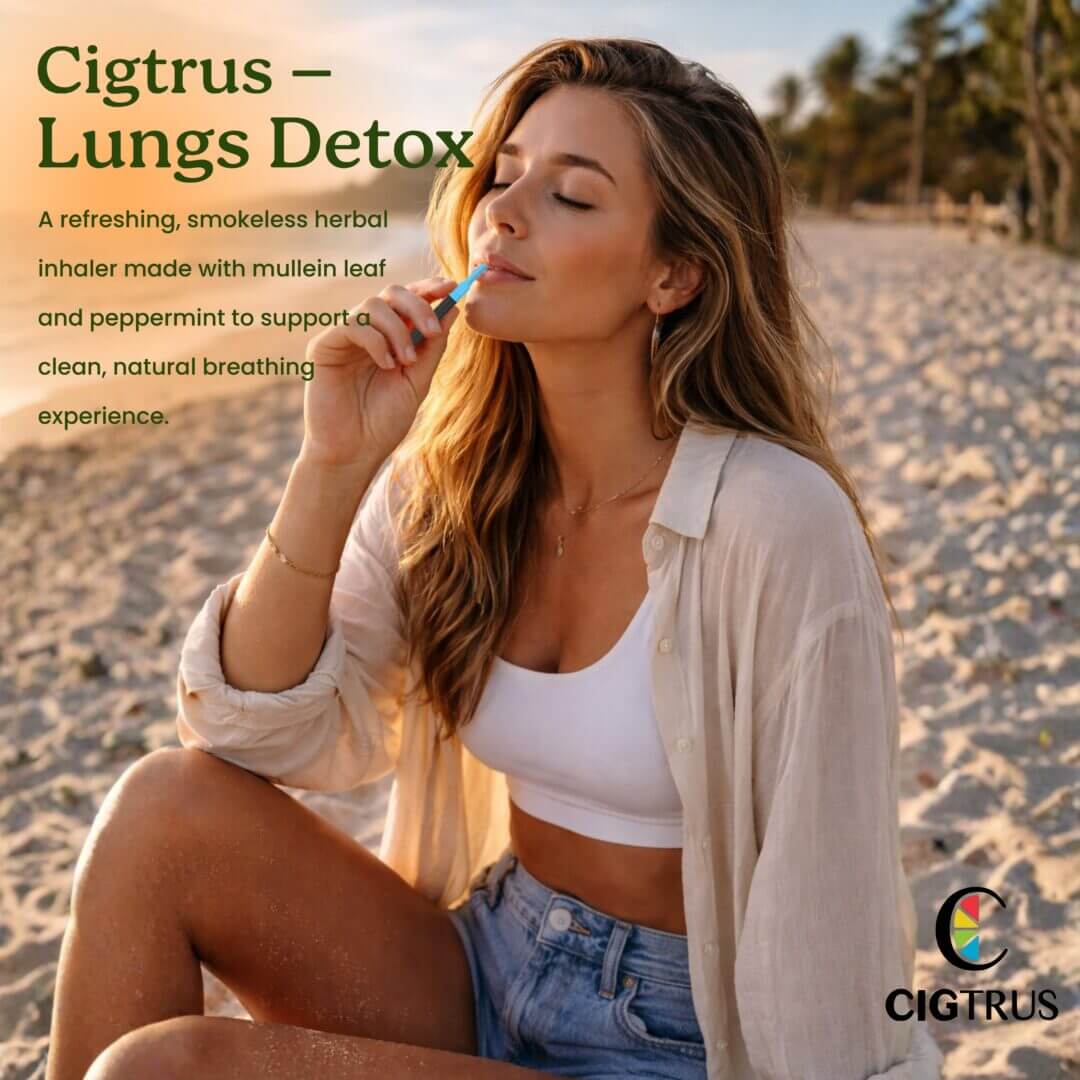
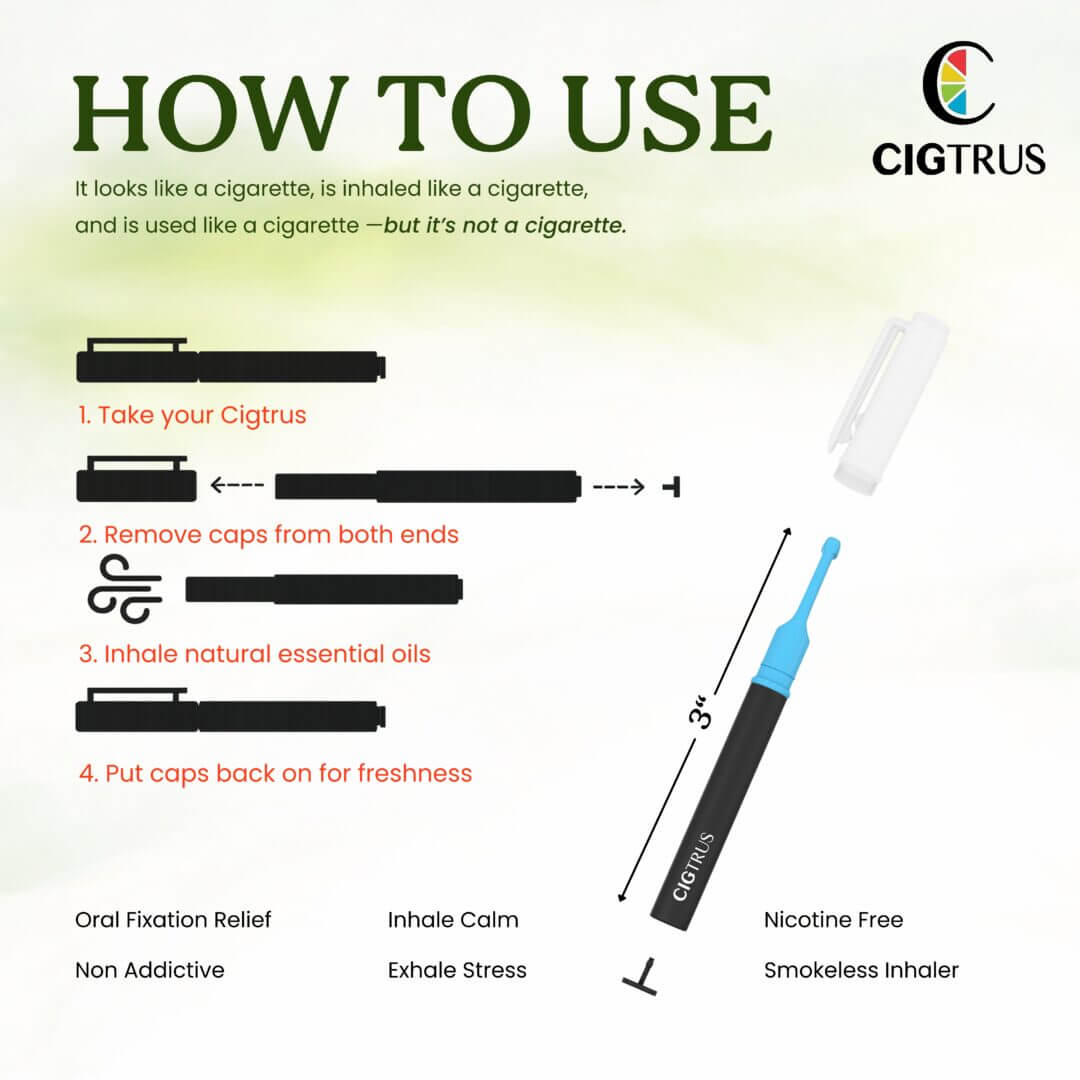
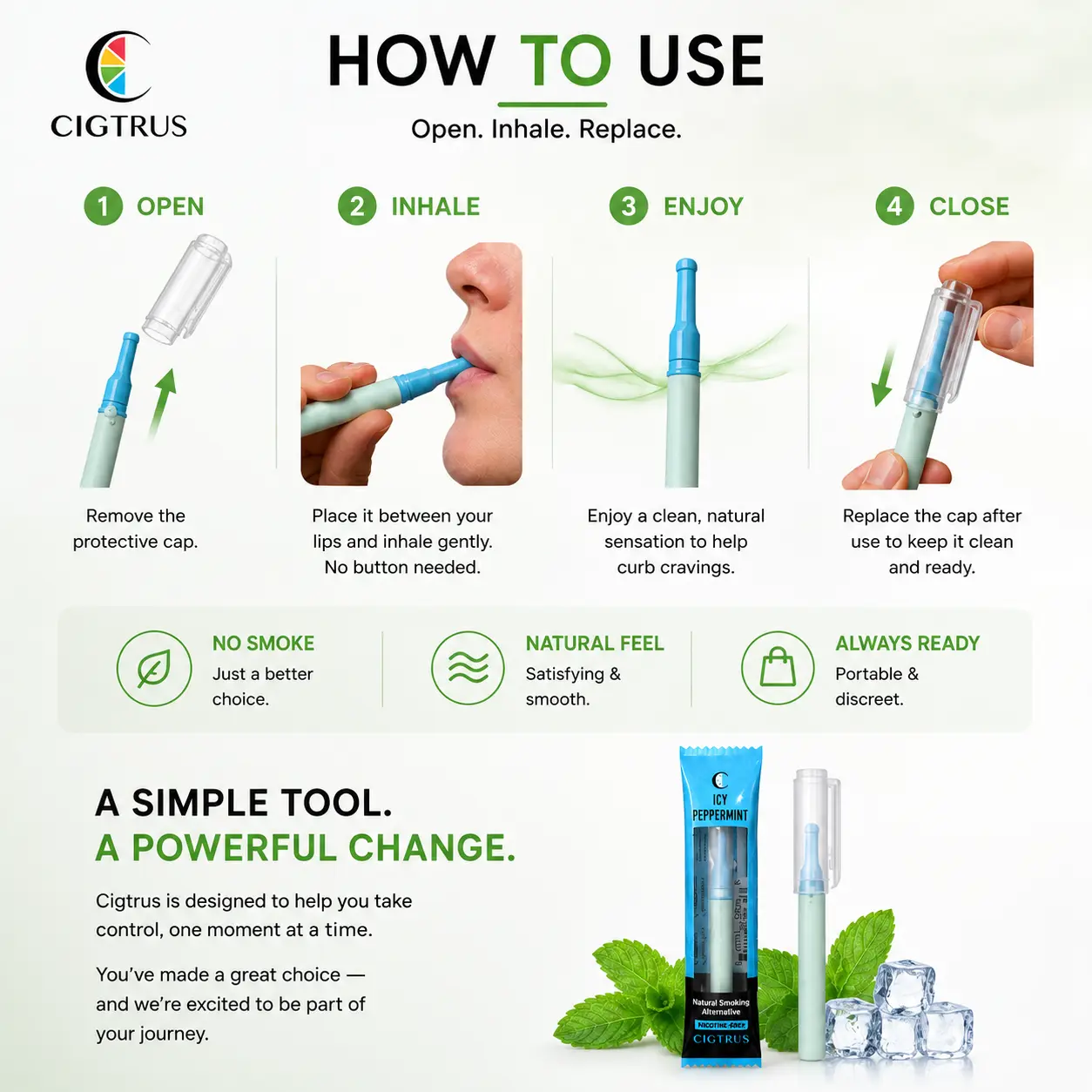
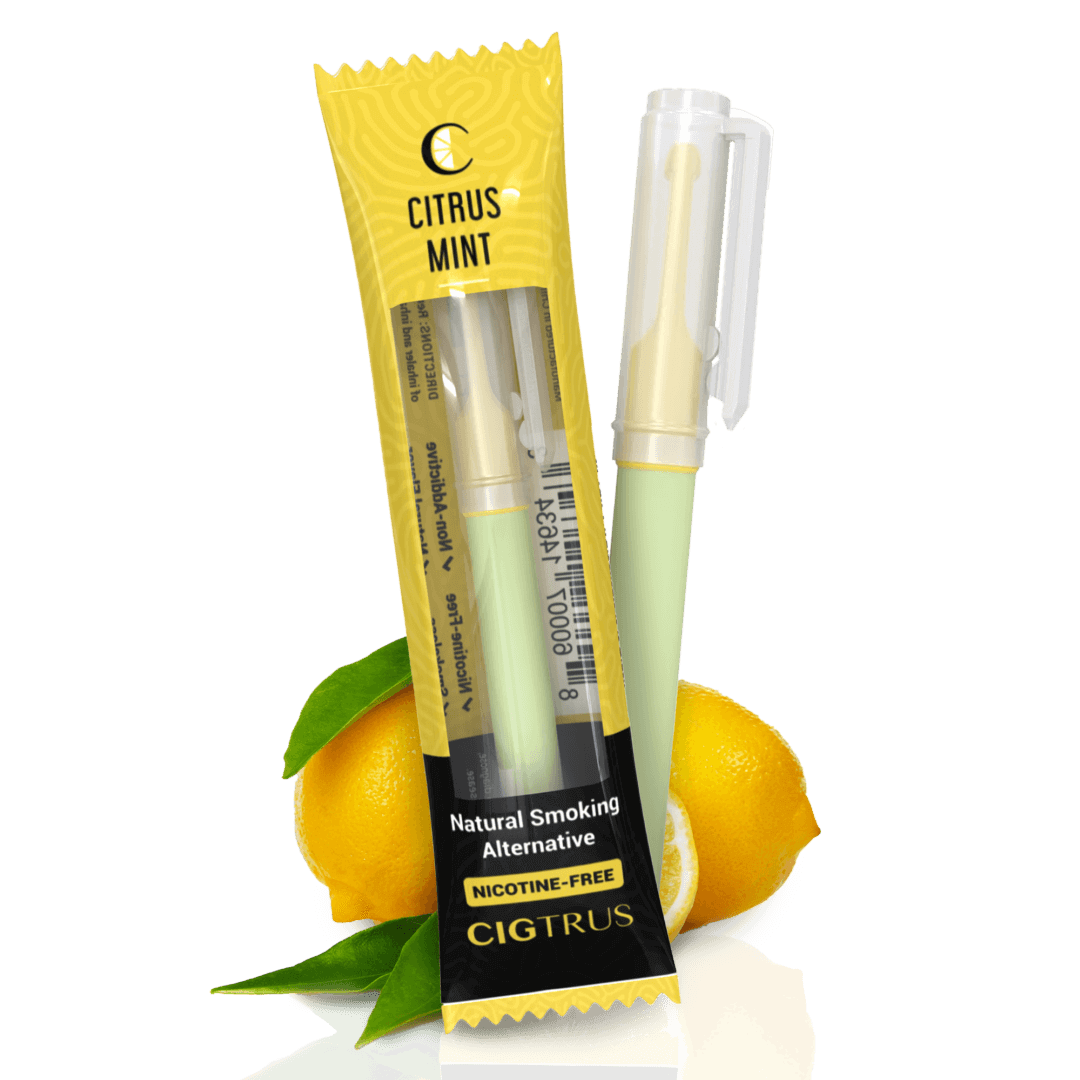
Cigtrus mimics the physical act of smoking, hand to mouth, inhale, exhale, satisfying the motion many former smokers subconsciously reach for. That familiar ritual can ease the psychological urge at every trigger moment.
Sensory Replacement: Taste and Oral Fixation
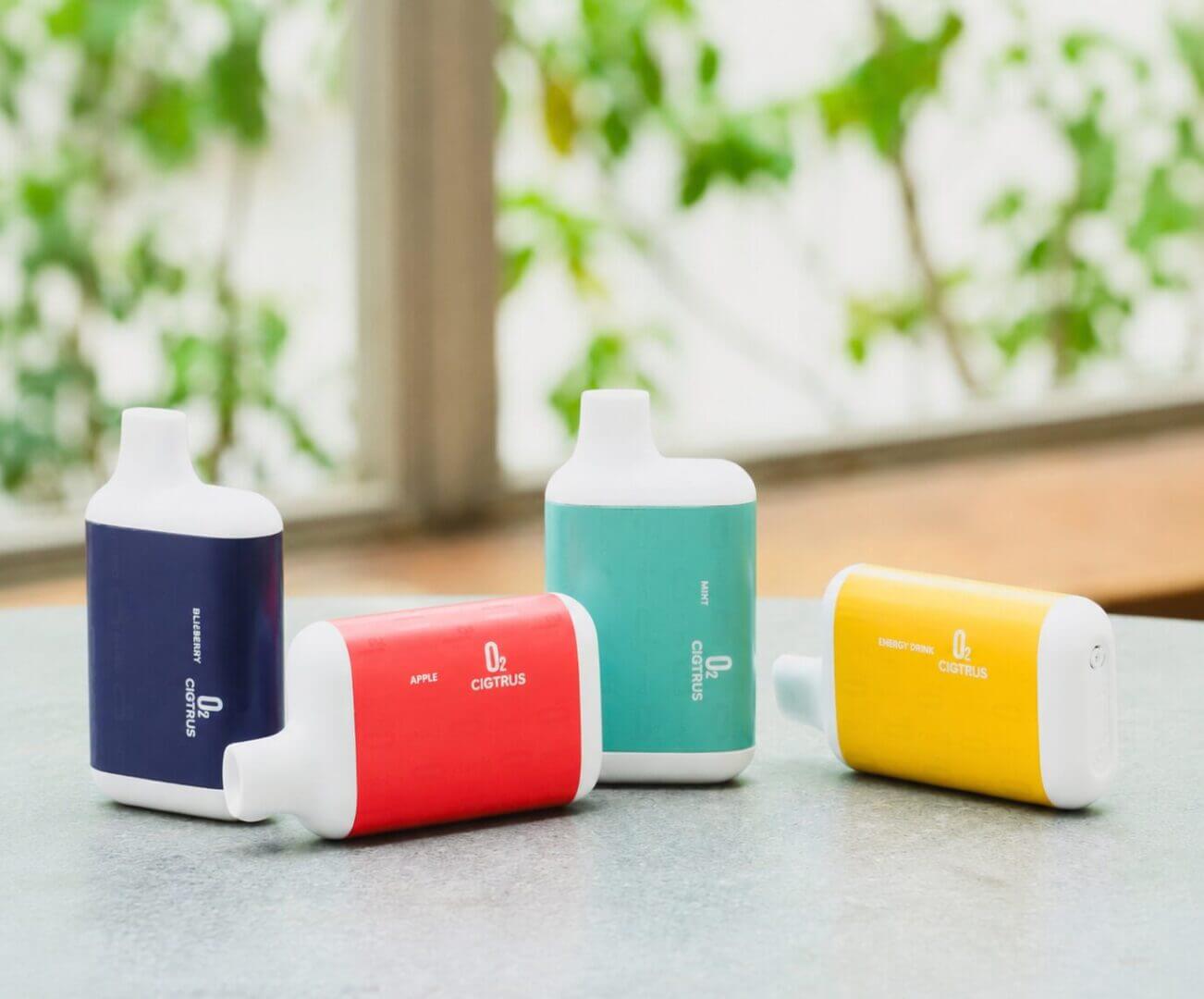
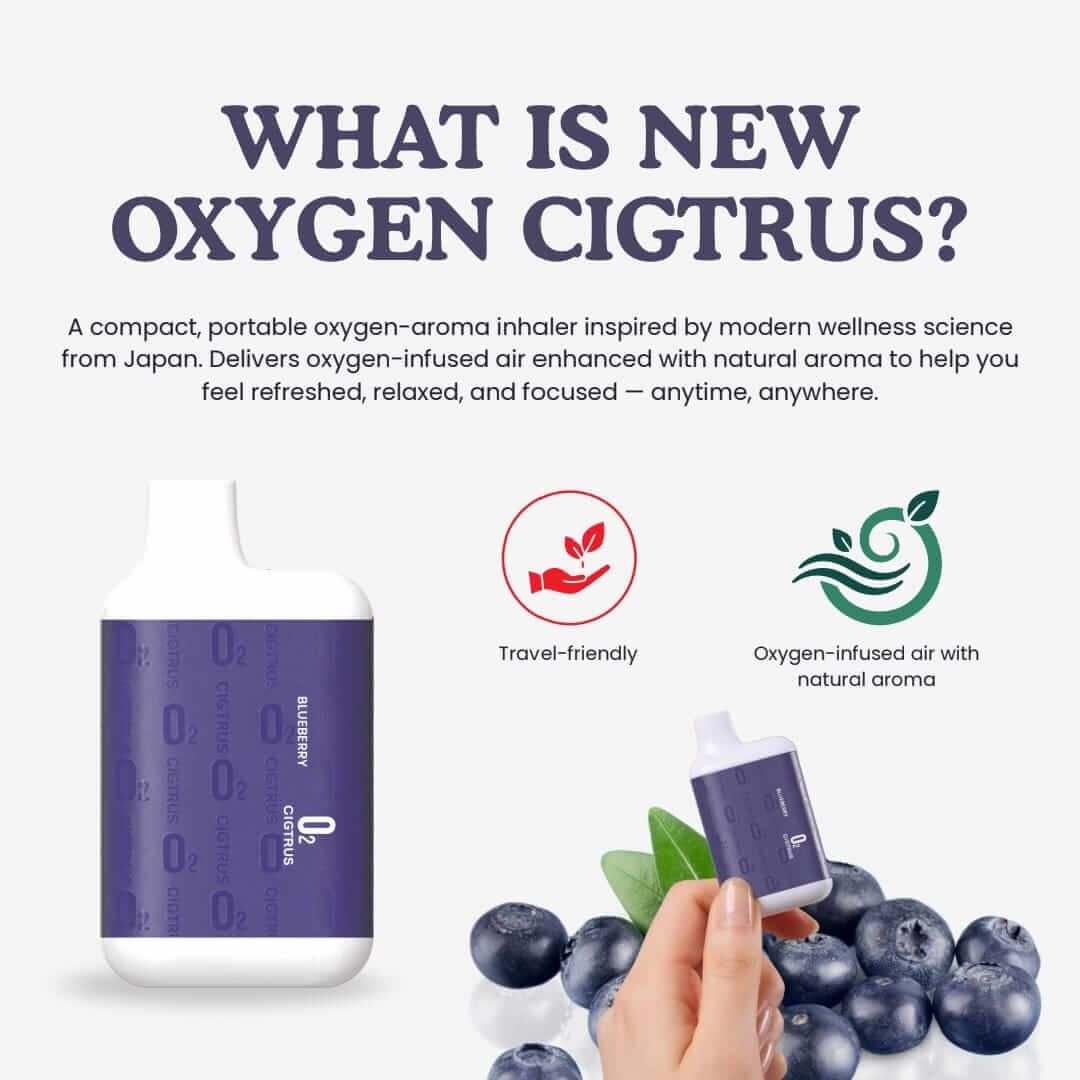
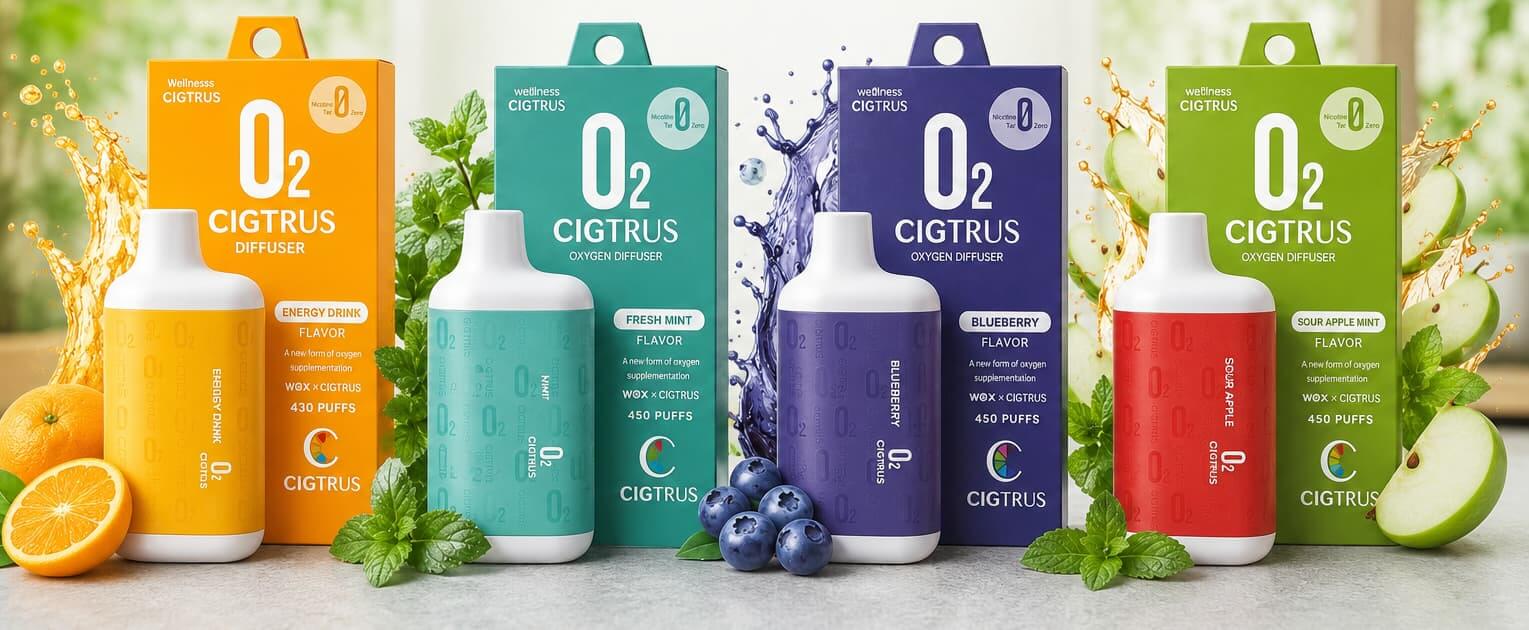
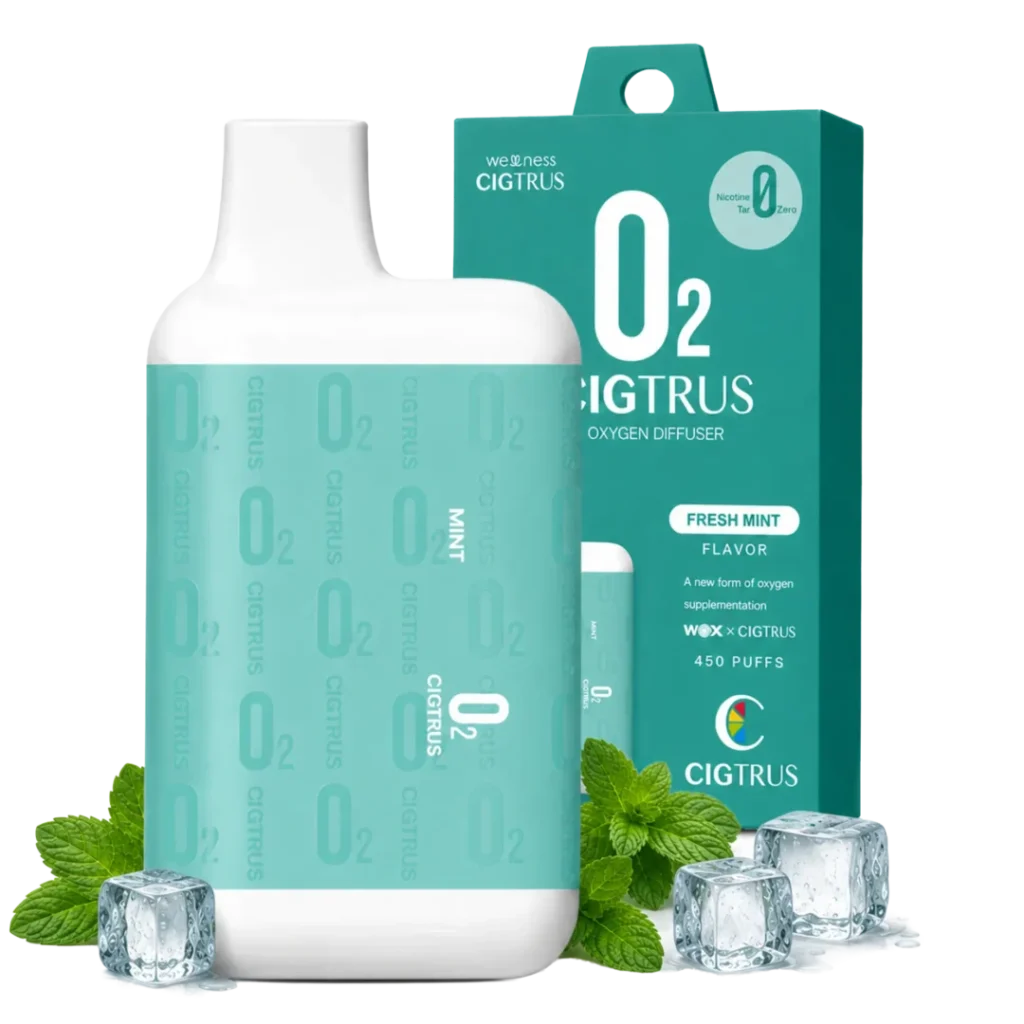
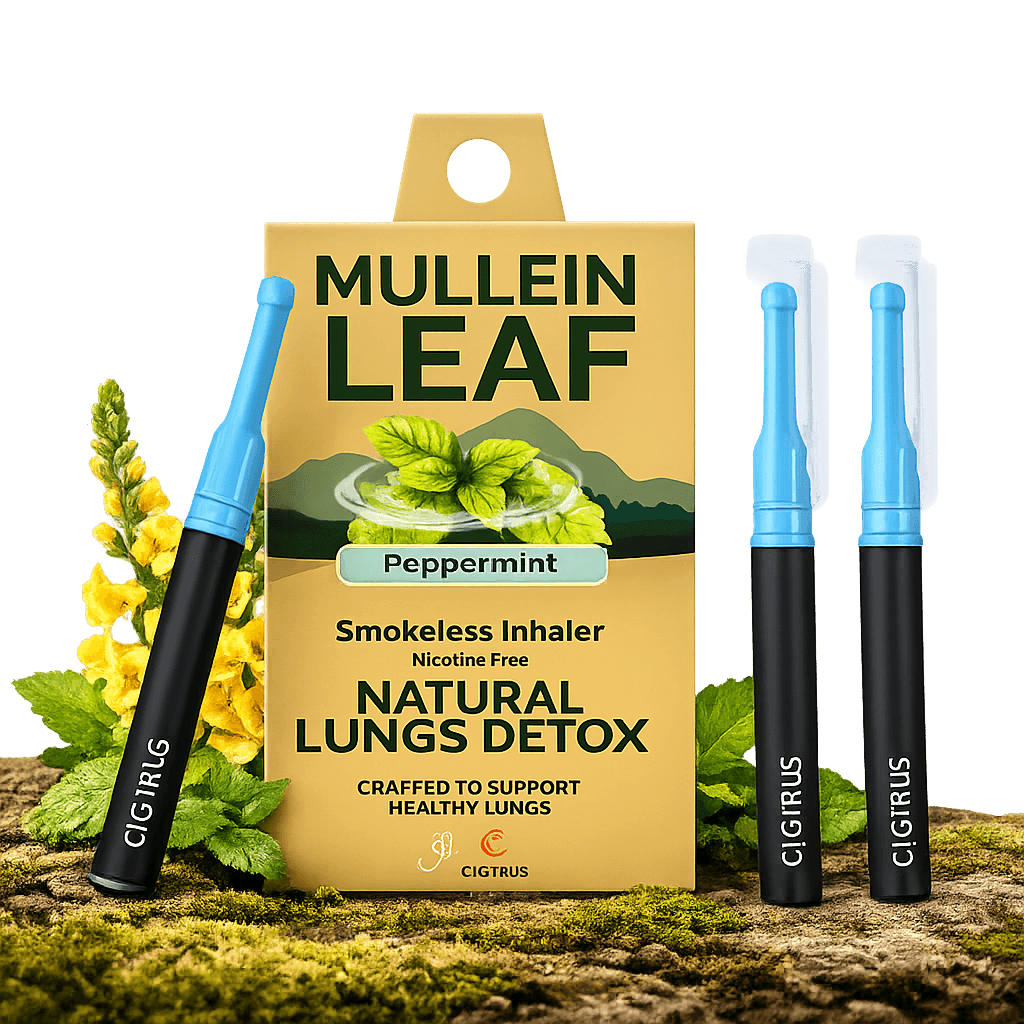
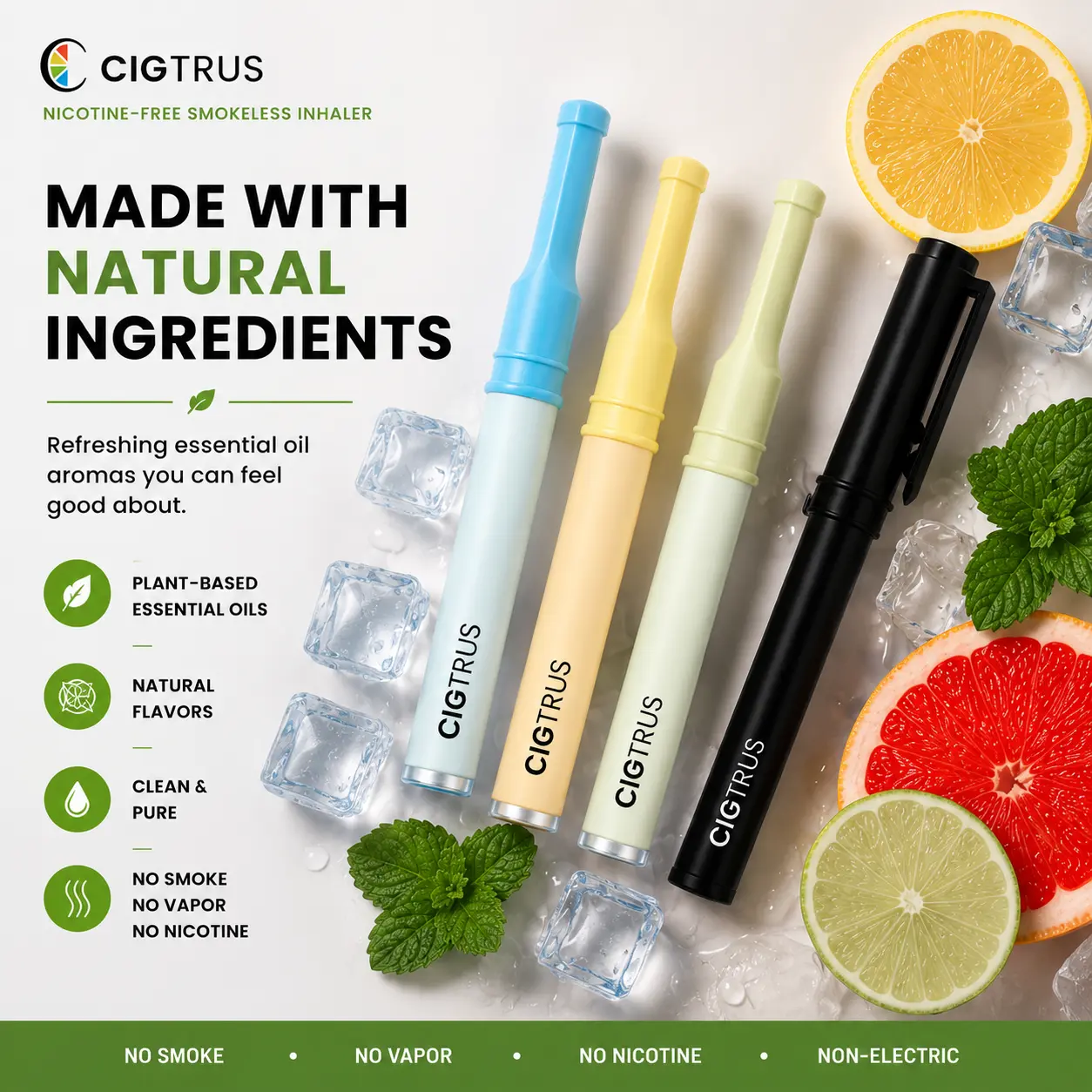
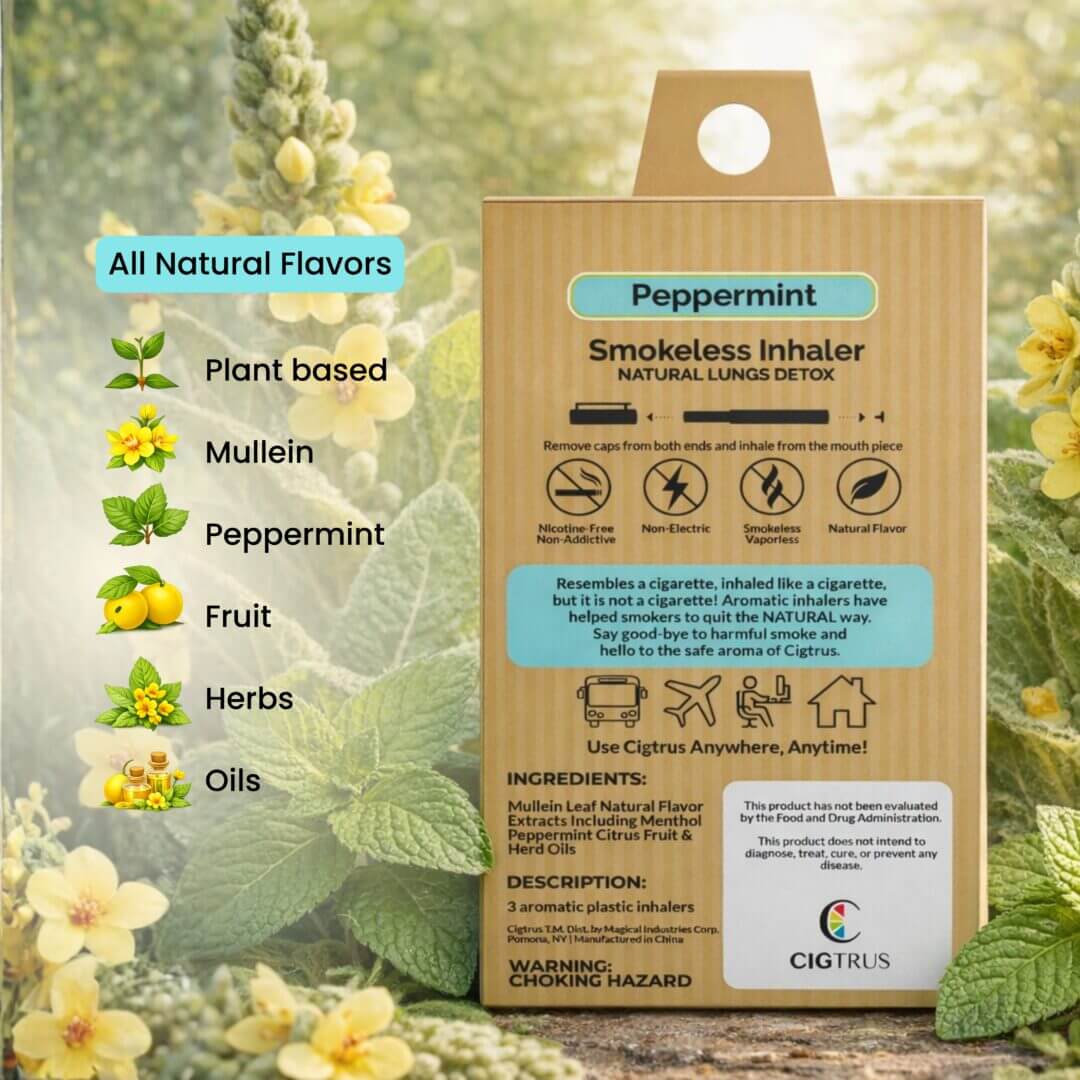
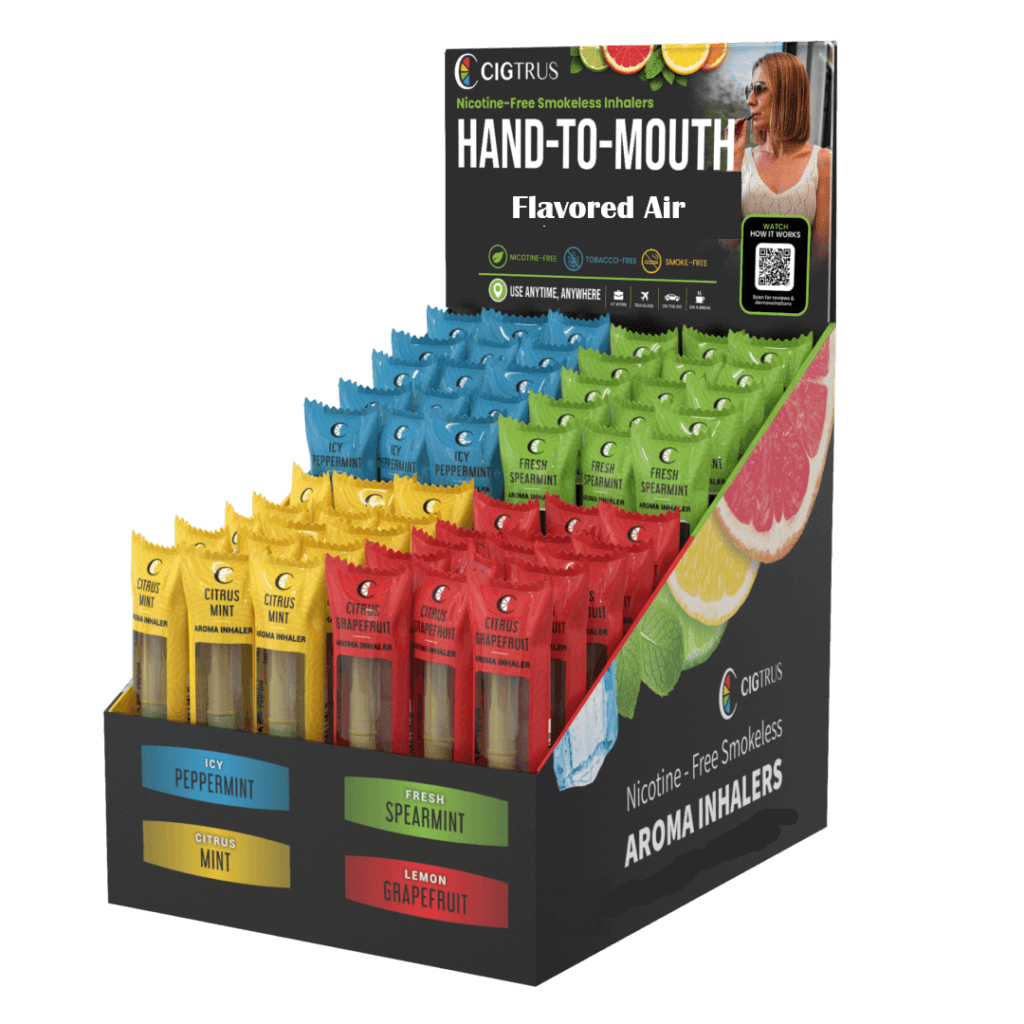
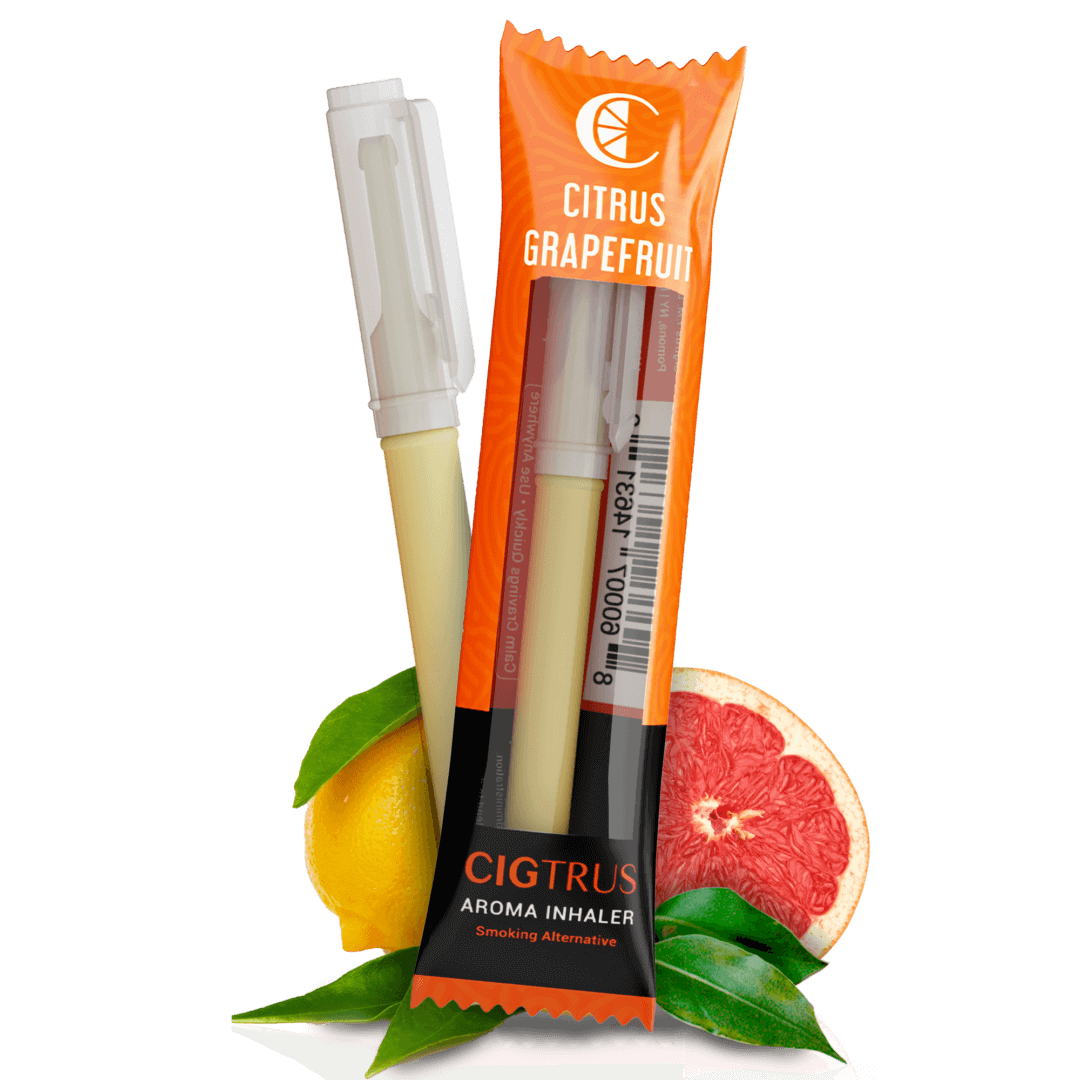
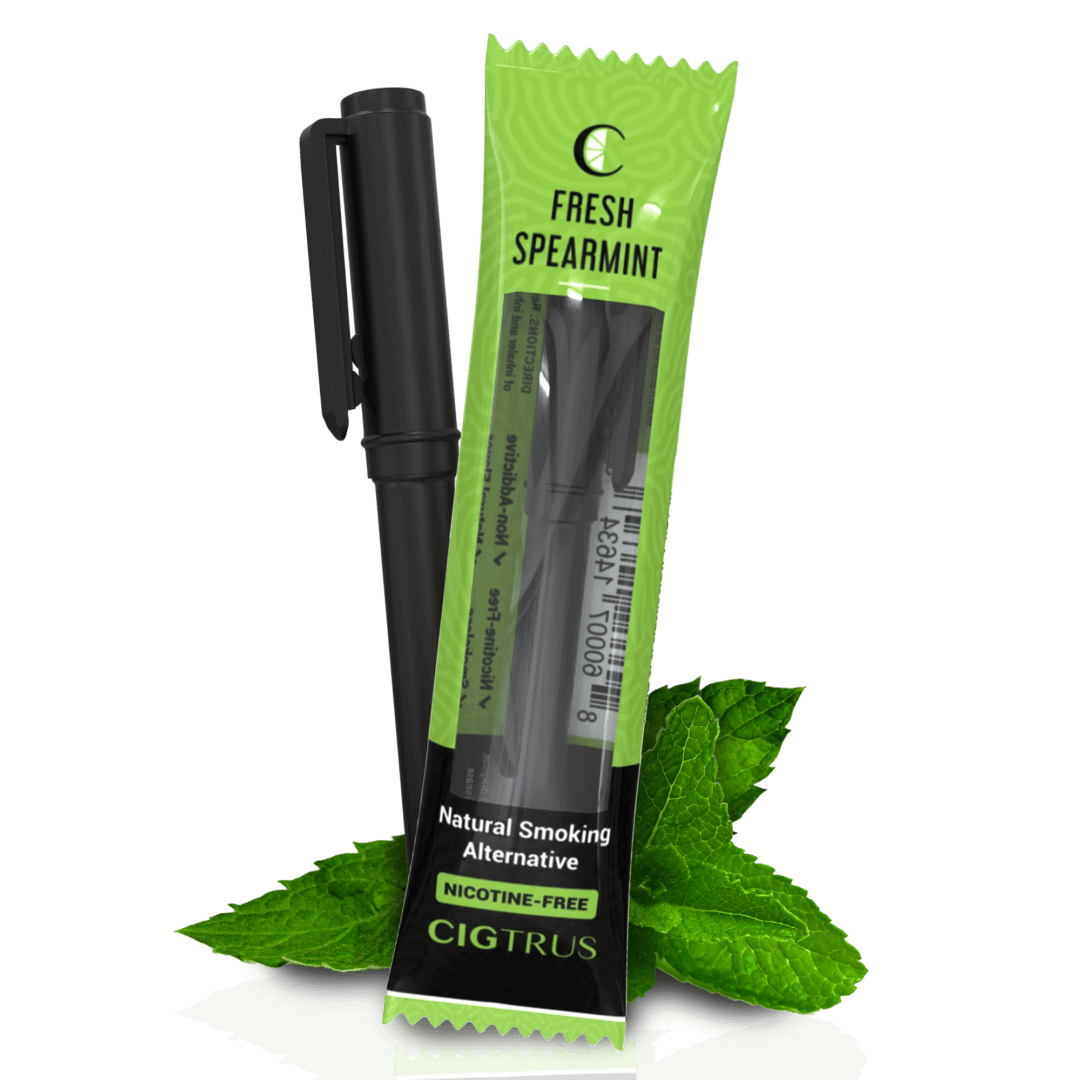
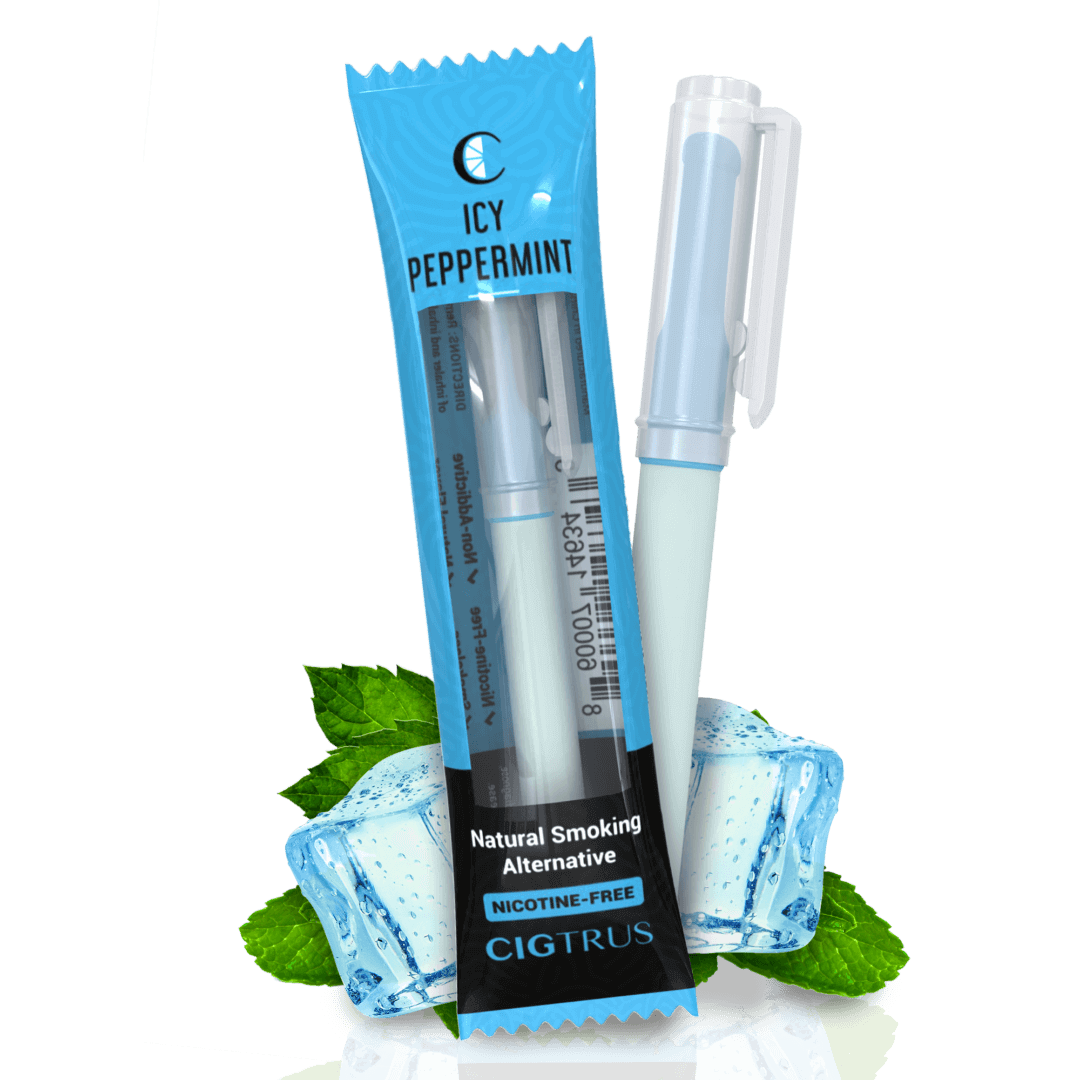
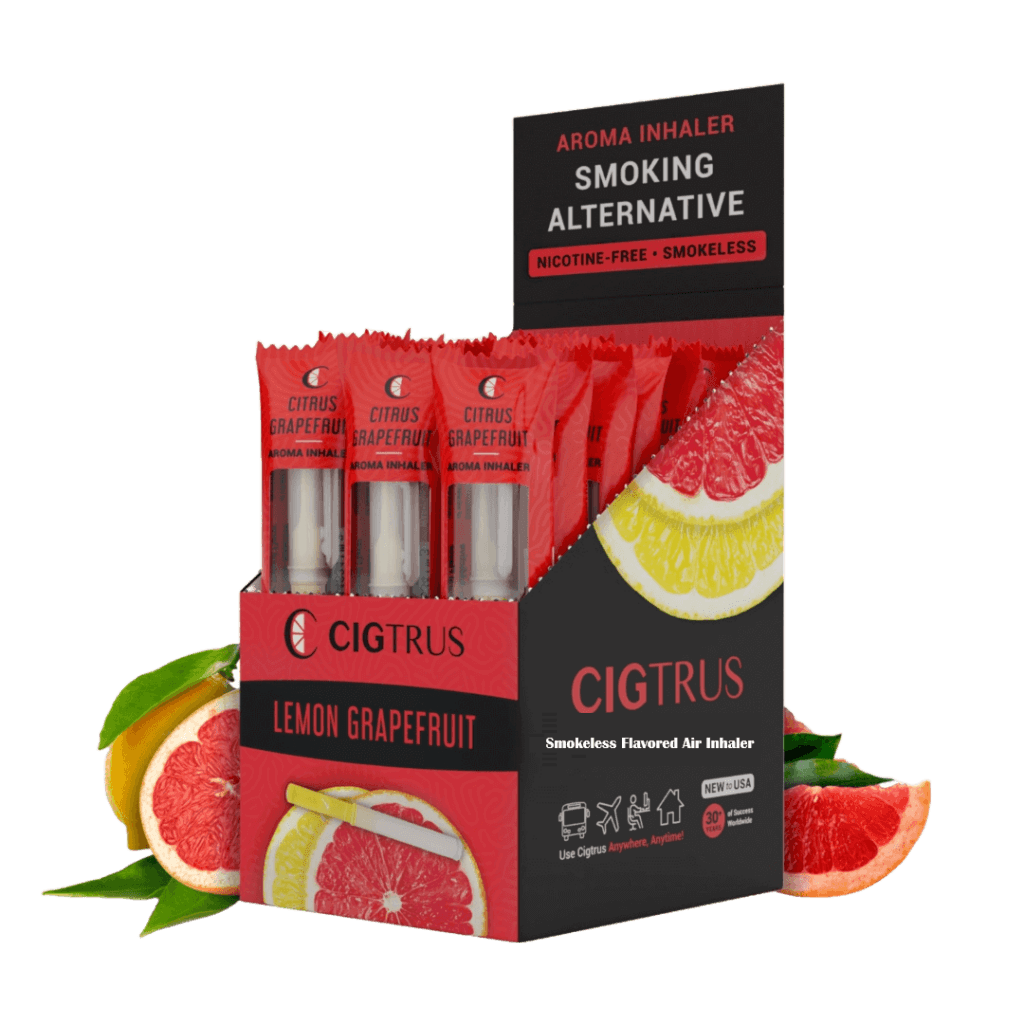
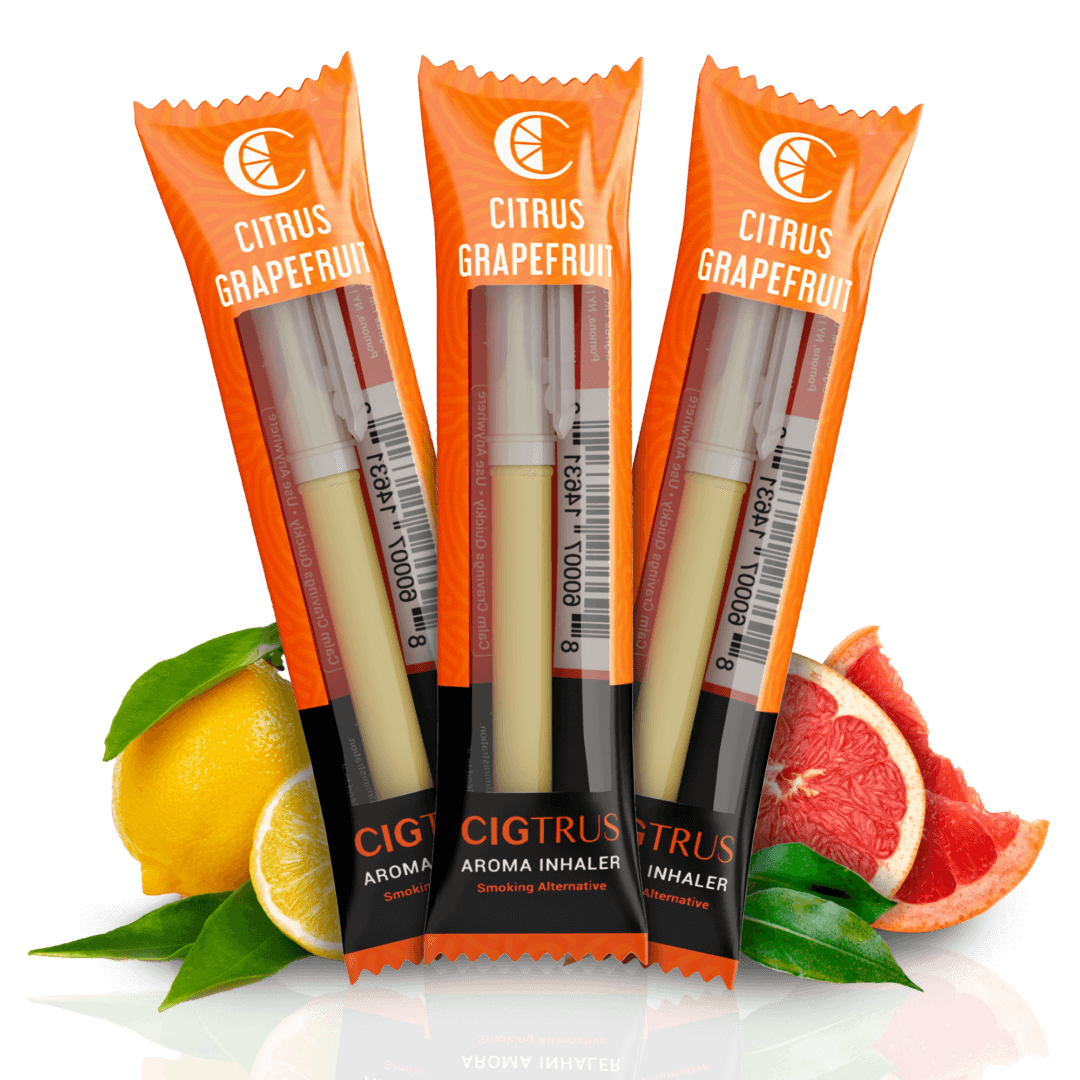
Natural mint, citrus, spearmint, and peppermint flavors provide sensory stimulation and oral satisfaction, calming cravings triggered by stress, meals, coffee, breaks, and environmental cues that previously fired the smoking routine.
Discreet and Flexible Use
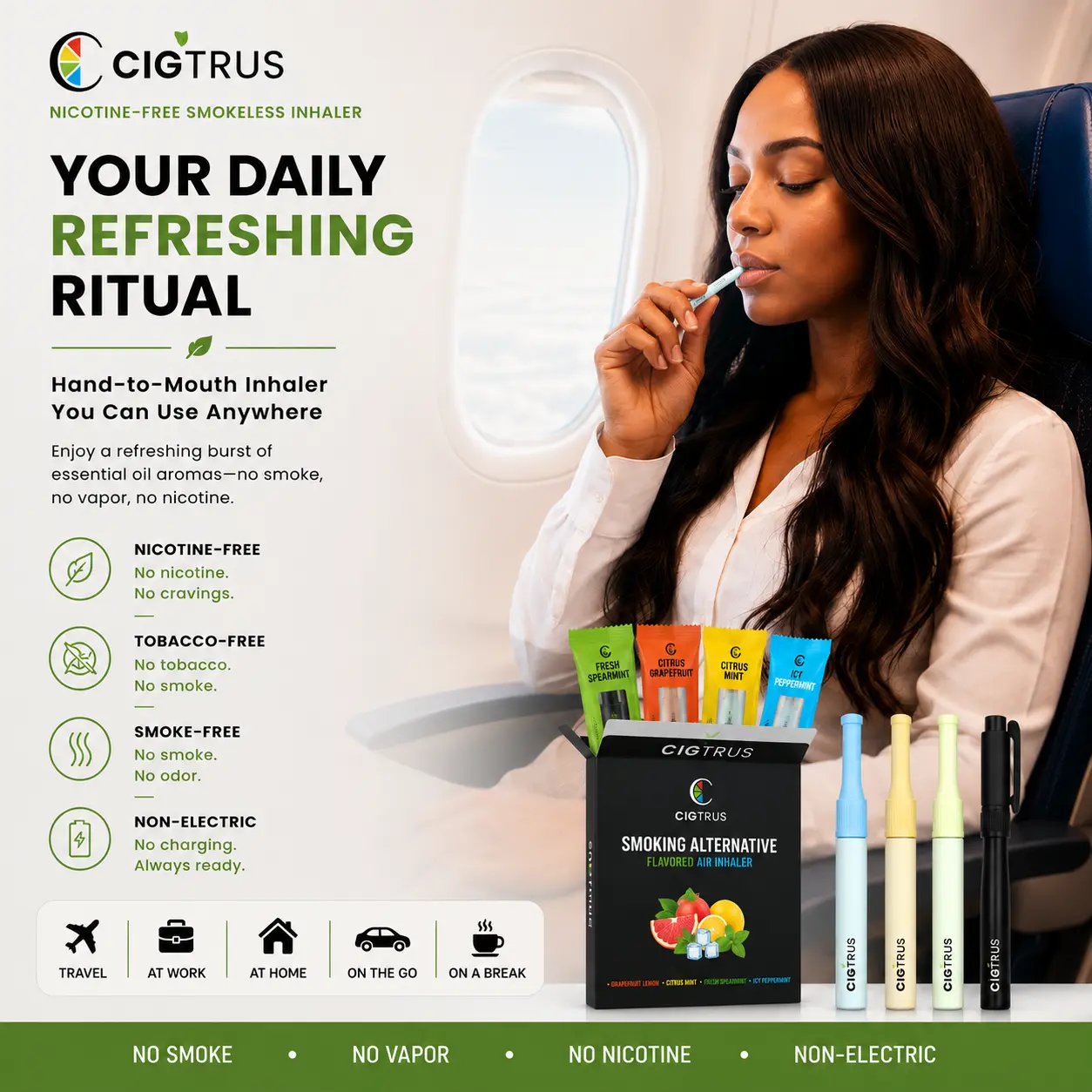
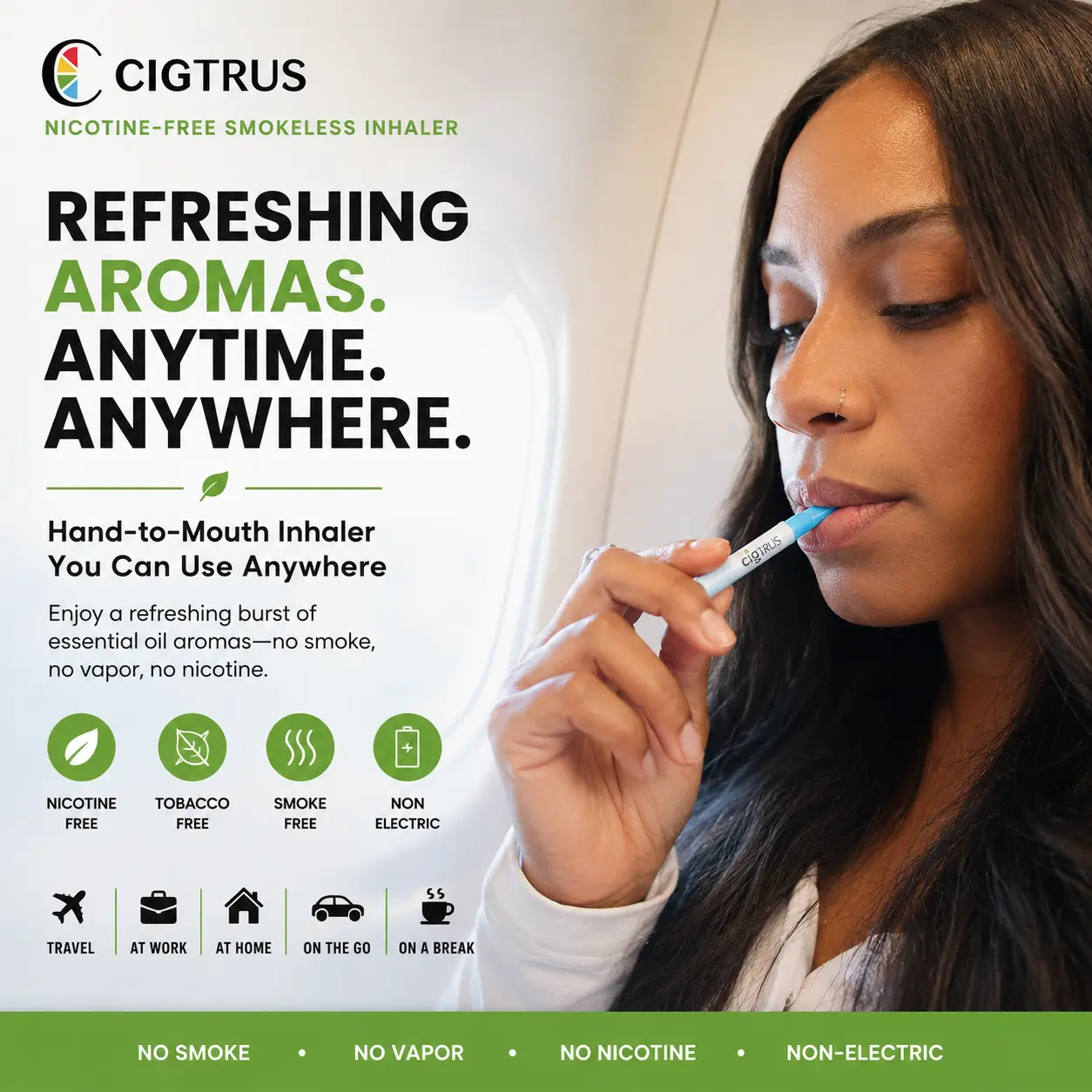
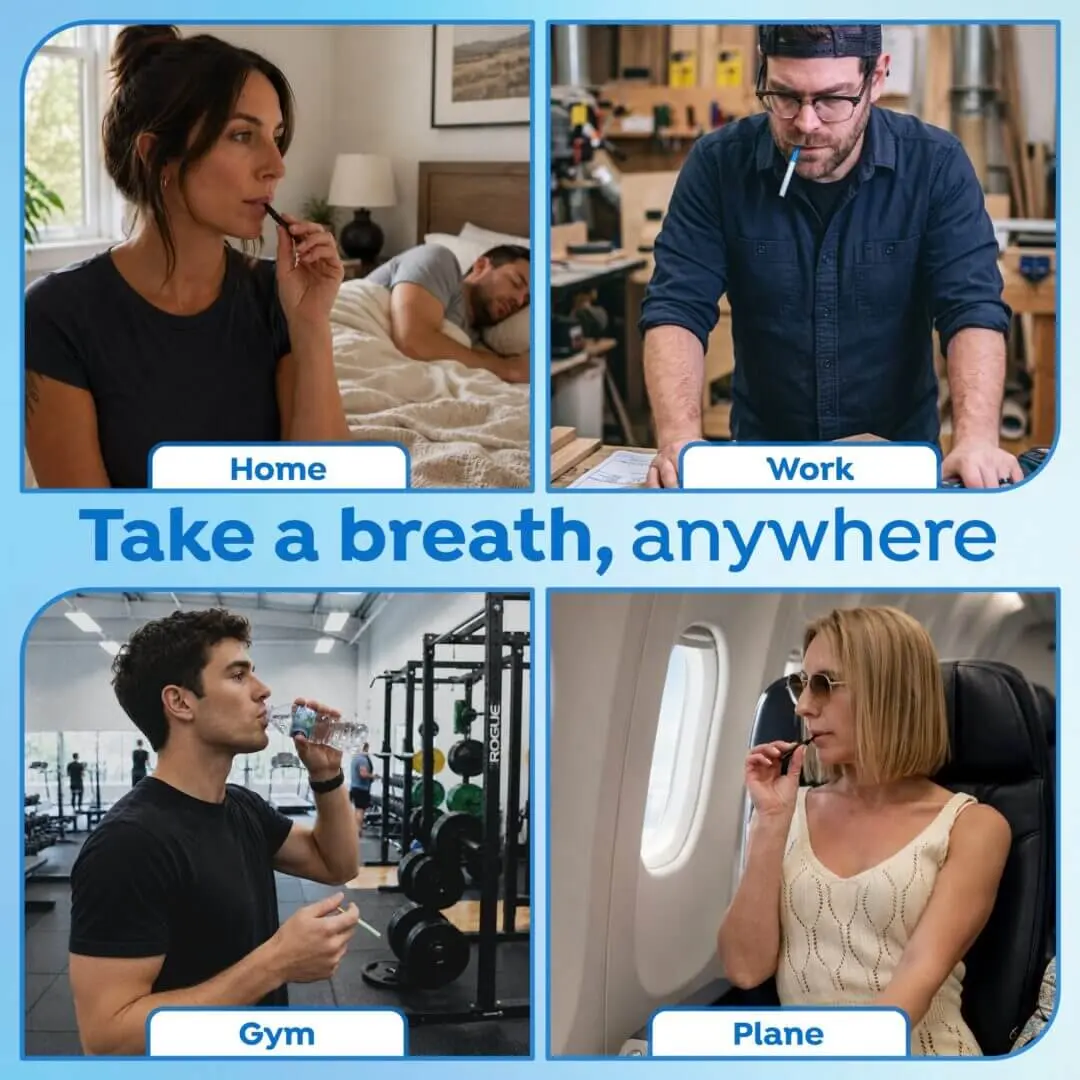
Because Cigtrus produces no smoke or vapor, it is usable in more settings, indoors, commuting, work, social events, travel. Reducing friction makes sticking to a quit plan easier when alternatives are convenient.
Psychological Support at Trigger Moments
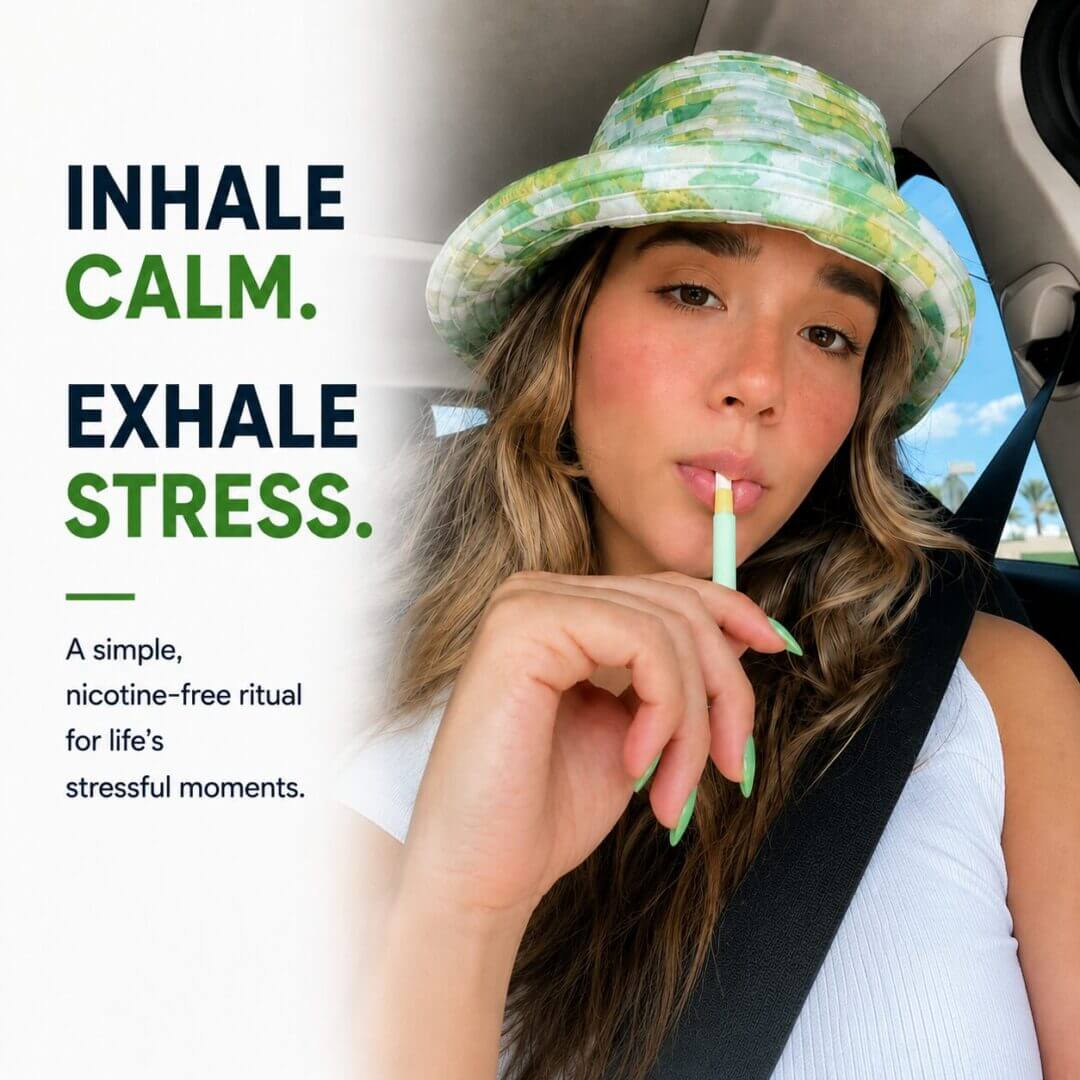
Stress, boredom, social cues, and situational habits can spark urges long after nicotine is gone. Cigtrus offers a harmless outlet, redirecting behavior and managing oral fixation without reintroducing chemical dependency.
What Cigtrus Is, And What It Is Not
It is important to be clear about what Cigtrus supports and what it does not guarantee.
✅ What Cigtrus Offers
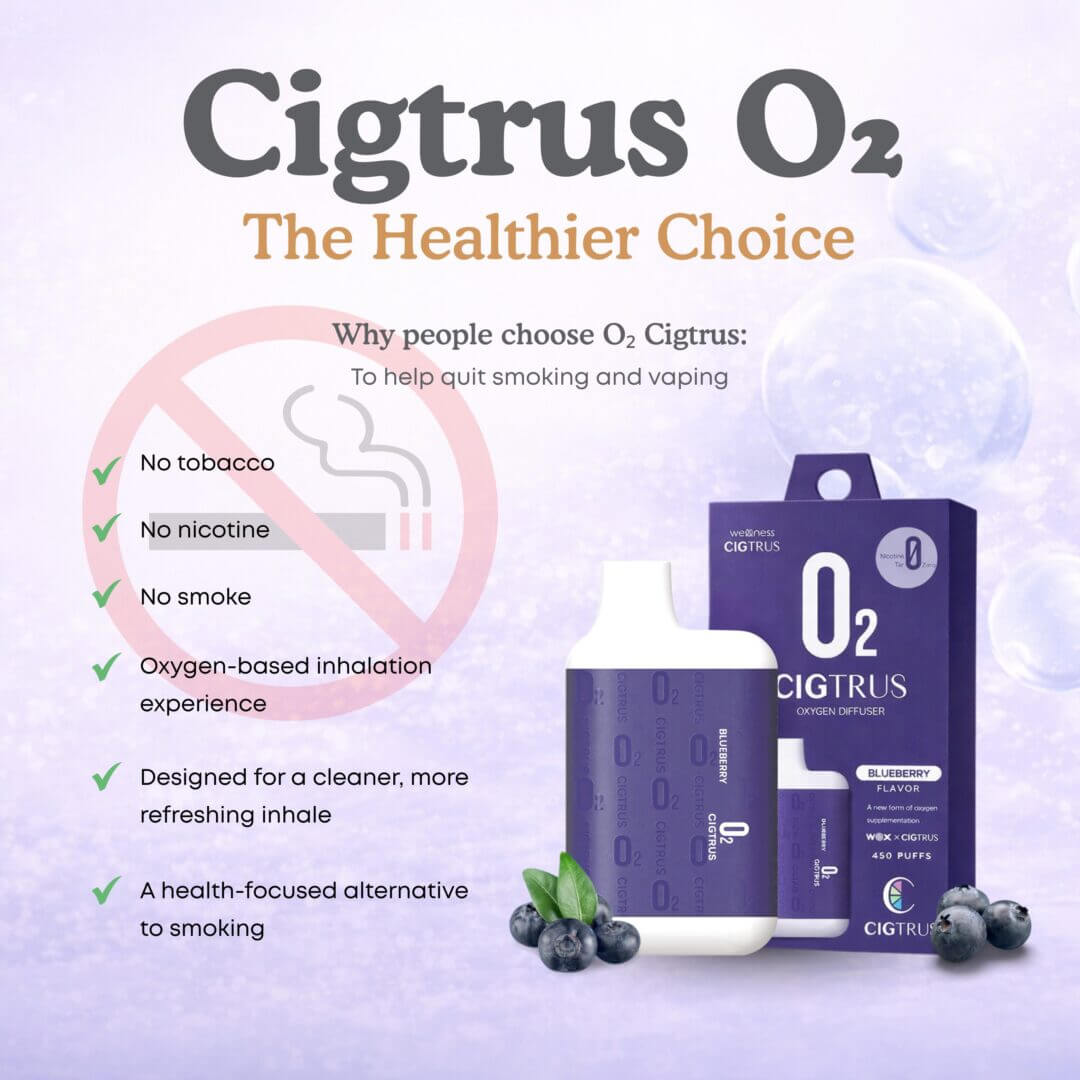
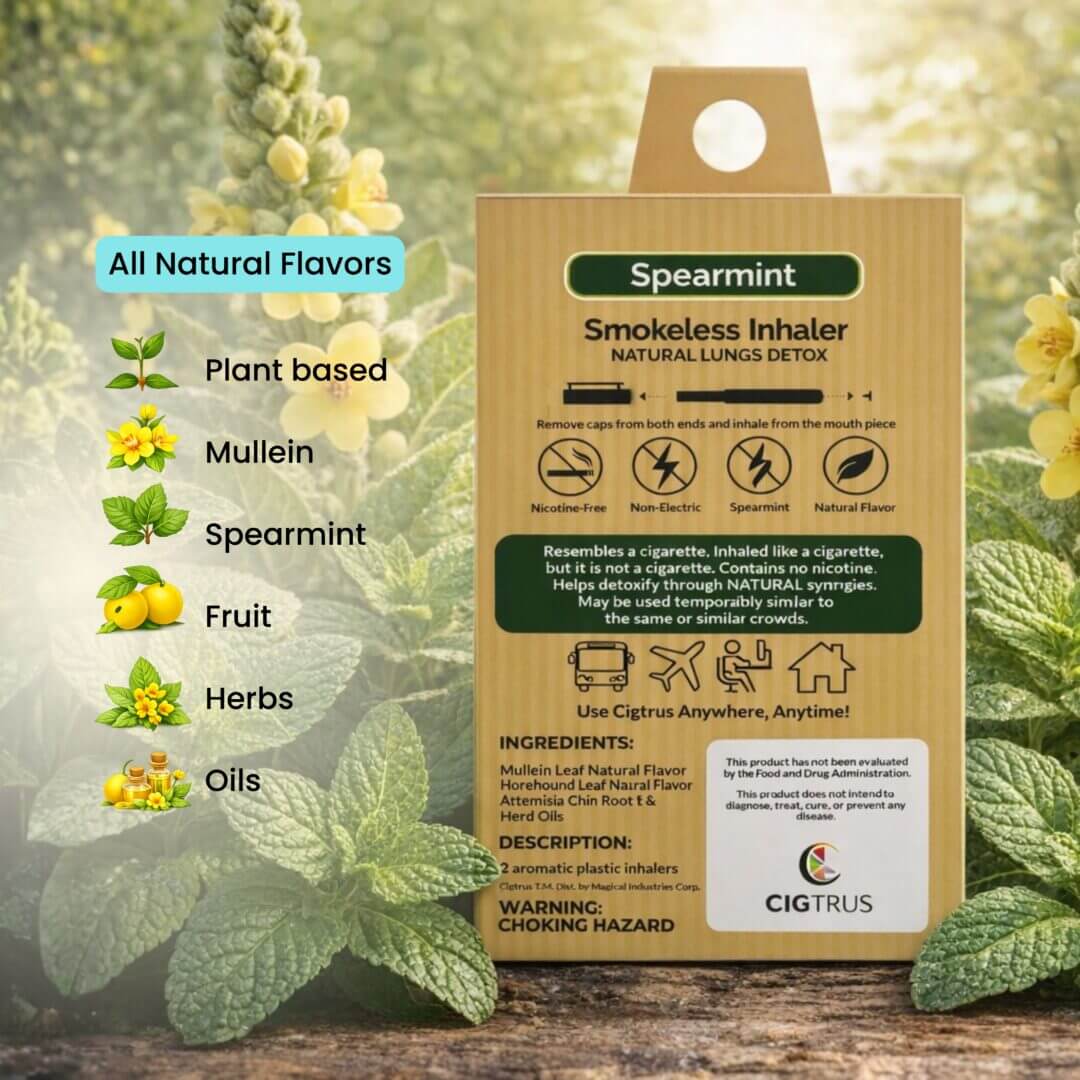
- A nicotine-free and tobacco-free option to mimic smoking rituals and oral fixation
- Smoke-free, vapor-free, discreet inhalation usable in any environment
- Sensory and behavioral substitution for cravings tied to habit, triggers, and routine
- A behavioral bridge for people whose smoking was more about the ritual than the nicotine
- Support for a quit journey, especially for people who have already reduced nicotine dependency
⚠️ What Cigtrus Does Not Guarantee
- Relief from strong physical nicotine withdrawal, NRT options remain evidence-based for high physical dependency
- A guaranteed quit path, quitting often requires behavioral strategies, support, and lifestyle changes
- Medical approval as a cessation treatment, Cigtrus is a behavioral support tool
- Full satisfaction for heavy smokers expecting a strong throat hit similar to cigarettes
In short: Cigtrus is a behavioral support tool, not a magic cure. Its value depends on the user’s patterns and how central the ritual and habit are to their smoking dependency.
Who Benefits Most From Cigtrus
Cigtrus is most effective for people whose smoking is deeply connected to behavioral ritual rather than solely to physical nicotine dependence.
- People whose smoking is tied to habit, ritual, and oral fixation more than physical addiction
- Individuals who have reduced nicotine dependency but still struggle with the behavioral side
- Smokers and vapers in smoke-free environments who need discreet oral fixation support
- Those trying to quit without replacing one addiction with another, seeking a clean break
- People combining behavioral strategies, counseling, trigger-awareness, habit-tracking, who need a substitute for sensory and visual triggers
- Anyone who has tried NRT and still found the behavioral gap unaddressed and relapsed as a result
Using Cigtrus Effectively, Practical Tips
How to Get the Most From Cigtrus
Use it every time a craving fires, especially during habitual triggers like stress, meals, coffee, commutes, and breaks
Treat it as a behavioral substitute, focus on the hand-to-mouth motion and inhalation, just as you did with cigarettes
Inhale consciously, breathe in, hold briefly, exhale, mimic the sensory pattern to satisfy oral fixation fully
Combine it with a broader quit plan, behavioral support, trigger awareness, stress management, and lifestyle changes
Be patient, habits run deep. Behavioral cravings may fade slower than physical withdrawal, but consistency builds progress
Frequently Asked Questions
How does Cigtrus support craving control without nicotine?
By replacing the behavioral ritual of smoking, the hand-to-mouth motion, the inhalation, the oral fixation, with a clean nicotine-free alternative. It addresses the habitual side of craving that NRT products leave completely unaddressed.
Is habit substitution an effective quit strategy?
For people whose smoking is strongly connected to behavioral routine rather than solely physical nicotine dependency, addressing the behavioral side directly can be as important as addressing the chemical side. Cigtrus is designed for exactly that group.
Can Cigtrus be used alongside nicotine replacement therapy?
Yes. For smokers with significant physical nicotine dependency, combining NRT for the chemical side with Cigtrus for the behavioral side addresses both layers simultaneously, which is what the most effective quit plans do.
Why do cravings continue after nicotine leaves the body?
Because behavioral and psychological dependence, the rituals, cues, and habits surrounding smoking, remain barriers even when physical withdrawal fades. Those behavioral cravings fire at the same trigger moments they always did, regardless of nicotine levels.
How is Cigtrus different from nicotine patches or gum?
Patches and gum replace nicotine chemically but leave the behavioral ritual untouched. Cigtrus replaces the ritual without delivering any nicotine, addressing the hand-to-mouth habit, oral fixation, and sensory cravings that chemical replacements completely ignore.
A Different Kind of Craving Control
Smoking and vaping are more than chemical habits. They are rituals, coping mechanisms, social gestures, and behavioral patterns built over years. For people whose dependency is rooted more in habit than nicotine, replacing the chemical is not enough.
Cigtrus offers a third path, not cold turkey, not nicotine replacement, but habit substitution. A bridge between addiction and freedom that recognizes quitting may be as much about behavior and routine as about chemistry.
No smoke. No nicotine. No problem.
Control the Craving. Replace the Habit.
Nicotine-free, smoke-free, and ready for every behavioral trigger, wherever and whenever cravings strike.
👉 Try the Variety Pack