
The Real Reason Quitting Smoking Feels So Hard

Quitting smoking feels hard because nicotine changes your brain and daily behavior. The struggle goes beyond habit. It affects how you manage stress, structure routines, and define yourself. Many smokers blame willpower, yet the real barrier lies in chemical dependence and behavioral conditioning. When you try to quit smoking, you challenge both at once.


Nicotine reaches your brain within seconds. It triggers dopamine release, which creates a reward response. Over time, your brain connects cigarettes with relief, focus, and comfort. You begin to rely on nicotine during stress, boredom, social interaction, and after meals. When you remove cigarettes, your brain reacts. It expects nicotine and creates cravings when it does not receive it. This reaction leads to irritability, restlessness, and tension. These symptoms make quitting smoking feel intense.

Smoking also becomes automatic. You wake up and light a cigarette. You drive and smoke without thinking. You step outside during breaks and repeat the routine. These patterns require no conscious decision. When you quit, you must interrupt actions that once felt natural. Each moment demands awareness. That effort drains mental energy.

Nicotine addiction affects stress management. Many smokers believe cigarettes calm them. In reality, nicotine relieves withdrawal symptoms rather than stress itself. When nicotine levels drop, tension rises. Smoking restores balance for a short time. When you quit, stress feels stronger because your body no longer receives that quick relief. You must learn new coping skills to manage pressure without nicotine.

Emotional attachment adds another layer. Cigarettes connect to memories, social settings, and personal rituals. You may associate smoking with friendships, nightlife, or quiet reflection. Letting go can feel like losing part of your identity. You are not just ending a habit. You are reshaping your self image.

Withdrawal symptoms reinforce the challenge. Headaches, mood swings, sleep changes, and difficulty concentrating often appear in early stages. These effects signal adjustment. Your body is learning to function without nicotine. The discomfort feels powerful but does not last. Many people relapse to escape withdrawal. Understanding that symptoms are temporary helps you persist.

Cravings often follow predictable triggers. Coffee, alcohol, stressful conversations, or certain locations can spark the urge to smoke. Your brain links these cues with nicotine. When you encounter them without smoking, tension rises. Breaking this connection requires repetition. Each time you resist, you weaken the pattern.

Social influence plays a role. If people around you smoke, quitting becomes more complex. You face temptation and possible pressure. You may feel isolated during smoke breaks. Surrounding yourself with support improves your chances of success.

Many smokers attempt to quit without preparation. They depend on motivation alone. Motivation fades during strong cravings. A structured plan improves results. Identifying triggers, setting clear goals, and preparing alternatives reduces relapse risk. You need strategies that address physical dependence and behavioral habits together.

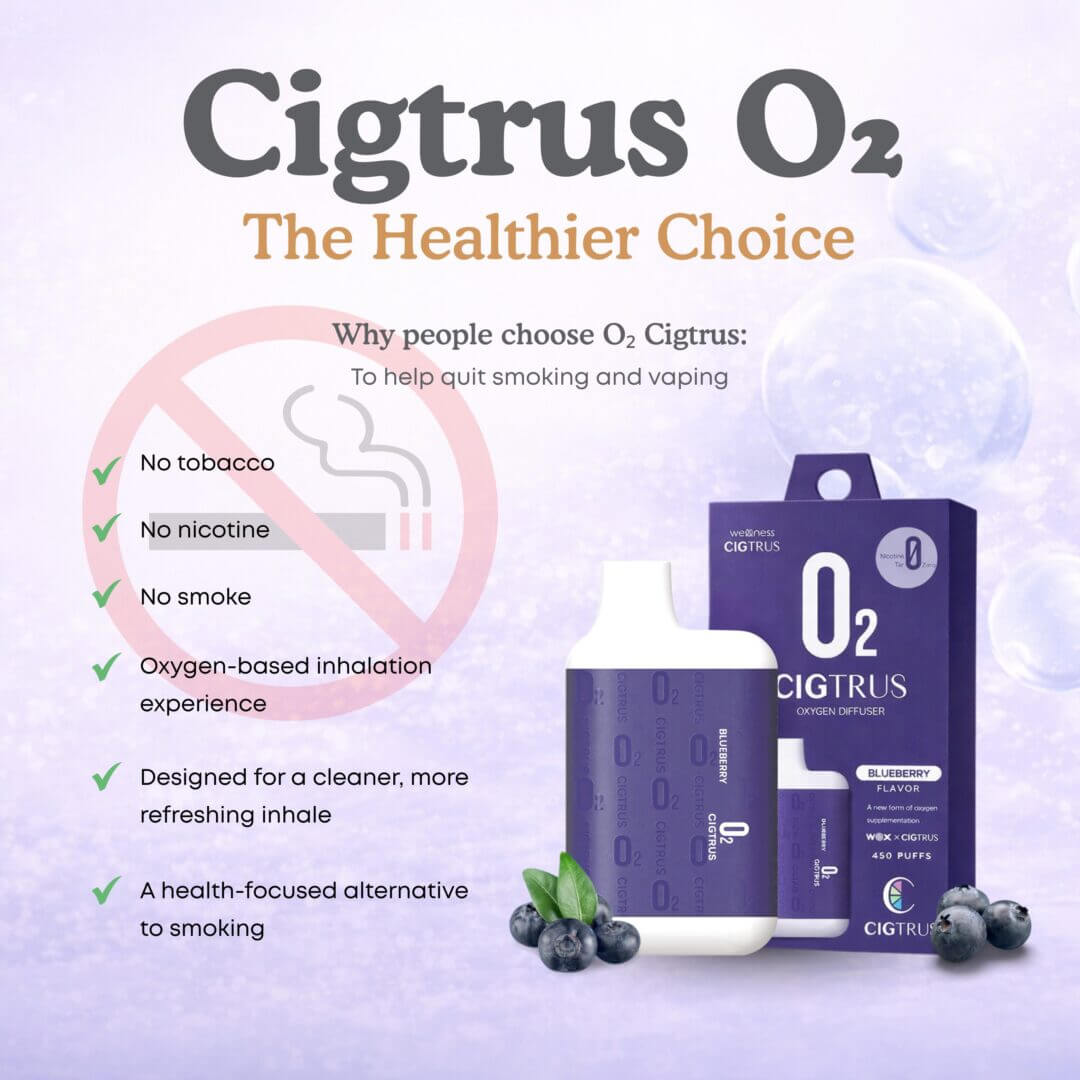
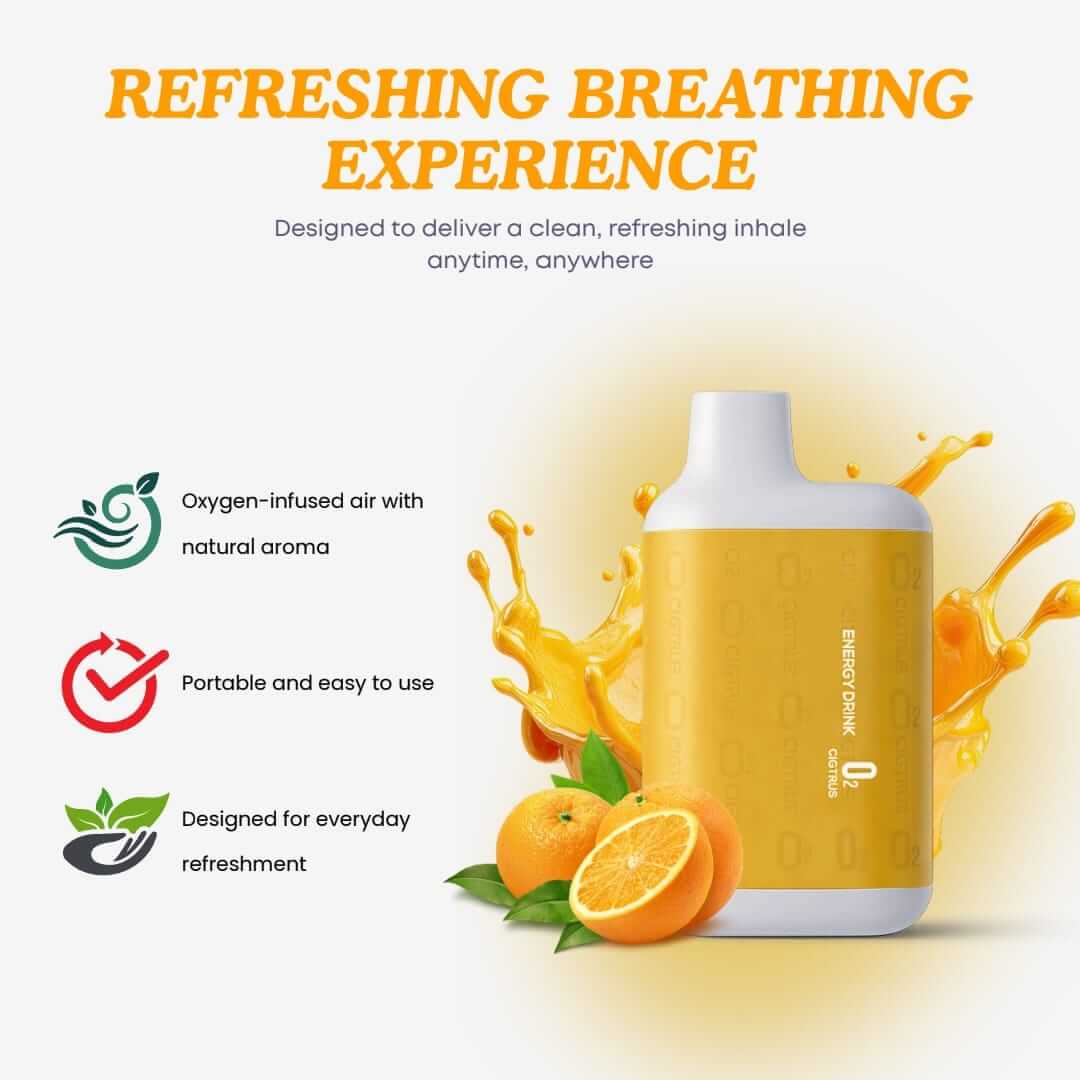
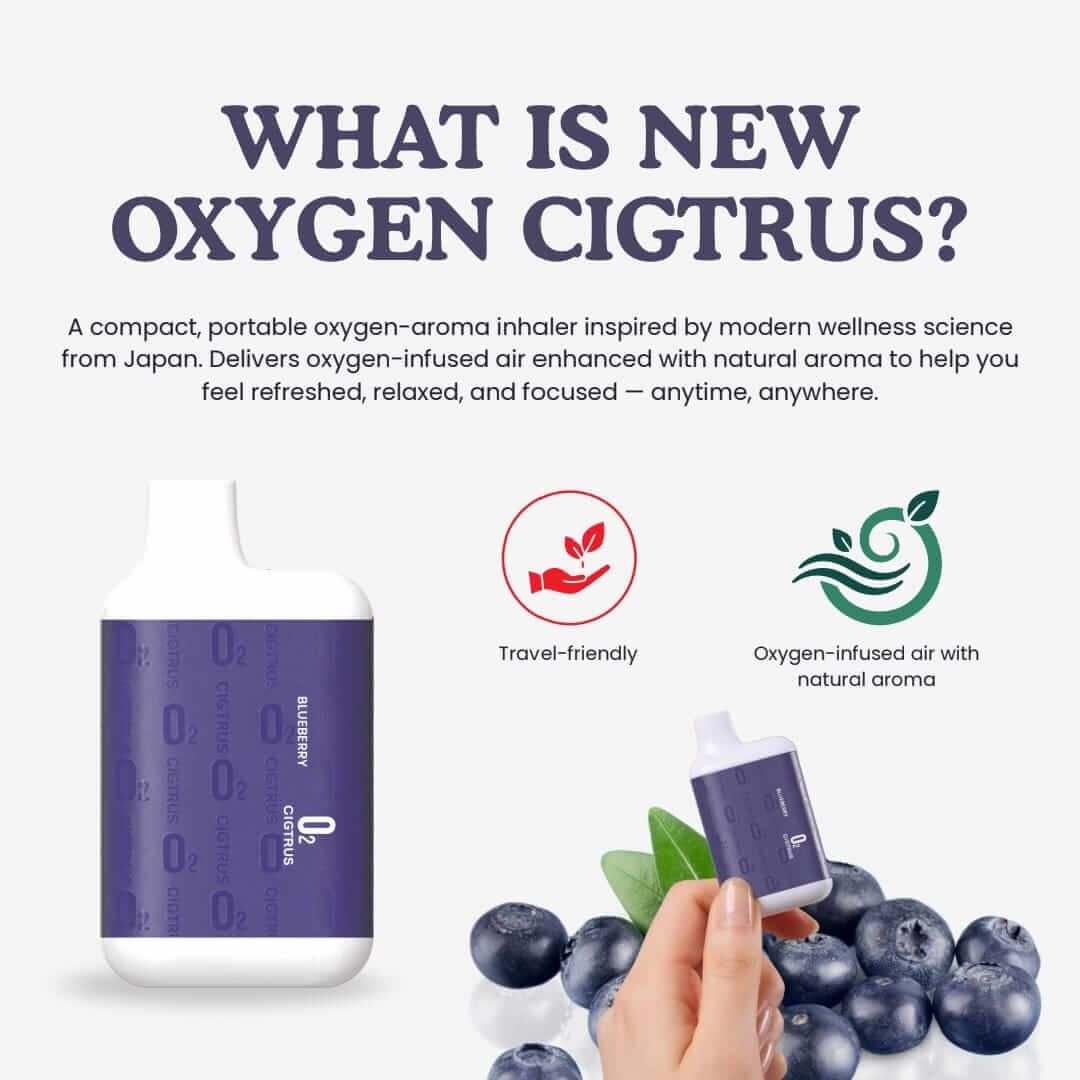
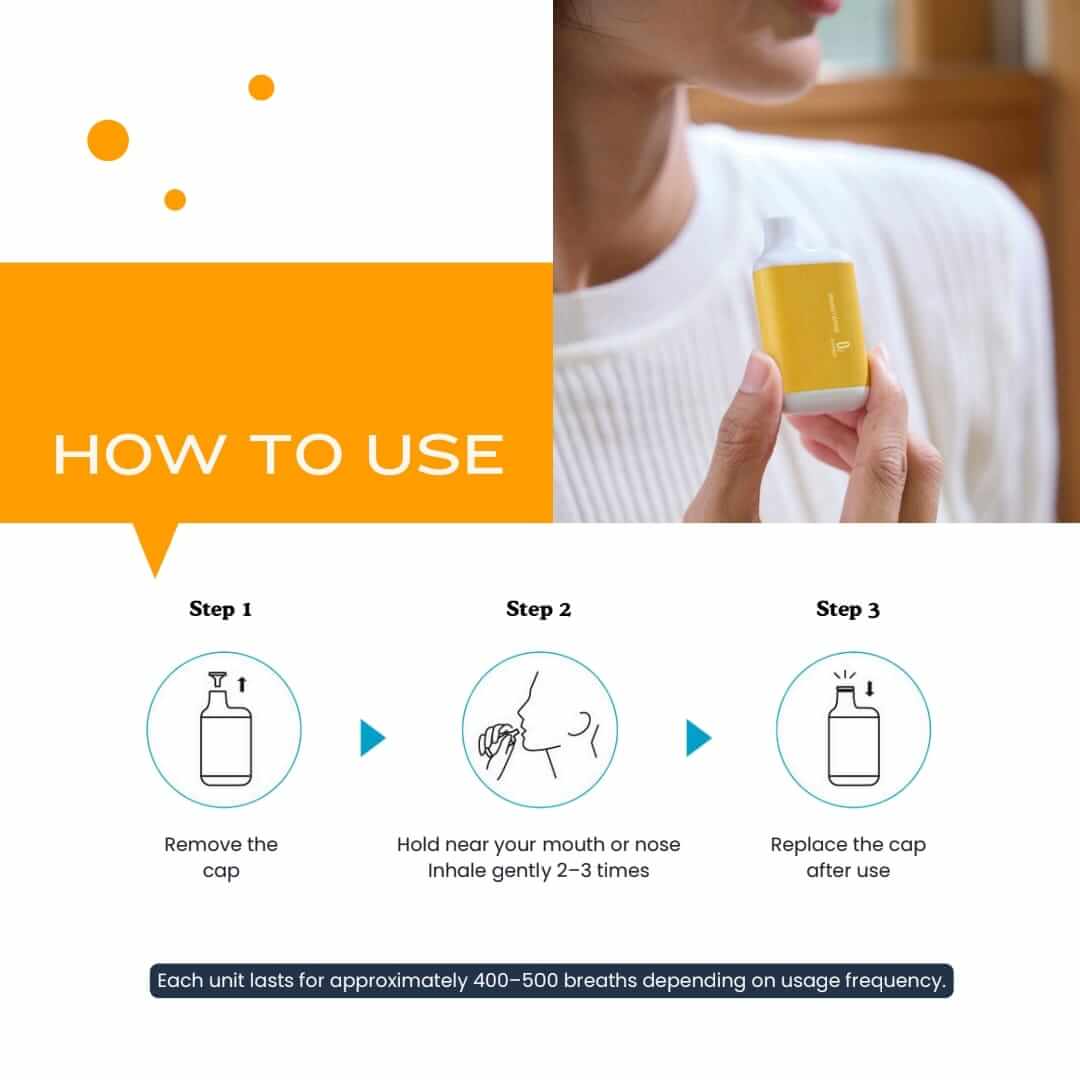
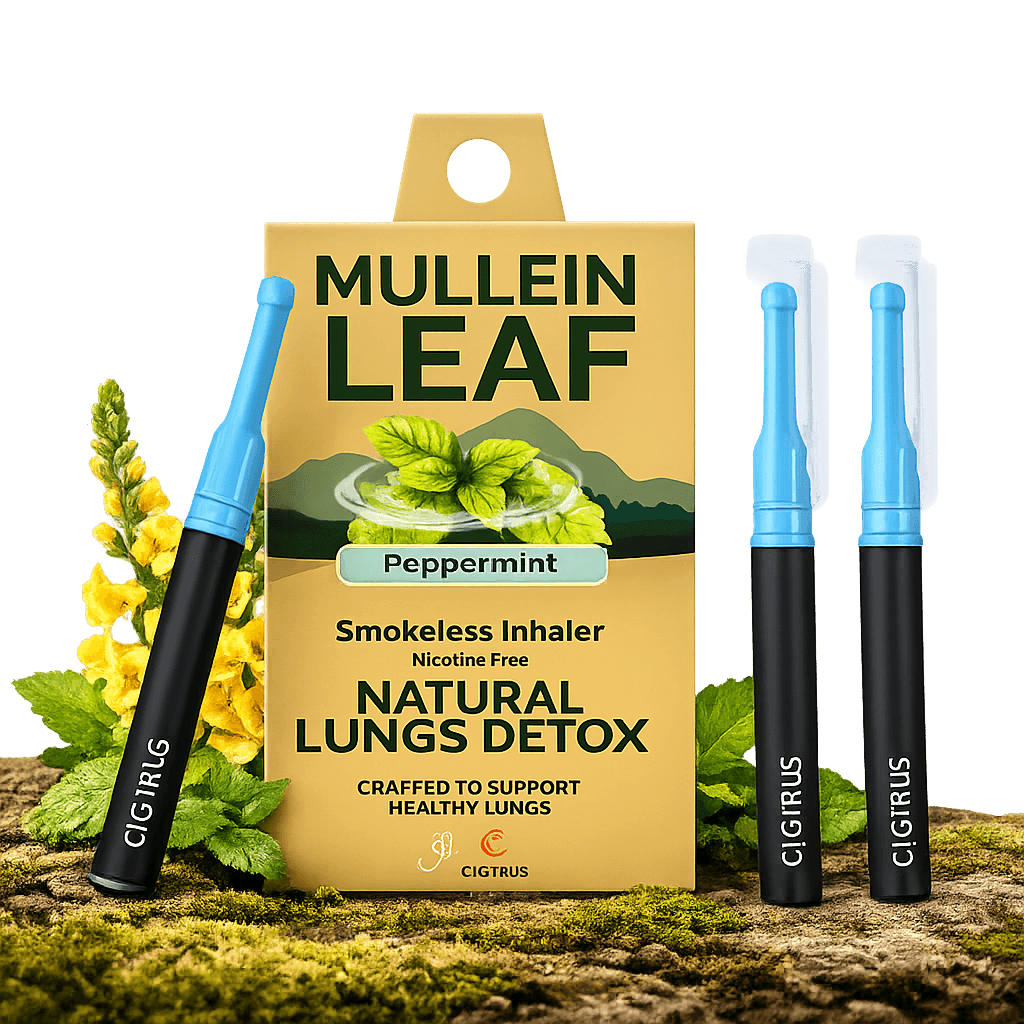
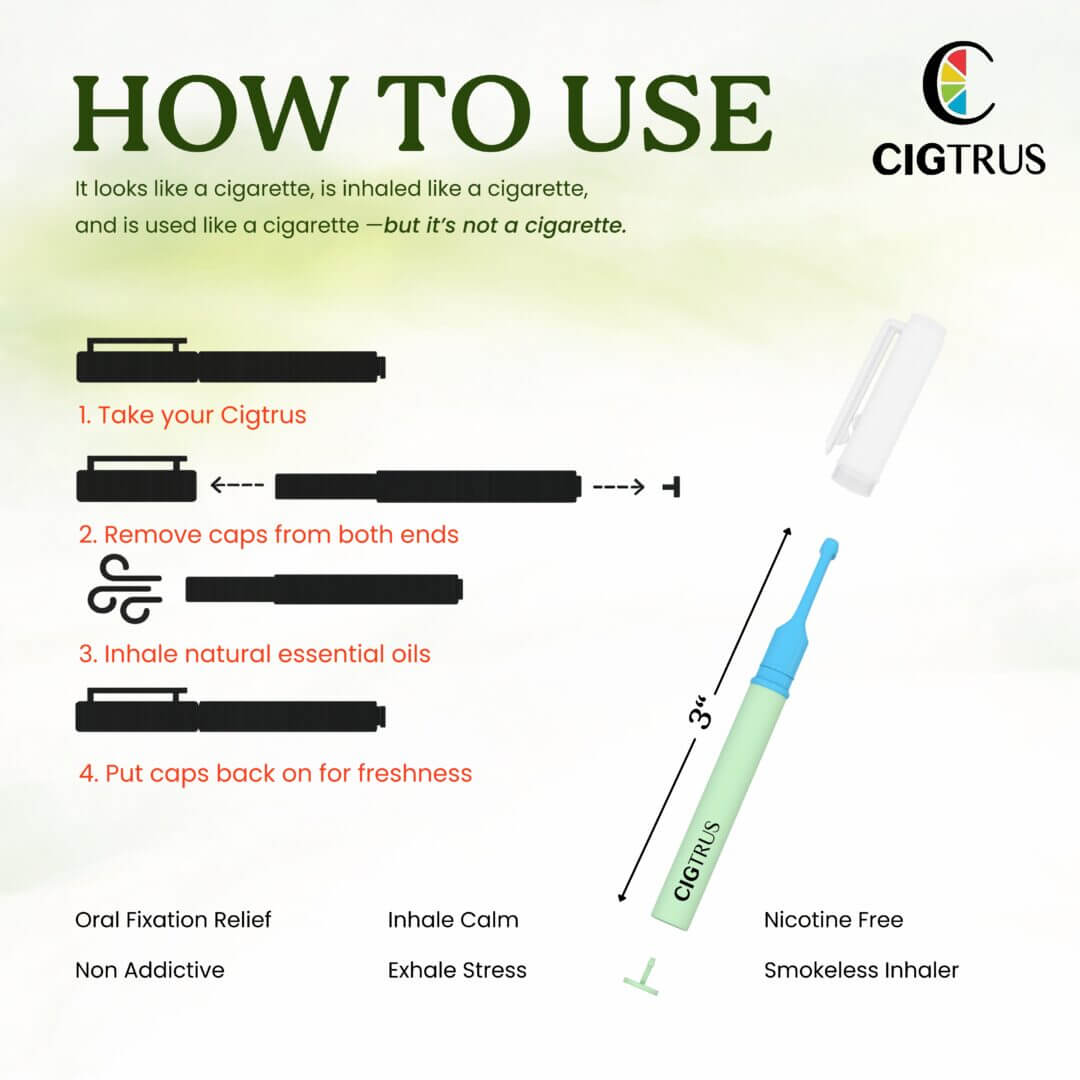
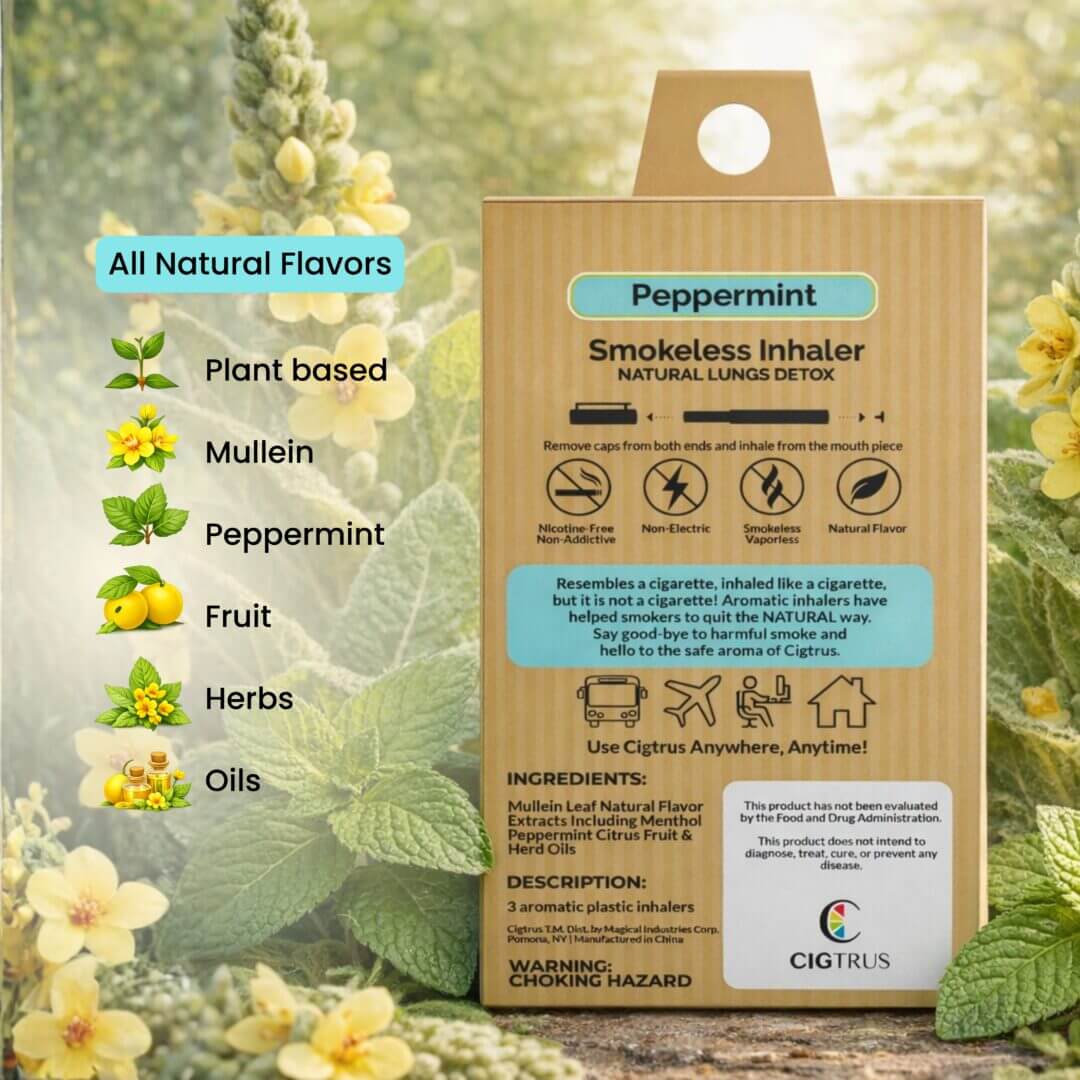
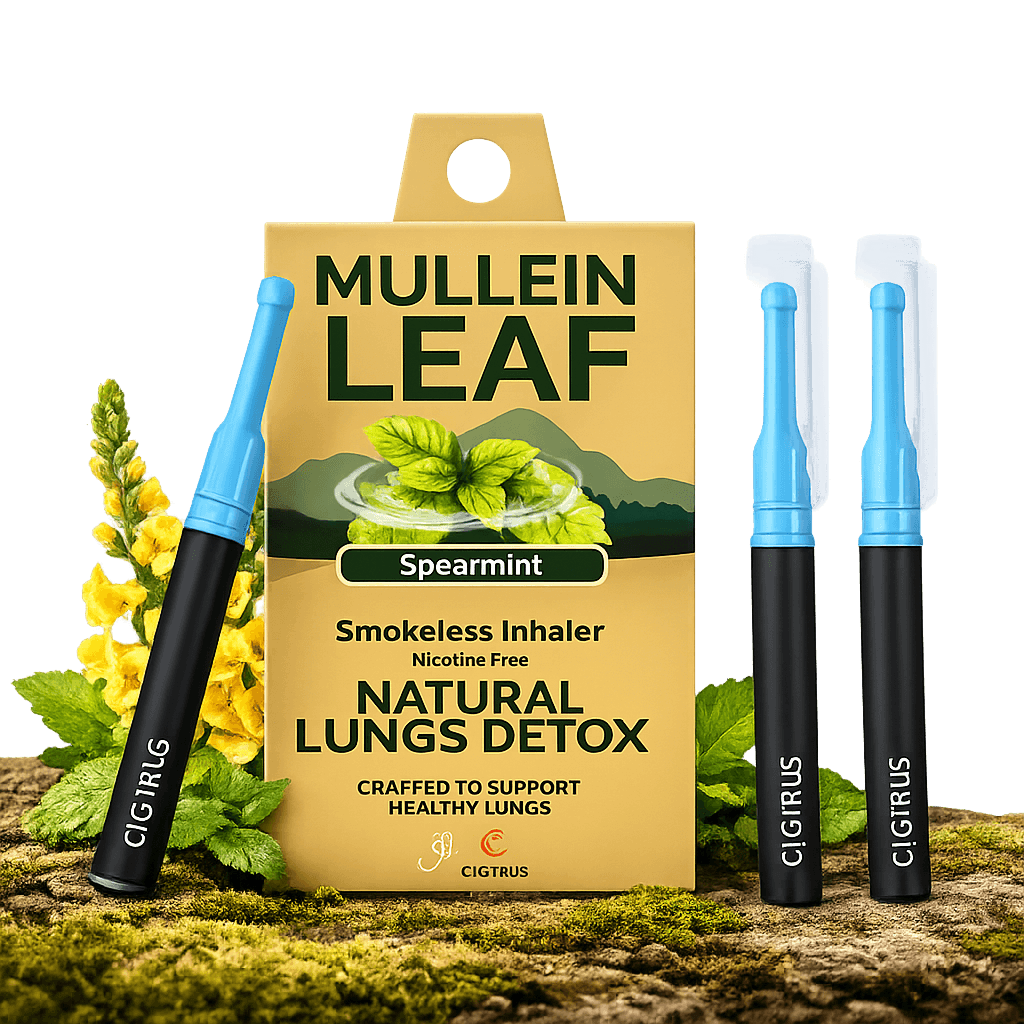
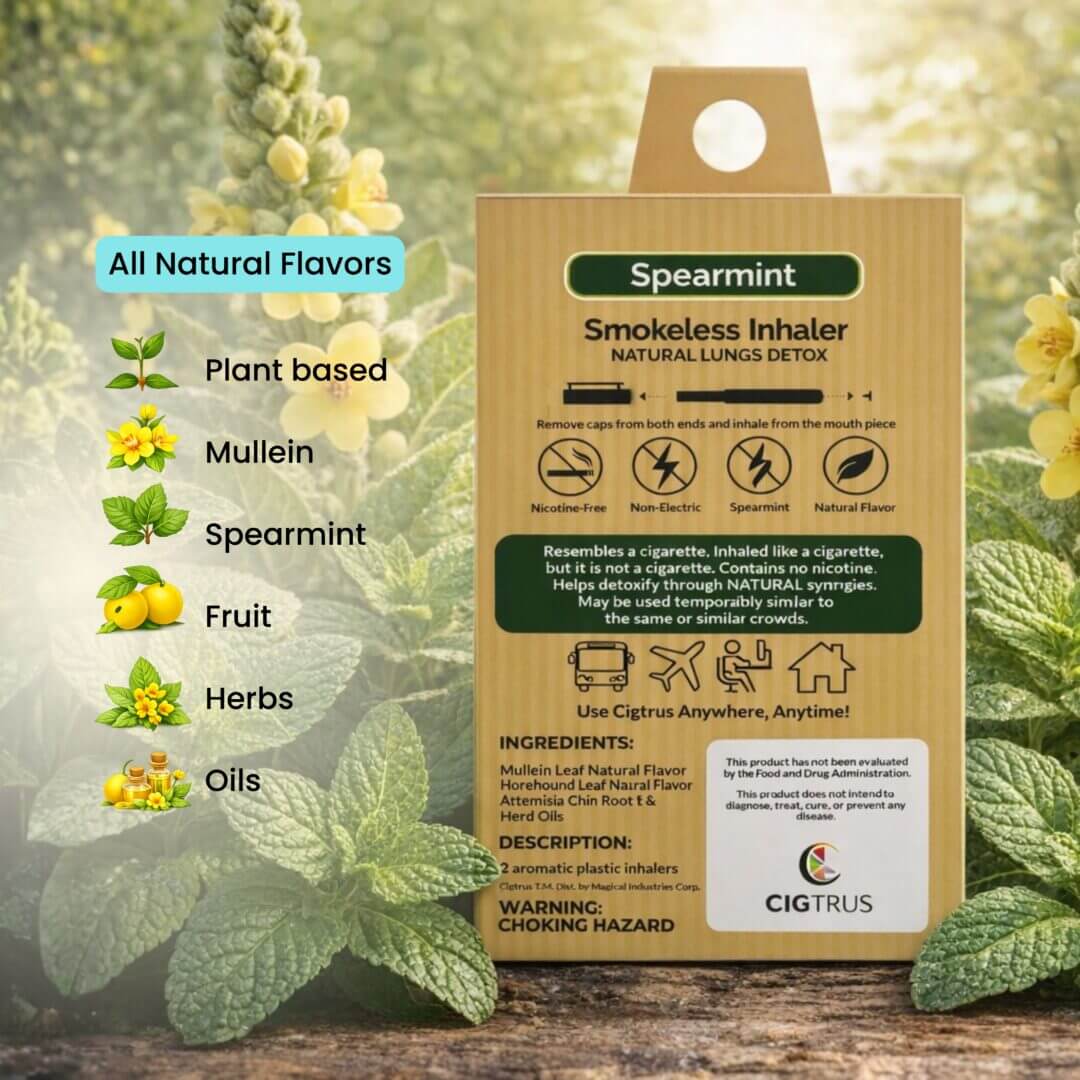
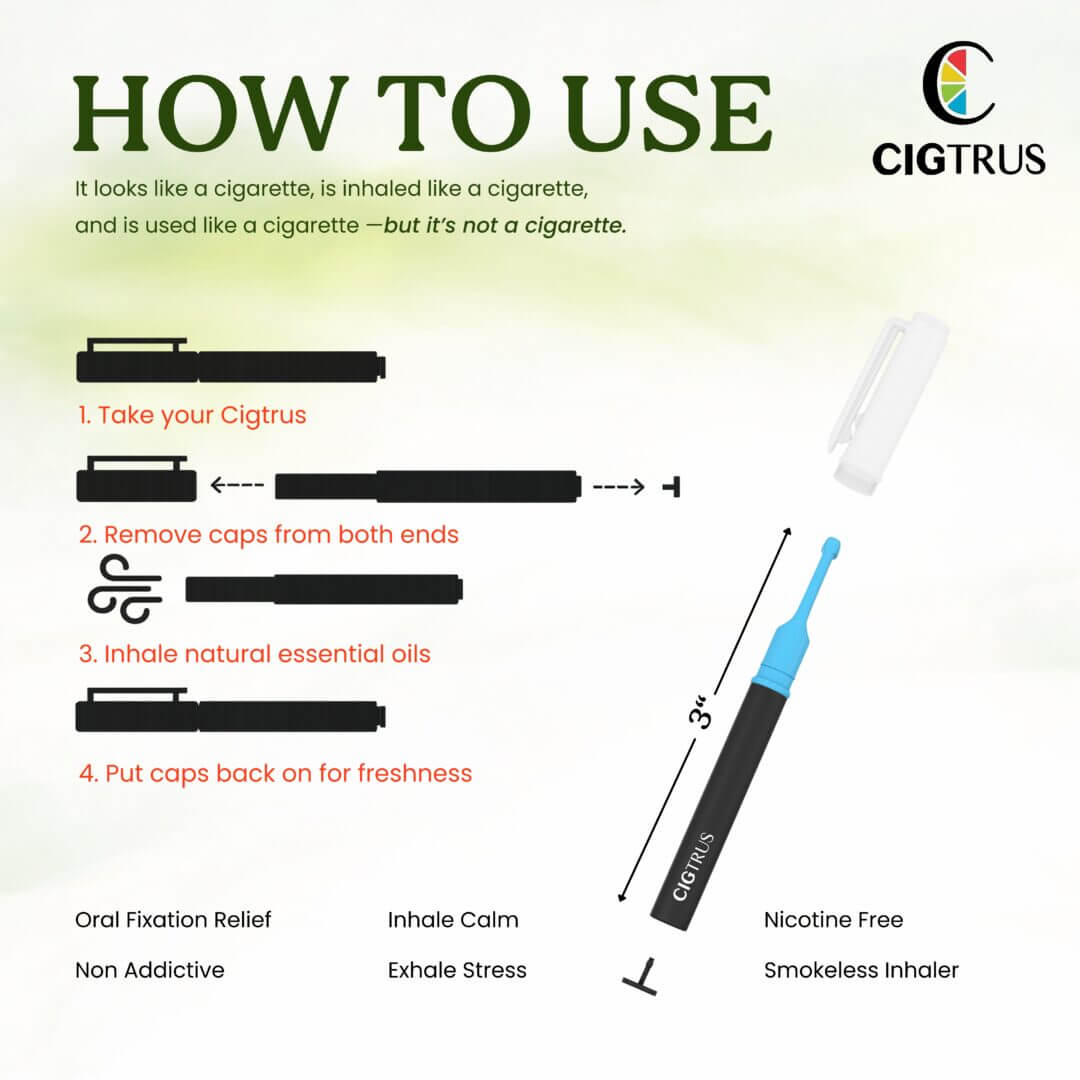
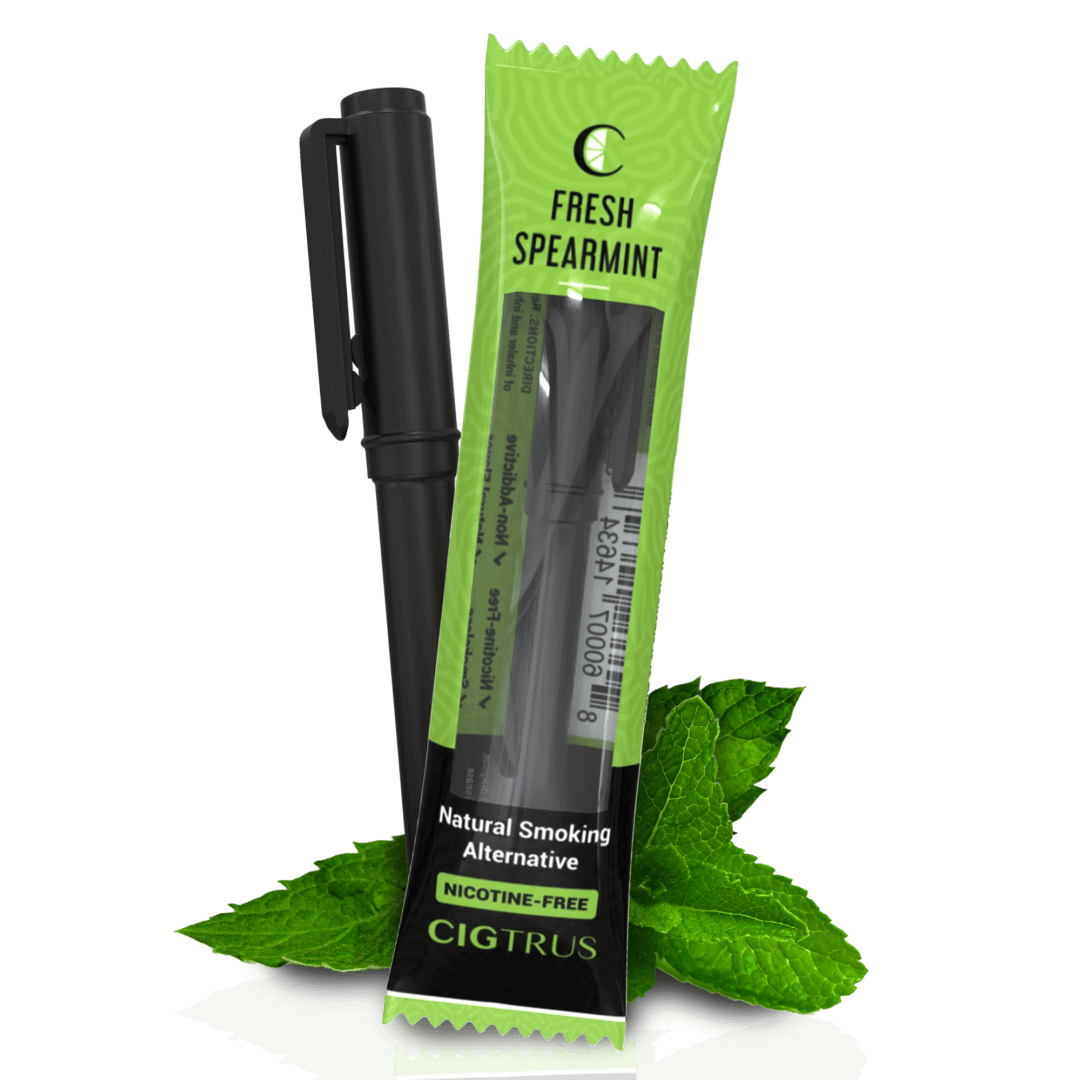
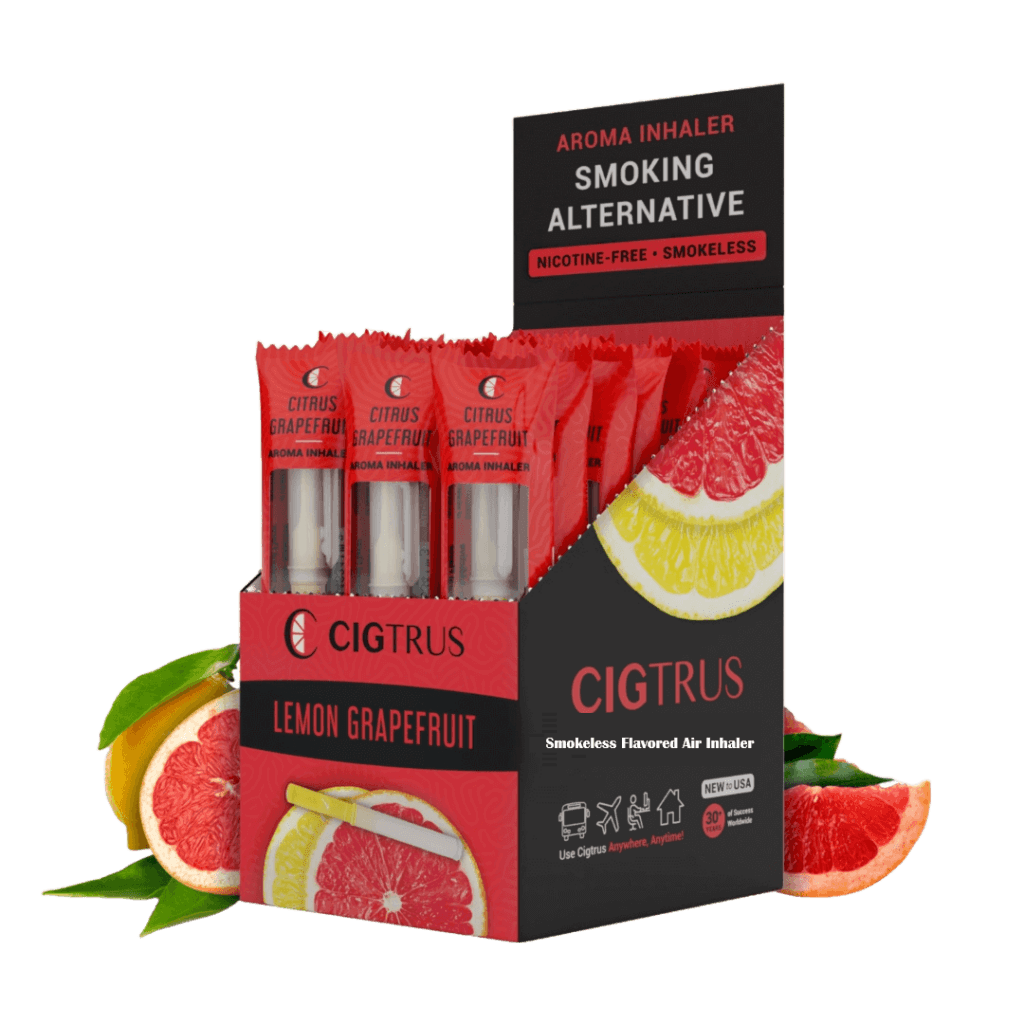
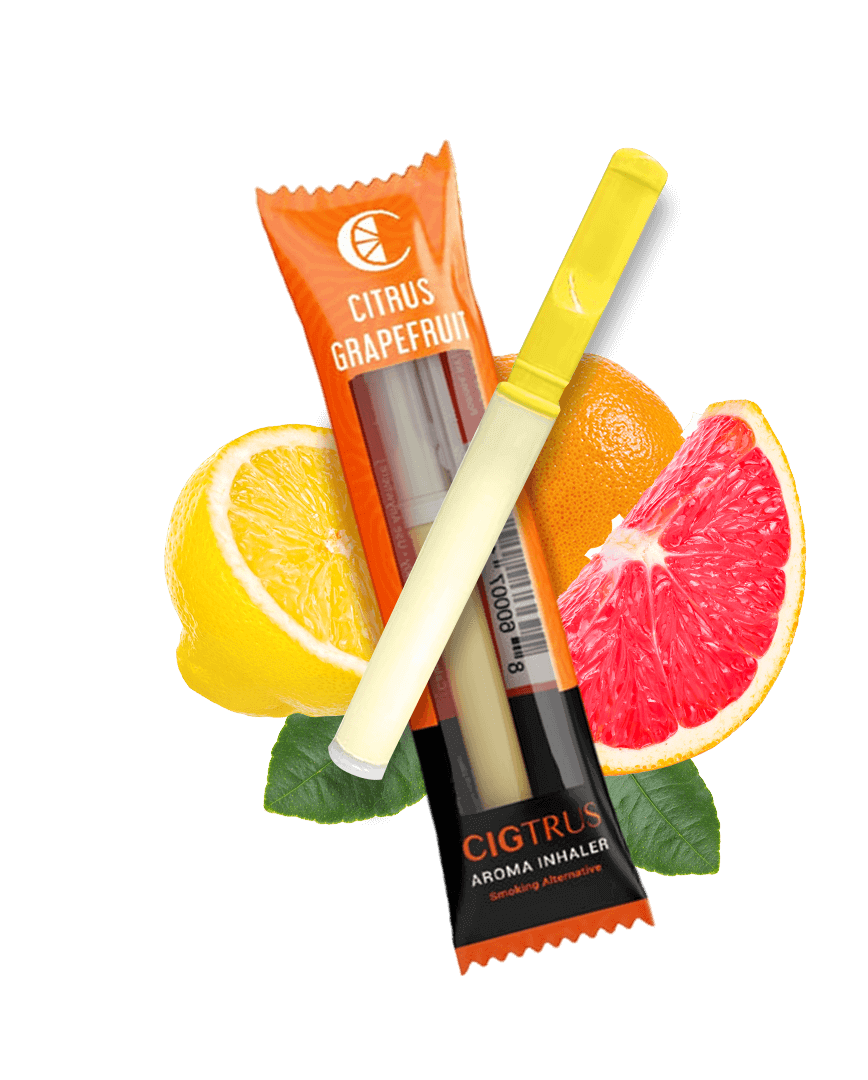
Some people seek alternatives to traditional cigarettes as part of their transition. Natural support systems can make the process feel less abrupt. Cigtrus offers a natural alternative to quit smoking designed for adults who want a smoke free option without combustion. Exploring different approaches allows you to choose a method aligned with your goals.

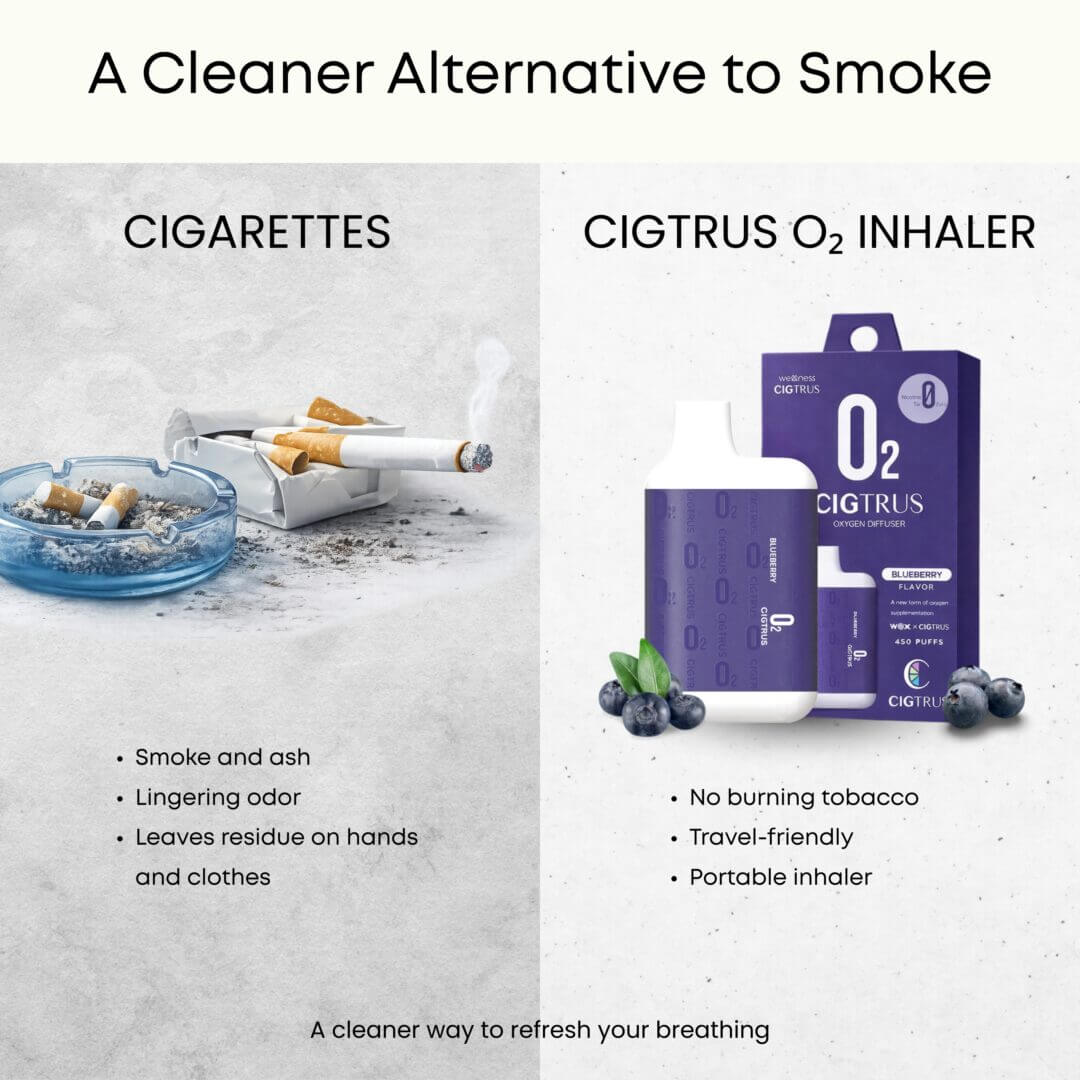
Switching to a natural alternative does not mean avoiding responsibility. It can serve as a step toward breaking the smoking cycle. Many adult smokers look for options that remove smoke while addressing the ritual aspect of the habit. Cigtrus focuses on providing a natural alternative to quit smoking that supports the behavioral shift away from traditional cigarettes.

Quitting smoking challenges your sense of control. Nicotine convinces you that you need cigarettes to function. When you stop, you confront that belief. You prove that you can handle discomfort and adapt. This process builds resilience, yet it requires patience.

Your brain needs time to rebalance dopamine levels. As they stabilize, cravings lose intensity. Activities such as exercise, structured breathing, and routine building support this transition. Replacing smoking with new habits creates different neural pathways. Each healthy action reinforces your progress.

Small environmental triggers can reignite desire. Smells, sights, and routines linked to smoking activate cravings. Removing ashtrays, lighters, and cigarette packs reduces temptation. Changing daily habits also helps. If you usually smoke with coffee, change your beverage or setting. Disrupting the routine weakens automatic behavior.

Mindset influences outcomes. Viewing quitting as deprivation increases resistance. Viewing it as freedom shifts your perspective. You are not losing something valuable. You are removing dependence. That shift reduces emotional conflict.

Boredom often fuels smoking. Cigarettes fill idle moments. Without them, restlessness can surface. Planning activities in advance prevents boredom from leading to relapse. Simple tasks such as walking, organizing, or reading keep your hands and mind occupied.

Sleep disturbances during early withdrawal can weaken resolve. Fatigue lowers self control. Maintaining a consistent bedtime supports recovery. Rest allows your body to heal and stabilize.

Hydration and balanced meals also support quitting. Drinking water helps your body adjust. Stable blood sugar levels reduce irritability. Physical care strengthens mental resilience.

Support networks improve success rates. Sharing your goal with friends or family builds accountability. Professional guidance can address deeper behavioral patterns. You do not need to quit alone.

Relapse does not equal failure. Many smokers make multiple attempts before achieving long term success. Each attempt reveals triggers and areas for improvement. Instead of self criticism, analyze what happened and adjust your approach.

Weight gain concerns discourage some smokers. Nicotine suppresses appetite. When you quit, hunger may increase. Preparing healthy snacks and staying active helps manage this shift. Focusing on overall wellness supports long term change.

Understanding why quitting smoking feels hard helps you respond with strategy rather than frustration. You face chemical dependence and conditioned habits. Addressing both increases your chance of success.

For adults seeking a smoother transition, Cigtrus provides a natural alternative to quit smoking without smoke or combustion. This approach can support individuals who want to reduce reliance on traditional cigarettes while working toward cessation. Choosing a method that aligns with your readiness level strengthens commitment.

Cravings often peak and fade within minutes. Delaying the urge and focusing on breathing can carry you through. Each resisted craving builds confidence. Over time, urges lose frequency and intensity.

Setting milestones reinforces progress. Track days without cigarettes. Celebrate improvements in energy, breathing, or financial savings. Positive reinforcement builds momentum.

Designing your environment supports change. Keep spaces clean and free from smoking cues. Add reminders of your commitment. Visual reinforcement strengthens resolve.

Stress remains a primary trigger. Developing alternative coping methods changes your response pattern. Practice breathing exercises, short workouts, or journaling. These actions release tension without nicotine.

If you choose gradual reduction, set clear limits. Reduce cigarette intake on a schedule. Monitor your progress. Avoid compensating by inhaling more deeply. Structured reduction prevents stagnation.

Education empowers action. Understanding how nicotine affects the brain helps you detach from cravings. When you recognize withdrawal as a biological response, you respond logically rather than emotionally.

Identity transformation marks a turning point. Instead of saying you are trying to quit smoking, tell yourself you are becoming a non smoker. Language influences belief. Belief influences behavior.

Moments of doubt will appear. During those times, revisit your reasons for quitting. Whether your goal involves health, control, or personal growth, clarity fuels persistence. Write down your motivations and review them during cravings.

Cigtrus serves as a natural alternative to quit smoking for adults who want support in breaking the smoking ritual. Exploring alternatives while building new habits can reduce the shock of abrupt cessation and help manage behavioral triggers.

Quitting smoking feels hard because it requires change at multiple levels. It affects brain chemistry, daily patterns, emotional coping, and identity. Recognizing this complexity helps you prepare rather than feel defeated.

Your body begins adjusting from the moment you stop. Breathing becomes easier over time. Energy levels stabilize. Each day without cigarettes weakens nicotine dependence. The grip loosens gradually.

The real reason quitting smoking feels so hard lies in how deeply the habit embeds itself into biology and behavior. When you address both, use structured strategies, and explore supportive options like Cigtrus as a natural alternative to quit smoking, you increase your ability to achieve lasting change.

SHARE
Facebook
Twitter
LinkedIn
WhatsApp

SIGN IN

[]