
Stress drives many people back to cigarettes. When pressure rises, lighting up feels automatic. Over time, your brain links nicotine with relief. The ritual of stepping outside, inhaling, and pausing creates the illusion of control. Yet cigarettes do not solve stress. They interrupt withdrawal symptoms. When nicotine levels drop, tension increases. Smoking restores balance for a short period, then the cycle repeats.
Breaking that pattern requires a new strategy. You must replace both the chemical response and the behavioral ritual. A healthier way to handle stress without cigarettes starts with understanding stress itself. Stress is a physical and mental reaction to demand. Your heart rate increases. Muscles tighten. Thoughts accelerate. Nicotine does not remove these reactions. It masks them while reinforcing dependence.
When you remove cigarettes, stress can feel stronger at first. Your body no longer receives nicotine as a rapid stimulus. This phase is temporary. Once nicotine dependence fades, your baseline stress often decreases because you are no longer cycling between stimulation and withdrawal. The key lies in building healthier coping systems during the transition.
Controlled breathing offers one of the most effective tools. Smoking conditions you to take slow, deep inhales. That breathing pattern reduces tension more than nicotine itself. You can replicate it without cigarettes. Inhale through your nose, pause briefly, and exhale steadily. Repeat for several minutes. This stabilizes heart rate and calms your nervous system. Over time, your body associates calm with breath instead of smoke.
Movement provides another powerful outlet. Physical activity releases muscle tension and shifts your mental state. A short walk, light stretching, or a focused workout session reduces stress hormones and supports dopamine balance. Replacing smoking breaks with movement builds a healthier routine.
Structured pauses during the day prevent stress buildup. Many smokers rely on cigarettes as an excuse to step away from work. You can keep the break while removing the cigarette. Step outside. Hydrate. Breathe. Reset your focus. The pause itself delivers relief.
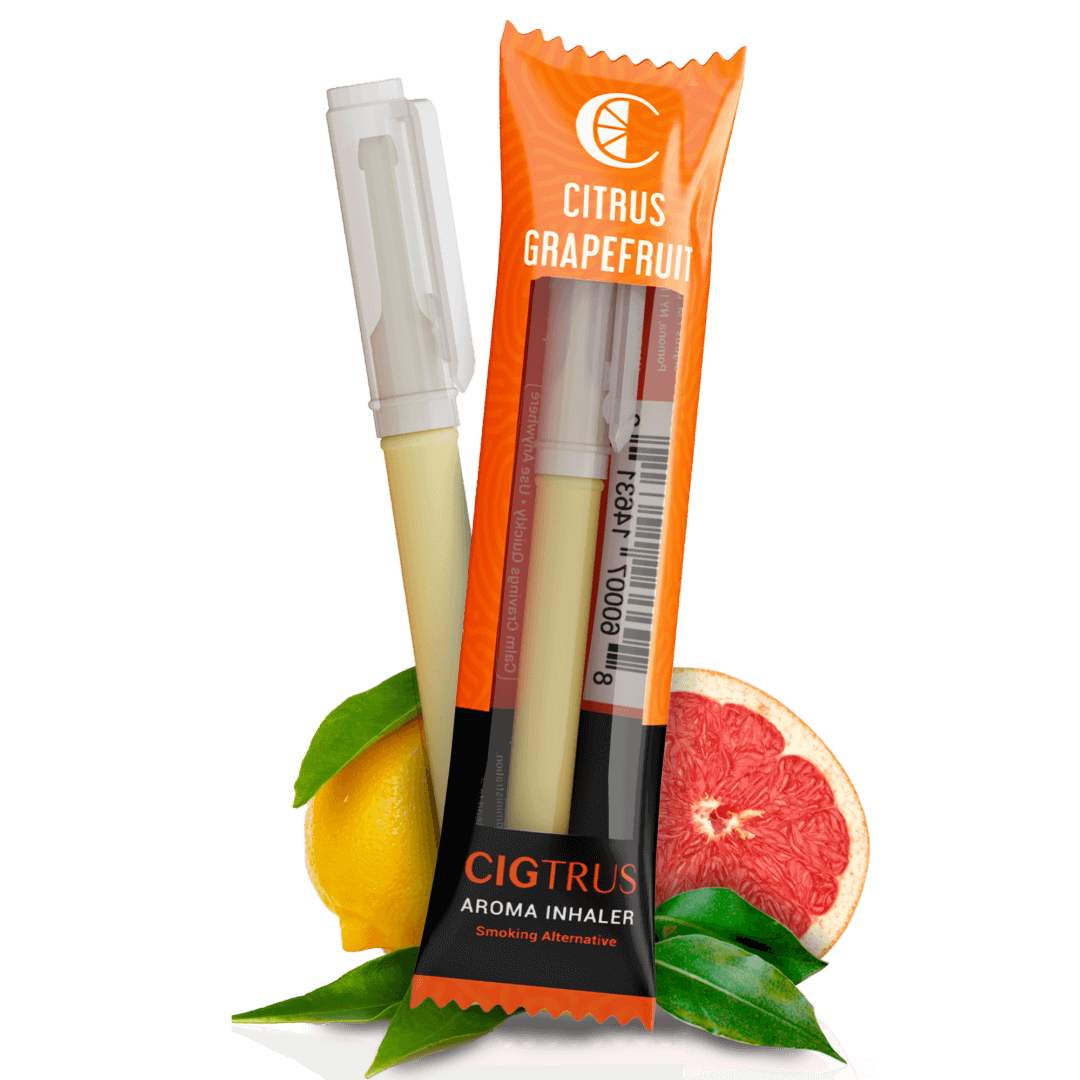
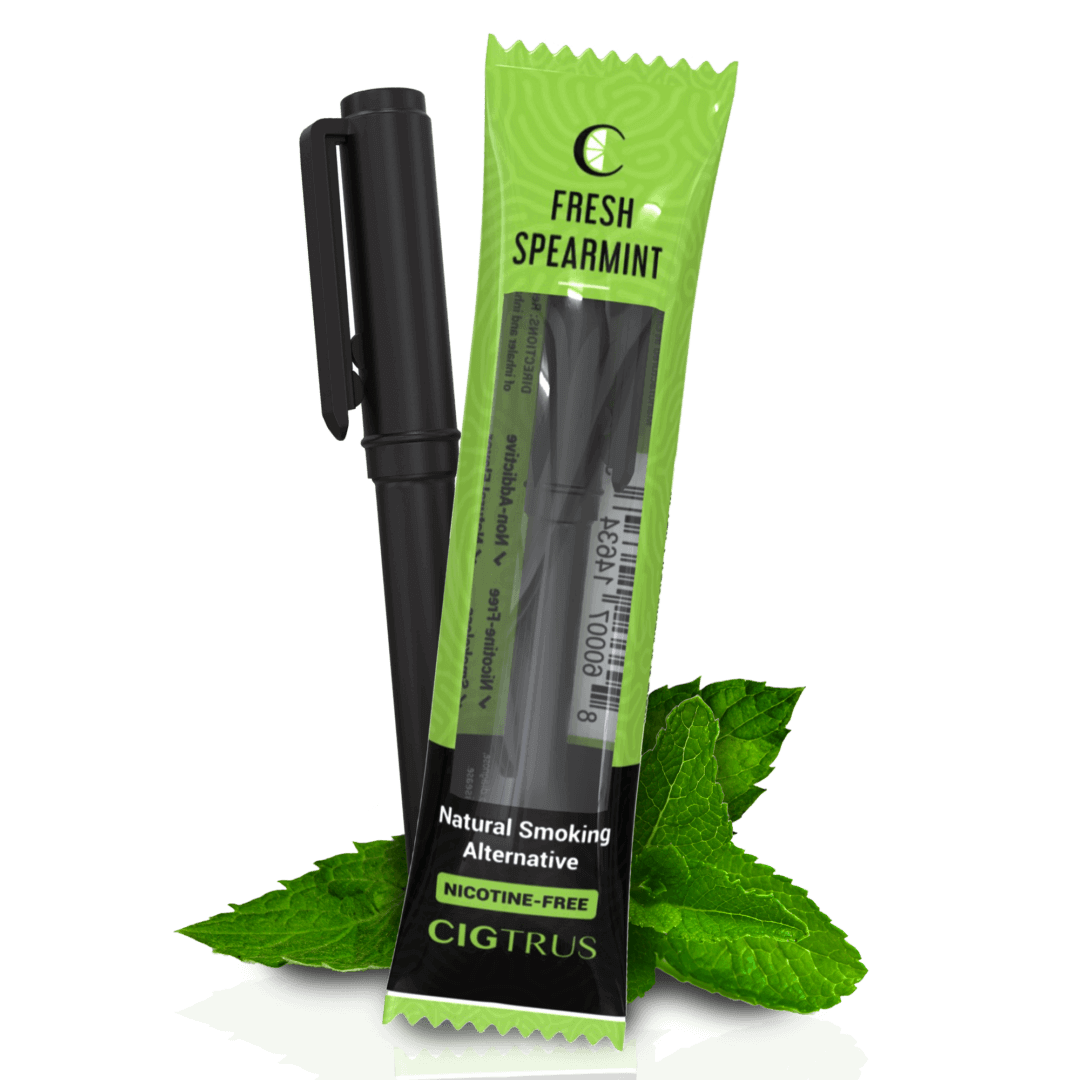
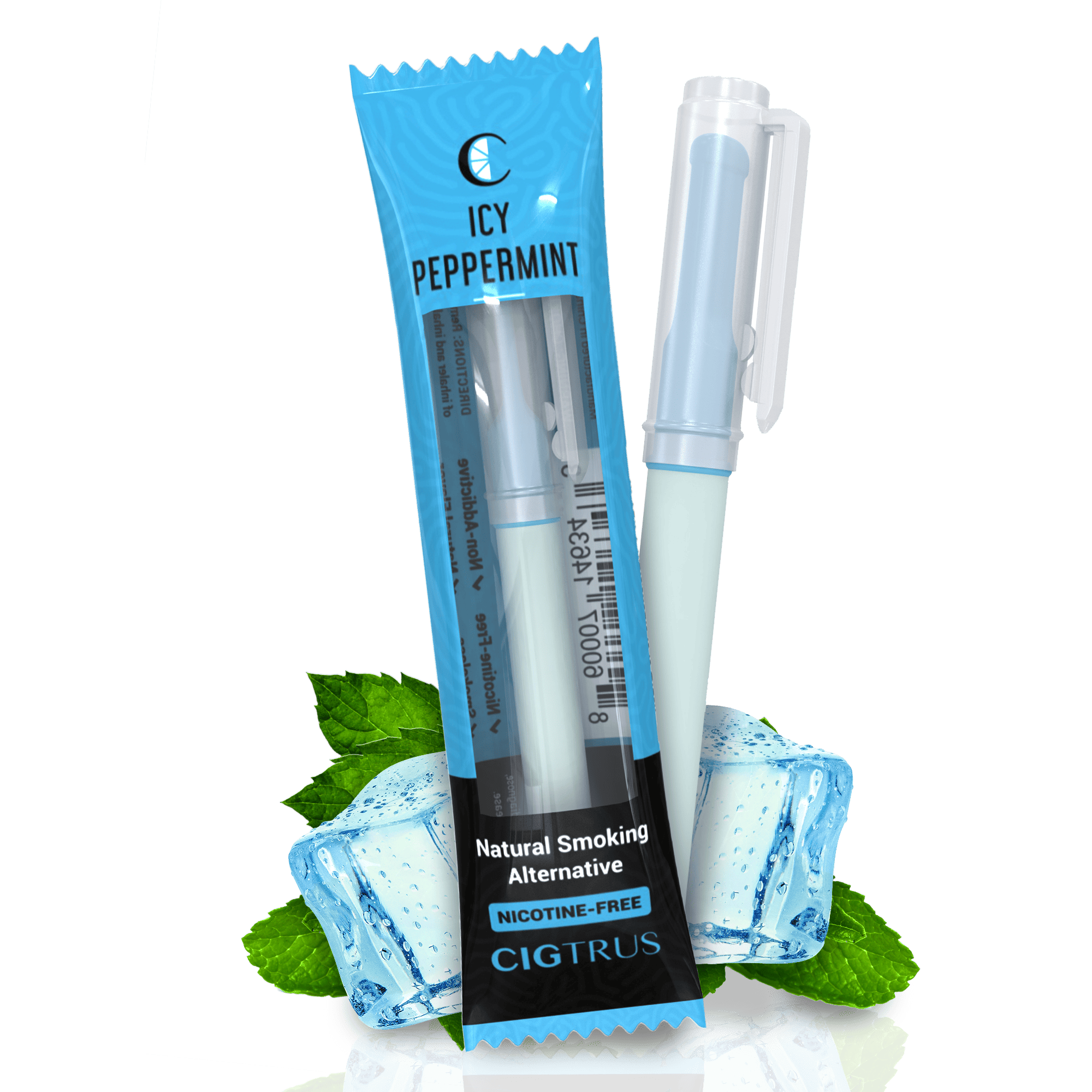
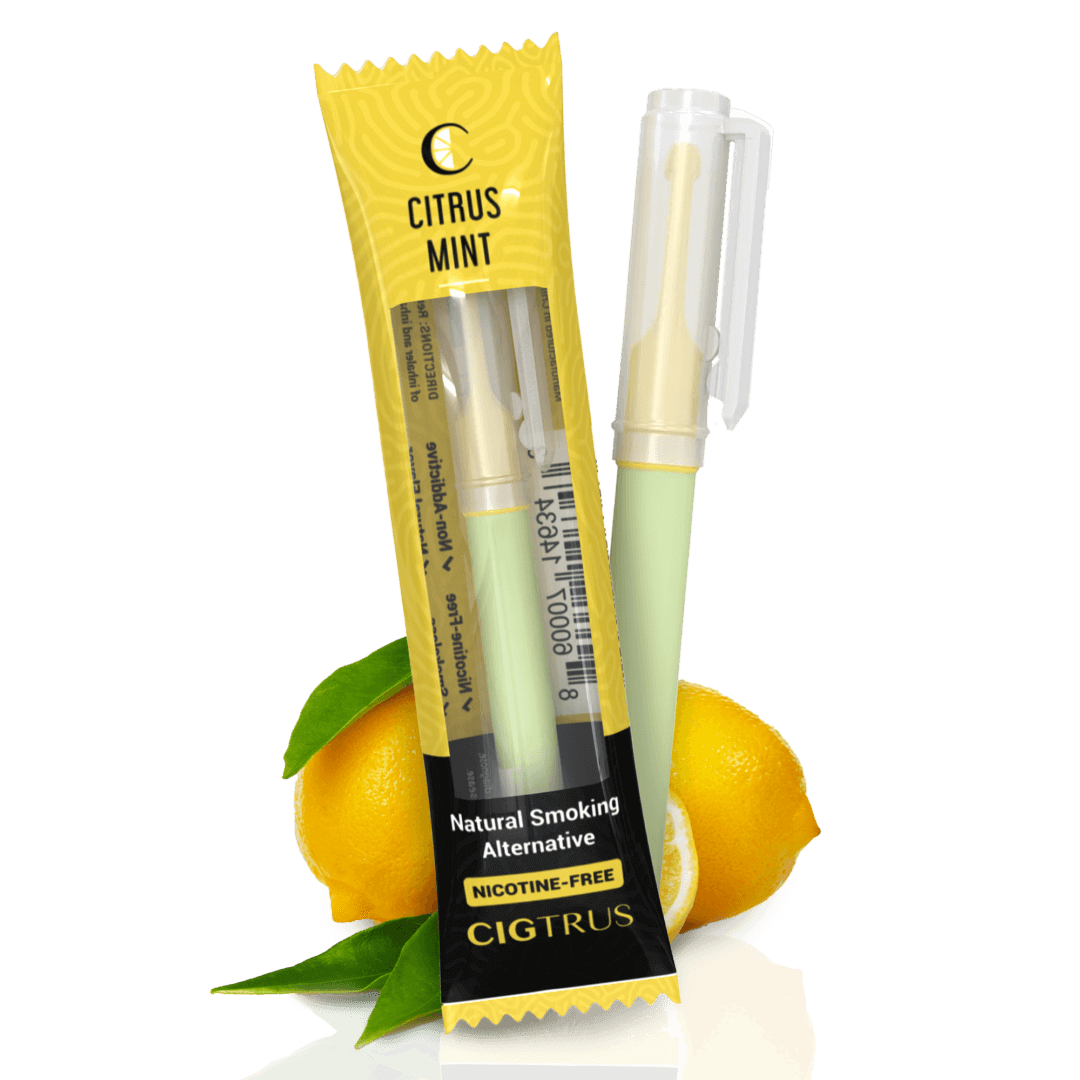
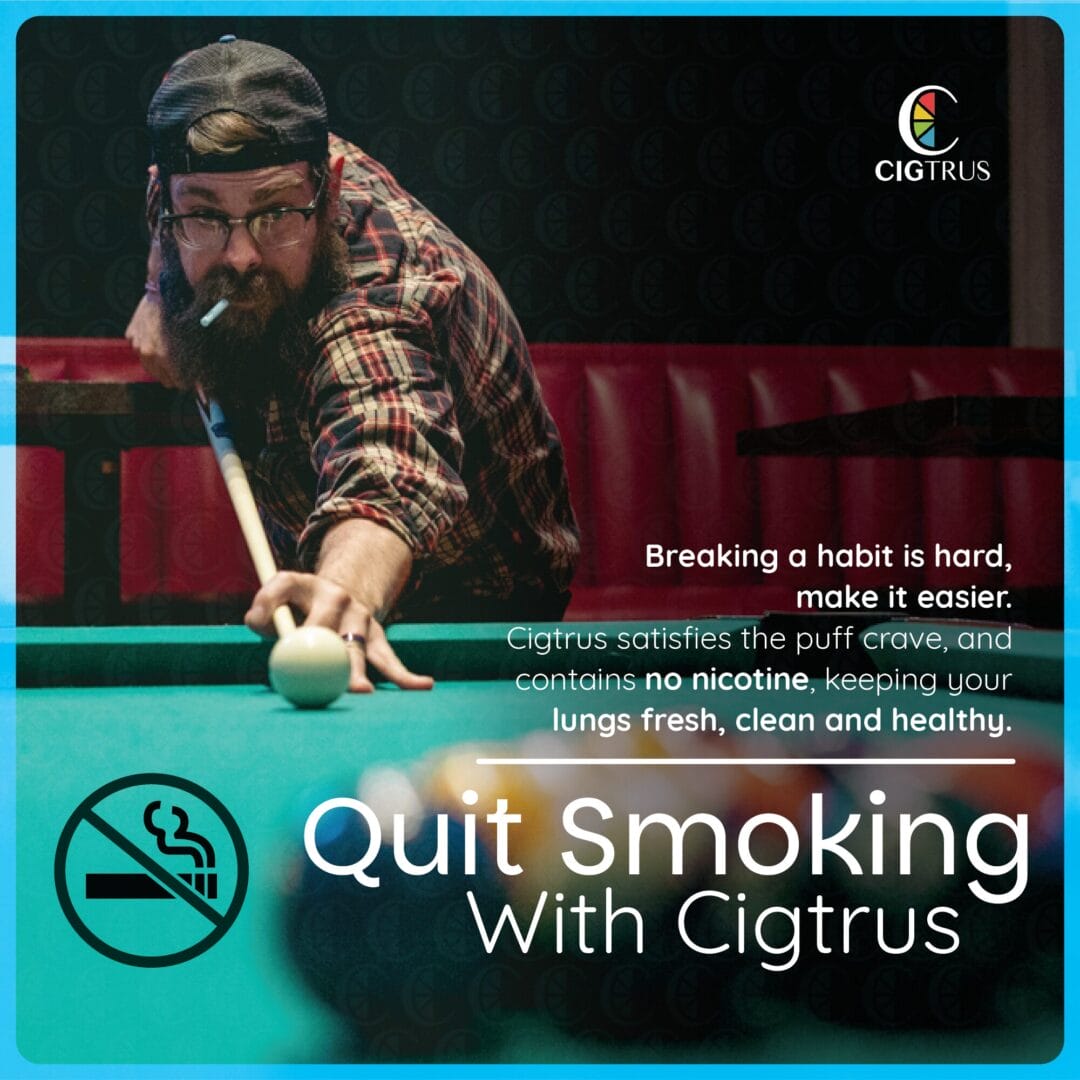
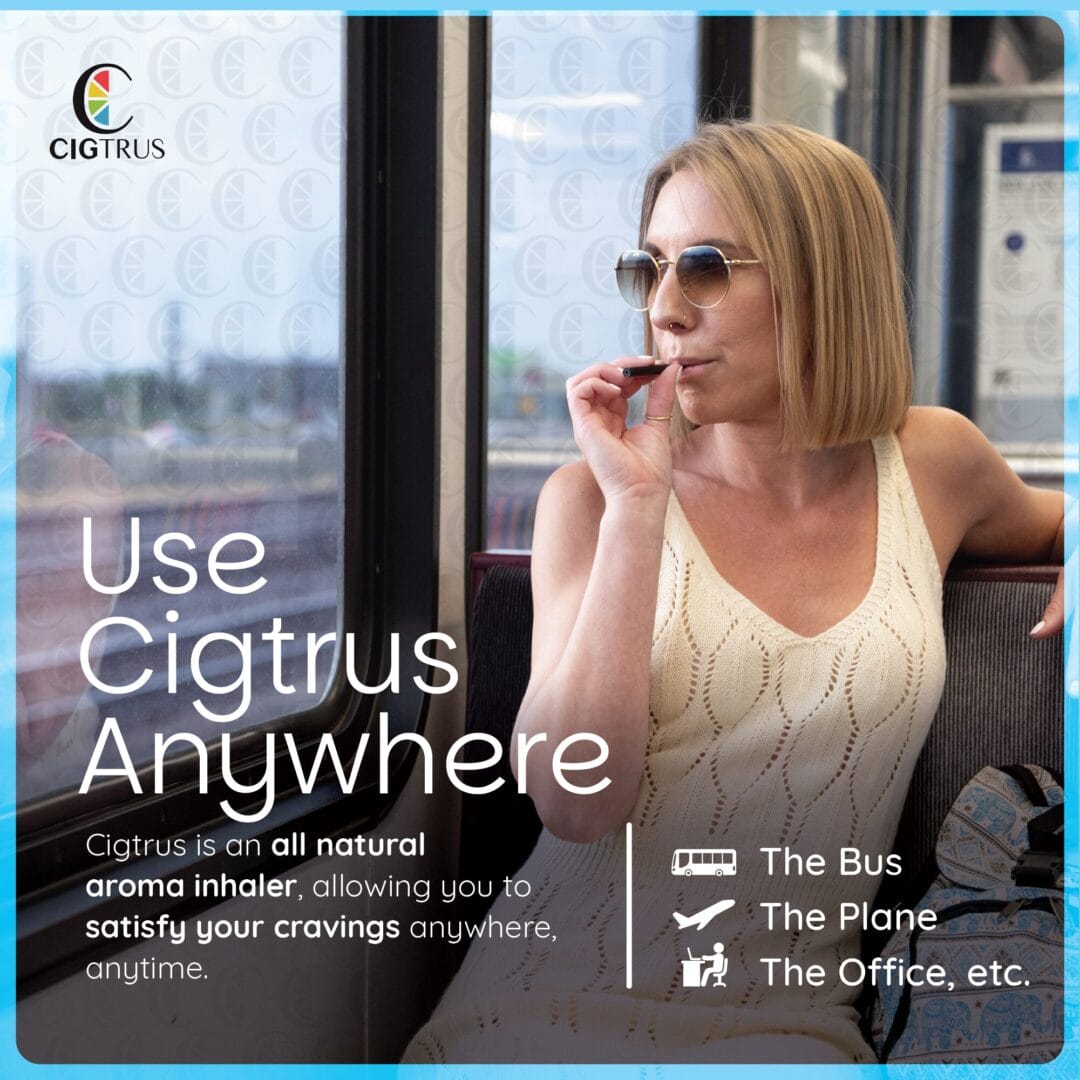
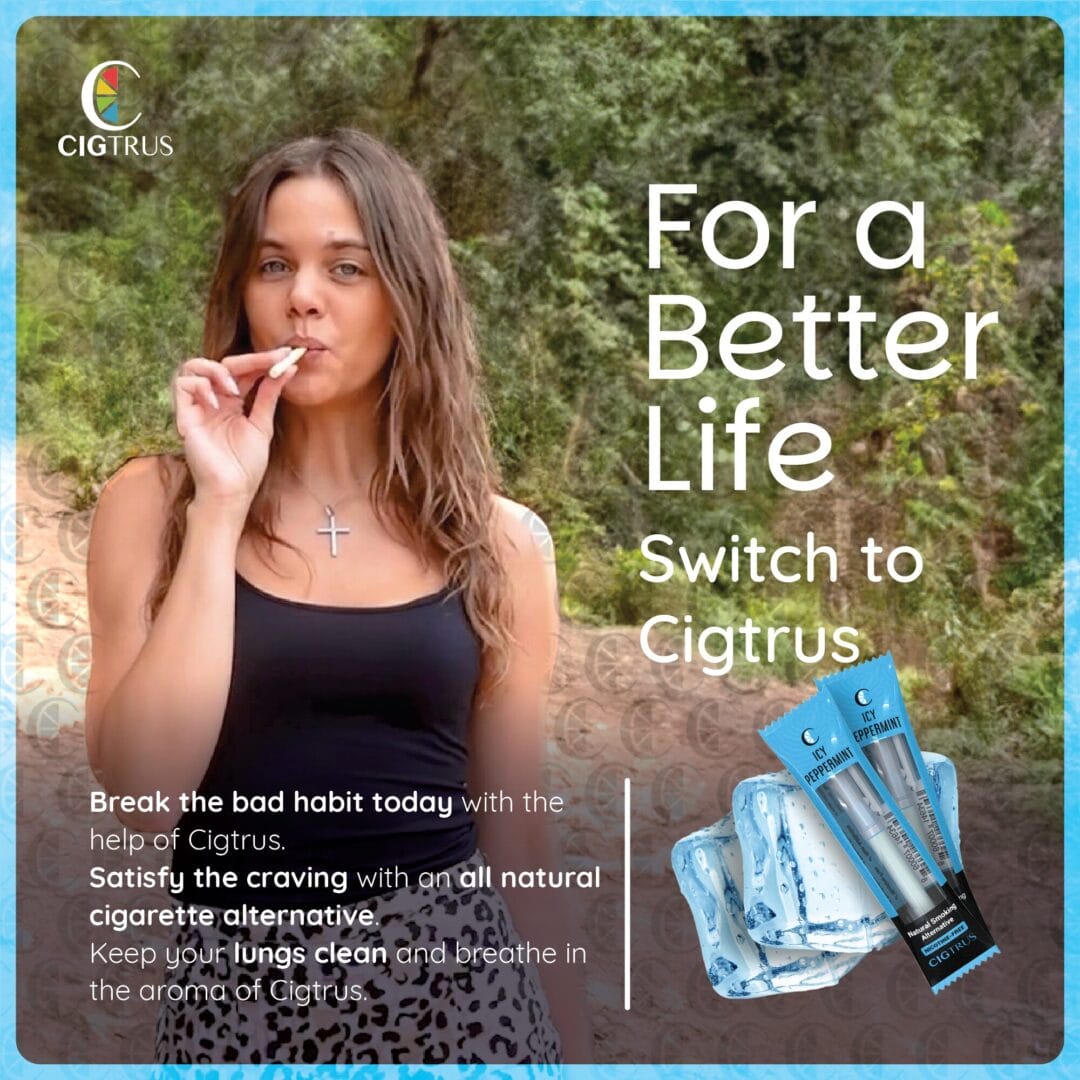
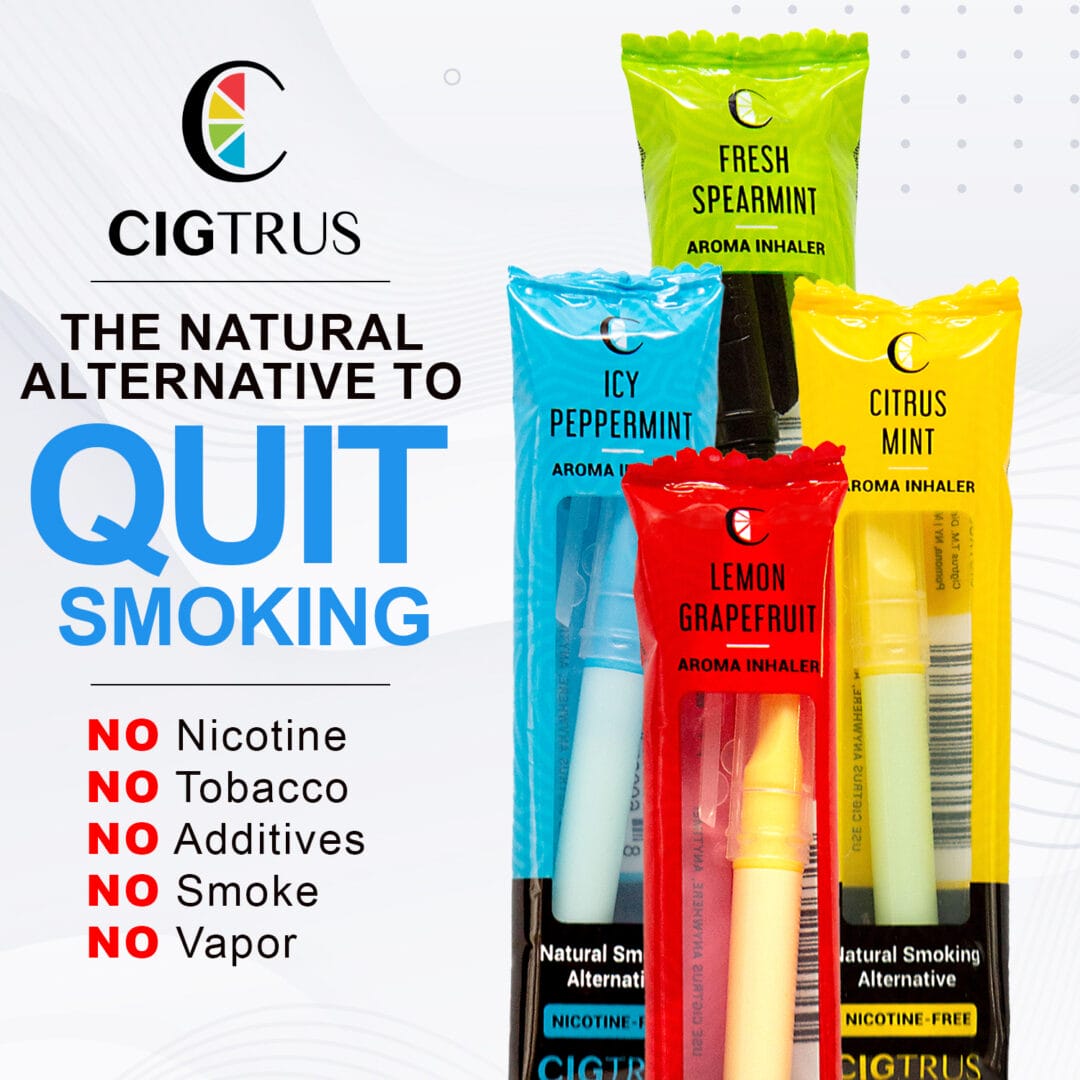
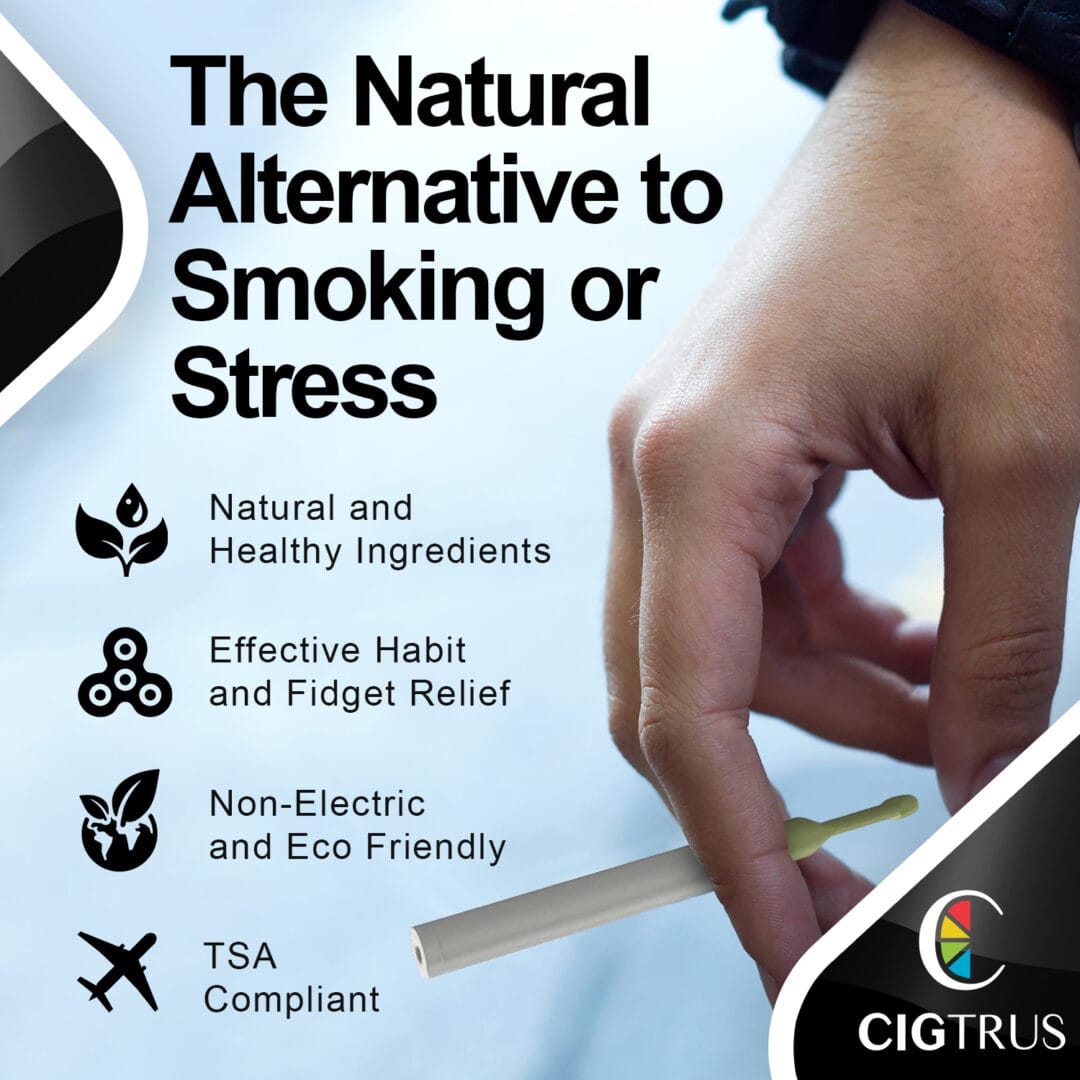
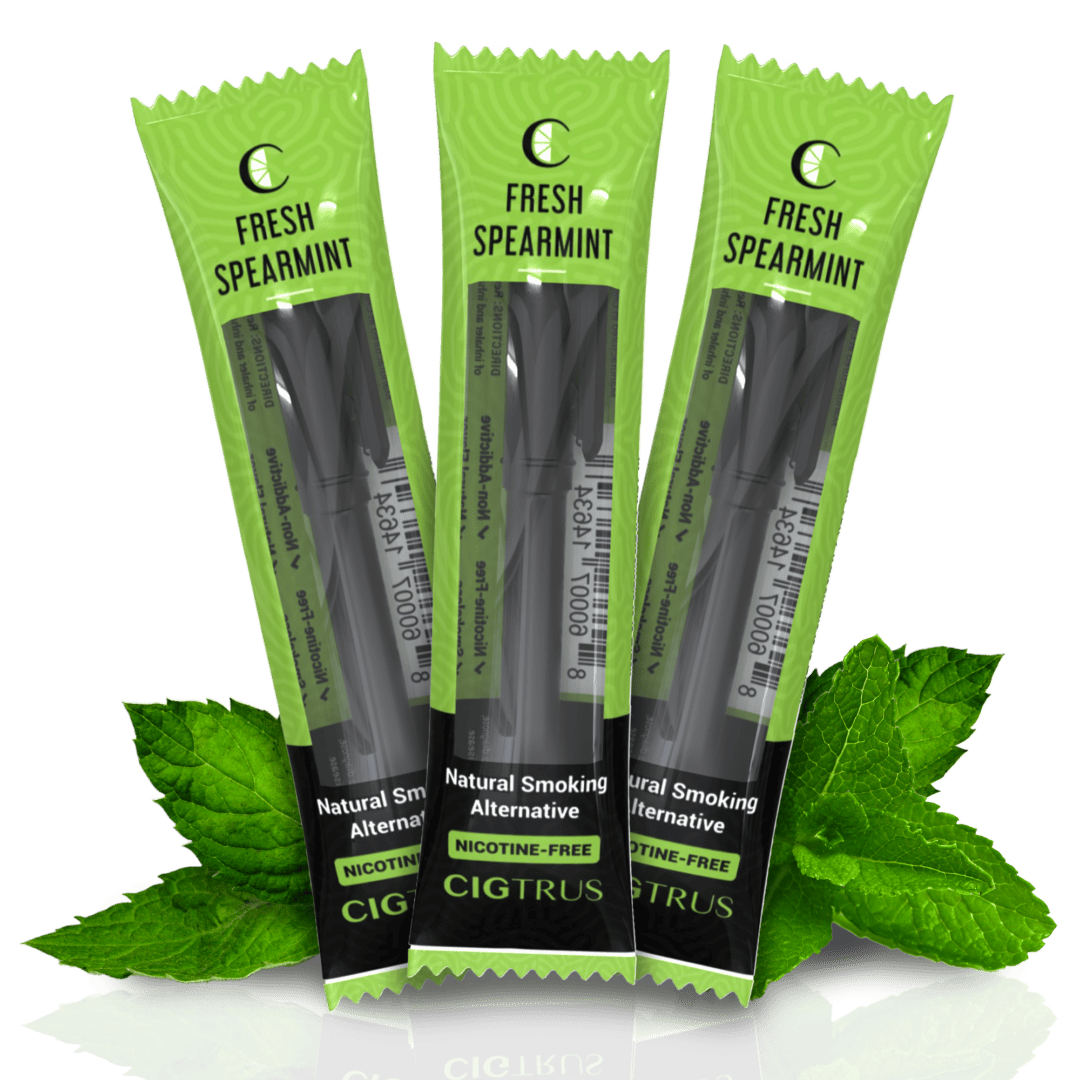
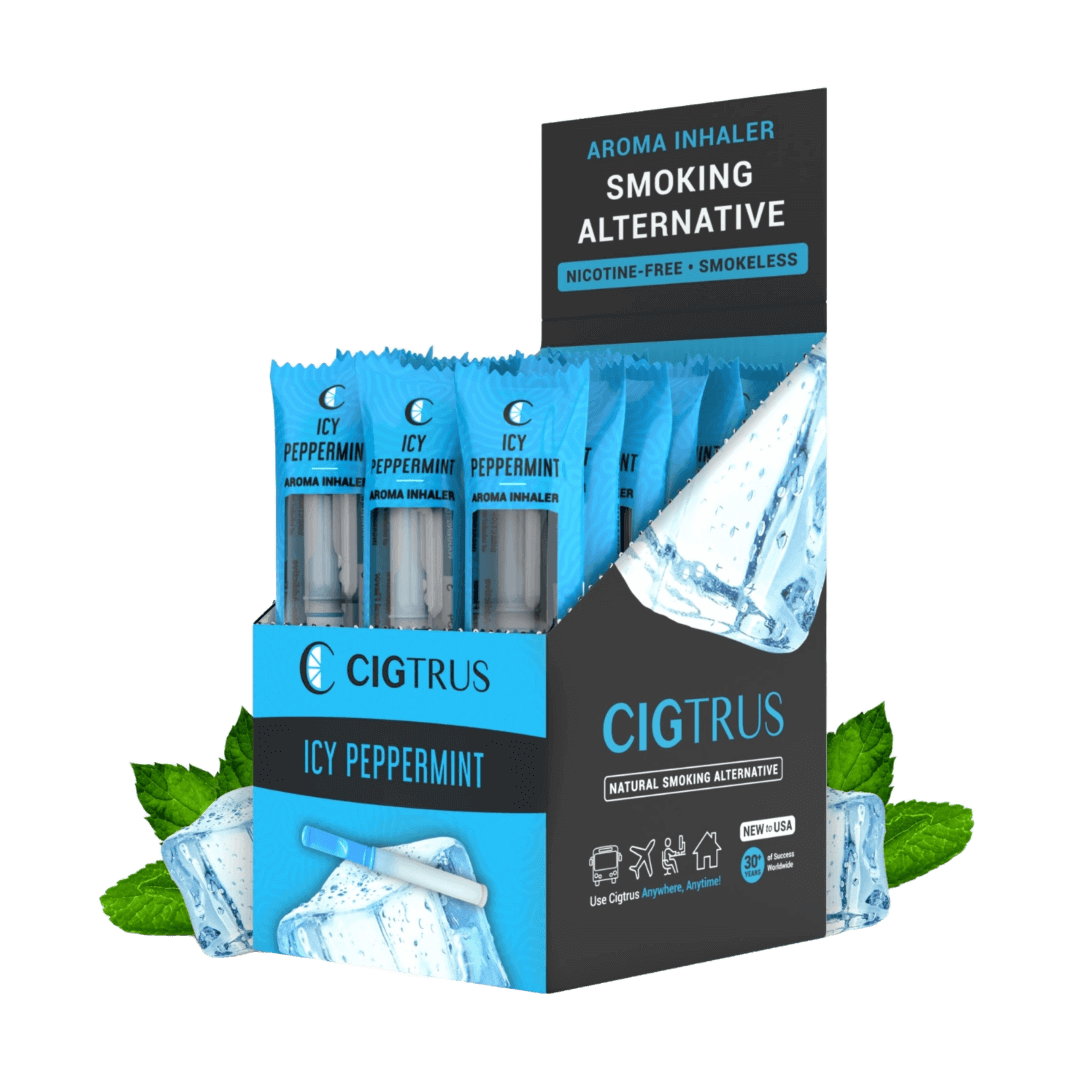
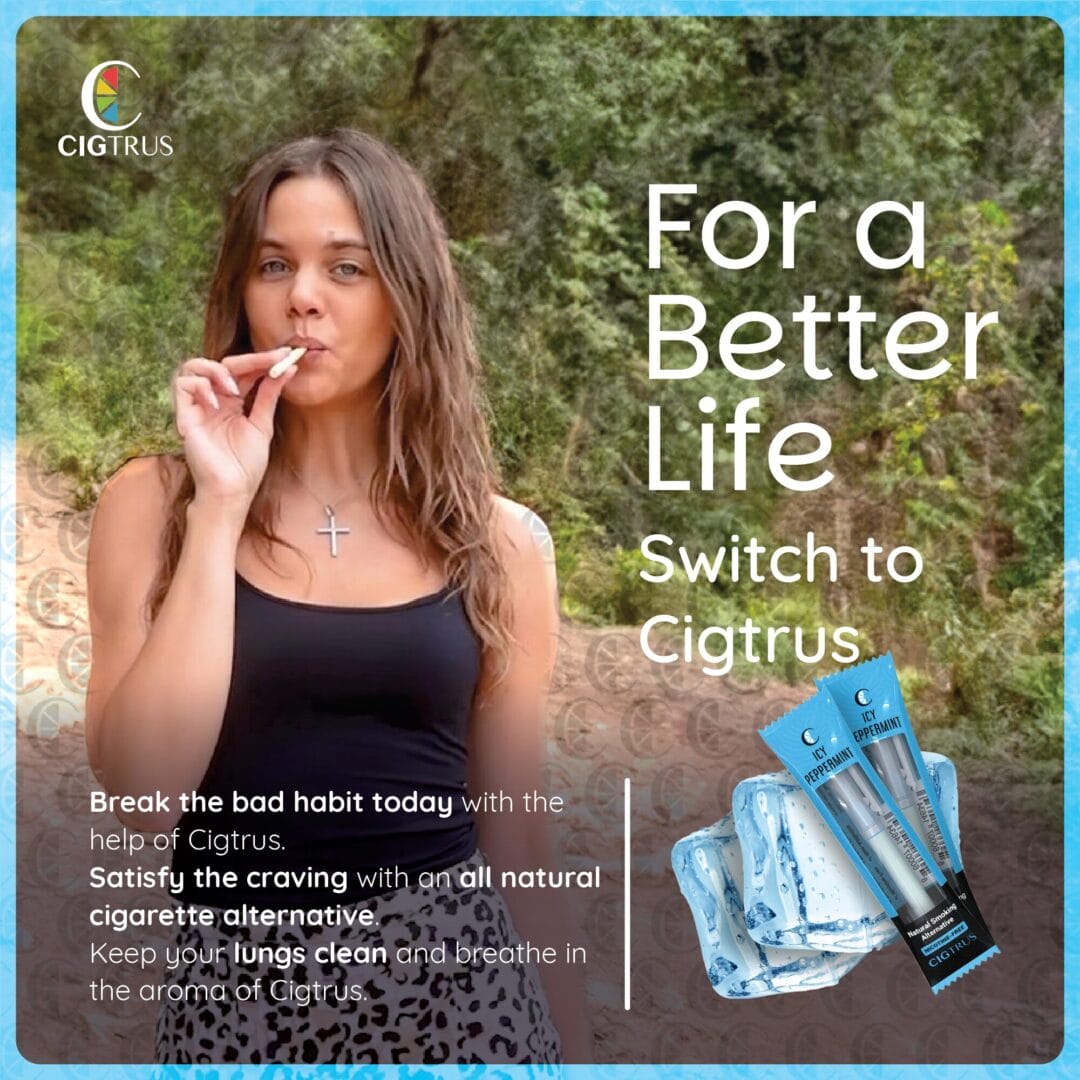
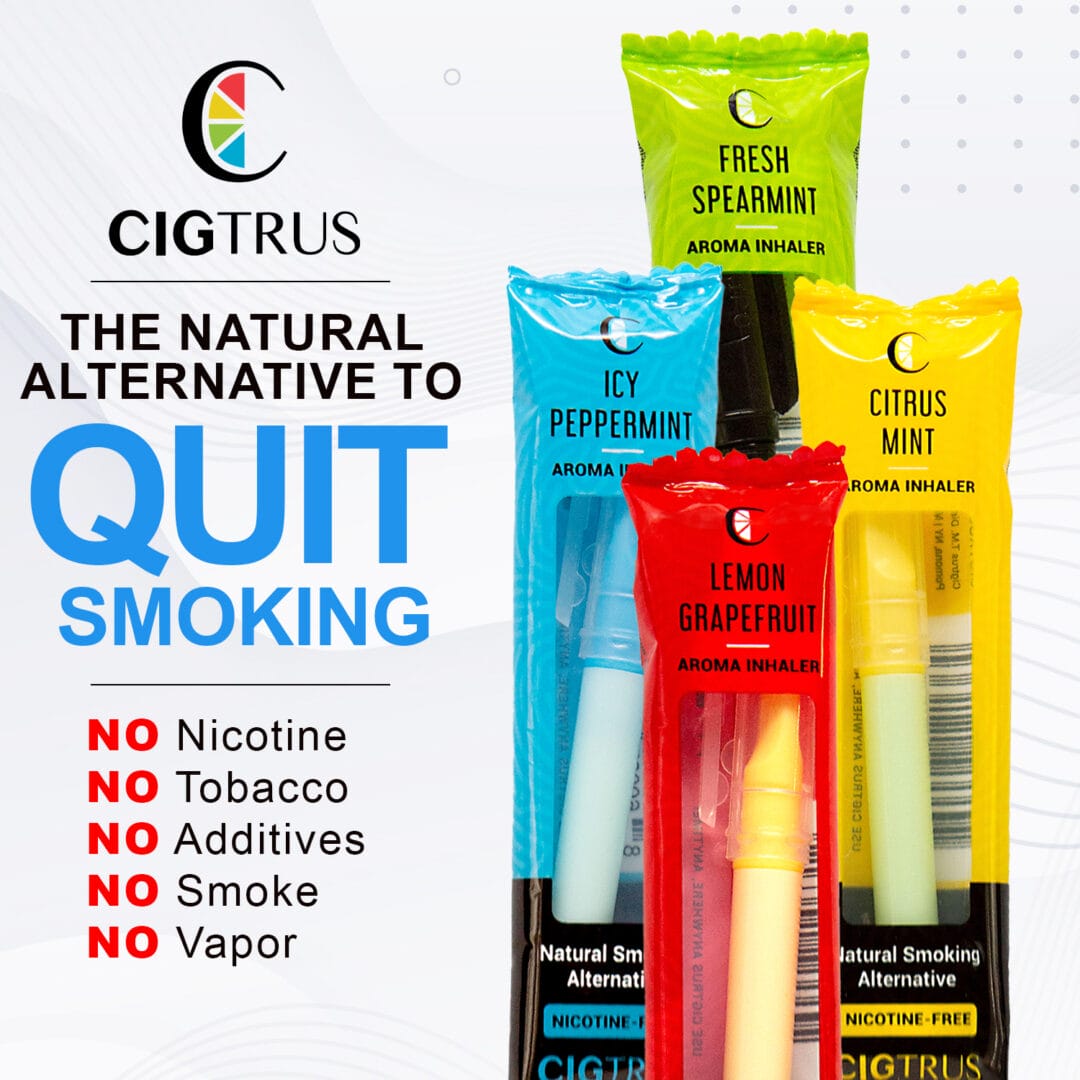
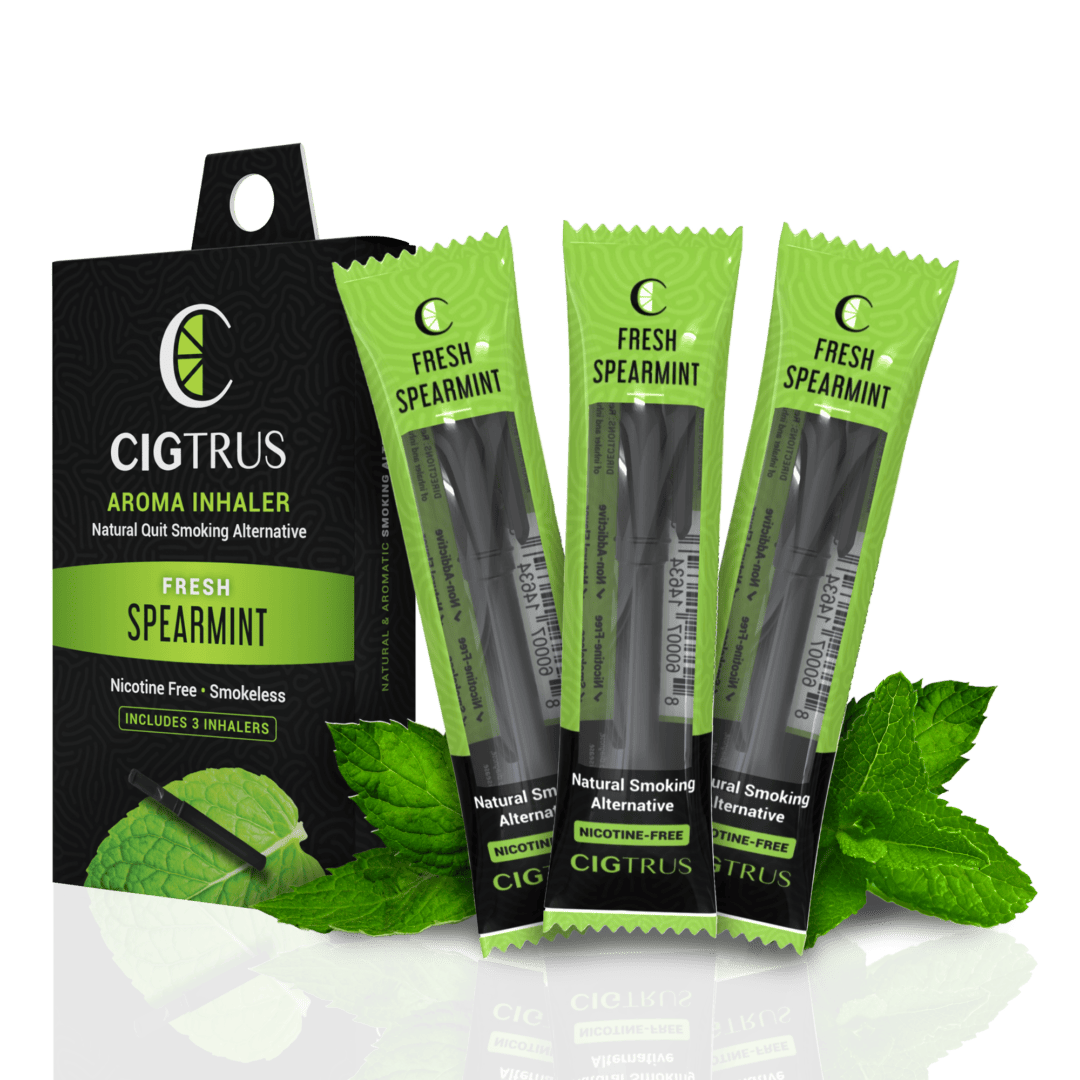
Ritual plays a central role in stress management. The hand to mouth motion and timing of smoke breaks become embedded in daily life. Removing cigarettes can leave a behavioral gap. Cigtrus offers a natural alternative to quit smoking for adults who want a smoke free option that preserves routine without combustion. Instead of eliminating the ritual abruptly, you replace it with a healthier pattern that supports long term change.
Understanding how Cigtrus works clarifies its role in stress management. It follows a three fold approach designed to address the behavioral side of smoking.
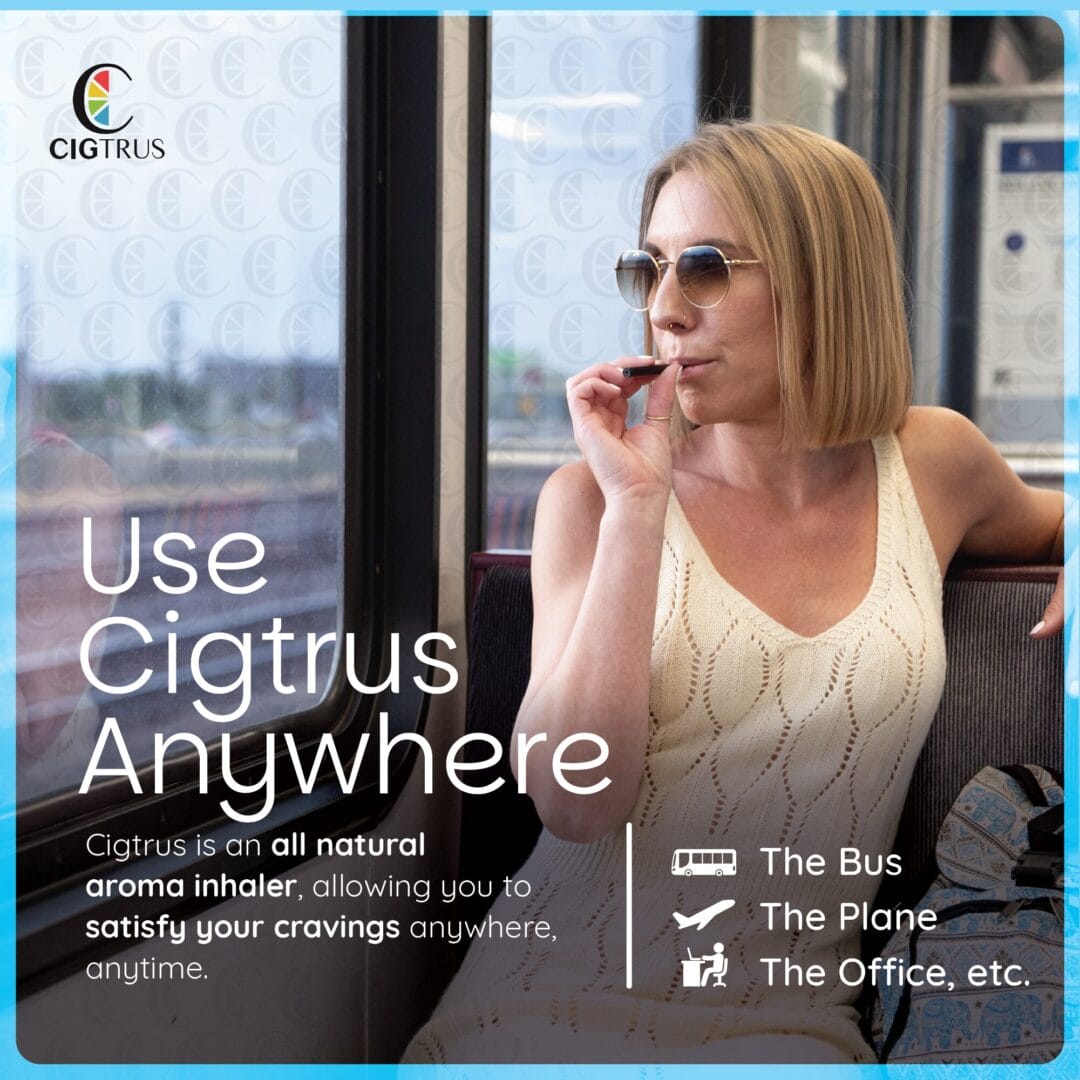
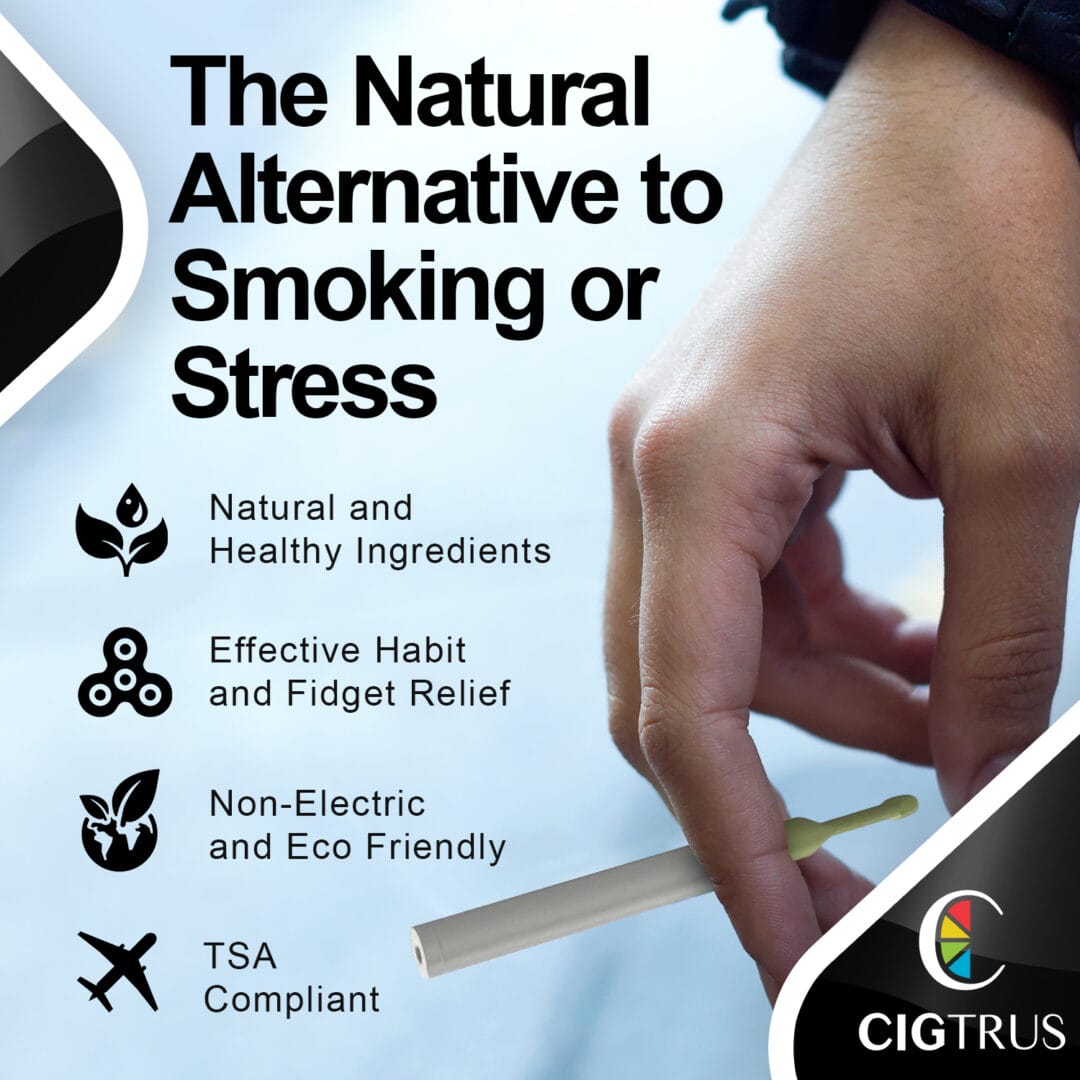
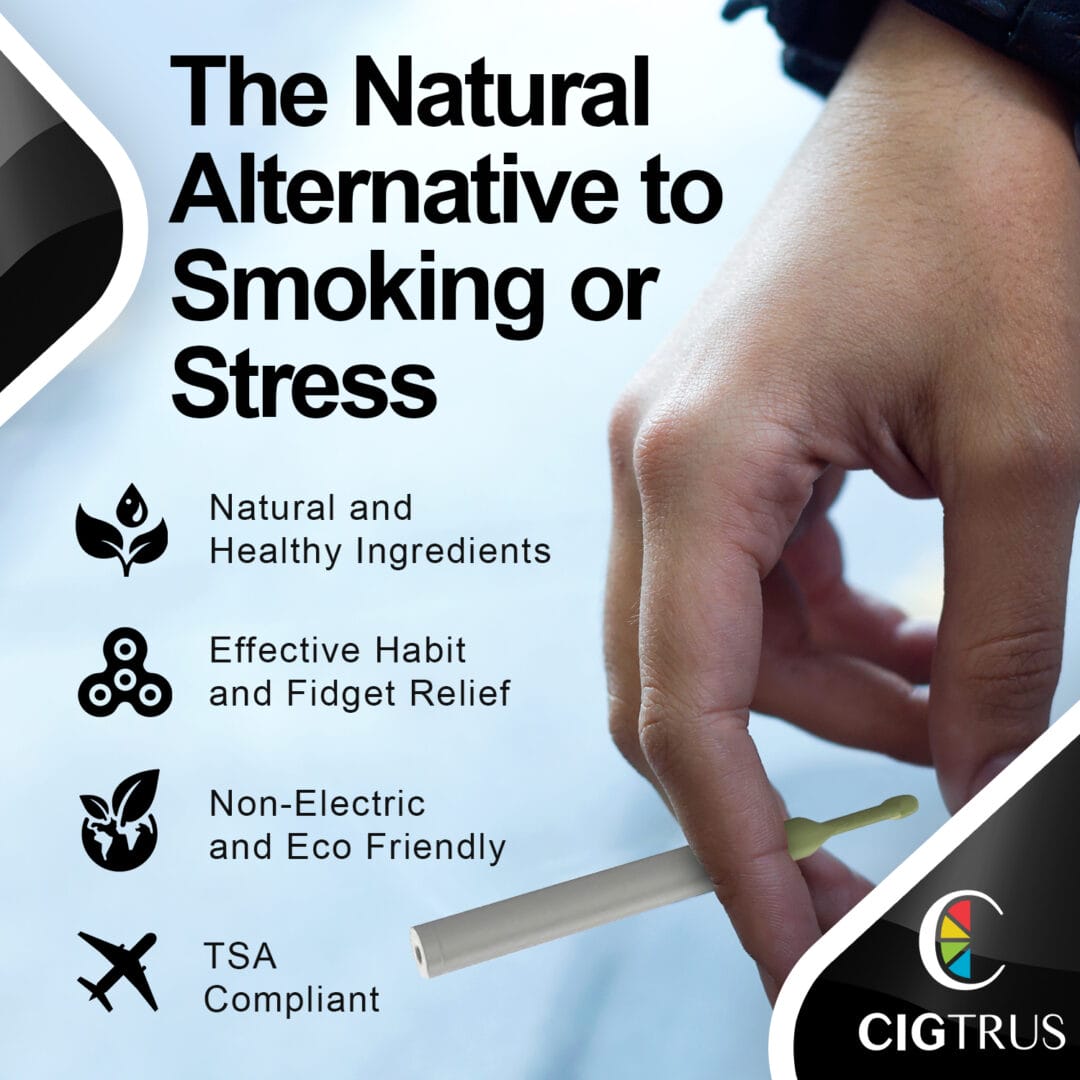
First, it targets oral fixation. The hand to mouth habit forms a major part of smoking addiction. Many smokers struggle not only with nicotine but with the physical routine of holding and bringing something to their lips. Cigtrus satisfies that behavioral pattern without introducing nicotine or tobacco. By maintaining the motion, it reduces the sense of loss that often triggers relapse.
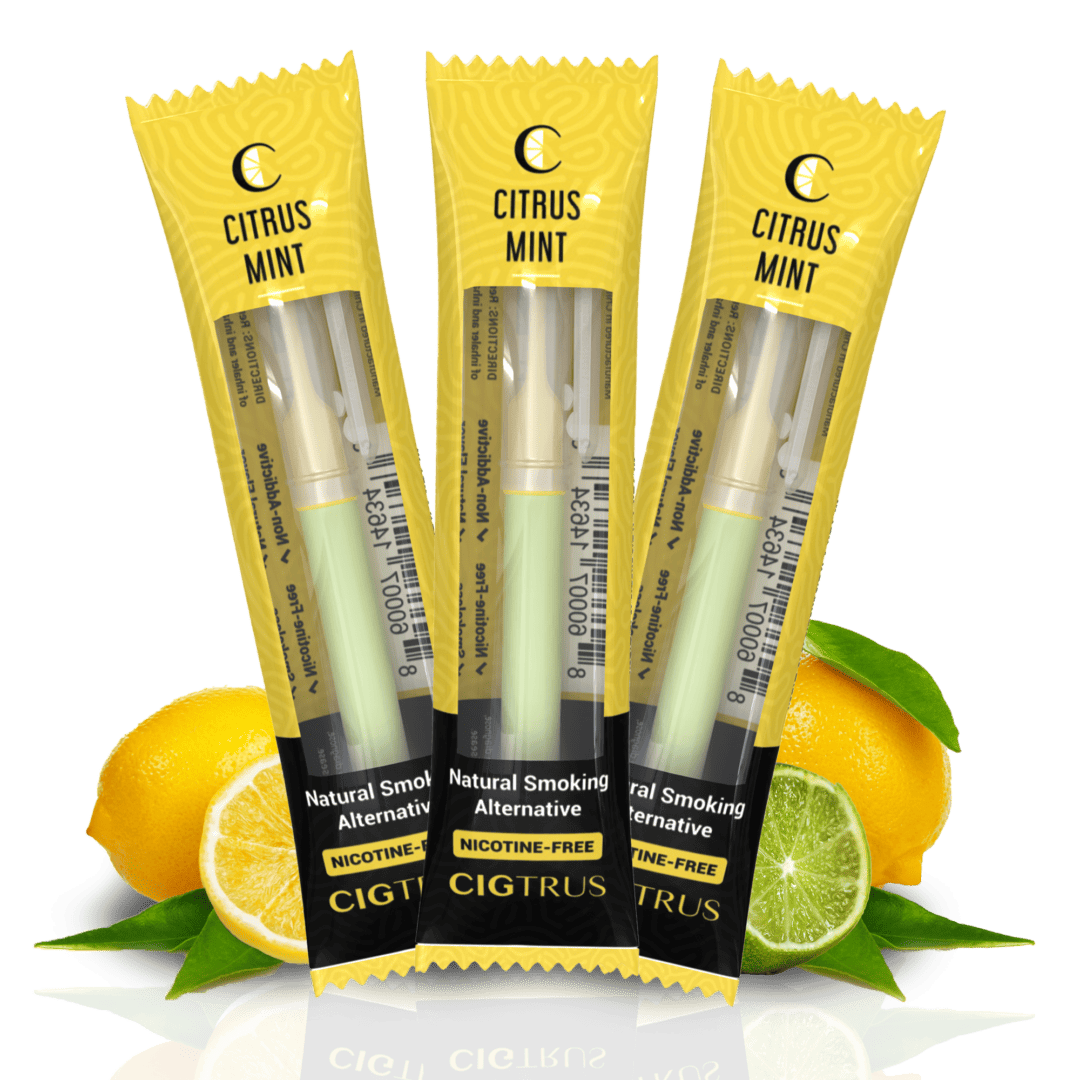
Second, it relies on natural ingredients. Cigtrus contains 100 percent natural, food grade ingredients. It is nicotine free and tobacco free. Removing these substances helps break chemical dependence while still offering a structured replacement for the routine.
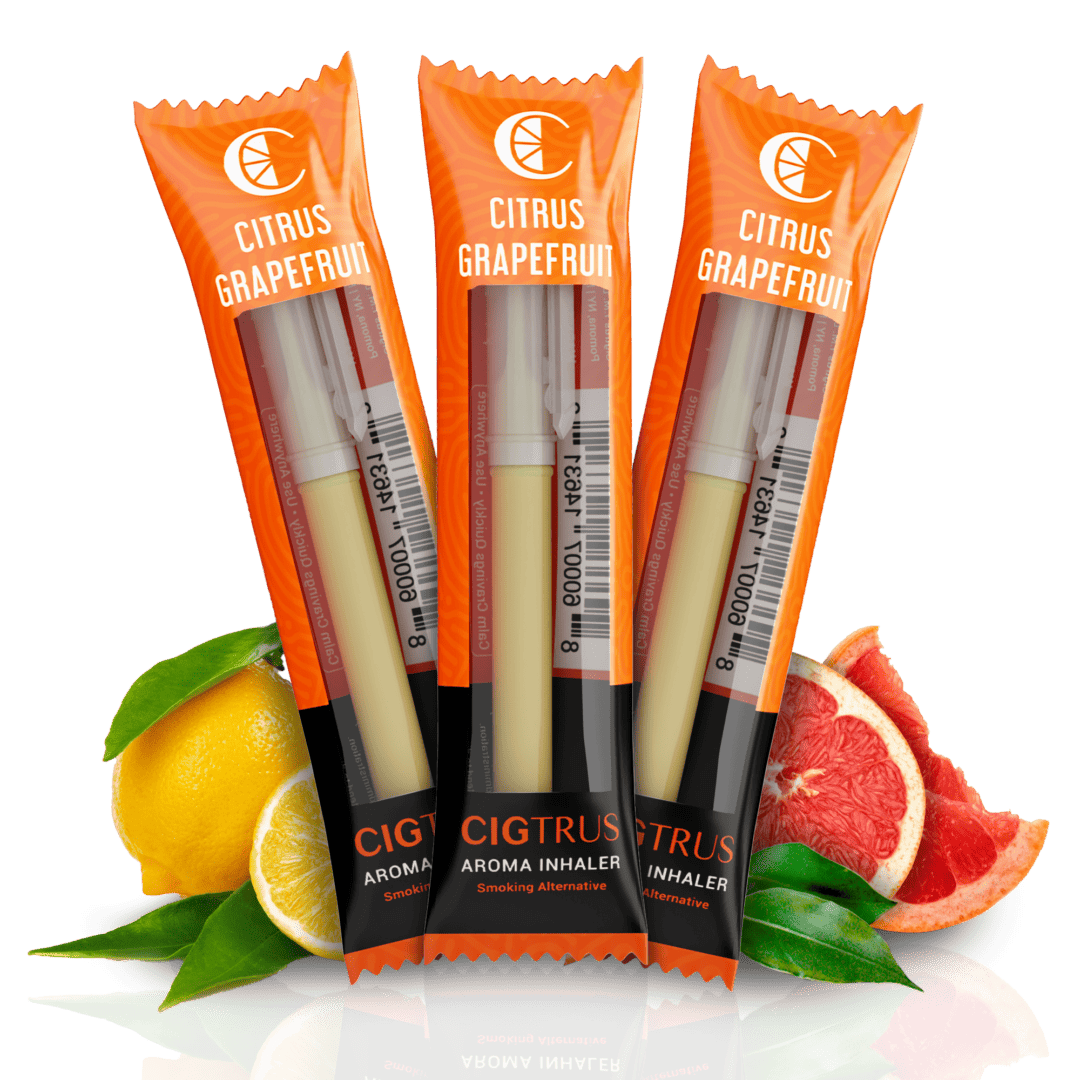
Third, it supports craving reduction. The citrus and mint aromas provide sensory stimulation that helps distract from and diminish cravings. Scent plays a strong role in behavior. Engaging smell and taste in a positive way shifts attention during stress spikes.
Cigtrus is not an e cigarette. It is a behavioral aid designed to help you break free from the smoking routine and replace it with a healthier habit. By focusing on behavior rather than combustion, it supports individuals who want to move toward a smoke free lifestyle.
Hydration strengthens stress control as well. Dehydration increases fatigue and irritability. Drinking water consistently keeps your body balanced. Replacing cigarette moments with hydration builds a constructive habit.
Nutrition also influences emotional regulation. Skipping meals or consuming excess caffeine increases anxiety. Balanced meals stabilize blood sugar and support steady energy. When your body operates efficiently, your mind manages pressure more effectively.
Sleep forms another foundation. Nicotine disrupts natural sleep patterns because it acts as a stimulant. After quitting, sleep may fluctuate temporarily before stabilizing. Rested individuals manage stress more effectively and resist cravings more easily.
Mental reframing changes your response to pressure. Instead of viewing stress as something that demands escape, see it as a signal that requires action. Identify what you can control. Break larger tasks into smaller steps. Replace avoidance with structured effort.
Journaling reduces internal tension. Writing down concerns organizes thoughts and prevents rumination. When worries leave your mind and appear on paper, they lose intensity. This habit replaces the urge to smoke during emotional peaks.
Social connection also provides relief. Speaking with trusted individuals reduces isolation and offers perspective. You do not need a cigarette to create connection or pause.
Environmental adjustments reduce stress triggers. Organizing your workspace, clarifying priorities, and setting boundaries decrease overwhelm. Small changes can create immediate relief.
Time management plays a significant role. Procrastination increases pressure and often leads to smoking. Creating realistic schedules and completing tasks early reduces tension. Progress builds confidence and reduces the urge to seek nicotine relief.
Mindfulness practices strengthen awareness. When stress rises, observe physical sensations without reacting. Notice tightness in your shoulders or rapid breathing. Focus on slowing your breath. This pause interrupts automatic behavior and weakens old patterns.
Replacing smoking with productive habits transforms identity. Instead of identifying as someone who smokes during stress, you become someone who exercises, breathes, reflects, or uses supportive tools like Cigtrus as a natural alternative to quit smoking. Identity drives consistency.
Financial awareness reinforces motivation. Cigarettes require ongoing spending. Redirecting those funds toward fitness, travel, or hobbies creates visible benefits. Positive reinforcement strengthens commitment.
Cravings may still appear during high stress moments. Recognize them as temporary signals. Delay action. Focus on breathing or movement. Most urges peak and fade quickly when you do not feed them.
Creative outlets offer additional relief. Drawing, music, cooking, or building projects channel energy into constructive tasks. These activities engage focus and reduce repetitive stress thinking.
Gratitude practices shift perspective. Listing positive elements of your day builds emotional balance. This habit counters stress accumulation over time.
Consistency remains essential. Stress management requires repetition. Each time you choose a healthy coping tool over a cigarette, you strengthen new neural pathways. Over time, the healthier response becomes automatic.
Handling stress without cigarettes means addressing the source of tension rather than masking symptoms. It requires structured habits, patience, and supportive tools. As nicotine leaves your system, your baseline stress decreases because you no longer cycle through withdrawal.
Confidence grows when you navigate pressure without smoking. Each successful response builds resilience. Over time, stress becomes manageable without reliance on nicotine.
A healthier way to handle stress without cigarettes combines breathing, movement, structure, rest, nutrition, mindfulness, and behavioral support. With a three fold approach that targets oral fixation, uses natural ingredients, and helps reduce cravings through citrus and mint aromas, Cigtrus provides a natural alternative to quit smoking that supports long term change while encouraging a smoke free lifestyle.


$20.99


$20.99



$349.99



$89.99


$89.99

$89.99





$89.99

$18.99

CIGTRUS offers nicotine-free,
refreshing-flavored smokeless inhalers to facilitate quitting smoking.
Subscribe to our Newsletter to get the latest news and insights
By subscribing, you accept the Privacy Policy.