Why Oral Fixation Matters When Quitting Smoking
Quitting smoking or vaping isn’t just a matter of breaking chemical dependence on nicotine. Many people struggle most with the ritual the hand raised to the lips, the inhale, the exhale, the familiar motion that becomes second nature. That repetitive motion, that oral fixation, can linger long after nicotine cravings ease.
For many quitters, the physical habit is a persistent trigger. It might resurface during coffee breaks, social gatherings, stressful moments, or even boredom. Without a substitute, that urge can drive relapse even if the person no longer craves nicotine.
That’s why behavioral‑support tools matter in addition to chemical replacement or abstinence.
How Cigtrus Addresses Oral Fixation — Without Smoke, Nicotine, or Chemicals
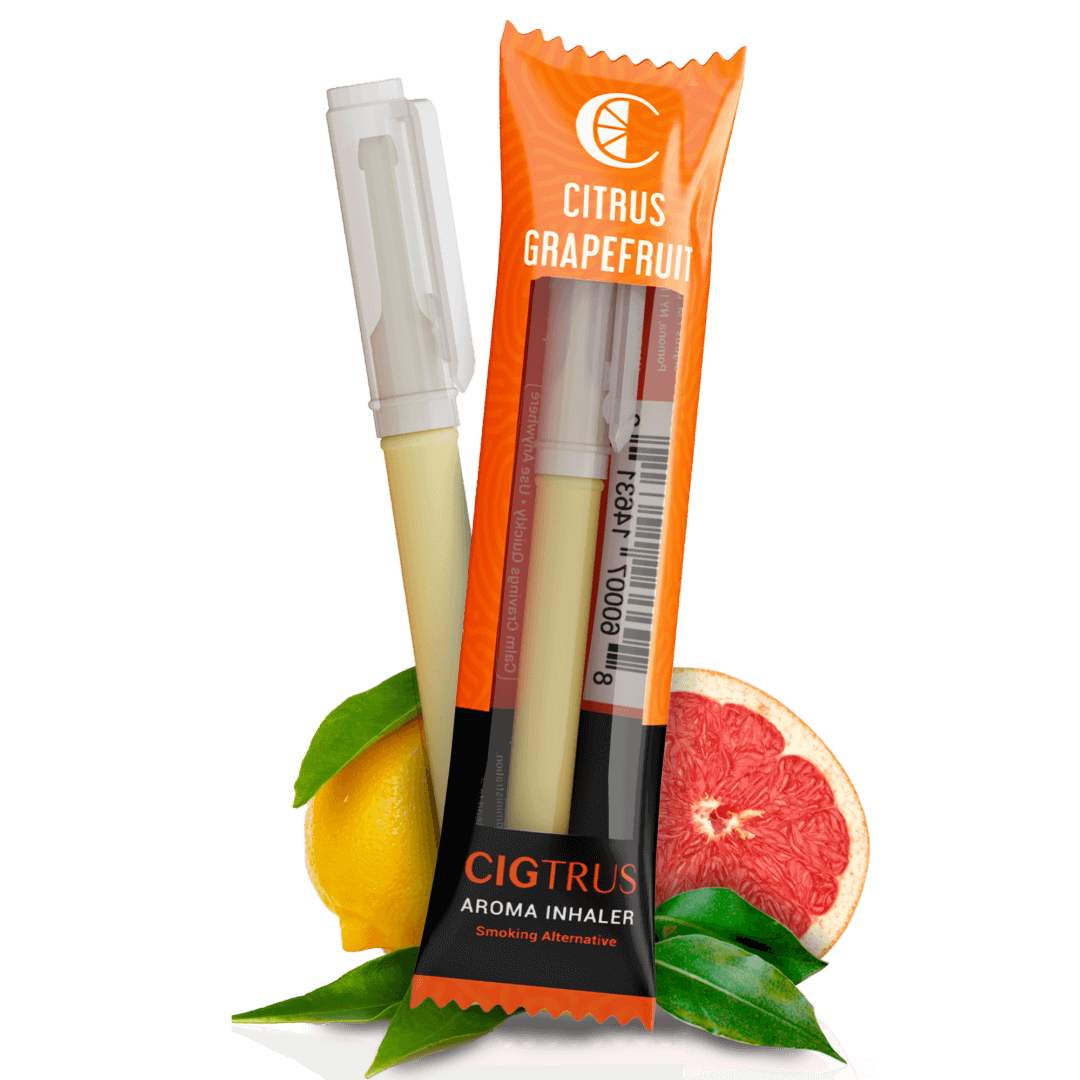
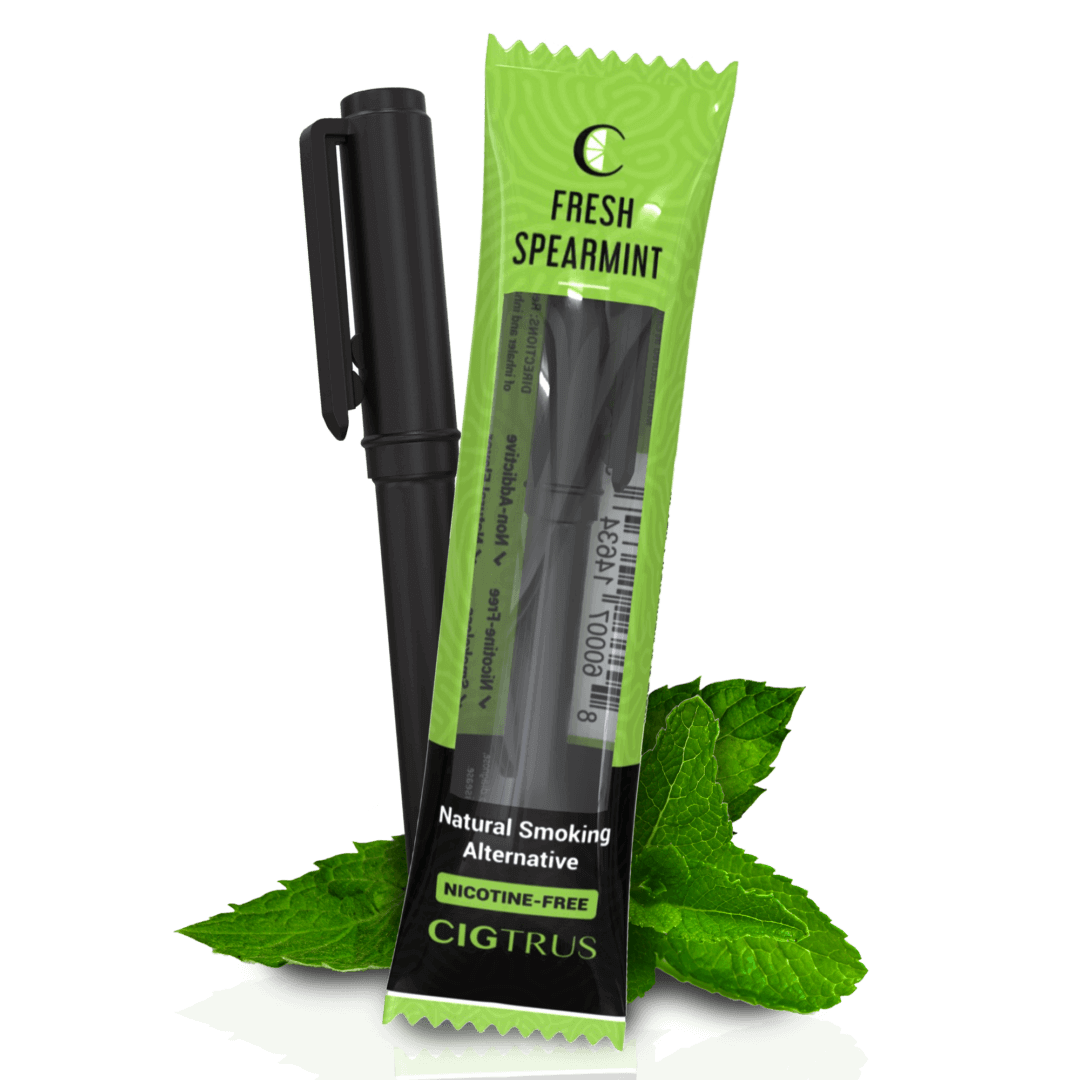
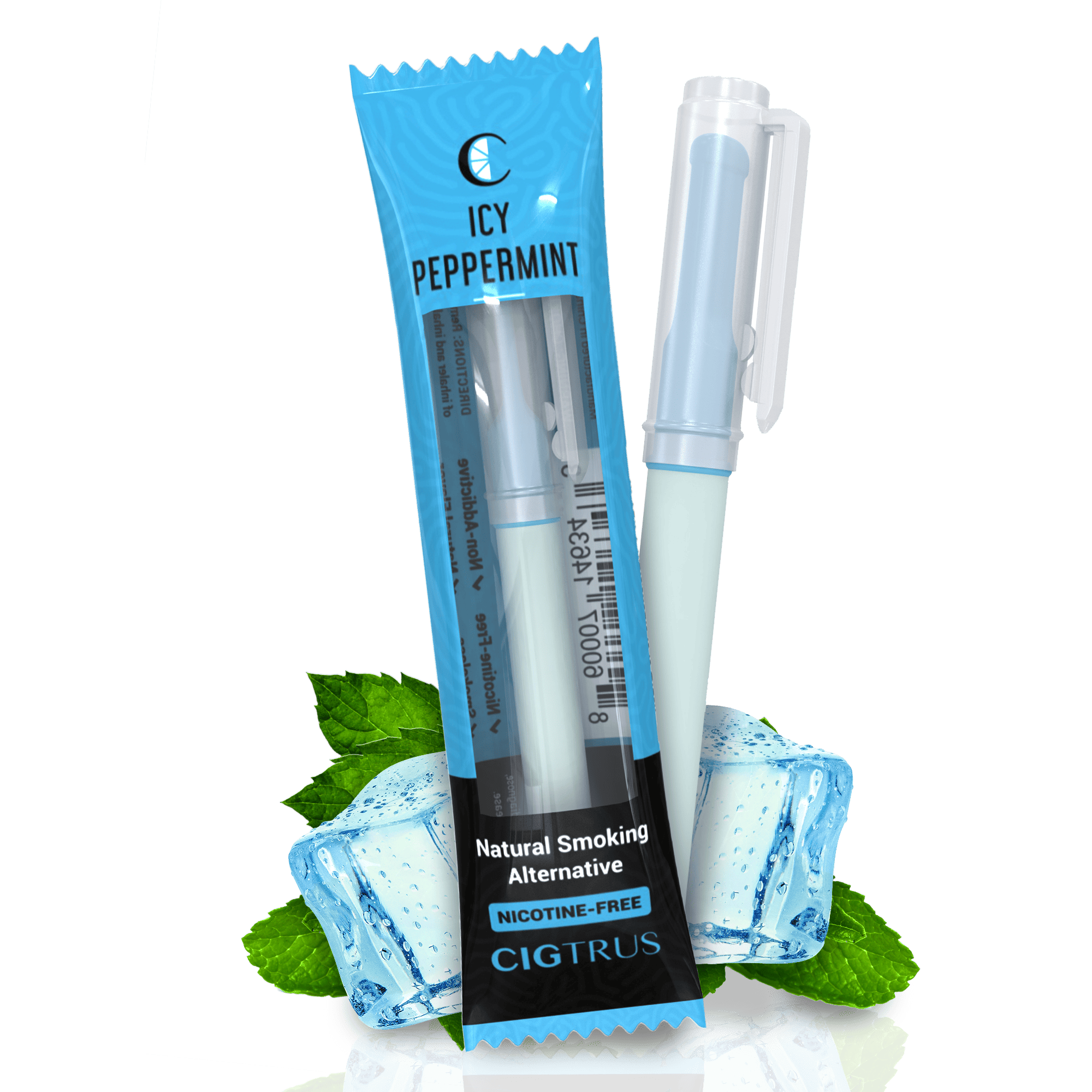
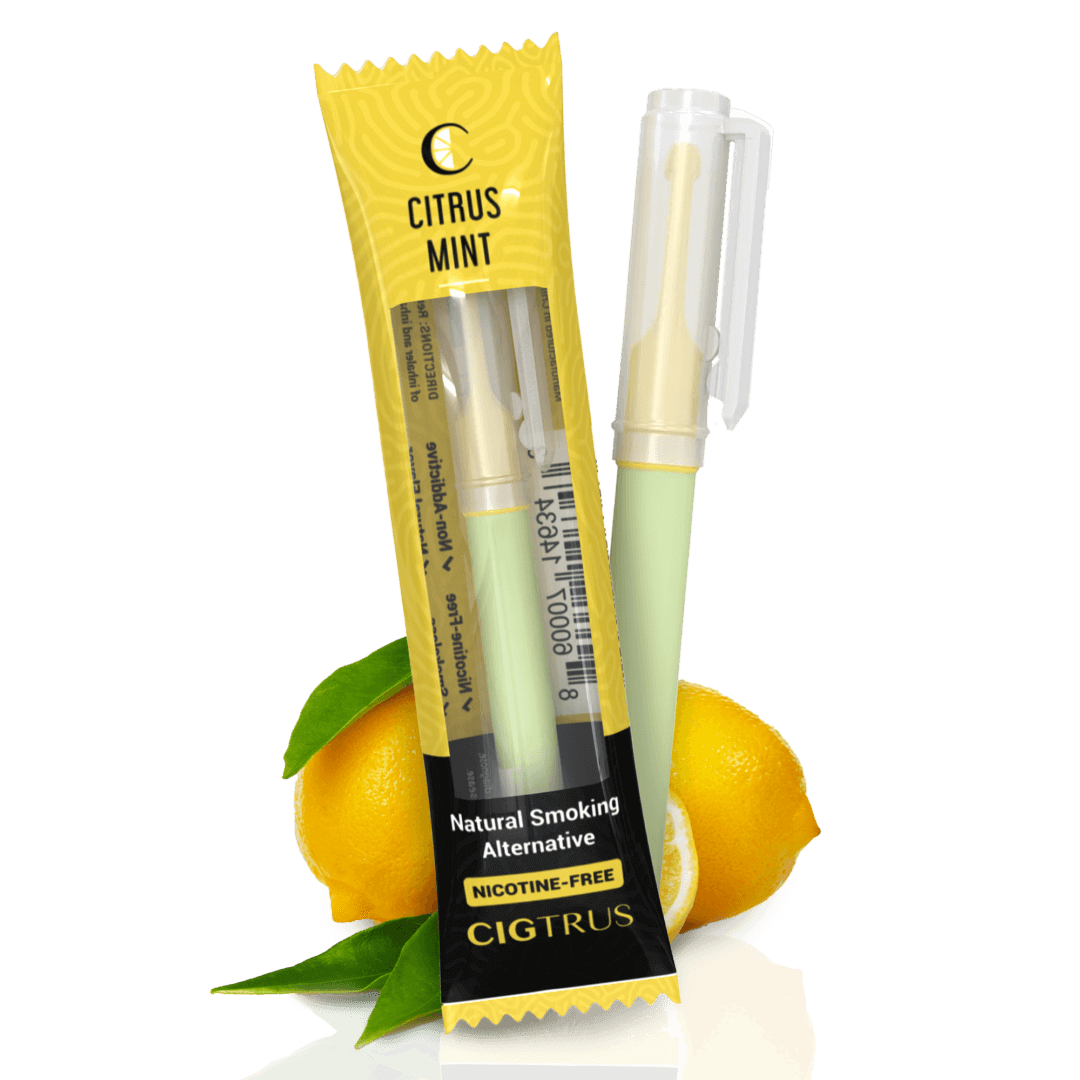
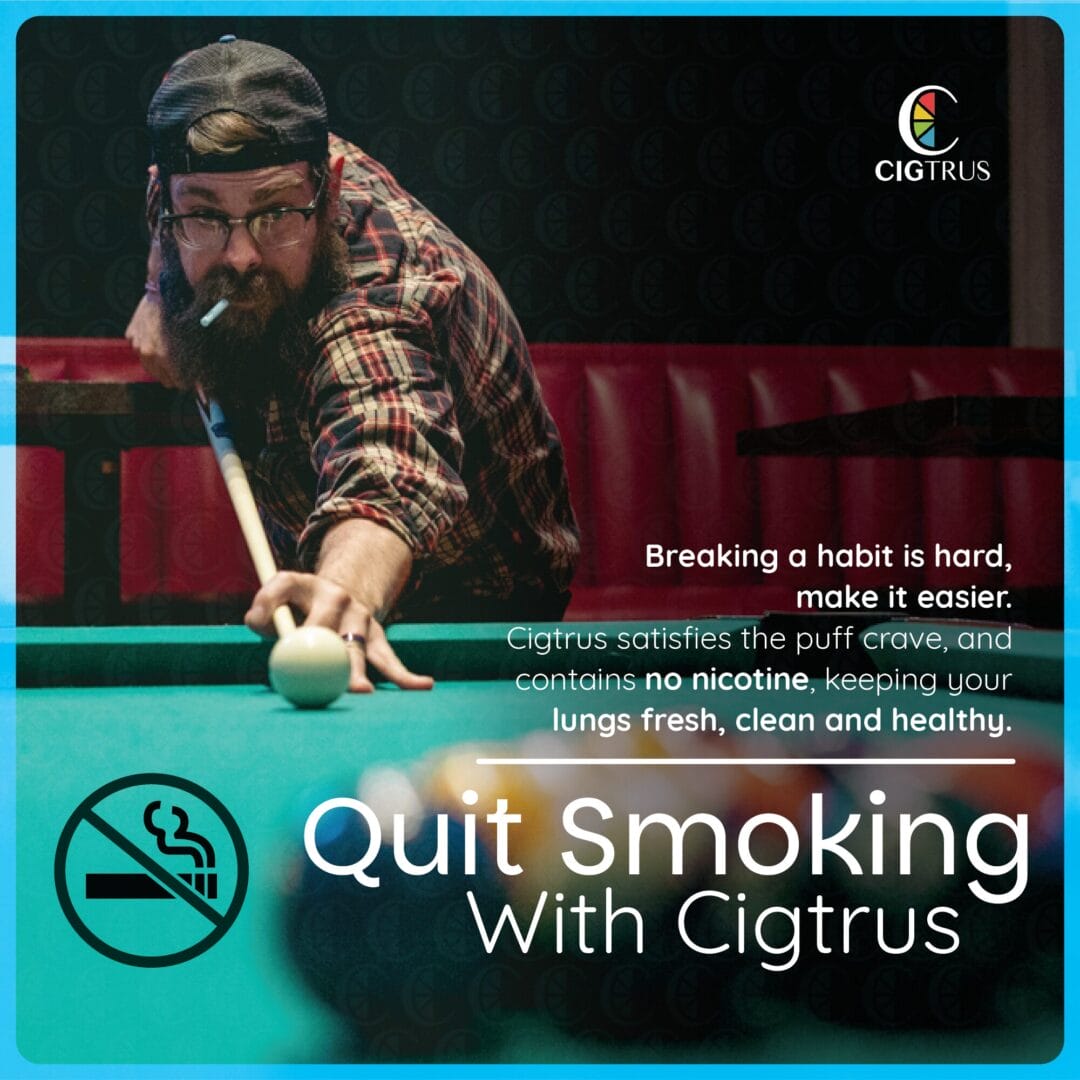
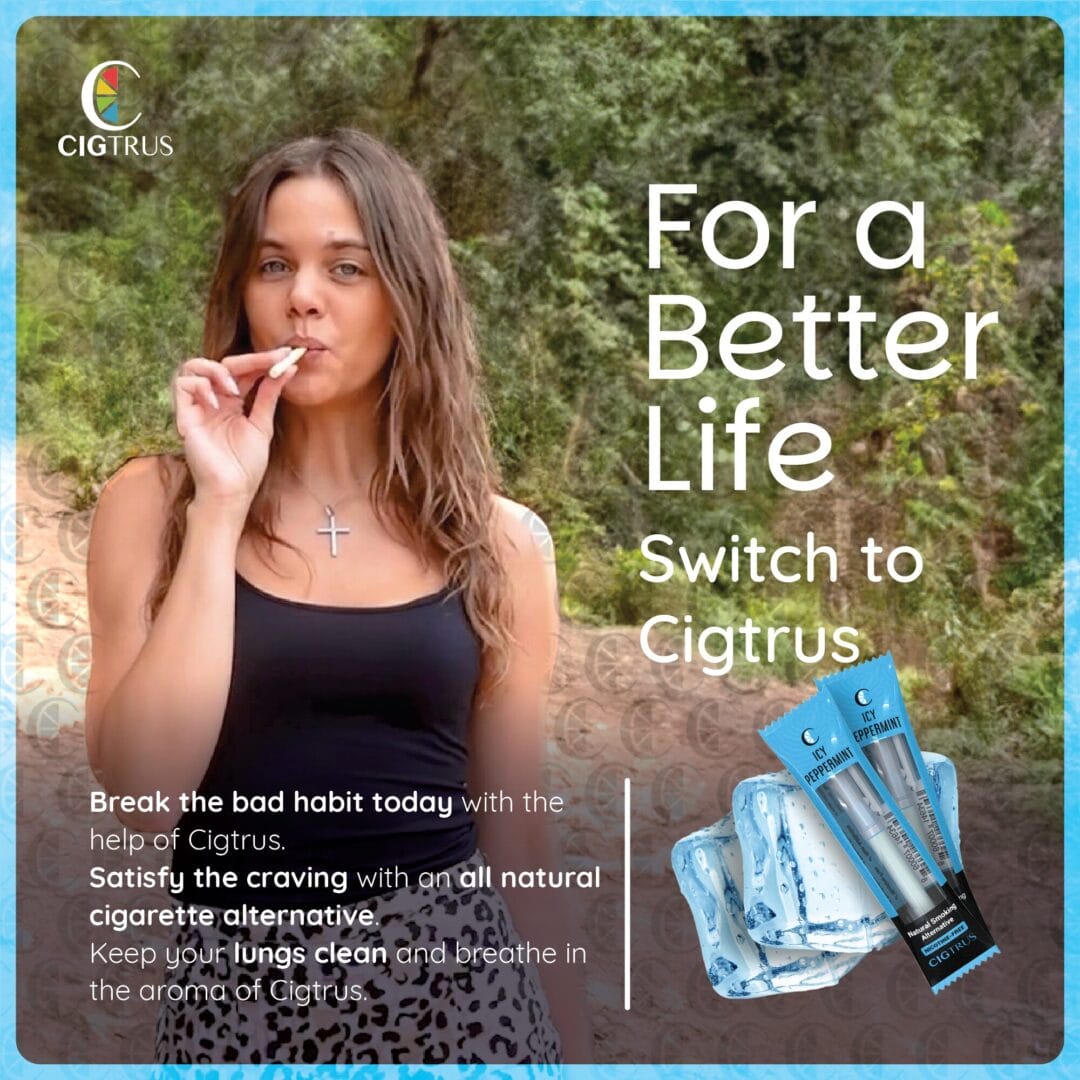
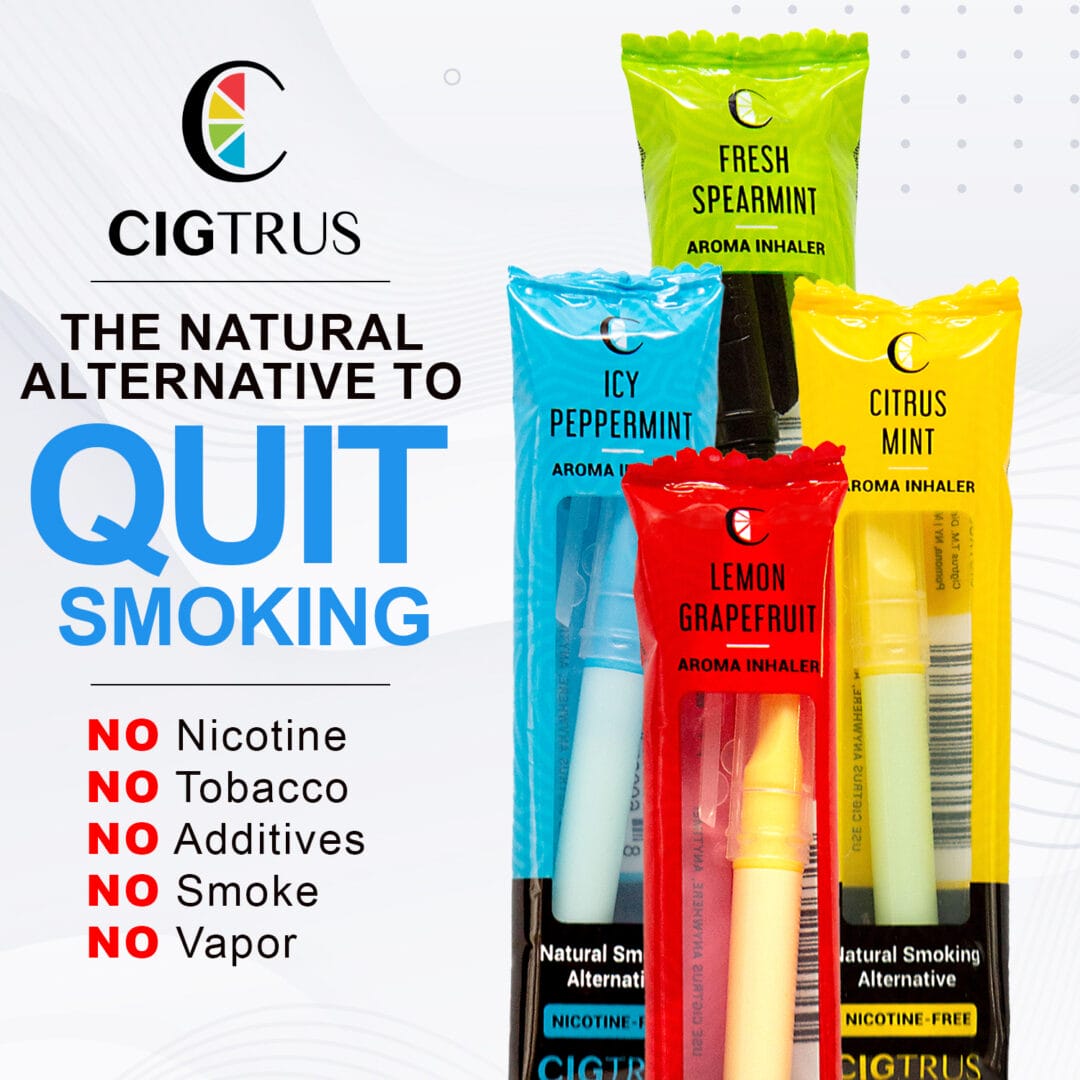
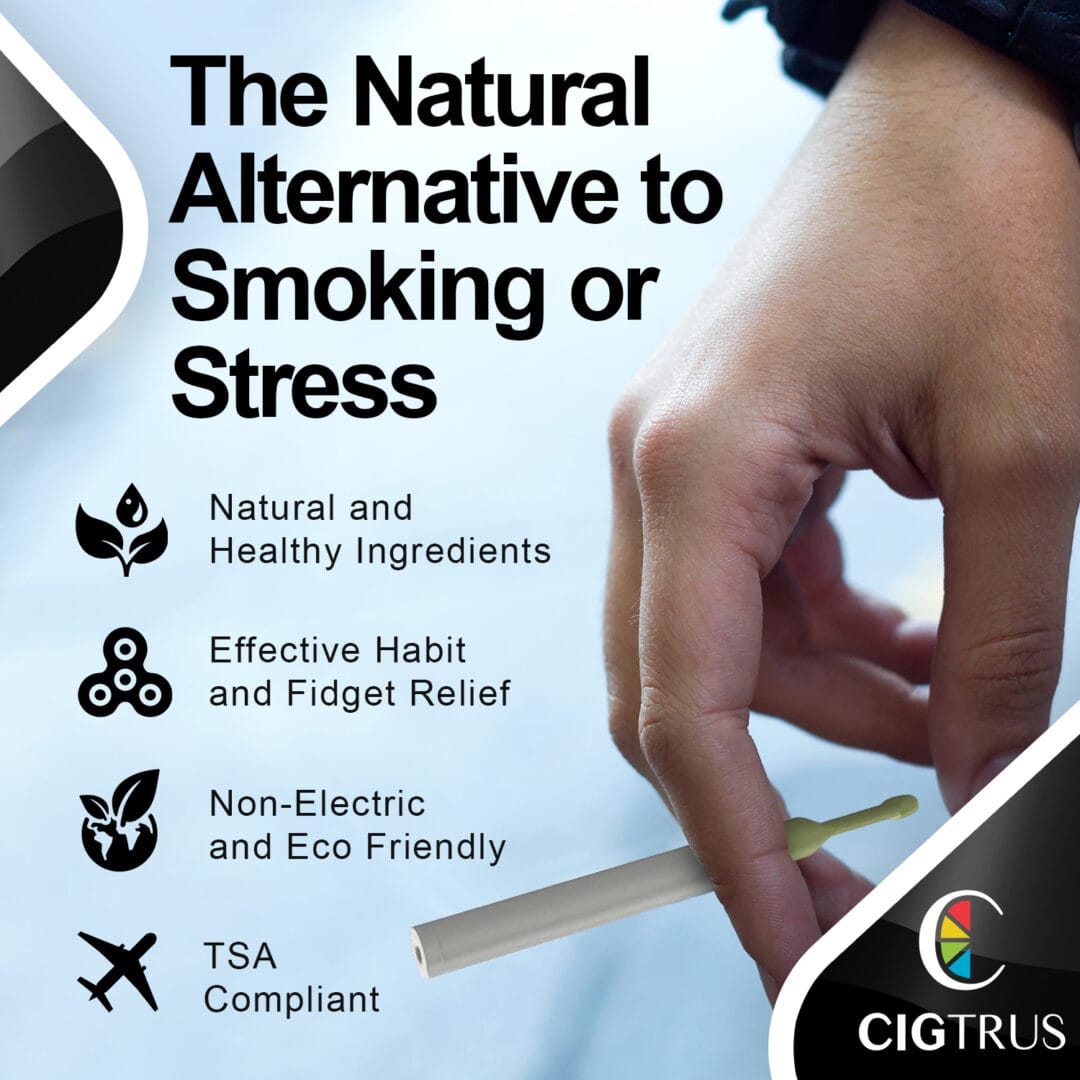
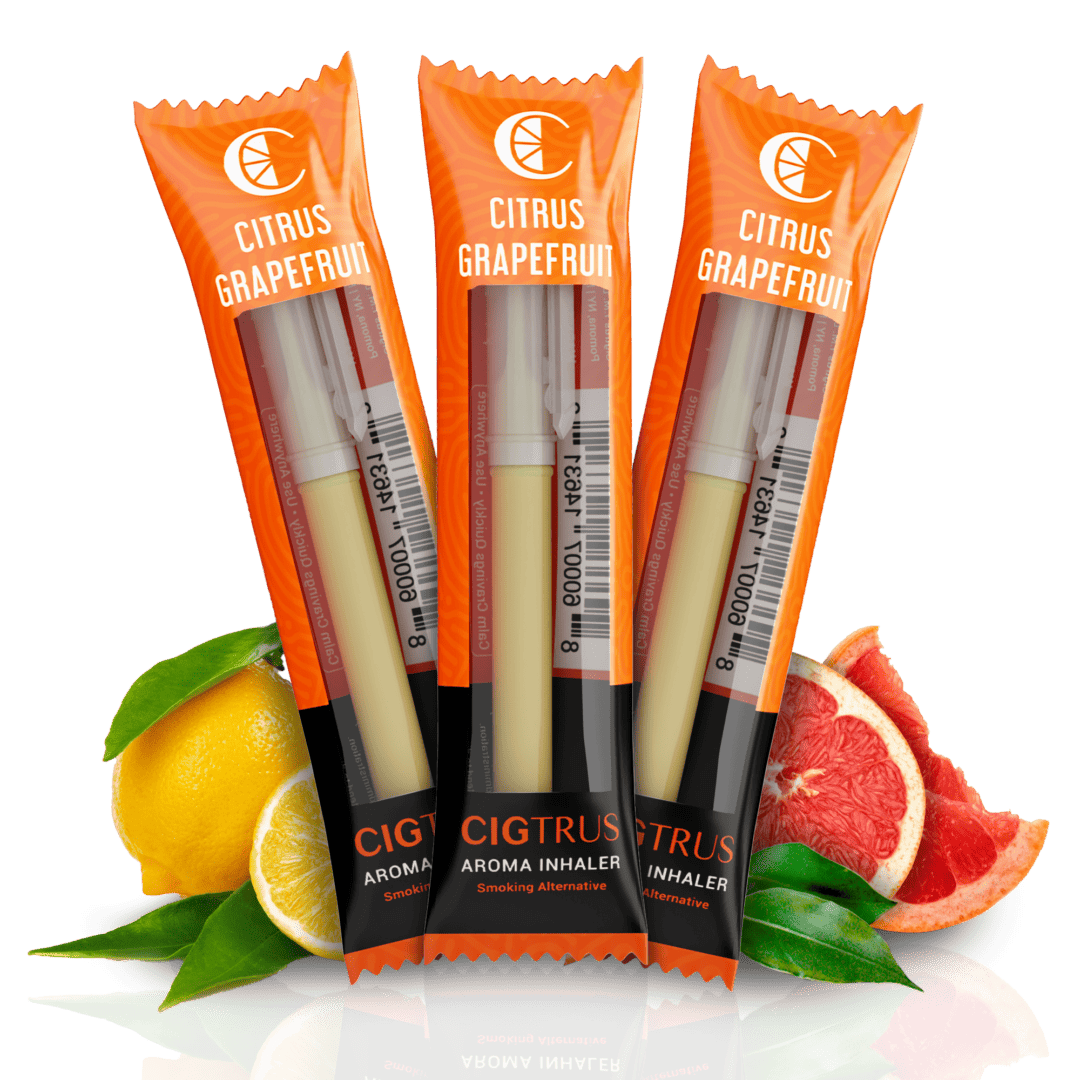
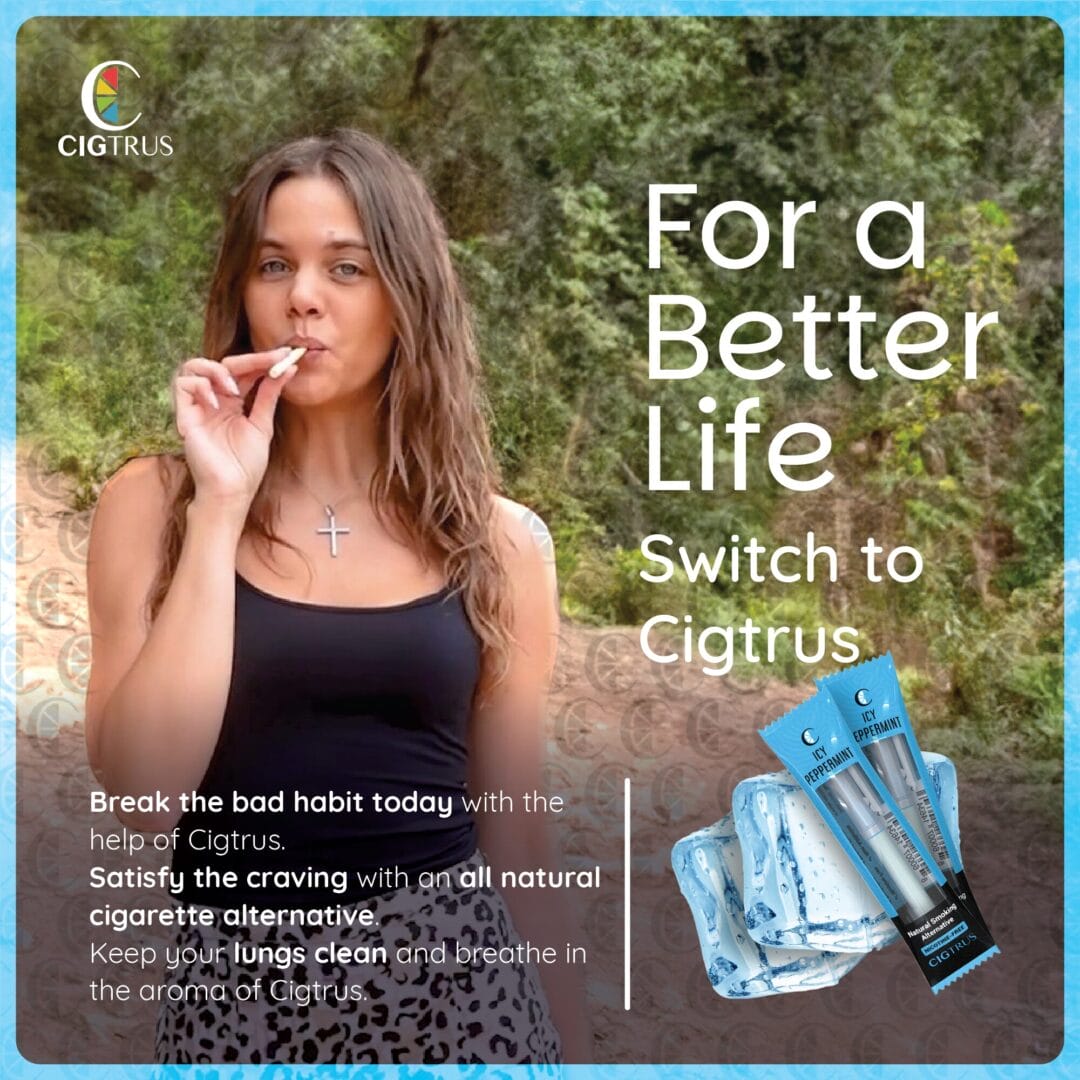
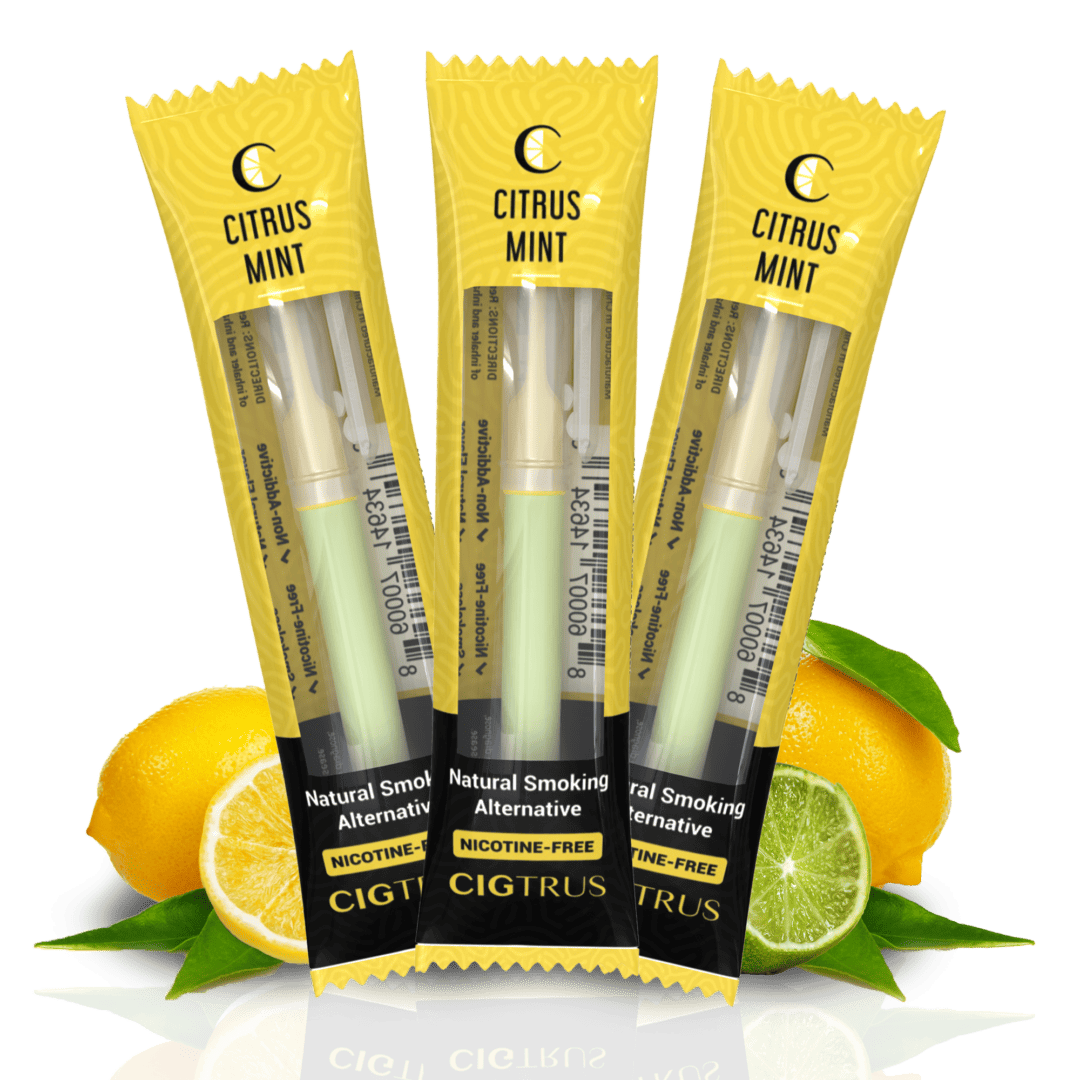
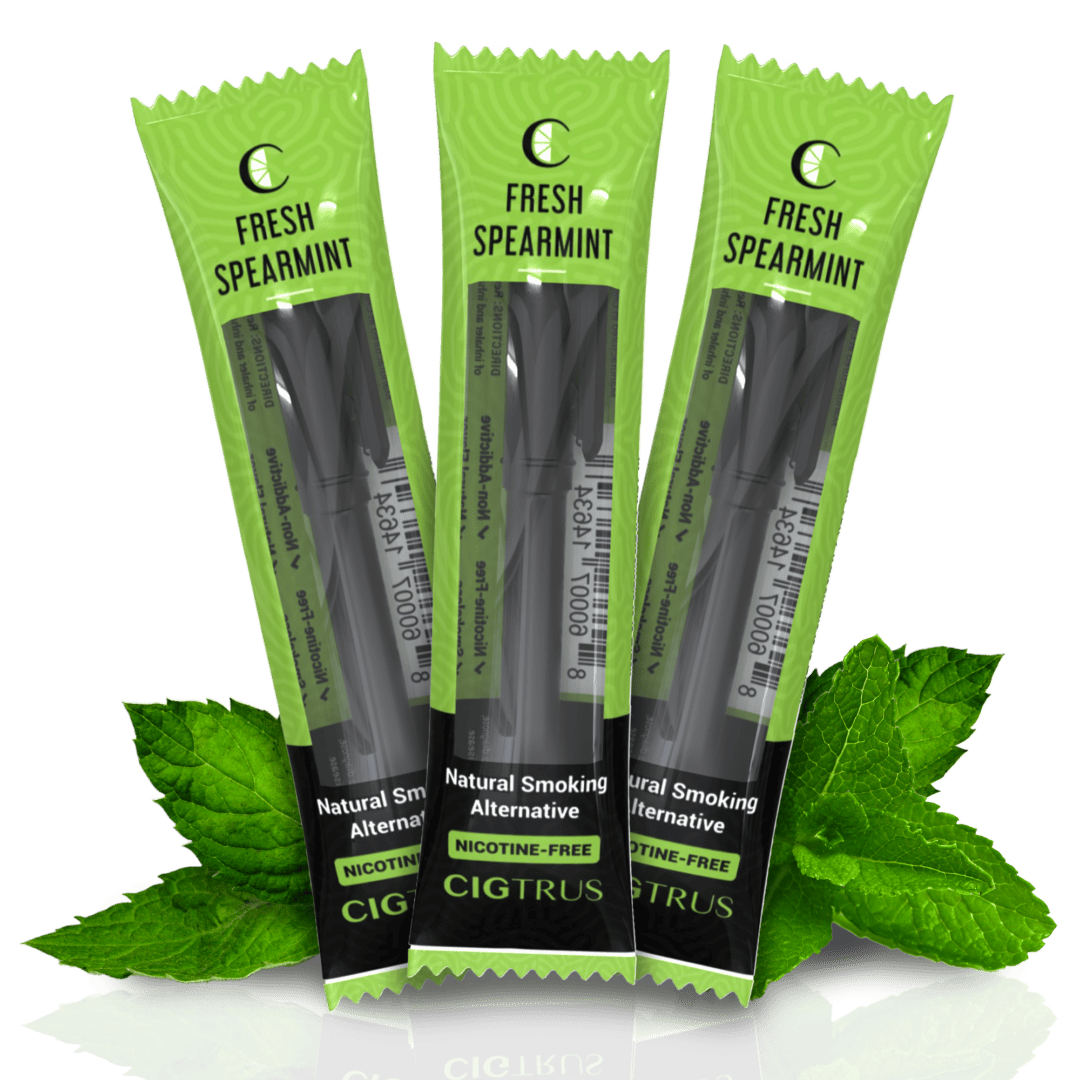
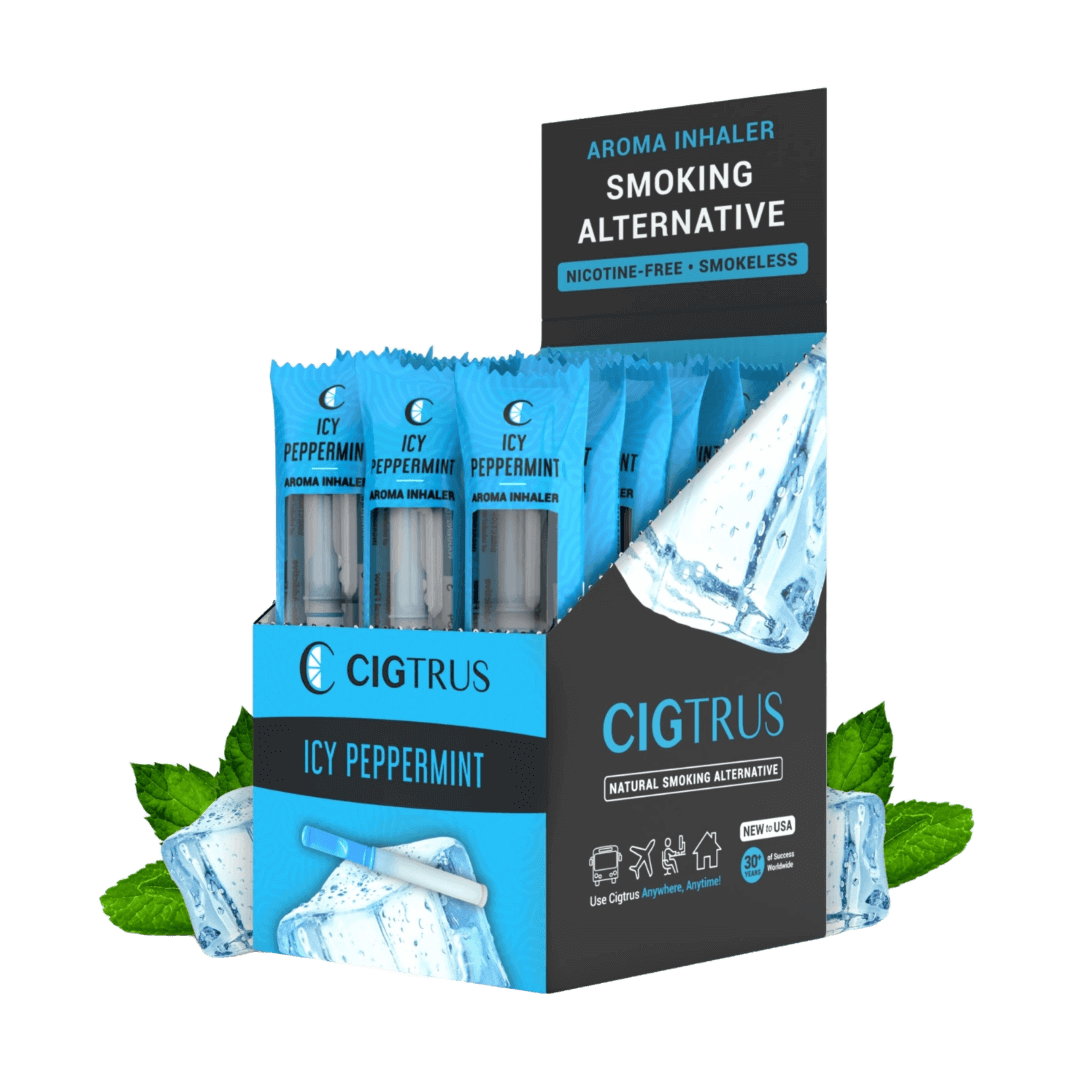
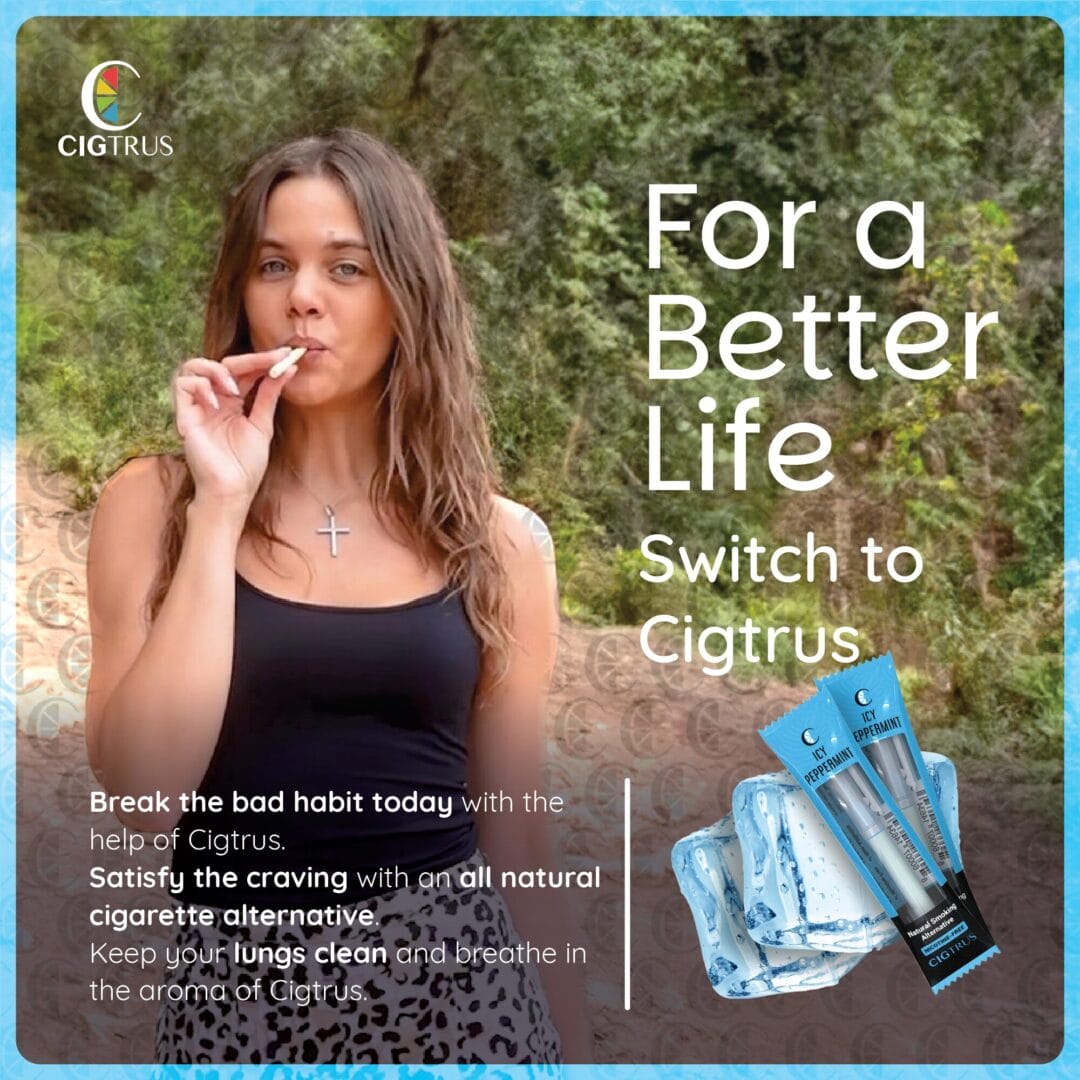
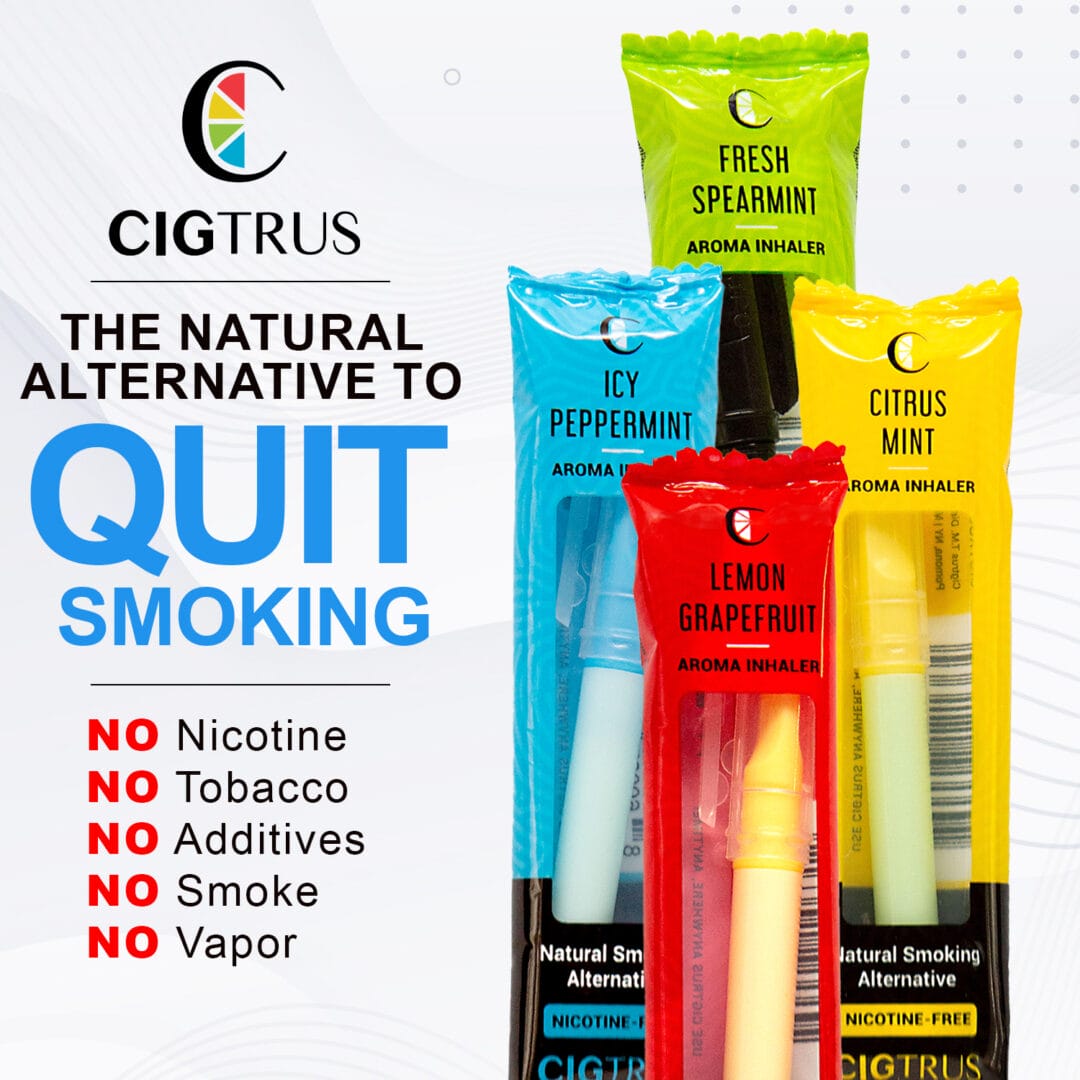
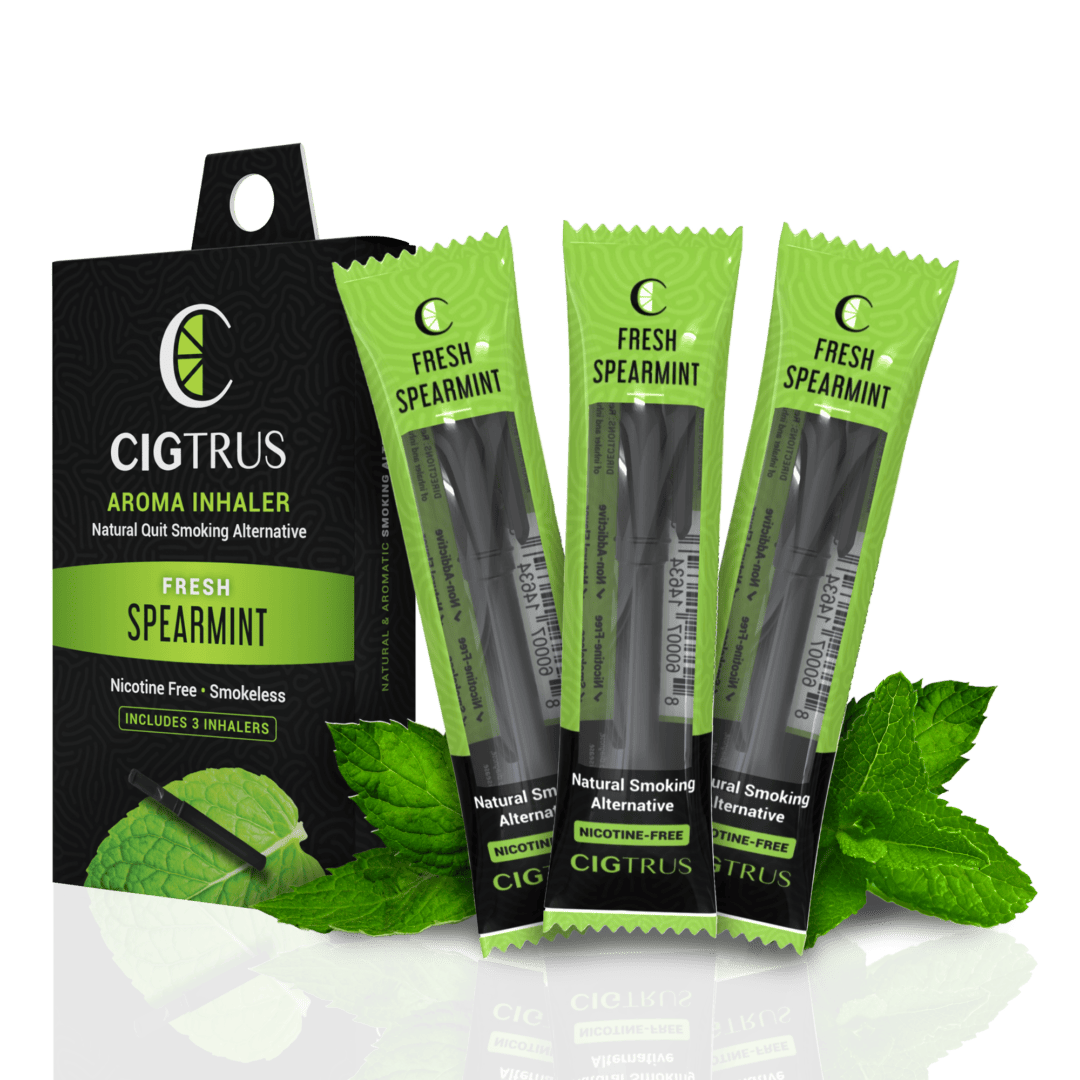
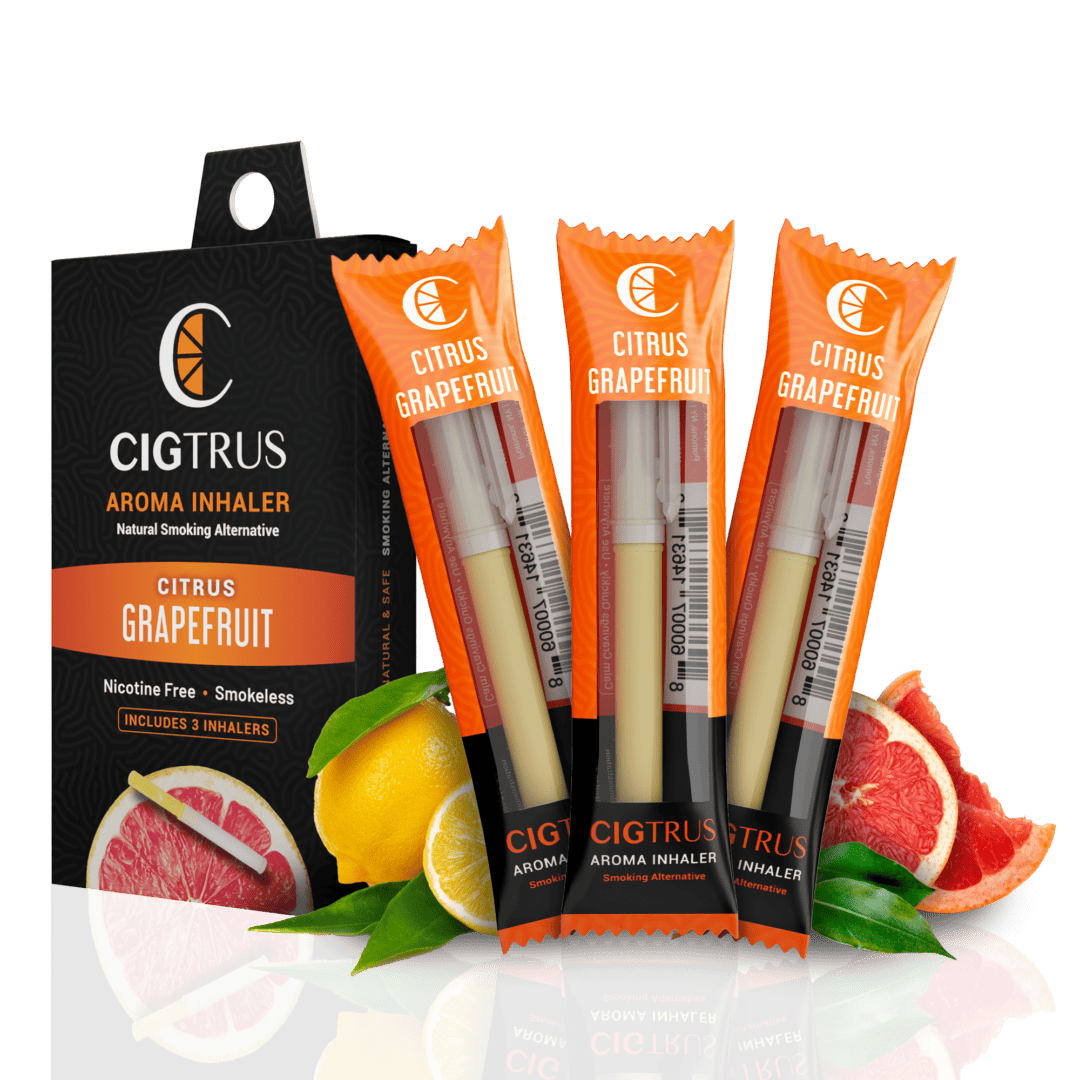
Cigtrus offers a nicotine‑free, tobacco‑free, non‑electric inhaler. It doesn’t produce smoke or vapor. Instead, it gives users a harmless tool to satisfy the habitual side of smoking or vaping: the hand‑to‑mouth motion, inhalation, and oral sensation.
Because of this design, Cigtrus avoids many drawbacks associated with smoking or vaping: no nicotine addiction, no hazardous chemicals, no combustion or second‑hand smoke, no battery or device upkeep.
It imitates the ritual without contributing to addiction or harming lungs. This makes it a more “gentle” transition tool for people leaving smoking behind, but still needing a familiar hand‑to‑mouth ritual.
What Makes Cigtrus a Practical Habit‑Replacement Tool
Here are the main strengths Cigtrus brings as an oral‑fixation substitute:
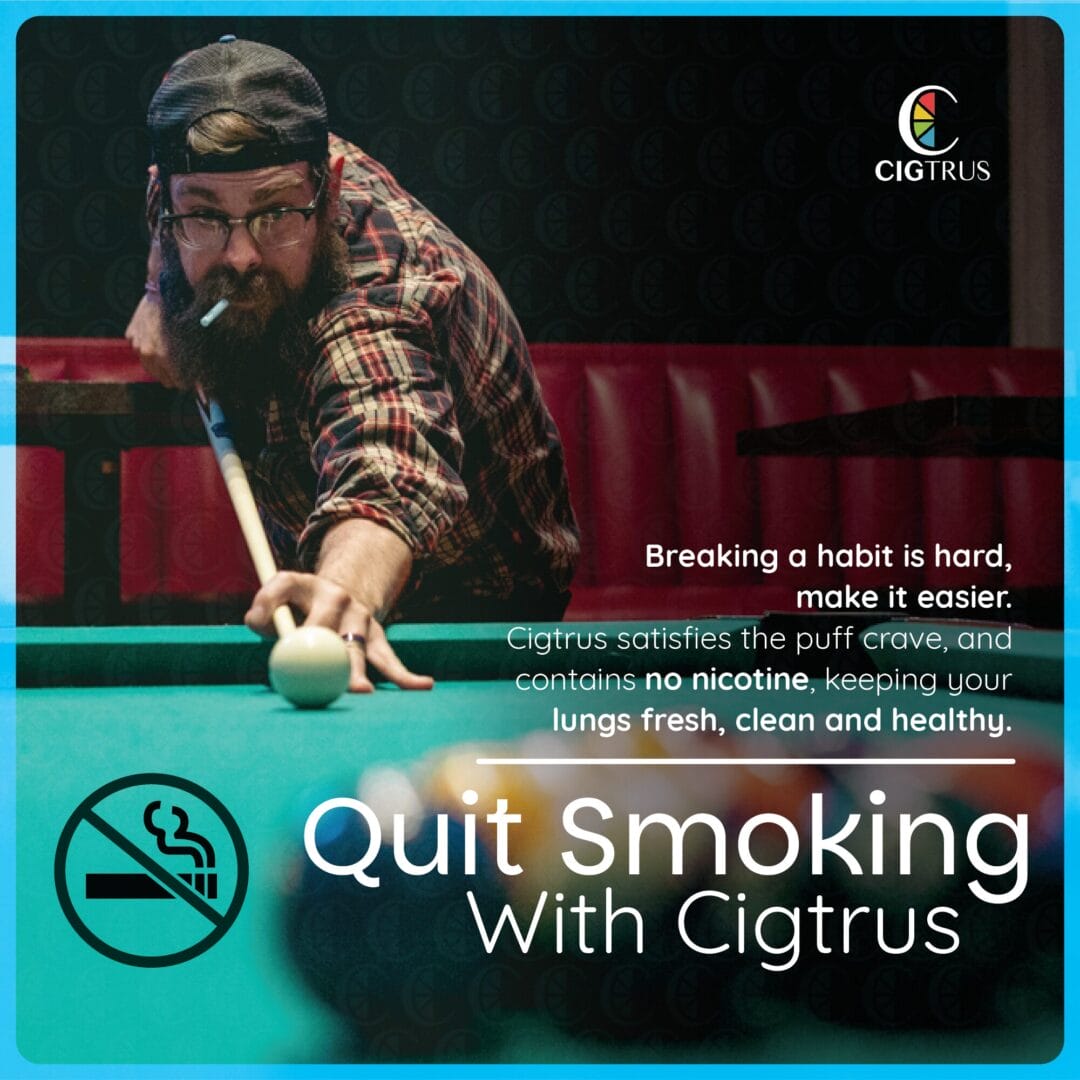
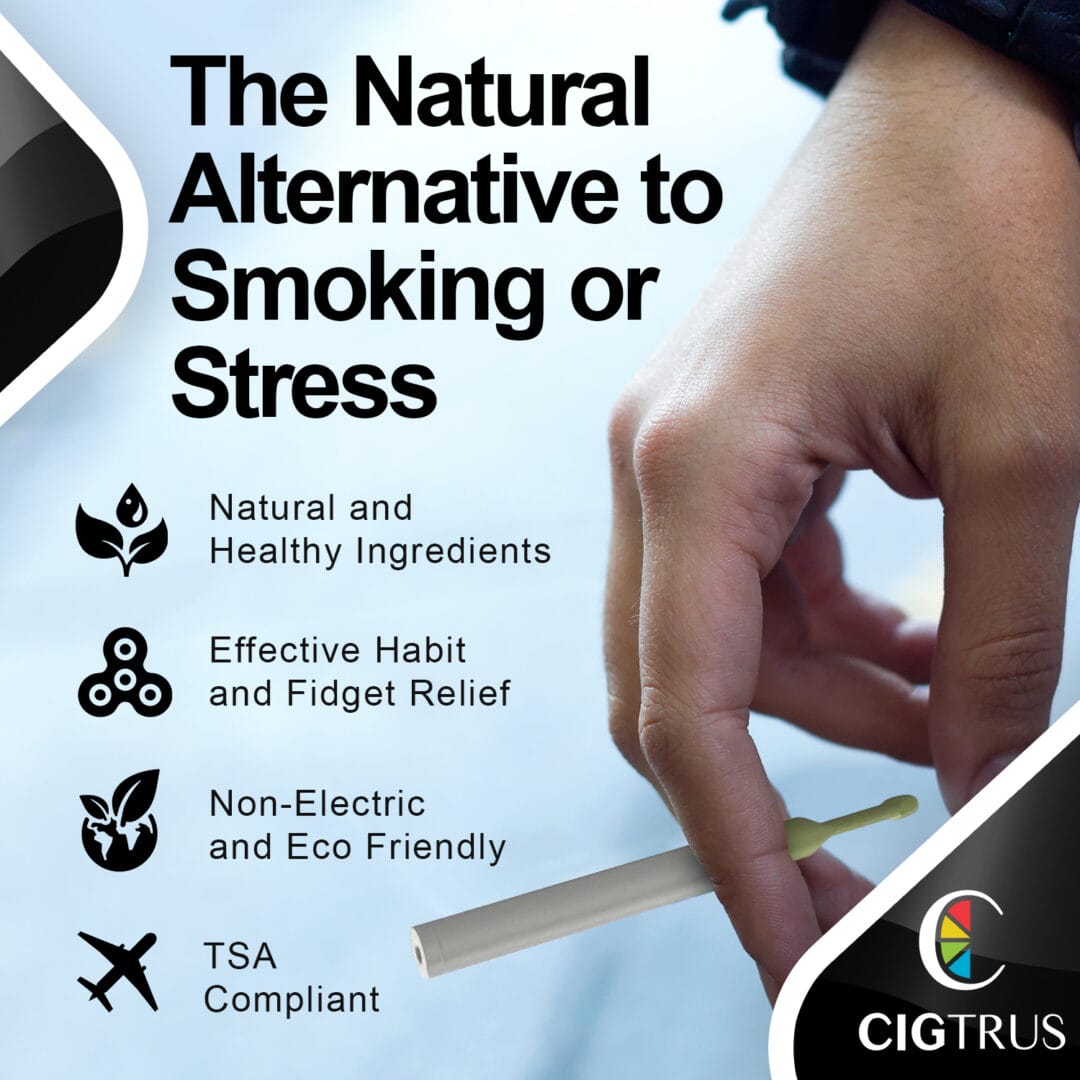
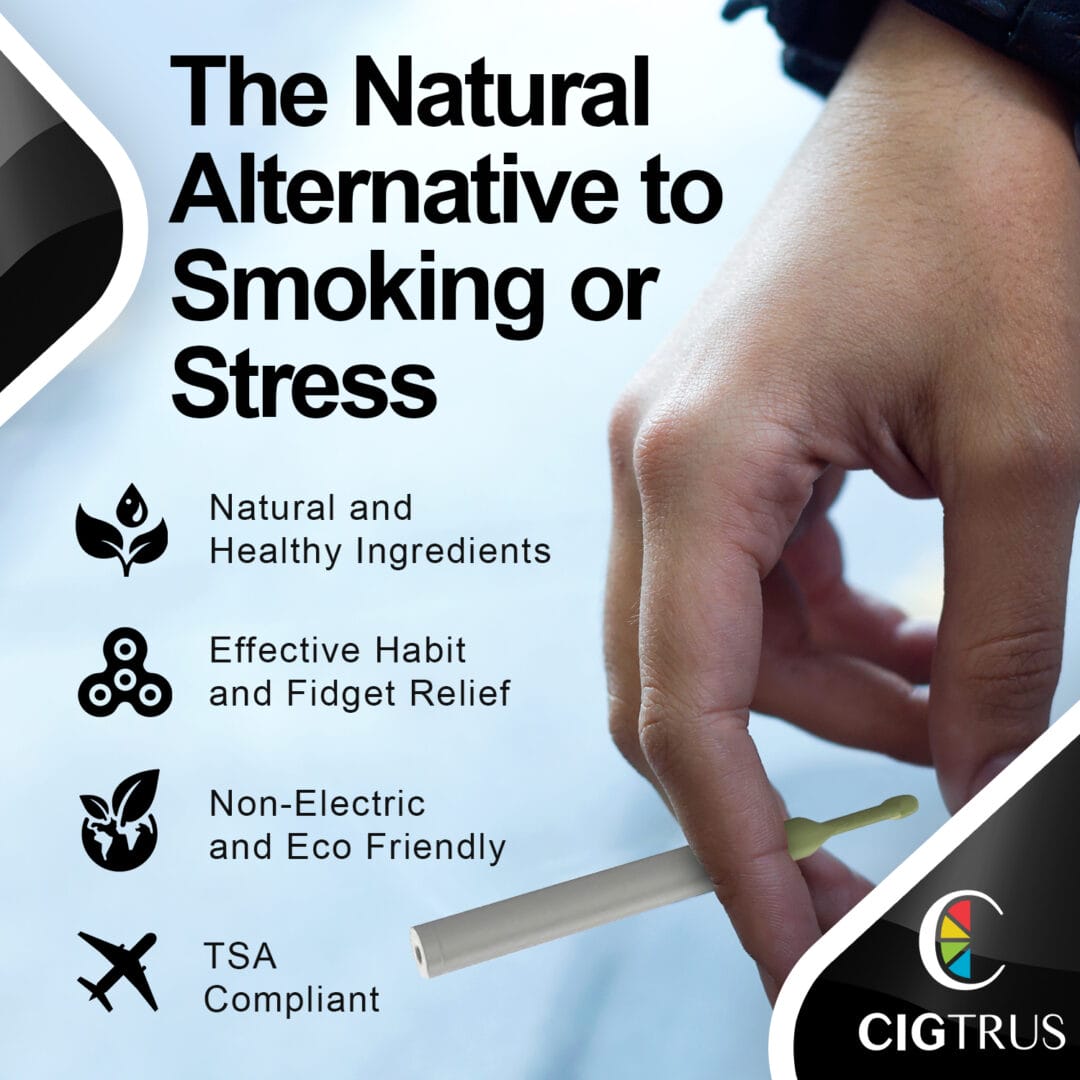
- Nicotine‑Free and Tobacco‑Free: Since it contains no nicotine or tobacco, using Cigtrus doesn’t sustain chemical addiction. It instead separates the bodily habit from the addictive substance.
- Smoke‑Free and Vapor‑Free: Because there’s no combustion or heating, Cigtrus avoids smoke, vapor, and related health risks making it safer (or at least, less harmful) than traditional smoking or many vaping devices.
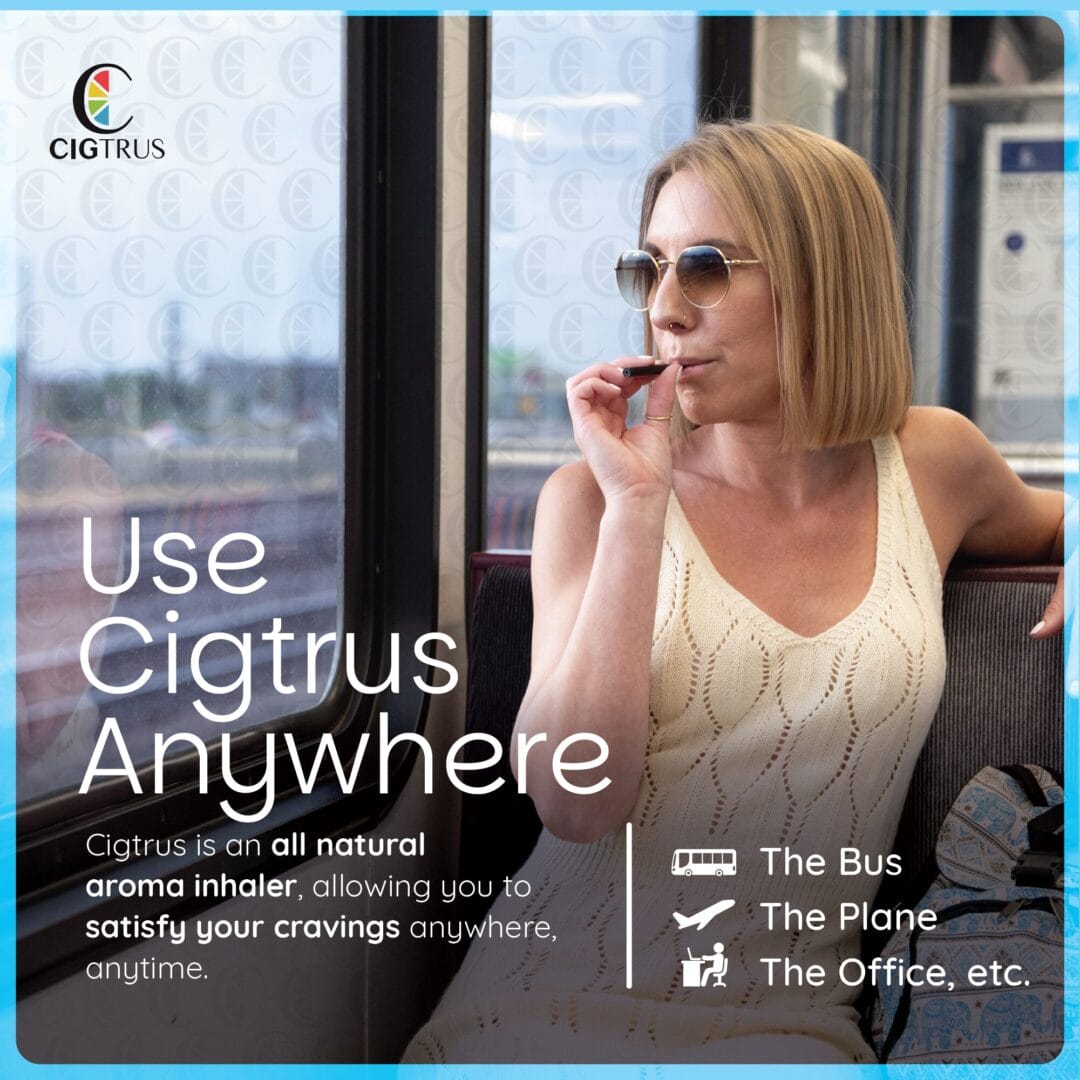
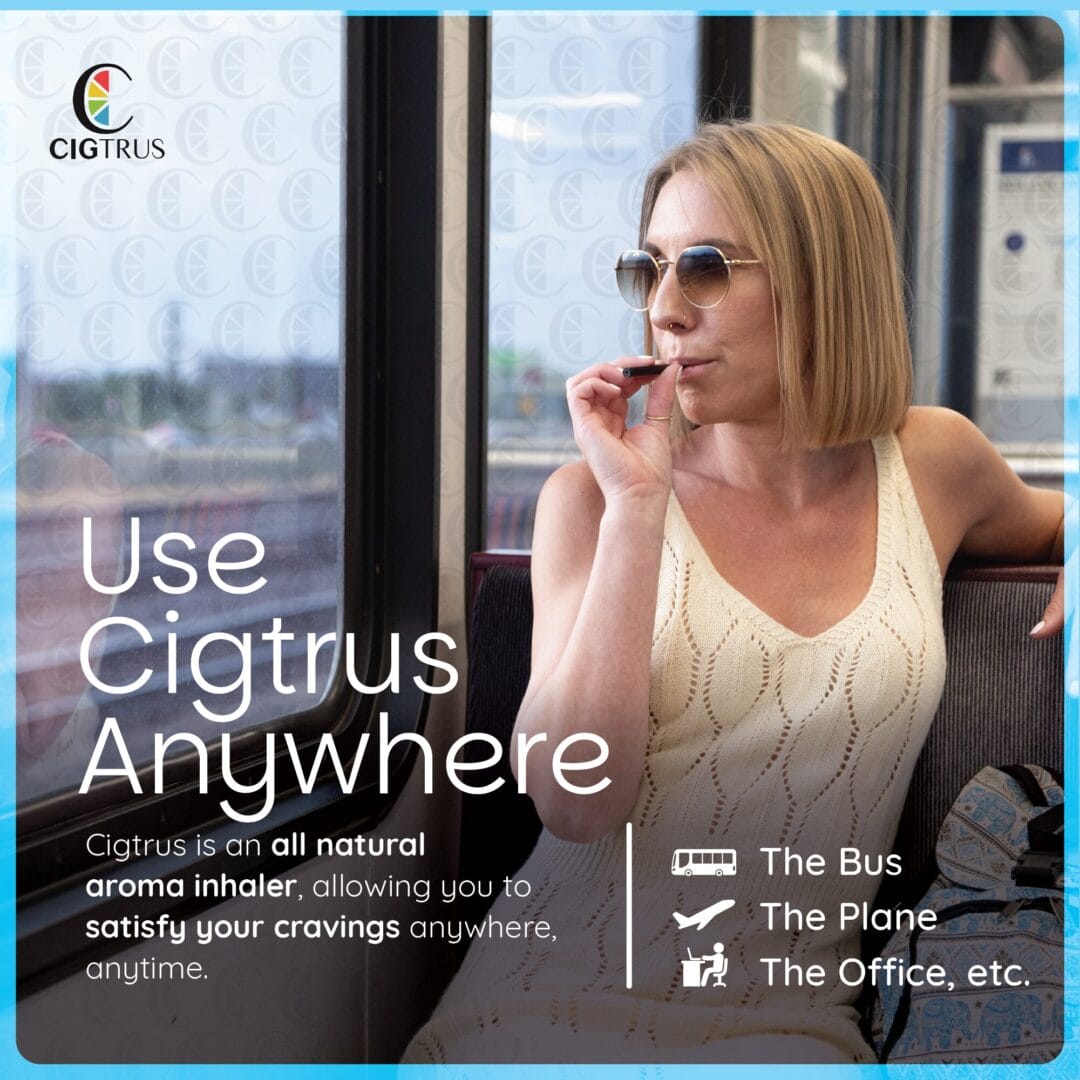
- Portable, Convenient, and Discreet: The inhaler is small, non-electric, and easy to carry great for use at home, during commutes, at work, or while traveling. That reduces friction for people trying to avoid triggers in everyday contexts.
- Oral Fixation & Habit Satisfaction: For many, having something to hold, inhale, and exhale satisfies part of the psychological / behavioral urge that often drives relapse. Substitutes like inhalers, lozenges, gum can be key when the challenge is the habit, not only the chemistry.
- Flexible Tool Not a Replacement Addiction: Because there’s no nicotine, Cigtrus aims to help shed the addiction entirely while giving support to the behavioral side during the transitional phase. This avoids replacing one addiction (nicotine) with another (habit‑reinforcing inhalation).
Where Cigtrus Fits — When It Makes the Most Sense
Cigtrus tends to work best for people who:
- Have mostly overcome nicotine dependence (or never had a heavy addiction) but find the ritual hard to shake.
- Want a clean break avoiding nicotine, smoke, and harmful chemicals completely.
- Need a discreet, portable tool to manage cravings or habitual triggers during daily life (work, travel, social settings).
- Prefer a minimalist, low‑maintenance solution (no batteries, refills, smoke clouds).
- Recognize that quitting is more than physical withdrawal that habit and behavior need replacement just as much.
For those who smoked heavily for years, or who still struggle with intense cravings, a tool like Cigtrus may support the ritual but may not be enough alone. In those cases a broader quit plan (behavioral support, lifestyle changes, perhaps medically approved cessation aids) remains important.
What to Keep in Mind — Not a Magic Bullet
It’s worth noting a few caveats before relying on any inhaler or oral‑fixation substitute:
- Traditional cessation aids that deliver nicotine nicotine patches, gum, lozenges, inhalers remain among the most studied and effective methods for quitting smoking.
- Some inhaler‑style substitutes (especially flavored, vaporless, herbal or non‑nicotine variants) lack rigorous long‑term clinical research verifying their safety or efficacy.
- Habit substitution doesn’t address psycho‑social triggers, stress, or the emotional side of addiction. Quitting often calls for broader changes: new routines, stress management, support networks, coping strategies.
- Oral substitutes may reduce some triggers but may not suppress strong nicotine withdrawal symptoms (if there is still chemical dependence).
Thus, while Cigtrus can help manage oral fixation, it works best as part of a quit plan not as a standalone “cure.”
Why Tools Like Cigtrus Are Becoming Part of Modern Quit Strategies
As awareness grows that quitting smoking is more than quitting nicotine that it involves lifestyle, behavior, and habit more people seek tools that reflect that complexity. Oral‑fixation substitutes like smokeless inhalers respond to this demand by giving a bridge between addiction and abstinence, helping address what many quitters miss: the ritual.
Health experts emphasize combining behavioral support with cessation tools: many smokers relapse not because the body craves nicotine, but because the environment and habit trigger the old behavior.
By helping manage these triggers hand‑to‑mouth motion, oral comfort, habitual inhalation Cigtrus and similar tools provide a more holistic approach to quitting.
For those who want a clean, smoke‑free, nicotine‑free path but aren’t ready (or willing) to drop the habit all at once inhalers like Cigtrus offer a middle ground.
A Balanced View: When Cigtrus Helps — and When to Use Broader Support
Cigtrus helps by replacing part of the problem: the behavioral ritual. For some quitters, that may make the difference between relapse and success. It provides a manageable, low‑effort substitute for old habits.
At the same time, quitting smoking or vaping remains a complex challenge. If nicotine dependence remains strong or if emotional/behavioral triggers drive cravings, using reputable, evidence‑based cessation methods (NRT, counseling, support programs) remains wise.
For many, success comes from a layered approach: using habit‑substitution tools like Cigtrus, creating new routines, building support, and if needed combining with or gradually transitioning to medically approved cessation aids.