Why Smoking Cravings Aren’t Always About Nicotine
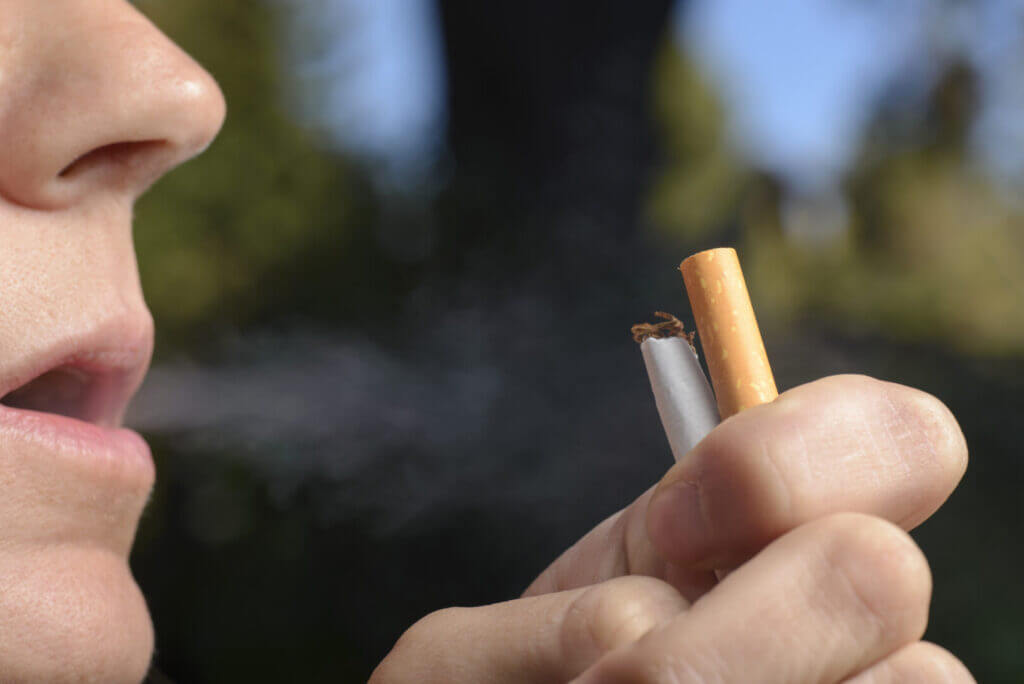
You can reduce nicotine and still find yourself thinking about a cigarette during coffee, after dinner, while driving, or the moment stress hits. That is because smoking cravings are not always one single thing. Nicotine dependence matters, but so do the routines, triggers, hand-to-mouth motion, and familiar moments that smoking builds over time.
Smoking cravings can come from nicotine withdrawal, but they can also be triggered by familiar situations and behaviors connected with smoking. Coffee, driving, stress, meals, work breaks, holding something, and the hand-to-mouth motion can all become part of the smoking routine. That is why quitting can involve addressing both nicotine dependence and the habit that remains around it.
This distinction matters because the two types of urges do not always feel different in the moment.
You simply think:
“I want a cigarette.”
But sometimes the better question is:
“What is happening right now that makes me want one?”
The Habit Side of Smoking Cravings
Smoking becomes connected to everyday life through repetition.
Smoke during the same situation often enough and eventually the situation itself can remind you of smoking.
- Stress — your mind connects pressure with reaching for a cigarette and taking a familiar pause.
- Boredom — your hands want something familiar to do.
- Morning coffee — the drink and cigarette may have happened together for years.
- After meals — finishing food can automatically bring the thought of smoking.
- Driving — your hand may reach during the same part of the commute without much thought.
- Work breaks — smoking becomes connected with stepping away and taking a few minutes for yourself.
- Social situations — being around other smokers can instantly bring the routine back to mind.
Those associations are part of why a smoking urge can appear even when it does not feel like nicotine withdrawal.
Practical quitting smoking strategies often work better when they account for these trigger moments instead of treating every craving exactly the same way.
Nicotine Craving vs. Routine Craving: What’s the Difference?
Nicotine dependence is the chemical side of smoking.
The smoking routine is everything that became connected with using the cigarette.
They overlap, but they are not identical.
- The hand still expects something to hold.
- The mouth remembers the familiar motion.
- The body remembers the inhale-and-exhale rhythm.
- The brain remembers smoking during coffee, driving, stress, meals, and breaks.
- The familiar reach may happen before you have even thought about nicotine.
“Sometimes the craving is asking for nicotine. Sometimes the moment itself is asking for the cigarette because that is what you trained yourself to do there for years.”
That is why focusing only on nicotine can leave part of the smoking experience unaddressed.
Why Can Cravings Continue After Reducing Nicotine?
Imagine someone who smoked every morning with coffee for fifteen years.
They may reduce nicotine.
But tomorrow morning the coffee is still there.
The chair is still there.
The same time of day is still there.
And the hand remembers what normally came next.
The same thing can happen after meals, while driving, during stress, at work, or when talking with another smoker.
This is why the behavioral side deserves its own attention instead of assuming every urge is simply a request for more nicotine.
What Are the Most Common Smoking Triggers?
Stress and Pressure
If smoking was your familiar pause during stressful moments, pressure can quickly bring the thought of a cigarette back.
Finishing a Meal
When smoking repeatedly followed eating, finishing a meal can become a trigger all by itself.
Driving
The car is a powerful routine environment because the same drive and the same hand movements repeat day after day.
Social Situations
Seeing someone else smoke or returning to a place where you used to smoke can bring the familiar urge back quickly.
Specific Times of Day
Morning, lunch, the end of work, or evening downtime can become smoking cues simply because the routine happened at those times repeatedly.
Boredom
When nothing else is happening, your hands and mouth may miss having something familiar to do.
If It’s Not Always Nicotine, What Are You Actually Missing?
When the urge shows up, ask what you are missing in that particular moment.
Is your body asking for nicotine?
Or are you missing something else?
- The hand-to-mouth motion
- Having something in your hand
- The familiar inhalation routine
- The pause you associated with smoking
- Something to do while driving or working
- The routine after eating
- The familiar response during stress or boredom
“If every smoking urge is treated as a nicotine problem, the hand-to-mouth habit can easily be missed. Understanding what you actually want in that moment helps you choose a better response.”
Why Habit Replacement Matters
If cigarettes disappear but every smoking moment stays exactly the same, there can be an obvious gap.
Your coffee is still there.
Your commute is still there.
Stress still happens.
Meals still end.
Work breaks still happen.
Habit replacement is about deciding what happens during those moments instead.
What Habit Replacement Focuses On
The Hand-to-Mouth Motion
The familiar reach, hold, and mouth movement that can become automatic after years of smoking.
The Inhalation Routine
The familiar act of drawing in and taking a pause that became part of smoking moments.
The Everyday Trigger
Coffee, driving, work, meals, stress, boredom, and other situations that became connected to smoking.
Where Cigtrus Fits Into the Hand-to-Mouth Side
Cigtrus was designed around the physical part of the smoking and vaping routine.
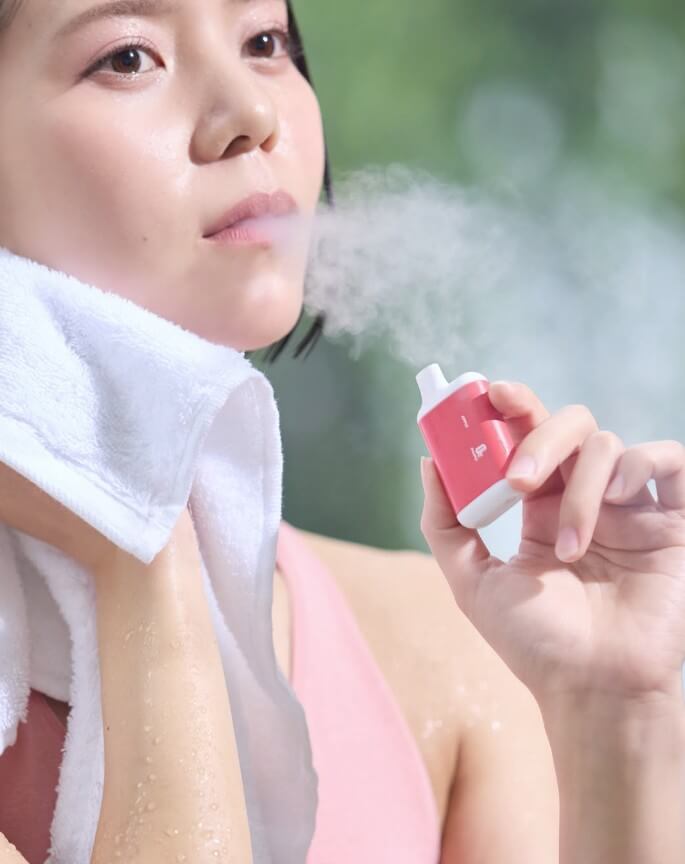
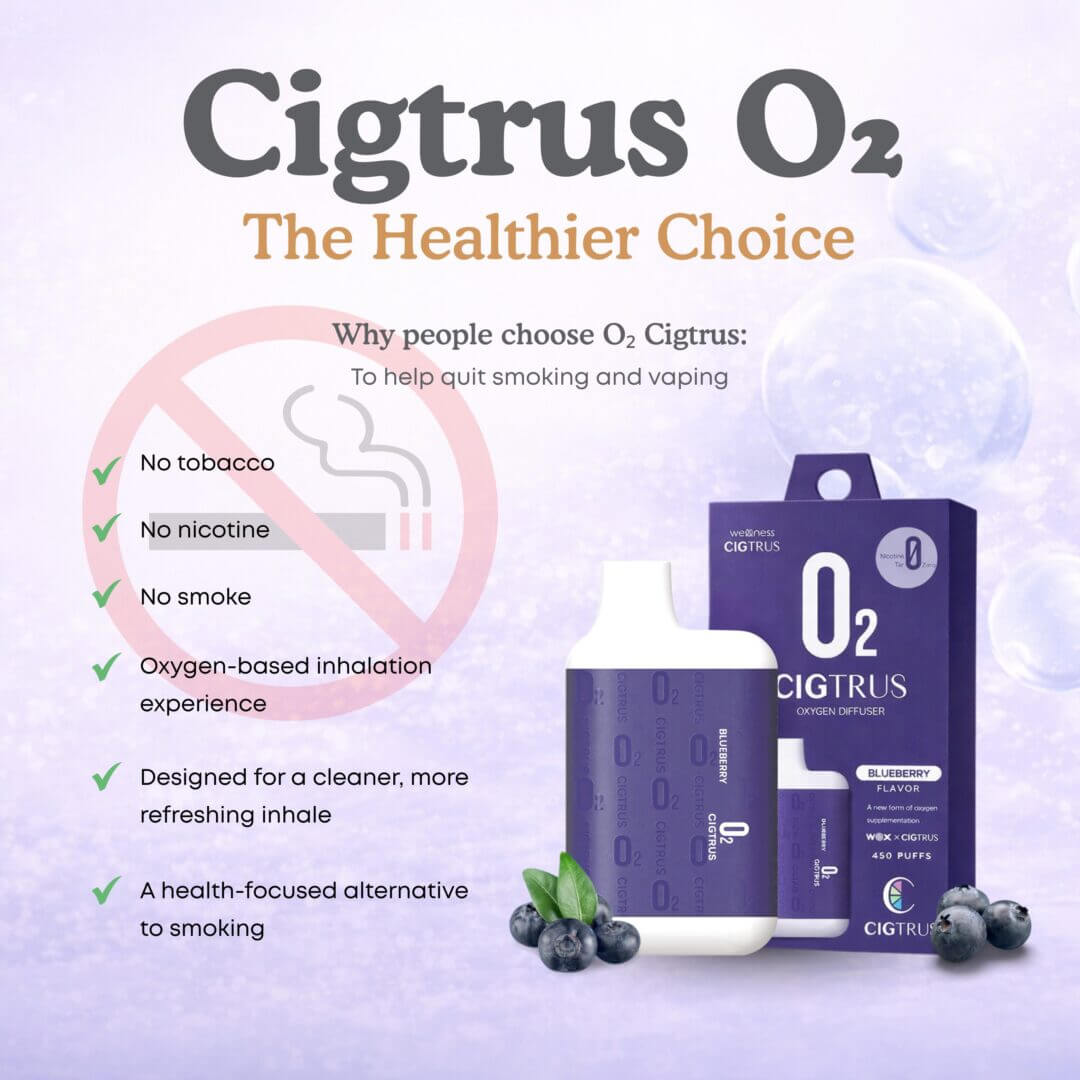
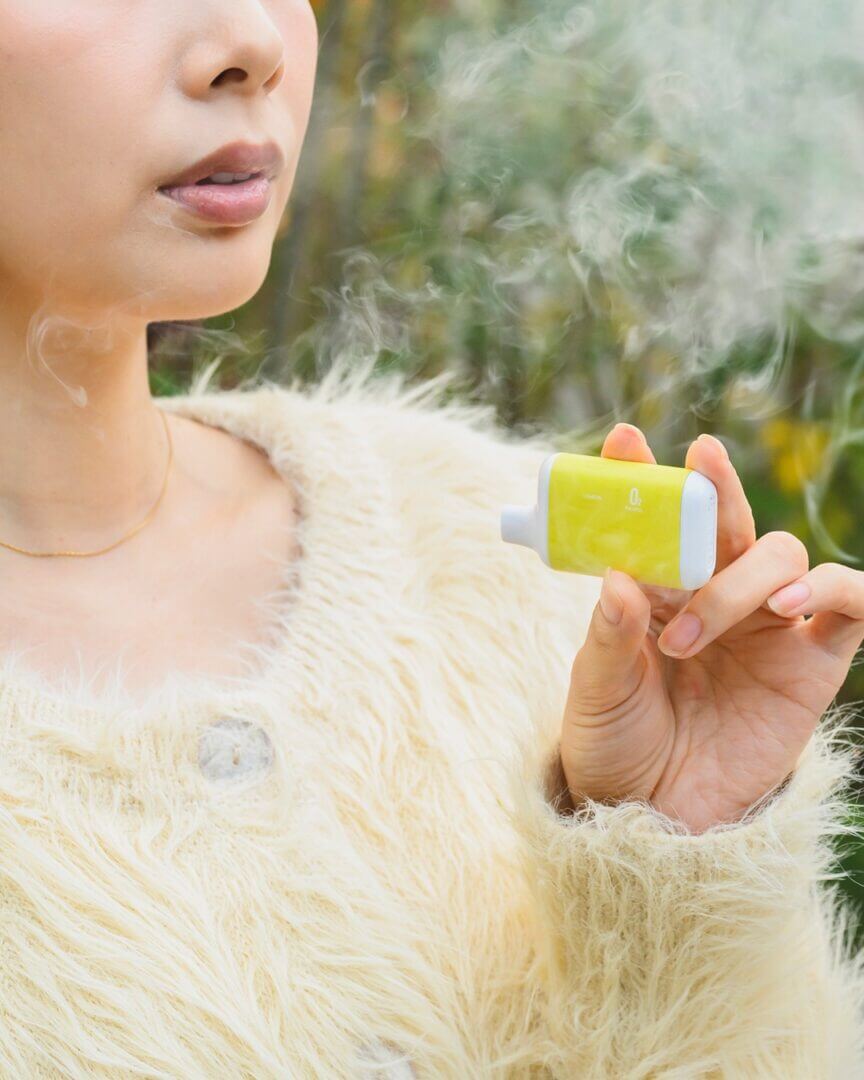
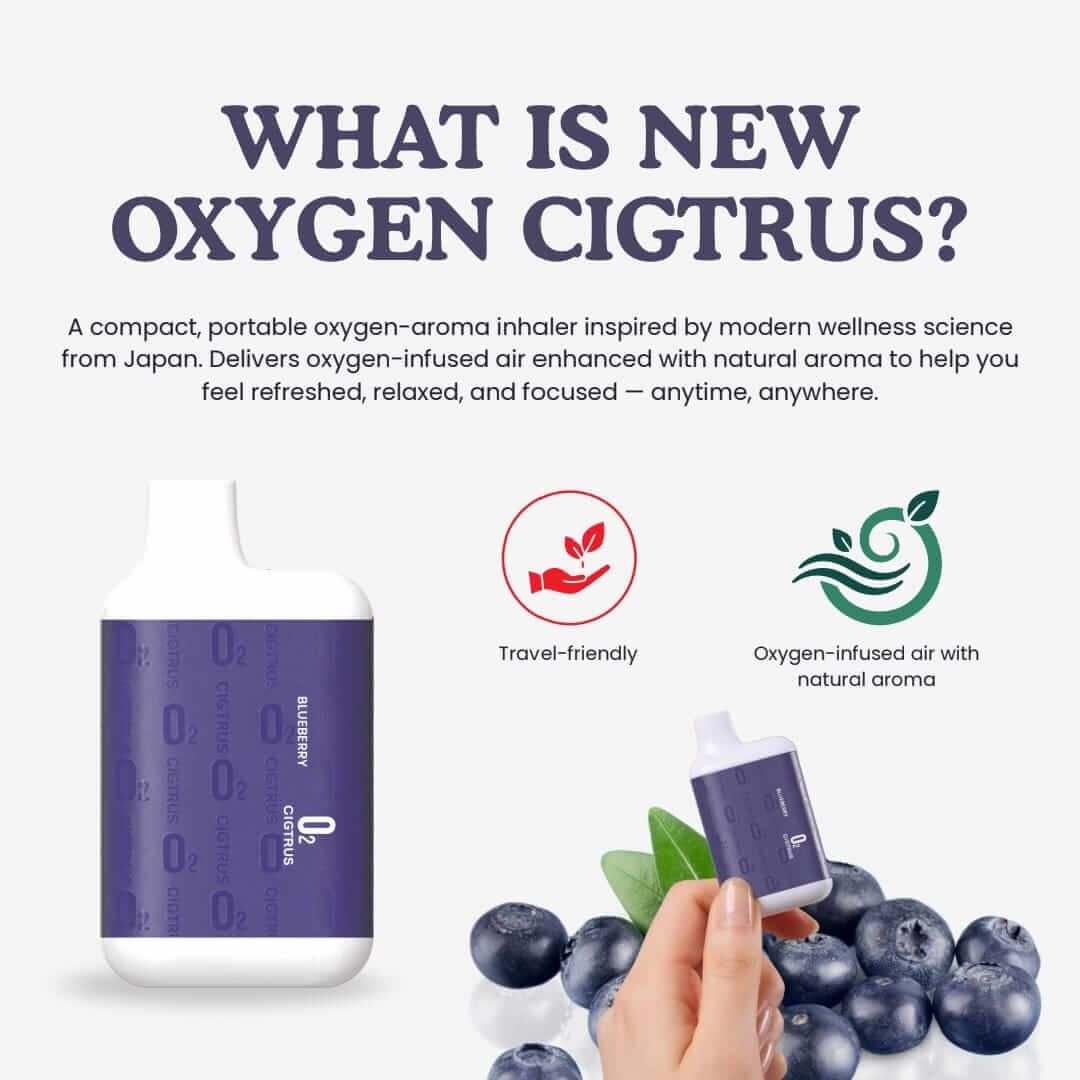
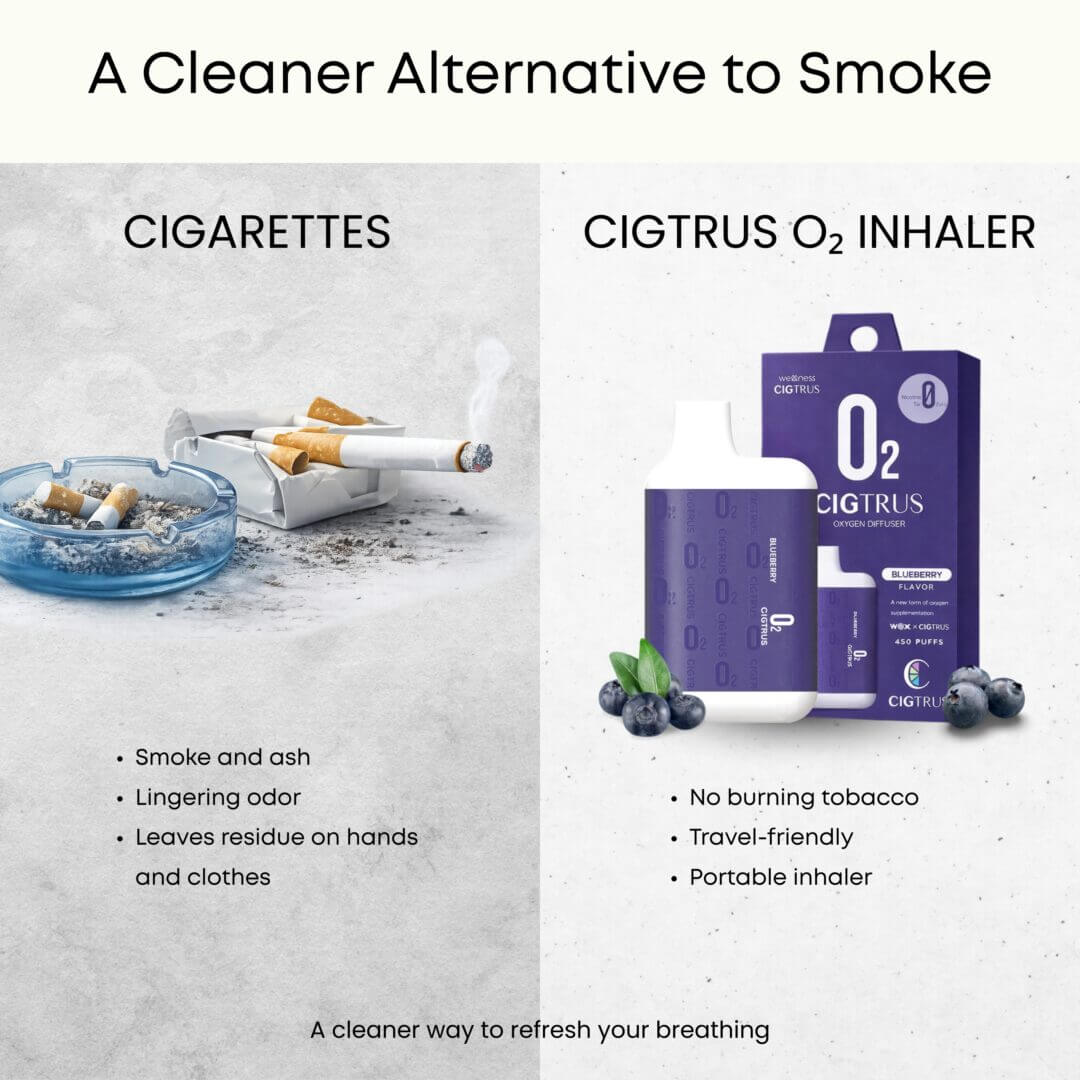
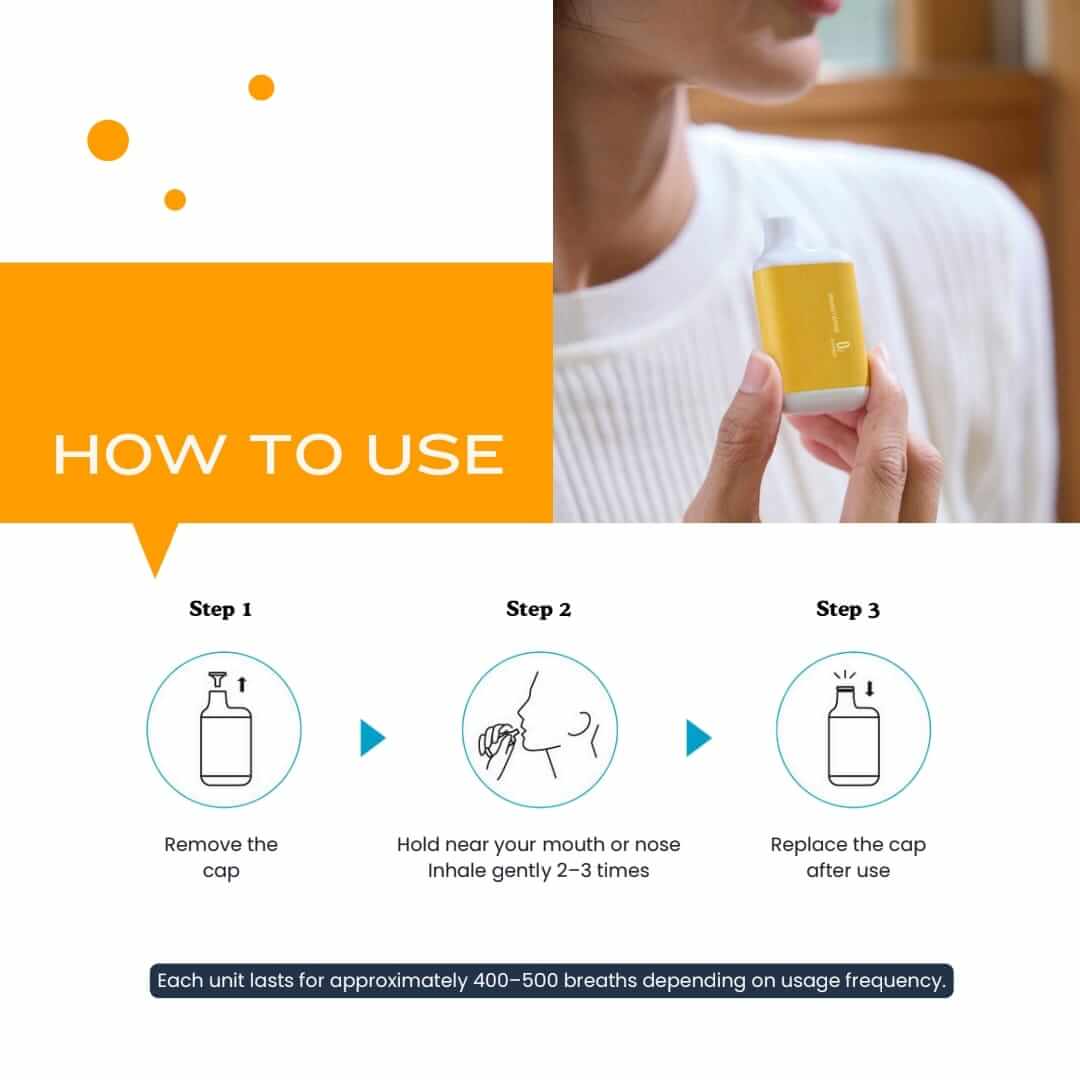
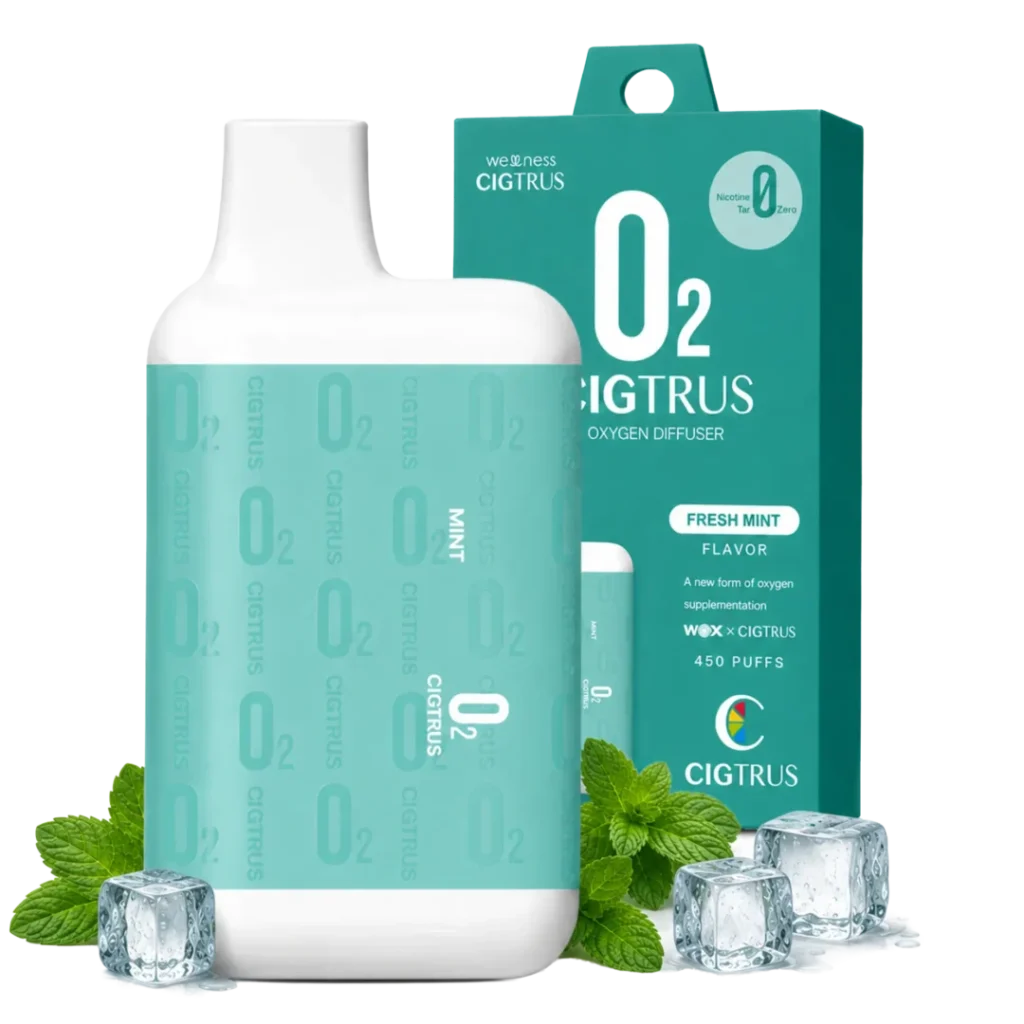
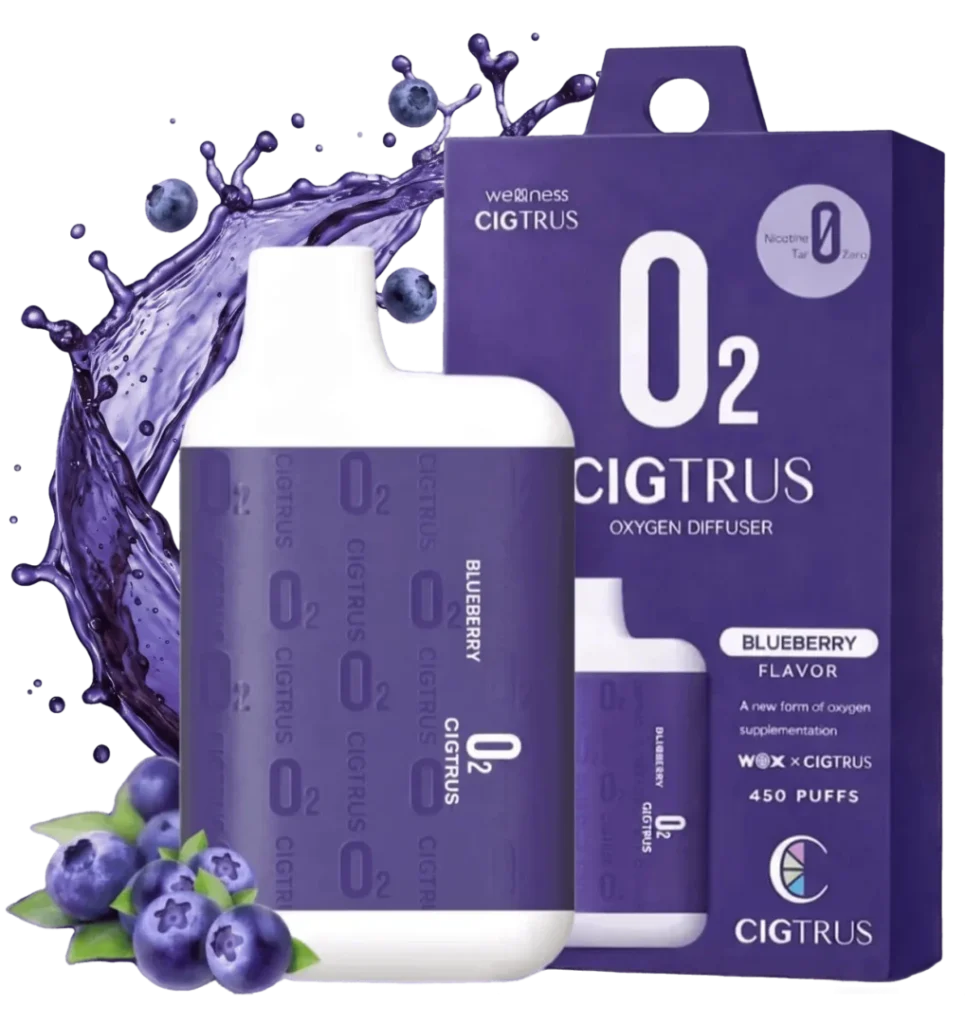
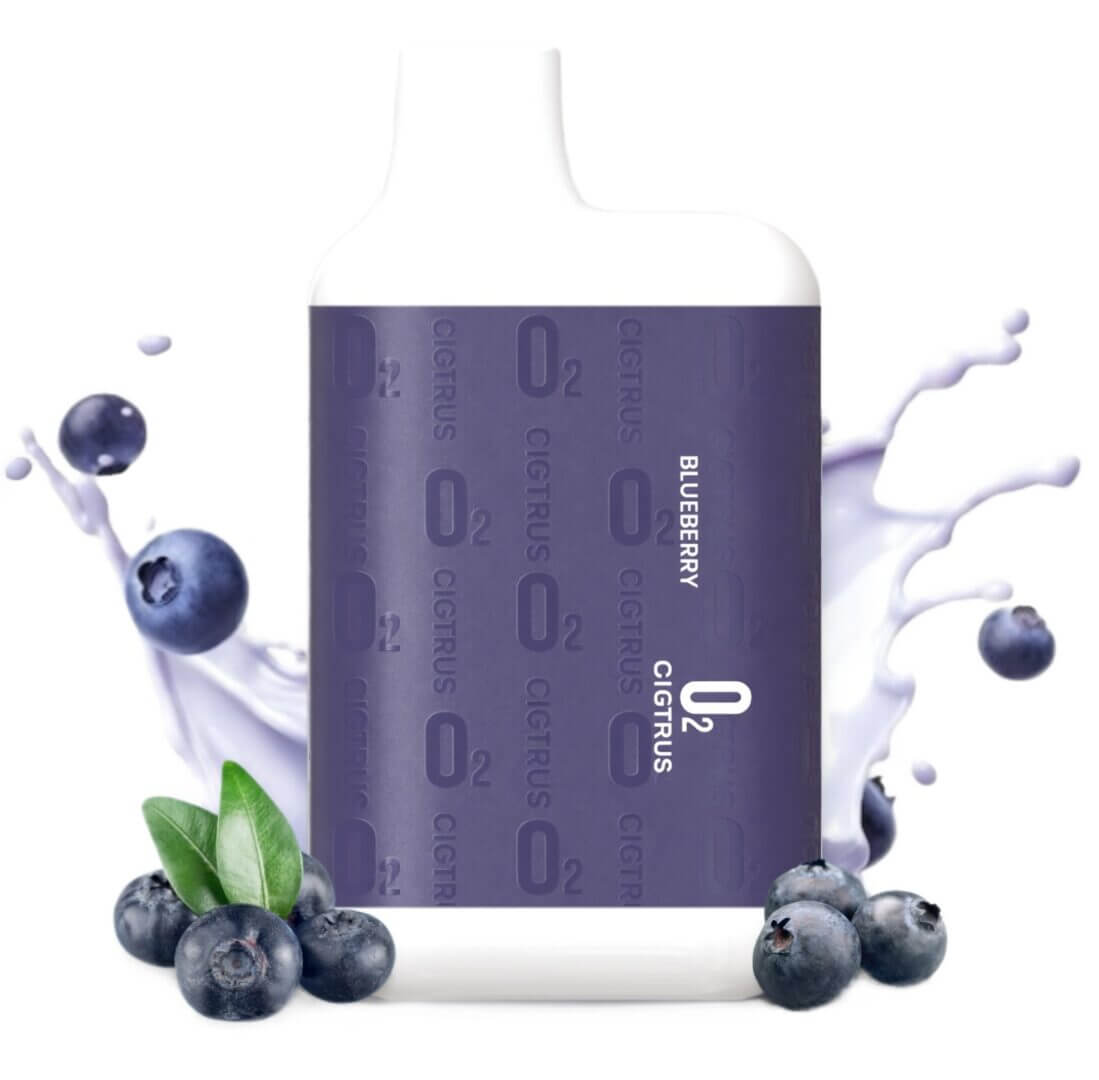
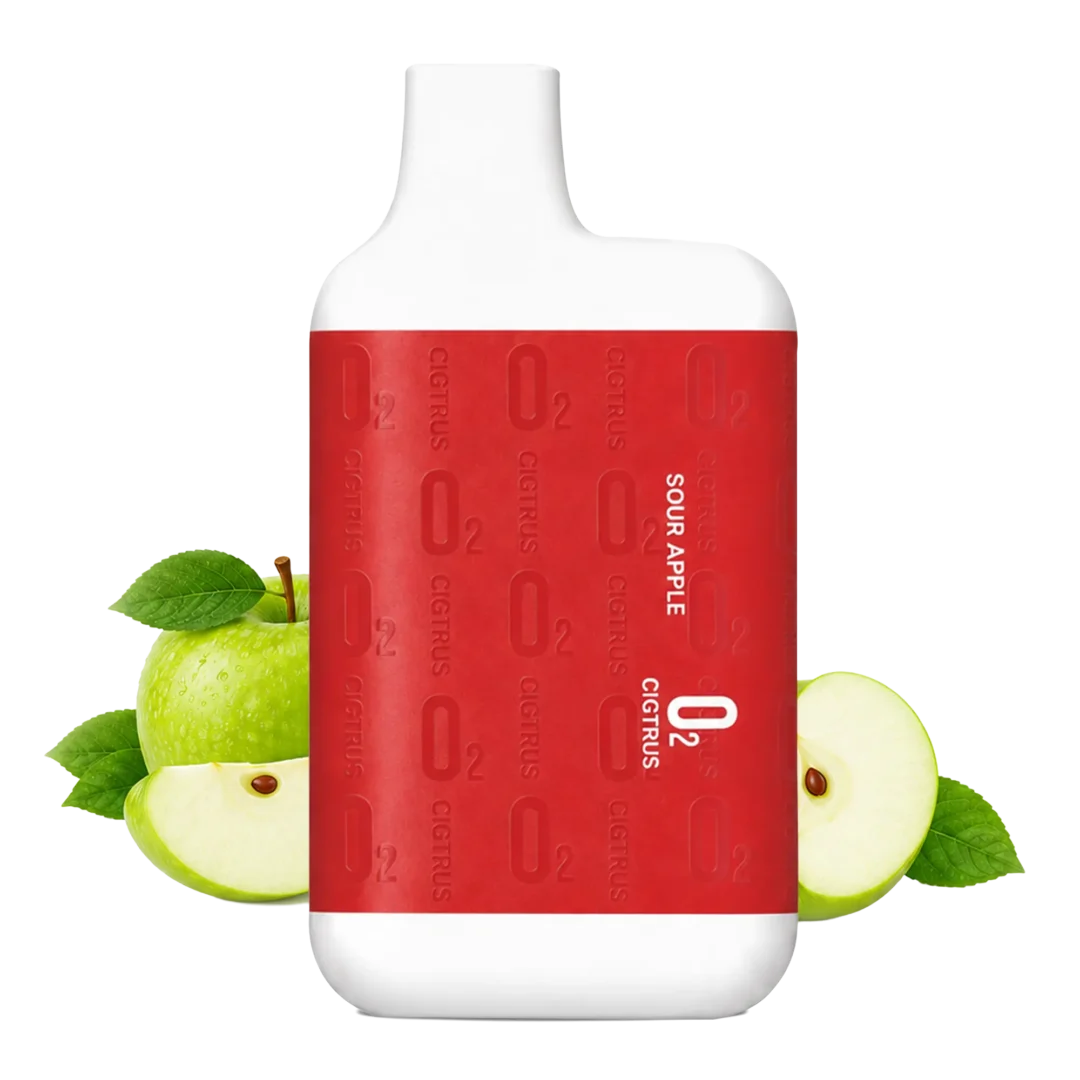
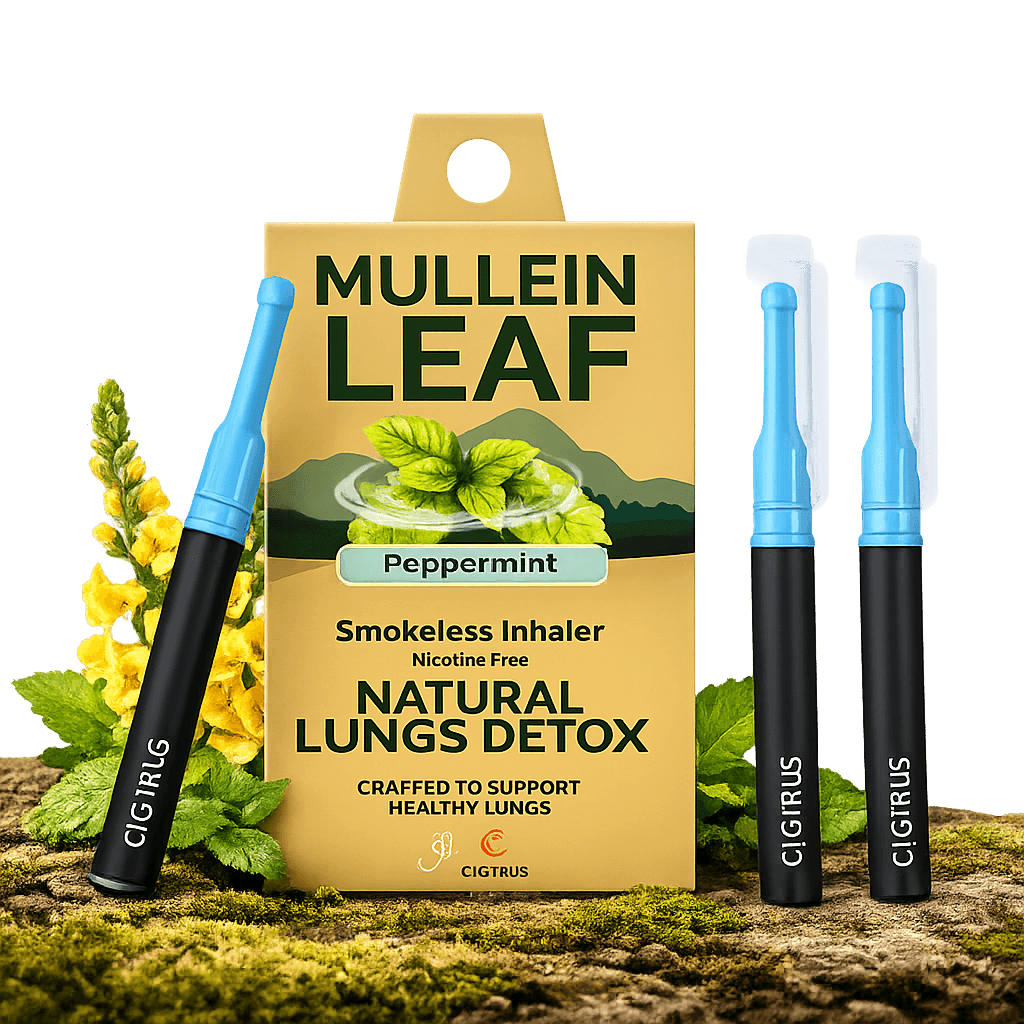
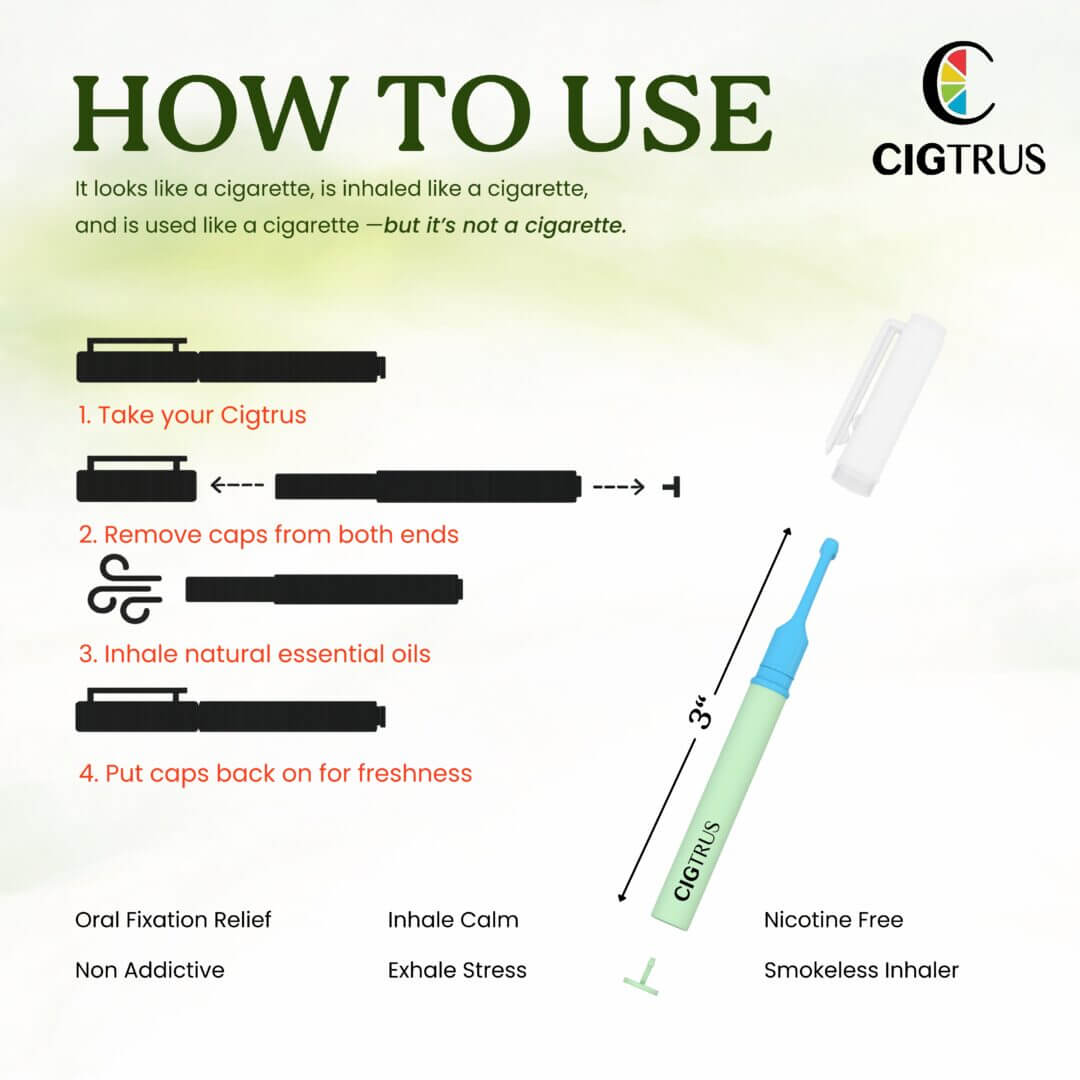
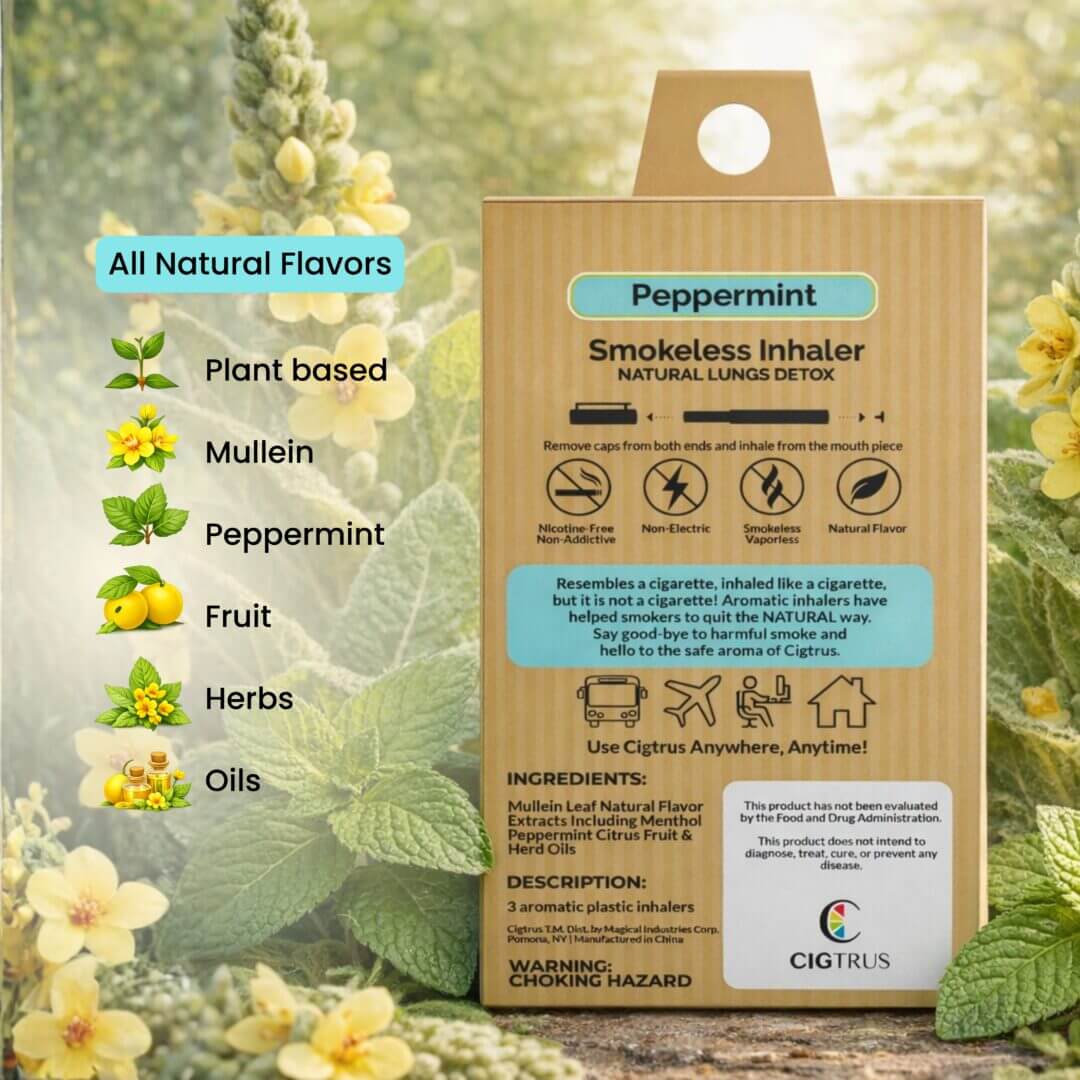
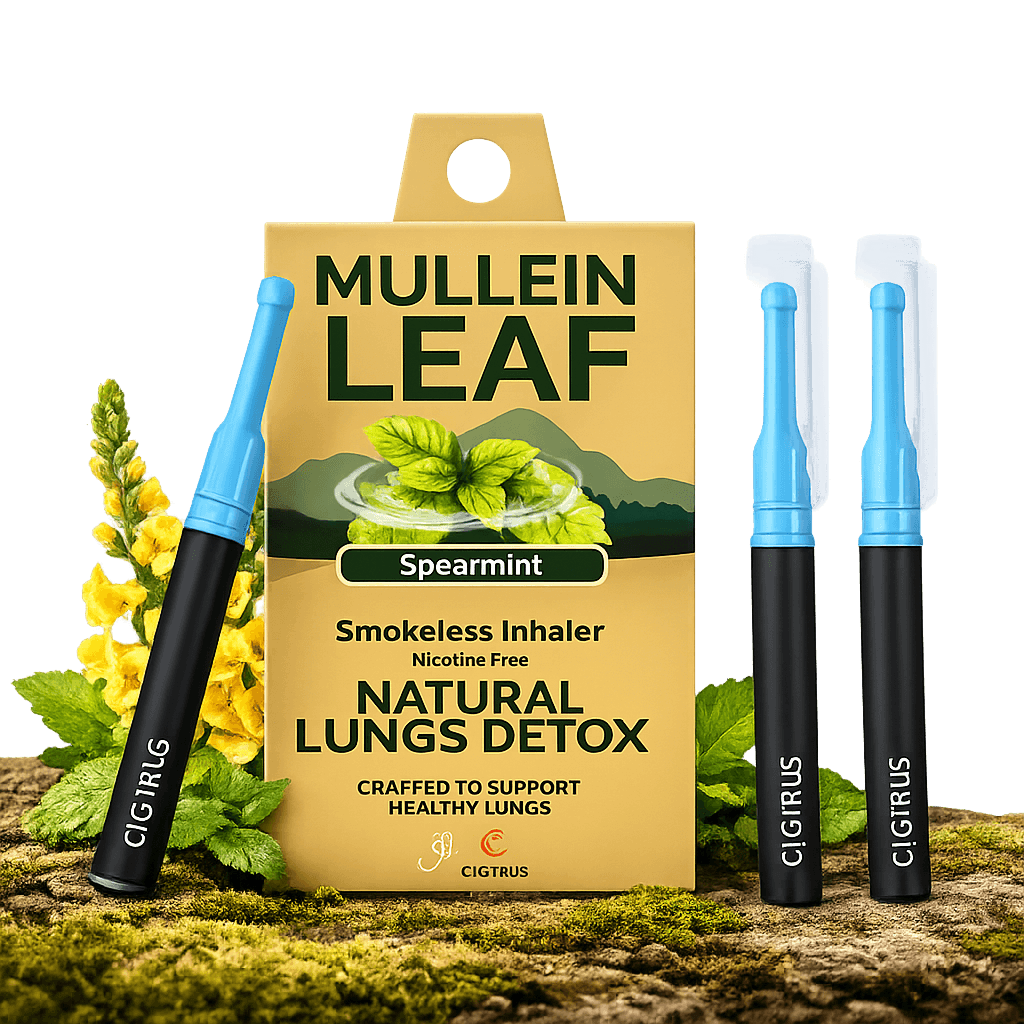
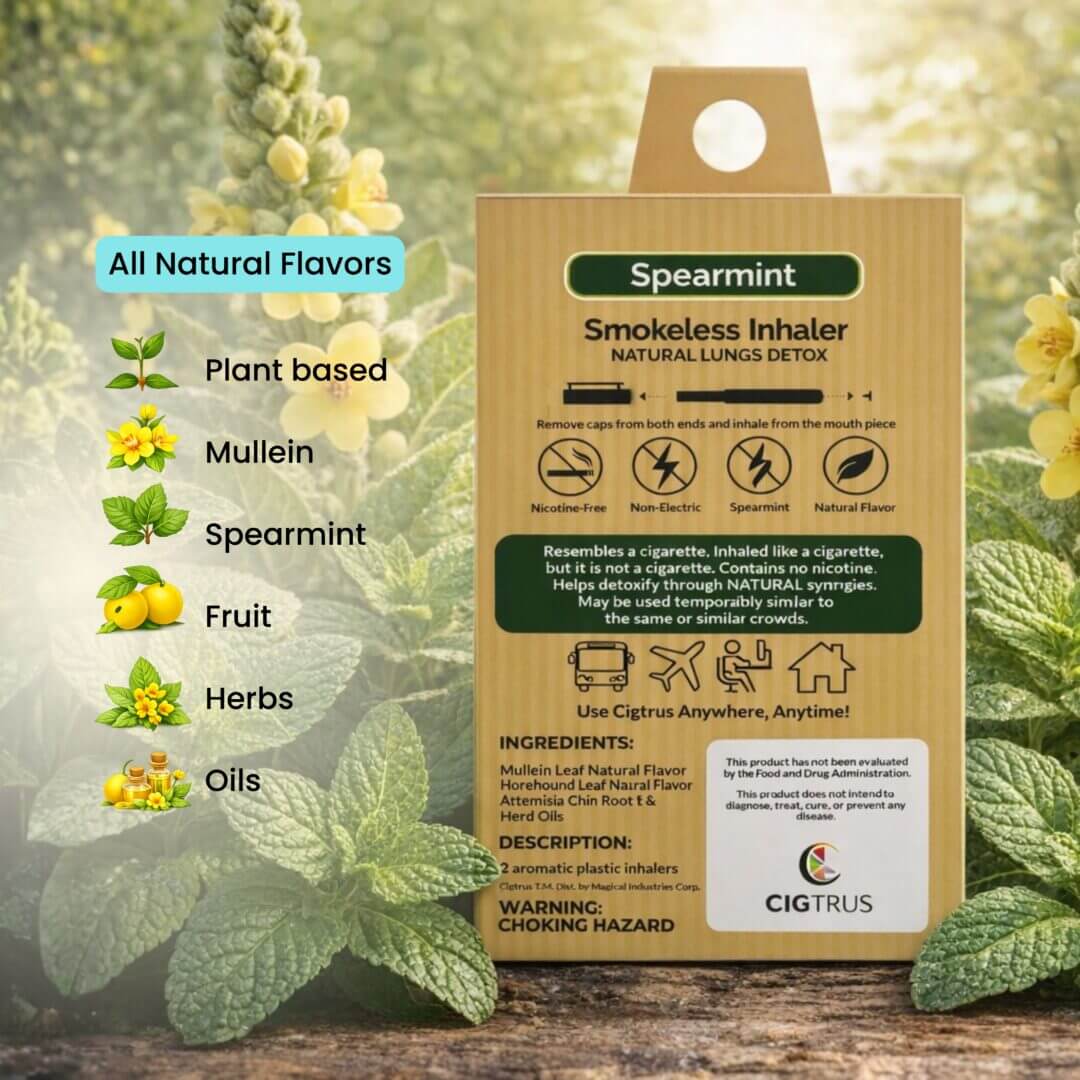
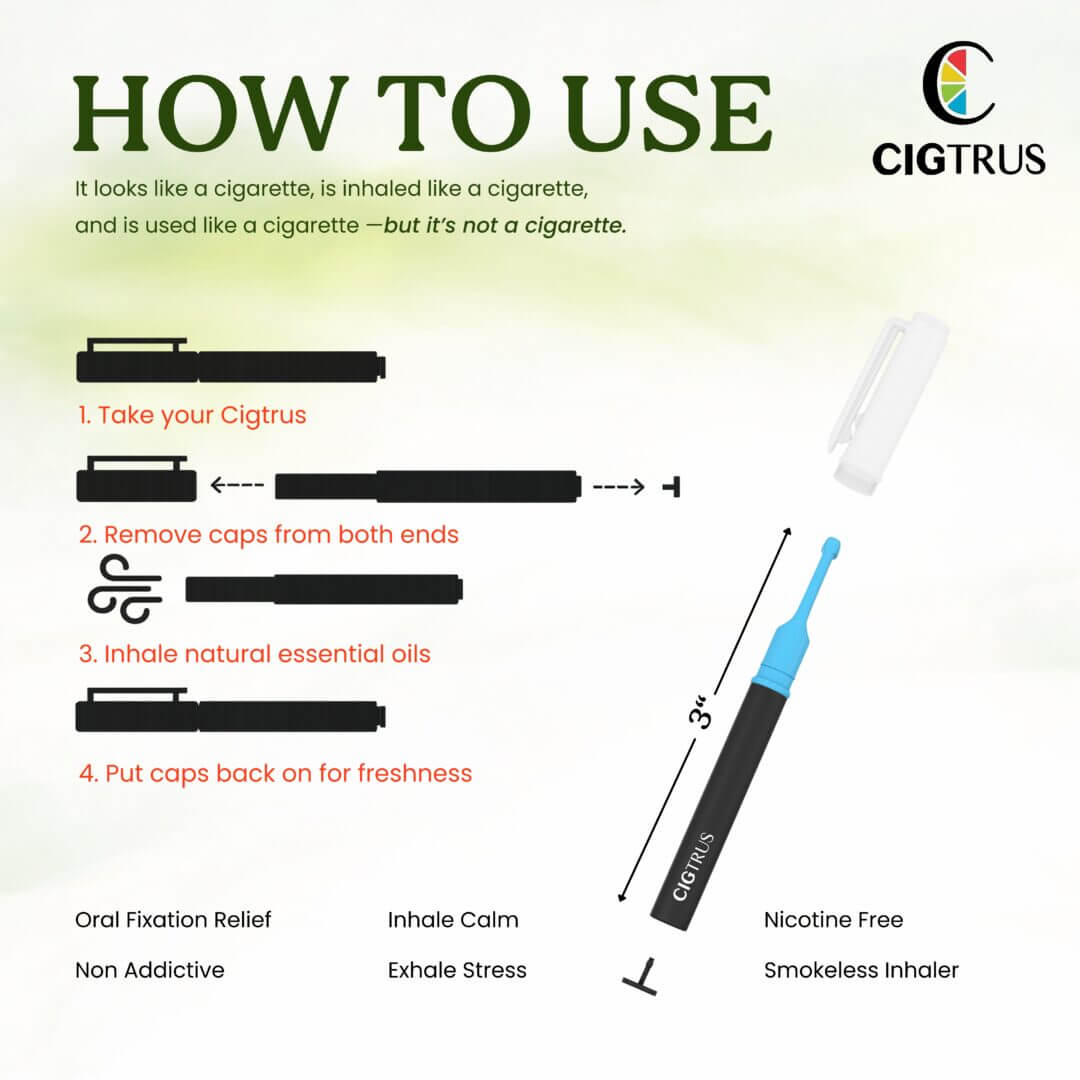
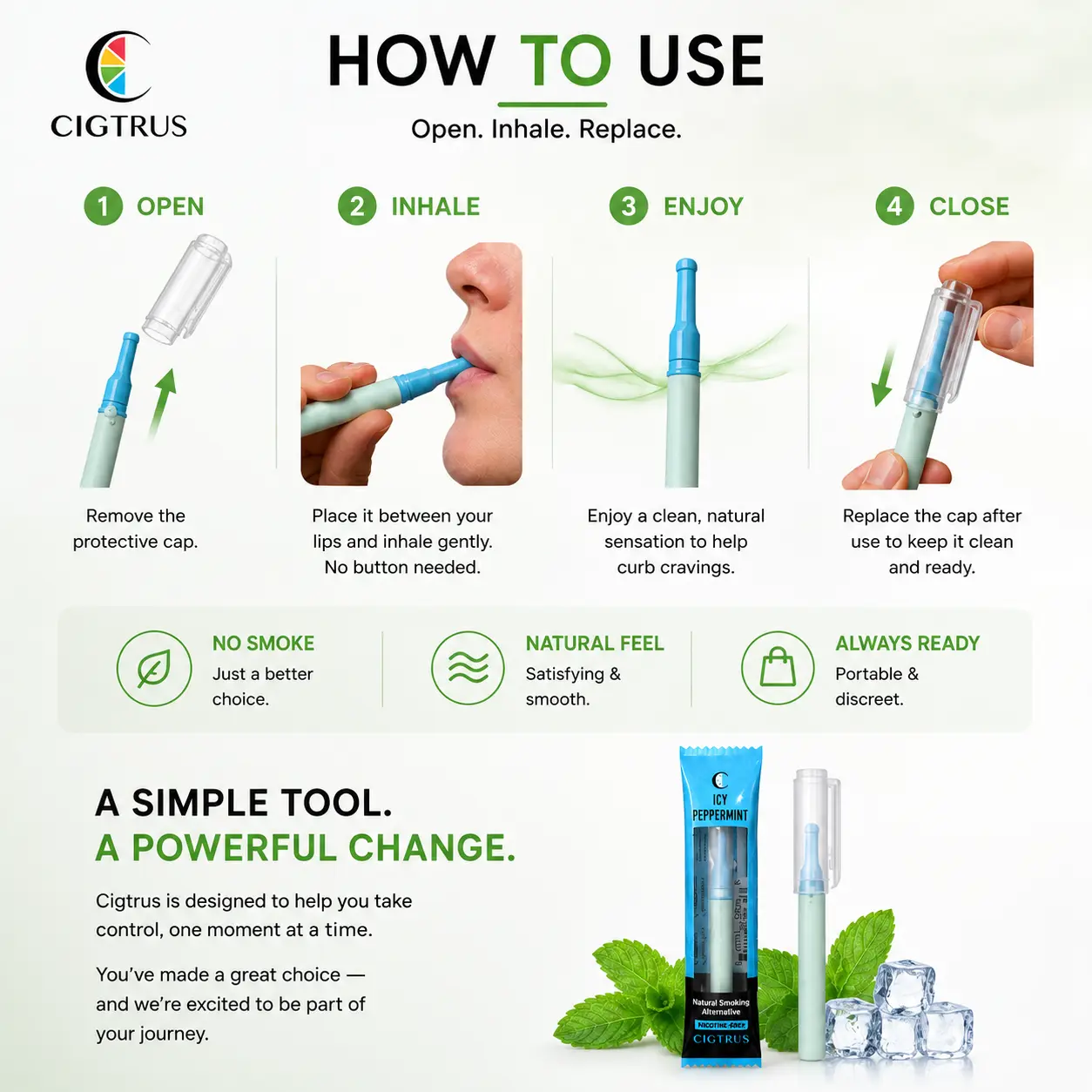
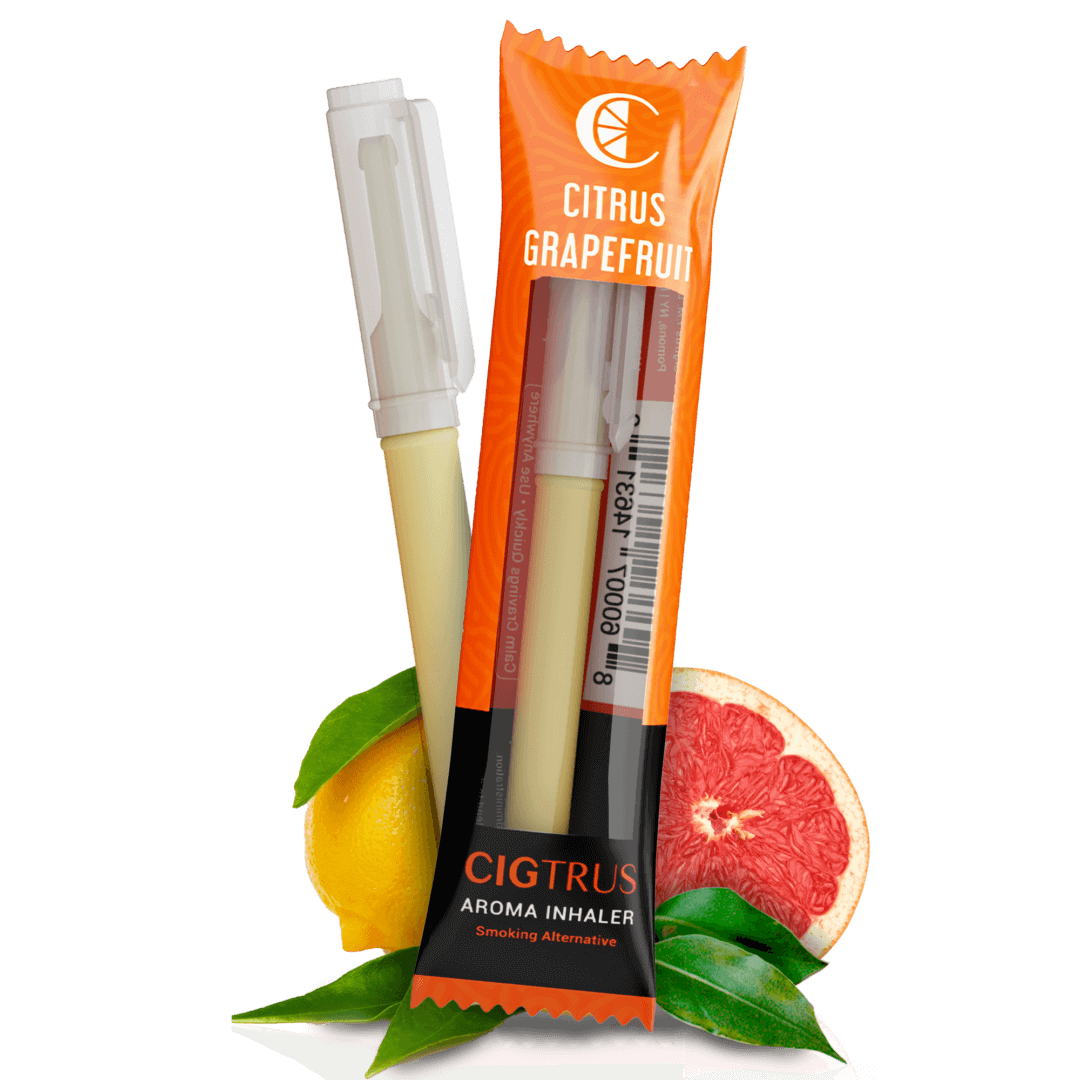
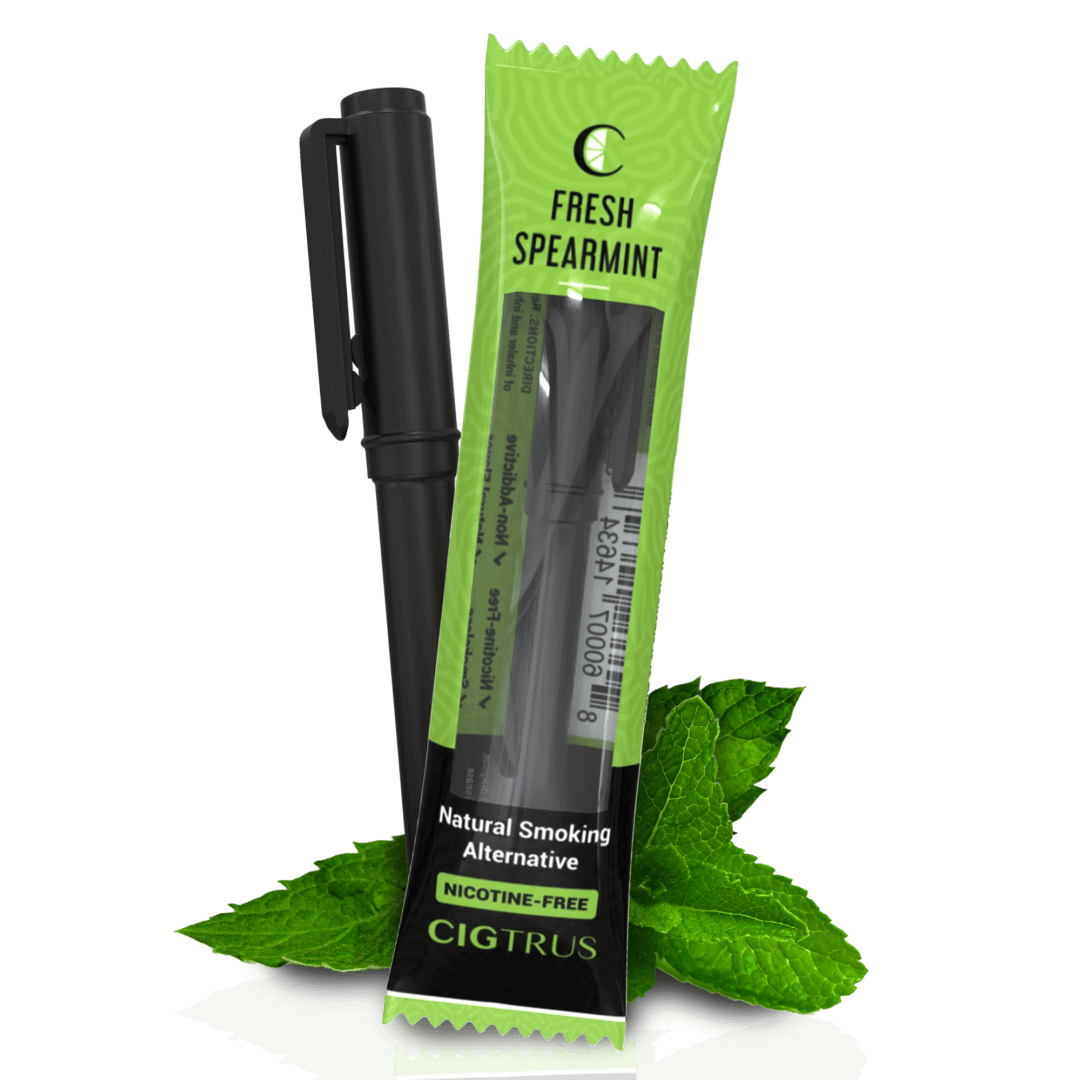
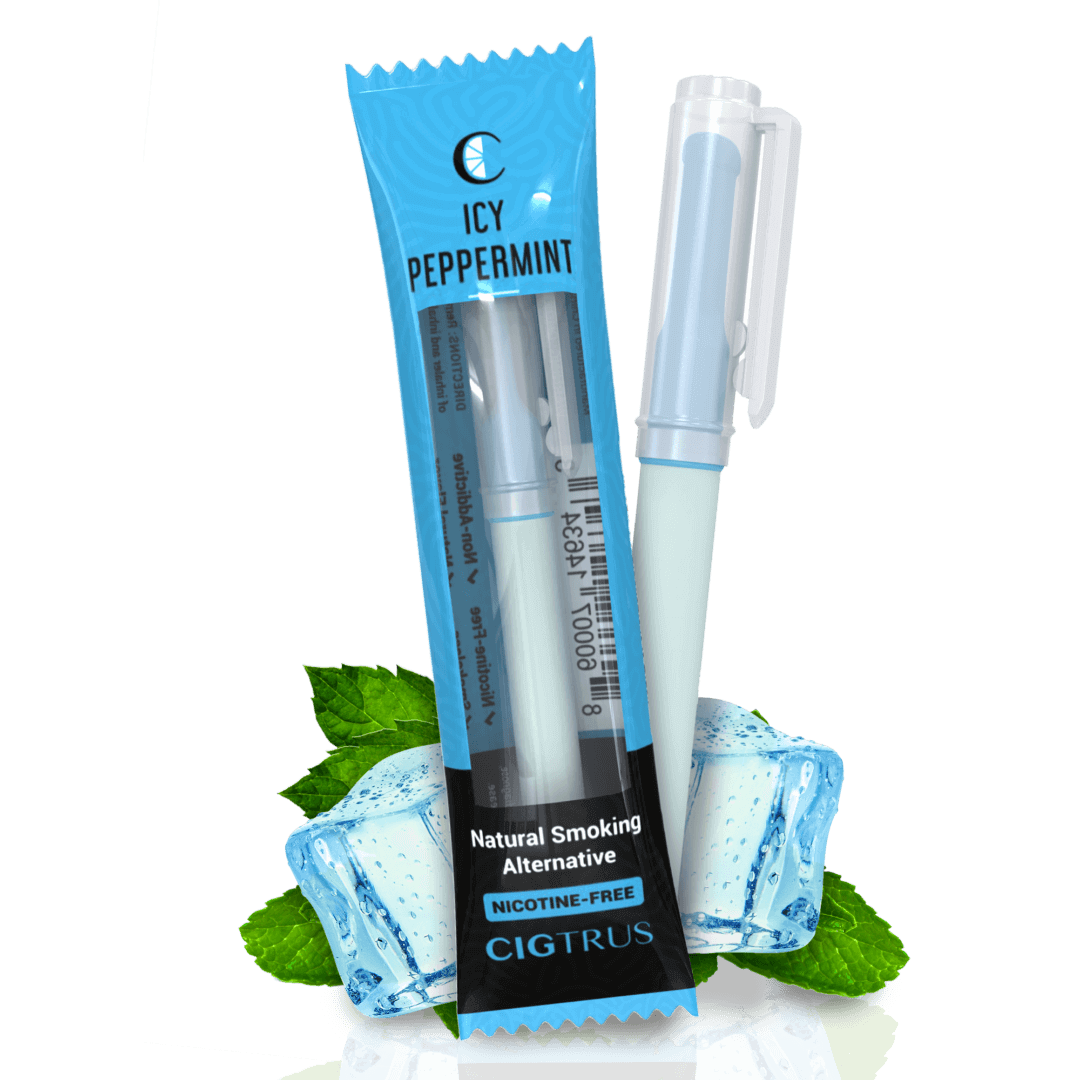
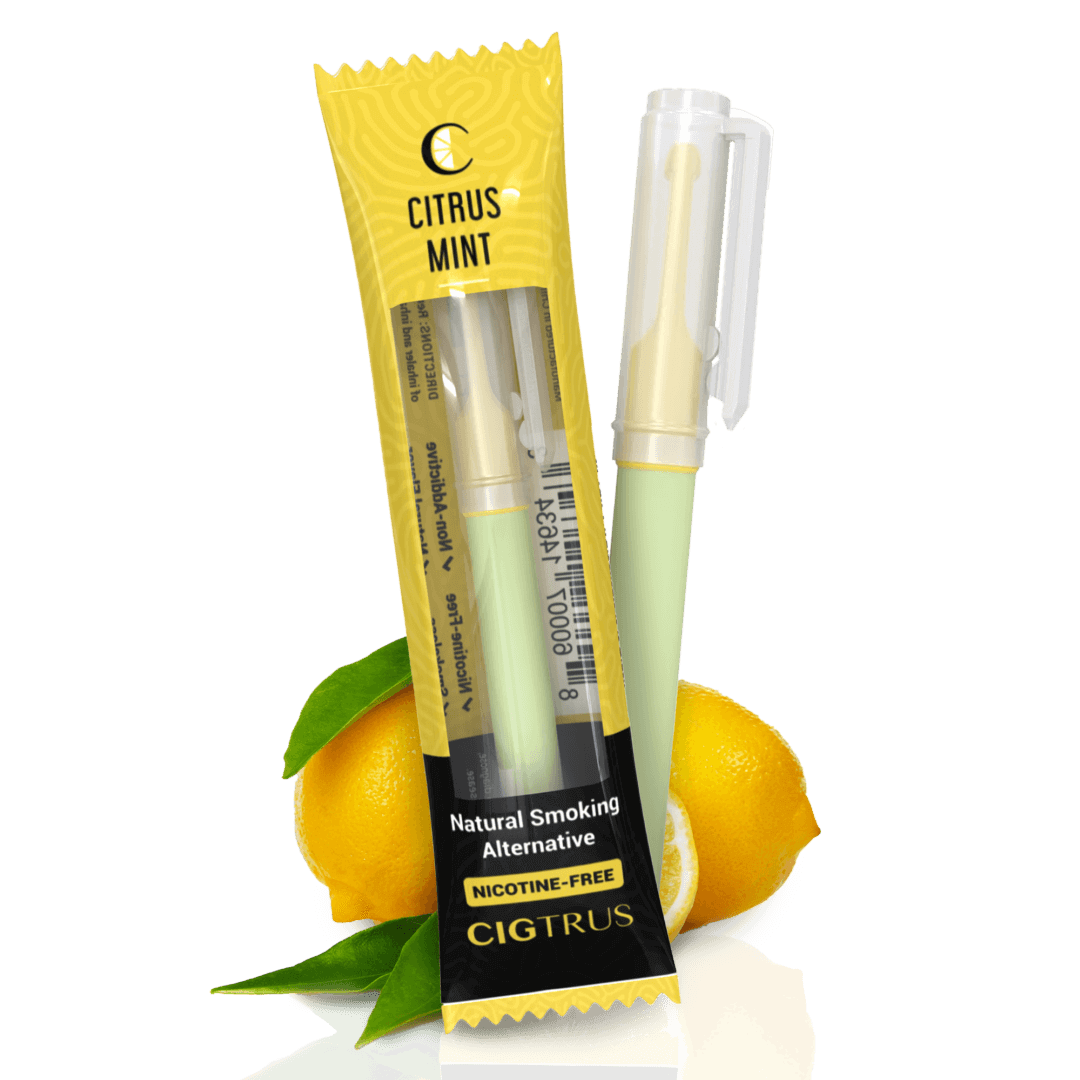
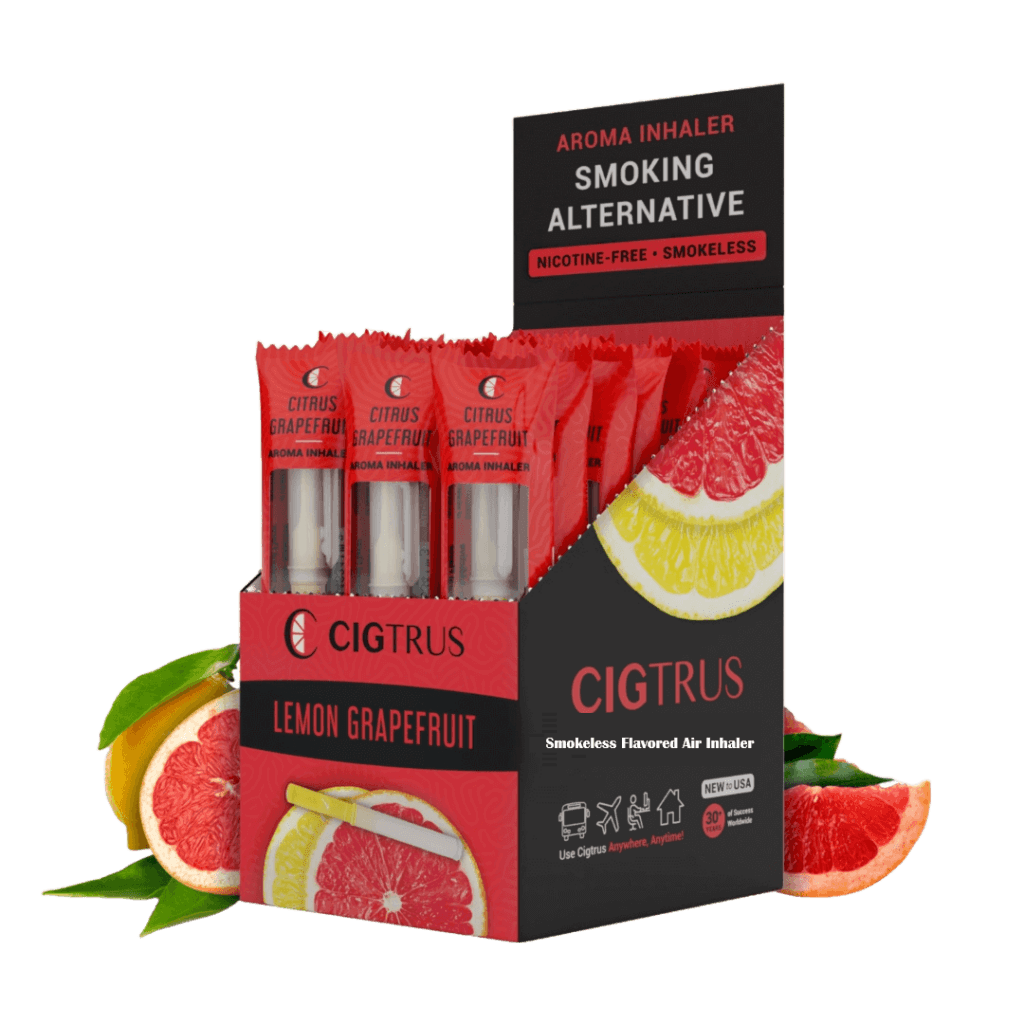
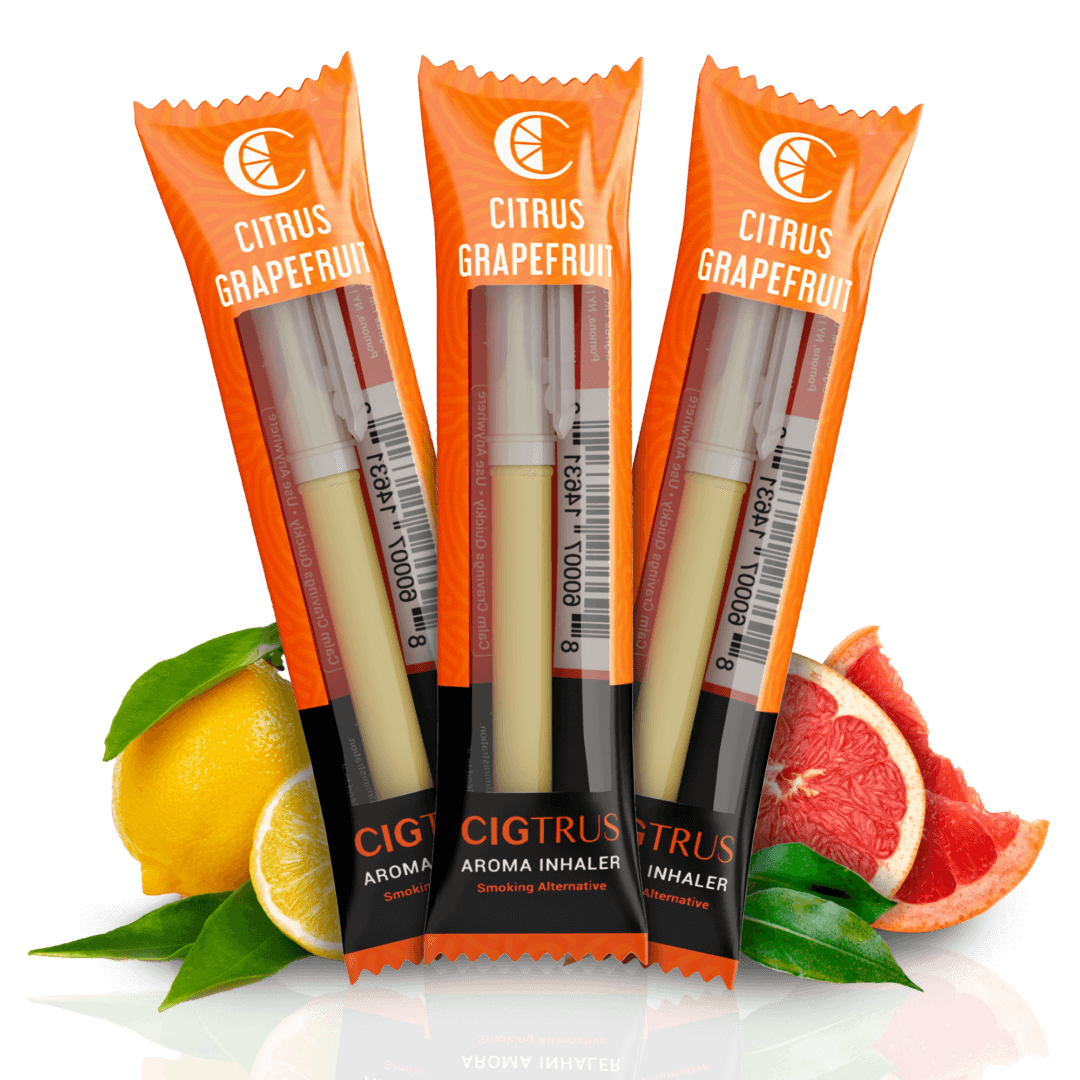
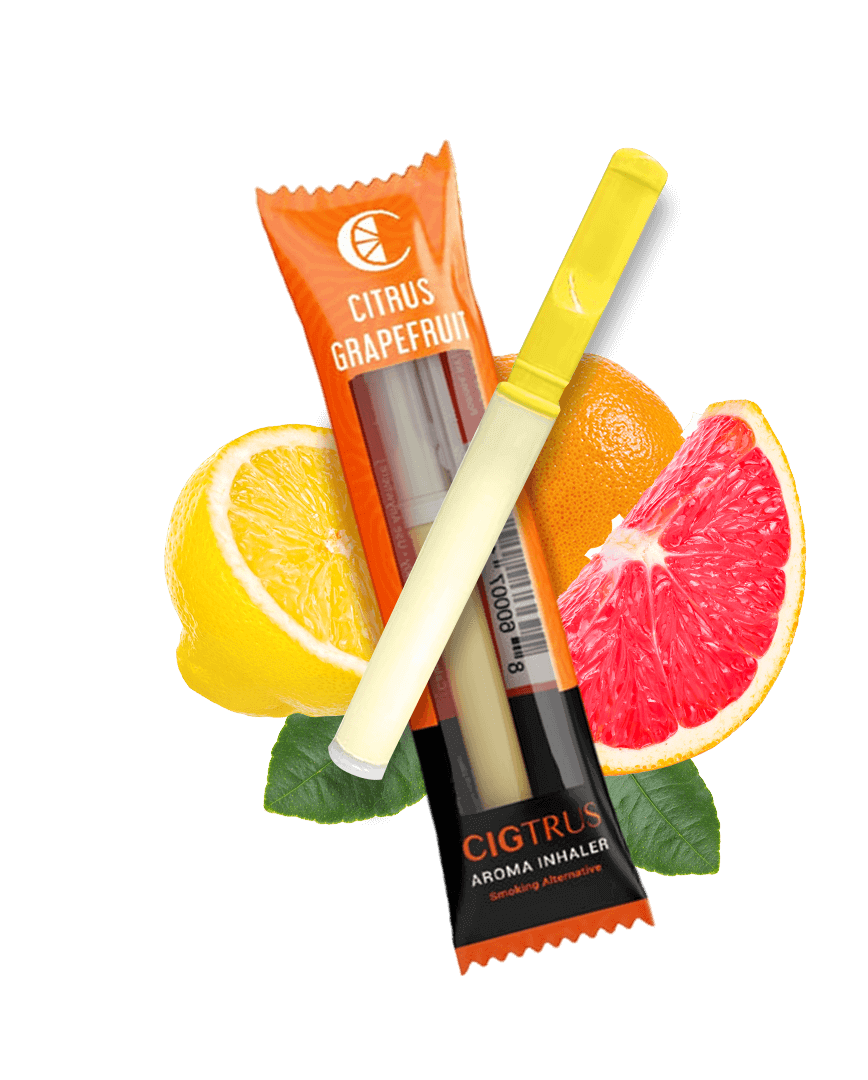
It is a nicotine-free, tobacco-free, non-electric smokeless inhaler that gives adults something familiar to hold, bring to the mouth, and draw through without continuing to use a cigarette or electronic vape.
There is no nicotine.
No tobacco.
No battery.
No charging.
No heating element.
No smoke.
No vapor.
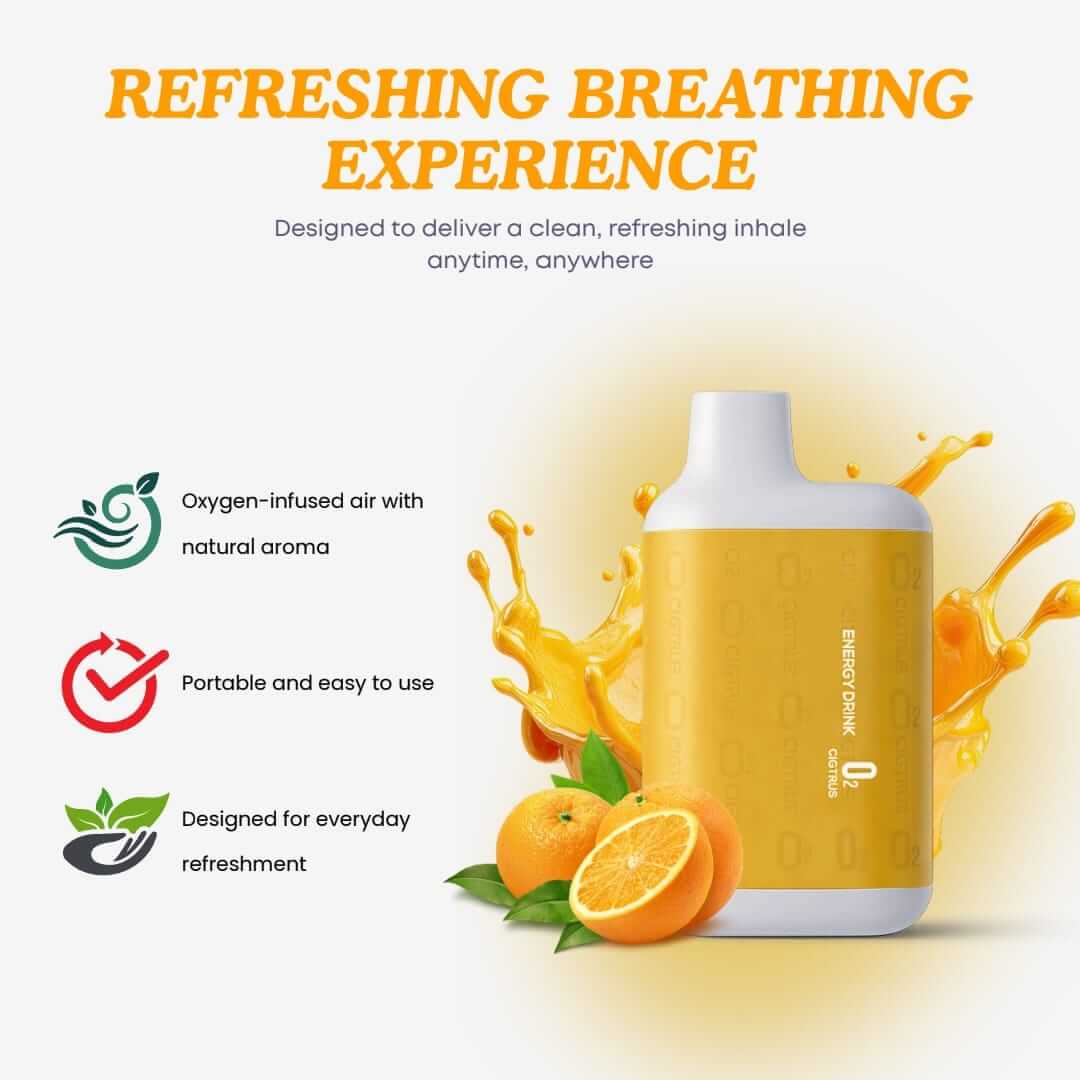
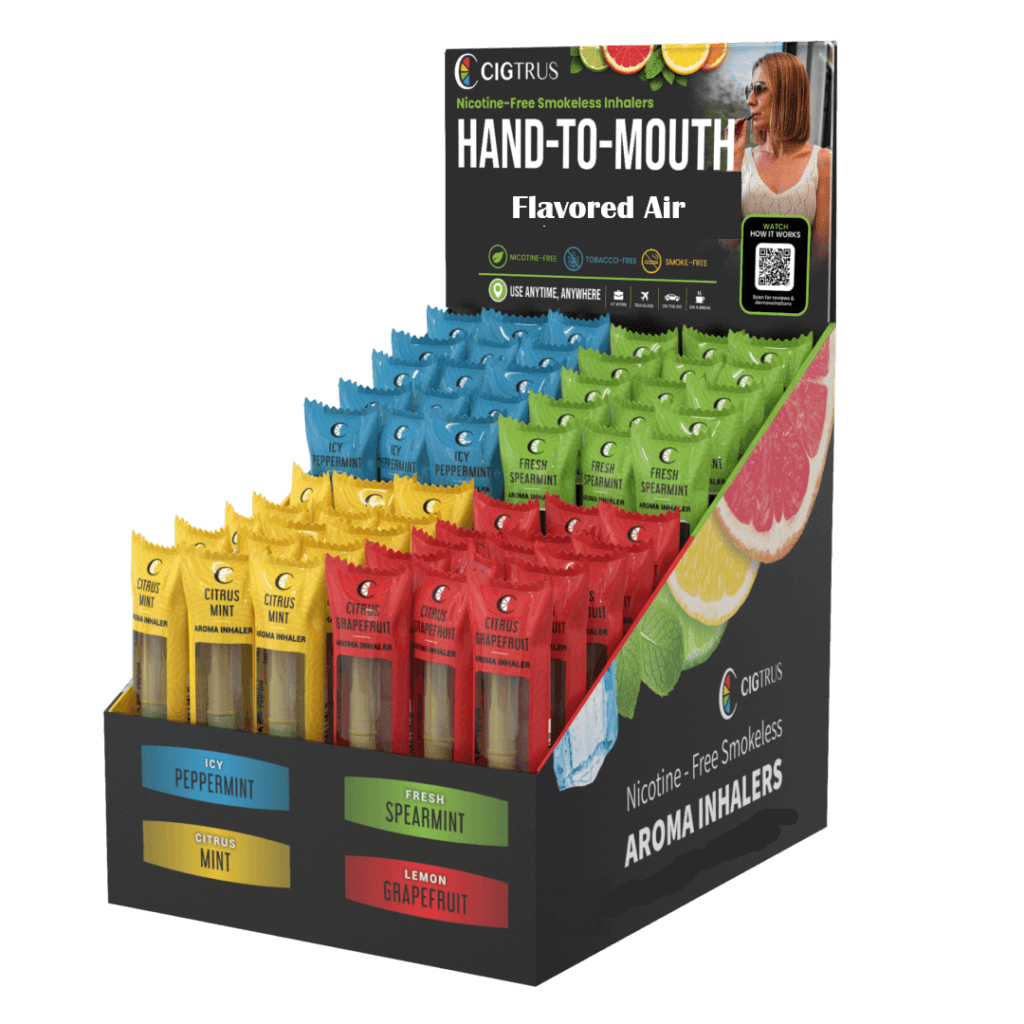
Instead, Cigtrus provides refreshing flavored air with carefully selected essential oil aromas in a simple, portable inhaler.
The Cigtrus Difference
Familiar Hand-to-Mouth Experience
Something familiar to hold, bring to your mouth, and draw through during the moments when the old smoking routine shows up.
No Nicotine or Tobacco
Cigtrus does not continue nicotine or tobacco use.
Completely Non-Electric
No batteries, charging, coils, heating, or electronic vaping device.
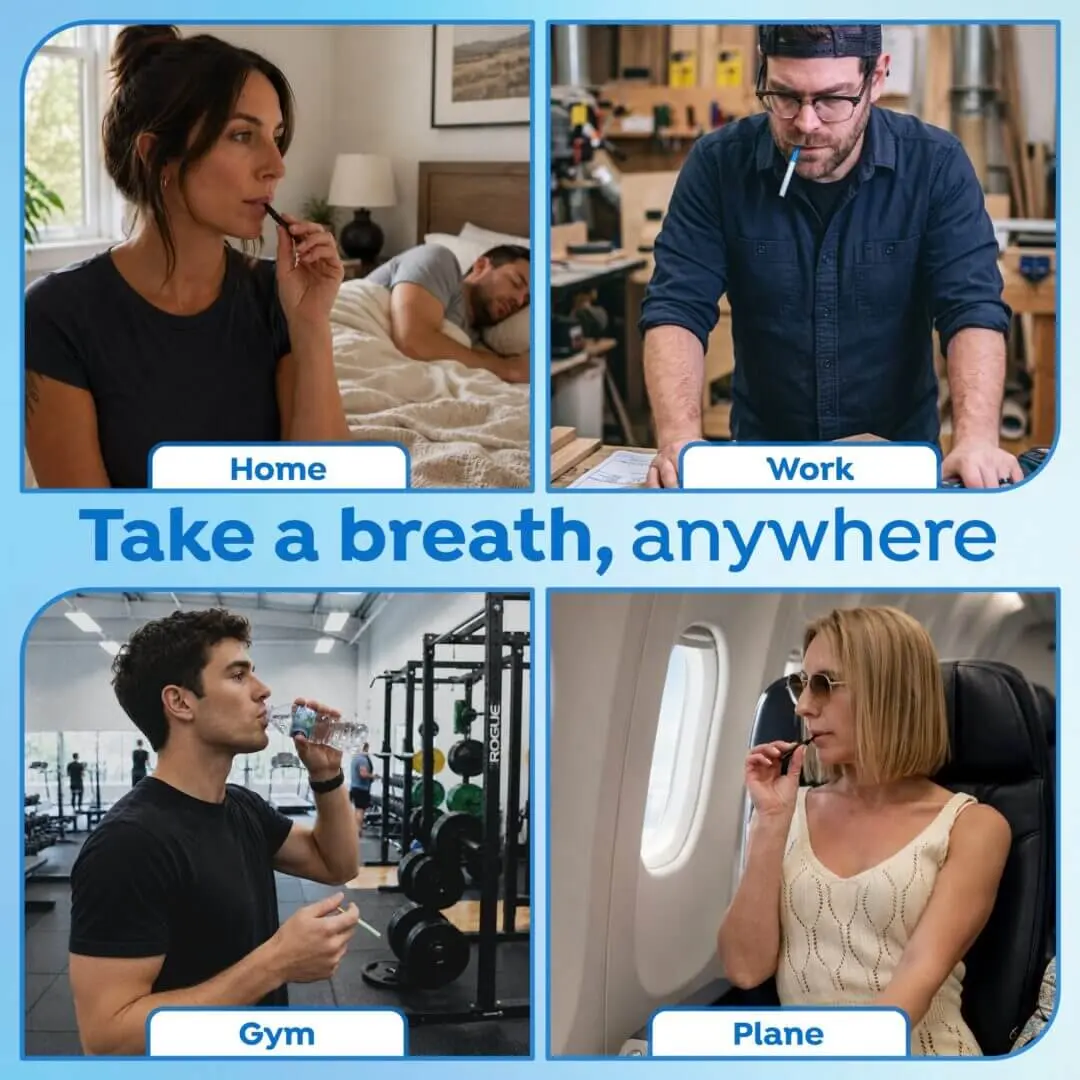
Use Anytime. Anywhere.
No smoke, no vapor, no battery, and no electronic vape — a simple inhaler designed to fit naturally into everyday routines.
Cigtrus does not approach every smoking urge as if it were another request for nicotine.
It focuses on the part nicotine-focused products do not physically reproduce:
the familiar hand-to-mouth experience.
Nicotine Replacement and Habit Replacement Are Not the Same Thing
Nicotine replacement products such as patches, gum, and lozenges are designed around nicotine.
Habit replacement addresses a different question:
What do I do when my hand still expects a cigarette?
A patch does not give you something to hold.
It does not reproduce the hand-to-mouth motion.
It does not change what happens during coffee, the drive, after dinner, or a stressful work break.
That is why the nicotine side and the behavioral side can both deserve attention when someone is trying to quit smoking.
Connecting Cravings to a Quit-Smoking Strategy
Instead of simply asking, “How do I make every craving disappear?” start identifying what kind of craving or trigger you are dealing with.
- Is this nicotine withdrawal?
- Did something stressful just happen?
- Is this the time I normally smoke?
- Did I just finish eating?
- Am I driving?
- Are my hands bored?
- Do I simply miss having something to hold and inhale through?
Once you understand the moment, you can respond to the actual problem instead of treating every urge exactly the same way.
Building Long-Term Control Over Smoking Triggers
Smoking routines were built through repetition, and changing them also takes repetition.
Start by recognizing the situations that consistently bring smoking to mind.
Then prepare another response before that moment happens.
- Learn your personal trigger patterns
- Separate nicotine withdrawal from routine-based urges when possible
- Decide what you will do during each familiar smoking moment
- Keep your alternative easy to reach
- Repeat the new response consistently
The more clearly you understand why you want the cigarette, the easier it becomes to think about what you actually need in that moment.
Frequently Asked Questions
Are smoking cravings only caused by nicotine?
No. Nicotine withdrawal can cause cravings, but smoking urges can also be triggered by routines, environments, emotions, and repeated behaviors connected with smoking.
Why do I still crave cigarettes after reducing nicotine?
The familiar smoking routine may still be connected with coffee, driving, meals, stress, work breaks, and the hand-to-mouth motion even after nicotine use has been reduced.
Why do I still miss smoking if I don’t need nicotine?
You may be missing the physical routine: holding something, bringing it to the mouth, inhaling, taking a pause, or repeating the same behavior during familiar moments.
What helps with the hand-to-mouth part of smoking?
Habit replacement focuses specifically on the physical routine. Adults who miss having something to hold, bring to the mouth, and draw through may consider a nicotine-free, non-electric smokeless inhaler designed around that familiar experience.
What’s the difference between nicotine replacement and habit replacement?
Nicotine replacement focuses on nicotine. Habit replacement focuses on the physical and situational routines connected with smoking, such as the hand-to-mouth motion and trigger moments.
Can Cigtrus replace the hand-to-mouth smoking habit?
Cigtrus is designed as a nicotine-free hand-to-mouth habit replacement. Its non-electric smokeless inhaler format gives adults something familiar to hold, bring to the mouth, and draw through without nicotine, tobacco, smoke, vapor, batteries, or charging.
Is Cigtrus a vape?
No. Cigtrus is a non-electric smokeless inhaler. It has no battery, heating element, vape liquid, charging system, or electronic components.
Can Cigtrus be used anytime, anywhere?
Yes. Cigtrus is designed to be used anytime, anywhere. It has no battery, charging, heating, smoke, vapor, or electronic vaping components.
Don’t Treat Every Craving Like It’s Only Nicotine
If smoking cravings were only about nicotine, the hand-to-mouth routine would disappear as soon as nicotine was removed.
But real life is more complicated.
Coffee still happens.
Stress still happens.
You still drive.
Meals still end.
And your hands can still remember what they used to do during those moments.
That is why Cigtrus focuses on the part of the experience nicotine alone does not answer:
the familiar hand-to-mouth habit.
Don’t Just Think About the Nicotine.
Cigtrus gives the familiar hand-to-mouth routine a nicotine-free, tobacco-free, non-electric format with refreshing flavored air. Use Anytime. Anywhere.
Explore Cigtrus Best Sellers