
The Emotional Side of Quitting Smoking Nobody Talks About
Quitting smoking can feel surprisingly emotional. You may understand why you want to stop. You may even be making progress with nicotine. But then coffee tastes different, a stressful day feels harder, the drive home feels empty, or you suddenly miss the few quiet minutes that used to belong to a cigarette.
The emotional side of quitting smoking comes from more than nicotine alone. Cigarettes can become connected with stress, comfort, breaks, social moments, daily routines, and the familiar hand-to-mouth ritual. When smoking disappears, those moments still happen. Learning to recognize and replace those emotional and behavioral routines can be an important part of moving away from cigarettes.
That is the part people often do not expect.
They expect to miss nicotine.
They do not always expect to miss the cigarette itself.
Or the break.
Or the familiar reach.
Or having something to do during a difficult moment.
Smoking can become woven into ordinary life so deeply that quitting sometimes feels less like removing one product and more like changing dozens of small routines at once.
Why Quitting Smoking Can Feel Emotional
Cigarettes often become connected with specific feelings and moments through repetition.
You are stressed, so you smoke.
You finish eating, so you smoke.
You take a work break, so you smoke.
You get into the car, so you smoke.
You finally sit down at night, so you smoke.
After enough repetitions, the emotion or situation itself can begin to feel connected with the cigarette.
Morning Coffee
Coffee and cigarettes may have started the day together for years. Removing the cigarette can make an ordinary morning suddenly feel different.
Work Breaks
The cigarette may have been the reason to step away, breathe, and have a few minutes alone. Without it, the break can feel unfinished.
Stressful Moments
When pressure or frustration used to lead directly to smoking, the same emotions can still trigger the old response automatically.
Driving
The commute can become a deeply repeated smoking environment where the hand reaches almost without thinking.
Boredom
Cigarettes may have filled empty moments. When nothing is happening, the hands can still search for something familiar to do.
Relaxing at Night
Smoking may have become part of winding down. Removing it can leave the end of the day feeling strangely incomplete.
The Emotional Trigger and the Nicotine Craving Are Not Always the Same
Nicotine withdrawal is real.
But not every thought about smoking necessarily means the same thing.
If you suddenly want a cigarette after an argument, the trigger may be stress.
If you want one the second you finish dinner, the trigger may be routine.
If your hand reaches while driving, the trigger may be repetition.
If you miss smoking while sitting alone at night, you may be missing the familiar pause that became part of relaxing.
“Sometimes you don’t miss what was inside the cigarette as much as you miss what the cigarette used to mean in that moment.”
That distinction can make quitting easier to understand.
Instead of treating every difficult moment as one generic craving, ask:
“What just happened that made me think about smoking?”
The Behavioral Side Nobody Explains
Smoking is not only something you consume.
It is something you do.
You hold it.
Bring it to your mouth.
Draw in.
Pause.
Repeat.
Those repeated motions can become part of how a person responds during stressful moments , boredom, social situations, driving, coffee, or work breaks.
- The hand-to-mouth motion
- Holding something between the fingers
- The familiar drawing motion
- The pause associated with smoking
- Stepping away during stress
- The routine after a meal
- The social ritual around smoking
That is why someone can genuinely want to quit and still feel like something is missing.
The cigarette was not only delivering nicotine.
It had also become part of the structure of the day.
Why Stress Can Feel Different After Quitting
Imagine that smoking was your automatic response every time work became overwhelming.
Something stressful happened.
You stepped away.
You smoked.
You came back.
Even if the cigarette did not solve the problem, the sequence gave the stressful moment a familiar structure.
Now remove the cigarette.
The stressful event still happens.
But the old response is gone.
That can make the moment feel more exposed because you are now learning what to do without the familiar smoking routine.
“The stress did not suddenly appear because you quit smoking. What disappeared was the familiar routine you used during stress.”
That is why replacing the pause can matter.
Take the break.
Walk.
Breathe.
Drink water.
Call someone.
Use your chosen habit replacement.
The goal is to teach the stressful moment that a cigarette is no longer the automatic next step.
Emotional Triggers That Can Stay With You
Certain feelings or situations may continue reminding you of smoking because they were paired with cigarettes so many times.
Recognizing the trigger can make the urge less mysterious.
You are no longer simply thinking:
“I need a cigarette.”
You can begin thinking:
“This argument triggered my old smoking response.”
Or:
“This is the time of night when I always used to smoke.”
That is a more specific habit to replace.
Why Habit Replacement Matters Emotionally
Habit replacement is not about pretending cigarettes were never part of your routine.
It starts by admitting that they were.
Then you decide what you want those moments to look like now.
If coffee used to mean smoking, give coffee a new routine.
If stress used to mean stepping outside for a cigarette, keep the pause but change what happens during it.
If driving made your hand automatically reach, keep another option nearby.
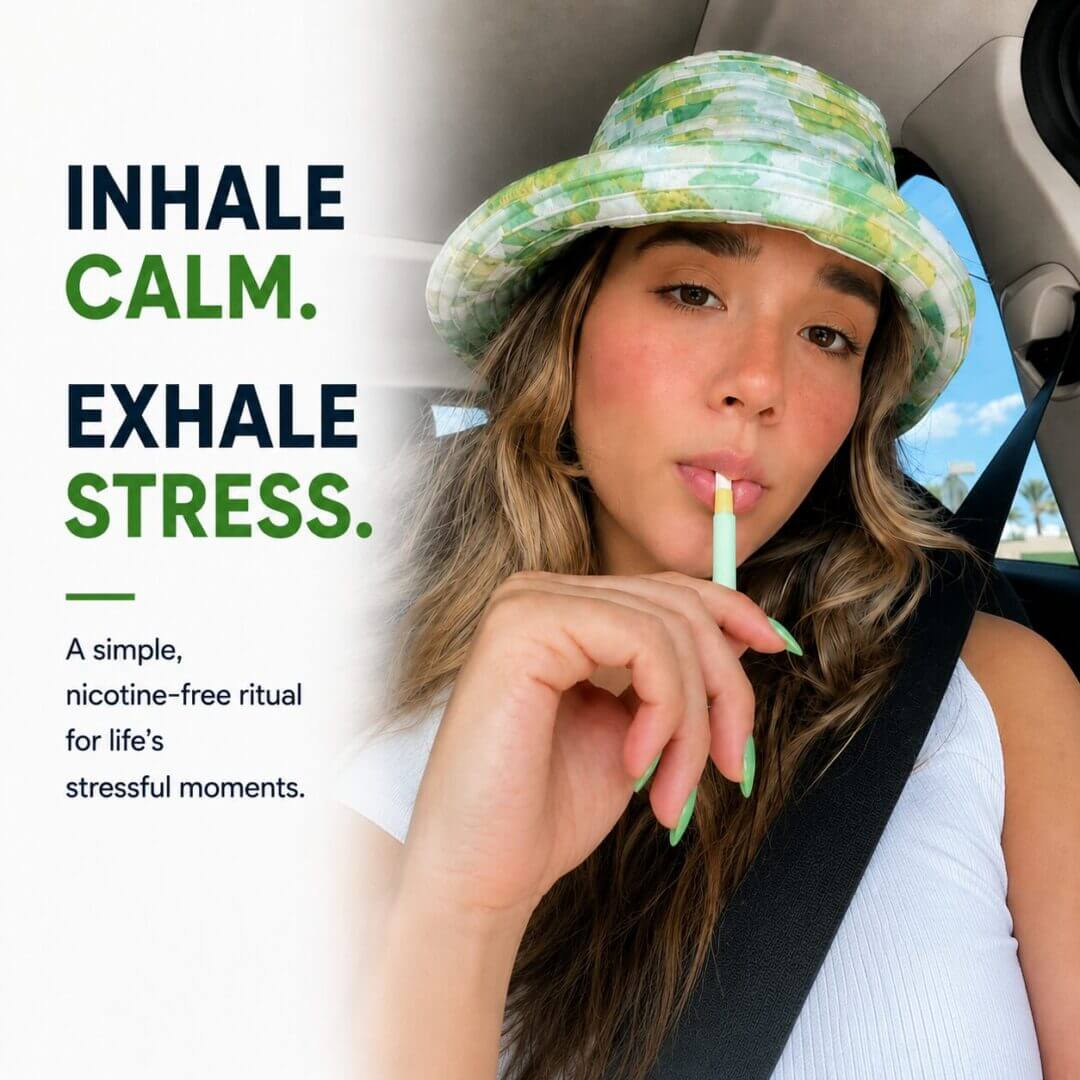
If your mouth misses the familiar drawing motion, consider a nicotine-free hand-to-mouth replacement.
“You do not have to erase every familiar moment from your day. You can keep the moment and change the behavior that follows it.”
How Cigtrus Fits Into the Emotional and Behavioral Side
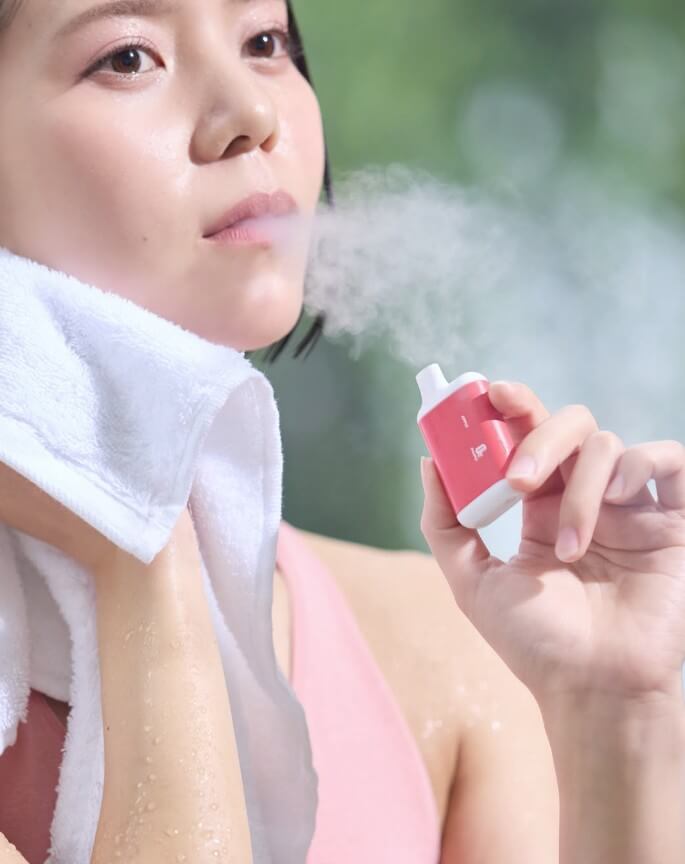
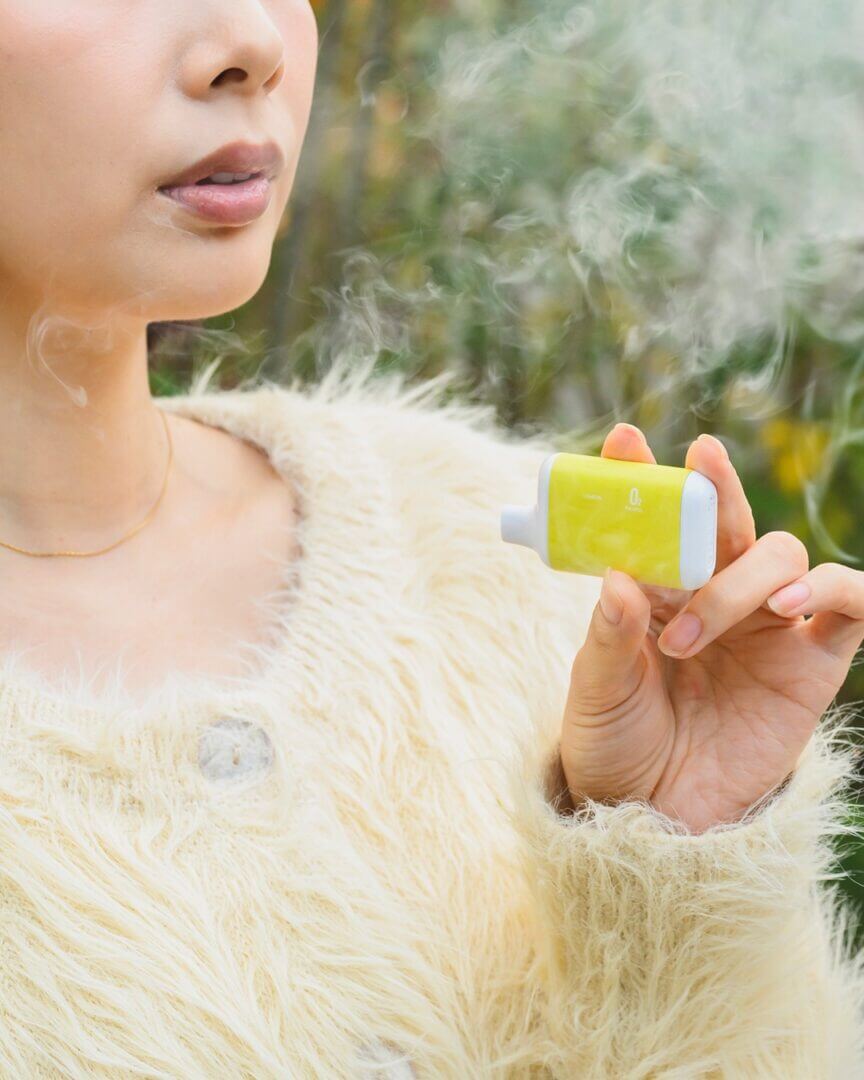
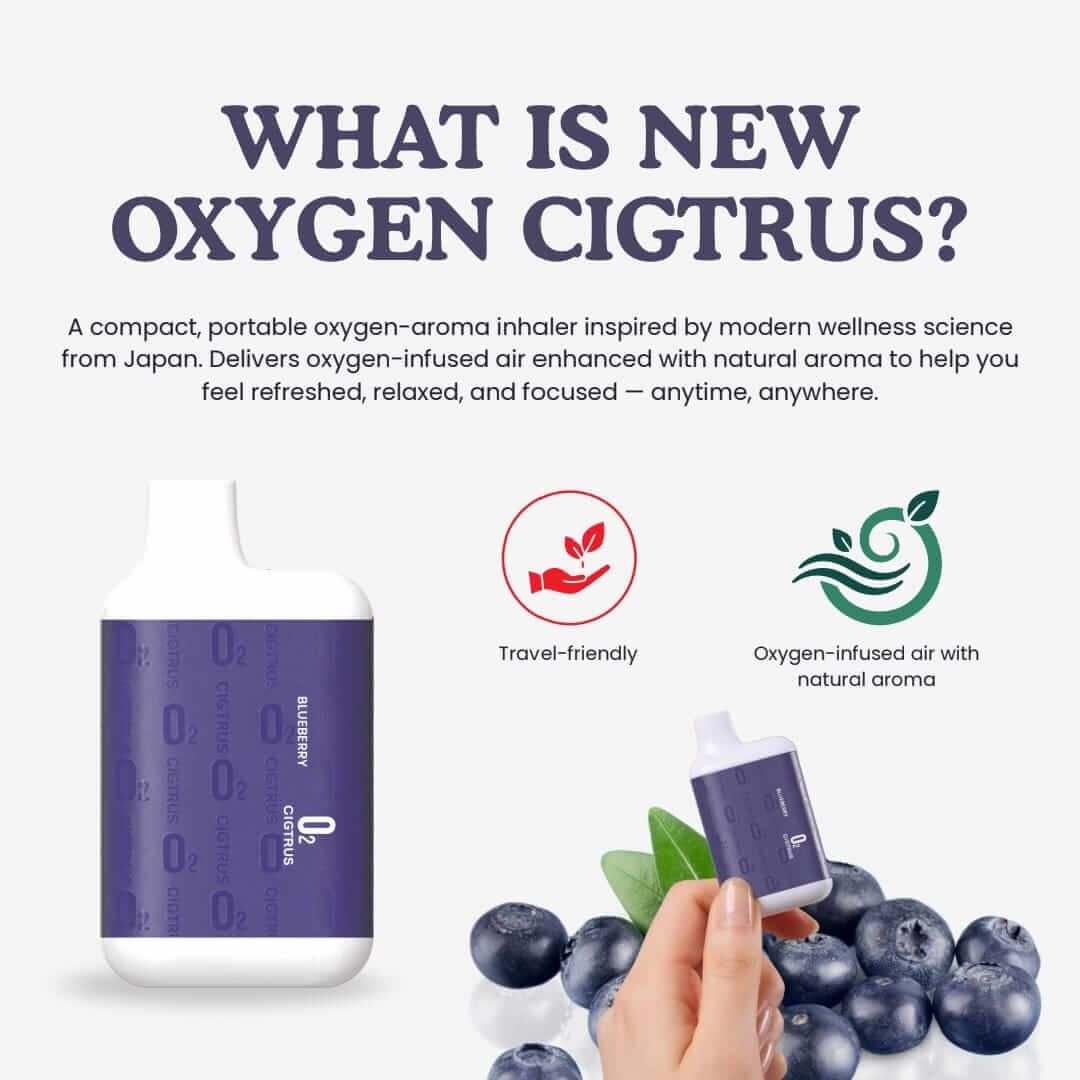
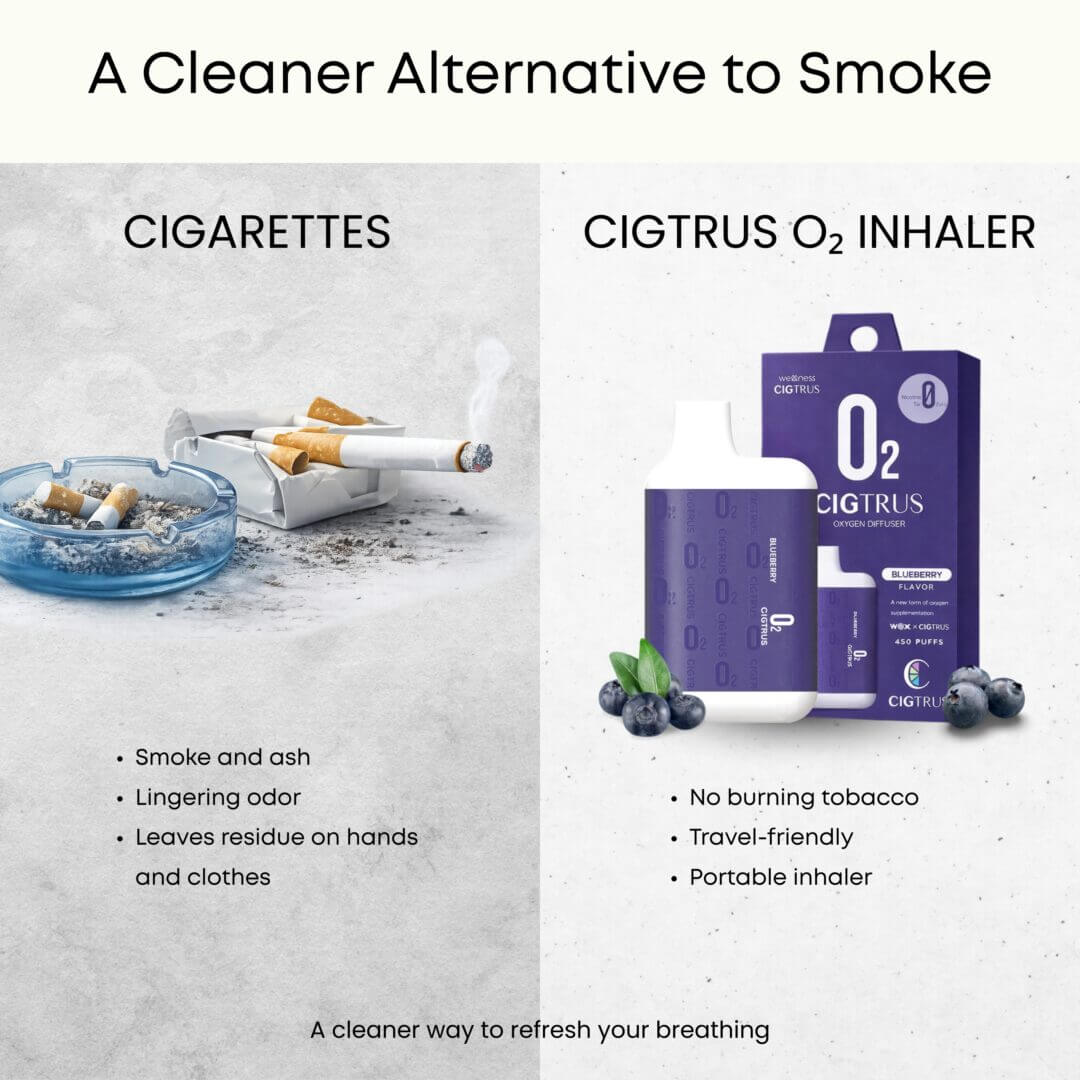
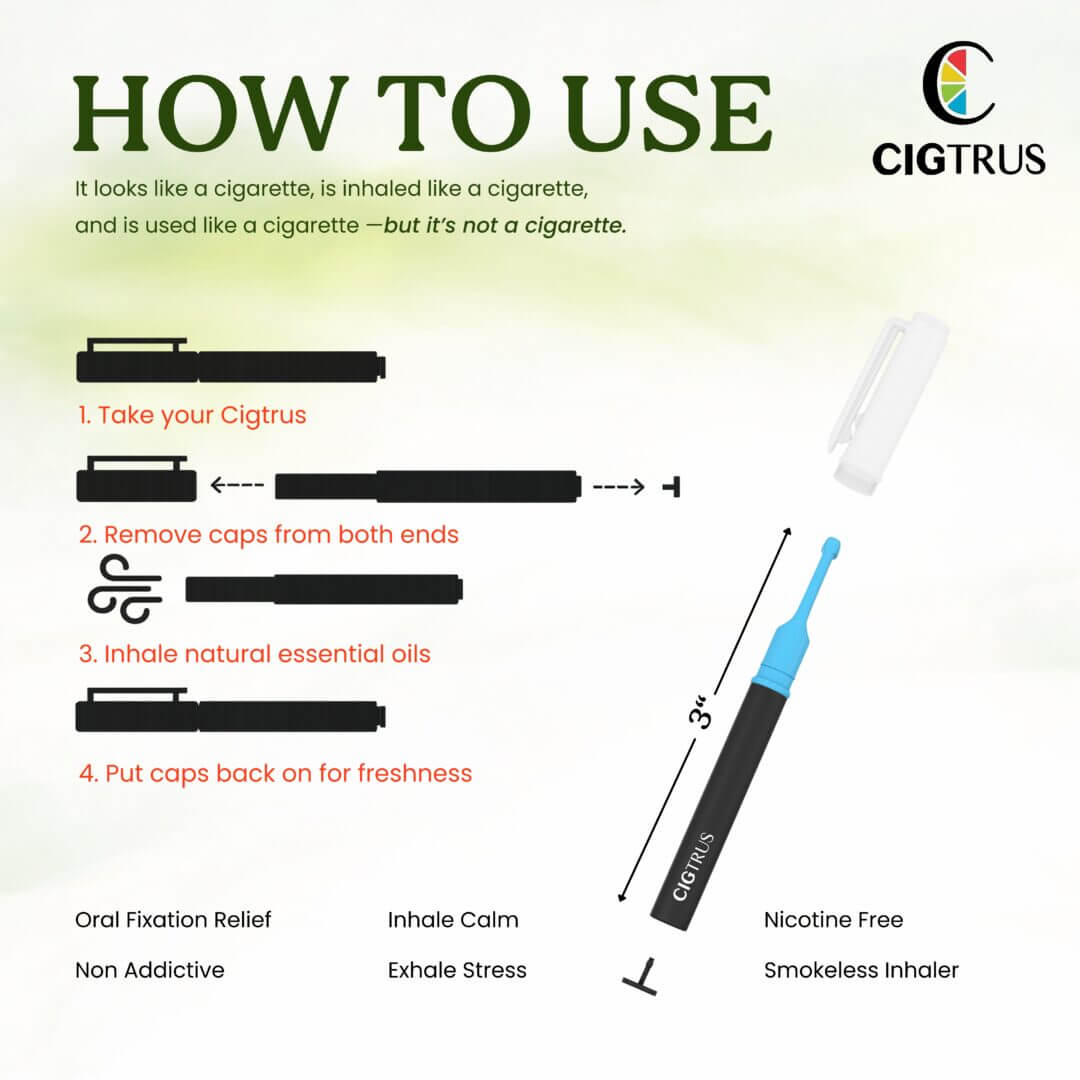
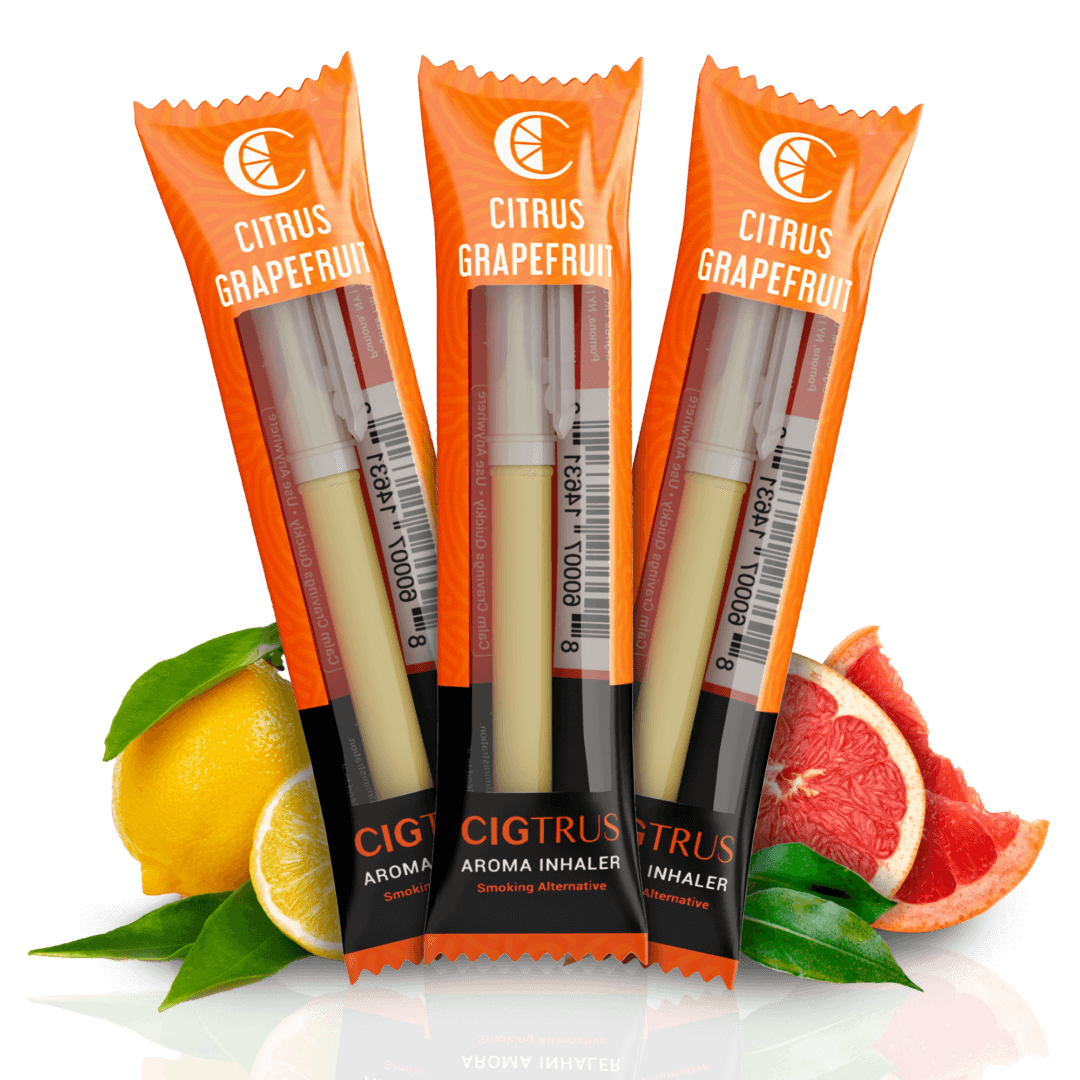
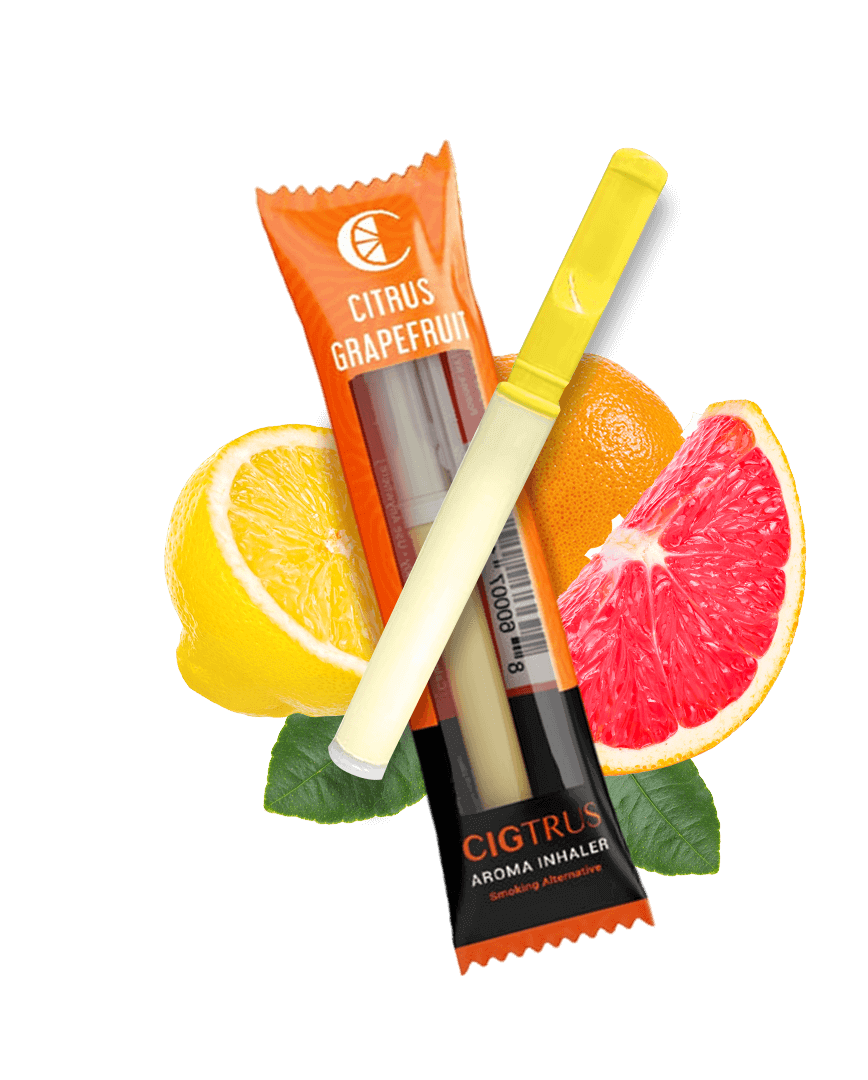
Cigtrus was designed around the hand-to-mouth side of smoking and vaping.
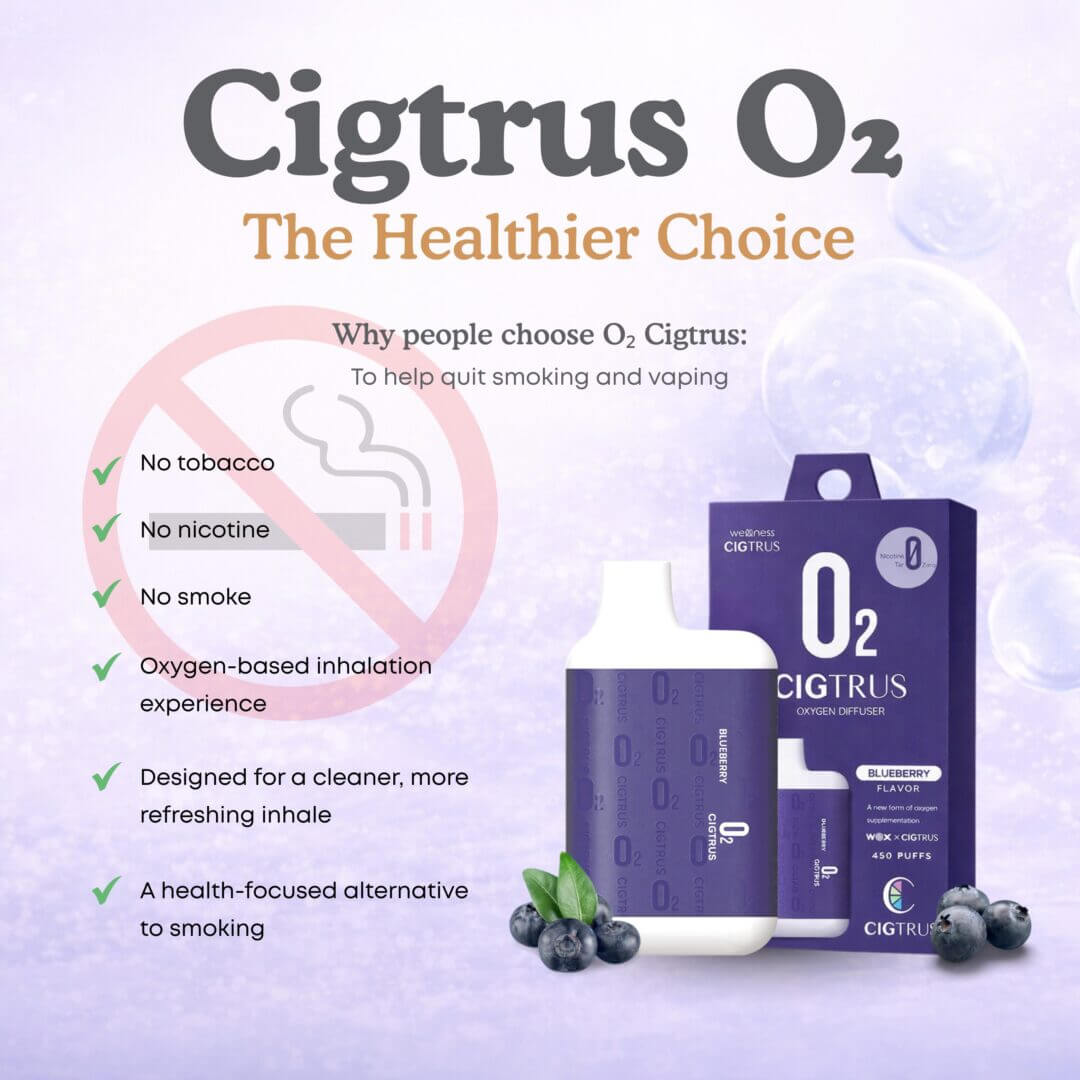
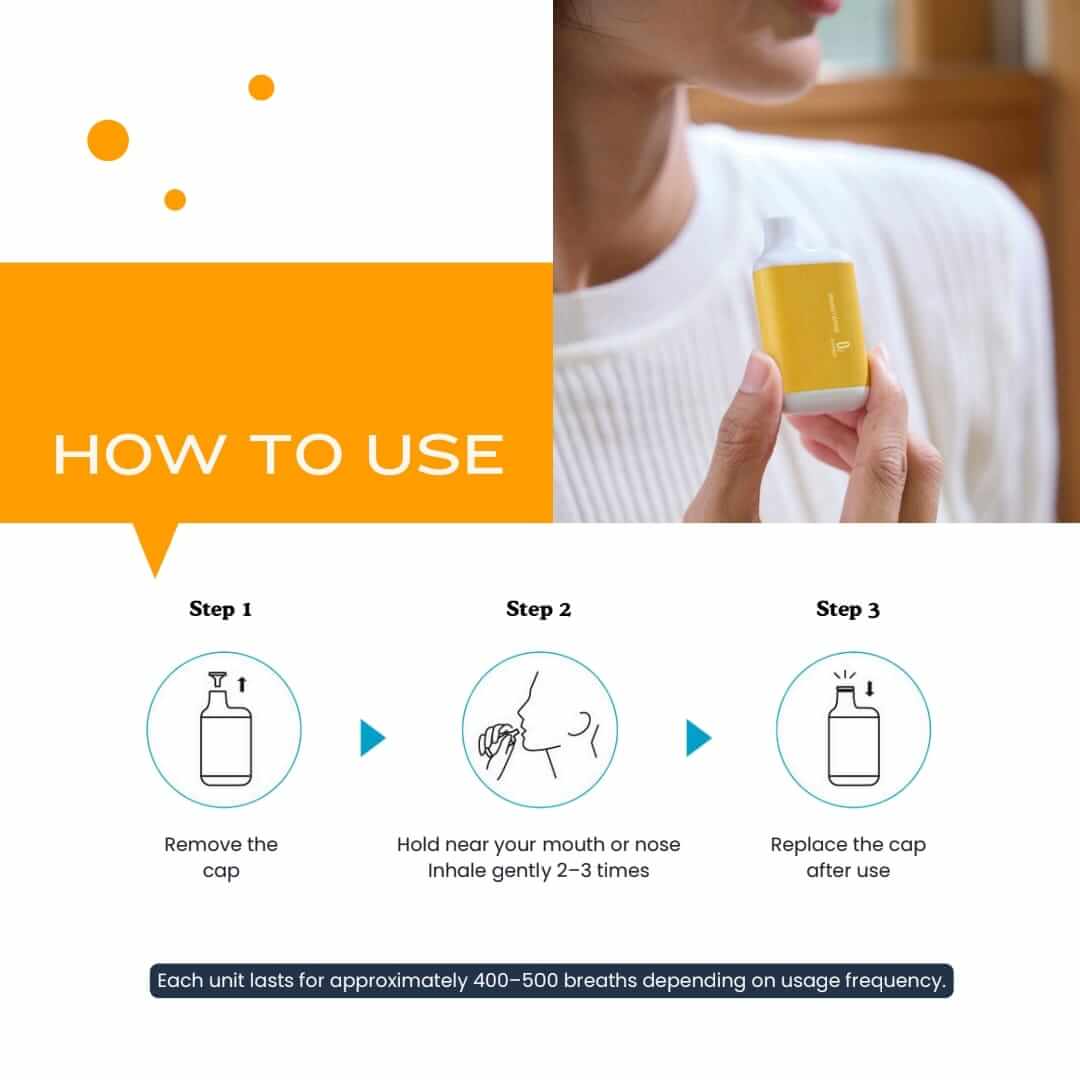
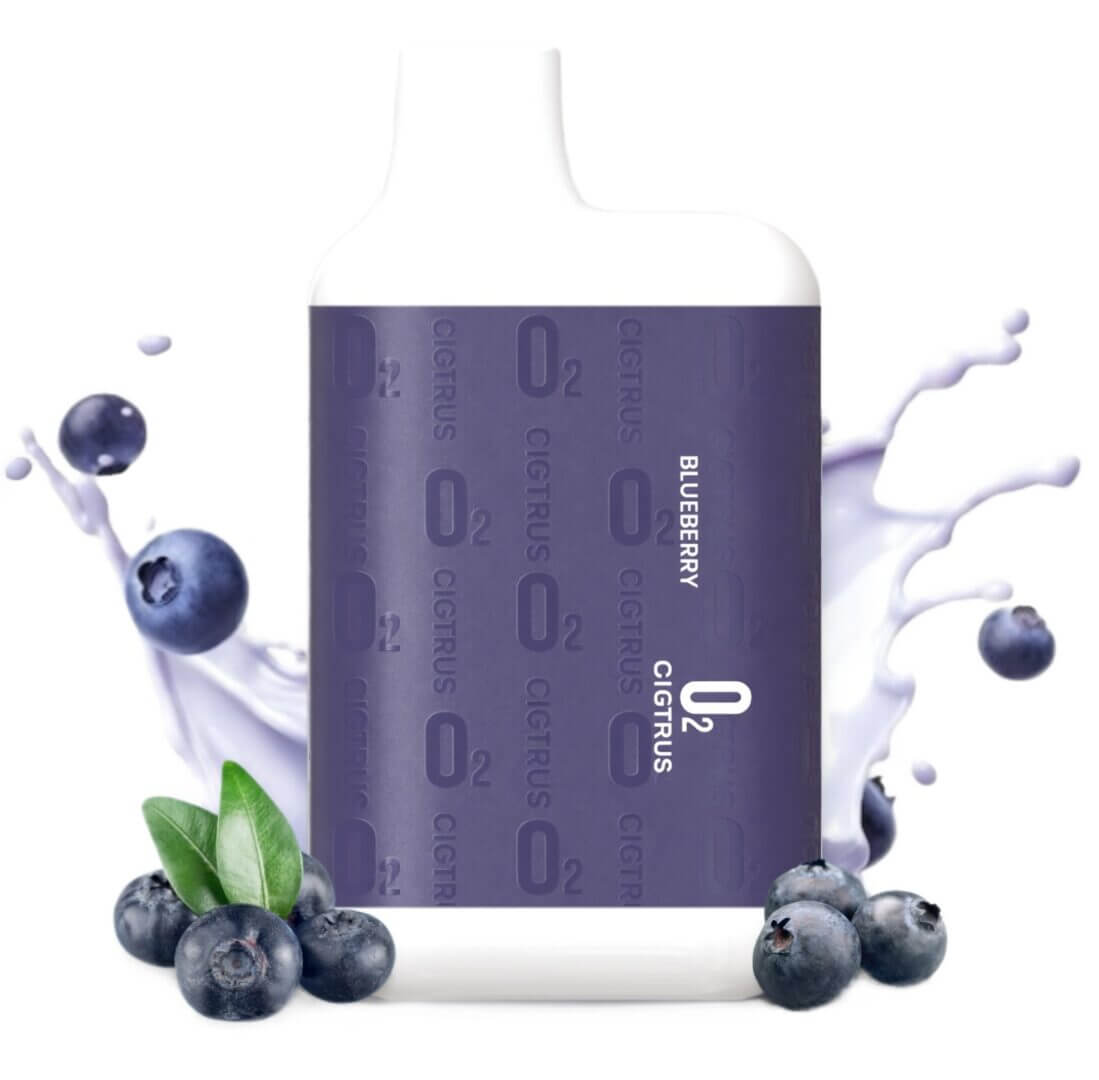
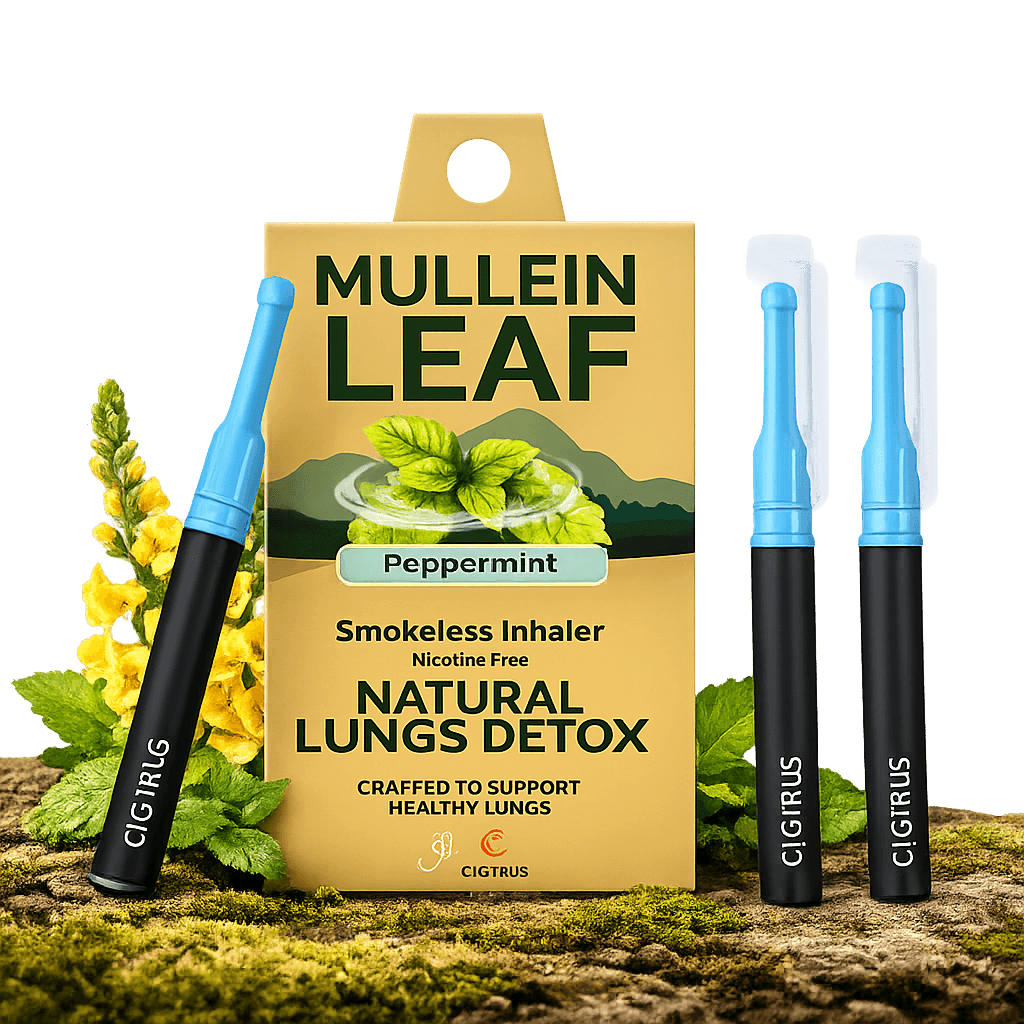
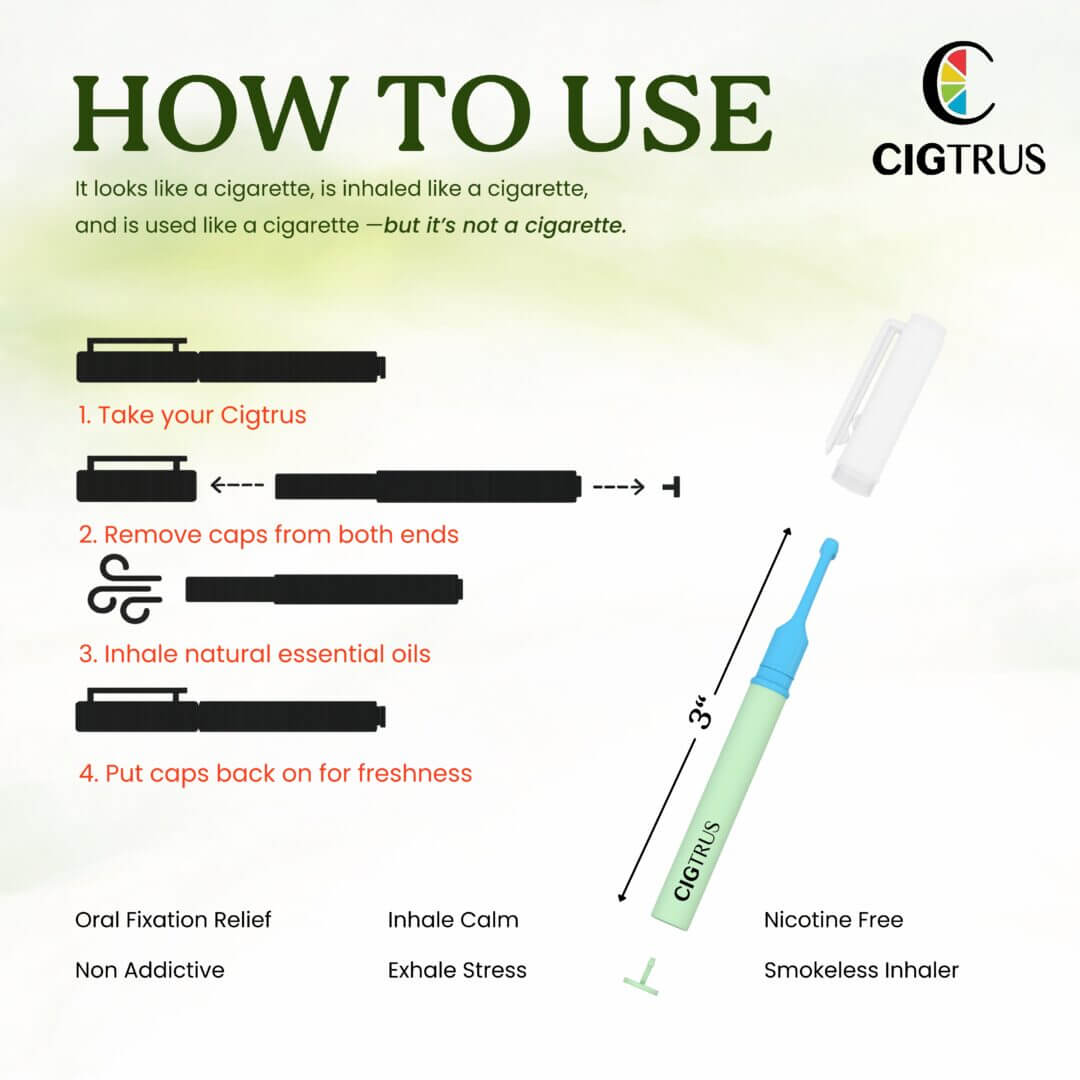
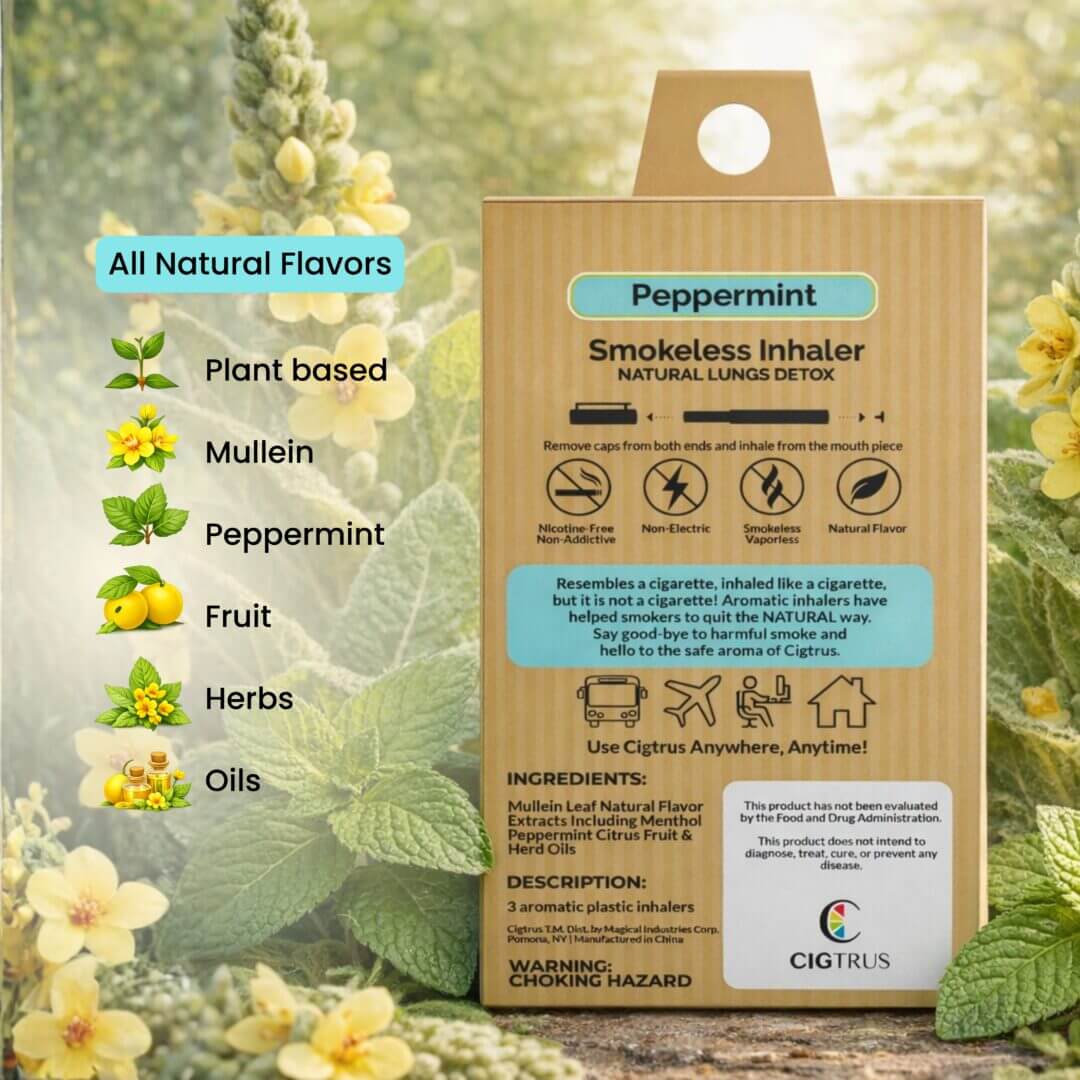
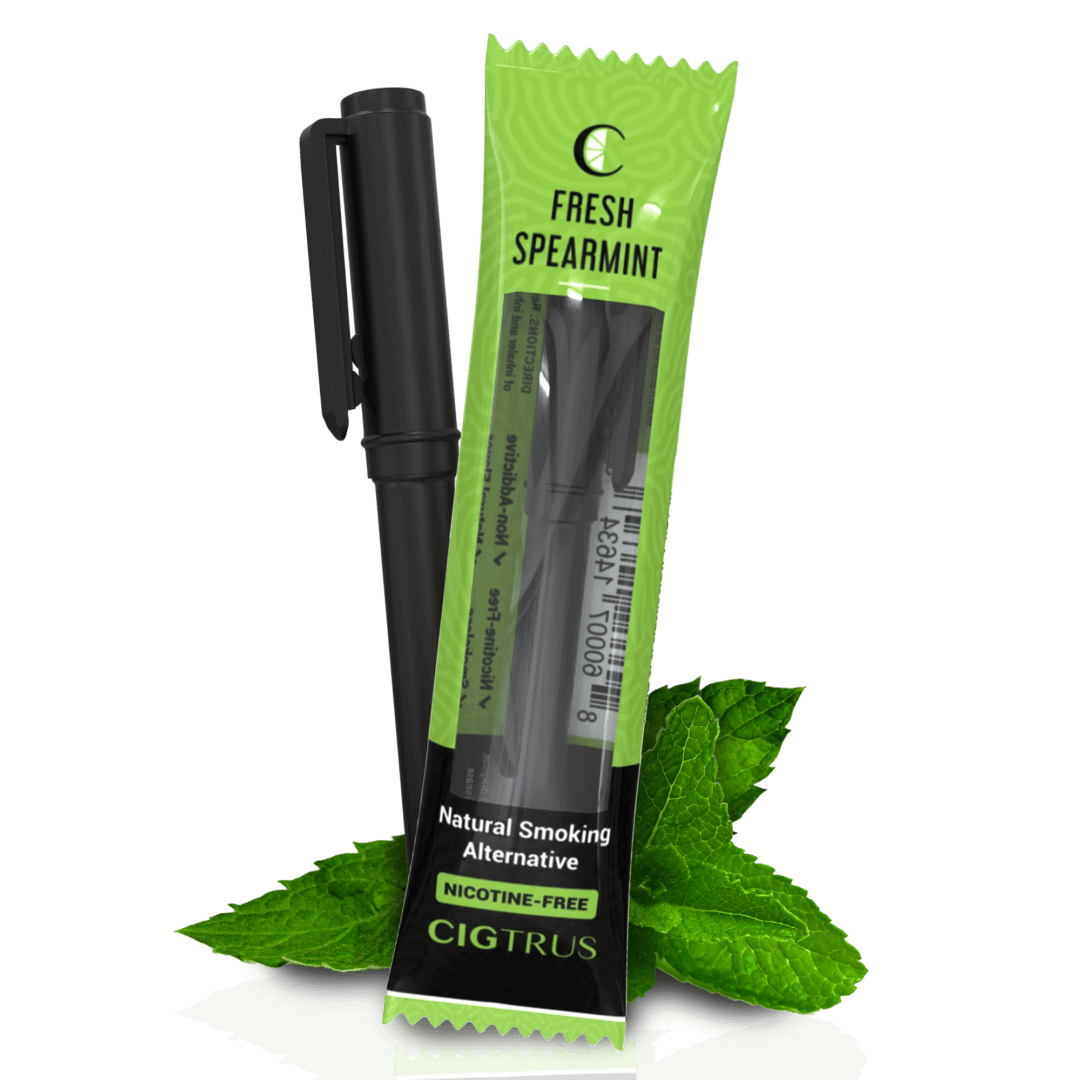
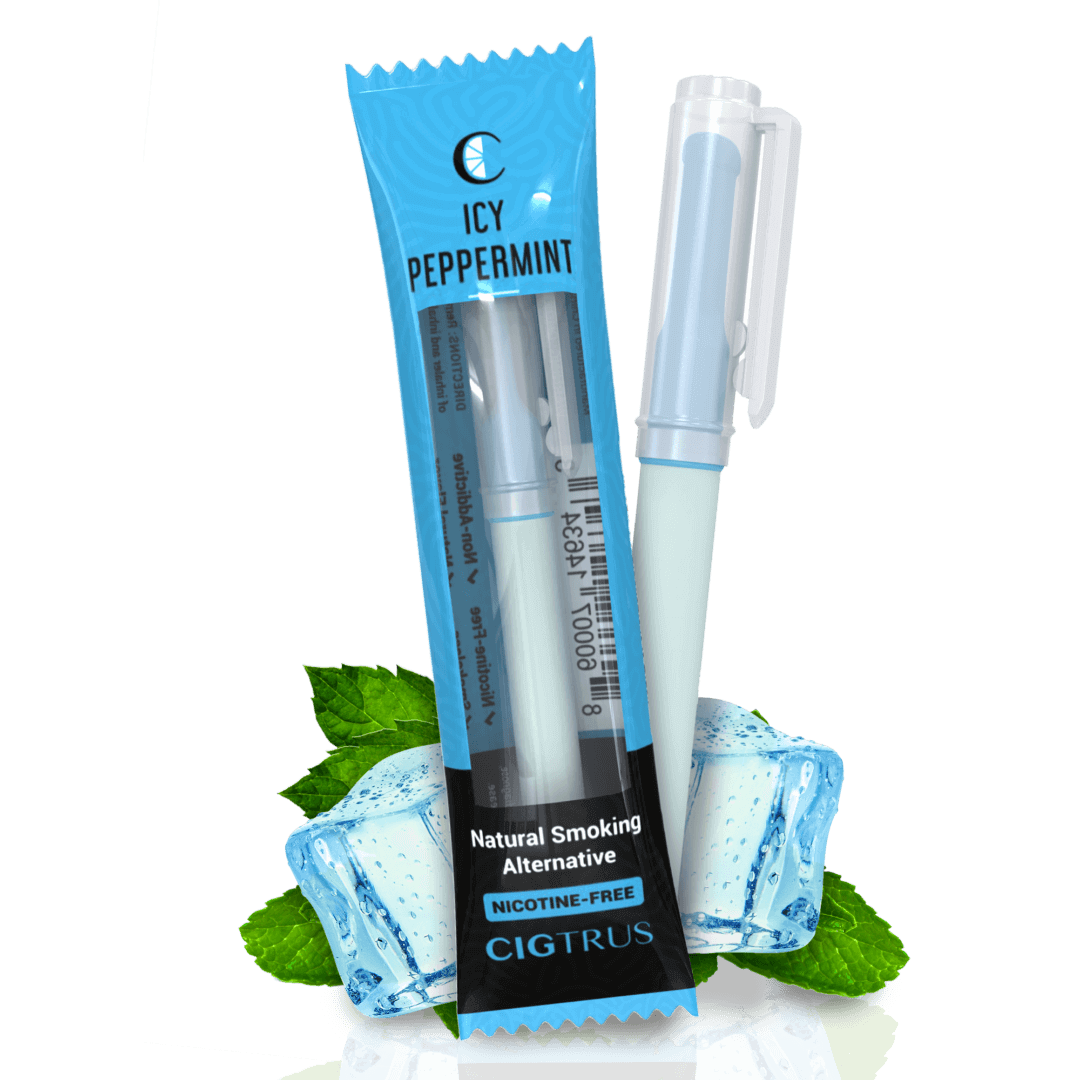
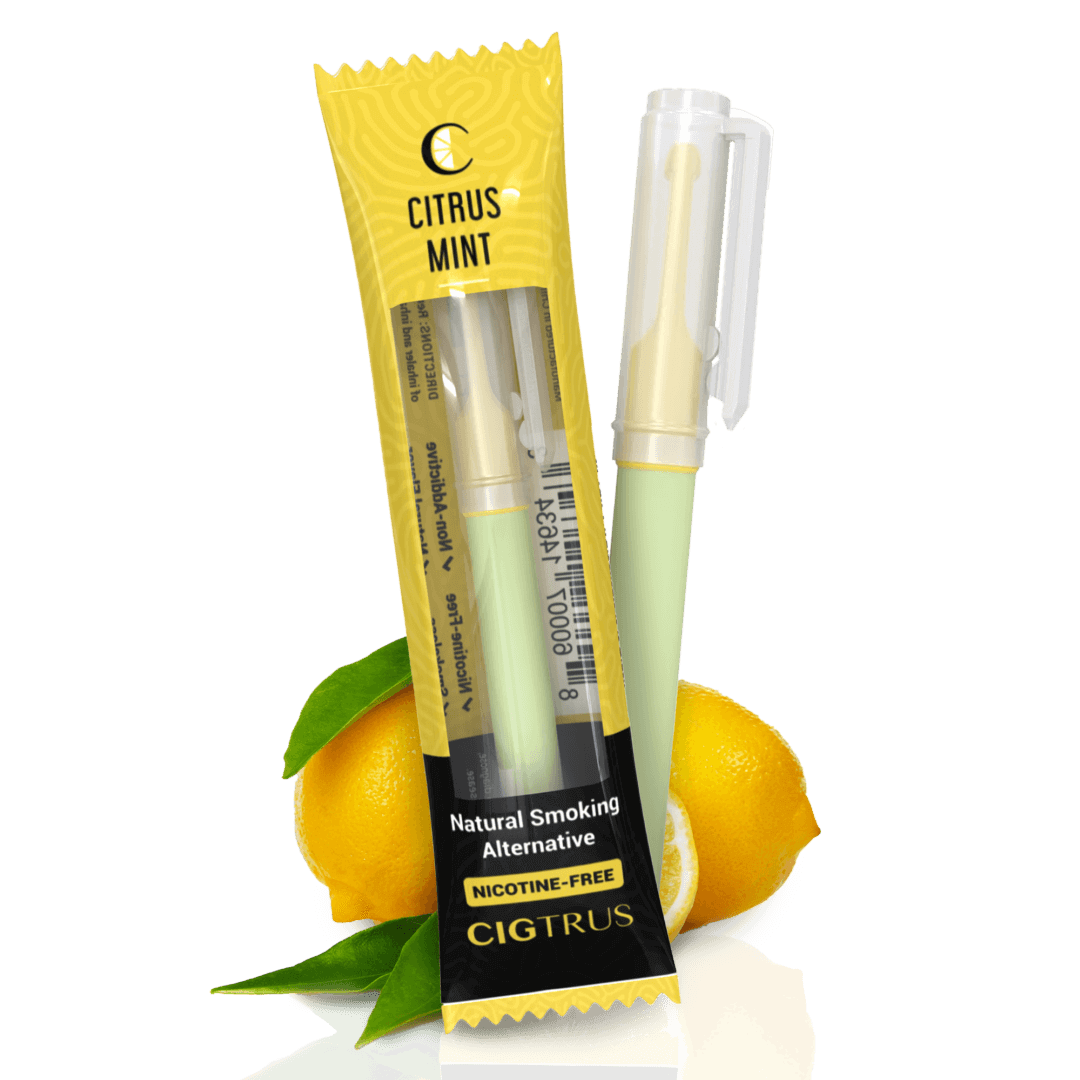
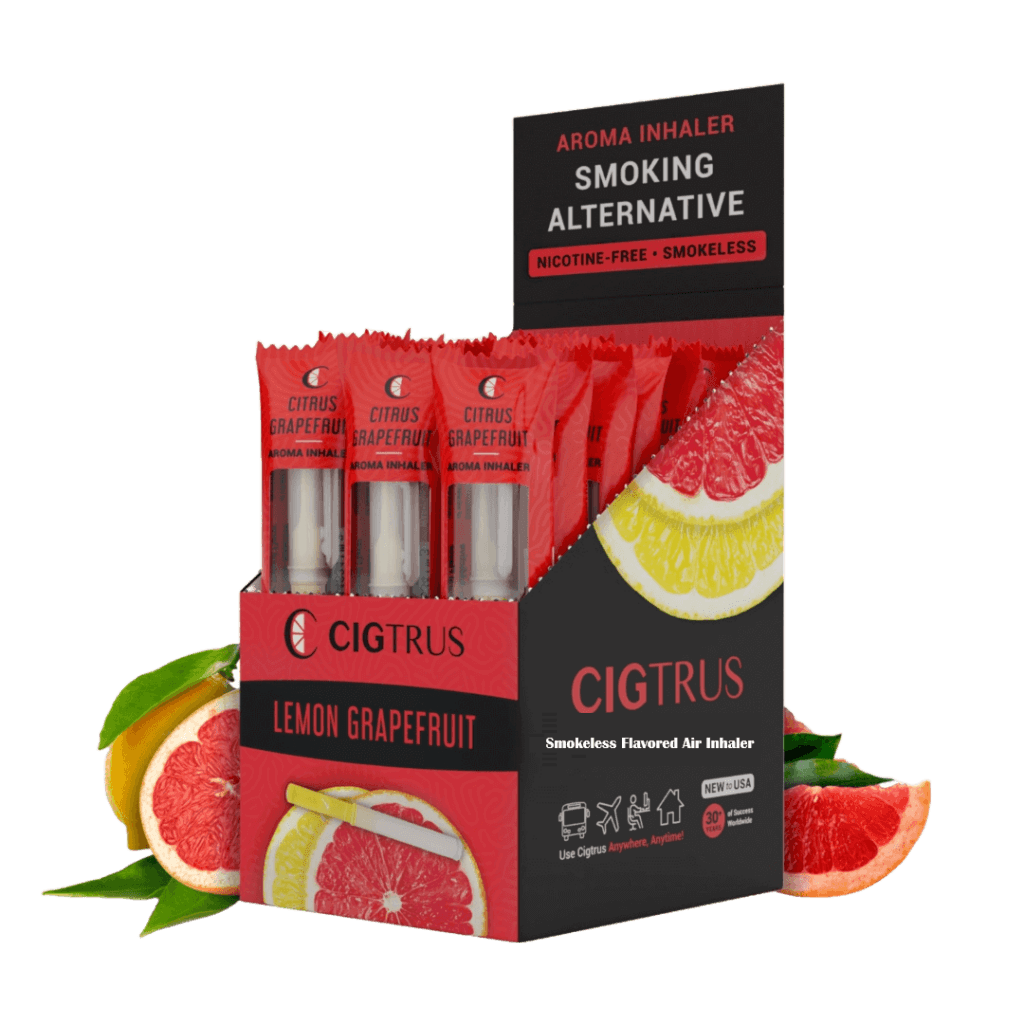
It is a nicotine-free, tobacco-free, non-electric smokeless inhaler that gives adults something familiar to hold, bring to the mouth, and draw through during the moments when the old smoking or vaping routine appears.
There is no nicotine.
No tobacco.
No battery.
No charging.
No heating element.
No smoke.
No vapor.
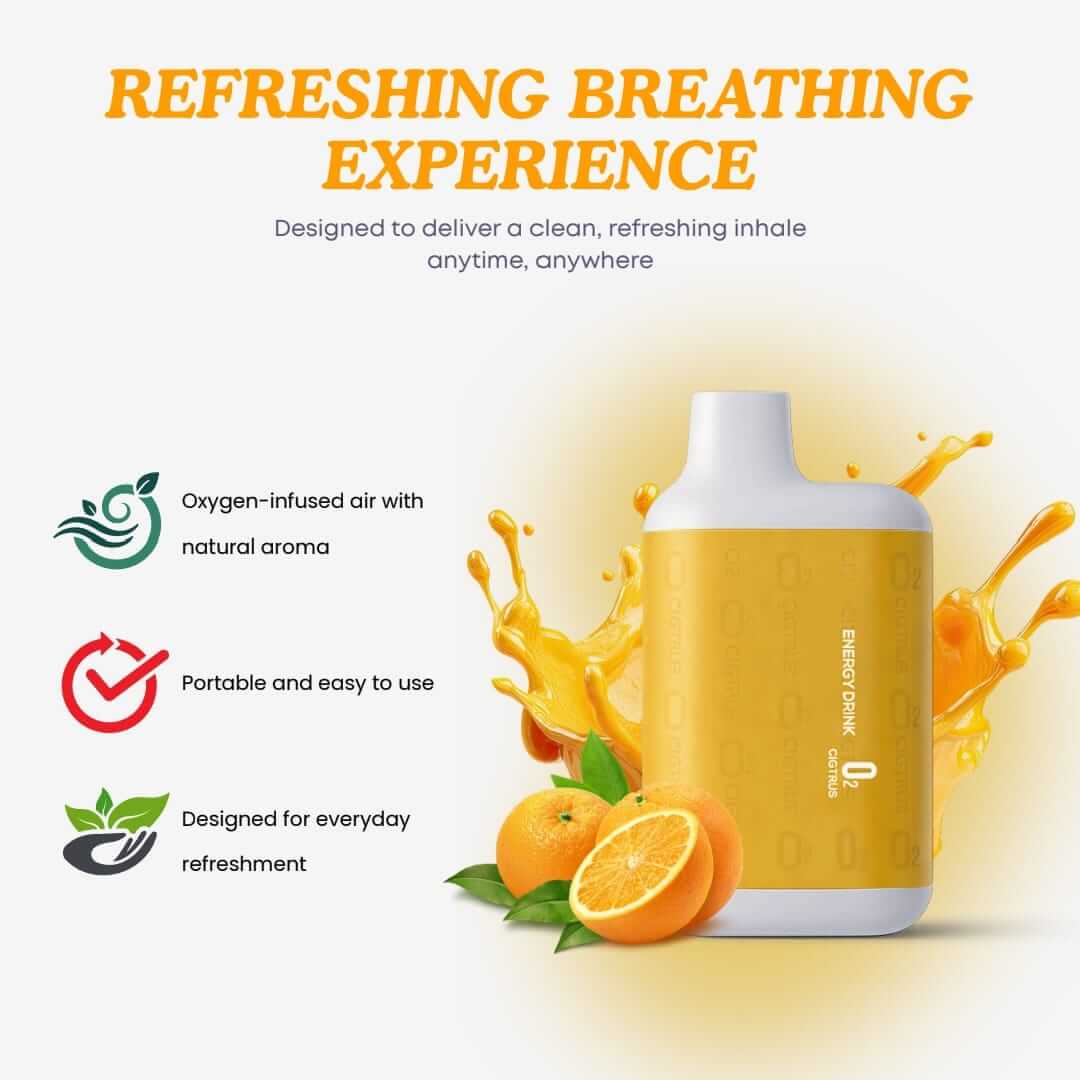
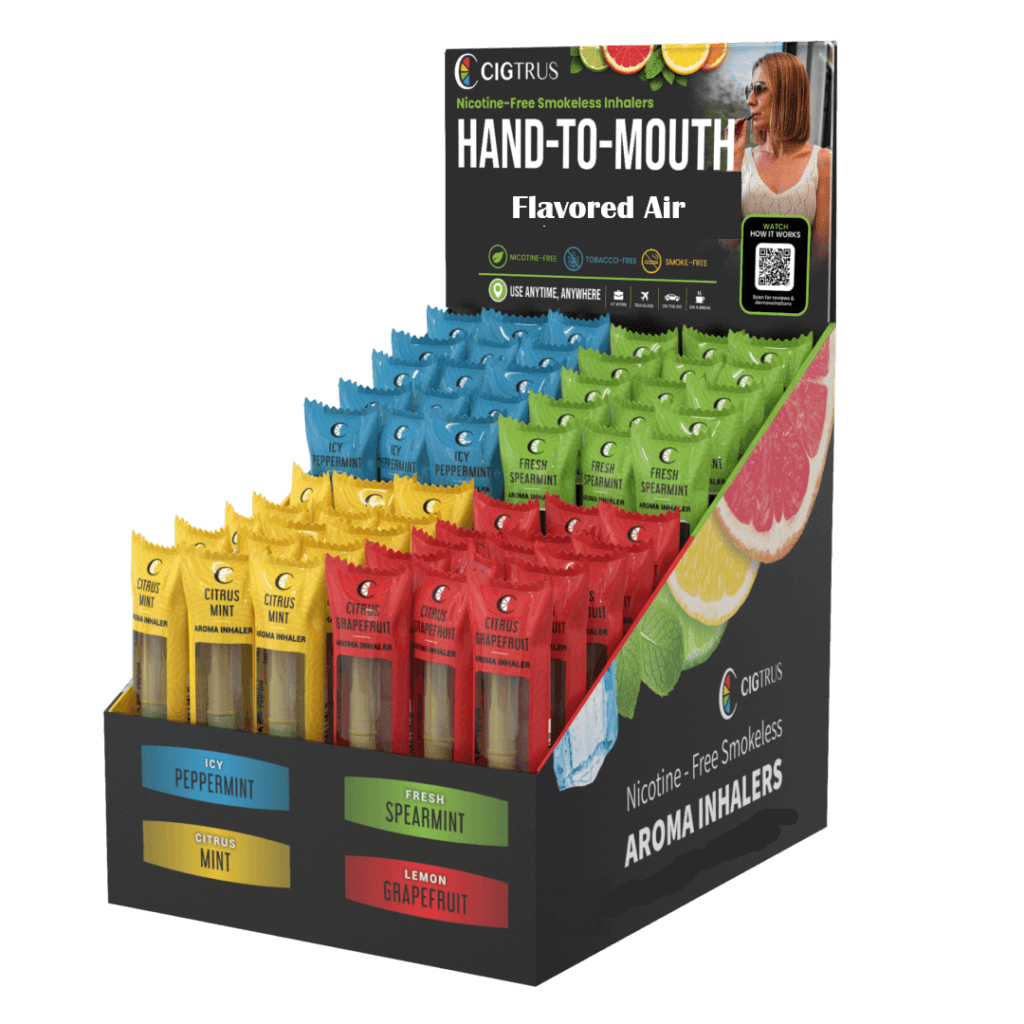
Instead, Cigtrus provides refreshing flavored air with carefully selected essential oil aromas in a simple, pocket-sized format.
Where Cigtrus Fits
Hand-to-mouth habit replacement — something familiar to hold and bring to the mouth during emotional or routine-based trigger moments.
Familiar drawing experience — refreshing flavored air without cigarette smoke or electronic vape aerosol.
A different response to familiar moments — something available during coffee, driving, stress, work breaks, boredom, or after meals.
No nicotine or tobacco — Cigtrus does not continue nicotine delivery or tobacco use.
Completely non-electric — no batteries, charging, heating, coils, or electronic vaping device.
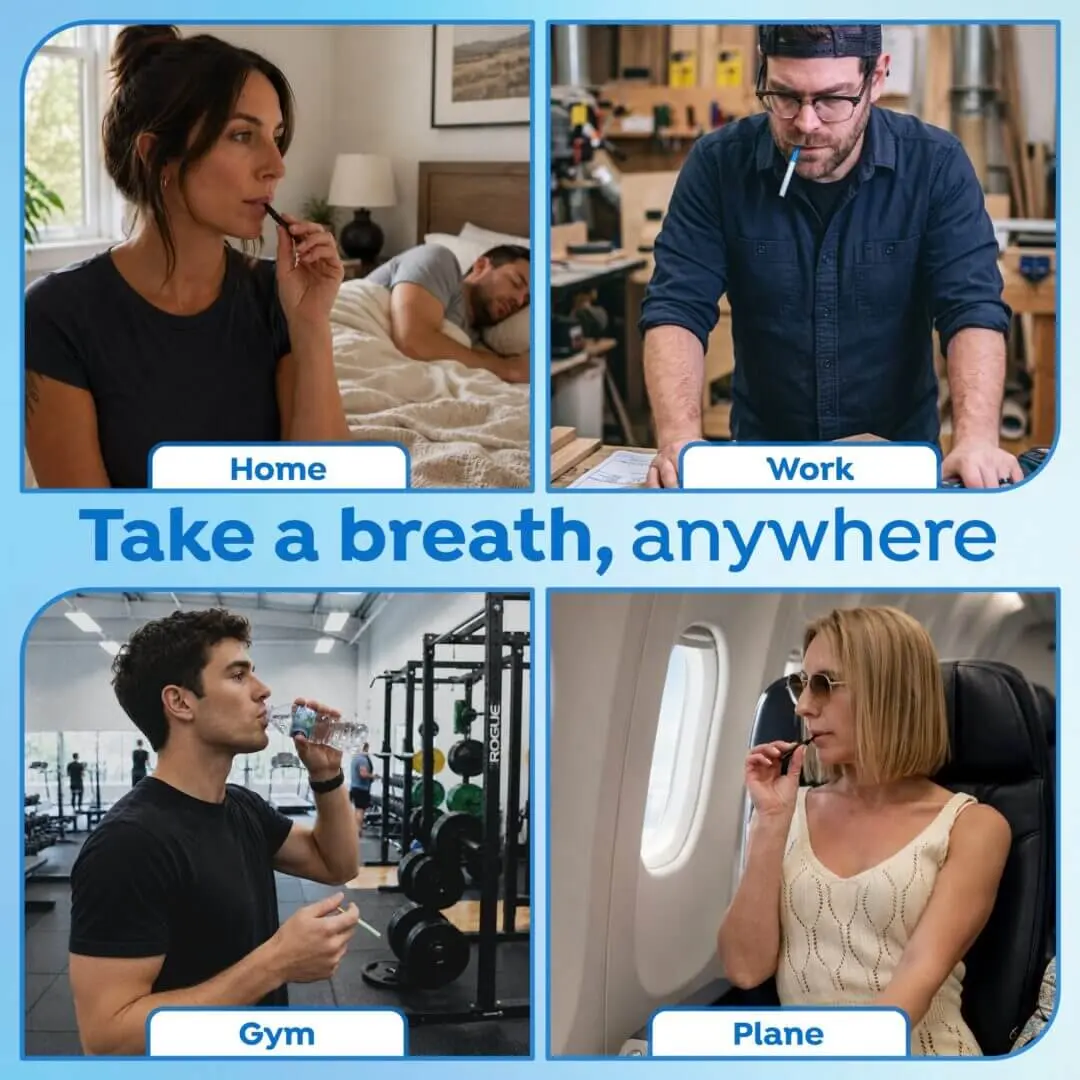
Use Anytime. Anywhere. — pocket-sized, smoke-free, vapor-free, non-electric, and ready without charging or setup.
Cigtrus does not make the stress disappear.
It does not make the difficult conversation disappear.
It does not remove the commute, the coffee, or the end of the meal.
What it does is give the familiar hand-to-mouth moment a completely different format without going back to a cigarette or electronic vape.
That is the part of the routine Cigtrus was built around.
Why a Zero-Nicotine Vape Can Leave the Emotional Routine in Place
If someone moves from a nicotine vape to a zero-nicotine vape, the nicotine changes.
But much of the emotional routine can remain.
Stress still leads to picking up the vape.
Boredom still leads to puffing.
Driving still means the device is nearby.
The hand still reaches.
The mouth still expects the device.
The same emotional situations can still end with the same vaping behavior.
That is why removing nicotine and changing the habit are not necessarily the same thing.
“A zero-nicotine vape changes what is inside the vape. Habit replacement changes what you do when the emotional trigger appears.”
Give Emotional Triggers a New Routine
You do not need the same replacement for every situation.
Match the response to what you are actually missing.
Why Patience Matters
A smoking routine repeated for years does not become unfamiliar after one good day.
The first stressful moment without a cigarette may feel difficult.
The first dinner without smoking afterward may feel incomplete.
The first drive can make your hand search for what used to be there.
That does not mean the new routine is not working.
It means it is new.
- Recognize your strongest emotional triggers
- Prepare a different response before they happen
- Keep your replacement easy to reach
- Repeat the new routine consistently
- Notice which situations become easier over time
- Do not expect every day to feel exactly the same
Every time a familiar trigger happens and you respond differently, you practice the new routine again.
Frequently Asked Questions
Why does quitting smoking feel so emotional?
Smoking can become connected with stress, comfort, breaks, coffee, driving, social situations, boredom, and daily routines. When cigarettes disappear, those emotions and situations remain, but the familiar response is gone.
Why do emotions trigger smoking cravings?
If smoking repeatedly followed emotions such as stress, frustration, loneliness, or boredom, those feelings can become associated with the smoking routine and trigger the urge to repeat it.
Why do I still miss smoking after reducing nicotine?
You may still miss the hand-to-mouth motion, the familiar draw, the break, or the situations that became connected with smoking even when nicotine use has changed.
Is stress after quitting always nicotine withdrawal?
Not necessarily. Nicotine withdrawal can affect mood, but stress may also feel different because smoking was previously part of how you paused or responded during difficult moments.
What is the emotional side of the smoking habit?
It includes the comfort, familiarity, routines, pauses, social moments, environments, and emotional situations that became connected with cigarettes through repetition.
How can habit replacement help with emotional smoking triggers?
Habit replacement gives familiar trigger moments another response. Instead of automatically returning to a cigarette, you deliberately practice a different behavior during stress, coffee, driving, boredom, meals, or other smoking cues.
Why can a zero-nicotine vape leave the habit in place?
A zero-nicotine vape removes nicotine but can continue the electronic device, hand-to-mouth motion, repeated drawing behavior, and the same emotional situations associated with vaping.
How does Cigtrus fit into the emotional side of quitting?
Cigtrus is designed around the hand-to-mouth side of the routine. It gives adults a nicotine-free, tobacco-free, non-electric smokeless inhaler format to use during familiar smoking or vaping moments.
Is Cigtrus a vape?
No. Cigtrus is completely non-electric and has no battery, heating element, vape liquid, charging system, smoke, or vapor.
Can Cigtrus be used anytime, anywhere?
Cigtrus is designed around the idea of Use Anytime. Anywhere. It is pocket-sized, nicotine-free, tobacco-free, non-electric, smoke-free, vapor-free, and requires no charging or heating.
Quitting Is More Than Removing Something
You are not only removing cigarettes.
You are changing what happens during moments that may have belonged to smoking for years.
The coffee still happens.
Stress still happens.
Work breaks still happen.
You still drive.
You still get bored.
You still need to relax at the end of the day.
The goal is to stop allowing those moments to automatically lead back to cigarettes.
Keep the moment. Change the routine.
Give the Familiar Moment a Different Ending.
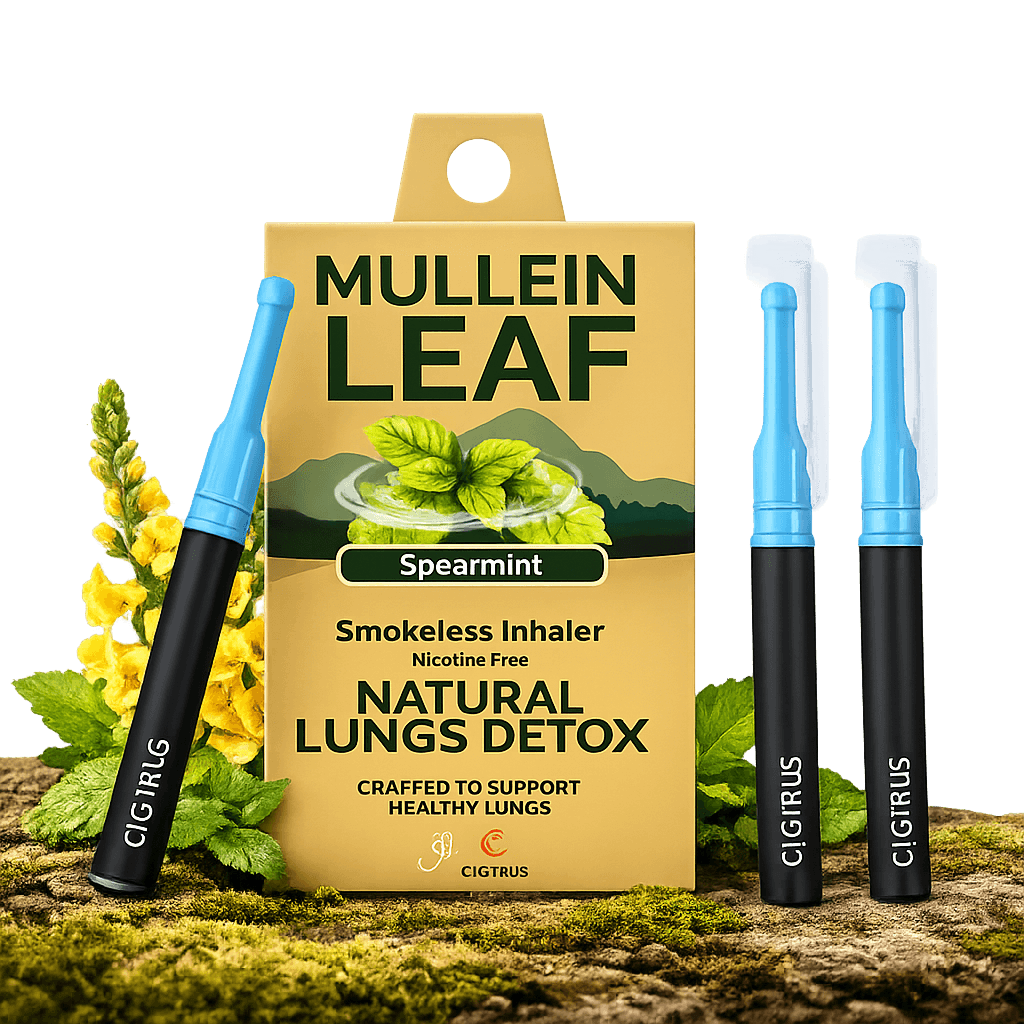
Cigtrus gives the hand-to-mouth routine a nicotine-free, tobacco-free, non-electric format with refreshing flavored air. Use Anytime. Anywhere.
Explore the Cigtrus Variety Pack