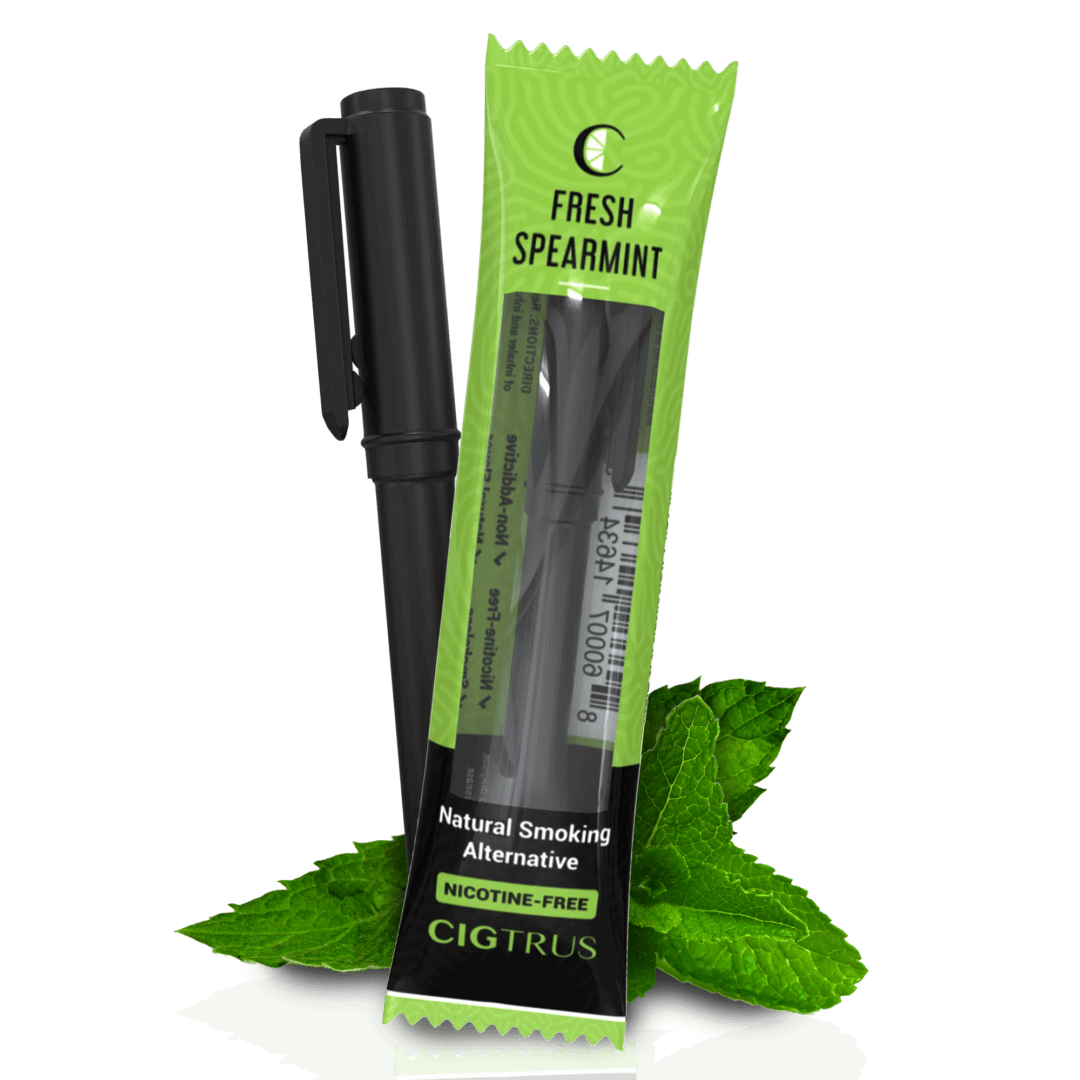
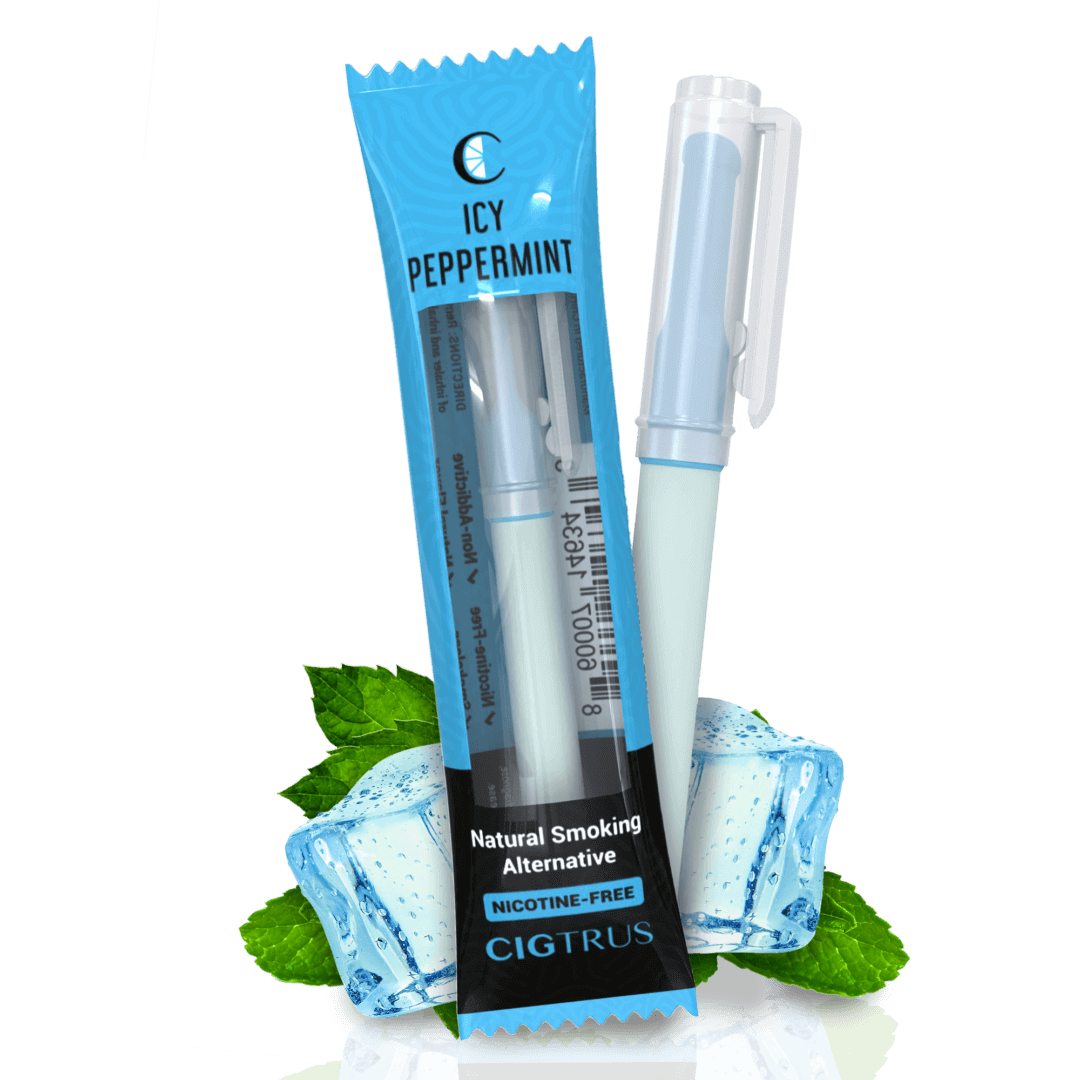
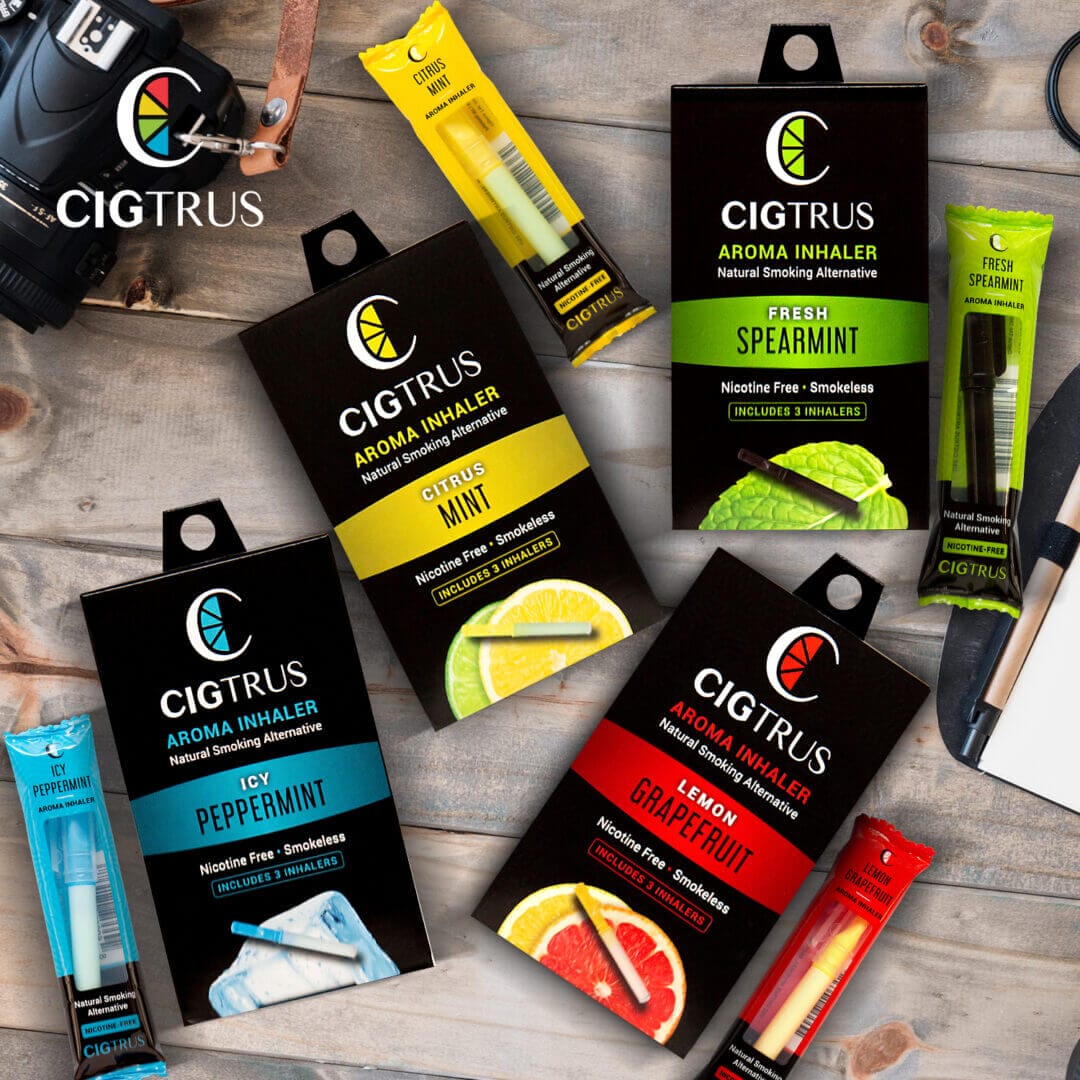
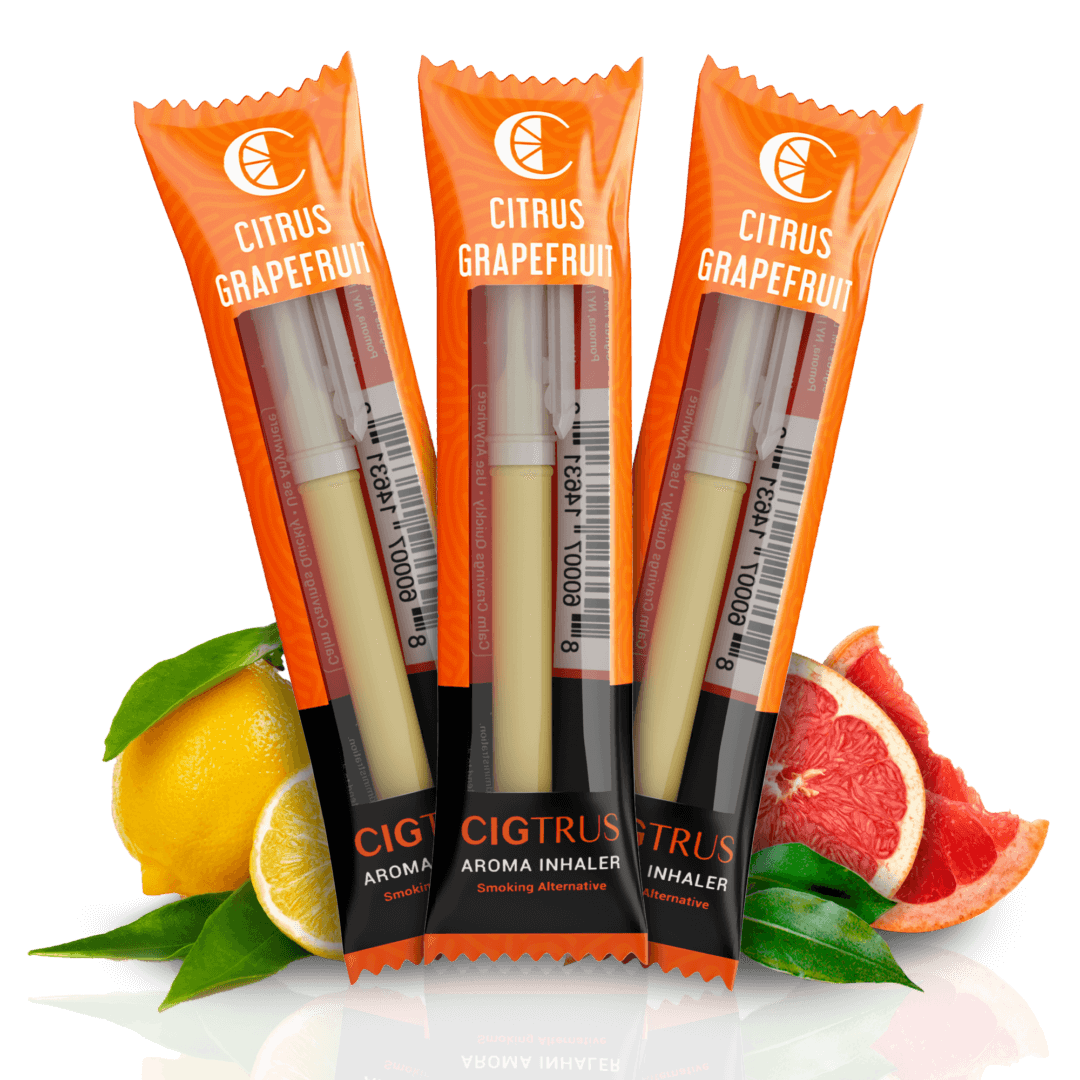
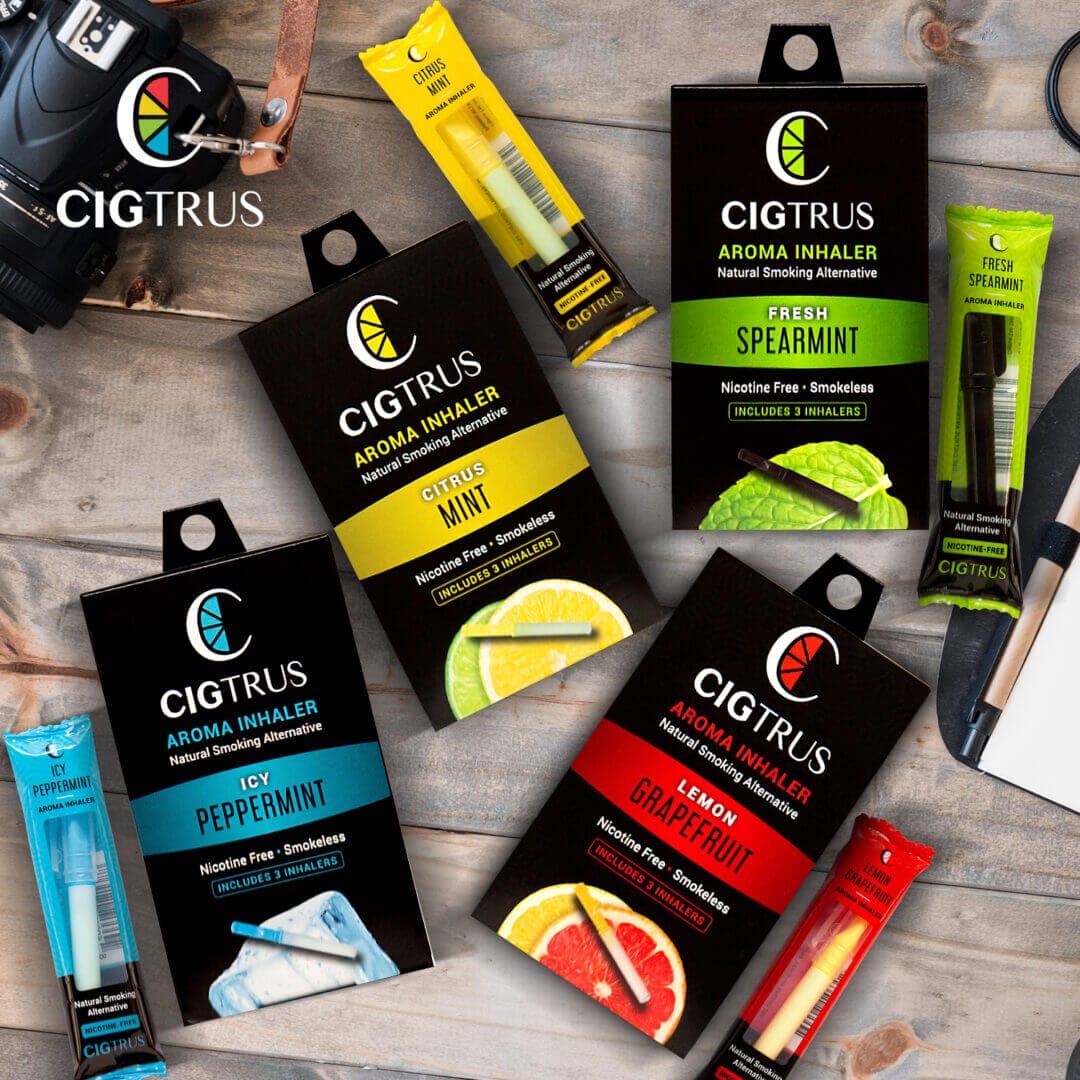
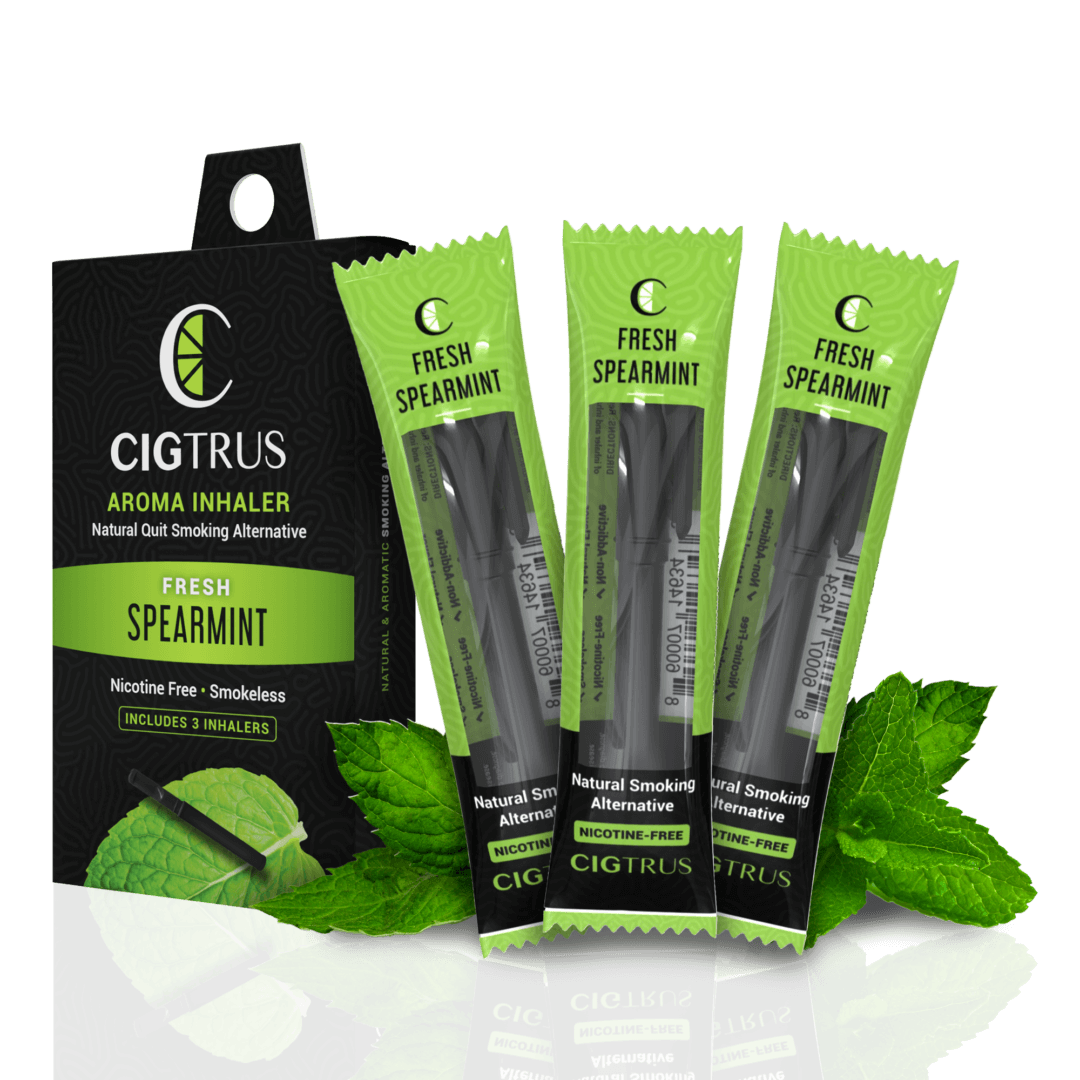
Quitting smoking often feels tied to nicotine, yet many people overlook that the habit involves more than the substance itself. Smoking connects to routines, stress responses, and physical actions repeated daily. Removing nicotine alone does not break the pattern. Real change happens when both the mental and behavioral sides shift together. Cigtrus supports this approach by offering a nicotine free alternative that replaces the act of smoking while helping users move away from cigarettes in a practical way that fits everyday life.
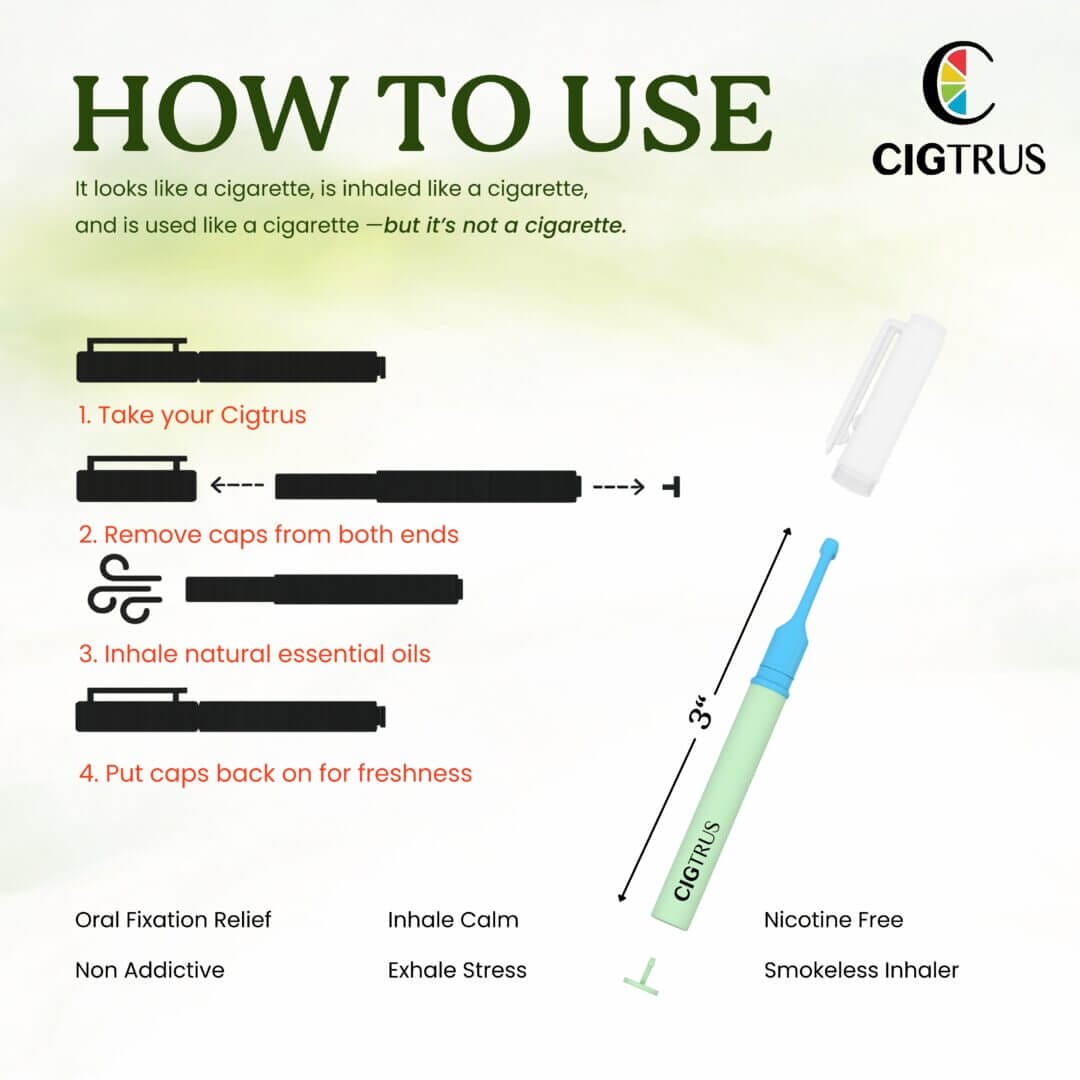
Cravings do not come only from nicotine withdrawal. They also come from habit. Lighting a cigarette after a meal, during a break, or in stressful moments becomes automatic over time. These patterns create strong associations that continue even when nicotine is removed. Breaking them requires replacing the action itself. Cigtrus addresses this by giving users a familiar motion that satisfies the routine without continuing the cycle of smoking.
Stress remains one of the strongest triggers. Many people reach for cigarettes during pressure because they associate smoking with relief. This connection builds over time, even though the relief is temporary. Managing stress without nicotine involves creating new responses that offer similar control. Deep breathing, short pauses, and structured alternatives all help reduce the intensity of cravings. Cigtrus aligns with this process by providing an option that mimics the physical aspect of smoking without reinforcing nicotine dependence.
Timing plays a critical role in quitting. Most cravings rise quickly and fade if they are not acted on. The challenge is managing the peak moment. Creating a delay weakens the urge and makes it easier to choose a different response. Even a few minutes can change the outcome. Cigtrus supports this by offering an immediate alternative that helps users move through that peak without returning to cigarettes.
Environment shapes behavior more than most people realize. Being in places where smoking is common increases the likelihood of cravings. Changing surroundings or limiting exposure reduces triggers. However, not every situation allows for complete control over the environment. Cigtrus provides flexibility by being usable in various settings, allowing individuals to manage cravings without needing to leave or avoid certain spaces.
Routine replacement remains one of the most effective nicotine free strategies. Smoking often connects to specific times and activities. Breaking the habit requires inserting a new behavior into those same moments. This replacement weakens the connection over time and builds a new pattern. Cigtrus helps fill that gap by offering a consistent alternative that fits naturally into existing routines.
Breathing techniques play a major role in reducing cravings. Smoking mimics slow, controlled breathing, which is why it feels calming. Replacing cigarettes with intentional breathing exercises can create a similar effect. Slow inhaling and exhaling helps regulate stress and reduces the urge to smoke. Cigtrus complements this by providing a familiar action that supports relaxation without nicotine.
Hydration and small actions can interrupt cravings effectively. Drinking water, shifting focus, or engaging in a simple task creates a pause that weakens the urge. These actions redirect attention and reduce the intensity of the moment. Cigtrus works alongside these strategies by addressing both the physical and behavioral aspects of smoking.
Consistency builds long term success. Each time a craving is managed without nicotine, the brain begins to form new associations. Over time, these new patterns replace old habits. This process requires repetition, not perfection. Cigtrus supports consistency by making it easier to respond differently in repeated situations.
Mental framing influences how cravings are experienced. Viewing a craving as something that must be satisfied increases its strength. Seeing it as temporary reduces its impact. This shift allows individuals to observe the urge without reacting to it. Cigtrus reinforces this mindset by helping users stay in control during moments of pressure.
Preparation reduces uncertainty. Knowing when cravings are likely to occur allows individuals to plan their response in advance. This preparation increases confidence and reduces the chance of falling back into old habits. Cigtrus supports this approach by providing a reliable option that can be used whenever needed.
Movement helps release built up stress. Physical activity reduces tension and lowers the intensity of cravings. Even simple actions like walking or stretching can make a difference. Cigtrus complements this by offering an option for moments when movement is not possible, ensuring that users still have a way to manage urges.
Triggers often overlap. Stress, fatigue, and routine can combine to create stronger cravings. Addressing these factors reduces the overall intensity. Maintaining balanced habits helps prevent multiple triggers from building at once. Cigtrus fits into this broader strategy by providing support during moments when multiple triggers are present.
Focus shifts help break the mental loop of craving. Stress narrows attention, making the urge feel stronger than it is. Expanding focus through tasks or interaction reduces that intensity. Cigtrus supports this shift by giving users a controlled action that redirects attention without continuing the smoking habit.
Flexibility increases success. Not every method works in every situation. Being open to different strategies improves outcomes. Cigtrus offers that flexibility by being usable in different environments and situations, allowing individuals to adapt their response as needed.
Identity plays a role in quitting. When individuals begin to see themselves as someone who no longer depends on nicotine, their actions begin to align with that belief. This shift reduces internal conflict and supports lasting change. Cigtrus helps reinforce this transition by providing a bridge between old habits and new behaviors.
Support systems strengthen the process. Whether through personal connections or structured tools, support reduces isolation and increases confidence. Cigtrus contributes to this support by offering a consistent and accessible alternative that users can rely on during challenging moments.
Progress builds momentum. Each successful response to a craving reinforces the ability to continue. Over time, these small wins create a strong foundation for quitting. Cigtrus supports this journey by making those wins easier to achieve in real world situations.
Nicotine free ways to quit smoking work when they address both the habit and the mindset behind it. It is not just about removing nicotine but about replacing the behavior with something that fits daily life. Cigtrus provides a practical solution that helps individuals manage cravings, maintain control, and move away from smoking without relying on nicotine.