

Many people searching for alternatives to cigarettes encounter two common options. Vapes and smoke free inhalers. At first glance they may appear similar because both involve inhaling through a small handheld device. The experience may look alike, yet the purpose, ingredients, and overall function are very different.
Understanding the difference matters for anyone trying to move away from traditional smoking. Some alternatives continue nicotine use, while others focus on helping people break the smoking routine itself. Knowing how these products work can help you choose an option aligned with your goals.
Traditional cigarettes deliver nicotine through burning tobacco. The combustion process releases thousands of chemicals and creates smoke that enters the lungs. Many modern alternatives aim to remove that smoke, but not all approaches work the same way. Some still deliver nicotine, while others eliminate it completely and focus on behavioral change.
Vapes emerged as one of the first alternatives to cigarettes. They use electronic heating elements to vaporize a liquid solution. This liquid usually contains nicotine, flavorings, and other ingredients. When heated, the liquid becomes vapor that users inhale.
Because vapes heat liquid rather than burn tobacco, they remove smoke from the process. However, nicotine often remains a central component. For people trying to stop nicotine dependence entirely, this can become a challenge. The device may replace cigarettes but still reinforce the chemical addiction.
Another key difference lies in the technology itself. Vapes rely on batteries, heating coils, and refillable liquid cartridges. Users must charge the device, maintain it, and replace components regularly. The system functions like a small electronic device.
In contrast, a smoke free inhaler focuses on behavioral replacement rather than nicotine delivery. Instead of vaporizing liquids, the inhaler provides sensory stimulation that helps distract from cravings and maintain the familiar hand to mouth motion many smokers struggle to give up.
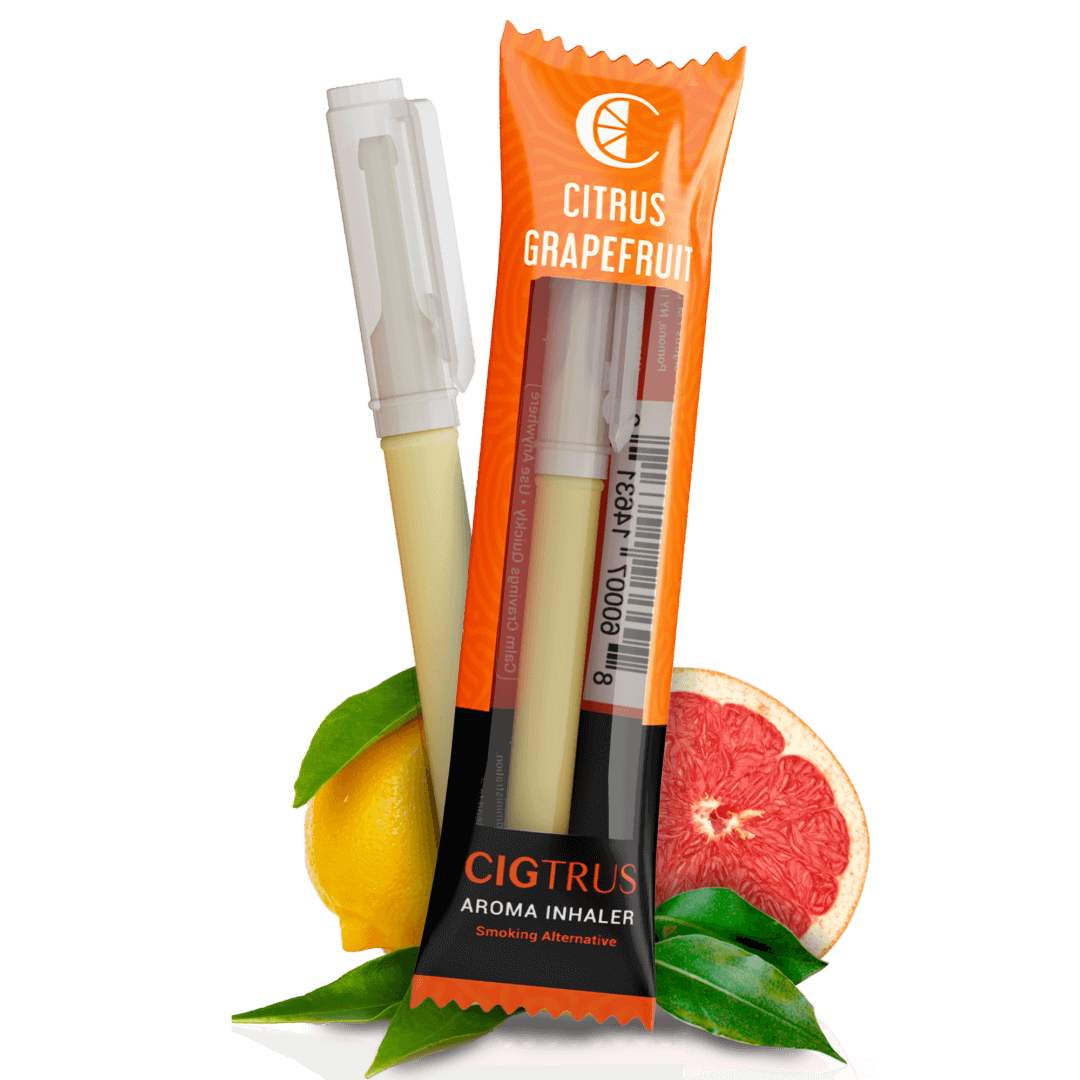
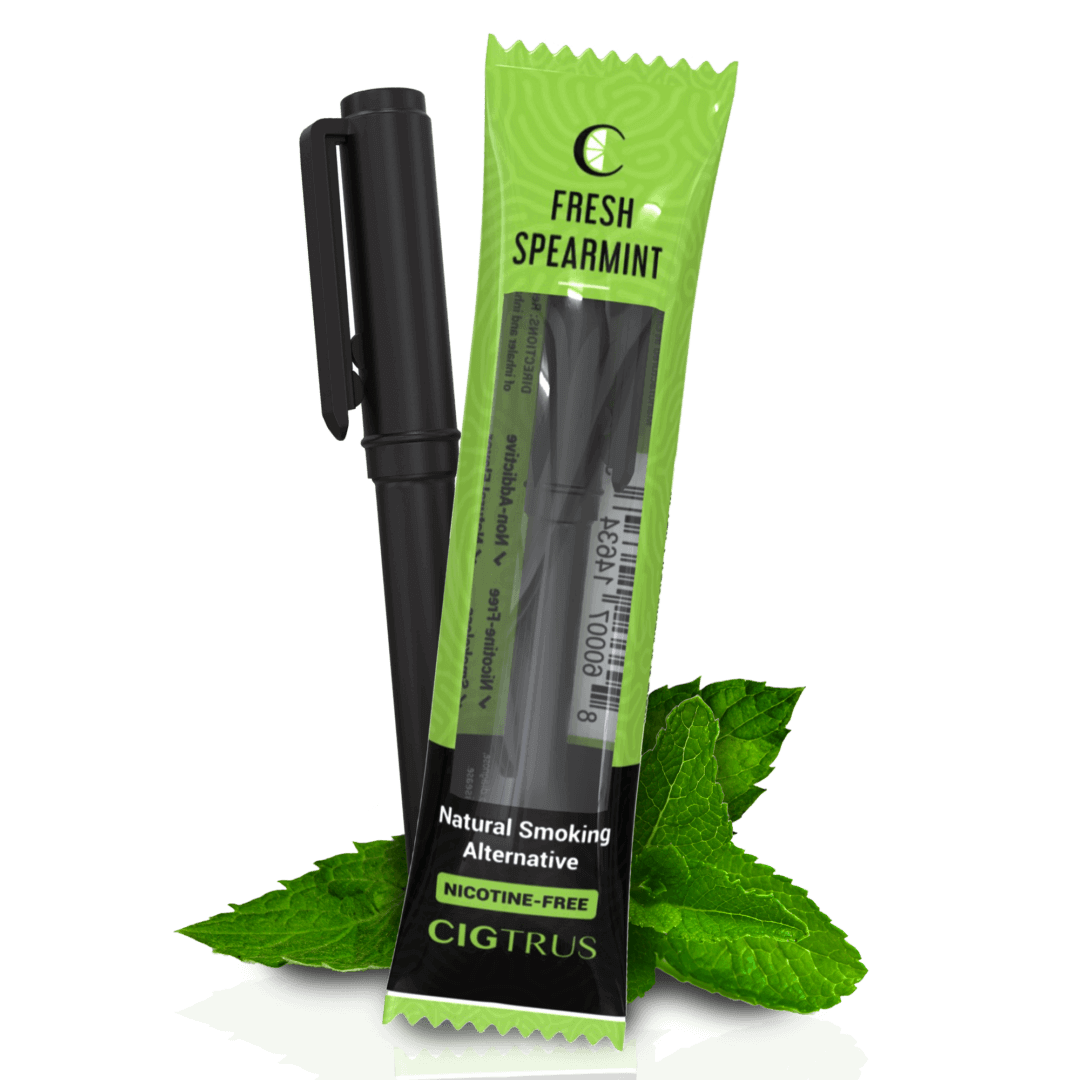
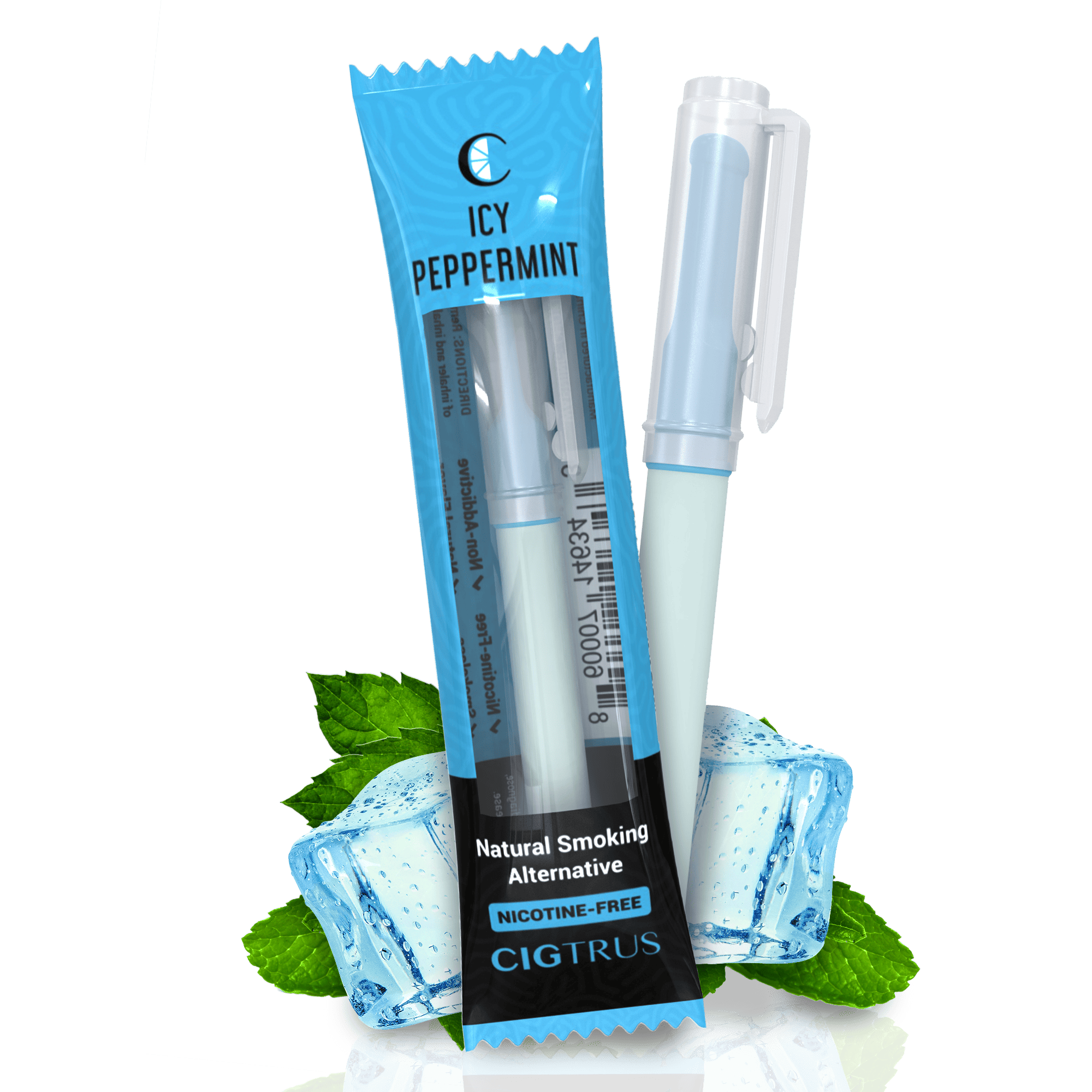
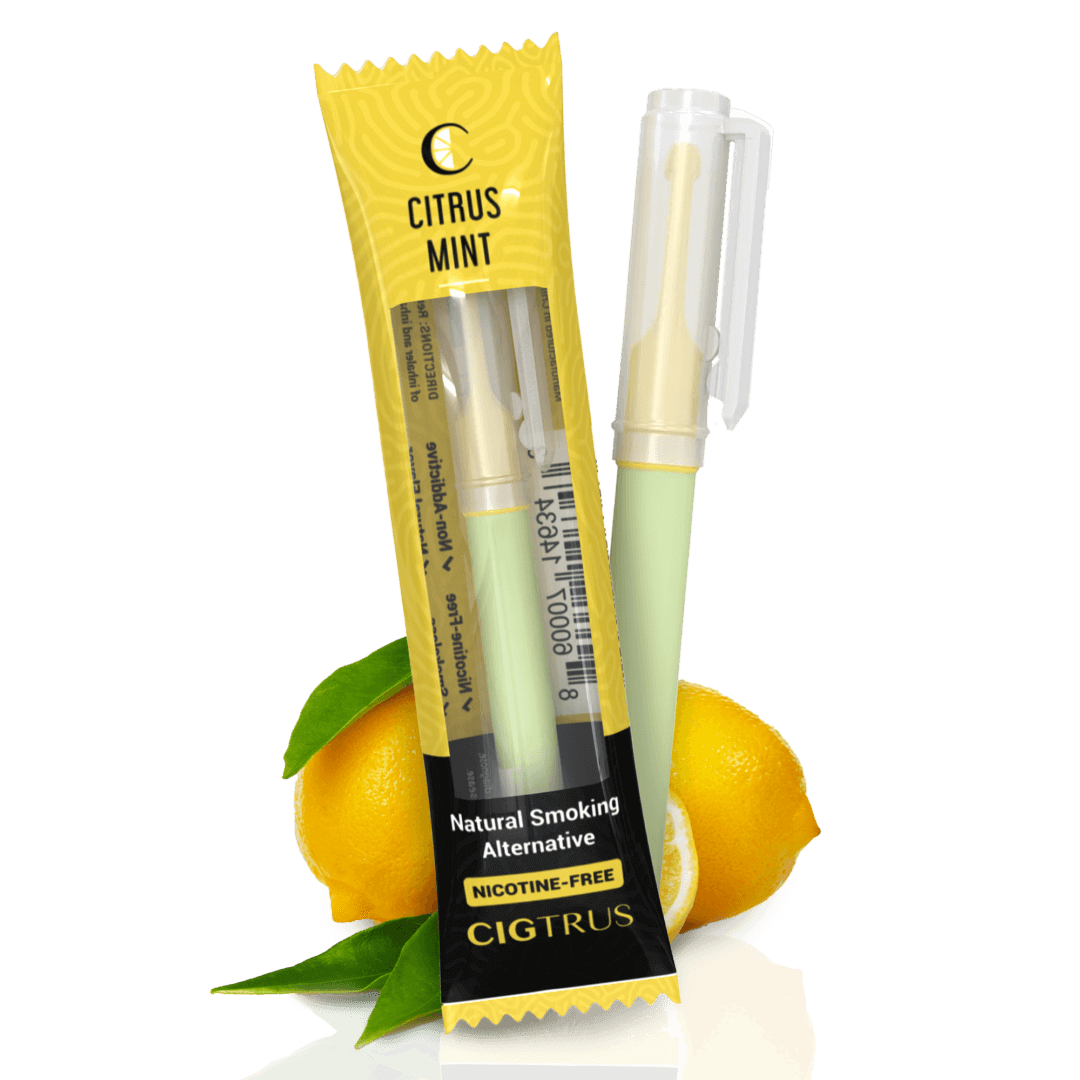
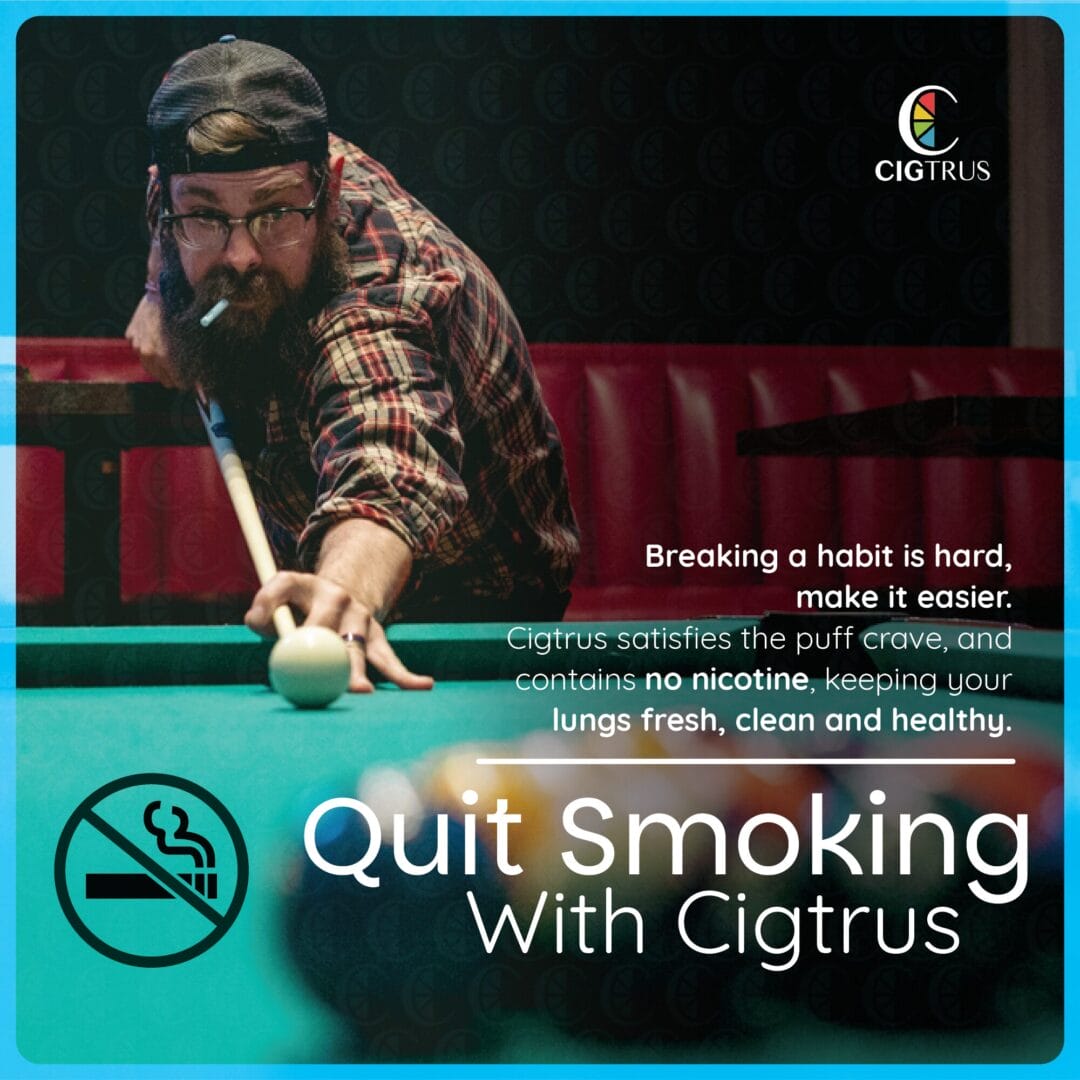
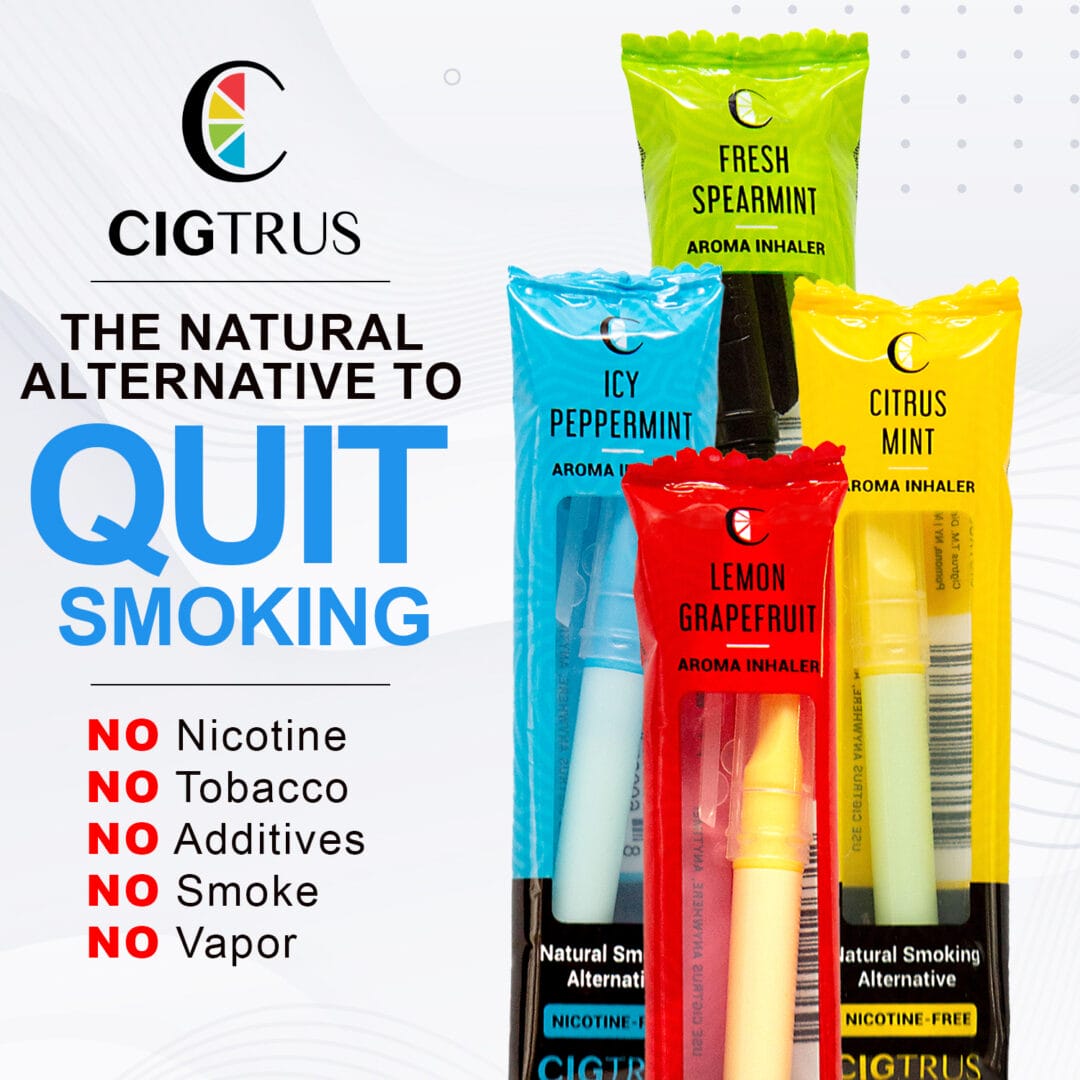
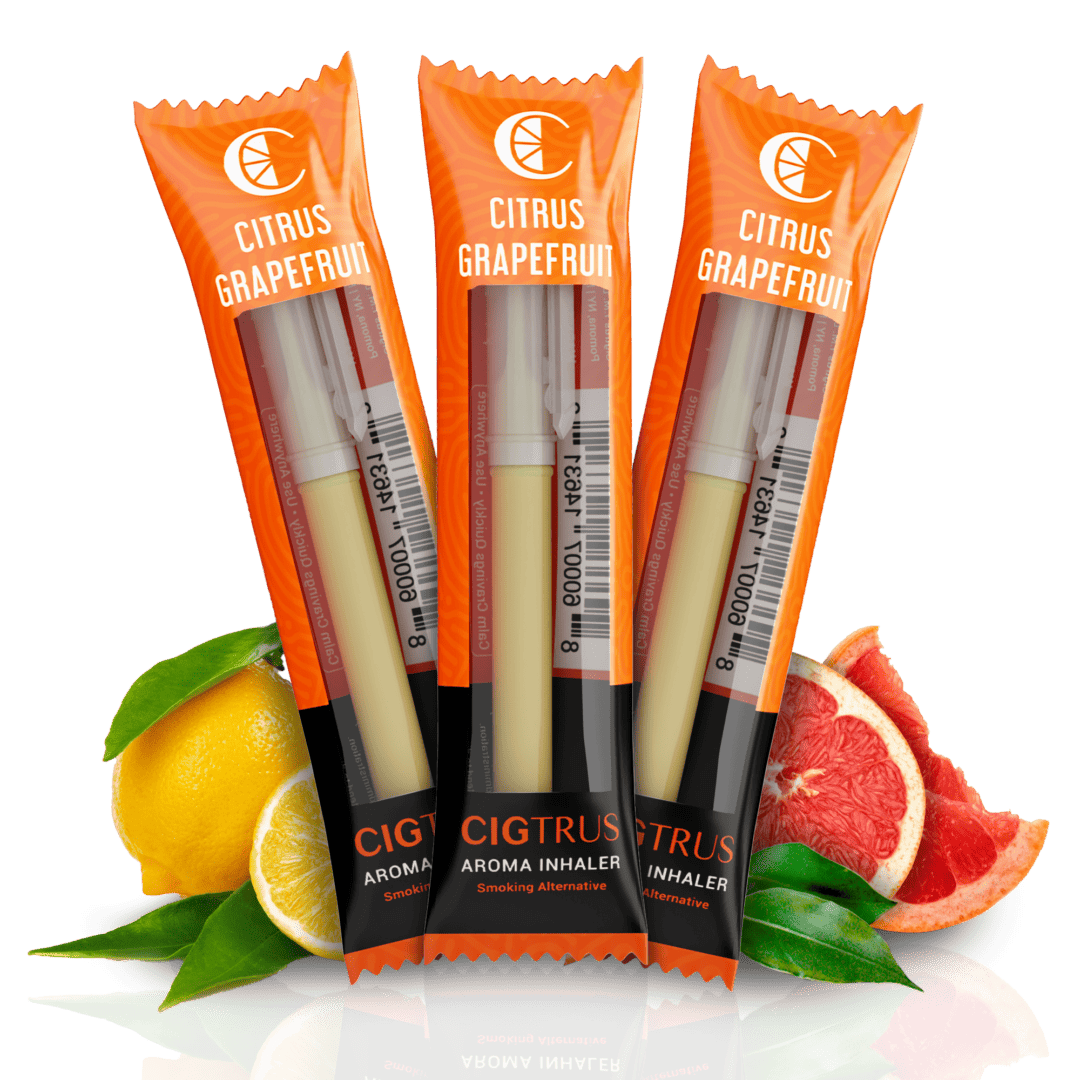
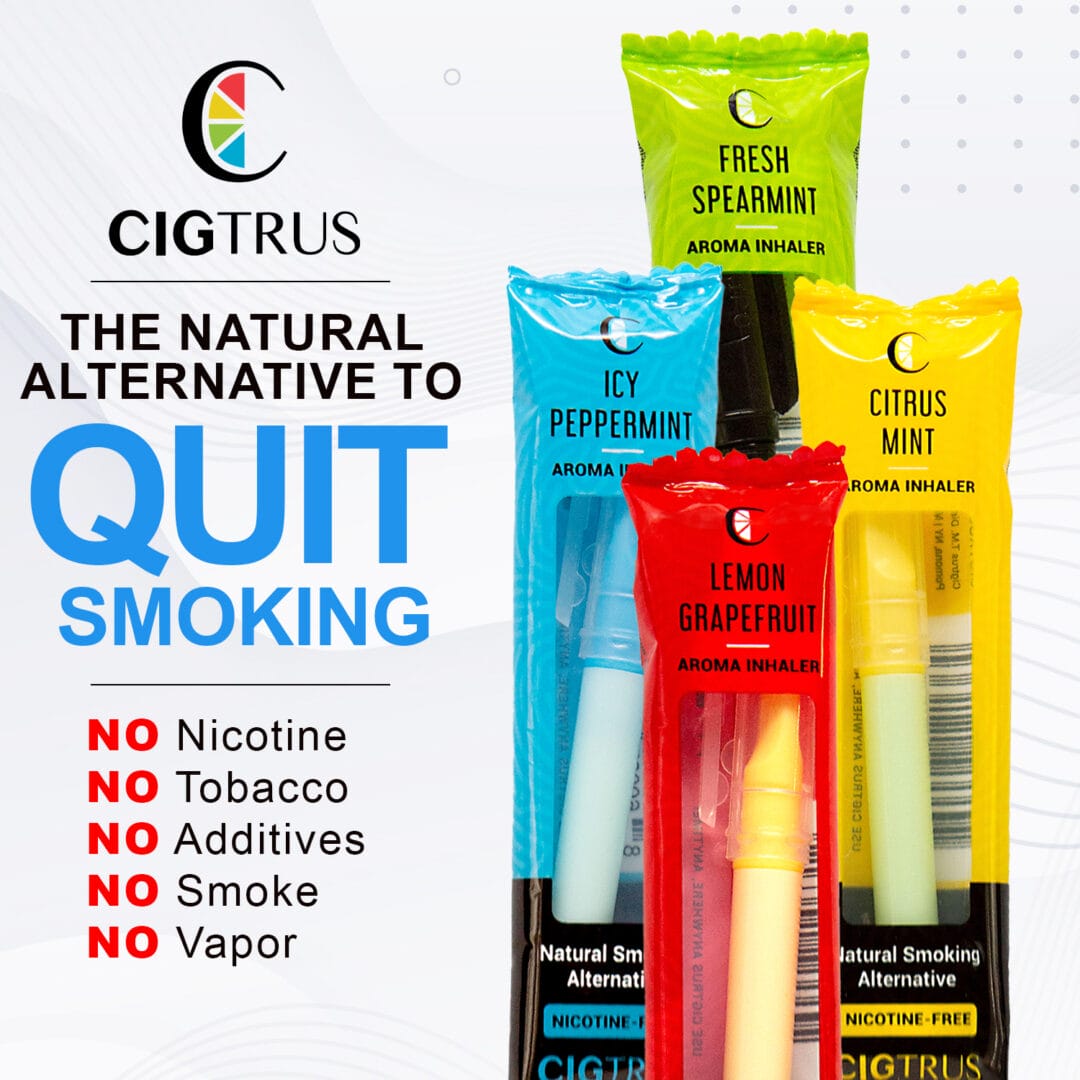
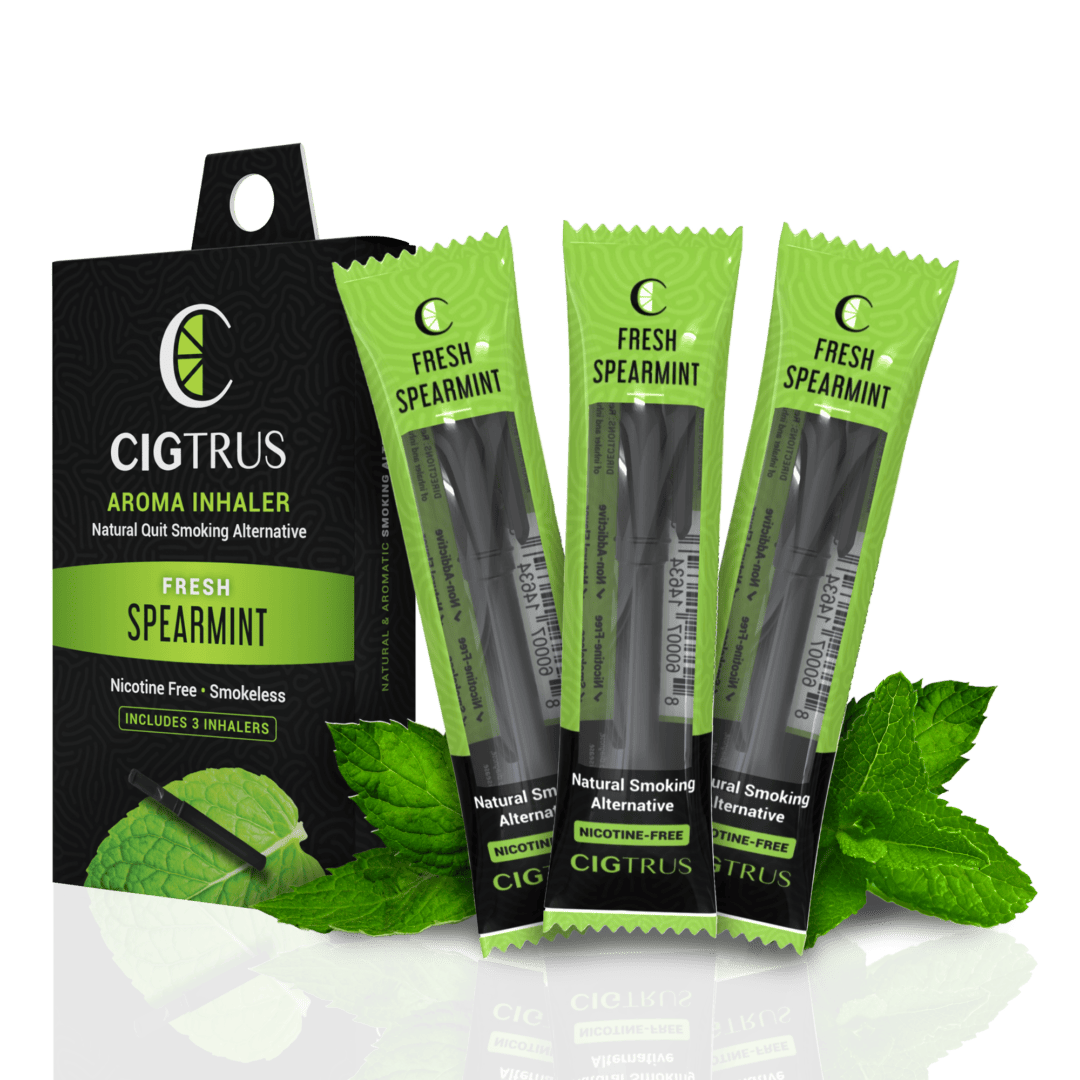
Cigtrus represents a smoke free inhaler designed specifically as a natural alternative to quit smoking. Its purpose differs from vaping devices. Rather than delivering nicotine, it supports individuals who want to move away from cigarettes while breaking the routine that often keeps the habit alive.
Understanding this distinction becomes easier when examining how Cigtrus works. The product follows a three fold approach designed to target the behavioral side of smoking addiction.
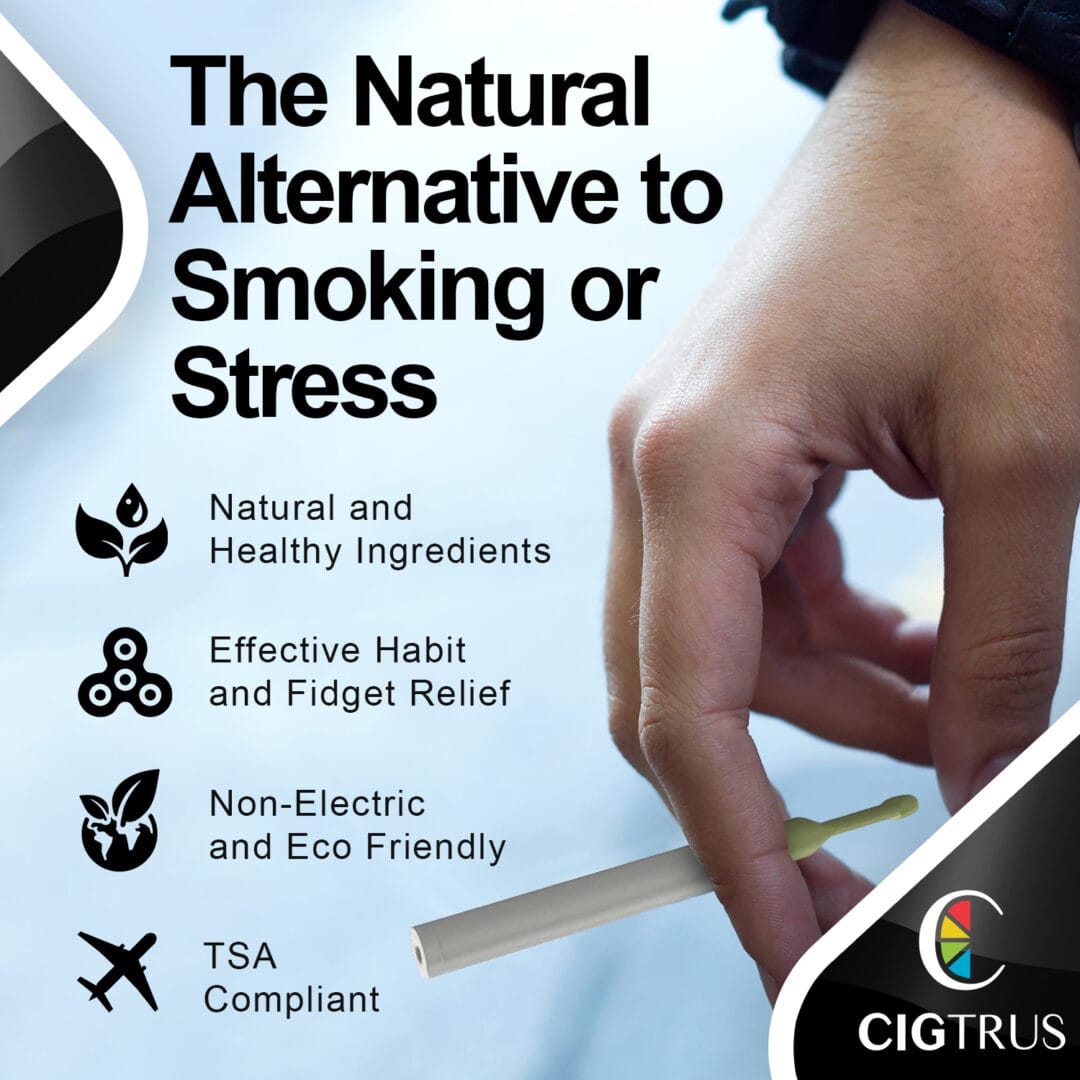
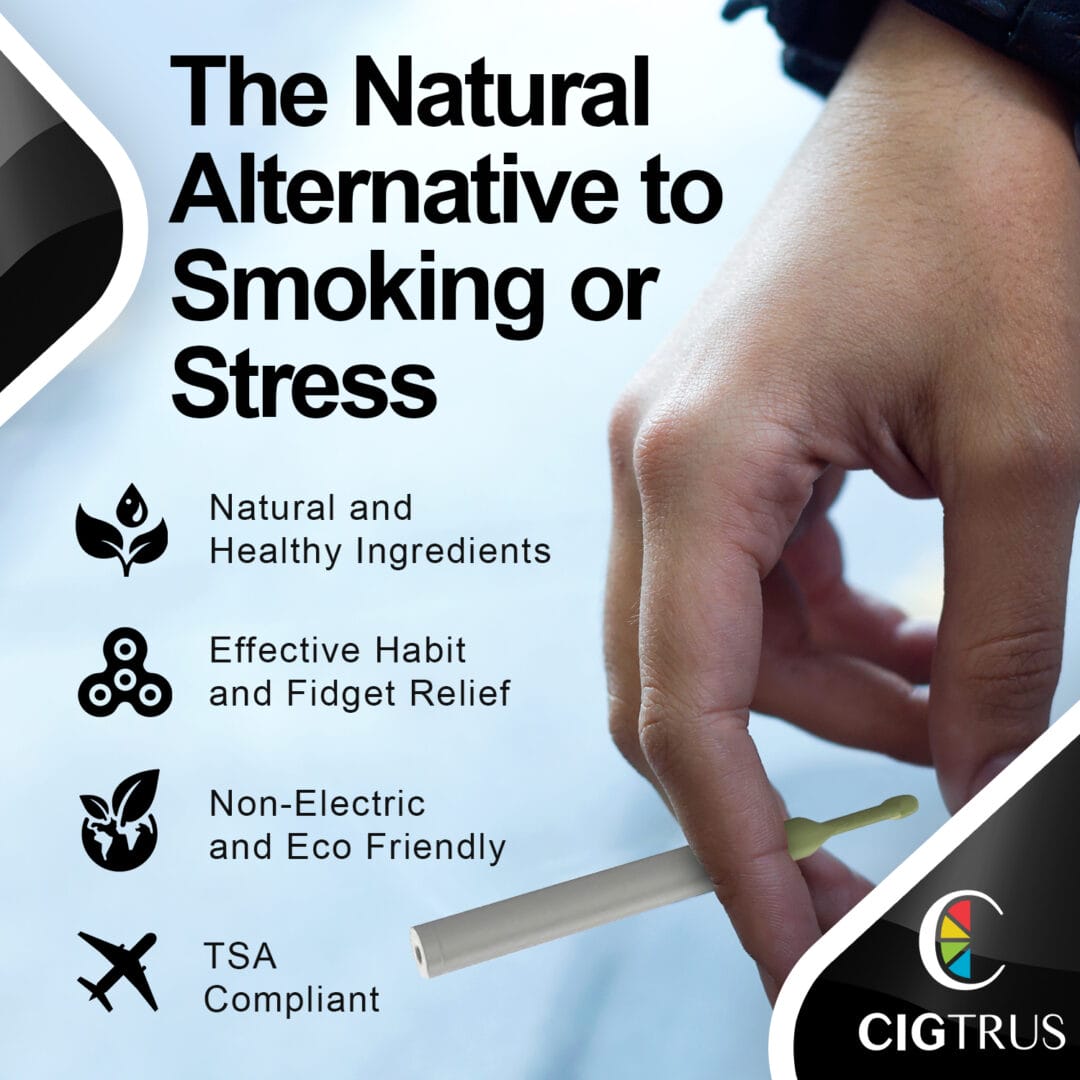
The first element addresses oral fixation. The hand to mouth habit plays a major role in smoking behavior. Many smokers feel uncomfortable when that motion disappears. Cigtrus satisfies the physical habit of bringing something to the mouth without introducing nicotine or tobacco. This allows users to maintain the routine while transitioning away from cigarettes.
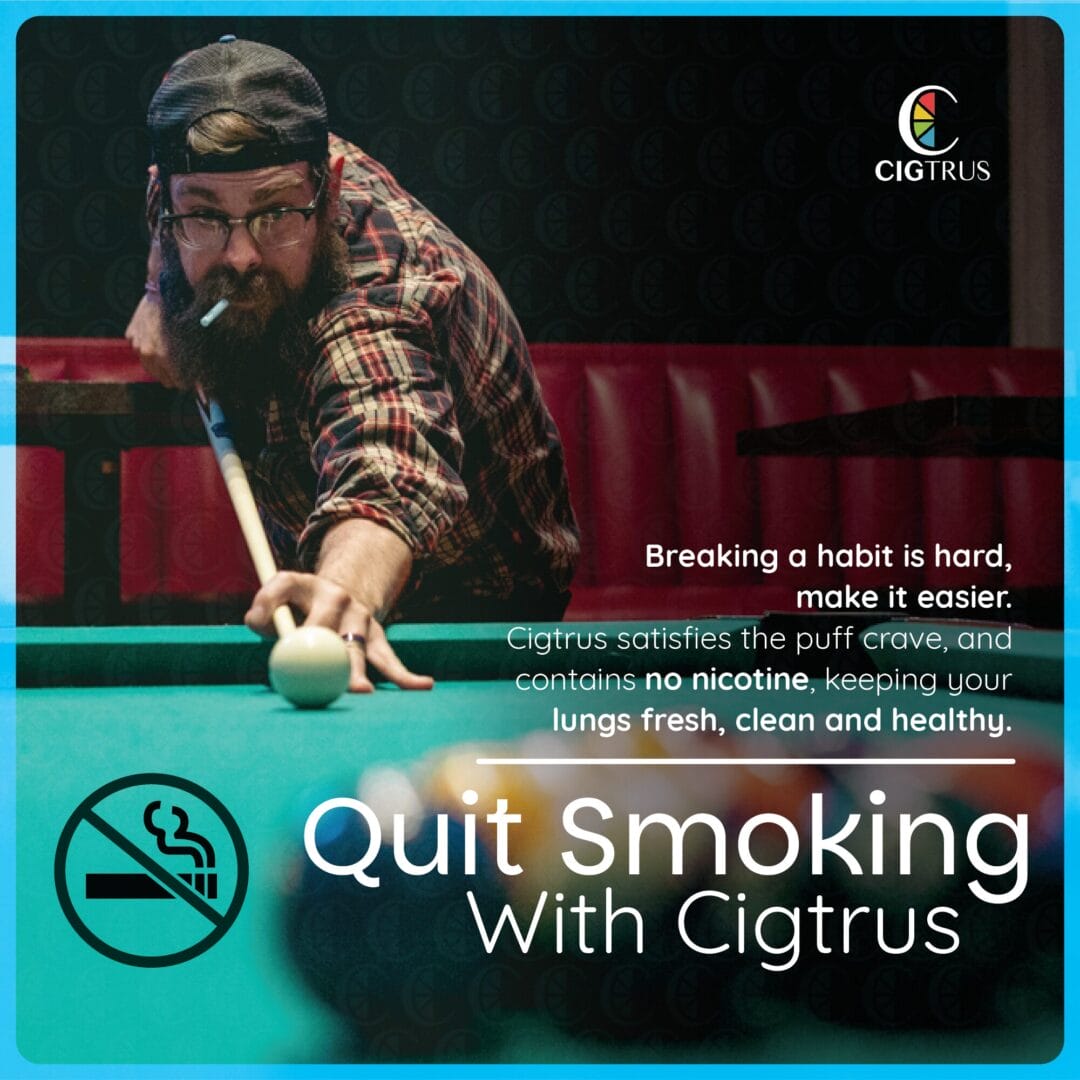
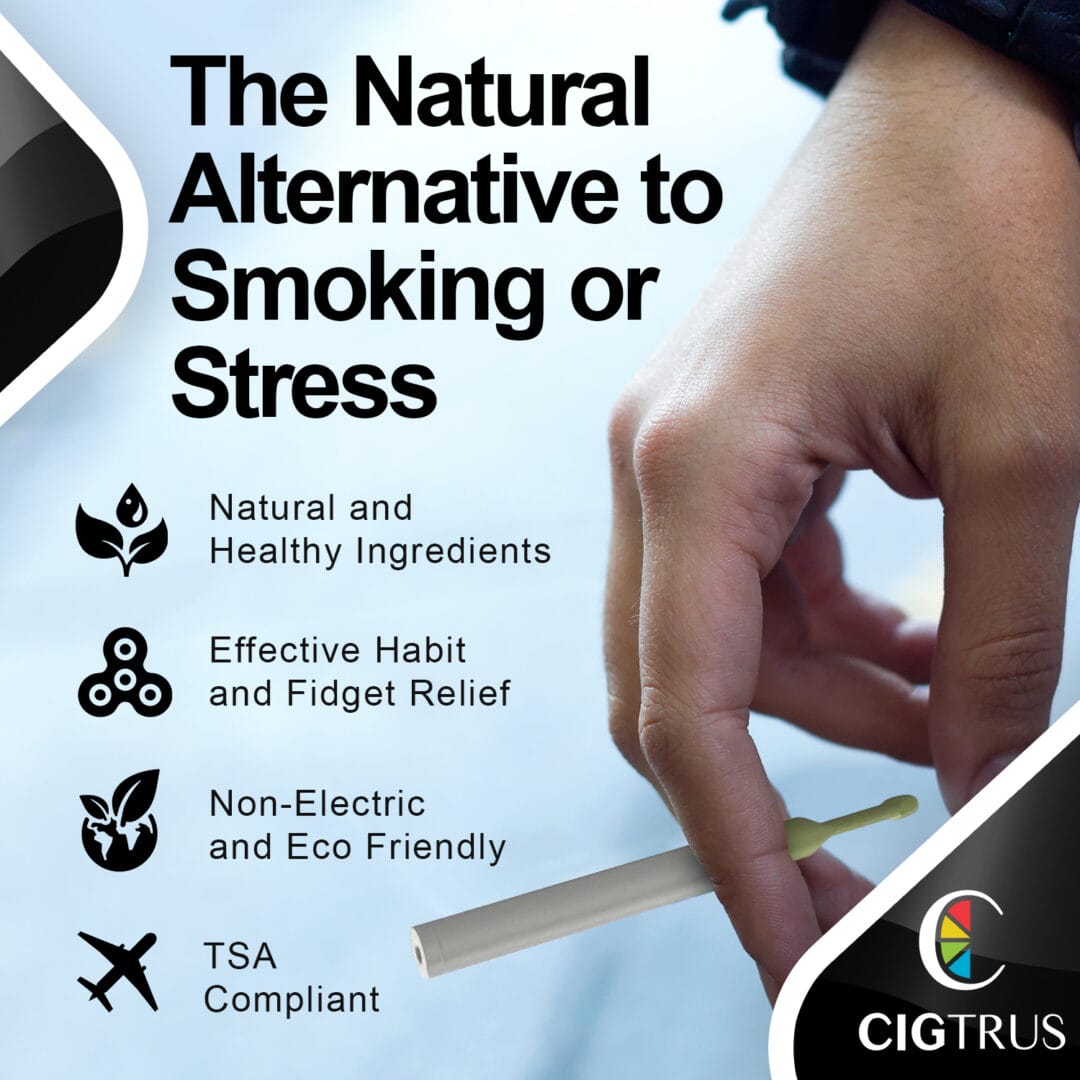
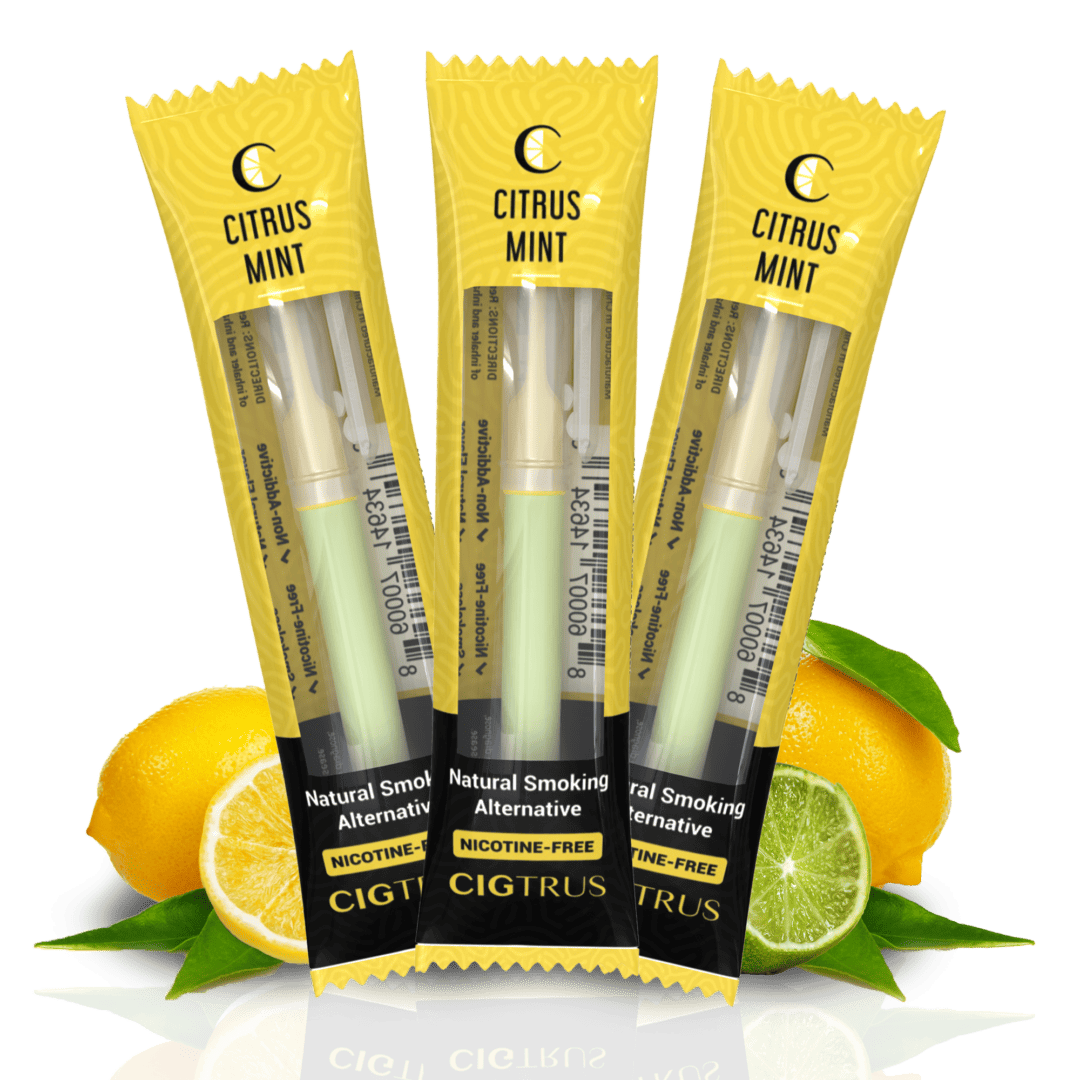
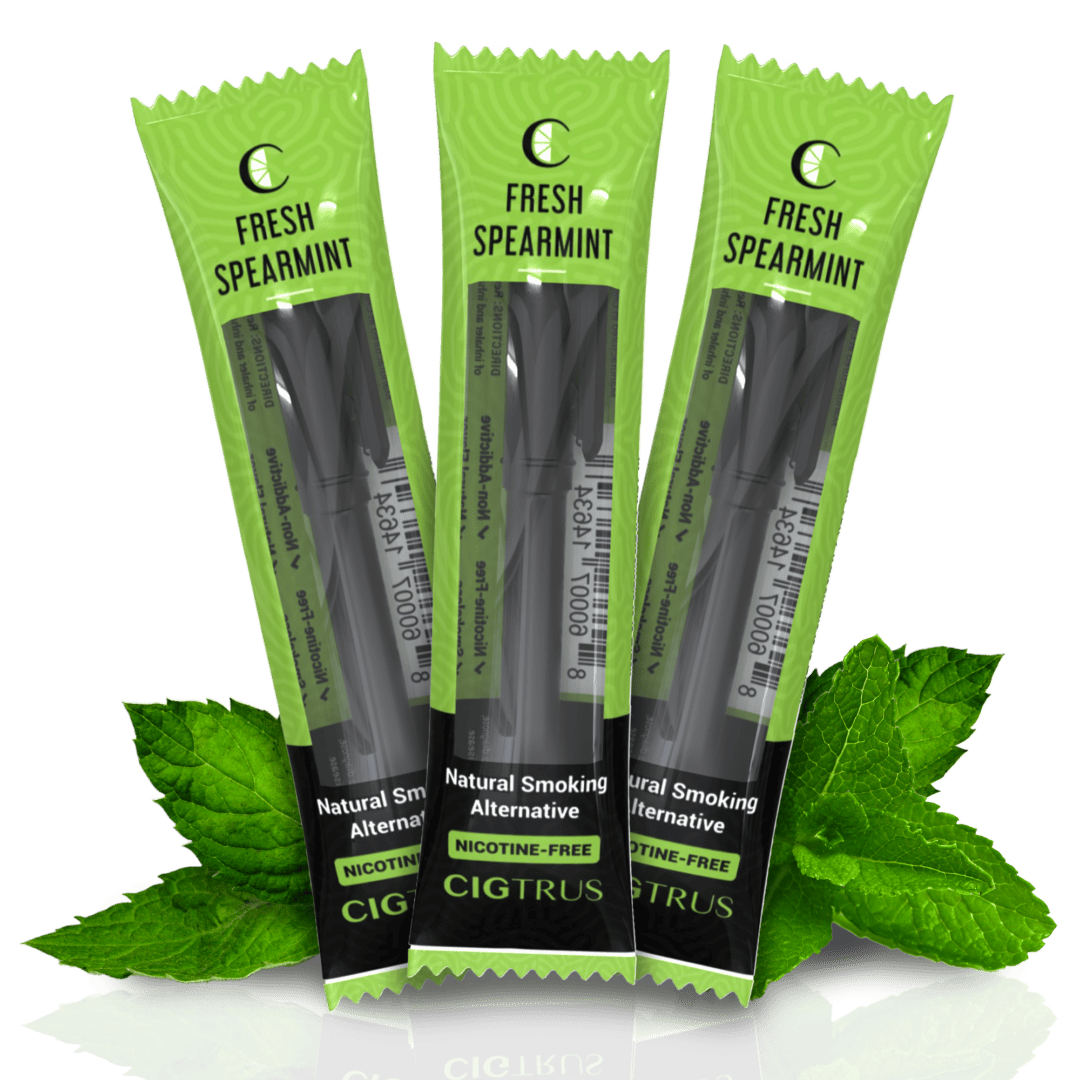
The second element focuses on natural ingredients. Cigtrus uses 100 percent natural, food grade ingredients. It is nicotine free and tobacco free. By eliminating these substances, the inhaler avoids reinforcing chemical dependence. Instead, it provides a cleaner behavioral support tool.
The third element targets craving reduction. Cigtrus uses strong citrus and mint aromas that stimulate the senses. These scents help distract attention away from cigarette cravings. Engaging smell and taste provides a mental shift during moments when the urge to smoke appears.
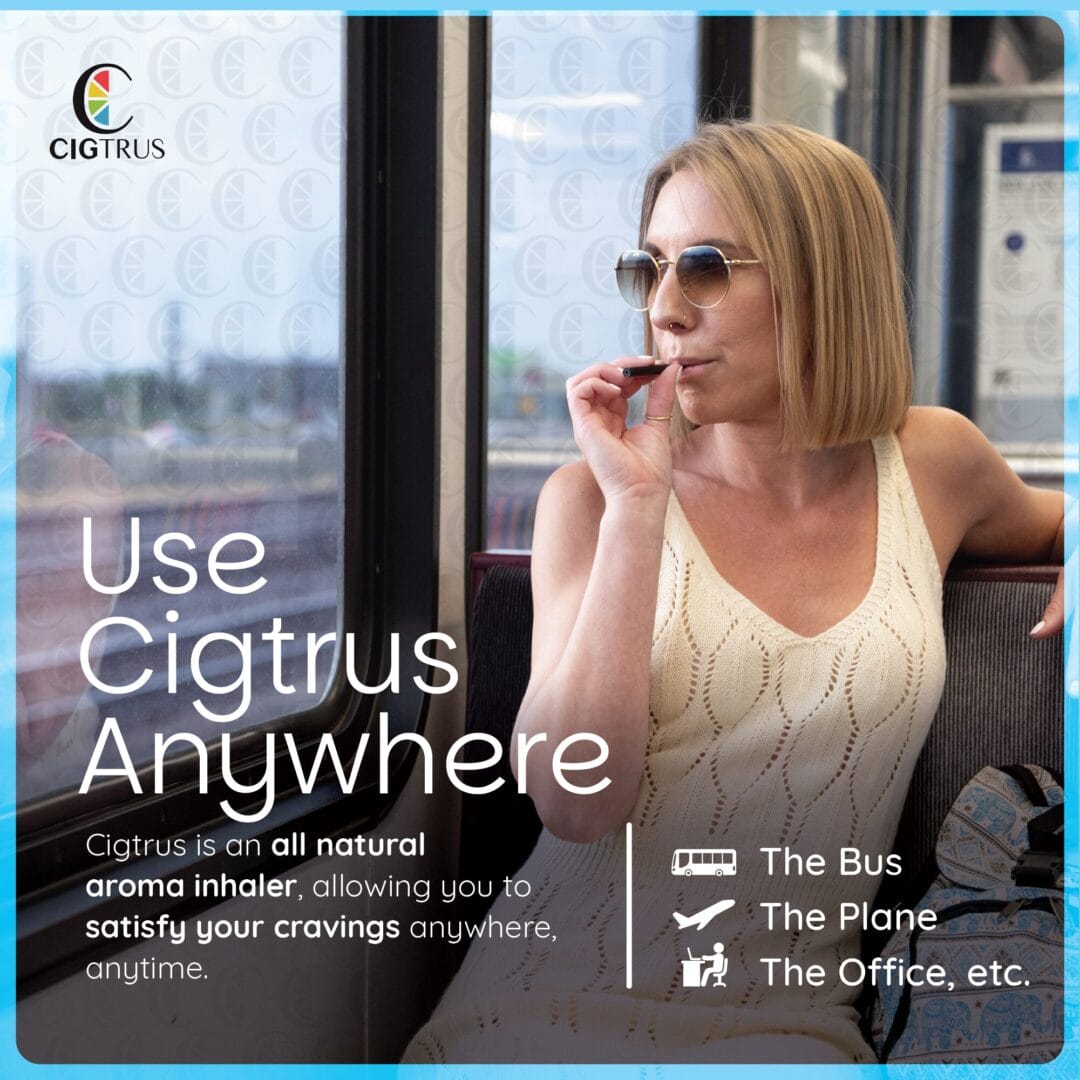
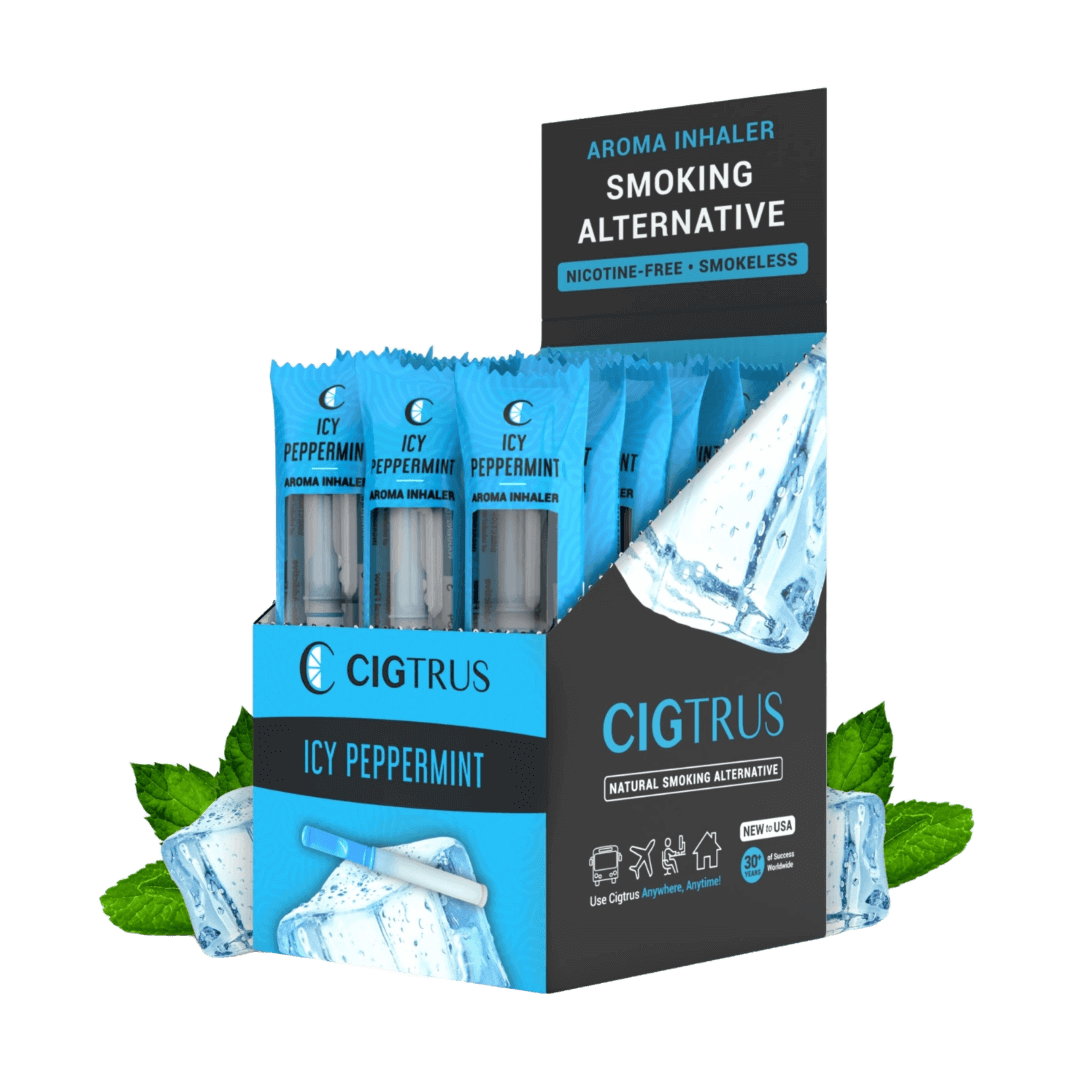
It is important to understand that Cigtrus is not an e cigarette. It does not heat liquid, produce vapor, or deliver nicotine. Instead, it functions as a behavioral aid designed to help break the smoking routine and replace it with a healthier habit.
Another difference between smoke free inhalers and vapes involves the purpose of use. Many people who vape continue using nicotine long term. The device replaces cigarettes but may not reduce dependence. For some individuals, vaping becomes a new habit rather than a step toward quitting.
A smoke free inhaler focuses on helping individuals detach from smoking behaviors. Because it does not contain nicotine, it encourages users to gradually separate stress relief, social habits, and daily routines from cigarette use.
The sensory experience also differs. Vapes produce visible vapor clouds because the liquid solution turns into aerosol when heated. This effect often becomes part of the appeal. Users see and feel vapor when they exhale.
Smoke free inhalers do not create vapor clouds. Instead, they deliver subtle sensory cues such as aroma or airflow that replicate the breathing pattern of smoking without producing smoke or vapor.
Maintenance requirements create another distinction. Vapes often require charging batteries, replacing coils, and refilling liquid cartridges. Users must monitor the device to keep it functioning properly.
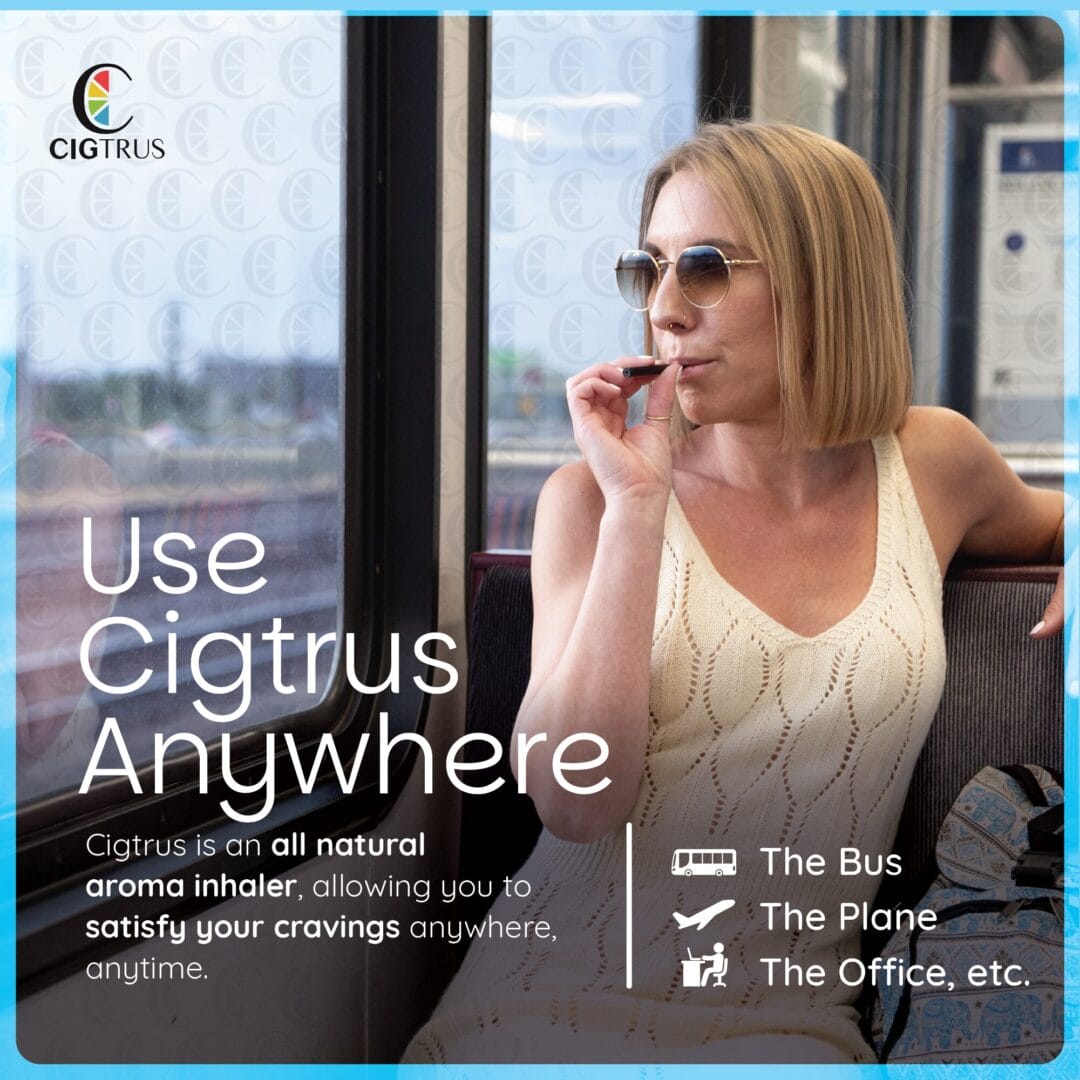
Smoke free inhalers like Cigtrus operate without electronics or heating elements. The design remains simple and portable. This simplicity appeals to individuals who want a straightforward tool that does not require maintenance or charging.
The psychological impact also differs. Vapes can continue reinforcing nicotine reward cycles because they deliver the same stimulant found in cigarettes. Each inhalation still activates dopamine pathways associated with addiction.
A nicotine free inhaler focuses on retraining the brain to function without that chemical trigger. Instead of stimulating addiction, it helps users shift attention and build new habits during moments of stress or craving.
For many smokers, the challenge of quitting involves more than nicotine. The ritual of smoking becomes embedded in daily life. Morning coffee, work breaks, driving, and social gatherings often revolve around cigarettes. Removing that ritual can feel uncomfortable.
Cigtrus supports this transition by maintaining the familiar breathing and hand to mouth motion while removing the harmful elements of smoking. As a natural alternative to quit smoking, it helps bridge the gap between habit and recovery.
Another advantage of smoke free inhalers involves simplicity during stressful moments. When cravings appear, having a quick behavioral substitute can interrupt the urge. Instead of reaching for a cigarette, the user engages with a healthier replacement.
This behavioral interruption plays a critical role in long term change. Over time, the brain stops associating stress or boredom with cigarettes. New routines form that no longer involve nicotine.
It is also important to consider the goal behind choosing an alternative. Some individuals seek a reduced smoke option while continuing nicotine use. Others want to eliminate nicotine entirely and focus on breaking the habit.
Smoke free inhalers align more closely with the second goal. They support people who want to detach from the entire smoking cycle rather than simply replacing the delivery method.
Education helps individuals make informed decisions about these options. Understanding the difference between nicotine delivery devices and behavioral support tools prevents confusion and supports realistic expectations.
Quitting smoking rarely depends on a single change. It often involves combining several strategies such as breathing techniques, physical activity, structured routines, and supportive tools that reduce cravings.
Cigtrus contributes to this process by offering a natural alternative to quit smoking that addresses the behavioral side of addiction. By satisfying oral fixation, using natural ingredients, and providing citrus and mint aromas that distract from cravings, it helps users move away from cigarettes while building healthier habits.
When comparing smoke free inhalers and vapes, the most important distinction lies in their purpose. Vapes typically deliver nicotine through vaporized liquid. Smoke free inhalers remove nicotine entirely and focus on helping individuals break the smoking routine.
Understanding that difference allows smokers to choose the option that best supports their journey toward a smoke free life.


$20.99


$20.99




$349.99




$89.99


$89.99

$89.99






$89.99

$18.99

CIGTRUS offers nicotine-free,
refreshing-flavored smokeless inhalers to facilitate quitting smoking.
Subscribe to our Newsletter to get the latest news and insights
By subscribing, you accept the Privacy Policy.