
Oral Fixation and Smoking, Why Your Hands Miss the Habit
You quit smoking. The nicotine is out of your system. But your hands still reach. Your mouth still wants something. This is oral fixation, and it is one of the most overlooked reasons people go back to smoking after they have already quit.
This article explains what oral fixation actually is in the context of smoking, why it keeps pulling people back, and what you can do about it.
What Is Oral Fixation in Smokers
Oral fixation in smokers is not a personality flaw or a weakness. It is a deeply conditioned behavioral response that develops over years of smoking.
Every time you lit a cigarette you reinforced a specific physical routine, your hand moved to your mouth, you inhaled, you paused. Your brain filed this routine under “this is how we handle this moment.” Over thousands of repetitions that connection became automatic.
The result is that your body does not just crave nicotine. It craves the entire physical experience, the reach, the hold, the inhale, the exhale. This is oral fixation as it applies to smoking. And it is completely separate from the chemical addiction to nicotine.
“Many people successfully eliminate nicotine from their system and still find themselves reaching for a cigarette weeks later. That pull is not chemical, it is behavioral. It is oral fixation.”
Why Oral Fixation Develops in Smokers
The Three Reasons It Takes Hold
Repetition builds automatic behavior
A pack-a-day smoker lights up roughly 7,300 times a year. After five years that is over 36,000 repetitions of the same physical motion. The brain stops making decisions about it, the motion becomes completely automatic.
Triggers become deeply connected
Smoking gets attached to specific moments, stress, after meals, morning coffee, driving. These triggers fire the behavioral signal automatically. The urge appears before conscious thought does.
The mouth and hands expect stimulation
Your body developed a physical expectation. In certain moments it expects something in your hand and something at your mouth. When that expectation goes unfulfilled the discomfort feels like a craving, even without nicotine.
The Moments Oral Fixation Hits Hardest
Oral fixation in smokers does not appear randomly. It fires at specific predictable moments that became connected to smoking over the years.
Morning Coffee
For most smokers the first cigarette of the day was paired with coffee for years. The two became inseparable in the brain’s routine.
After Meals
One of the strongest oral fixation triggers. The post-meal cigarette was a ritual that signaled the end of eating for millions of smokers.
Stress Moments
The cigarette was the pause and reset during stressful moments at work, at home, in traffic. The hands reach automatically when pressure rises.
Driving
Long drives and commutes became deeply connected to smoking for many people. The hands are occupied but the mouth expects stimulation.
Boredom
Waiting, downtime, idle moments, the hands reach for something to do and the mouth reaches for something familiar.
Social Situations
Around other smokers or in certain social environments the behavioral trigger fires even years after quitting.
Signs You Are Experiencing Oral Fixation After Quitting
If you have quit smoking but still experience any of the following, oral fixation is likely part of what you are dealing with:
What You Can Do About It
The most effective way to manage oral fixation after quitting smoking is to replace the behavioral routine rather than resist it. Trying to fight the urge with nothing is one of the main reasons people relapse, the body is not asking for nicotine, it is asking for the familiar routine.
Here are the most effective replacement strategies:
Nicotine-Free Smokeless Inhaler
Gives your hands and mouth the familiar motion without any nicotine, vapor, or smoke. The most direct replacement for the hand-to-mouth habit, used in any situation, anywhere.
Best for: Habit replacementShort Walks at Trigger Moments
Changing your physical environment when a trigger hits helps break the automatic response. A two-minute walk changes the context the brain associates with smoking.
Best for: Breaking the trigger loopWater or Herbal Tea
Gives the mouth something to do at trigger moments. Less effective than an inhaler for the hand-to-mouth motion but helpful as a secondary support.
Best for: Mild triggersBreathing Exercises
The deep inhale and exhale of a cigarette was part of its calming effect. Deliberate breathing exercises replicate that rhythm without any substance.
Best for: Stress triggersOf these options a nicotine-free smokeless inhaler is the most direct replacement because it specifically addresses the hand-to-mouth motion, which is the core of oral fixation in smokers. It gives your hands and mouth the familiar physical response without feeding any dependency.
How Cigtrus Addresses Oral Fixation Directly
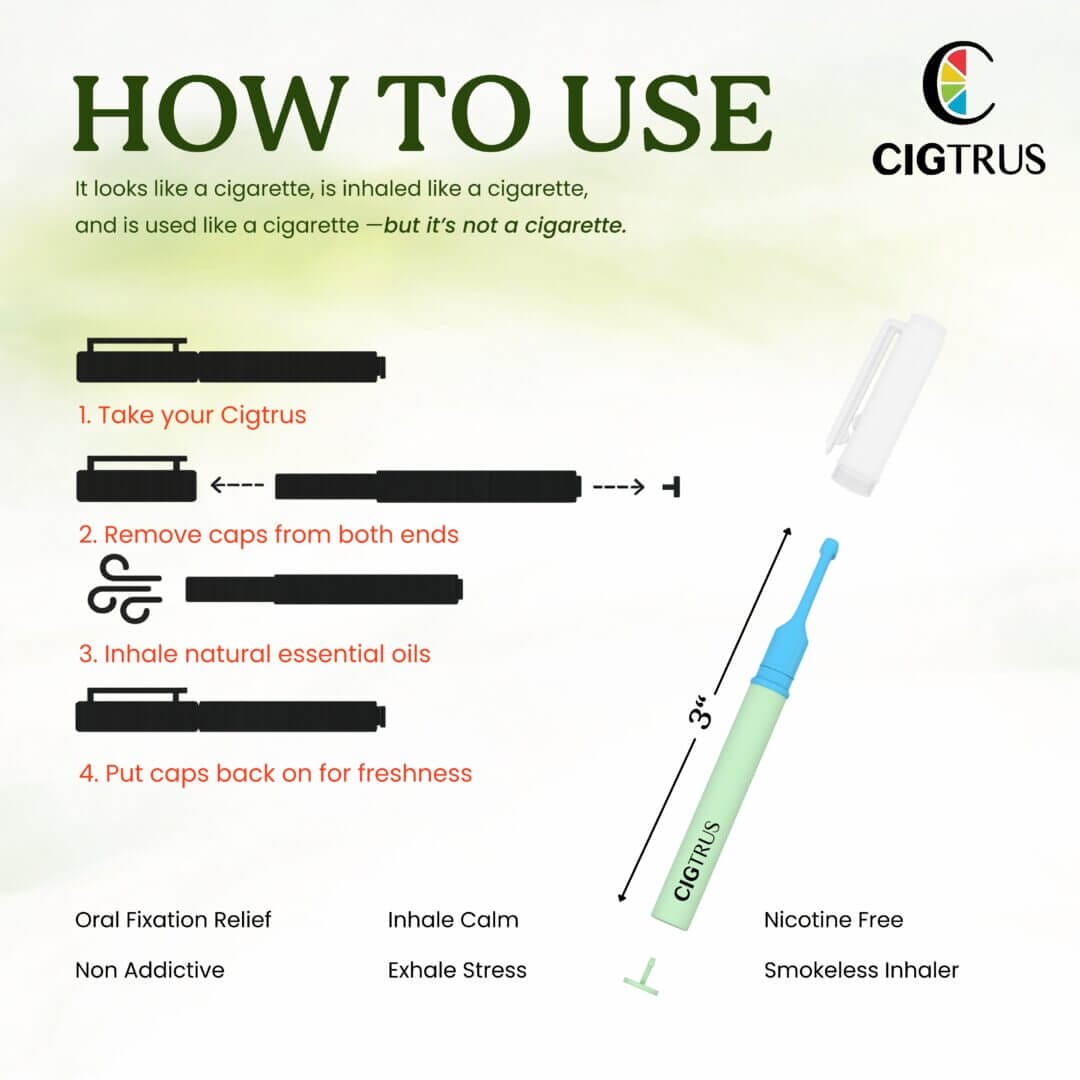
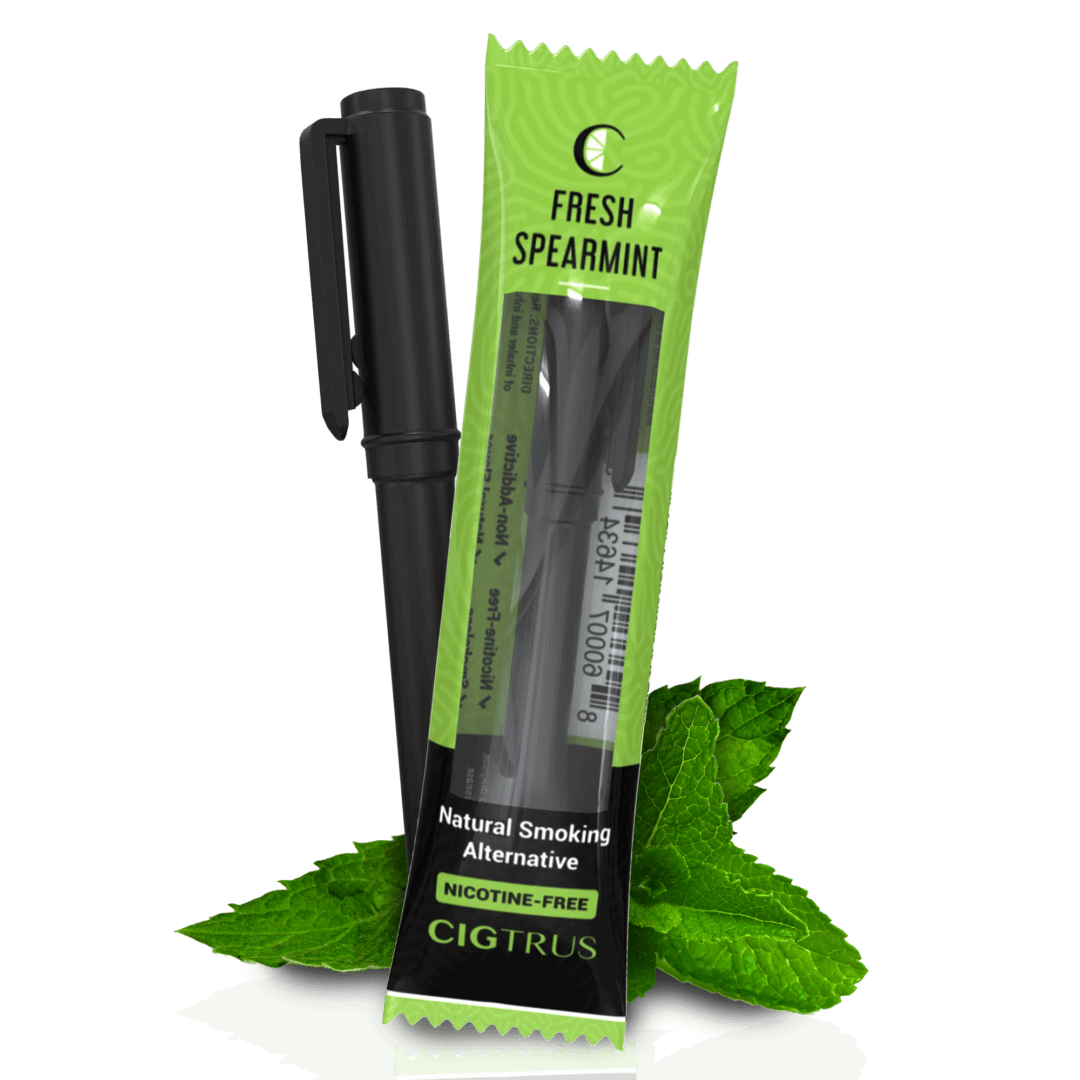
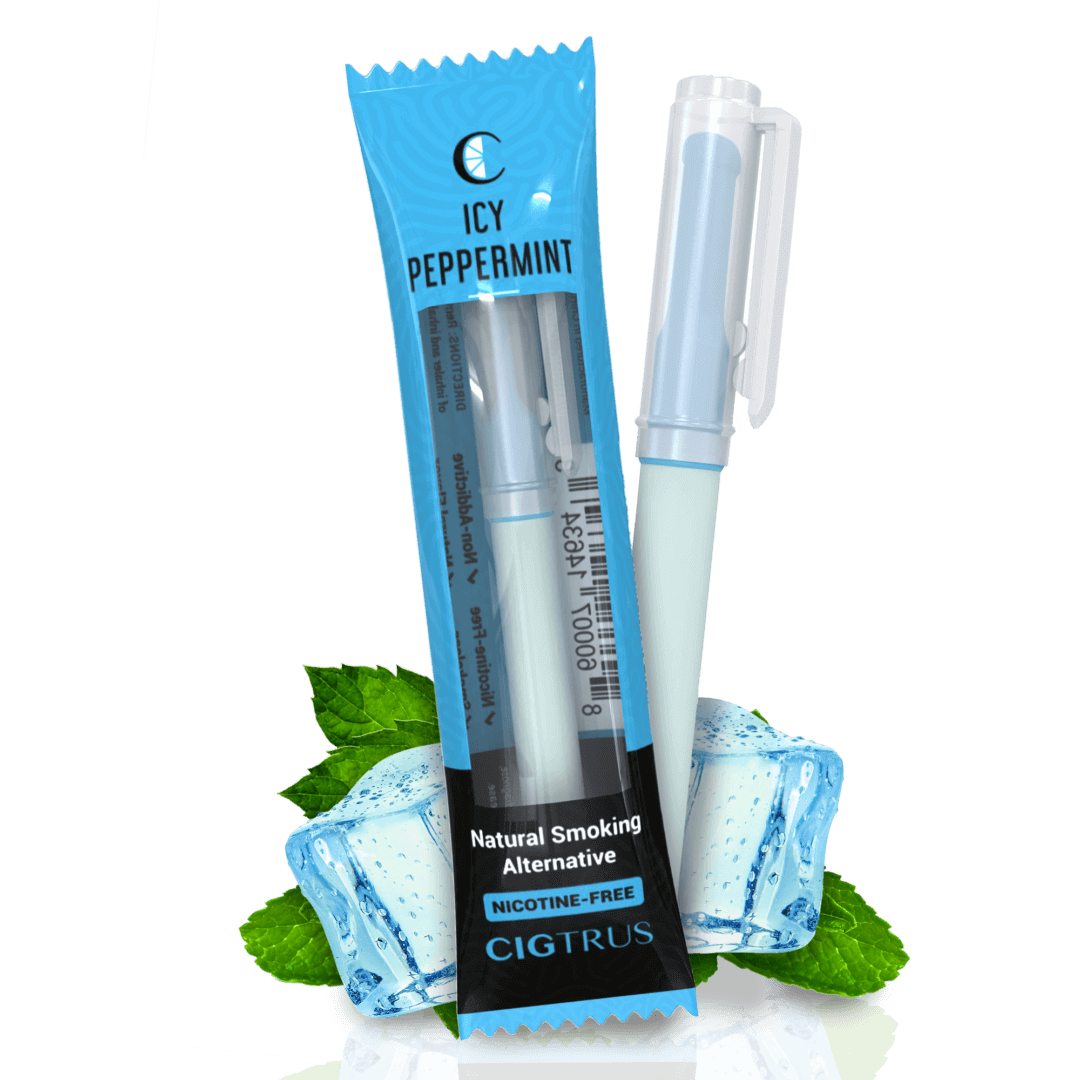
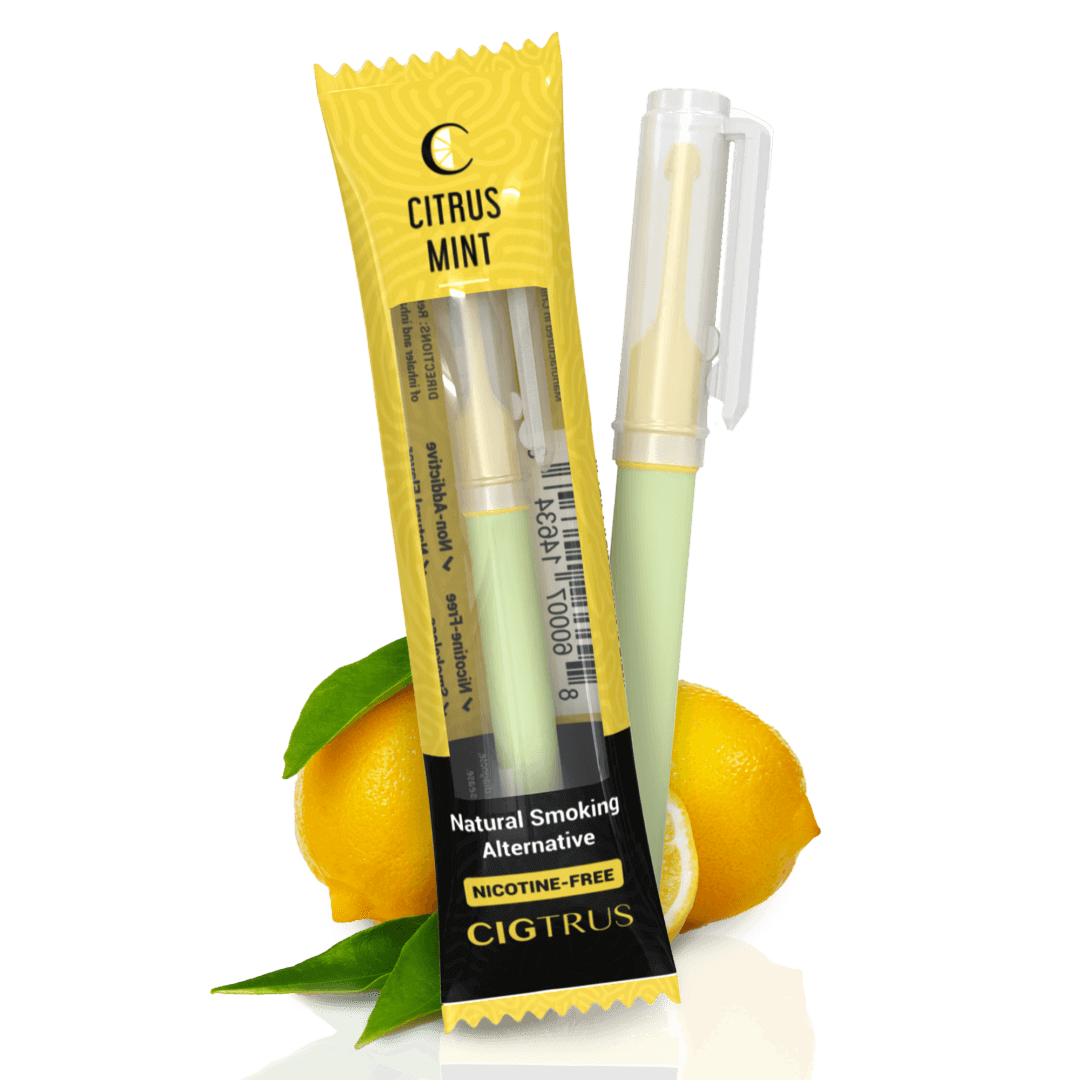
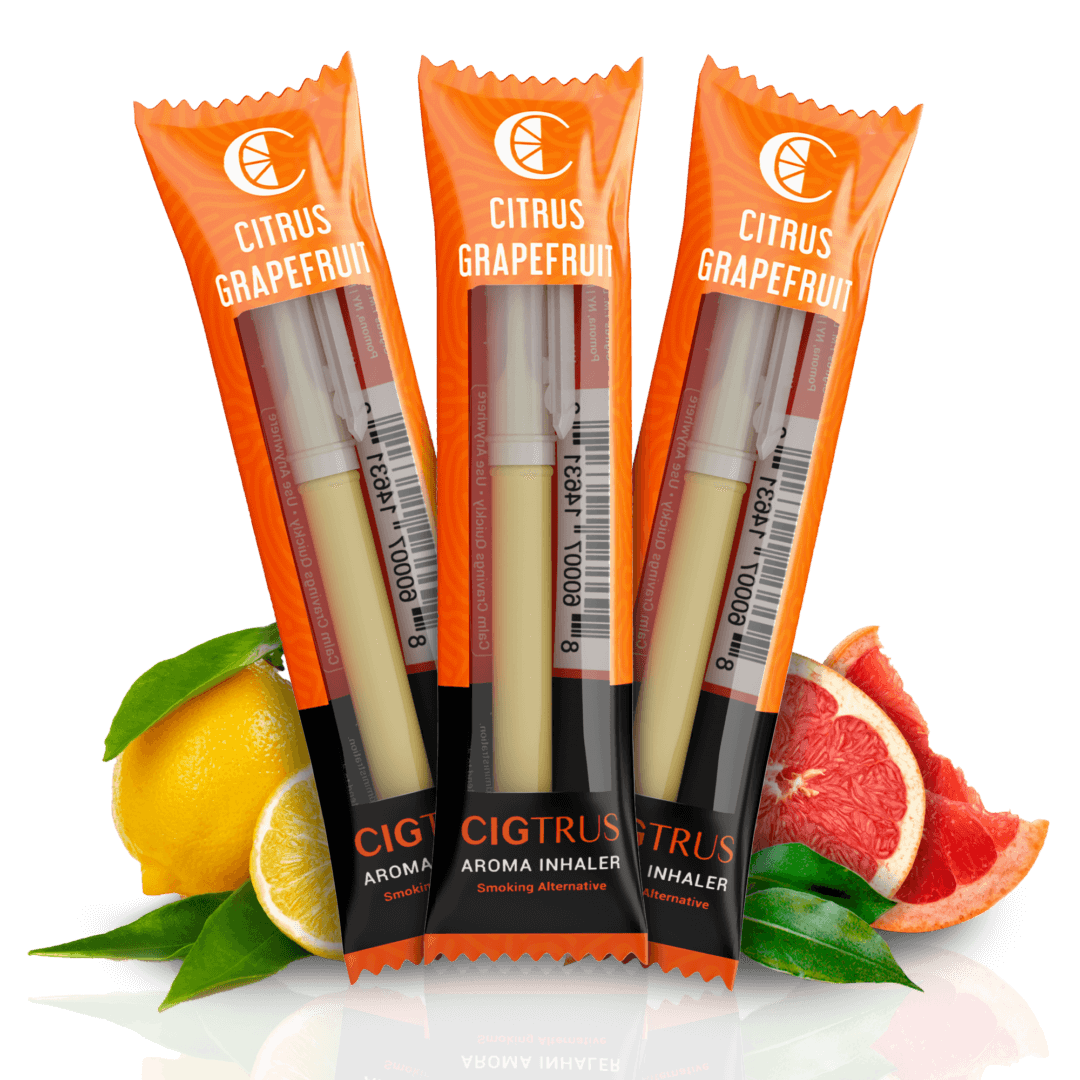
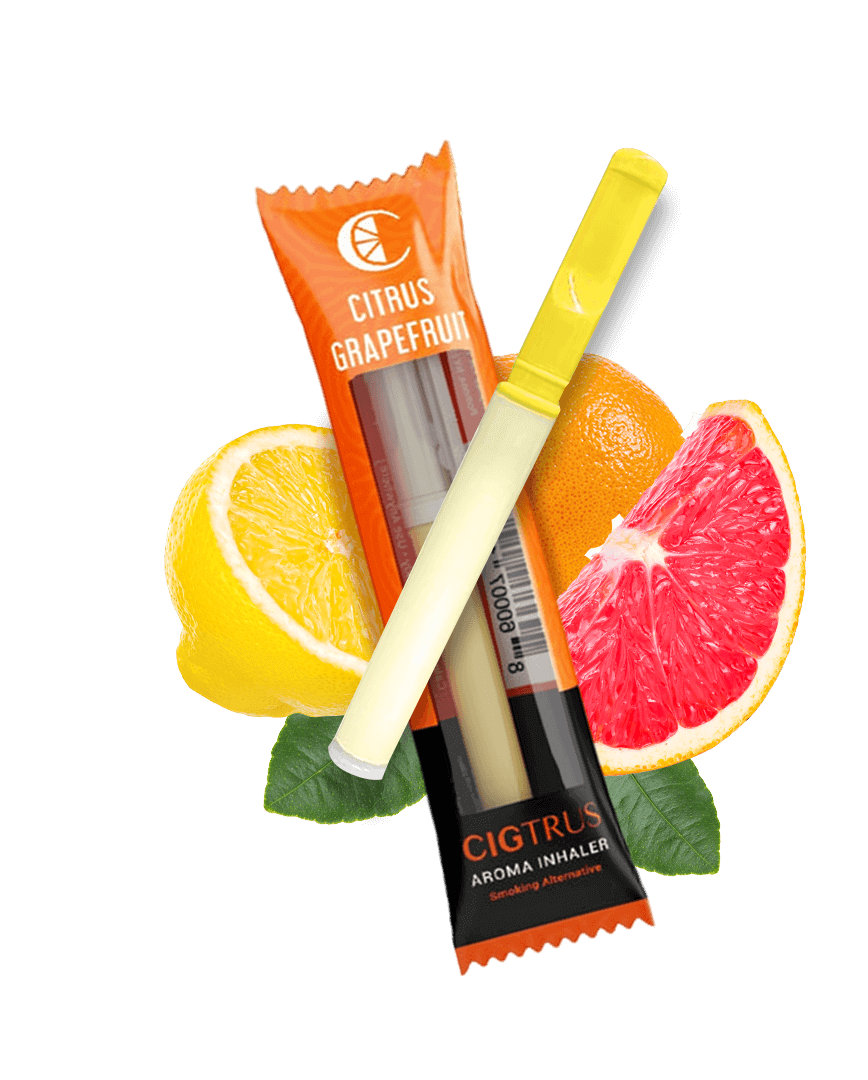
Cigtrus is a nicotine-free, smokeless inhaler designed specifically to replace the hand-to-mouth habit associated with smoking and vaping. No nicotine, no vapor, no smoke, no battery.
When a trigger moment hits, the stress, the after-meal pause, the commute, instead of reaching for a cigarette, you reach for Cigtrus. Your hands get the motion. Your mouth gets a light natural aroma. The behavioral loop gets redirected toward something completely clean.
It works because it is not asking your body to ignore the urge. It is giving it a better place to go.
Give Your Hands Somewhere Clean to Go.
Try all four flavors with the Variety Pack and find the one you will reach for when the habit kicks in.
👉 Shop the Variety Pack, $24.99