
Top 10 Smoke-Free Habit Strategies For Quitting Smoking
Quitting smoking is one of the most important steps you can take for your health. But most strategies fail because they only tackle nicotine, and completely ignore the habit that surrounds it.
Here are 10 practical, smoke-free strategies that address both sides, the chemical and the behavioral, to give you the best chance of quitting for good.
Understanding why you want to quit helps you stay consistent when the urge hits hardest. Whether it is your health, your family, your finances, or the way smoking makes you feel, write it down and keep it somewhere visible. A strong personal reason is more powerful than any product or method.
Quitting does not always have to happen all at once. Some people do better by reducing gradually while building smoke-free routines that replace specific smoking moments one at a time. Each small win builds momentum toward the bigger goal.
Smoking habits are tied to daily triggers, stress, boredom, after meals, driving, morning coffee. Recognizing these patterns lets you prepare a better response before the urge hits rather than reacting to it.
Many smokers realize their cravings are not only about nicotine, they are about routine and the habit that surrounds it.
Looking for something to replace the habit, not just the nicotine?
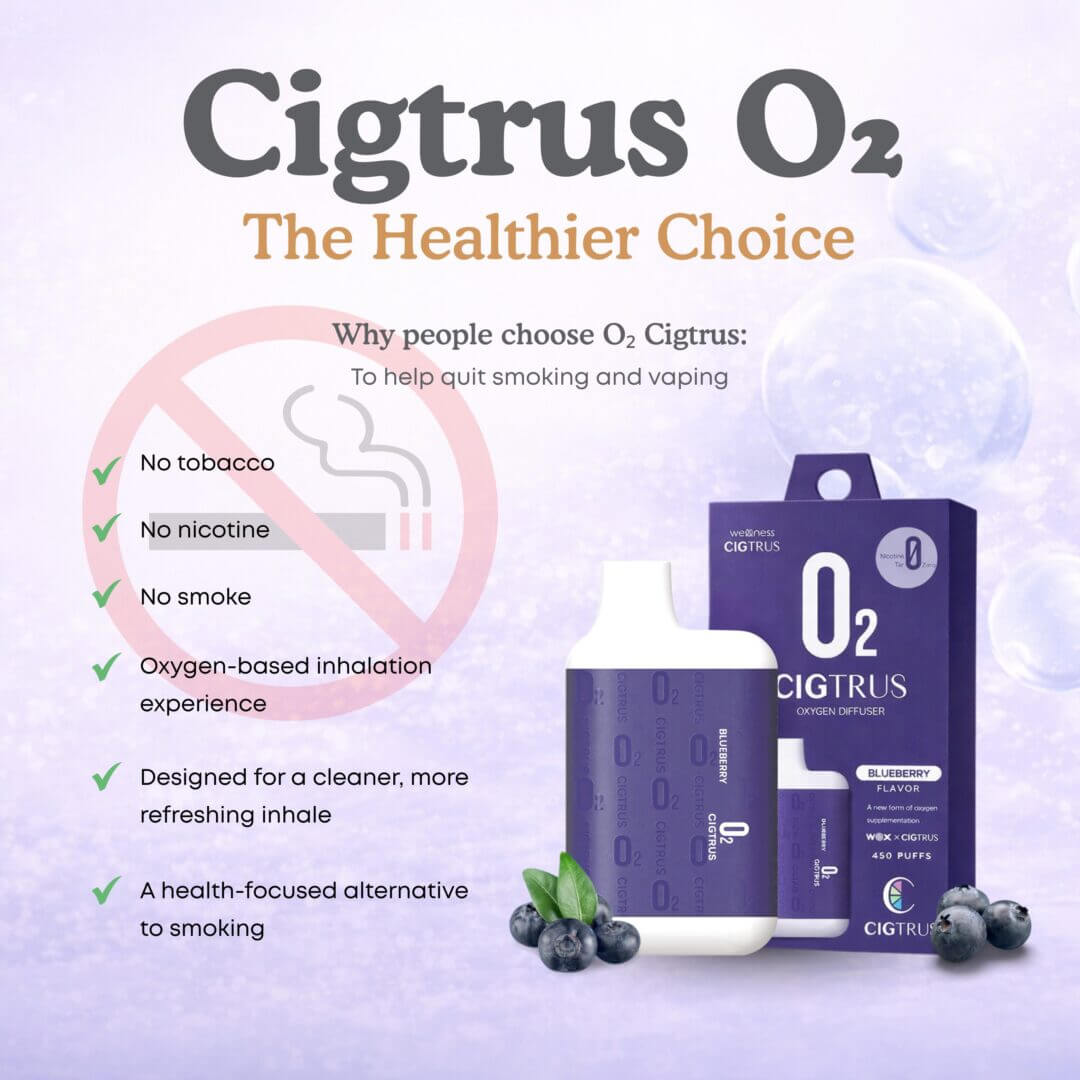
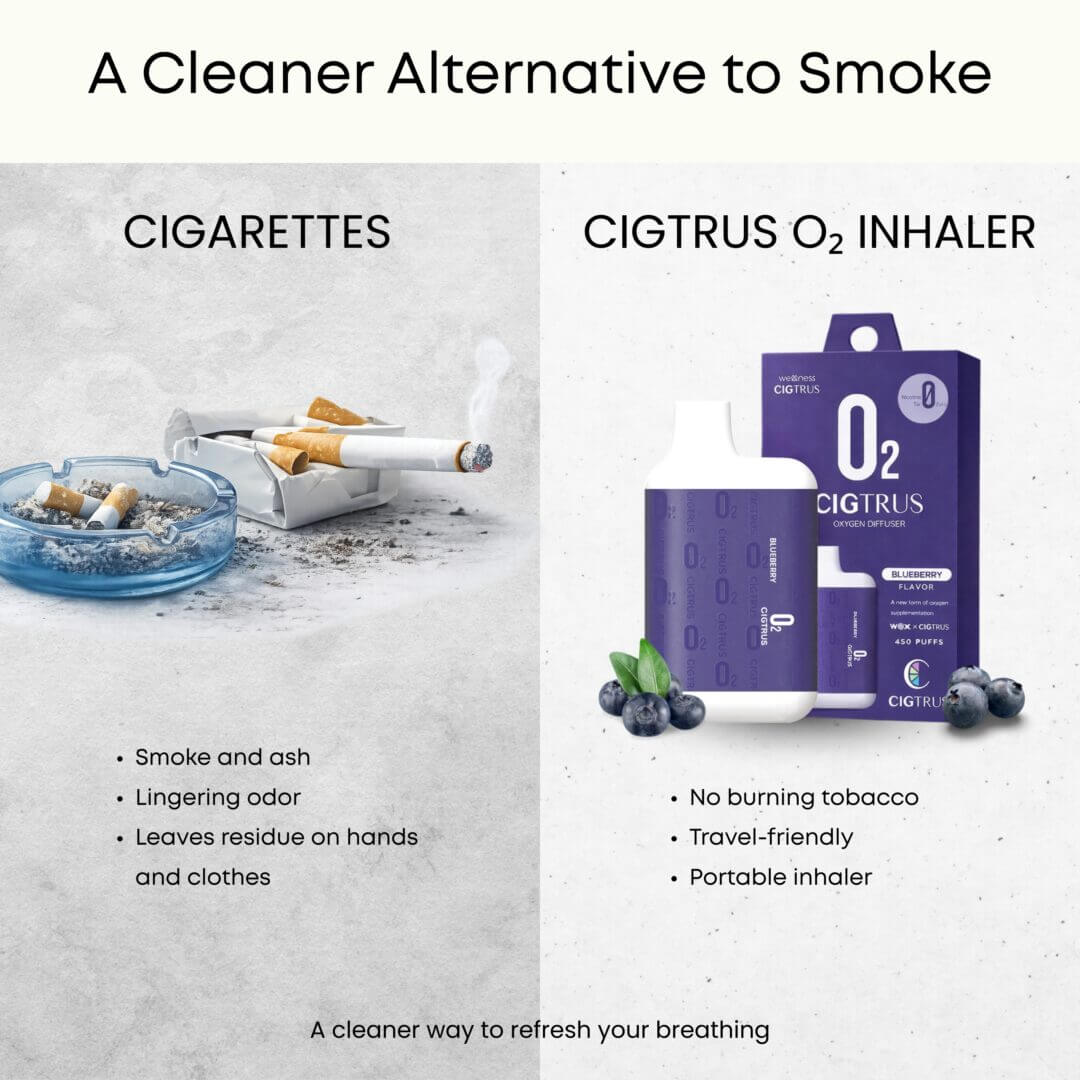
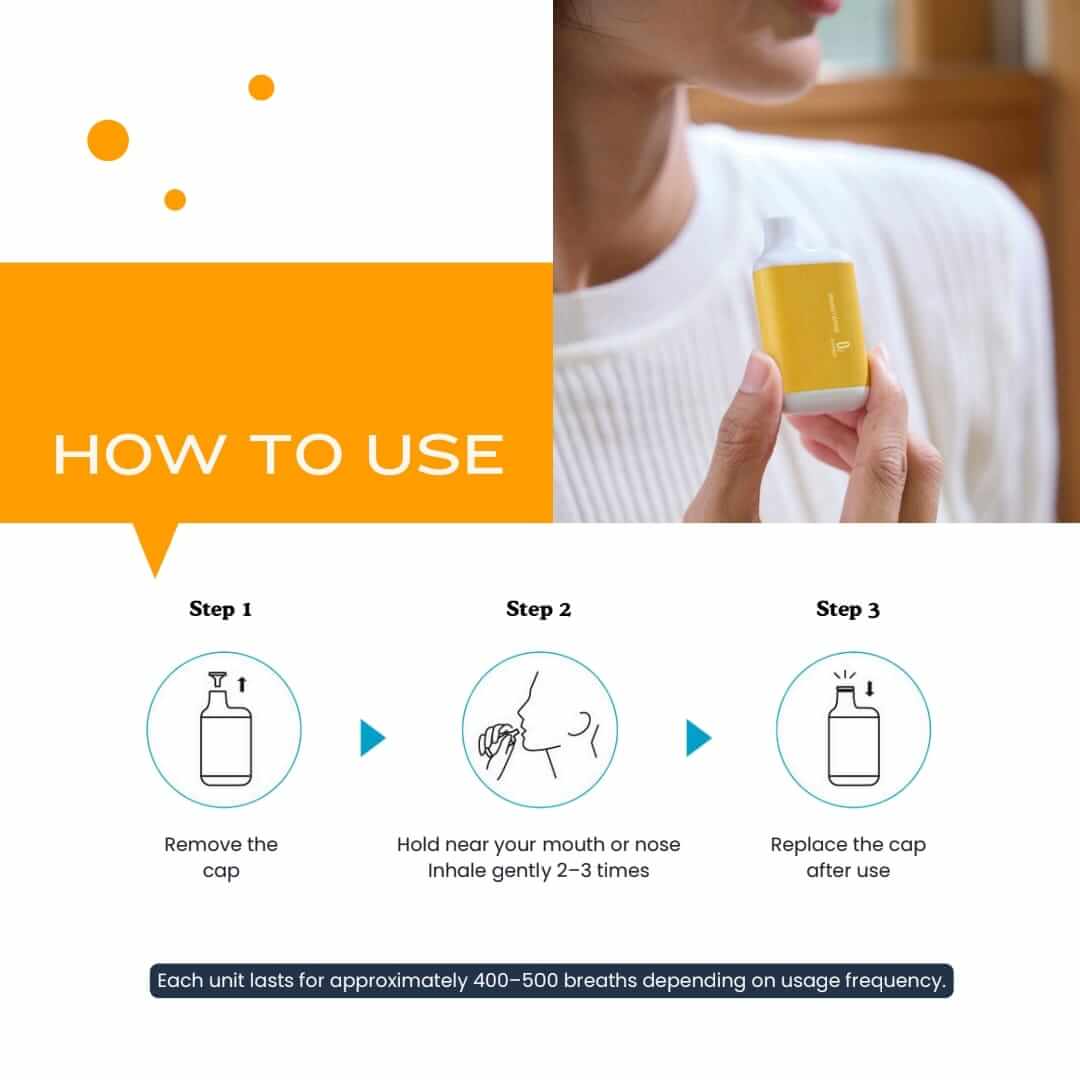
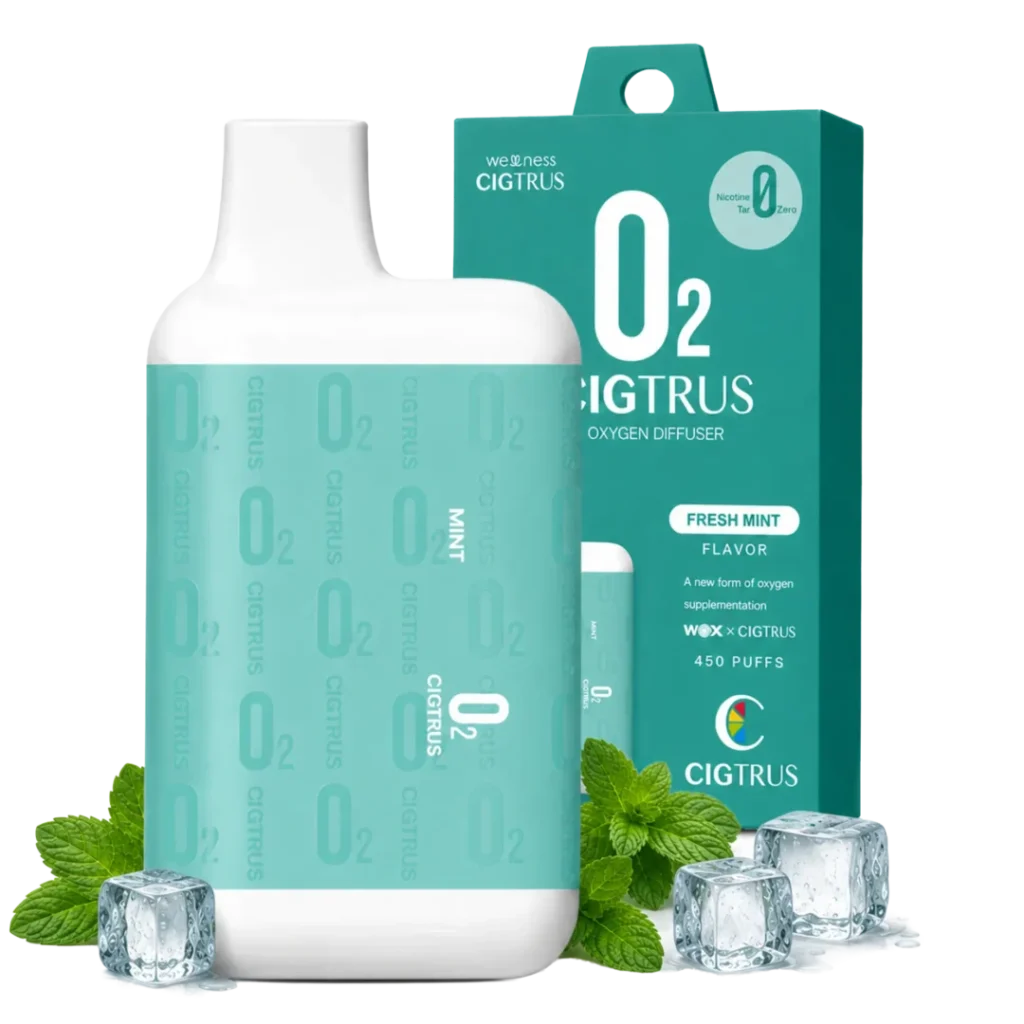
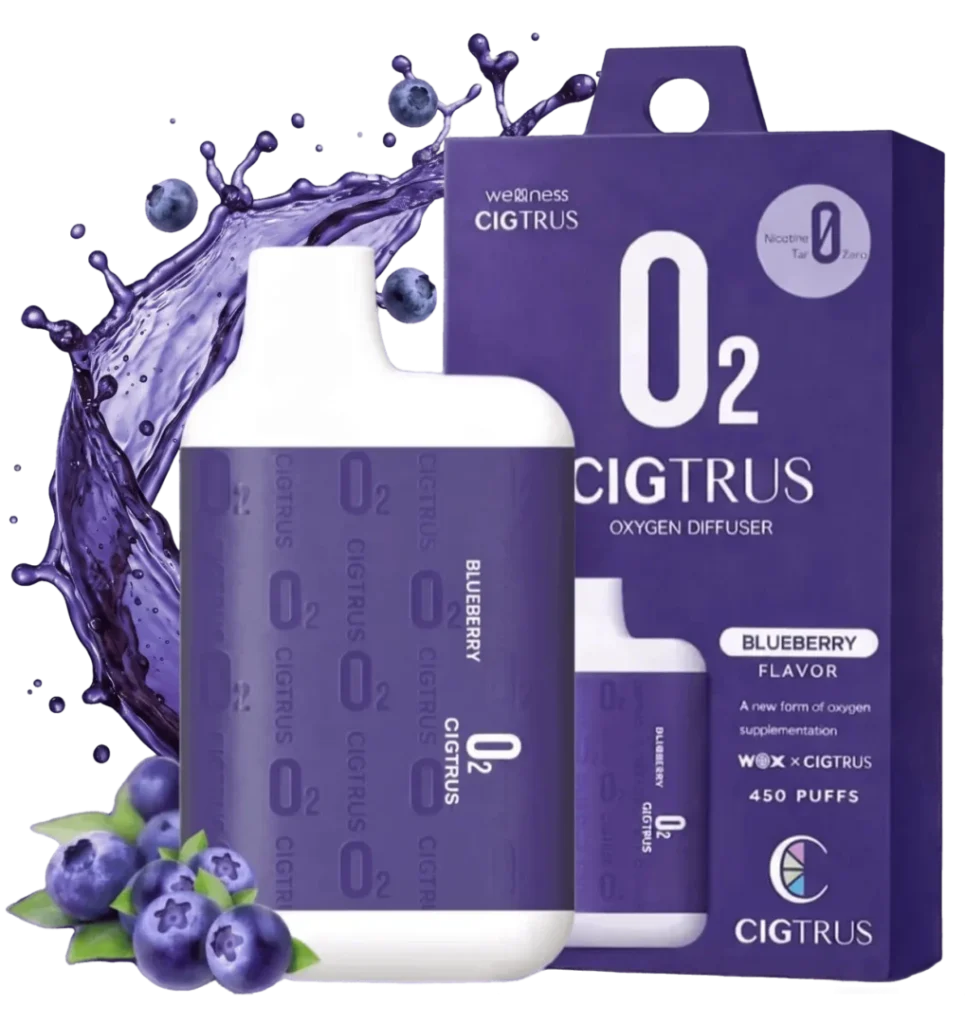
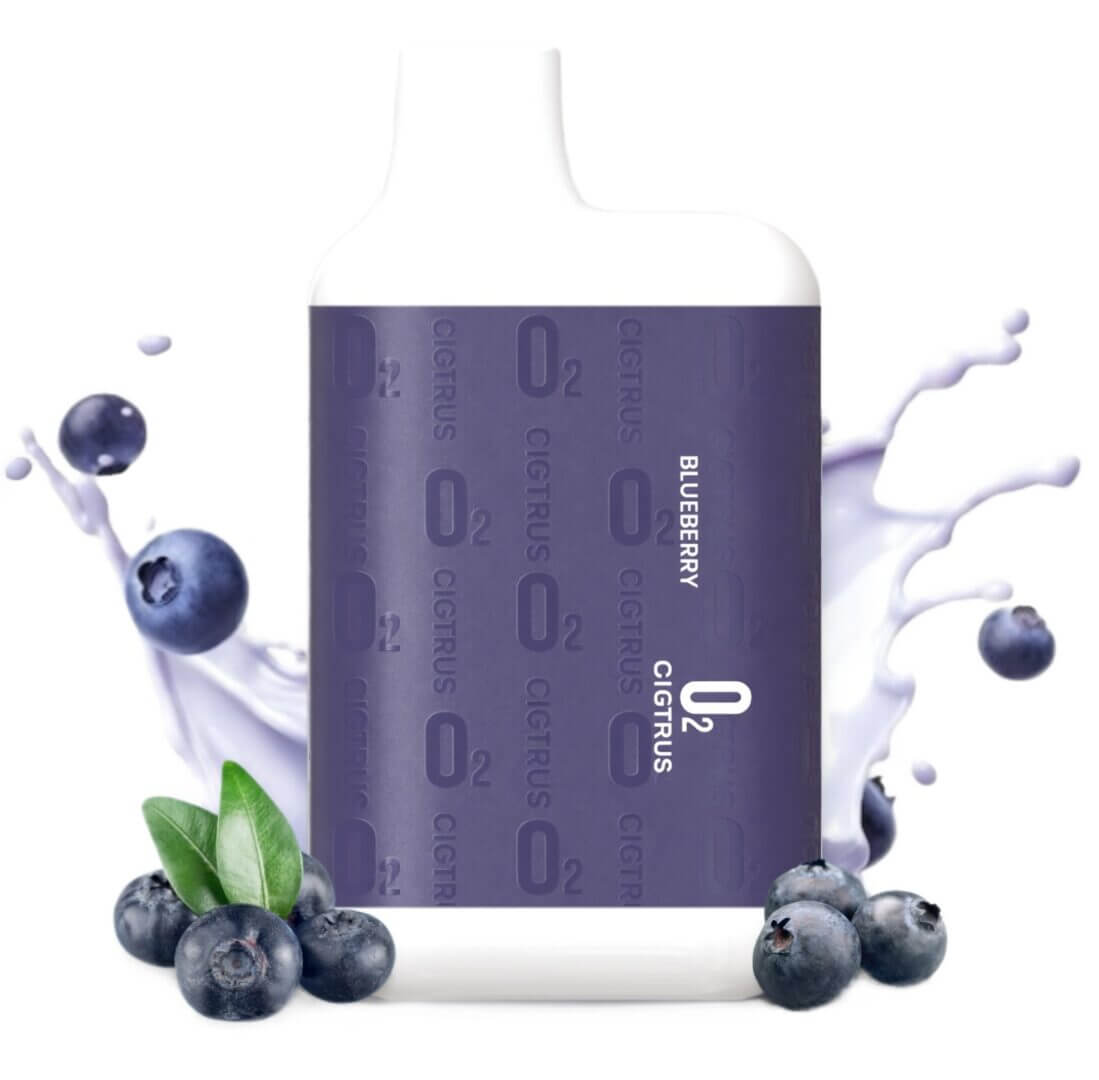
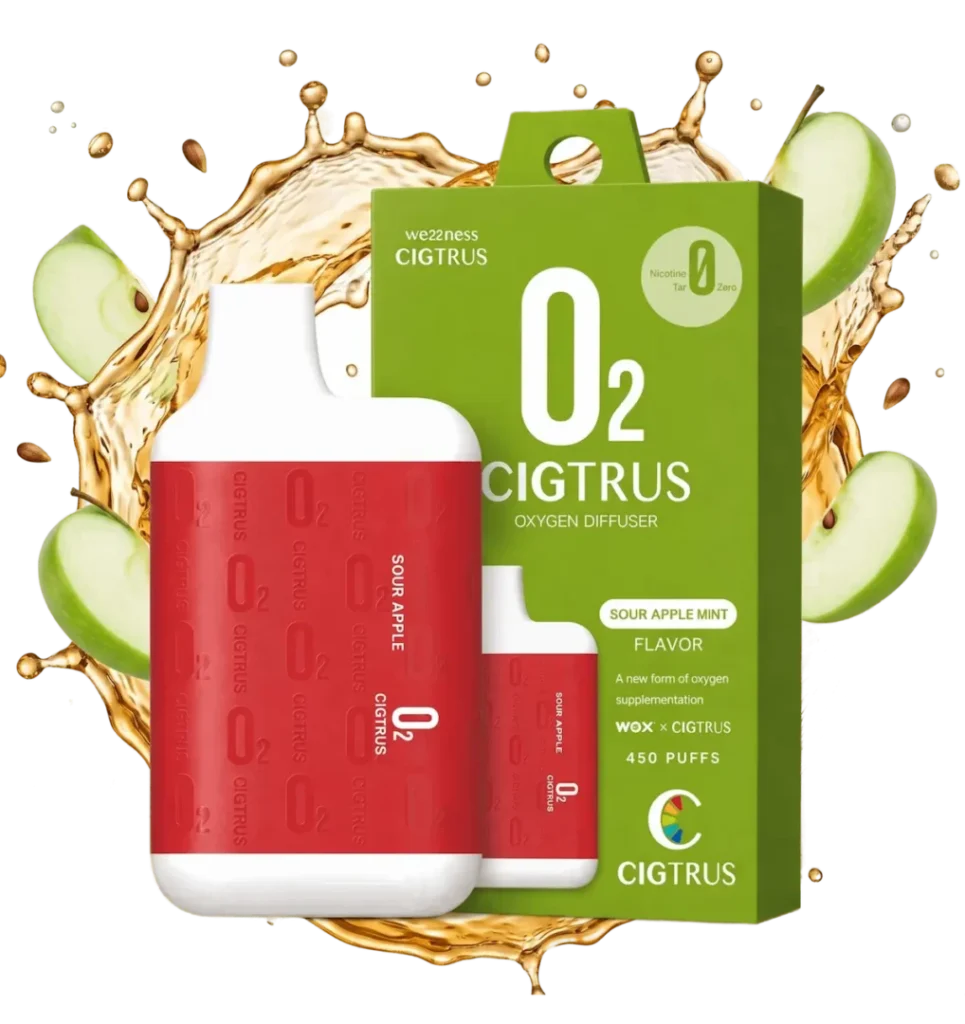
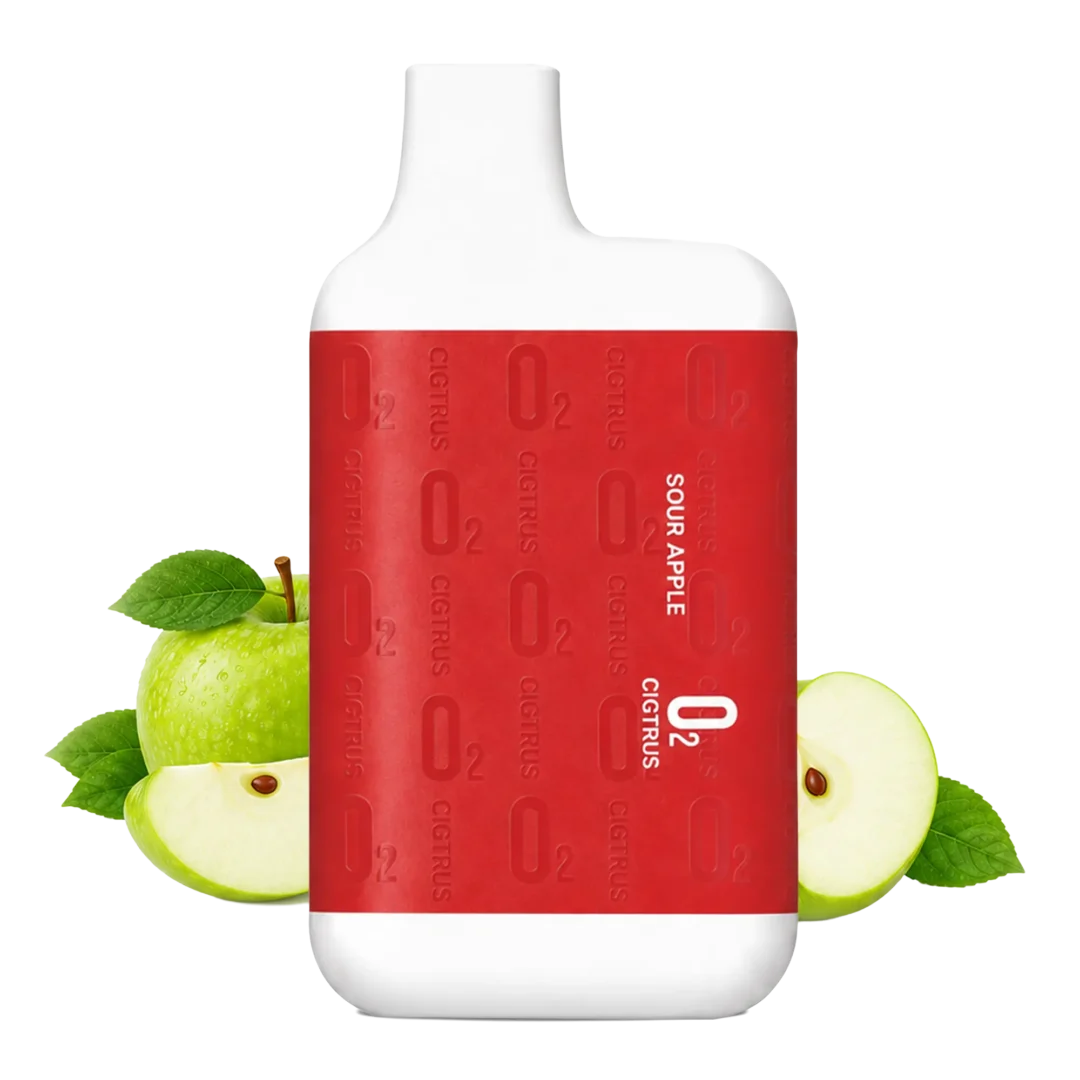
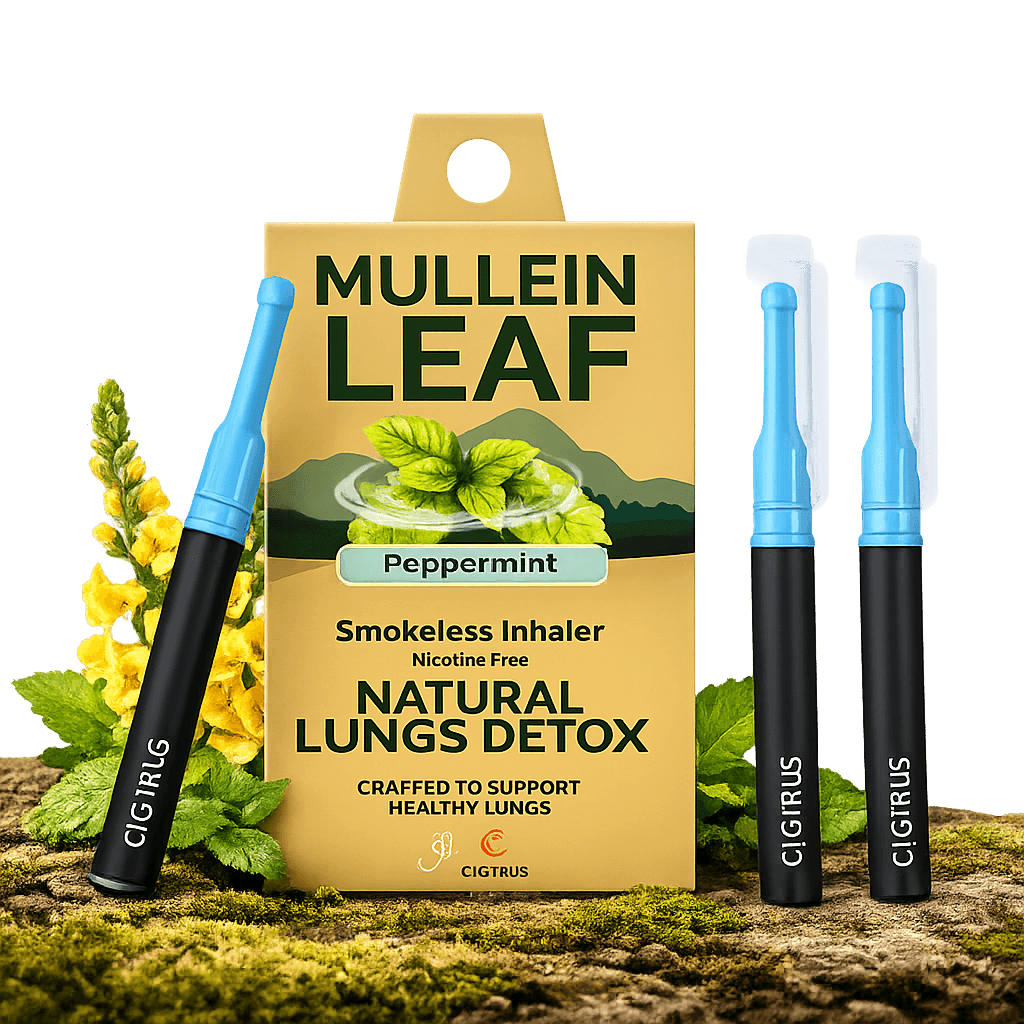
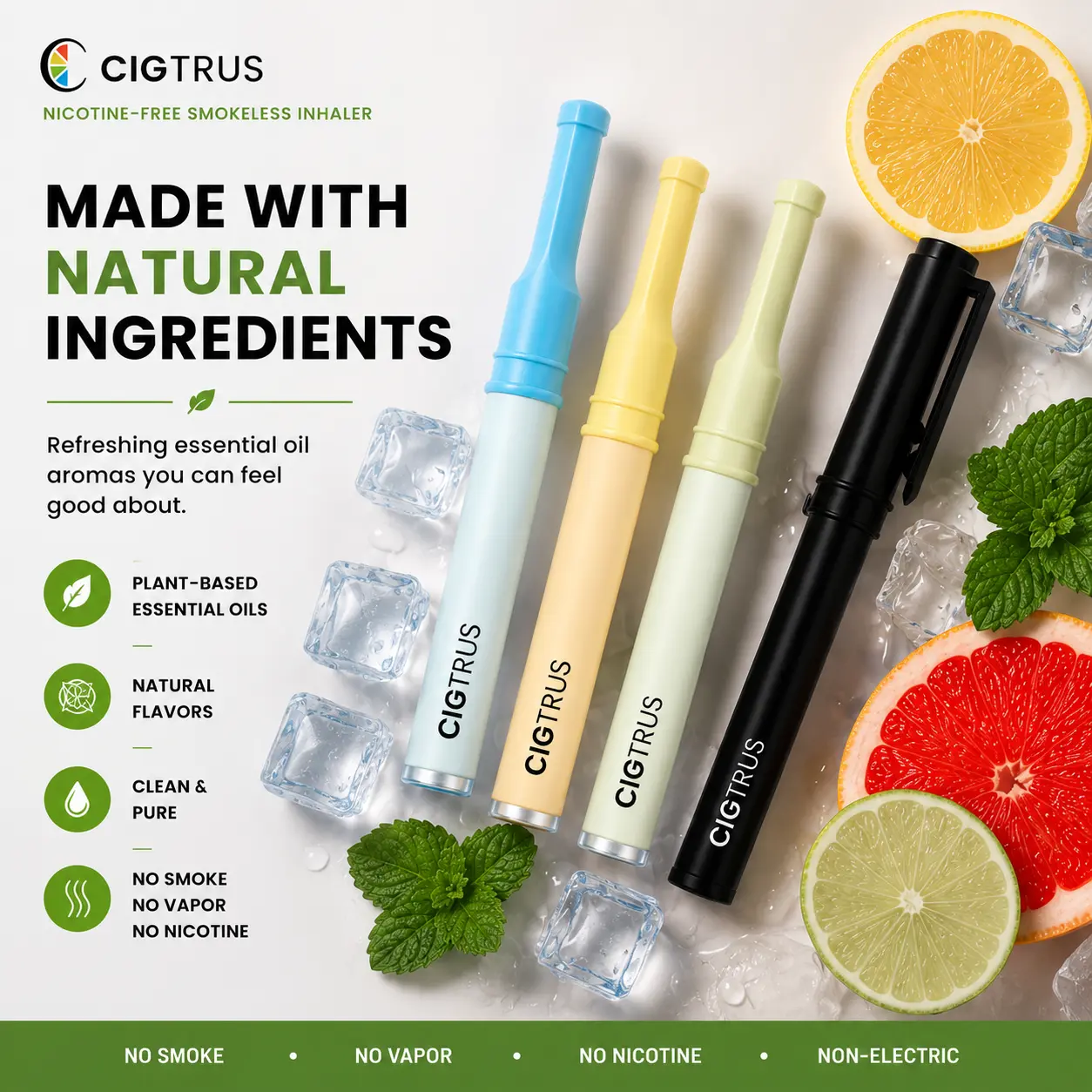
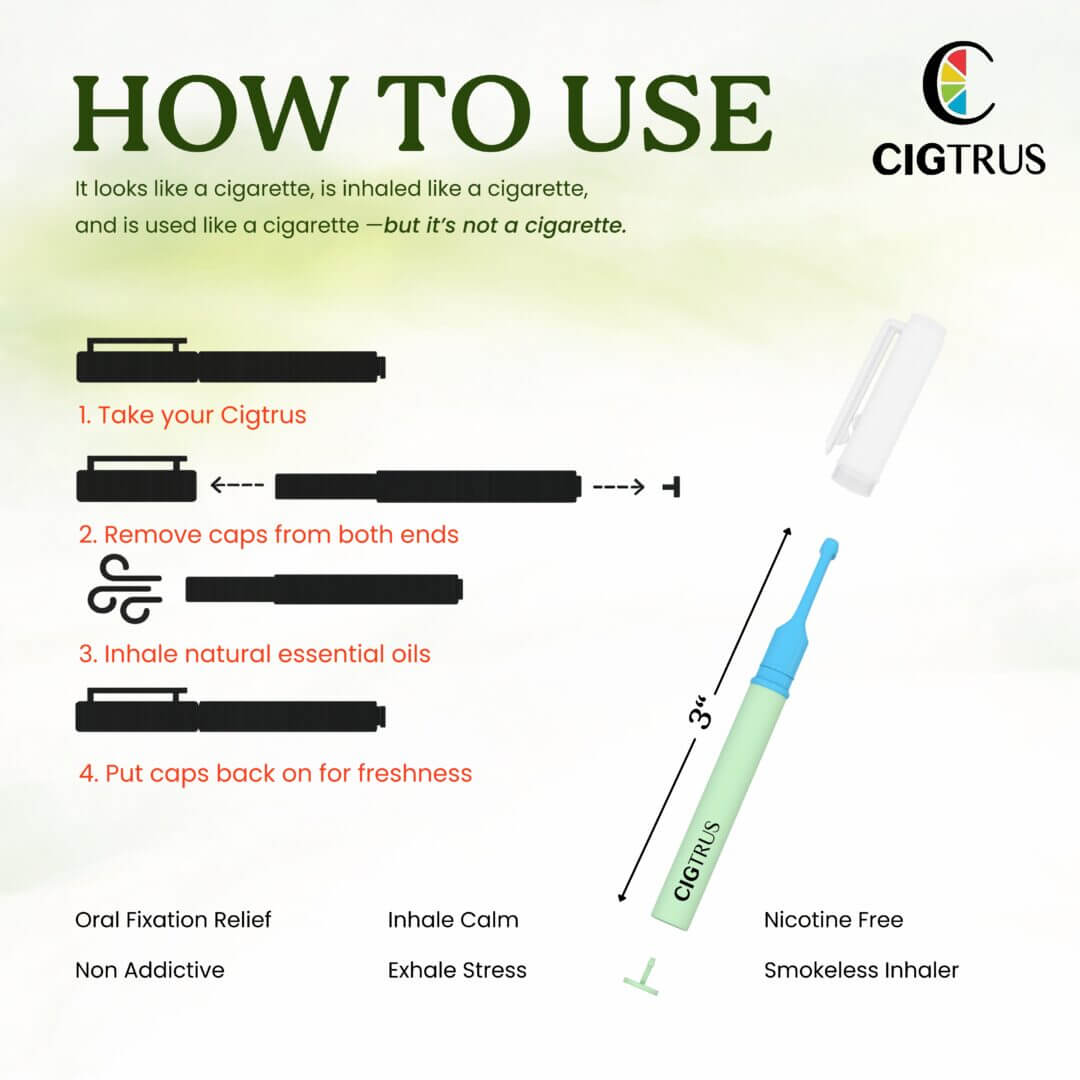
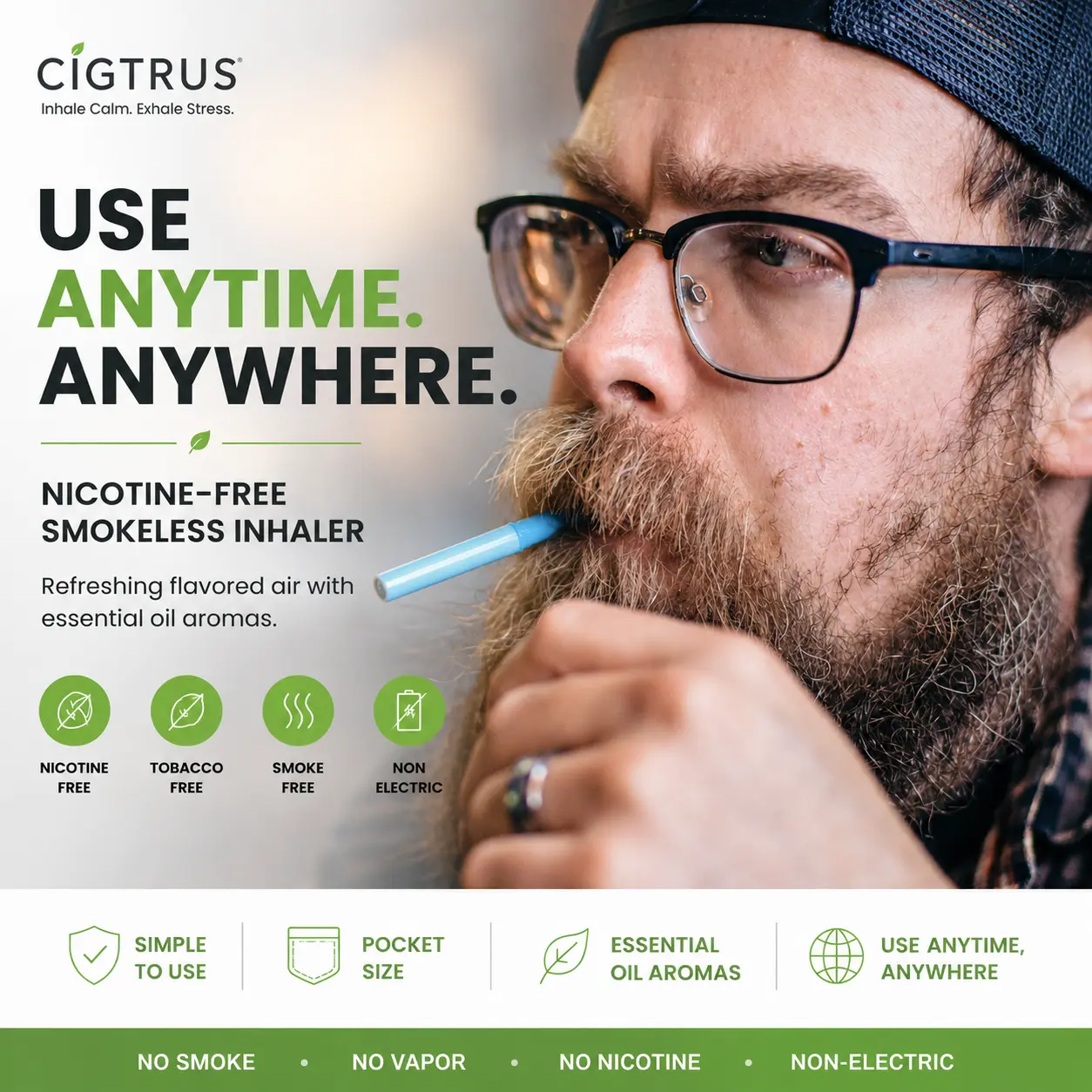
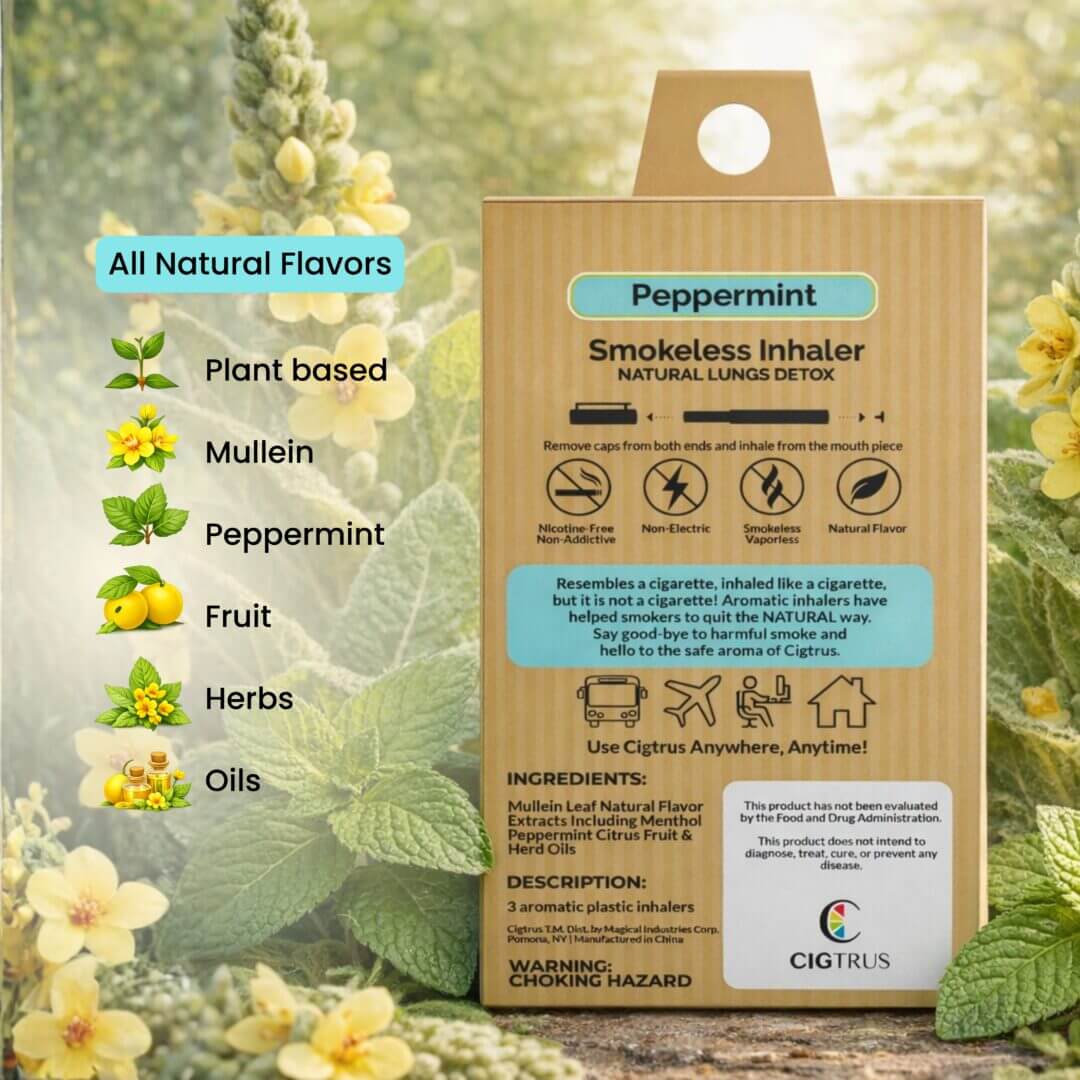
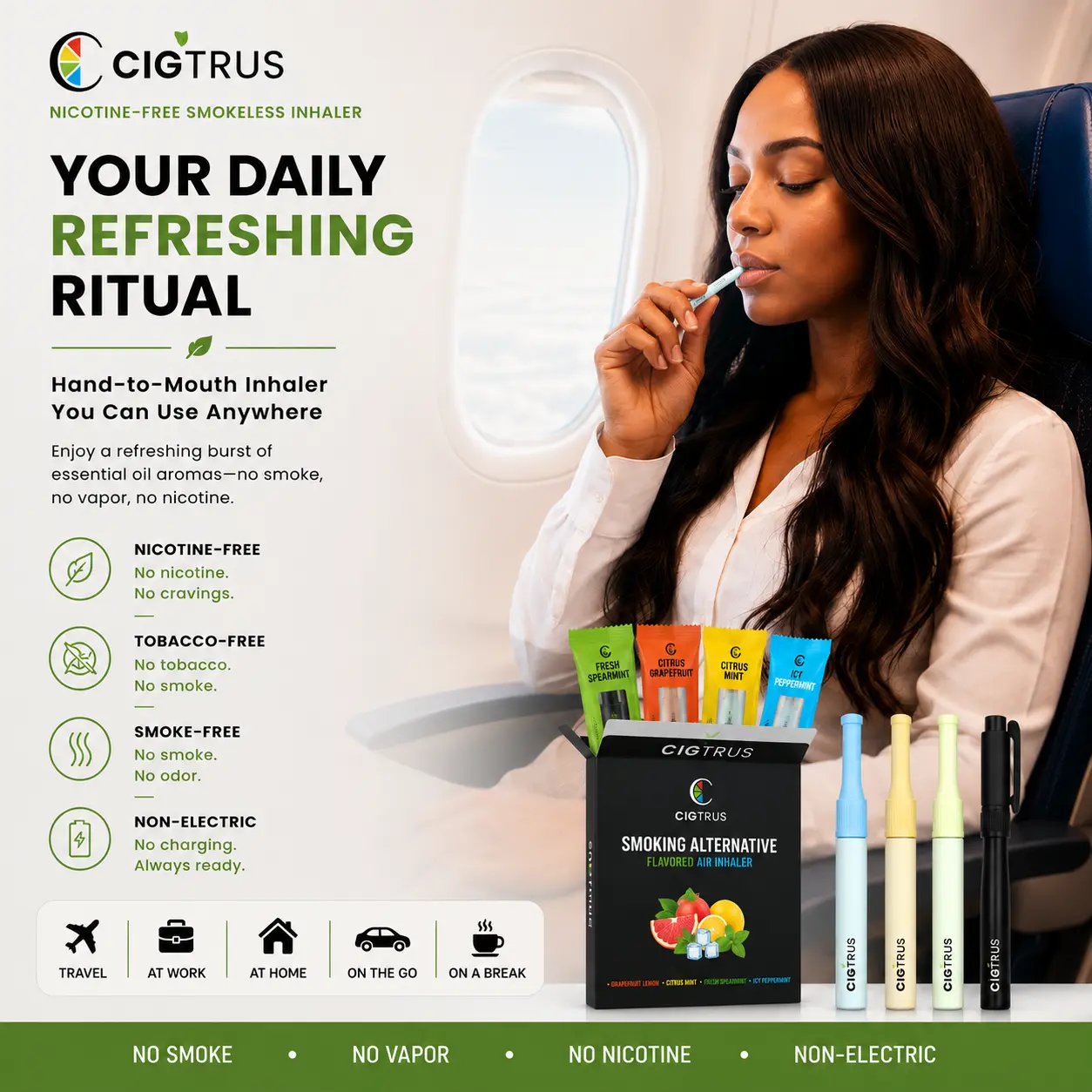
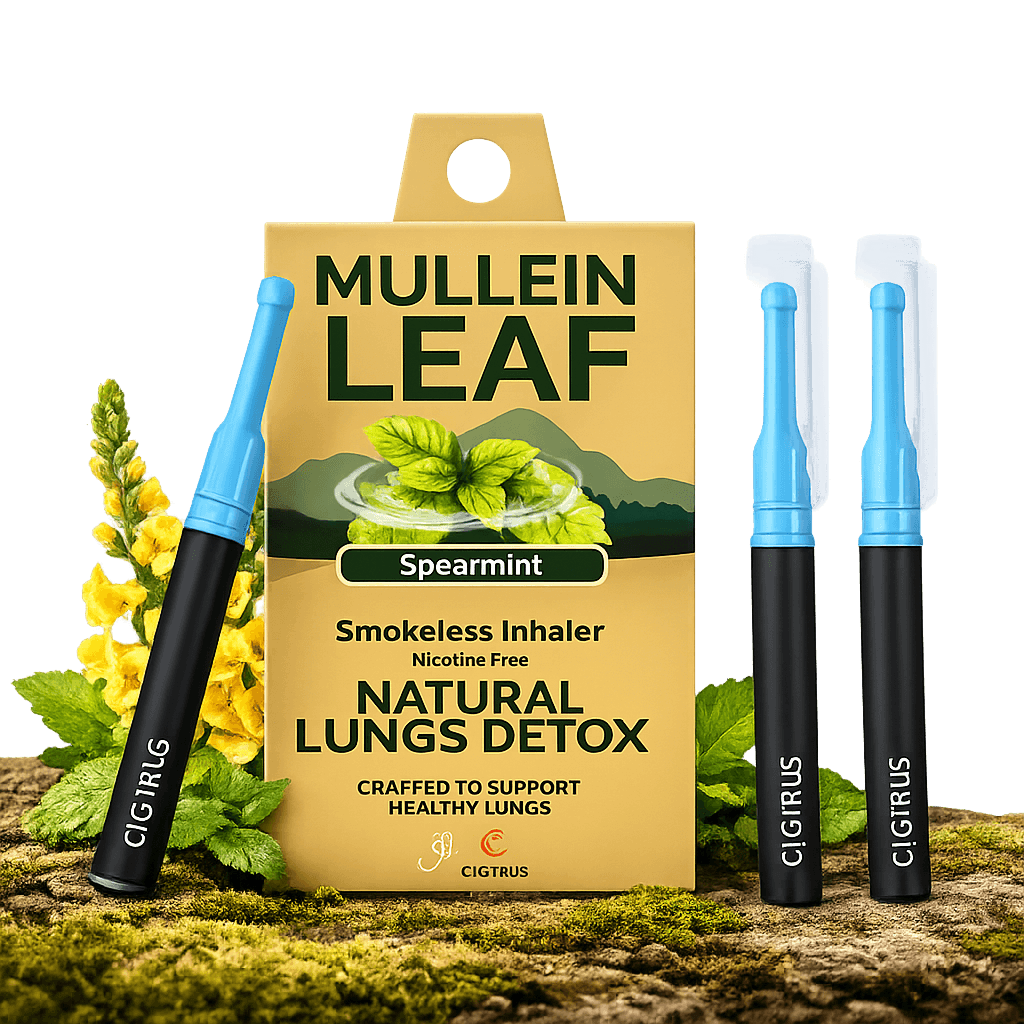
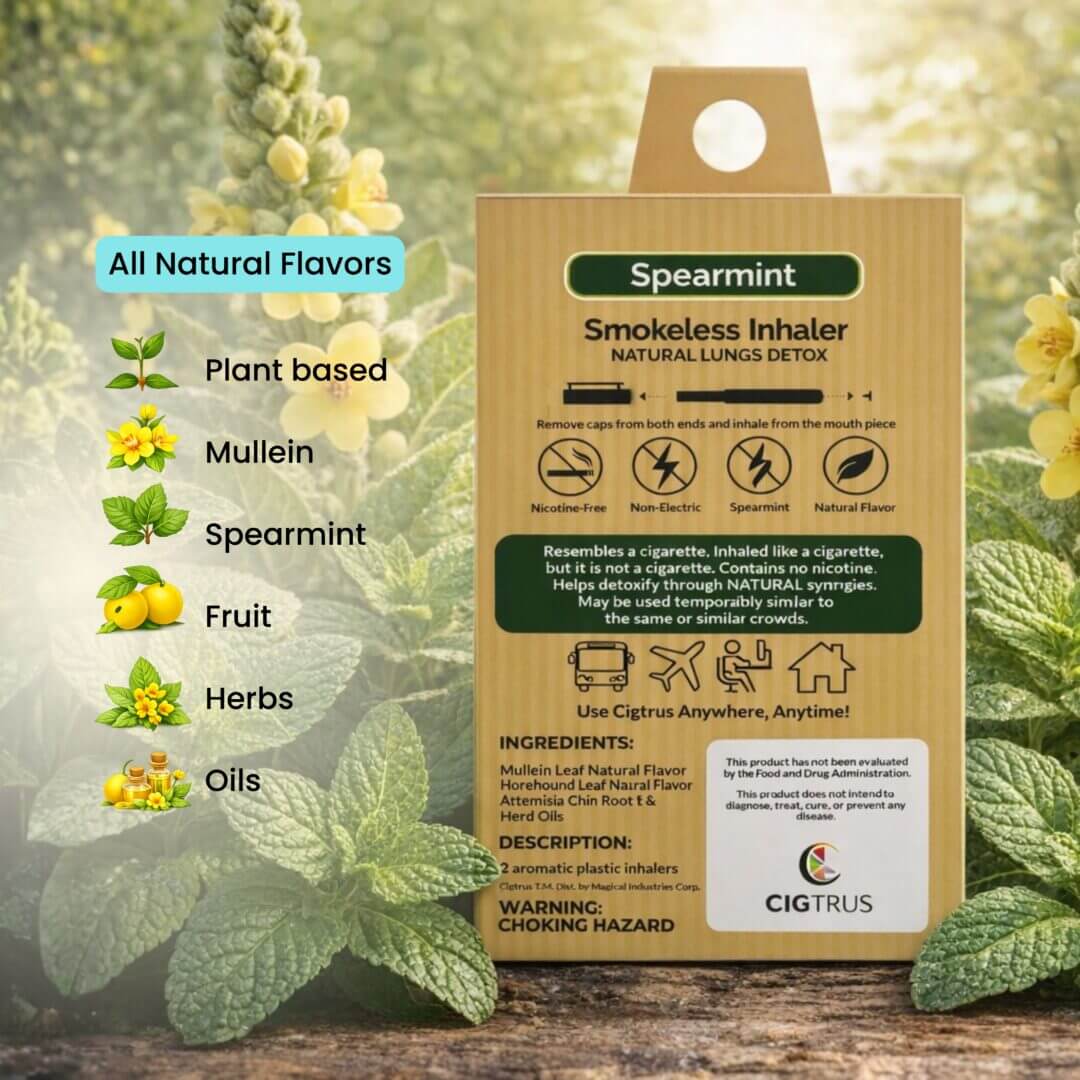
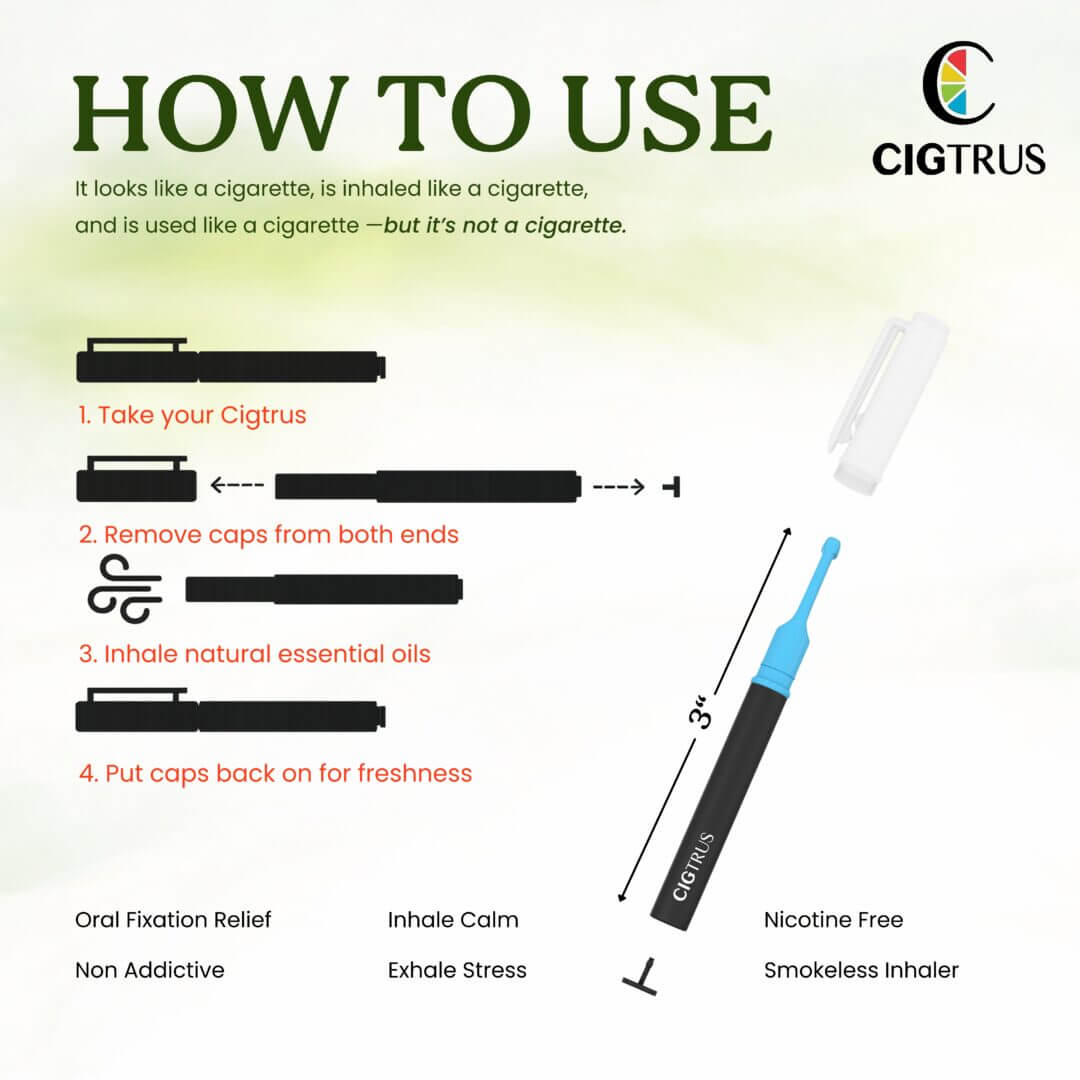
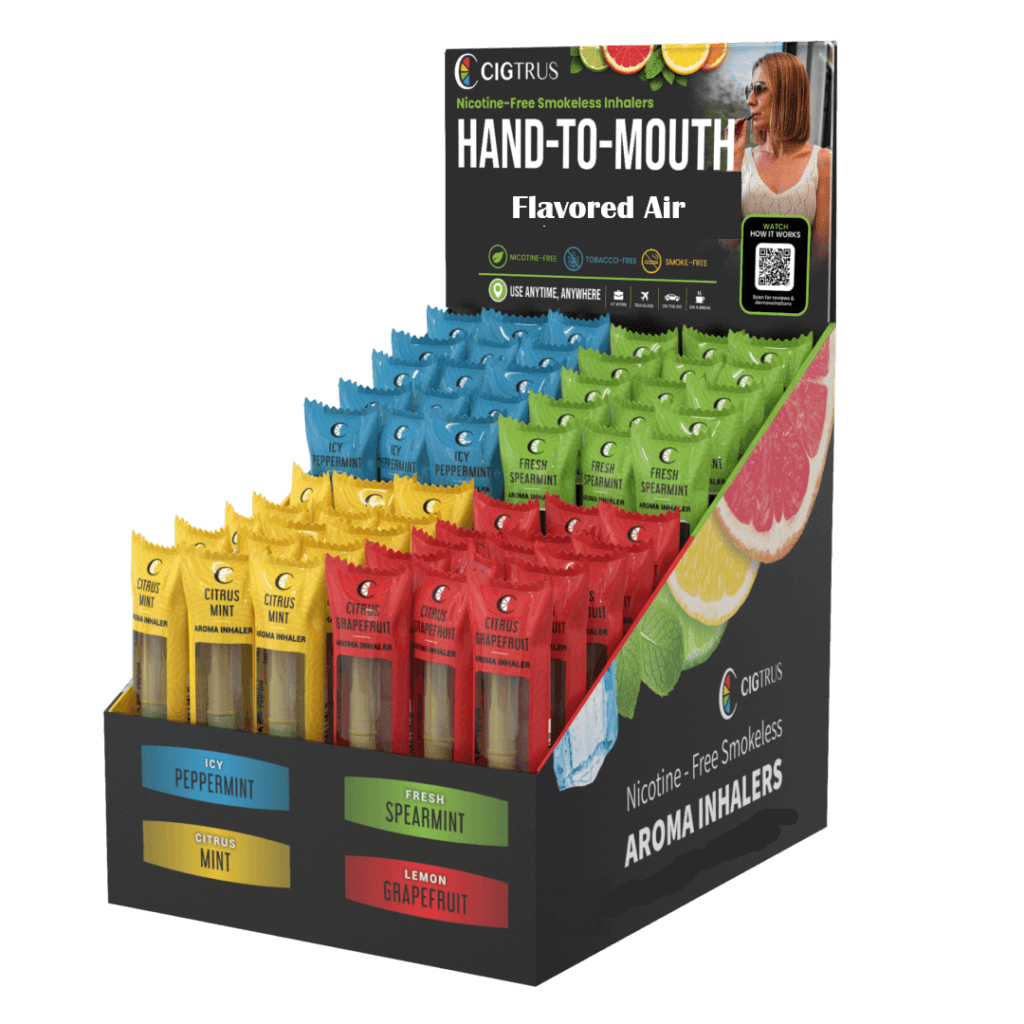
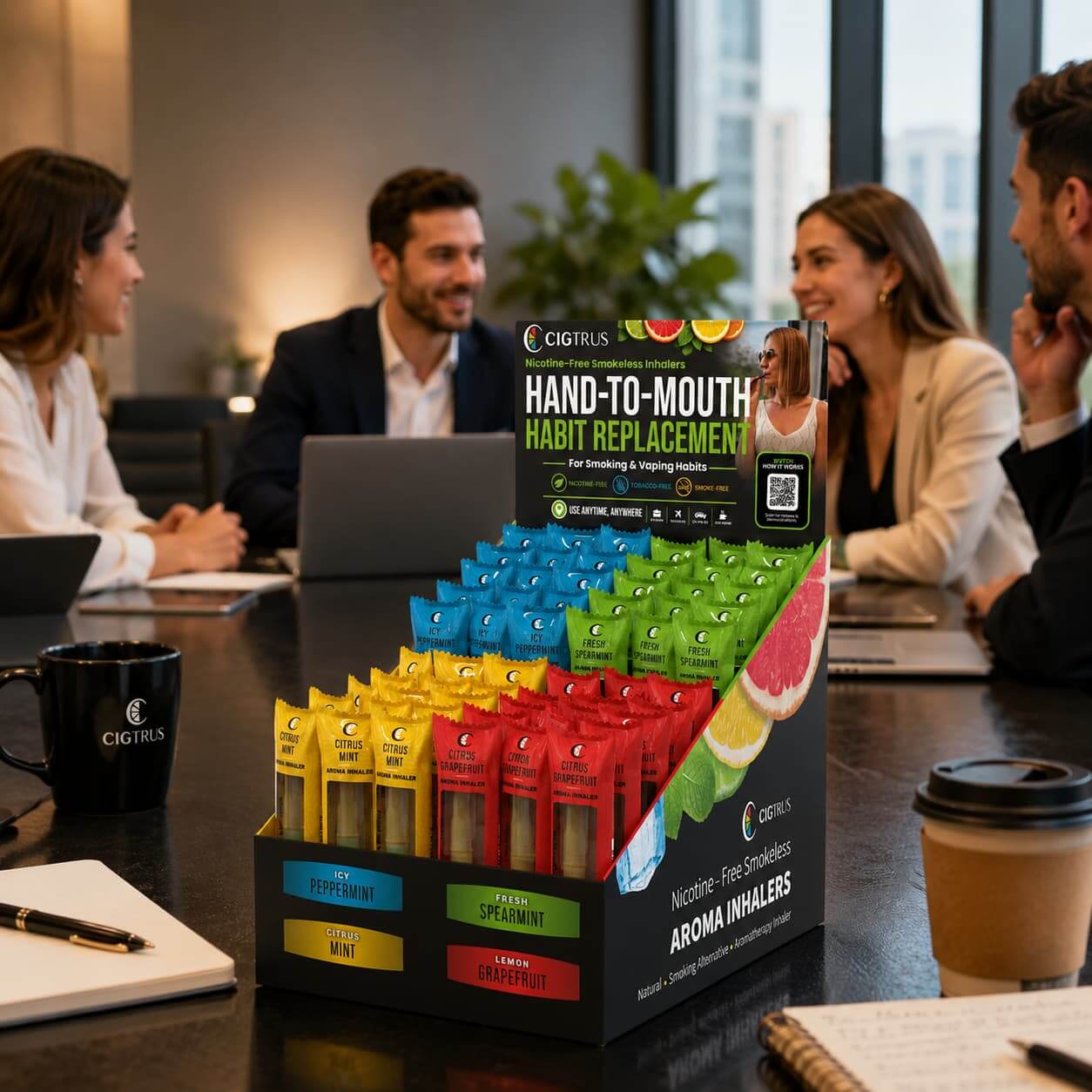
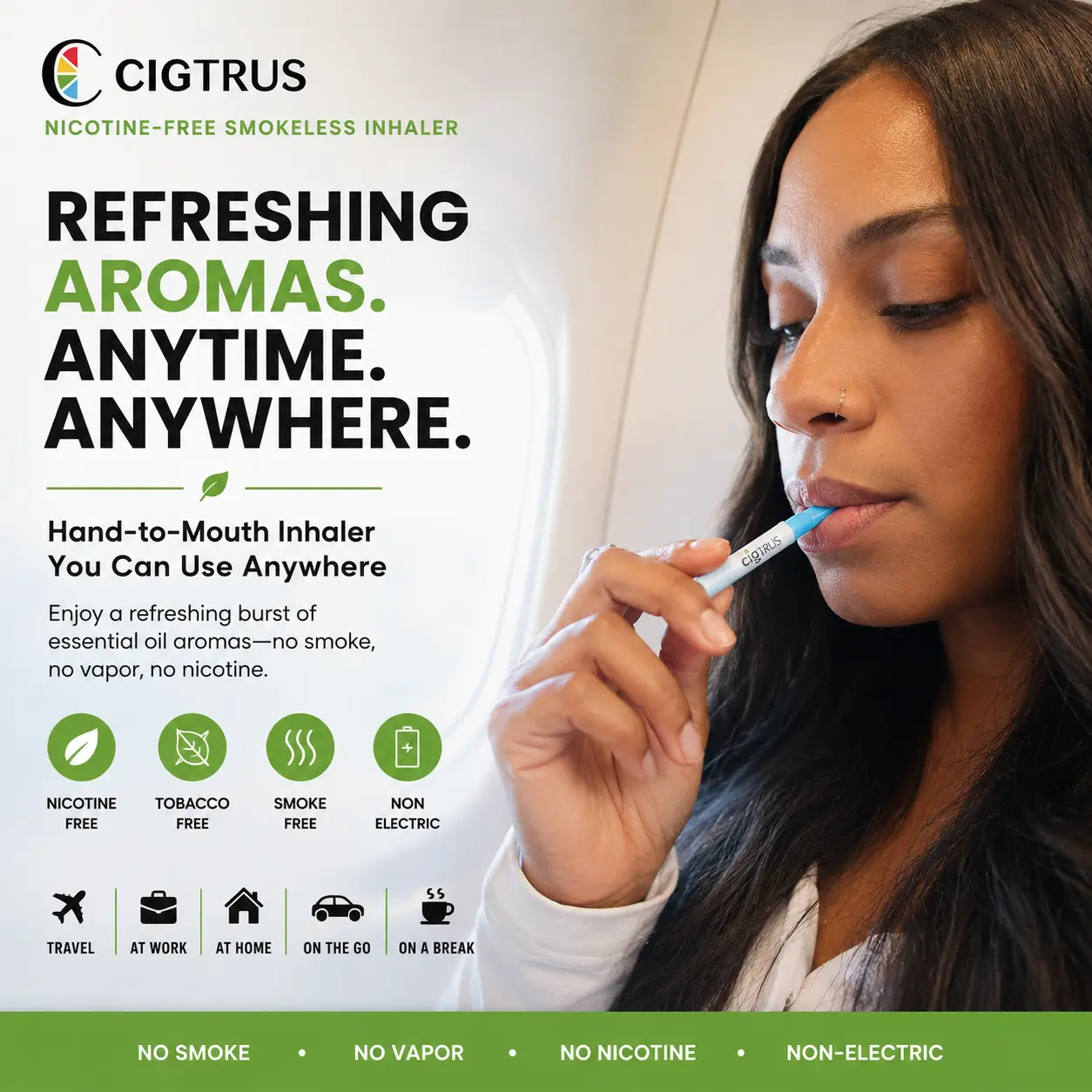
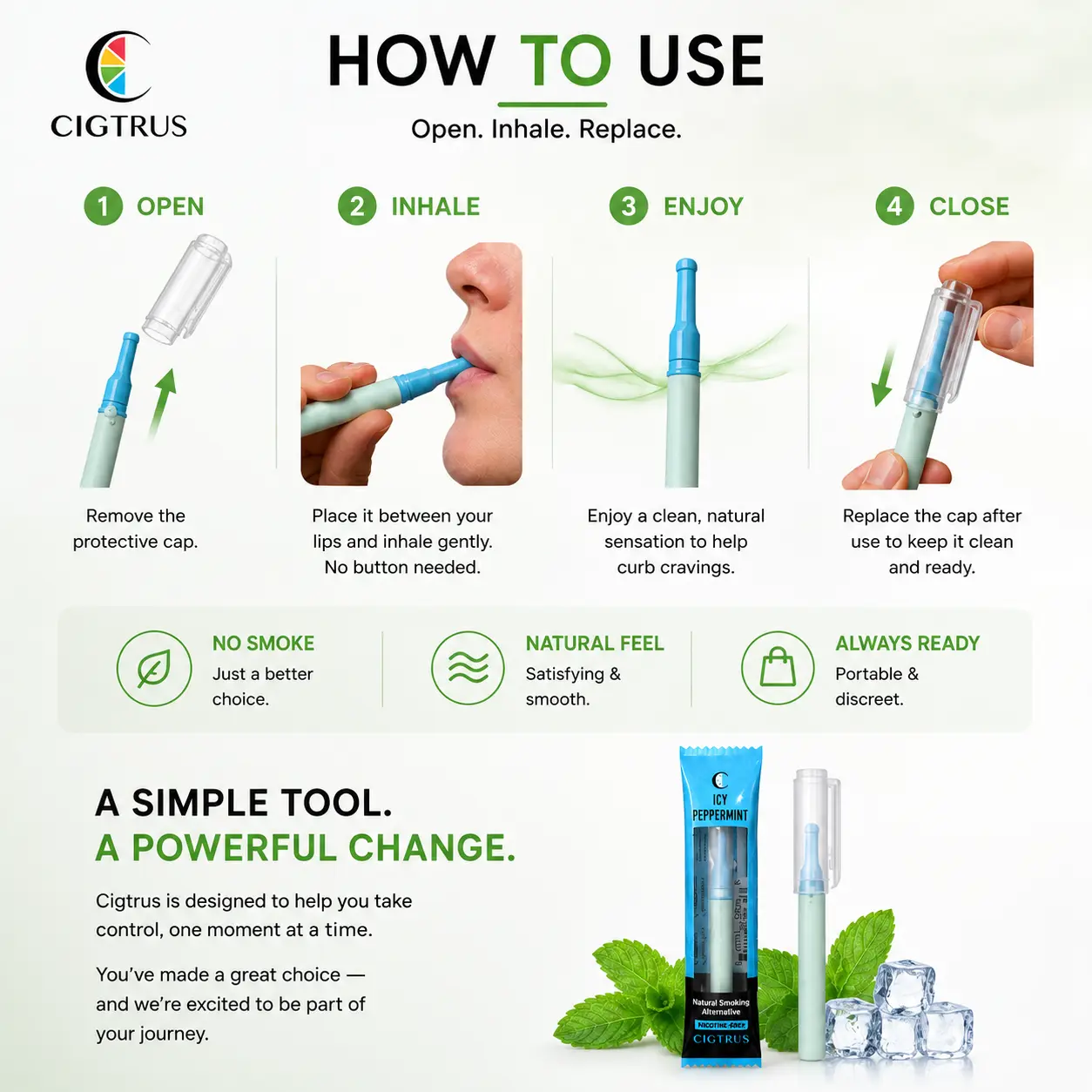
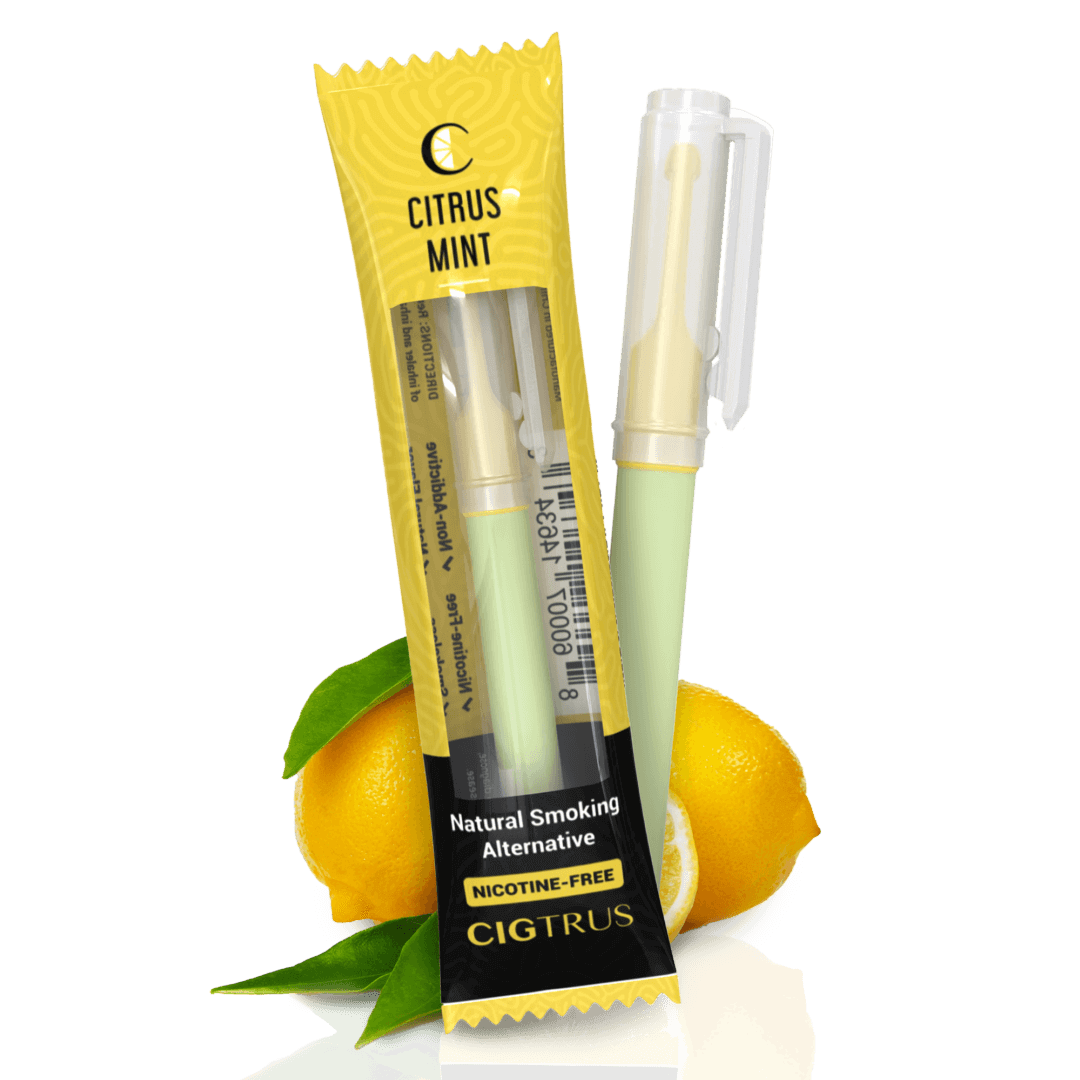
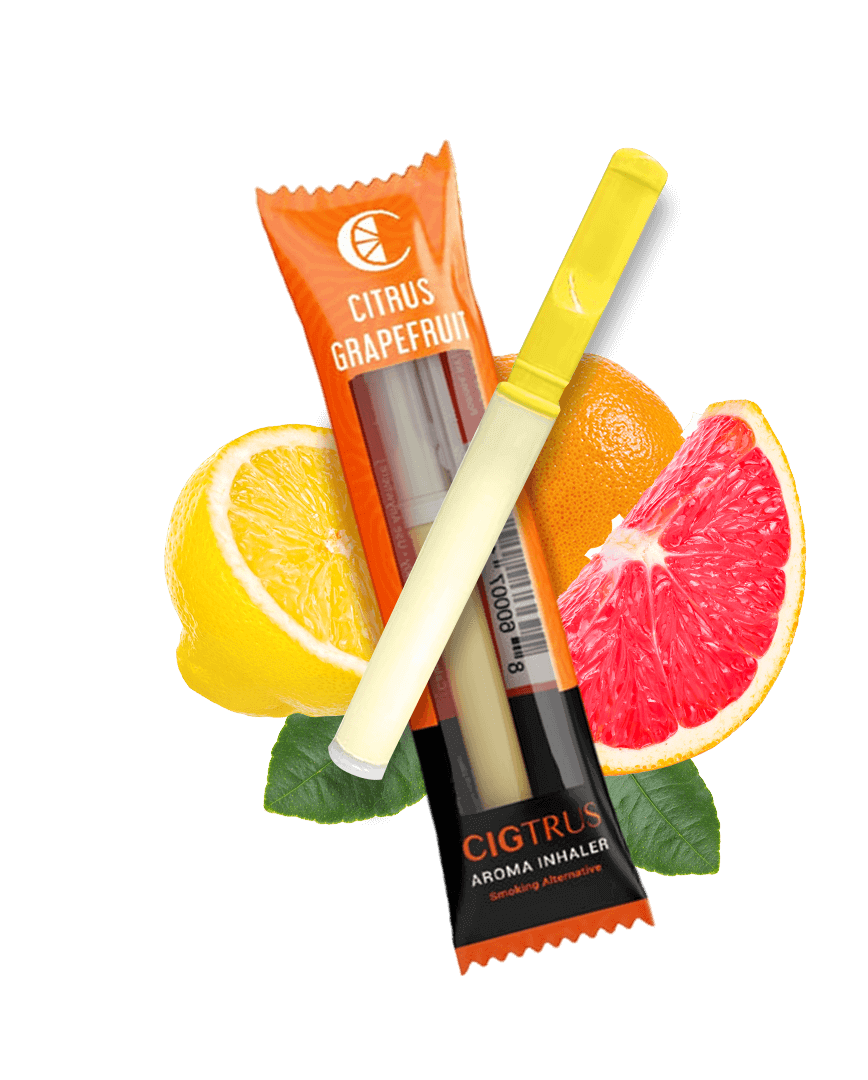
Cigtrus is a nicotine-free, smokeless inhaler designed to support the hand-to-mouth routine and help replace smoking patterns in everyday situations. No vapor, no nicotine, no battery.
👉 Start Replacing the Habit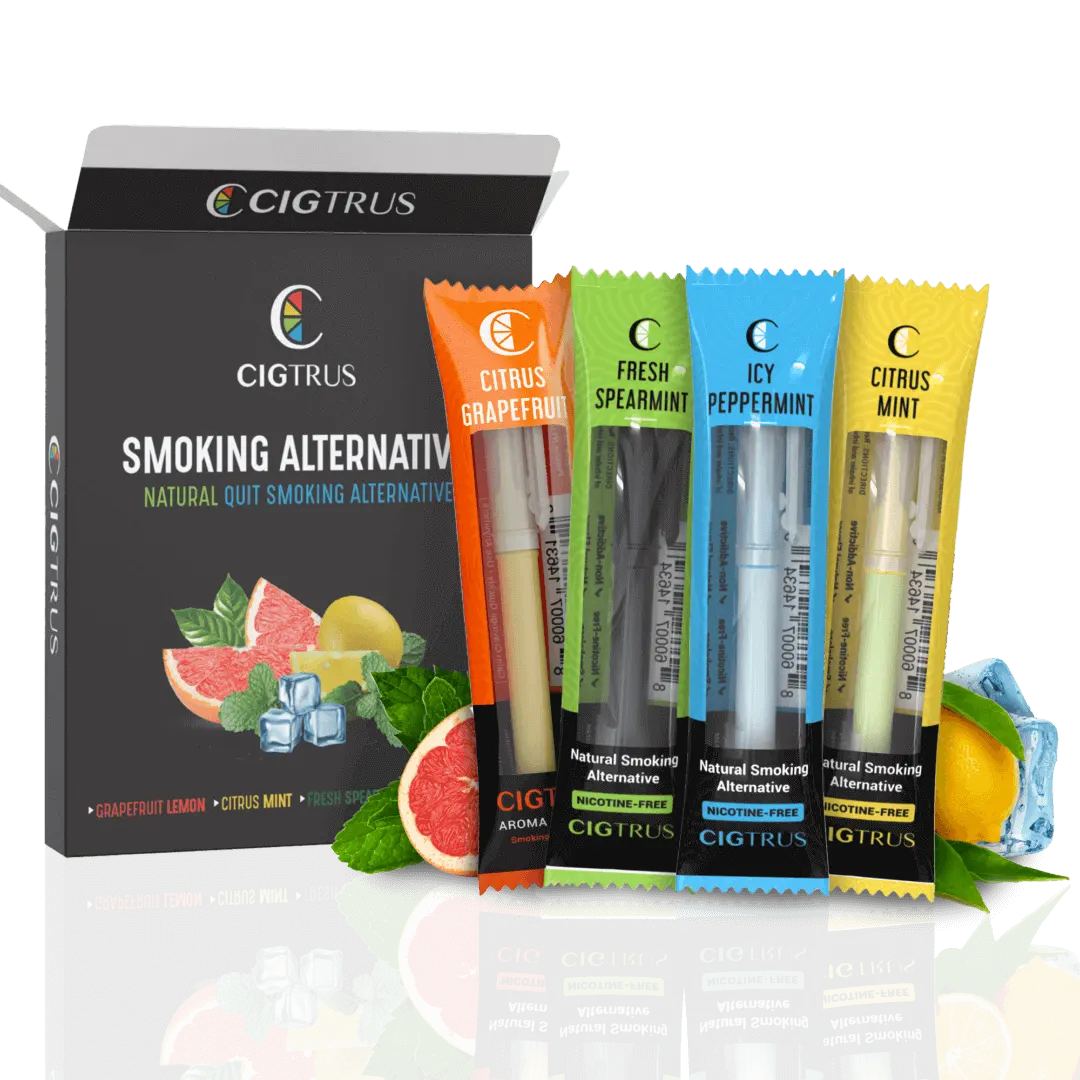
One of the biggest challenges when quitting is the physical routine your body has built around smoking:
- The hand-to-mouth movement your hands do automatically
- The inhale and exhale rhythm your body expects
- The repeated patterns connected to specific moments of the day
Replacing these habits with smoke-free alternatives makes the transition much more manageable than trying to resist them with nothing.
Distraction is one of the most underrated tools for quitting. Activities like walking, reading, or staying engaged with simple tasks can shift your focus away from smoking long enough for the craving to pass. The urge rarely lasts more than a few minutes, you just need somewhere for your hands to go.
Instead of just removing smoking, replace it with new habits at the same trigger moments:
- Take a short walk during breaks instead of stepping out for a cigarette
- Use a calming routine after meals instead of lighting up
- Change your physical environment during high-risk trigger moments
New routines retrain your brain over time. Each repetition of the new behavior weakens the old one.
“For many people, replacing the habit, not just the nicotine, is the missing piece that makes quitting actually stick.”
Many people benefit from having a physical tool that supports the familiar routine. Cigtrus is a nicotine-free, smokeless inhaler designed to support:
- The hand-to-mouth habit your hands reach for automatically
- The inhalation routine your body expects
- A clean smoke-free alternative for any situation
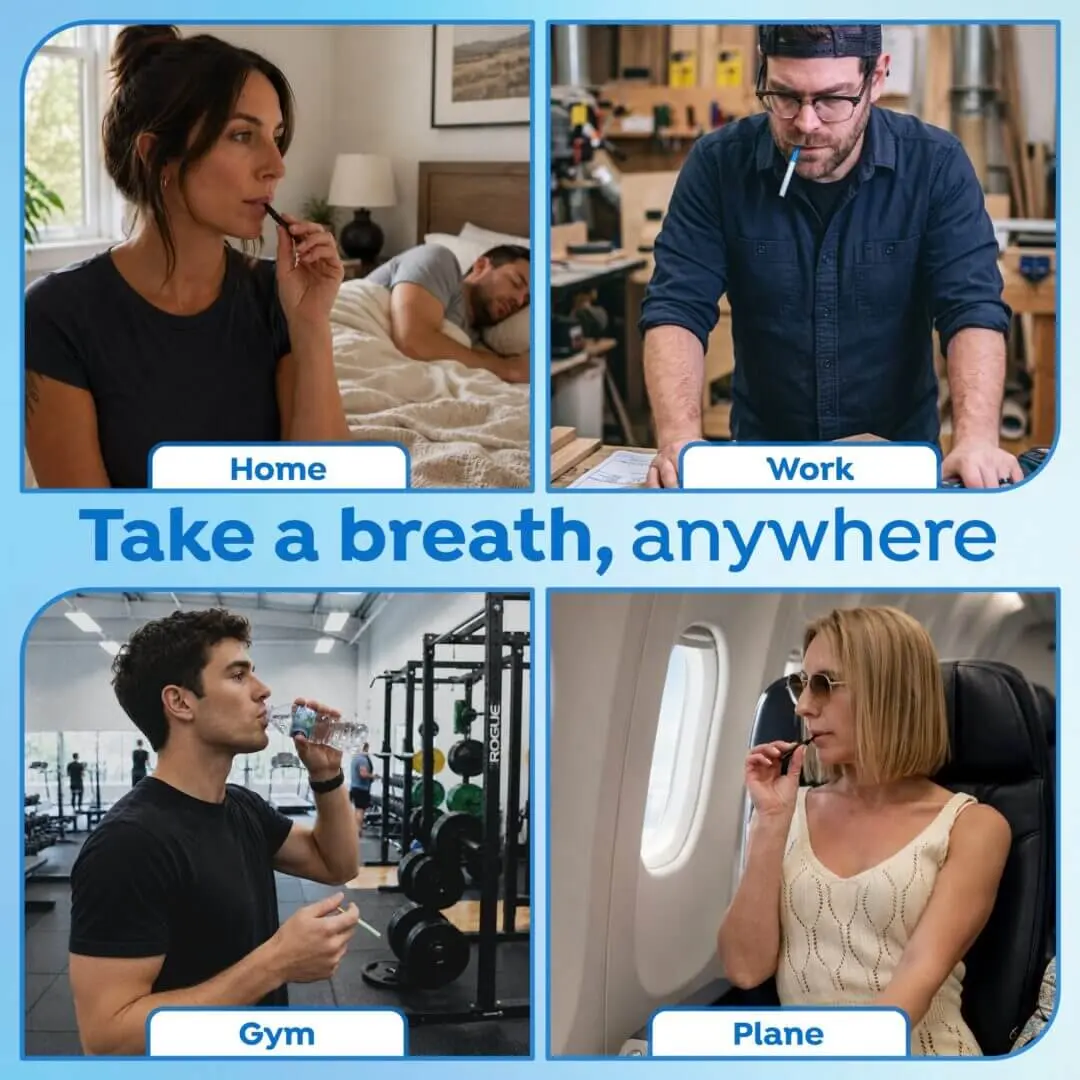
Many people use it at work, during travel, commuting, and in indoor environments where smoking or vaping is not allowed.
Even light physical activity can reduce stress and improve your mood, two of the biggest triggers for smoking. A more structured daily routine gives your brain less idle time to reach for old habits. Exercise does not need to be intense, a 10-minute walk during a craving moment can be enough to break the loop.
Telling someone you trust that you are quitting creates accountability. Having people around you who understand what you are going through, whether friends, family, or a support group, makes a real difference. You do not have to do this alone, and you should not try to.
A slip is not a failure. It is information. It tells you which trigger needs a better response. Most people who successfully quit smoking did not do it on the first try. What separates people who quit for good from those who keep going back is simple, they kept trying after every slip instead of giving up.
Note when it happened, what triggered it, and have a better plan ready for next time. That is how quitting actually works.
Give Your Hands Somewhere Clean to Go.
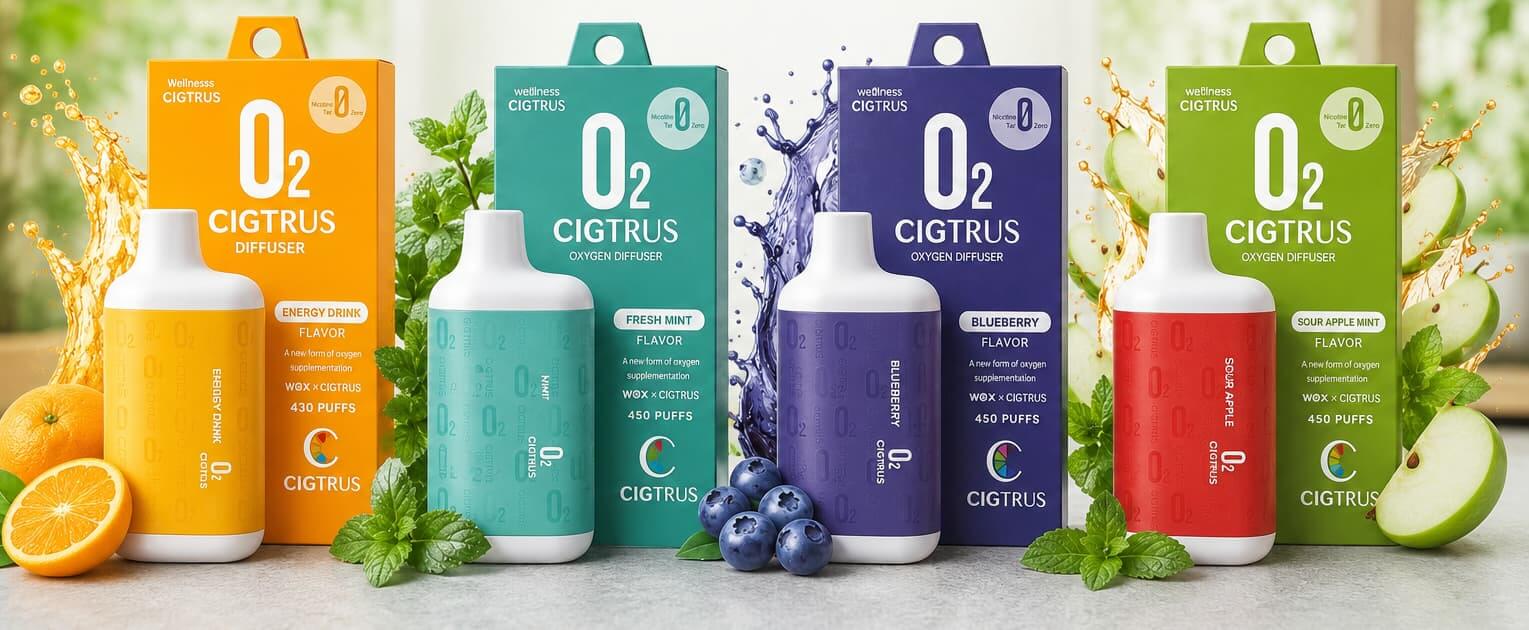
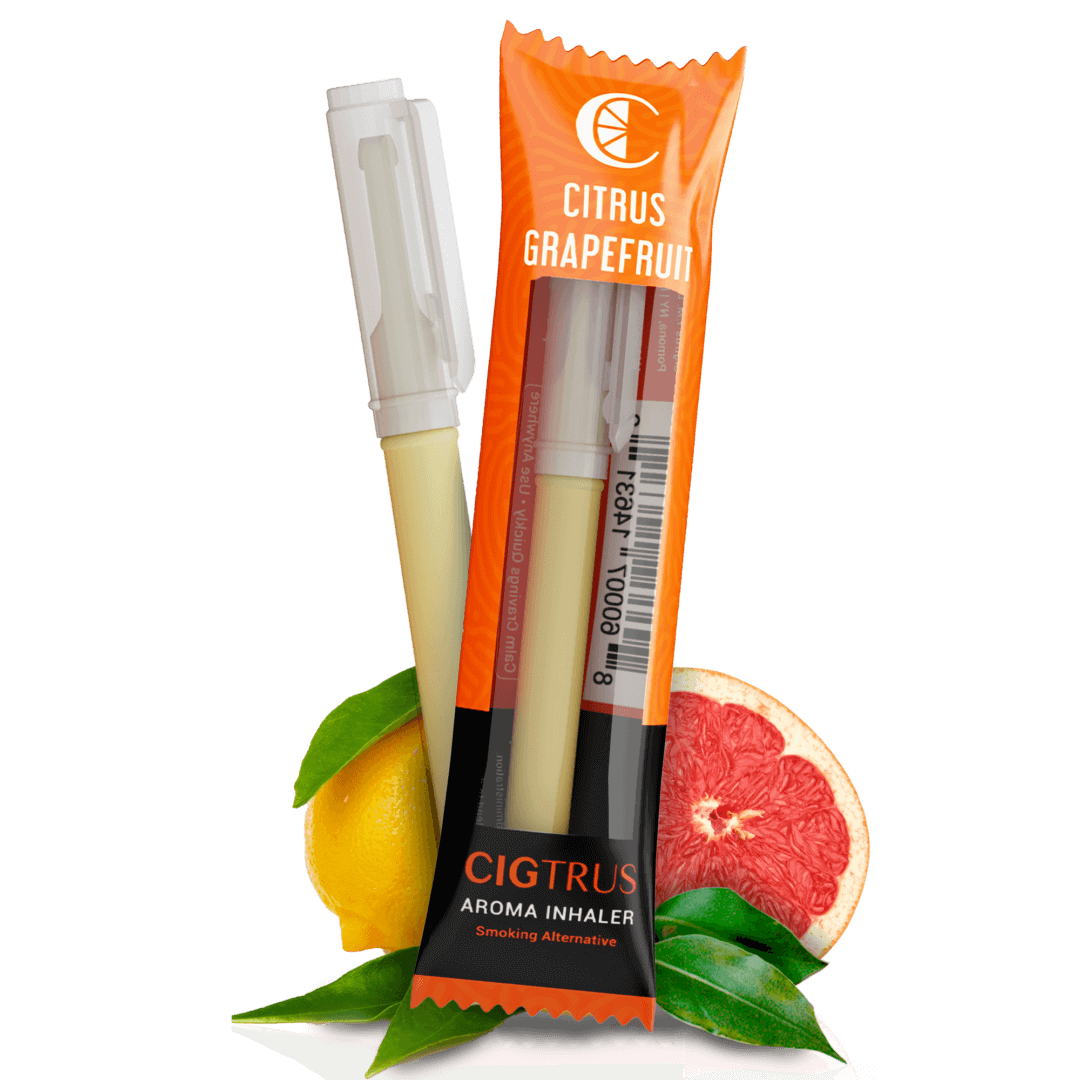
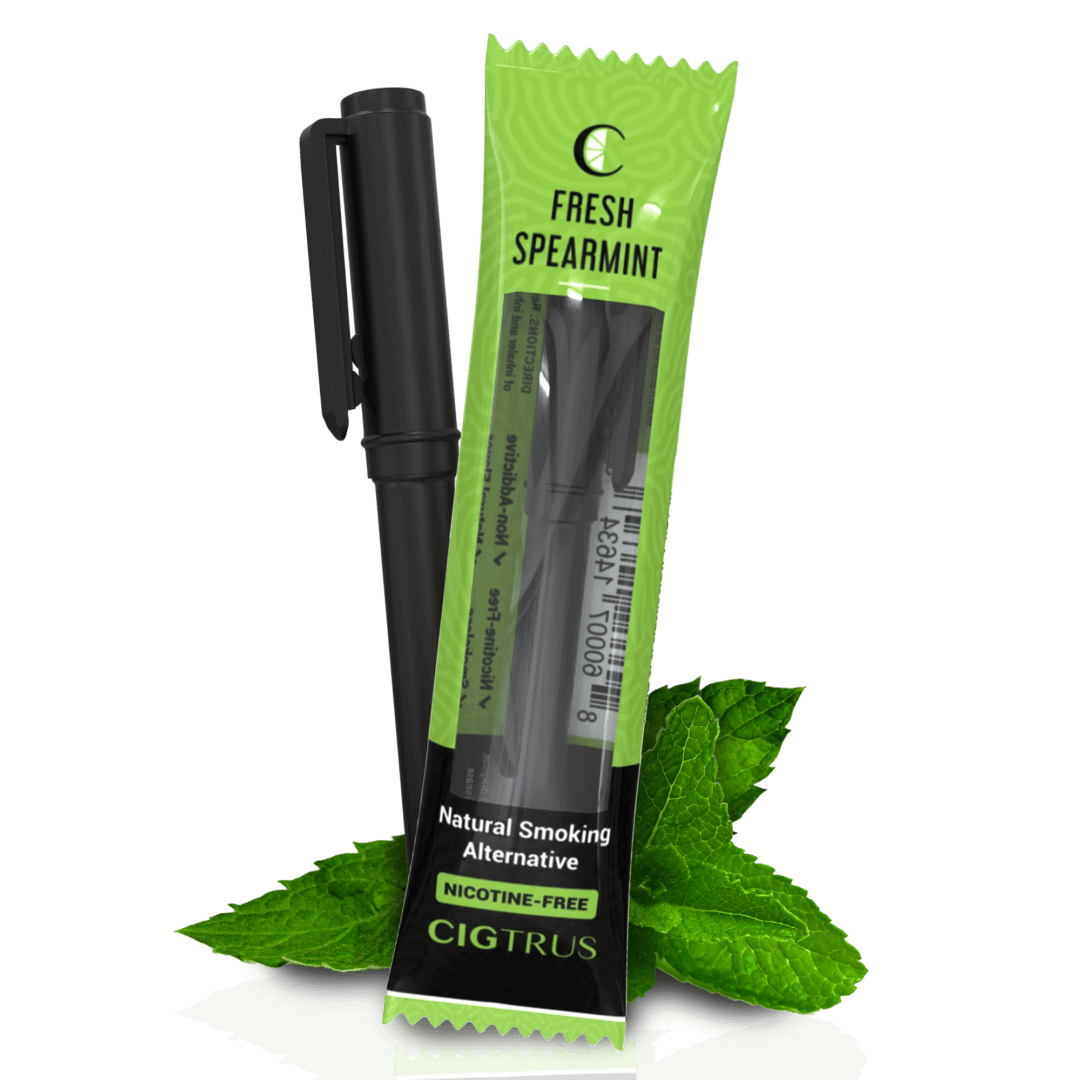
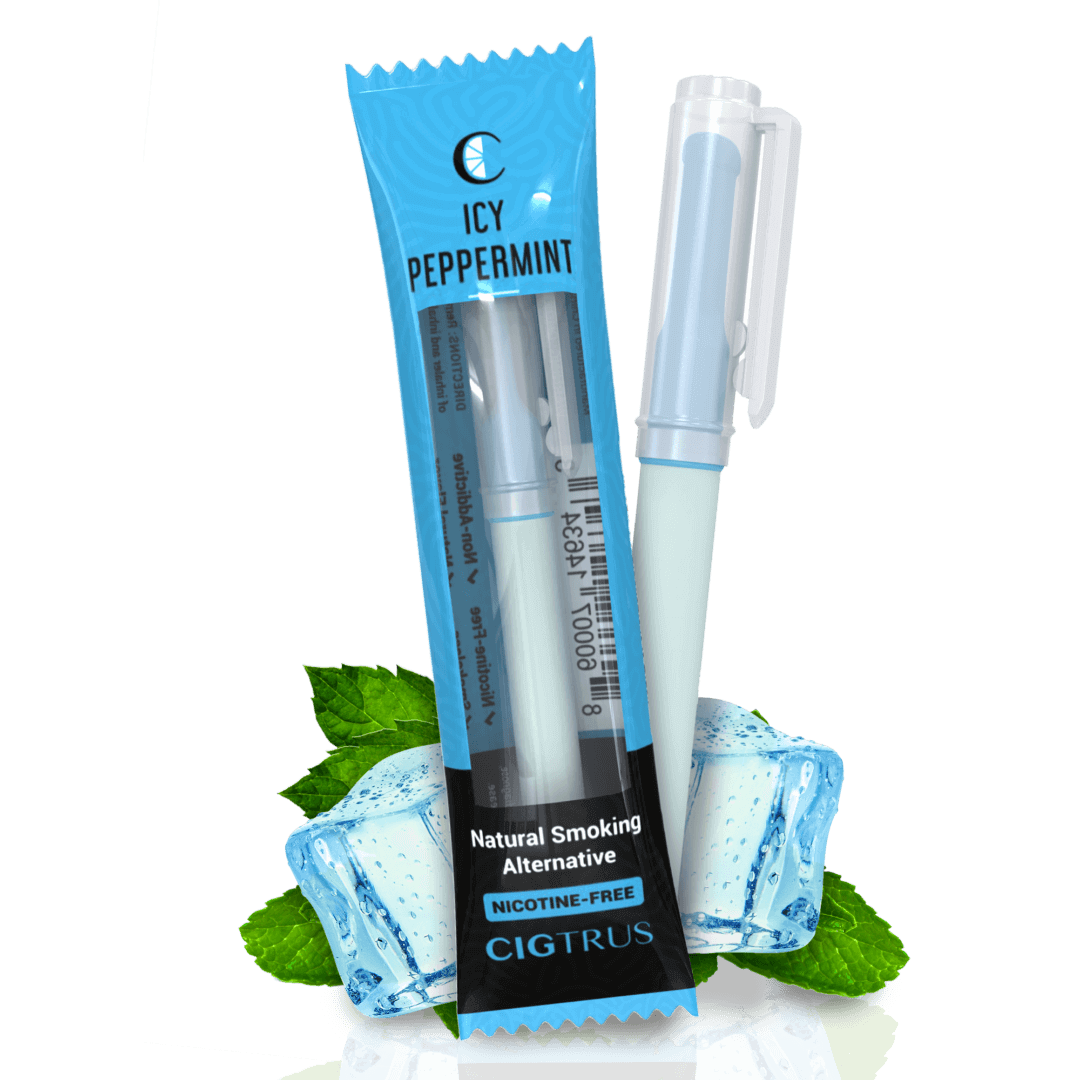
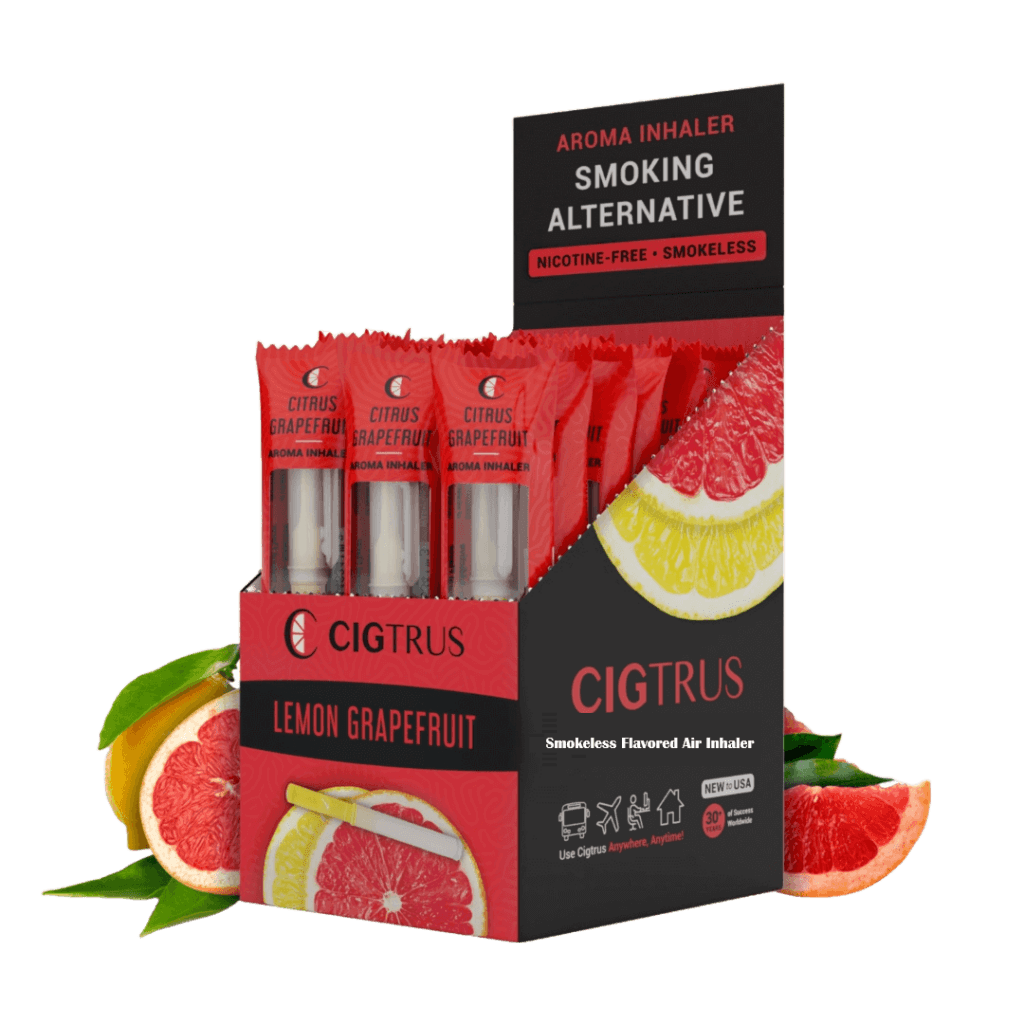
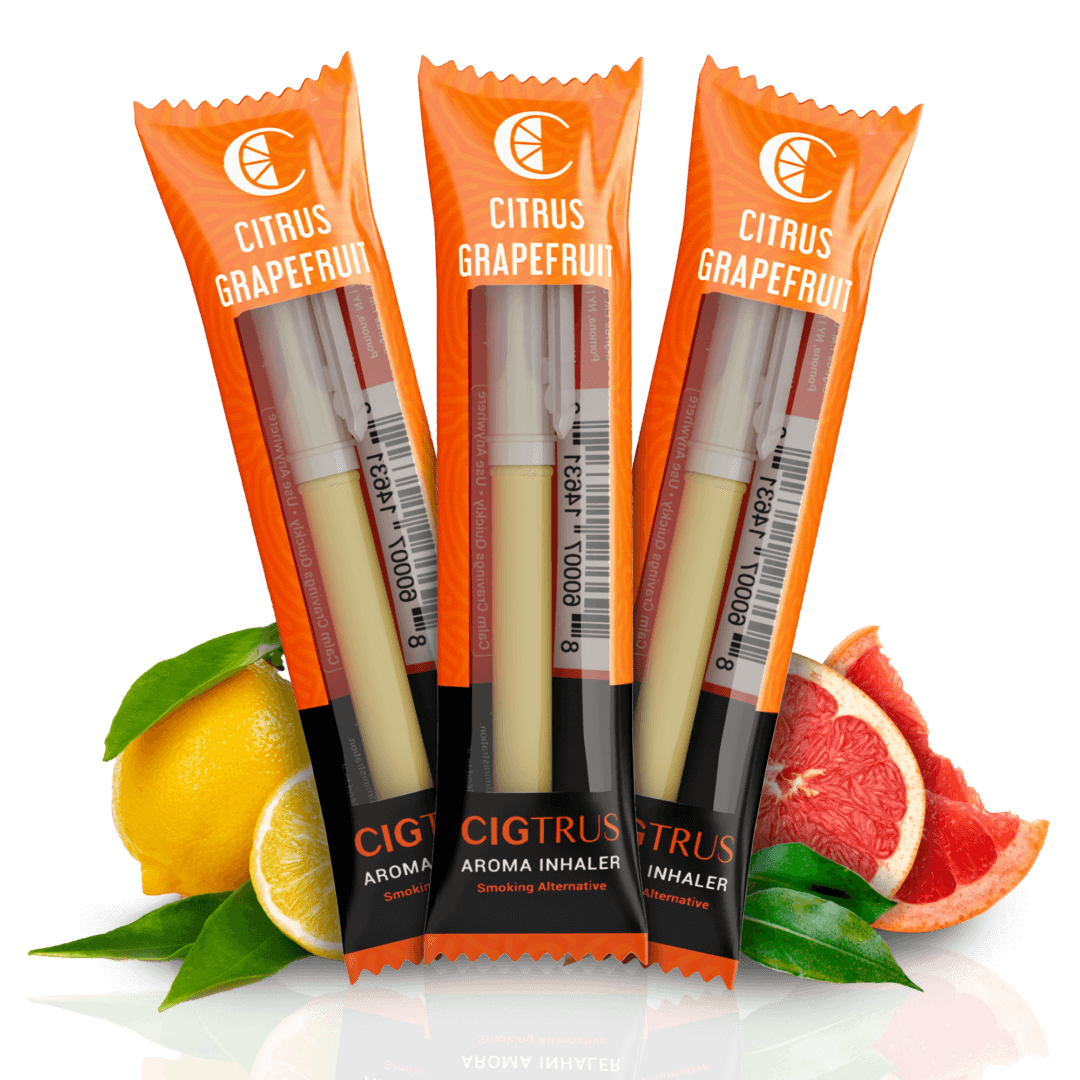
Cigtrus is nicotine-free, smokeless, and works anywhere. Try all four flavors with the Variety Pack and find the one you will actually reach for.
👉 Shop the Variety Pack, $24.99