
How to Handle Smoking Cravings in Stressful Moments
For many smokers stressful moments become one of the strongest triggers for reaching for a cigarette. The challenge during those moments is not always the nicotine, it is the deeply ingrained behavioral routine that stress activates automatically.
Work pressure, emotional situations, driving, anxiety, boredom, and repeated daily routines frequently become associated with smoking habits through years of repetition. That is one reason many smokers continue experiencing cravings even after reducing nicotine intake.
Why Stress Often Triggers Smoking Cravings
Many smokers find success by using structured quitting strategies that focus on habit replacement alongside nicotine reduction. Many smokers become accustomed to smoking during:
Stressful Workdays
Work pressure became connected to cigarette breaks through years of daily repetition at the same moments.
Emotional Situations
Arguments, difficult conversations, and emotional pressure all trigger the automatic reach for a cigarette.
Anxiety and Frustration
The cigarette was the pause and reset. When anxiety hits the brain goes straight to what worked before.
Driving
Long commutes and traffic frustration became deeply connected to smoking for millions of people.
Boredom
Idle moments with nothing happening send the hands reaching automatically for something familiar.
Social Routines
Around other smokers or in certain social environments the trigger fires even years after quitting.
Over time these repeated situations gradually become connected to smoking behavior and emotional routine. Many smokers eventually realize that cravings often continue because of routines and behavioral patterns rather than nicotine alone.
Understanding the Behavioral Side of Smoking
For many smokers cigarettes eventually become connected to far more than nicotine. The behavioral side of smoking is what makes stress moments so difficult to get through without reaching for something.
- Stress-management habits built over years of repetition
- The hand-to-mouth behavior the hands do automatically
- Familiar inhalation routines the body expects
- Emotional comfort connected to the smoking routine
- Familiar daily rituals structured around cigarettes
Adults trying to reduce smoking often discover that replacing the ritual itself feels just as important as reducing the nicotine.
Practical Ways to Handle Smoking Cravings
Many adults gradually begin building healthier routines by replacing what they do in stressful moments rather than just trying to resist the urge with nothing. Here are the most practical approaches:
Small behavioral changes repeated consistently over time help many smokers gradually reduce dependence on repeated smoking behavior. Following structured quitting smoking strategies can help break the cycle.
When Stress Hits, The Habit Is Usually What You Reach For
“Most smoking cravings during stressful moments are not just about nicotine, they are about routine. The instinct to reach for something, take a break, and reset becomes automatic over time. Having something clean to reach for instead makes all the difference.”
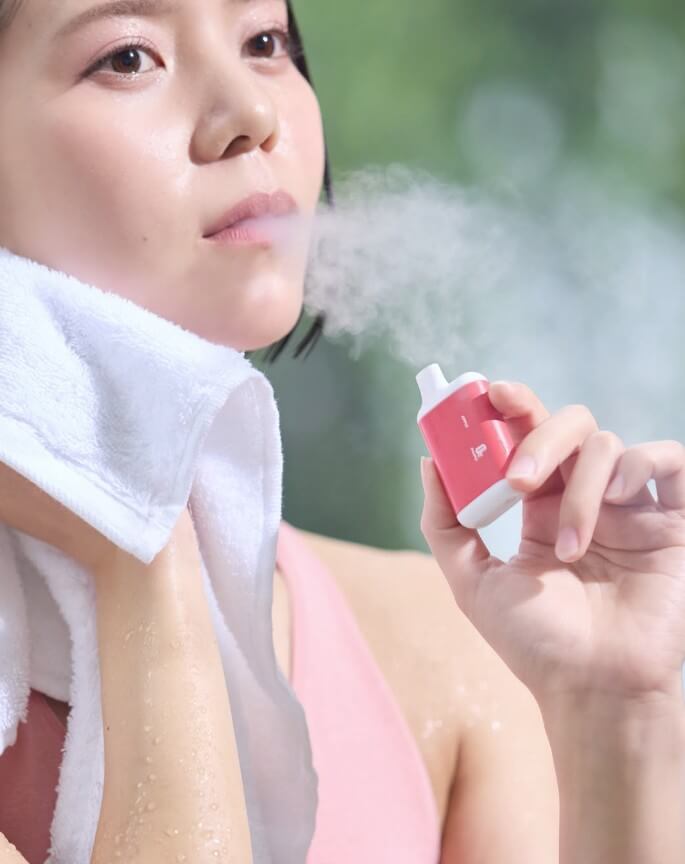
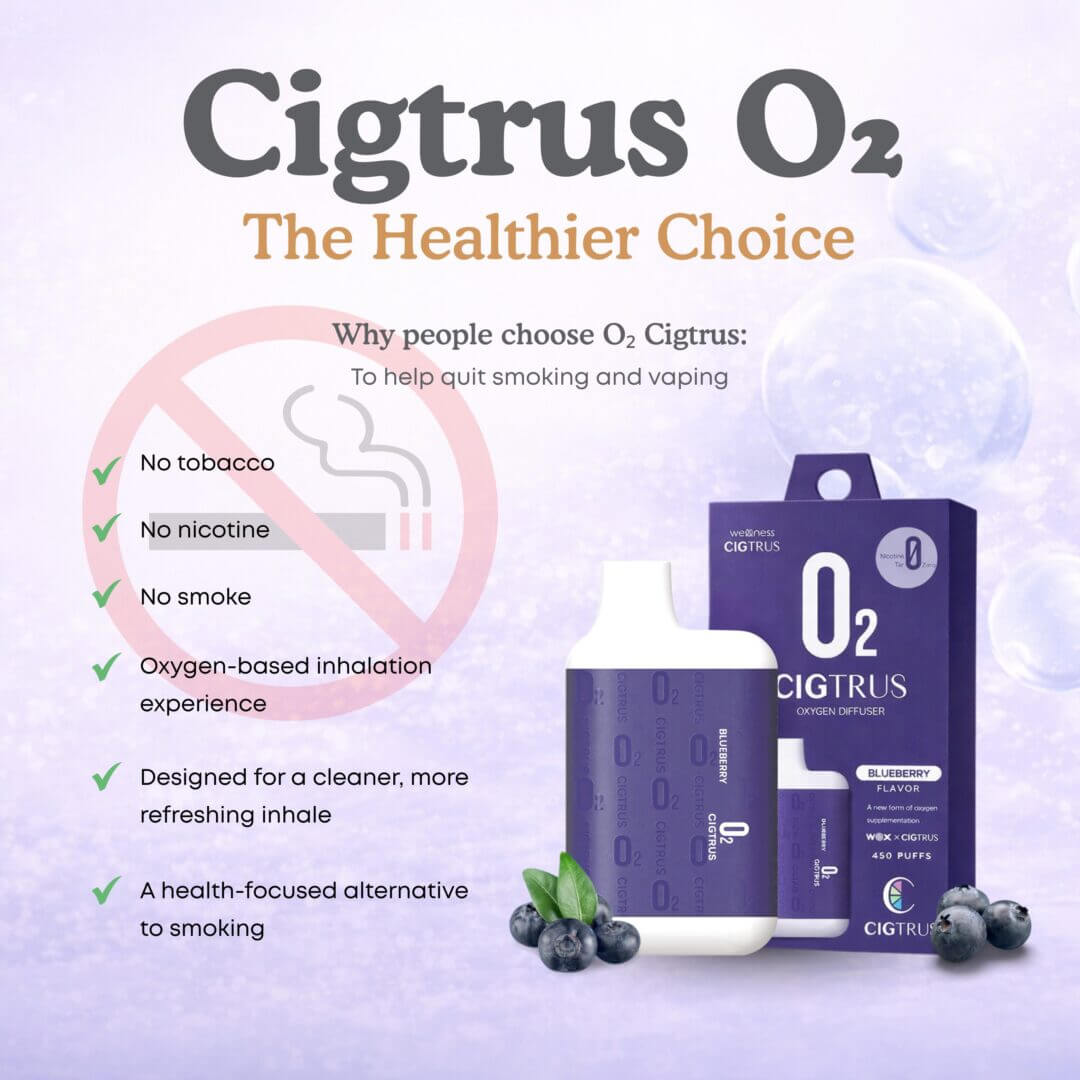
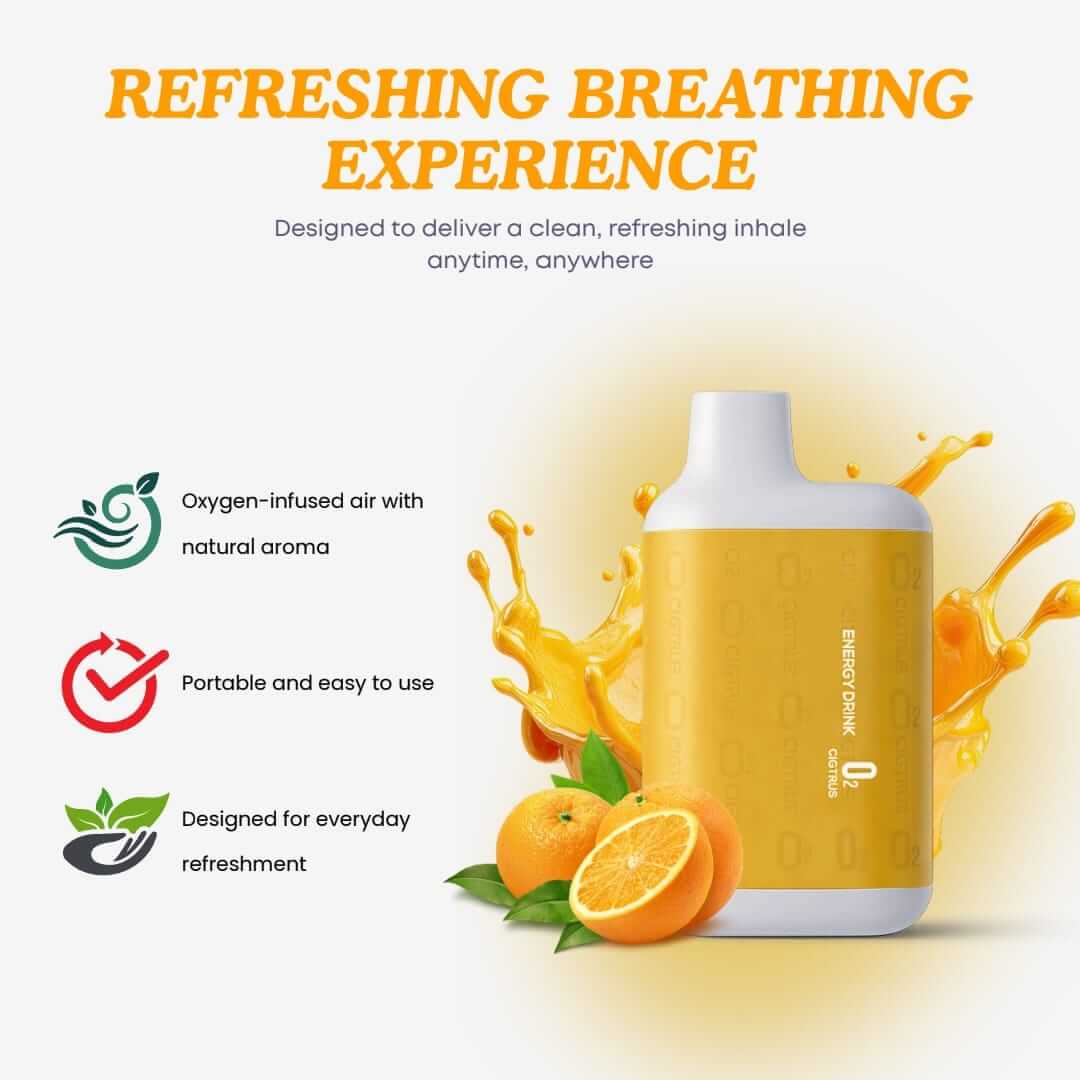
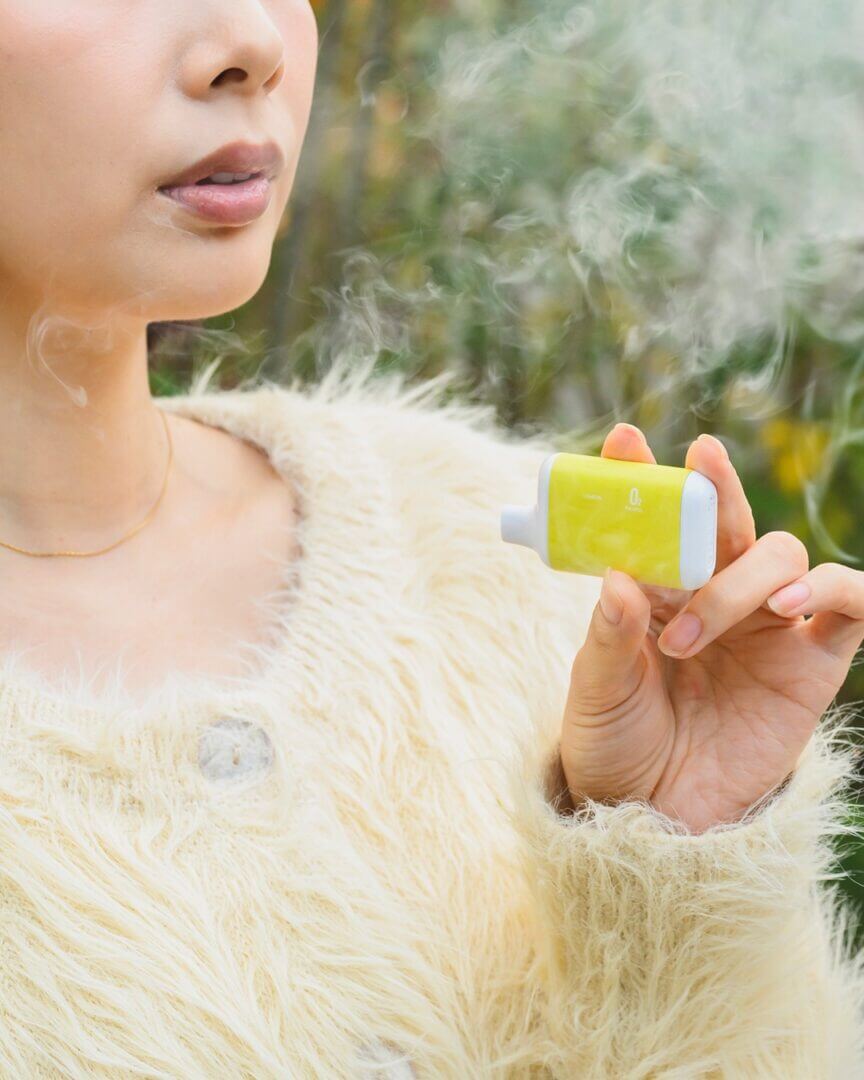
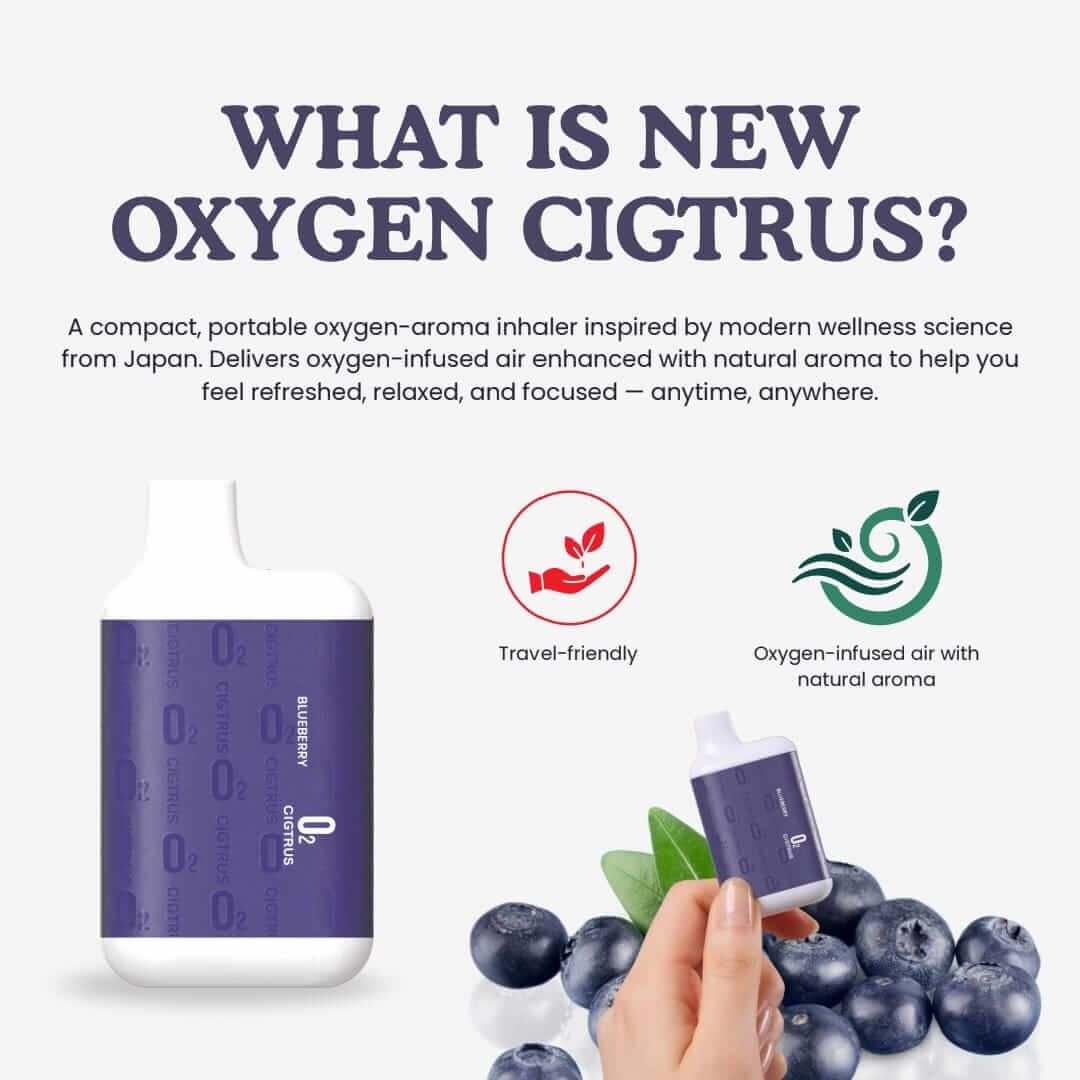
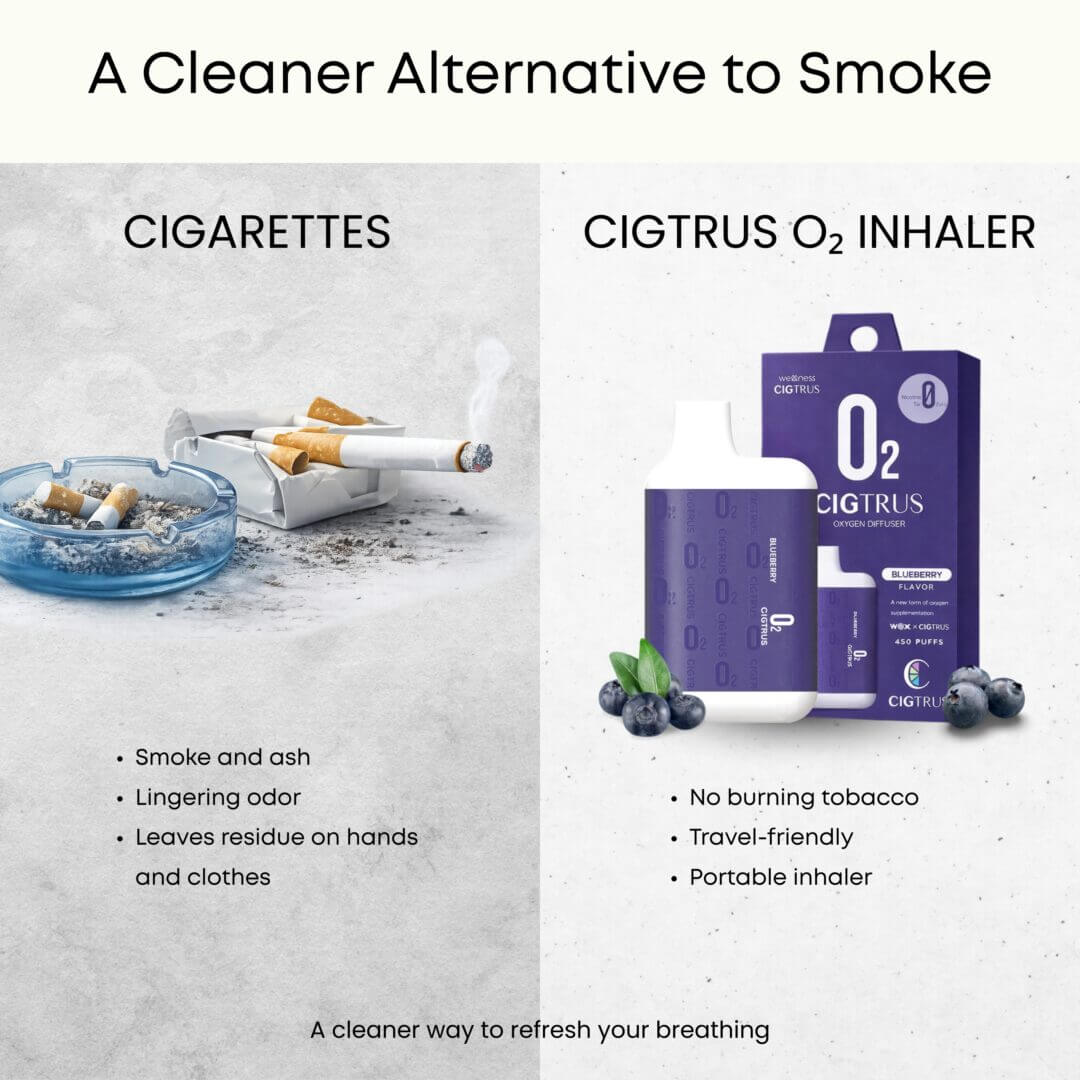
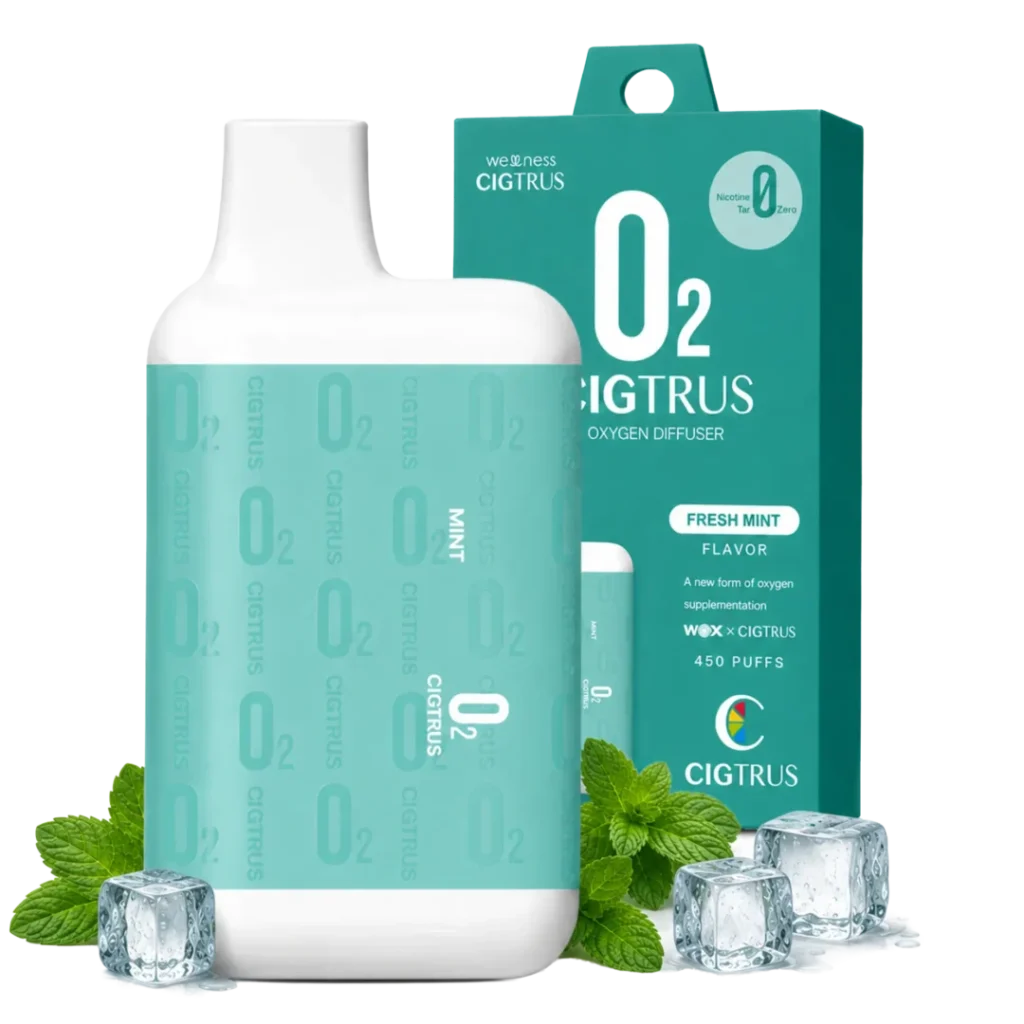
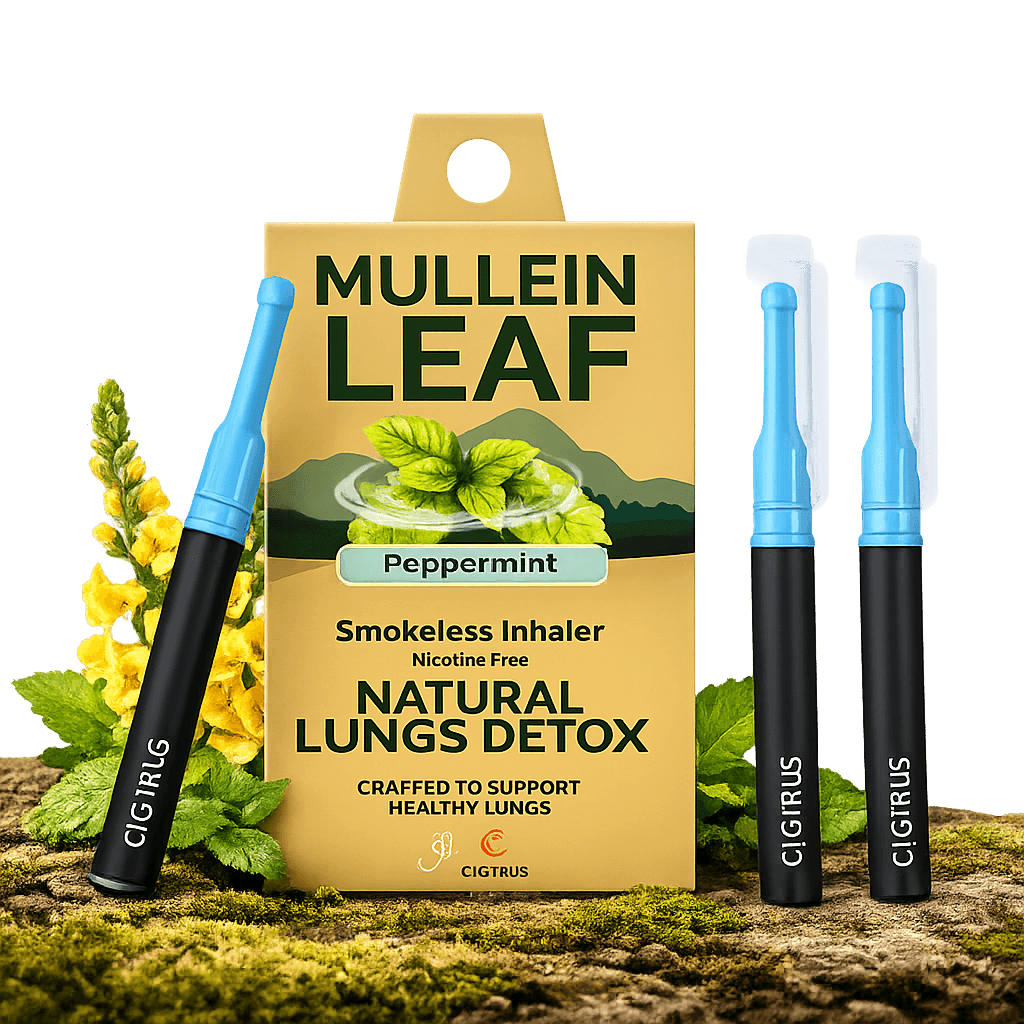
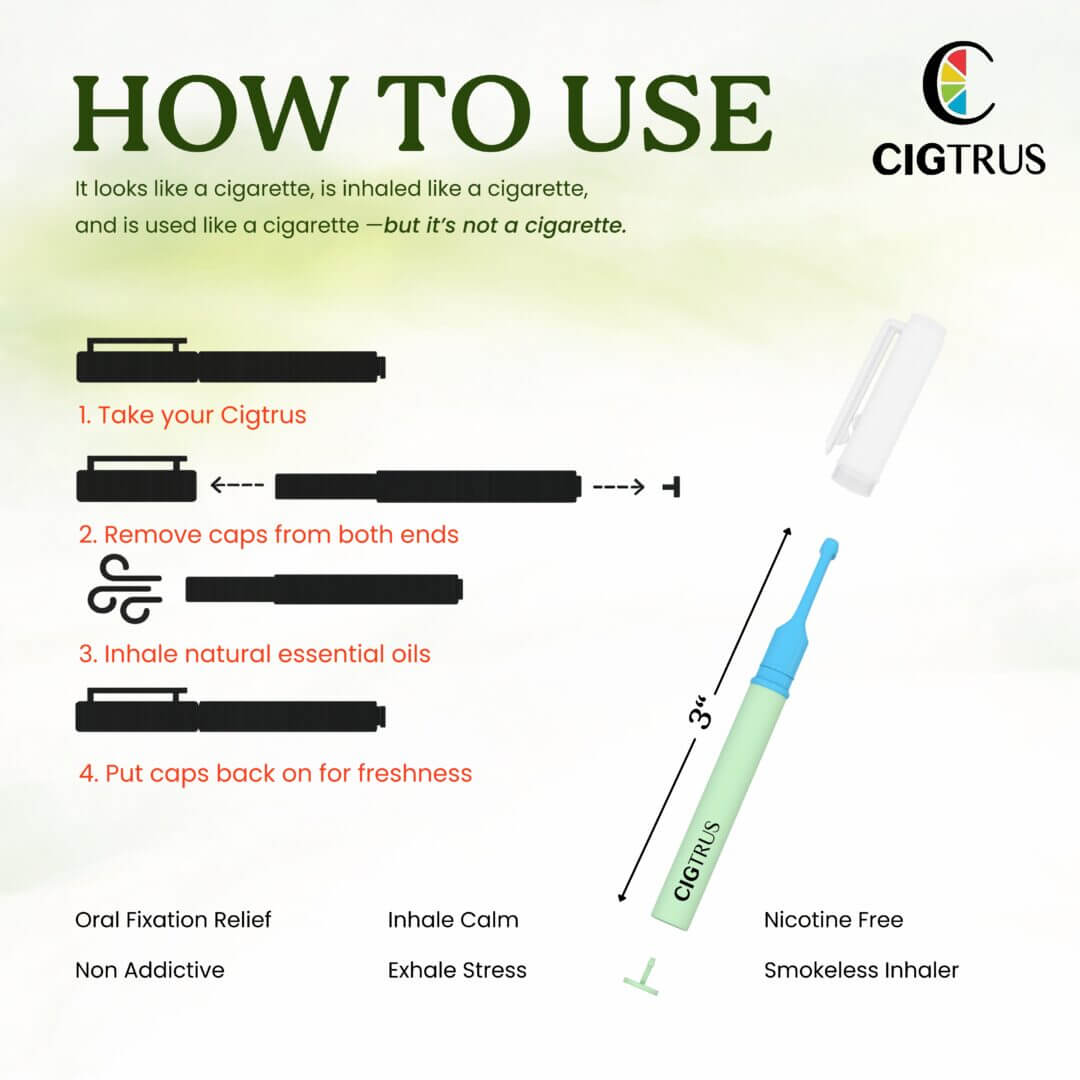
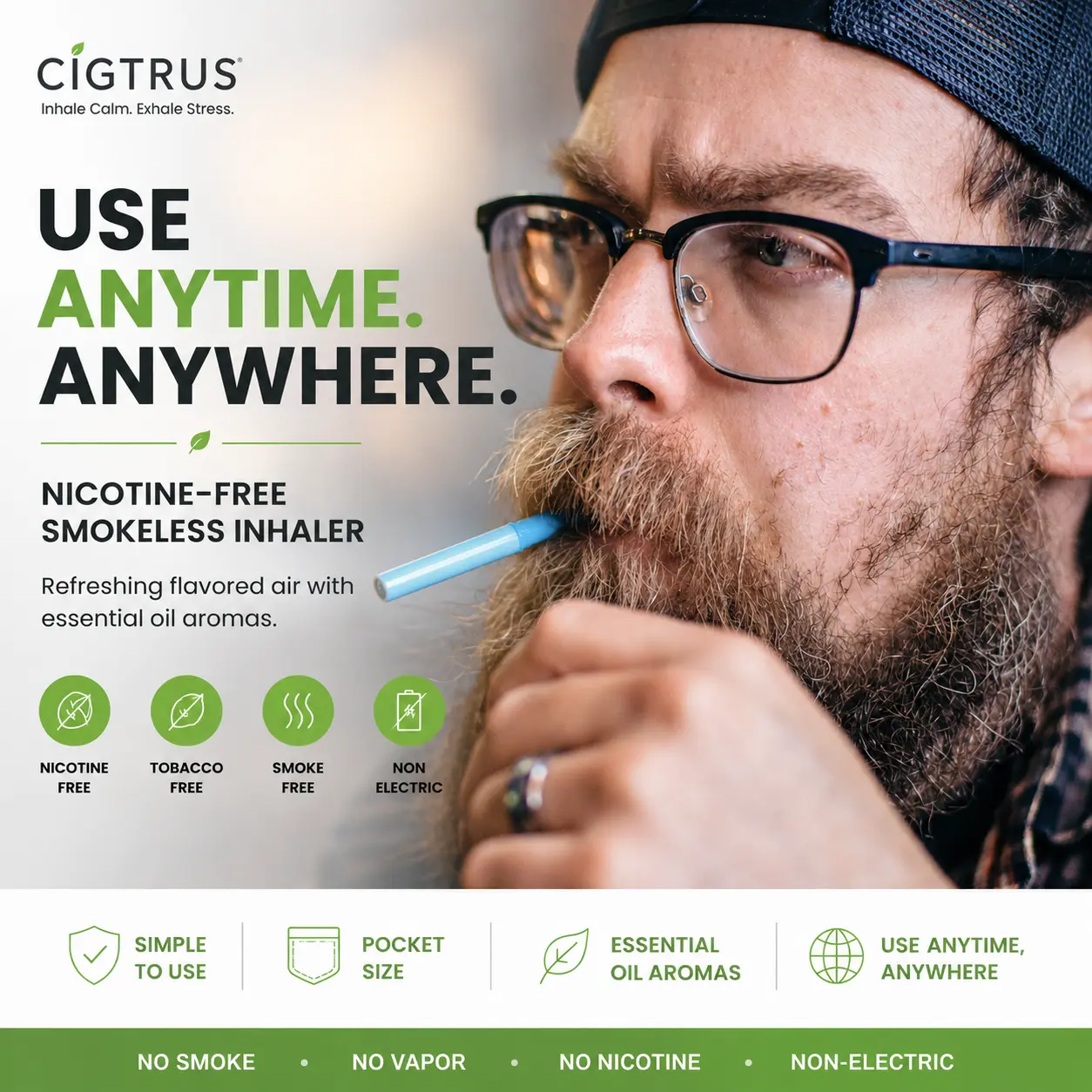
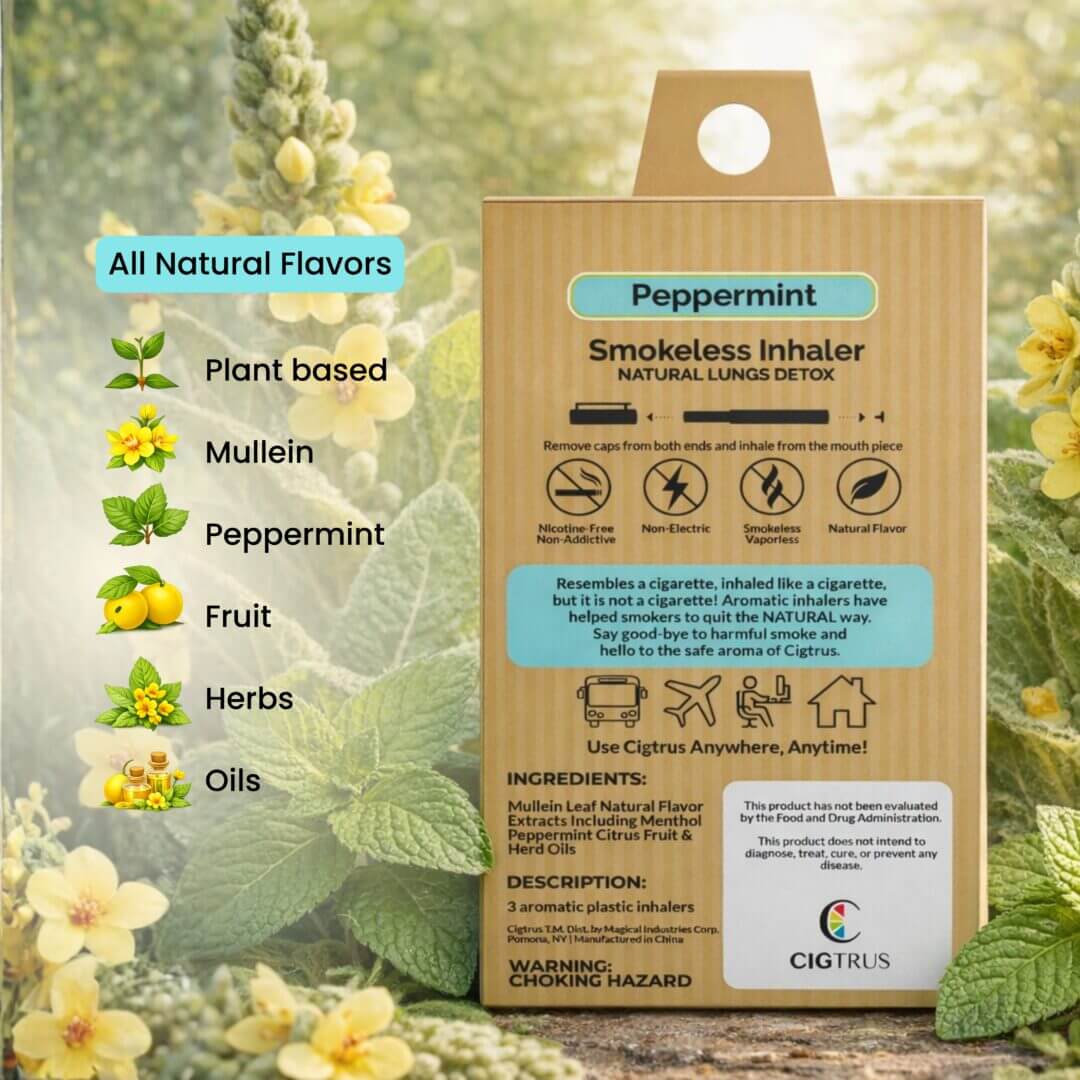
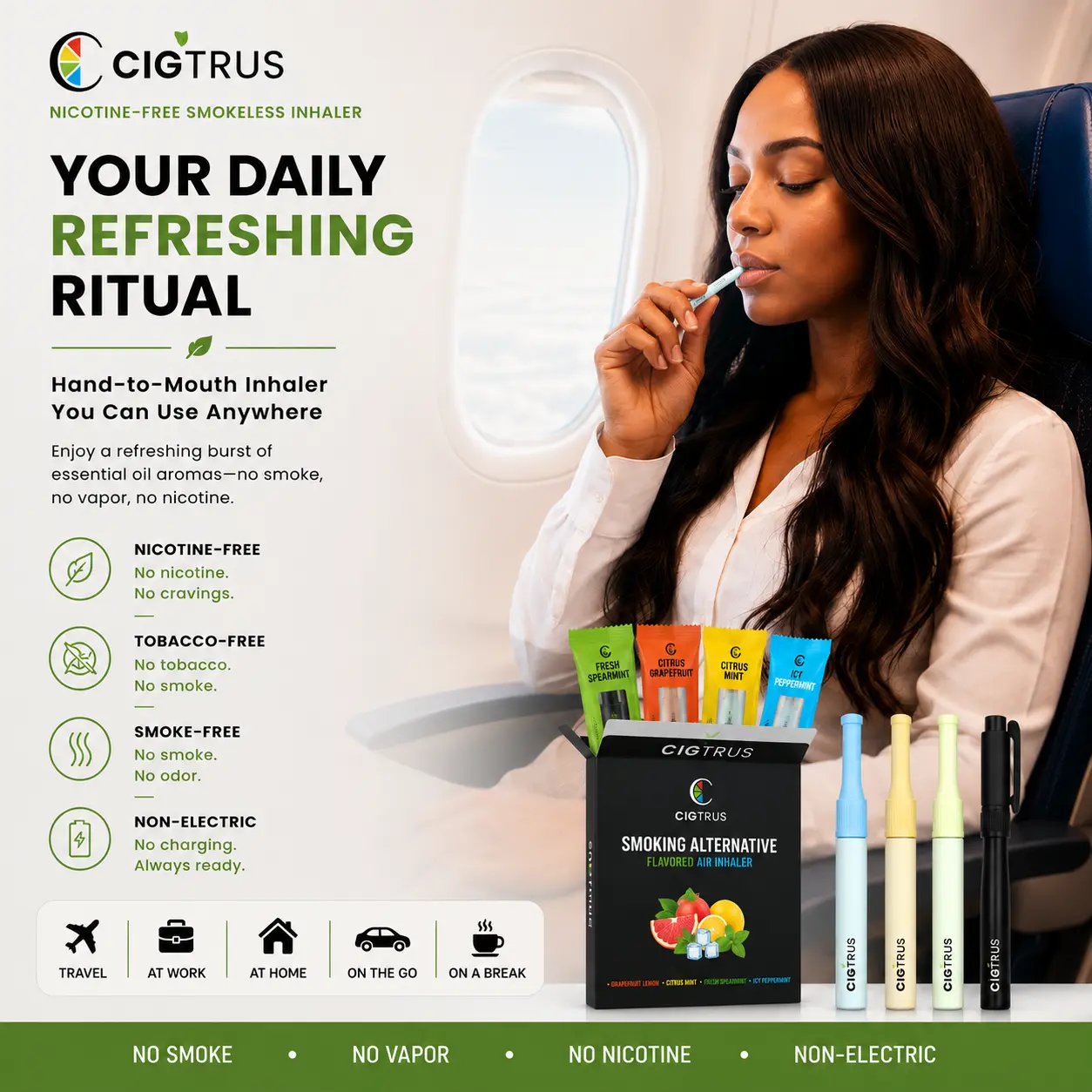
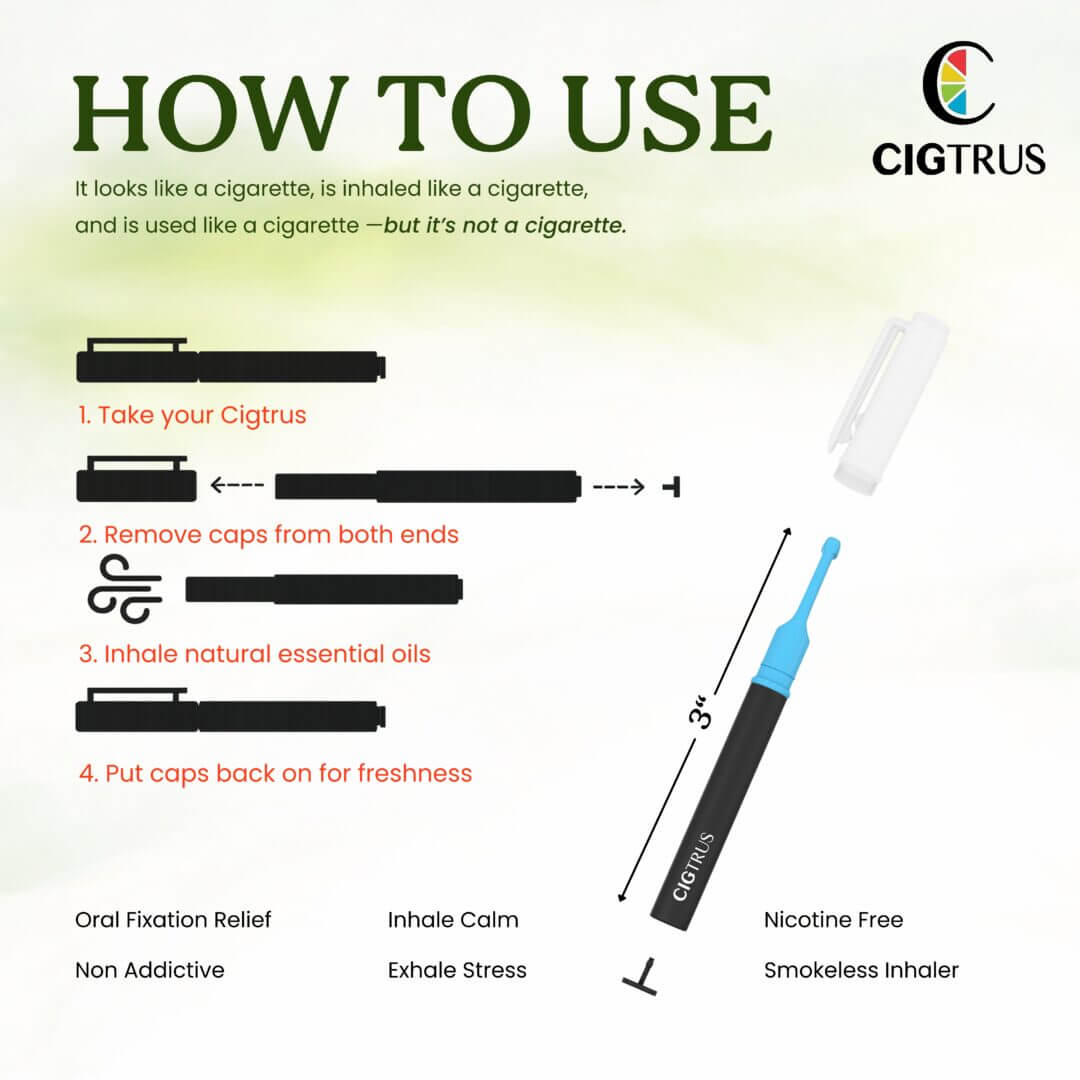
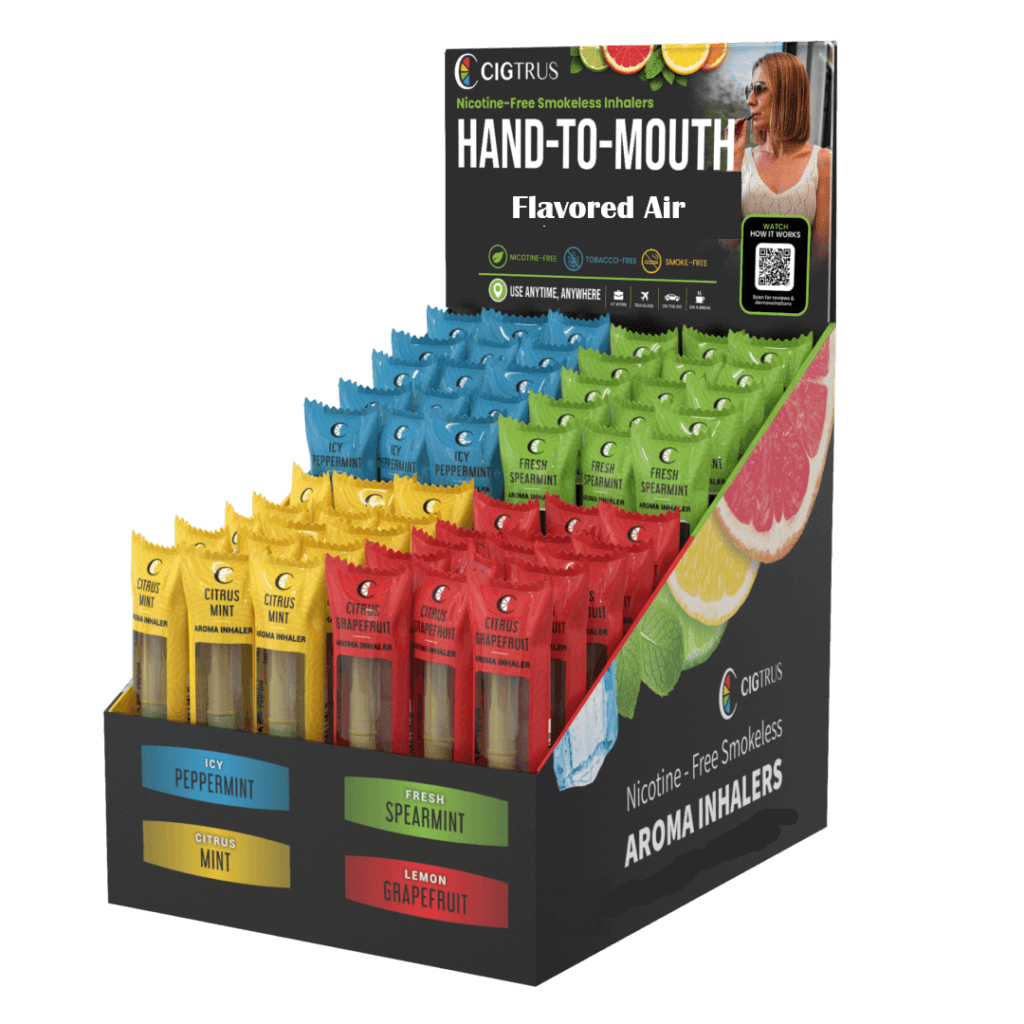
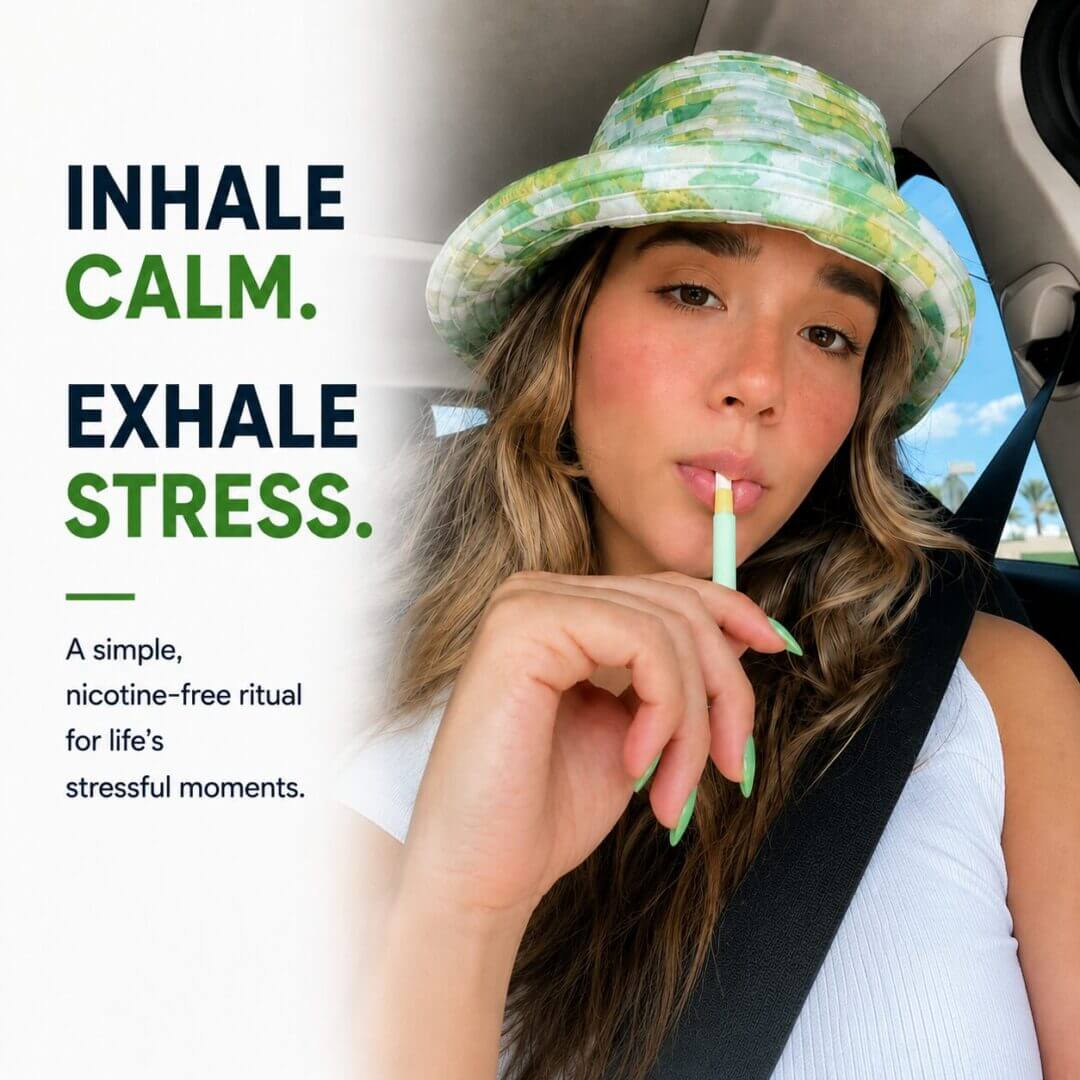
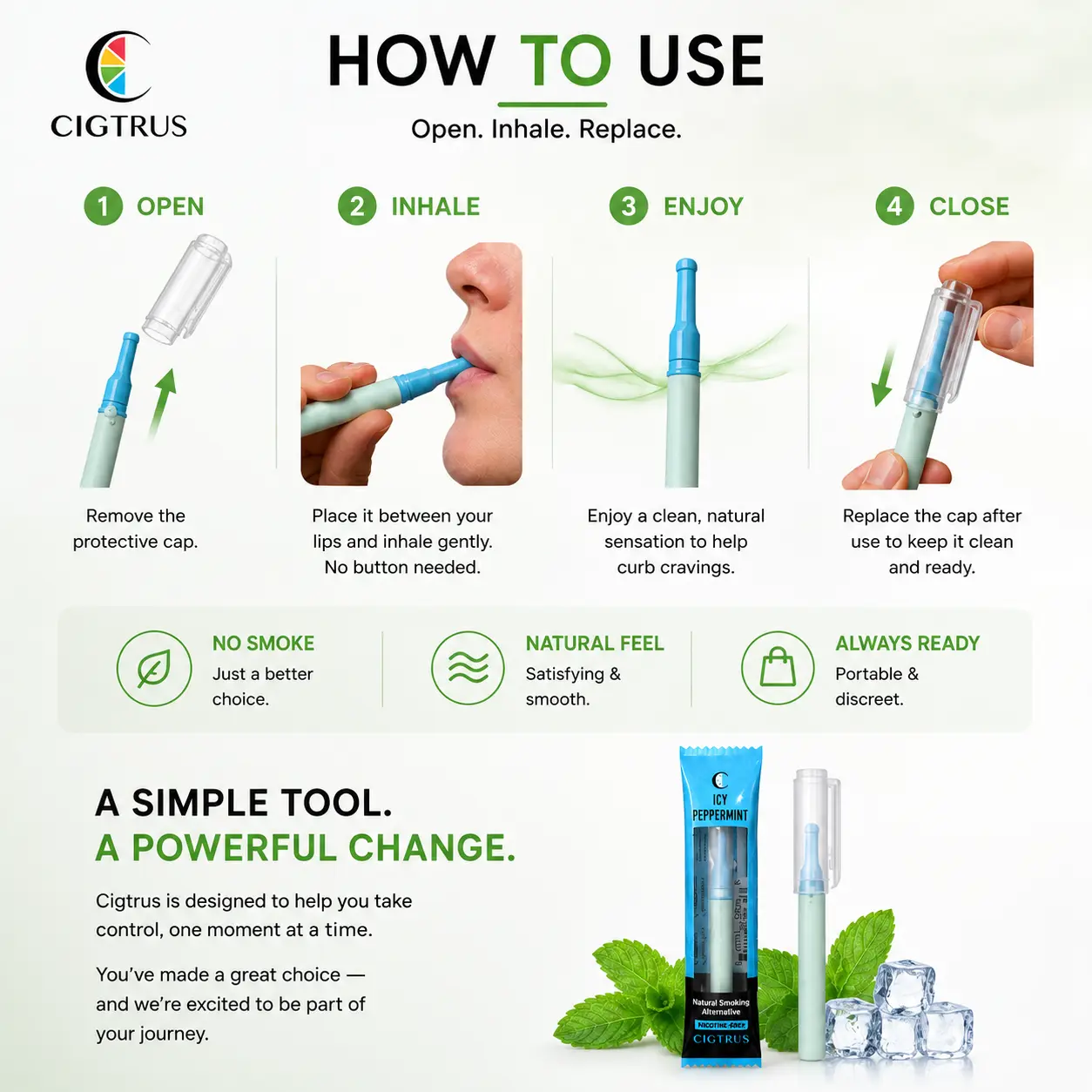
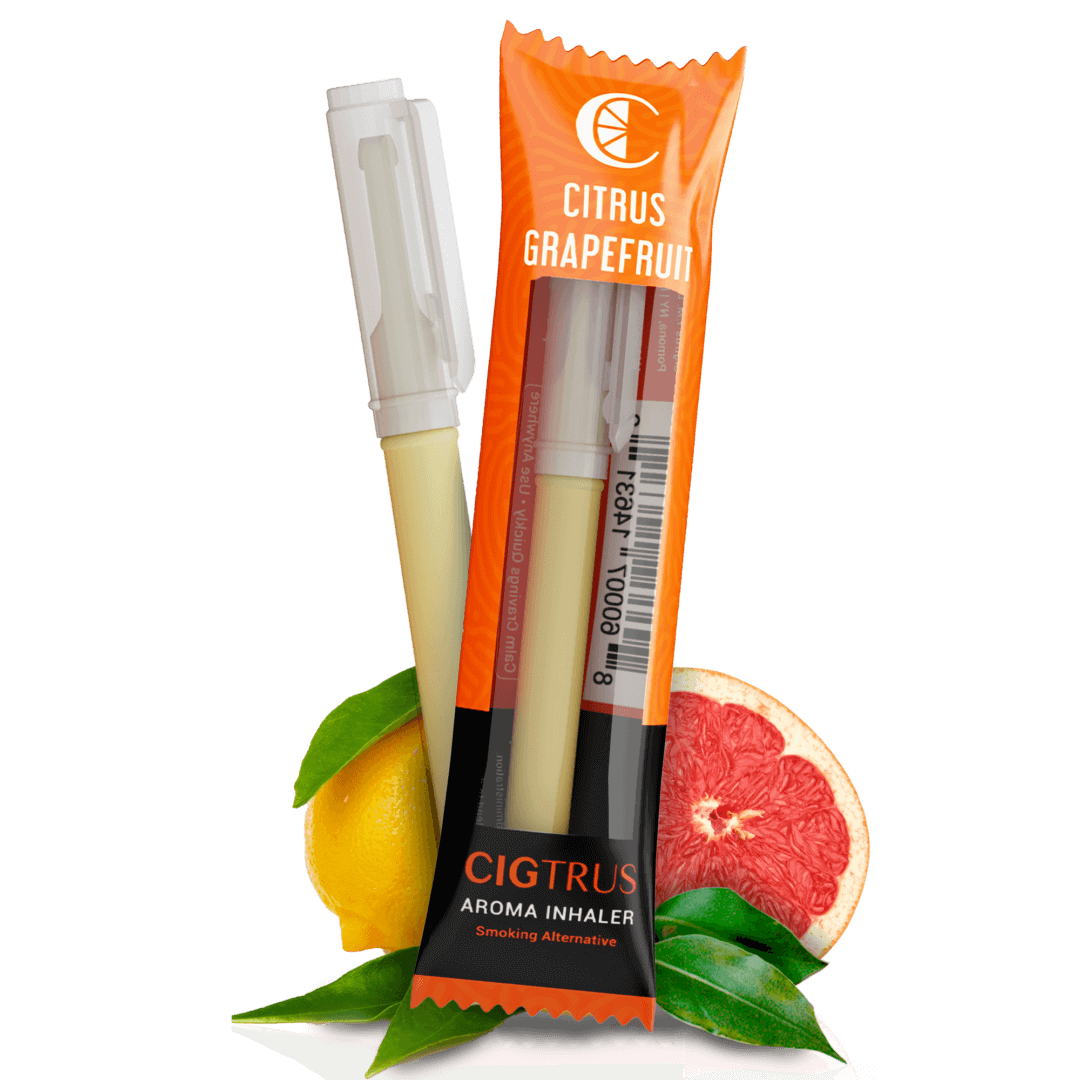
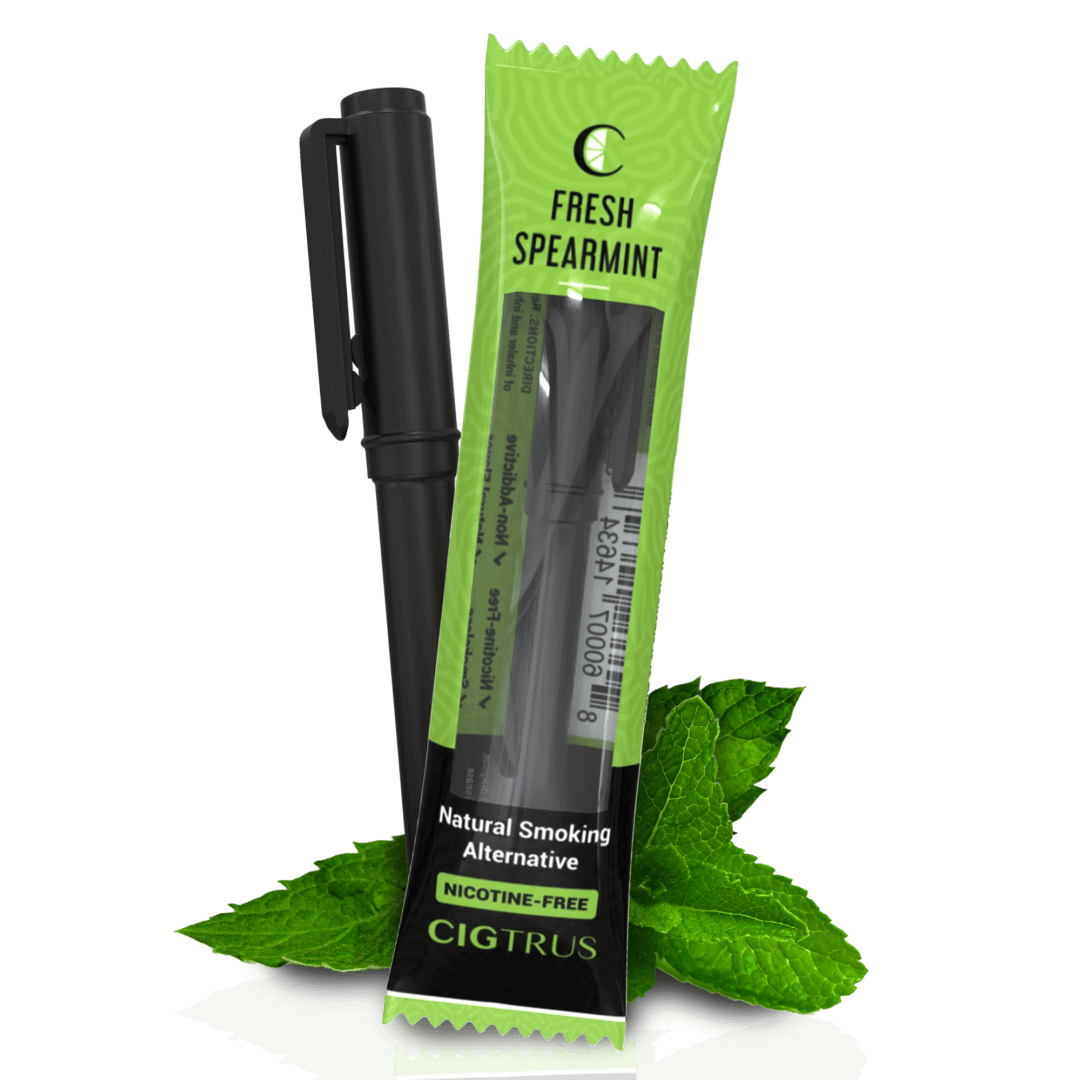
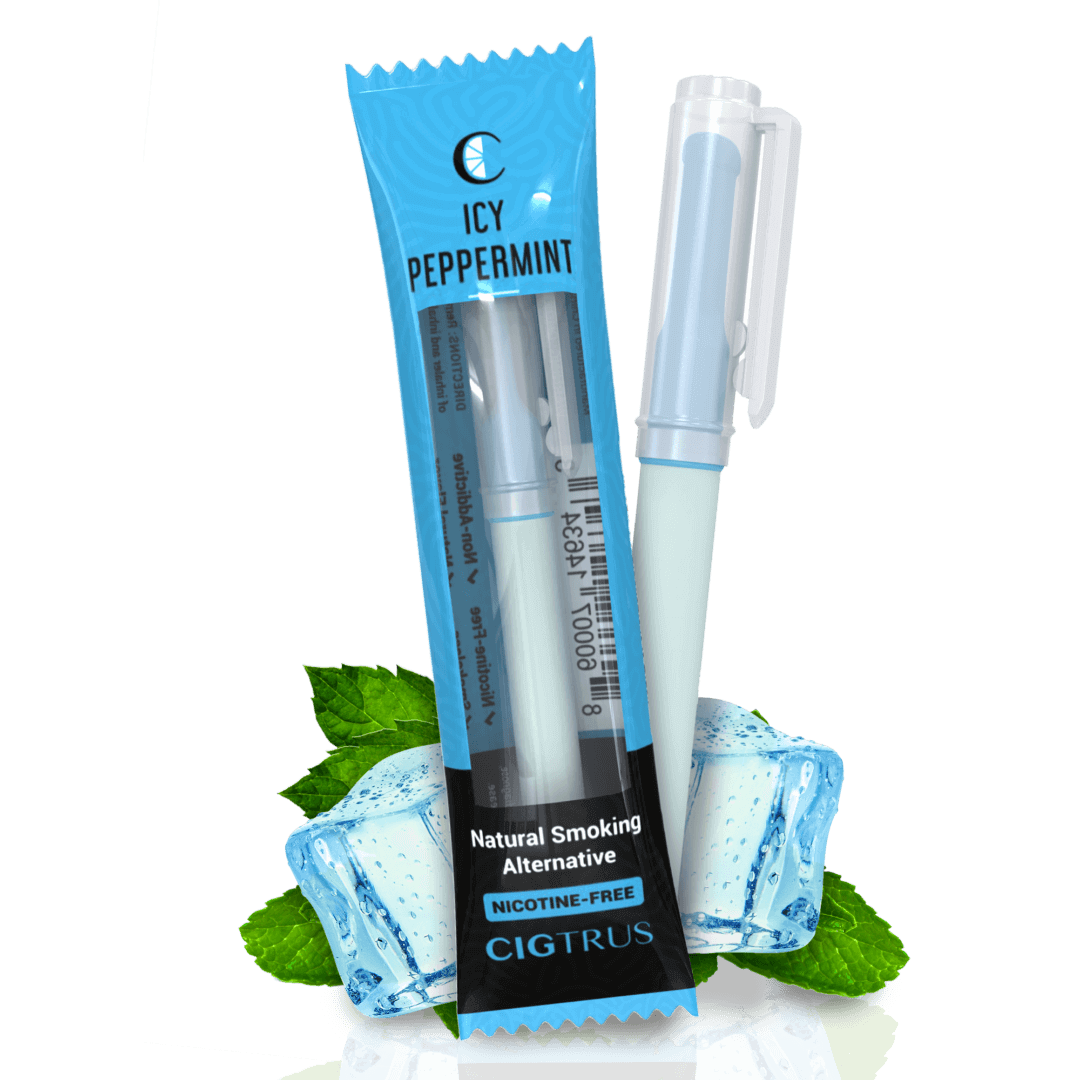
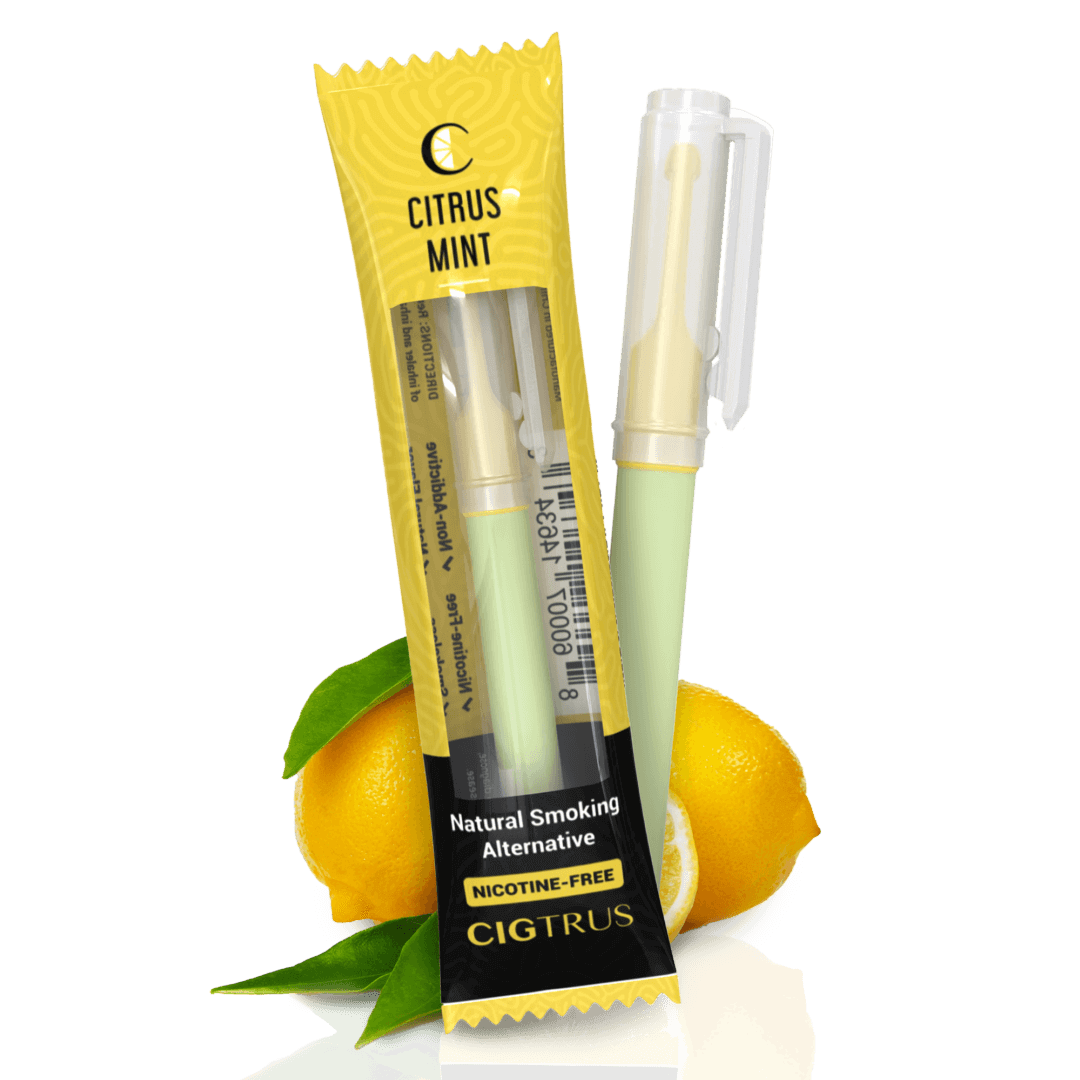
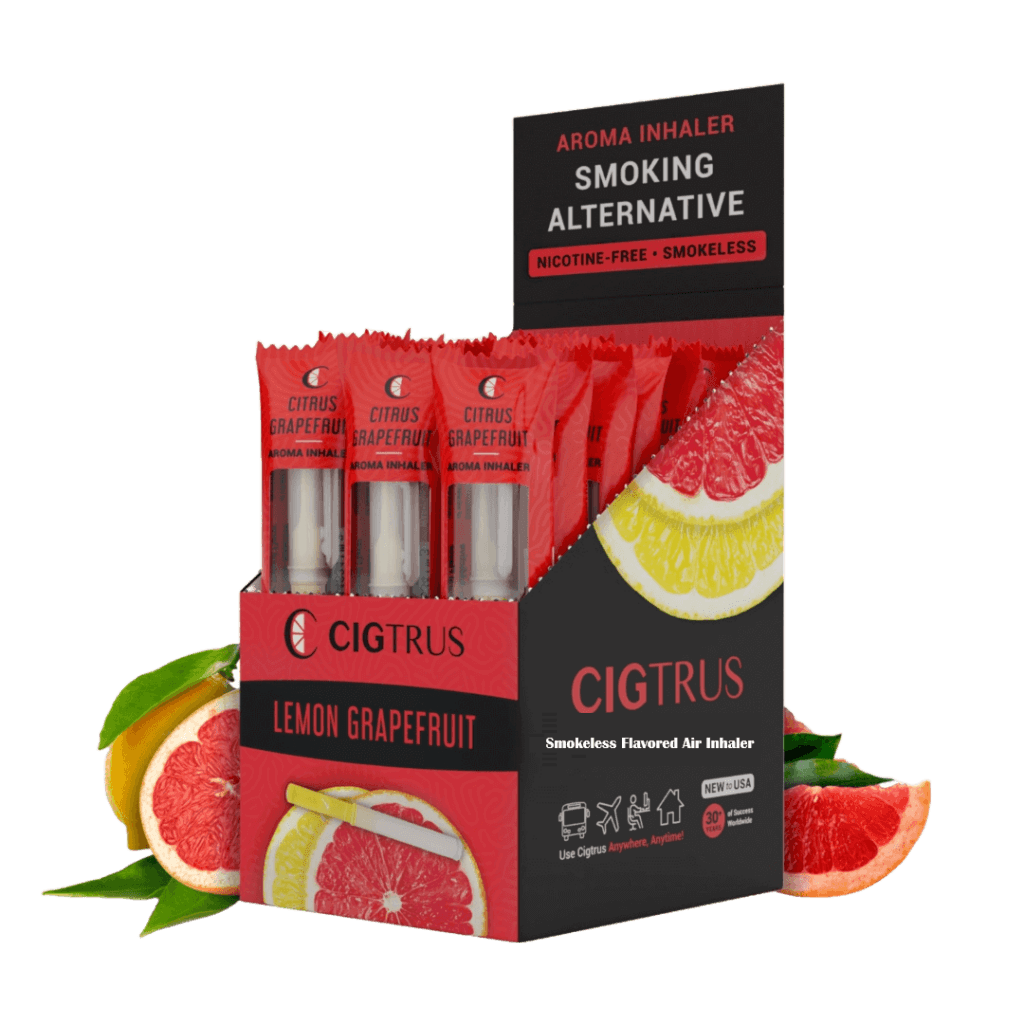
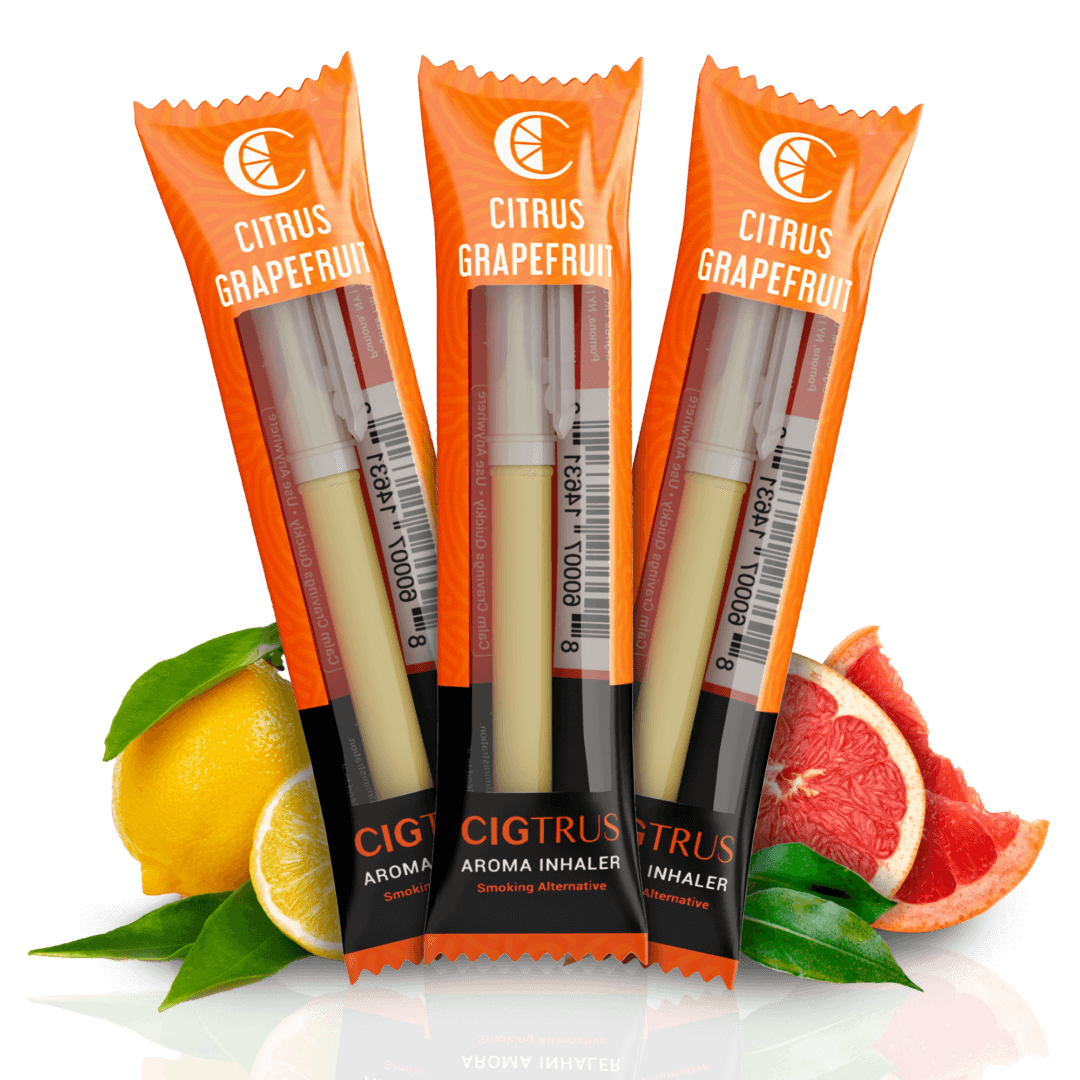
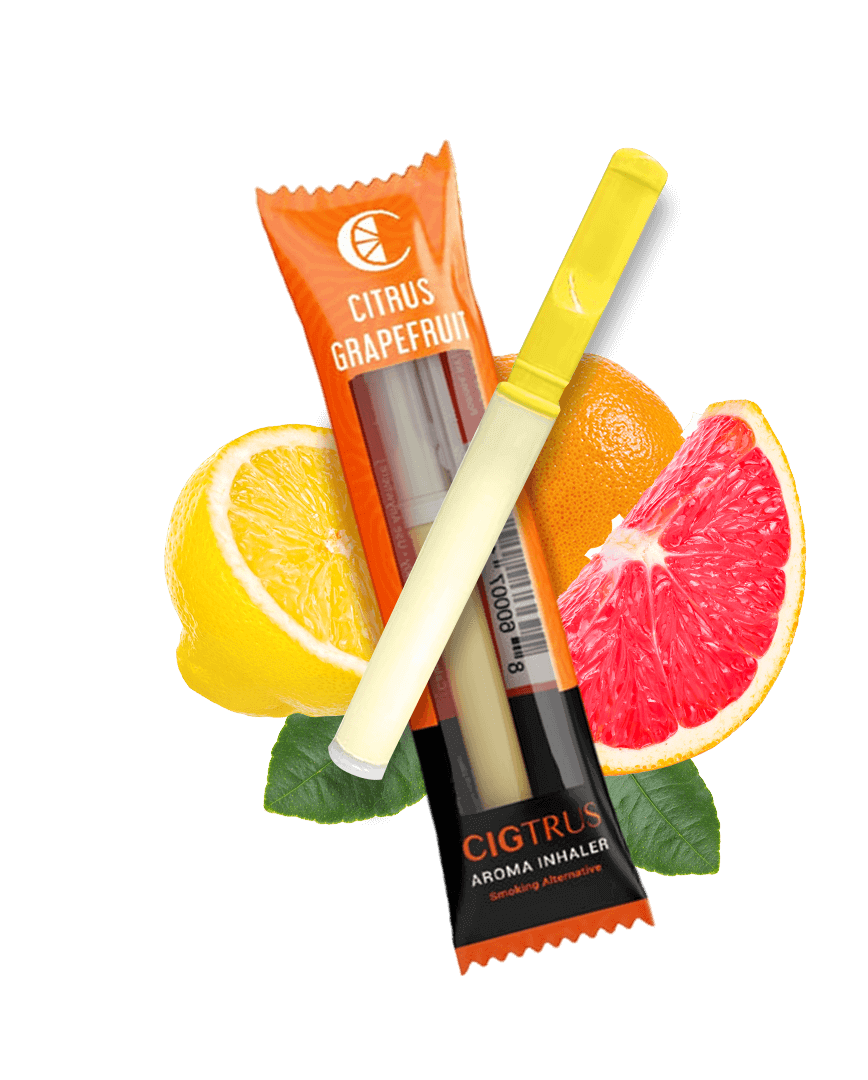
Cigtrus is a nicotine-free, smokeless inhaler designed to replace that habit in the exact moments cravings hit, giving you a simple way to pause, breathe, and reset without smoke, vapor, or nicotine.
Why Smoke-Free Alternatives Continue Growing
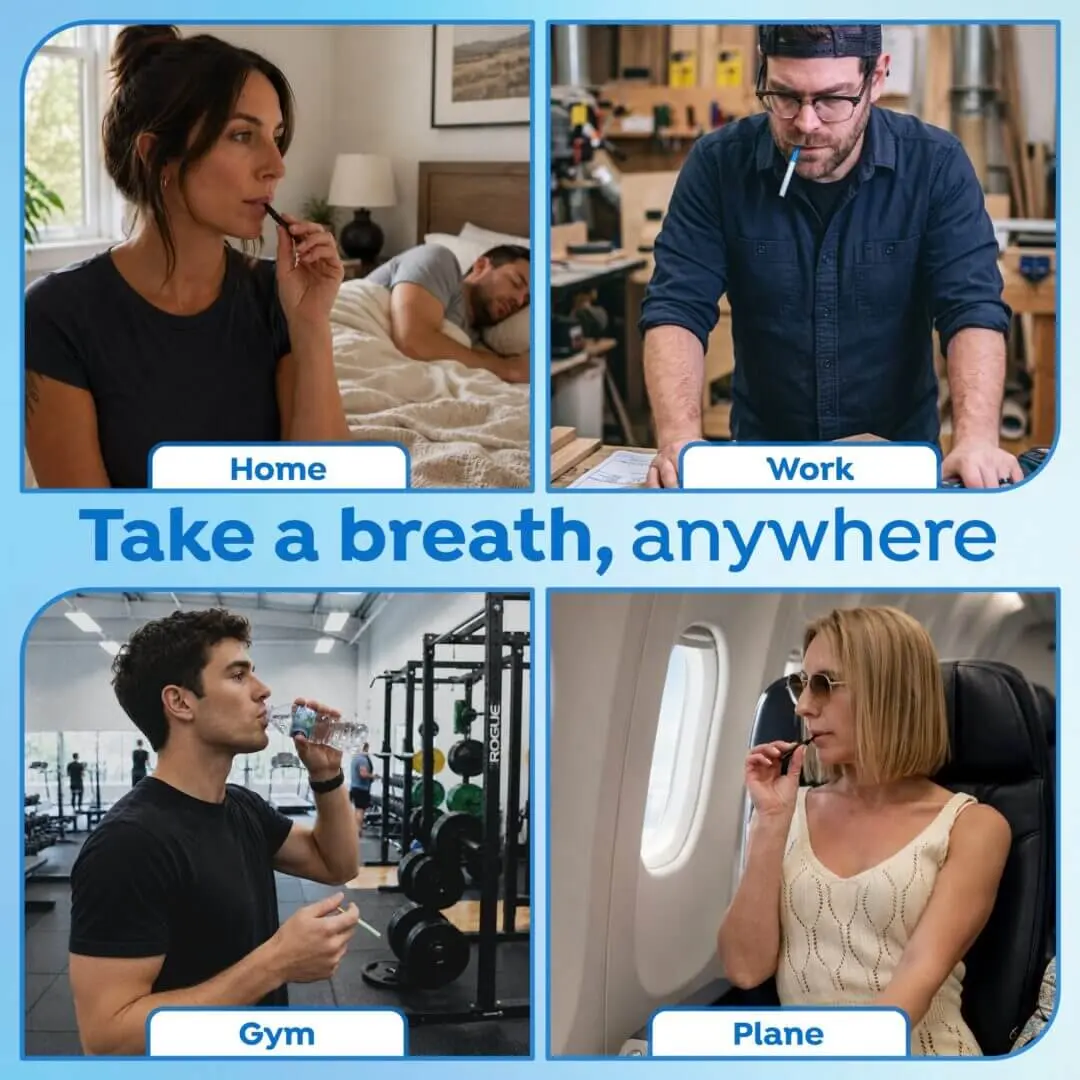
Many smokers today begin searching for smoke-free alternatives that work in the real situations where cravings hit, at work, commuting, traveling, indoors. The growing interest has increased awareness around smokeless inhalers designed around hand-to-mouth habit replacement.
- Portable, fits in a pocket and is always ready
- Smoke-free, no cloud, no smell, no restrictions
- Non-electric, no charging, no maintenance
- Vapor-free, nothing produced, nothing inhaled but natural aroma
- Supports familiar routines, gives the hands and mouth somewhere to go
Many adults also want to understand how smokeless inhalers differ from vaping devices before making a choice.
How Cigtrus Supports Smoke-Free Behavioral Routines
What Cigtrus Is Designed to Support
Hand-to-mouth habit replacement, gives your hands the familiar motion
Oral fixation, gives your mouth something familiar to do
Smoke-free routines, preserves the pause without the cigarette
Familiar inhalation behavior, the deep breath your body expects
Behavioral smoking patterns in any environment, indoors, on flights, at work
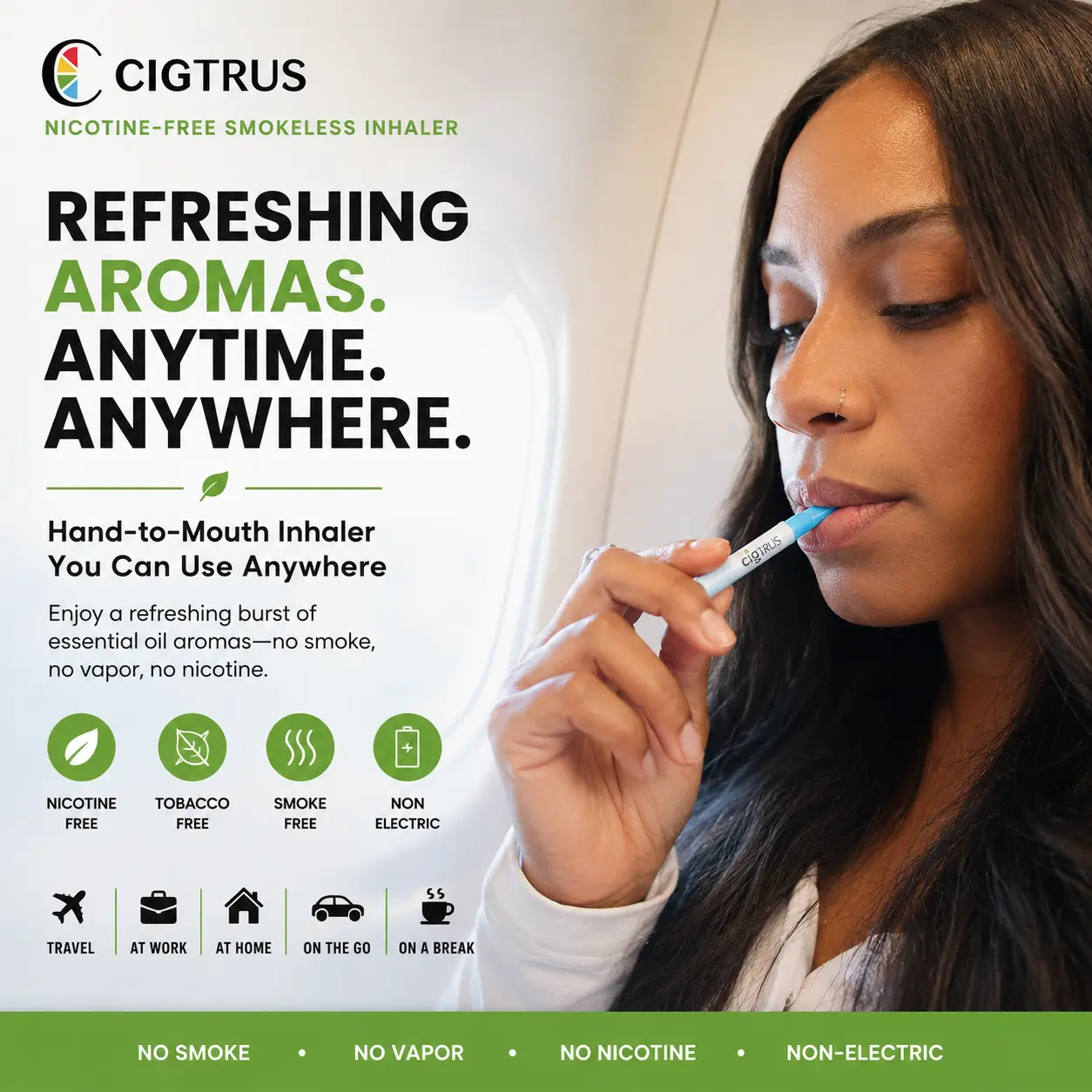
Because Cigtrus is smokeless and non-electric many adults find it easier to use during stressful situations, workdays, commuting, travel, and indoor environments where smoking is completely off the table.
Building Healthier Long-Term Smoke-Free Habits
Most smoking habits develop gradually through years of repetition and emotional association. Replacing those routines takes time, but it works. The process requires consistency, trigger awareness, behavioral support, and realistic lifestyle adjustments.
- Consistency, using the replacement every time the trigger fires
- Trigger awareness, knowing which moments cause the strongest urges
- Behavioral support, having something ready at every trigger moment
- Healthier coping routines, new responses that become automatic over time
- Realistic adjustments, building gradually rather than removing everything at once
Frequently Asked Questions
Why do stressful moments trigger smoking cravings?
Many smokers become accustomed to smoking during stressful situations through repeated behavioral patterns over time. The brain wires stress and smoking together automatically.
Are smoking cravings always caused by nicotine?
No. Many smoking cravings are connected to routines, emotional triggers, stress, and repeated behavioral habits, not just the chemical addiction.
What is behavioral habit replacement?
It means replacing the physical routine of smoking, the hand-to-mouth motion, the inhale, the pause, with a clean smoke-free alternative instead of leaving a gap.
Why are smokeless inhalers becoming more popular?
Because they address the behavioral side of smoking that most quit aids ignore, giving the hands and mouth something familiar without smoke, vapor, or nicotine.
What makes smokeless inhalers different from vapes?
Smokeless inhalers produce no vapor, require no battery, contain no nicotine, and can be used anywhere. They are habit replacement tools, not vaping devices.
Ready to Handle Stress Without Reaching for a Cigarette?
Stress will always be part of life. But reaching for a cigarette every time it hits does not have to be. The key is having something better ready for that exact moment, something your hands recognize, your mouth accepts, and your brain can learn to associate with the reset instead of the cigarette.
Cigtrus is that something. Nicotine-free, smokeless, non-electric, and ready anywhere you need it.
Have Something Ready When Stress Hits.
Keep Cigtrus in your pocket, your car, your desk. Wherever the trigger finds you, be ready.
👉 Shop Best Sellers