How to Handle Stress Without Reaching for a Cigarette
Stress can be one of the strongest smoking triggers after you quit. For years, stressful moments may have been followed by the same familiar response: reach for a cigarette, step away, take a few minutes, and repeat. When the stress returns, that learned routine can return with it.
Nicotine withdrawal can also affect cravings and mood, especially early in the quitting process. But even after nicotine use changes, stress and other familiar situations can continue triggering the urge to repeat an old smoking routine.
This article looks at why stress and smoking can become so closely connected and how to build another response when the pressure hits.
Why Stress Can Make You Want to Smoke
Smoking often becomes connected with more than one part of a stressful moment.
What Became Part of the Smoking Routine
It gave your hands something familiar to do
If reaching for a cigarette repeatedly followed stressful moments, the reach itself can become part of the learned response. When pressure returns, your hands may still expect that familiar action.
It created a familiar inhale-and-exhale routine
Smoking involves repeated inhaling and exhaling. After years of repetition, that physical rhythm can become strongly associated with taking a pause during stressful moments.
It created a reason to step away
Going outside or stopping what you were doing for a cigarette also created a short break from the situation. When quitting, you may still benefit from keeping the break while changing what you do during it.
It became an automatic response
When stress and smoking happen together repeatedly, the stressful situation itself can become a trigger. You may find yourself thinking about smoking before you have consciously decided what to do.
This is why it helps to look at both sides of quitting: nicotine withdrawal and the behavioral routines connected with smoking. A nicotine-focused approach addresses one part, while stress triggers and learned routines may need their own plan.
Stressful Moments That Can Trigger the Old Routine
Smoking triggers are different for everyone. But stress, emotions, familiar places, driving, work situations, and other repeated routines can all remind someone of smoking.
Work Pressure
Deadlines, difficult meetings, or frustrating conversations can bring back the familiar thought of stepping away for a cigarette.
Home Stress
Arguments, financial concerns, or family pressure can trigger an old routine if smoking was previously what you did when you needed a break.
Traffic and Commuting
Driving can be both a stress trigger and a routine trigger, especially for people who smoked regularly behind the wheel.
Exhaustion
When you are tired or overwhelmed, familiar habits can become more tempting simply because they once felt automatic and easy.
Bad News
An unexpected problem or difficult phone call can bring back the urge to repeat an old coping routine.
Waiting and Uncertainty
Waiting for something important can combine boredom, tension, and uncertainty, all of which may remind a former smoker of an old cigarette routine.
What to Do Instead When Stress Hits
If stress repeatedly led to smoking, it can help to prepare another response before the stressful moment happens.
The goal is not to pretend the stress is gone. It is to avoid automatically allowing the stressful moment to lead back to a cigarette.
A nicotine-free smokeless inhaler
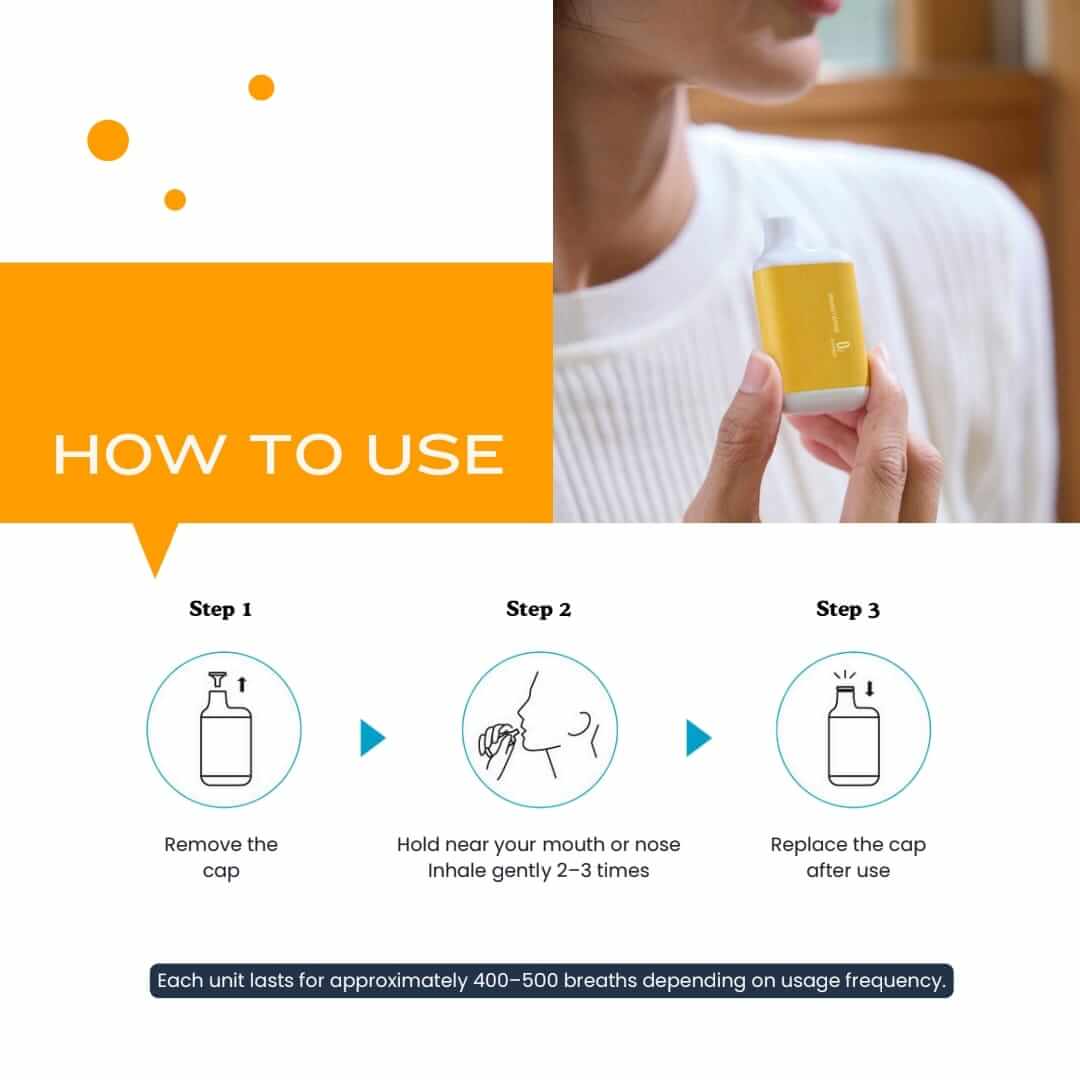
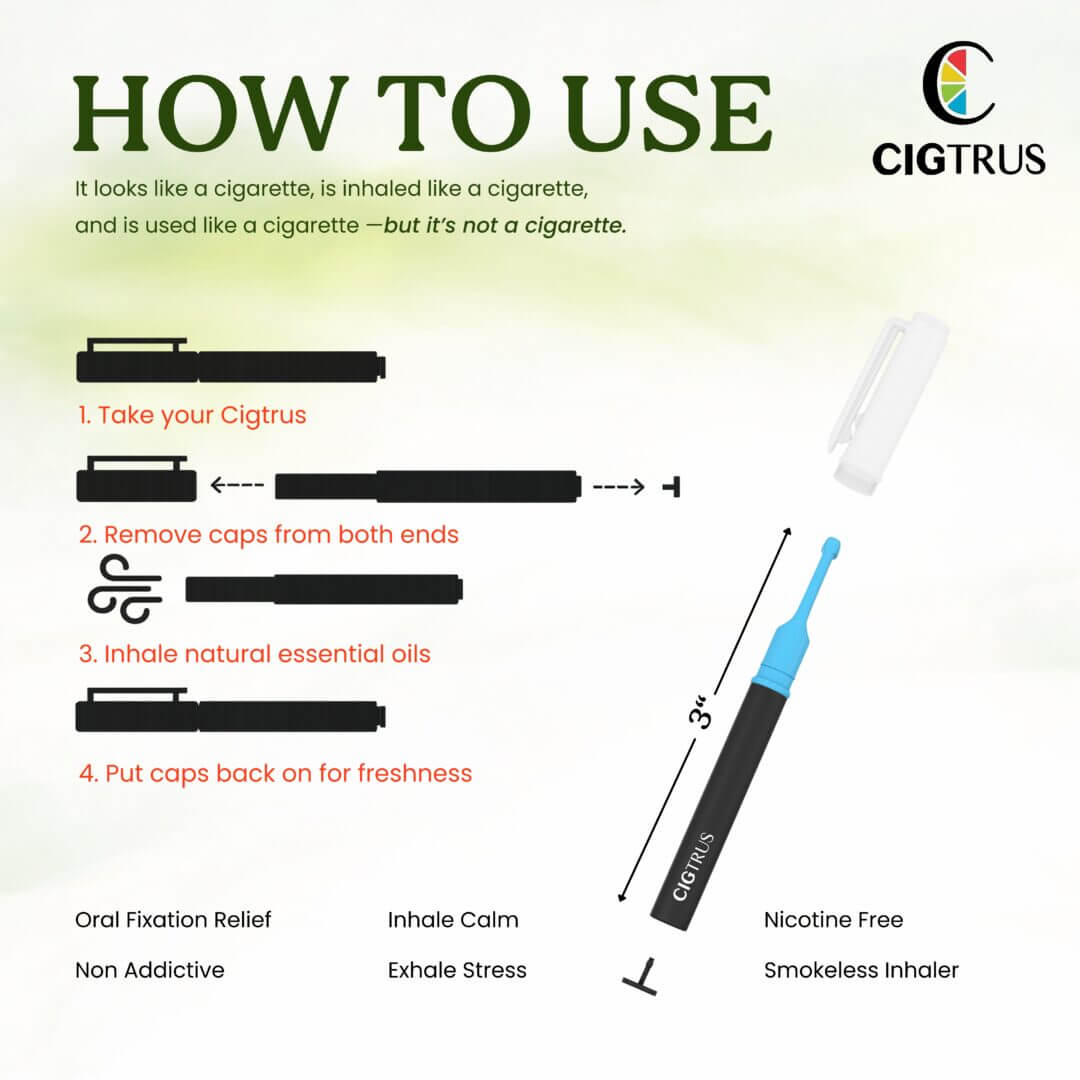
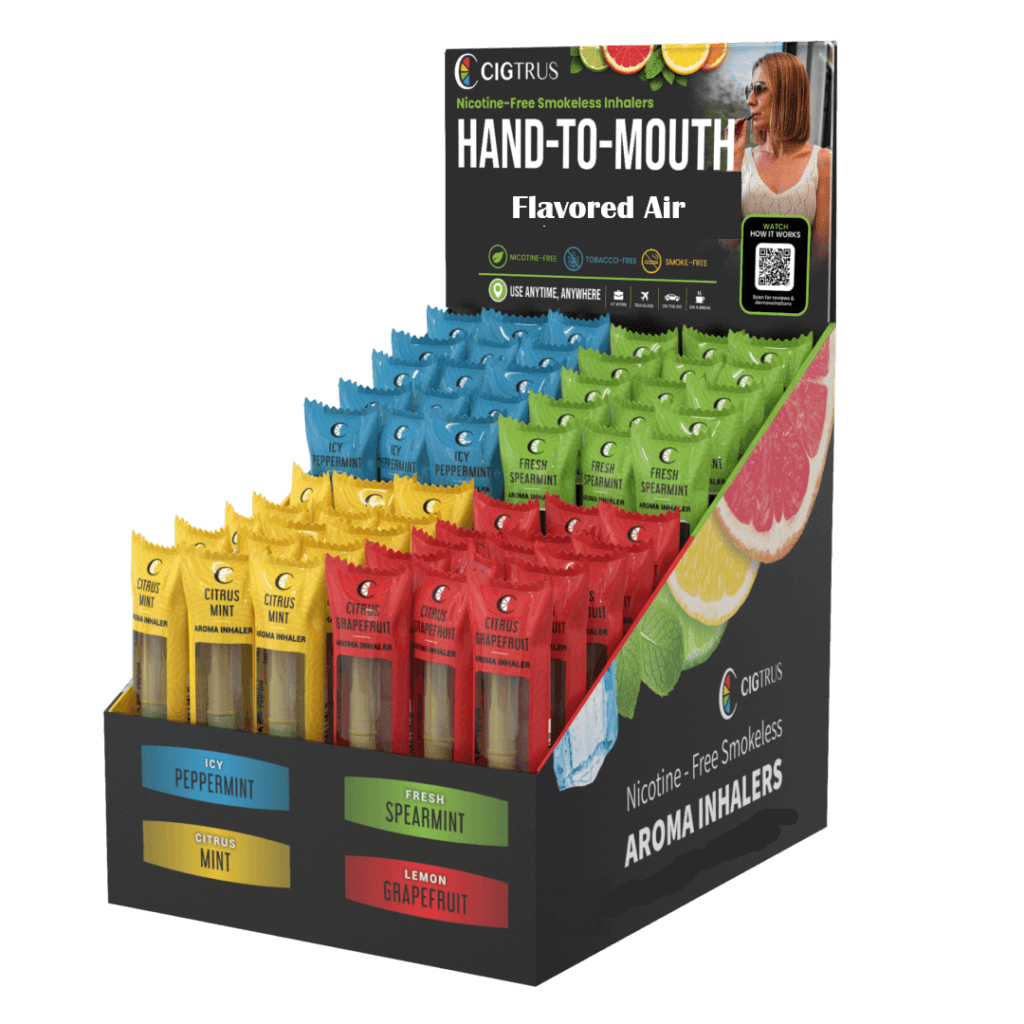
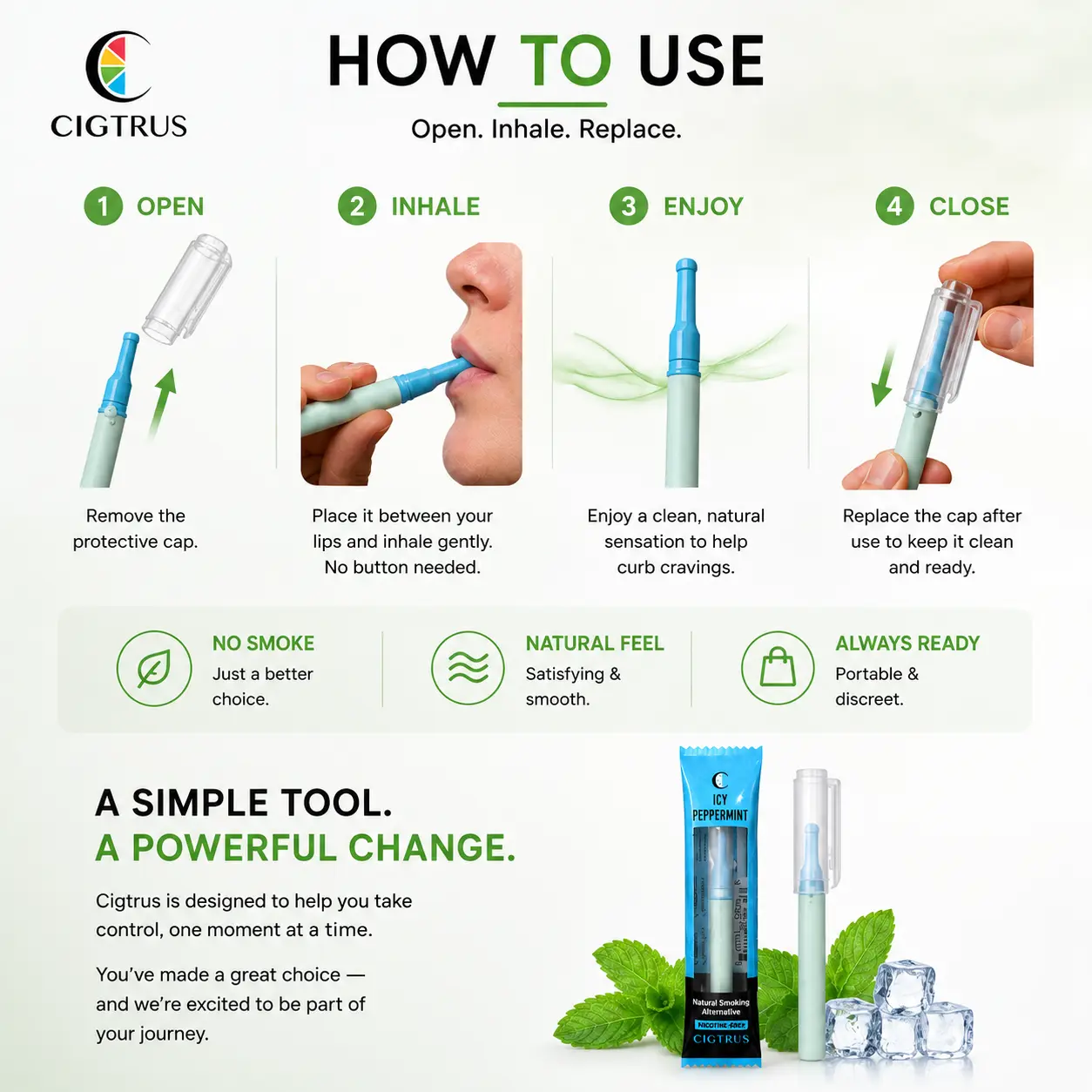
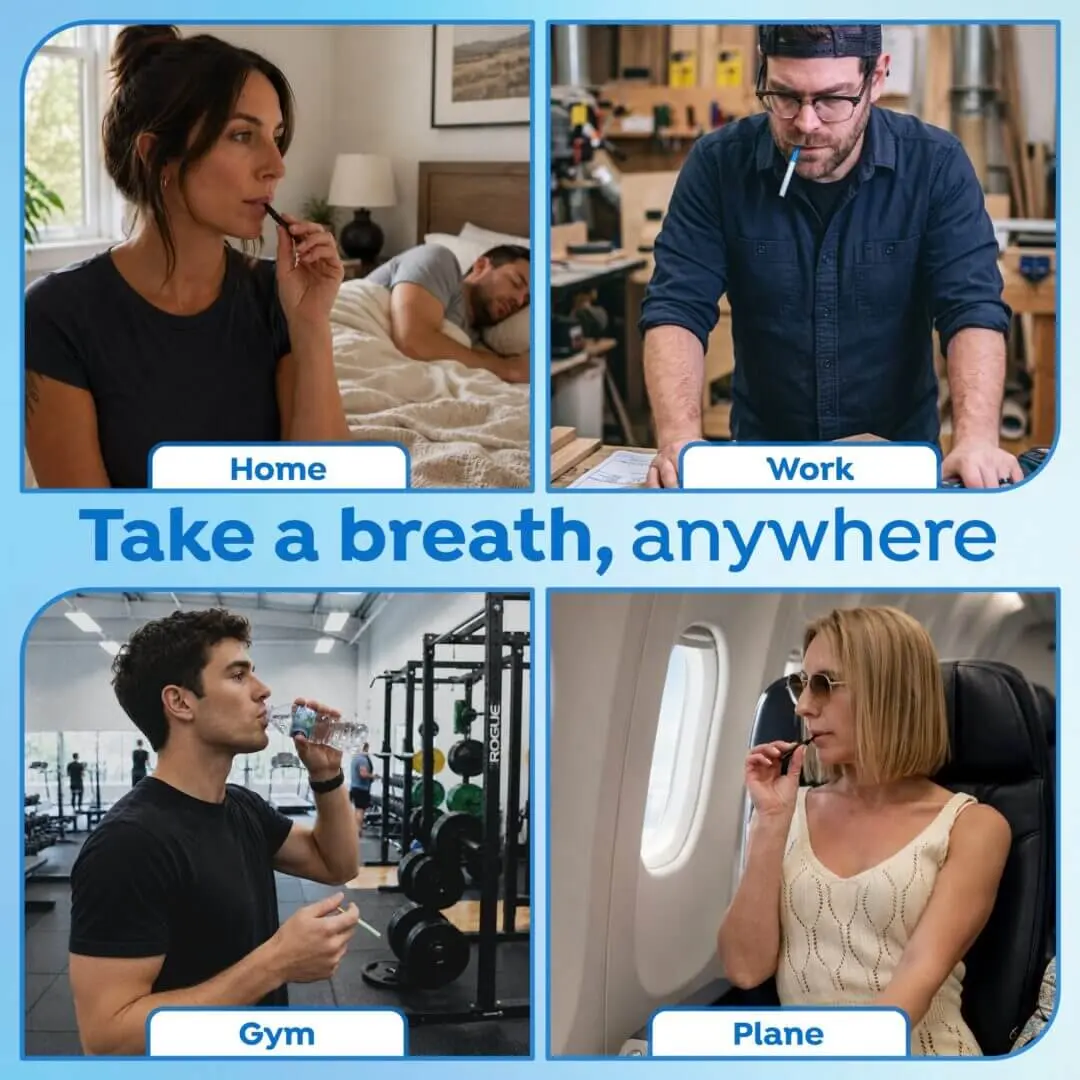
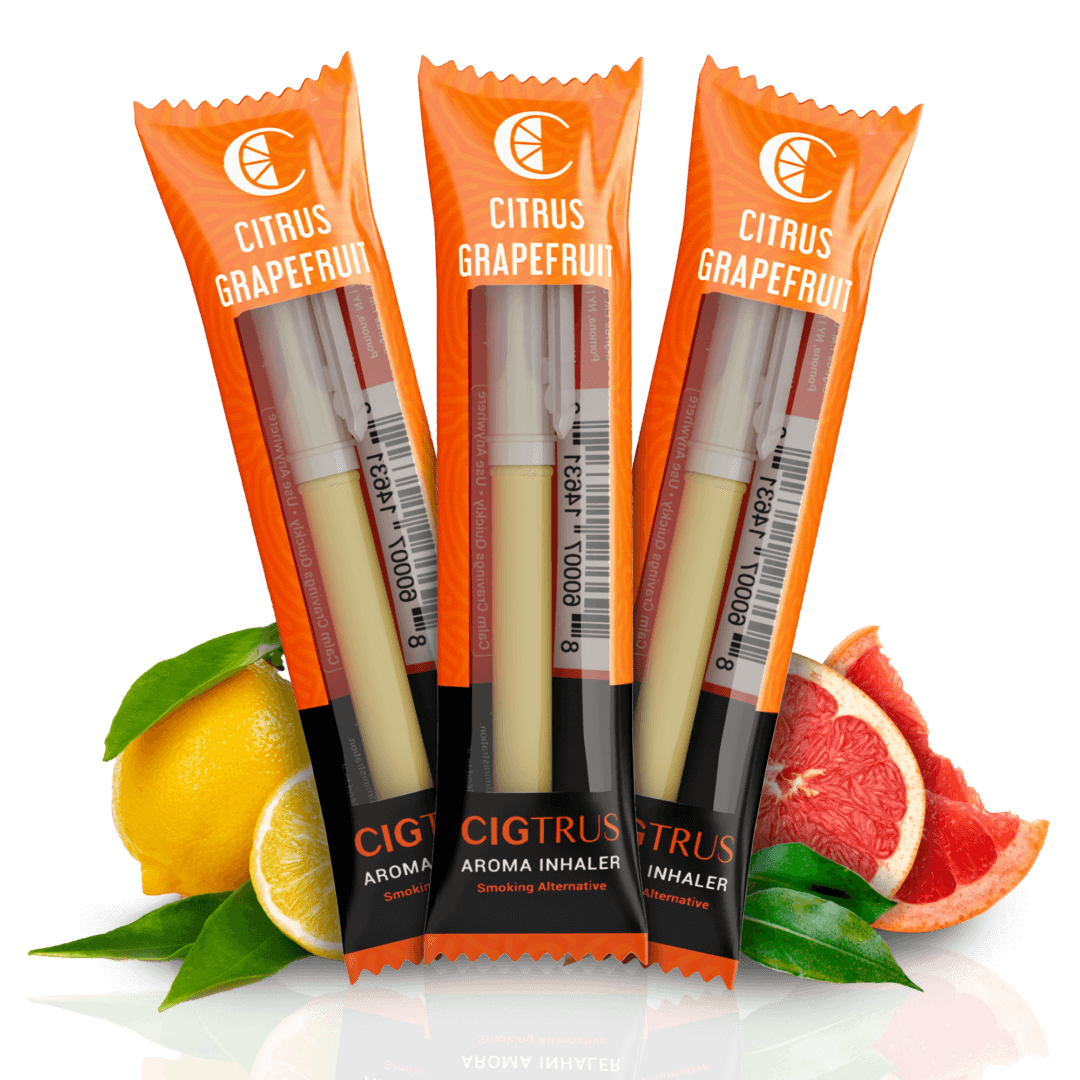
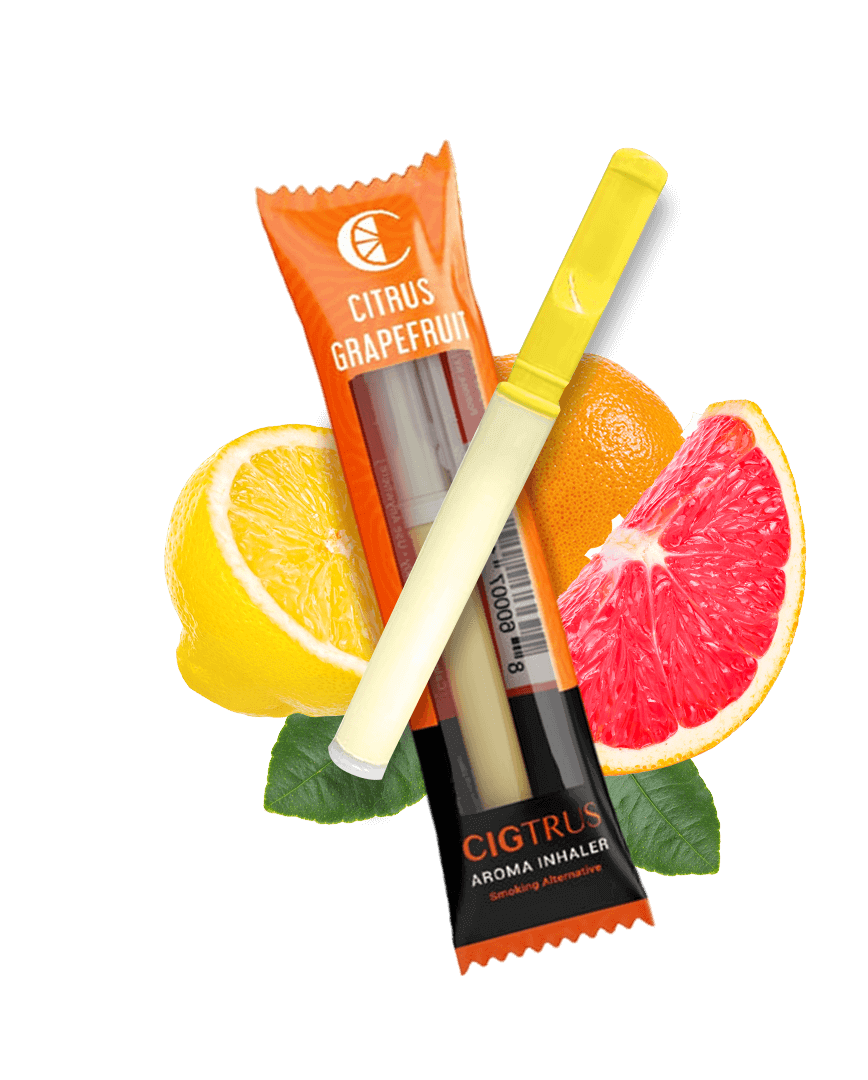
For adults who specifically miss the hand-to-mouth and drawing routine, a non-electric smokeless inhaler provides something familiar to hold, bring to the mouth, and draw through without nicotine, tobacco, cigarette smoke, or electronic vaping.
For: Hand-to-mouth routineA short walk
Changing your environment and getting some movement can create a break from the stressful situation without returning to the cigarette routine.
For: Changing the momentA glass of water
Drinking water gives you a simple activity, creates a pause, and gives your hands and mouth something different to do while the urge passes.
For: A simple pauseSlow breathing
Take several slow breaths and give yourself a moment before reacting. Deliberate breathing is one simple way to pause during a stressful trigger without reaching for a cigarette.
For: Stressful moments"The goal is not to make every stressful moment disappear. It is to build another response so stress no longer automatically means cigarette."
Why the Hand-to-Mouth Habit Can Return During Stress
Stress can bring old routines back quickly because smoking was repeated so often during those moments.
Your hand may miss reaching.
Your mouth may miss having something there.
You may miss the familiar drawing motion.
Or you may simply miss having a reason to stop what you are doing for a moment.
Those feelings do not all mean the same thing as nicotine withdrawal.
They can also reflect the learned behavioral side of smoking.
How Cigtrus Fits Into Stress-Related Habit Replacement
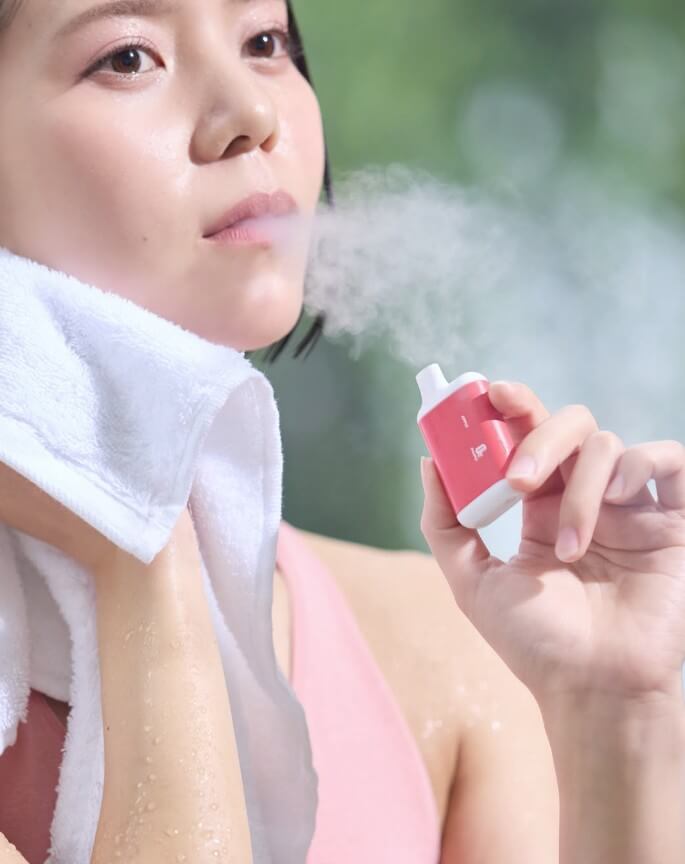
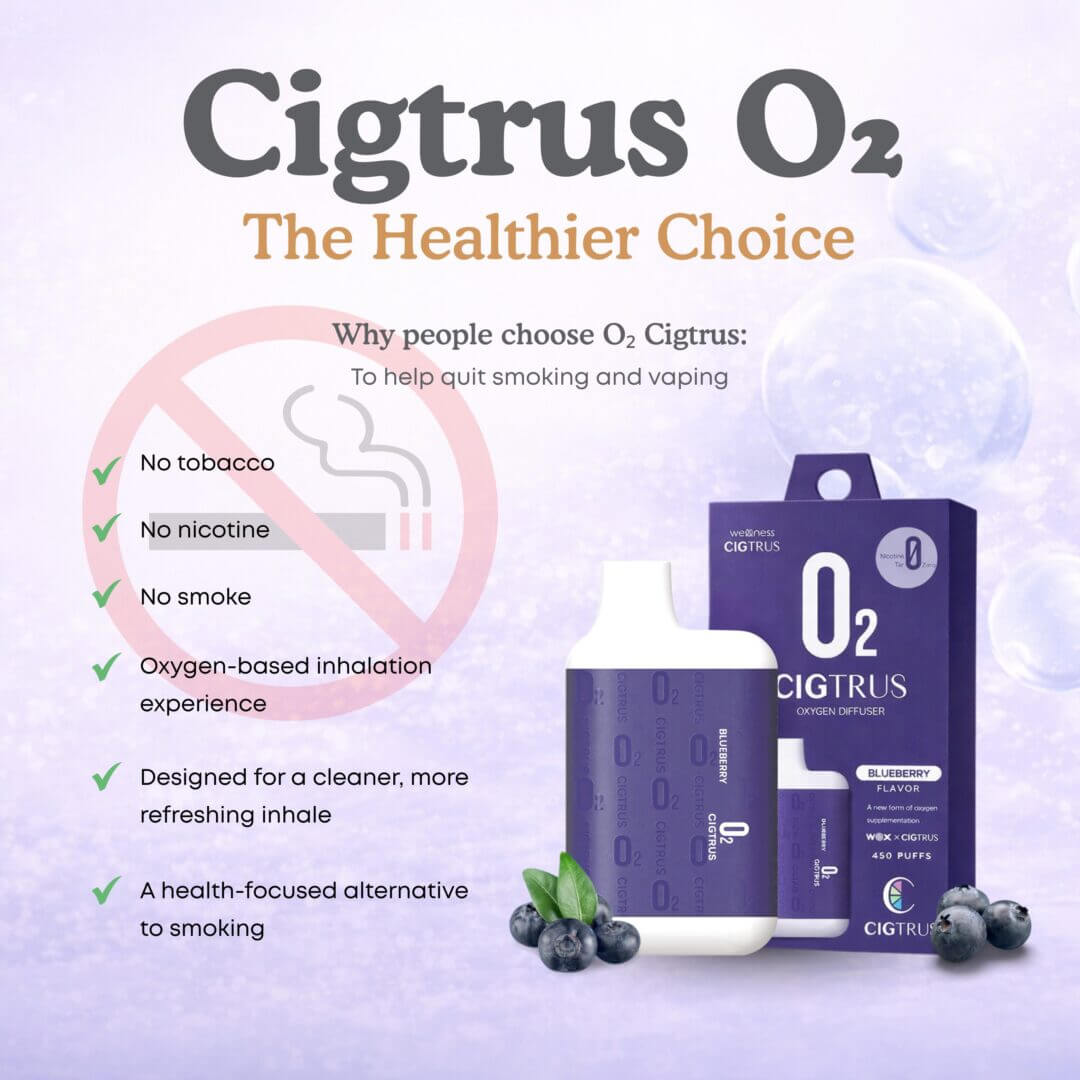
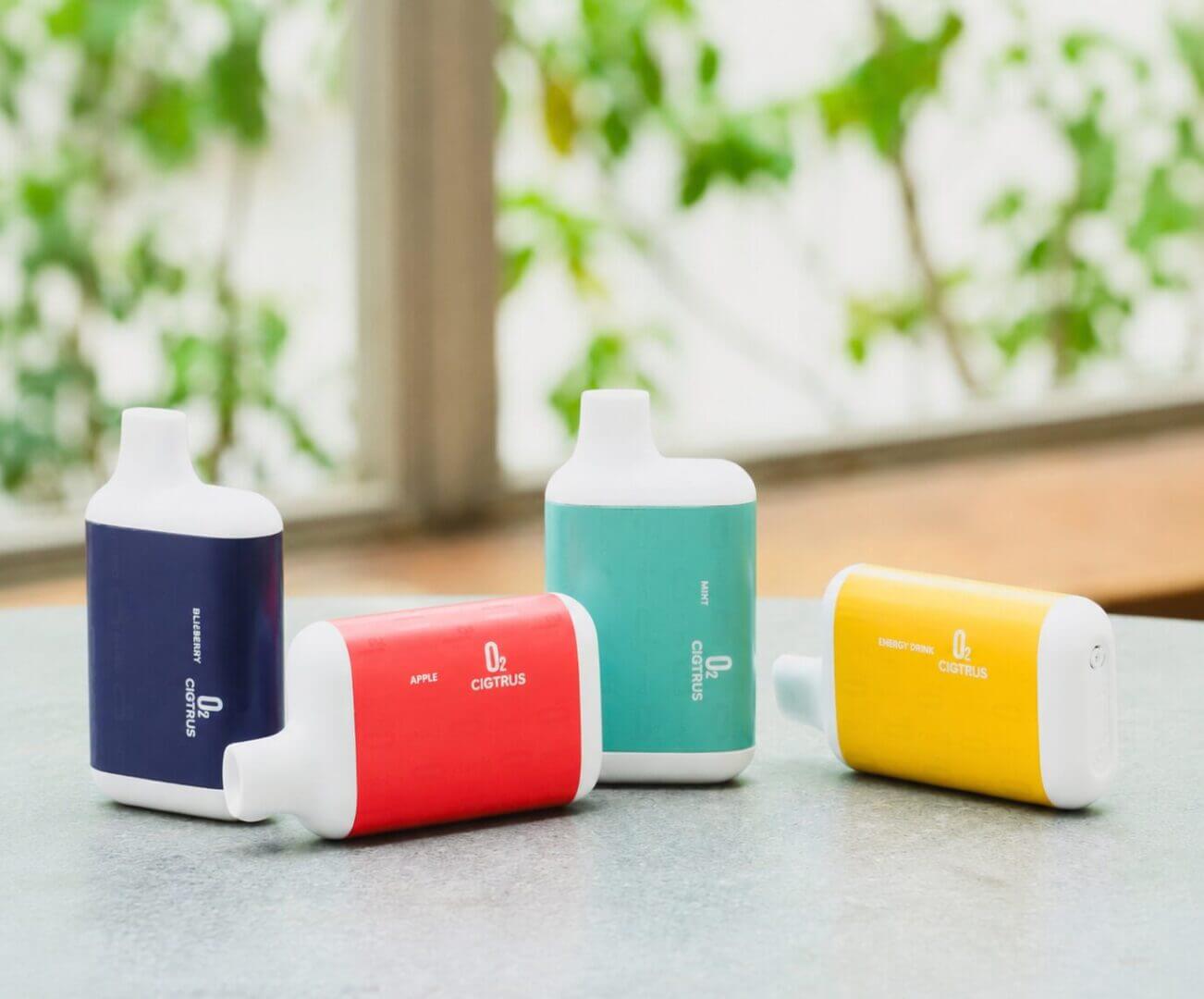
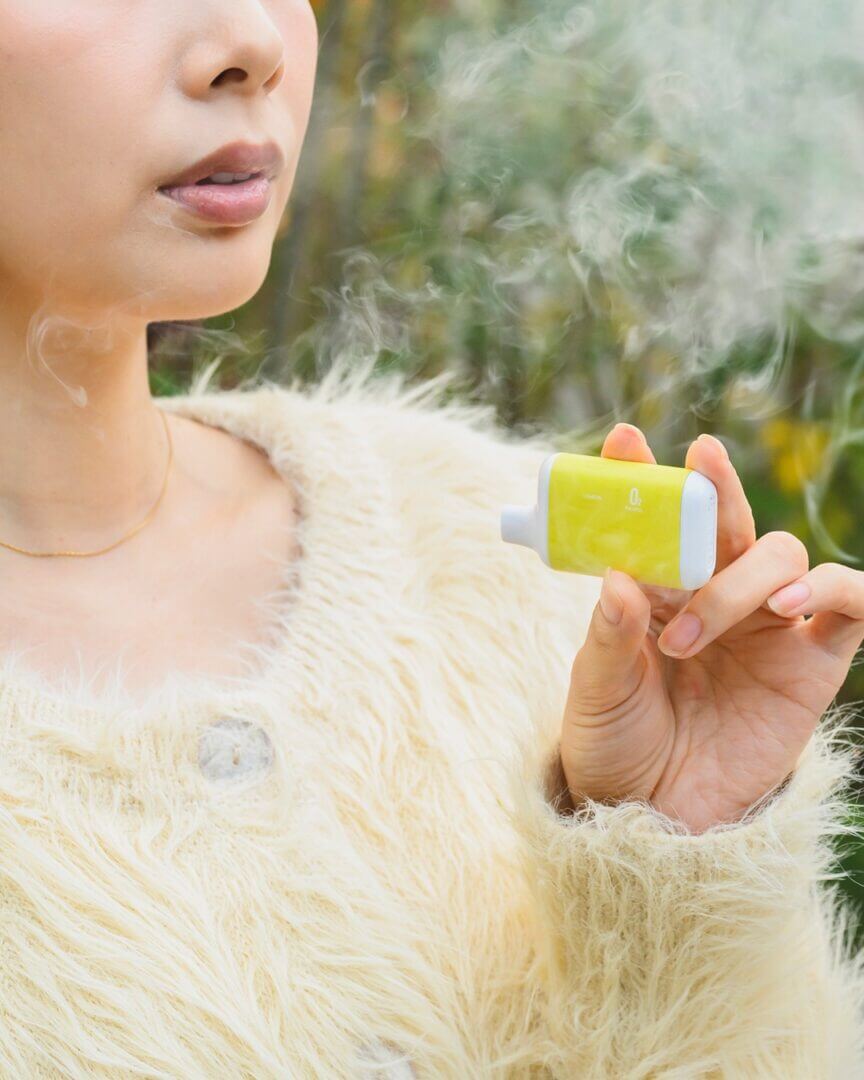
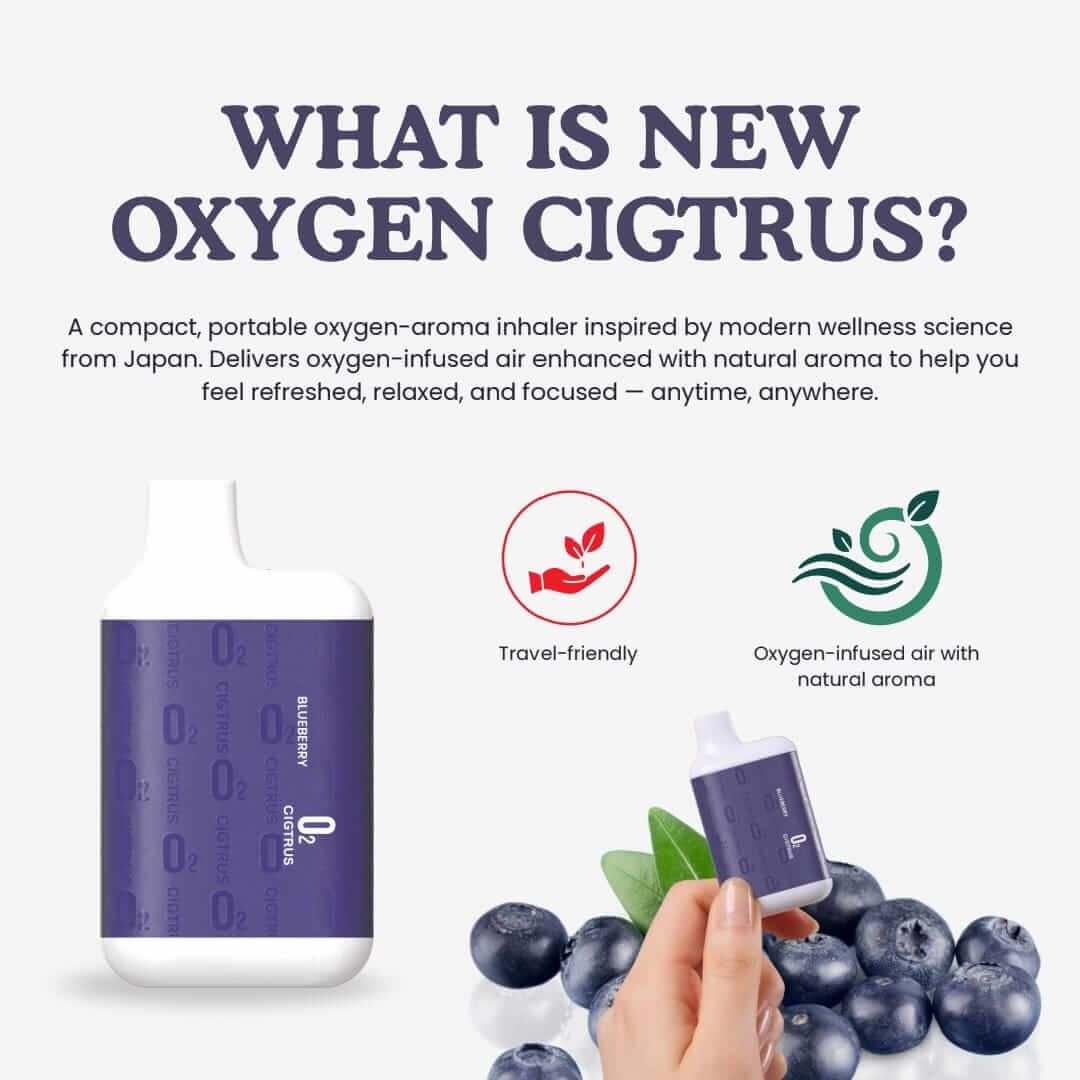
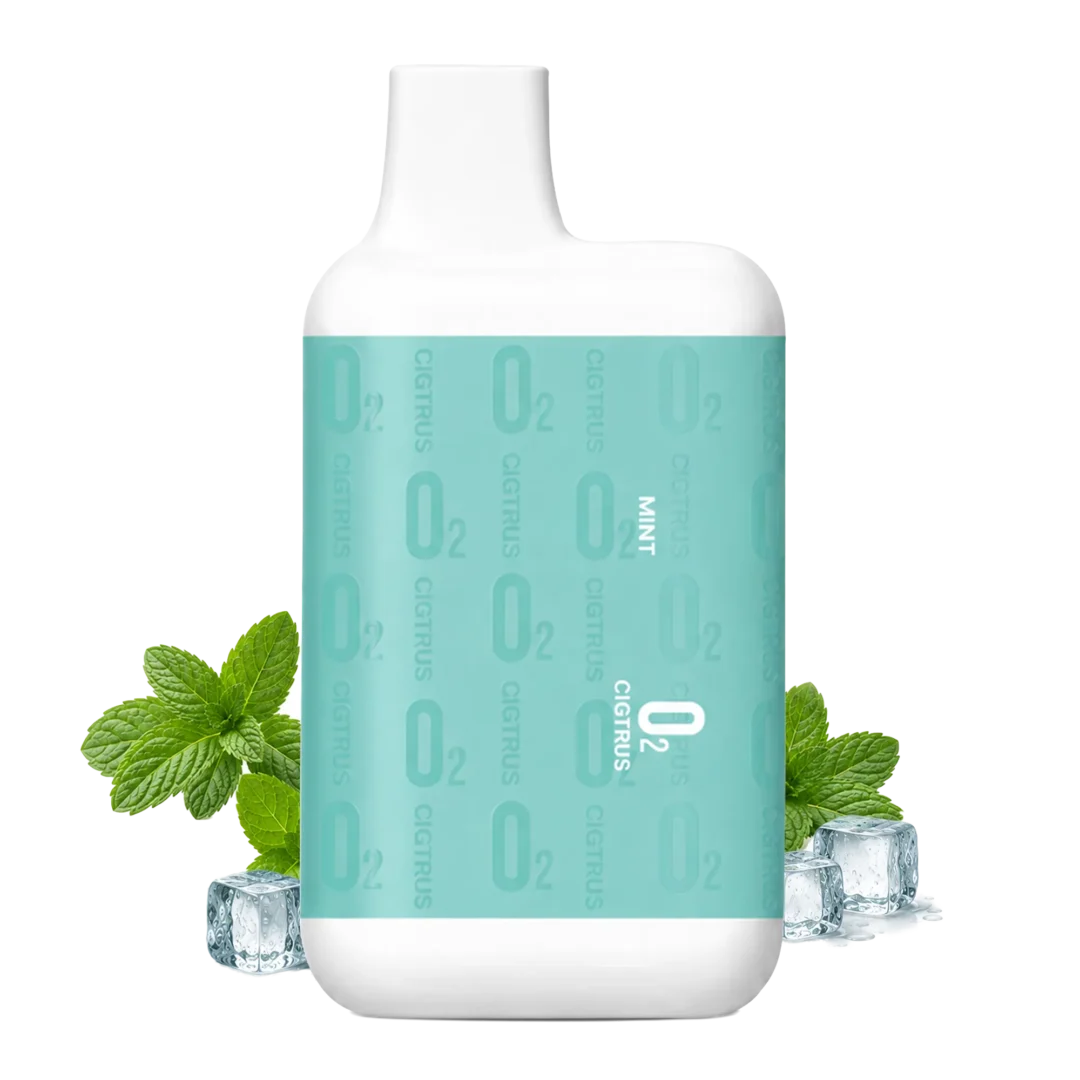
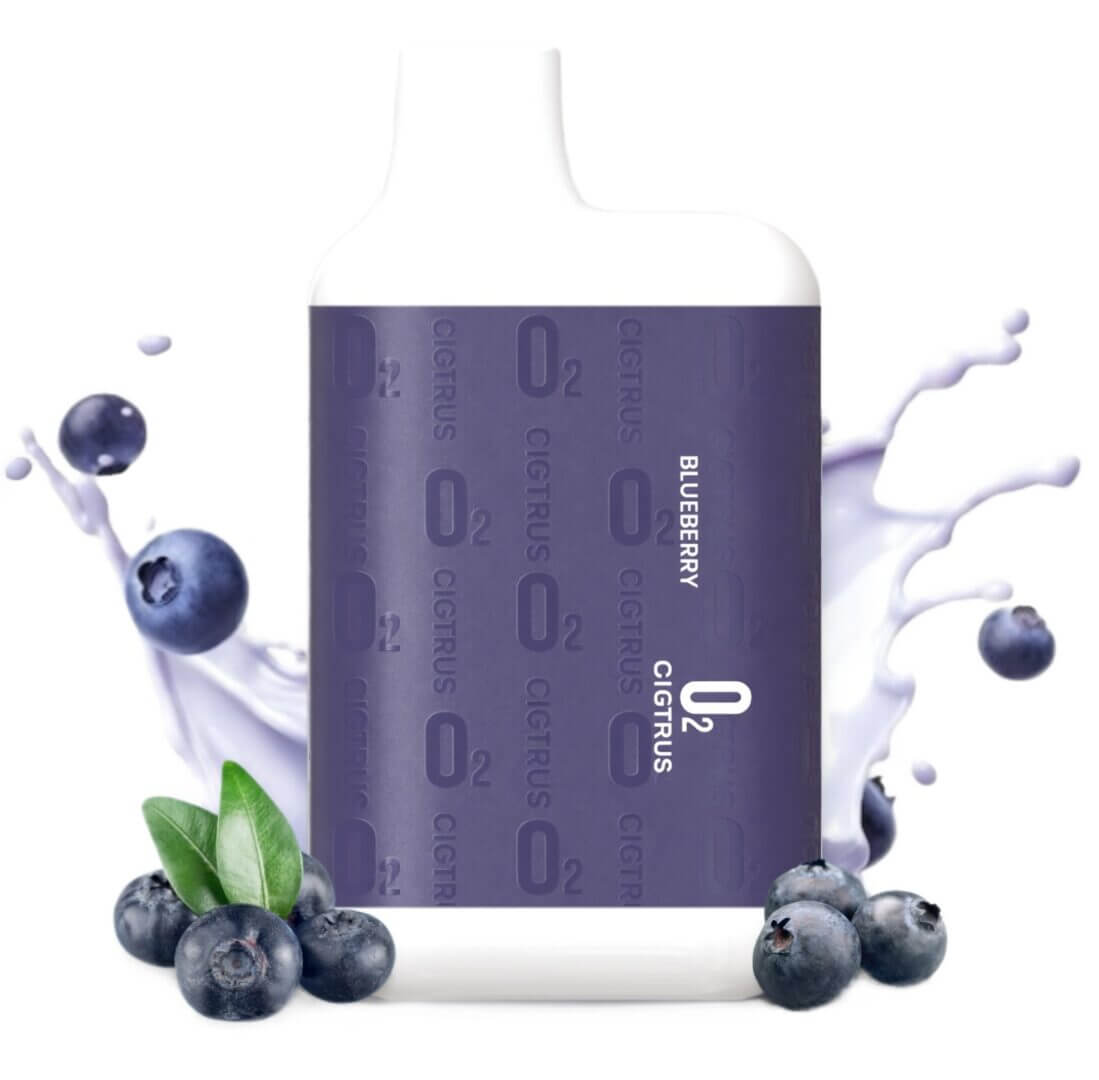
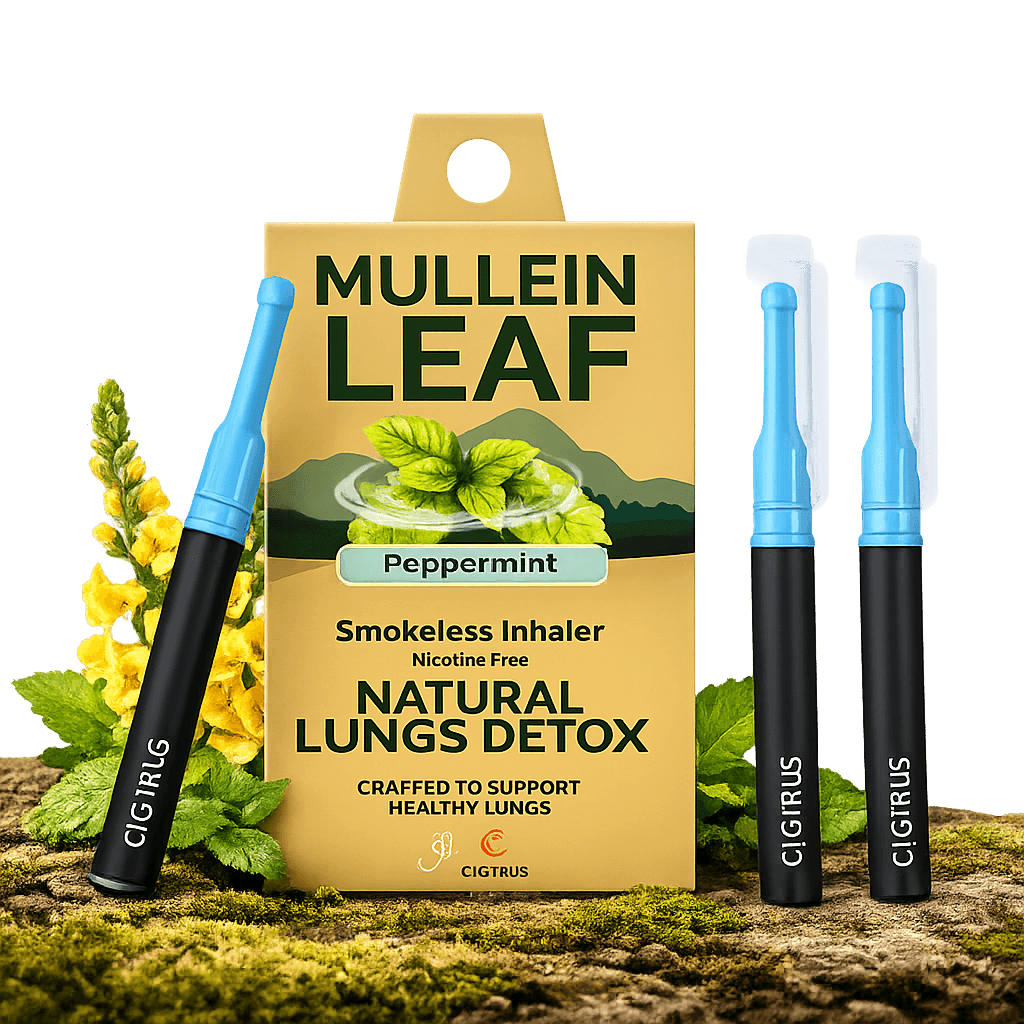
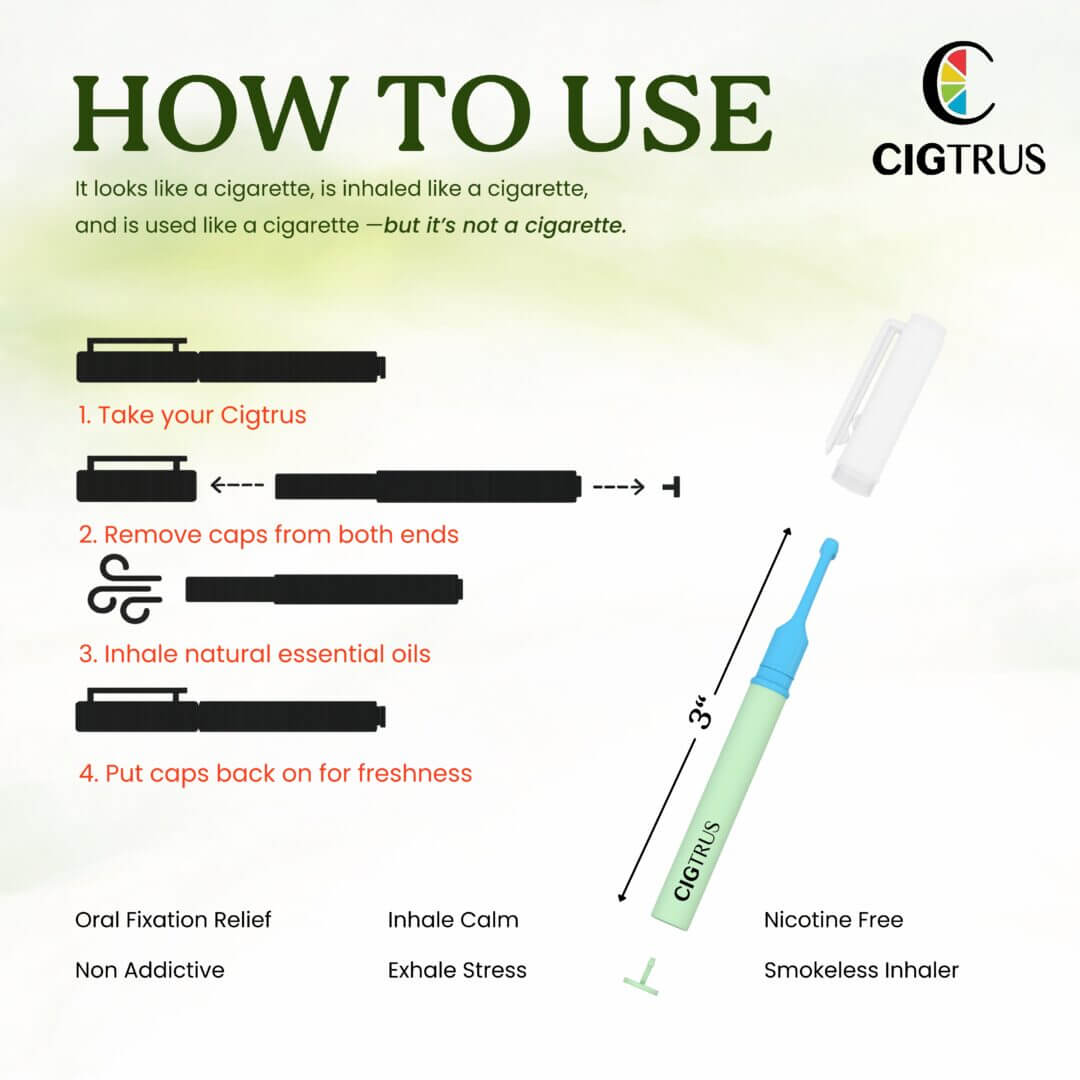
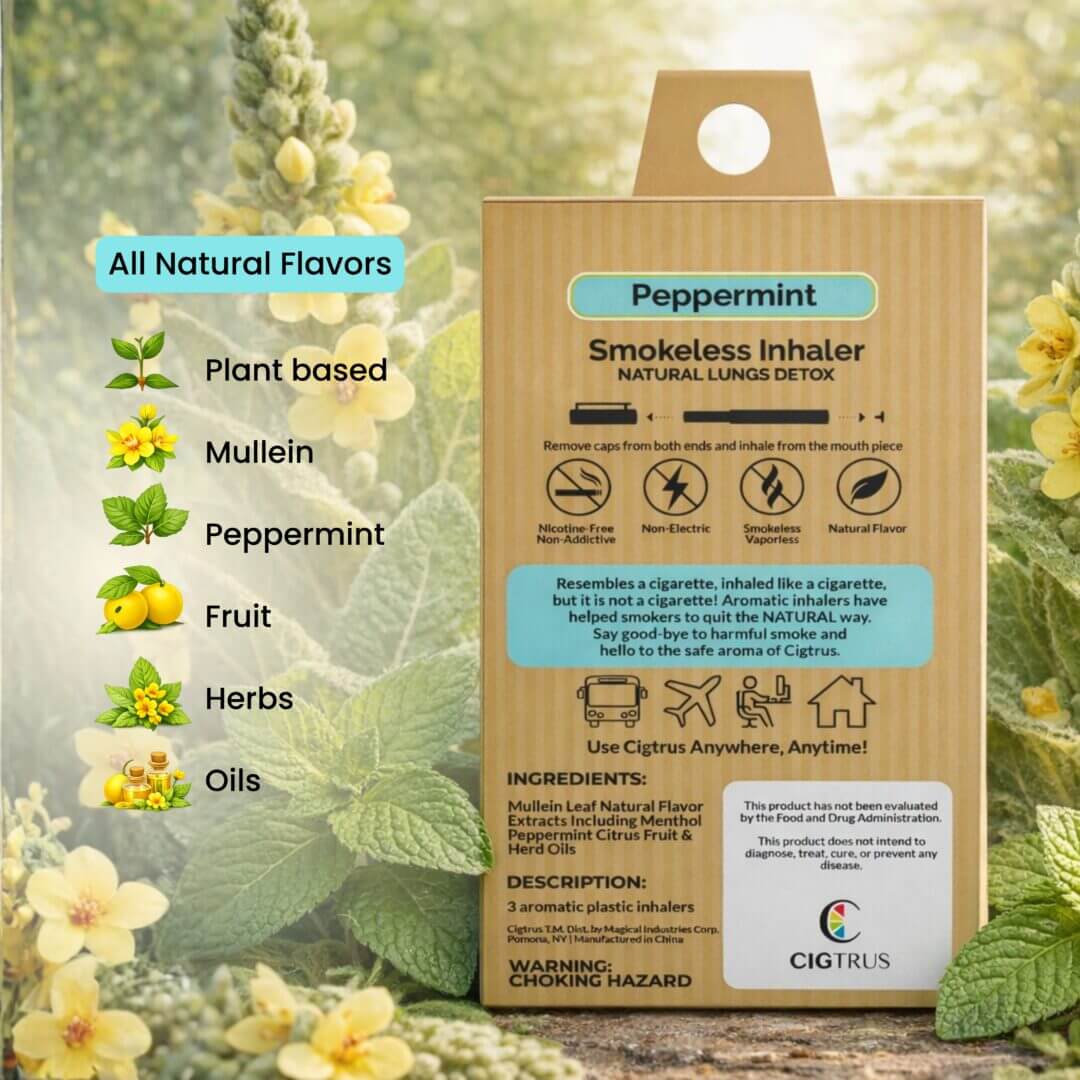
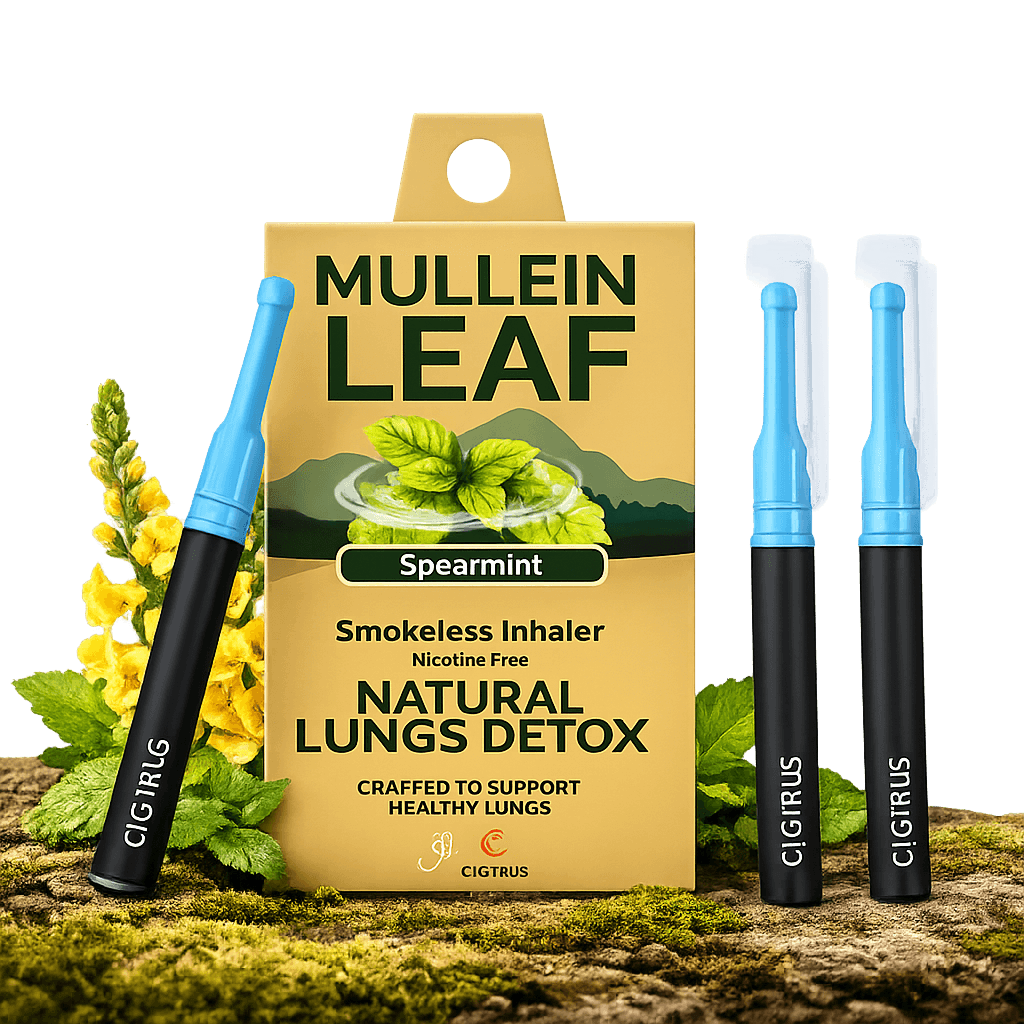
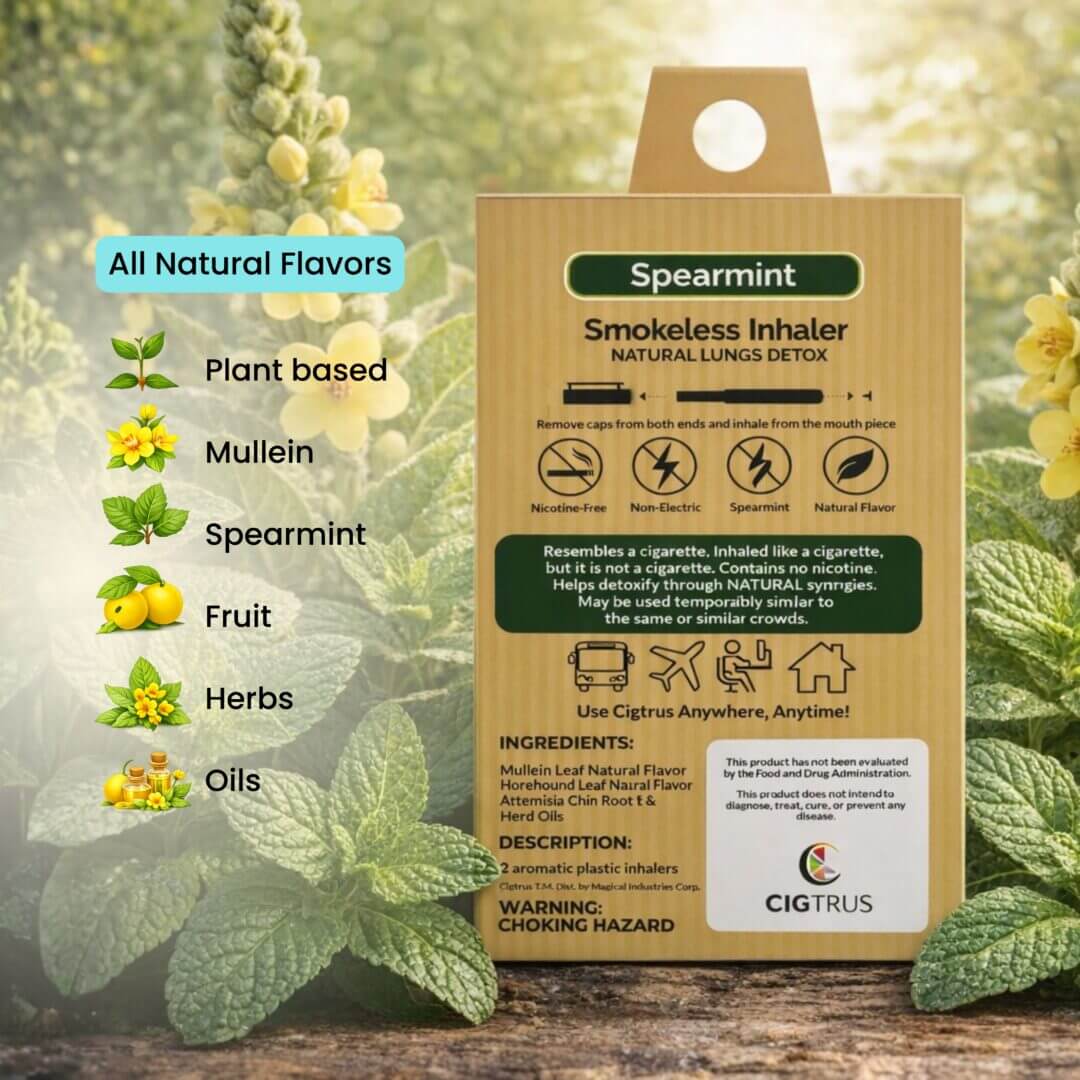
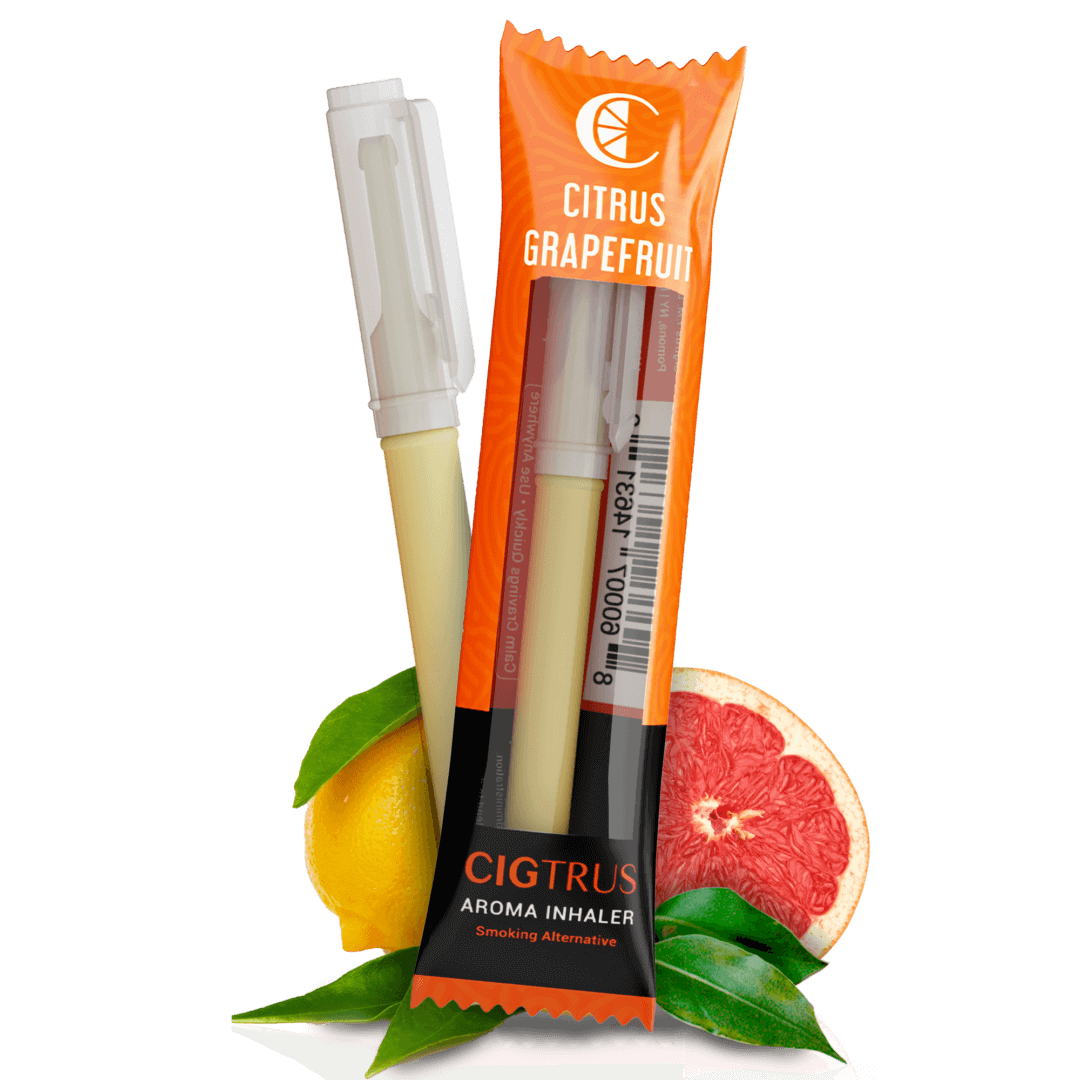
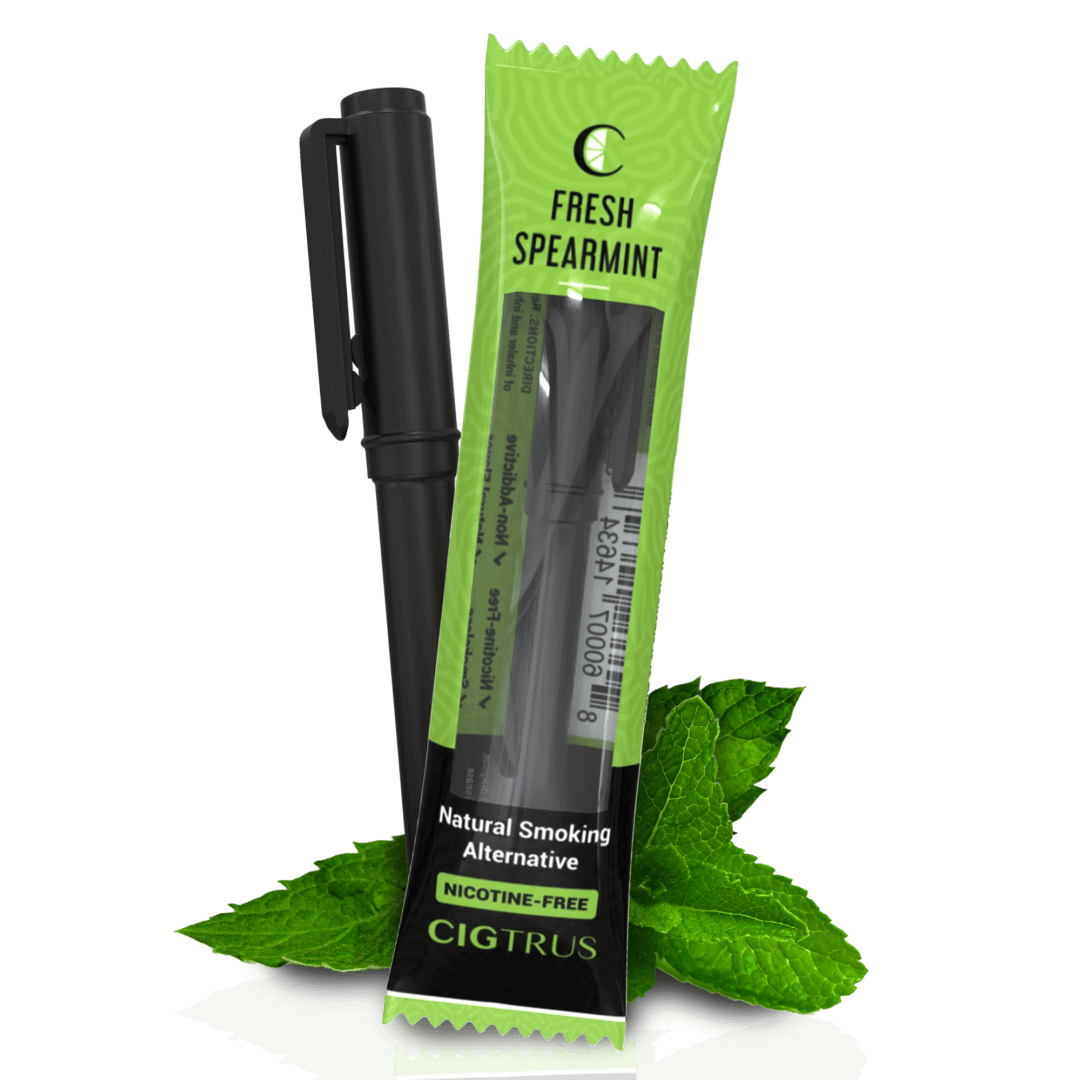
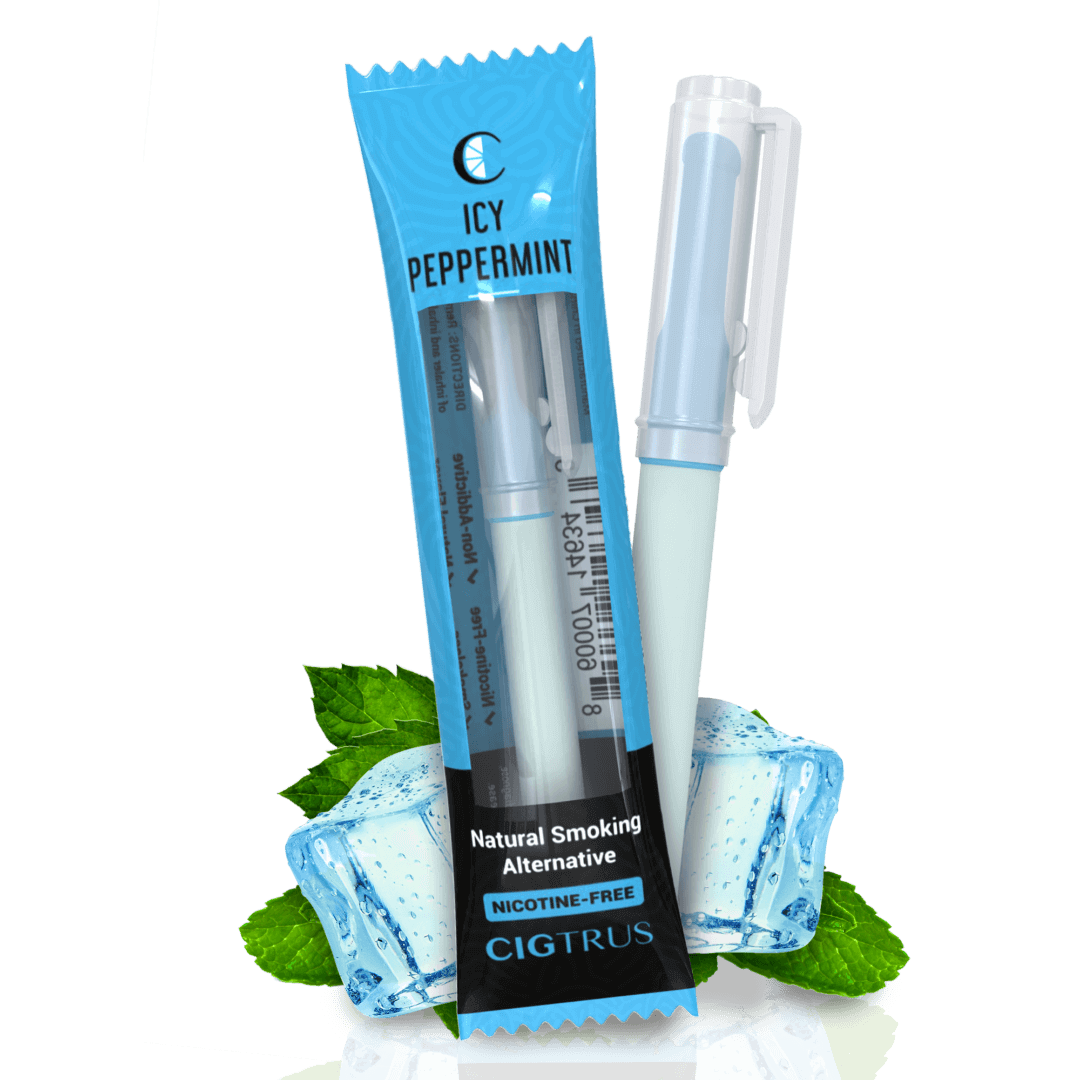
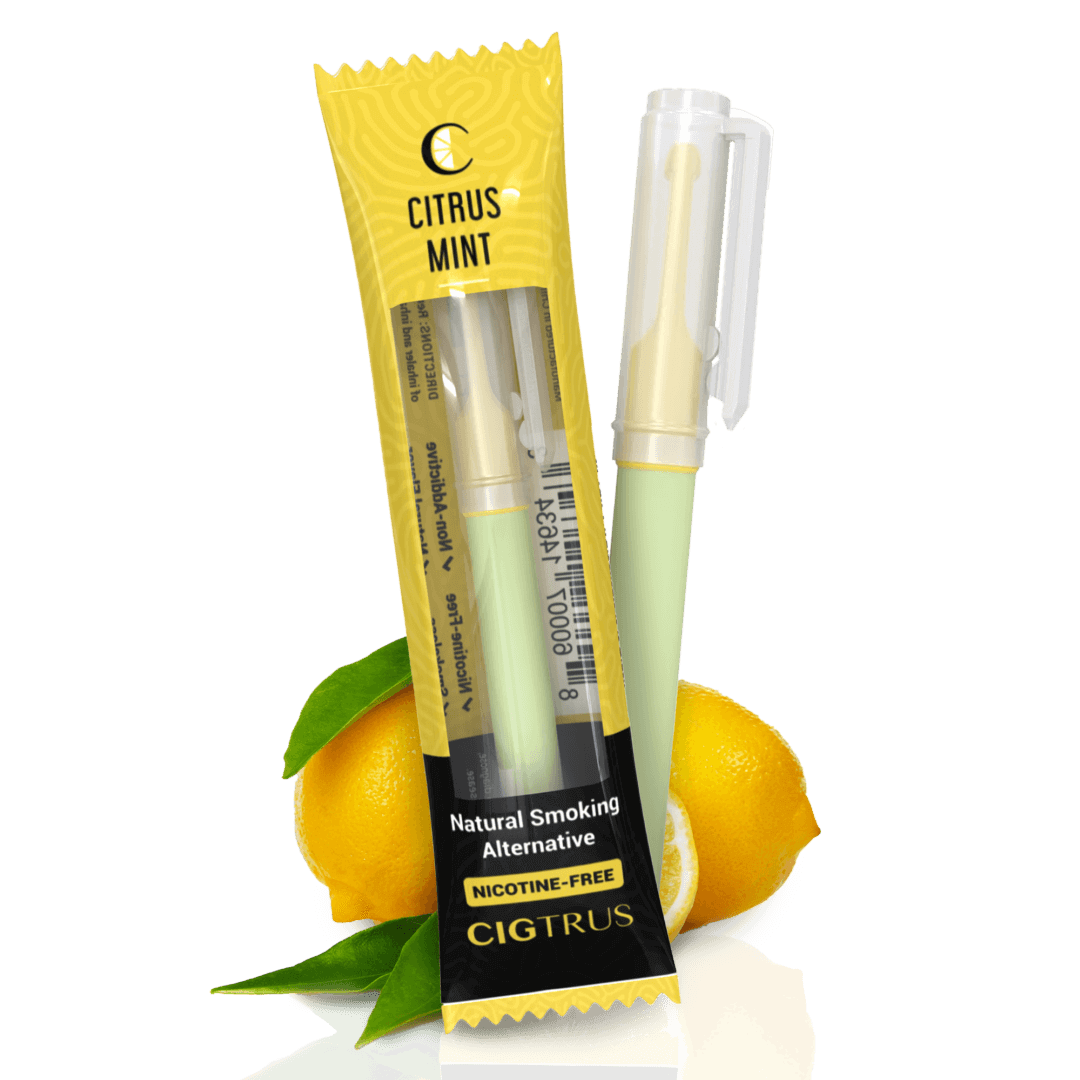
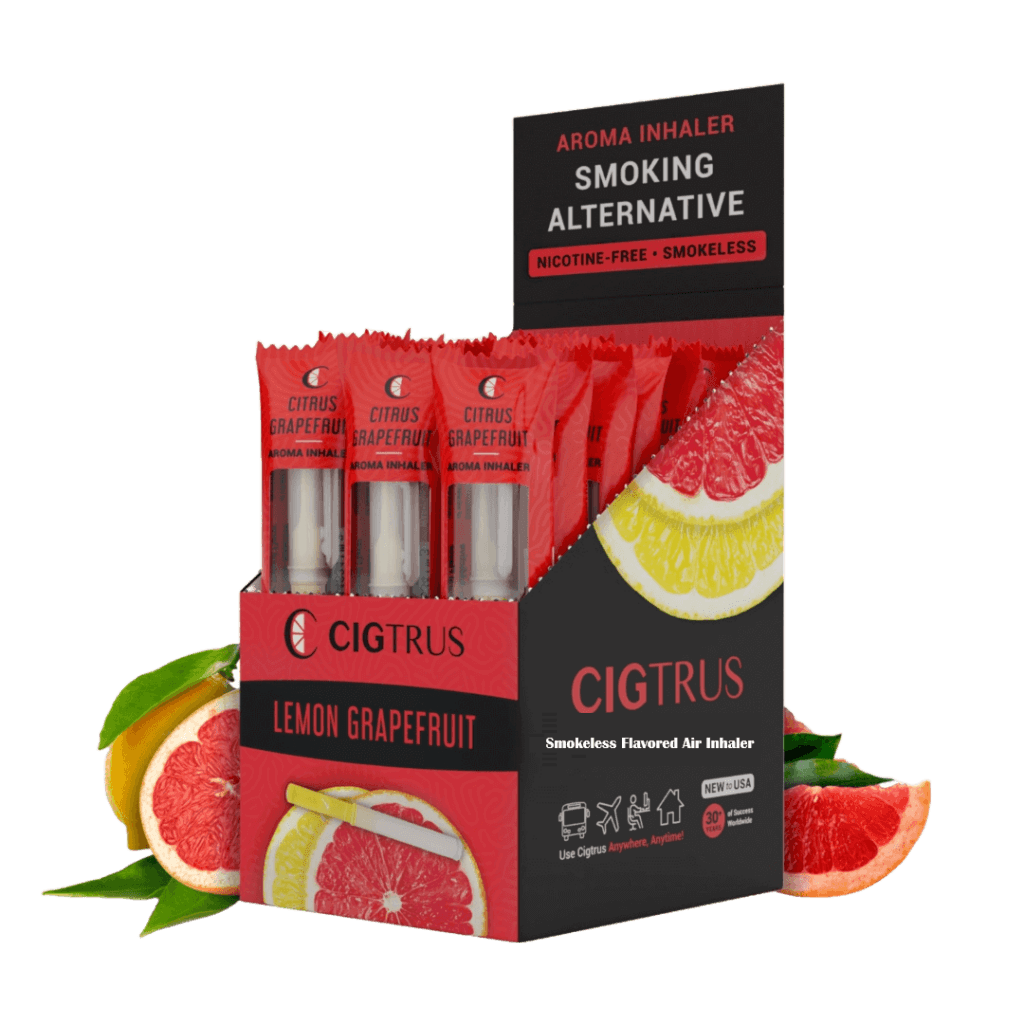
Cigtrus is a nicotine-free, tobacco-free, non-electric smokeless inhaler designed around the familiar hand-to-mouth experience.
It does not remove the stressful situation.
Instead, it gives adults another format to reach for when the old physical smoking or vaping routine shows up.
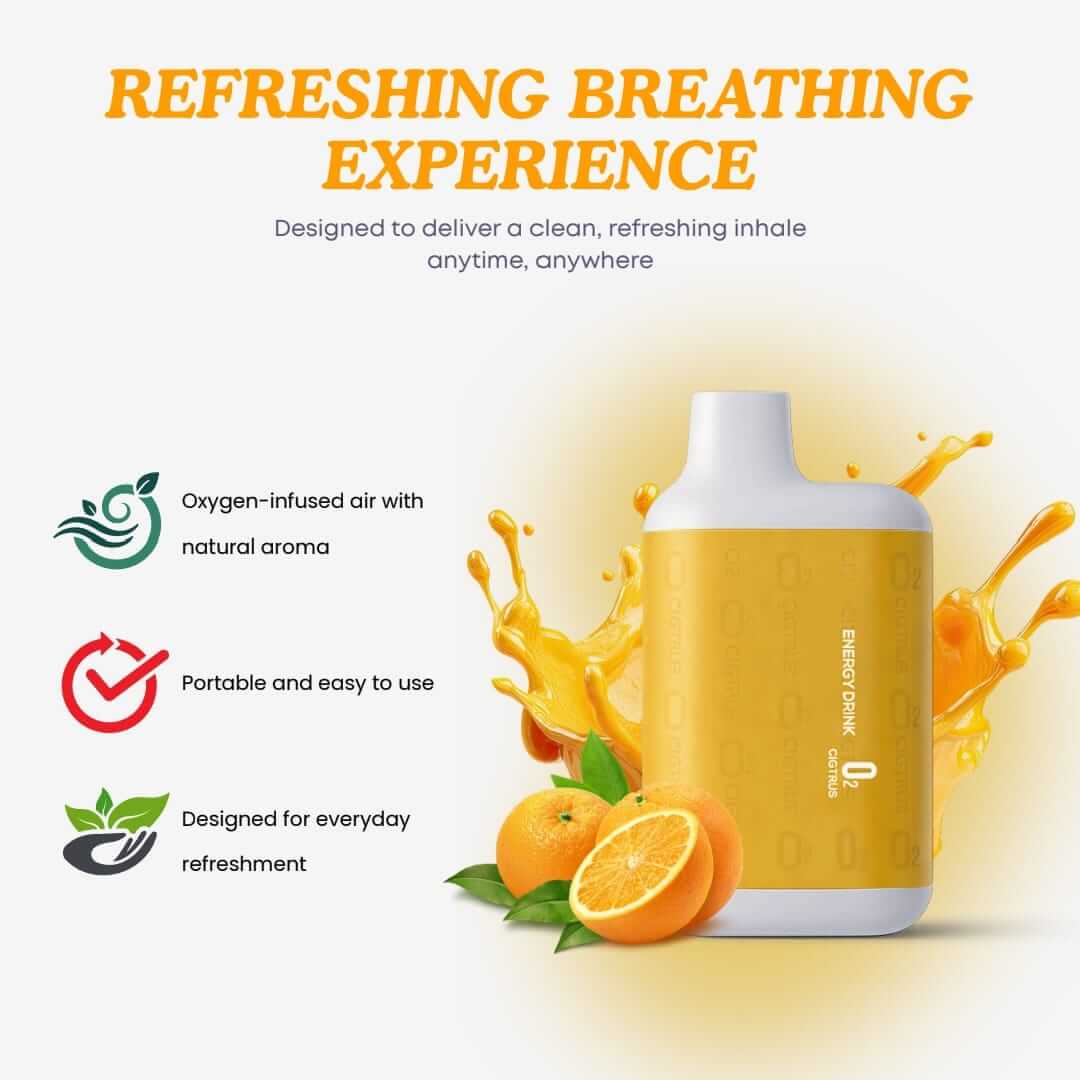
Cigtrus provides refreshing flavored air with carefully selected essential oil aromas without an electronic vape.
When using Cigtrus:
- You have something familiar to hold
- You maintain the familiar hand-to-mouth motion
- You draw flavored air through a simple non-electric inhaler
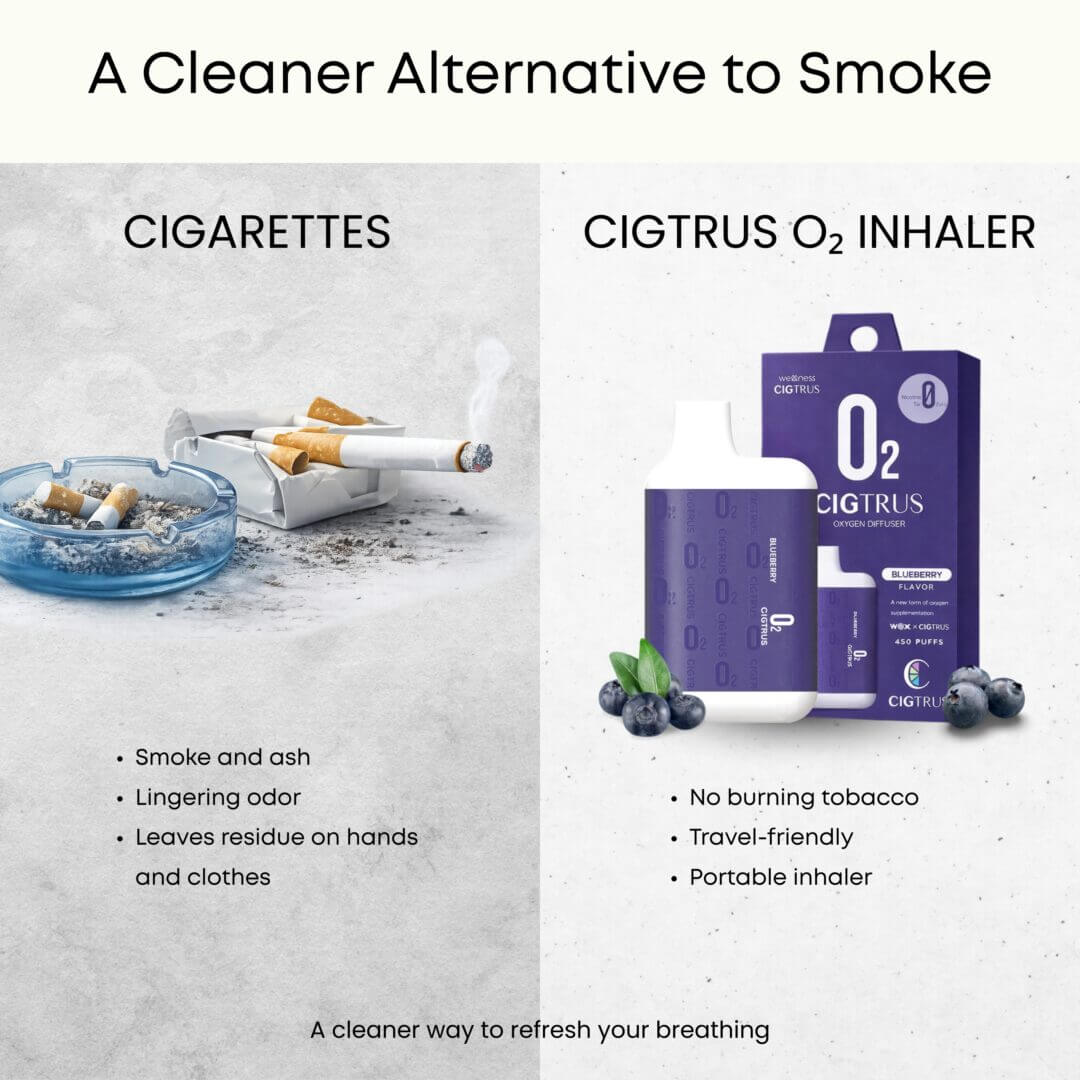
- There is no nicotine or tobacco
- There is no battery, charging, heating element, or electronic vaping system
- There is no cigarette smoke or vape aerosol
The purpose is not to claim that Cigtrus treats stress.
Its role is much simpler: give the familiar hand-to-mouth habit another response during the moments when stress makes the old routine come back.
Have Something Different Ready When Stress Hits.
Explore Cigtrus flavors and find a nicotine-free, non-electric hand-to-mouth option that fits naturally into your everyday routine.
Explore the Cigtrus Variety Pack