Managing Smoking Cravings Naturally Through Habit Replacement
When a smoking craving appears, it is easy to assume that the feeling must be entirely about nicotine. But smoking can become connected to much more than nicotine alone. Coffee, driving, stress, meals, work breaks, social situations, and the familiar hand-to-mouth motion can all become part of the smoking routine.
Managing smoking cravings naturally starts with understanding what is triggering the urge. Some cravings may involve nicotine withdrawal, while others can be connected to stress, routines, environments, or the familiar hand-to-mouth habit. Habit replacement focuses on giving those repeated smoking moments another response instead of leaving them empty.
That difference matters because not every urge happens for the same reason.
Sometimes the body may be adjusting to less nicotine.
But sometimes the urge appears because you just poured your morning coffee.
Or because you got into the car.
Or because you finished dinner.
Or because something stressful happened and smoking used to be your automatic response.
If you understand what is actually triggering the moment, you can start replacing the routine instead of simply trying to fight every craving with willpower.
Why Smoking Cravings Can Feel So Strong
Think about how many times a long-term smoker repeats the same behavior.
The hand reaches for the cigarette.
The cigarette comes to the mouth.
The person draws in.
There is a pause.
Then the sequence happens again.
Now combine that physical routine with the same situations repeated over and over for years.
Morning Coffee
If coffee and cigarettes happened together every morning, making coffee can automatically bring the old smoking routine back to mind.
Stress
Smoking may have become the familiar response to pressure, frustration, or a difficult moment during the day.
Driving
Years of smoking behind the wheel can connect the commute with reaching, holding, and smoking almost automatically.
Work Breaks
A cigarette may have structured the break itself. Without it, the same few minutes can suddenly feel incomplete.
After Meals
Finishing a meal can become a powerful trigger when smoking was repeatedly the next step in the routine.
Social Situations
Being around smokers or returning to familiar environments can remind the brain of an old smoking pattern.
This helps explain why a person may still think about smoking even when the situation is not simply about nicotine.
The trigger itself can become connected with the behavior.
“A craving can feel like one single problem. But sometimes what you are really experiencing is an old situation asking for its old routine.”
Understanding Habit Replacement
Habit replacement means recognizing the moments when the old behavior normally happens and deliberately giving those moments another response.
This is different from simply telling yourself:
“Don’t smoke.”
If you remove a behavior that was repeated throughout the day for years but give the trigger nothing new to connect with, the old routine can remain very noticeable.
Habit replacement asks a different question:
“When this smoking moment happens, what am I going to do instead?”
That may involve changing the environment, taking a walk, drinking water, practicing slow breathing, chewing gum, or using something that addresses the familiar hand-to-mouth habit .
- Recognize the situations connected with smoking
- Prepare another response before the trigger happens
- Give the hands and mouth something different to do
- Interrupt automatic smoking patterns
- Repeat the new response during the same trigger moments
- Build new smoke-free routines over time
“The goal is not only to remove the cigarette. The goal is to teach the familiar smoking moment a different response.”
Practical Ways to Manage Smoking Cravings Naturally
The most useful strategy often depends on what is causing the urge at that particular moment.
Instead of treating every craving exactly the same way, try matching the replacement to the trigger.
The purpose is not to find one trick that magically removes every urge.
It is to build enough alternative responses that smoking is no longer the automatic answer to every familiar situation.
Following structured habit replacement strategies can help make those new responses more deliberate and consistent.
Why Stress Can Trigger the Urge to Smoke
Stress is one of the strongest smoking triggers because cigarettes often become part of the way a smoker takes a break.
Something difficult happens.
You step away.
You reach for a cigarette.
You inhale.
You pause for several minutes.
Repeat that response often enough and stress itself can begin to signal:
“This is when I smoke.”
When trying to stop, it can therefore help to replace not only the cigarette but also the pause that surrounded it.
Take the break.
Step away if you need to.
Breathe.
Walk.
Drink something.
Use your chosen habit replacement.
The stressful moment still happened, but smoking no longer has to be the automatic response.
Why the Hand-to-Mouth Habit Matters
Smoking is unusually repetitive.
A person may bring a cigarette to the mouth again and again while smoking one cigarette, then repeat the same behavior with multiple cigarettes throughout the day.
Over months and years, that becomes thousands of repetitions of the same physical sequence.
That is why some people specifically miss:
- Holding something between the fingers
- Bringing something to the mouth
- The familiar drawing motion
- Having something available during a stressful moment
- The physical pause associated with smoking
- Something to reach for after meals or with coffee
Nicotine-focused products and hand-to-mouth habit replacement address different parts of that experience.
A nicotine patch can provide nicotine.
It does not give the hand or mouth another routine.
This is one reason behavioral habit replacement deserves attention alongside the nicotine side of quitting.
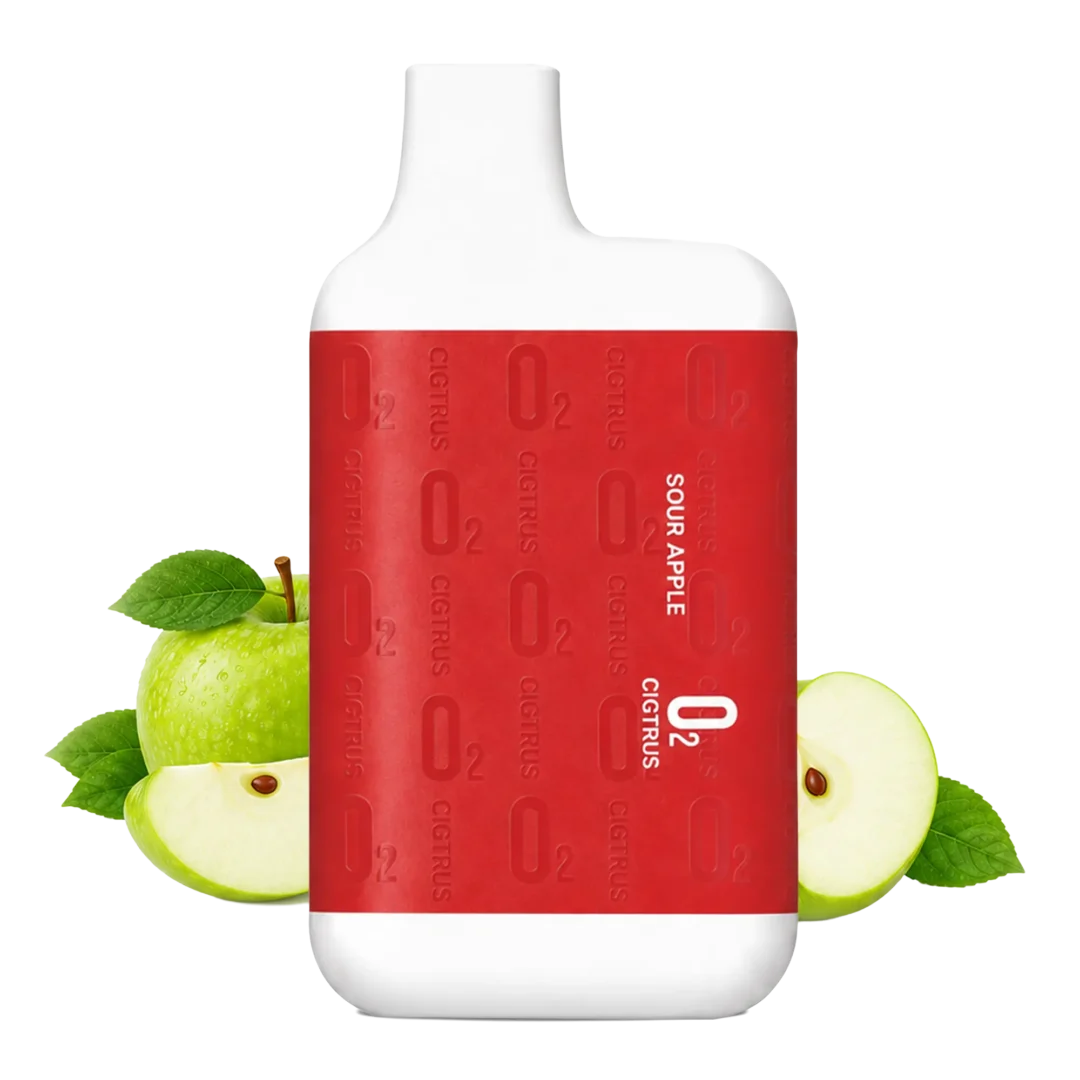
Why a Zero-Nicotine Vape Is Not the Same as Replacing the Habit
Some people trying to move away from nicotine switch to a zero-nicotine vape.
That removes nicotine from the product, but it can leave much of the vaping routine unchanged.
- You still carry an electronic vape
- You still bring the device to your mouth
- You still draw from it repeatedly
- You still use it during familiar trigger moments
- You still charge and maintain the device
- You still continue the vaping format
If your goal is to stop nicotine but continue vaping, that is one decision.
But if your goal is to move away from the vaping habit itself, then simply removing nicotine may not address the entire routine.
“Removing nicotine from a vape changes the nicotine. Replacing the habit means changing what you reach for when the vaping moment comes back.”
How Smokeless Inhalers Fit Into Habit Replacement
Some adults looking for nicotine-free behavioral support explore smokeless inhalers because they address something gum, candy, patches, and other methods do not reproduce in the same way:
the familiar hand-to-mouth and drawing experience.
A non-electric smokeless inhaler does not need to be another vape.
There is no battery.
No charging.
No heating element.
And no electronic vaping system.
This creates a different type of habit-replacement option for someone who wants to move away from cigarettes or electronic vaping while still having something available during the familiar trigger moments.
How Cigtrus Fits Into Smoke-Free Habit Replacement
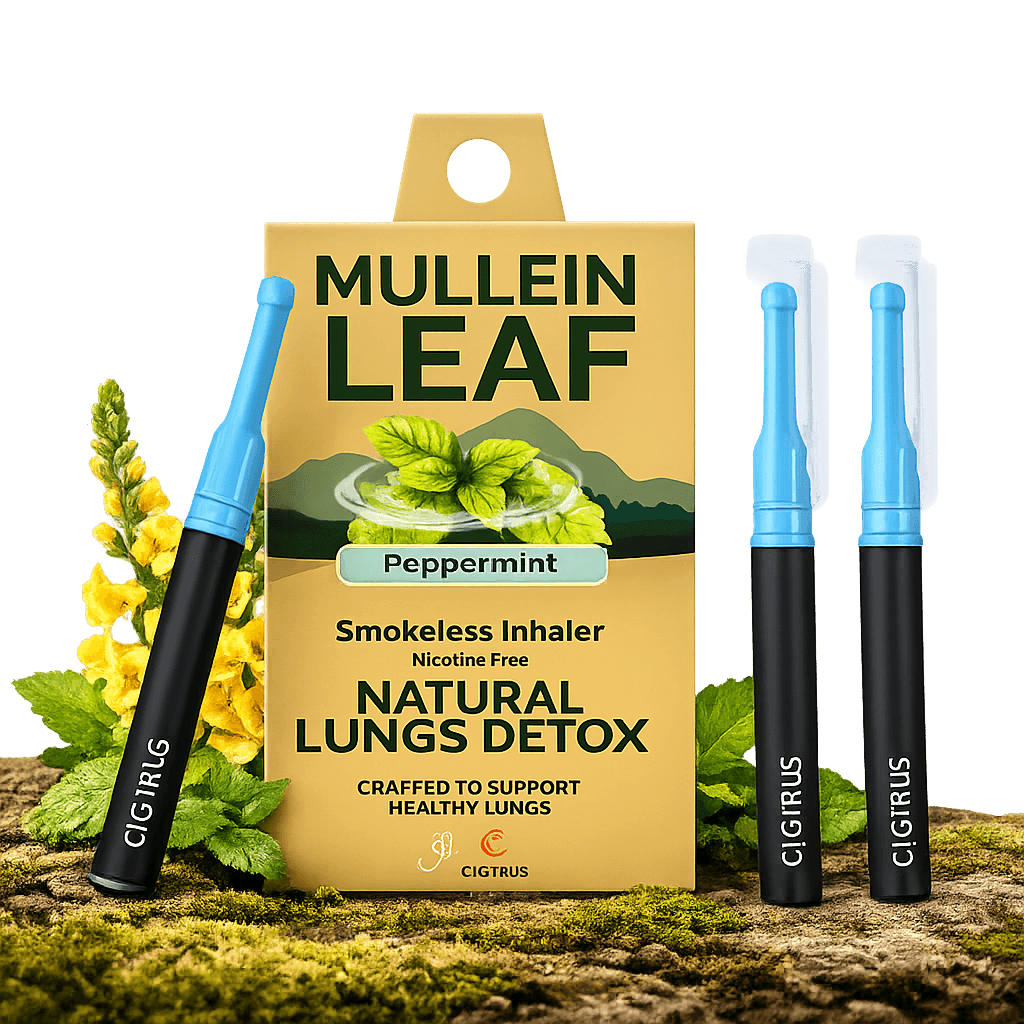
Cigtrus was created around the behavioral side of smoking and the familiar hand-to-mouth experience.
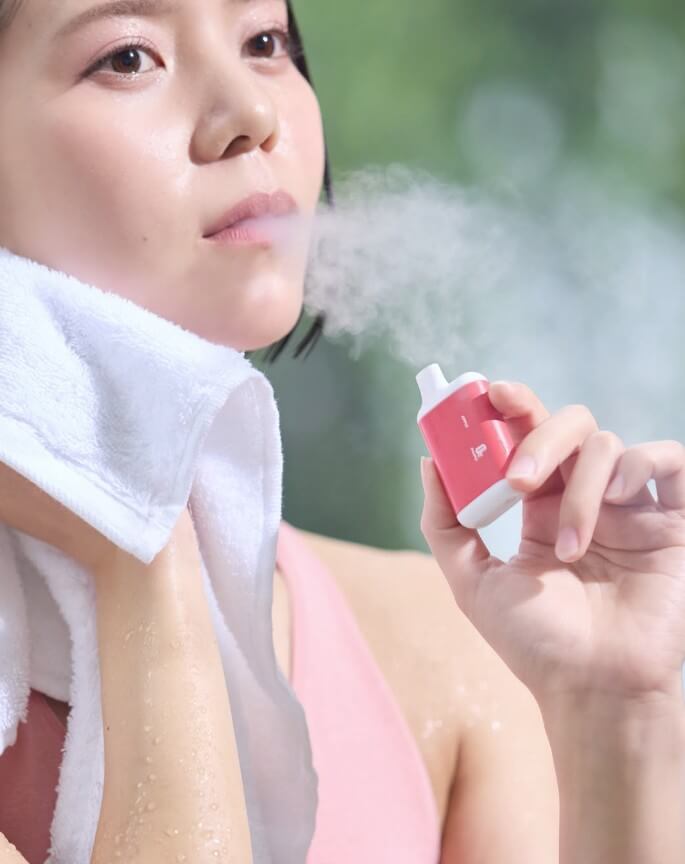
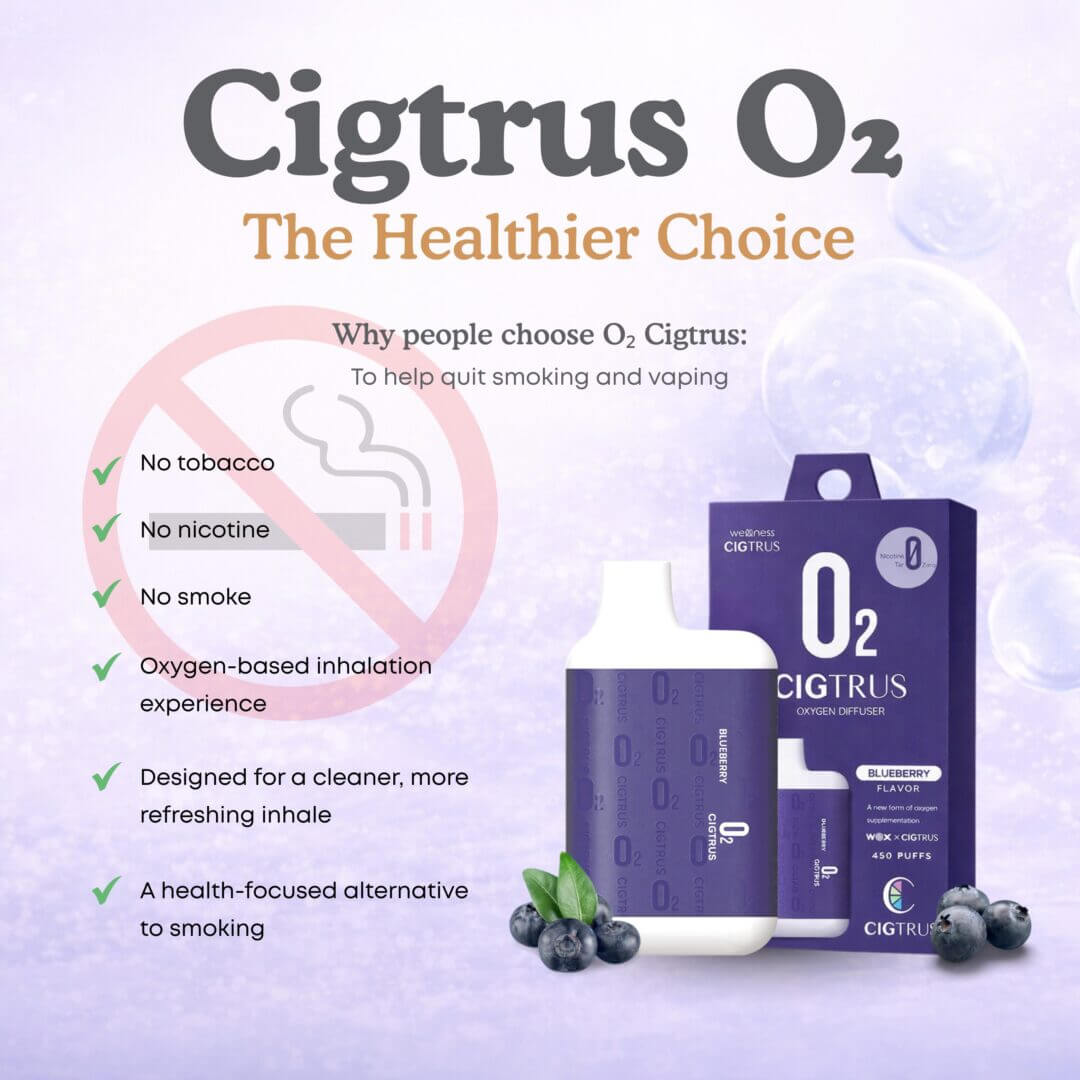
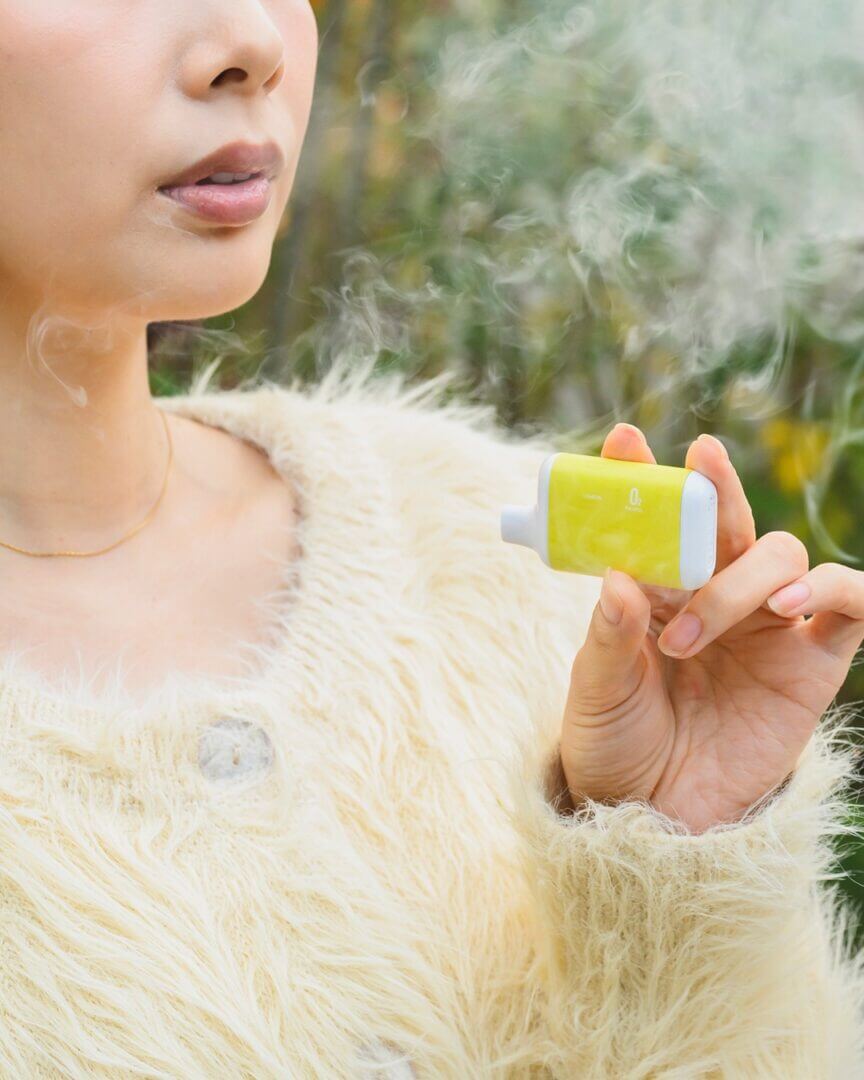
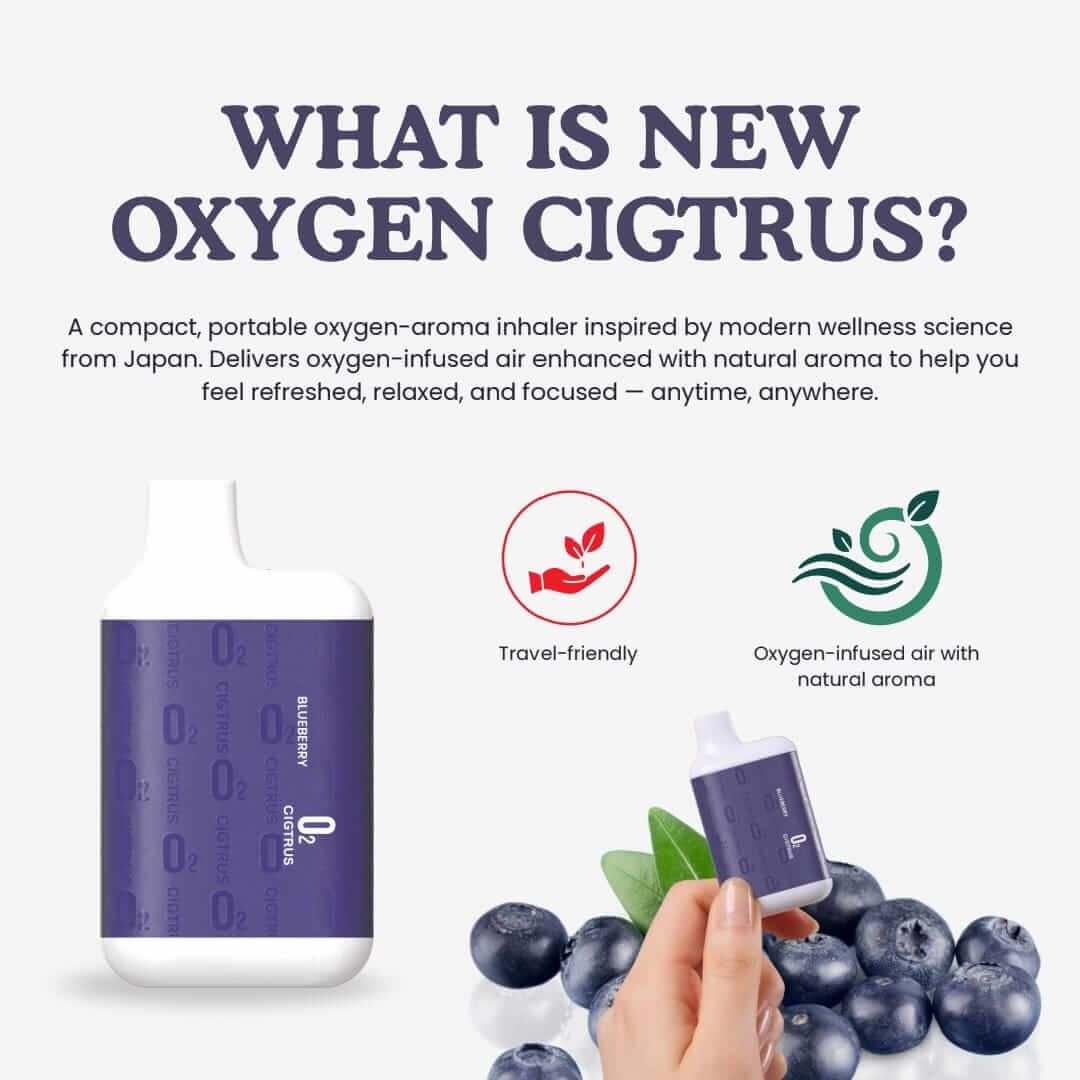
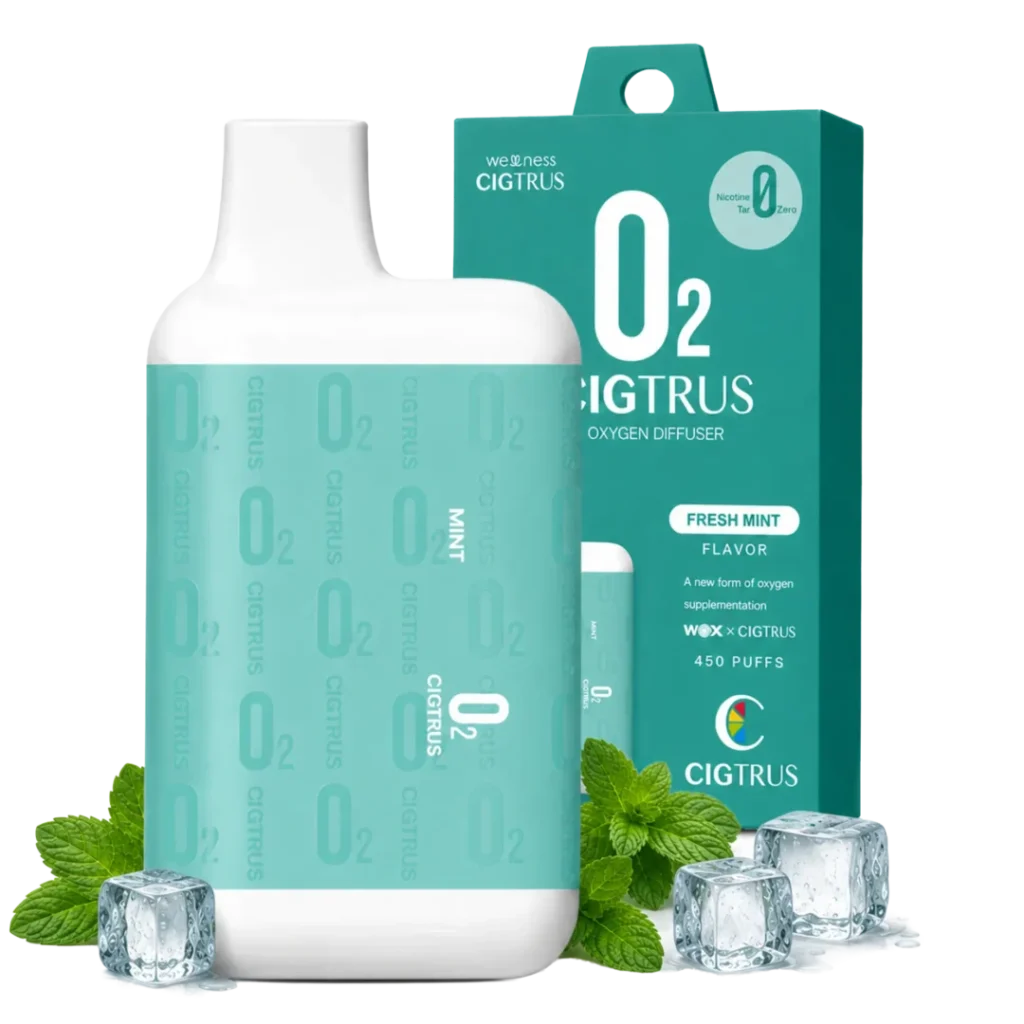
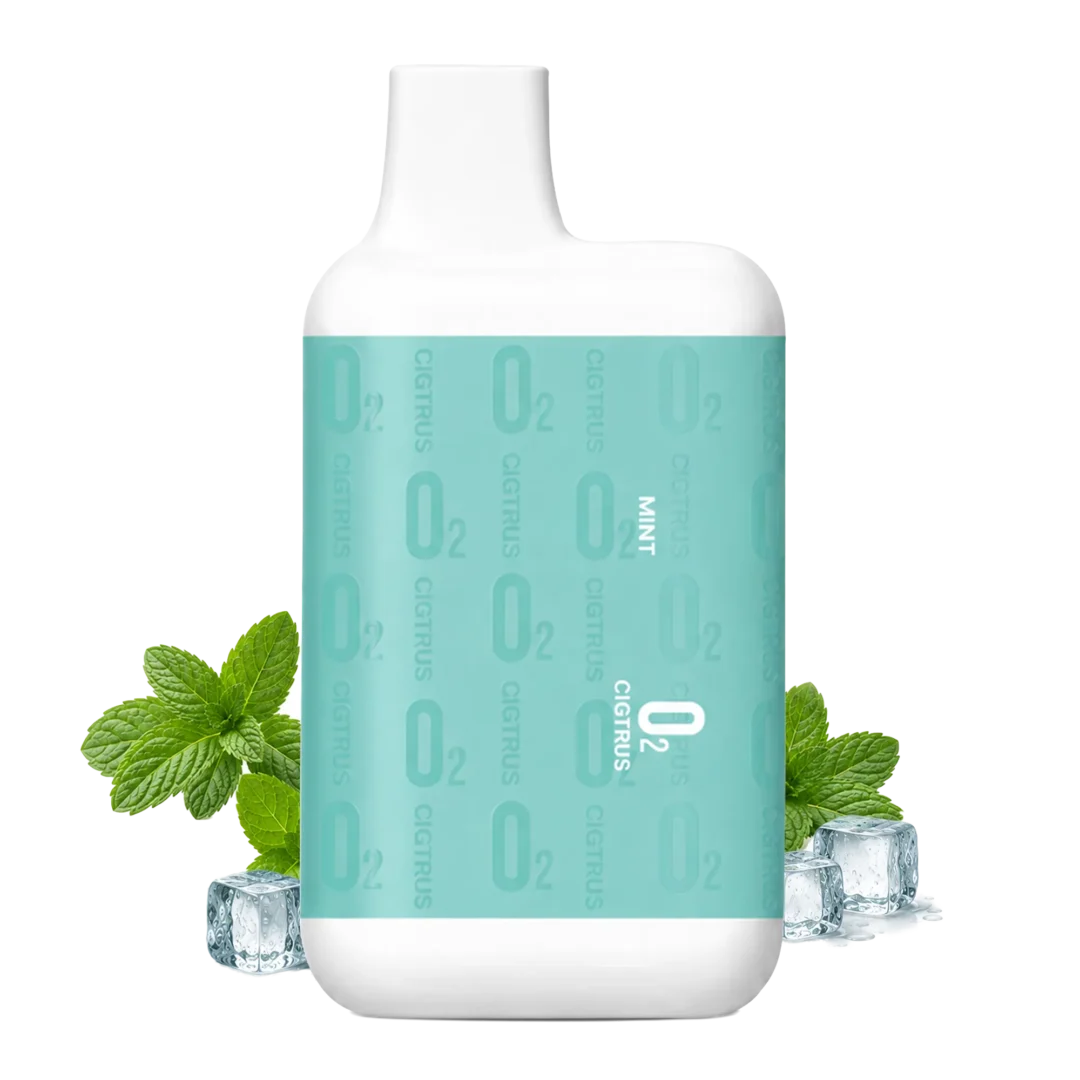
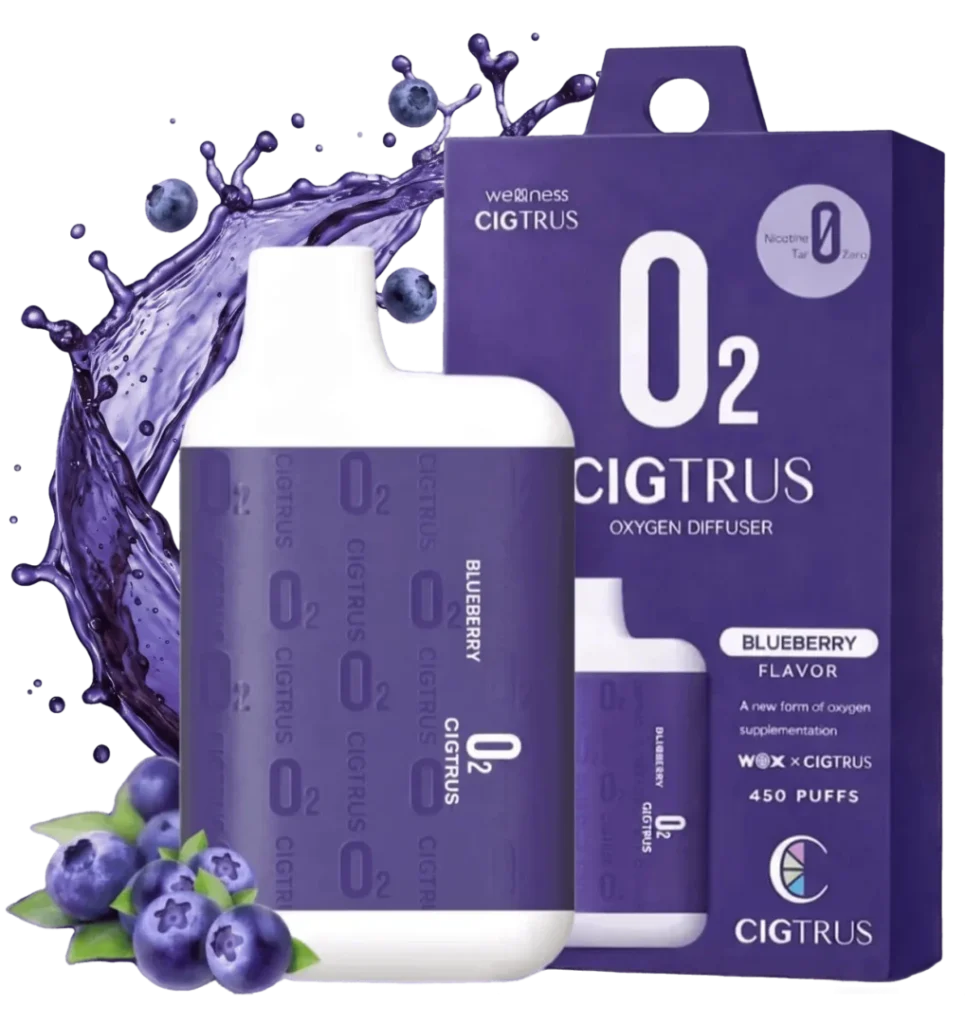
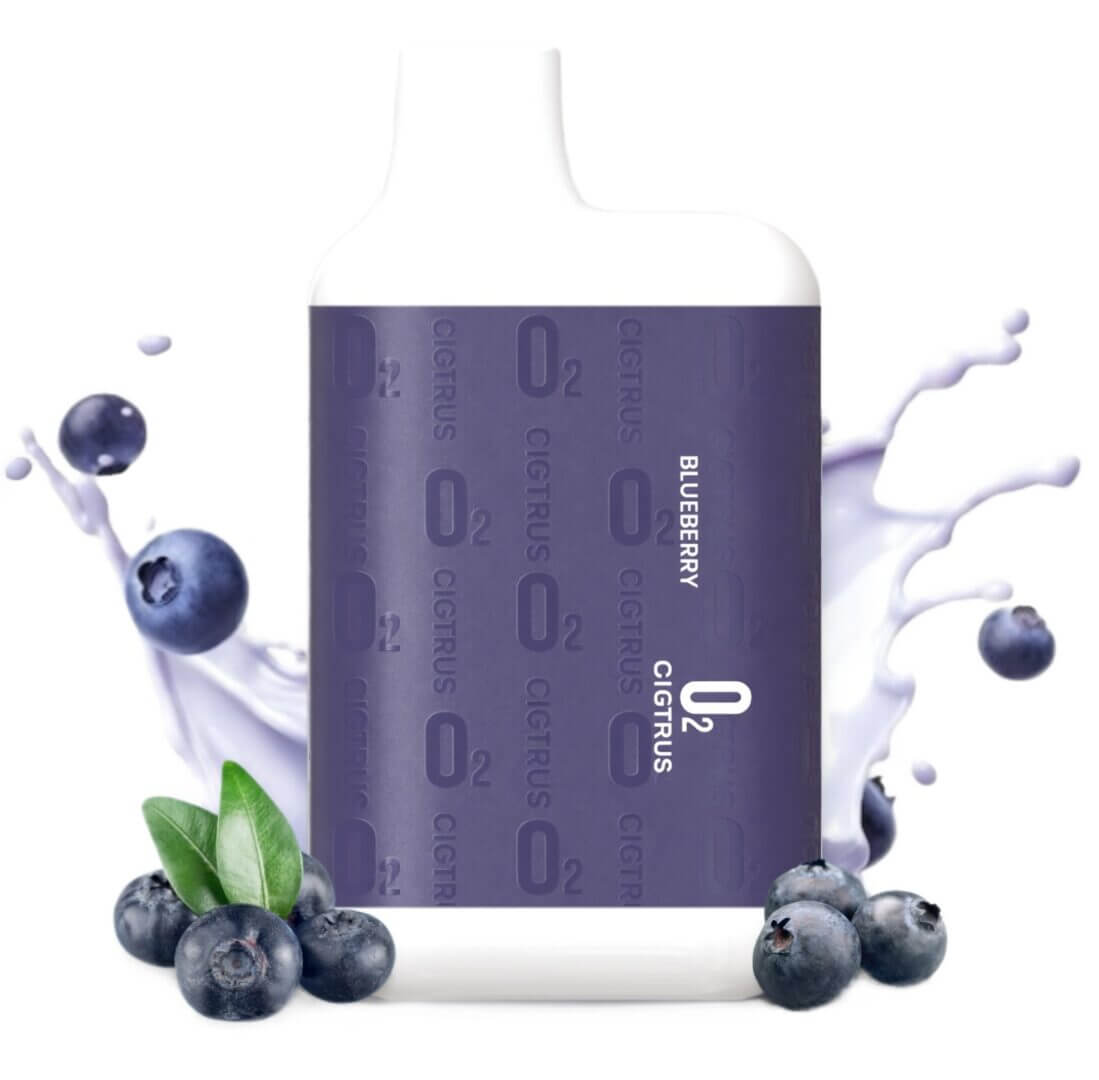
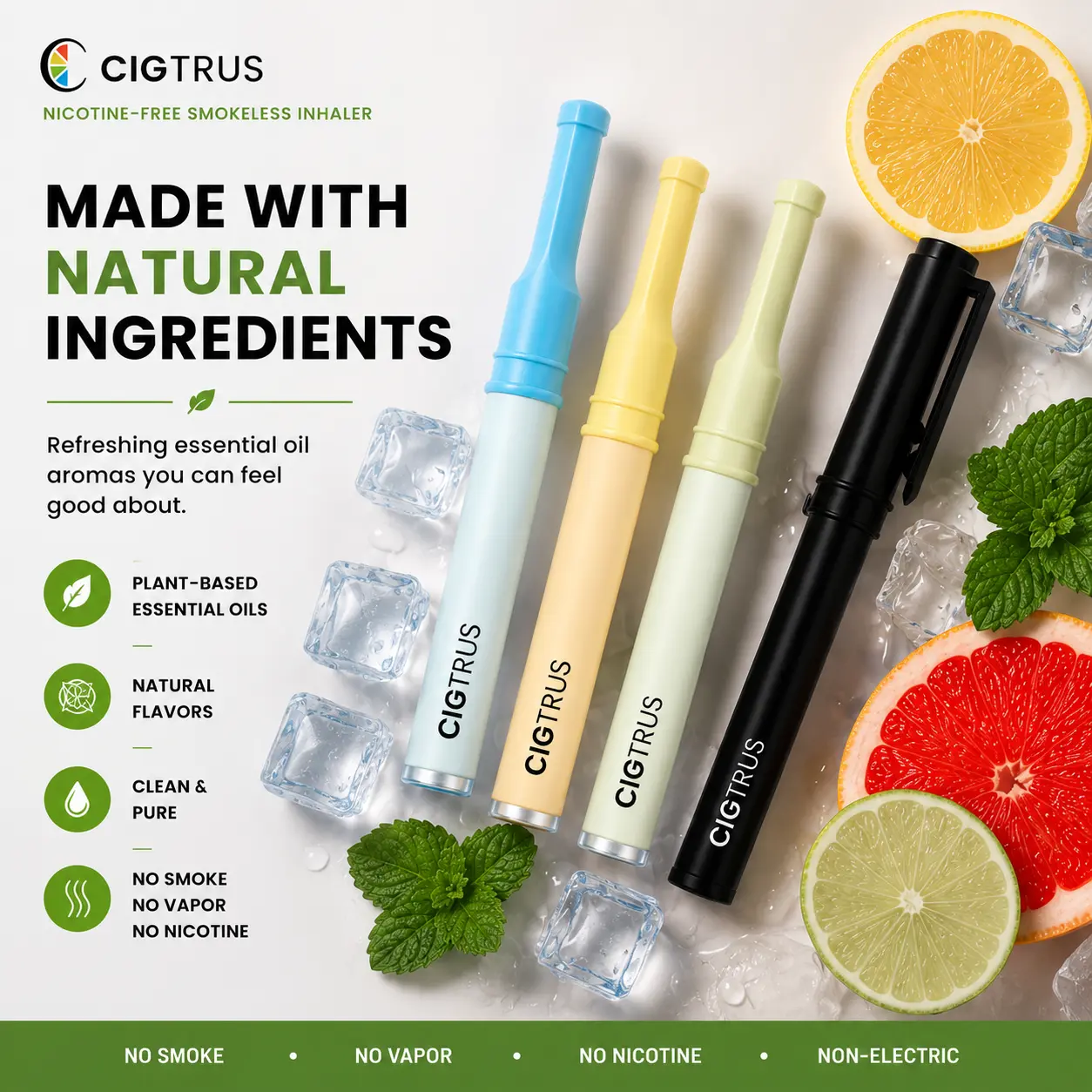
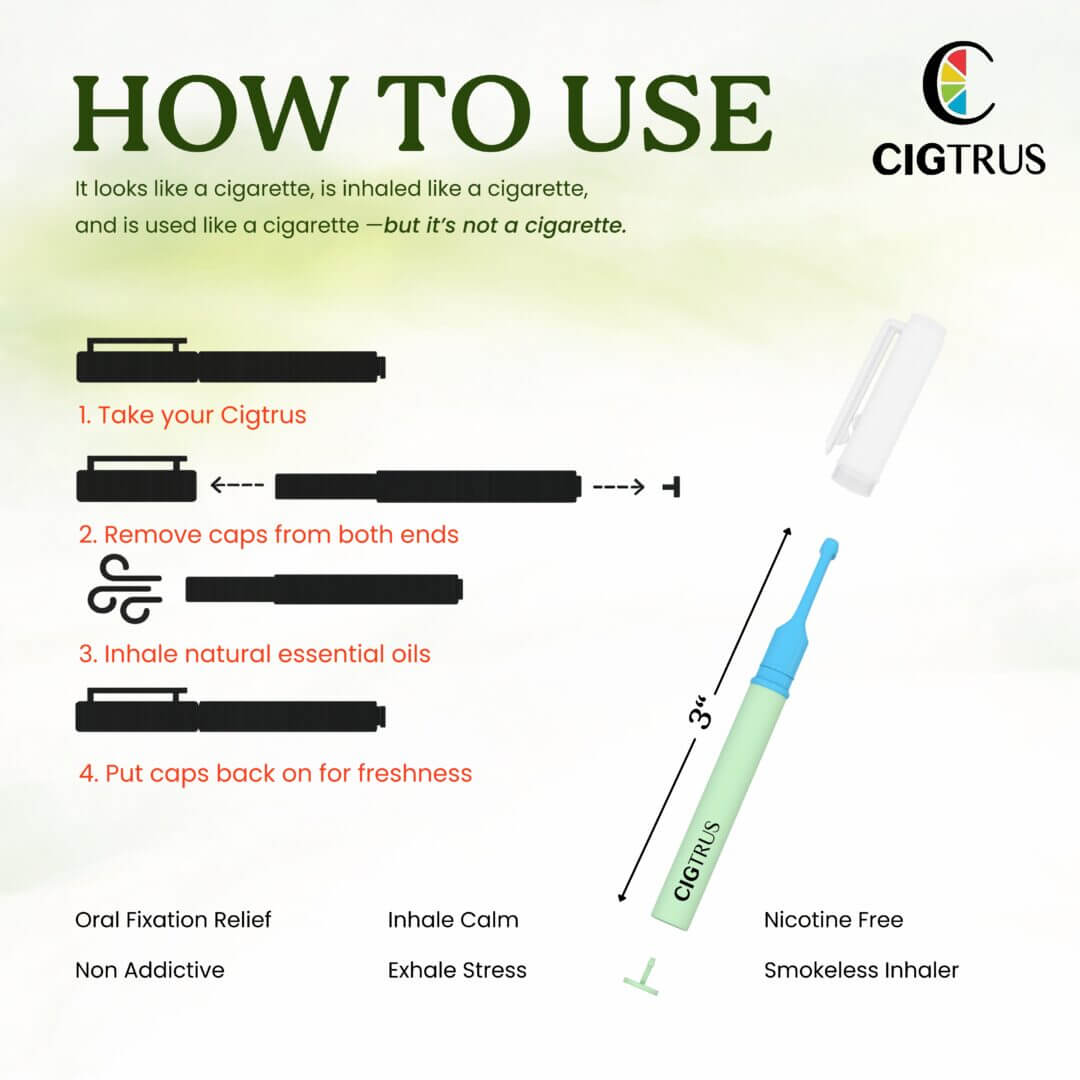
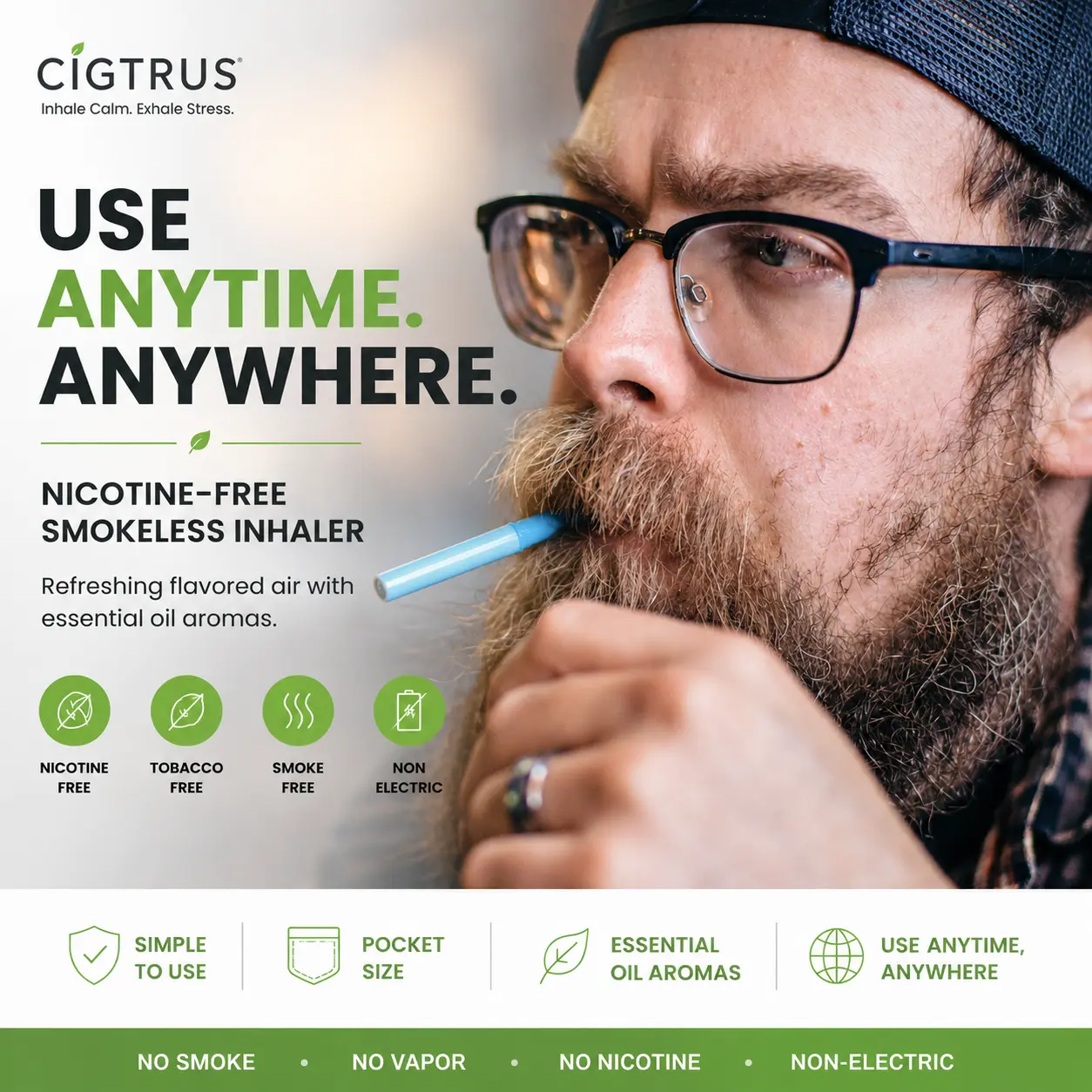
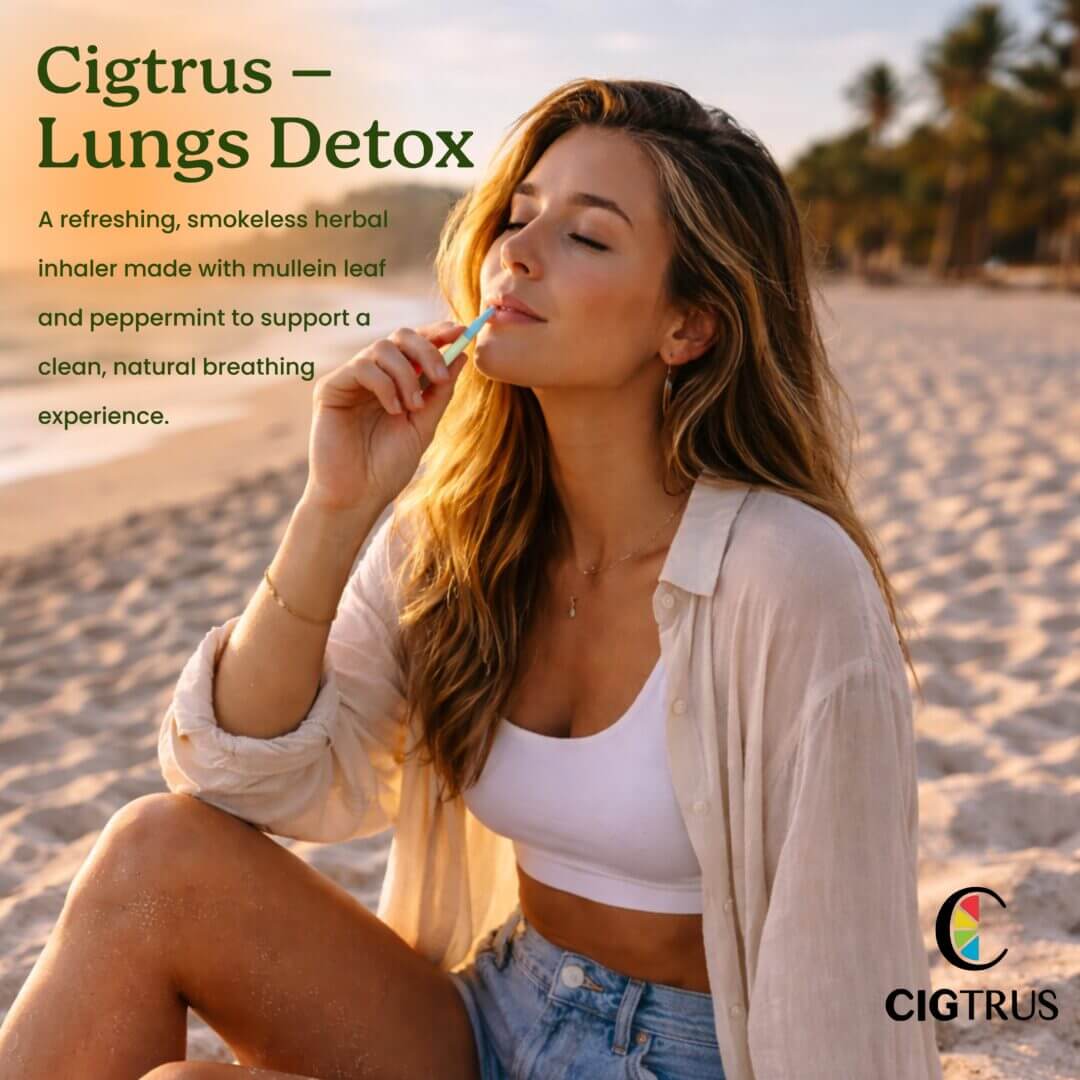
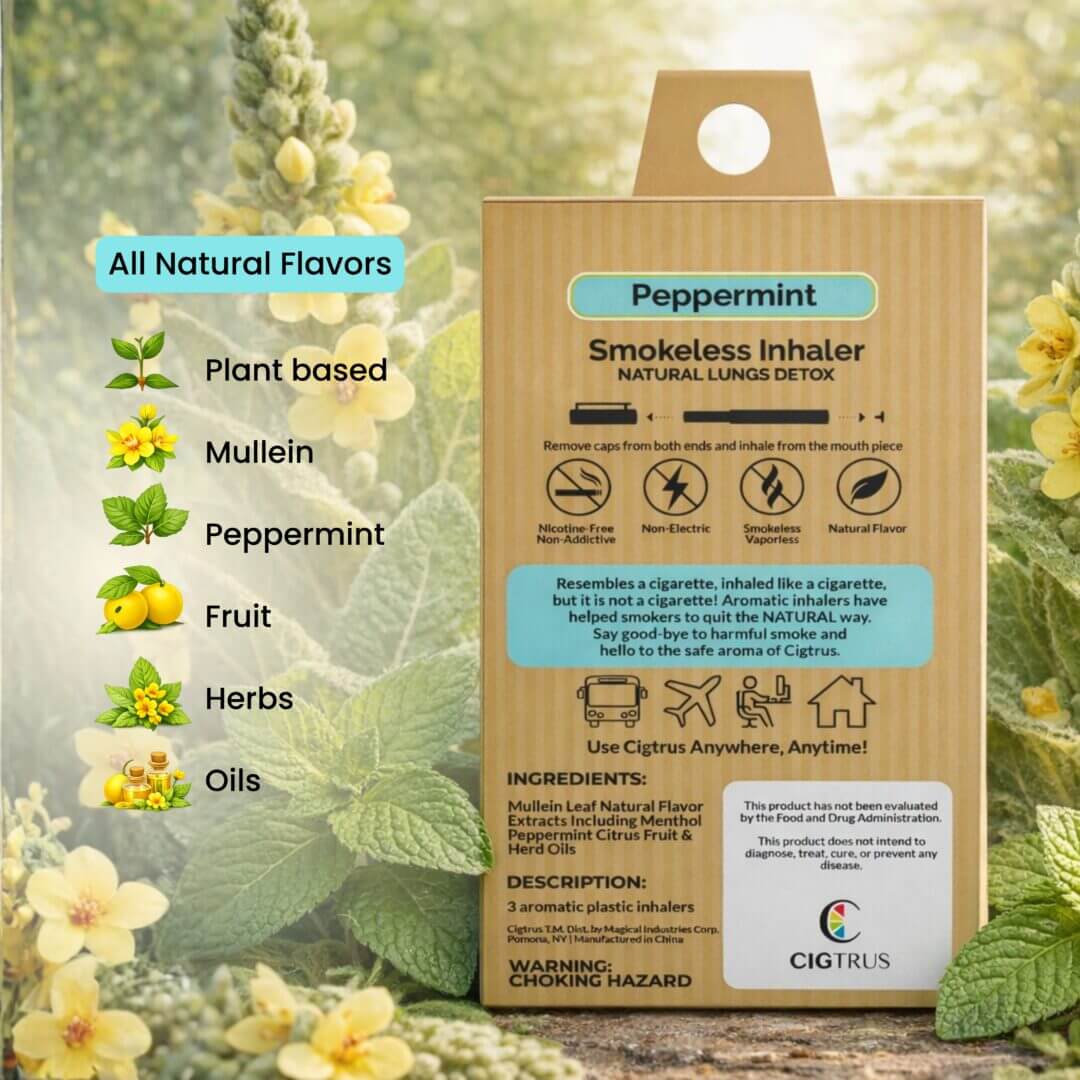
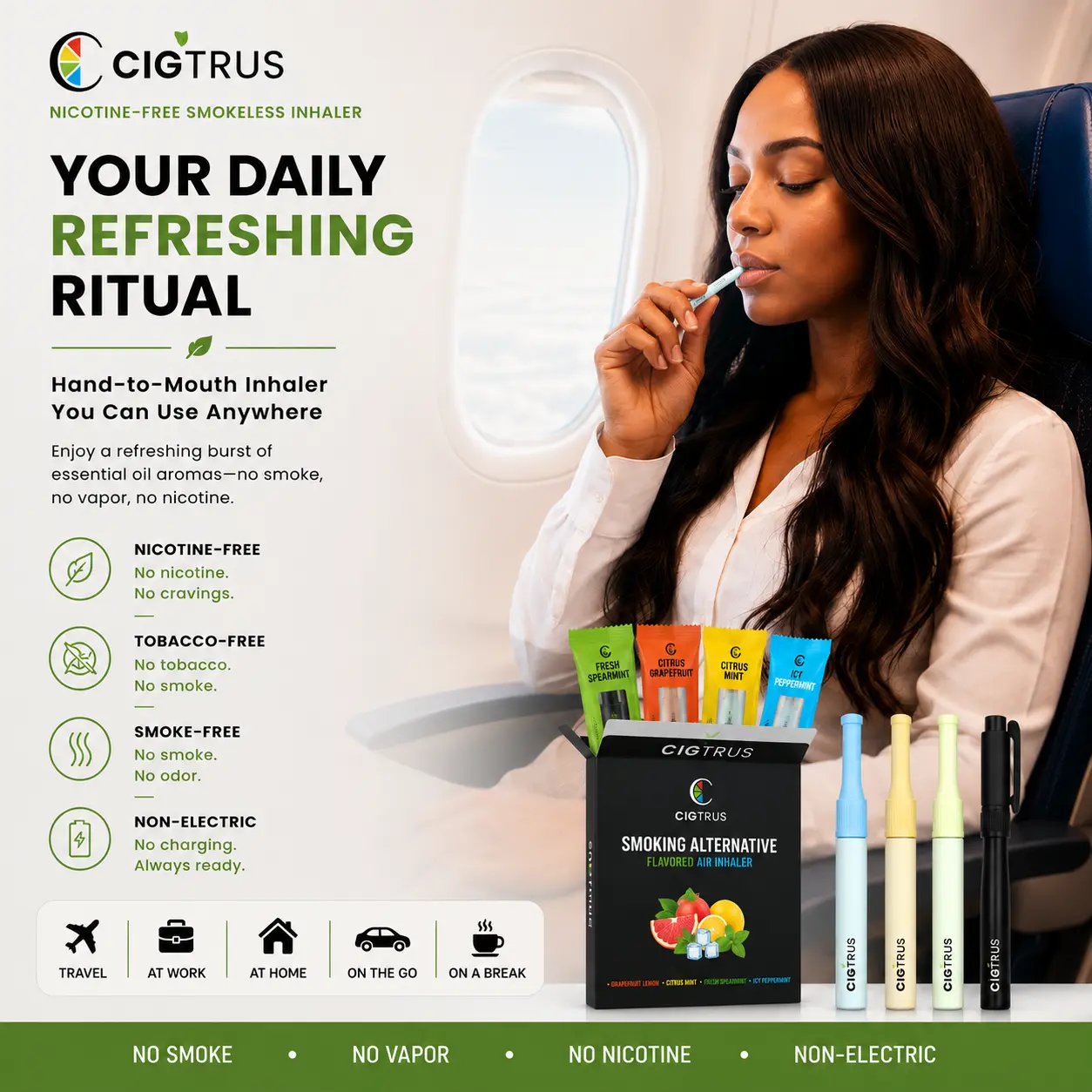
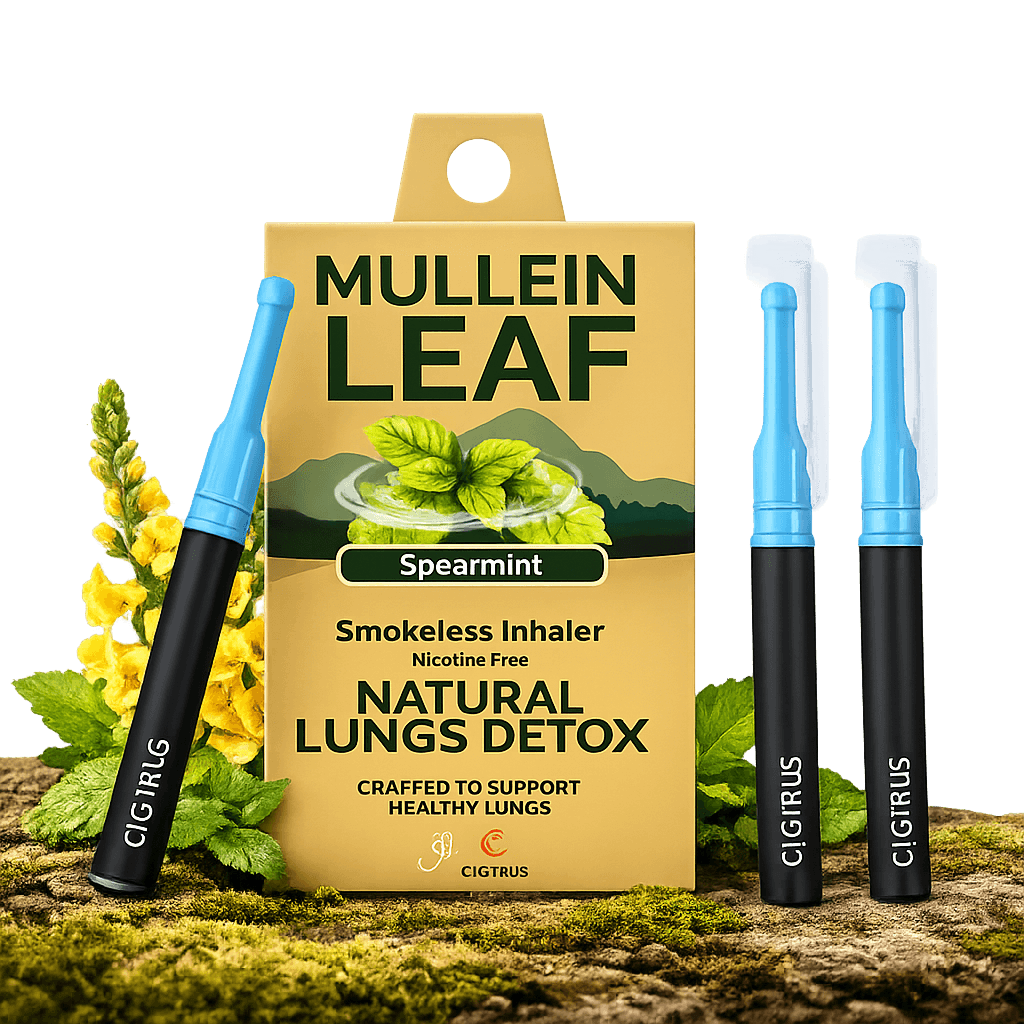
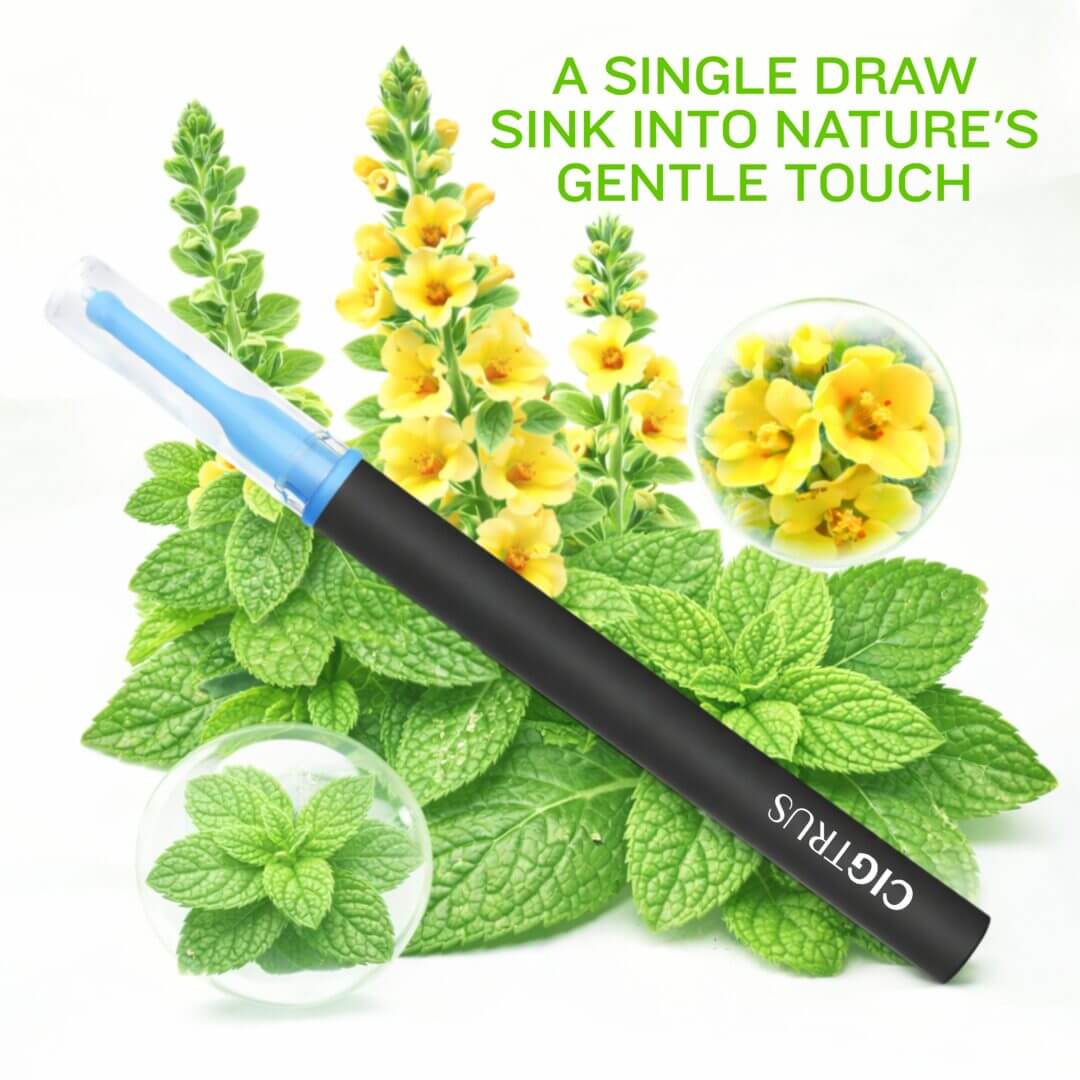
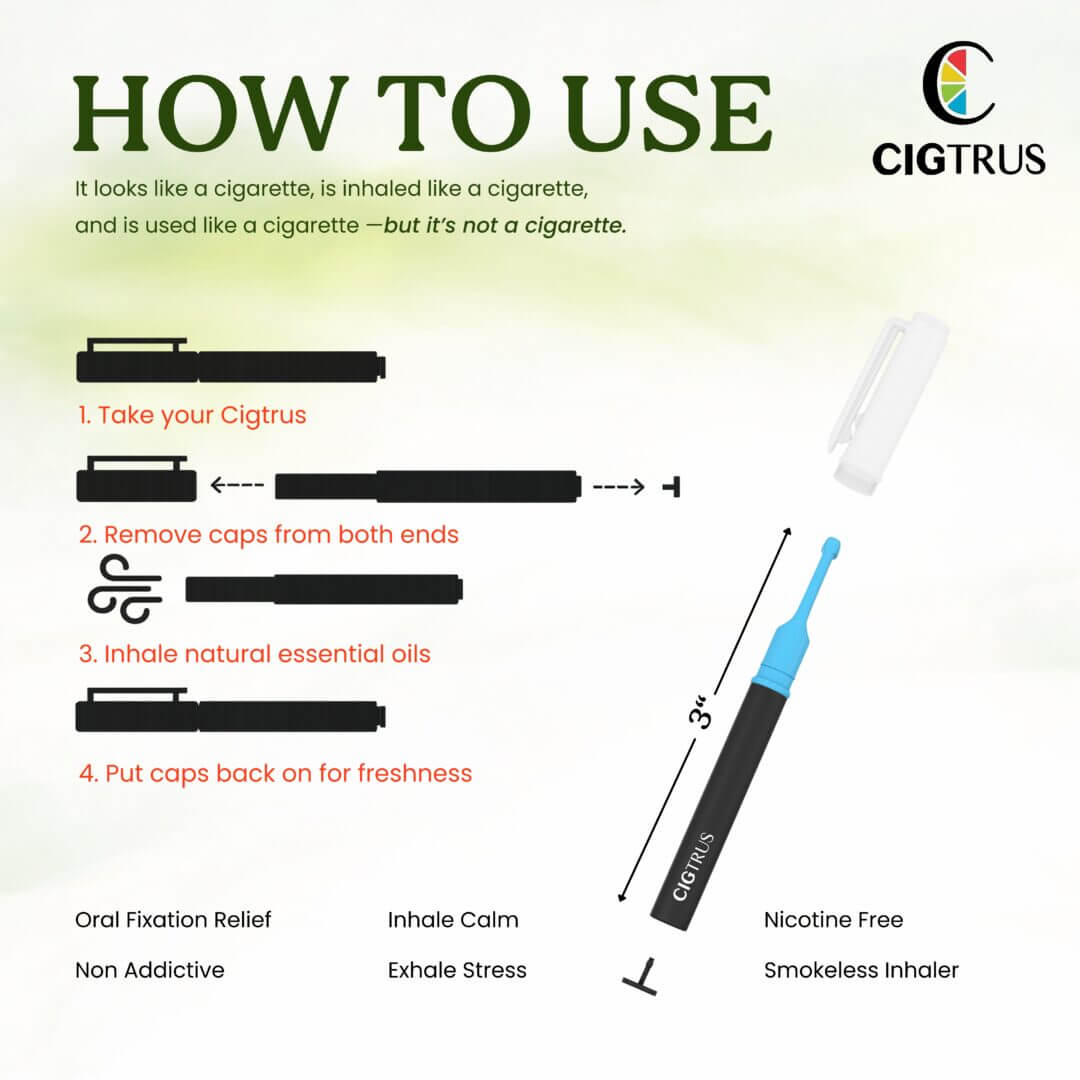
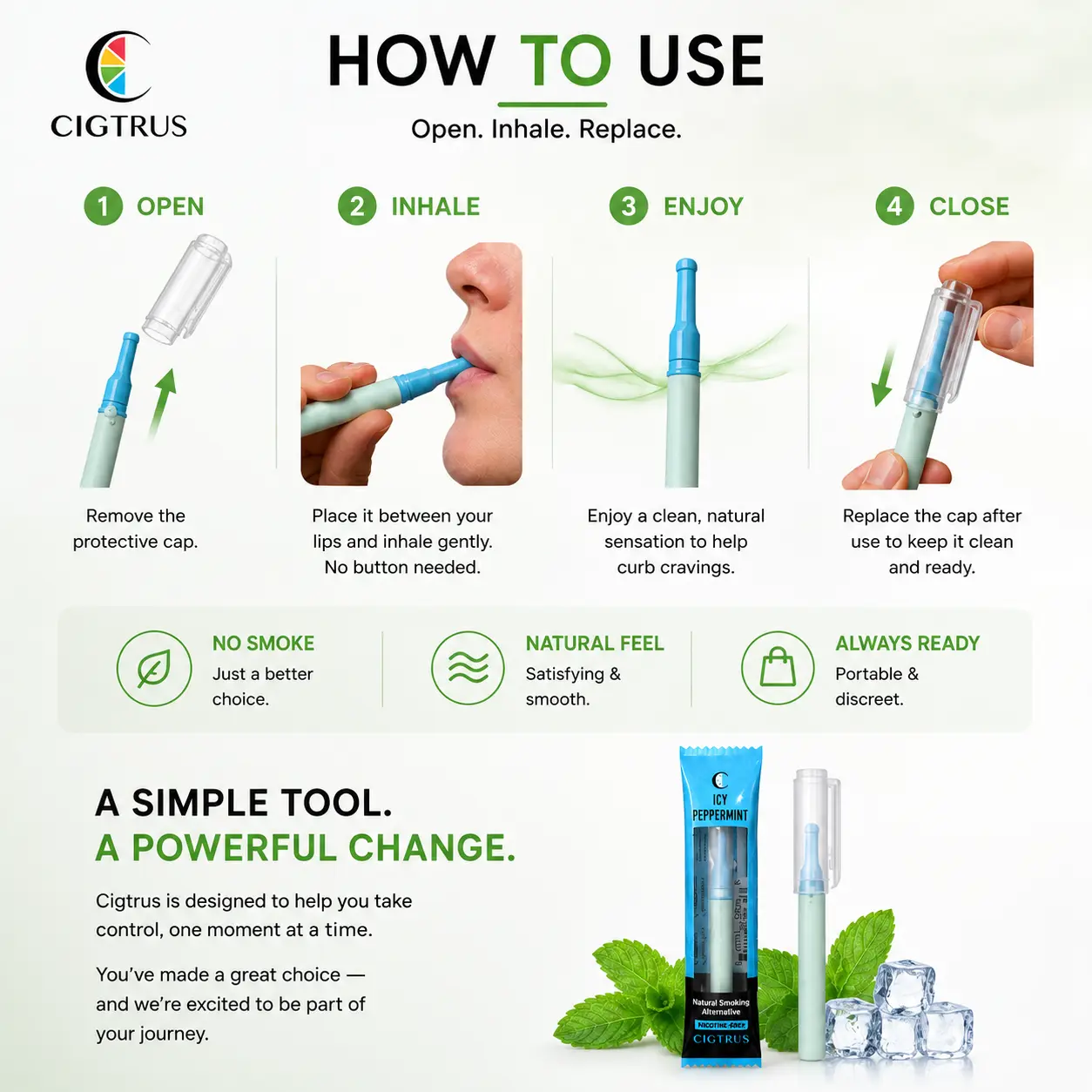
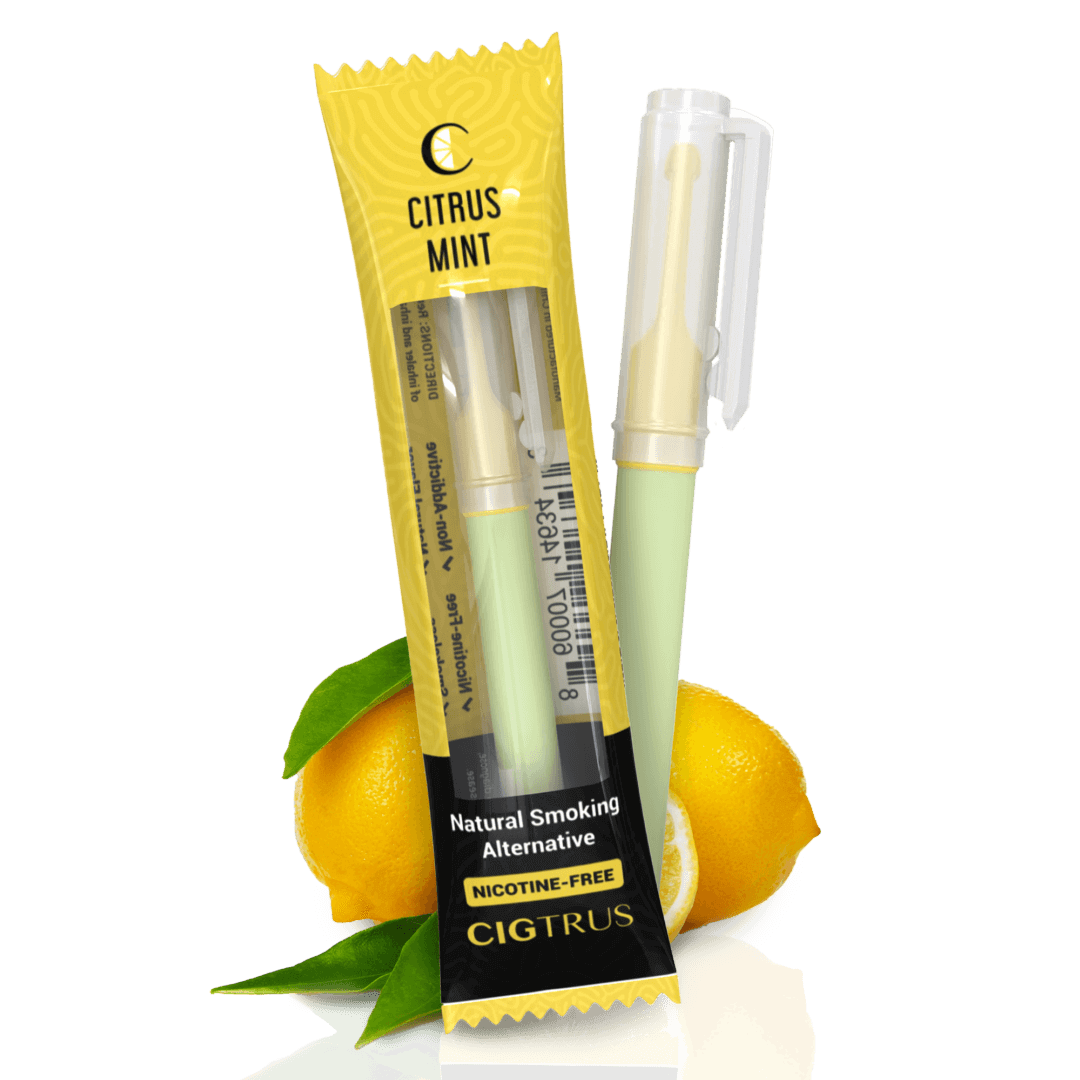
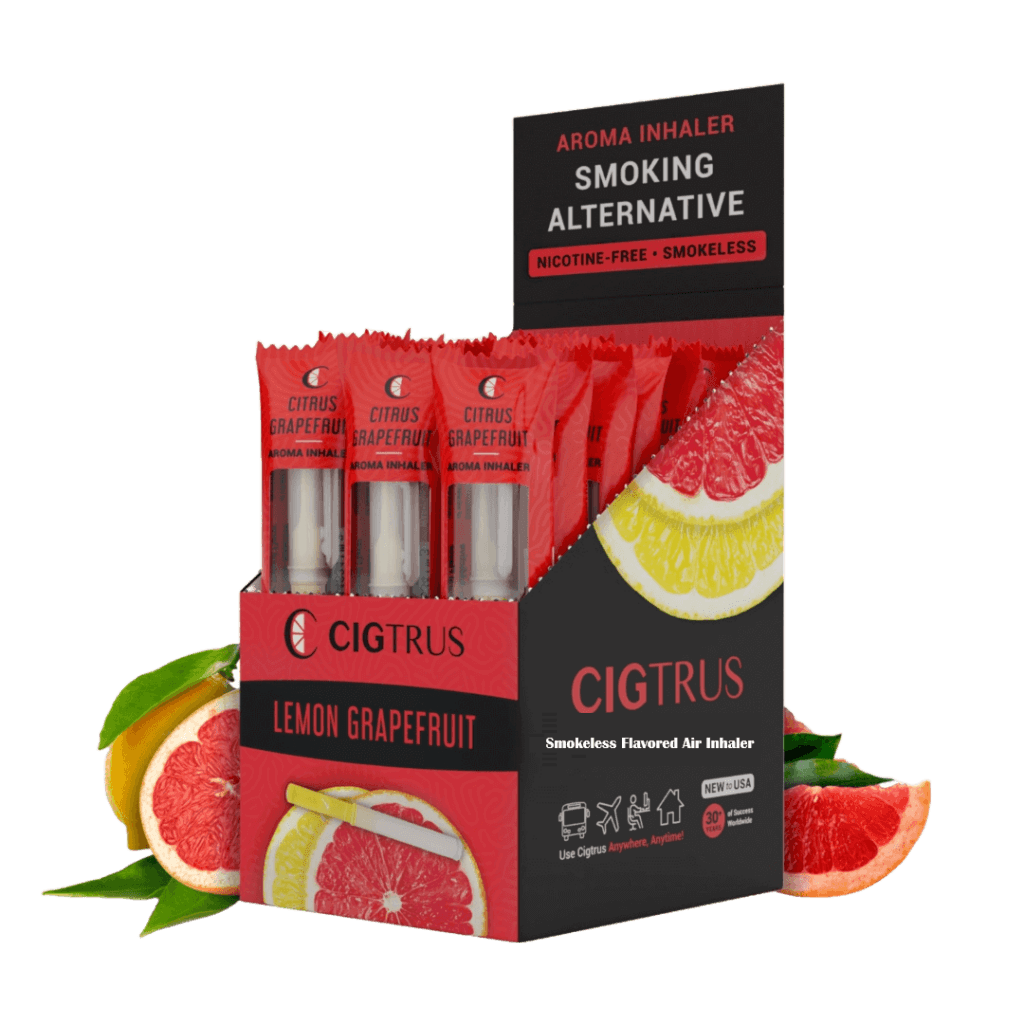
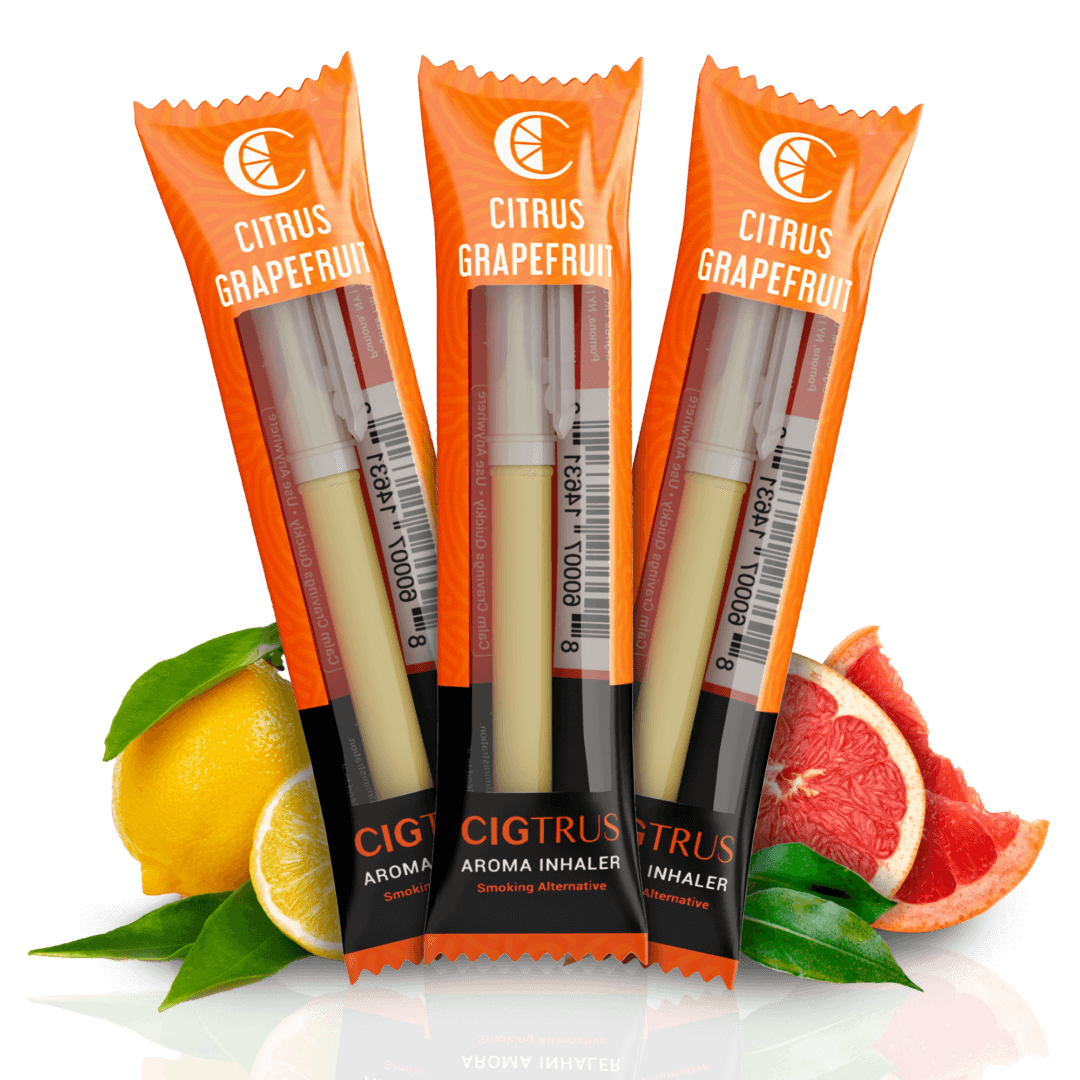
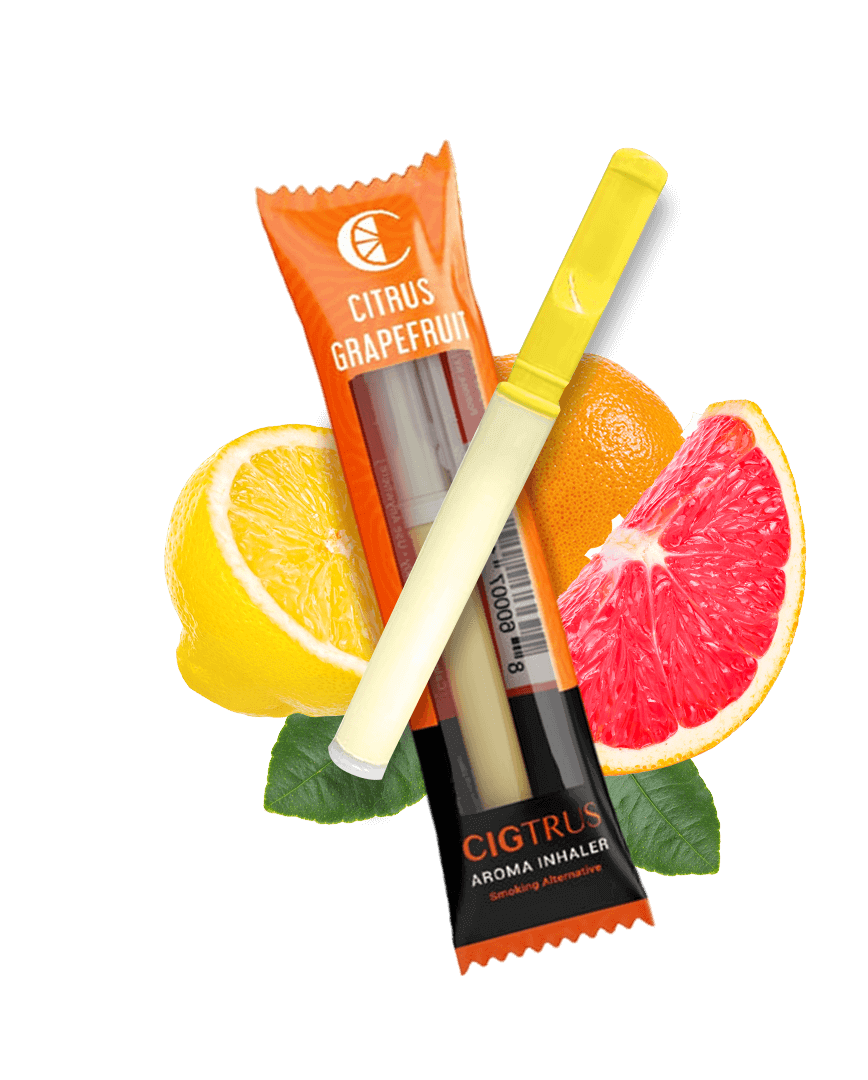
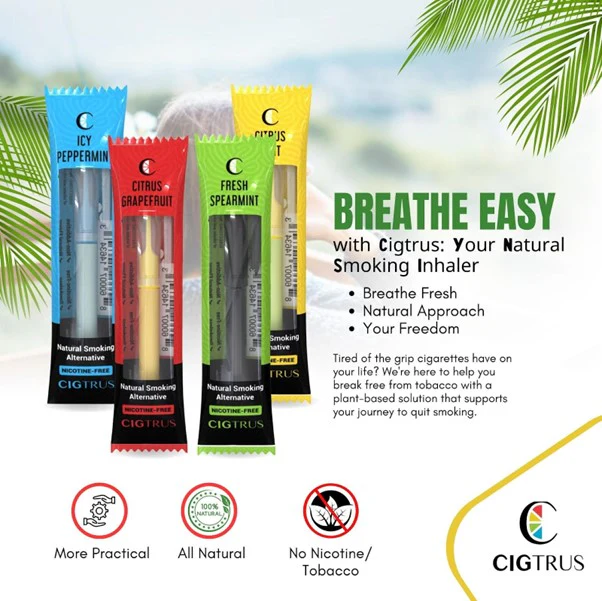
It is a nicotine-free, tobacco-free, non-electric smokeless inhaler that gives adults something familiar to hold, bring to the mouth, and draw through without continuing to use a cigarette or electronic vape.
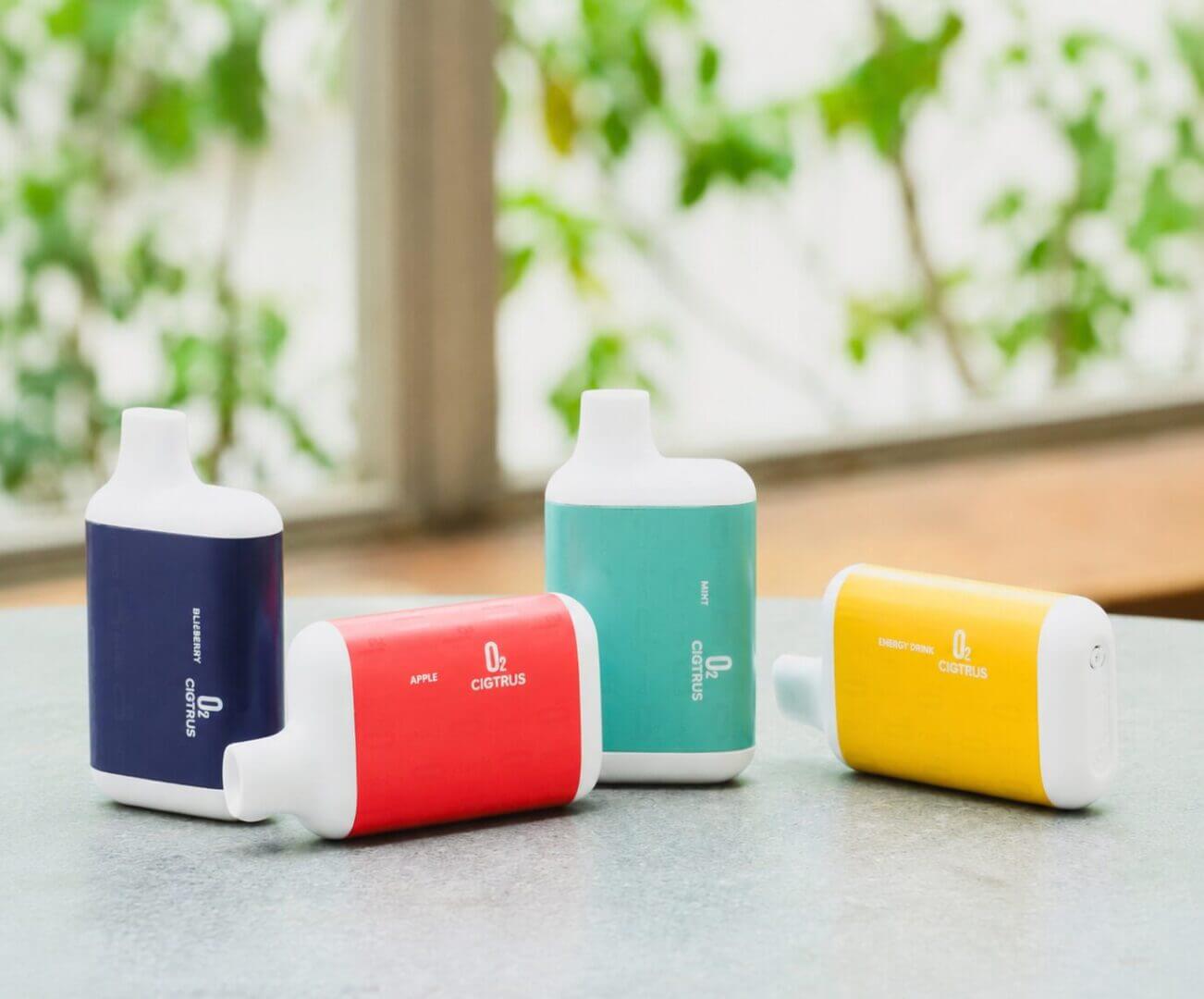
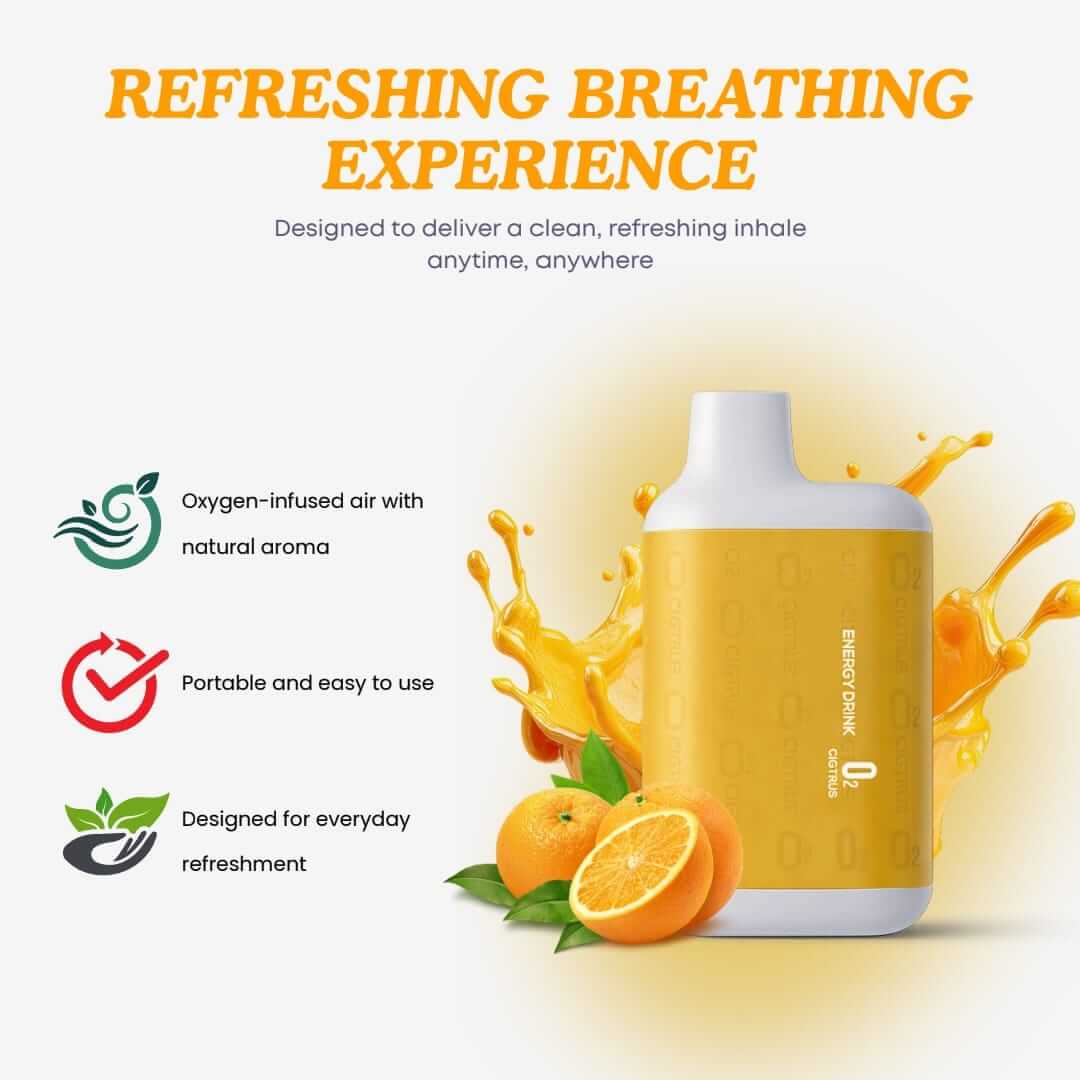
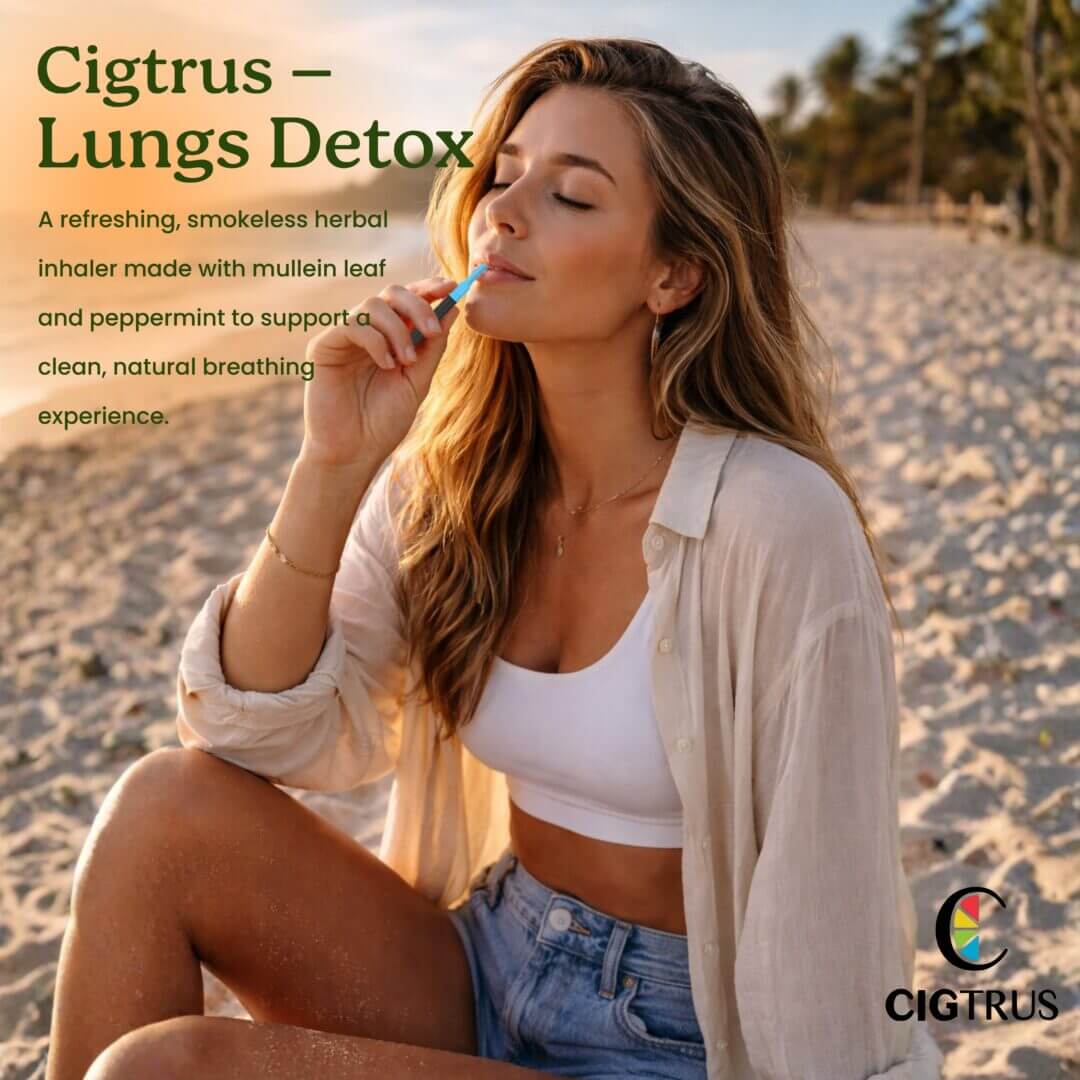
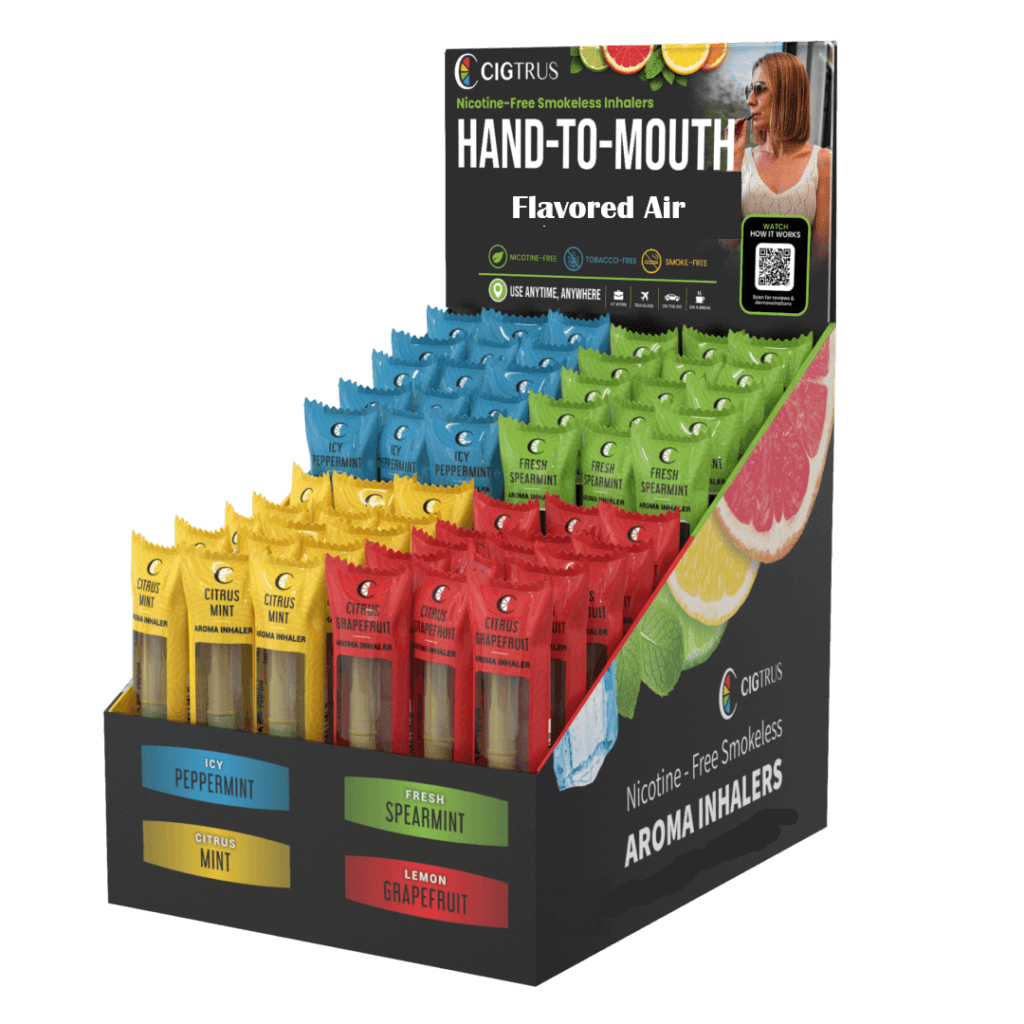
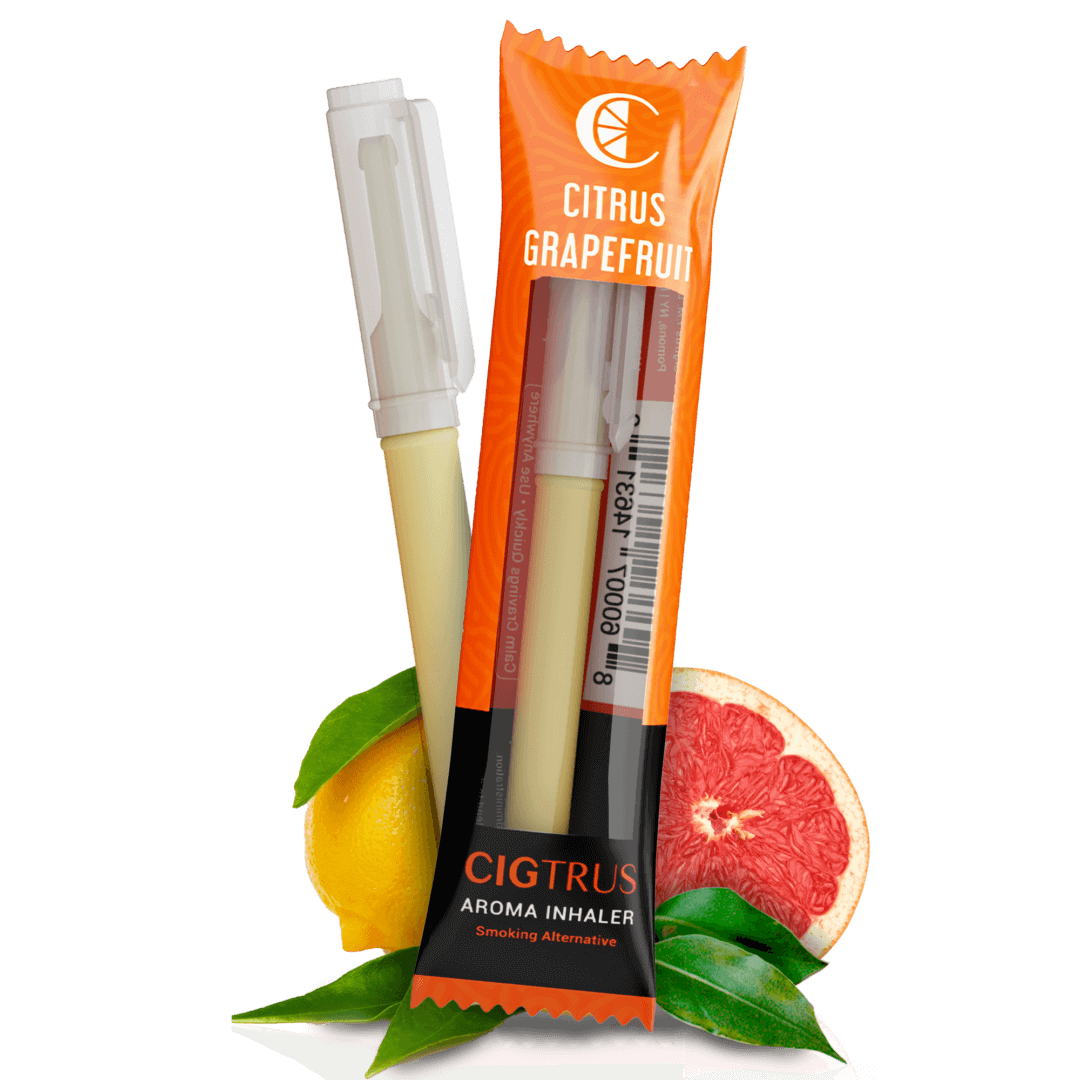
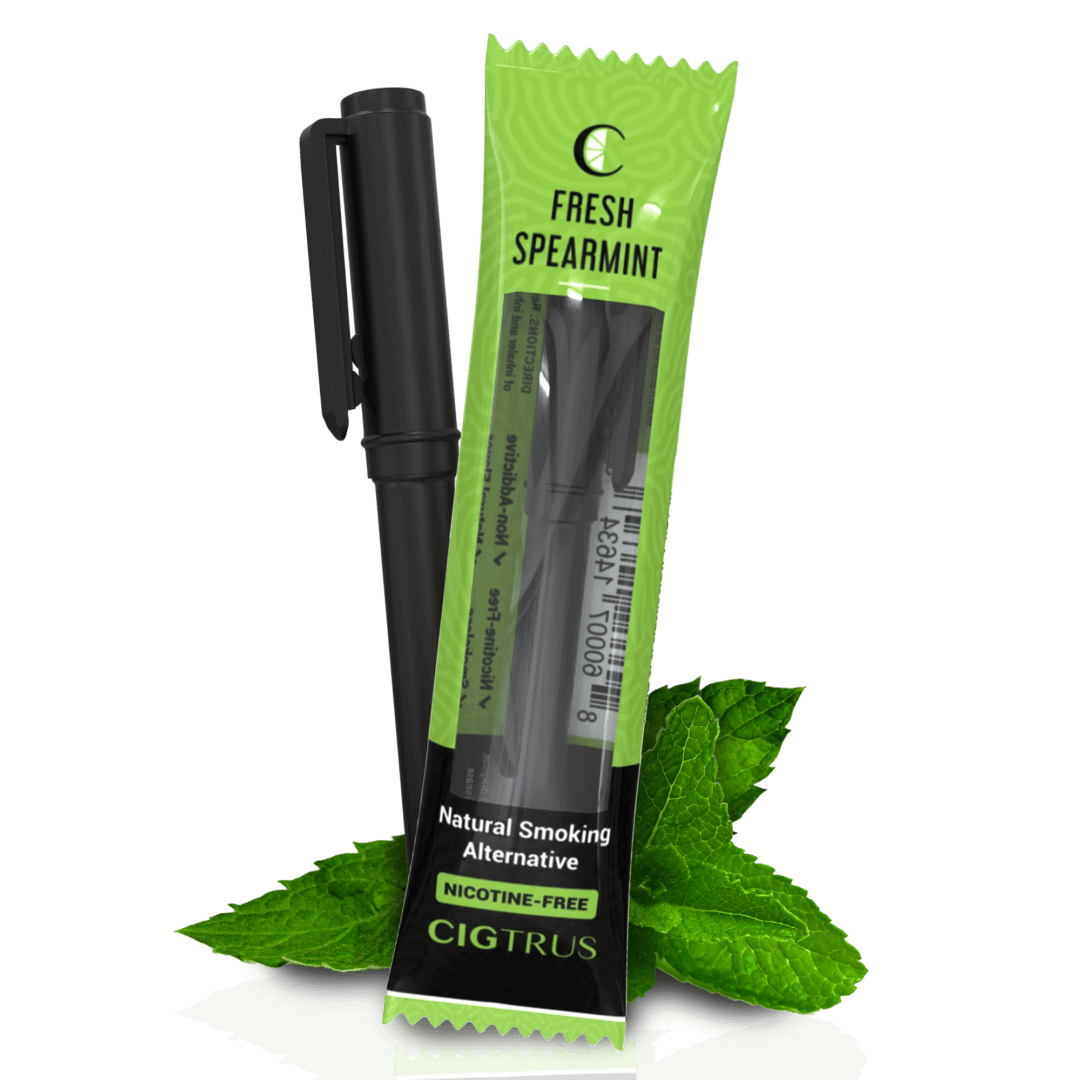
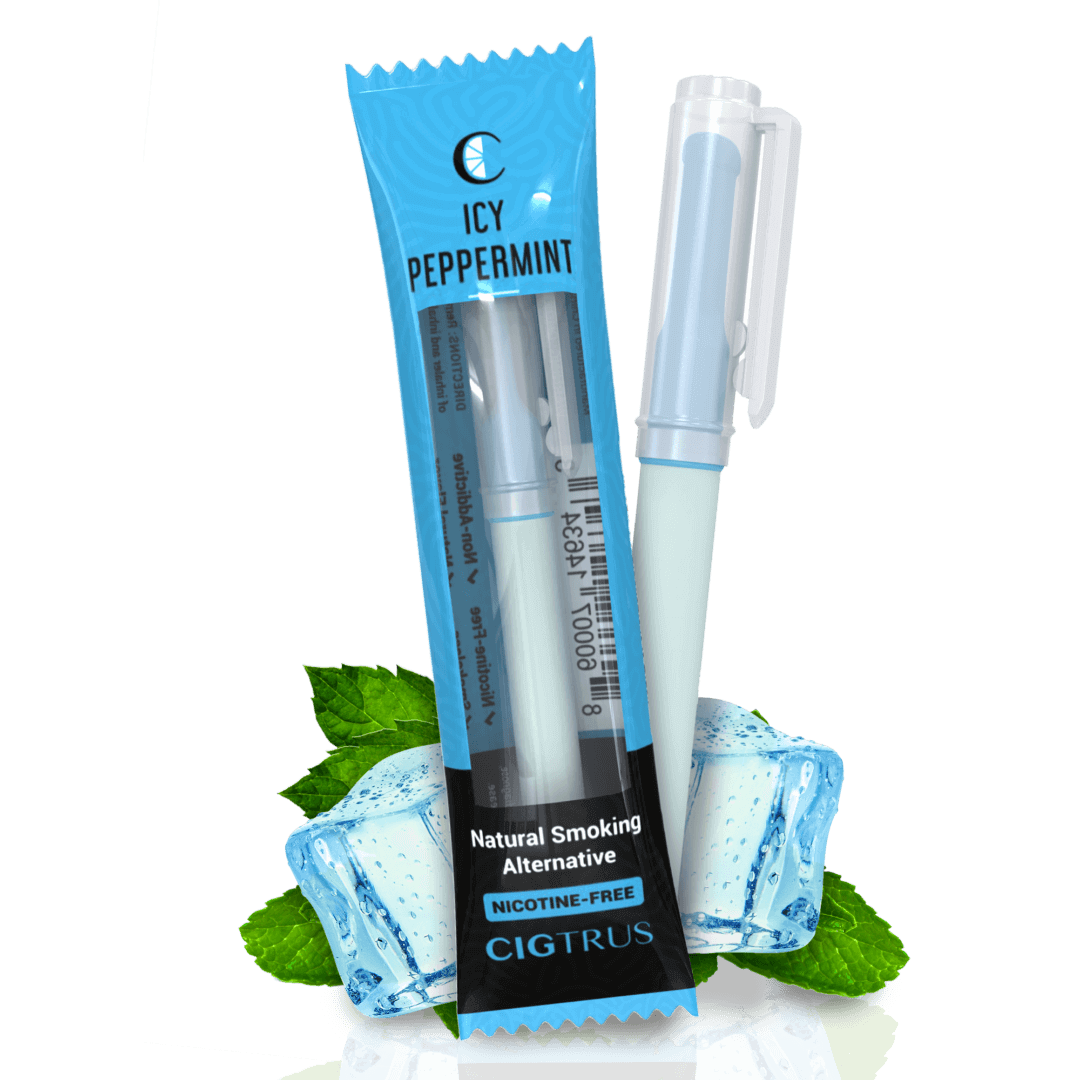
Cigtrus provides refreshing flavored air with carefully selected essential oil aromas in a simple pocket-sized format.
What Makes Cigtrus Different
Hand-to-mouth habit replacement — gives the familiar reach and physical motion another destination during smoking or vaping trigger moments.
Familiar drawing experience — refreshing flavored air without cigarette smoke or electronic vape aerosol.
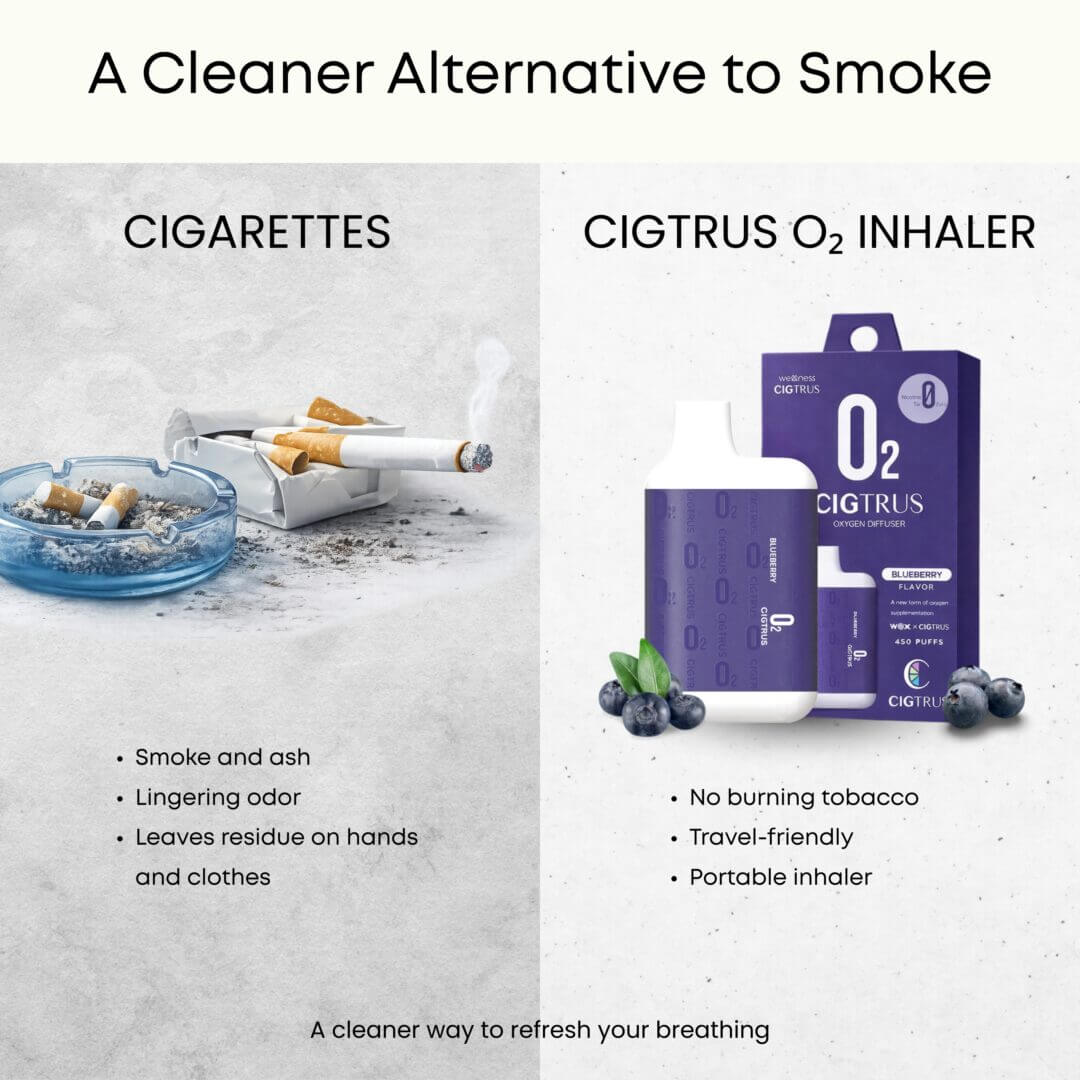
No nicotine or tobacco — Cigtrus does not continue nicotine delivery and contains no tobacco.
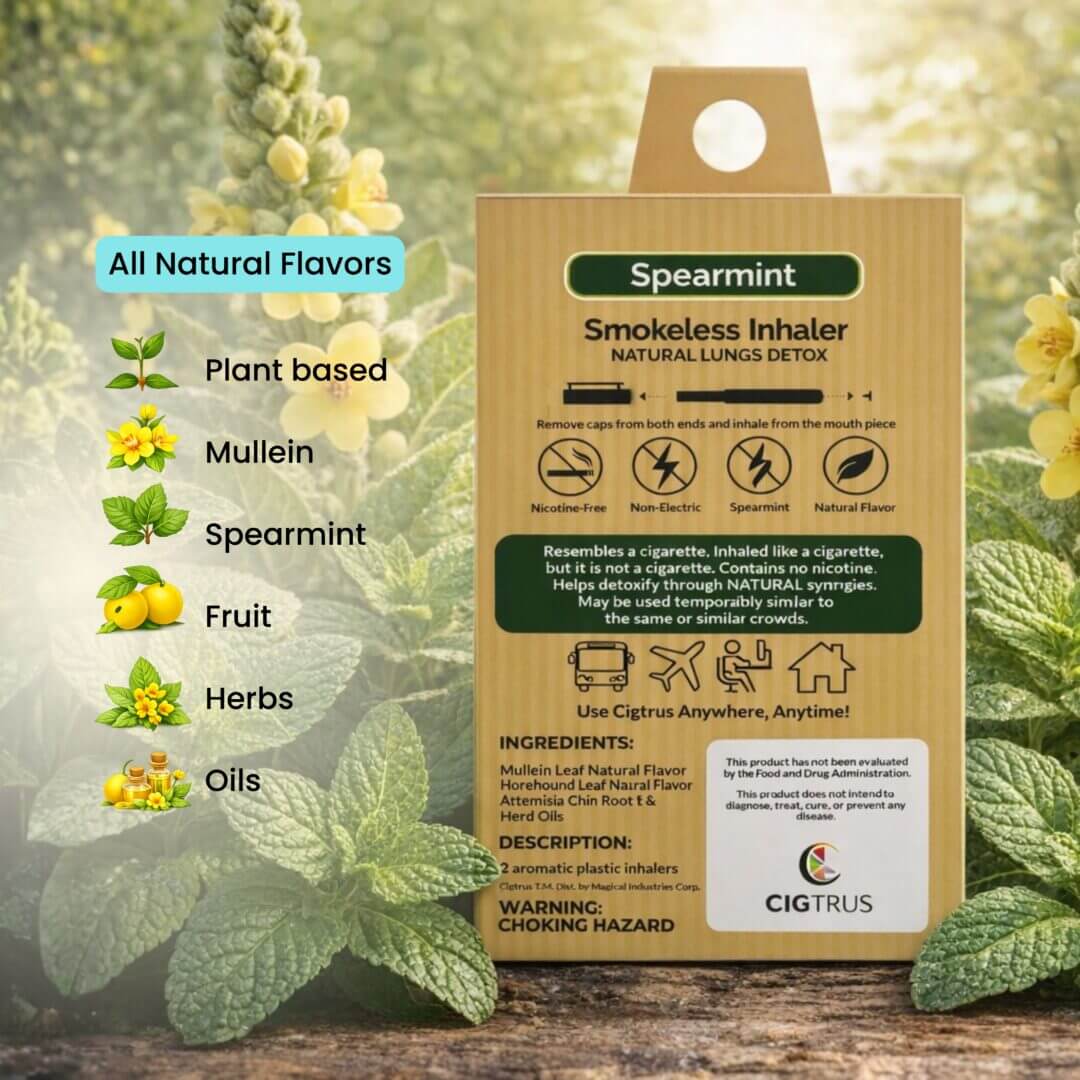
Non-electric — no battery, charging, coil, heating element, vape liquid, or electronic components.
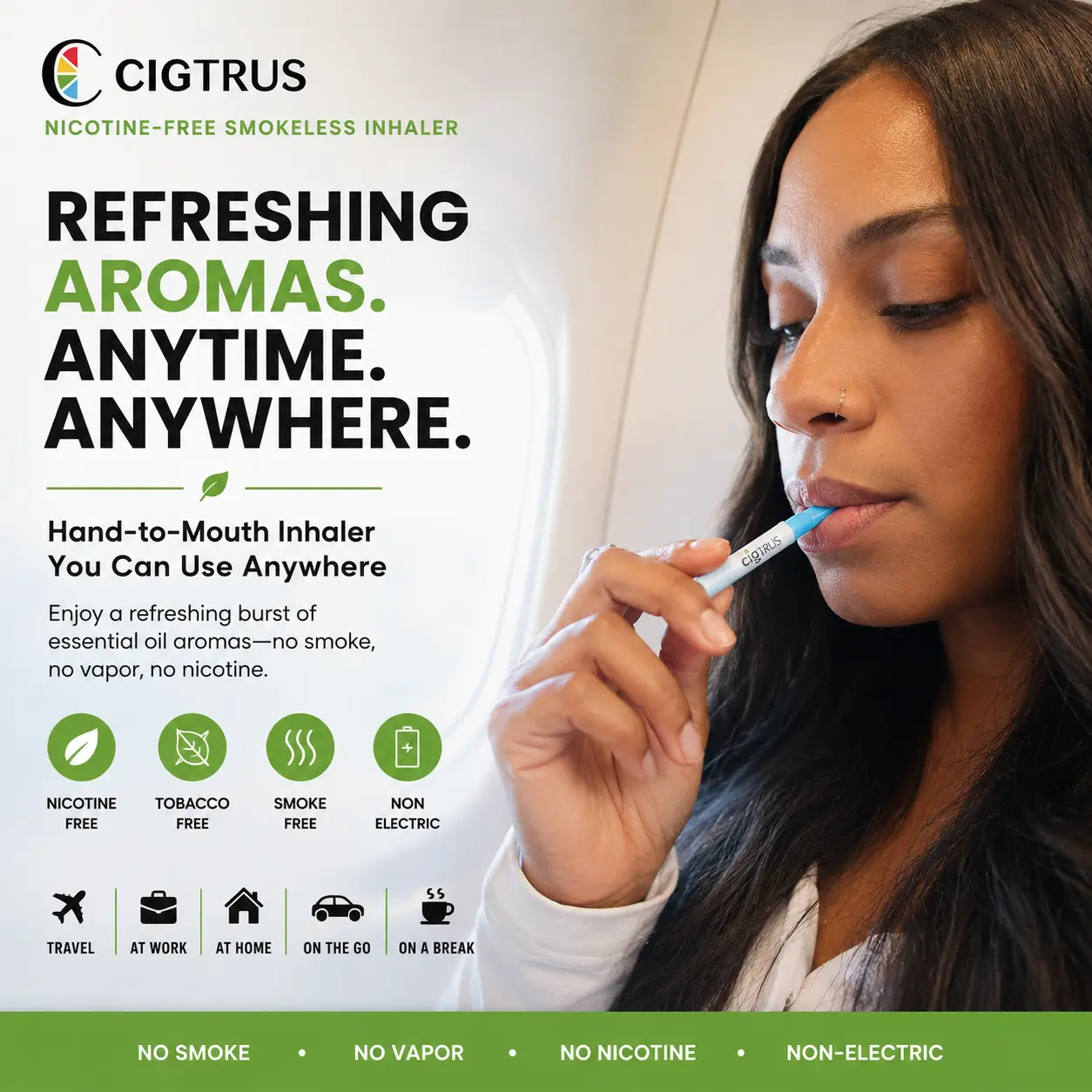
No smoke or vapor — Cigtrus works by drawing flavored air through a simple non-electric inhaler.
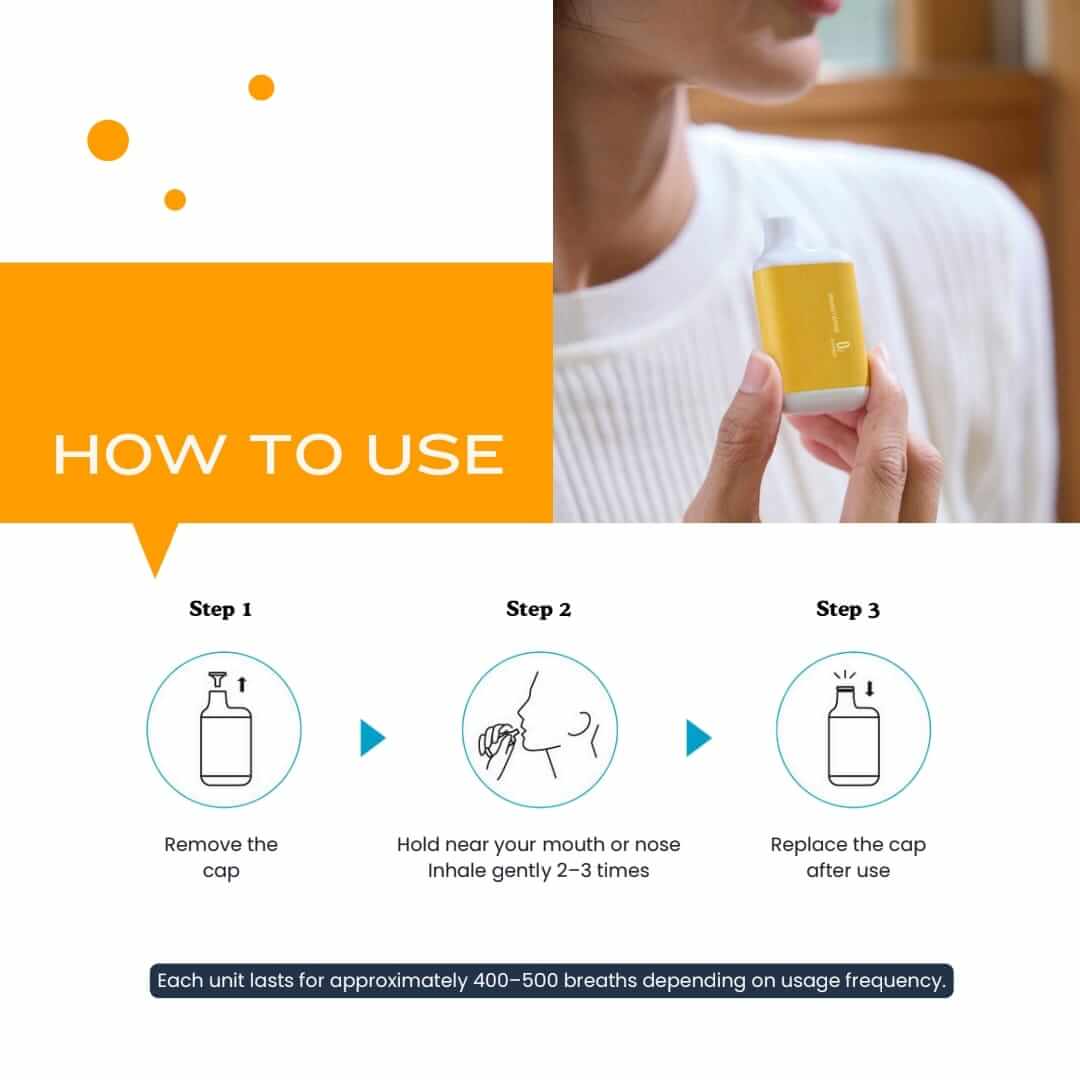
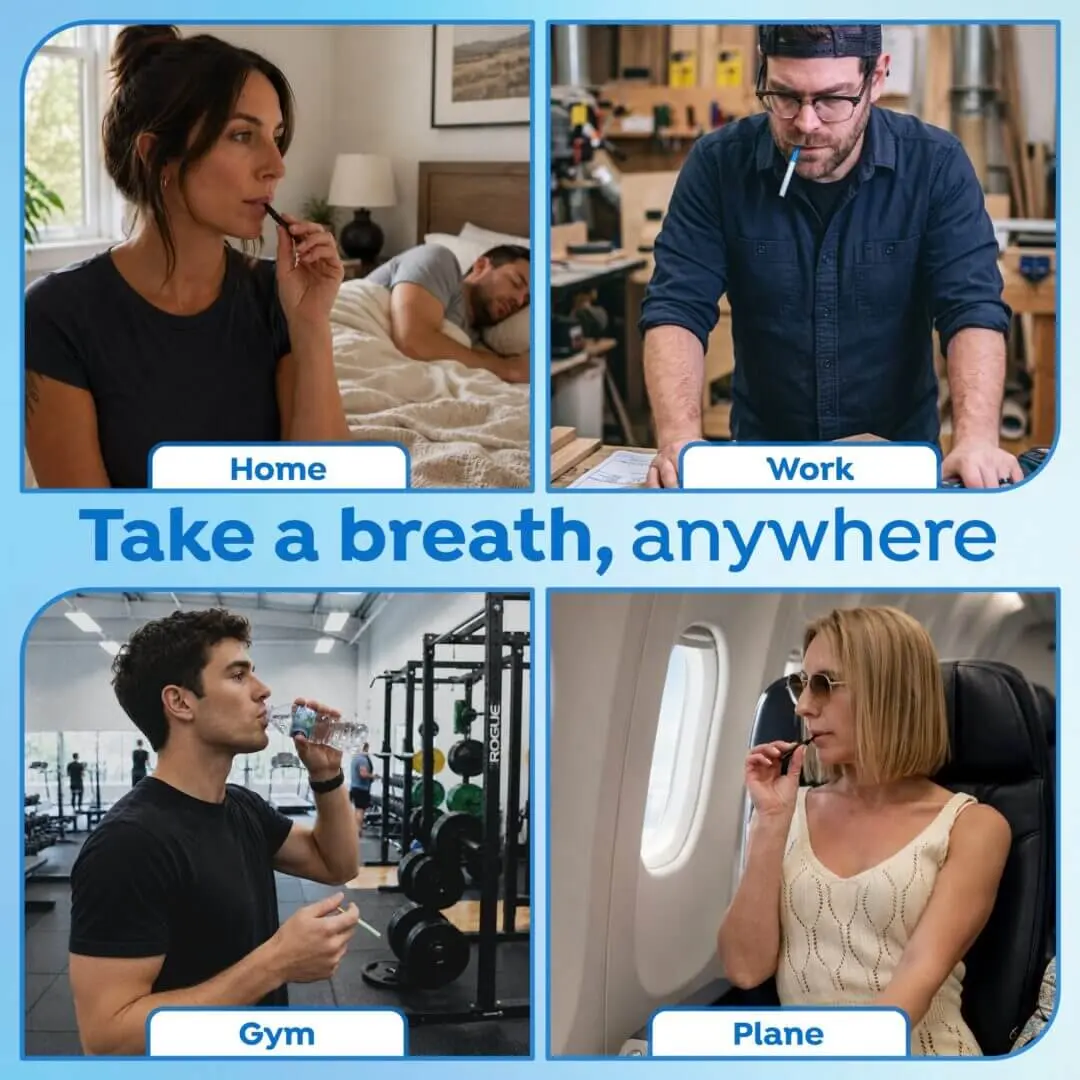
Use Anytime. Anywhere. — pocket-sized and ready to use without batteries, charging, heating, refilling, or setup.
The idea behind Cigtrus is simple.
When coffee triggers the old routine, have something else to reach for.
When you get into the car, have something else available.
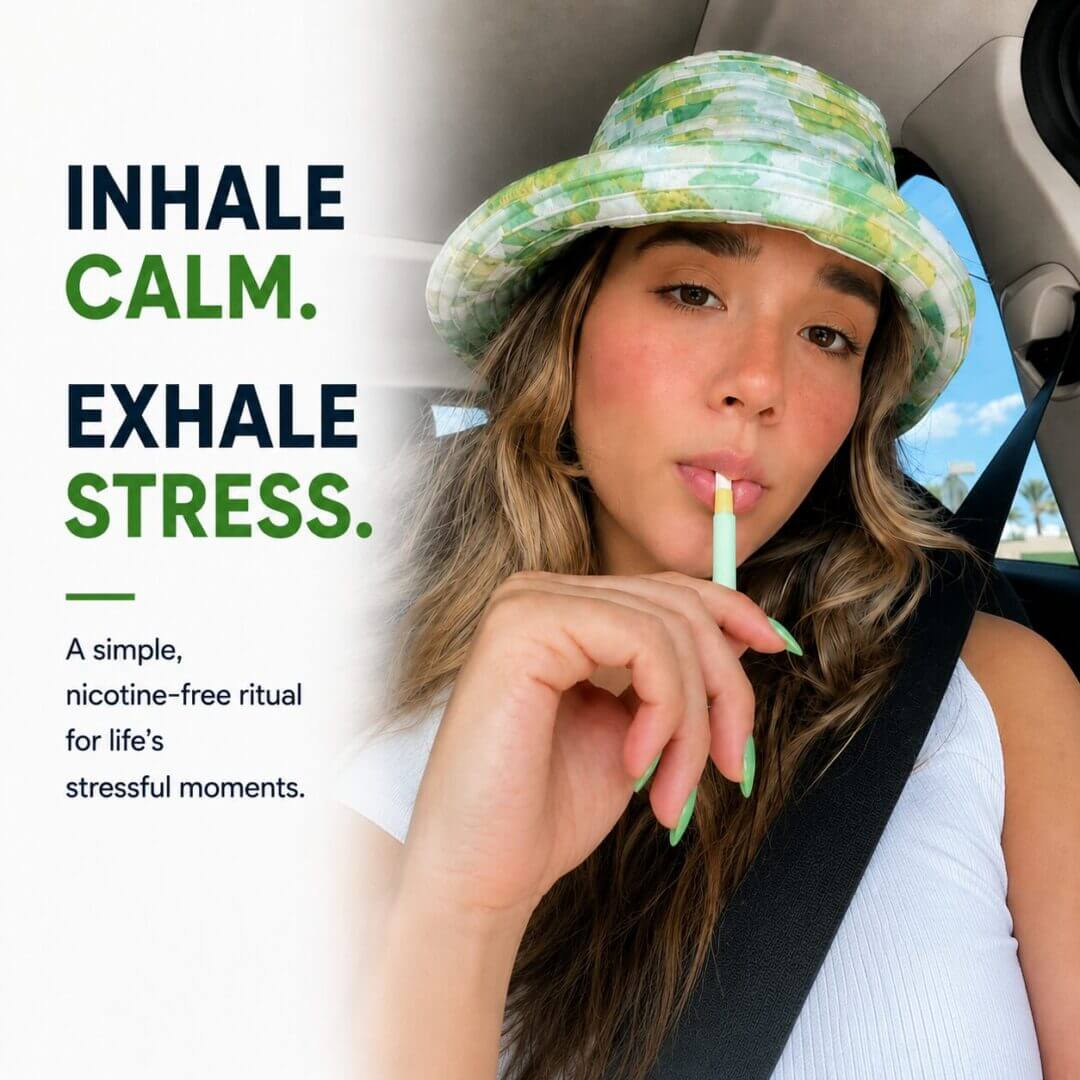
When a stressful moment makes your hand expect a cigarette or vape, give that hand-to-mouth behavior another response.
Replace the habit instead of leaving the moment empty.
Building New Smoke-Free Habits Takes Repetition
Smoking routines became automatic through repetition.
New routines are built the same way.
The first coffee without a cigarette may feel unusual.
The first drive may make your hand automatically search for what used to be there.
The first stressful workday may make the old routine feel especially familiar.
But each time the trigger appears and you respond differently, you practice the new routine again.
- Identify your strongest smoking triggers
- Prepare replacements before those moments happen
- Keep your replacement easy to reach
- Use the new response consistently when the trigger appears
- Pay attention to which situations become easier
- Continue building new routines around your old smoking moments
This is why habit replacement is not simply about distracting yourself from one craving.
It is about gradually teaching familiar situations that smoking is no longer the automatic next step.
Frequently Asked Questions
How can I manage smoking cravings naturally?
Start by identifying what is triggering the urge. Behavioral approaches can include drinking water, walking, changing environments, slow breathing, trigger planning, and using a nicotine-free habit replacement during familiar smoking moments.
Are all smoking cravings caused by nicotine?
No. Nicotine withdrawal can cause cravings, but smoking can also become strongly connected with routines, emotions, environments, stress, coffee, driving, meals, work breaks, and repeated hand-to-mouth behavior.
Why do I still want to smoke when I am not thinking about nicotine?
A familiar situation may be triggering the old smoking routine. Coffee, driving, stress, finishing a meal, or being around other smokers can remind the brain of a behavior that was repeated many times in the same situation.
What is habit replacement for smoking?
Habit replacement means identifying situations where smoking normally happened and deliberately practicing another response during those moments until the new routine becomes more familiar.
What is the hand-to-mouth smoking habit?
It is the repeated physical sequence of reaching for something, holding it, bringing it to the mouth, drawing through it, and repeating that behavior during familiar situations throughout the day.
Why can stress make me want to smoke?
If smoking was repeatedly used during stressful moments, stress itself can become connected with the smoking routine. Creating another pause or response during stress can help interrupt that automatic pattern.
Does a nicotine patch replace the smoking habit?
A nicotine patch is designed to deliver nicotine through the skin. It does not reproduce the physical routine of holding something, bringing it to the mouth, or drawing through it.
Is a zero-nicotine vape the same as habit replacement?
Not necessarily. A zero-nicotine vape removes nicotine but continues the electronic device, hand-to-mouth motion, repeated drawing behavior, and vaping format. Someone who wants to move away from vaping itself may want a replacement that does not continue the electronic vaping routine.
What is a nicotine-free smokeless inhaler?
A nicotine-free smokeless inhaler is a non-electric product that can provide a familiar hand-to-mouth and drawing experience without delivering nicotine or using an electronic vaping system.
How does Cigtrus fit into habit replacement?
Cigtrus is designed around the hand-to-mouth side of smoking and vaping. It is nicotine-free, tobacco-free, smokeless, and non-electric, with refreshing flavored air and essential oil aromas.
Is Cigtrus a vape?
No. Cigtrus is non-electric and has no battery, heating element, coil, vape liquid, or charging system. It does not produce smoke or vapor.
Can Cigtrus be used anytime, anywhere?
Cigtrus is designed around the idea of Use Anytime. Anywhere. It is pocket-sized, non-electric, nicotine-free, tobacco-free, smoke-free, vapor-free, and requires no battery, charging, or heating.
Every Trigger Is an Opportunity to Build the New Habit
Managing smoking cravings naturally is not simply about trying harder not to smoke.
It starts with understanding why the urge appeared.
Was it nicotine withdrawal?
Stress?
Coffee?
Driving?
The end of a meal?
Or did your hands and mouth simply expect the routine they had repeated for years?
Once you identify the trigger, you can give that moment another response.
And every time you respond differently, you practice the new habit again.
Don’t only remove the cigarette. Replace what the smoking moment used to mean.
Give Every Craving Somewhere Better to Go.
Cigtrus gives the familiar hand-to-mouth routine a nicotine-free, tobacco-free, non-electric alternative with refreshing flavored air. Use Anytime. Anywhere.
Explore the Cigtrus Variety Pack