
How to Stay Calm During Smoking Cravings
Smoking cravings can feel intense, especially during stressful or emotional moments. The urge often appears suddenly and creates the feeling that smoking is the only way to relax. In reality cravings are temporary responses tied to routine, emotion, and repeated behavior. Staying calm during those moments is what weakens the habit over time.
Understanding What a Craving Actually Is
The first step in handling cravings is understanding what they really are. A craving is not permanent. It rises, peaks, and fades, often within just a few minutes. The challenge comes from reacting too quickly before the feeling passes. Many people mistake urgency for necessity.
“Staying calm interrupts the pattern and gives the mind time to reset. Cravings lose their power when they are met with awareness instead of impulse.”
Breathing plays a major role in how cravings feel. Stress and cravings often cause shallow breathing which increases tension and anxiety. Smoking mimics slower breathing patterns, which is one reason people associate cigarettes with calmness. Replacing that habit with intentional breathing can reduce the intensity of the craving without reinforcing the smoking behavior.
Why Cravings Feel So Urgent
Stress is one of the strongest triggers for smoking. During pressure or frustration the brain automatically searches for familiar relief. Over time smoking becomes connected to emotional regulation, the cigarette becomes the pause and reset. The craving itself is often more about the routine than the nicotine alone.
- The brain connects stress with the familiar smoking response automatically
- The urgency feels real even though the craving will pass within minutes
- Reacting immediately reinforces the old habit loop
- Slowing down and pausing breaks the automatic response
Six Ways to Stay Calm When a Craving Hits
Breathe Slowly
Four slow breaths in and out. This is the same calming rhythm smoking provided, without the cigarette.
Change Your Environment
Move to a different room or step outside. Changing your surroundings breaks the automatic trigger response.
Drink Water
Slows the moment down and creates a physical reset. Shifts focus and weakens the urge enough to regain control.
Reach for Your Inhaler
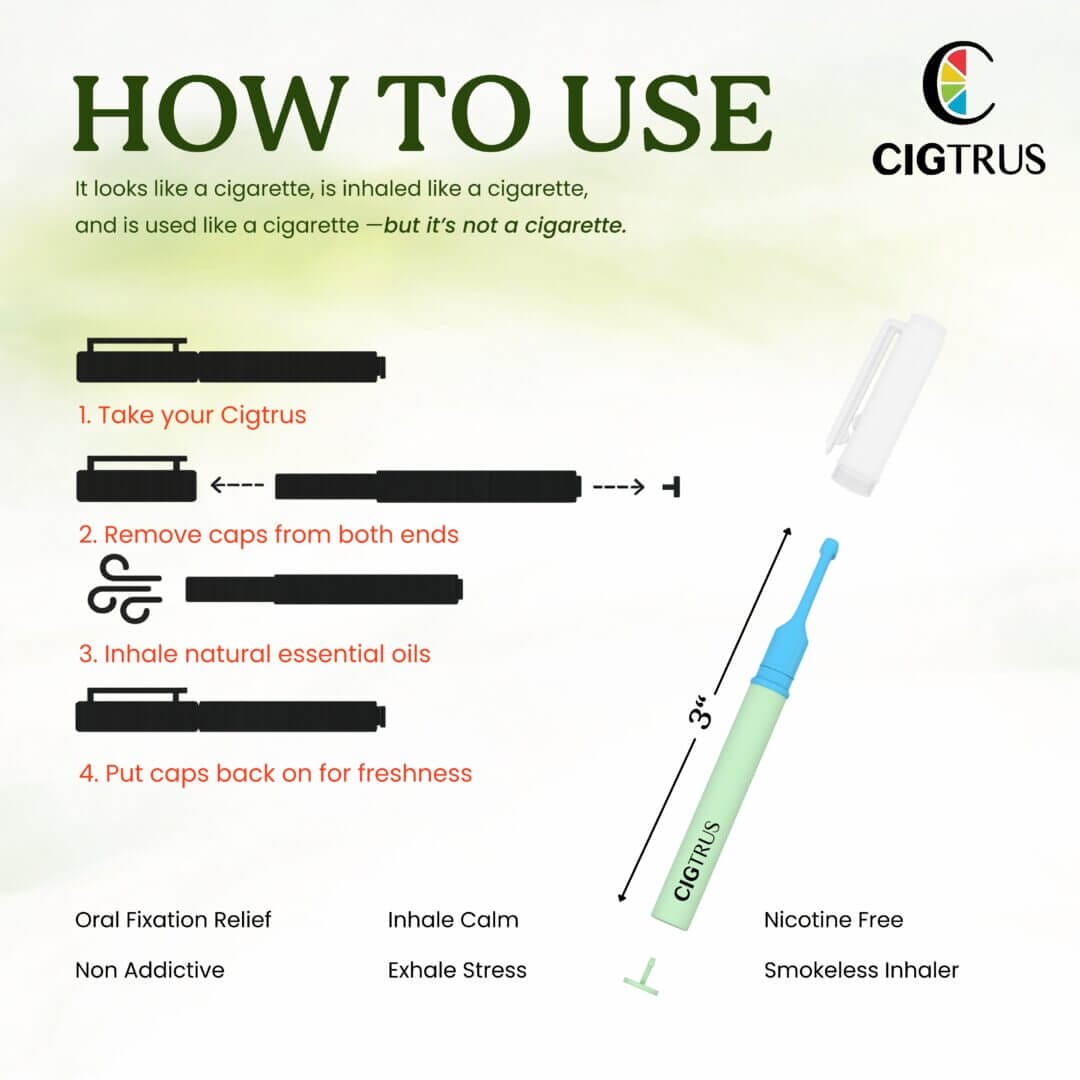
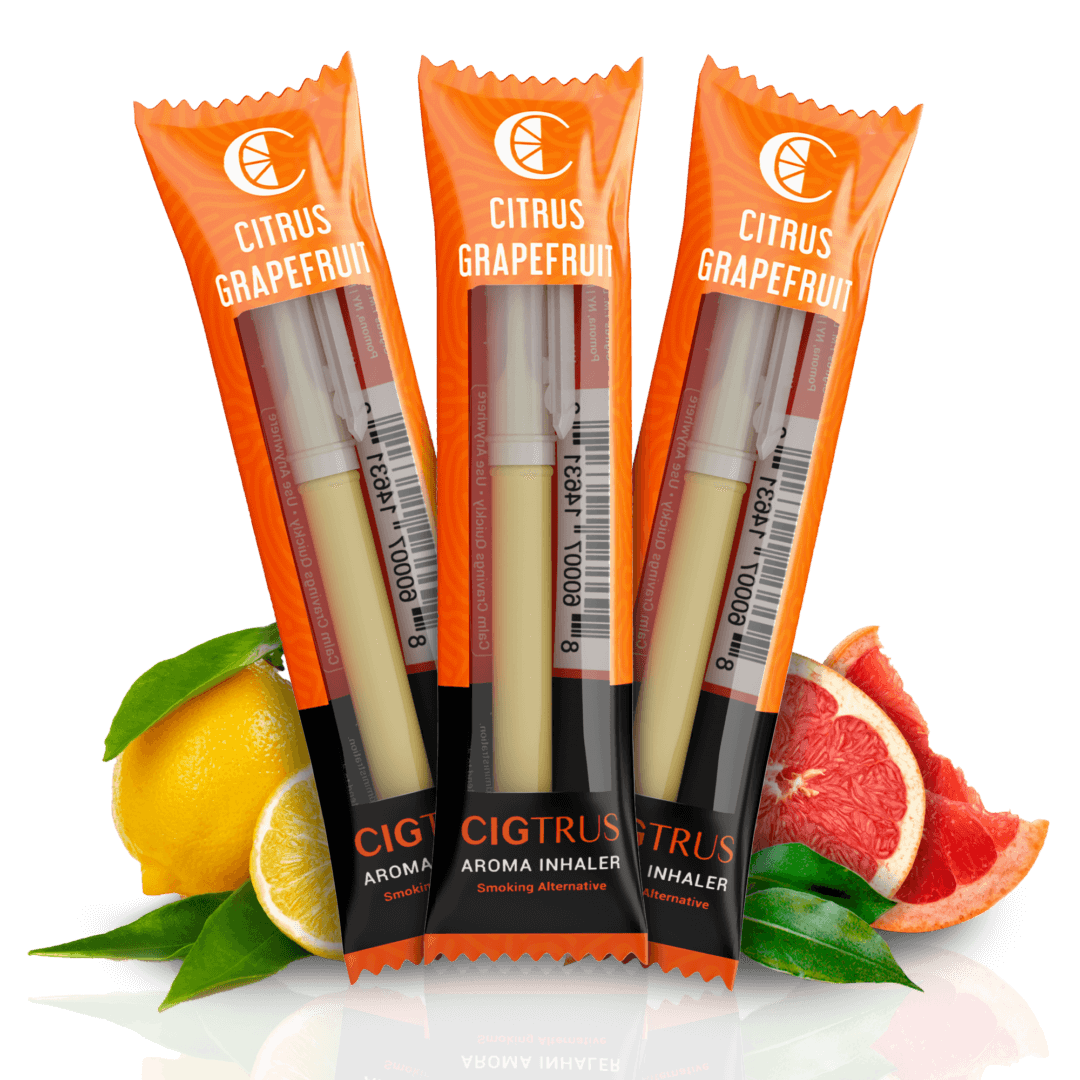
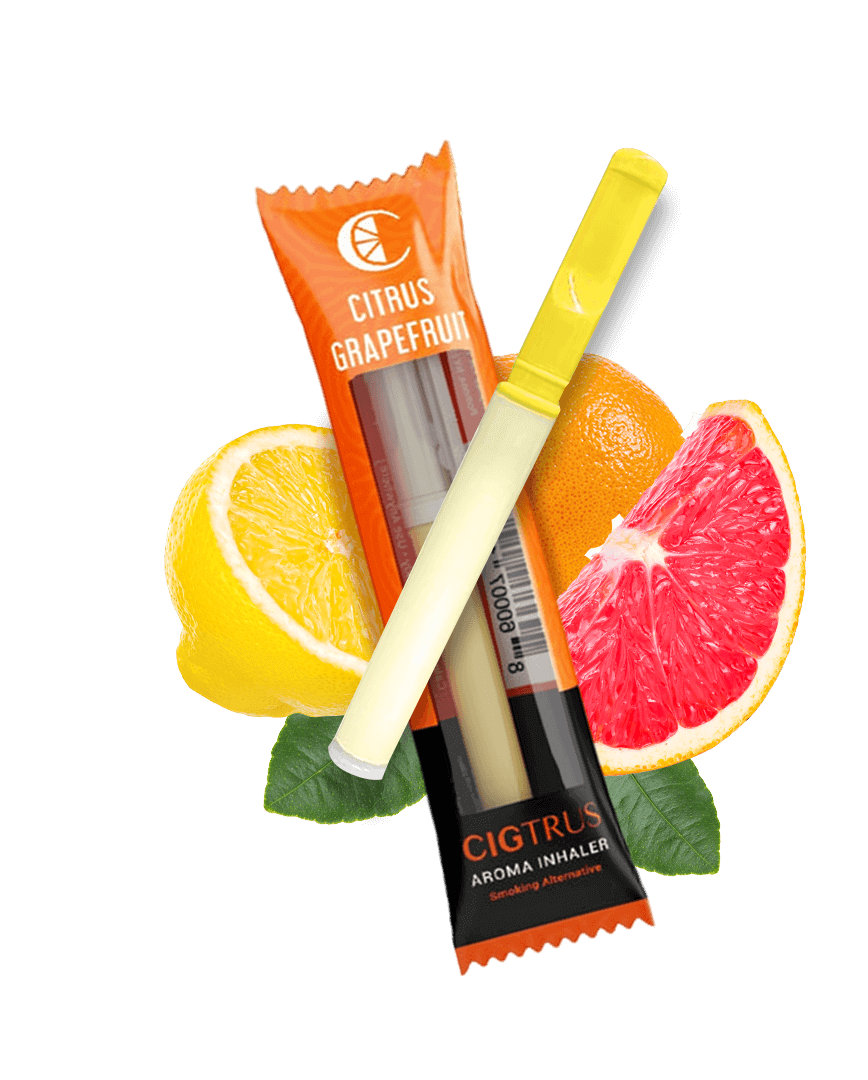
A nicotine-free smokeless inhaler gives your hands and mouth the familiar motion, the craving gets a response without the cigarette.
Shift Your Focus
When attention stays fixed on the urge it grows stronger. Shifting to another action interrupts the mental loop.
Move Your Body
Even brief movement like walking or stretching releases tension and lowers the urge significantly.
The Role of Routine in Cravings
Routine influences cravings more than most people expect. Smoking often becomes connected to certain moments, breaks, meals, stressful conversations. These patterns create automatic responses that feel difficult to control. Staying calm during cravings means recognizing the routine without reacting to it immediately.
Certain places, social settings, or activities can trigger the urge to smoke automatically. The environment itself becomes part of the trigger. Changing the environment even briefly creates mental separation from the craving.
How Preparation Makes Cravings Easier to Handle
Preparation is one of the most underrated tools for managing cravings. Knowing when urges are likely to appear allows you to plan ahead. Stressful situations, routines, or certain times of day often create predictable triggers. Having a response ready removes uncertainty and builds confidence.
Know your triggers in advance
Write down every moment when you normally reach for a cigarette. These are the moments to prepare for.
Have a replacement ready at every trigger
Keep your inhaler in your pocket, your car, your desk. Wherever the craving finds you, be ready for it.
Respond before the craving peaks
Use your replacement the moment the trigger fires, not after the urge has built to its strongest point.
Stay consistent
Every craving handled calmly builds proof that the urge can pass without smoking. Each one counts.
The Emotional Side of Cravings
The emotional side of cravings is often overlooked. Many people smoke not only because of habit but because cigarettes became linked to comfort, reflection, or escape. Removing cigarettes can feel emotionally uncomfortable at first. Staying calm during cravings means learning how to sit with those feelings without immediately reacting.
As cravings are handled differently over time something changes. People start seeing themselves as individuals who can remain calm without relying on cigarettes. That identity shift is one of the most powerful parts of the process.
Consistency Is What Weakens Cravings Over Time
Every moment managed without smoking teaches the brain a new response. Gradually the connection between stress and cigarettes begins to fade. Cravings do not disappear overnight, but they get weaker every time you meet them with awareness instead of a cigarette.
Staying calm during smoking cravings is not about forcing the urge away. It is about understanding the pattern, slowing the reaction, and creating space for a different response. Cravings lose power when they are met with awareness instead of impulse.
Give the Craving Somewhere Clean to Go.
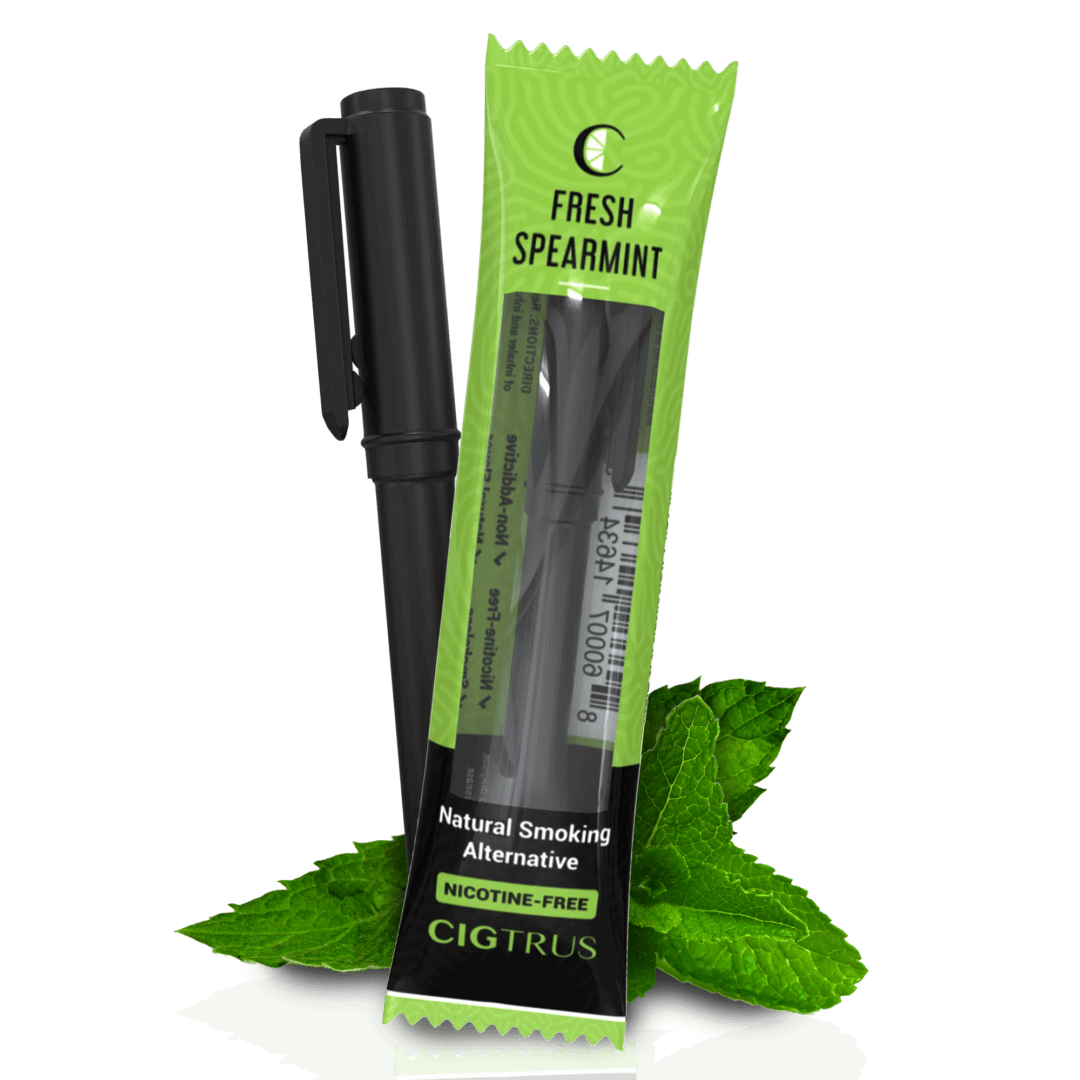
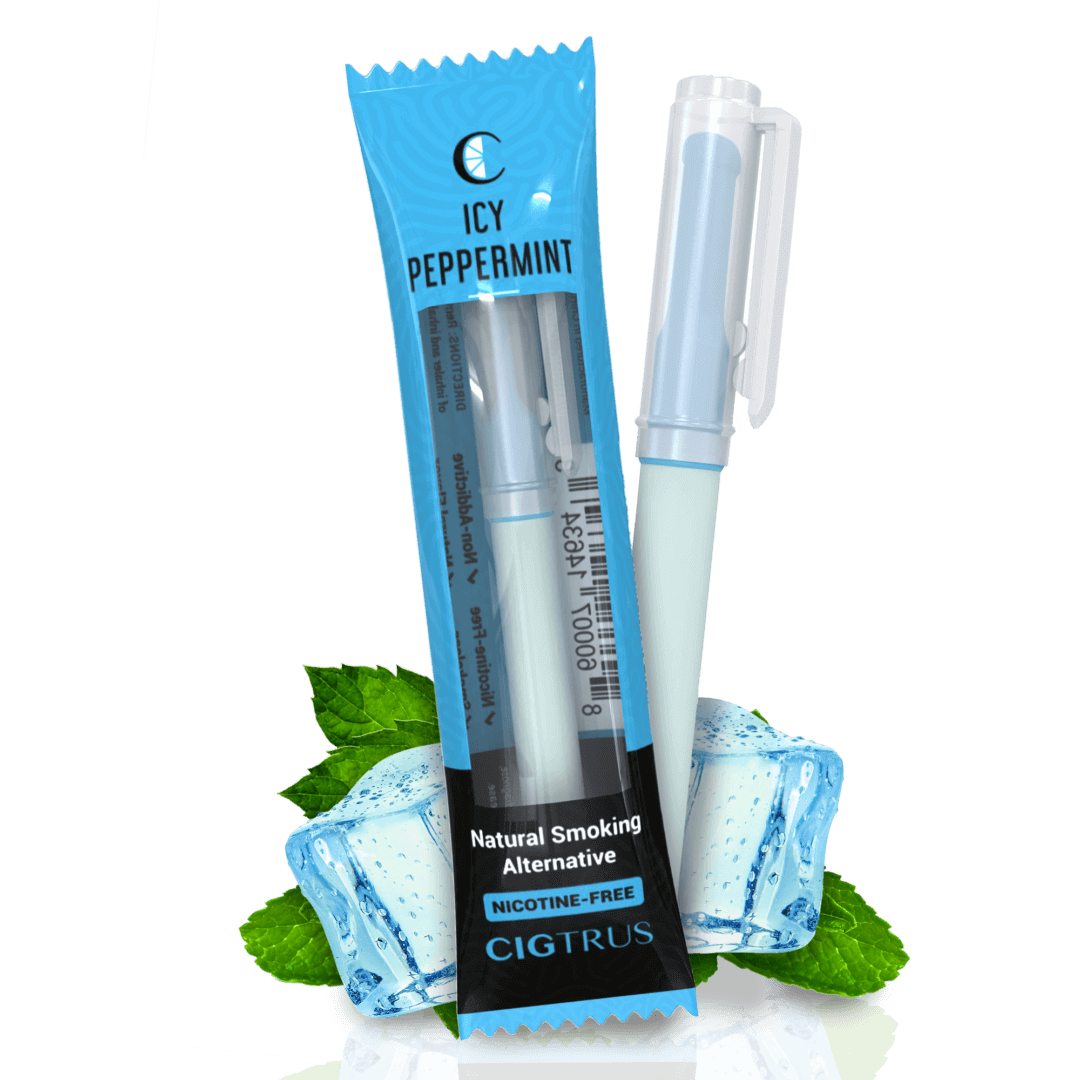
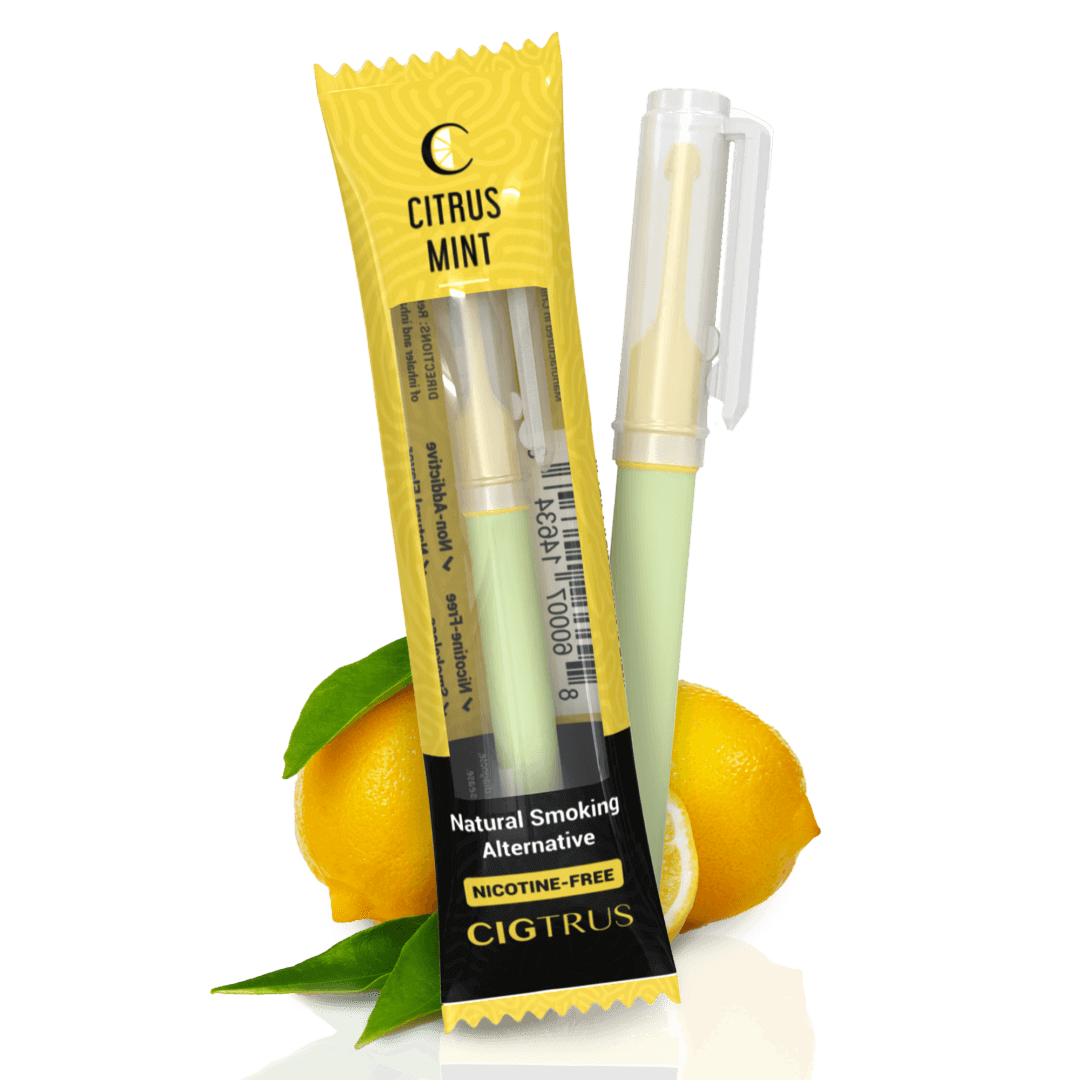
Cigtrus is nicotine-free, smokeless, and ready anywhere. Try all four flavors with the Variety Pack.
👉 Shop the Variety Pack, Try All 4 Flavors