
The Real Reason Quitting Smoking Feels So Hard
Many smokers believe quitting is only difficult because of nicotine withdrawal. While nicotine dependence is absolutely challenging the real difficulty often goes much deeper than chemistry alone, and that is why so many quit attempts fail even when the nicotine is addressed.
For many smokers and vapers smoking becomes tied to routines, emotions, comfort, stress relief, and repeated behavioral habits that develop over many years. That is why quitting can still feel emotionally difficult even after nicotine withdrawal begins improving.
Smoking Becomes Part of Daily Life
Over time smoking becomes attached to everyday situations that repeat themselves constantly. The brain stops making a conscious decision, the motion becomes automatic.
Eventually the brain starts expecting cigarettes during these moments automatically. This is one reason many smokers feel like something is missing after quitting. The body may slowly adjust physically but the behavioral side of smoking often remains deeply familiar.
The Behavioral Side of Smoking
Many smokers discover that what they miss most is not only the nicotine, it is the ritual itself. The hand-to-mouth motion, the inhaling routine, stepping outside, the sensory familiarity, and the emotional repetition all become strongly ingrained habits over time.
What the Ritual Actually Includes
The hand-to-mouth motion
Thousands of repetitions of the same physical motion, the hand reaches automatically before the thought forms.
The inhaling routine
The deep breath in and out that the body expects. The rhythm that became connected to calming down.
The pause and step outside
The break from whatever was happening. The moment of separation that smoking created throughout the day.
Emotional coping and comfort
Smoking eventually became part of how stress, boredom, and difficult emotions were managed every day.
Smoking eventually becomes more than a cigarette. It becomes part of emotional coping, routine structure, stress management, and behavioral comfort. That is why many smokers continue struggling even after switching products or lowering nicotine intake.
Emotional Triggers and Habit Memory
Smoking cravings are often connected to emotional triggers and learned behavior. Stress, anxiety, boredom, loneliness, frustration, routines, and social environments can all trigger automatic smoking urges, because the brain remembers years of repeated associations.
“Many quit-smoking approaches focus only on nicotine replacement while completely ignoring the psychological side of smoking habits. That is the gap where most people fall back.”
Understanding this emotional and behavioral connection is important because it explains why people relapse even when they are doing everything right with nicotine reduction.
How Cigtrus Supports Behavioral Habit Replacement
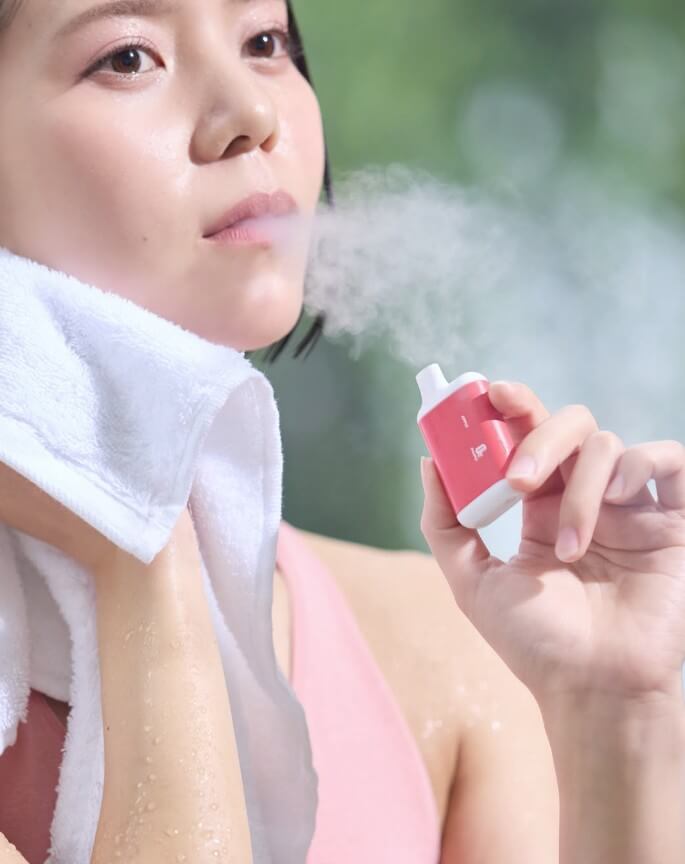
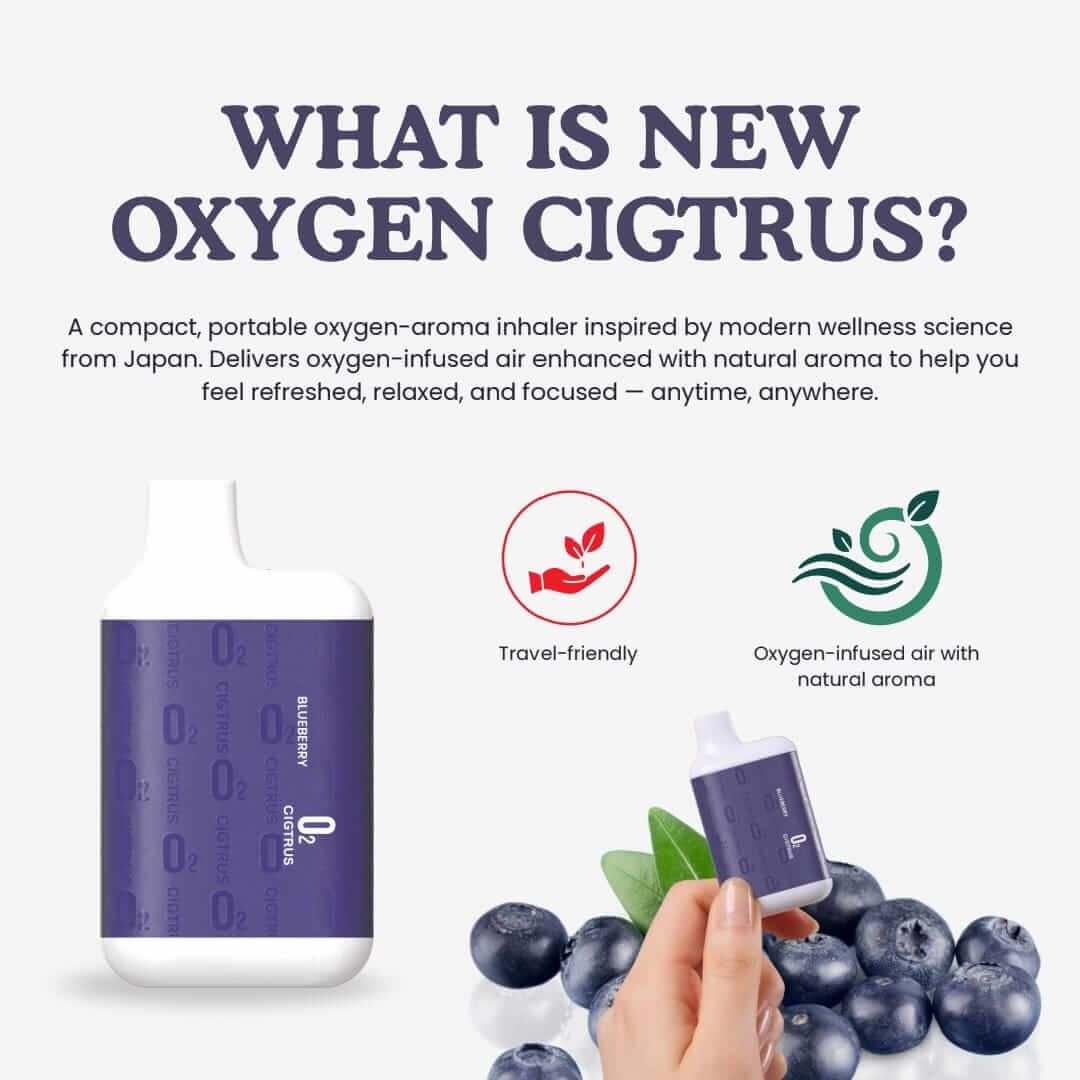
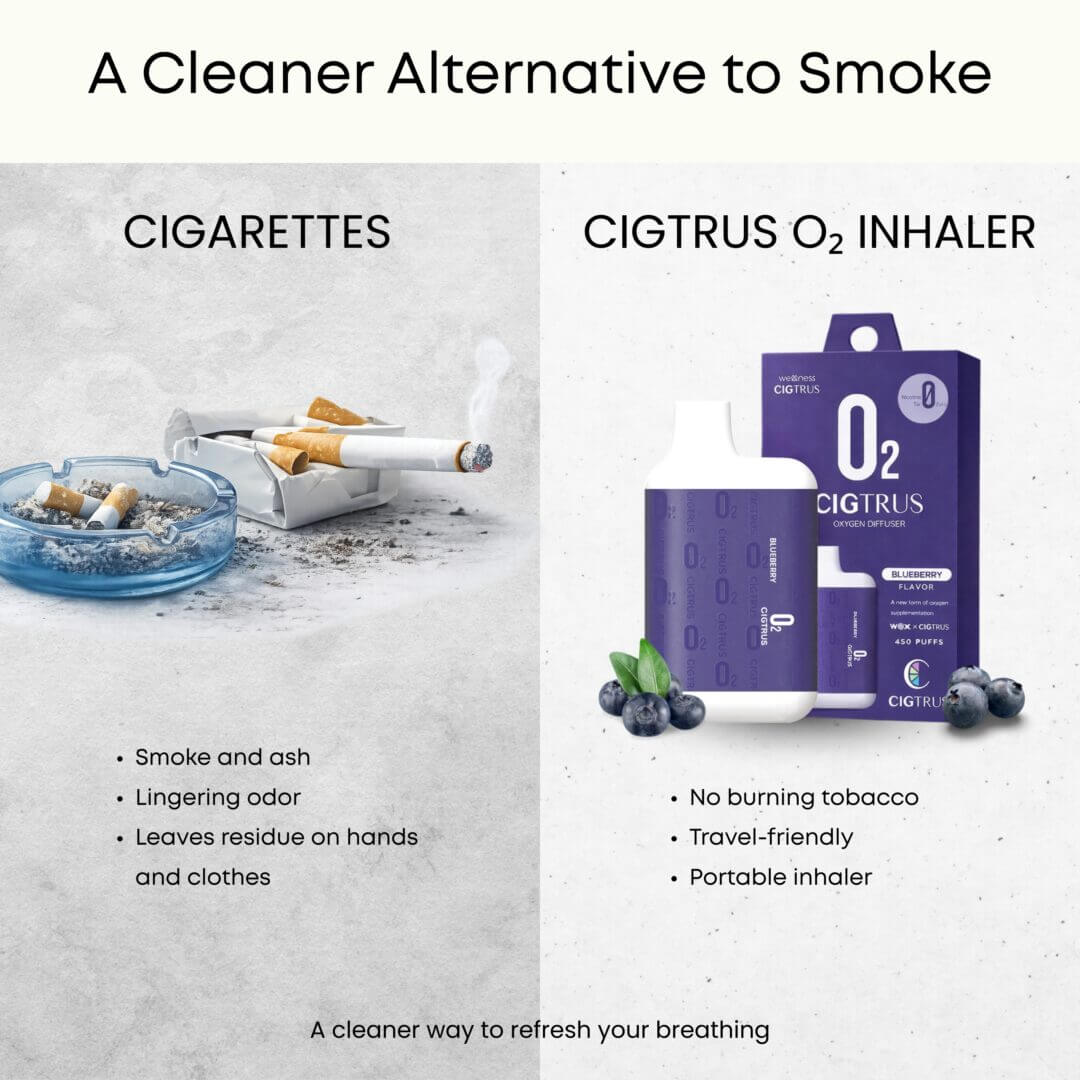
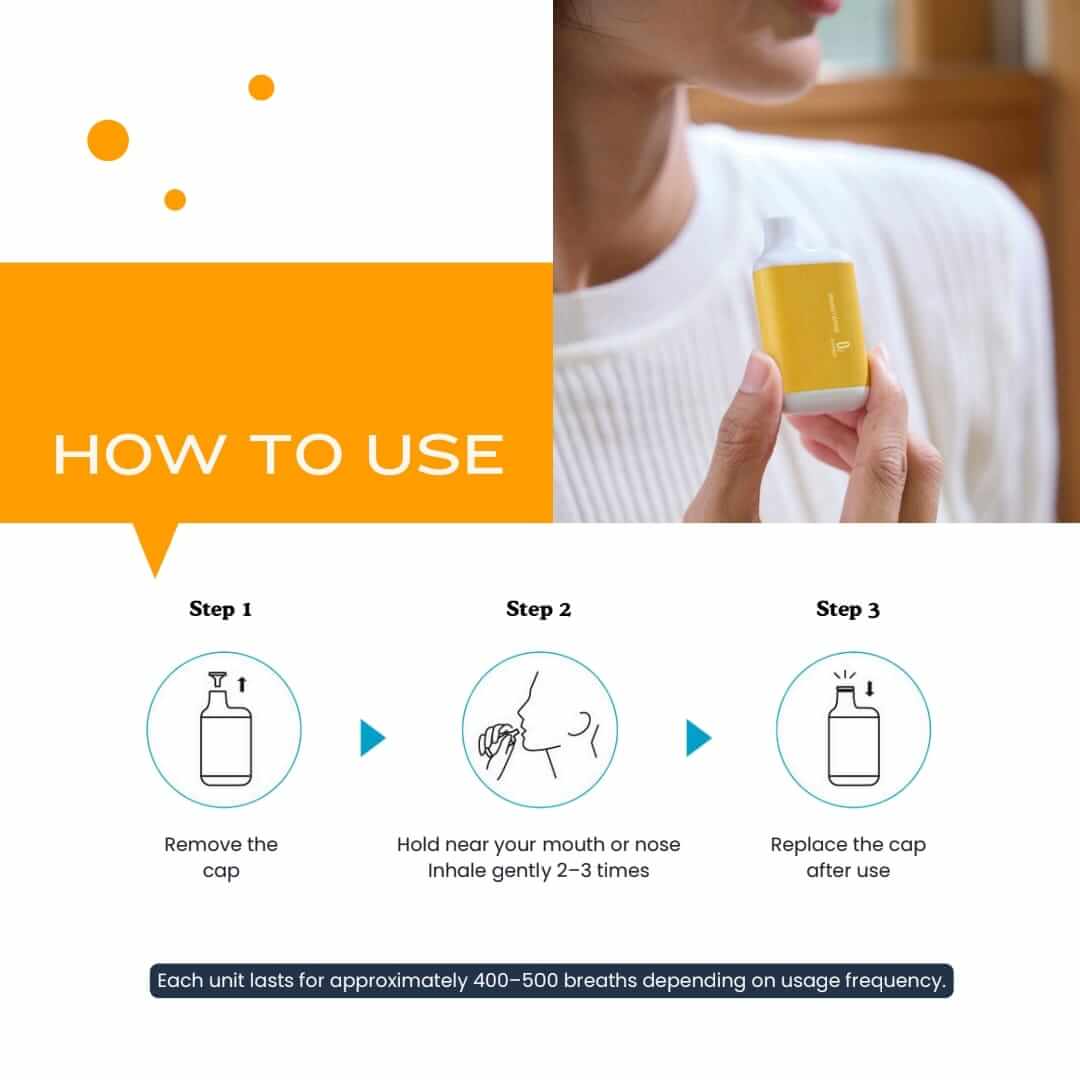
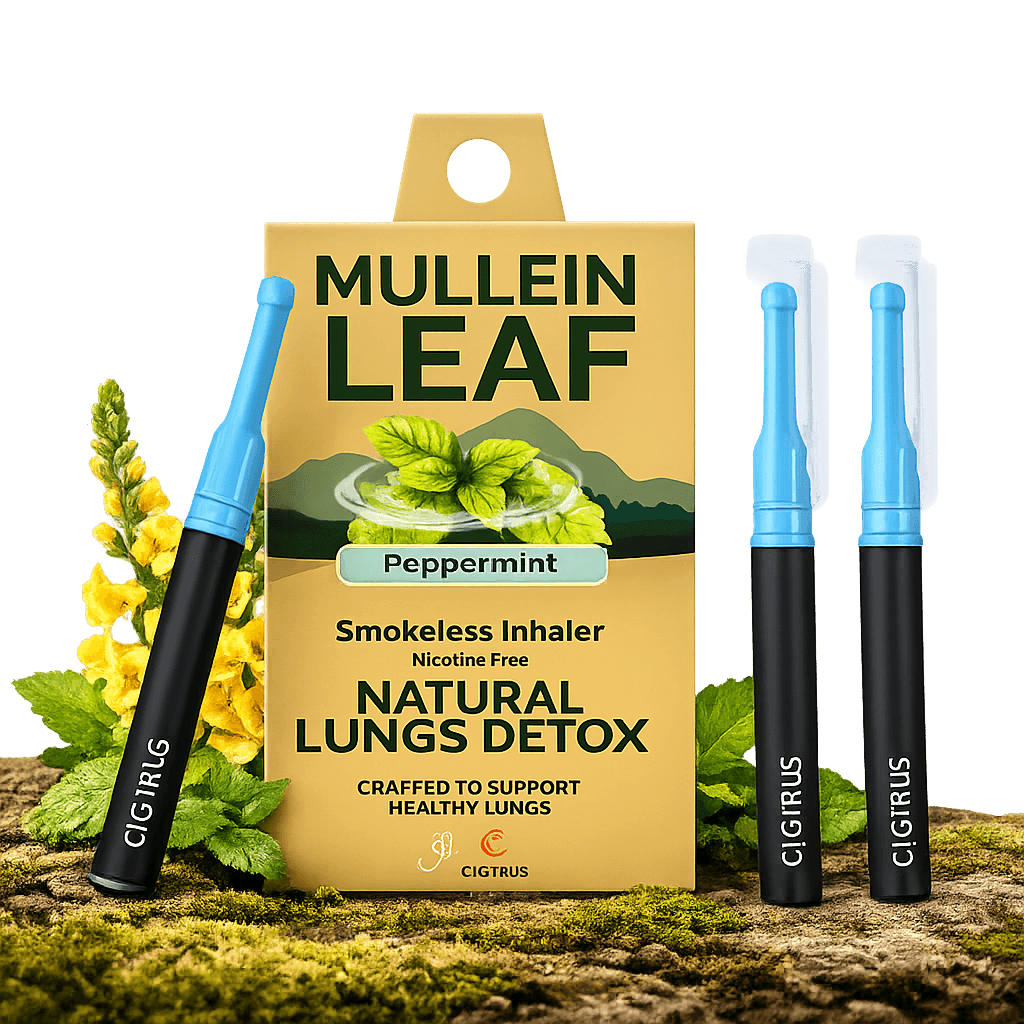
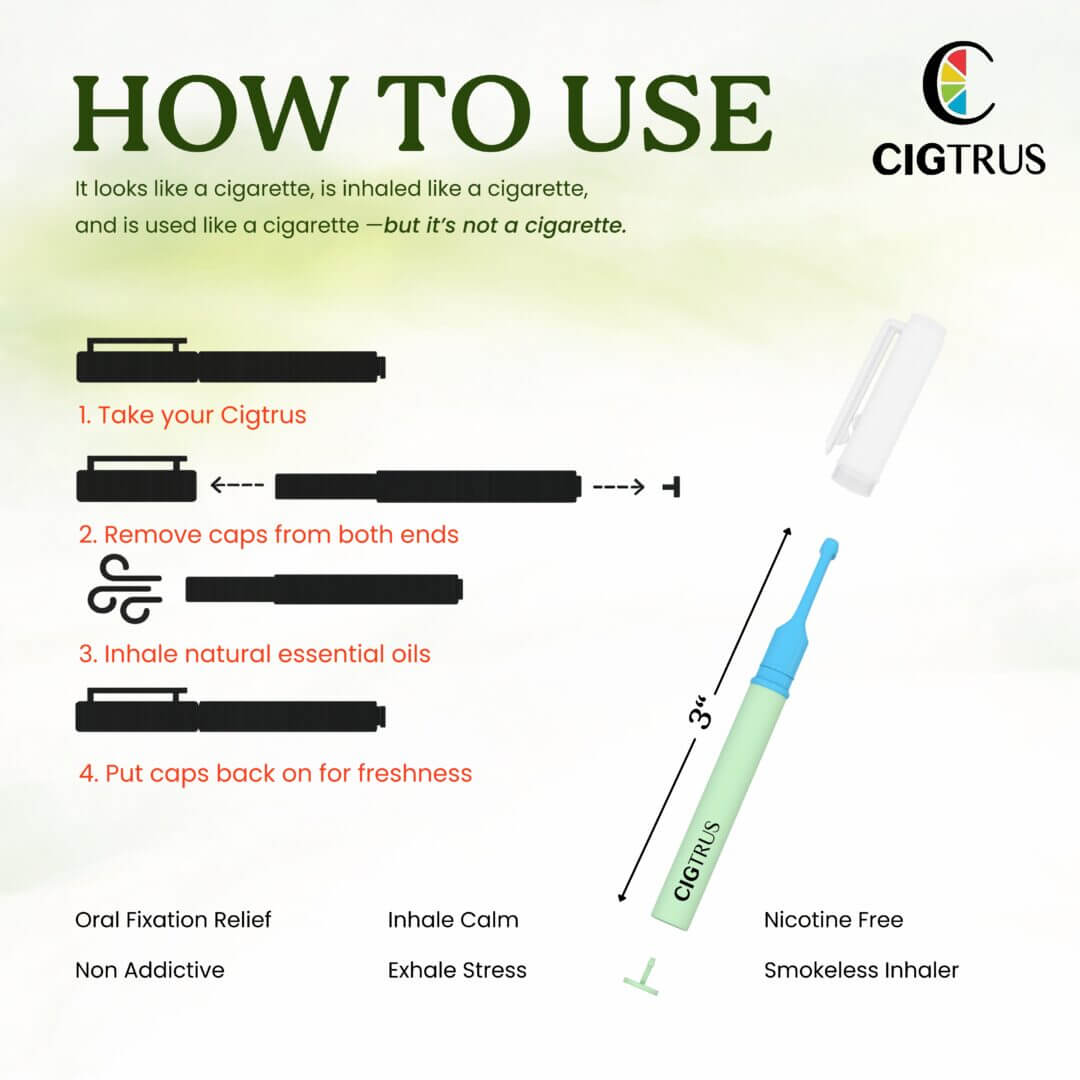
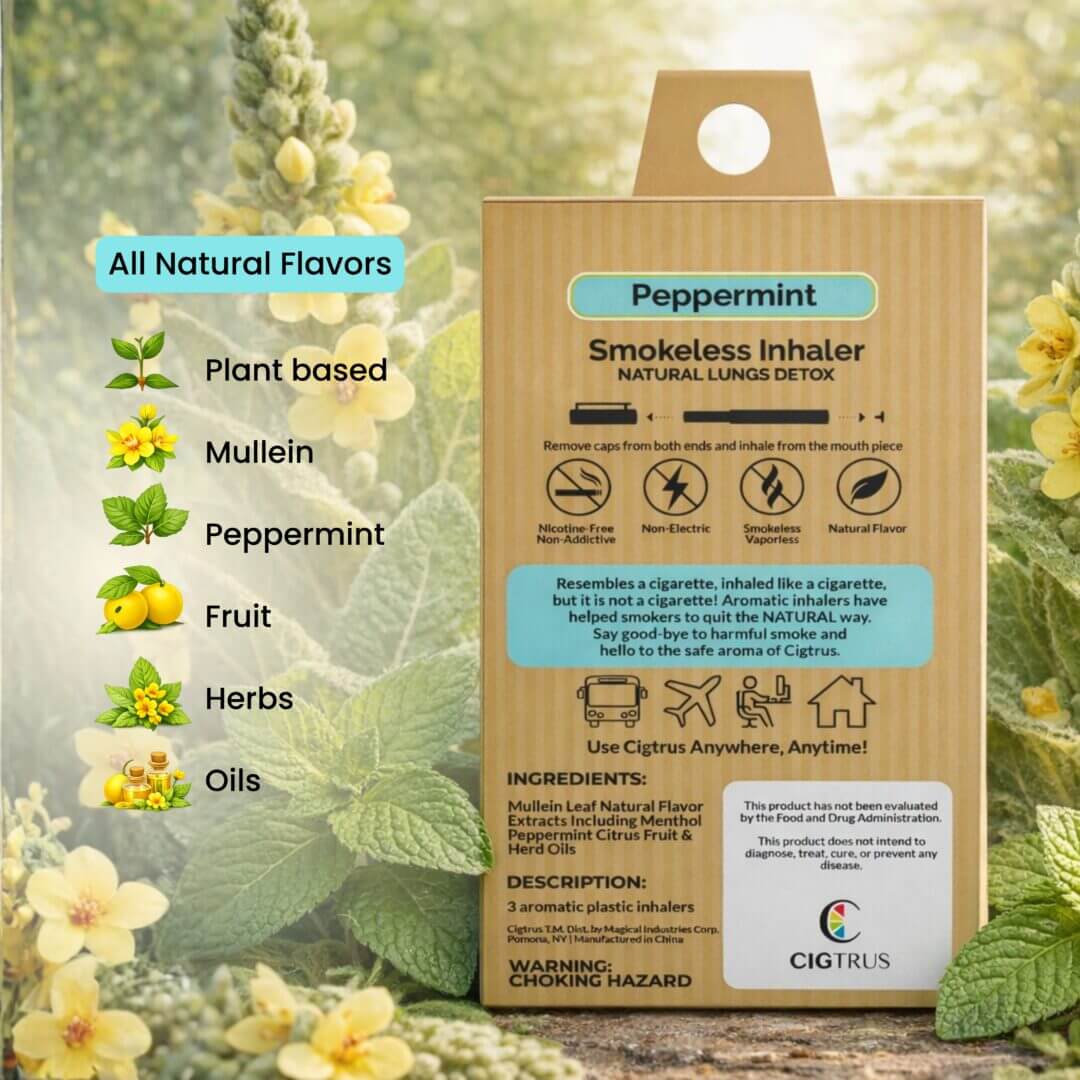
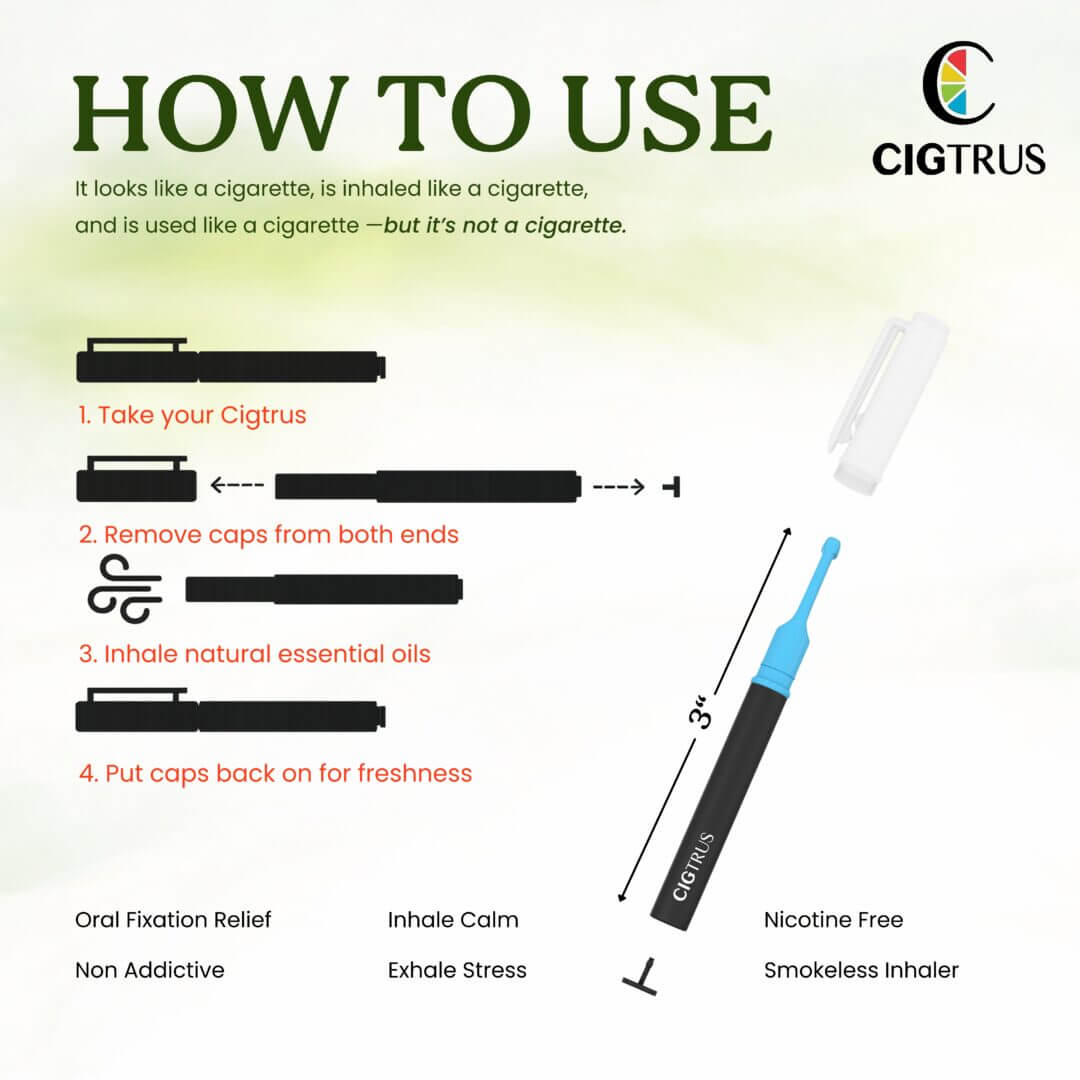
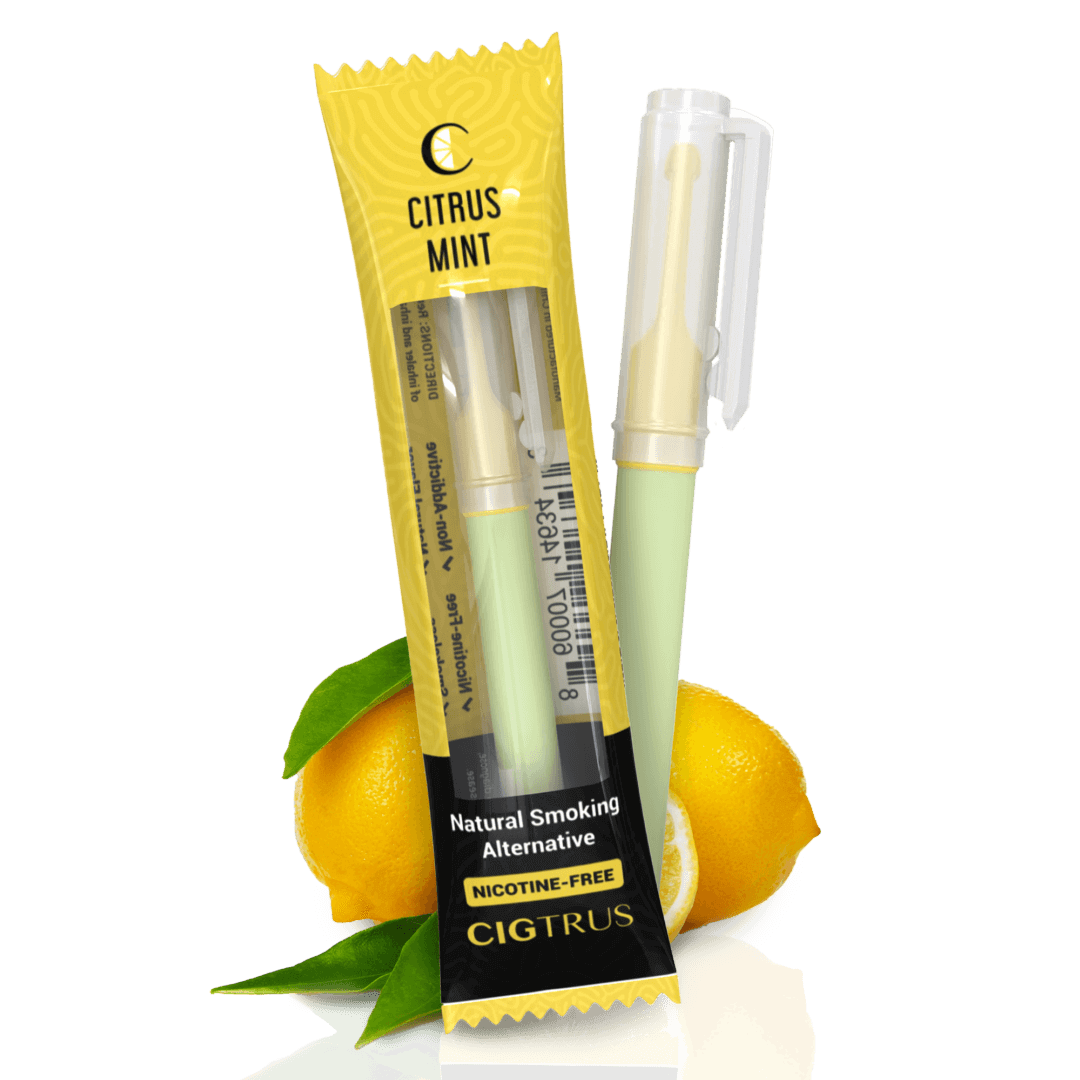
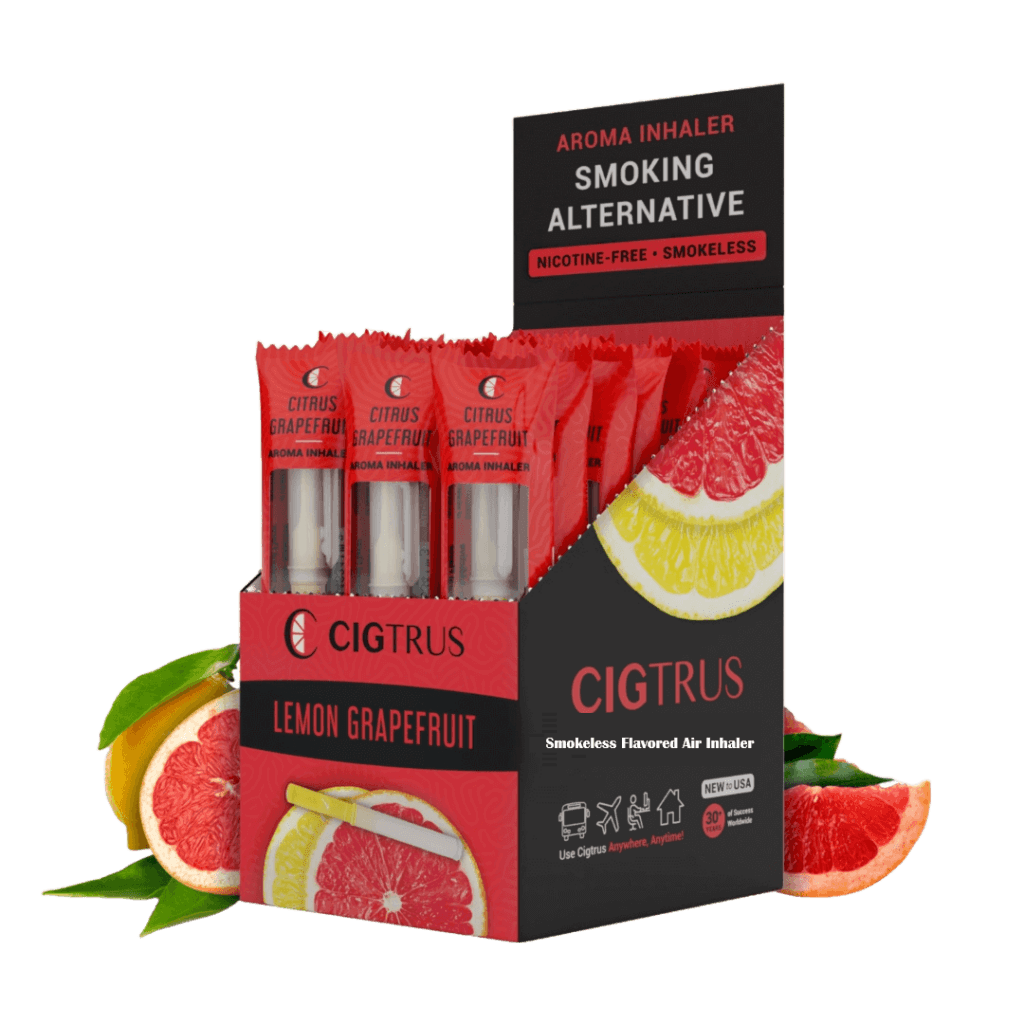
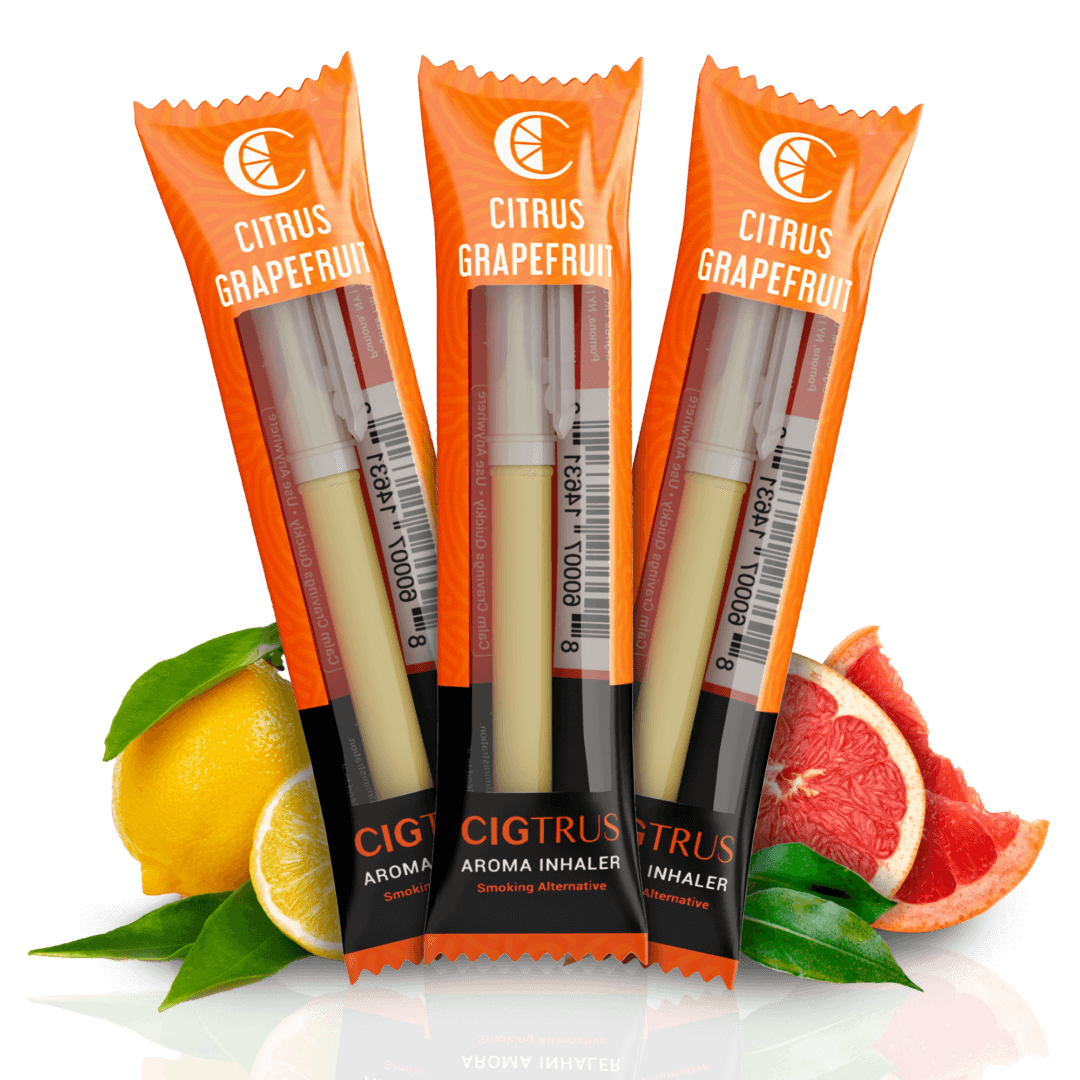
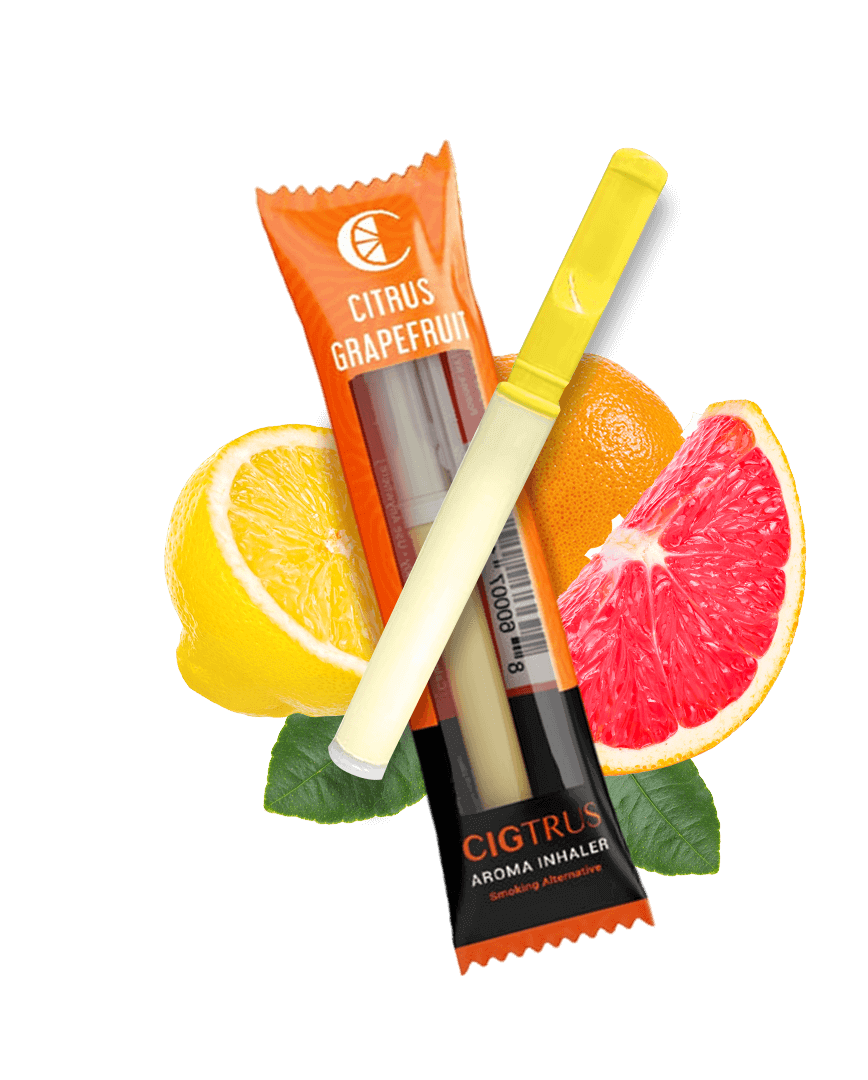
Cigtrus was created around helping support the behavioral side of smoking and vaping habits. Instead of smoke, nicotine, vapor, or tobacco it provides a nicotine-free, smokeless, non-electric experience designed around the familiar routines many smokers struggle to replace.
- Replaces the hand-to-mouth motion with something clean
- Preserves the familiar inhale and exhale rhythm
- Works at every trigger moment, desk, car, after meals, flights
- No nicotine, no vapor, no smoke, no battery
For many users having a behavioral alternative helps reduce the feeling that something is suddenly missing during the quitting process. The goal is not instant perfection, it is gradually creating distance from smoking routines while building healthier behavioral patterns over time.
Quitting Is Both Physical and Behavioral
Most smoking habits are built through years of repetition and emotional association. Replacing those patterns usually takes consistency, patience, and behavioral change over time.
Understanding that quitting smoking is both physical and psychological helps smokers approach the process more realistically and sustainably. You are not failing because you still reach. You are dealing with a deeply wired behavioral routine, and that takes time and the right replacement to undo.
The Habit Needs Somewhere to Go.
Give It Something Better.
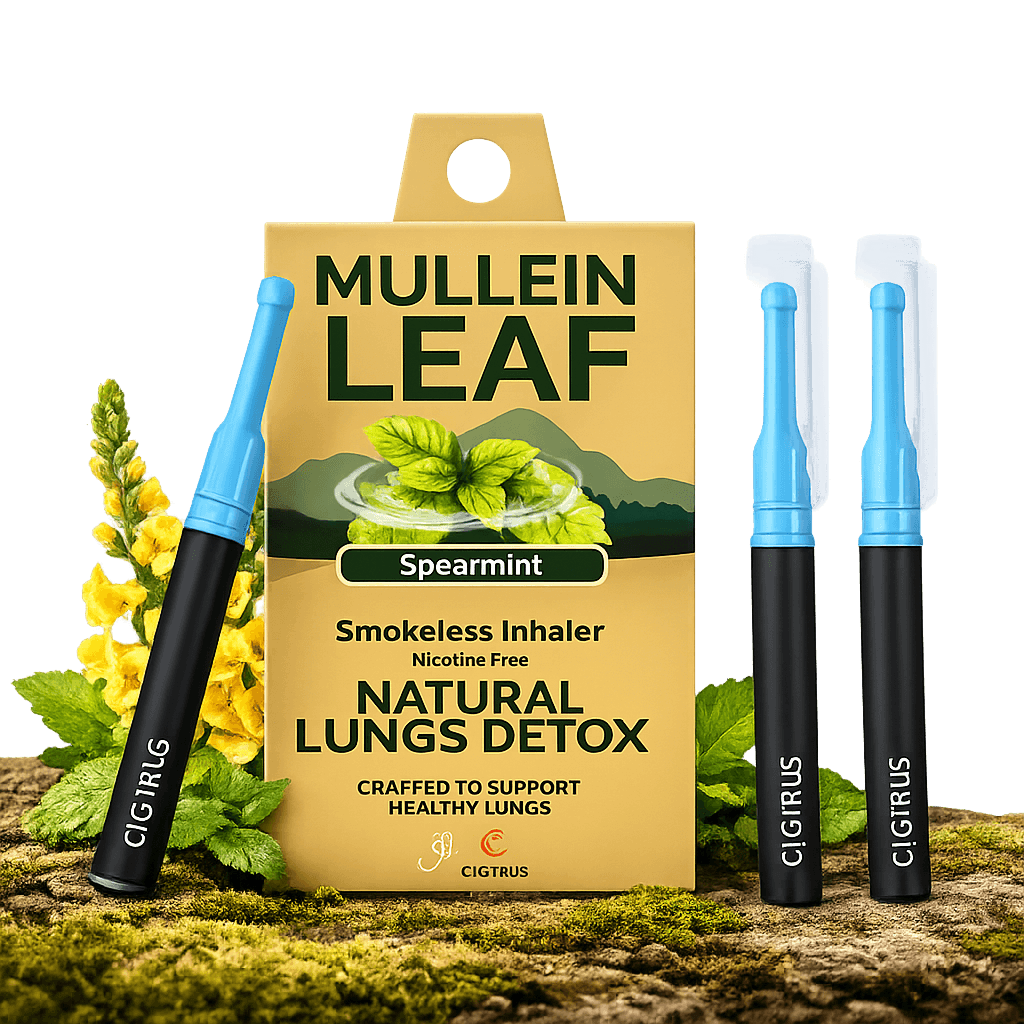
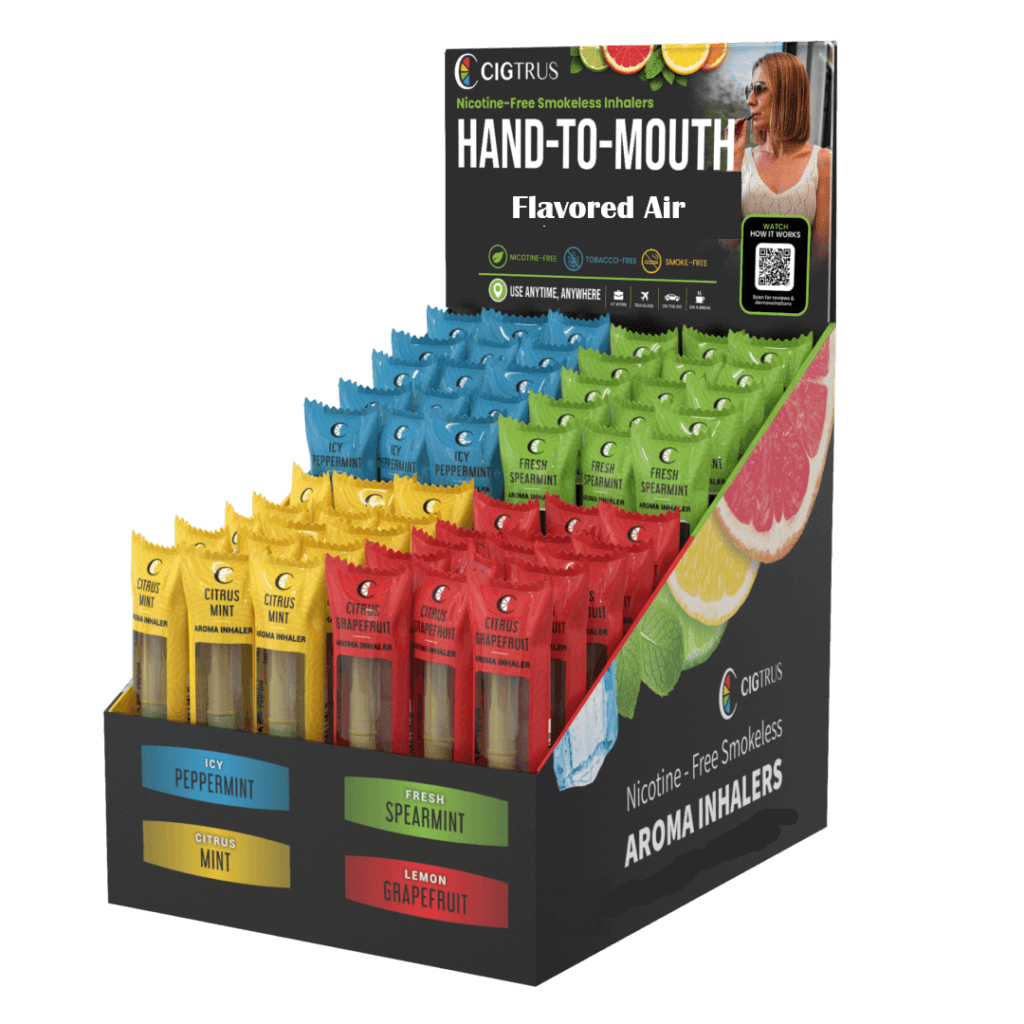
Cigtrus replaces the hand-to-mouth routine without any nicotine, vapor, or smoke. Try all four flavors with the Variety Pack.
👉 Shop the Variety Pack, Try All 4 Flavors