
You’re Not Addicted to Nicotine, Here’s the Real Reason You Can’t Quit
Many smokers believe nicotine is the only reason quitting feels difficult. Nicotine withdrawal is absolutely part of the challenge, but for most people something else continues long after the physical withdrawal improves. That something is the habit itself.
Smoking is not only chemical. It also becomes deeply connected to routines, emotions, comfort, stress, and repetition throughout daily life. And that part, the behavioral part, is what most quit-smoking methods completely ignore.
The Two Sides of Smoking Nobody Talks About Together
Side OneThe Chemical Side
Nicotine creates a physical dependency. Withdrawal causes cravings, irritability, restlessness, and mood changes while the body adjusts. This is what patches, gum, and medications address.
Side TwoThe Behavioral Side
Smoking also becomes a deeply ingrained physical routine connected to specific moments every day. This behavioral side persists long after nicotine leaves the body, and most quit aids do nothing about it.
Most people who try to quit focus entirely on the chemical side. They use a patch, reduce nicotine gradually, or go cold turkey. The nicotine fades, but weeks later they are still reaching for something at the same moments every day. That is the behavioral habit talking. Not the nicotine.
The Moments Your Brain Has Wired to Smoking
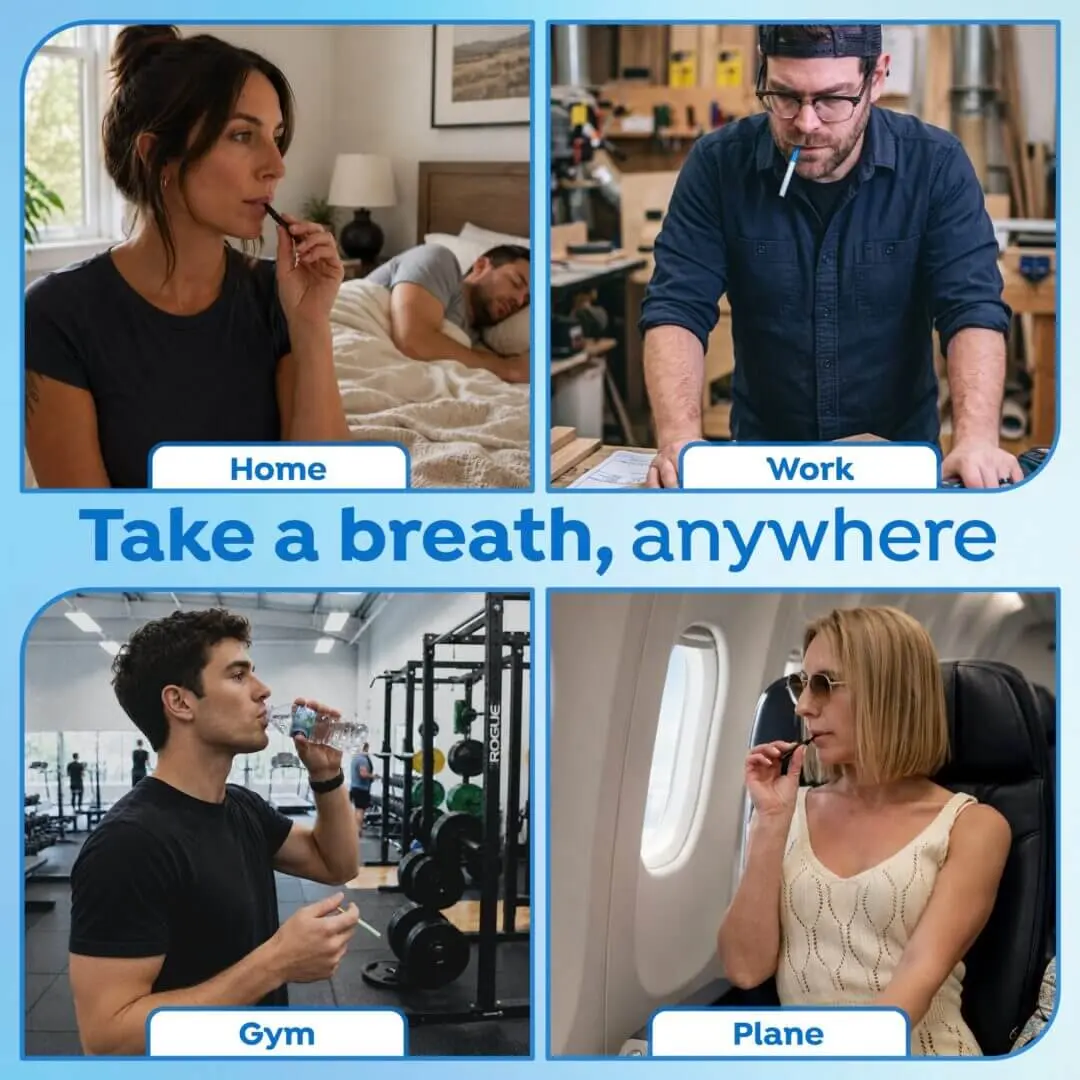
Over time cigarettes become attached to specific moments that repeat every single day. The brain stops making a decision about it, the motion becomes completely automatic.
The brain begins expecting the routine itself, not only the nicotine. That is why many people still feel the urge to smoke even after reducing nicotine intake completely. The physical addiction may slowly improve but the behavioral side can continue much longer.
What You’re Actually Missing After You Quit
Many smokers describe feeling like something is missing after quitting. That feeling is real, and it does not come from nicotine. It comes from losing the familiar hand-to-mouth behavior and routine that structured parts of the day for years.
“Holding something in the hand, inhaling, stepping outside, taking a break, these automatic patterns become part of daily life through thousands of repetitions. When smoking stops the routine has nowhere to go.”
This is one reason why many smokers struggle even when using nicotine replacement products. While nicotine may be addressed the behavioral habit still remains, and at every trigger moment the body reaches for something that is no longer there.
How Stress Makes It Even Harder
Stress plays a major role during the quitting process. During emotional or stressful situations the brain often reconnects to old smoking routines because cigarettes once felt familiar and comforting during those moments.
Over time smoking becomes deeply associated with emotional coping. Arguments, anxiety, boredom, loneliness, and frustration can all trigger smoking urges because the brain remembers those repeated connections, even years after quitting.
What Actually Helps, Addressing Both Sides
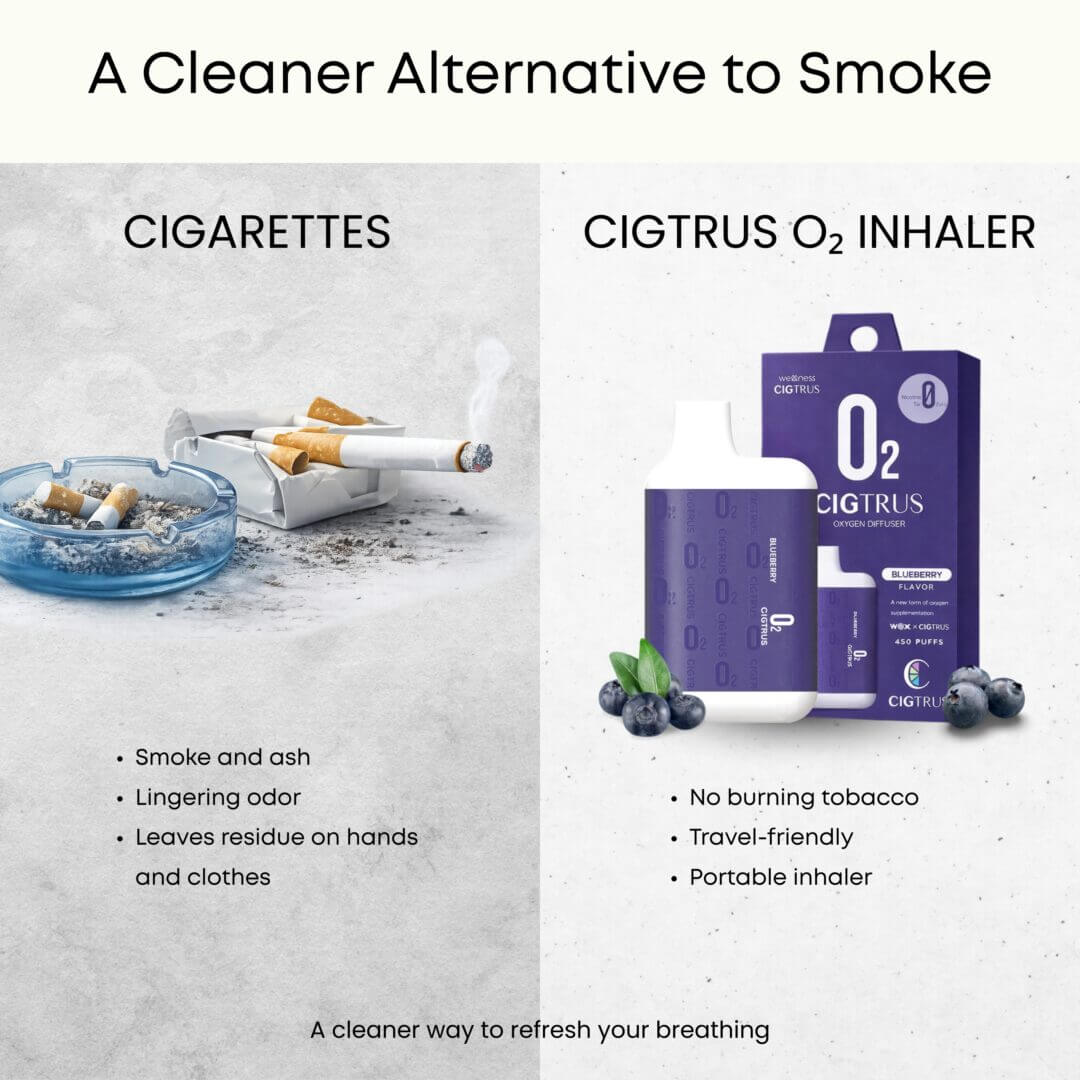
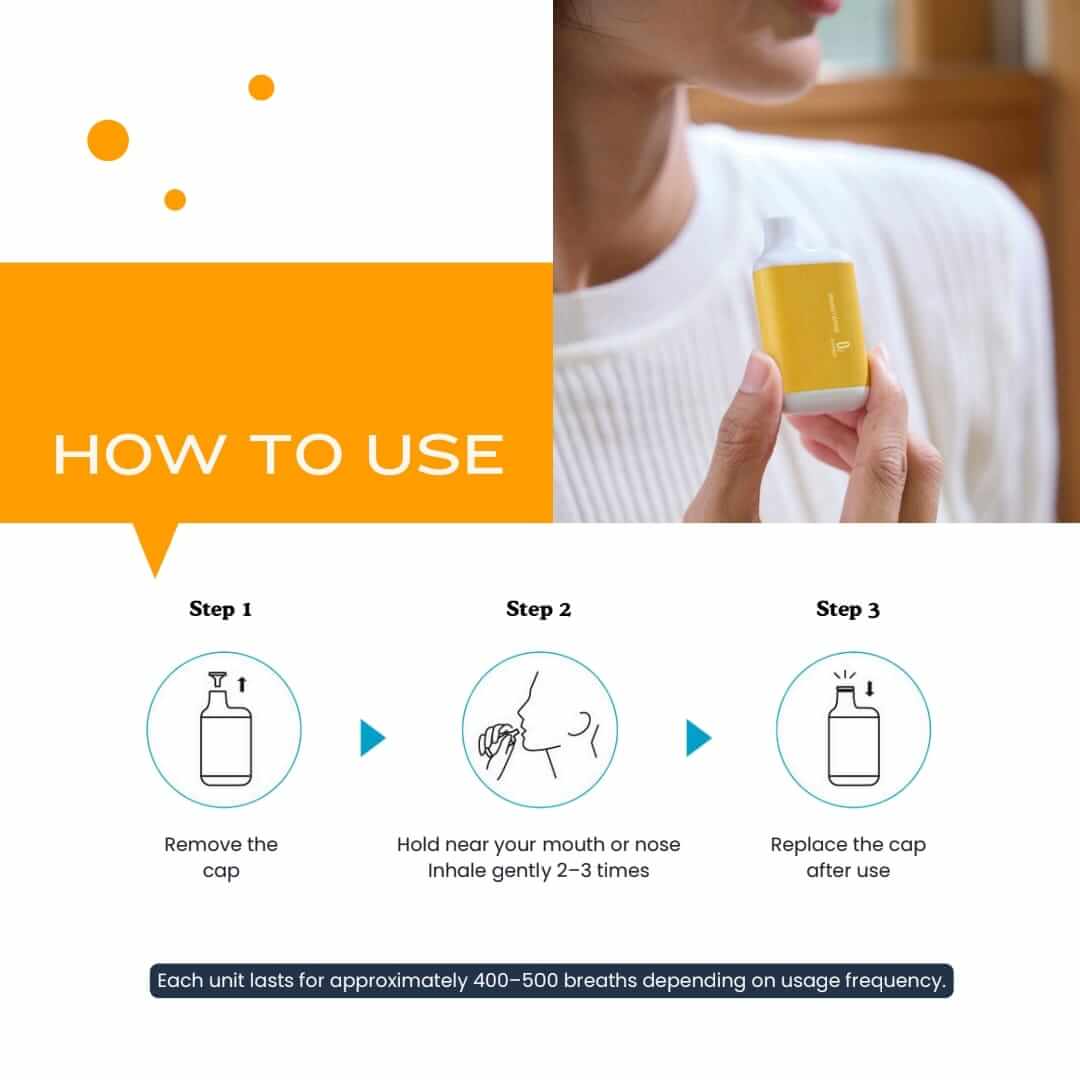
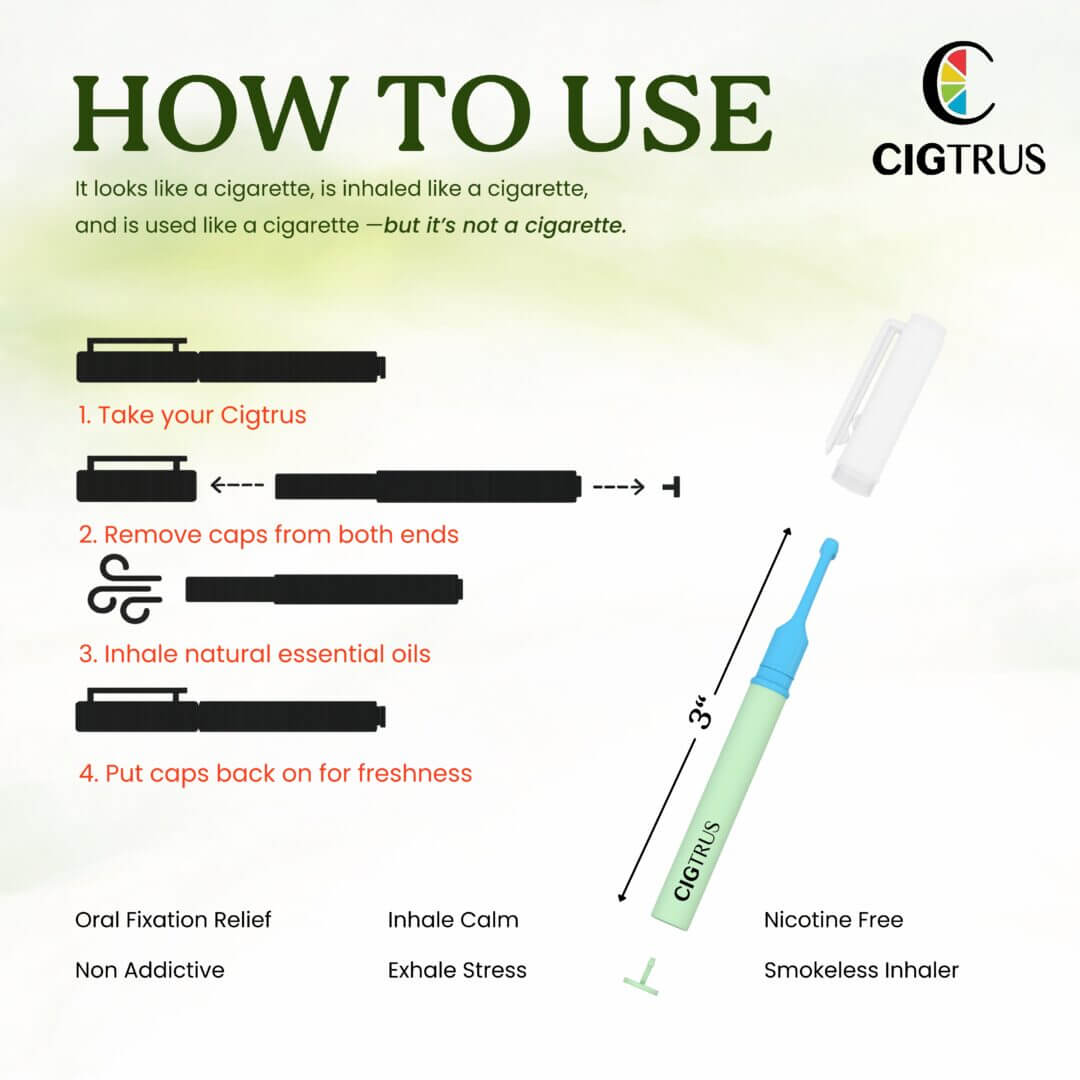
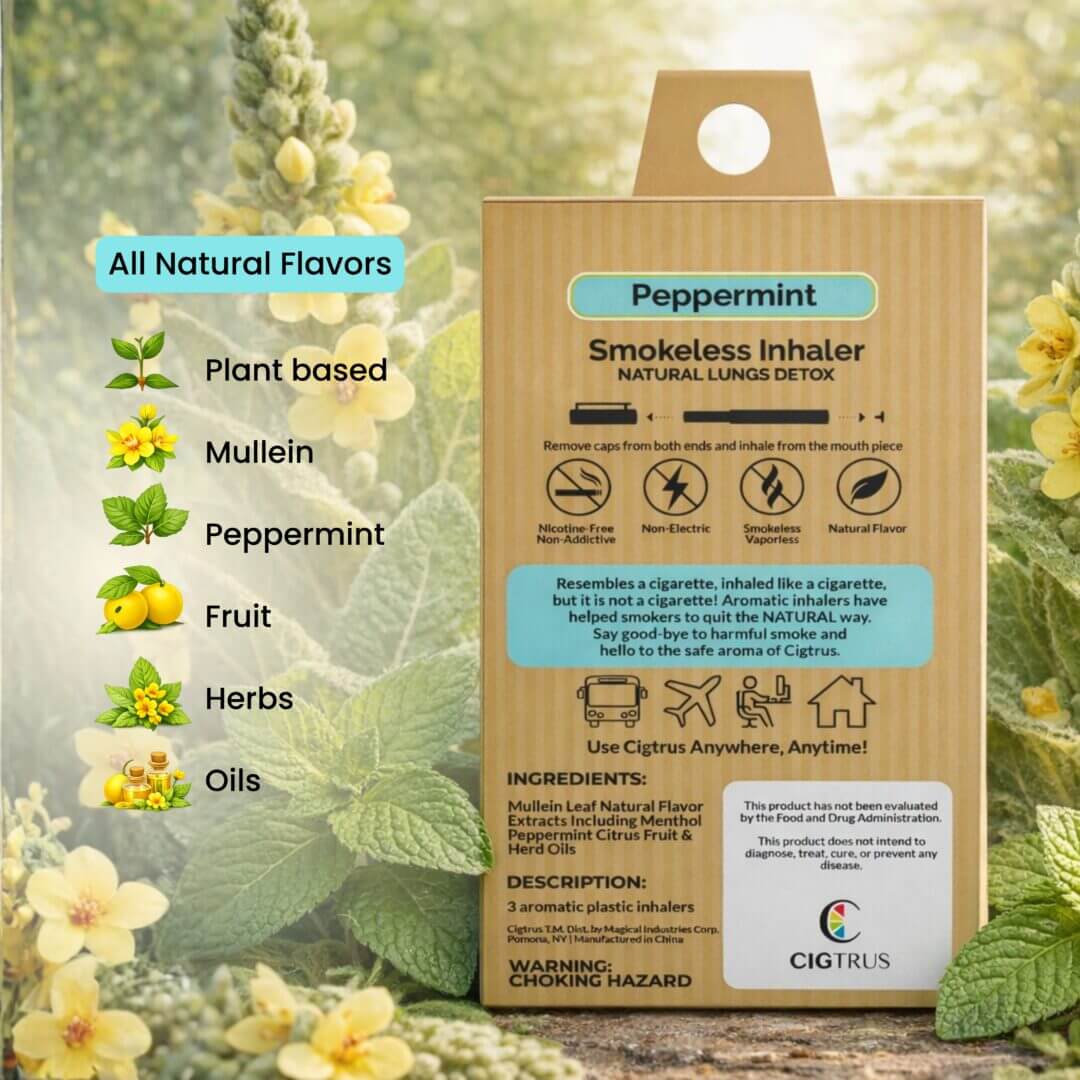
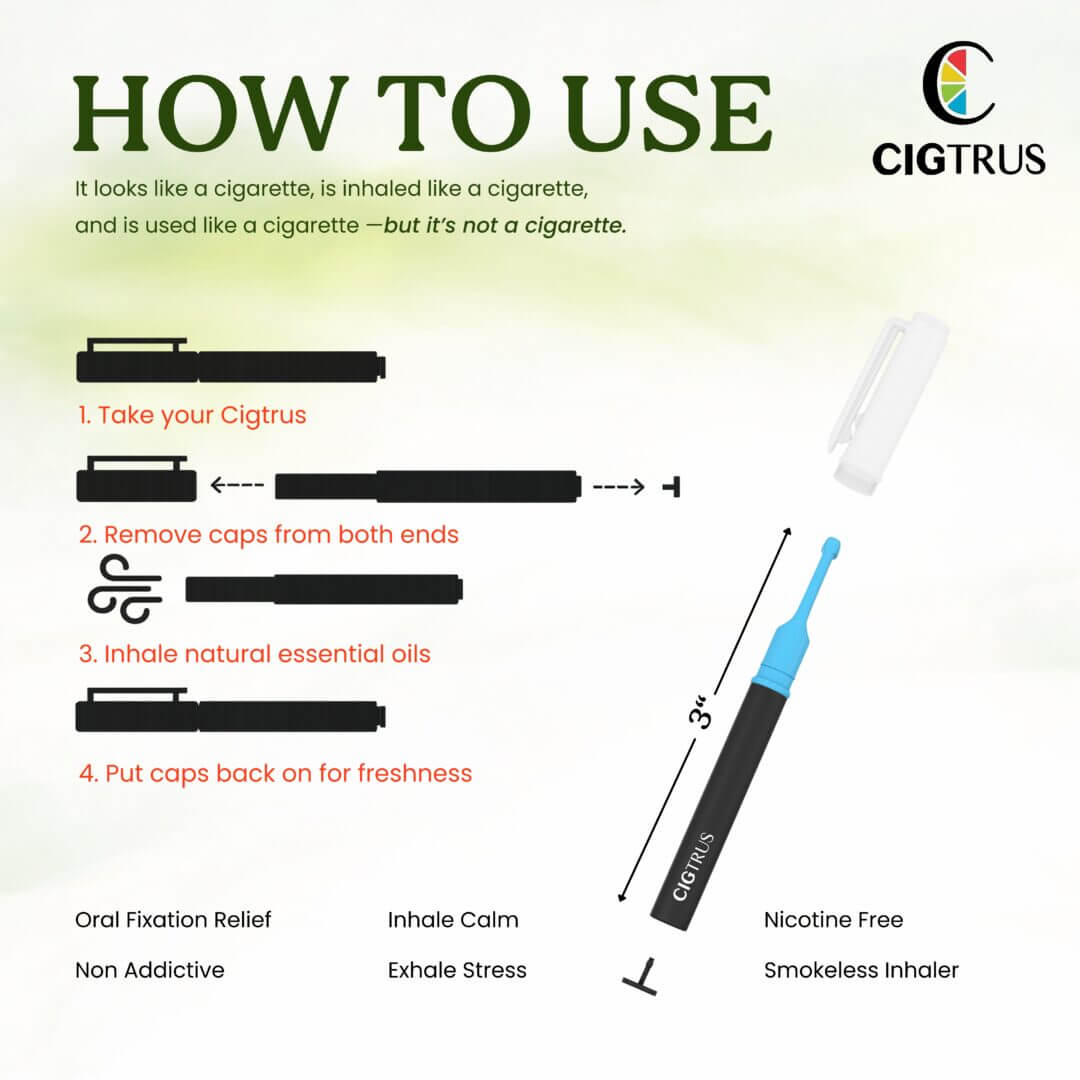
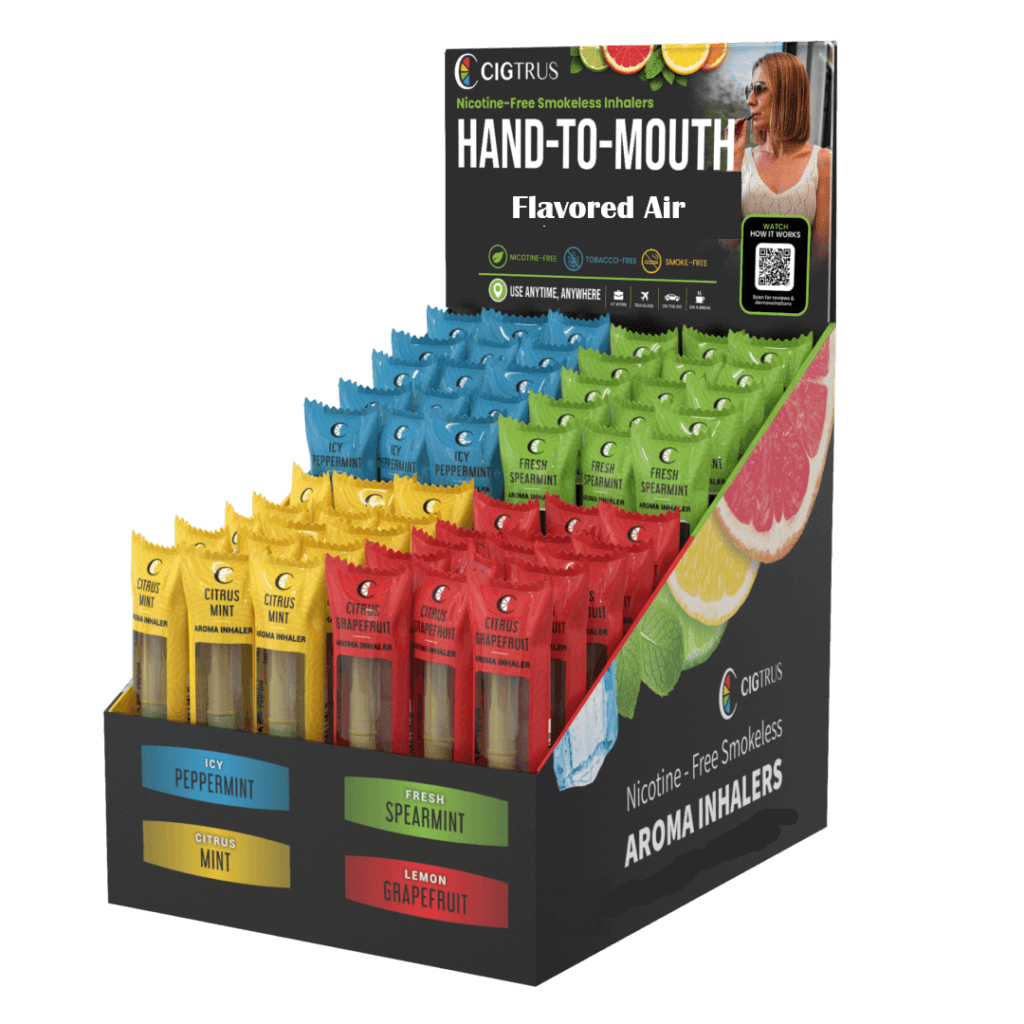
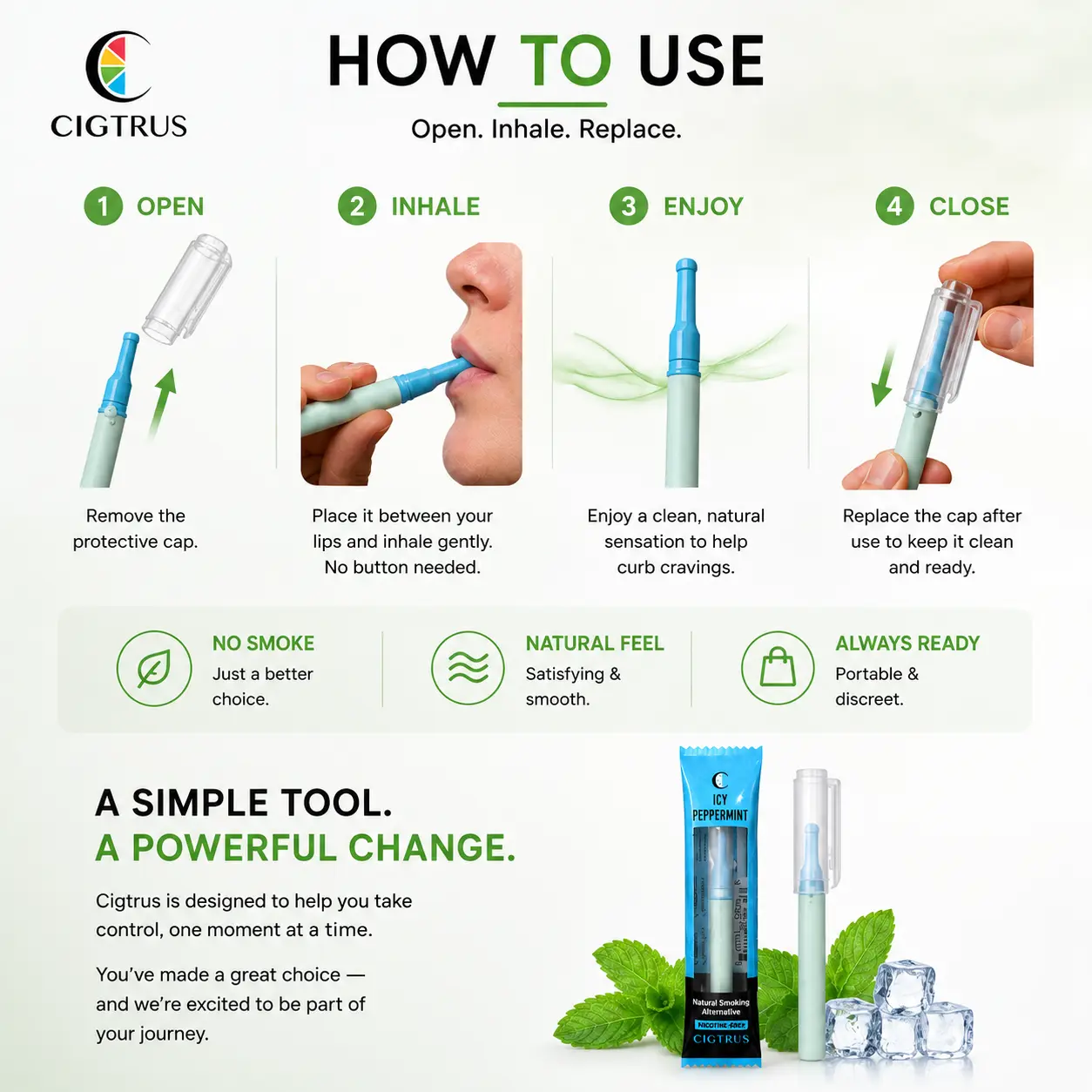
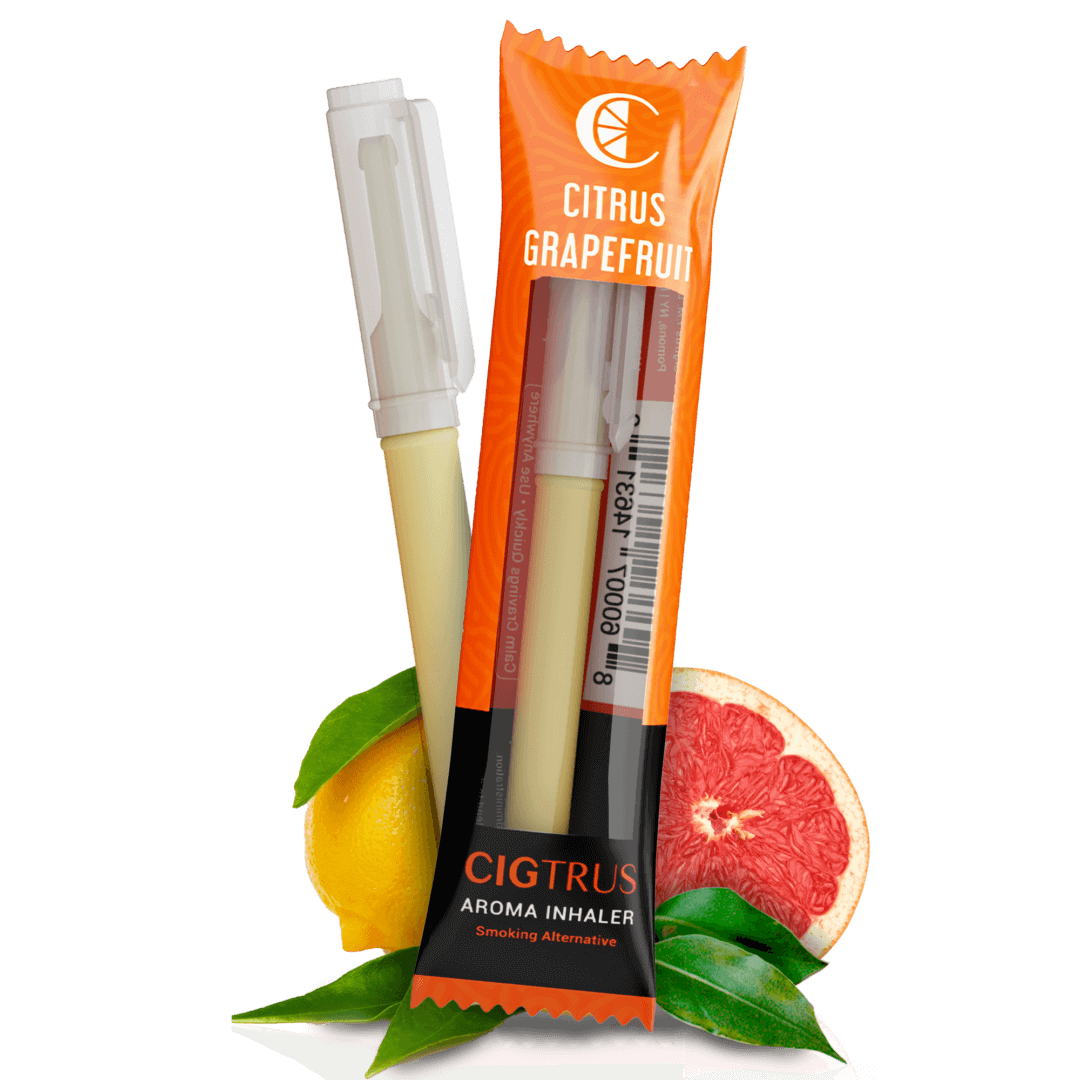
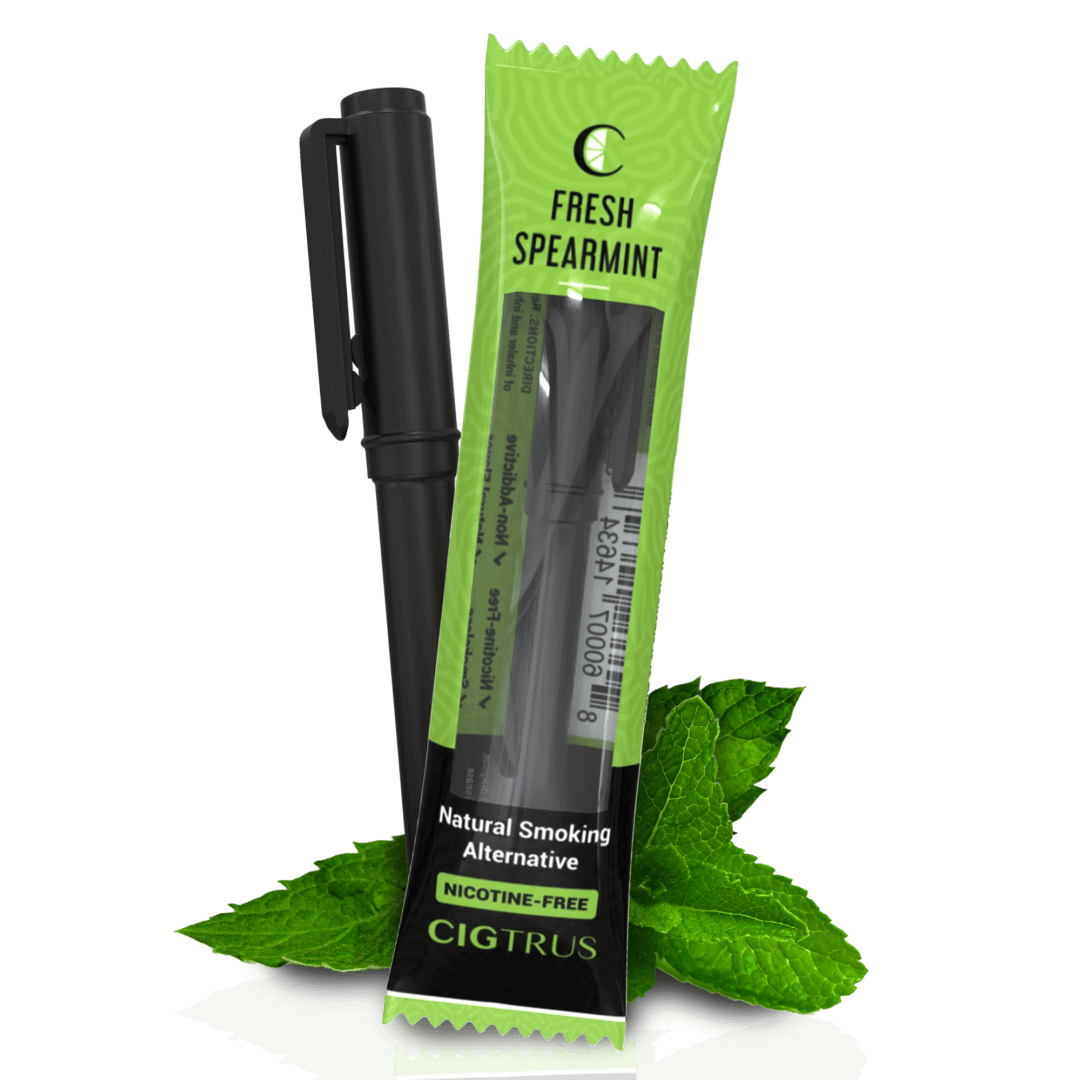
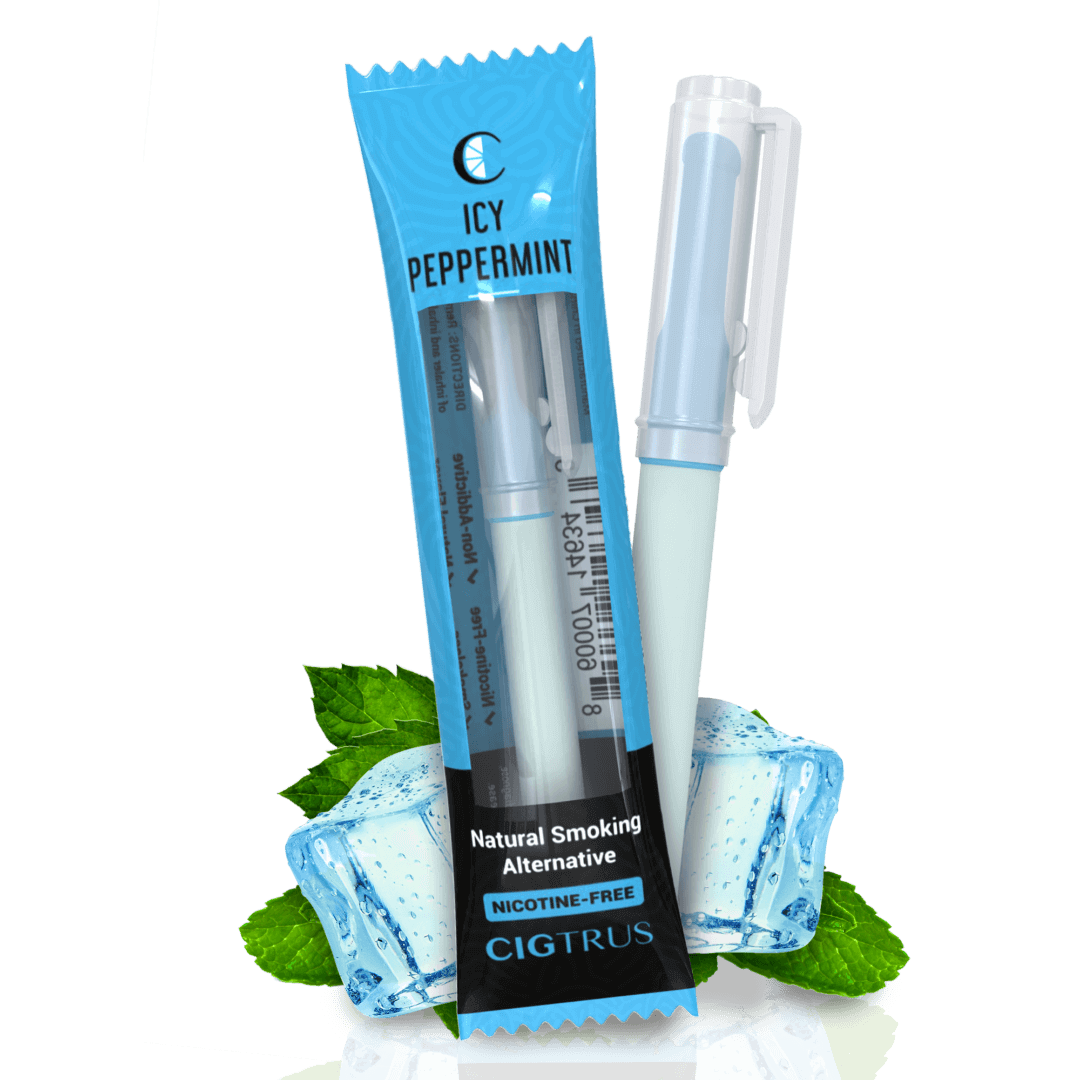
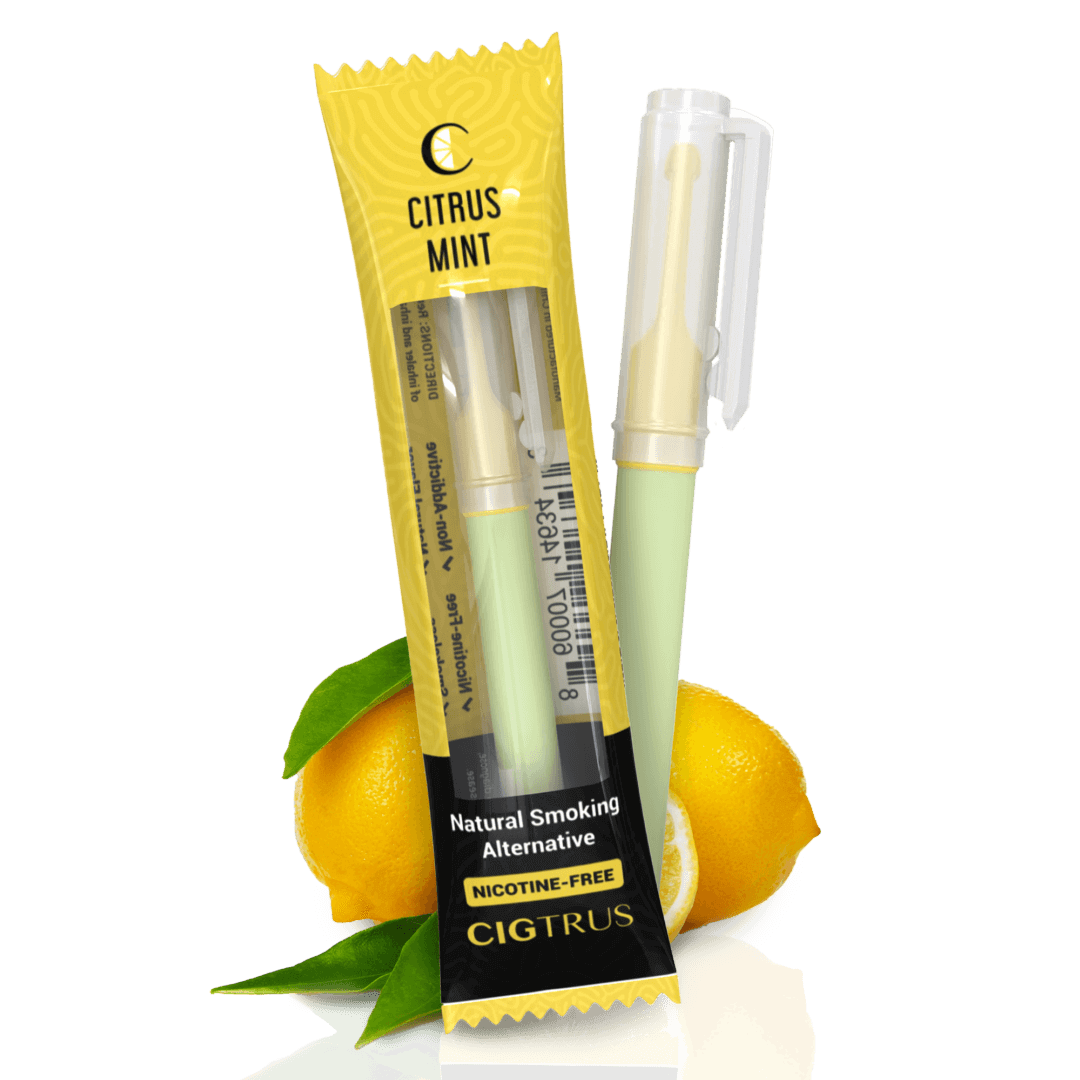
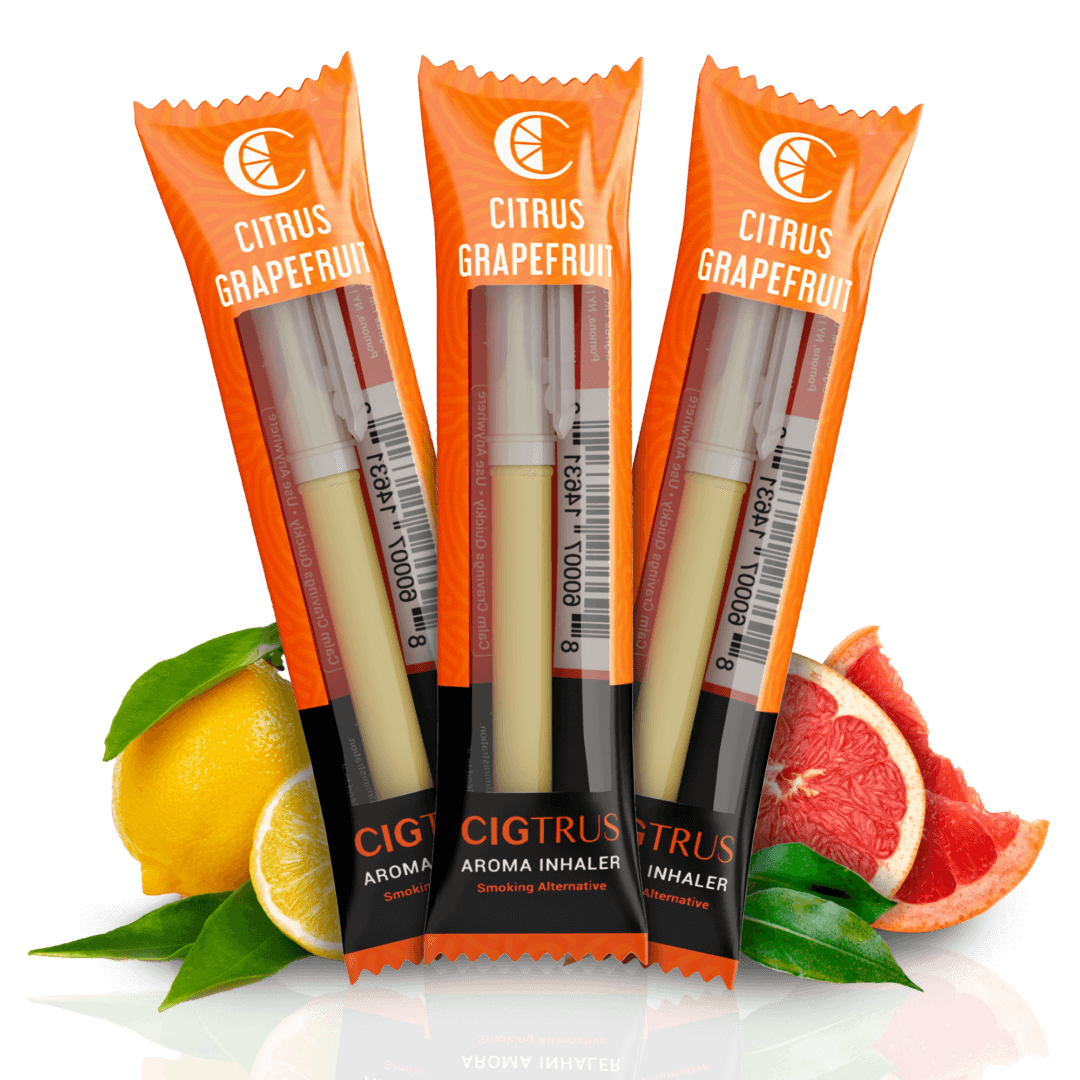
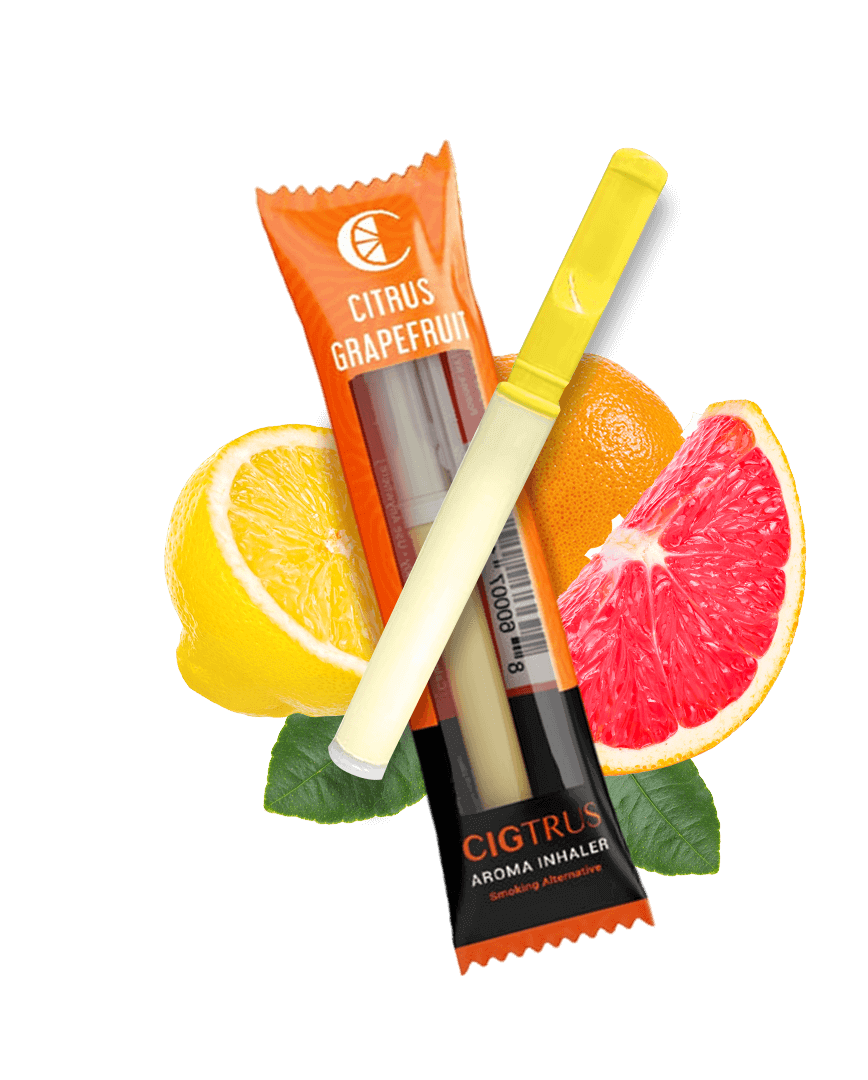
Understanding the behavioral side of smoking is important when trying to quit long term. Cigtrus was designed around this reality, helping address the familiar hand-to-mouth experience many smokers struggle to replace.
Instead of smoke, nicotine, vapor, or tobacco it focuses on the behavioral side that often continues during the quitting journey. It gives your hands and mouth somewhere clean to go at every trigger moment, so the routine continues but the harm stops.
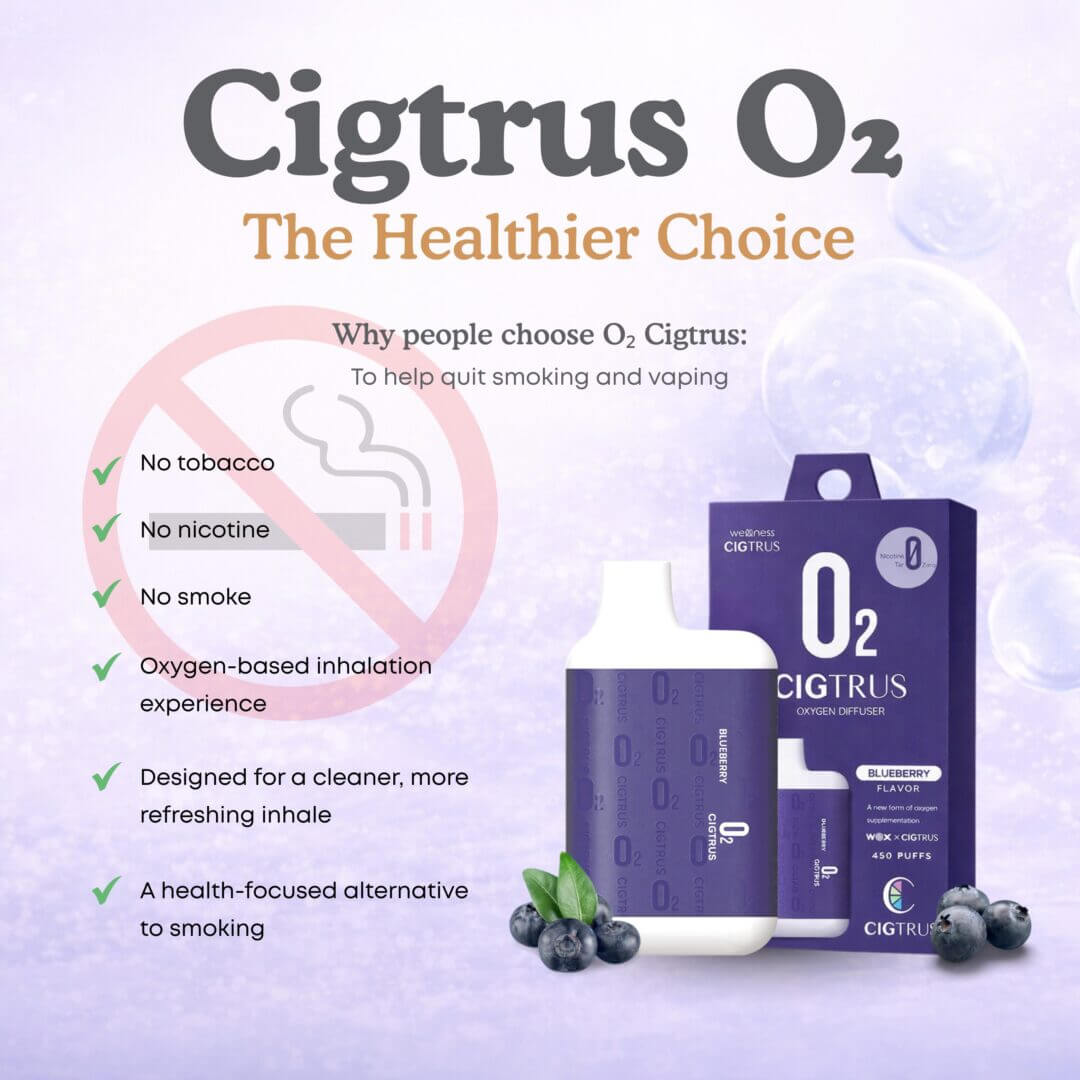
- Addresses the hand-to-mouth habit that patches and gum ignore
- Nicotine-free and tobacco-free, nothing addictive
- No smoke, no vapor, no battery, works anywhere
- Fits naturally into the same trigger moments smoking used to fill
Quitting Is Both Physical and Behavioral
Breaking smoking habits takes time, patience, and consistency. The goal is not only removing nicotine, it is also learning how to gradually disconnect smoking from everyday routines and emotional triggers. Every smoke-free decision helps weaken the old habit over time.
Understanding both sides makes the process feel more realistic, manageable, and sustainable. You are not weak for still reaching. You are human, and your brain built a very strong routine over many years. The job now is to give that routine somewhere better to go.
Give the Habit Somewhere Better to Go.
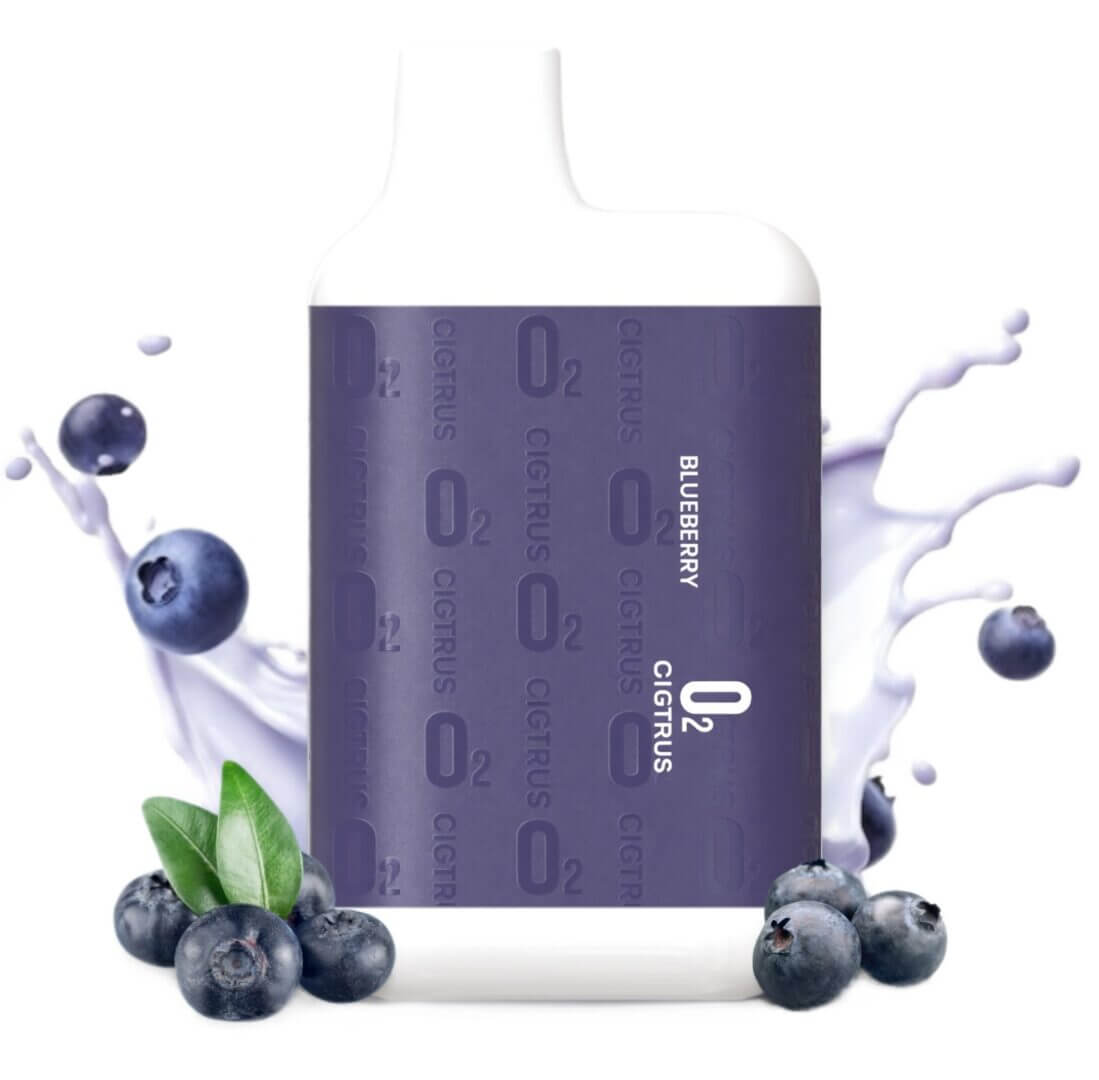
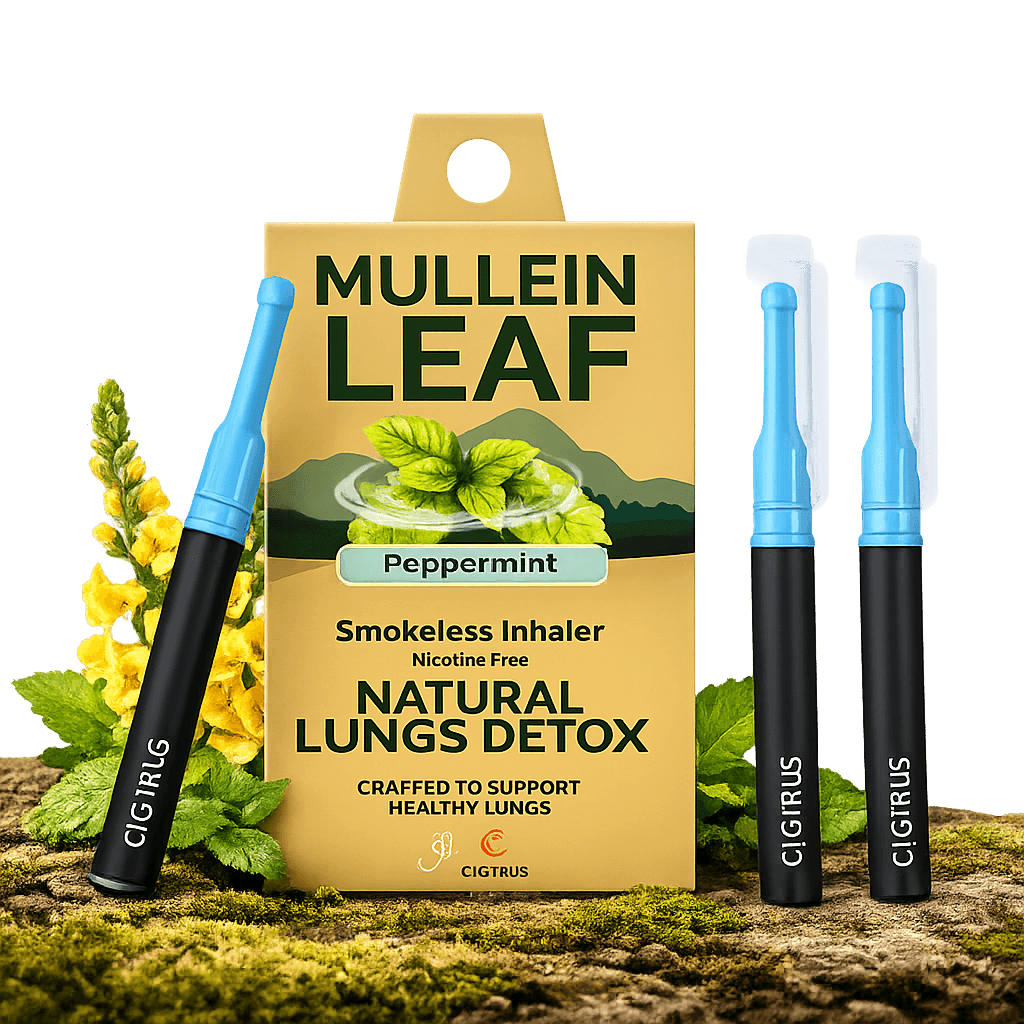
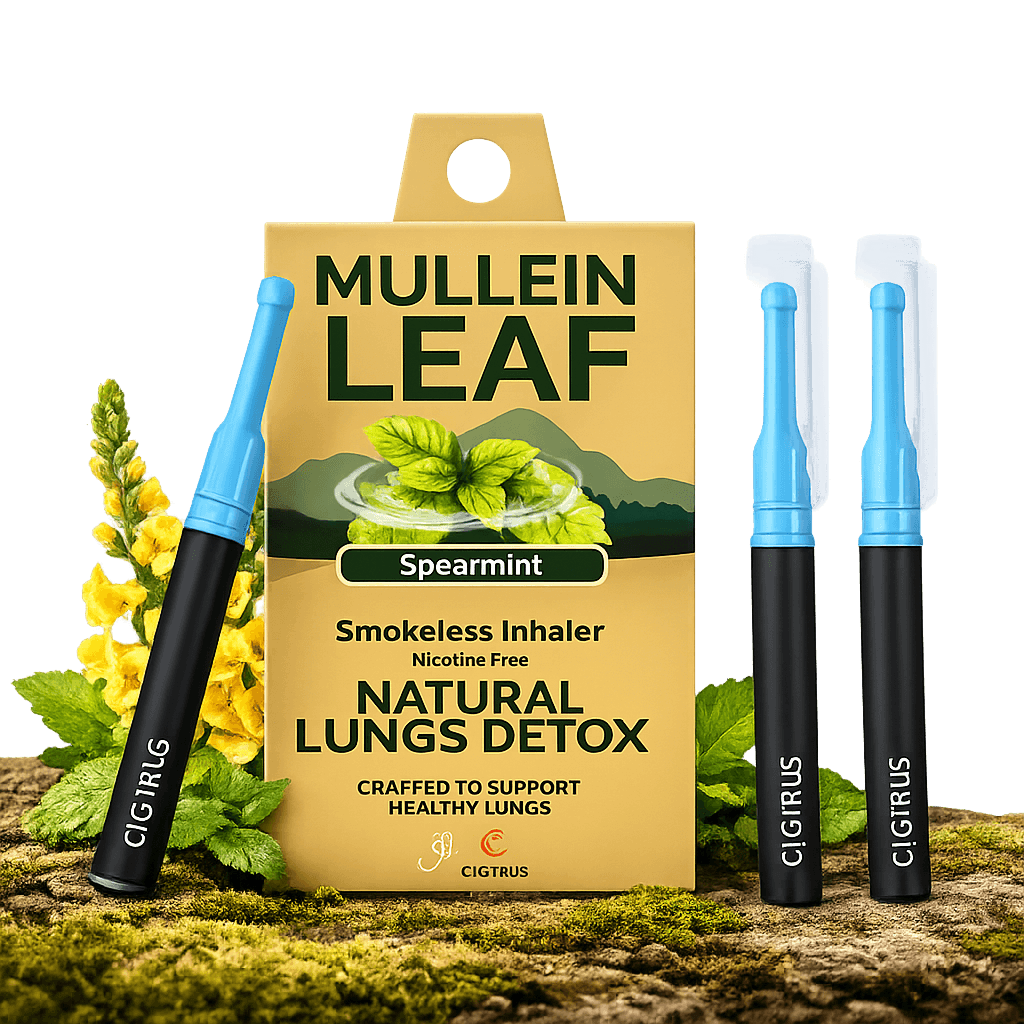
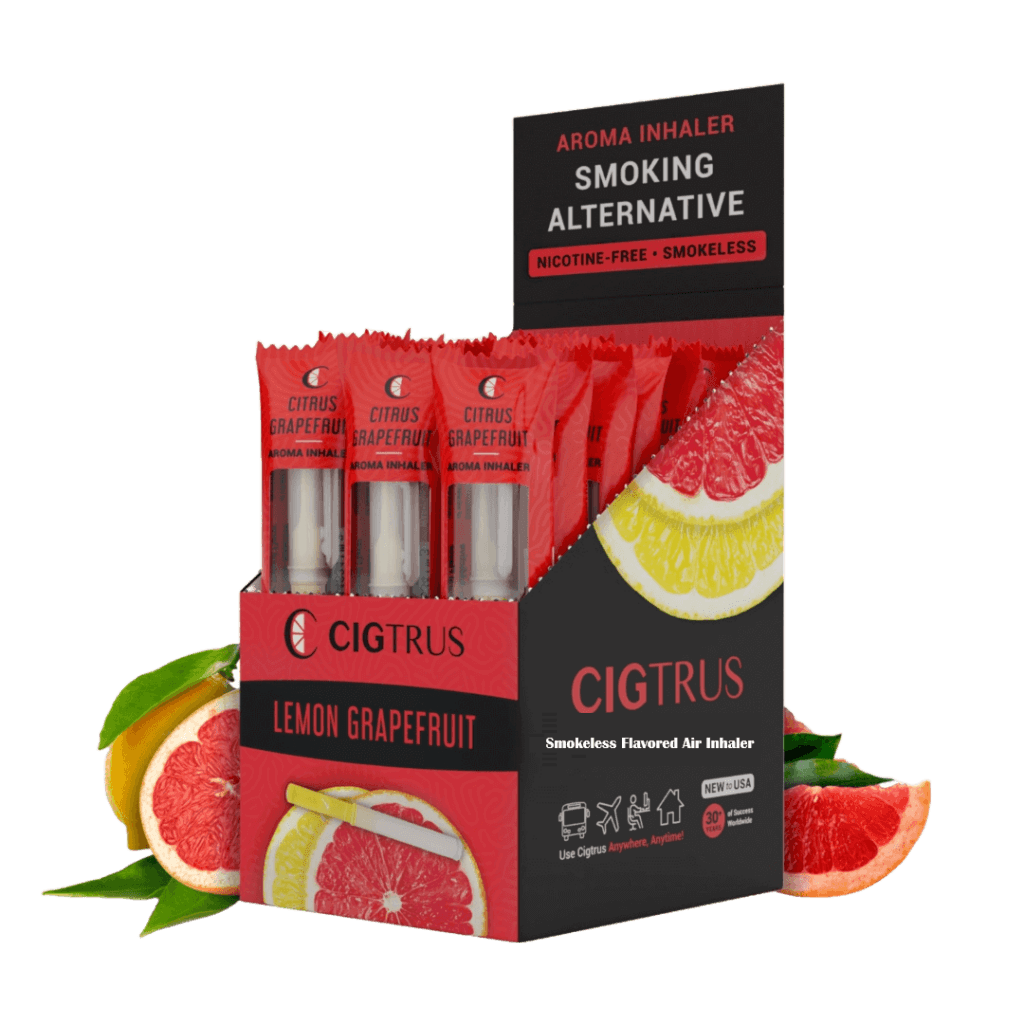
Cigtrus replaces the hand-to-mouth routine without any nicotine, vapor, or smoke. Try all four flavors with the Variety Pack.
👉 Shop the Variety Pack, Try All 4 Flavors