
Quitting Smoking, What Actually Works and Why
Most people who want to quit smoking have already tried at least once. Some have tried five or ten times. The problem is usually not willpower, it is that most quit methods only solve half the problem.
This article cuts through the noise and tells you honestly what works, what only partially works, and what is missing from most approaches to quitting smoking.
The Honest Truth About Quitting Smoking
Here is something most quit smoking guides will not tell you upfront, there is no single method that works for everyone. Quitting smoking is personal. What worked for your neighbor may not work for you. What failed twice might work the third time in a different combination.
But there is one thing that is true for almost everyone who tries to quit:
“Most people relapse not because of nicotine withdrawal, but because of the habit. The reach. The pause. The ritual their hands and mouth have done thousands of times. That part almost nobody talks about.”
Understanding this is the first step toward actually quitting for good.
What Actually Works, An Honest Look
Here is a straightforward breakdown of the most common quit smoking methods and what they actually do and do not address:
Nicotine Patches
Release a steady low dose of nicotine through your skin throughout the day. Reduces physical withdrawal symptoms and takes the edge off cravings. Does not address the hand-to-mouth habit at all.
Helps with: Nicotine withdrawalNicotine Gum
Gives you a controlled dose of nicotine when a craving hits. More flexible than patches because you use it when you need it. Still does not replace the physical smoking routine.
Helps with: Nicotine cravingsCold Turkey
Stopping completely with no aids. Works for some people, usually those with very strong motivation and good support around them. Very hard for most people because it addresses nothing, no chemical support and no behavioral replacement.
Works for: Very few people long termCounseling and Support Groups
Having people to talk to and strategies to work through makes a real difference. Especially helpful for dealing with the emotional side of quitting and understanding your personal triggers.
Helps with: Motivation and triggersNicotine-Free Smokeless Inhaler
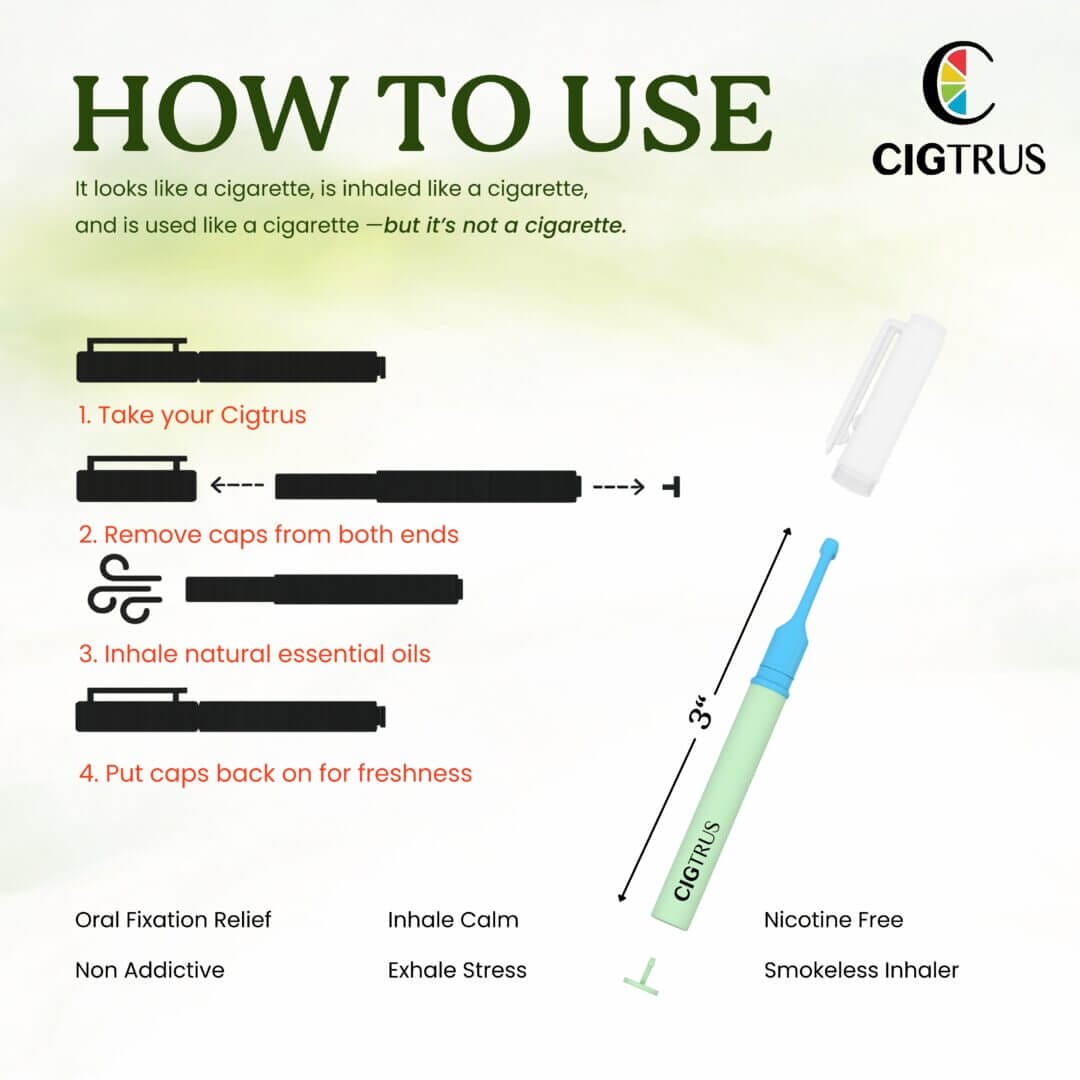
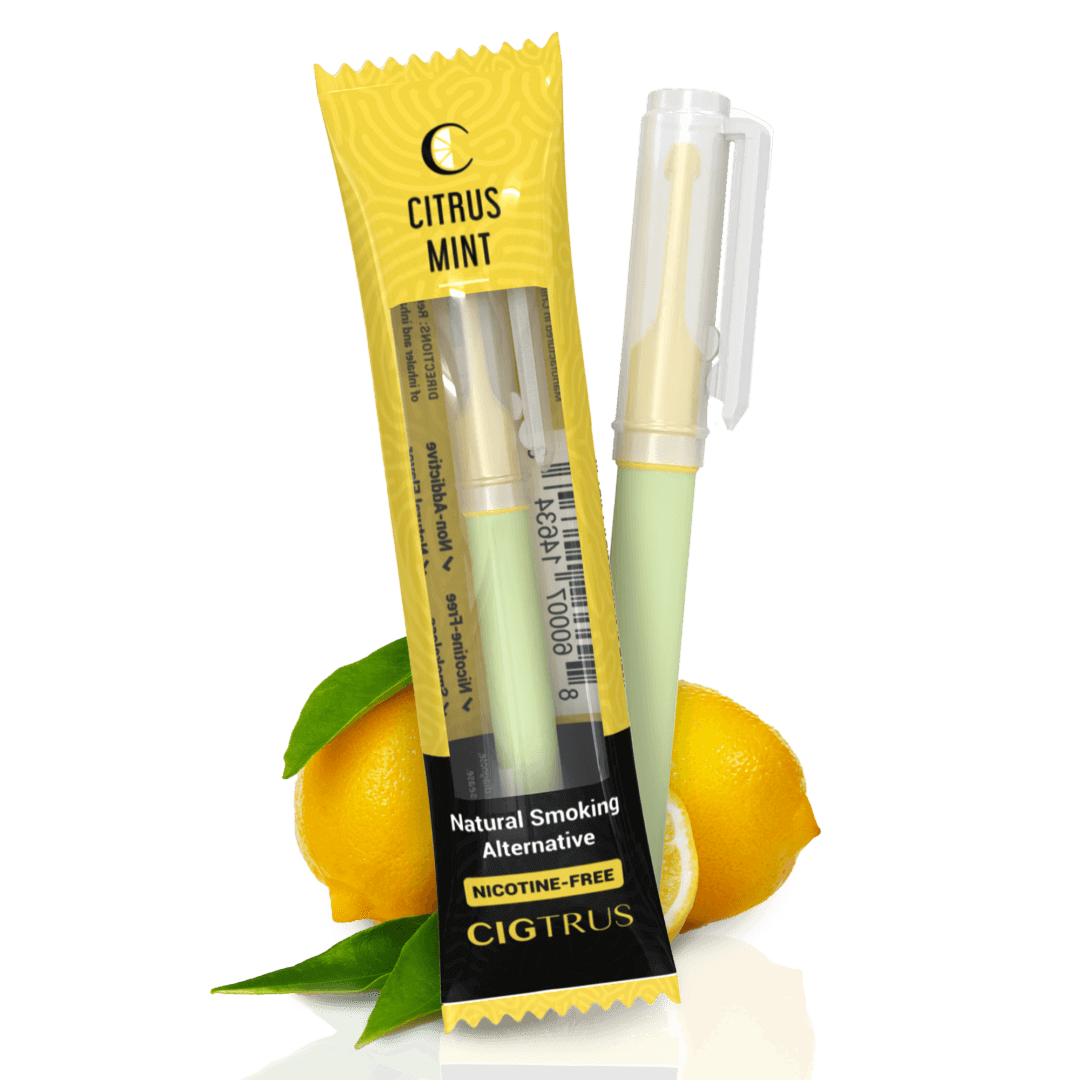
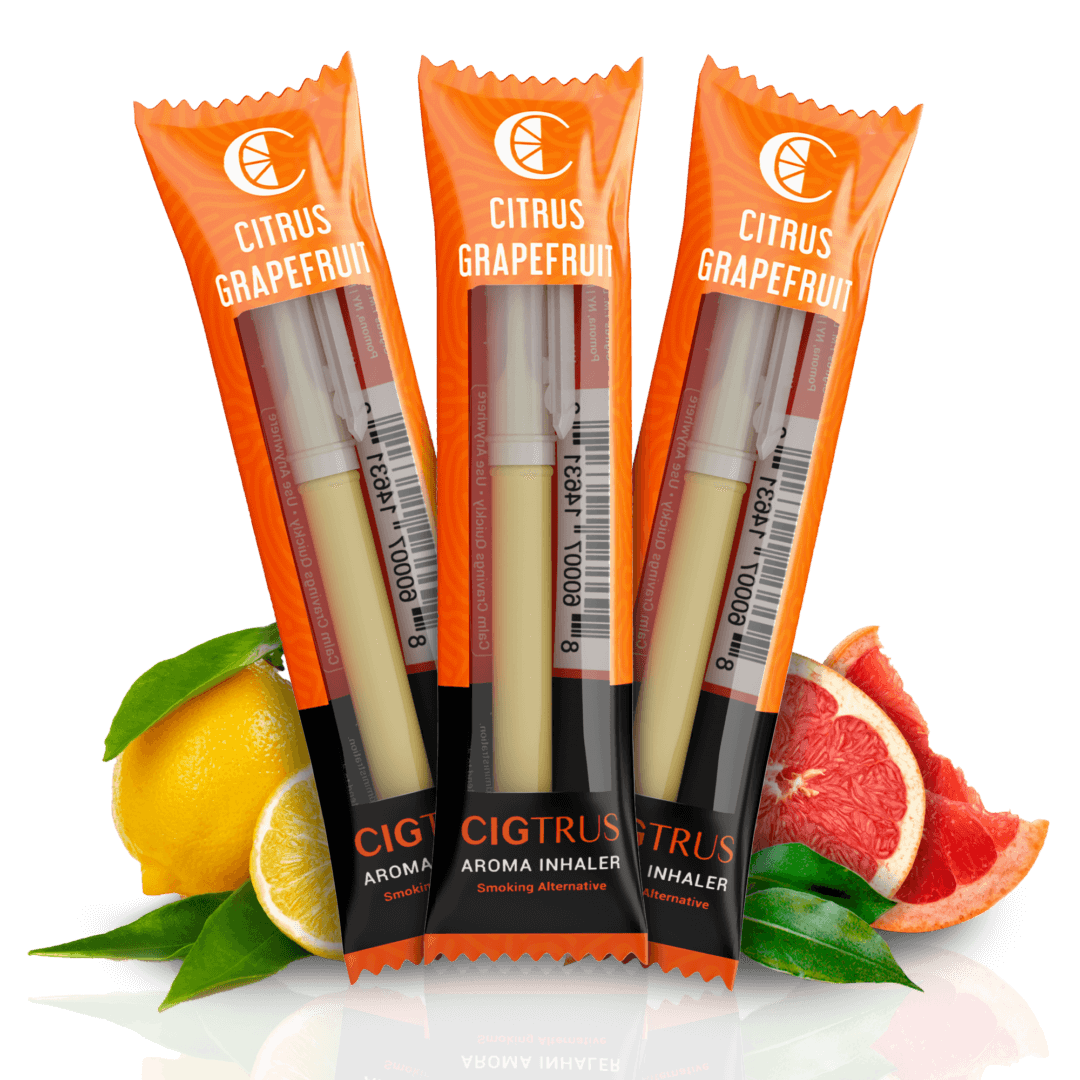
Gives your hands and mouth something clean to do instead of smoking. No nicotine, no vapor, no smoke. Specifically designed to replace the behavioral side of the habit, the part everything else ignores.
Helps with: The hand-to-mouth habitWhy Most People Go Back to Smoking
Understanding why people relapse is more useful than any list of tips. Here are the real reasons most quit attempts fail:
The Real Reasons People Go Back
A stressful moment hits with nothing to replace it
Stress was the most common reason you smoked. When stress hits and there is nothing in your hand, the brain goes straight to what it knows. This is where most people break.
After meals the urge feels impossible
The post-meal cigarette is one of the strongest habit connections in smokers. Without something to replace that moment the urge feels overwhelming even weeks after quitting.
Being around other smokers
Social triggers are powerful. One cigarette in a social situation turns into “just this once” which turns into being back to smoking within a week.
The habit feels bigger than the nicotine
Many people successfully stop the nicotine but the behavioral pull keeps coming back. They are not craving a chemical, they are craving a routine.
What to Do Differently This Time
If you have tried to quit before and gone back, the answer is usually not more willpower. It is a better strategy. Here is what actually makes a difference:
Know your triggers before you quit
Write down every situation where you normally smoke. Morning coffee, after meals, driving, stress moments. These are the exact moments you need a plan for.
Have something ready for every trigger
Do not quit with nothing. Have a replacement ready for each trigger moment. Something for your hands. Something for your mouth. Something that gives your body a place to go.
Address both sides, chemical and behavioral
If nicotine withdrawal is a problem use a patch or gum to take the edge off. At the same time use a behavioral replacement like a nicotine-free inhaler for the habit side. Tackling both together gives you a much better chance.
Do not treat a slip as a failure
One cigarette does not mean you failed. It means you found a trigger that needs a better response. Note when it happened and have a plan ready for next time.
Keep going even when it feels impossible
The urge to smoke gets weaker over time, but only if you keep replacing it with something better. Every time you use a replacement instead of a cigarette you make the habit a little weaker.
Where Cigtrus Fits In
Cigtrus is not a magic solution. Nothing is. But it fills a very specific gap that almost every other quit smoking approach leaves open, the behavioral habit.
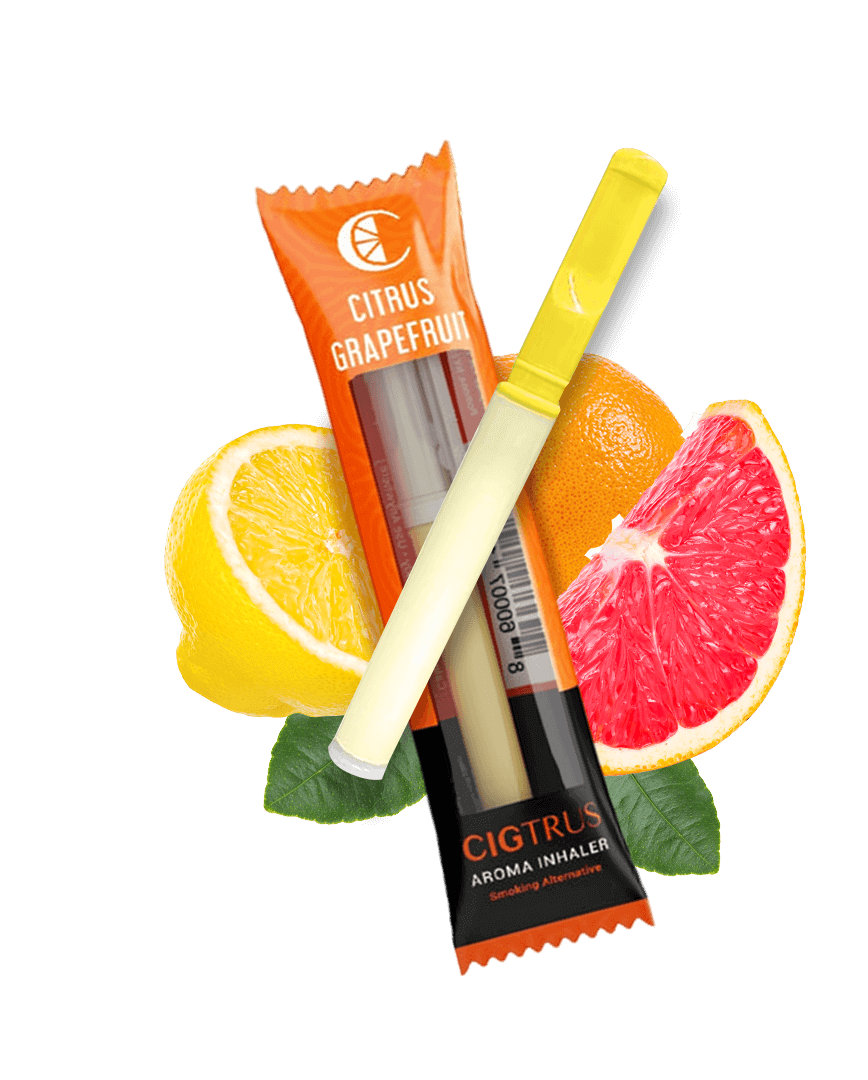
When the trigger hits and your hands reach, Cigtrus gives them somewhere clean to go. No nicotine. No vapor. No smoke. Just a light natural aroma through a simple, pocket-sized inhaler that works anywhere, at your desk, in the car, on a flight, after a meal.
It works best alongside other approaches, not instead of them. Use it with a patch if you need nicotine support. Use it with a support group if you need people around you. Use it as the behavioral anchor that keeps you from reaching for a cigarette when the habit kicks in.
Ready to Try a Different Approach?
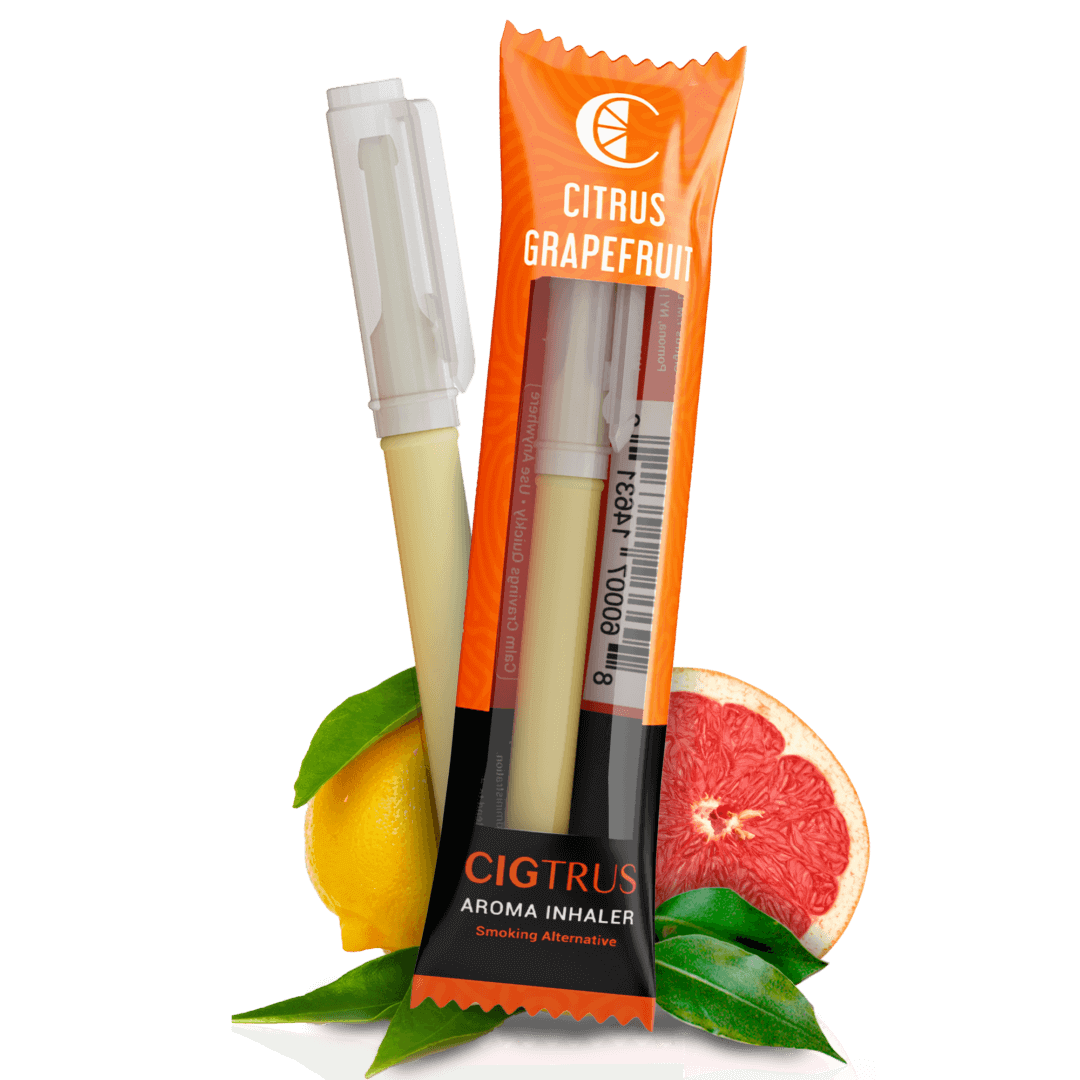
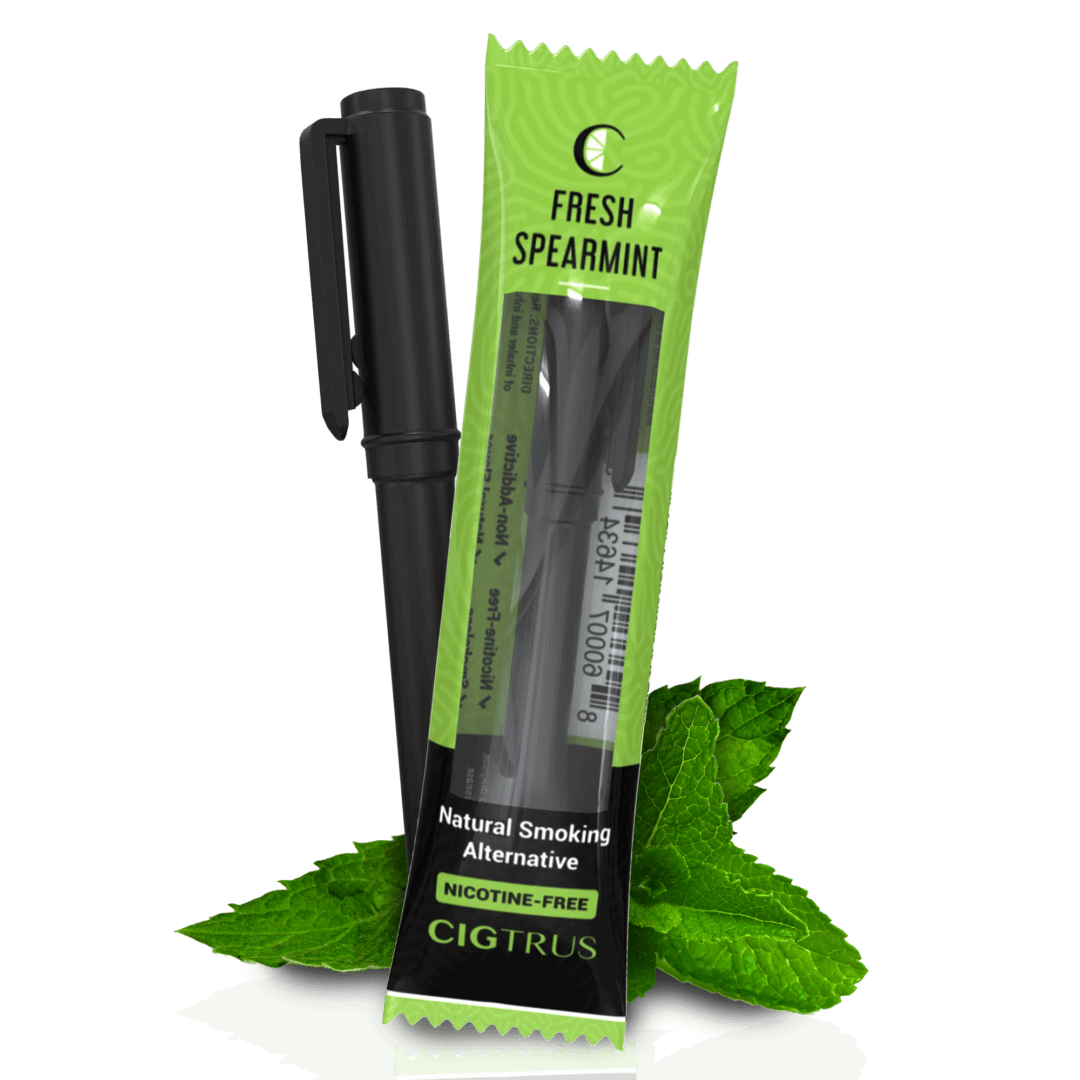
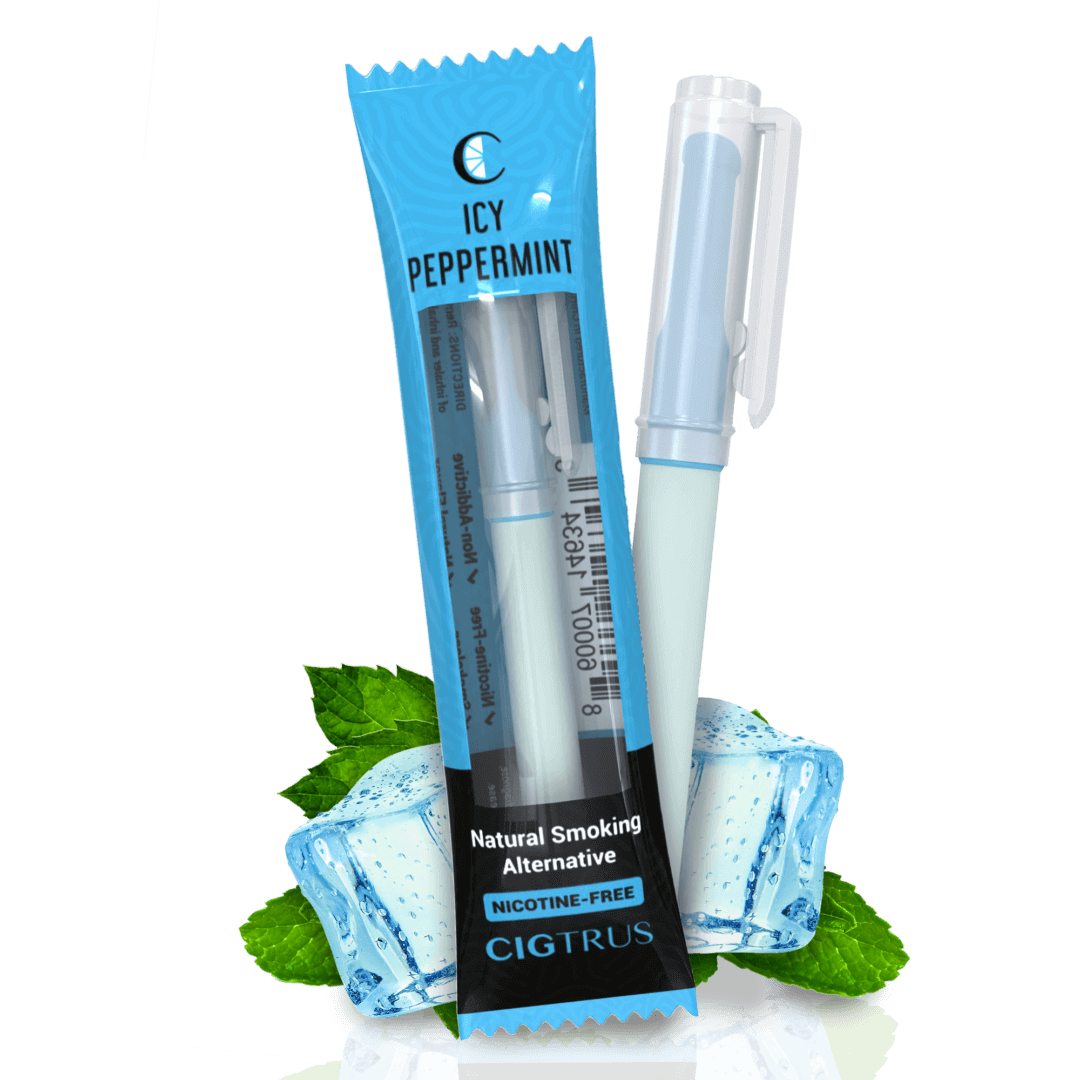
Start with the Variety Pack, try all four flavors and find the one you will actually reach for when the urge hits.
👉 Shop the Variety Pack, $24.99