
Breaking the Cycle: How One Discovery Sparked Cigtrus’ Vision for a Smoke-Free Future
For many smokers, quitting is not only about nicotine. Over time, smoking becomes deeply connected to routines, emotions, stress relief, and repeated daily behaviors. The hand-to-mouth ritual, inhalation routine, and sensory familiarity eventually become automatic patterns tied to everyday life. This behavioral connection is one reason many smokers continue struggling even after nicotine withdrawal begins improving, and it is the insight that shaped the vision behind Cigtrus.
Smoking Becomes More Than a Chemical Habit
Many traditional quit-smoking methods focus mainly on nicotine replacement. While nicotine dependence can be difficult, many smokers eventually realize that the behavioral side of smoking often feels just as powerful, sometimes more so. Simple daily routines like morning coffee, driving, work breaks, stressful situations, social moments, and boredom can all become strongly connected to smoking behavior over time. That is why many smokers describe feeling like something is “missing” during the quitting process even after reducing nicotine intake.
“The cycle is not just chemical. The hand-to-mouth motion, the familiar inhalation rhythm, the daily pause, these become automatic over years of repetition. Breaking the cycle means giving those moments somewhere clean to go.”
The Discovery Behind Cigtrus
The idea behind Cigtrus came from recognizing that many smokers struggle with the ritual itself, not only nicotine. The repeated hand-to-mouth motion, inhalation routine, and familiar sensory experience often become deeply ingrained behavioral habits after years of repetition. Instead of creating another nicotine product, the goal became creating a nicotine-free, smokeless alternative designed specifically around the behavioral side of smoking habits, the layer most cessation tools leave completely untouched.
A Different Approach to Smoking Support
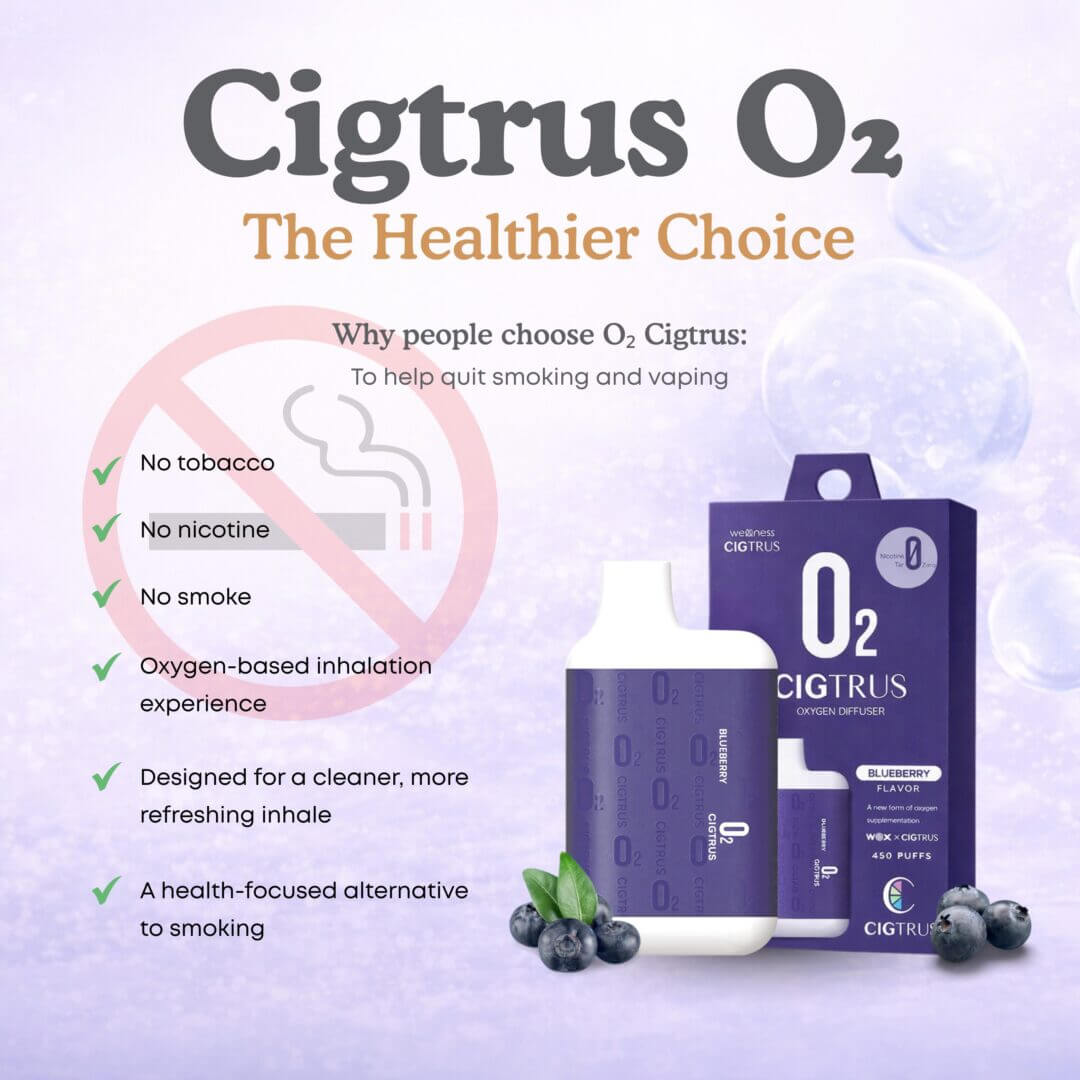
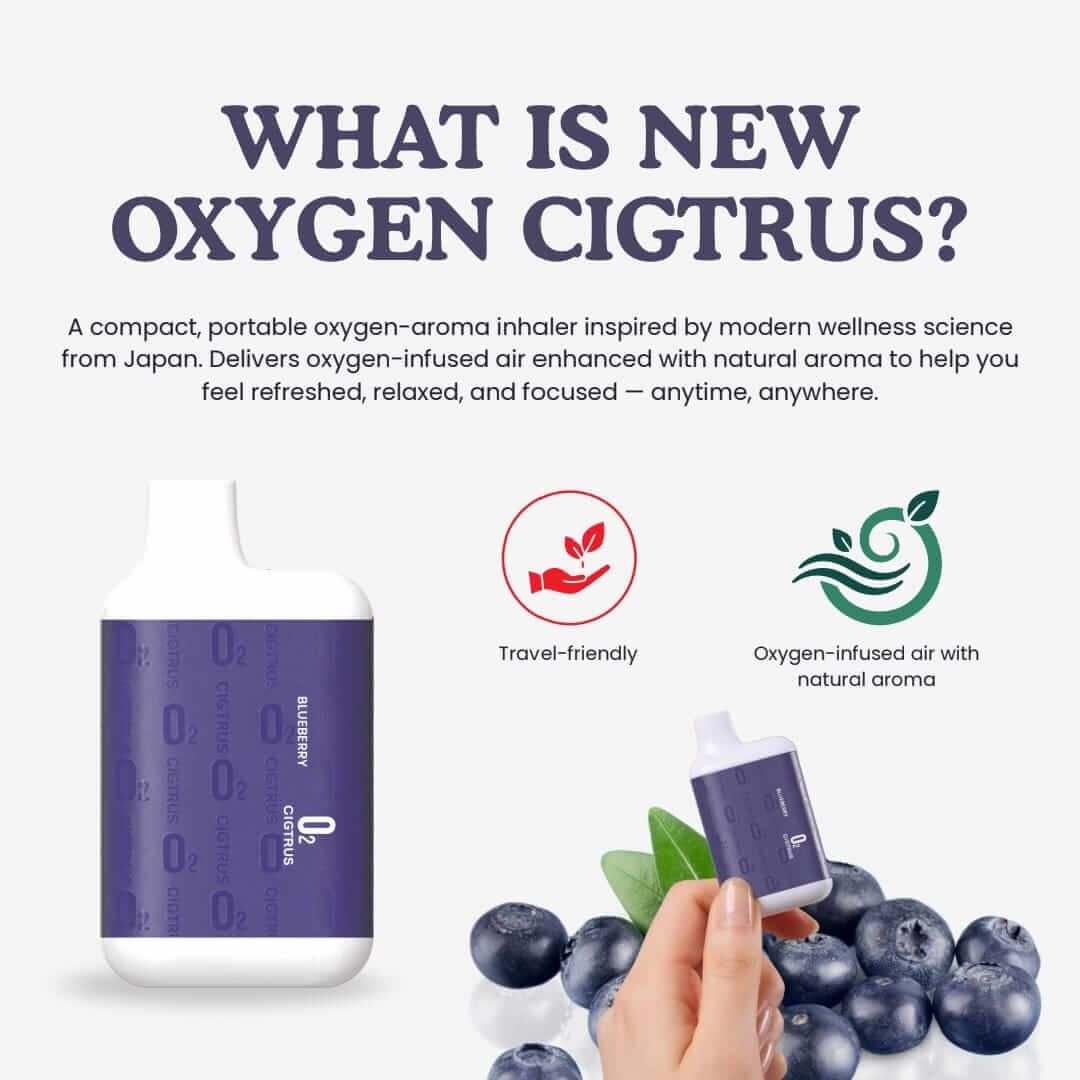
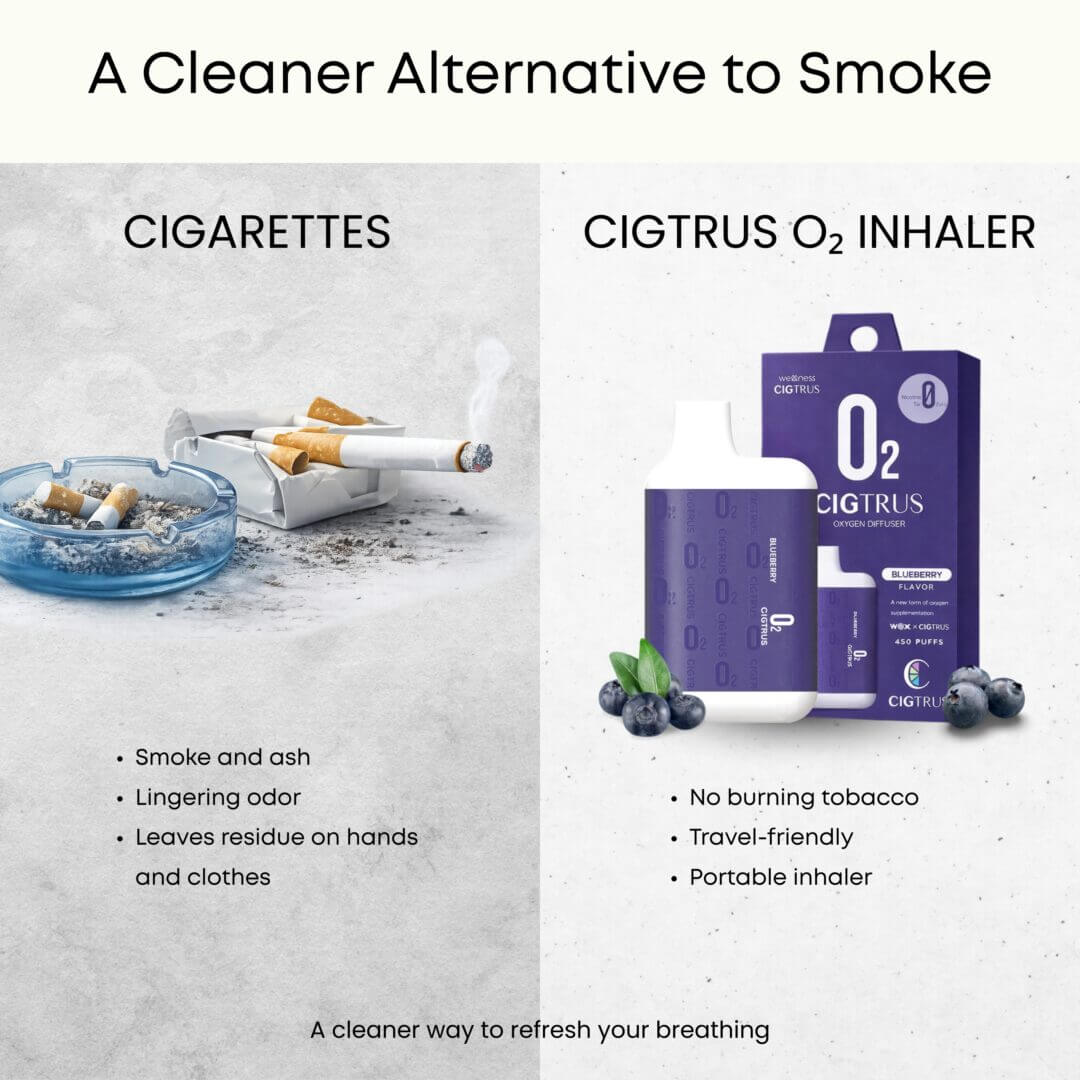
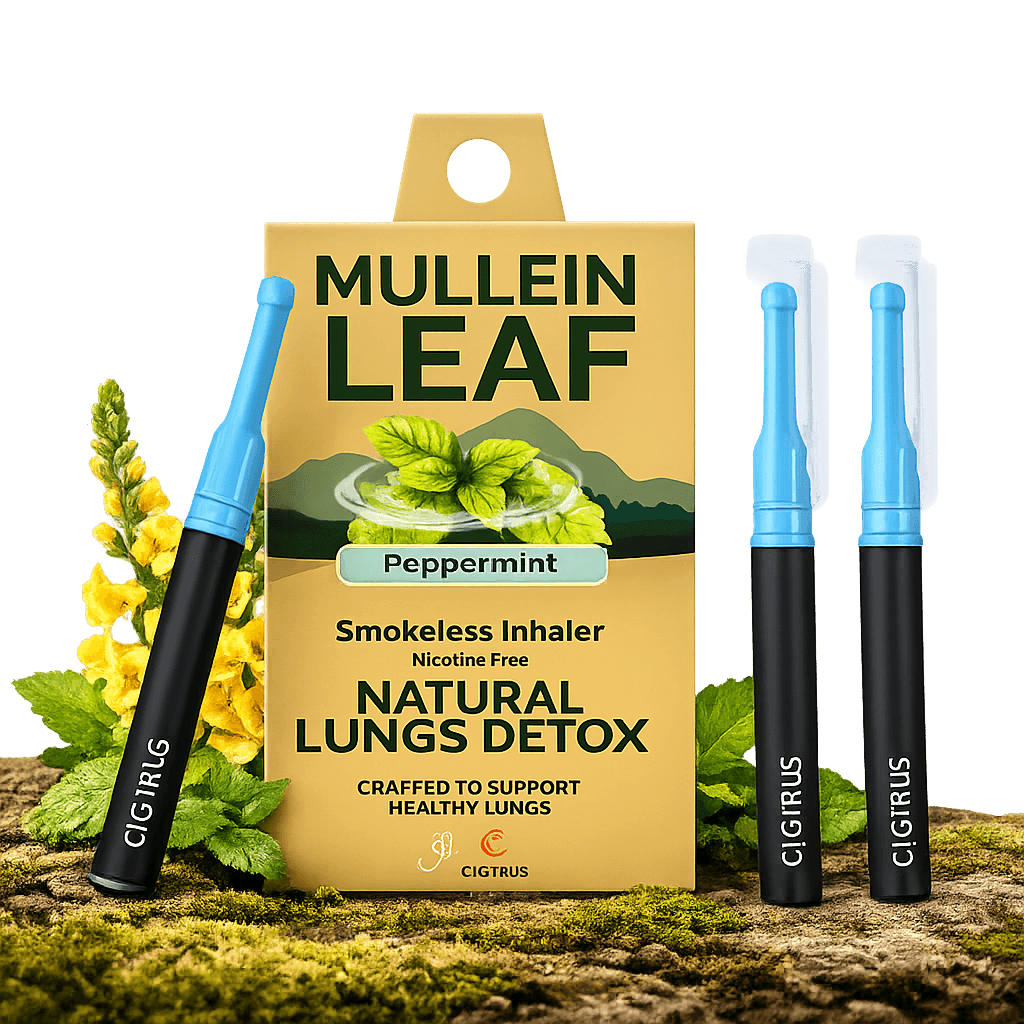
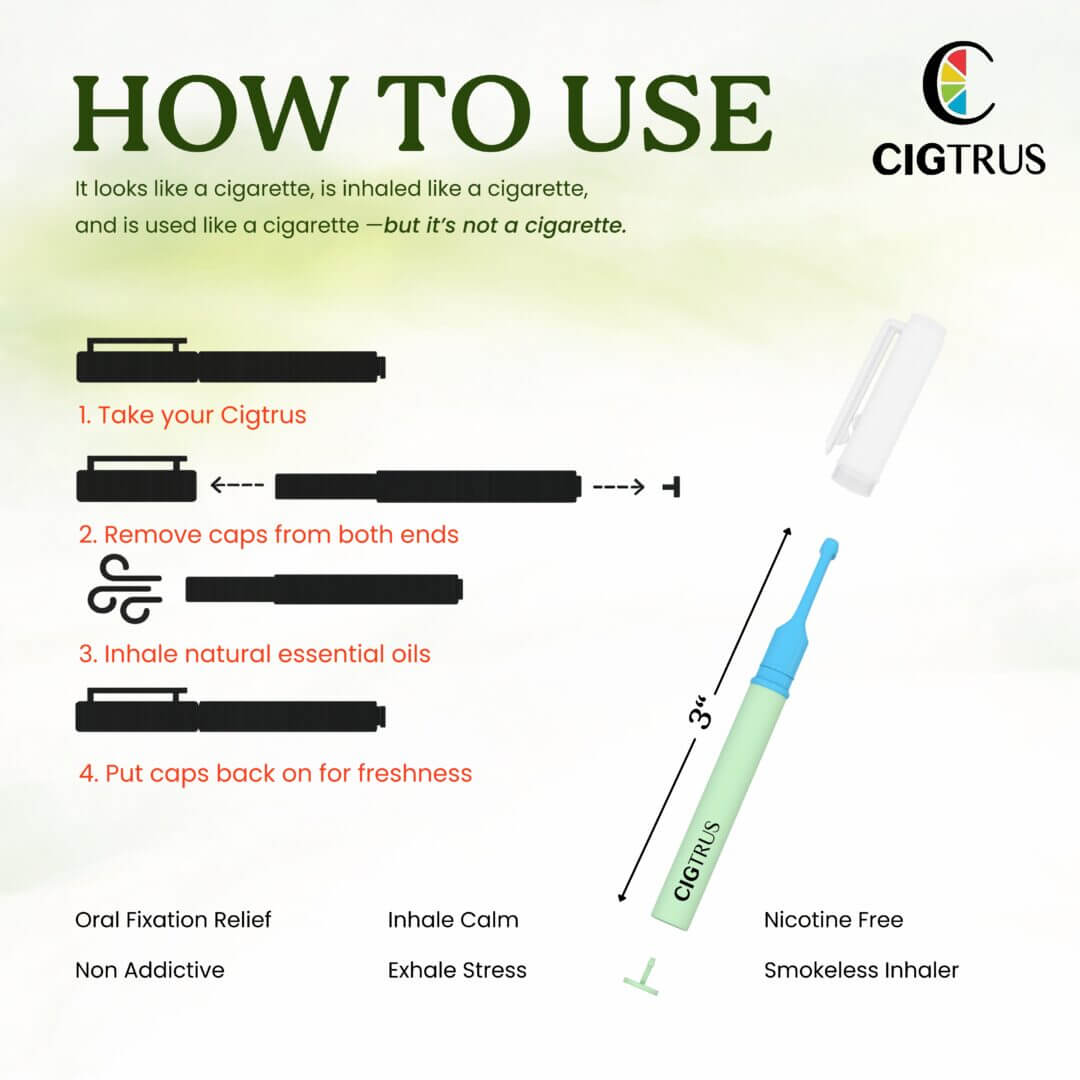
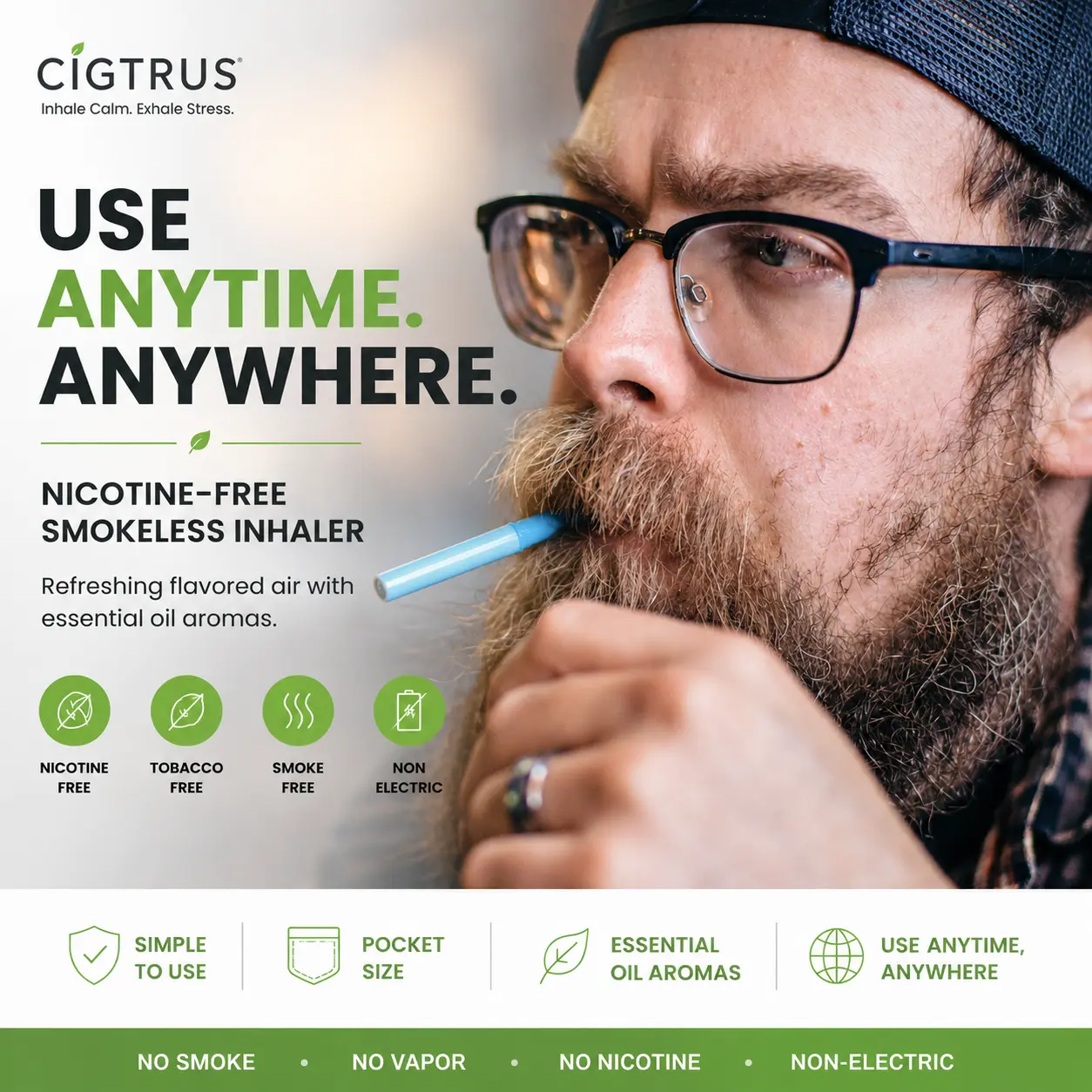
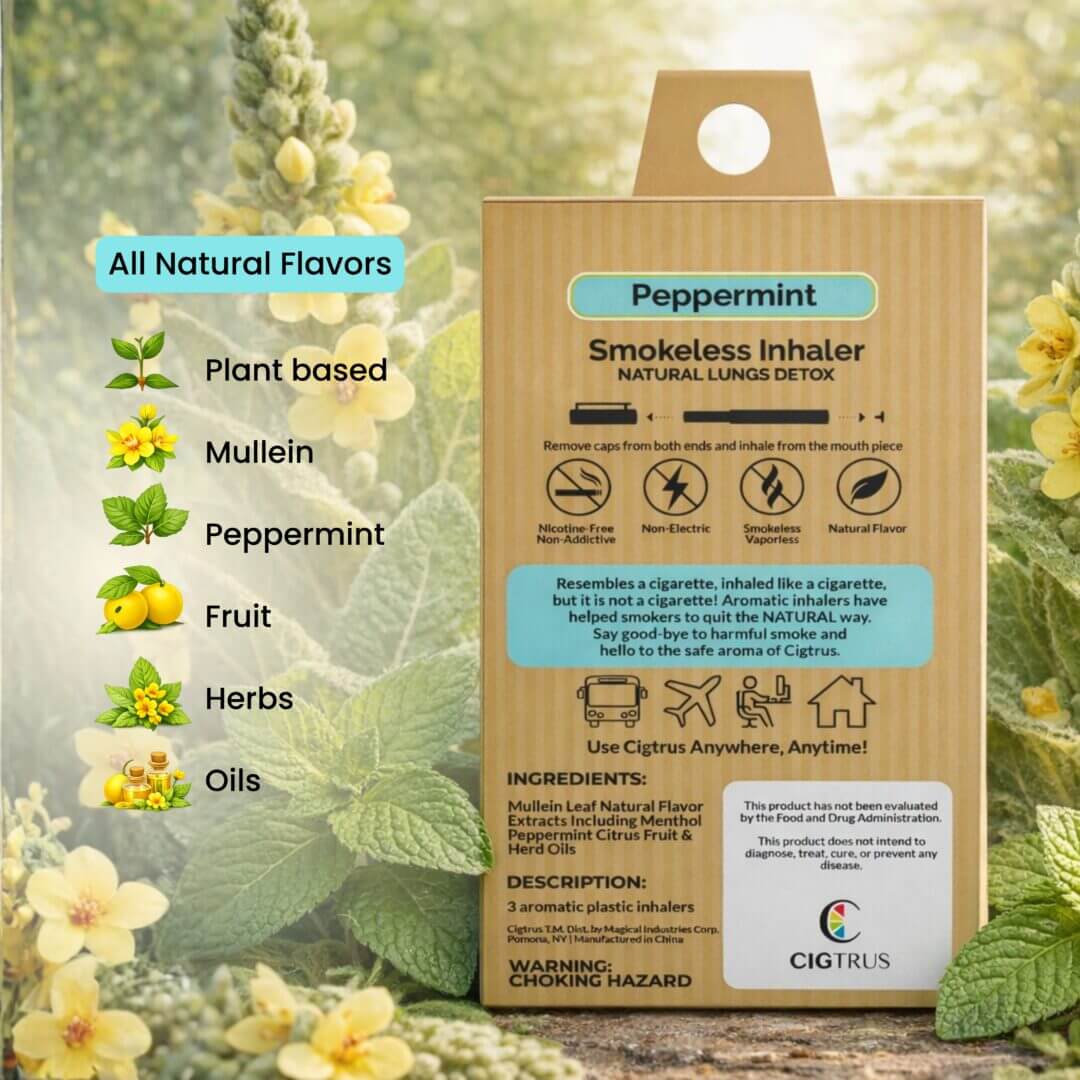
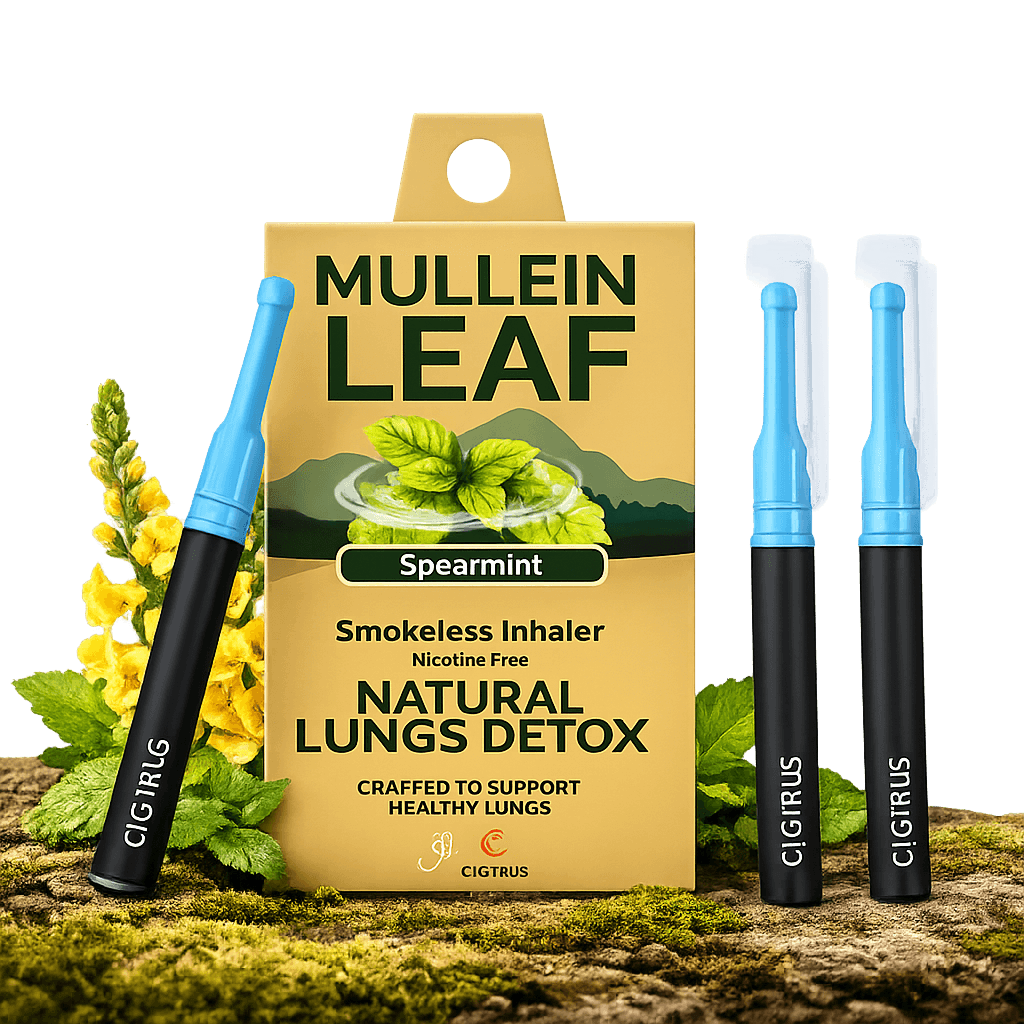
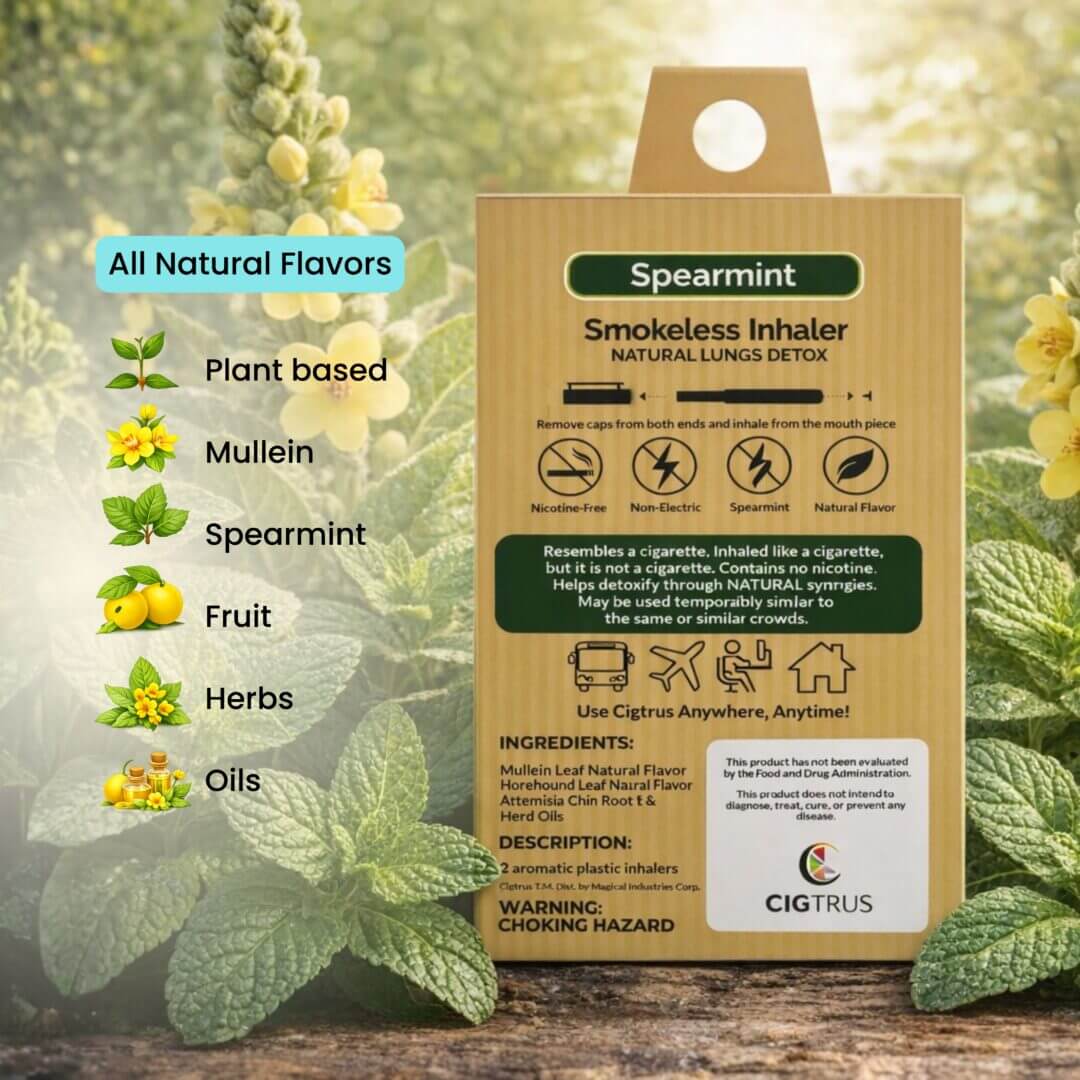
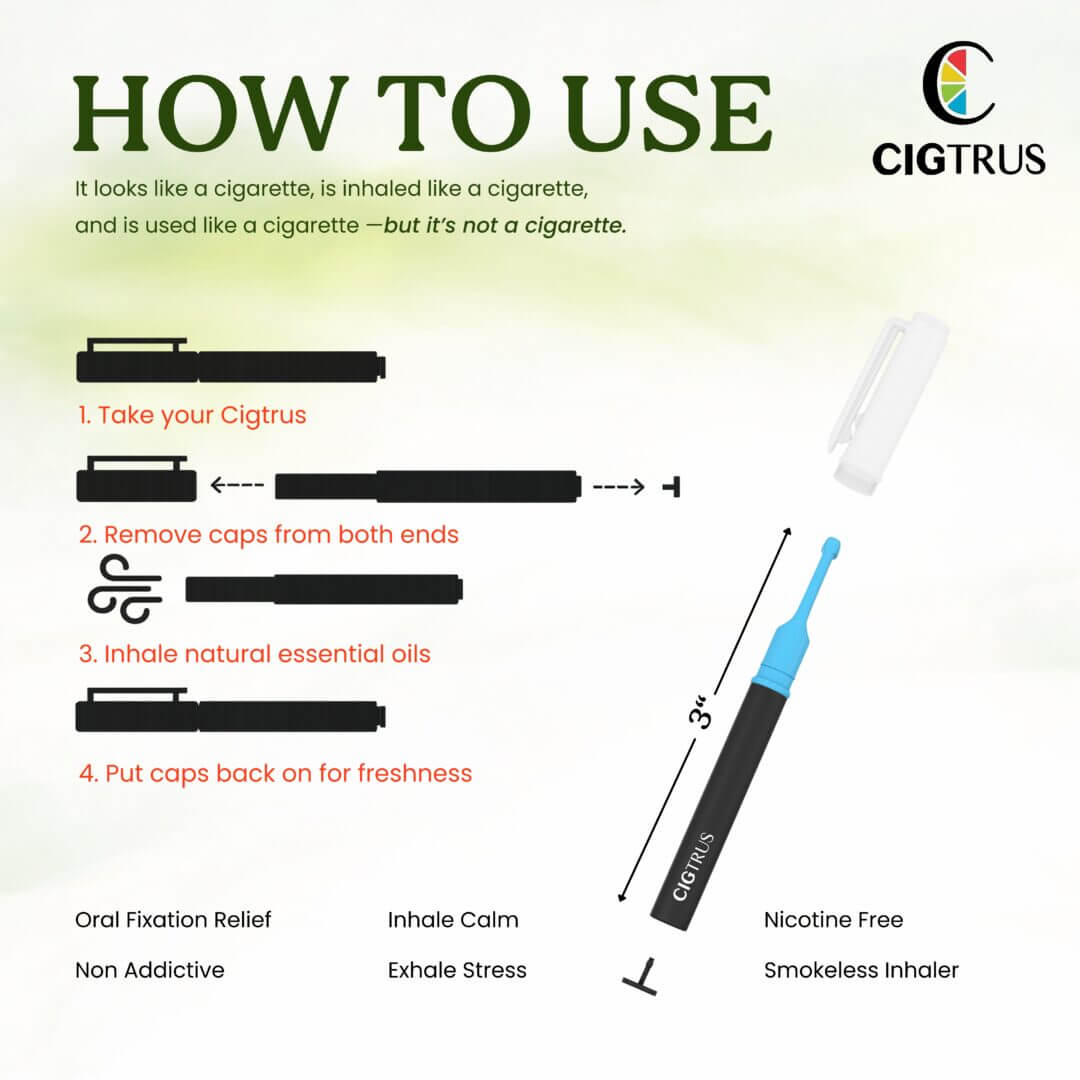
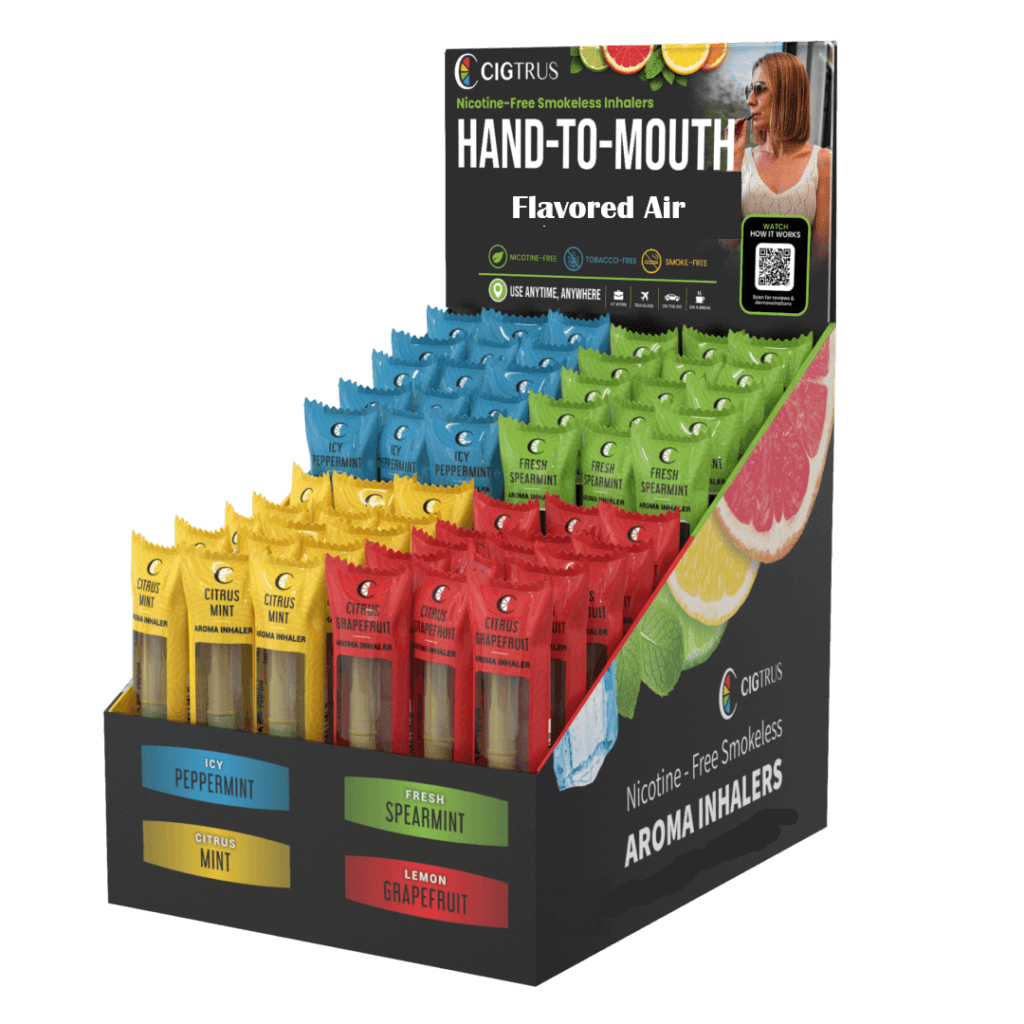
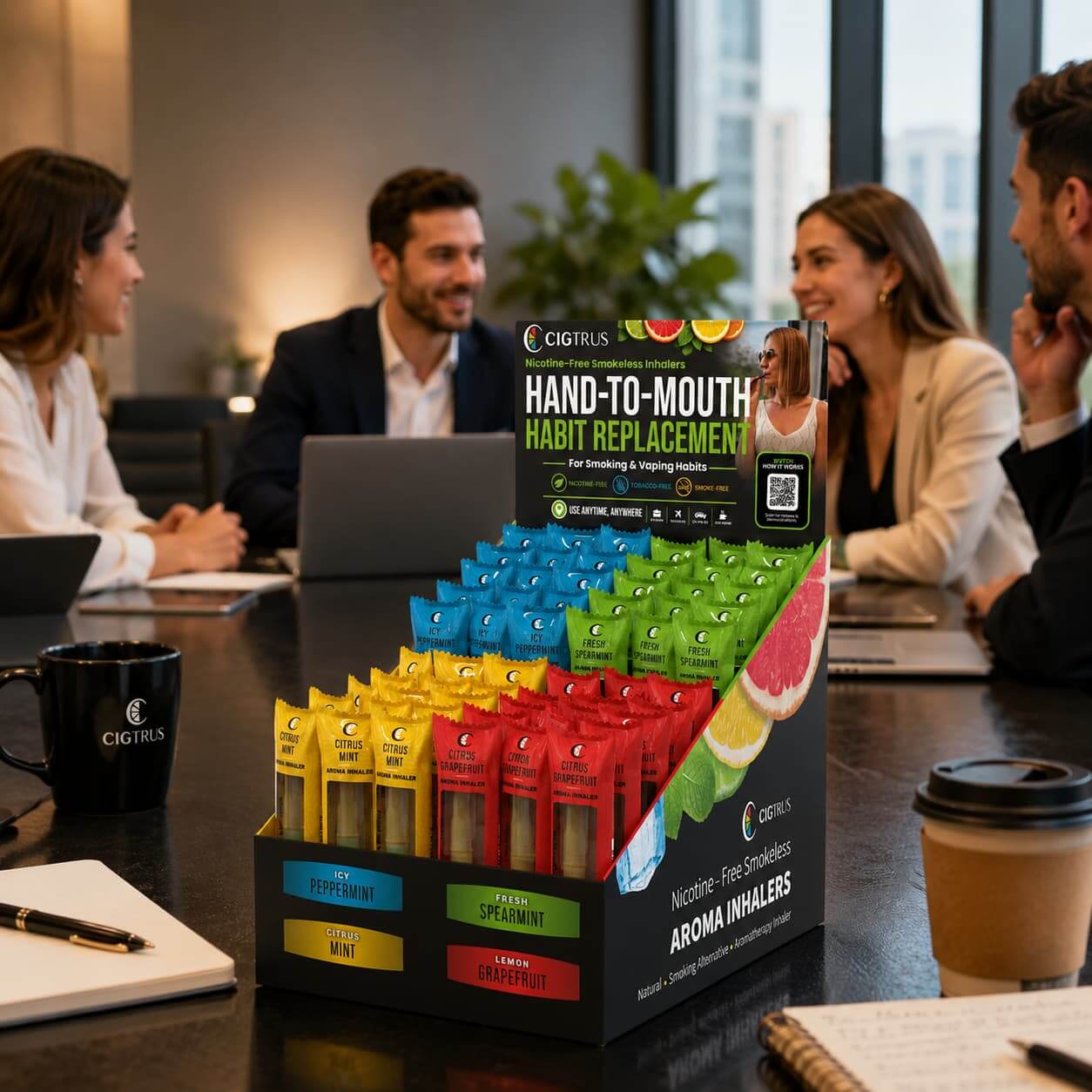
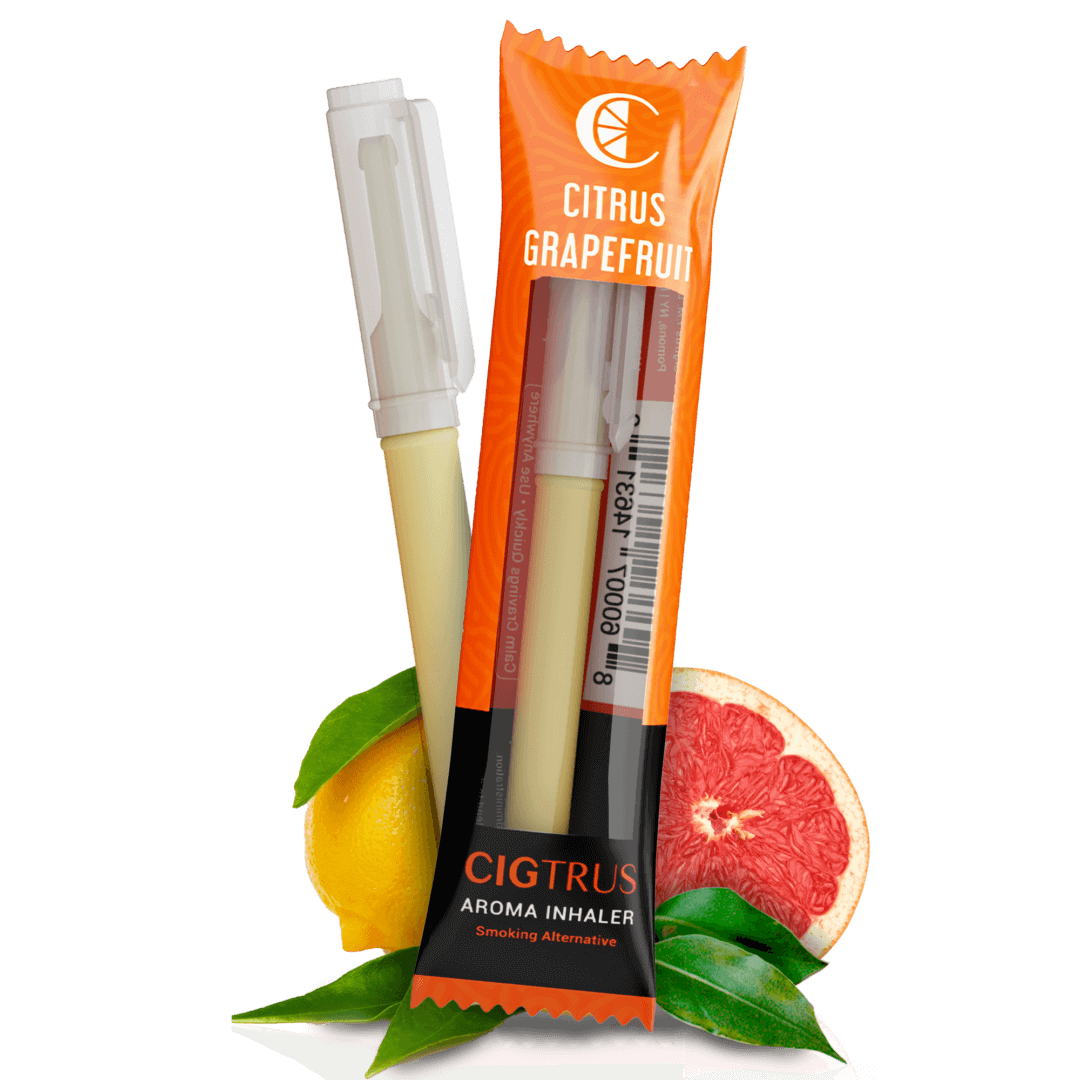
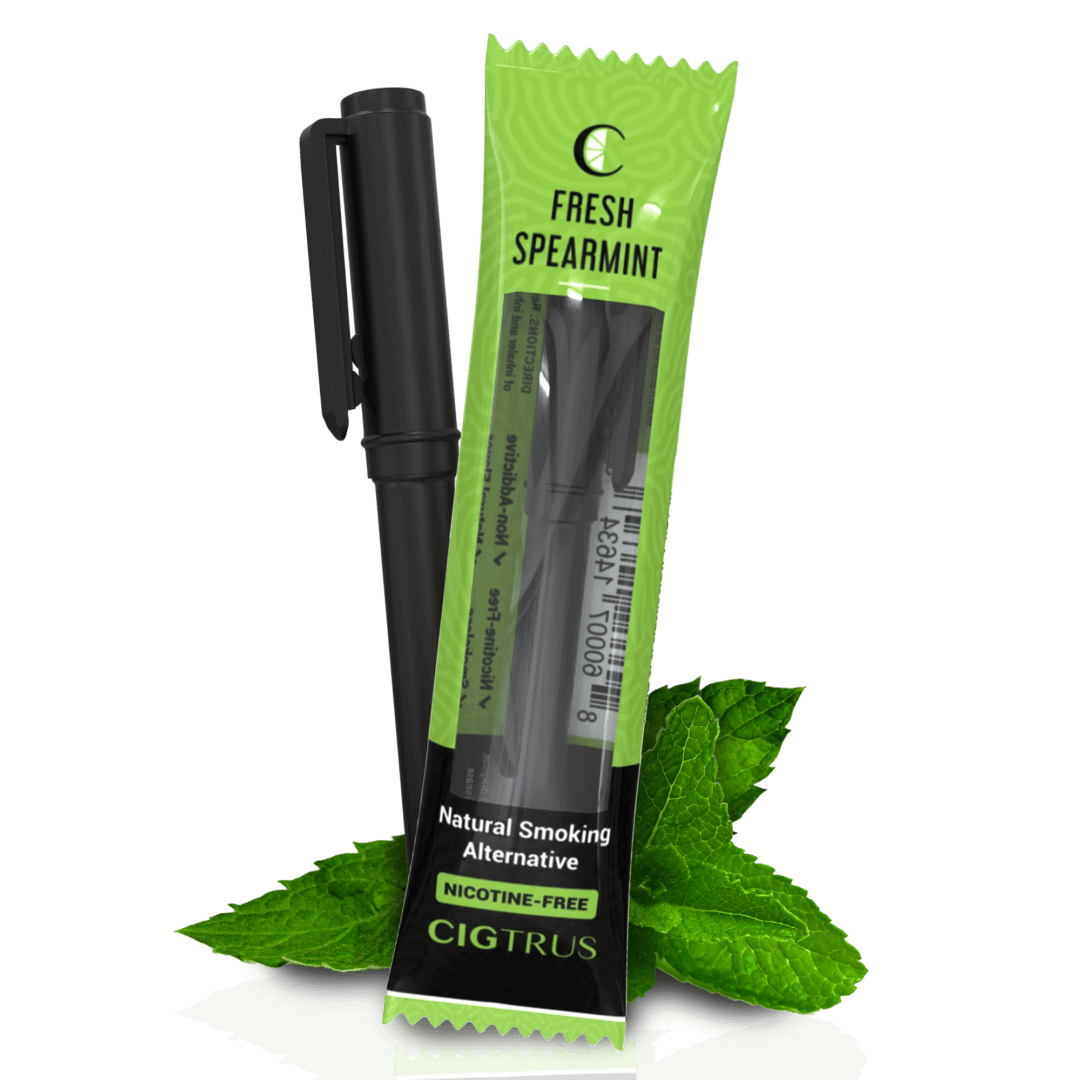
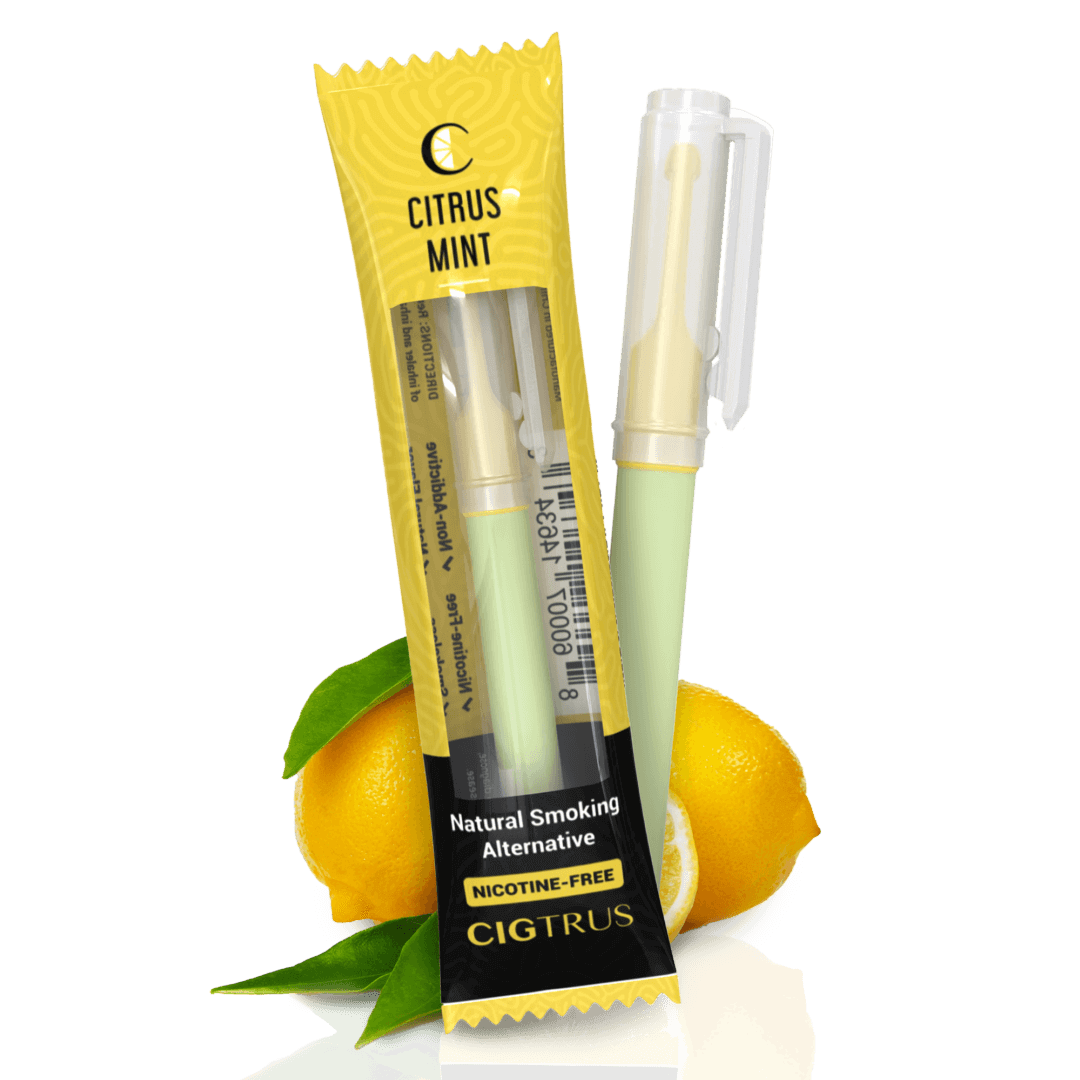
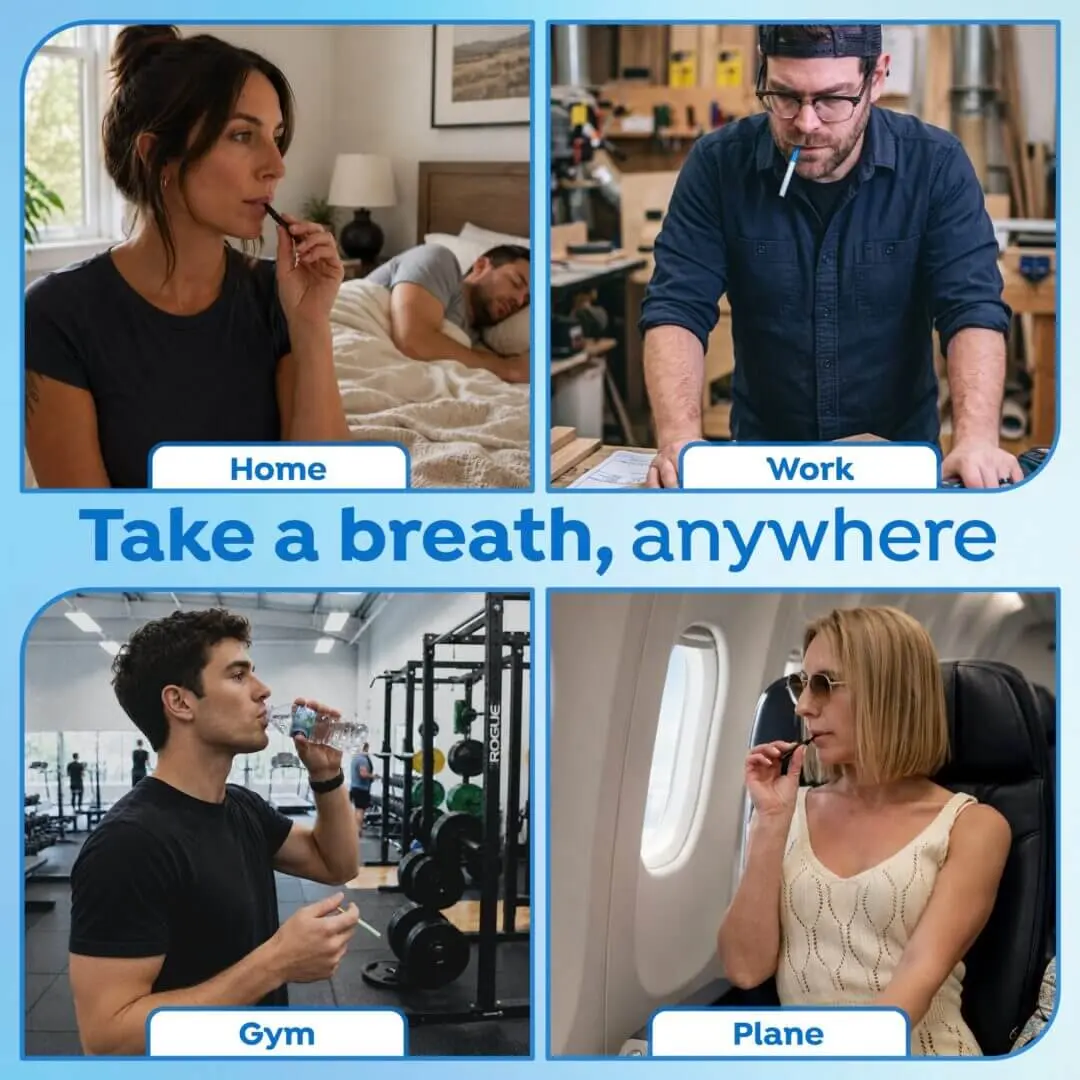
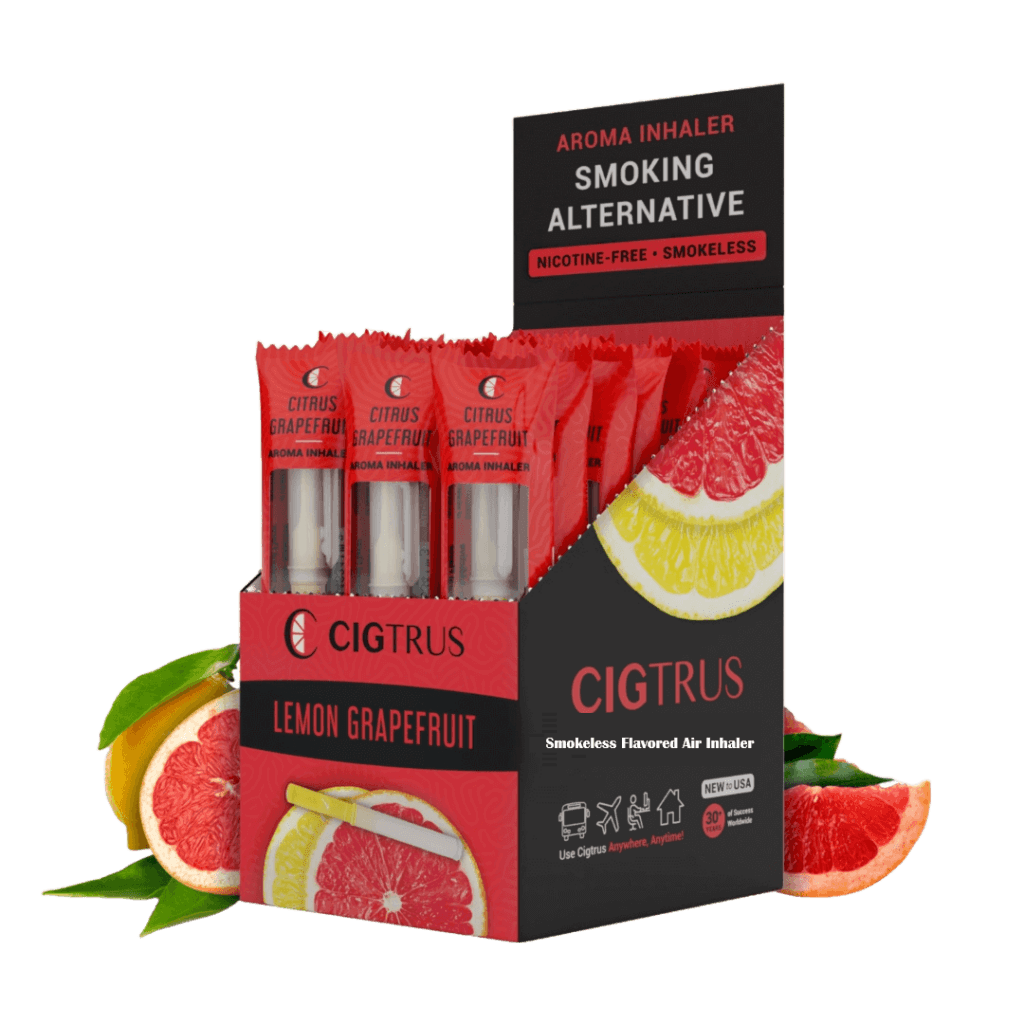
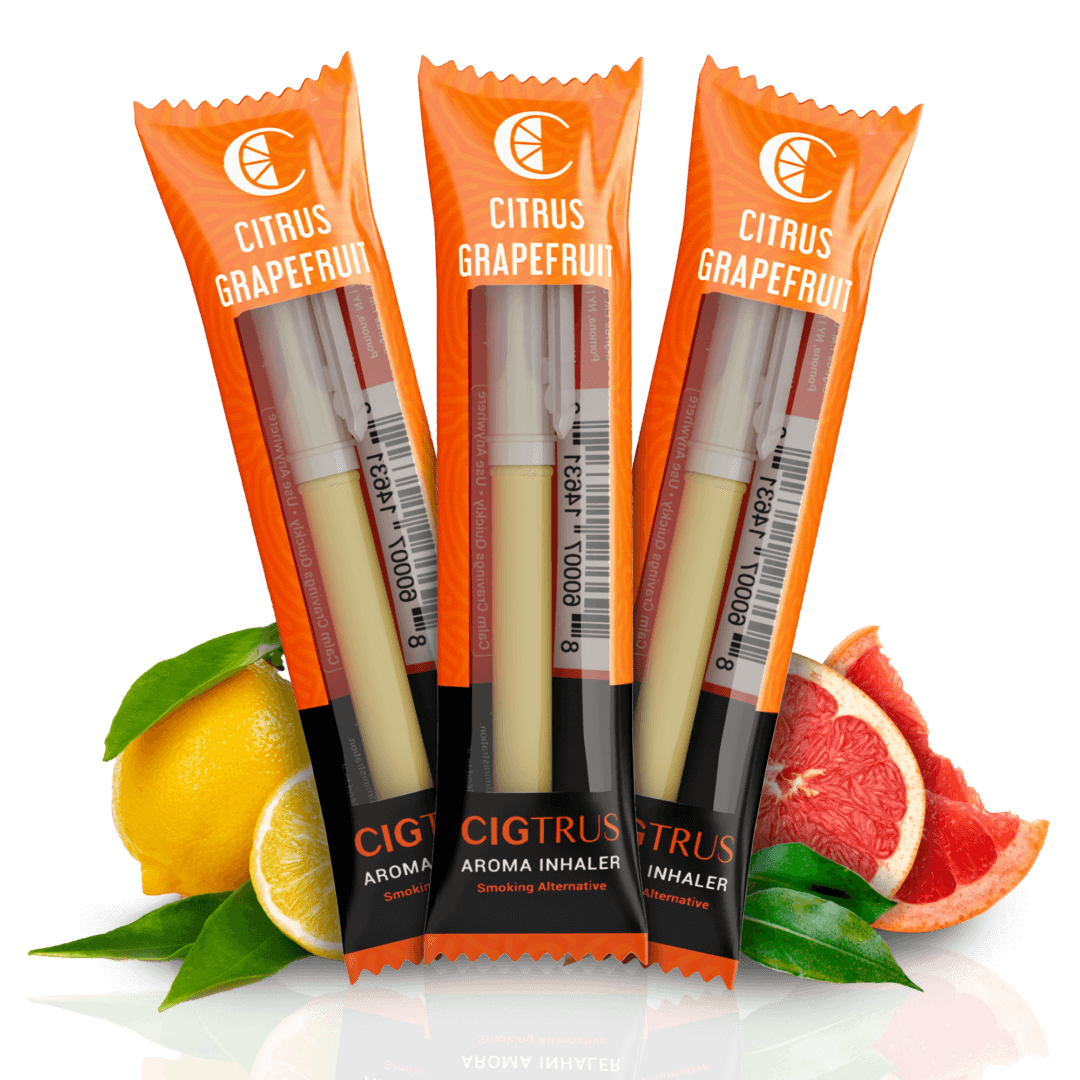
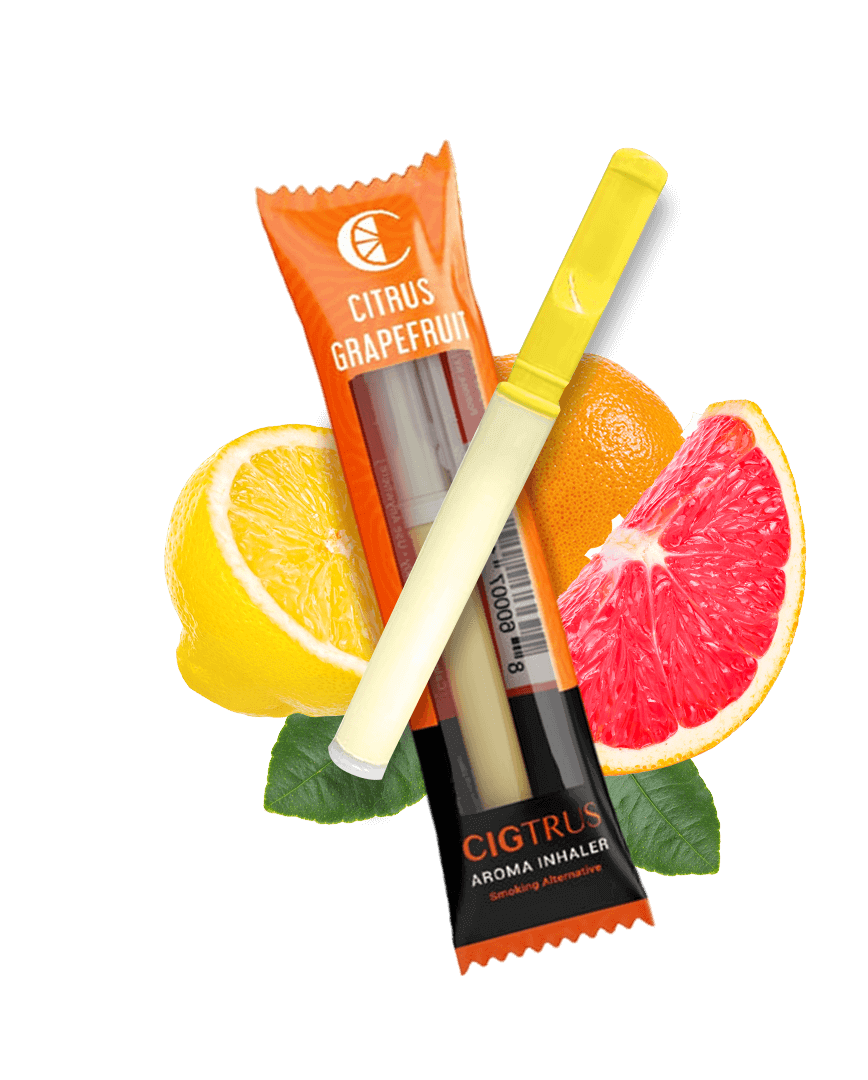
Cigtrus was designed as a non-electric, smokeless inhaler focused on helping support behavioral cravings, oral fixation, smoking routines, sensory familiarity, and hand-to-mouth habits. Instead of continuing nicotine dependence, the focus became helping users gradually move away from smoking behavior itself, through natural food-grade essential oil aromas that satisfy the sensory and behavioral need without any substance delivery. No nicotine, no vapor, no charging, no indoor restrictions. Fits easily into daily routines and is always ready at every familiar trigger moment.
Why Behavioral Support Matters
Smoking habits are often connected to emotional triggers, stress, repetition, and habit memory. That is why quitting often requires more than simply removing nicotine. Behavioral routines usually take time, consistency, and repeated replacement before the brain slowly disconnects smoking from daily situations and emotional patterns. Each trigger handled with a clean behavioral response instead of a cigarette moves that process forward, one moment at a time.
Moving Toward a Smoke-Free Future
For many smokers, the goal is not perfection overnight. The goal is gradually creating healthier routines while reducing dependence on smoking behaviors over time. Cigtrus was created around that idea, helping support the transition away from smoking through nicotine-free behavioral alternatives focused on the routines many smokers struggle to replace. Breaking the cycle is what it was built for.
Break the Cycle. One Trigger at a Time.
Natural aroma, no nicotine, no vapor, behavioral habit replacement built for the routines smoking left behind.
👉 Try the Variety Pack