Introduction
Quitting smoking can be challenging because the habit often goes beyond nicotine alone.
Over time, smoking becomes connected to:
- stress
- daily routines
- emotional situations
- hand-to-mouth habits
- familiar inhalation patterns
That is why many smokers continue struggling even after reducing nicotine.
Today, more adults are exploring natural, smoke-free routines using essential oils to help manage cravings and support healthier daily habits.
The Role of Essential Oils in Smoke-Free Routines
Essential oils are concentrated plant extracts known for their aromatic and calming properties.
They are often used to support:
- relaxation
- stress reduction
- emotional balance
- focus and clarity
When it comes to smoking habits, essential oils may help by:
- reducing stress-related triggers
- creating calming environments
- providing a sensory alternative to smoking
- supporting routine changes throughout the day
Many smokers begin using essential oils not as a replacement for nicotine, but as part of a natural routine that helps shift behavior away from cigarettes.
Why Smoking Cravings Aren’t Always About Nicotine
Essential Oils Commonly Used for Smoking Support
Certain essential oils are commonly used to help reduce cravings and support smoke-free routines:
Peppermint Oil
Refreshing and cooling, peppermint may help reduce cravings and improve focus during difficult moments.
Lavender Oil
Known for its calming effects, lavender may help reduce stress and anxiety—two common smoking triggers.
Lemon Oil
Uplifting and energizing, lemon may help improve mood and support a more positive mindset.
Black Pepper Oil
Some users find black pepper helpful because it mimics aspects of inhalation, offering a familiar sensory experience.
Frankincense Oil
Often used for grounding and emotional balance during stressful situations.
How Essential Oils Support Smoking Habit Change
Essential oils can play a role in building smoke-free routines by helping with:
Craving Awareness
Certain scents may help interrupt cravings and provide a mental reset.
Stress Management
Calming oils may help reduce emotional triggers that often lead to smoking.
Routine Replacement
Using essential oils during typical smoking moments can help create new, healthier habits.
Emotional Support
Quitting smoking is also an emotional process, and essential oils may help support mood and consistency.
How To Use Essential Oils in Daily Life
There are several simple ways to incorporate essential oils into your routine:
Aromatherapy Diffusion
Use a diffuser to create a calming environment at home or work.
Direct Inhalation
Inhale from a tissue or bottle during moments of craving.
Topical Use
Apply diluted oils to pulse points like wrists or temples.
Relaxation Rituals
Use oils during breaks or wind-down time instead of smoking.
Why Habit Replacement Still Matters
While essential oils can help manage stress and support routines, many smokers still struggle with the physical habit of smoking.
That includes:
- hand-to-mouth behavior
- inhalation routines
- repeated daily patterns
That is why combining essential oils with habit replacement often leads to better results.
Breaking the Habit, Not the Ritual
How Cigtrus Complements Essential Oils
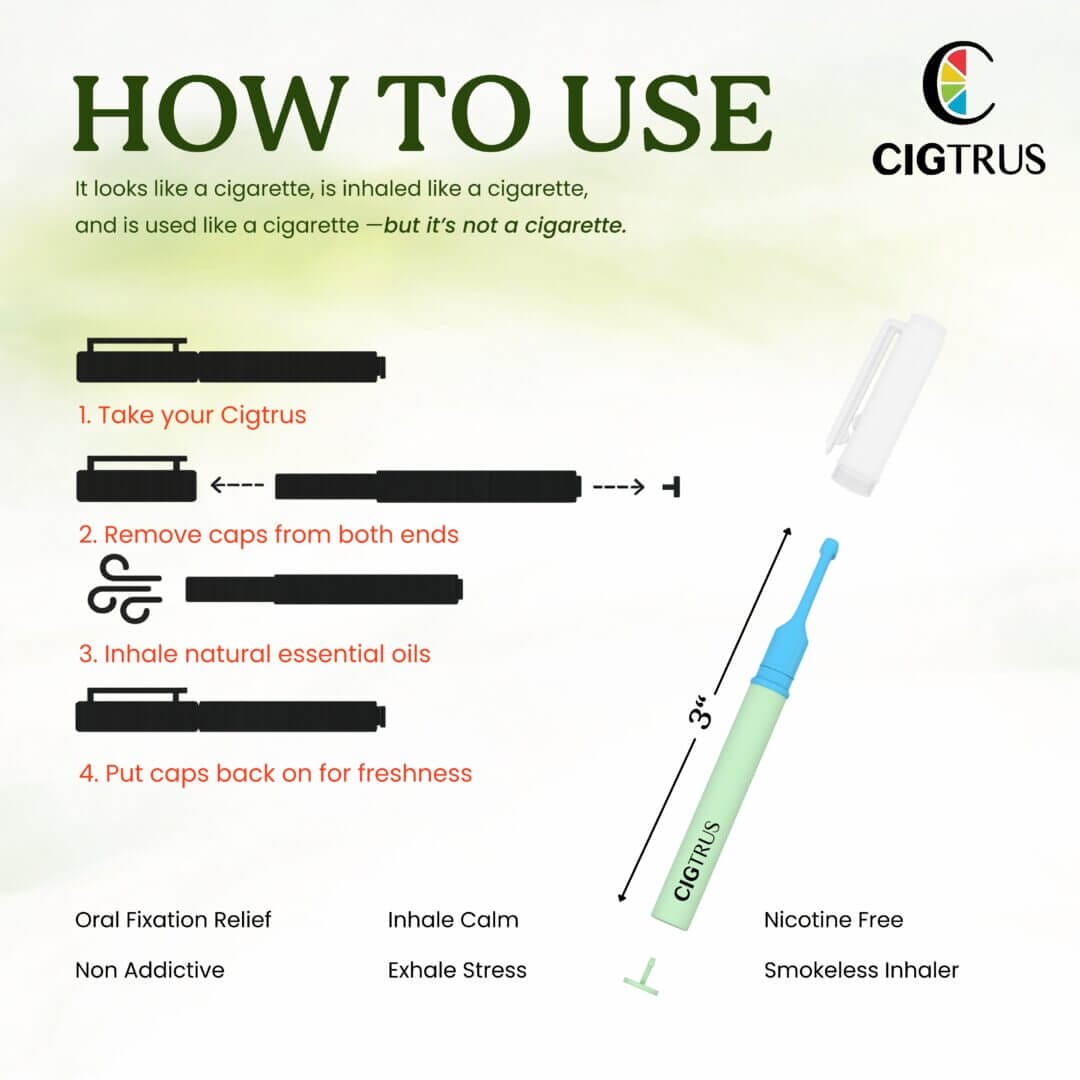
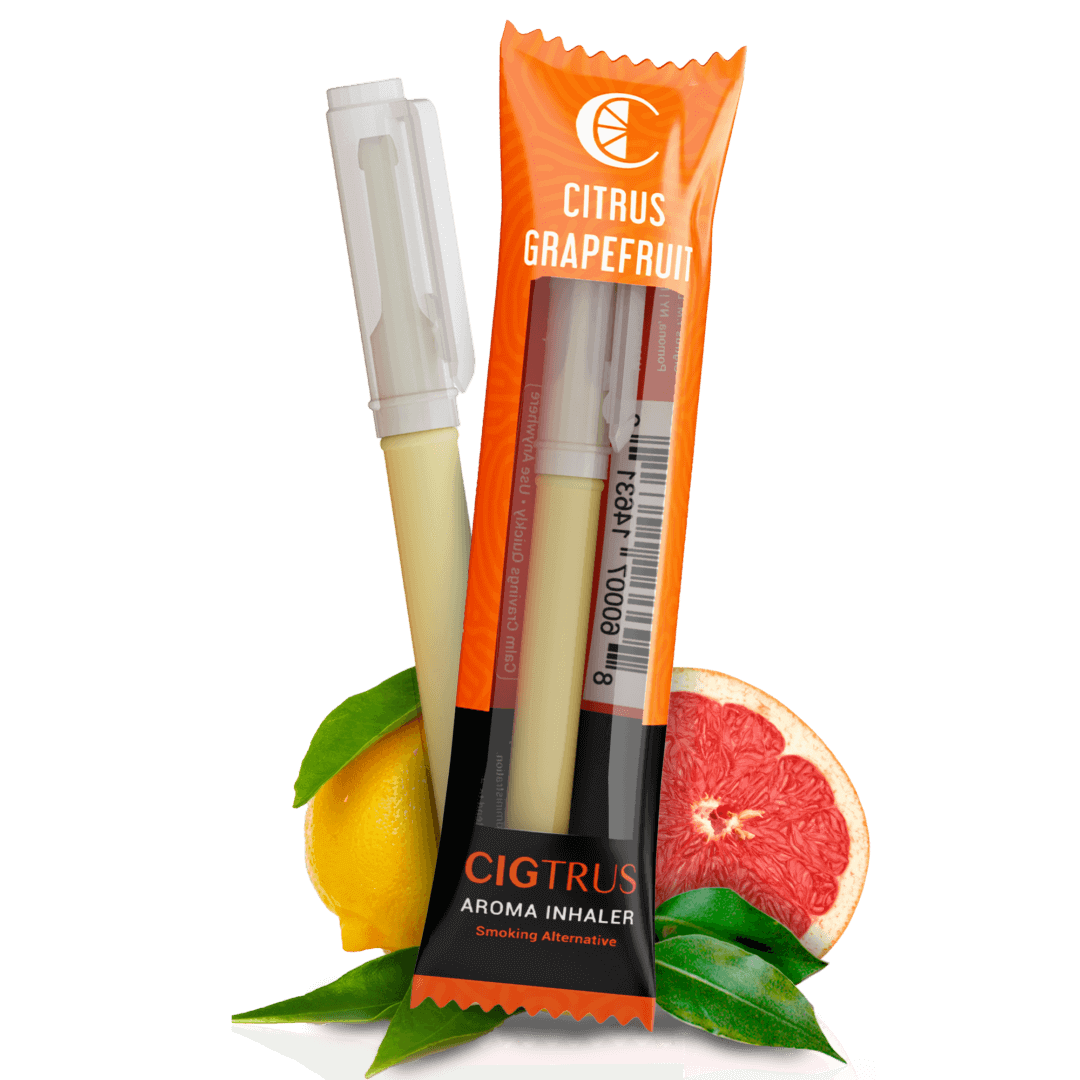
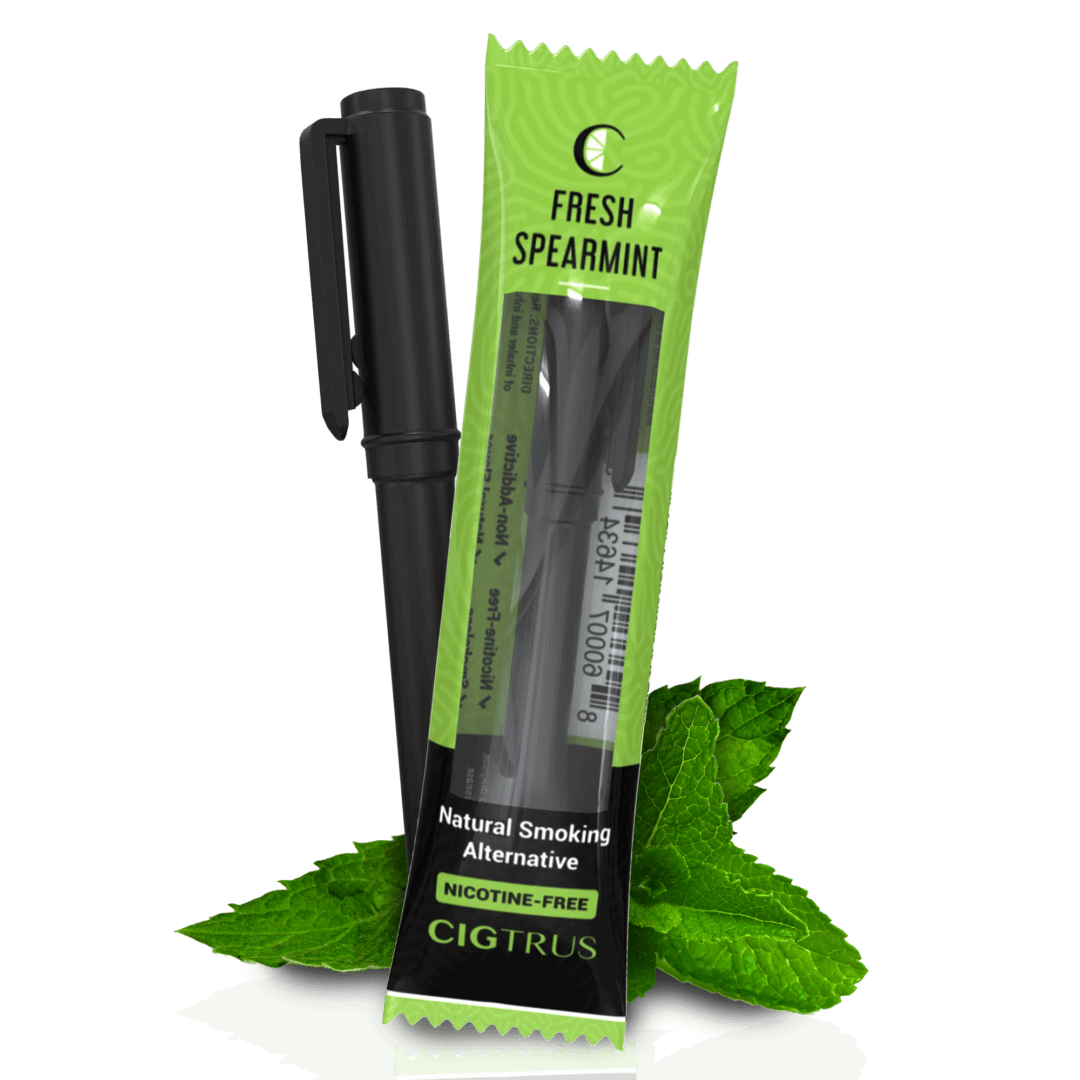
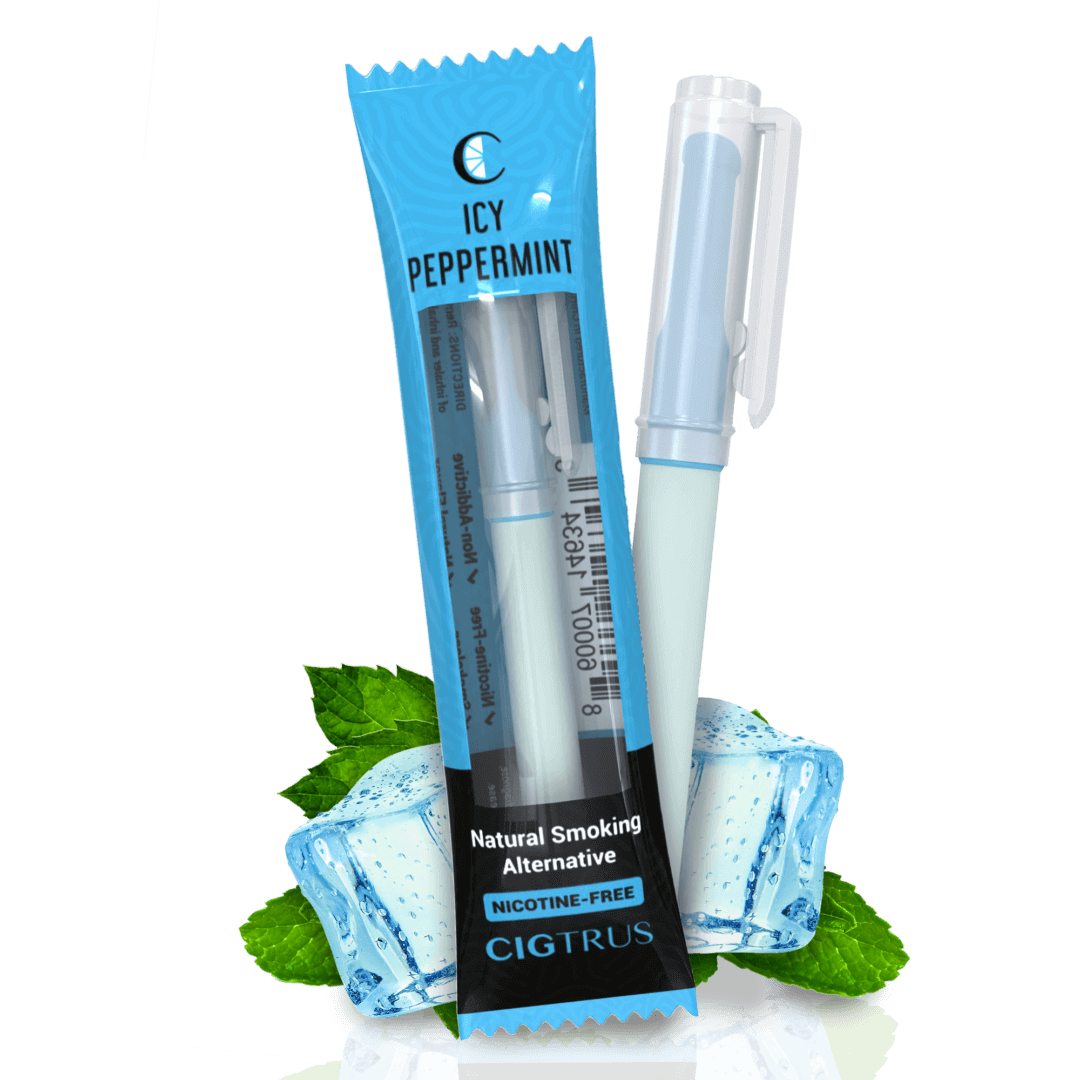
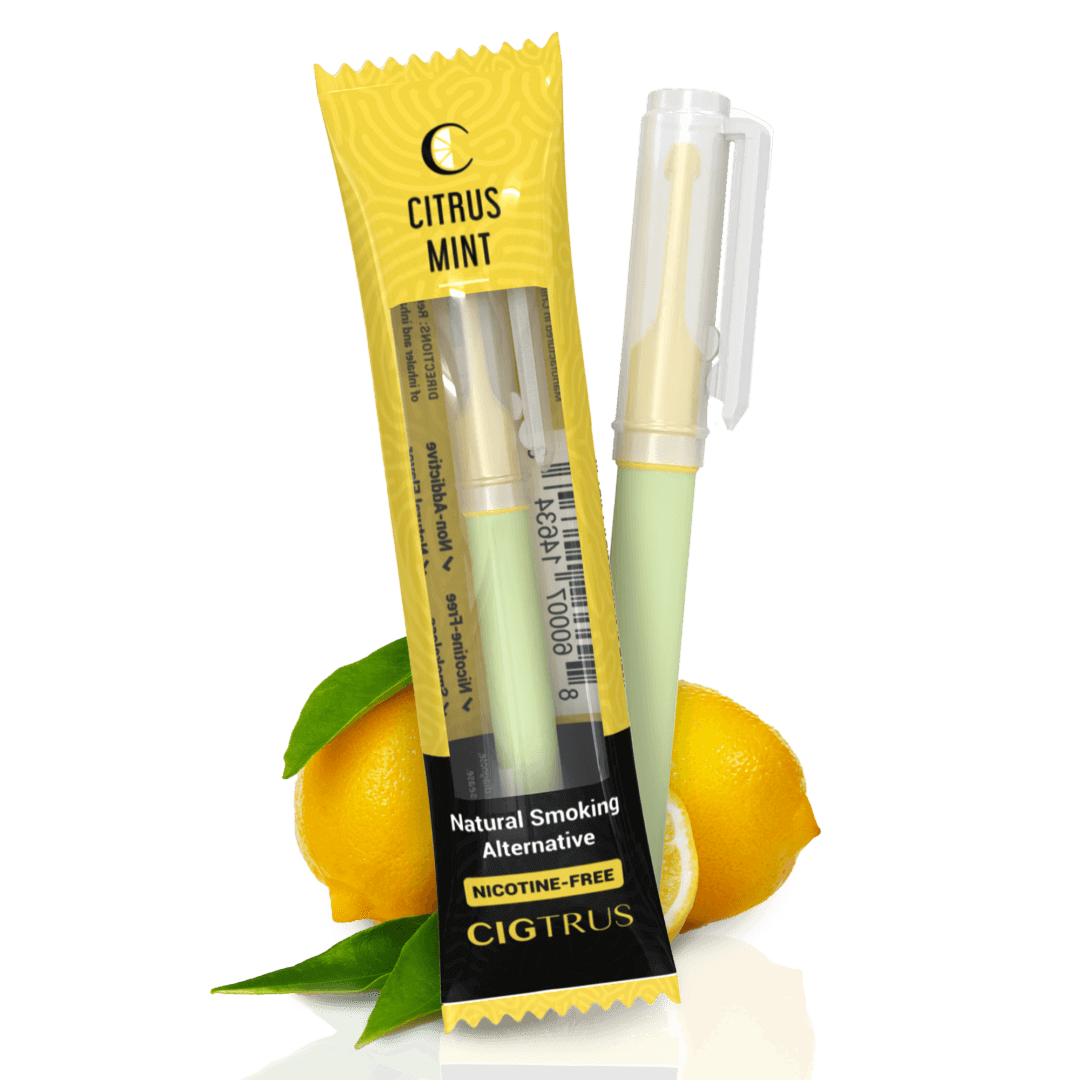
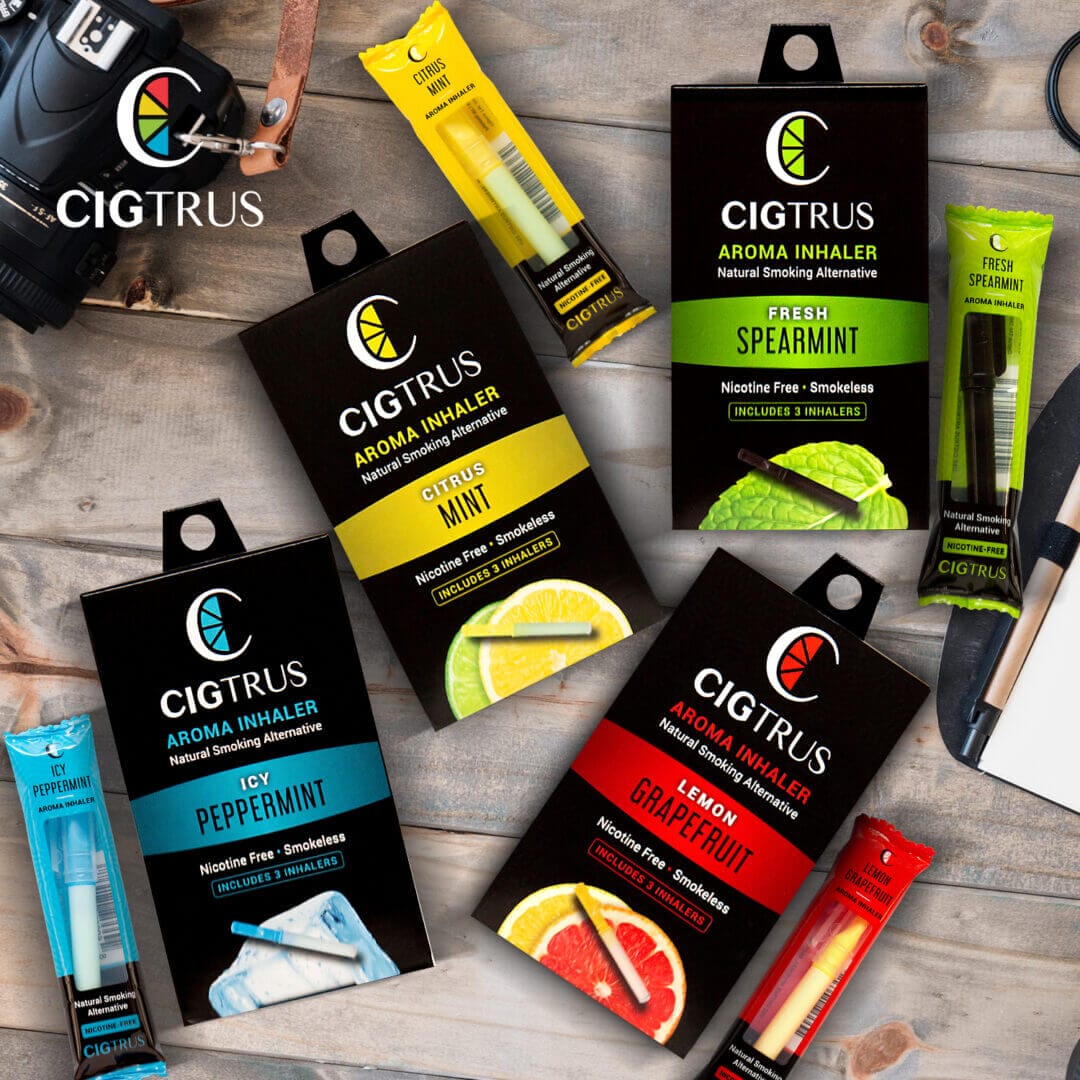
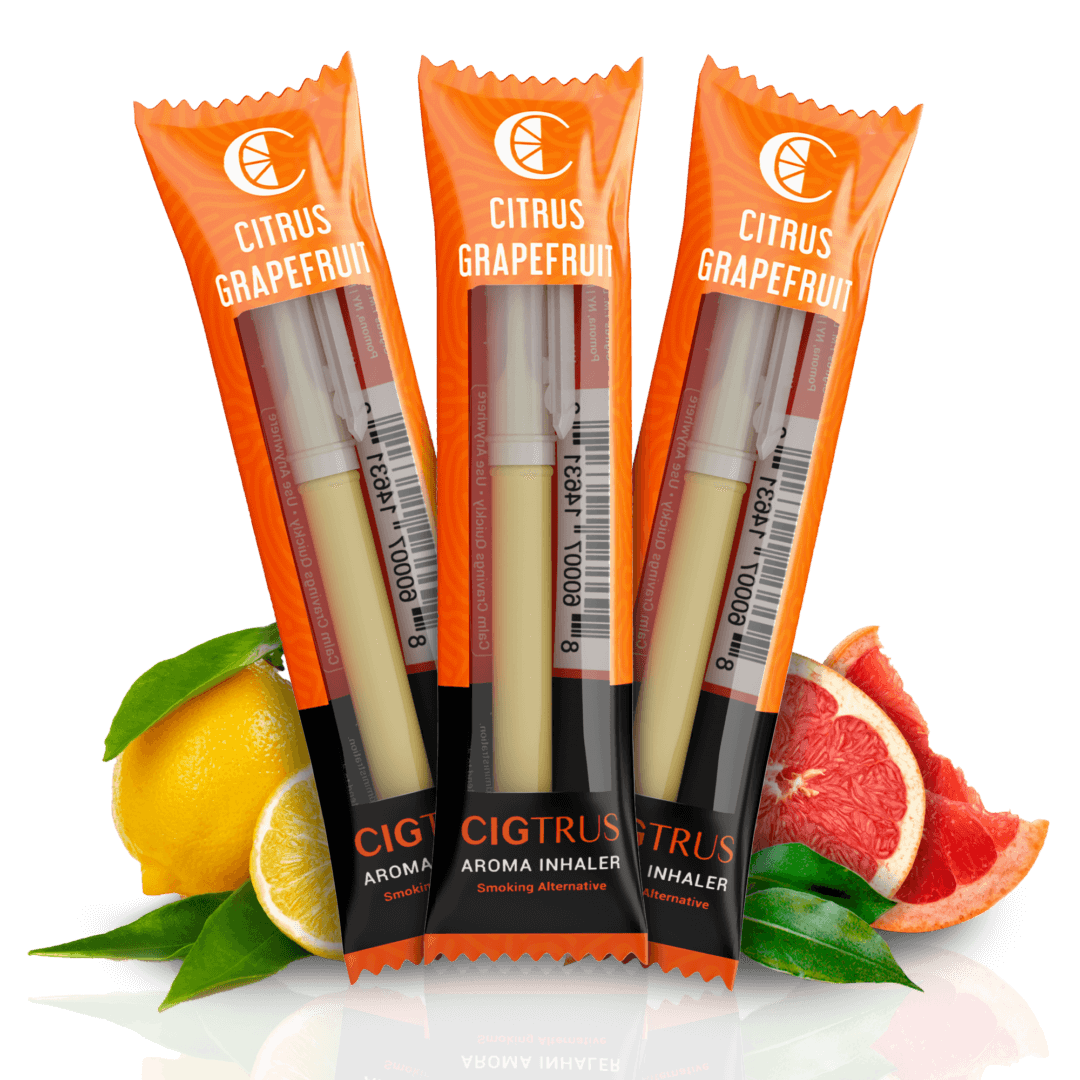
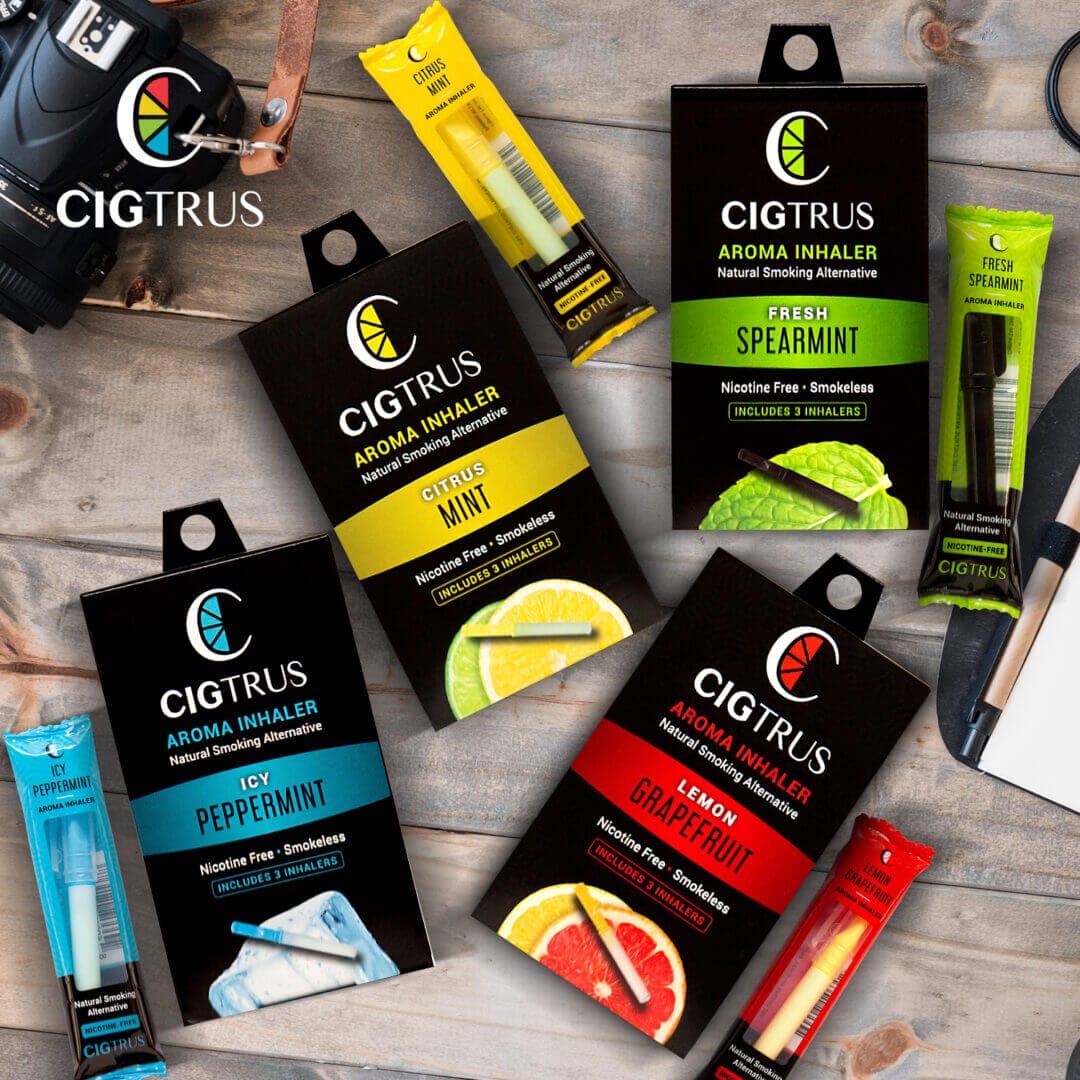
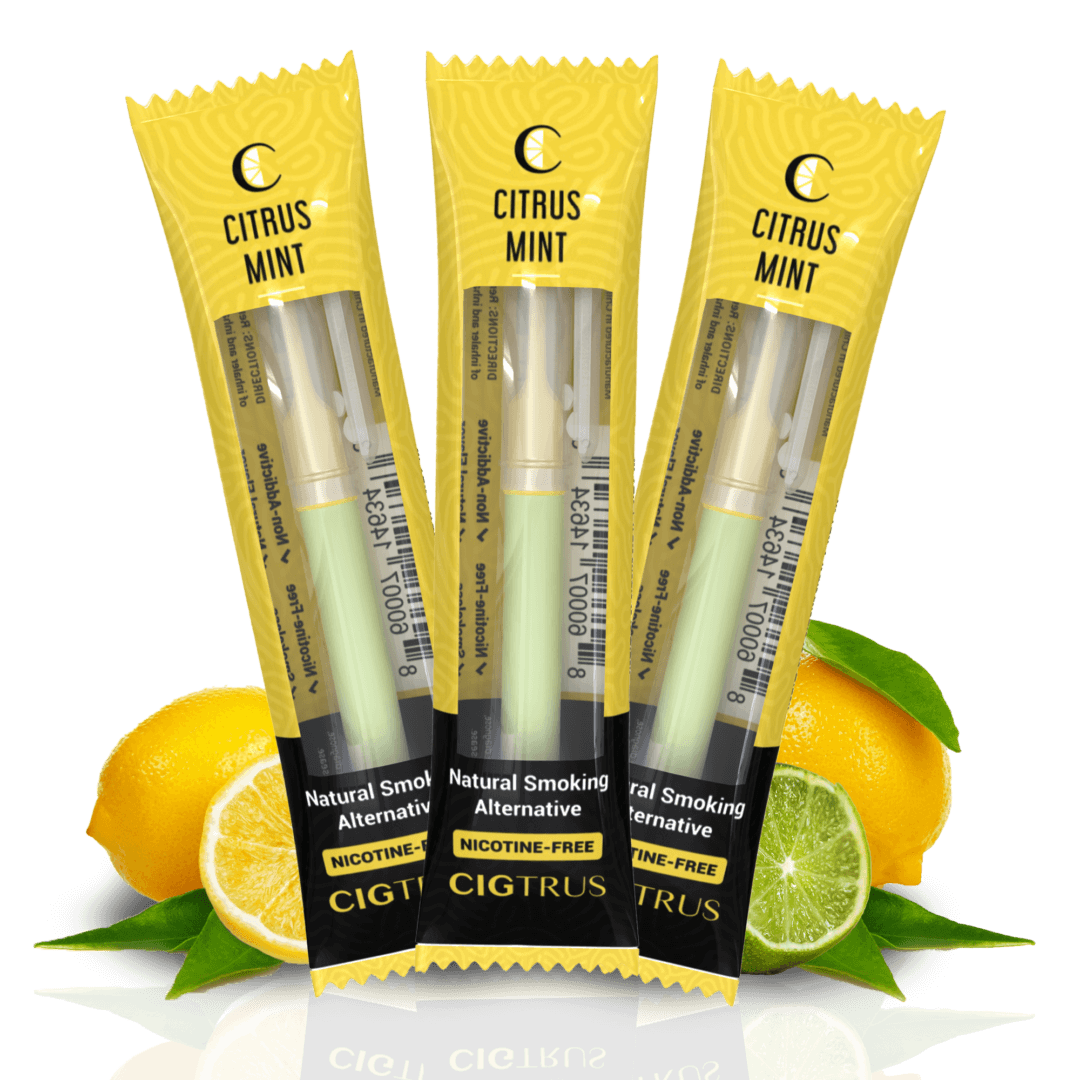
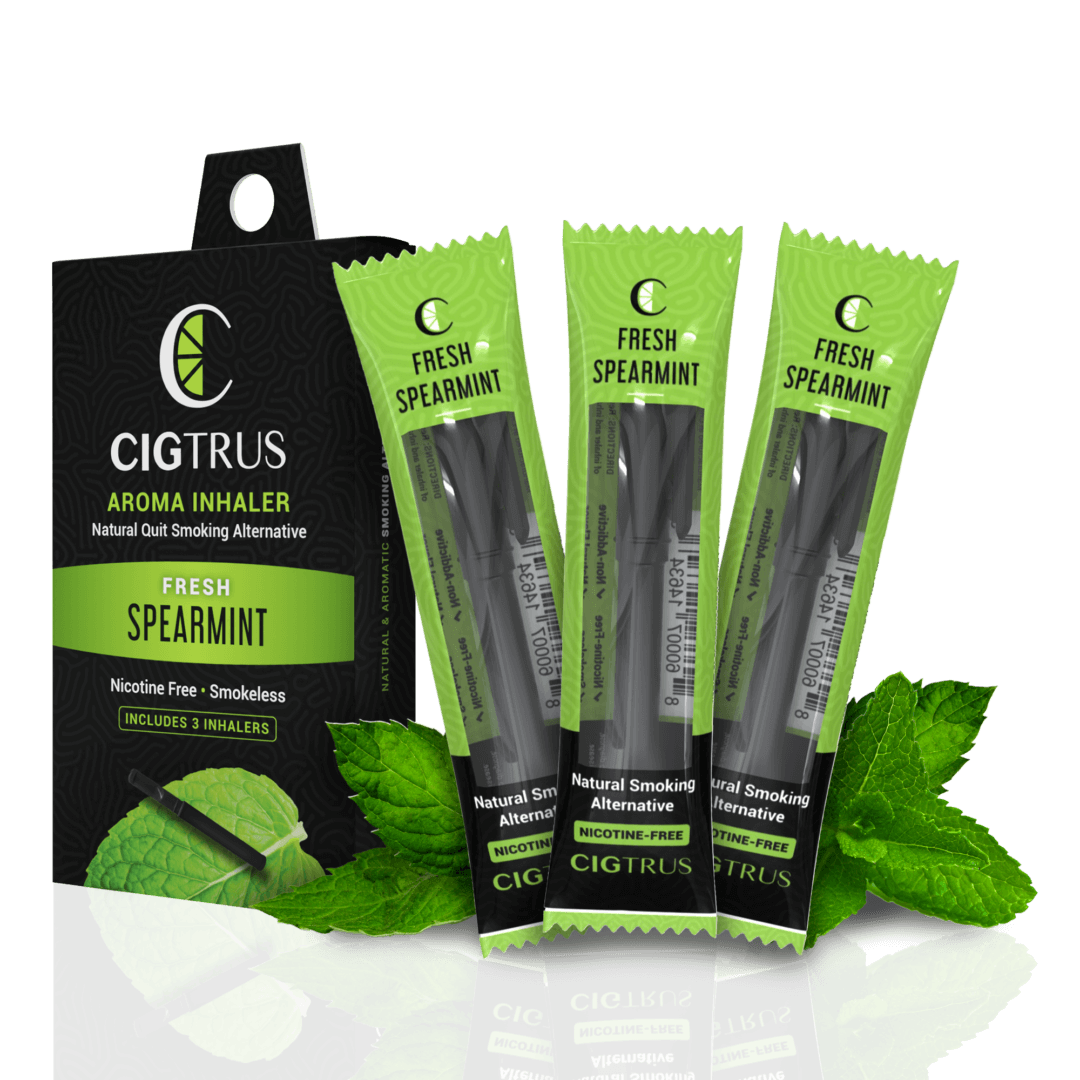
Cigtrus is a nicotine-free, smokeless, non-electric inhaler designed to support:
- hand-to-mouth habit replacement
- familiar inhalation routines
- smoke-free habits
While essential oils help support relaxation and emotional balance, Cigtrus helps replace the physical smoking routine itself.
Many adults use both together:
- essential oils for calming and mood support
- Cigtrus for habit replacement
This combination may feel more natural and sustainable over time.
Conclusion
Building smoke-free habits takes time, consistency, and the right support tools.
Essential oils offer a natural way to:
- reduce stress
- manage cravings
- support routine changes
When combined with habit replacement strategies, they can become part of a more realistic and sustainable path away from smoking.
Frequently Asked Questions
Can essential oils help reduce smoking cravings?
Some people use essential oils to help manage stress and interrupt cravings during difficult moments.
Which essential oils are best for smoking habits?
Peppermint, lavender, lemon, black pepper, and frankincense are commonly used.
Do essential oils replace nicotine?
No, but they may help support the emotional and routine side of smoking habits.
Are essential oils enough to quit smoking?
For many people, combining essential oils with habit replacement tools leads to better results.
What helps replace the physical smoking habit?
Tools that support hand-to-mouth routines and inhalation habits can help replace the physical side of smoking.