
Nicotine-Free Ways to Quit Smoking That Actually Work
If you want to quit smoking without continuing nicotine, it helps to understand that smoking is not only about what is inside the cigarette. Years of smoking can also build a powerful routine around your hands, mouth, daily triggers, stress, coffee, driving, meals, and the familiar act of inhaling.
Nicotine-free ways to quit smoking can include behavioral habit replacement, trigger planning, counseling, mindfulness, physical activity, breathing techniques, and nicotine-free smokeless inhalers. The goal is not simply to remove nicotine. It is also to build new responses for the situations and hand-to-mouth routines that became connected with smoking.
This distinction is important.
Nicotine dependence is real, and nicotine withdrawal can be difficult.
But nicotine is not the only thing a smoker becomes accustomed to.
Morning coffee may have included a cigarette for years.
Driving may automatically mean reaching for one.
Stress may trigger the familiar thought of stepping away and smoking.
Finishing dinner may immediately make something feel missing.
Those connections are part of the smoking routine, and simply deciding not to smoke does not instantly erase them.
Why Quitting Smoking Is Not Only About Nicotine
Think about what actually happens when someone smokes.
The hand reaches for the cigarette.
The cigarette comes to the mouth.
The person draws in.
There is a pause.
Then the sequence repeats.
Do that many times a day for years and the physical routine itself can become deeply familiar.
The same is true of the situations surrounding smoking.
- Morning coffee
- Driving to work
- Taking a break
- Finishing a meal
- Feeling stressed
- Talking on the phone
- Being around other smokers
- Feeling bored
This is the behavioral side of smoking.
Nicotine-focused products and behavioral habit replacement are therefore addressing two different parts of the same experience.
A nicotine patch can address nicotine.
It cannot give your hand something to reach for when you get into the car.
It cannot reproduce the familiar hand-to-mouth motion after dinner.
“Quitting smoking is not only about what you remove. It is also about what you do when the moments that used to belong to smoking come back.”
Nicotine-Free Ways to Quit Smoking
There is no single method that is right for everyone. A nicotine-free approach can involve several strategies working together, especially when those strategies address the situations where smoking normally happens.
Behavioral Habit Replacement
Identify the physical routines connected with smoking and prepare another response for those moments instead of leaving the old routine completely empty.
Trigger Mapping
Write down when you normally smoke. Coffee, driving, meals, stress, work breaks, and social situations are common triggers that can be planned for in advance.
Mindfulness and Breathing
Slow breathing and mindfulness can create a deliberate pause when stress or emotion would normally trigger the automatic smoking response.
Physical Activity
Walking, exercise, or simply changing your environment can interrupt a familiar smoking moment and give the body another activity.
Nicotine-Free Smokeless Inhalers
A non-electric smokeless inhaler can provide a familiar hand-to-mouth and drawing experience without nicotine, tobacco, smoke, or electronic vaping.
Behavioral Support
Counseling, quit-smoking programs, support groups, friends, or family can help identify triggers, build new routines, and provide accountability.
The important point is not that every person needs every method.
It is that quitting becomes easier to understand when you stop treating every difficult moment as exactly the same problem.
Learn the Difference Between Nicotine Withdrawal and a Habit Trigger
When the urge to smoke appears, ask yourself what happened immediately before it.
Recognizing the trigger gives you something specific to work on.
Instead of simply thinking, “I need a cigarette,” you can begin recognizing:
“Coffee is triggering my old smoking routine.”
Or:
“I am stressed, and smoking used to be what I did during this moment.”
That is a much more useful problem to solve.
Why Switching to a Zero-Nicotine Vape Is Different
A zero-nicotine vape may remove nicotine from the product.
But if your goal is to stop vaping as well as nicotine, it is worth looking at what remains.
You still carry a vape.
You still bring it to your mouth.
You still draw from it repeatedly.
You still use an electronic device with a battery and heating system.
You still create vape aerosol.
And you can still repeat the same vaping behavior during the same situations throughout the day.
In other words, removing nicotine from a vape and replacing the vaping habit are not necessarily the same thing.
“If your goal is to leave vaping behind, replacing a nicotine vape with another vape may change the nicotine while leaving much of the routine exactly where it was.”
What to Look for in a Nicotine-Free Habit Replacement
If the hand-to-mouth routine is one of the things you miss most, look for something that addresses that behavior without simply recreating another cigarette or electronic vape.
How Cigtrus Fits Into Nicotine-Free Habit Replacement
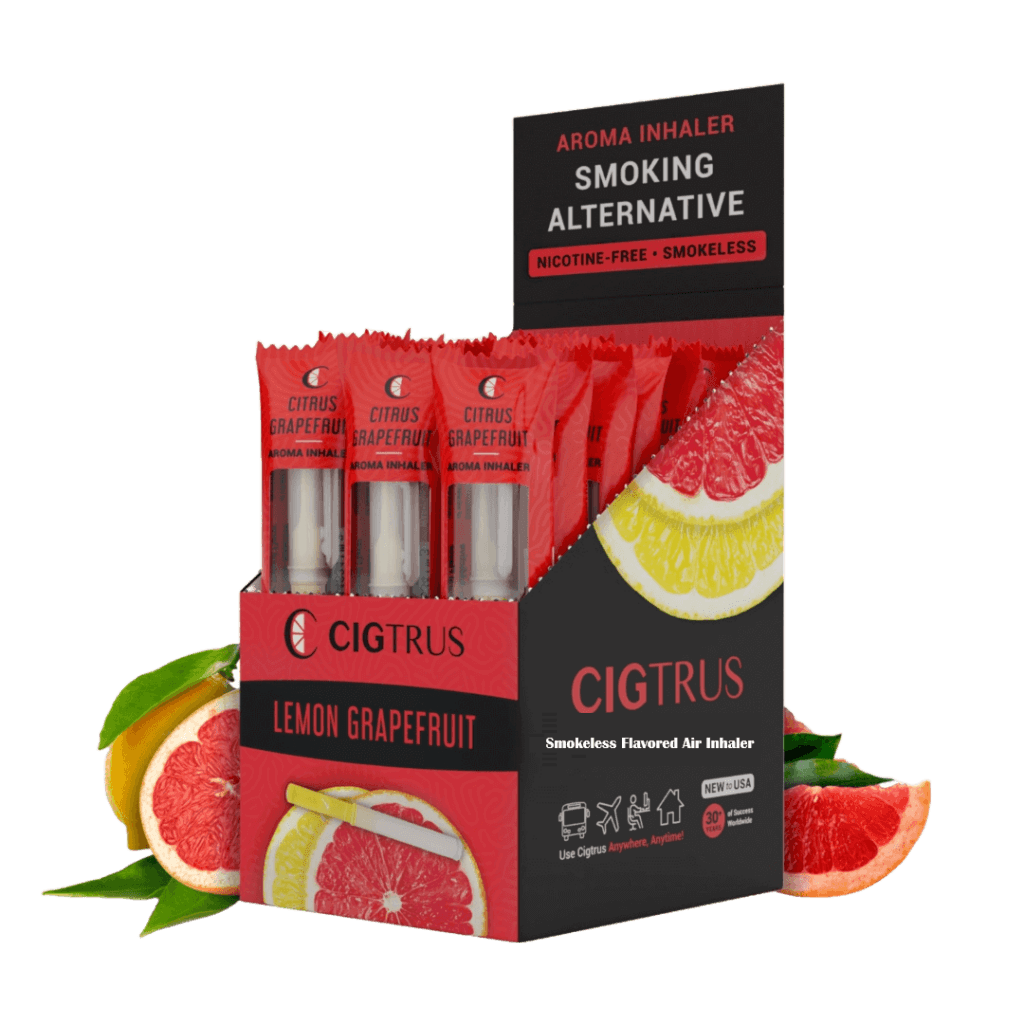
Cigtrus was designed around the part of smoking and vaping that nicotine-focused products do not physically reproduce:
the familiar hand-to-mouth routine.
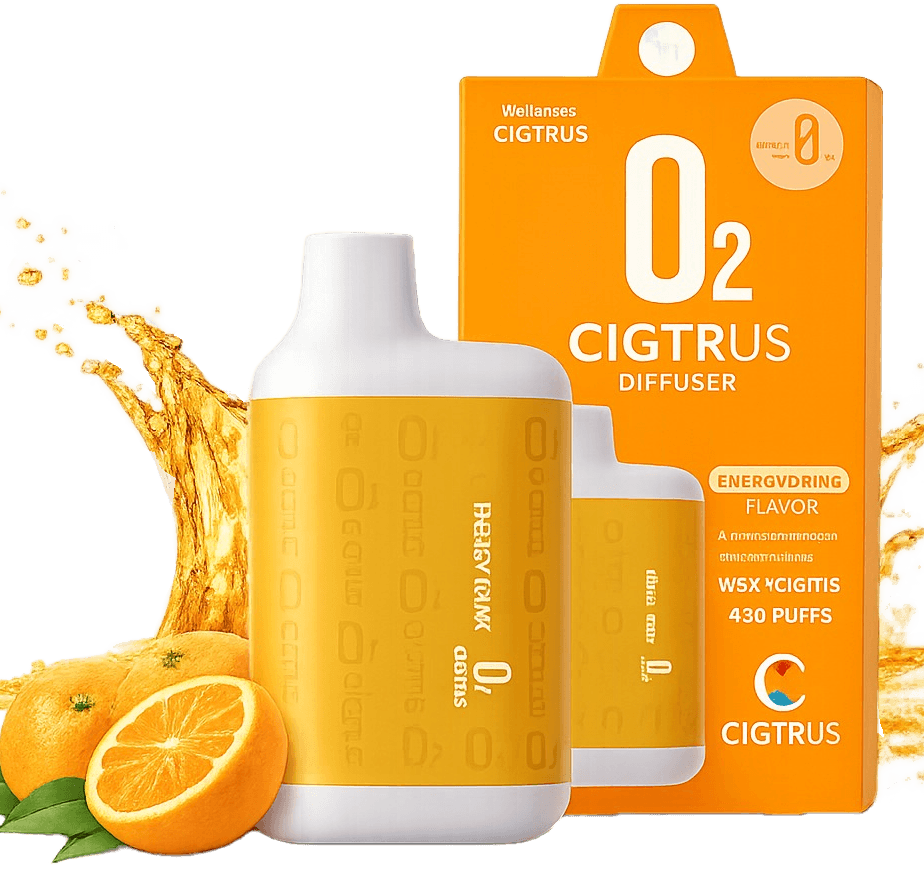
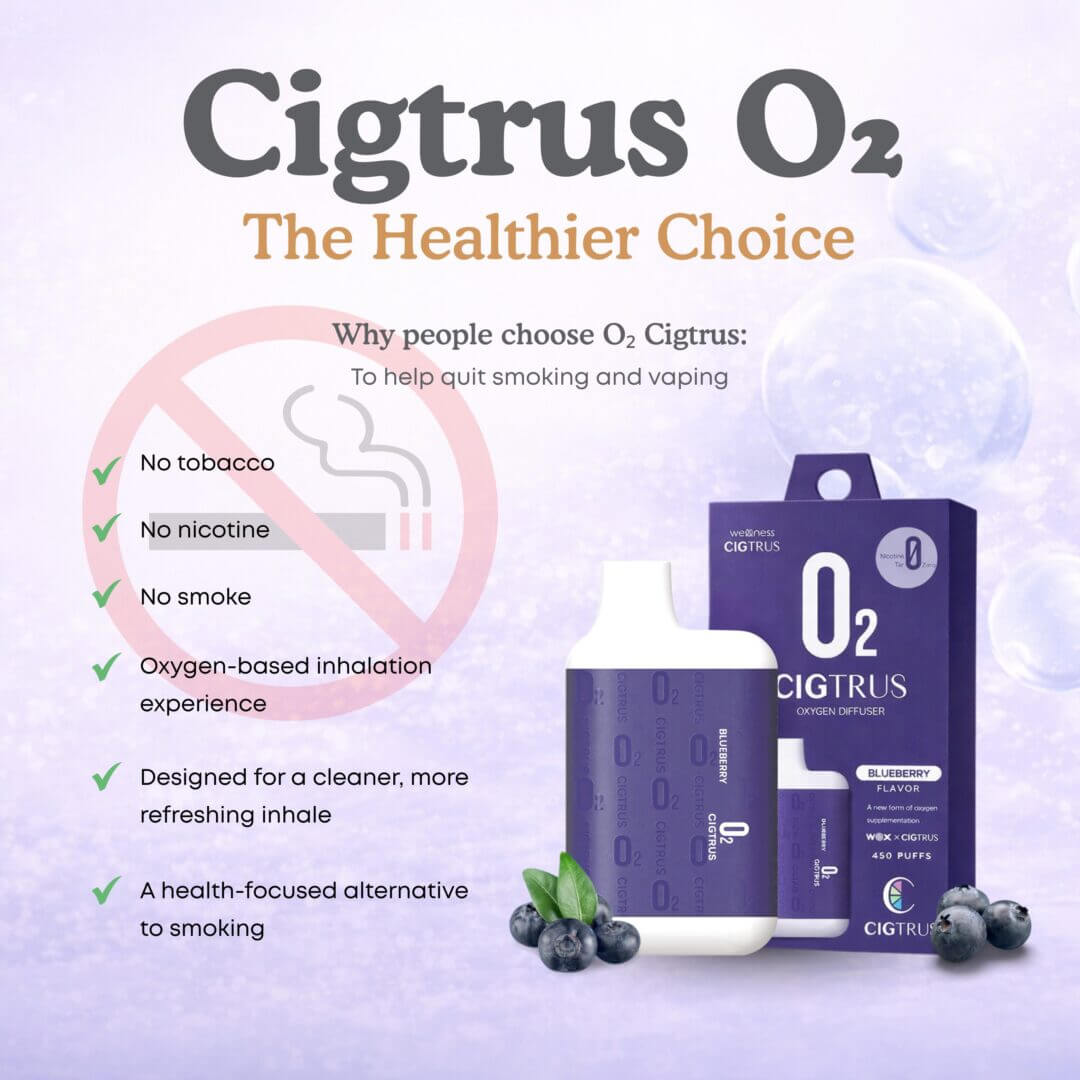
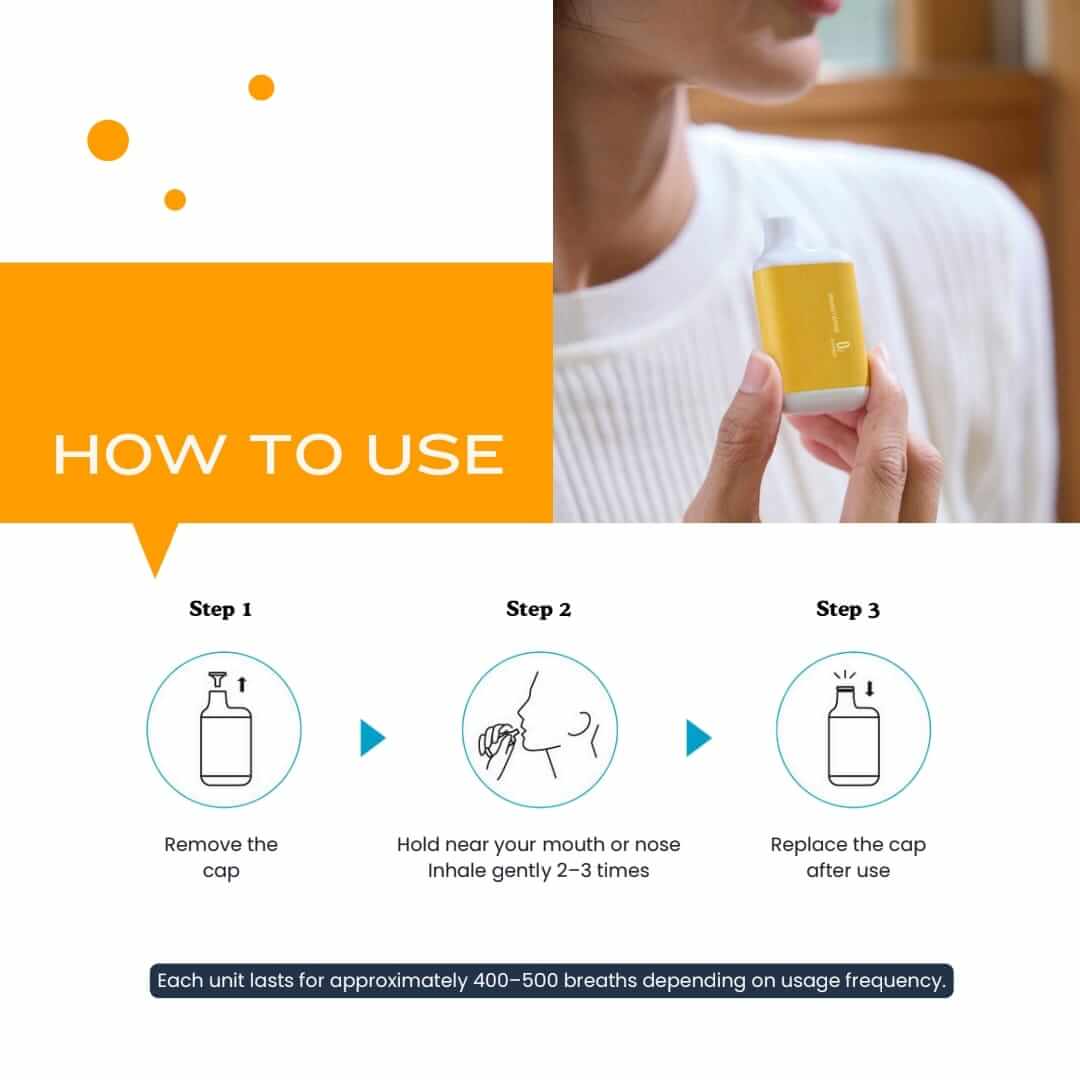
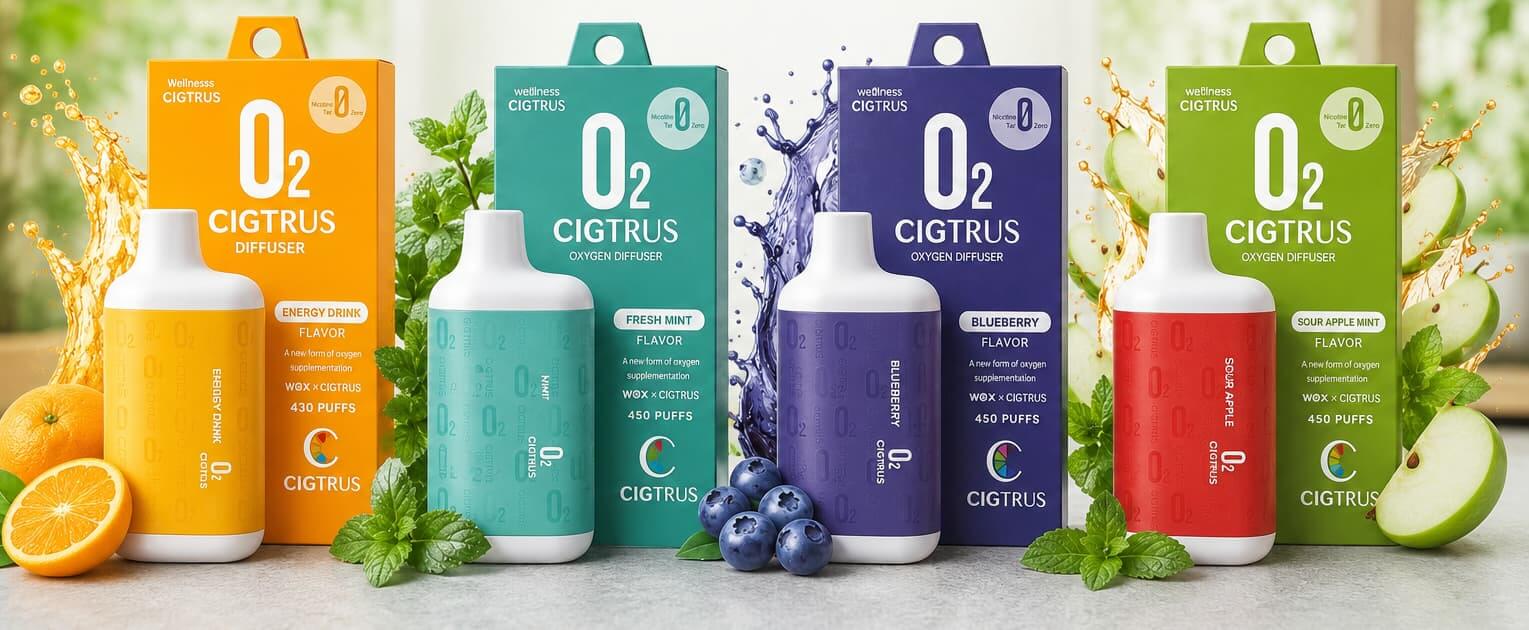
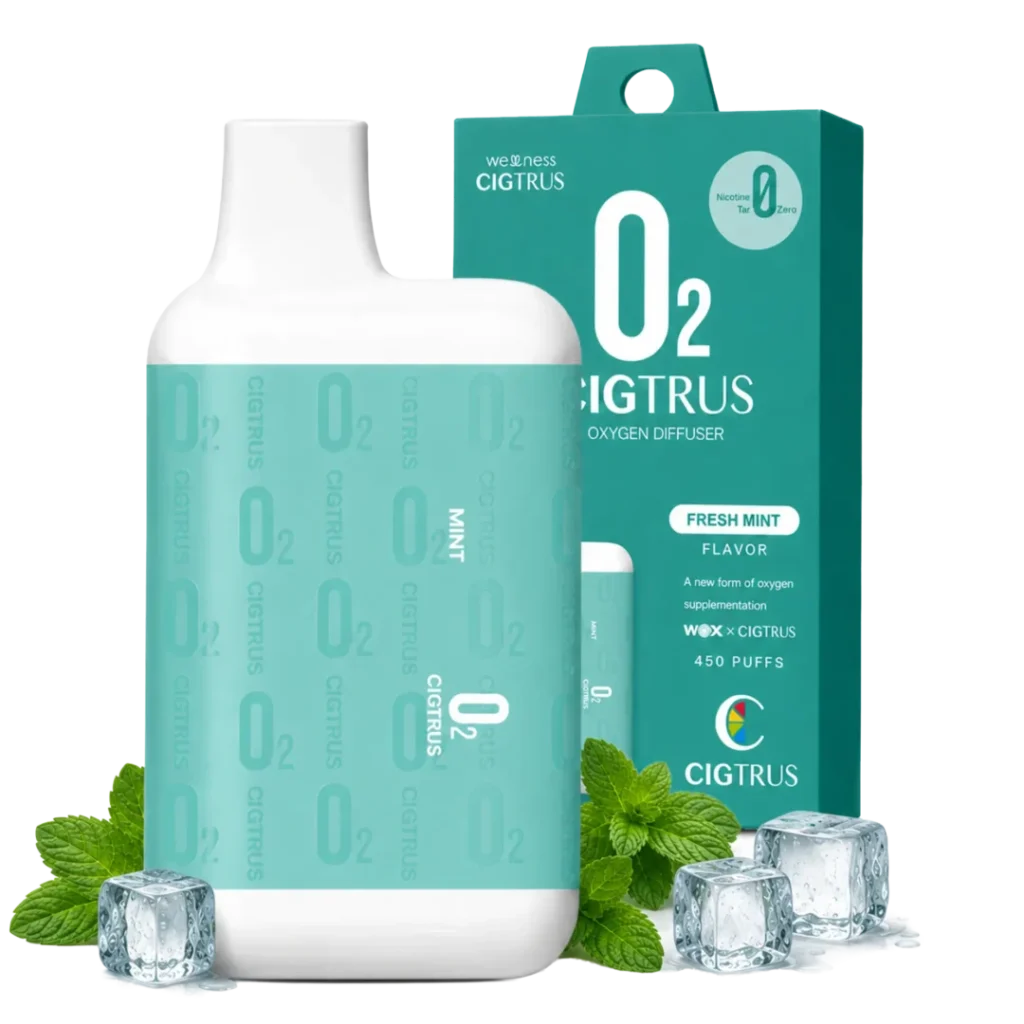
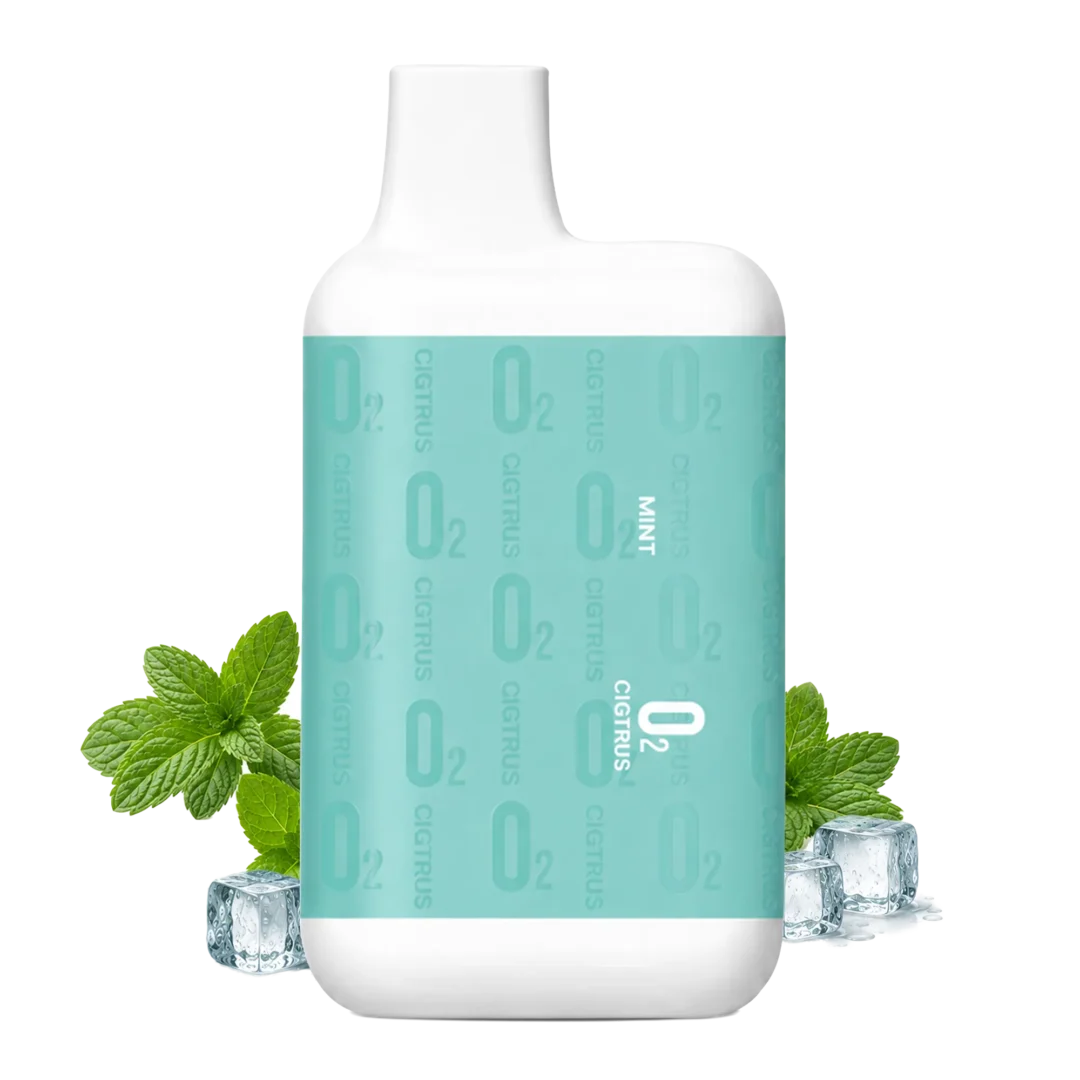
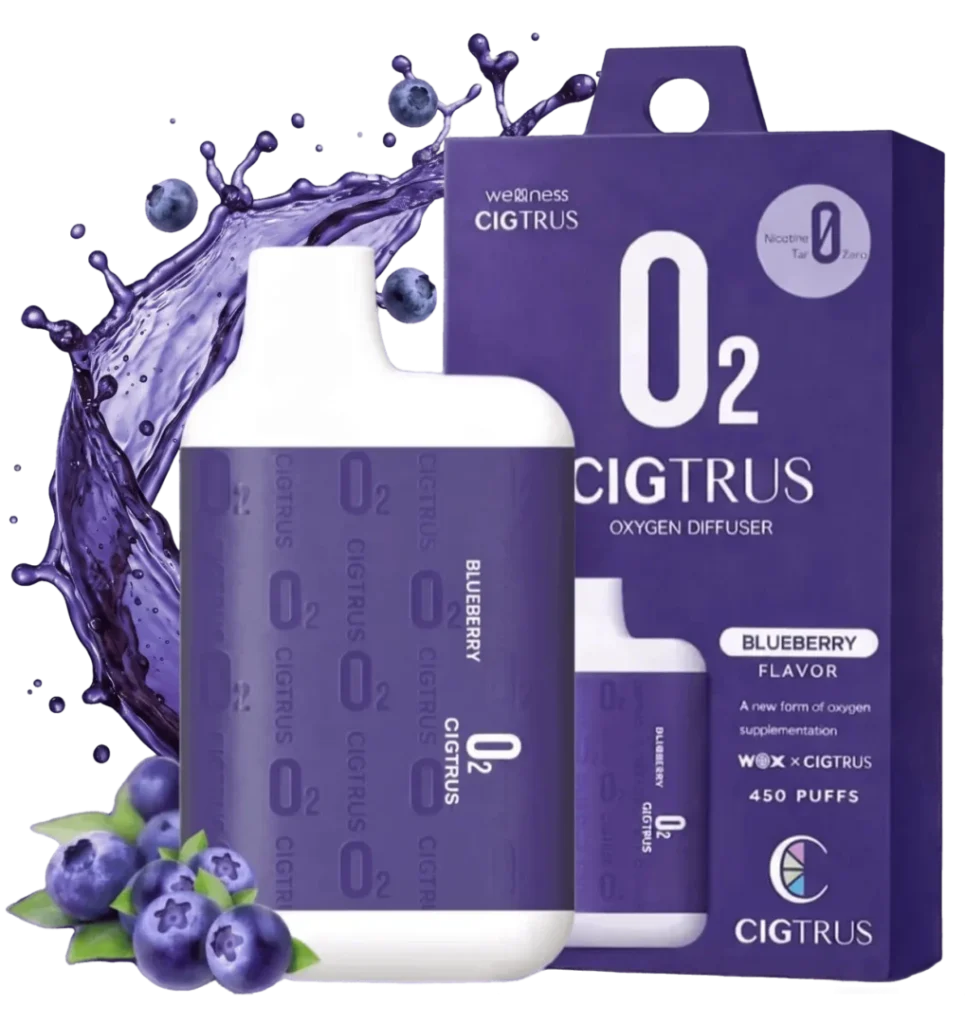
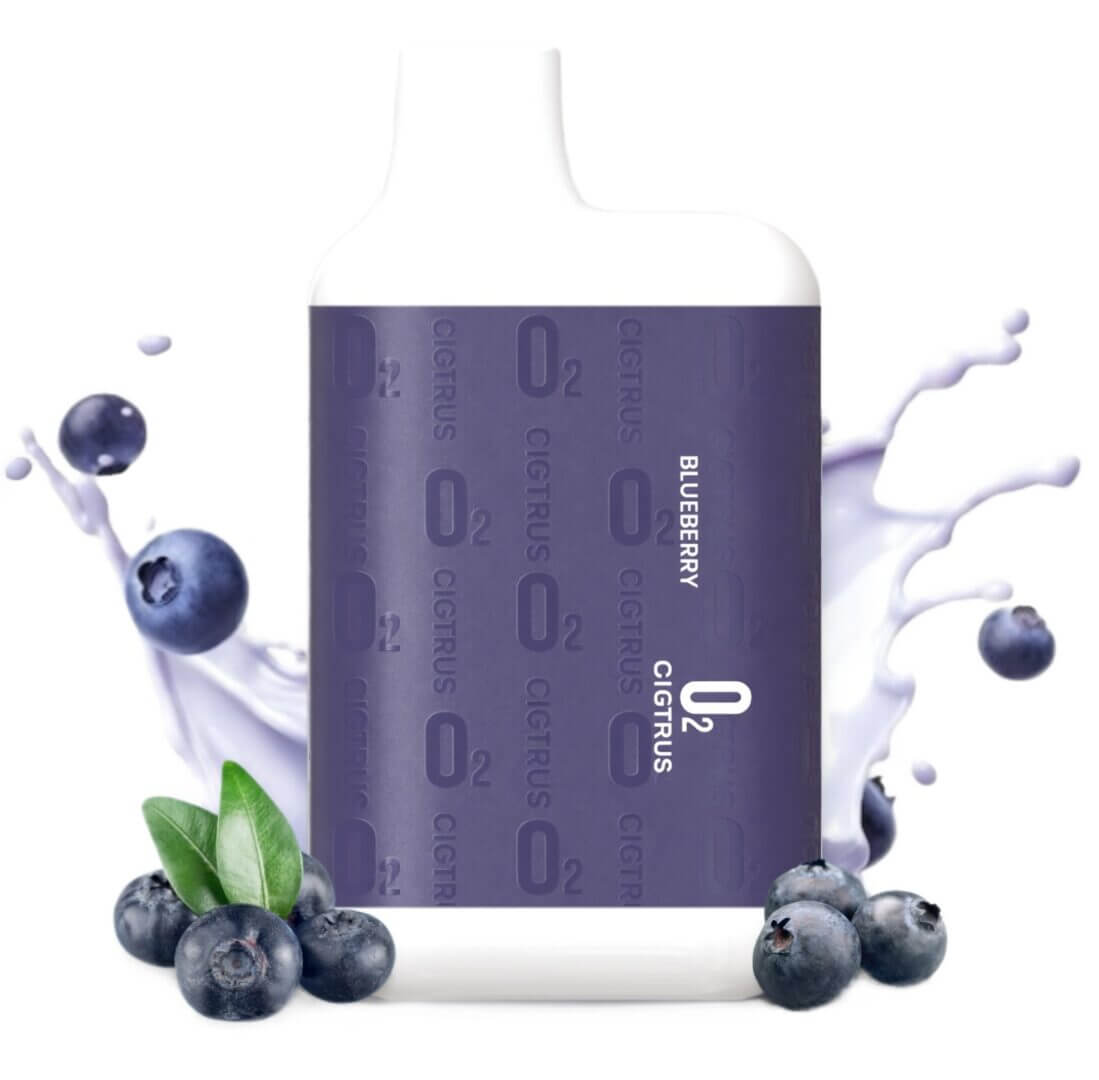
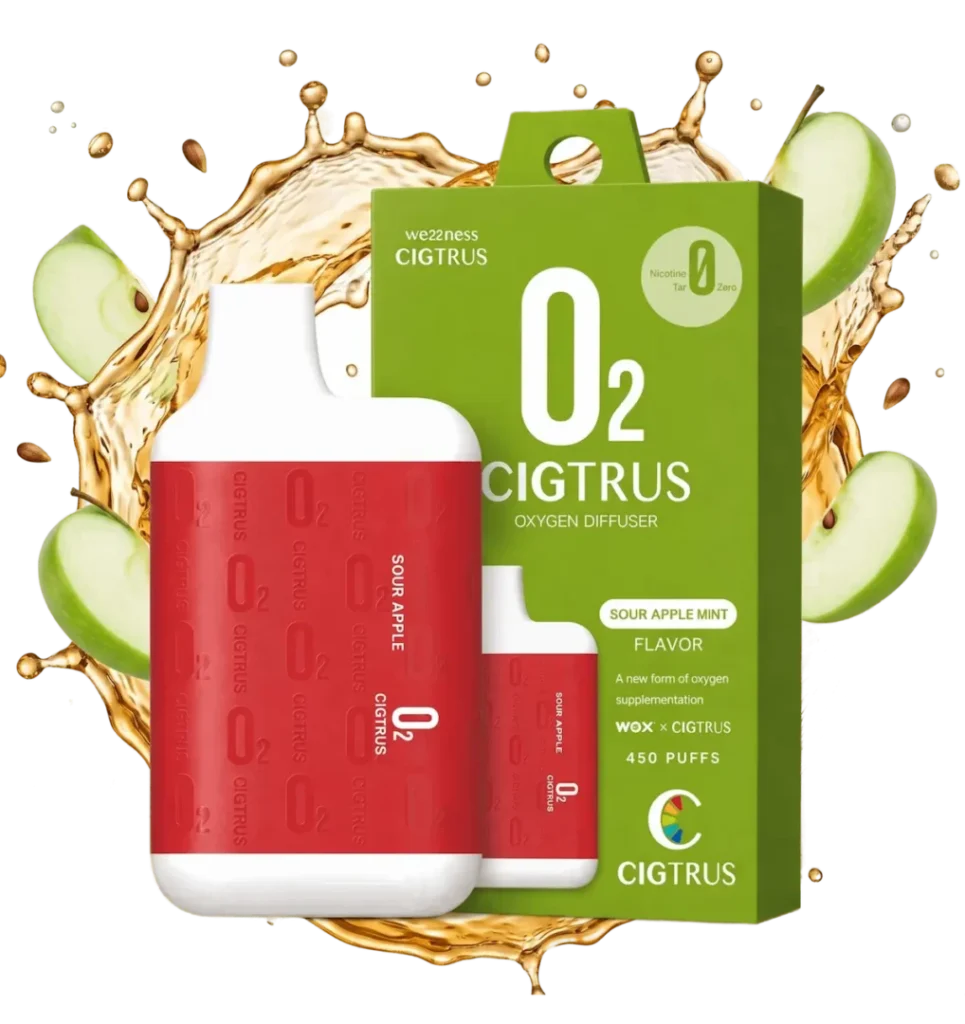
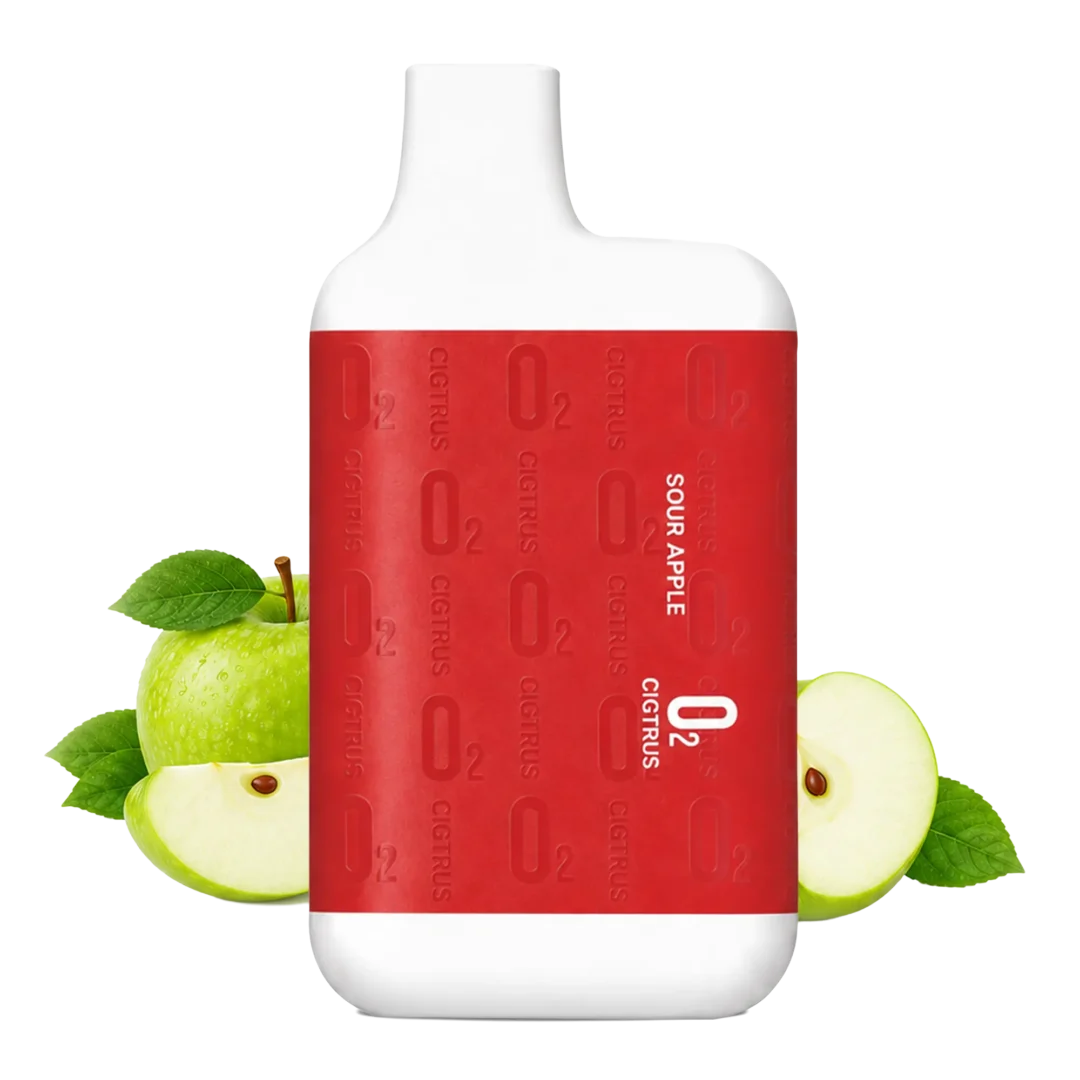
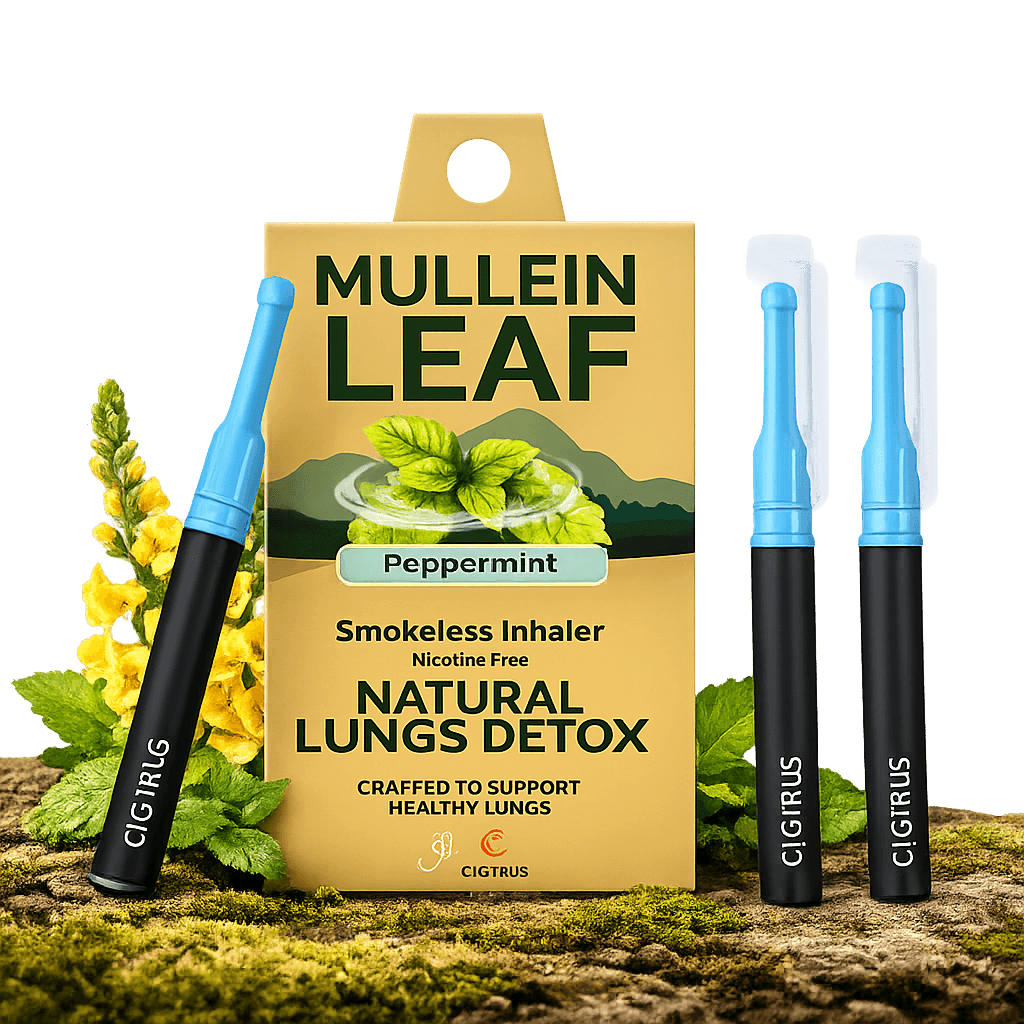
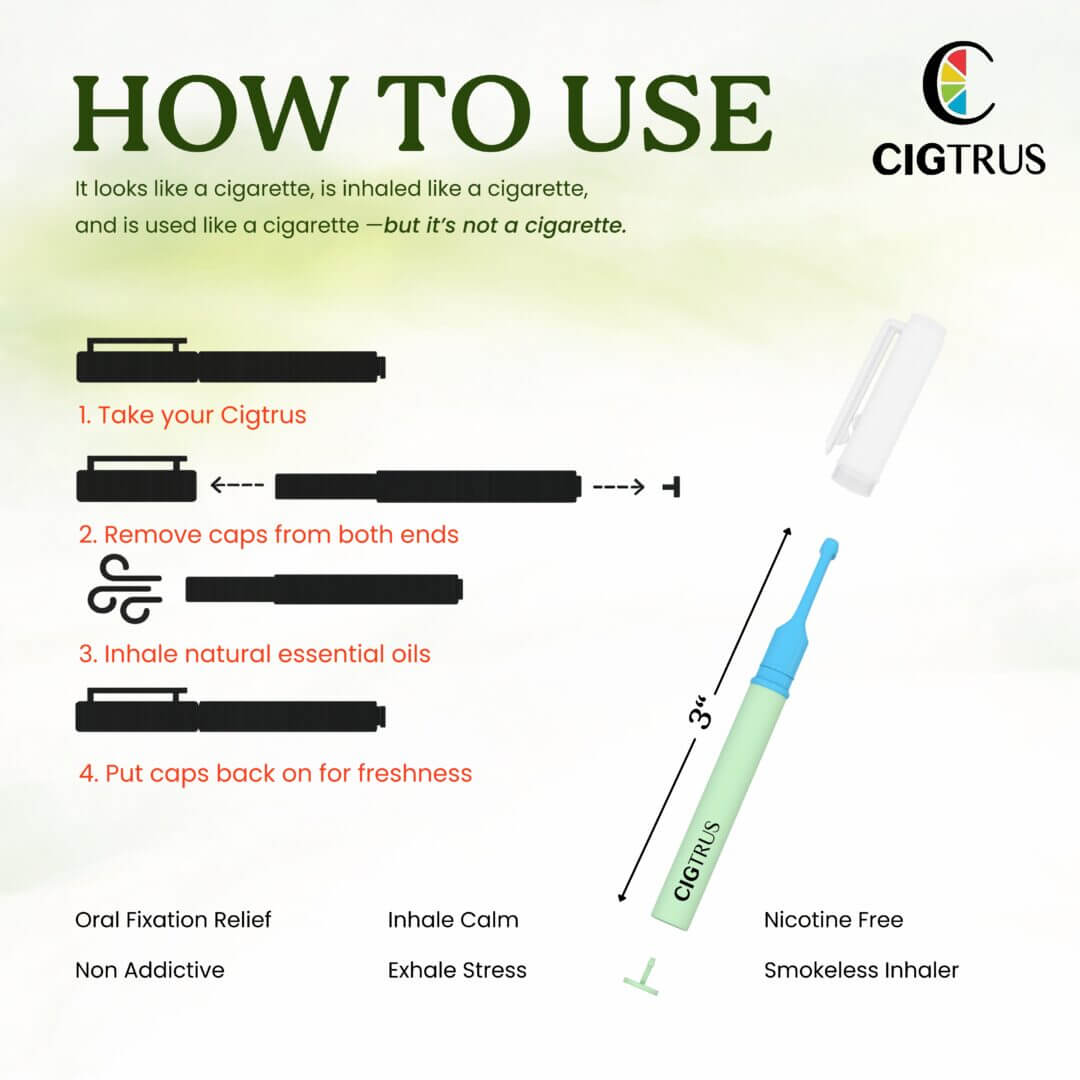
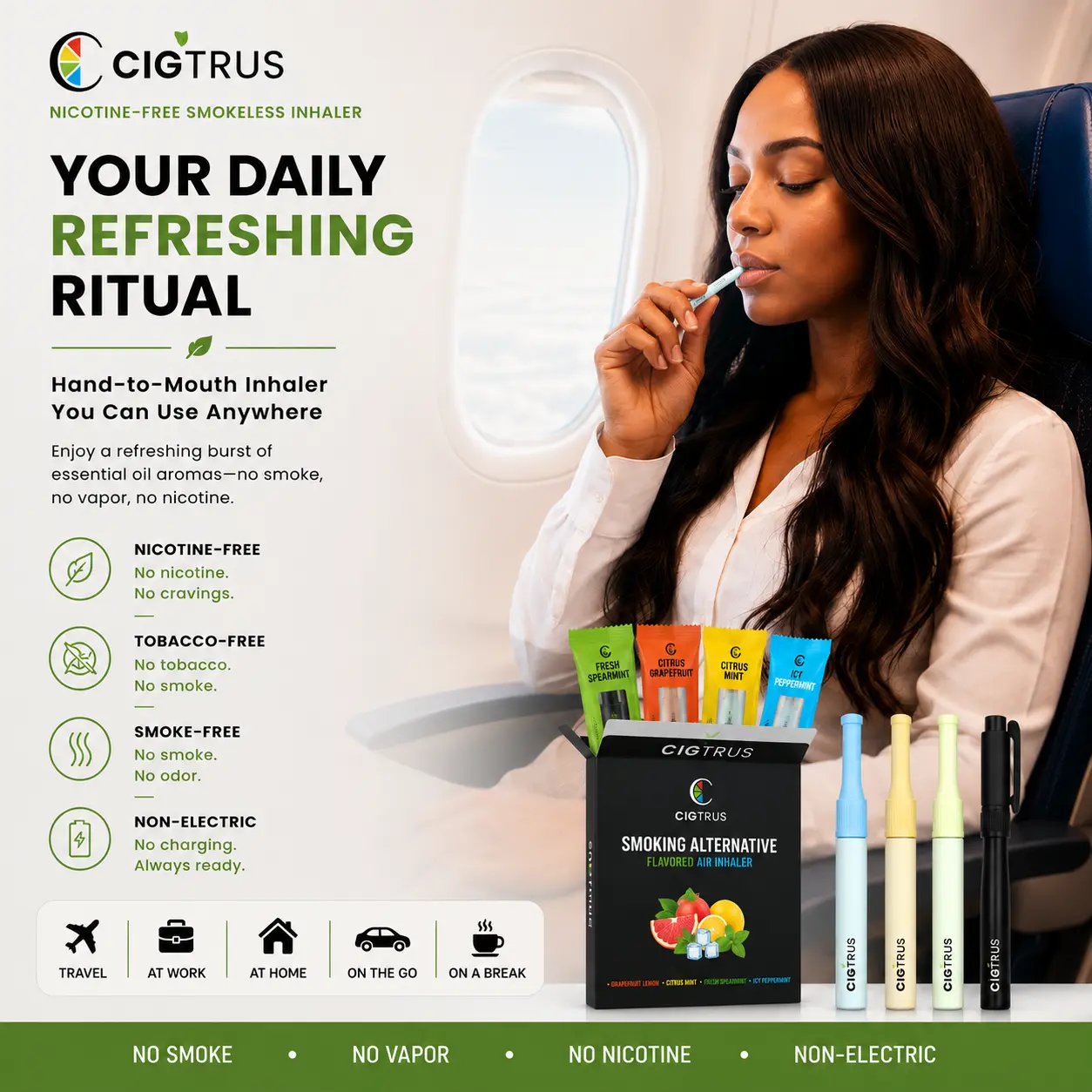
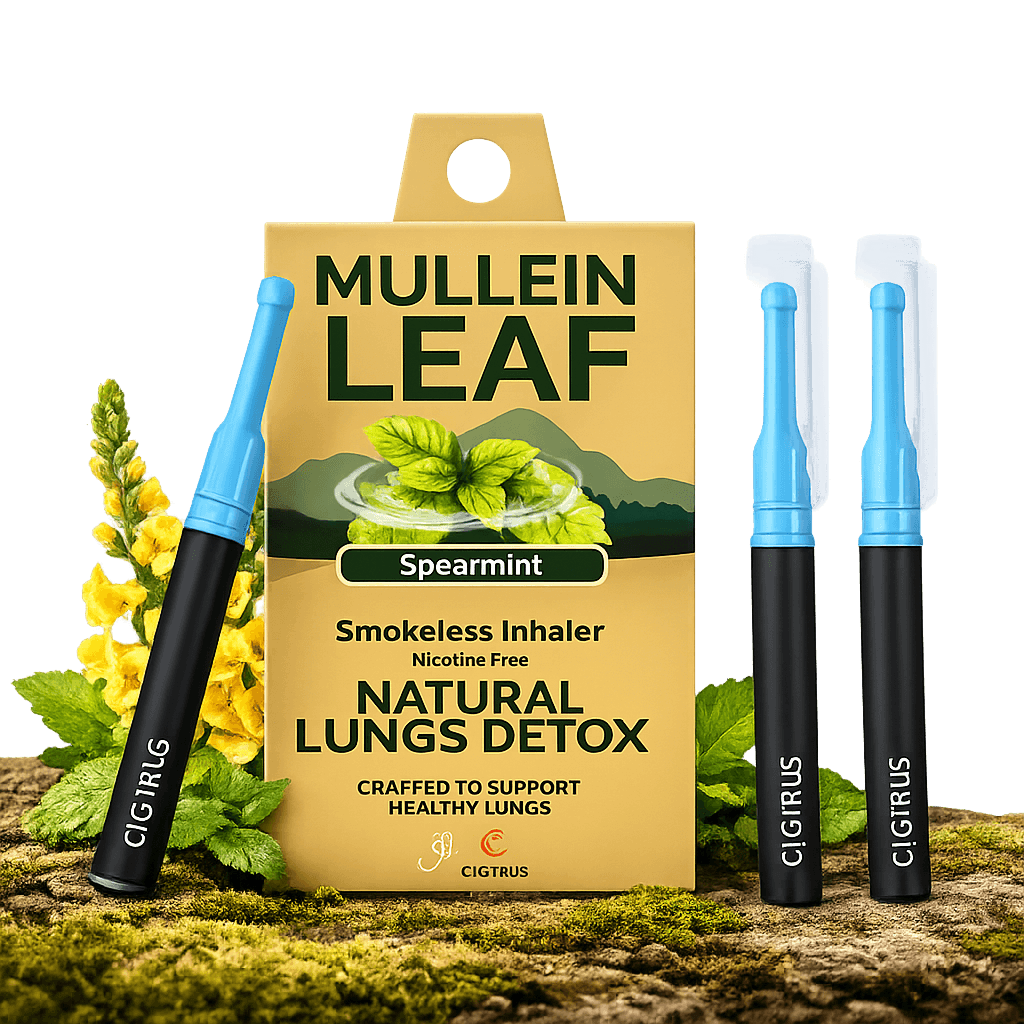
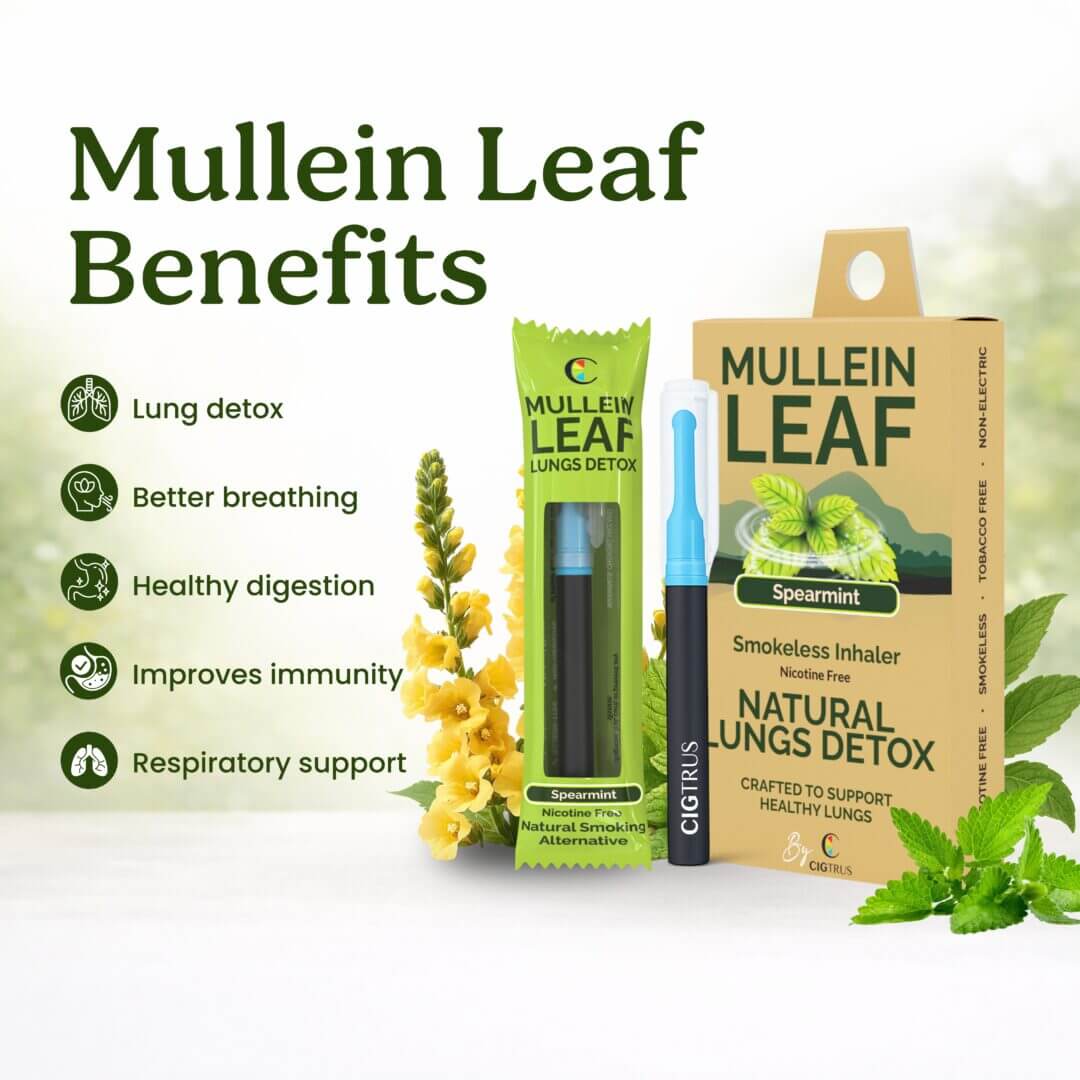
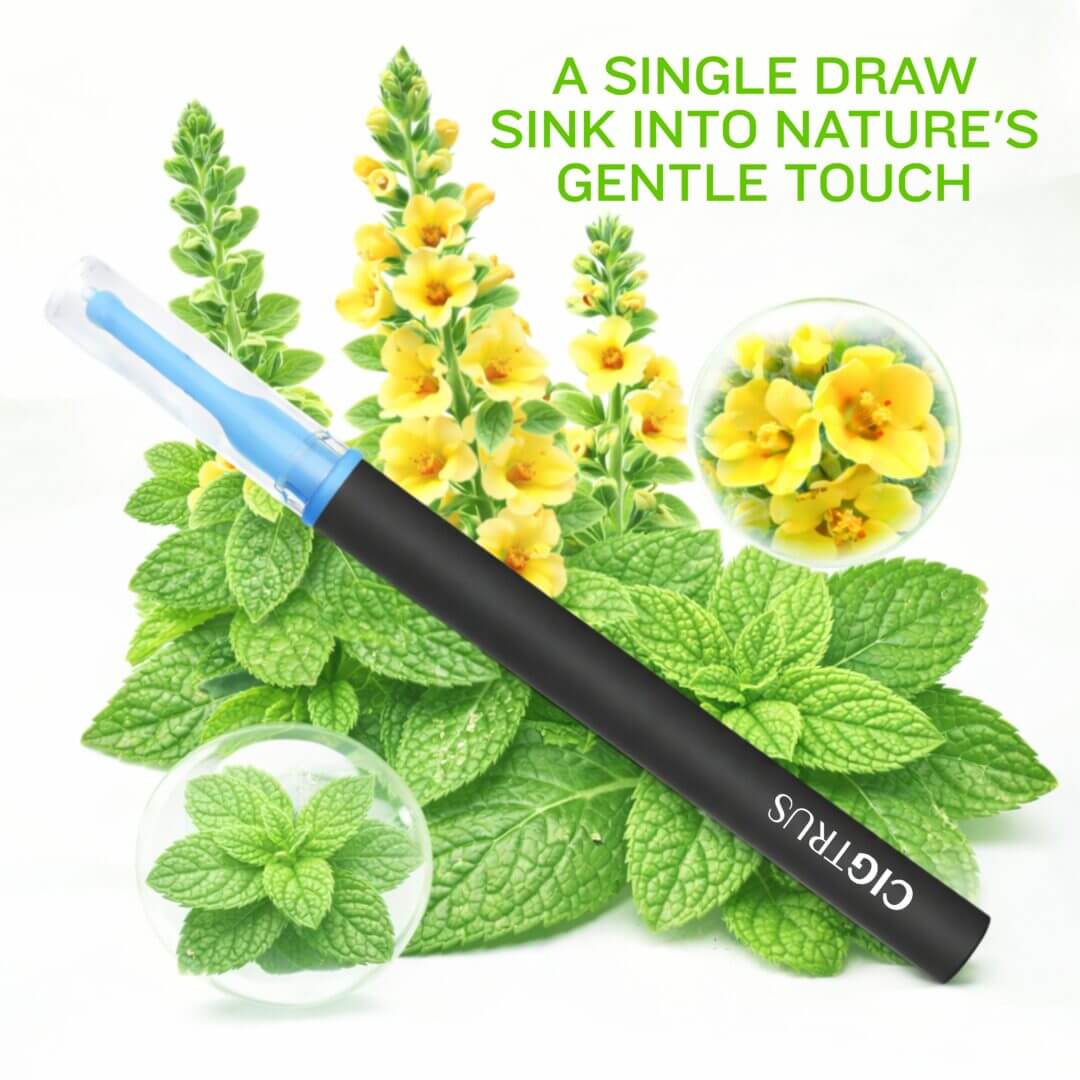
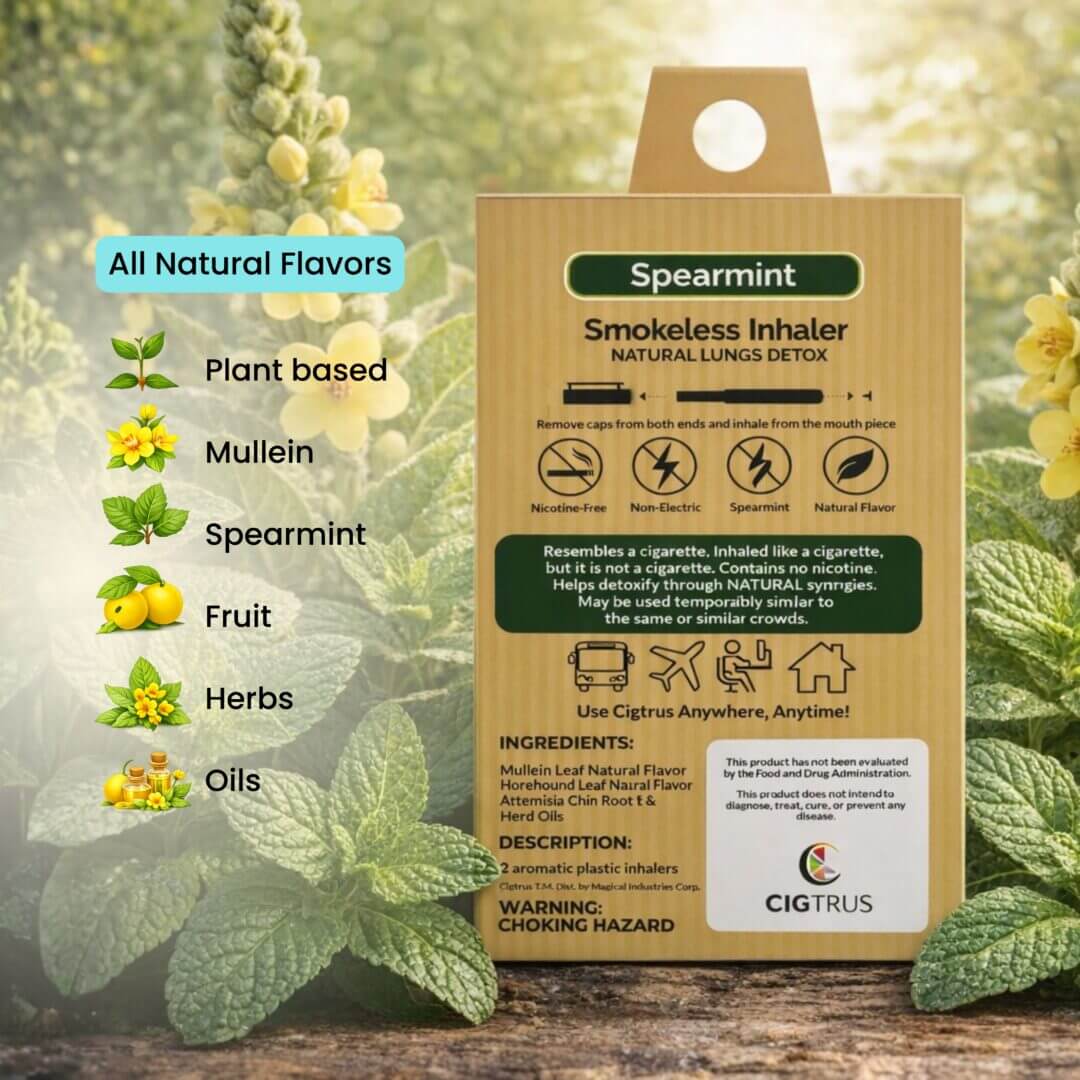
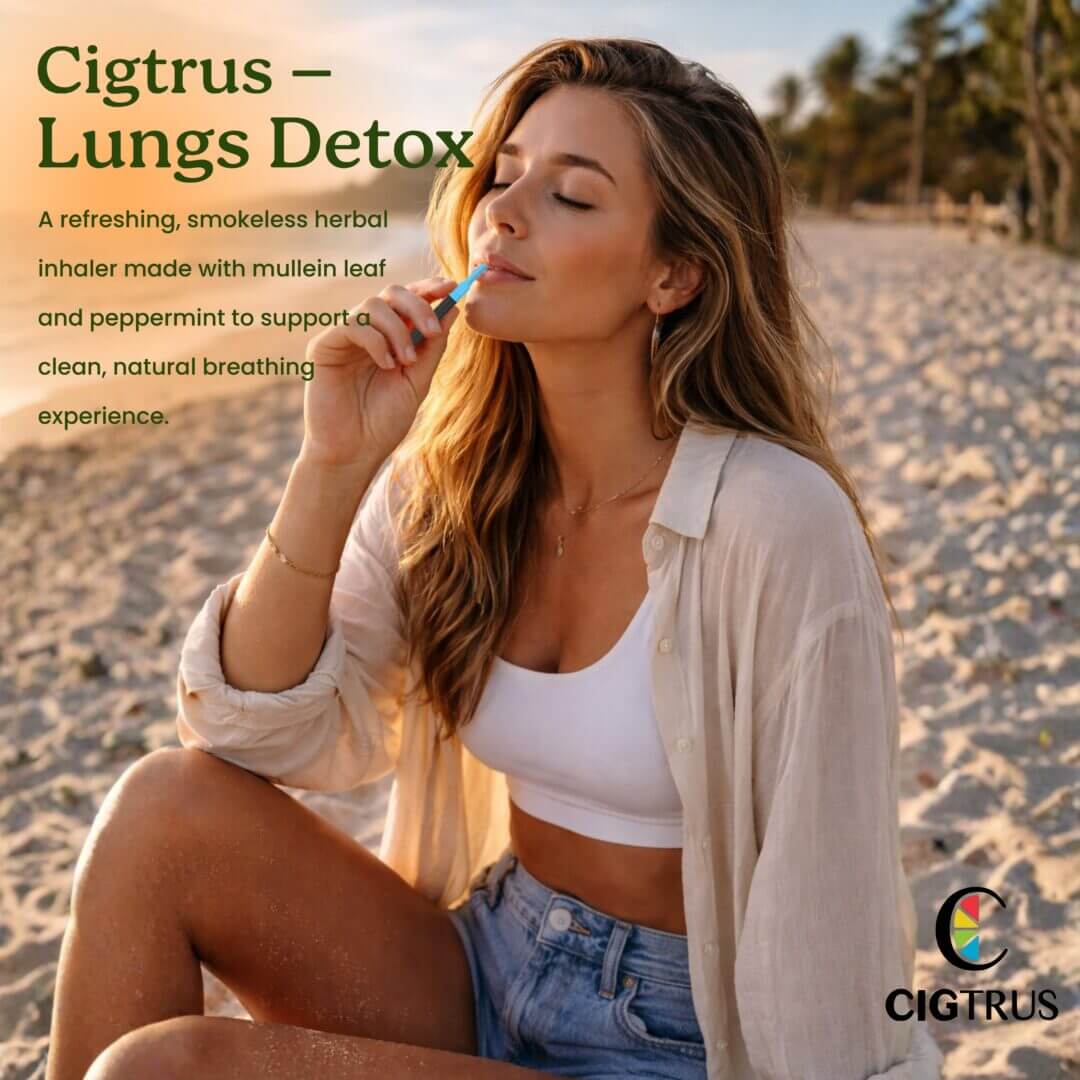
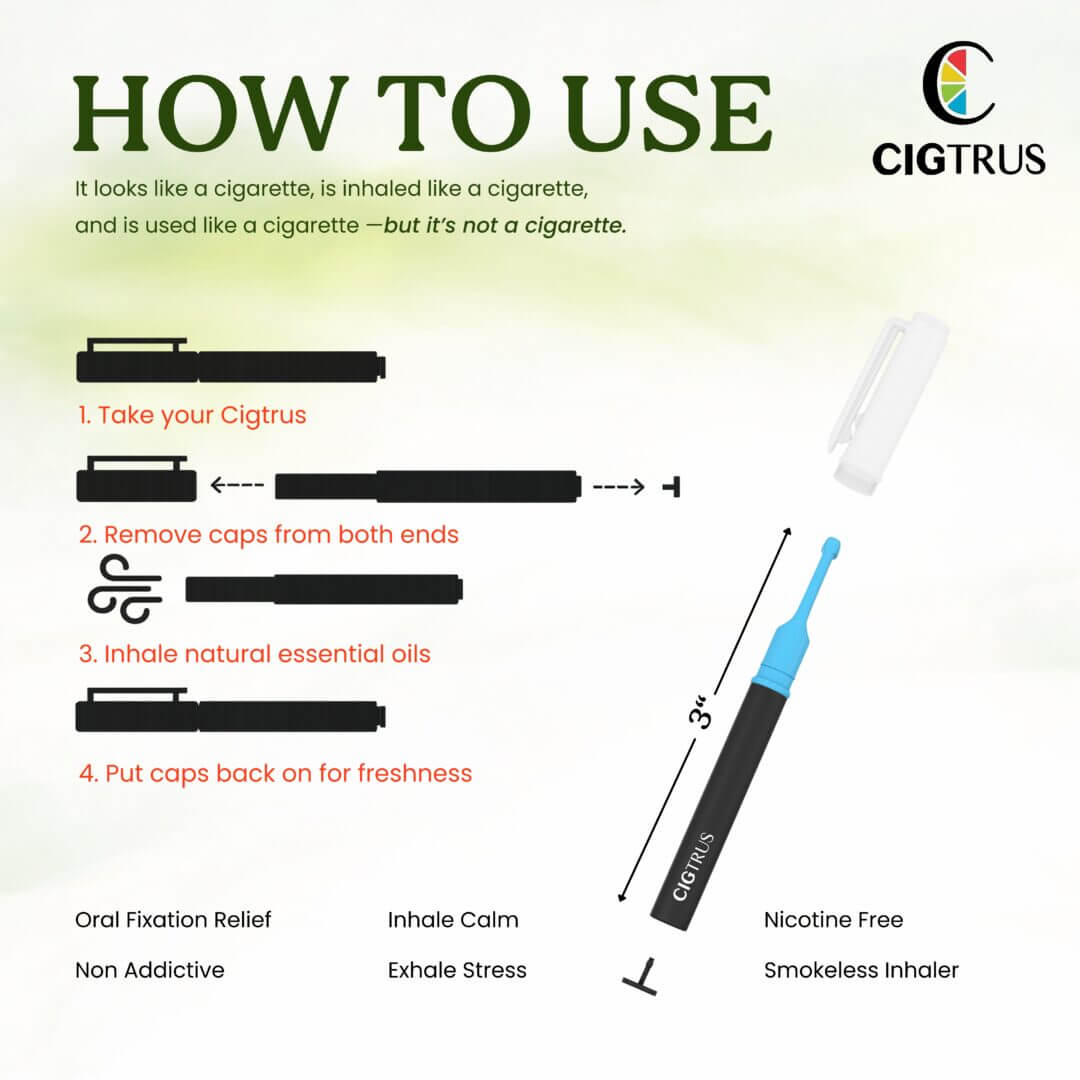
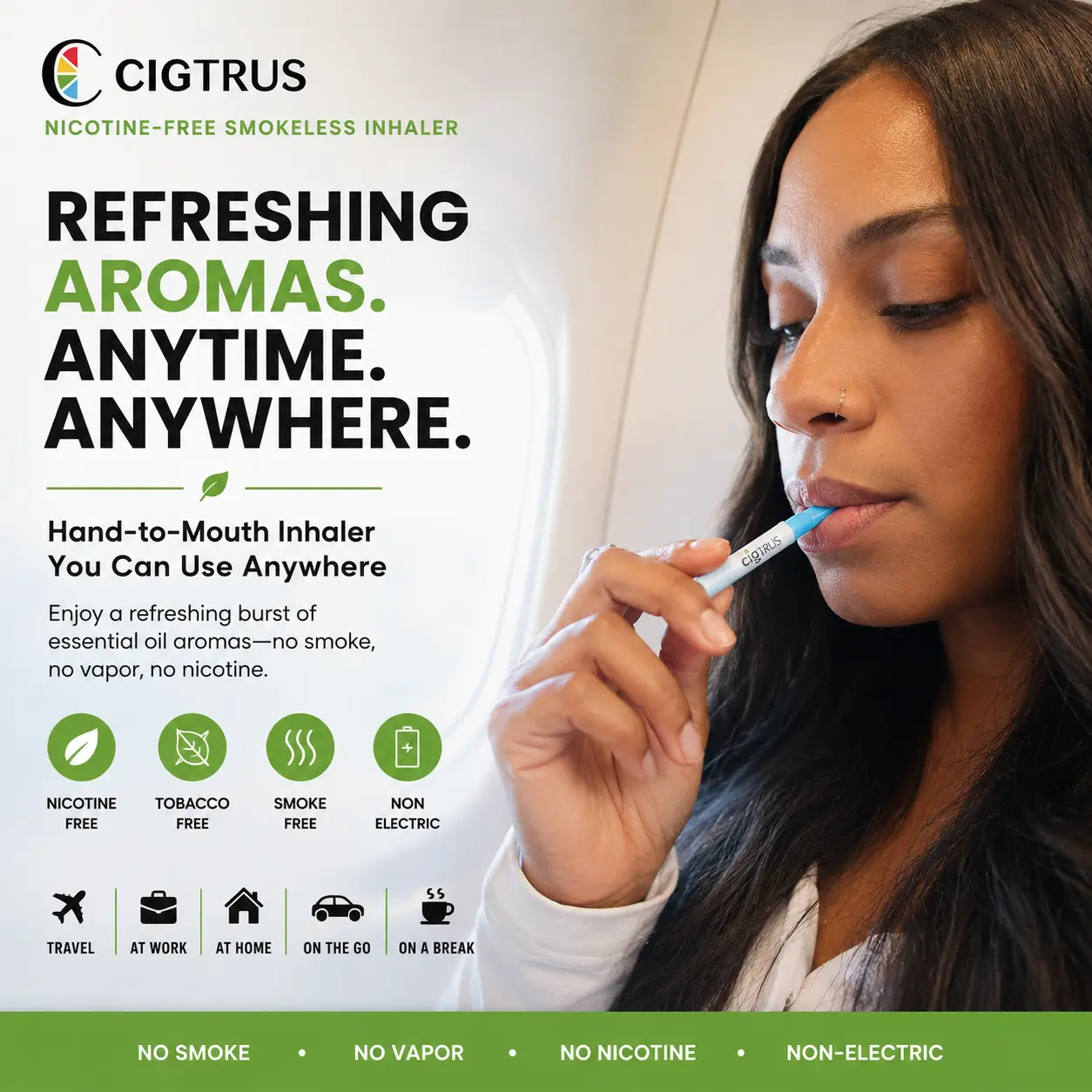
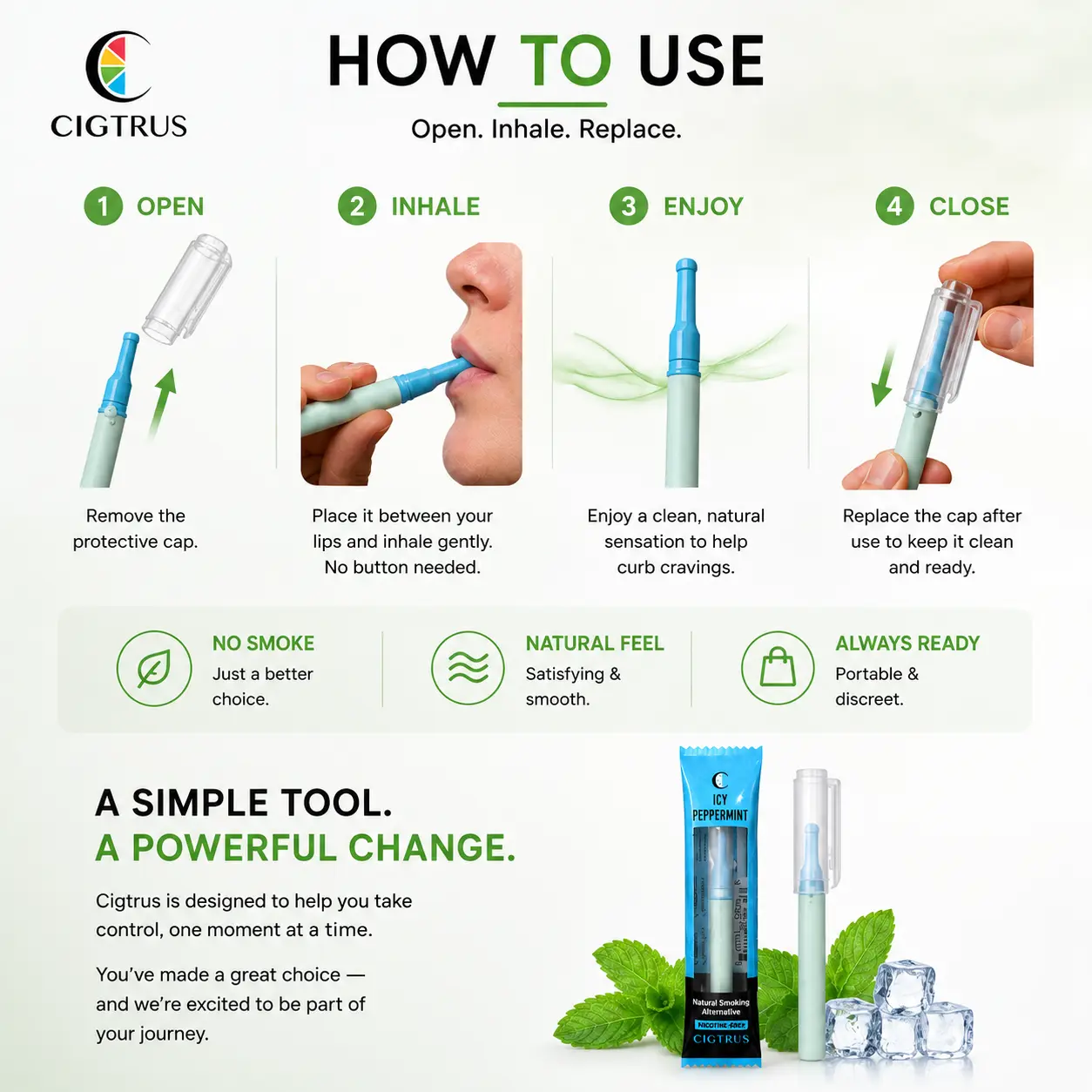
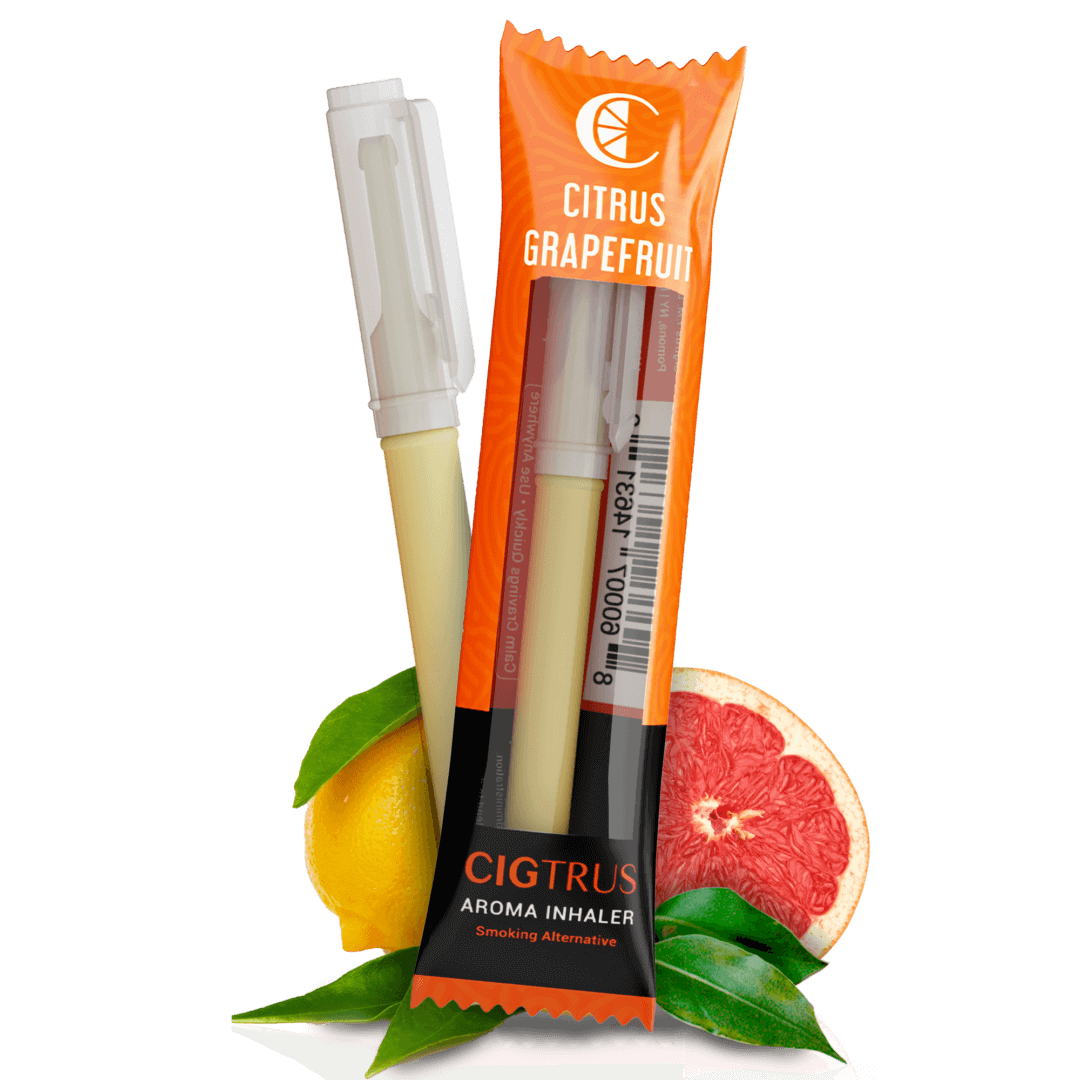
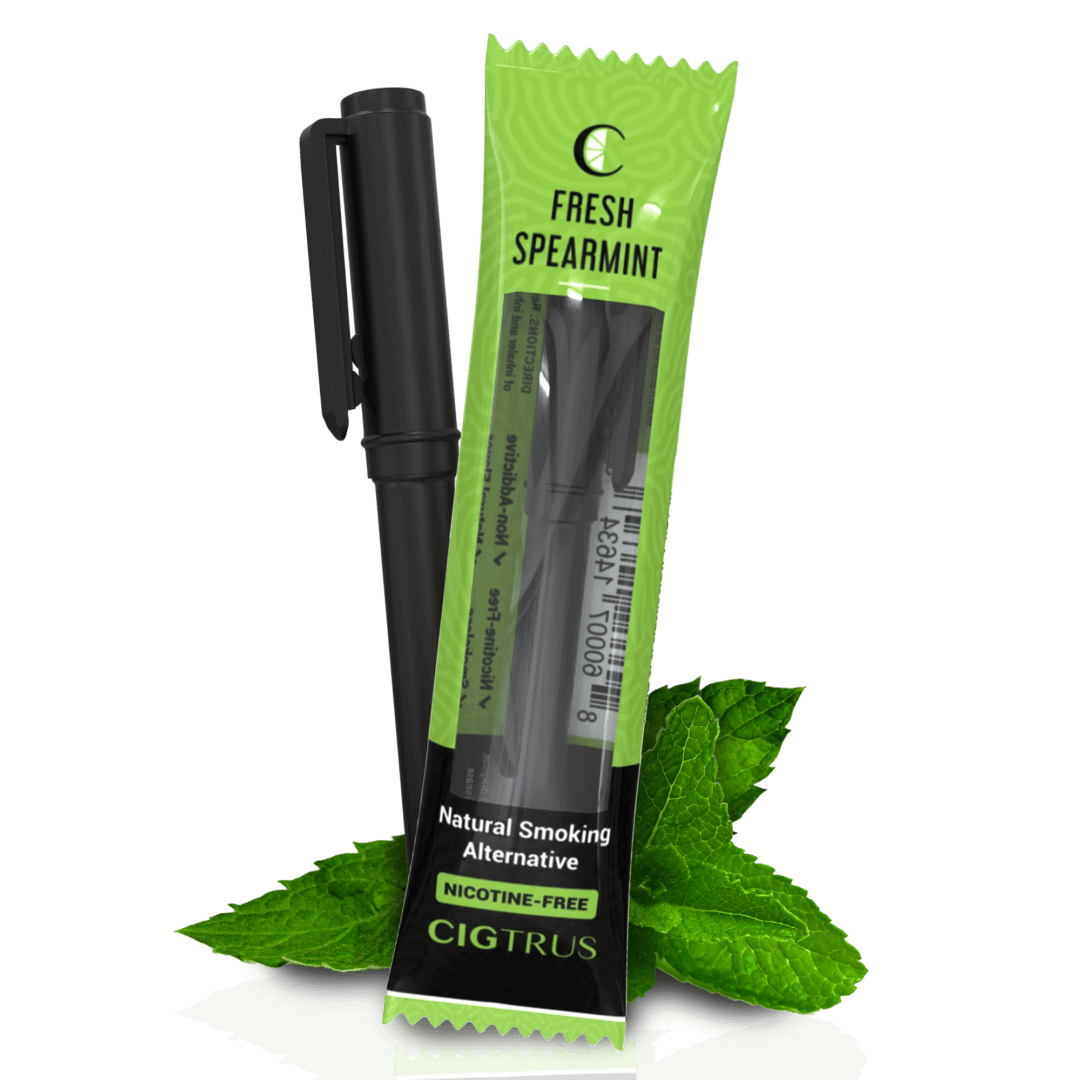
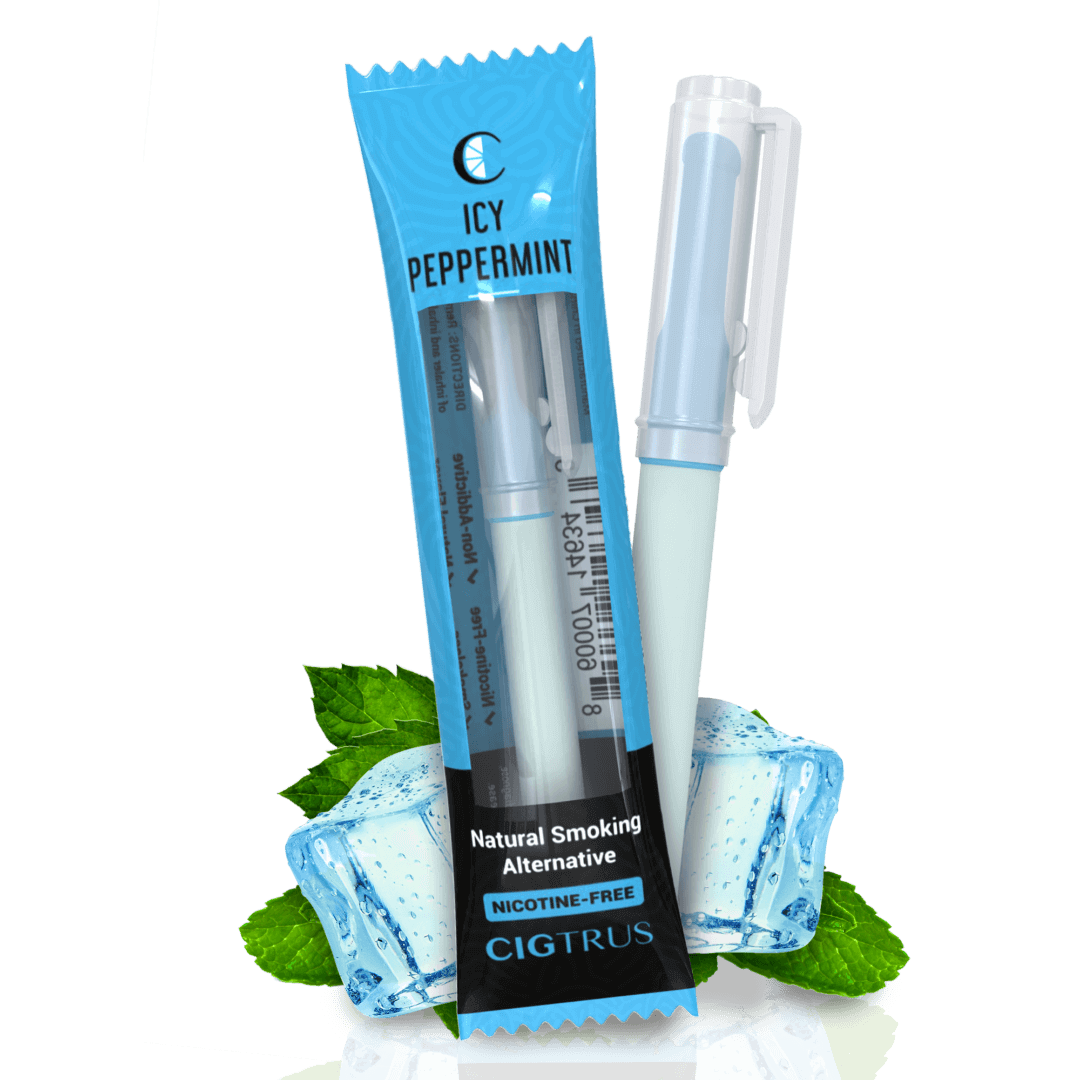
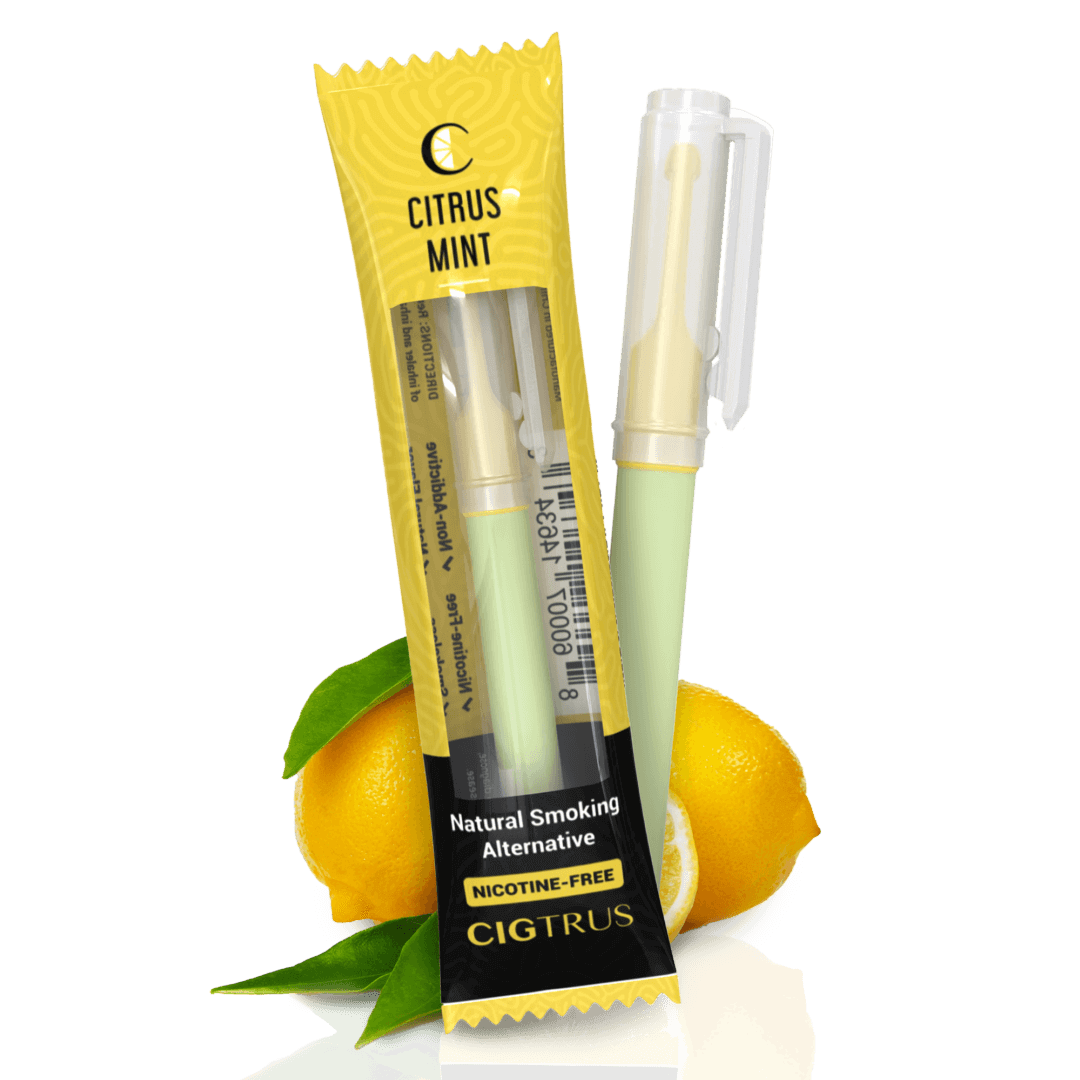
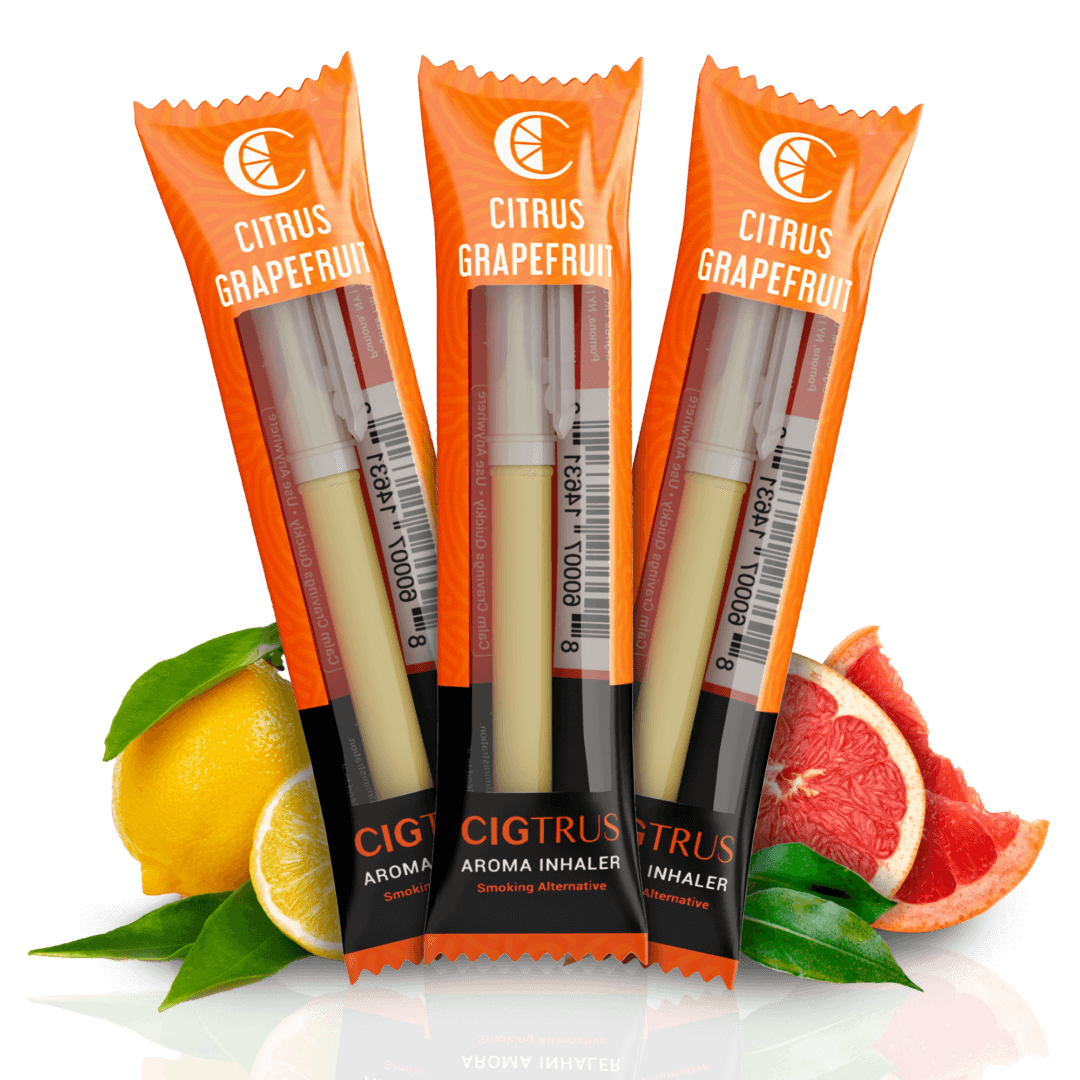
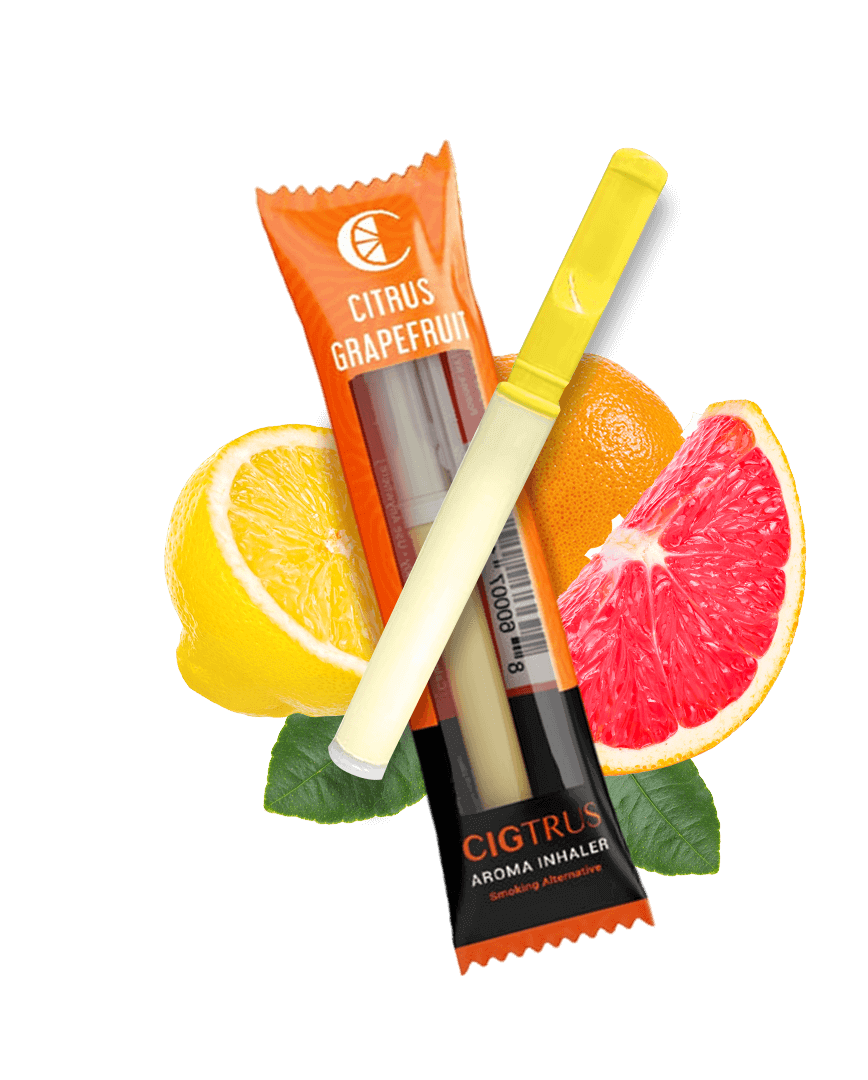
Cigtrus is a nicotine-free, tobacco-free, non-electric smokeless inhaler. It gives adults something familiar to hold, bring to the mouth, and draw through without using a cigarette or electronic vape.
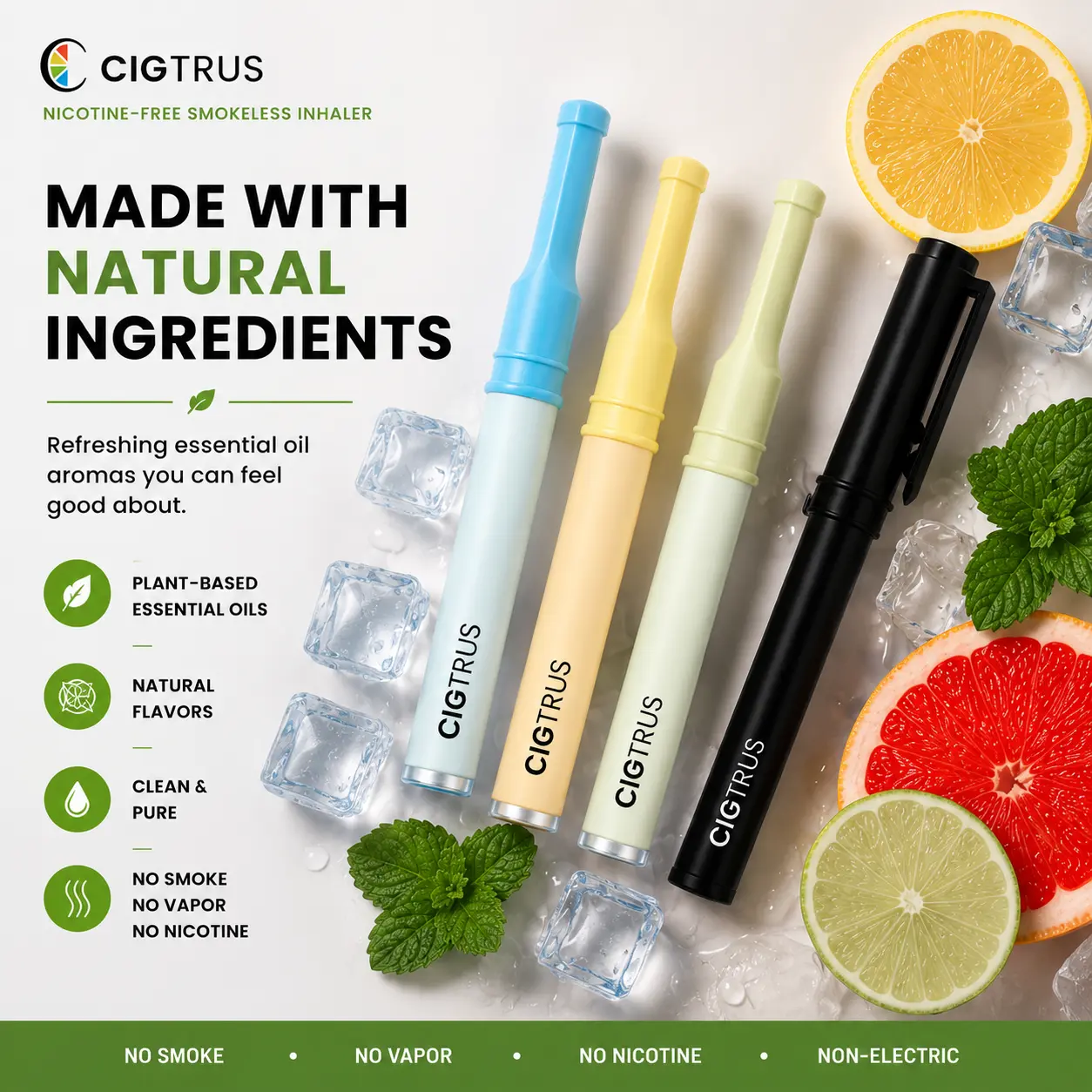
Instead of smoke or vape aerosol, Cigtrus provides refreshing flavored air with carefully selected essential oil aromas.
The Cigtrus Difference
Familiar hand-to-mouth experience — something to reach for during the moments that used to belong to smoking or vaping.
Refreshing flavored air — a familiar drawing experience with essential oil aromas instead of cigarette smoke or vape aerosol.
No nicotine or tobacco — Cigtrus does not deliver nicotine and does not contain tobacco.
Completely non-electric — no batteries, charging, heating elements, coils, or electronic components.
No smoke or vapor — a simple flavored-air inhaler rather than a cigarette or electronic vape.
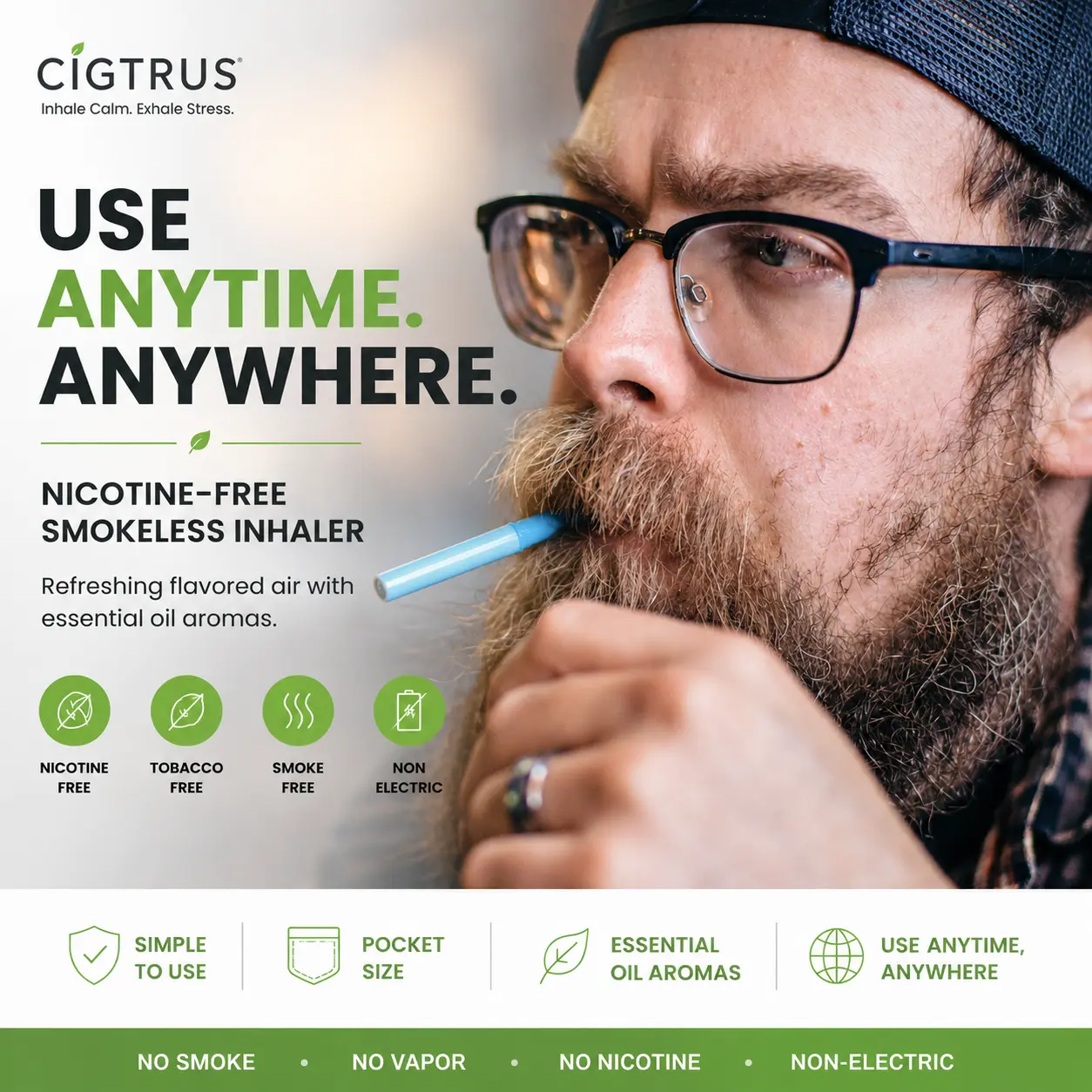
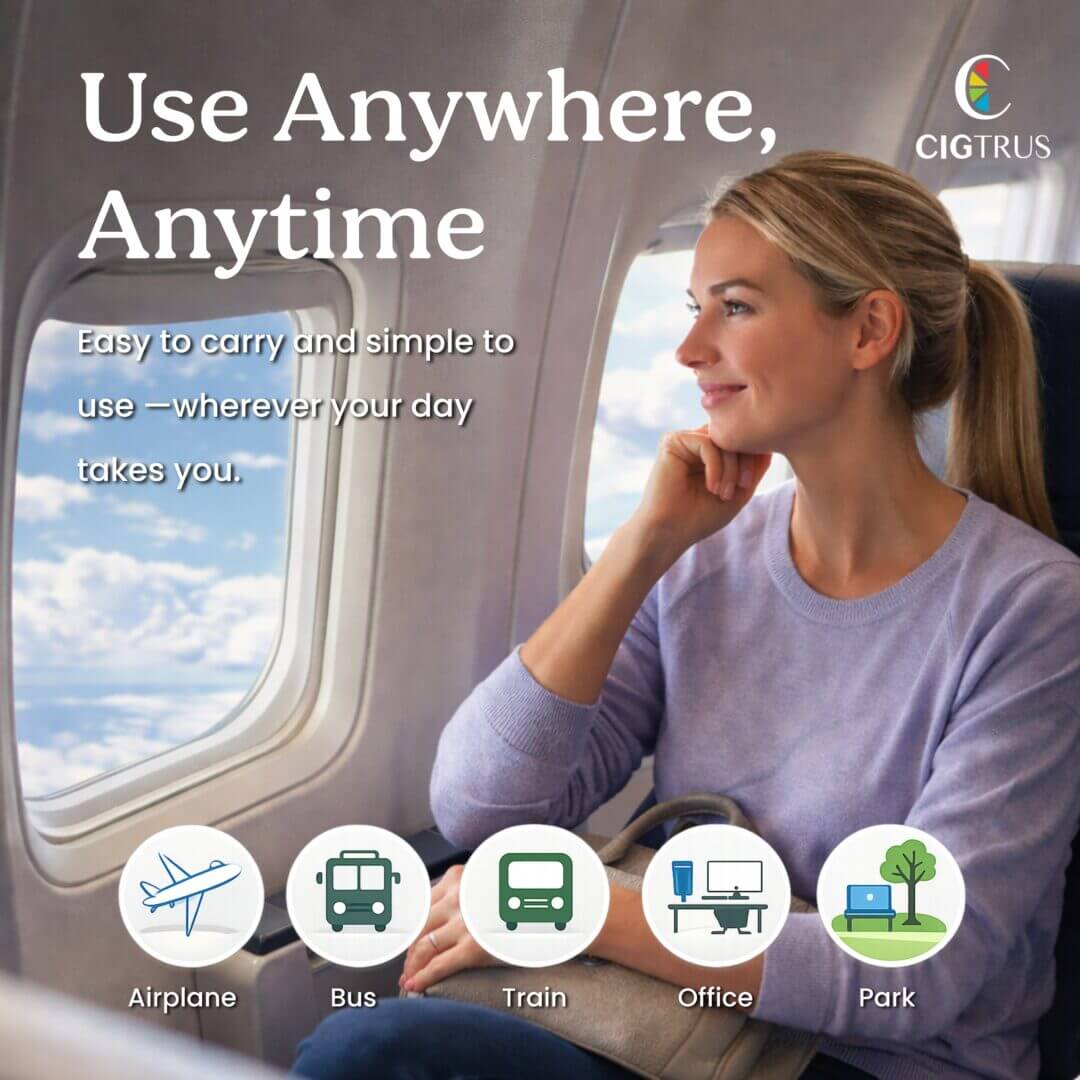
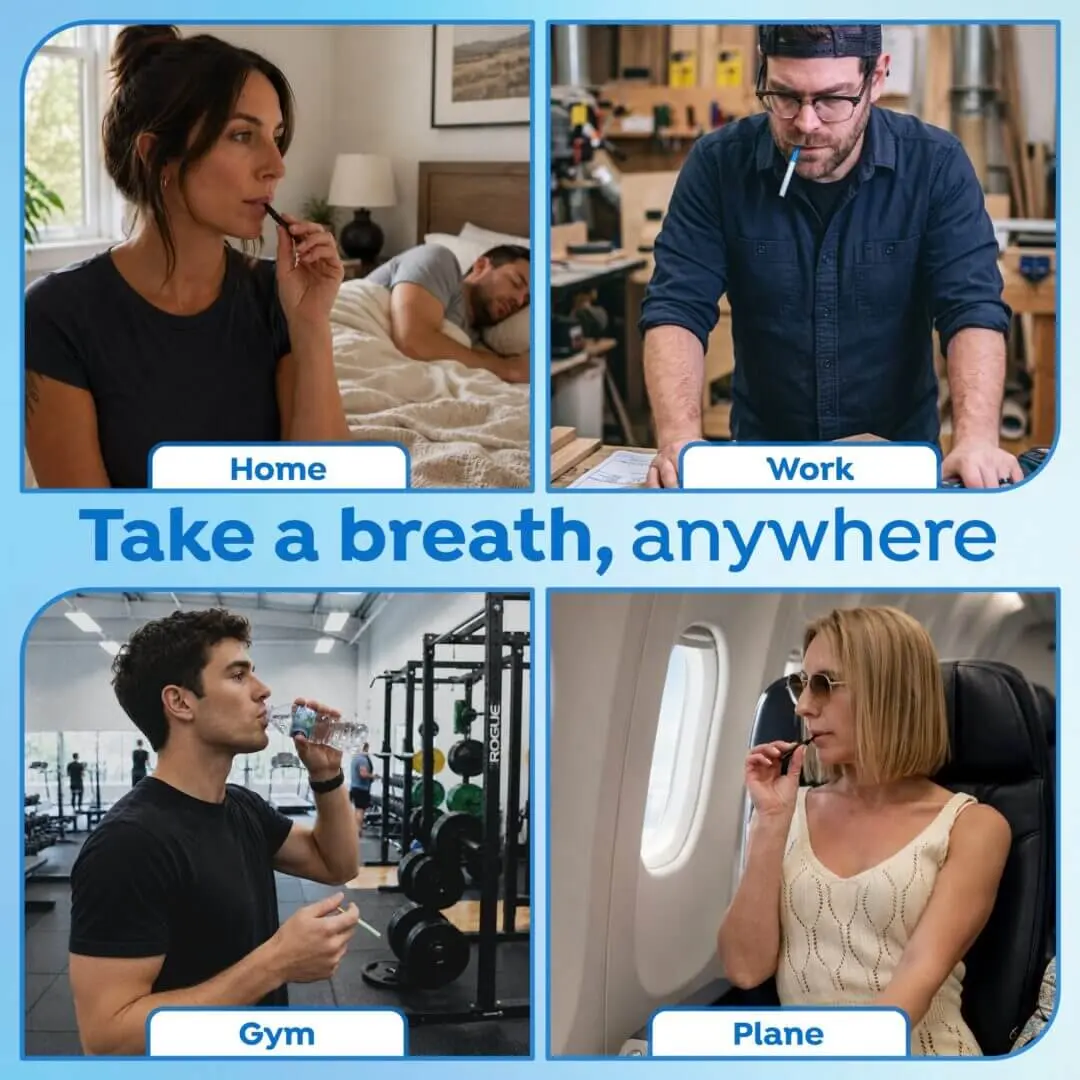
Use Anytime. Anywhere. — pocket-sized and ready to use without charging, heating, refilling, or setup.
That is what separates Cigtrus from simply switching to another nicotine product or another electronic vape.
The goal is not to continue nicotine delivery.
And the goal is not to continue electronic vaping.
The goal is to give the familiar habit another response.
Build a Nicotine-Free Plan Around Your Actual Triggers
A practical nicotine-free quit-smoking plan starts before the urge appears.
Identify the moments when you normally smoke.
Then decide what you will do instead.
- Keep water, gum, mints, or another replacement nearby
- Change the location where you drink your morning coffee
- Take a short walk when you would normally take a smoking break
- Use slow breathing when stress triggers the urge
- Keep a hand-to-mouth replacement available during strong routine-based moments
- Remove cigarettes, ashtrays, and other smoking cues from your environment
- Ask friends or family for support during difficult trigger situations
The more specific the plan, the less you have to depend on making a decision in the middle of a difficult moment.
You already know what you are going to do when coffee, driving, stress, or another familiar trigger shows up.
Replacing the Habit Takes Repetition
The smoking routine became automatic because it was repeated.
New routines are built the same way.
The first time you drink coffee without a cigarette may feel strange.
The first drive without smoking may feel incomplete.
The first stressful day without automatically reaching for a cigarette may be difficult.
But each time the trigger happens and you respond differently, you are practicing a different routine.
That is the larger idea behind habit replacement.
Do not only remove the old behavior. Give the familiar moment somewhere new to go.
Frequently Asked Questions
What are some nicotine-free ways to quit smoking?
Nicotine-free approaches can include behavioral habit replacement, trigger planning, counseling, mindfulness, breathing techniques, physical activity, support groups, and nicotine-free smokeless inhalers. Different people may use different combinations of these approaches.
Can smoking cravings be connected to habit instead of nicotine?
Yes. Smoking can become strongly associated with situations such as coffee, driving, meals, work breaks, stress, and social settings. Those learned triggers and routines can create an urge to repeat the familiar smoking behavior.
What is the hand-to-mouth habit from smoking?
It is the repeated physical sequence of reaching for something, holding it, bringing it to the mouth, drawing through it, and repeating that routine during familiar situations.
Why doesn’t a nicotine patch replace the hand-to-mouth habit?
A nicotine patch is designed to deliver nicotine through the skin. It does not reproduce the physical actions of holding something, bringing it to the mouth, or drawing through it.
Is a zero-nicotine vape the same as quitting vaping?
No. A zero-nicotine vape removes nicotine but continues the electronic vaping format, including the device, hand-to-mouth motion, repeated drawing behavior, battery, heating system, and aerosol.
What can replace the hand-to-mouth habit without nicotine?
Some people use gum, mints, straws, breathing exercises, or other behavioral replacements. Adults who specifically miss holding something and drawing through it may also consider a nicotine-free, non-electric smokeless inhaler.
Is Cigtrus nicotine-free?
Yes. Cigtrus contains no nicotine and no tobacco. It is a non-electric smokeless inhaler designed around a familiar hand-to-mouth experience with refreshing flavored air and essential oil aromas.
Is Cigtrus a vape?
No. Cigtrus is non-electric and has no battery, heating element, coil, charging system, vape liquid, smoke, or vapor.
How is Cigtrus different from nicotine gum or patches?
Nicotine gum and patches are designed around nicotine replacement. Cigtrus contains no nicotine and focuses instead on the familiar physical hand-to-mouth and drawing routine.
Can Cigtrus be used anytime, anywhere?
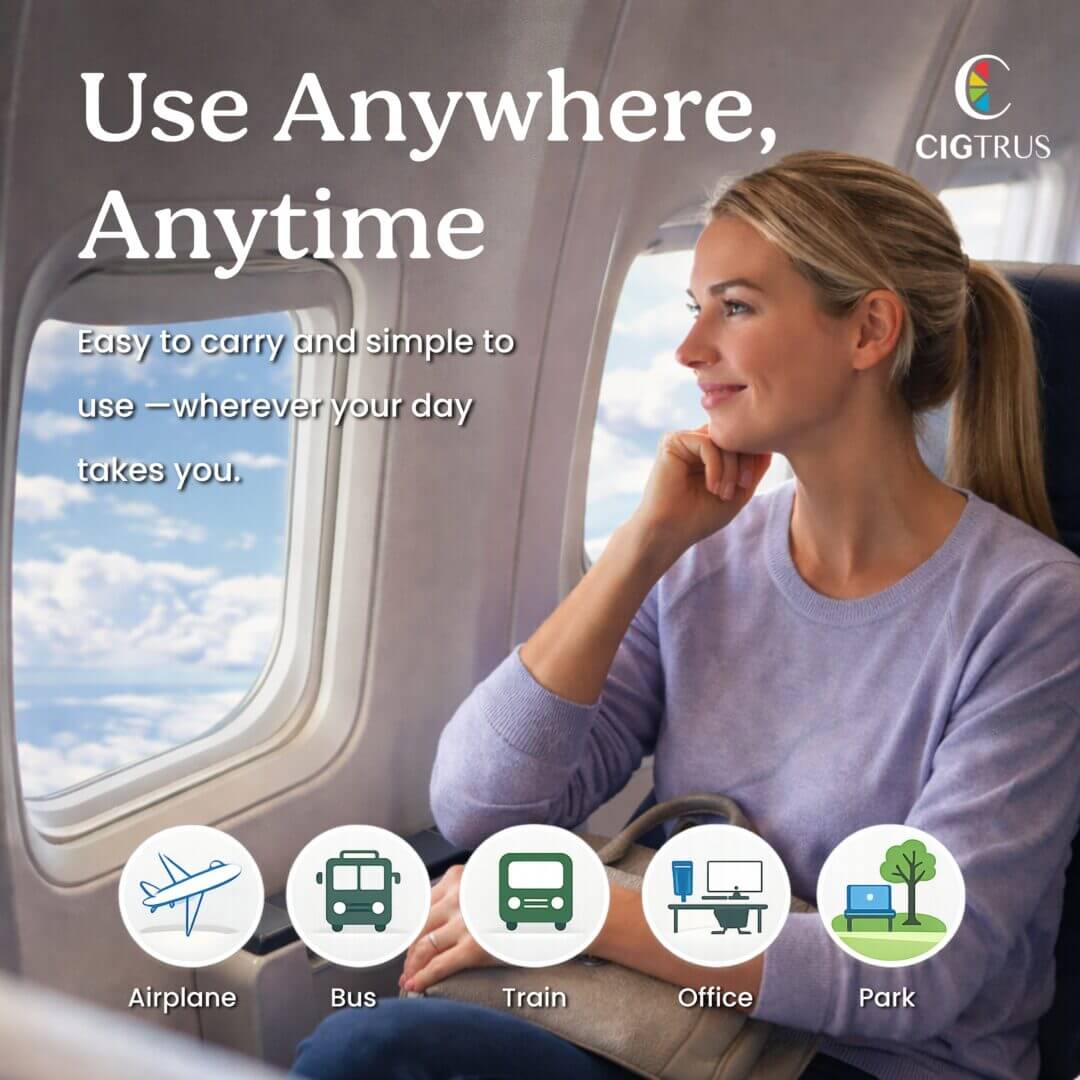
Cigtrus is designed around the idea of Use Anytime. Anywhere. It is pocket-sized, non-electric, nicotine-free, tobacco-free, smoke-free, vapor-free, and requires no battery, charging, or heating.
Quitting Without Nicotine Means Replacing More Than Nicotine
If you are trying to quit smoking without nicotine, removing cigarettes is only the beginning.
The coffee still happens.
The commute still happens.
Stress still happens.
Meals still end.
Social situations still happen.
And your hands can still remember what they used to do during those moments.
That is why a nicotine-free strategy should not only ask:
“How do I stop using nicotine?”
It should also ask:
“What am I going to do when the old smoking habit shows up?”
Once you understand that difference, quitting becomes less about fighting every moment with willpower and more about deliberately building a new routine.
Replace the Habit. Not Just the Nicotine.
Cigtrus is a nicotine-free, tobacco-free, non-electric smokeless inhaler designed around the familiar hand-to-mouth experience. Use Anytime. Anywhere.
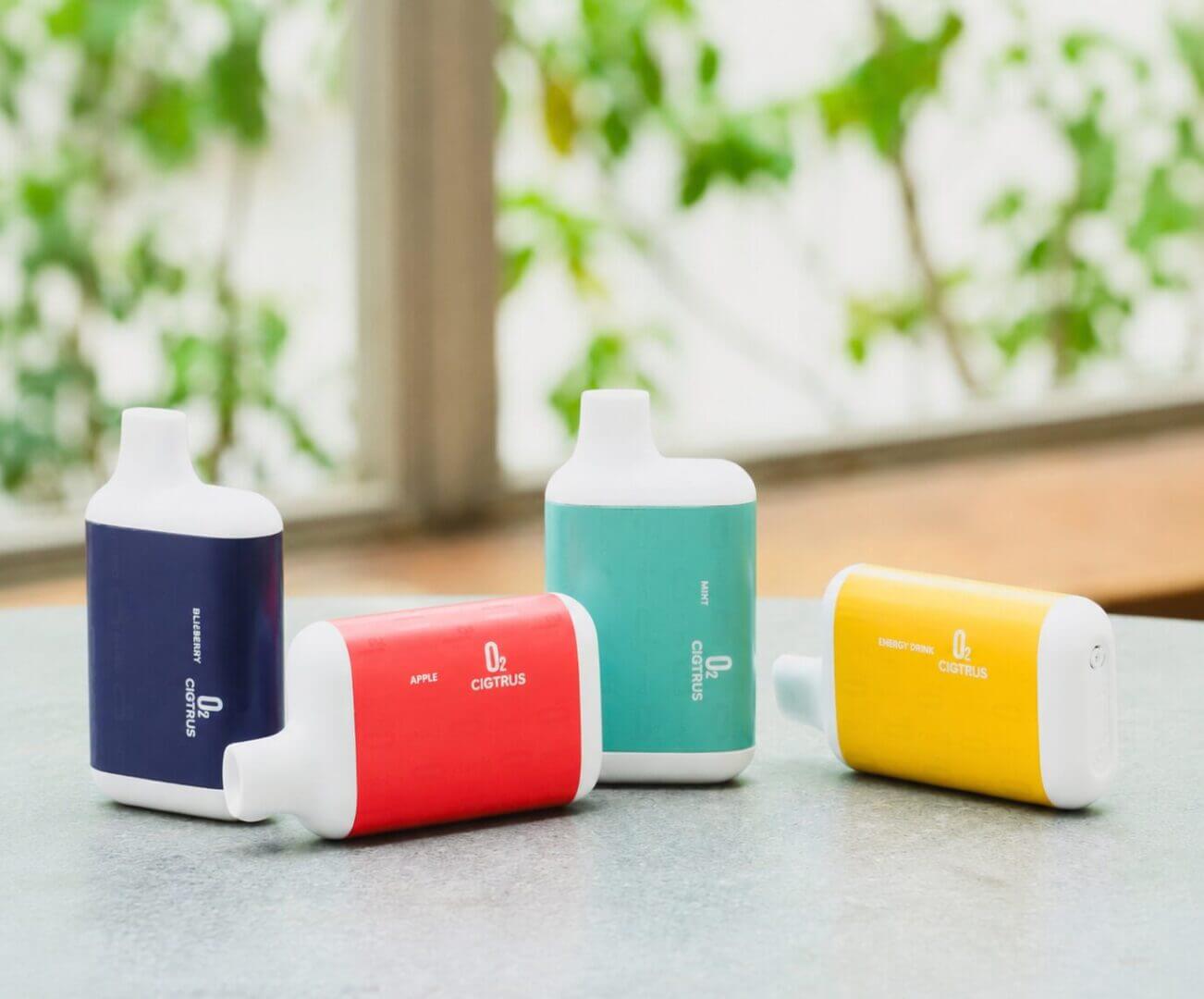
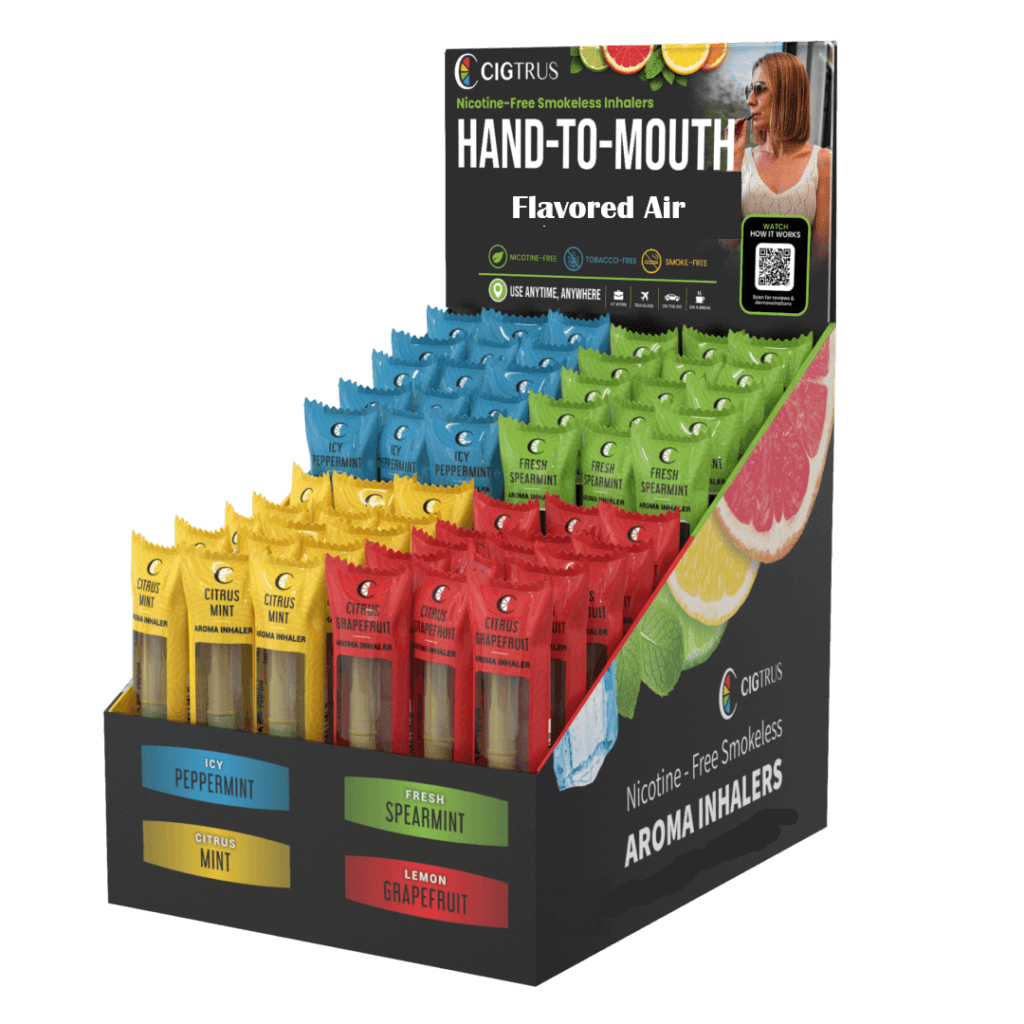
Explore the Cigtrus Variety Pack