
Quit Smoking Naturally: How Cigtrus Smokeless Inhalers Help Without Nicotine or Tobacco
Many smokers searching for ways to quit smoking naturally are not only looking to reduce nicotine. They are also trying to break the routines, habits, and behavioral patterns connected to smoking itself, and that is exactly where most natural quitting approaches fall short.
That is why many people continue struggling even after lowering their nicotine intake. The chemical side may be improving, but the behavioral side, the daily triggers, the familiar motions, the automatic reaching, is still firing just as strongly.
Why Smoking Habits Feel Difficult to Replace Naturally
Over time, smoking becomes tied to emotional routines and behavioral repetition. The physical act of holding a cigarette, inhaling deeply, and repeating the same motion throughout the day eventually becomes automatic behavior, wired into the body’s daily pattern alongside stress, coffee, driving, work breaks, and boredom.
That is one reason many smokers feel like something is “missing” during the quitting process, even after nicotine withdrawal begins improving. The hand-to-mouth habit and the familiar inhalation ritual continue firing at every trigger long after the chemical side has begun to fade.
Morning Coffee
Paired so many times the brain expects both together. Removing the cigarette leaves a gap the hands and mouth still notice every morning.
Stress Relief
The cigarette was the stress response. Under pressure, the brain still reaches for the familiar coping routine automatically.
Work Breaks
The cigarette structured every break. Without it, the pause feels incomplete and the hands still want the familiar motion.
Boredom
Idle hands still reach automatically for something familiar after years of filling quiet moments with cigarettes.
Looking Beyond Nicotine Replacement to Quit Naturally
Many traditional quit-smoking methods focus mainly on nicotine replacement, gums, patches, or other nicotine-based products. While these may help address the chemical side of cravings, they almost never address the behavioral side of smoking itself.
This is why many people searching for a natural way to quit begin looking for nicotine-free alternatives that focus more on routines, cravings, and behavioral triggers, rather than continuing nicotine dependency through a different delivery mechanism.
“For many smokers, quitting naturally does not mean cold turkey or white-knuckling through every craving with nothing. It means replacing what smoking gave them, the pause, the breath, the familiar motion, with something cleaner. Something that does not continue the chemical dependency.”
How Cigtrus Supports Natural Habit Replacement
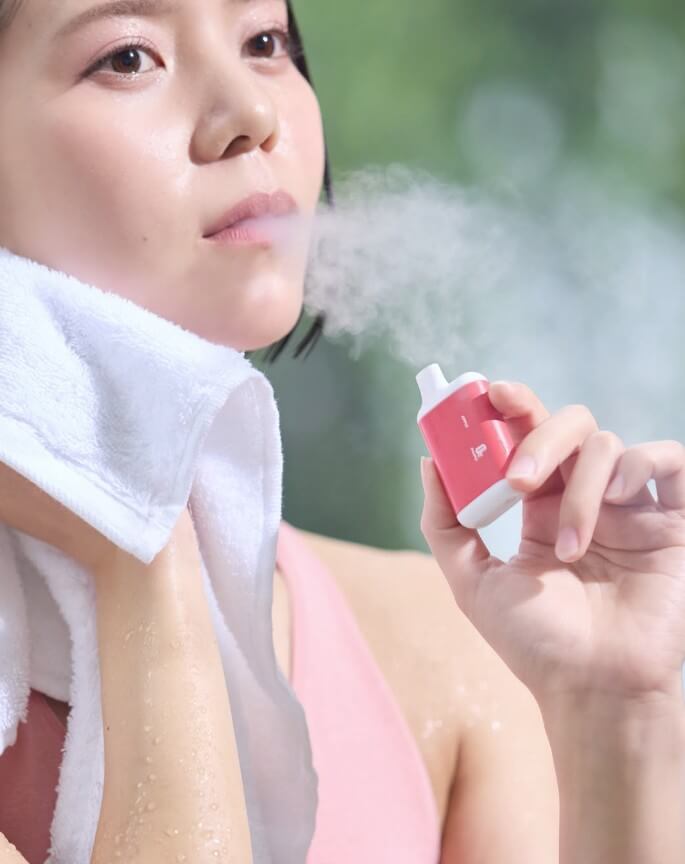
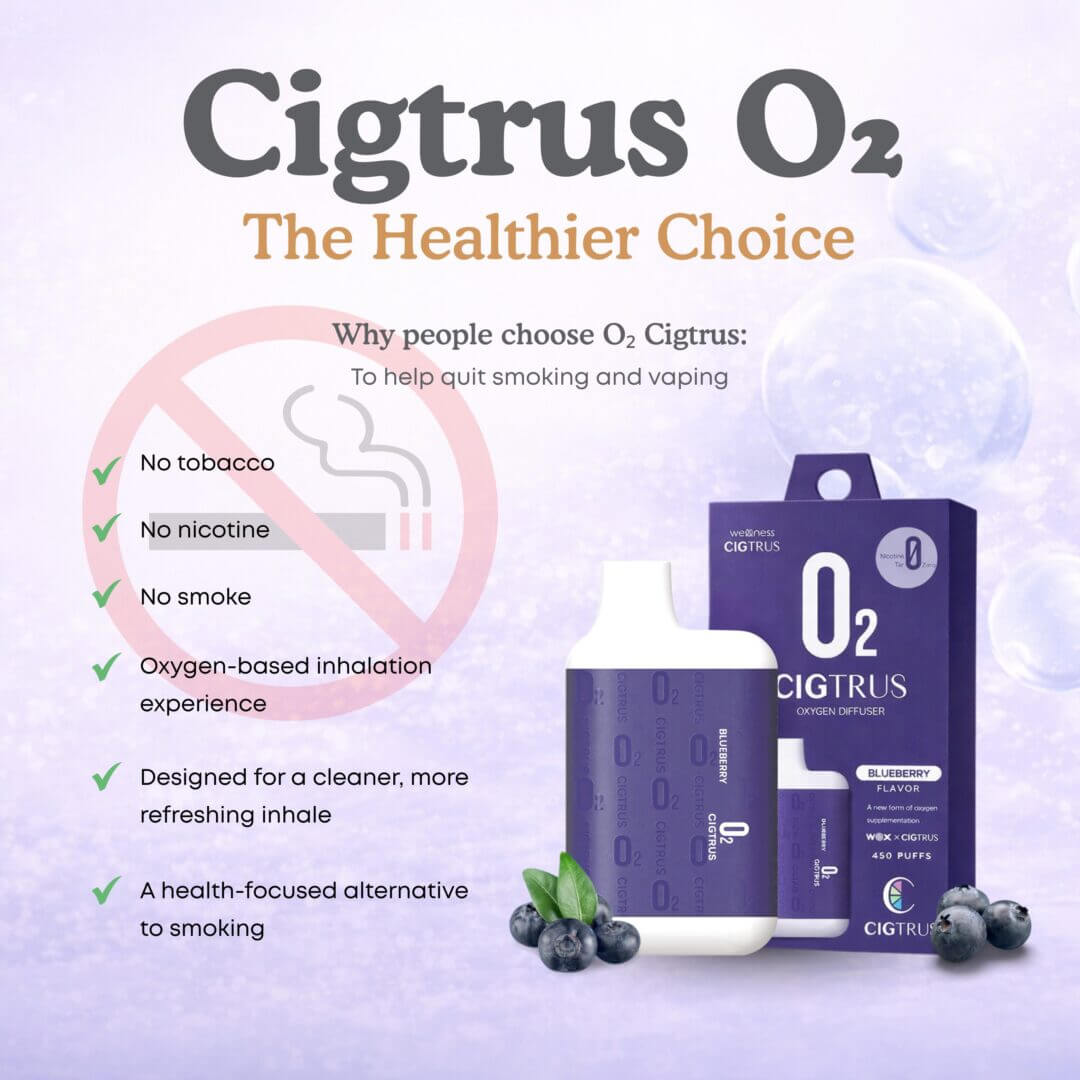
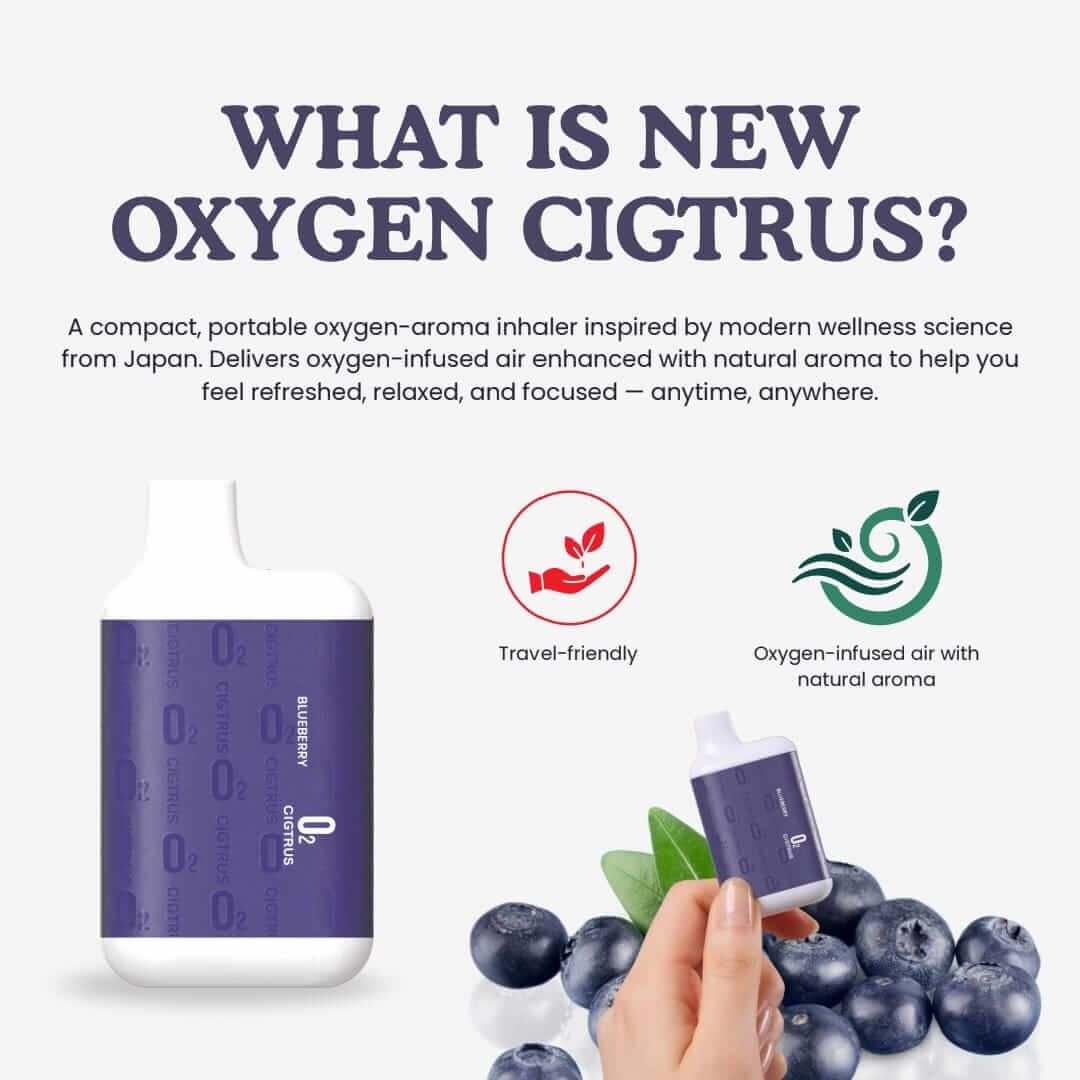
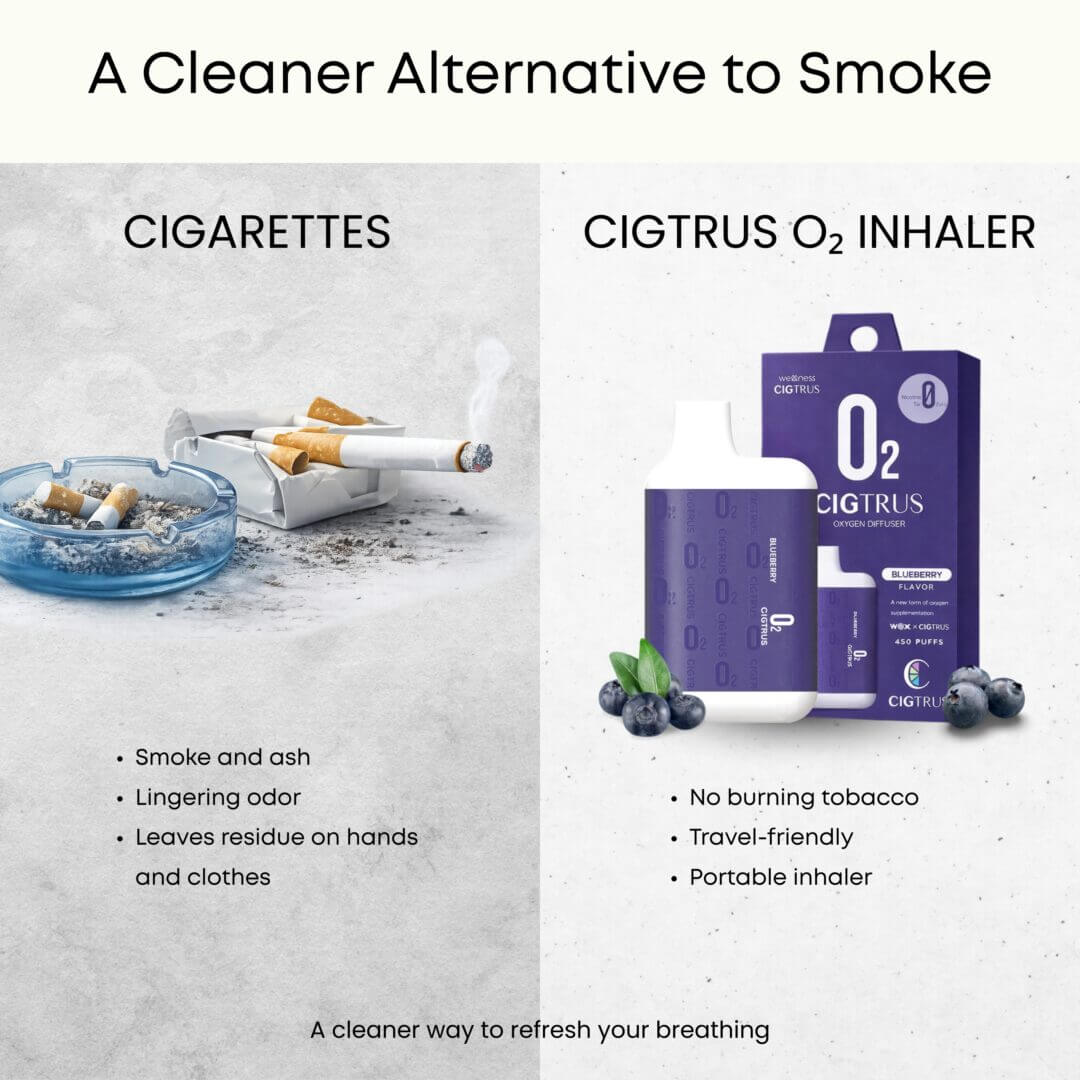
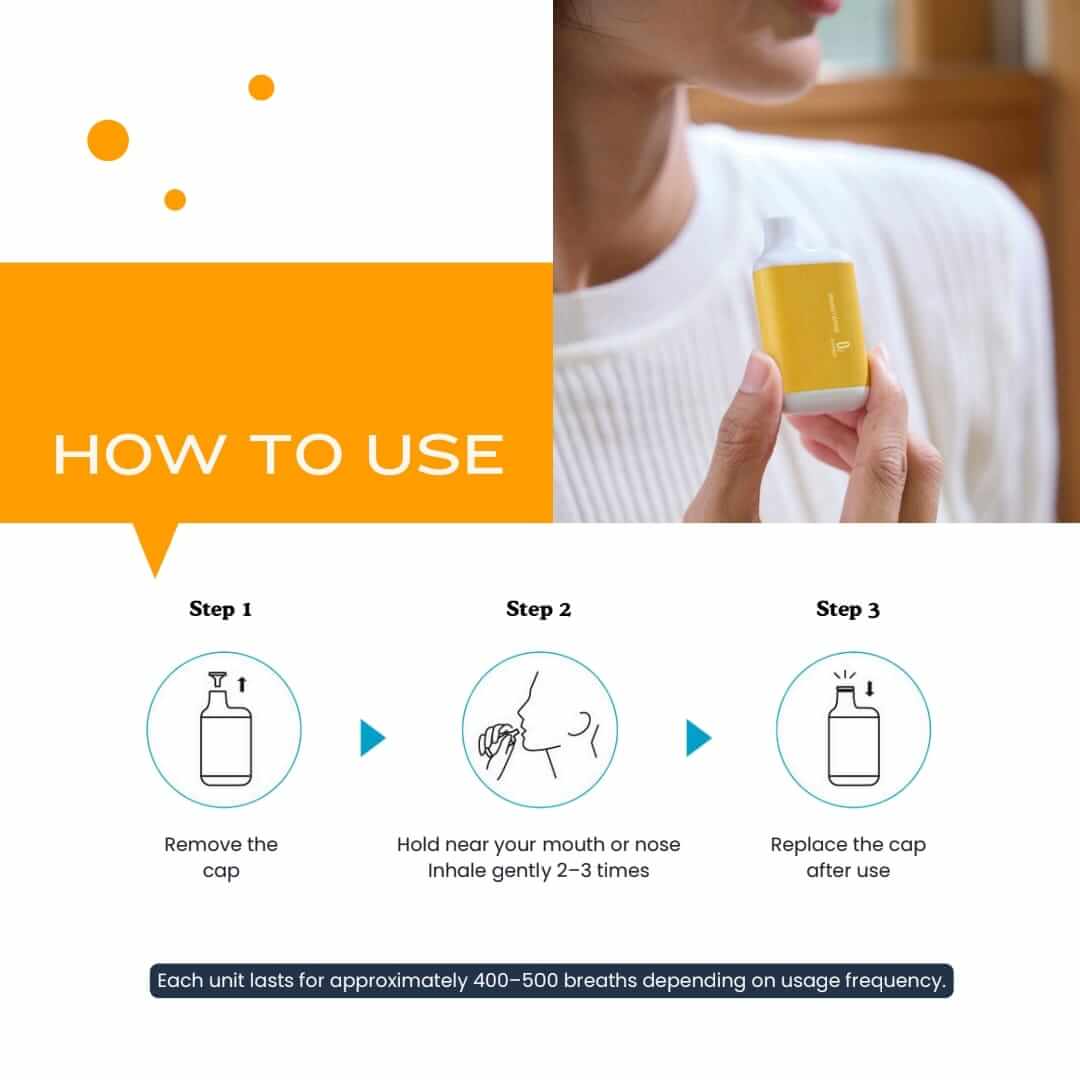
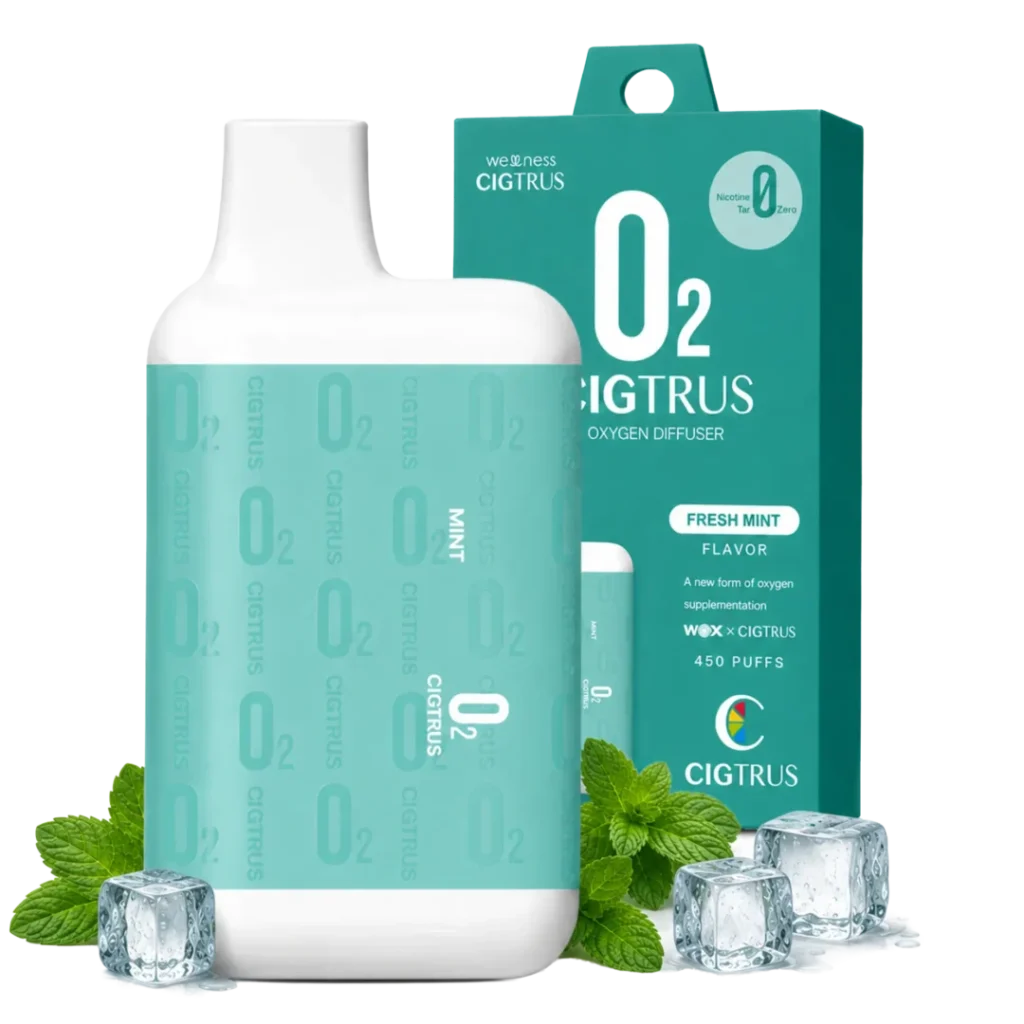
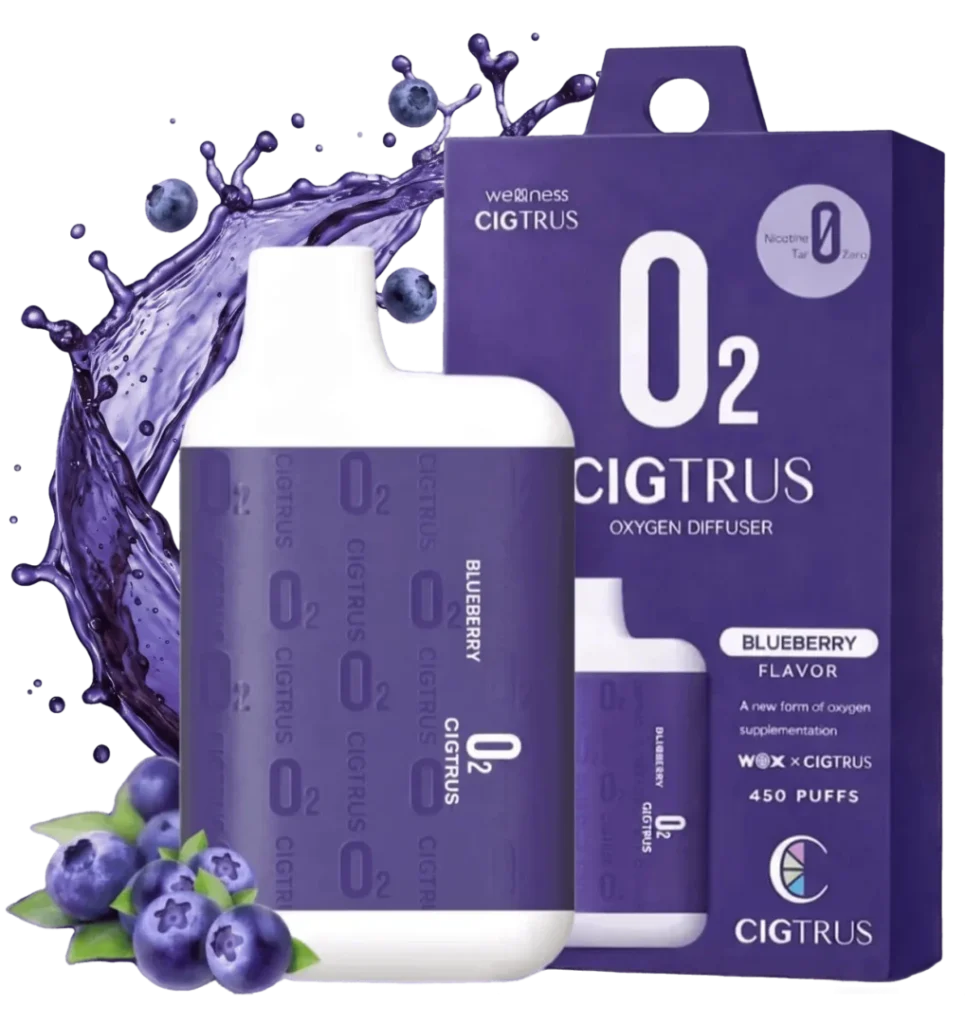
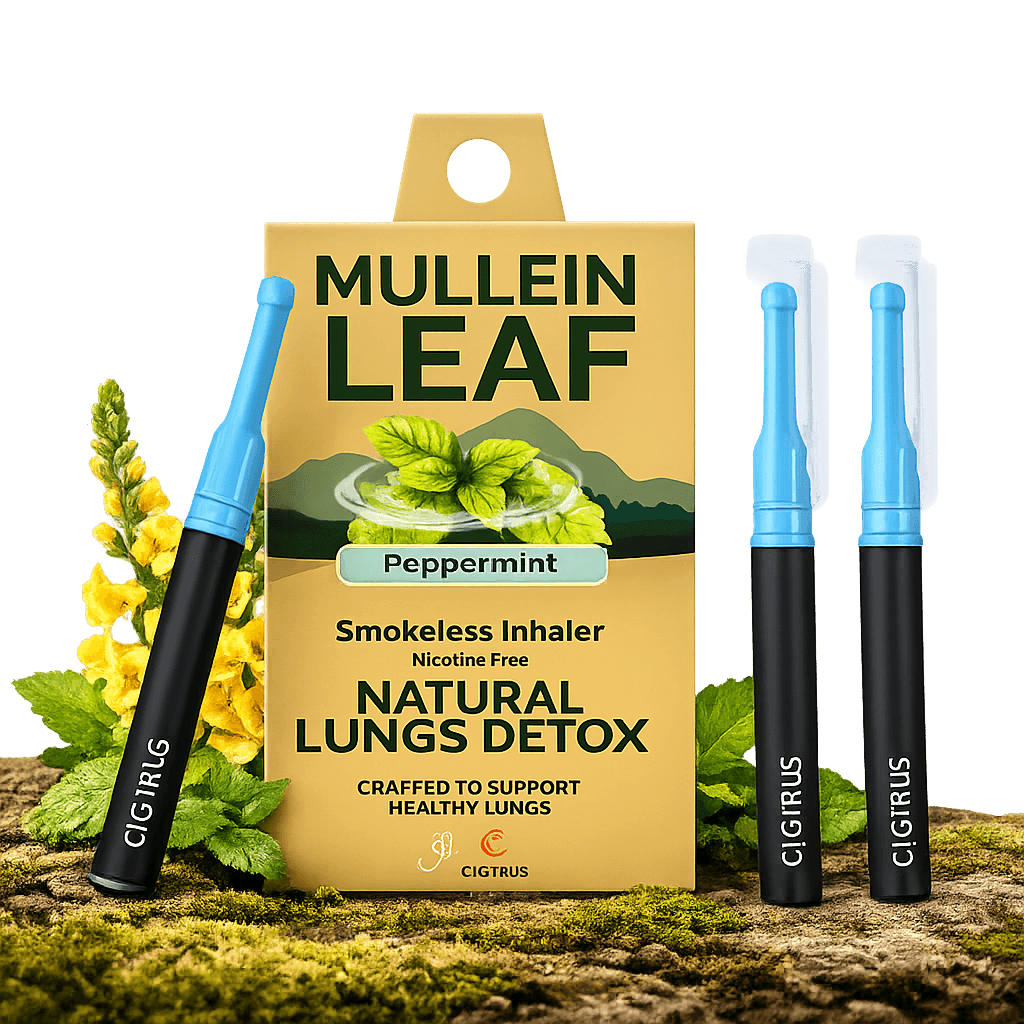
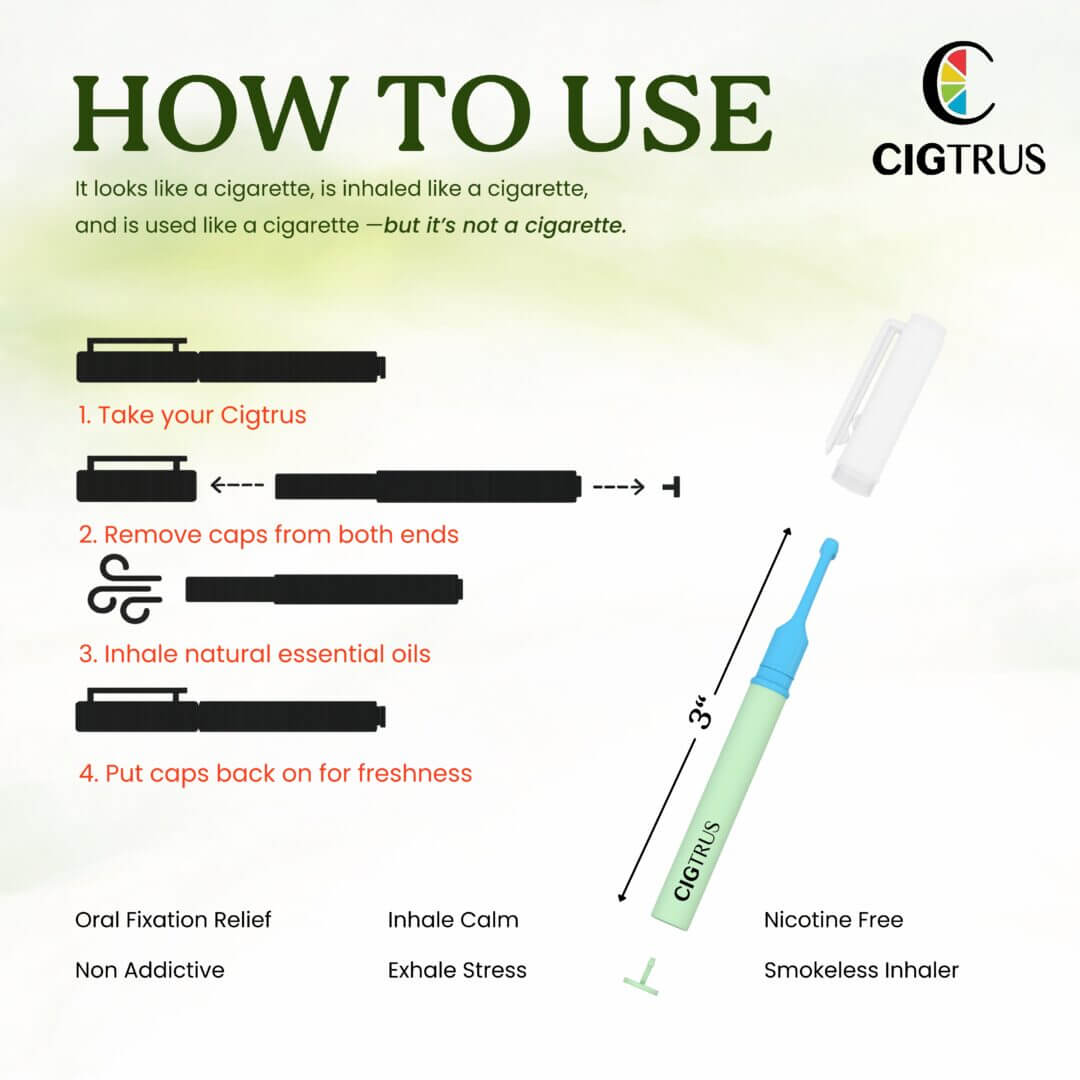
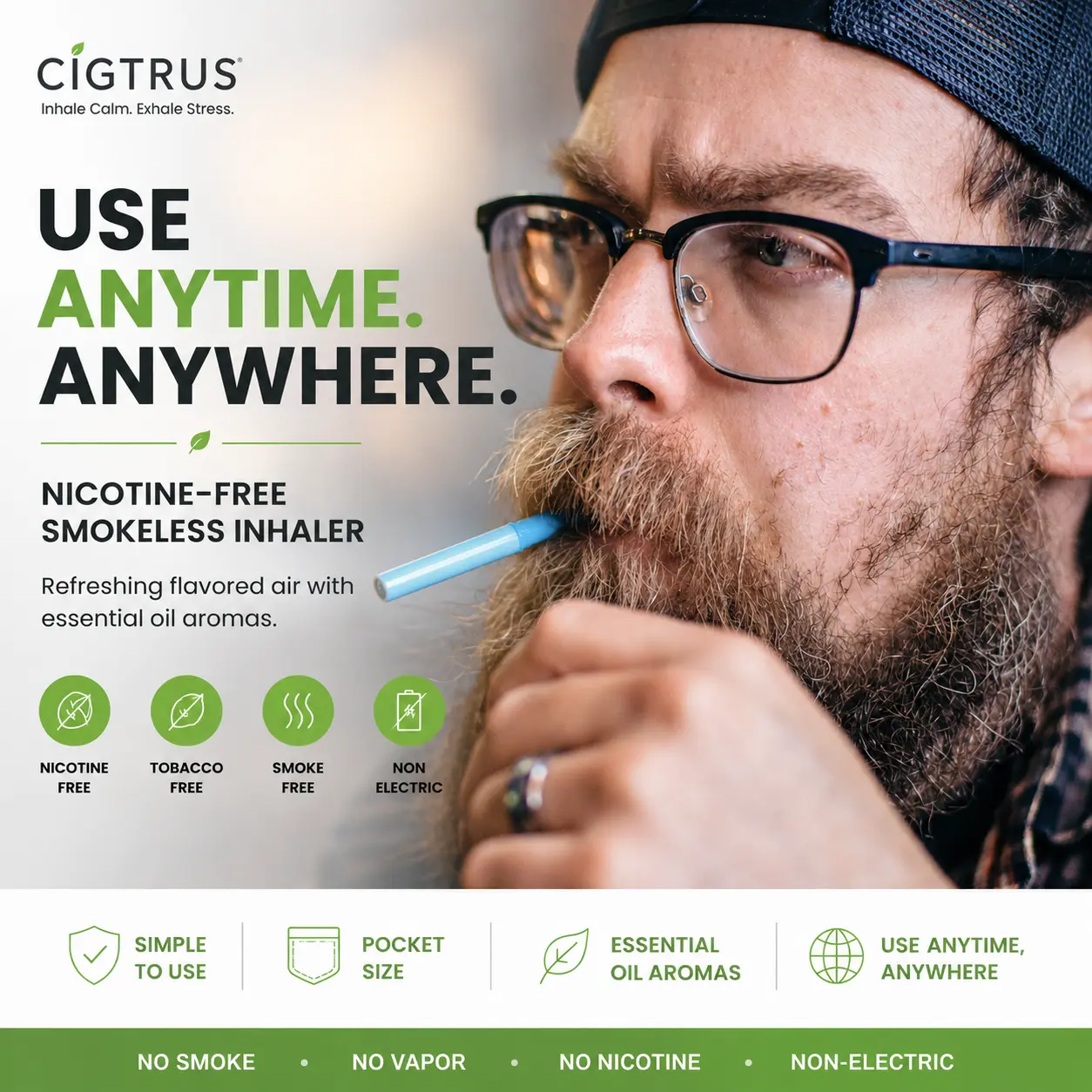
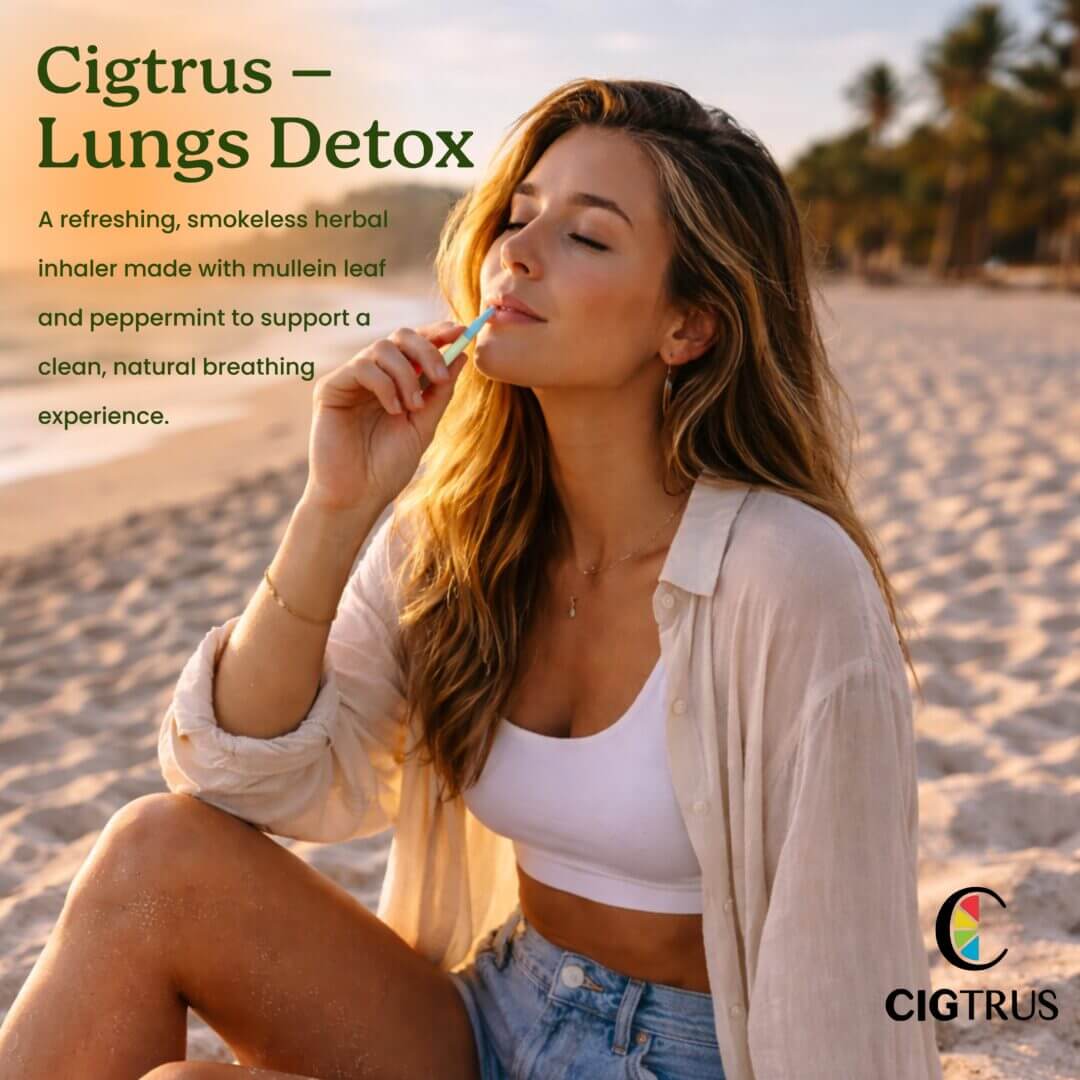
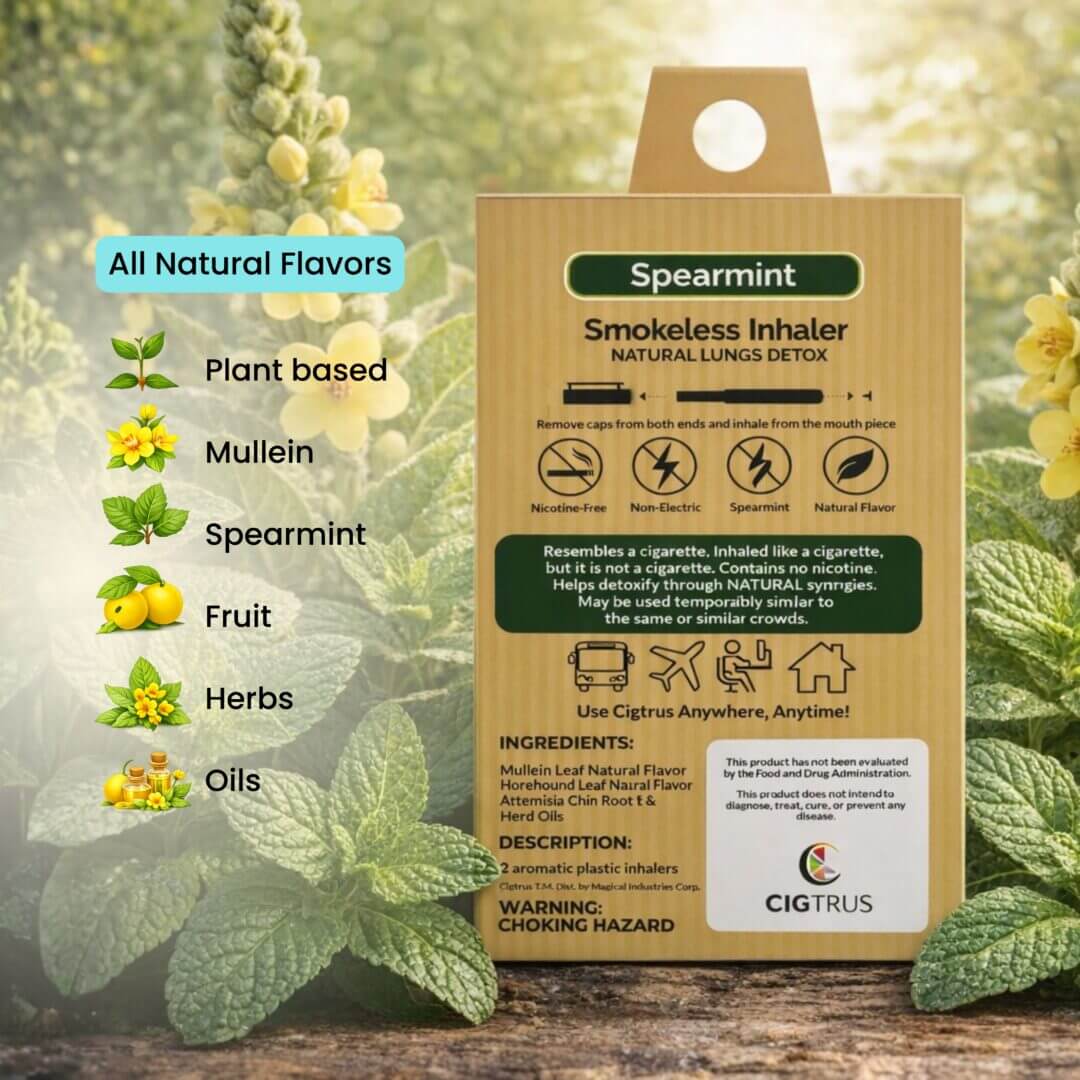
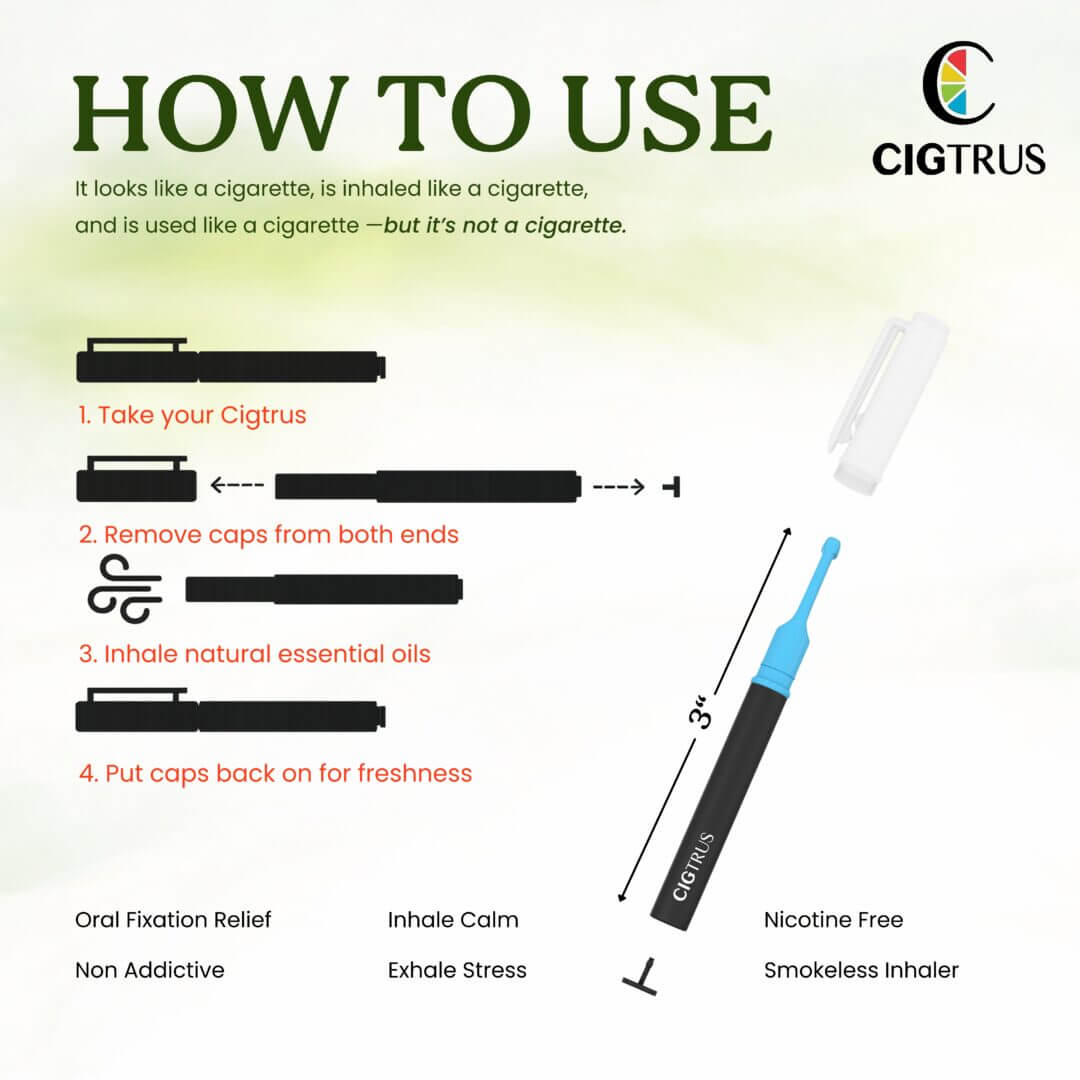
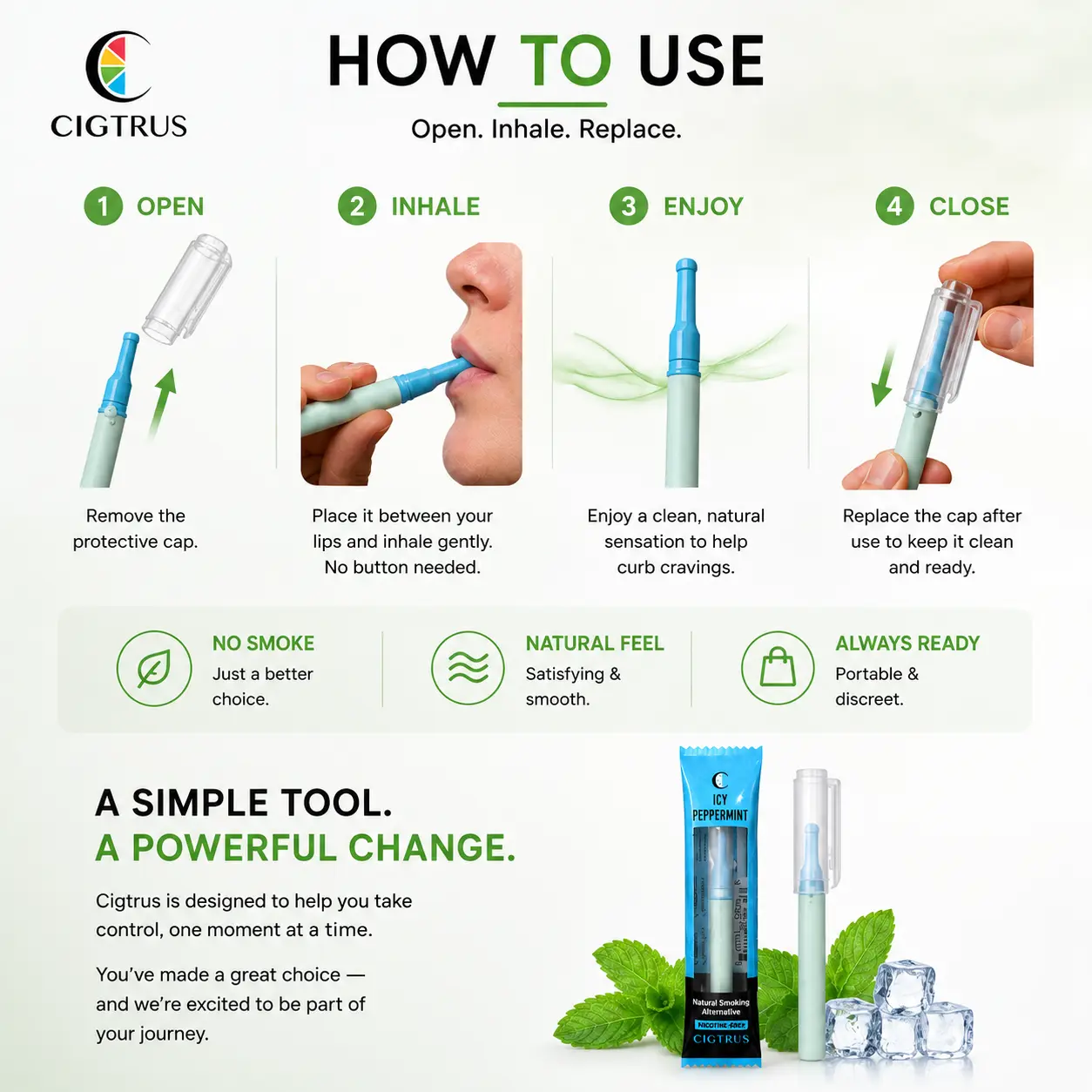
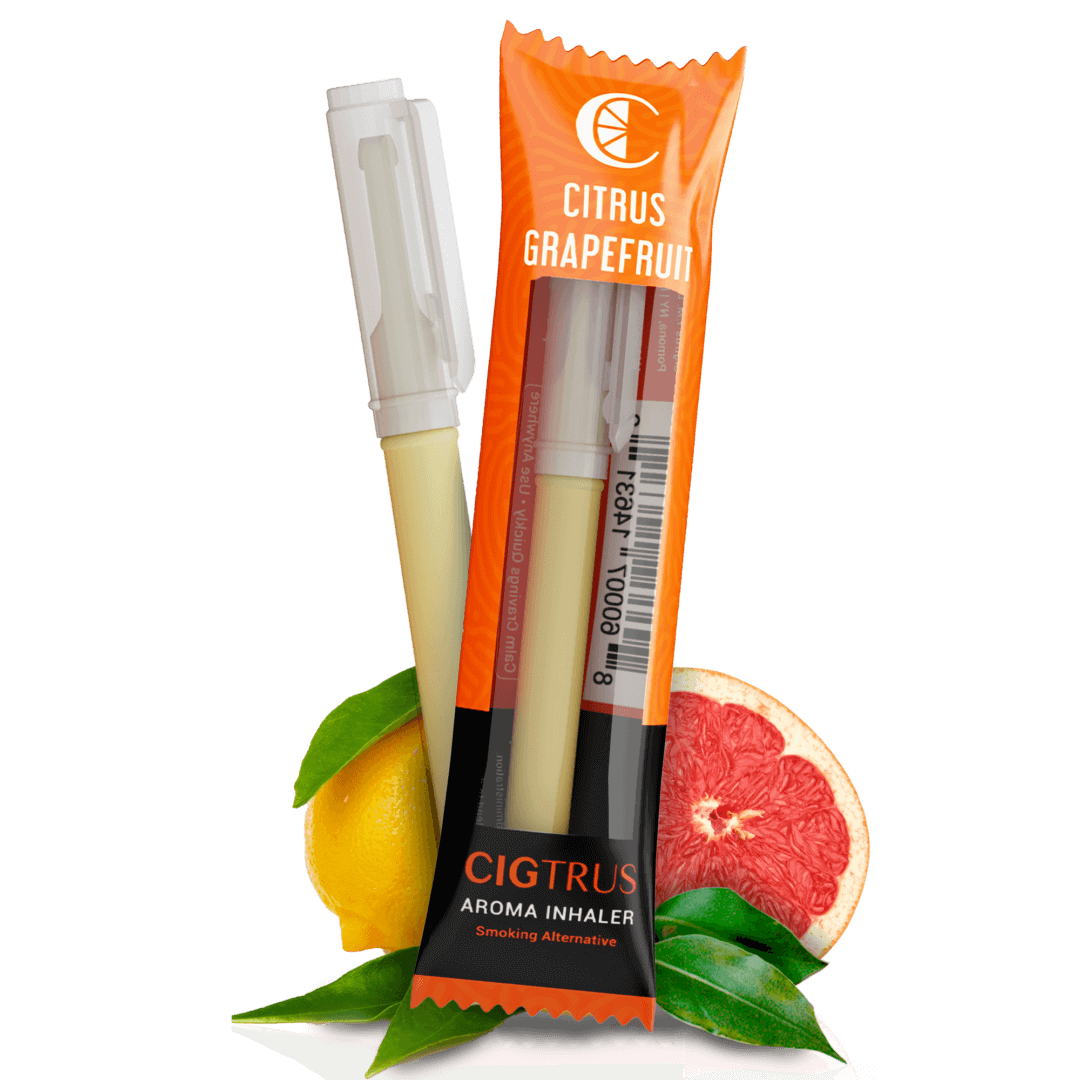
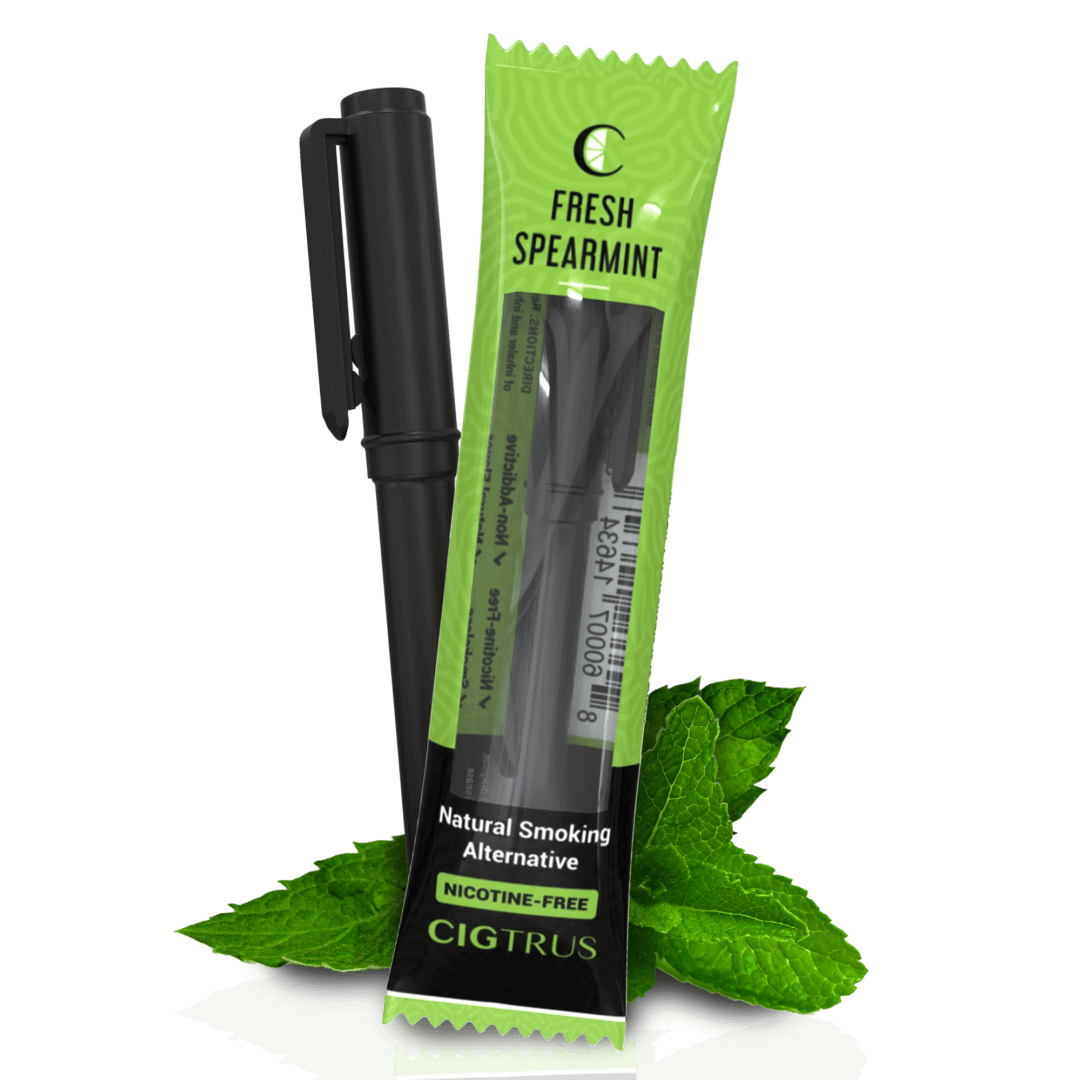
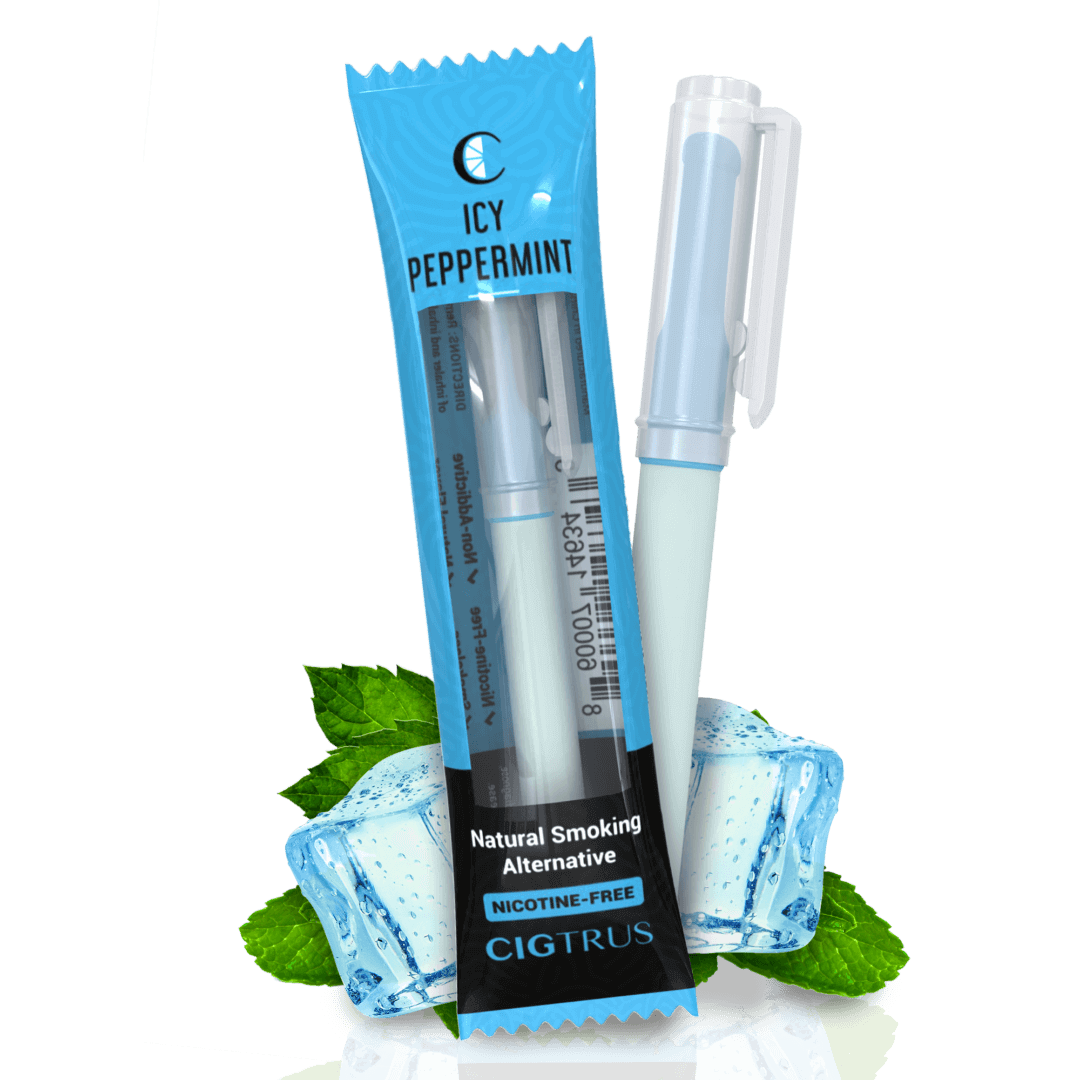
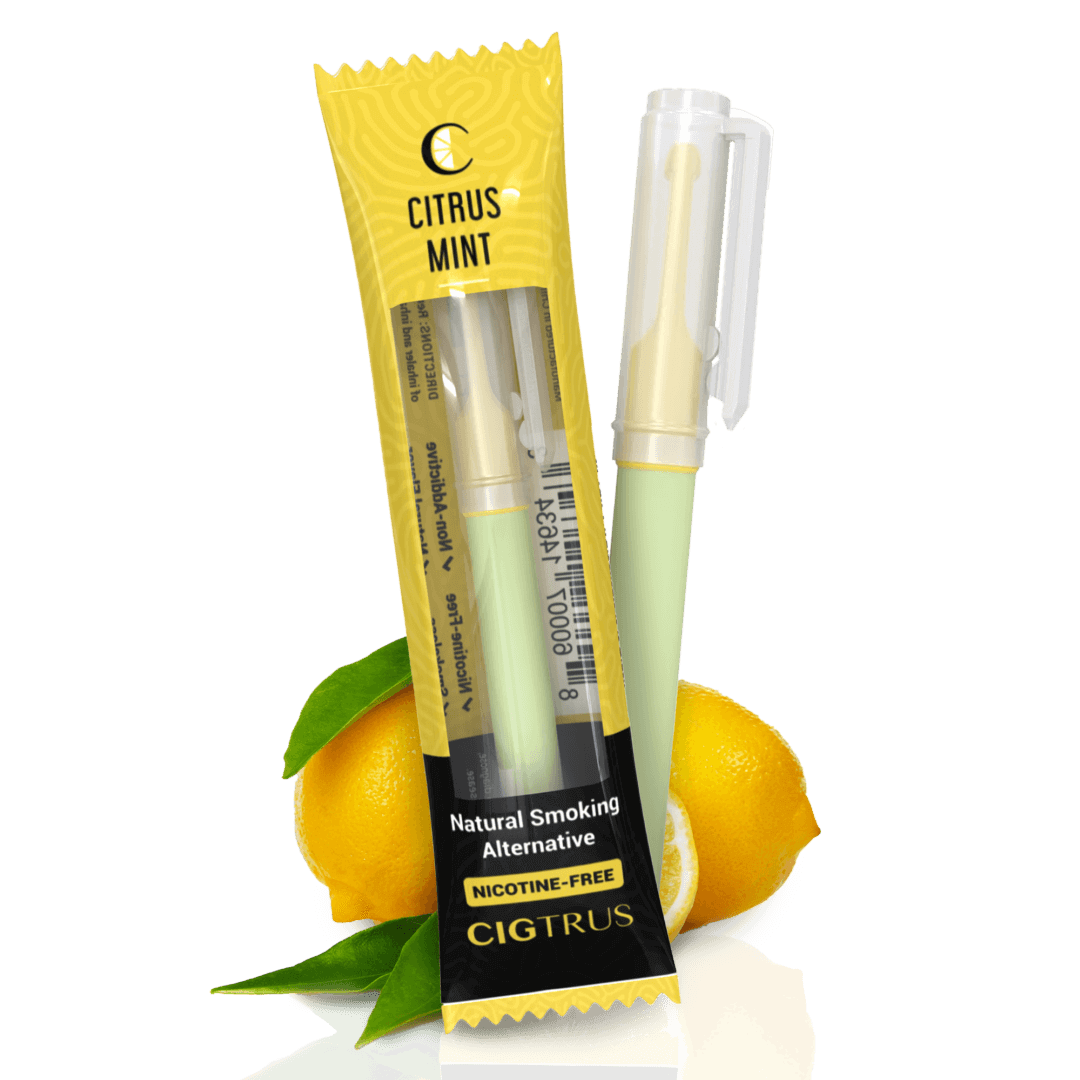
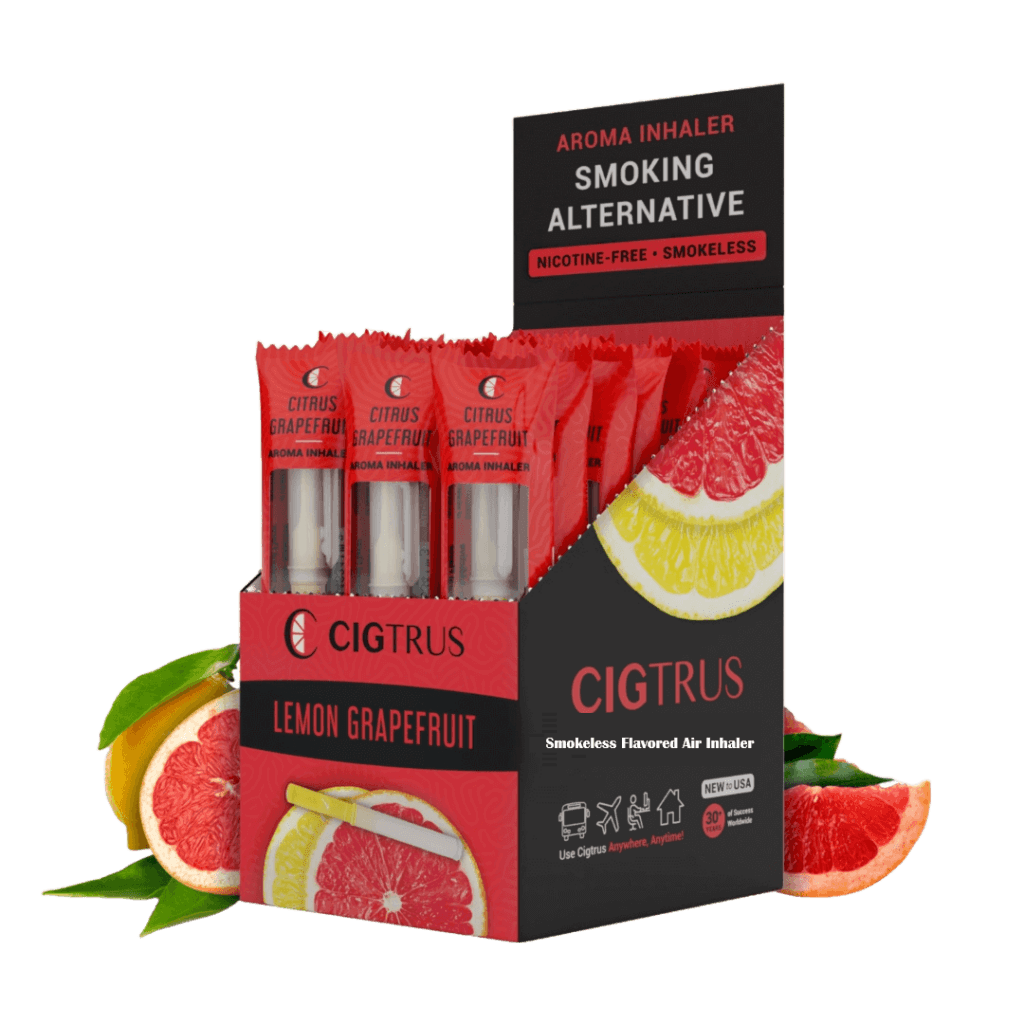
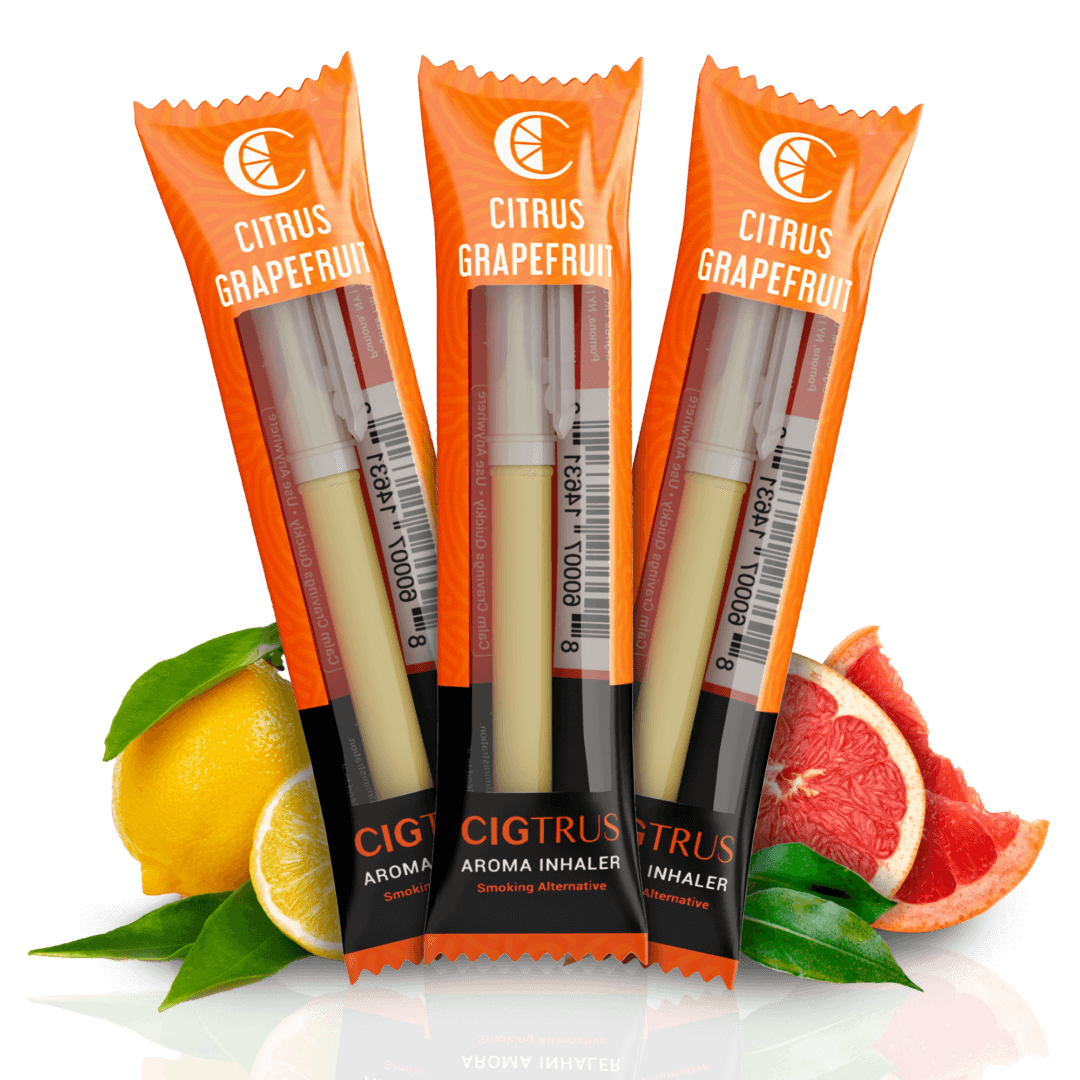
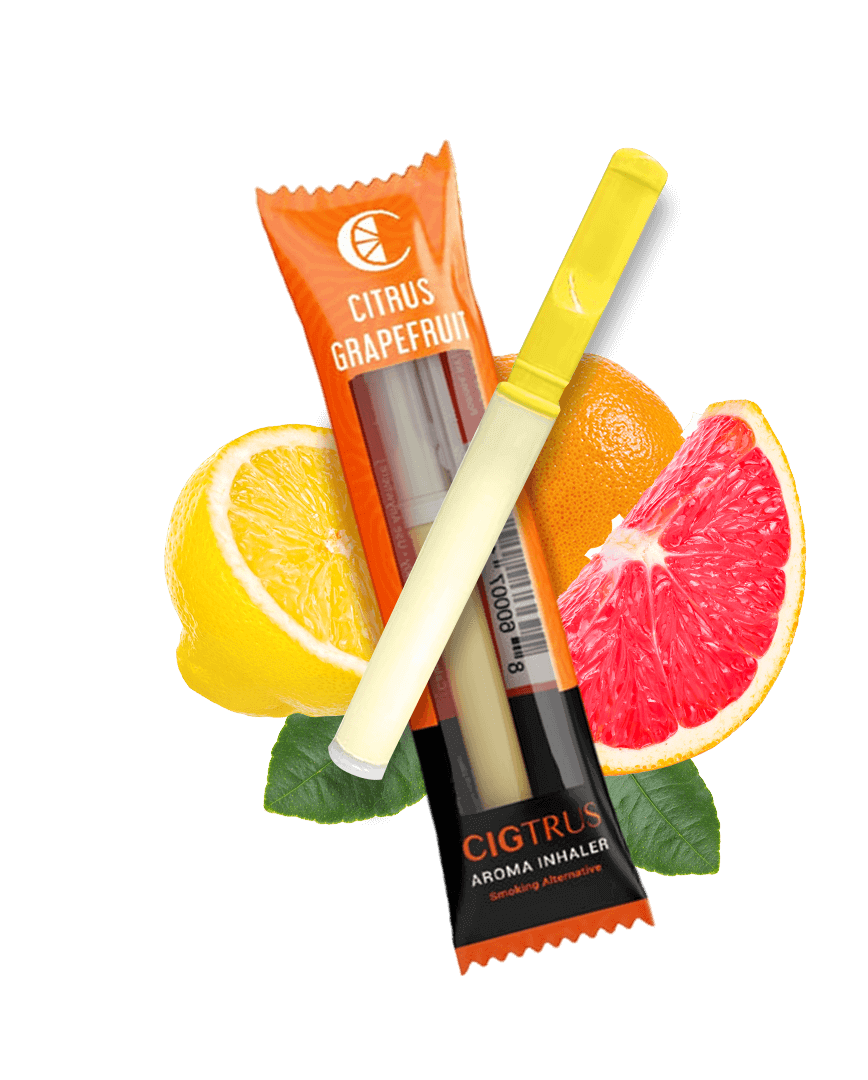
Cigtrus is a nicotine-free, smokeless, non-electric inhaler designed around the behavioral side of smoking habits. Instead of smoke, nicotine, or vapor, it provides a familiar puffing experience that supports the hand-to-mouth habit and inhalation routine, giving the body something natural to do at every trigger moment without reintroducing any chemical dependency.
What Cigtrus Supports Naturally
Hand-to-mouth habits, the familiar reaching and holding motion at every trigger moment throughout the day
Oral fixation and inhalation routines, the breath the body still expects when a trigger fires
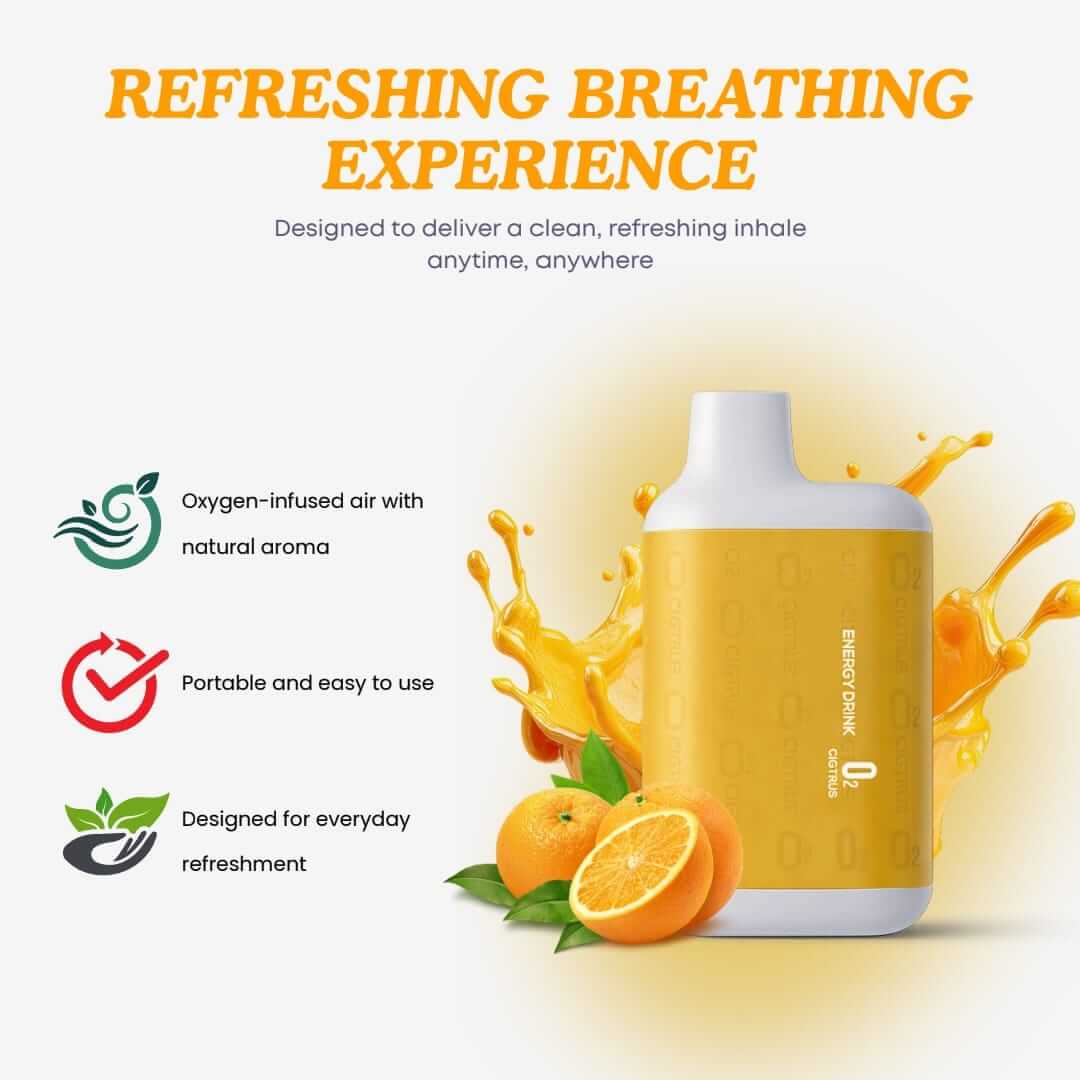
Sensory familiarity, natural essential oil aromas that give cravings a clean, refreshing destination
Behavioral cravings, something ready at every stress, boredom, and trigger moment instead of nothing
Smoking routines, preserving the familiar pause and motion without smoke, nicotine, or tobacco
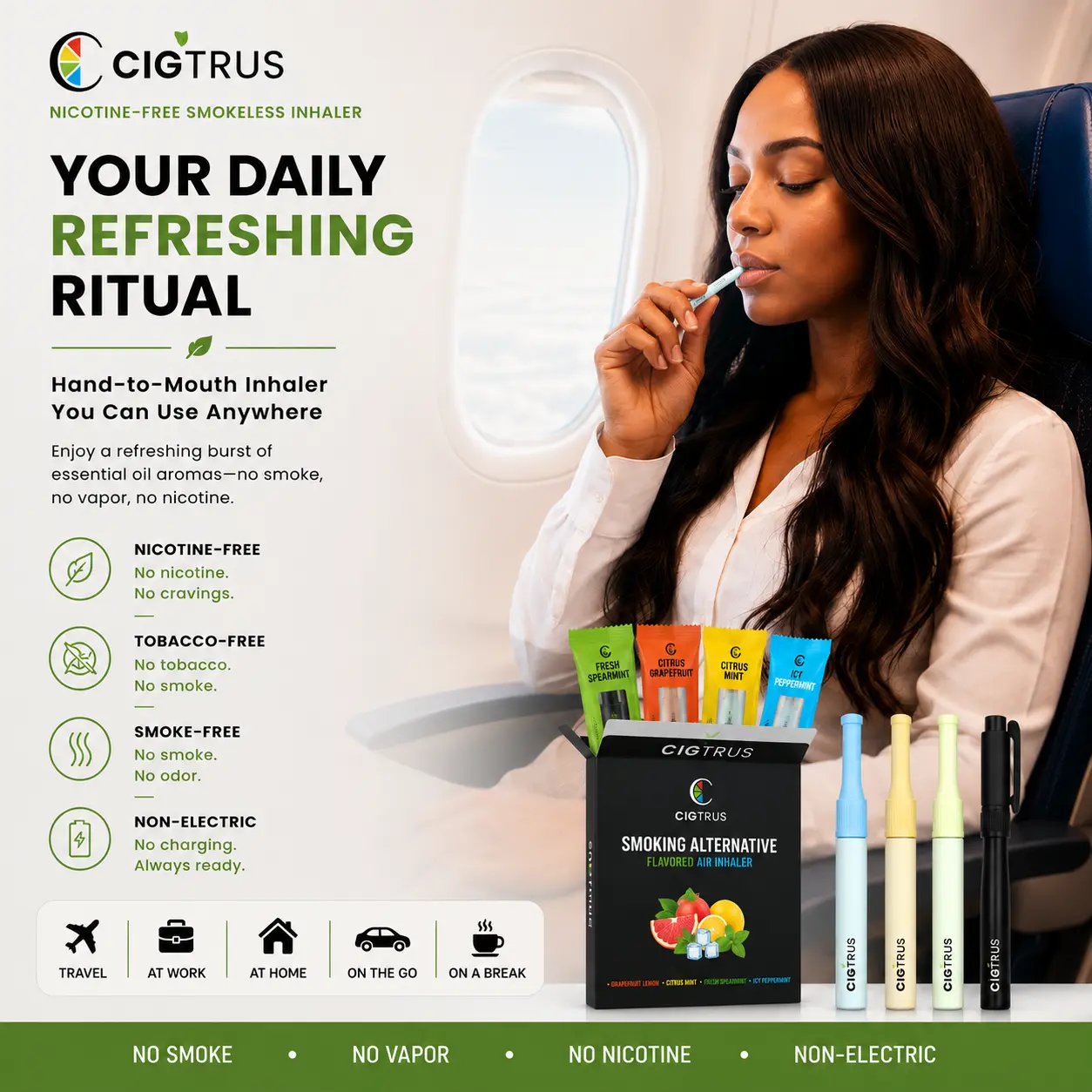
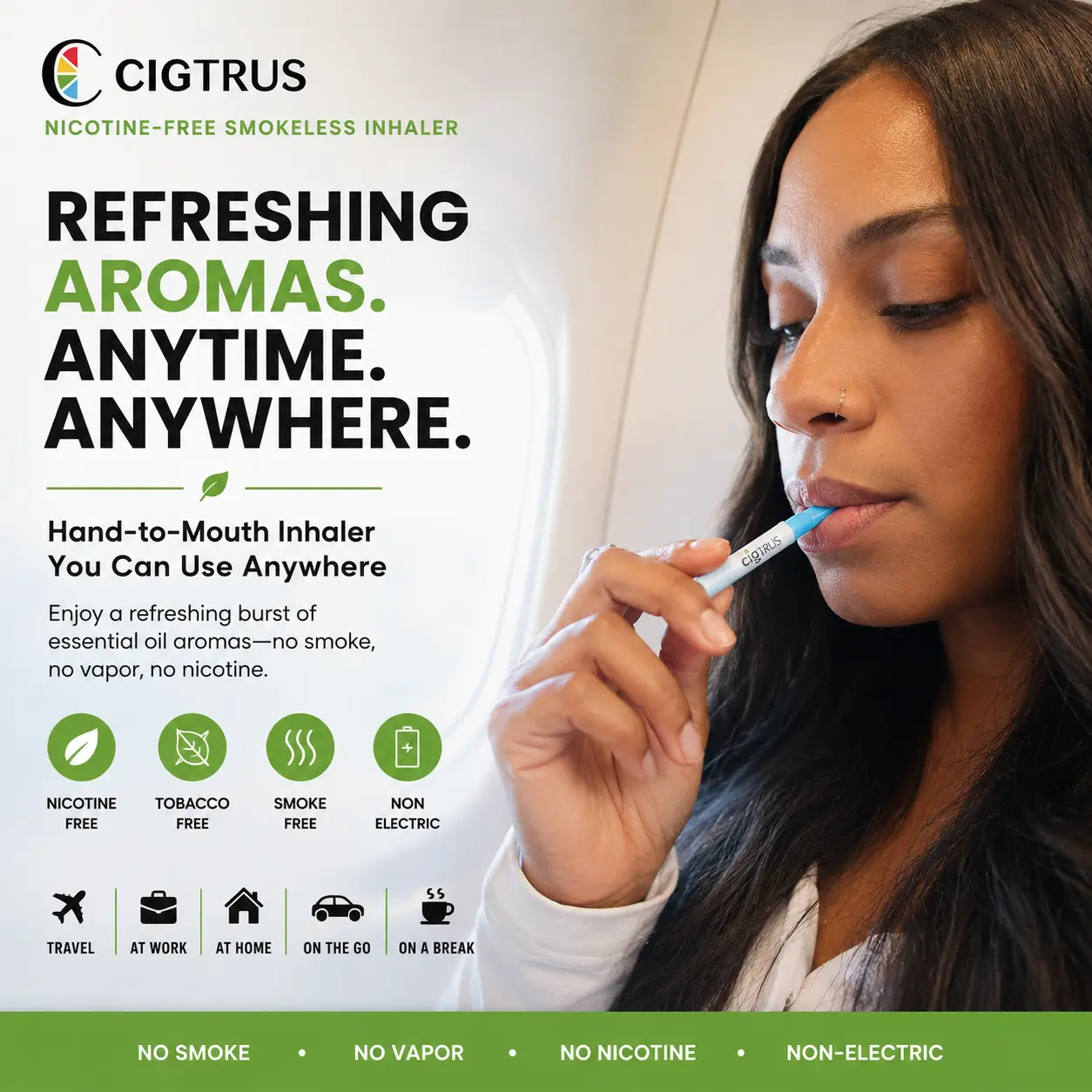
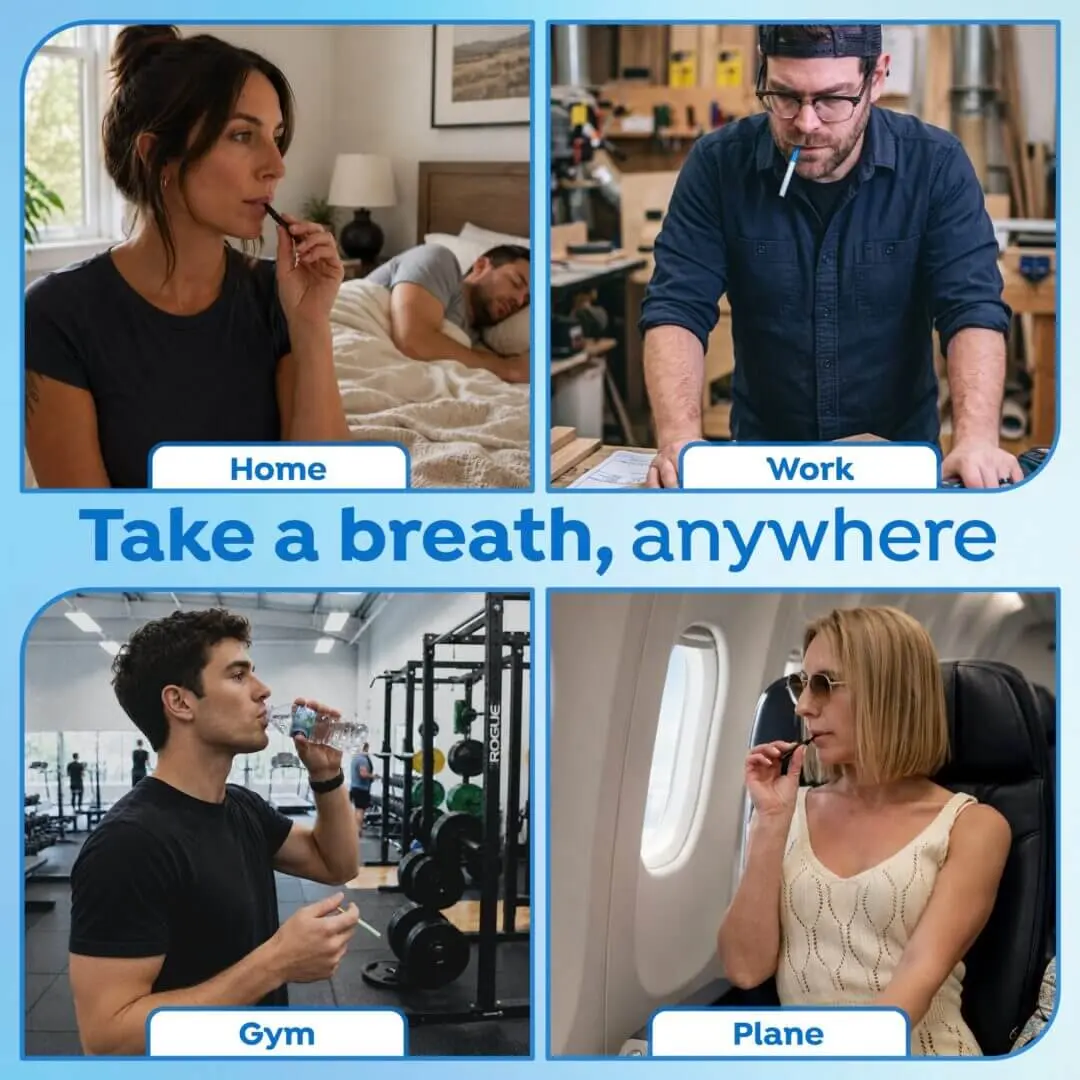
Many users prefer that Cigtrus contains no nicotine, produces no smoke or vapor, requires no charging, fits easily into daily routines, and provides a portable behavioral alternative that is always ready, in any environment, at any trigger moment.
Why Behavioral Support Matters for Quitting Naturally
Smoking cravings are often connected to stress, emotion, boredom, routine, and habit memory. That is why quitting can feel emotionally difficult even after physical withdrawal begins to improve, and why natural quitting approaches that only address nicotine often leave people unsupported at the moments that matter most.
Understanding the behavioral side of smoking habits helps smokers approach quitting in a more realistic and manageable way. The goal is not simply removing nicotine, it is gradually creating distance from the smoking routine itself, trigger by trigger, day by day.
Building New Smoke-Free Routines Naturally
Most smoking habits develop over years of repetition and emotional association. Replacing those habits naturally takes patience, consistency, trigger awareness, and realistic behavioral support over time, not overnight transformation.
- Consistency, using the nicotine-free replacement every single time a trigger fires
- Trigger awareness, knowing which specific moments cause the strongest automatic responses
- Patience, behavioral habits built over years take weeks and months to naturally replace
- Realistic progress, gradual change rather than sudden total removal of everything the habit provided
- Behavioral support, having something ready at every trigger so the gap never goes unfilled
Cigtrus was designed to help support this natural transition, providing a nicotine-free behavioral alternative focused on helping users move away from smoking routines without continuing any form of nicotine dependence.
Frequently Asked Questions
How does Cigtrus help quit smoking naturally without nicotine?
Cigtrus replaces the behavioral side of smoking, the hand-to-mouth motion, the inhalation ritual, the oral fixation, with a nicotine-free, smokeless alternative. It gives the body something natural to do at every trigger moment without reintroducing any chemical dependency.
Why is quitting smoking naturally so difficult?
Because smoking is connected to behavioral routines, emotional triggers, and daily habits that outlast nicotine withdrawal. The brain continues firing the smoking trigger at the same moments it always did, long after the chemical side has improved, because the behavioral side was never replaced.
What makes Cigtrus a natural quit-smoking aid?
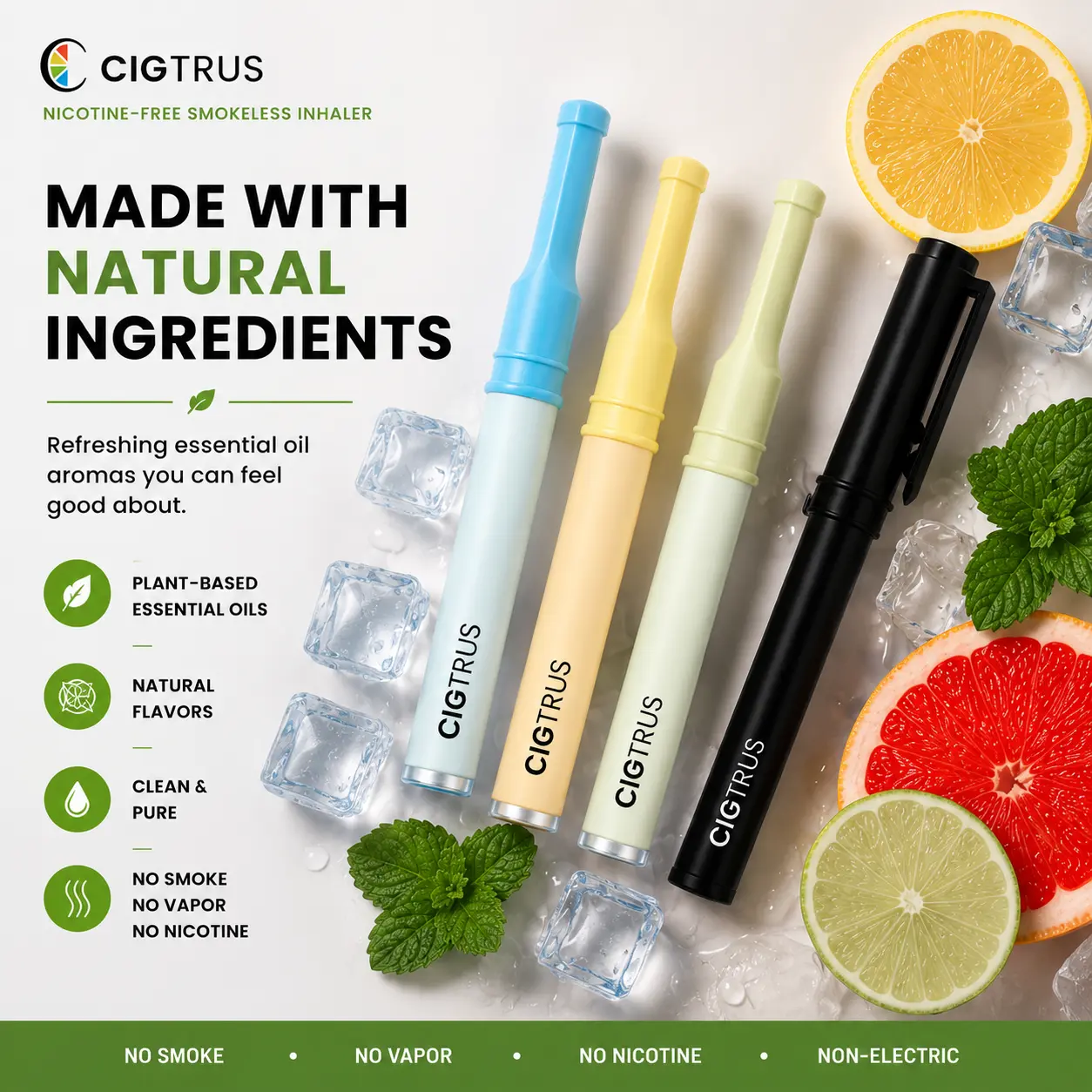
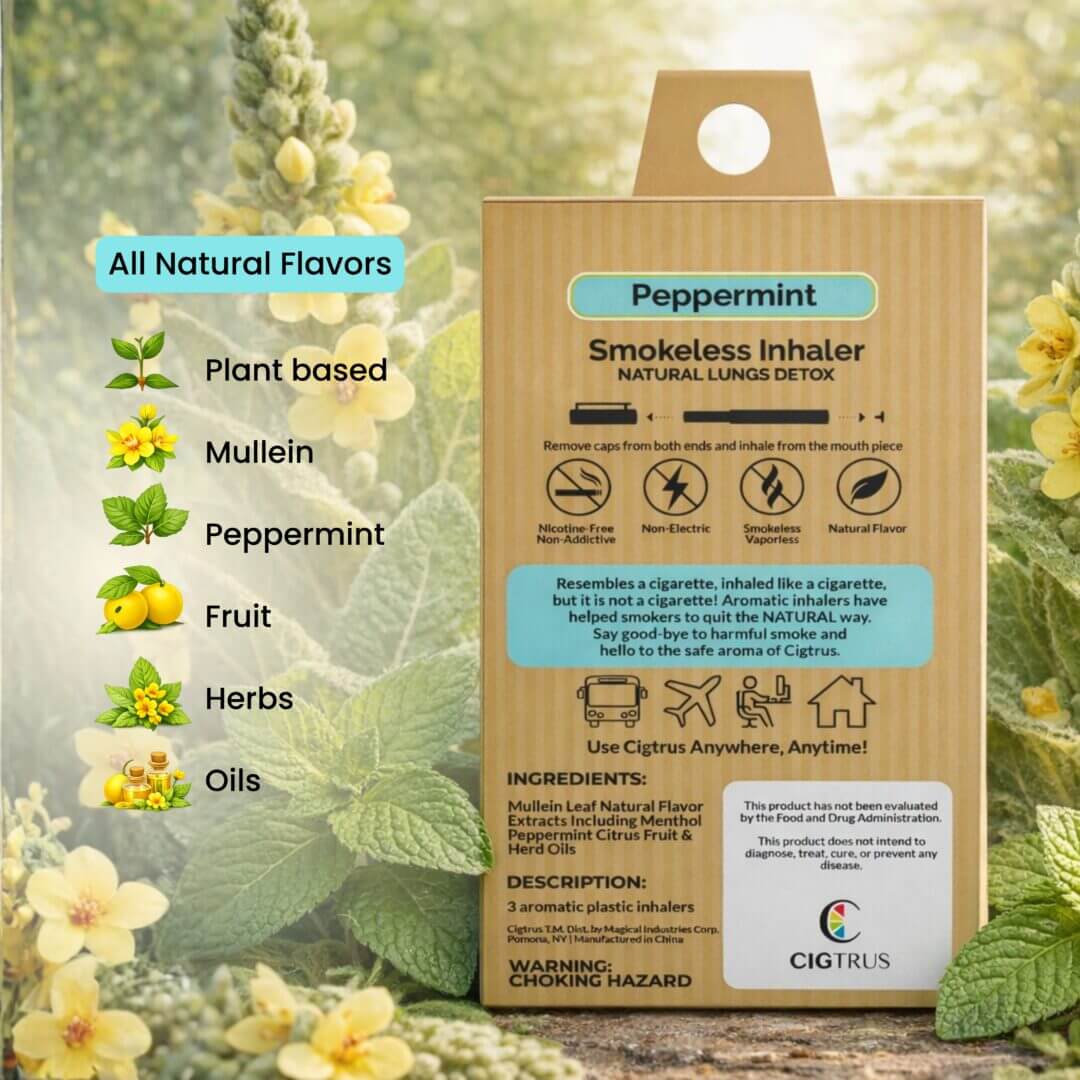
Cigtrus contains no nicotine, no tobacco, no smoke, and no vapor. It uses natural essential oil aromas delivered through a simple non-electric inhaler, giving the hands, mouth, and brain a clean, natural alternative at every craving moment.
Is behavioral support really necessary for quitting naturally?
Yes, for many people it is the most important part. Many smokers who fail to quit long term are not struggling with nicotine; they are struggling with the behavioral ritual. Addressing the routine side is what makes natural quitting sustainable rather than a constant uphill battle.
Can Cigtrus be used alongside other natural quitting methods?
Yes. Cigtrus works well alongside breathing exercises, mindfulness, physical activity, trigger mapping, and support systems, addressing the behavioral layer while other approaches address the chemical and emotional layers simultaneously.
A Natural Approach to the Behavioral Side
For many smokers, quitting naturally means addressing the whole picture, not just the chemical. It means replacing what smoking gave them: the motion, the breath, the familiar pause, the comfort of something in the hands. Cigtrus was built to fill exactly that space, naturally, cleanly, without continuing any dependency.
Quit Naturally. Replace the Habit, Not Just the Nicotine.
Nicotine-free, smokeless, and ready for every behavioral trigger on your natural quit journey.
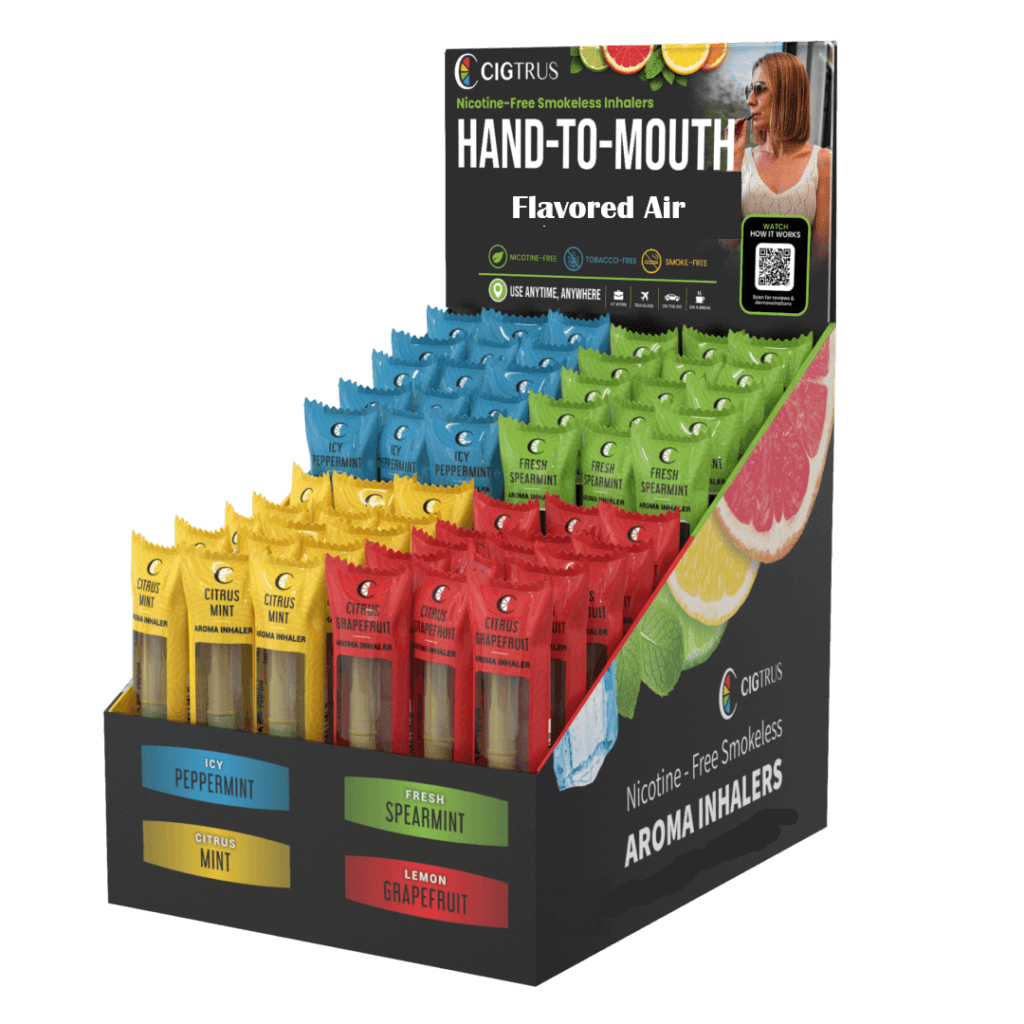
👉 Try the Variety Pack