
How Nicotine-Free Inhalers Help You Quit Smoking
Quitting smoking is one of the hardest things a person can do — not just because of nicotine, but because of the habit that surrounds it. Nicotine-free inhalers are helping people address the part most quit aids completely ignore.
If you have tried patches, gum, or willpower and still find yourself reaching for a cigarette, this article will explain why — and what you can do differently.
Why Quitting Smoking Is So Hard
Most people who try to quit smoking already know nicotine is addictive. What surprises them is how persistent the urge to smoke remains even after the nicotine dependency begins to fade.
The reason is that smoking creates two separate challenges at the same time:
The Two Challenges of Quitting
The Chemical Challenge
Nicotine is addictive. The body becomes dependent on it and withdrawal creates physical discomfort, cravings, irritability, and difficulty concentrating. This is what patches, gum, and medications are designed to address.
The Behavioral Challenge
Smoking is also a deeply ingrained physical routine. The reach, the inhale, the pause — connected to specific daily triggers like stress, meals, driving, and coffee. This behavioral loop persists long after the nicotine craving fades, and most quit aids do nothing to address it.
This is why so many people successfully reduce their nicotine intake but still feel the pull to smoke weeks or months later. Their body is no longer craving nicotine — it is craving the ritual.
The Triggers That Keep People Smoking
Smoking habits get attached to specific moments throughout the day. Over time these moments become automatic triggers — situations where the body reaches for a cigarette without conscious thought.
The most common smoking triggers include:
- Waking up in the morning — the first cigarette of the day becomes part of the routine
- After meals — one of the strongest behavioral triggers for most smokers
- During commutes — driving and smoking become deeply connected
- Stressful moments at work or home — the cigarette as a pause and reset
- Social situations — around other smokers or in certain environments
- Boredom — the automatic reach when there is nothing to do
- With coffee or alcohol — sensory combinations that reinforce the habit
Each of these triggers fires a signal that says “this is when we smoke.” Removing the cigarette without replacing the response leaves the body with nowhere to go in that moment — which is exactly when most people relapse.
“The behavioral habit loop is often the missing piece. Addressing it alongside the chemical dependency significantly improves the chances of long-term success.”
What Most Quit Aids Miss
The most commonly used smoking cessation tools focus almost entirely on nicotine replacement:
Nicotine Patches
Deliver a steady dose of nicotine through the skin to reduce withdrawal symptoms. However they do nothing for the hand-to-mouth habit or the behavioral triggers.
Addresses: Chemical onlyNicotine Gum
Provides a controlled nicotine dose when cravings hit. Helps with the chemical side but still leaves the physical routine unaddressed.
Addresses: Chemical onlyVaping
Replaced the cigarette ritual for many — but replaced one nicotine dependency with another, and still comes with vapor, restrictions, and a device to maintain.
Addresses: Behavioral — but adds new dependencyNicotine-Free Smokeless Inhaler
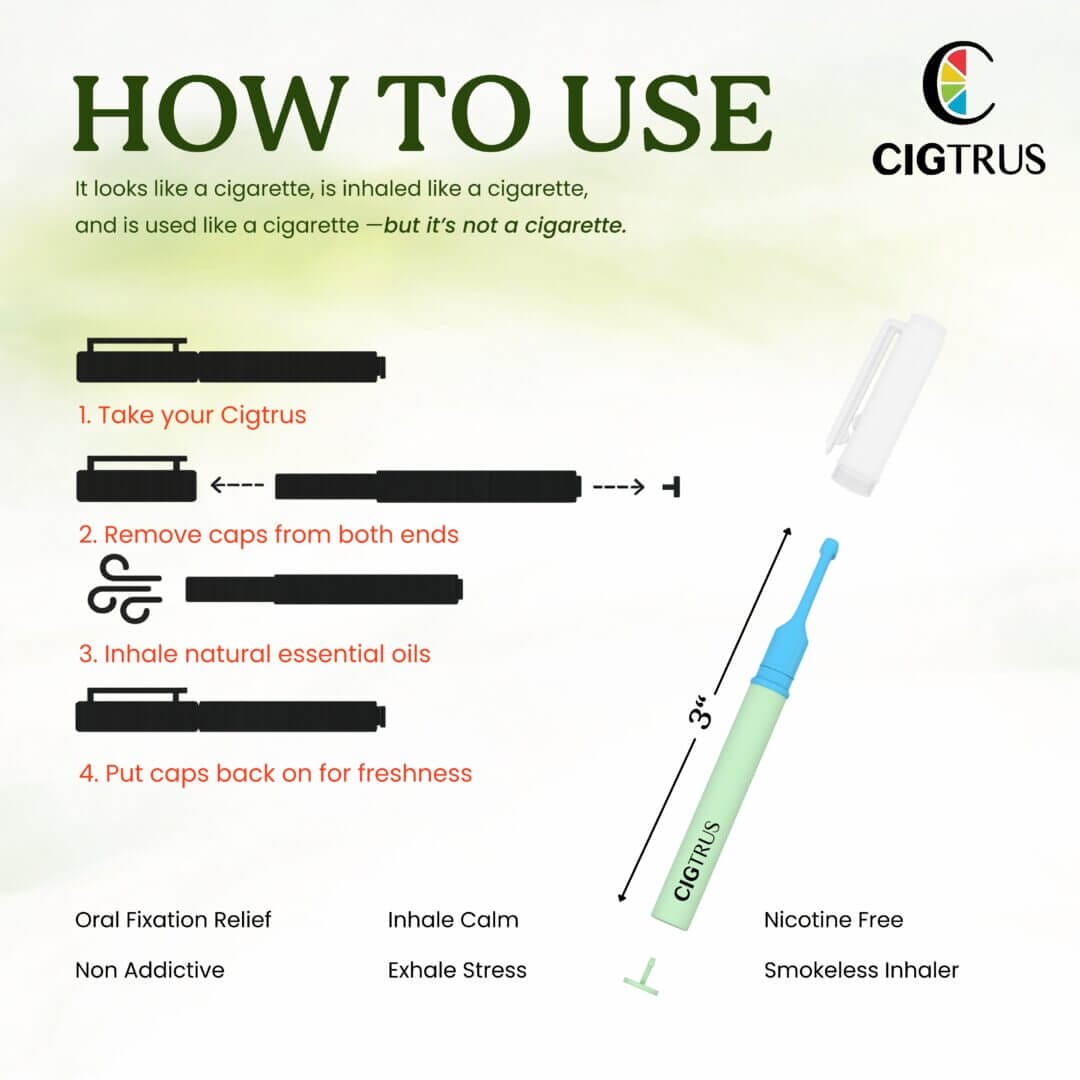
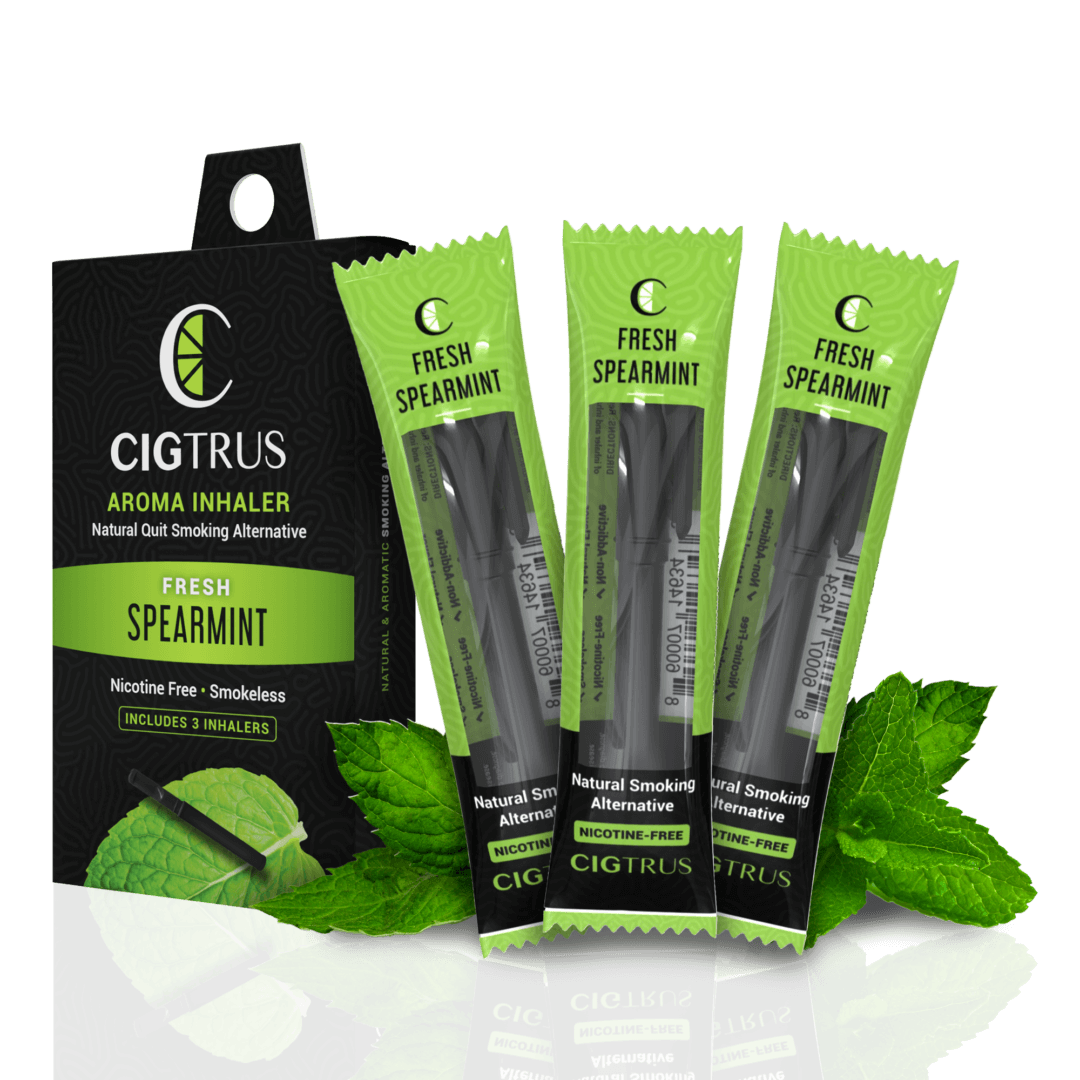
Gives the hands and mouth the familiar motion without feeding the chemical dependency. No nicotine, no vapor, no restrictions. Designed specifically for the behavioral side of quitting.
Addresses: Behavioral habit loopHow a Nicotine-Free Inhaler Helps You Quit
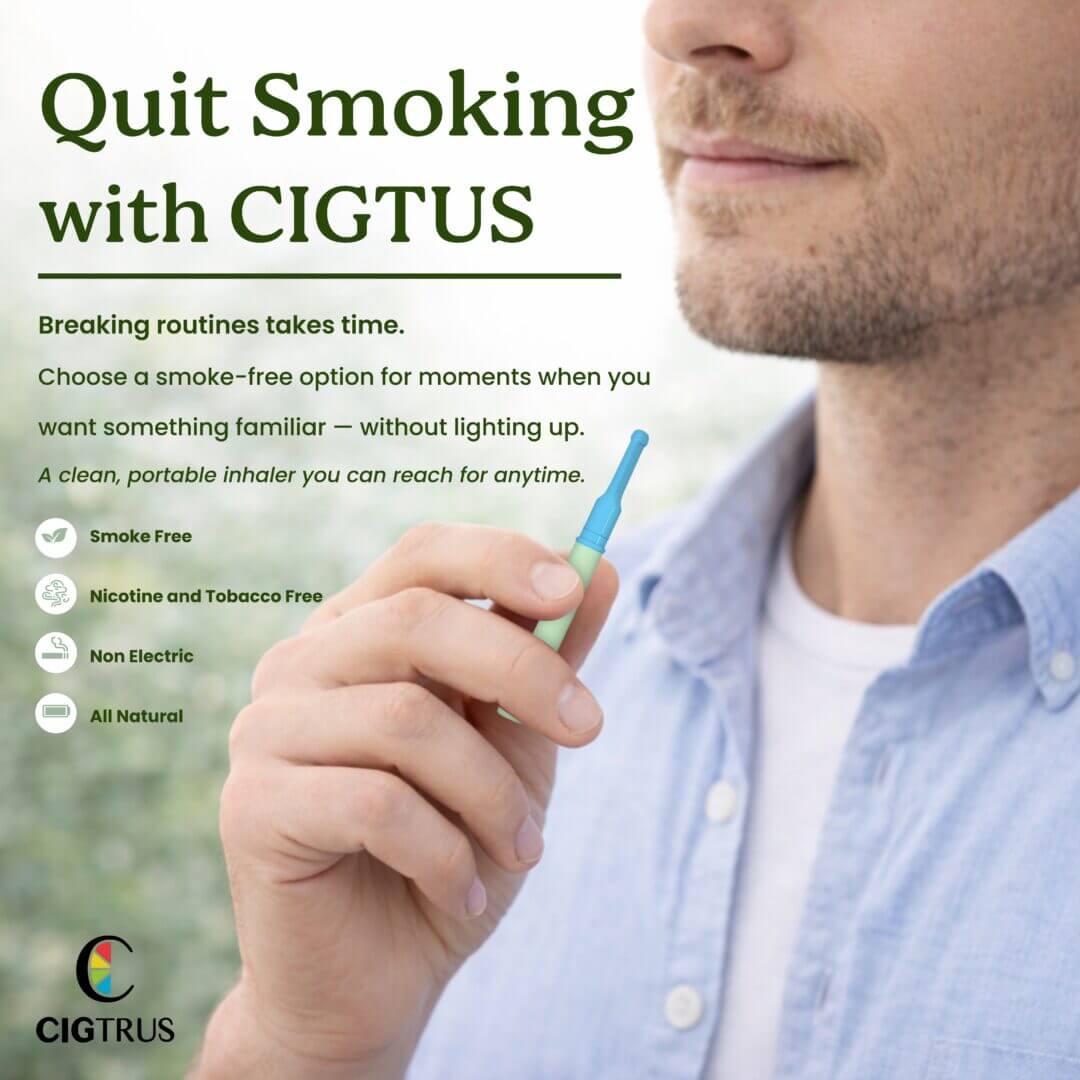
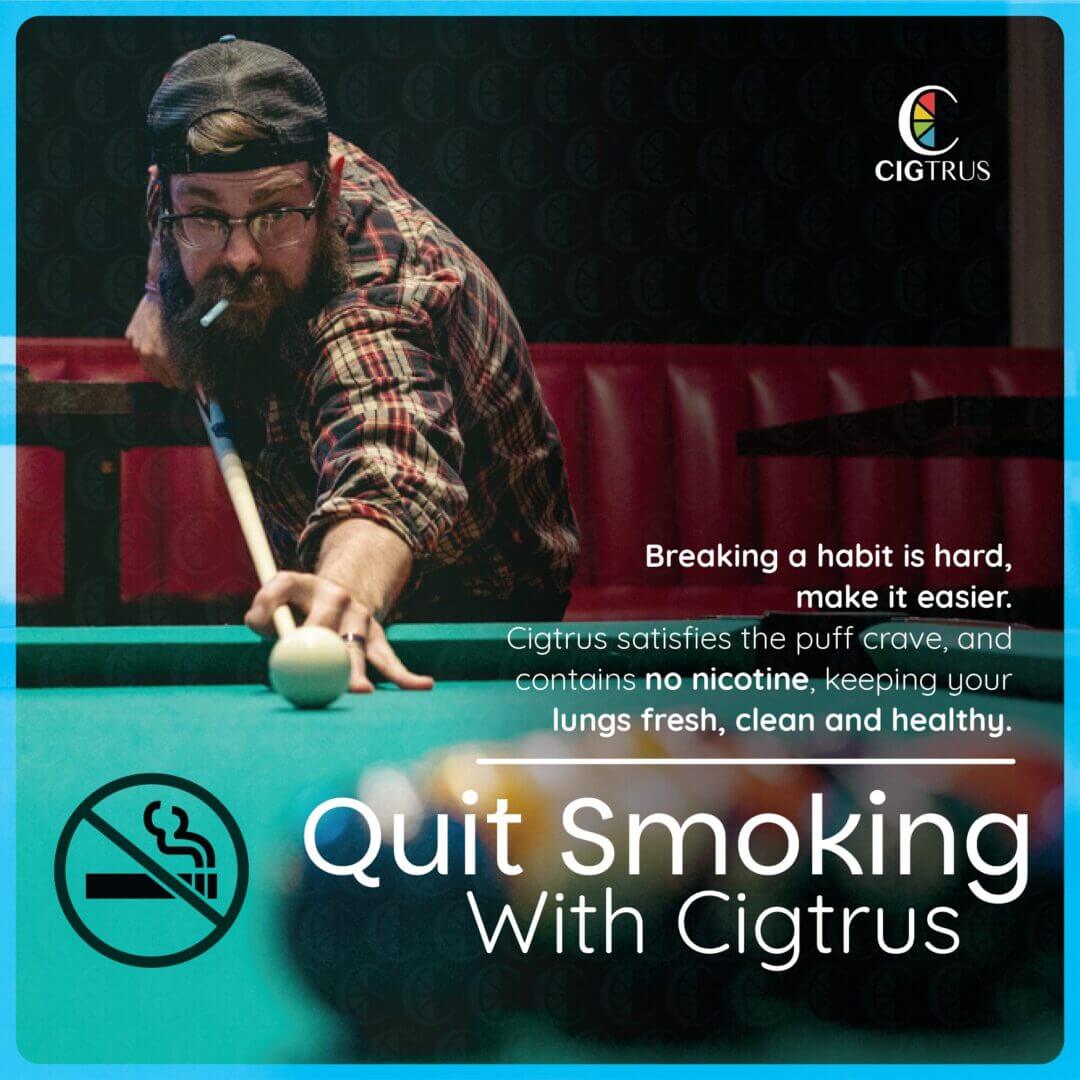
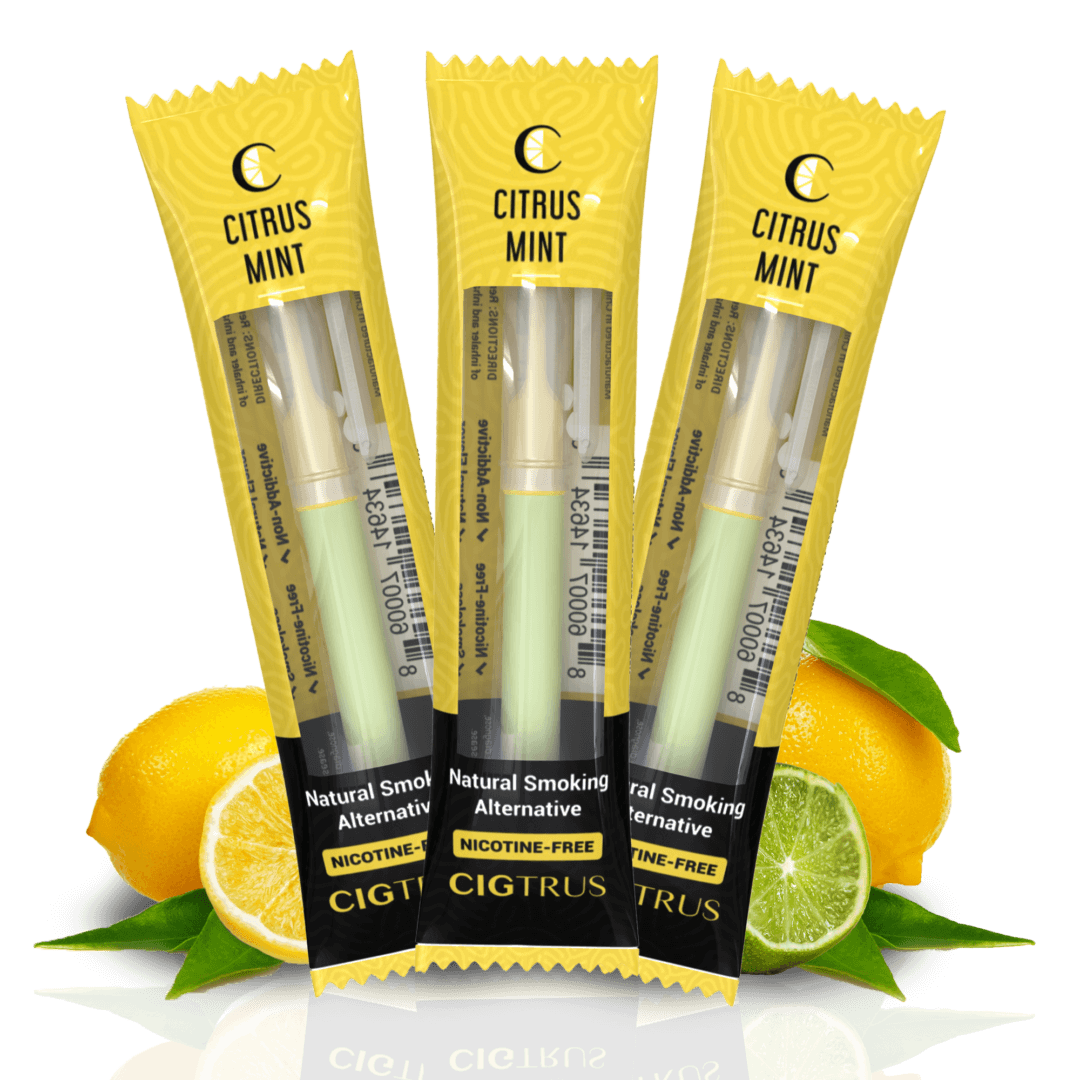
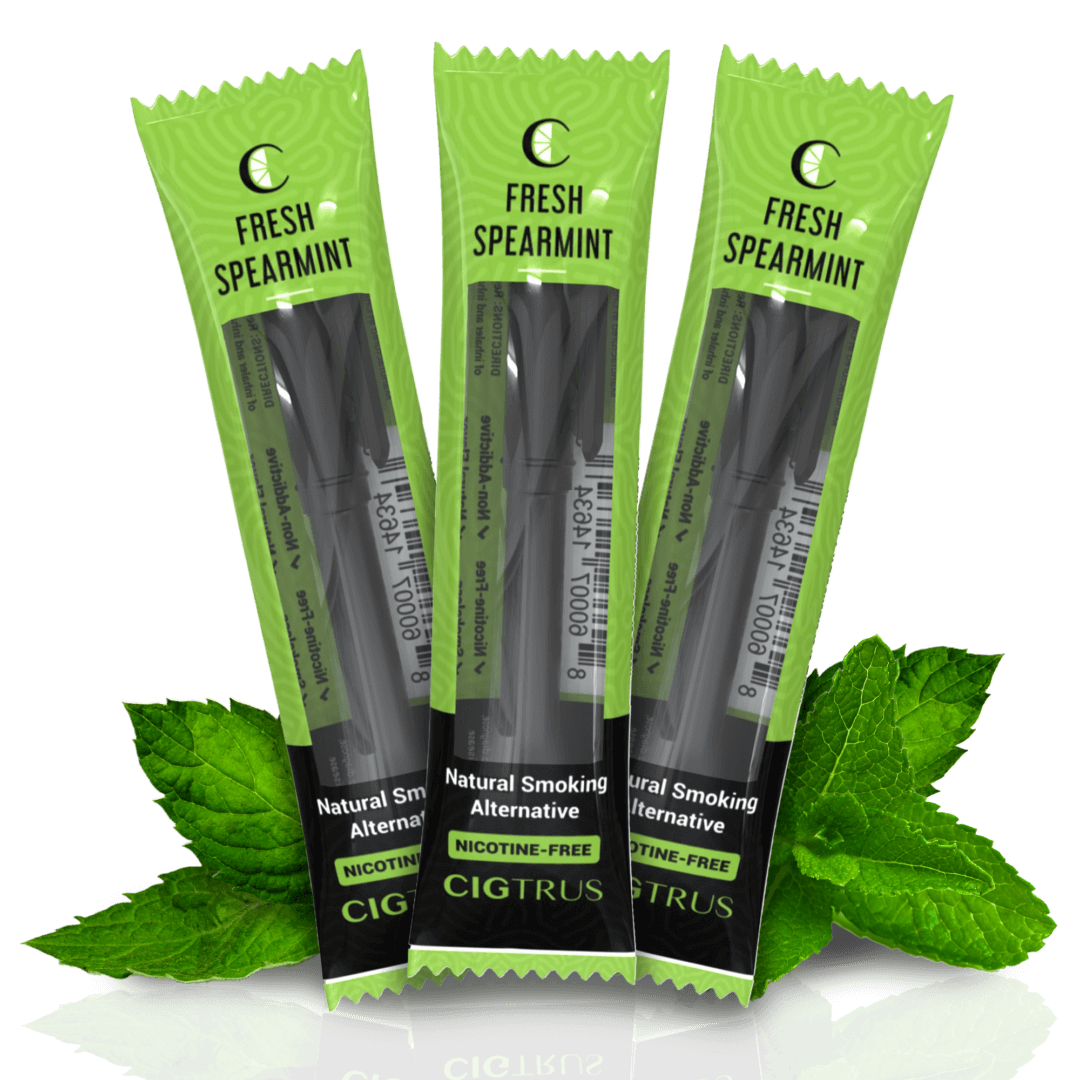
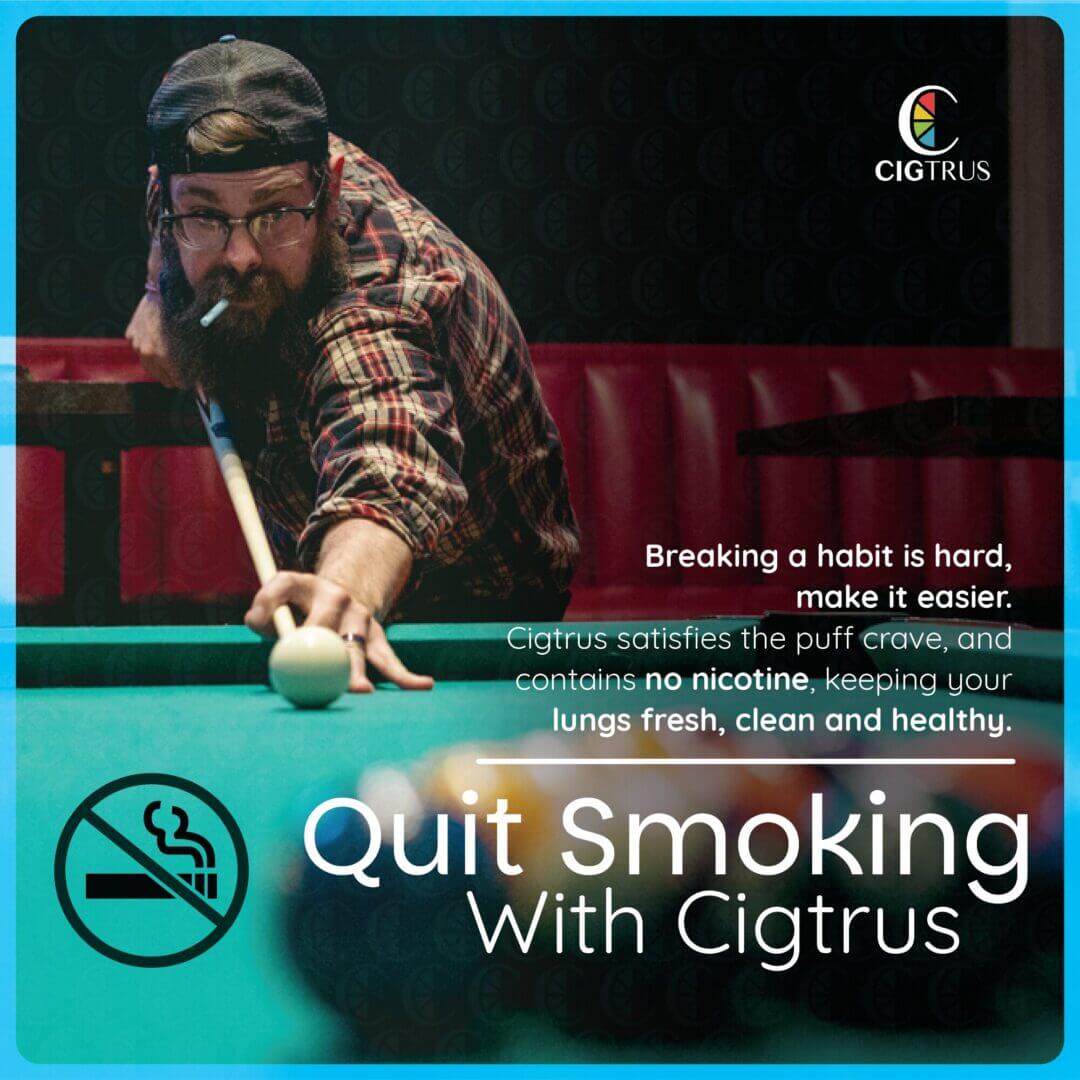
A nicotine-free inhaler like Cigtrus works by giving your body a clean, harmless response to the behavioral triggers that normally lead to smoking.
When the trigger hits — the stress moment, the after-meal pause, the commute — instead of reaching for a cigarette, you reach for the inhaler. Your hands get the familiar motion. Your mouth gets the familiar sensation. You breathe in a light natural aroma instead of smoke.
Over time the brain begins to associate those trigger moments with the inhaler instead of the cigarette. The behavioral loop is not removed — it is redirected toward something clean and harmless.
This is what makes it different from every other quit aid. It is not asking you to fight the urge with nothing. It is giving you something better to replace it with.
Nicotine in any Cigtrus product
Vapor, smoke, or smell produced
Natural flavors to choose from
How to Use It Alongside Your Quit Plan
A nicotine-free inhaler works best as part of a complete approach to quitting. Here is how to use it effectively:
- Keep it with you at all times — in your pocket, your bag, your car, your desk. It needs to be as accessible as cigarettes used to be
- Use it at every trigger moment — every time you would normally reach for a cigarette, reach for the inhaler instead
- Do not wait until the craving peaks — use it as soon as you feel the trigger, before the urge becomes overwhelming
- Combine with nicotine reduction if needed — it works alongside patches or gum, addressing the behavioral side while they address the chemical side
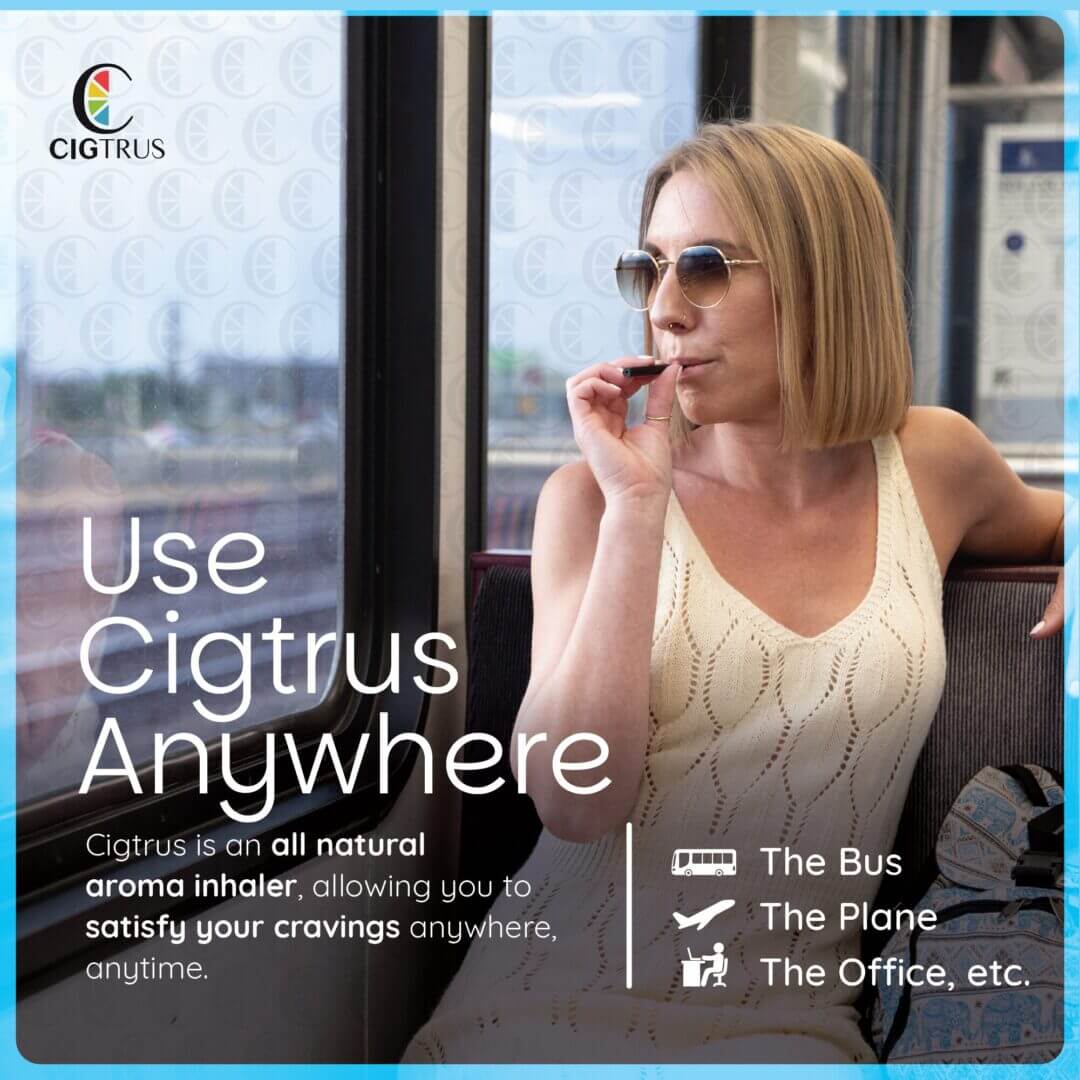
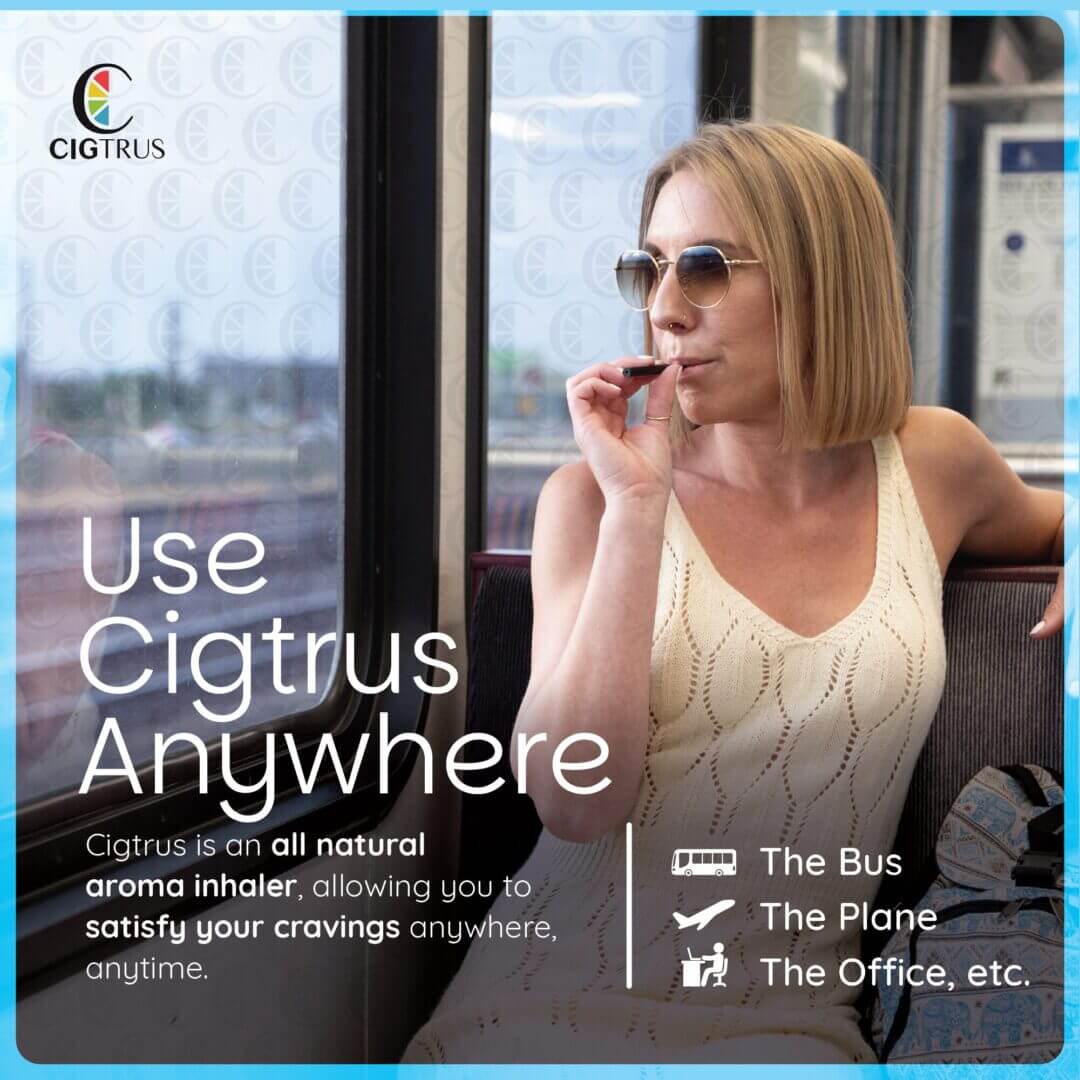
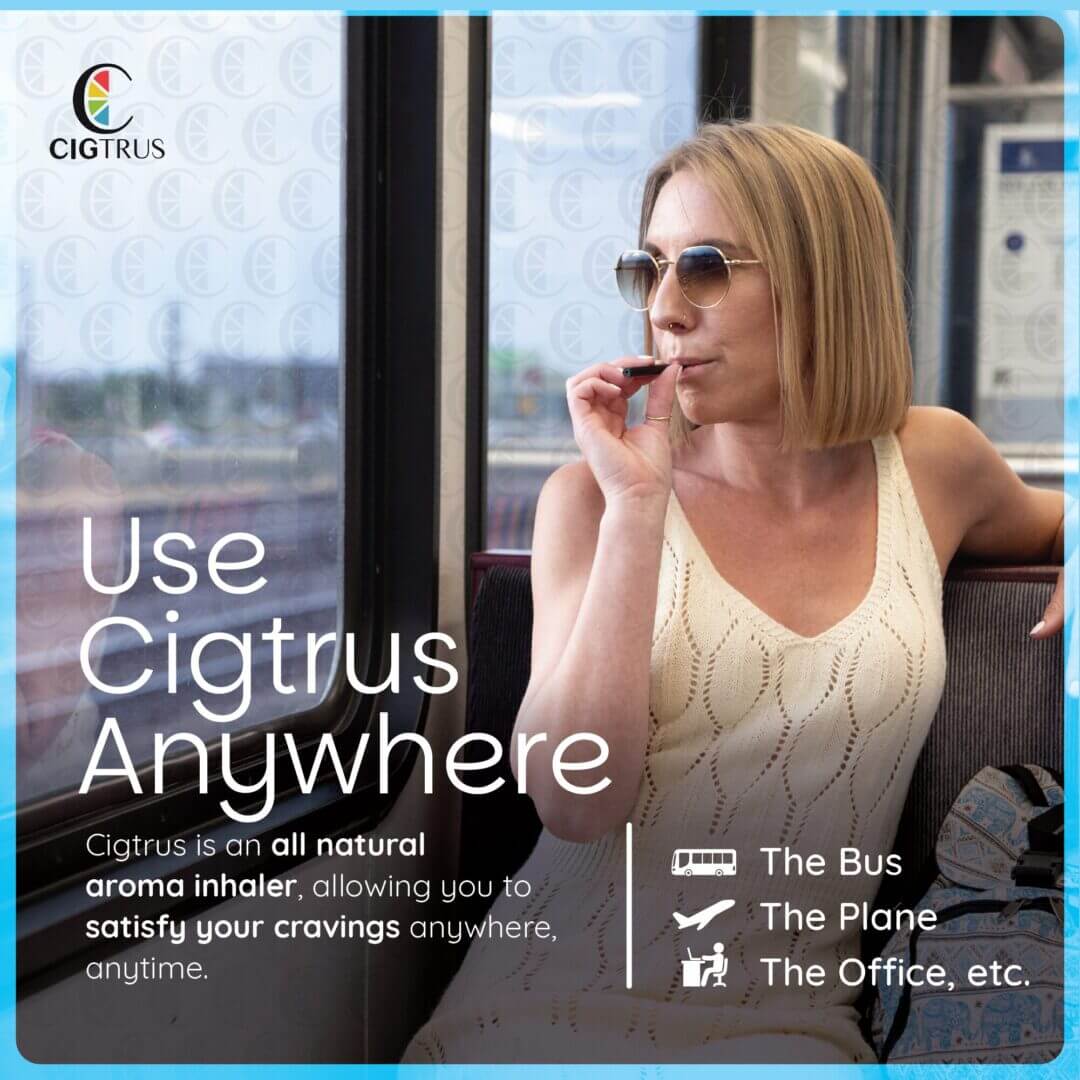
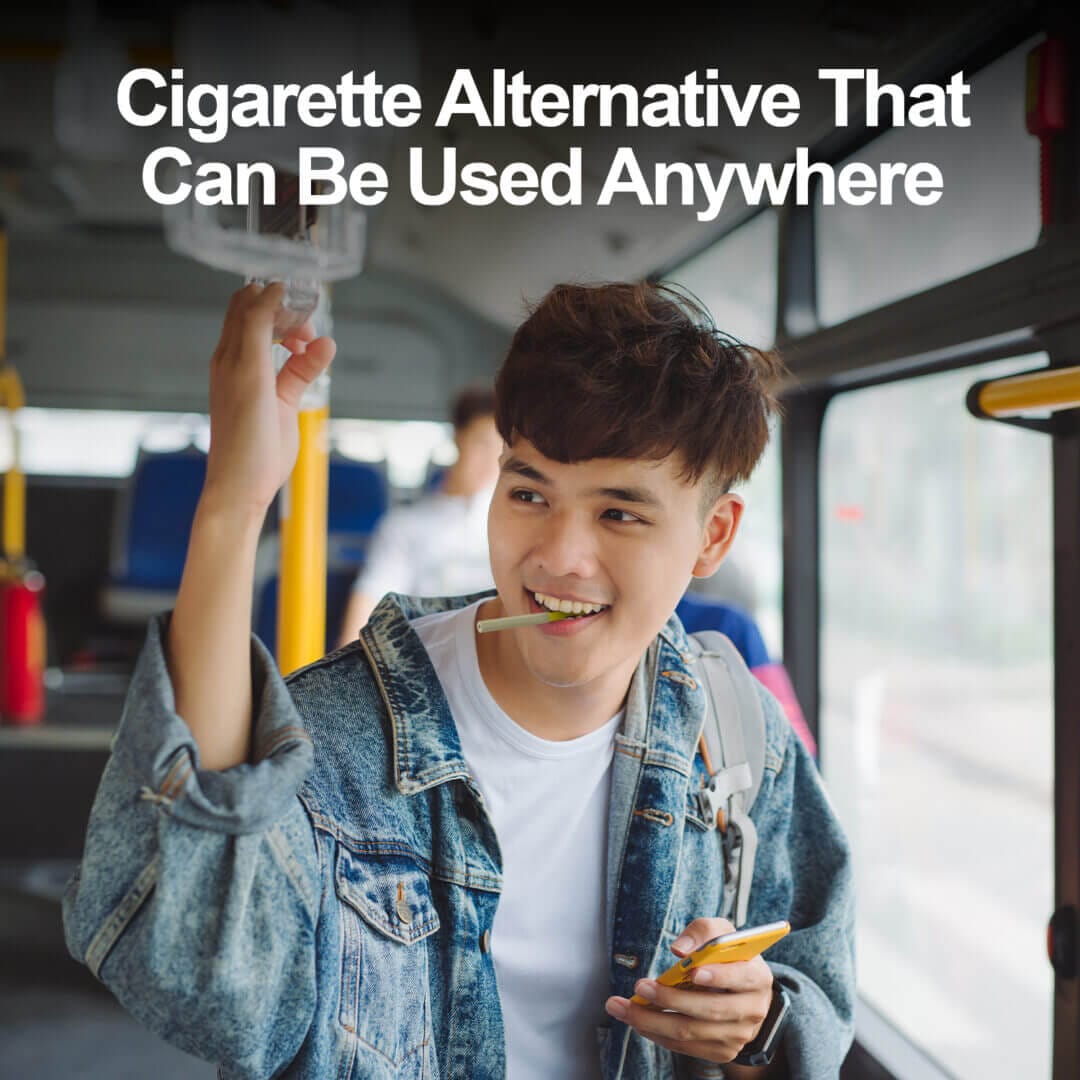
- Use it anywhere — on flights, in the office, in restaurants. No smoke, no vapor, no restrictions
Ready to Replace the Habit?
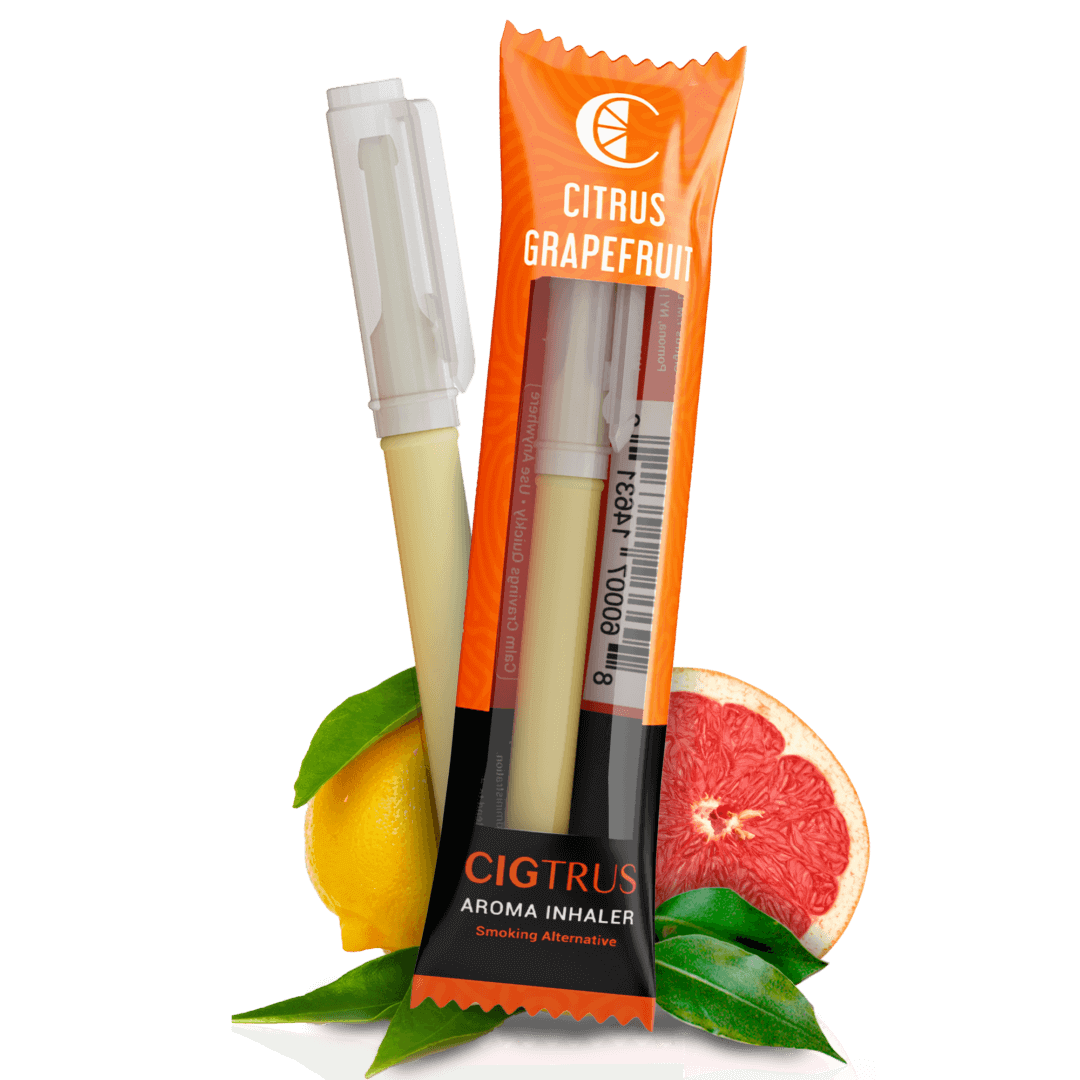
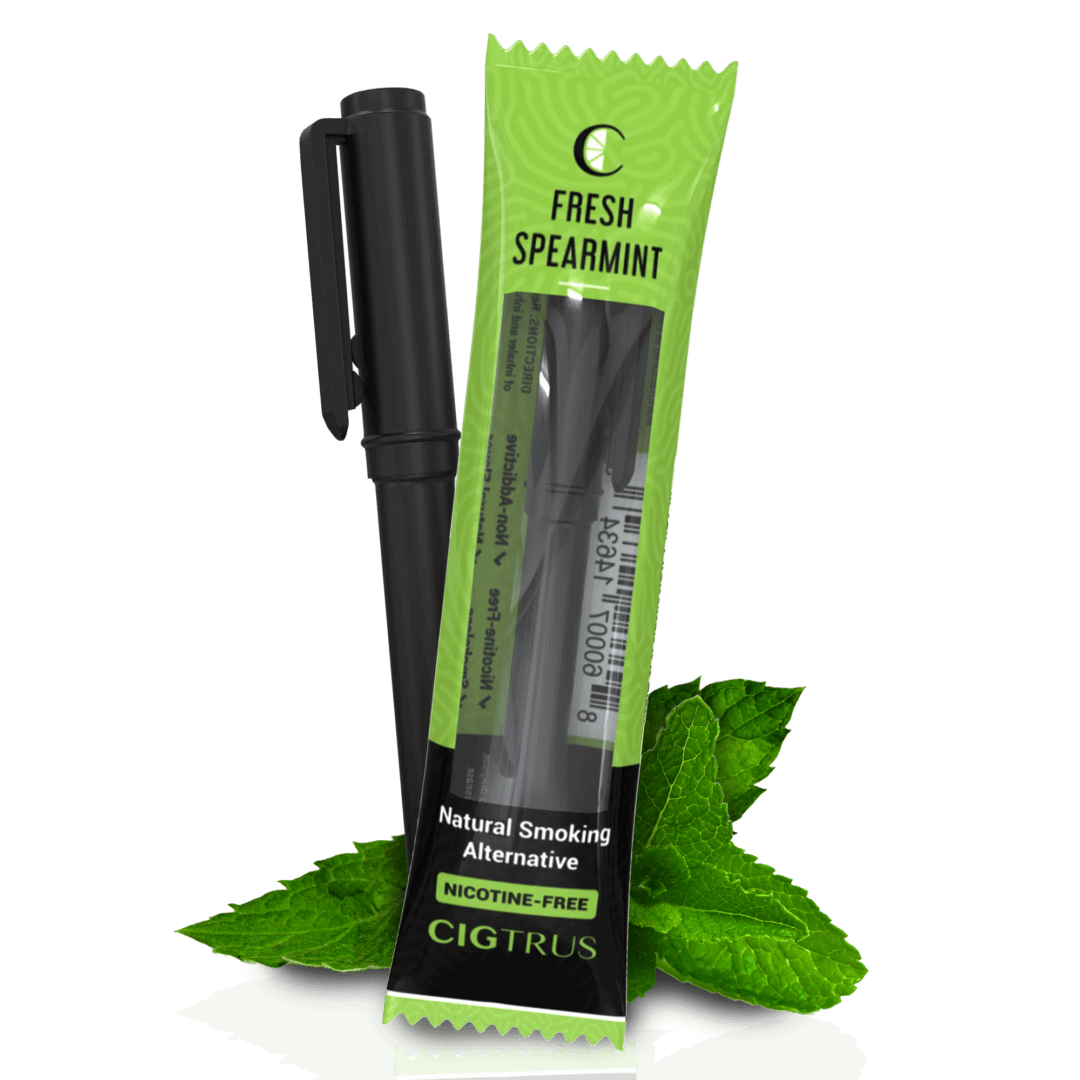
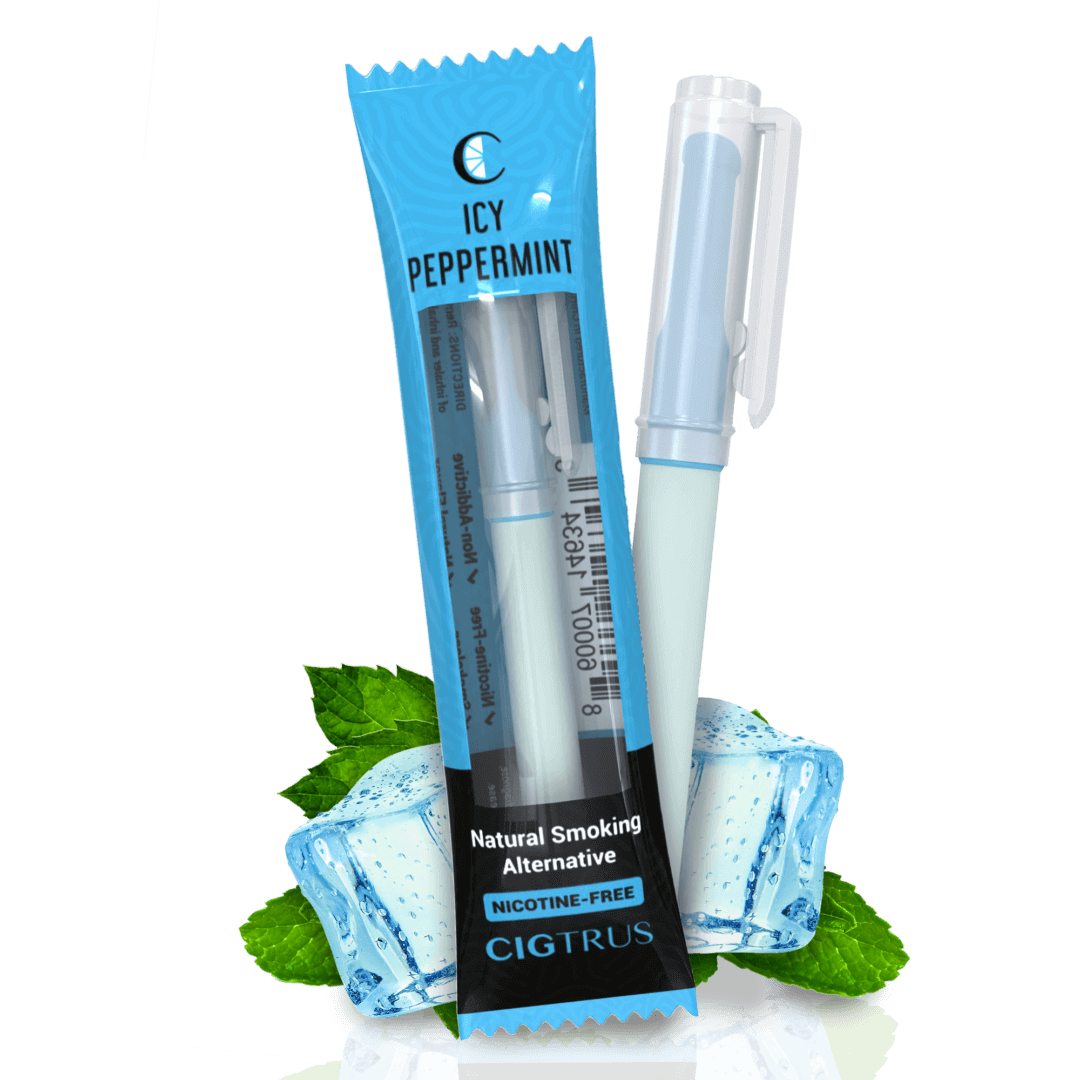
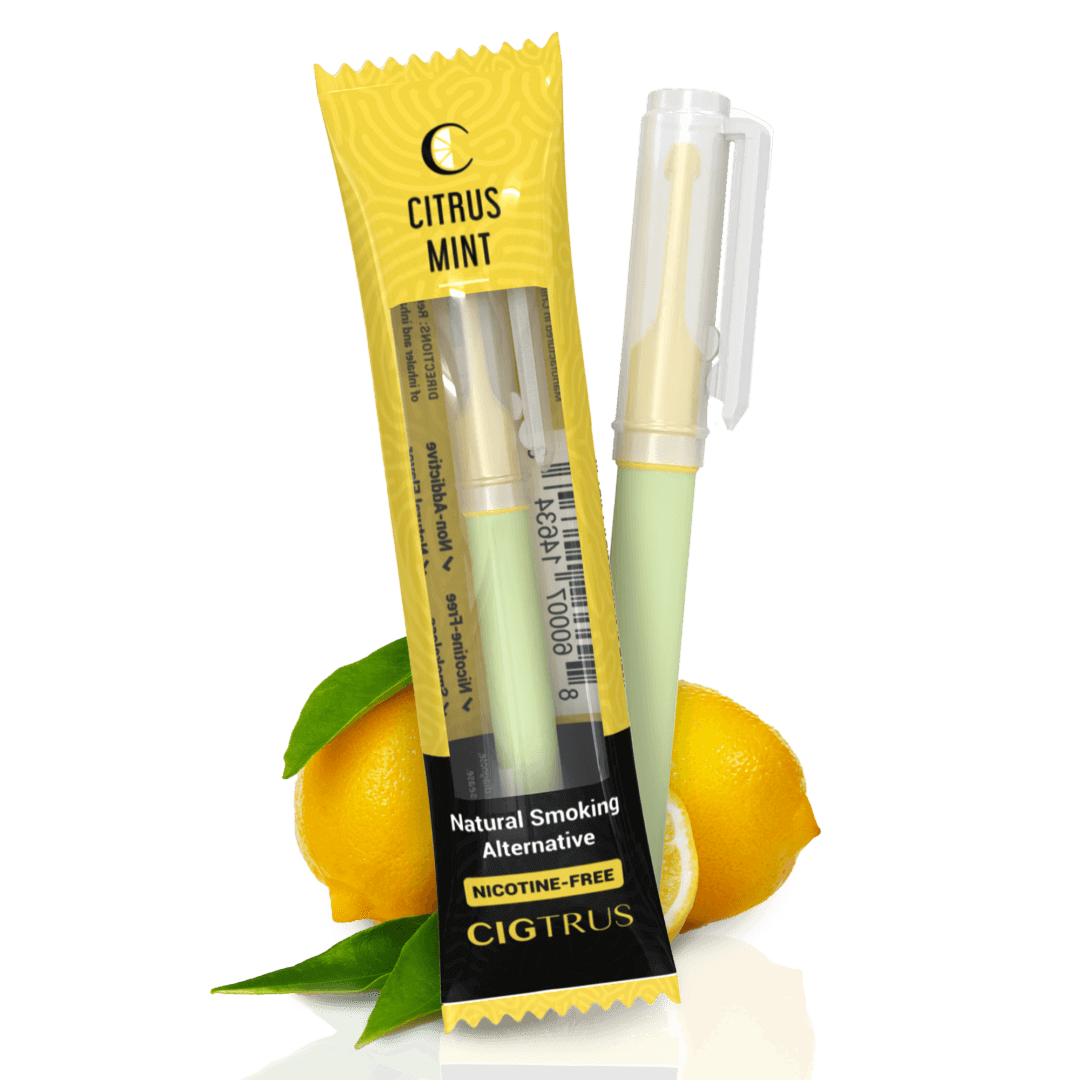
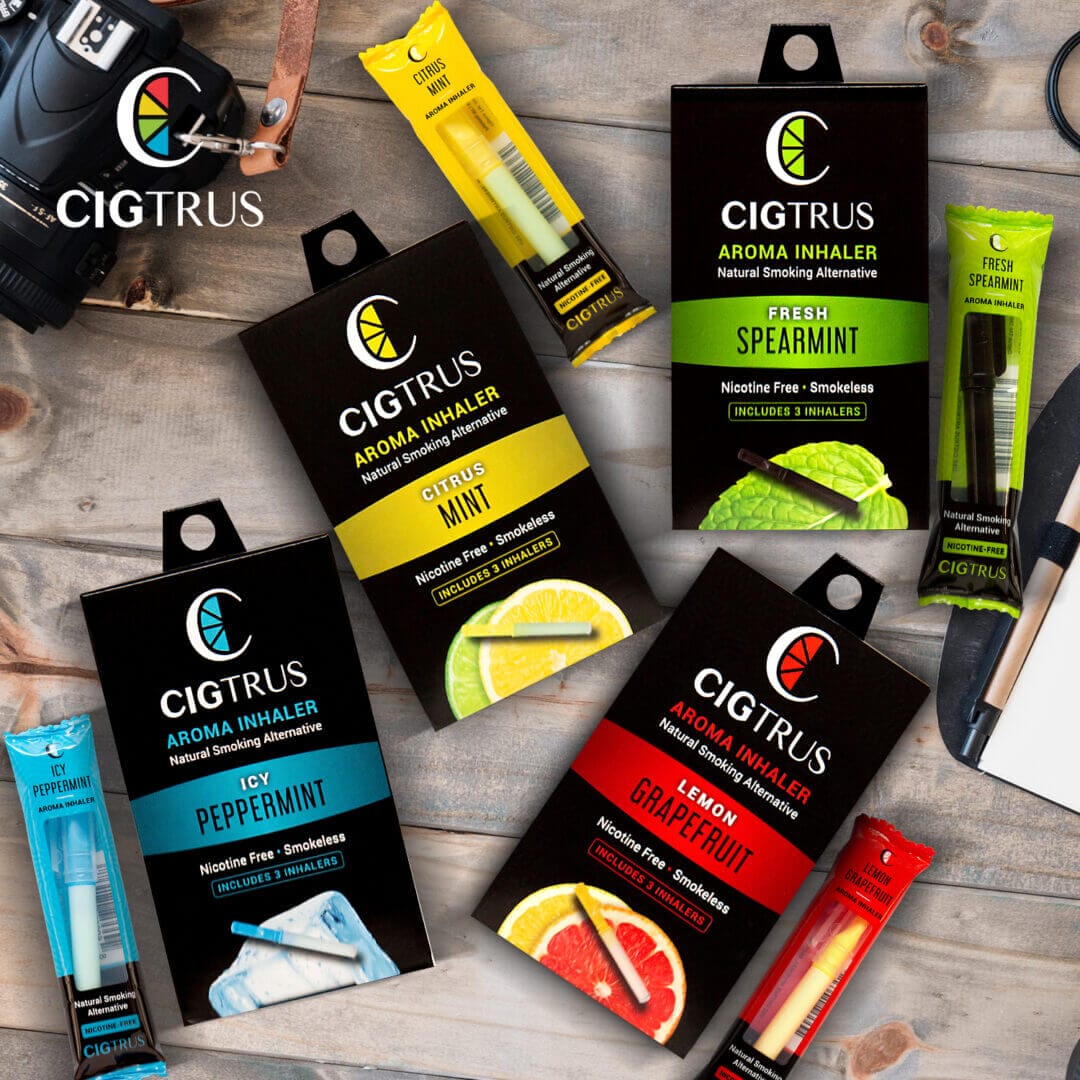
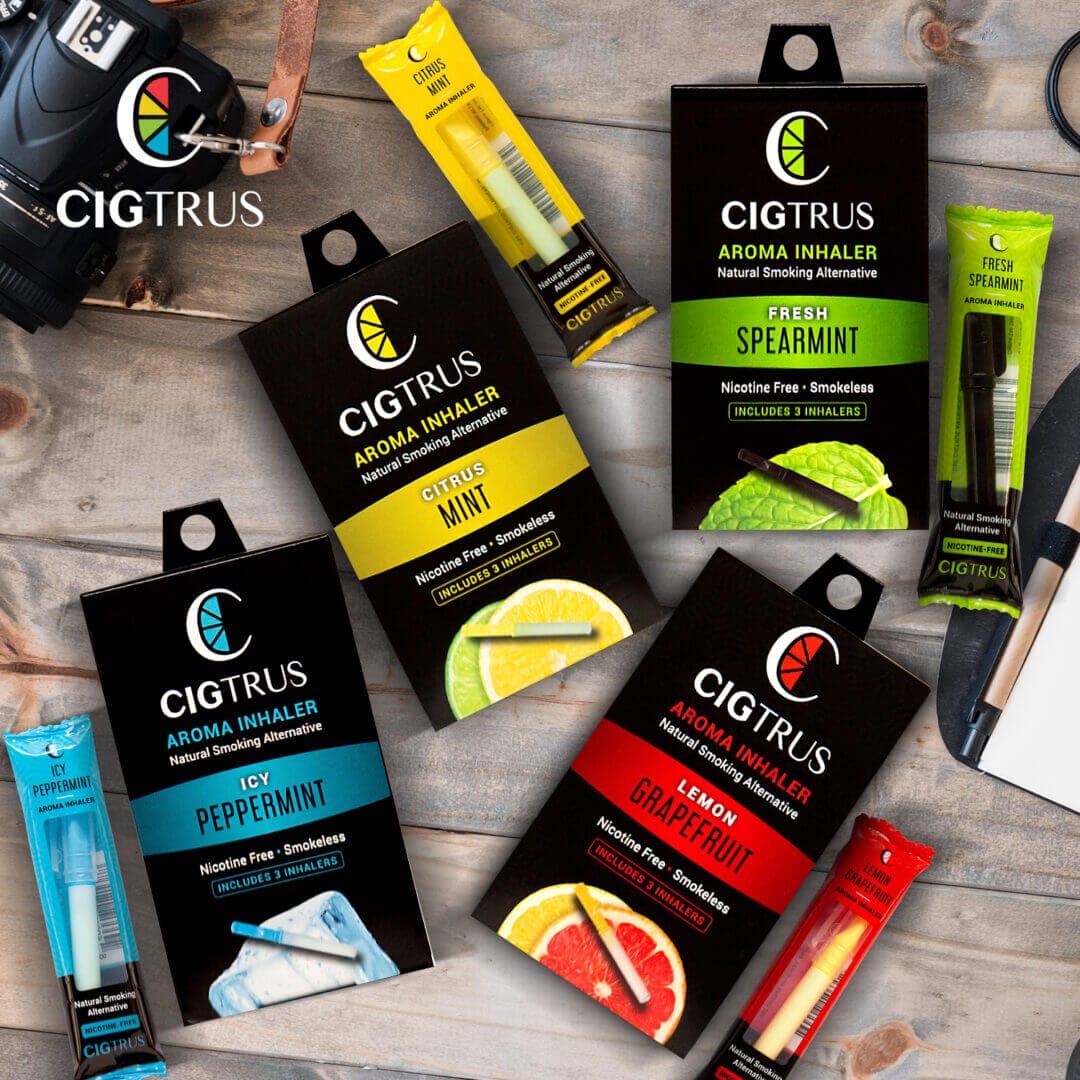
Start with the Variety Pack and try all four flavors. Find the one you will actually reach for when the trigger hits.
👉 Shop the Variety Pack — $24.99