
What Happens After You Break Nicotine Dependence
Breaking nicotine dependence changes your body and mind in ways that many smokers do not expect. Most people focus on the difficulty of quitting, yet few talk about what happens after the dependence fades. Once nicotine no longer controls your routine, your brain chemistry stabilizes, your habits shift, and your sense of control strengthens. The process does not end when cravings decrease, it evolves into a new phase of recovery and genuine growth.
Your Brain Begins Regulating Itself
Nicotine dependence forms through repeated stimulation of dopamine pathways. When you remove nicotine long enough for withdrawal to pass, your brain begins to regulate itself without artificial triggers. This shift marks the real turning point. You stop reacting to cravings as emergencies. You begin responding with clarity rather than urgency.
In the early stage after dependence weakens, you notice fewer intense cravings. Urges may still appear, but they no longer dominate your thoughts. Instead of feeling pulled toward a cigarette every few hours, you may go through most of the day without thinking about smoking. This change signals that your brain has reduced its reliance on nicotine for reward.
“After dependence breaks, the cycle ends. Emotional responses feel more balanced. Stress still exists, but it no longer ties directly to nicotine levels. You respond to situations rather than to withdrawal.”
Mood Stabilizes, For Real This Time
During active addiction, nicotine creates a cycle of spikes and crashes. When levels drop, irritability increases. When you smoke, relief follows. After dependence breaks, that cycle ends. Emotional responses feel more balanced. Stress still exists, but it no longer ties directly to nicotine levels. You respond to situations rather than to withdrawal.
Breaking nicotine dependence also changes how you experience stress. Many smokers believe cigarettes calm them. In reality, nicotine reduces withdrawal symptoms. Once dependence fades, you realize you can handle tension without a cigarette, and that realization builds confidence in ways that accumulate over time.
Physical Improvements Become Noticeable
Physical improvements become more noticeable after nicotine leaves your system completely. Breathing feels steadier. Circulation improves. You may notice fewer coughing episodes and less chest tightness. Energy levels often rise because your body no longer works to process nicotine intake throughout the day. Sleep patterns also improve as stimulation decreases.
Sensory experiences often strengthen too. Taste and smell frequently improve. Food becomes more satisfying. Fresh air feels cleaner. These subtle changes reinforce the benefits of remaining smoke-free in a way that willpower arguments never quite can.
The Behavioral Side Still Needs Attention
Habits tied to smoking begin to dissolve, but more slowly than the chemical dependency. Morning coffee may no longer trigger an automatic urge after a few weeks. Driving might feel different at first. Your brain rewires connections between routines and nicotine gradually, and each smoke-free experience through a previously triggering situation strengthens the new pathway.
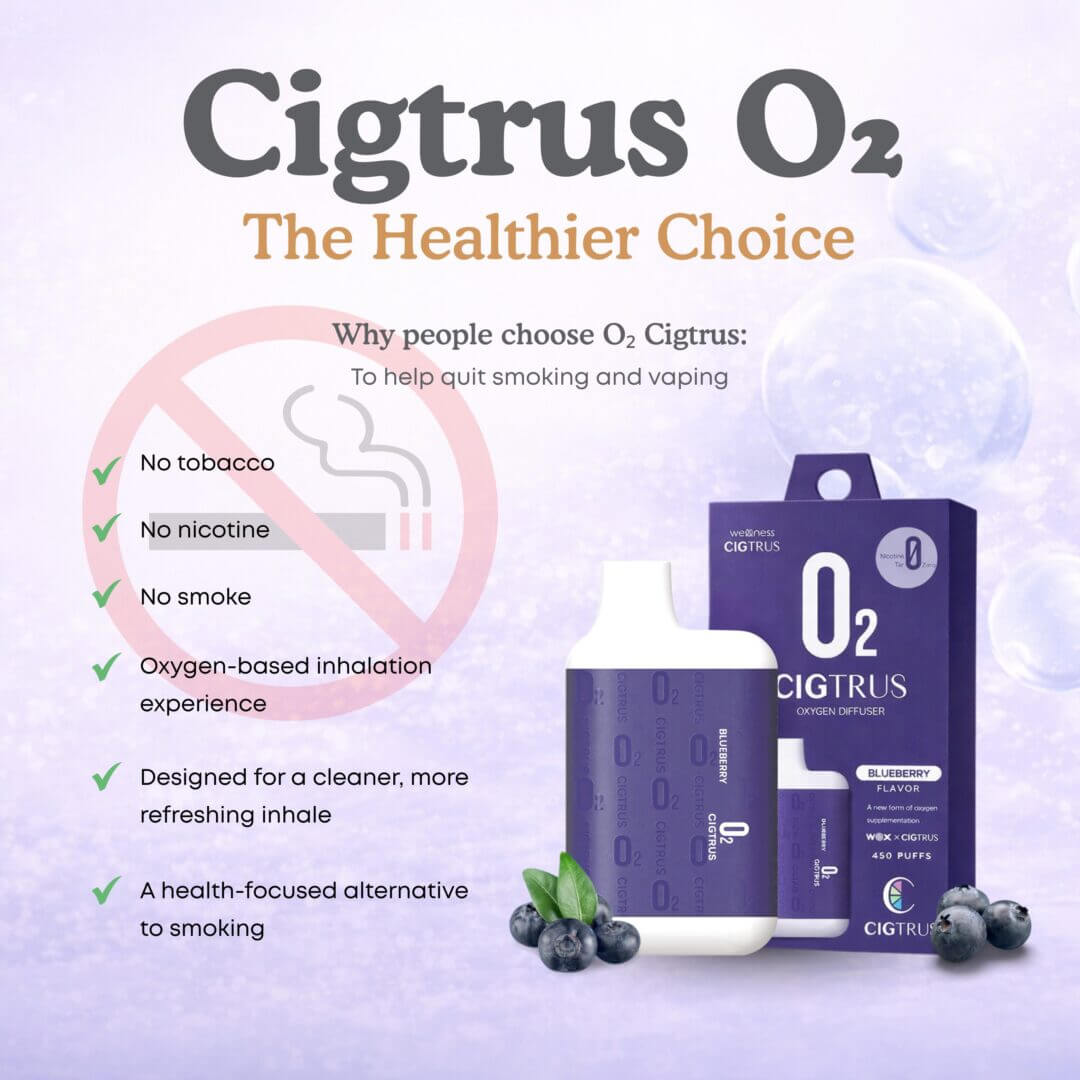
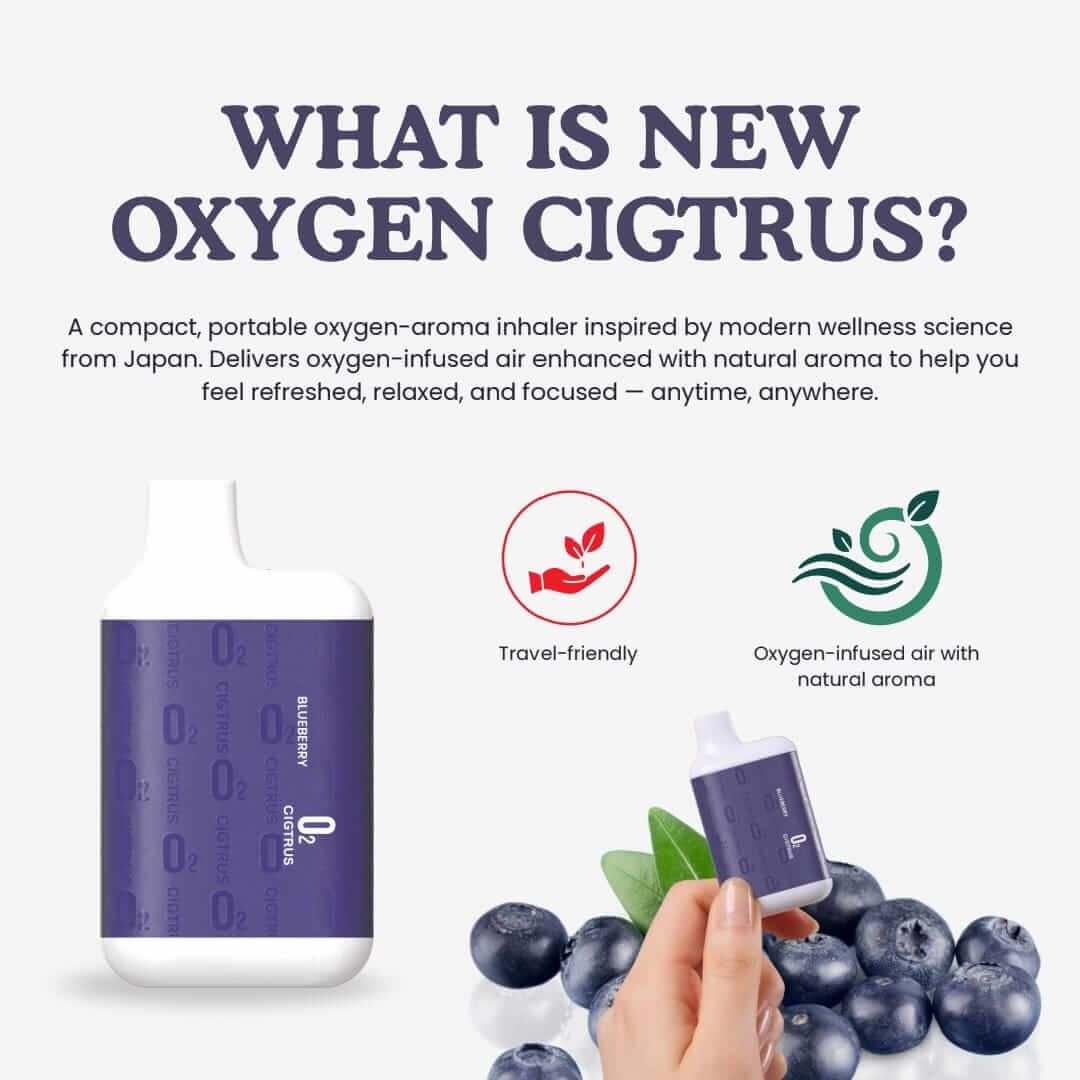
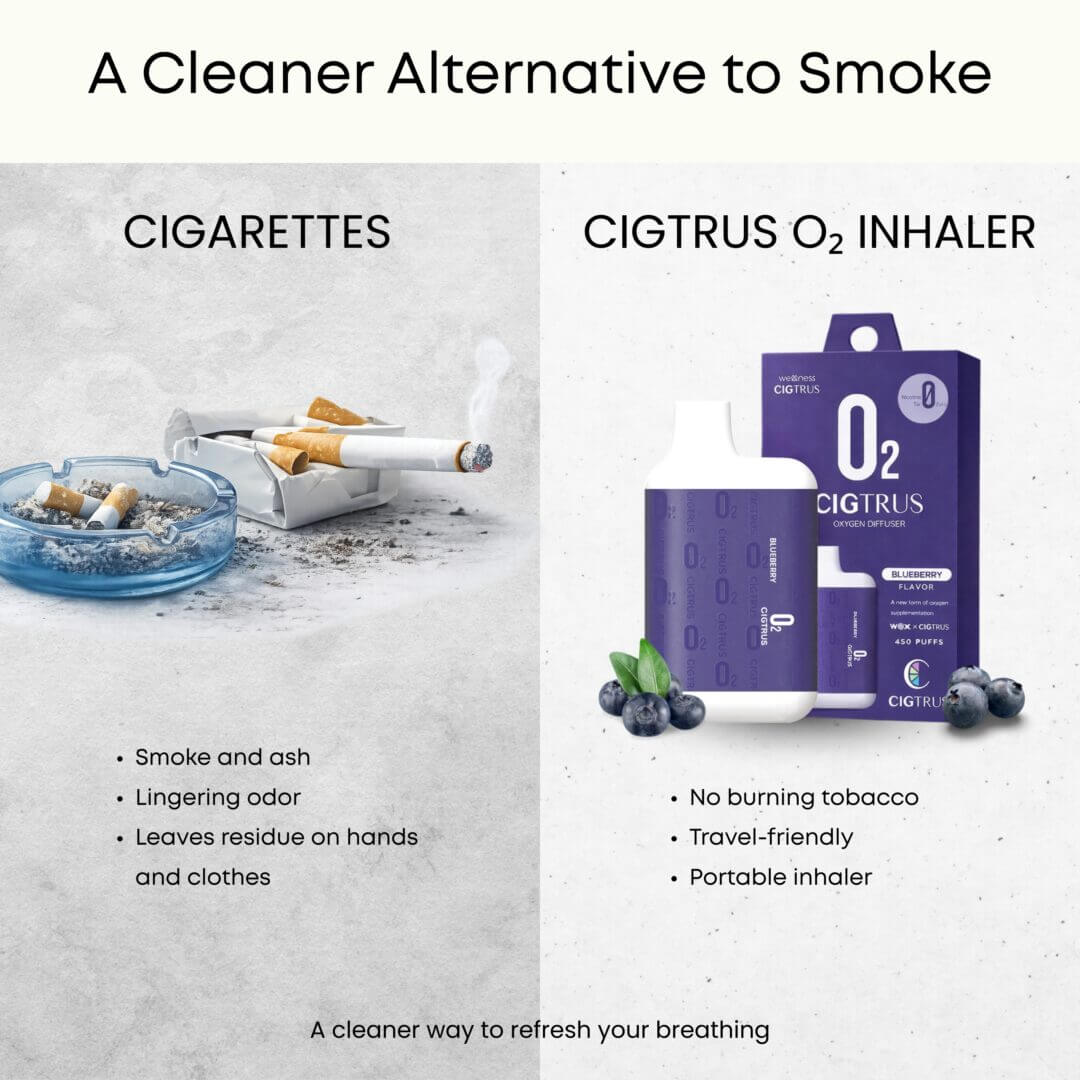
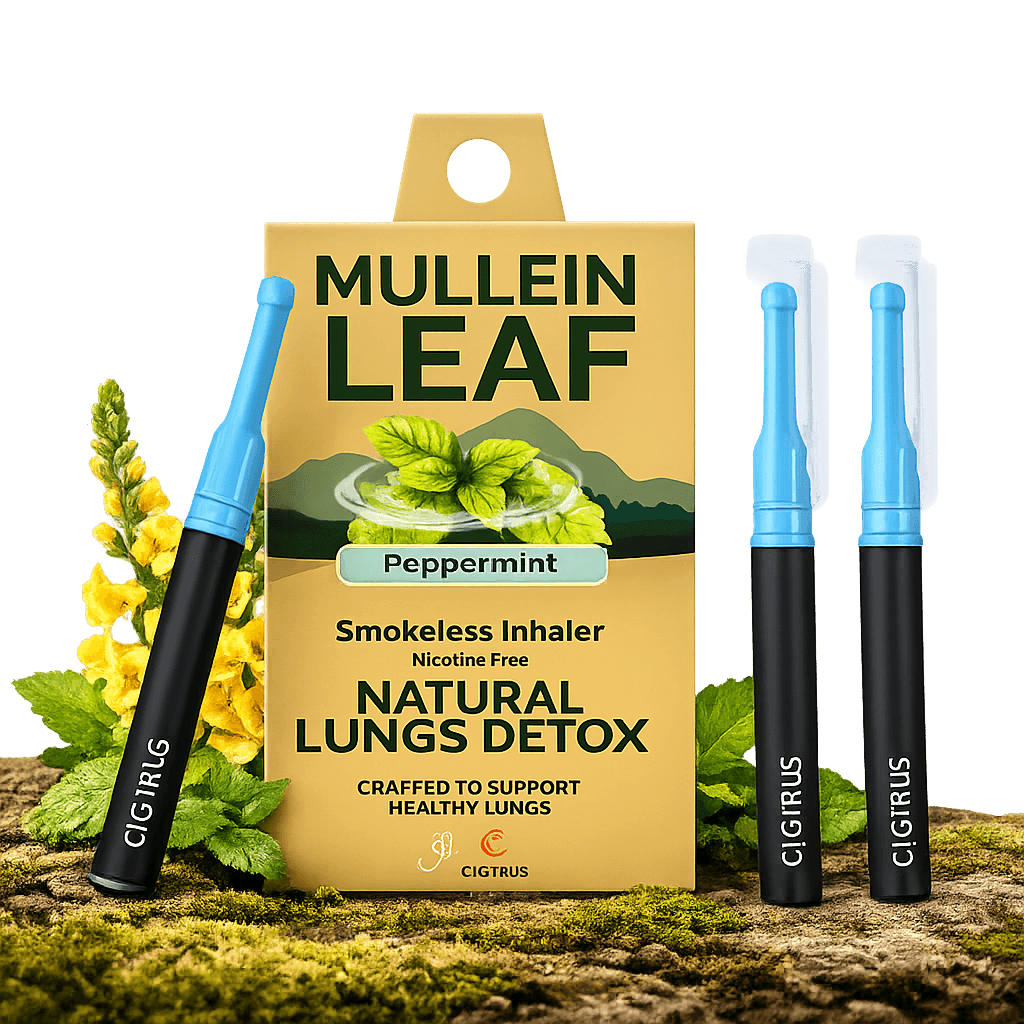
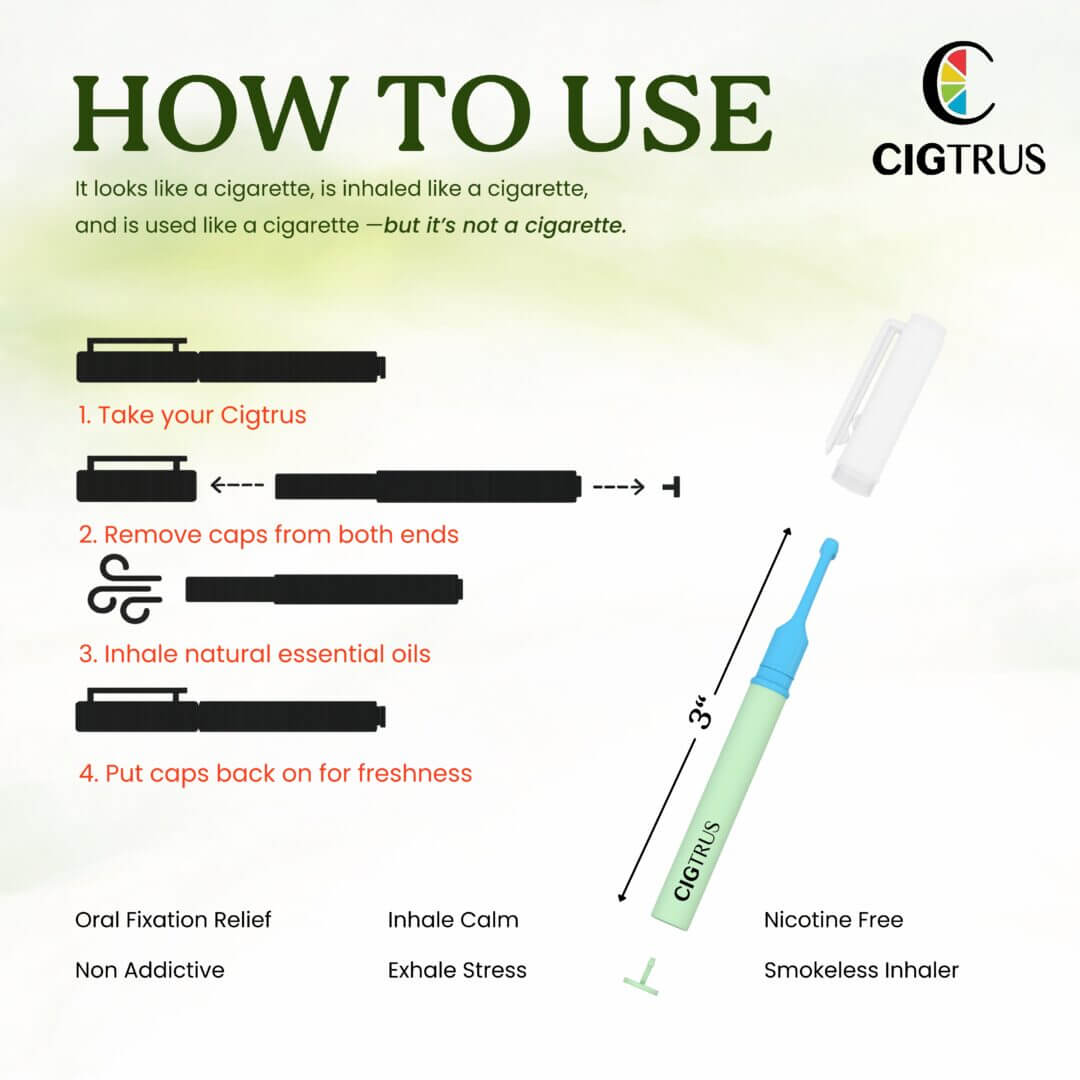
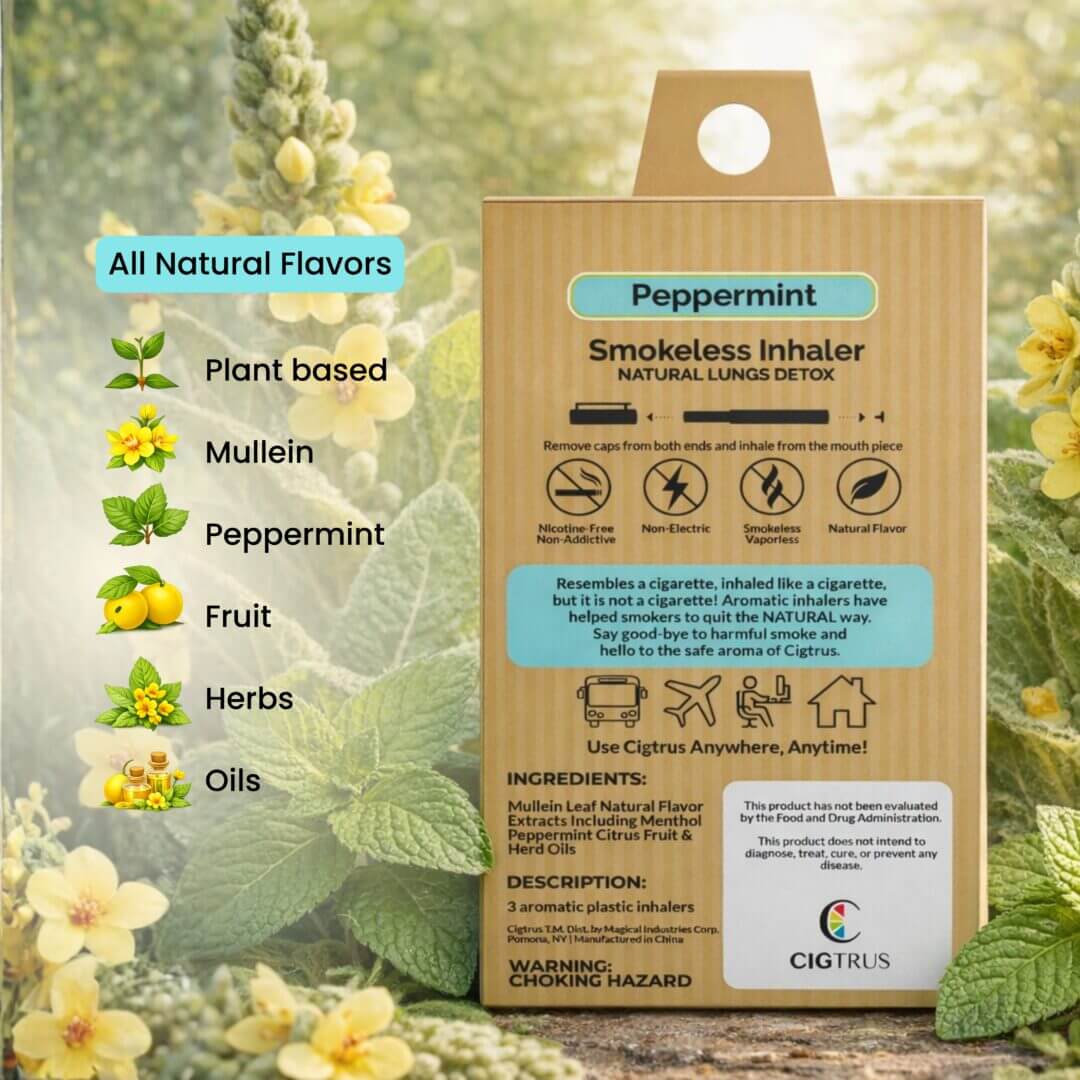
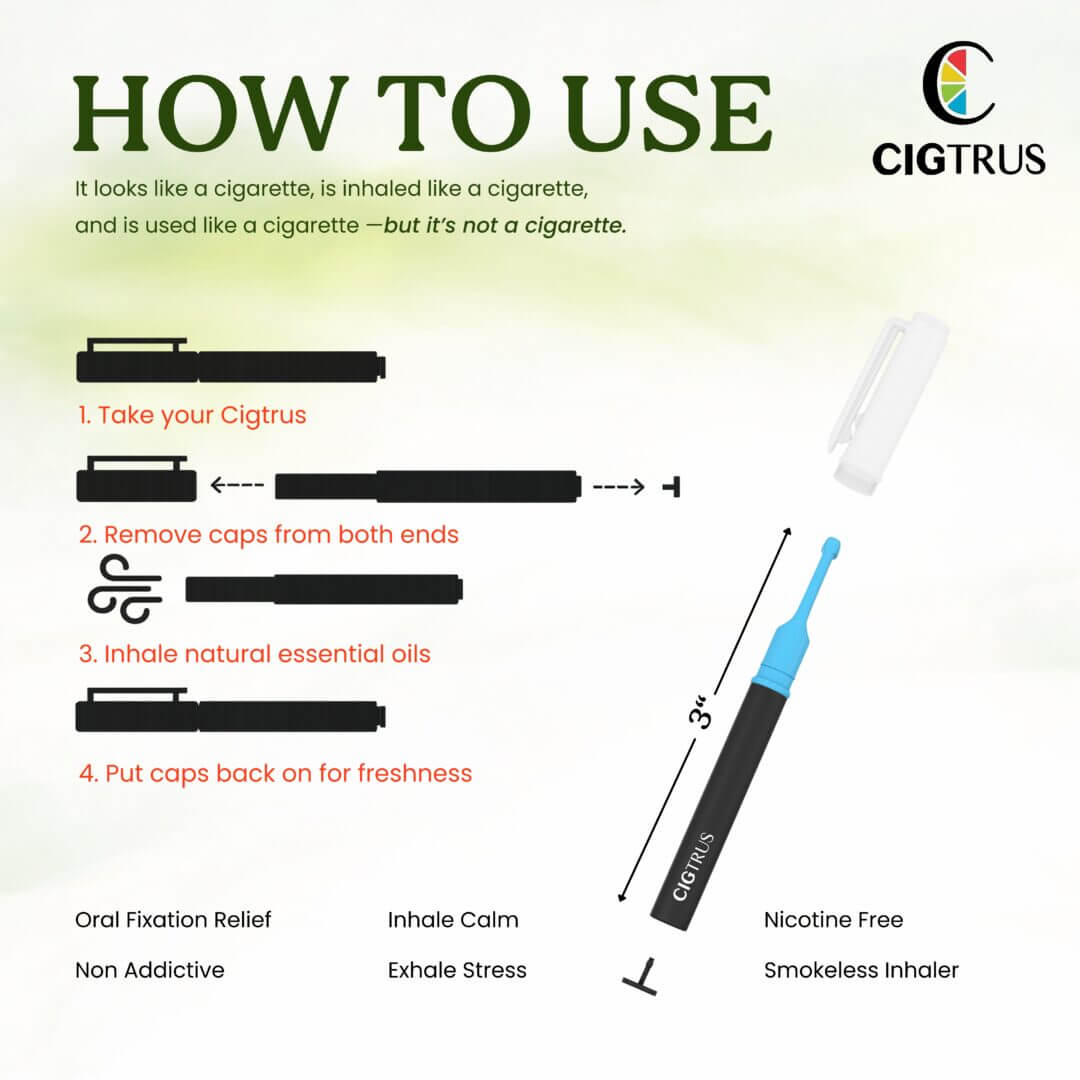
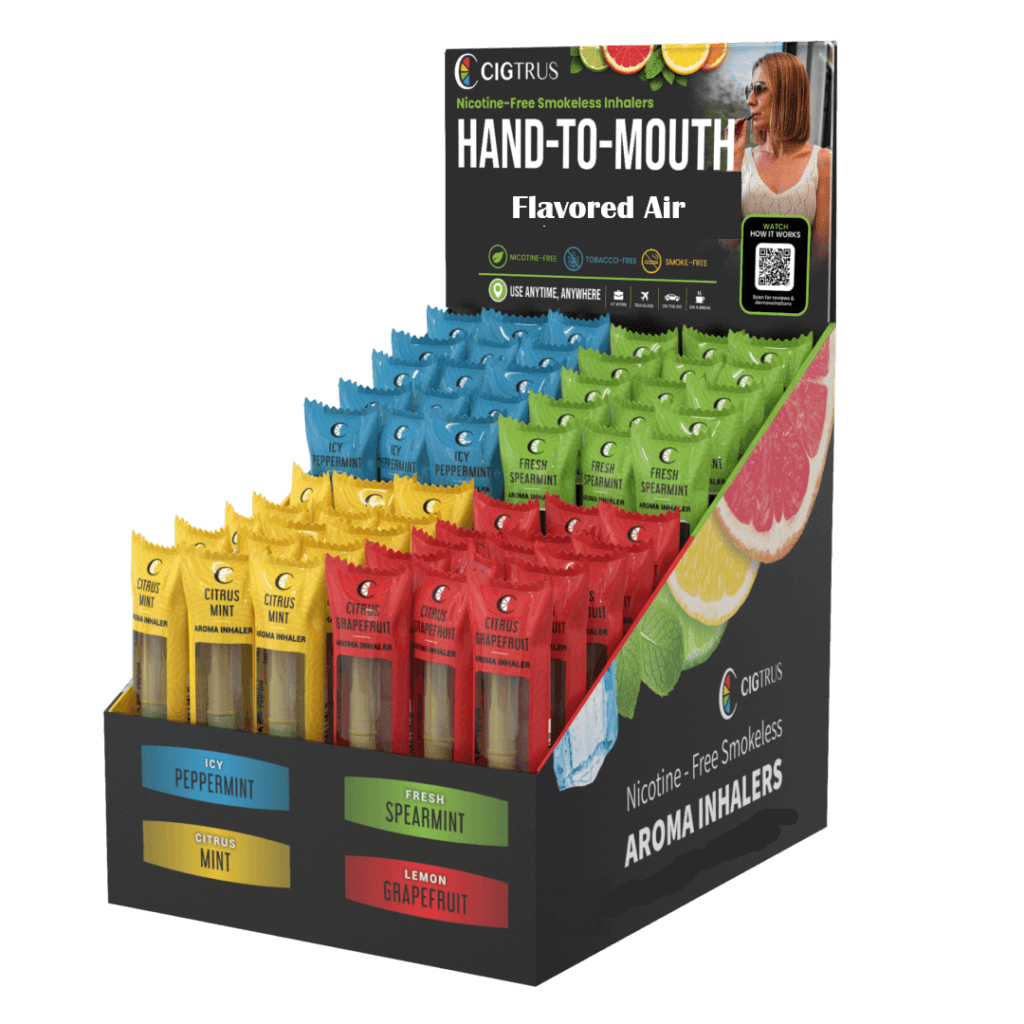
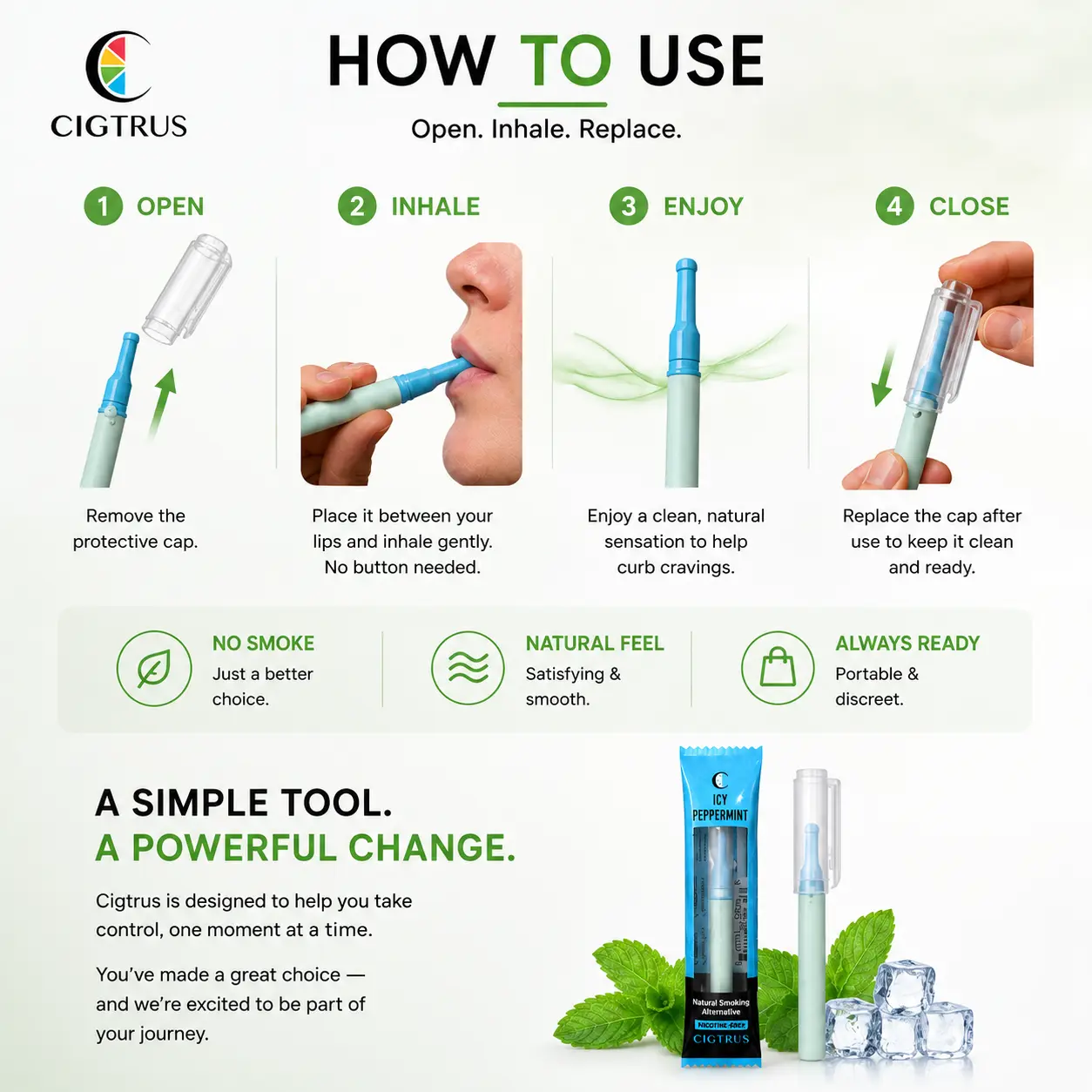
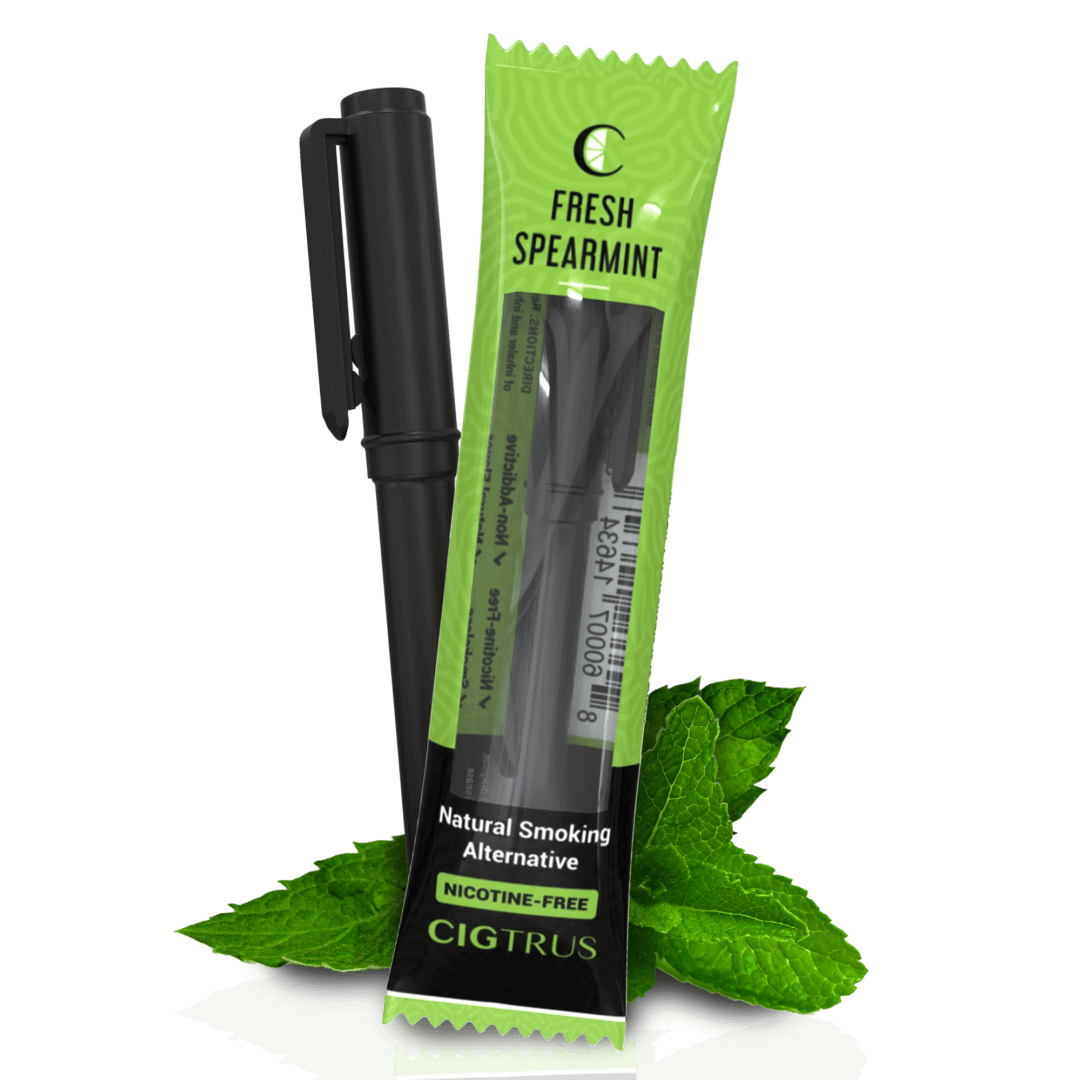
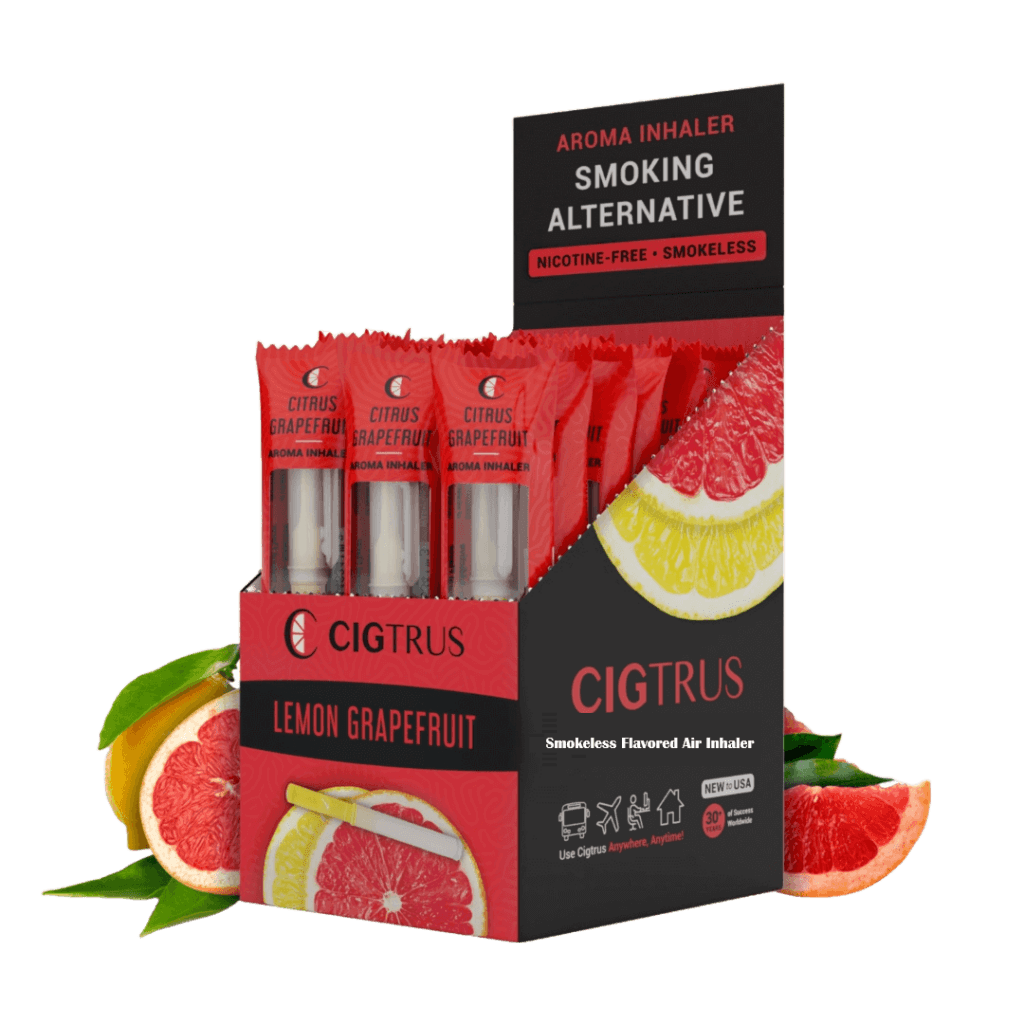
For some individuals, transitioning away from cigarettes includes exploring behavioral support during the quitting process. Cigtrus provides a smoke-free, nicotine-free behavioral alternative for adults seeking something that supports the ritual component that persists beyond chemical dependence. By addressing the familiar inhalation experience and hand-to-mouth habit without combustion, it helps reduce reliance on cigarettes while working toward full independence from smoking routines.
Identity Shifts: From Smoker to Non-Smoker
After breaking dependence, identity shifts play a major role. You no longer describe yourself as someone trying to quit. You begin to see yourself as a non-smoker. This identity change reinforces long-term success in a way that daily resistance alone cannot. Instead of resisting temptation constantly, you operate from a new baseline. Smoking becomes something you used to do rather than something you fight daily.
Mental clarity often improves once nicotine dependence ends. Addiction creates frequent distractions, thinking about when to smoke next, where to step outside, or how to manage cravings. Removing that mental load frees cognitive space. Focus improves because your attention no longer divides between tasks and urges. Financial awareness also increases: without daily cigarette purchases, measurable savings appear, and redirecting that money toward meaningful goals reinforces the decision.
Occasional Triggers Still Surface, But Differently
Even after dependence breaks, occasional triggers may surface. A stressful event, social gathering, or familiar scent can activate a brief memory of smoking. The difference lies in intensity. These thoughts feel fleeting rather than urgent. When you recognize them as passing signals, they lose power. Confidence grows as you experience situations that once triggered smoking and realize you can navigate them without nicotine.
Support remains valuable during this phase. While physical withdrawal ends earlier, psychological habits can linger. Continuing healthy routines and maintaining accountability prevents complacency. Breaking nicotine dependence marks progress, maintaining freedom requires continued awareness.
The Life That Opens Up After Dependence
Social interactions shift. You no longer need to excuse yourself for smoke breaks. You remain present during conversations and events. Social freedom expands because you are not planning your next cigarette. Health awareness often increases too, once nicotine no longer clouds judgment, many people pay closer attention to nutrition, exercise, and sleep. Quitting smoking becomes part of a broader commitment to well-being rather than a single isolated change.
Emotional resilience strengthens as well. During addiction, cigarettes act as a coping mechanism. After dependence fades, you develop alternative responses. Each challenge handled without nicotine reinforces self-trust. Confidence becomes one of the most significant changes, overcoming nicotine dependence proves that you can change a deeply ingrained habit, and that success spills into other areas of life.
Breaking nicotine dependence represents more than quitting a substance. It signals a shift in control. Once that shift occurs, you move forward with clarity, resilience, and the confidence that you can maintain a smoke-free future. Cigtrus supports that transition by addressing the behavioral layer that continues even after the chemical dependency has cleared, giving the familiar routine somewhere clean to go while the new identity takes hold.
After Nicotine, What’s Next Is Yours.
Natural aroma, no nicotine, no vapor, behavioral habit support for the phase after the chemical withdrawal ends.
👉 Try the Variety Pack