
Why More Smokers Are Looking For Smoke-Free Habit Alternatives
More smokers and vapers are beginning to search for smoke-free habit alternatives that move away from nicotine, smoke, vapor, and electronic devices while still helping support familiar behavioral habits. For many adults, the challenge is not only nicotine itself, the repeated hand-to-mouth motion, inhale/exhale rhythm, and familiar inhalation behavior often become deeply connected to everyday life through years of repetition.
Why Smokers Are Searching for Smoke-Free Habit Alternatives
Many smokers eventually begin searching for alternatives that move away from nicotine dependence, smoke and vapor, electronic devices, charging and batteries, and repeated smoking and vaping routines. Some users are specifically looking for products that feel smoke-free, nicotine-free, portable, lightweight, easier to use indoors, and supportive of familiar routines.
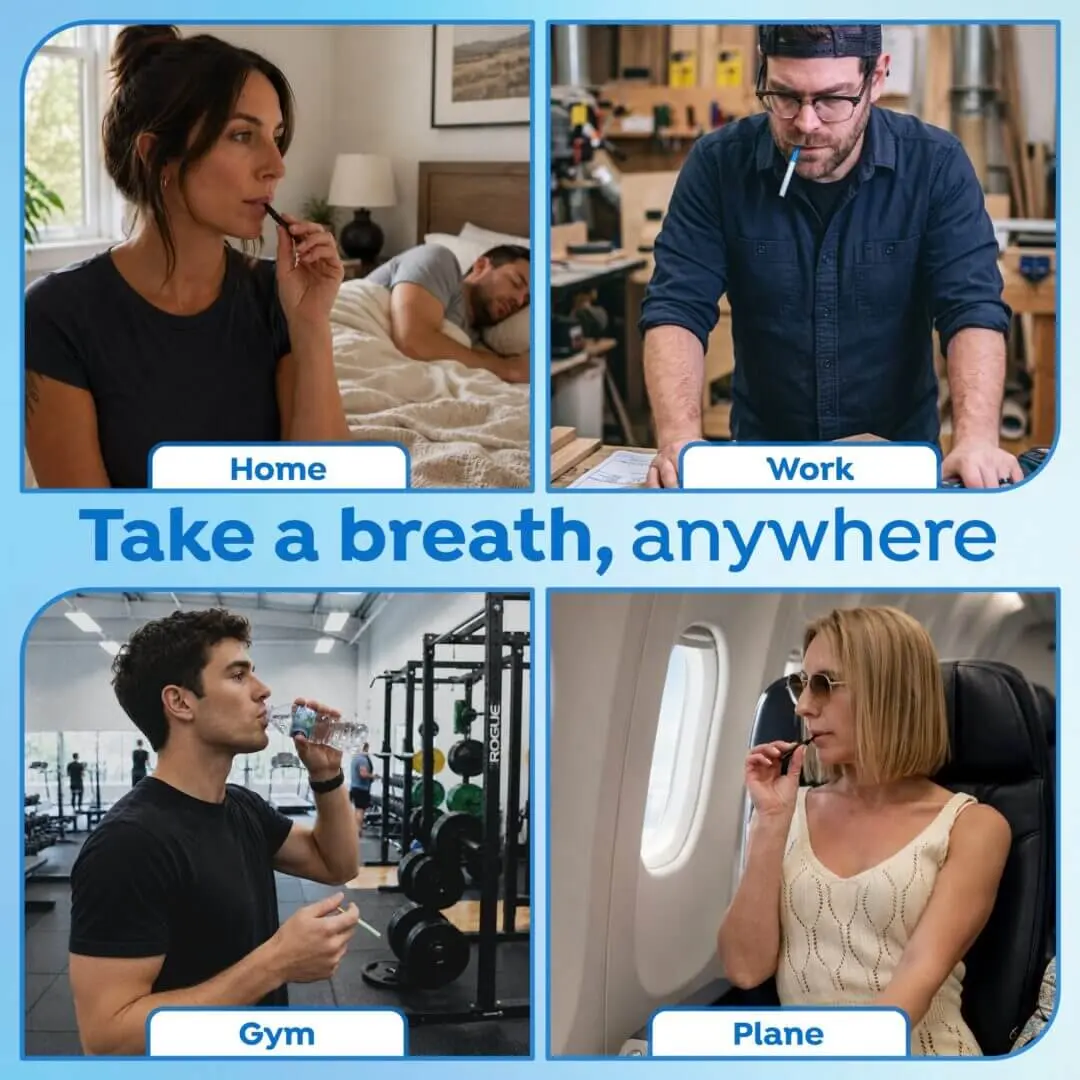
In many situations, smokers are not necessarily trying to quit completely. Instead, they may simply be searching for smoke-free behavioral support during work, travel, indoor environments, or moments where smoking may not be possible.
“Smoke-free habit alternatives are not just for quitting, they are for every moment throughout the day when smoking is unavailable, restricted, or simply not the direction someone wants to go anymore.”
Why Hand-to-Mouth Habit Replacement Matters
For many smokers, repeated hand-to-mouth behavior and familiar inhalation routines gradually become deeply connected to comfort and daily routine. That is why many adults continue searching for hand-to-mouth habit replacement, oral fixation support, smoke-free behavioral alternatives, familiar inhalation habits, and situational smoking support.
Adults trying to reduce smoking often discover that replacing the ritual itself may feel just as important as reducing nicotine.
Smoke-Free Alternatives Beyond Traditional Smoking
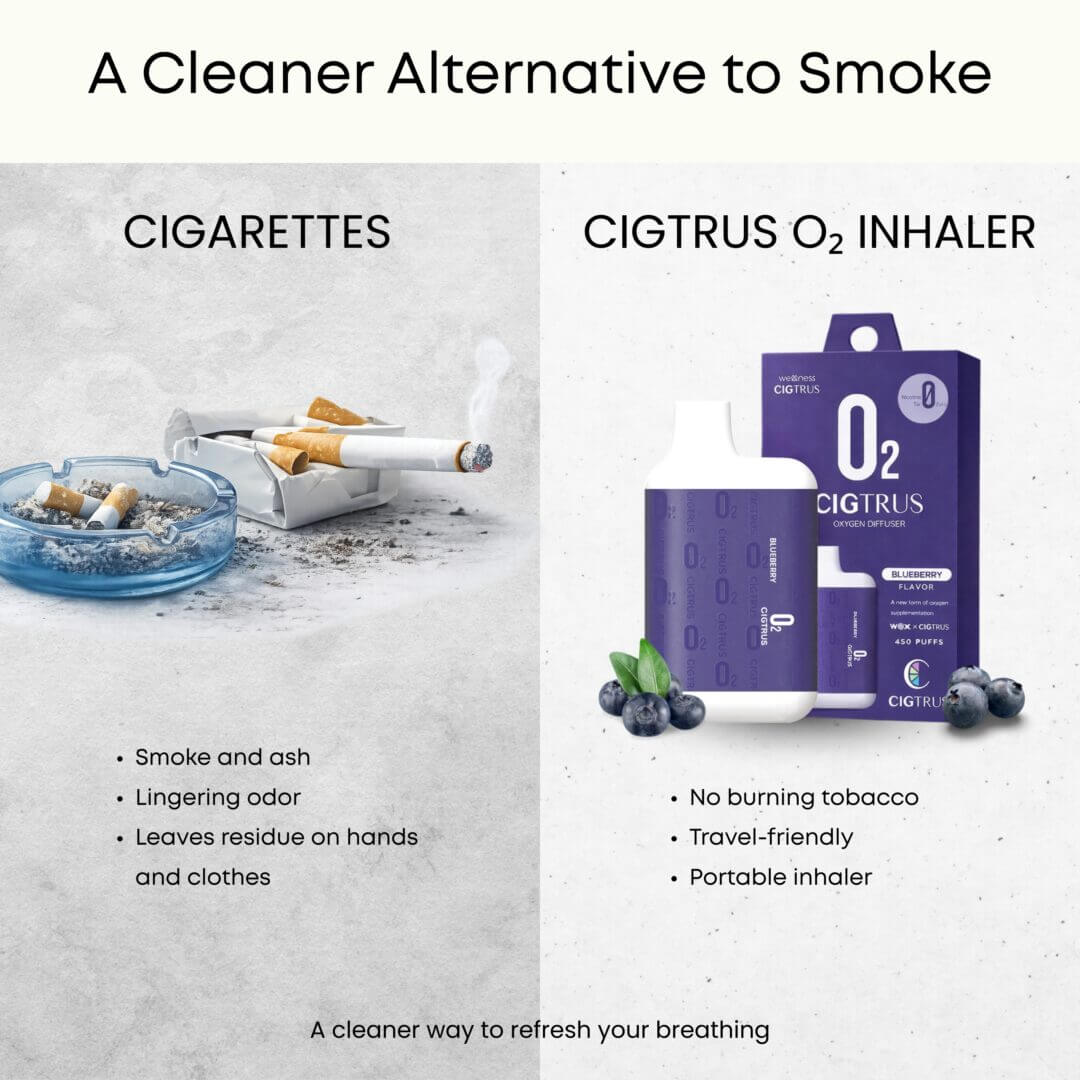
Some adults searching for smoke-free alternatives begin exploring products designed around behavioral support, smoke-free routines, familiar inhalation behavior, hand-to-mouth habits, and portable everyday use. This growing interest has increased awareness around smokeless inhalers designed around smoke-free behavioral routines.
Many adults researching smoke-free alternatives also want to understand what makes a smokeless inhaler different from vaping devices.
How Cigtrus Supports Smoke-Free Behavioral Routines
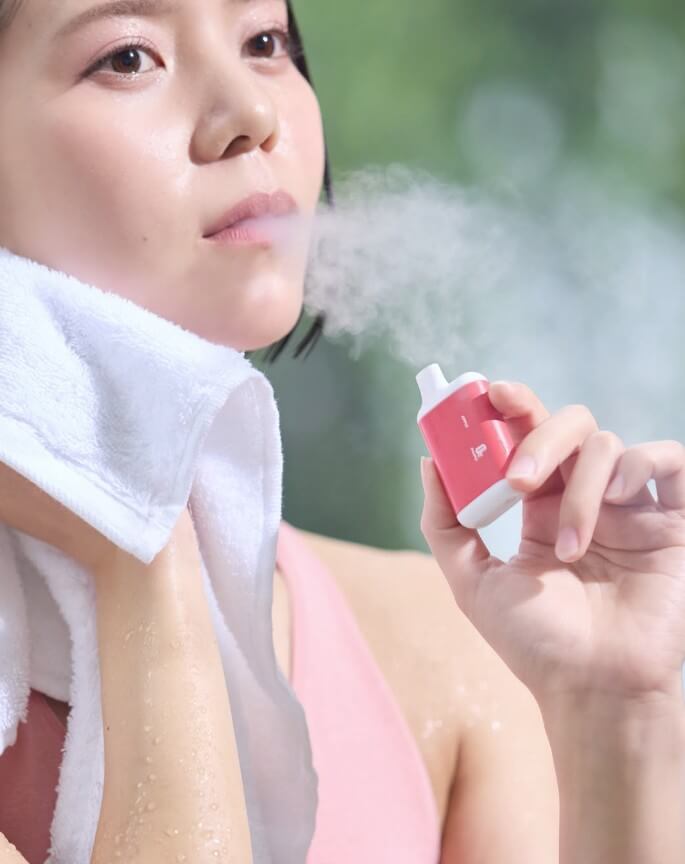
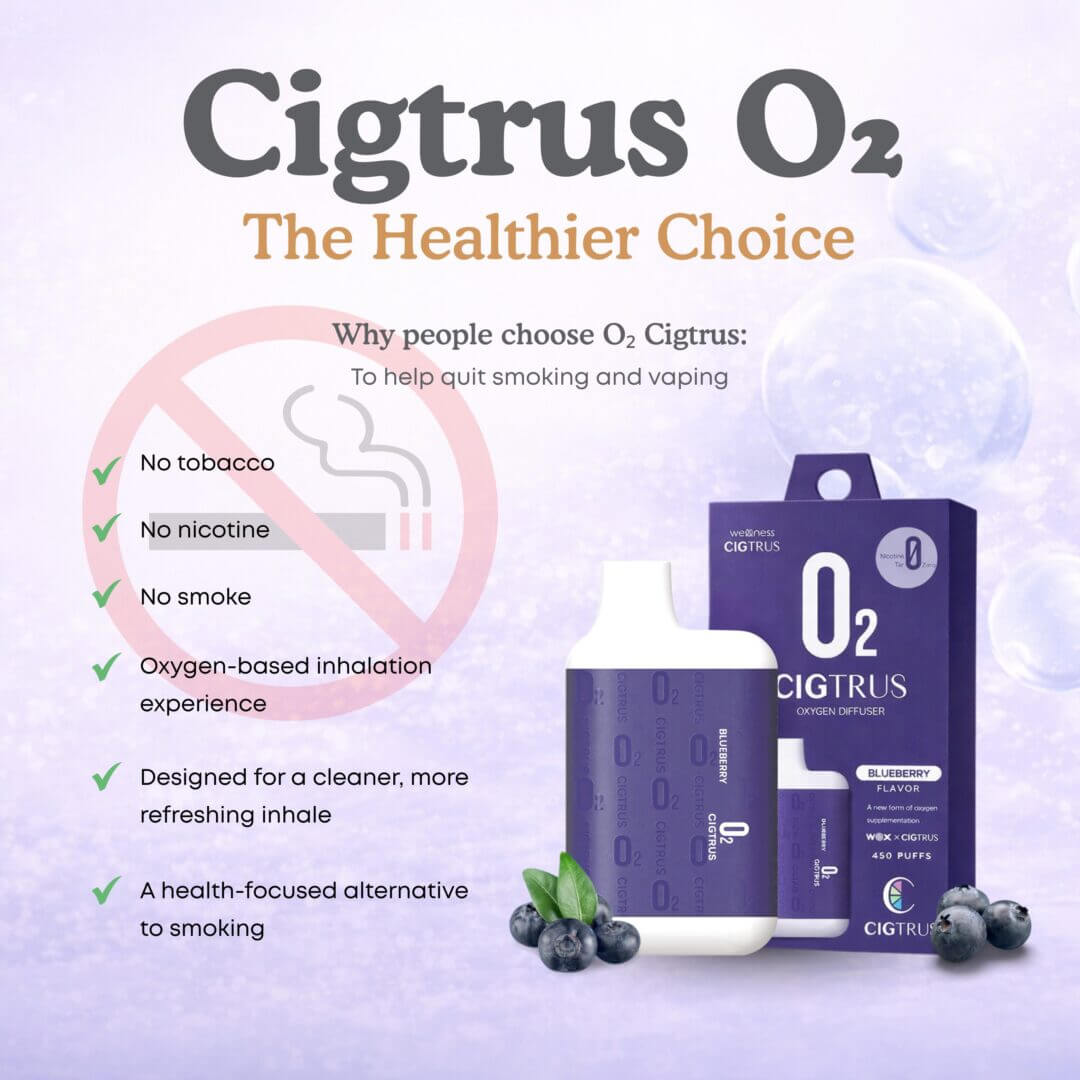
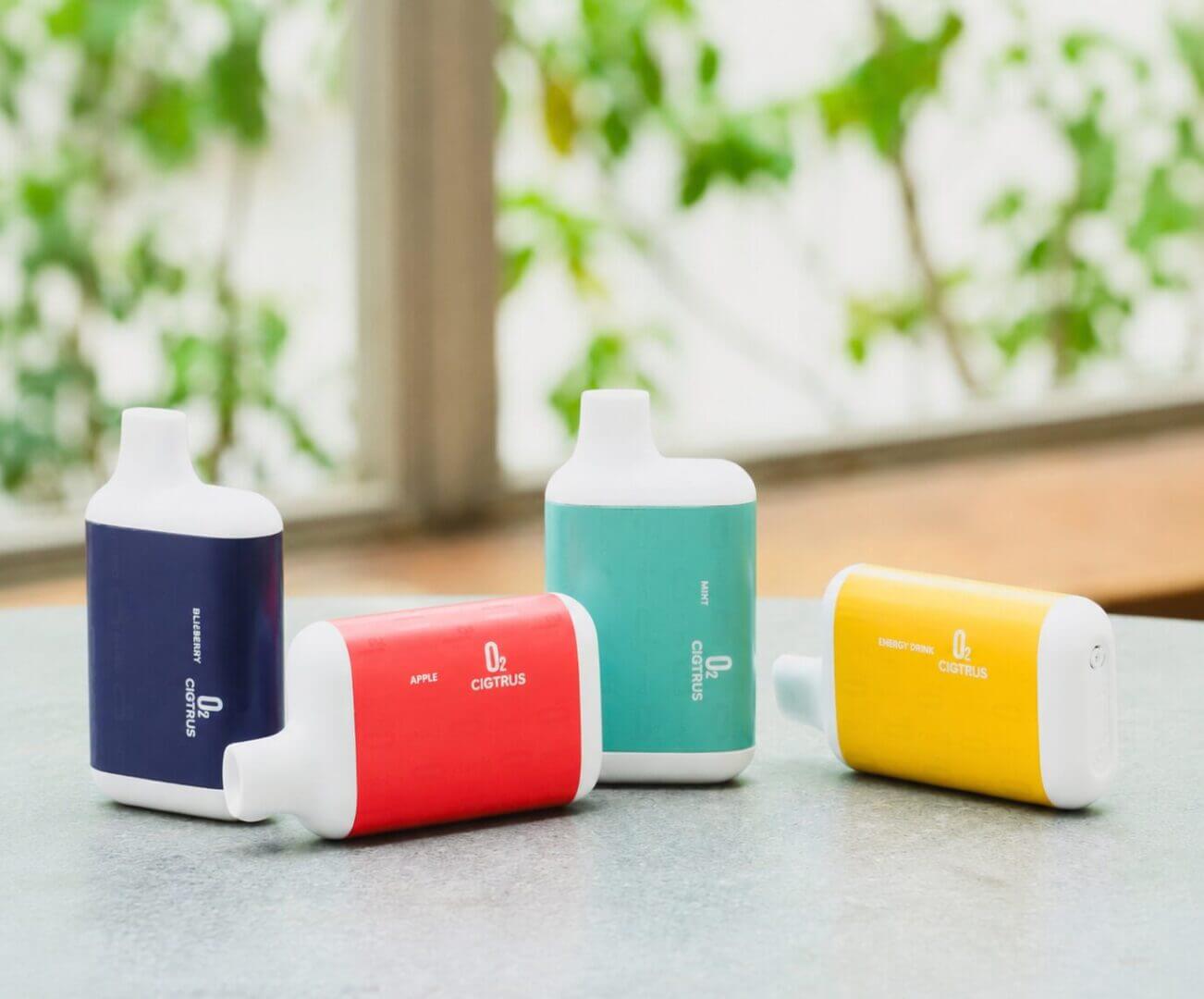
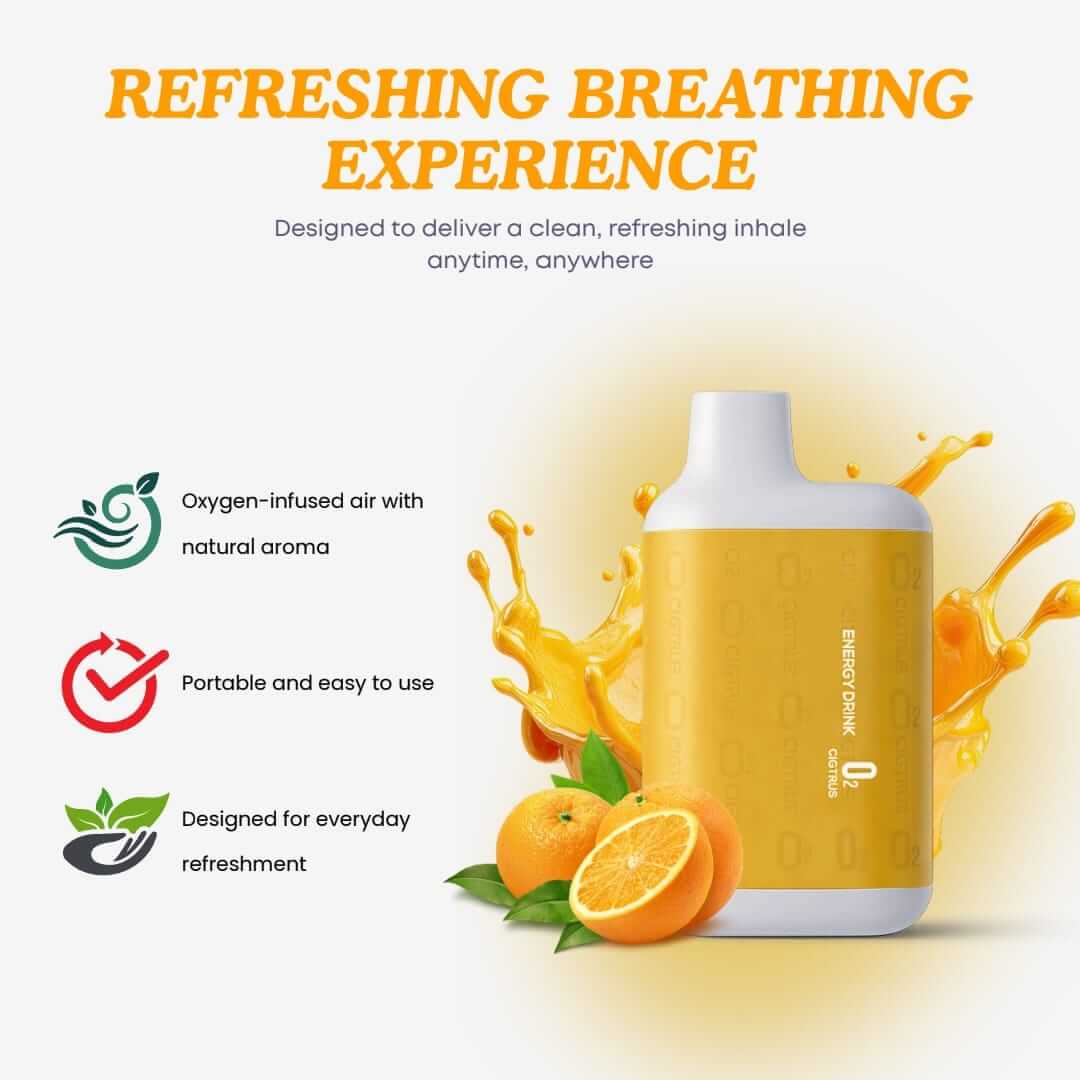
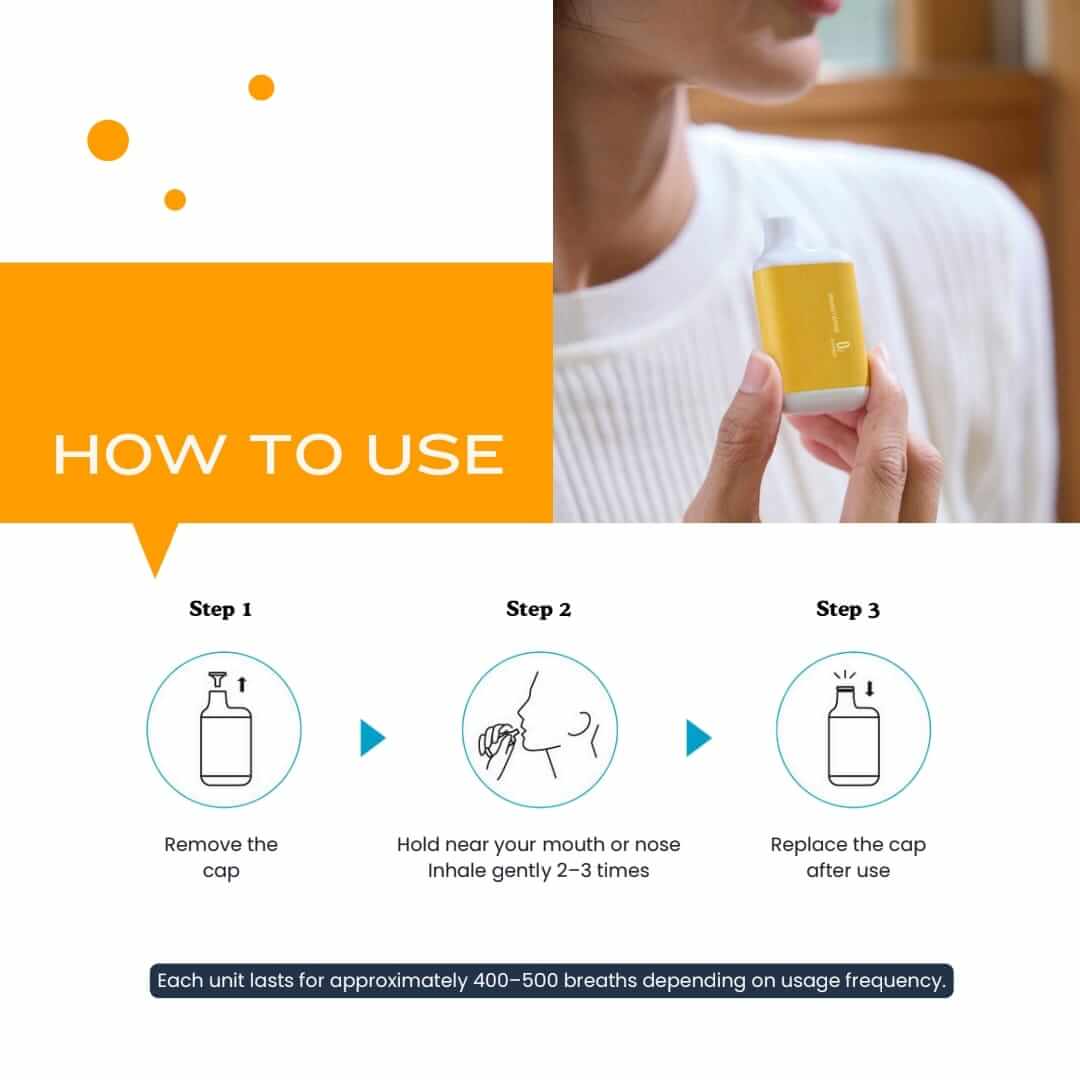
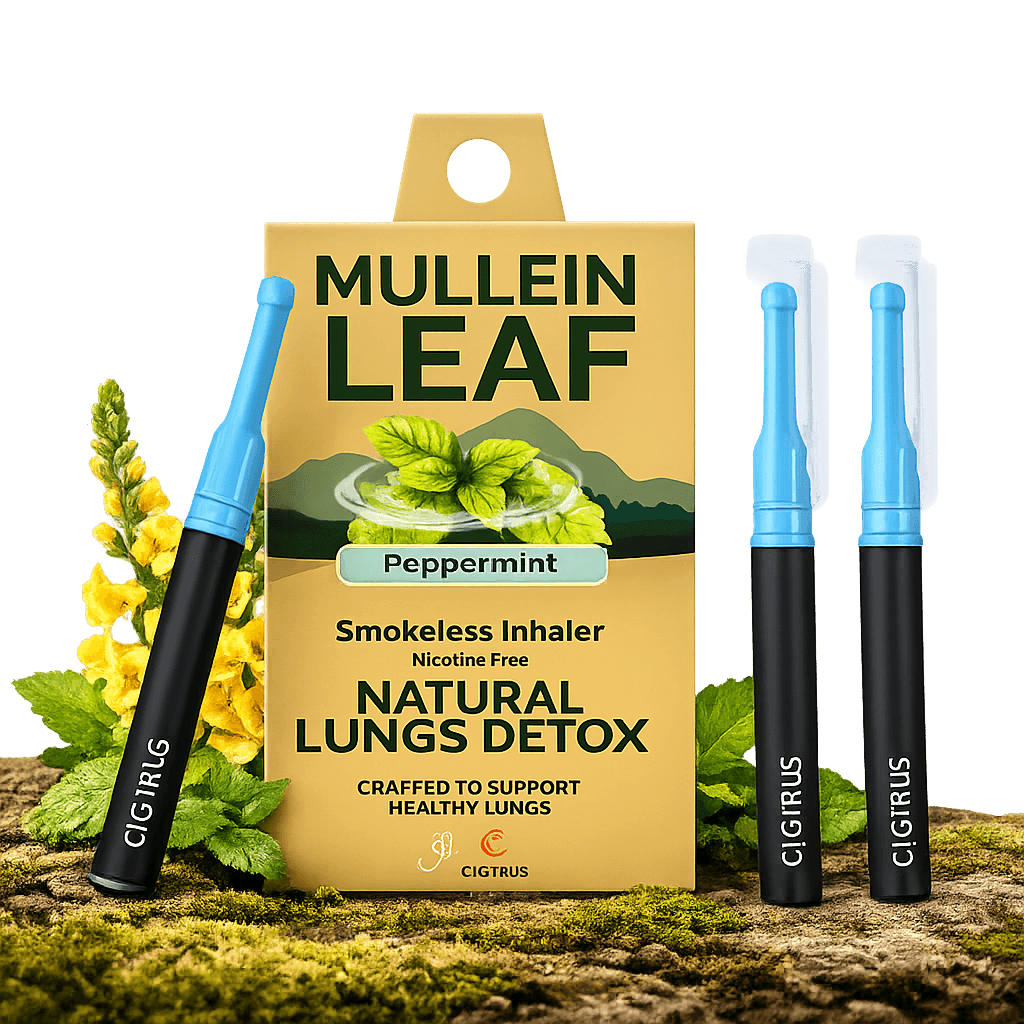
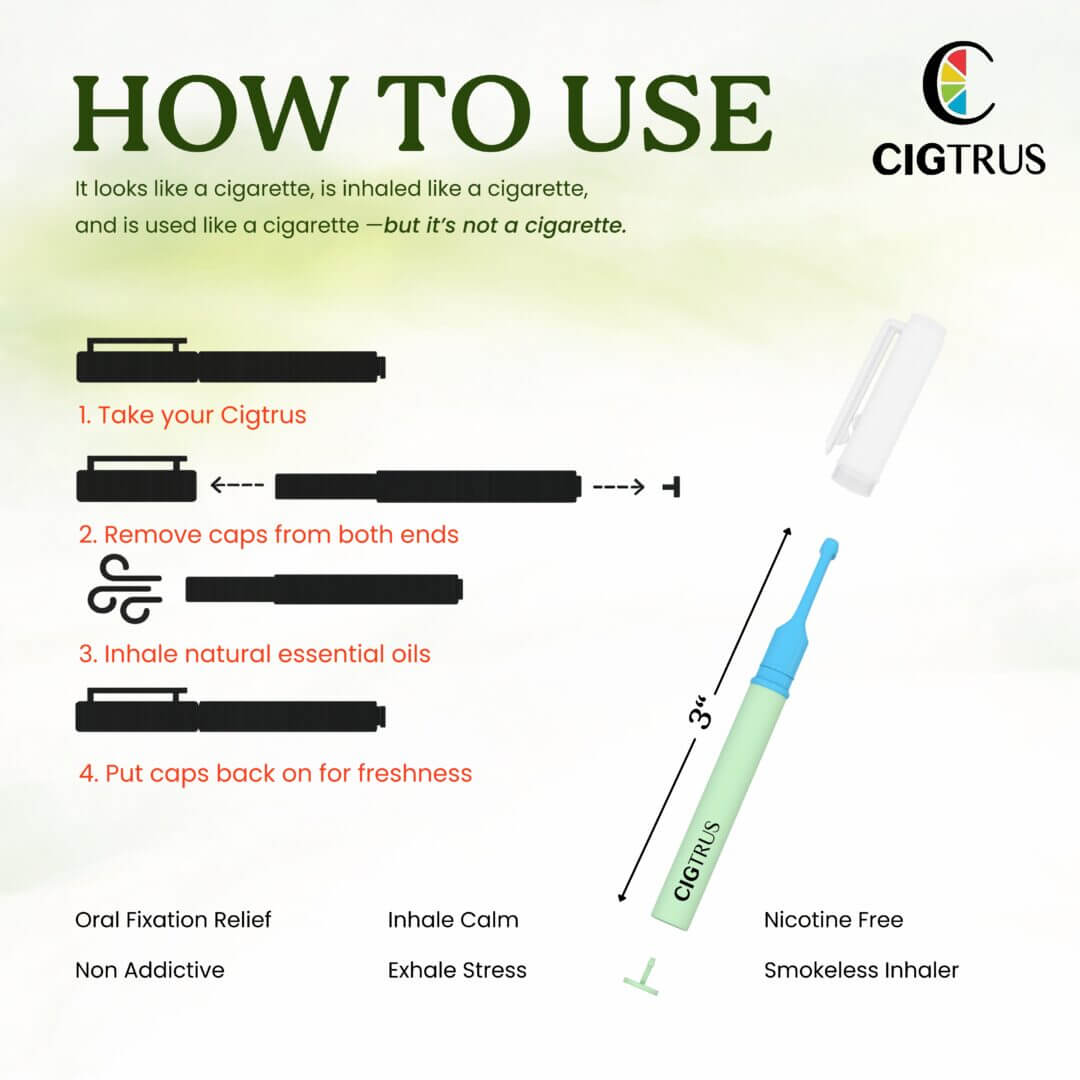
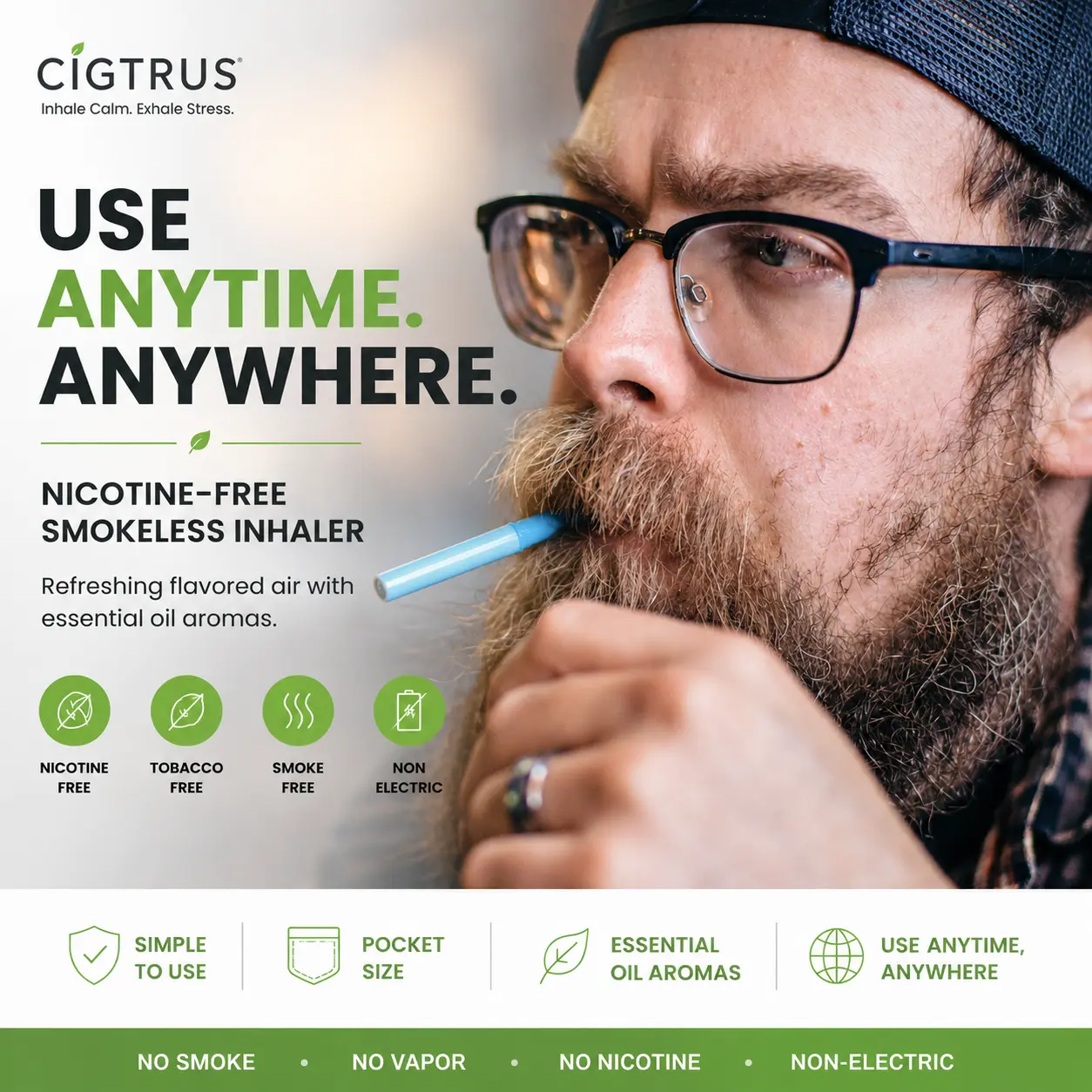
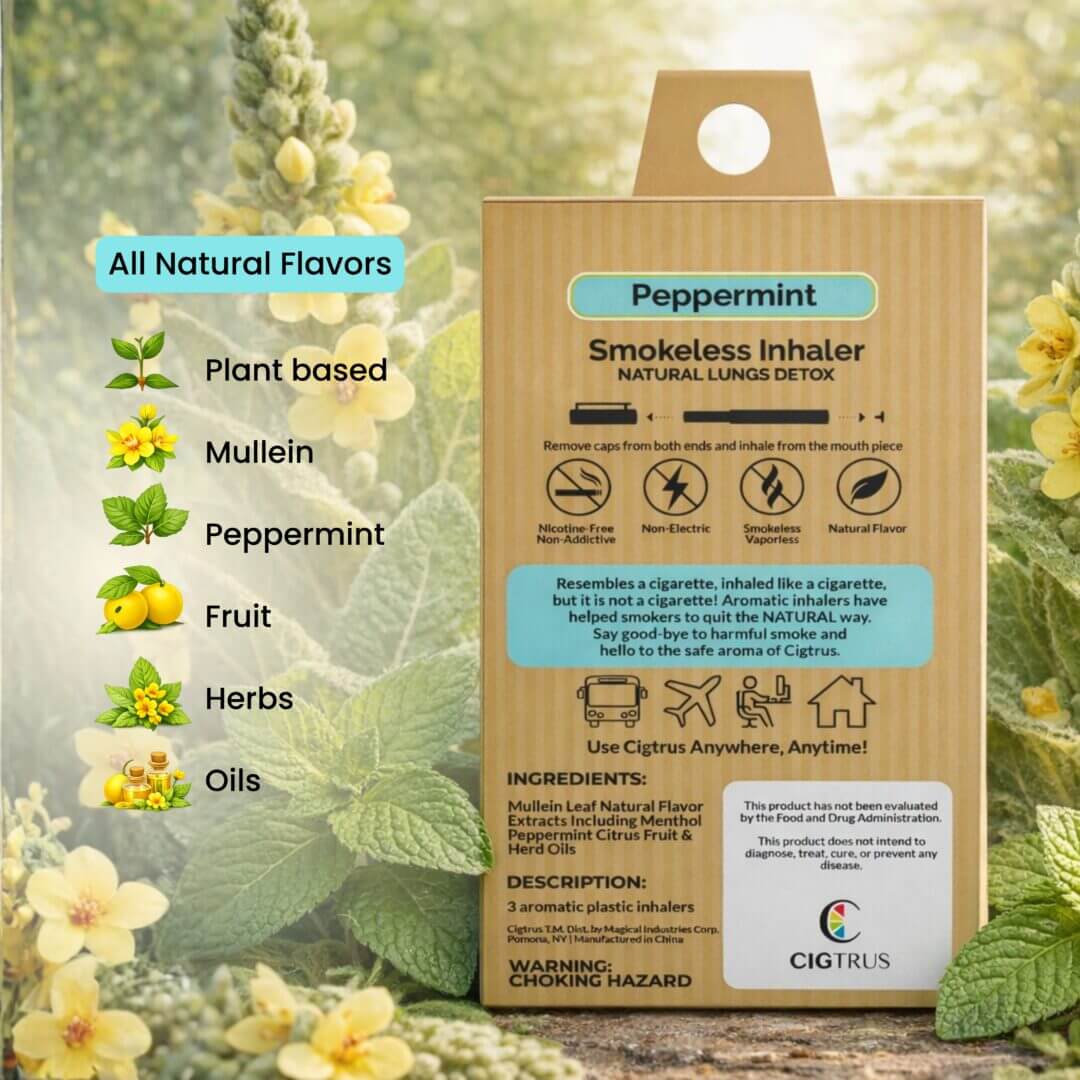
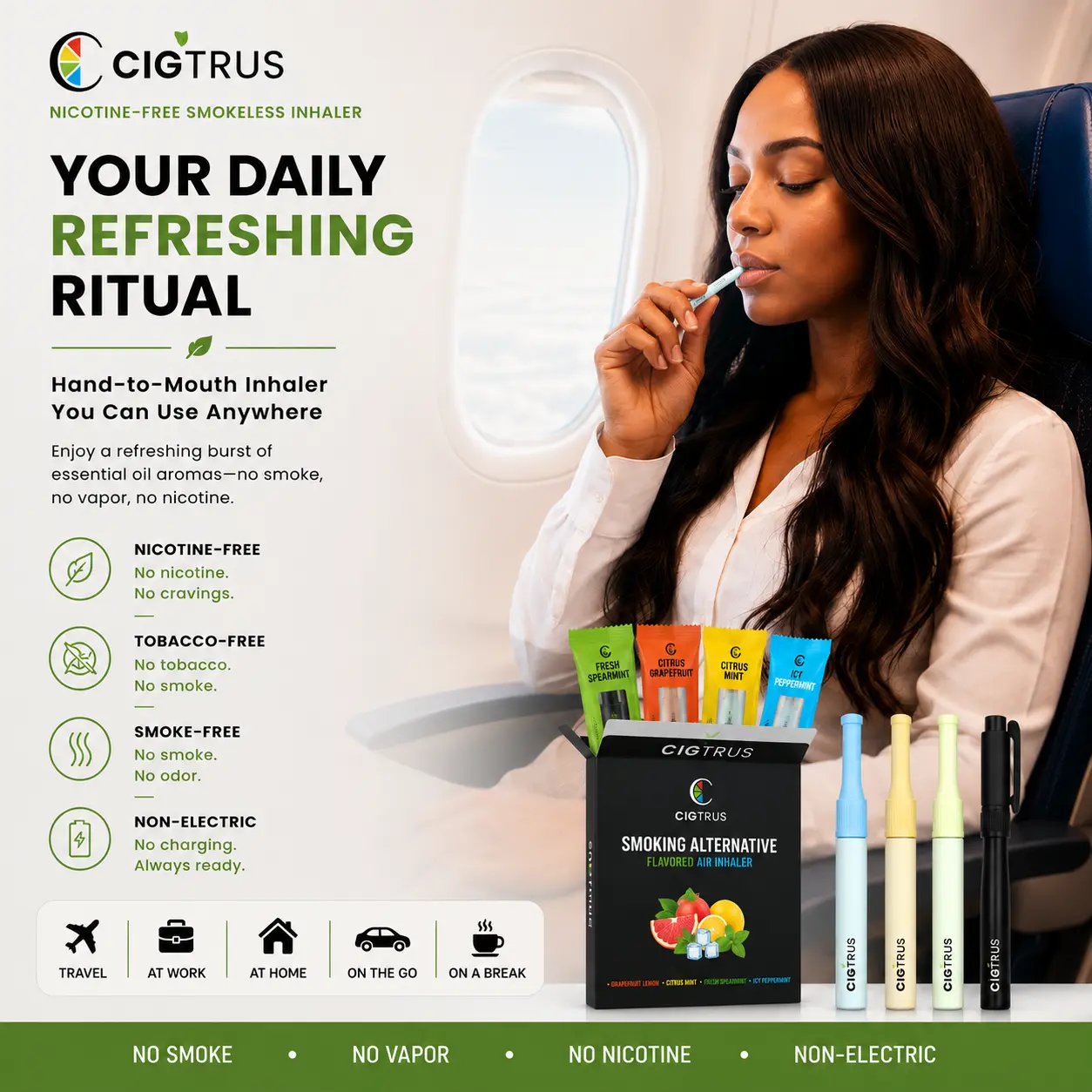
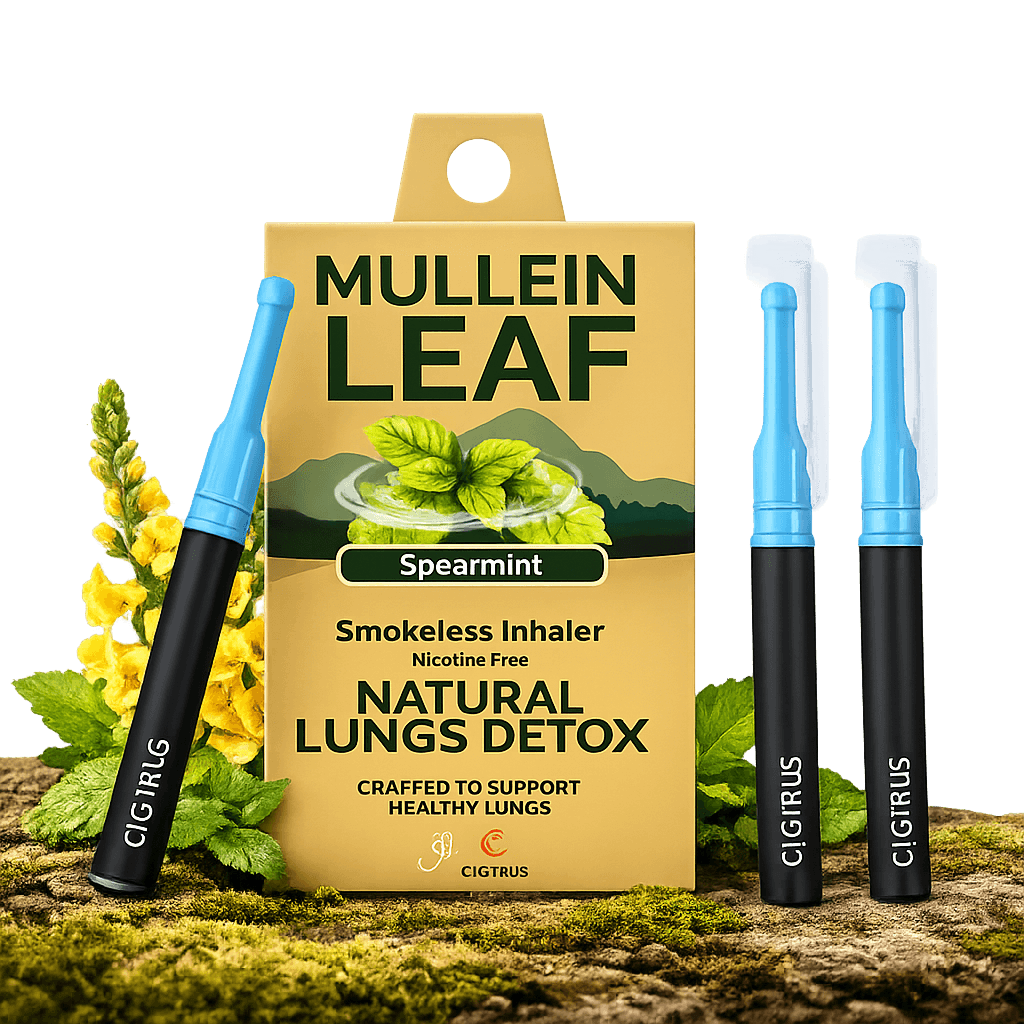
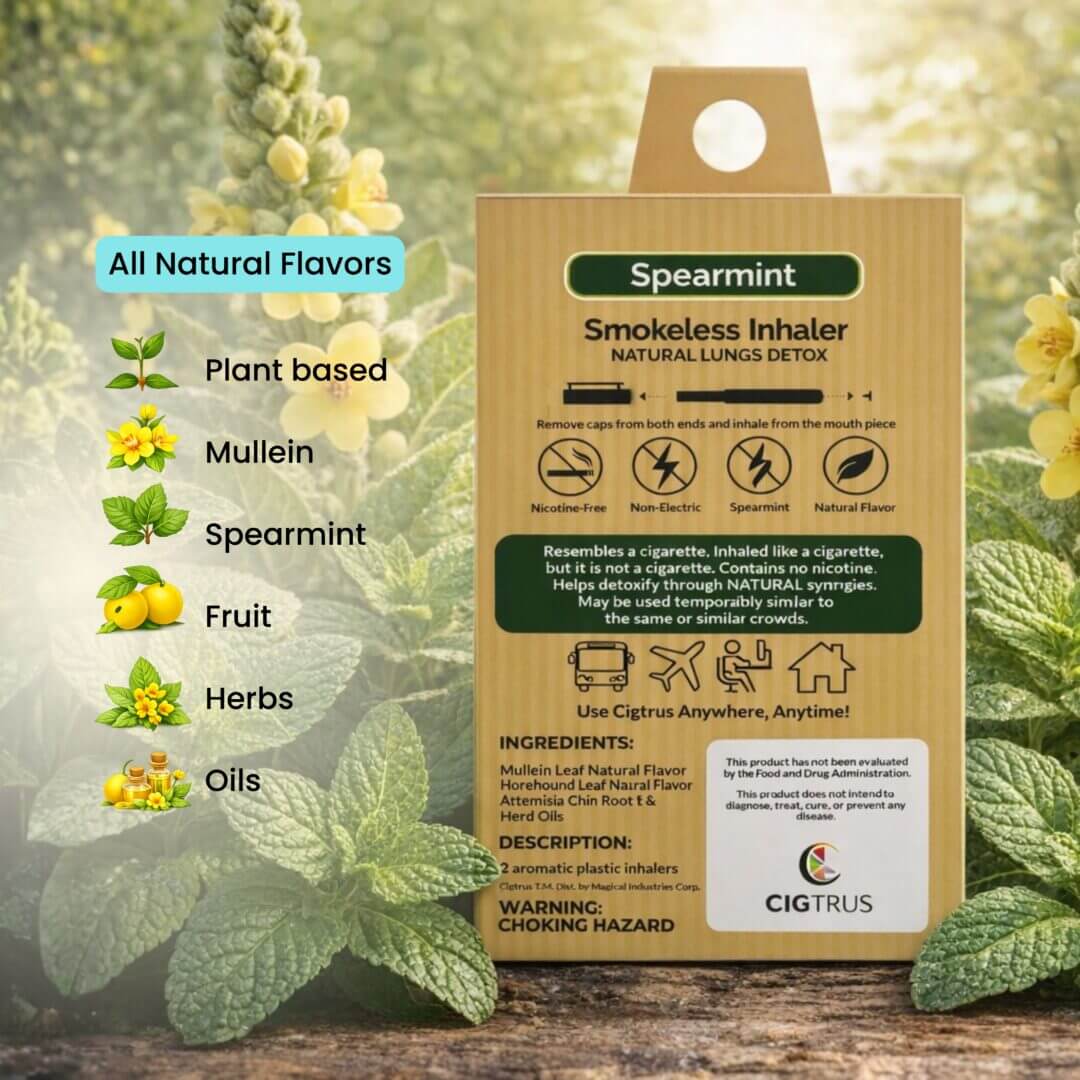
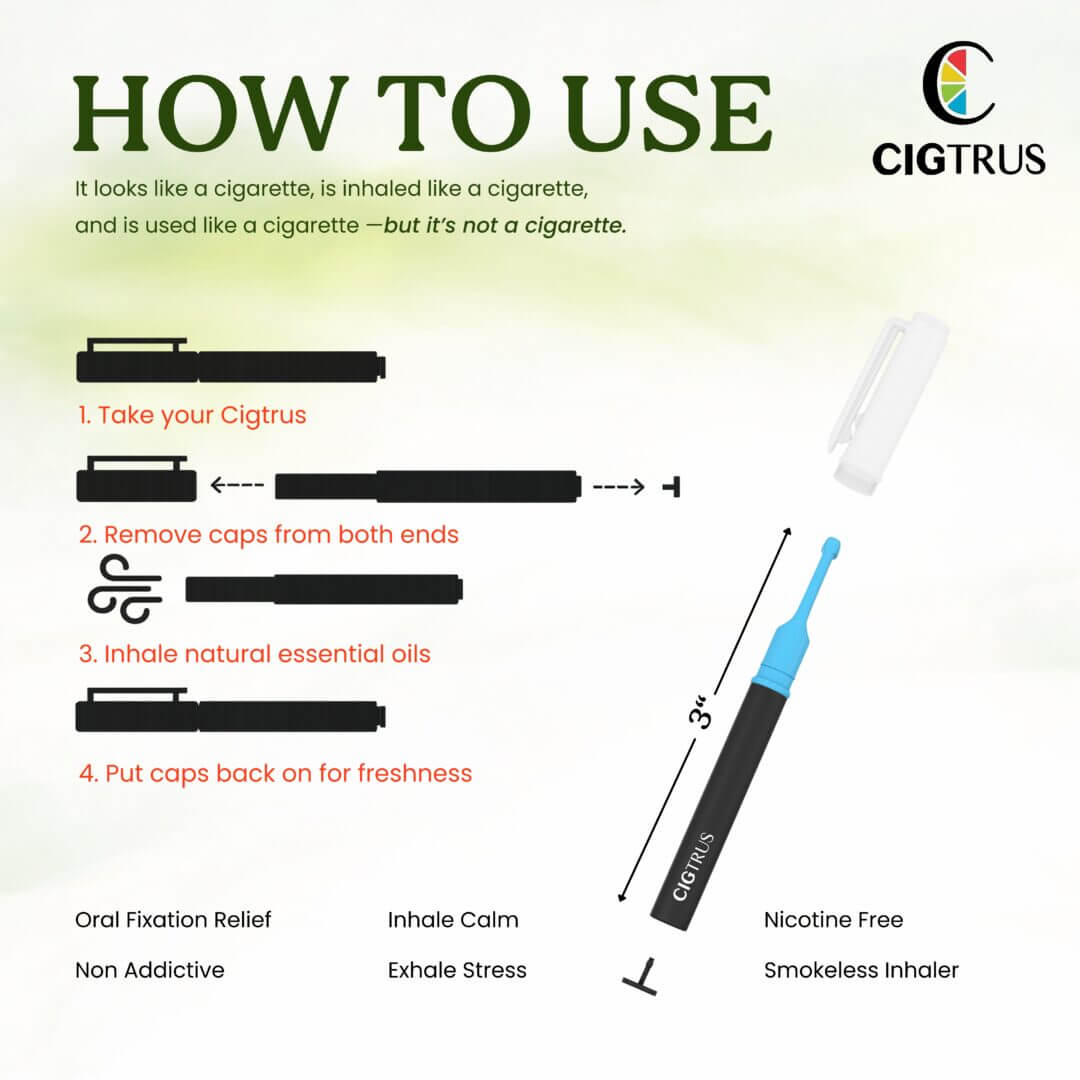
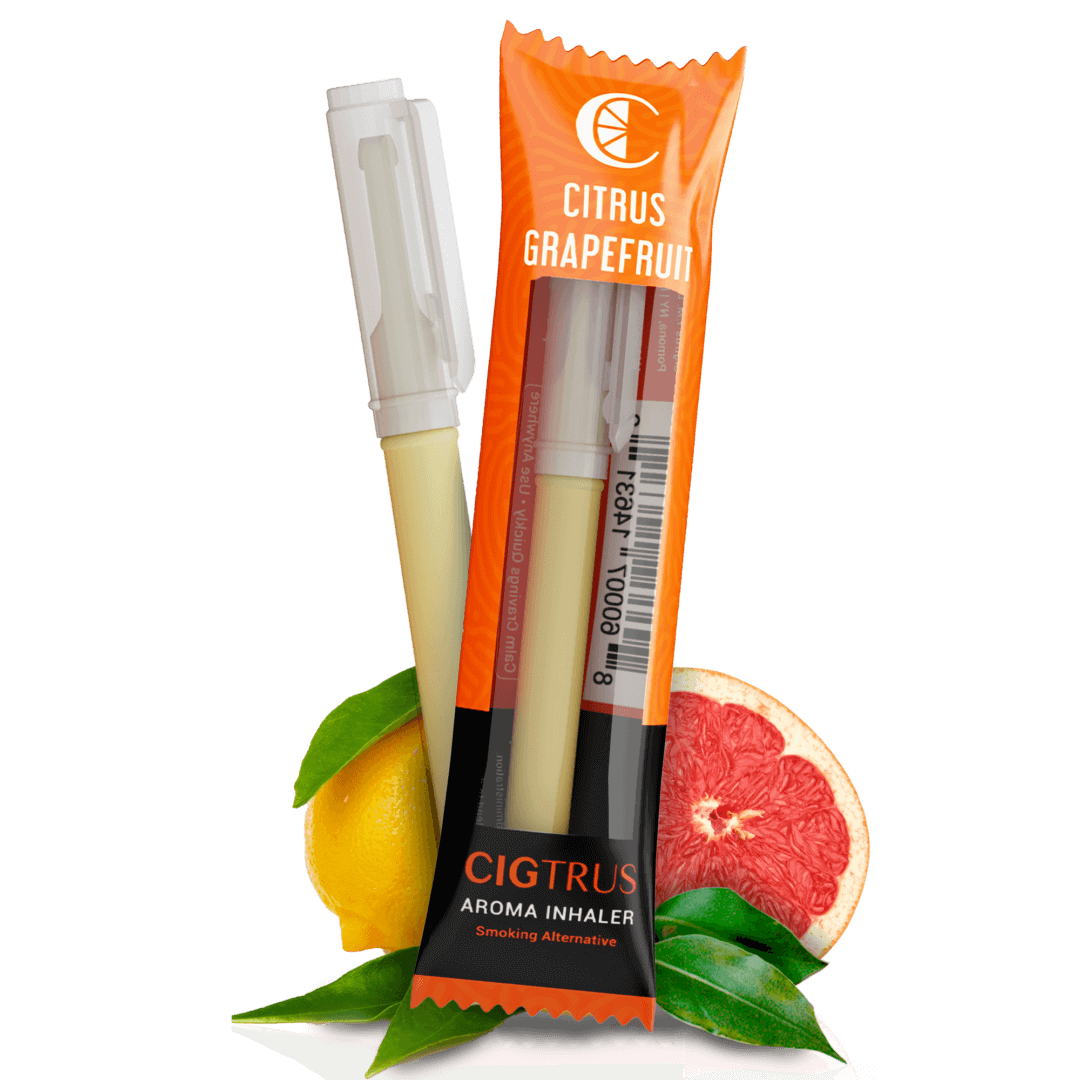
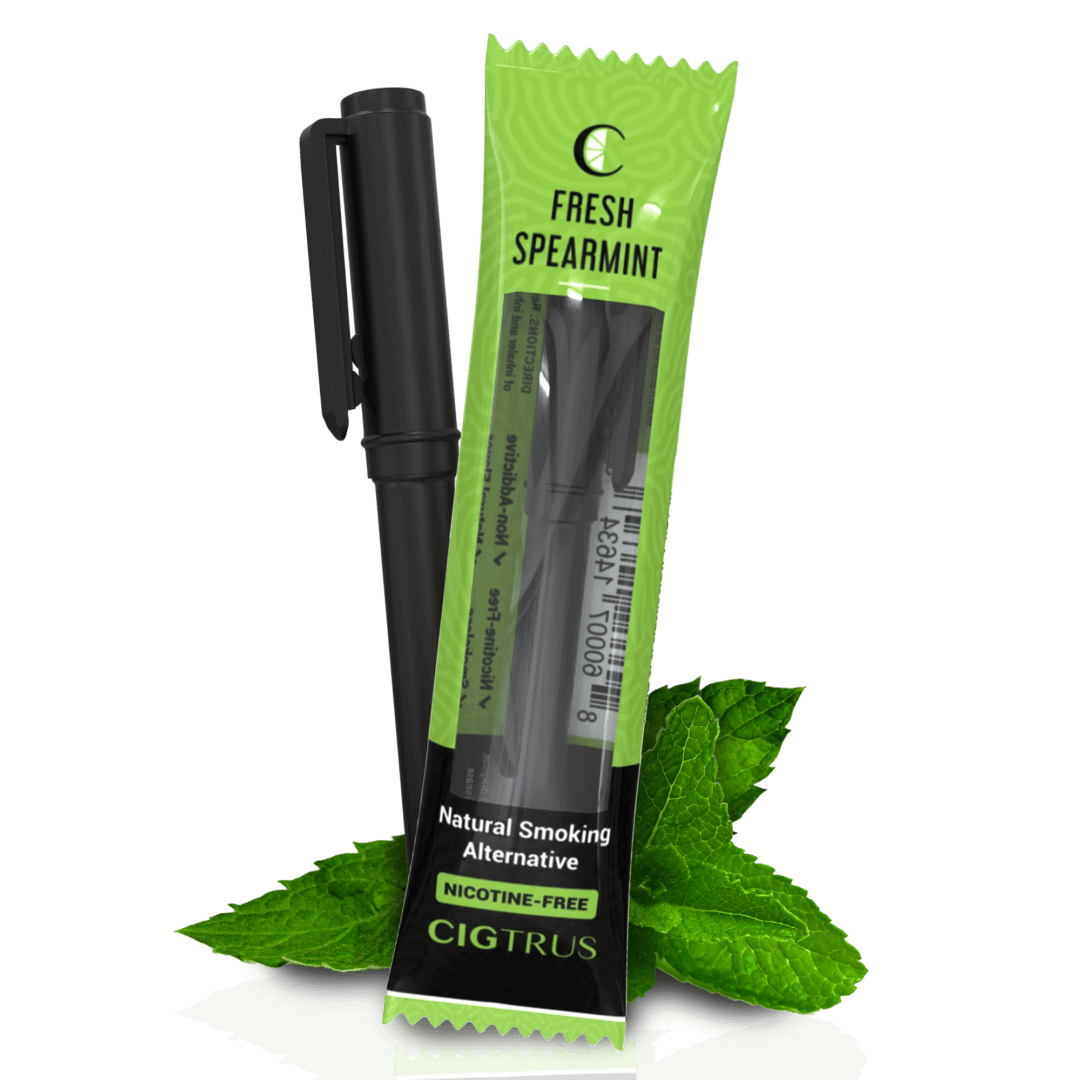
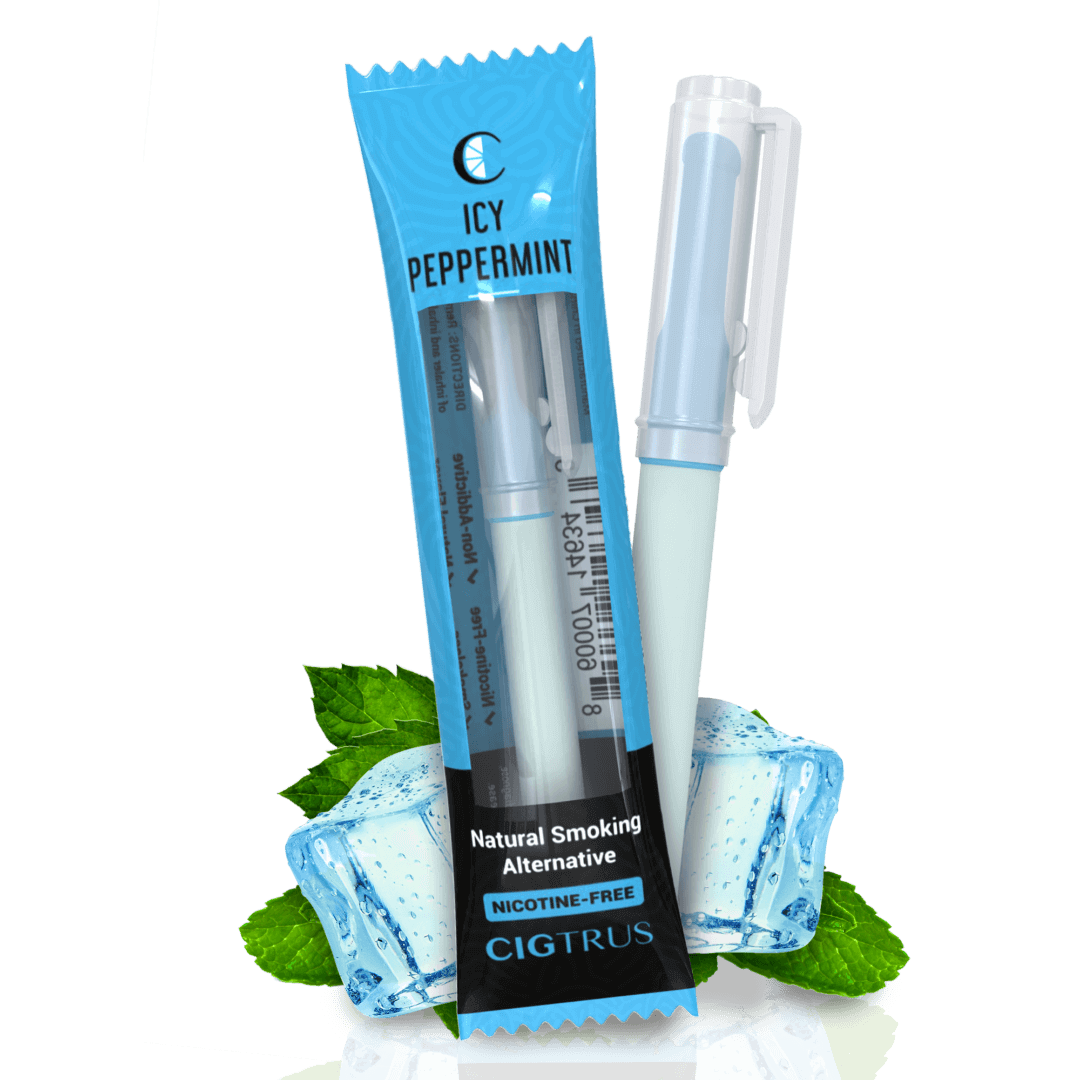
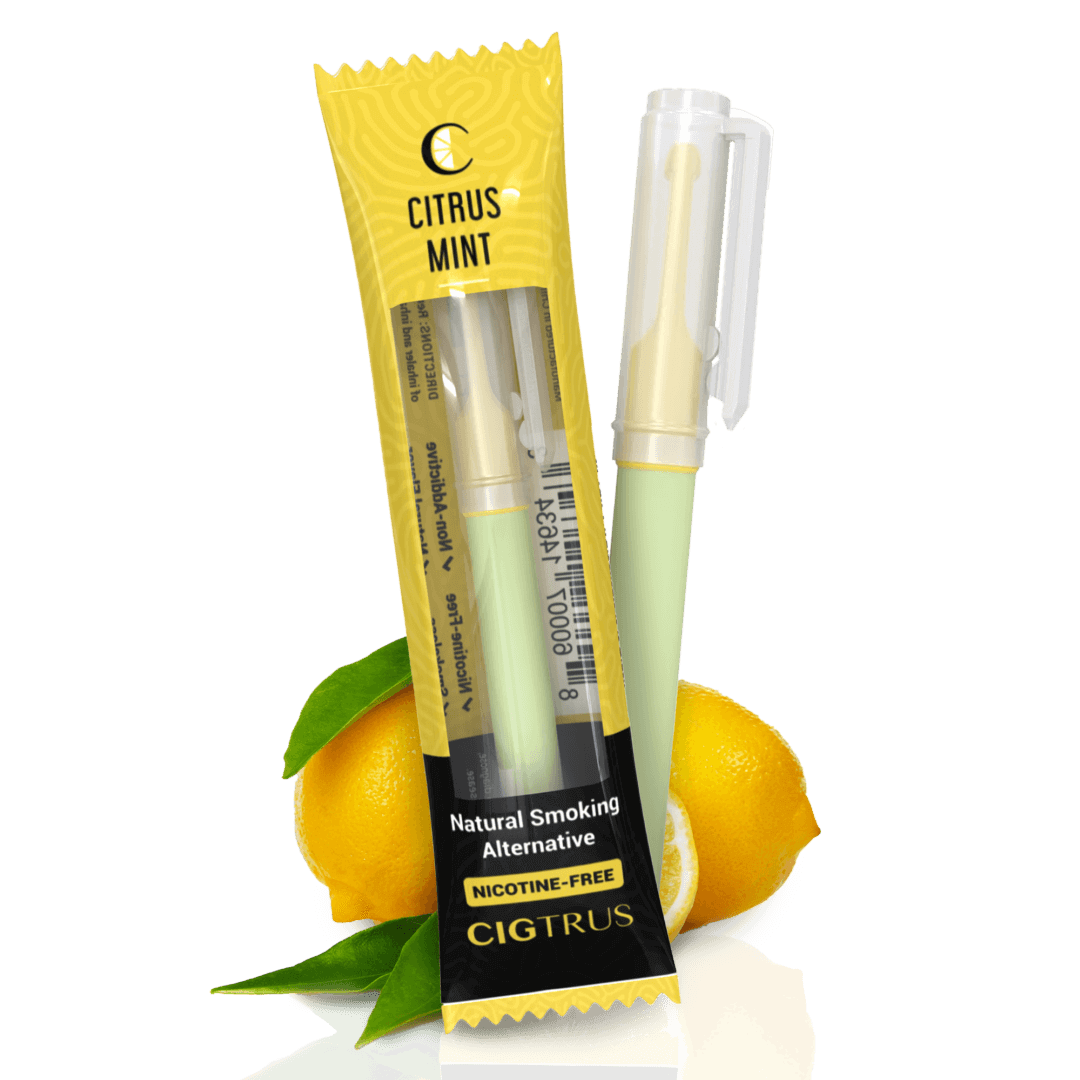
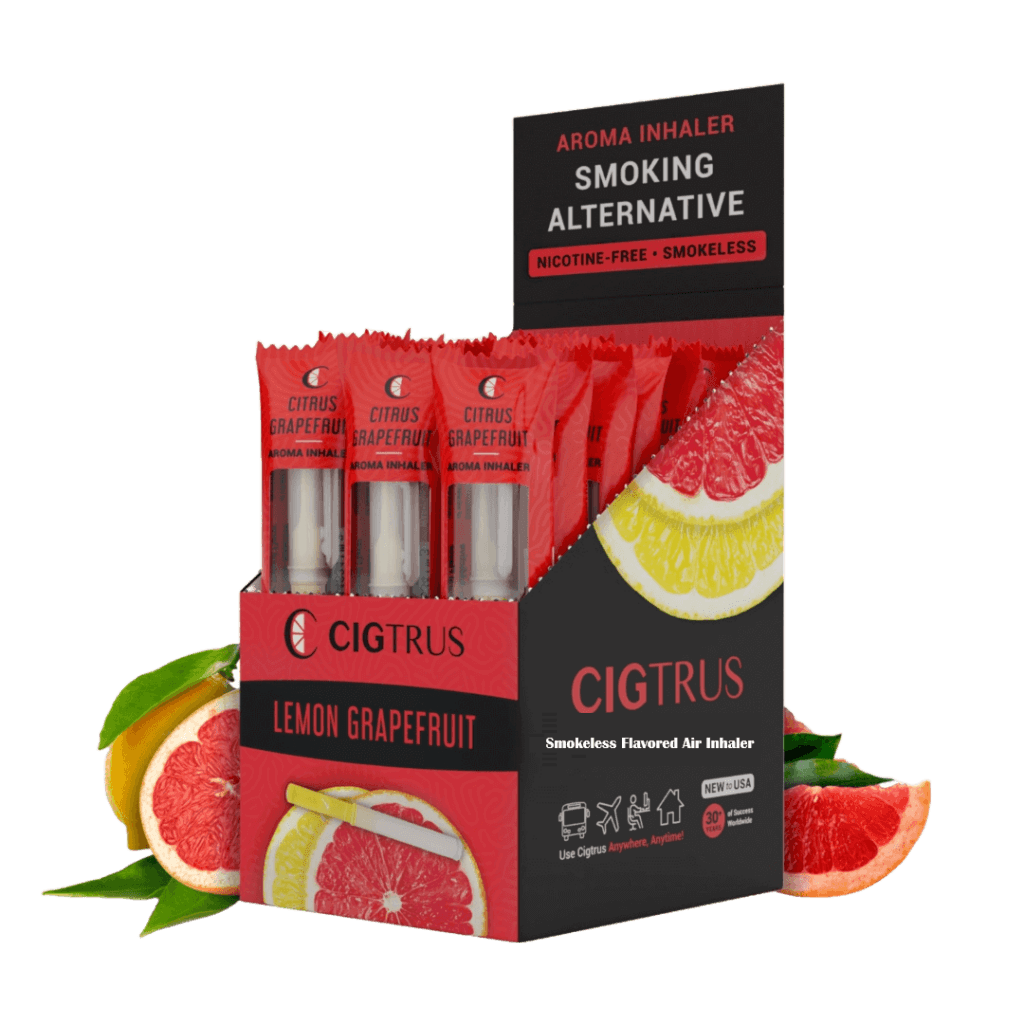
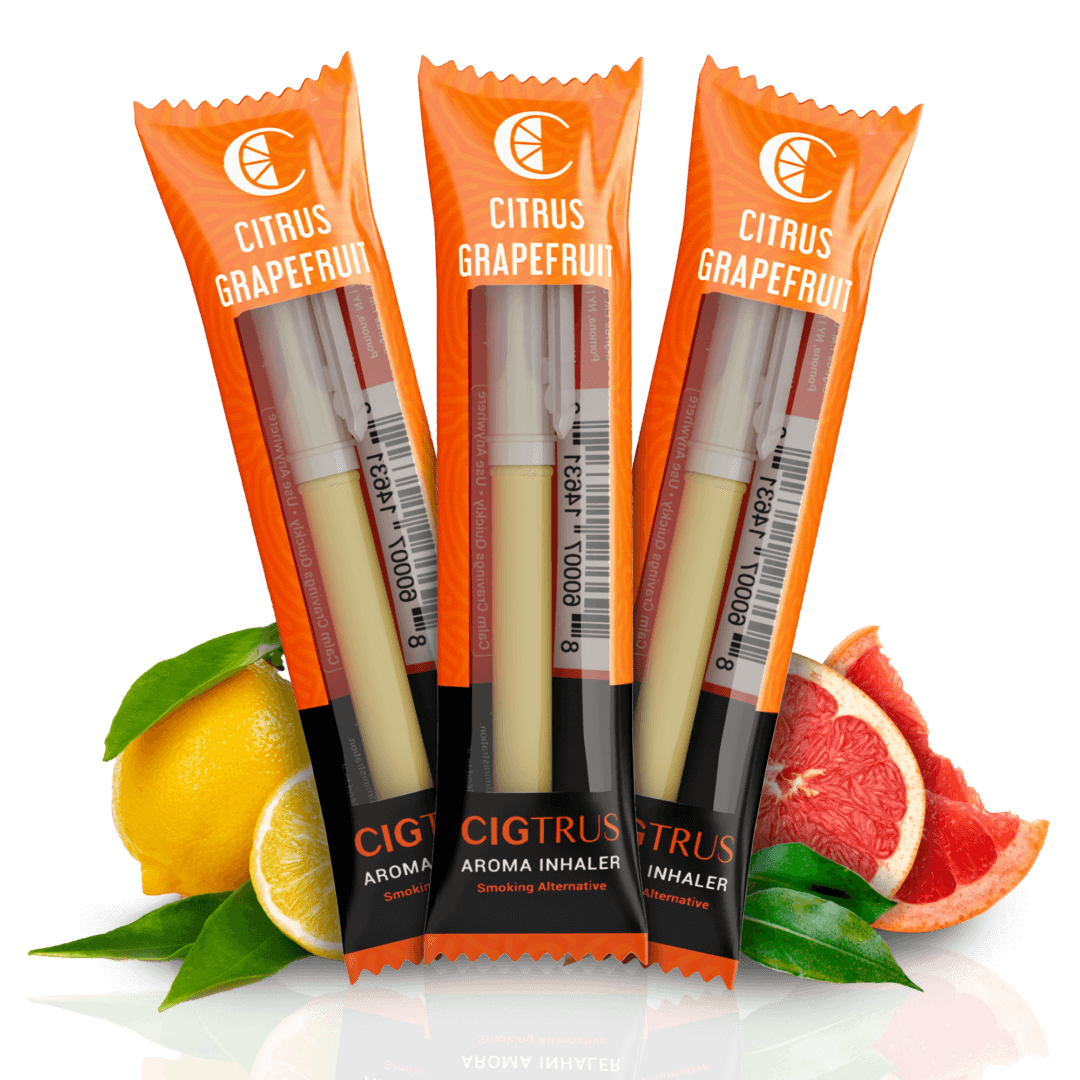
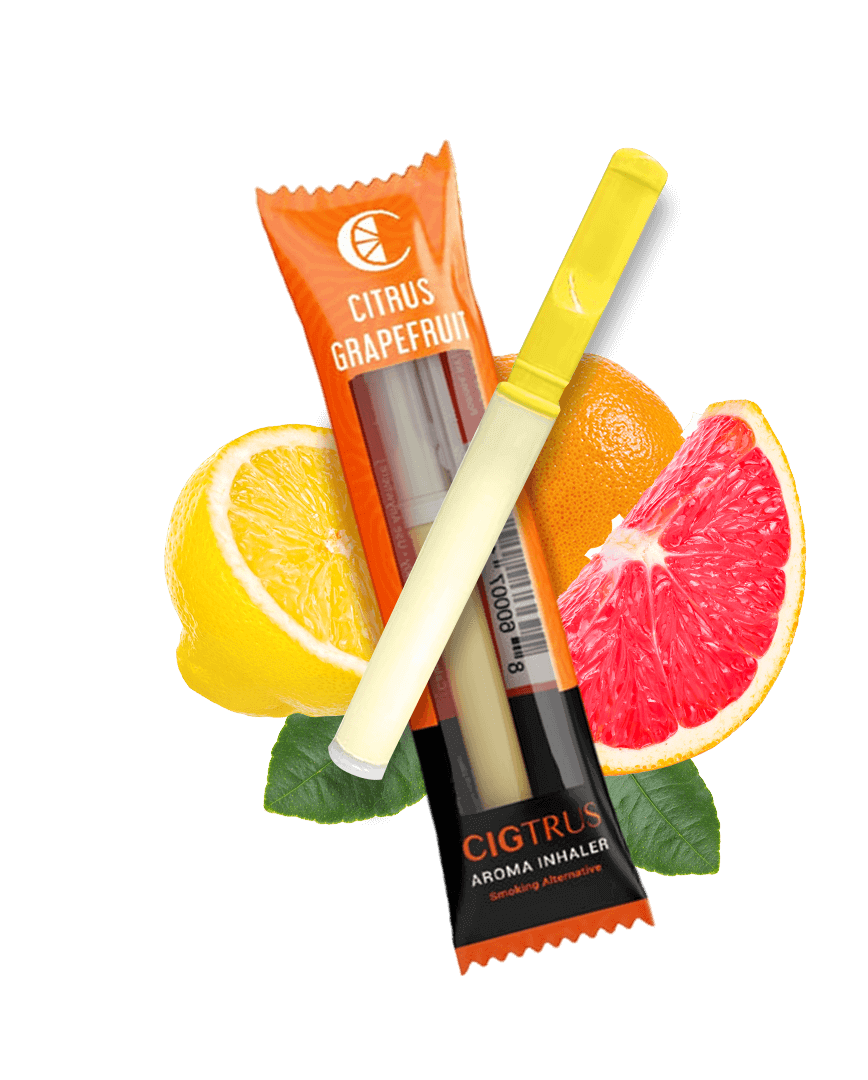
Cigtrus is a nicotine-free, smokeless, non-electric inhaler designed around supporting hand-to-mouth habit replacement, oral fixation, smoke-free routines, familiar inhalation behavior, and behavioral smoking patterns. Because Cigtrus is smokeless and non-electric, many adults find it easier to use during work, travel, commuting, stressful situations, and indoor environments.
Why Many Adults Prefer Cigtrus
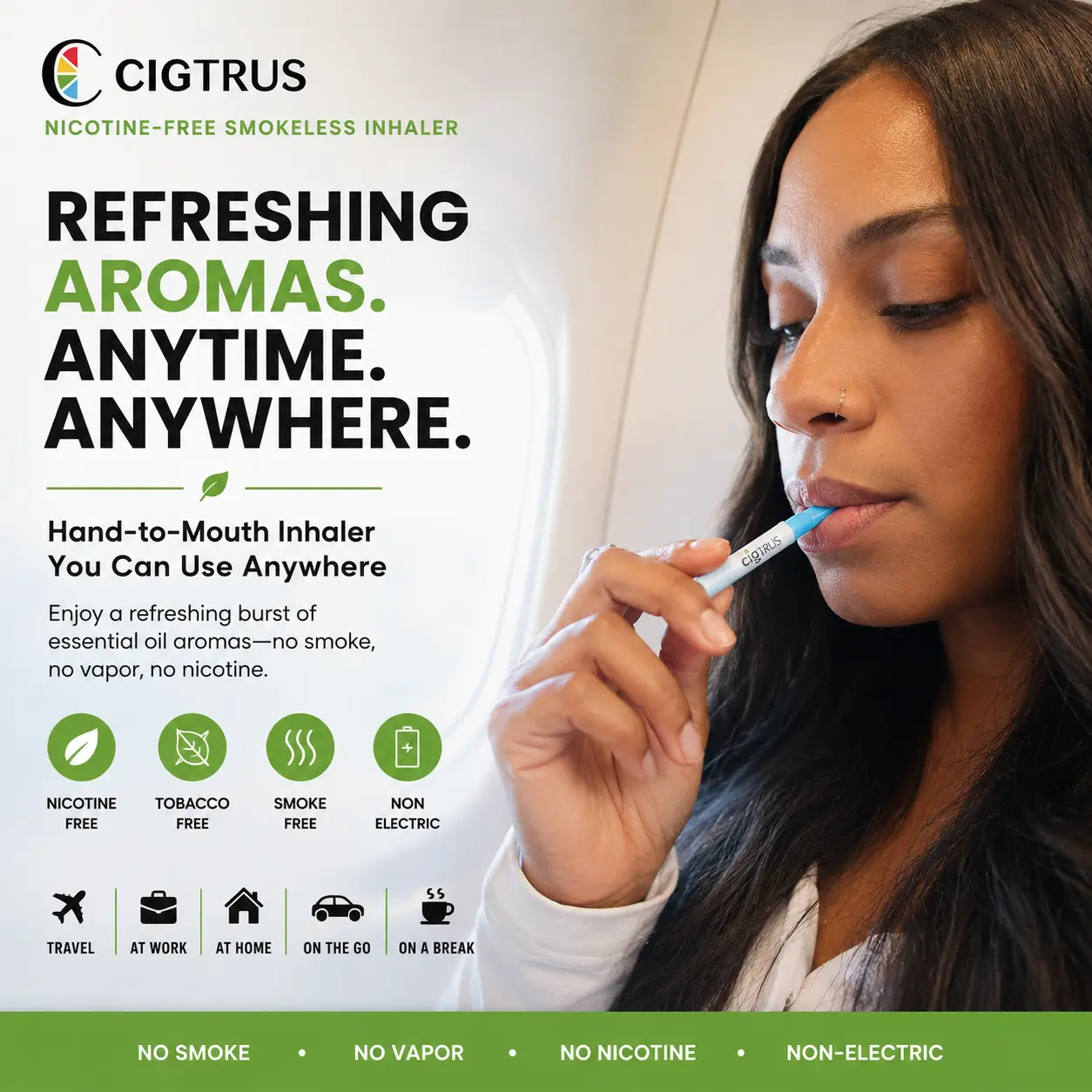
Produces no smoke or vapor, unrestricted in any environment
Requires no charging, always ready when a trigger fires
Lightweight and portable, fits naturally into everyday routines
Supports smoke-free environments, usable on flights, at work, indoors
Some smokers searching for smoke-free alternatives also begin exploring nicotine-free smokeless inhalers. Find out why more smokers are switching to smokeless inhalers.
Building Healthier Smoke-Free Habits
Most smoking habits develop gradually through years of repetition and emotional association. Replacing those routines often takes consistency, behavioral support, trigger awareness, healthier routines, and realistic lifestyle adjustments. Many smokers also search for practical ways to manage cravings naturally while building healthier smoke-free habits over time.
Frequently Asked Questions
What are smoke-free habit alternatives?
Smoke-free habit alternatives are products or routines designed to support familiar smoking behaviors without smoke, vapor, or combustion, addressing the behavioral side of the habit.
Are smoke-free alternatives only for quitting smoking?
No. Many adults use smoke-free alternatives during work, travel, indoor environments, or situations where smoking is unavailable, as well as during active quit attempts.
Why do smokers search for behavioral alternatives?
Many smokers search for behavioral alternatives because smoking habits become connected to stress, routines, and repeated hand-to-mouth behavior that persists independently of nicotine levels.
What is hand-to-mouth habit replacement?
Hand-to-mouth habit replacement focuses on supporting familiar smoking routines, the reach, hold, and inhalation, without smoke, vapor, or combustion, giving the behavioral trigger a clean destination.
What makes smokeless inhalers different from cigarettes or vapes?
Smokeless inhalers are typically non-electric and produce no smoke or vapor. They support behavioral habit replacement through natural aroma rather than substance delivery, usable anywhere vaping or smoking is banned.
A Smoke-Free Alternative for Every Habit Moment.
No vapor, no nicotine, no restrictions, behavioral support that fits any routine, anywhere.
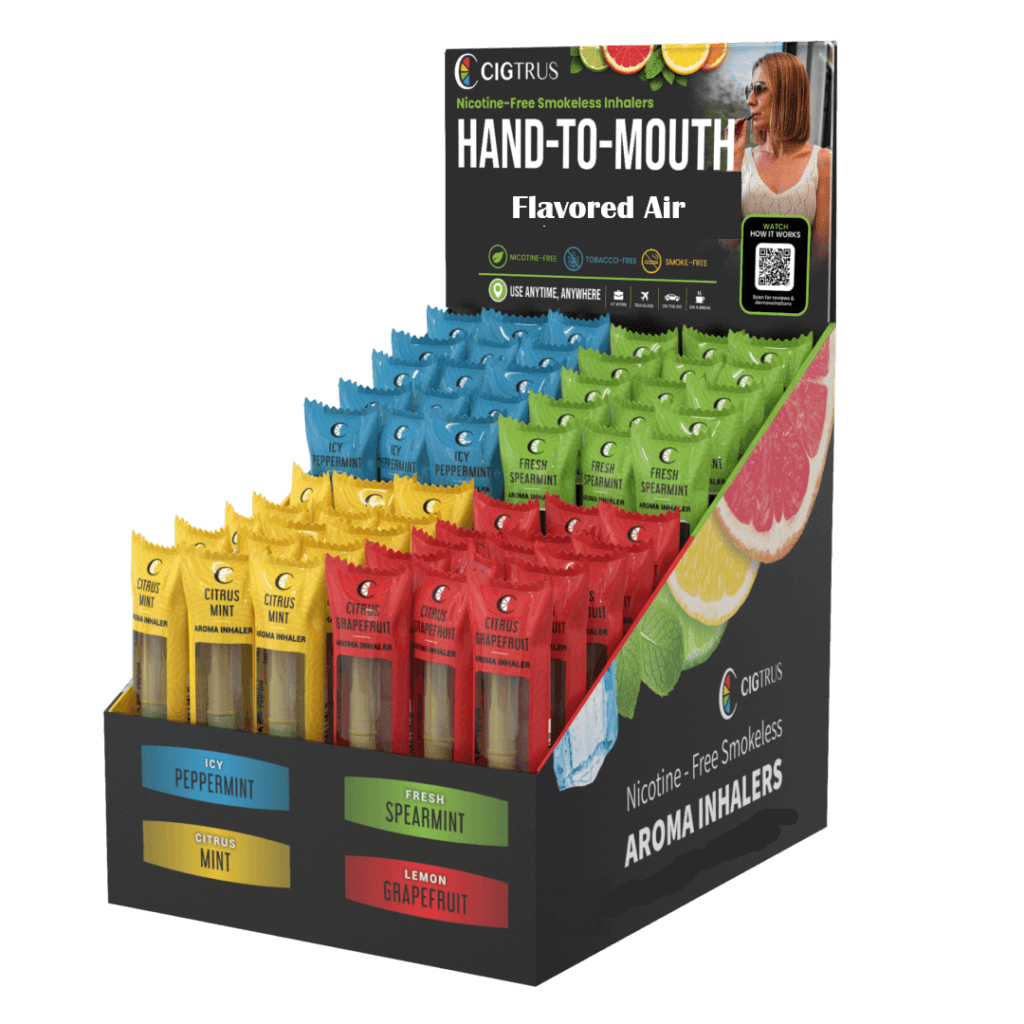
👉 Try the Variety Pack