
How Dangerous Is It to Breathe Smoke: Understanding the Risks and Exploring Alternatives
Breathing in smoke, whether from cigarettes, wildfires, or industrial sources, is alarmingly harmful to health. Smoke inhalation can lead to a wide range of serious health issues, affecting nearly every organ in the body. Understanding the specific risks and knowing what smoke-free alternatives exist makes the decision to quit significantly more informed.
The Perils of Smoke Inhalation
Smoke contains a complex mixture of gases and fine particles produced when materials burn. The primary hazard comes from fine particles that can penetrate deep into the lungs and even enter the bloodstream. Chronic exposure to smoke can lead to respiratory diseases, heart problems, and cancer. It is not just cigarette smoke, even exposure to smoke from wildfires or industrial sources carries similar serious risks.
Cigarette Smoke: A Dangerous Chemical Mixture
Cigarette smoke is a dangerous mix of over 7,000 chemicals, including at least 70 known to cause cancer. The immediate effects of smoking on the body are profound, leading to reduced lung function, persistent coughing, and an increased risk of respiratory infections. In the long term, smoking contributes to heart disease, stroke, and various forms of cancer.
“Smoke inhalation does not need to be prolonged to cause damage. Even short-term exposure affects lung tissue, cardiovascular function, and cellular health. The best protection is removing the source of exposure entirely.”
The Health Risks of Breathing Smoke
Respiratory Damage
Chronic smoke exposure inflames and scars lung tissue, reducing capacity and increasing susceptibility to infection, chronic bronchitis, and emphysema.
Cardiovascular Disease
Smoke inhalation raises blood pressure, damages blood vessels, and dramatically increases the risk of heart attack and stroke.
Cancer Risk
Carcinogens in smoke cause DNA damage that can lead to lung, throat, mouth, esophageal, and bladder cancers, among others.
Neurological Effects
Nicotine and toxic compounds in smoke affect brain chemistry, contributing to addiction, mood instability, and cognitive changes over time.
Smoke-Free Alternatives: What Actually Helps
The need for effective, safe alternatives to smoking has driven significant growth in behavioral habit replacement tools. The most effective approaches address both the chemical dependency on nicotine and the deeply ingrained behavioral habit, the hand-to-mouth motion, inhalation rhythm, and daily trigger associations, that persist long after nicotine withdrawal ends.
Nicotine Replacement Therapy (NRT), patches, gum, lozenges, prescription inhalers, addresses the chemical side of dependency. But many smokers discover that the behavioral layer continues firing long after nicotine fades, requiring a dedicated behavioral tool to cover that side of the habit.
The Role of Essential Oils and Natural Aroma
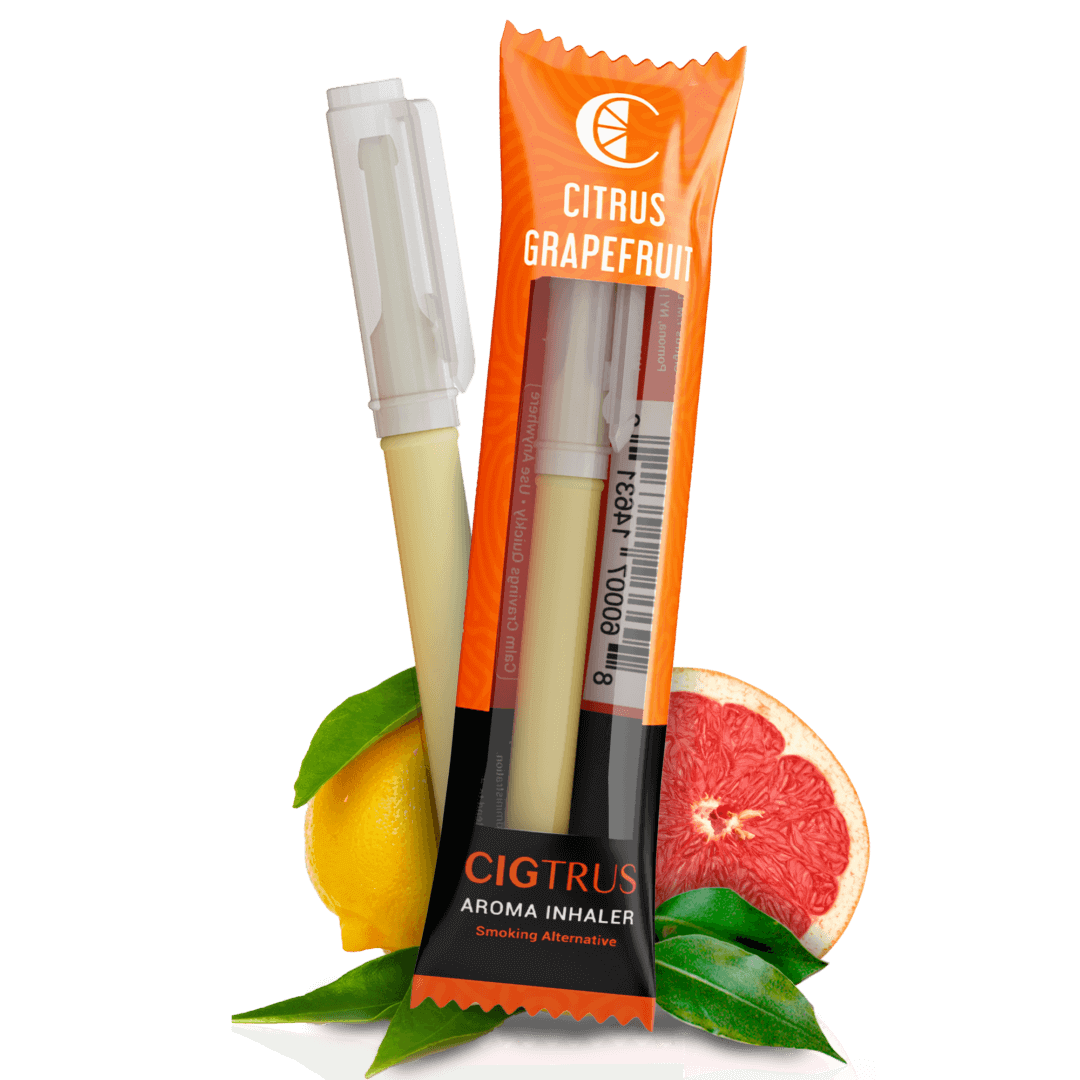
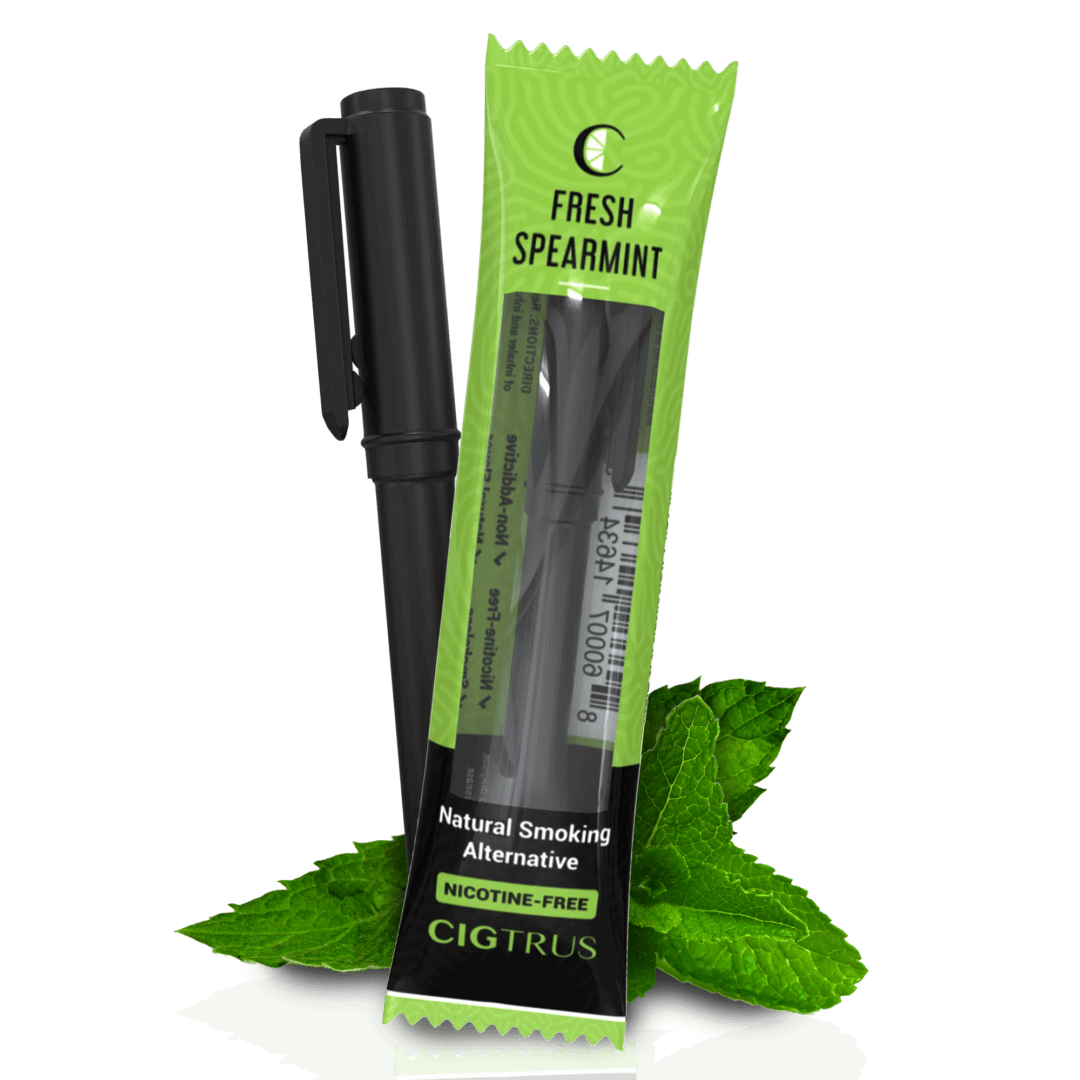
Essential oil inhalers and aromatherapy can also be effective in supporting the transition away from smoking. Natural aromas, particularly citrus and mint, work through the olfactory system to provide sensory engagement at trigger moments, reduce stress, and support calming routines that replace the familiar smoking pause. For the physical behavioral habit, a nicotine-free smokeless inhaler delivers natural aroma through the familiar inhalation motion without any smoke or vapor.
The Rise of Smokeless Inhalers
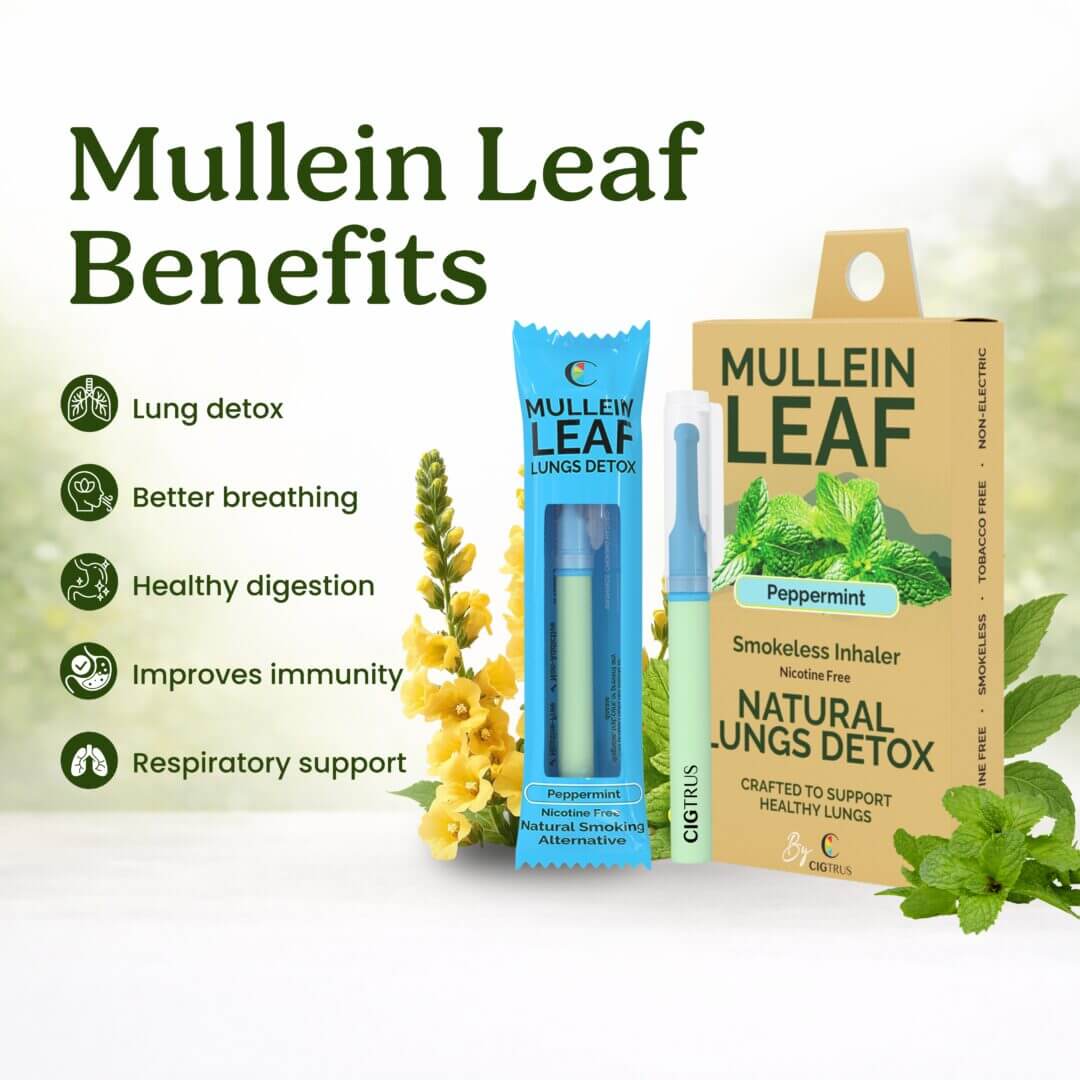
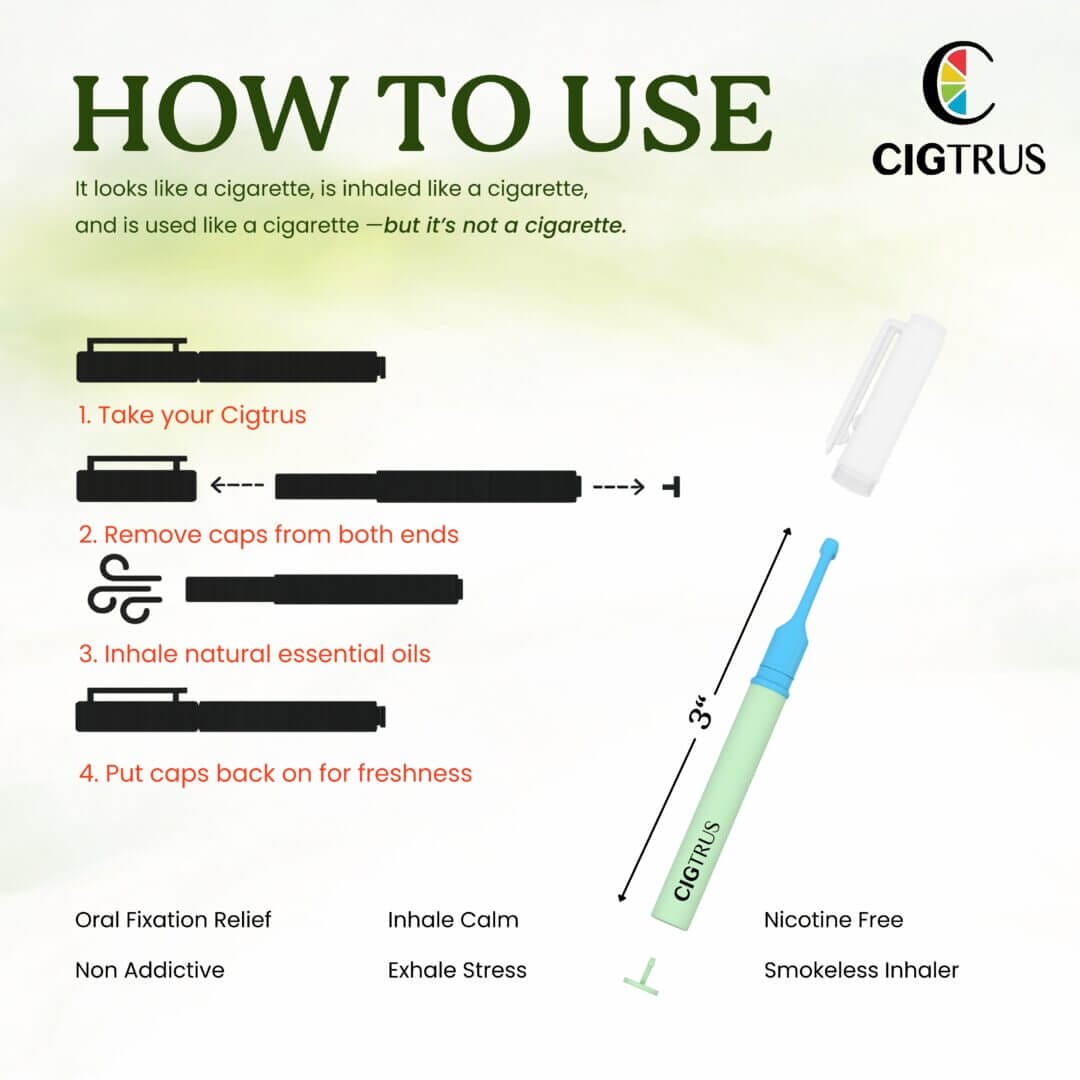
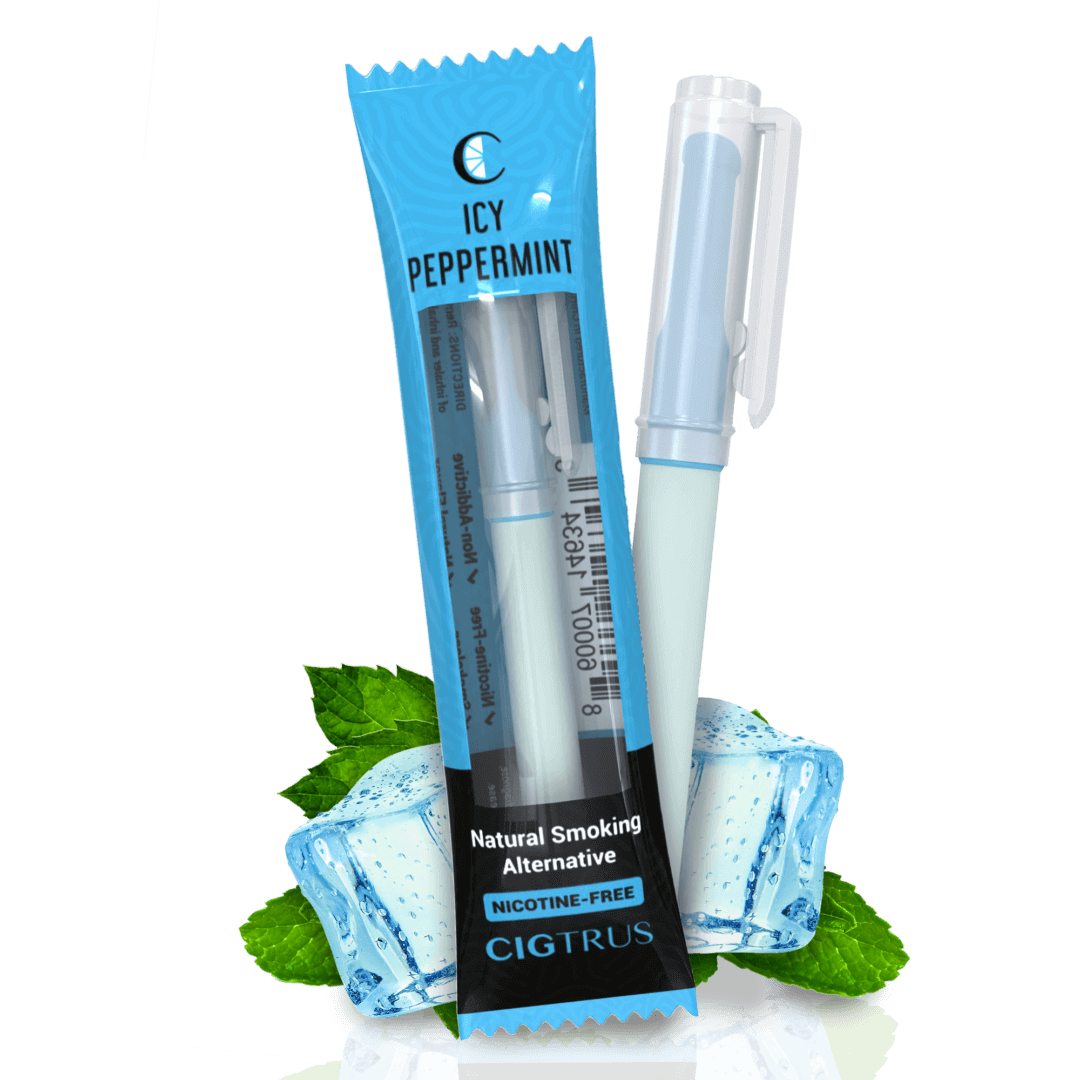
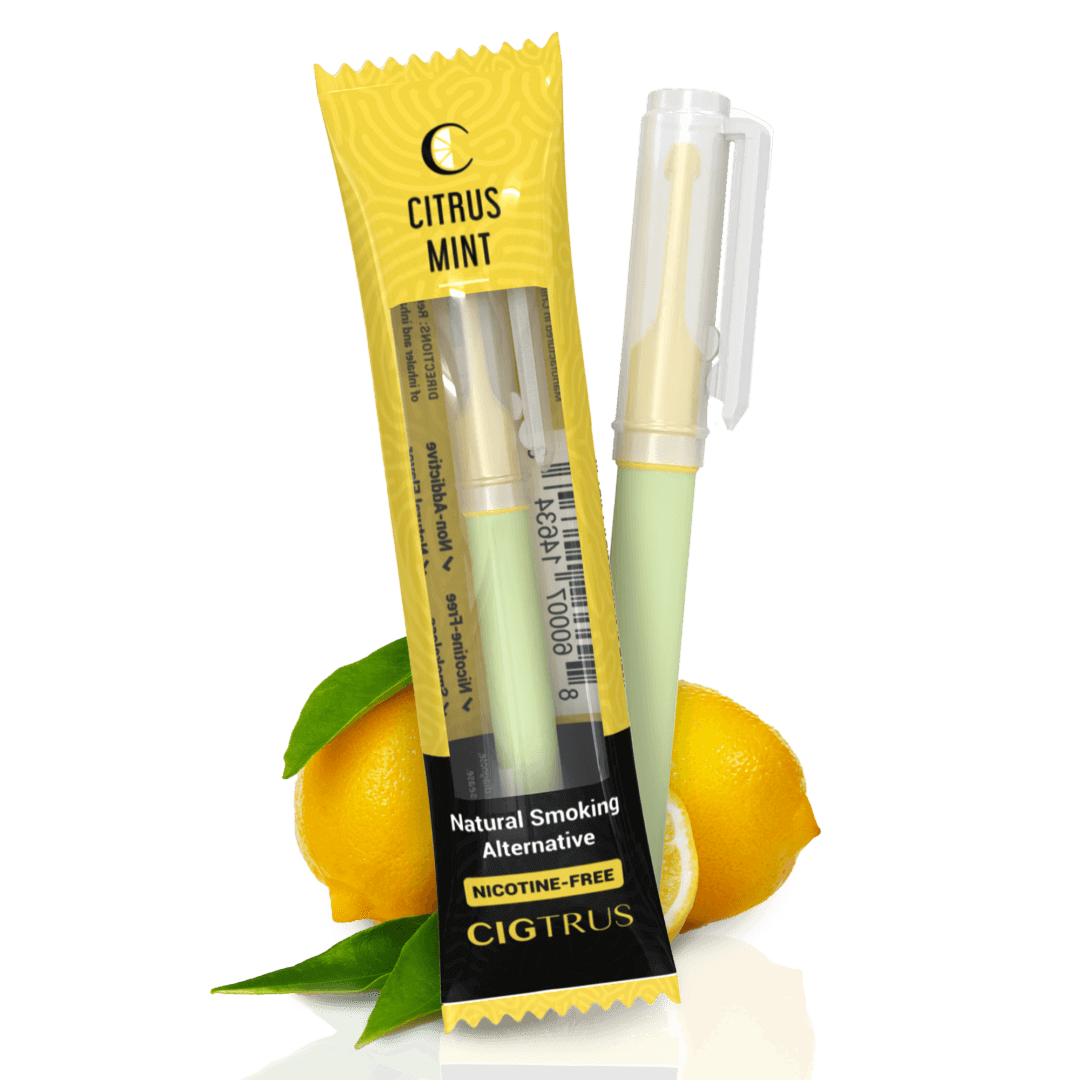
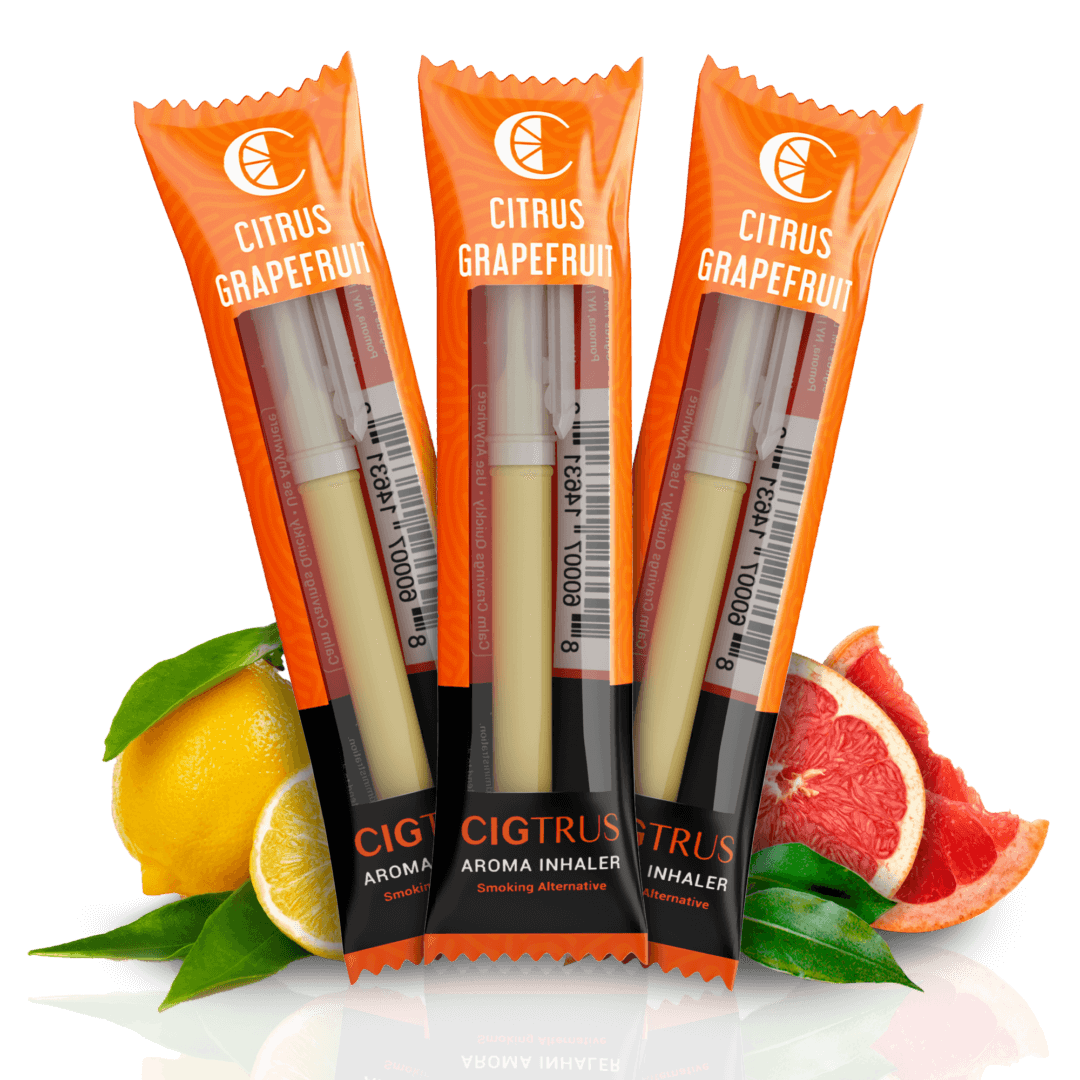
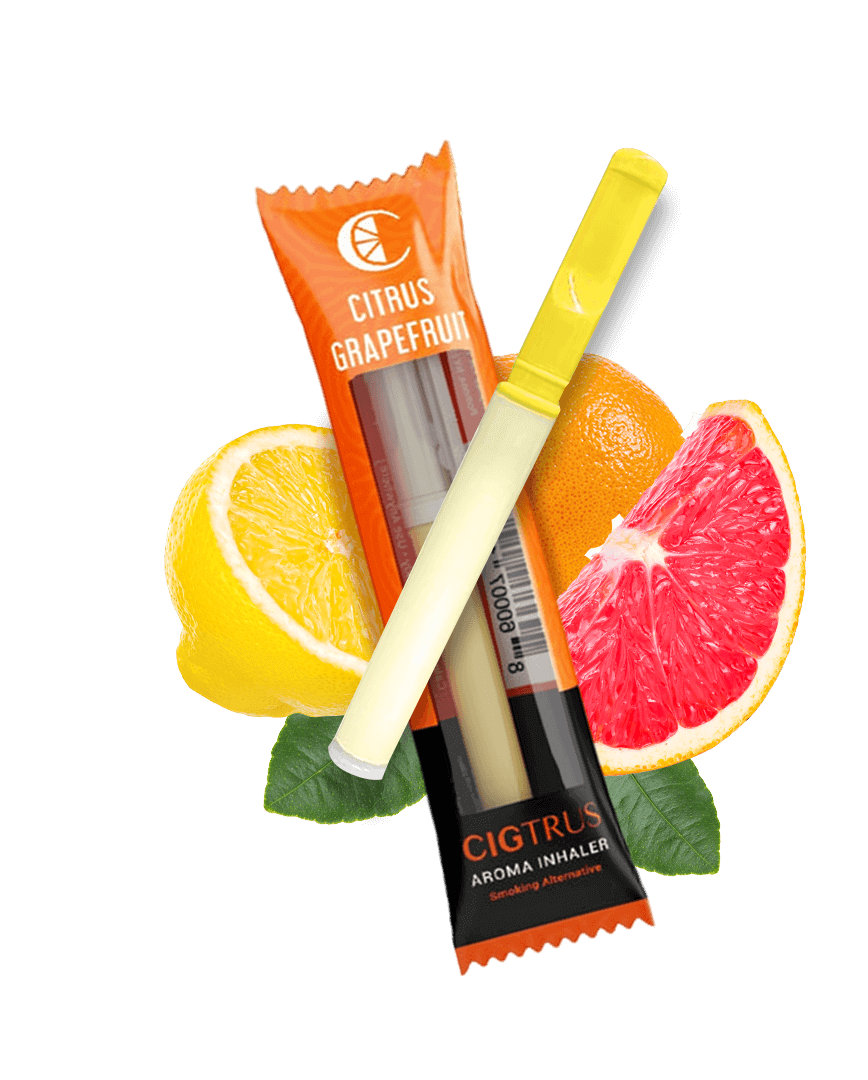
Smokeless inhalers are becoming increasingly popular as behavioral support tools for smokers looking to move past cigarettes. They produce no smoke, require no charging, and are usable anywhere, including on flights, at work, and in any indoor environment. Cigtrus is a nicotine-free, non-electric smokeless inhaler that uses natural food-grade essential oil aromas to support hand-to-mouth habit replacement, oral fixation, and familiar inhalation routines, the behavioral layer that most cessation tools leave completely unaddressed.
Moving Toward a Smoke-Free Life
The dangers of breathing smoke are undeniable, and the alternatives available today make the goal of quitting more achievable than ever. Whether through NRT for the chemical side, counseling and support for the psychological side, or a nicotine-free behavioral inhaler for the habit side, the combination of tools available addresses smoking comprehensively. Embracing these alternatives reduces the risks of smoke inhalation and improves overall well-being progressively from the moment you stop.
Clean Air. Clean Habit. No Smoke.
Nicotine-free, vapor-free, no smoke, behavioral habit replacement that supports the move away from smoke for good.
👉 Try the Variety Pack