
How Citrus and Mint Scents Affect Your Brain
Citrus and mint are not just pleasant aromas, they are neurologically active. These scents engage specific brain pathways that regulate mood, memory, attention, and stress response. Understanding how they work explains why Cigtrus built its entire product line around them, and why inhaling them at craving moments is more than just a distraction, it is a brain-level intervention.
What Citrus Scents Do Inside the Brain
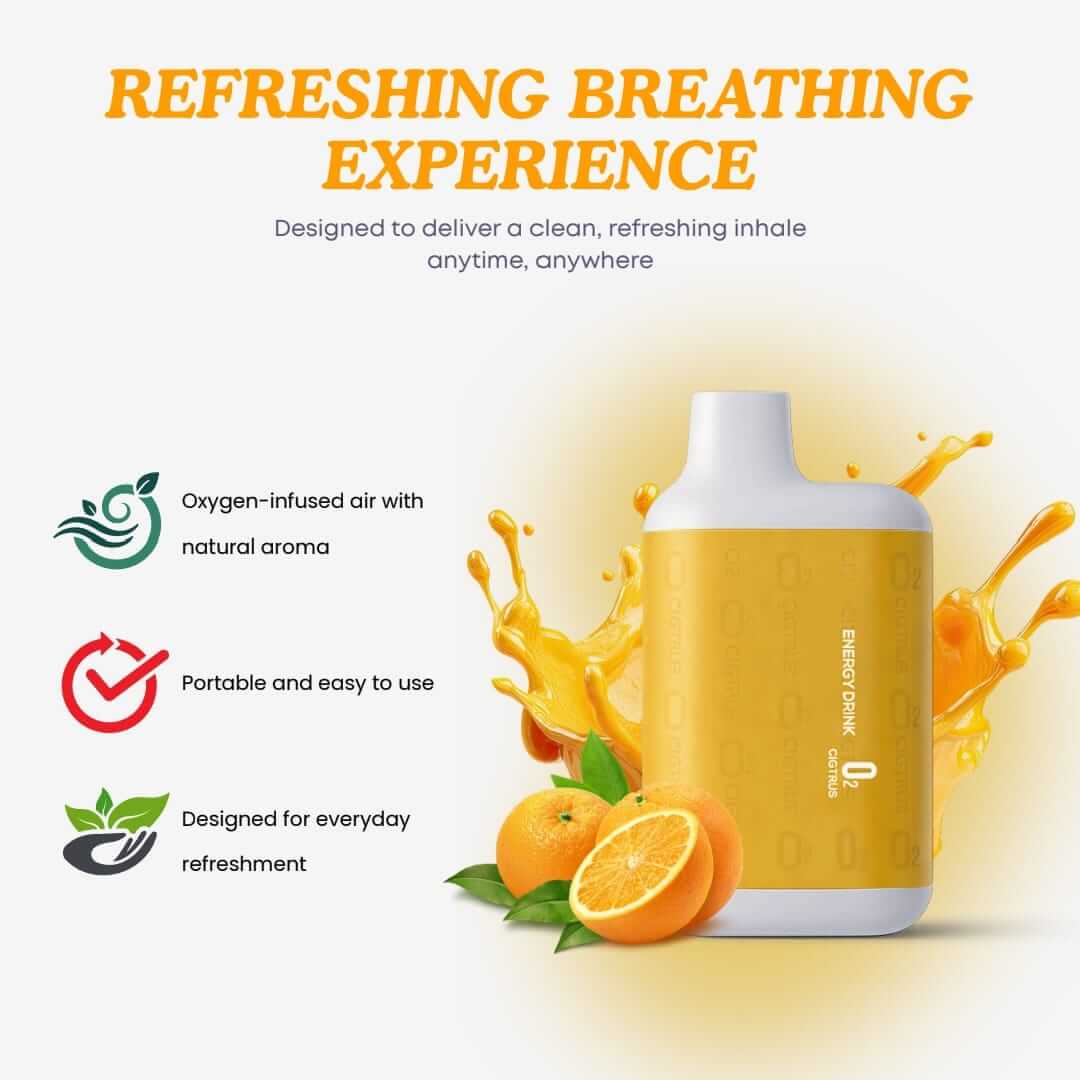
Citrus scents, particularly lemon, grapefruit, and orange, primarily engage the limbic system, the brain’s emotional processing center. They can reduce symptoms of anxiety by calming neural overactivity, improve mood by boosting serotonin pathways, increase mental clarity and physical energy, and enhance antioxidant enzyme activity in brain tissue. Functional imaging shows lemon scent increases thalamic connectivity, the thalamus helps regulate alertness, emotional processing, and sensory input. When the brain is more connected across these regions, users often report a lighter mood and better focus.
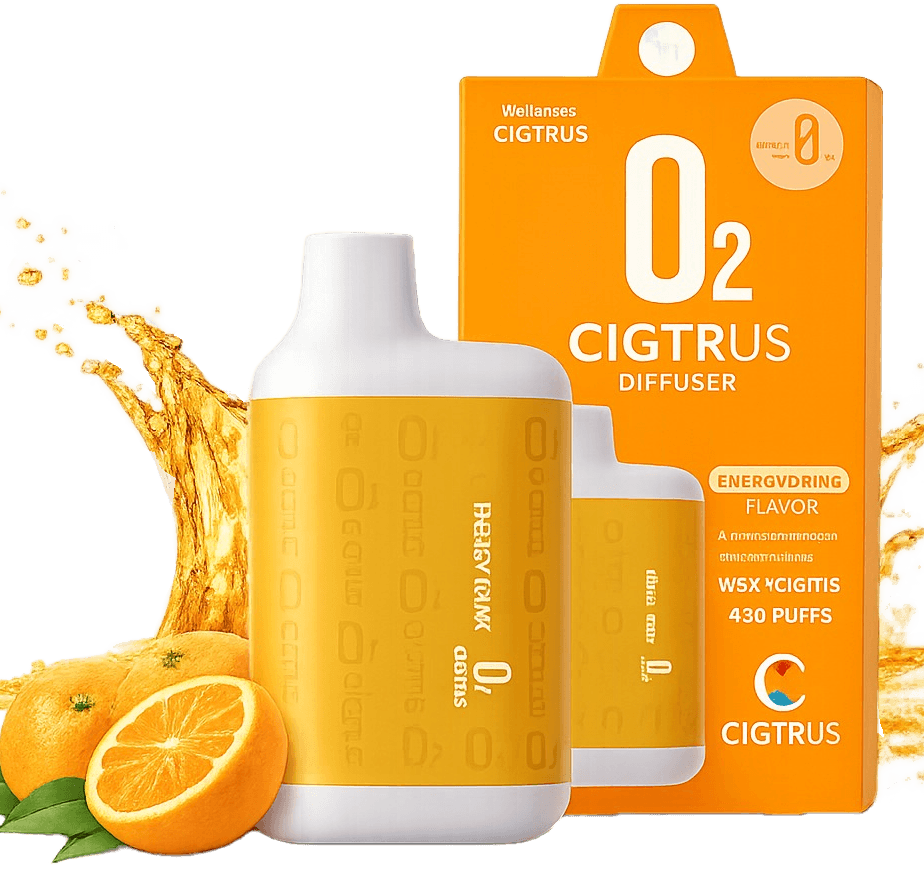
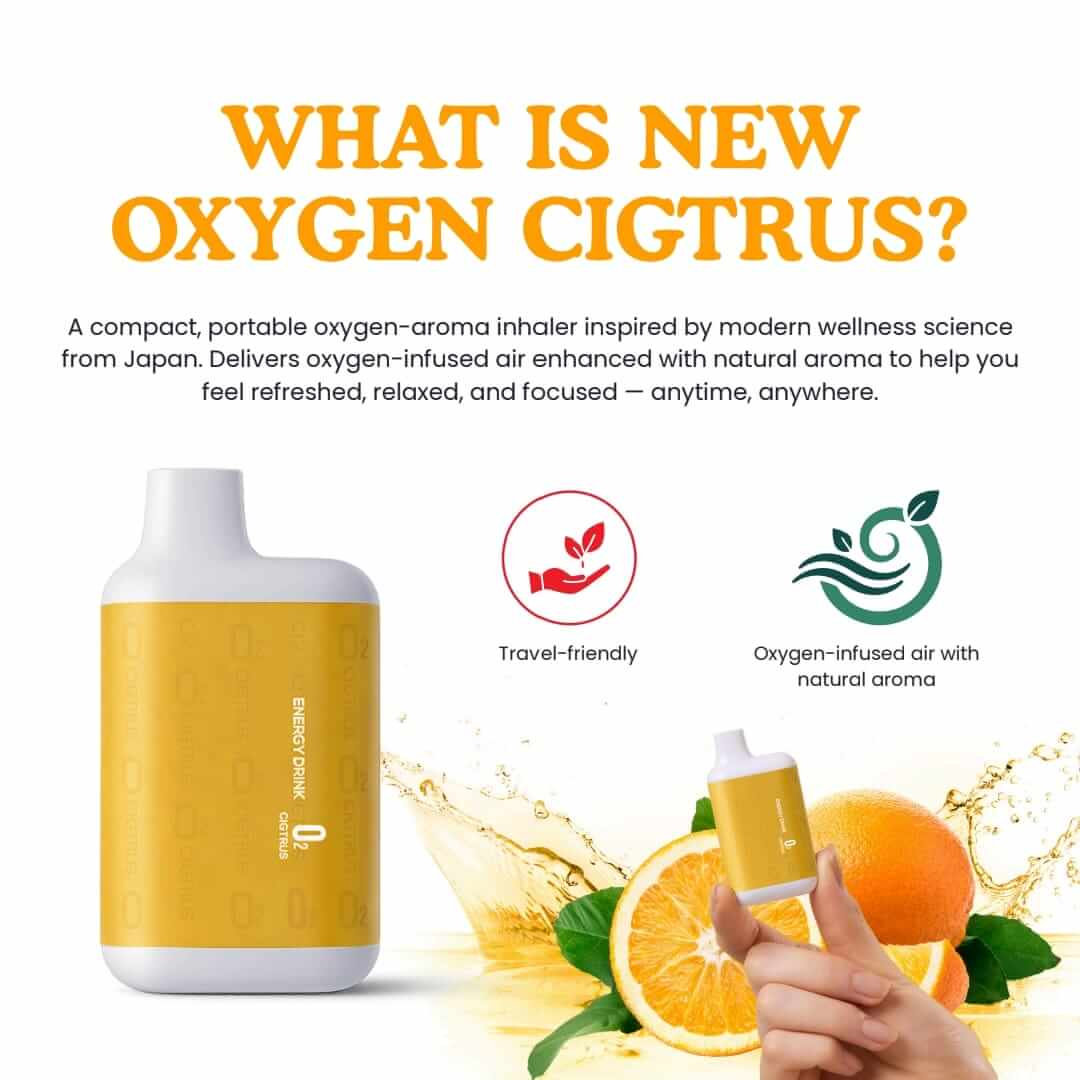
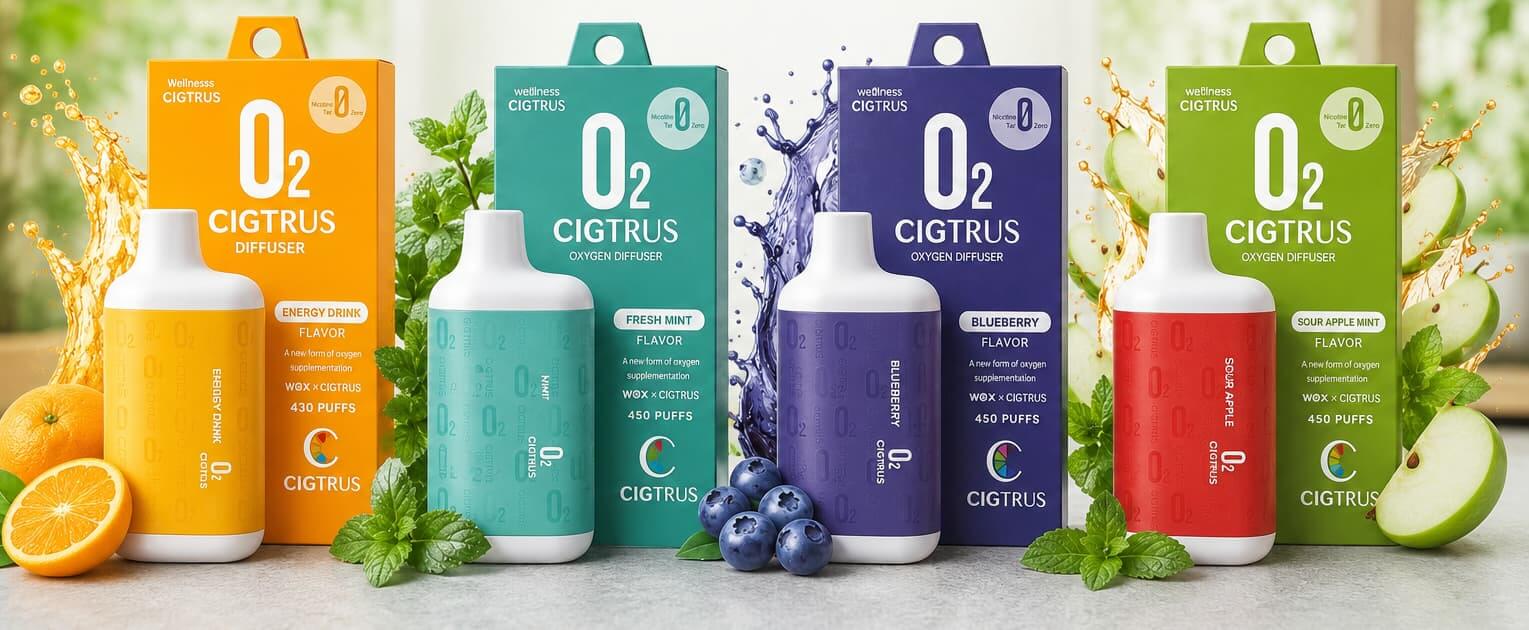
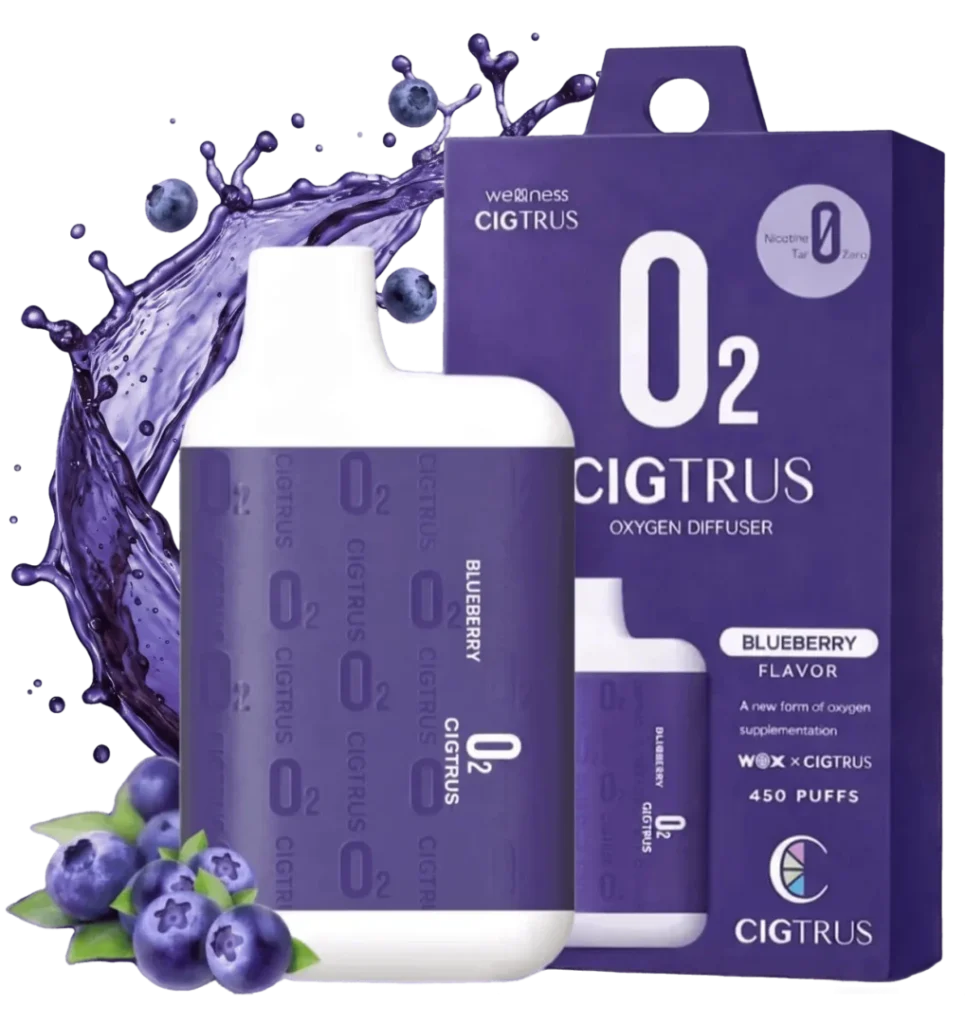
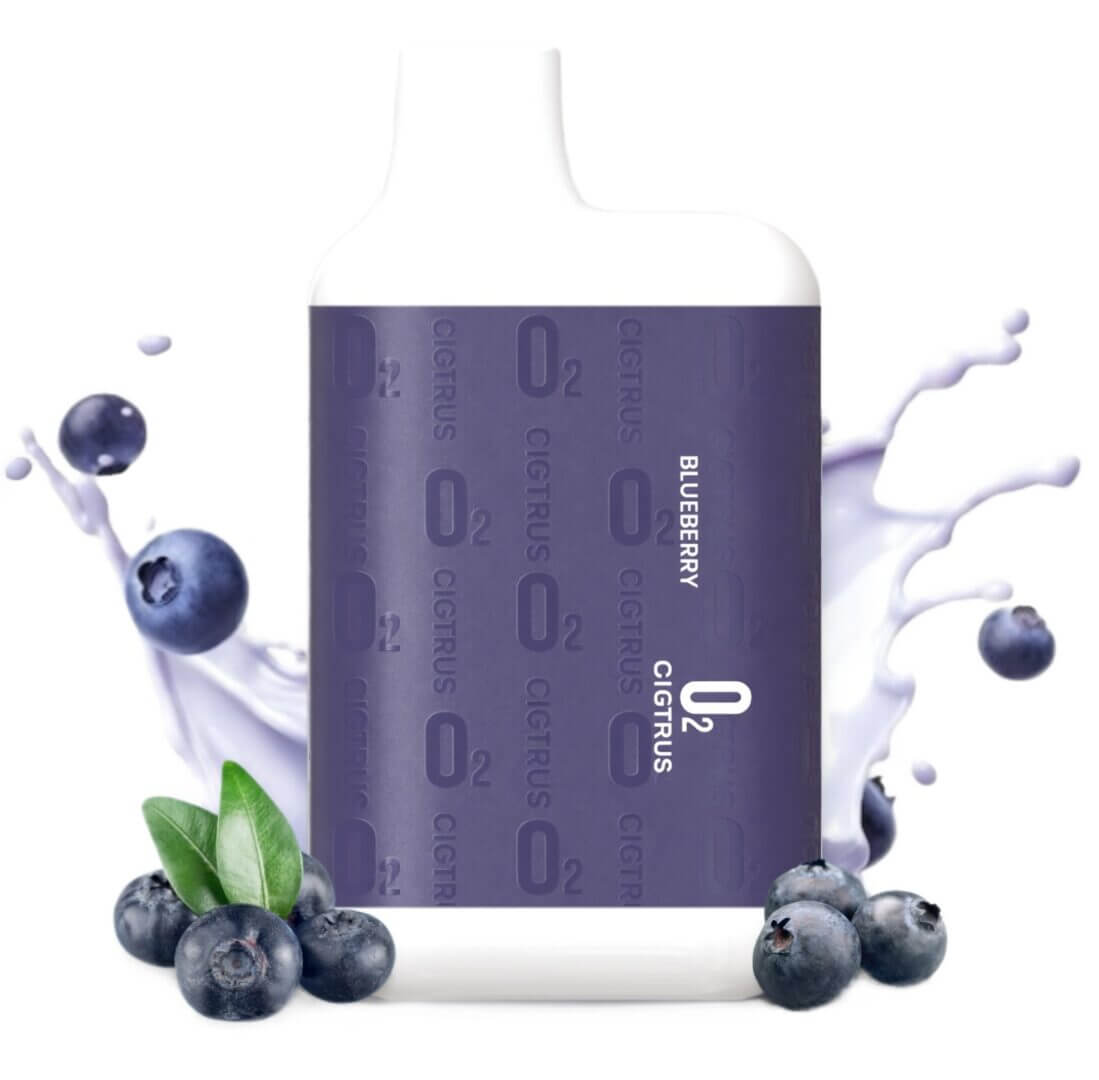
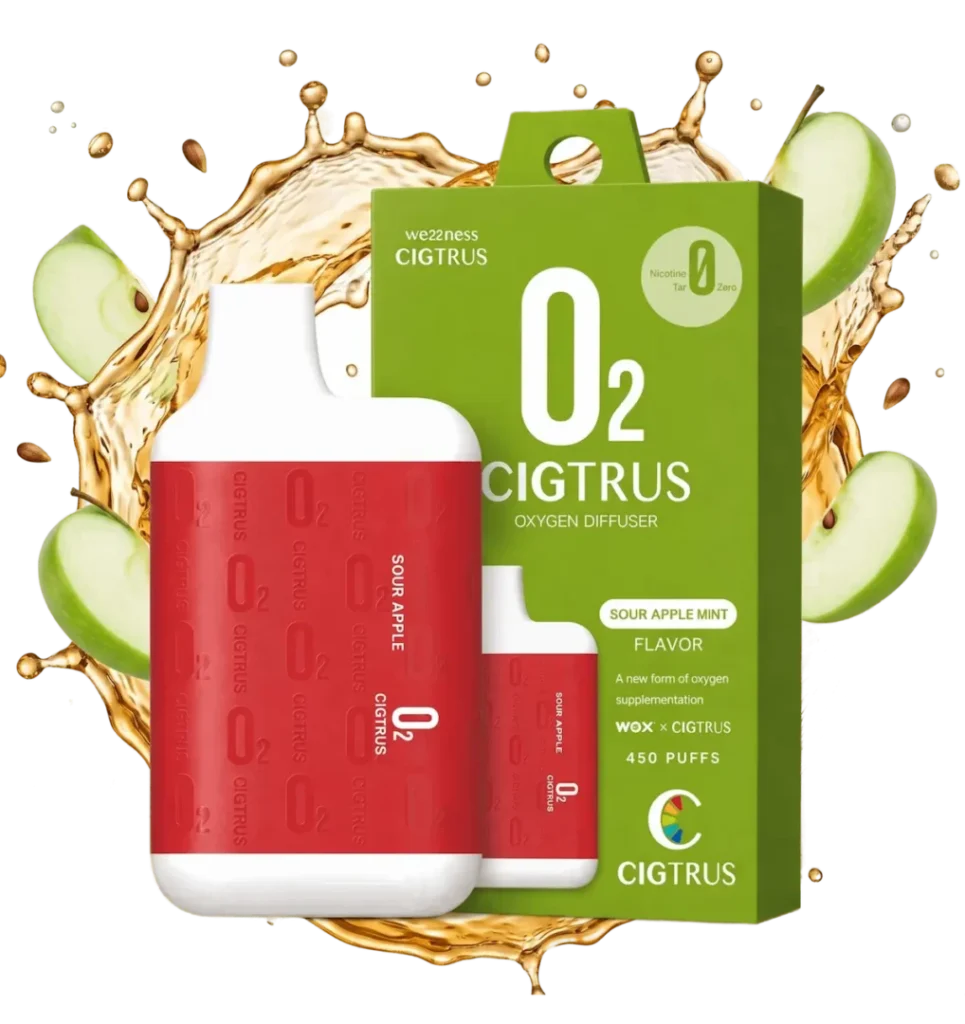
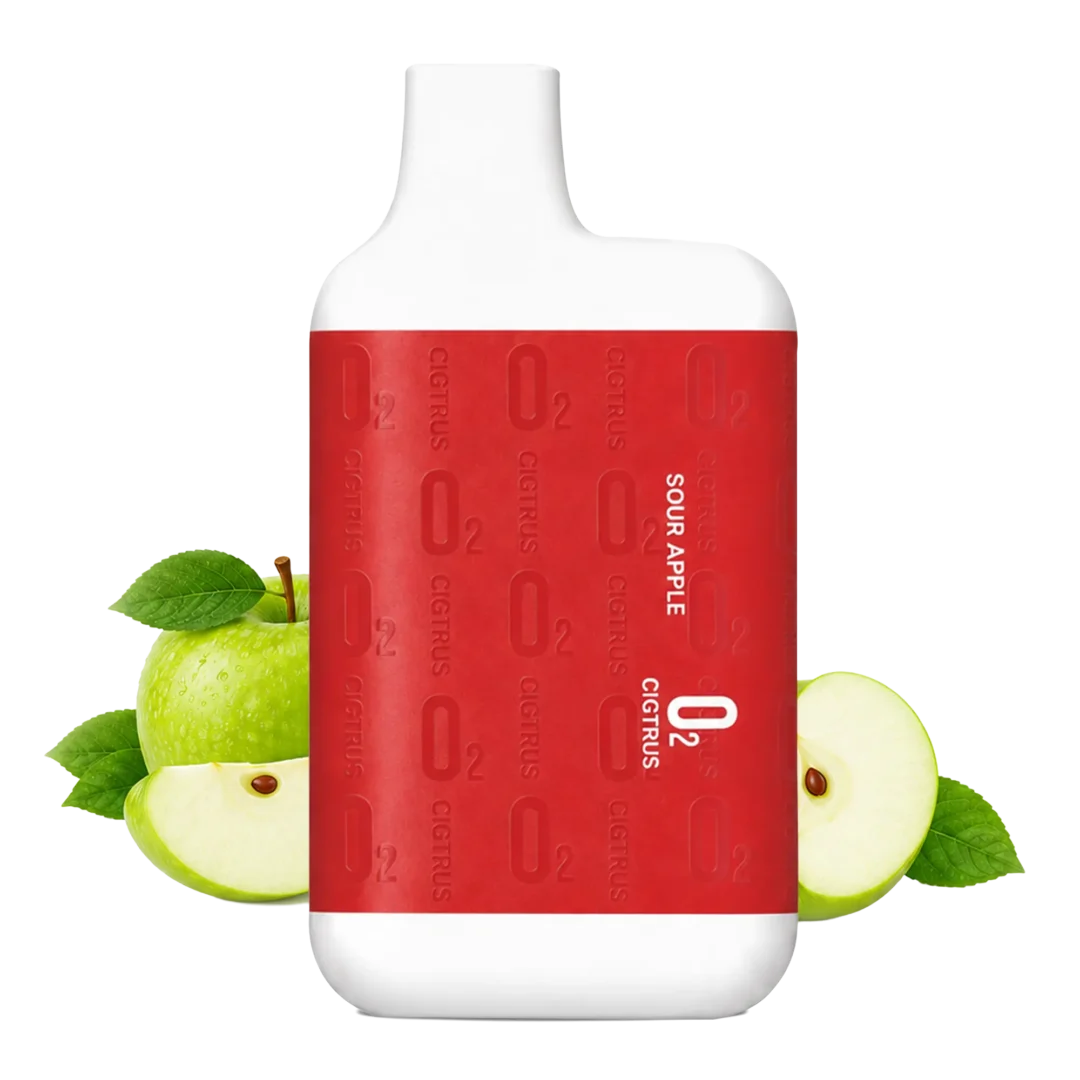
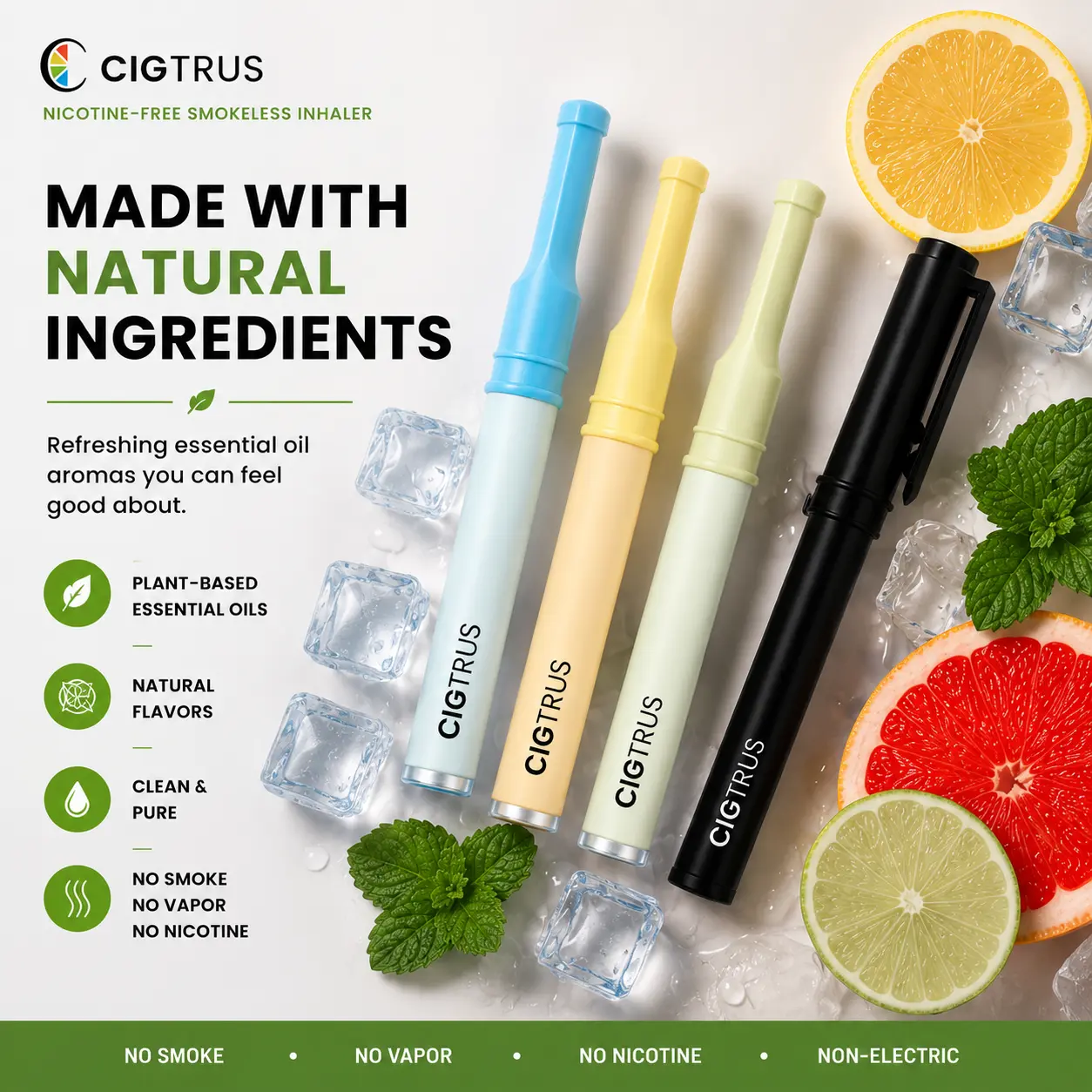
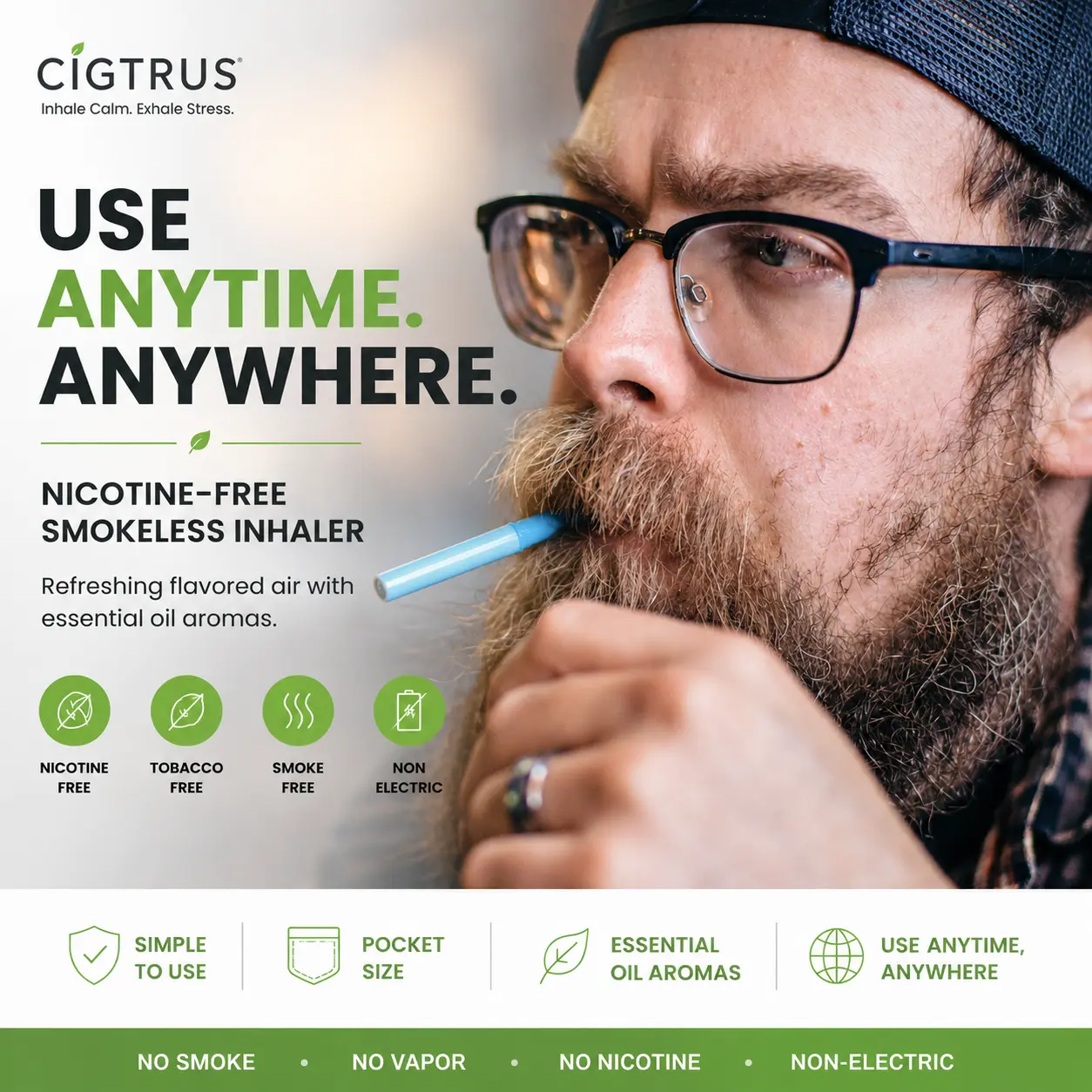
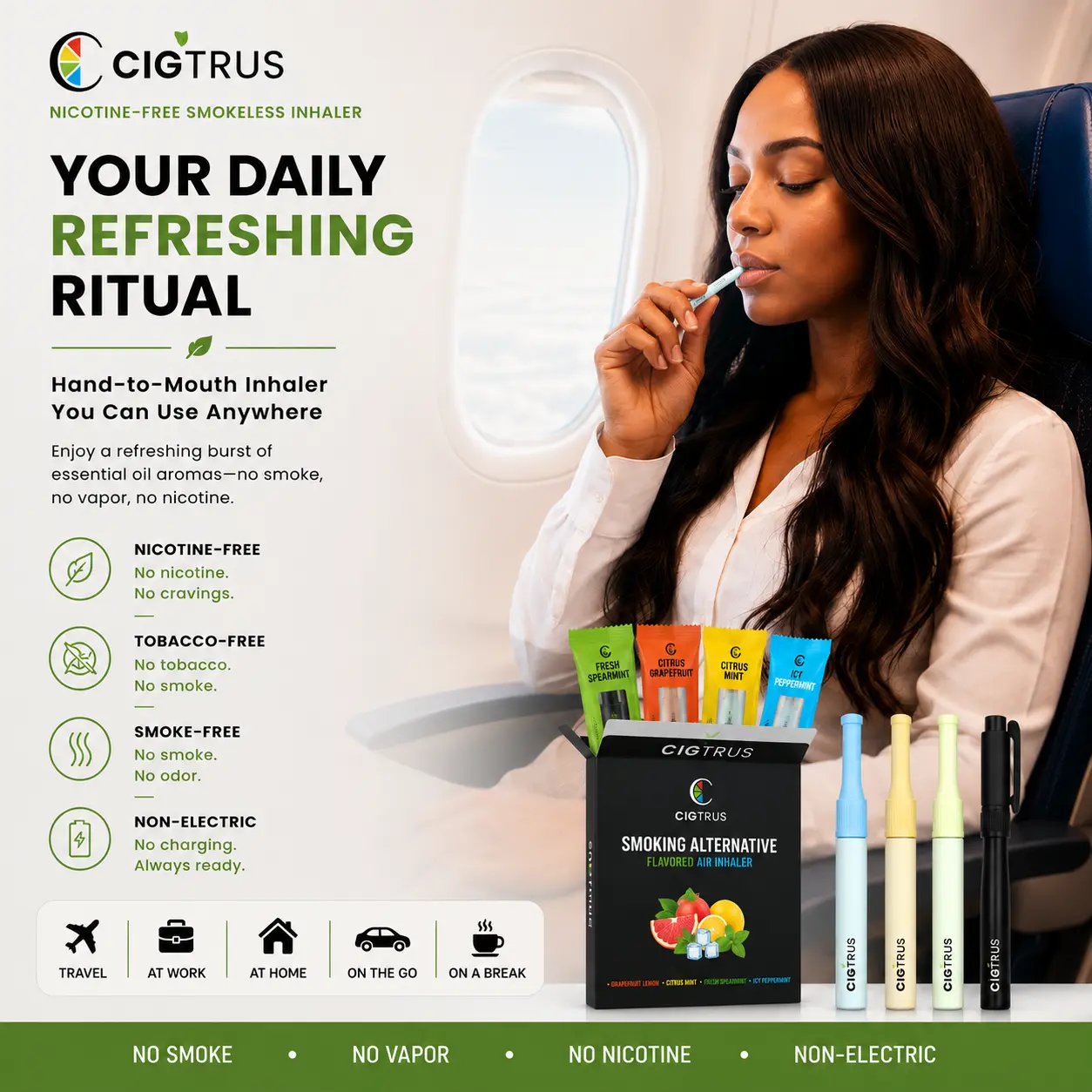
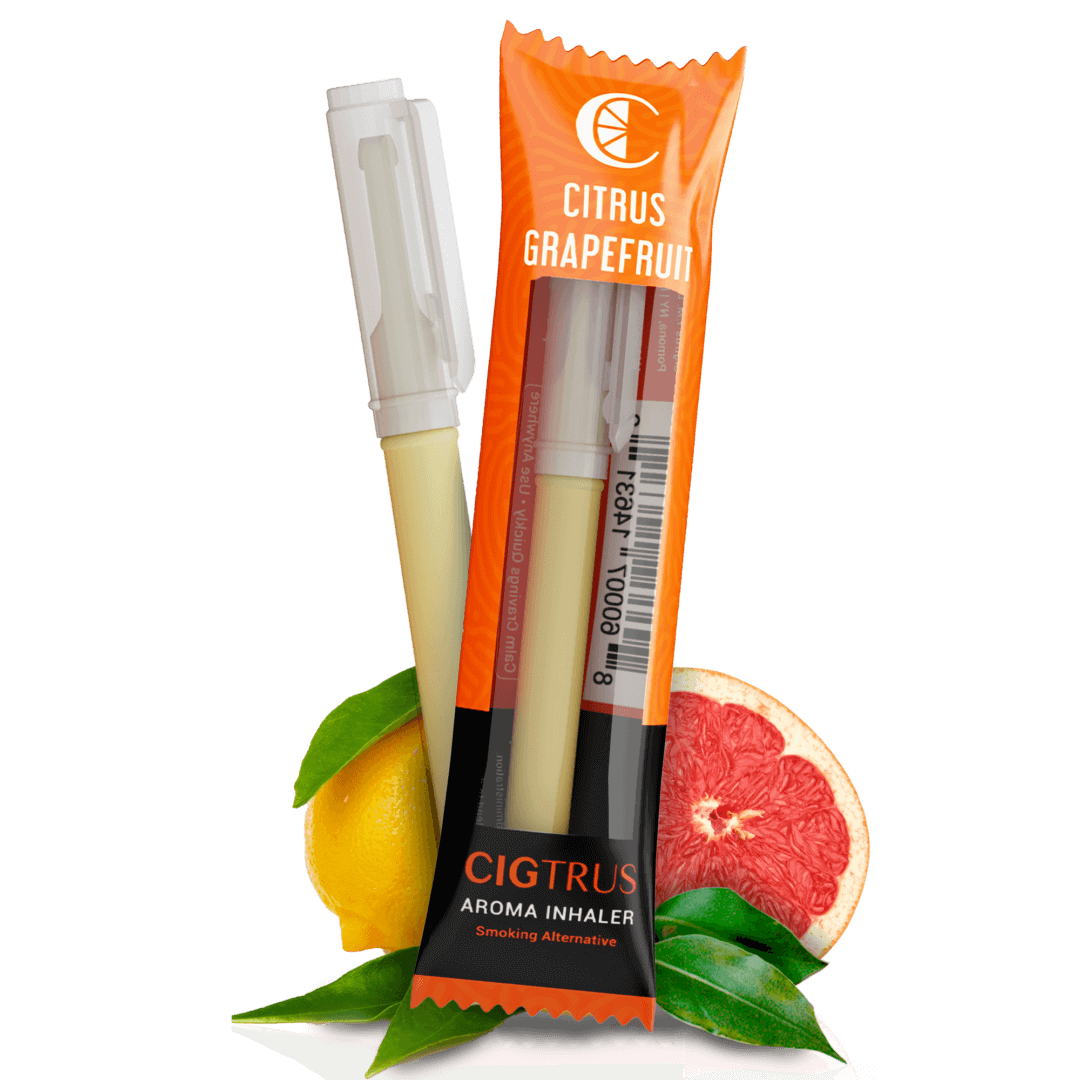
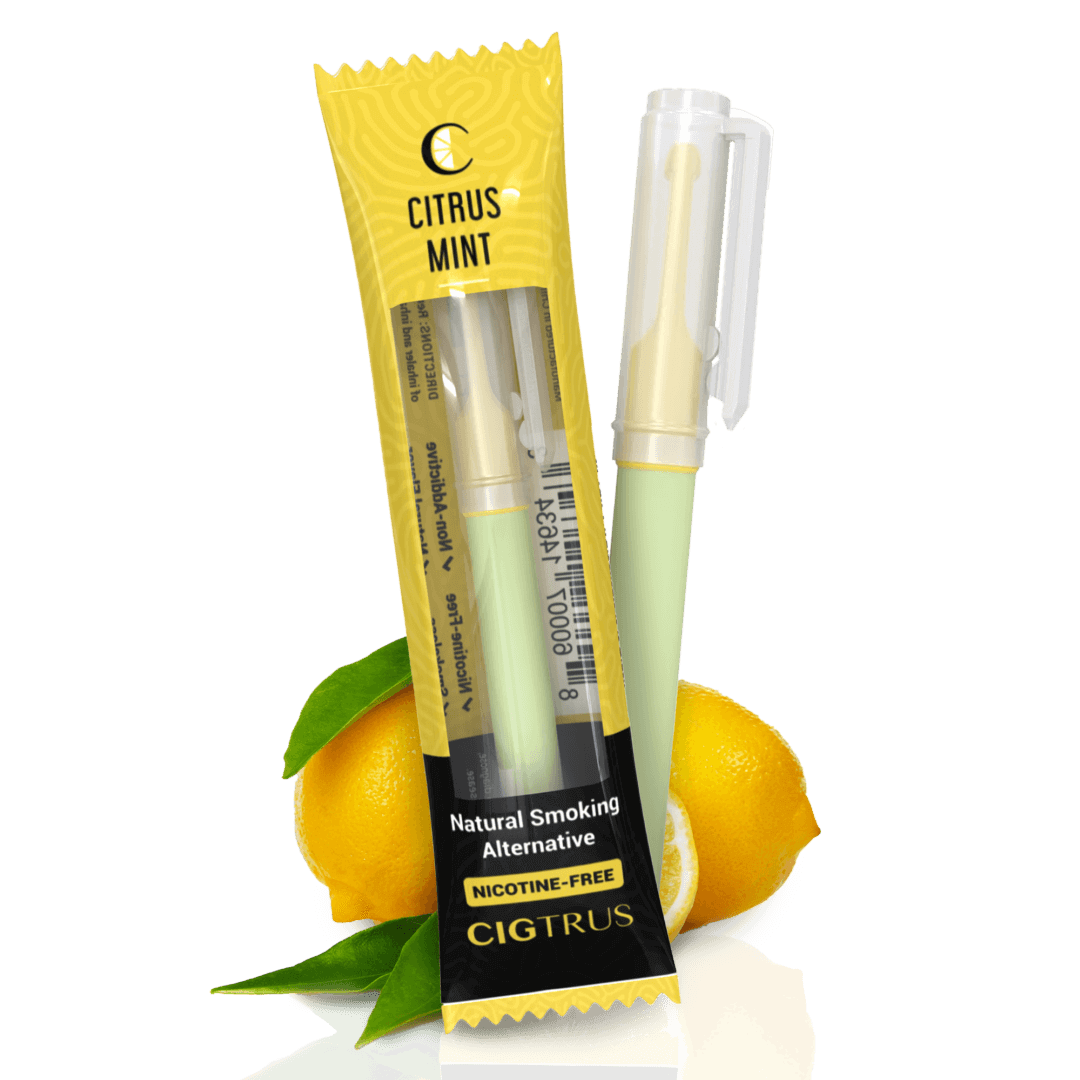
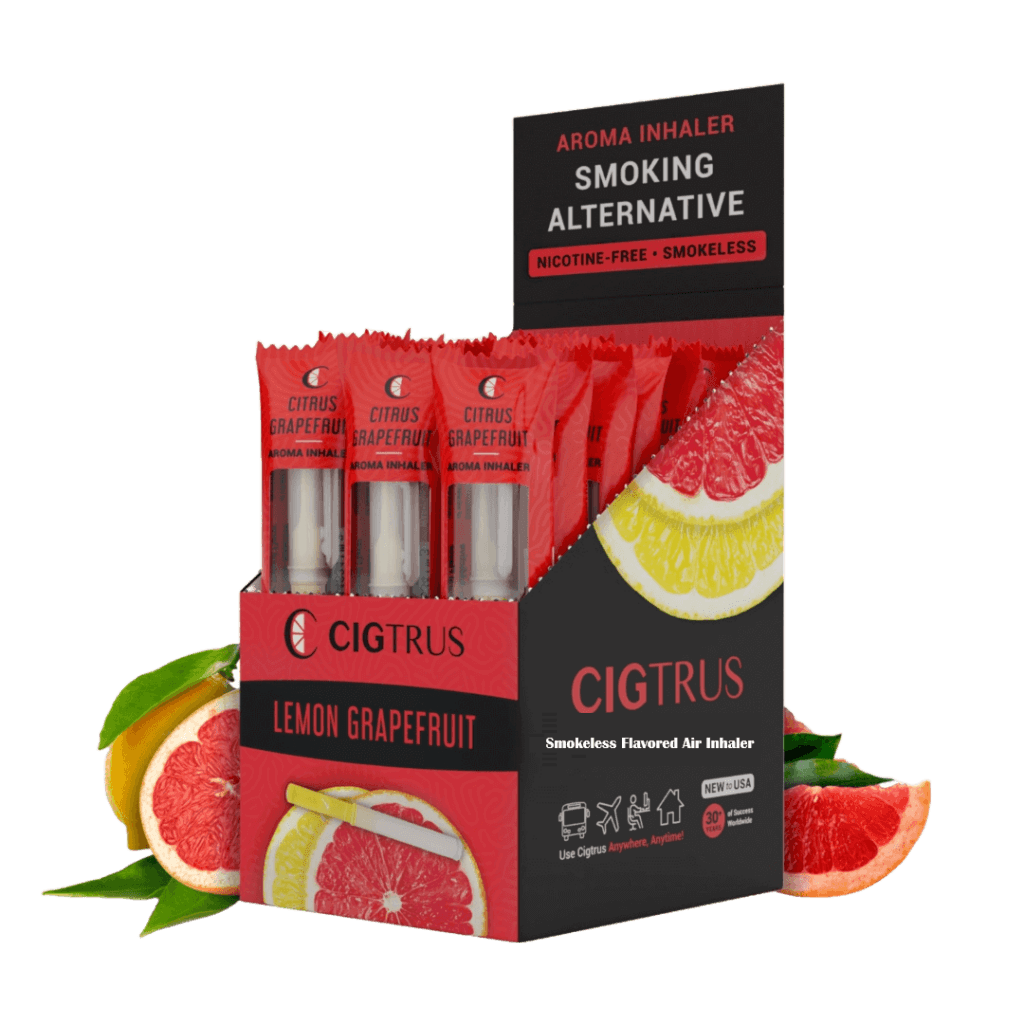
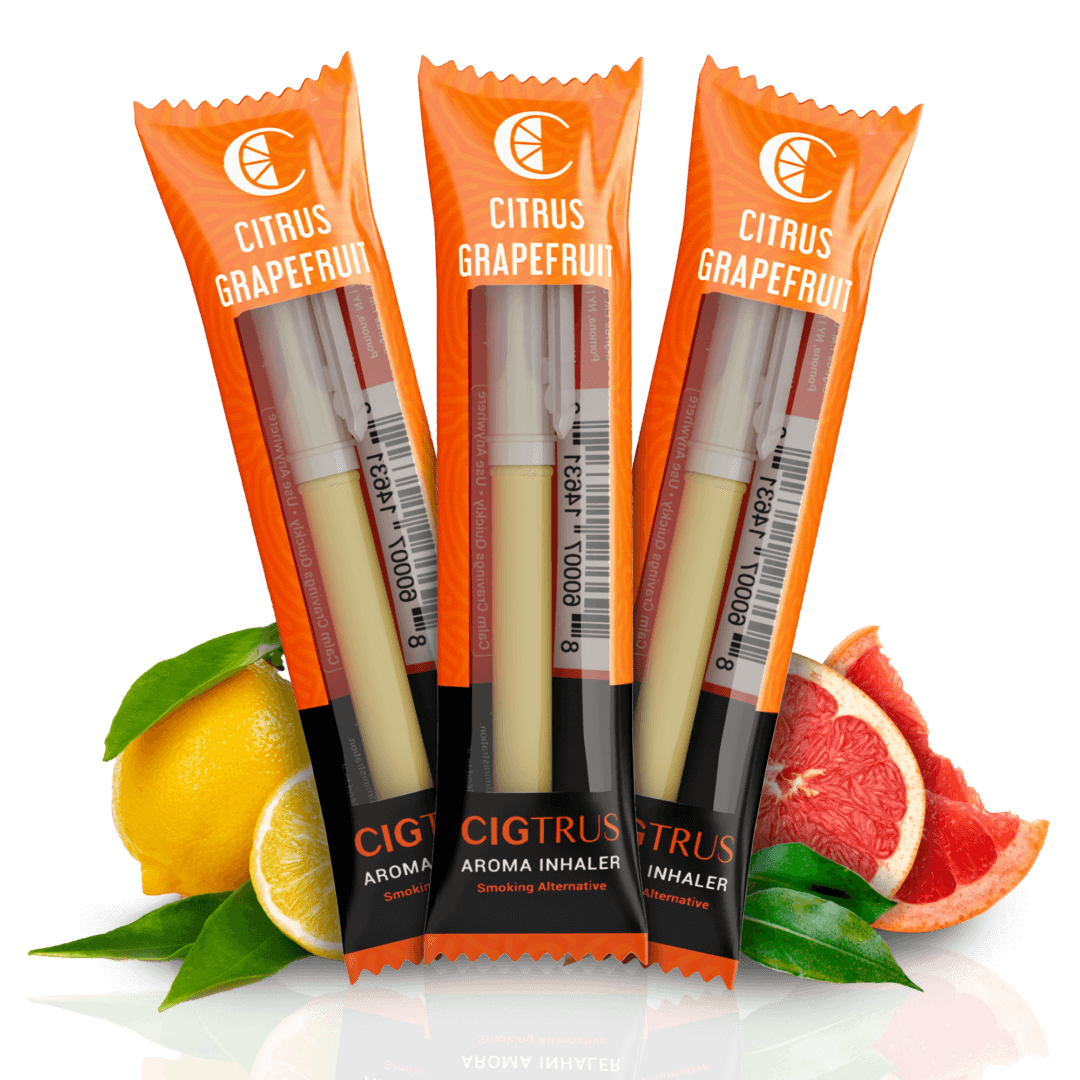
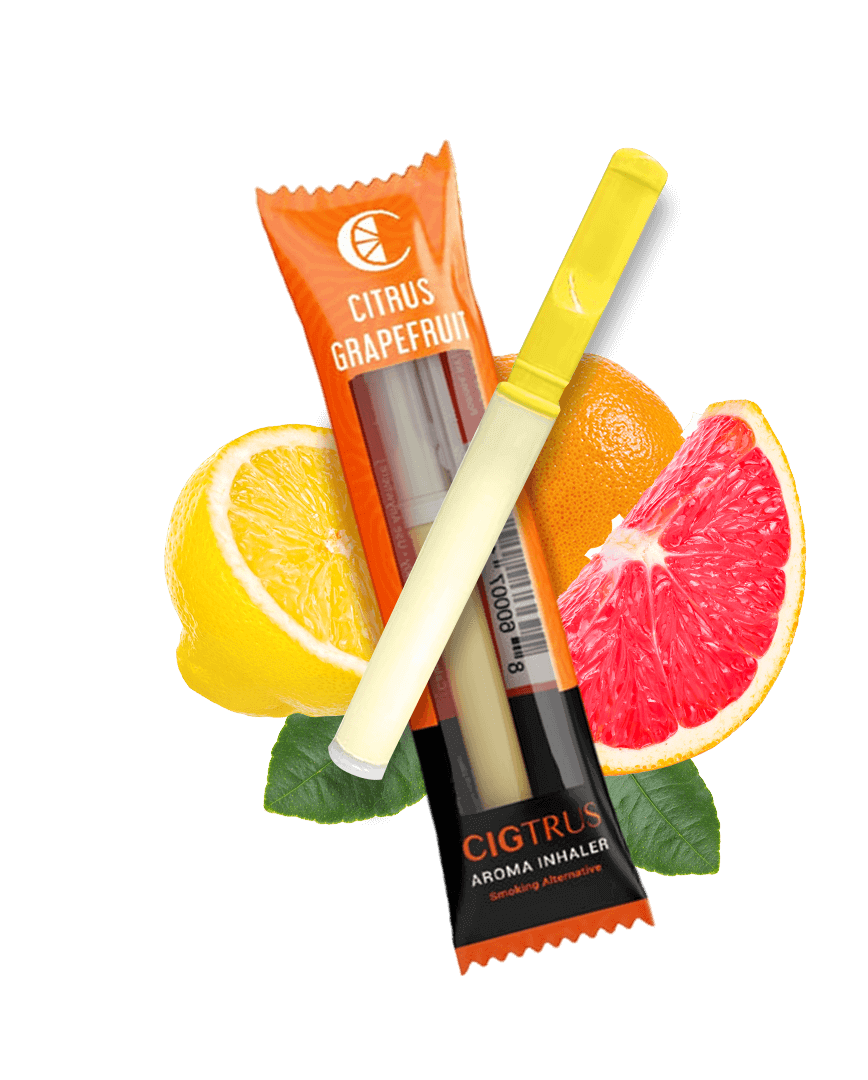
Cigtrus incorporates citrus scents including grapefruit and citrus mint in several of its aroma inhalers. These citrus-forward blends aim to lift mood and help users break negative emotional patterns tied to stress or cravings, specifically the emotional triggers that are often the real driver behind the automatic reach for a cigarette.
What Mint Scents Do Inside the Brain
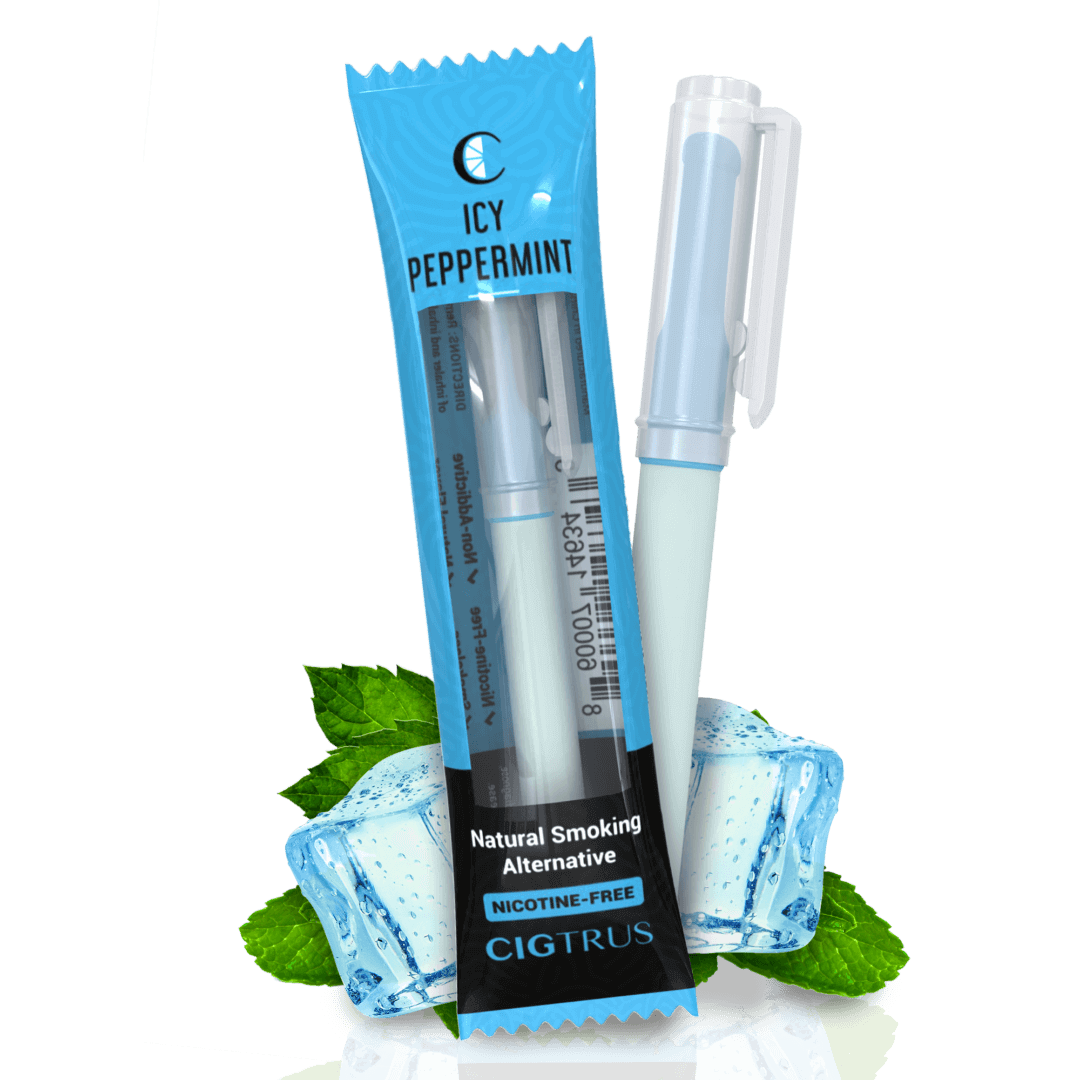
Mint scents, especially peppermint and spearmint, interact with the brain differently. These aromas activate systems responsible for focus, memory, and cognitive performance. Peppermint aroma can increase alertness and attention span, improve short-term and working memory, reduce mental fatigue and brain fog, and stimulate the hippocampus, supporting learning and information recall. Peppermint’s menthol component works by inhibiting an enzyme that breaks down acetylcholine, the neurotransmitter that supports focus, learning, and muscle activity. By slowing its breakdown, peppermint helps extend mental clarity.
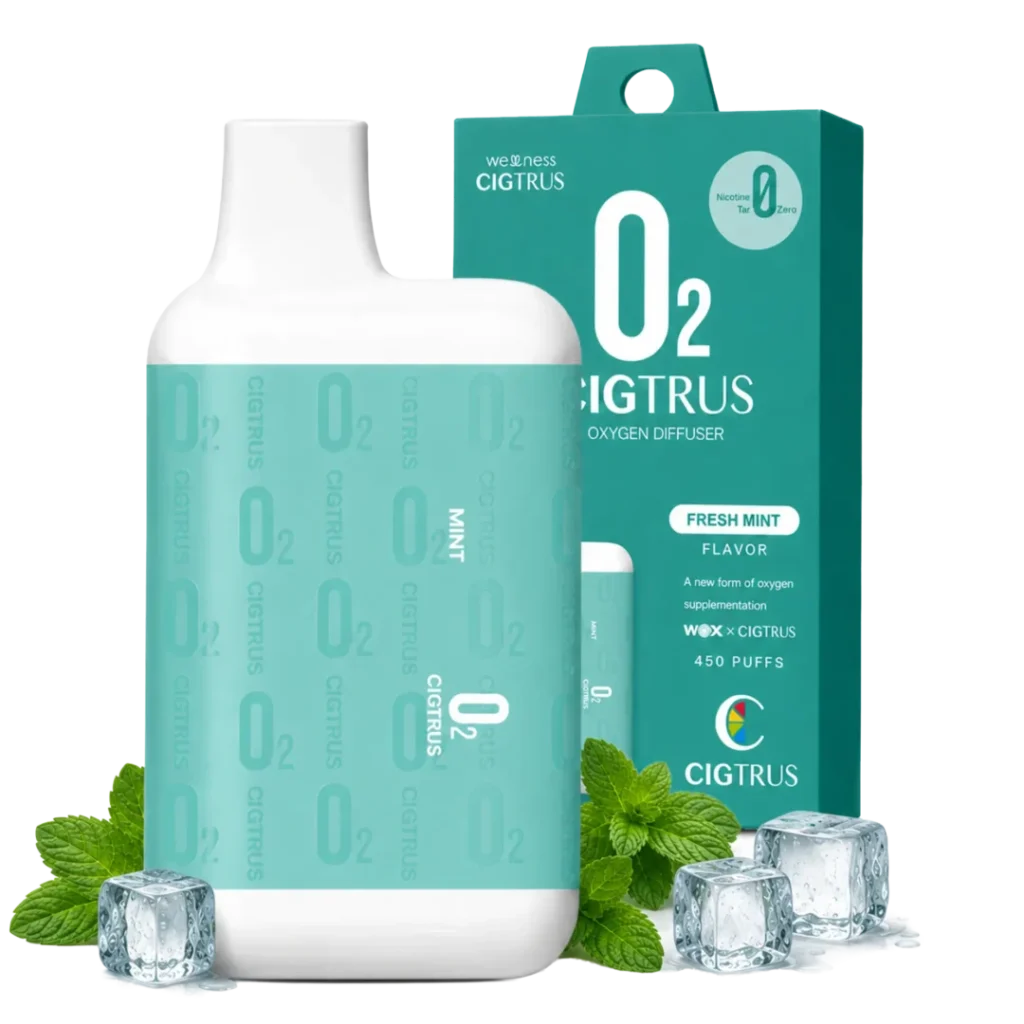
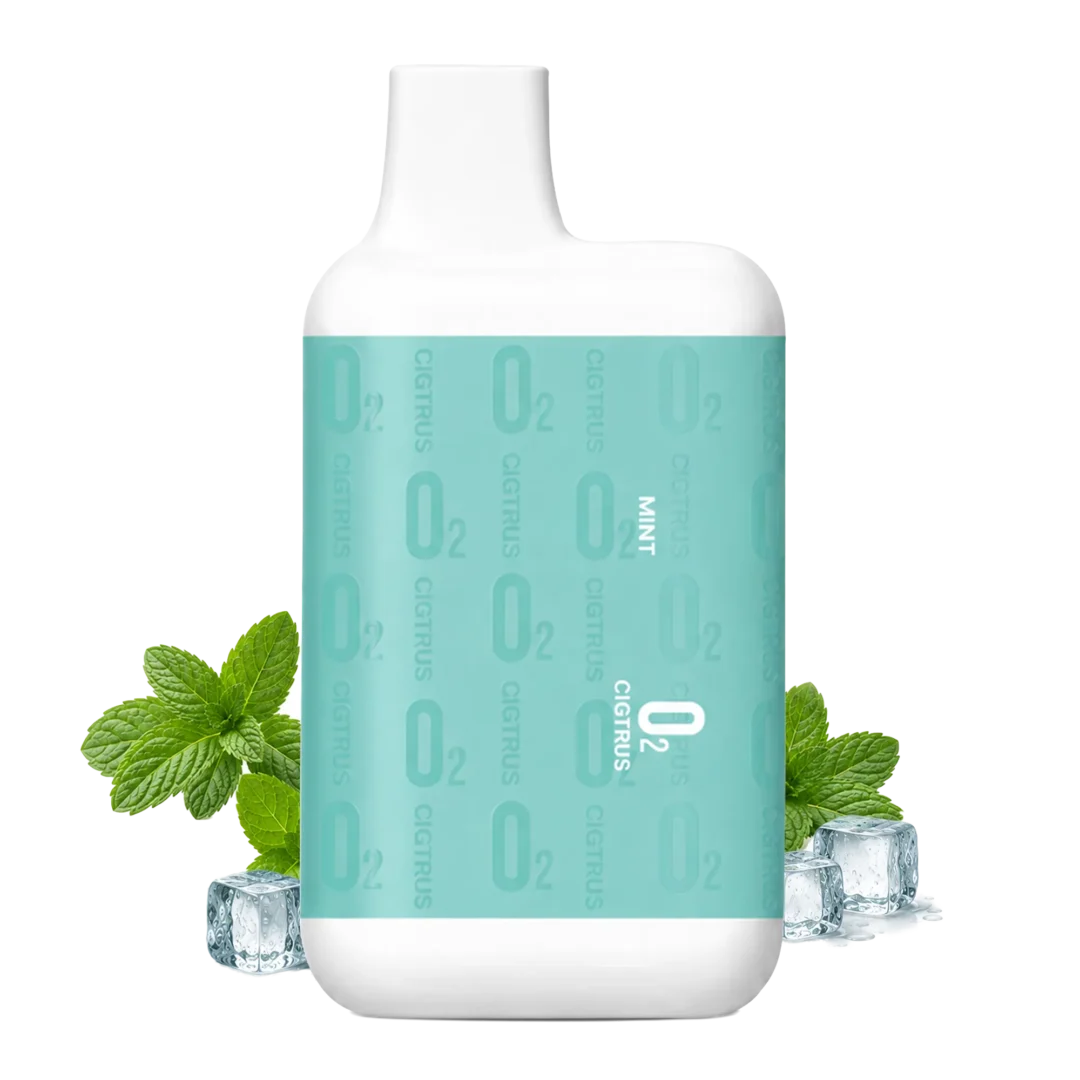
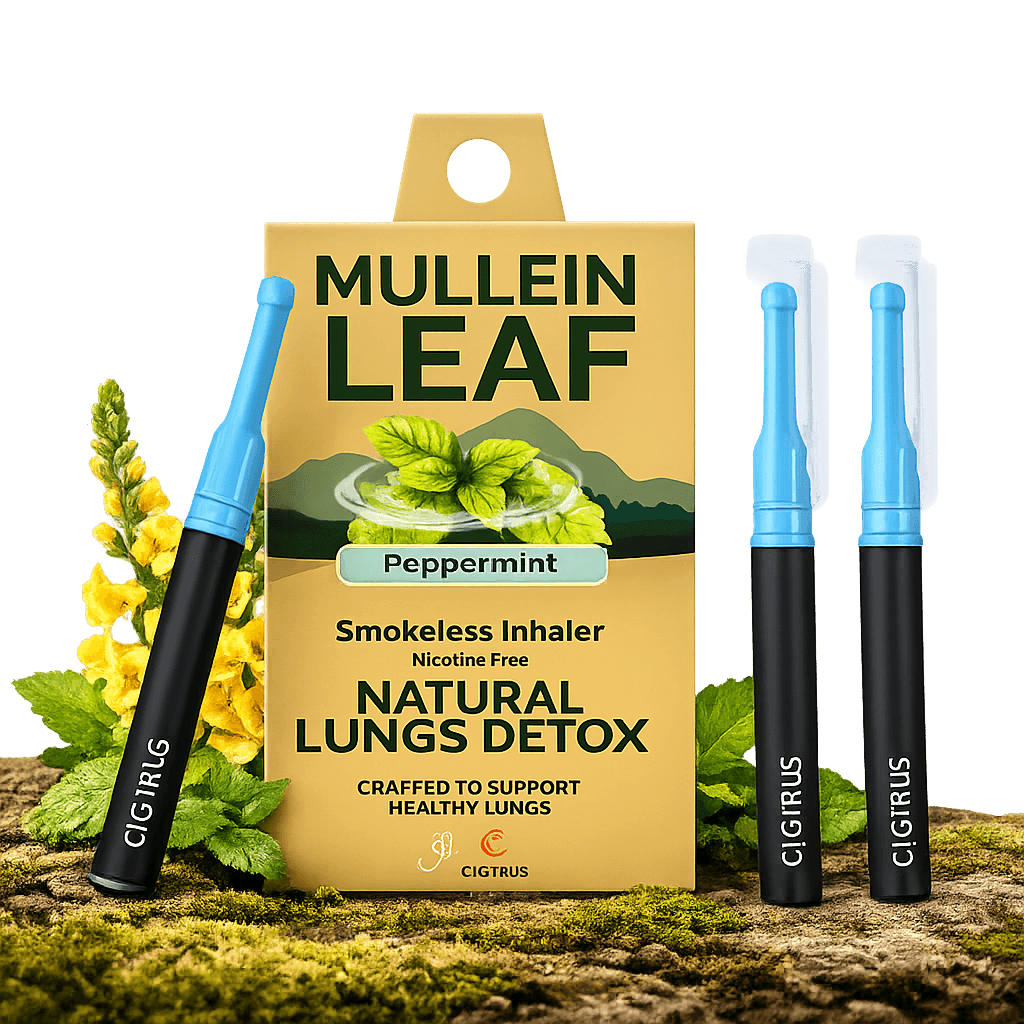
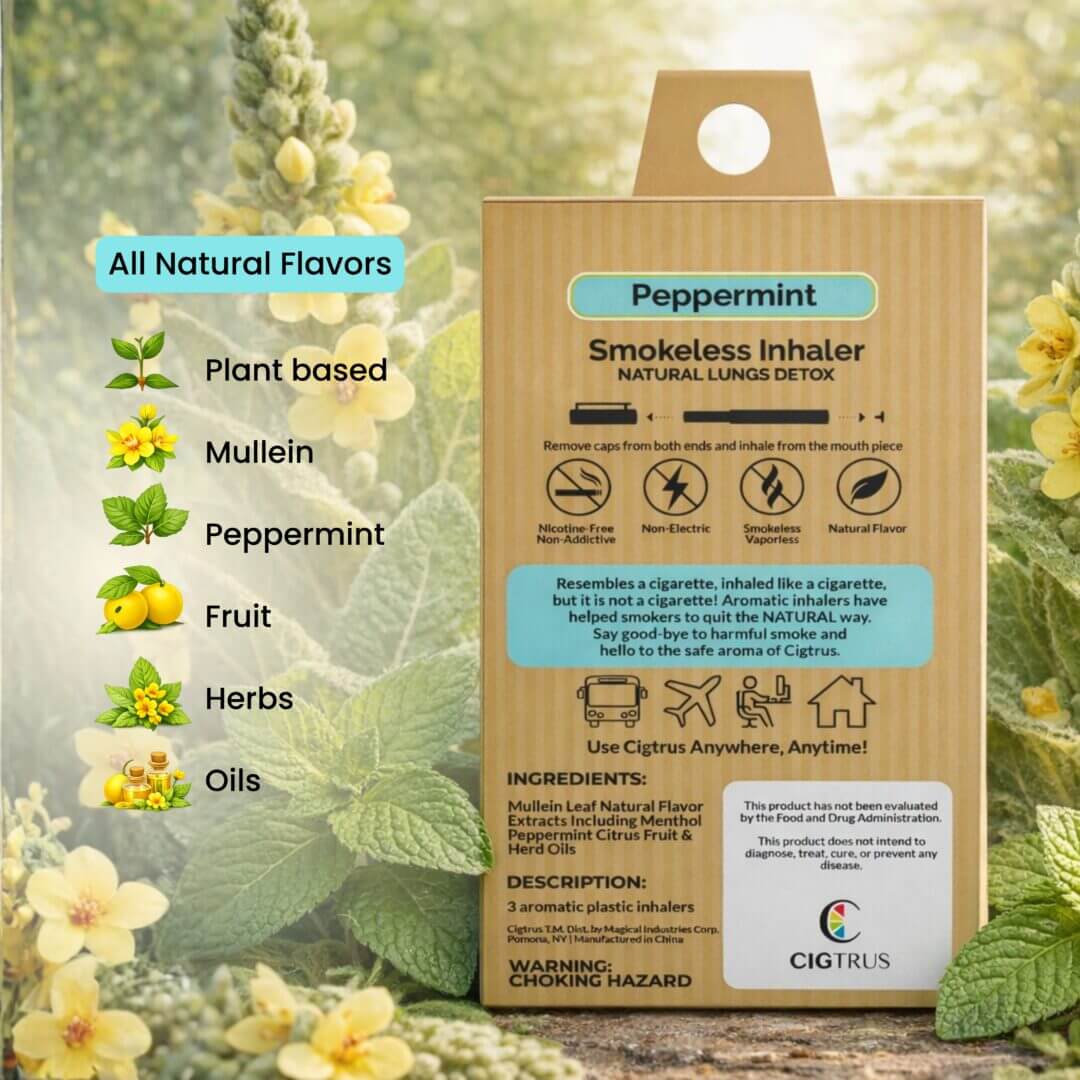
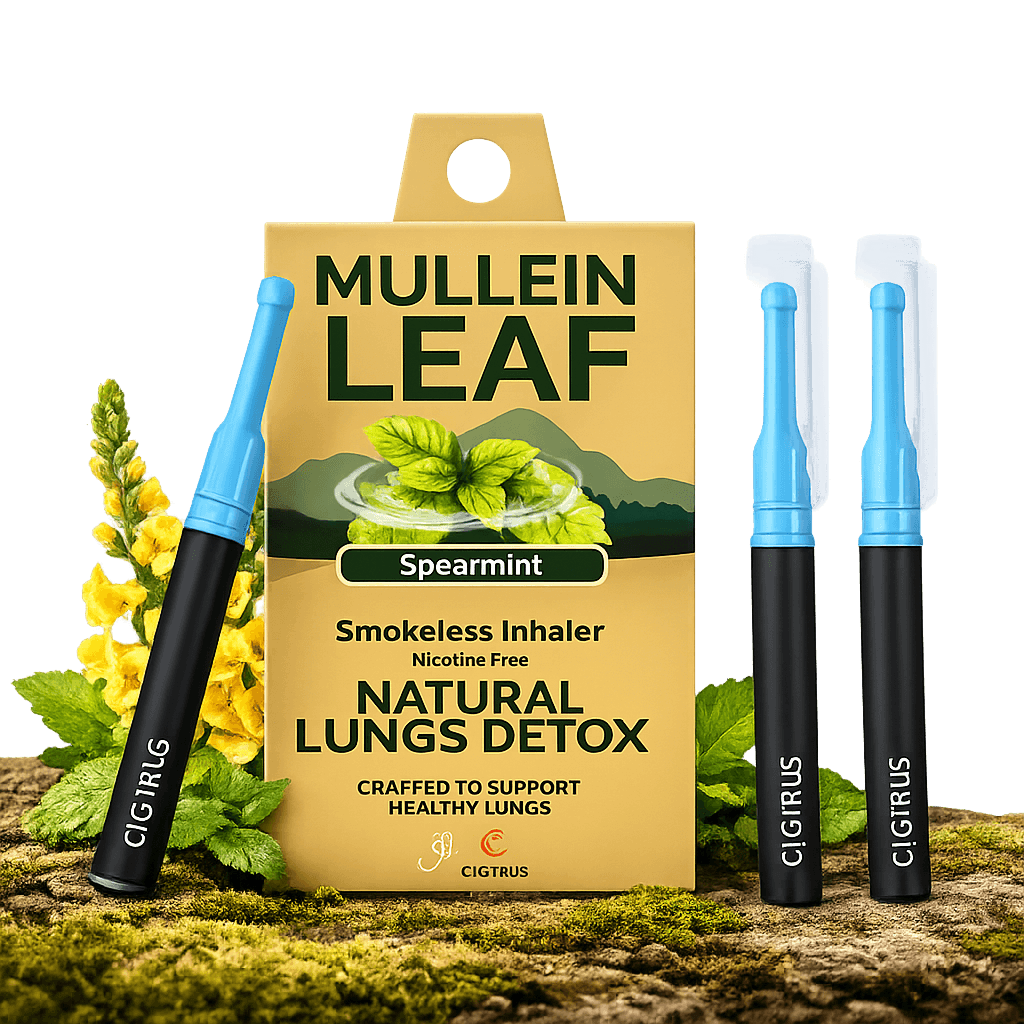
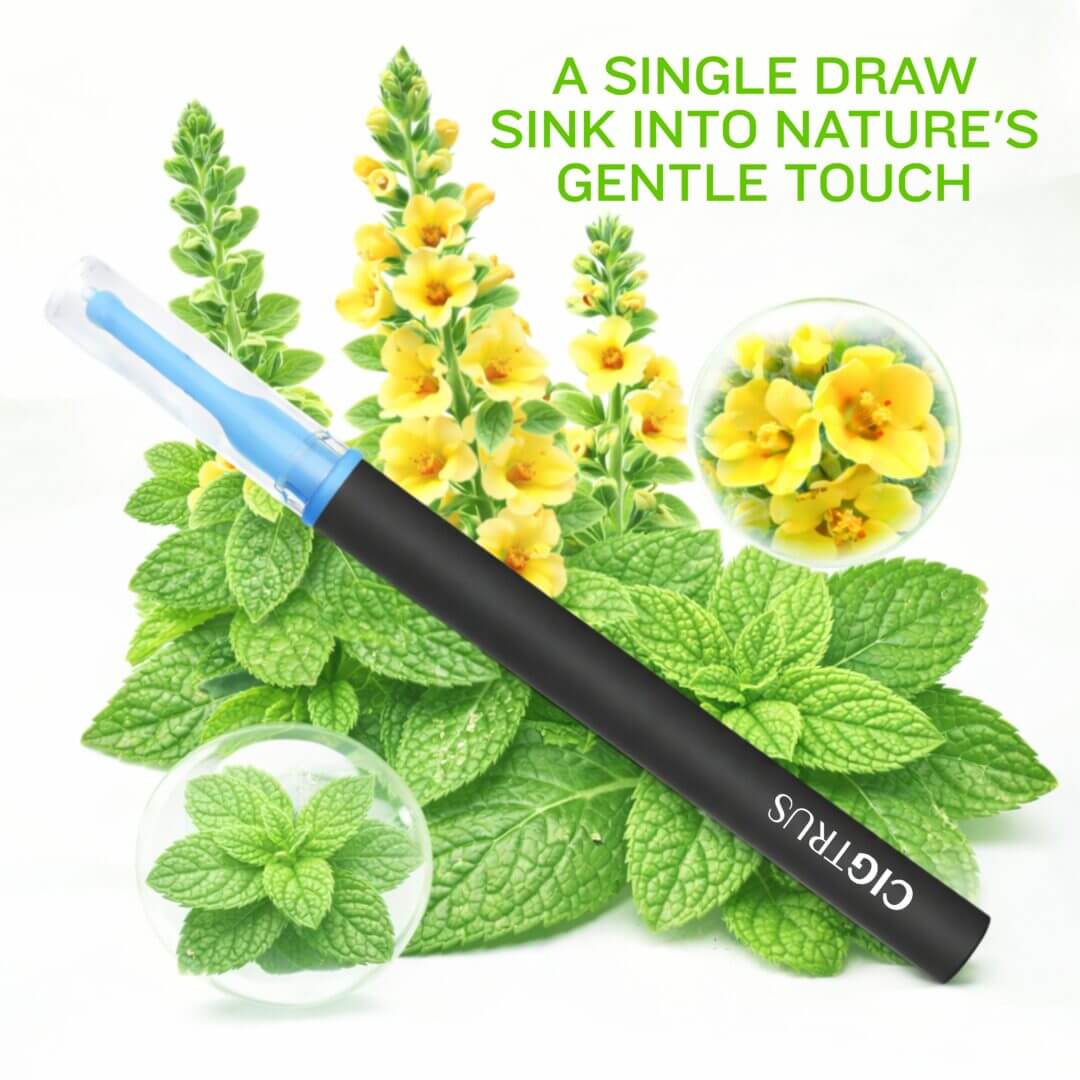
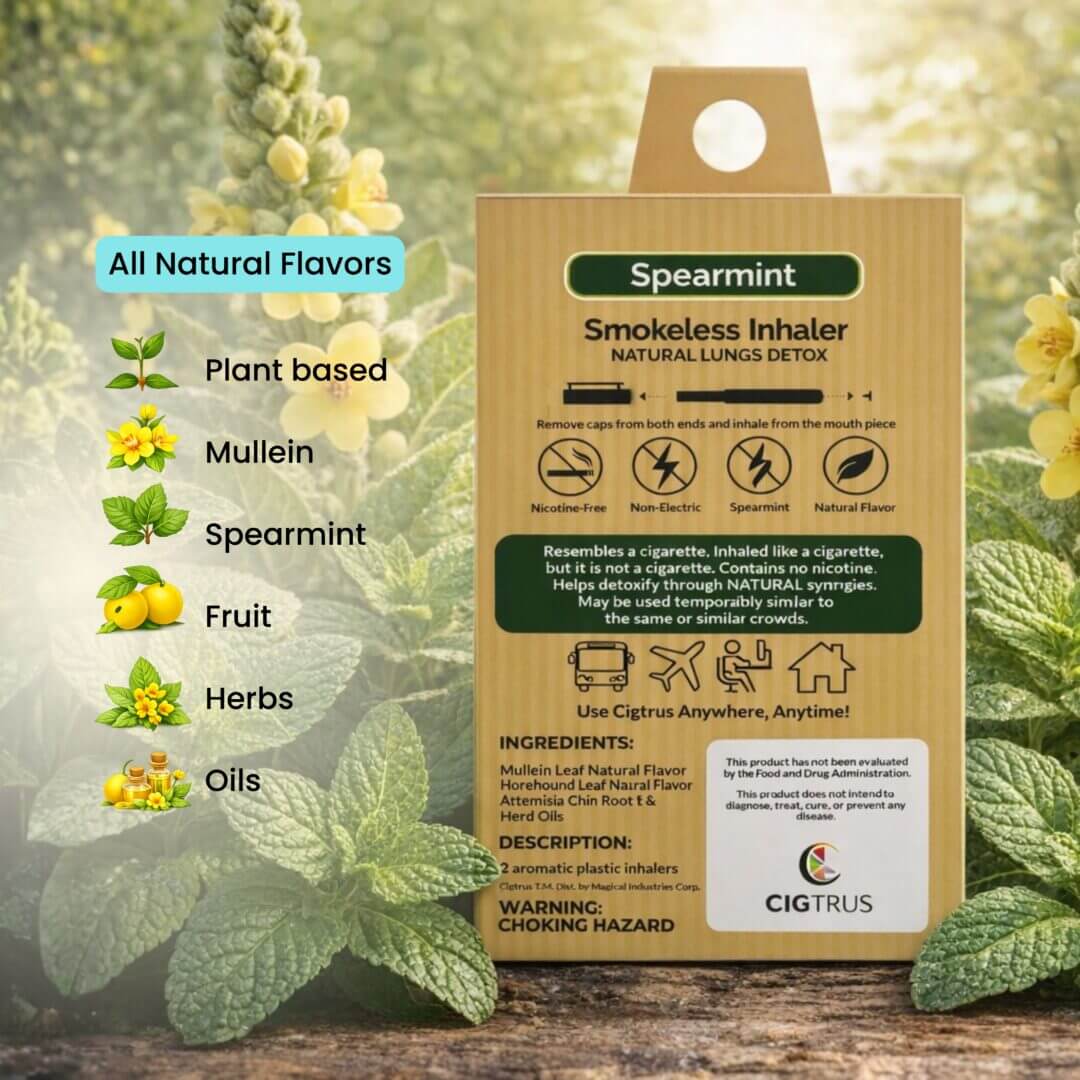
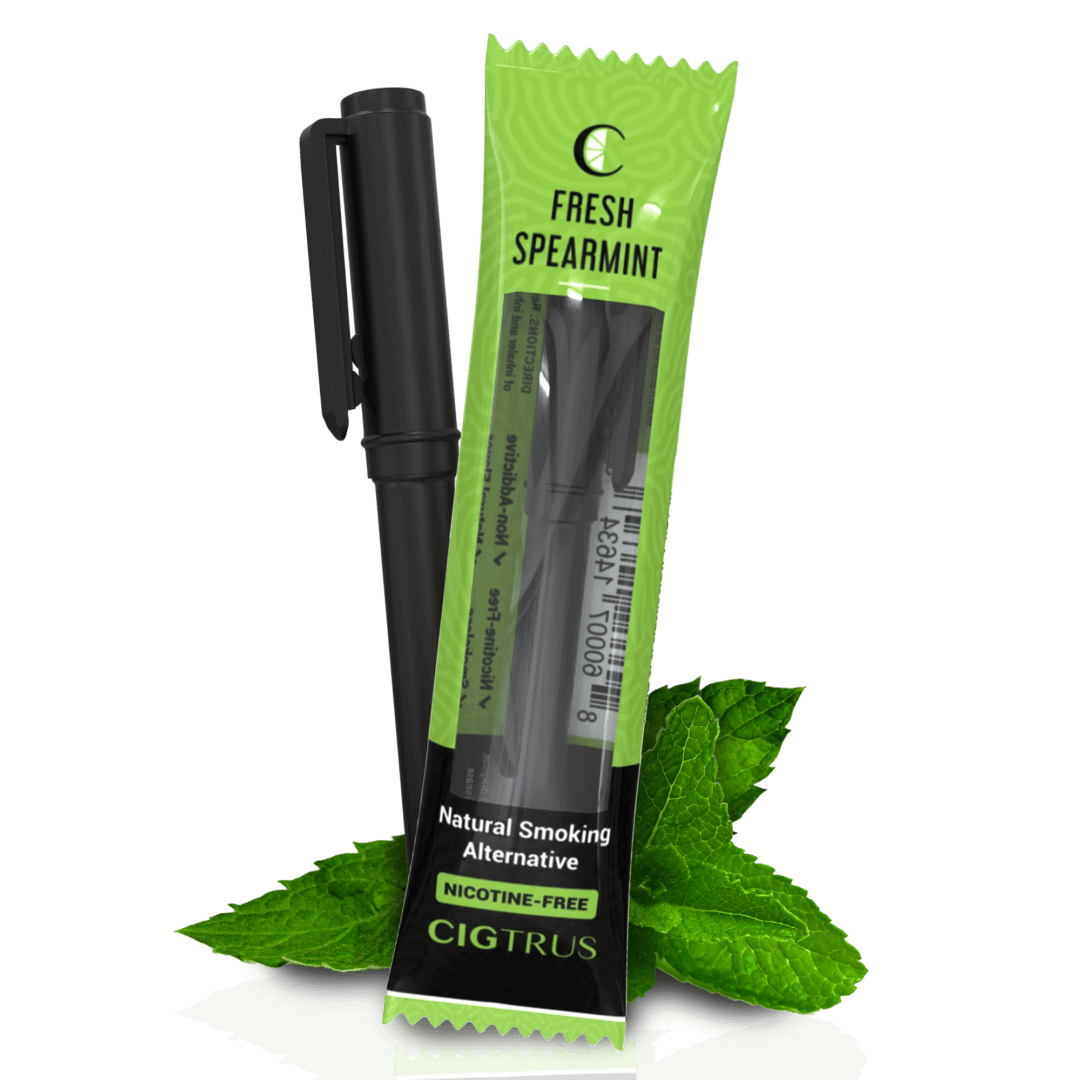
Cigtrus uses peppermint and spearmint in many of its portable aroma inhalers, designed for moments of mental slumps, fatigue, or when a craving begins taking shape. The spearmint scent also offers a crisp sensation that addresses the oral fixation that is so common during smoking cessation.
Citrus
- Reduces anxiety and calms neural overactivity
- Boosts mood via serotonin pathways
- Increases thalamic connectivity
- Best for stress-triggered cravings
Mint
- Increases alertness and attention span
- Improves working memory and recall
- Reduces mental fatigue and brain fog
- Best for fatigue or distraction-triggered cravings
How Scents Can Interrupt Craving and Habit Loops
Breaking habits like smoking requires disrupting automated patterns in the brain. When a smoker feels stress, drinks coffee, or encounters a familiar trigger, the brain anticipates the cigarette, this is the cue-response loop. Scents offer a way to interrupt that loop. Instead of reaching for a cigarette, inhaling a citrus or mint aroma provides a different stimulus. It shifts attention. It engages memory. It stimulates brain regions not tied to nicotine use.
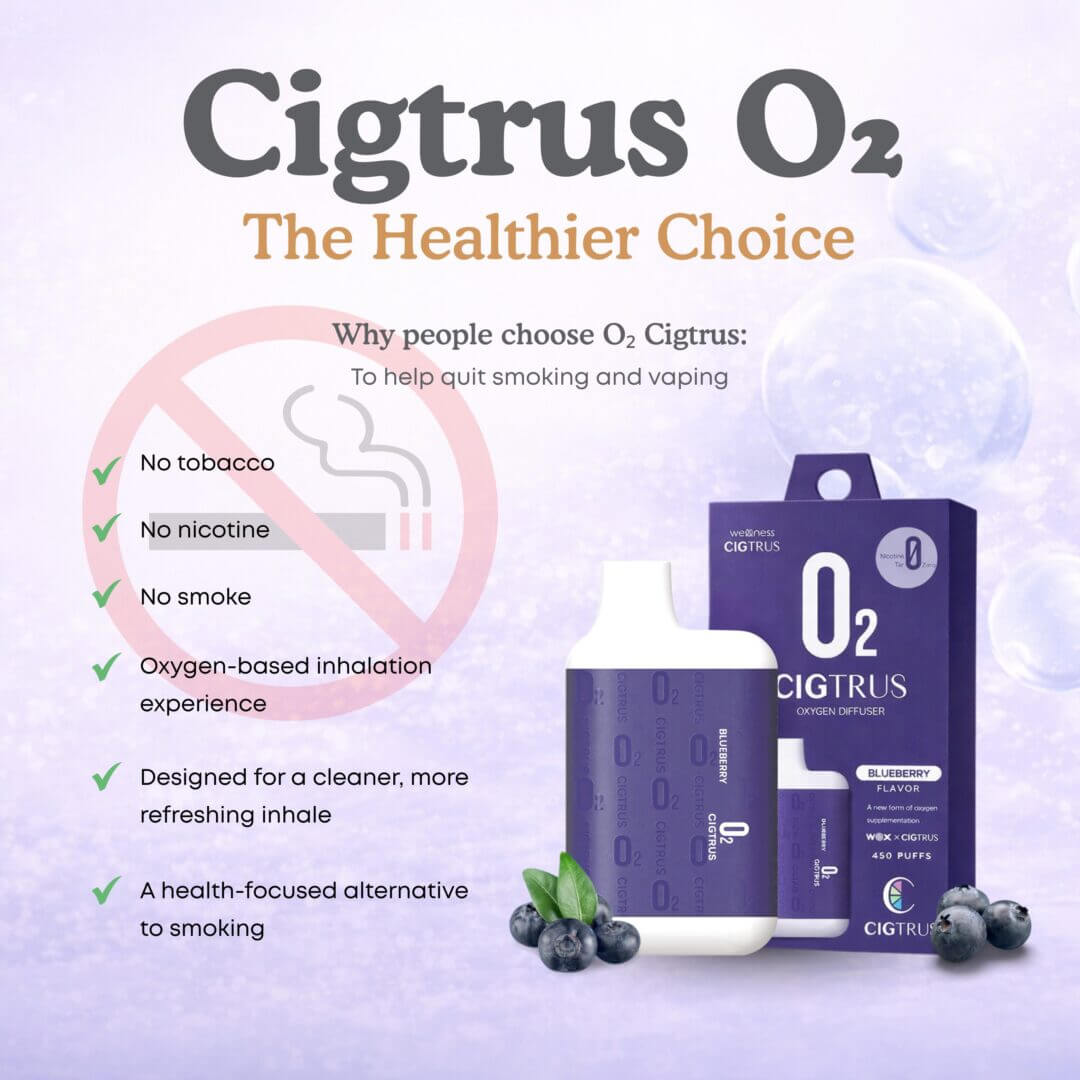
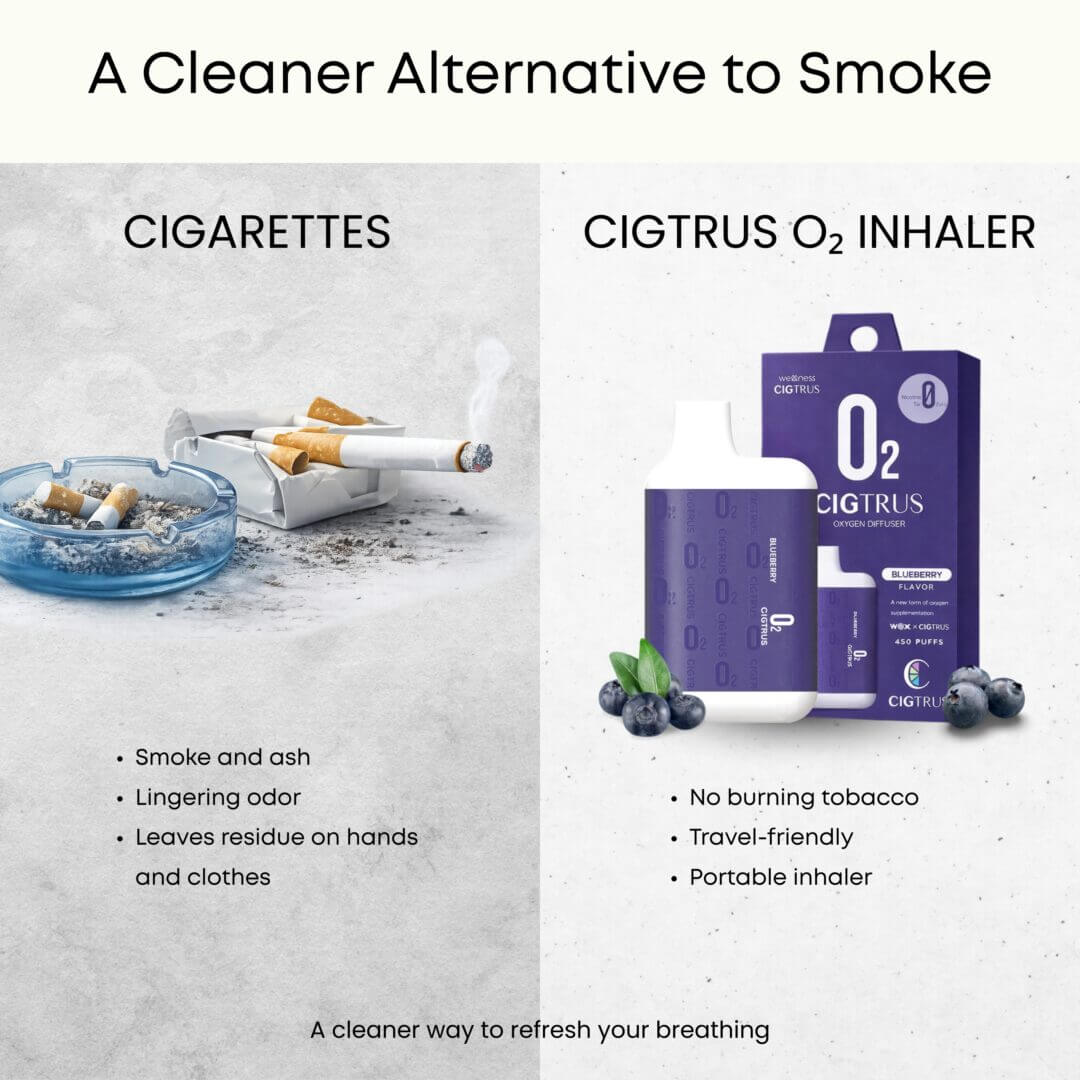
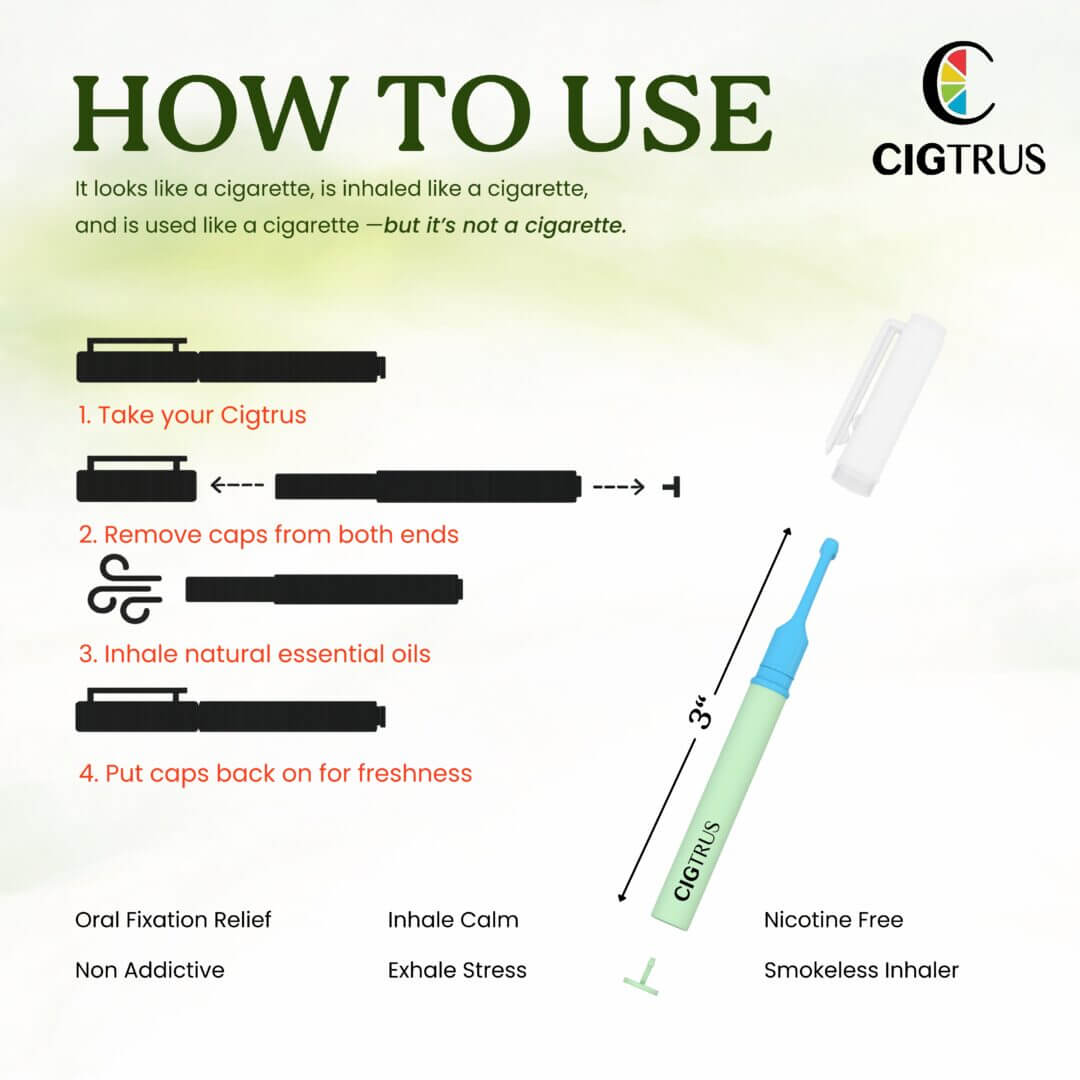
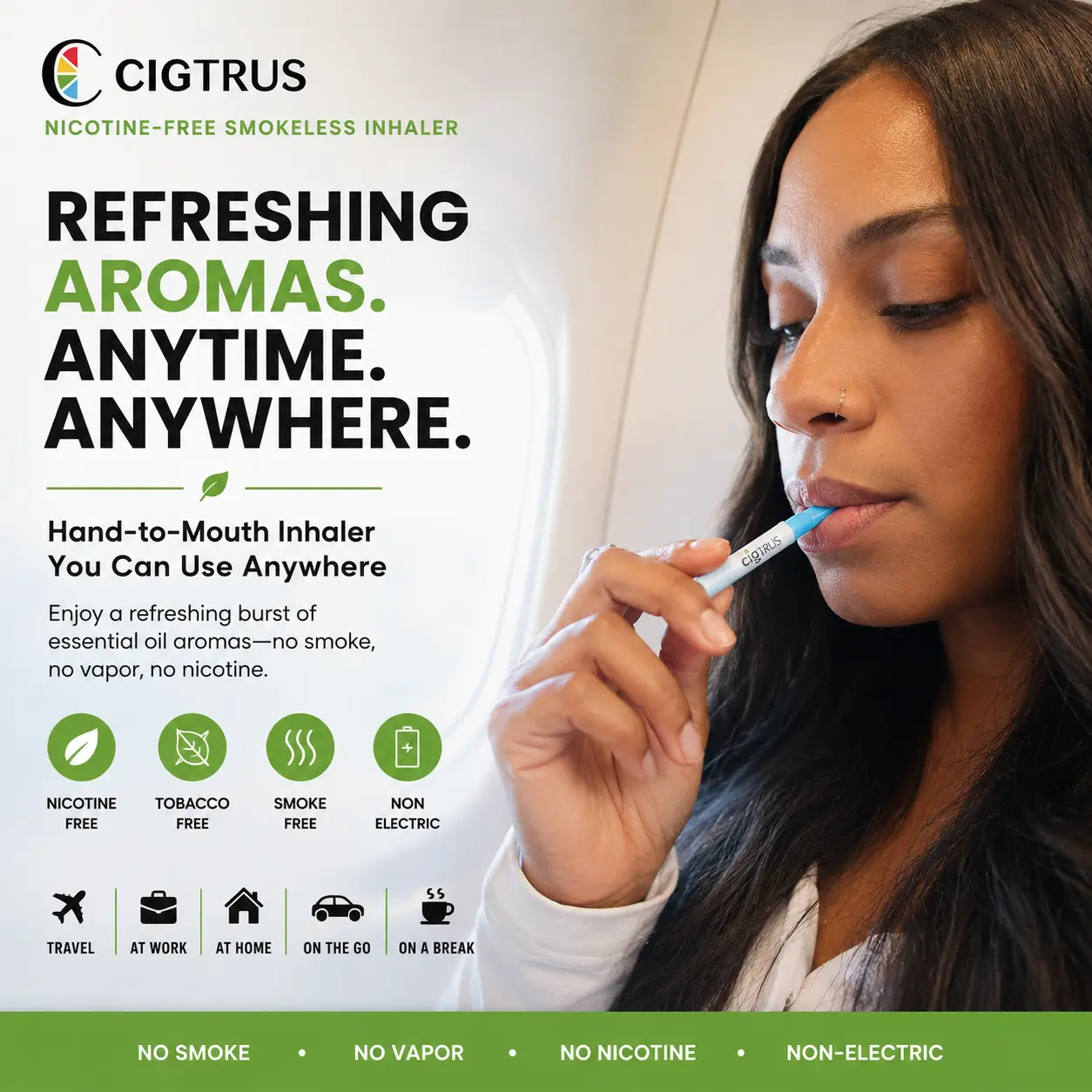
Citrus scents can ease the anxiety or stress that triggers craving. Mint can raise focus and give users the mental clarity to override the urge. Used right at the moment of a cue, these aromas act as a psychological pause button, disrupting the autopilot response and opening space for a new behavior. This is exactly what Cigtrus promotes: nicotine-free, tobacco-free inhalers that offer a sensory substitute targeting the craving with scent instead of smoke.
“The goal is not to suppress the craving, it is to meet it with something the brain finds genuinely engaging. Citrus and mint do that at a neurological level, not just a sensory one.”
Practical Ways to Use Citrus and Mint Scents
Use scent at the first hint of craving
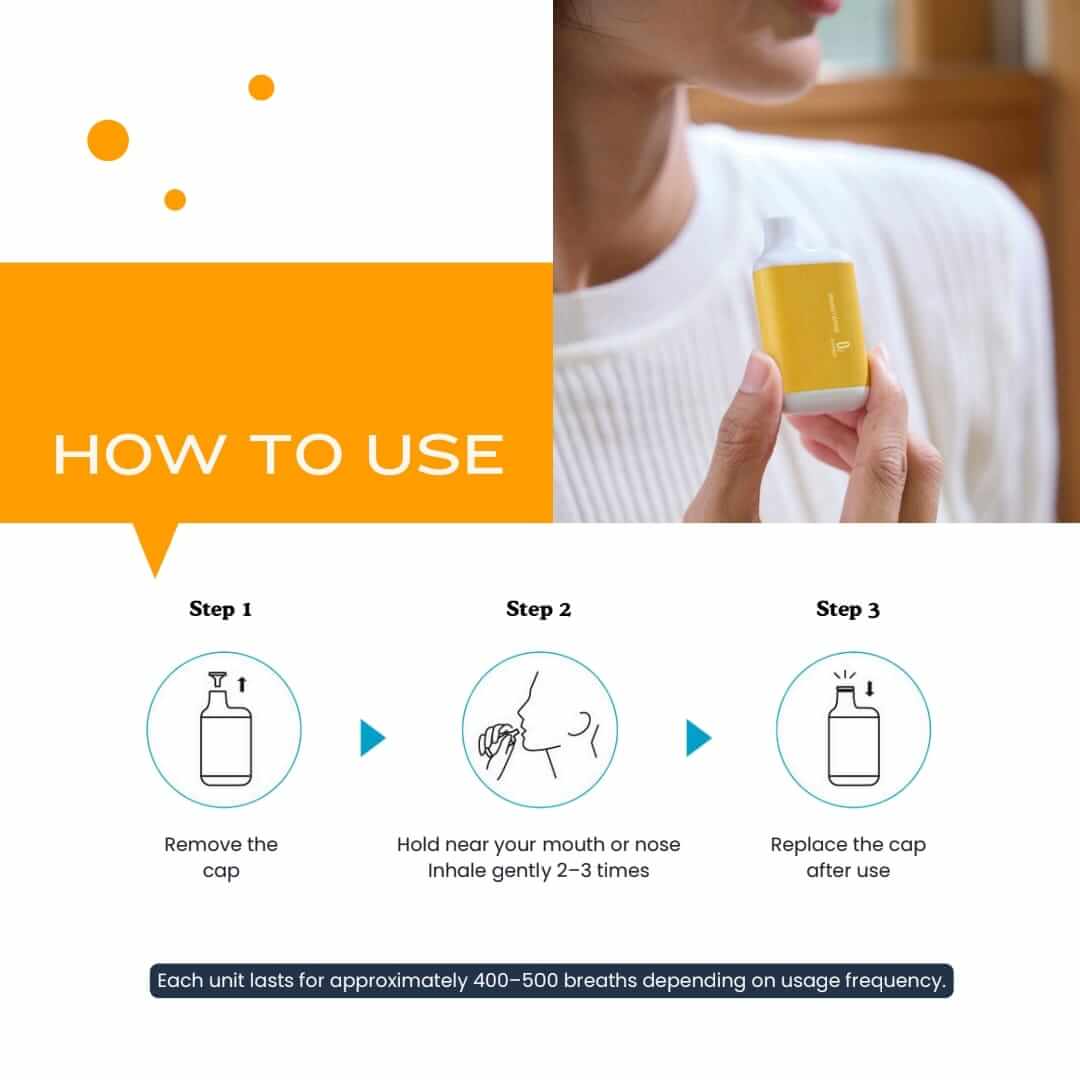
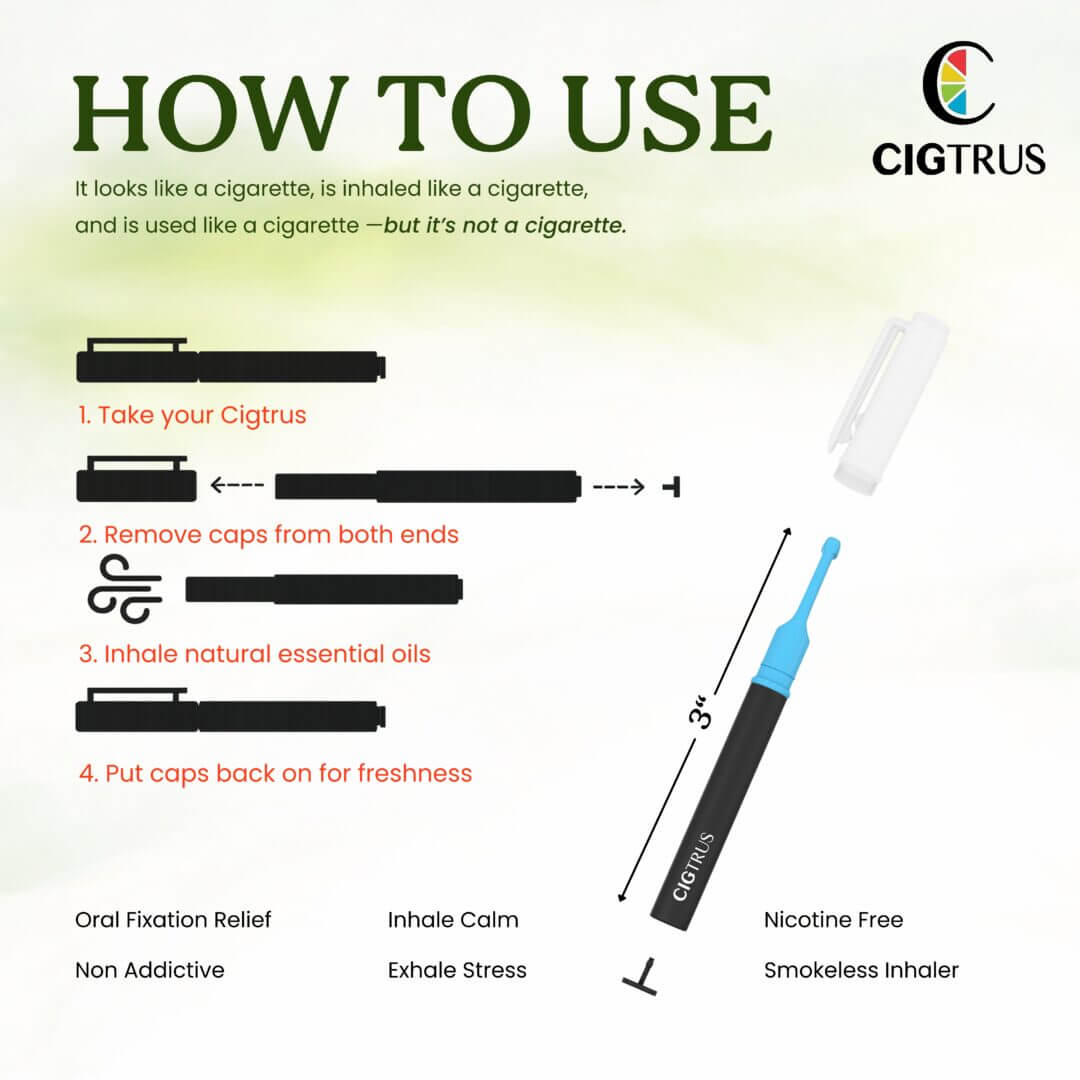
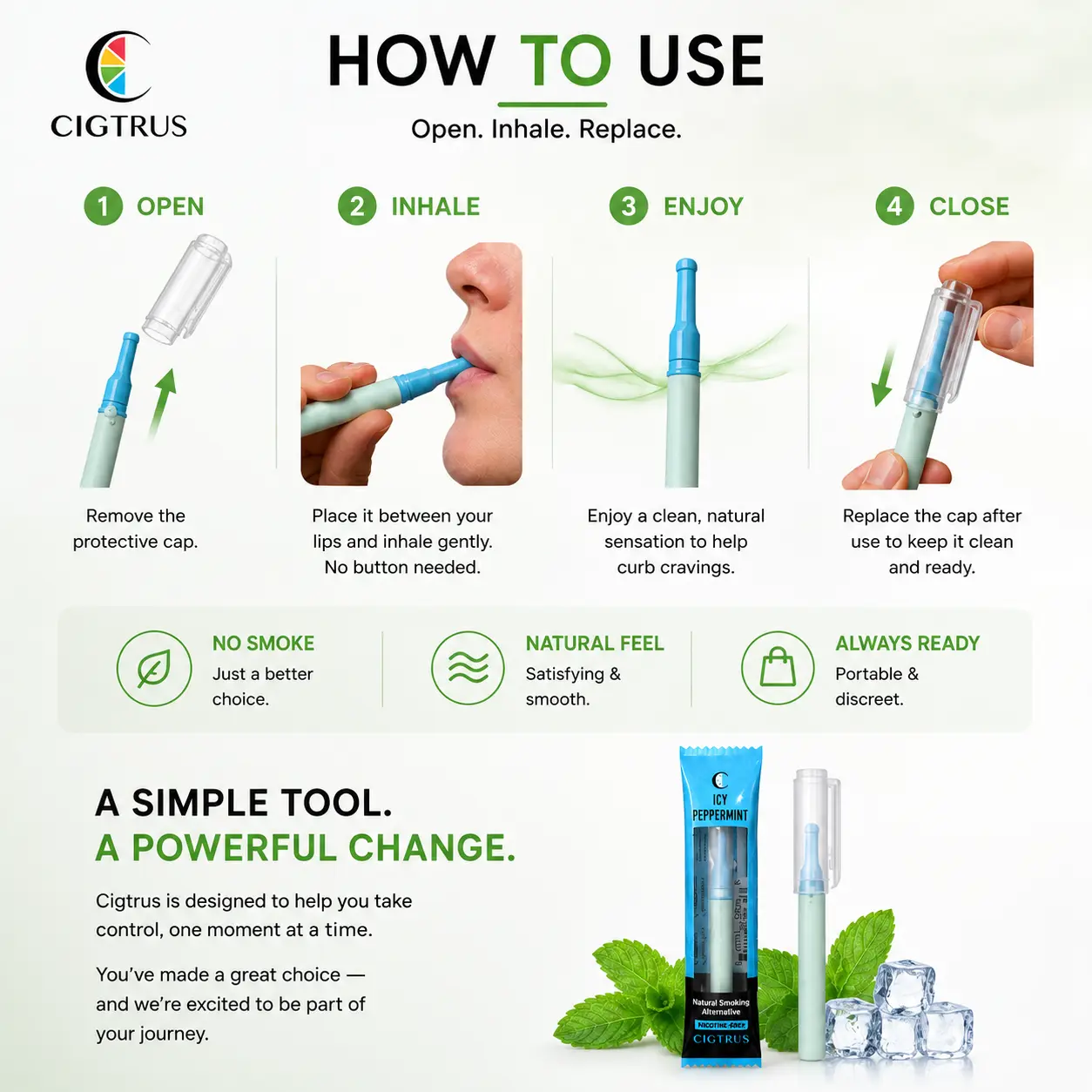
Inhale the aroma for 1–2 minutes, focusing on the scent and your breath. Let it serve as a pause that breaks the usual pattern.
Use citrus to shift mood
If stress or boredom is the trigger, reach for grapefruit or citrus mint. These reduce anxious brain activity and elevate emotional state.
Use mint to boost alertness
If fatigue or distraction is triggering the urge, reach for spearmint or peppermint. These enhance attention and help override impulse.
Pair aroma with a second action
Inhale and then drink water, go for a walk, or breathe deeply. Pairing aroma with a second action builds a new habit loop more quickly.
Pre-load before known triggers
Before a meeting, after a meal, or at break time, inhale in advance. Preemptive scent use creates distance from the automatic smoking urge.
Why Cigtrus Combines Citrus and Mint
Cigtrus offers aroma combinations like citrus mint and grapefruit mint because the effects of these oils complement each other. Citrus calms stress and lifts emotional state. Mint sharpens attention and helps focus the mind. Used together, these blends target both the emotional and cognitive sides of a craving simultaneously, you feel better and think clearer. This dual action strengthens the scent’s power as a behavioral reset at any trigger moment.
Limitations of Aroma-Based Interventions
While citrus and mint scents have clear neurological effects, their influence has limits, they help but do not cure. The impact is often short-term and may need to be reapplied repeatedly. Not all brains respond identically, personal scent preference affects outcome. Olfactory fatigue can dull the effect over time, which is why rotating between citrus and mint helps. And using scent works best as part of a broader strategy that may include behavior changes, social support, and where appropriate, professional cessation guidance.
Cigtrus recognizes this and positions its inhalers as a behavioral support tool, not a complete solution, but a genuinely useful one. Their role is to give you something to reach for that replaces the physical act of smoking while engaging your brain in a new direction at every craving moment.
Summary: Citrus vs. Mint
| Scent | Brain Impact | Best Use Case |
|---|---|---|
| Citrus | Boosts mood, reduces anxiety, increases brain connectivity | Stress-induced cravings, low mood, emotional resets |
| Mint | Increases focus, improves memory, reduces brain fatigue | Cognitive fatigue, habit disruption, distraction relief |
Citrus and mint scents activate brain pathways that regulate mood, memory, and attention. Cigtrus uses these science-backed aromas in portable, nicotine-free inhalers that give users a non-chemical, behaviorally-reinforcing way to pause, breathe, and reset. Use them intentionally. Use them when it matters. And over time, train your brain to respond to scent with strength, not surrender.
Engage Your Brain. Interrupt the Craving.
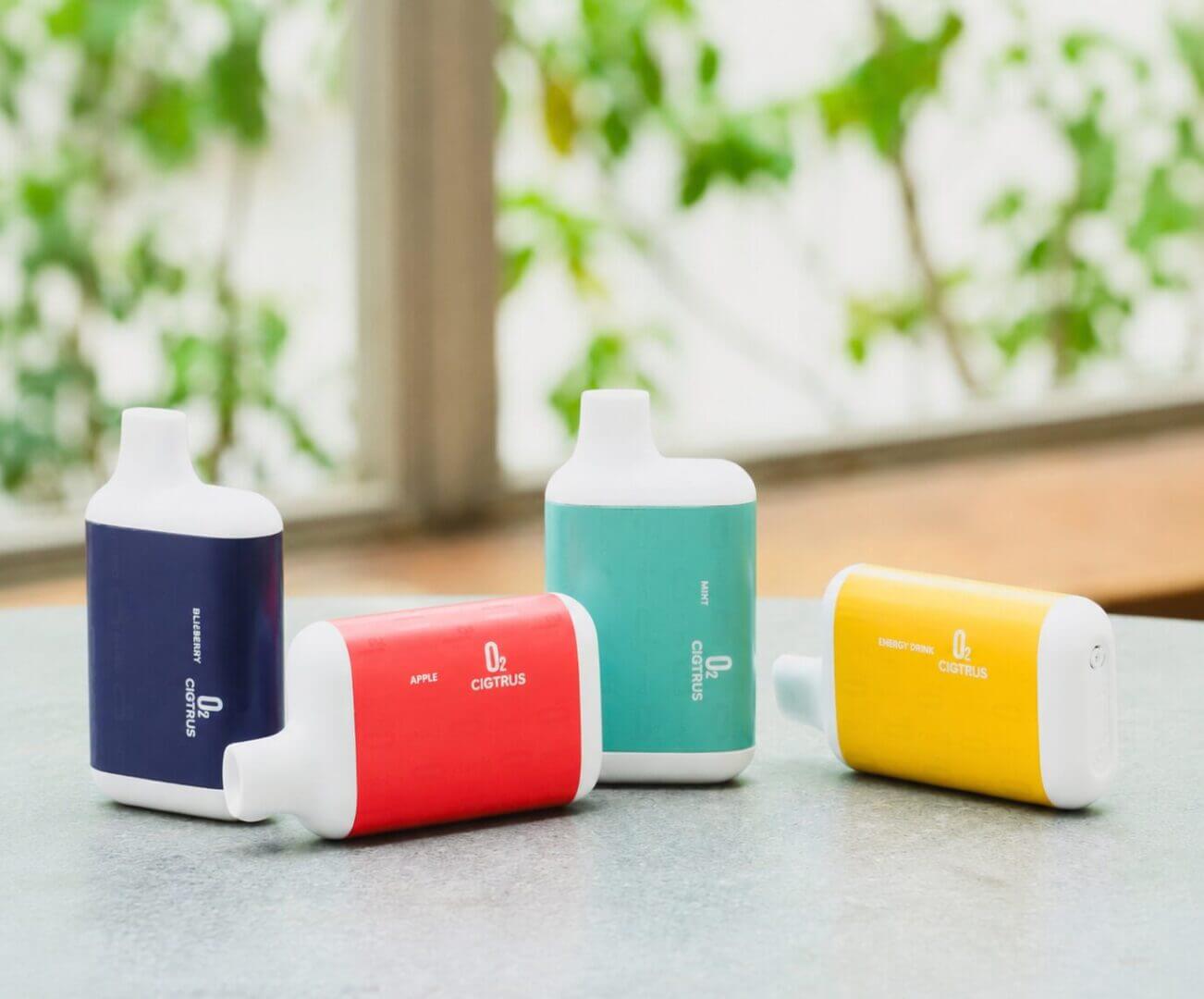
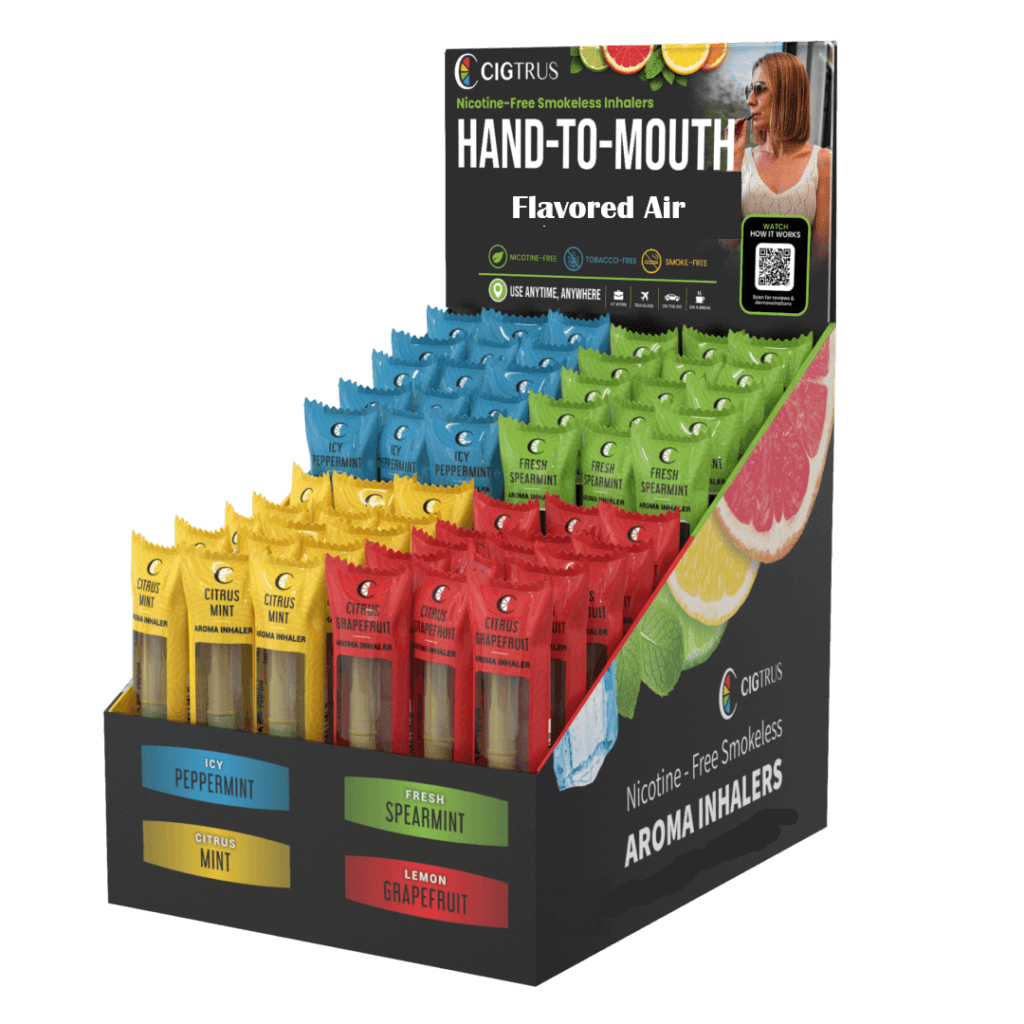
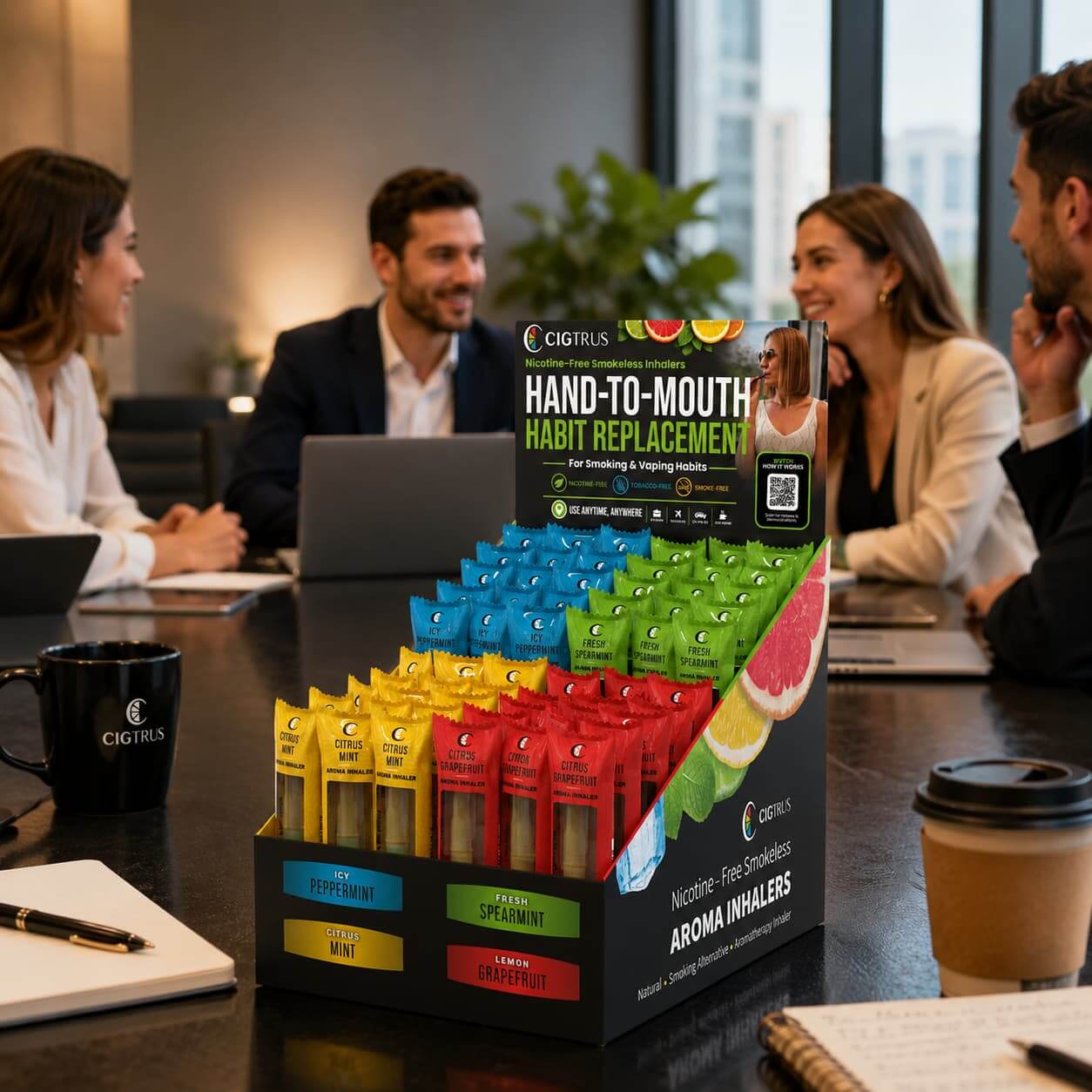
Citrus for mood. Mint for focus. All four aromas in one pack, no nicotine, no vapor, anywhere.
👉 Try the Variety Pack