Why Some Smokers Are Moving Away From Traditional Vapes
Many smokers who originally switched to vaping eventually begin searching for different types of alternatives. For some users, the goal becomes moving away not only from cigarettes, but also from nicotine dependence, vapor production, and repeated inhalation routines tied to everyday life. This shift is increasing interest in nicotine-free smokeless alternatives designed around behavioral support rather than nicotine delivery.
Why Some Users Look Beyond Vaping
Traditional vaping products are often centered around nicotine delivery, vapor production, electronic devices, charging and batteries, and repeated inhalation habits. While some users turn to vaping as an alternative to cigarettes, others eventually begin searching for products that focus more on helping replace behavioral routines instead of continuing nicotine use.
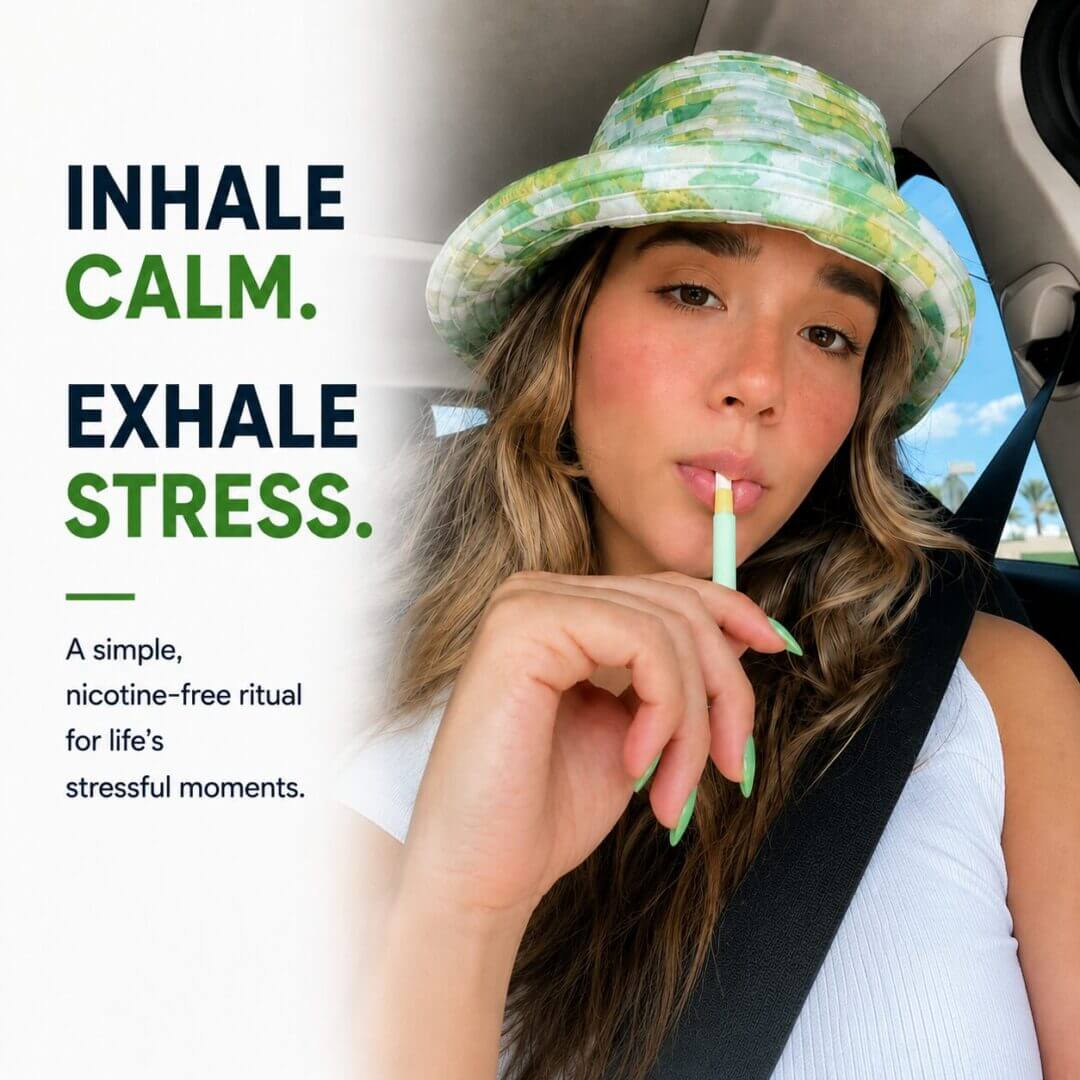
For many smokers and vapers, the challenge is not only chemical dependence. The repeated hand-to-mouth motion, inhalation routines, sensory familiarity, and emotional repetition often become deeply connected to daily life through years of habit.
“Moving away from traditional vaping is not just about removing nicotine, it is about finding an alternative that does not continue the behavioral loop, the device dependency, or the restrictions that came with vaping.”
The Behavioral Side of Smoking and Vaping
Smoking and vaping habits are often connected to stress, boredom, emotional routines, work breaks, driving, and repeated daily behavior. That is one reason many smokers continue struggling even after lowering nicotine intake. Behavioral support becomes important because many habits remain deeply ingrained through repetition and emotional association, and they continue to fire at familiar trigger moments regardless of nicotine levels.
How Cigtrus Supports Smoke-Free Behavioral Alternatives
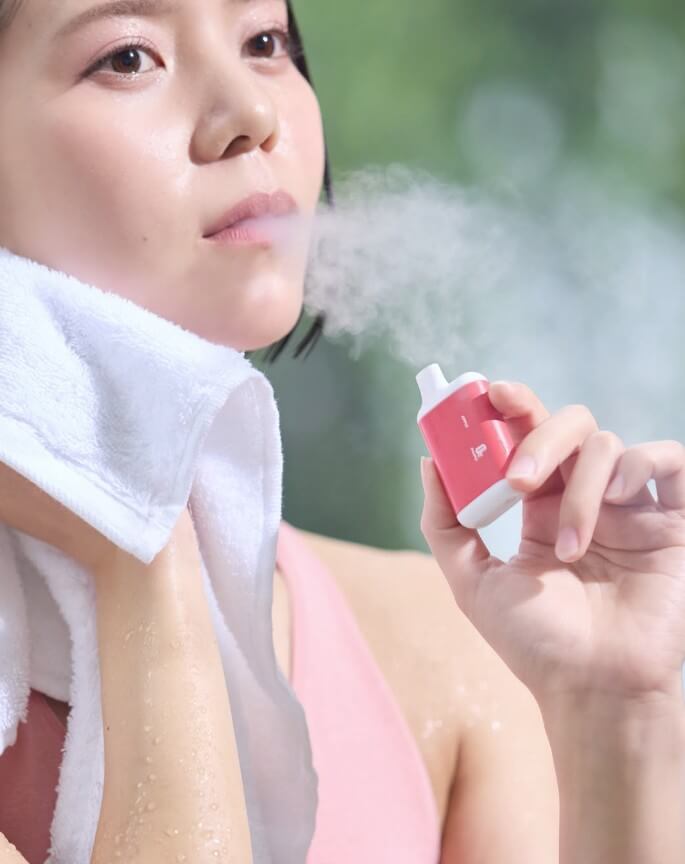
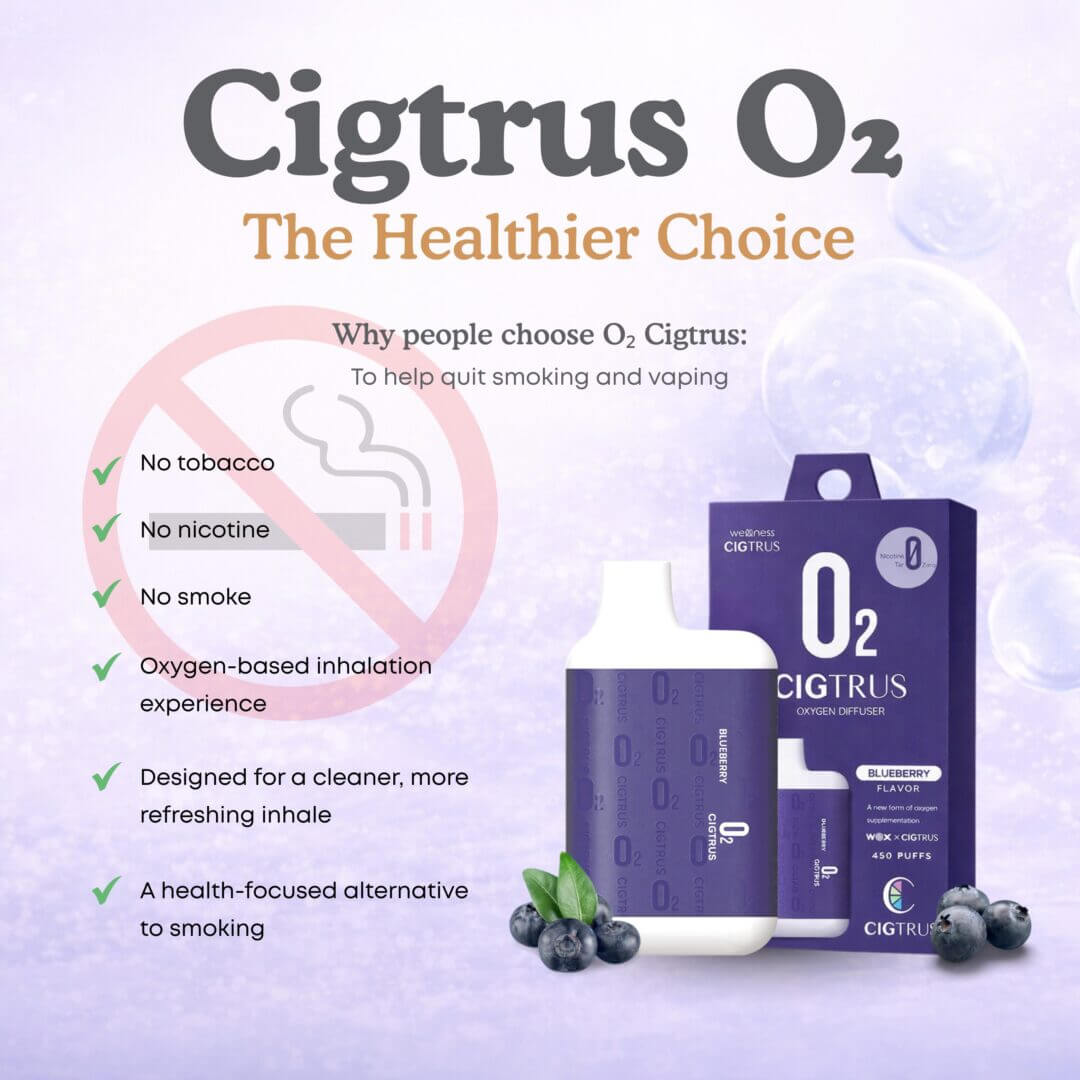
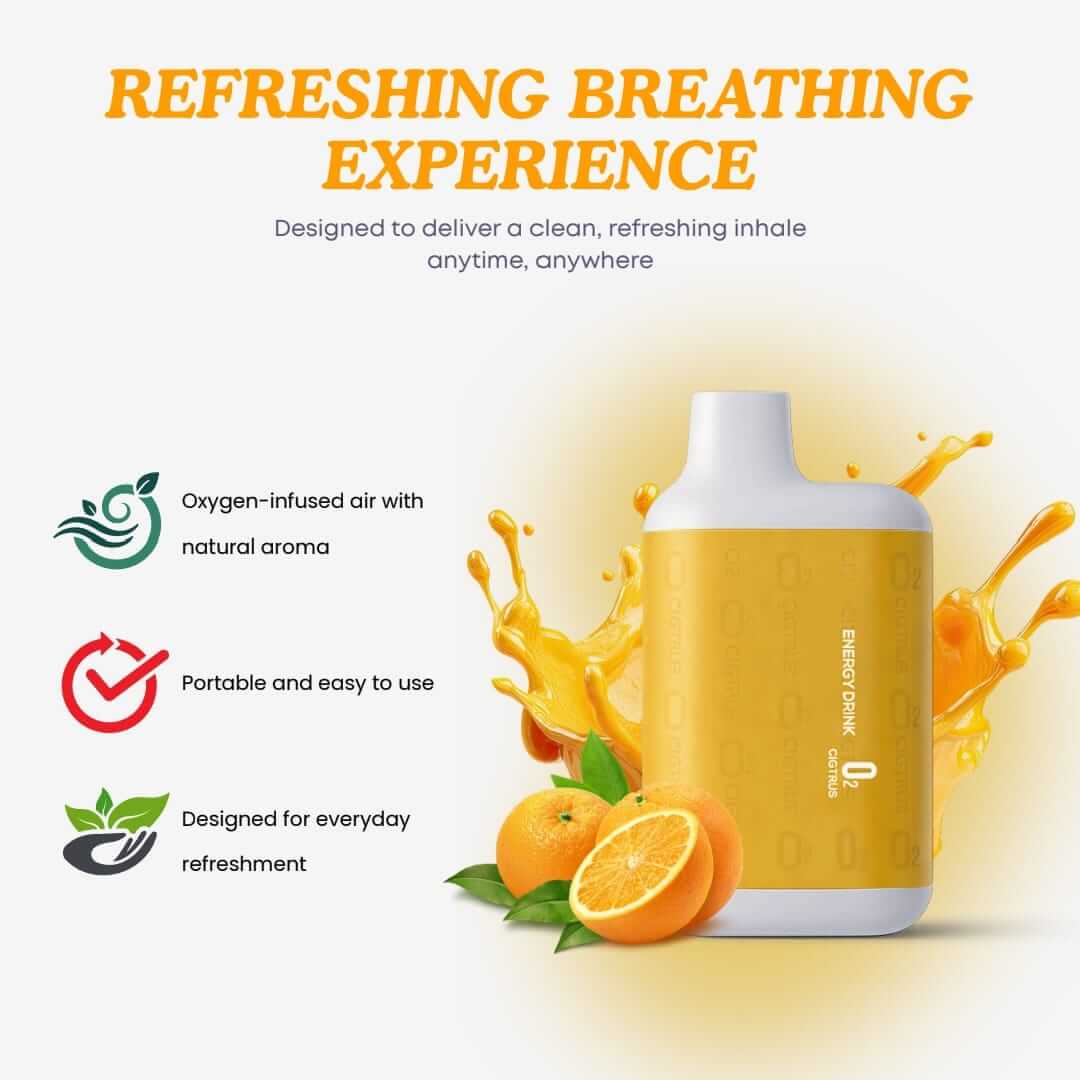
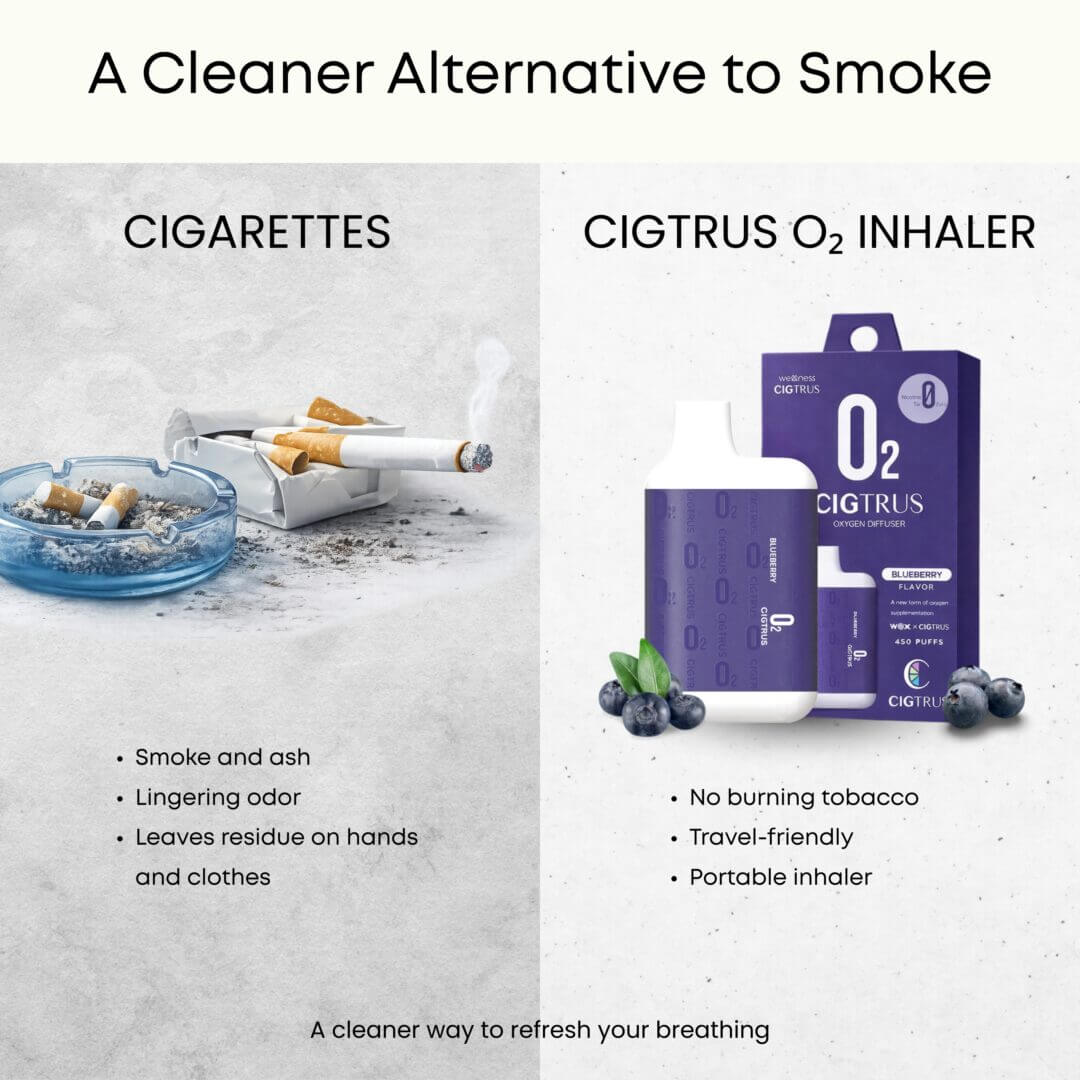
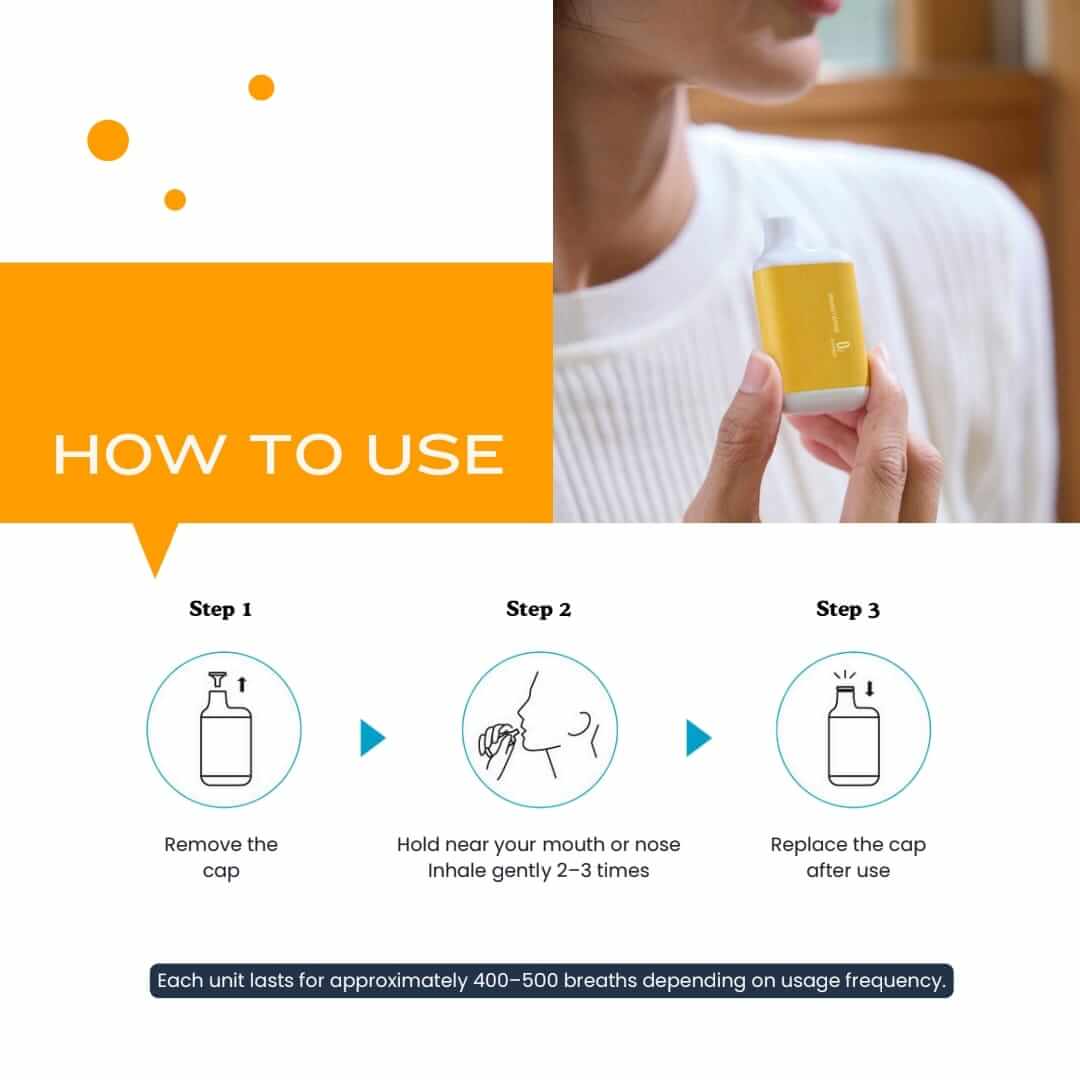
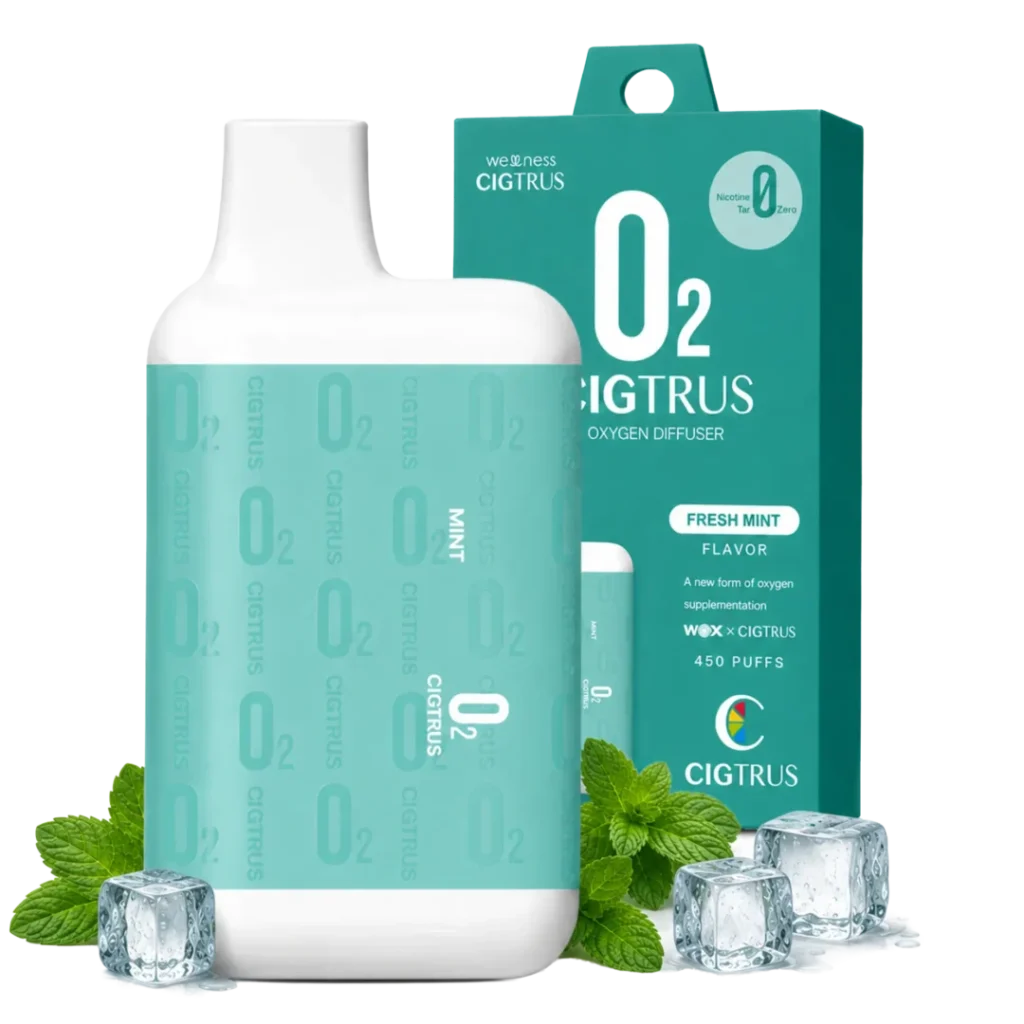
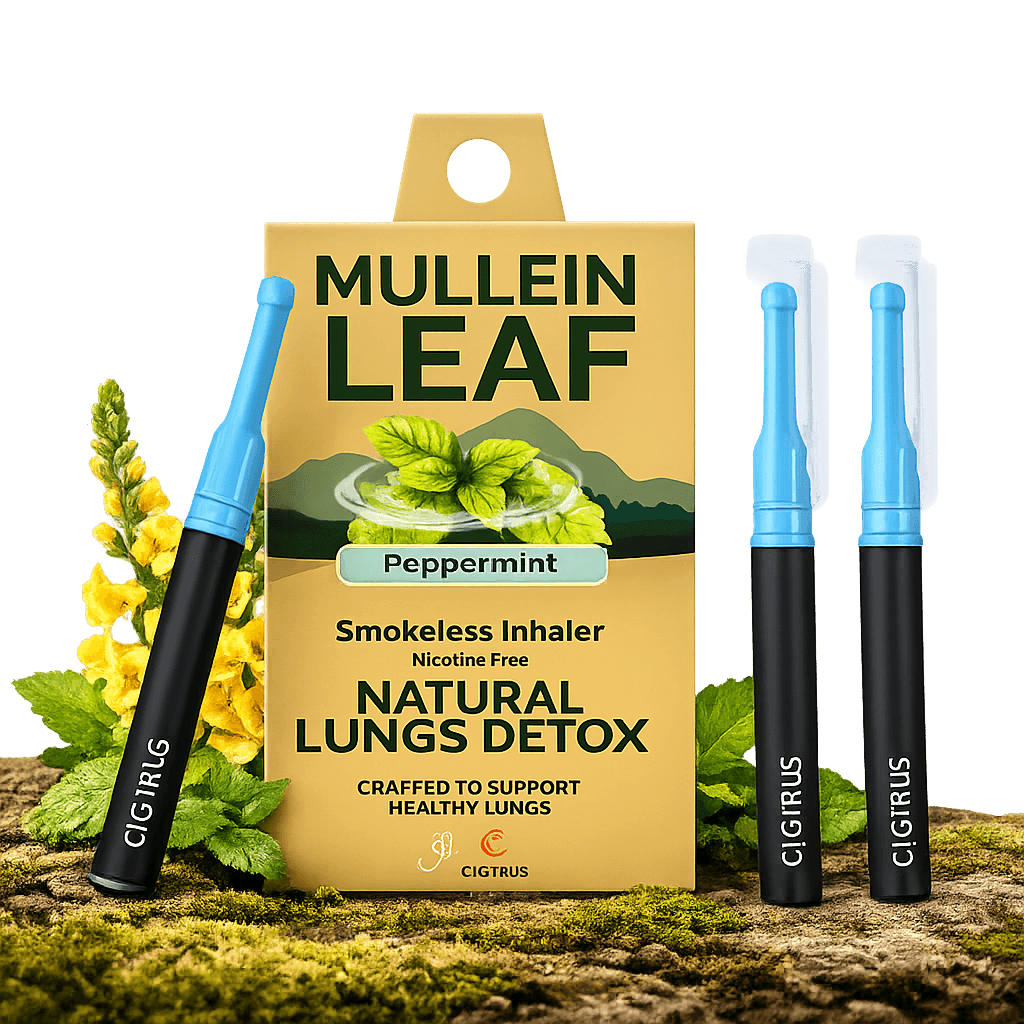
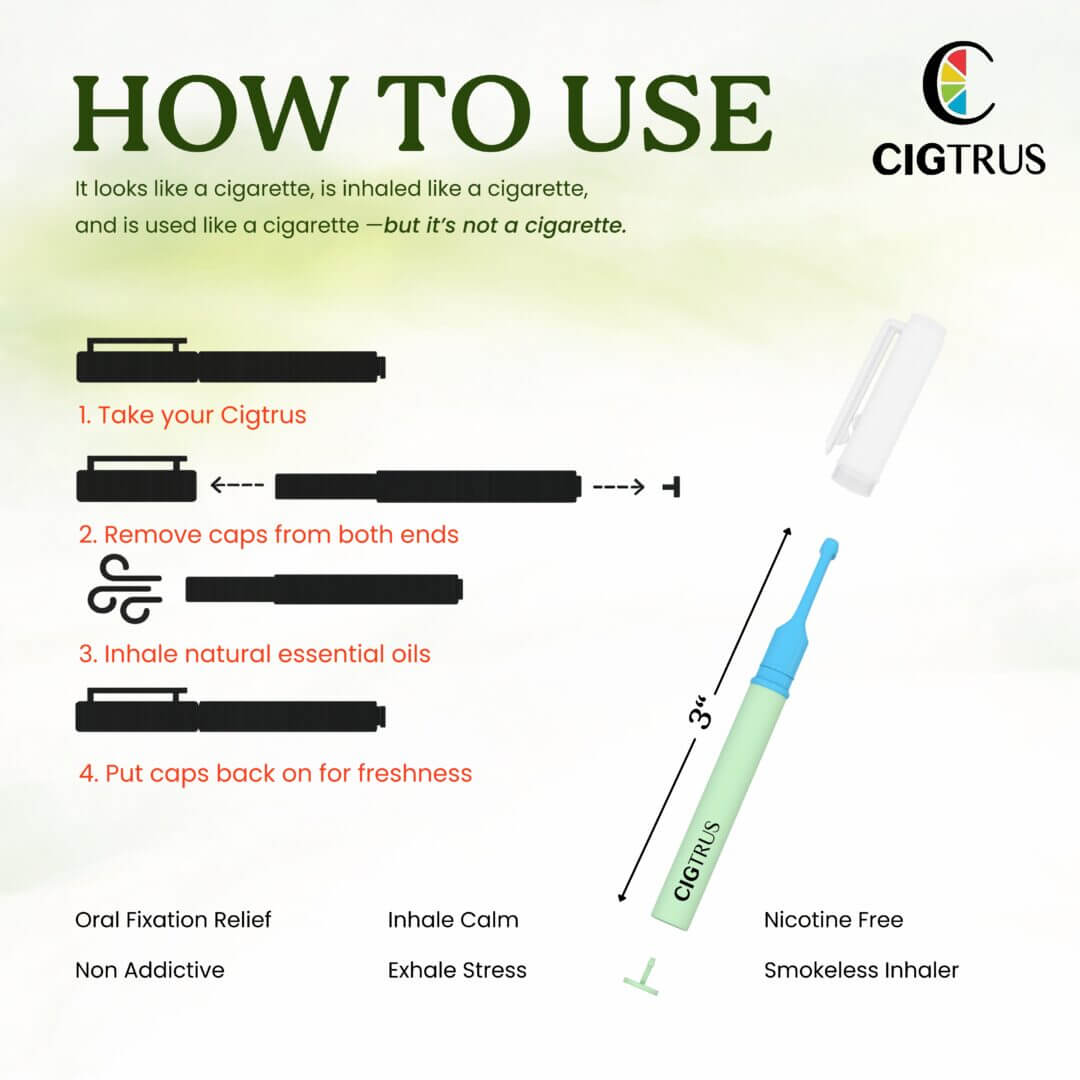
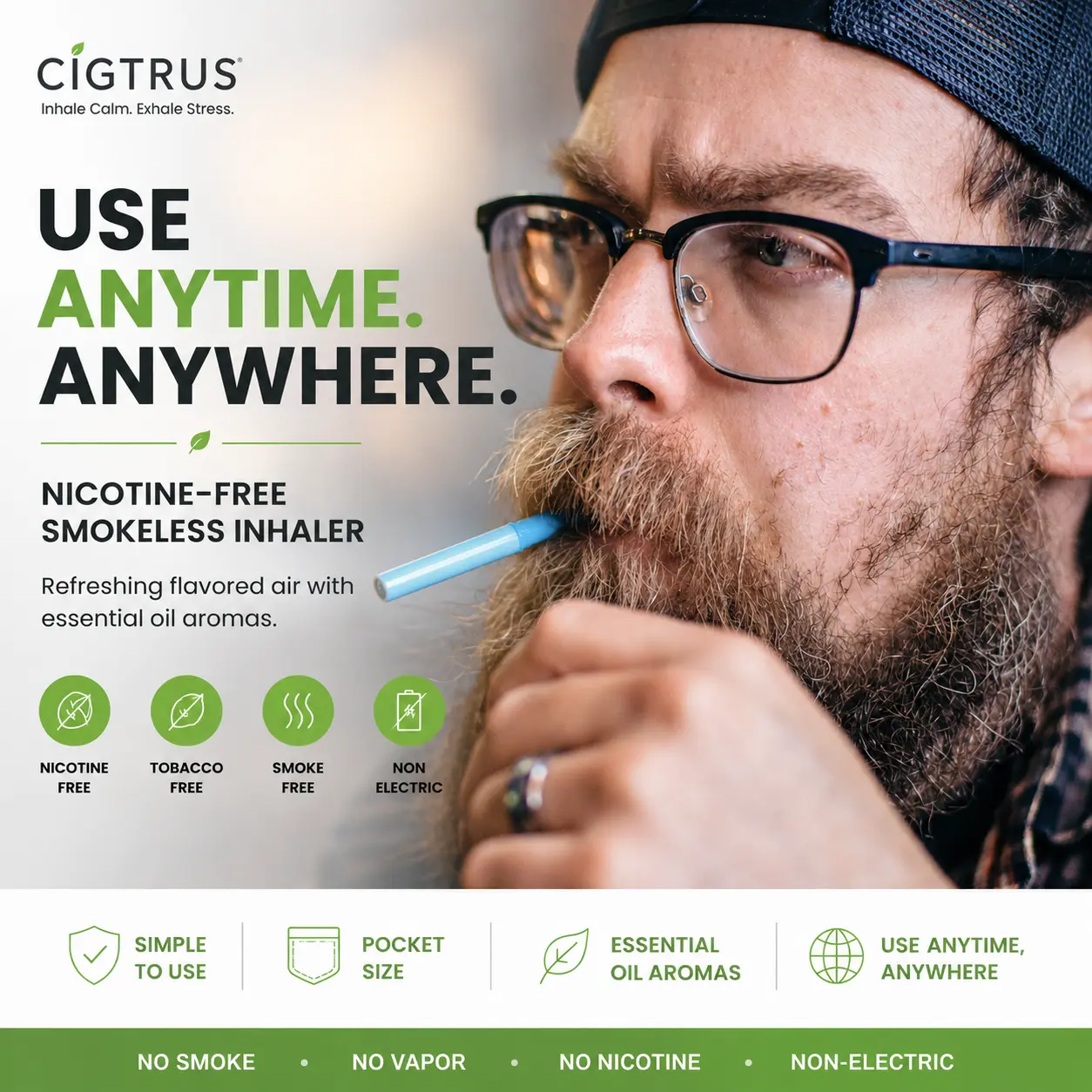
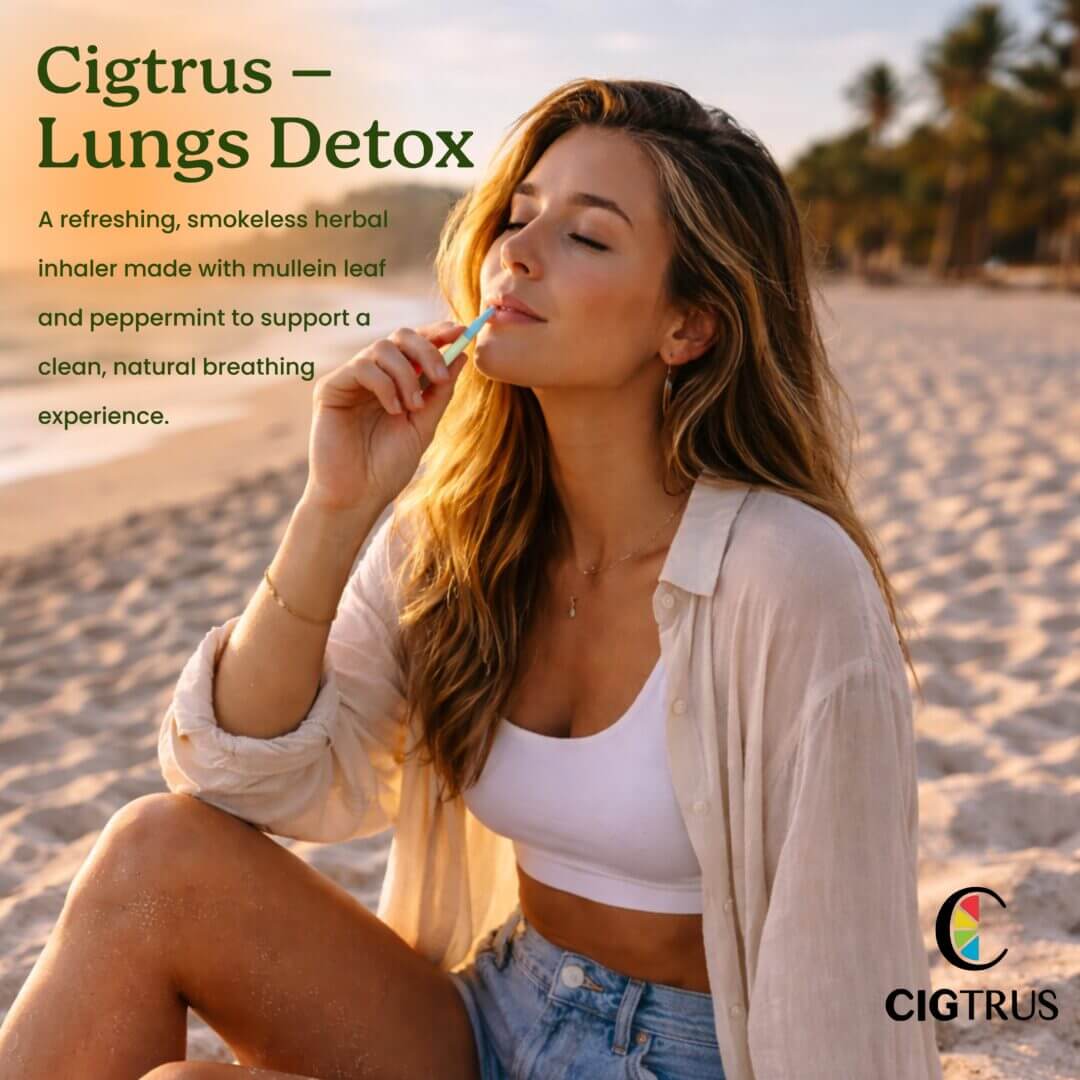
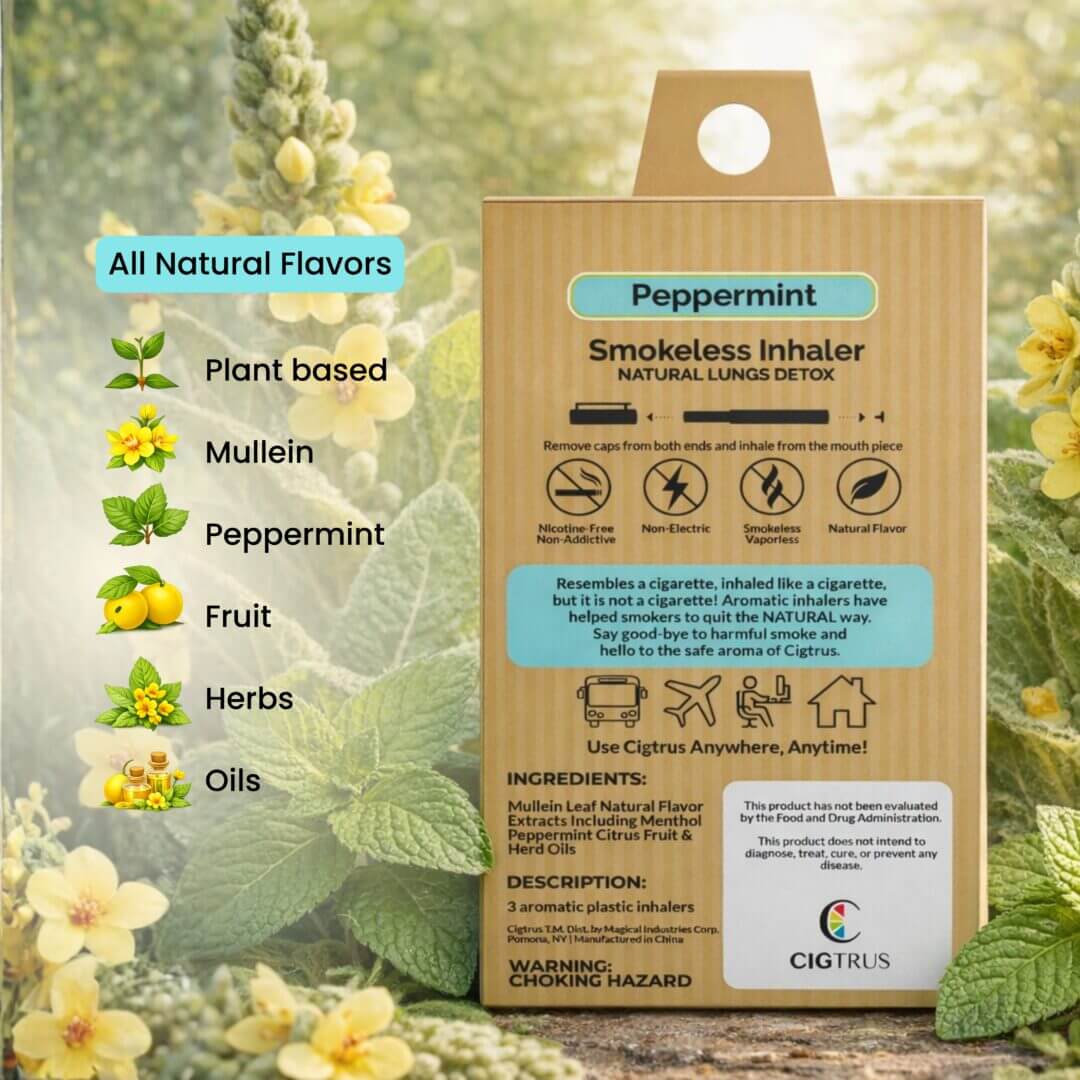
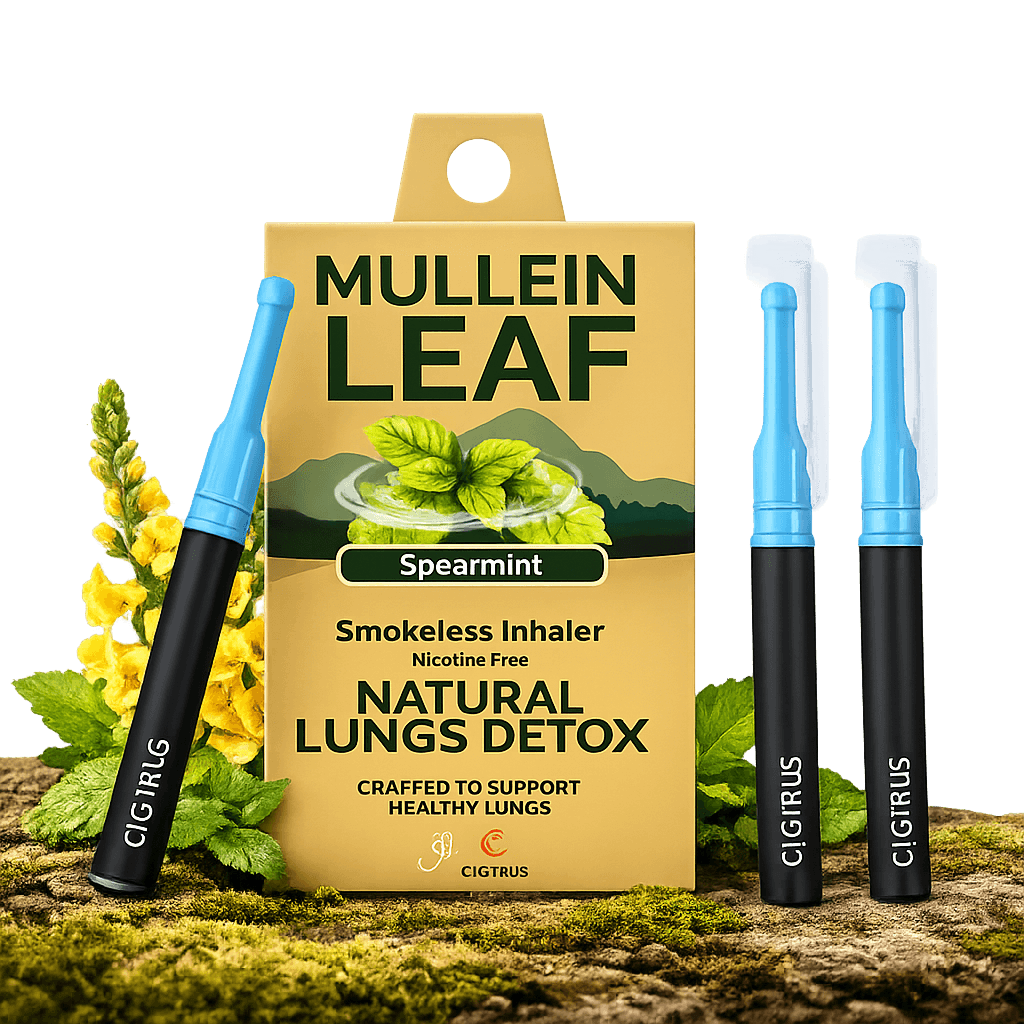
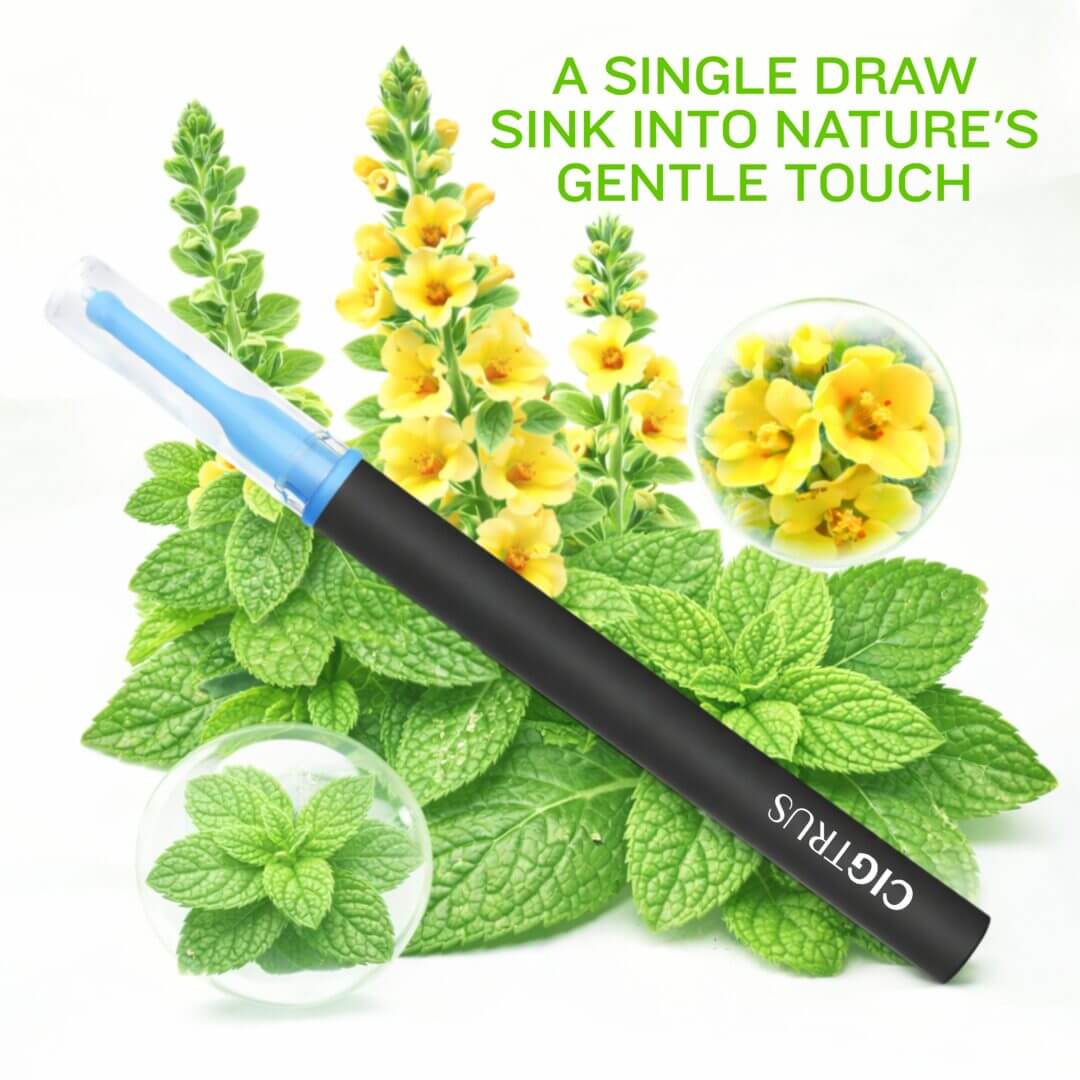
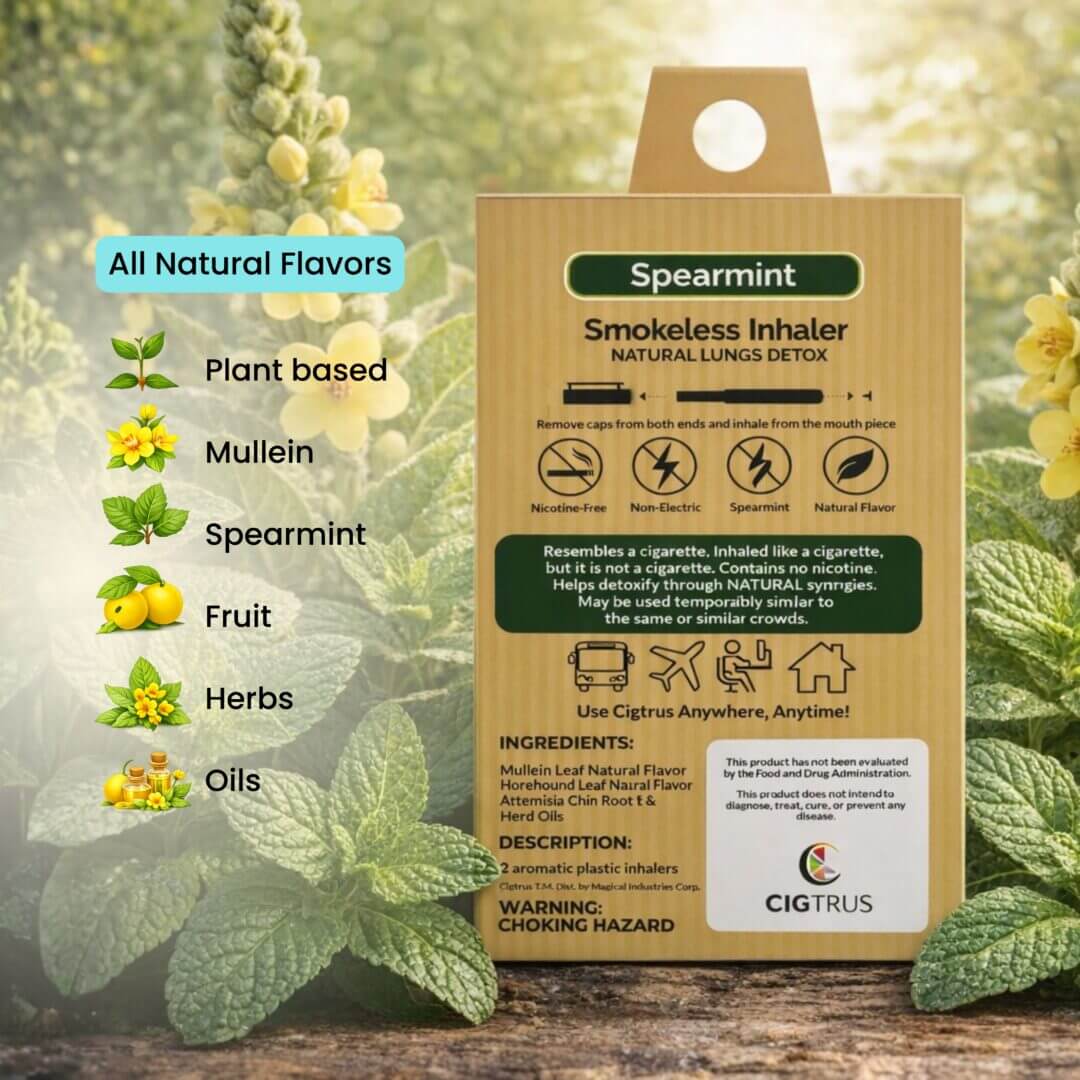
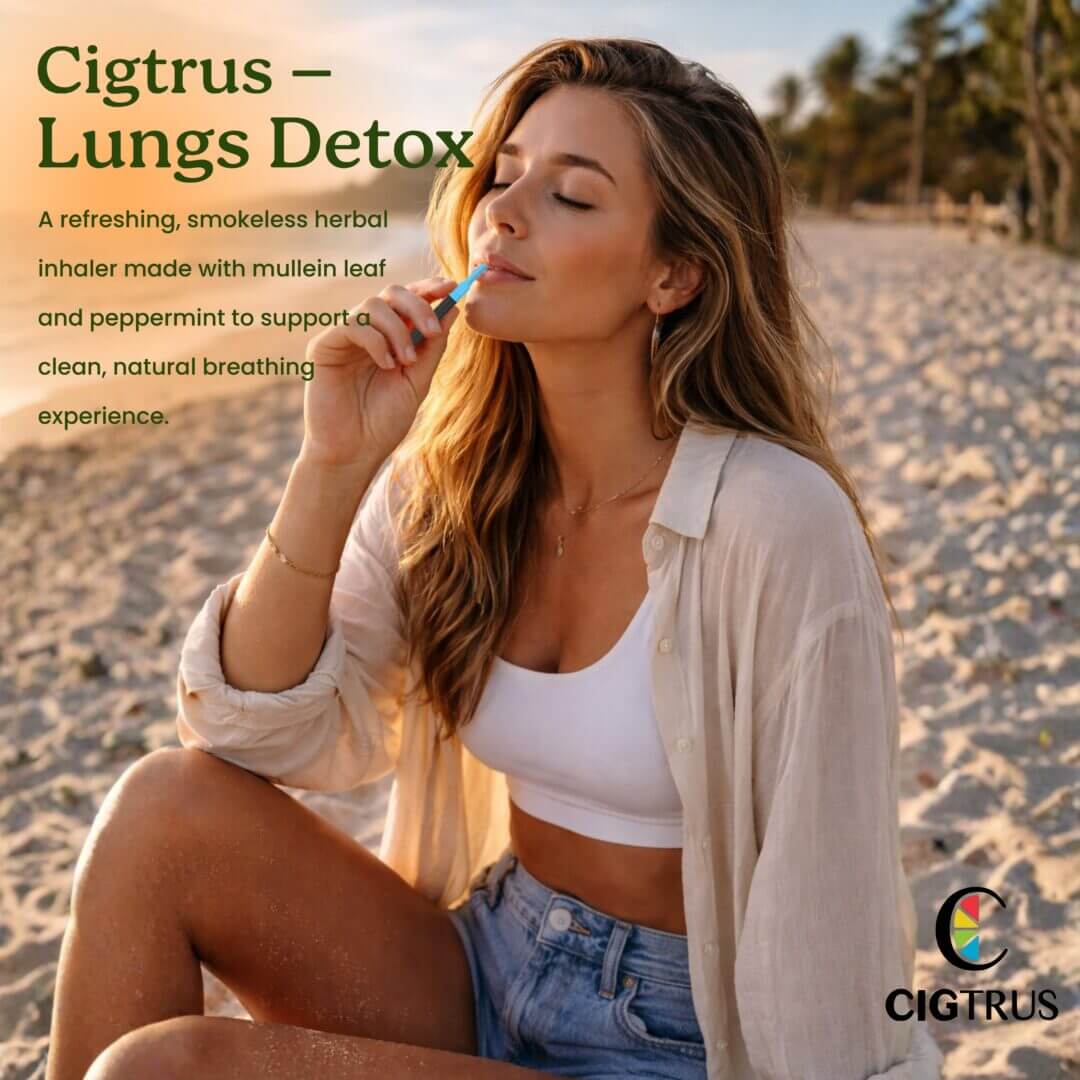
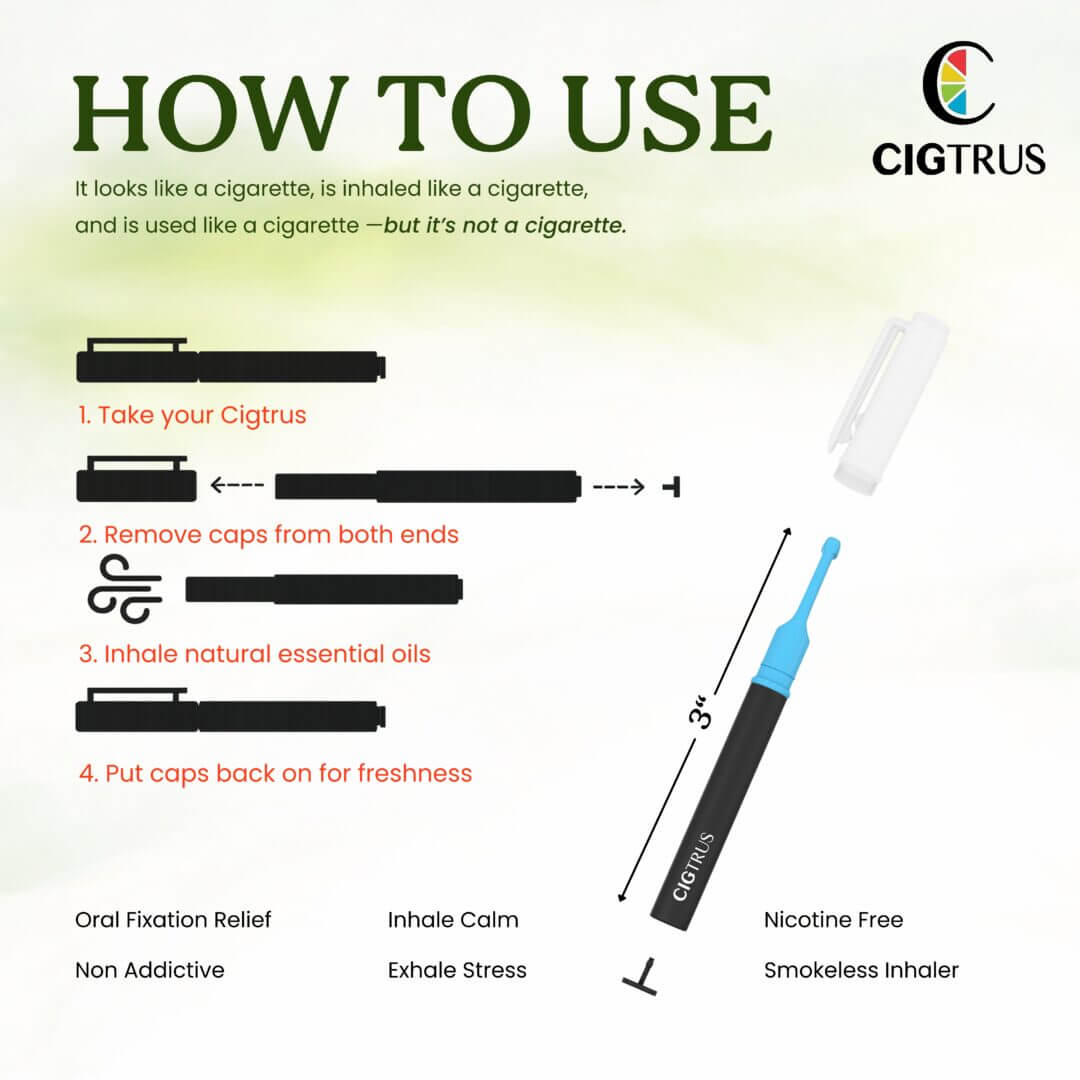
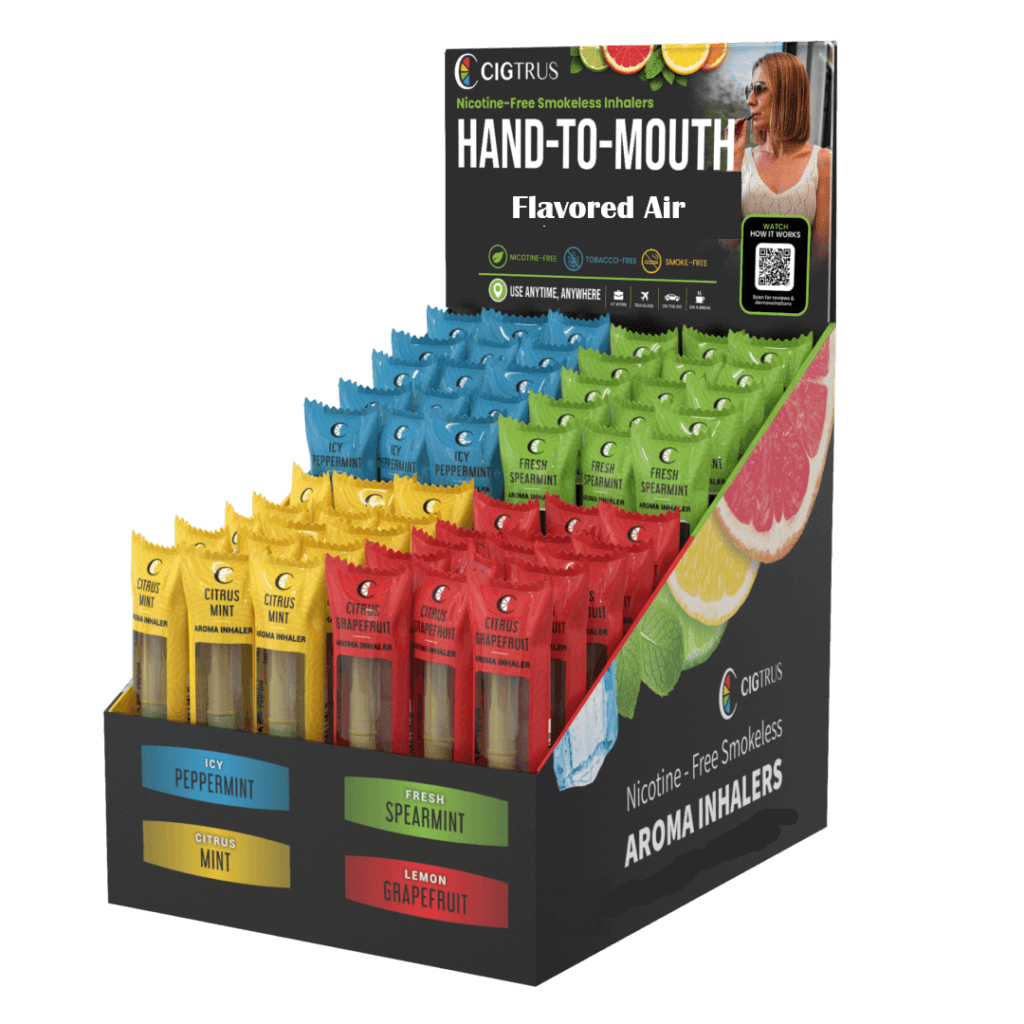
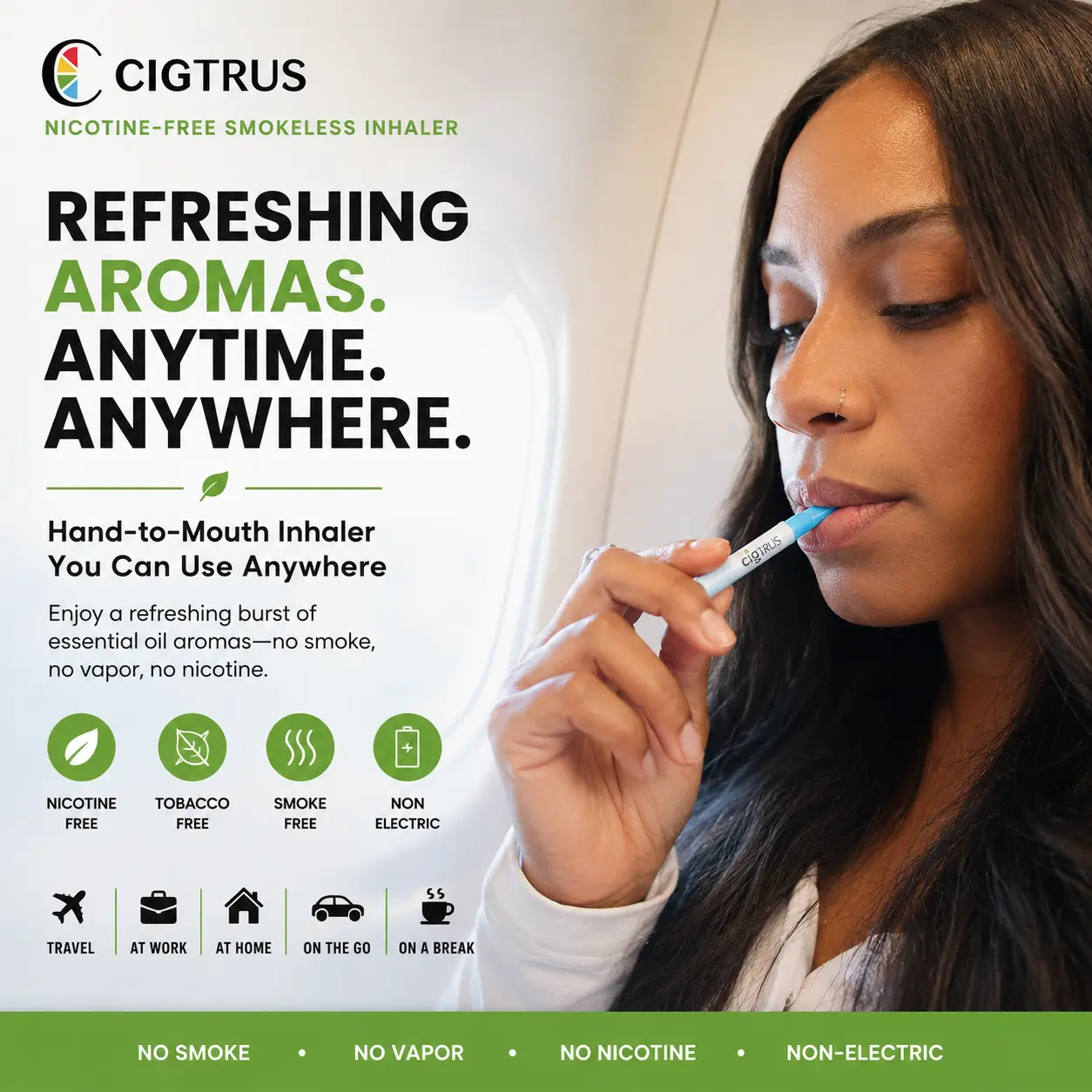
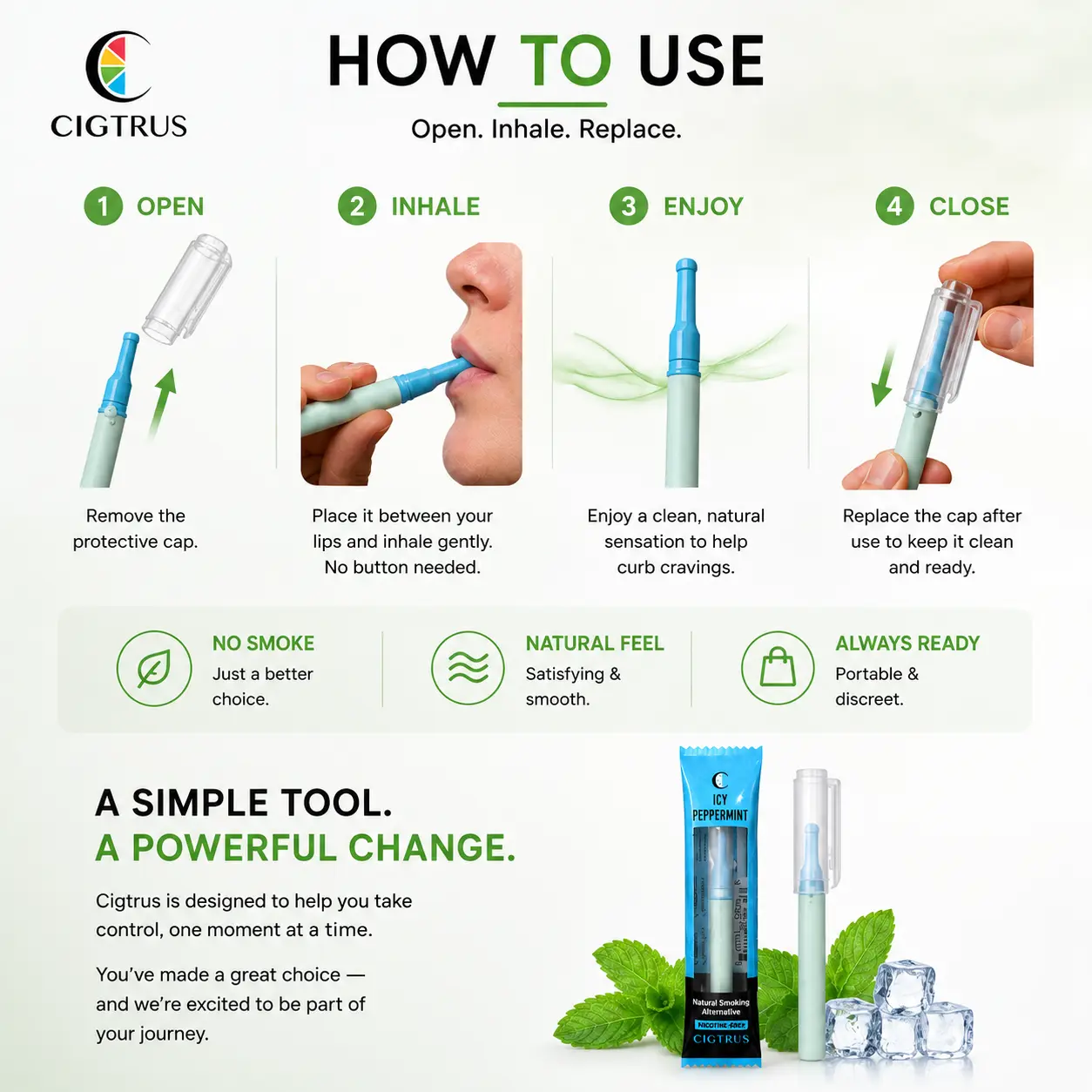
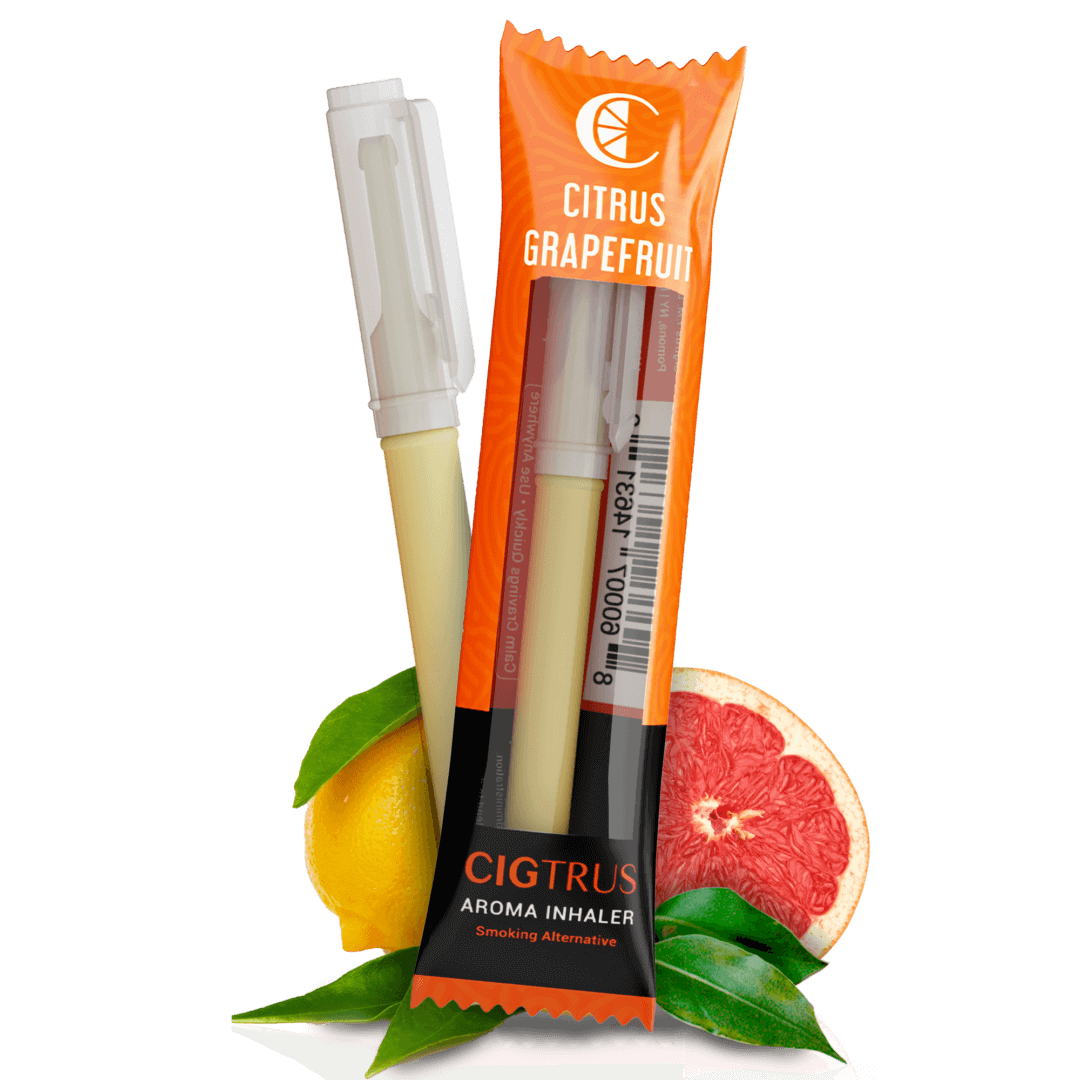
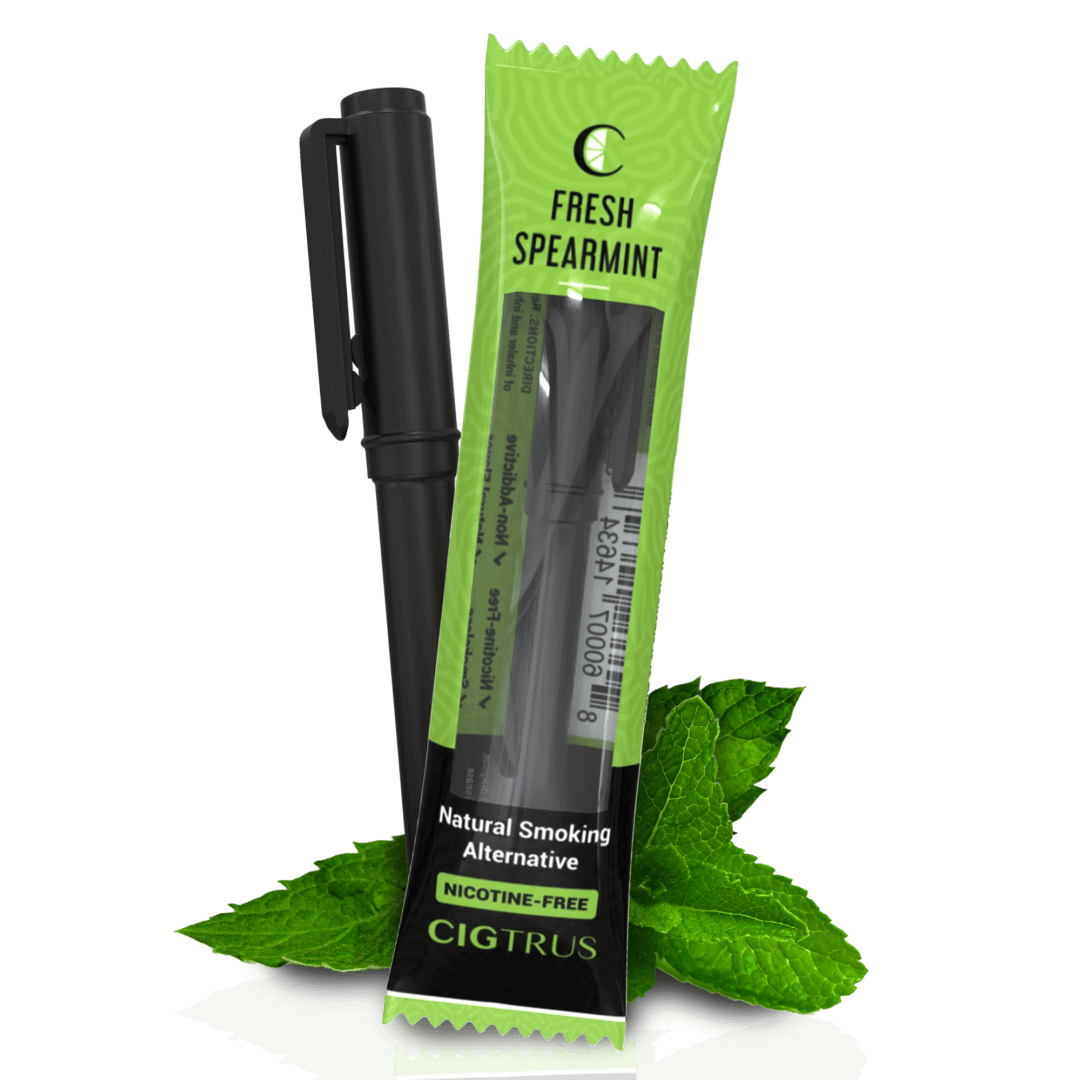
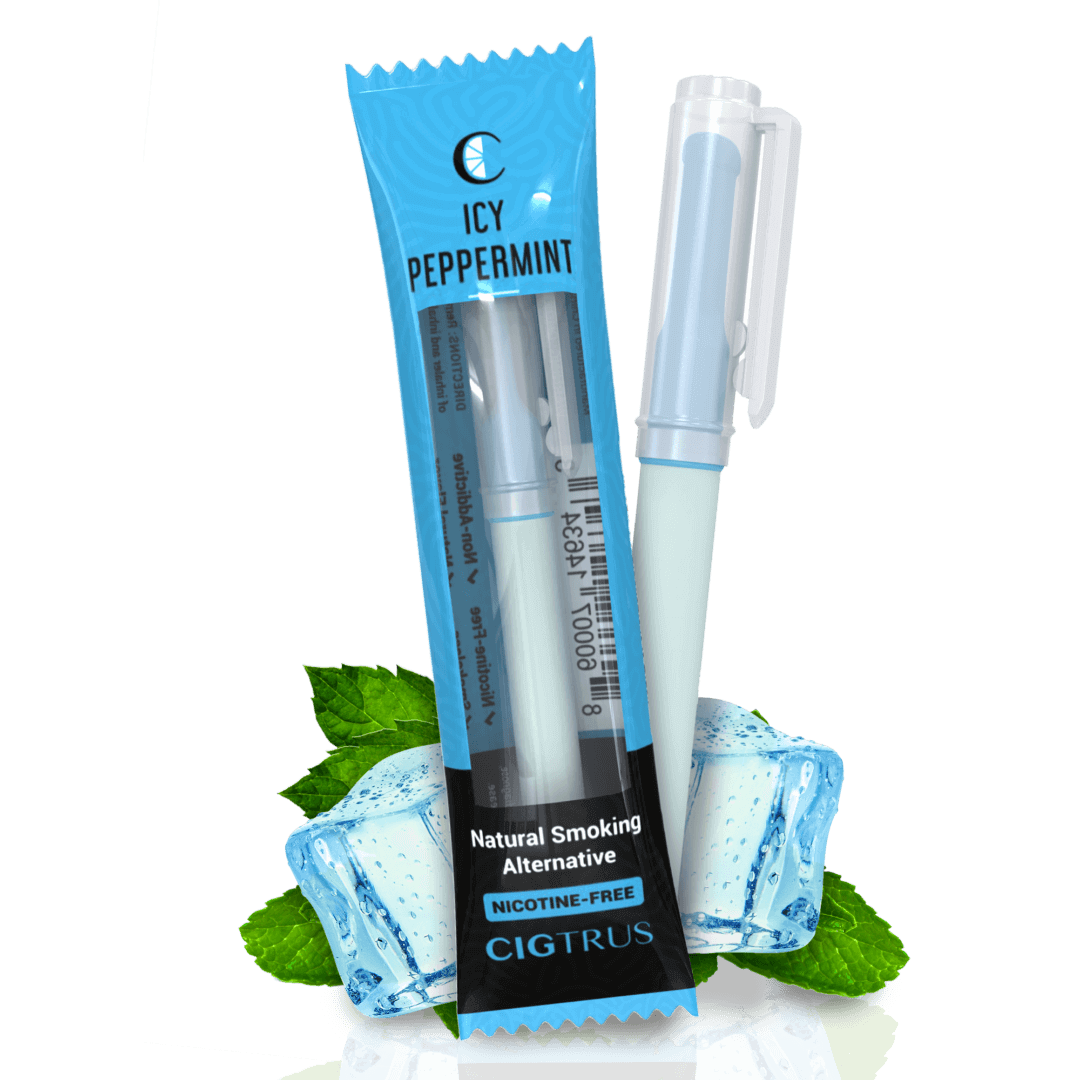
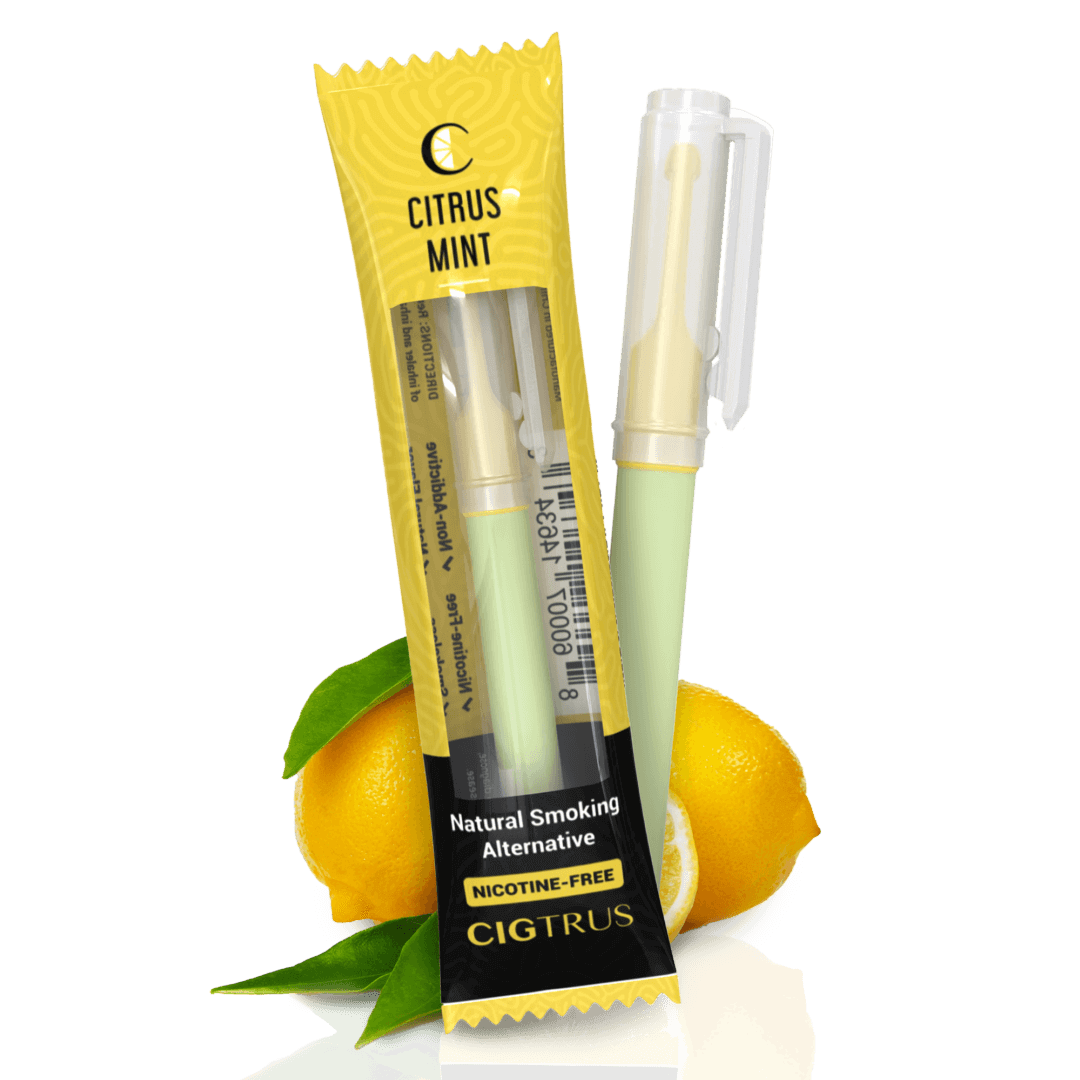
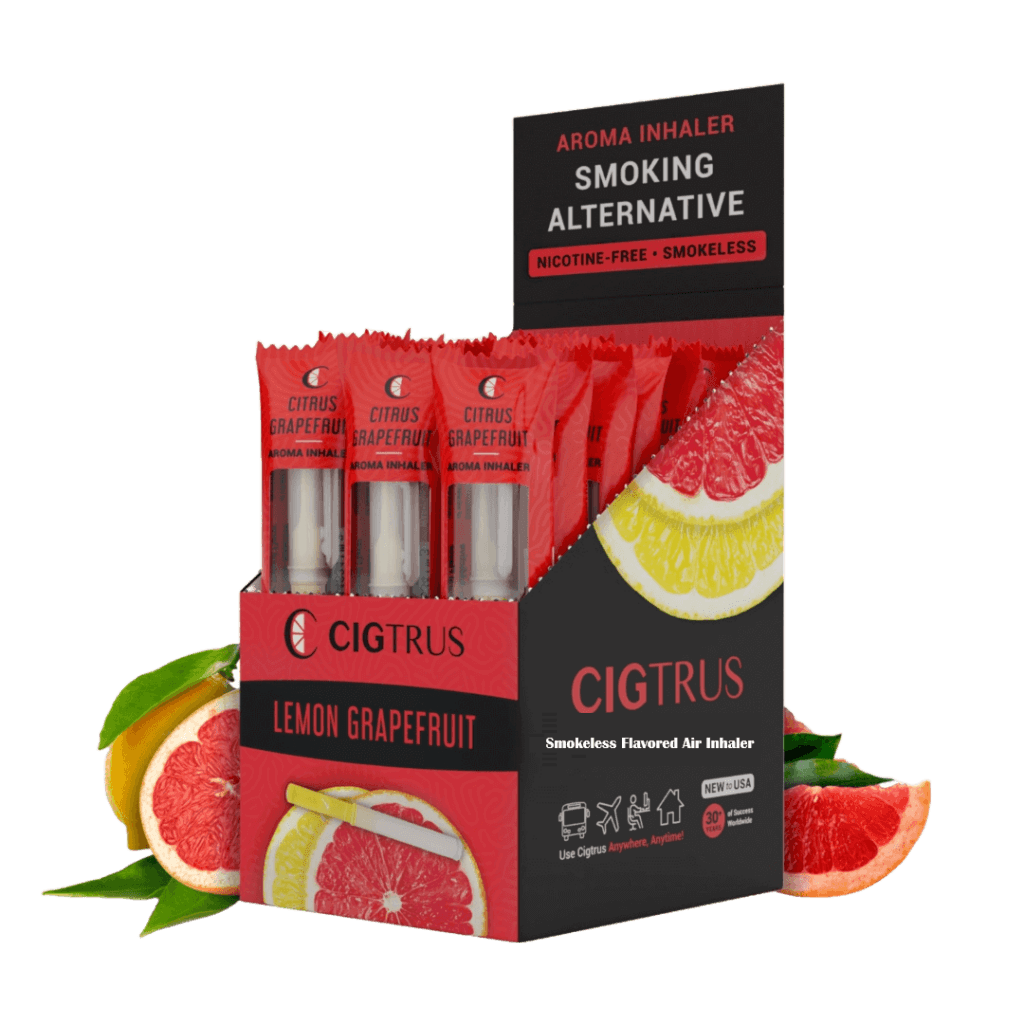
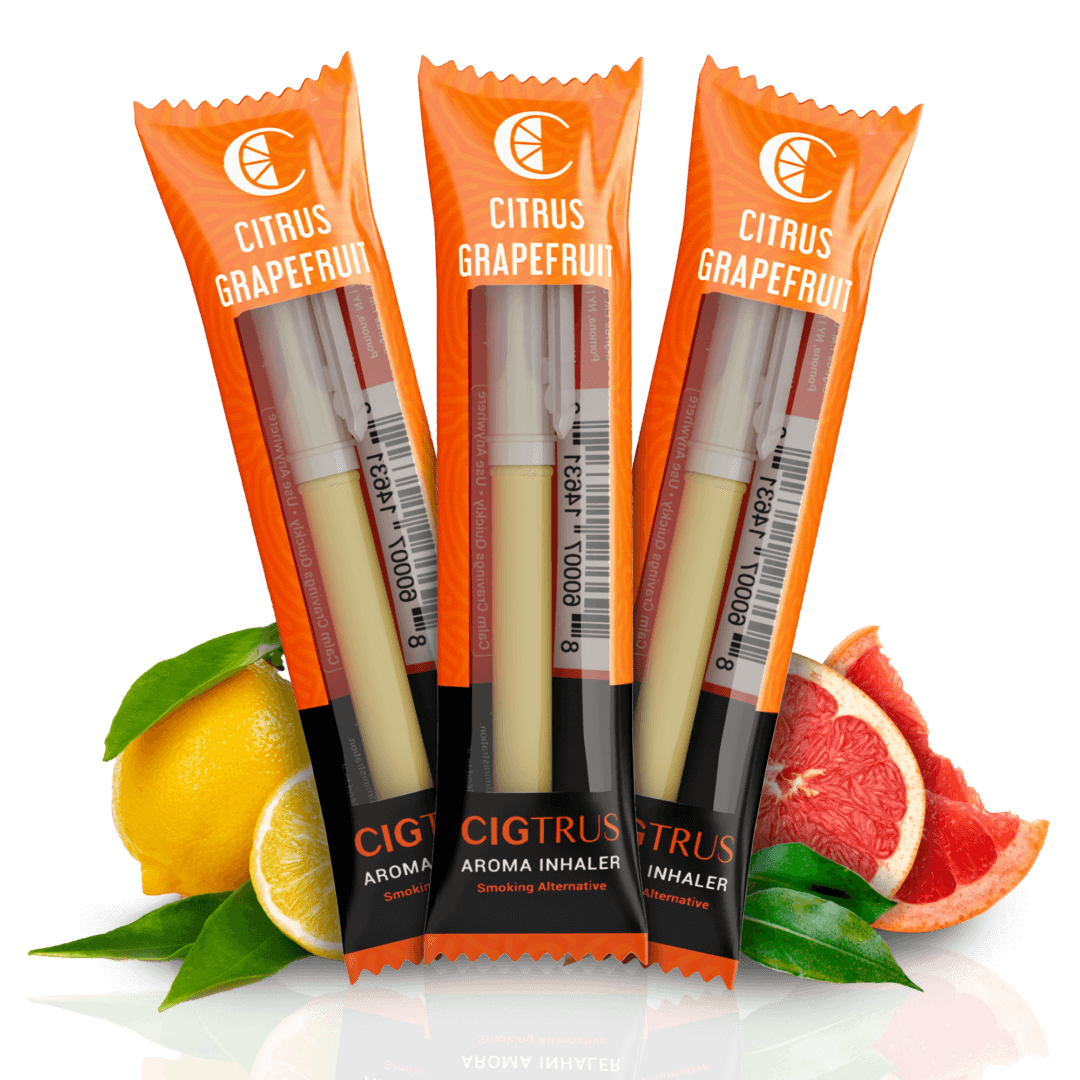
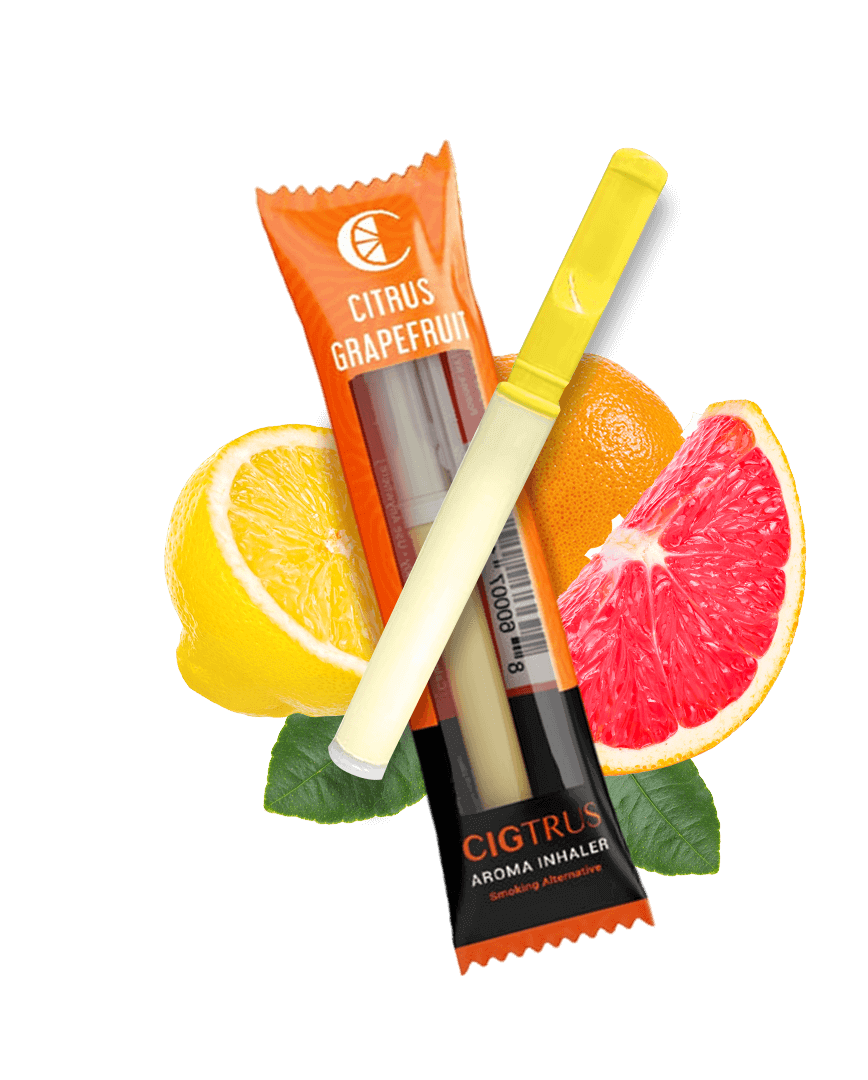
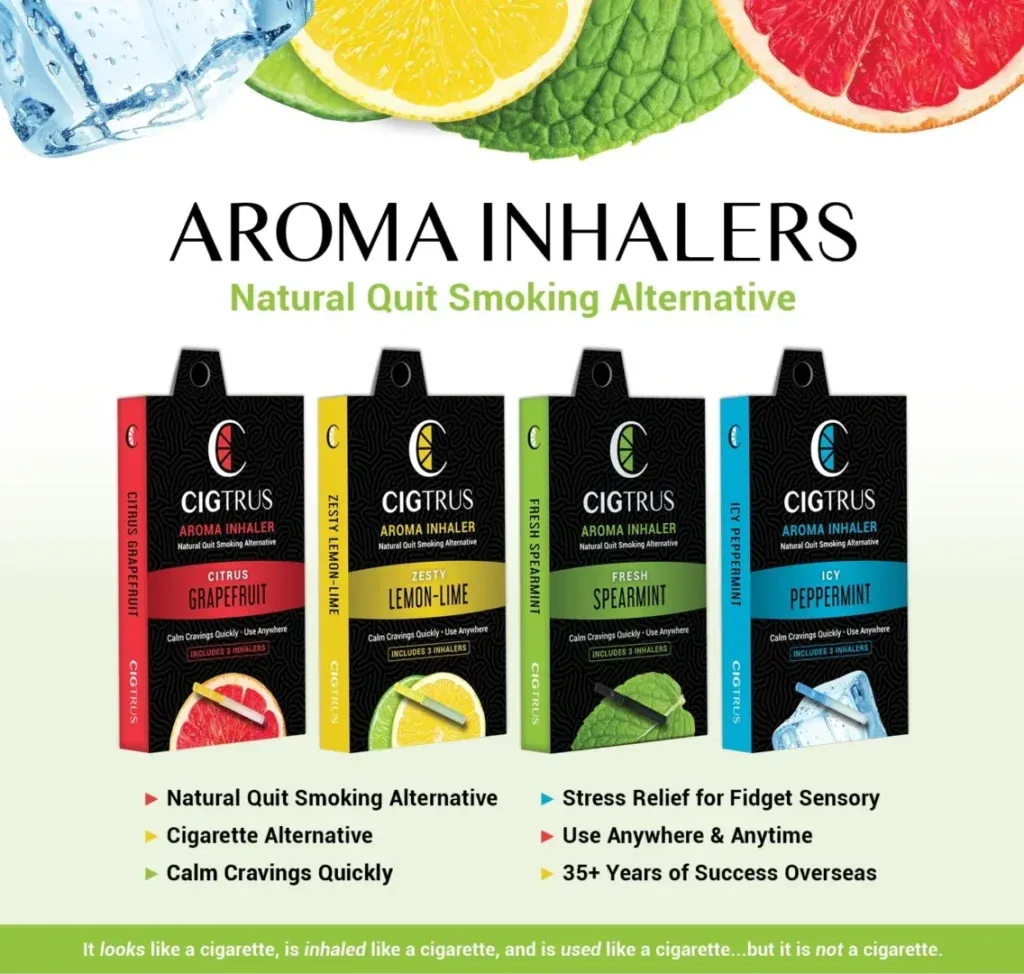
Cigtrus is a nicotine-free, smokeless, non-electric inhaler designed around supporting hand-to-mouth habits, oral fixation, sensory familiarity, behavioral cravings, and smoke-free routines. Instead of smoke, vapor, or nicotine delivery, Cigtrus focuses on providing a familiar inhalation experience that many smokers and vapers struggle to replace.
Why Many Users Prefer Cigtrus Over Traditional Vapes
Contains no nicotine, breaks the chemical dependency without continuing it through a device
Produces no vapor, unrestricted in any environment, unlike vaping devices
Requires no charging, always ready in a pocket without any maintenance
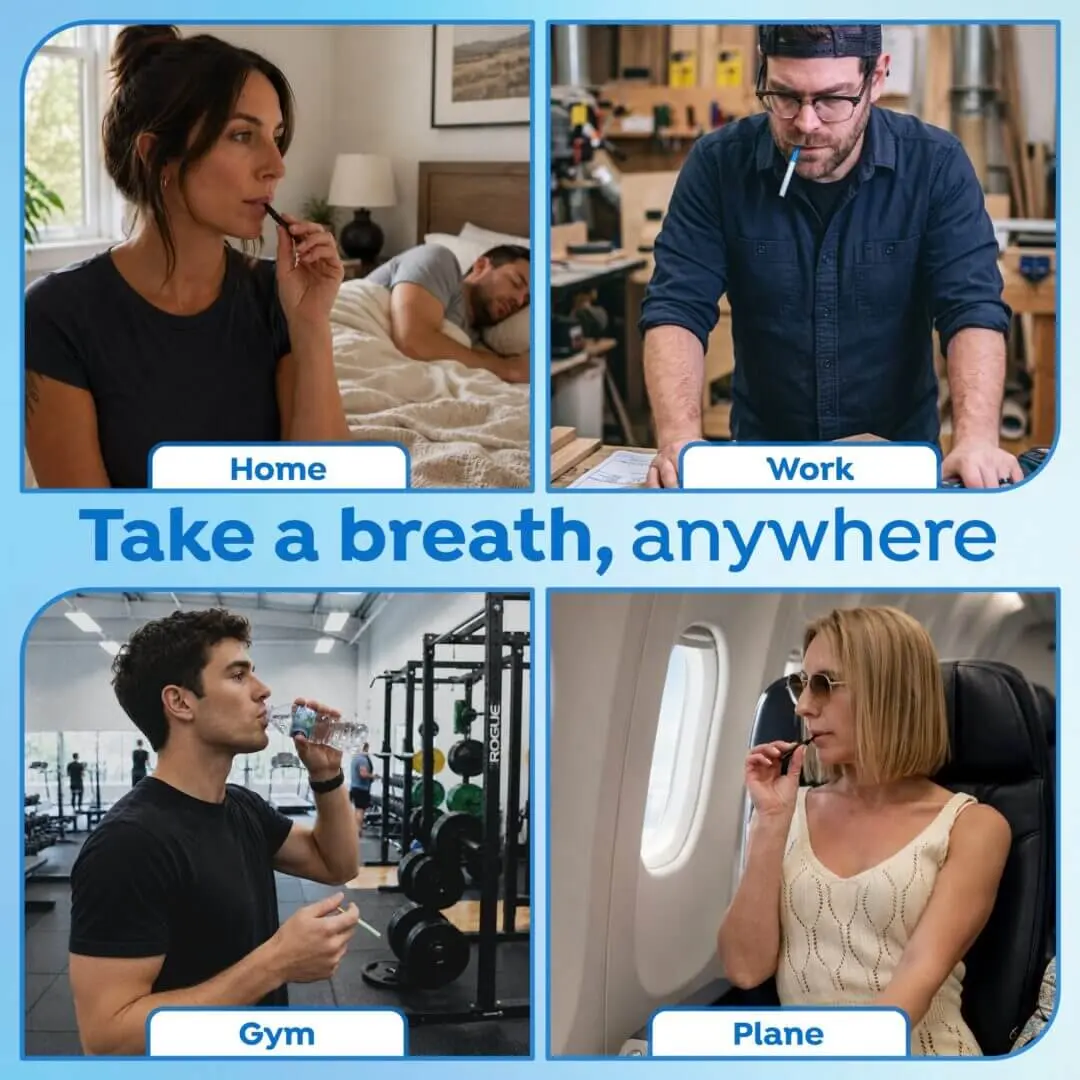
Lightweight and portable, fits naturally into daily routines anywhere
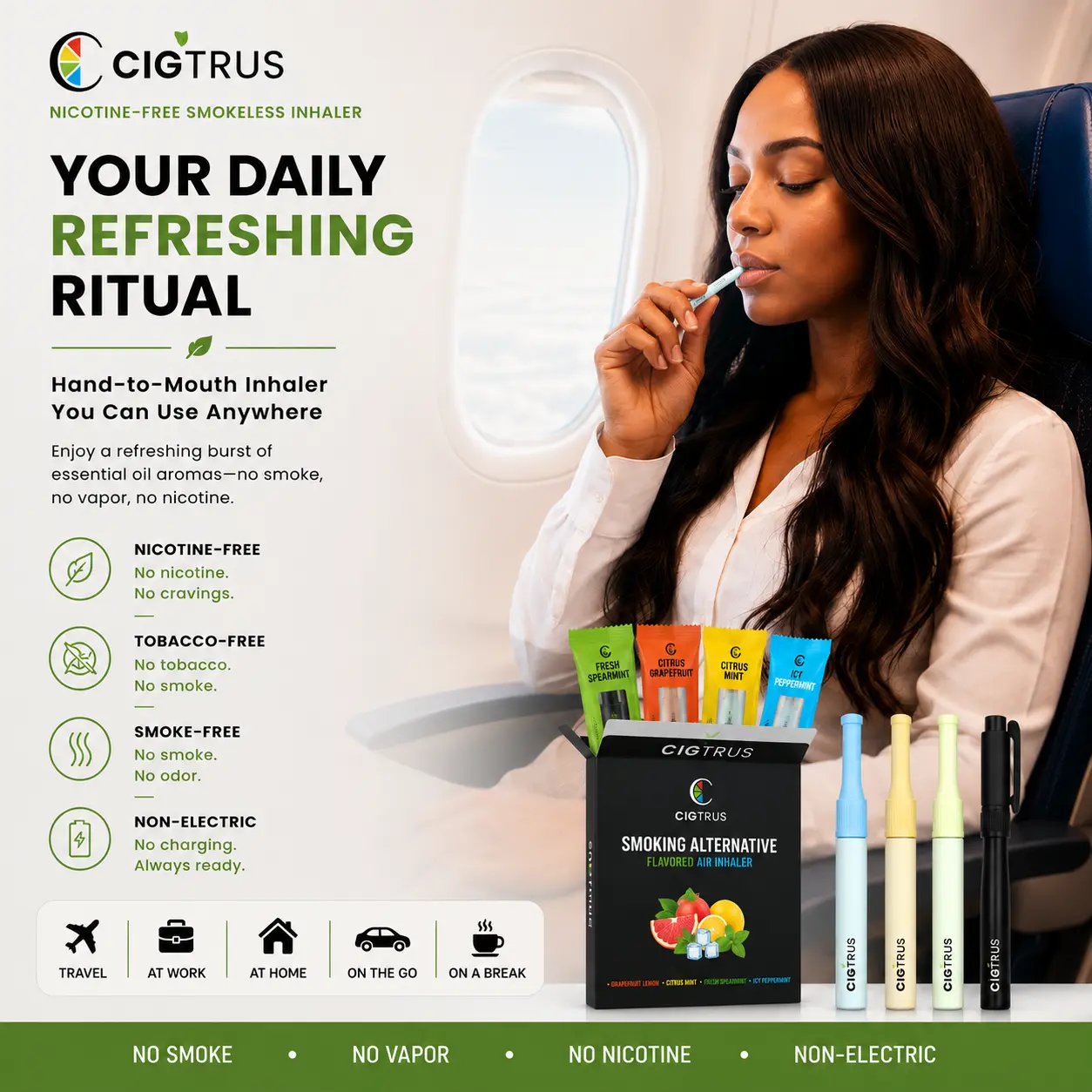
Usable anywhere vaping is banned, on flights, at work, indoors, everywhere
Building New Smoke-Free Routines
Most smoking and vaping habits are built through years of repetition and emotional association. Replacing those routines usually takes consistency, patience, and realistic behavioral support over time. Understanding the behavioral side of smoking and vaping may help users gradually create healthier smoke-free routines while reducing dependence on nicotine and repeated inhalation behaviors.
Frequently Asked Questions
Why are some smokers moving away from traditional vapes?
Because vaping continued the behavioral inhalation loop, the device dependency, and the indoor restrictions without addressing the underlying habit. Many users want something that genuinely moves past vaping, not a variation of it.
What are the alternatives to traditional vaping?
Nicotine-free smokeless inhalers offer behavioral habit replacement without vapor, nicotine, or electronic devices, supporting the hand-to-mouth habit and inhalation rhythm without continuing the vaping loop.
Does Cigtrus work like a vape?
No. Cigtrus is not a vaping device, it produces no vapor, requires no battery, and delivers no nicotine. It is a non-electric smokeless inhaler that supports behavioral habit replacement through natural aroma.
Can Cigtrus be used in places where vaping is banned?
Yes. Because Cigtrus produces no vapor, it is not subject to vaping bans. It can be used in offices, on flights, in restaurants, and any environment where vaping is completely prohibited.
A Step Further Than Vaping. A Genuine Move Forward.
No vapor, no nicotine, no device restrictions, behavioral habit replacement that actually moves past vaping.
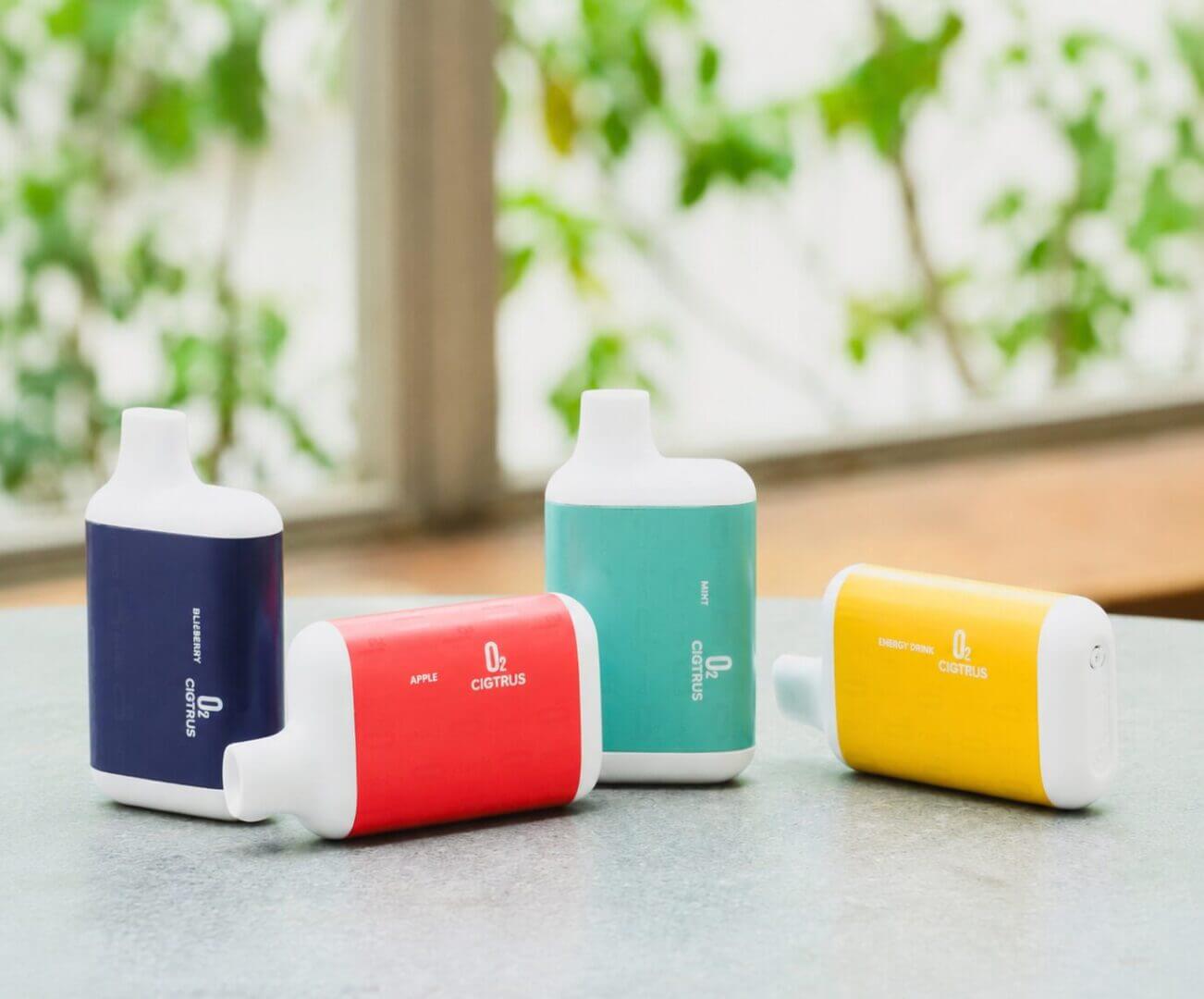
👉 Try the Variety Pack