
A Fresh Take on Quitting: Why Smokers Are Turning to Natural Alternatives
More smokers and vapers are beginning to rethink how they approach quitting. Instead of relying only on nicotine replacement, many people are now searching for natural alternatives that help support the behavioral side of smoking habits, without continuing nicotine dependence. This shift is changing the way many smokers think about what quitting actually means.
Why Smoking Habits Go Beyond Nicotine
For many smokers, cigarettes become connected to routines, emotions, stress relief, boredom, focus, and repeated daily behaviors over time. That is why quitting often feels difficult even after nicotine withdrawal begins improving. The hand-to-mouth ritual, inhalation routine, sensory familiarity, and emotional repetition often remain deeply connected to everyday life, and many smokers eventually realize that what they miss most is not only nicotine itself, but the familiar routine surrounding smoking.
“The behavioral habit of smoking often outlasts nicotine withdrawal by months. It lives in the familiar pause, the automatic reach, the daily trigger response, and it needs its own natural alternative, not just a chemical reduction.”
The Growing Interest in Natural Alternatives
As awareness around nicotine dependence continues growing, many smokers are looking for alternatives that feel simpler, cleaner, nicotine-free, smoke-free, non-electric, and easier to fit into daily routines. Many users also want alternatives that move away from batteries, charging, vapor production, nicotine delivery, and heavy electronic devices. This is one reason natural behavioral alternatives have become increasingly popular among adults looking for a cleaner direction.
How Cigtrus Supports Behavioral Habit Replacement
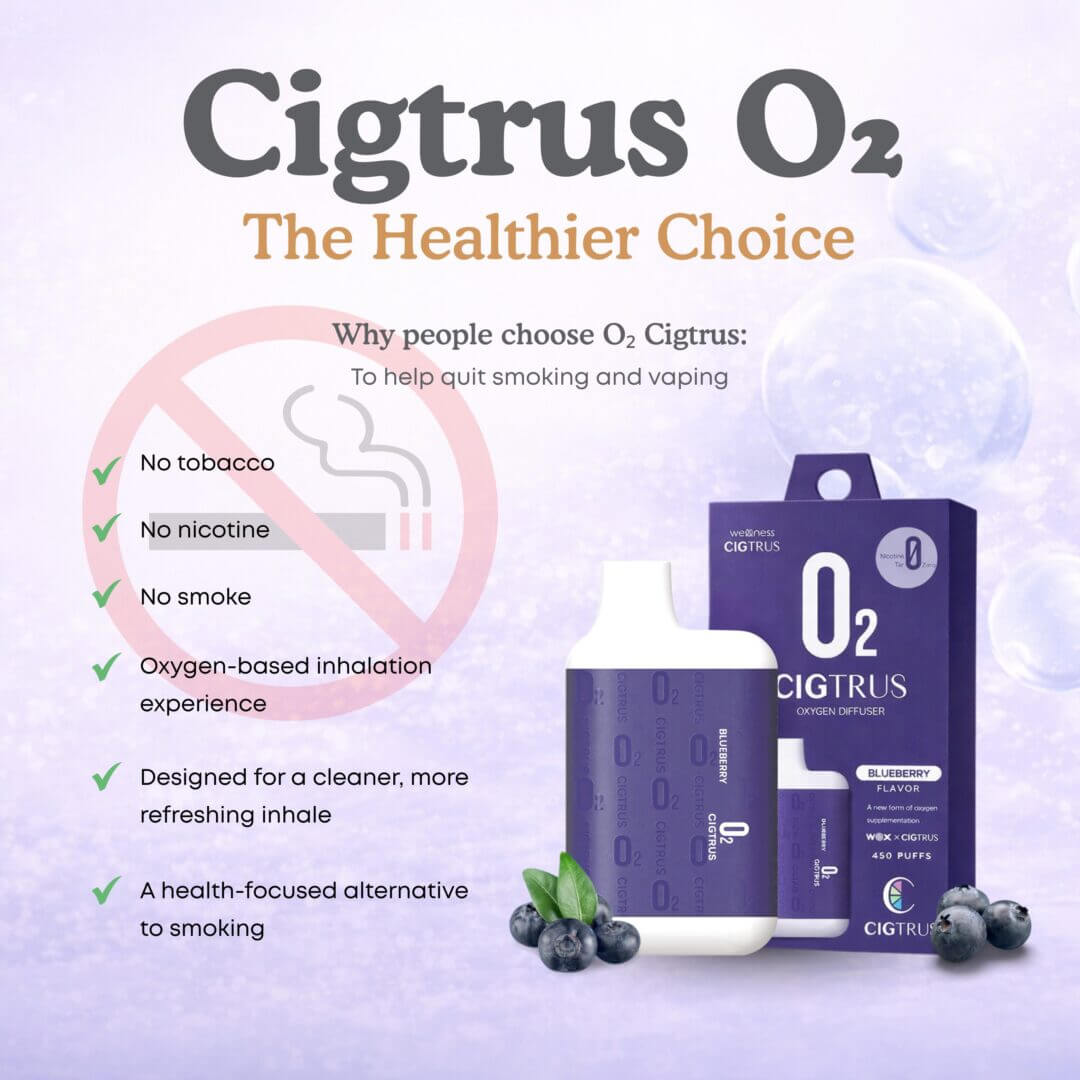
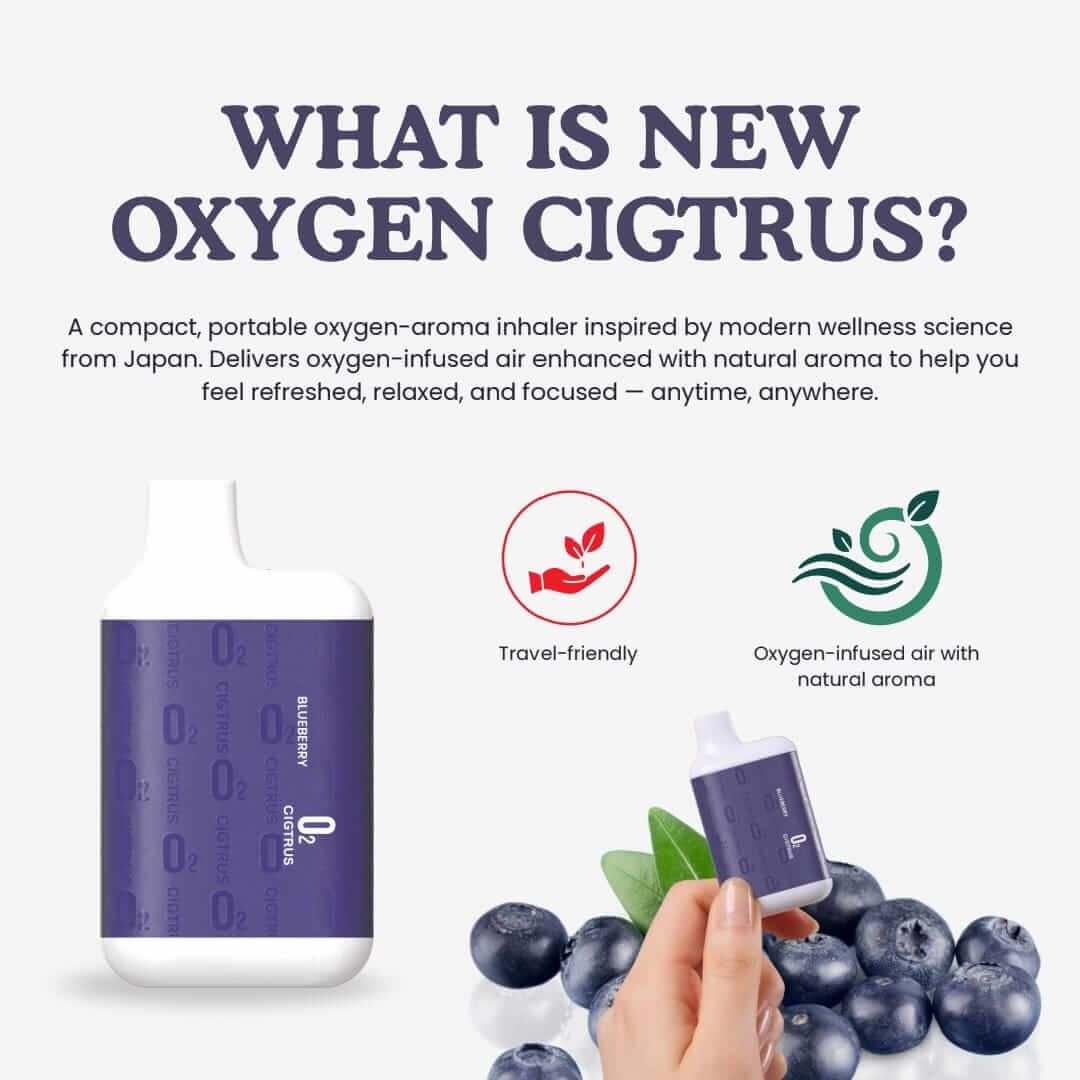
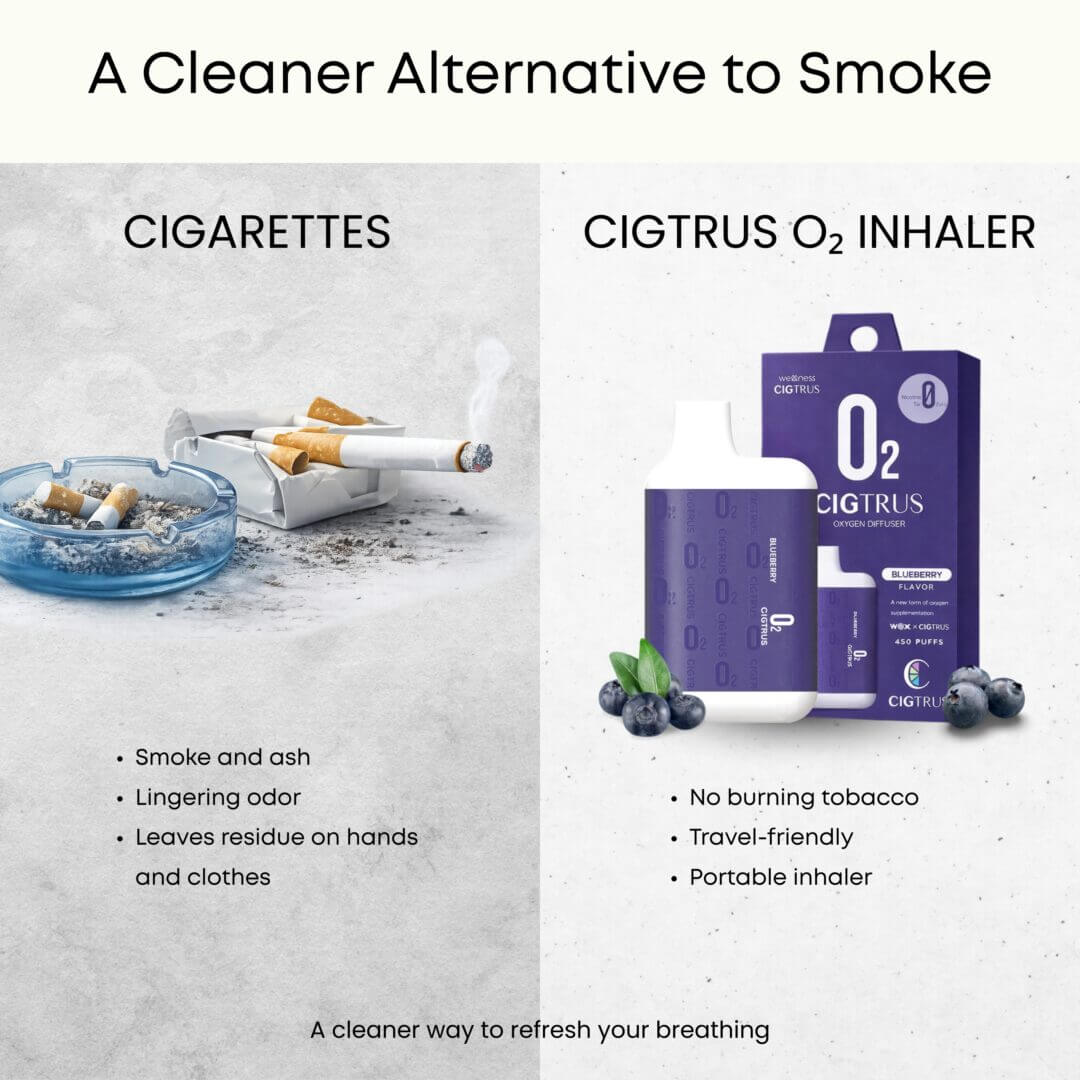
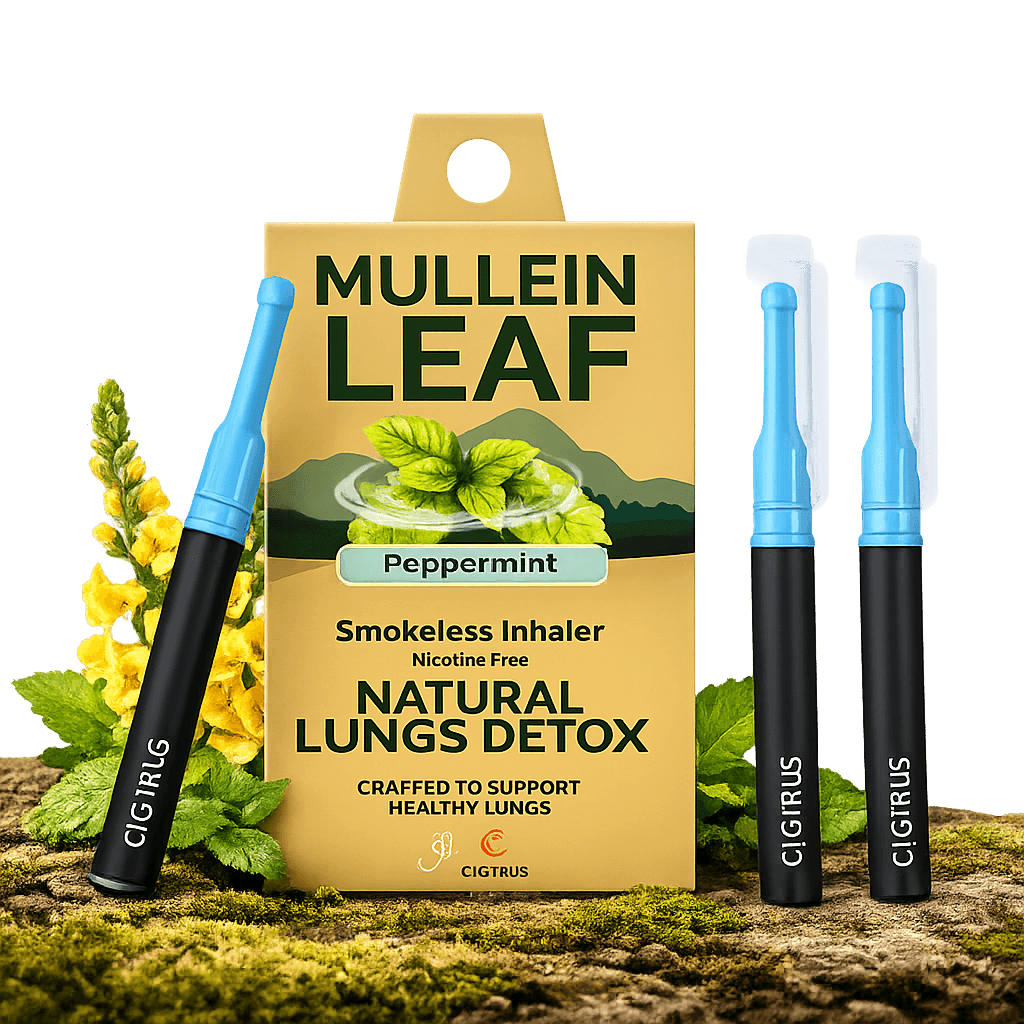
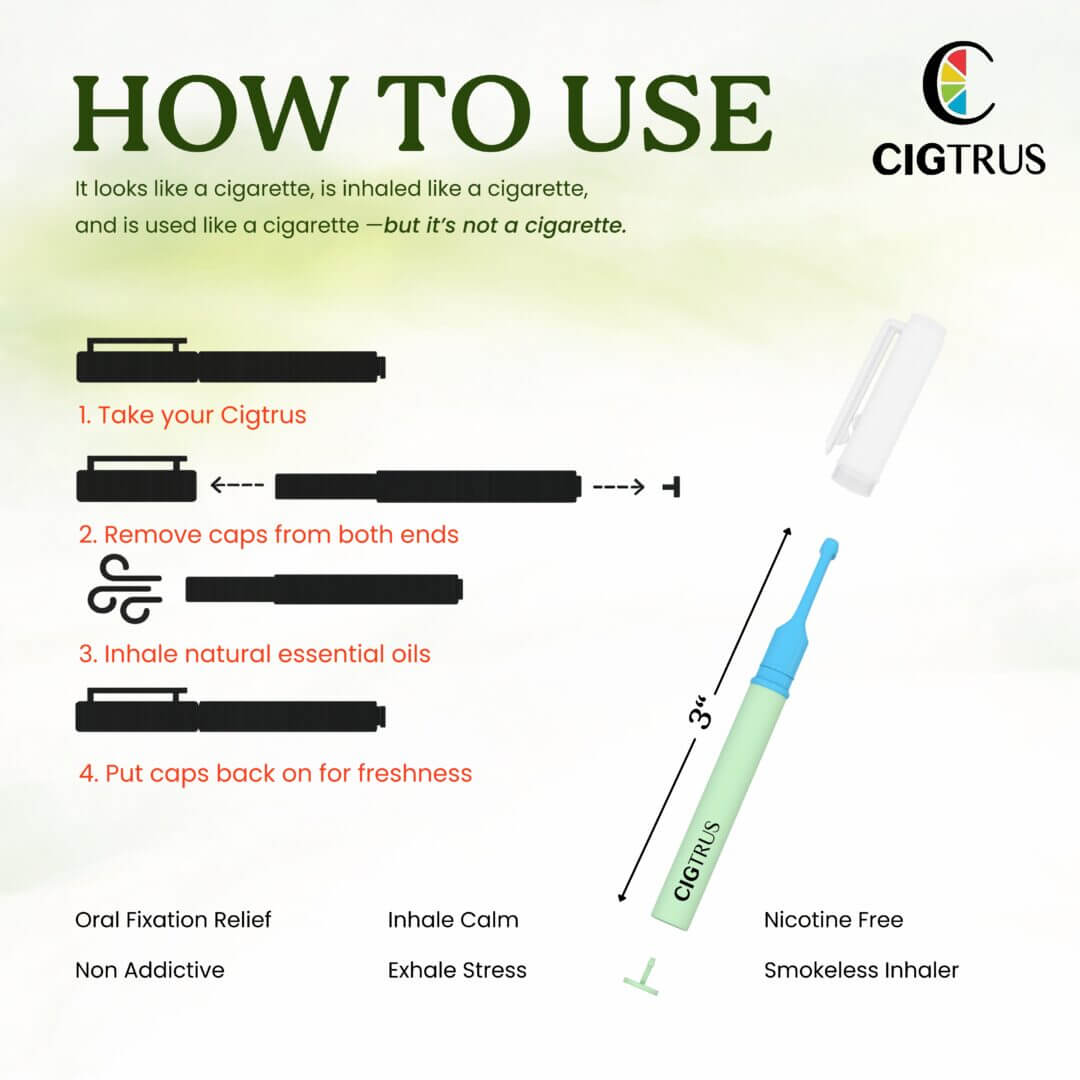
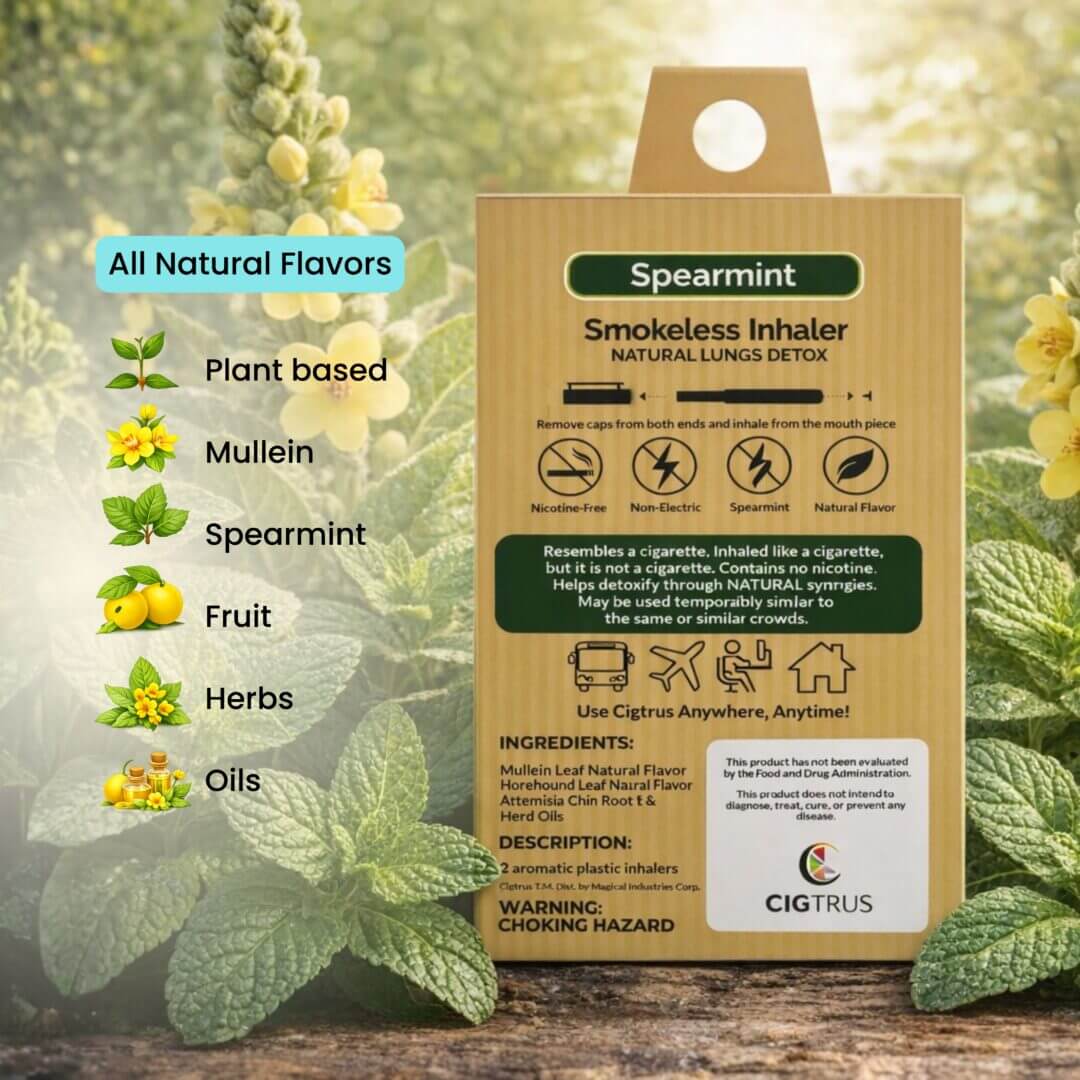
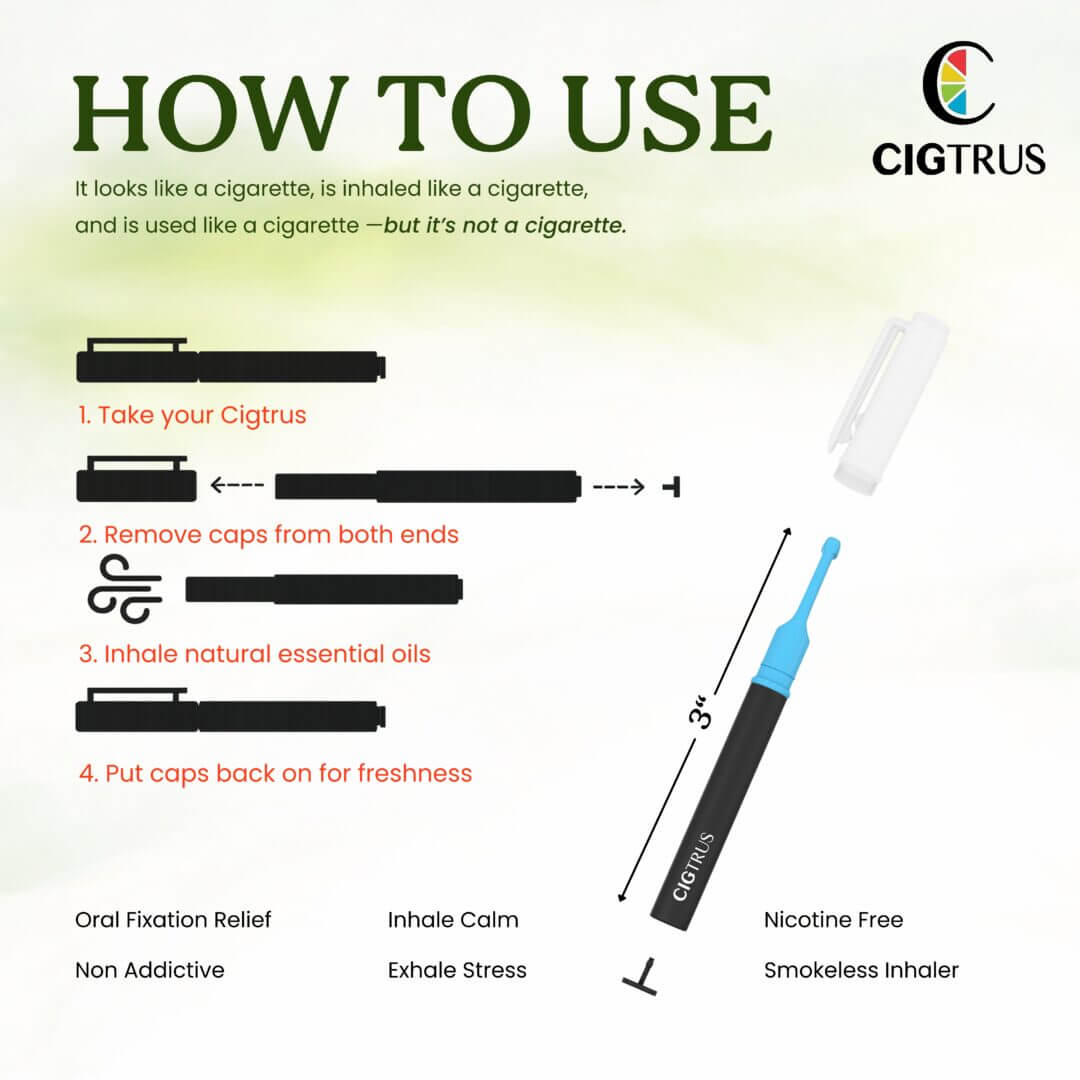
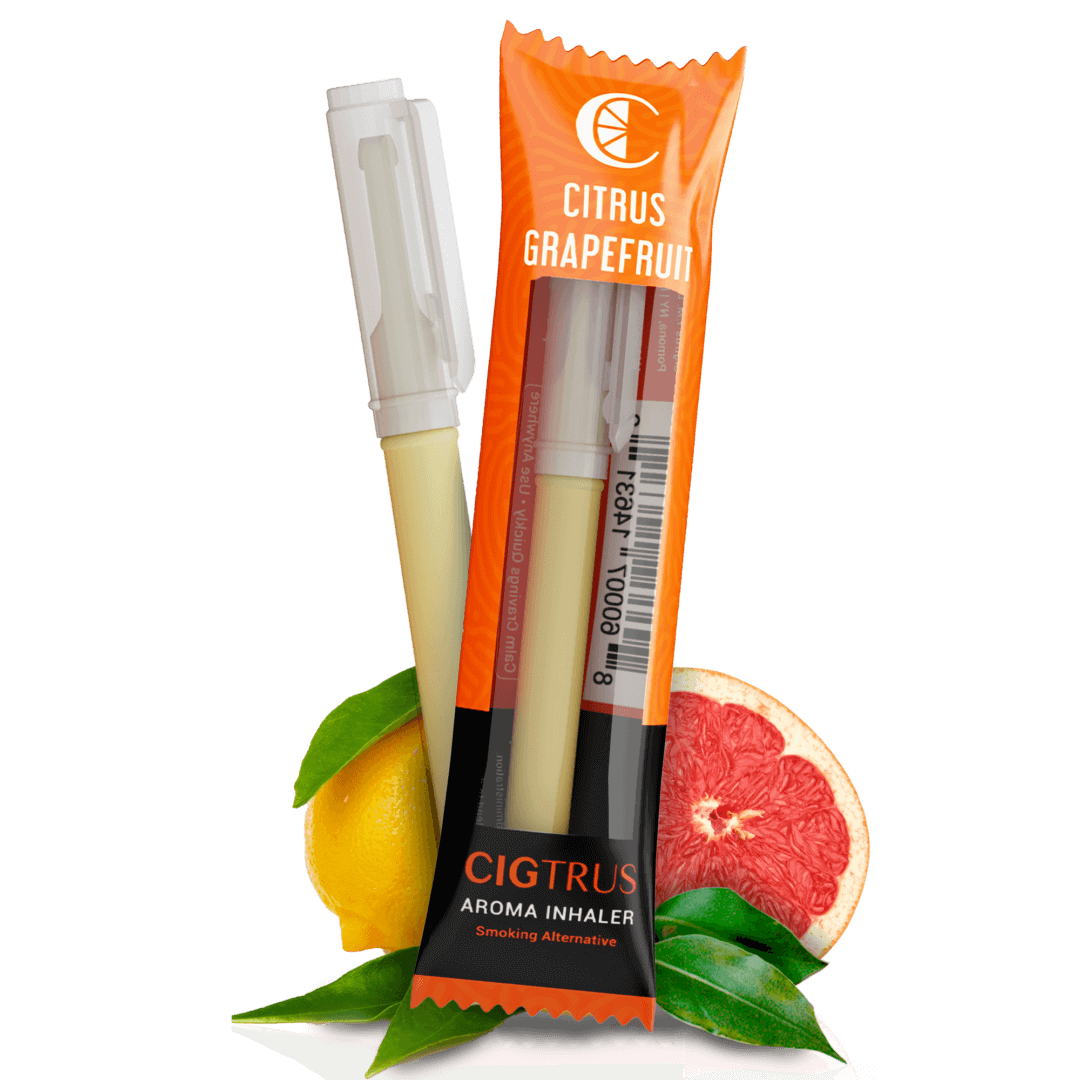
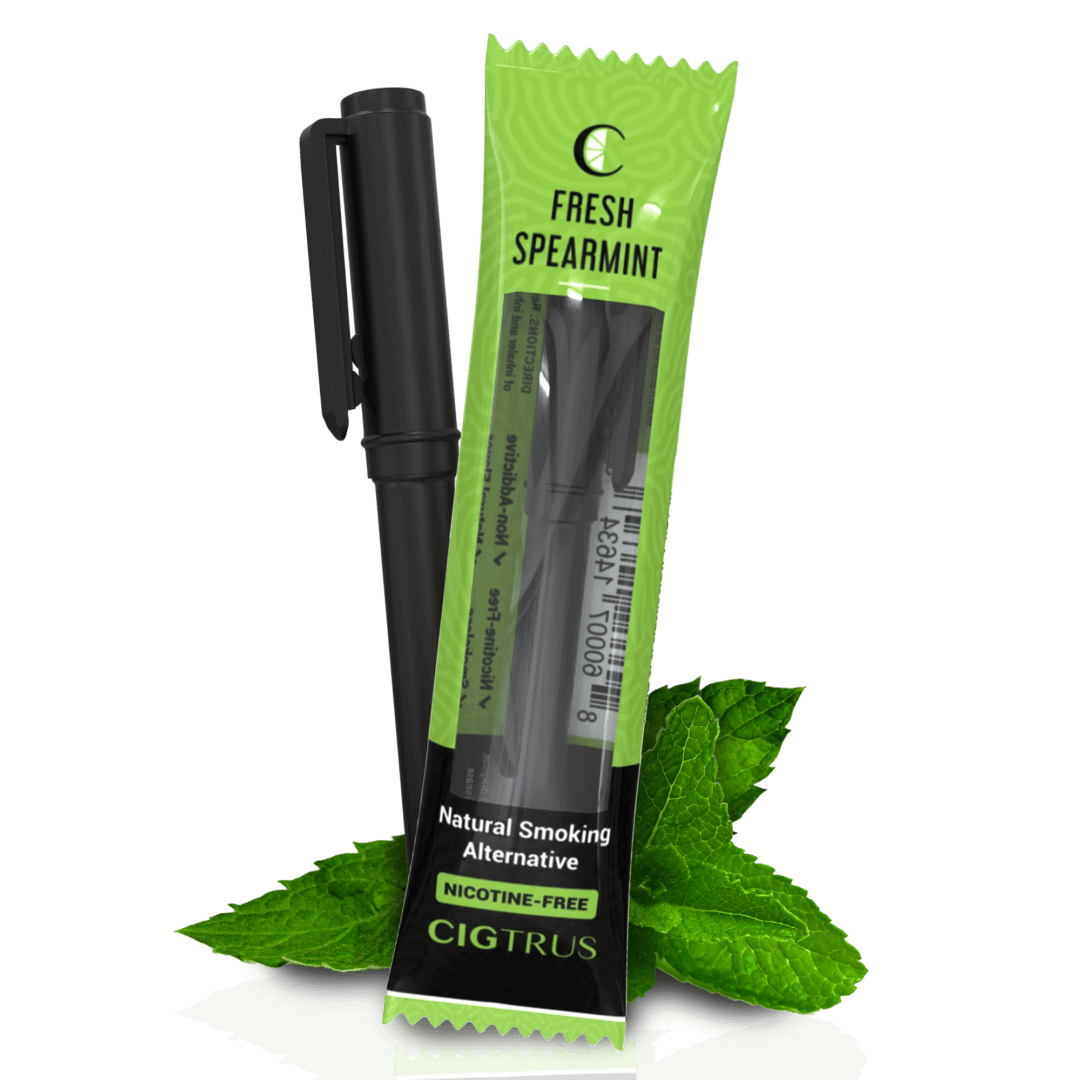
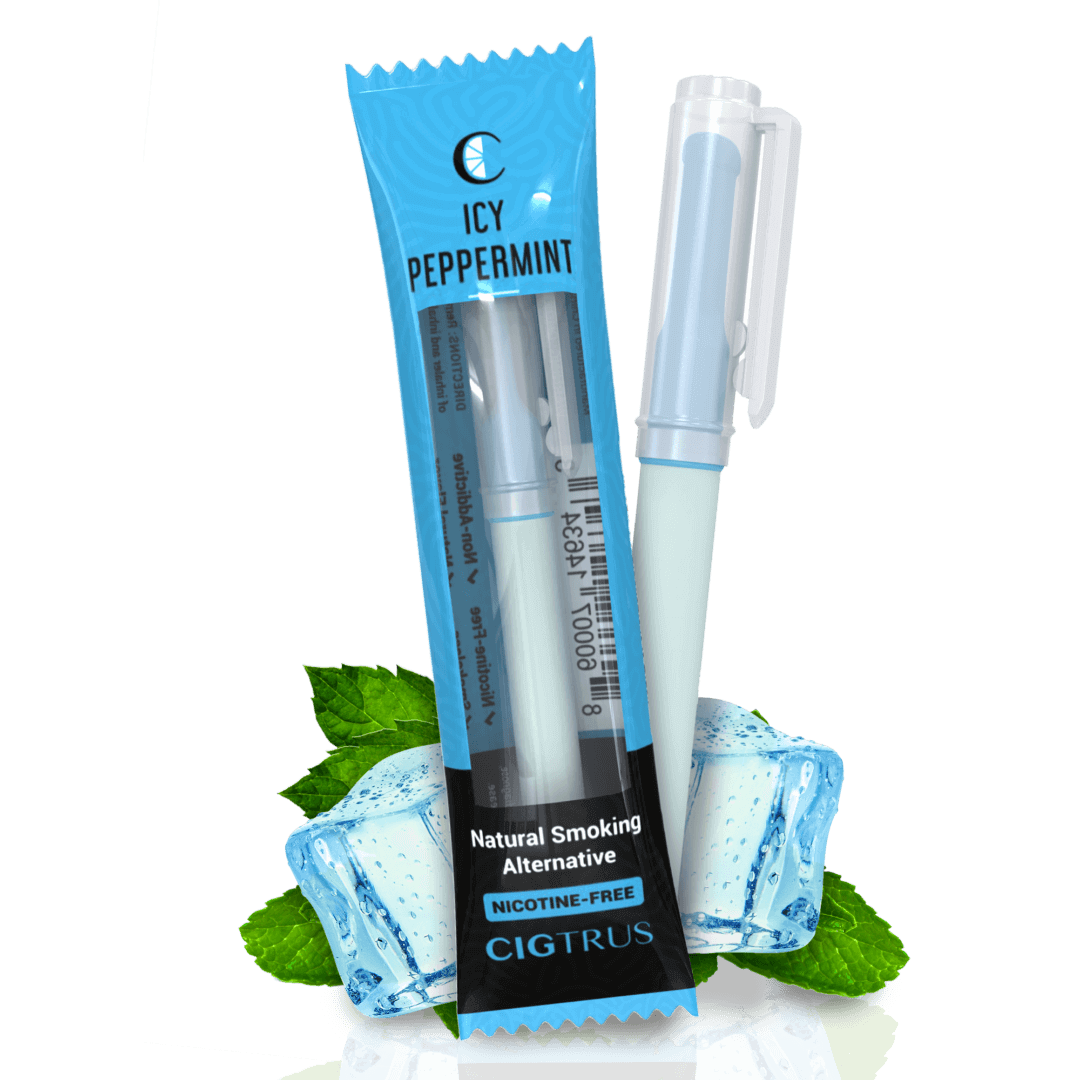
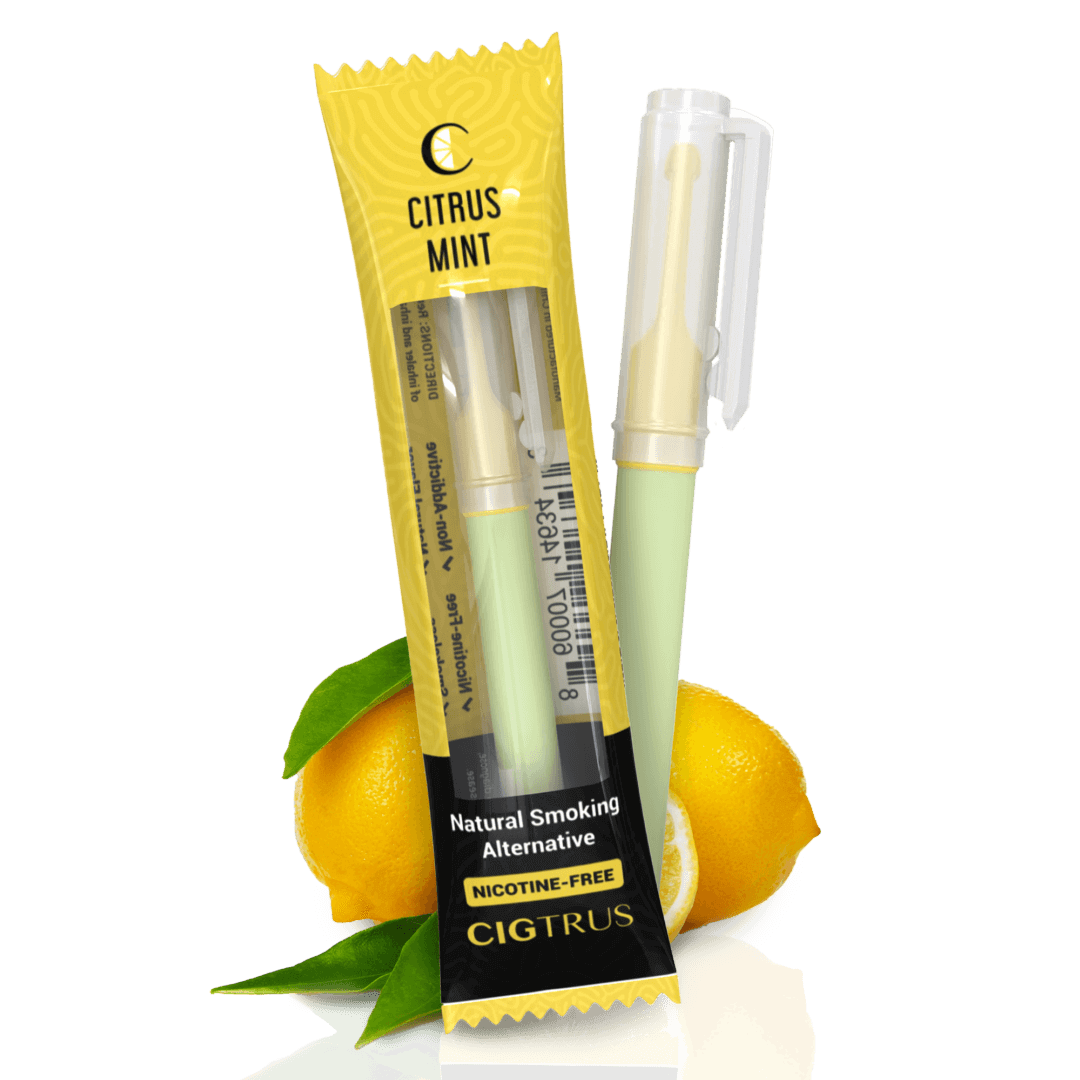
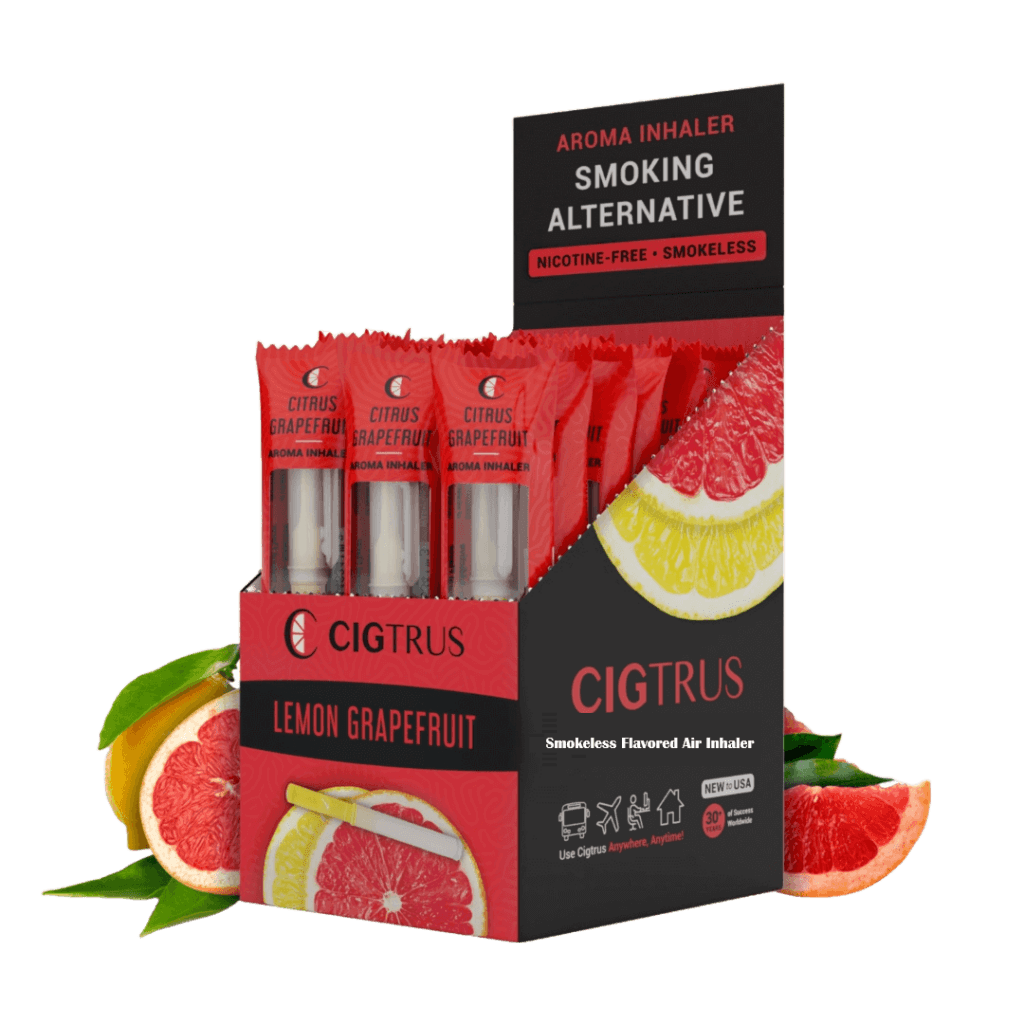
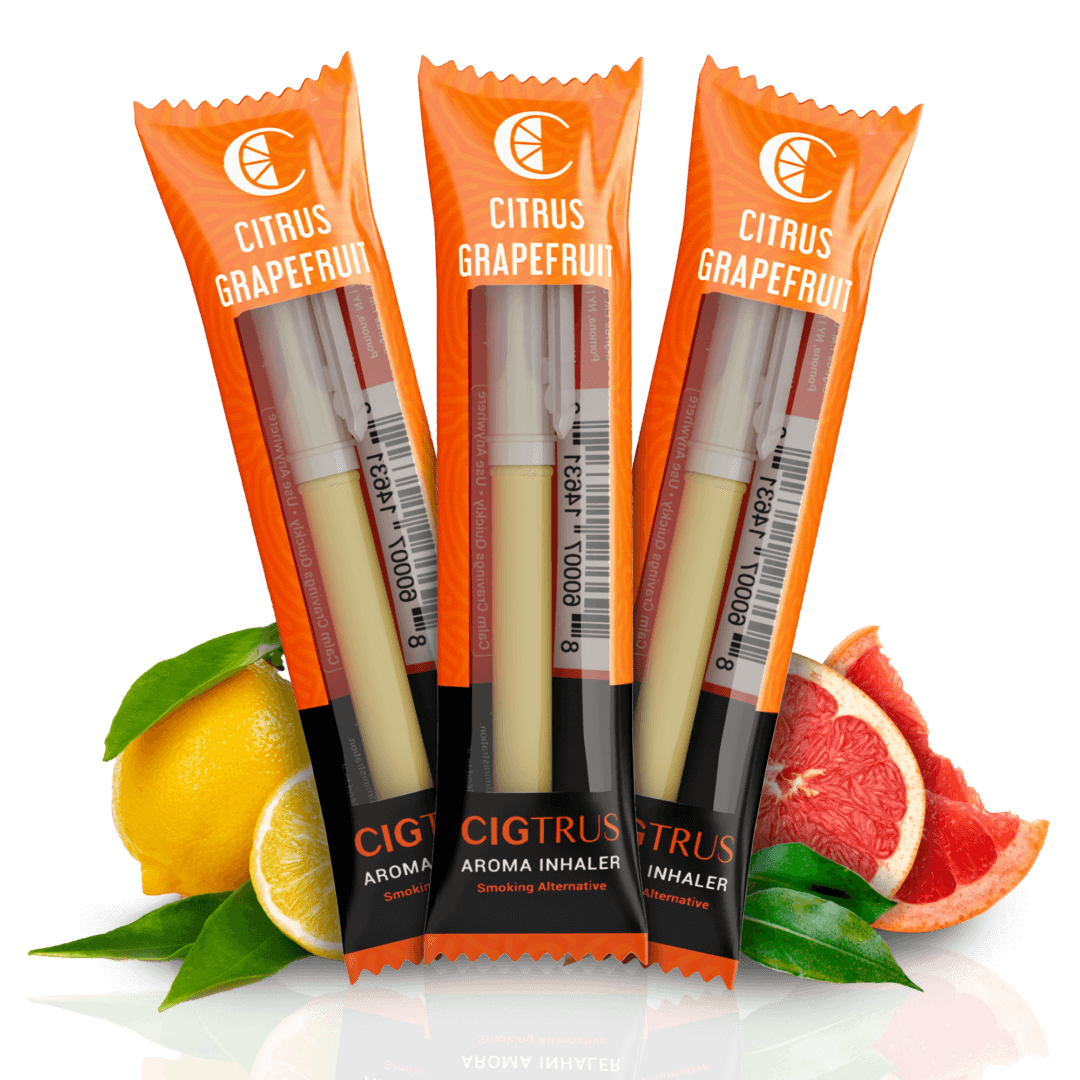
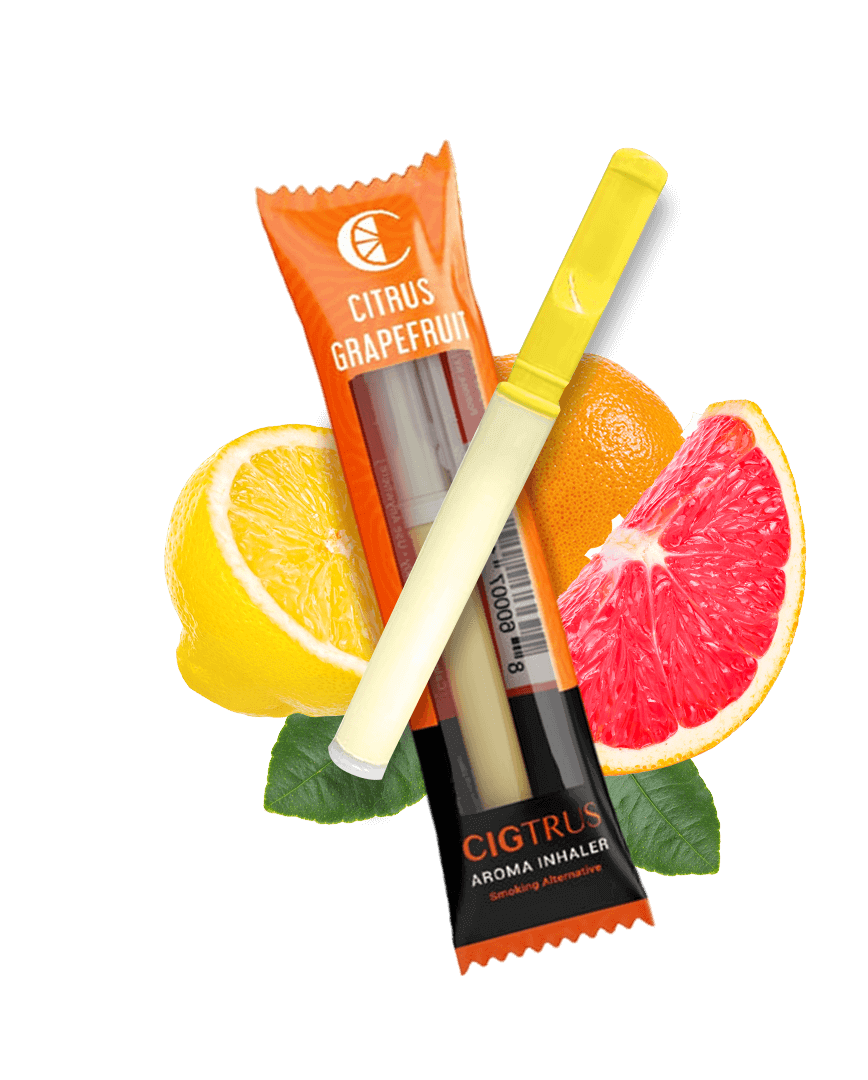
Cigtrus is a nicotine-free, smokeless, non-electric inhaler designed around the behavioral side of smoking and vaping habits. Instead of smoke, vapor, or nicotine, Cigtrus focuses on the familiar inhalation experience many smokers and vapers struggle to replace, supporting hand-to-mouth habits, oral fixation, sensory familiarity, behavioral cravings, and familiar smoking routines through natural food-grade essential oil aromas.
For many smokers, the goal is not simply replacing cigarettes with another nicotine product. The goal is gradually moving away from smoking behavior itself, and natural behavioral alternatives make that path more sustainable.
What Makes Cigtrus a Natural Alternative
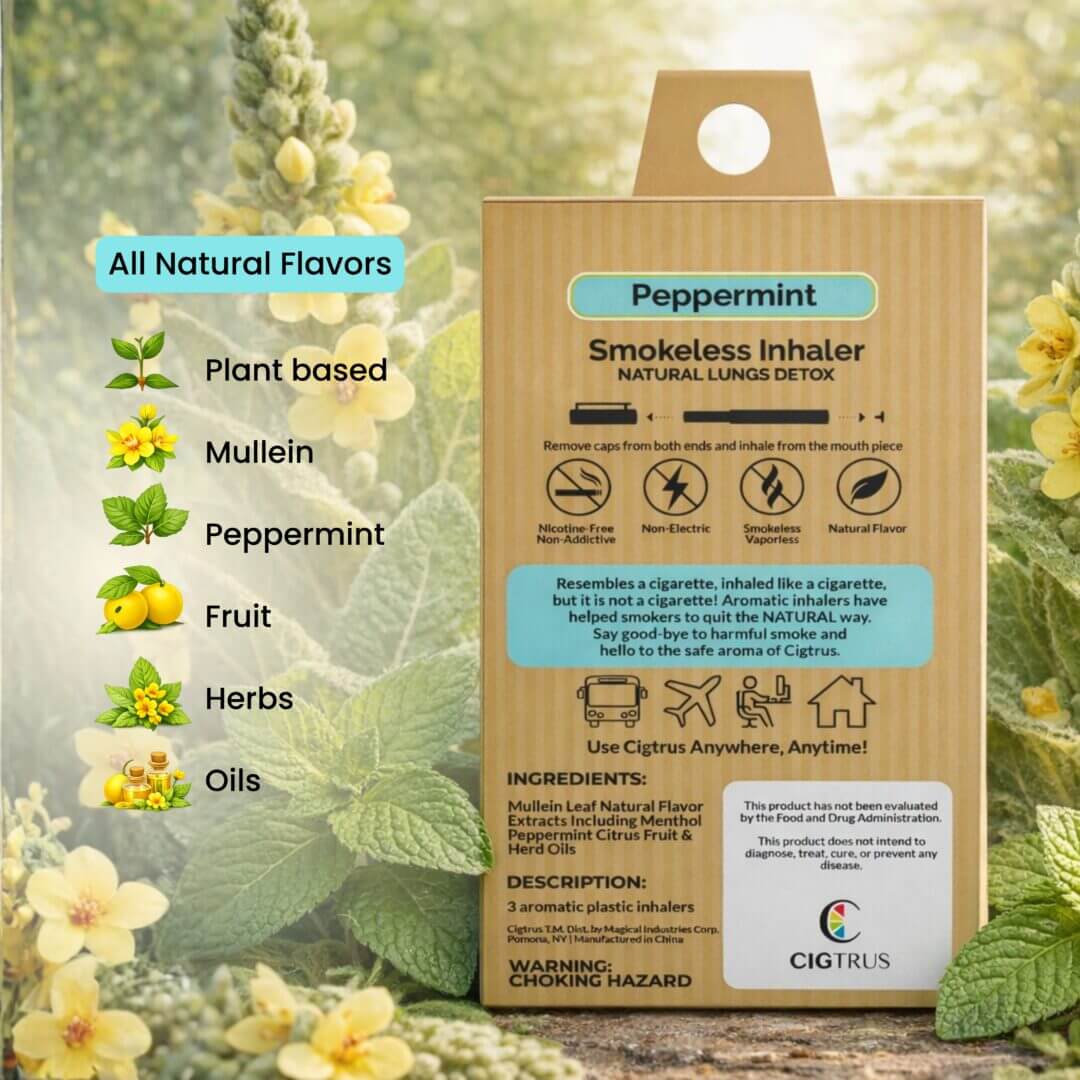
Natural food-grade essential oil aromas only, no synthetic chemicals, no additives
No nicotine, breaks chemical dependency without substituting it
No vapor, completely clean inhalation, no production of any substance
No battery or charging, always ready, always natural, always simple
Why Behavioral Support Matters
Smoking cravings are often connected to emotional triggers, stress, routine, and habit memory. That is why many smokers continue struggling even after reducing nicotine intake. Behavioral support products focus on helping users gradually weaken the connection between smoking triggers and automatic routines over time, one trigger moment at a time, consistently replaced with a clean natural response.
Building a Different Relationship With Smoking
Most smoking habits are built through years of repetition and emotional association. Replacing those habits usually takes patience, consistency, and realistic behavioral change. Natural alternatives like Cigtrus are becoming part of a growing shift toward nicotine-free behavioral support options, designed to help smokers gradually build healthier smoke-free routines over time, without ever relying on another chemical to do it.
A Fresh Start. A Natural Approach.
No nicotine, no vapor, no synthetic chemicals, natural behavioral habit replacement for a cleaner quit.
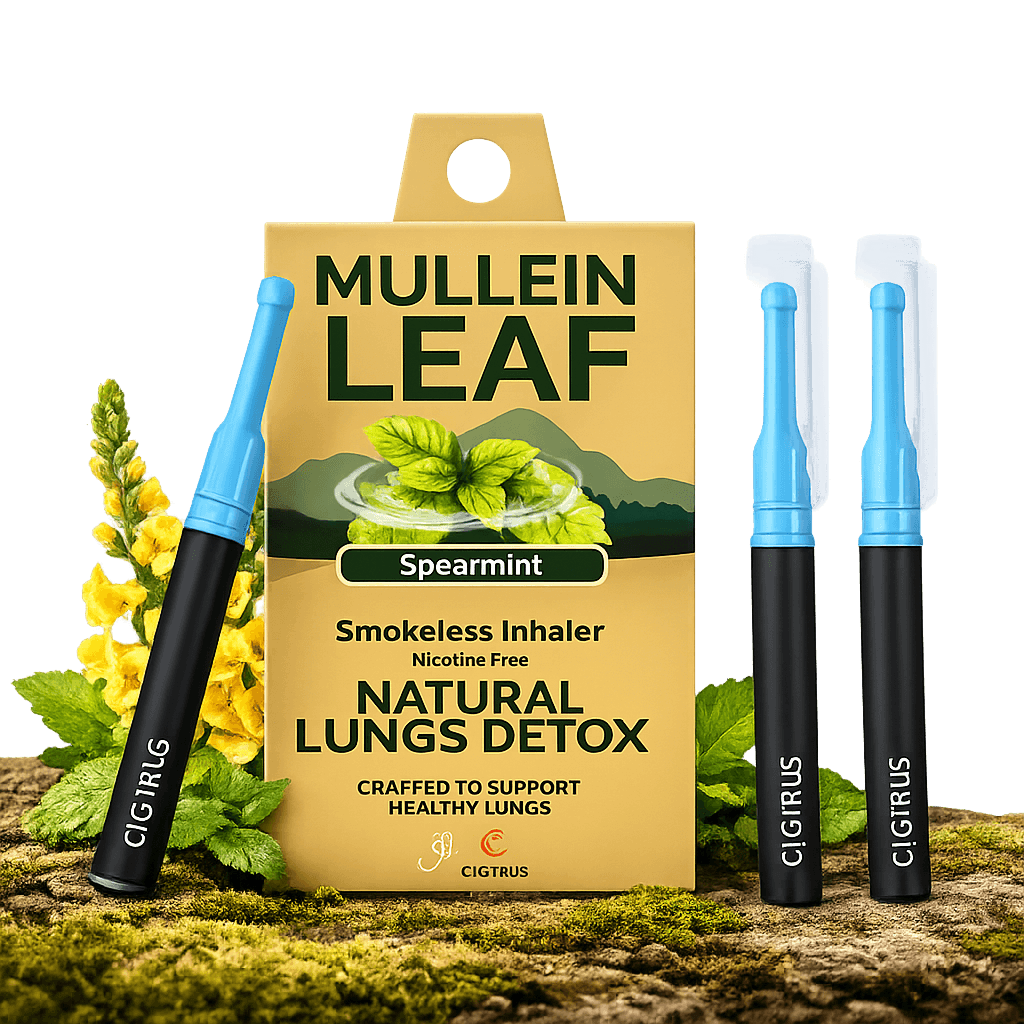
👉 Try the Variety Pack