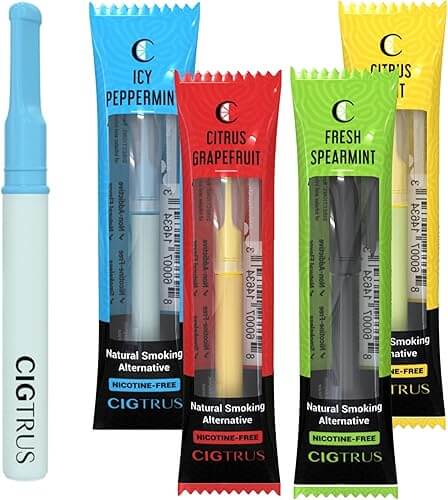
Nicotine-Free Alternatives Without Vapor
Many smokers and vapers searching for alternatives are no longer focused only on reducing nicotine. Increasingly, people want smoke-free and vapor-free options that support familiar daily routines without continuing chemical dependency or producing anything that enters the lungs.
This shift is driving real interest in nicotine-free behavioral alternatives, products that replace the habit itself rather than just swapping the delivery mechanism.
Why People Look Beyond Nicotine Products
For many smokers and vapers, the challenge is not only chemical dependence. The repeated hand-to-mouth motion, the familiar inhalation routine, the sensory habits, and the emotional repetition all become deeply connected to everyday life through years of behavior.
That is why many people continue struggling even after lowering nicotine intake. The behavioral layer persists, and most traditional quit aids leave it completely untouched.
Many adults searching for alternatives are specifically looking for products that move away from:
- Vapor production, nothing exhaled into the air
- Nicotine dependence, breaking the chemical cycle entirely
- Electronic devices, no batteries, no charging, no maintenance
- Repeated smoking and vaping routines, genuine behavioral replacement
- Restrictions, usable anywhere, including environments where smoking and vaping are banned
What Makes a Nicotine-Free Vapor-Free Alternative Different
Traditional nicotine alternatives, patches, gum, and lozenges, address the chemical side of smoking but leave the behavioral routine completely intact. Many people finish a piece of nicotine gum and still reach for a cigarette because the hands and mouth still want the familiar motion.
A nicotine-free vapor-free alternative takes a different approach. Instead of delivering a substance, it replaces the physical behavior, the reach, the hold, the inhale, the pause, with a clean sensory experience that gives the routine somewhere better to go.
“The goal for many people is not to replace cigarettes with another nicotine product. The goal is to gradually move away from repeated smoking behaviors entirely, while still having something ready at every trigger moment.”
What to Look for in a Nicotine-Free Vapor-Free Alternative
No Nicotine
Breaks chemical dependency rather than continuing it through a different delivery mechanism.
No Vapor Produced
Nothing enters the lungs, nothing is exhaled, no restrictions, usable anywhere without limitations.
Hand-to-Mouth Support
Satisfies the familiar physical motion that persists long after nicotine withdrawal ends.
No Electronics
No battery, no charging, no maintenance, simple, lightweight, and always ready in a pocket.
How Cigtrus Supports Nicotine-Free Vapor-Free Habit Replacement
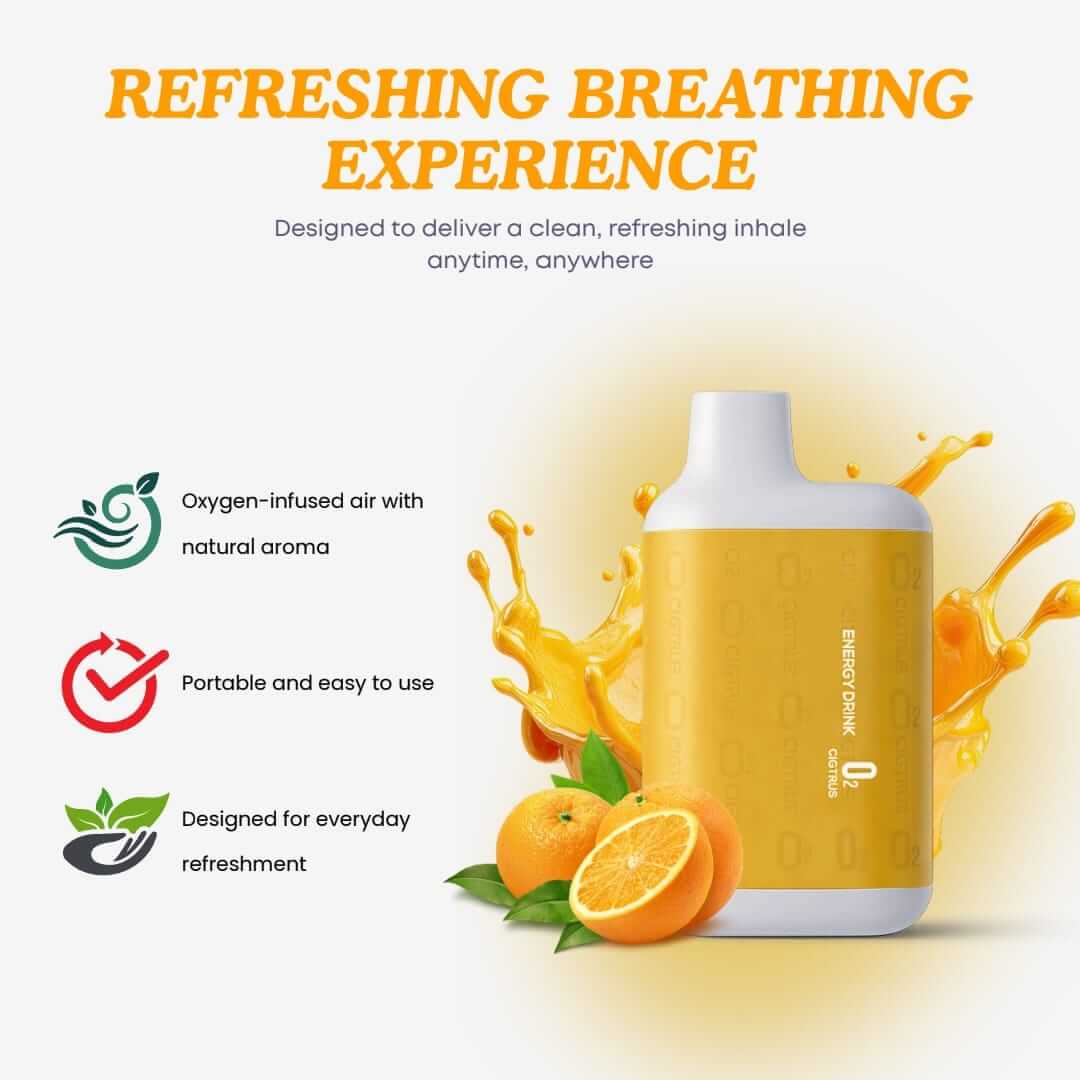
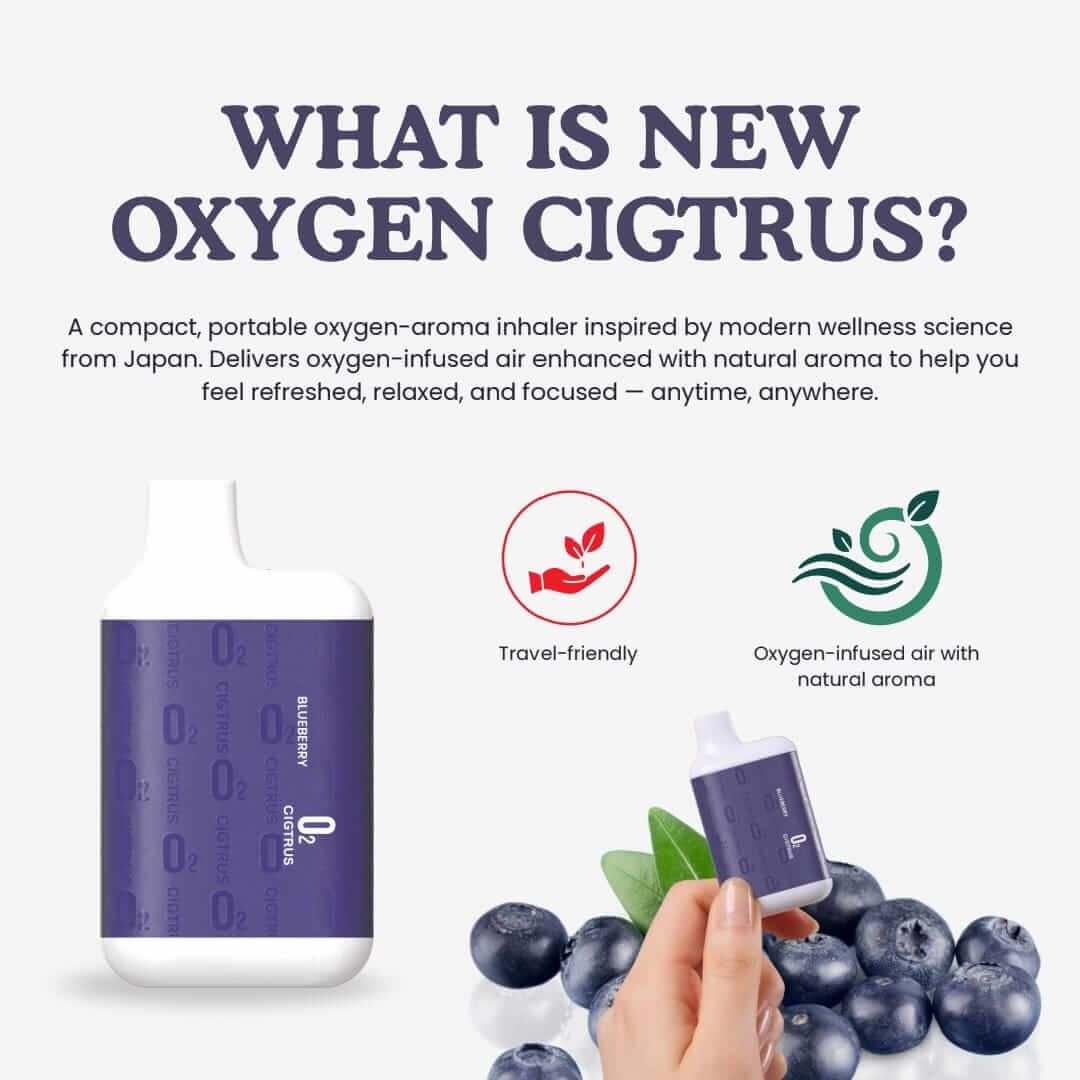
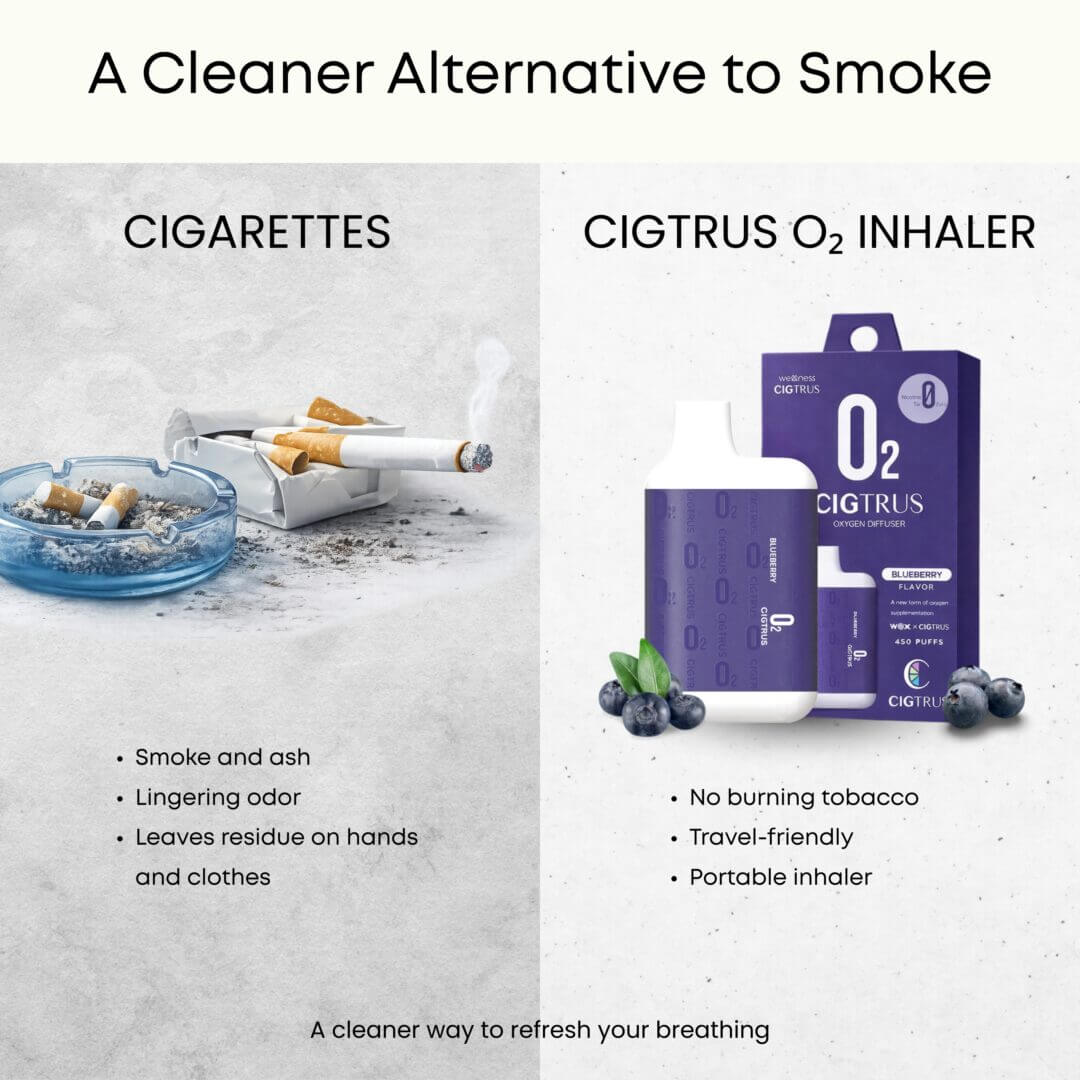
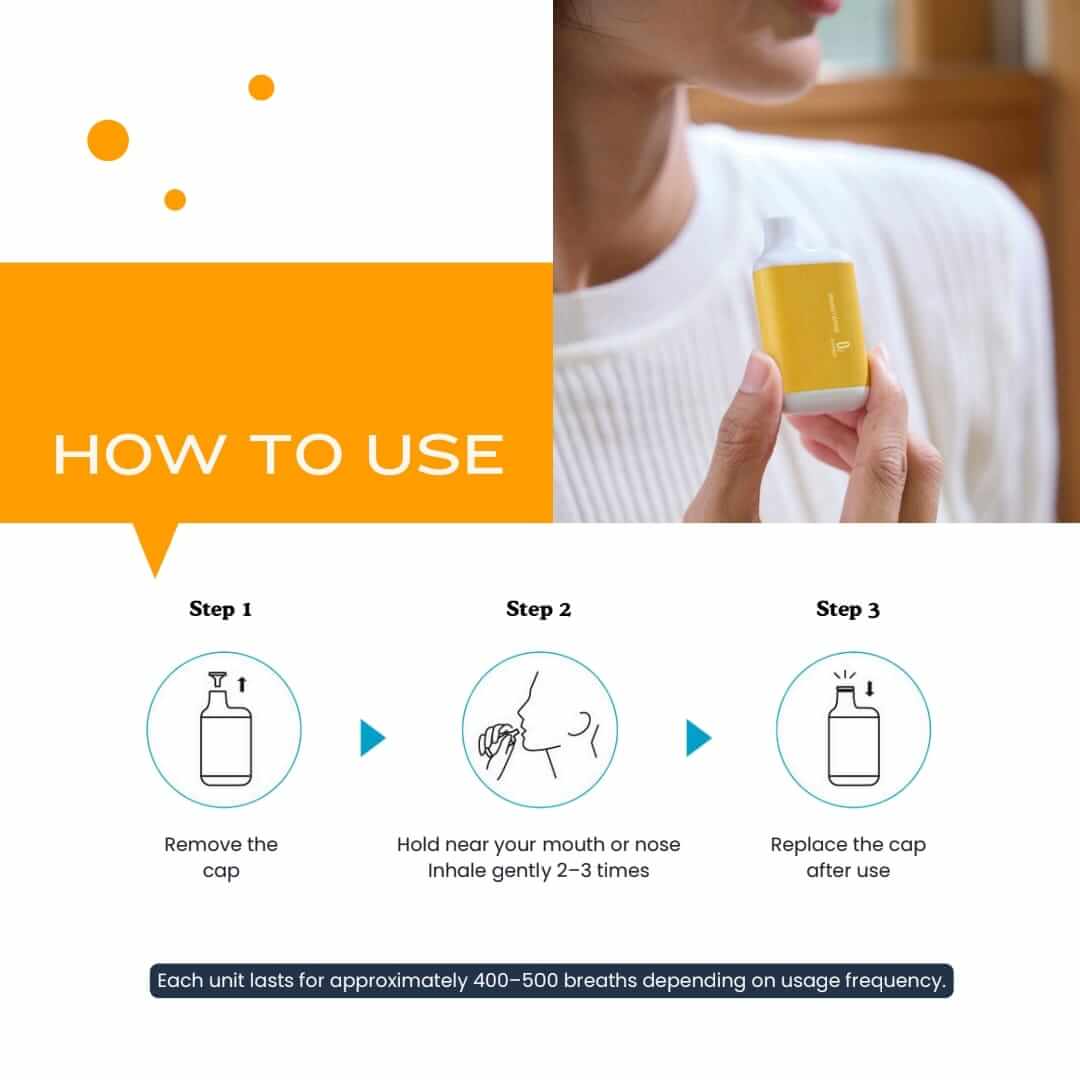
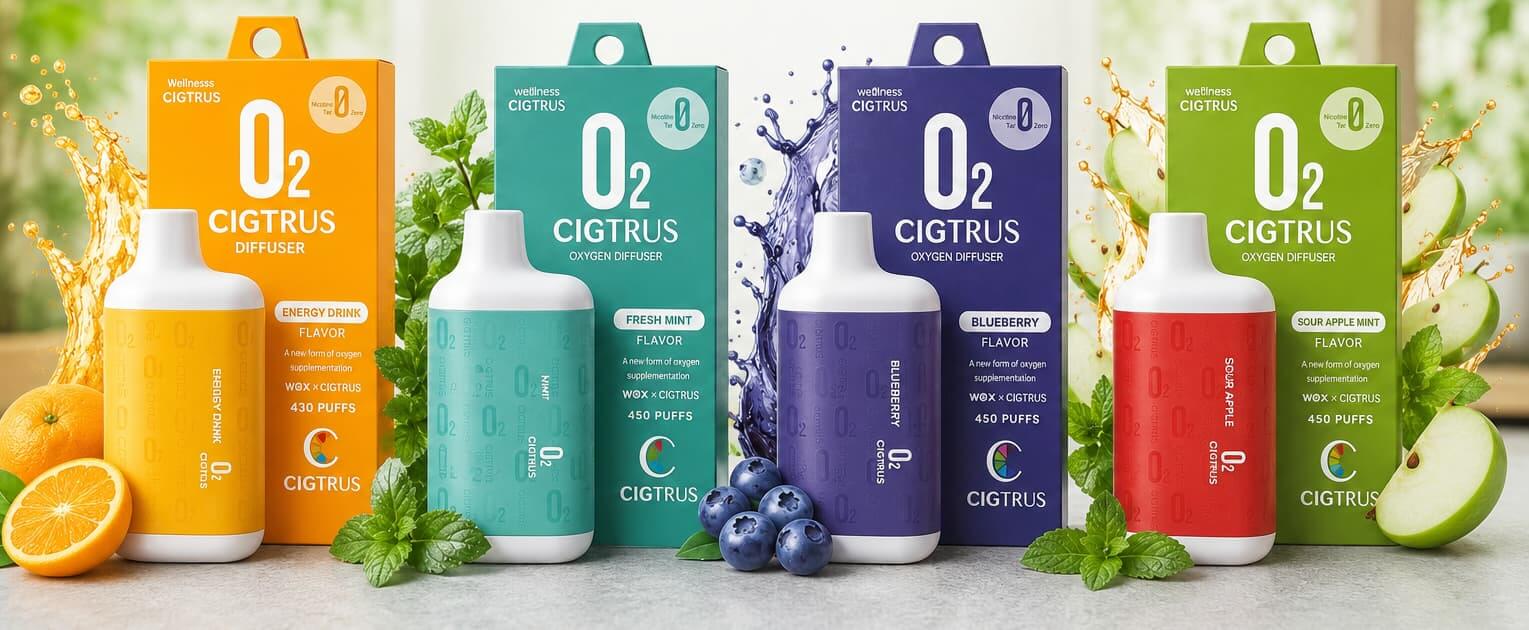
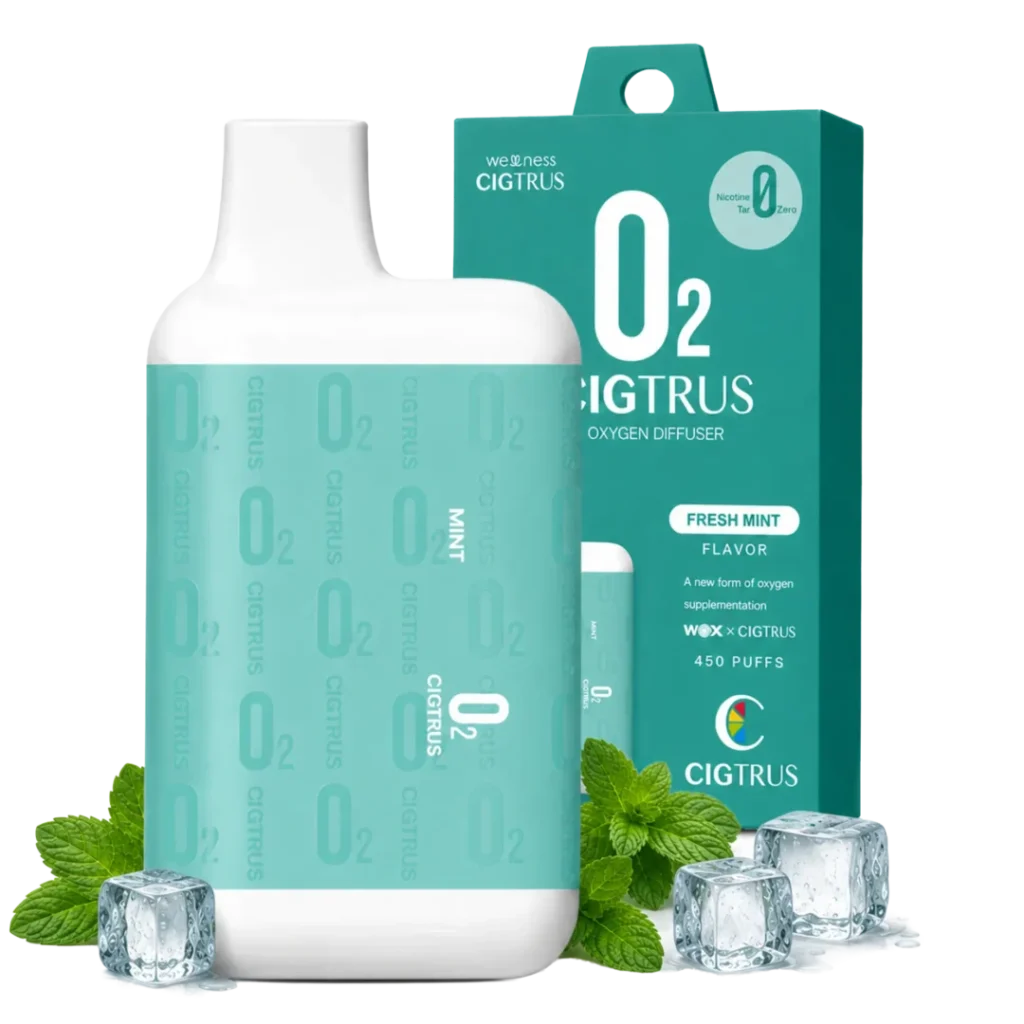
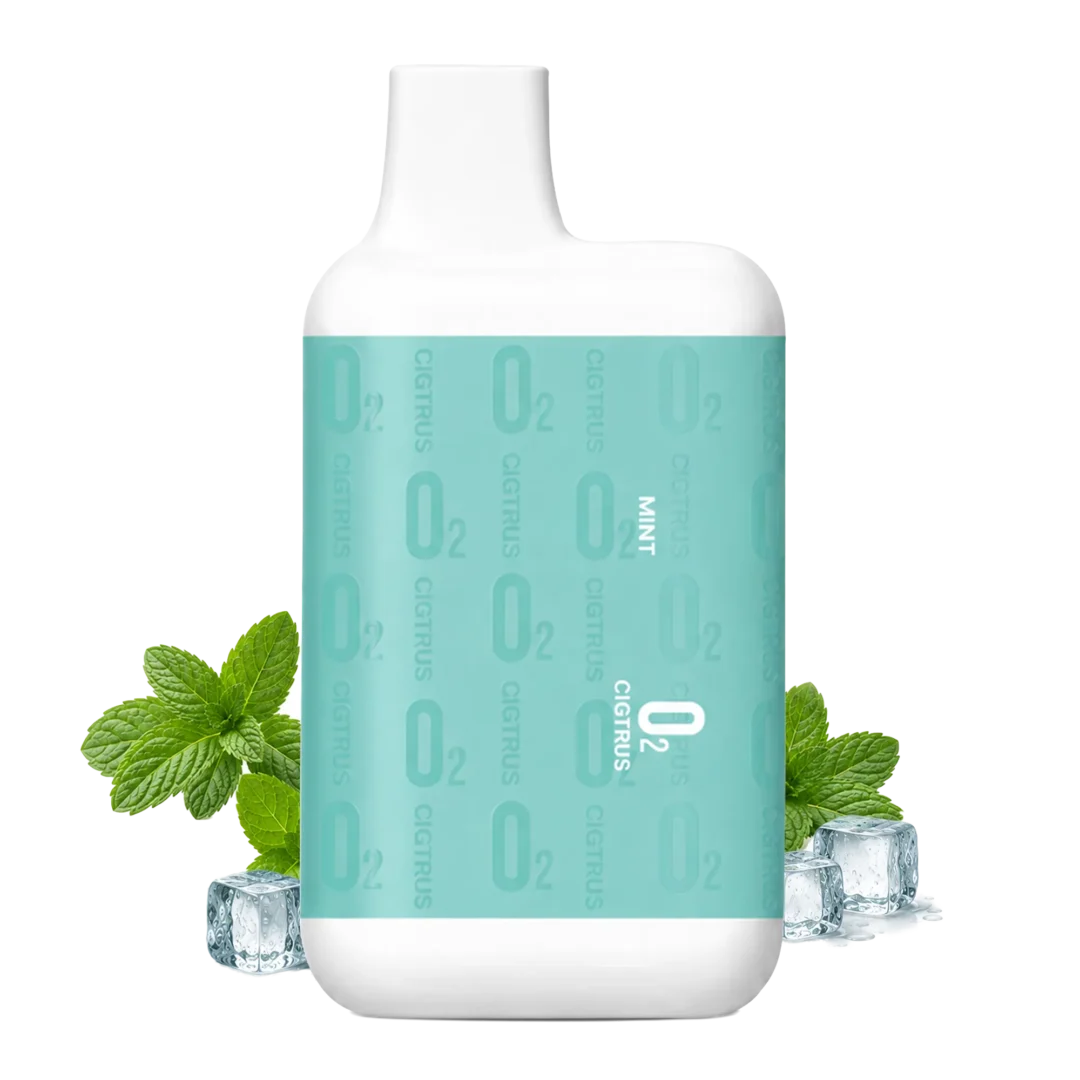
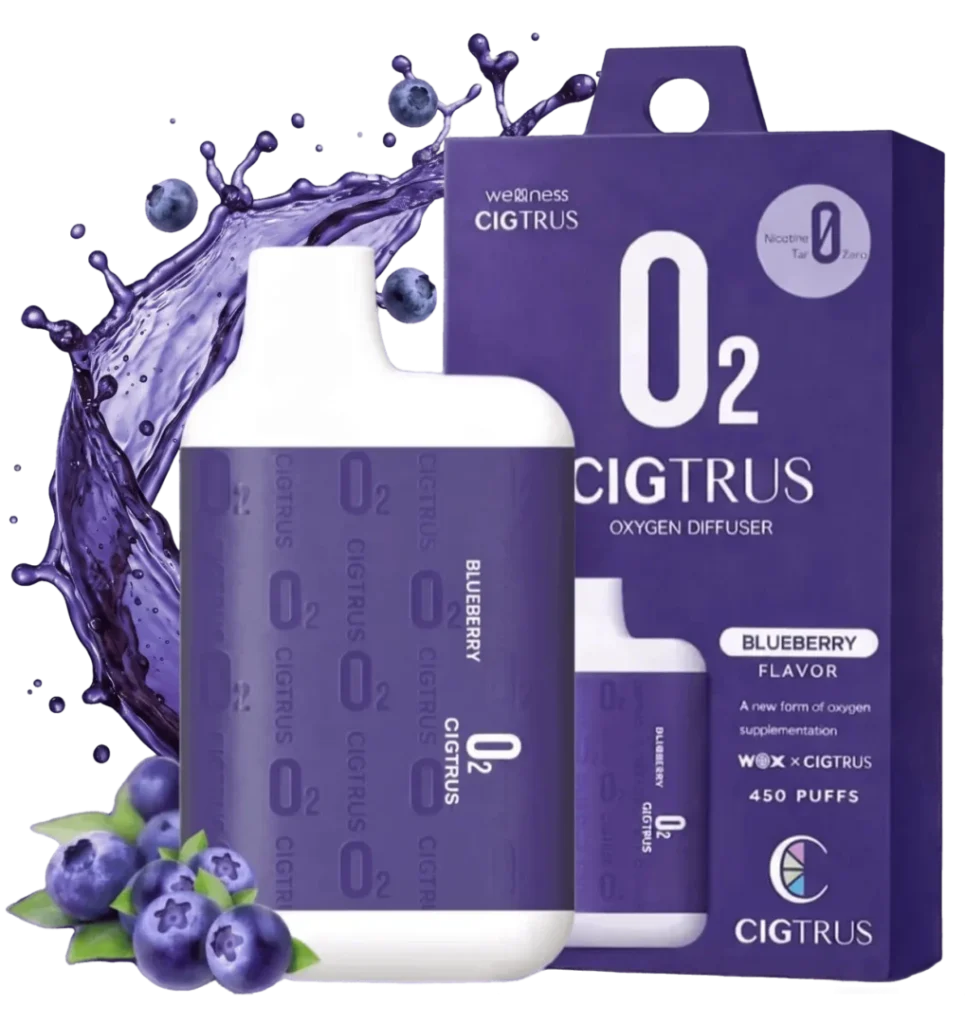
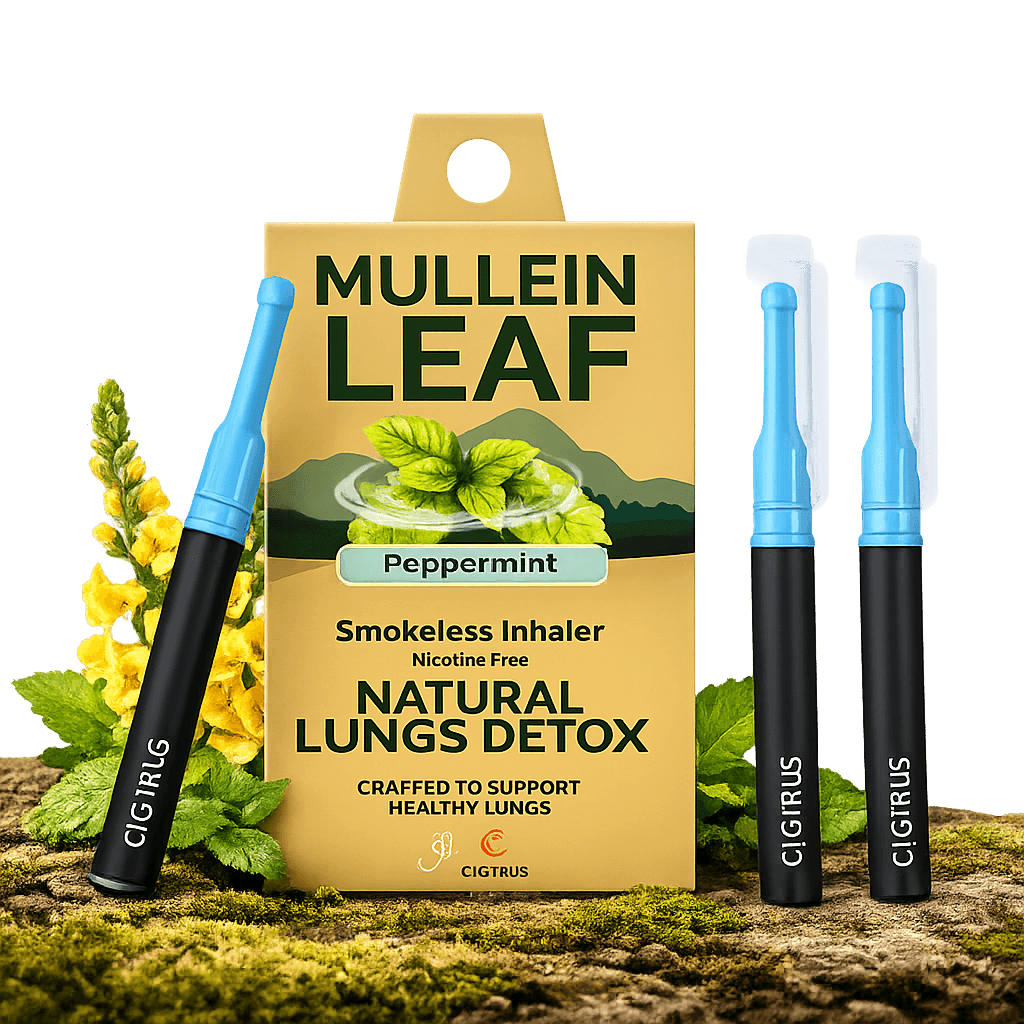
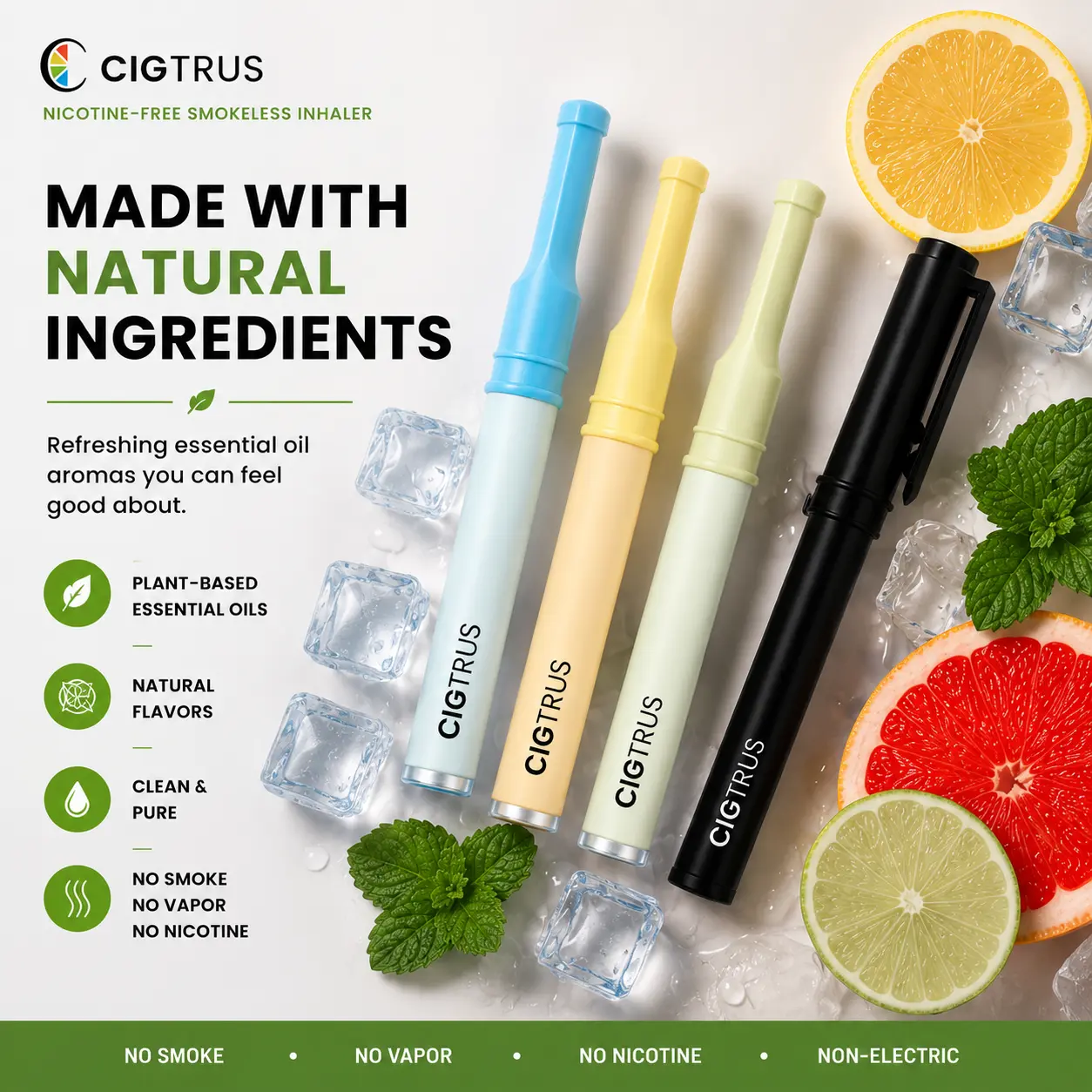
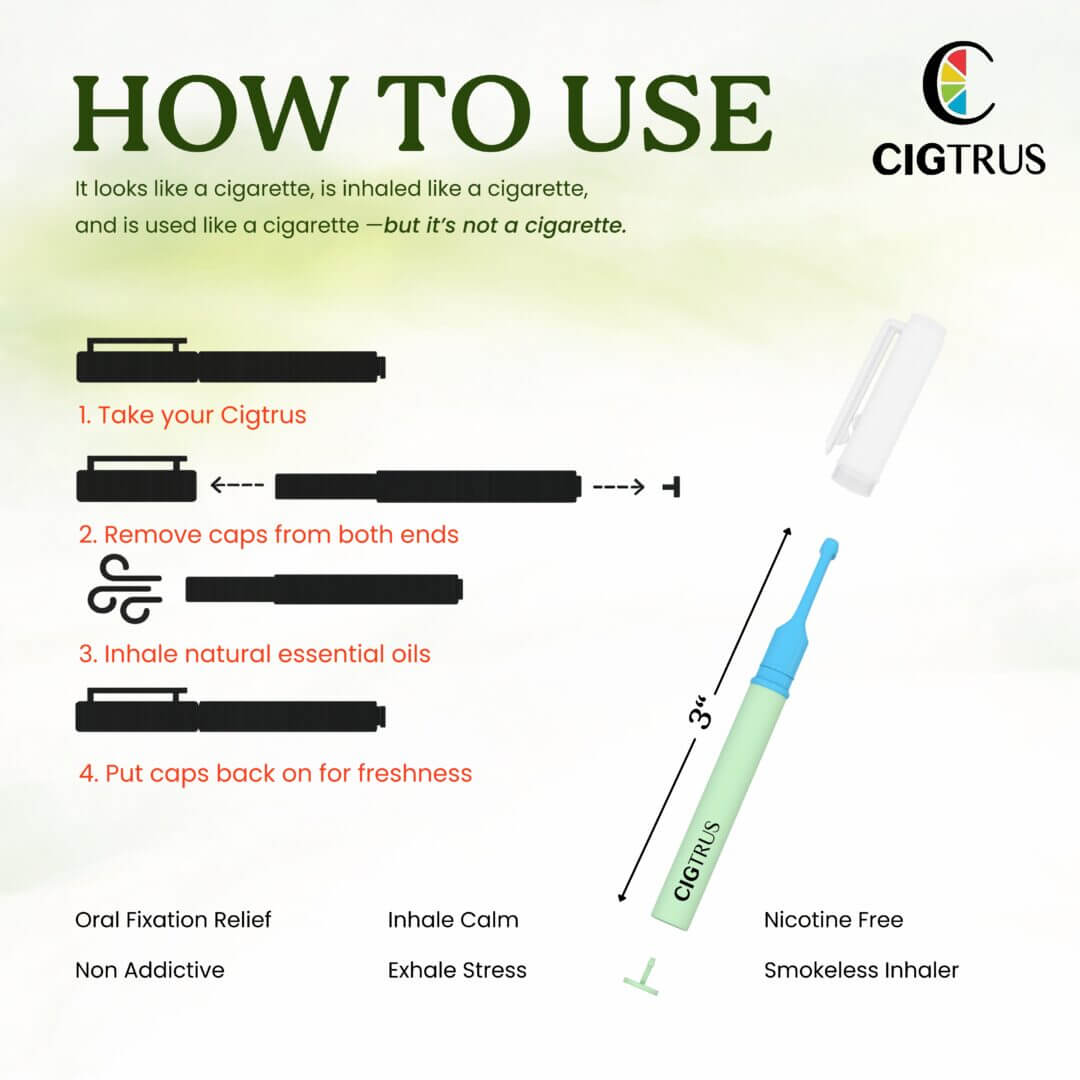
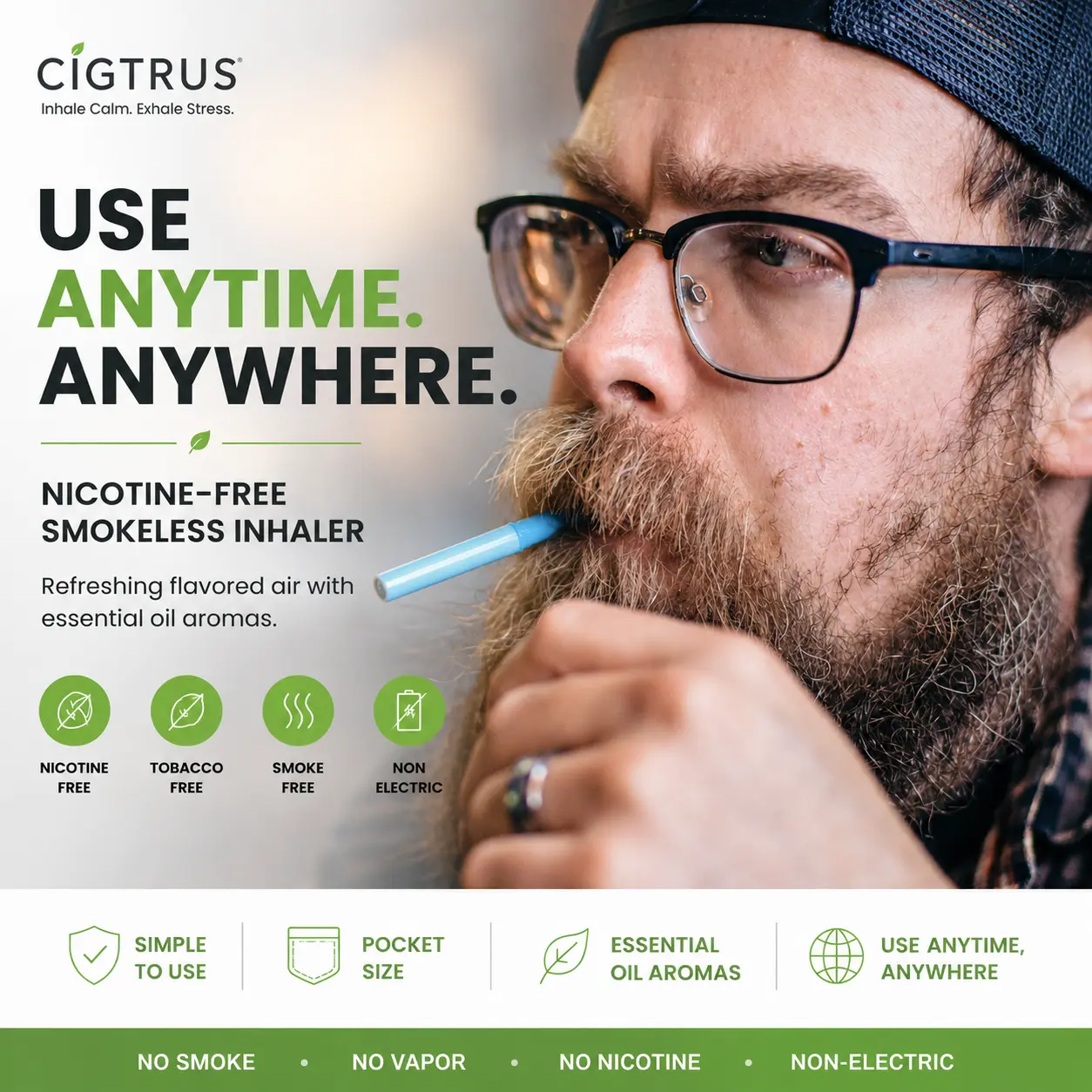
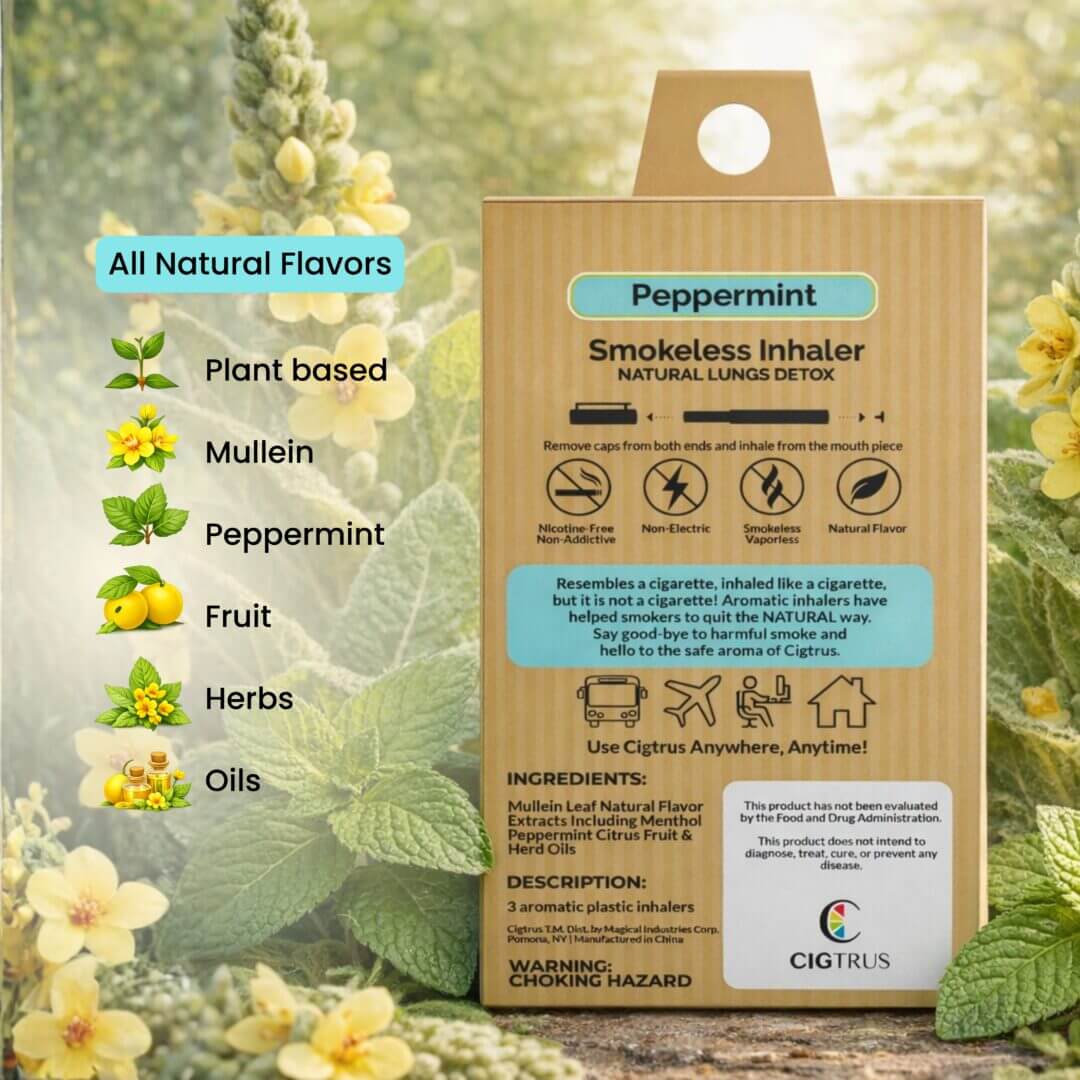
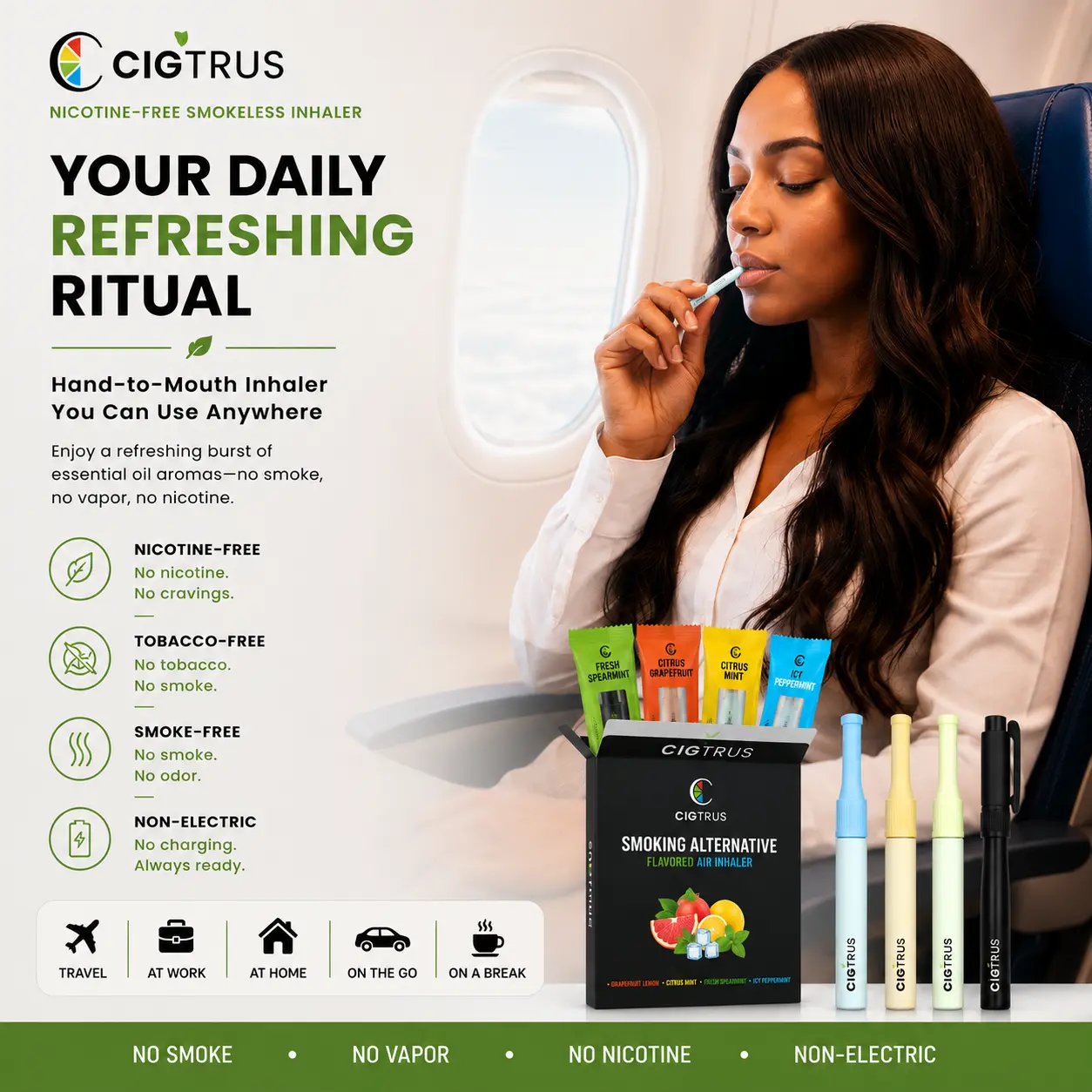
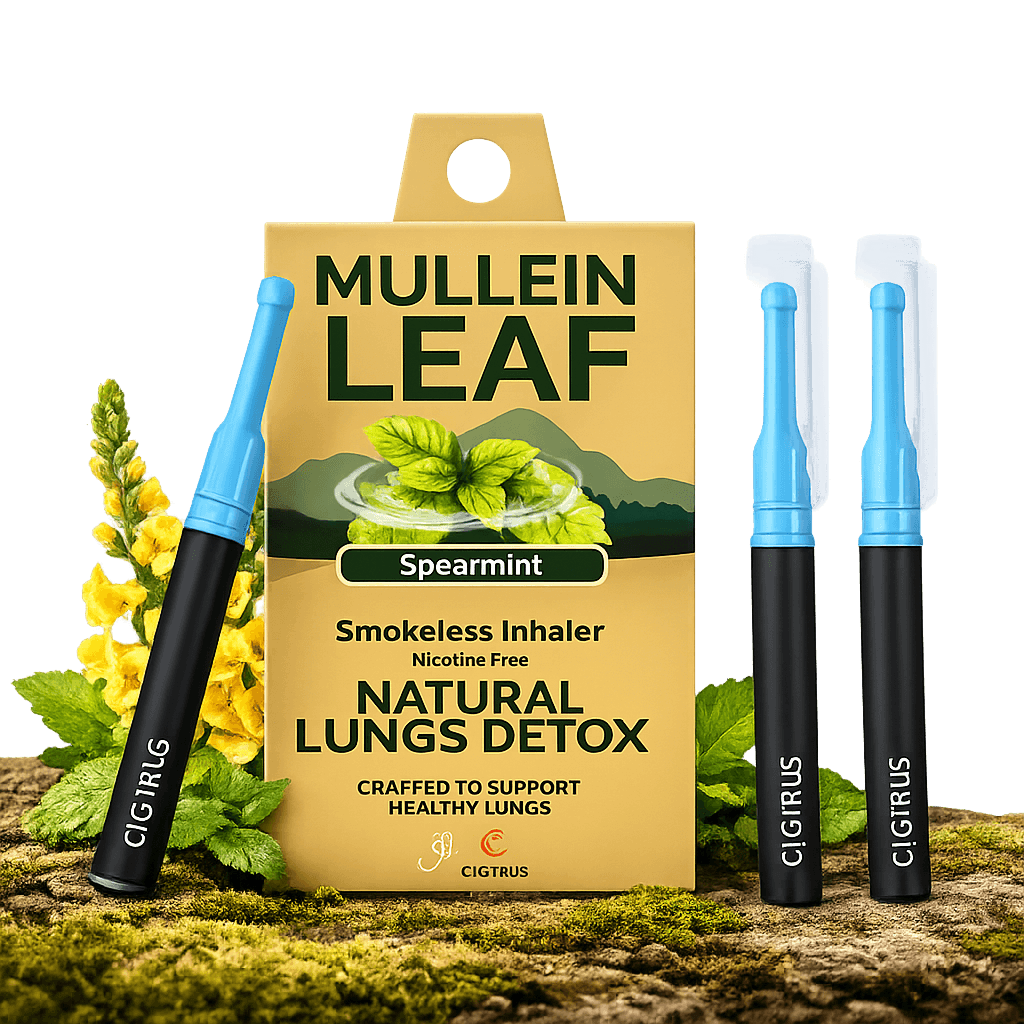
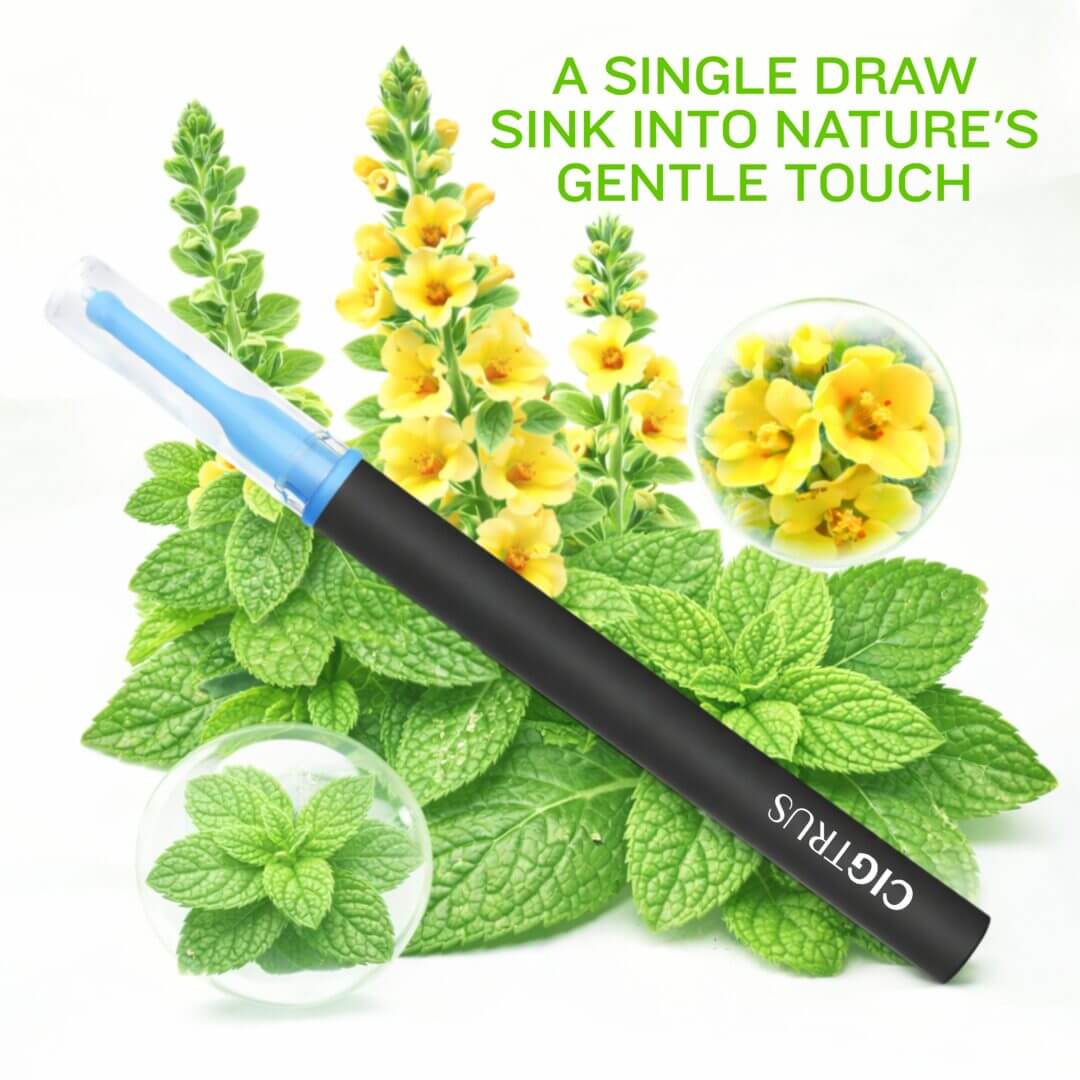
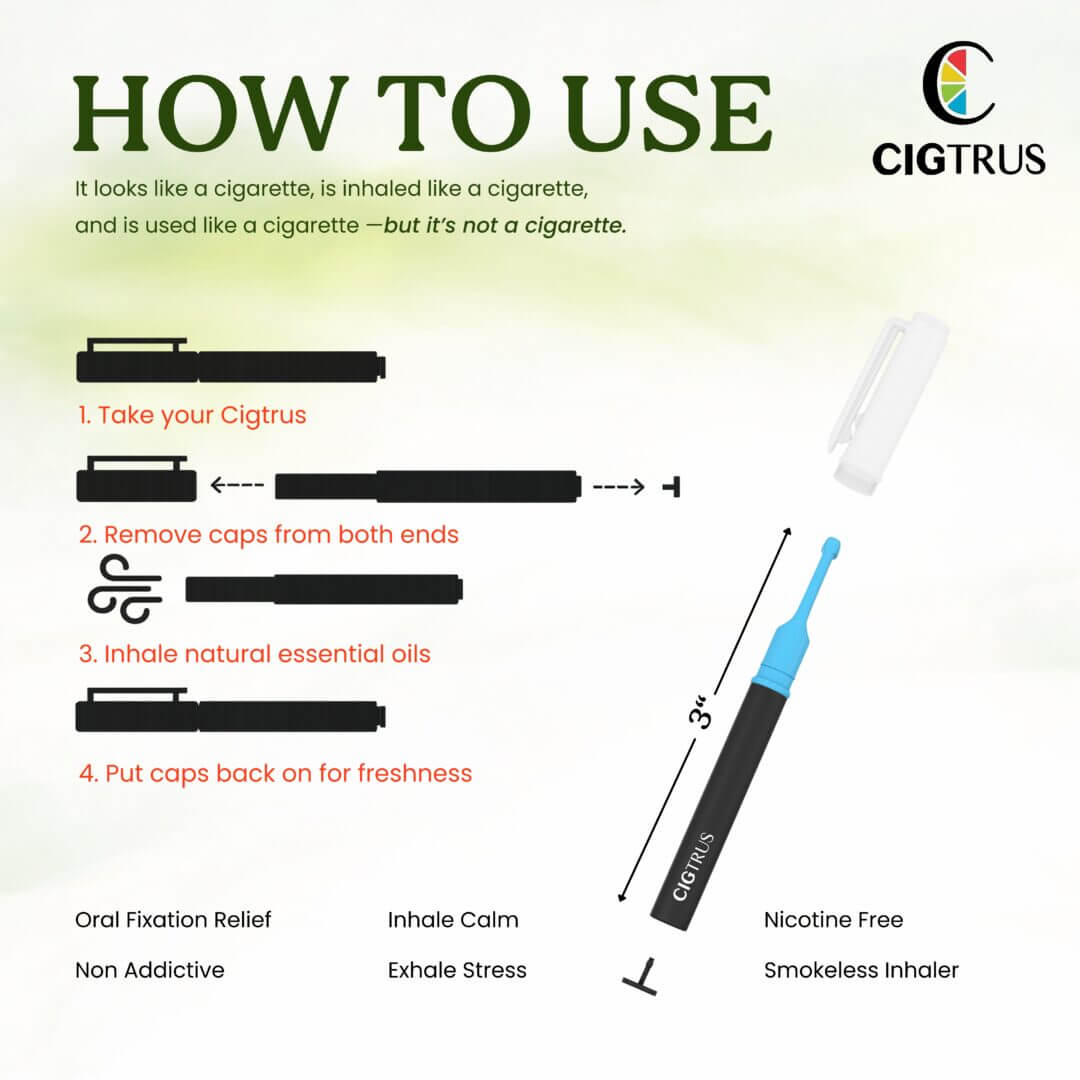
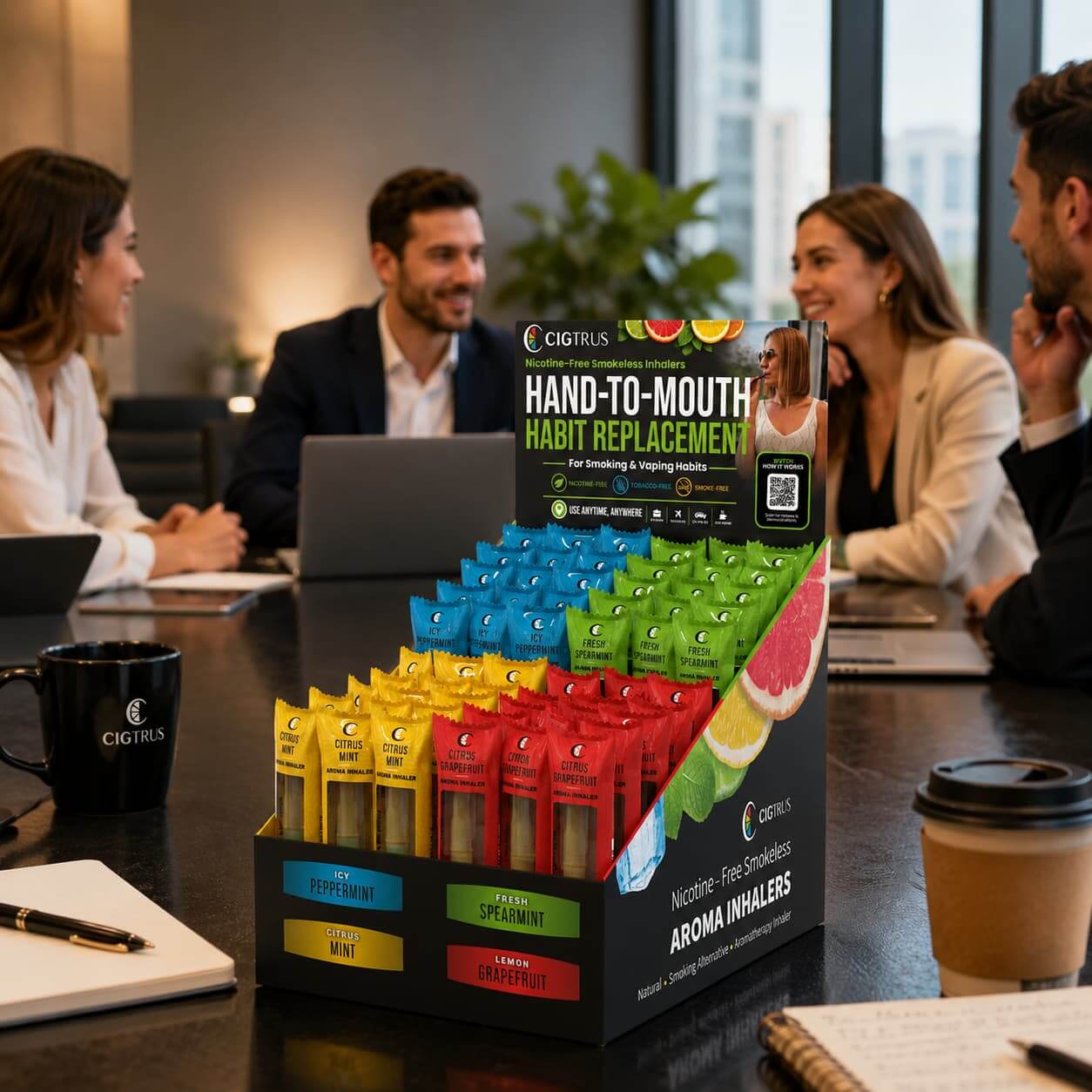
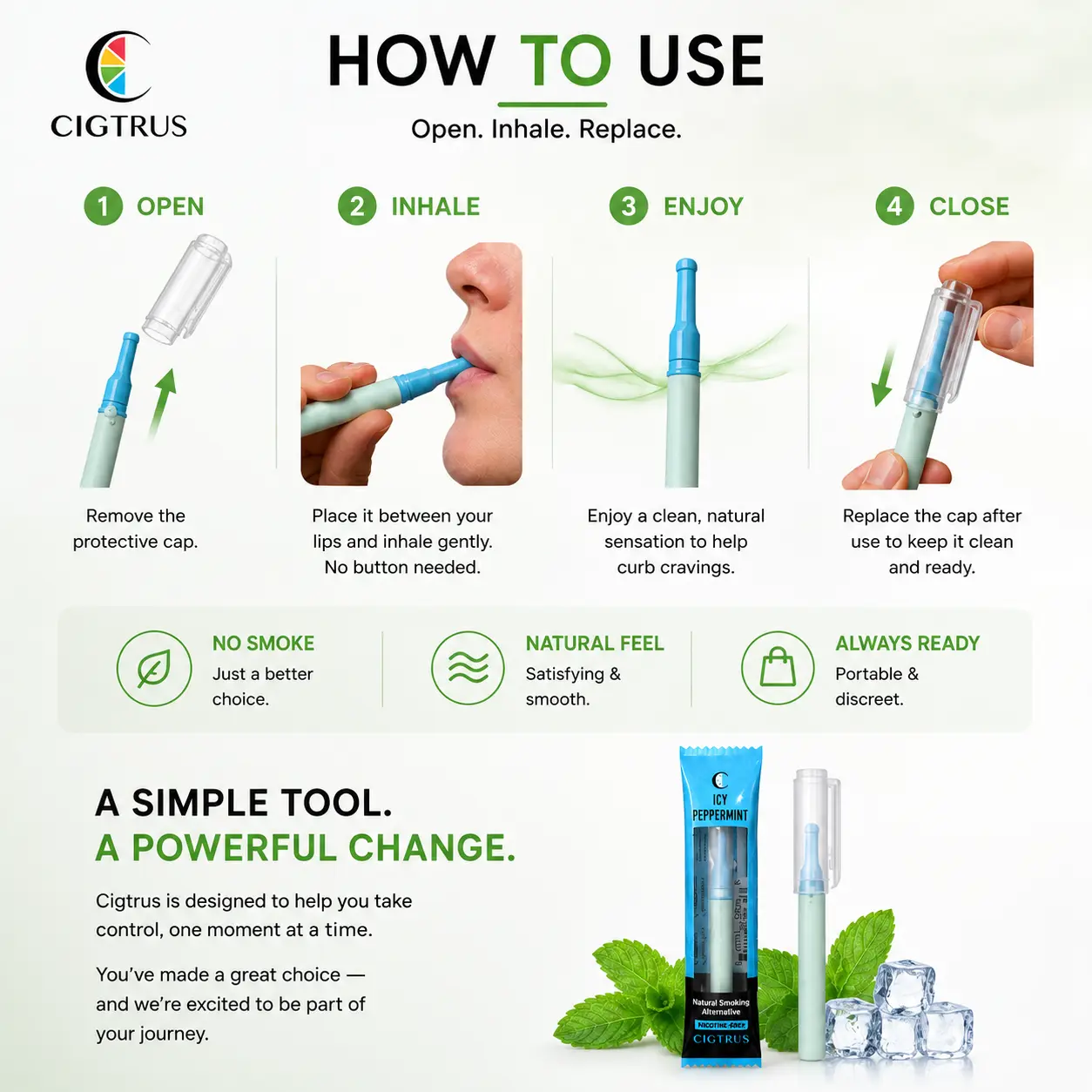
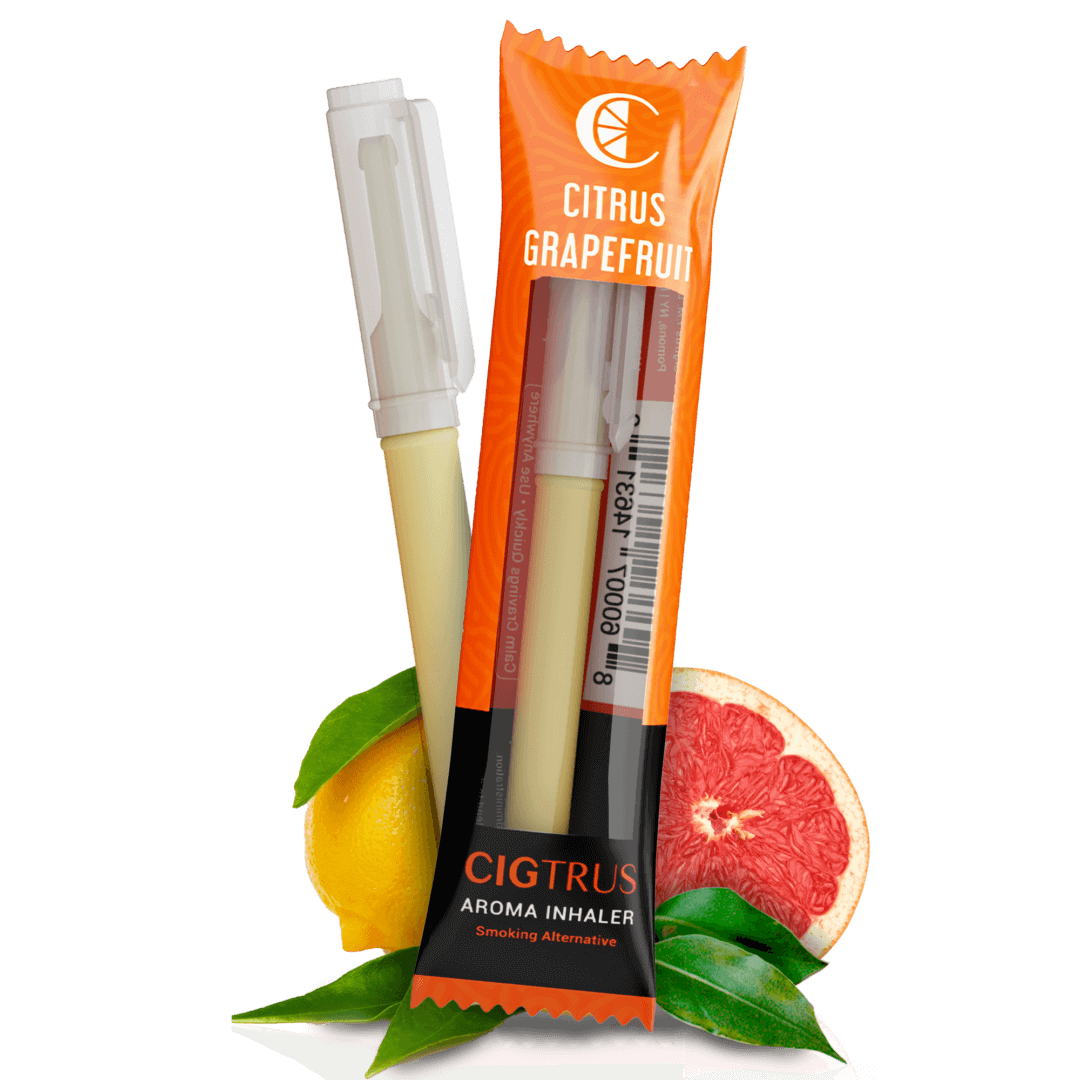
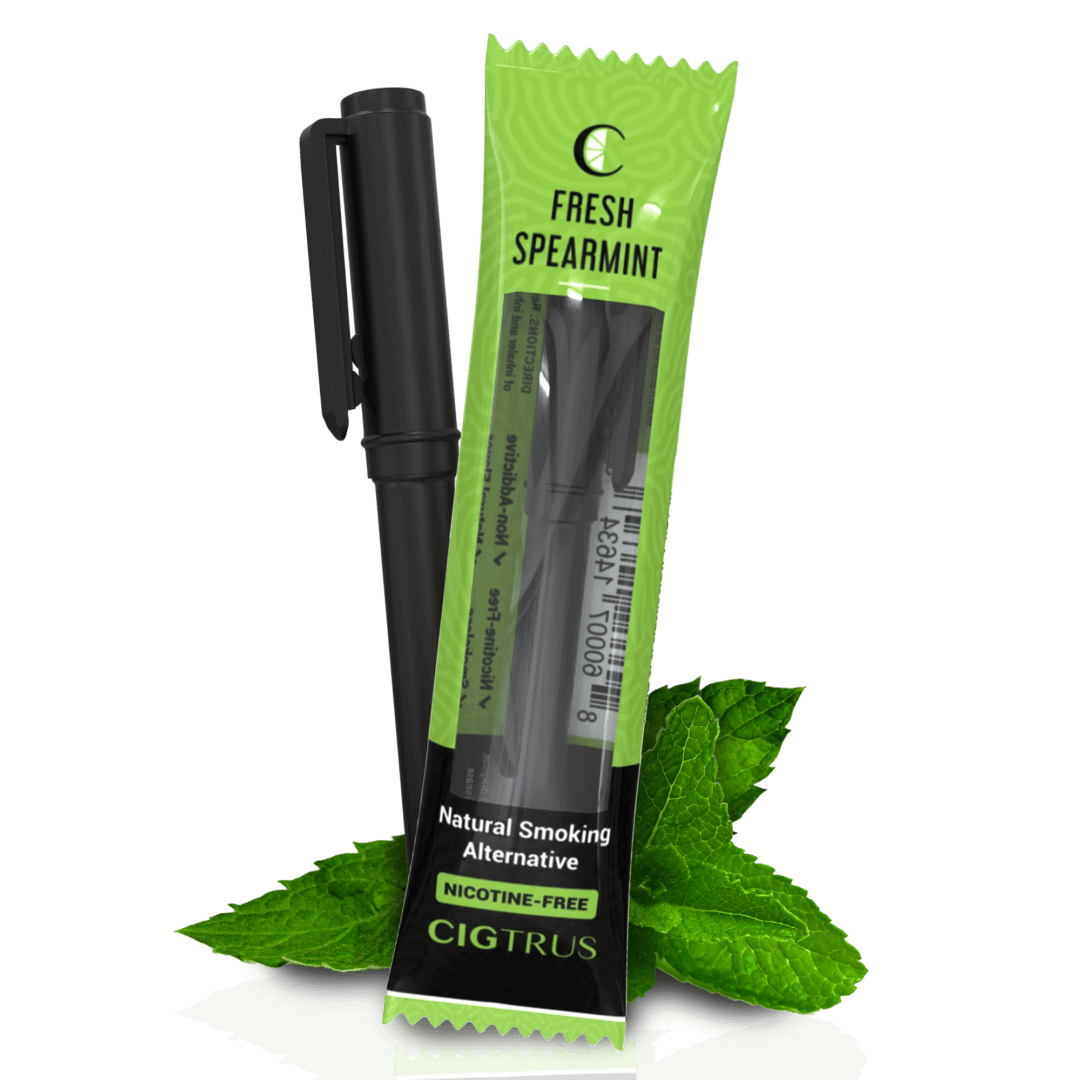
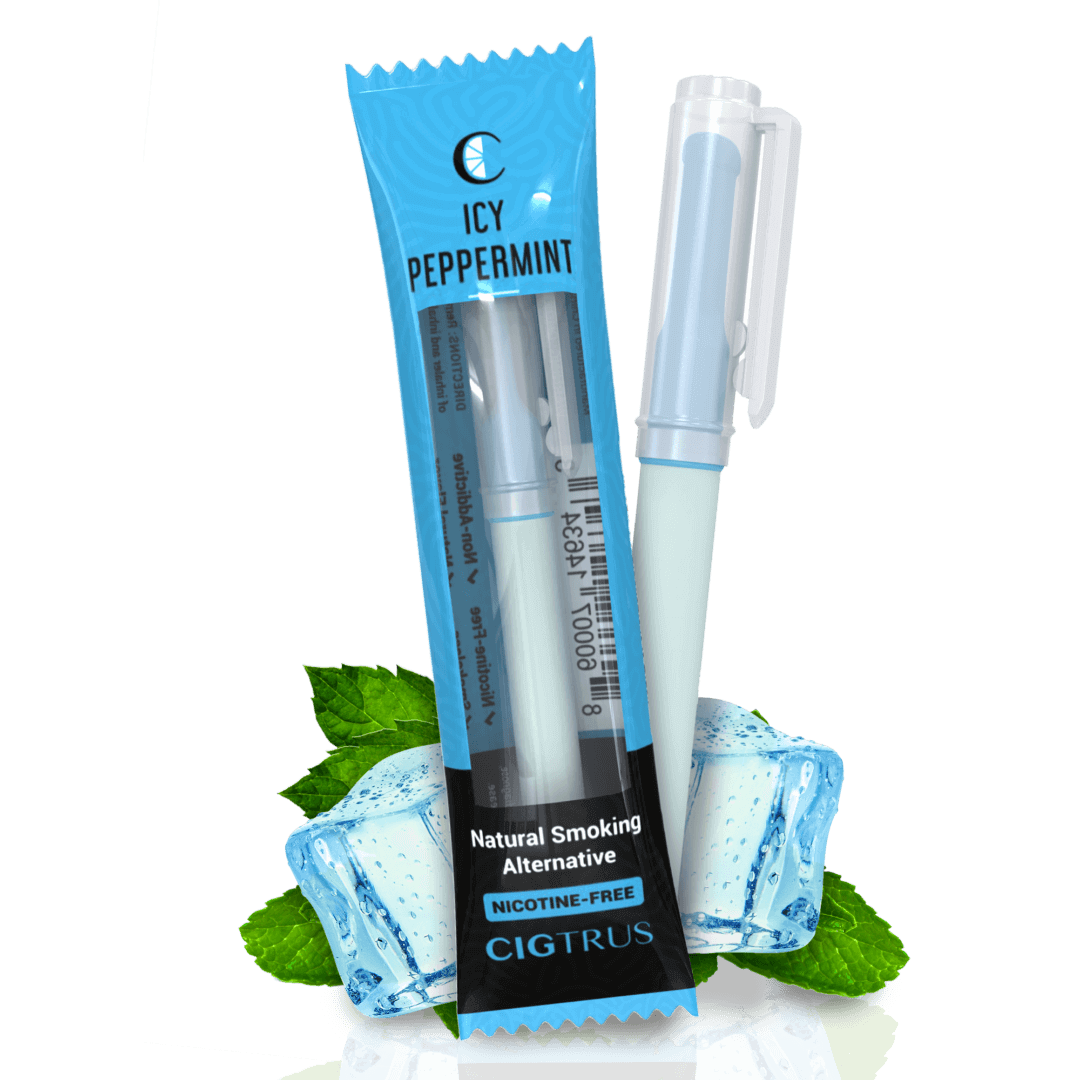
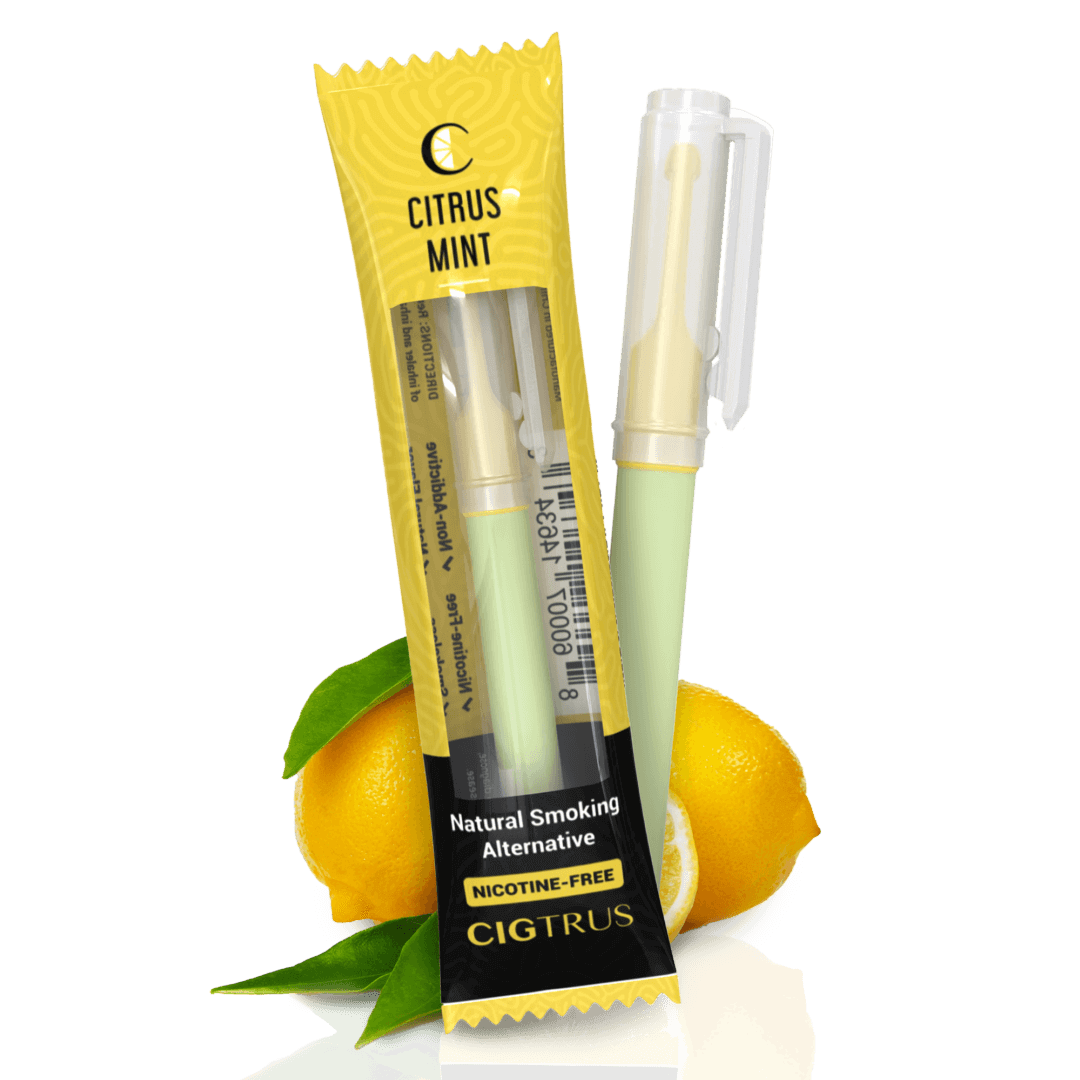
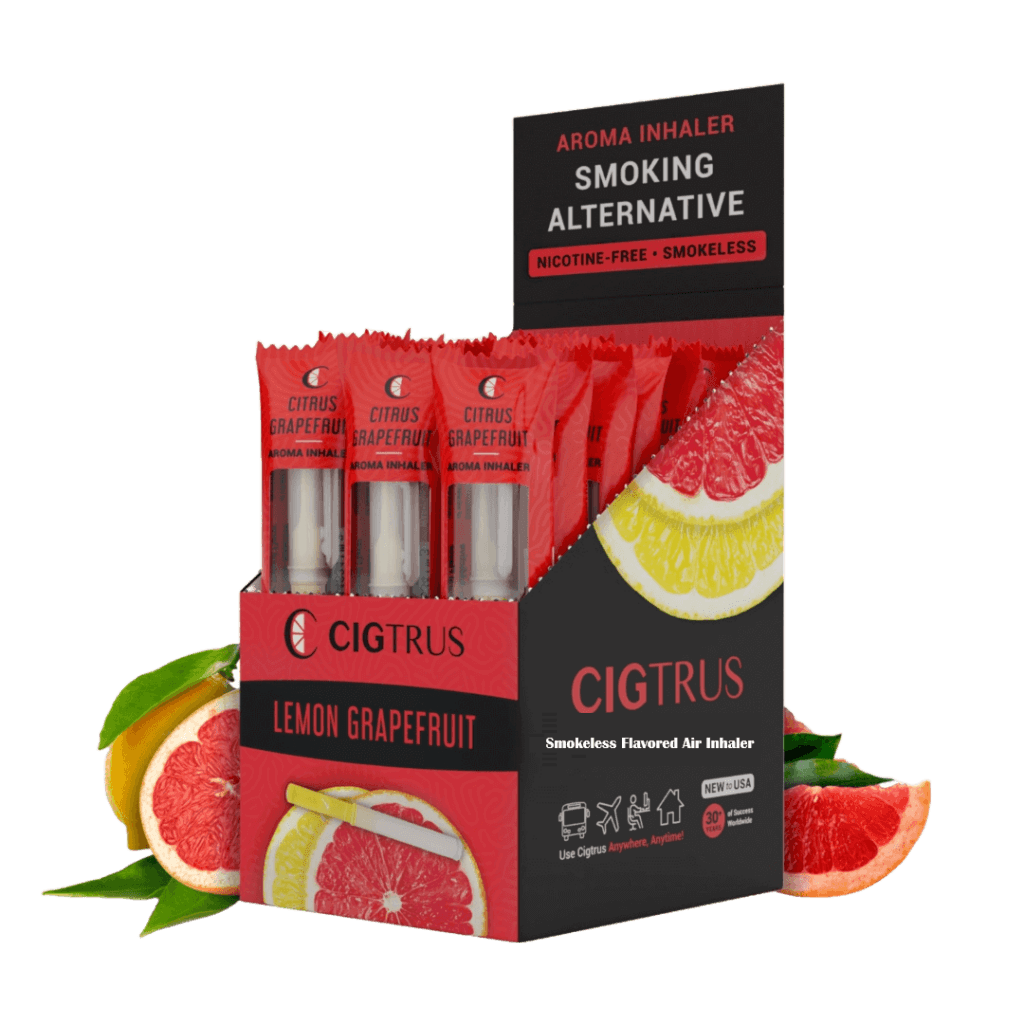
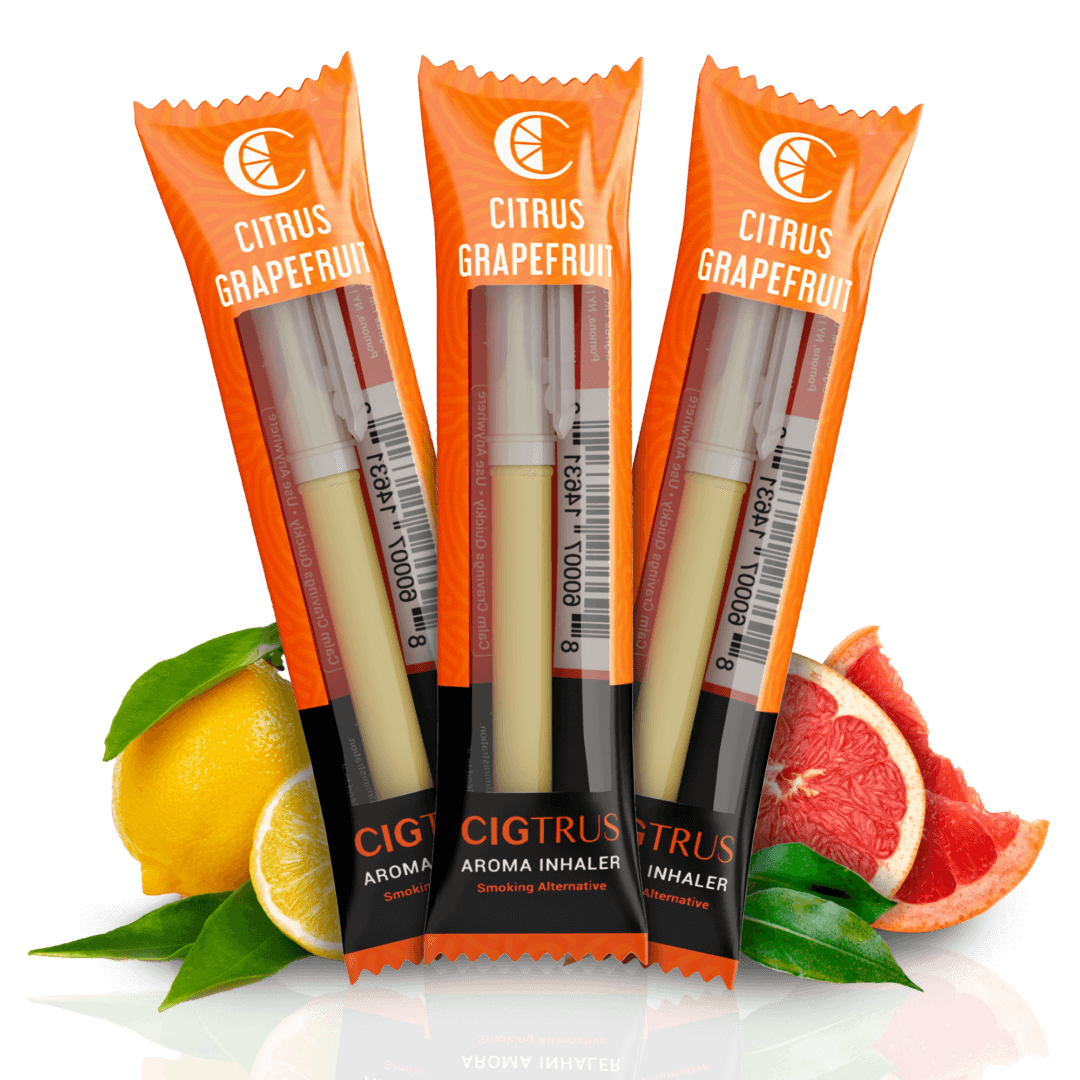
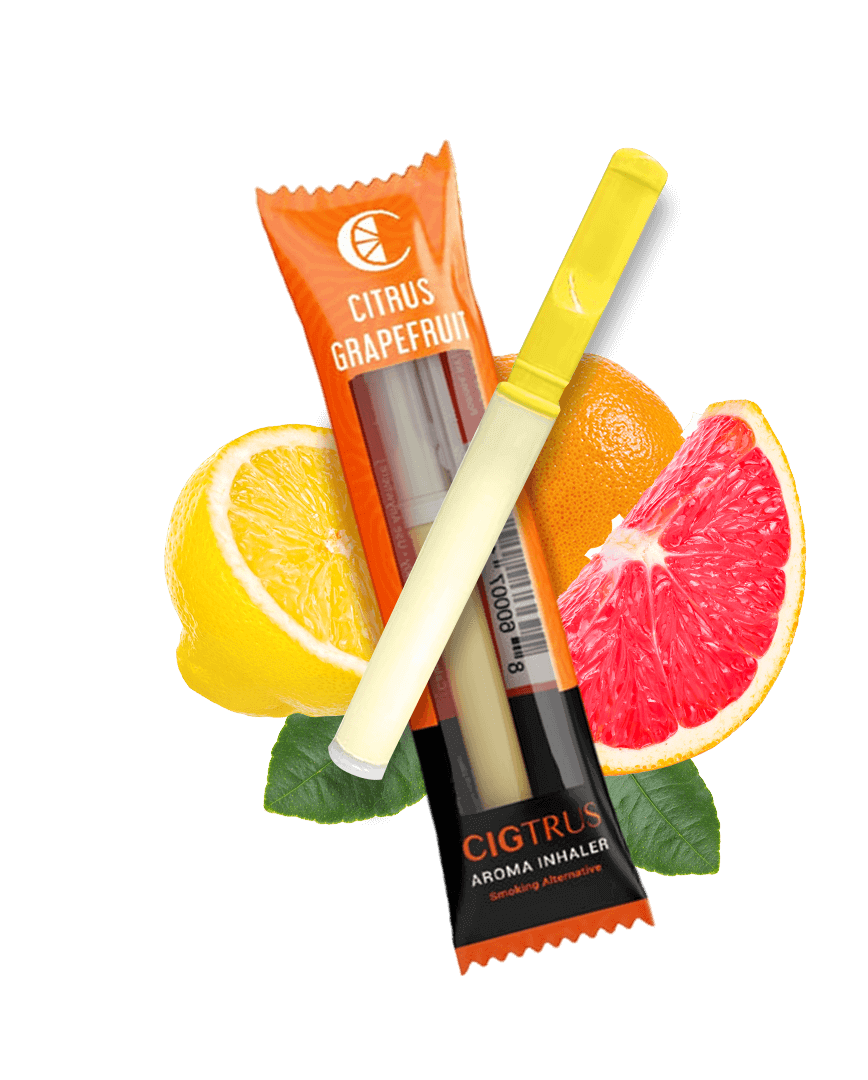
Cigtrus is a nicotine-free, smokeless, non-electric inhaler designed around helping adults move away from repeated smoking and vaping behaviors. Instead of producing smoke or vapor, Cigtrus provides a familiar inhalation experience through natural essential oil aromas, giving the hand-to-mouth routine a clean, nicotine-free destination.
What Cigtrus Provides
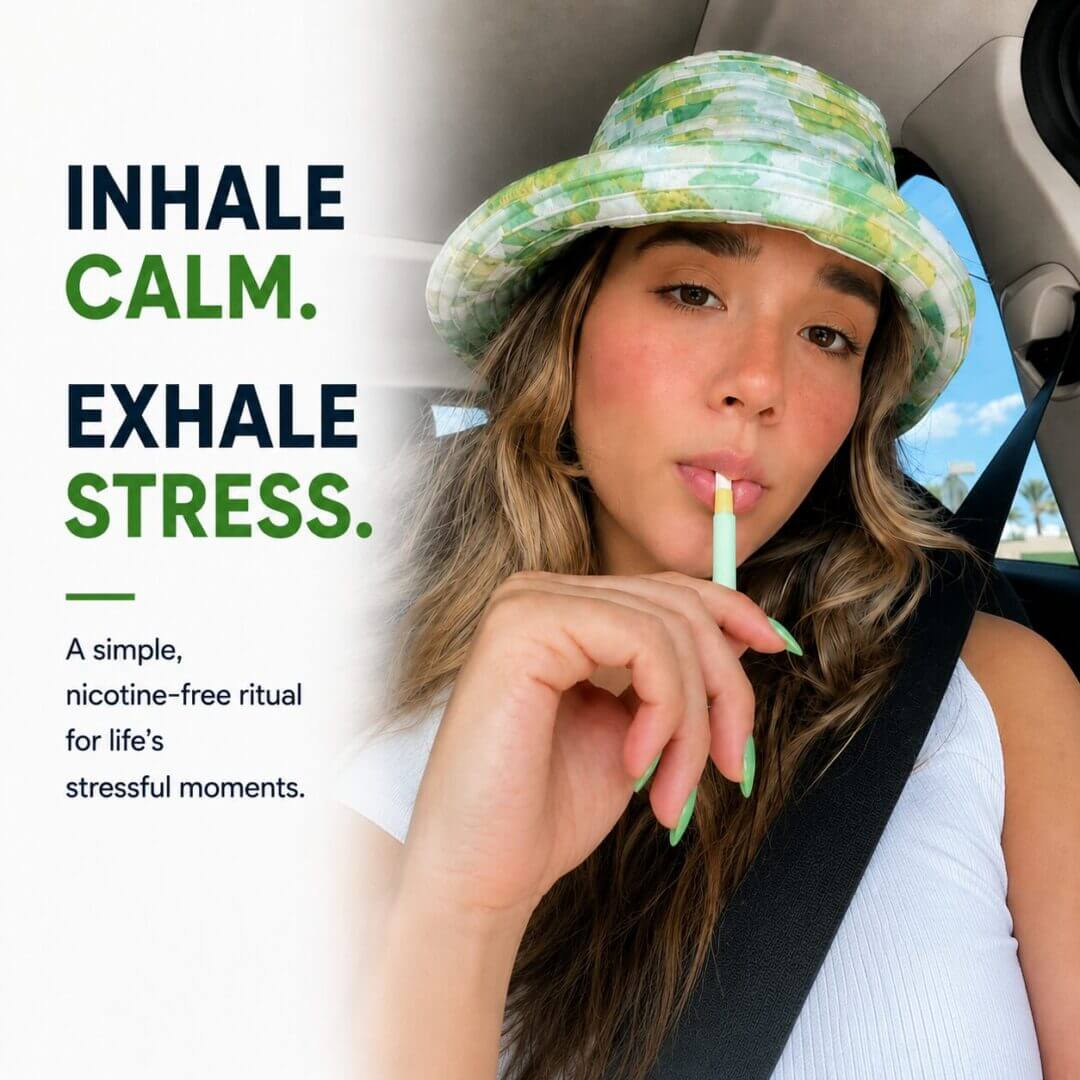
Hand-to-mouth habit replacement, the familiar reach and hold without any substance delivery
Oral fixation support, the mouth has somewhere familiar to go at every trigger moment
Natural aroma, citrus and mint essential oils for sensory satisfaction without chemicals
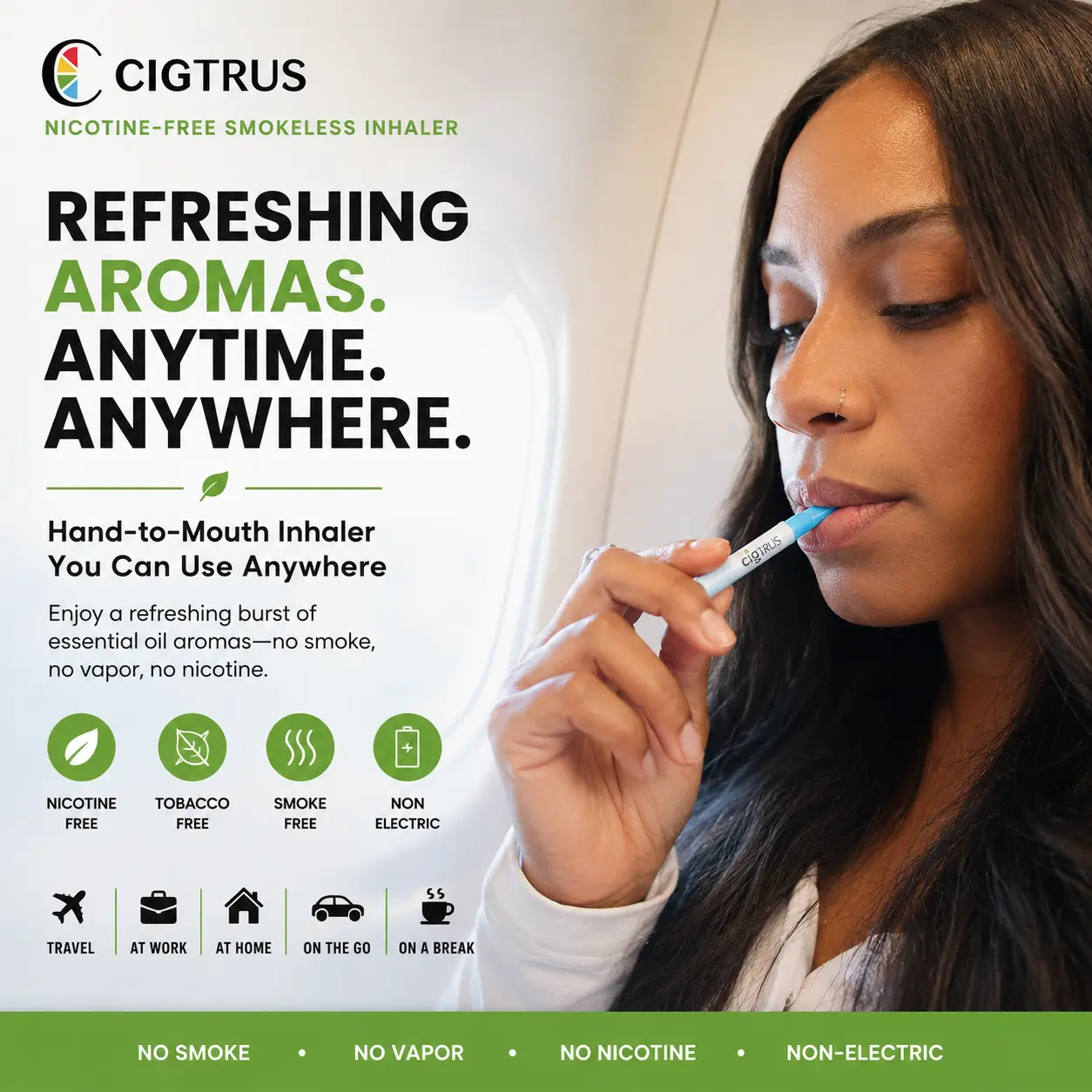
No nicotine, no vapor, no smoke, completely clean with zero restrictions
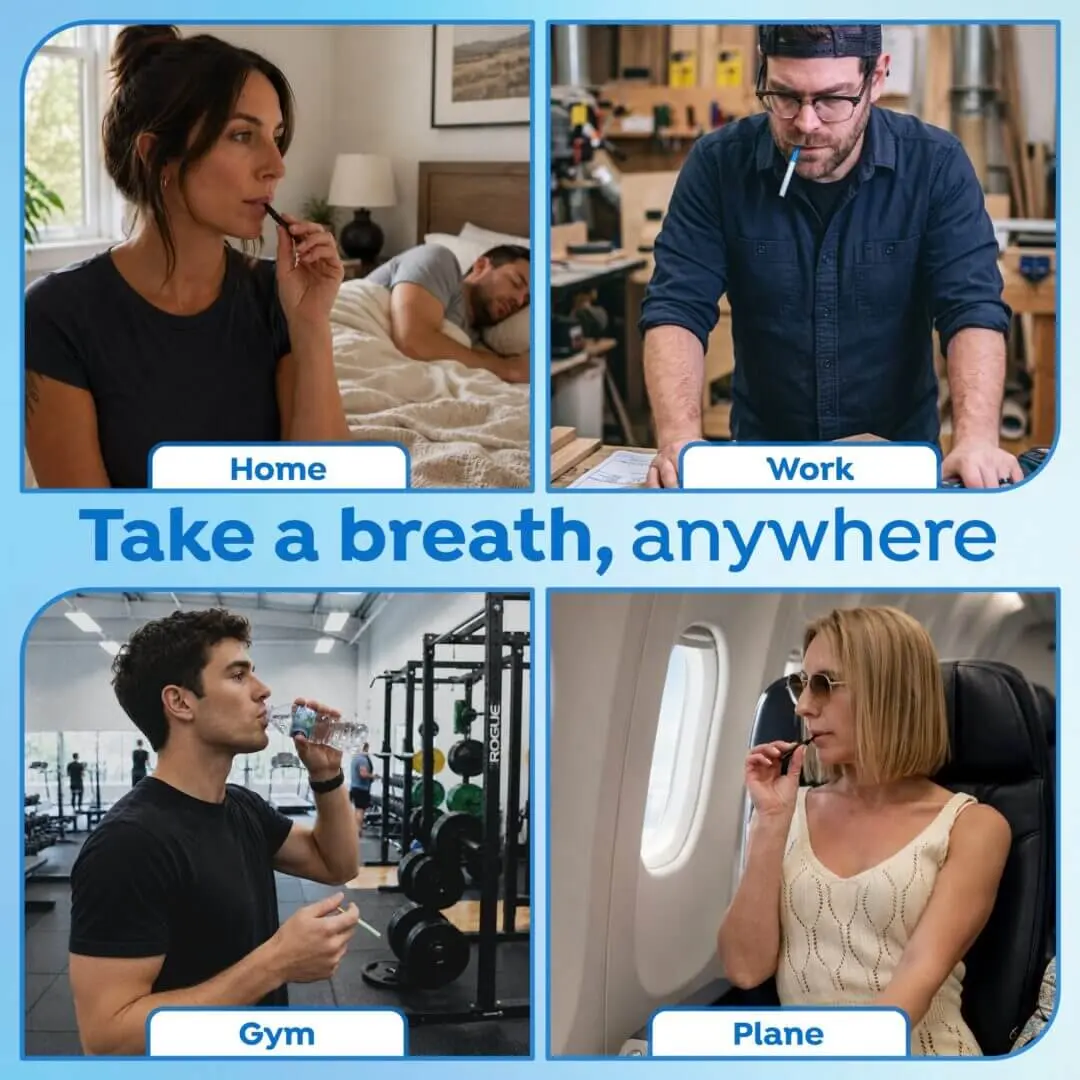
Usable anywhere, indoors, at work, on flights, wherever a trigger fires
Many adults prefer Cigtrus because it contains no nicotine, produces no vapor or smoke, requires no charging, remains lightweight and portable, and fits naturally into daily routines, wherever and whenever the habit used to live.
Building Smoke-Free Habits Over Time
Most smoking and vaping habits develop through repetition and emotional association over years. Replacing those habits takes consistency, patience, and realistic behavioral support over time, not a single overnight decision.
Understanding the behavioral side of smoking helps adults create healthier smoke-free routines while gradually reducing dependence on the repeated inhalation patterns that kept them returning to cigarettes or vaping devices.
What are nicotine-free alternatives without vapor?
Products designed to support the behavioral side of smoking habits, the hand-to-mouth motion, oral fixation, and inhalation routine, without producing smoke, vapor, or delivering nicotine of any kind.
Why do smokers look for vapor-free alternatives?
Many smokers want to move away from all inhalation products, not just cigarettes. Vapor-free alternatives offer the behavioral support without continuing any substance delivery or restriction-creating vapor production.
How is Cigtrus different from vaping?
Cigtrus is non-electric, smokeless, and vapor-free. It does not heat liquid, produce aerosol, or deliver nicotine. It is a behavioral habit replacement tool, not a vaping device of any kind.
Are there smoke-free alternatives that work anywhere?
Yes. Because Cigtrus produces no smoke or vapor, it can be used in offices, on flights, indoors, and any environment where smoking and vaping are completely banned.
No Vapor. No Nicotine. Just the Habit Replaced.
Natural, smoke-free, and ready for every trigger, wherever your day takes you.
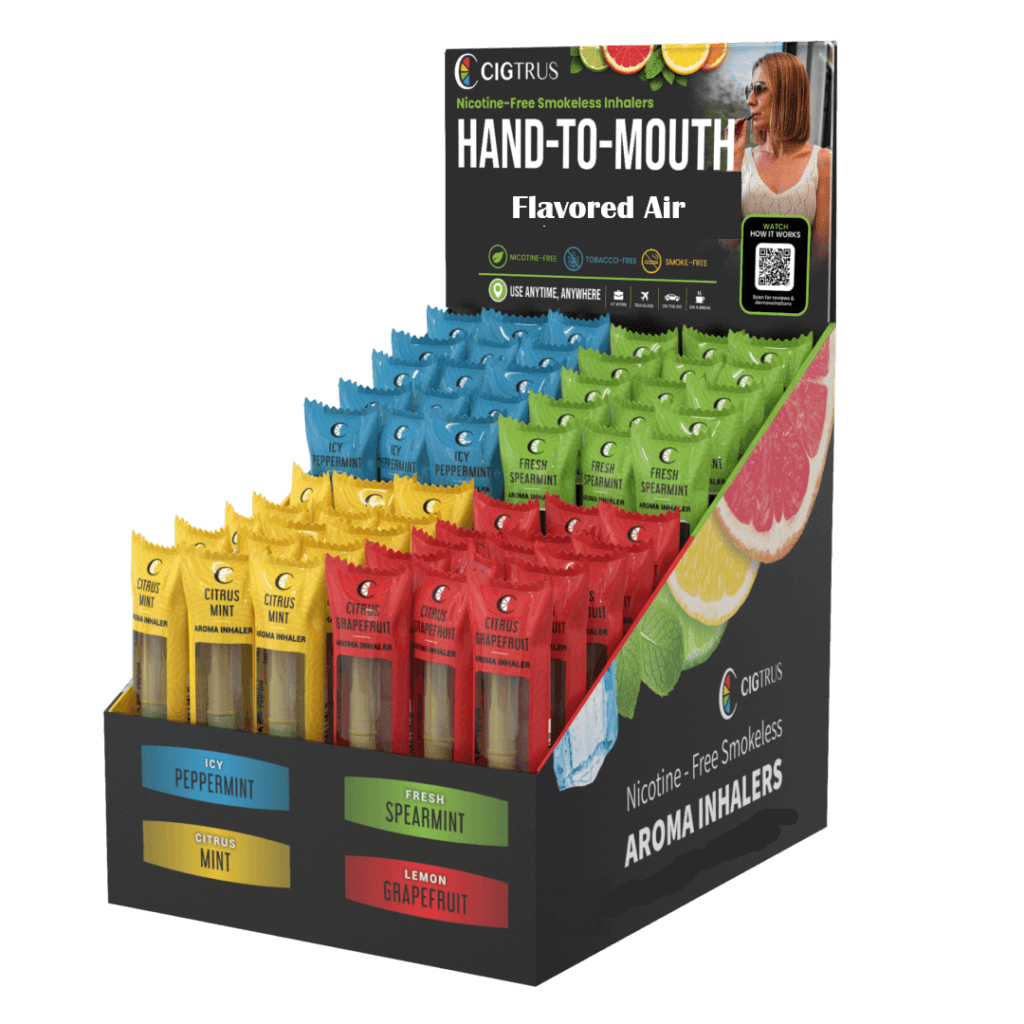
👉 Try the Variety Pack