How Smokeless Inhalers Support Smoke-Free Routines
Many smokers searching for smoke-free alternatives eventually realize the challenge is often connected to more than nicotine alone. For many users, smoking habits become deeply connected to repeated daily routines, familiar hand-to-mouth behavior, and emotional repetition developed over time. That is one reason interest in smokeless inhalers continues growing among smokers exploring smoke-free behavioral alternatives.
Why Smoke-Free Routines Matter
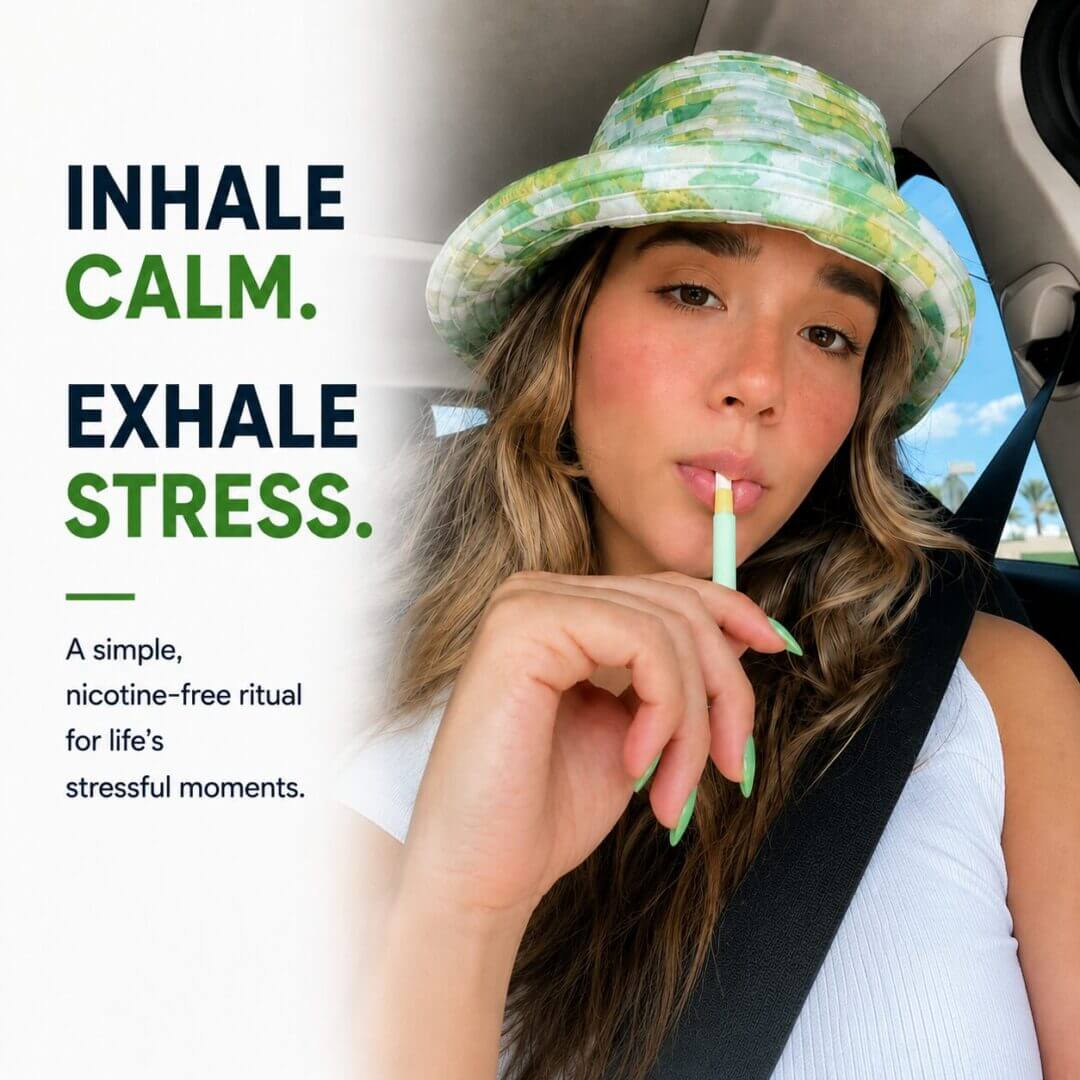
Smoking habits often become connected to stress, boredom, emotional situations, driving, work breaks, and repeated daily behavior. Over time, the repeated inhale/exhale rhythm and familiar inhalation routine gradually become automatic patterns connected to everyday life.
For many smokers, cravings are often not about nicotine, they are about these deeply ingrained behavioral routines that continue firing long after chemical withdrawal fades. Replacing the physical ritual itself eventually becomes one of the hardest parts of building new smoke-free routines.
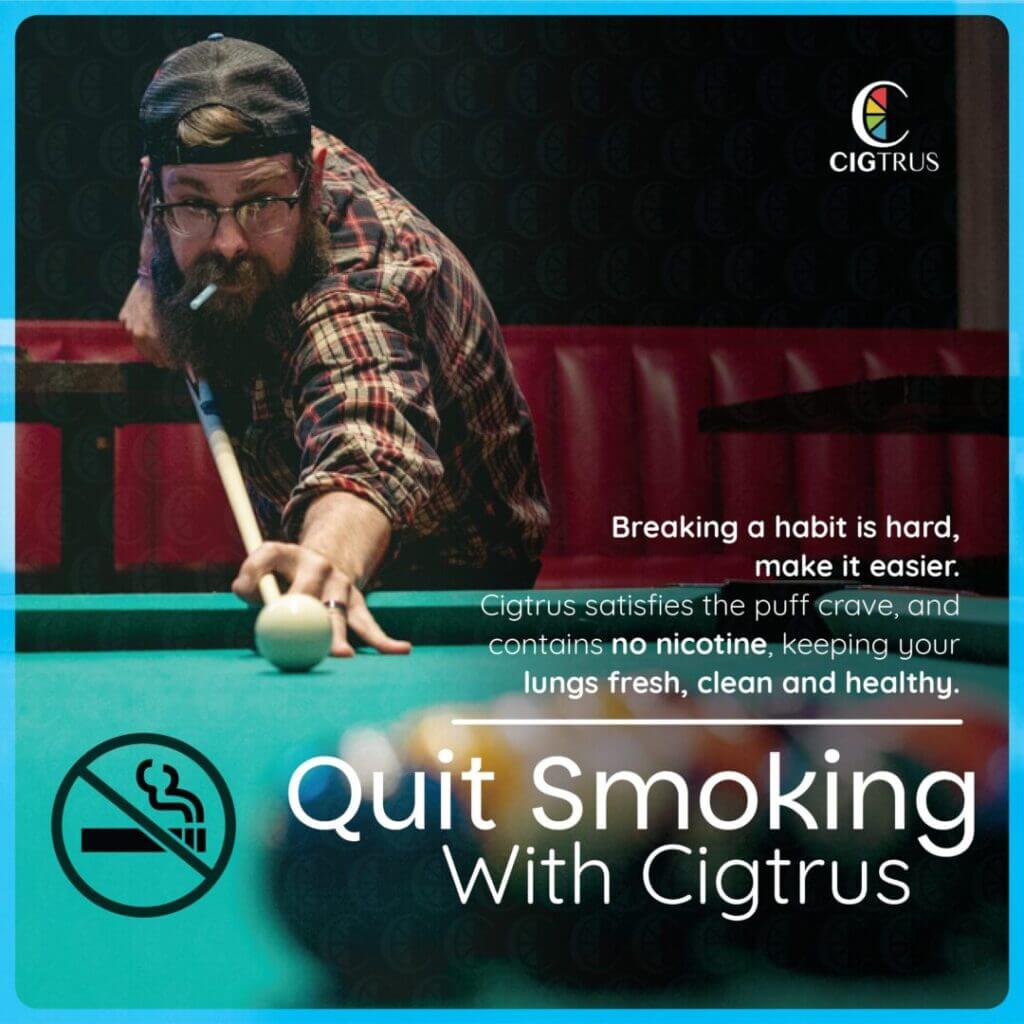
Breaking the habit, not the ritual, giving the familiar motion a clean destination rather than simply removing it, is what makes behavioral replacement sustainable.
“Smokeless inhalers support smoke-free routines by giving every familiar trigger moment a clean behavioral destination, the familiar reach, the familiar breath, the familiar pause, without smoke, vapor, or nicotine.”
Why More Smokers Are Exploring Smokeless Inhalers
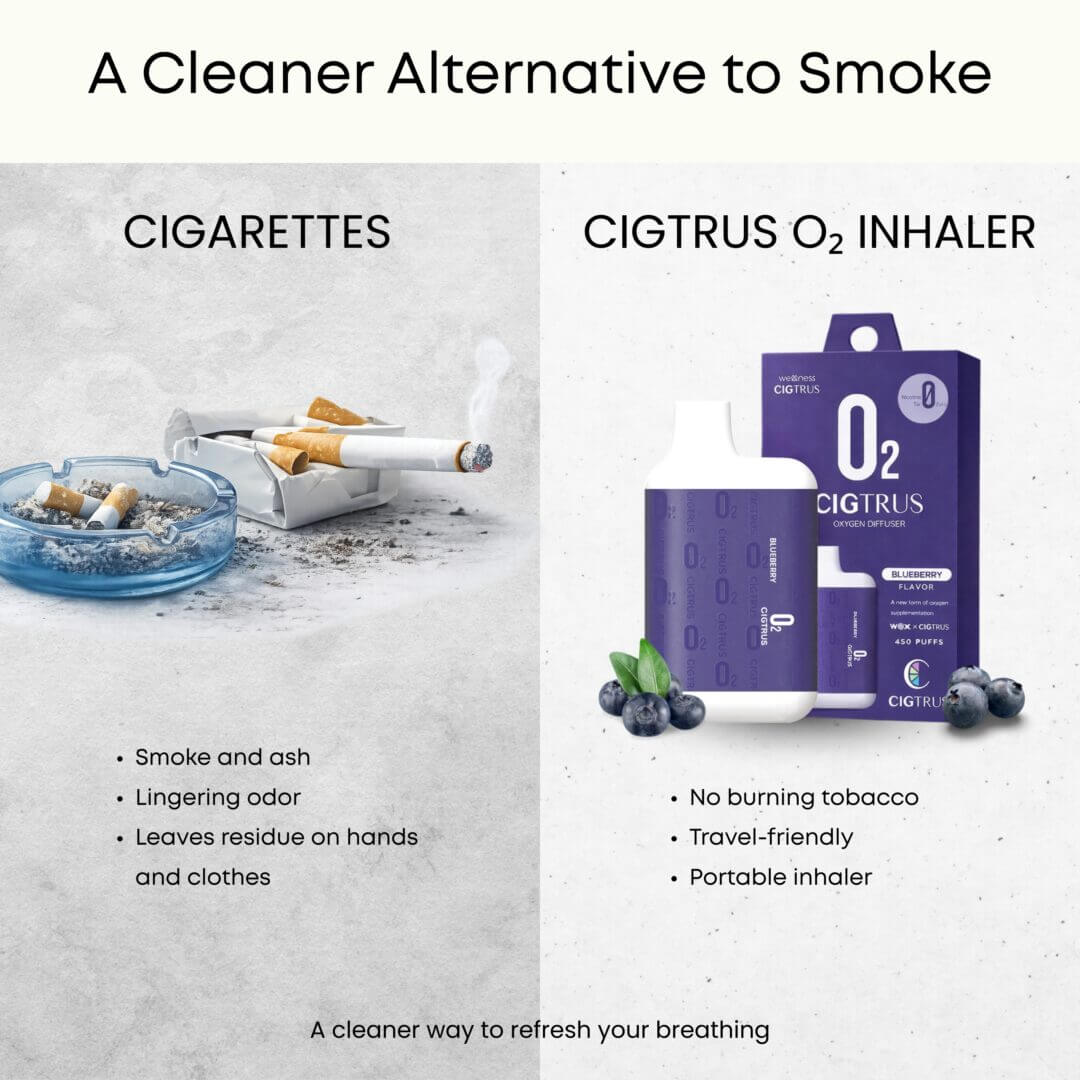
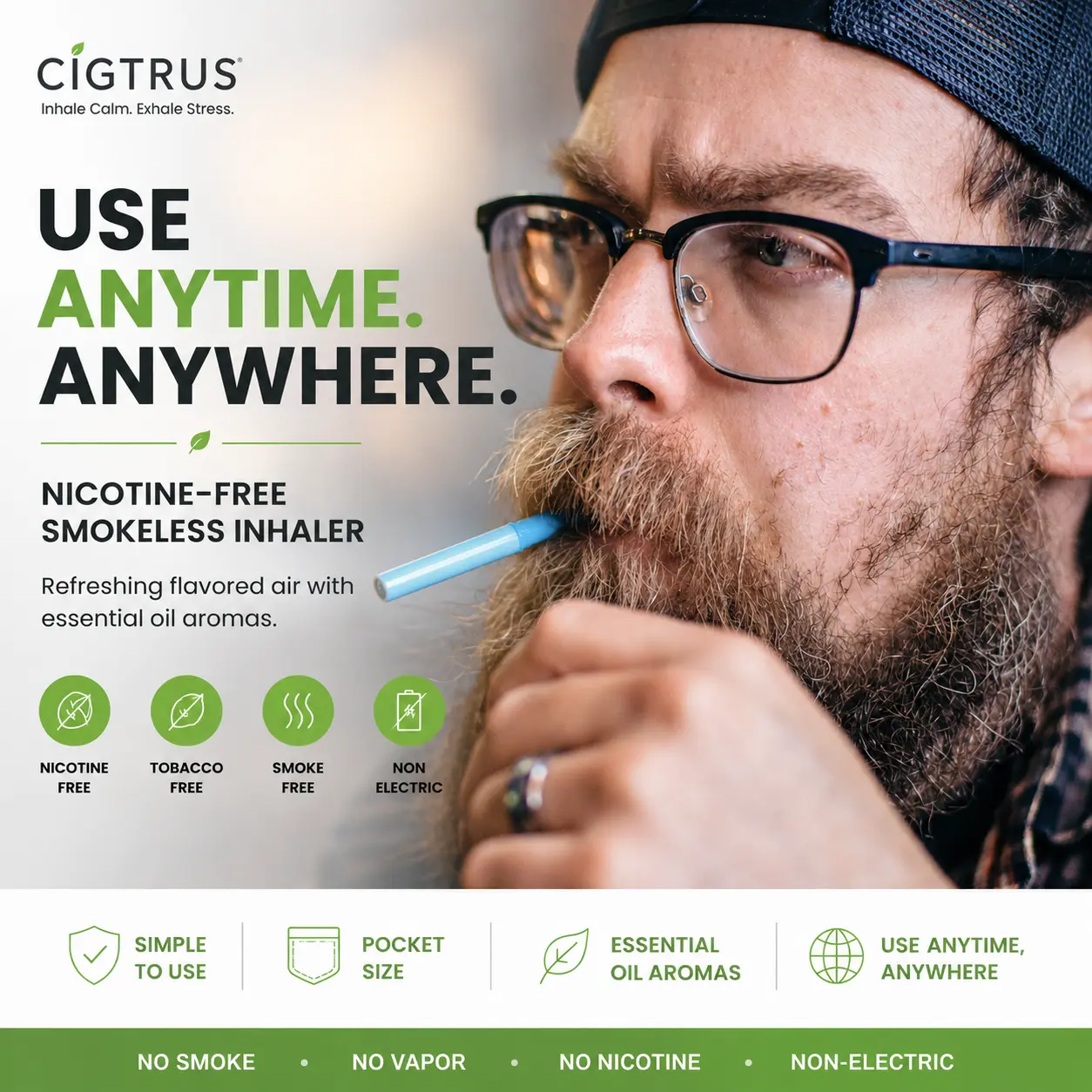
Many smokers begin searching for alternatives that move away from nicotine dependence, smoke and vapor, electronic devices, charging systems, and repeated inhalation routines. Some users are attracted to smokeless inhalers because they produce no smoke or vapor, require no charging, are non-electric, are lightweight and portable, and fit naturally into daily routines.
This growing category is helping redefine how many smokers approach smoke-free behavioral support, by providing a consistent, always-ready option for every trigger moment throughout the day.
How Cigtrus Supports Hand-to-Mouth Habit Replacement
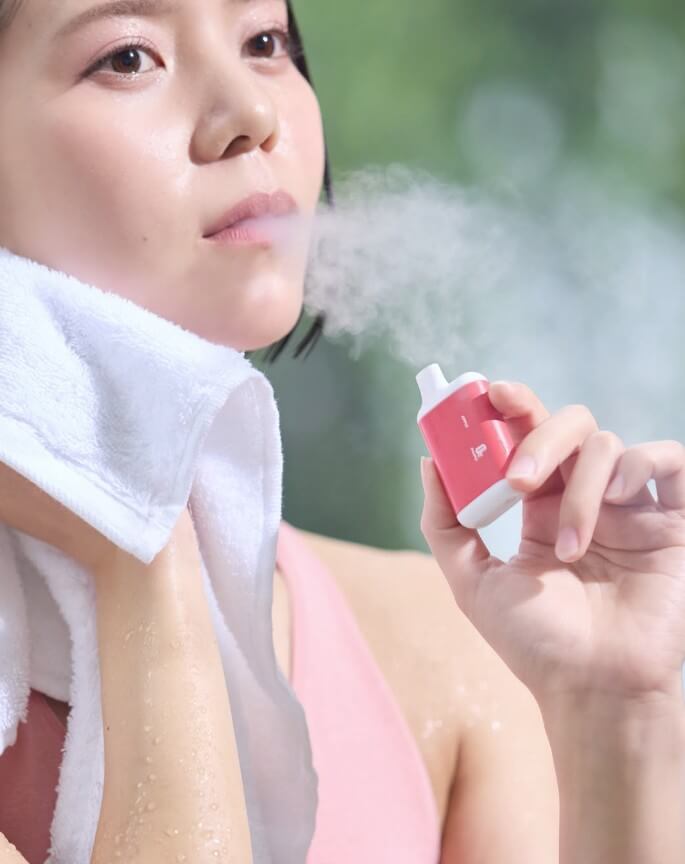
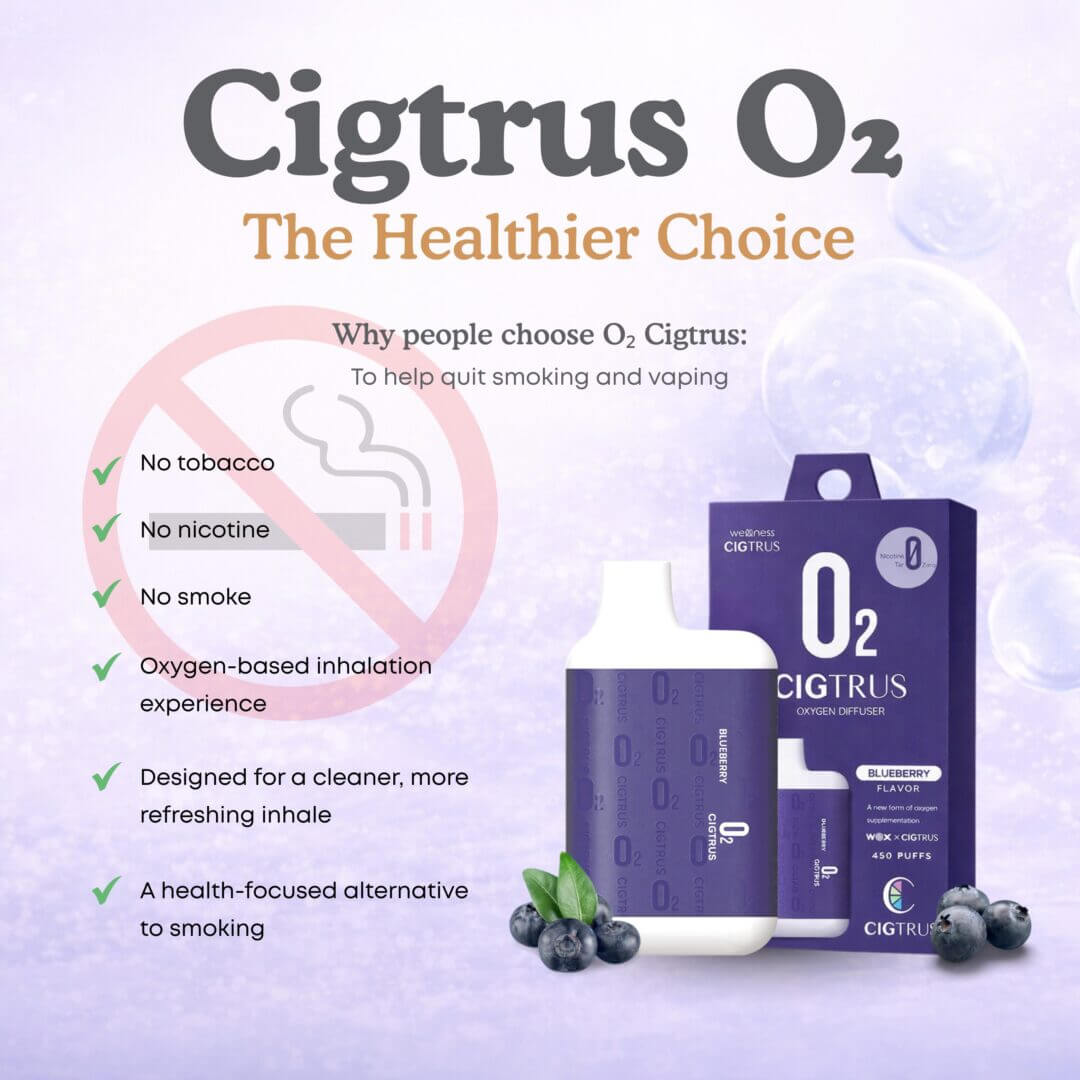
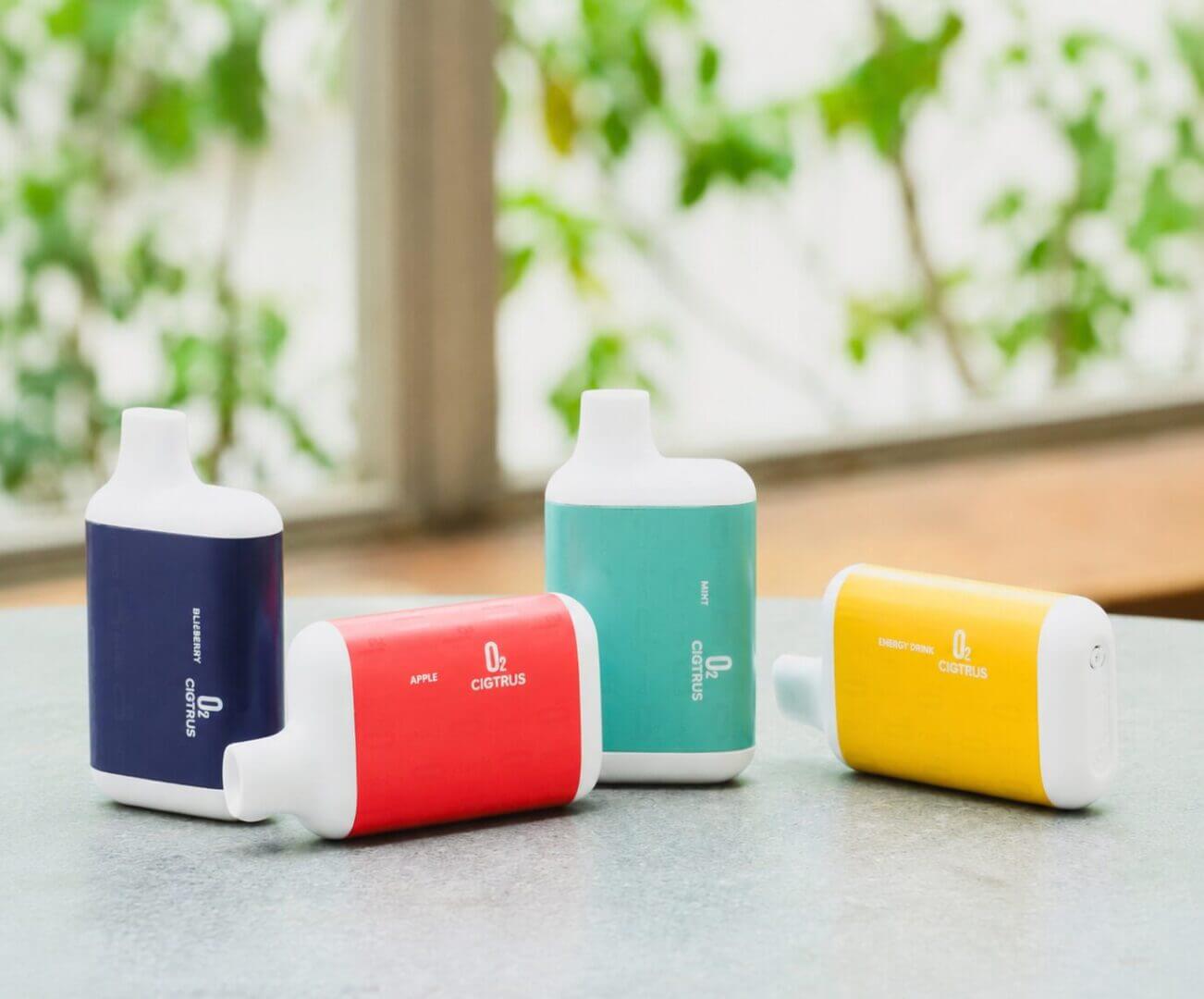
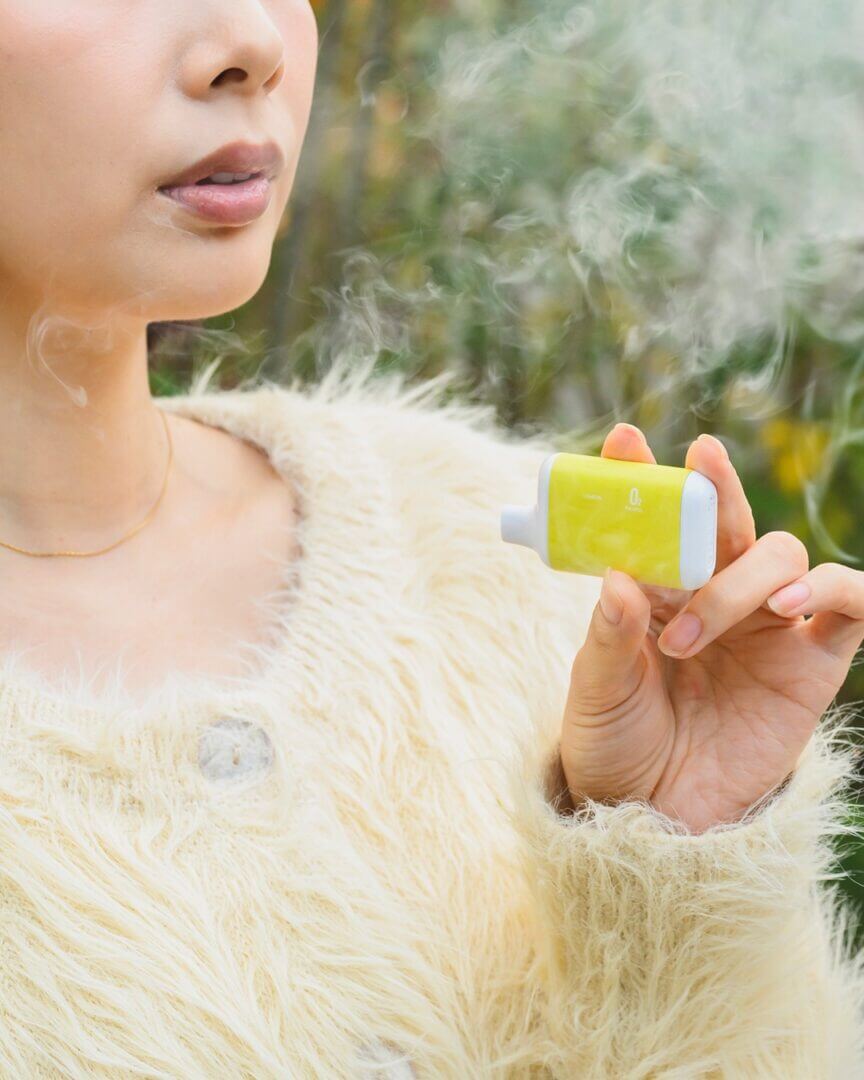
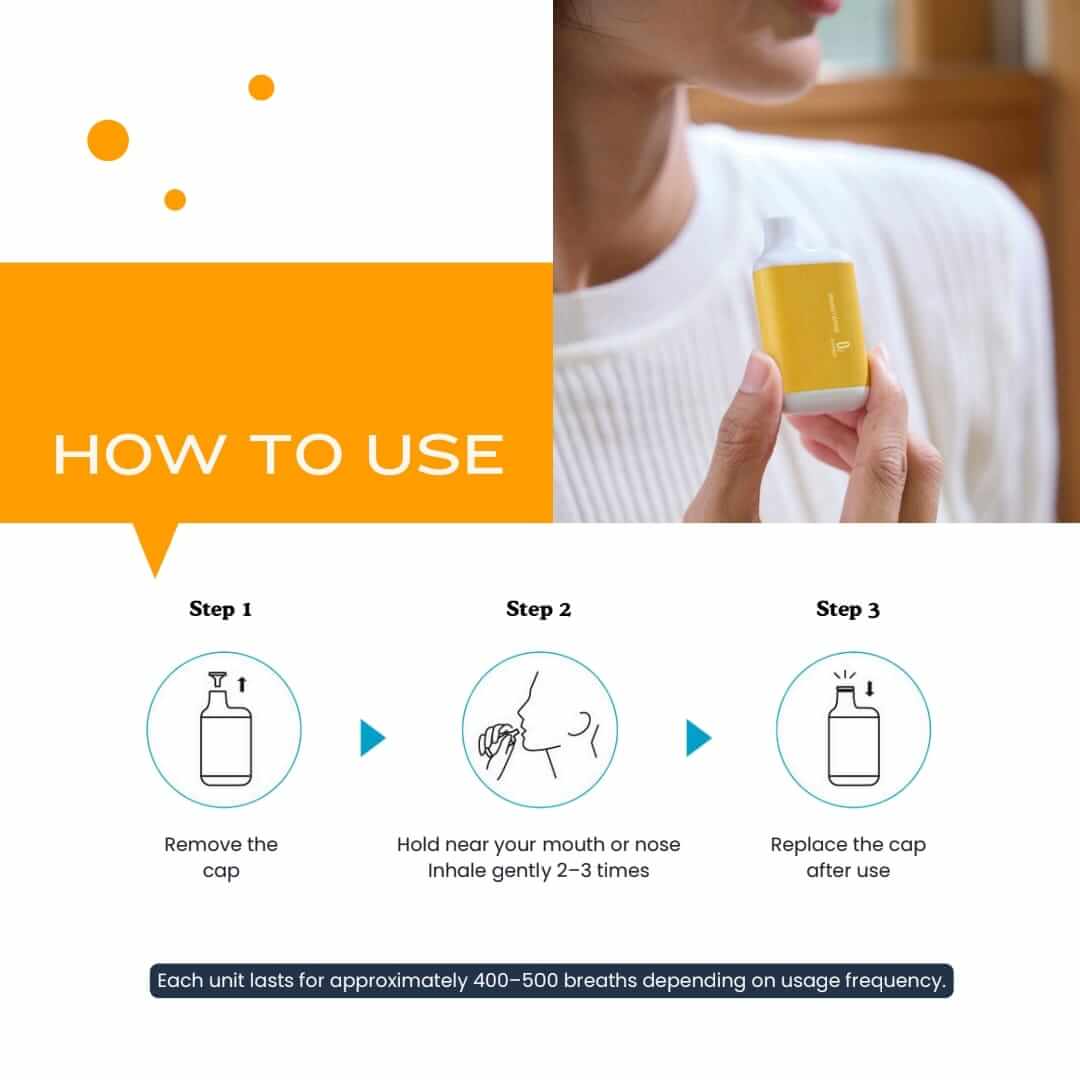
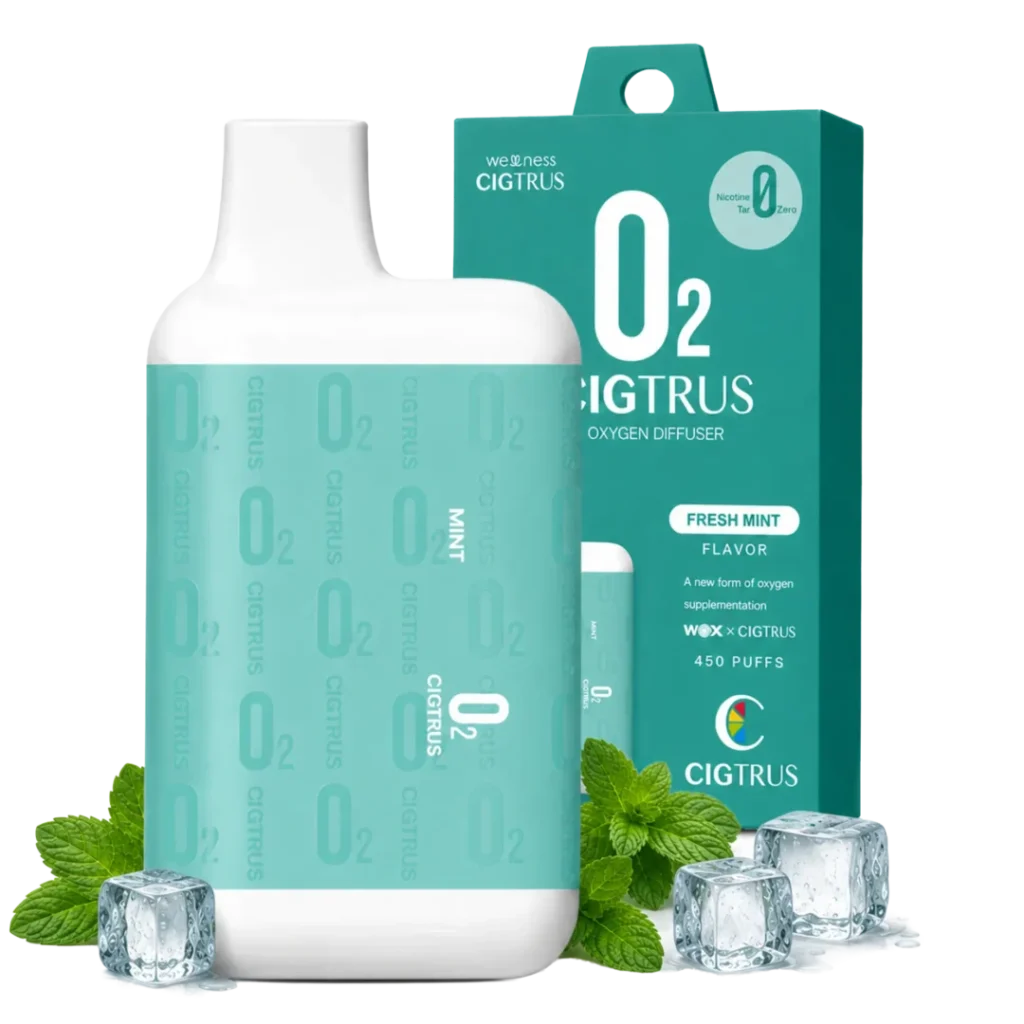
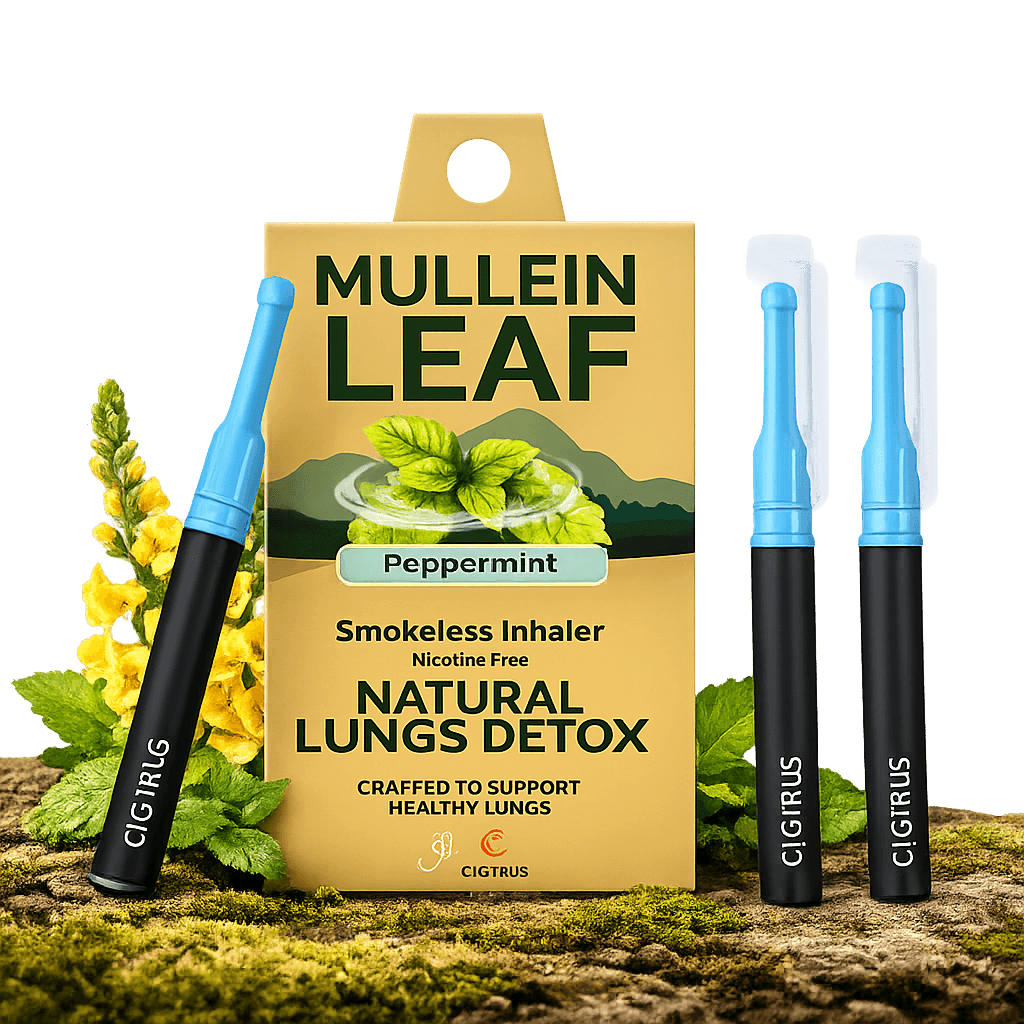
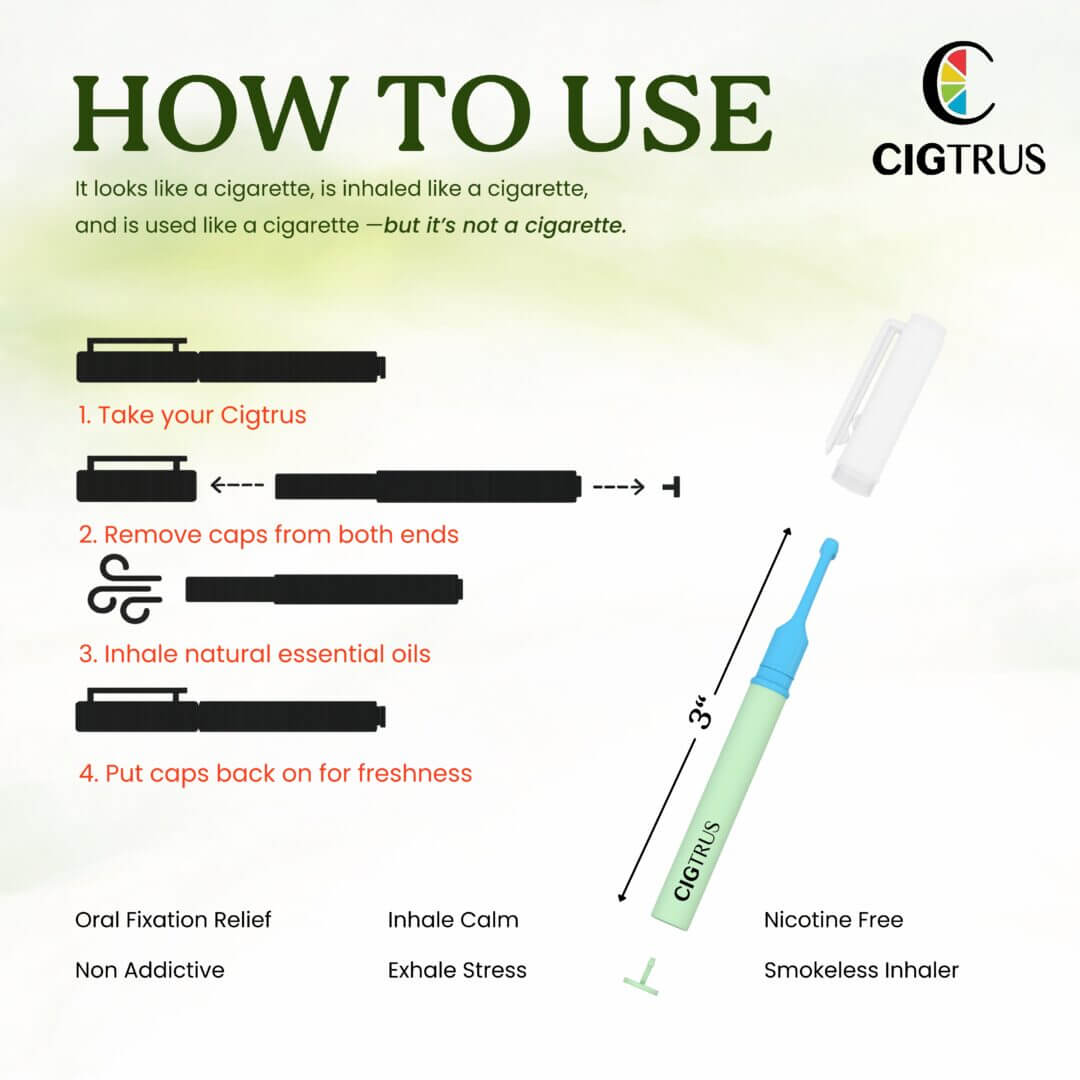
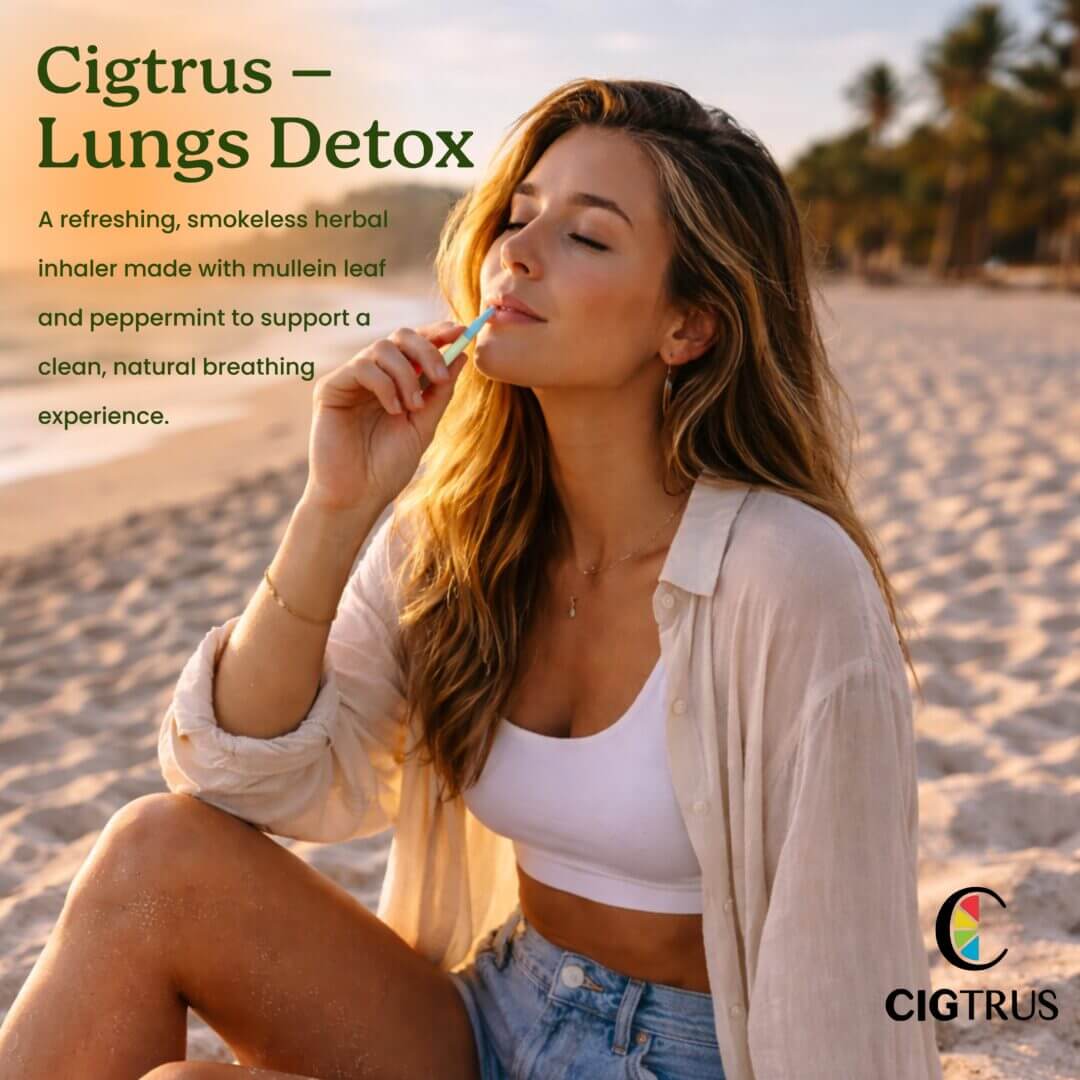
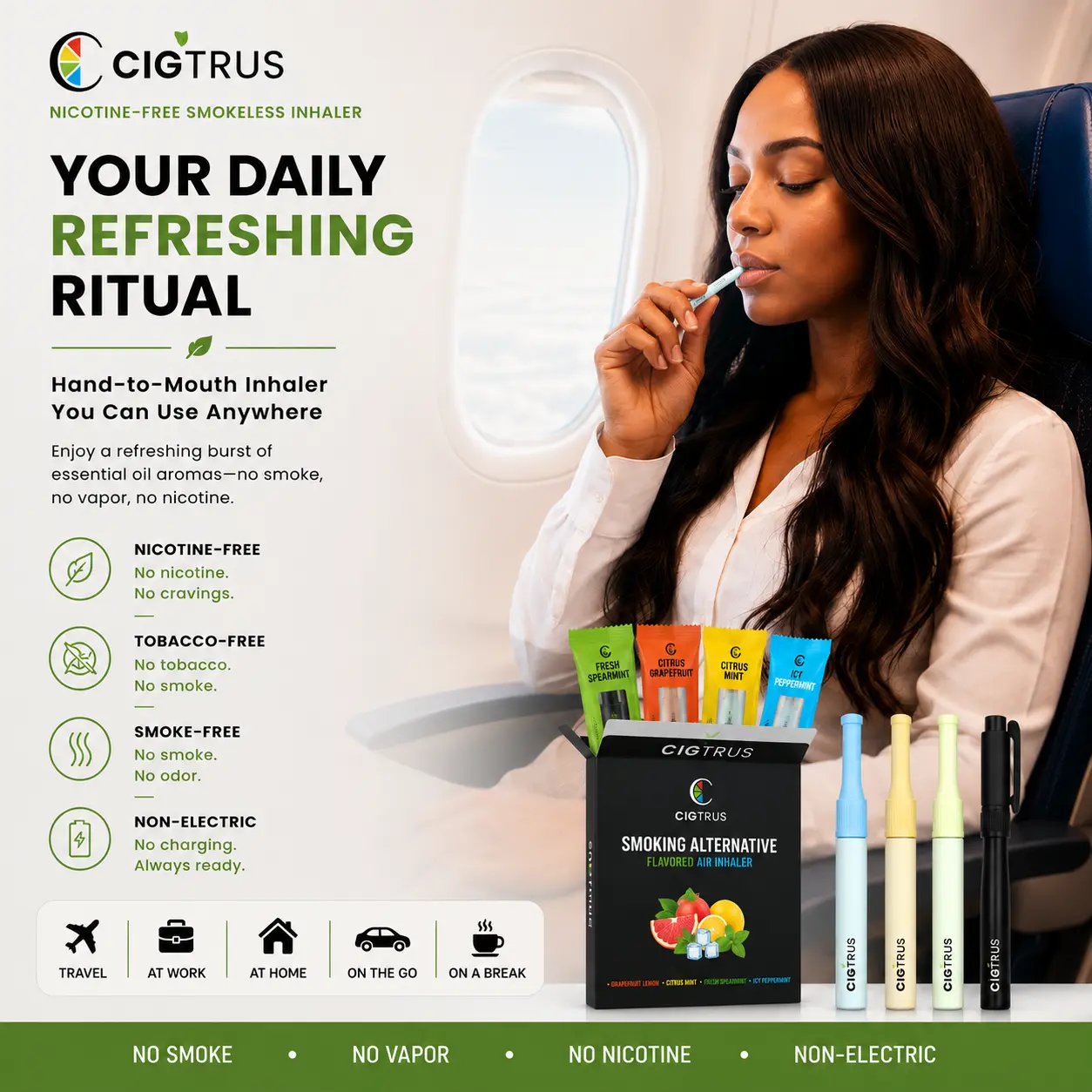
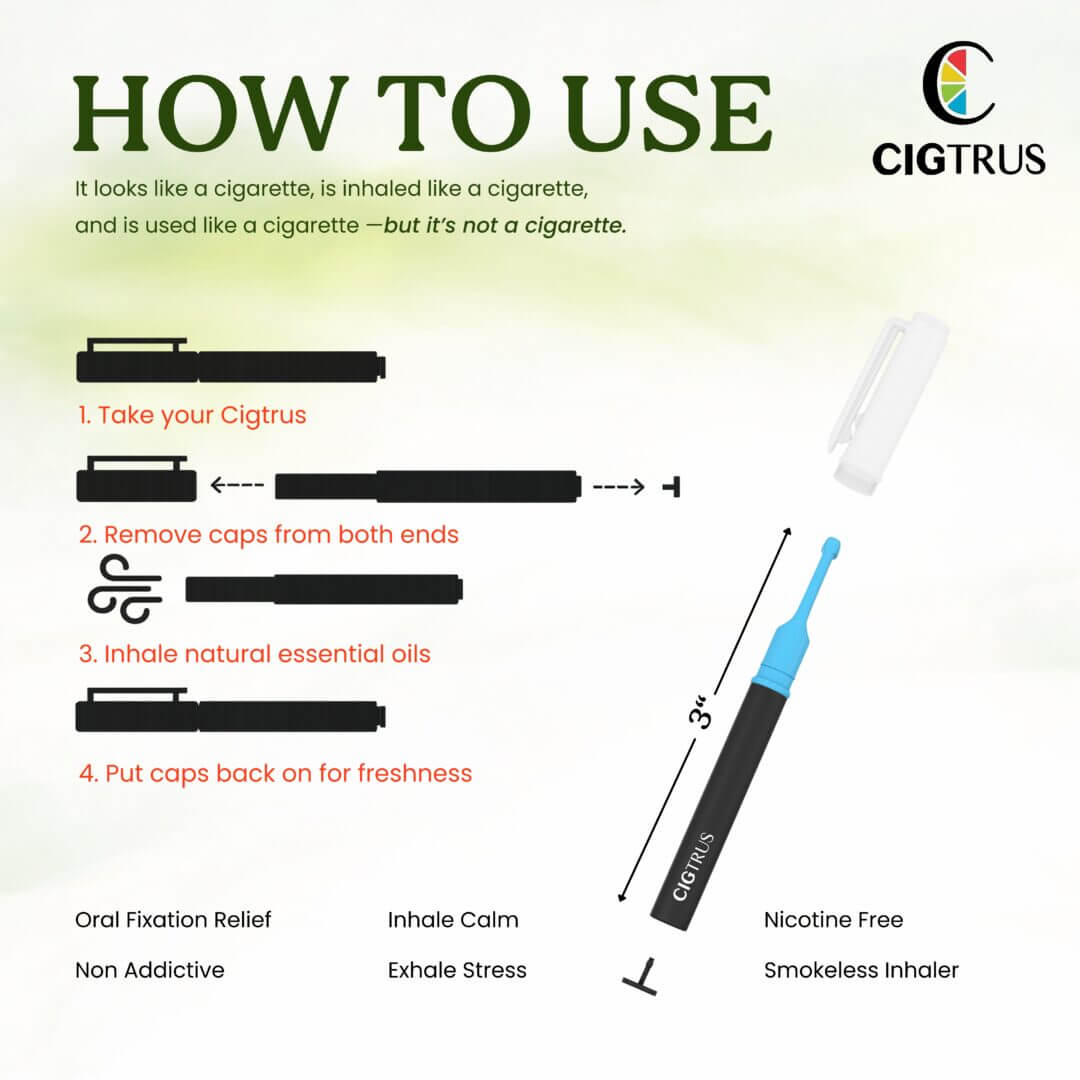
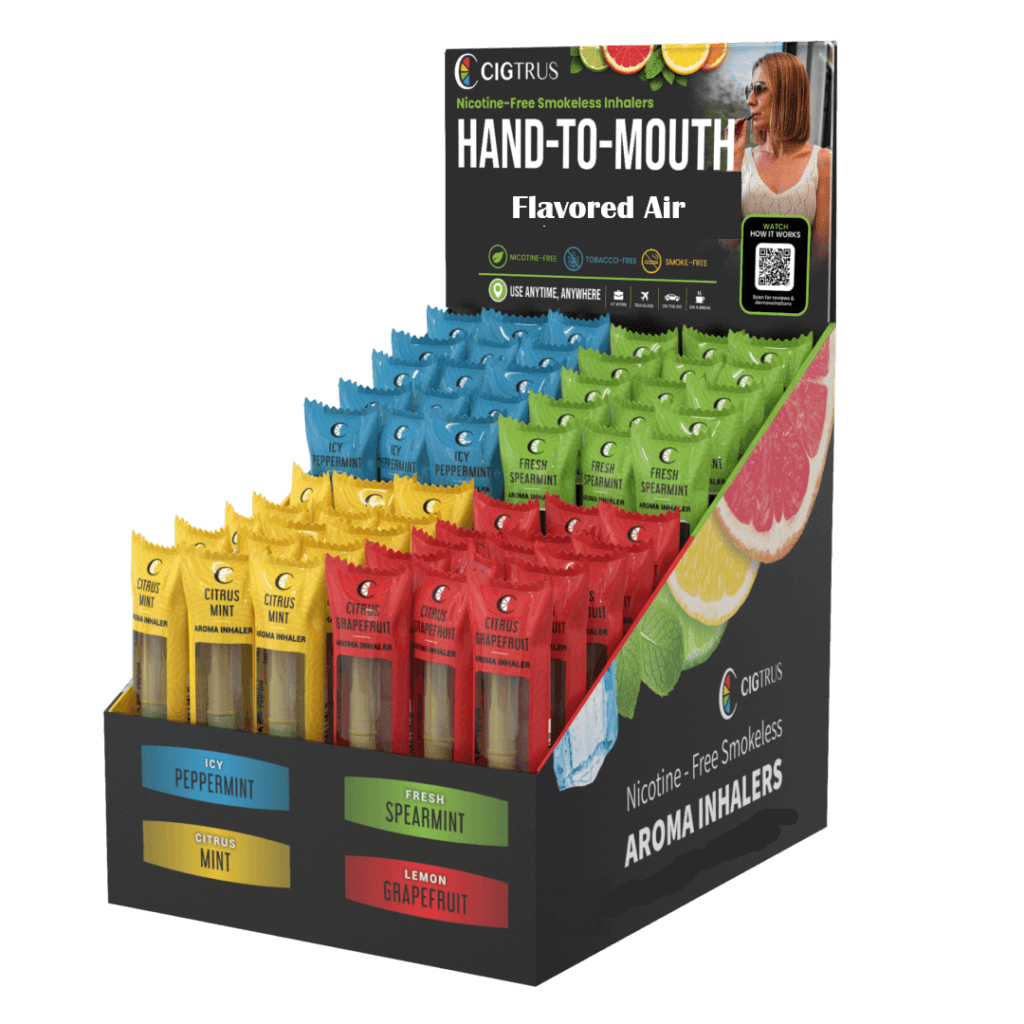
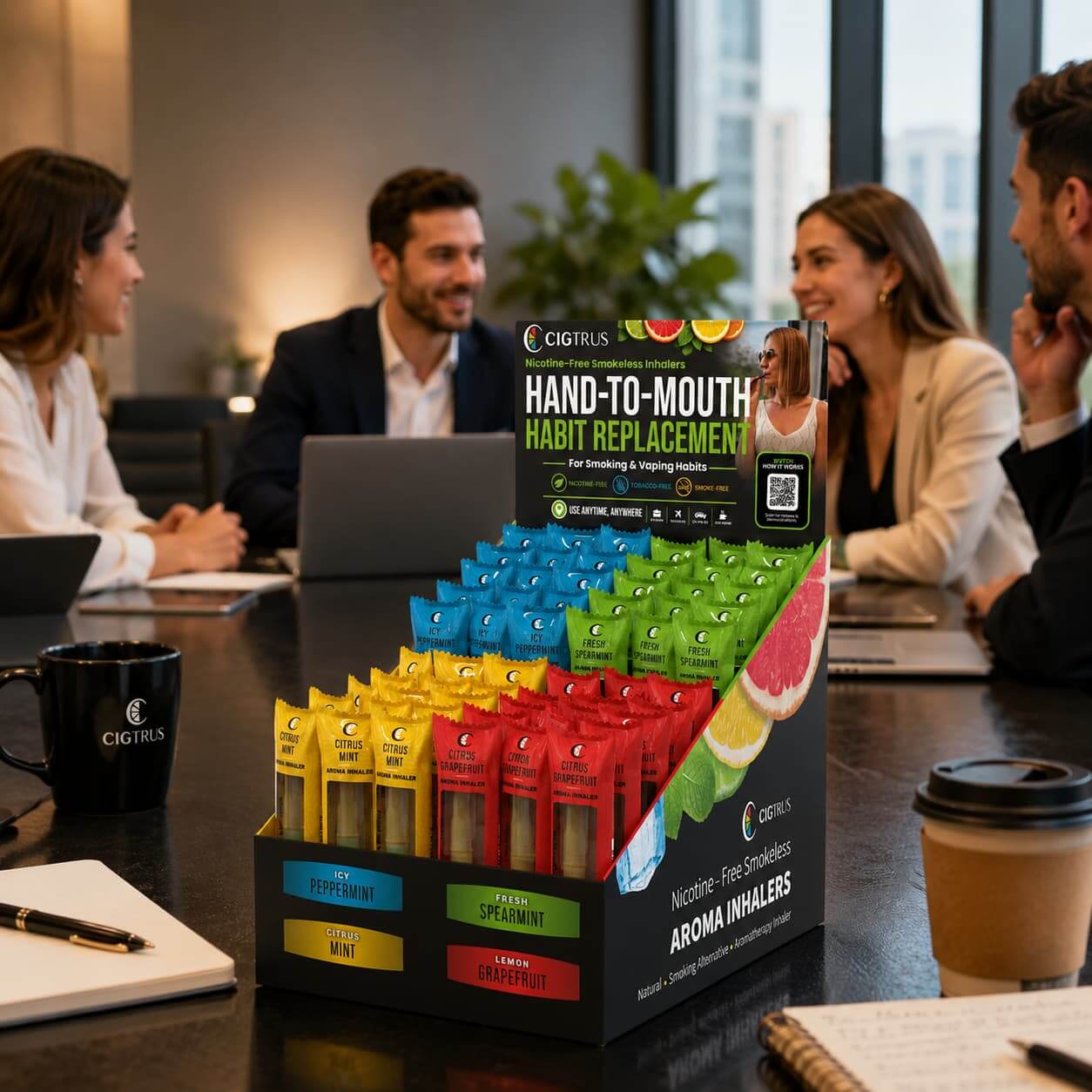
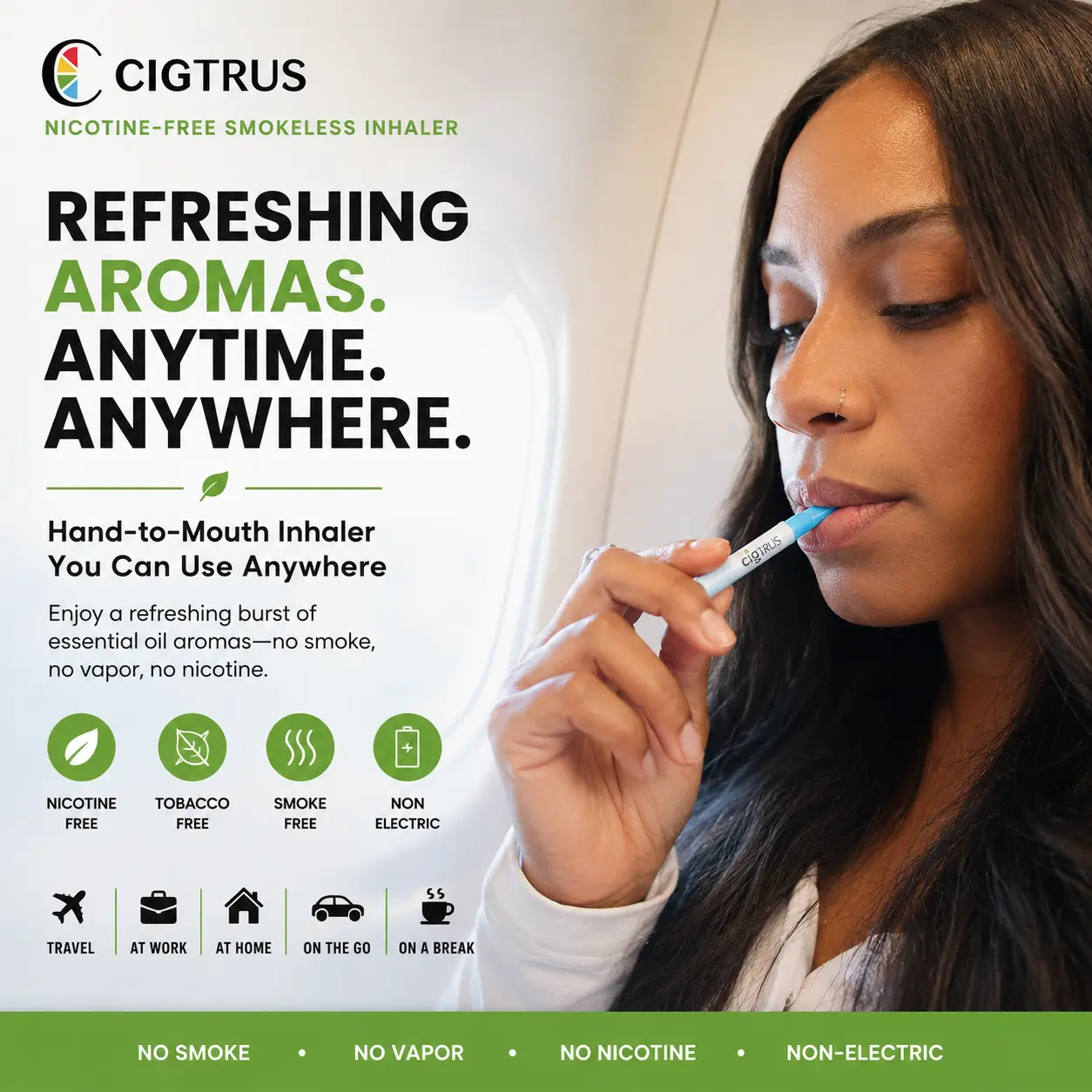
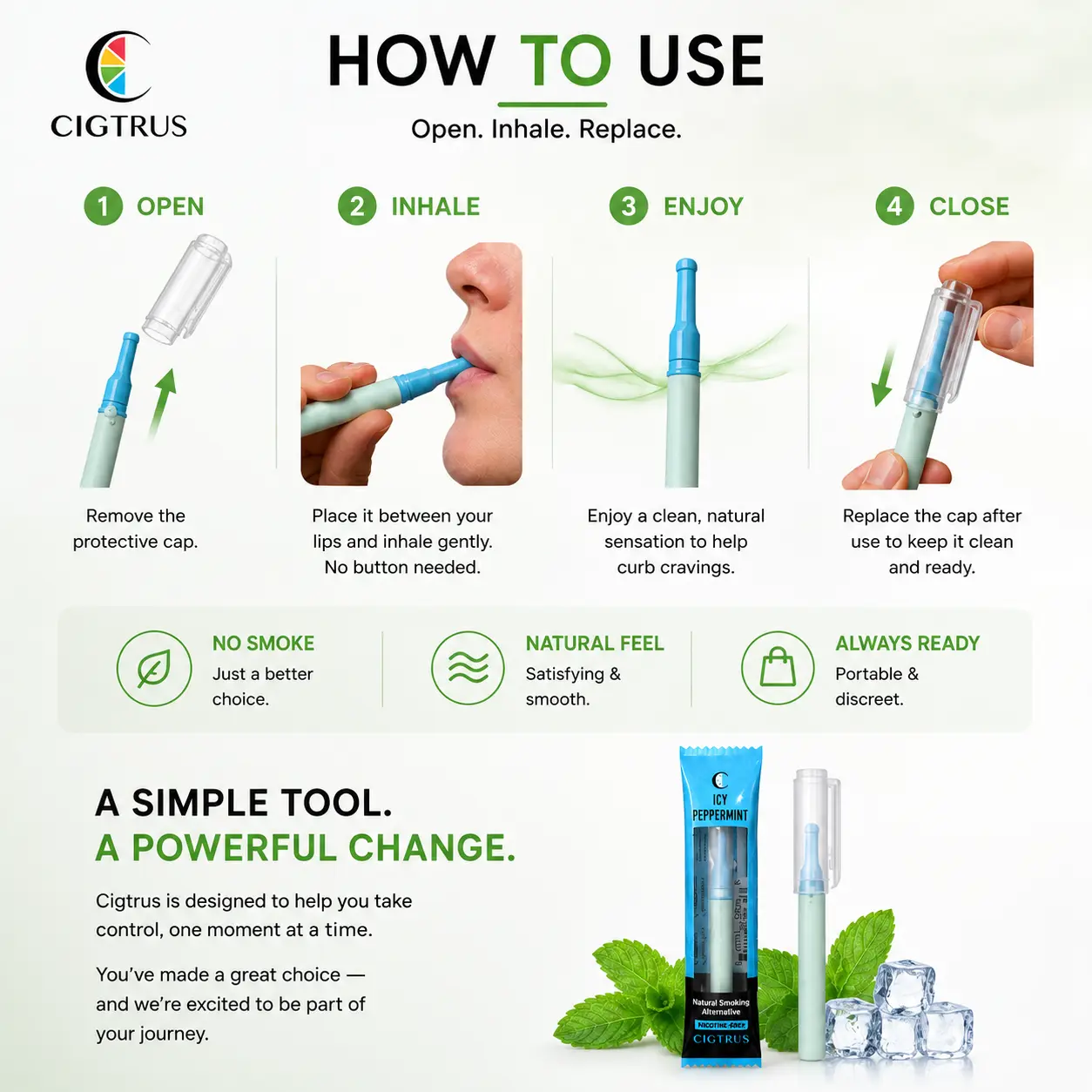
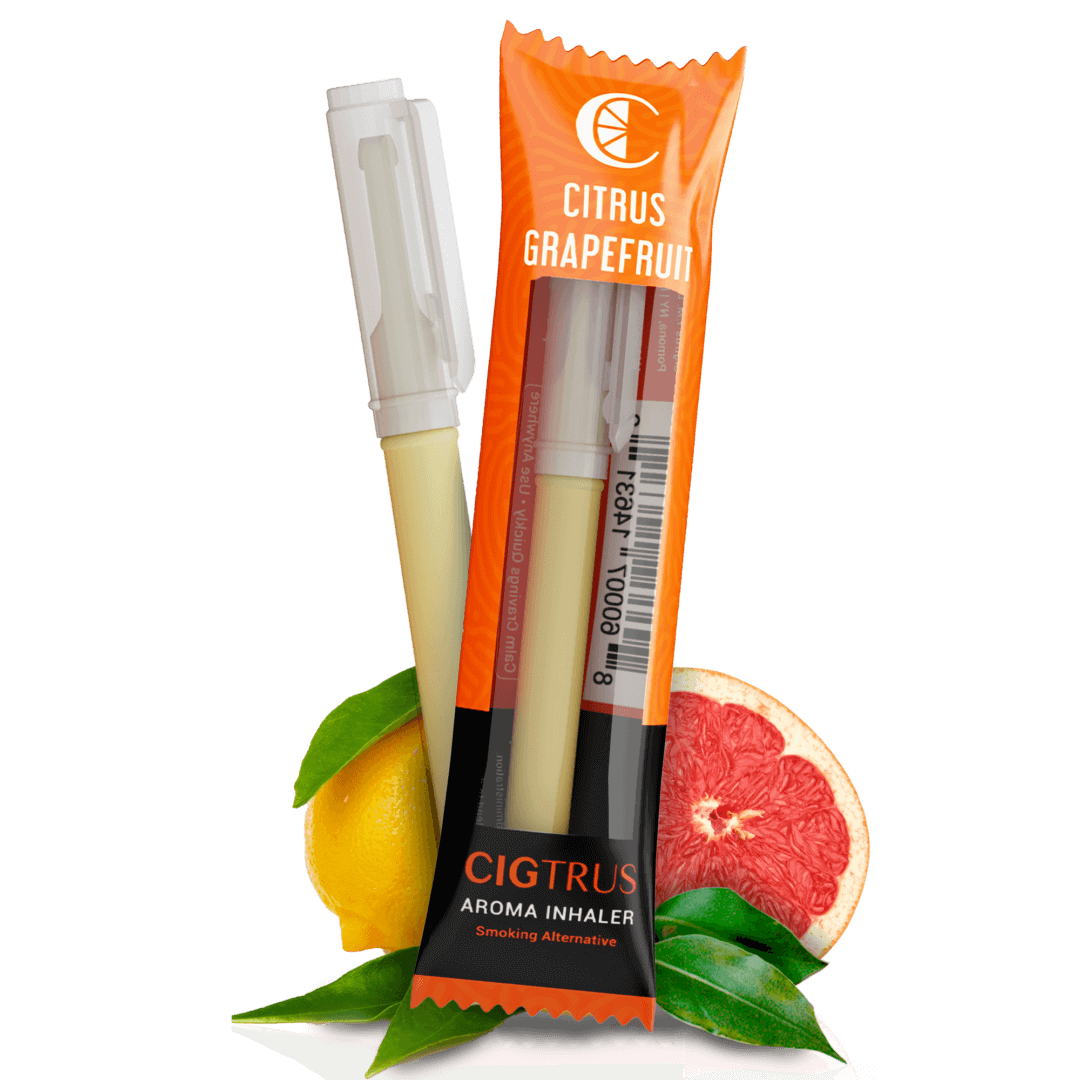
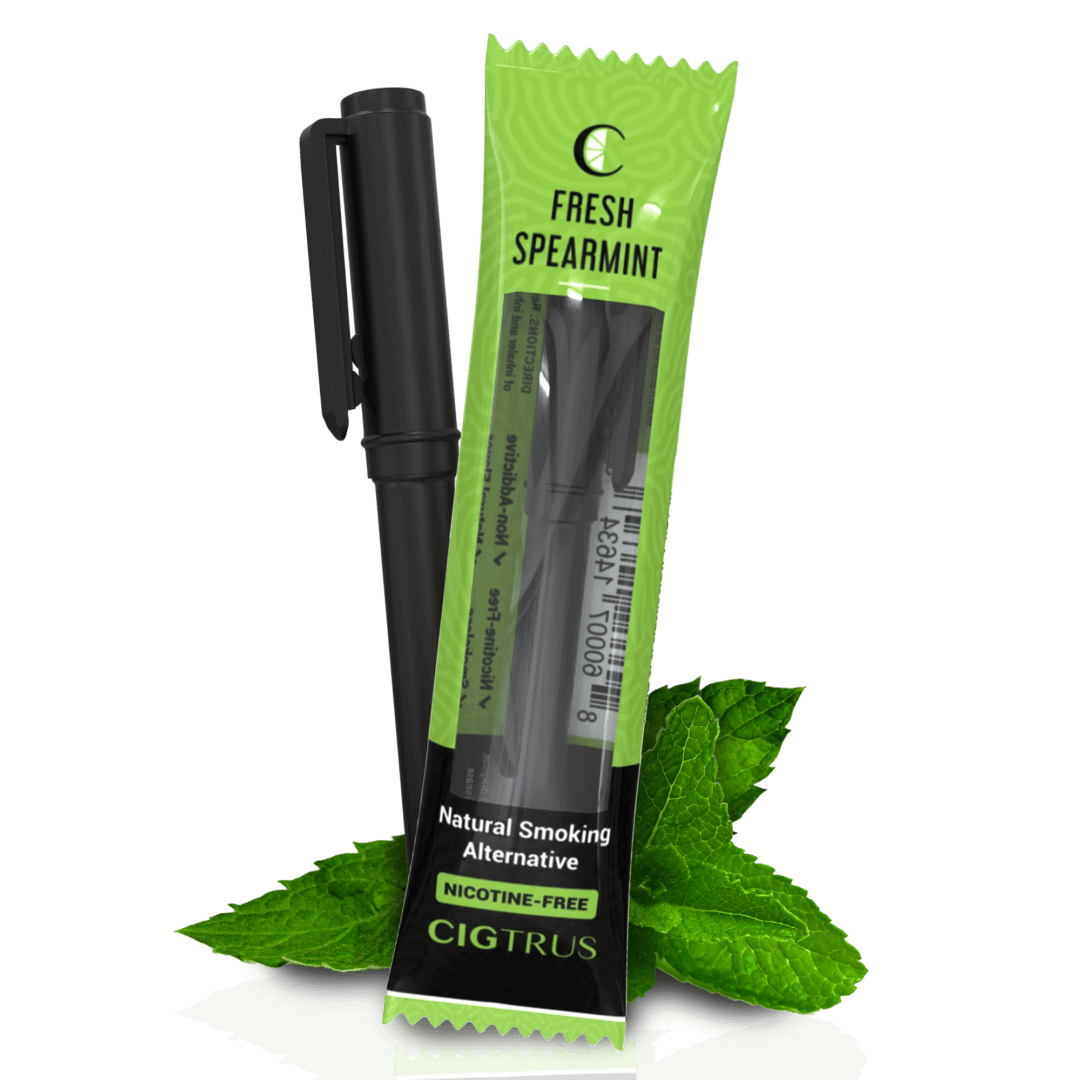
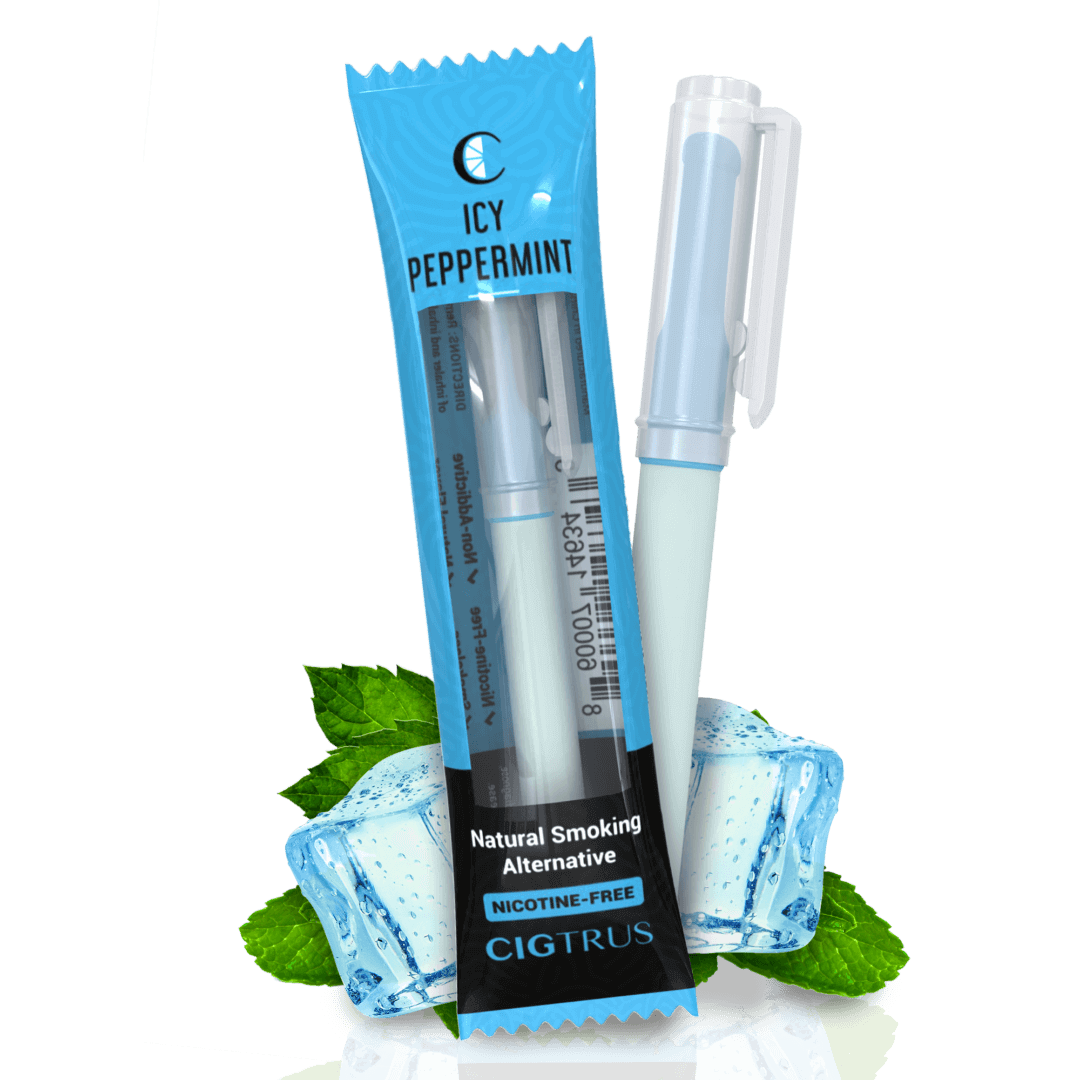
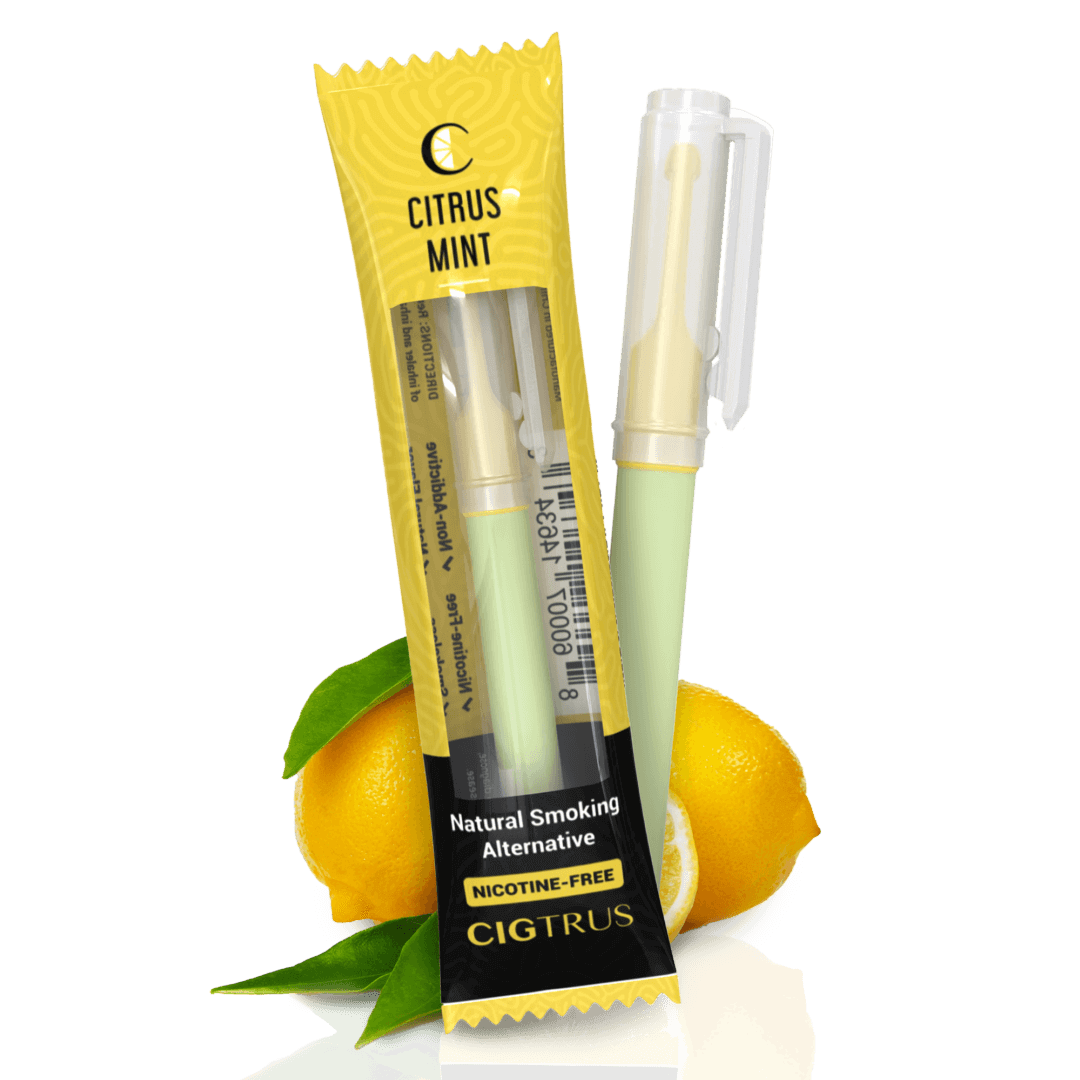
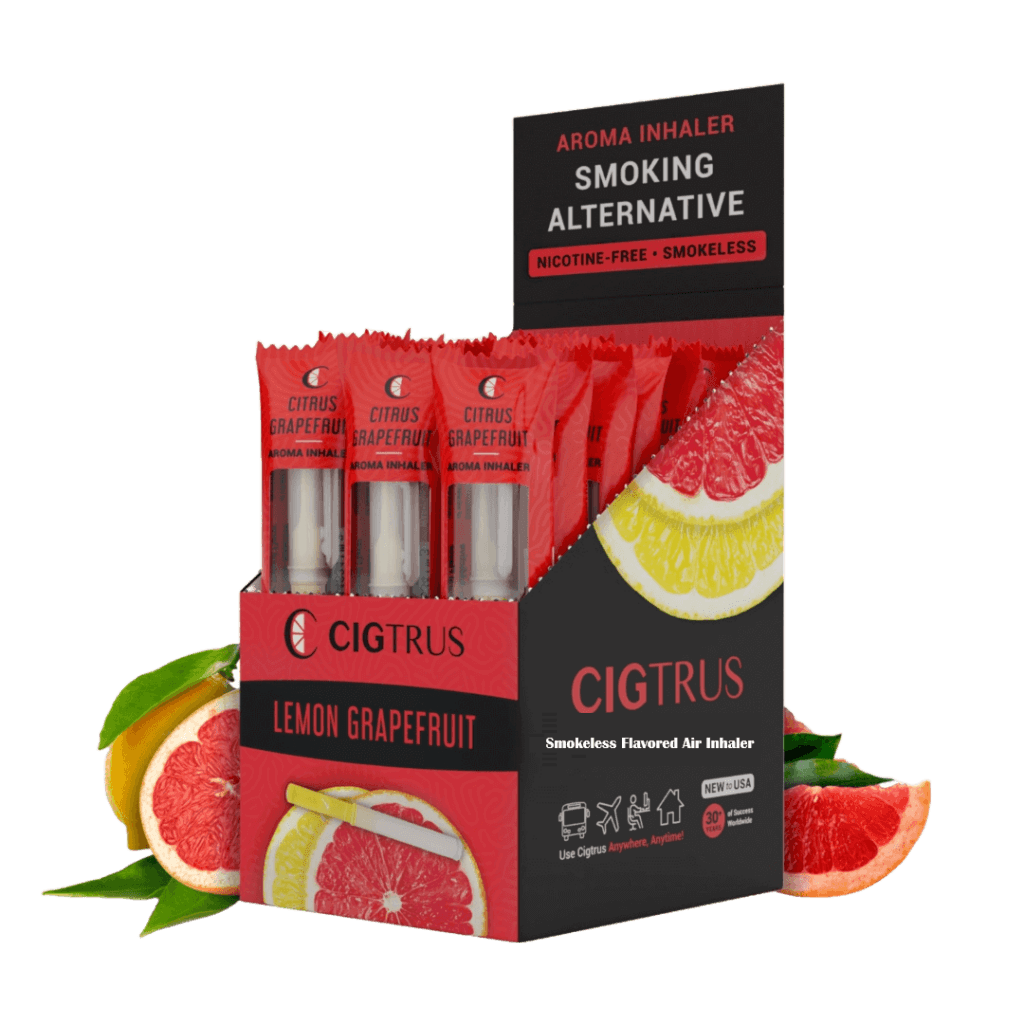
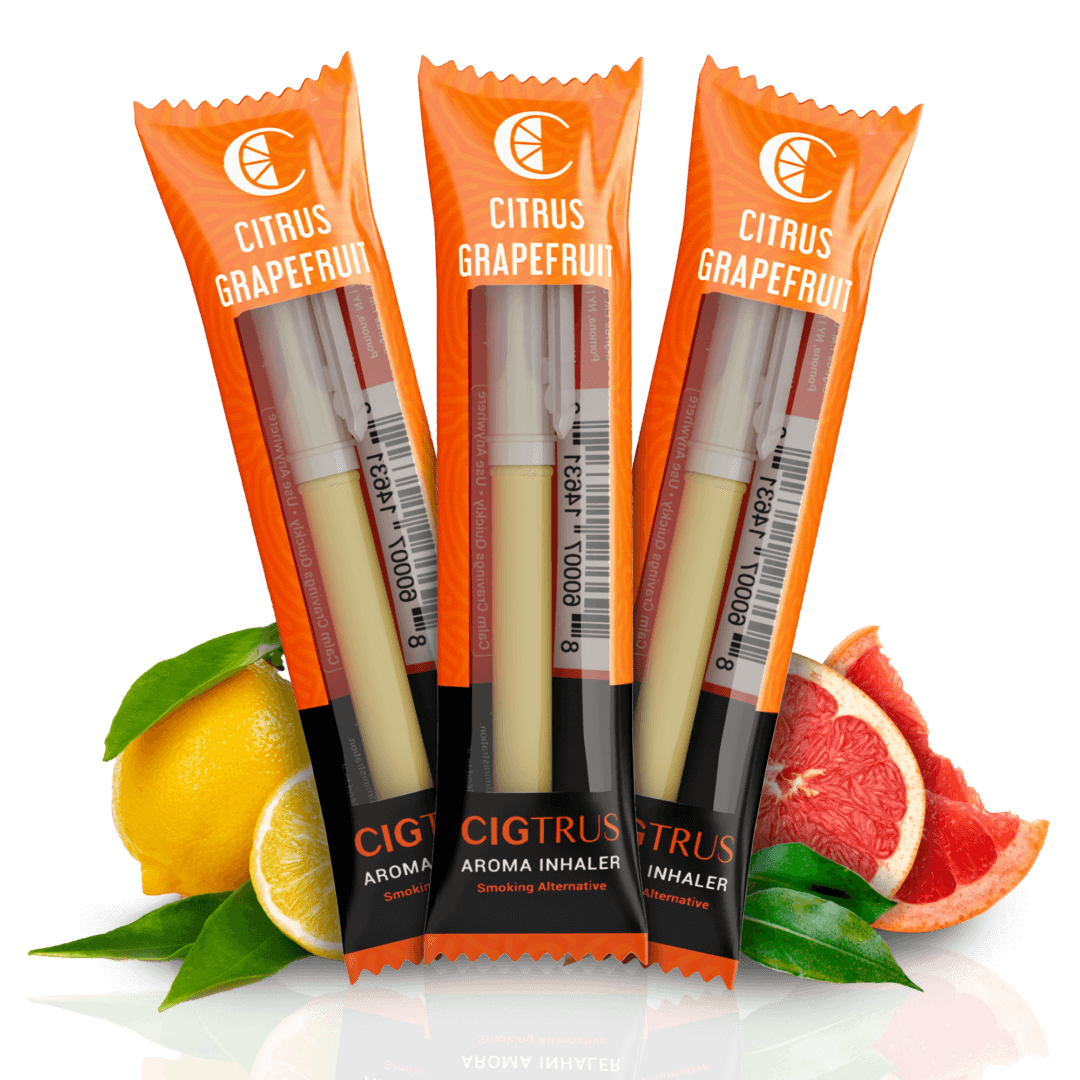
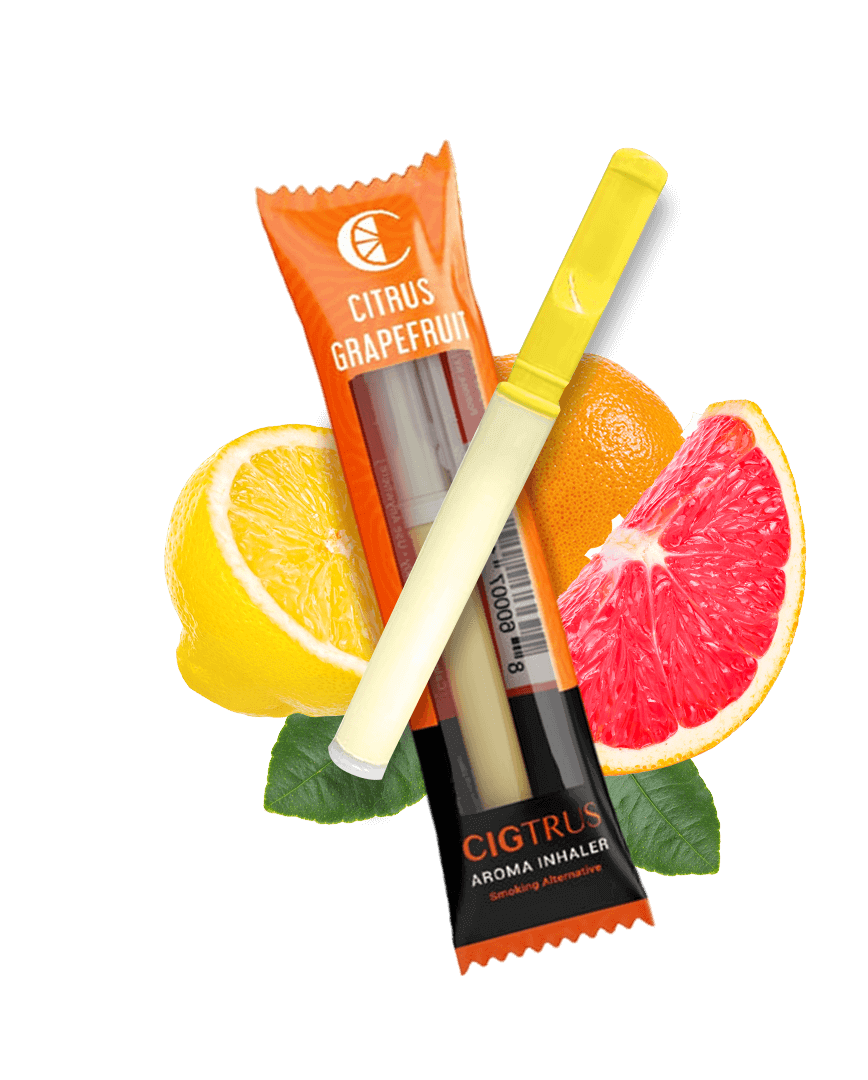
Cigtrus is a nicotine-free, smokeless, non-electric inhaler designed around supporting hand-to-mouth habit replacement, oral fixation, smoke-free routines, familiar inhalation habits, and behavioral smoking patterns. Instead of smoke, vapor, or nicotine delivery, Cigtrus helps users gradually move away from repeated smoking behaviors while still supporting the familiar routines many smokers struggle to replace.
Why Many Users Prefer Cigtrus
Contains no nicotine, breaks the chemical dependency without continuing it
Produces no smoke or vapor, completely unrestricted in any environment
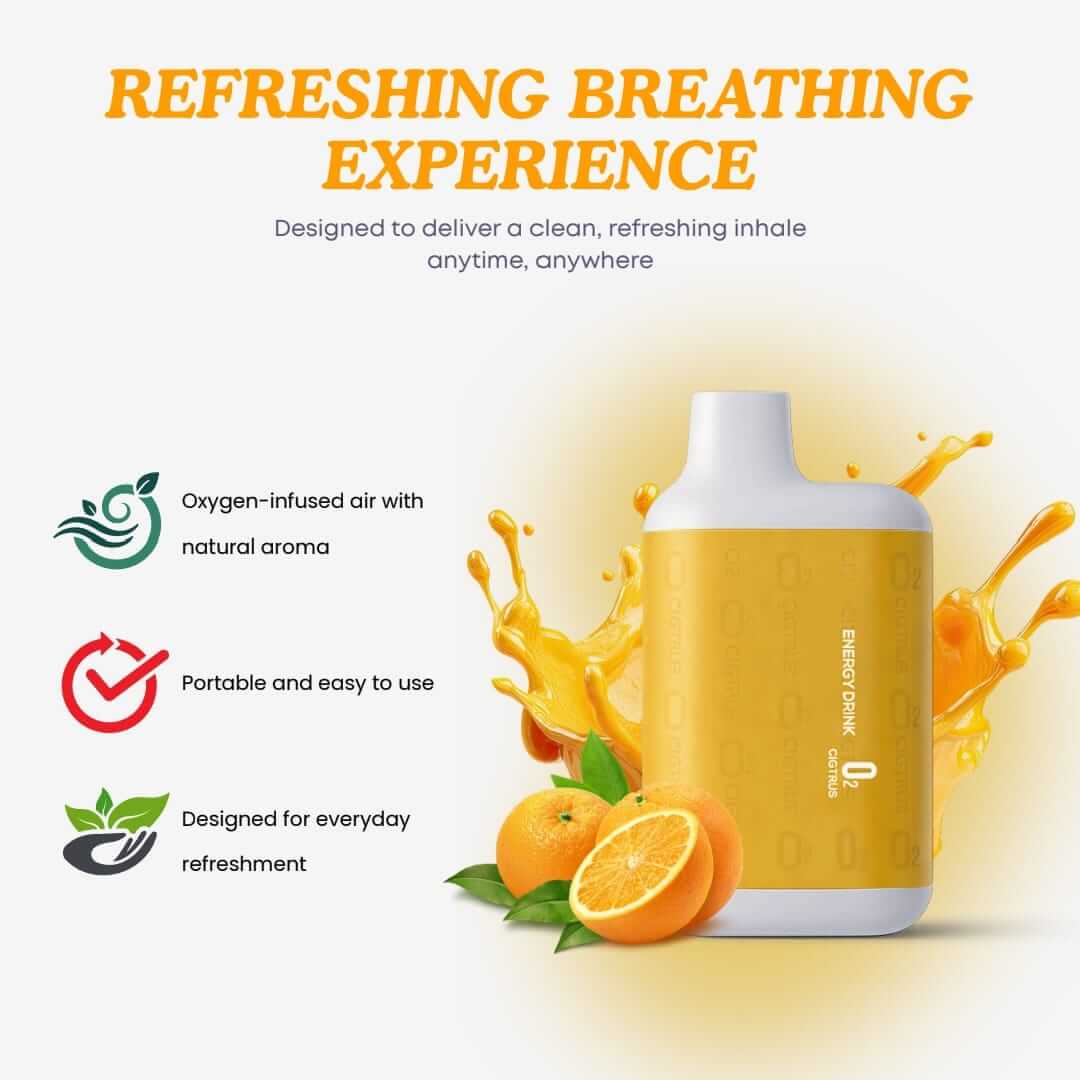
Requires no charging, always ready in a pocket when the trigger fires
Lightweight and portable, fits naturally into everyday routines throughout the day
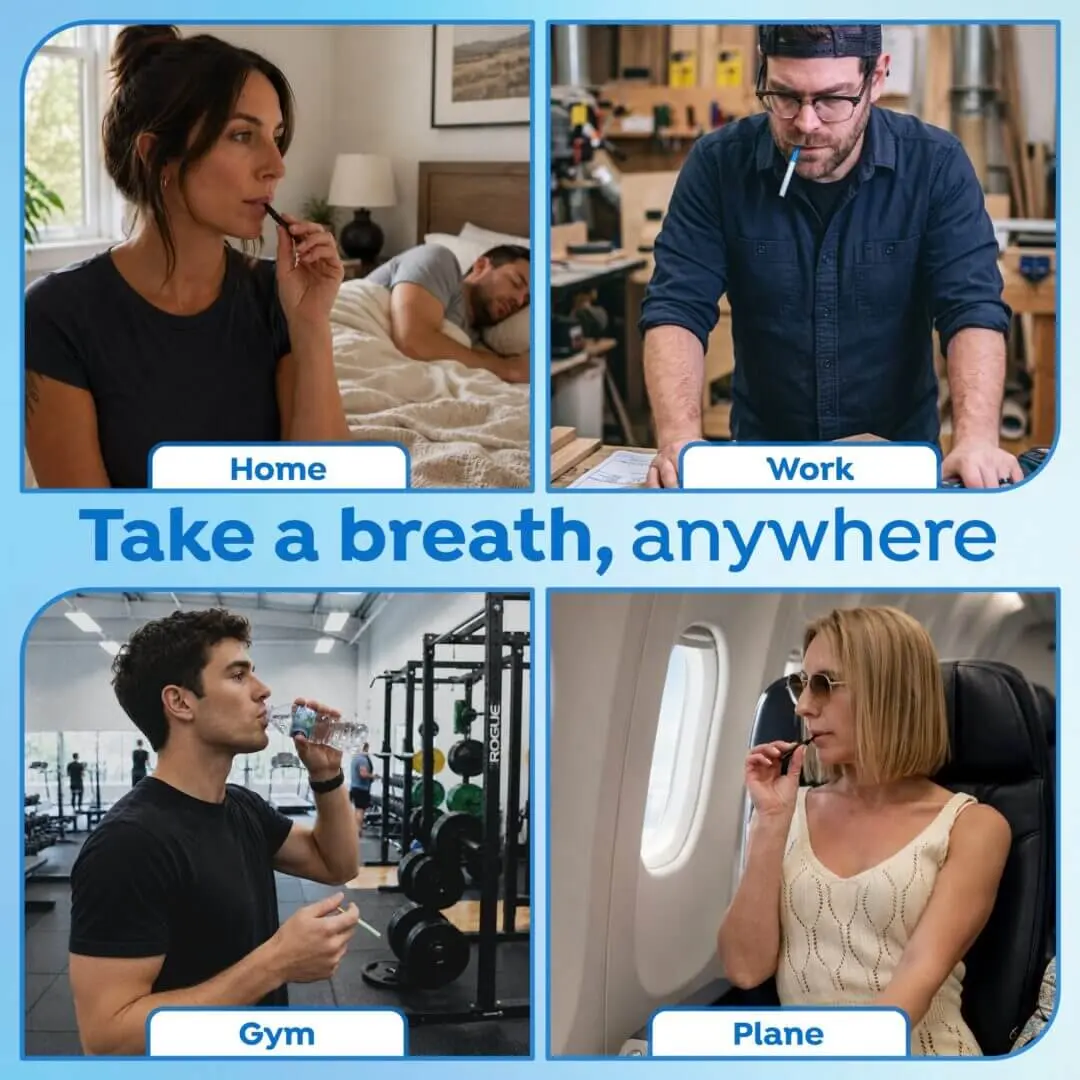
Supports smoke-free environments, usable at work, on flights, commuting, and indoors
Building New Behavioral Habits Over Time
Most smoking habits develop through years of repetition and emotional association. Replacing those routines usually takes consistency, patience, and realistic behavioral support over time. Understanding smoking behavior may help users gradually build healthier smoke-free routines while reducing dependence on repeated inhalation habits.
The key is availability, having the behavioral alternative ready at every trigger moment, not just occasionally. Every trigger answered with a clean alternative rather than a cigarette weakens the old pattern incrementally. Over weeks and months, those moments accumulate into genuine habit change.
Frequently Asked Questions
How do smokeless inhalers support smoke-free routines?
By giving the familiar hand-to-mouth motion, oral fixation, and inhalation rhythm a clean destination at every trigger moment, without any smoke, vapor, nicotine, or device restrictions.
Are smokeless inhalers the same as vapes?
No. Smokeless inhalers are non-electric and produce no vapor. They support behavioral habit replacement through natural aroma rather than substance delivery, making them usable anywhere vaping is banned.
Why do smoking habits persist after nicotine fades?
Because the behavioral side of smoking, the hand-to-mouth motion, the inhalation rhythm, the routine associations, develops independently of the chemical dependency and continues firing at familiar trigger moments long after withdrawal ends.
How long does it take to build new smoke-free routines?
With consistent behavioral replacement at every trigger moment, new routines typically strengthen noticeably over weeks to months. Consistency matters more than intensity, every trigger handled cleanly moves the process forward.
Support Every Smoke-Free Routine. Every Trigger.
No vapor, no nicotine, no restrictions, behavioral habit replacement ready anywhere throughout the day.
👉 Try the Variety Pack