
What Celebrity Quit-Smoking Stories Actually Teach Us
Over the years, many well-known public figures, actors, musicians, athletes, and entertainers, have spoken publicly about quitting smoking. Their stories are not remarkable because they are celebrities. They are remarkable because the struggle they describe is exactly the same as everyone else’s: the triggers, the relapses, the false starts, and ultimately the decision to commit to change for real.
What makes their journeys worth paying attention to is not the fame. It is the honesty about how hard it actually was, and the common threads that run through every successful quit story, no matter who it belongs to.
The Struggle Is Universal
Public figures who have spoken about quitting smoking consistently describe the same experiences that millions of everyday smokers recognize immediately: the habit that felt comforting and automatic, the failed attempts that felt humiliating in retrospect, and the realization that something had to genuinely change, not just the intention, but the approach.
Many describe the behavioral side as the hardest part, not the nicotine withdrawal, but the automatic reach at familiar trigger moments. The morning routine. The stress at work. The post-meal pause. The habit that persisted long after the chemical dependency faded.
“What public figures who have quit often say in interviews is this: the hardest part was not the first few days. It was the months afterward, when the triggers still fired and there was nothing to answer them with.”
What Every Successful Quit Story Has in Common
Whether the person quitting is famous or not, the stories of successful long-term cessation share recognizable patterns:
A Real Reason That Mattered
Not “I should quit”, but a specific, personal, urgent reason that made the cost of continuing feel clearly higher than the cost of changing.
A Different Approach Than Before
People who succeed after multiple attempts almost always changed their strategy, not just their resolve. Something genuinely different was tried this time.
Support That Was Actually Used
Accountability, professional guidance, or a community of people on the same journey, quitting alone is consistently harder than quitting with real support.
A Plan for the Behavioral Side
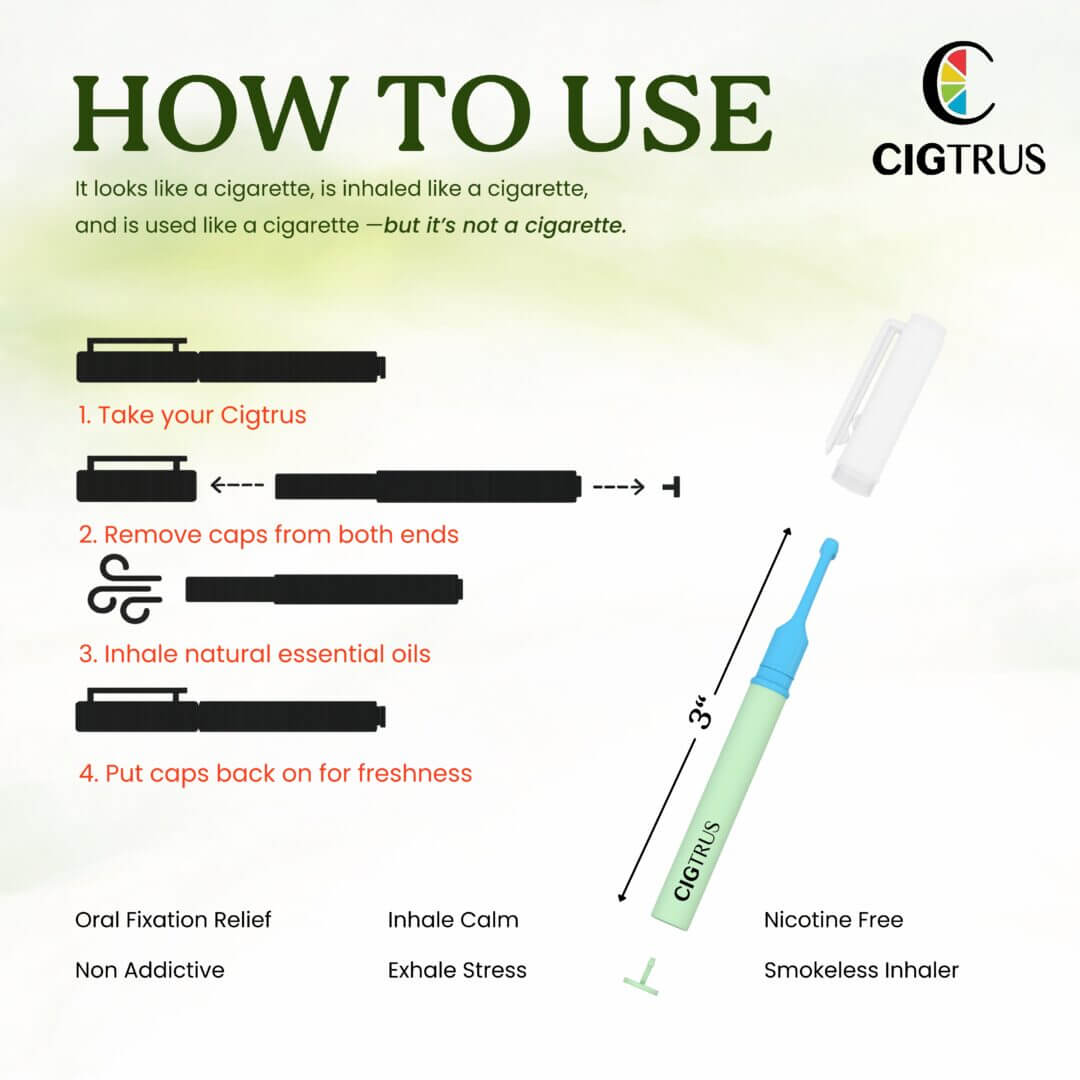
The most durable quit stories always address the hand-to-mouth habit and daily trigger moments, not just the nicotine. Having something ready for every familiar trigger made the difference.
The Role of Health as a Motivator
A recurring theme in public quit stories is health as the turning point, not abstract health statistics, but a specific personal health moment that made the cost of continuing undeniable. A diagnosis. A physical limitation that was getting worse. A conversation with a doctor that landed differently than others had.
For most smokers, the motivation to quit is not the problem. Most smokers want to quit, many have wanted to for years. The gap is between motivation and the practical approach that actually works for the specific habit each person has built.
Millions of Everyday People Have the Same Story
Public figures who quit smoking are not a special category of human being with unusual willpower or resources. What their stories demonstrate, because they are told publicly and in detail, is that the same struggle, the same behavioral layer, the same trigger moments, and the same eventual success are available to anyone willing to address the habit honestly and with the right support.
The quit journey of someone famous is not more meaningful than yours. It is just more visible. And its visibility is genuinely useful, because it shows clearly that the habit can be beaten, the behavioral triggers can be redirected, and the smoke-free life on the other side is real and sustainable.
Finding Support on Your Smoke-Free Path
If you are considering quitting smoking, the resources available to you are genuinely helpful, and using them is a sign of strategy, not weakness:
- Talk to your doctor: A healthcare professional can help you explore NRT, medications, and personalized cessation plans
- Free quit lines: 1-800-QUIT-NOW (USA) and smokefree.gov offer free support, tools, and coaching
- Support groups: Shared experience and accountability from others on the same journey is consistently one of the strongest predictors of long-term success
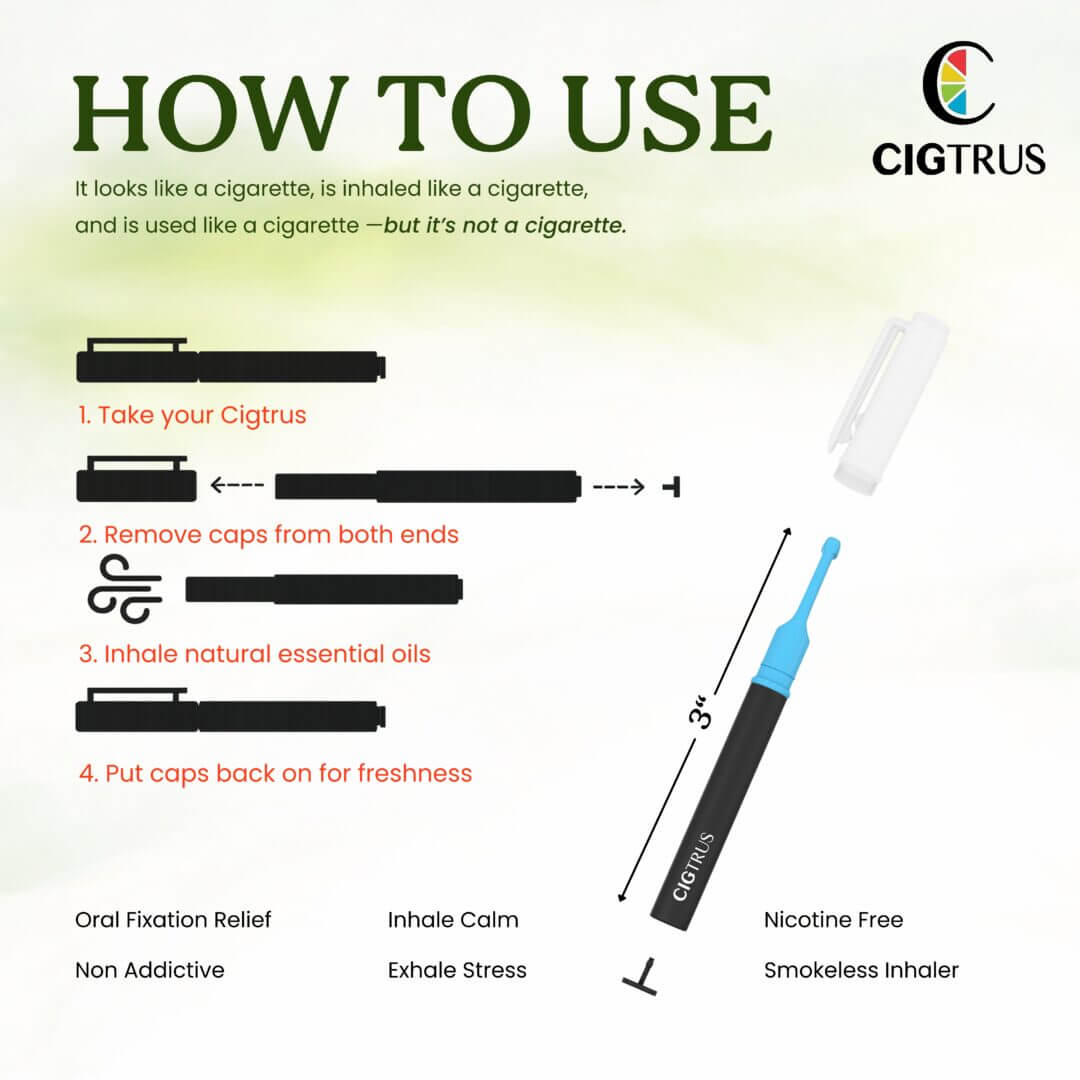
- Behavioral habit replacement: Having something ready for the hand-to-mouth triggers that persist after nicotine fades, addressing the layer most tools leave unaddressed
It Is Never Too Late
Every successful quit story, famous or not, began with a moment of genuine decision followed by a different approach than the one that had failed before. The health benefits of quitting smoking begin accumulating within hours of the last cigarette and continue building for years. The behavioral habit that feels insurmountable today becomes, with consistent replacement, a reflex that gradually loses its grip.
The stories of public figures who have quit are not there to inspire you with their celebrity. They are there to remind you that the same habit, fought the same way, with the right support and the right tools, can be beaten by anyone.
Your Quit Story Starts With the Right Tools.
Address the behavioral side of quitting, no nicotine, no vapor, ready for every trigger wherever your habit lives.
👉 Try the Variety Pack