
Why Nicotine-Free Alternatives Are Growing
More smokers and vapers are beginning to search for alternatives that move away from nicotine while still helping support familiar routines connected to smoking and vaping habits. For many users, the challenge is not only nicotine itself. The repeated hand-to-mouth motion, inhalation routine, sensory familiarity, and emotional repetition often become deeply connected to everyday life through years of habit, and that is one reason many smokers continue struggling even after lowering nicotine intake.
Why More Users Are Looking Beyond Nicotine
Many smokers and vapers eventually begin searching for alternatives that move away from nicotine dependence, vapor production, electronic devices, charging and batteries, and repeated smoking and vaping routines. Some users are looking for products that feel simpler, smoke-free, non-electric, nicotine-free, and easier to fit naturally into daily life. This shift is helping drive interest in smokeless behavioral alternatives.
“The goal for many smokers is not simply replacing one nicotine product with another. It is gradually moving away from repeated inhalation behaviors entirely, and finding something genuinely clean to put in their place.”
What Is Driving the Growth of Nicotine-Free Alternatives
Understanding the Behavioral Layer
More smokers are recognizing that the inhalation routine and hand-to-mouth habit outlast nicotine withdrawal, and need a dedicated behavioral tool, not just a chemical reduction.
Restrictions on Vapor Products
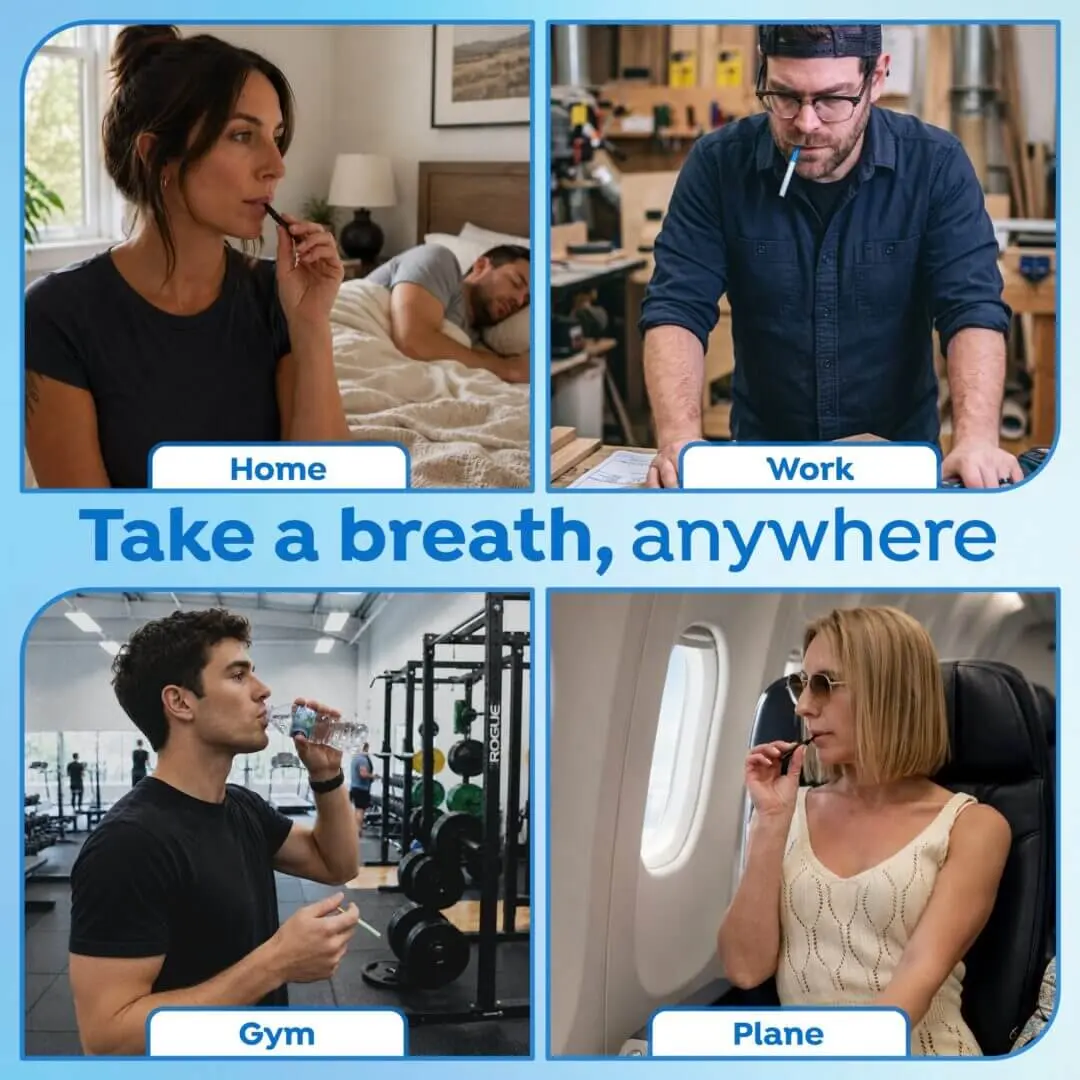
Growing indoor and flight restrictions on vaping make vapor-free alternatives increasingly practical for daily use without limitation.
Preference for Natural Ingredients
Many smokers want clean, plant-based alternatives that avoid synthetic chemicals and continued chemical dependency entirely.
Demand for Simplicity
No charging, no maintenance, no device to manage, always ready when the trigger fires, without any preparation or running costs.
The Behavioral Side of Smoking and Vaping
Smoking and vaping habits often become connected to routines, stress, boredom, emotional triggers, and repeated daily behavior. For many smokers, the physical ritual itself eventually becomes just as familiar as nicotine, and behavioral support becomes important during the quitting process.
How Cigtrus Supports Smoke-Free Behavioral Alternatives
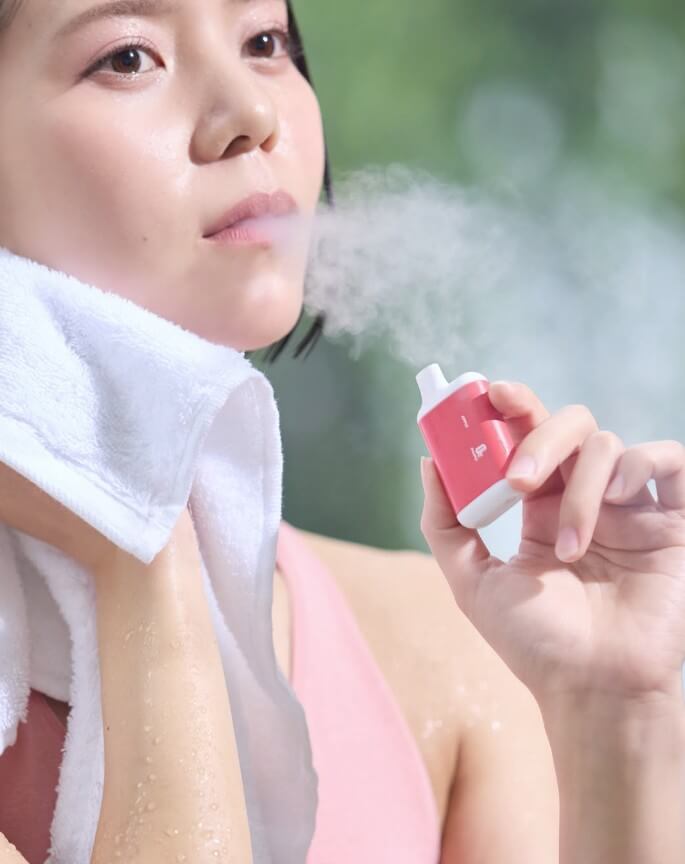
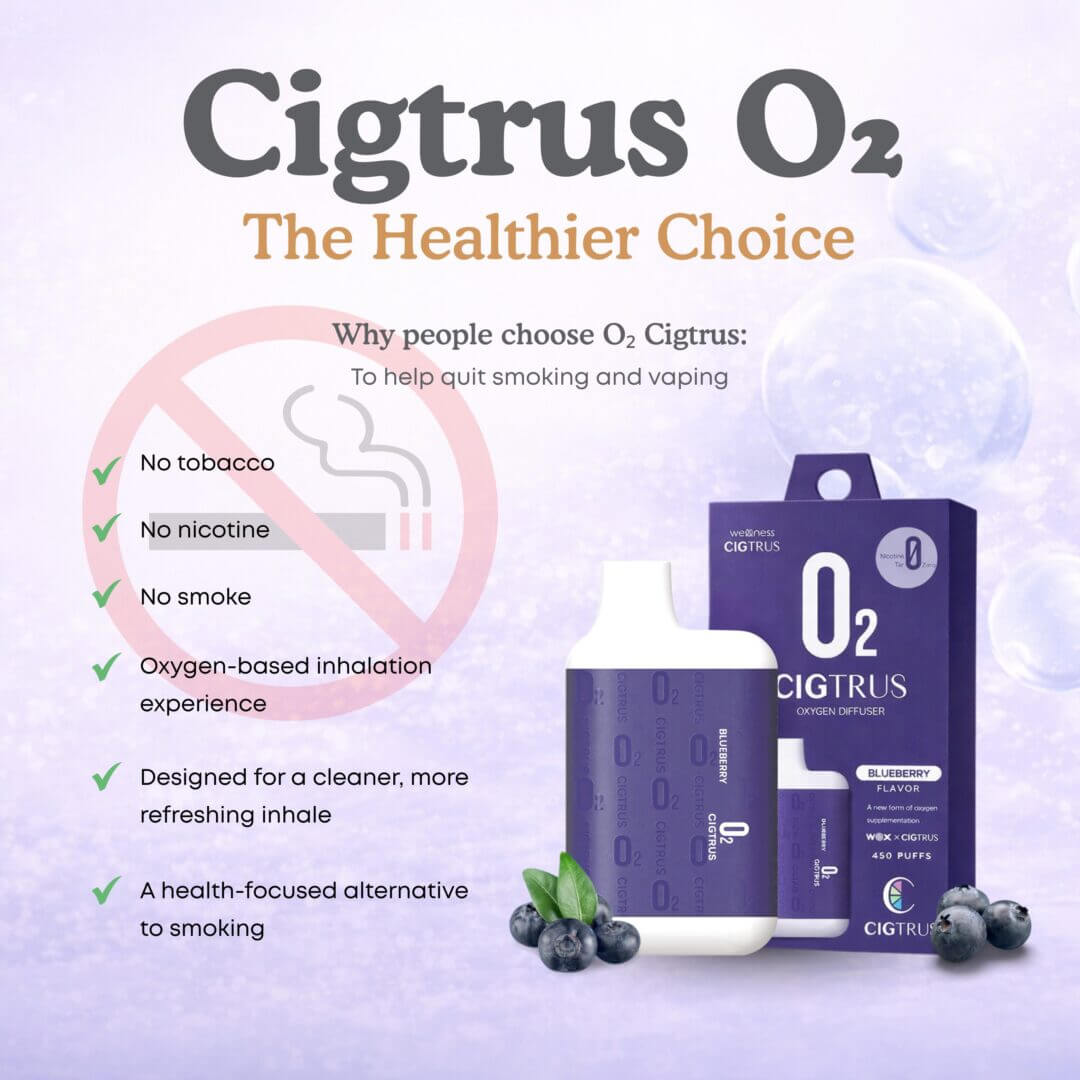
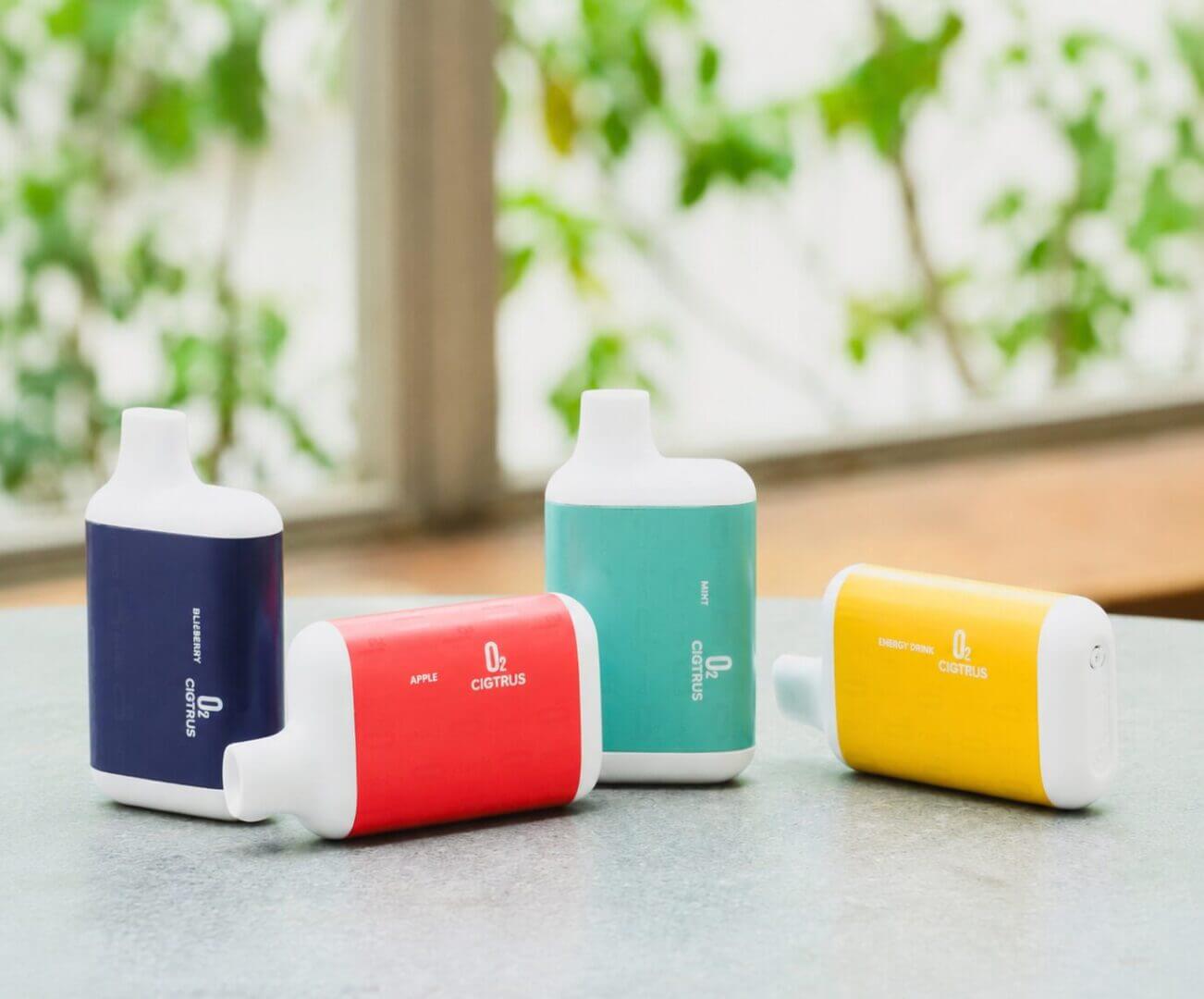
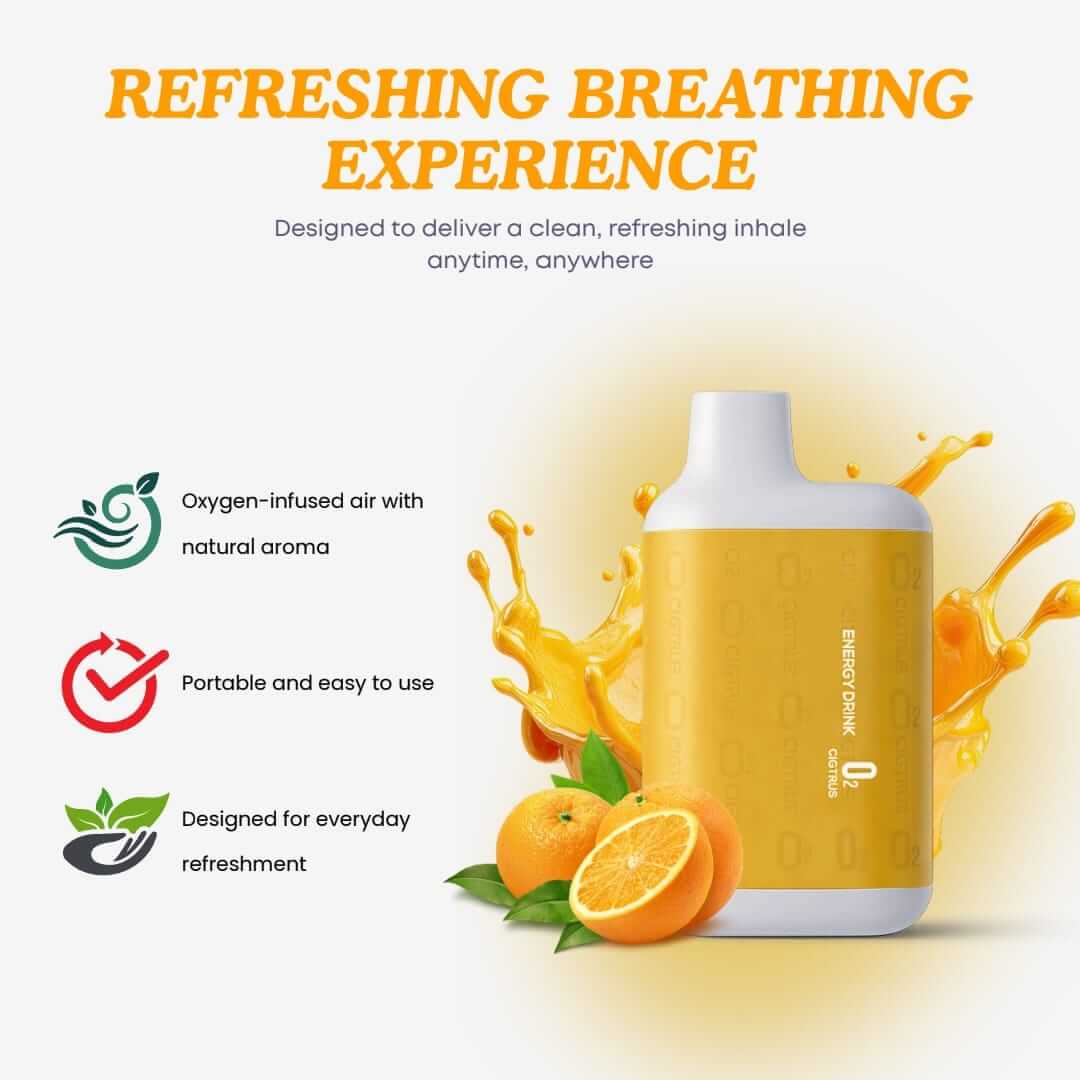
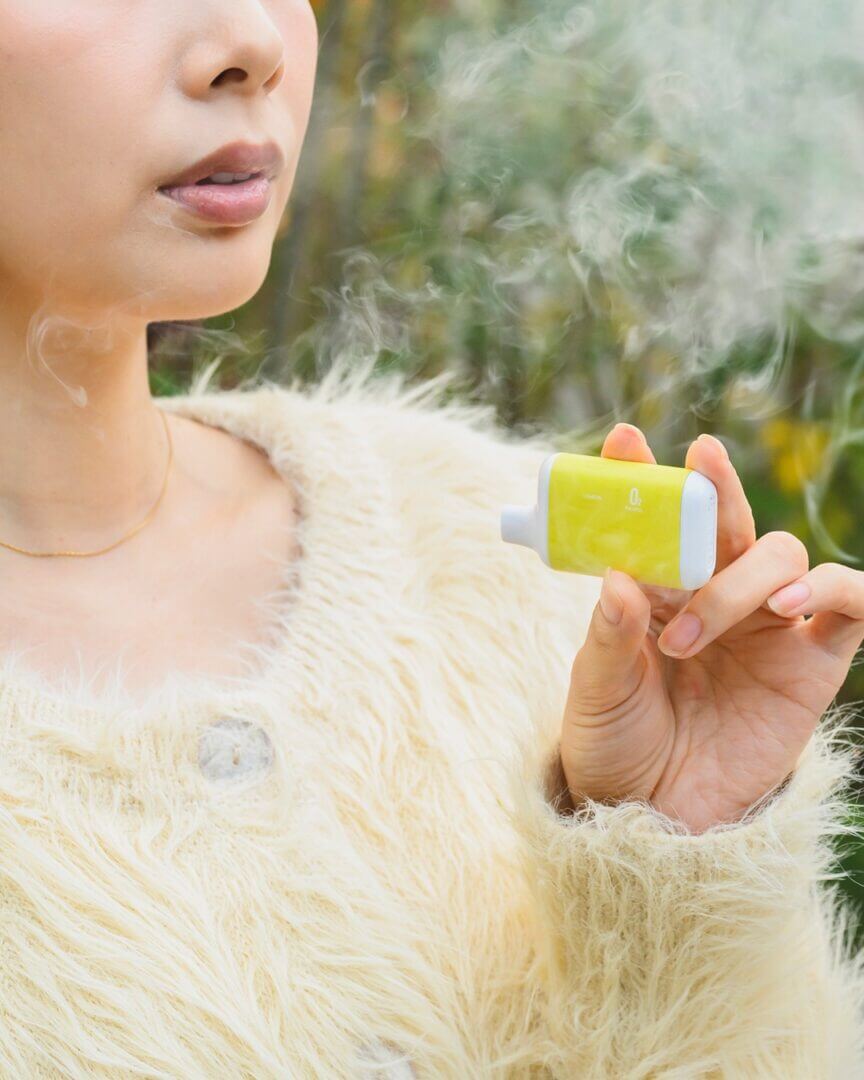
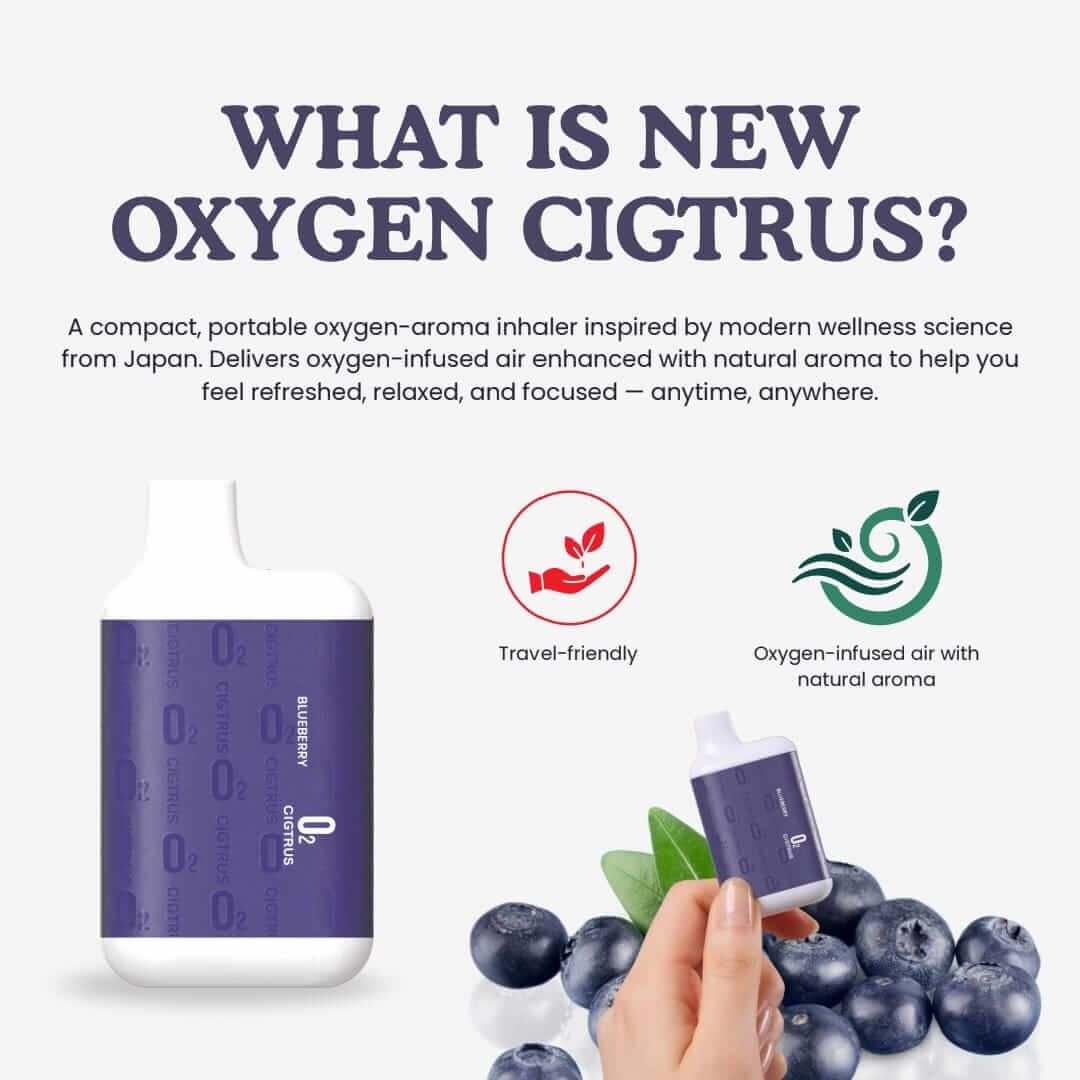
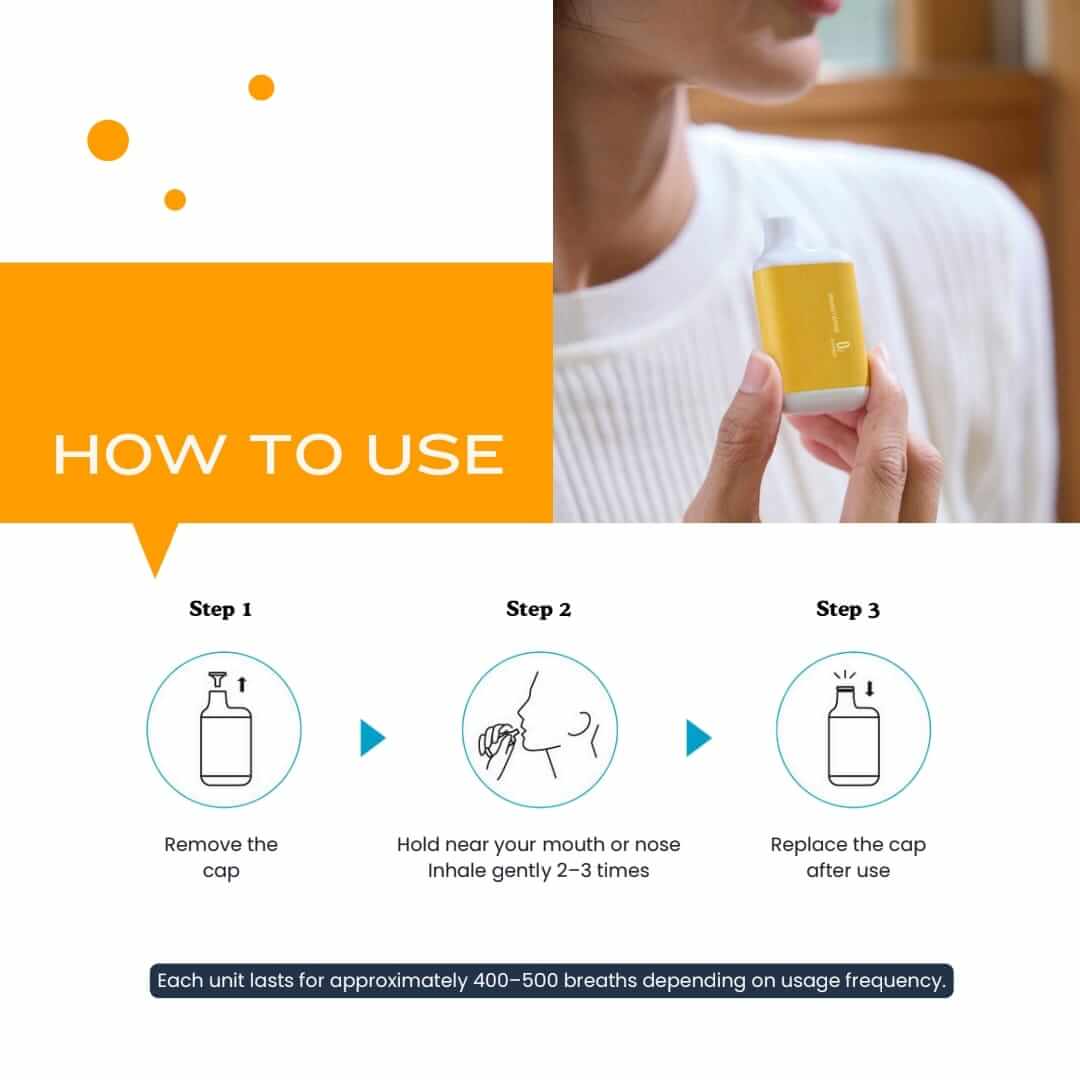
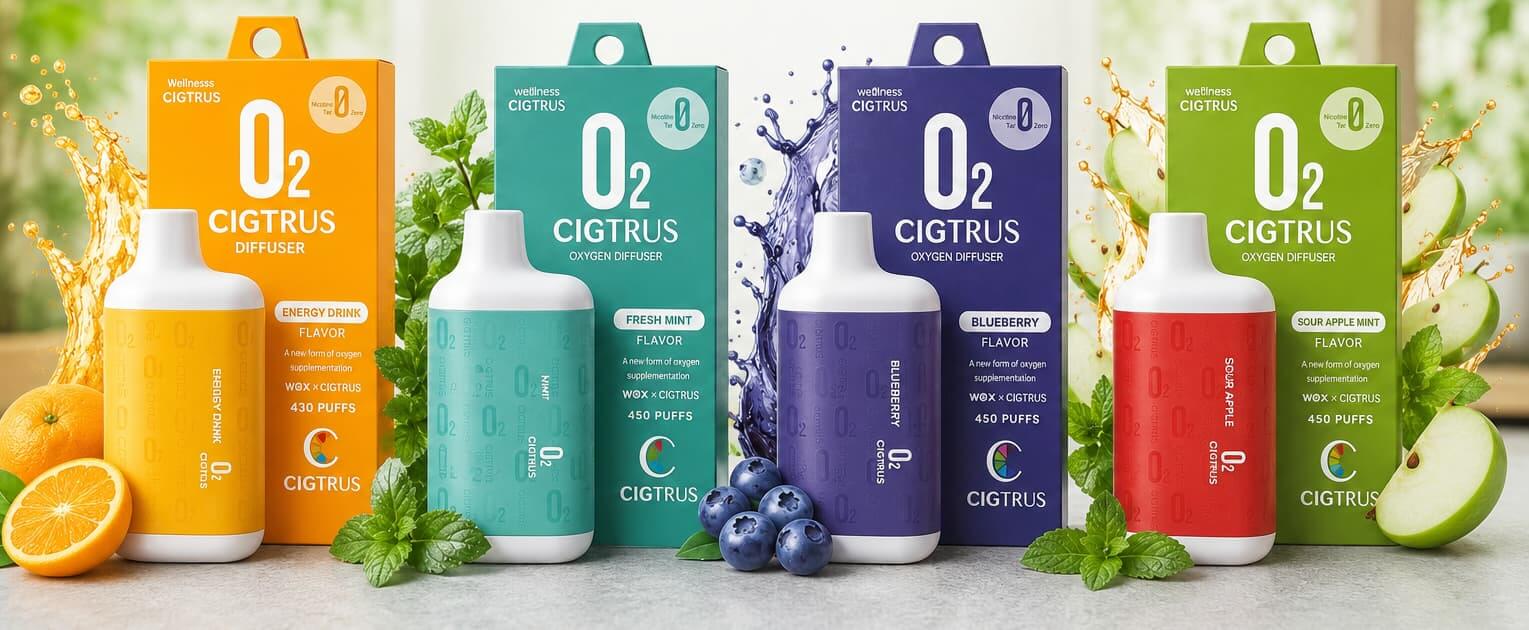
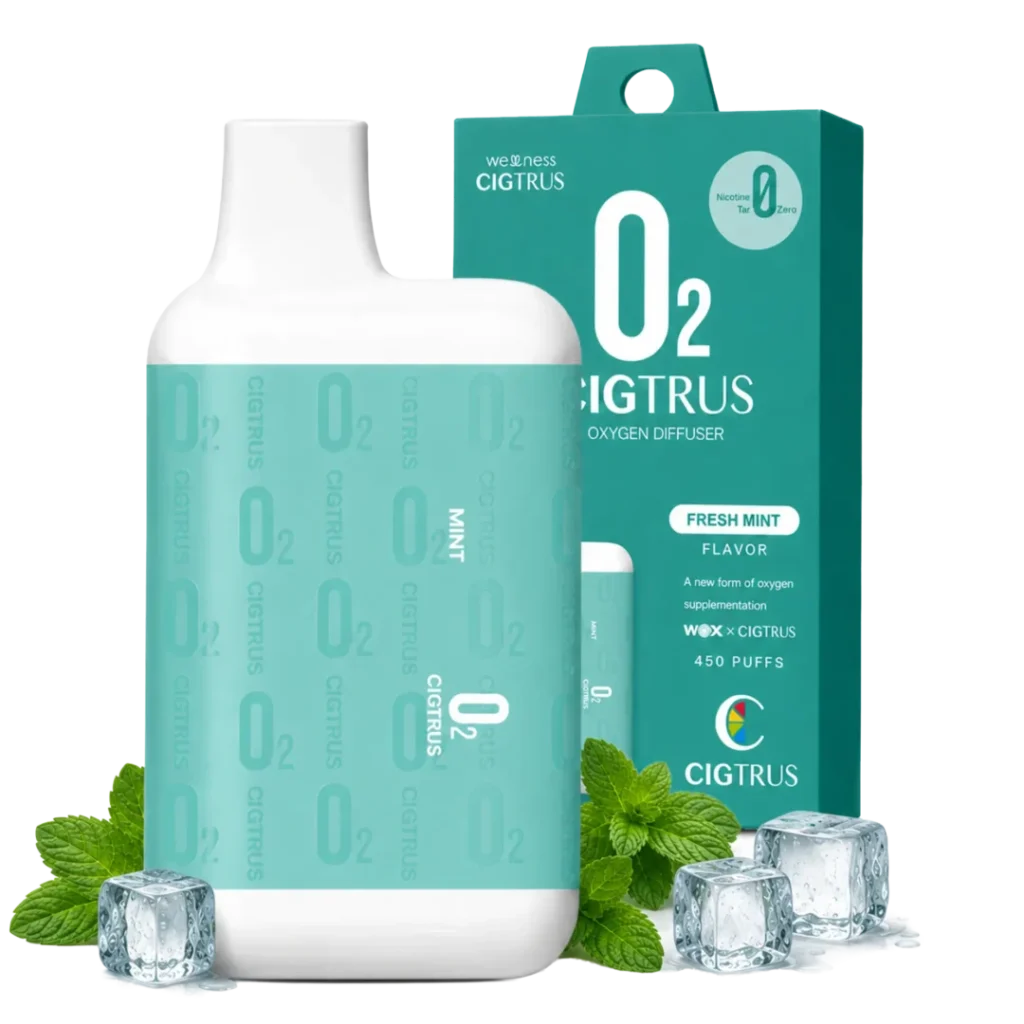
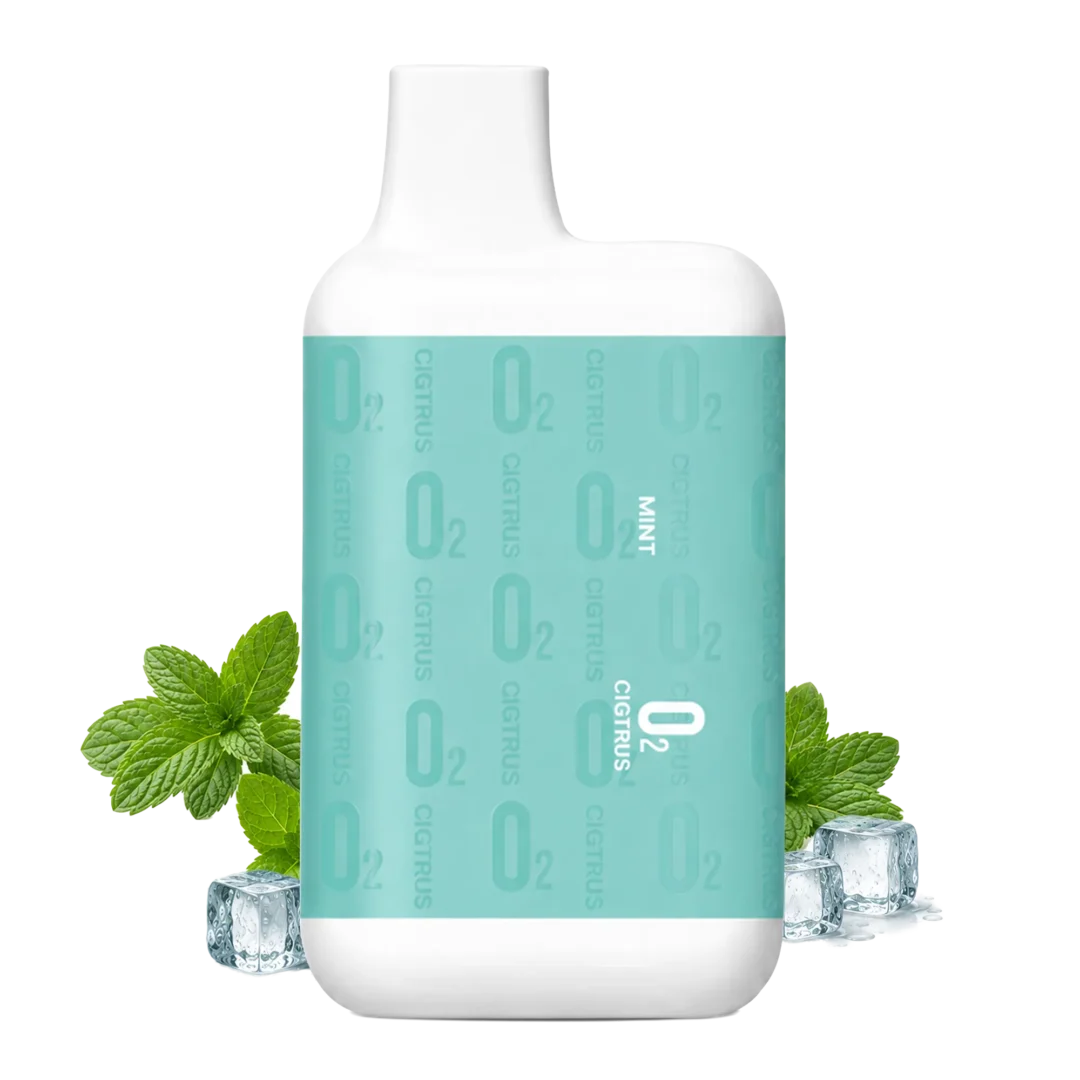
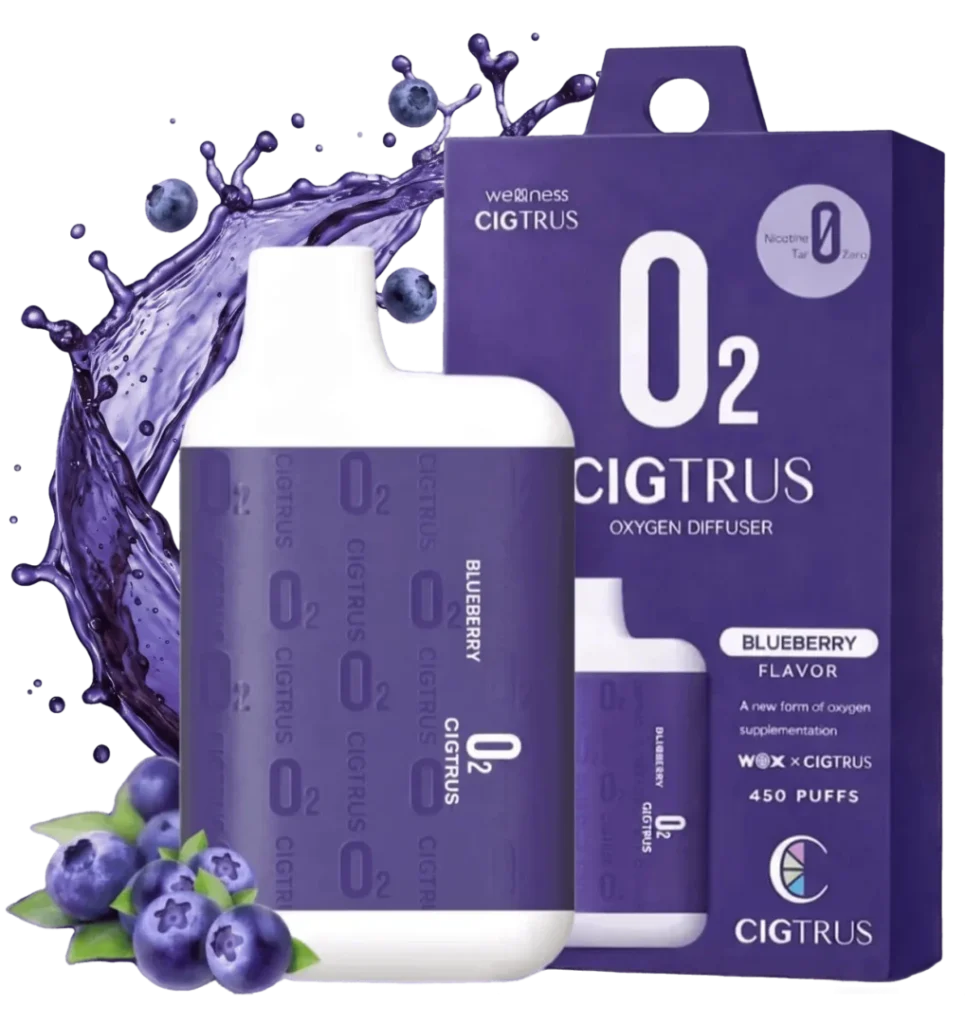
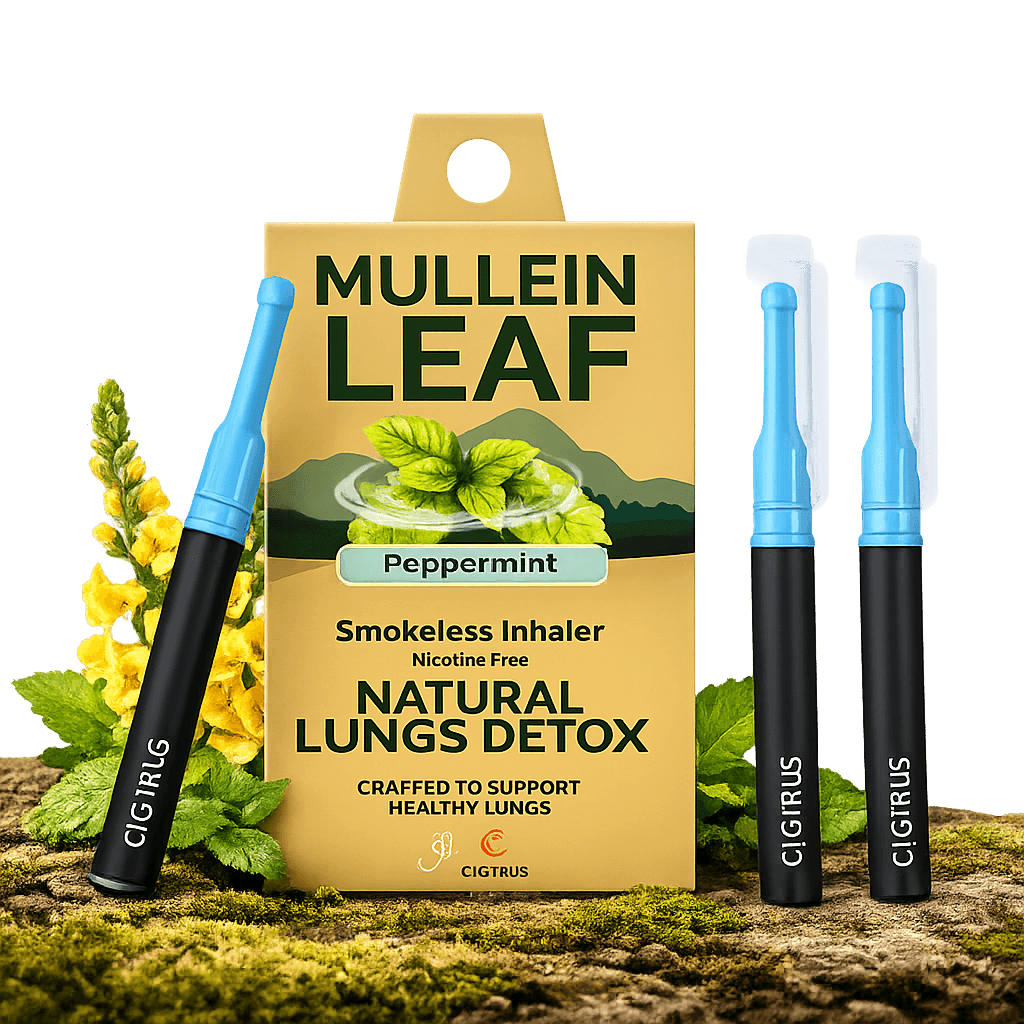
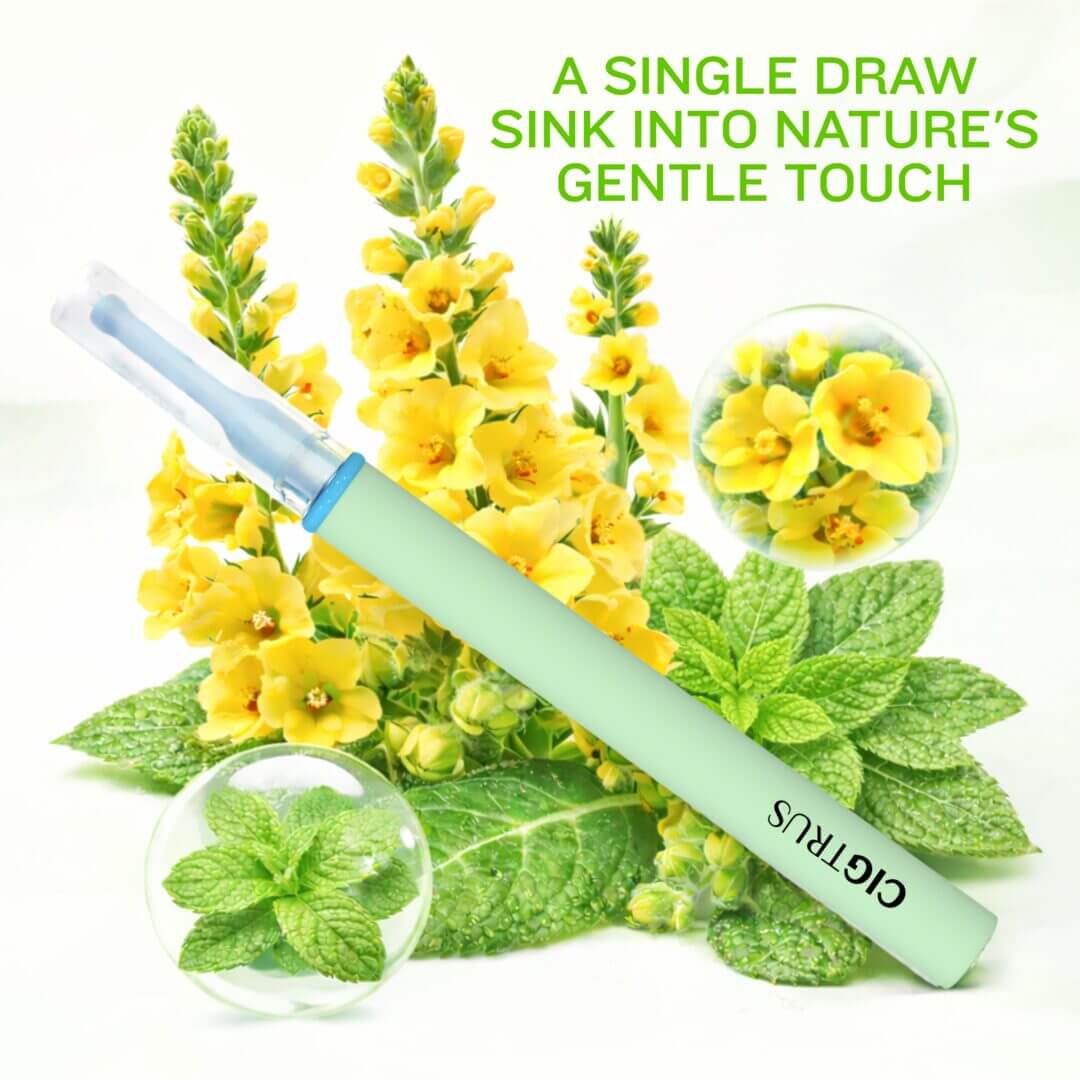
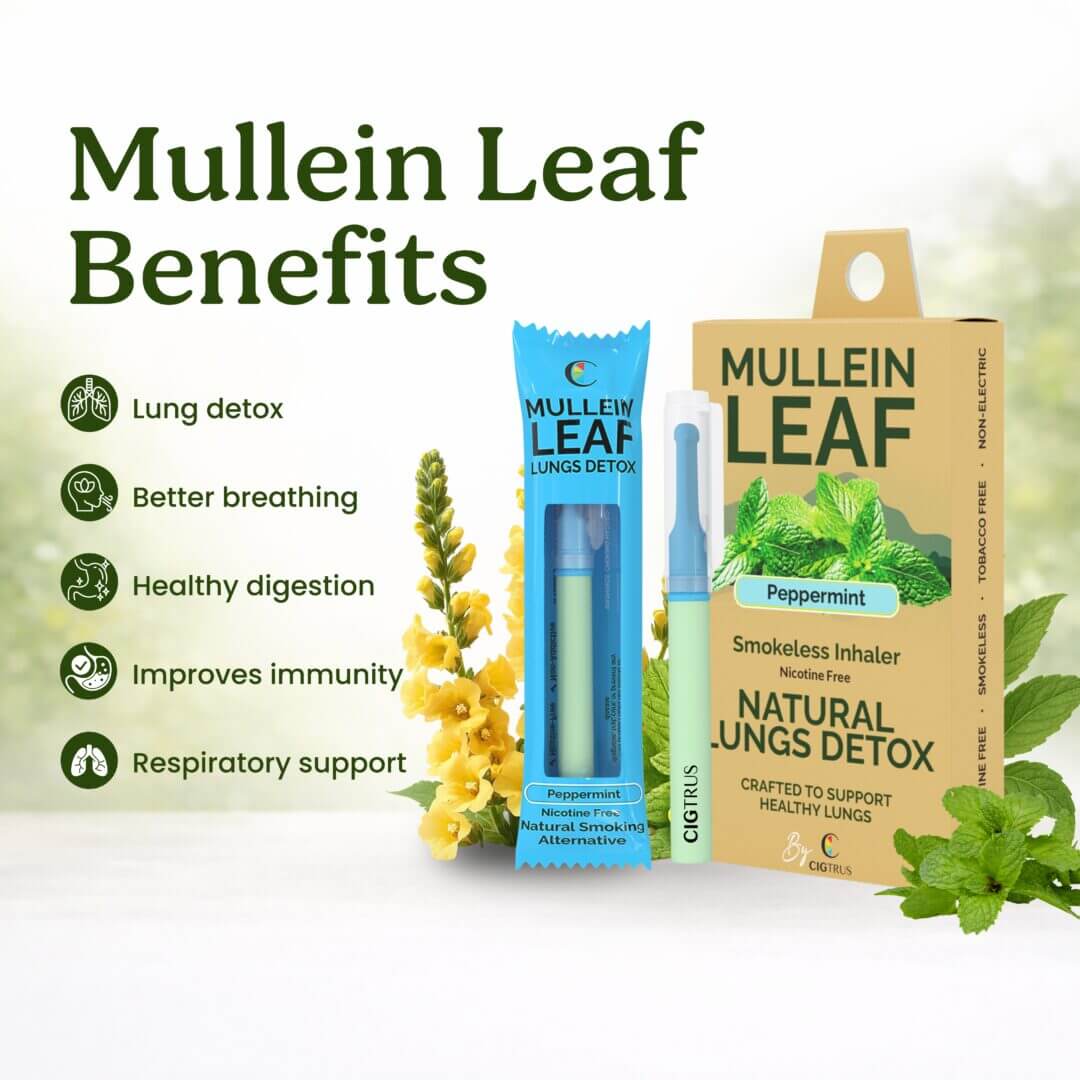
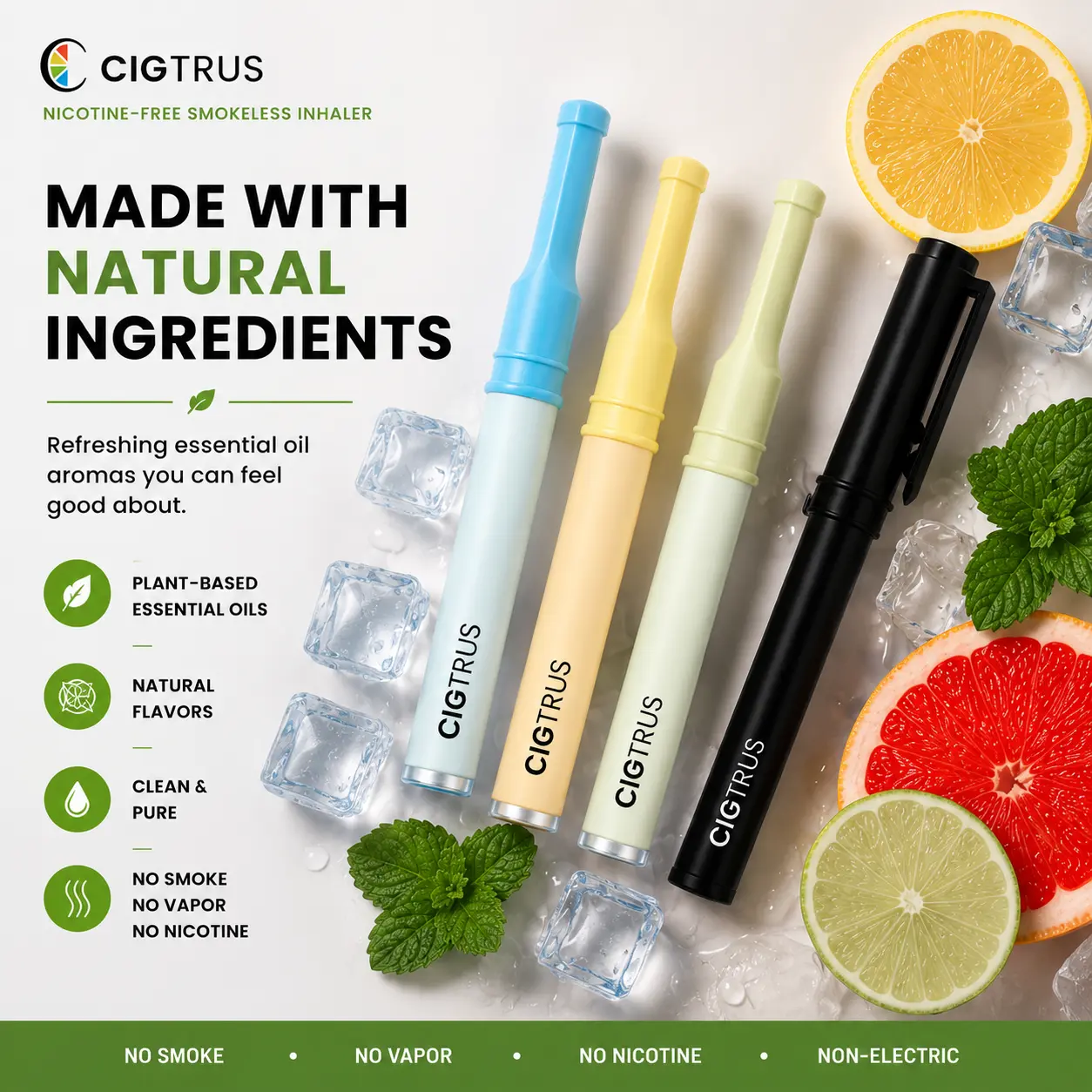
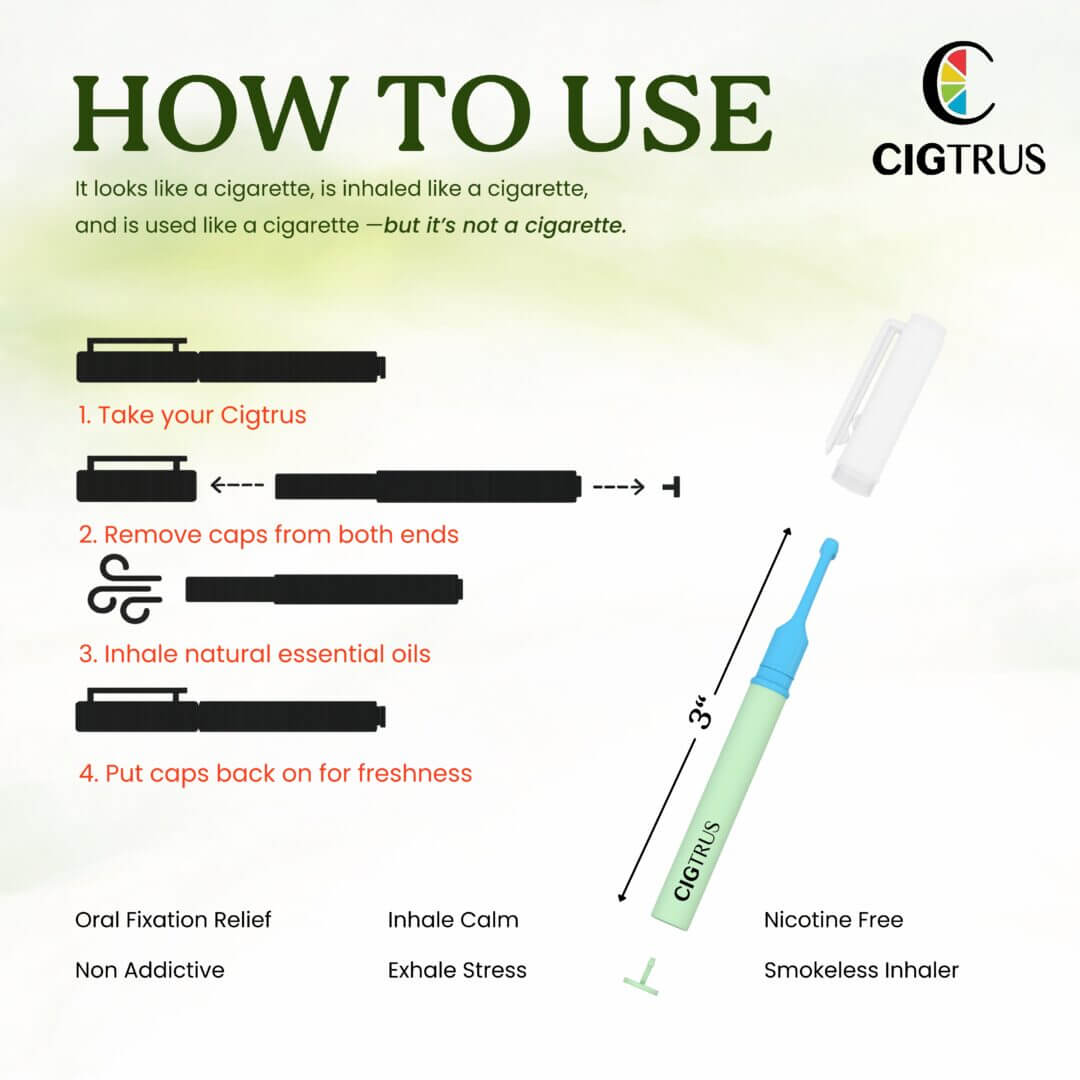
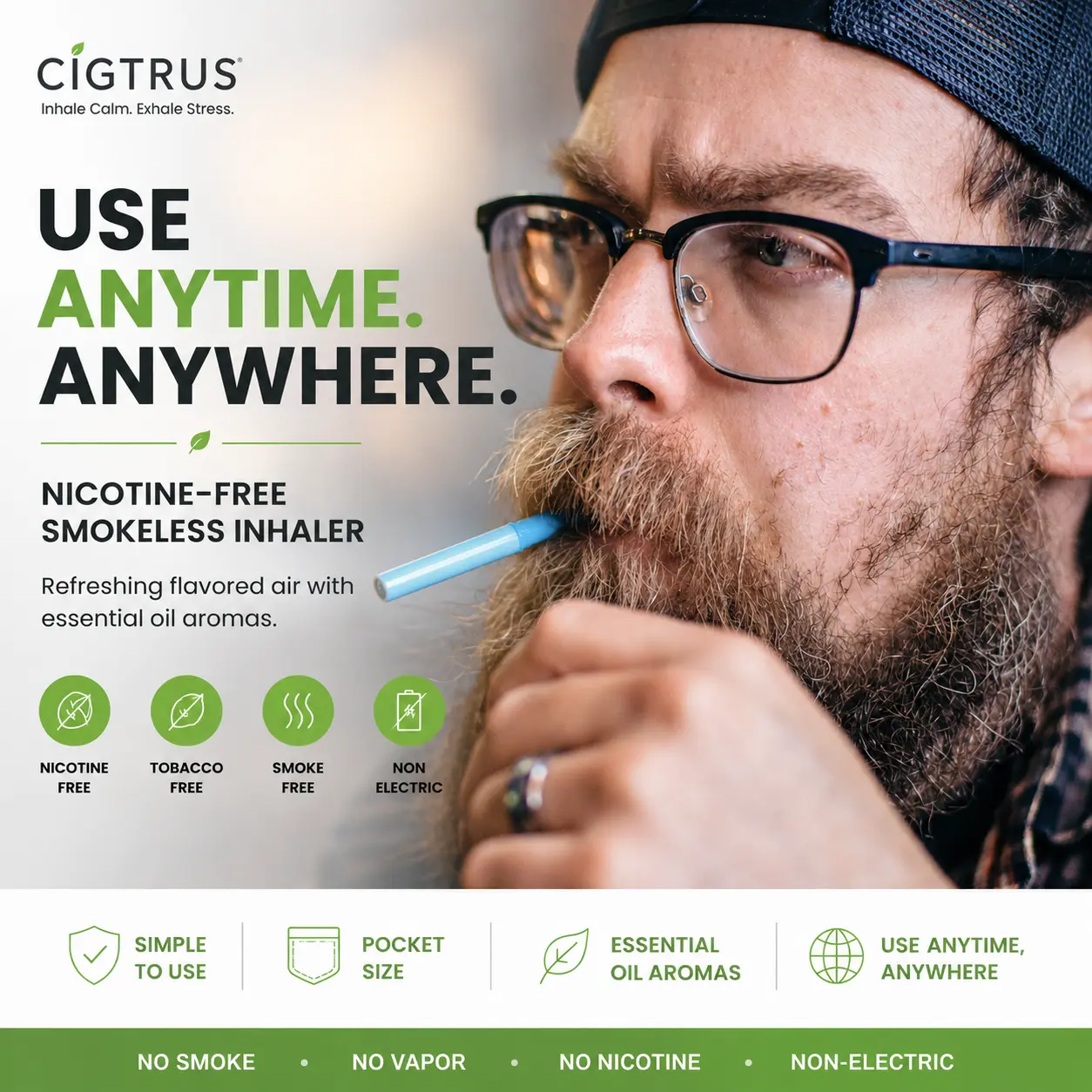
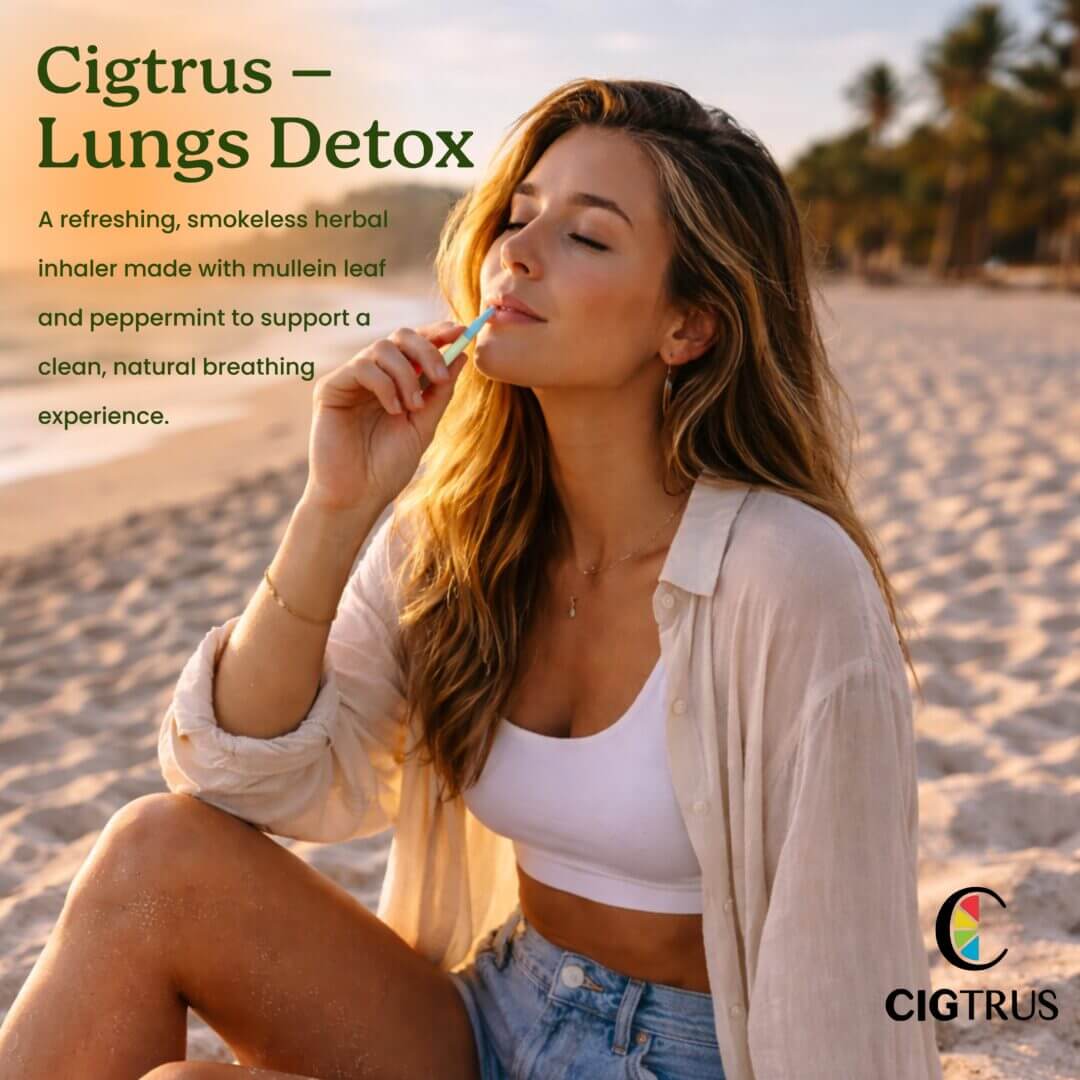
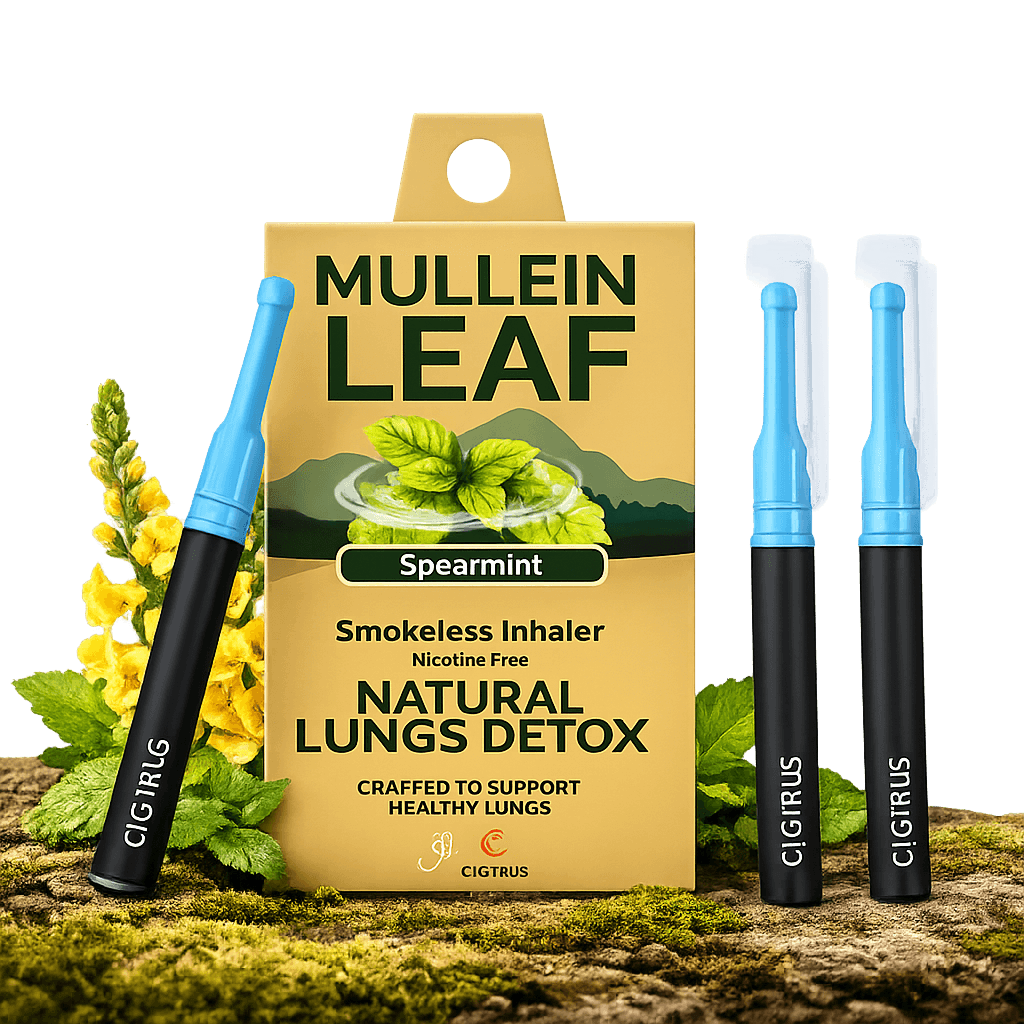
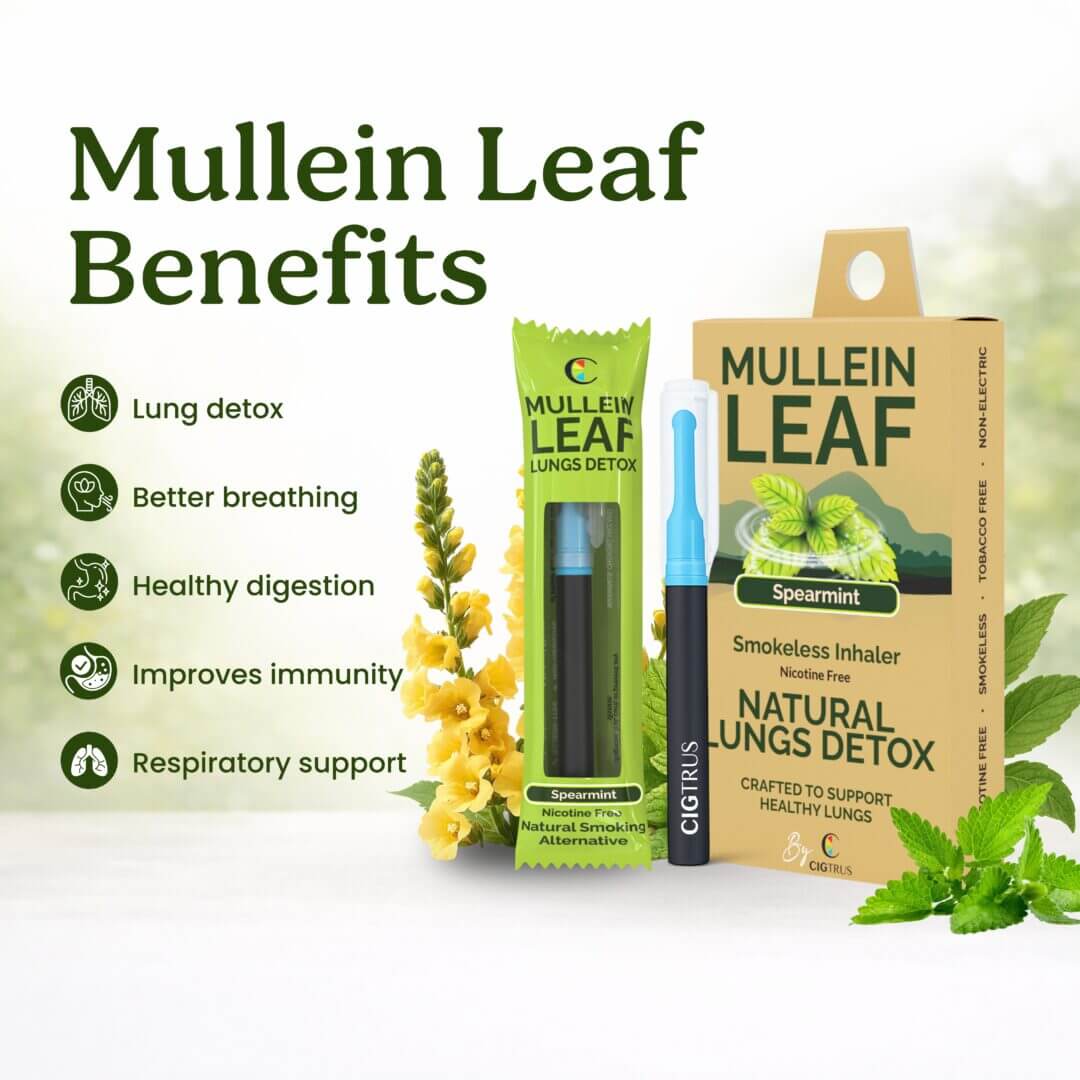
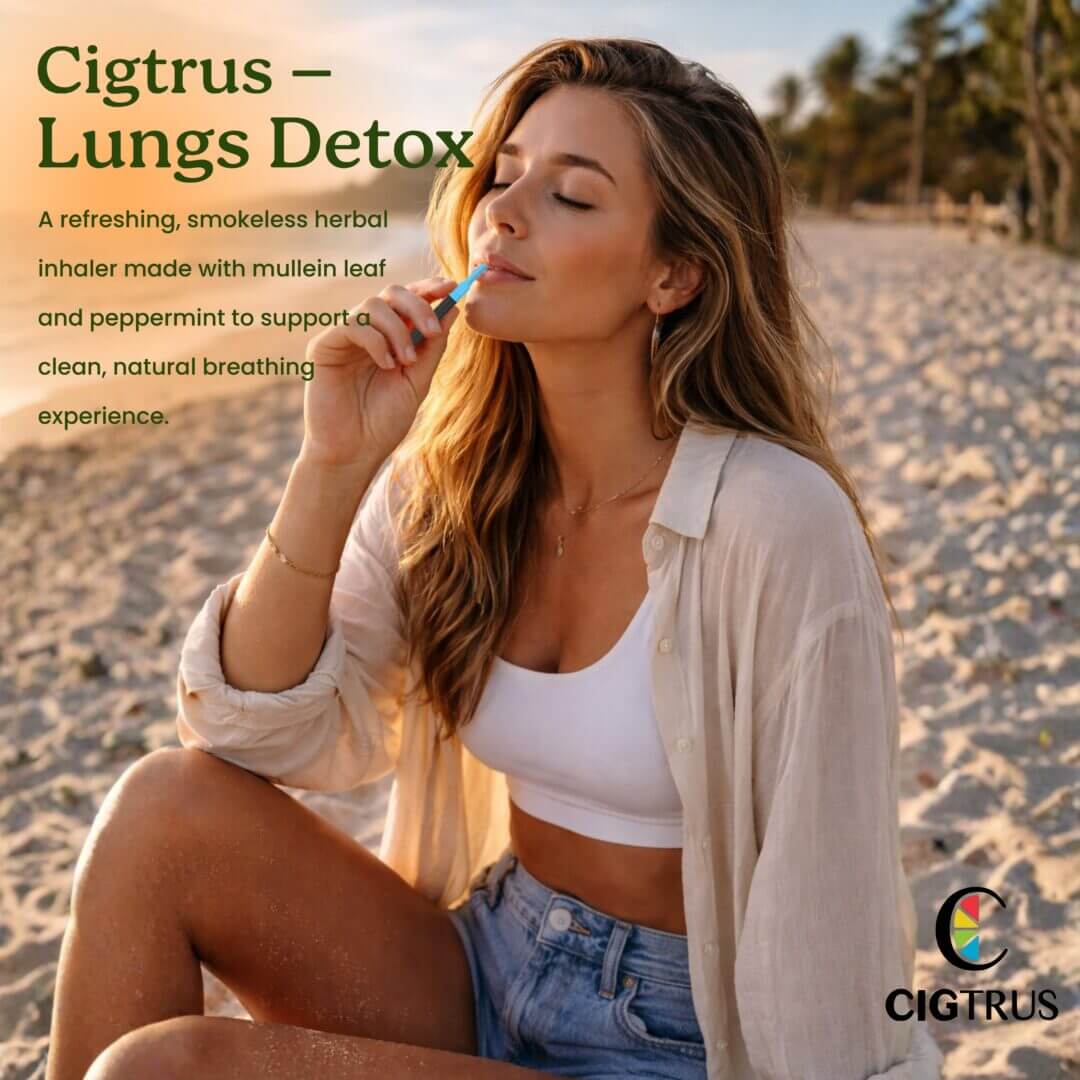
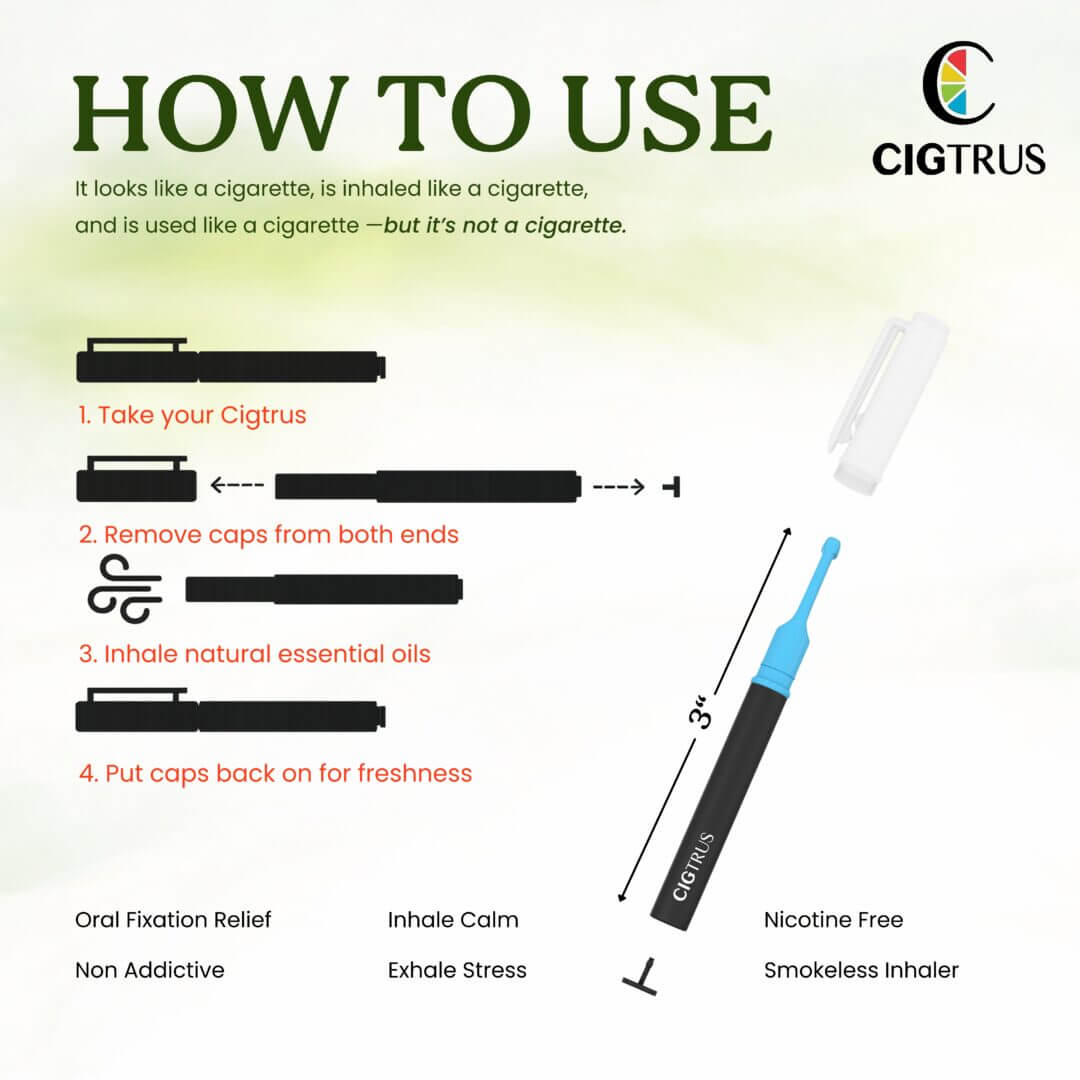
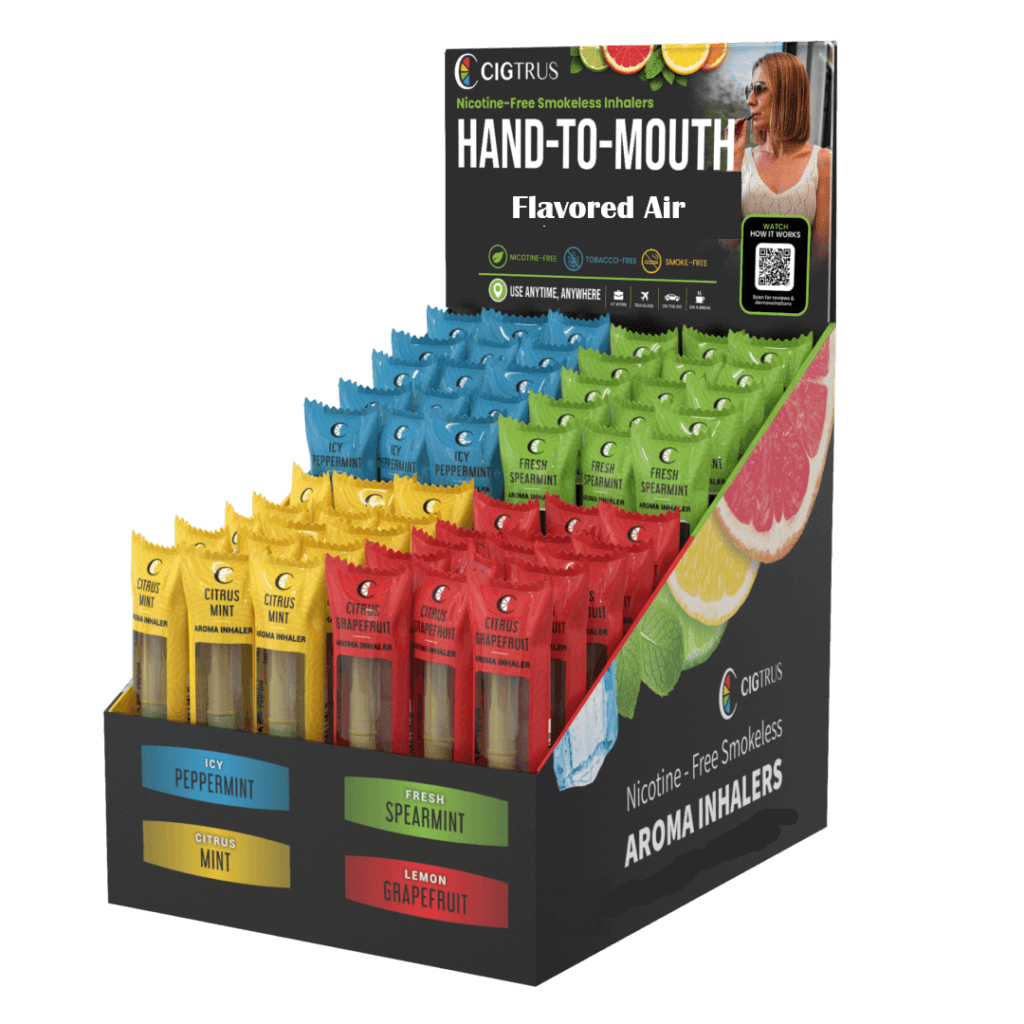
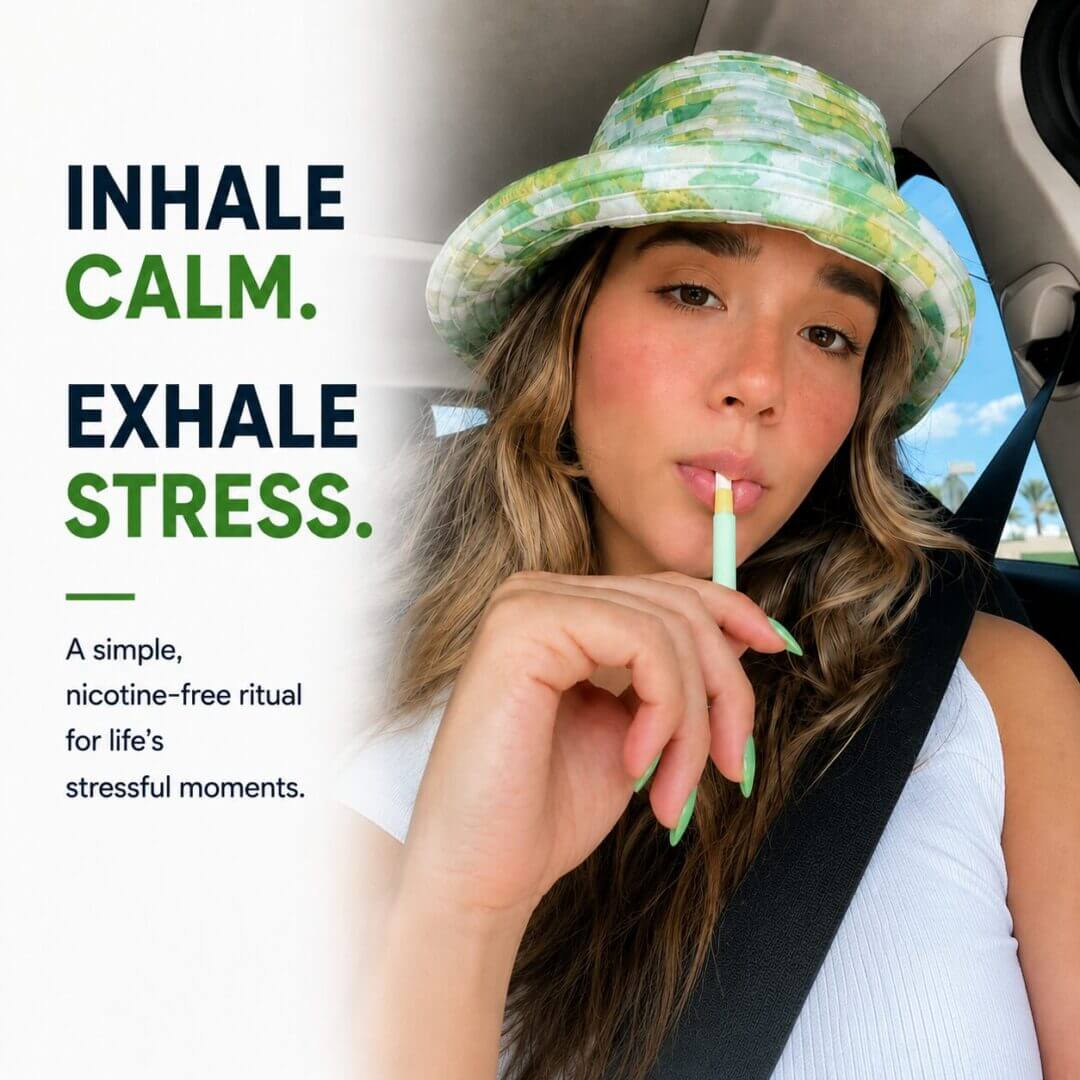
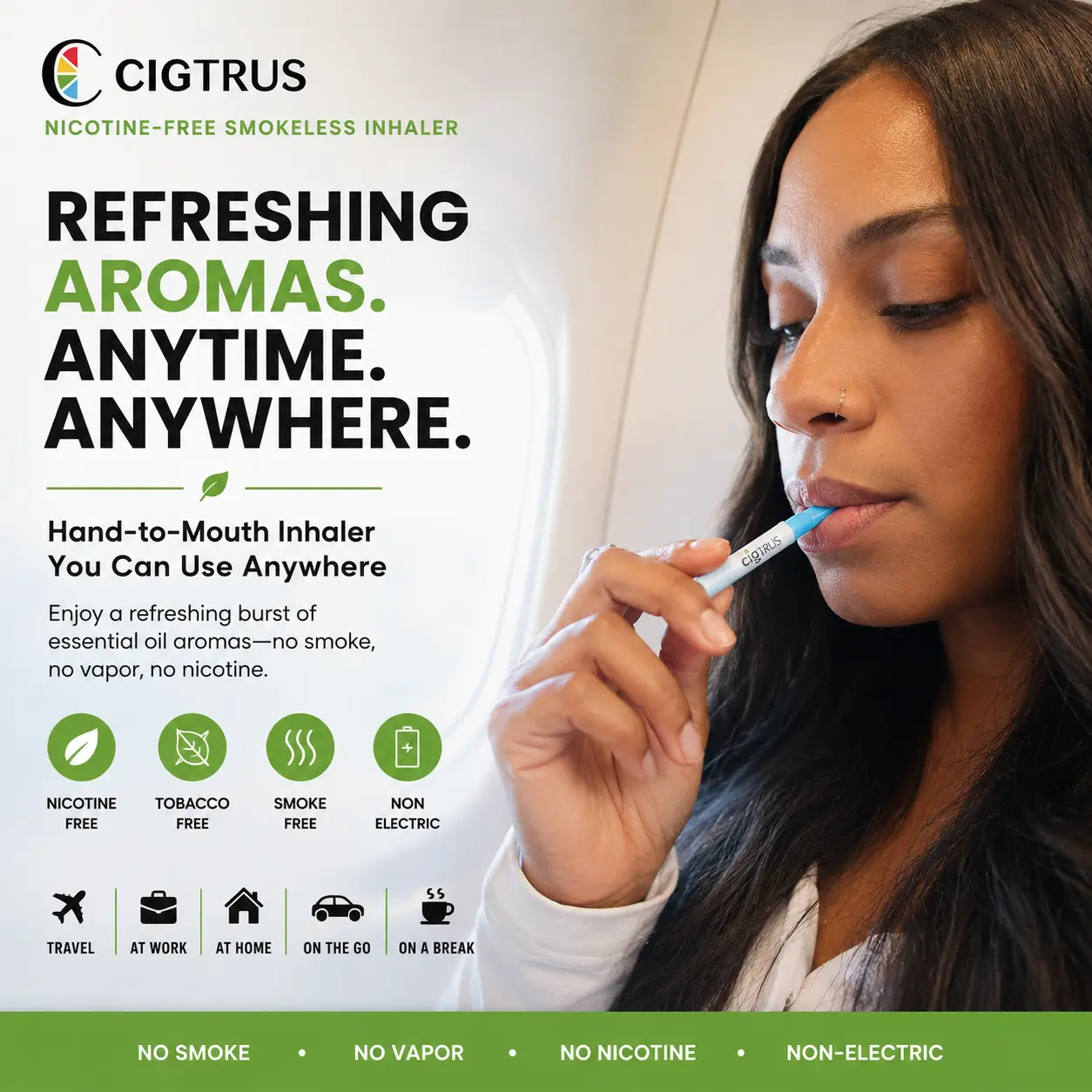
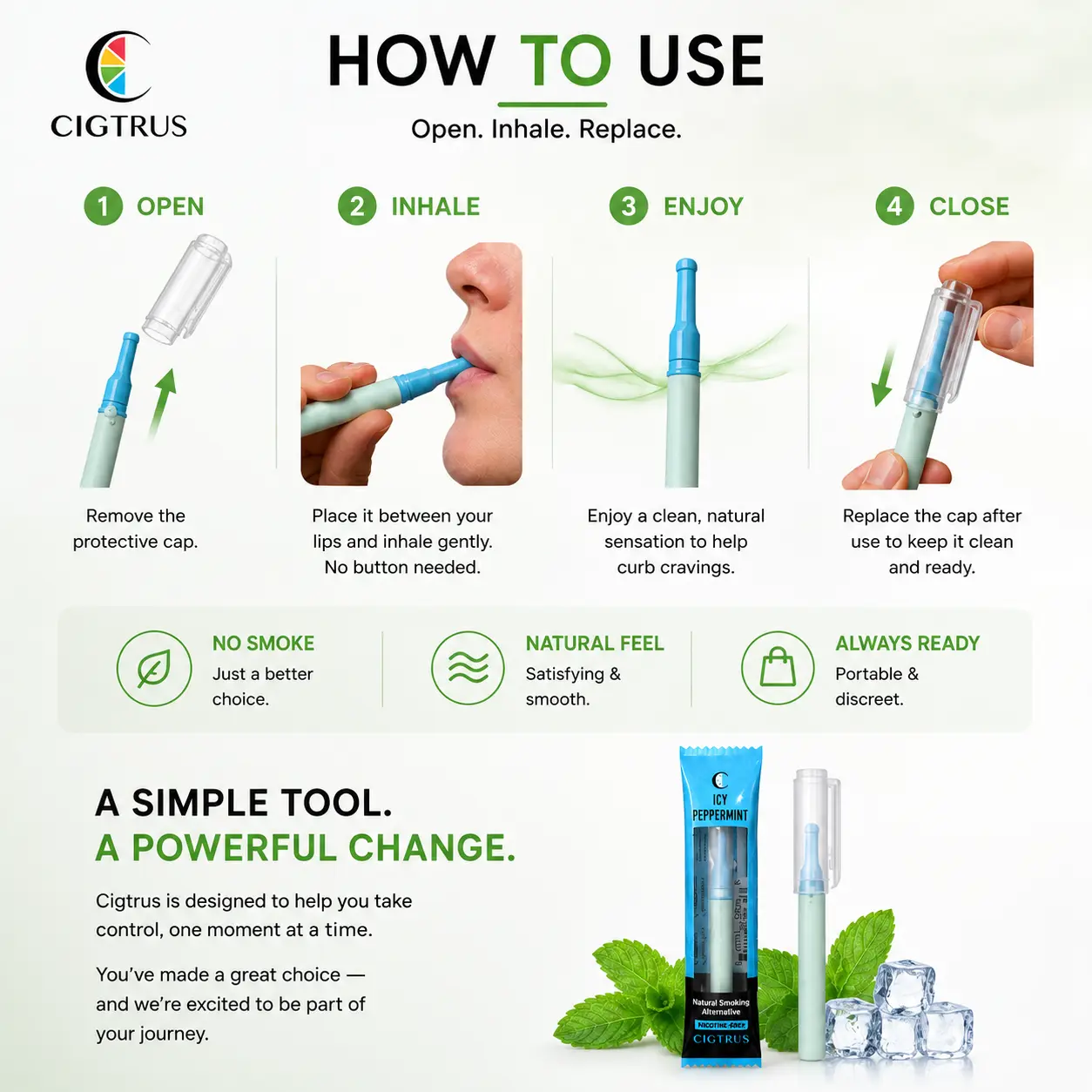
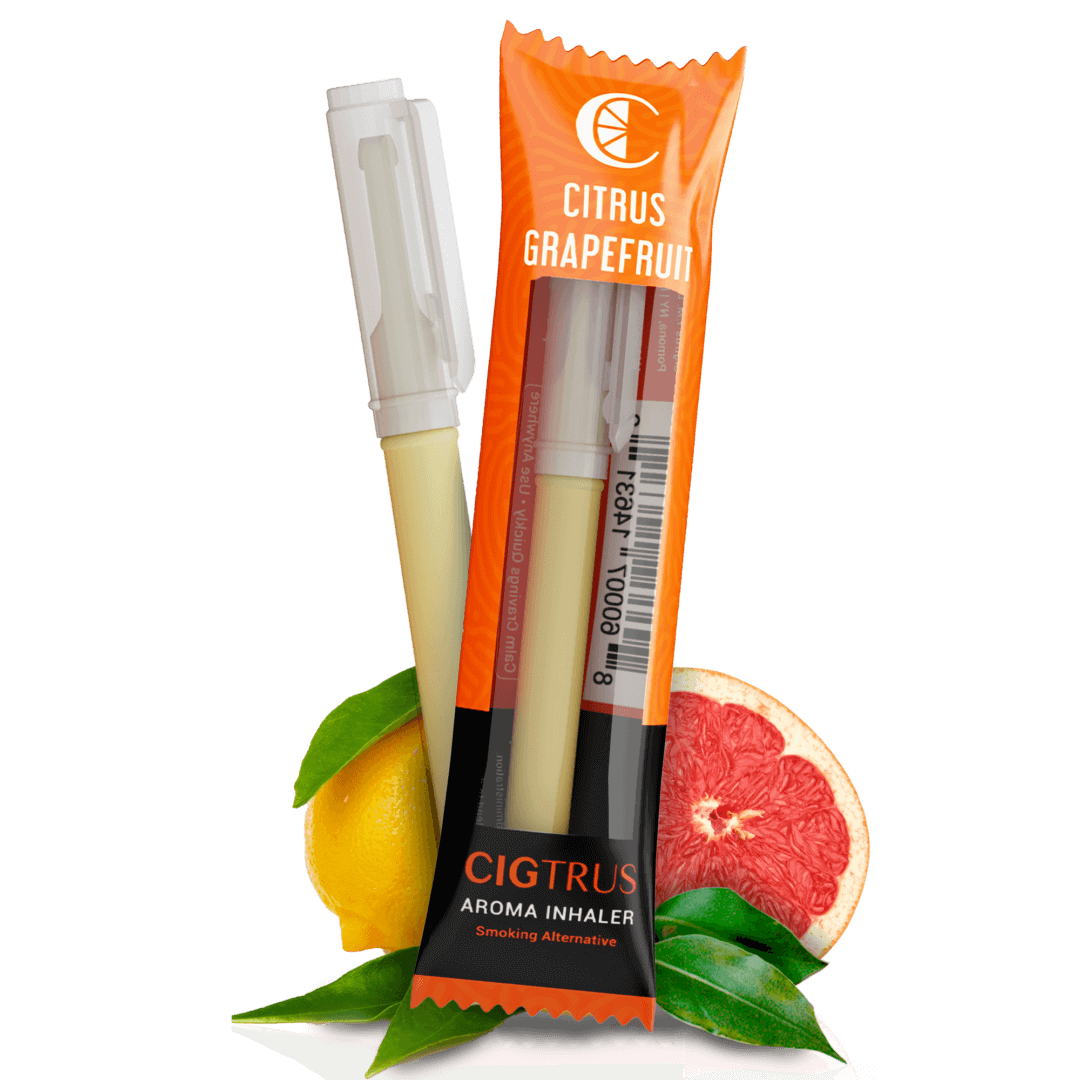
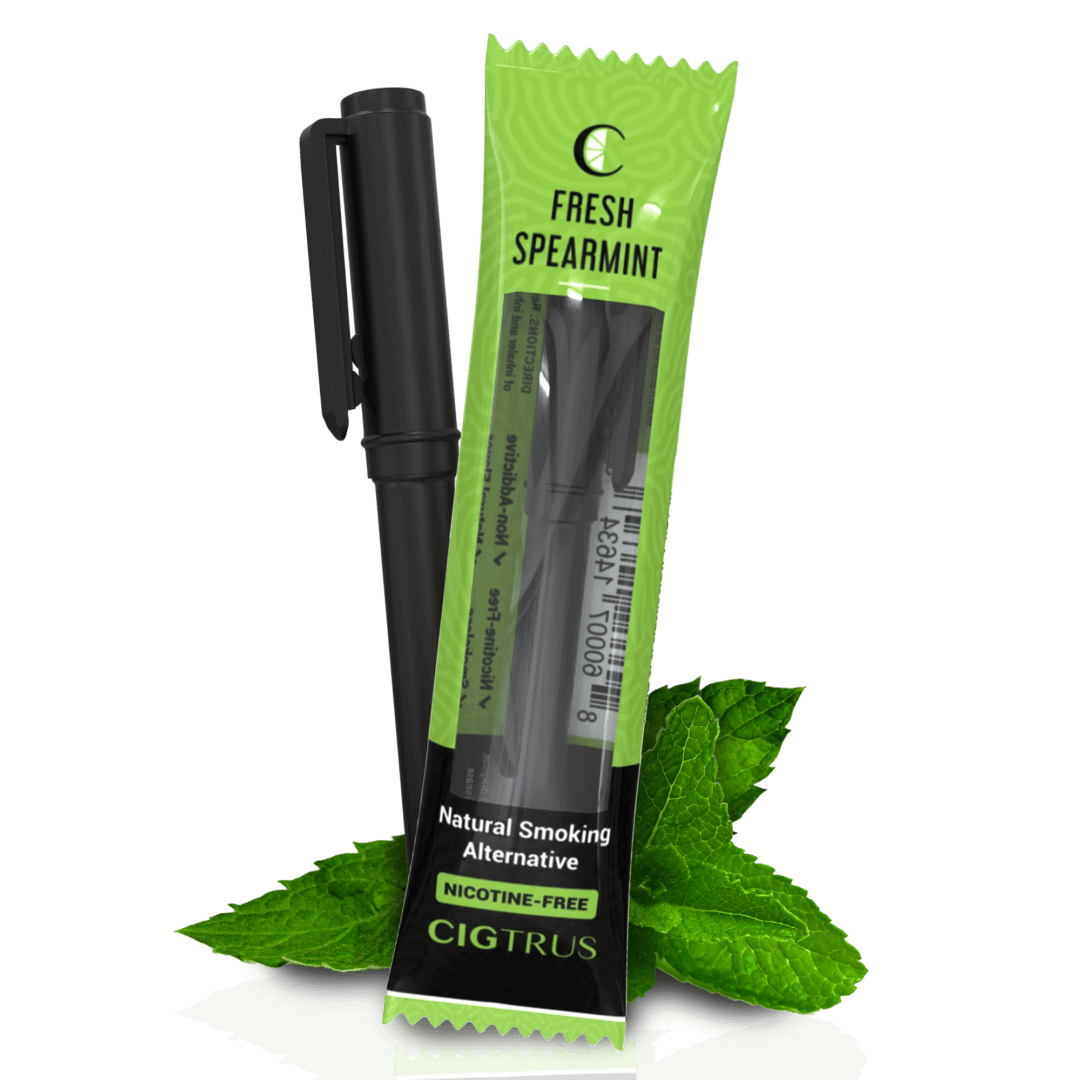
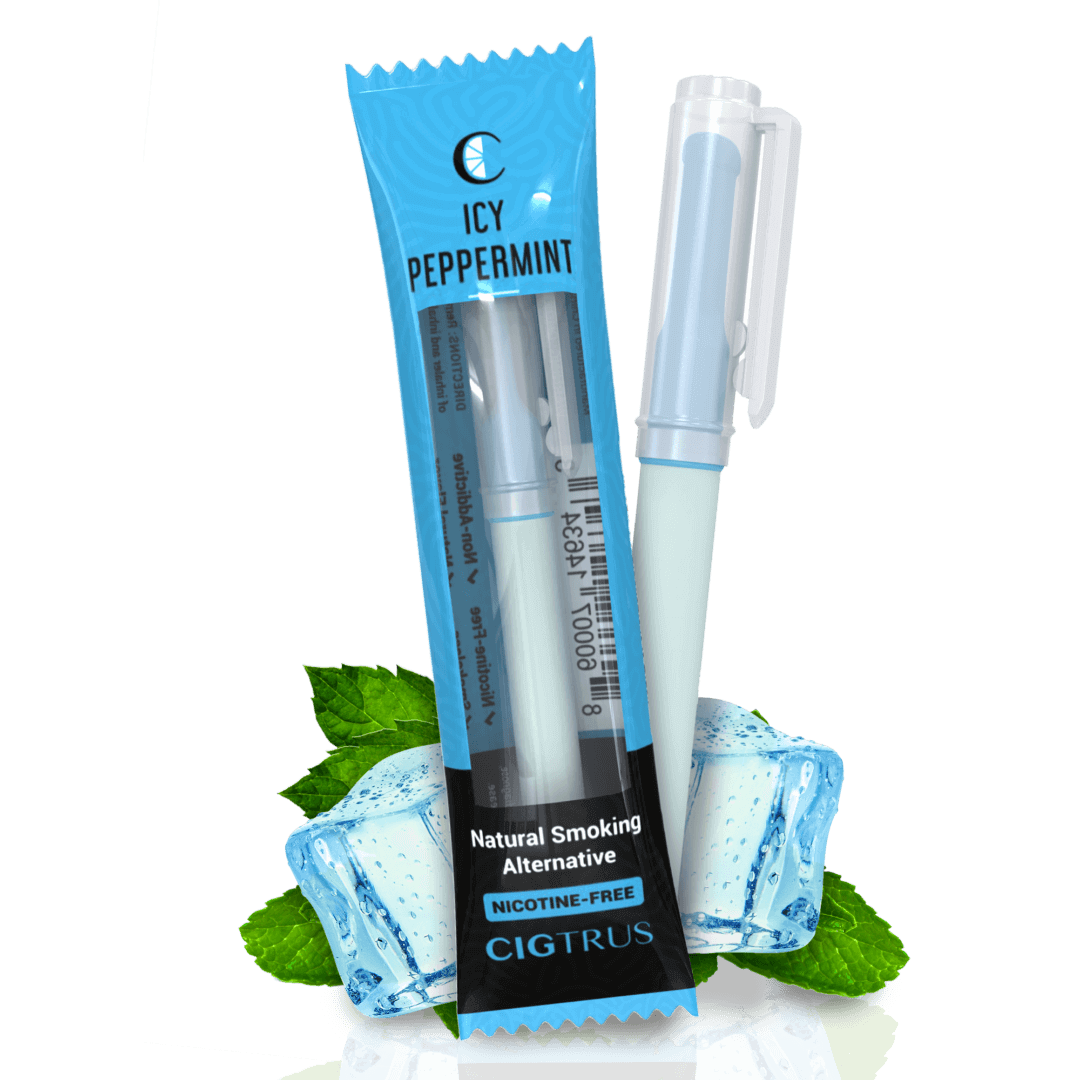
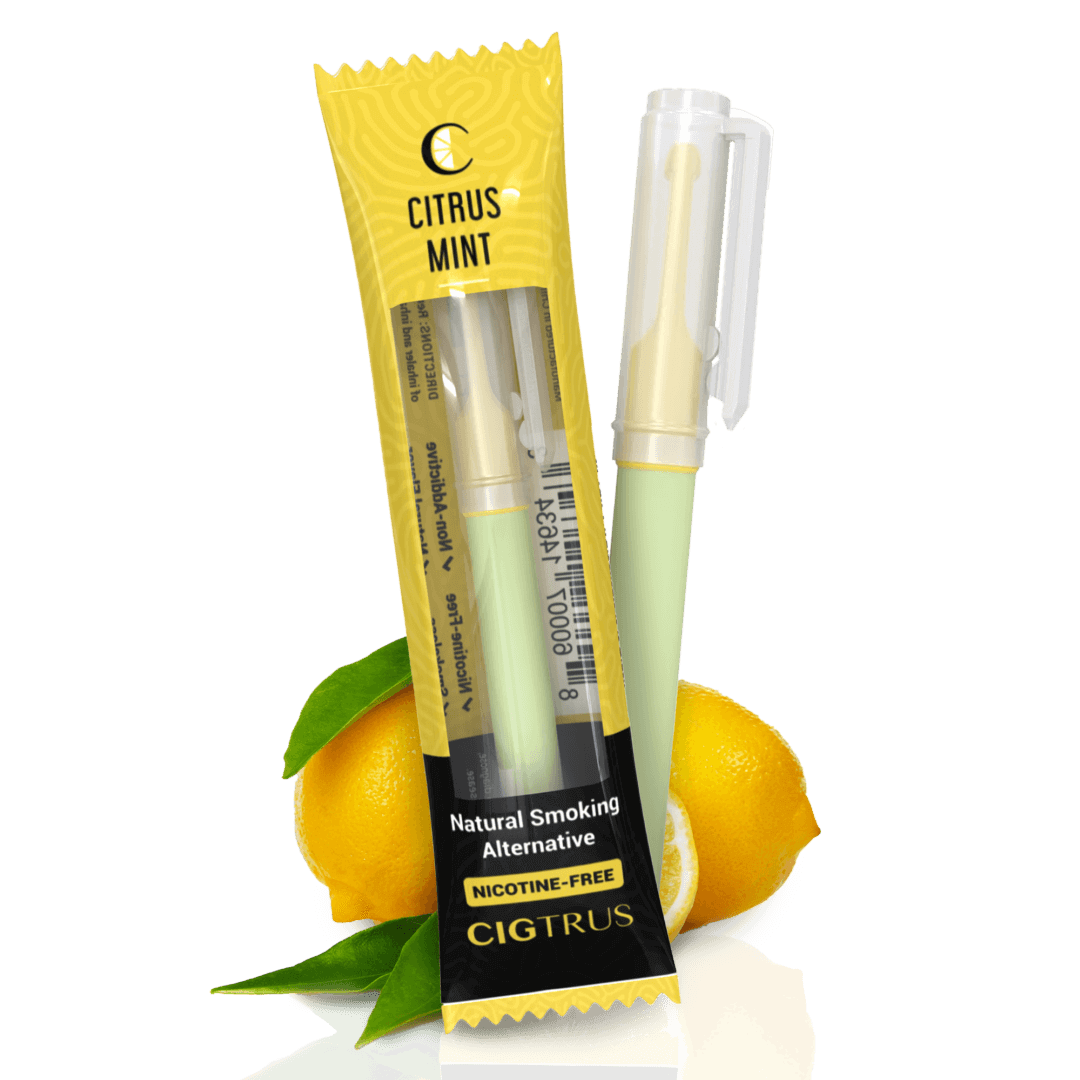
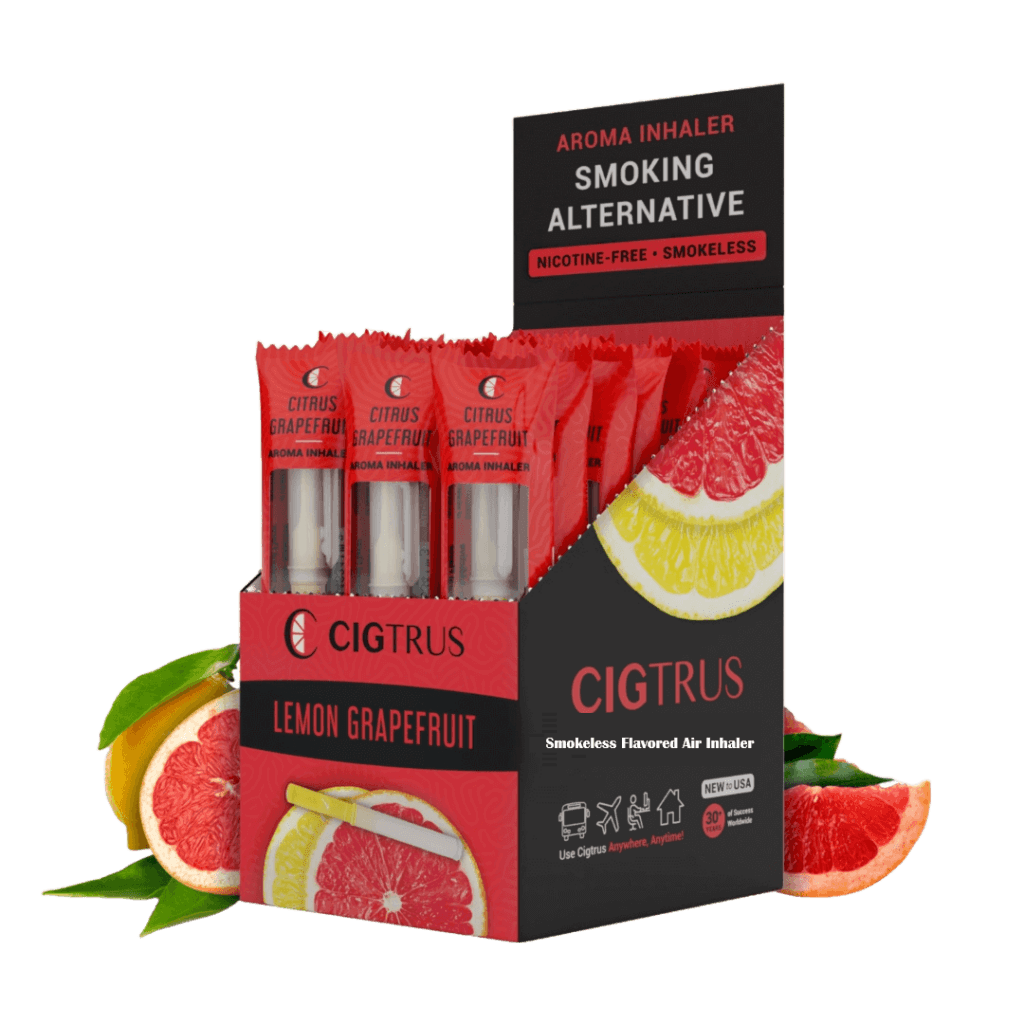
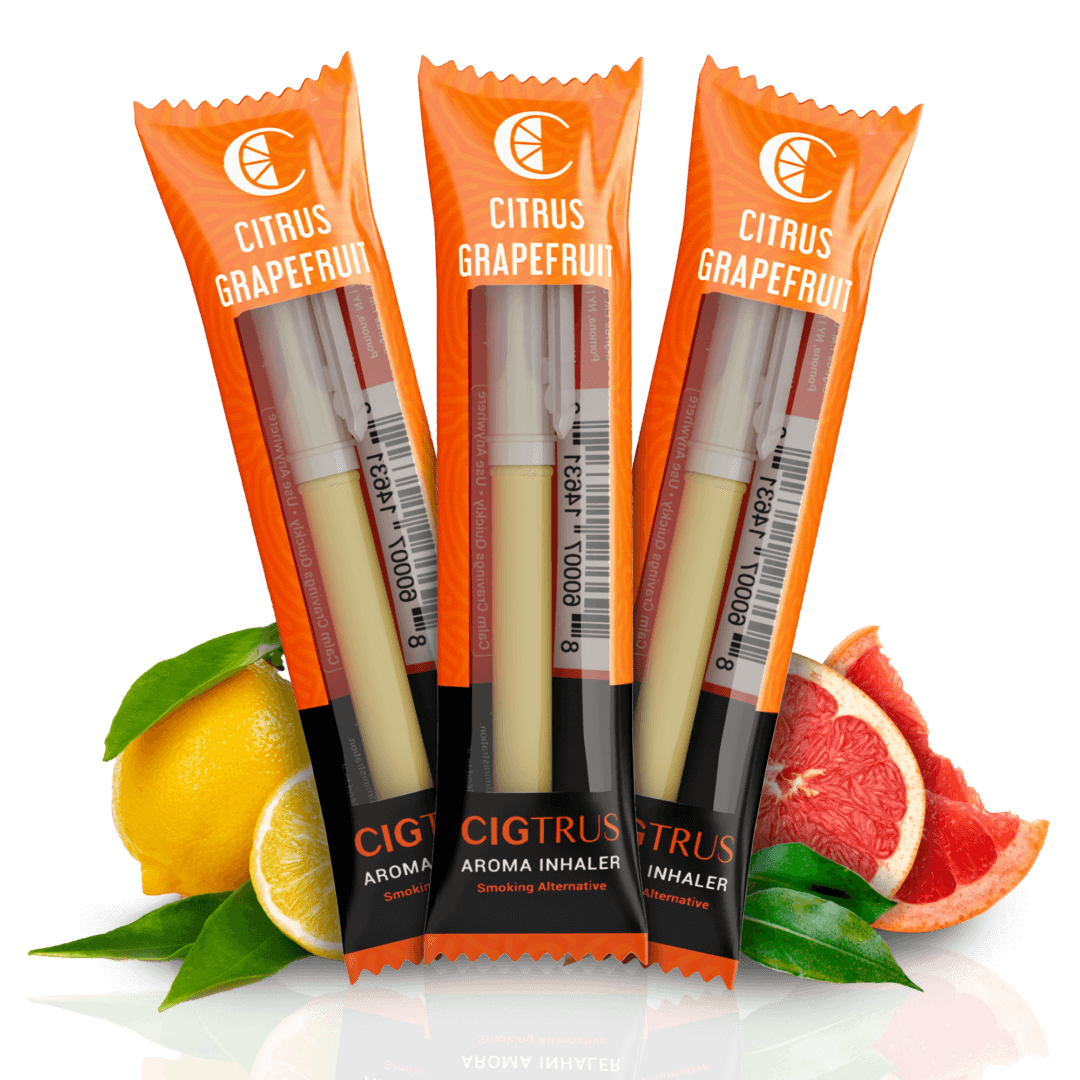
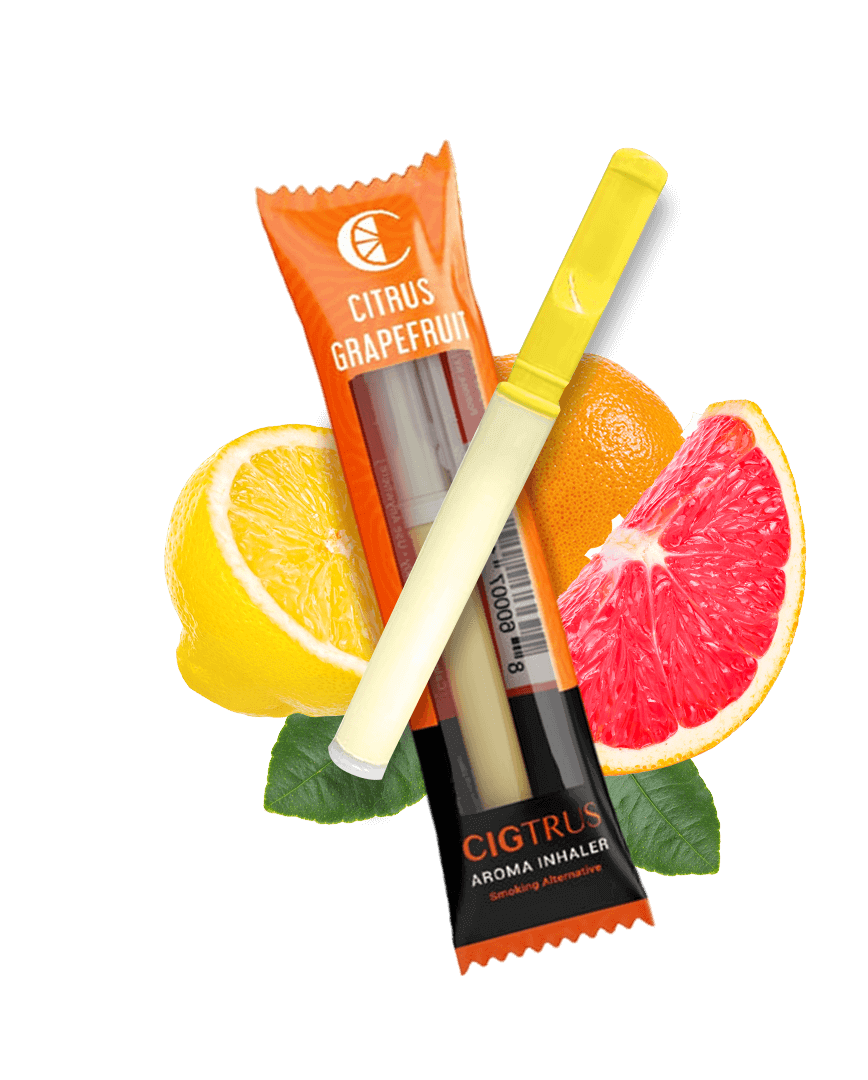
Cigtrus is a nicotine-free, smokeless, non-electric inhaler designed around supporting hand-to-mouth habits, oral fixation, sensory familiarity, behavioral cravings, and smoke-free routines. Instead of smoke, vapor, or nicotine delivery, Cigtrus focuses on providing a familiar inhalation experience that many smokers and vapers struggle to replace.
Why Many Users Prefer Cigtrus
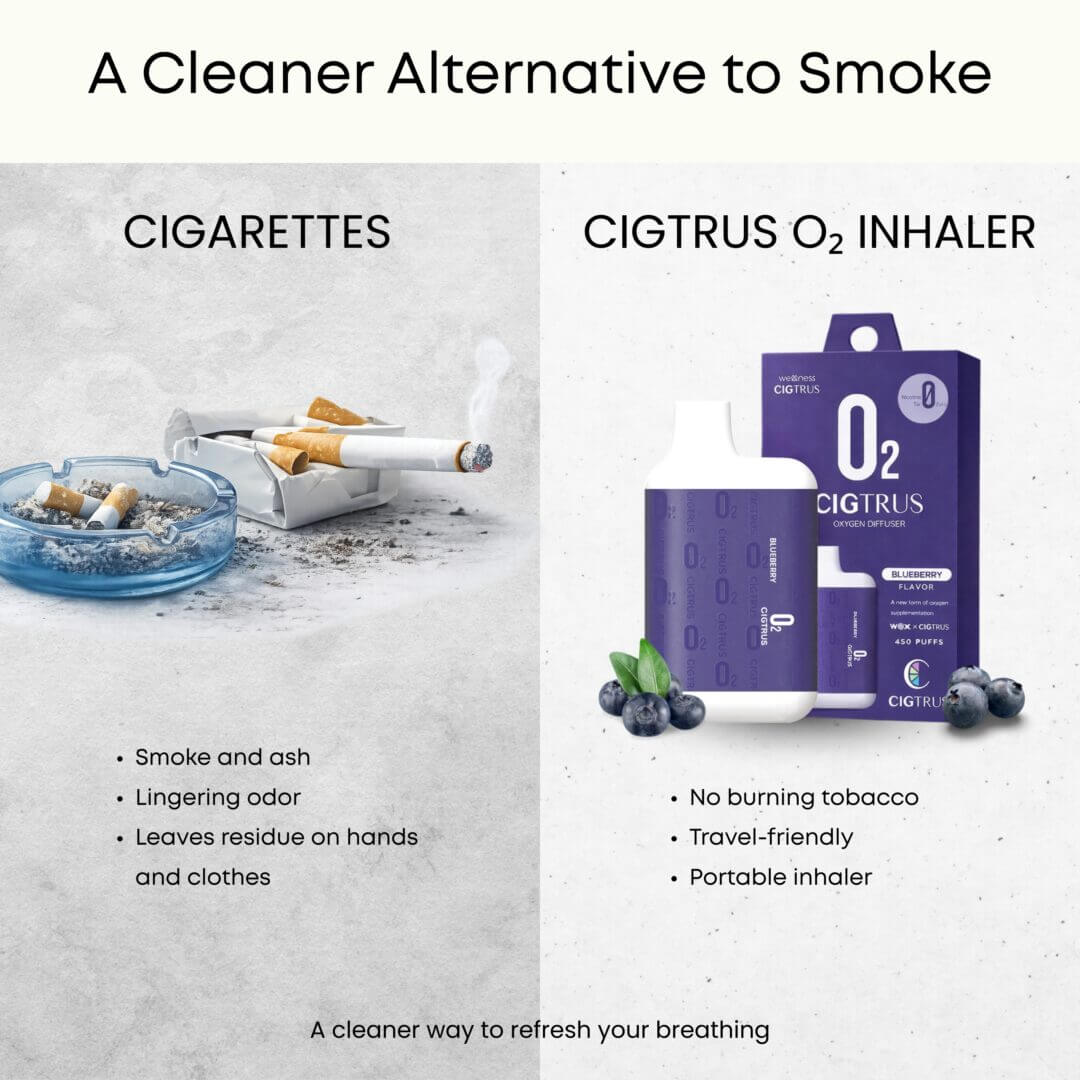
Contains no nicotine, breaks the chemical dependency without continuing it
Produces no vapor, unrestricted in any environment
Requires no charging, always ready in a pocket when the trigger fires
Lightweight and portable, fits naturally into daily routines anywhere
Supports smoke-free environments, usable on flights, at work, indoors anywhere
For many smokers, the goal is not simply replacing cigarettes with another nicotine product. The goal is gradually moving away from repeated smoking and vaping behaviors over time.
Building New Smoke-Free Routines
Most smoking and vaping habits are built through years of repetition and emotional association. Replacing those habits often takes consistency, patience, and realistic behavioral support. Understanding the behavioral side of smoking and vaping may help users gradually create healthier smoke-free routines while reducing dependence on nicotine and repeated inhalation behaviors.
Frequently Asked Questions
Why are nicotine-free alternatives growing in popularity?
Because more smokers understand that quitting smoking involves both a chemical dependency and a behavioral habit, and they are looking for tools that address the behavioral side without continuing nicotine use or vaping device dependency.
What is a nicotine-free behavioral alternative?
A product that supports the familiar hand-to-mouth motion and inhalation routine using natural aroma rather than nicotine or vapor, giving the behavioral trigger a clean destination without chemical or device dependency.
Is Cigtrus nicotine-free?
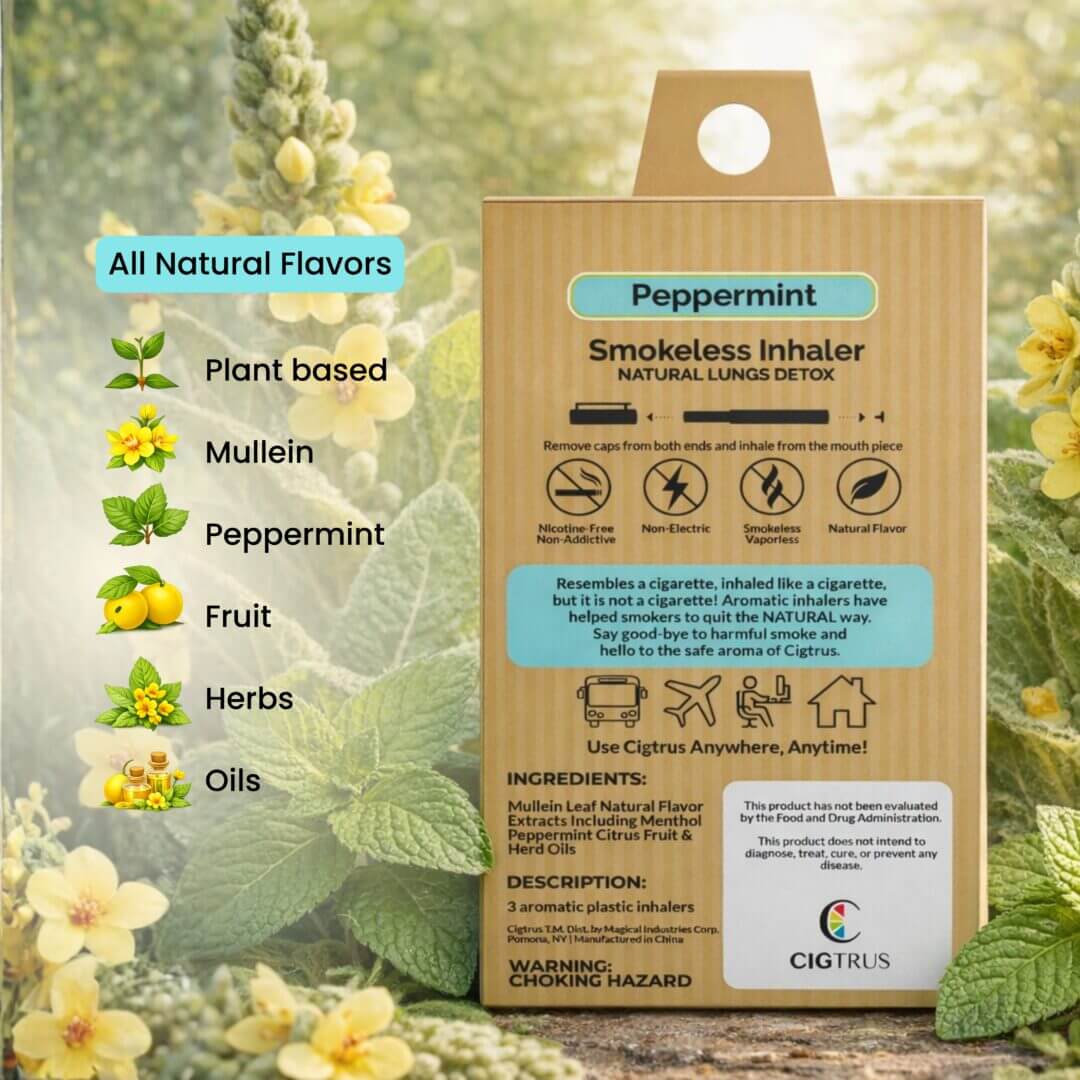
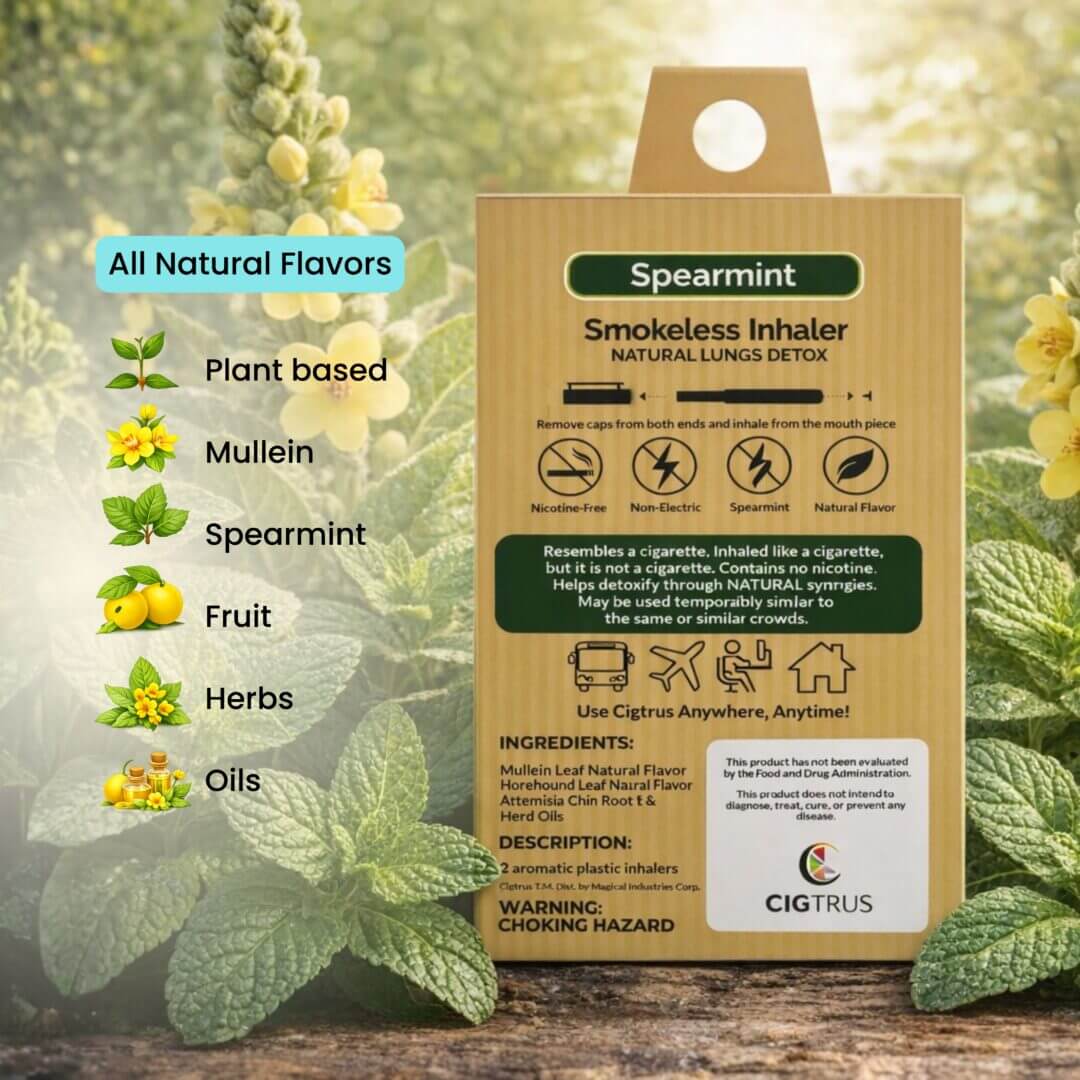
Yes. Cigtrus is completely nicotine-free. It uses natural food-grade essential oil aromas only, no nicotine, no tobacco, no synthetic chemicals, and no vapor of any kind.
Can a nicotine-free alternative work anywhere?
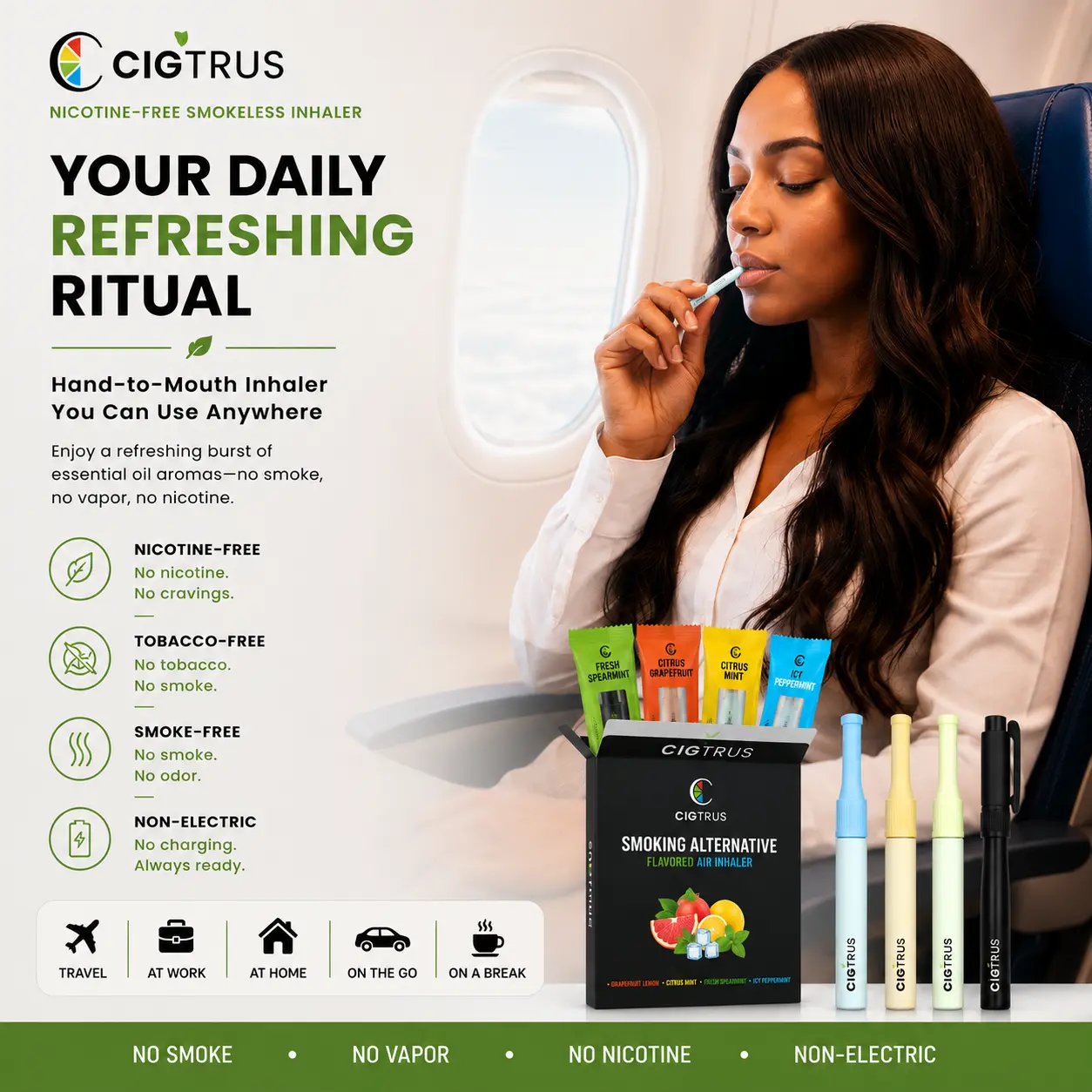
Yes. Cigtrus produces no vapor and is not an electronic device, so it is usable in offices, on flights, in restaurants, and any environment where smoking or vaping is completely prohibited.
Join the Growing Move Away From Nicotine.
No vapor, no nicotine, no restrictions, behavioral habit replacement for a genuinely clean smoke-free routine.
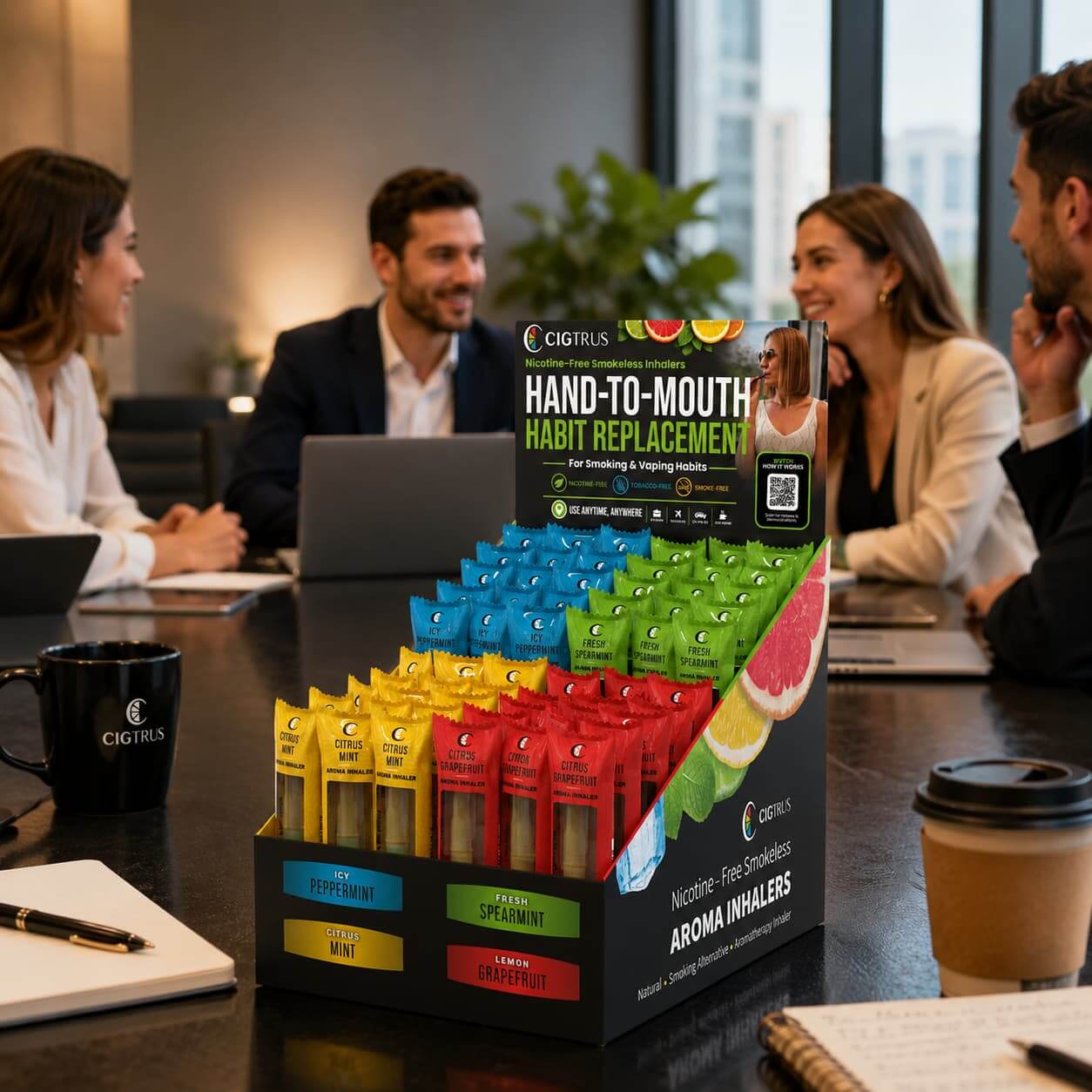
👉 Try the Variety Pack