
How Stress and Routine Often Trigger Smoking Habits
For many smokers, lighting a cigarette becomes an automatic response to stress, boredom, and repeated daily routines. Over time, the act of smoking becomes closely connected to specific emotional states and situations, making the habit difficult to break even after reducing nicotine intake. Understanding how stress and routine influence smoking behavior is the first step toward building a genuine smoke-free alternative.
Why Stress Becomes a Smoking Trigger
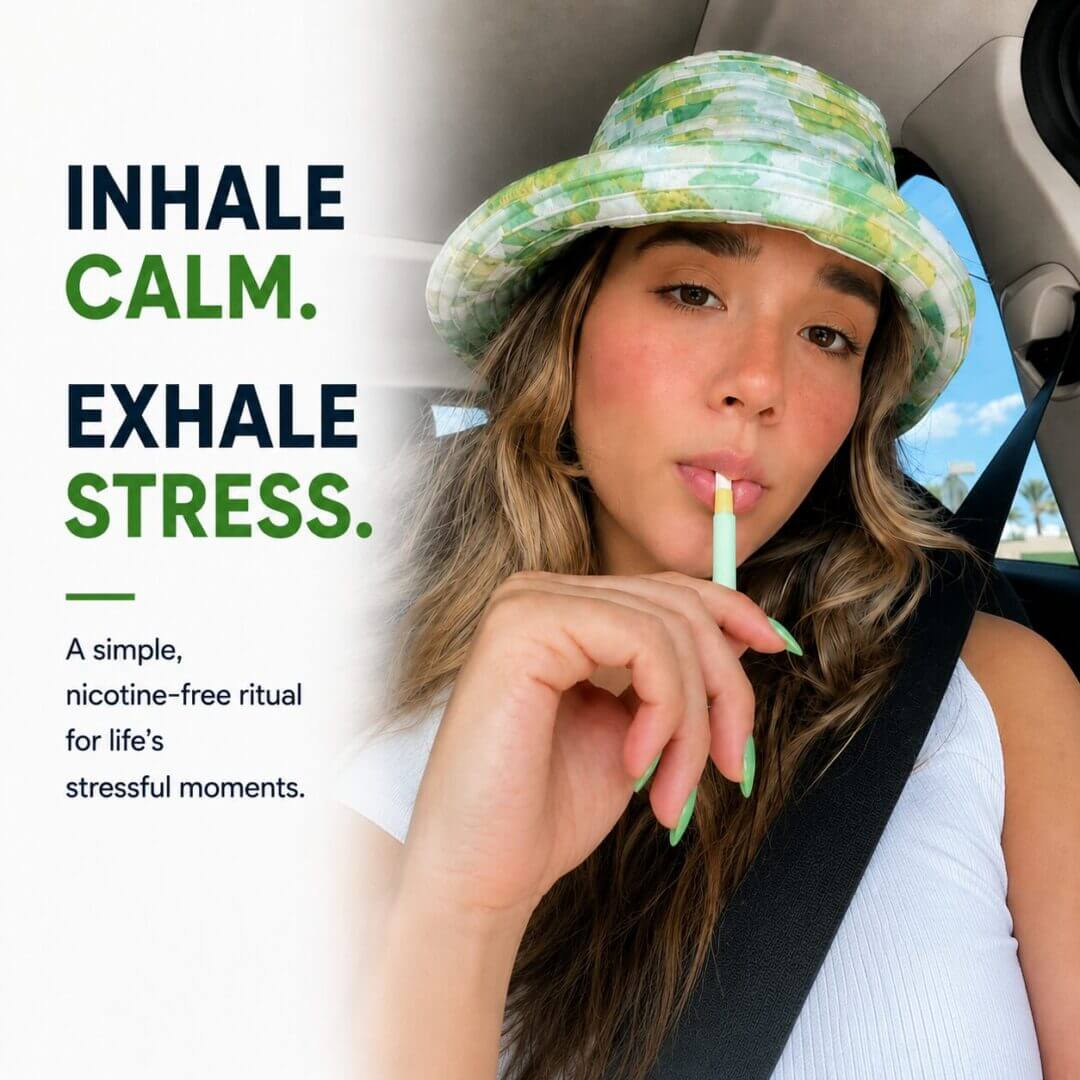
Many smokers develop a habit of reaching for a cigarette during stressful situations, work pressure, emotional conflicts, anxiety, frustration, and boredom. Over time, the brain builds a strong association between these feelings and the familiar motion of smoking. The repeated pattern eventually becomes automatic: stress fires, the hand reaches.
This is why many smokers continue experiencing strong cravings during stressful moments even after significantly reducing their nicotine intake. The craving in those moments is often behavioral rather than chemical, the brain is not asking for nicotine, it is firing the familiar response it learned through years of repetition.
“Stress does not make the body need nicotine. It fires the automatic behavioral response that smoking built over time. Understanding that difference is what makes genuine habit replacement possible.”
Why Routine Triggers Are Just as Powerful
Smoking becomes connected not only to emotional states but to repeated daily routines, morning coffee, the commute, work breaks, after meals, social situations. These routine moments fire the smoking trigger automatically, independently of how stressed or relaxed the smoker actually is in that moment.
That is why many adults continue searching for hand-to-mouth habit replacement, oral fixation support, smoke-free behavioral alternatives, familiar inhalation routines, and stress-related smoking support. Adults trying to reduce smoking often discover that replacing the ritual itself may feel just as important as reducing nicotine.
How Smokeless Inhalers Support Smoke-Free Routines
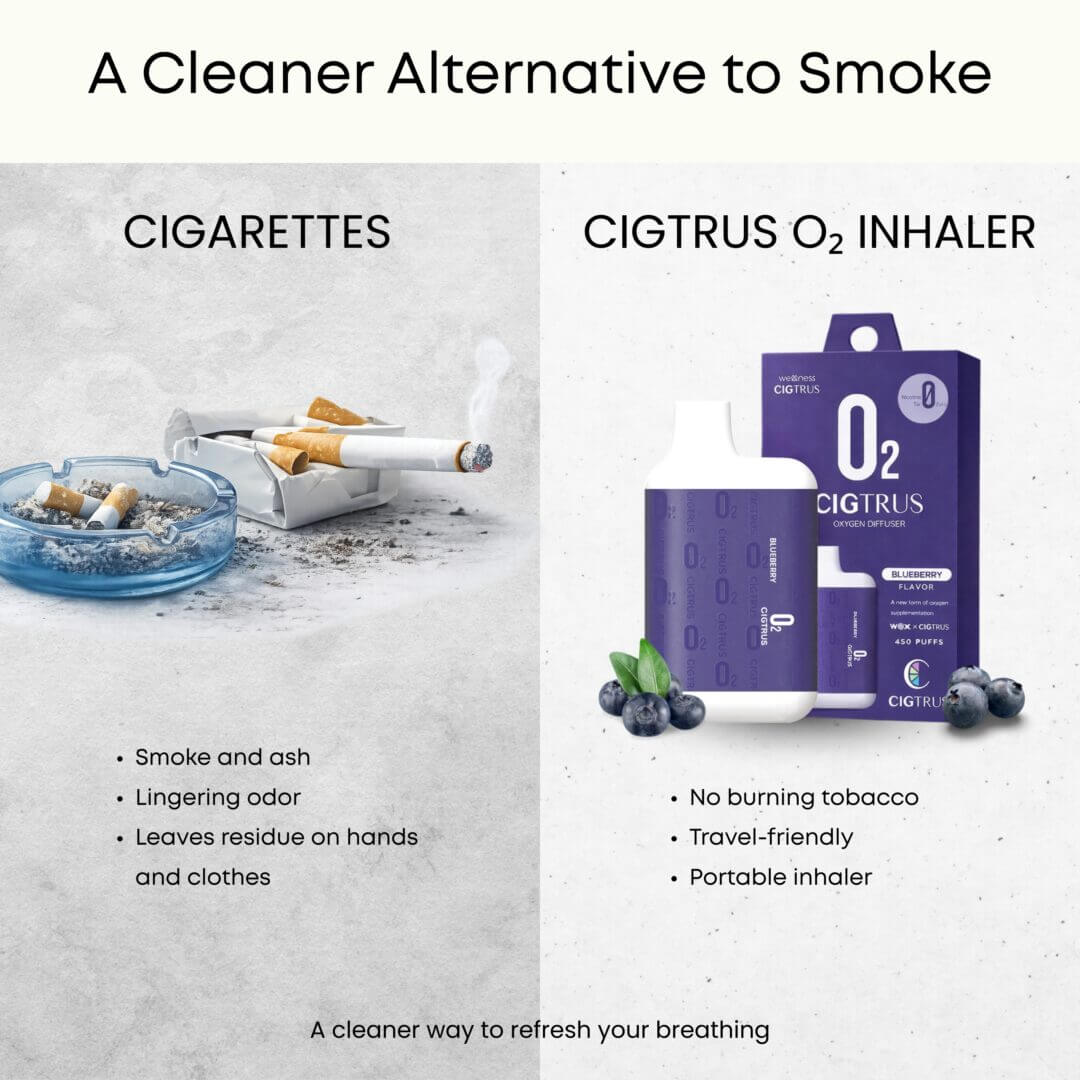
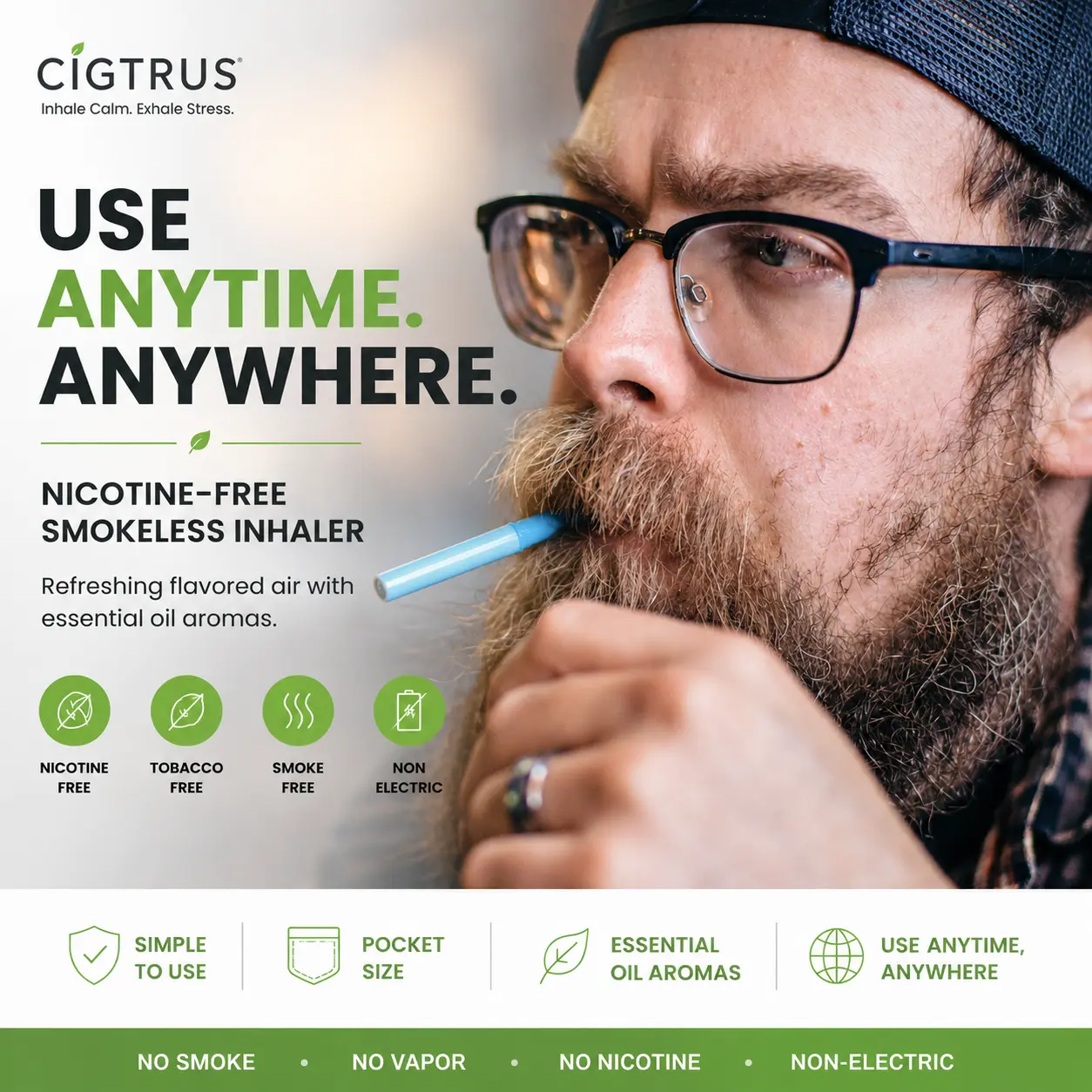
Some adults searching for smoke-free alternatives begin exploring smokeless inhalers designed around hand-to-mouth habit replacement, oral fixation support, smoke-free routines, familiar inhalation behavior, and behavioral smoking patterns. Unlike cigarettes or vaping products, smokeless inhalers are non-electric, smoke-free, vapor-free, and portable. Many adults researching smoke-free alternatives also want to better understand how smokeless inhalers differ from vaping devices.
How Cigtrus Supports Behavioral Smoking Habits
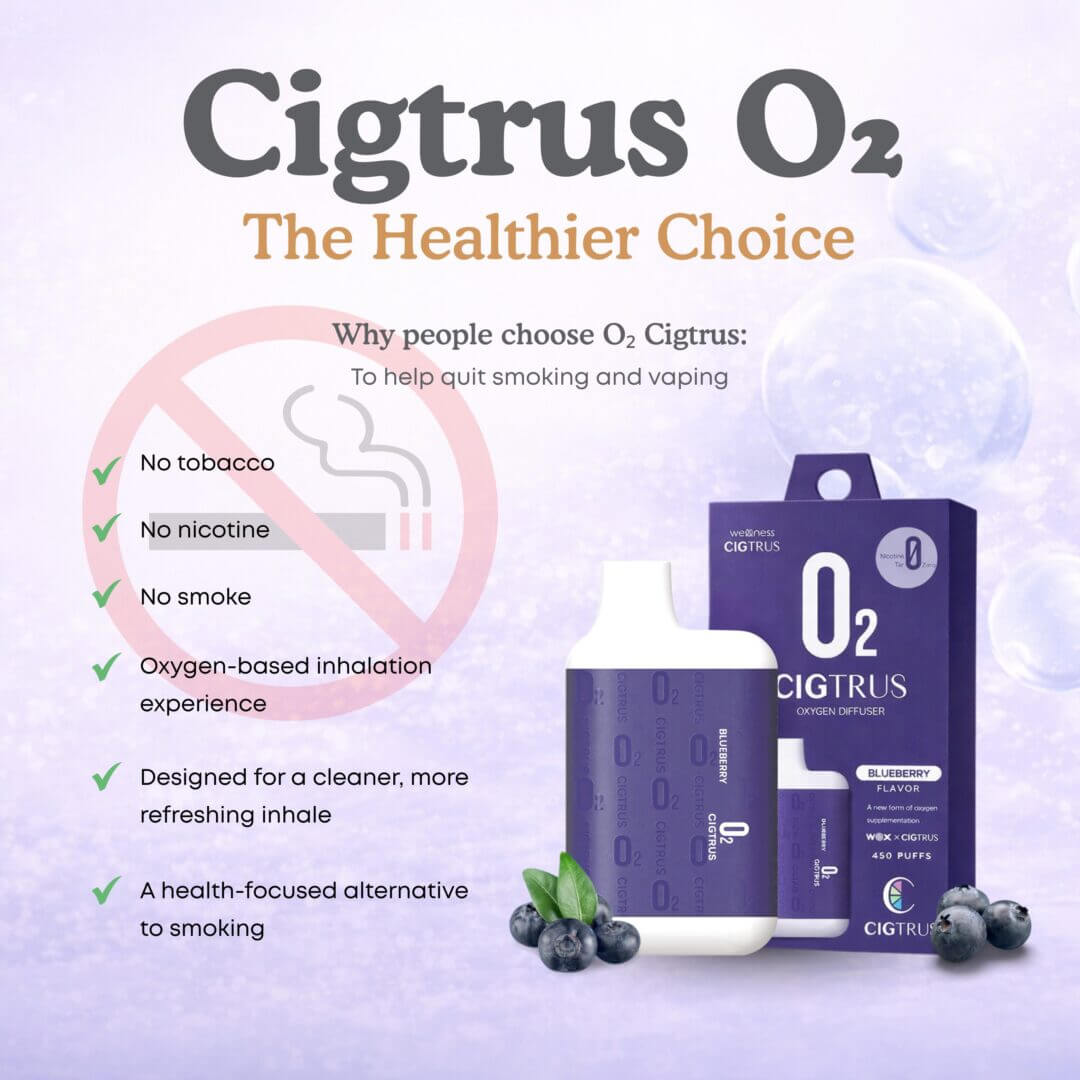
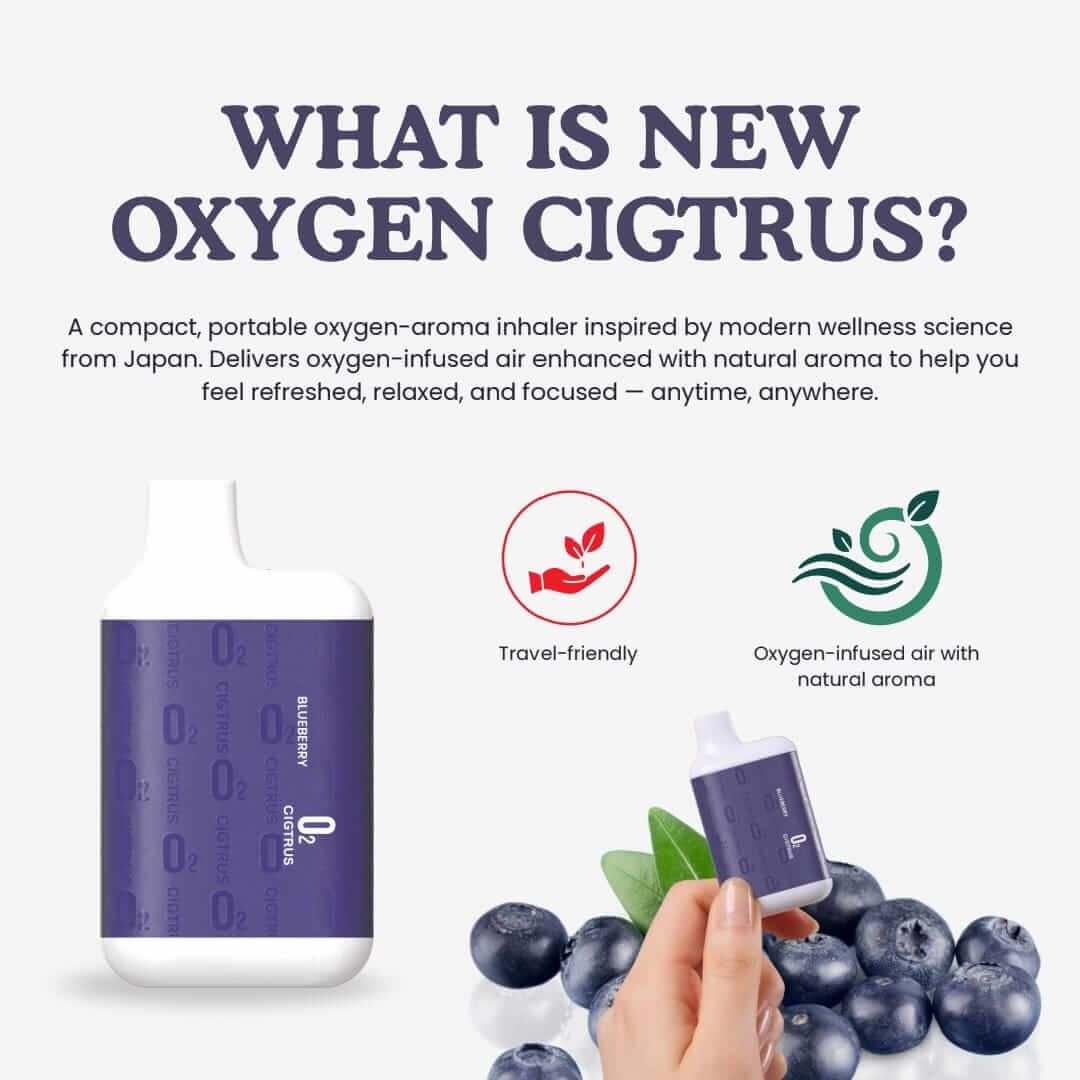
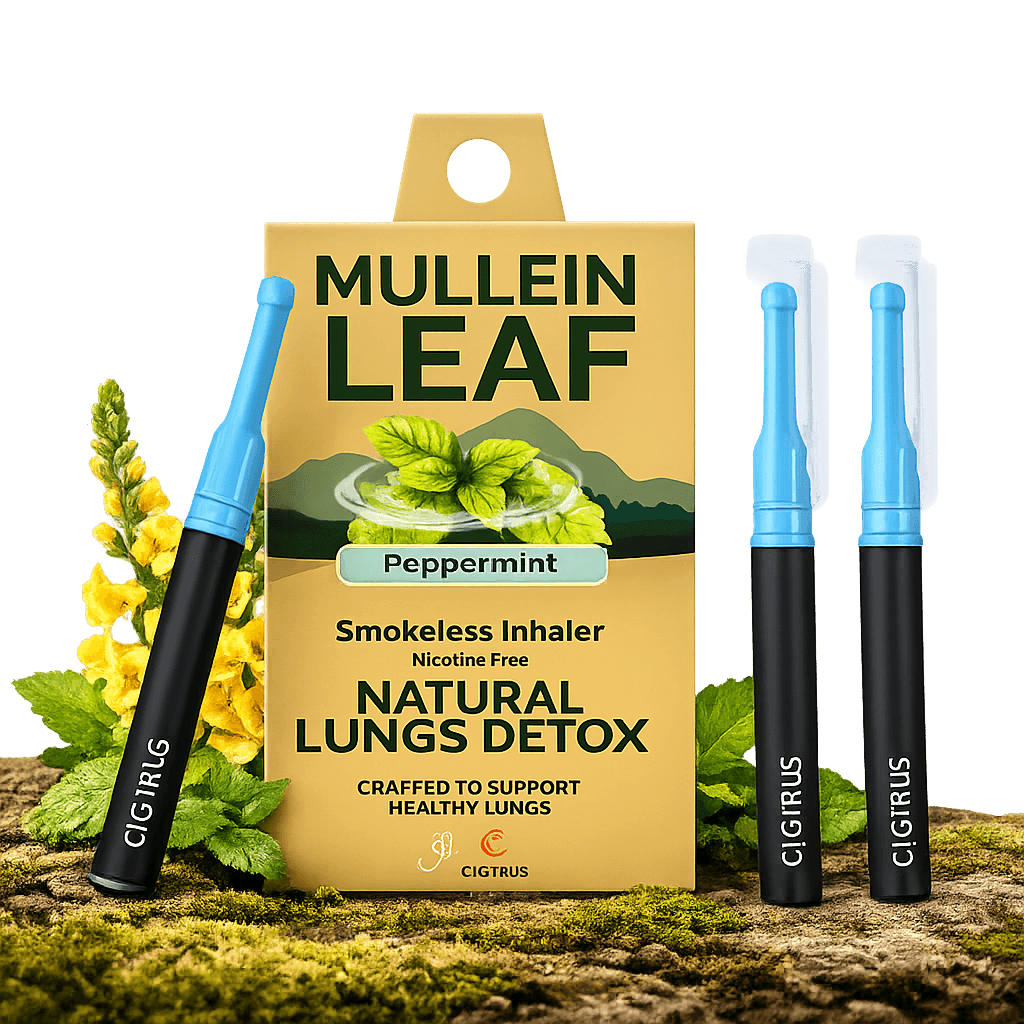
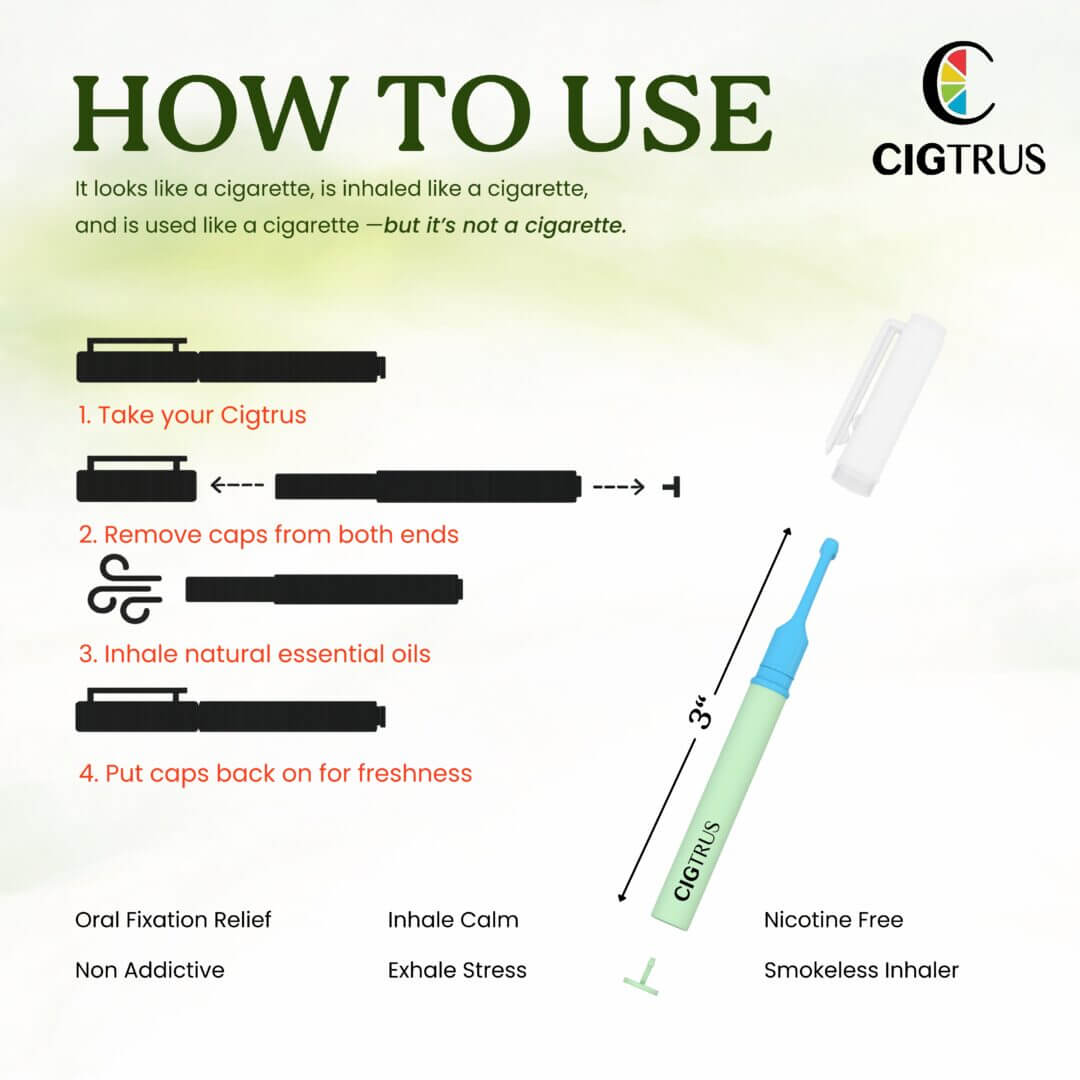
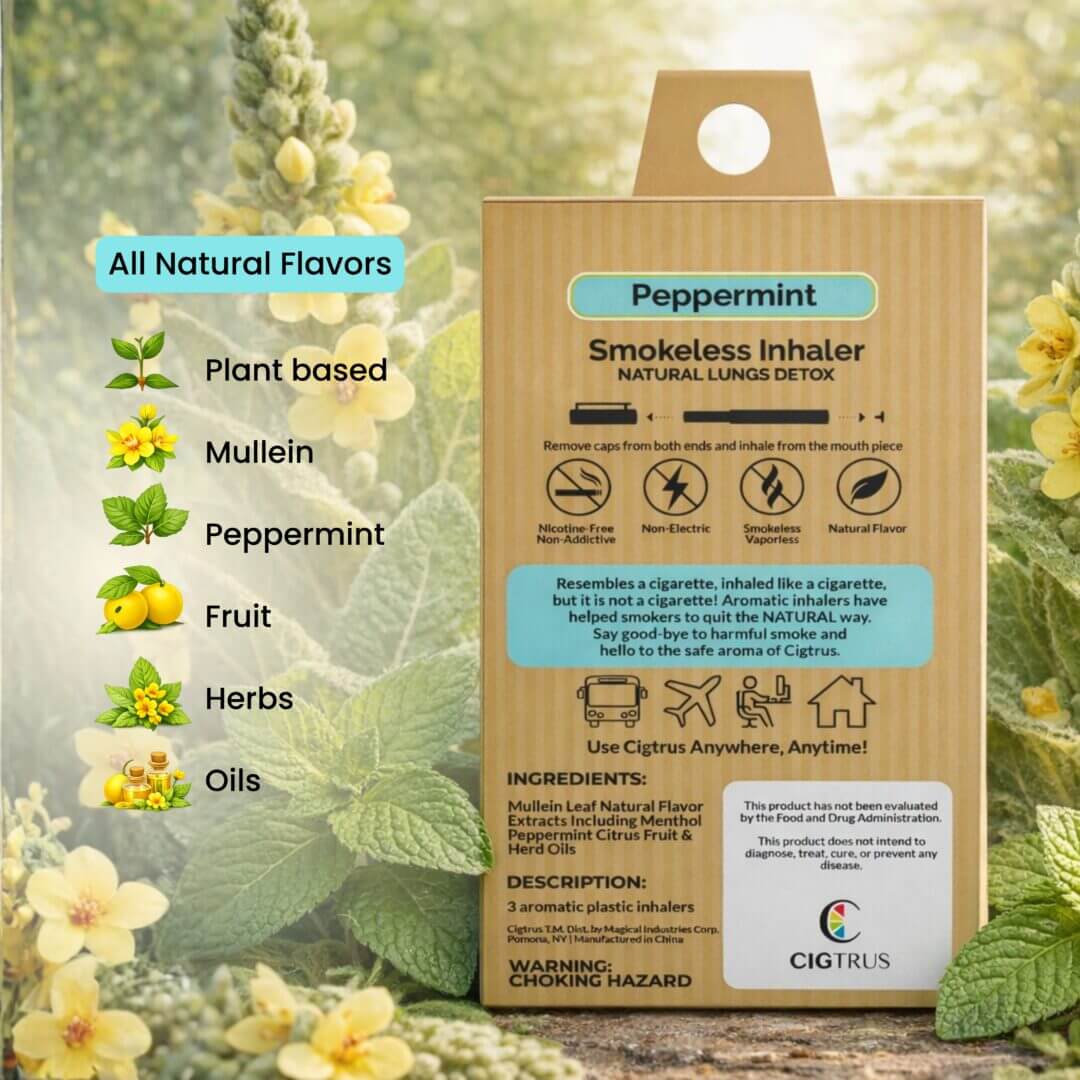
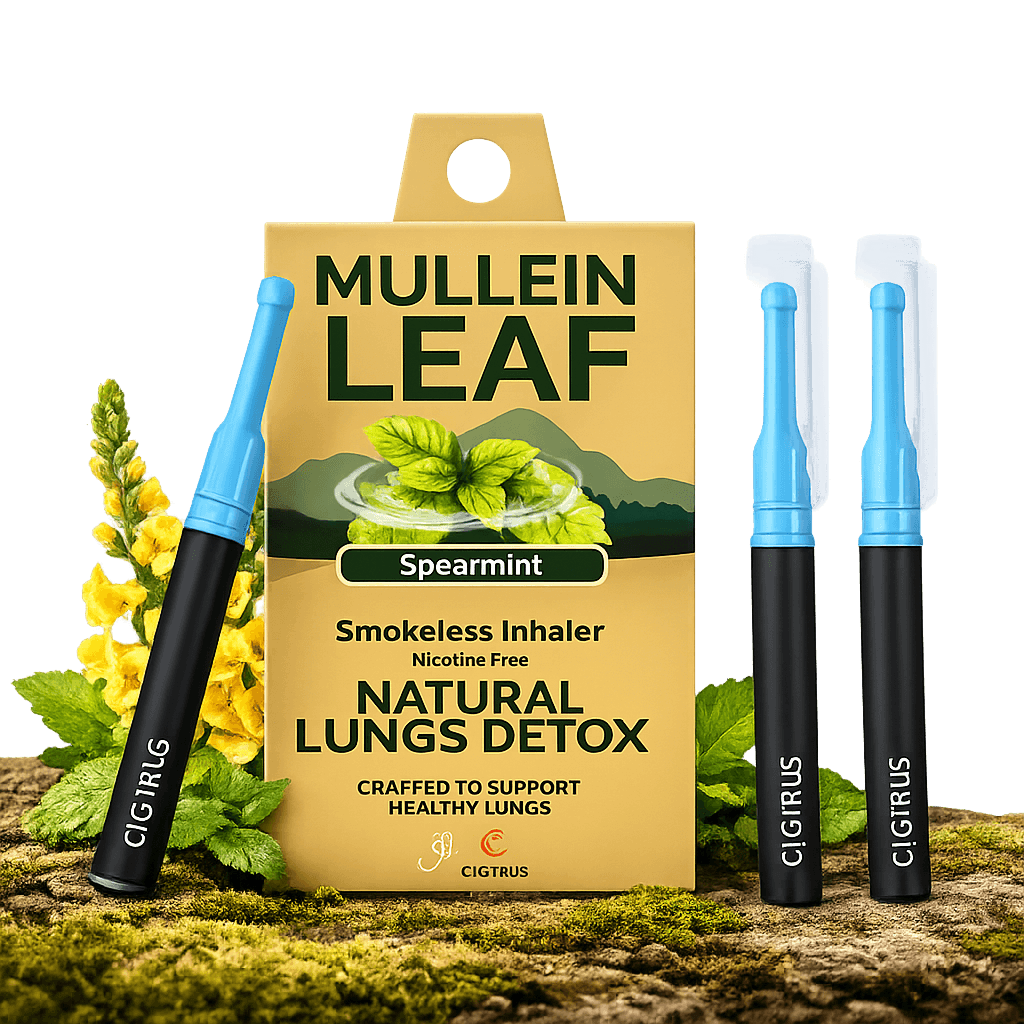
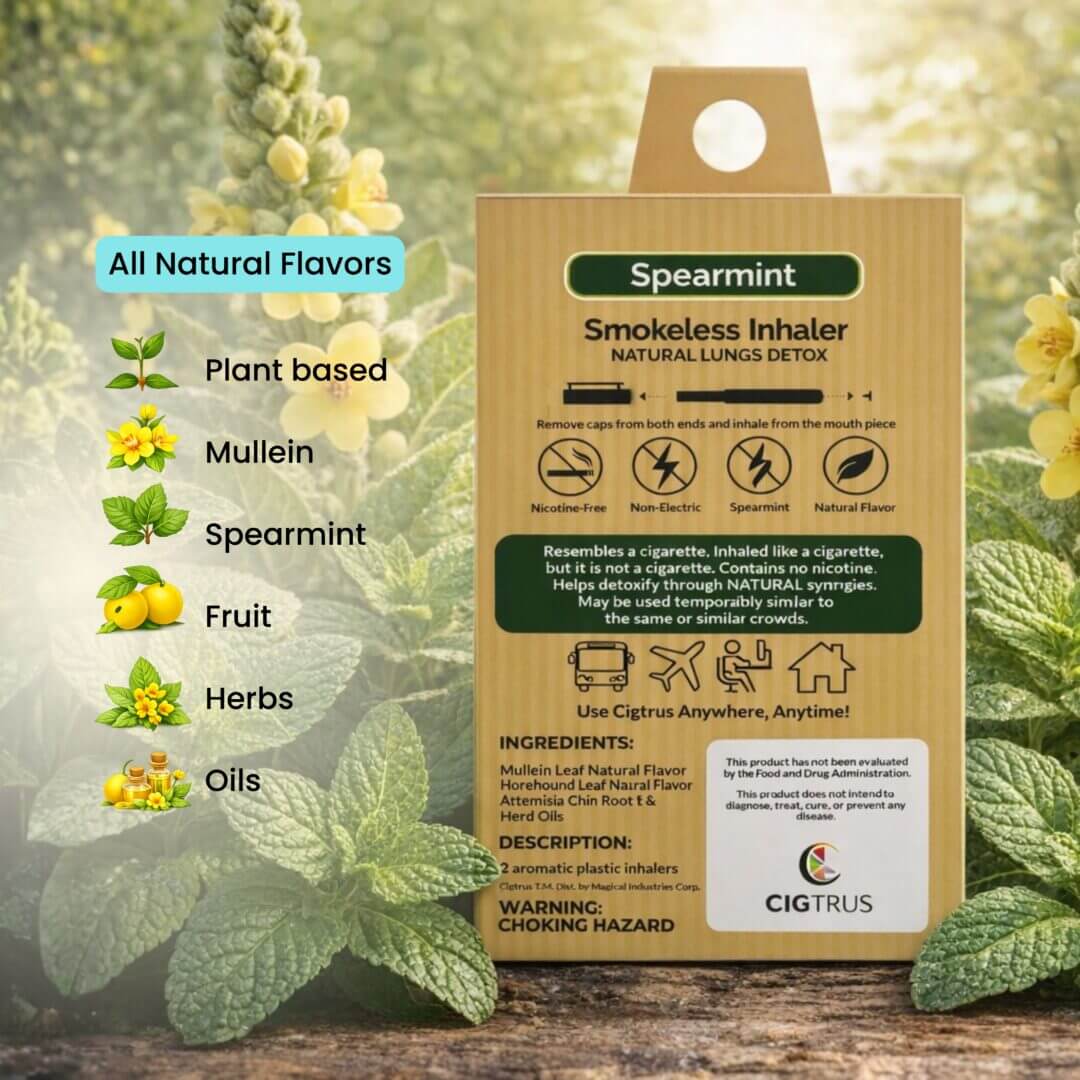
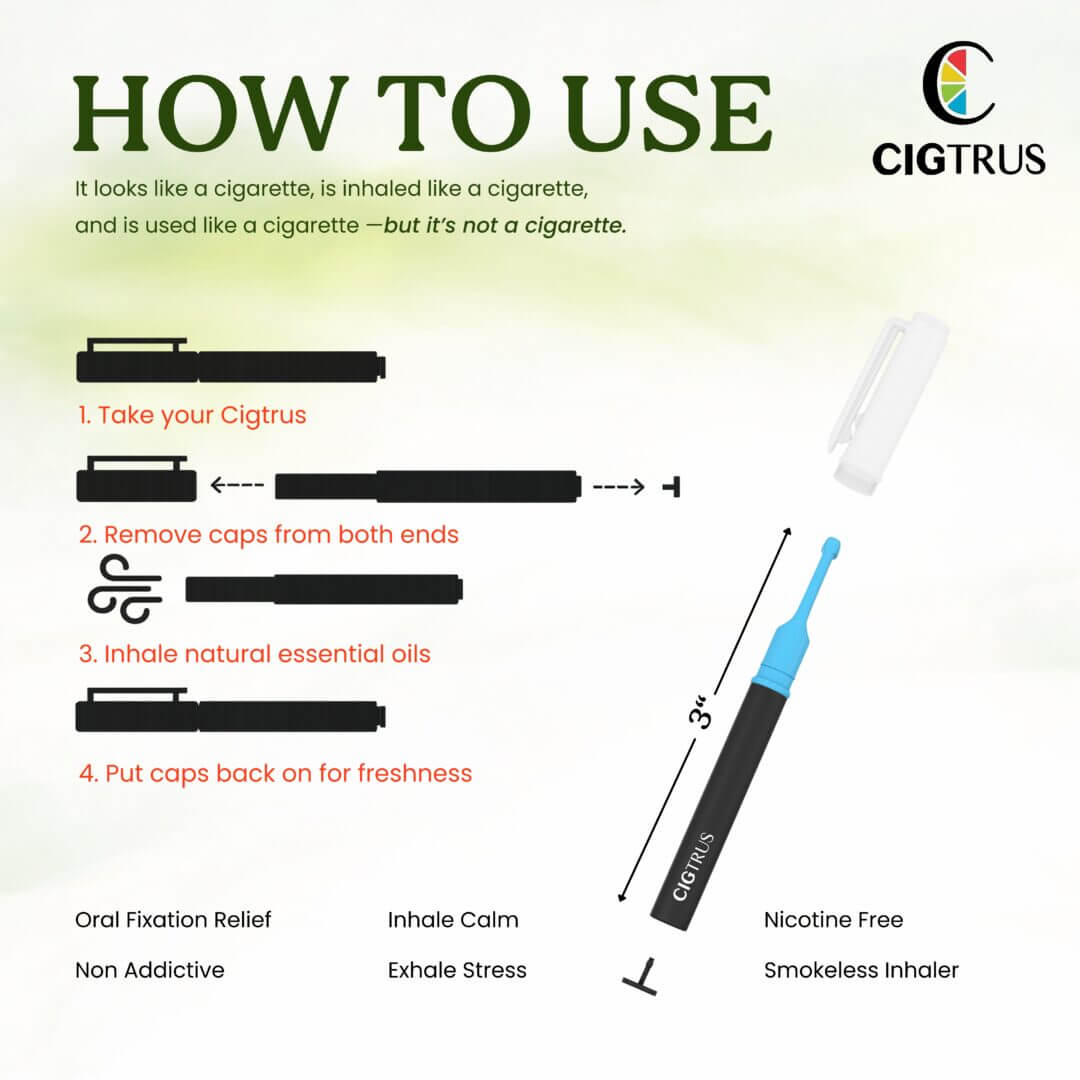
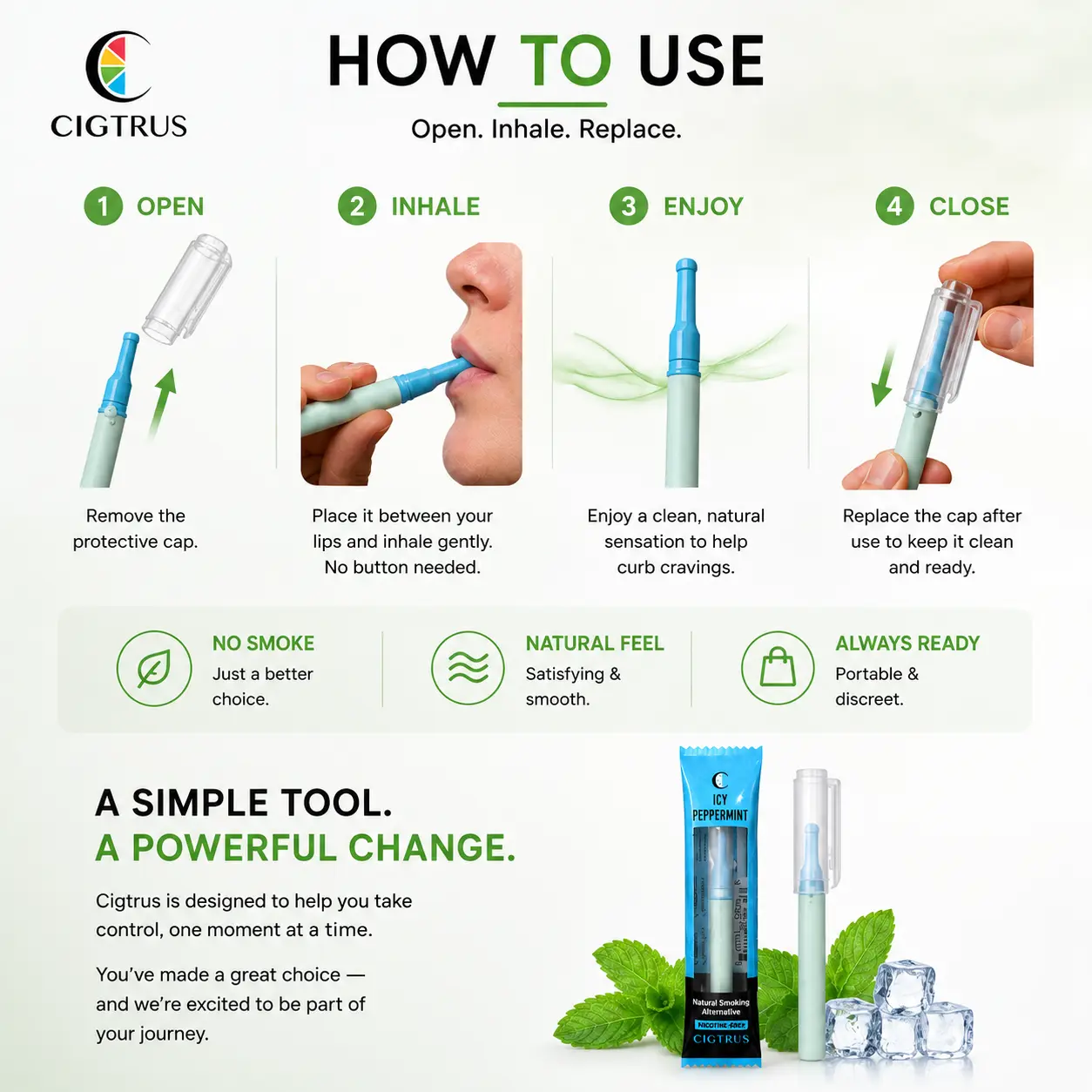
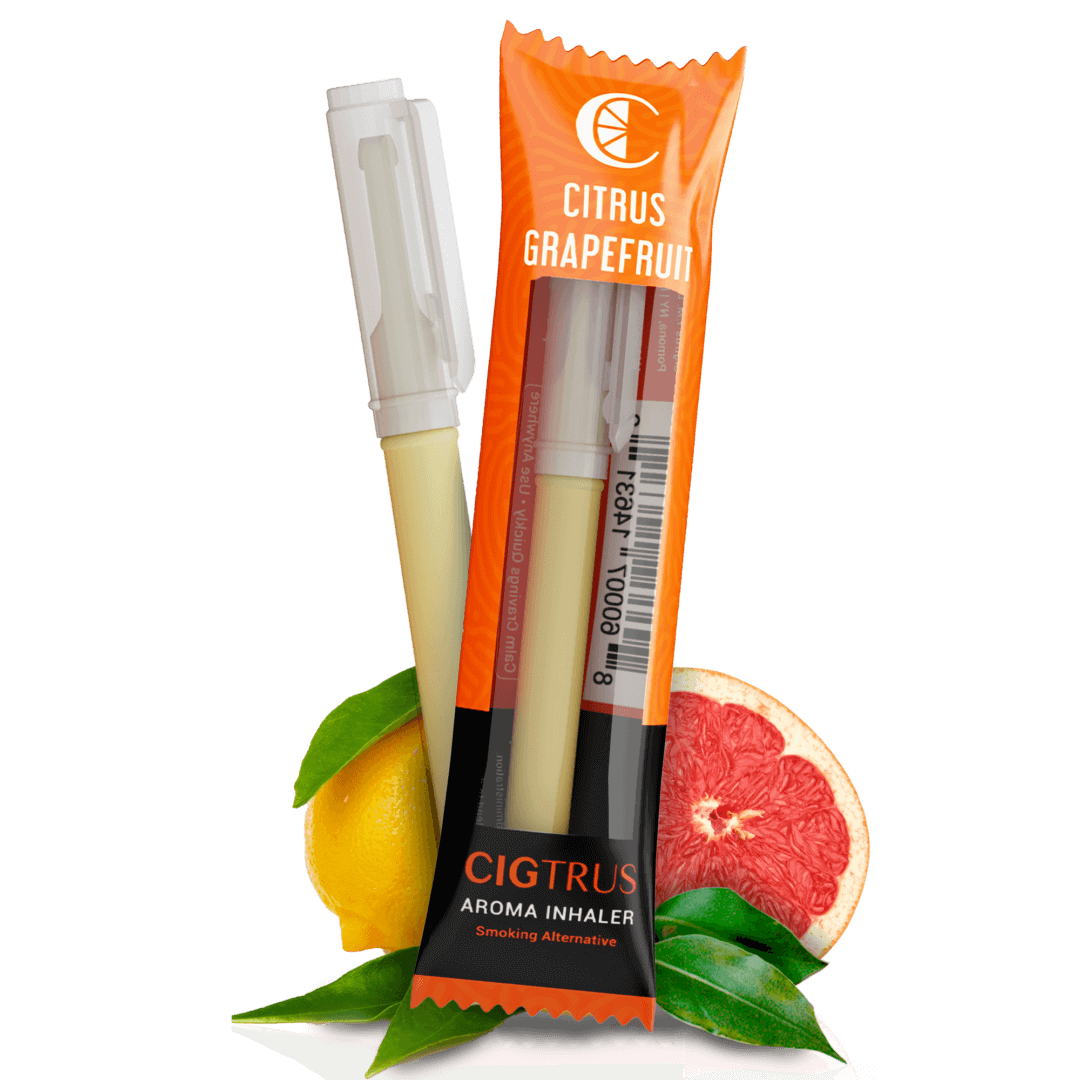
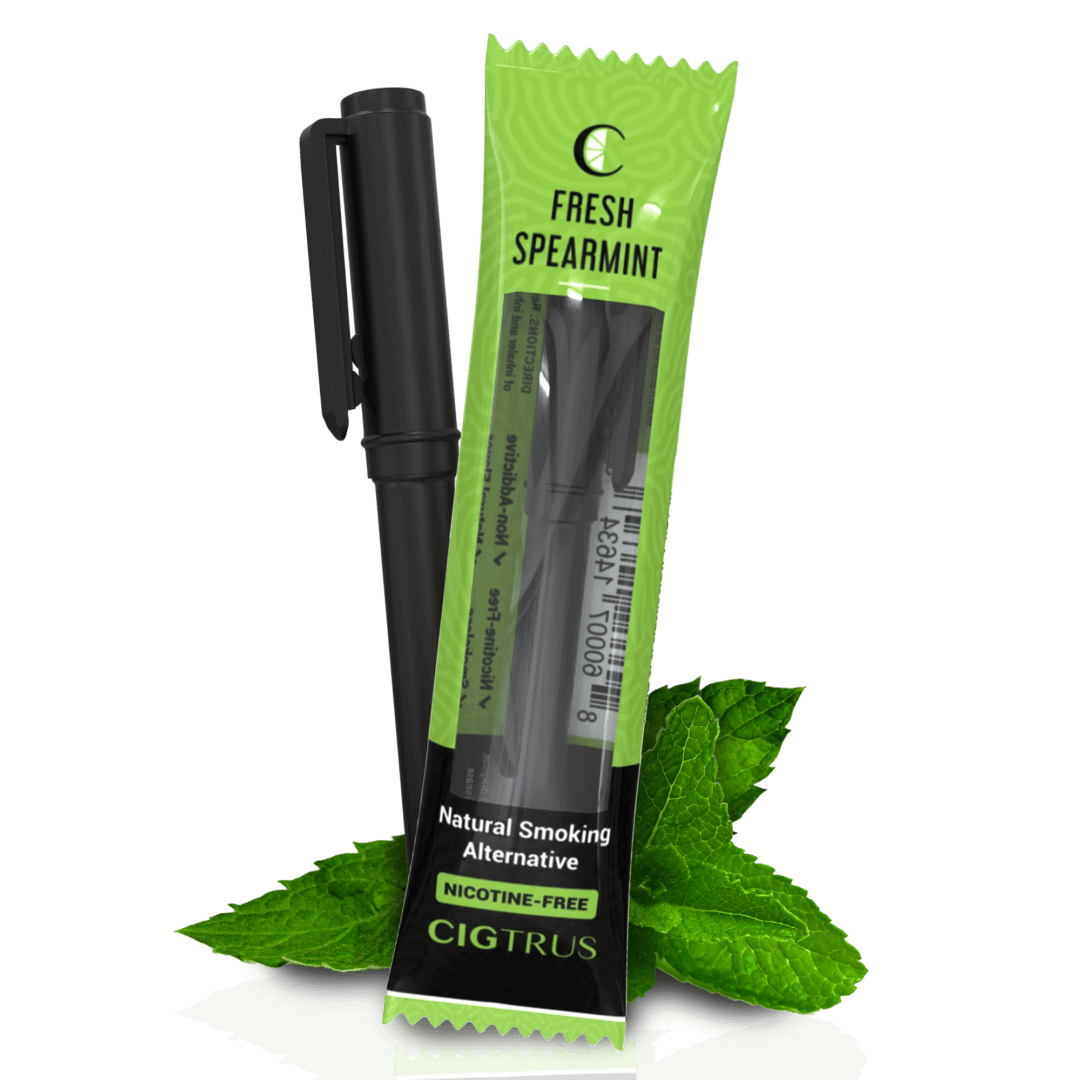
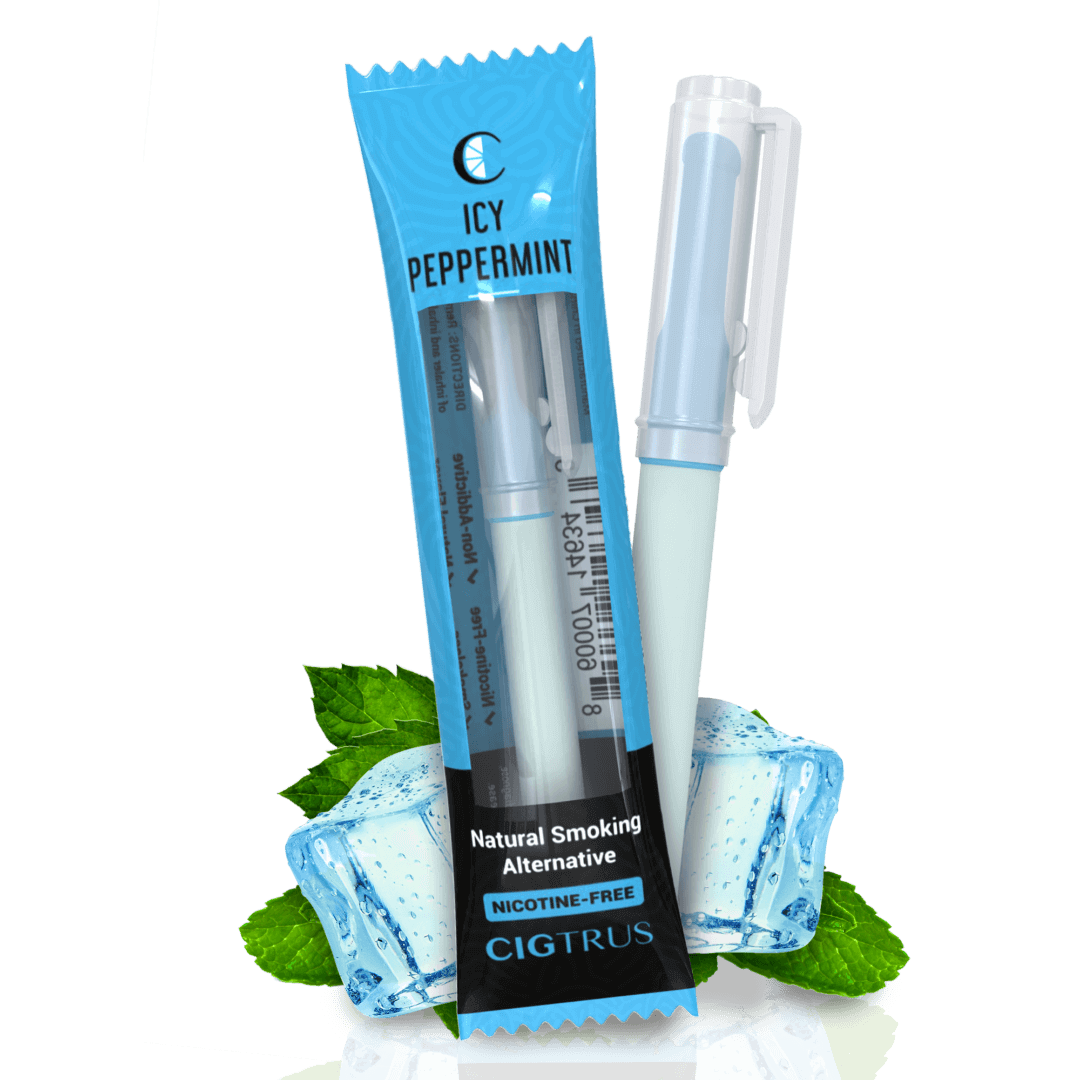
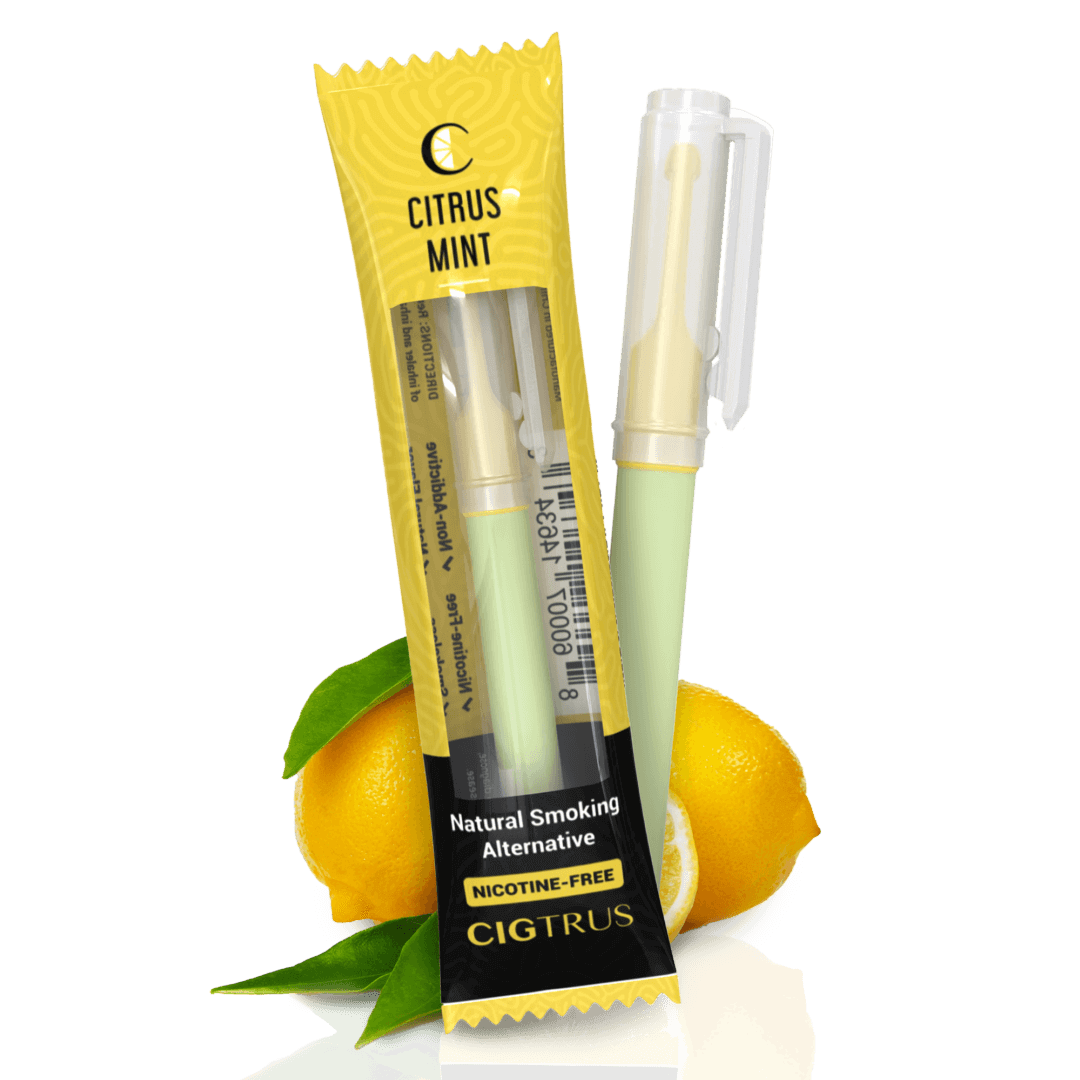
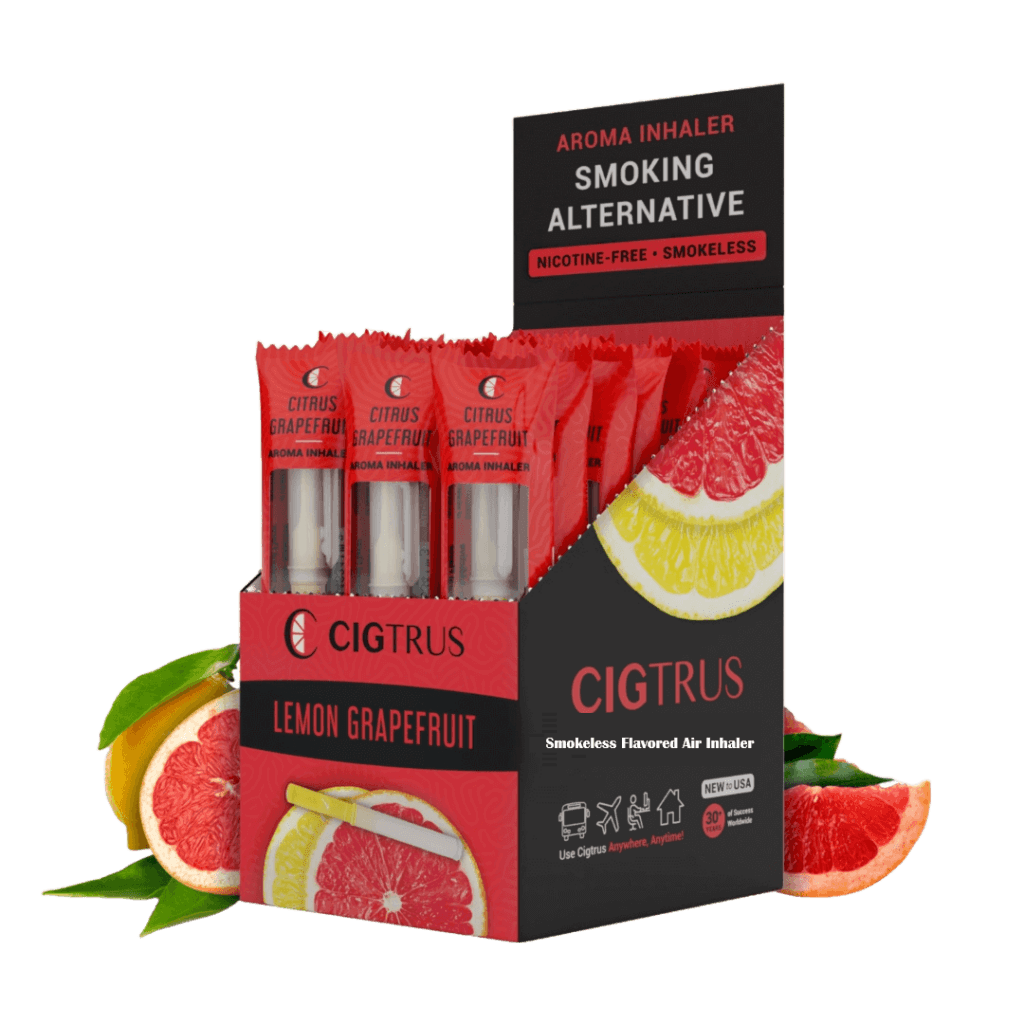
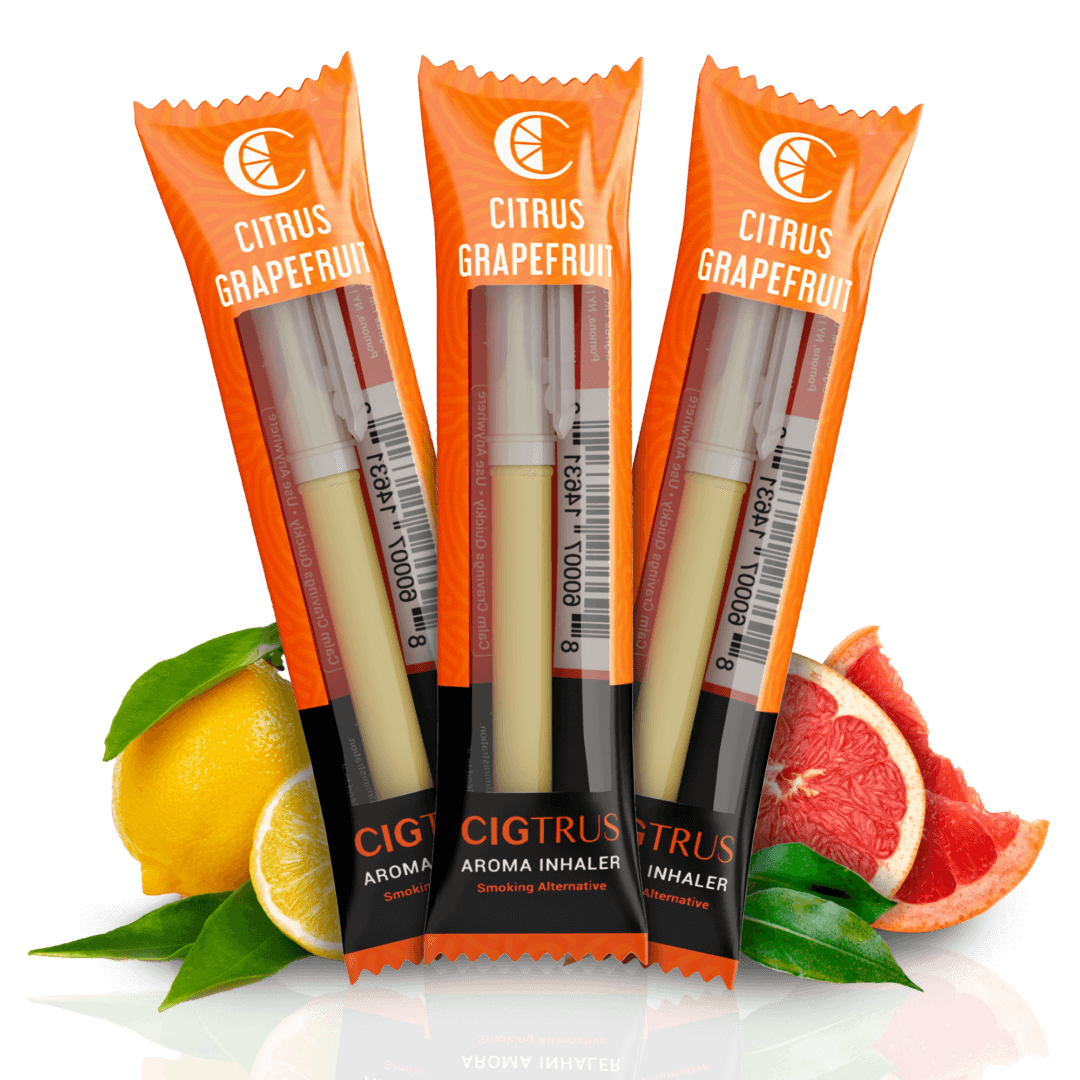
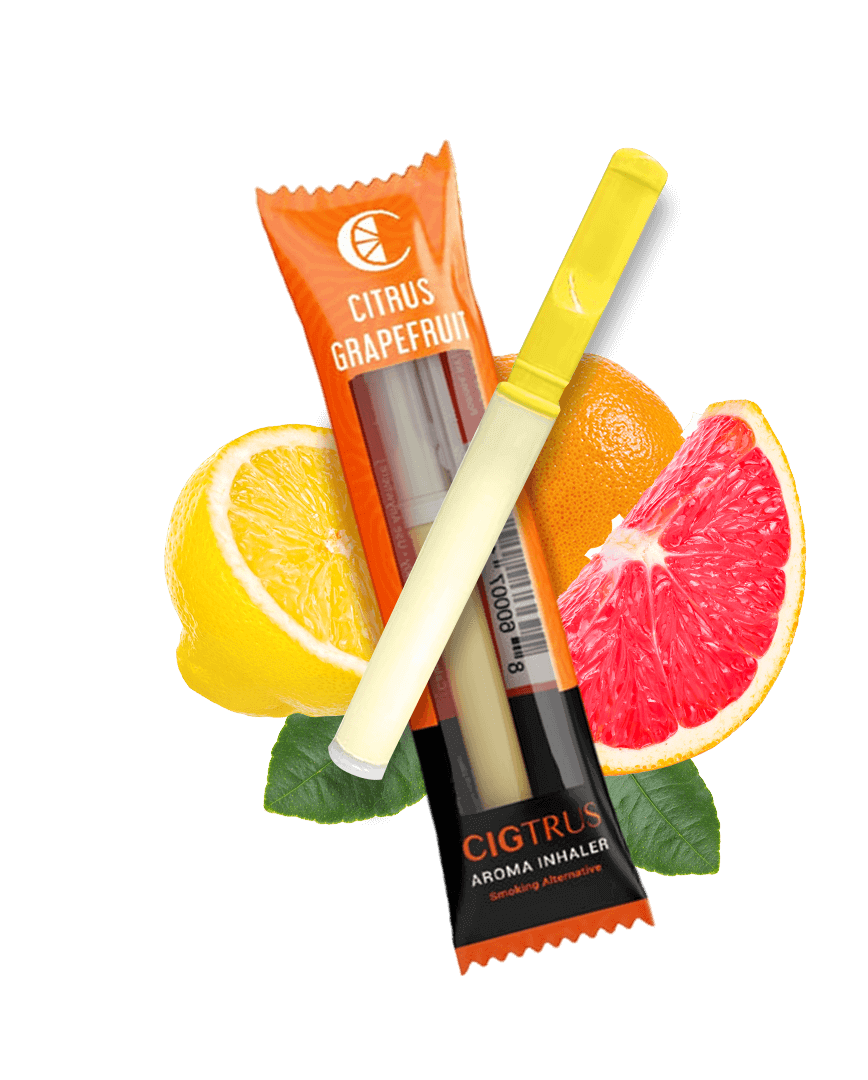
Cigtrus is a nicotine-free, smokeless, non-electric inhaler designed around helping support smoke-free routines, hand-to-mouth habit replacement, oral fixation, familiar inhalation behavior, and behavioral smoking patterns. Instead of focusing on nicotine delivery, Cigtrus helps adults gradually move away from repeated smoking behavior while still supporting familiar routines during stressful situations.
Why Many Users Prefer Cigtrus for Stress and Routine Moments
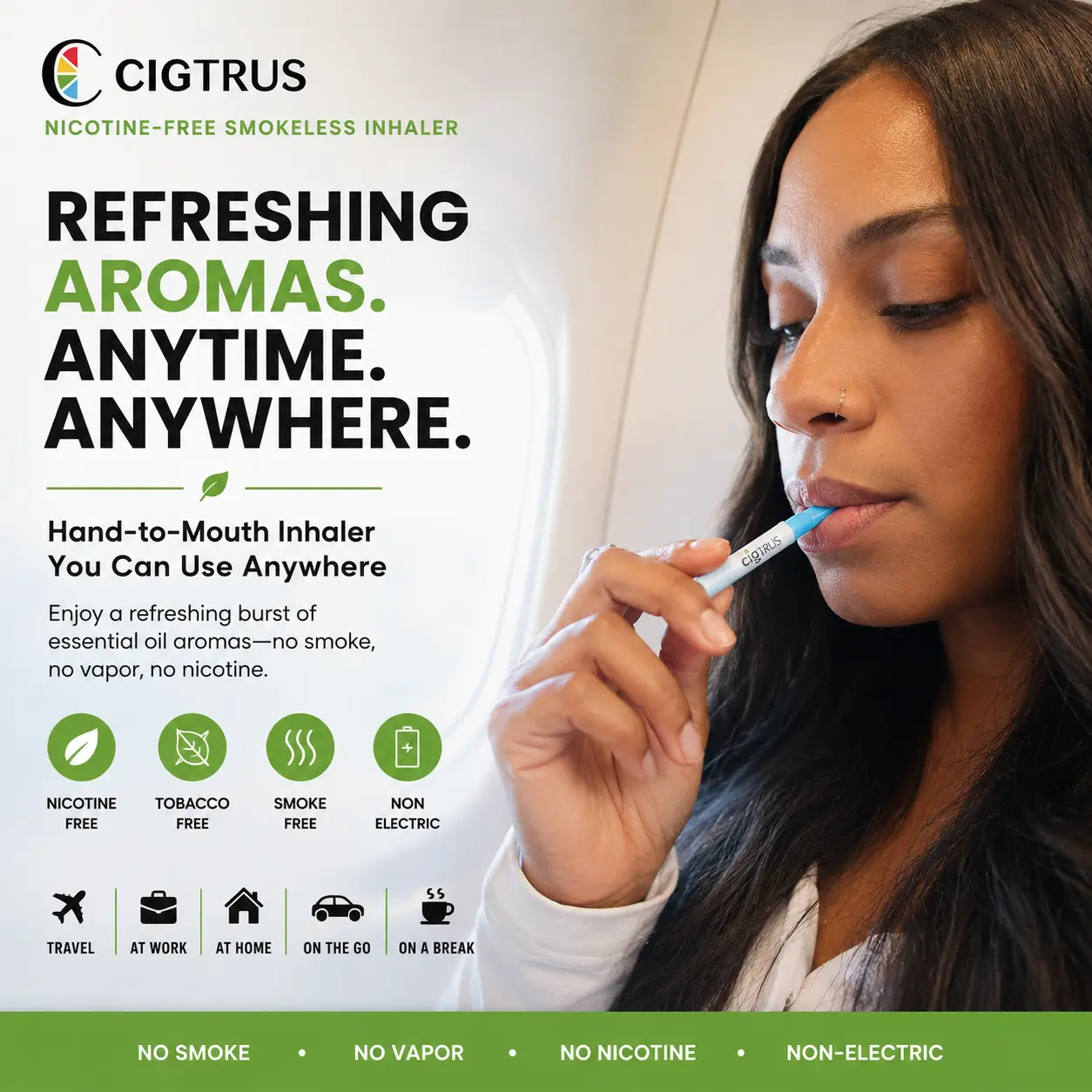
Produces no smoke or vapor, completely unrestricted at every stress trigger throughout the day
Requires no charging, always ready in a pocket when the stress trigger fires without warning
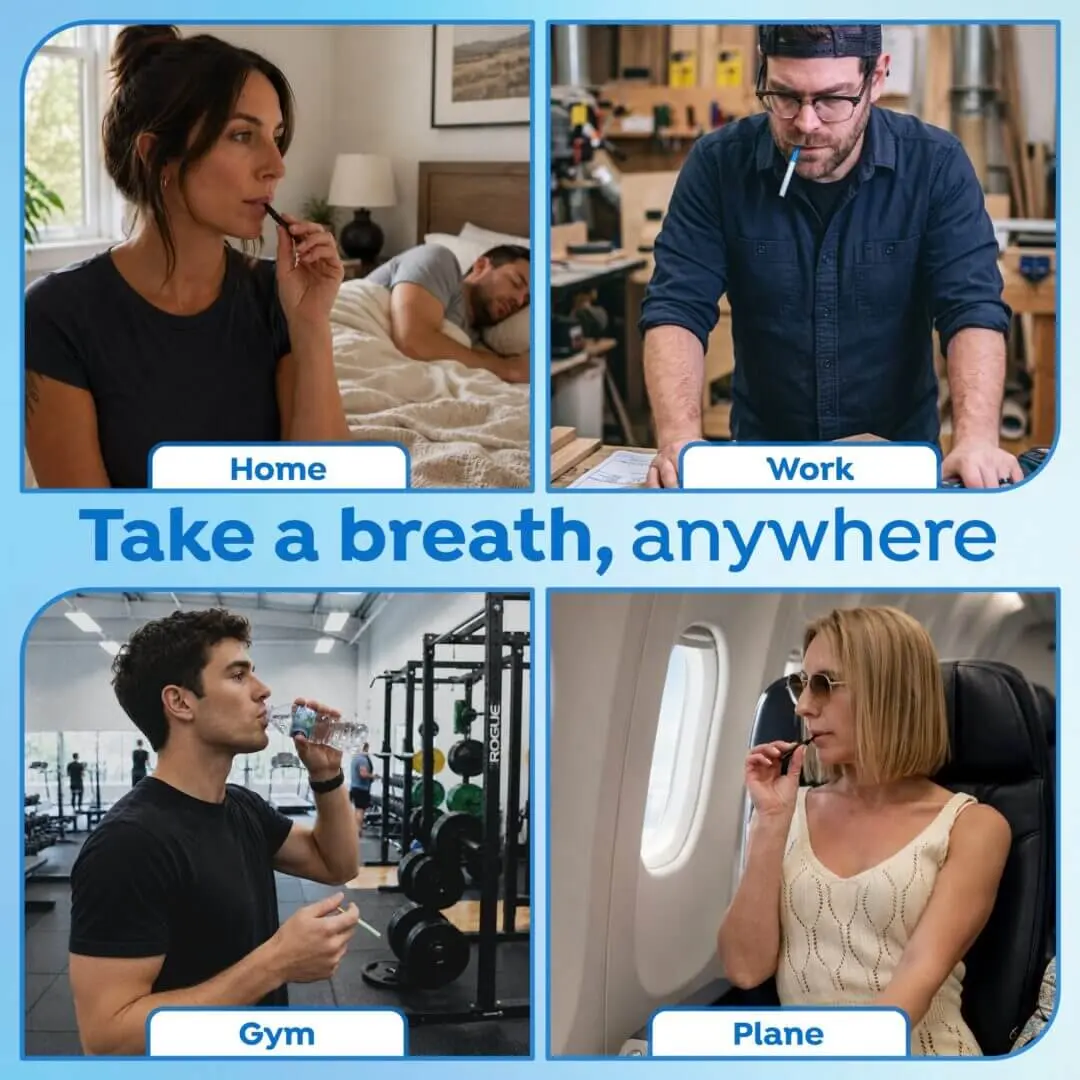
Lightweight and portable, fits naturally into stressful workdays, travel, and smoke-free environments
Supports smoke-free environments, usable at work, during travel, commuting, and indoors anywhere
Some smokers searching for smoke-free alternatives also begin exploring nicotine-free smokeless inhalers designed around behavioral support. Find out why more smokers are switching to smokeless inhalers.
Building Healthier Stress-Management Habits
Most smoking habits develop gradually through years of repetition and emotional association. Replacing those routines often takes consistency, trigger awareness, behavioral support, healthier coping routines, and realistic lifestyle adjustments. Many smokers also search for practical ways to manage cravings naturally while building healthier smoke-free habits over time.
Understanding how stress and repeated routines influence smoking behavior may help many adults gradually build healthier long-term smoke-free habits.
Frequently Asked Questions
Why does stress trigger smoking cravings?
Many smokers become accustomed to smoking during stressful situations through repeated behavioral patterns over time. The stress response eventually fires the automatic reach-for-a-cigarette reflex regardless of nicotine levels in the body.
Are smoking cravings always caused by nicotine?
No. Many smoking cravings are connected to stress, routines, emotional triggers, and repeated behavioral habits that persist independently of chemical dependency.
What is behavioral habit replacement?
Behavioral habit replacement focuses on replacing repeated smoking routines, the hand-to-mouth motion, inhalation rhythm, and emotional coping mechanism, with healthier smoke-free behaviors that build new associations over time.
What are smoke-free behavioral alternatives?
Smoke-free behavioral alternatives are products or routines designed to support familiar smoking habits without smoke, vapor, or combustion, giving the behavioral trigger a clean destination.
Why are smokeless inhalers becoming more popular?
Many adults are searching for smoke-free, portable alternatives that support familiar behavioral routines without smoke or vapor, and are usable anywhere cigarettes and vapes are banned.
Ready for Every Stress Trigger. Every Routine Moment.
Nicotine-free, vapor-free, and pocket-ready, behavioral habit replacement that’s there when stress and routine fire.
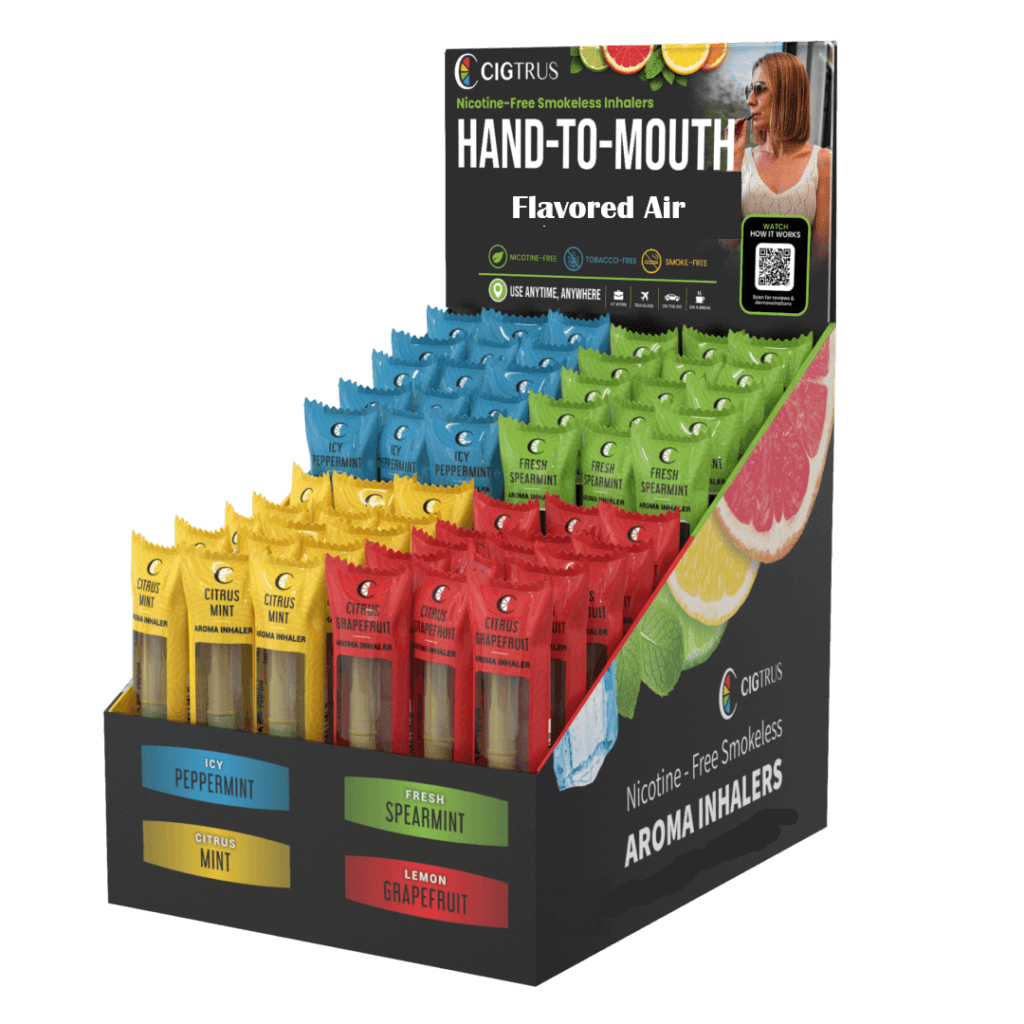
👉 Try the Variety Pack