
Why Quitting Smoking Often Involves More Than Nicotine
Many smokers eventually discover that quitting smoking involves more than nicotine alone. Over time, smoking becomes deeply connected to routines, emotions, stress, environments, and repeated daily behavior built through years of repetition. That is one reason many adults continue struggling even after reducing nicotine intake, and why understanding the behavioral side of smoking is so important for anyone serious about quitting for good.
Why Smoking Becomes a Daily Routine
Smoking habits frequently become connected to morning coffee, driving, work breaks, social situations, boredom, emotional stress, after meals, and relaxation routines. Over time, these repeated situations become associated with smoking behavior, meaning many smokers feel the urge to smoke during familiar moments even after nicotine is reduced.
Many smokers eventually realize that cravings often continue because of routines and behavioral patterns rather than nicotine alone.
“The behavioral habit of smoking is often the last part addressed, and the most persistent. The hands still reach. The mouth still expects something. The familiar inhalation rhythm still fires at every trigger moment, long after withdrawal ends.”
The Behavioral Side of Smoking
For many adults, smoking gradually becomes more than a nicotine habit. It also becomes connected to repeated hand-to-mouth behavior, oral fixation, inhalation routines, stress-management habits, familiar daily rituals, and emotional comfort patterns. That is why many smokers continue searching for behavioral support while trying to build healthier smoke-free routines.
Adults trying to quit smoking often discover that replacing the ritual itself may feel just as important as reducing nicotine.
Why Nicotine Reduction Alone Does Not Always Solve the Habit
Many traditional quit-smoking approaches focus mainly on nicotine reduction. However, many smokers eventually discover that routines, emotional triggers, repeated gestures, familiar inhalation behavior, and environmental associations often continue long after nicotine intake changes. This is one reason many adults continue searching for smoke-free alternatives focused on behavioral support rather than nicotine delivery alone.
Understanding Oral Fixation and Hand-to-Mouth Habits
One of the most overlooked parts of smoking is oral fixation and repetitive hand-to-mouth behavior. Many smokers become accustomed to holding cigarettes, repeated inhalation, inhalation during stressful moments, repetitive mouth-related habits, and familiar smoking gestures. For many adults, these repeated actions eventually become deeply connected to comfort and familiarity.
Some smokers searching for behavioral support also begin exploring smokeless inhalers designed around hand-to-mouth habit replacement. Find out why more smokers are switching to smokeless inhalers.
How Cigtrus Supports Smoke-Free Habit Replacement
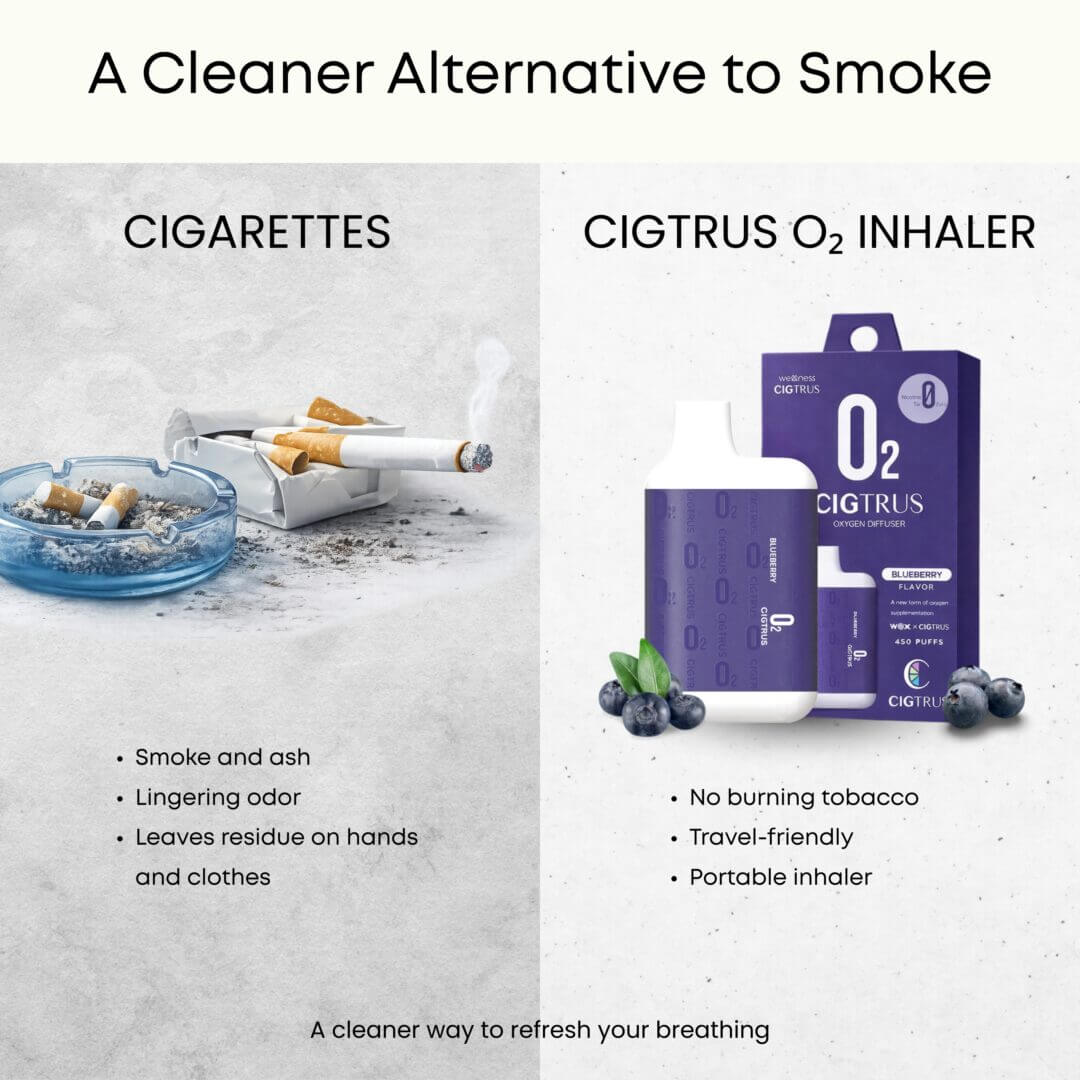
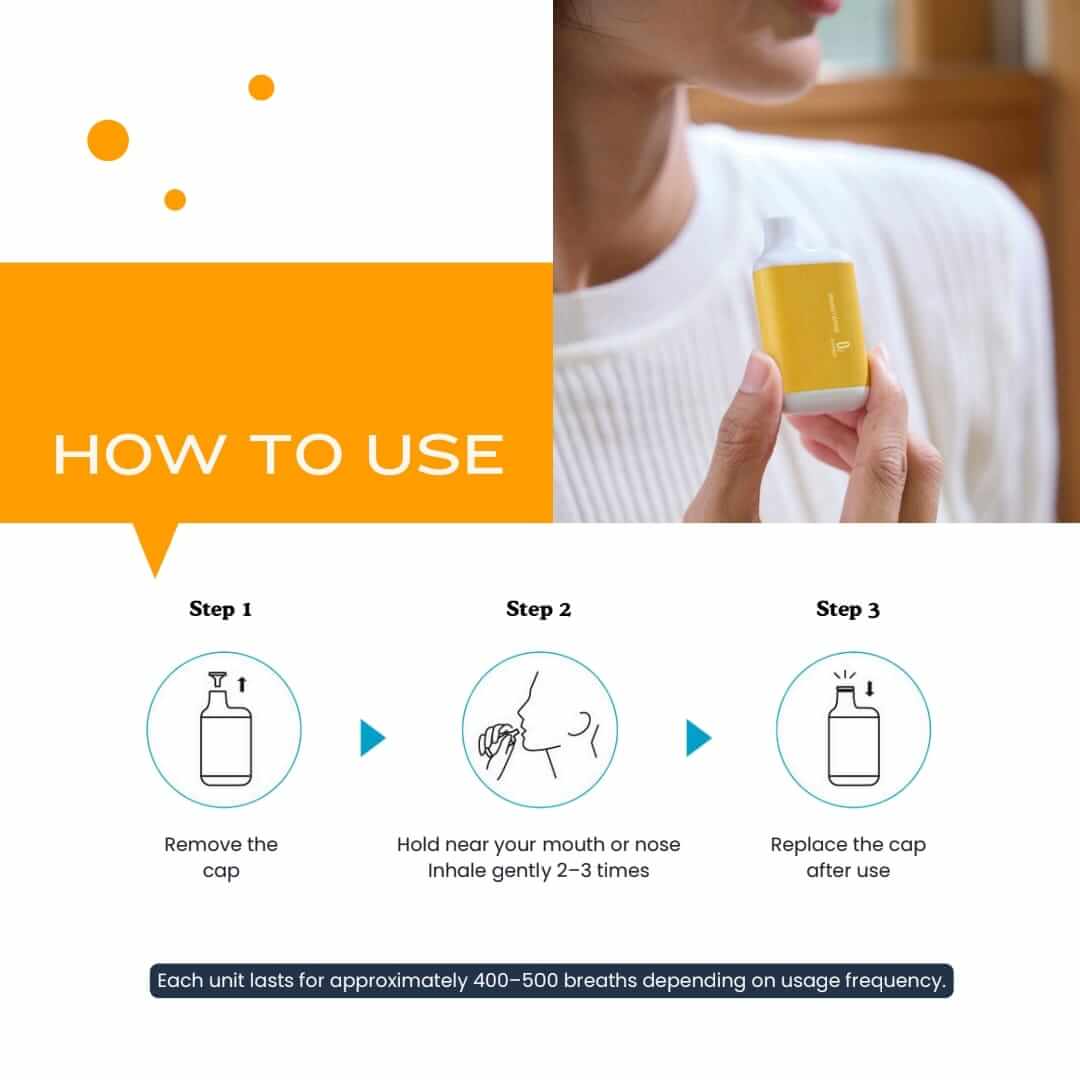
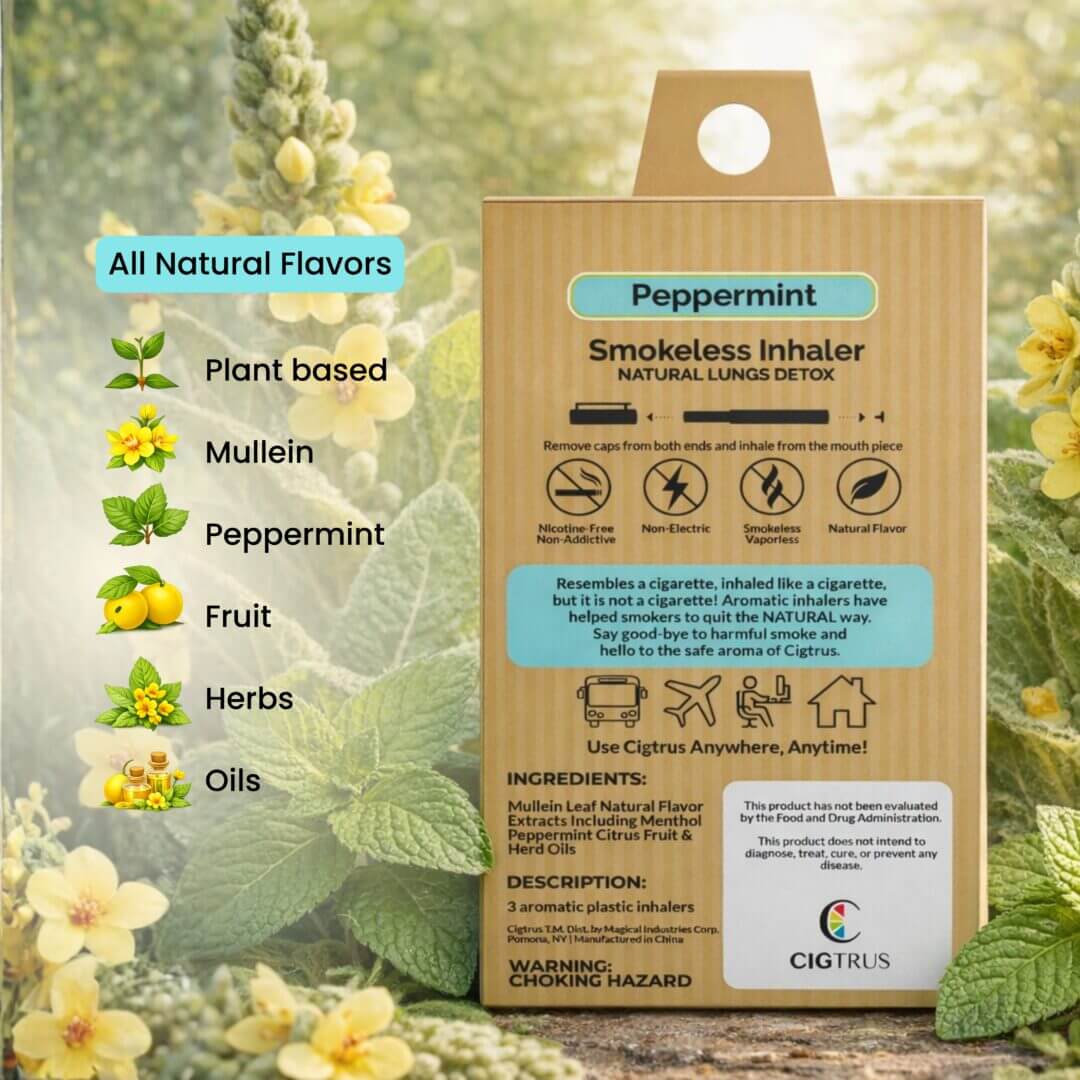
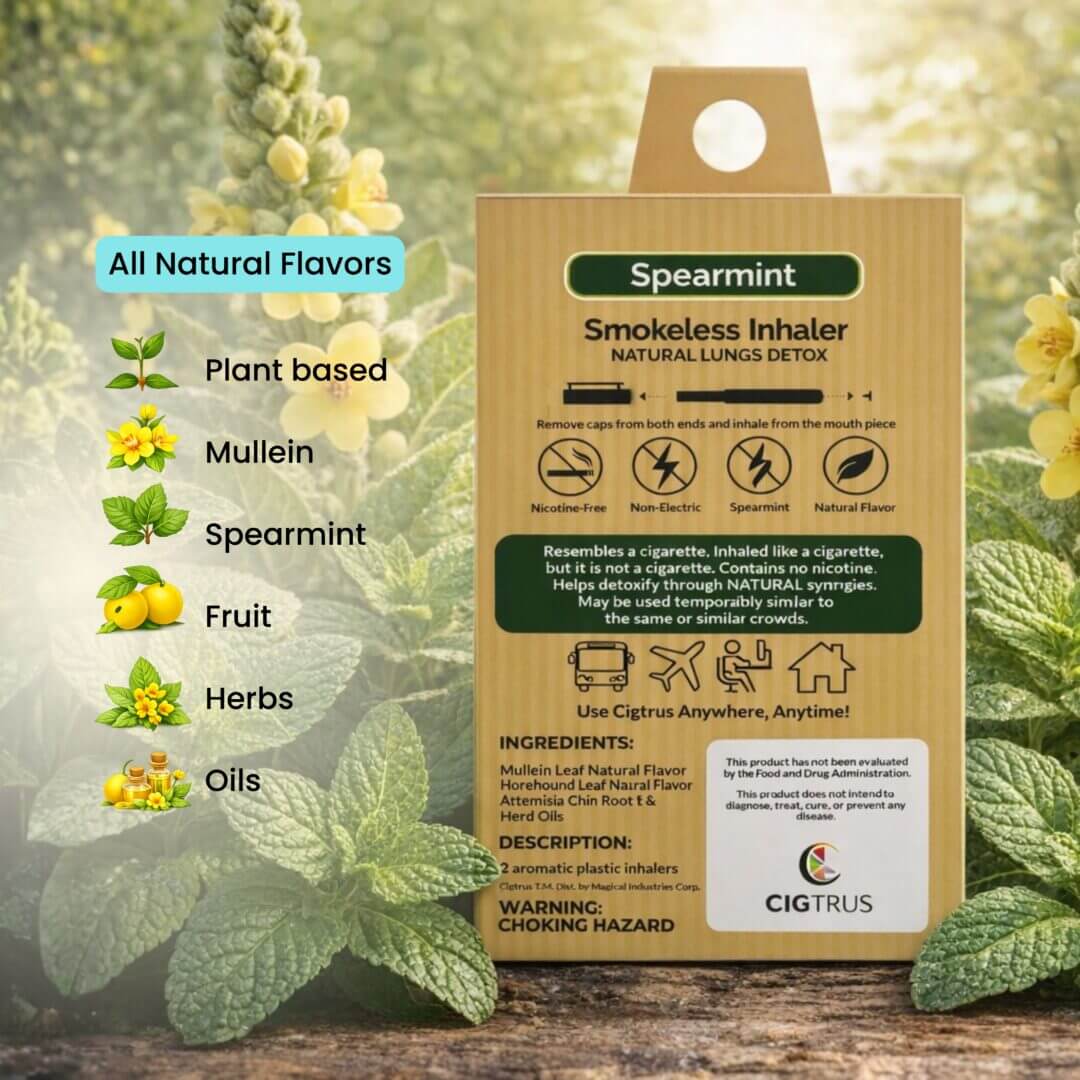
Cigtrus is a nicotine-free, smokeless, non-electric inhaler designed around supporting hand-to-mouth habit replacement, oral fixation, smoke-free routines, behavioral smoking patterns, and familiar inhalation habits. Instead of focusing on nicotine delivery, Cigtrus helps adults gradually move away from repeated smoking behavior while still supporting familiar routines.
Why Many Adults Prefer Cigtrus
Contains no nicotine, breaks the chemical dependency
Produces no smoke or vapor, unrestricted anywhere
Requires no charging, always ready in a pocket
Lightweight and portable, fits naturally into daily routines
Supports smoke-free environments, usable anywhere vaping is banned
Some adults also want to understand what makes a smokeless inhaler different from electronic vaping products.
Building Healthier Smoke-Free Habits Over Time
Most smoking habits develop gradually through years of repetition and emotional association. Replacing those routines often takes consistency, patience, trigger awareness, behavioral support, and healthier daily habits. Many smokers also search for practical ways to manage cravings naturally while building healthier smoke-free routines.
Frequently Asked Questions
Is smoking addiction only about nicotine?
For many adults, smoking also involves routines, emotional triggers, oral fixation, and repeated behavioral habits beyond nicotine alone.
Why do smokers miss the ritual of smoking?
Many smokers become attached to the hand-to-mouth motion, inhale/exhale rhythm, and familiar smoking routines built through years of repetition, and these persist independently of the chemical dependency.
What is oral fixation?
Oral fixation refers to repetitive mouth-related behaviors that become connected to smoking routines over time, the familiar sensation the mouth still expects long after nicotine fades.
Why are smoking routines difficult to break?
Smoking routines become connected to stress, emotions, daily schedules, and repeated behavioral habits, and those associations fire automatically at familiar trigger moments regardless of nicotine levels.
What are smoke-free behavioral alternatives?
Smoke-free behavioral alternatives are products or routines designed to support smoking habit replacement without smoke, nicotine, or vapor, giving the behavioral trigger a clean destination.
Address the Whole Habit. Not Just the Nicotine.
Natural aroma, no vapor, no nicotine, behavioral habit replacement that covers what traditional quit aids miss.
👉 Try the Variety Pack