
The Science Behind Quitting Vaping: Facts and Strategies
Quitting vaping can be a daunting challenge, but it is a positive step towards better health. Vaping, often perceived as a safer alternative to smoking, still poses significant health risks and can lead to nicotine addiction. This guide offers practical advice and strategies to help you break free.
Understanding the Challenge
Vaping addiction shares many characteristics with smoking addiction, both involve nicotine dependency and deeply ingrained behavioral habits. The hand-to-mouth motion, the inhalation rhythm, and the familiar sensory routine all become wired to daily trigger moments through repetition. Recognizing the need to quit is the first step towards a healthier life, but understanding what you are actually quitting is what makes the approach realistic.
Preparing to Quit
Preparation is crucial for successfully quitting vaping. Set a quit date, identify your vaping triggers, and prepare to tackle them without nicotine. Know exactly which situations fire the automatic reach, stress, boredom, after meals, driving, and have a plan for each one before the quit date arrives.
“The most effective quit plans are built before the quit date, not improvised during it. Every trigger moment should have a clean alternative ready, not a willpower test, but a prepared response.”
Strategies for Quitting
- Identify Triggers: Understand what prompts you to vape and have healthier behavioral alternatives ready for those specific moments
- Seek Support: Share your goal with friends and family, consider a support group or professional counseling for additional accountability
- Use Nicotine Alternatives: Nicotine replacement therapies can ease chemical withdrawal symptoms, consult a healthcare provider for personalized guidance
- Embrace Healthier Habits: Replace vaping with positive activities like exercise, meditation, or hobbies, and have a behavioral alternative ready for the hand-to-mouth trigger moments
- Manage Withdrawal: Be prepared for withdrawal symptoms and have a concrete plan to cope with each type
Dealing with Withdrawal
Withdrawal symptoms can be challenging but are temporary. Stay hydrated, get plenty of rest, and eat a balanced diet to help manage the physical side. For the behavioral side, the automatic reach that continues firing long after nicotine fades, have a clean behavioral alternative ready at every familiar trigger moment.
Navigating Setbacks
If you slip up, don’t be too hard on yourself. Many people experience setbacks before successfully quitting. Analyze what led to the slip, which specific trigger was not adequately addressed, and adjust your plan accordingly. Each relapse provides information about where the habit is strongest.
Long-term Success
Quitting vaping is a journey, not a single decision. Celebrate your milestones, continue to remind yourself why you quit, and stay vigilant to avoid relapse. The behavioral habit that built itself through years of repetition takes consistent replacement to weaken, but every trigger handled cleanly moves the process forward.
Quitting vaping is a significant challenge, but with the right approach and support, it is entirely achievable. Embrace the journey towards a healthier, nicotine-free life.
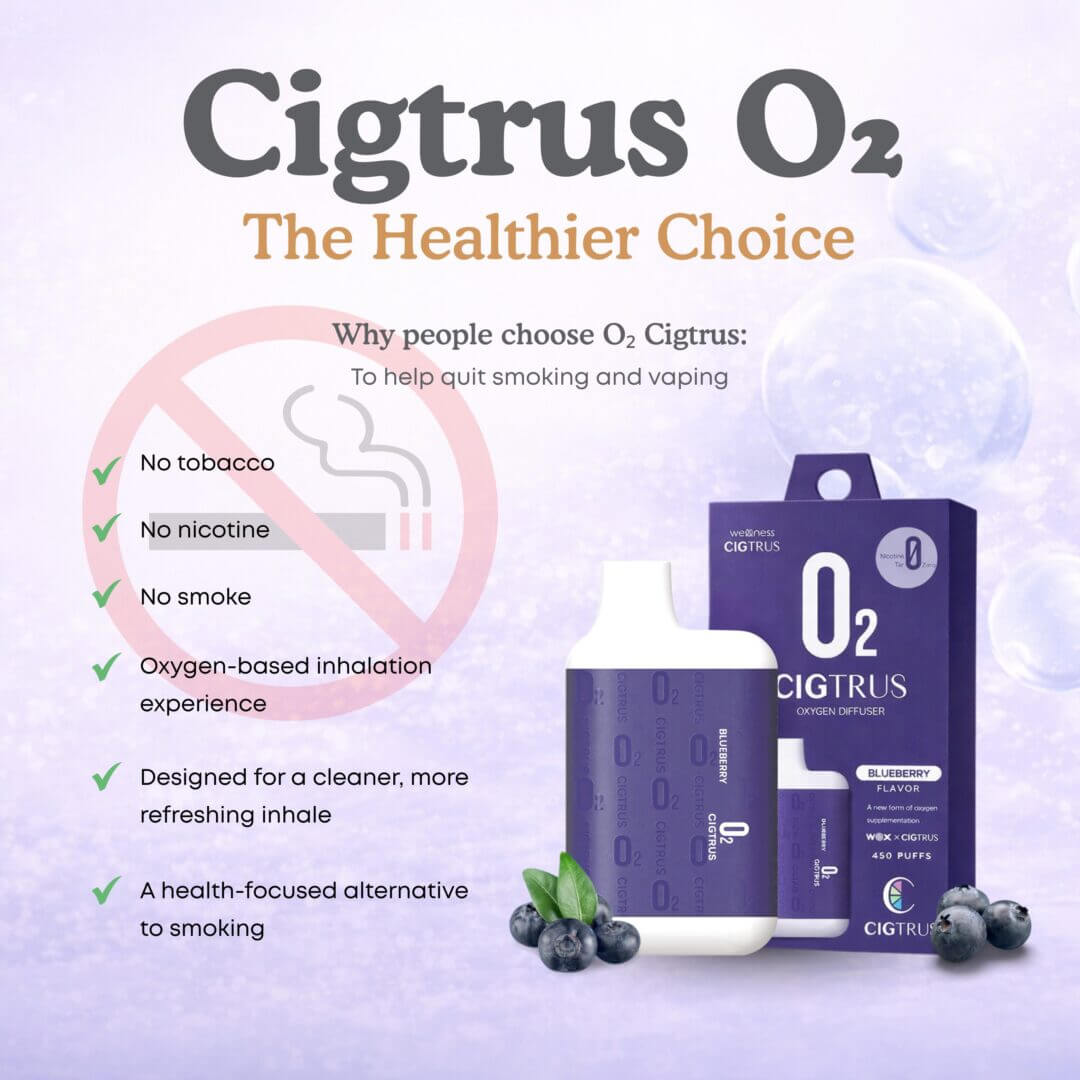
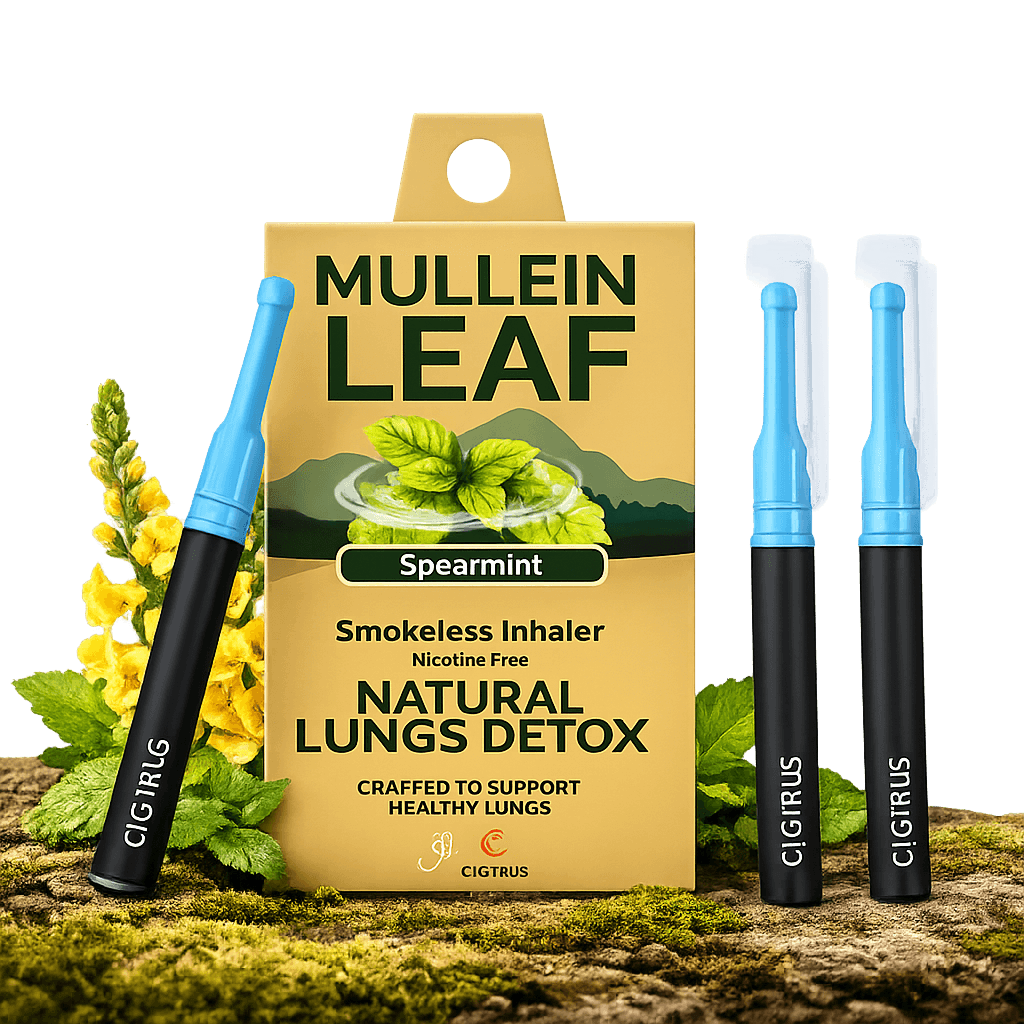
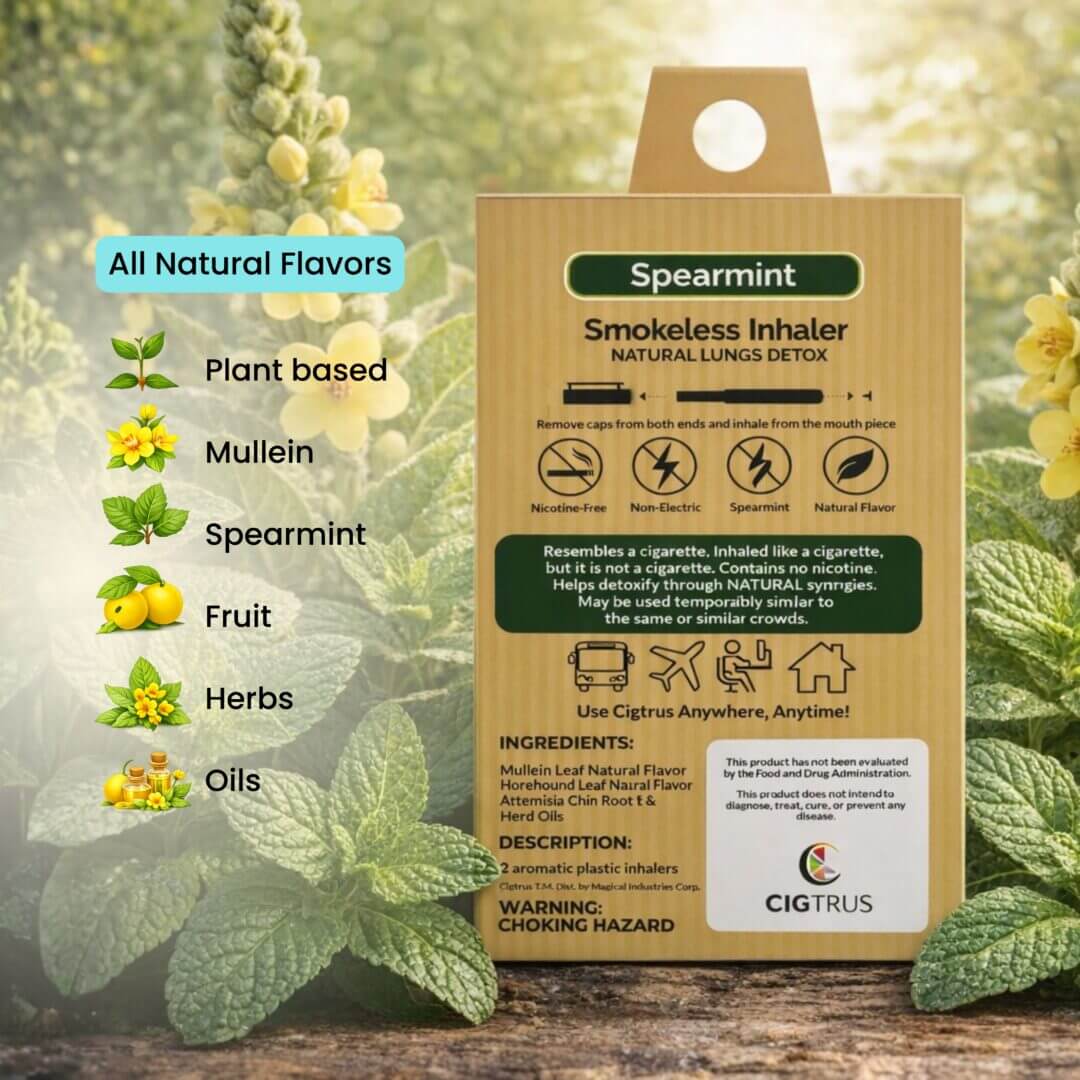
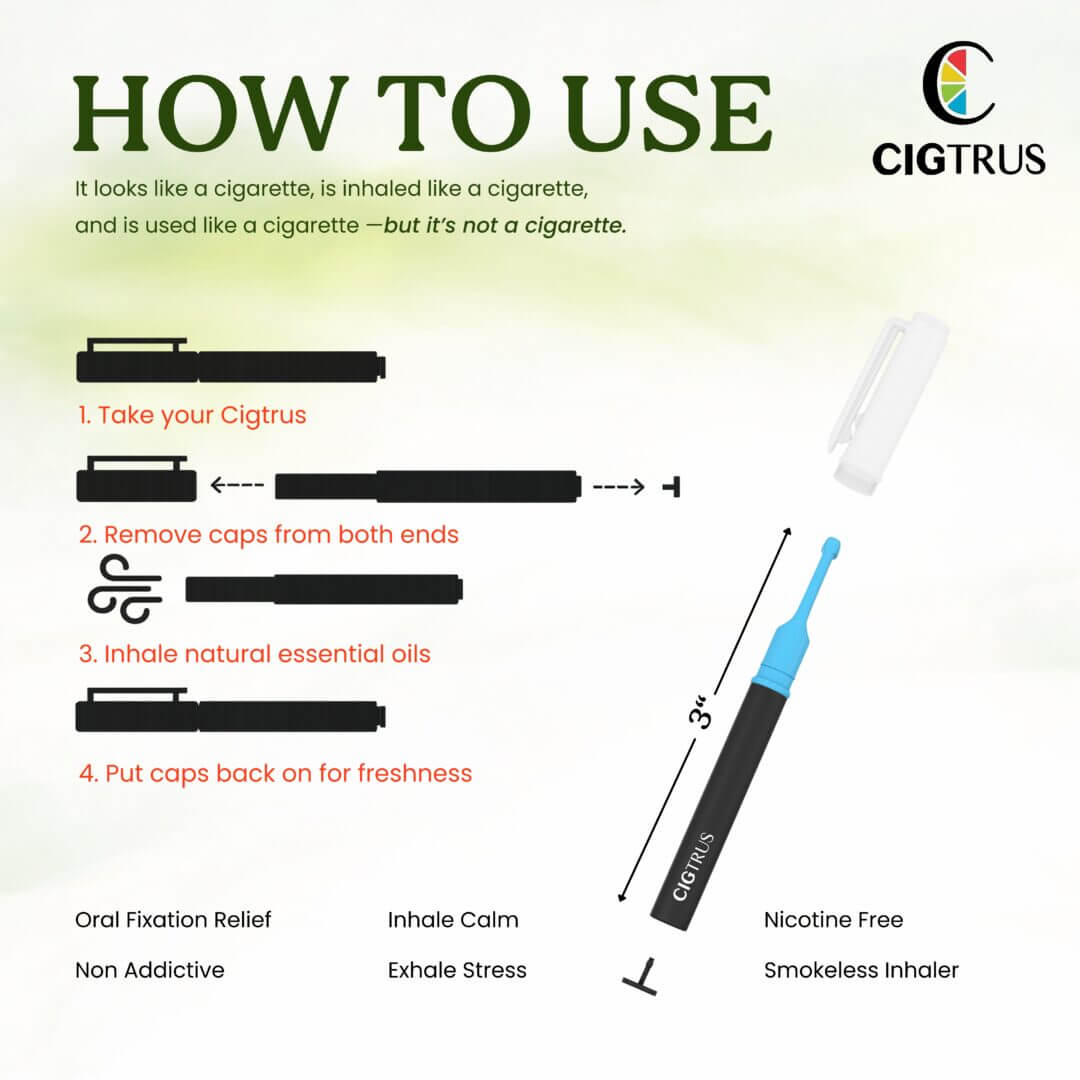
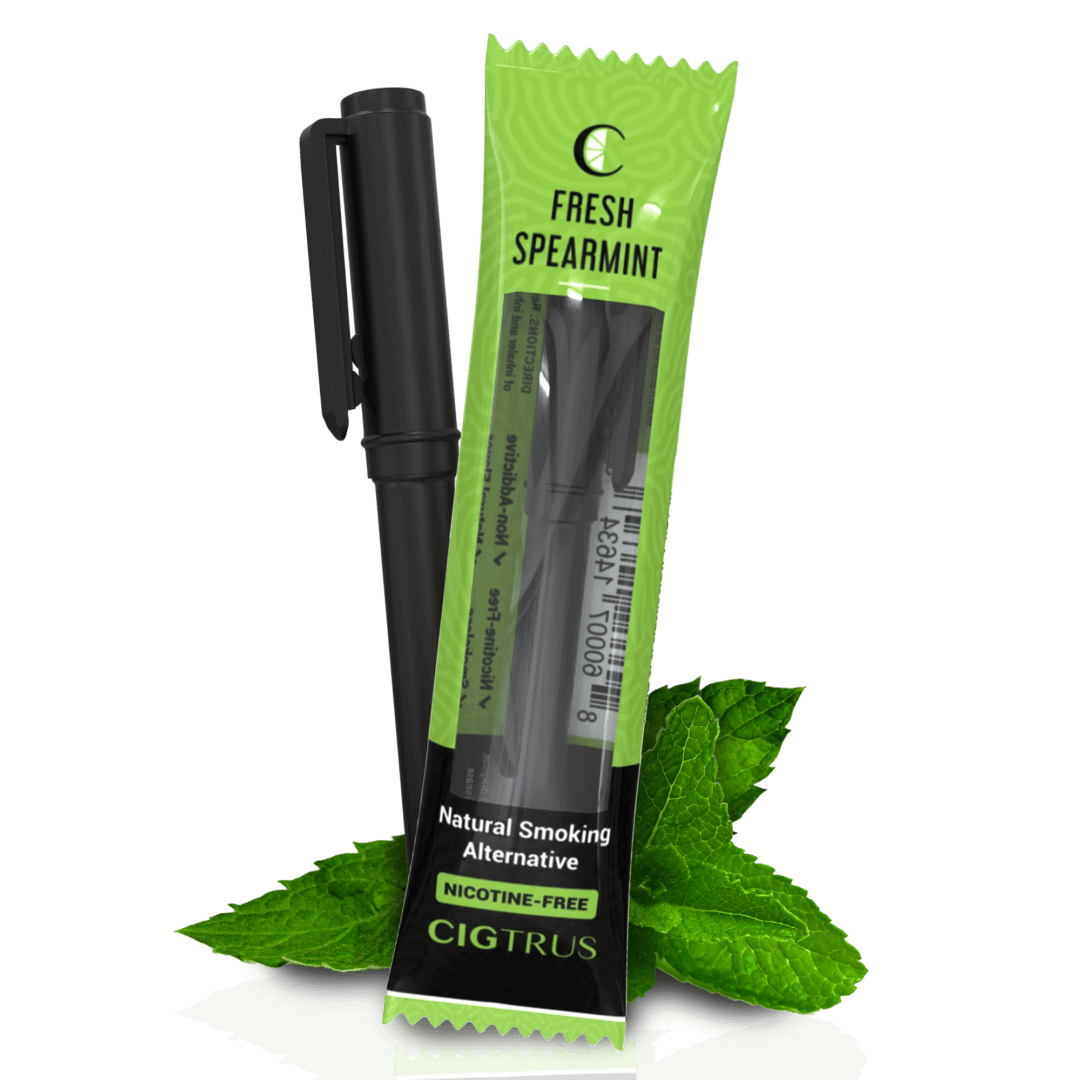
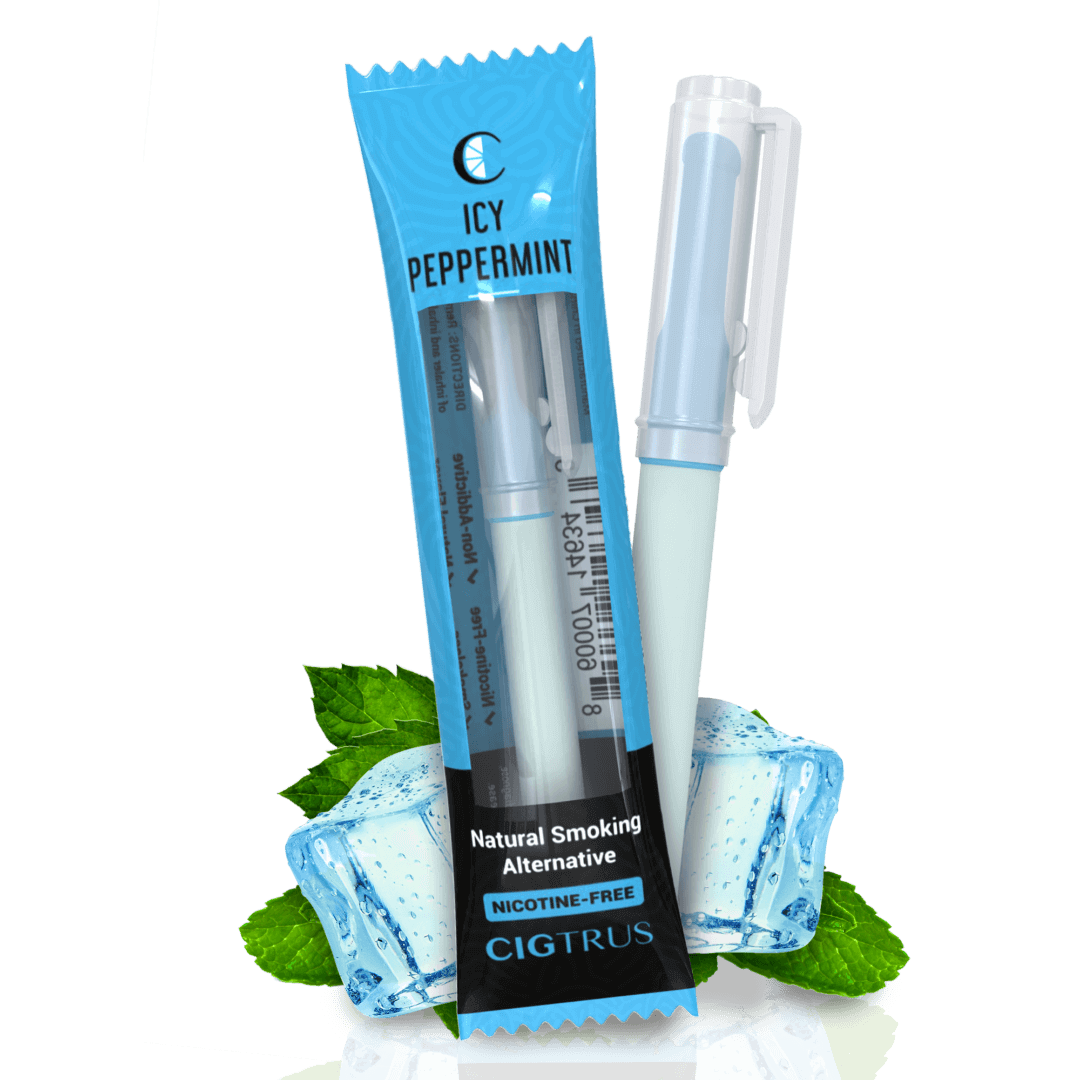
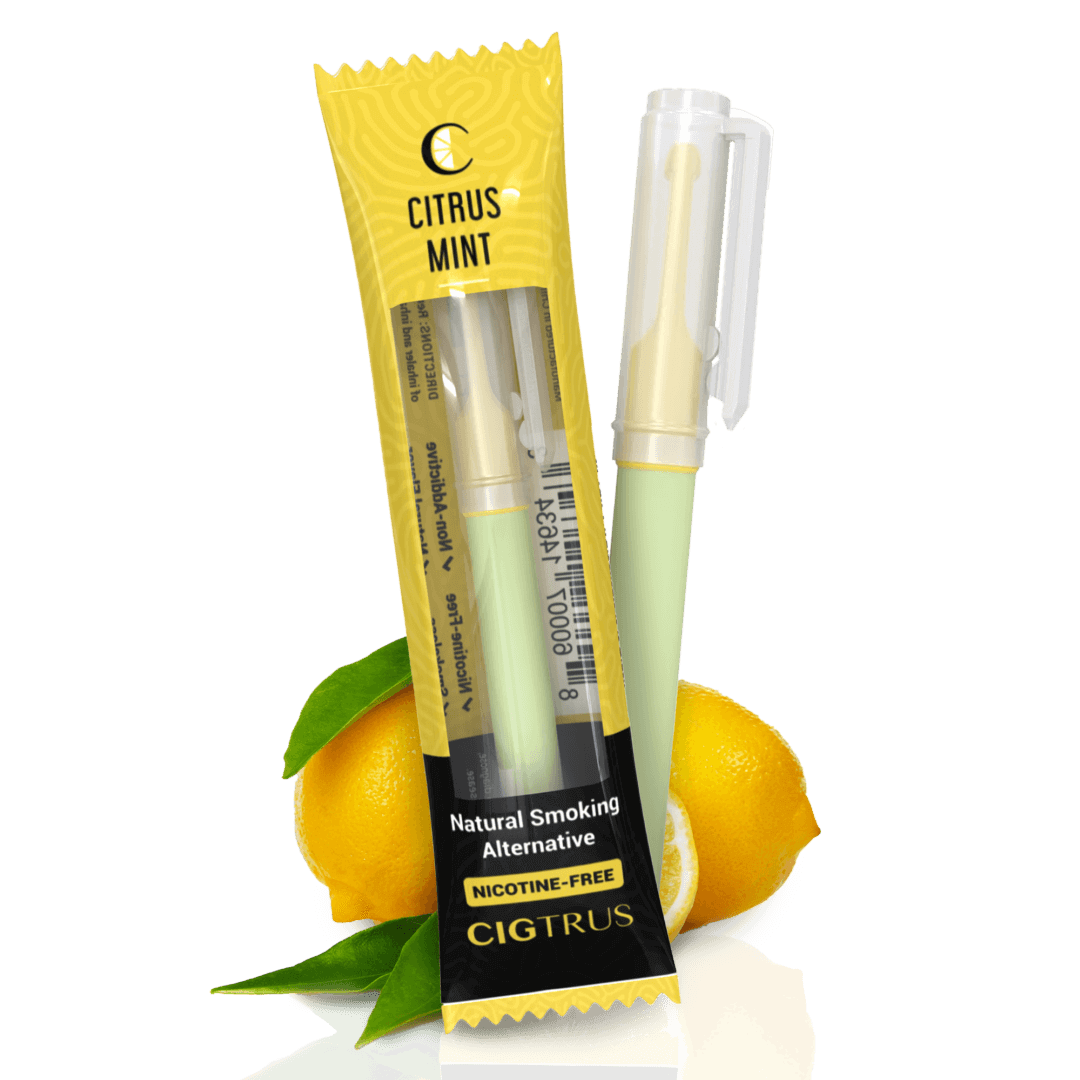
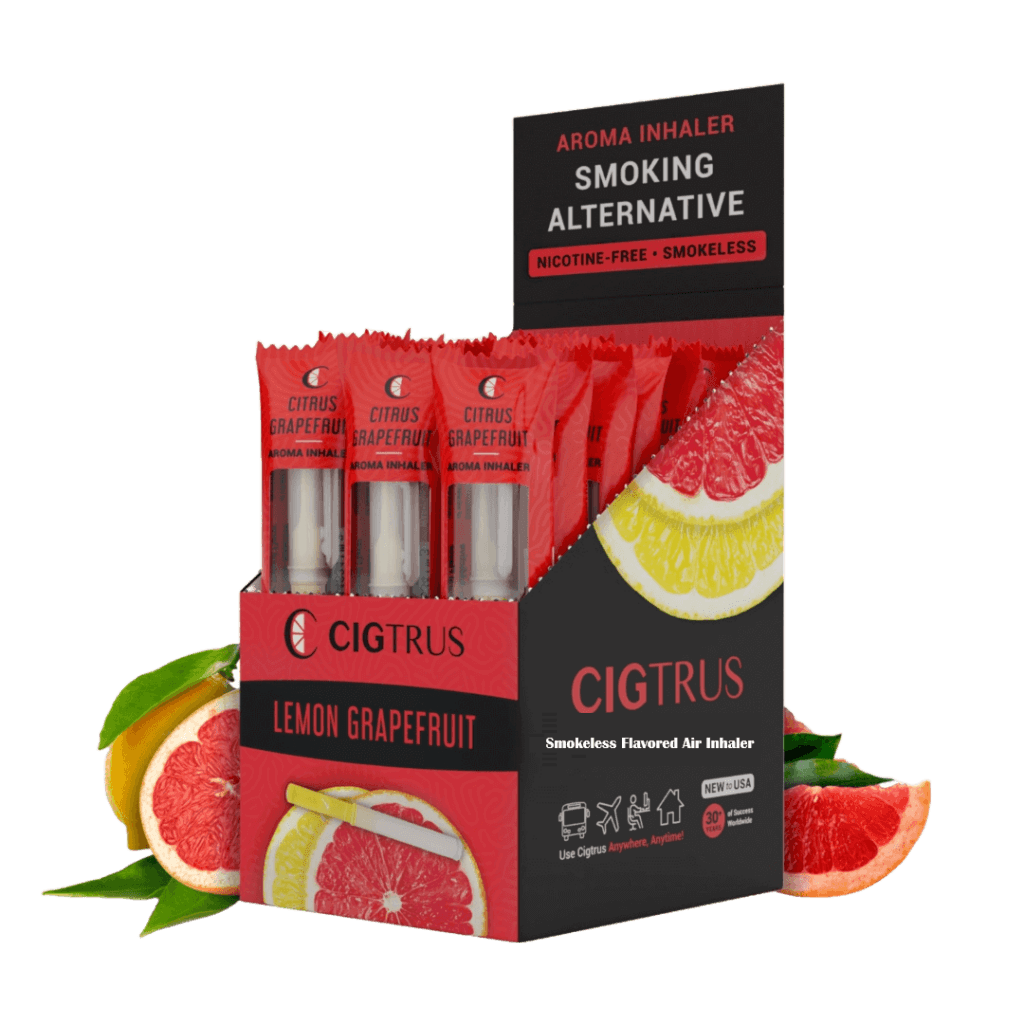
Support the Behavioral Side of Quitting Vaping.
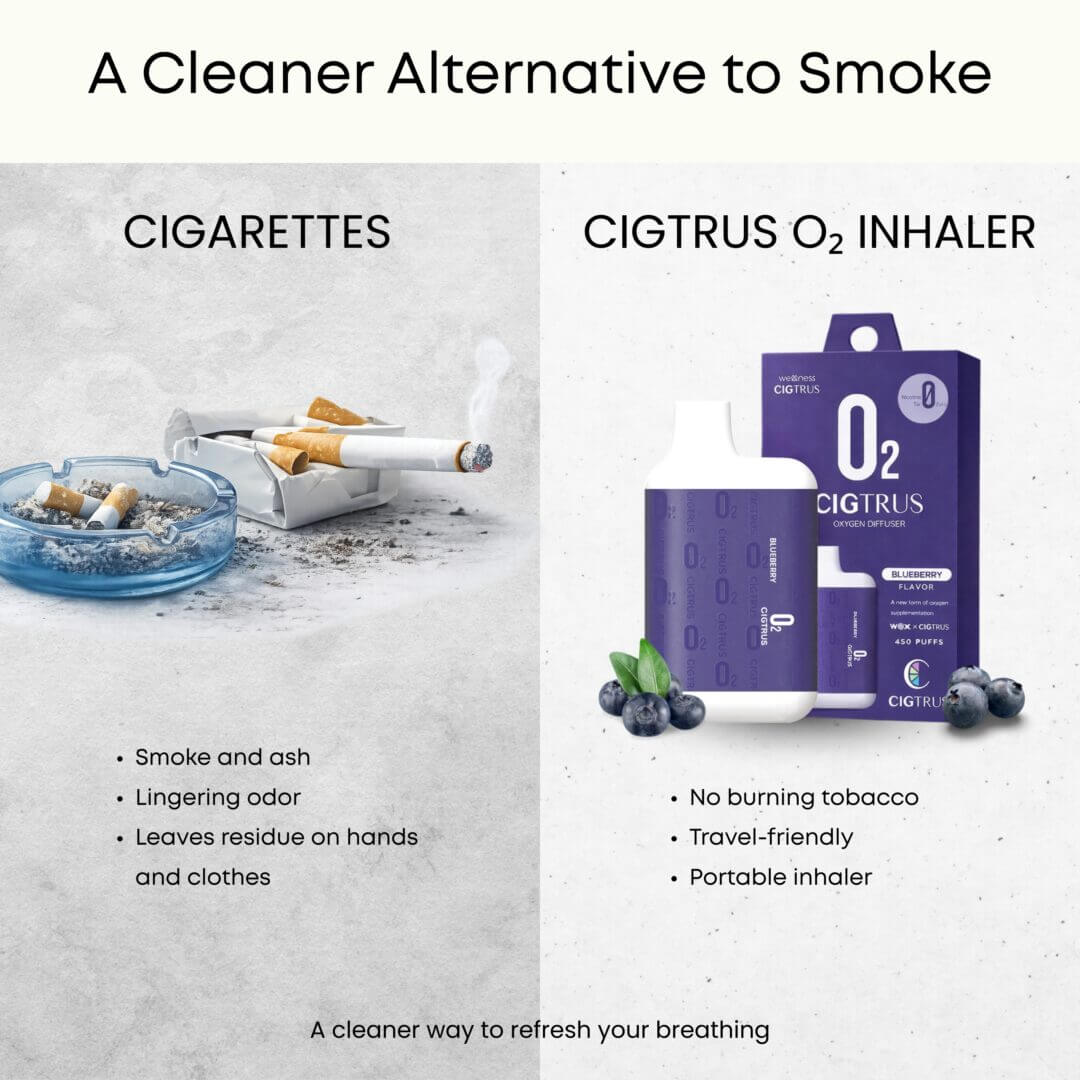
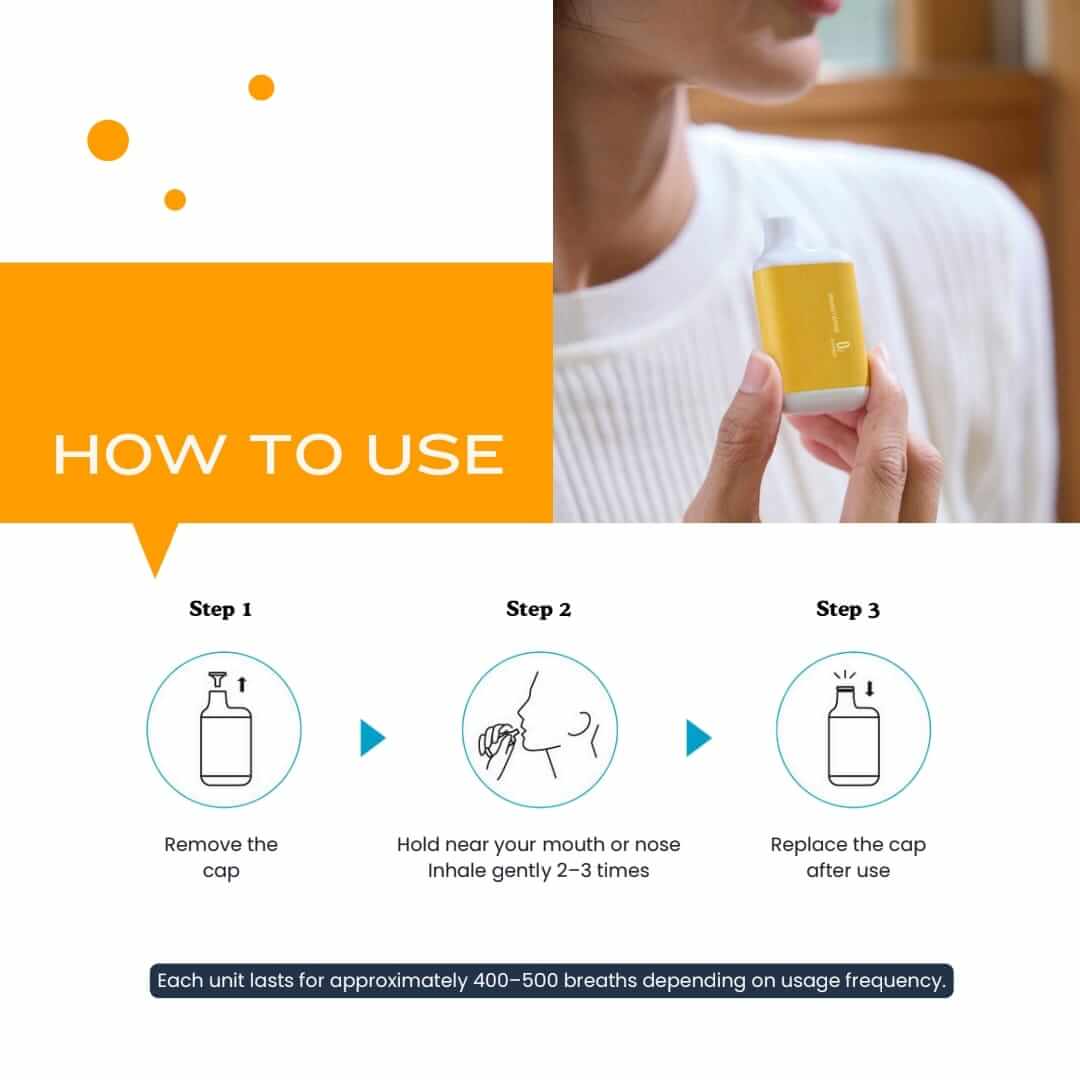
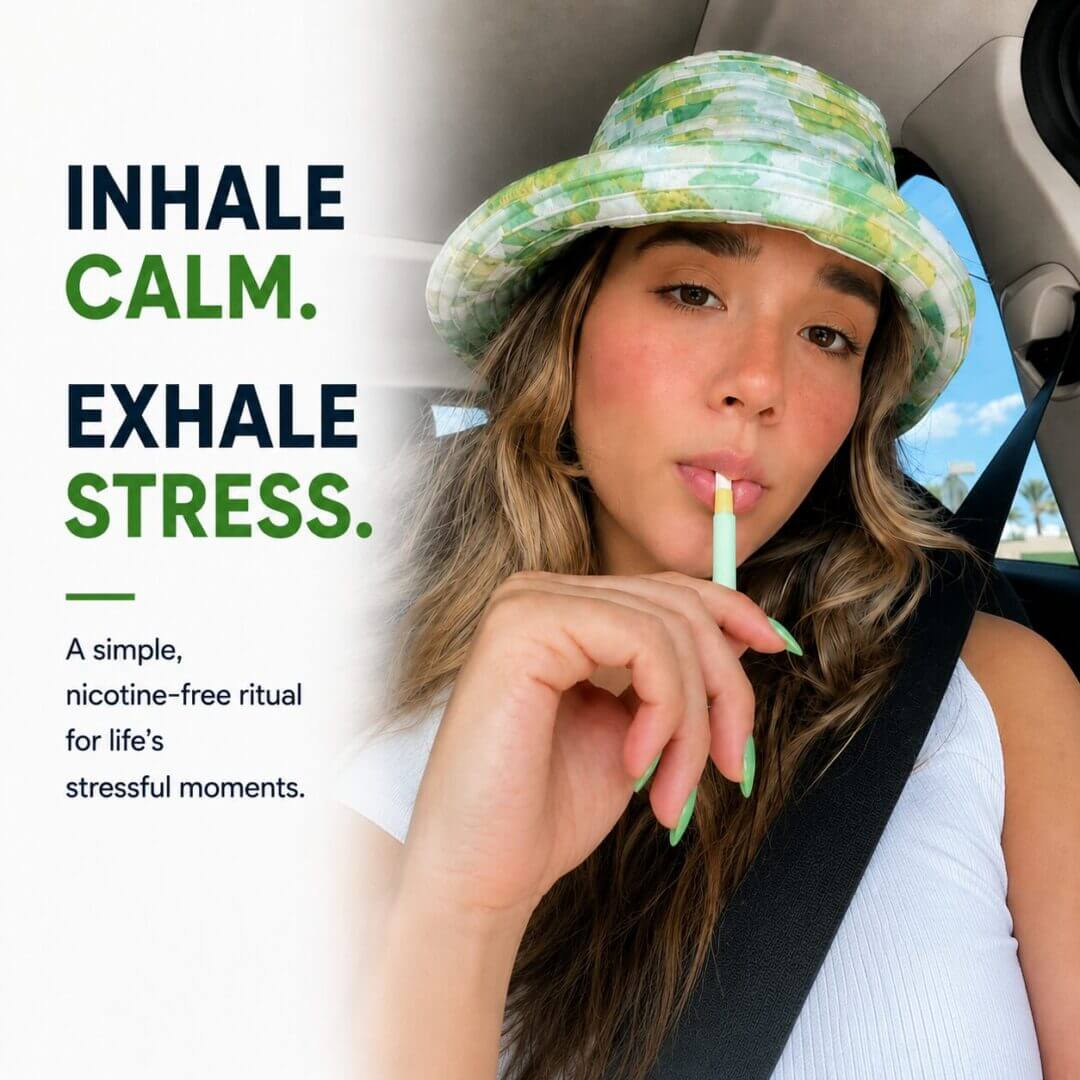
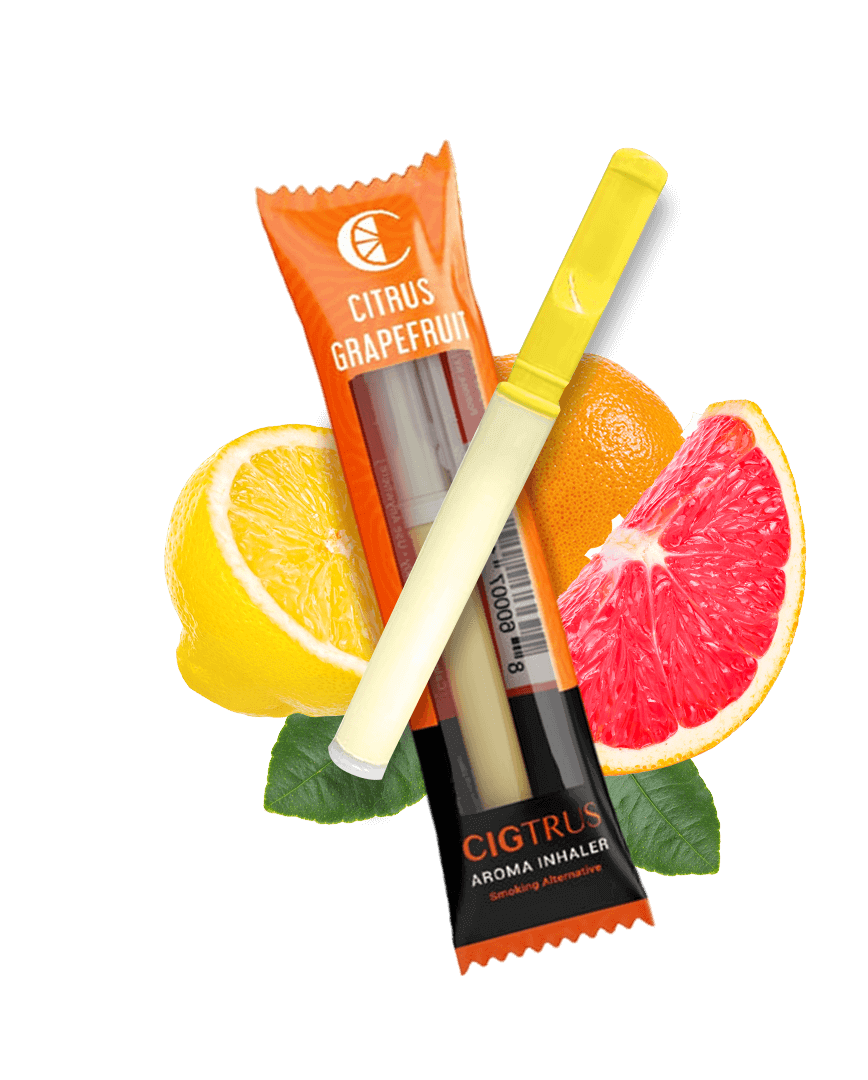
Nicotine-free, vapor-free, no device, behavioral habit replacement ready for every trigger throughout your quit journey.
👉 Try the Variety Pack