
How to Talk to Your Kids About Smoking and Vaping Habits
Talking to children about smoking and vaping can feel uncomfortable for many parents, especially in a world where social pressure, online trends, and vaping culture are everywhere. However, open conversations about smoking habits, nicotine, peer pressure, and healthier lifestyle choices can make a major difference in how children understand these behaviors as they grow. The goal is not to create fear or judgment, but to build awareness, trust, and healthy communication.
Start the Conversation Early
Children are often exposed to smoking and vaping conversations at younger ages than many parents realize. Social media, school environments, advertisements, and peer influence can shape how they view smoking habits long before parents discuss the topic at home. Starting honest, age-appropriate conversations early helps children feel more comfortable asking questions later.
Focus on Habits, Not Just Nicotine
Many people think smoking and vaping are only about nicotine, but behavioral routines also play a major role. Habits such as hand-to-mouth routines, stress-related smoking, social vaping, repetitive inhalation behaviors, and emotional triggers can become deeply connected to daily life over time. Helping children understand how habits form may give them a healthier perspective on smoking and vaping behaviors before they become exposed to peer pressure.
“Children learn how habits work through conversations, not warnings. Understanding why habits form, and how they can be changed, is more powerful than simply being told not to start.”
Create Open Communication
Children are more likely to listen when conversations feel supportive instead of judgmental. Try to ask questions, listen calmly, avoid lectures, encourage honest discussion, and create a safe environment for communication. The goal is to help children think critically and feel comfortable discussing difficult topics without fear of punishment or embarrassment.
Discuss Peer Pressure Realistically
Peer pressure is one of the most common reasons young people experiment with smoking or vaping. Instead of simply saying “don’t do it,” help children understand how social pressure works, how advertising influences behavior, how habits can form gradually, and how confidence helps with decision-making. Talking through real-life situations can help children feel more prepared when these moments happen.
Lead by Example
Children often pay more attention to behavior than words. Healthy routines, stress management, positive coping habits, and smoke-free lifestyle choices can all influence how children view smoking and vaping over time. Creating healthier family routines can reinforce the message naturally, and if you are on your own quit journey, sharing it honestly with your children can be a powerful teaching moment.
Encourage Healthy Alternatives and Activities
Activities that support confidence, movement, creativity, and social connection can help reduce curiosity around smoking and vaping habits. Encourage sports, hobbies, creative projects, outdoor activities, healthy social environments, and routines that reduce stress naturally. Positive routines help children build healthier habits and coping strategies early in life.
Keep the Conversation Ongoing
One conversation is usually not enough. Children’s understanding changes as they grow older, and new situations, social influences, and online trends may shape how they think about smoking and vaping over time. Keeping communication open allows children to continue asking questions and discussing concerns as they mature.
Supporting Healthier Long-Term Habits
Helping children understand smoking and vaping is ultimately about more than avoiding nicotine. It is about teaching healthy routines, self-awareness, confidence, and critical thinking. Supportive conversations, strong communication, and positive examples can help children build healthier habits and make more informed decisions throughout life.
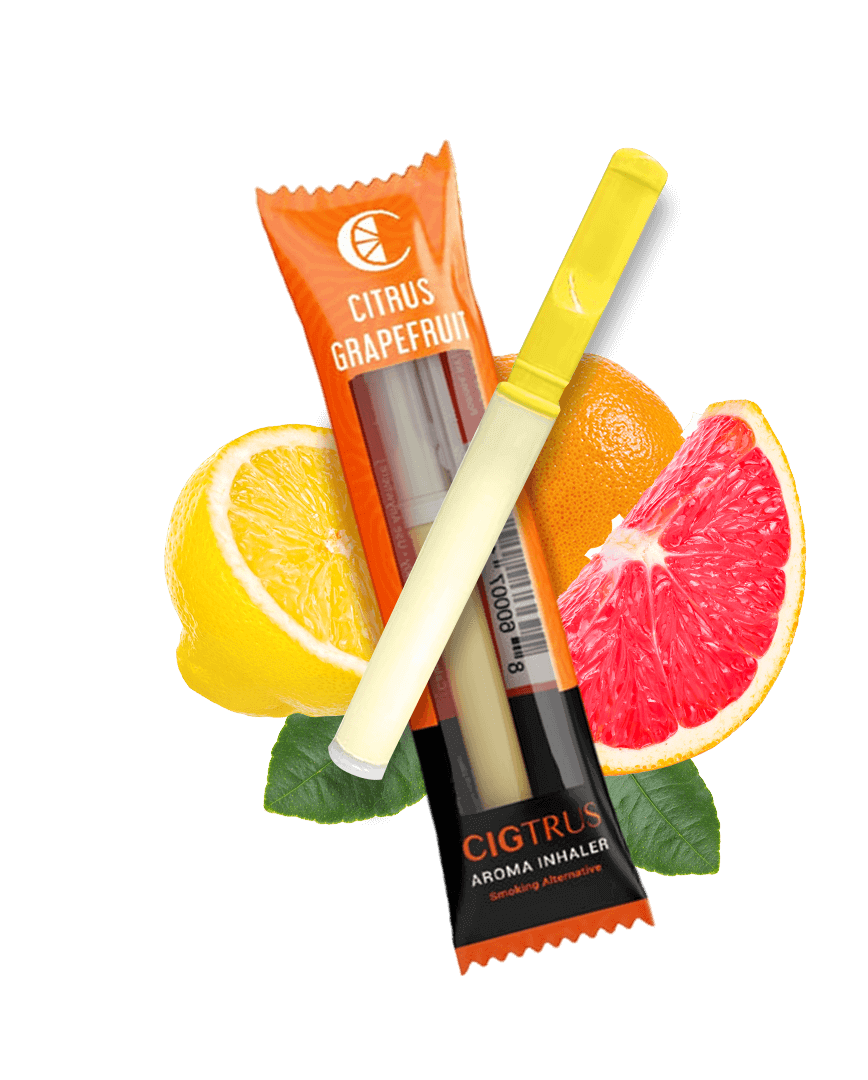
Show Your Kids What Going Smoke-Free Looks Like.
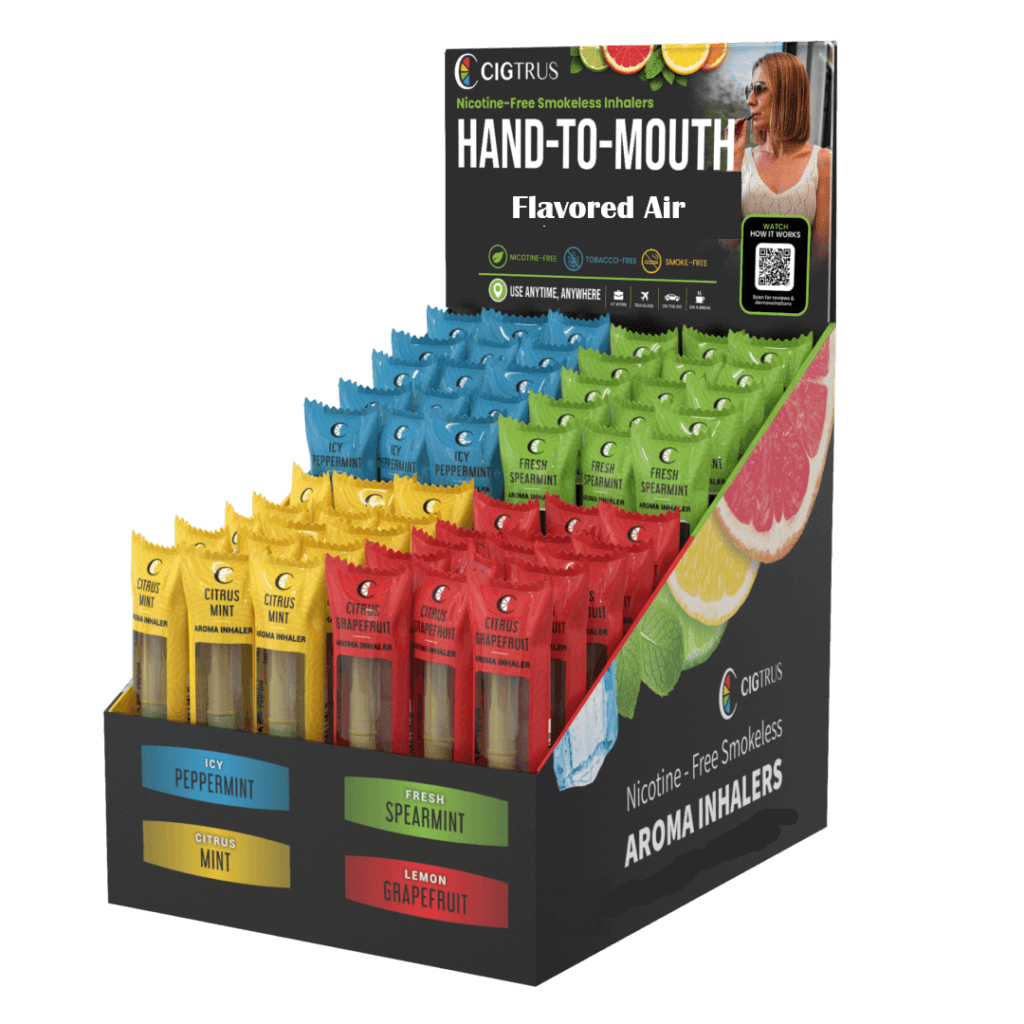
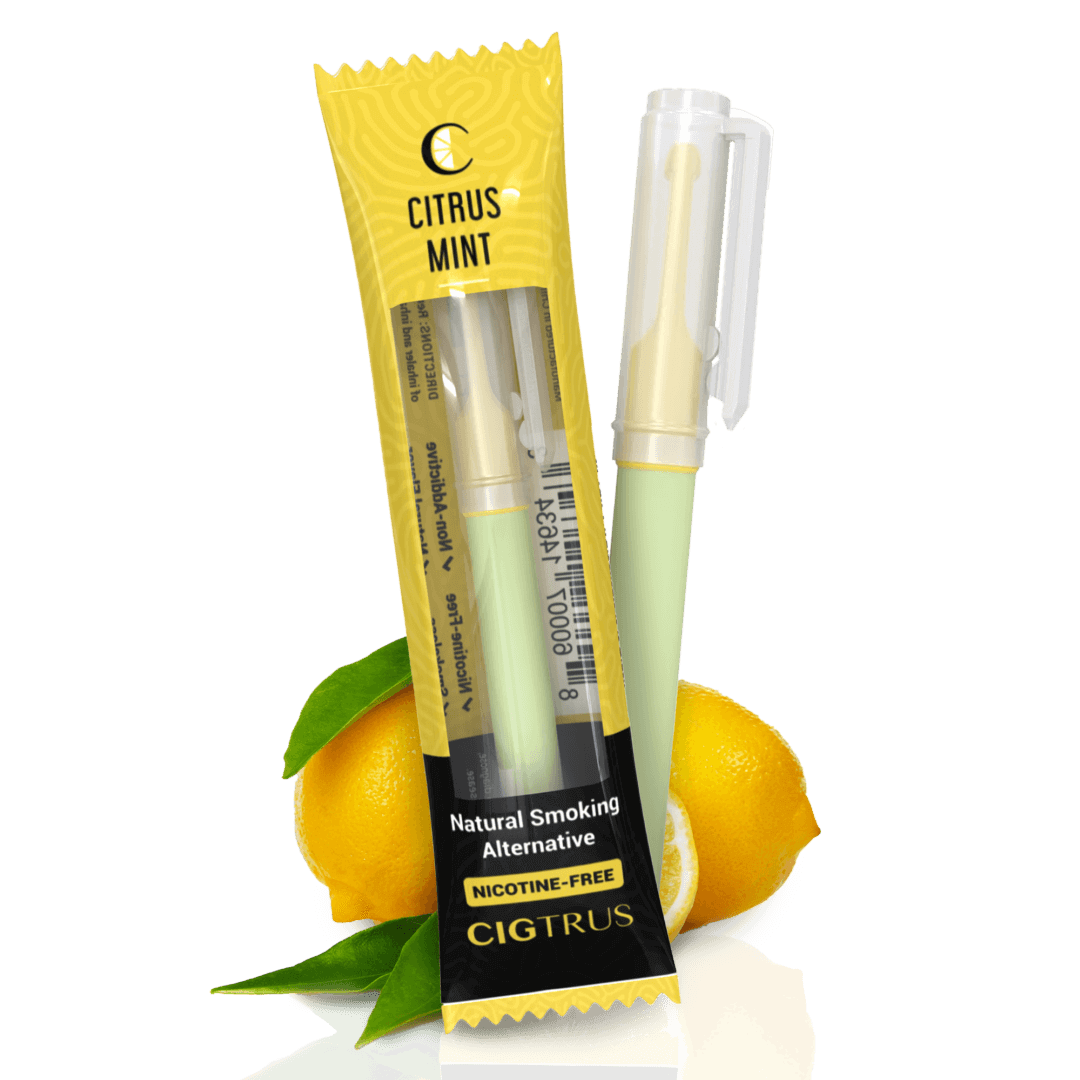
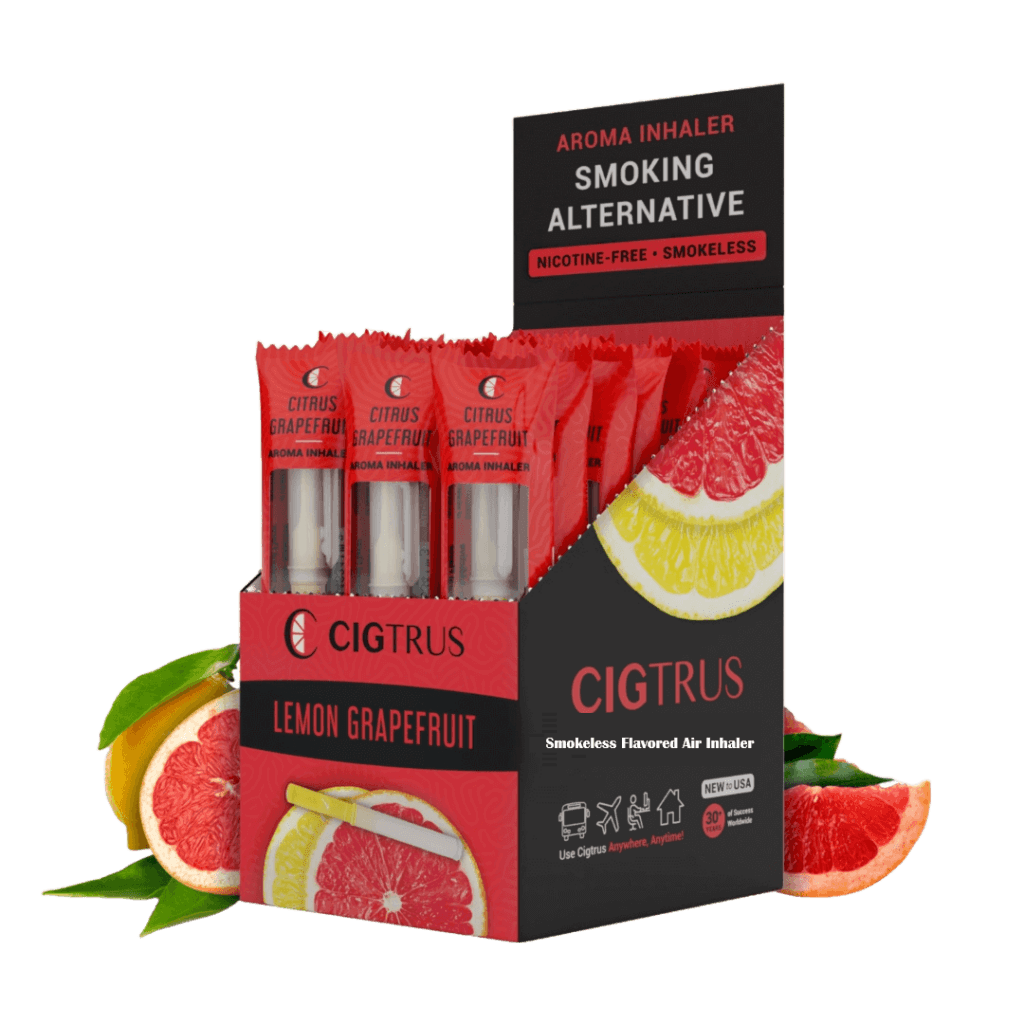
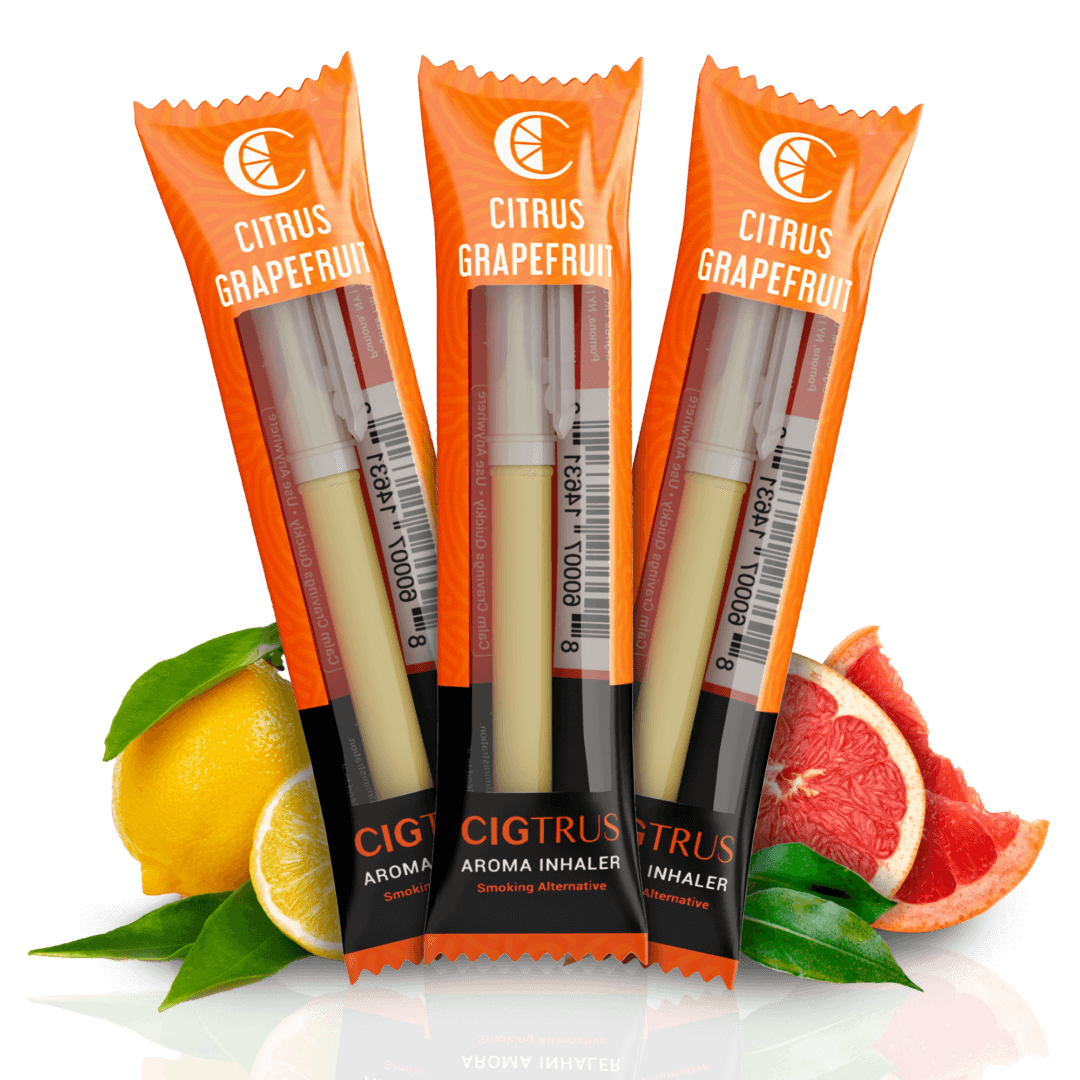
Nicotine-free, vapor-free, and smoke-free, lead by example with behavioral habit replacement that works.
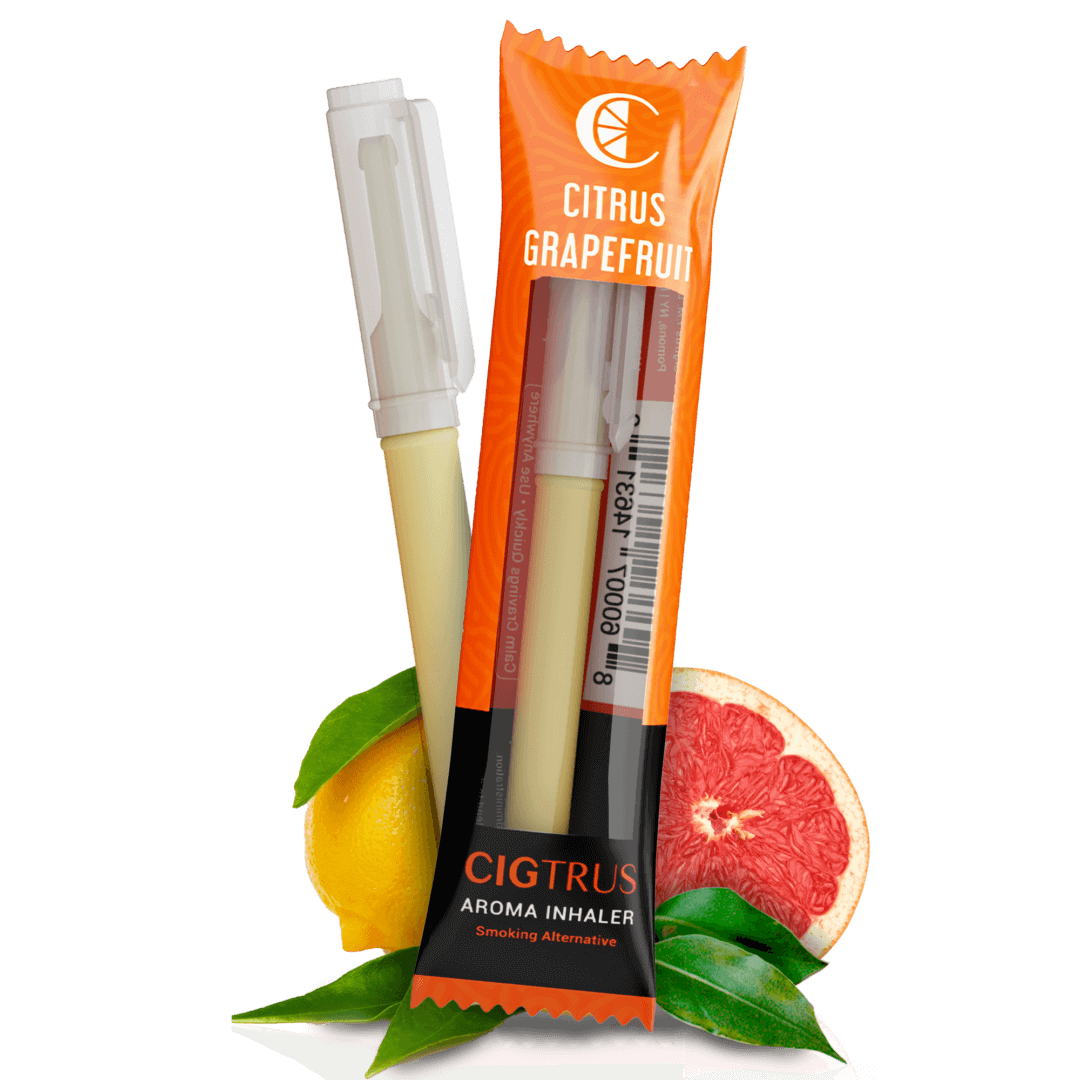
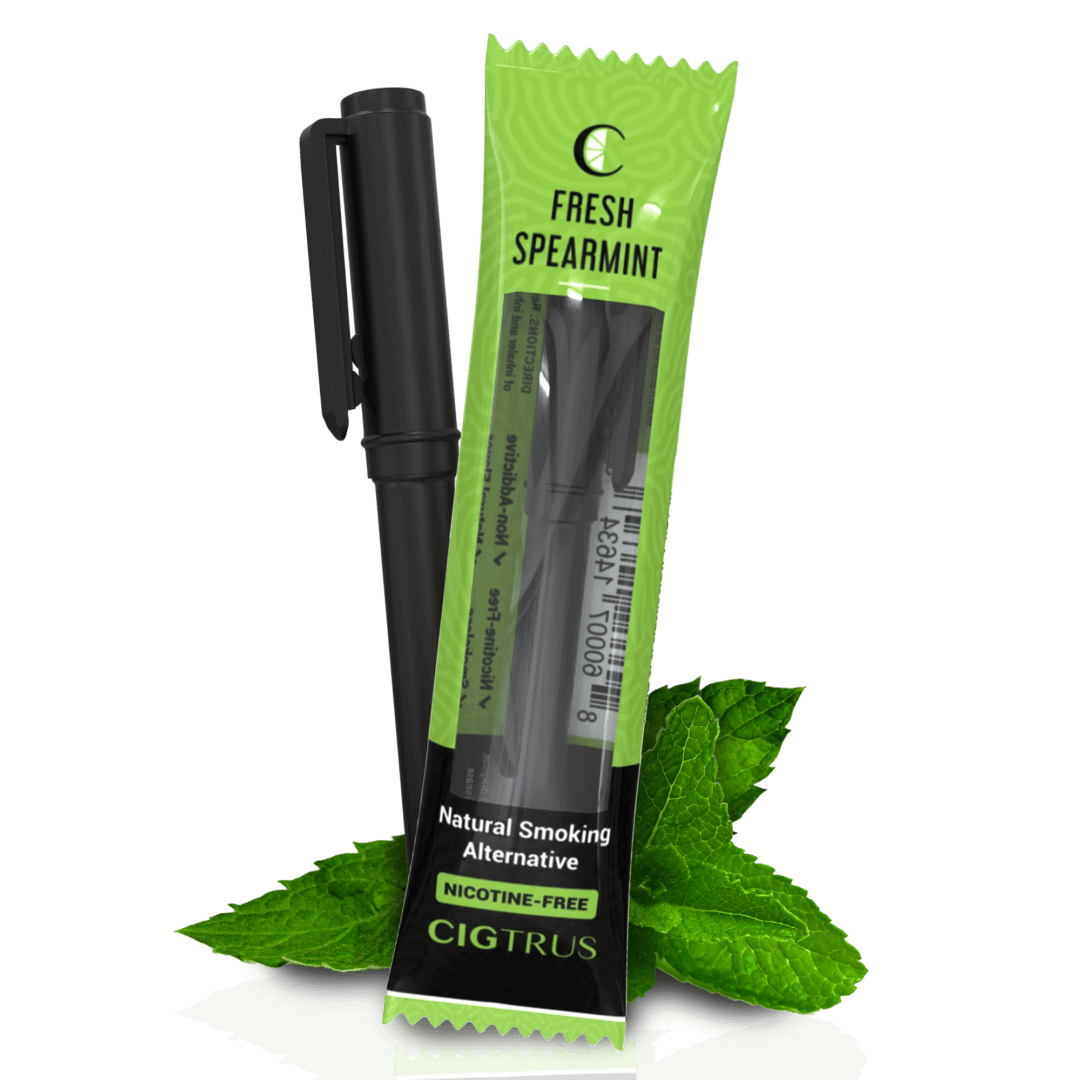
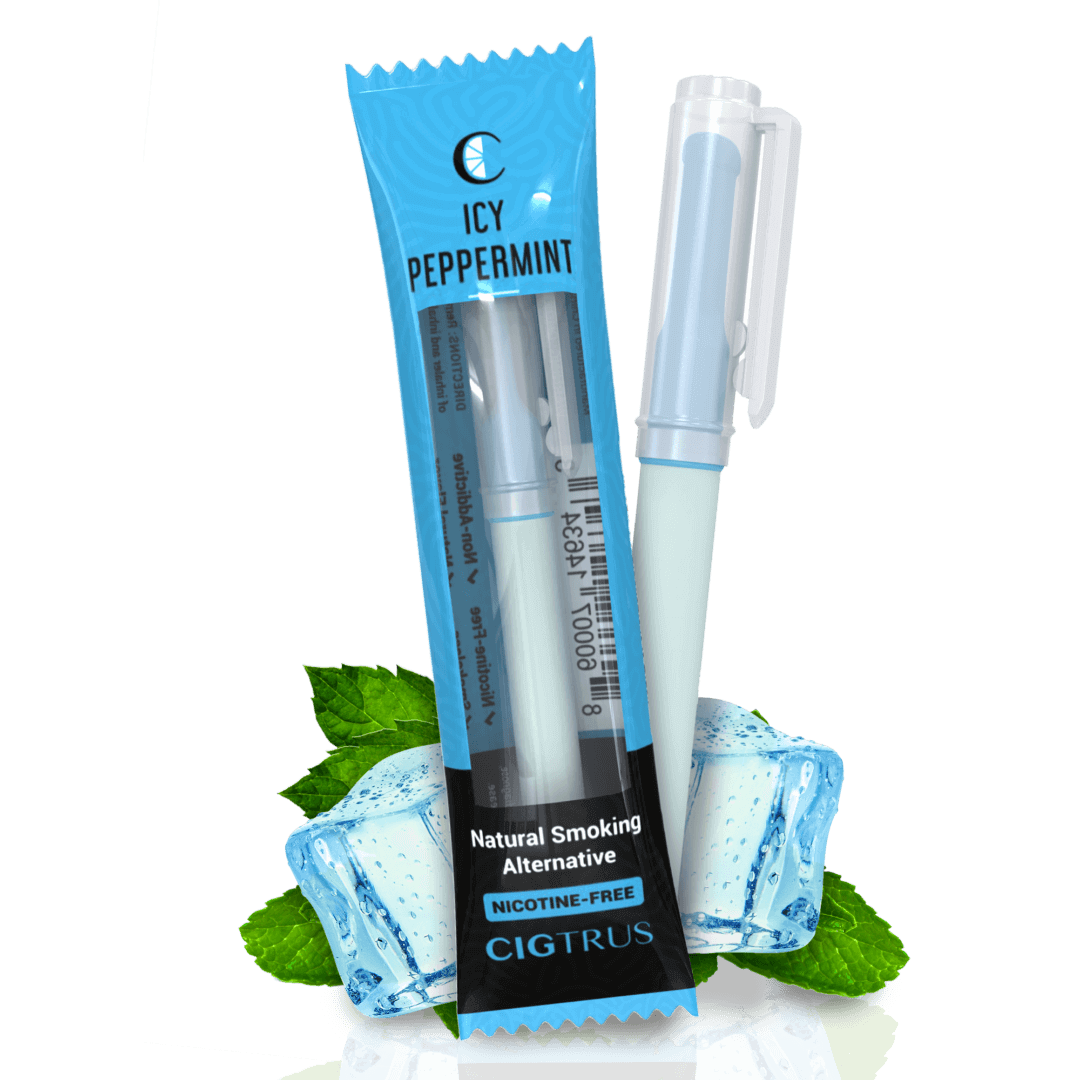
👉 Try the Variety Pack