
Stop Smoking Today: Your Journey to a Healthier You
Have you ever considered why people smoke? Smoking often begins out of curiosity or peer pressure. Unfortunately, by the time the health risks become clear, the habit is usually deeply established, and the journey to quitting feels both urgent and overwhelming.
Smoking significantly increases the risk of heart disease, lung cancer, and stroke. The nicotine in cigarettes reaches the brain within seconds of inhalation, acting as a stimulant that enhances mood and creates tolerance rapidly. As tolerance builds, the number of cigarettes smoked each day typically increases, and the habit deepens.
Understanding the Addiction
Smoking is highly addictive, but it is not impossible to stop. Quitting smoking requires more than willpower, it requires understanding what is actually driving the habit. For many smokers, that involves both the chemical dependency on nicotine and the deeply ingrained behavioral patterns that persist even after nicotine fades.
The Journey to Quitting
Thousands of people successfully quit smoking every year. Changing your mindset is crucial, focus not on the difficulties you will face after quitting, but on the real harm you continue to experience if you do not. Every smoke-free day builds the foundation for the next one.
“The first smoke-free day is the hardest. The second is slightly easier. Over weeks and months of consistent replacement, what once felt impossible gradually becomes the new normal.”
Preparing to Quit
Preparation significantly improves the chances of a successful quit attempt. Before your quit date:
- Set a quit date, choose a specific date within the next two weeks and commit to it
- Tell friends and family, their encouragement and understanding will matter more than you expect
- Remove triggers, get rid of cigarettes, lighters, ashtrays, and anything that reminds you of smoking
- Map your triggers, know exactly when and why you smoke, and have a plan for each moment
Choosing a Quit Method
There is no single best approach, the right method depends on your specific habit, your triggers, and what you need support with. Options include:
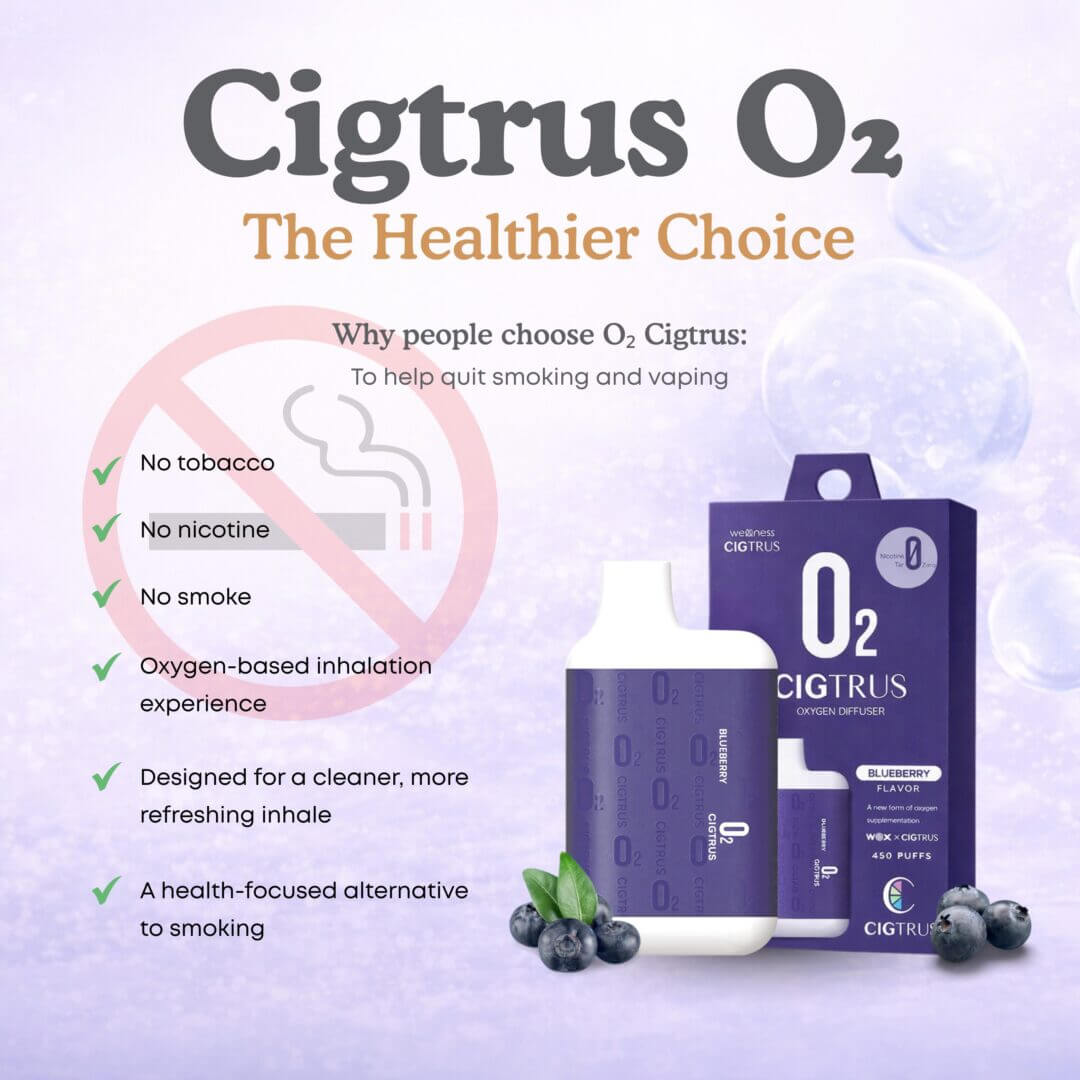
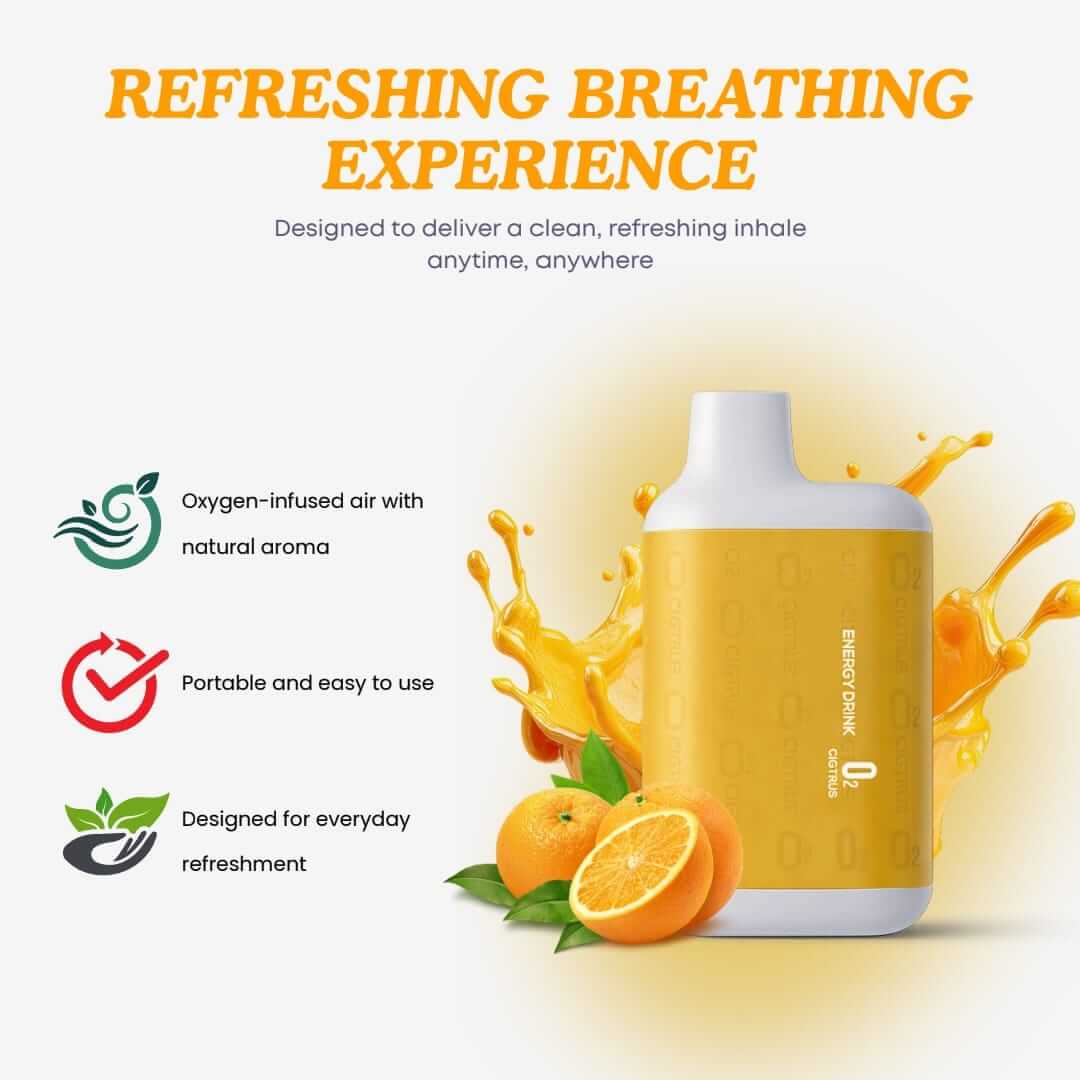
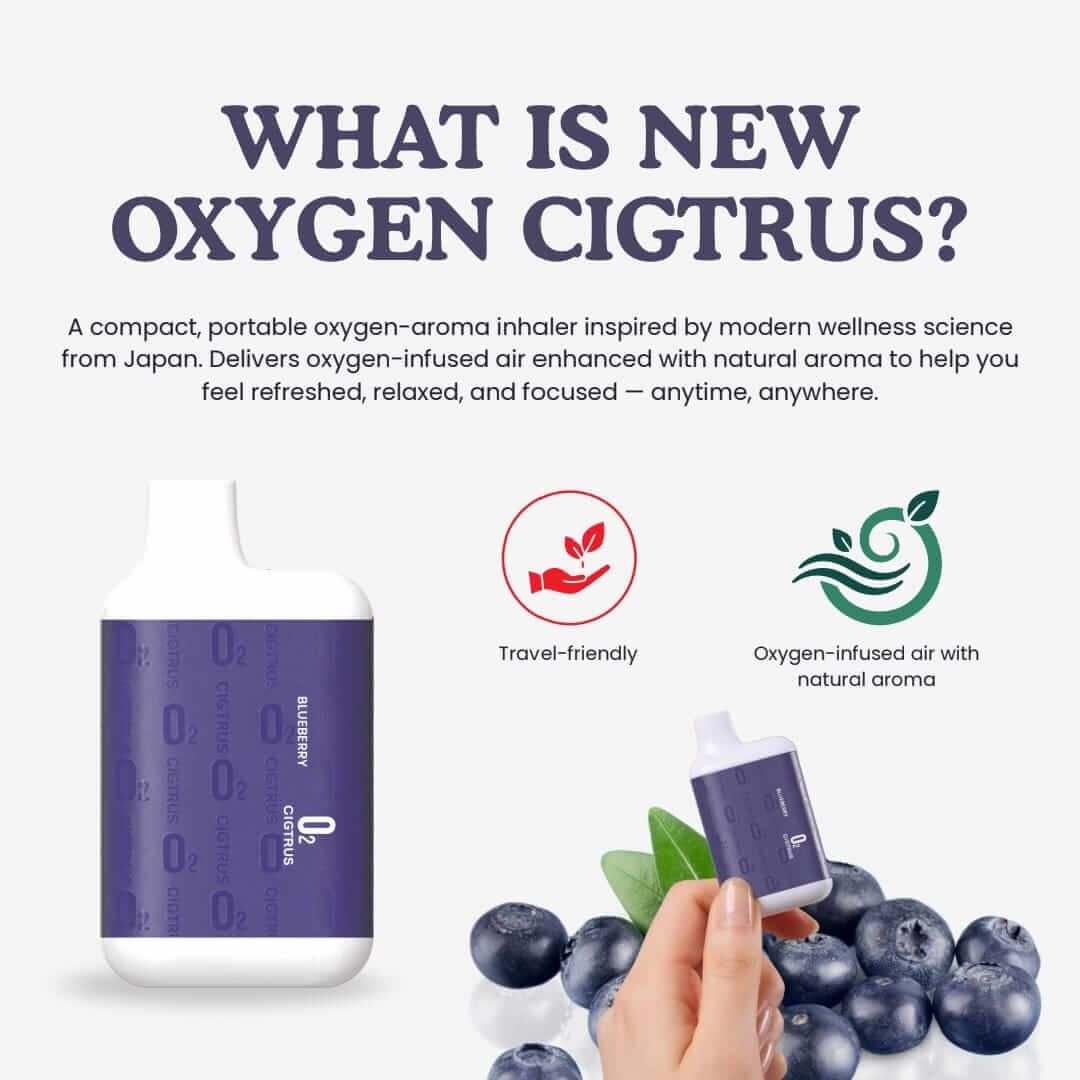
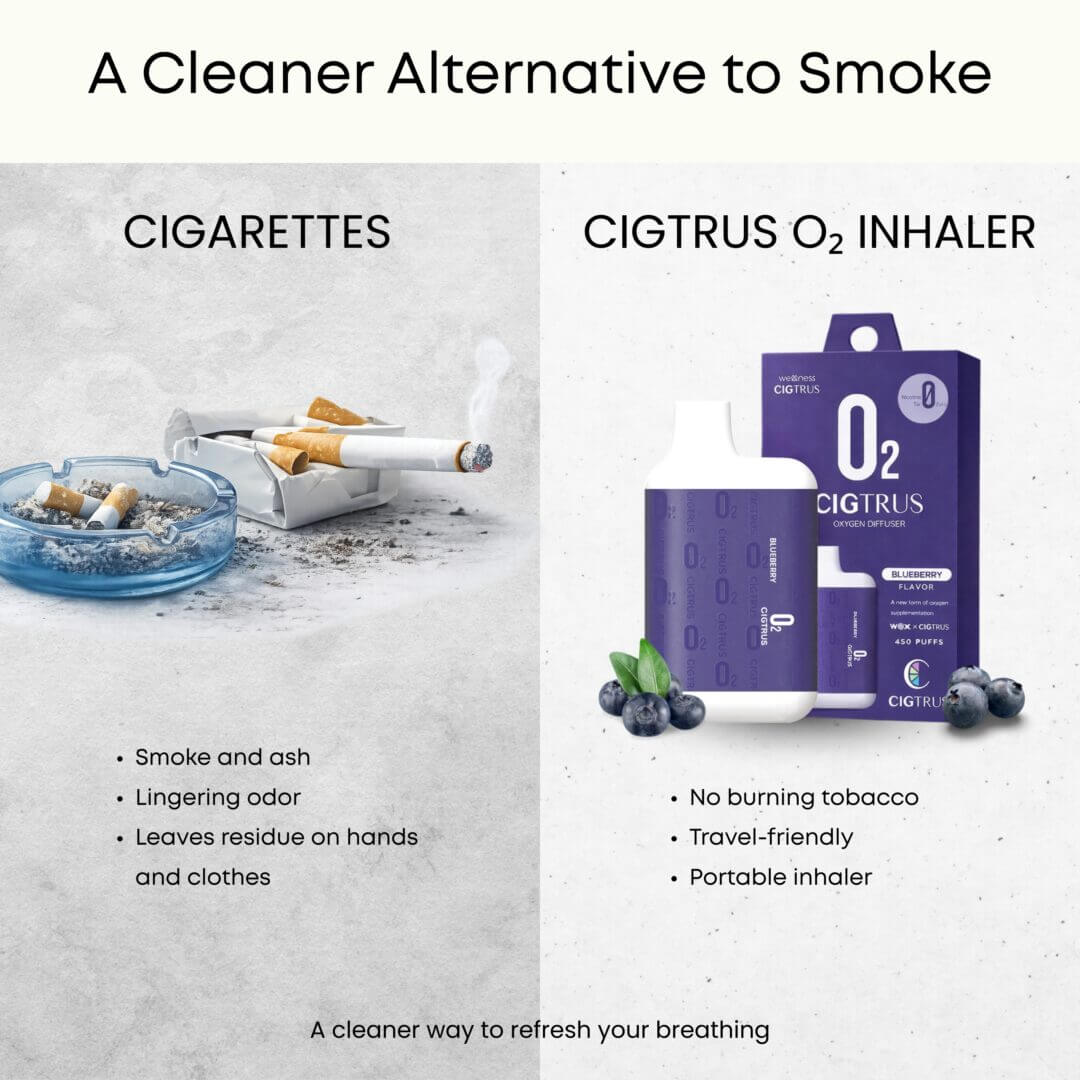
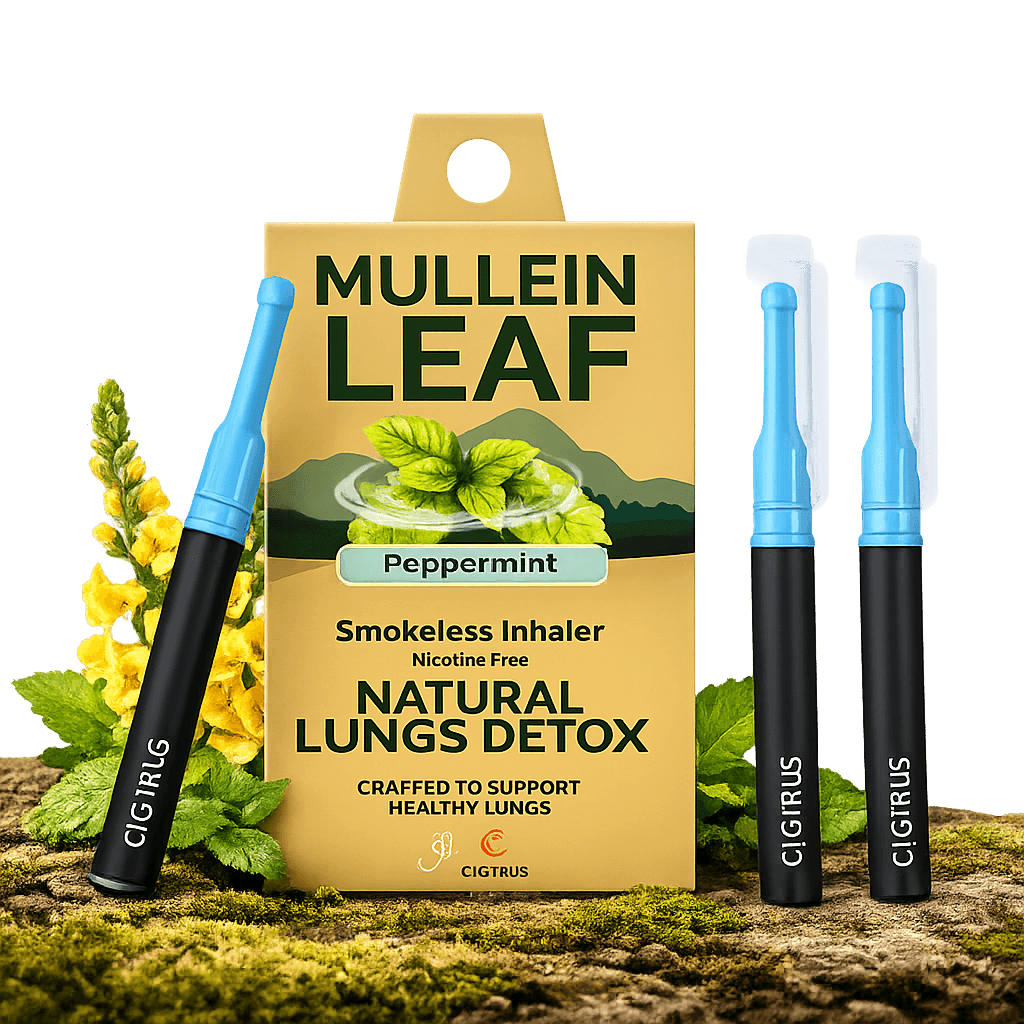
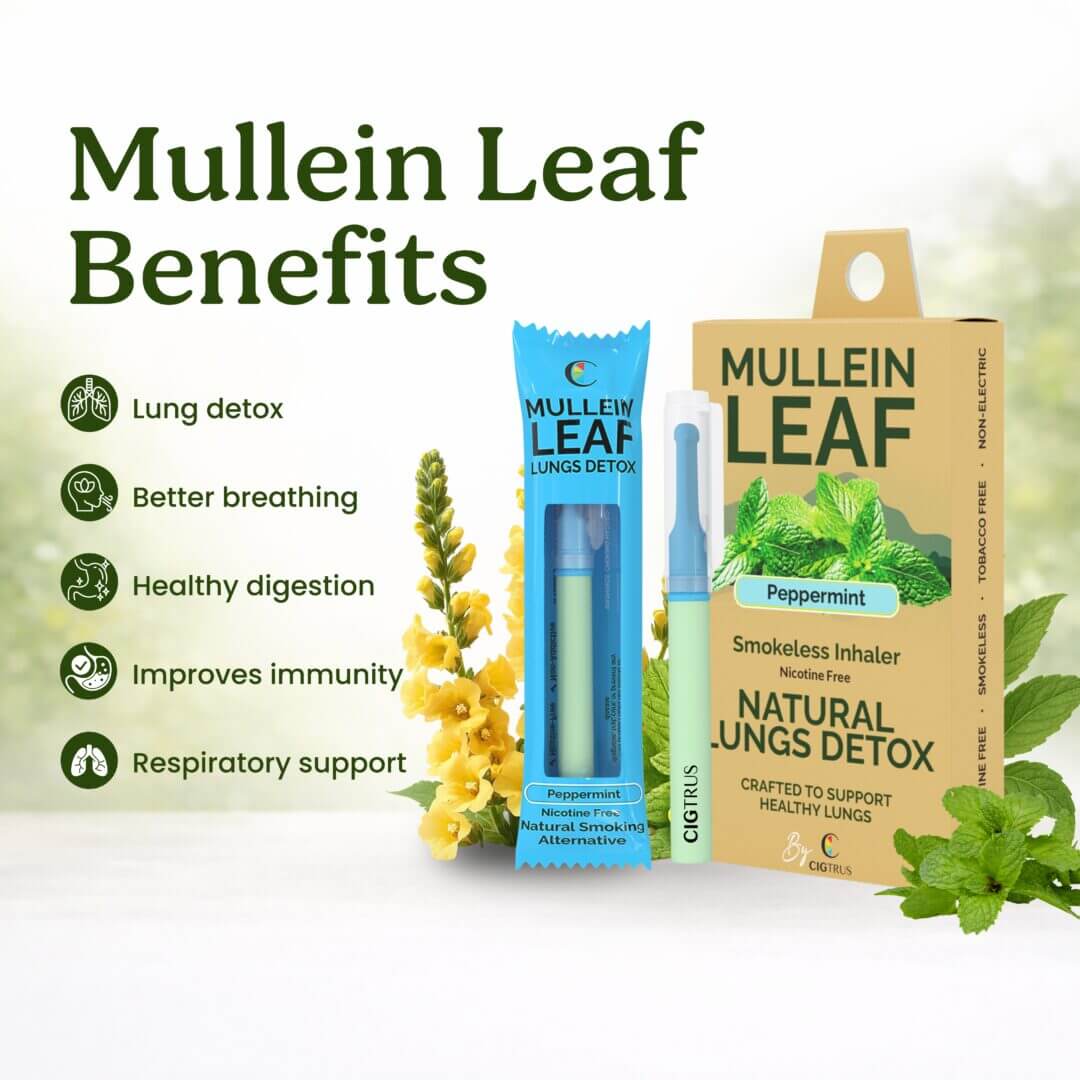
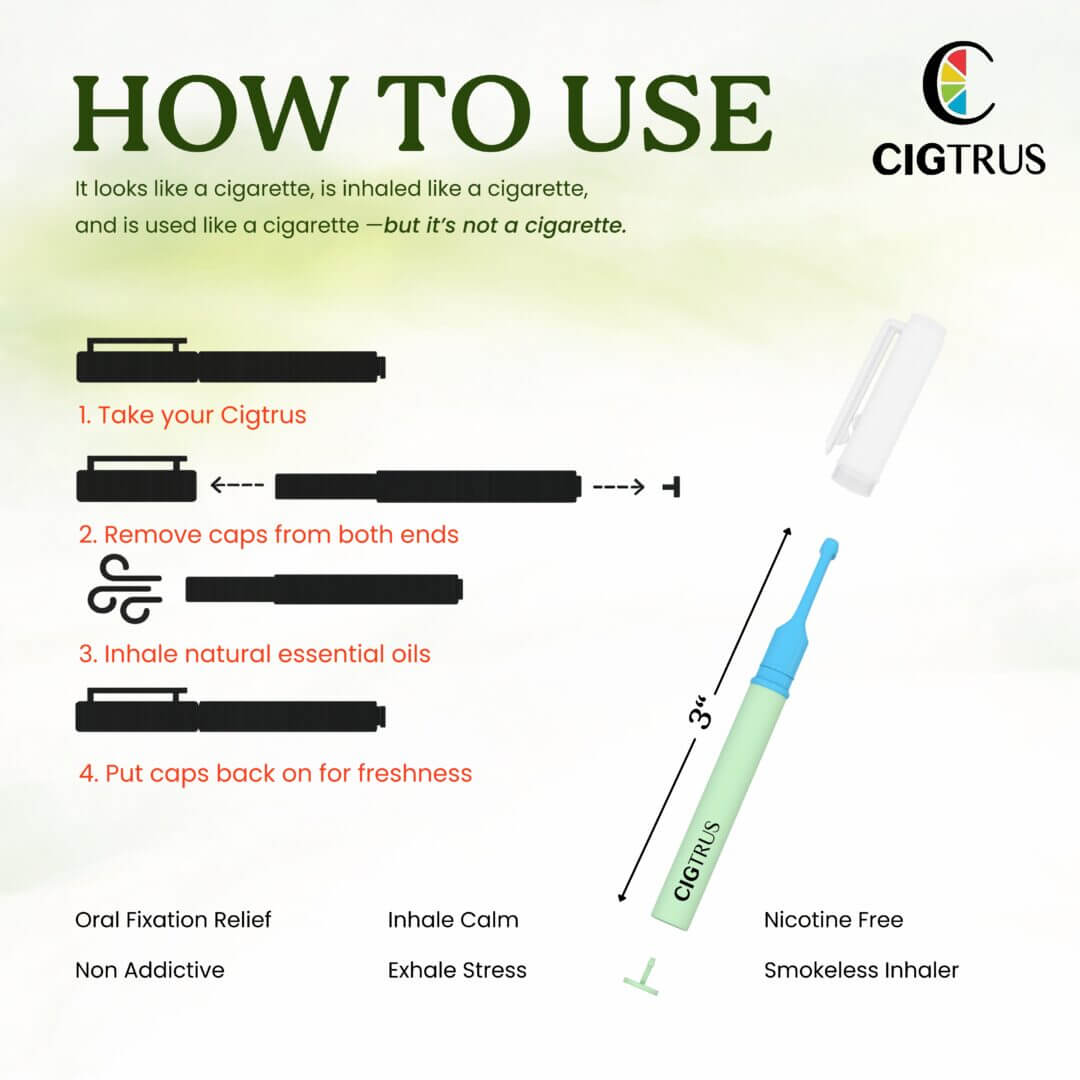
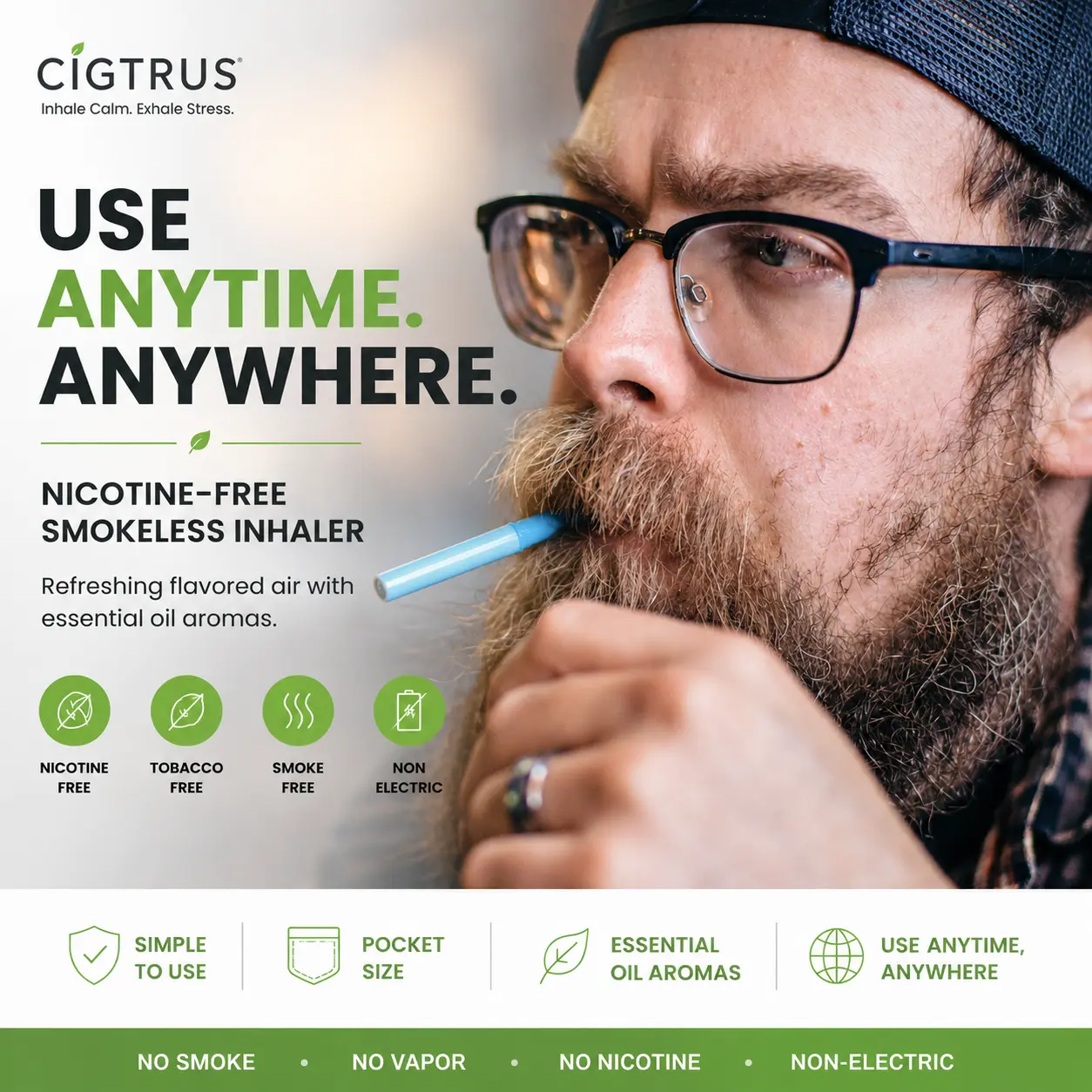
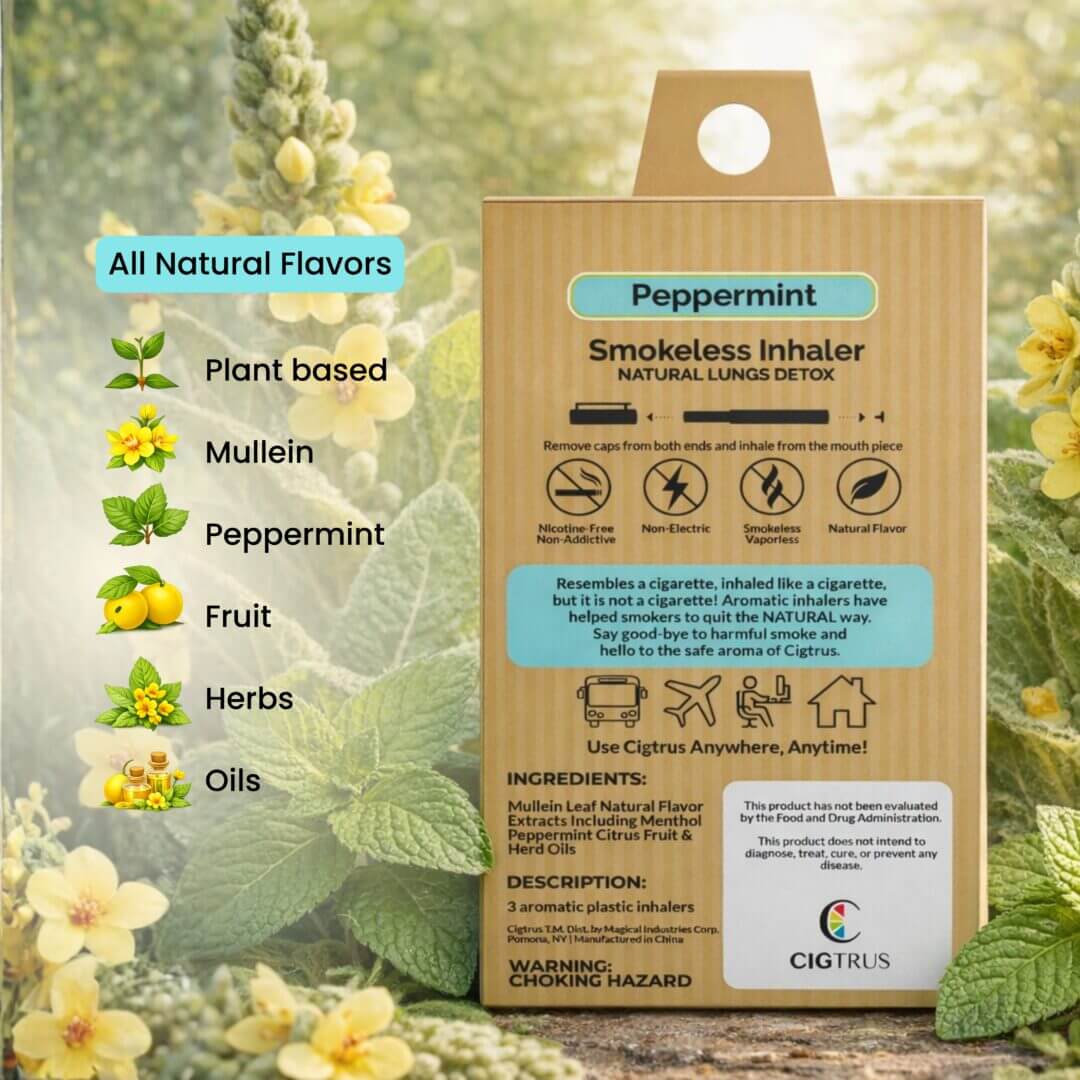
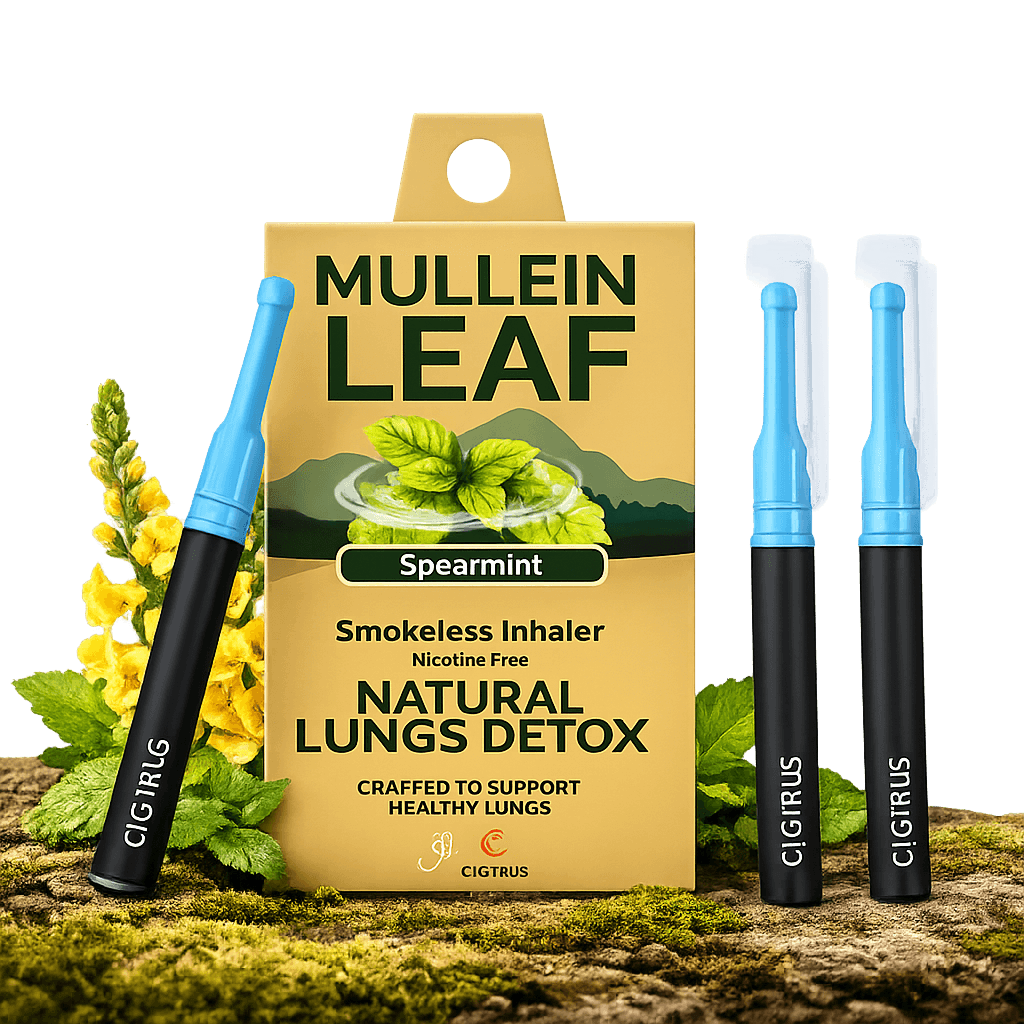
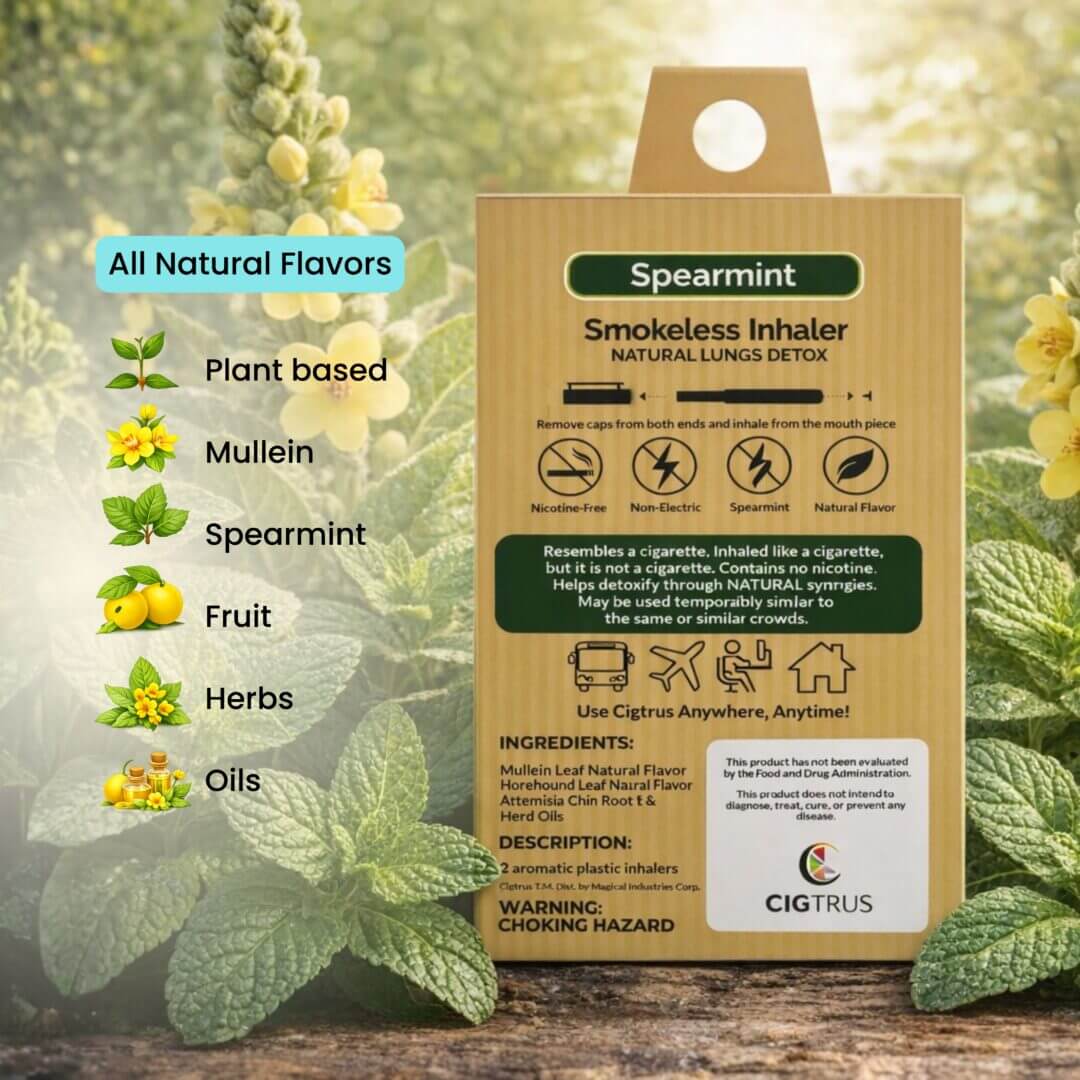
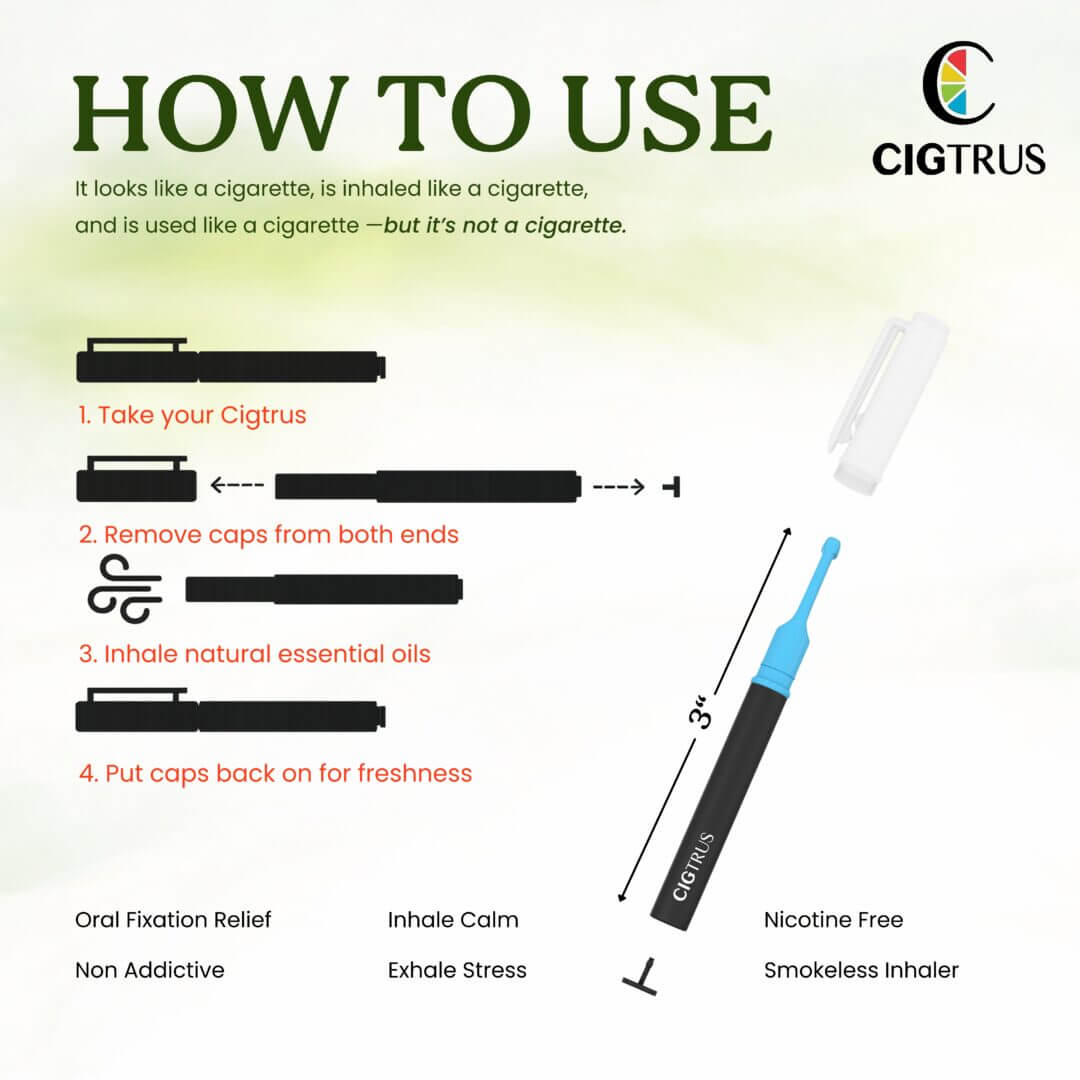
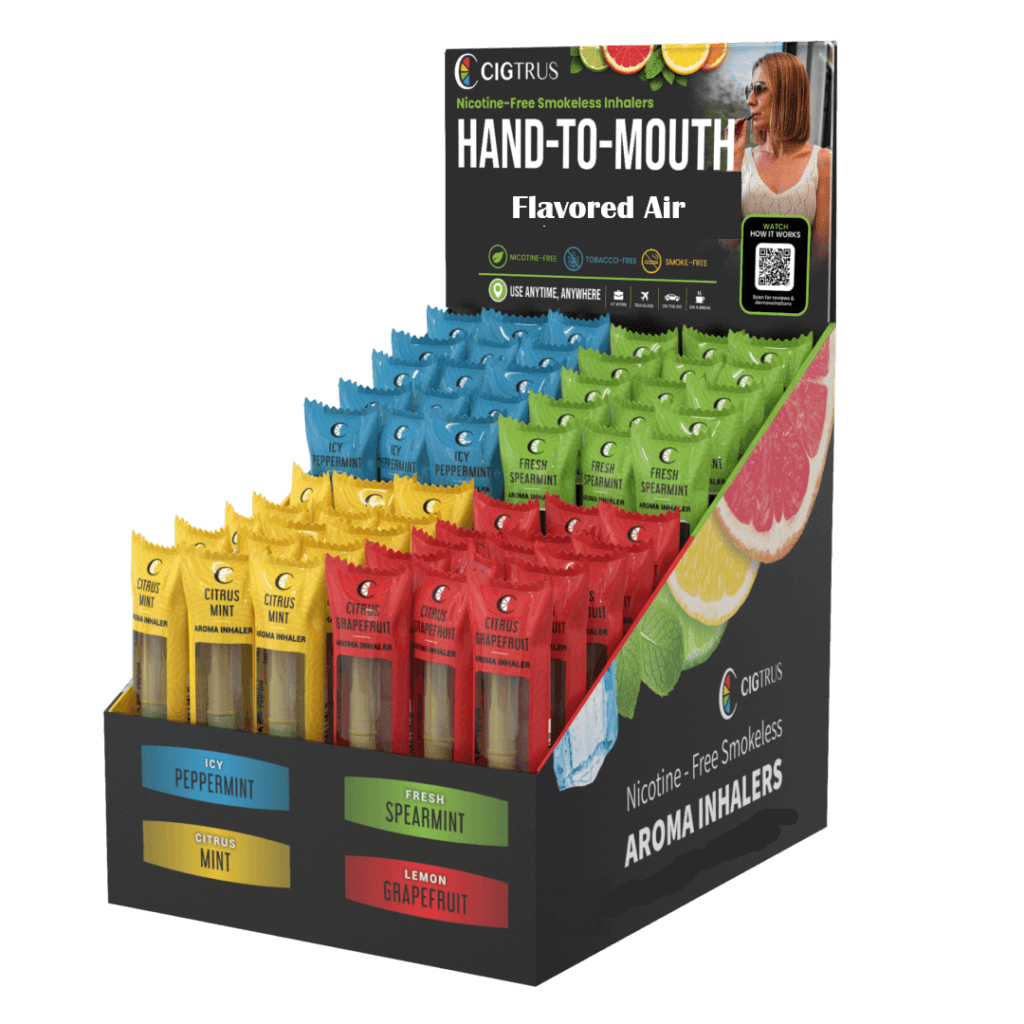
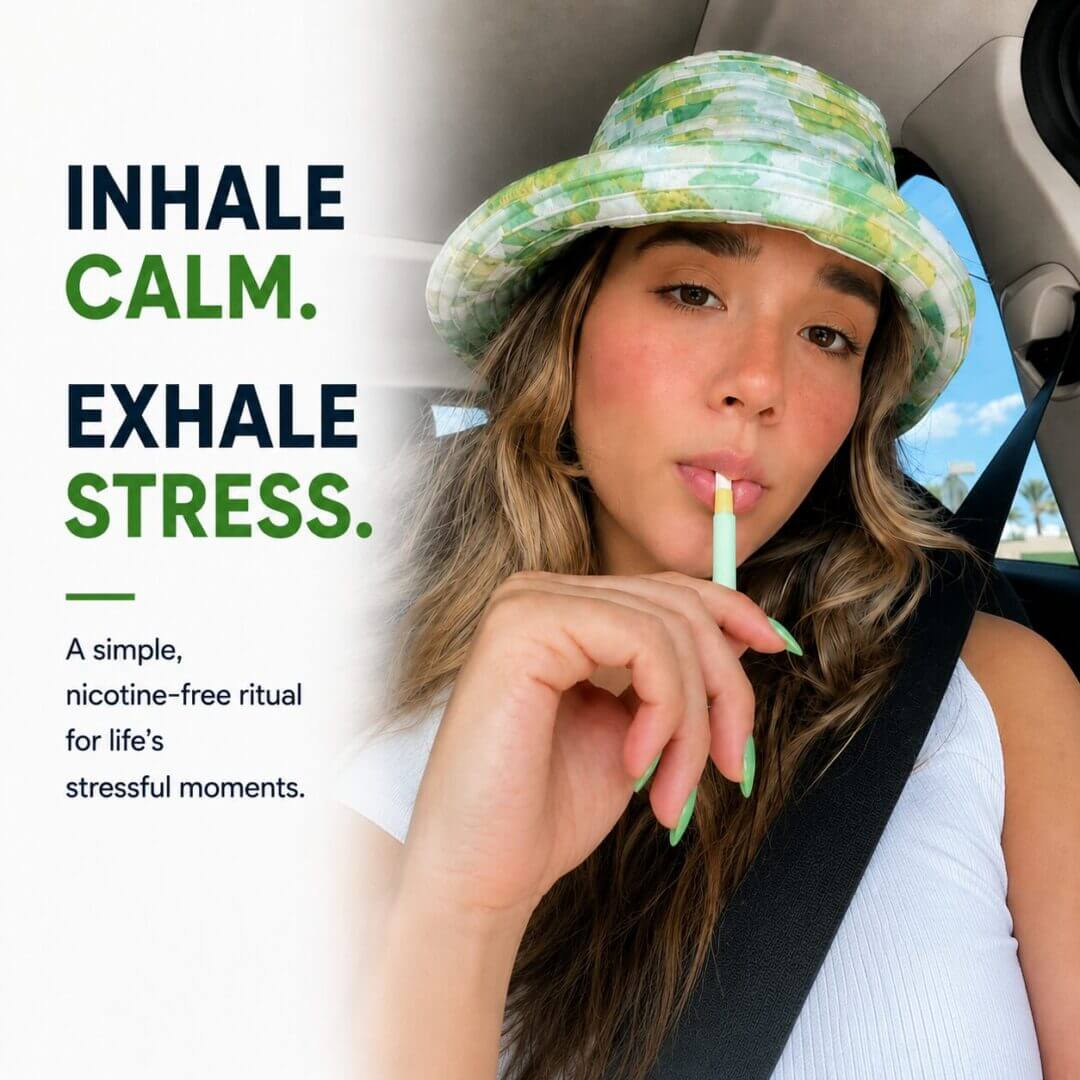
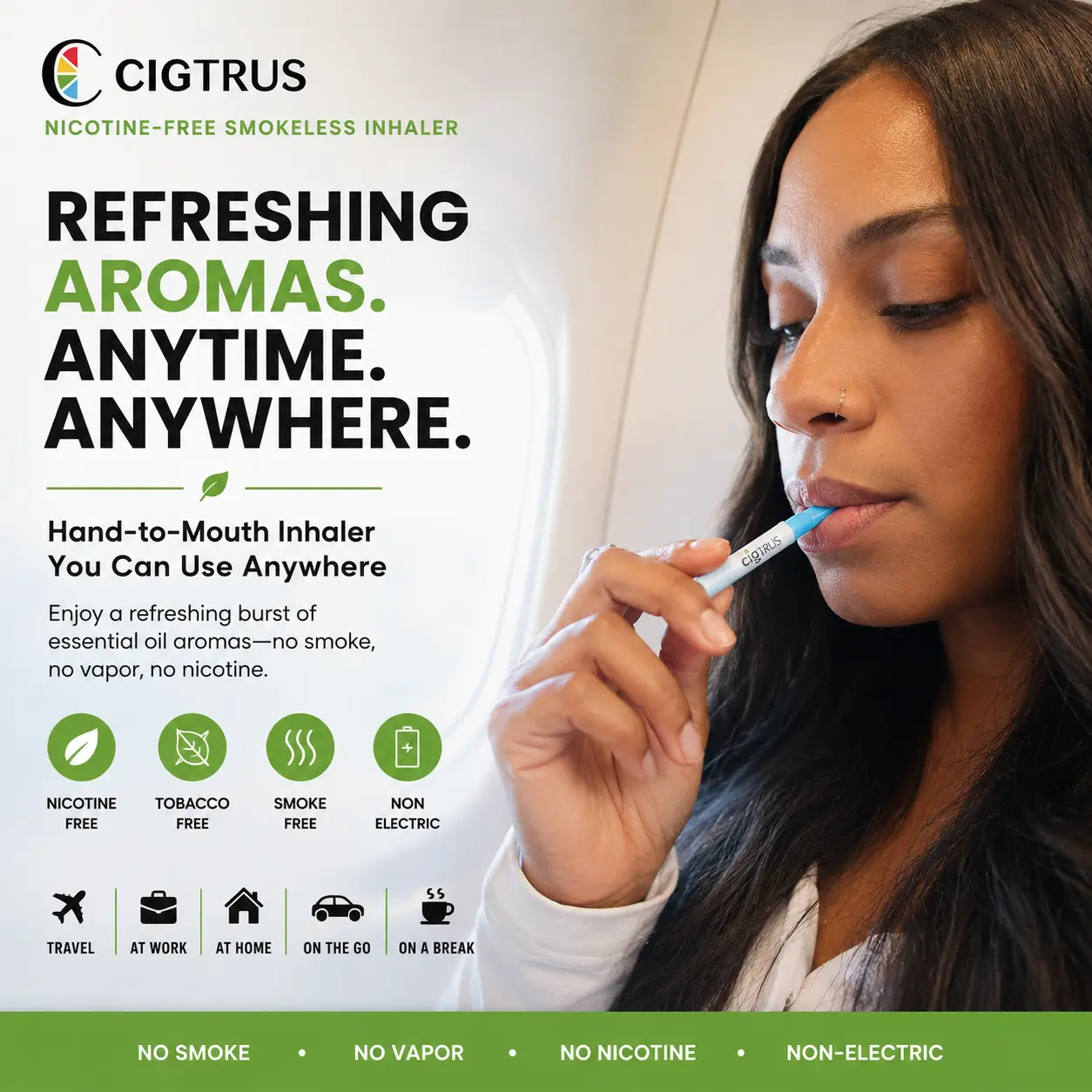
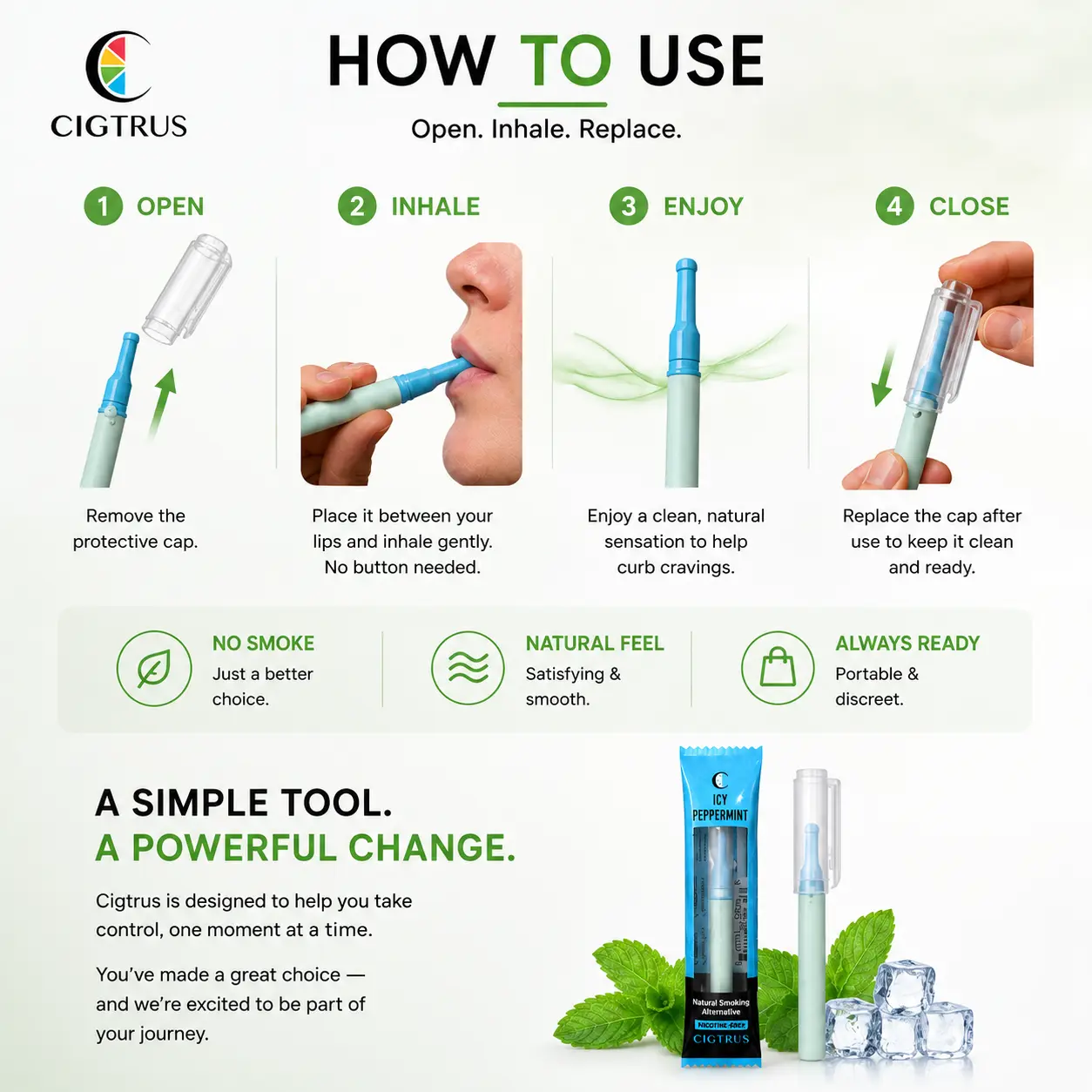
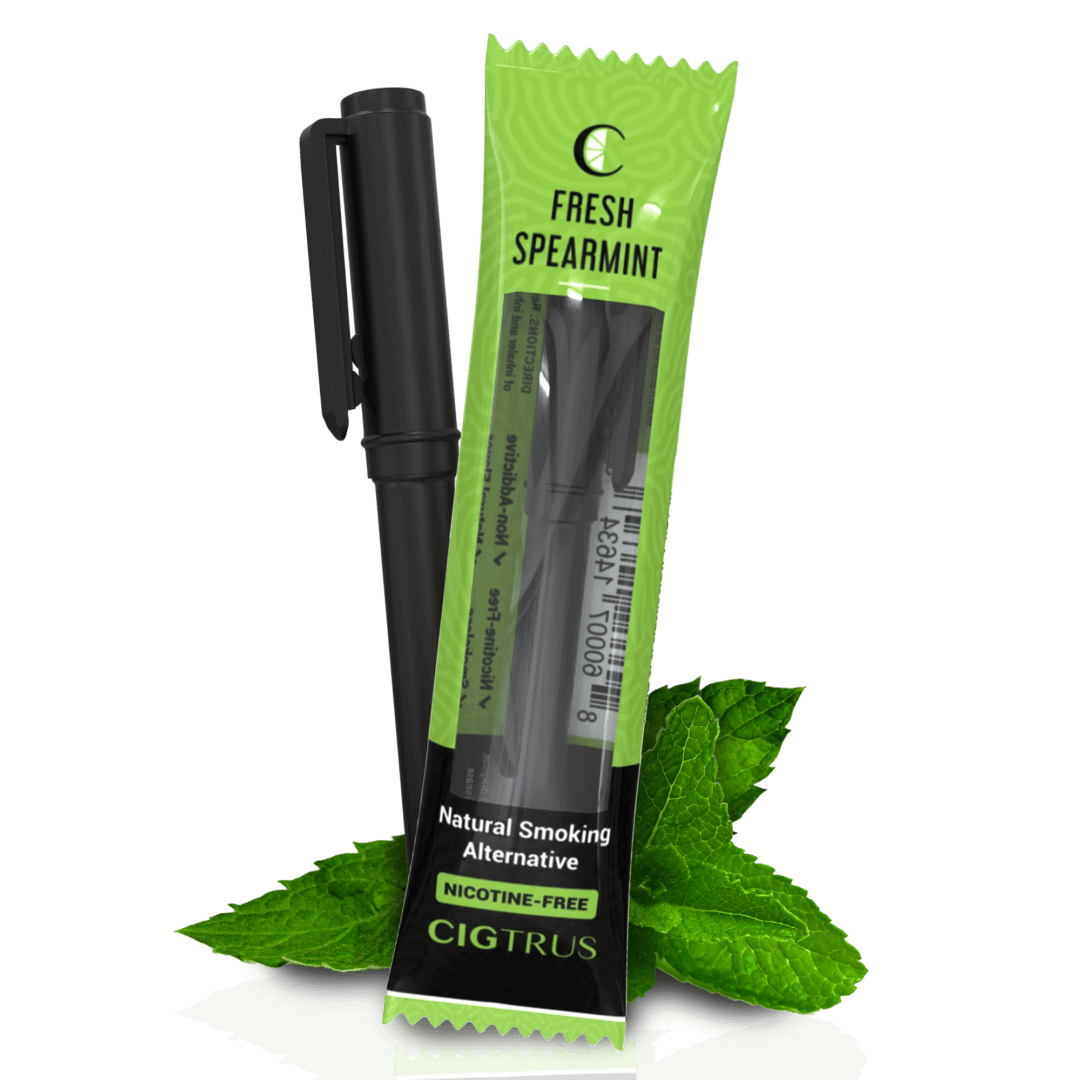
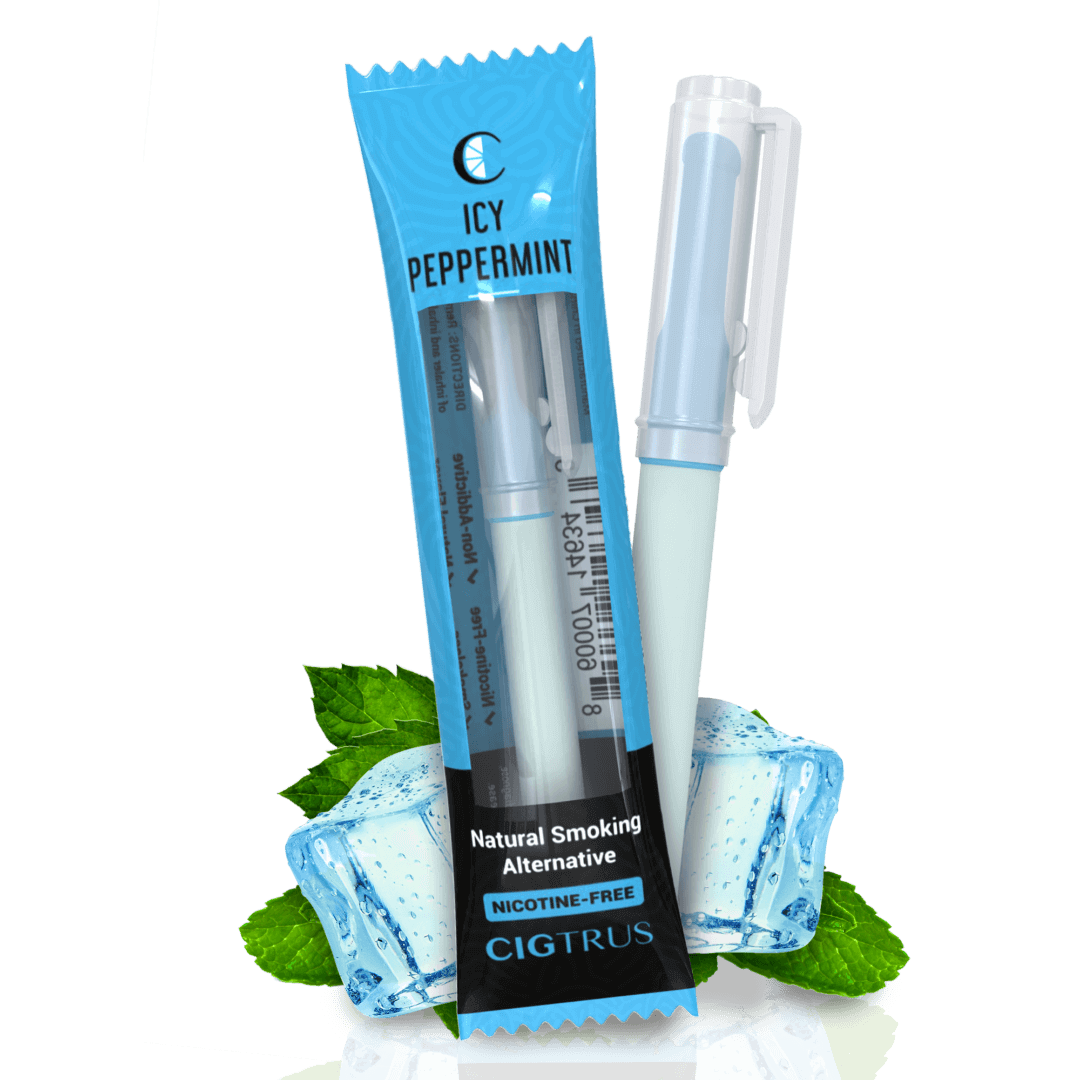
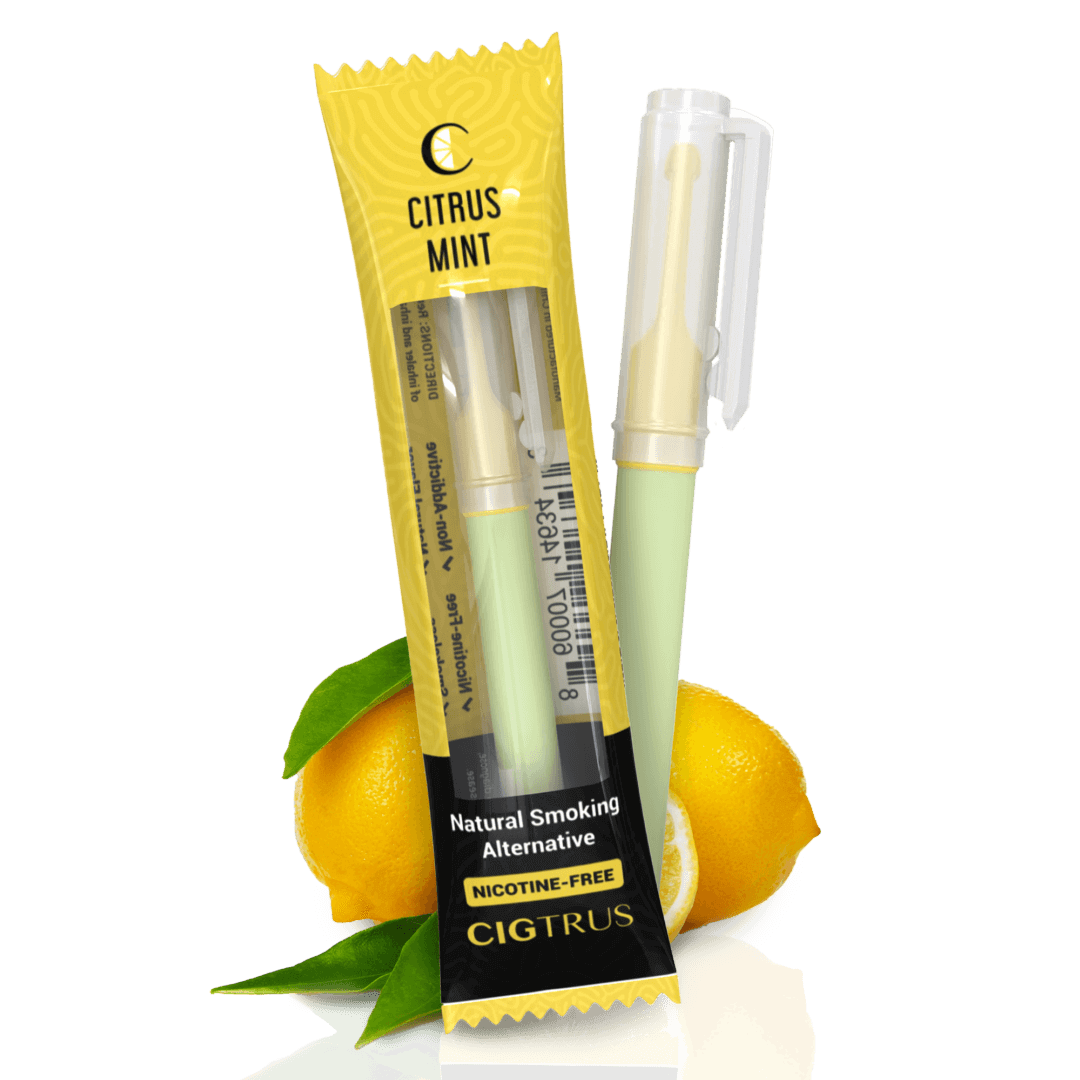
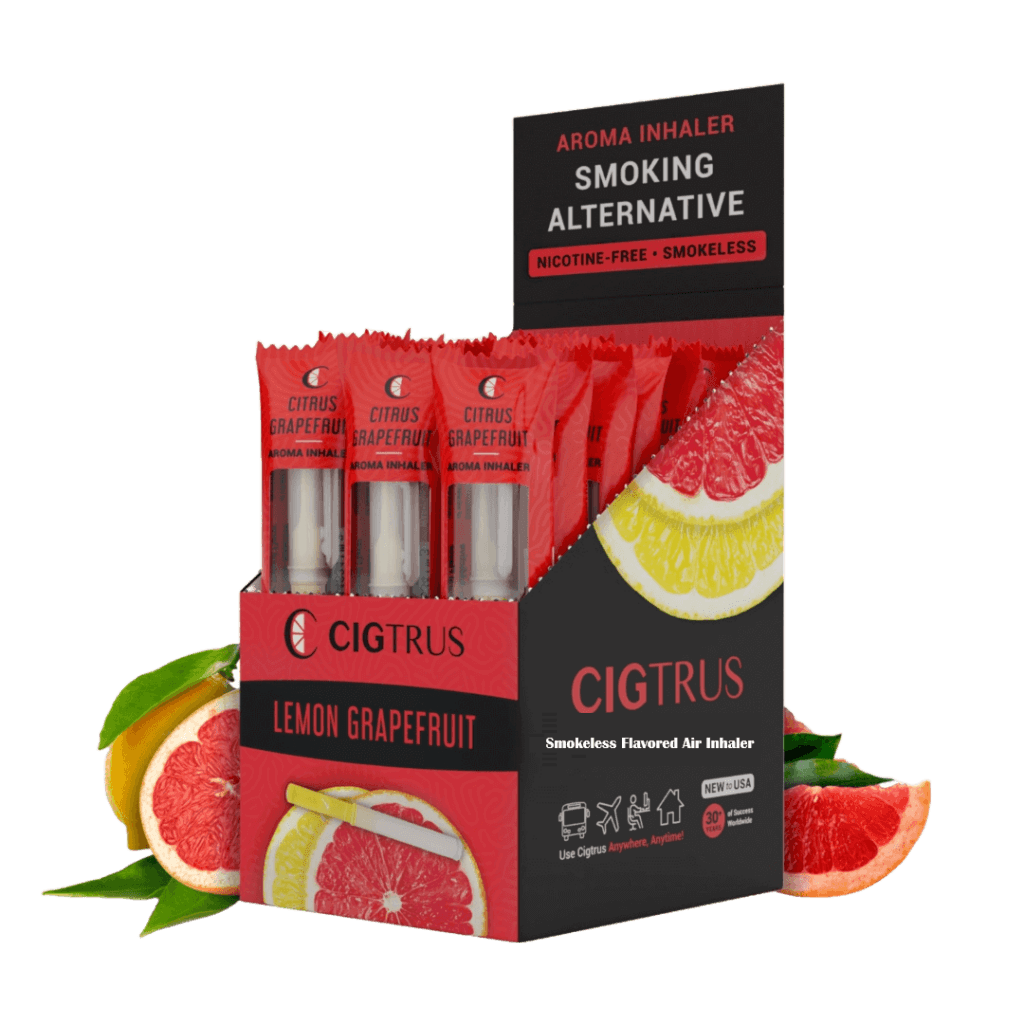
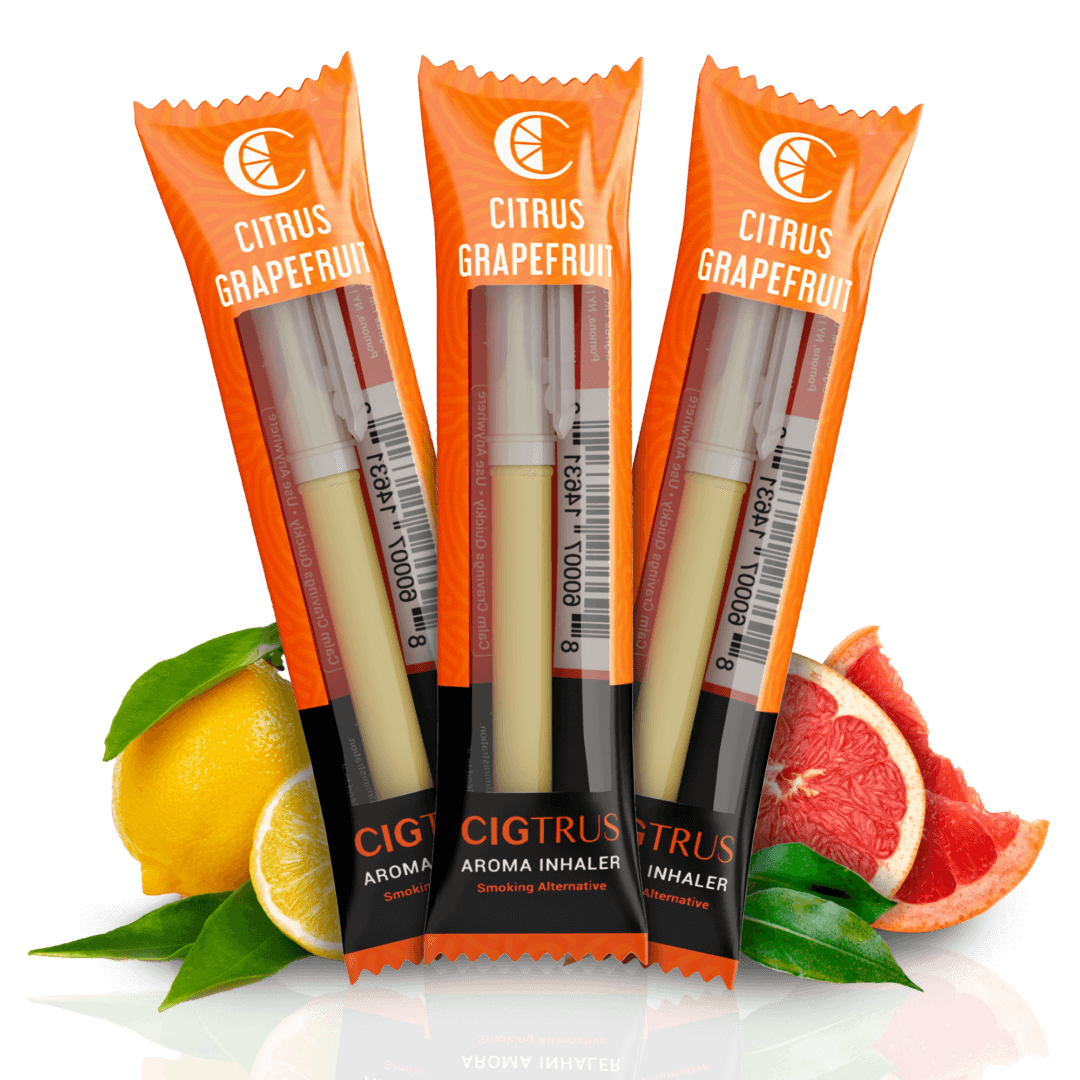
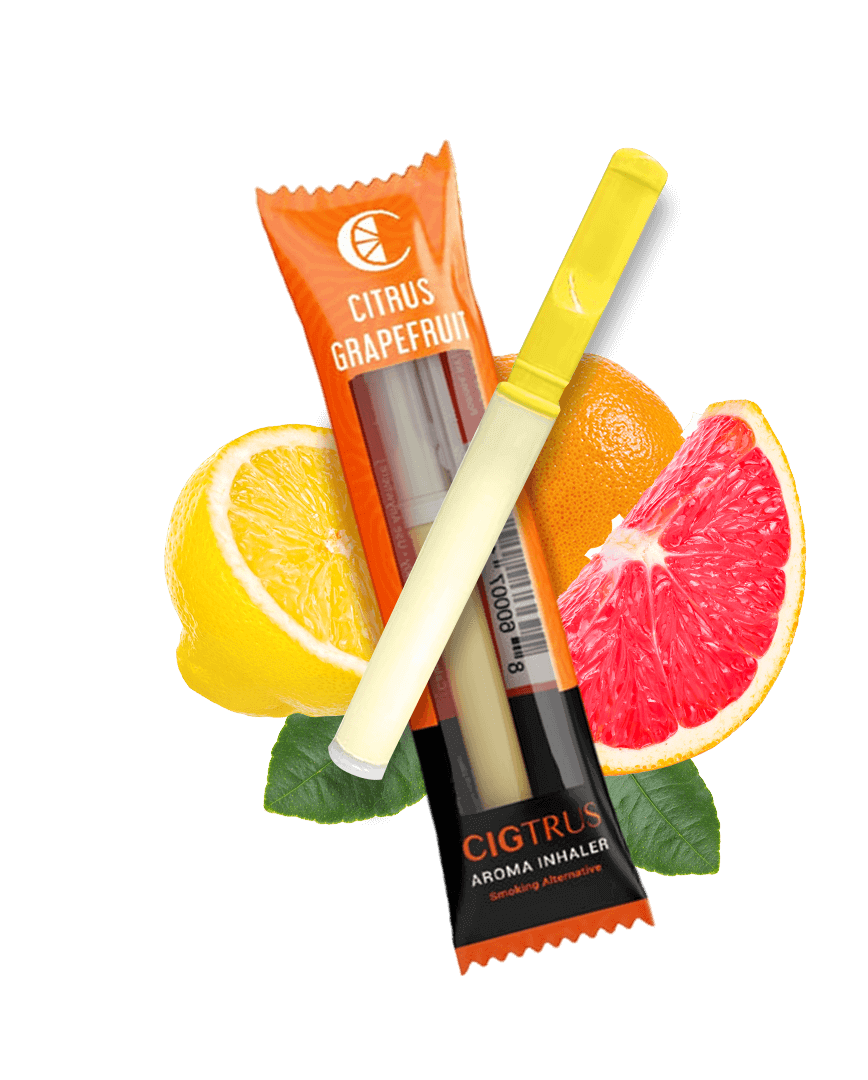
- Cigtrus: A nicotine-free smokeless inhaler that replaces the hand-to-mouth behavioral habit, the motion, the inhalation, the oral fixation, using natural essential oil aromas, without nicotine, vapor, or smoke
- Cold Turkey: Stopping completely all at once, challenging but effective for some people, especially when combined with strong behavioral support
- Gradual Reduction: Slowly reducing daily cigarette count until quitting completely
- Nicotine Replacement Therapy (NRT): Patches, gum, lozenges, and prescription inhalers that deliver controlled nicotine to ease withdrawal symptoms
- Prescription Medications: Medical options that reduce cravings and withdrawal, always consult your doctor
- Behavioral Therapy: Working with a counselor or support group to address the psychological and habitual side of smoking
Coping with Withdrawal
Nicotine withdrawal is a sign your body is healing. Common symptoms and how to handle them:
- Cravings: Have a clean behavioral alternative ready, the craving passes more quickly when the hands and mouth have somewhere to go
- Irritability: Deep breathing, short walks, and deliberate pauses help redirect the stress response that cigarettes once managed
- Difficulty concentrating: Break tasks into smaller steps and build in short regular breaks
- Increased appetite: Choose fresh fruit and vegetables as substitutes, they give the mouth something to do and support overall health
Staying Smoke-Free
Once you have quit, staying smoke-free is the next challenge. The behavioral layer of smoking can persist for months, have a plan for every trigger moment that continues to fire:
- Know your triggers: The specific moments that still fire the automatic response need a consistent clean alternative ready every time
- Stay active: Physical activity reduces craving intensity and improves mood
- Healthy eating: A balanced diet supports your overall health and helps manage any weight changes after quitting
- Support network: Continue leaning on the people who know about your quit journey
Dealing with Relapse
Relapse is common and does not mean failure. Most people who eventually quit smoking for good do so after multiple attempts. If you slip:
- Reflect on the trigger: Identify exactly what caused the relapse and plan how to handle it differently next time
- Reach out: Talk to your support network or a counselor, you do not have to handle it alone
- Restart: Set a new quit date and continue the journey
Resources to Help You Quit
- 1-800-QUIT-NOW (USA): Free support and resources for smokers quitting
- smokefree.gov: Online tools, progress tracking, and community support
- Your doctor or healthcare provider: Personalized cessation plans and NRT/medication guidance
- Support groups: Local and online communities of people on the same journey
Your Journey Starts Today
Quitting smoking is one of the best decisions you can make for your health. It is a journey that requires determination, support, and patience. Celebrate every smoke-free day, each one is meaningful progress. Stay committed, and you will succeed.
Ready to Start Your Smoke-Free Journey?
Cigtrus supports the behavioral side of quitting, the hand-to-mouth habit, no nicotine, no vapor, ready anywhere.
👉 Try the Variety Pack