
Aids to Quit Smoking: What Works and What Helps
Quitting smoking is one of the most impactful decisions you can make for your health. Whether you are setting a quit date for the first time or trying again after a previous attempt, there is a wide range of tools available, from nicotine replacement therapy to prescription medication, behavioral support, and natural alternatives. Many of these aids can even be purchased using a Flexible Spending Account (FSA), making them more accessible than many people realize.
Why Quitting Smoking Matters
Smoking remains one of the leading causes of preventable disease and death worldwide. Quitting significantly lowers these risks, even for long-time smokers, within weeks of stopping, lung function and circulation begin to improve. Over time, the risk of major health conditions decreases progressively. The challenge is not the decision to quit, it is having the right combination of tools to make it last.
The Cold Turkey Method
Stopping abruptly without any aids is one of the most common approaches. The advantage is fast nicotine elimination, typically within a couple of days. The challenge is the intensity of withdrawal symptoms: cravings, irritability, headaches, and insomnia can feel overwhelming. Studies suggest only a small percentage of people successfully quit cold turkey long-term. Combining it with additional tools significantly improves outcomes.
Nicotine Replacement Therapy (NRT)
NRT is one of the most widely used and accessible cessation approaches. It supplies the body with controlled doses of nicotine without the harmful chemicals in cigarette smoke, reducing the intensity of withdrawal symptoms while you work on the behavioral side of the habit.
Nicotine patches deliver a steady dose throughout the day, discreet, simple, and available in tapering strengths. Apply to clean, dry skin on your upper body, rotate sites daily, and follow the dosing schedule on the packaging. Nicotine gum is particularly useful for those who miss the oral aspect of smoking, chew until you feel a tingling sensation, then park it between your gum and cheek to absorb. Nicotine lozenges dissolve in the mouth and are ideal for on-the-go situations where gum is inconvenient.
Nicotine patches, gum, and lozenges are all FSA-eligible, meaning you can use pre-tax FSA dollars to purchase them, reducing your out-of-pocket cost. Check with your FSA administrator to confirm your plan’s specifics.
“NRT addresses the chemical dependency effectively. But the behavioral habit, the hand-to-mouth motion, the inhalation rhythm, the trigger response, needs its own dedicated tool alongside NRT to give quitting its best chance.”
Prescription Medications
For those needing additional support, prescription medications can play a vital role. Unlike NRT, these do not contain nicotine, instead they interact with the brain to reduce the desire to smoke and ease withdrawal effects. Bupropion (originally developed as an antidepressant) reduces cravings by altering how the brain processes dopamine. Varenicline blocks nicotine’s effects on the brain while reducing cravings. Both carry potential side effects and should be used under healthcare provider supervision. Many are FSA-reimbursable when prescribed by a doctor.
Behavioral Habit Replacement: The Missing Layer
Most cessation aids address the chemical side of smoking. But as many former smokers discover, cravings aren’t always about nicotine, the familiar hand-to-mouth motion, the inhalation rhythm, and the daily trigger associations continue firing long after withdrawal ends.
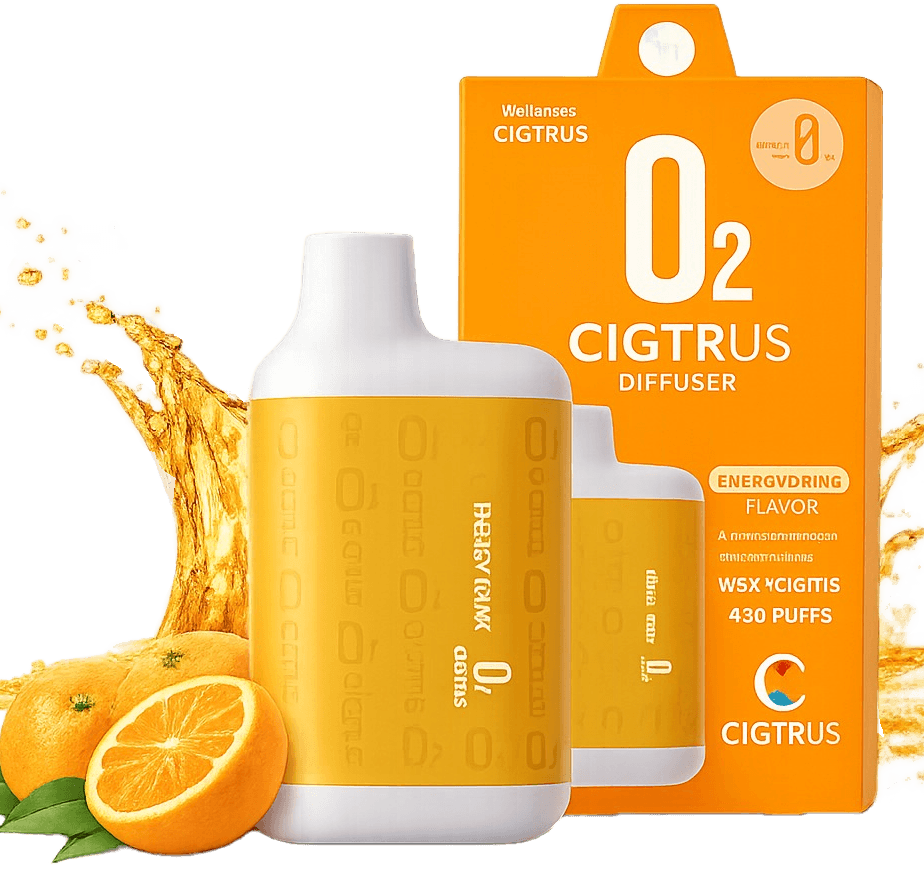
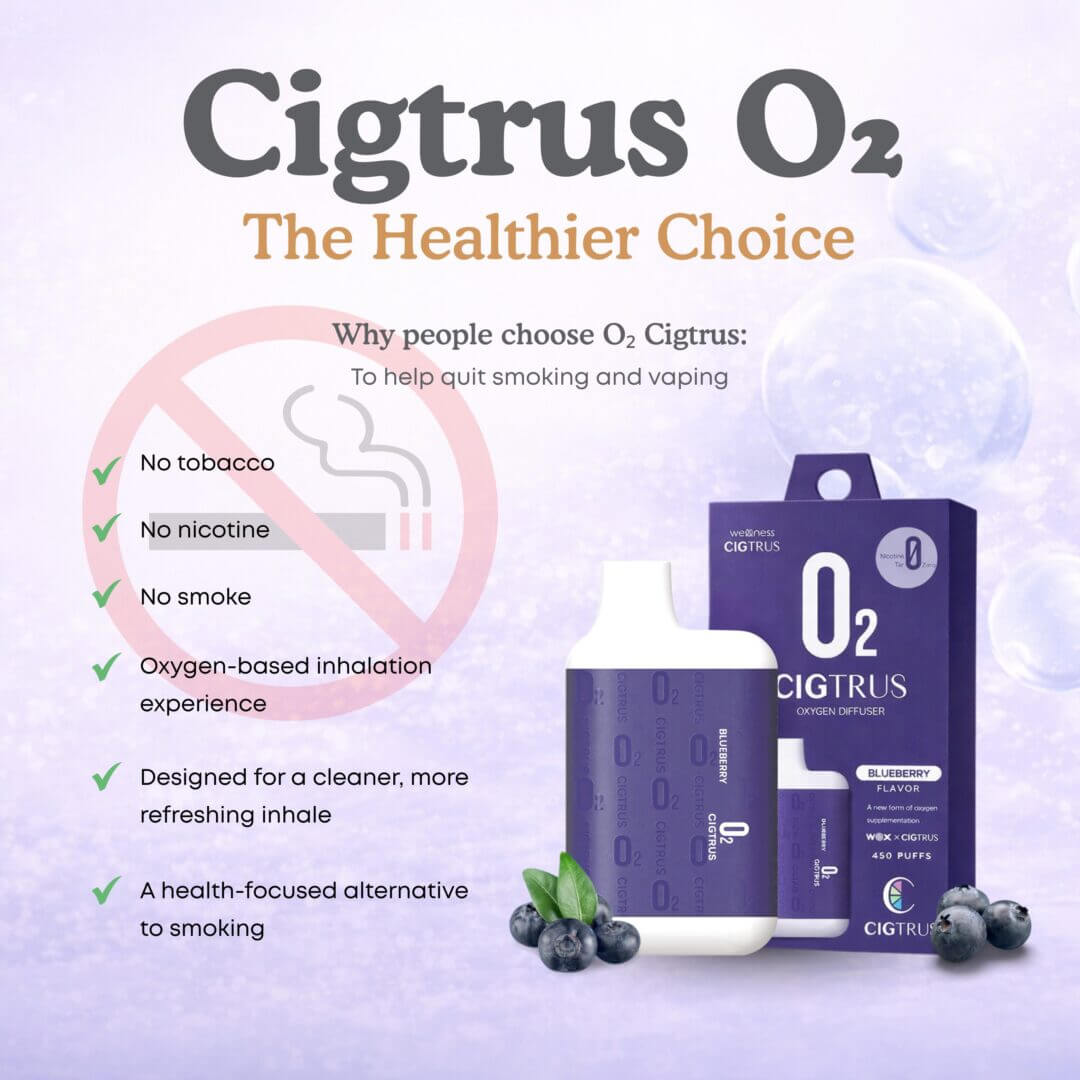
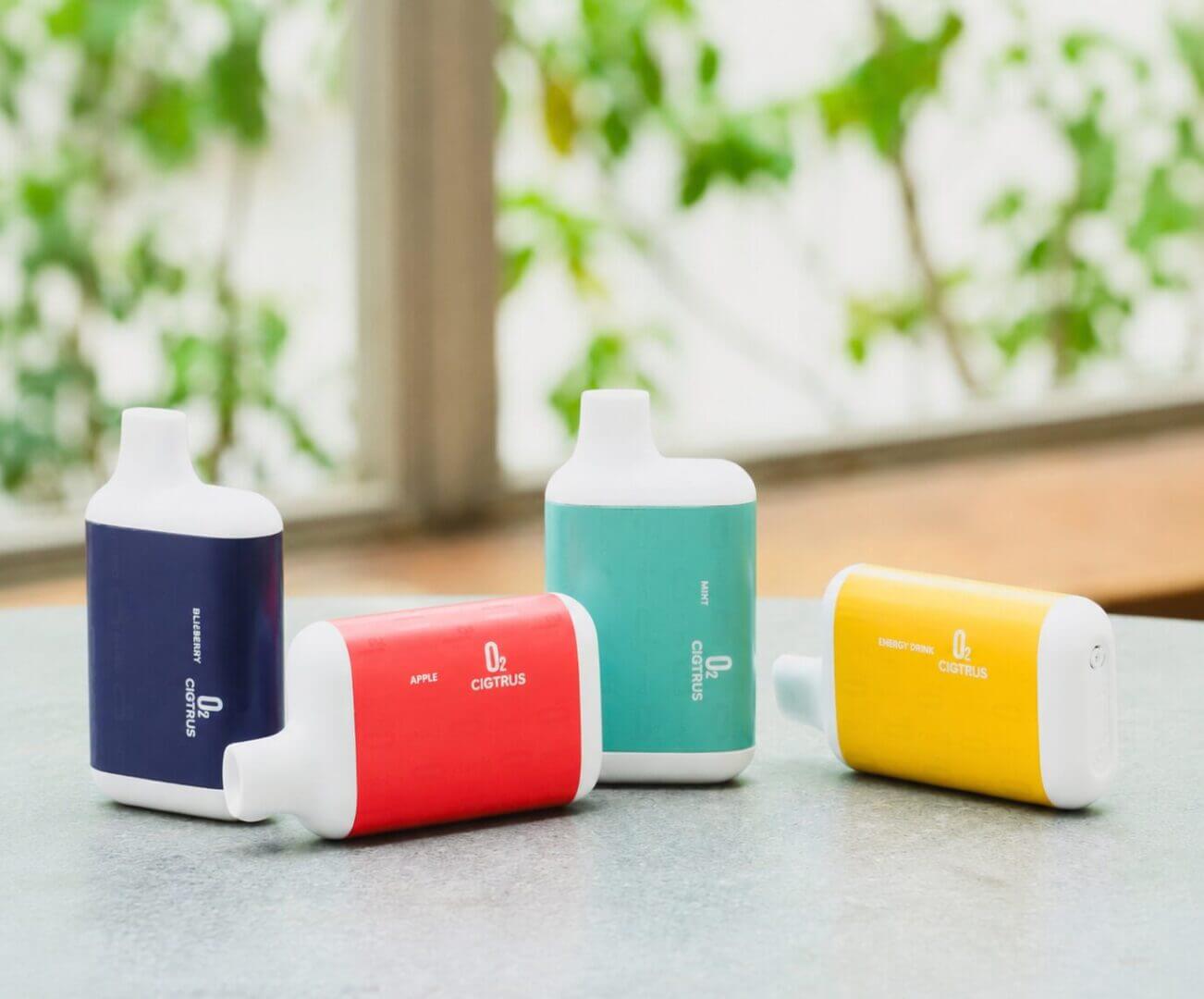
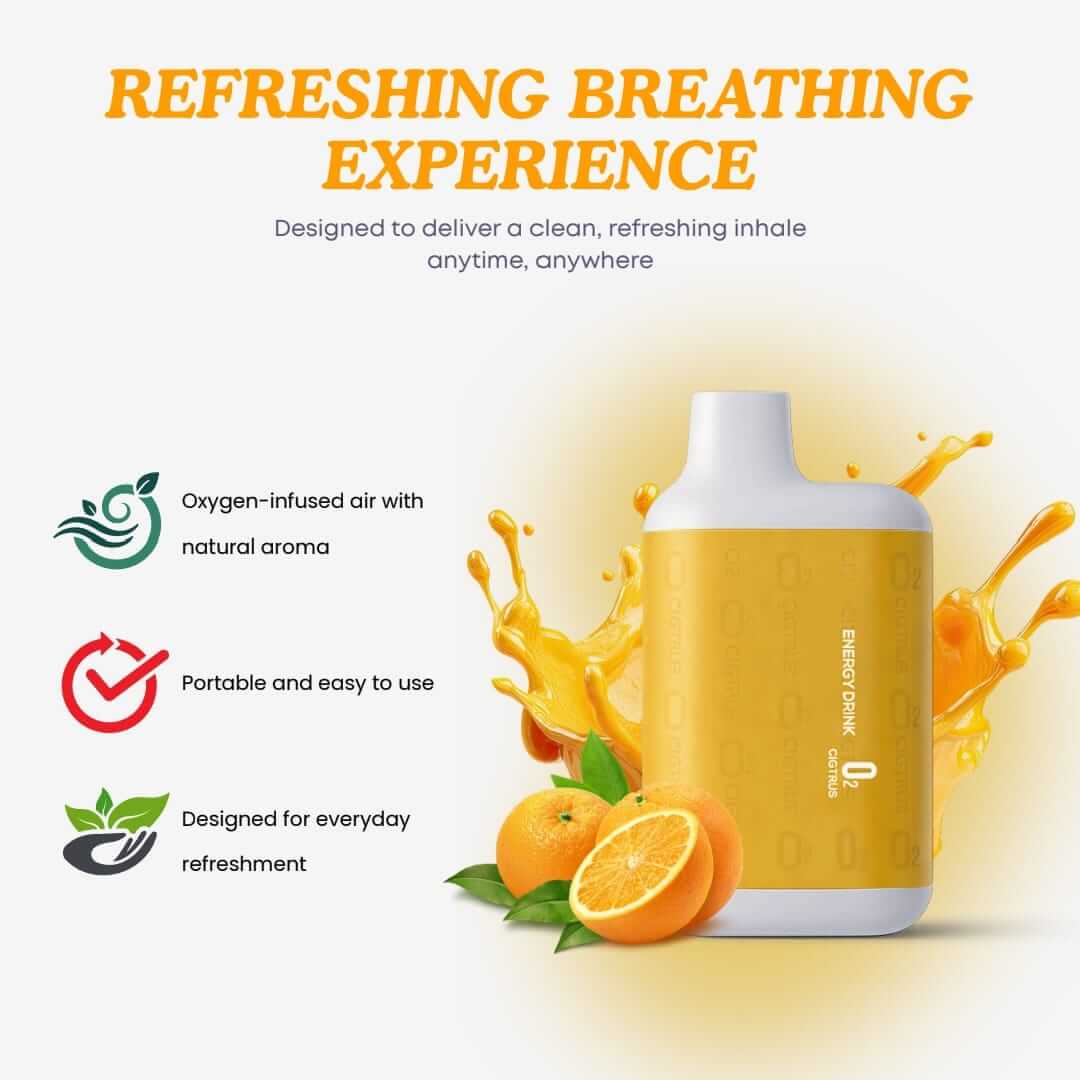
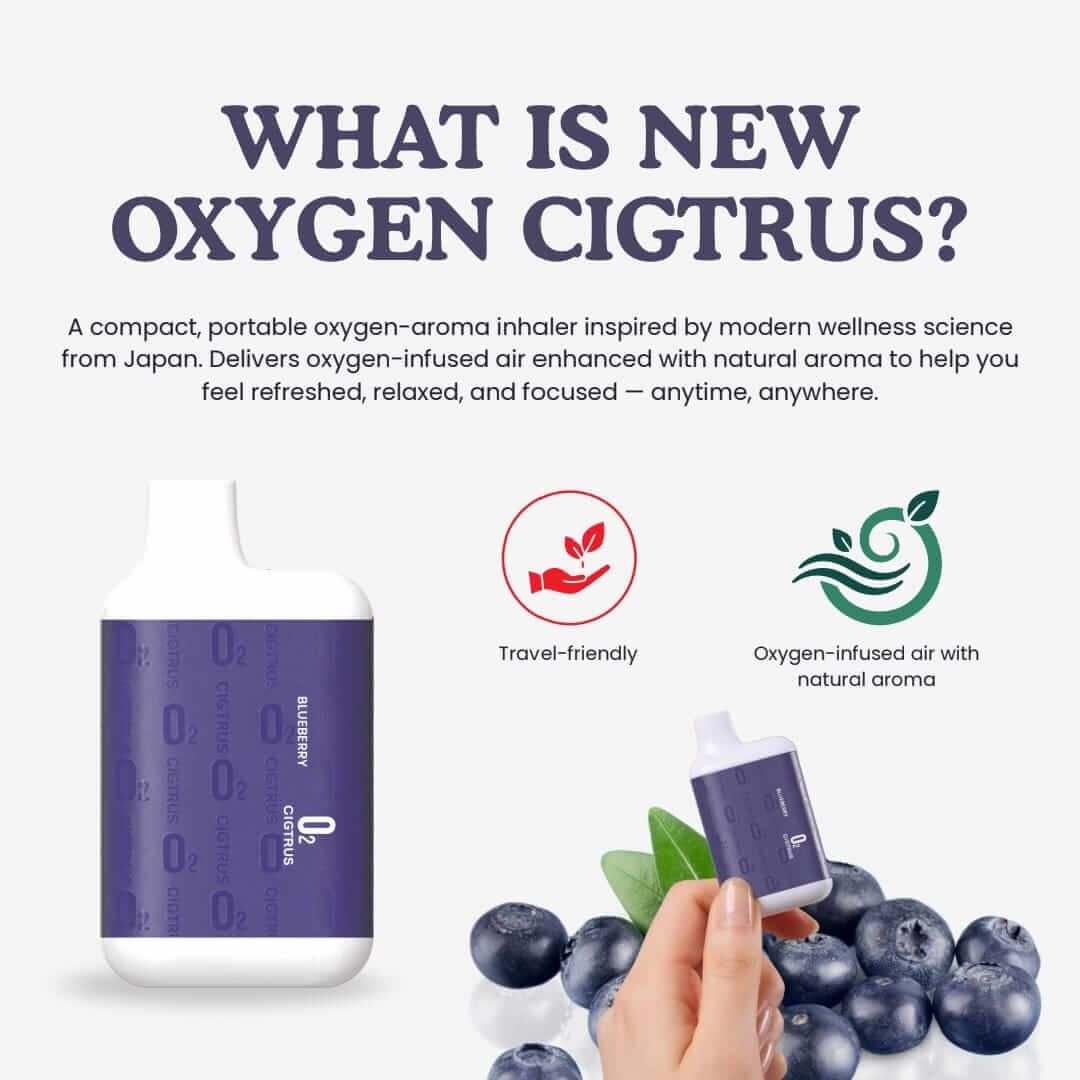
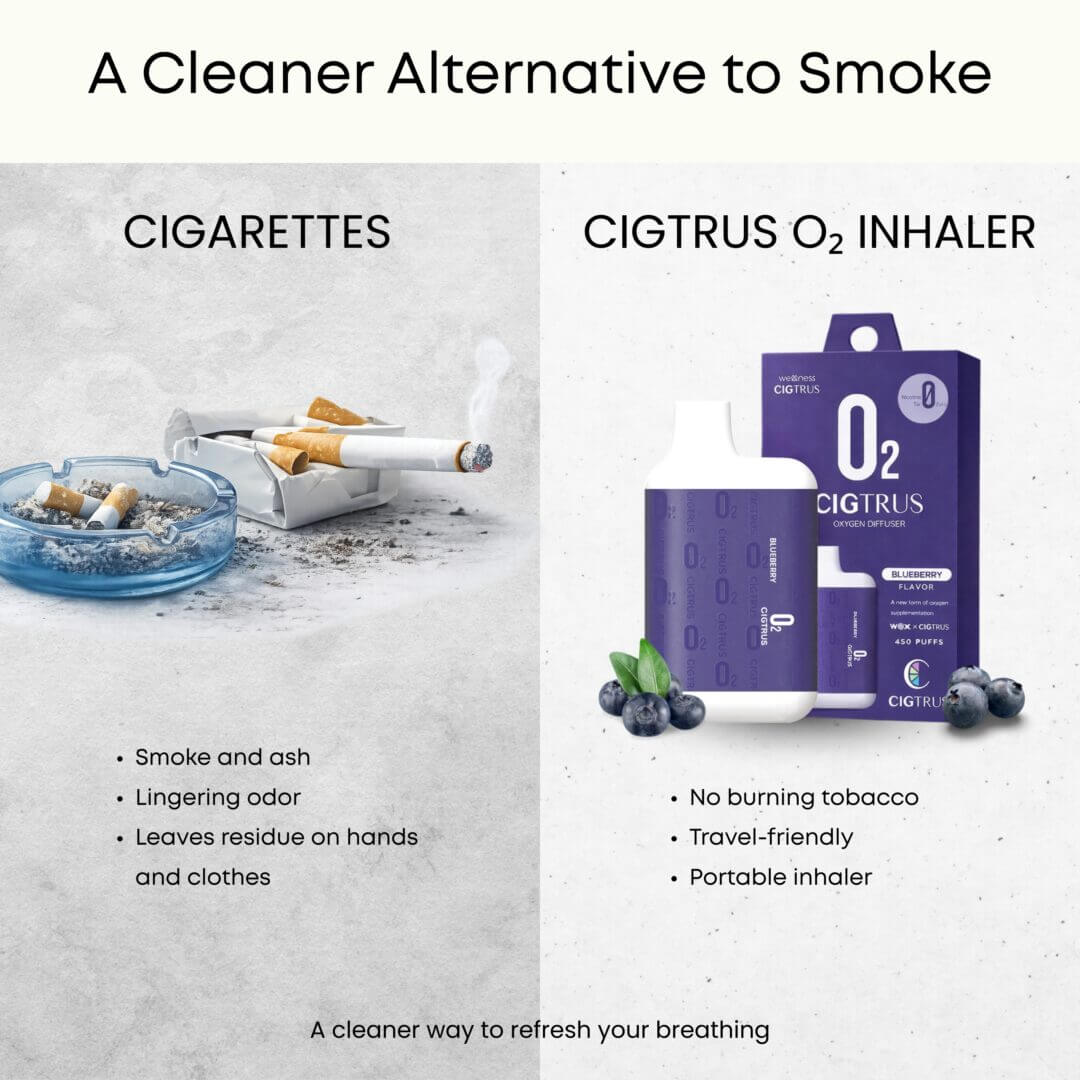
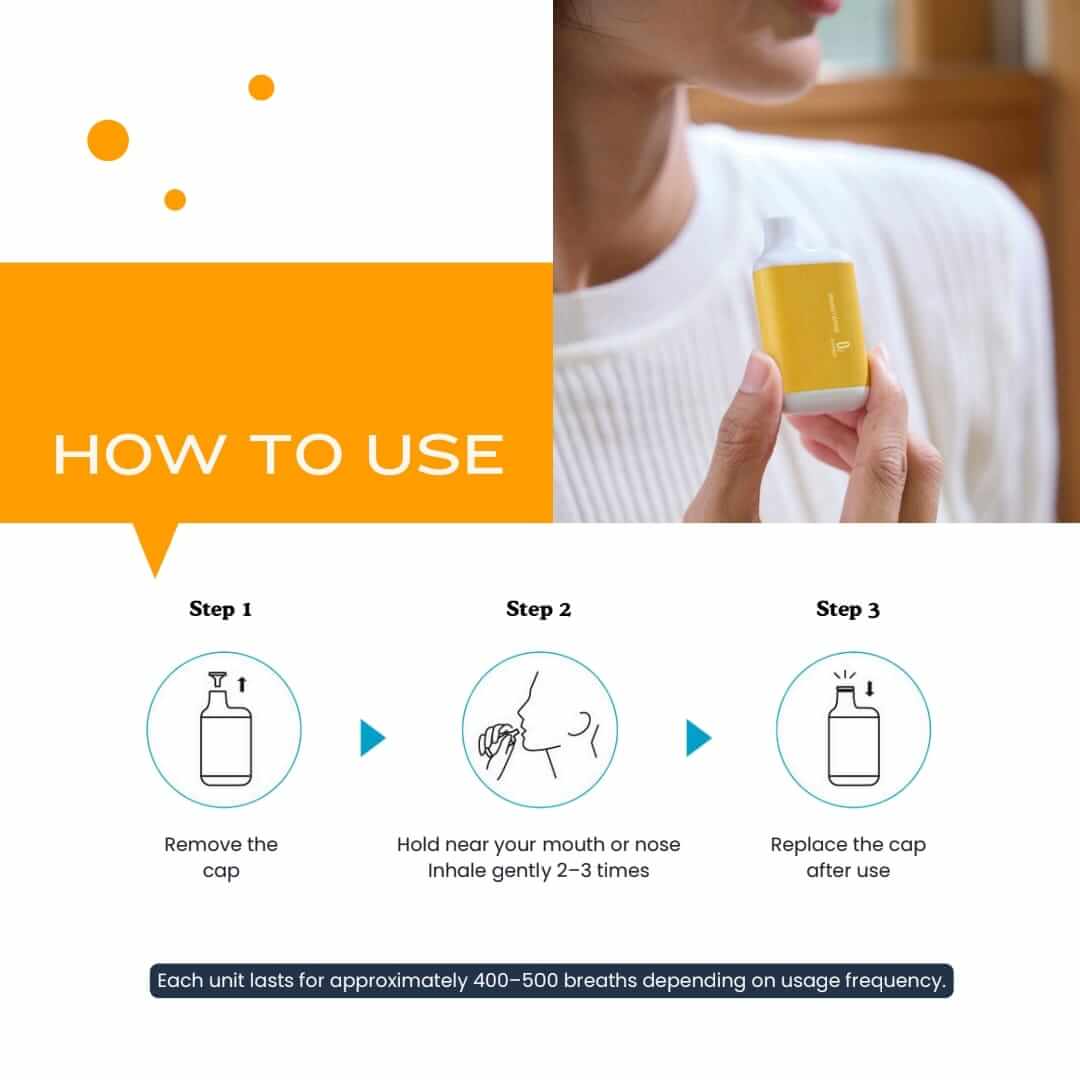
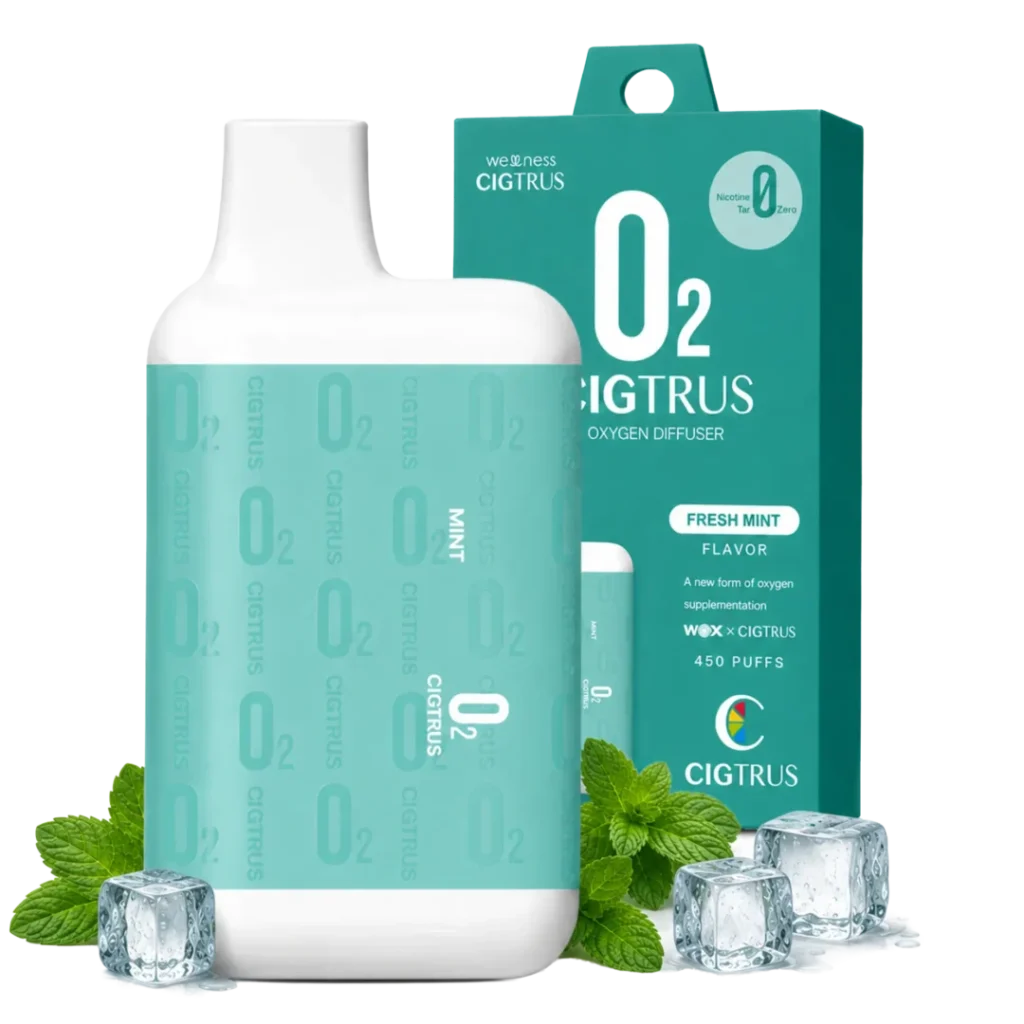
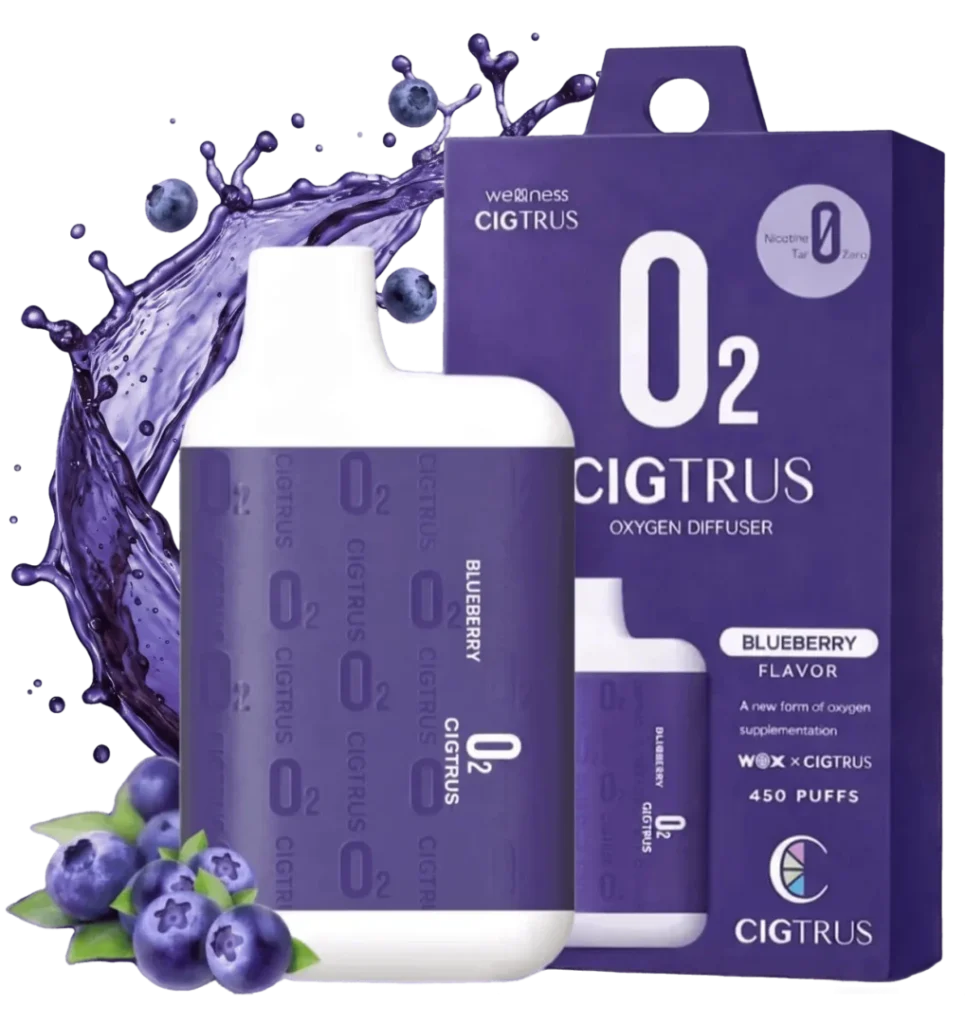
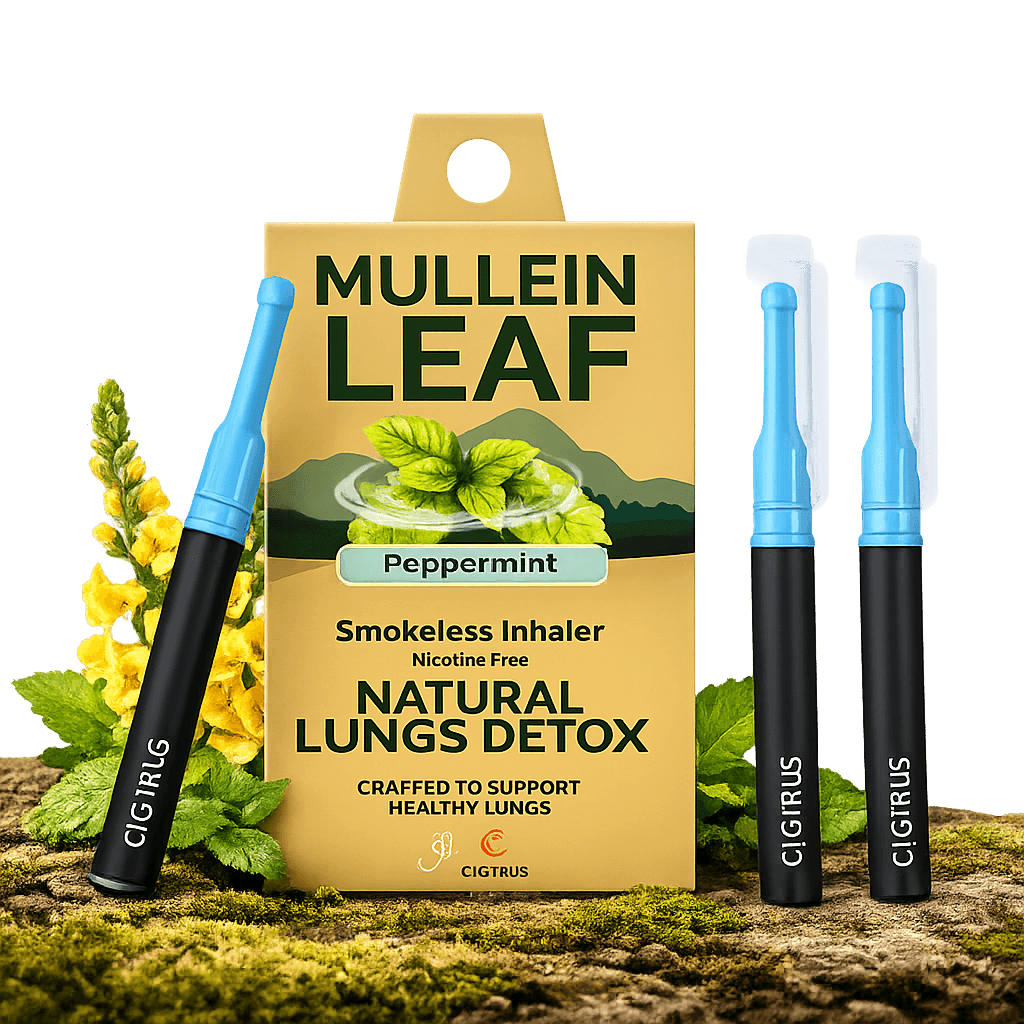
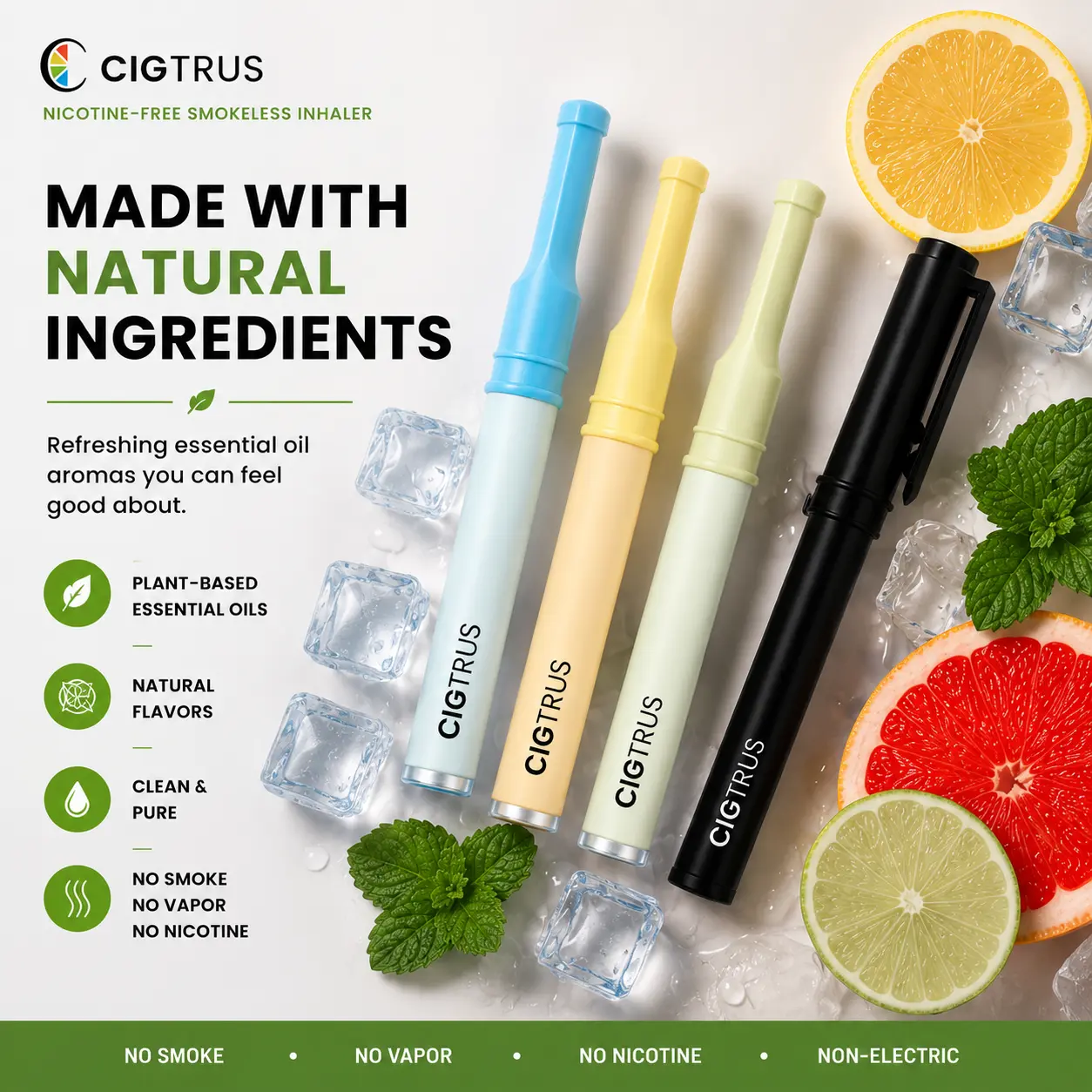
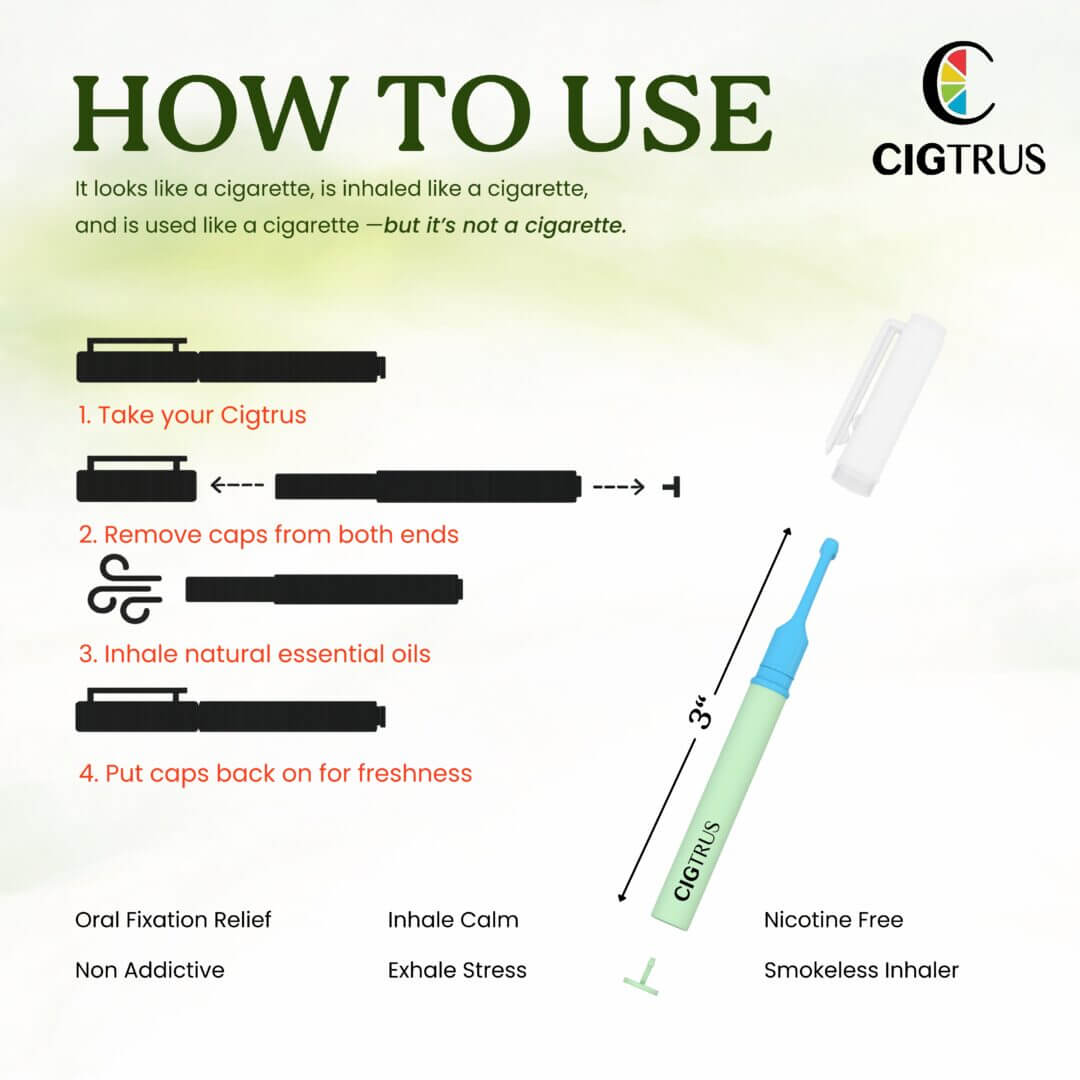
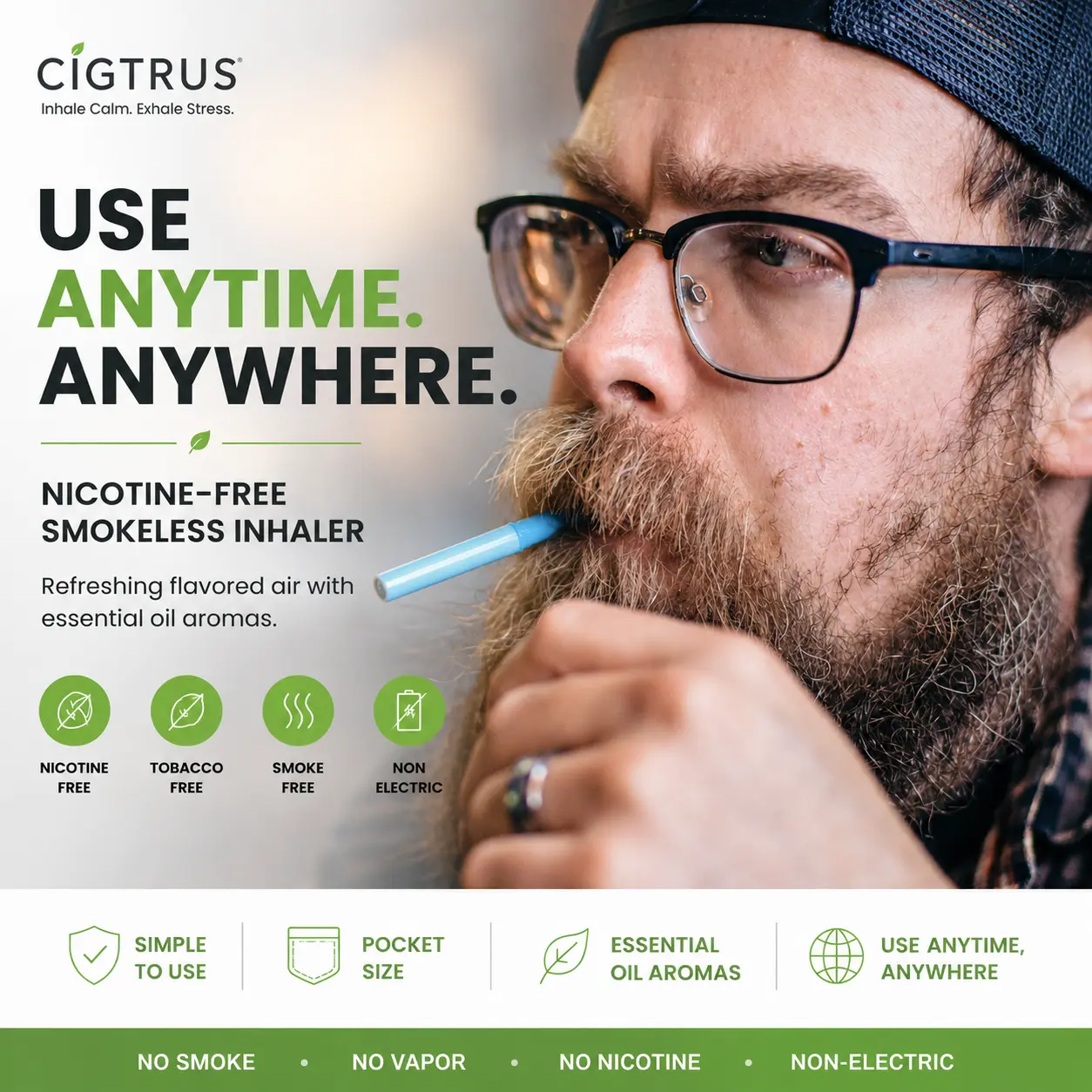
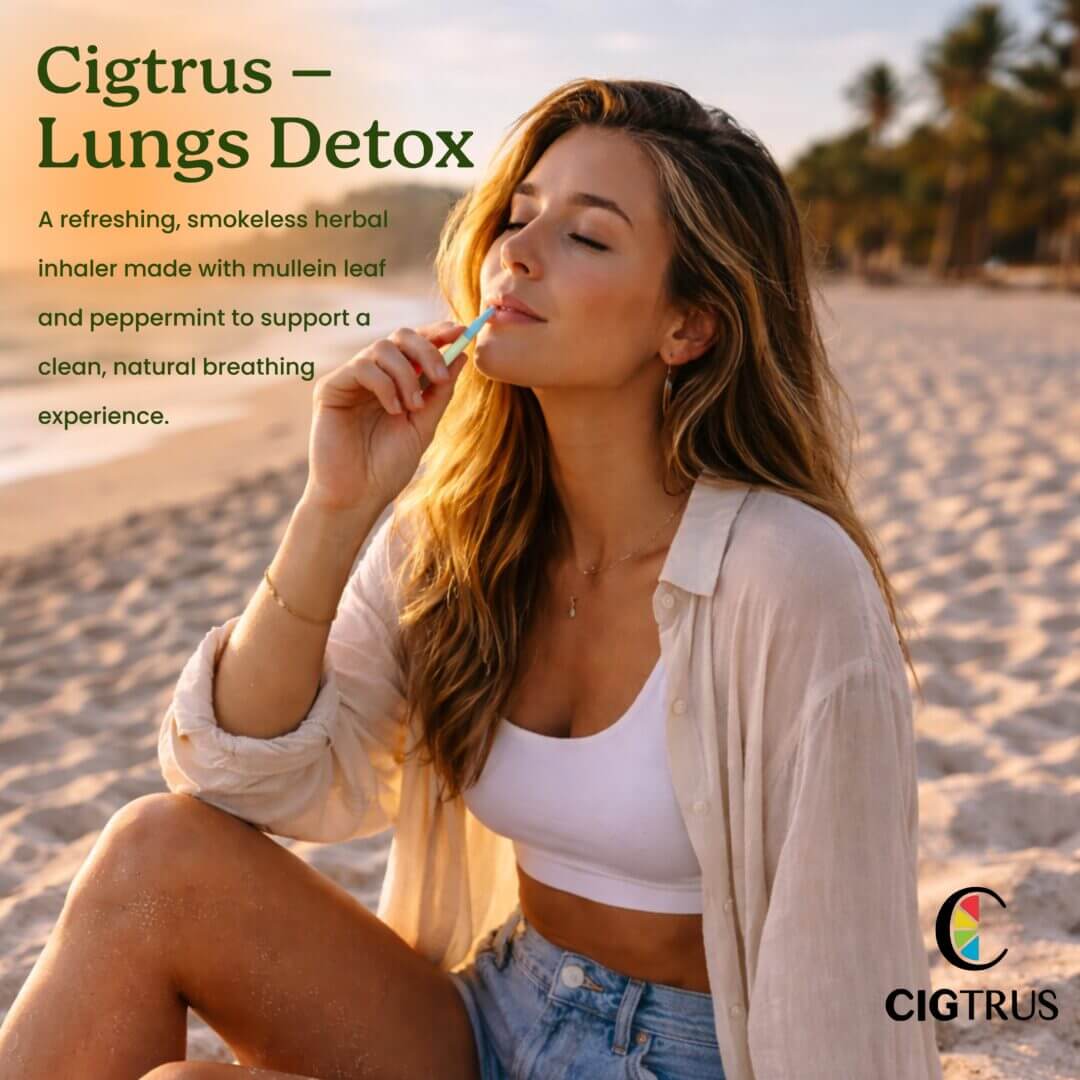
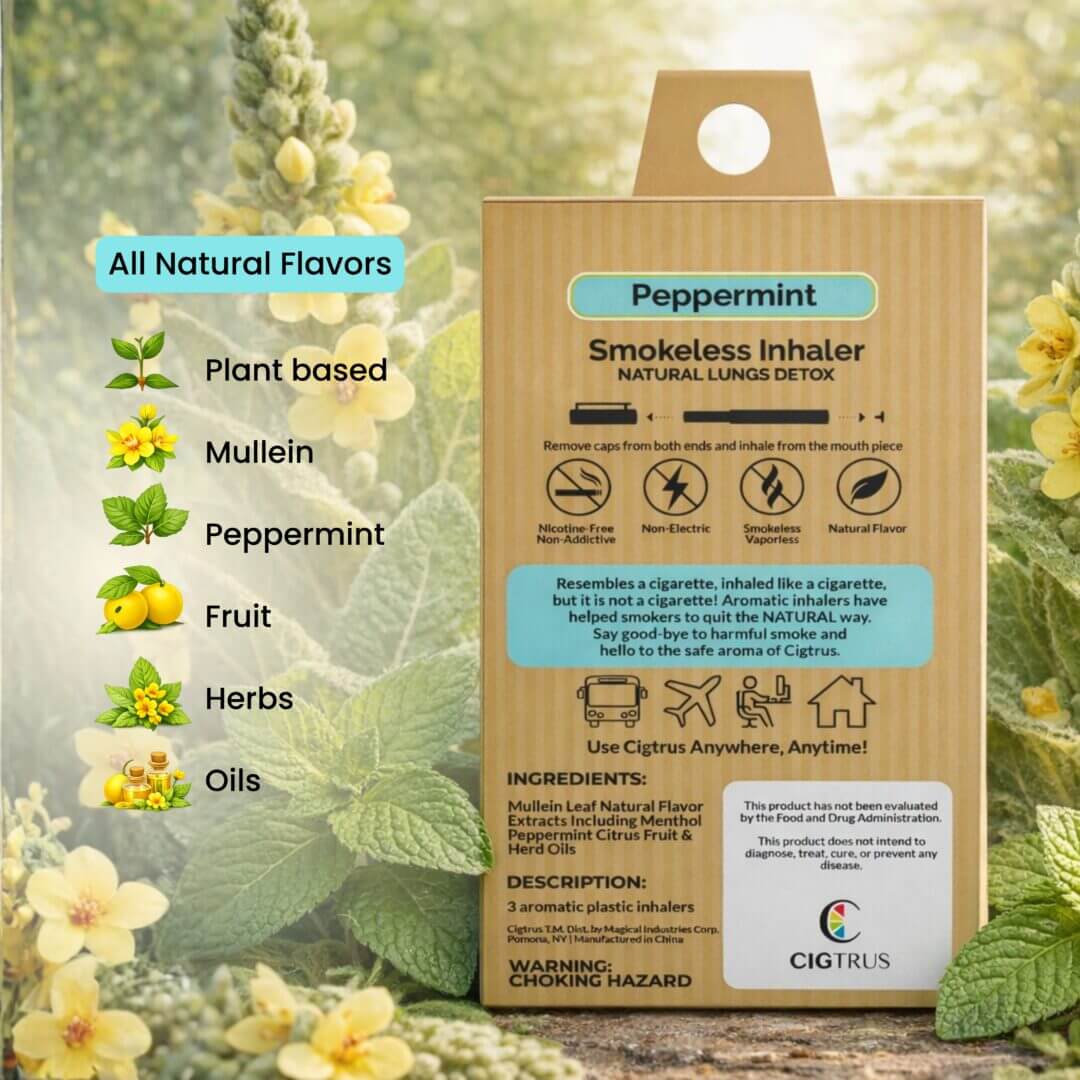
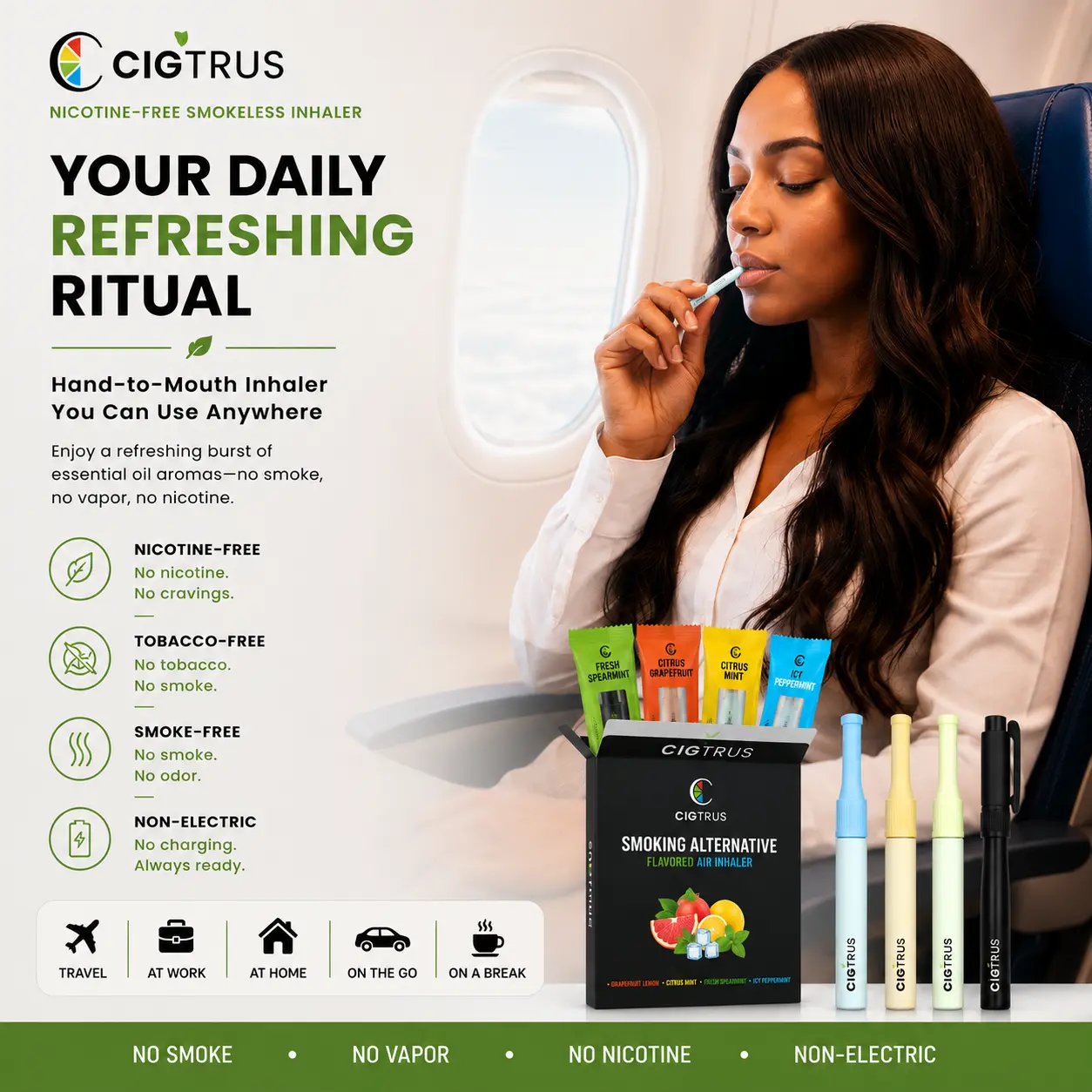
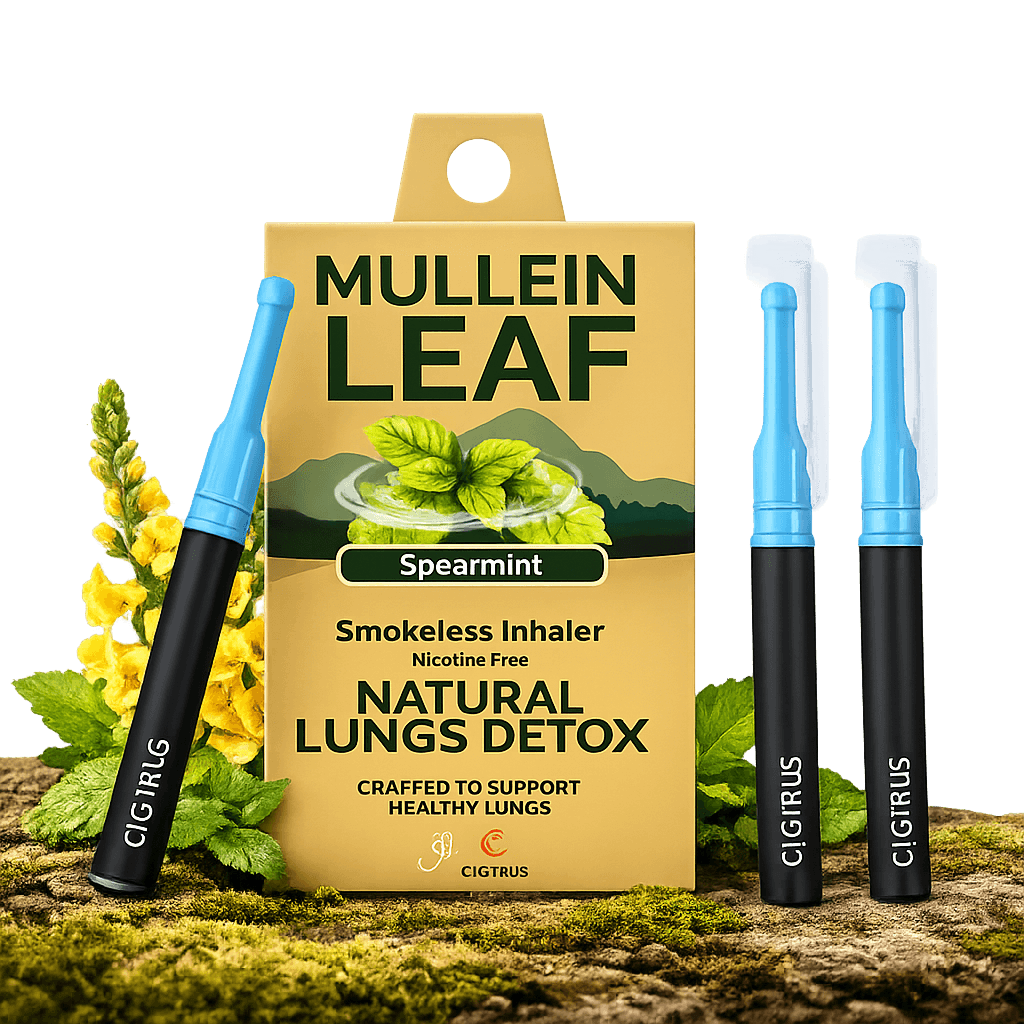
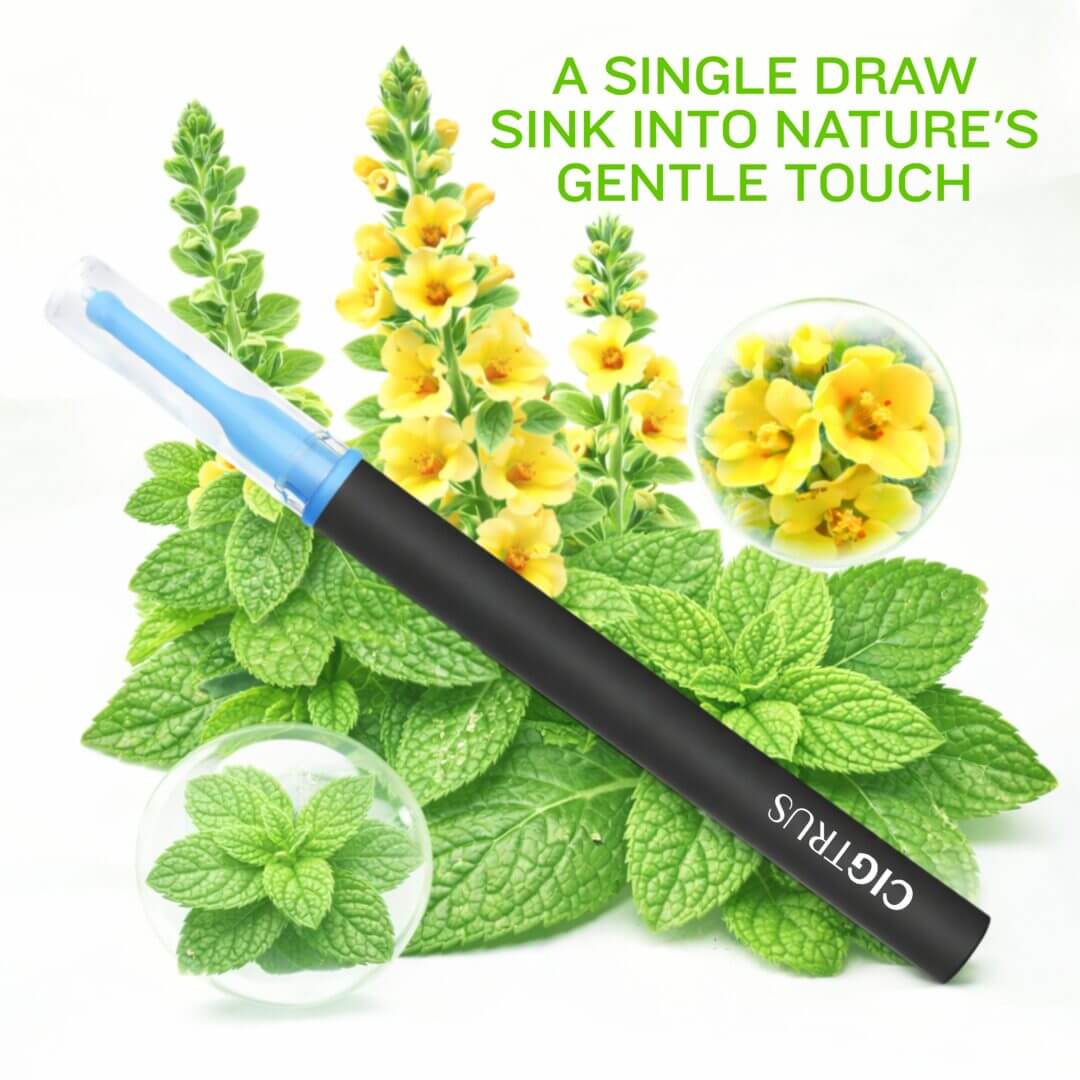
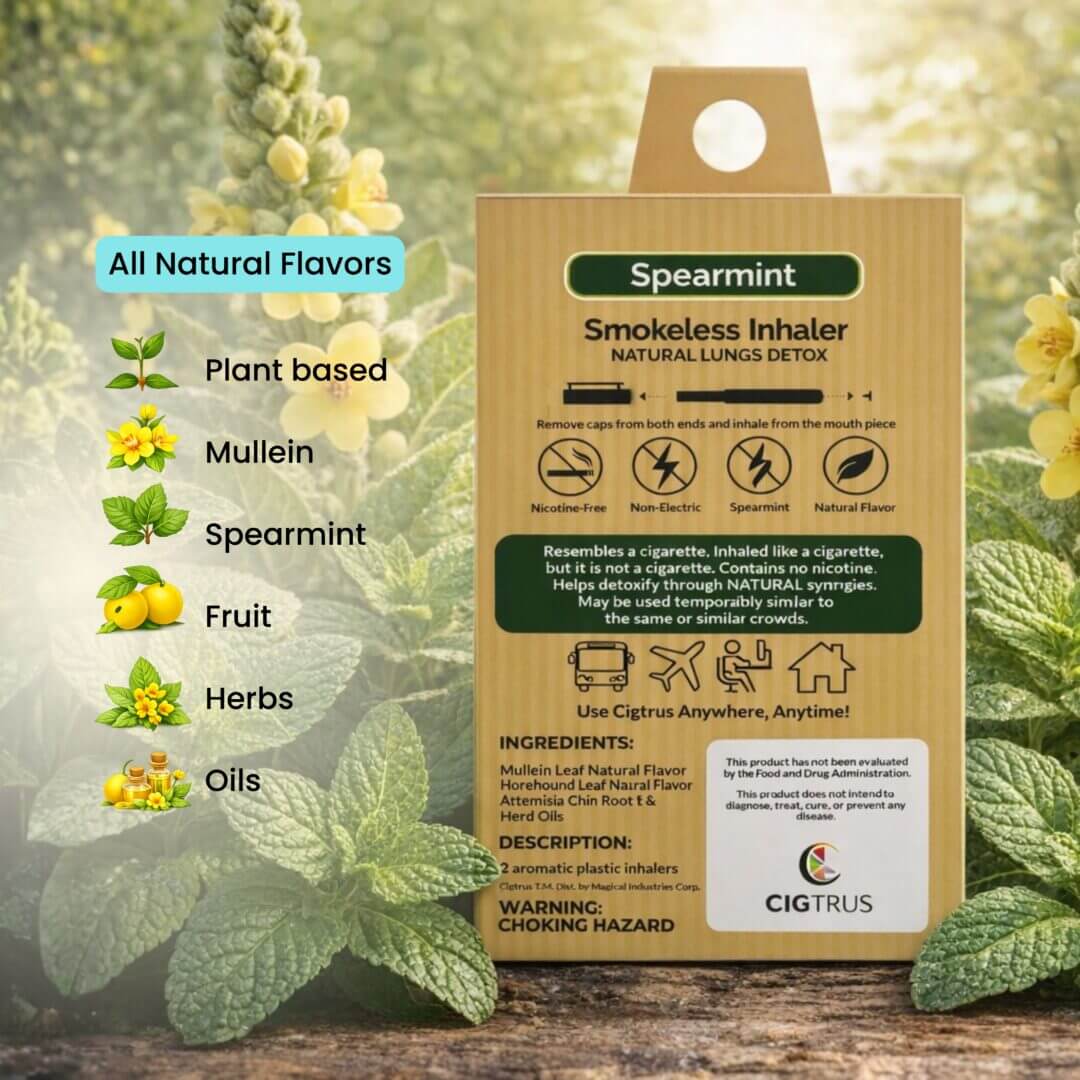
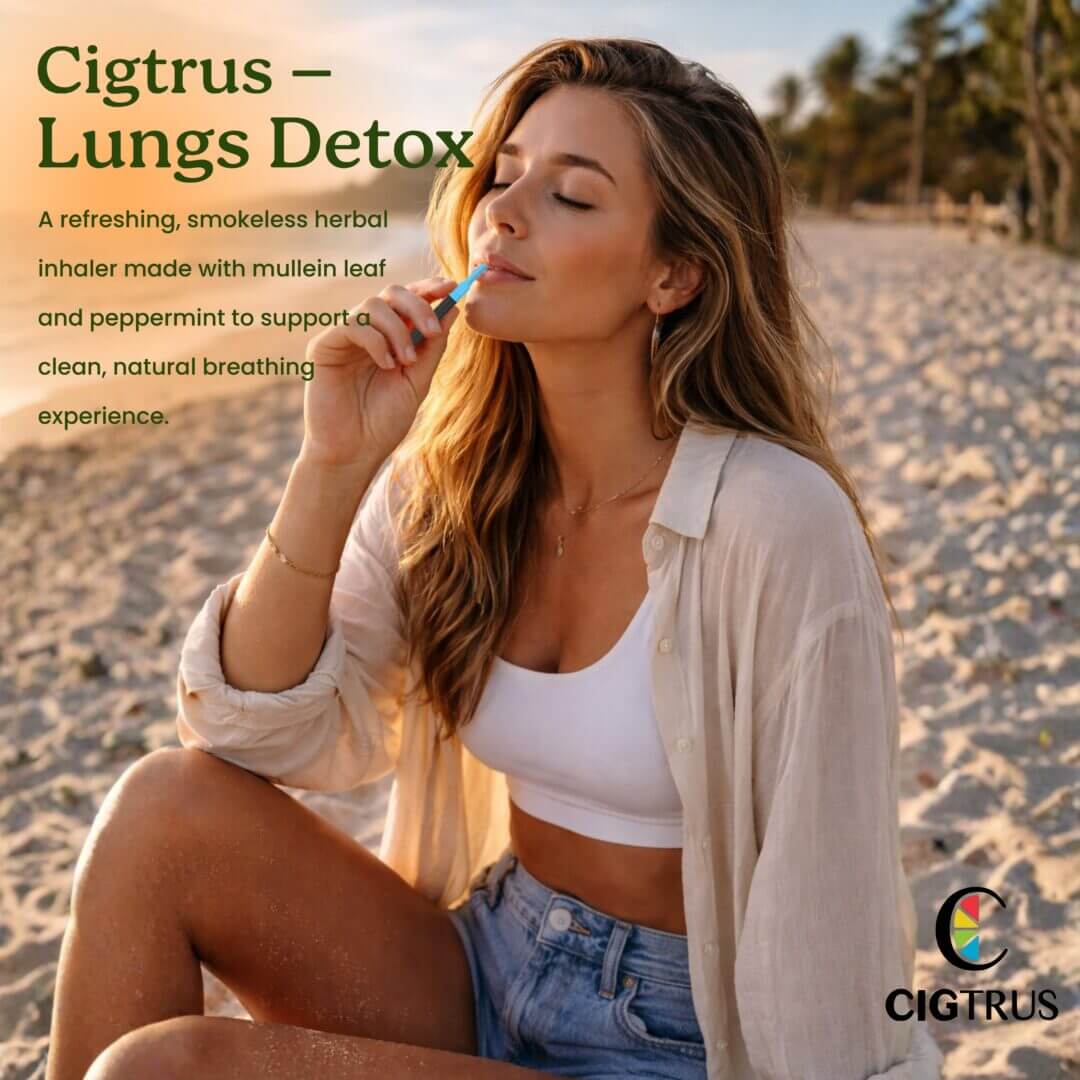
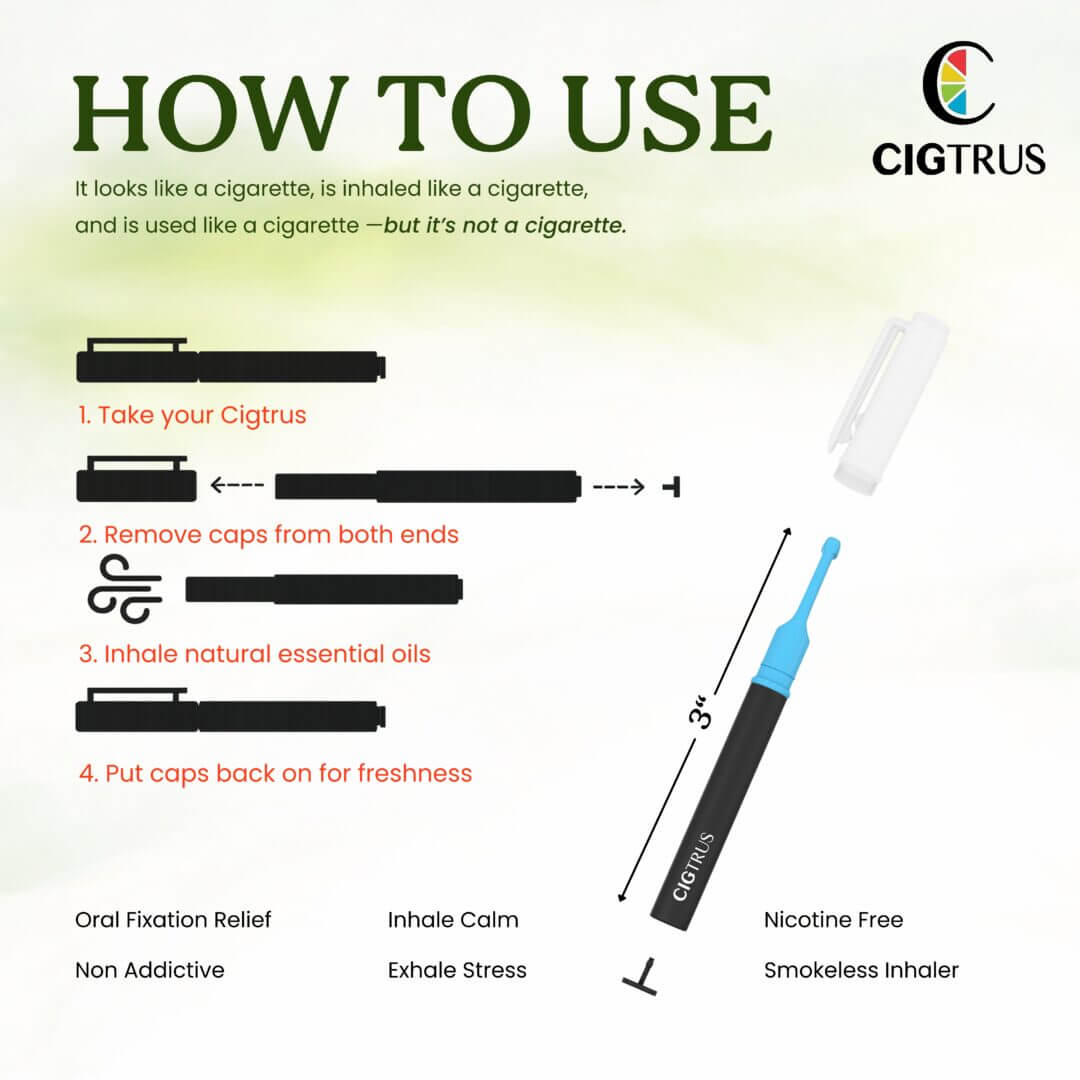
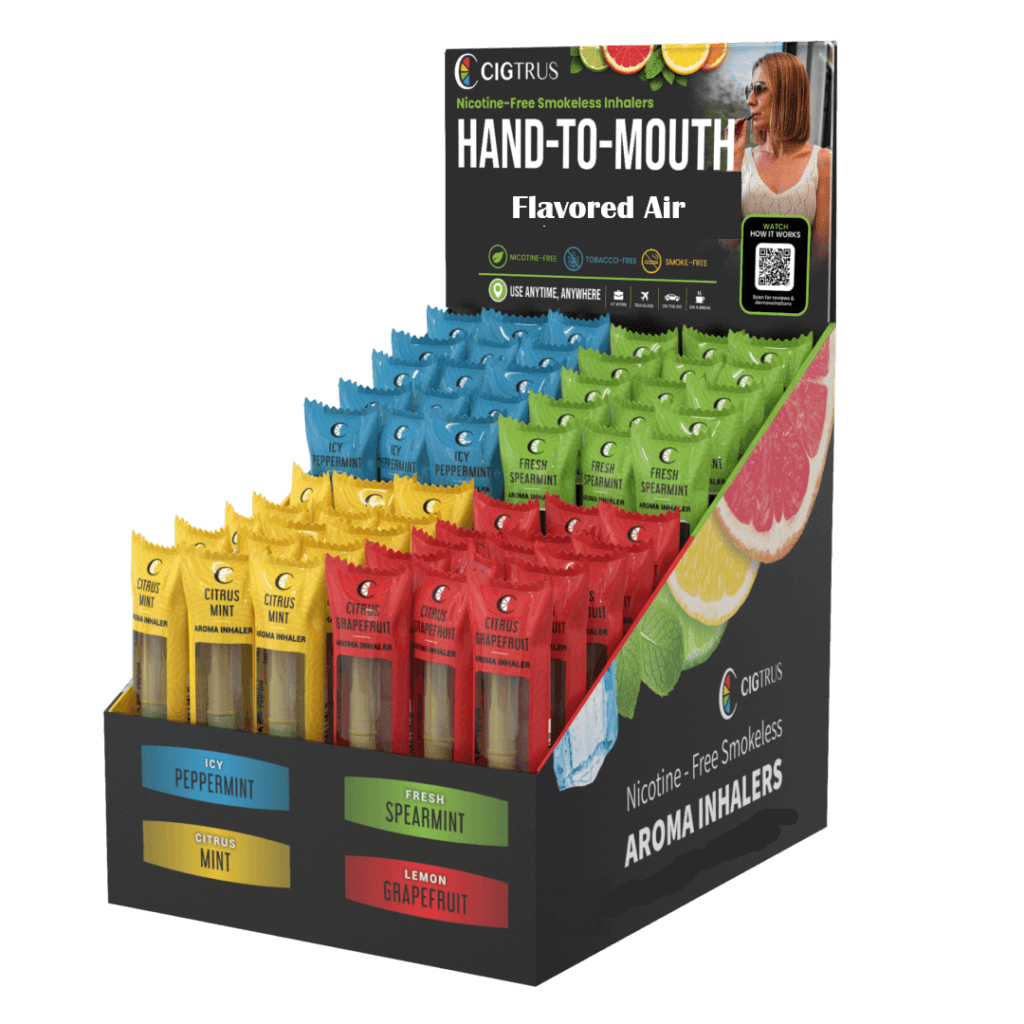
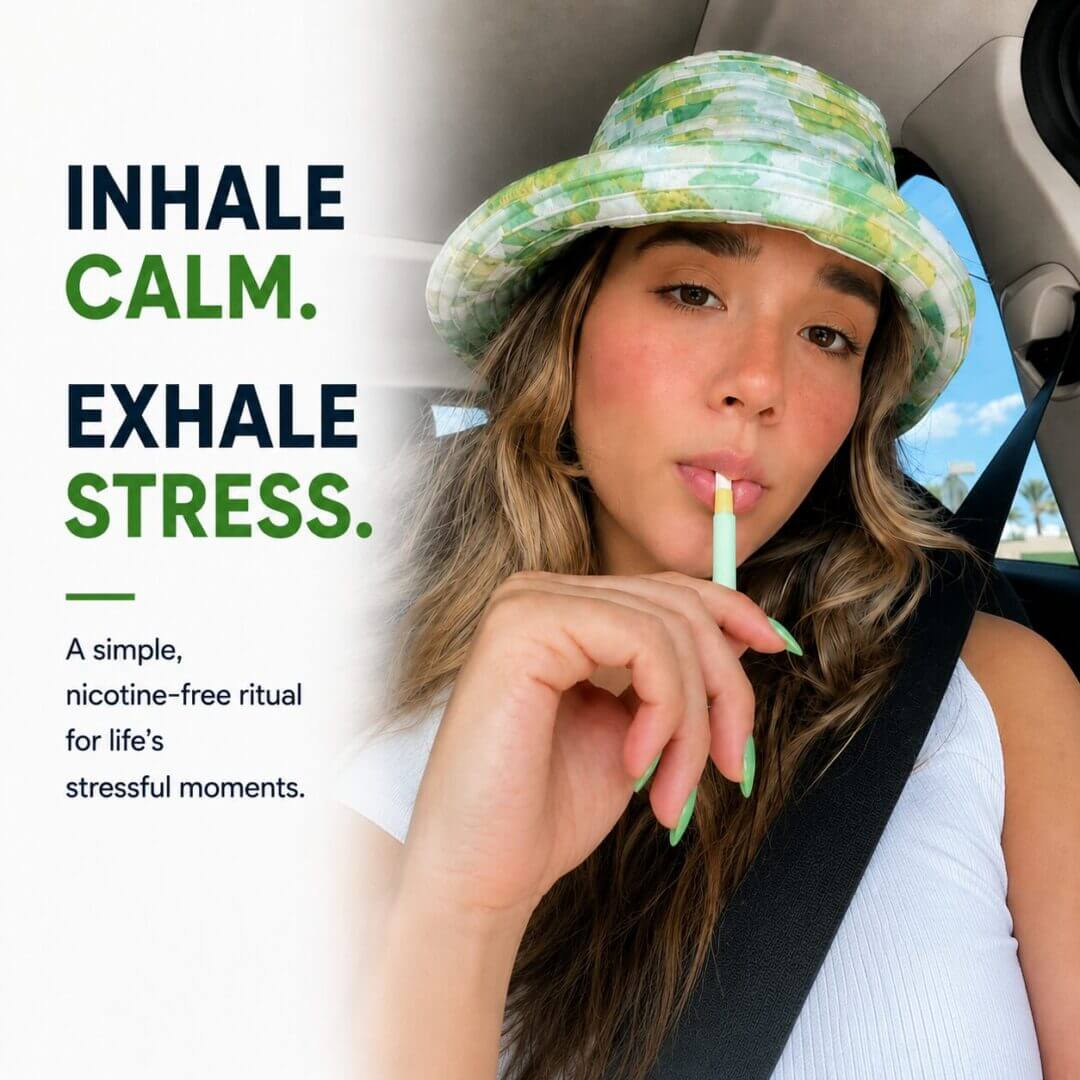
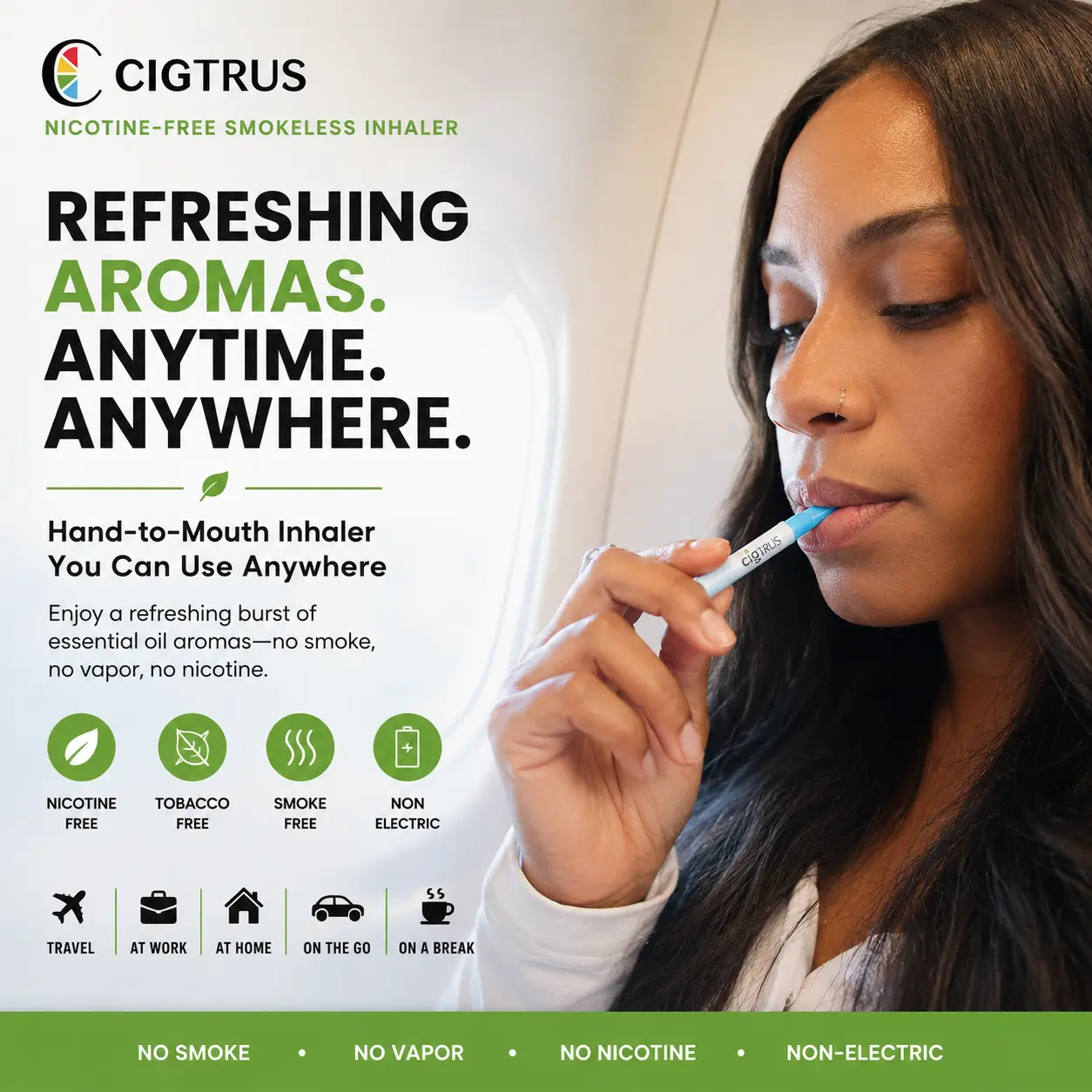
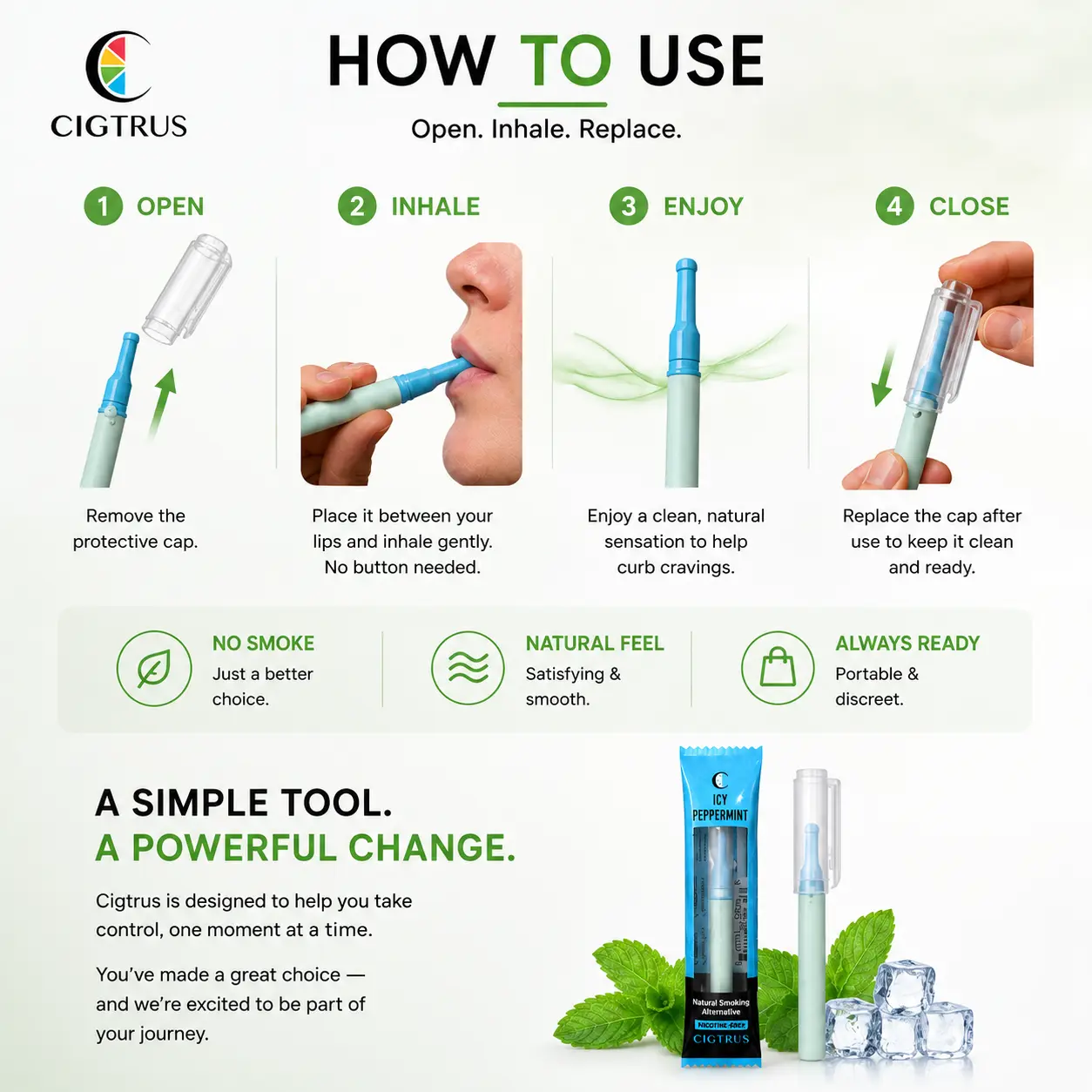
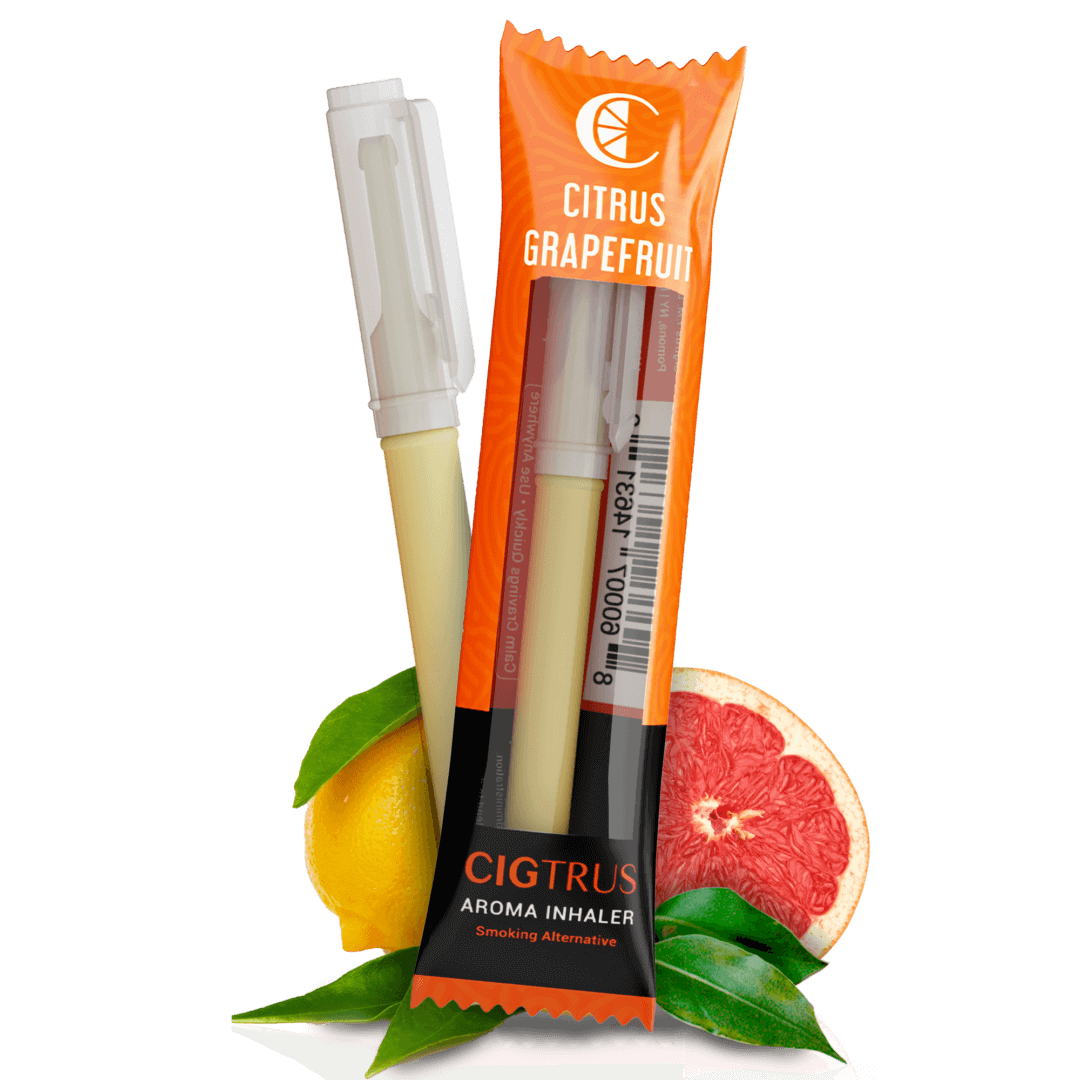
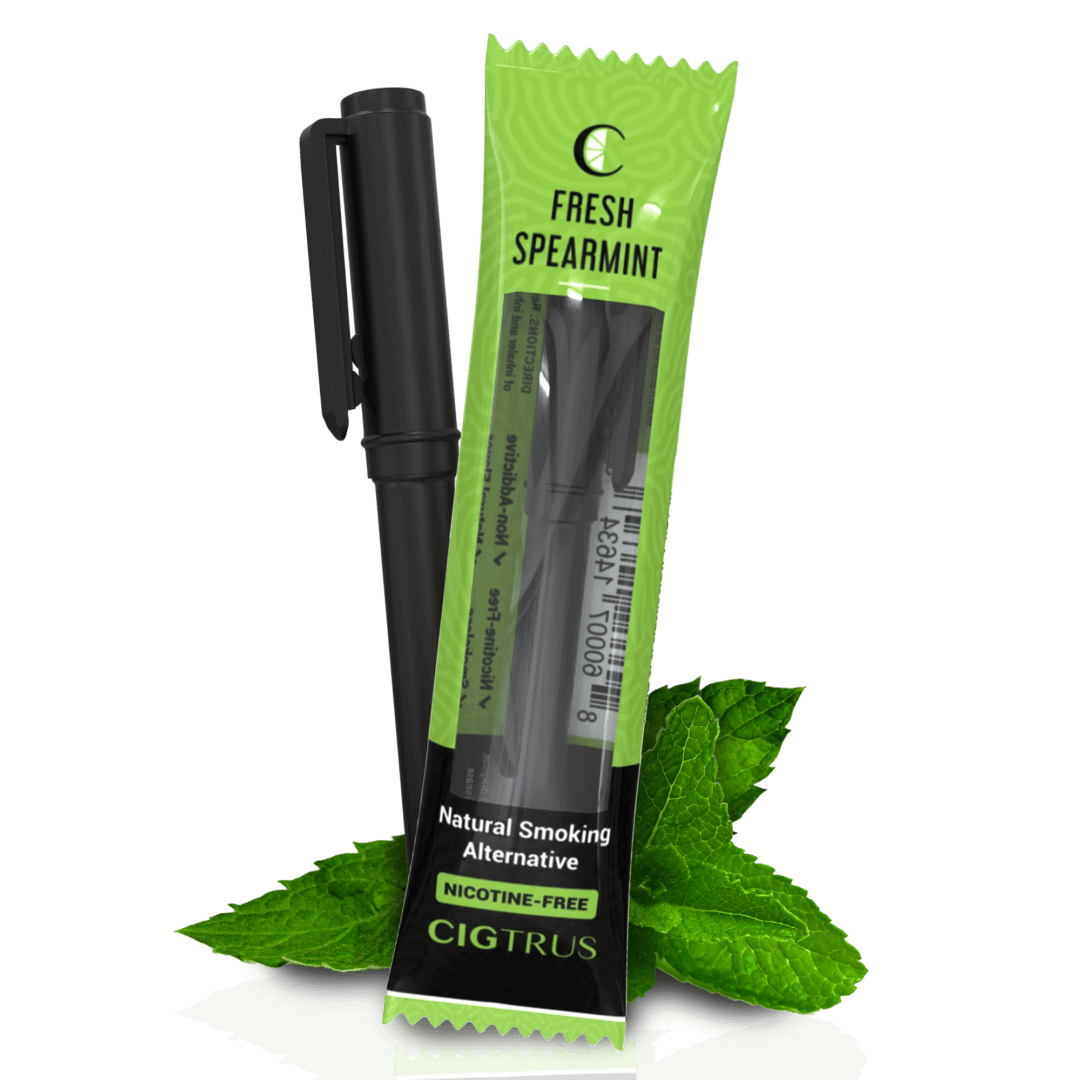
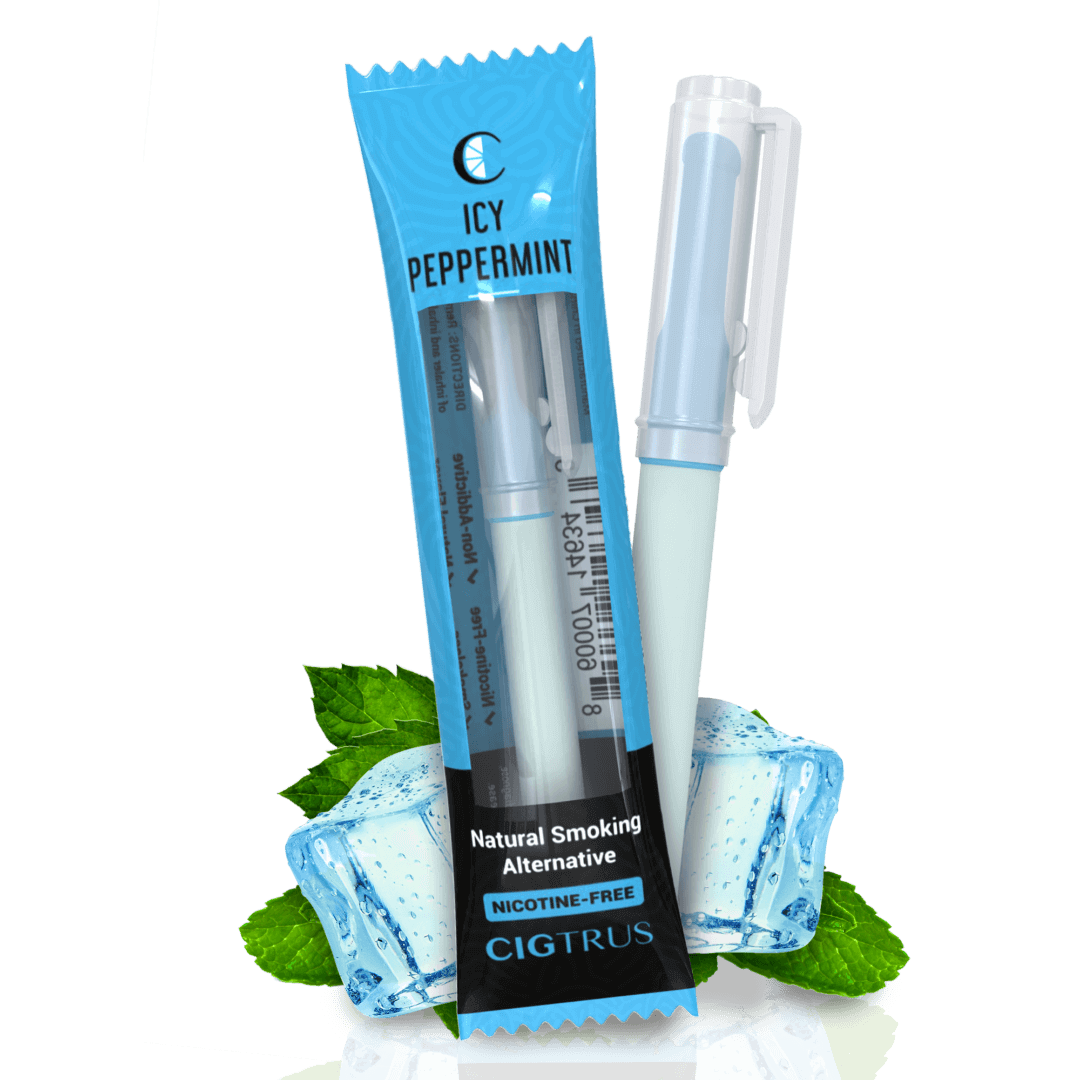
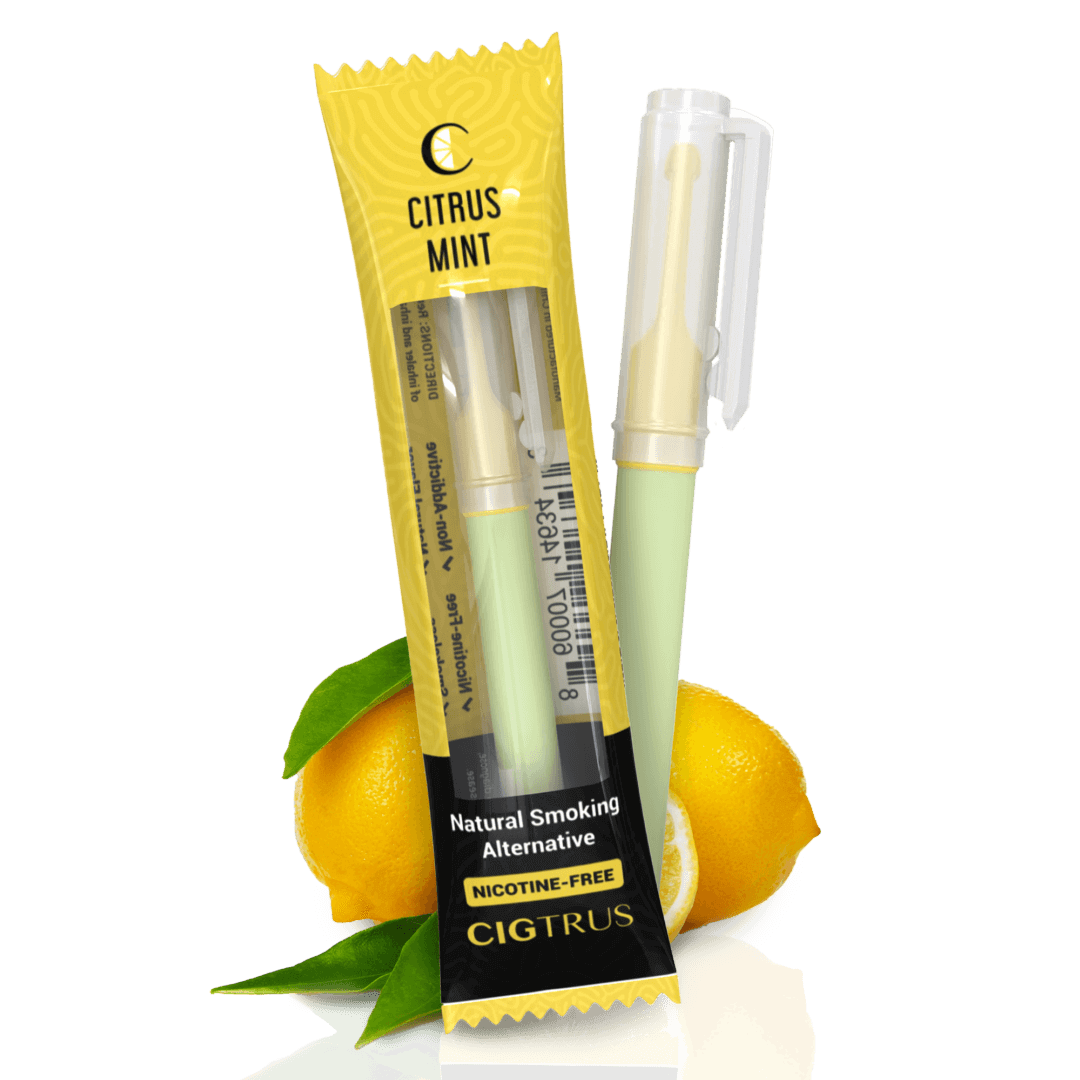
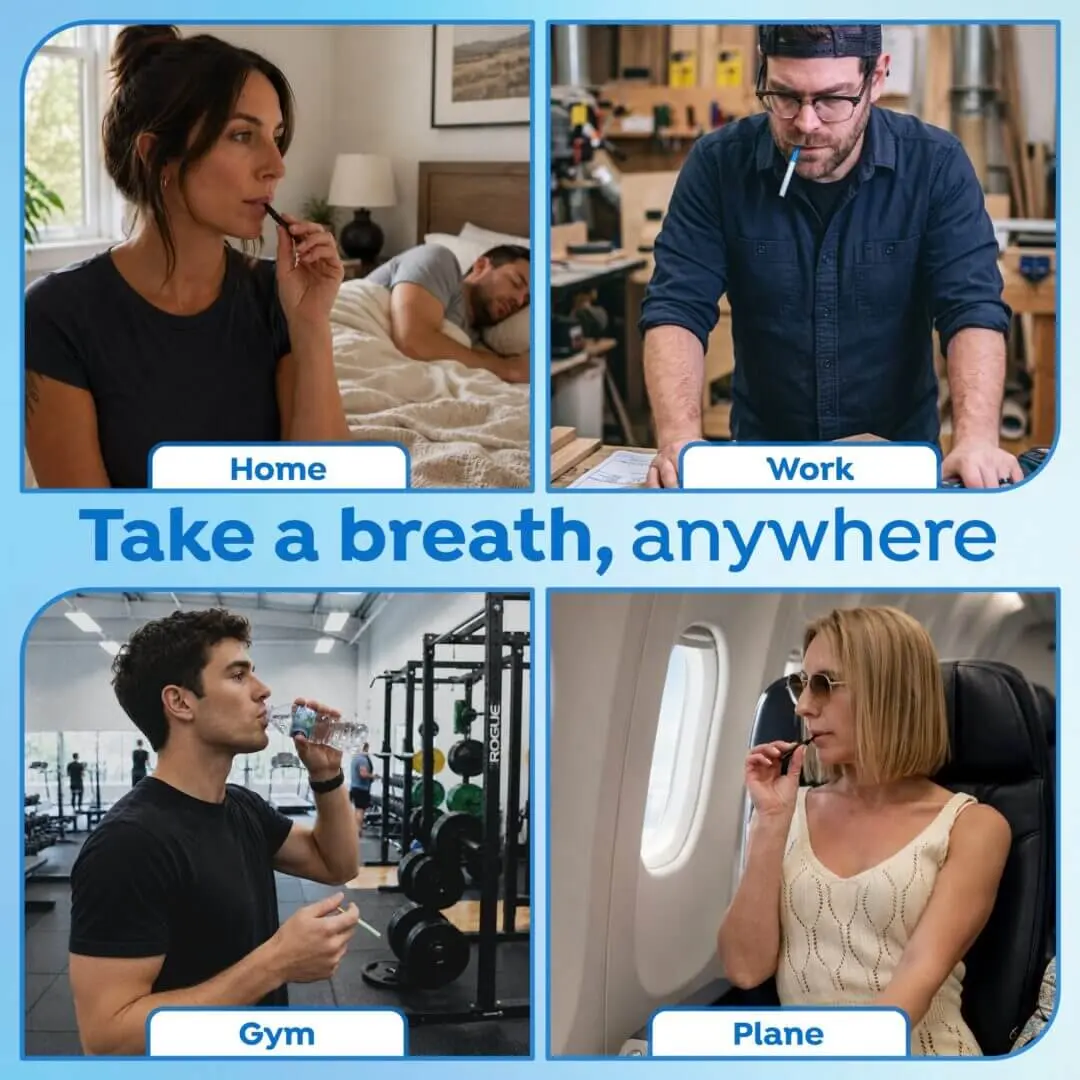
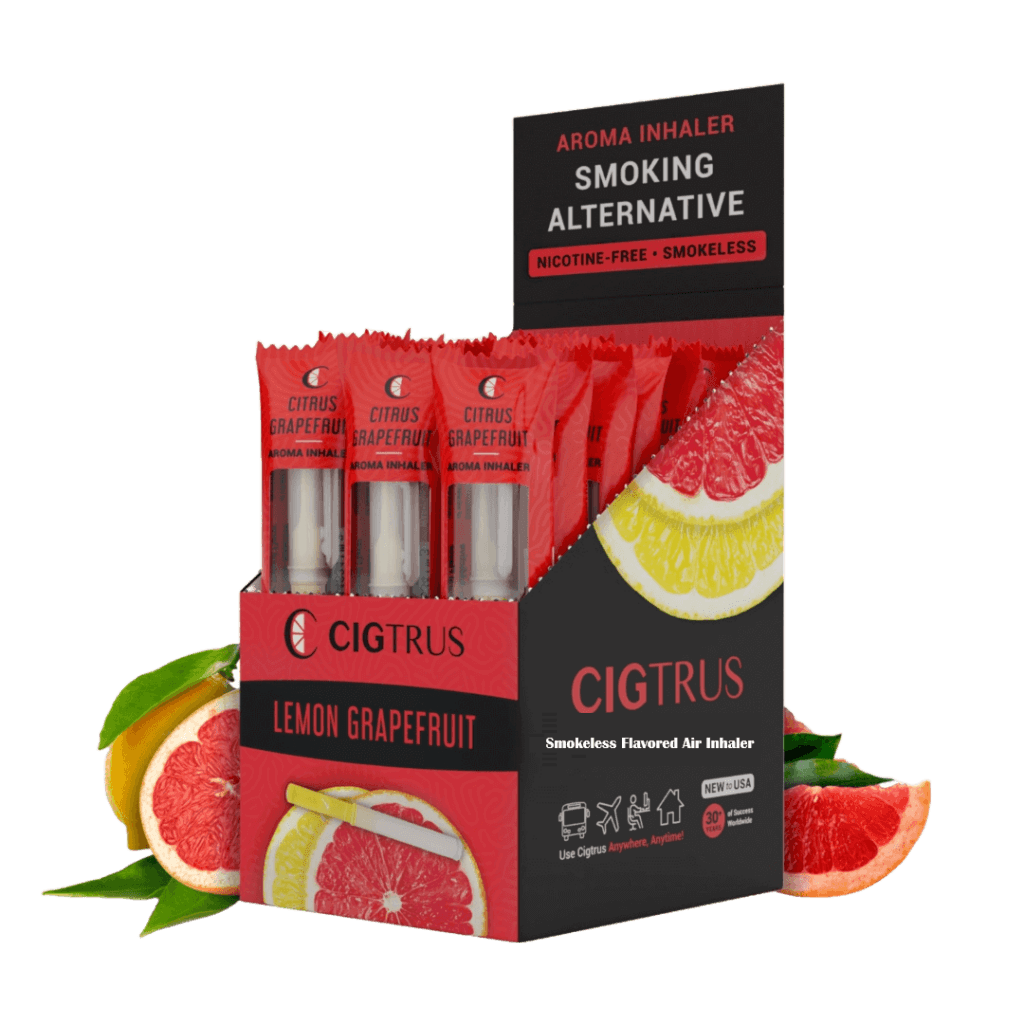
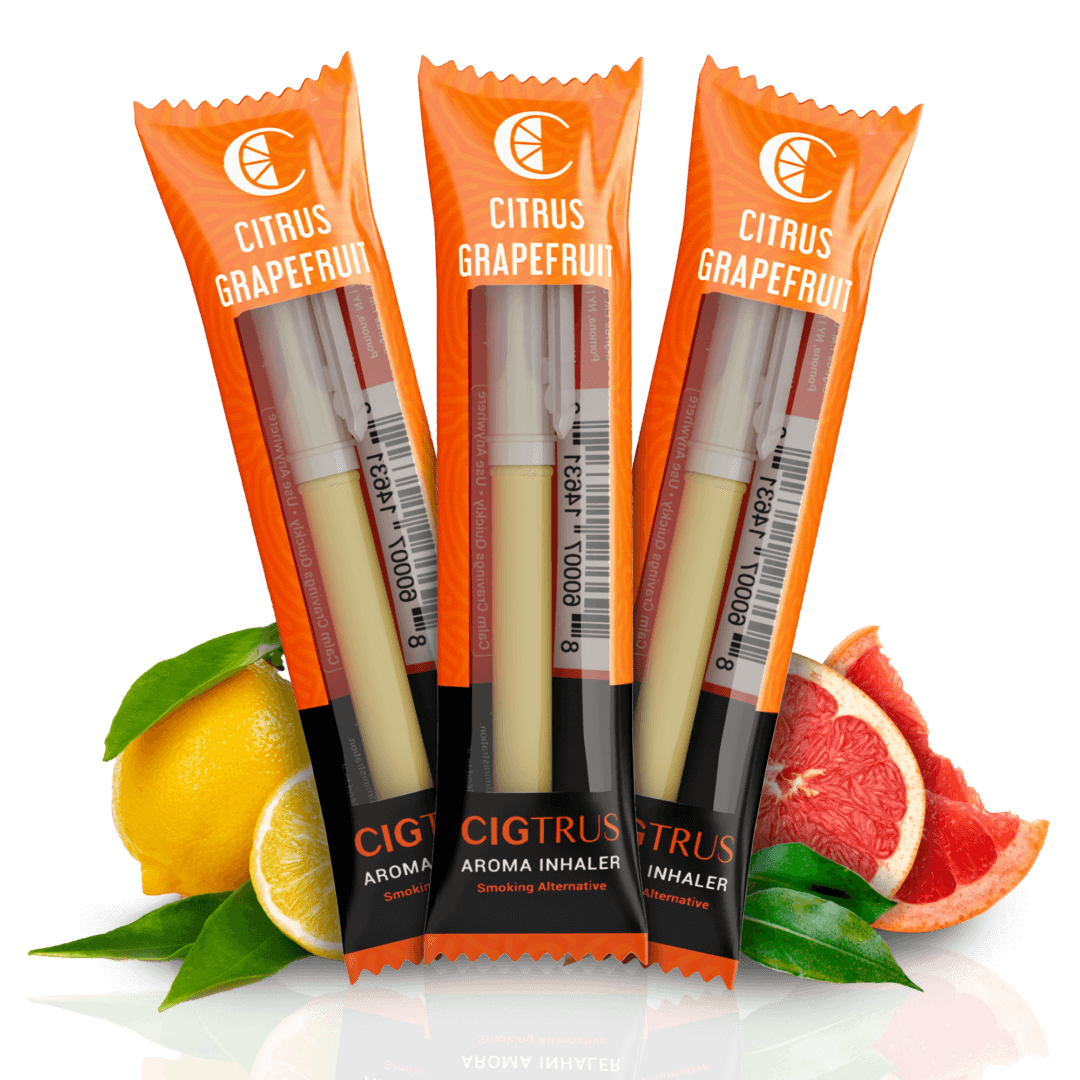
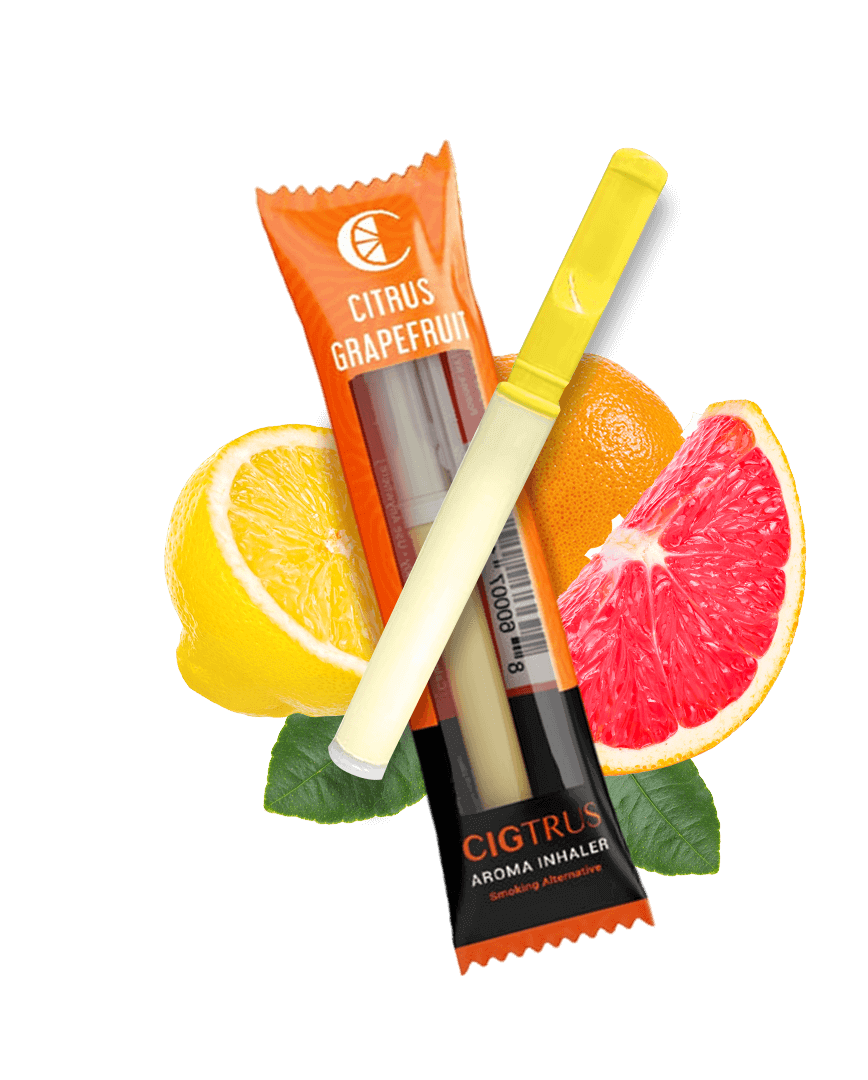
This is where Cigtrus complements any cessation plan. A nicotine-free, smokeless, non-electric inhaler using natural food-grade essential oil aromas, Cigtrus supports the behavioral habit layer, giving every trigger moment a clean destination without any substance delivery. No vapor, no nicotine, no restrictions anywhere. It is the behavioral complement that makes any NRT or prescription approach more complete.
Tips for a Successful Quit Journey
Set a Quit Date
Mark your calendar and commit to a specific day. Having a date makes the intention concrete and gives you time to prepare.
Build a Support System
Share your goal with family, friends, or a support group. Accountability and encouragement significantly improve success rates.
Combine Tools
NRT for the chemical side, Cigtrus for the behavioral side. Using multiple complementary approaches consistently produces better long-term results.
Plan for Triggers
Identify the specific moments that fire the automatic reach, and have a prepared response for each one before your quit date arrives.
Celebrate Milestones
One smoke-free week, one month, three months, each milestone deserves recognition. Use the money saved from cigarettes to reward yourself.
Take Control of Your Quit Journey
Quitting smoking is one of the best gifts you can give yourself and your loved ones. By combining the right tools, NRT or prescription medication for the chemical dependency, Cigtrus for the behavioral habit layer, and professional support for both, you give your quit attempt its strongest foundation. Your FSA fund is there to make the chemical tools more accessible. Cigtrus is there to make the behavioral tools always ready, in your pocket, at every trigger throughout your day.
Complete Your Quit Plan. Cover Both Layers.
Natural aroma, no nicotine, no vapor, the behavioral complement that makes any cessation approach more complete.
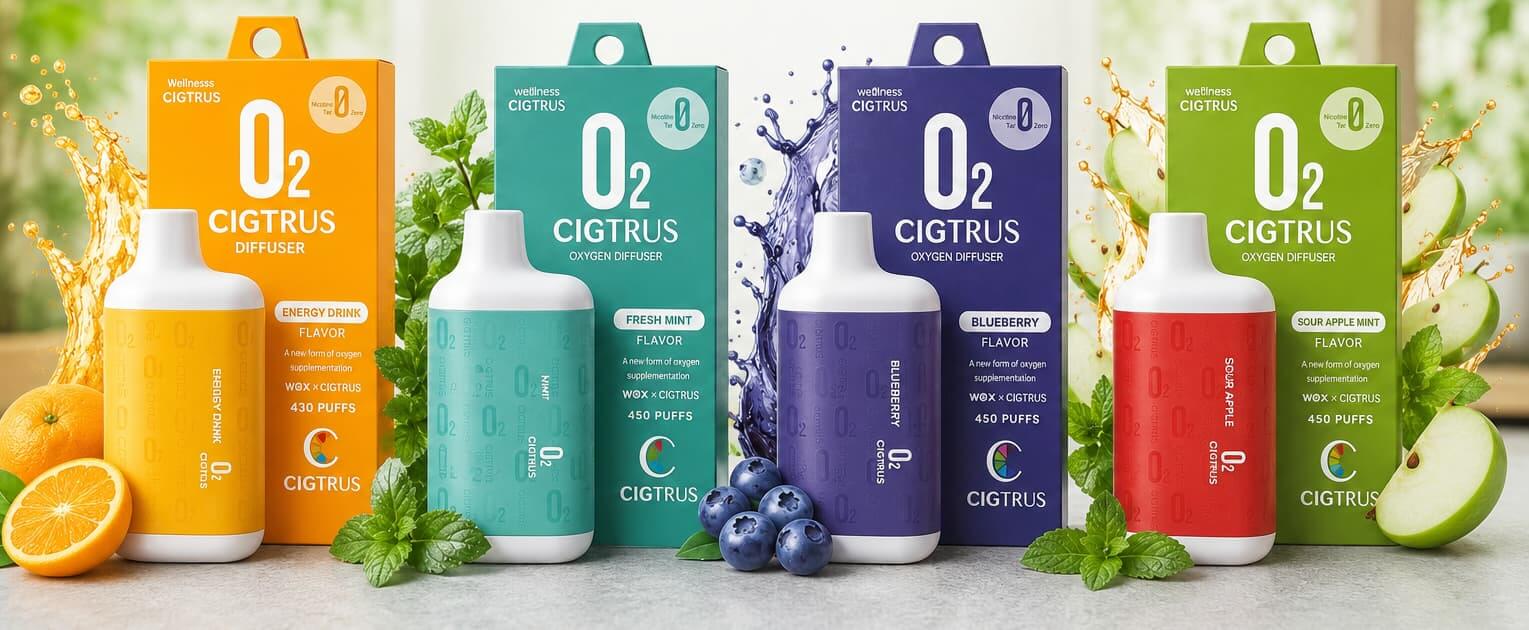
👉 Try the Variety Pack