
The Best Ways to Quit Smoking: A Practical Guide
There is no single best way to quit smoking that works for everyone. What works is understanding what smoking actually involves, both the chemical dependency on nicotine and the deeply ingrained behavioral habit, and addressing both with the right tools, in the right order, with realistic expectations about the timeline.
This guide covers the main quit-smoking methods, what each one addresses, and why combining a chemical approach with a behavioral one gives most people the best chance of success.
The Two Layers of Smoking That Both Need Addressing
Most smokers who struggle to quit are fighting on two fronts without realizing it. The chemical layer, nicotine dependency, withdrawal symptoms, physical cravings, is what most quit-smoking tools target. The behavioral layer, the hand-to-mouth habit, the daily routines, the stress response, the oral fixation, persists long after nicotine withdrawal fades and is what most quit-smoking tools leave completely untouched.
The most effective quit journeys address both layers simultaneously. Understanding this is the starting point for any realistic quit plan.
“Nicotine withdrawal fades within weeks. The behavioral habit can persist for months. The smokers who succeed long-term are those who prepared for both, not just the chemical withdrawal, but the daily behavioral layer that outlasts it.”
The Main Methods for Quitting Smoking
Nicotine Replacement Therapy (NRT)
Patches, gum, lozenges, nasal sprays, and mouth sprays all deliver controlled doses of nicotine to ease withdrawal symptoms while you reduce your cigarette consumption. NRT is effective for the chemical layer and widely available. It does not address the behavioral layer, you will still need something for the hand-to-mouth habit and the trigger moments that keep firing.
Prescription Medication
Medications such as varenicline and bupropion reduce nicotine cravings and withdrawal symptoms by acting on the brain’s nicotine receptors. They require a prescription and healthcare supervision. As with NRT, they address the chemical side but not the behavioral one.
Counseling and Behavioral Support
Professional counseling, through a quit-smoking service, healthcare provider, or support group, addresses the behavioral side more directly than any medication. Identifying triggers, building coping strategies, and having accountability significantly increases long-term success rates. Free quit-smoking helplines and programs are available in most countries.
Cold Turkey
Stopping completely without aids works for some people, particularly those with strong motivation and the right support network. The challenge is that it leaves both the chemical and behavioral layers to be managed without any tools. Success rates are lower than combined approaches for most people.
Behavioral Habit Replacement
Products designed to replace the hand-to-mouth motion, oral fixation, and inhalation routine without nicotine, giving the behavioral triggers a clean alternative at every familiar trigger moment throughout the day. This addresses the layer most traditional quit aids miss entirely.
Practical Tips That Work Across All Methods
Set a Quit Date, and Prepare for It
Pick a specific date, tell people about it, and remove cigarettes and triggers from your environment in advance. Preparation reduces the shock of day one.
Map Your Triggers Before You Quit
Know exactly which situations fire the automatic reach, morning coffee, driving, stress, after meals, boredom. For each trigger, have a concrete plan before you encounter it.
Build a Support System
Tell close family and friends about your quit plan. Accountability and encouragement from people who matter significantly increases long-term success rates.
Replace Behaviors, Not Just Nicotine
Have something ready for the hands and mouth at every trigger moment. An empty gap invites a cigarette. A clean behavioral alternative fills it.
Treat Relapses as Data, Not Failure
Most successful quitters relapse before achieving long-term cessation. Each relapse shows you exactly which trigger was not handled, use that information to strengthen your plan.
Where Cigtrus Fits In
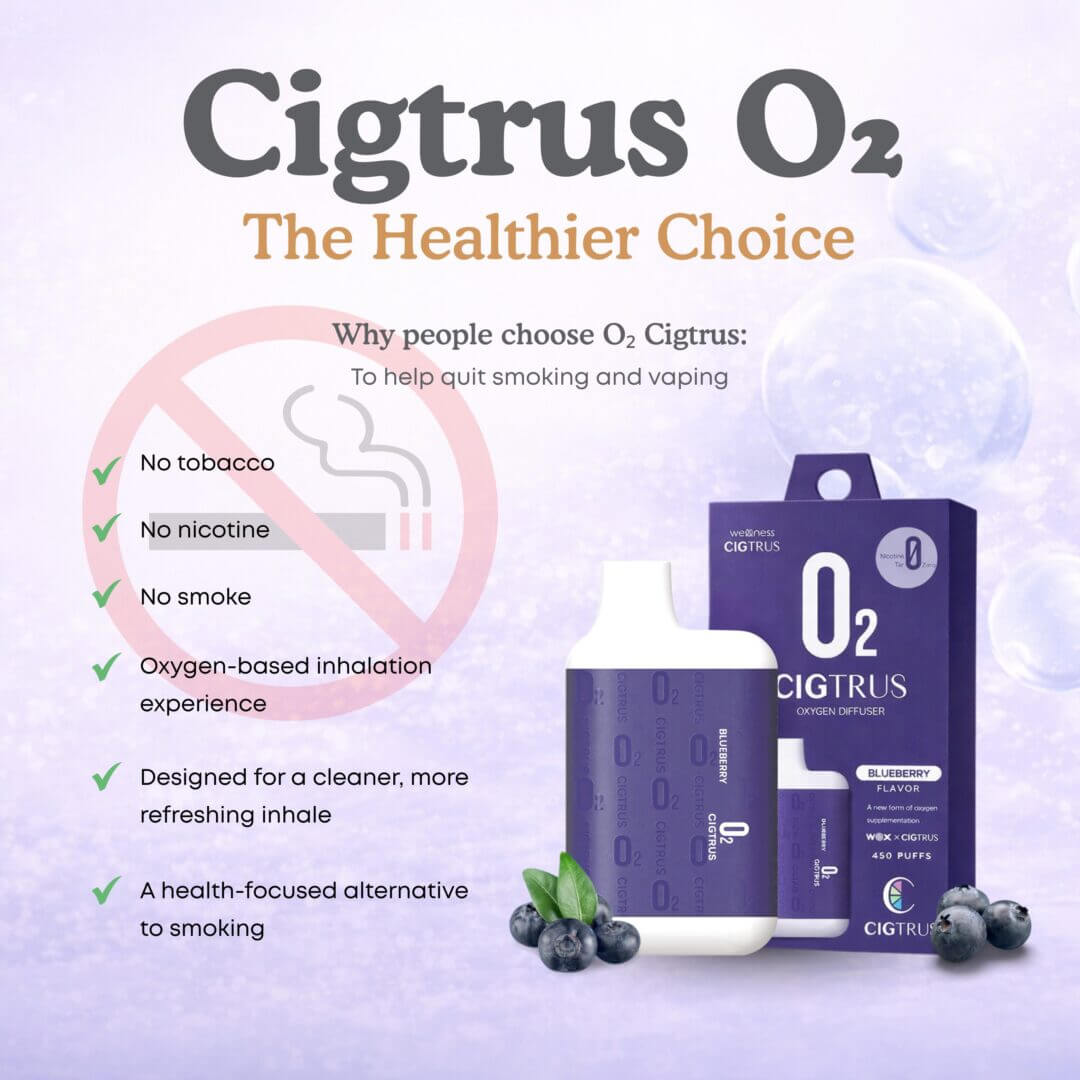
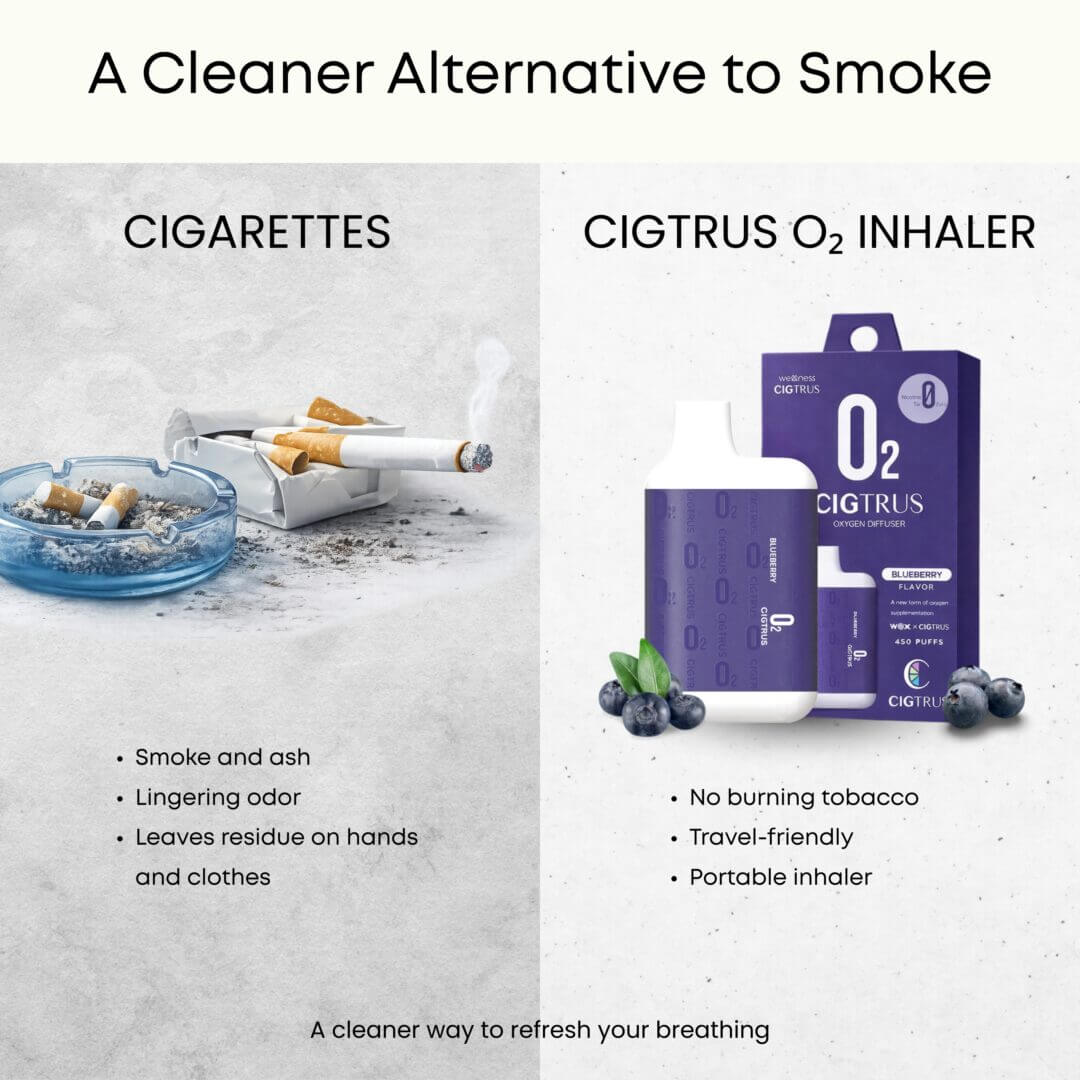
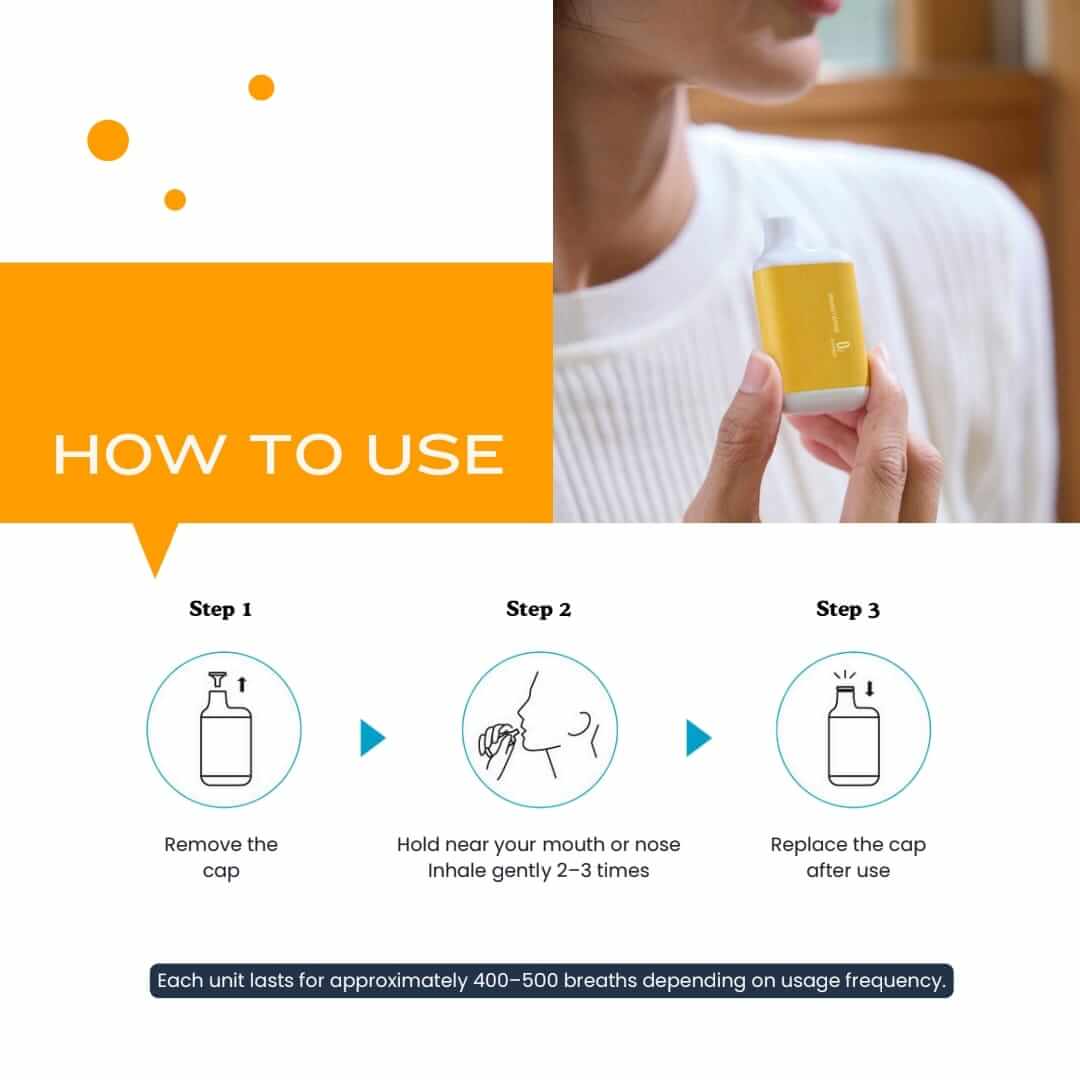
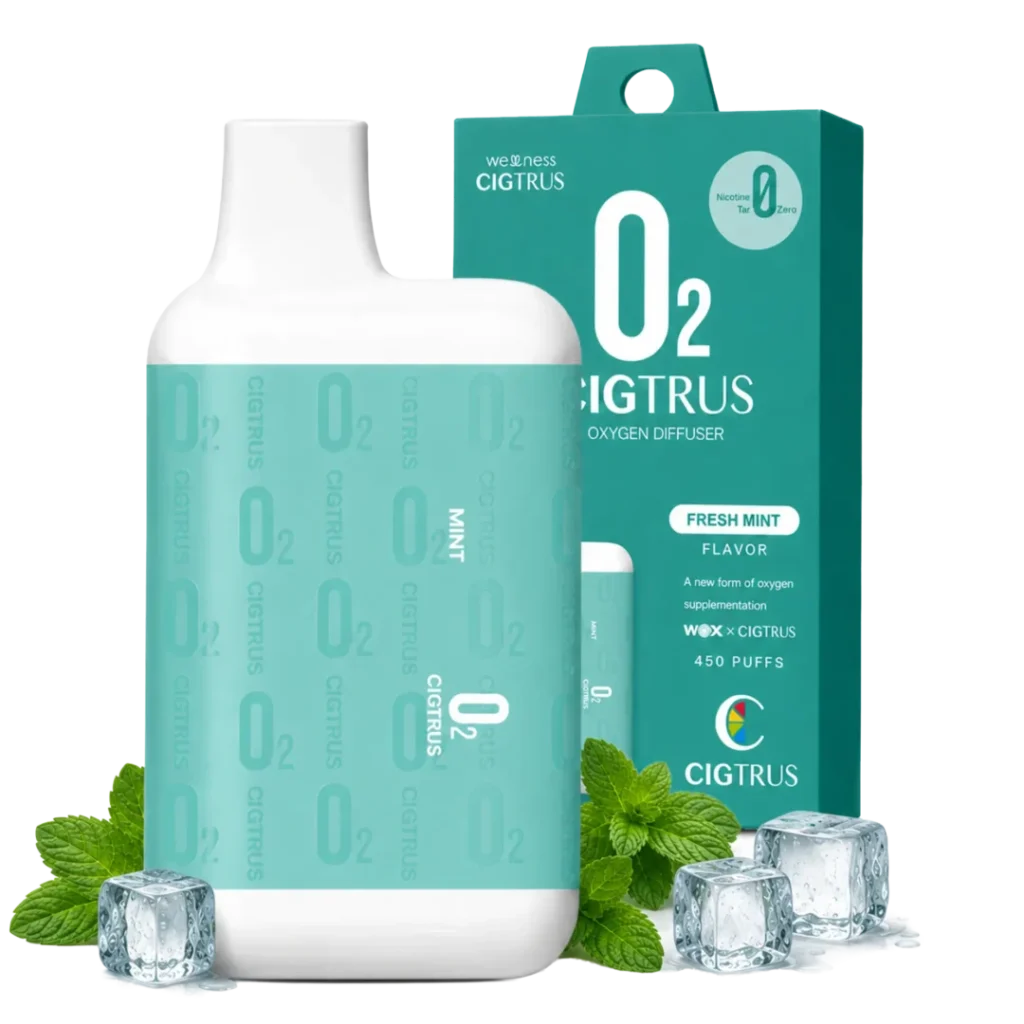
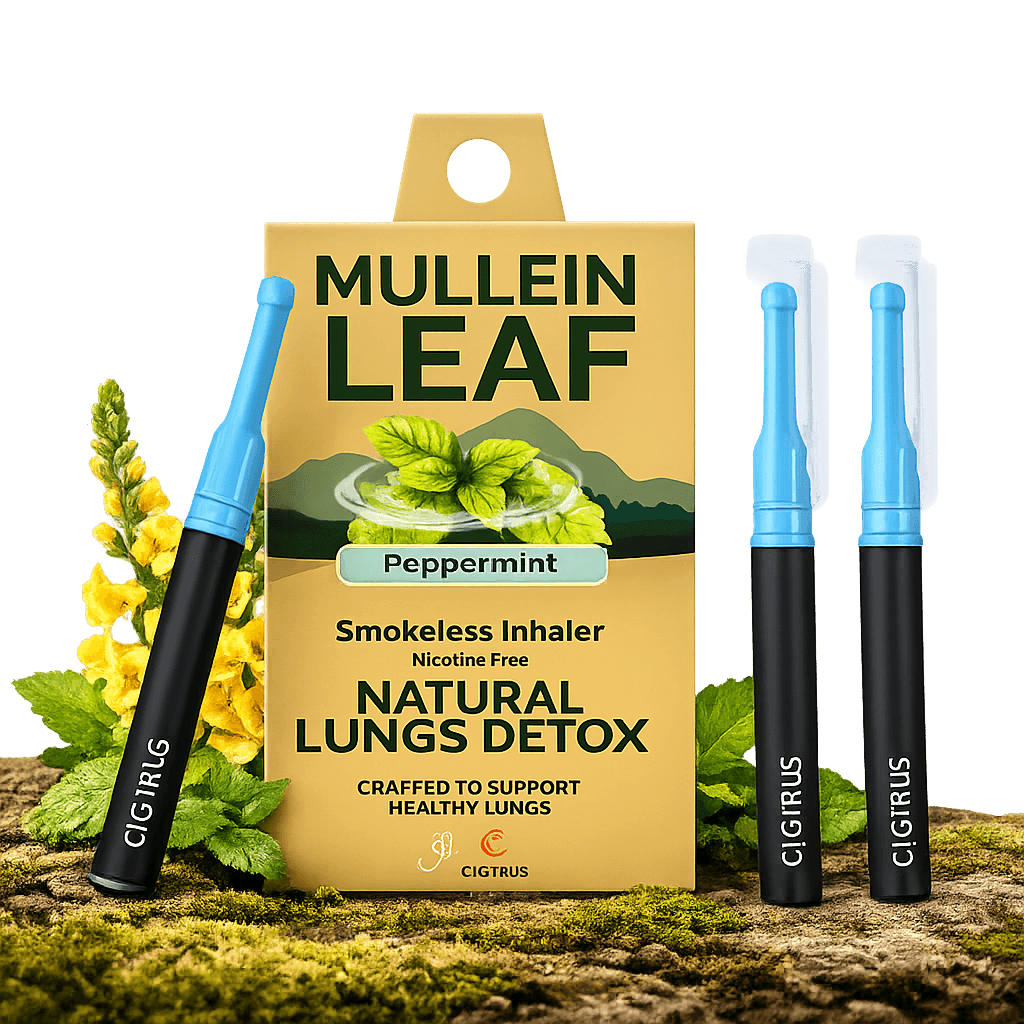
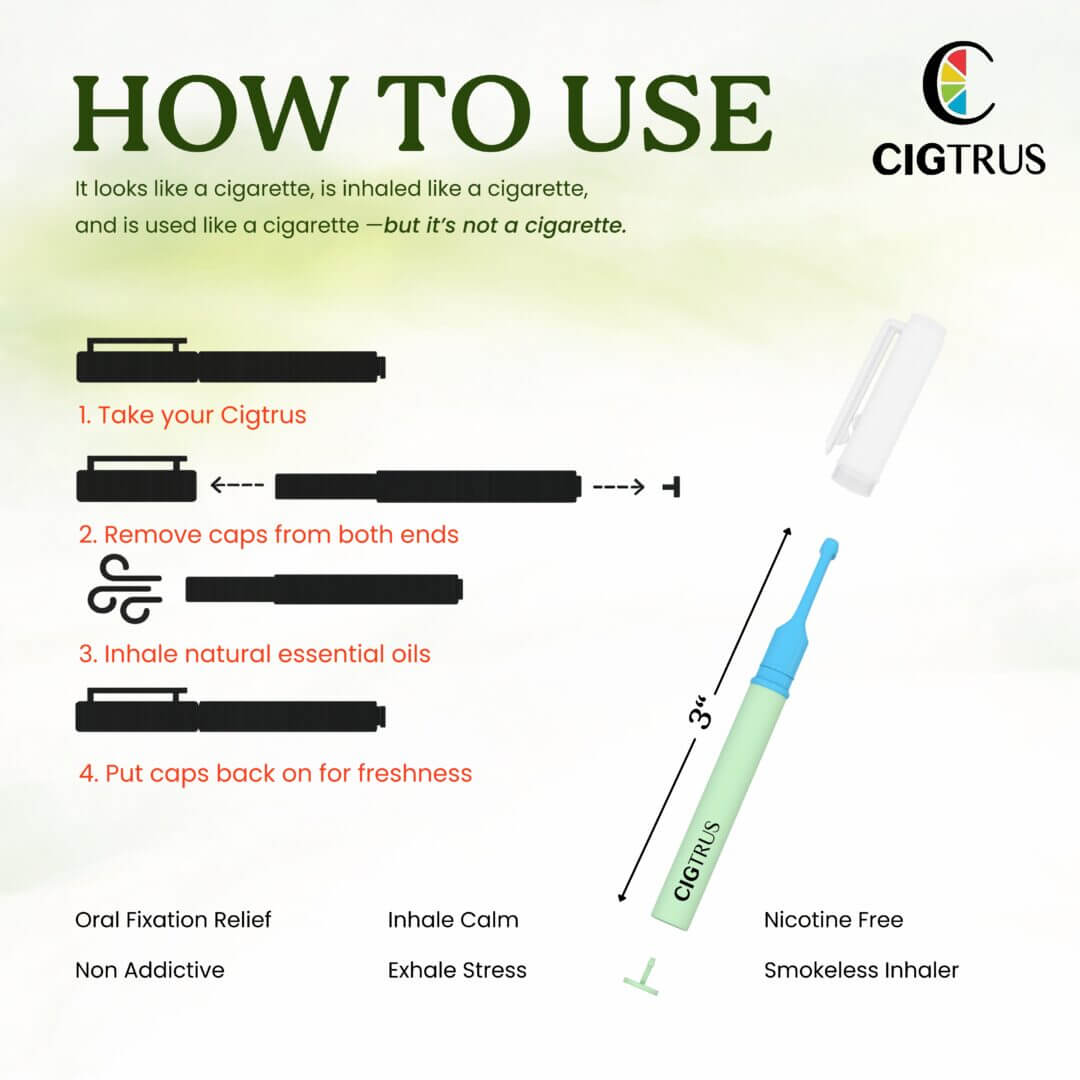
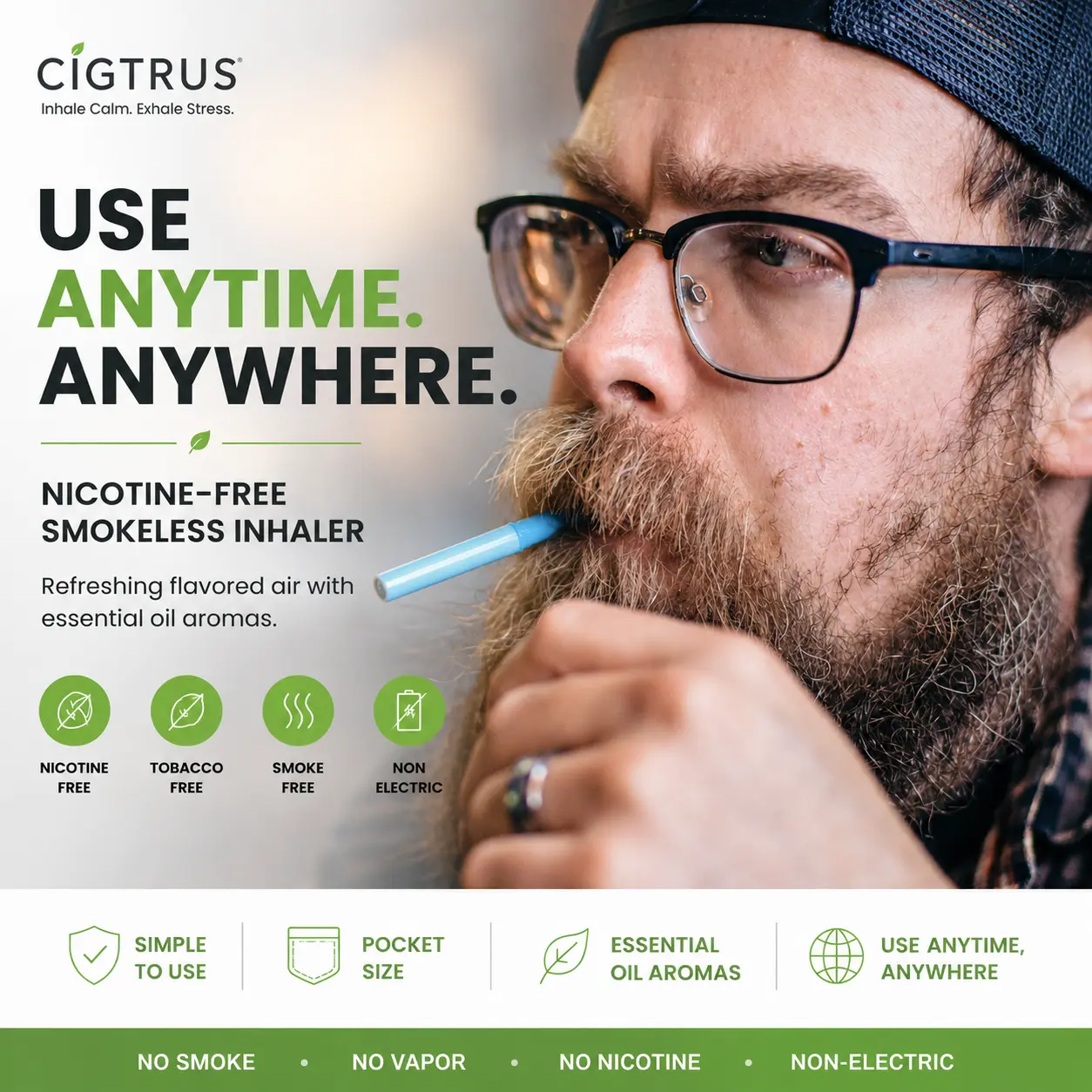
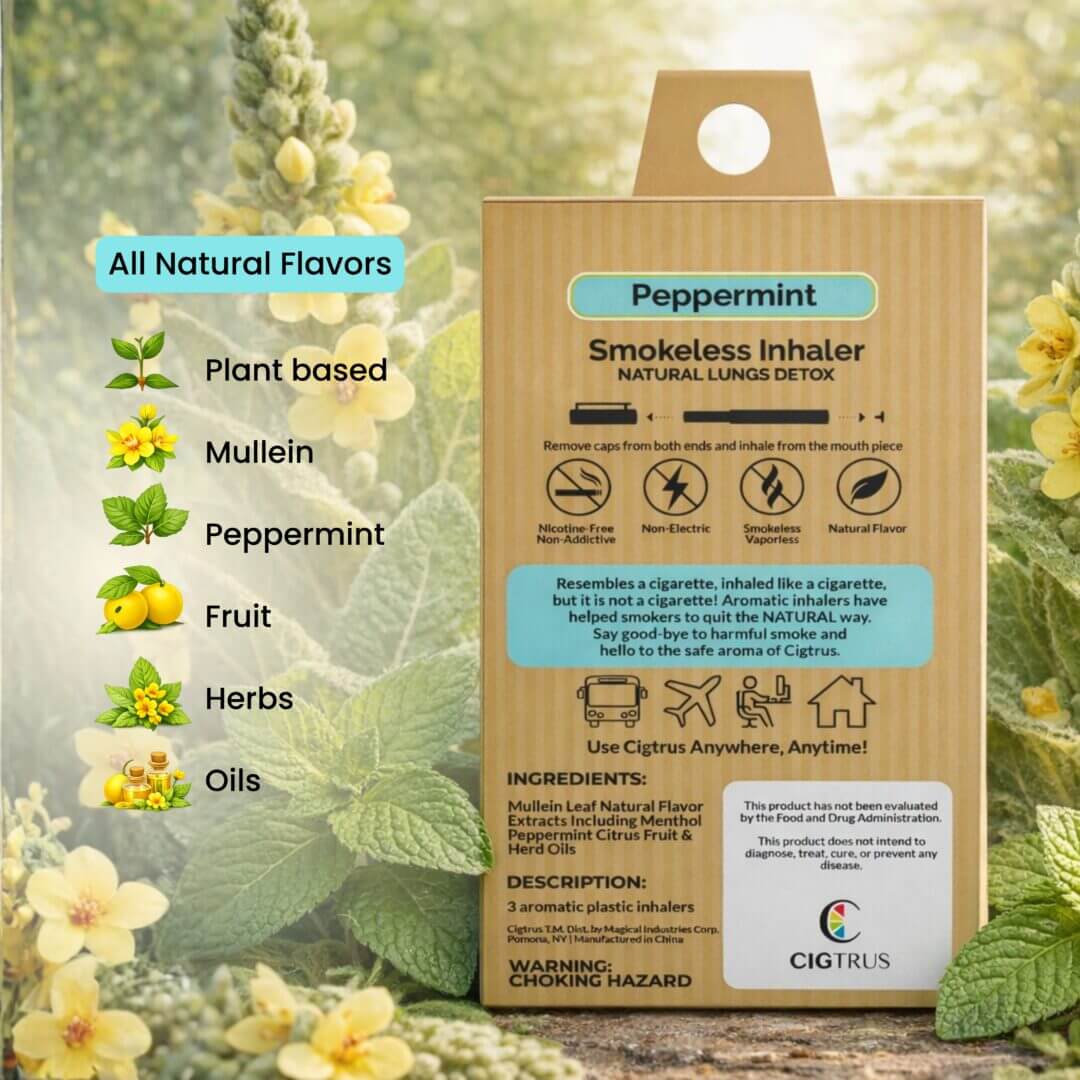
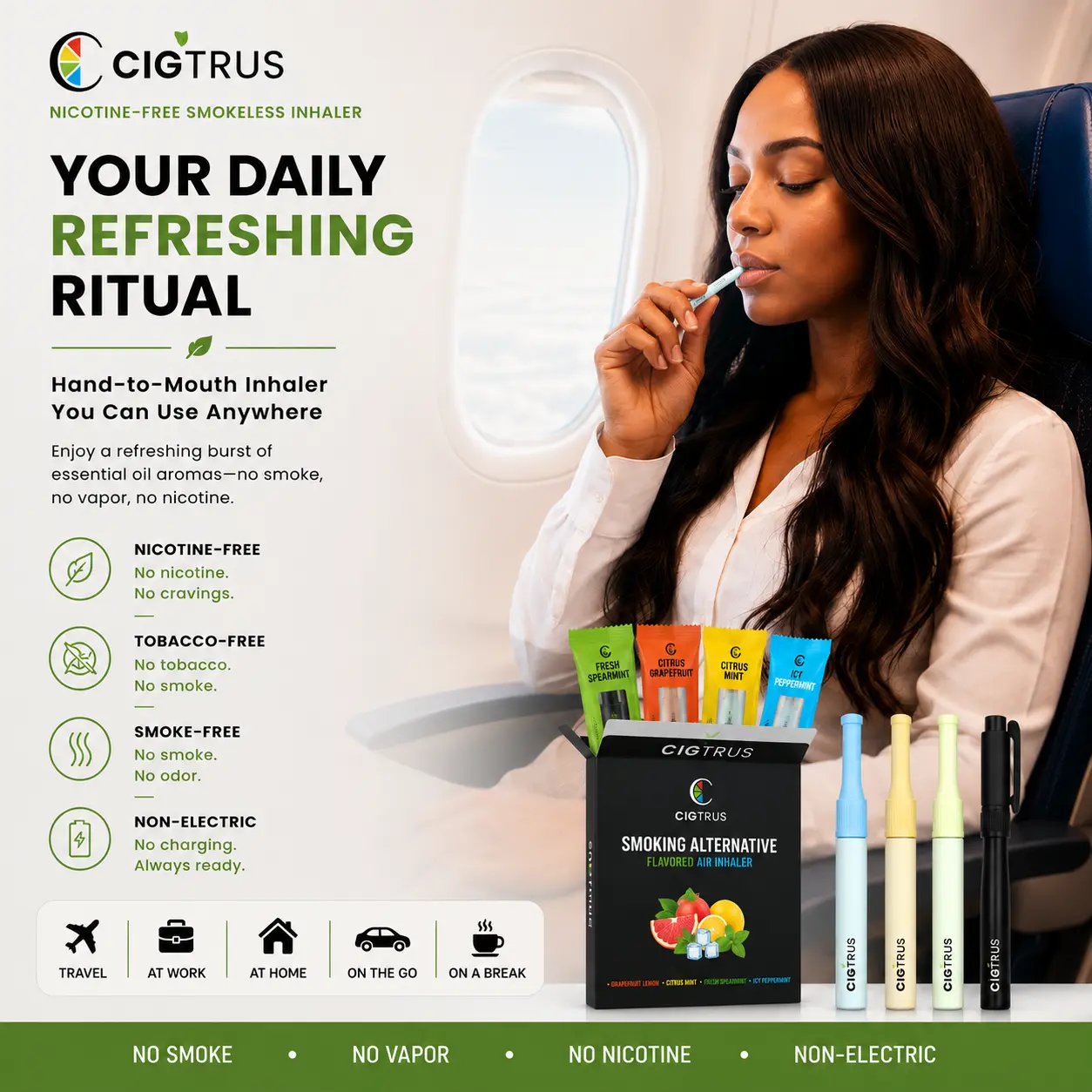
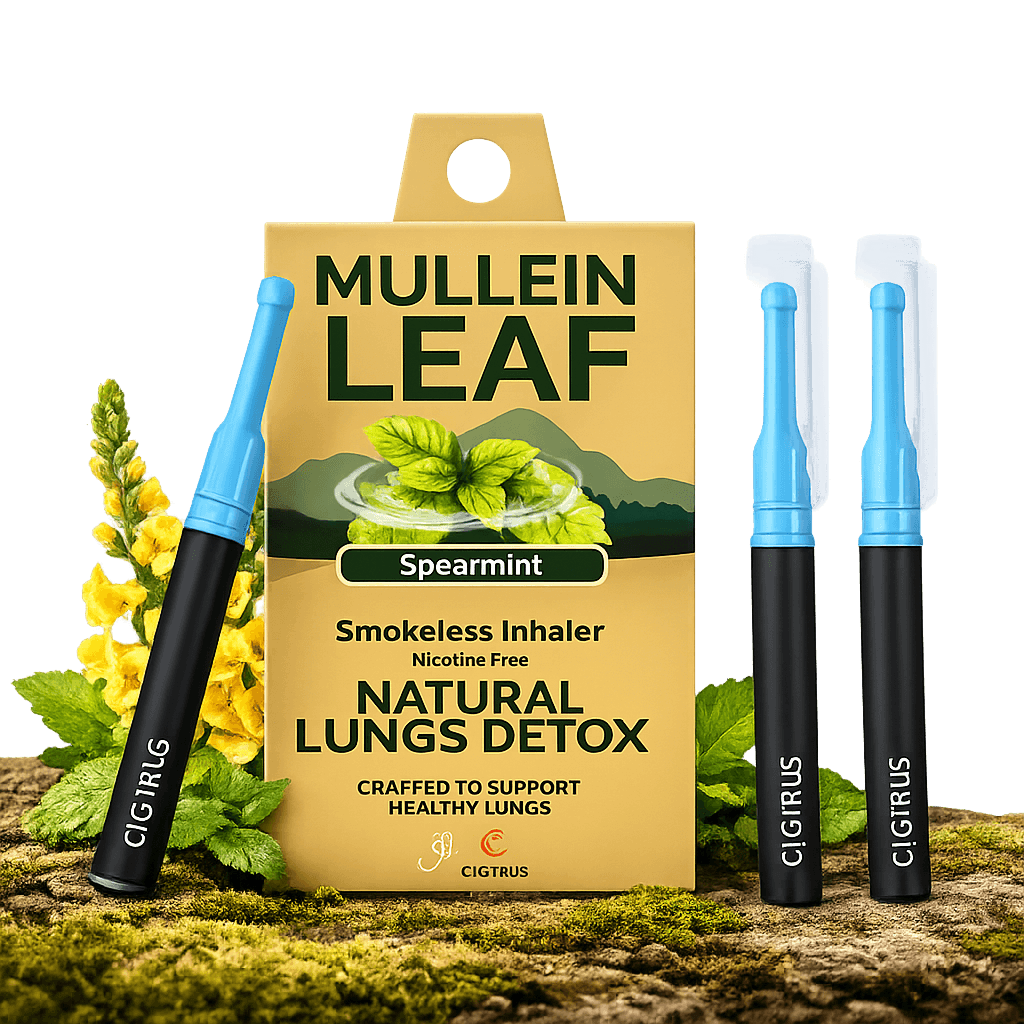
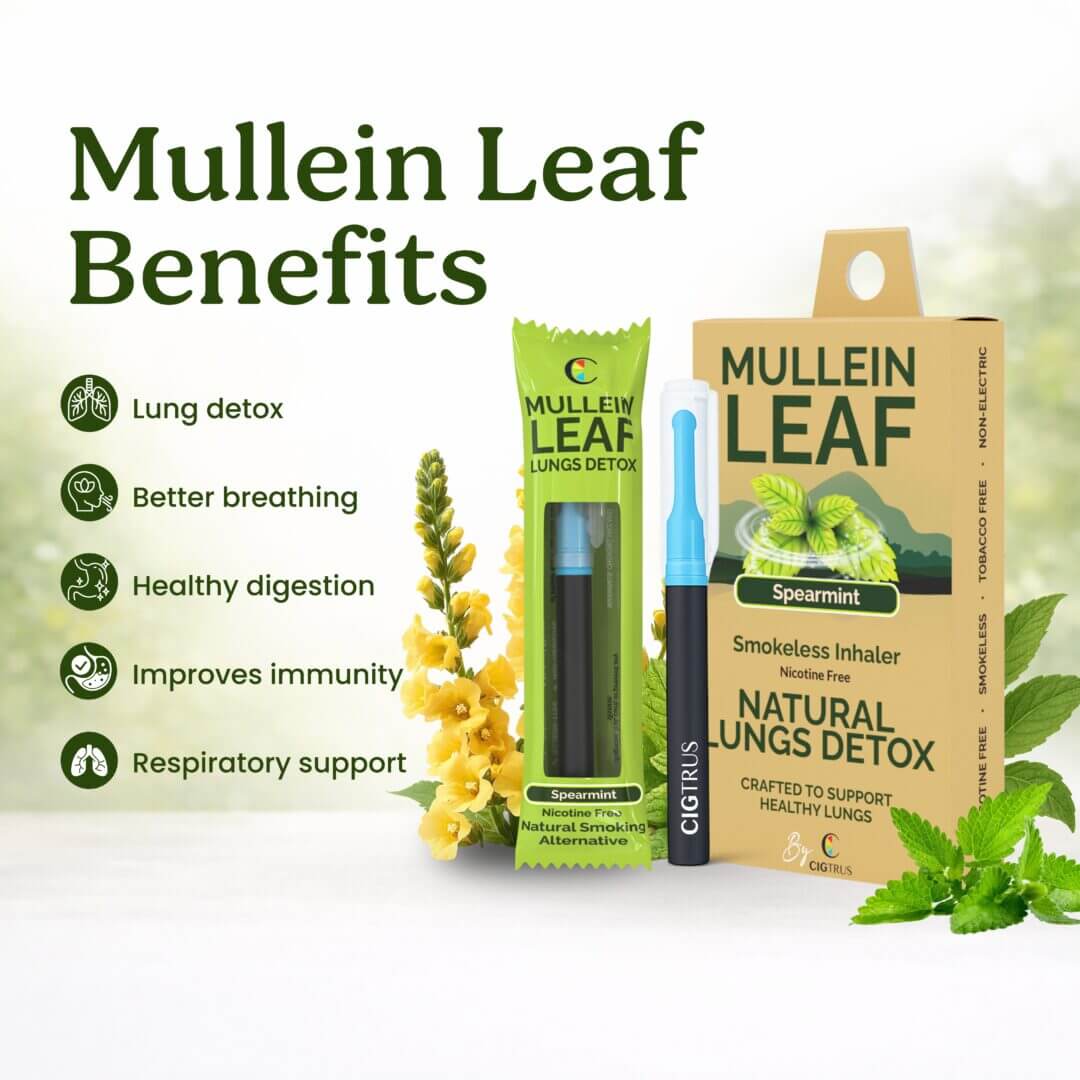
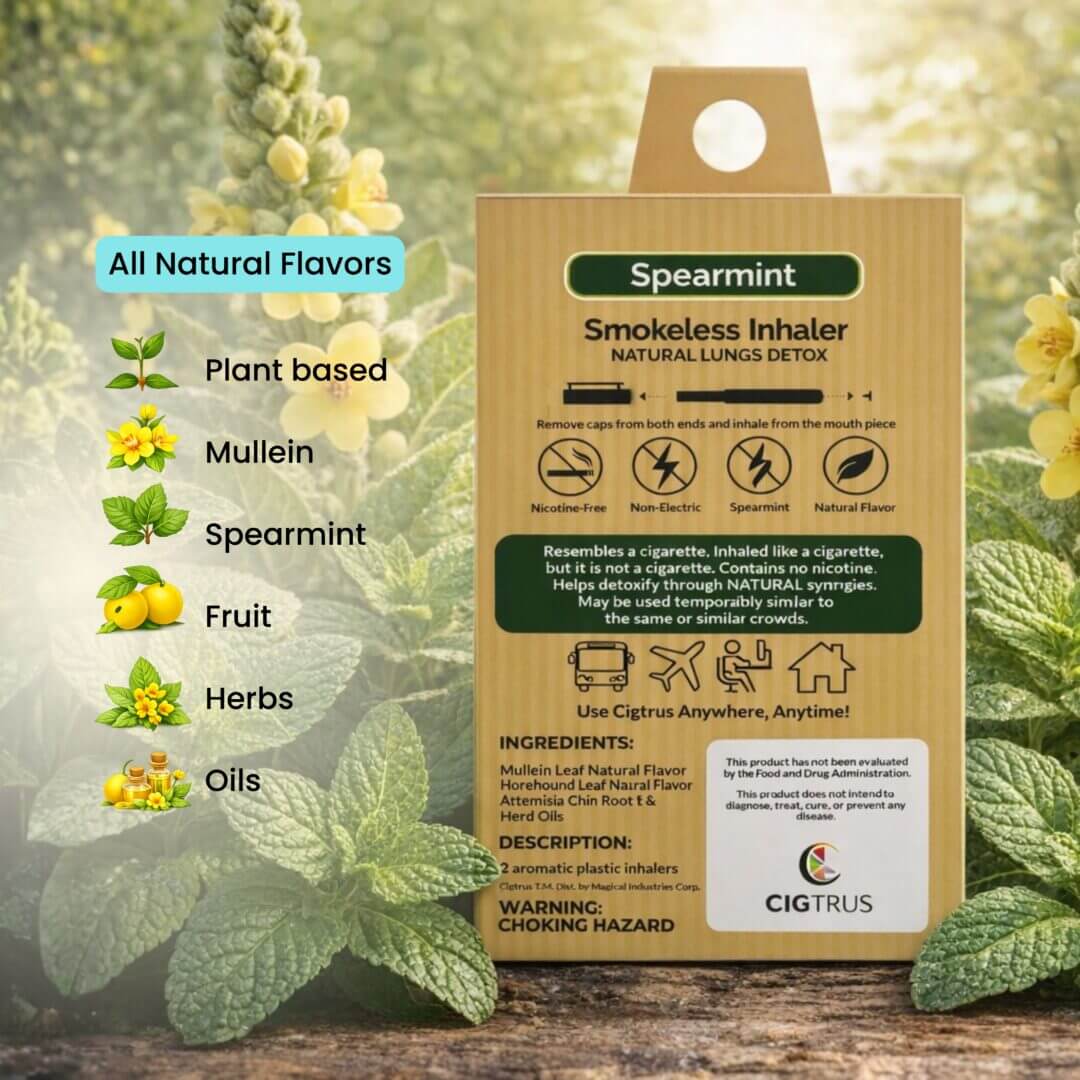
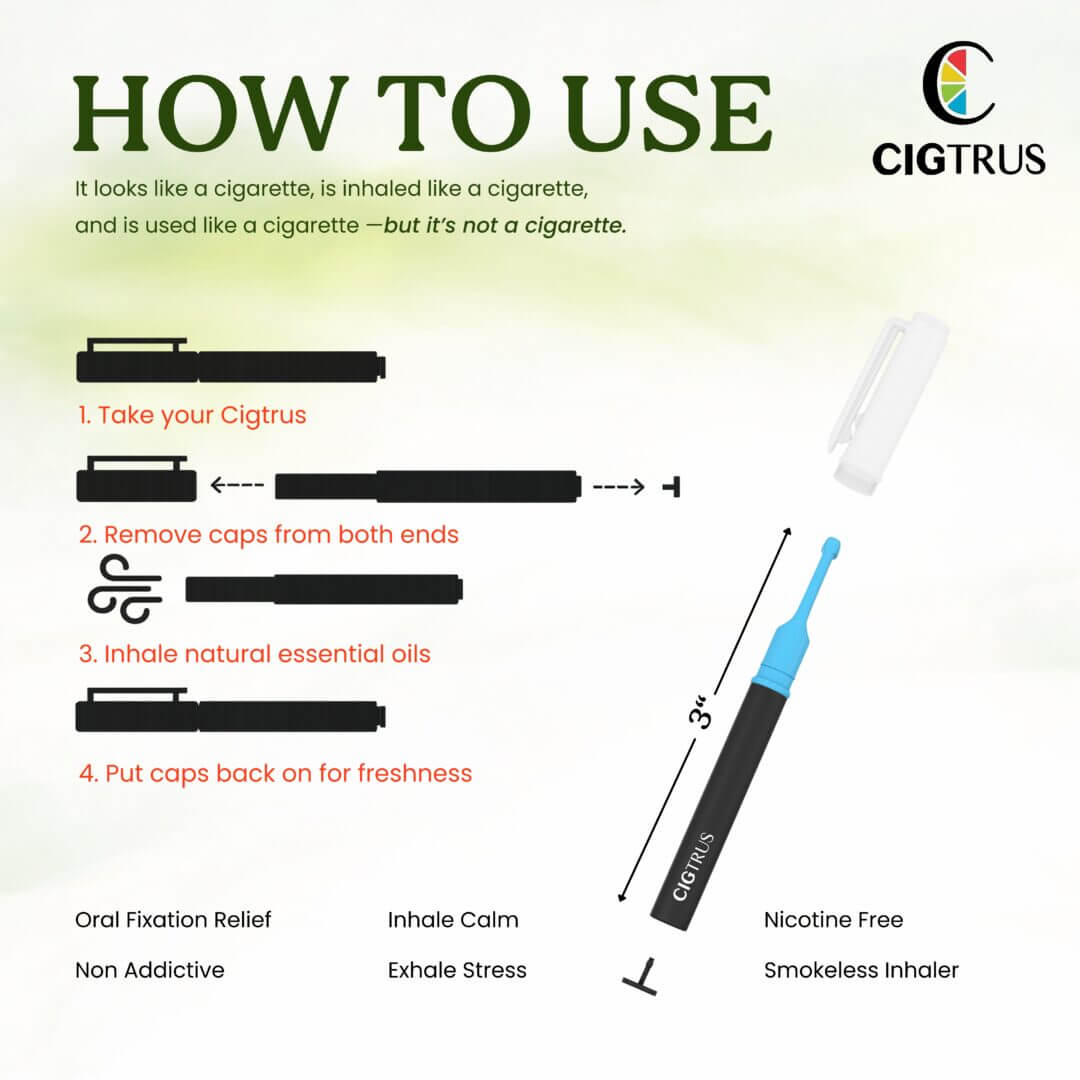
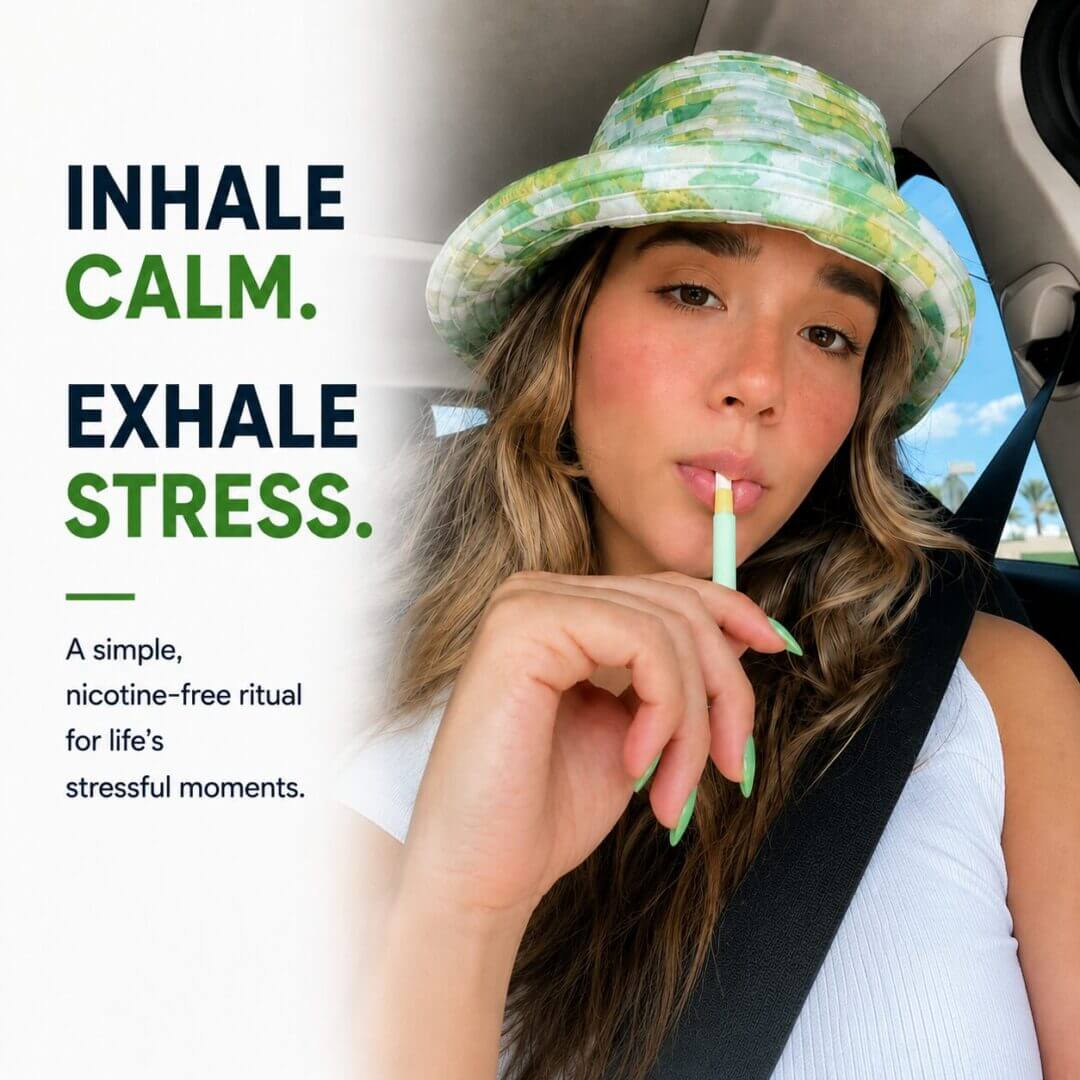
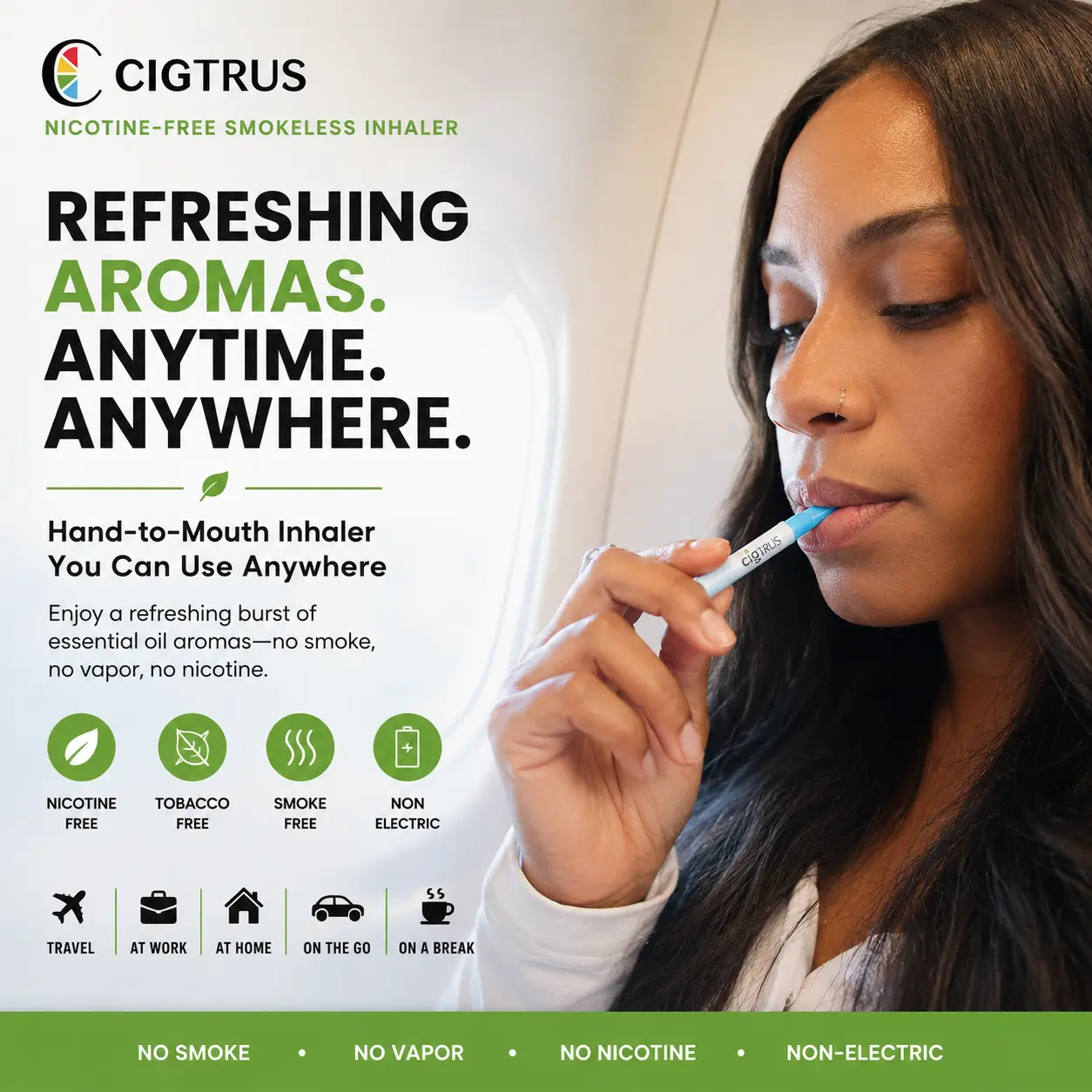
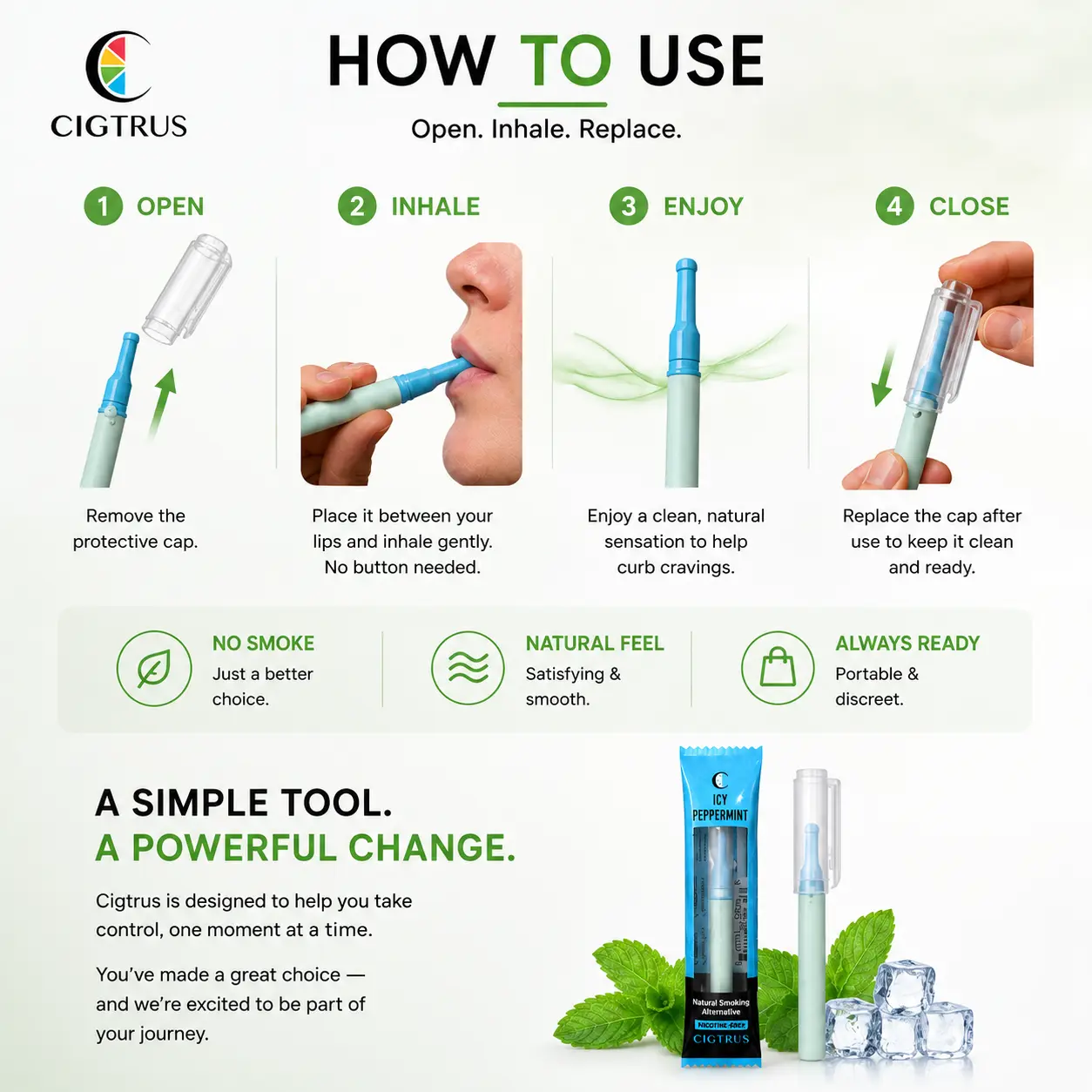
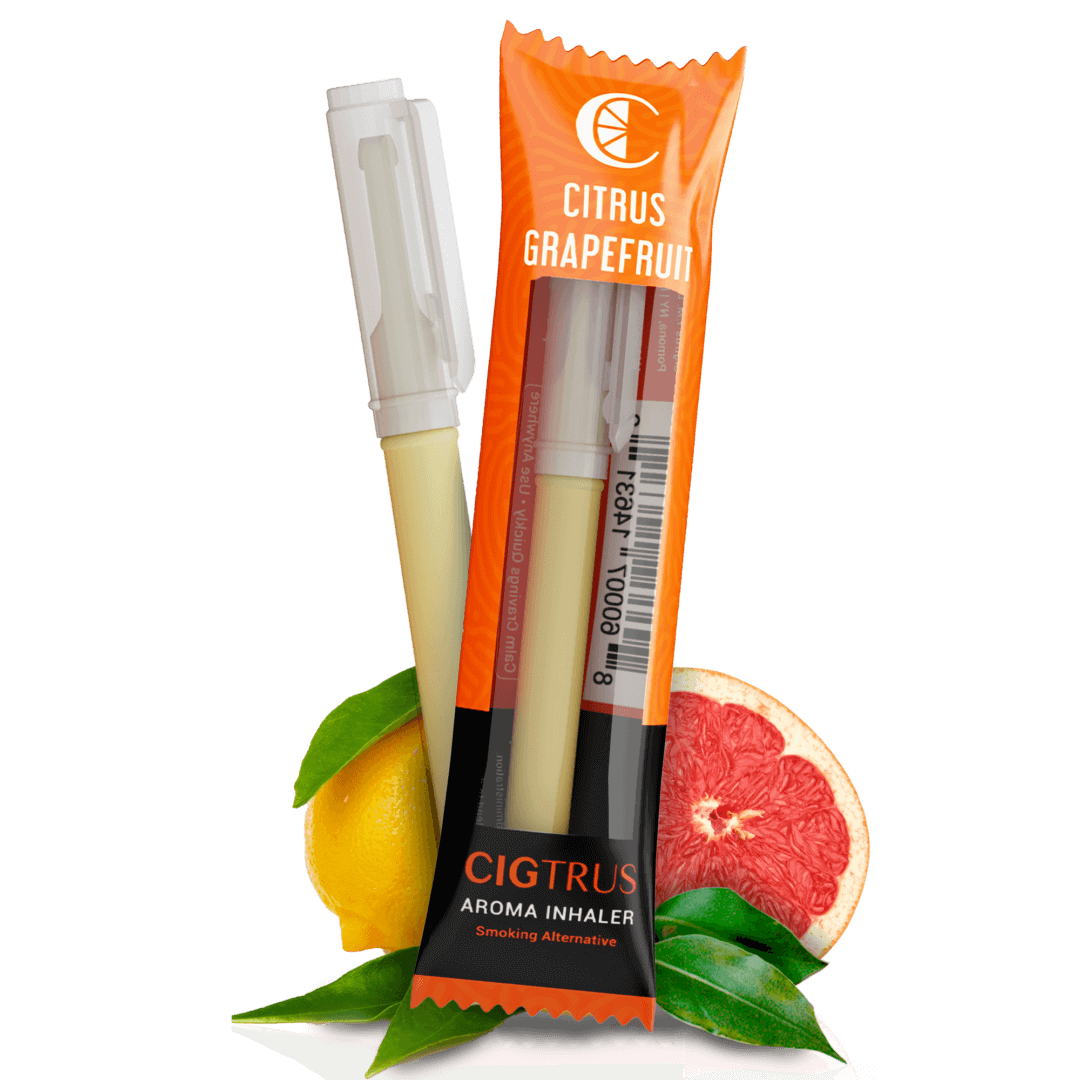
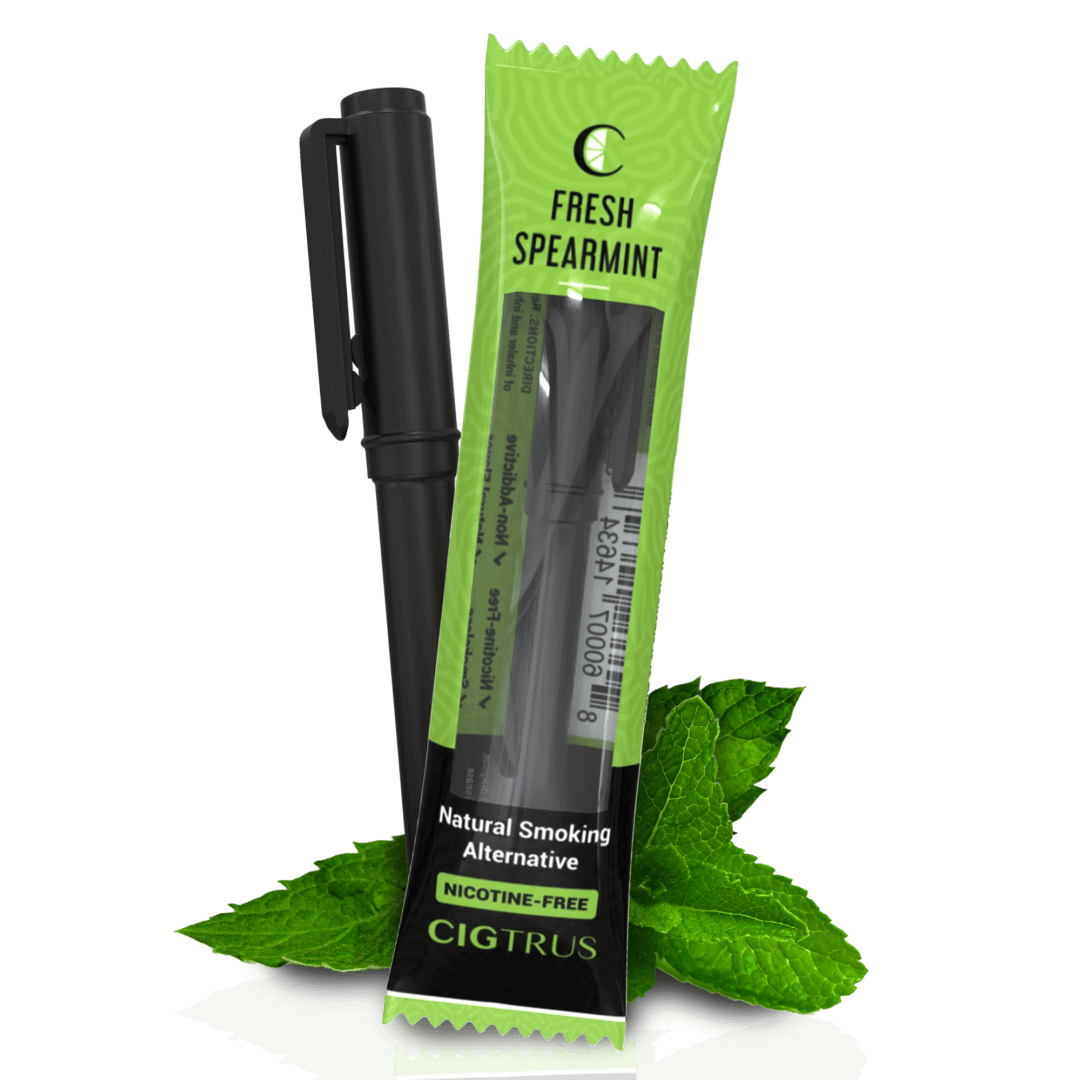
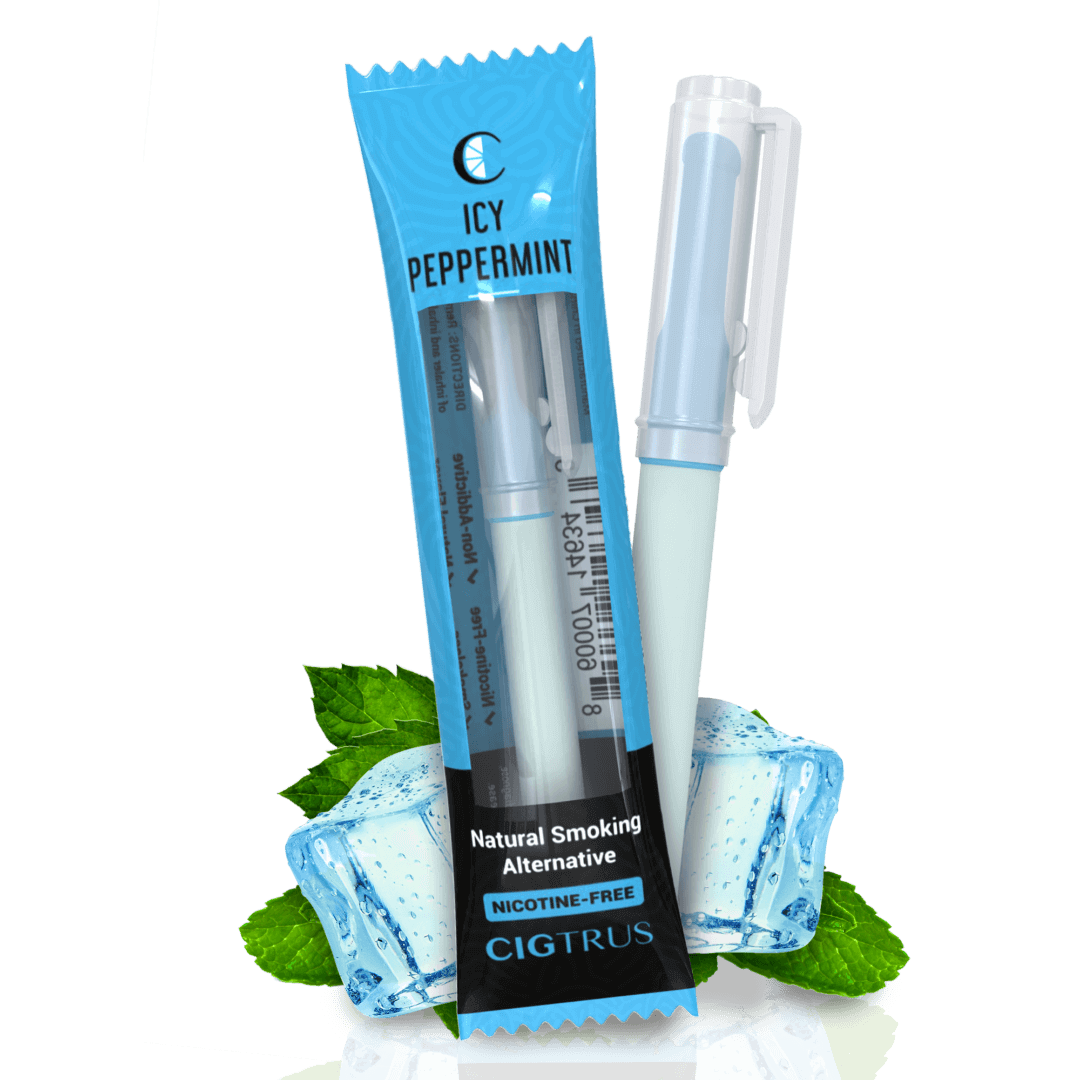
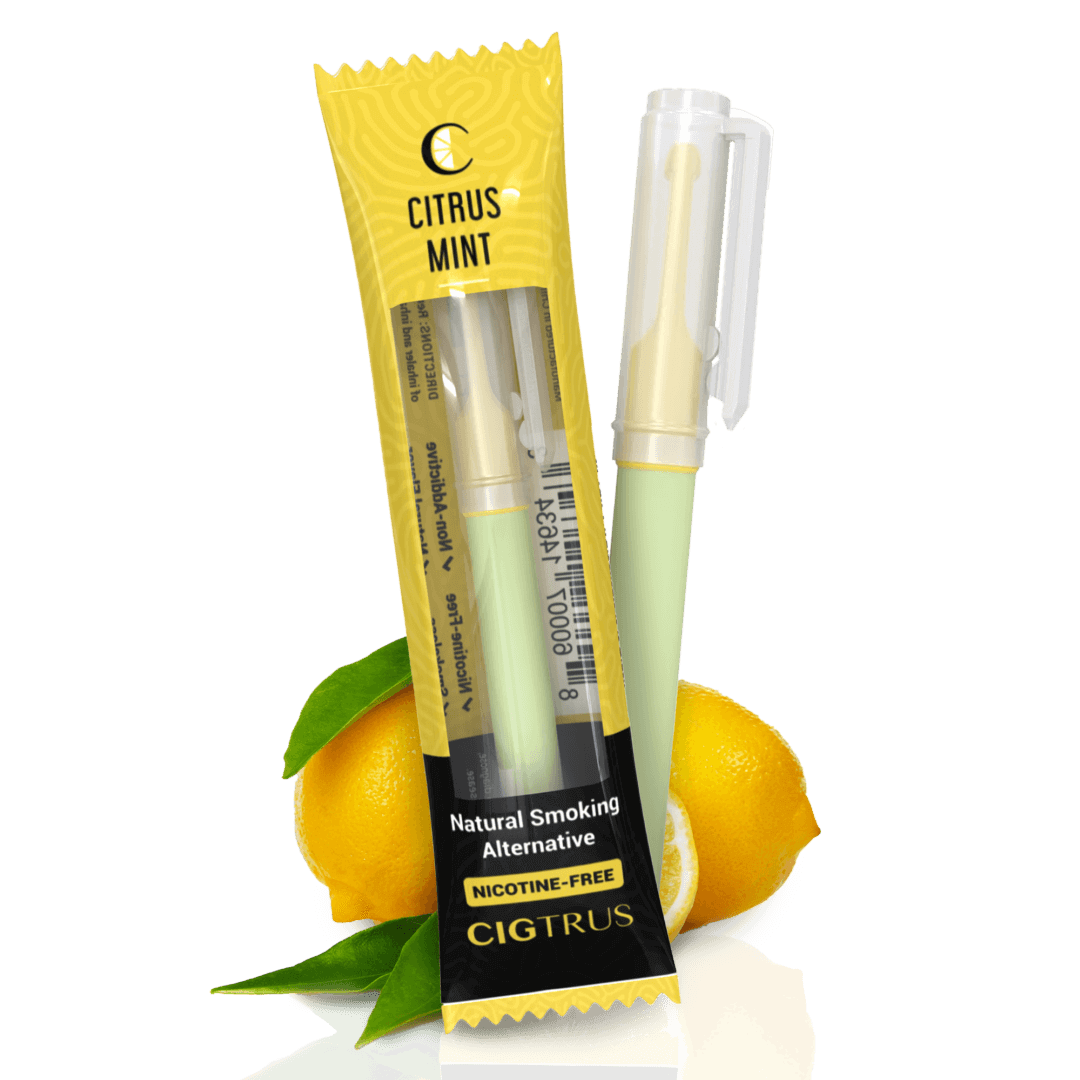
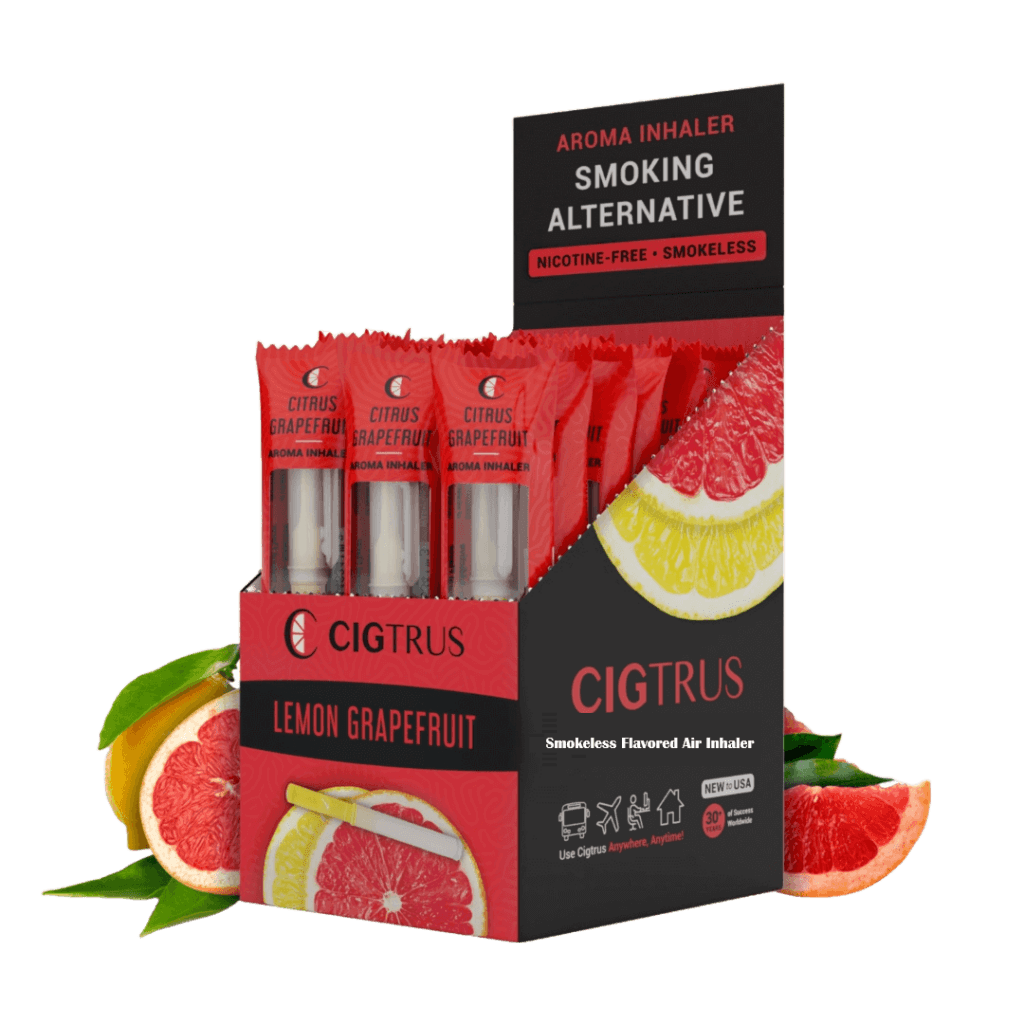
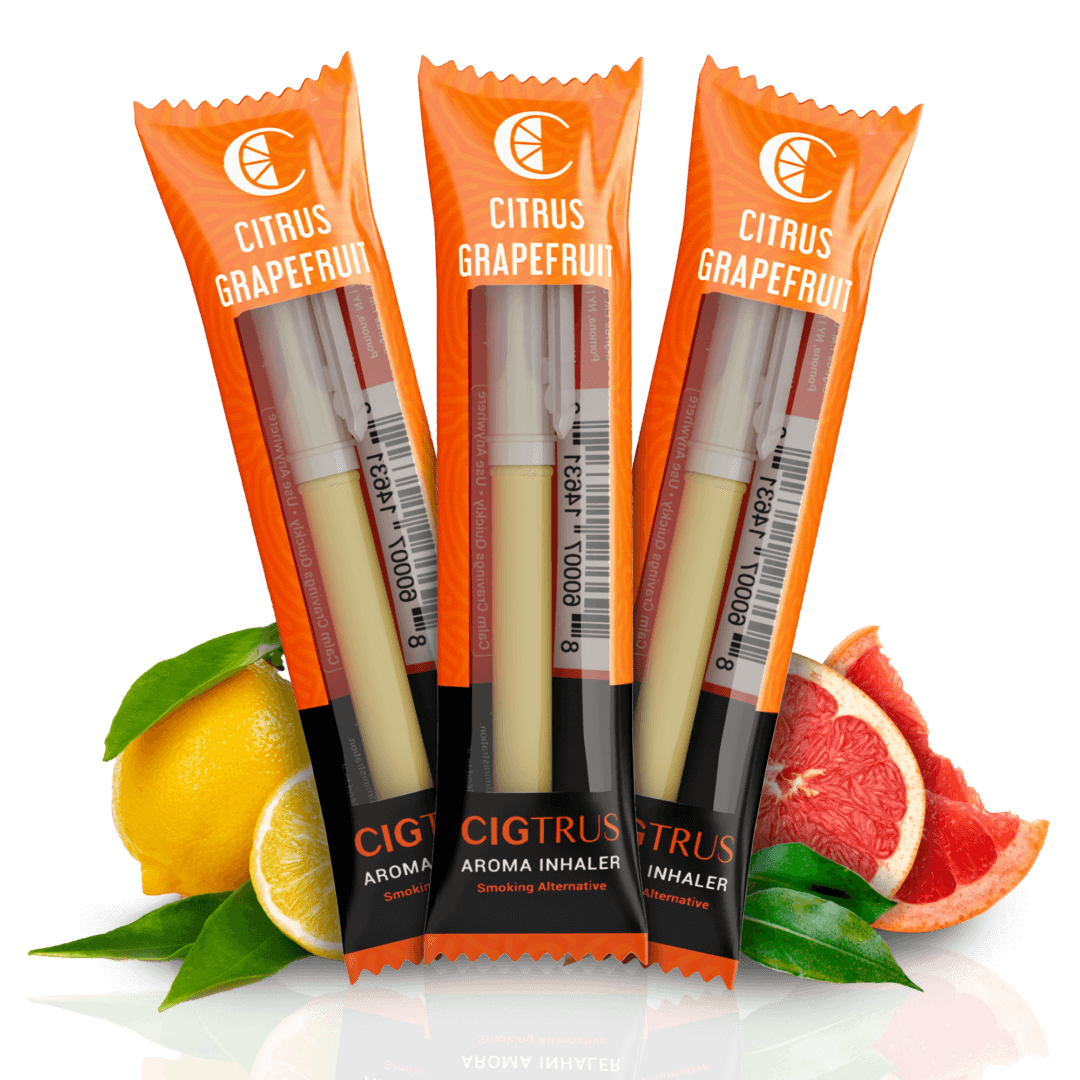
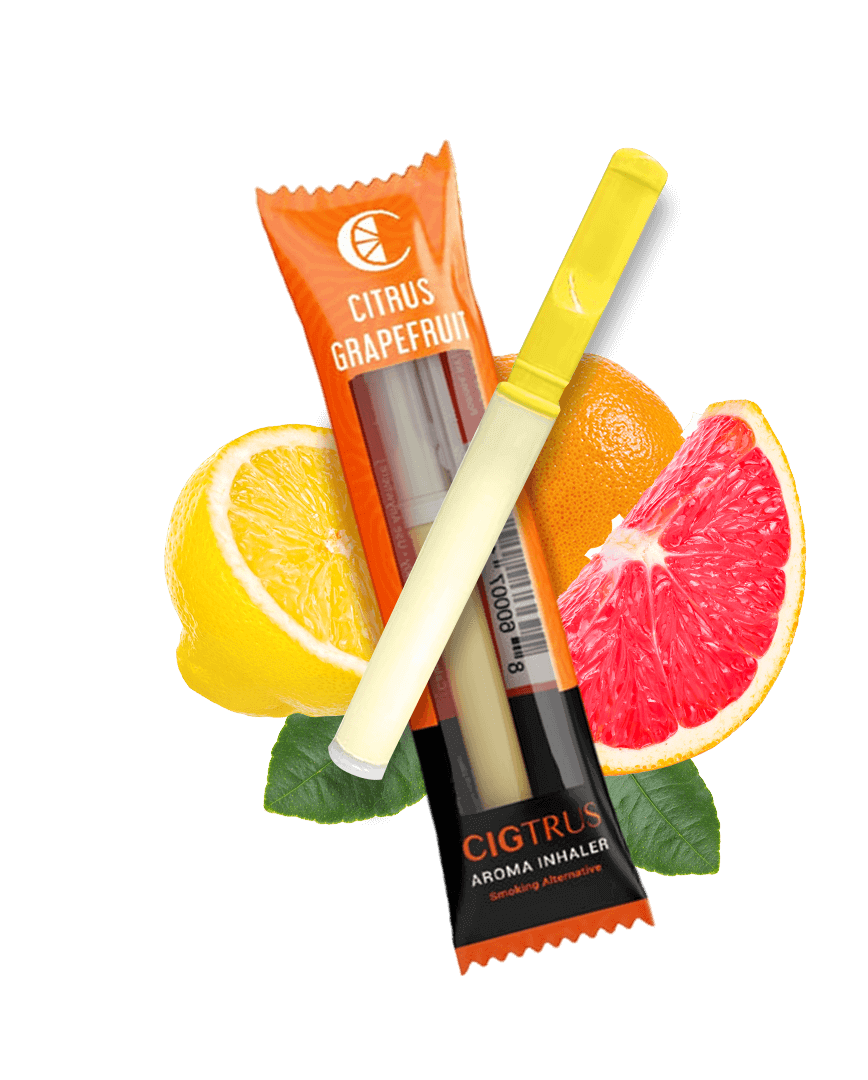
Cigtrus is a nicotine-free, smokeless, non-electric inhaler designed for the behavioral layer of quitting, the hand-to-mouth habit, oral fixation, and inhalation routine that outlast chemical withdrawal and keep triggering cravings long after nicotine fades.
How Cigtrus Supports the Quit Journey
Replaces the hand-to-mouth motion at every trigger throughout the day
Supports the inhalation routine, the breath that still fires at familiar moments
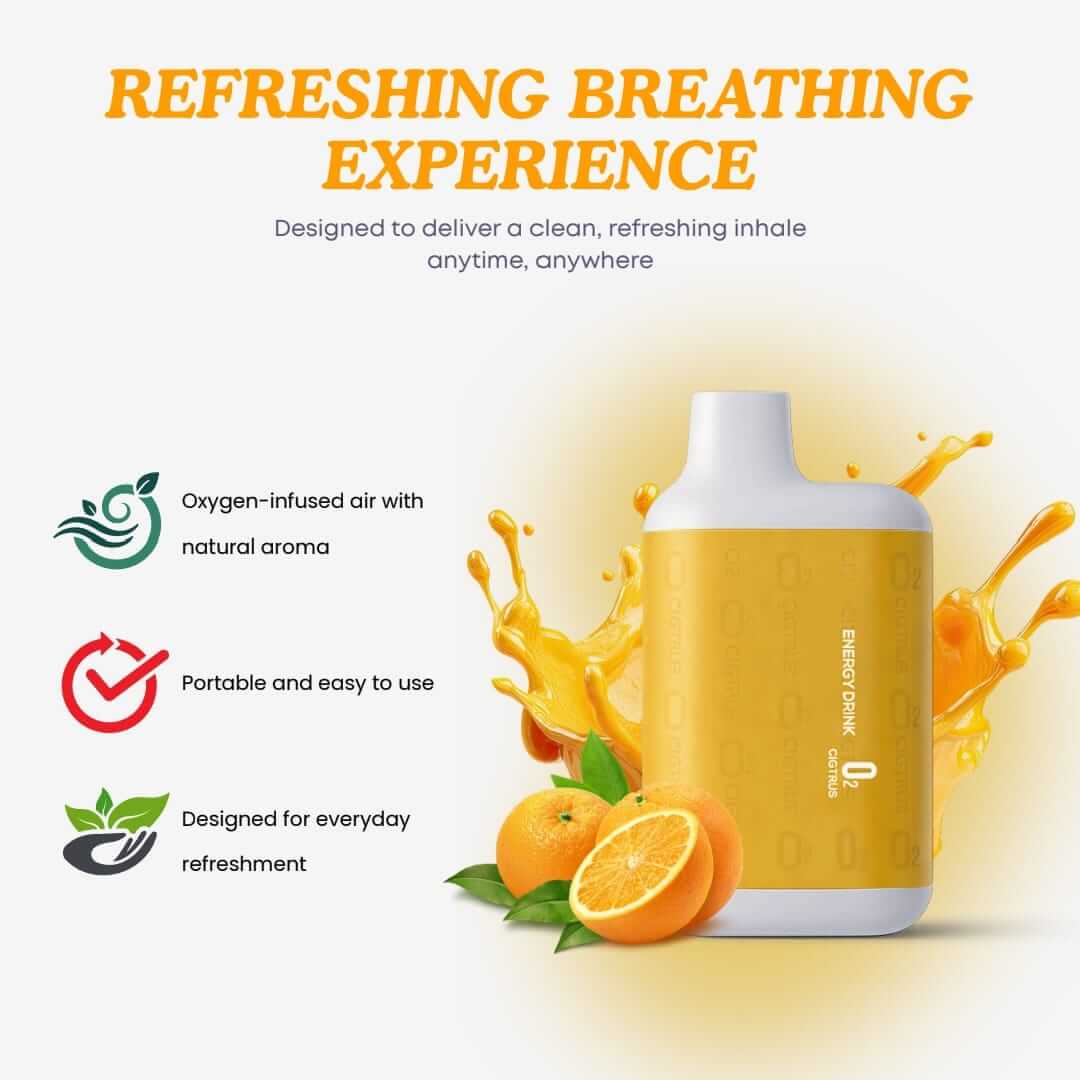
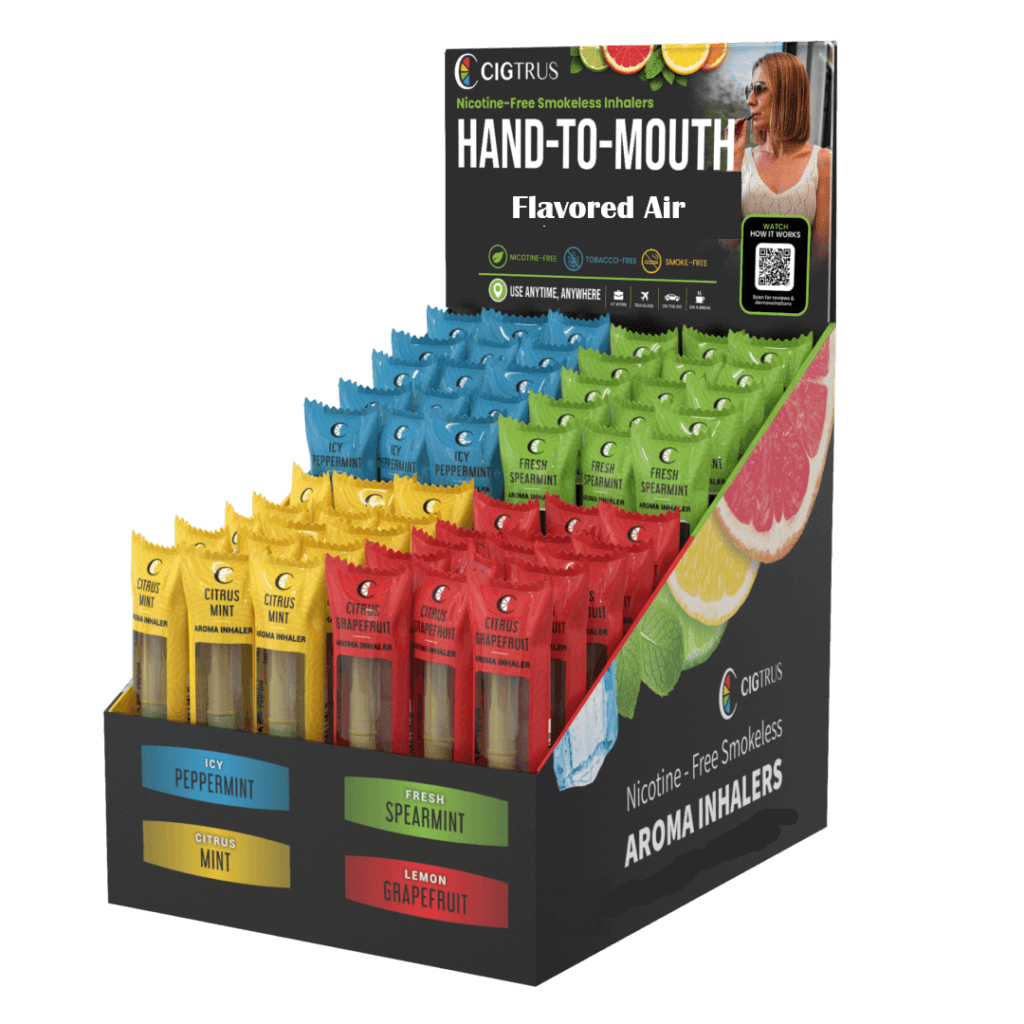
Natural citrus and mint aromas, genuine sensory satisfaction without chemicals
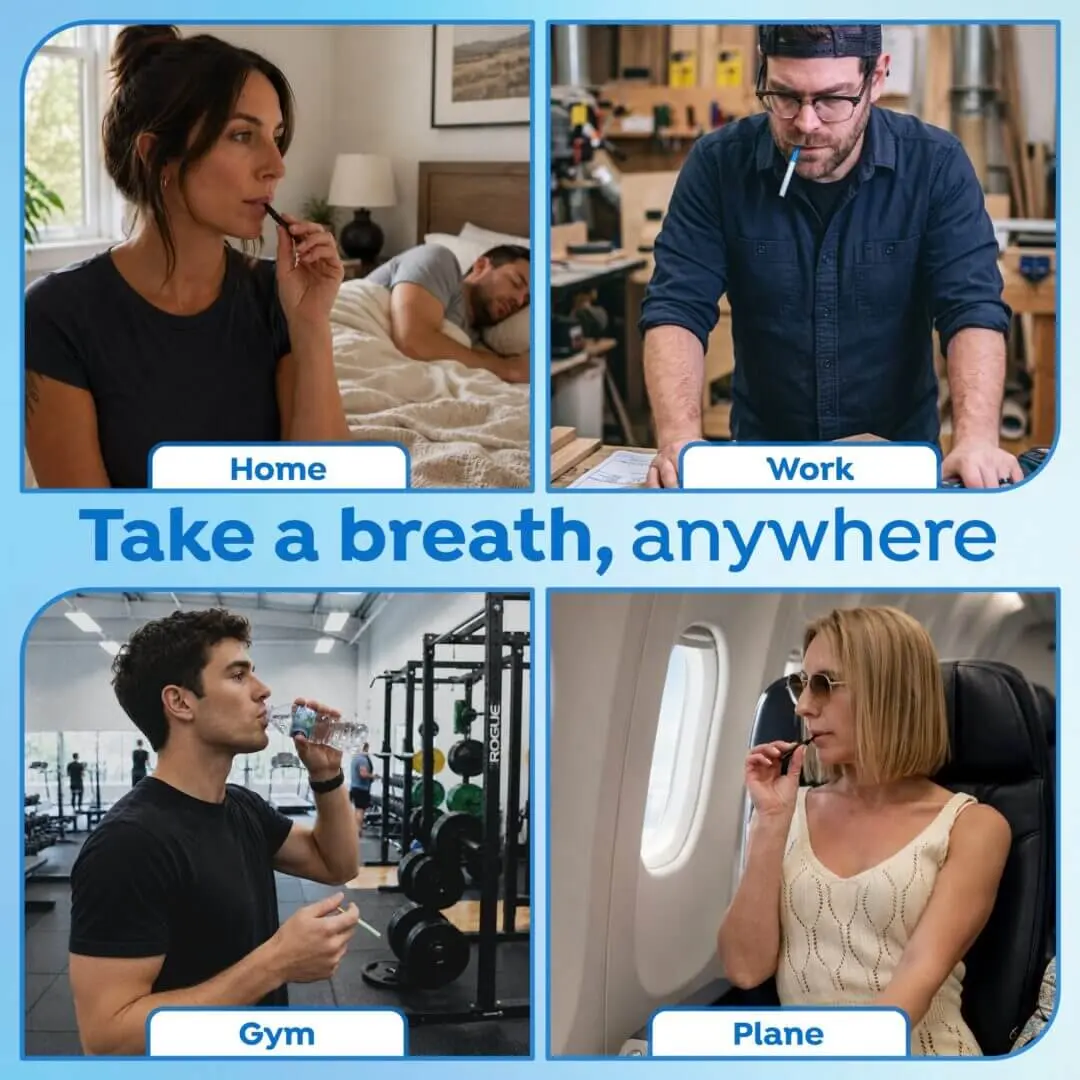
No nicotine, no vapor, no smoke, no restrictions, usable anywhere
Pocket-sized and always ready, available the instant a trigger fires
Cigtrus works best alongside, not instead of, professional support and, where appropriate, NRT or medical cessation aids. It fills the behavioral gap that those tools leave open.
Frequently Asked Questions
What is the most effective way to quit smoking?
Research consistently shows that combining NRT or medication with behavioral support and counseling produces the highest long-term success rates. Adding a behavioral habit replacement tool for the hand-to-mouth and inhalation triggers addresses the layer that most clinical tools leave untouched.
How long does it take to quit smoking?
Nicotine withdrawal typically peaks within the first few days and fades over several weeks. The behavioral habit, the triggered reach, the oral fixation, the daily routines, can persist for months and requires consistent behavioral replacement to weaken over time.
Is it normal to relapse when trying to quit smoking?
Yes. Most people who eventually quit smoking for good do so after multiple attempts. Each attempt and relapse provides information about which triggers and situations need stronger support. Relapse is not failure, it is data for improving the next attempt.
Where can I get free help to quit smoking?
Free quit-smoking support is available through 1-800-QUIT-NOW (USA), the NHS Stop Smoking service (UK), Quitline (Australia: 13 7848), and smokefree.gov. Your doctor or healthcare provider can also refer you to local cessation programs and NRT support.
Address Both Layers. Build a Complete Quit Plan.
Behavioral habit replacement alongside the right cessation support, the quit approach that addresses everything.
👉 Try the Variety Pack