
One Cigarette a Week: Unraveling the Risks and Considerations
Smoking a single cigarette a week might seem like a minimal habit — especially when contrasted with daily or heavy smoking. But the dangers of tobacco smoke are not solely determined by frequency. The harmful effects accumulate with every exposure, and even occasional smoking carries real health risks worth understanding.
The Illusion of Moderation
Smoking one cigarette a week might appear as a moderate and controlled habit. However, the dangers of smoking are not solely determined by frequency — they are also influenced by the cumulative exposure to toxic substances in every cigarette. Even minimal smoking introduces carcinogens, carbon monoxide, and other harmful chemicals into the body with each exposure.
“There is no risk-free level of tobacco exposure. Even one cigarette a week raises cardiovascular risk, introduces carcinogenic compounds, and keeps the behavioral habit active — making full cessation harder over time.”
Health Risks of Minimal Smoking
Cancer Risk
Tobacco smoke contains carcinogenic substances that increase the likelihood of developing cancers including lung, throat, and mouth cancer — regardless of how infrequently the exposure occurs.
Cardiovascular Issues
Smoking raises blood pressure, narrows blood vessels, and increases the risk of heart attacks and strokes. These cardiovascular effects are not limited to heavy smokers.
Respiratory Problems
Even occasional smoking damages the respiratory system over time, contributing to conditions like COPD and chronic bronchitis.
Reduced Immune Function
Tobacco smoke weakens the immune system, making the body more susceptible to infections and slowing recovery from illness.
Psychological Aspects
Aside from the physical health risks, smoking even one cigarette a week carries psychological implications. It can create a false sense of control — making it harder to recognize the potential for increased smoking frequency over time. Nicotine is highly addictive, and even occasional exposure can lead to a gradual escalation in smoking habits.
The weekly cigarette also keeps the behavioral habit active. The hand-to-mouth motion, the familiar associations with specific trigger moments, and the emotional comfort of the ritual are all reinforced with every repetition — no matter how infrequent.
Secondhand Smoke Concerns
Even with limited smoking, individuals expose those around them to secondhand smoke. Secondhand smoke contains many of the same harmful chemicals as directly inhaled smoke, posing health risks to non-smokers — especially children and people with existing respiratory conditions in enclosed spaces.
Factors to Consider
- Personal health history: Existing conditions or a family history of smoking-related illness can increase individual susceptibility significantly
- Addiction potential: Nicotine is highly addictive — even occasional smoking can lead to increased dependency over time
- Mental health: Smoking often becomes a coping mechanism for stress and anxiety, making emotional management strategies increasingly important
- Quitting challenges: Breaking free from even a minimal smoking habit can be genuinely challenging, especially once the behavioral routine is established
Strategies for Harm Reduction and Quitting
- Seek support: Reach out to friends, family, or support groups — having people who know about your quit intention significantly improves outcomes
- Professional guidance: Consult with a healthcare professional or cessation program for a personalized plan
- Identify triggers: Recognize exactly which situations or emotions fire the urge to smoke that once-a-week cigarette — and have a clean alternative ready for each
- Behavioral replacement: Address the hand-to-mouth habit and oral fixation that keep the weekly cigarette feeling necessary
- NRT options: Consider nicotine replacement therapy if chemical withdrawal symptoms are a factor in the occasional smoking pattern
Conclusion
While smoking one cigarette a week may seem minimal, it is not without health risks and potential consequences. Understanding the cumulative impact of tobacco exposure — both physical and psychological — is crucial for anyone engaging in this habit. For those aiming to reduce harm or quit altogether, seeking support and employing effective behavioral strategies significantly improves the chances of lasting success.
Ready to Break the Last Cigarette Habit?
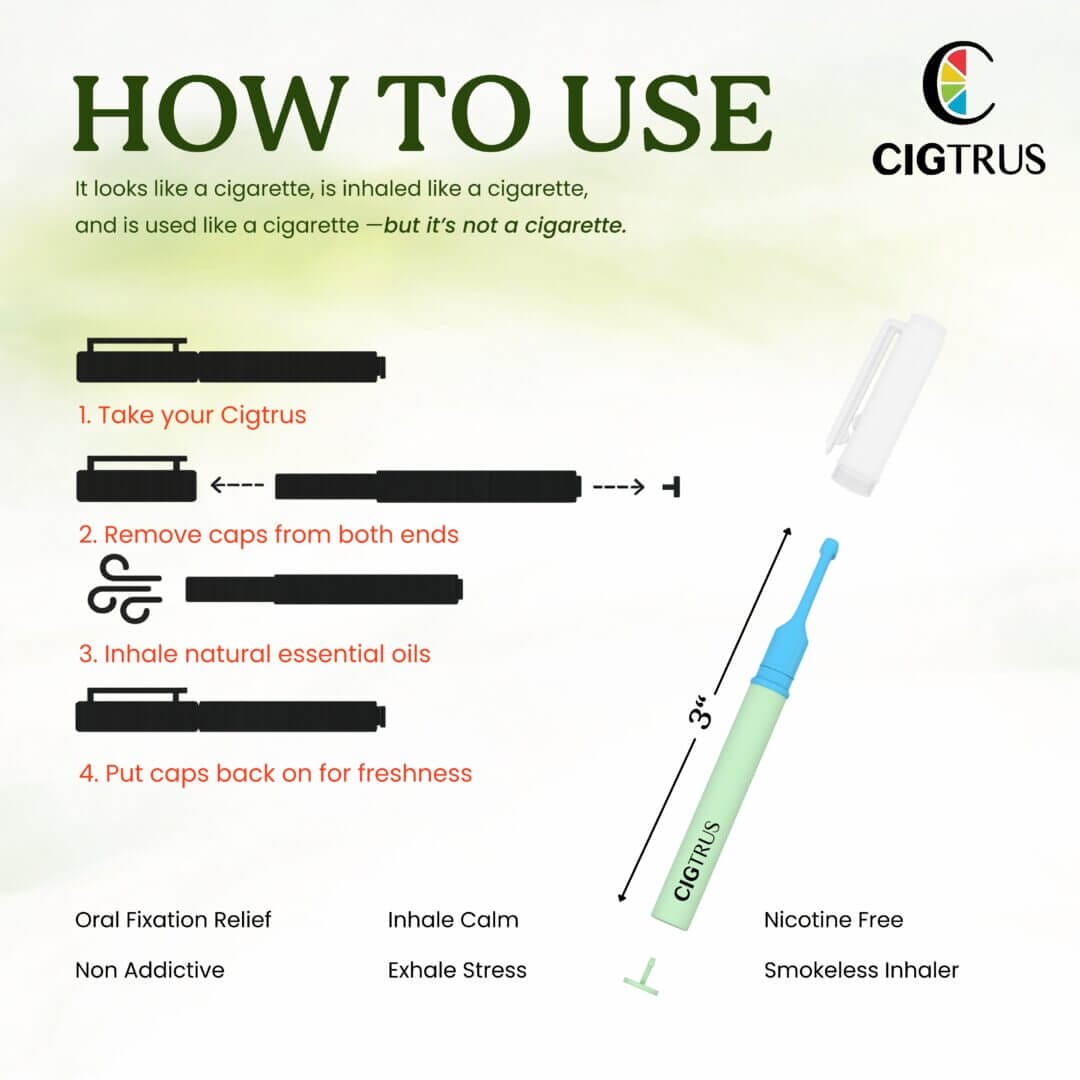
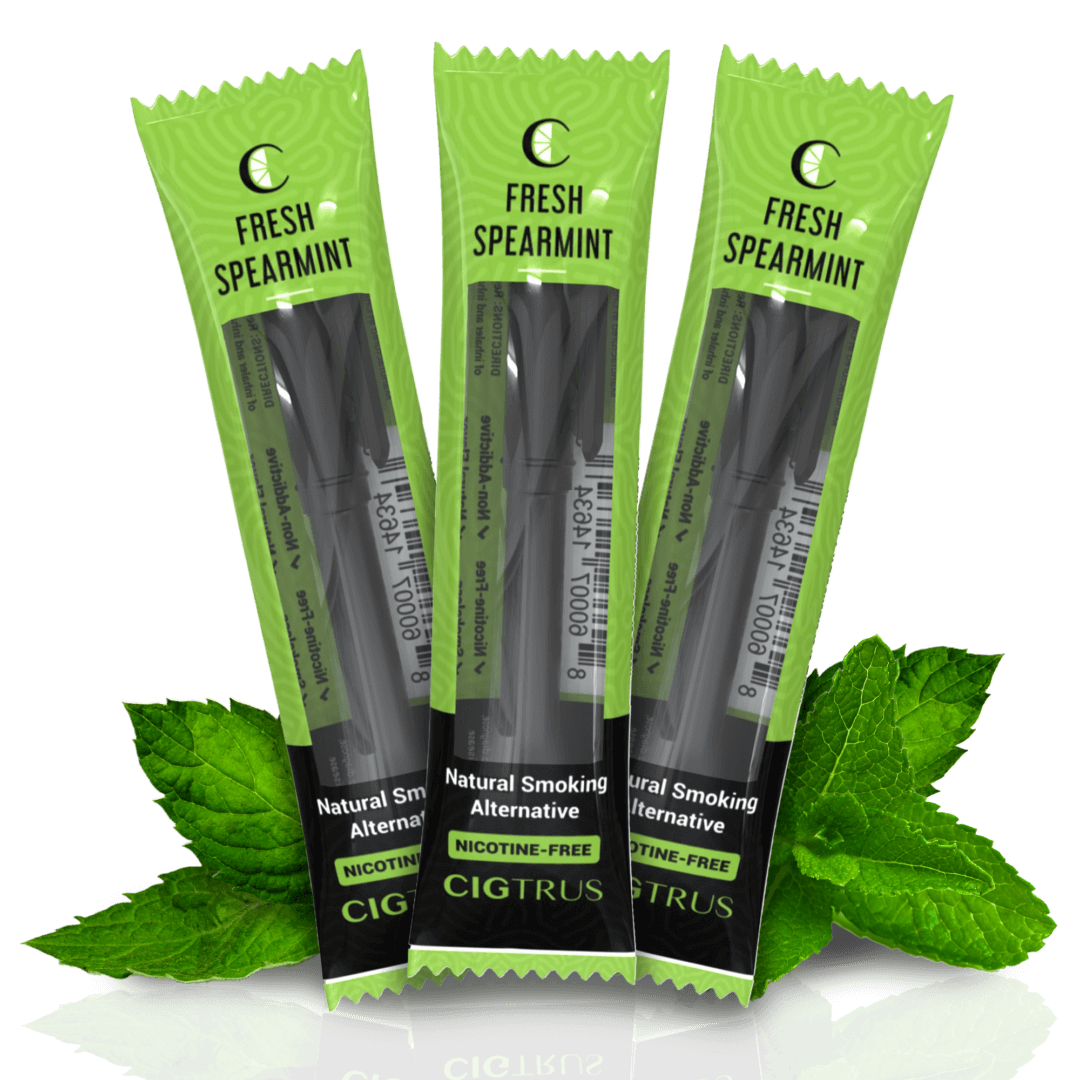
Cigtrus replaces the behavioral side of even occasional smoking — no nicotine, no vapor, ready for every trigger.
👉 Try the Variety Pack