
Building a Smoke-Free Mindset: Healthier Habits for Long-Term Change
For many adults, smoking and vaping become more than nicotine habits, they become routines connected to stress, focus, social situations, and daily rituals. That’s why long-term change often begins not with willpower, but with understanding the behavioral side of smoking habits and replacing old routines with healthier alternatives.
Understanding the Habit Loop
Many smokers are not only attached to nicotine itself, but also to the repeated hand-to-mouth motion, the inhalation routine, and the moments associated with smoking throughout the day. Coffee breaks, driving, stress, social settings, and work routines can all become connected to smoking behavior over time.
Recognizing these patterns is one of the first steps toward building healthier smoke-free habits. The trigger fires, but once you know which triggers are firing and when, you can prepare a clean response for each one before it happens.
“Long-term smoke-free change is built from small consistent decisions, not a single dramatic moment. Every trigger handled with a clean alternative instead of a cigarette weakens the old pattern and strengthens the new one.”
Replacing the Routine Instead of Fighting It
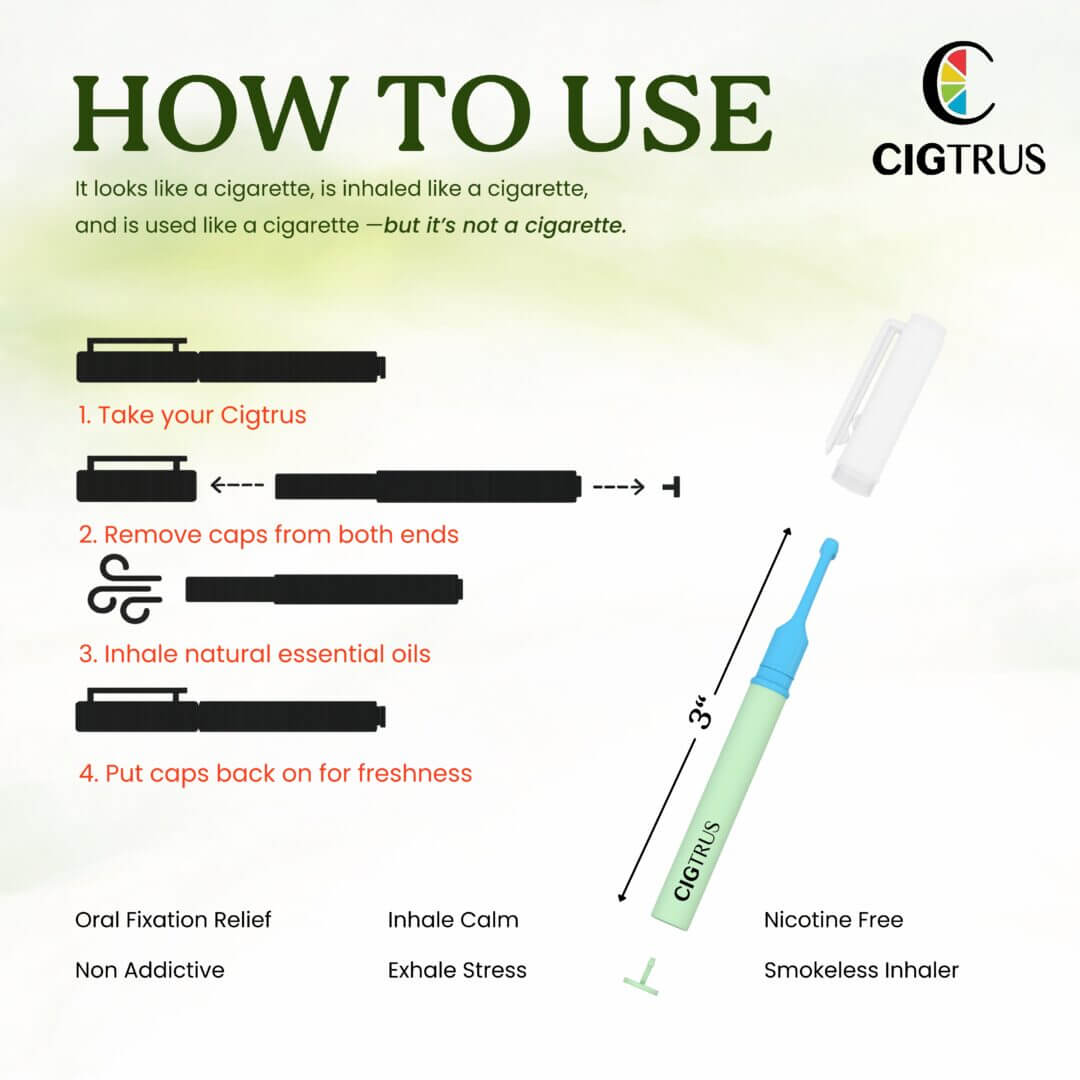
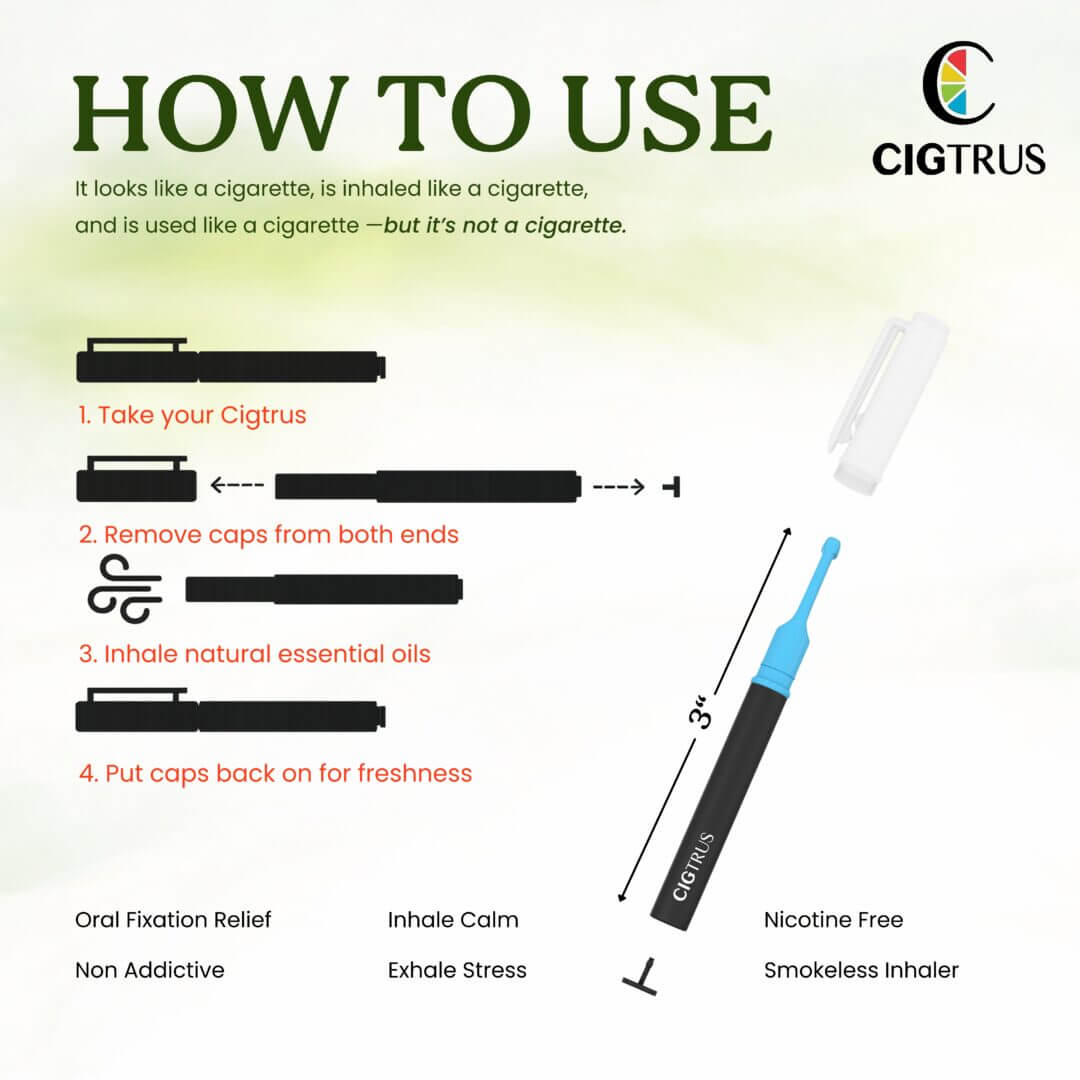
Some adults find it easier to transition away from smoking when they replace the routine itself instead of simply trying to ignore cravings. Behavioral habit replacement tools, oral fixation support, fresh natural aromas, breathing exercises, movement, hydration, and healthier routines may all help support this transition.
The goal is not to feel deprived, but to create new habits that feel more positive, manageable, and sustainable. When the hands and mouth have somewhere clean to go at every trigger moment, the craving has less power over the decision.
Triggers Become Easier to Manage Over Time
Stress, boredom, anxiety, and certain environments can trigger smoking urges. Learning to identify these triggers helps people prepare healthier responses ahead of time, rather than reacting automatically in the moment. Many former smokers report that cravings gradually lose intensity once routines begin changing and new habits are formed consistently.
The key is consistency over intensity. One trigger handled cleanly moves the process forward. Thousands of triggers handled cleanly, one at a time over weeks and months, rewire the automatic response.
Building a Smoke-Free Lifestyle
A smoke-free lifestyle is not only about avoiding cigarettes or vaping devices, it is about creating routines that support better breathing, cleaner environments, improved confidence, and healthier daily choices. Small consistent changes often lead to long-term progress. The lifestyle emerges from the accumulated small decisions, not from a single commitment.
Progress Matters More Than Perfection
Every person’s journey is different. Some people make major changes quickly, while others improve gradually over time through behavioral awareness, healthier routines, and lifestyle adjustments. The important part is continuing to move toward healthier habits and building routines that support long-term smoke-free living.
Progress, not perfection, is what builds the smoke-free mindset that lasts.
Build the Mindset. One Clean Response at a Time.
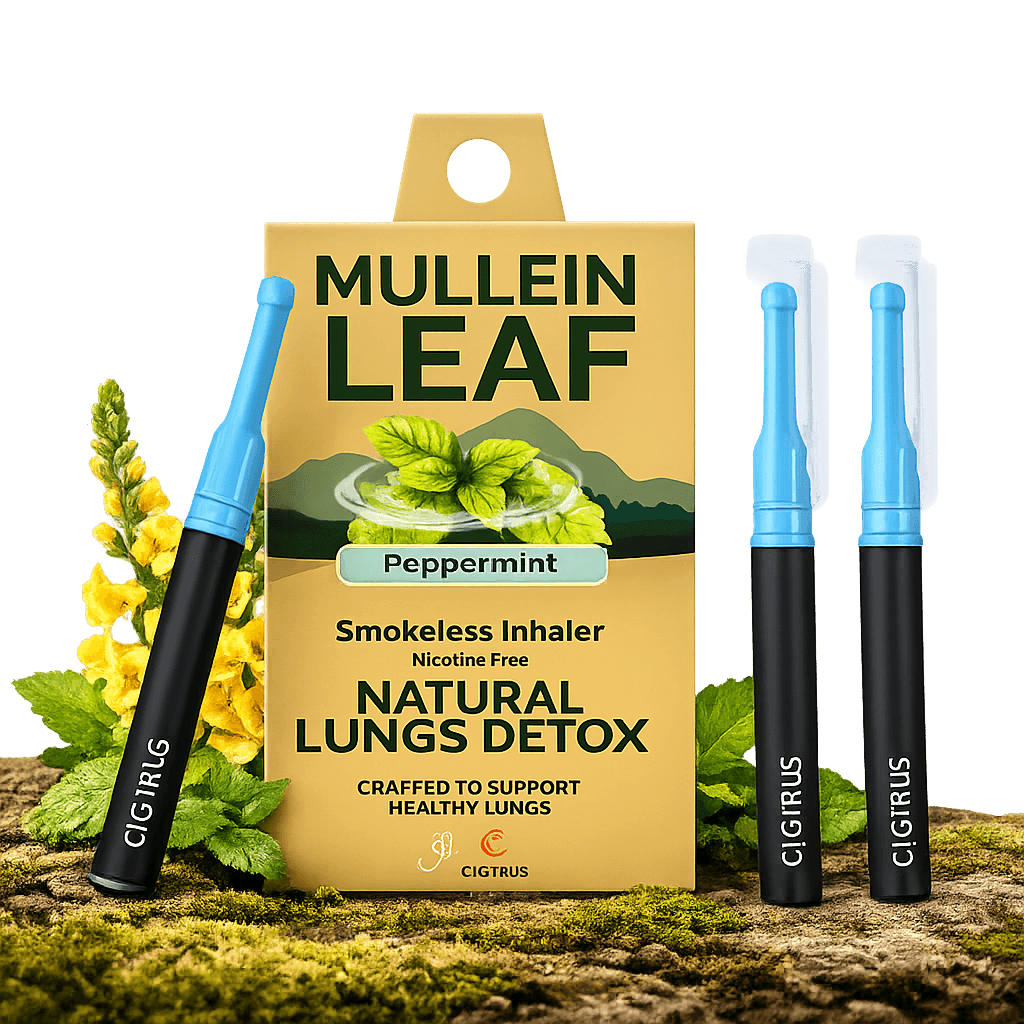
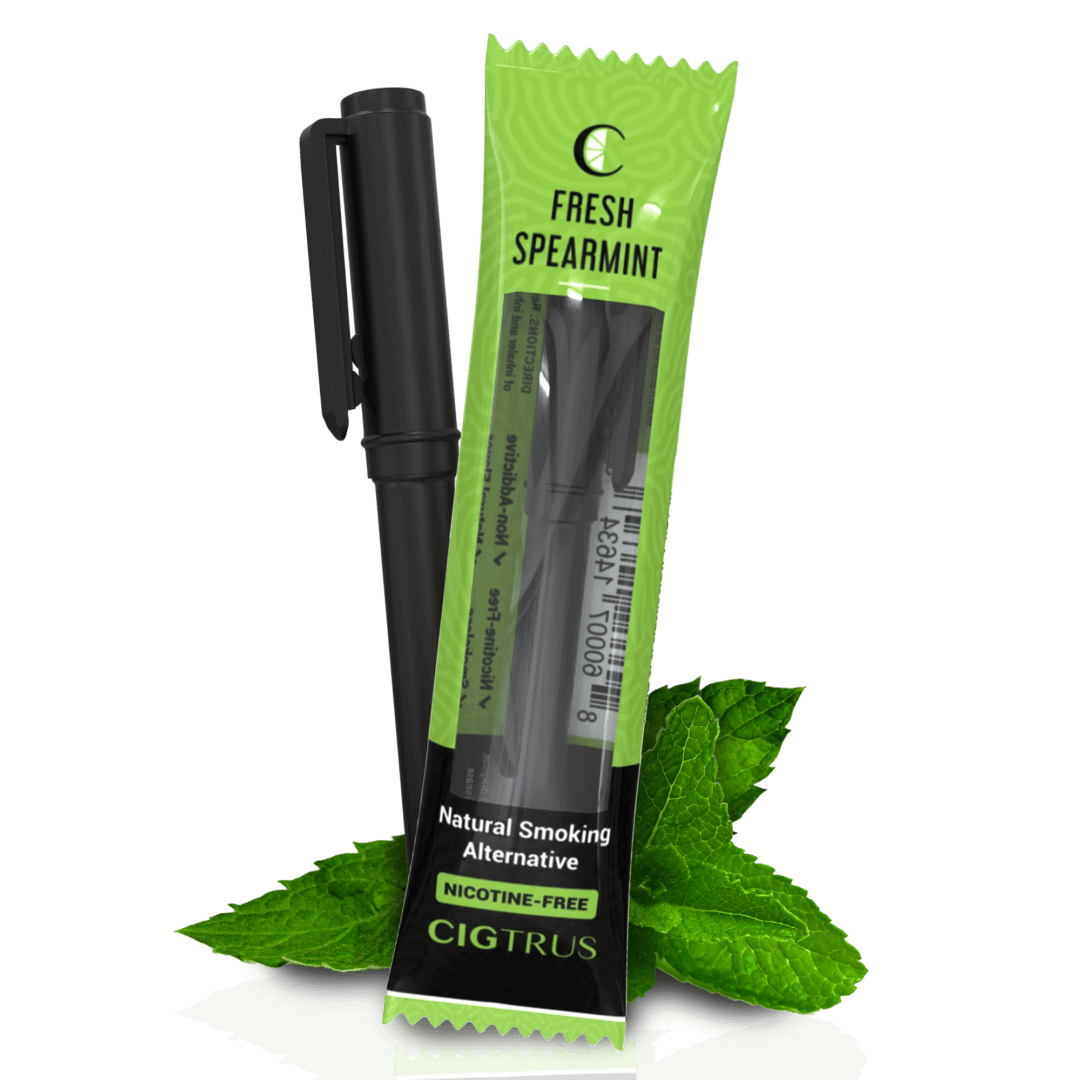
Nicotine-free, vapor-free, ready for every trigger, the behavioral tool that supports long-term smoke-free living.
👉 Try the Variety Pack