
Nicotine-Free Inhalers for Smoke-Free Smoking Cessation Support
Quitting smoking is a journey that often requires multiple strategies working together. While medications and nicotine replacement therapy address the chemical dependency effectively, many smokers discover that the behavioral layer, the hand-to-mouth habit, oral fixation, and inhalation routine, persists long after nicotine withdrawal ends and continues triggering cravings at familiar moments throughout the day. Nicotine-free inhalers offer a natural, vapor-free approach to supporting exactly that behavioral side.
The Challenge of Smoking Cessation
Quitting smoking is challenging because it involves two distinct layers that both require attention. The chemical dependency on nicotine produces withdrawal symptoms, cravings, irritability, difficulty concentrating, that peak in the first days and weeks. The behavioral habit, the automatic reach at every familiar trigger, the oral fixation, the inhalation rhythm, can persist for months and is driven by behavioral association rather than chemical need.
Most smokers who struggle to quit are managing both layers simultaneously, often without tools for the behavioral side. Cravings are not always about nicotine, and the ones that outlast withdrawal rarely are.
“Many smokers reduce their nicotine intake successfully, and still reach for a cigarette at every morning coffee, every stressful moment, every post-meal pause. That is not nicotine. That is the behavioral habit demanding a replacement.”
How Nicotine-Free Inhalers Support Cessation
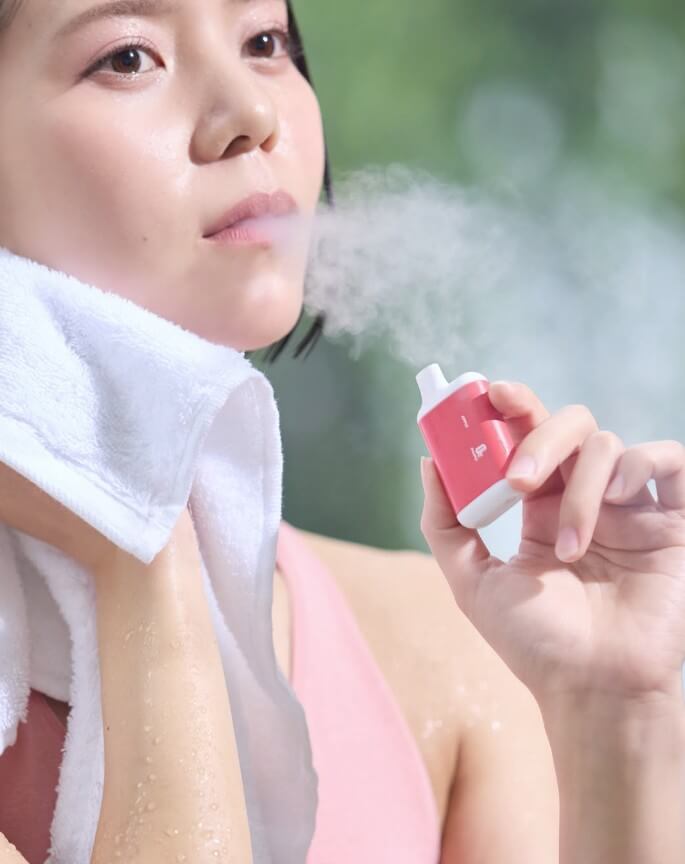
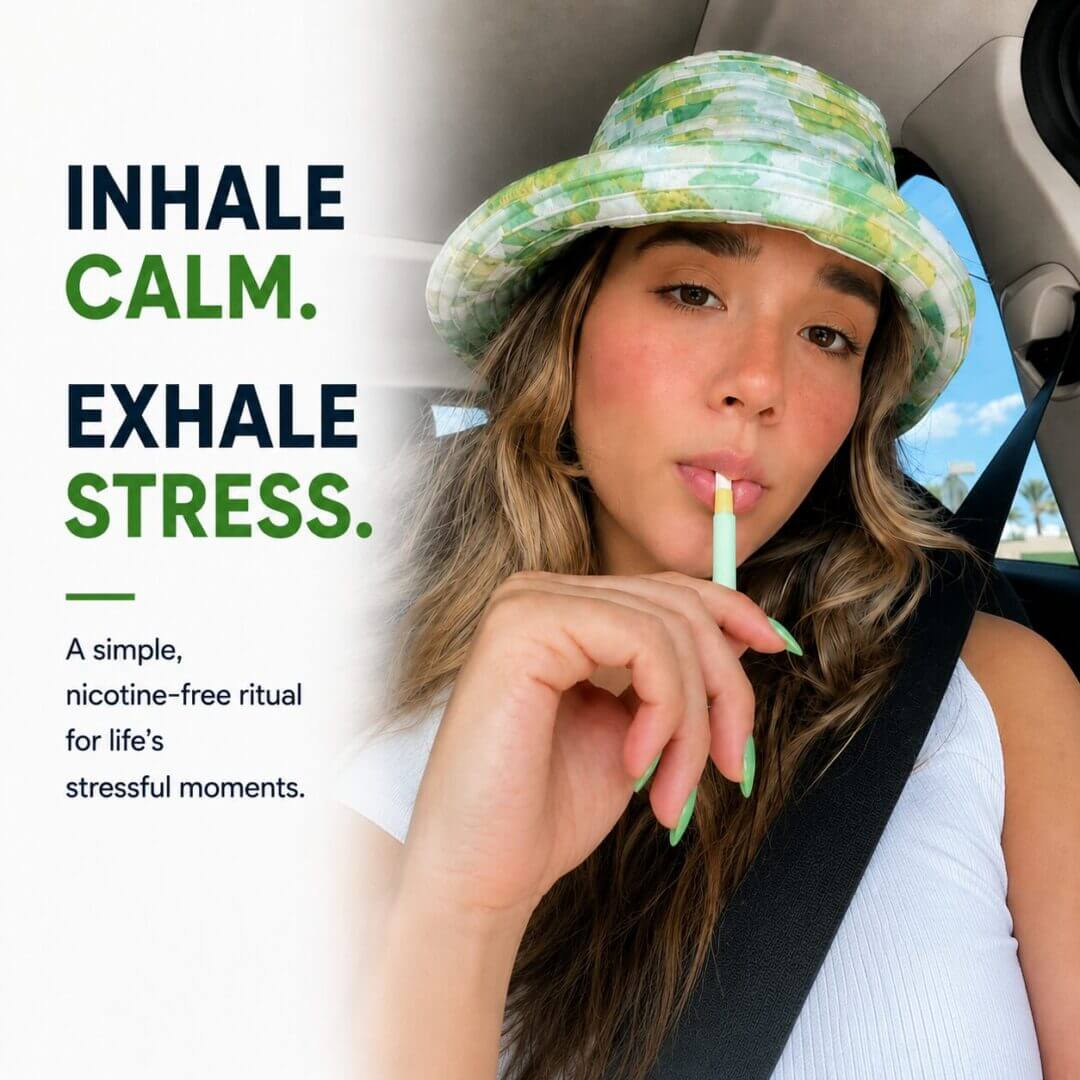
Nicotine-free inhalers provide behavioral support by giving the familiar hand-to-mouth habit a clean destination at every trigger moment. Unlike NRT or prescription medication, they address the routine and sensory side of smoking rather than the chemical side, making them a complementary tool rather than a standalone solution.
Benefits of Nicotine-Free Inhalers for Cessation
Replaces the hand-to-mouth motion, the automatic behavioral reach that fires at every familiar trigger
Supports oral fixation, gives the mouth a familiar sensation without any substance delivery
Preserves the inhalation rhythm, the familiar breath that smoking built into every trigger moment
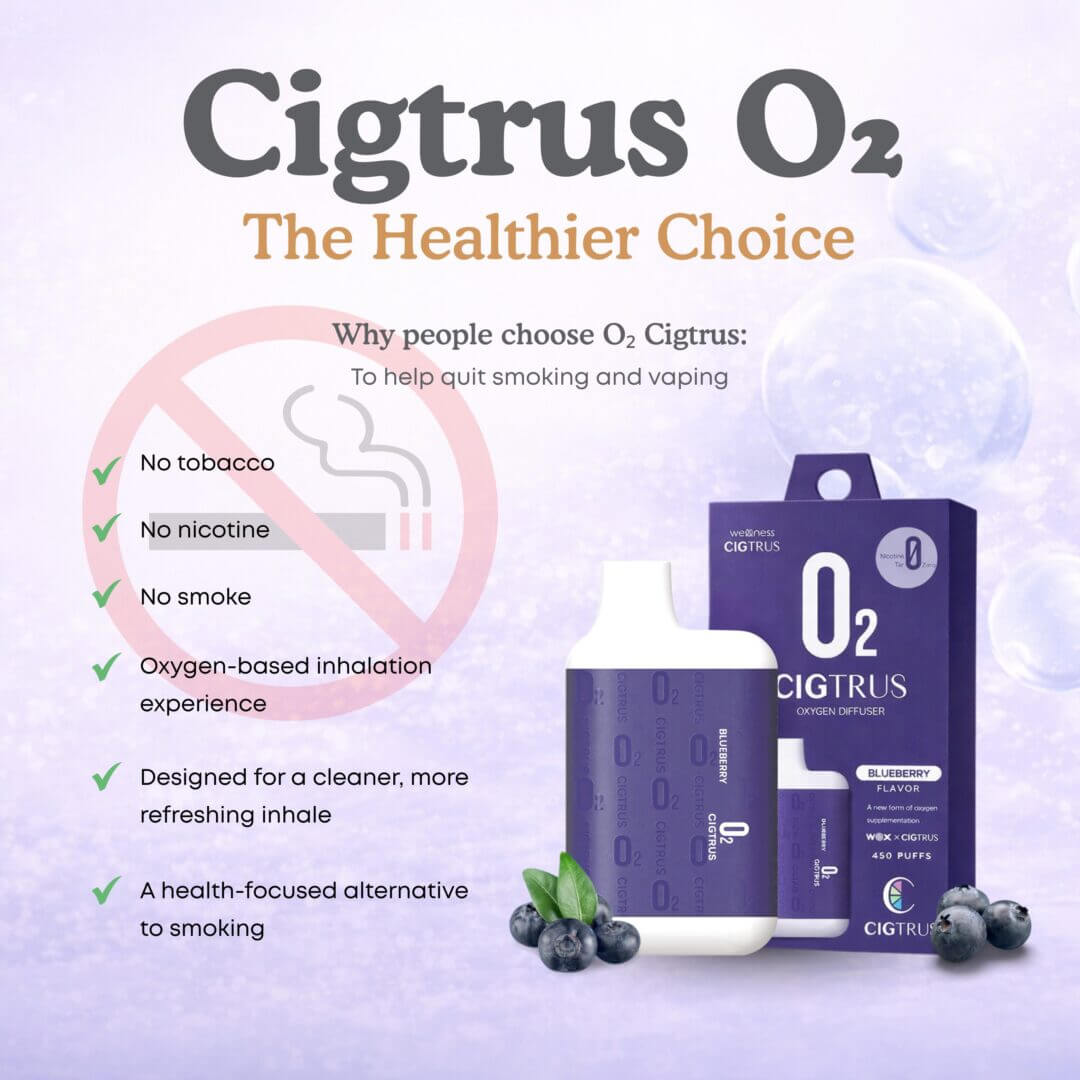
No nicotine, breaks chemical dependency rather than continuing it through a new delivery mechanism
Natural aromas, food-grade essential oil scents provide a positive sensory signal at craving moments
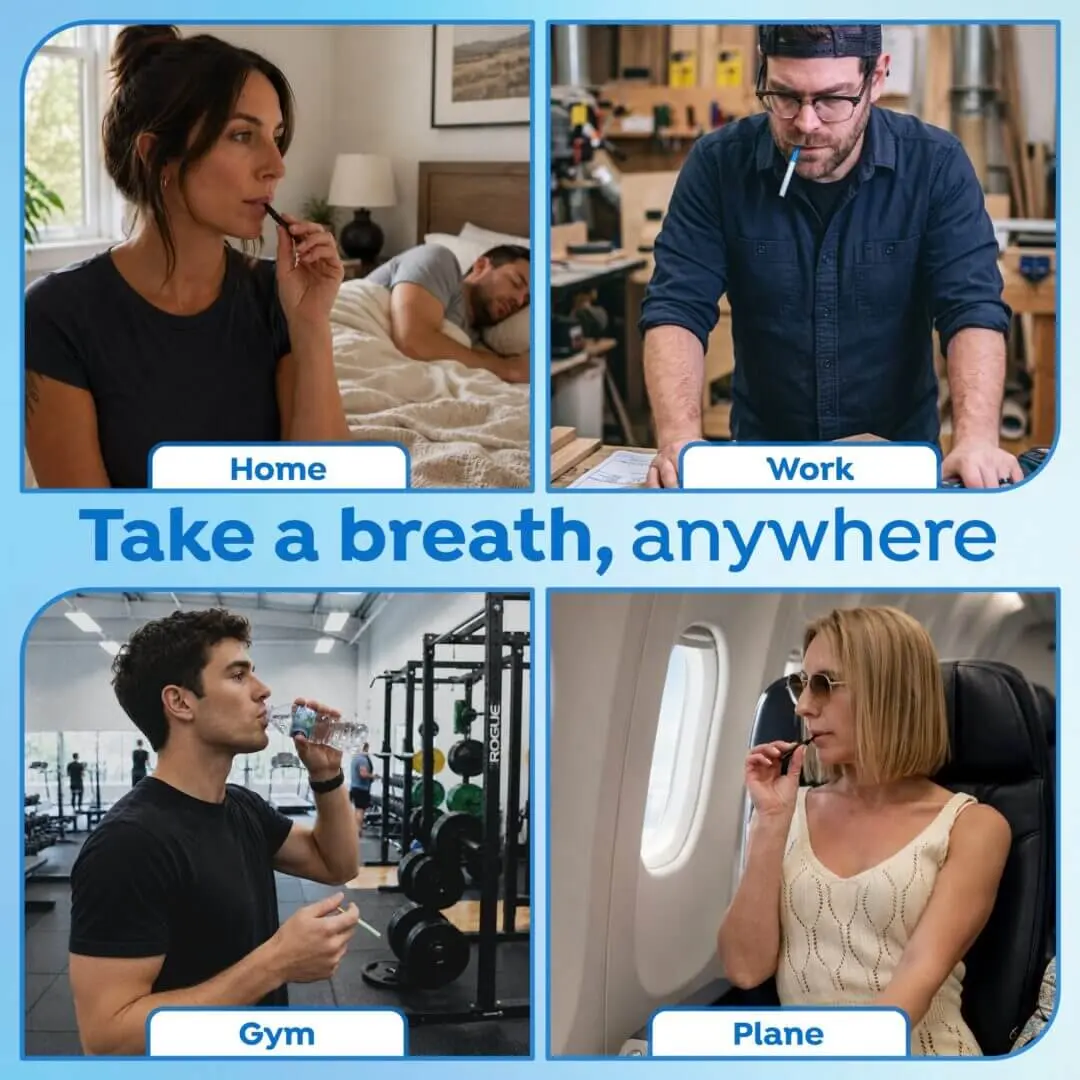
Usable anywhere, offices, flights, indoors, wherever the behavioral habit used to live
Combining Behavioral Support with Professional Cessation Guidance
Nicotine-free inhalers work best as a complement to professional cessation support, not a replacement for it. NRT addresses the chemical withdrawal layer effectively. Medication can reduce cravings and ease the transition. Behavioral counseling identifies triggers and builds coping strategies. A nicotine-free inhaler fills the gap all of these leave open: the moment-to-moment behavioral habit that continues firing throughout the day.
Together, these approaches cover both layers of the smoking habit, which is why combined cessation strategies consistently produce better long-term outcomes than any single approach alone.
- Talk to your healthcare provider about a complete cessation plan
- Consider NRT for chemical withdrawal management during the early weeks
- Use a nicotine-free inhaler consistently at every behavioral trigger throughout the day
- Seek behavioral support or counseling if triggers feel difficult to manage alone
- Use free resources: 1-800-QUIT-NOW (USA), smokefree.gov, NHS Stop Smoking (UK)
Cigtrus: Nicotine-Free Behavioral Support for Cessation
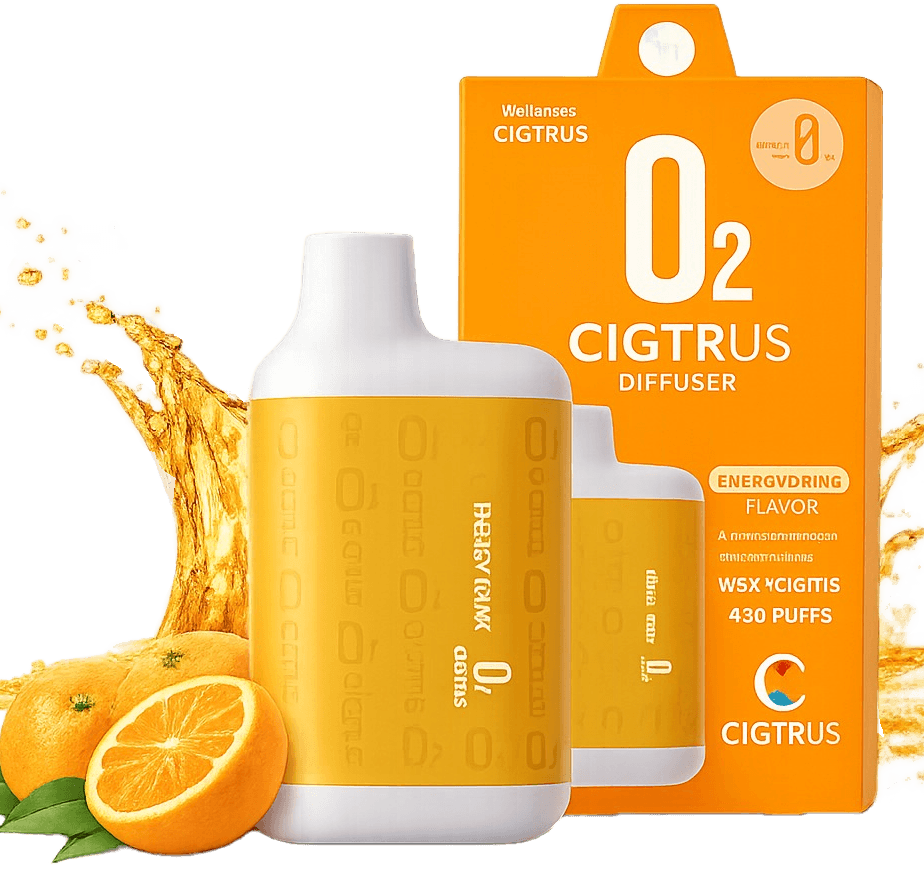
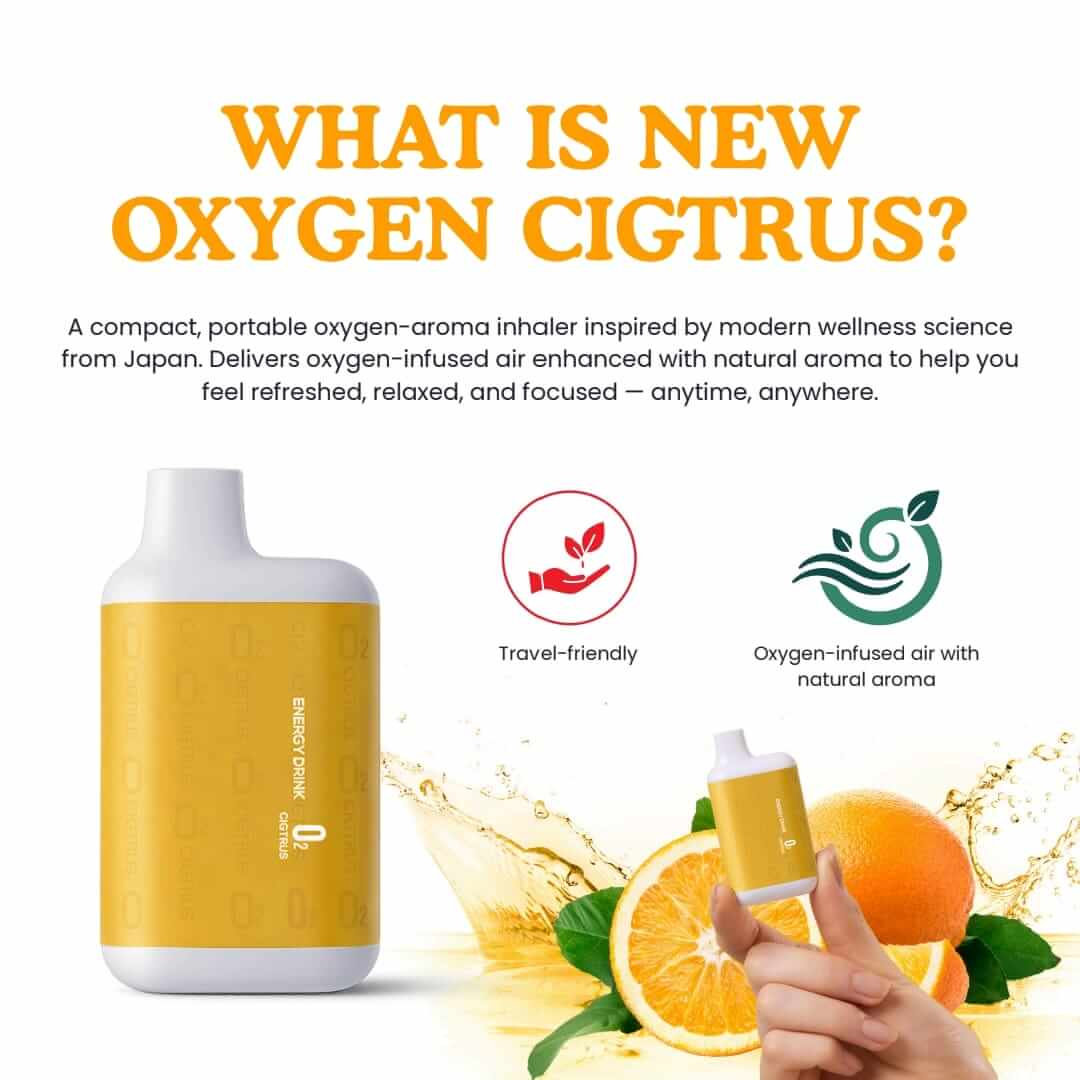
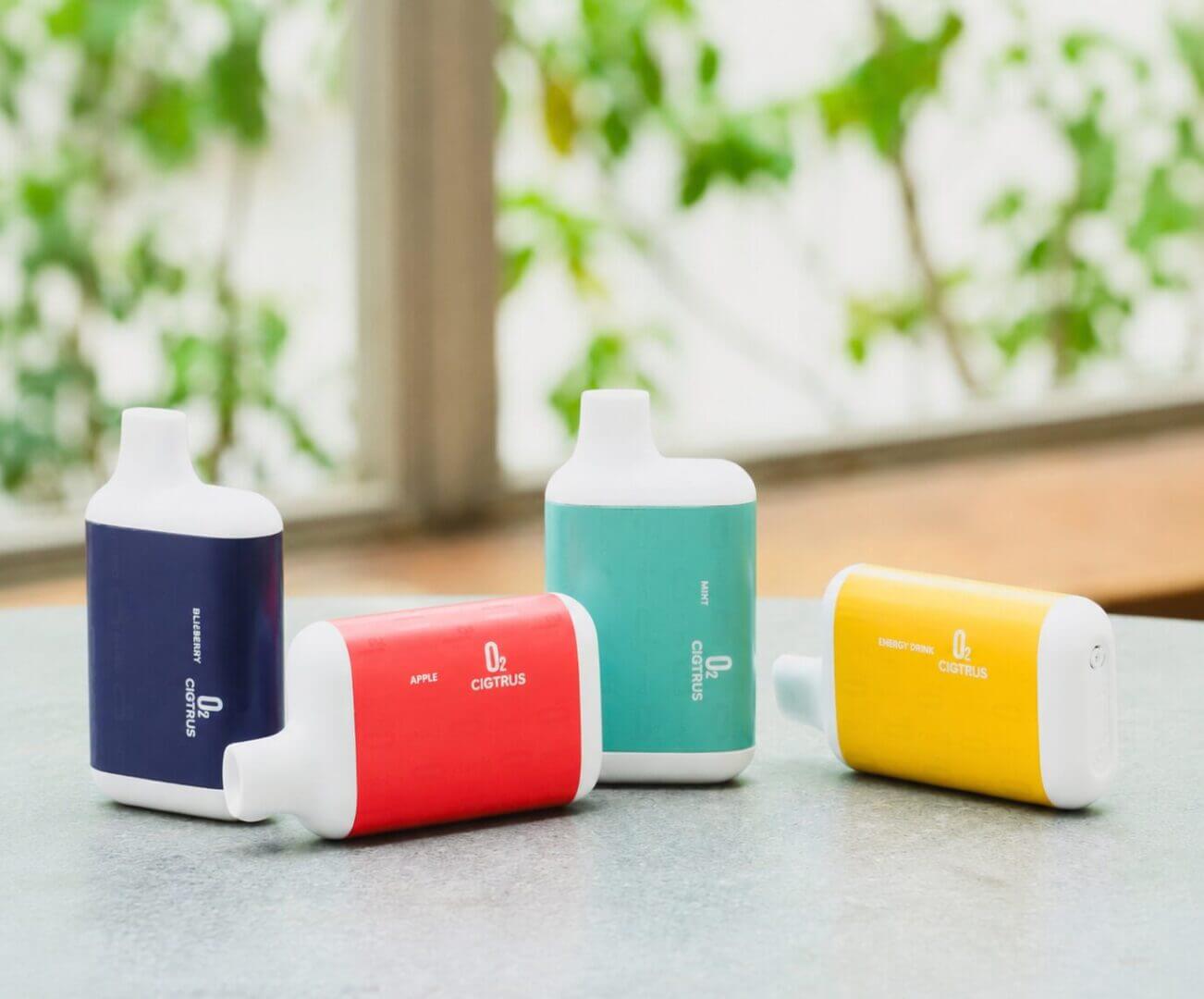
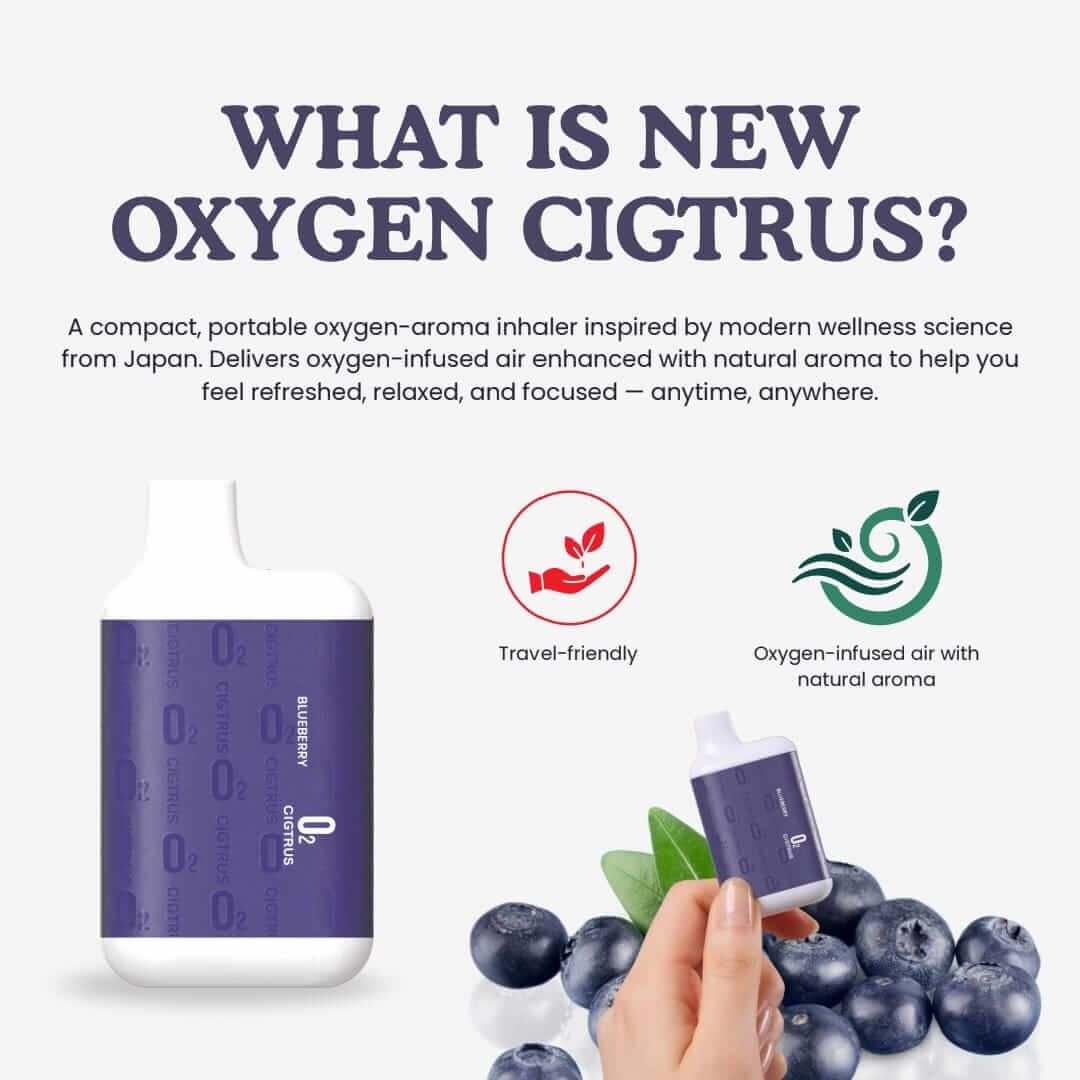
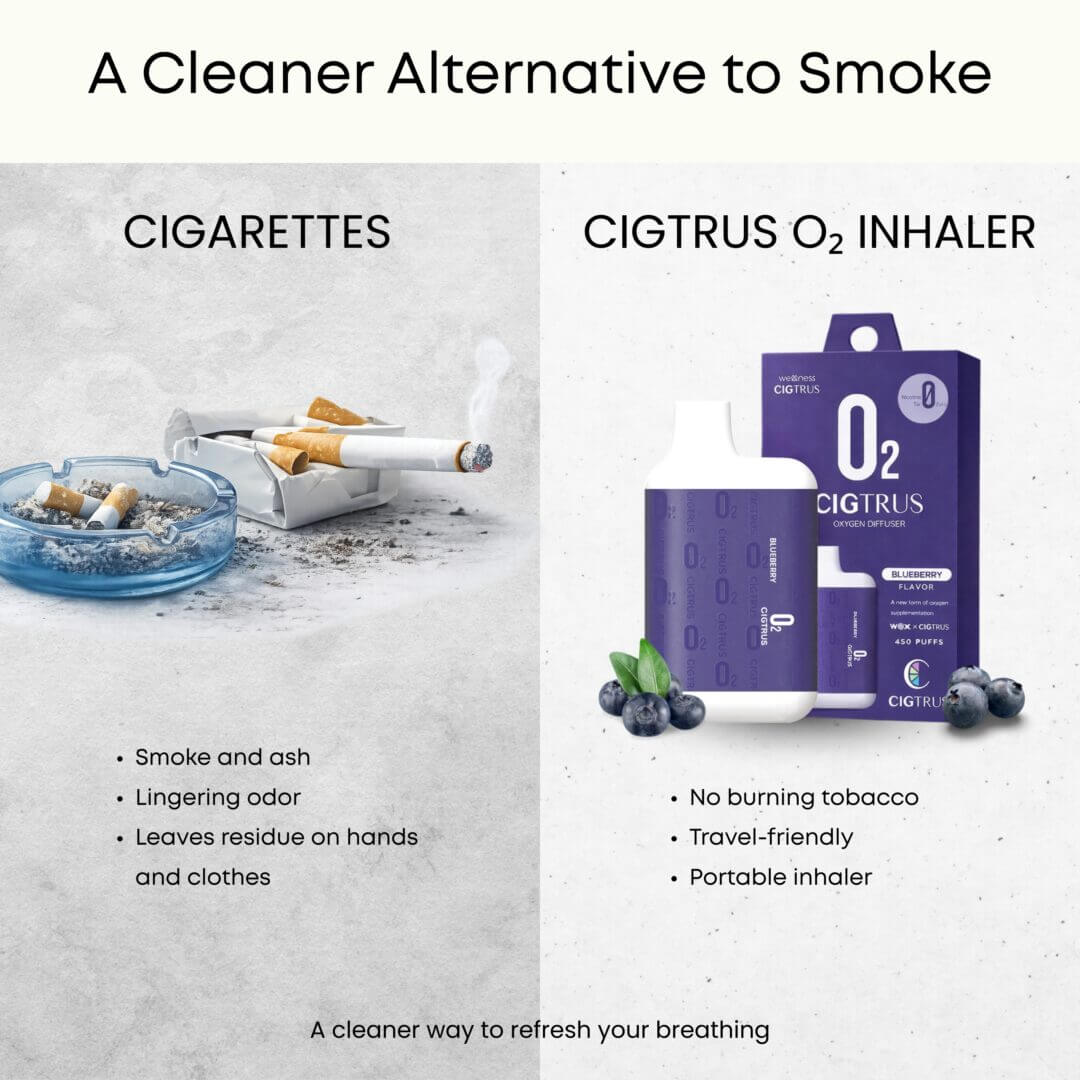
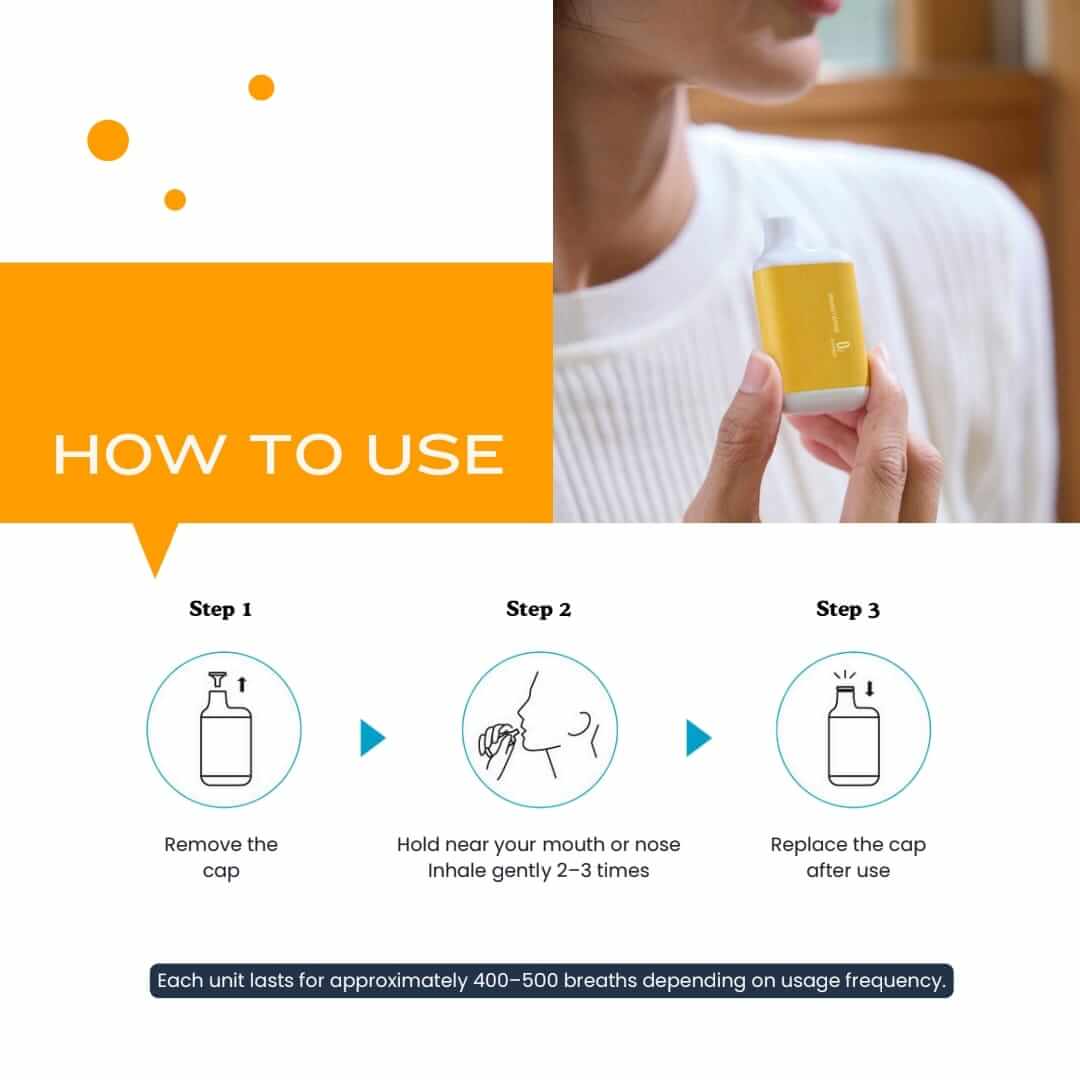
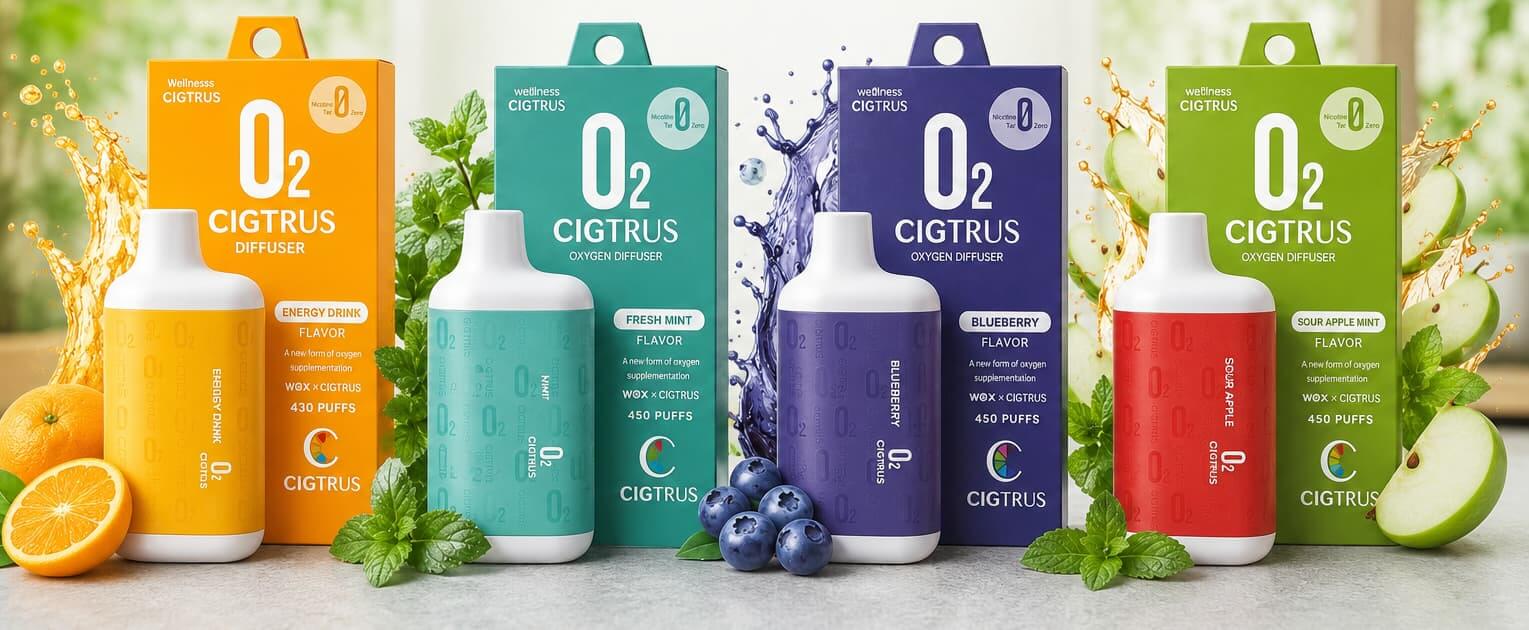
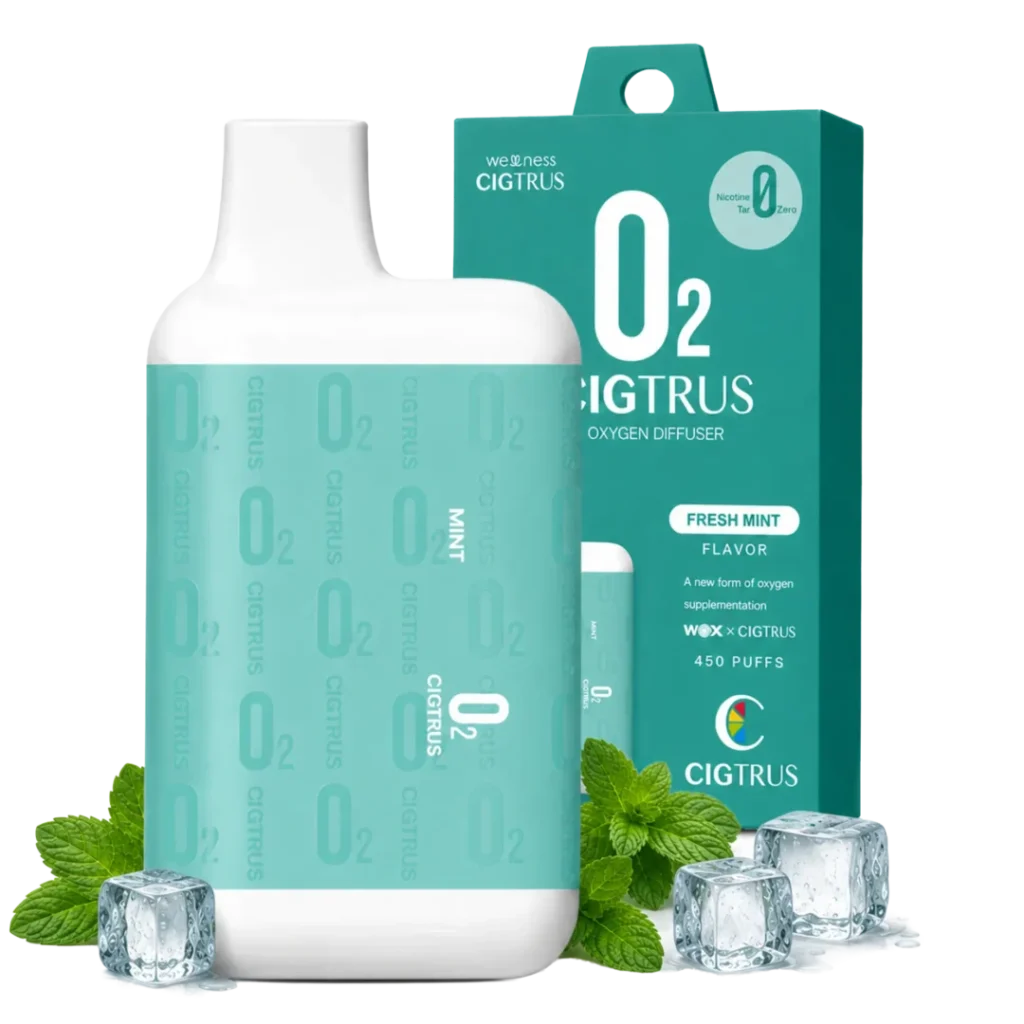
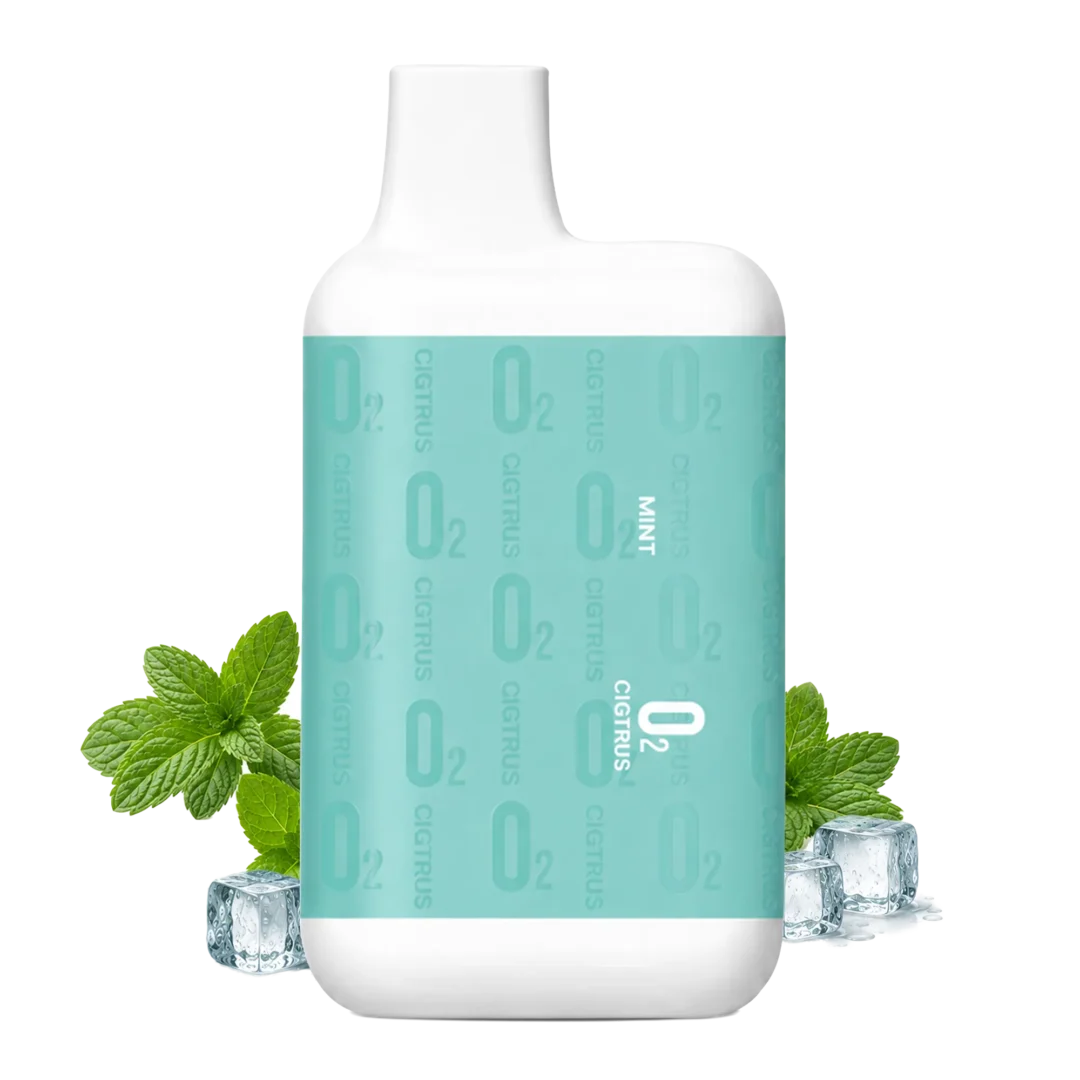
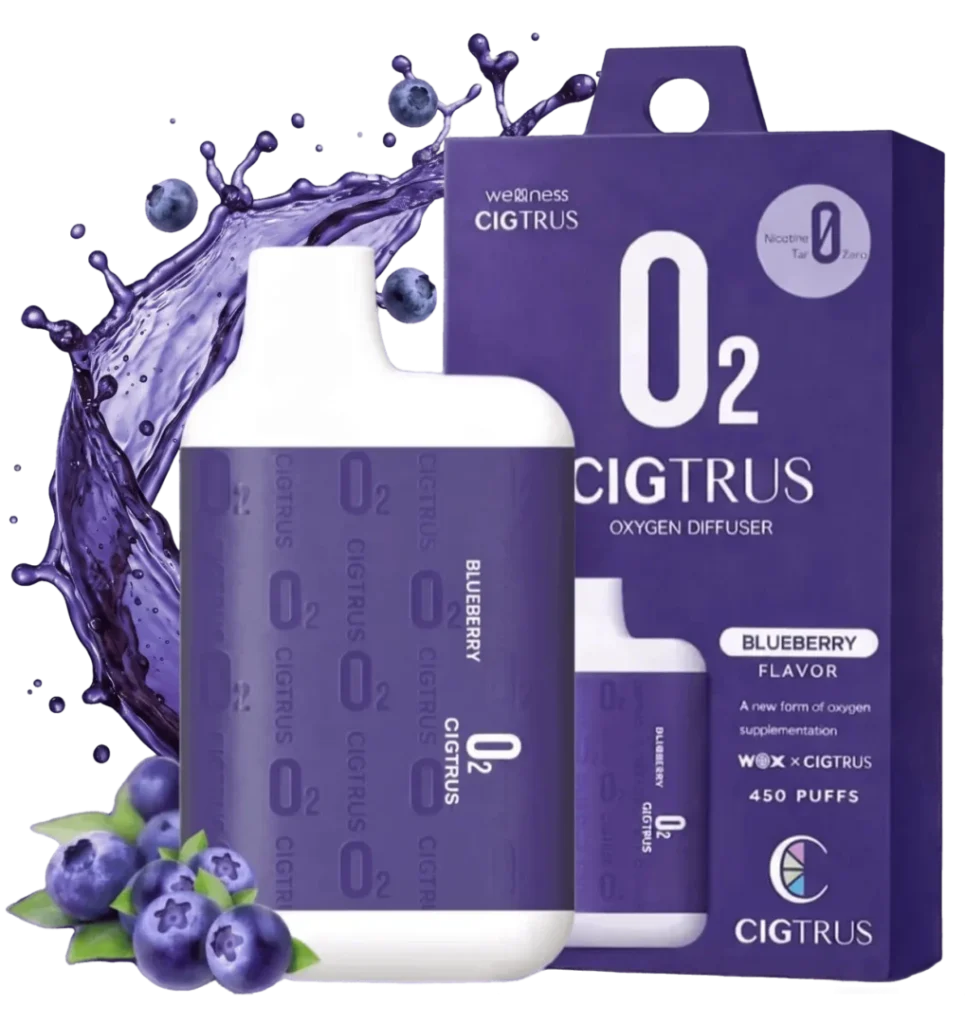
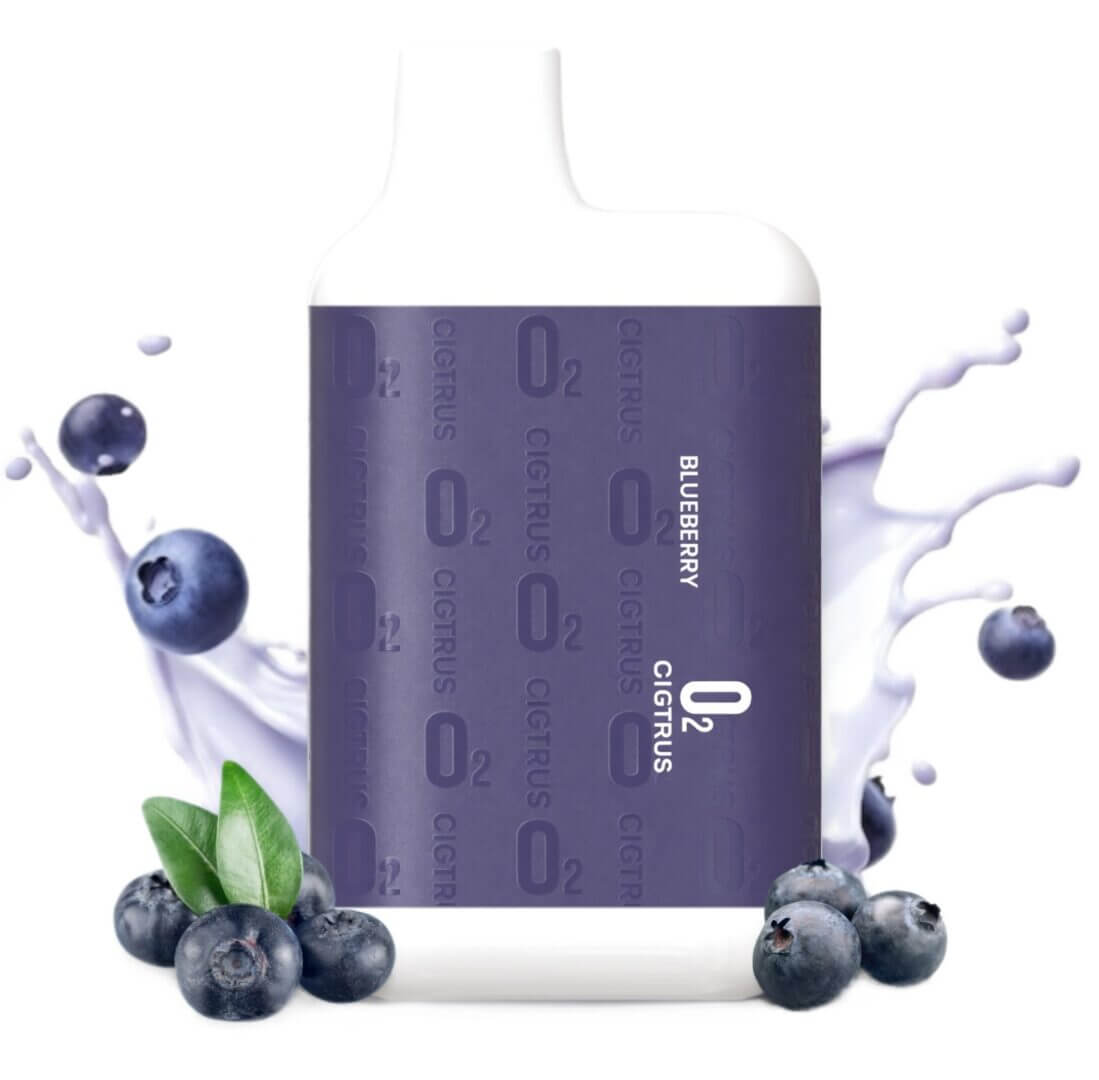
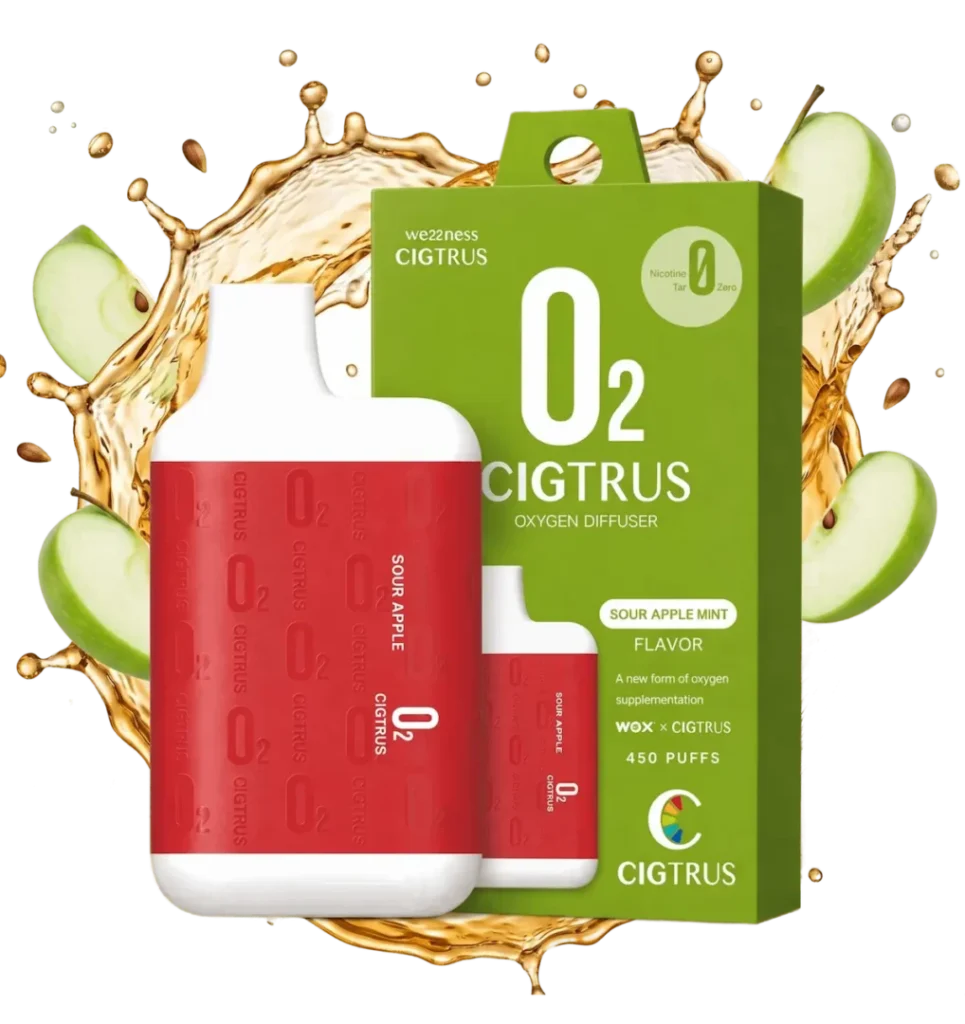
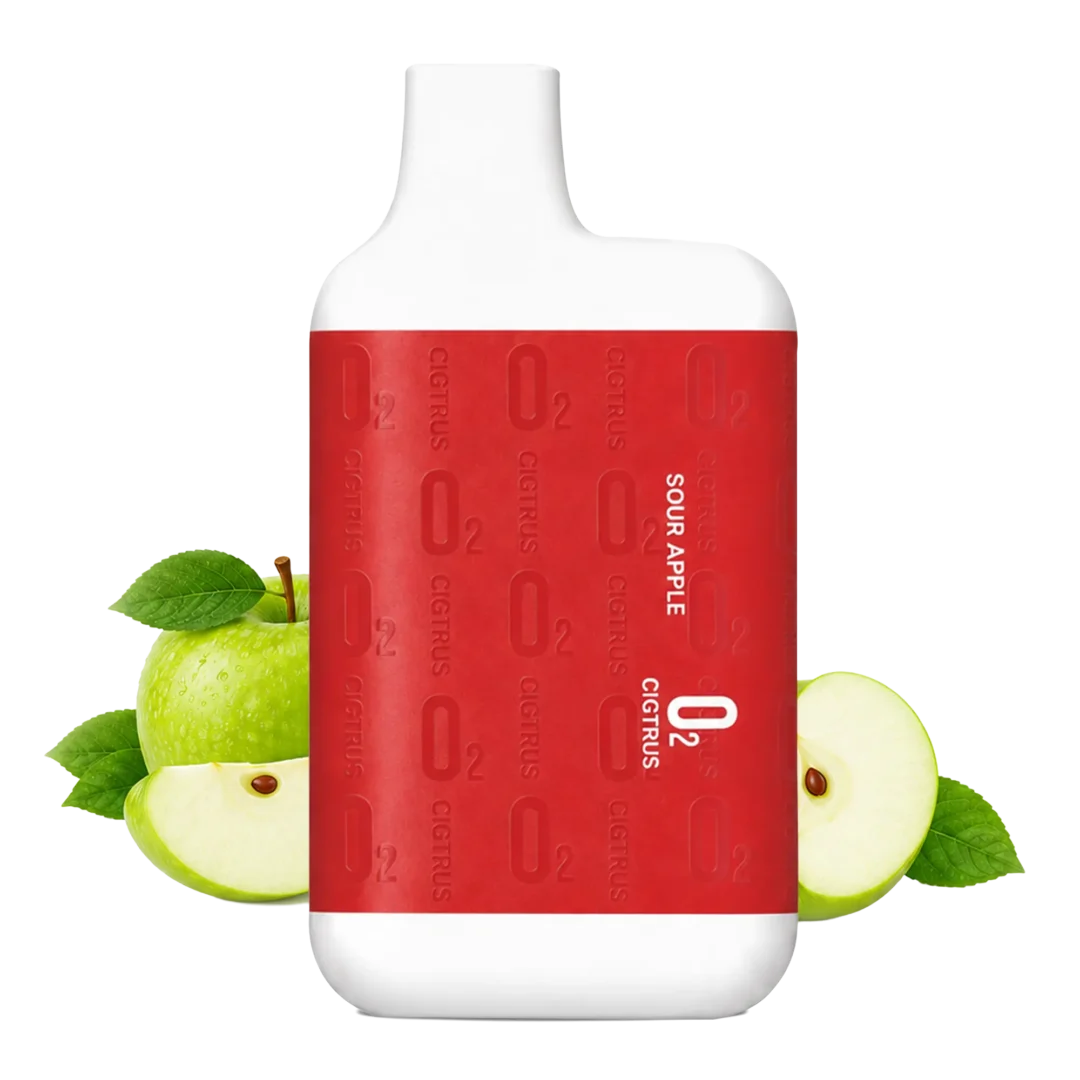
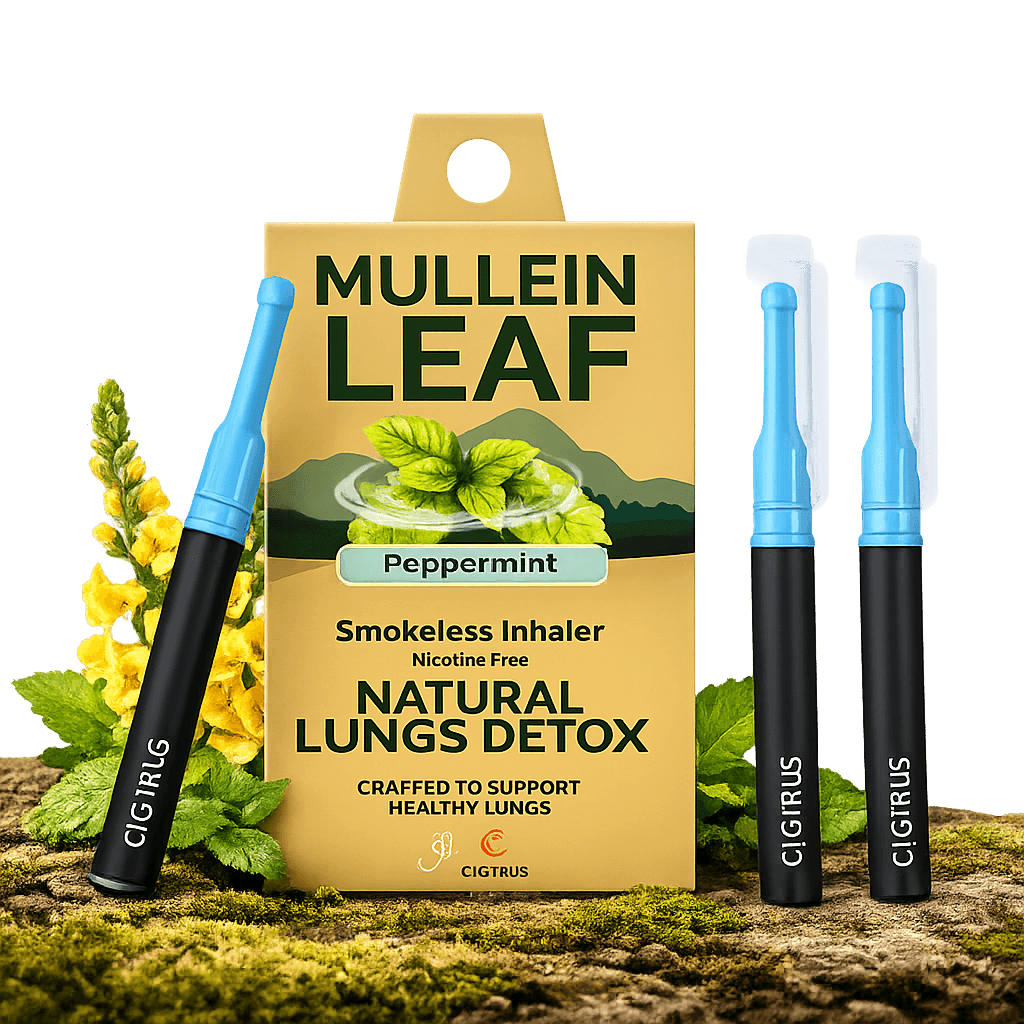
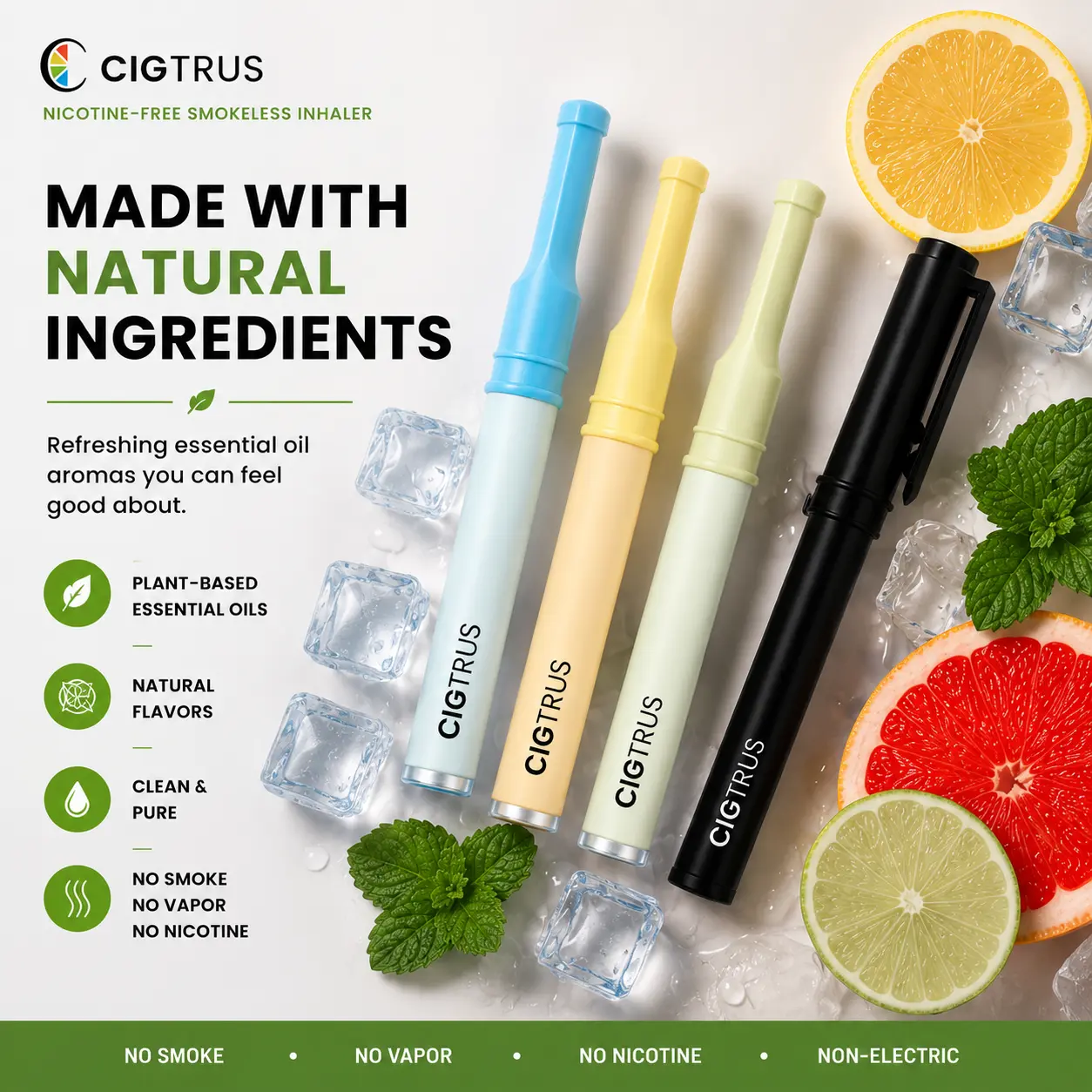
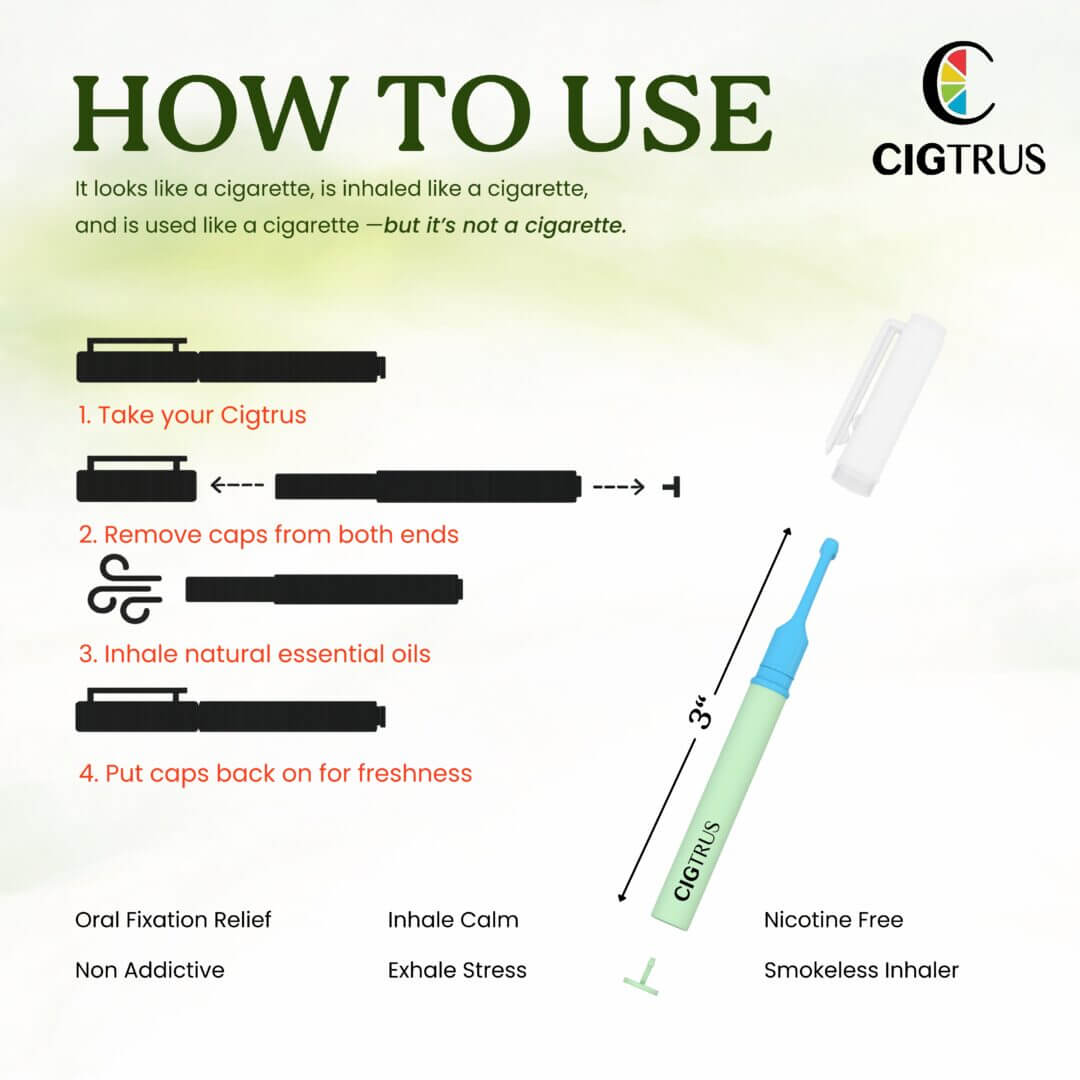
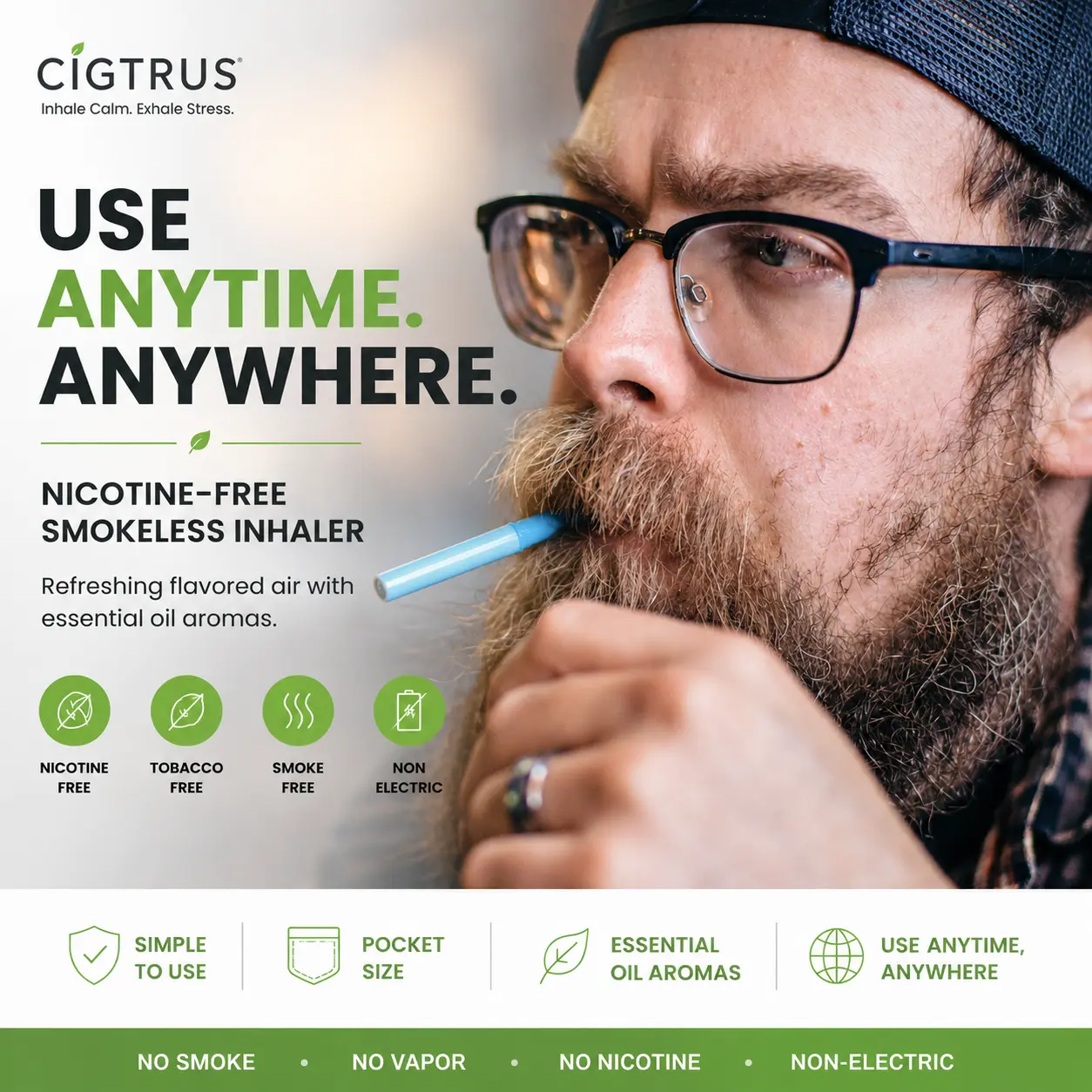
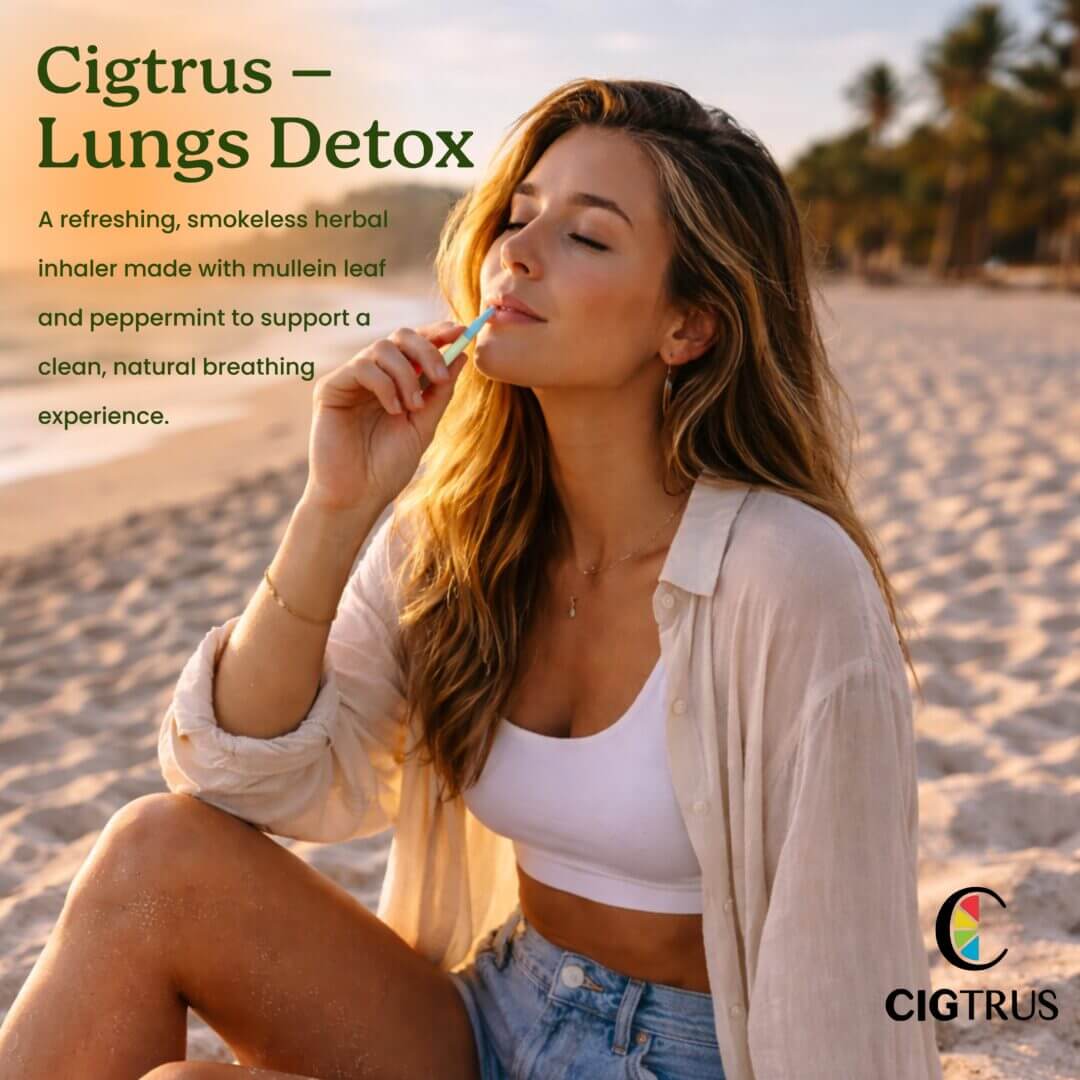
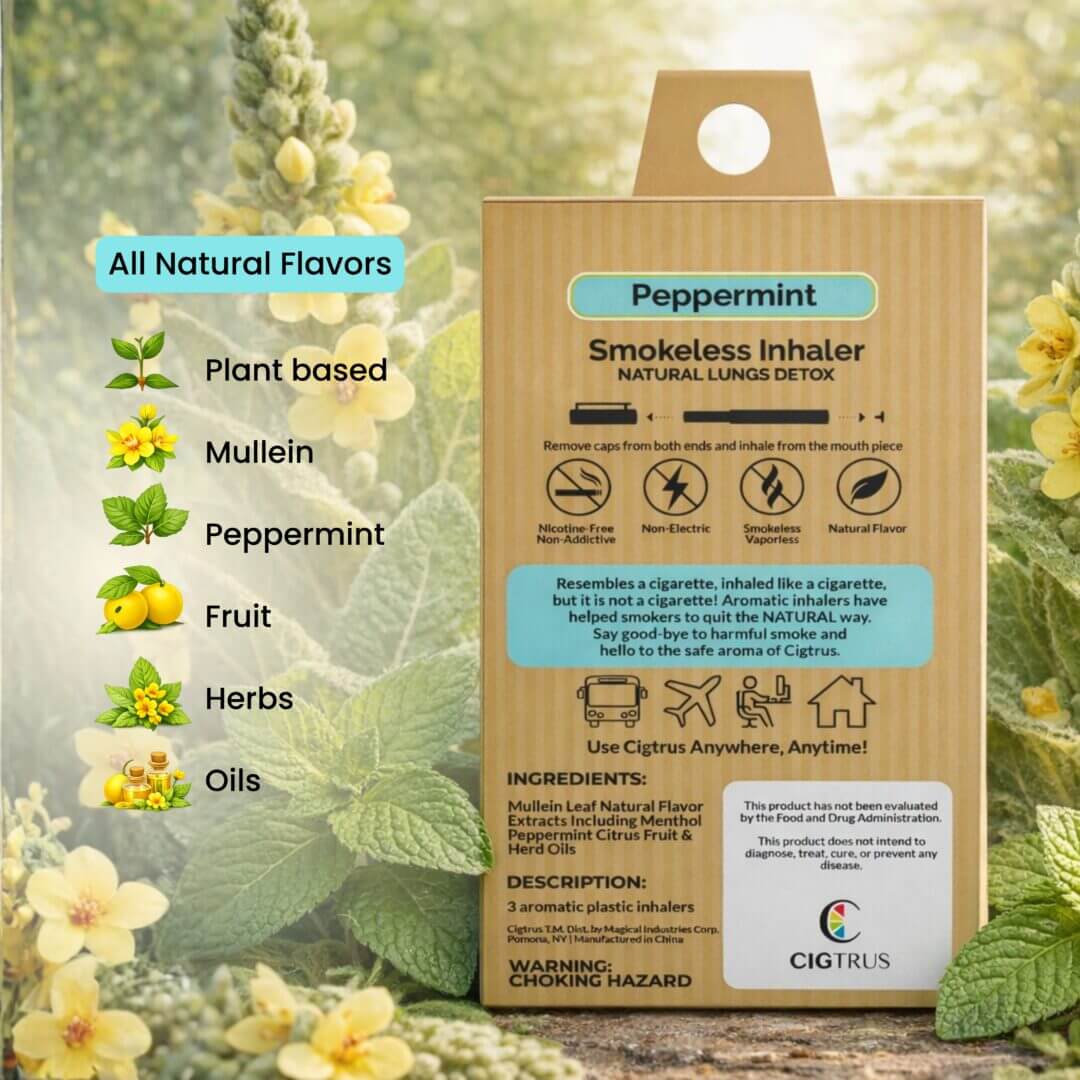
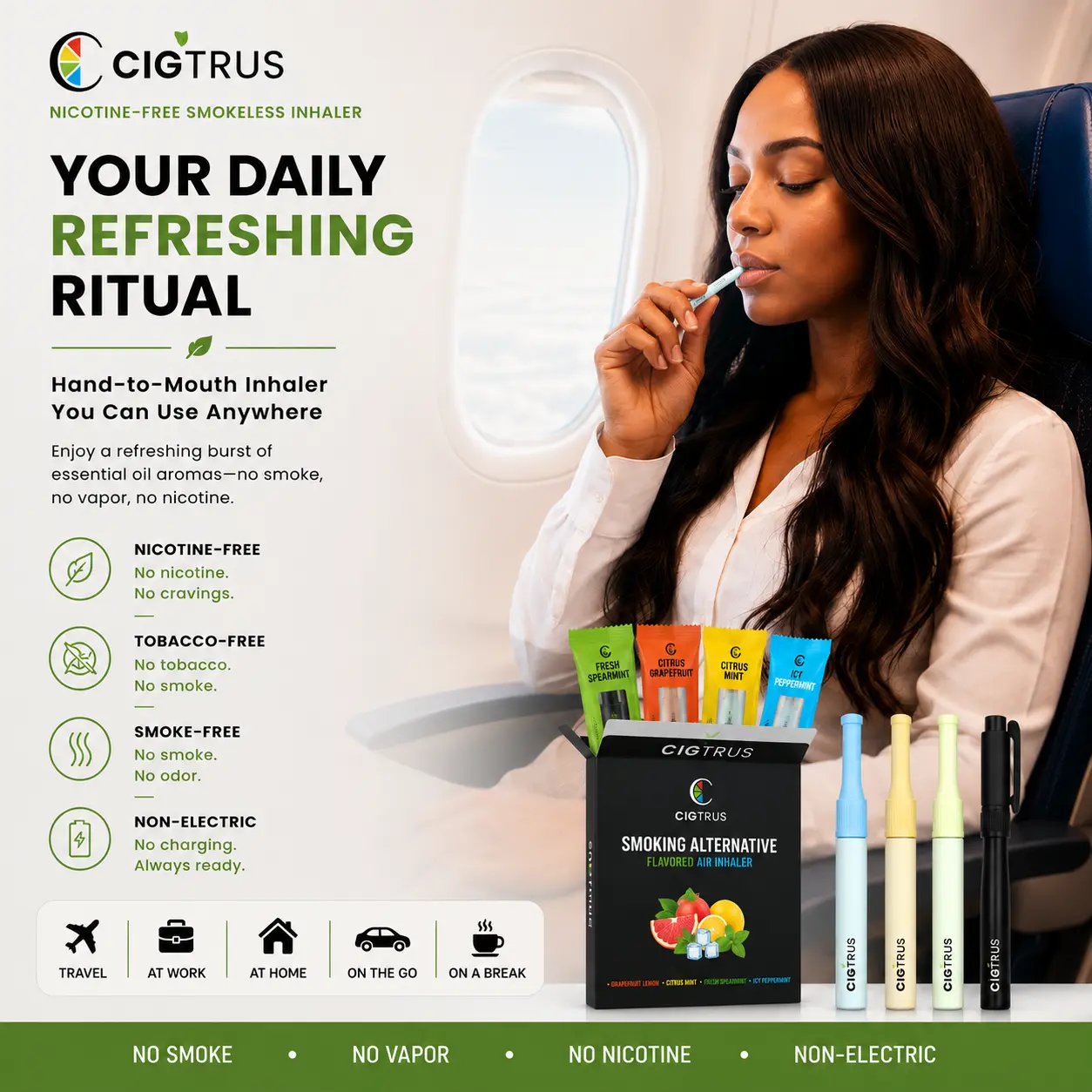
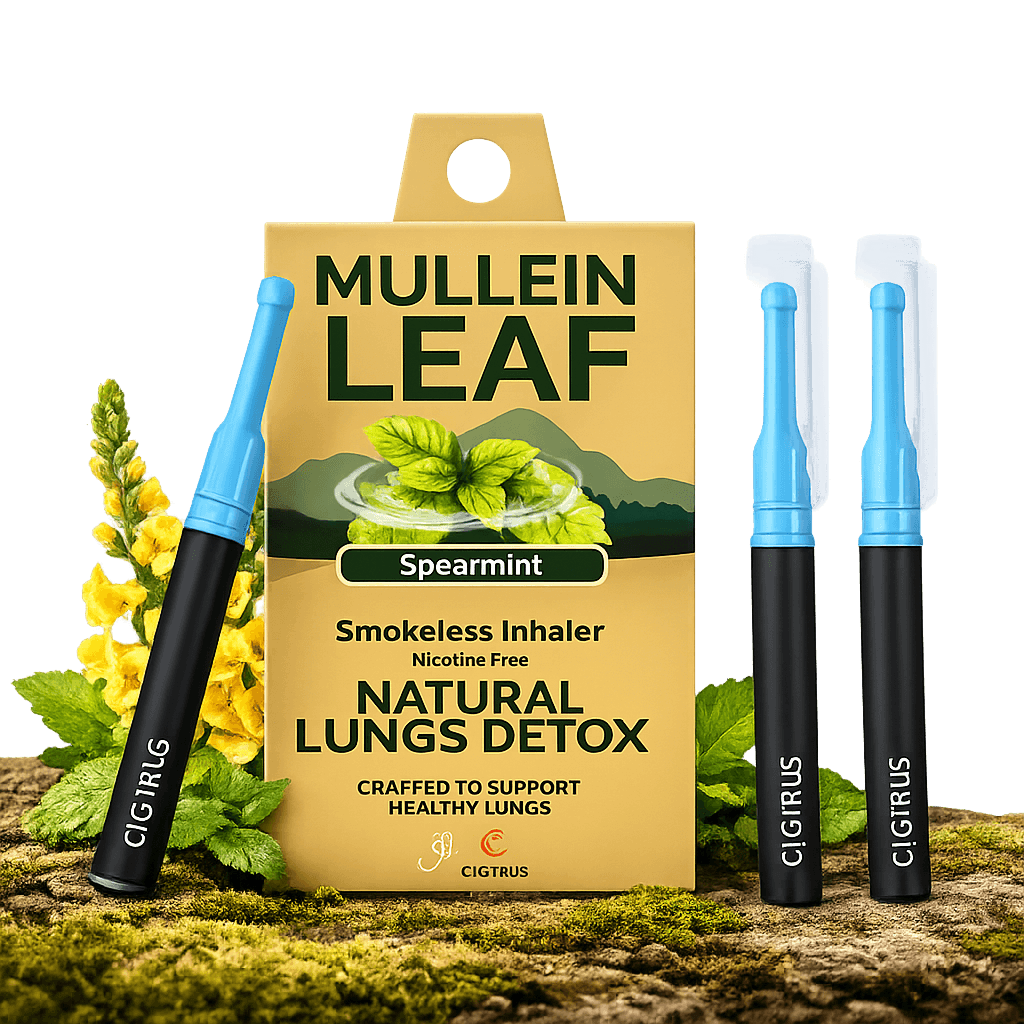
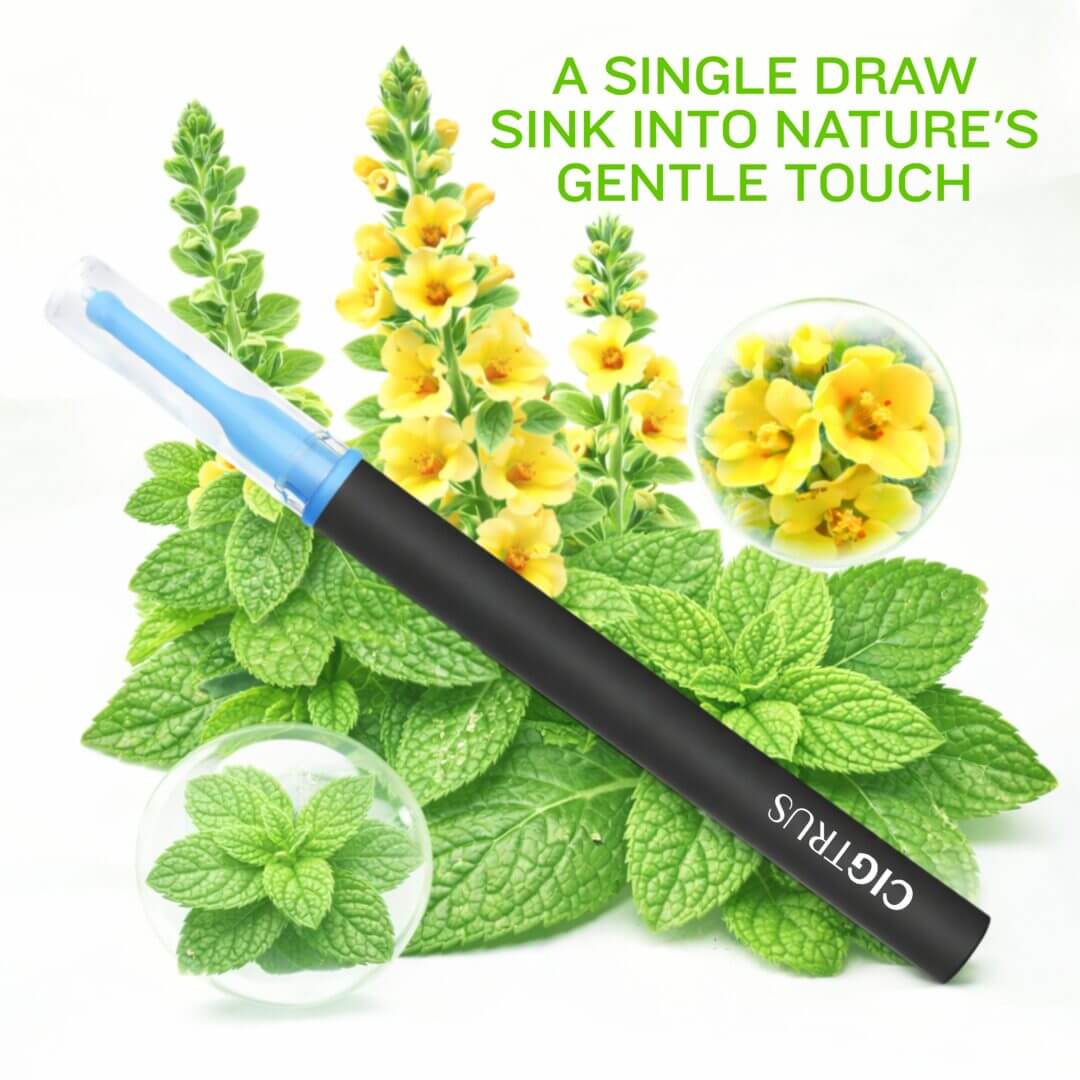
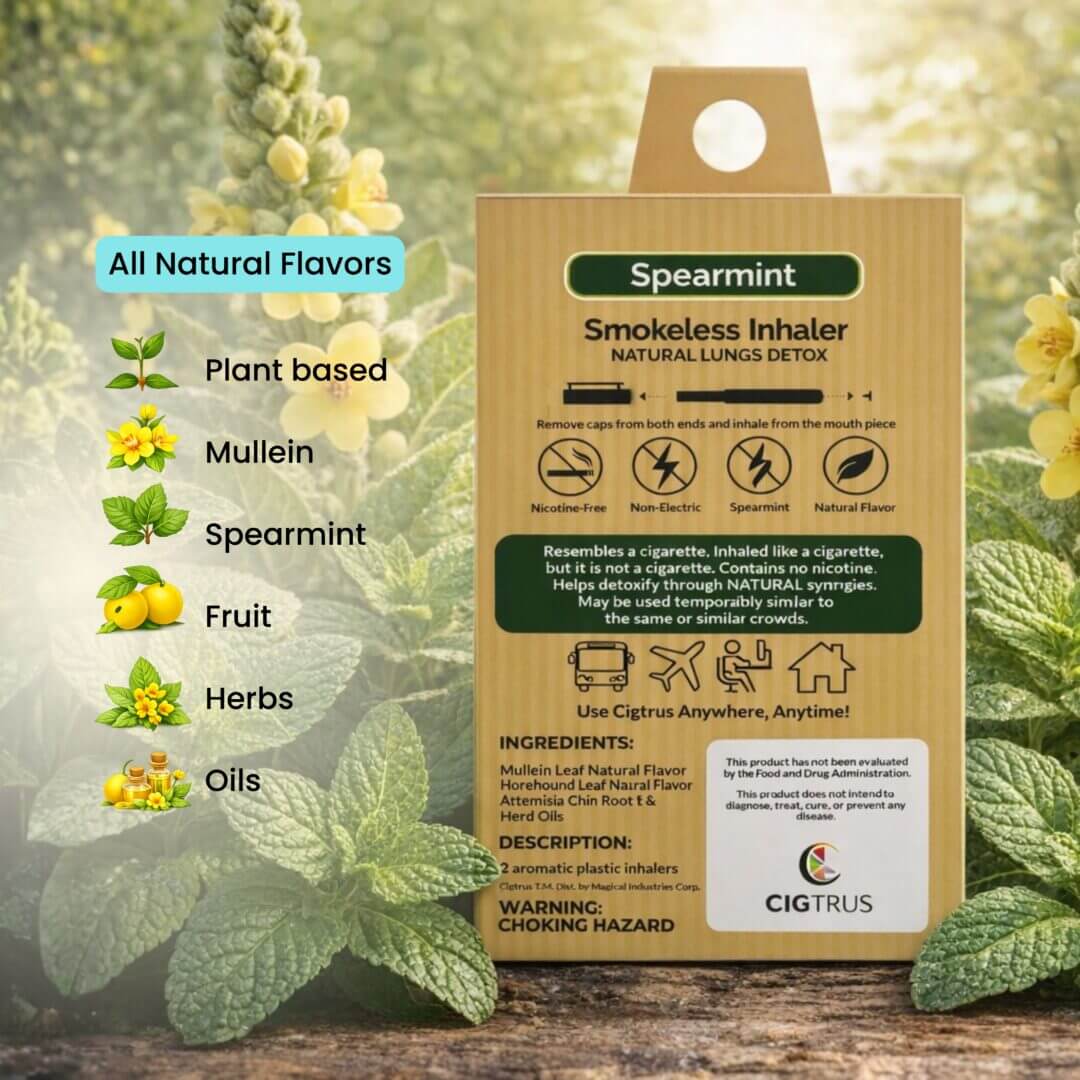
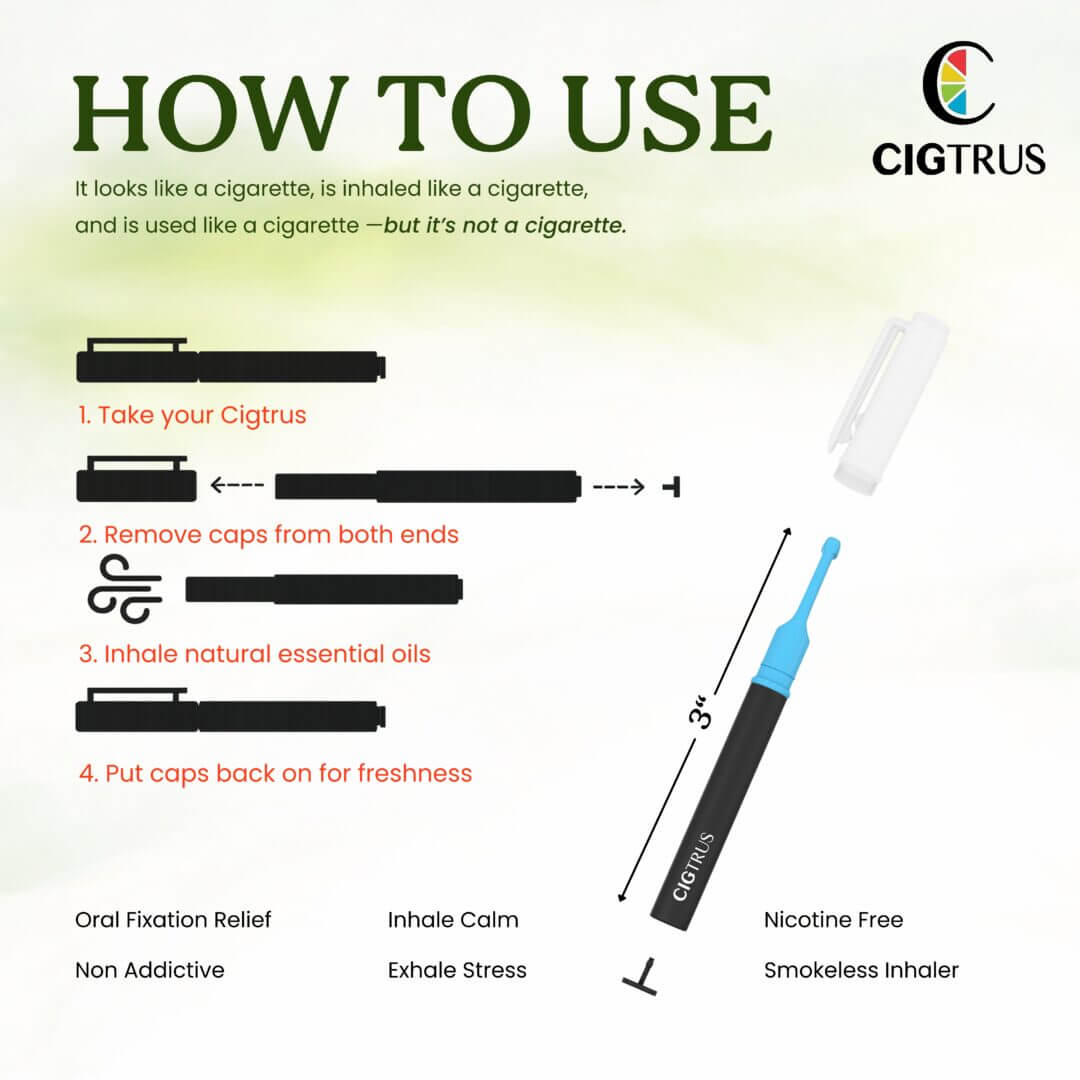
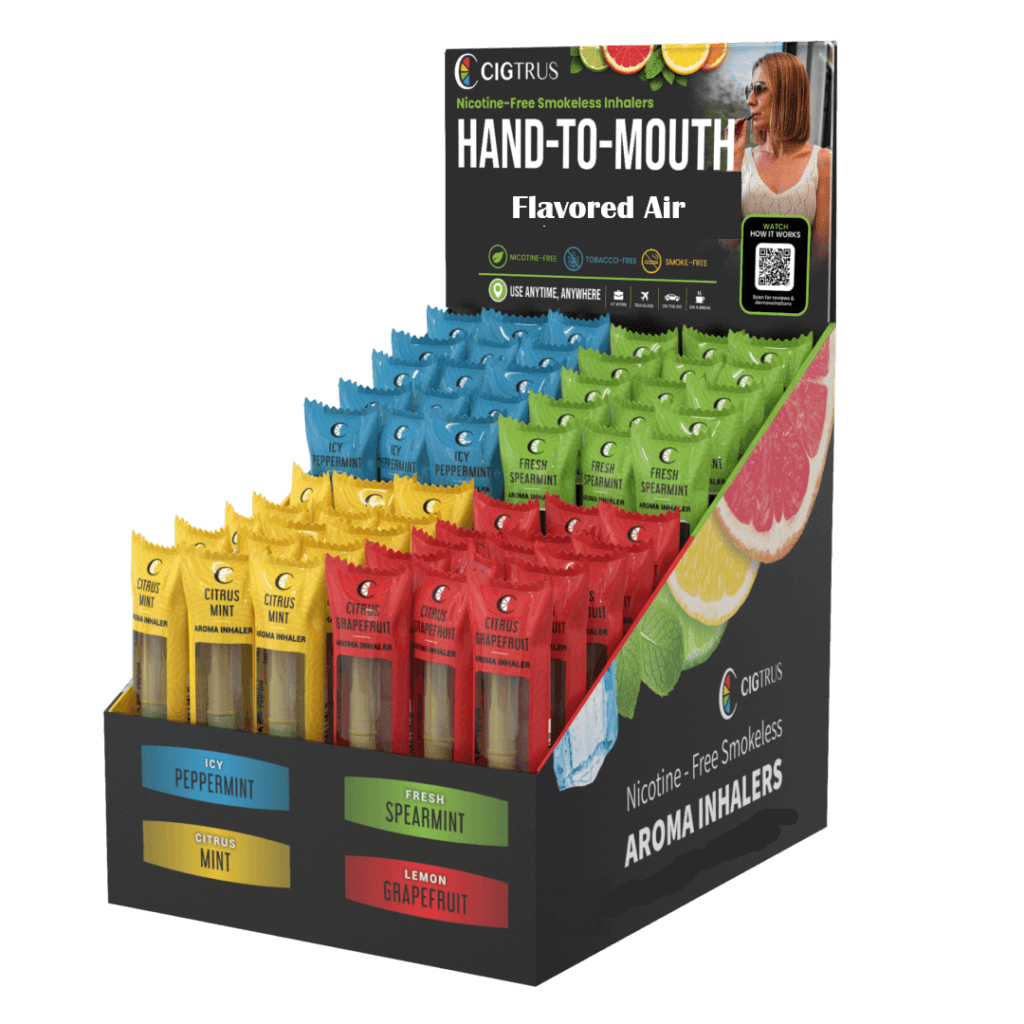
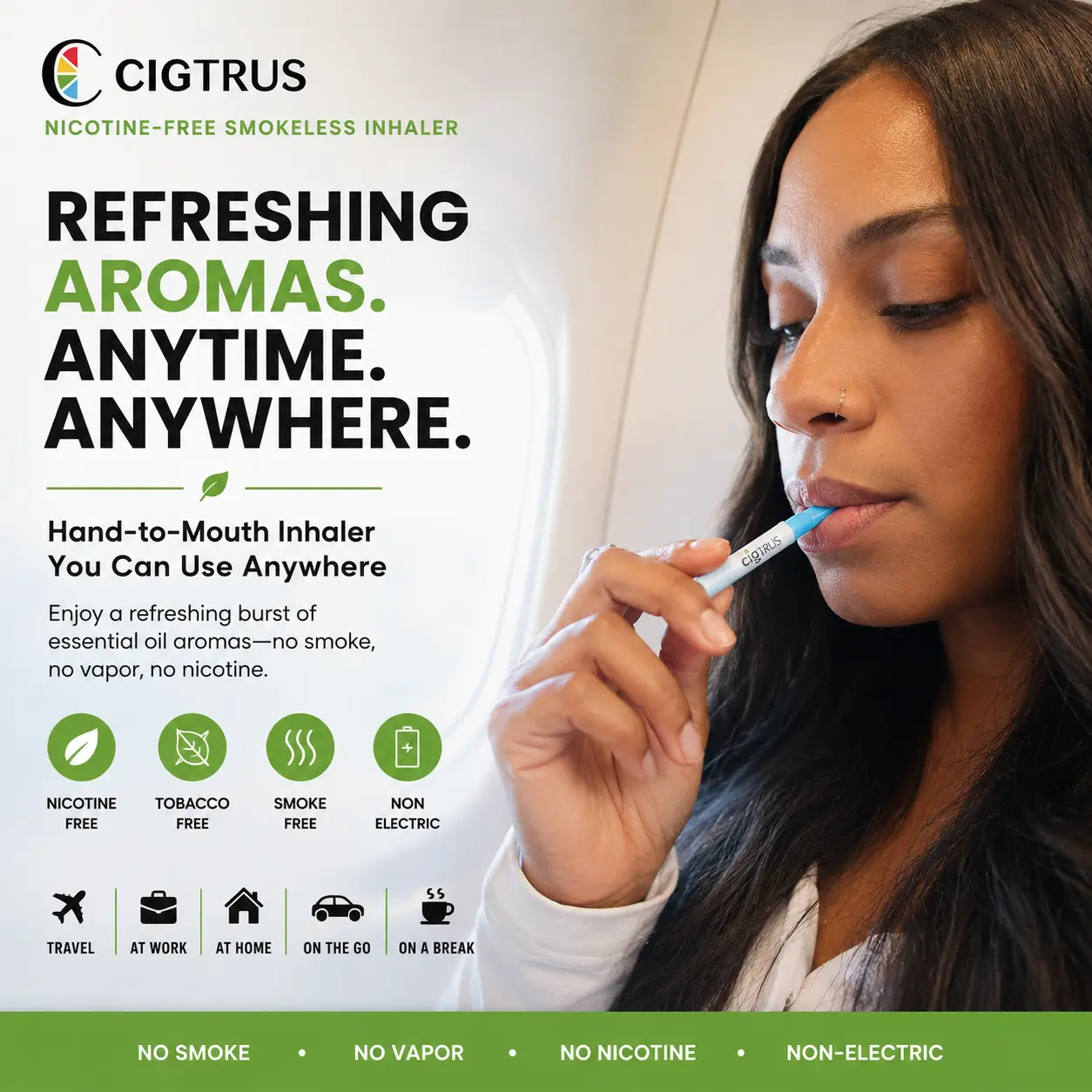
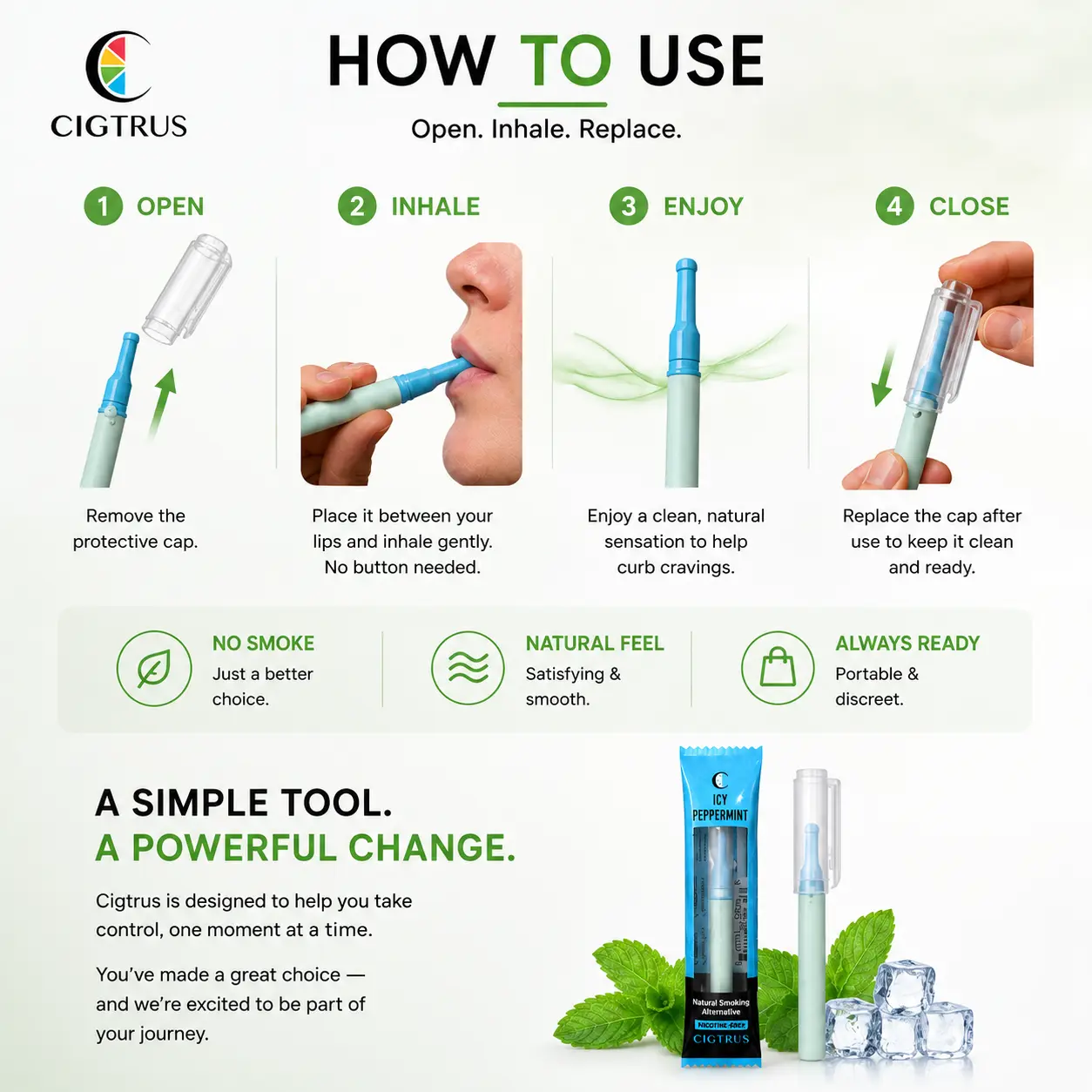
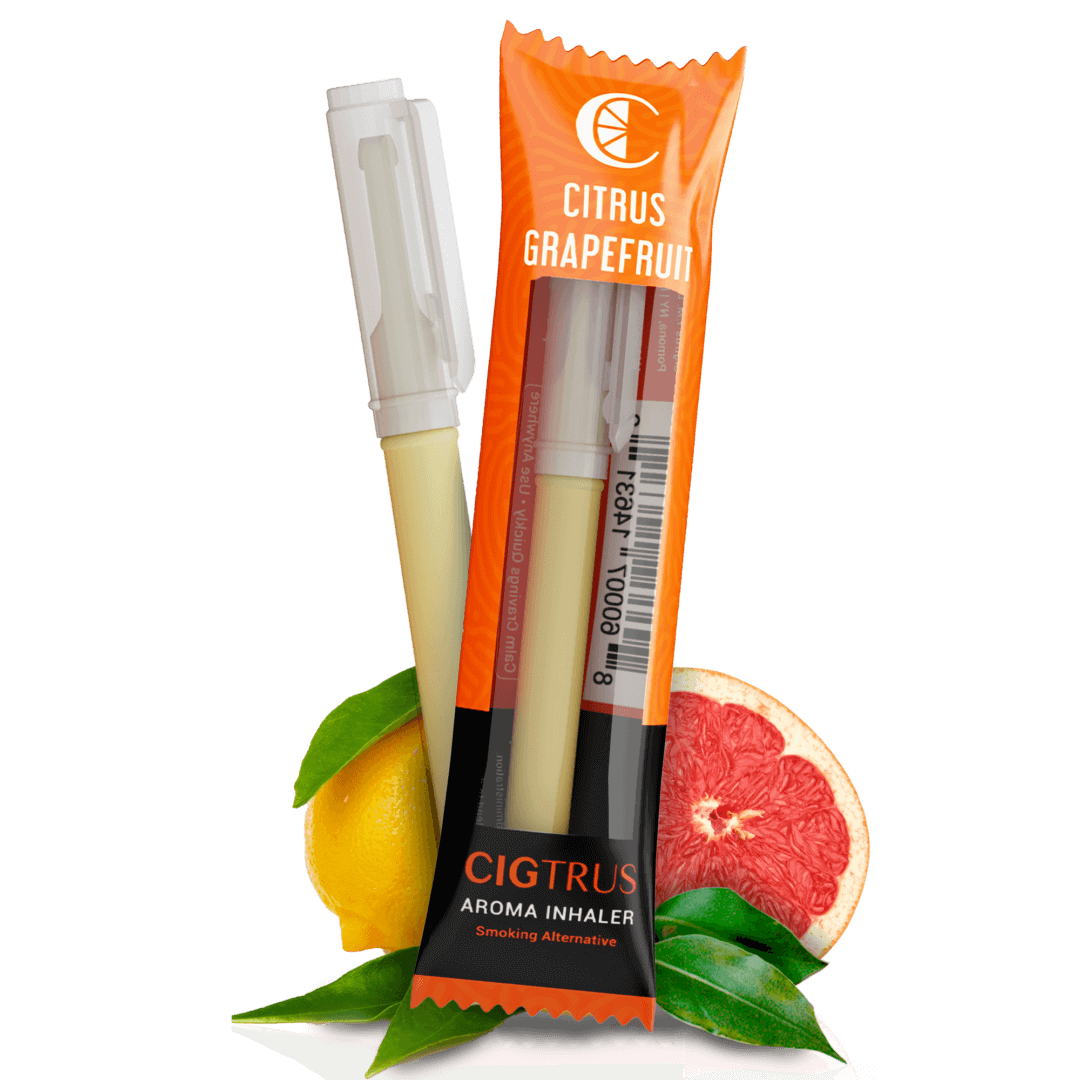
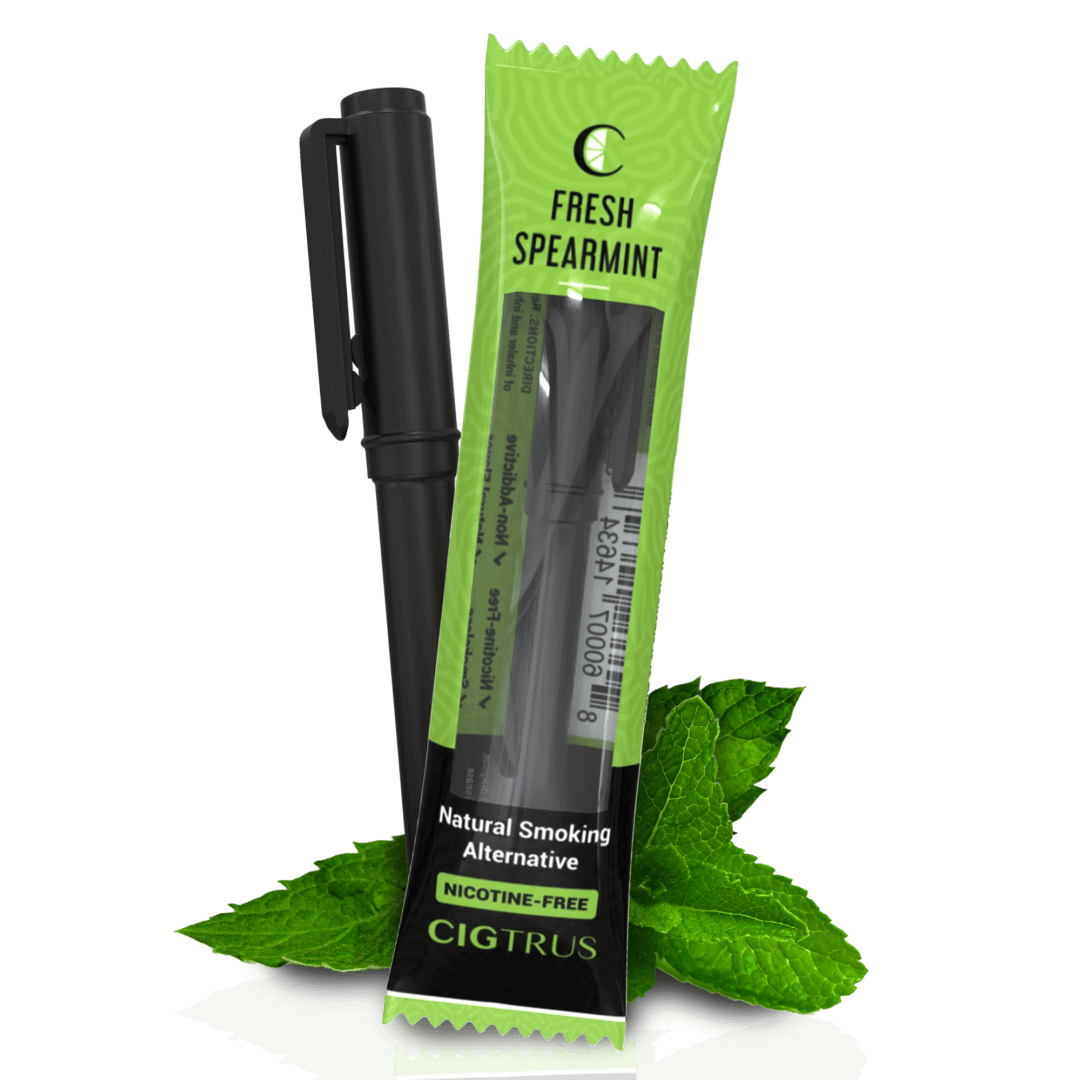
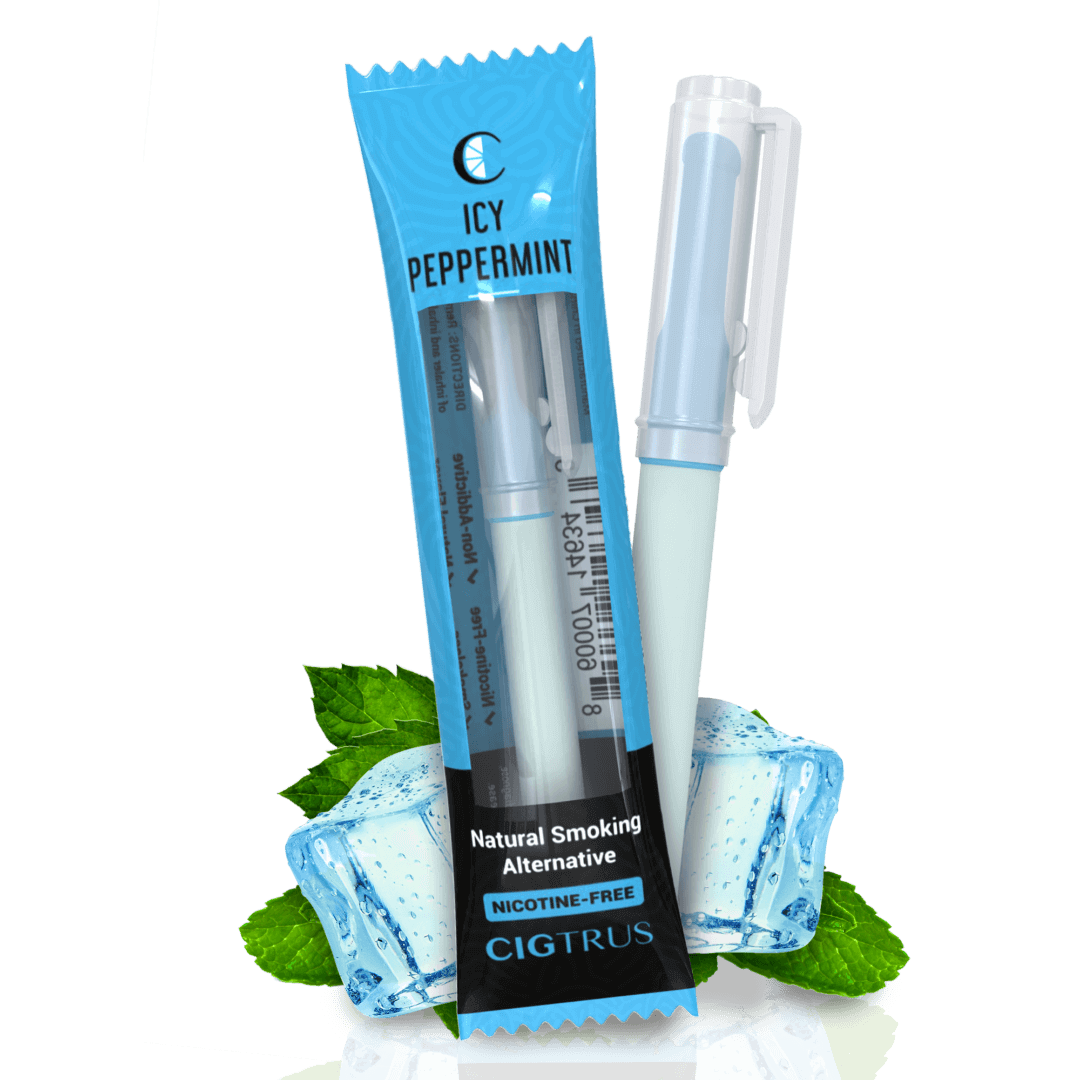
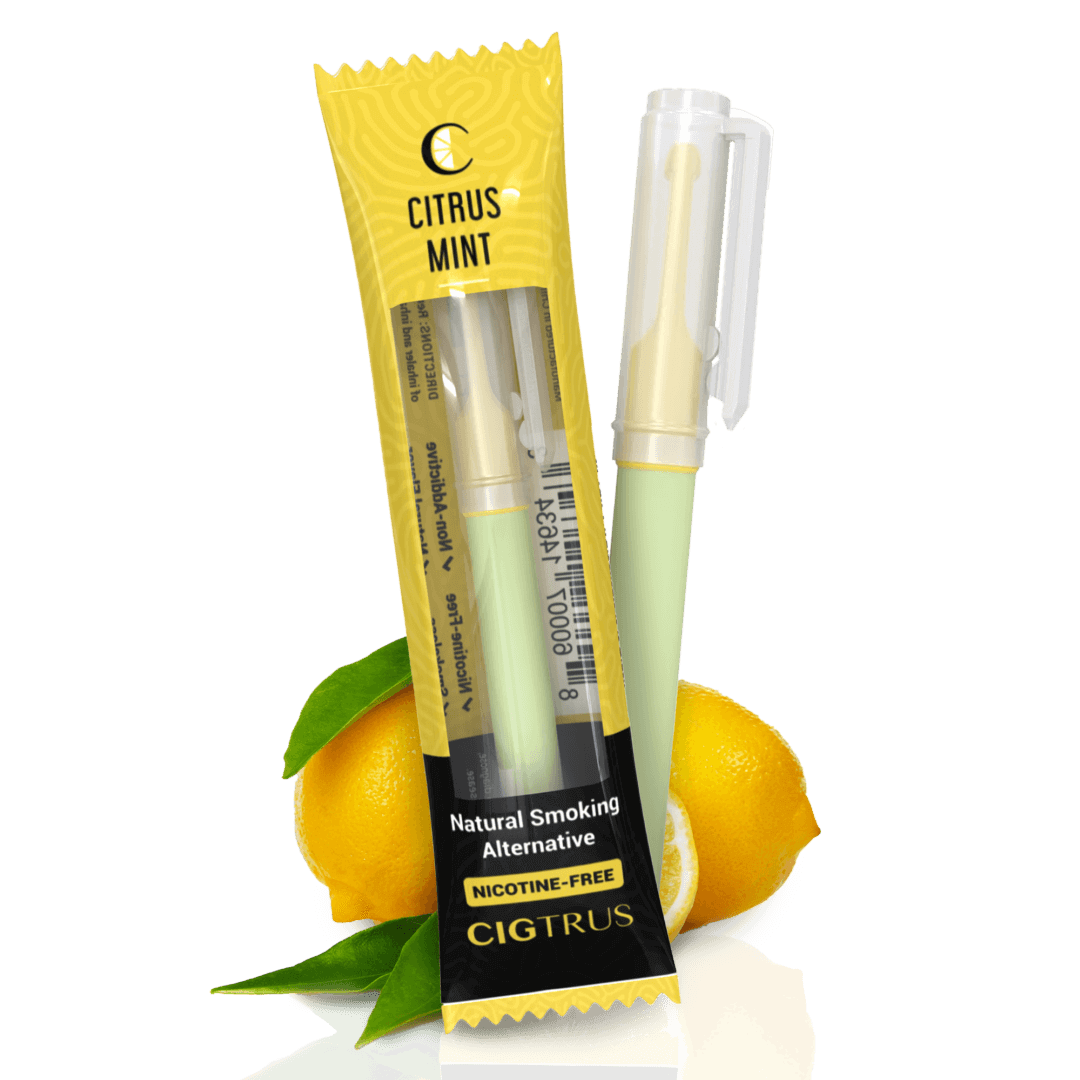
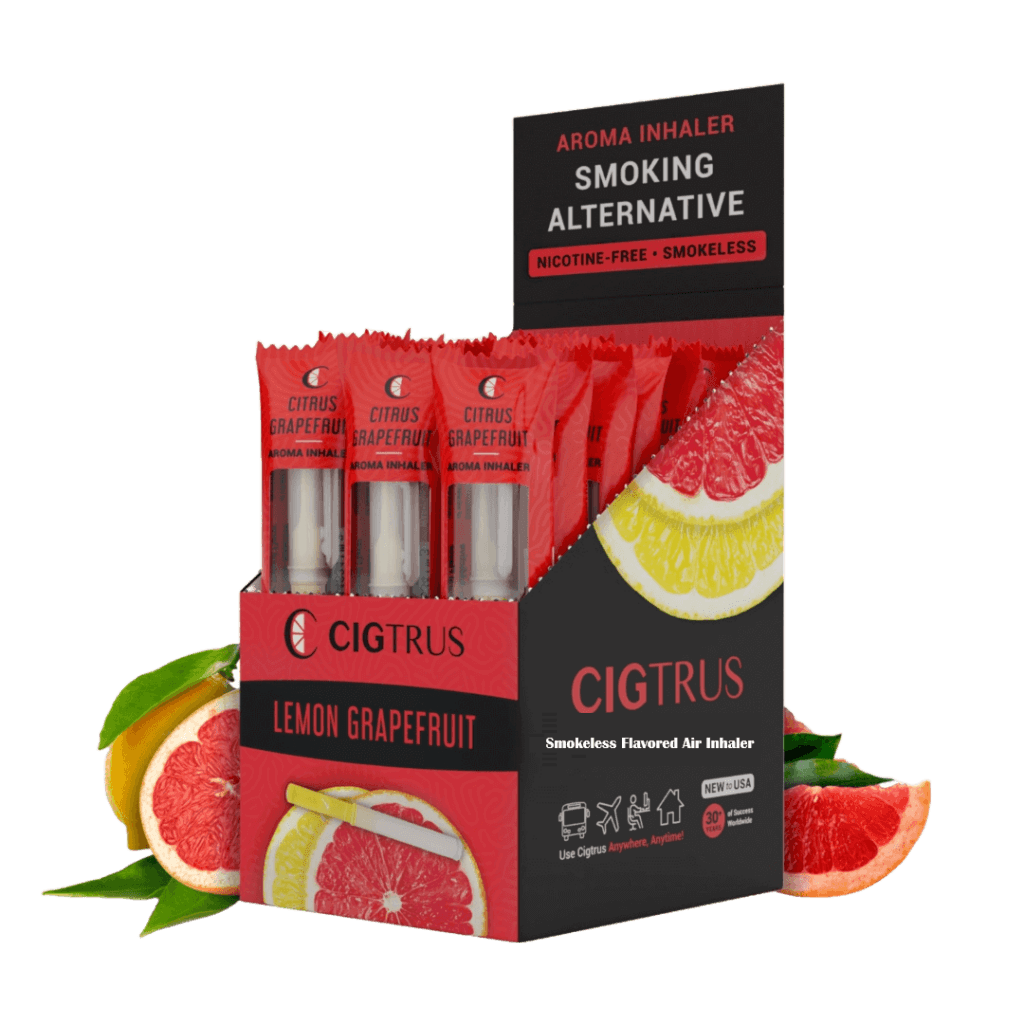
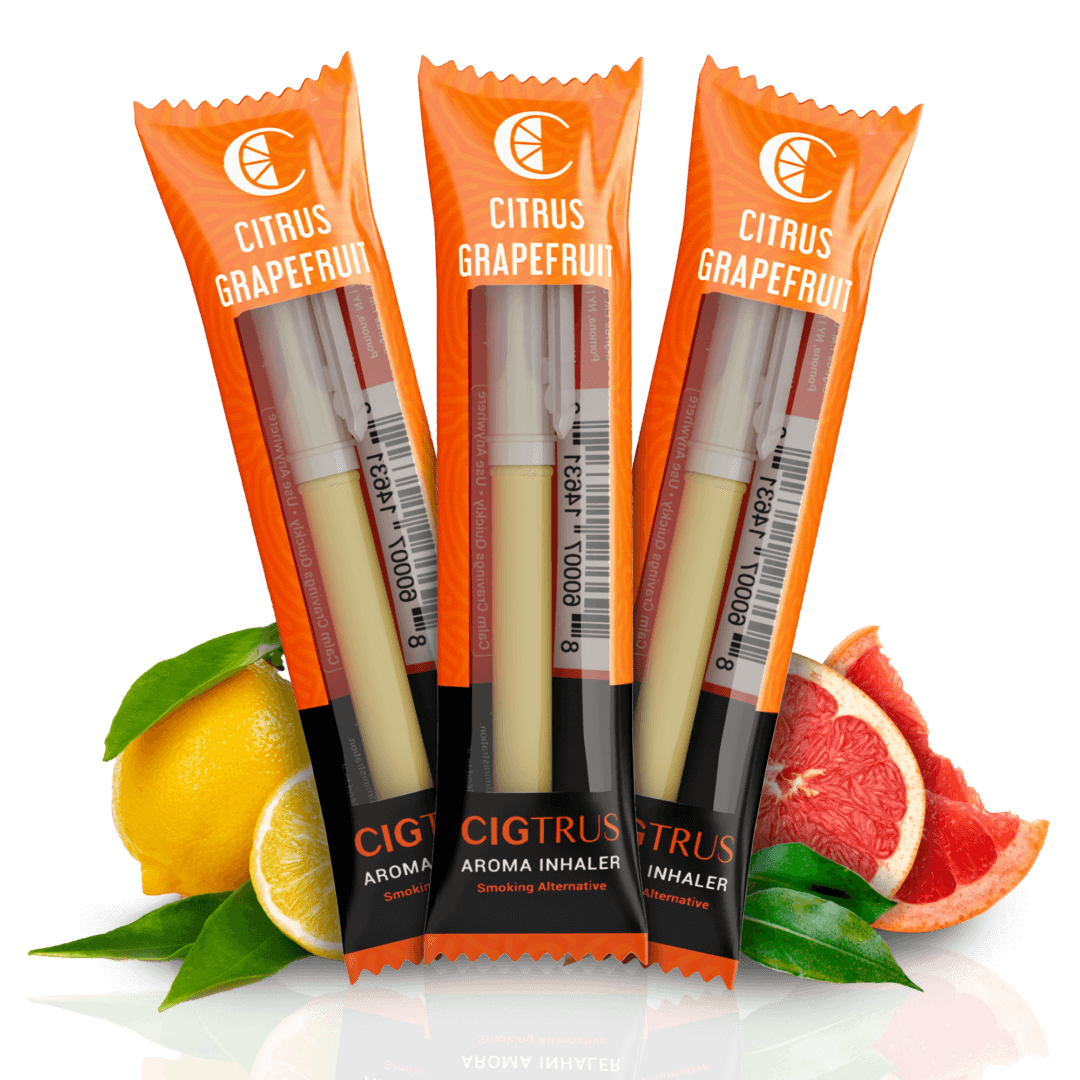
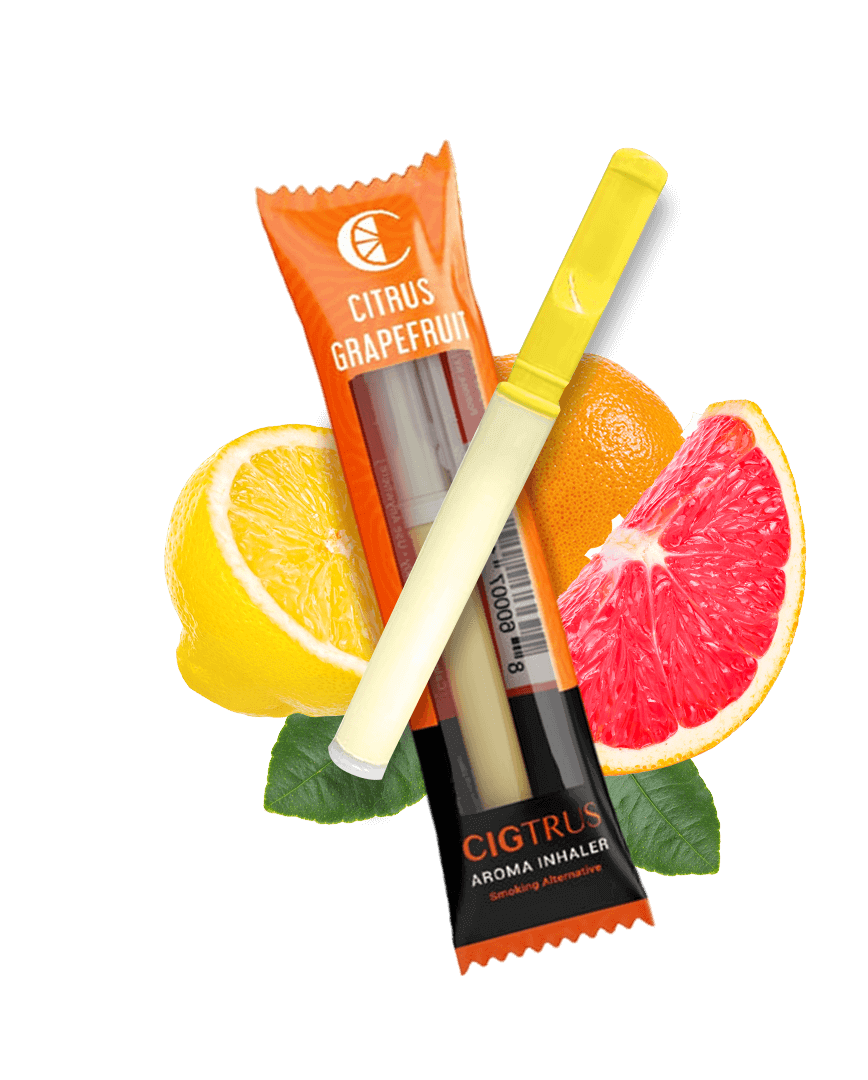
Cigtrus is a nicotine-free, smokeless, non-electric inhaler. It delivers natural food-grade essential oil aromas through passive airflow, no vapor, no electronic device, no nicotine of any kind. It is designed to give the behavioral layer of smoking cessation a practical daily tool: always ready in a pocket, usable anywhere, providing the familiar motion and natural aroma at every trigger moment throughout the quit journey.
Frequently Asked Questions
How do nicotine-free inhalers support smoking cessation?
By providing behavioral habit replacement, giving the familiar hand-to-mouth motion, oral fixation, and inhalation rhythm a clean destination at every trigger moment, without any nicotine or vapor.
Do nicotine-free inhalers eliminate withdrawal symptoms?
Nicotine-free inhalers address the behavioral side of cessation, not the chemical withdrawal. They are most effective when used alongside NRT or other withdrawal management approaches that address the chemical layer.
Are nicotine-free inhalers safe to use?
Cigtrus uses natural, food-grade essential oil aromas with no nicotine, no tobacco, no synthetic chemicals, and no vapor of any kind. It is not a medical product, consult your healthcare provider for personalized cessation advice.
Should I still see a doctor if I use a nicotine-free inhaler?
Yes. Healthcare professionals and cessation programs provide personalized advice, behavioral counseling, and access to withdrawal management tools that significantly improve long-term success rates. A nicotine-free inhaler complements that support, it does not replace it.
Support the Behavioral Side of Your Quit Journey.
Natural aroma, no vapor, no nicotine, pocket-ready behavioral support for every trigger throughout the day.
👉 Try the Variety Pack