
Why Zero Nicotine Products Don’t Always Replace Smoking Habits
Many smokers believe that removing nicotine alone will completely solve the challenge of quitting. However, many people eventually discover that even after switching to zero nicotine products, the urge to puff, inhale, and repeat familiar routines often continues, sometimes just as strongly as before.
That is because smoking and vaping habits frequently become connected to repeated behaviors built through years of daily repetition, and removing nicotine addresses only one layer of a multi-layered habit.
What Zero Nicotine Products Remove, and What They Don’t
✅ What They Remove
- The chemical nicotine dependency
- The risk of continued nicotine addiction
- The physical withdrawal symptoms from nicotine
- The health risks specifically associated with nicotine delivery
⚠️ What They Keep Intact
- The hand-to-mouth habit, still fires automatically at every trigger
- The puffing behavior, the routine continues even without nicotine
- The inhalation ritual, the deep breath still wired to familiar moments
- The environmental associations, the same triggers still activate the behavior
- Oral fixation, the mouth still expects the familiar sensation
This is the core problem with zero-nicotine vapes and similar products: they remove the chemical dependency but leave the behavioral habit, and the puffing routine, completely intact. In many cases, people simply continue the same behavioral addiction without the nicotine, which makes it just as difficult to eventually stop the behavior entirely.
“Switching to zero nicotine removes one layer of the problem. But if the hand-to-mouth habit, the puffing routine, and the trigger associations are still firing identically, the behavioral layer has not been addressed at all. That is why many people who switch to zero-nic vapes still struggle to quit the behavior itself.”
Why Smoking Habits Continue Beyond Nicotine
For many smokers and vapers, the challenge is not only nicotine. Over time, smoking becomes connected to specific behavioral patterns that fire automatically at familiar moments, independently of whether nicotine is present or not.
Stress Relief
The reach for a cigarette or vape during stress becomes automatic, and continues firing with zero nicotine because the brain wired it to stress, not to nicotine specifically.
Routines
Morning coffee, work breaks, post-meal moments, all still trigger the puffing behavior because the association is with the situation, not the substance.
Boredom
Idle hands still reach automatically for something familiar, regardless of whether it contains nicotine or not.
Work Breaks
The cigarette or vape structured the break. Without the puffing behavior replaced by something else, the break still feels like it needs the familiar motion.
Driving
The commute was paired with puffing thousands of times. The behavioral trigger fires automatically behind the wheel, nicotine or not.
Social Habits
Social situations that always involved smoking still activate the behavioral pattern even after nicotine has been completely removed.
The behavioral side of smoking, the hand-to-mouth motion, the inhale/exhale rhythm, oral fixation, and emotional repetition, often remains deeply familiar long after nicotine is gone. The physical ritual itself becomes one of the hardest parts to replace.
The Difference Between Removing Nicotine and Replacing the Habit
This is why more smokers are beginning to explore smoke-free alternatives focused on genuine habit replacement rather than simply continuing the puffing behavior without nicotine.
True habit replacement means giving the hands, mouth, and brain a clean behavioral alternative, something that genuinely replaces what the puffing routine provided, rather than continuing the identical routine with a different substance inside the device.
- Zero nicotine vape: continues the puffing behavior, the hand-to-mouth motion, and all environmental trigger associations, just without nicotine delivery
- Behavioral habit replacement: replaces the routine with a clean alternative that gradually weakens the trigger association rather than reinforcing it through continued repetition
- The key difference: one continues the behavioral loop, the other begins to break it
How Cigtrus Supports Genuine Habit Replacement
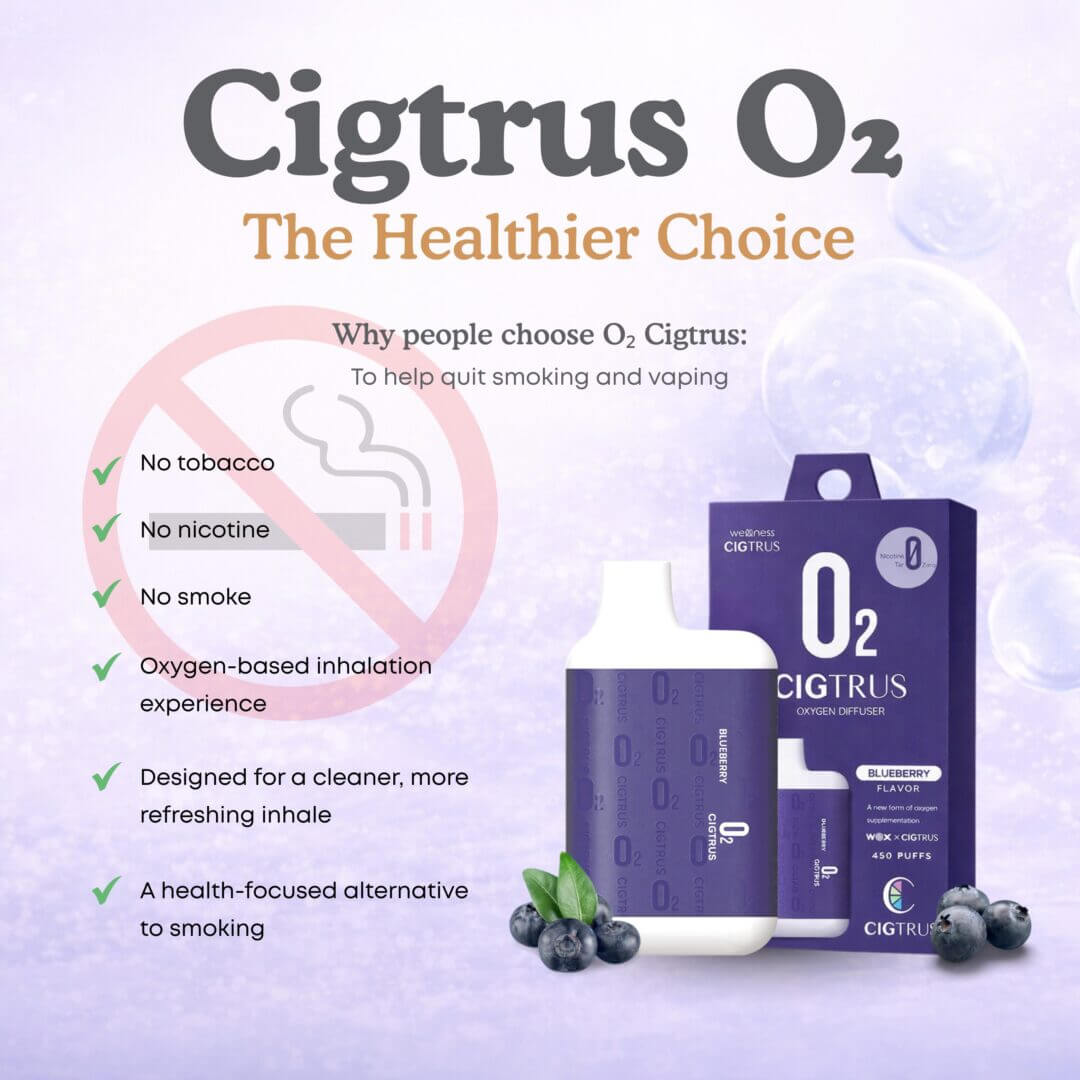
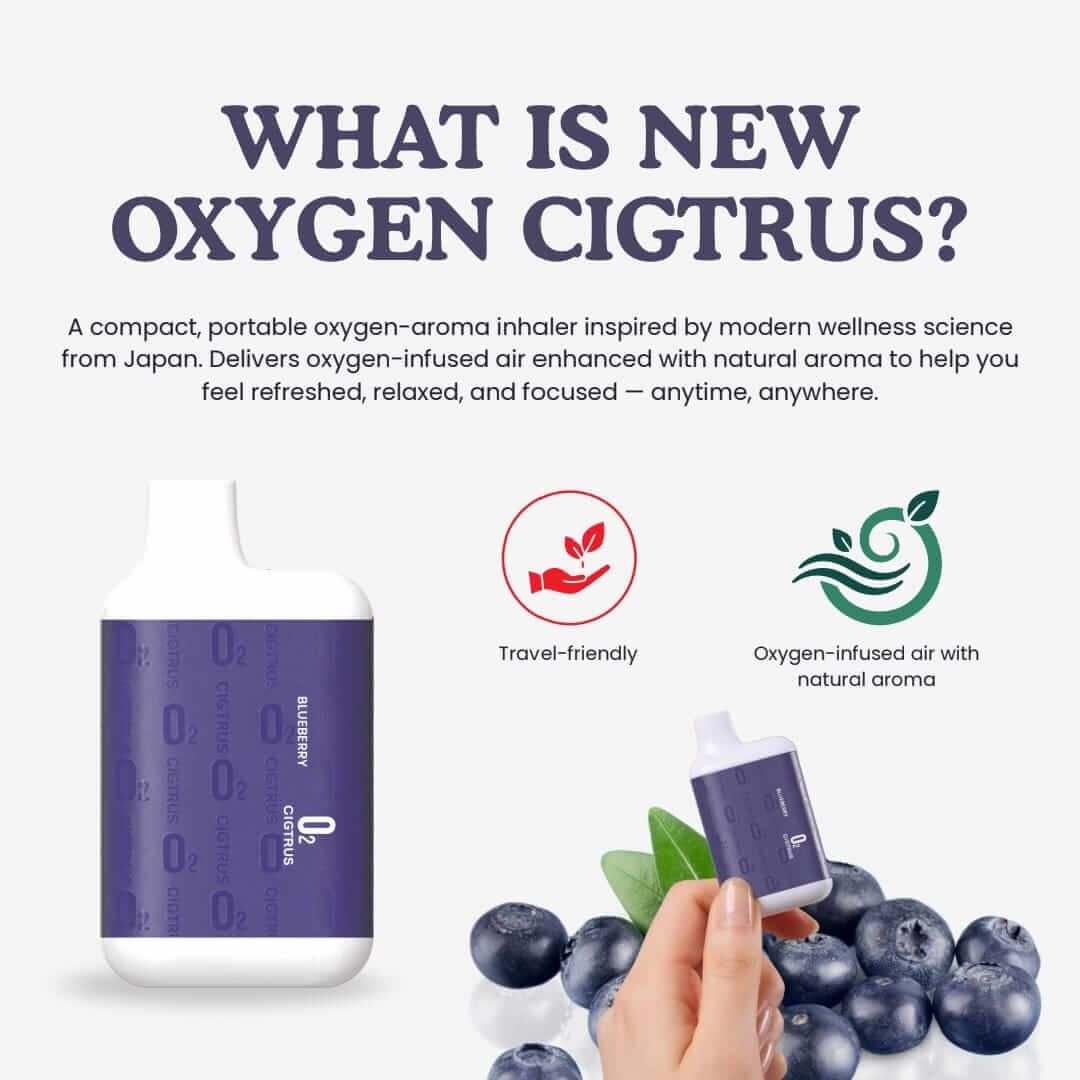
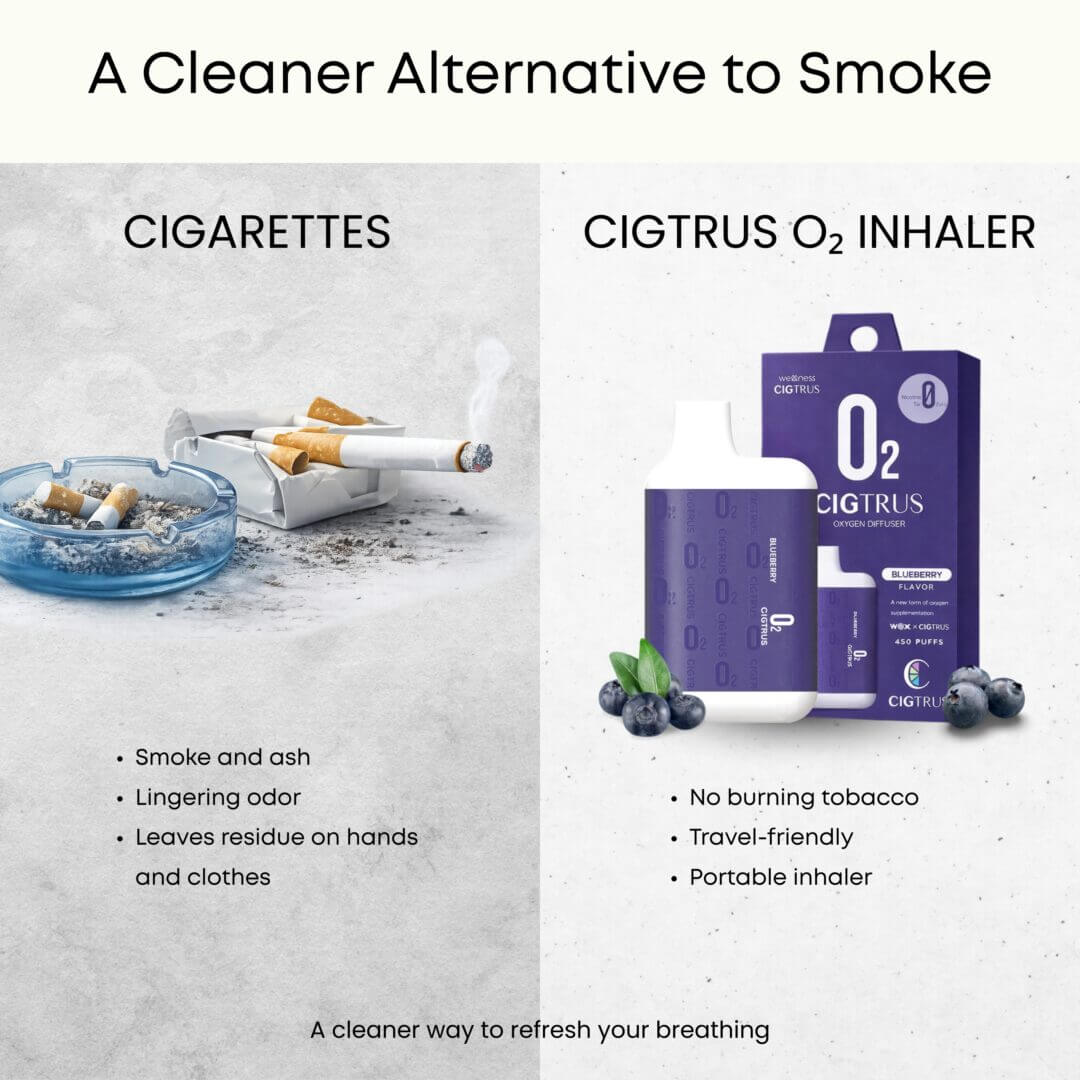
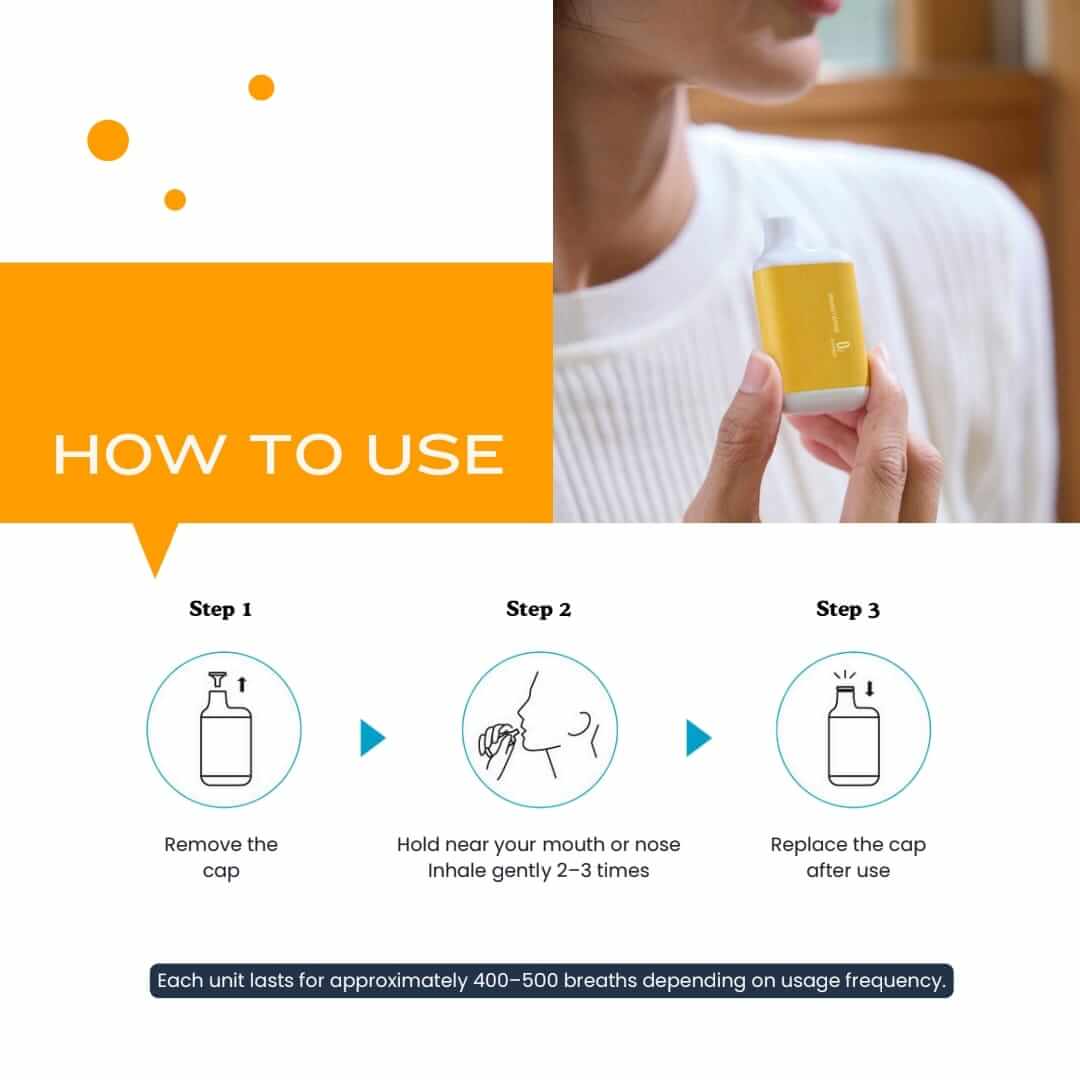
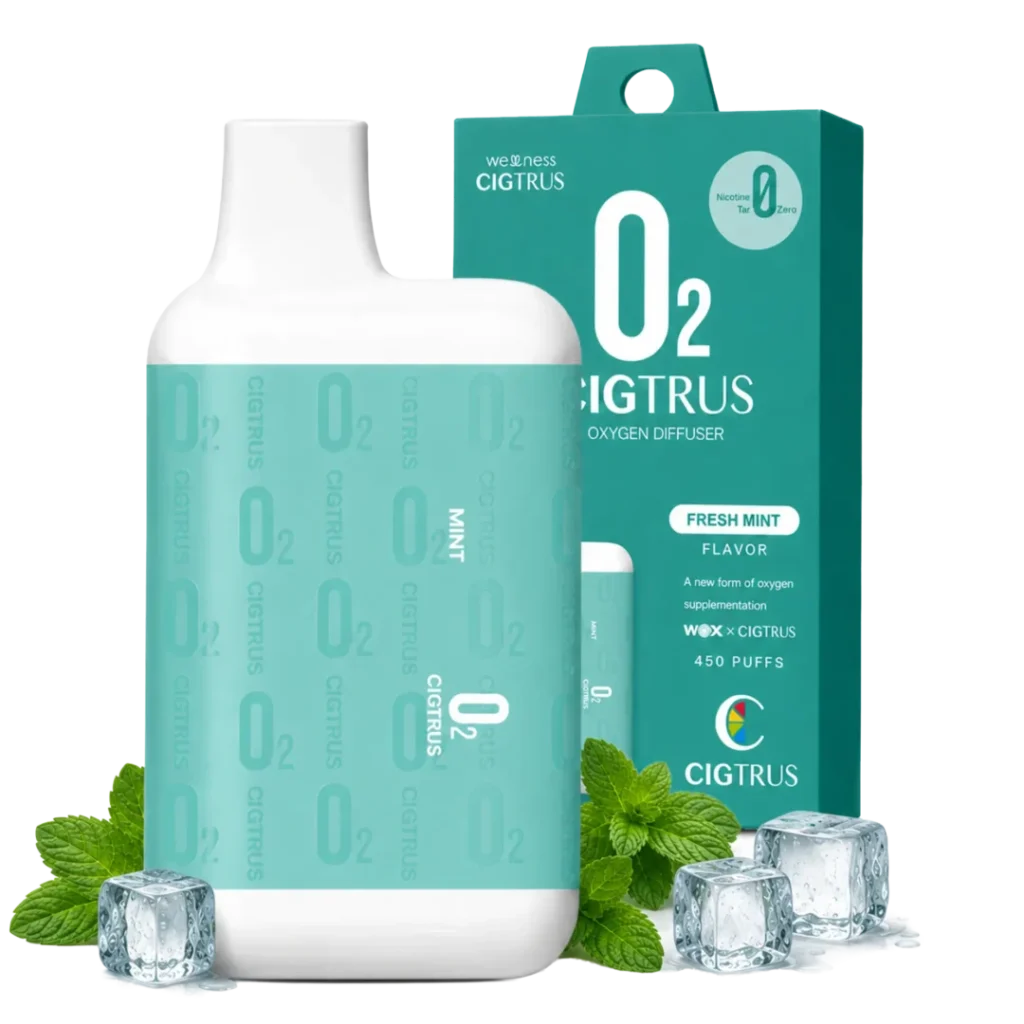
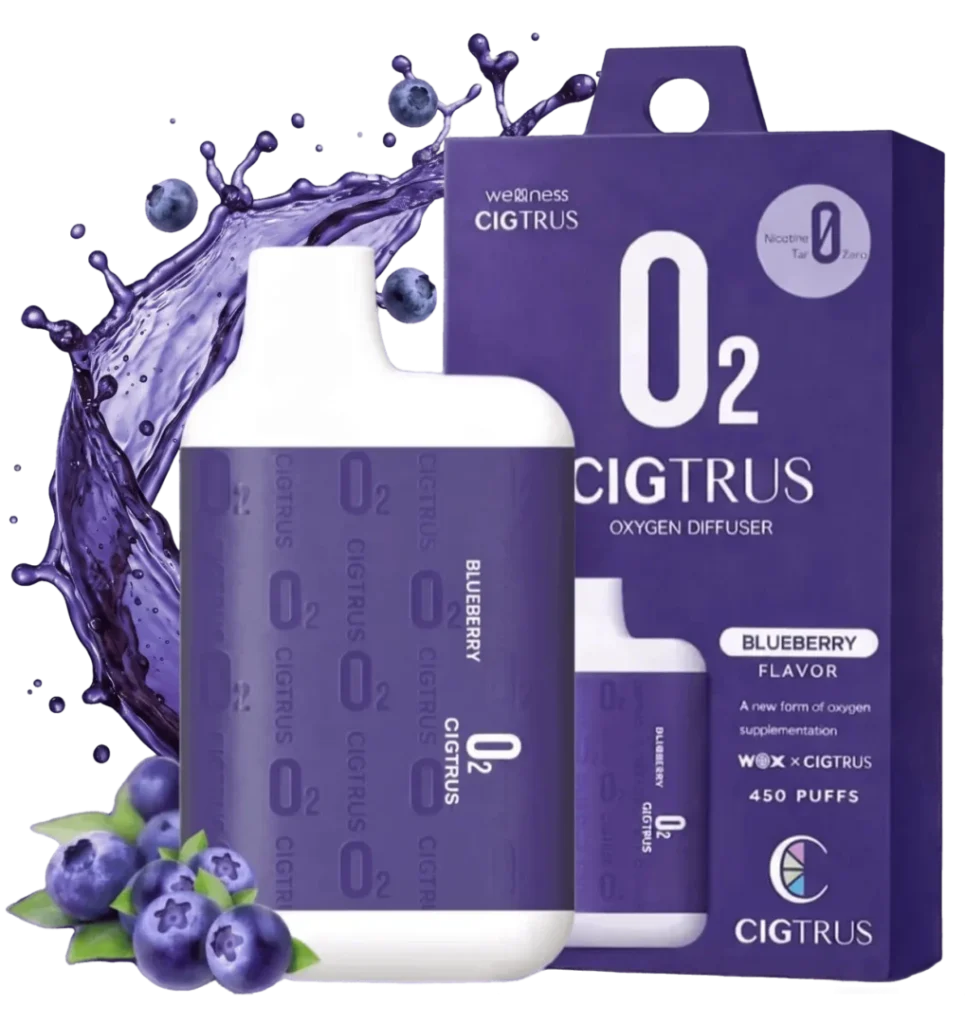
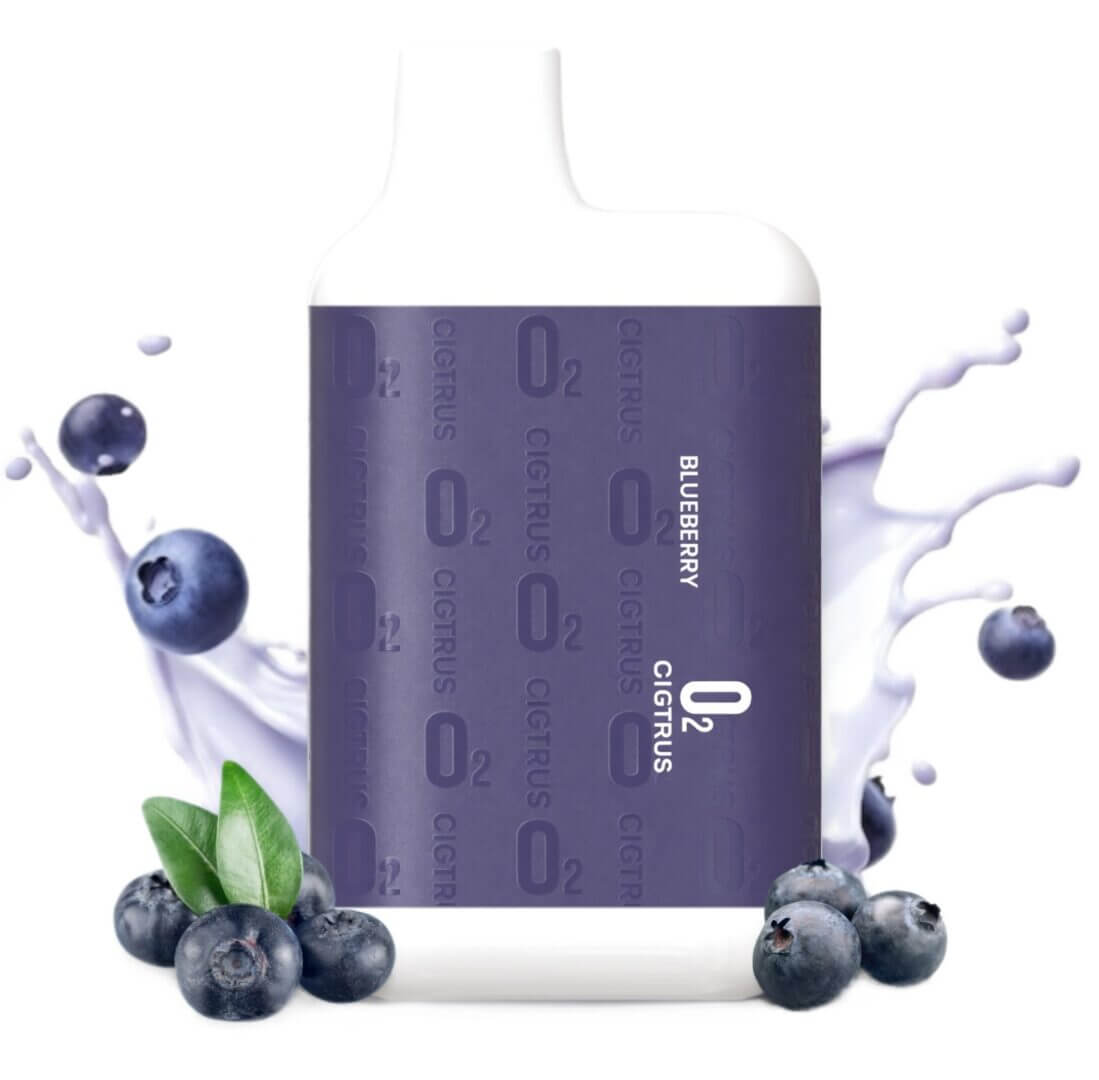
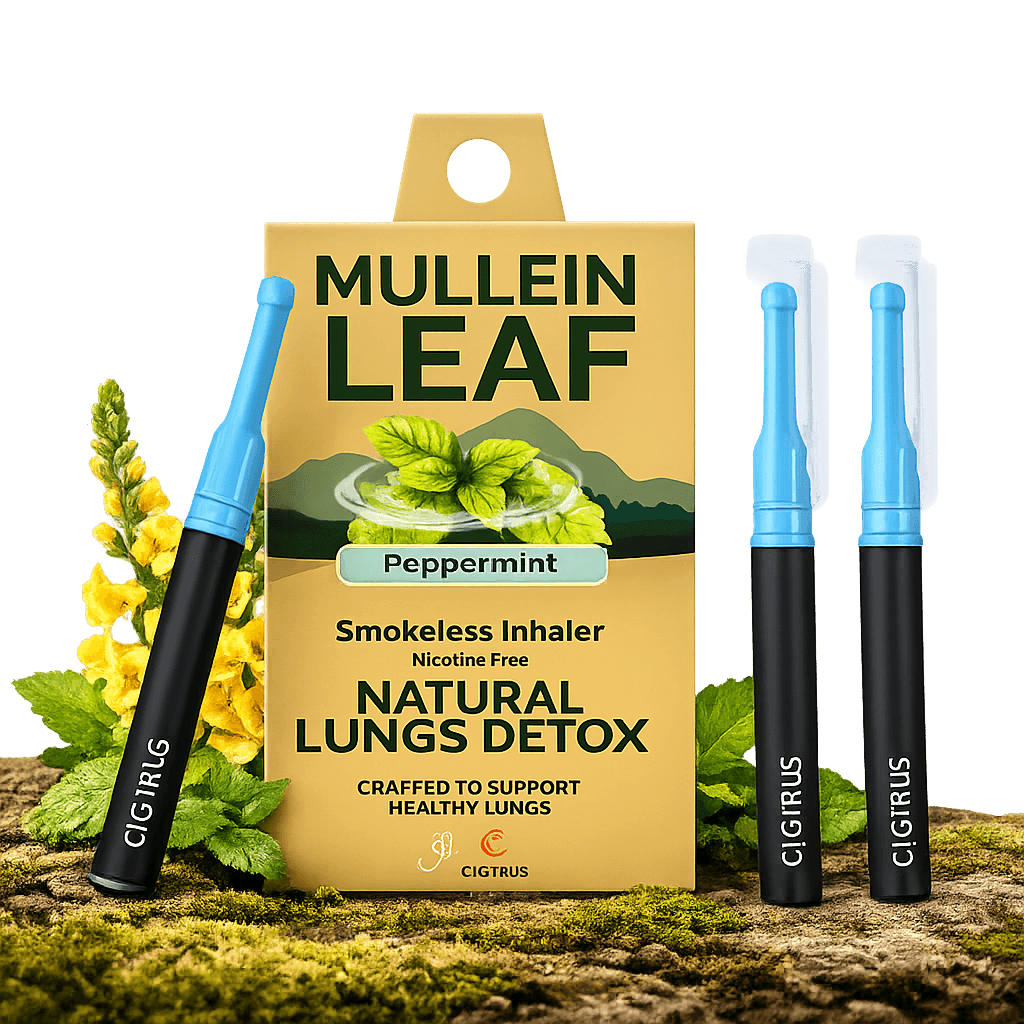
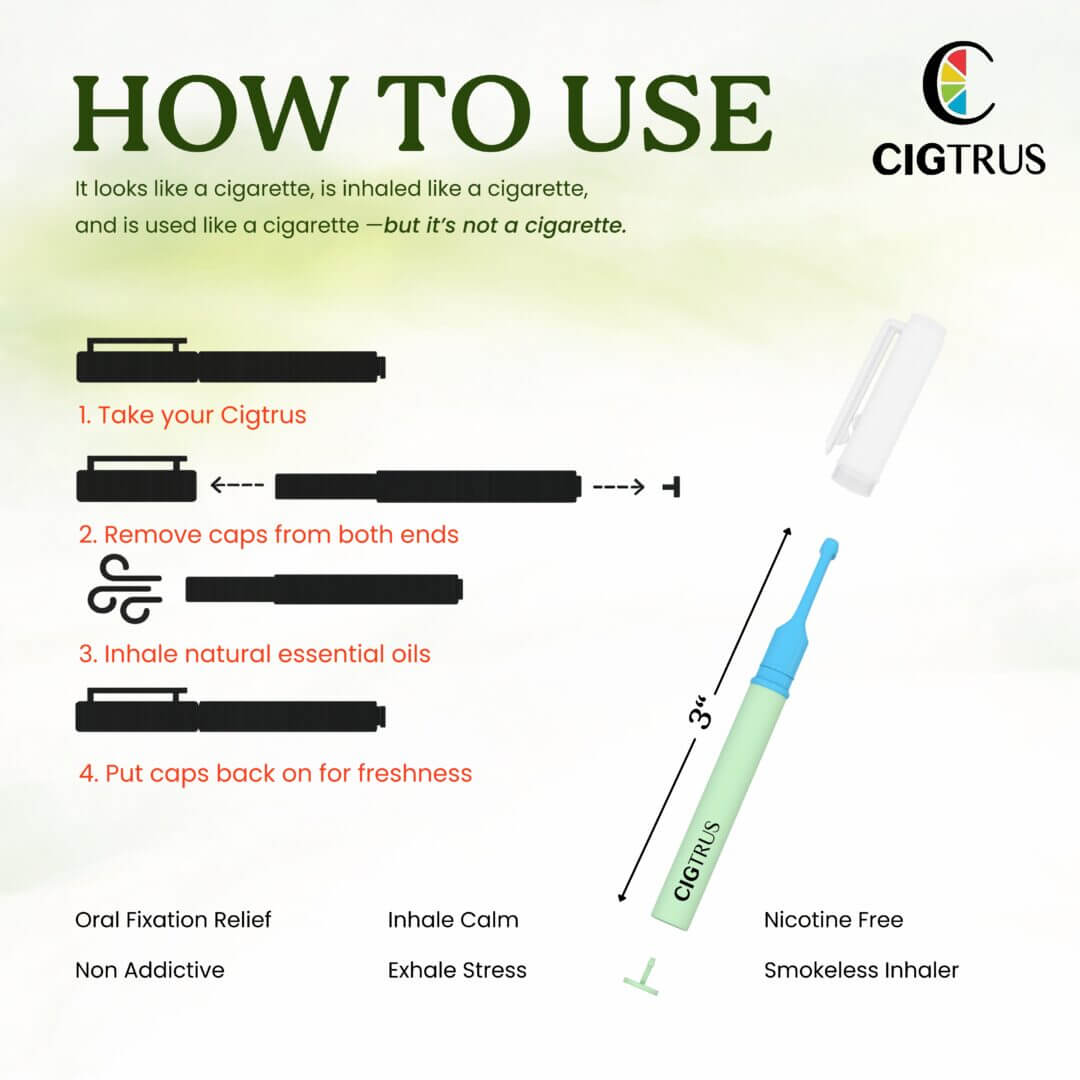
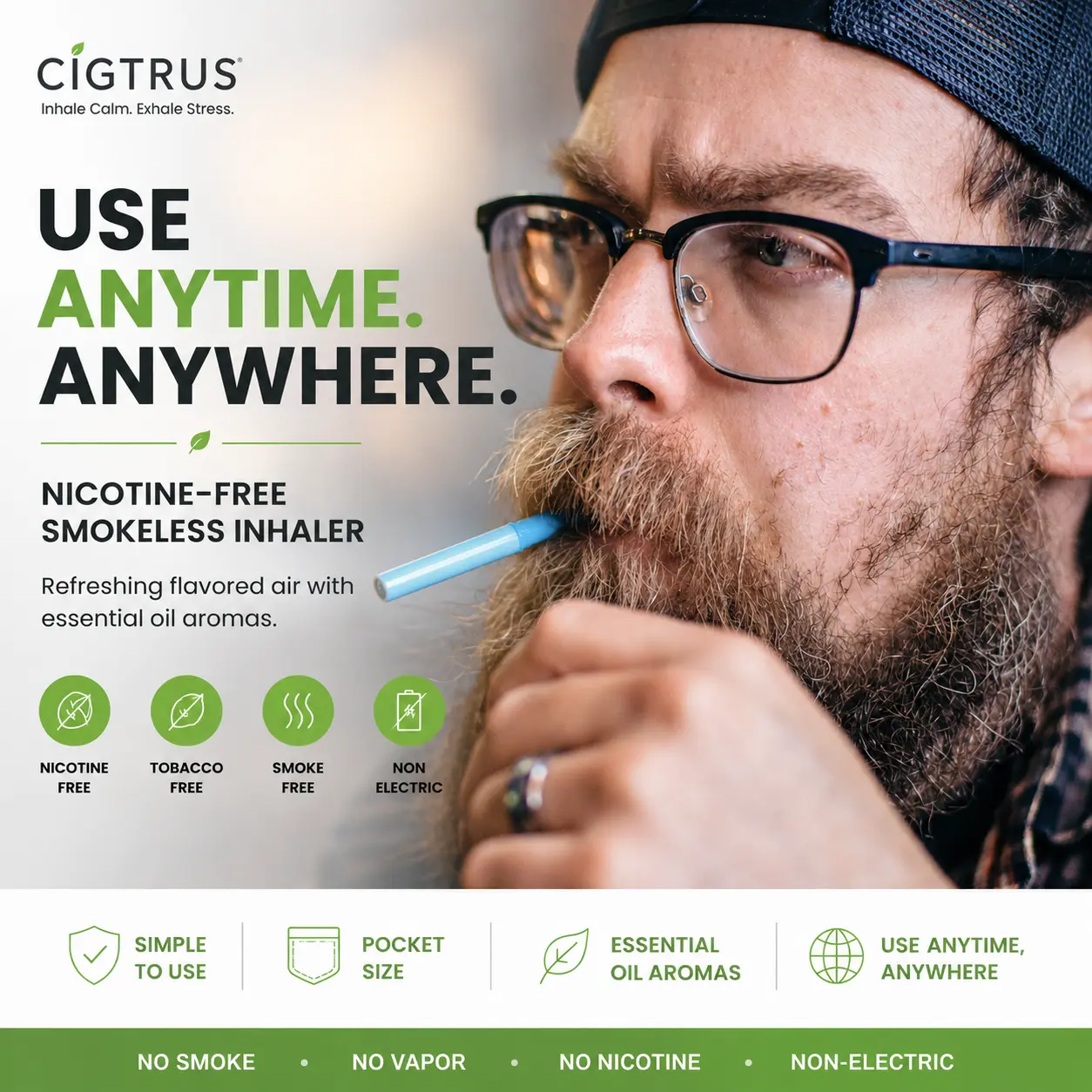
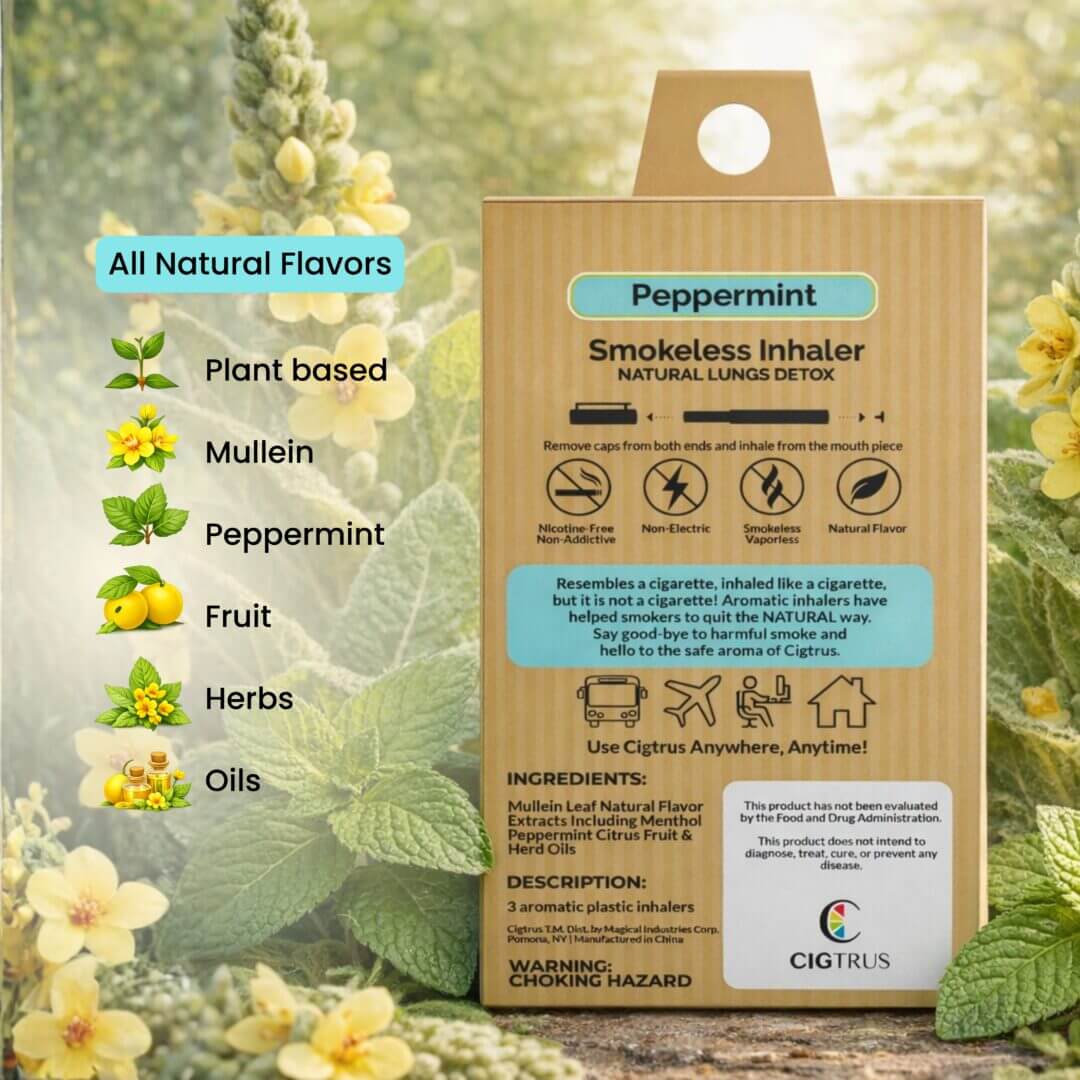
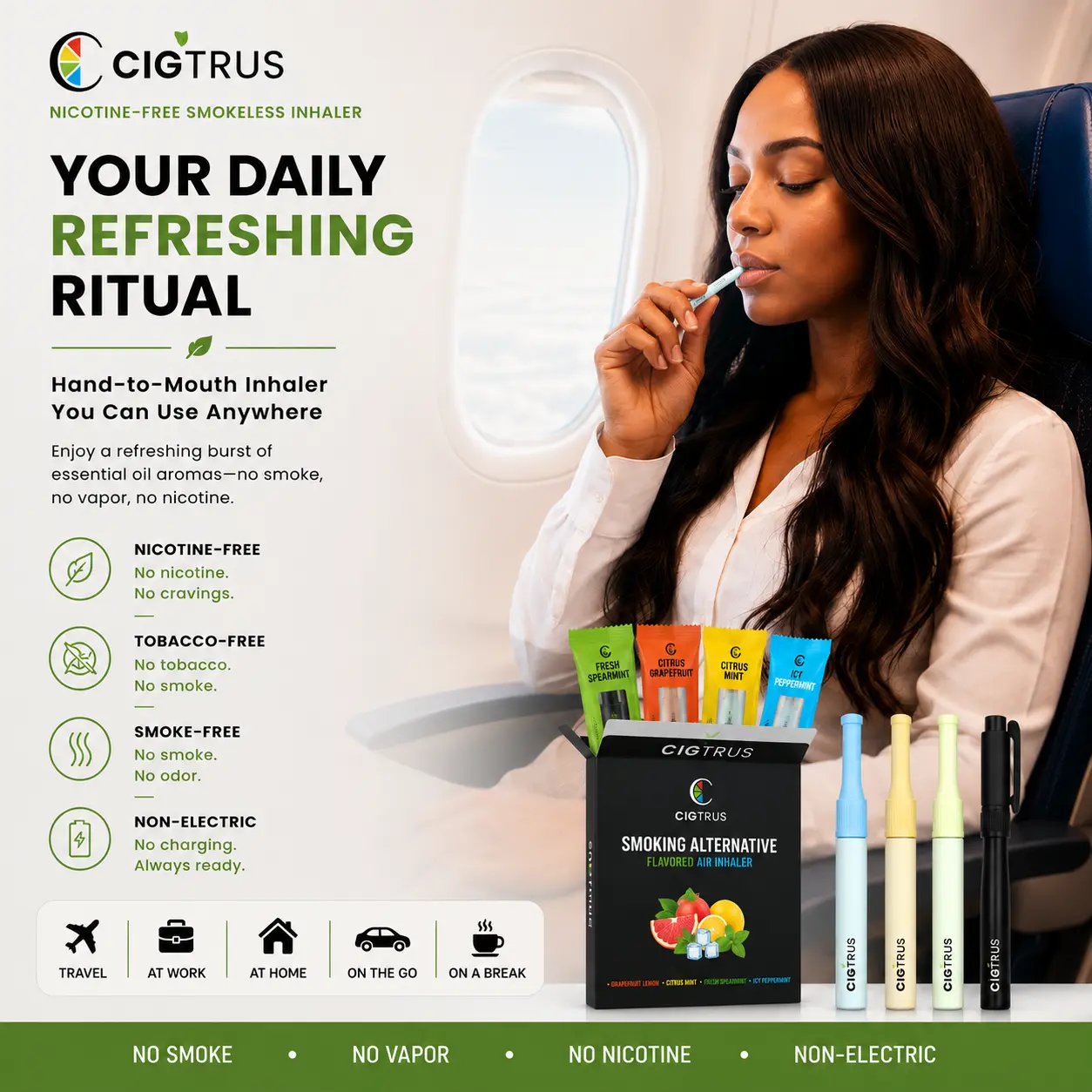
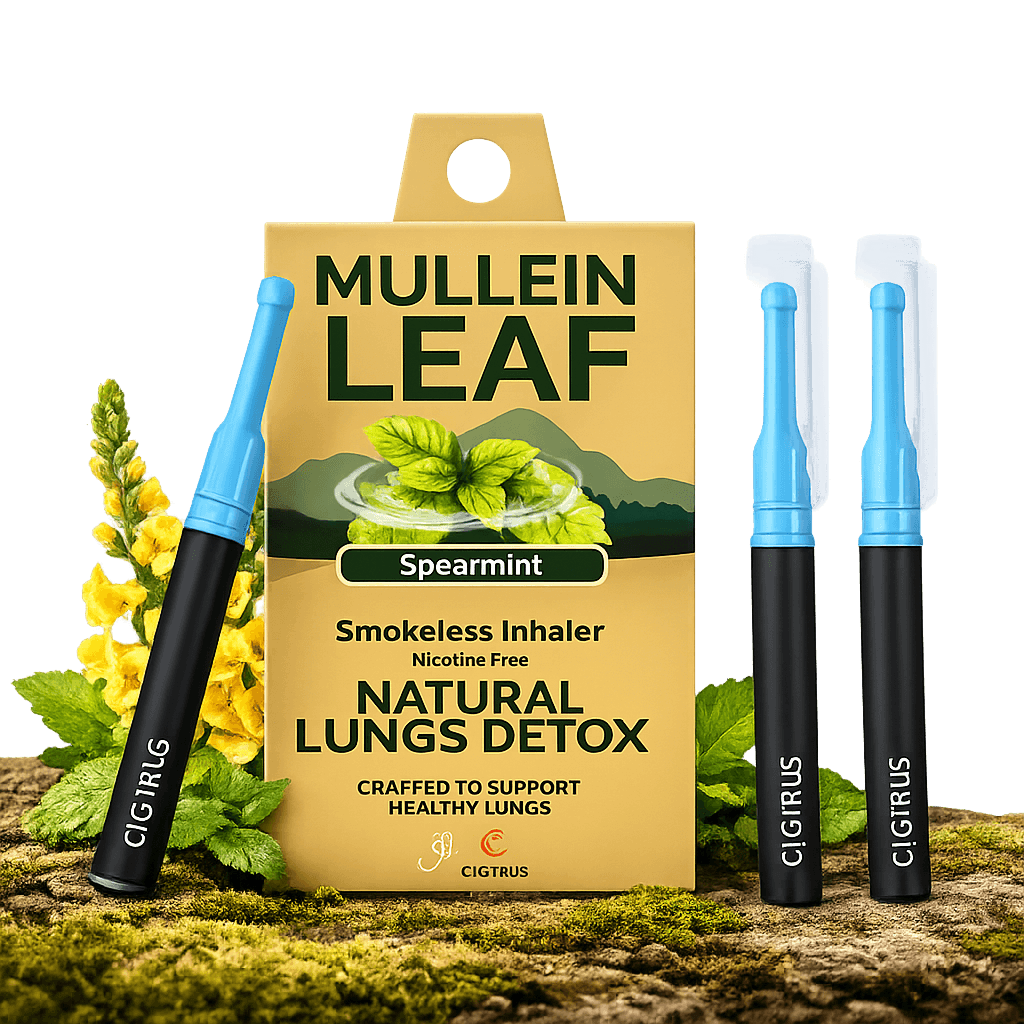
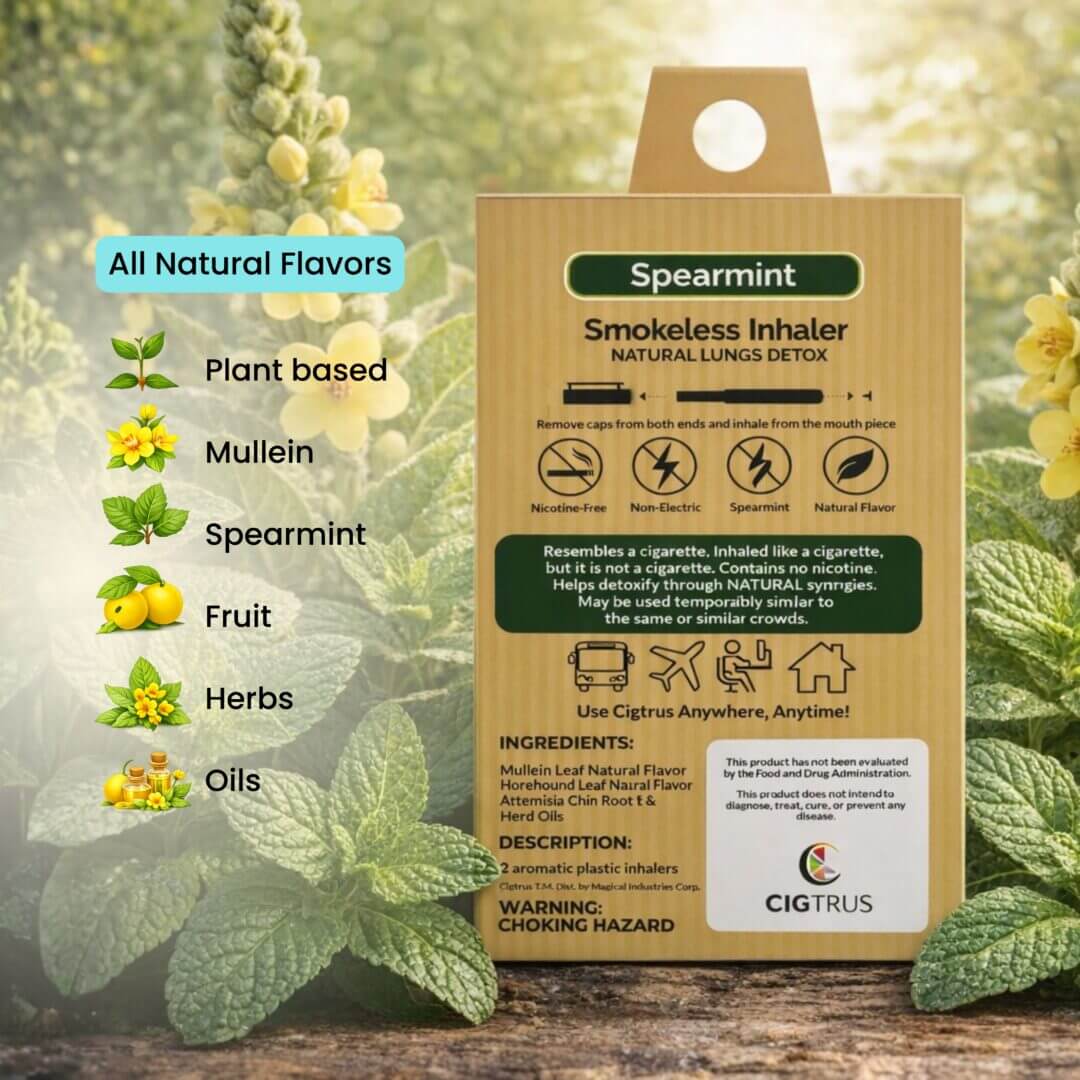
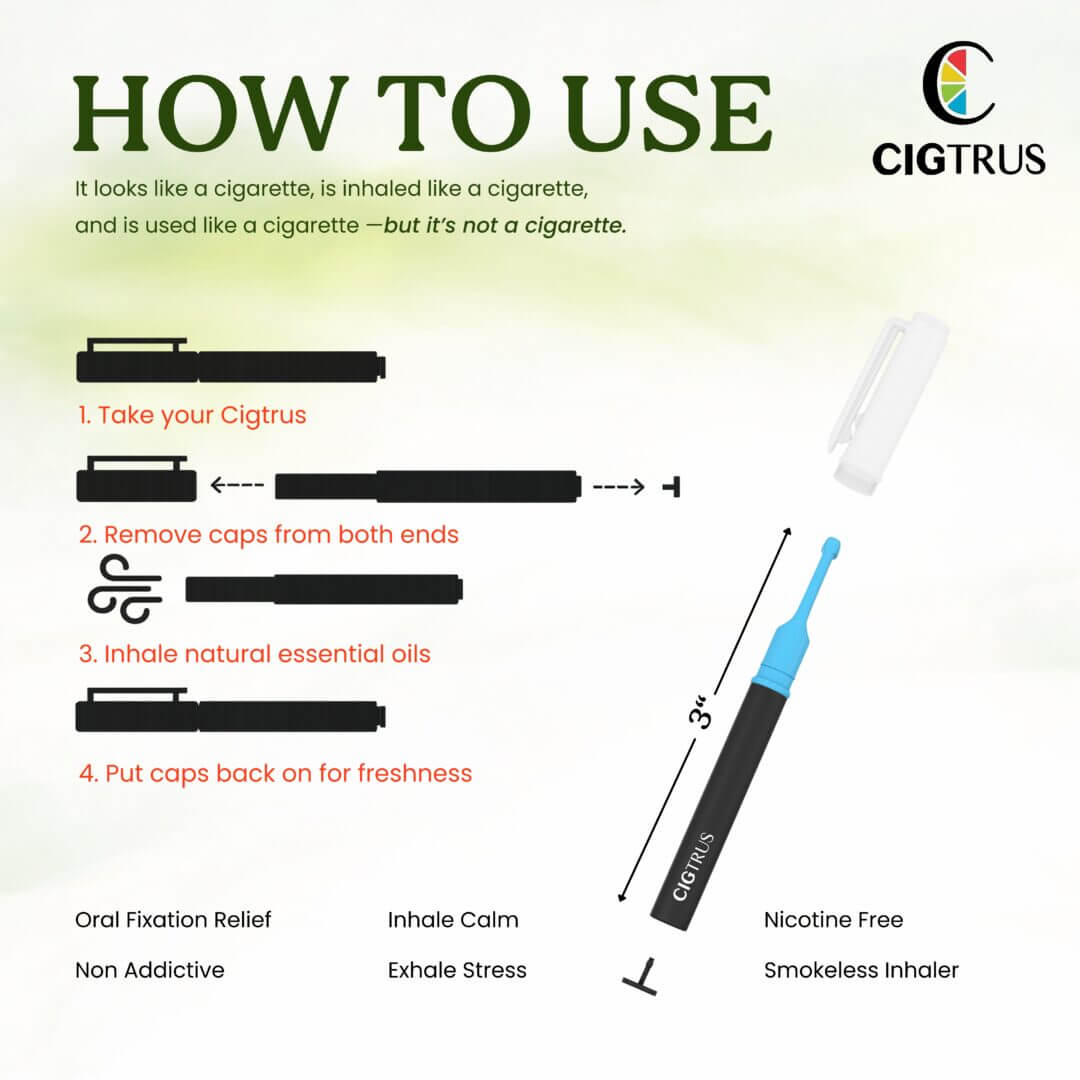
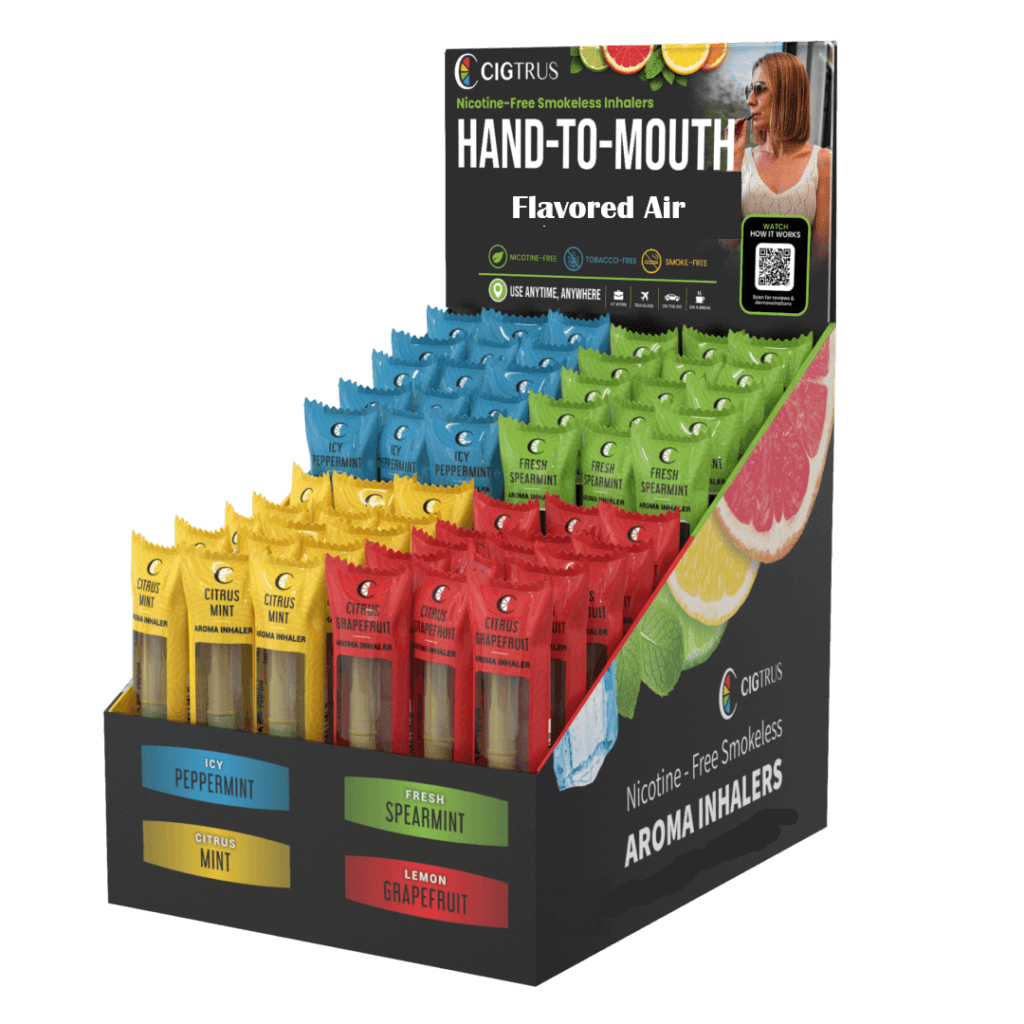
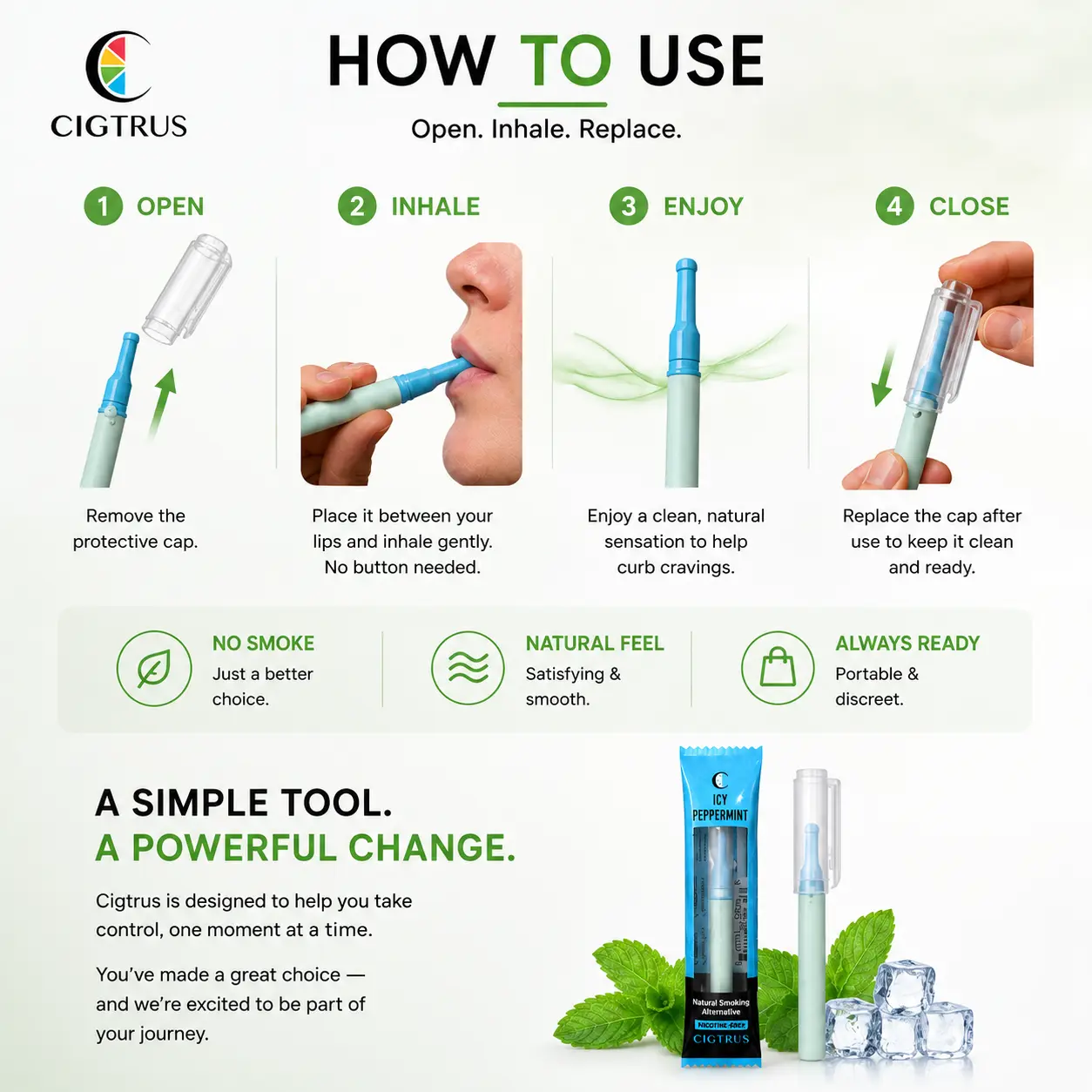
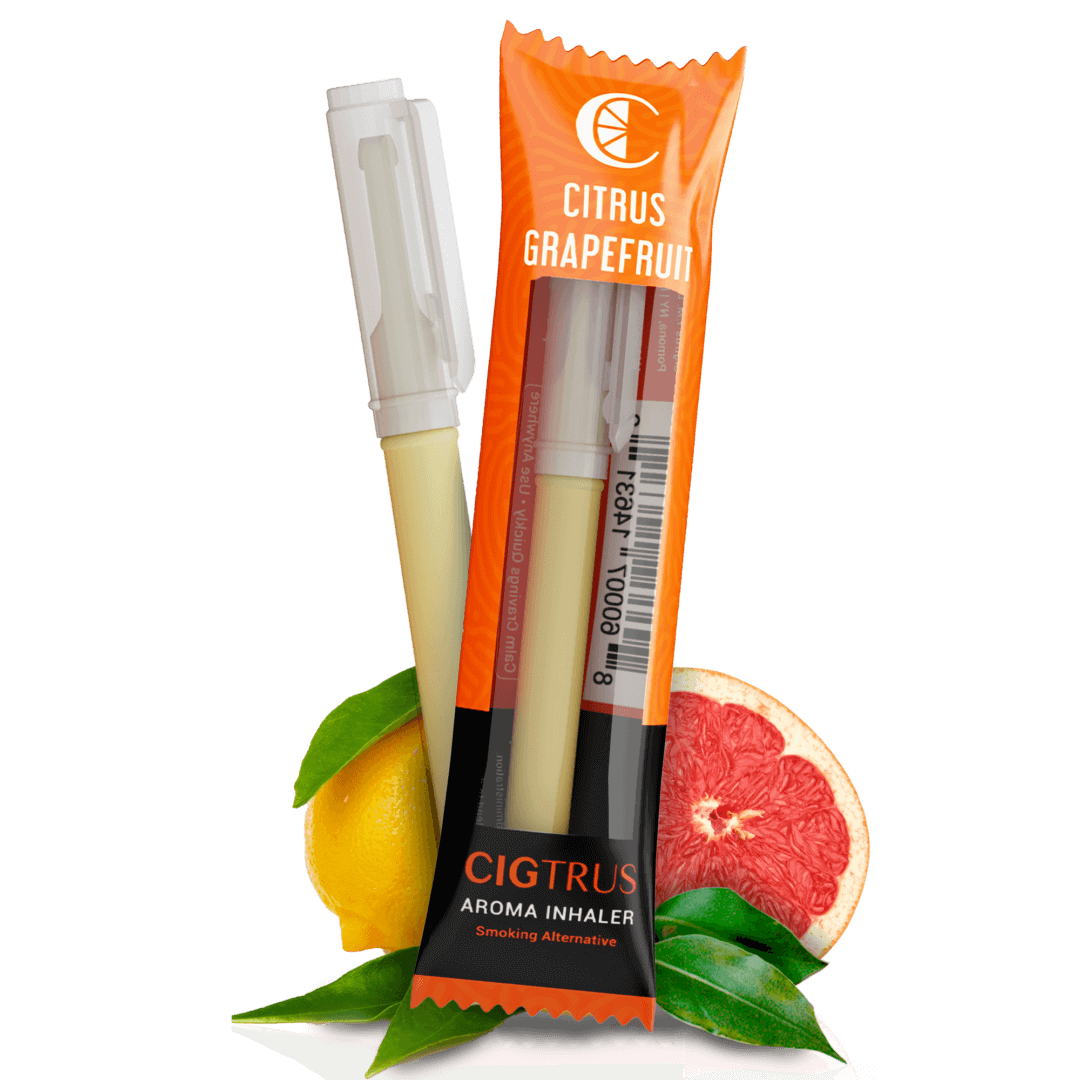
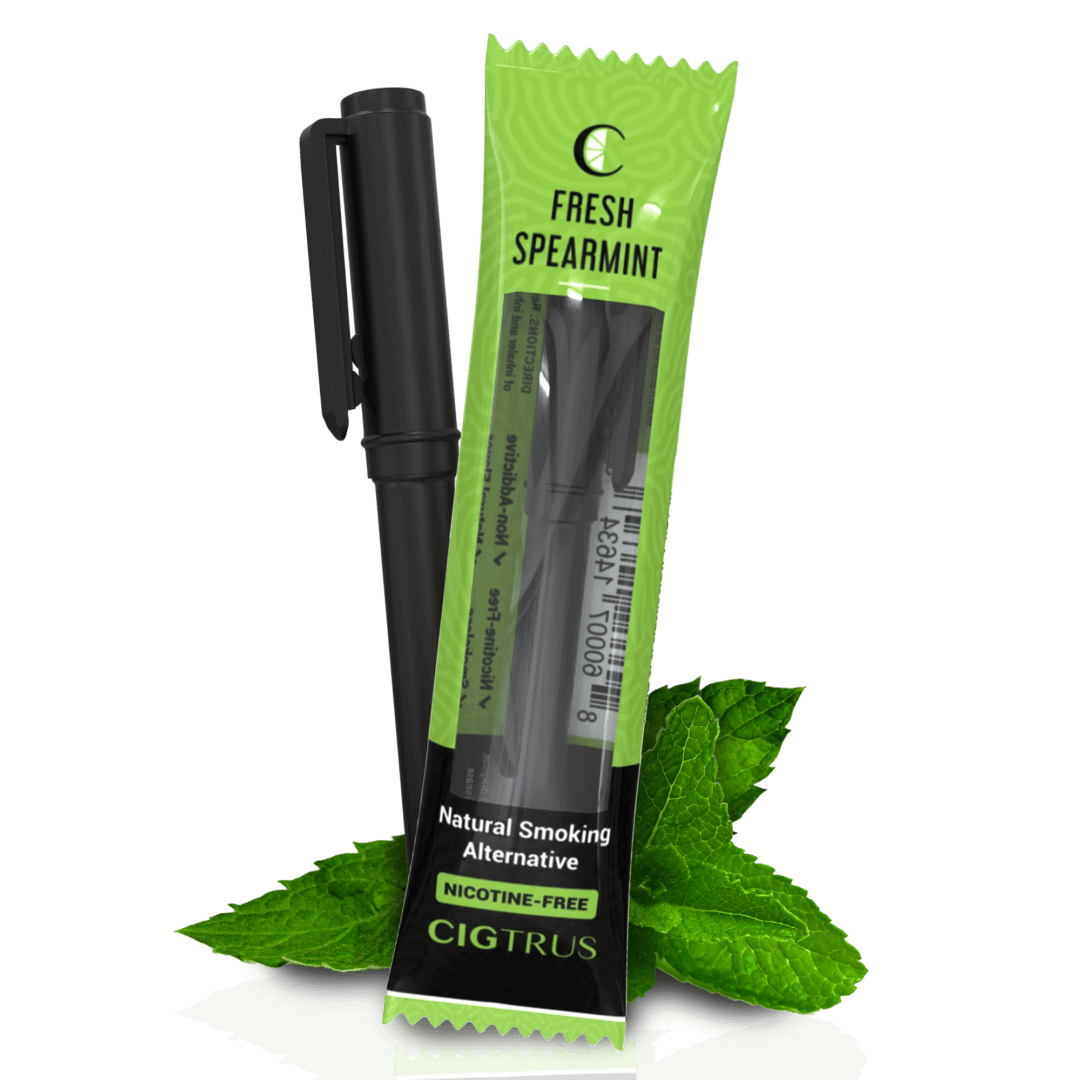
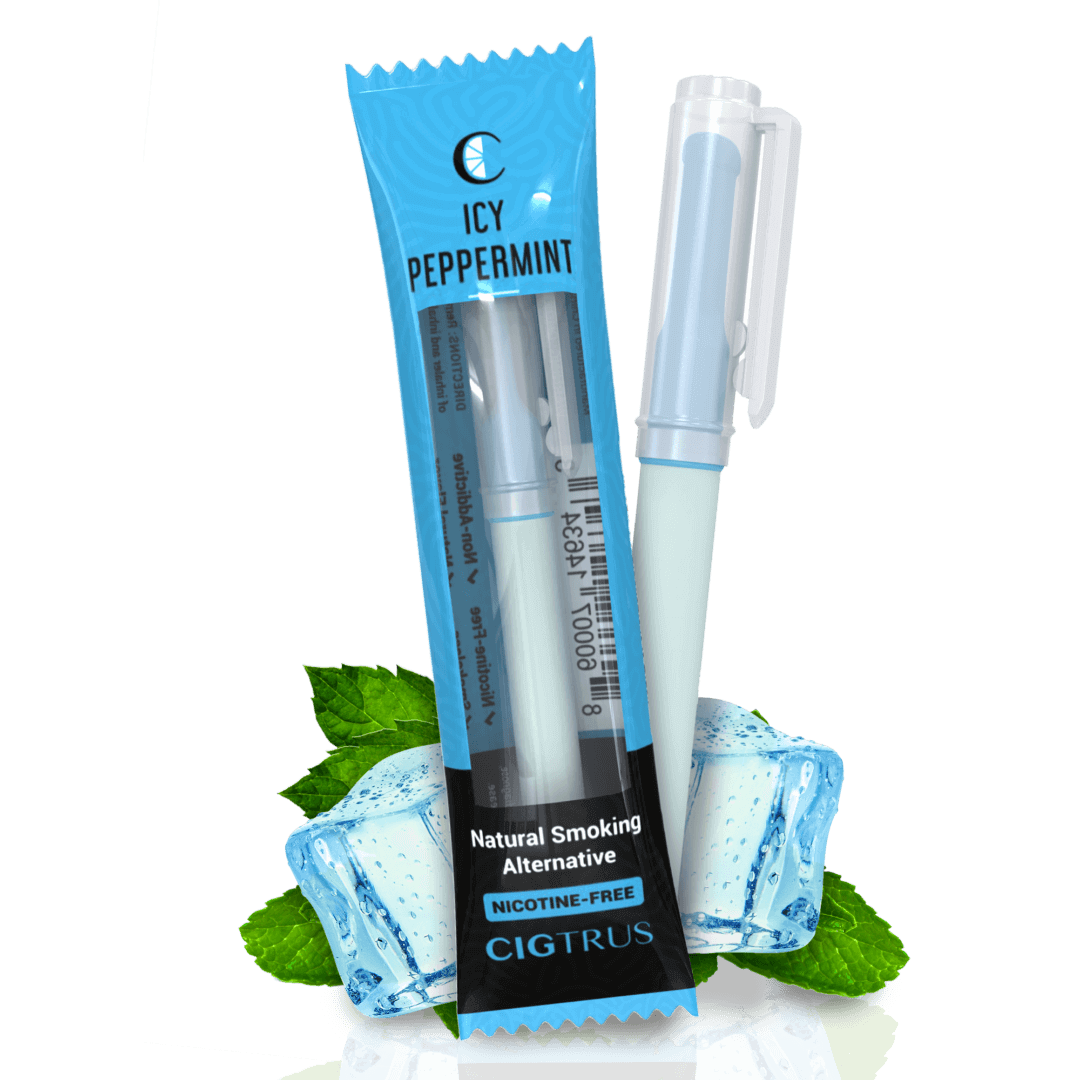
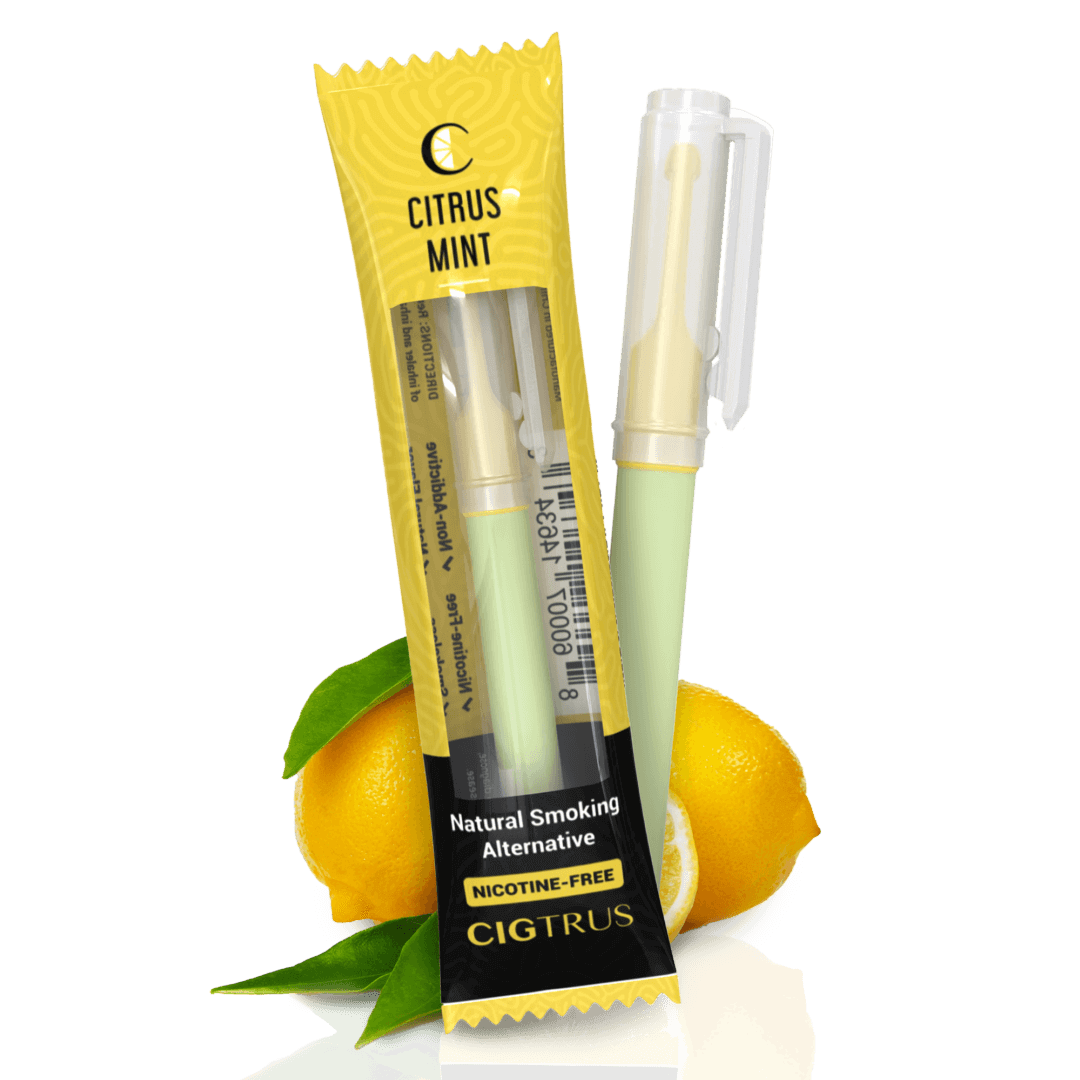
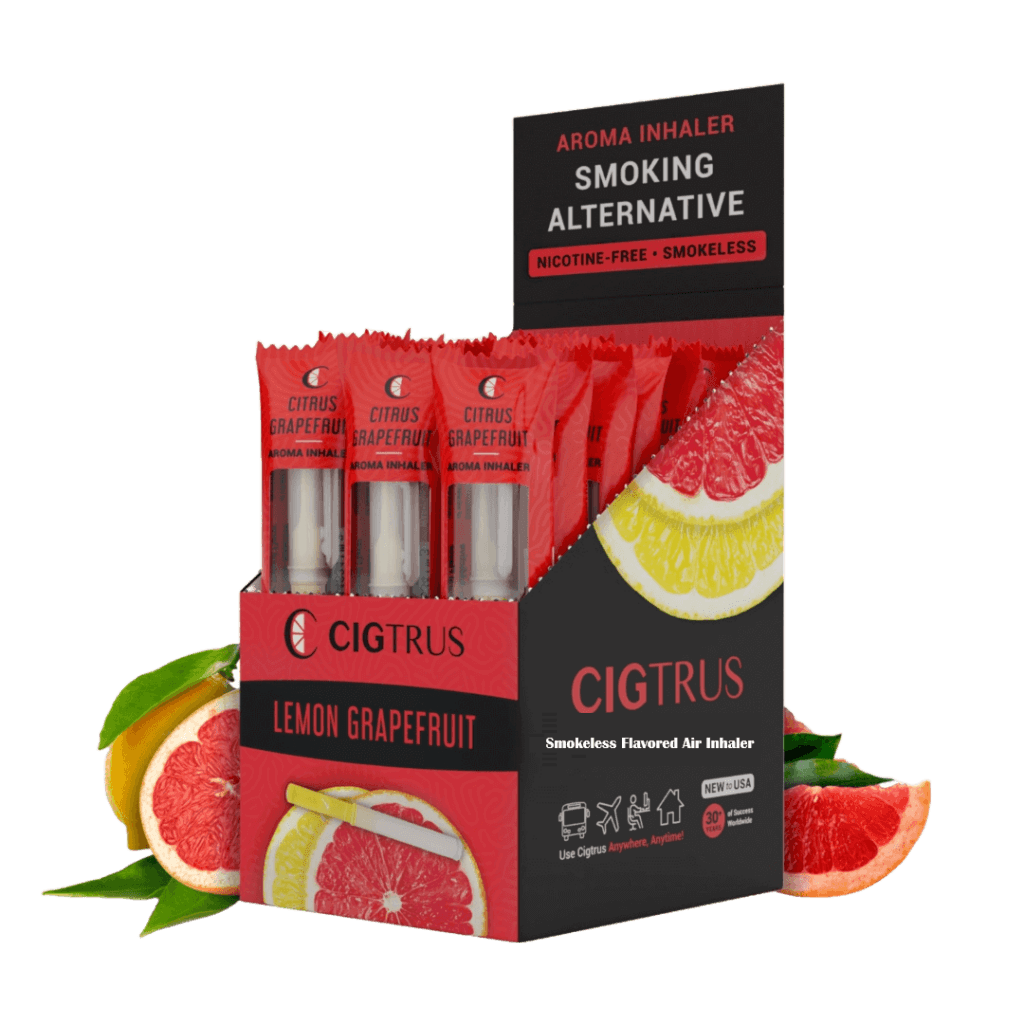
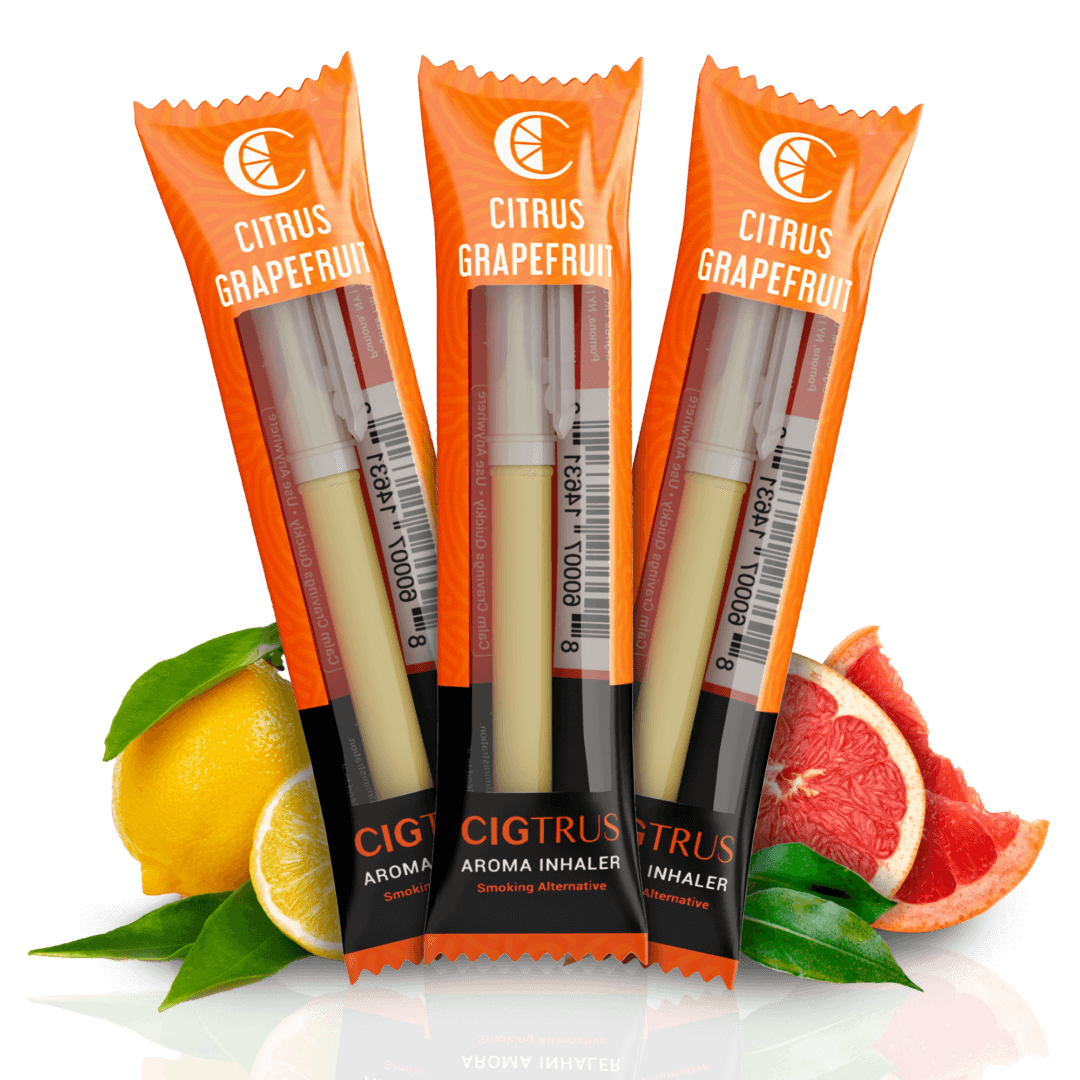
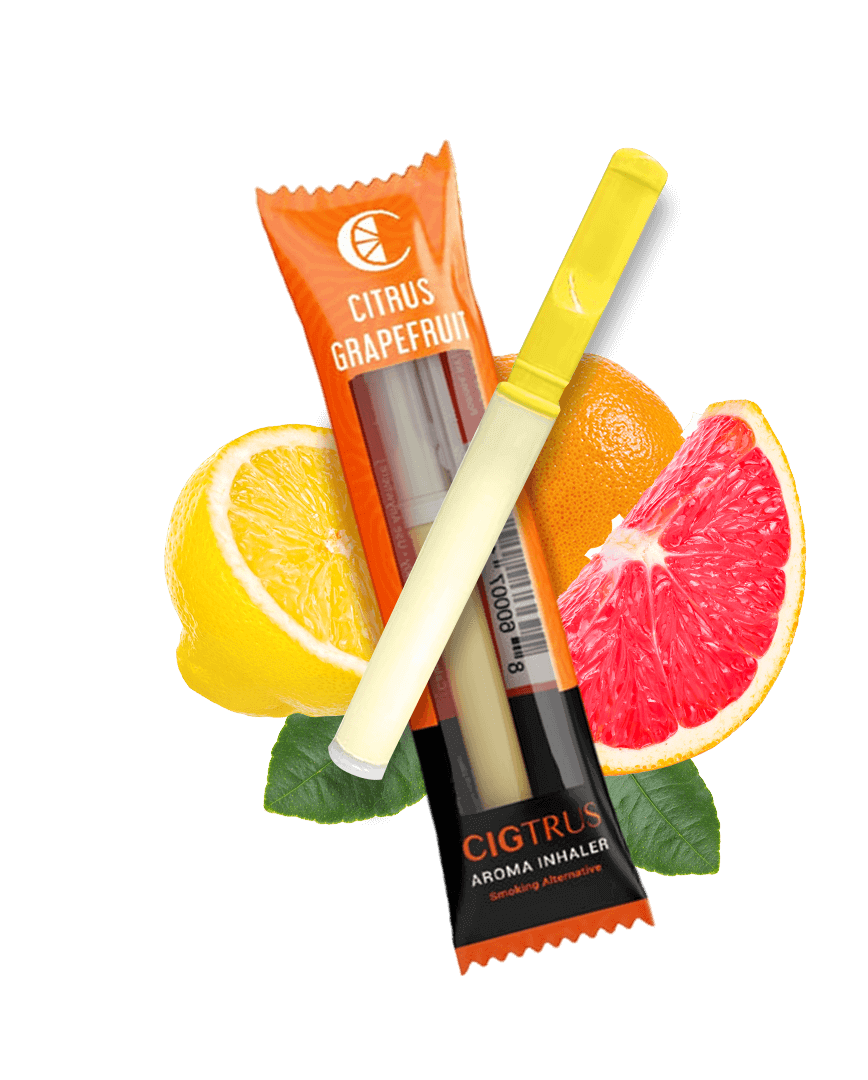
Cigtrus is a nicotine-free, smokeless, non-electric inhaler designed around genuine behavioral habit replacement, not simply the continuation of the puffing routine without nicotine.
What Makes Cigtrus Different From Zero-Nic Vapes
No vapor produced, nothing that continues the vaping behavior pattern in the same form
Natural aroma delivery, a genuinely different sensory experience that creates new associations
No electronic device, no battery, no heating element, no maintenance, a simpler form factor
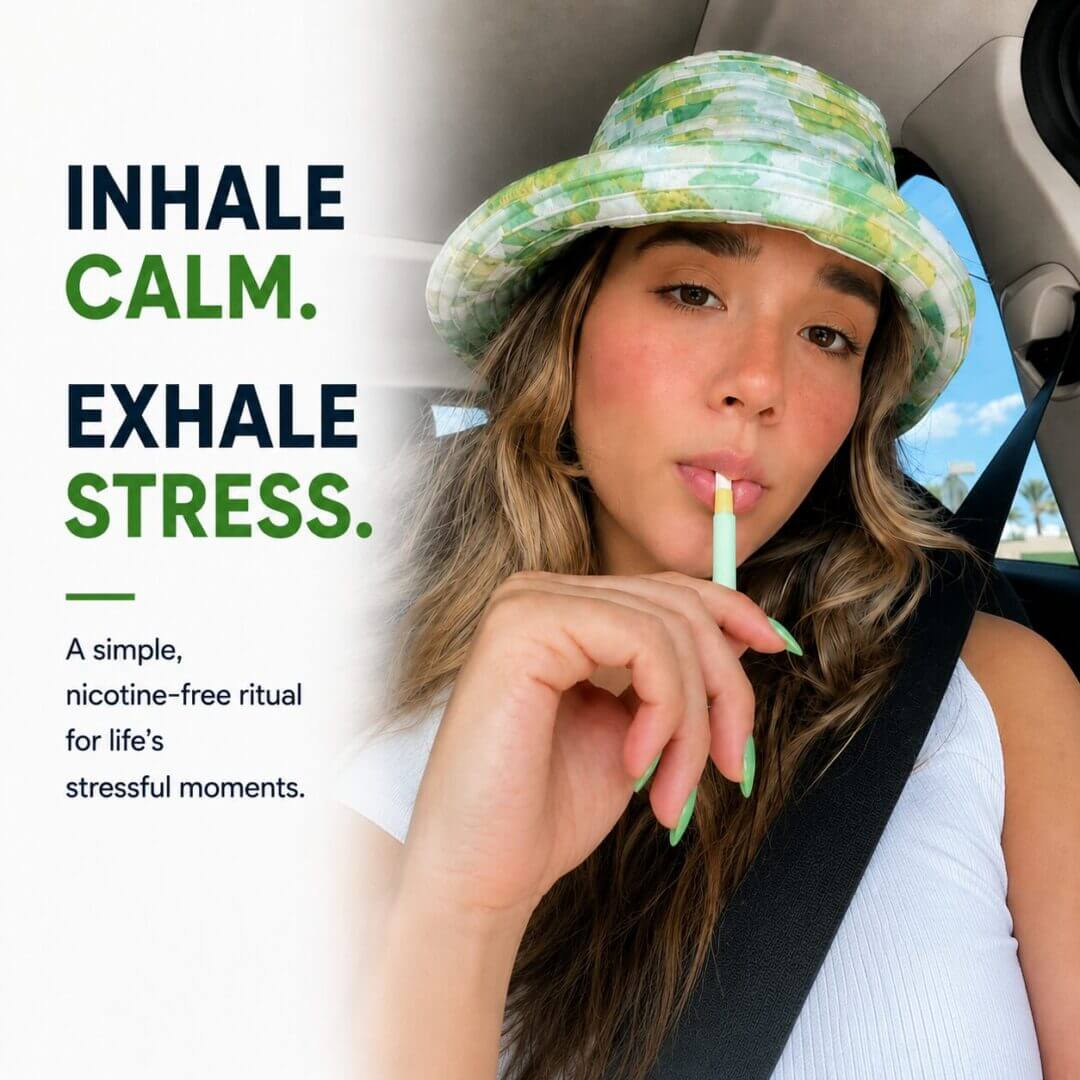
Preserves the hand-to-mouth motion, addressing the behavioral habit while creating a new routine
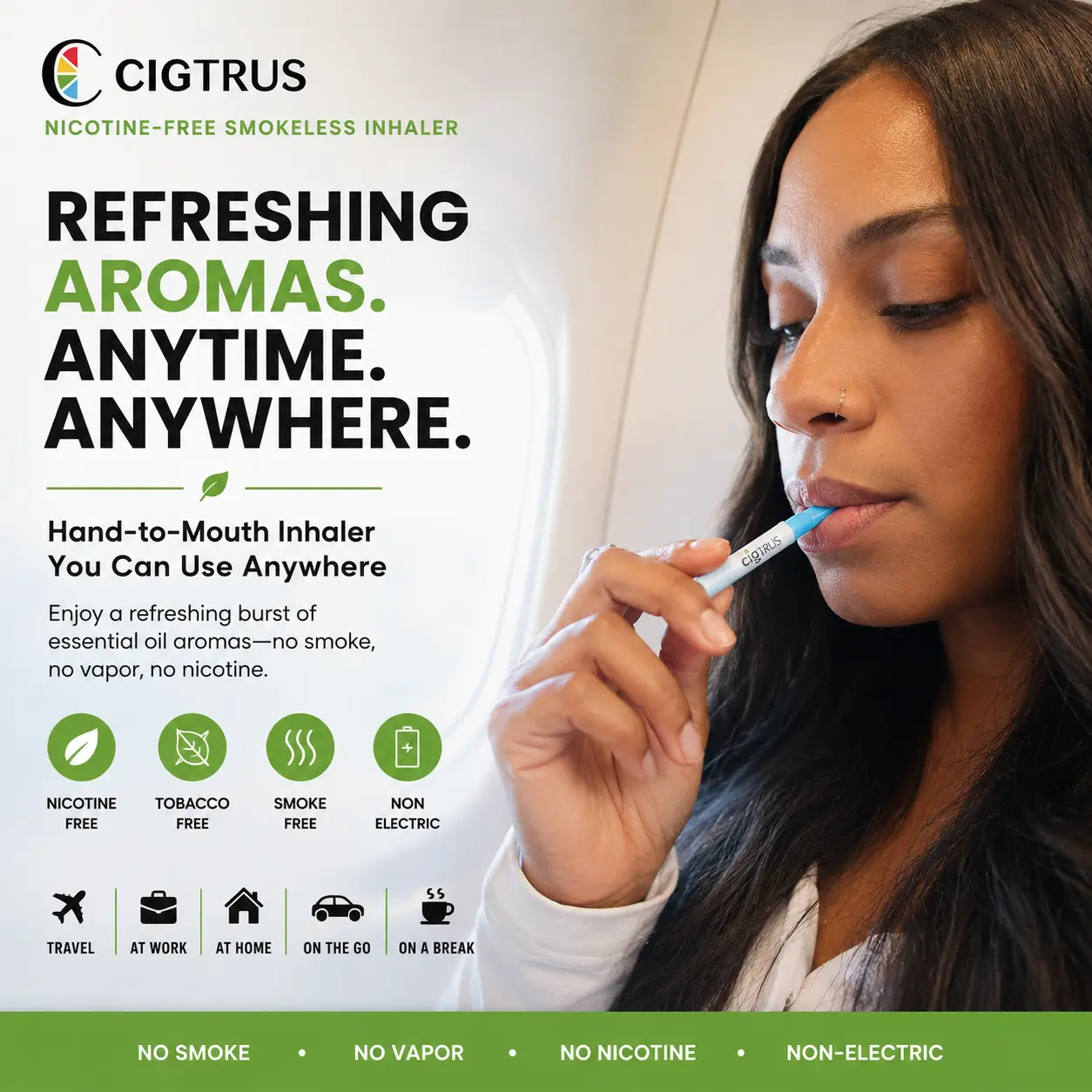
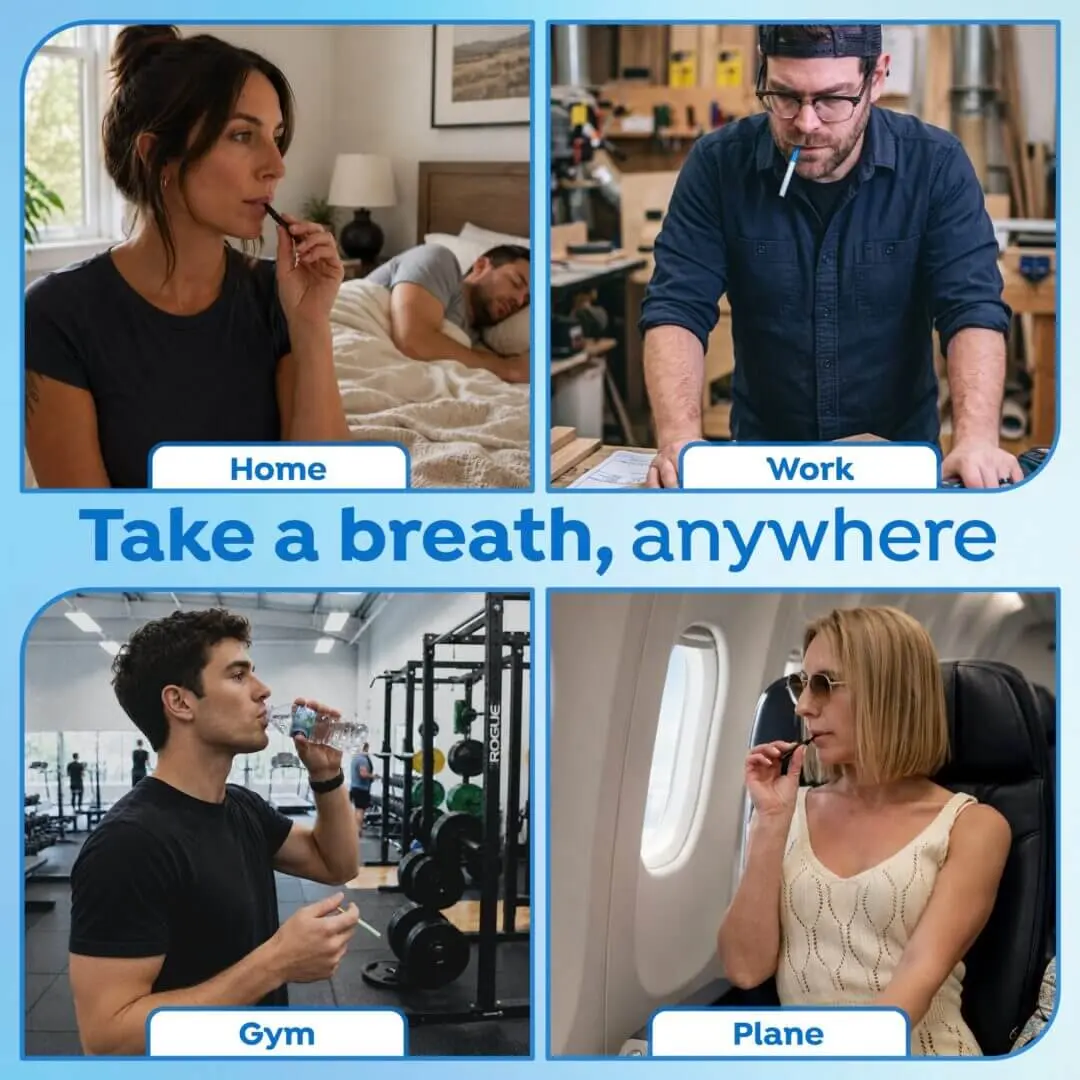
Usable anywhere, no vapor means no restrictions even in environments where vaping is banned
Instead of smoke, vapor, or nicotine, Cigtrus focuses on helping users gradually move away from repeated smoking and vaping behaviors while still supporting the familiar routines the body and brain still expect, giving every trigger moment a genuinely different response that begins to build a new association over time.
Frequently Asked Questions
Why don’t zero nicotine products always help people stop vaping or smoking?
Because they remove only the nicotine, not the behavioral habit. The hand-to-mouth motion, the puffing routine, and all environmental trigger associations continue firing identically. The behavioral layer that drives most long-term relapse remains completely intact.
Is using a zero-nic vape better than smoking?
Zero-nic vapes remove the chemical nicotine dependency, which is a meaningful reduction. However, they continue the behavioral habit rather than replacing it, which can make it just as difficult to eventually stop the puffing behavior entirely.
What is the difference between zero nicotine and genuine habit replacement?
Zero nicotine removes the chemical while continuing the identical behavioral routine. Genuine habit replacement gives the hands, mouth, and brain a clean alternative that begins building a new behavioral association rather than reinforcing the old one through continued repetition.
How does Cigtrus differ from a zero-nicotine vape?
Cigtrus produces no vapor, requires no battery, uses natural aroma instead of heated liquid, and creates a genuinely different sensory experience. Instead of continuing the vaping pattern without nicotine, it provides a new form of behavioral support that begins weakening the old trigger associations.
What does true behavioral habit replacement require?
Giving the trigger moment a genuinely different response, something the hands and mouth recognize, the brain can build a new association with, and that is consistently available at every trigger. Consistency is what gradually weakens the old behavioral wiring and builds the new routine.
Remove the Nicotine and Replace the Habit
Zero nicotine is a step in the right direction, but it is only one step. The behavioral habit, the trigger associations, and the daily routine all still need to be addressed separately. Without genuinely replacing the puffing behavior with something different, the habit continues, just without the nicotine.
Cigtrus was built to address that second step, the behavioral one that zero-nic products leave completely unchanged.
Go Beyond Zero Nicotine. Replace the Habit.
A genuinely different response to every trigger, natural aroma, no vapor, no nicotine, no behavioral continuation.
👉 Try the Variety Pack