
Breaking Free: How to Leave Smoking Behind Through Habit Replacement
Breaking free from smoking is a commendable decision, and for many people, one of the most important they will ever make. But the journey involves more than removing nicotine. The habits, routines, and behavioral patterns built around smoking often need to be replaced just as deliberately as the chemical dependency is removed.
That is why so many people struggle even after successfully reducing nicotine intake. The body may no longer crave nicotine, but the hands still reach, the mouth still expects something, and the trigger moments still fire automatically at every coffee, commute, and stressful situation.
The Ritual of Smoking That Needs Replacing
Smoking is not just a nicotine delivery system, it is a ritual embedded in daily life. The hand-to-mouth action becomes automatic and comforting, offering a sense of routine and familiarity that outlasts the chemical withdrawal by weeks, months, or longer.
Throughout the day, smokers engage in this ritual during different situations, taking a break, socializing, managing stress, driving, or relaxing after meals. The hand-to-mouth habit becomes intertwined with emotional triggers and daily moments, creating a complex web of associations that make breaking free genuinely challenging.
“Nicotine leaves the body within days. The behavioral habit can persist for months. Breaking free from smoking means addressing both, not just one. The ritual needs a replacement, not just a removal.”
A Practical Approach to Breaking Free
The most effective approach to breaking free from smoking addresses both the chemical and behavioral layers simultaneously. Here is a practical framework that works.
Identify Your Specific Triggers
Know exactly which situations, times of day, and emotions fire the automatic reach for a cigarette. Morning coffee, driving, stress, boredom, and social settings are the most common, but yours may be different. Map them before your quit date.
Replace the Routine, Not Just the Nicotine
Have something ready for every trigger moment so the gap never goes unfilled. The hands and mouth need somewhere to go, giving them a clean behavioral alternative is what separates sustainable quitting from repeated relapse.
Address the Emotional Side
Cigarettes became a stress response, a coping tool, and a comfort object over years of repetition. Acknowledging the emotional layer, and having something ready for stressful moments, is crucial for long-term success.
Be Consistent, Every Single Time
Every time a trigger fires and you reach for the clean alternative instead of a cigarette, the old behavioral wiring weakens. Consistency over weeks and months is what makes the new routine automatic.
Build a Support System
Tell people who matter about your quit plan. Seeking support from friends, family, healthcare professionals, or quit-smoking communities significantly increases long-term success rates.
How Cigtrus Supports the Break From Smoking Habits
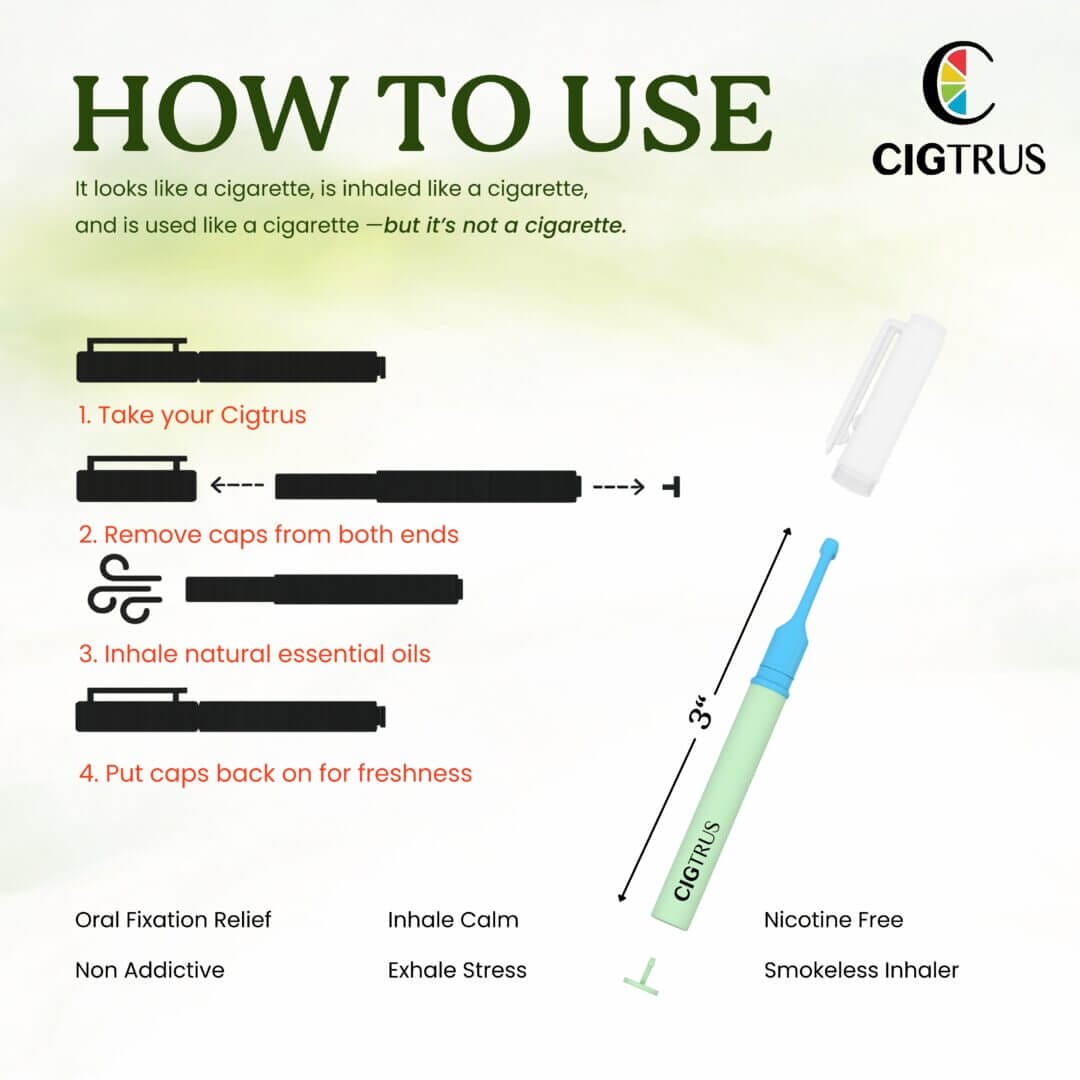
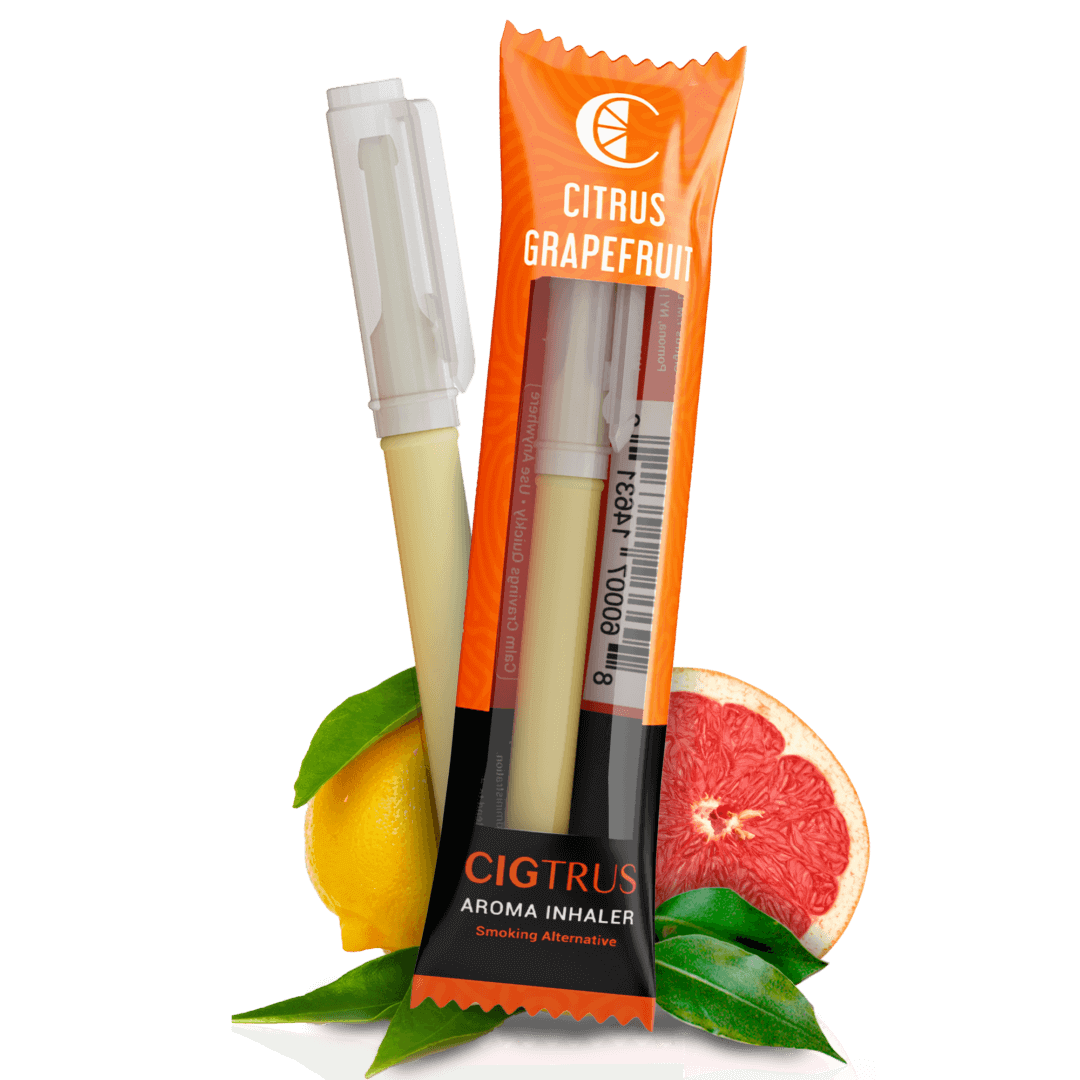
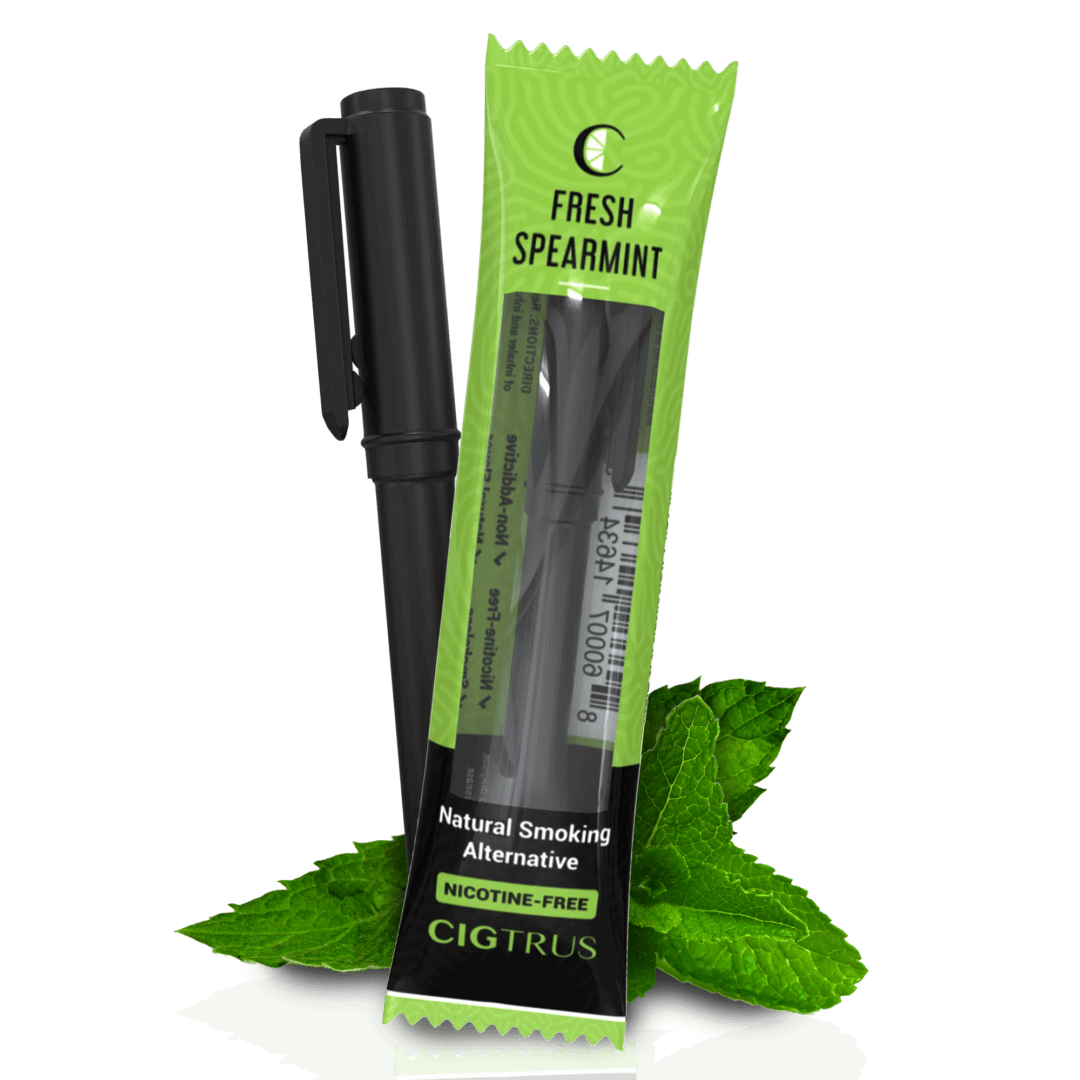
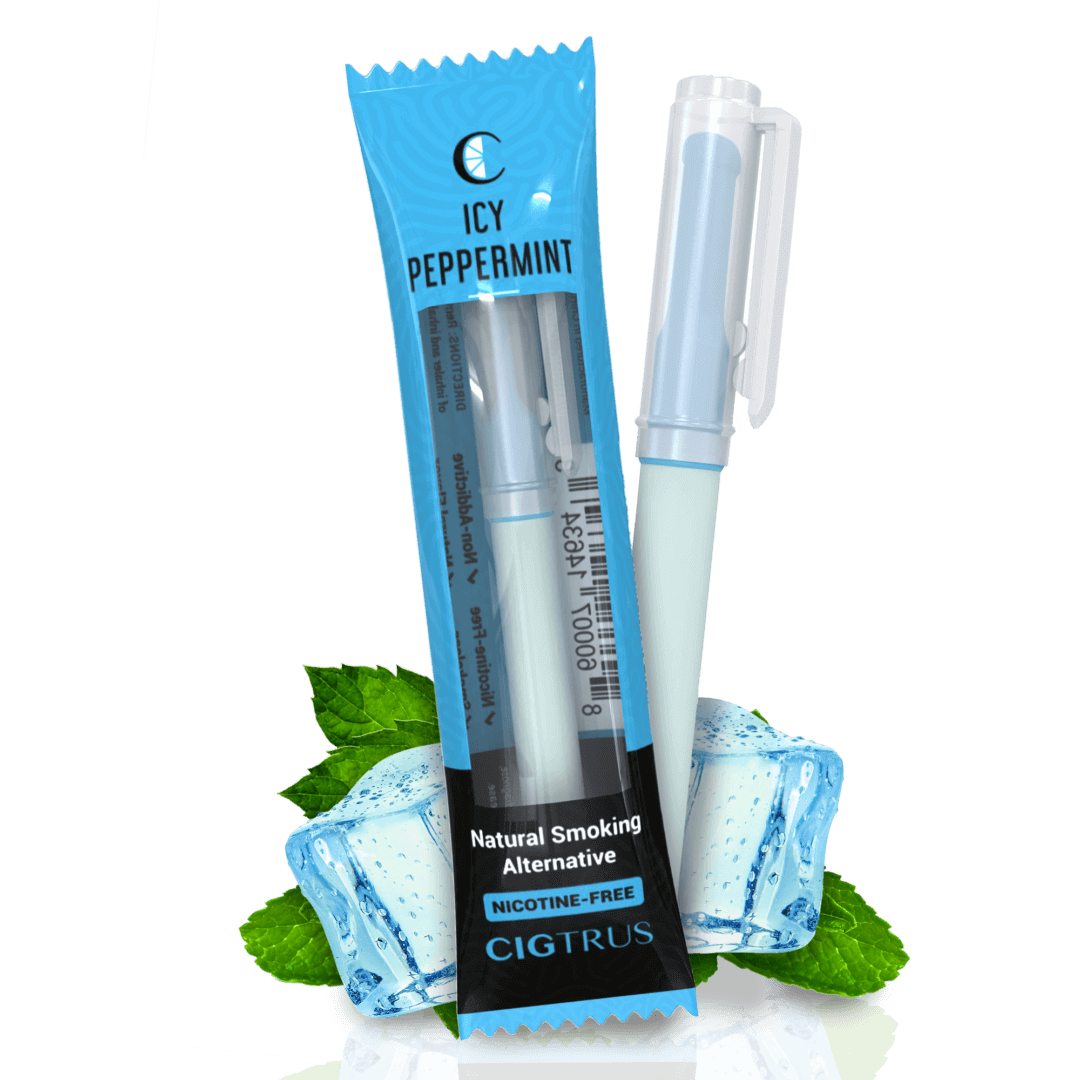
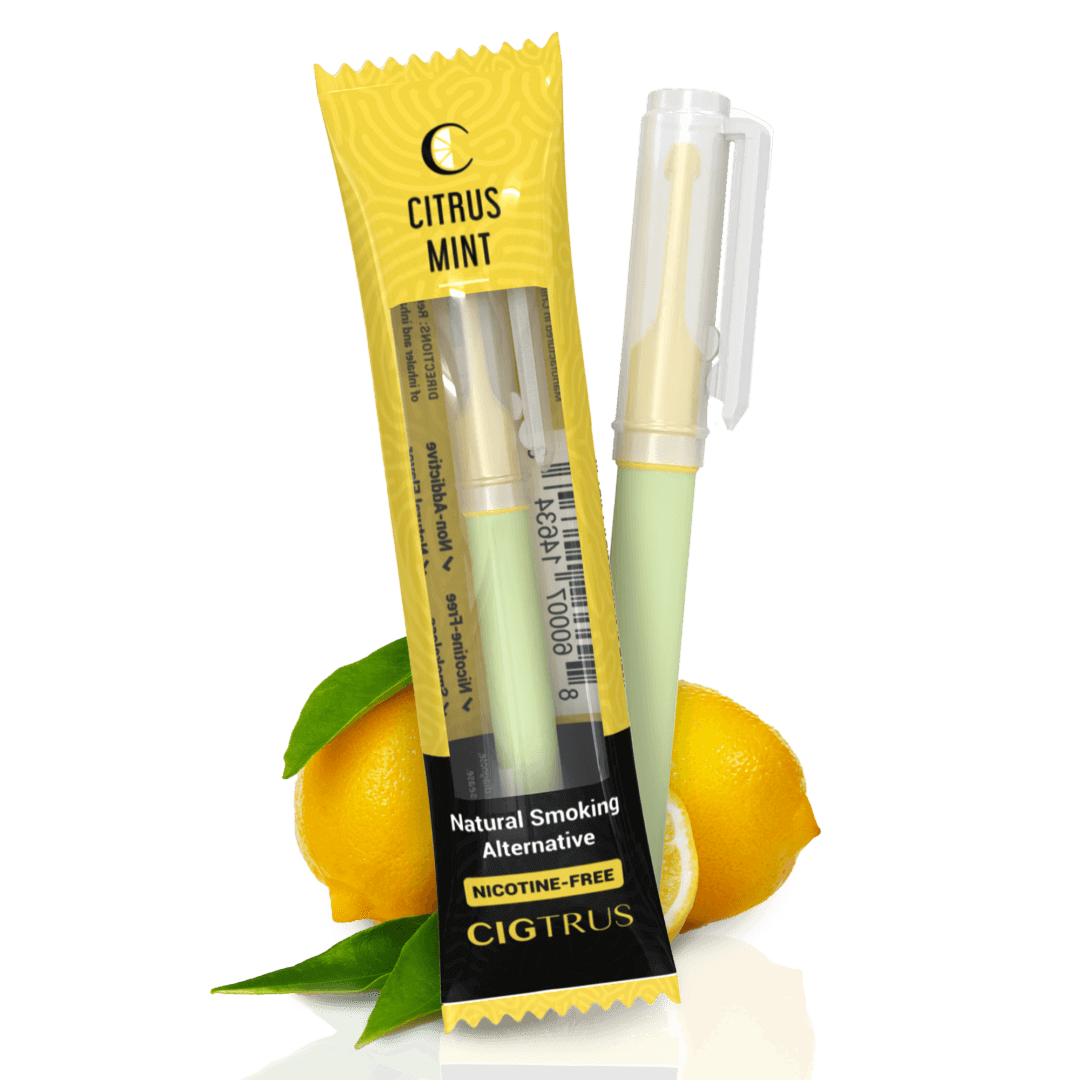
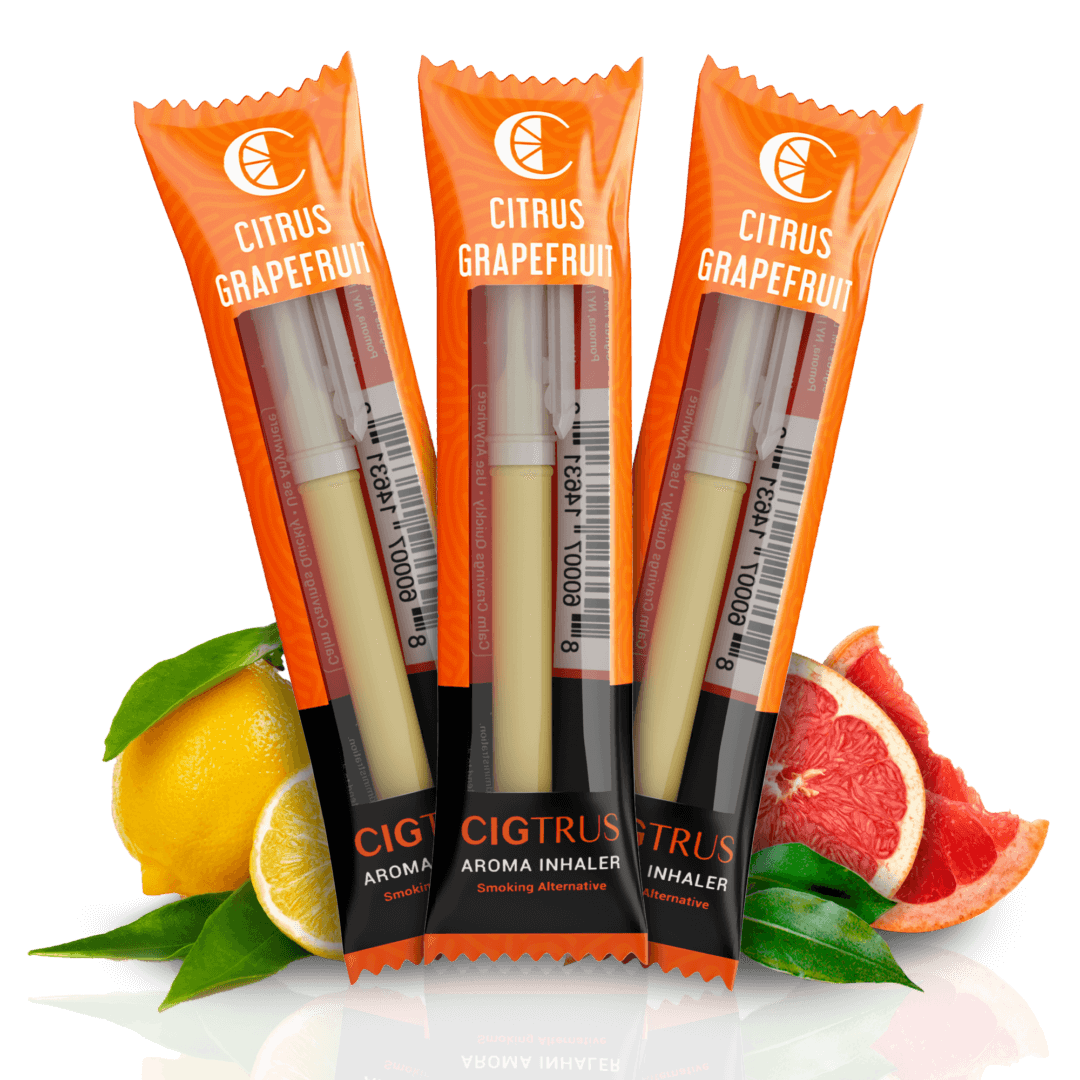
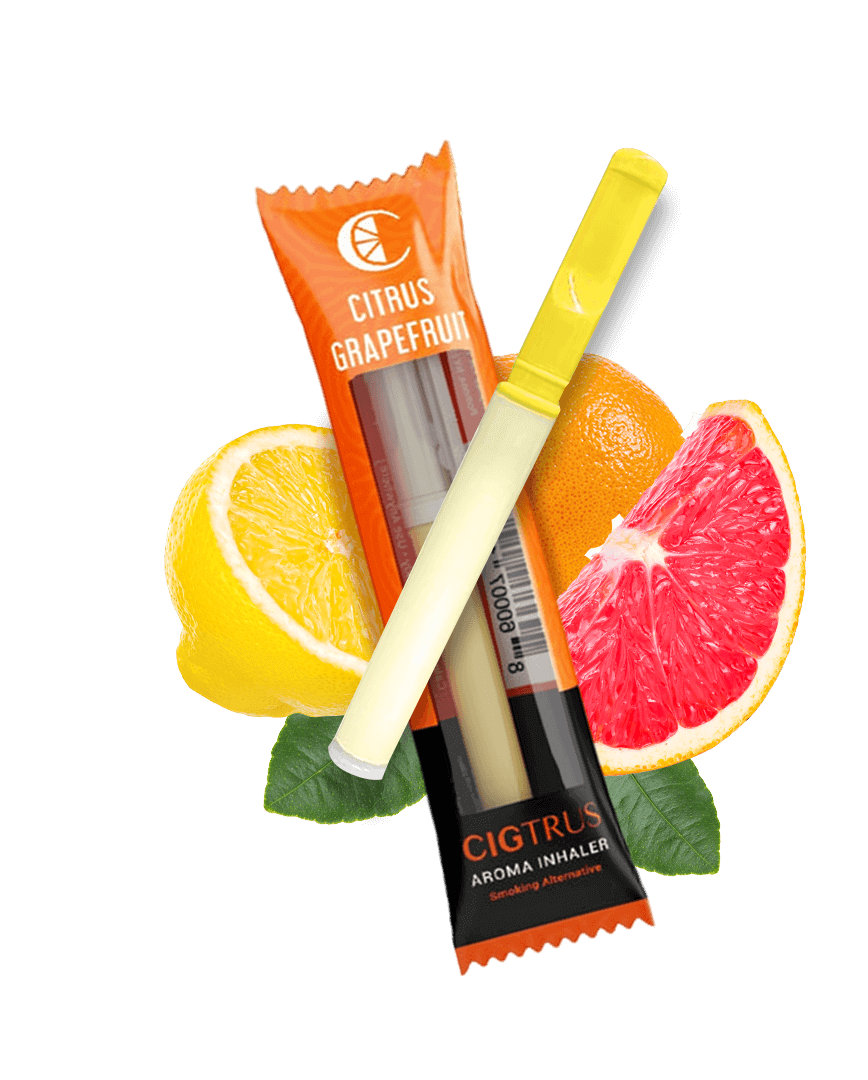
Cigtrus is a nicotine-free, smokeless, non-electric inhaler designed to support the behavioral side of breaking free from smoking. Instead of delivering nicotine or producing vapor, it gives the hands and mouth a familiar behavioral routine using natural citrus and mint aromas, so every trigger moment has a clean alternative ready.
How Cigtrus Supports Breaking Free
Replaces the hand-to-mouth habit, the automatic reach that persists long after nicotine fades
Supports the inhalation routine, the deep breath the body still expects at trigger moments
Ready for stress moments, gives emotional triggers a clean response instead of a cigarette
No nicotine, no smoke, no vapor, a genuinely clean break from all chemical dependency
Usable anywhere, indoors, at work, on flights, wherever the habit used to live
Breaking free from smoking takes time, consistency, and realistic support. Every smoke-free decision weakens the old habit. Over time, the trigger still fires, but the response has changed. That is what genuine freedom from smoking looks like.
Frequently Asked Questions
Why is breaking free from smoking so difficult?
Because smoking is both a chemical dependency and a deeply ingrained behavioral habit. The nicotine fades within days, the behavioral routine, emotional associations, and trigger responses can persist for months.
What is the most important thing to have ready when breaking free from smoking?
A clean behavioral alternative for every trigger moment. The biggest mistake most people make is leaving the gap empty, and an empty gap fills itself with a cigarette.
How does natural aroma help with breaking free from smoking?
Natural aromas like citrus and mint give the brain a new positive sensory association for trigger moments, redirecting the automatic reach-and-inhale response toward something clean and refreshing instead of smoke.
How long does it take to break free from smoking habits?
Nicotine withdrawal fades within weeks. Behavioral habits built over years typically take months of consistent replacement before the trigger response begins to genuinely weaken. Every repeated replacement moves the process forward.
Breaking Free Is a Journey, Not an Event
Breaking free from smoking is not a single decision that changes everything overnight. It is a series of small, consistent choices, each one replacing the old habit with something better. Every smoke-free moment counts. Every trigger handled cleanly matters. Progress happens gradually, and it sticks.
Break Free. Replace the Habit. Not Just the Nicotine.
Nicotine-free, smoke-free, and ready for every trigger moment on your journey to freedom.
👉 Try the Variety Pack