
The Most Effective Way to Quit Smoking for Good
Many people have tried nearly every quitting method available, cold turkey, patches, gum, medications, and still struggled. The reason is almost always the same: they addressed the nicotine but left the habit completely untouched.
Quitting smoking for good requires understanding both sides of the problem. The physical side fades with time. The behavioral side, the routines, the triggers, the mental patterns, can last much longer and is where most quit attempts fall apart.
Why Most Quit Attempts Don’t Last
For many smokers, cigarettes are not only about nicotine. They become tied to routines, stress relief, work breaks, morning coffee, driving, and everyday habits. Morning coffee, driving, breaks during the day, smoking weaves itself into almost every part of daily life.
Even when someone understands every reason to quit, the habit still feels emotionally connected to daily routine. That mental and behavioral attachment is what makes quitting feel so much harder than simply putting cigarettes down.
The Mental Side
The brain associates cigarettes with comfort, focus, and reward. That association outlasts nicotine withdrawal by weeks or months.
The Behavioral Side
The hand-to-mouth motion, the inhale, the pause, these routines are wired into daily life through years of repetition.
The Emotional Side
Stress, boredom, loneliness, and frustration all trigger the smoking response because cigarettes became the coping mechanism.
The Routine Side
Specific times of day, places, and sequences automatically fire the craving because smoking structured so many daily moments.
Understanding the Real Challenge
After speaking with many former smokers, a pattern emerges. People who successfully quit long-term almost always changed both their routines and their mindset around smoking, not just the nicotine intake.
While nicotine cravings fade over time, many people still struggle with the mental side of the habit long afterward. That is often where the real challenge begins, and where most quit methods leave people completely unsupported.
“Smoking becomes more than a chemical dependency. It becomes part of how someone manages stress, structures their day, and relates to their own identity. Breaking free means changing the pattern, not just removing the substance.”
The feeling that something is “missing” after quitting is almost never about nicotine alone. It is about losing the familiar hand-to-mouth ritual and routine that cigarettes provided every single day.
The Most Effective Approach: Address Both Sides
The most effective way to quit smoking for good combines two things most people never do together: reducing nicotine while simultaneously replacing the behavioral routine with something clean.
Identify Your Trigger Situations
Map every moment smoking fires automatically, morning coffee, driving, stress, boredom, breaks. Know the enemy before the craving hits.
Replace the Smoking Routine, Not Just the Nicotine
Give the hands and mouth a clean alternative at every trigger. A gap with nothing in it gets filled with a relapse. Replace the routine consistently.
Change Your Perspective on Smoking
Shift from “I’m giving something up” to “I’m replacing something that no longer serves me.” The mindset shift makes the behavioral change sustainable.
Build New Daily Habits Consistently
Focus on long-term lifestyle changes rather than temporary willpower. Every repeated replacement weakens the old wiring and builds the new routine.
By working on both routine and mindset, quitting begins to feel more manageable and sustainable, not a constant white-knuckle battle against cravings with nothing to replace them.
How Cigtrus Supports Behavioral Habit Replacement
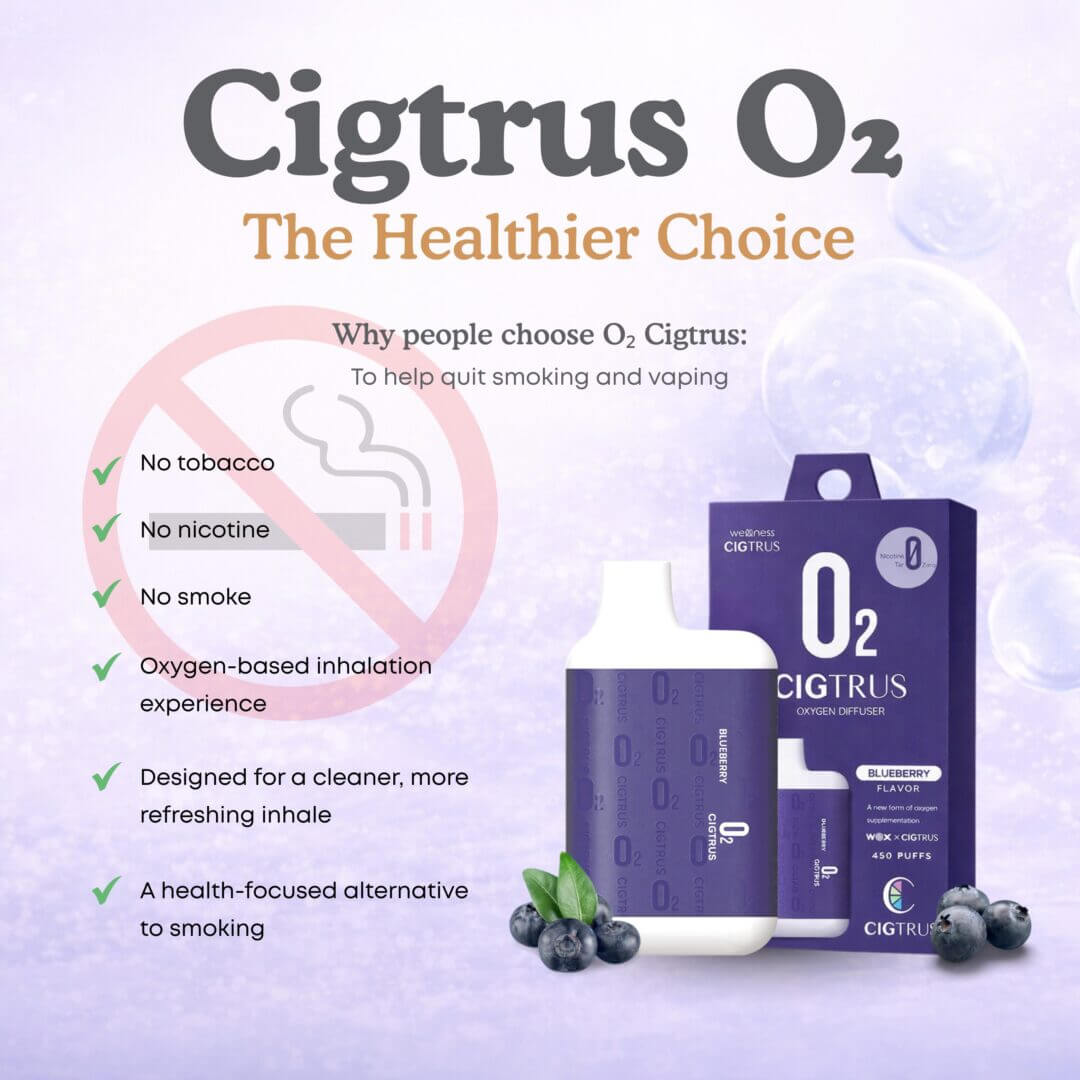
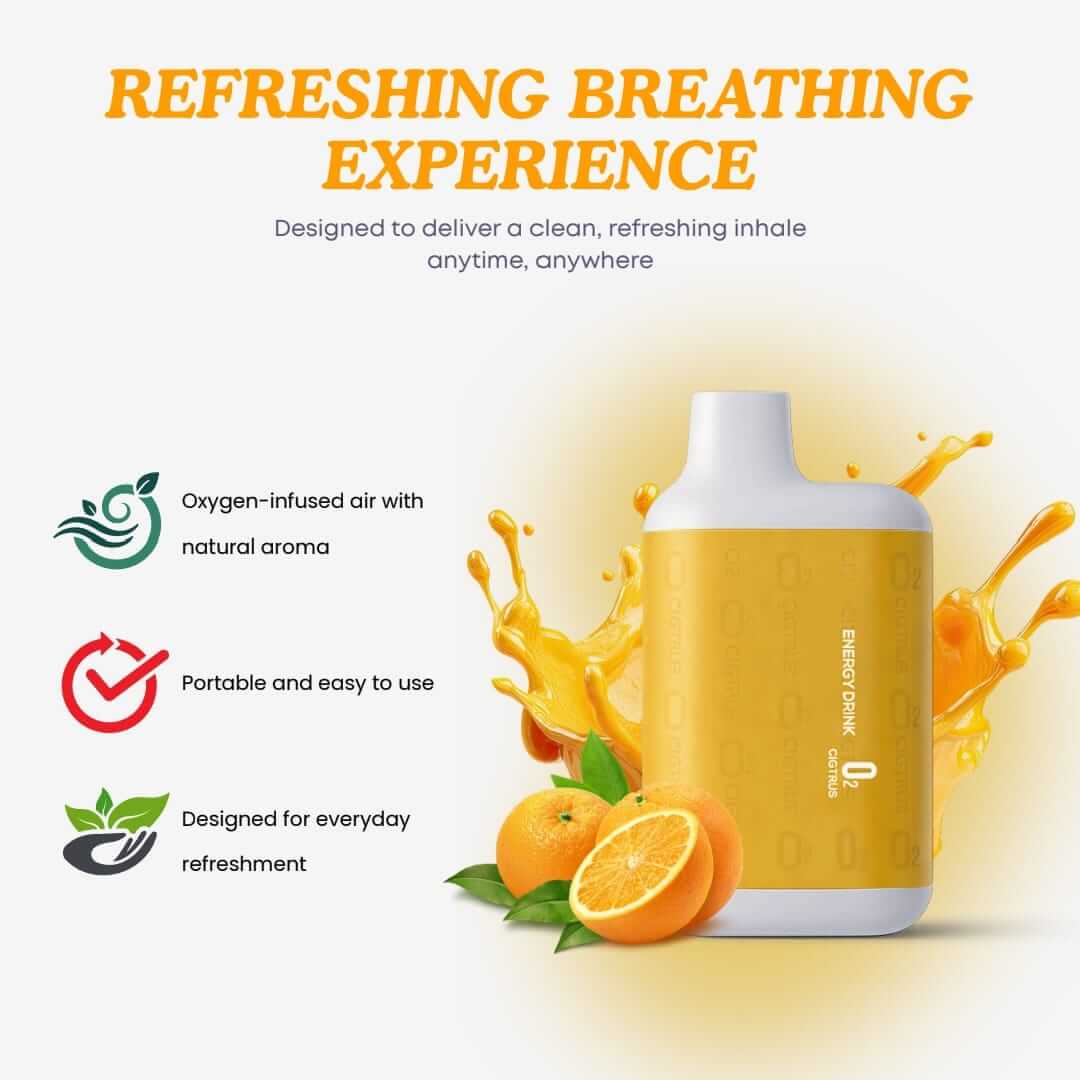
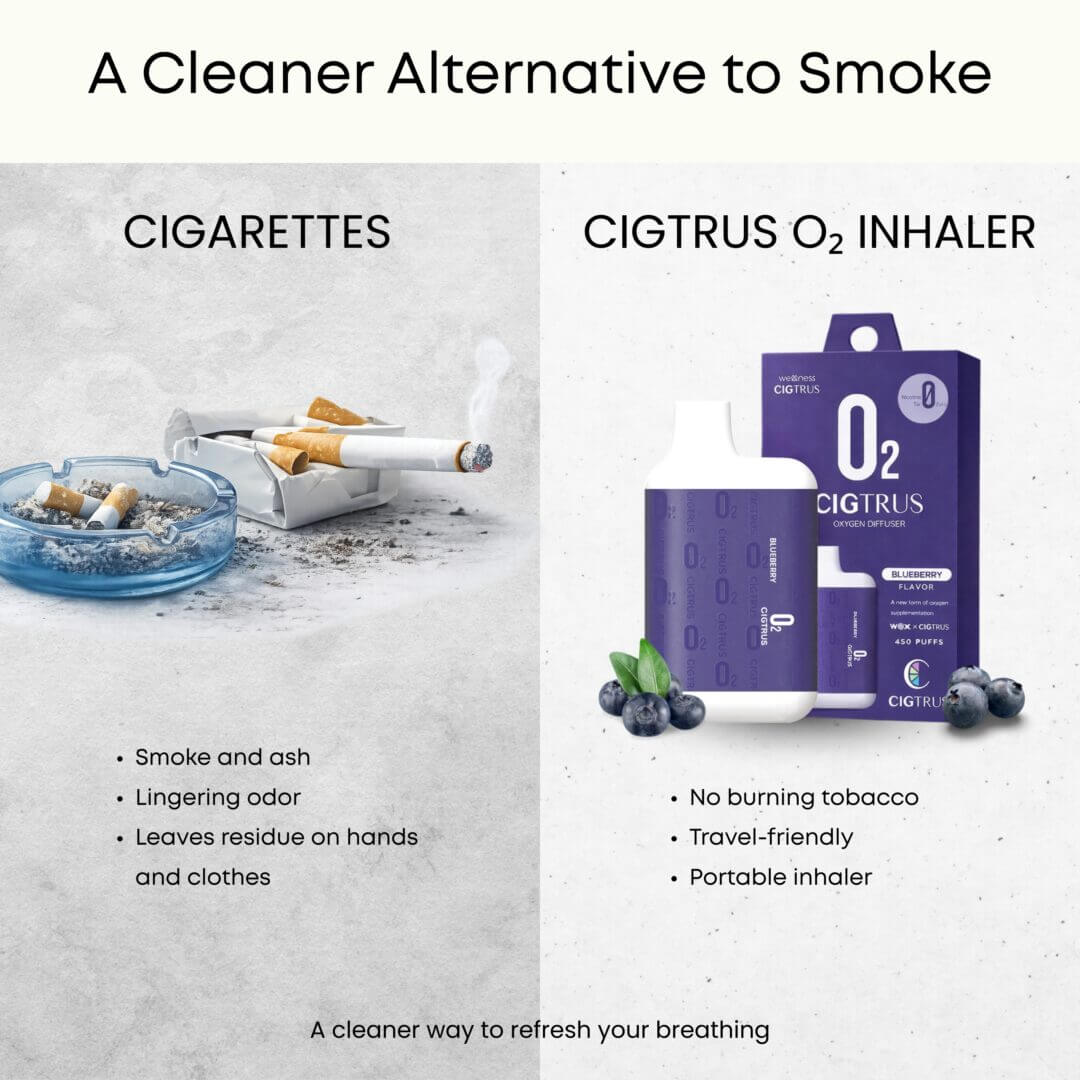
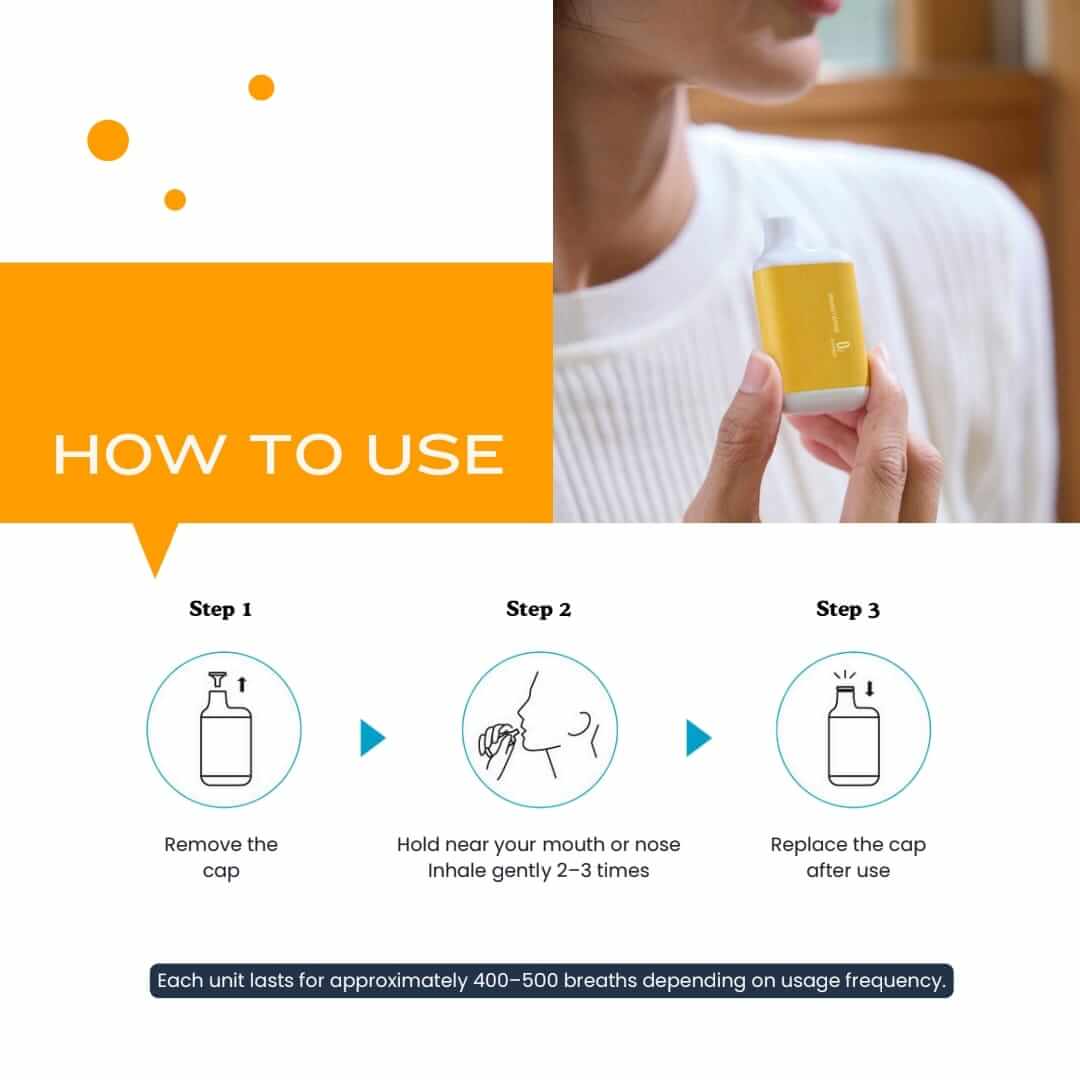
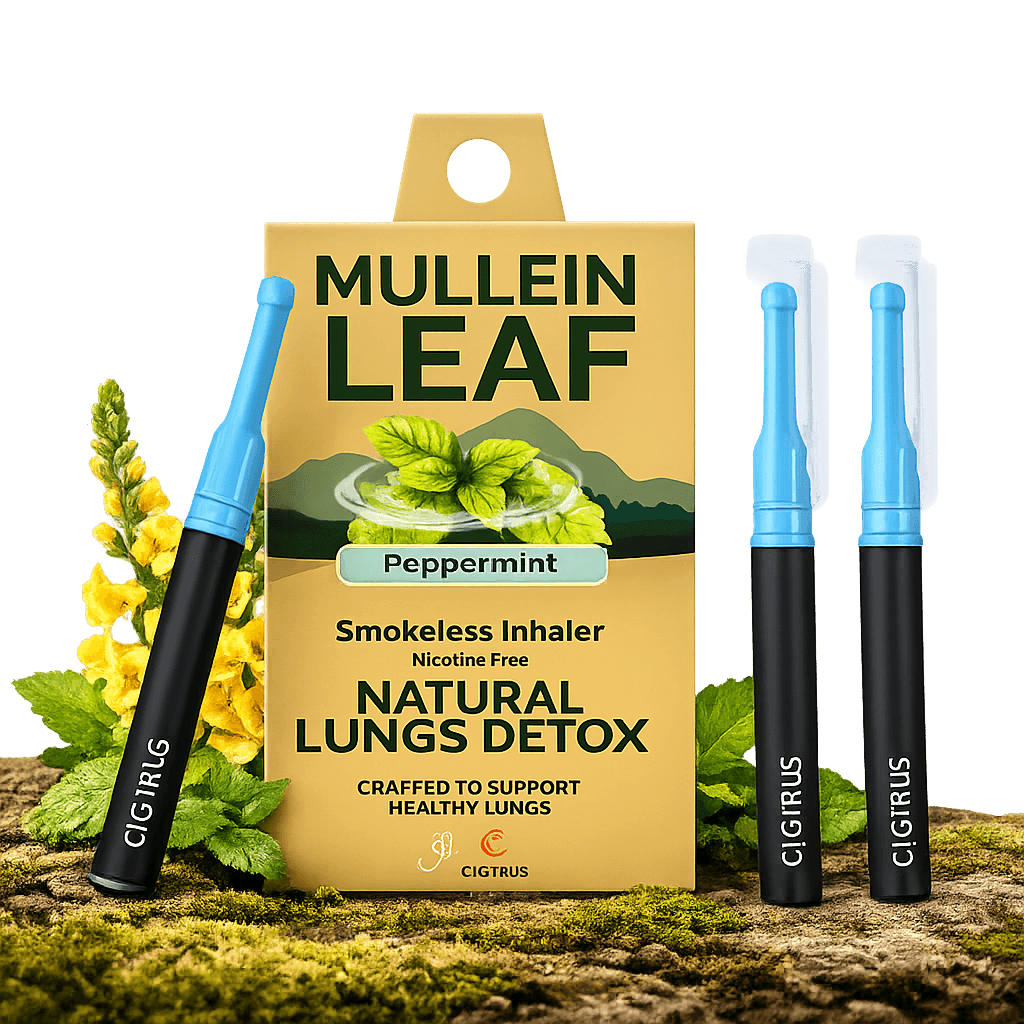
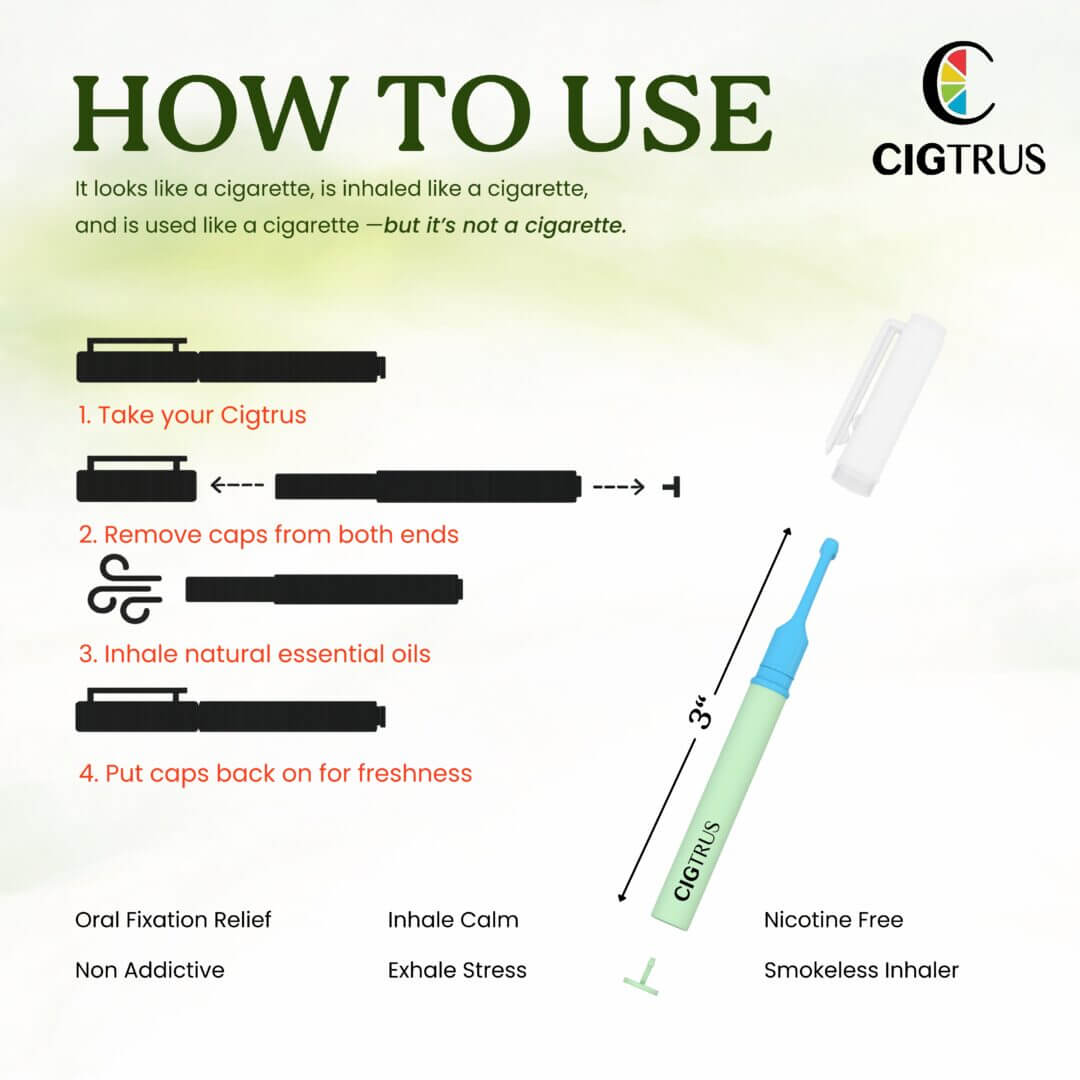
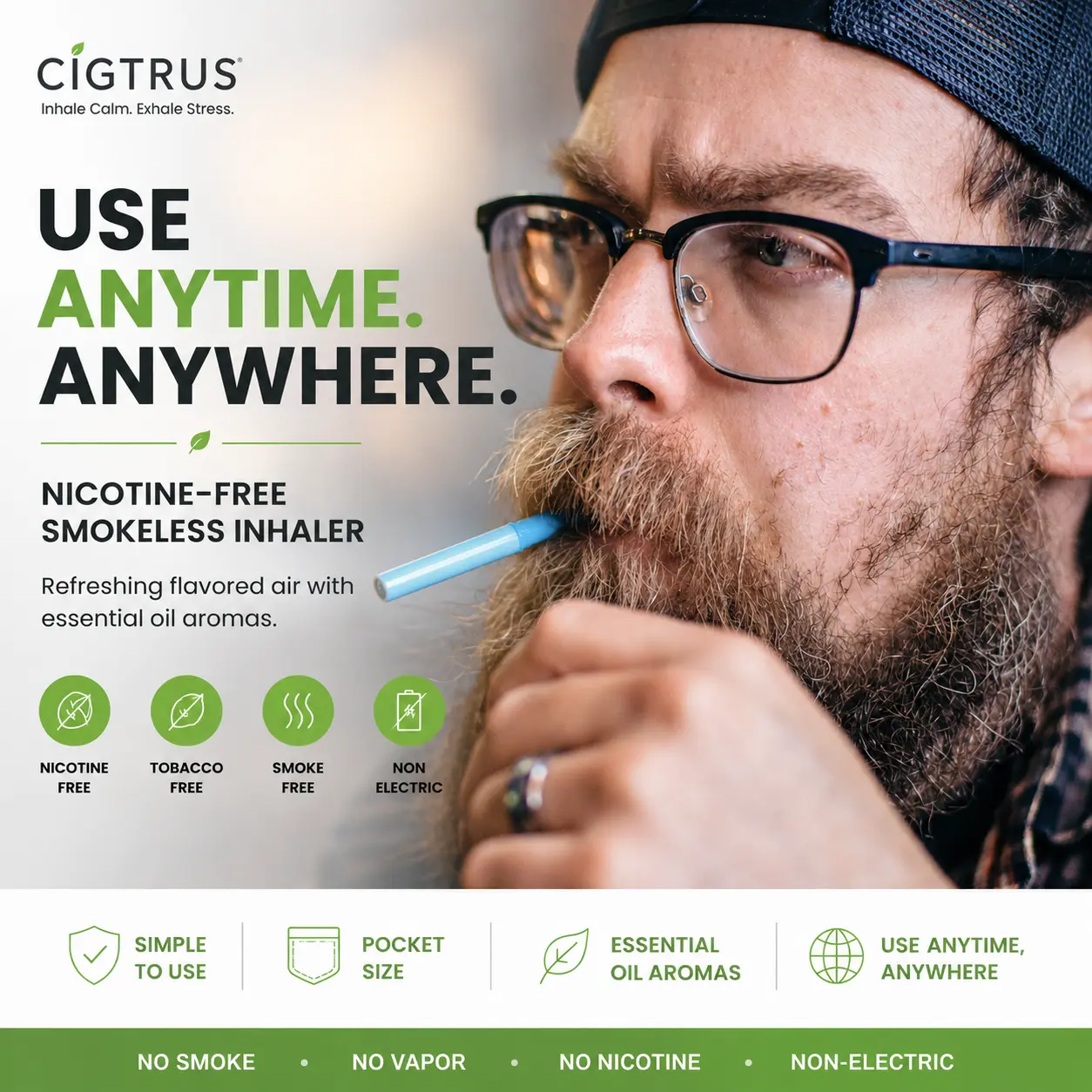
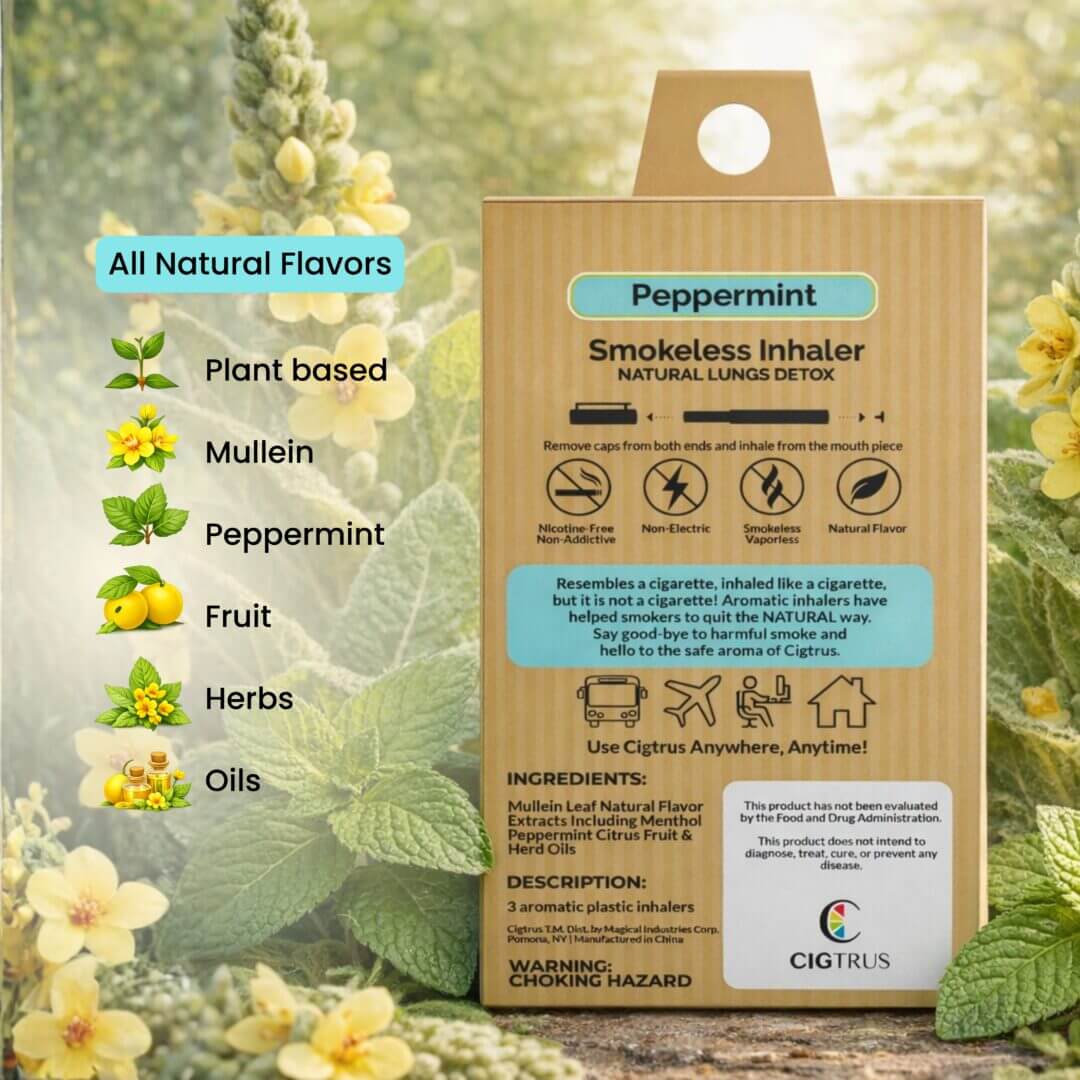
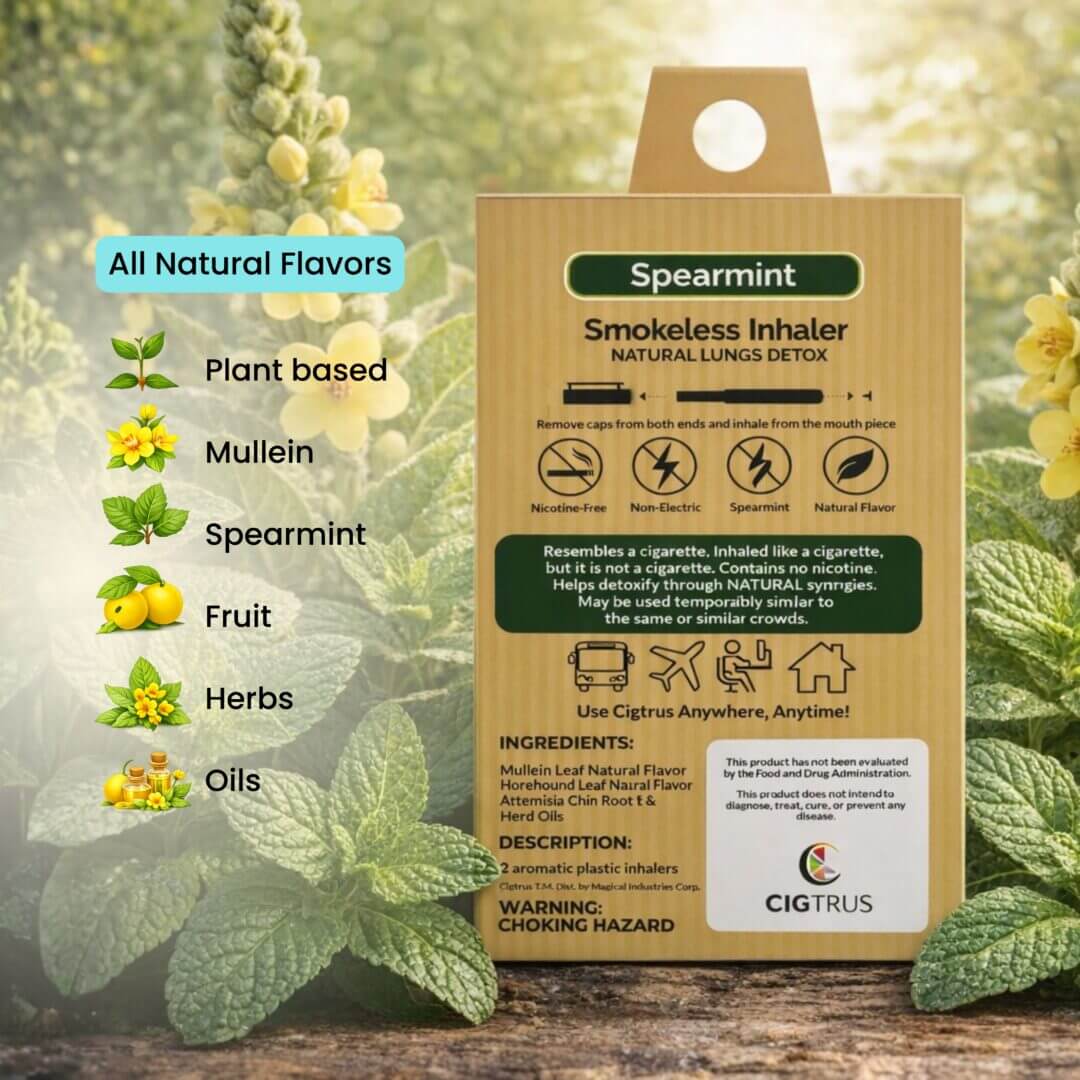
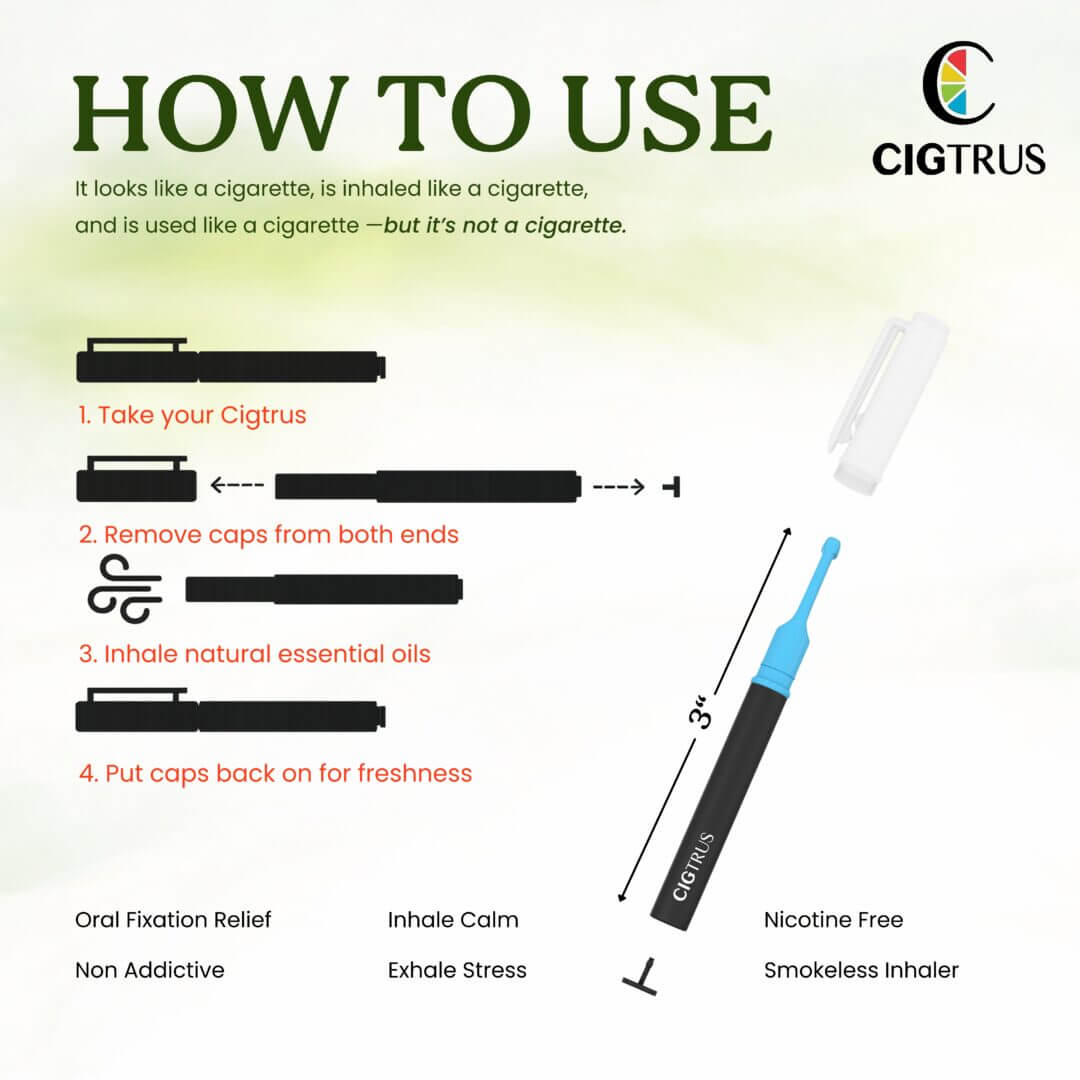
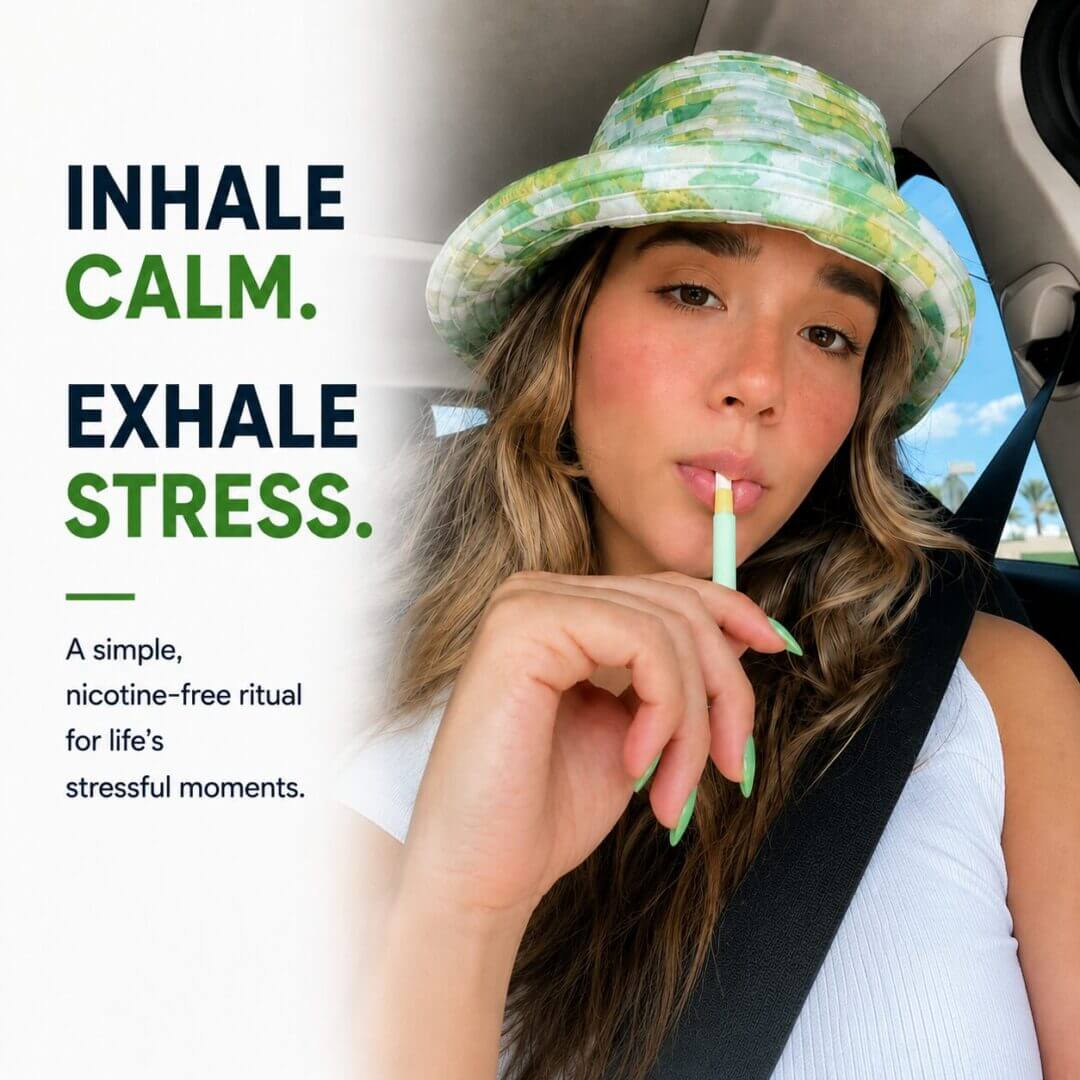
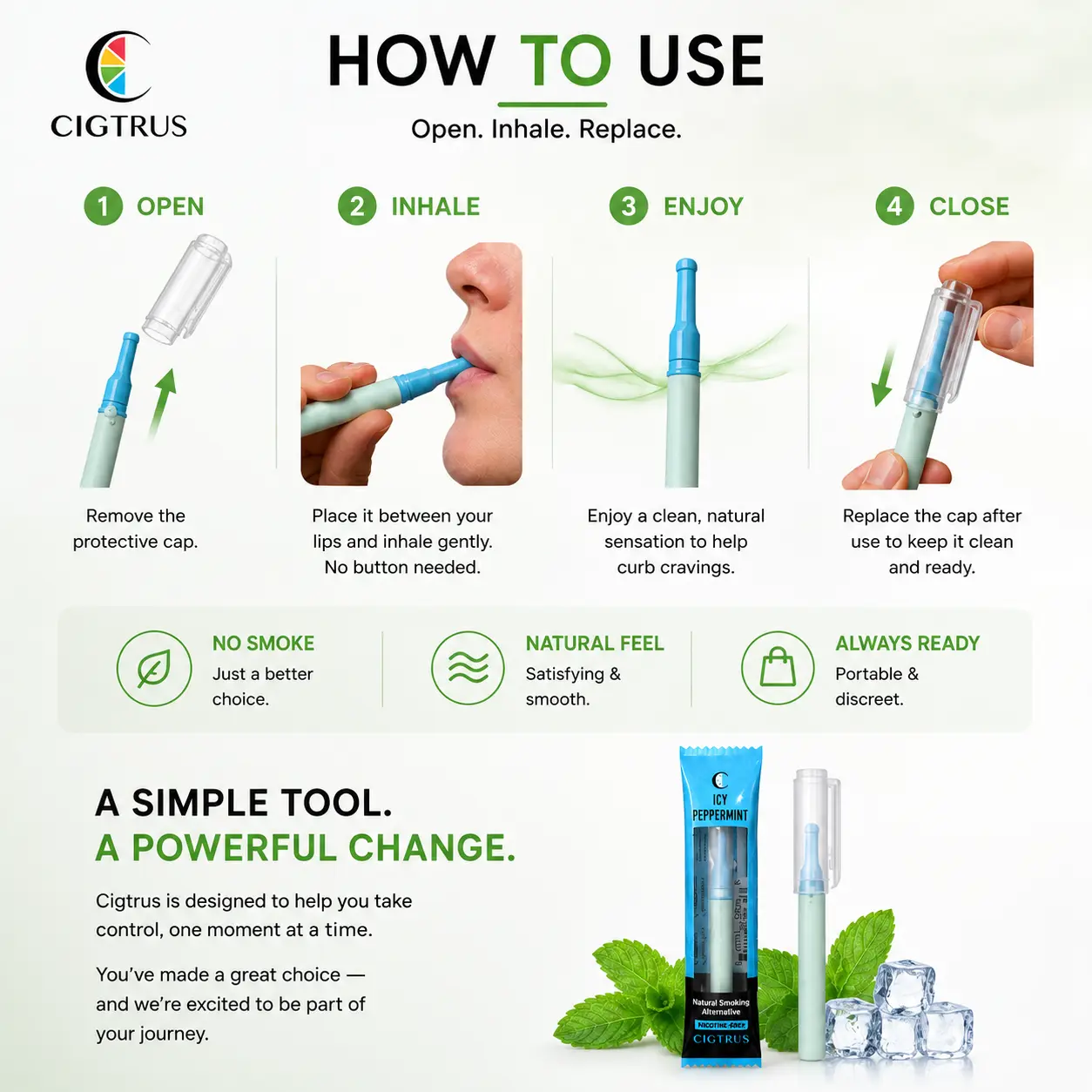
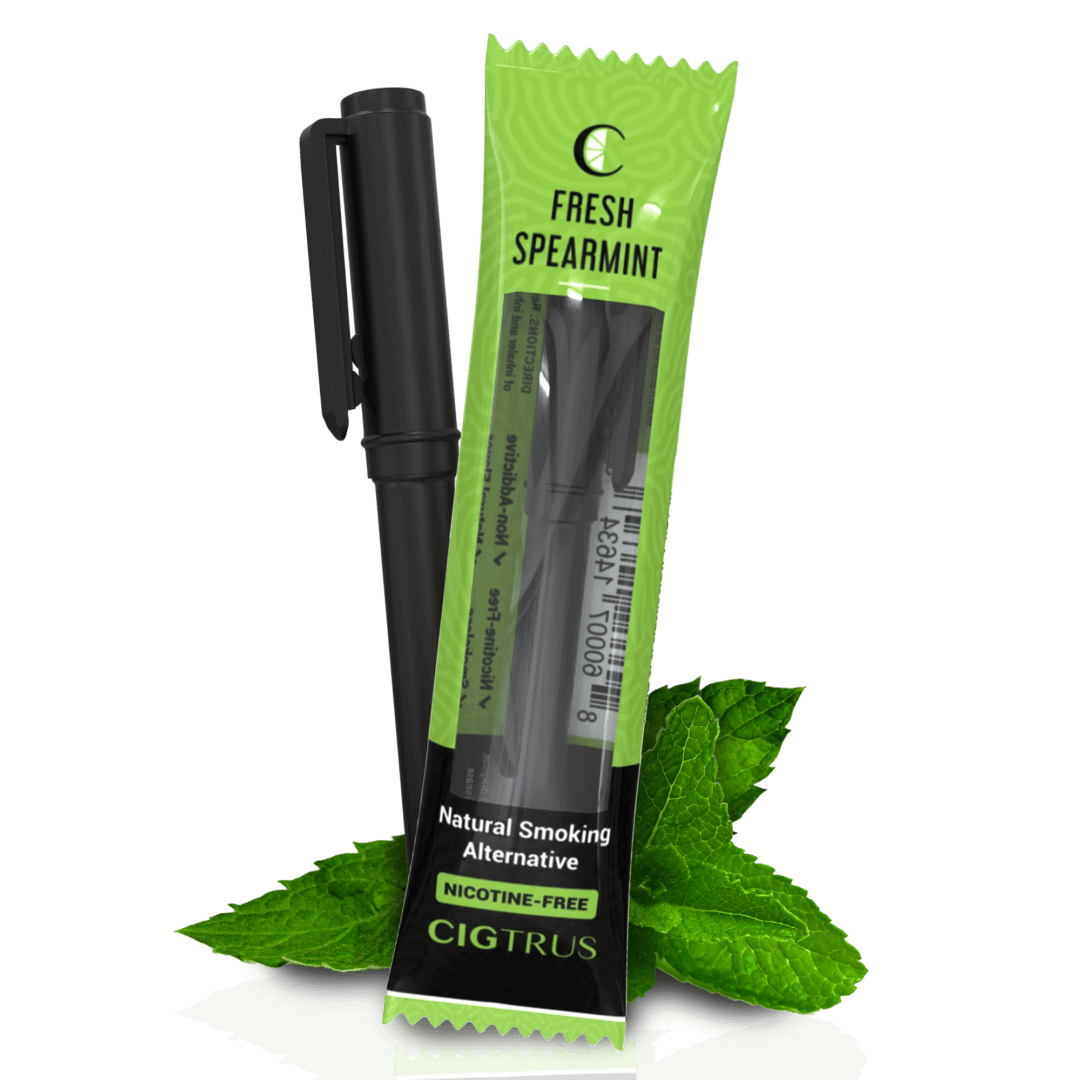
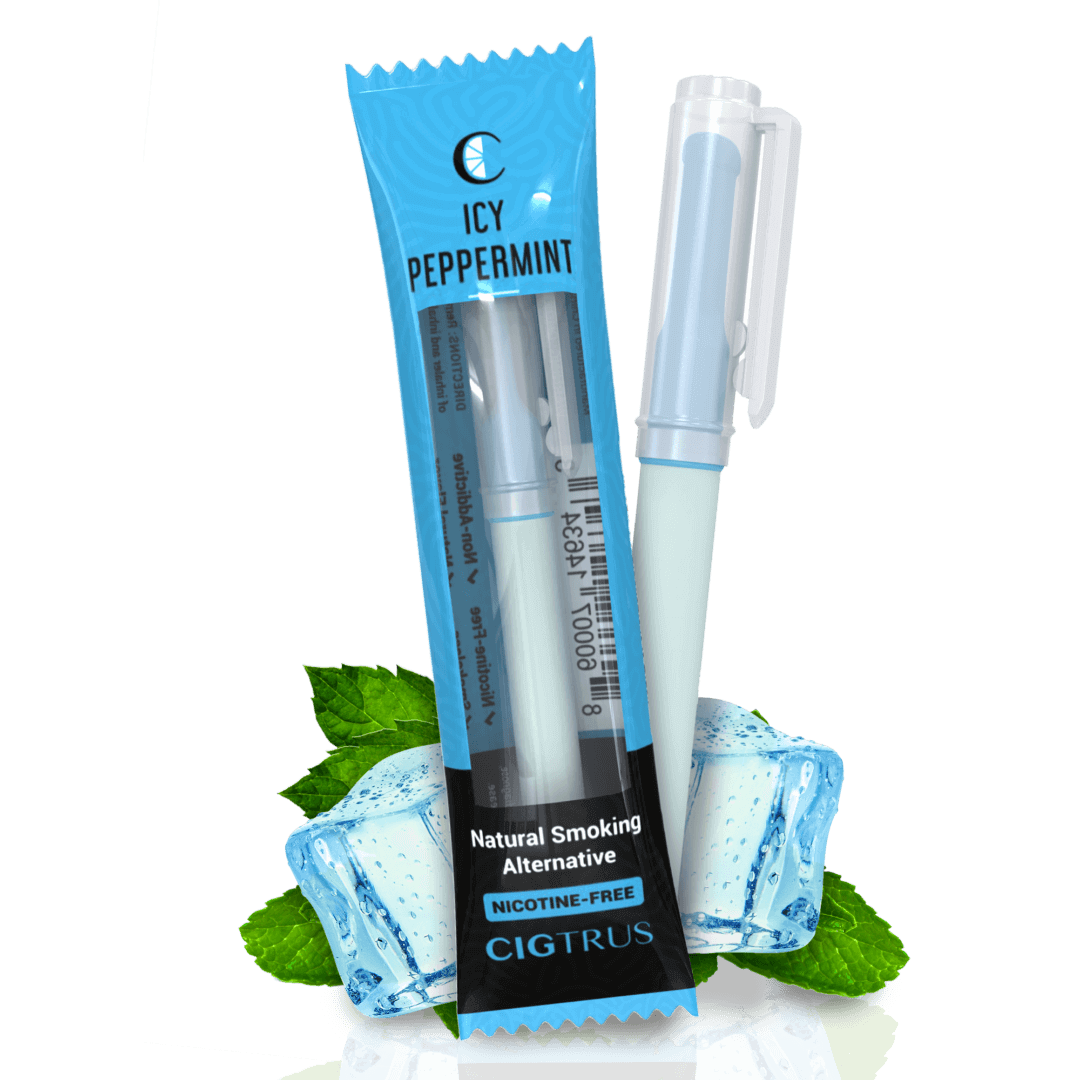
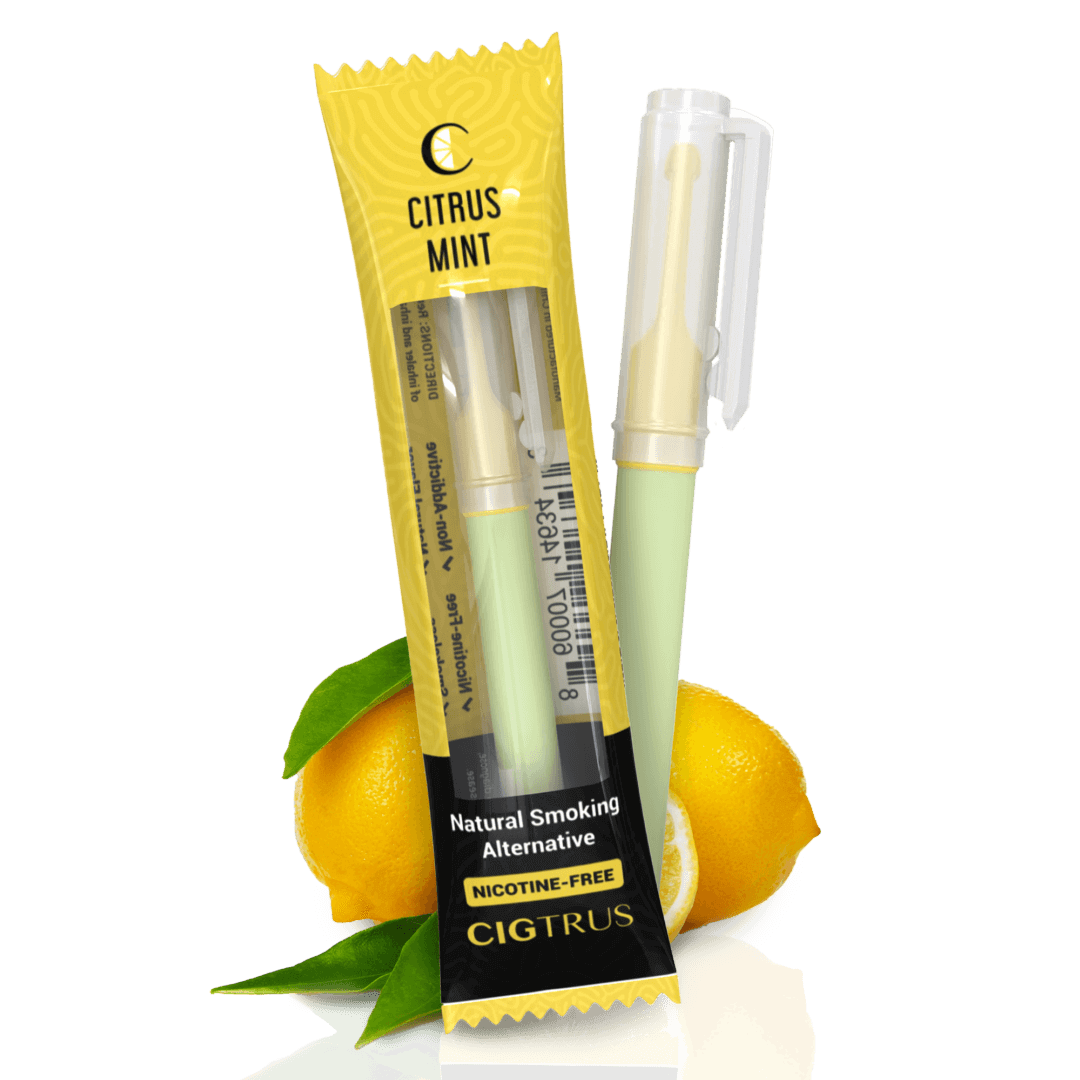
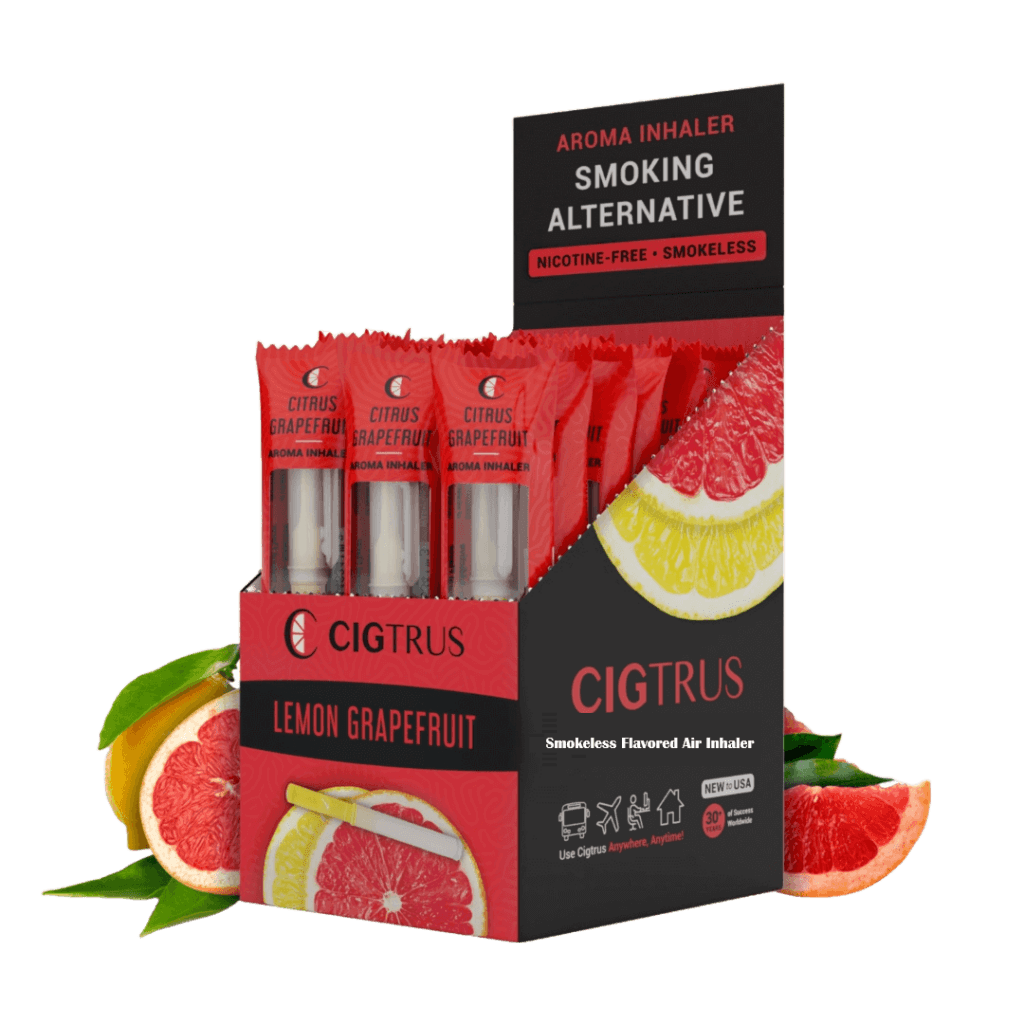
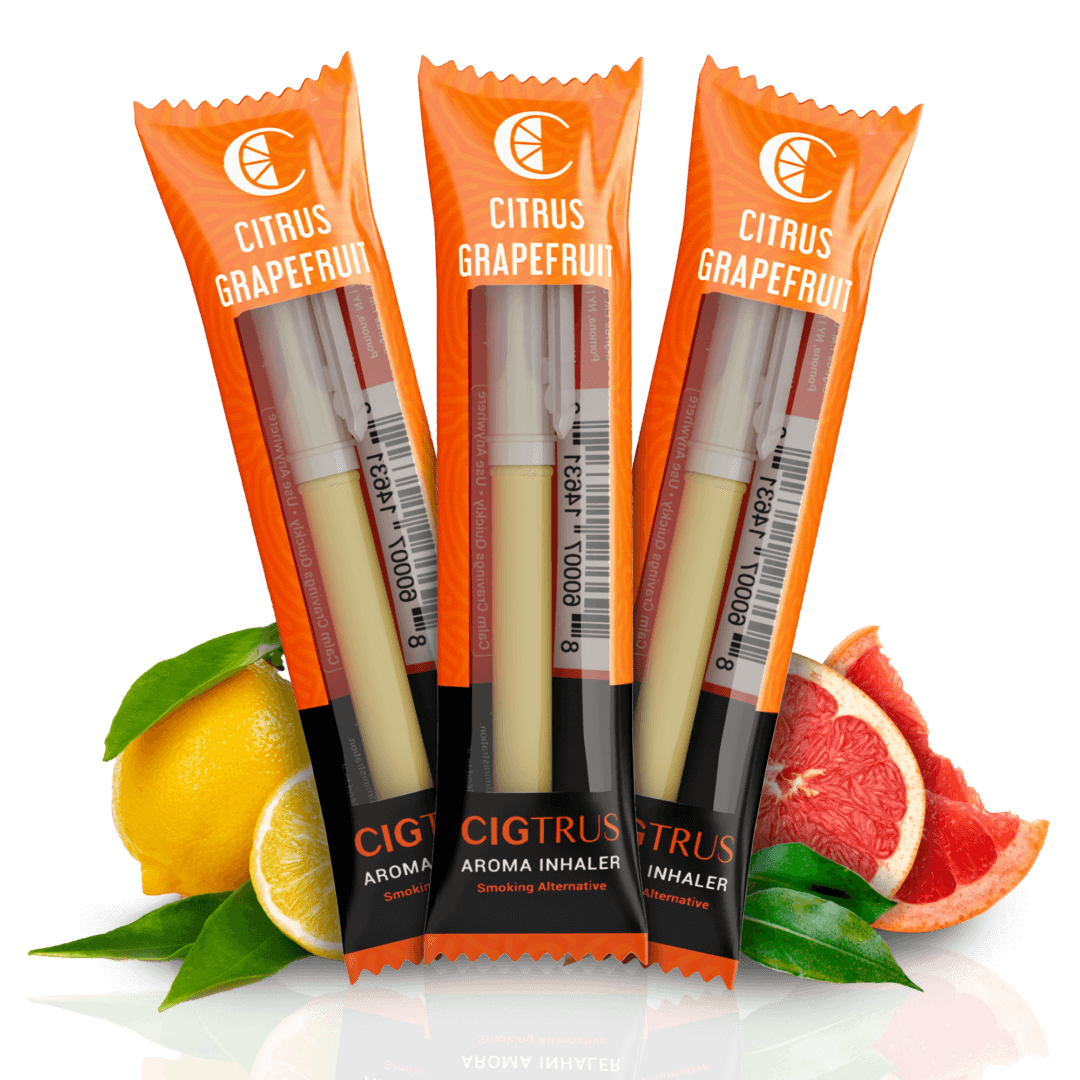
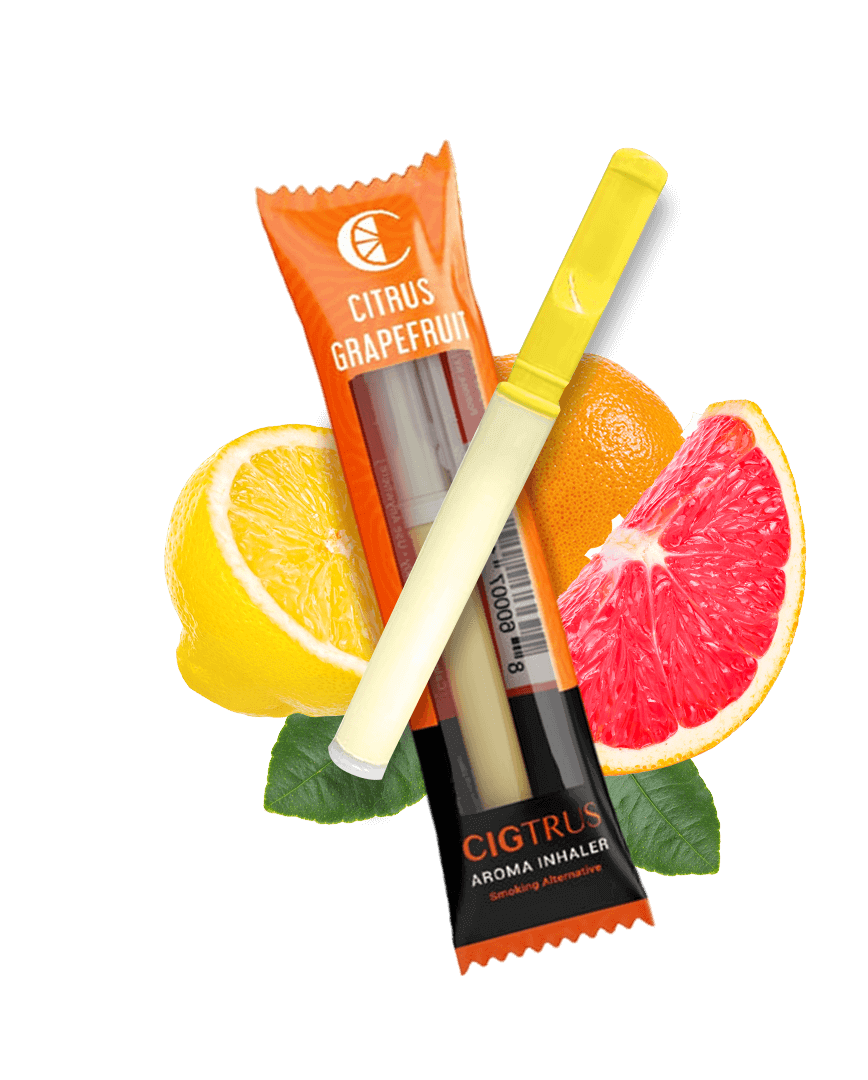
Cigtrus is a nicotine-free, smokeless, non-electric habit replacement inhaler built around the core insight that the behavioral side of smoking is what most people cannot replace. Instead of focusing on nicotine delivery, it provides the familiar routine, the hand-to-mouth motion, the inhale, the pause, without smoke, vapor, or nicotine.
What the Cigtrus Approach Addresses
The hand-to-mouth motion, the familiar action wired into every trigger moment over years of smoking
The inhale and exhale rhythm, the deep breath the body still expects at every former smoking moment
The mental pattern, giving the brain a new association for trigger moments instead of a void
The daily routine, preserving the familiar pause without smoke, vapor, or nicotine
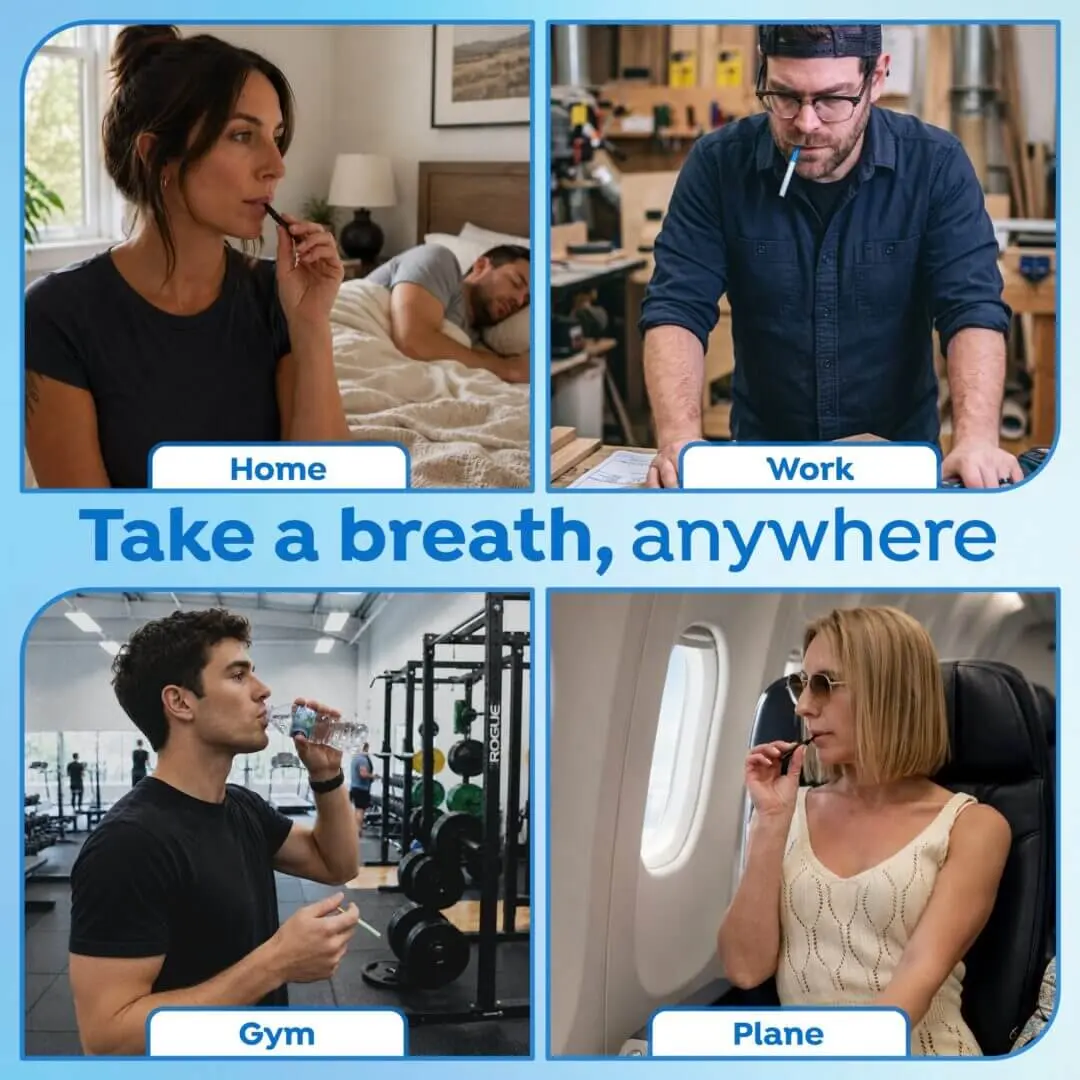
Any environment, usable indoors, at work, on flights, wherever cigarette triggers fire
The goal is to help smokers gradually disconnect cigarettes from their daily habits and create a lifestyle that no longer revolves around smoking, one trigger replacement at a time.
Building New Routines Takes Time, and That’s the Point
Smoking habits are built over years through thousands of repetitions. Replacing those habits also takes consistency, patience, and repeated behavioral change over time. Progress often comes gradually, and that is exactly how it is supposed to work.
- Each trigger handled differently weakens the old smoking association
- Each replacement repeated builds a new automatic response
- Confidence grows as the craving moments become easier to navigate
- Eventually, the new routine becomes as automatic as the old one, without the cigarette
Many former smokers report improvements in energy, daily routine, confidence, and overall well-being after leaving smoking behind. Most also describe a turning point, the moment the cravings started feeling manageable rather than overwhelming, as the result of consistent behavioral replacement, not just time passing.
Frequently Asked Questions
What is the most effective way to quit smoking for good?
Addressing both the nicotine side and the behavioral habit side simultaneously. Replacing the hand-to-mouth routine and trigger responses, not just reducing nicotine, is what creates lasting change.
Why do I still crave cigarettes after nicotine leaves my body?
Because the behavioral and emotional side of smoking, the routines, trigger associations, and mental patterns, can persist long after the chemical withdrawal has passed.
What does behavioral habit replacement mean?
It means replacing the physical routine of smoking, the hand-to-mouth motion, the inhale, the pause, with a clean smoke-free alternative at every trigger moment instead of leaving an empty gap.
How is Cigtrus different from other quit-smoking tools?
Most quit-smoking tools address only the nicotine. Cigtrus addresses the behavioral side, the familiar physical routine that smokers struggle most to replace, with no nicotine, no smoke, and no vapor.
How long does it take to break a smoking habit?
Behavioral habits built over years take weeks to months of consistent replacement to weaken significantly. Progress is gradual but cumulative, every repeated replacement counts toward the long-term result.
Freedom Starts With Replacing the Right Thing
Quitting smoking is about more than removing a substance from your life. It is about reclaiming your routines, your stress responses, your daily rituals, and filling that space with something better instead of nothing at all.
With the right approach, one that addresses both the behavioral habit and the nicotine, moving toward a smoke-free life is not only possible. It is sustainable.
Address Both Sides. Replace the Routine.
Cigtrus gives the hands and mouth somewhere better to go, at every trigger, every time.
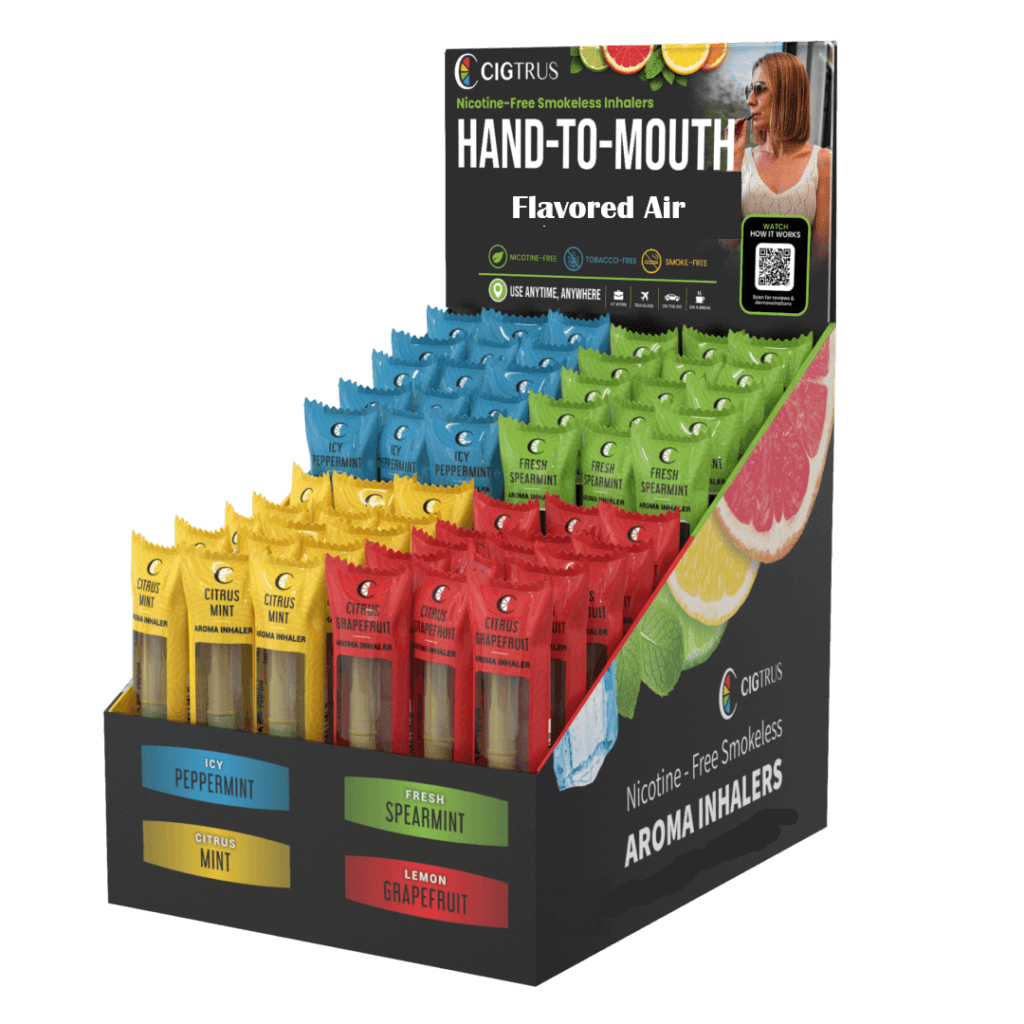
👉 Try the Variety Pack