Many smokers struggle to quit not because of nicotine alone, but because of the deeply ingrained habits connected to smoking.
Over time, smoking becomes more than a chemical dependency. It turns into a daily ritual tied to routines, emotions, and repeated behaviors.
Understanding this difference can help create a more realistic and sustainable path toward quitting smoking.
Why Smoking Becomes a Daily Ritual
Smoking often becomes part of everyday life.
It gets linked to:
- morning routines
- work breaks
- driving
- stress relief
- social situations
These repeated actions form a pattern that the brain begins to expect.
Even when nicotine levels are reduced, the ritual itself remains.
The Difference Between Habit and Addiction
Nicotine addiction plays a role, but habits are what make smoking feel automatic.
Many smokers notice:
- reaching for a cigarette without thinking
- craving the act of inhaling
- repeating the same routines daily
👉 Learn more: Why Smoking Cravings Aren’t Always About Nicotine
This shows that smoking is not just about nicotine—it is also about behavior.
Why Removing the Habit Feels Difficult
When people try to quit smoking, they often remove nicotine but leave a gap in their routine.
This can lead to:
- restlessness
- increased cravings
- difficulty adjusting to daily situations
👉 Related: How To Handle Smoking Cravings In Stressful Moments
Without replacing the habit, quitting can feel incomplete.
Replacing the Habit, Not Just Removing It
A more effective approach focuses on replacing the habit itself.
This includes:
- maintaining hand-to-mouth actions
- keeping familiar routines
- creating new patterns
Replacing the ritual helps reduce the shock of quitting.
👉 Explore: What To Use When Smoking Or Vaping Isn’t Possible
Smoke-Free Alternatives That Support the Ritual
Some smokers look for options that support the physical routine without nicotine.
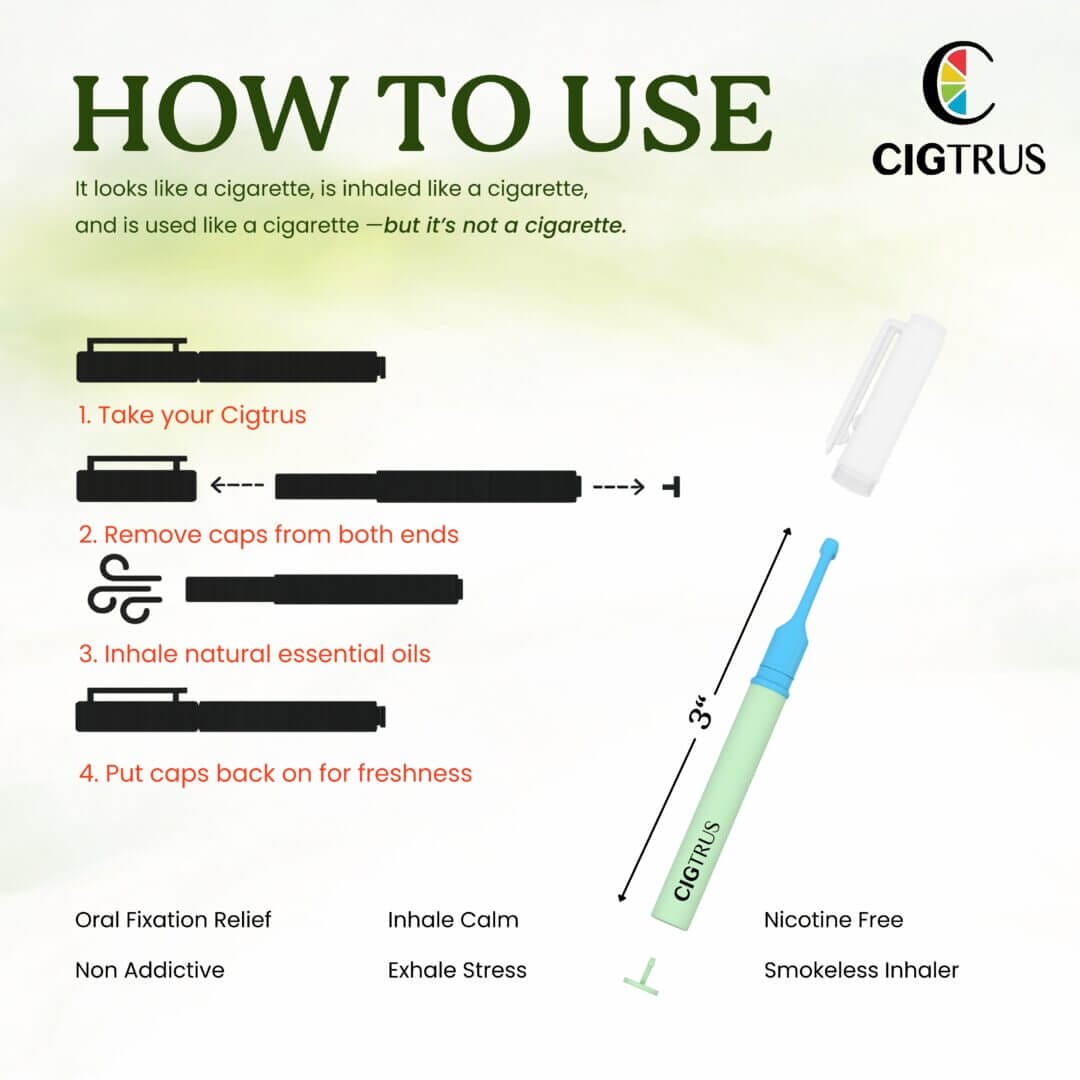
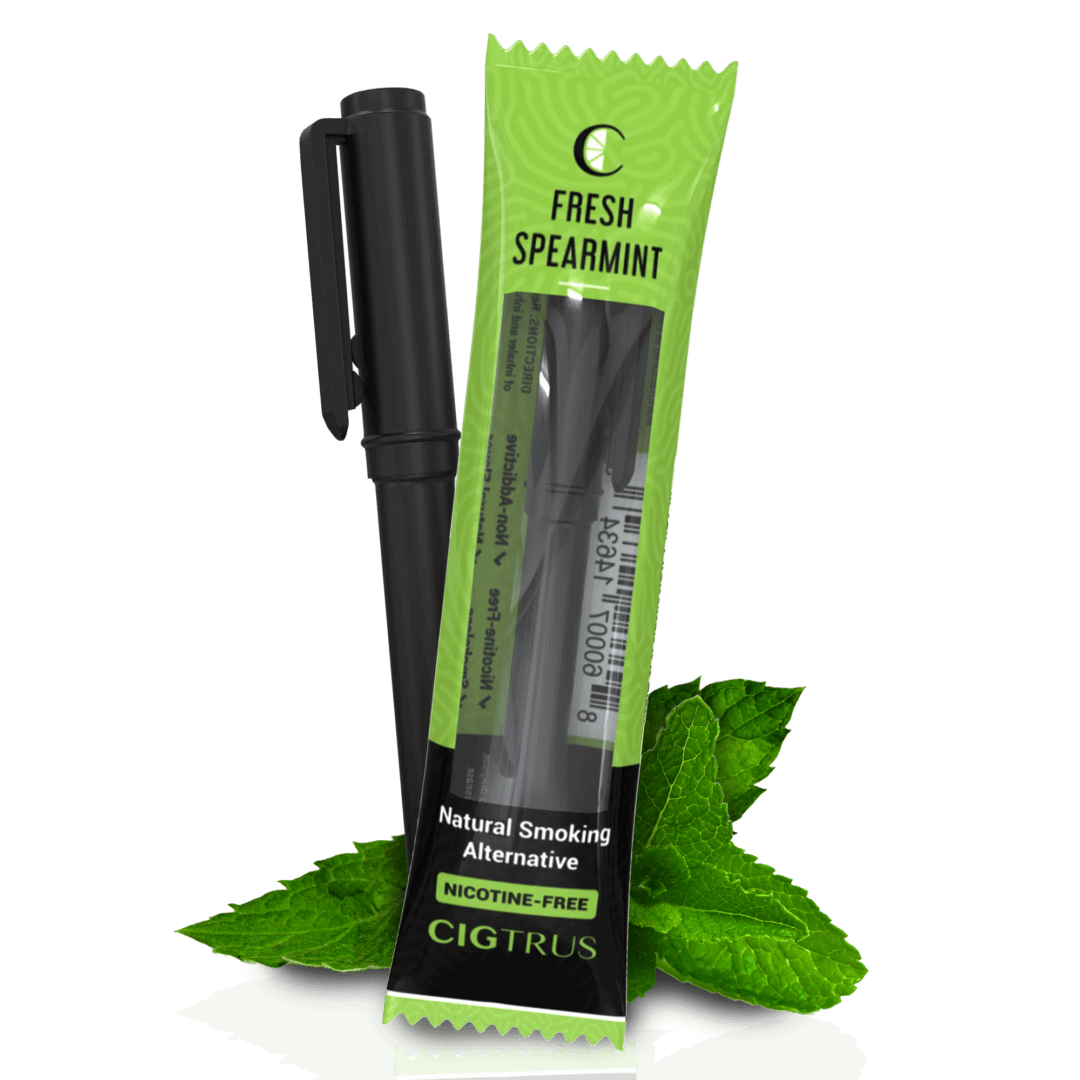
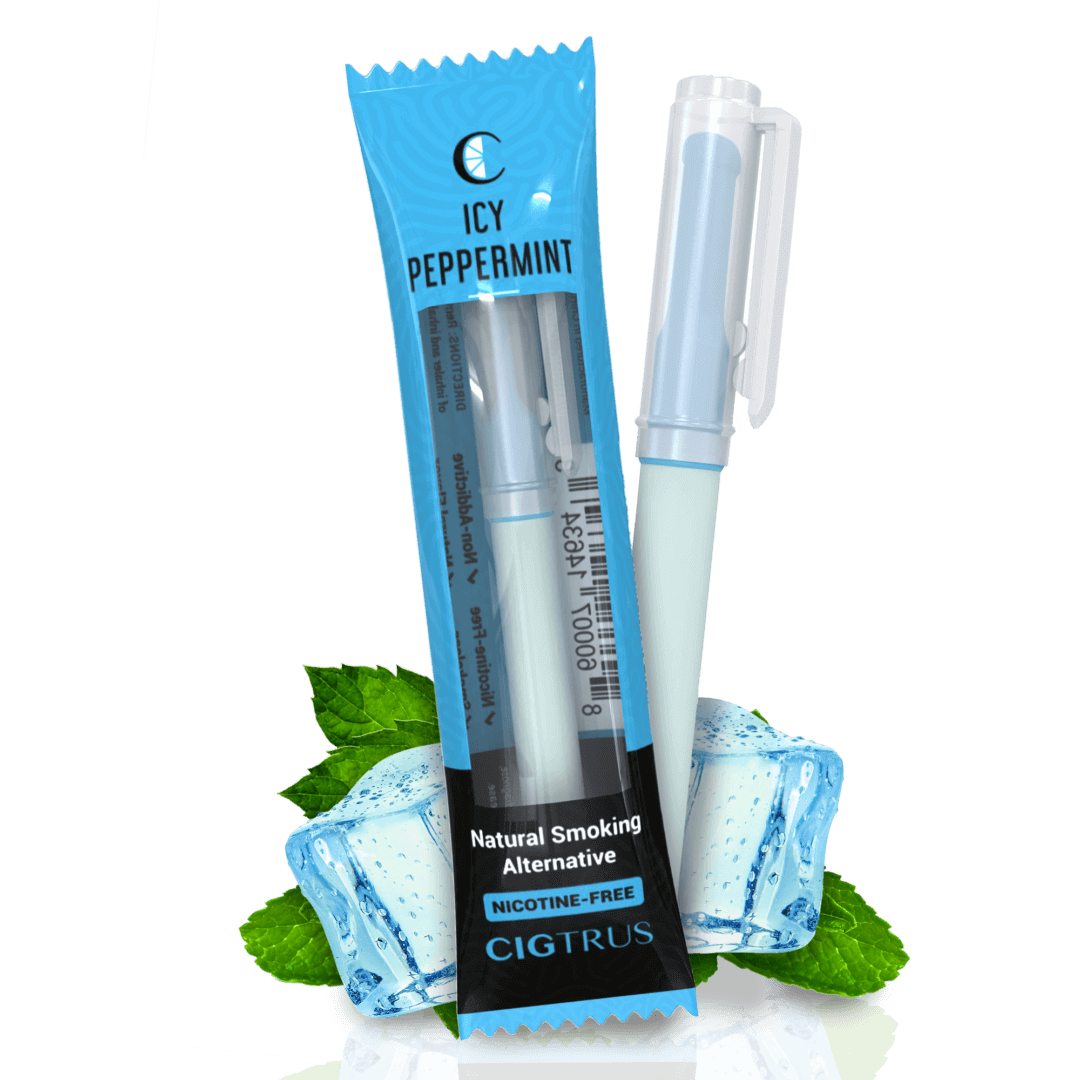
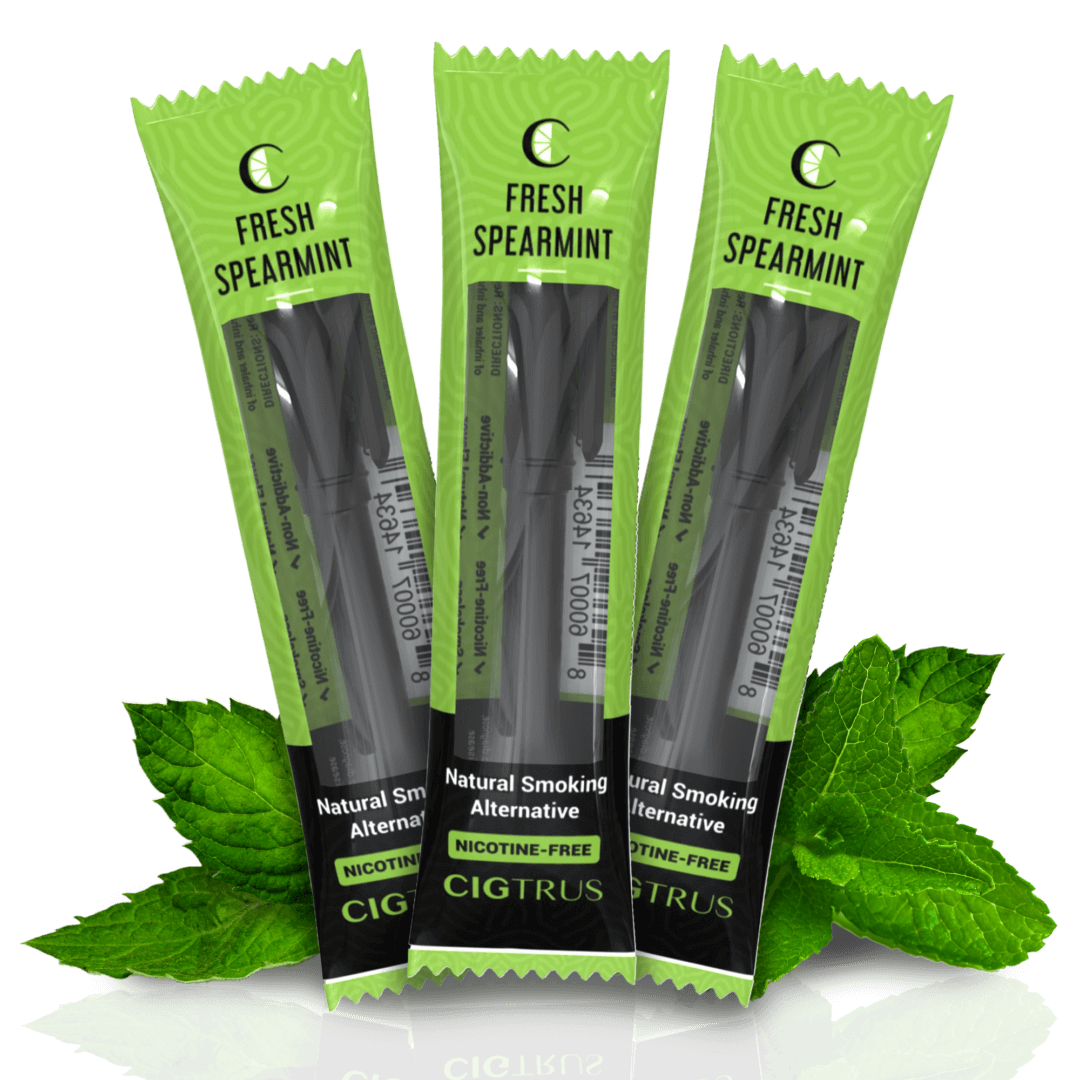
Cigtrus is a nicotine-free, smokeless inhaler designed to support:
- hand-to-mouth habits
- inhalation routines
- smoke-free alternatives
It can be used during work, travel, or indoor environments where smoking is not allowed.
This allows users to maintain the ritual while moving away from smoking.
Connecting Habit Replacement to Quitting Strategies
Breaking the habit is a key part of quitting smoking successfully.
👉 See also: Top 10 Smoke-Free Habit Strategies For Quitting Smoking
Focusing only on nicotine often overlooks the behavioral side of smoking.
Combining both approaches creates a stronger path forward.
Building New Smoke-Free Routines
Replacing smoking with new routines takes time.
This process includes:
- identifying triggers
- creating new habits
- staying consistent
Over time, these changes help reduce dependence on smoking behaviors.
Using practical quitting smoking strategies can help reduce cravings while replacing daily smoking routines.
Frequently Asked Questions
What does “breaking the habit, not the ritual” mean?
It means replacing the smoking behavior while keeping familiar routines, making the transition easier.
Why is the smoking ritual so strong?
Because it is built through repeated daily actions connected to emotions and routines.
Can replacing the habit help you quit smoking?
Yes. Many smokers find it easier to quit when they replace the physical routine instead of removing everything at once.
Is nicotine the only reason people smoke?
No. Habits, routines, and behavioral patterns also play a major role.