What To Use When Smoking Or Vaping Isn’t Possible
A flight. A long meeting. A hospital visit. A restaurant. A workday. There are plenty of moments when smoking or vaping simply is not an option. But telling yourself “I can’t smoke right now” does not automatically make the familiar hand-to-mouth urge disappear.
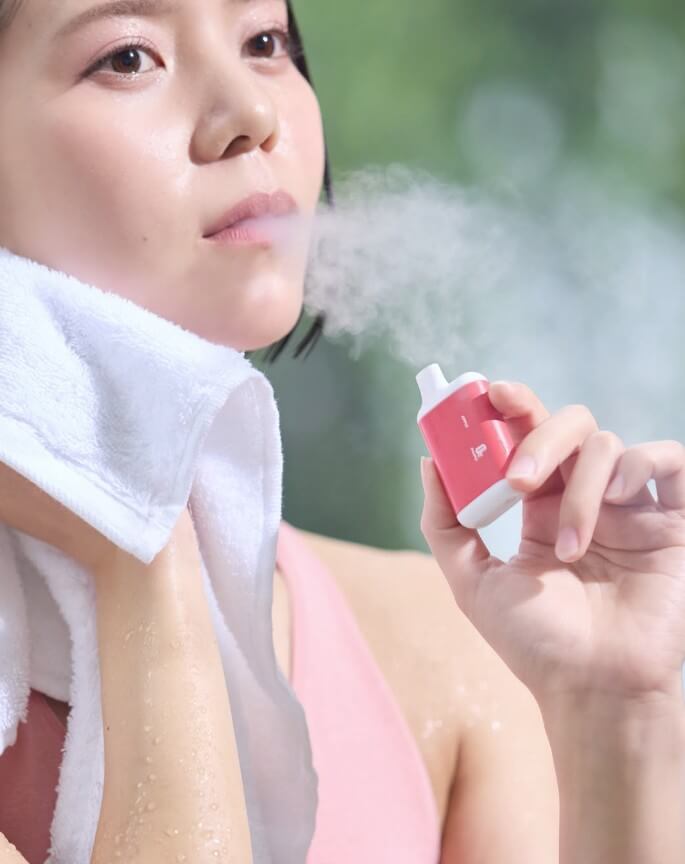
When you cannot smoke or vape, it helps to separate nicotine from the physical routine. If nicotine withdrawal is the problem, that needs its own support. But if what you miss is holding something, bringing it to your mouth, inhaling, or having a familiar response during a trigger moment, a nicotine-free, non-electric smokeless inhaler can provide another hand-to-mouth format without using a cigarette or electronic vape.
These situations are important because they reveal something that is easy to miss when smoking is still available.
Sometimes the urge is not simply:
“I need nicotine.”
Sometimes it is:
“This is the moment when I normally reach for something.”
Why Does Not Being Able to Smoke Feel So Difficult?
When smoking or vaping is unavailable, more than one part of the routine can suddenly disappear.
You do not have the cigarette or vape in your hand.
You are not bringing anything to your mouth.
The familiar inhalation is missing.
And the usual pause connected with smoking or vaping is gone too.
If the same situations have been connected with smoking hundreds or thousands of times, that interruption can feel very noticeable.
The hand-to-mouth routine does not simply disappear because smoking is temporarily unavailable.
“One of the best ways to understand the smoking habit is to notice what you miss when smoking is impossible. Sometimes it is nicotine. Sometimes it is the cigarette. Sometimes it is simply having something familiar to reach for.”
Where Do People Most Often Need a Smoking or Vaping Alternative?
Flights
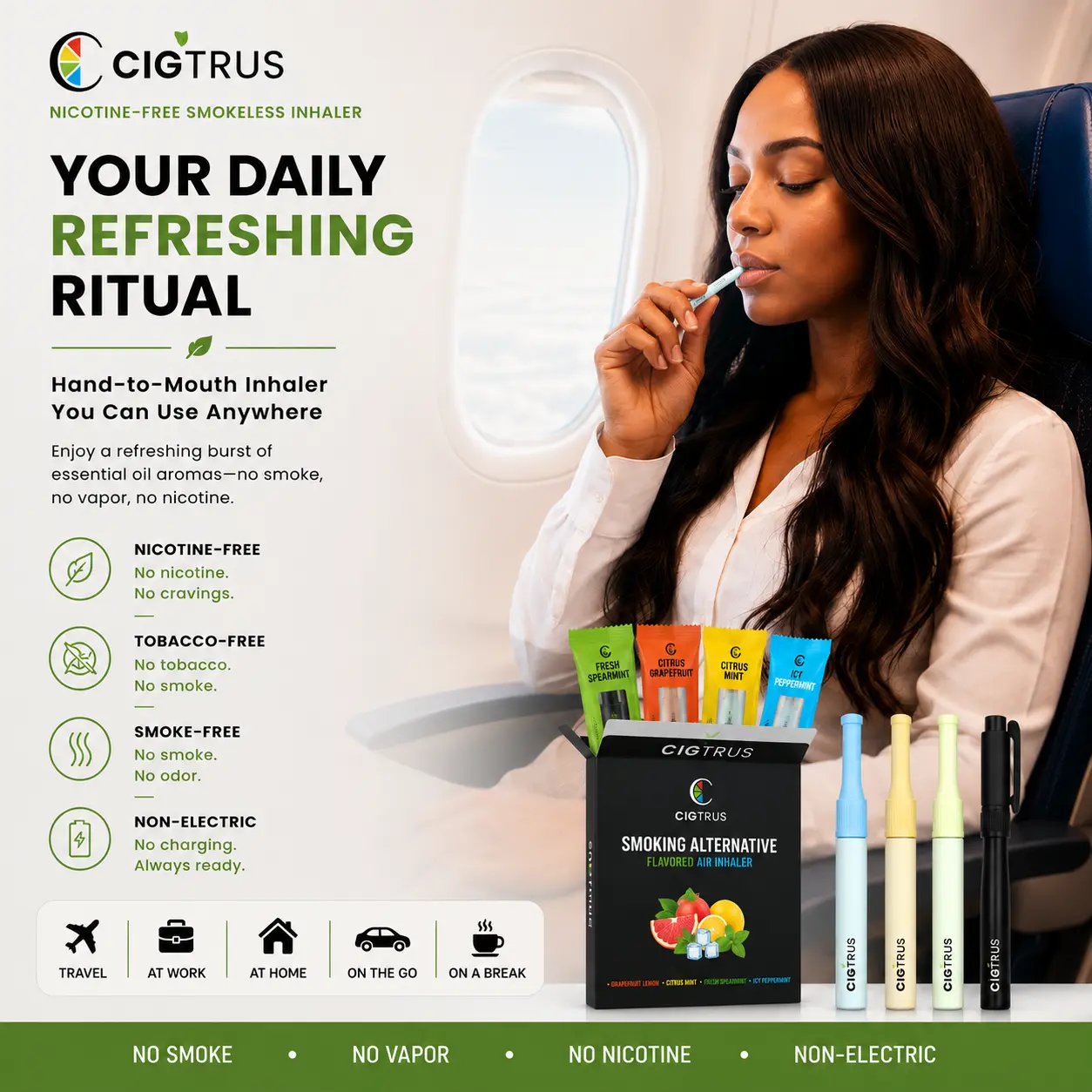
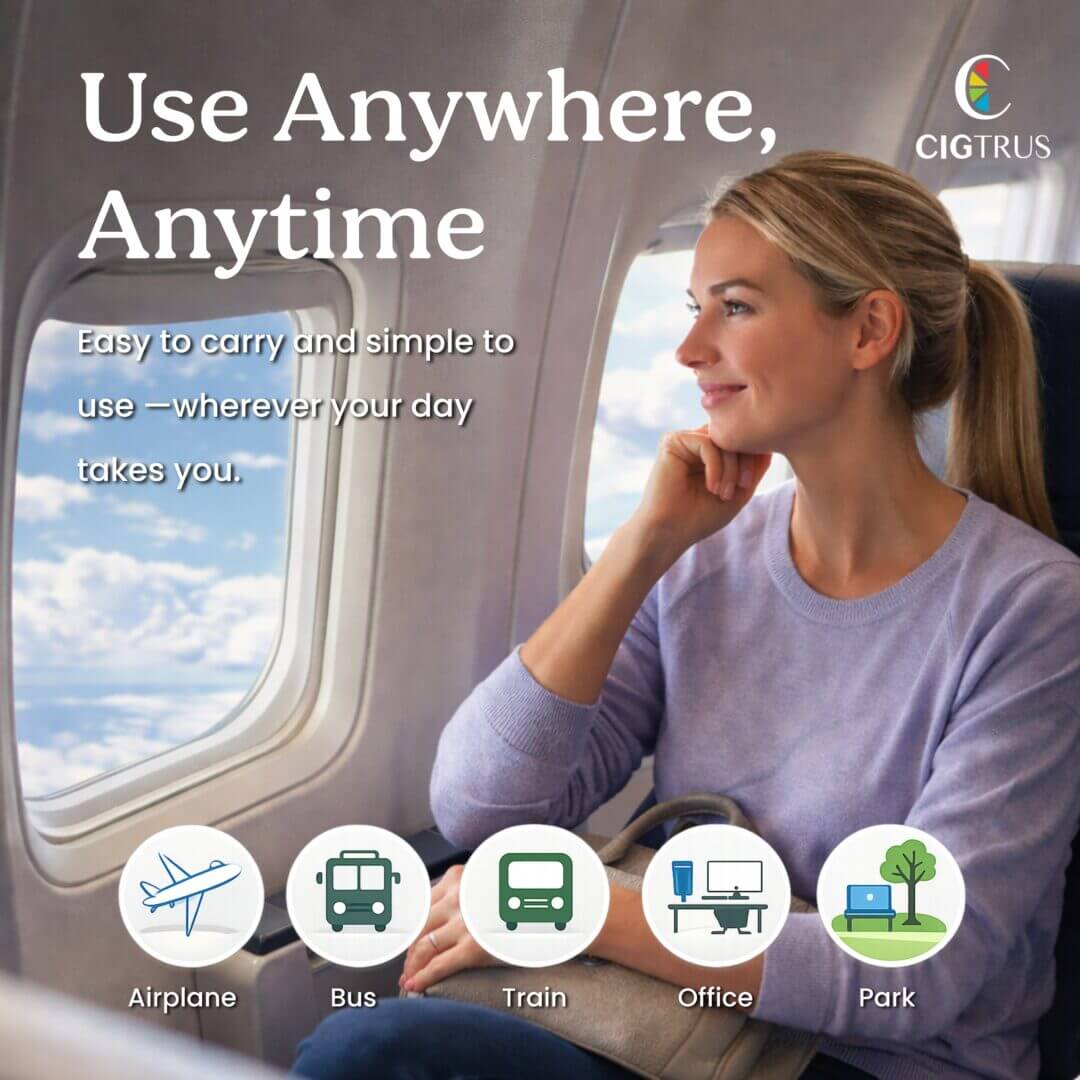
Cigarettes and electronic vaping devices are not part of the cabin routine. Long flights can make the familiar hand-to-mouth habit especially noticeable.
Work and Office Hours
Long stretches at a desk, meetings, phone calls, and work pressure can trigger the same moments that used to end with a cigarette or vape.
Hospitals and Medical Settings
Medical visits, procedures, recovery periods, and long waits can suddenly remove smoking and vaping from the routine during already stressful moments.
Driving and Travel
Driving is one of the strongest routine triggers for many smokers because the hand-to-mouth action has repeated during the same commute for years.
Restaurants and Indoor Places
Finishing a meal is a familiar smoking trigger. When stepping outside or vaping is not part of the situation, the old routine can still show up.
Family and Social Situations
Visiting family, sitting with friends, or spending time somewhere smoking is not part of the environment can make you notice how automatic the old routine became.
What Should a Practical Smoking Alternative Actually Do?
If you are trying to move away from cigarettes or vaping, an alternative should make sense during the moments when the old product does not.
- Be easy to carry — something that can stay in your pocket or bag.
- Be ready immediately — no charging, setup, refilling, or maintenance.
- Be nicotine-free — if your goal is not to continue nicotine use.
- Be non-electric — so you are not simply replacing one electronic vape with another.
- Produce no smoke or vapor — a completely different format from cigarettes and vaping.
- Provide a familiar hand-to-mouth experience — if that physical routine is the part you miss.
- Fit naturally into everyday life — work, travel, driving, stress, meals, and other trigger moments.
Using practical quitting smoking strategies that account for both nicotine and routine-based triggers can make the overall plan more realistic.
What Can I Do When the Urge Hits and I Can’t Smoke?
Start by asking what part of the experience you actually want in that moment.
Why Cigtrus Is Different in These Situations
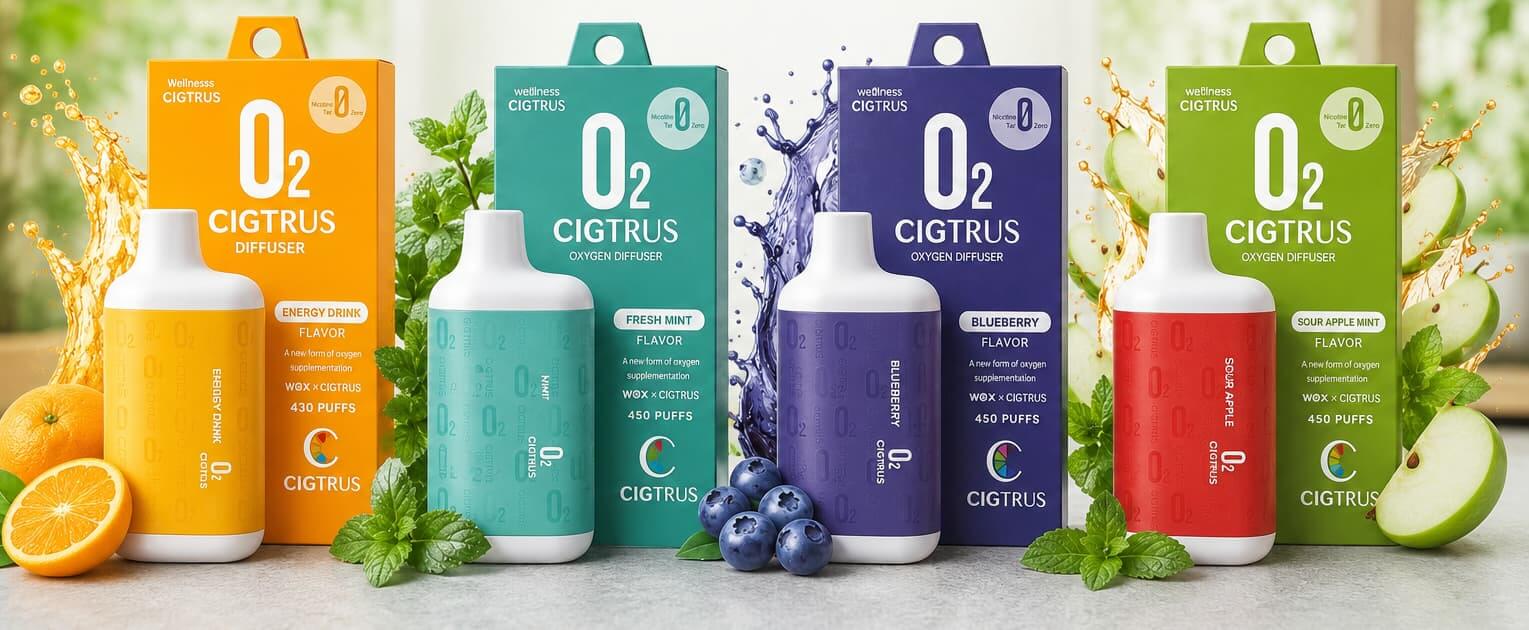
Cigtrus was designed for the exact part of smoking and vaping that can still show up when cigarettes and electronic vapes are not available:
the familiar hand-to-mouth routine.
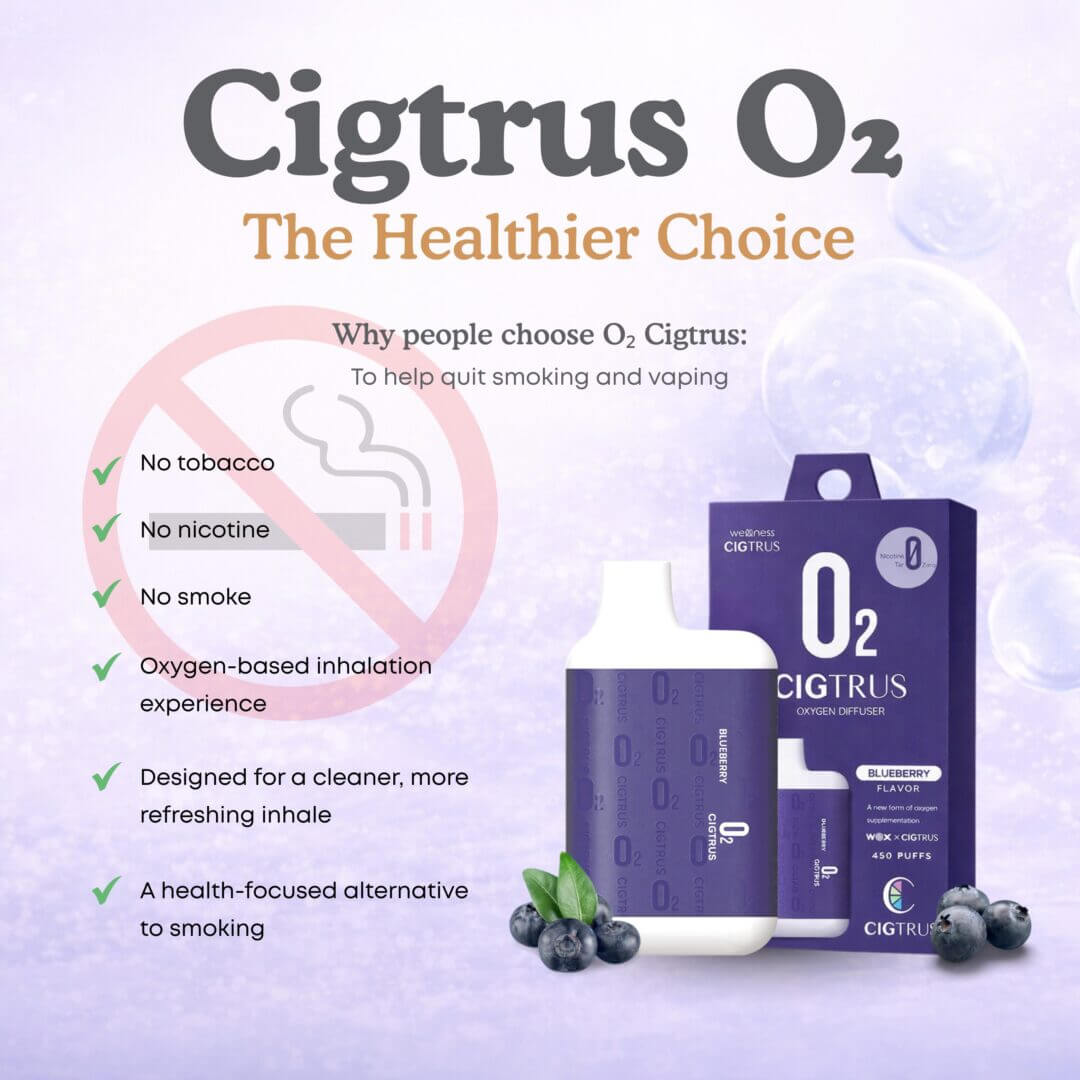
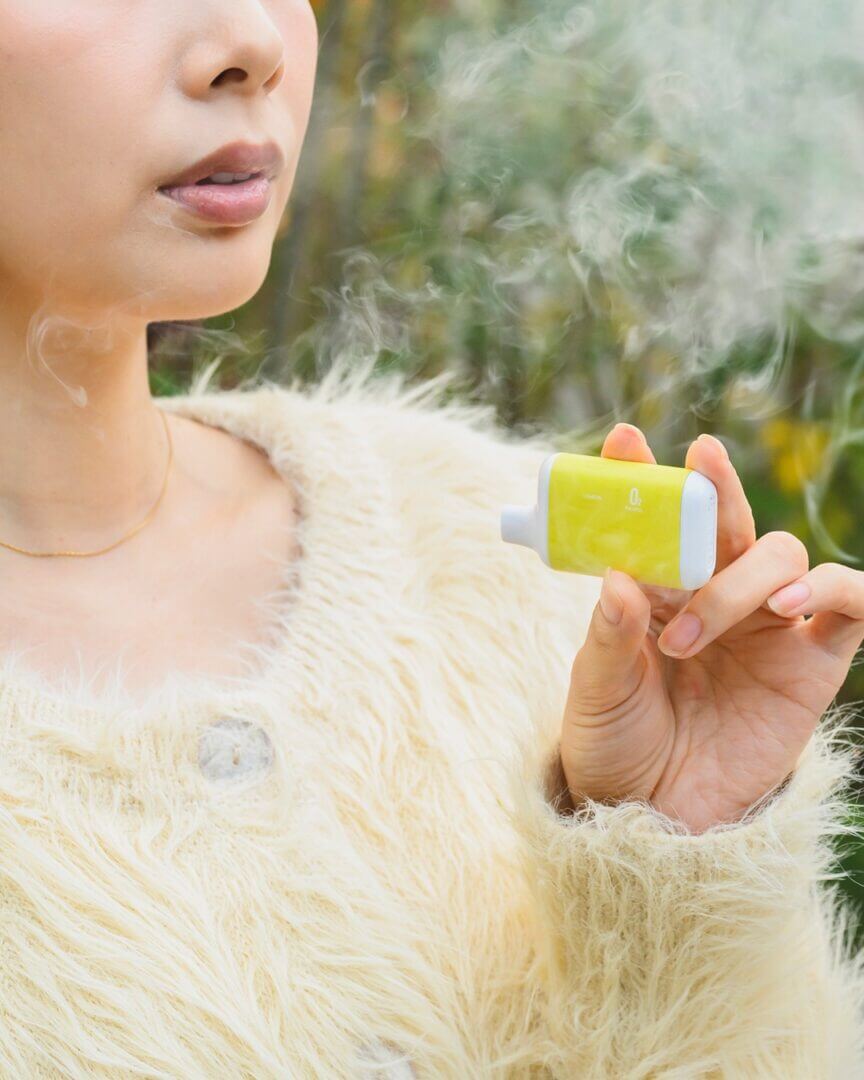
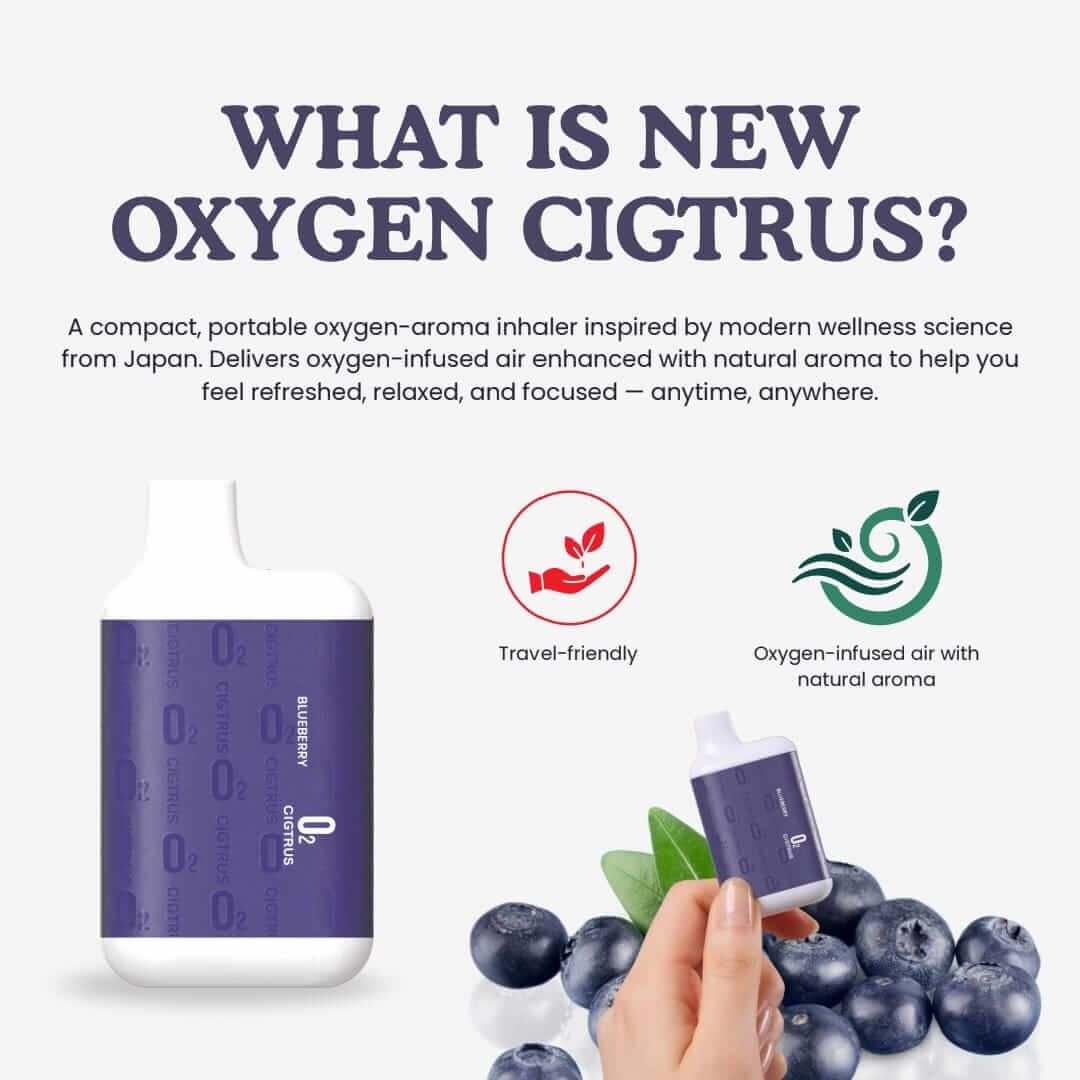
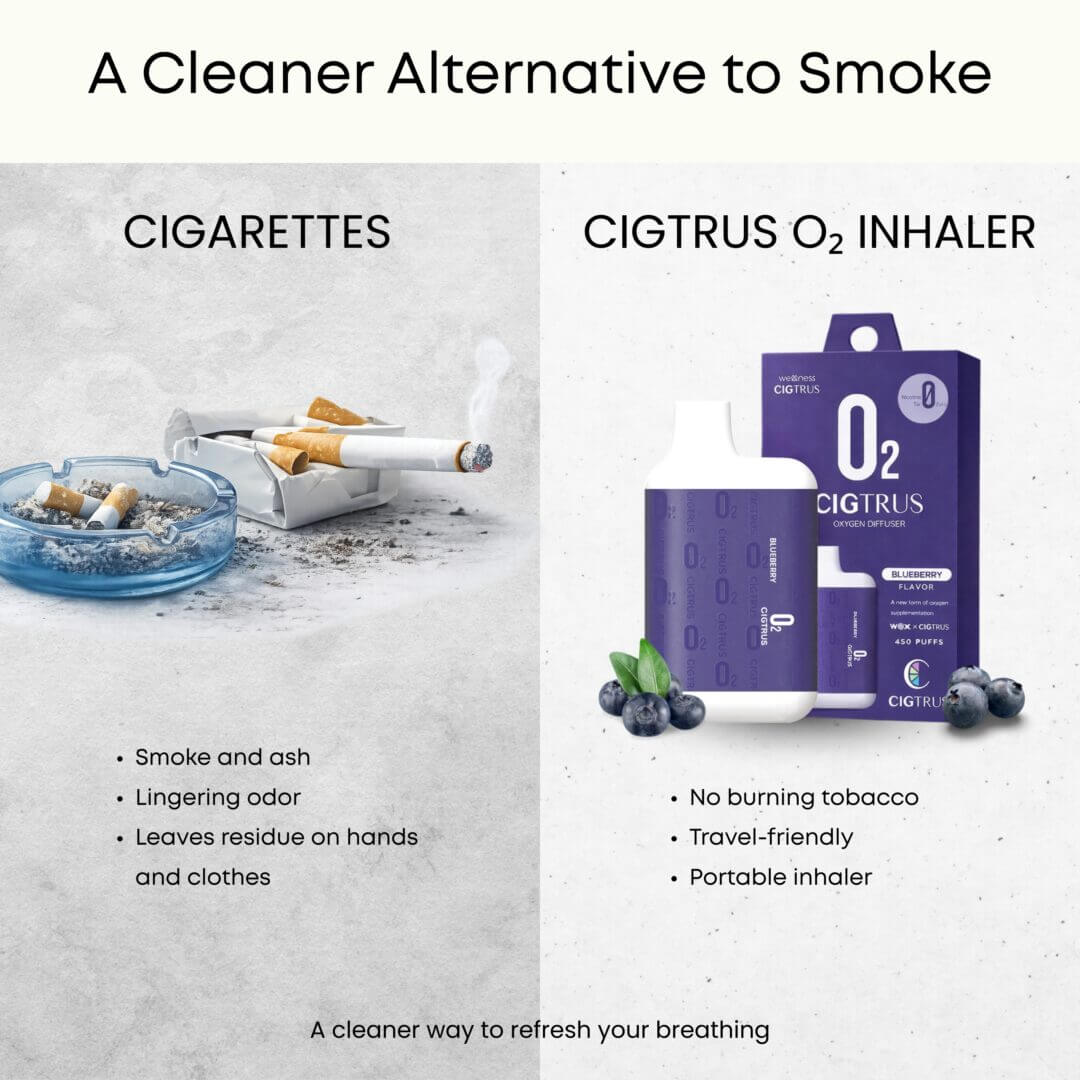
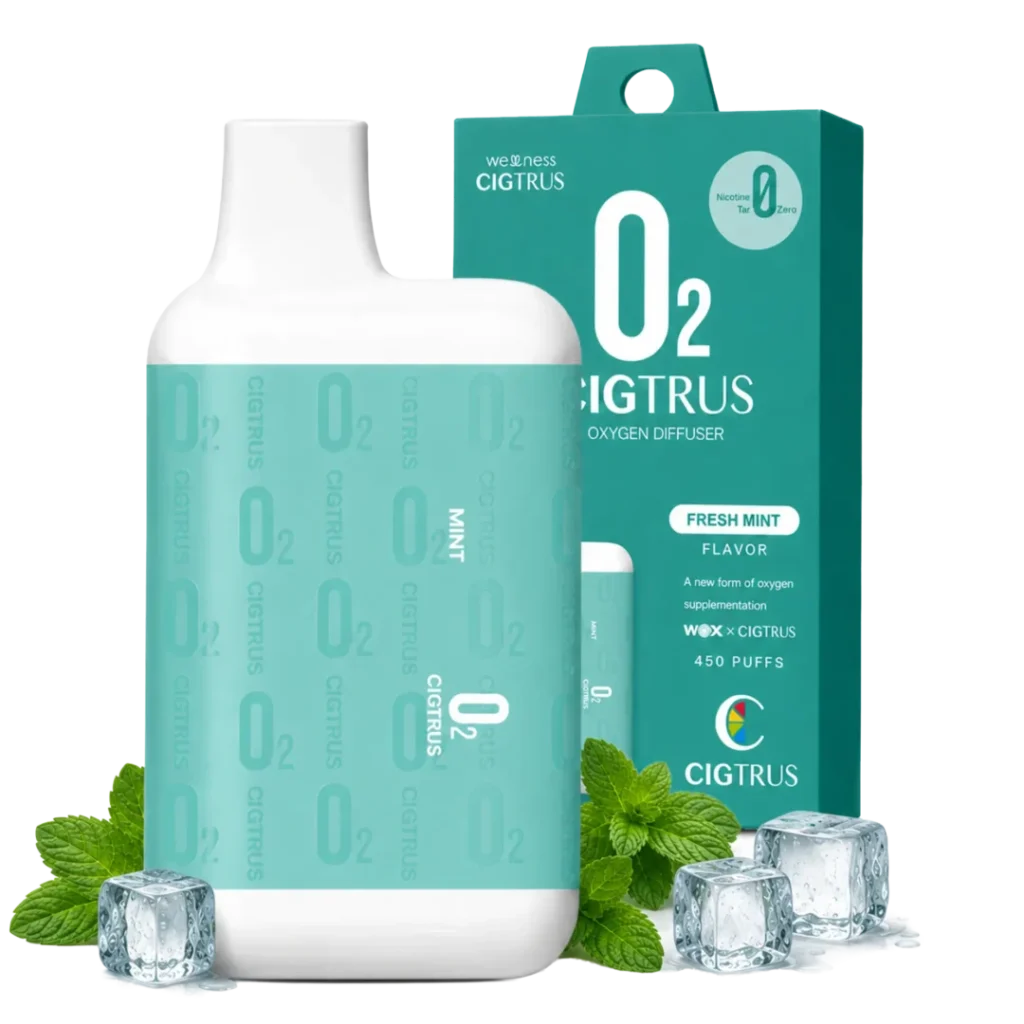
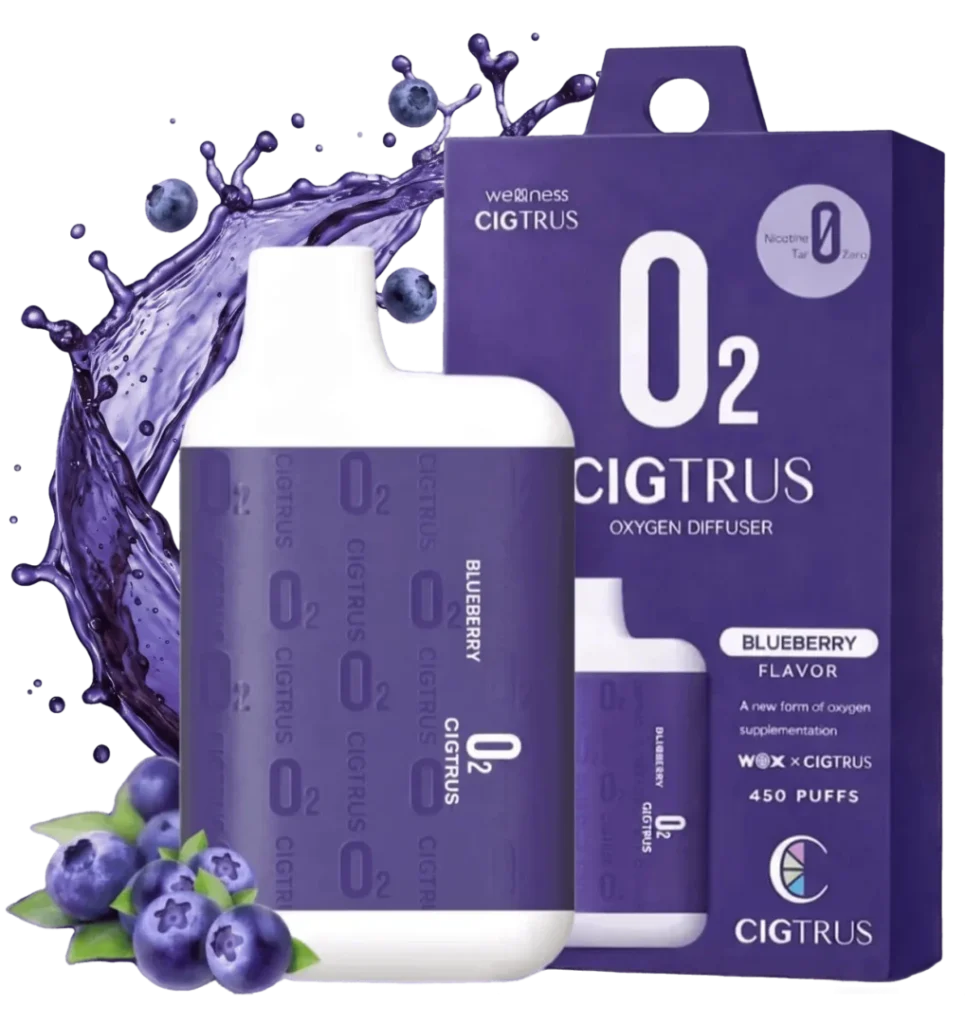
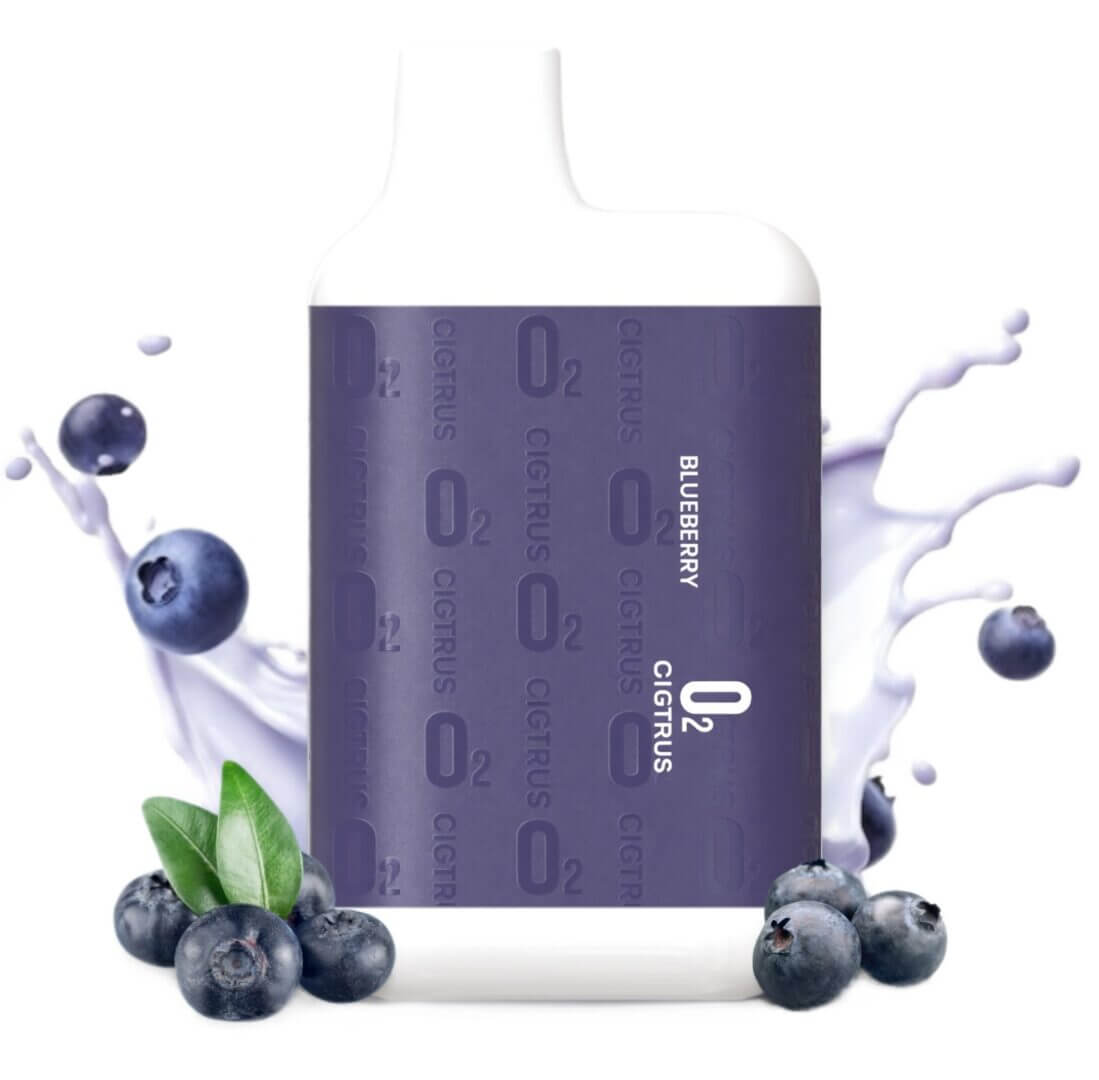
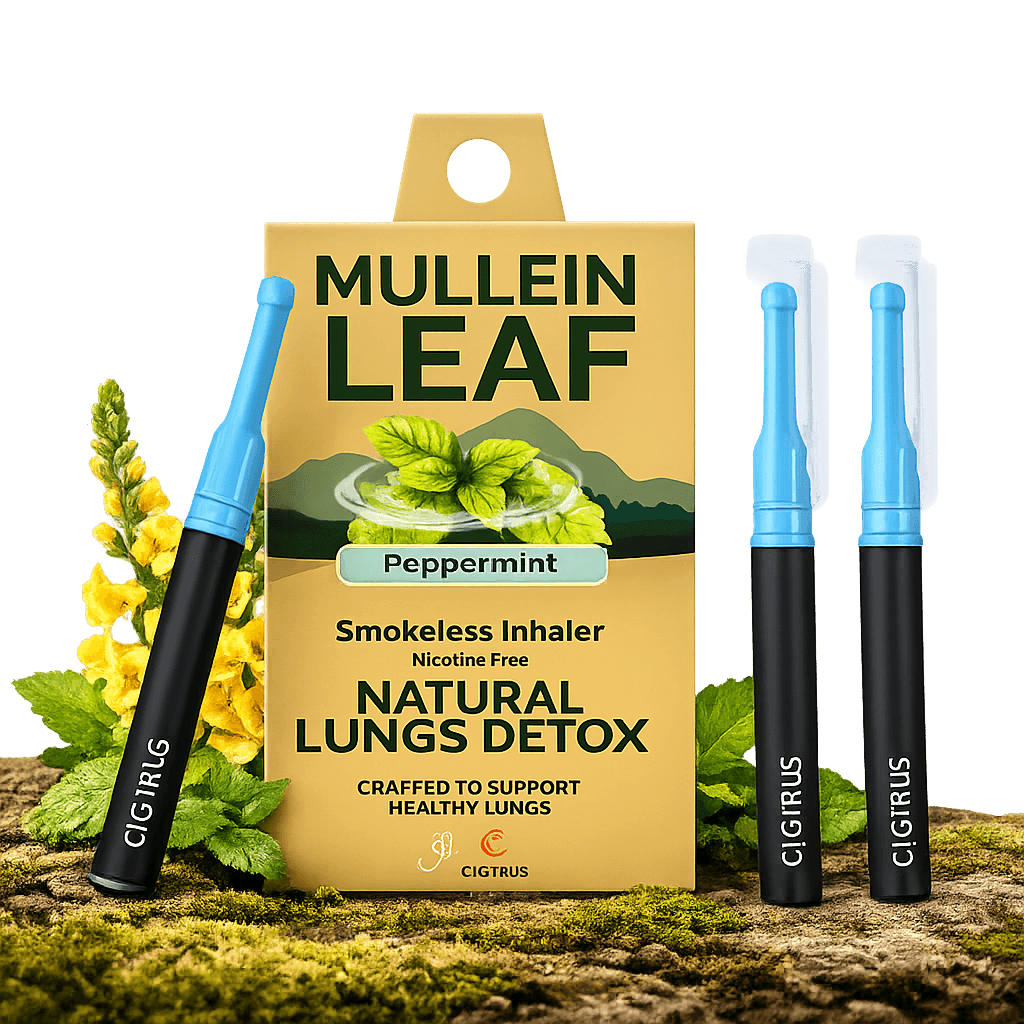
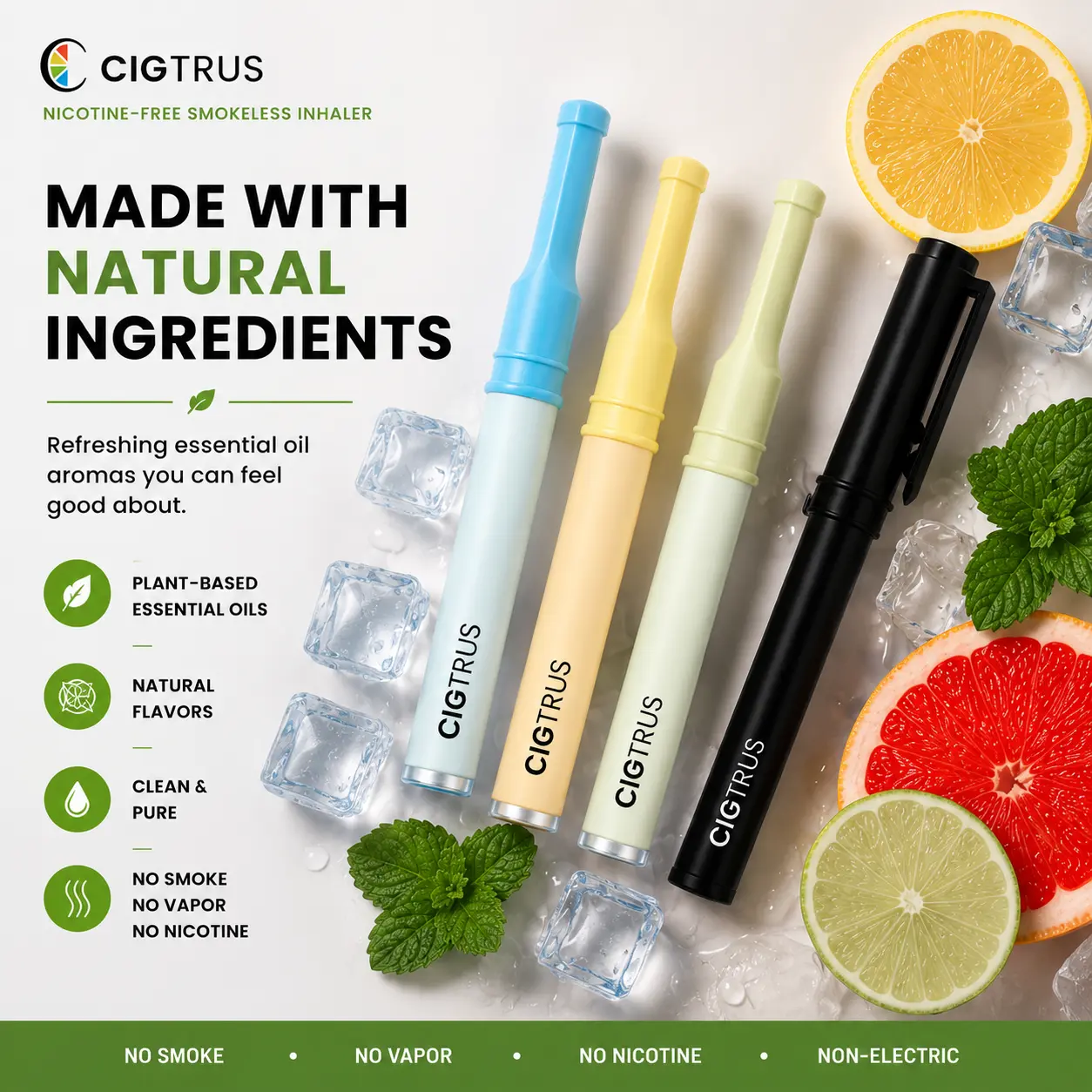
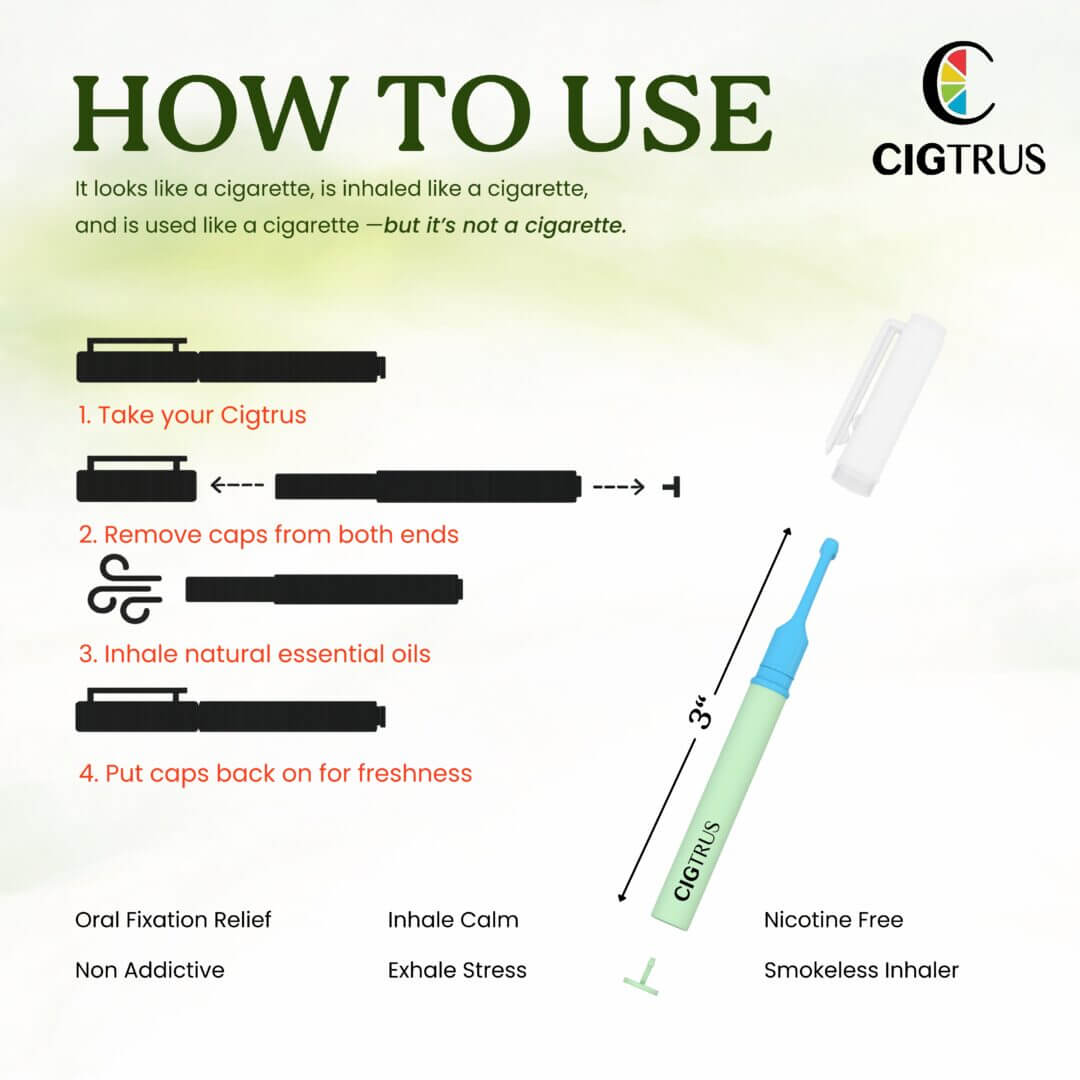
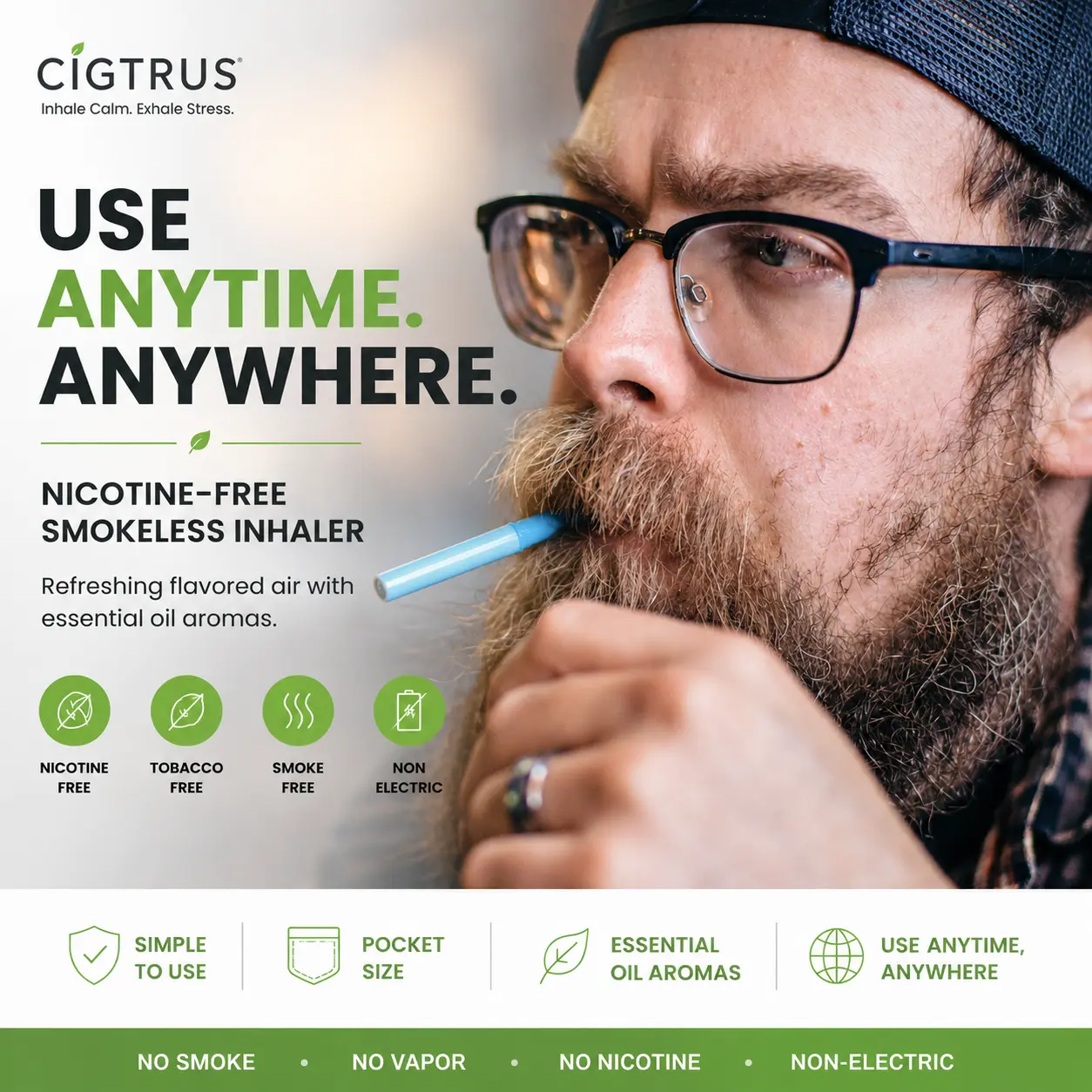
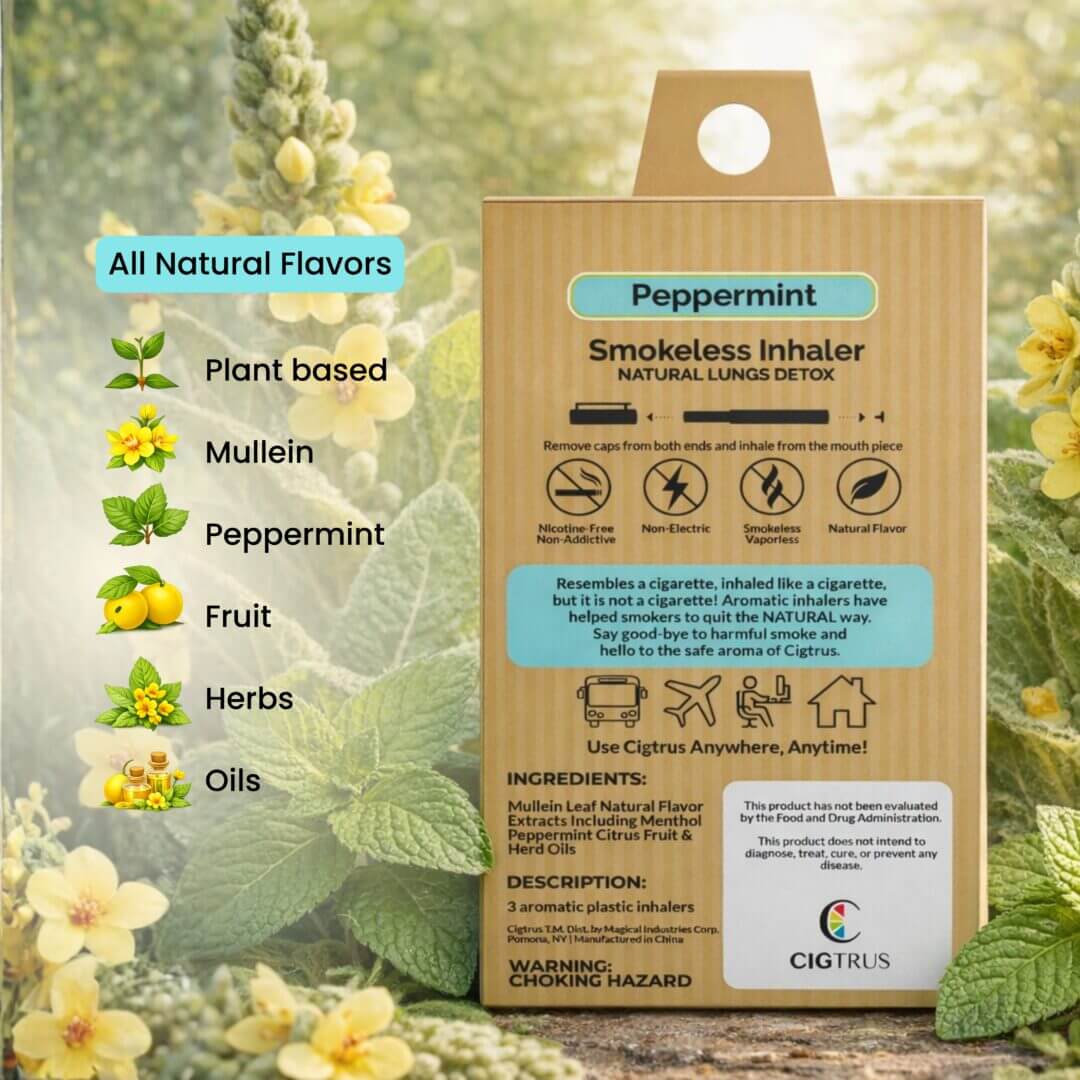
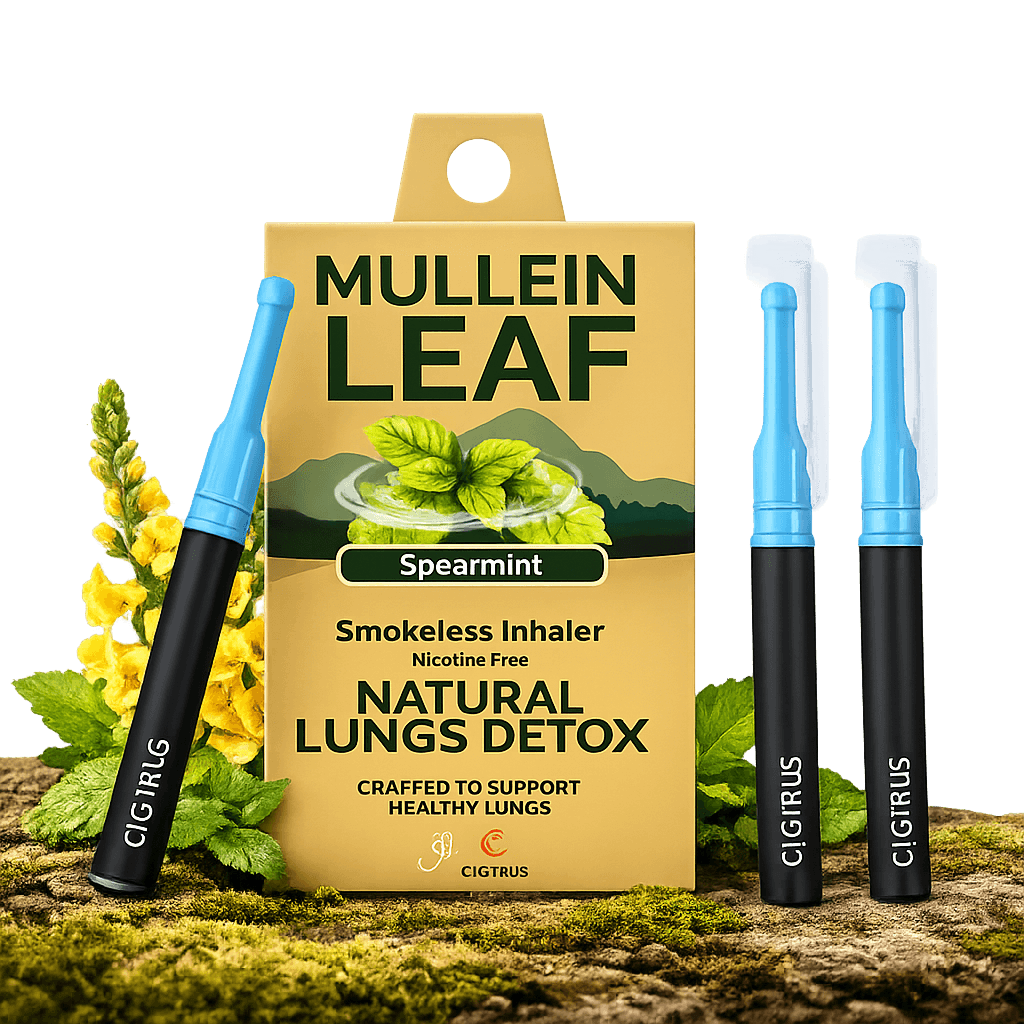
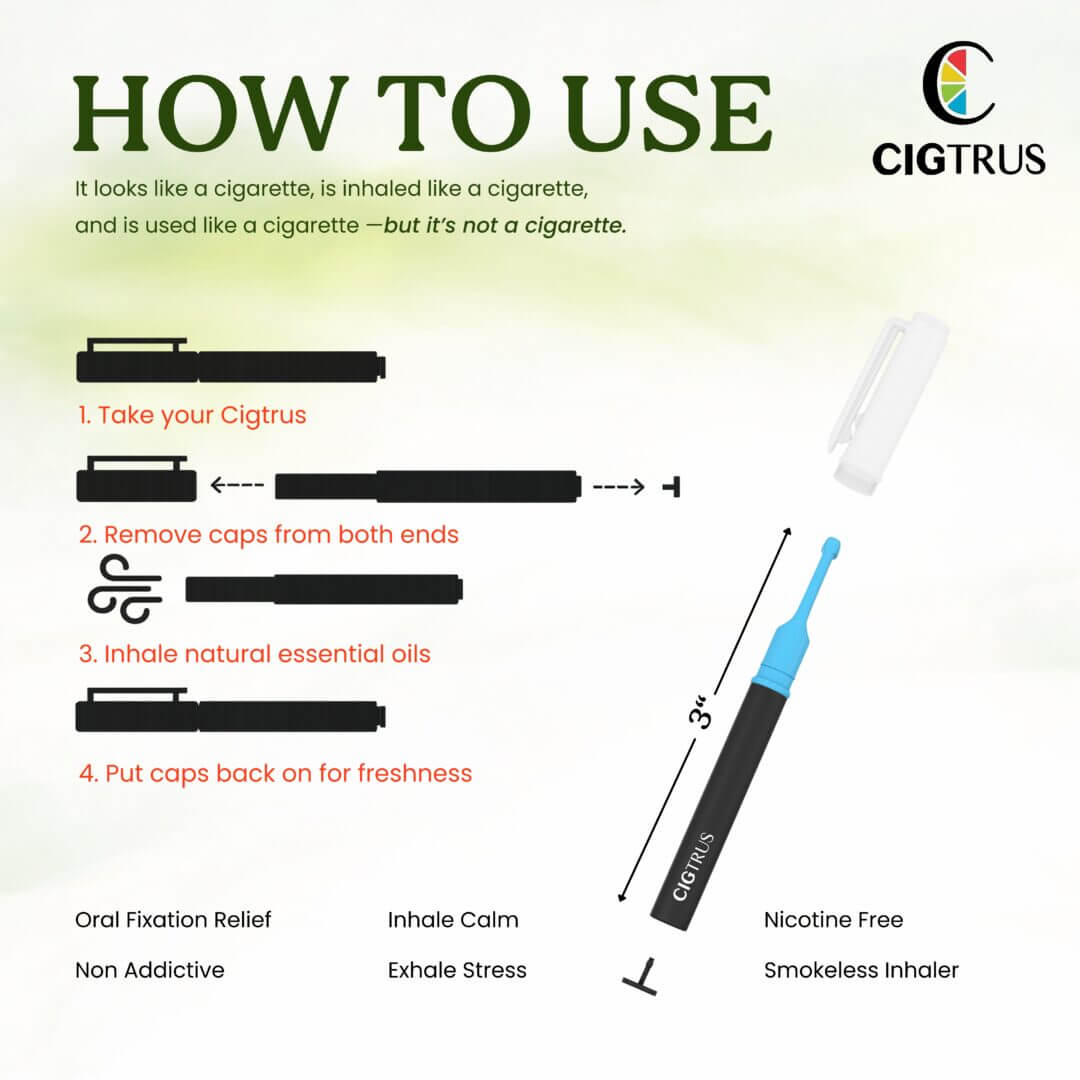
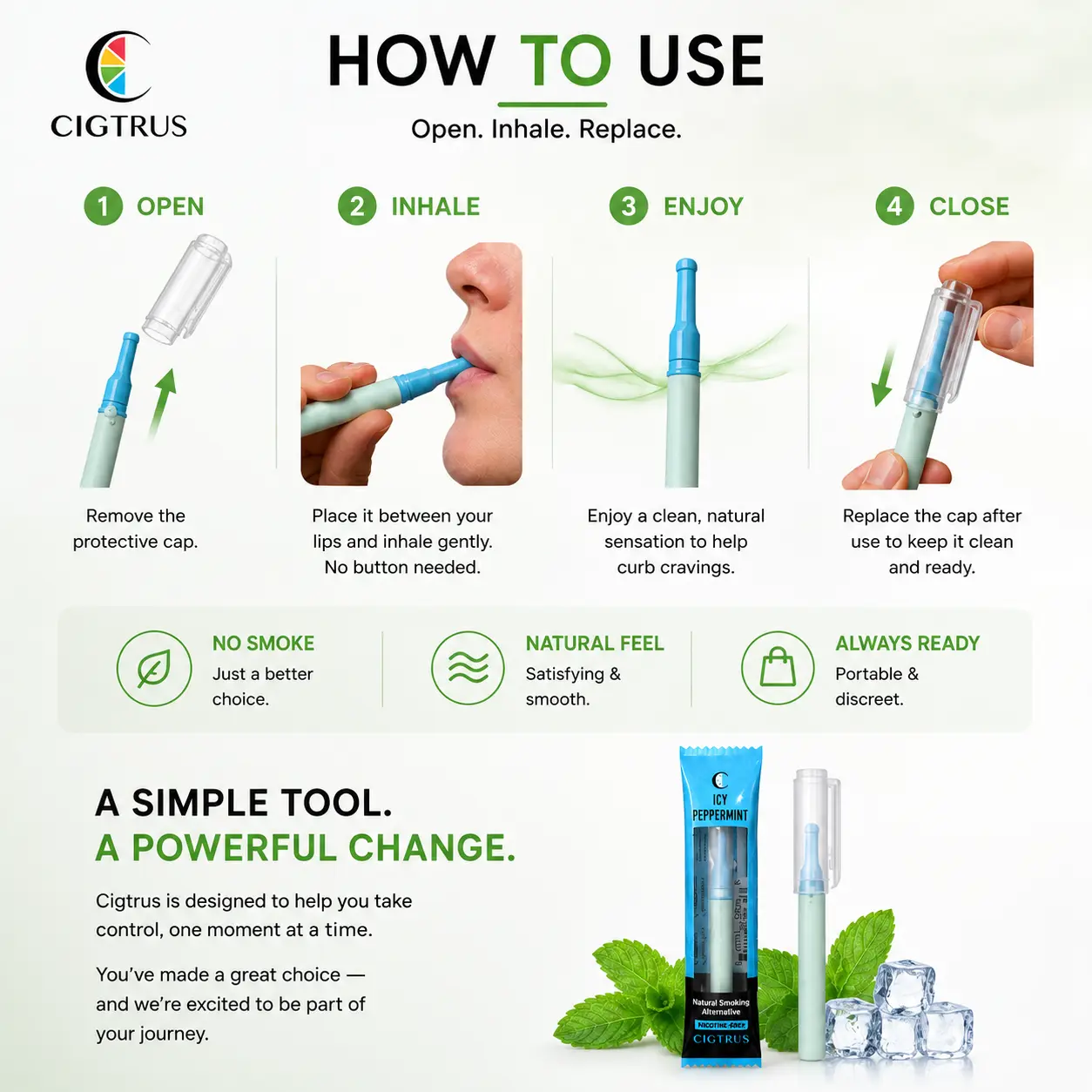
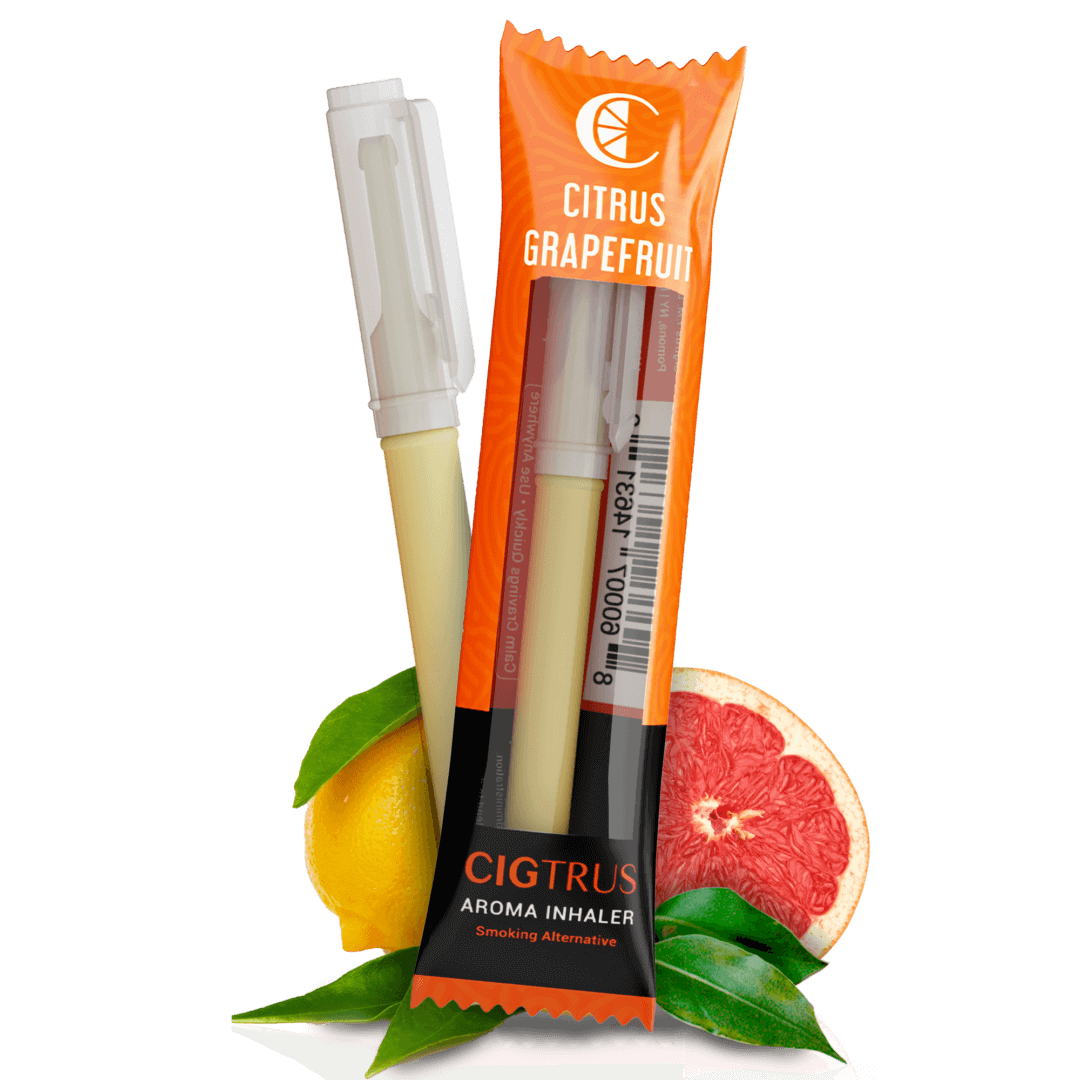
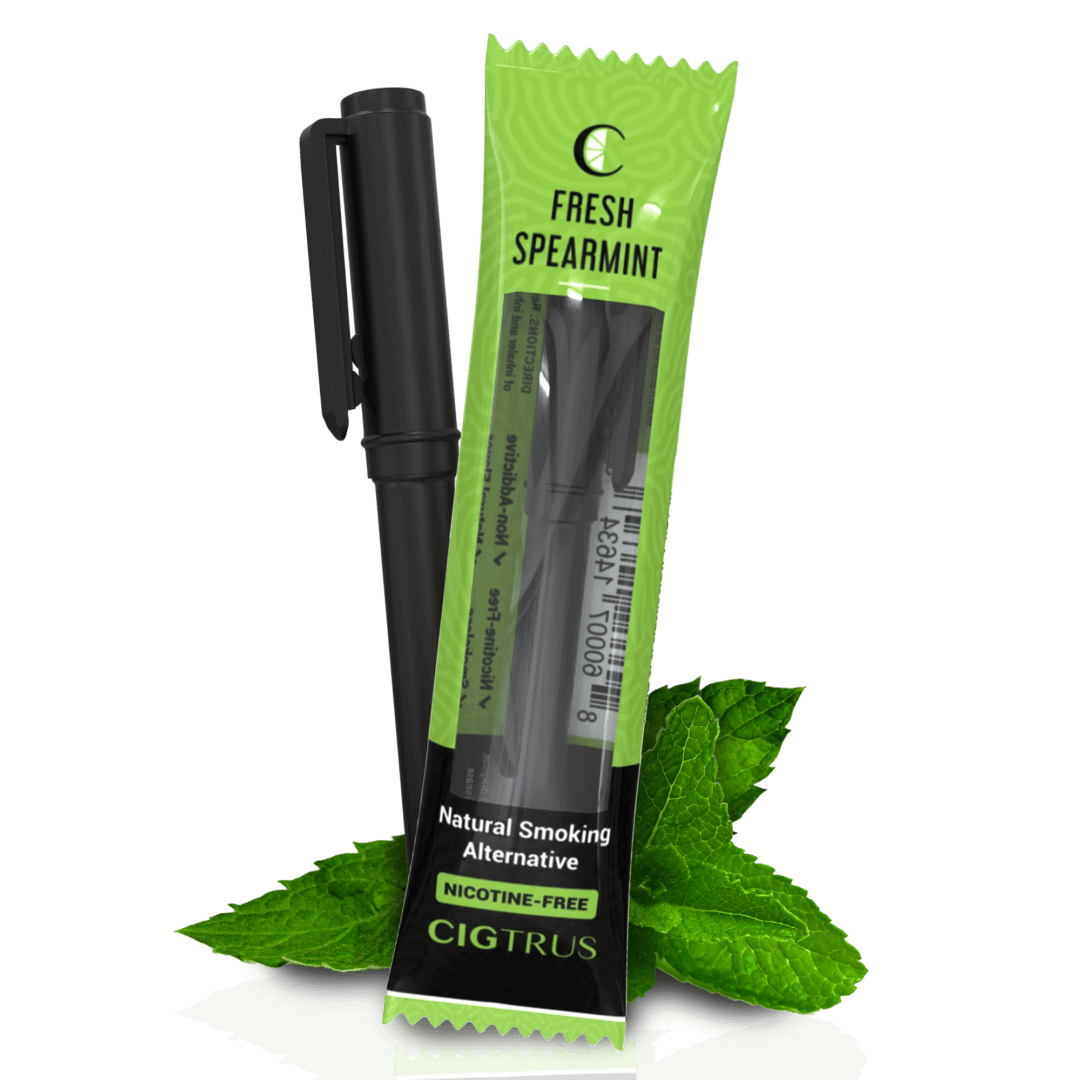
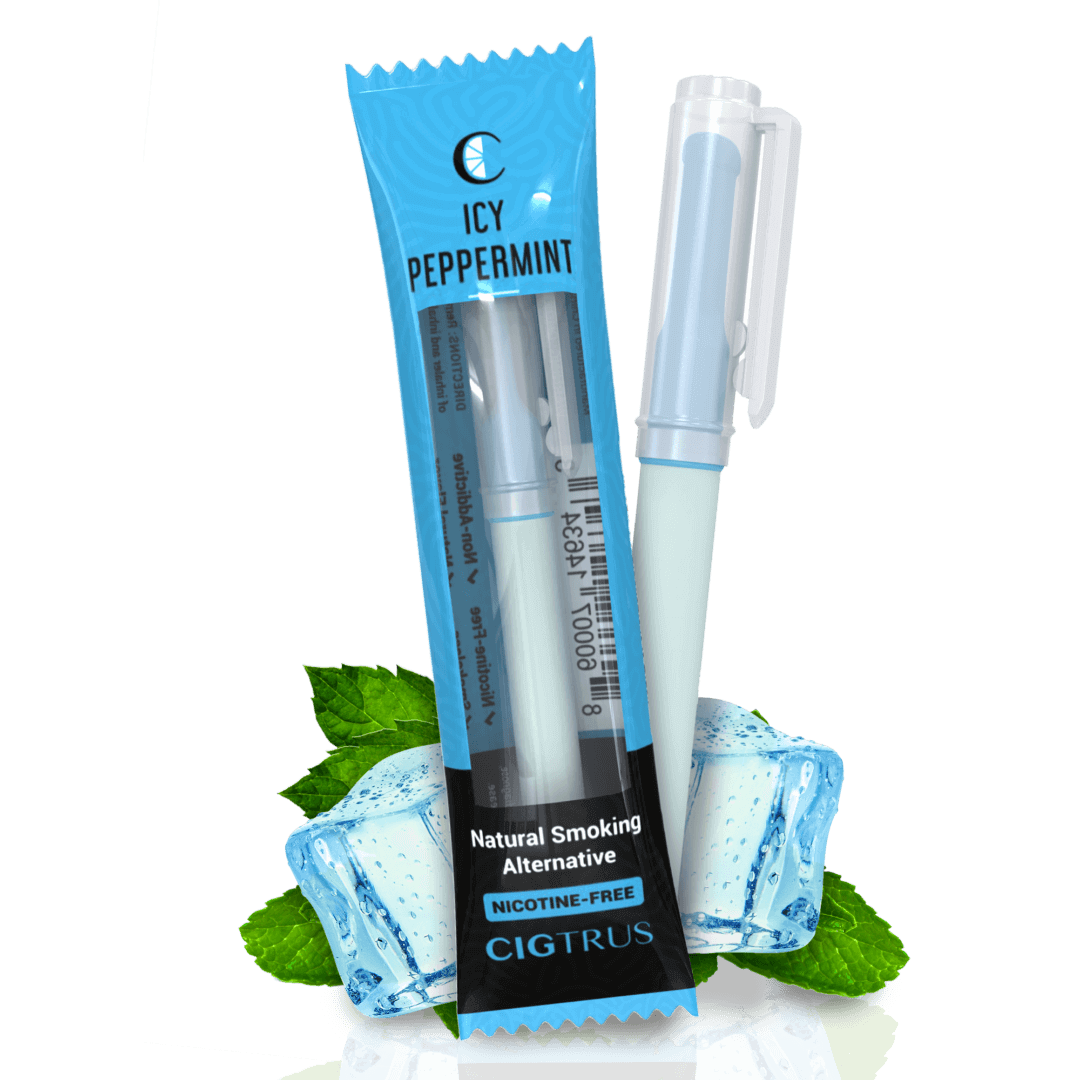
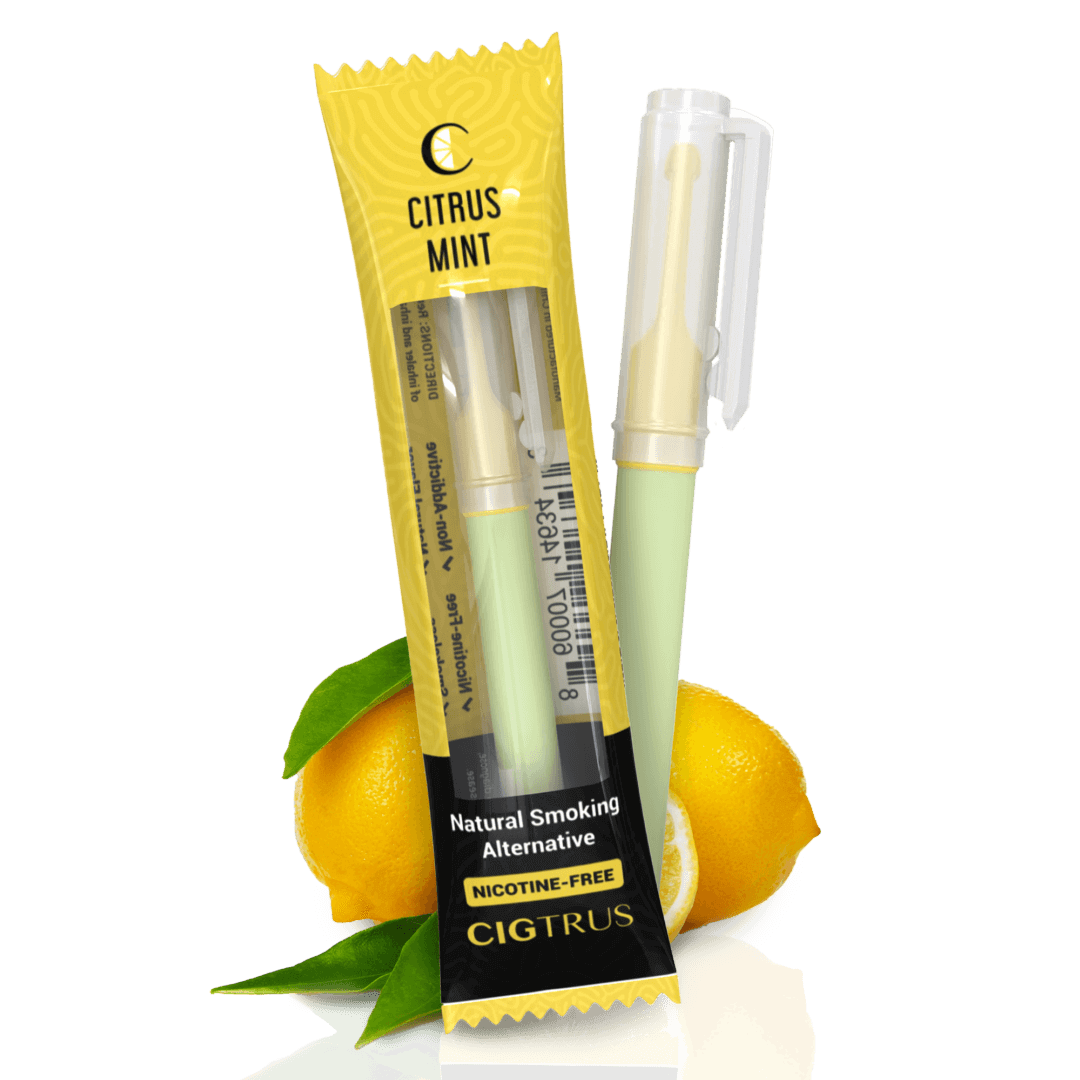
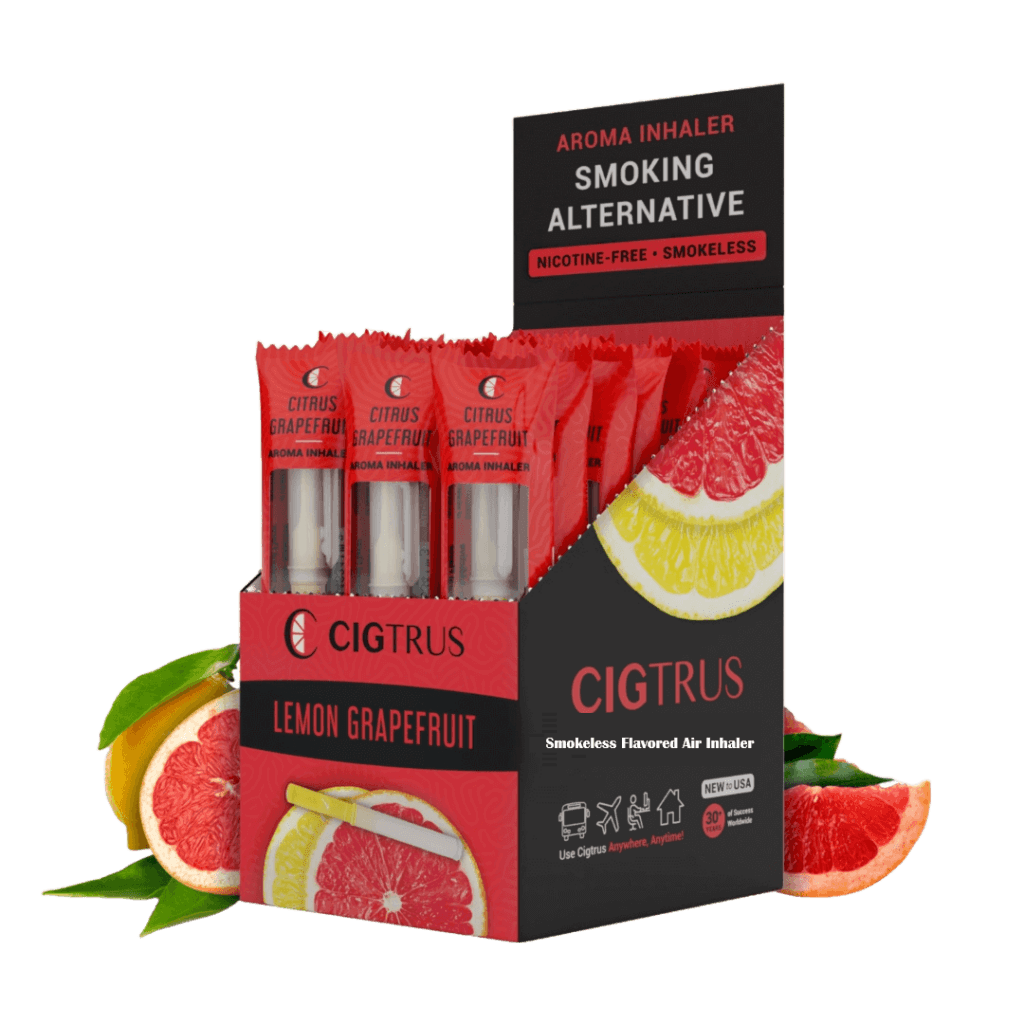
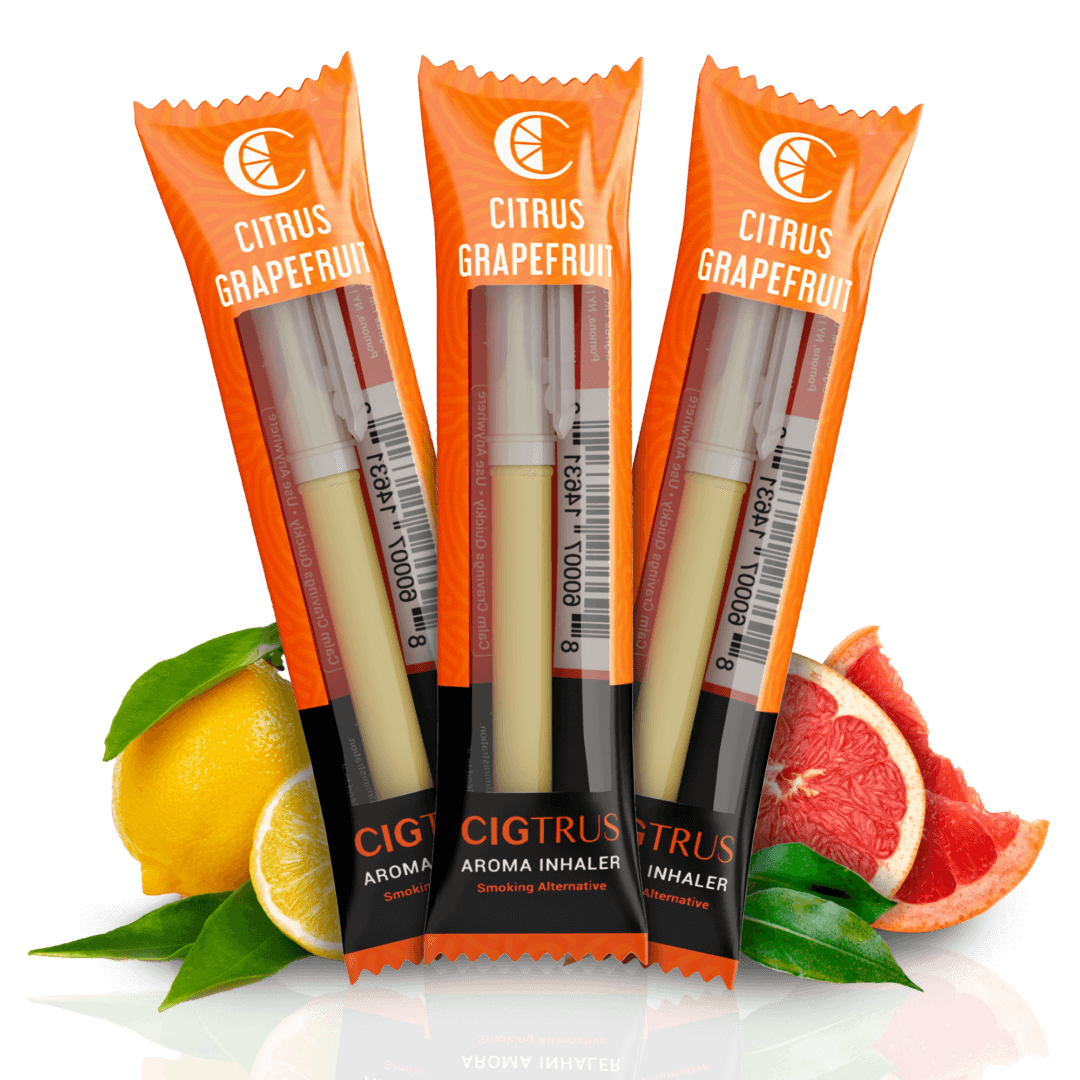
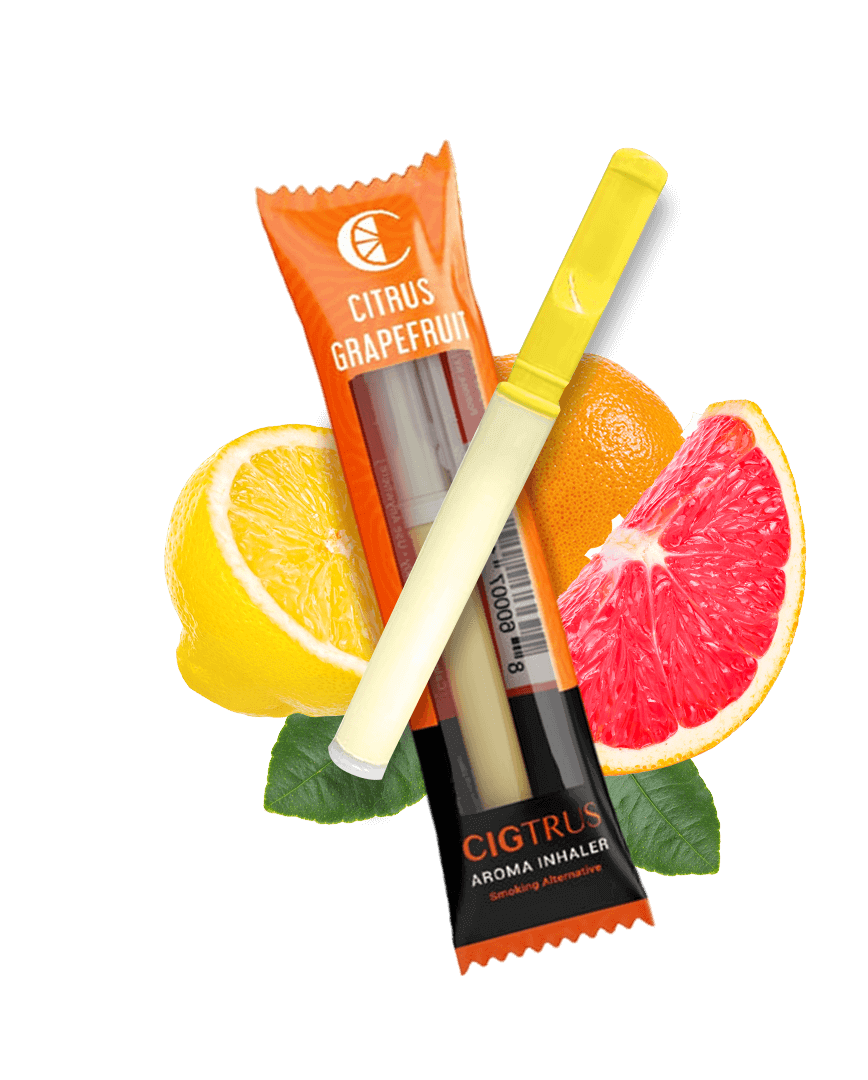
Cigtrus is a nicotine-free, tobacco-free, non-electric smokeless inhaler.
It is not a cigarette.
It is not an electronic vape.
There is no battery.
No charging.
No heating element.
No vape liquid.
No smoke.
No vapor.
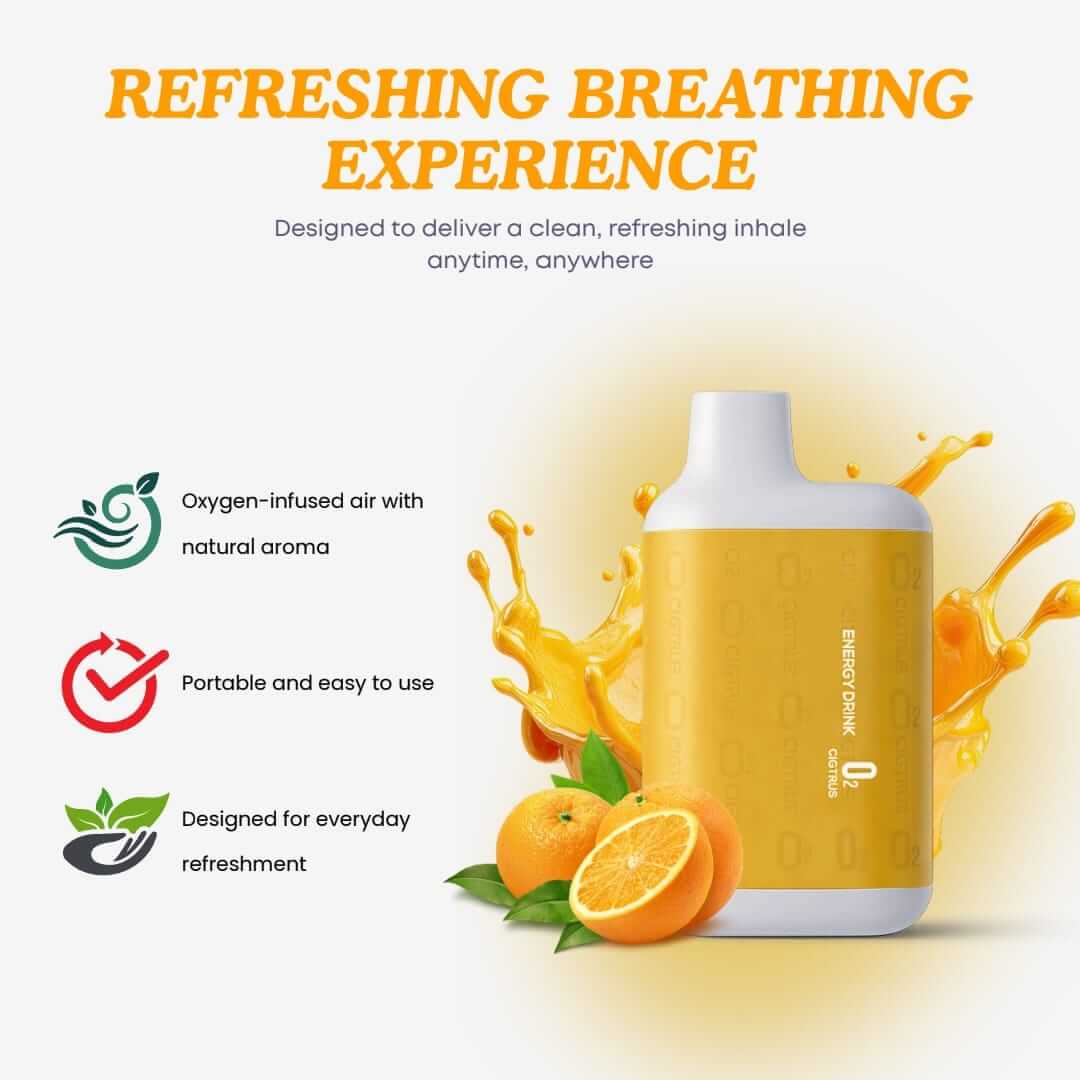
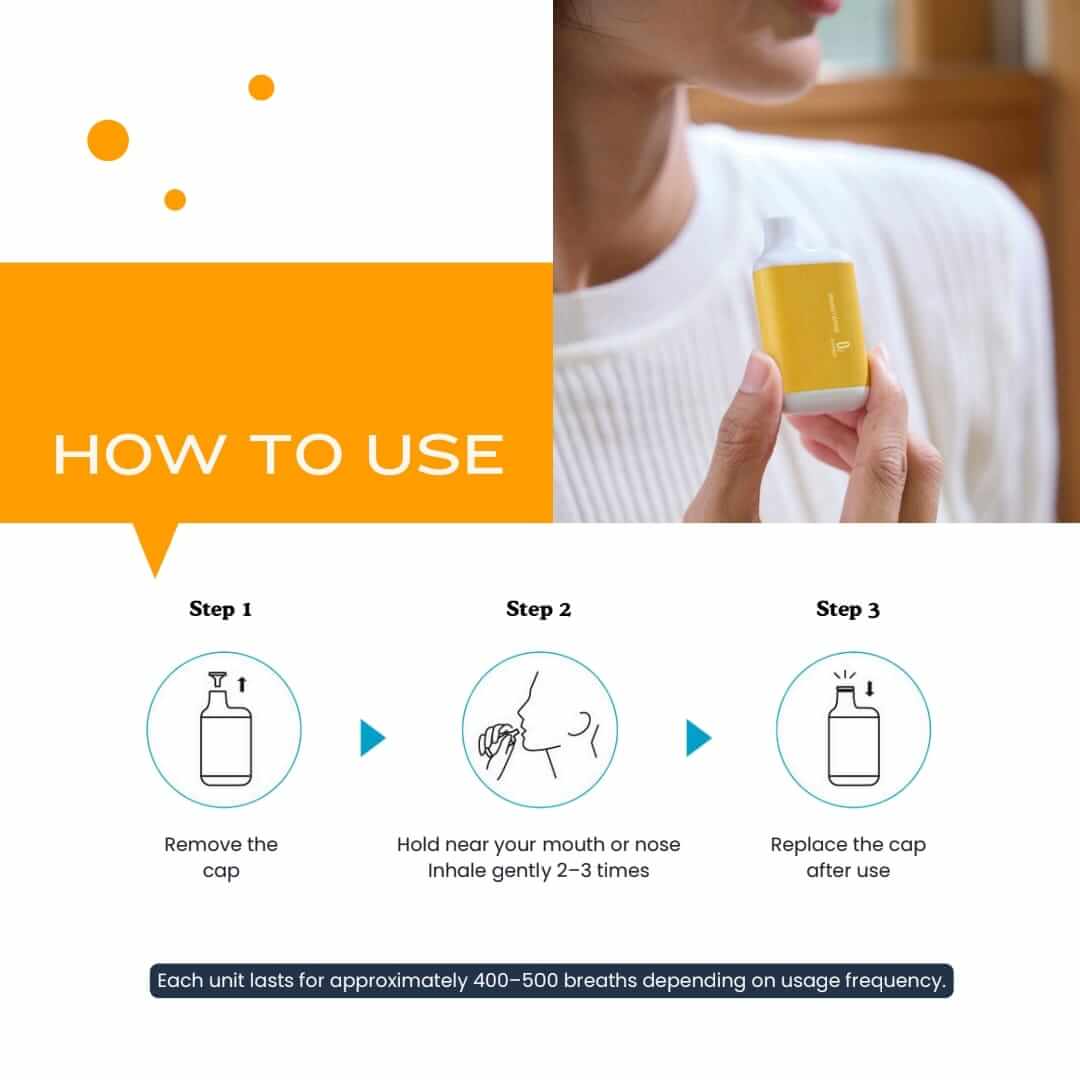
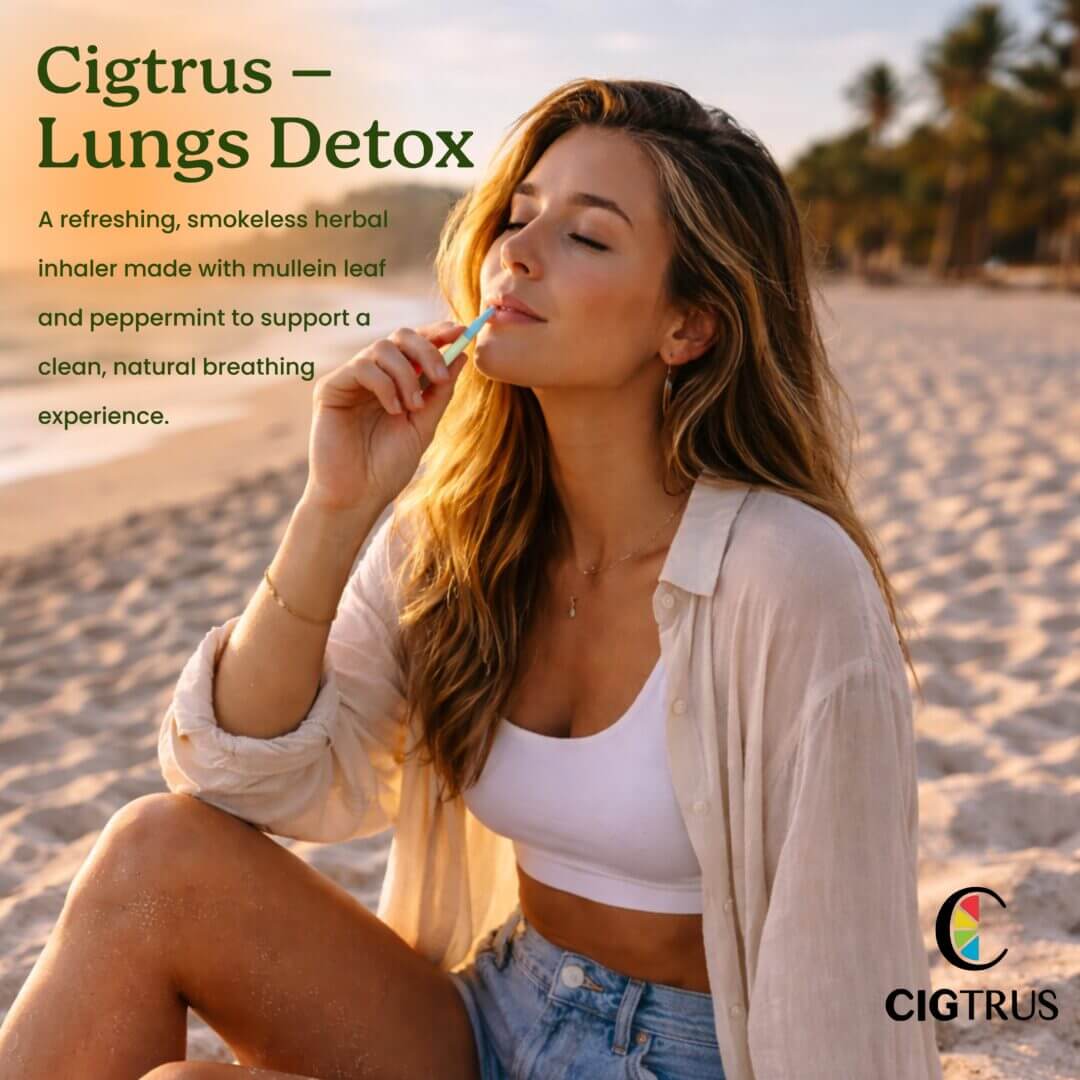
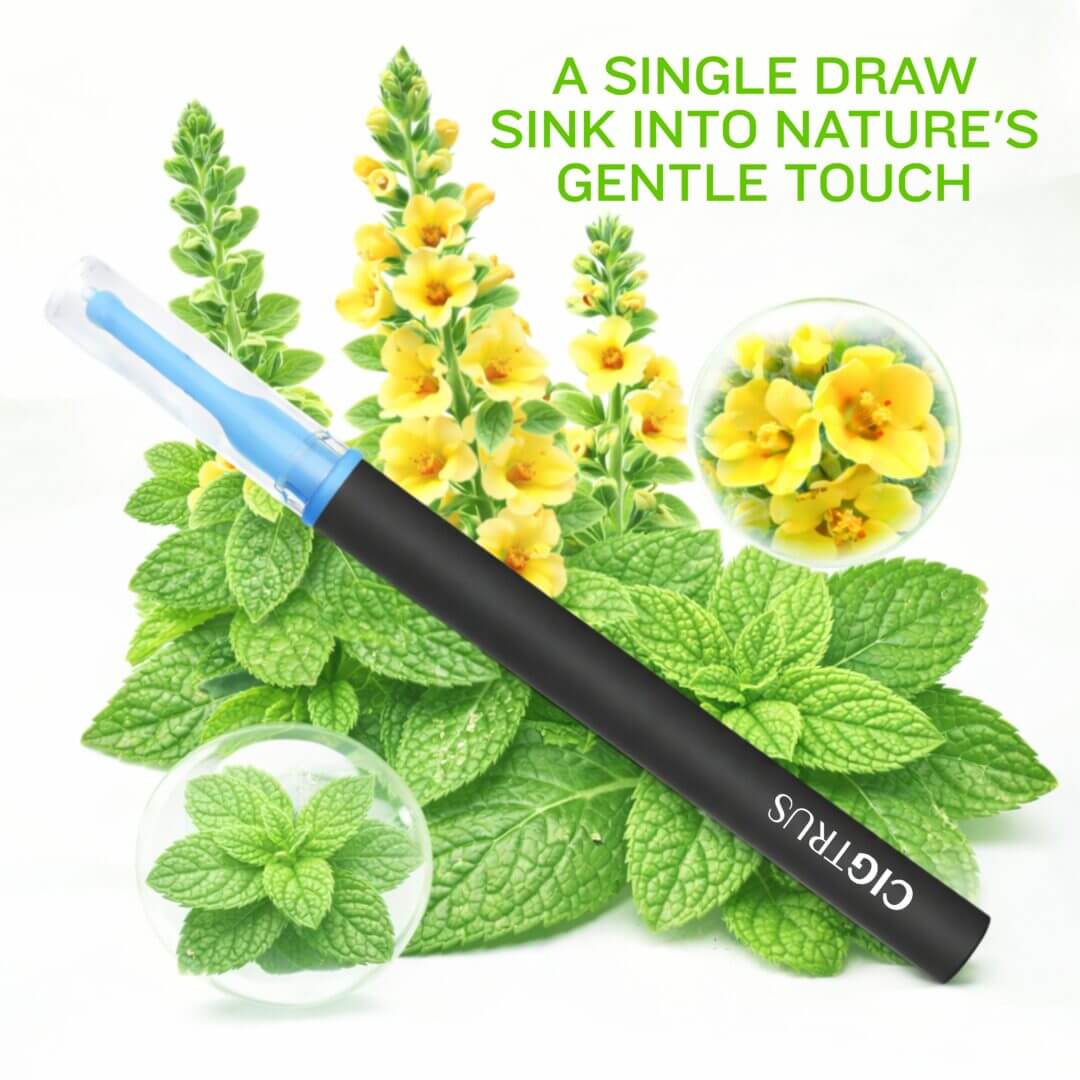
Instead, Cigtrus provides refreshing flavored air with carefully selected essential oil aromas in a simple, pocket-sized inhaler.
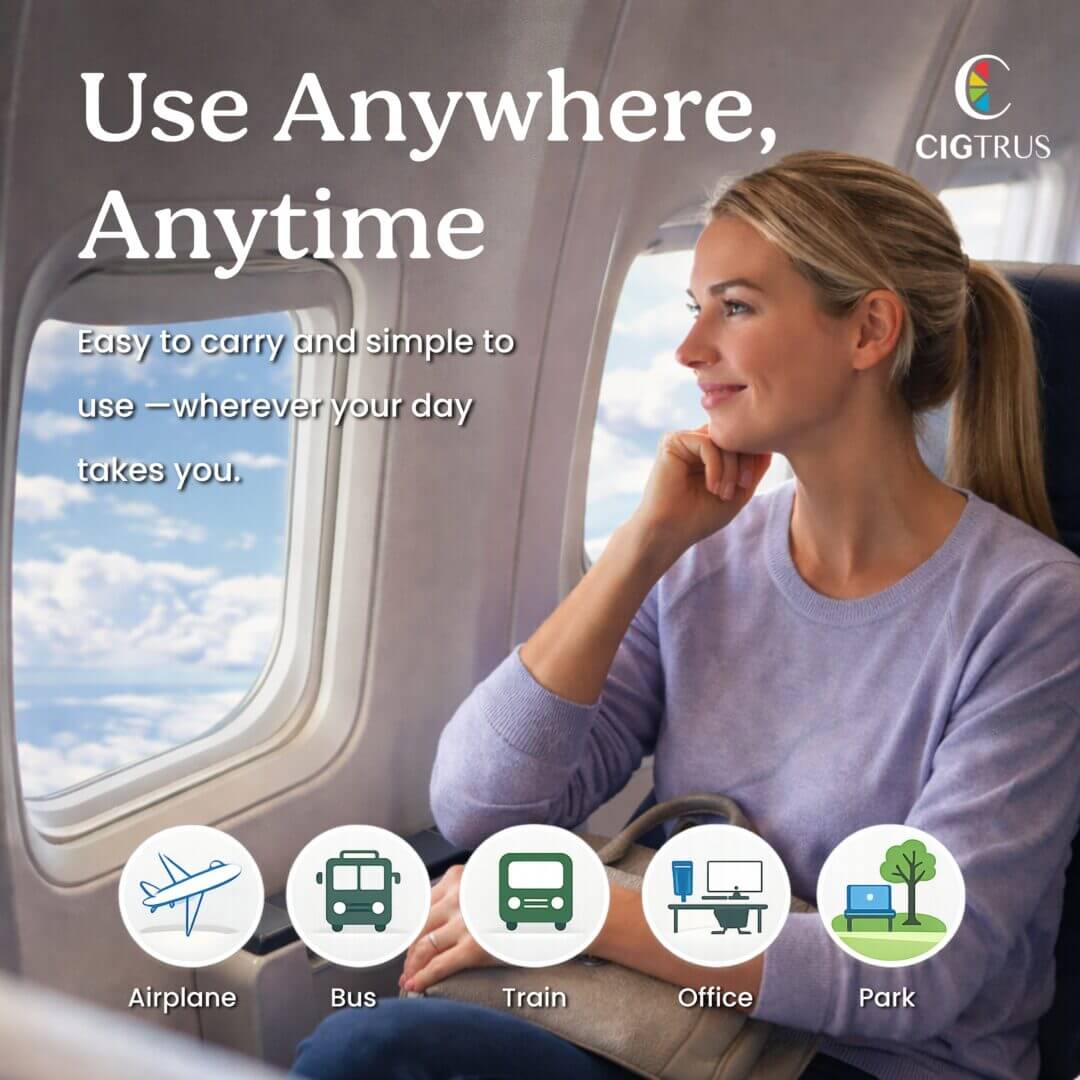
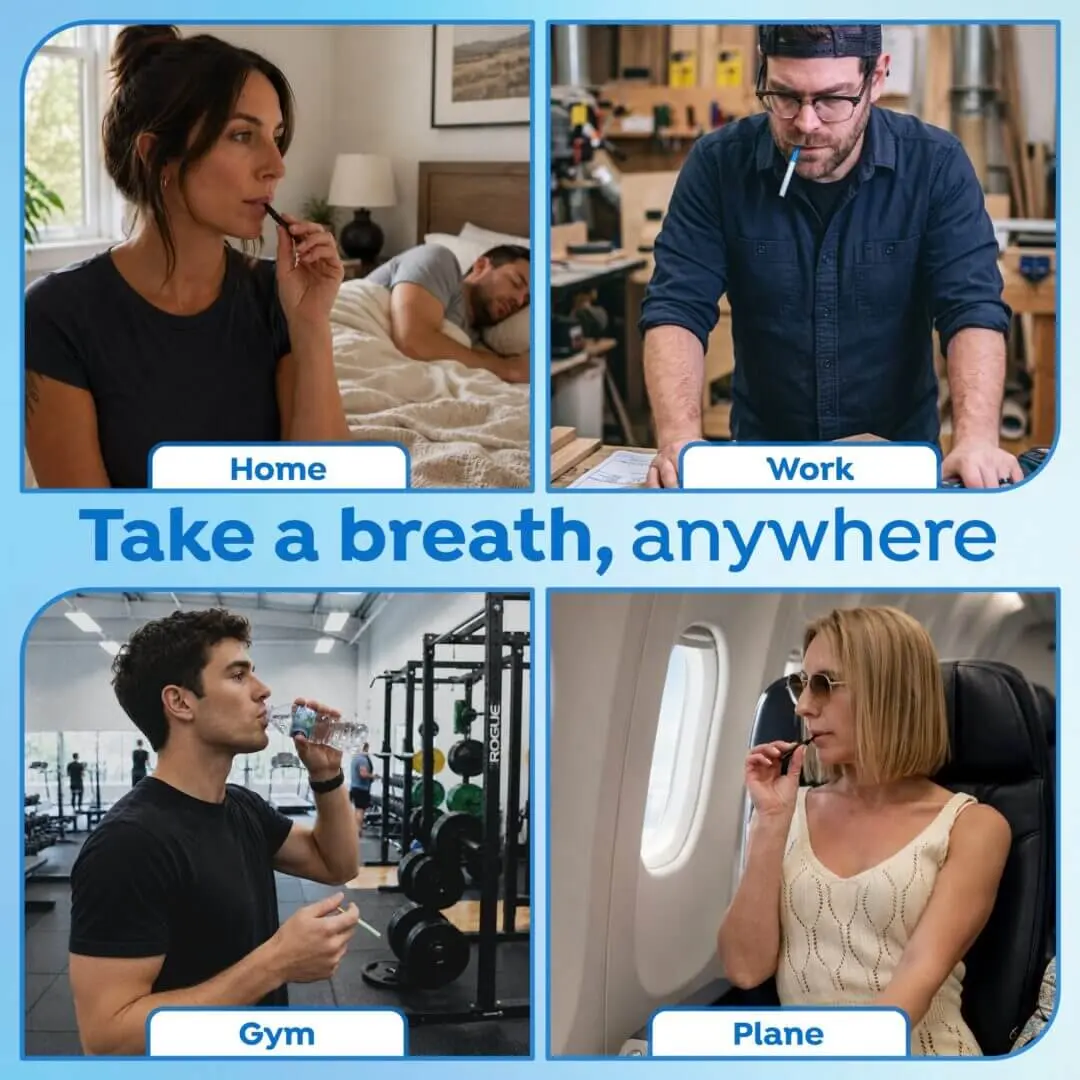
Use Anytime. Anywhere.
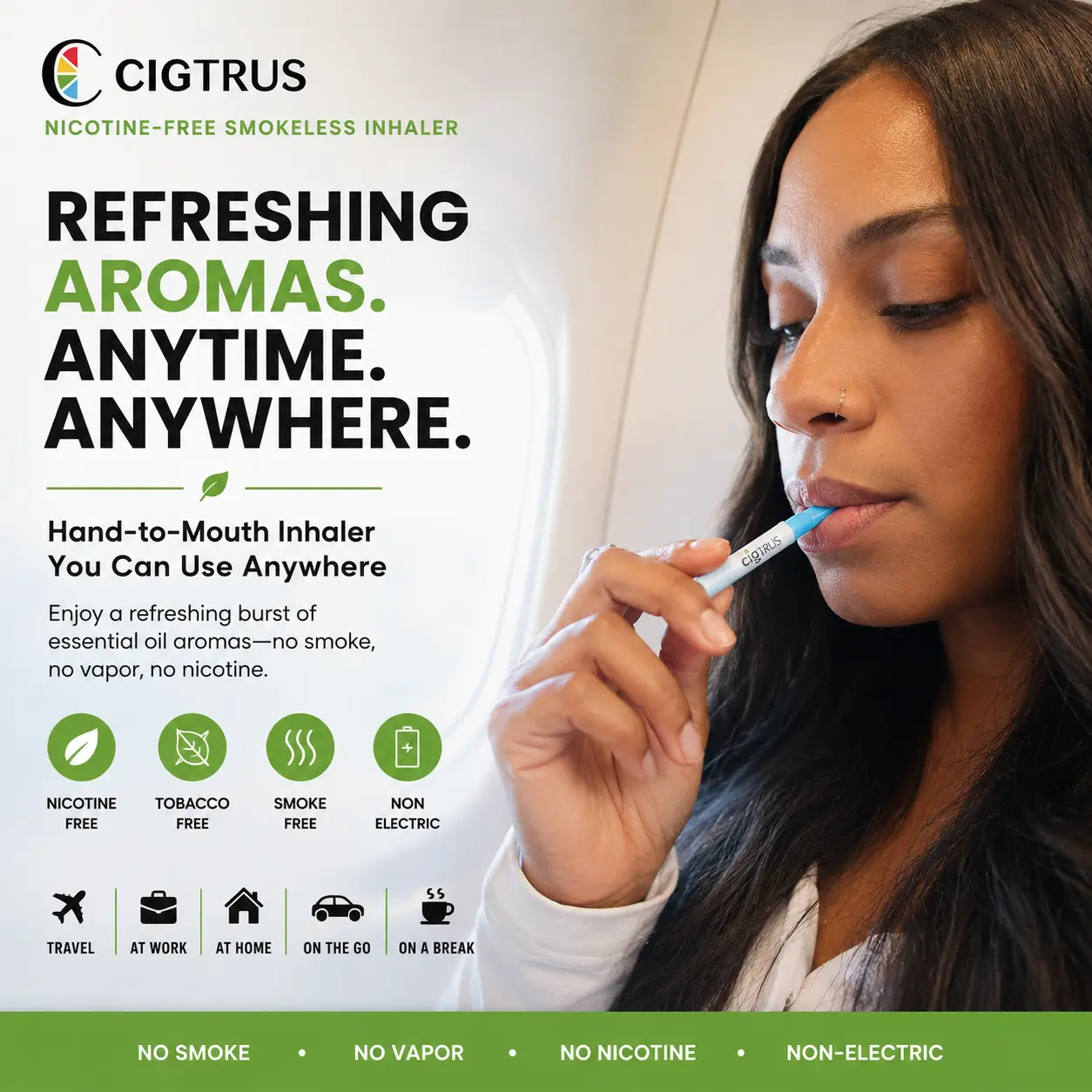
Travel — no electronic device, no battery, no charging, no smoke, and no vapor.
Work — compact, quiet, non-electric, and ready whenever the familiar hand-to-mouth moment appears.
Medical and recovery situations — a nicotine-free, tobacco-free, non-vape hand-to-mouth format when cigarettes or electronic vaping are not part of the situation.
Driving — easy to keep nearby for one of the most familiar smoking and vaping trigger environments.
After meals and everyday routines — something familiar to reach for without using nicotine, tobacco, smoke, vapor, or an electronic vape.
This is why Cigtrus is fundamentally different from a zero nicotine vape.
A zero nicotine vape removes nicotine but still leaves you using a vape.
Cigtrus changes the format entirely.
No nicotine. No tobacco. No electronic vape. Familiar hand-to-mouth experience. Use Anytime. Anywhere.
Why “Always Ready” Matters When You’re Trying to Change the Habit
A replacement is not very useful if it is only available during easy moments.
The harder moments are often the unexpected ones:
- A long meeting that runs late
- A delayed flight
- A hospital visit
- A stressful day at work
- A long drive
- Dinner with people who do not smoke
- A place where vaping is not part of the environment
If you are trying to move away from smoking or vaping, those moments matter because they are where the old routine can suddenly feel strongest.
Cigtrus is pocket-sized, non-electric, and ready without charging or setup, so the hand-to-mouth option can stay with you throughout the day.
Frequently Asked Questions
What can I use when I can’t smoke or vape?
If what you miss is the familiar hand-to-mouth routine, a nicotine-free, non-electric smokeless inhaler is one option that gives you something to hold, bring to the mouth, and draw through without using a cigarette or electronic vape.
Why do I want a cigarette more when I know I can’t have one?
The restriction can interrupt a familiar routine. Along with nicotine withdrawal, you may also be missing the hand-to-mouth motion, inhalation, pause, and situation that became connected with smoking.
What can I use instead of vaping at work?
Adults who miss the physical routine of vaping may consider a nicotine-free, non-electric smokeless inhaler that provides a familiar hand-to-mouth experience without continuing to use an electronic vape.
What can I use instead of smoking while traveling?
Options can include gum, mints, water, breathing routines, or a nicotine-free smokeless inhaler for adults who specifically miss the hand-to-mouth and drawing motion.
Can Cigtrus be used on the go without charging?
Yes. Cigtrus is completely non-electric. It has no battery, charging system, heating element, or electronics, so there is nothing to charge or maintain.
Is Cigtrus a vape?
No. Cigtrus is a nicotine-free, tobacco-free, non-electric smokeless inhaler. It has no battery, heating element, vape liquid, or electronic components and produces no vape aerosol.
Why is Cigtrus useful when smoking or vaping isn’t possible?
Cigtrus focuses on the familiar hand-to-mouth side of the routine without nicotine, tobacco, smoke, vapor, batteries, charging, or an electronic vaping device.
Can I use Cigtrus anytime, anywhere?
Yes. Cigtrus is designed around the idea of Use Anytime. Anywhere. It is non-electric, nicotine-free, tobacco-free, smokeless, vapor-free, and requires no battery, charging, or heating.
How is Cigtrus different from a zero nicotine vape?
A zero nicotine vape removes nicotine but still uses the electronic vaping format. Cigtrus is completely non-electric and provides the familiar hand-to-mouth experience without using another vape.
When Smoking Isn’t an Option, Don’t Leave the Routine Empty
Trying to quit smoking or vaping does not mean every familiar moment disappears overnight.
You still travel.
You still work.
You still drive.
You still get stressed.
You still finish meals.
And your hands can still remember what they used to do during those moments.
That is the part Cigtrus was built around.
A familiar hand-to-mouth experience without nicotine, tobacco, batteries, charging, smoke, vapor, or an electronic vape.
Be Ready When Smoking or Vaping Isn’t an Option.
Cigtrus is pocket-sized, nicotine-free, non-electric, smokeless, and ready for the moments when your hand still wants something familiar. Use Anytime. Anywhere.
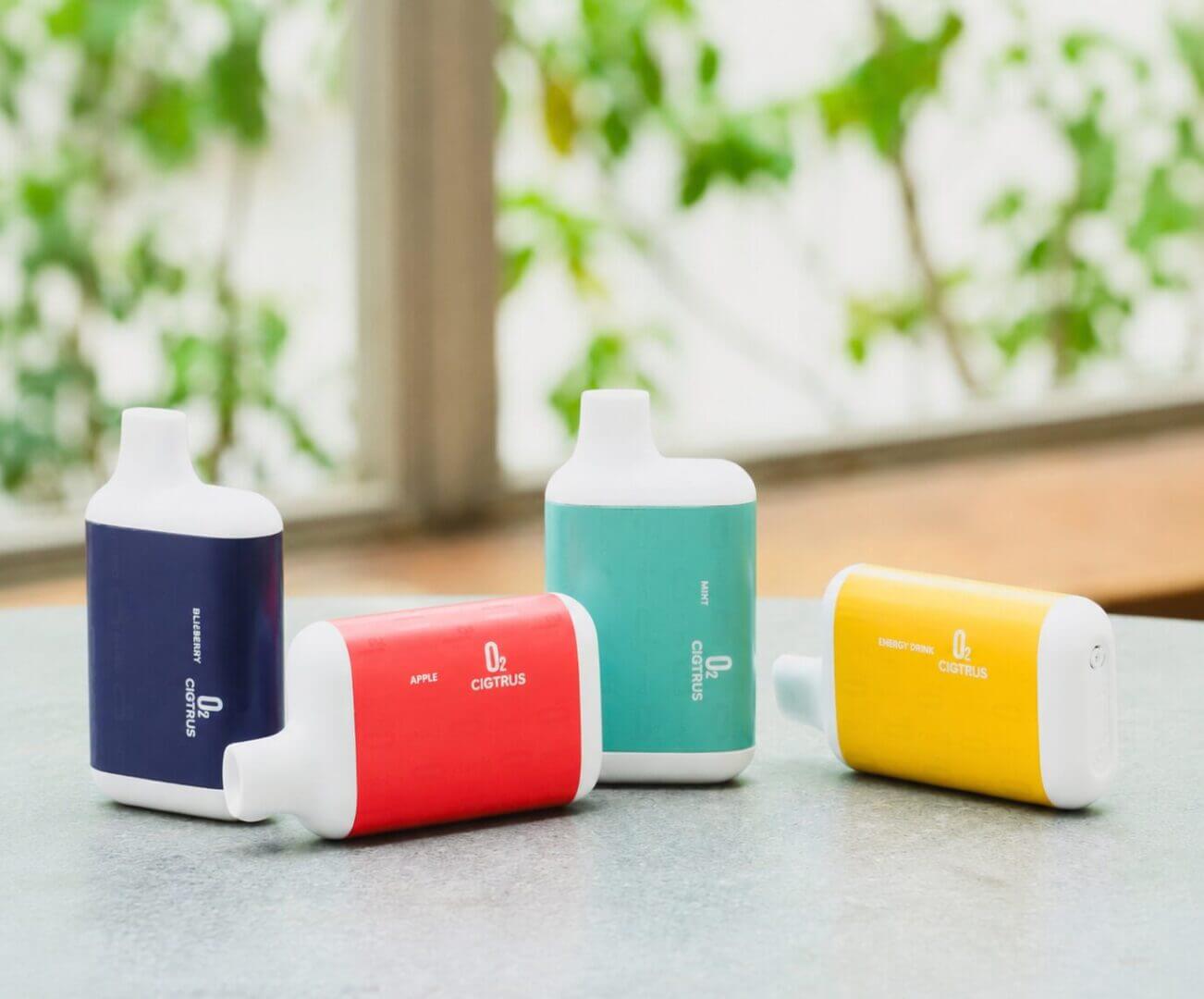
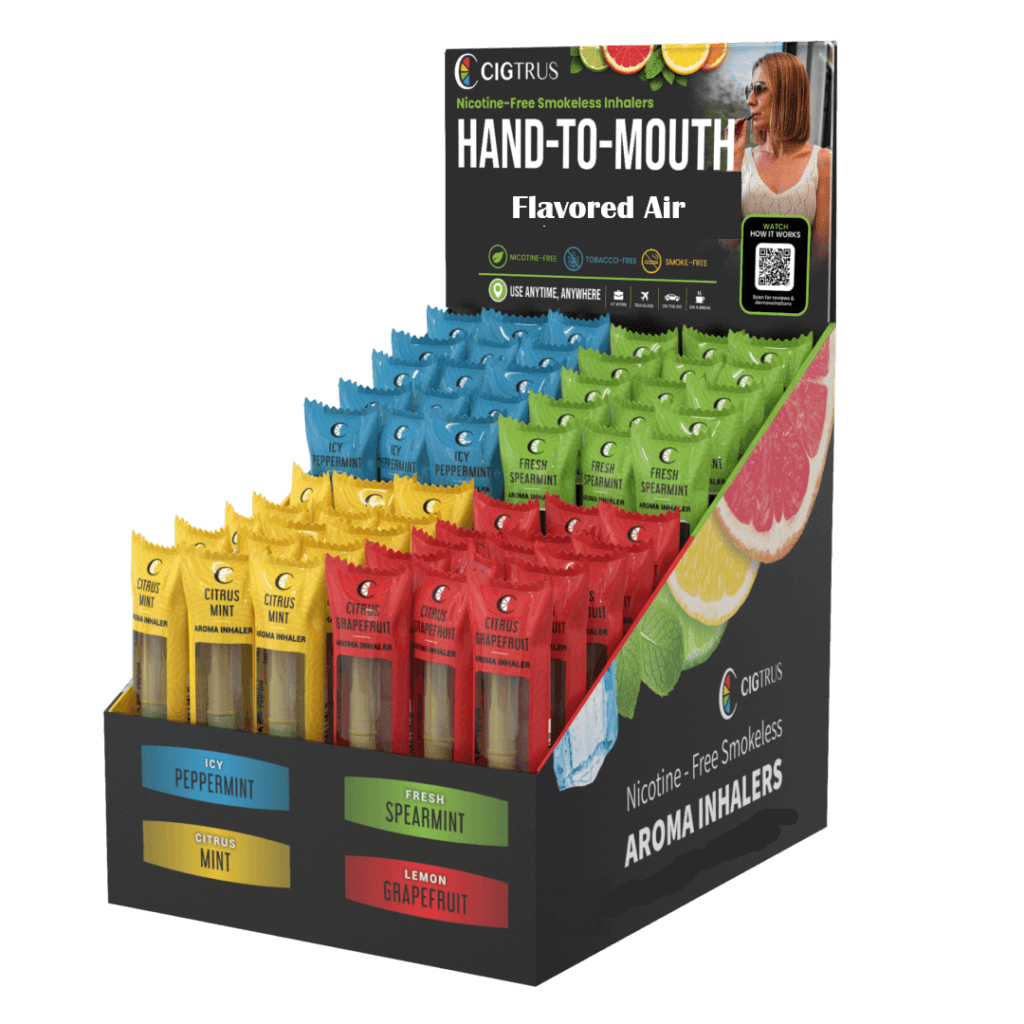
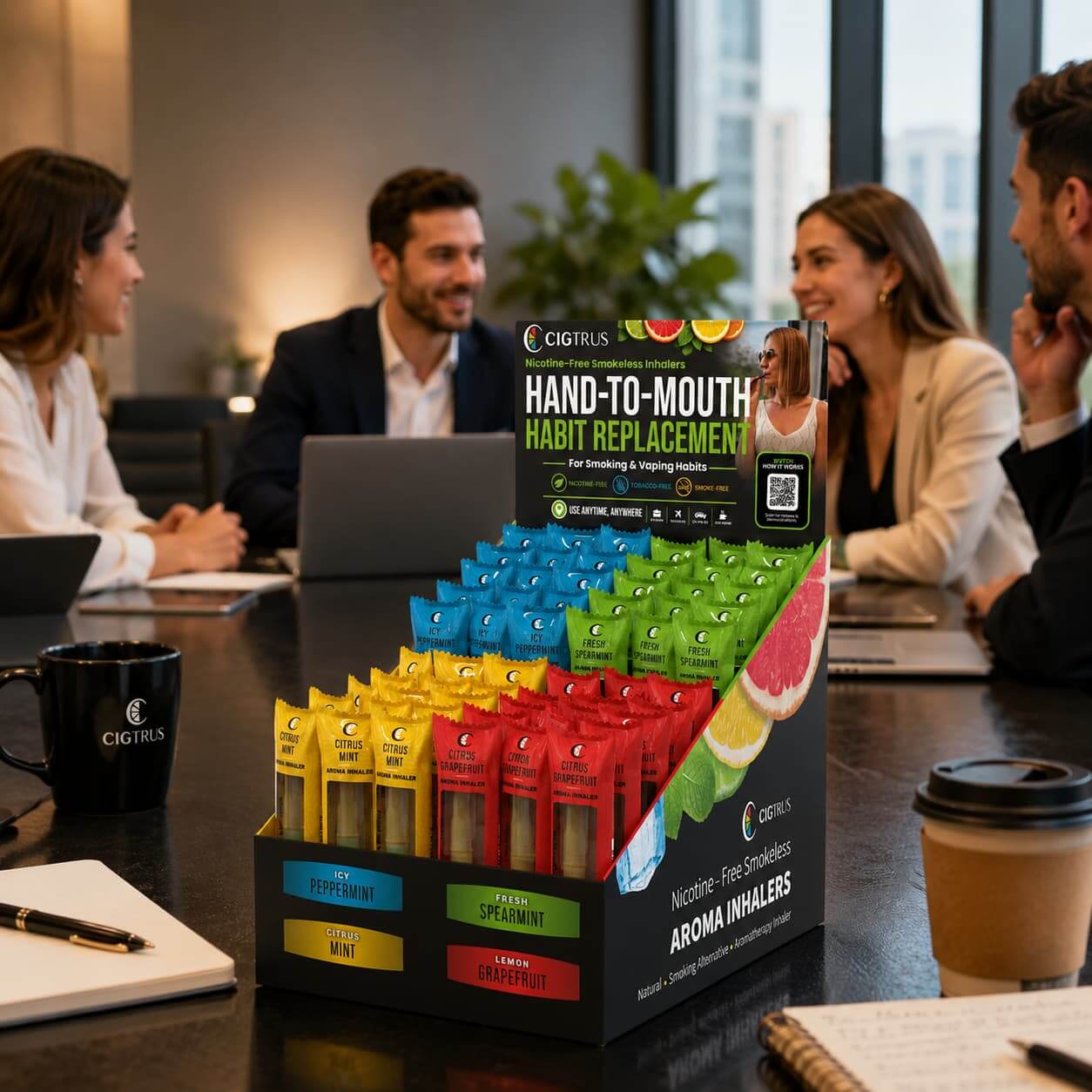
Explore the Cigtrus Variety Pack