
Can Scents Really Help Reduce Cigarette Cravings?
The answer is more nuanced than a simple yes or no, and it depends on understanding what cigarette cravings actually are. For many smokers, cravings are not only about nicotine. They are also about routine, sensation, emotion, and the deeply ingrained sensory experience of smoking itself.
That is where natural scents become relevant, not as a chemical substitute for nicotine, but as a sensory tool that can interrupt the craving cycle, create a new positive association for trigger moments, and support the transition away from the smoking routine.
Why Cigarette Cravings Are Partly Sensory
For many smokers, the sensory side of smoking becomes as much a part of the habit as the nicotine itself. Cravings become connected to:
The Smell
The scent of smoke becomes deeply associated with comfort and routine, and familiar environmental smells can trigger cravings automatically.
The Inhalation
The act of drawing a deep breath becomes wired to comfort and stress relief, so the body still reaches for that inhalation rhythm long after nicotine fades.
Taste and Oral Sensation
The taste, the throat sensation, the feel of breath, all sensory feedback the brain continues associating with the smoking routine through years of repetition.
The Hand-to-Mouth Motion
The repeated physical gesture itself becomes automatic, the hands reach for something familiar at every trigger without conscious thought.
This is why some adults search for smoke-free sensory alternatives that help create a different experience during craving moments, replacing the sensory association rather than simply fighting the urge with nothing.
How Scent Connects to the Craving Response
Smell connects directly to the brain’s emotional control center, the limbic system, which also manages memory, learned habits, and reward pathways. This explains why the smell of coffee can trigger a cigarette craving for someone who always smoked during their morning routine, or why certain environments immediately fire the urge to smoke.
When you introduce a pleasant natural scent at a craving moment, the brain receives a different sensory signal, one that can redirect focus, provide mild mood support, and begin building a new association for the trigger situation over time. It does not replace nicotine chemically. But it can interrupt the automatic sensory response and give the brain something positive to reach for instead.
“Scent does not replace the chemical. It replaces the association. Over time, the same trigger moment that once fired the automatic reach for a cigarette begins to fire a different sensory response, one the brain has learned to connect with refreshment and calm instead.”
The Role of Sensory Habit Replacement
For many smokers, the goal is not only to stop using cigarettes, it is also to replace the repeated smoking routine with healthier patterns. Sensory habit replacement focuses on building new routines that support oral fixation, familiar inhalation behavior, and the sensory experience that cigarettes once provided.
- Oral fixation, giving the mouth a familiar sensation without any addictive substance
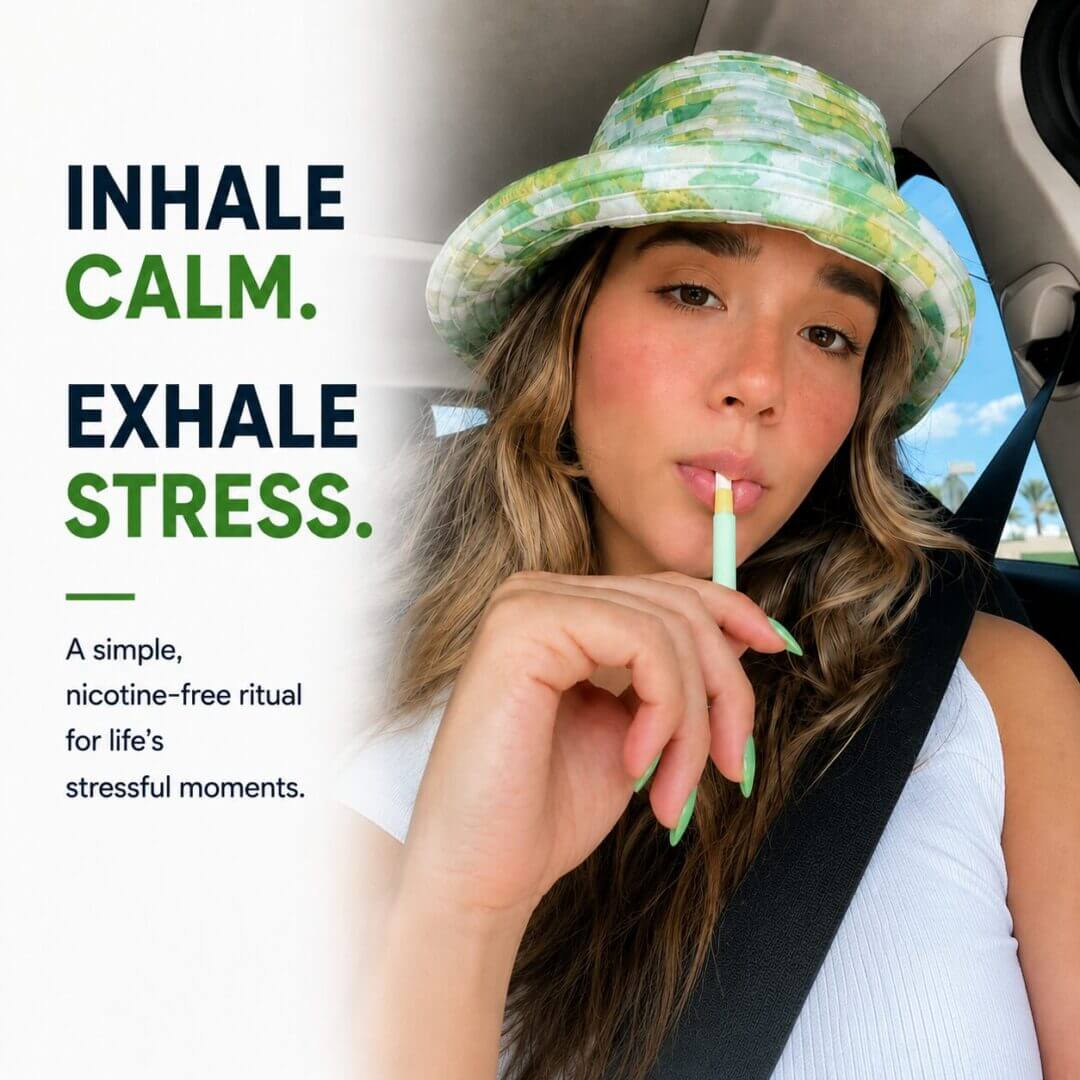
- Hand-to-mouth habits, preserving the physical gesture without the cigarette
- Sensory satisfaction, a fresh, pleasant experience at the moment the craving fires
- Stress-related triggers, a sensory reset that interrupts the automatic stress-to-smoke response
- Smoke-free daily behavior, new routines that gradually replace the smoking structure
Adults trying to quit smoking often discover that replacing the ritual itself may feel just as important as reducing nicotine, and sensory tools that address both the smell and the inhalation habit can support that transition in a way that purely chemical approaches cannot.
How Smokeless Inhalers Fit Into Sensory Craving Management
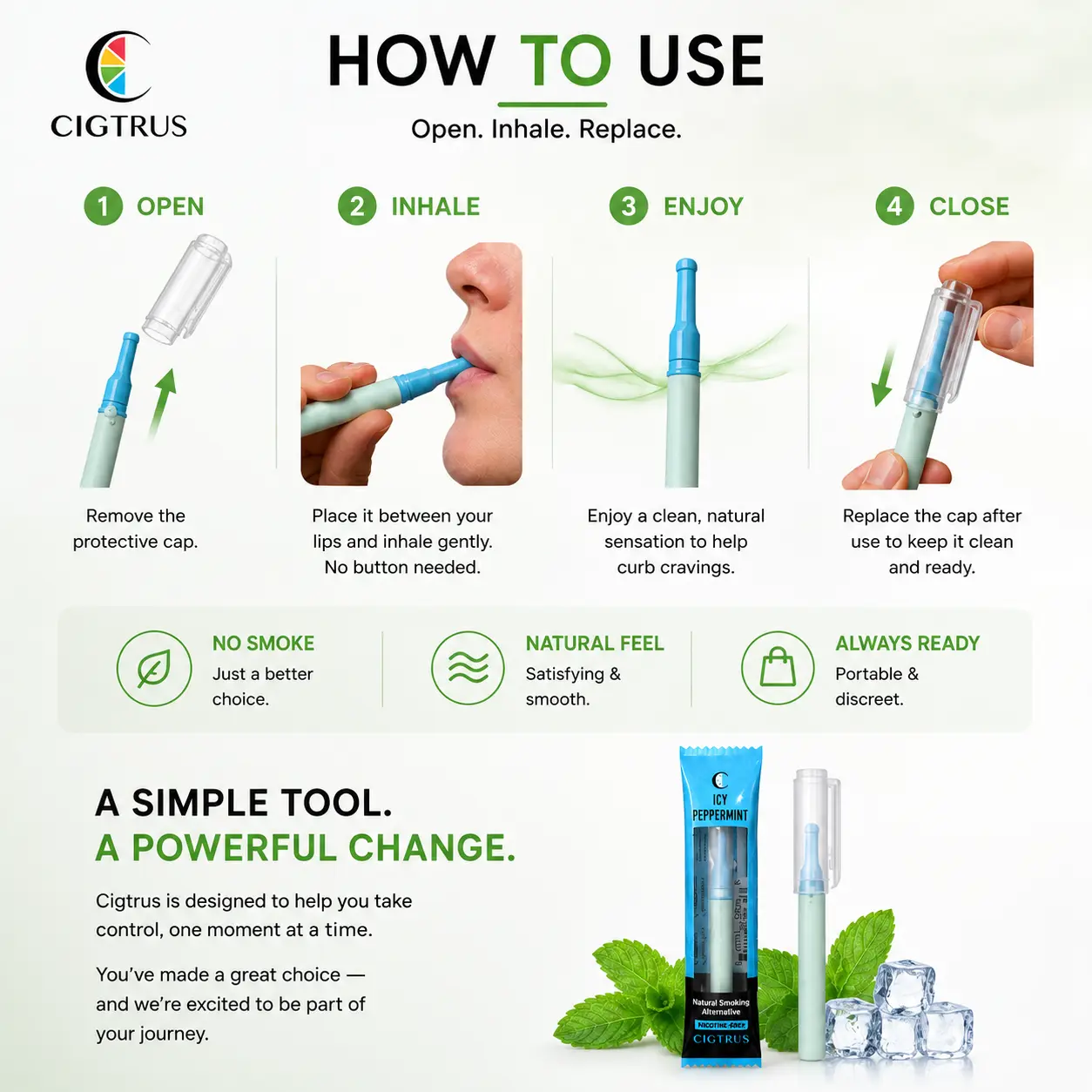
Smokeless inhalers are designed to provide a smoke-free inhalation experience without producing smoke or vapor. They address the sensory side of cravings in a way that neither nicotine patches nor gum were ever designed to do.
Some adults researching smoke-free alternatives also want to understand how smokeless inhalers differ from electronic vaping devices. See: What Makes A Smokeless Inhaler Different From Vapes →
How Cigtrus Supports Sensory Craving Management
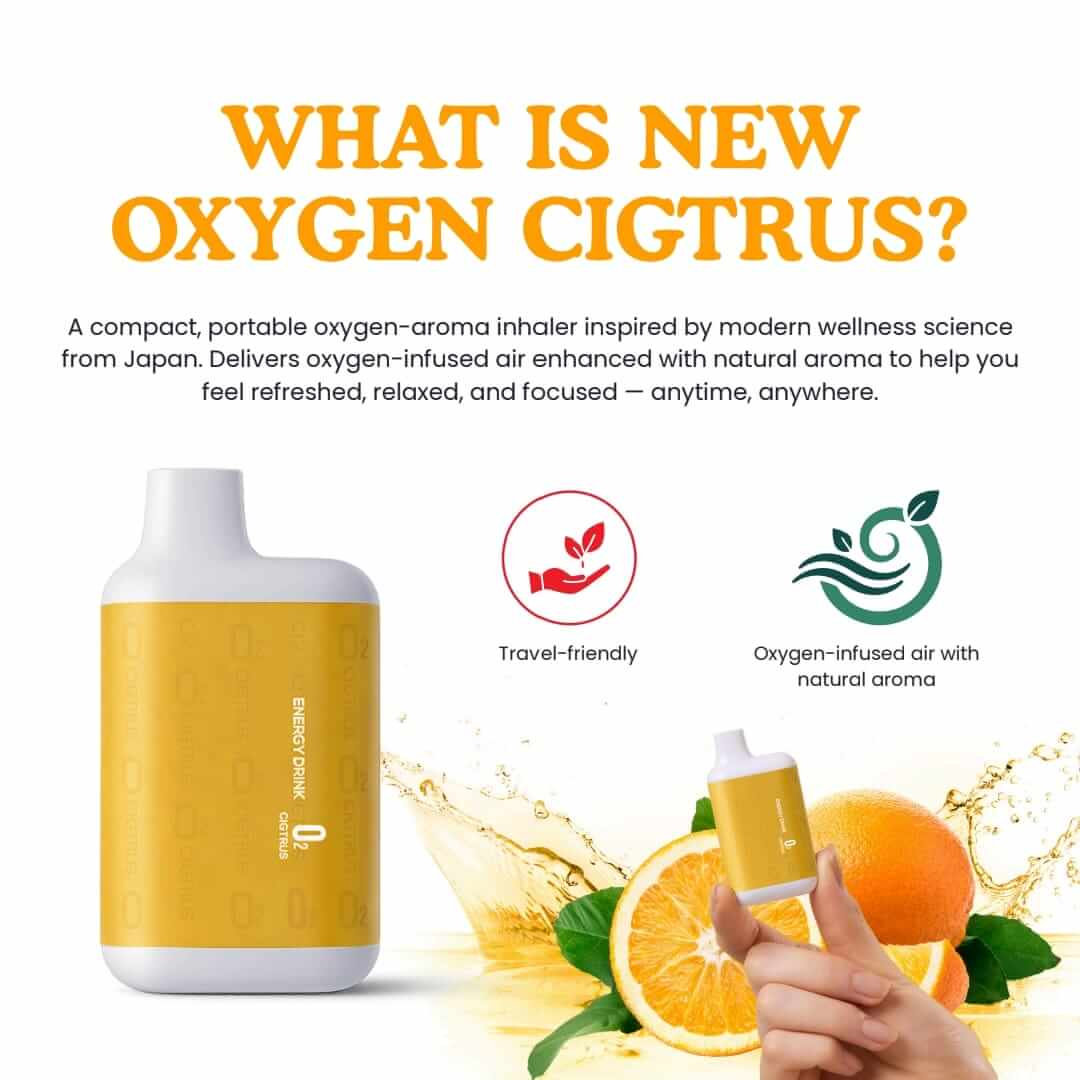
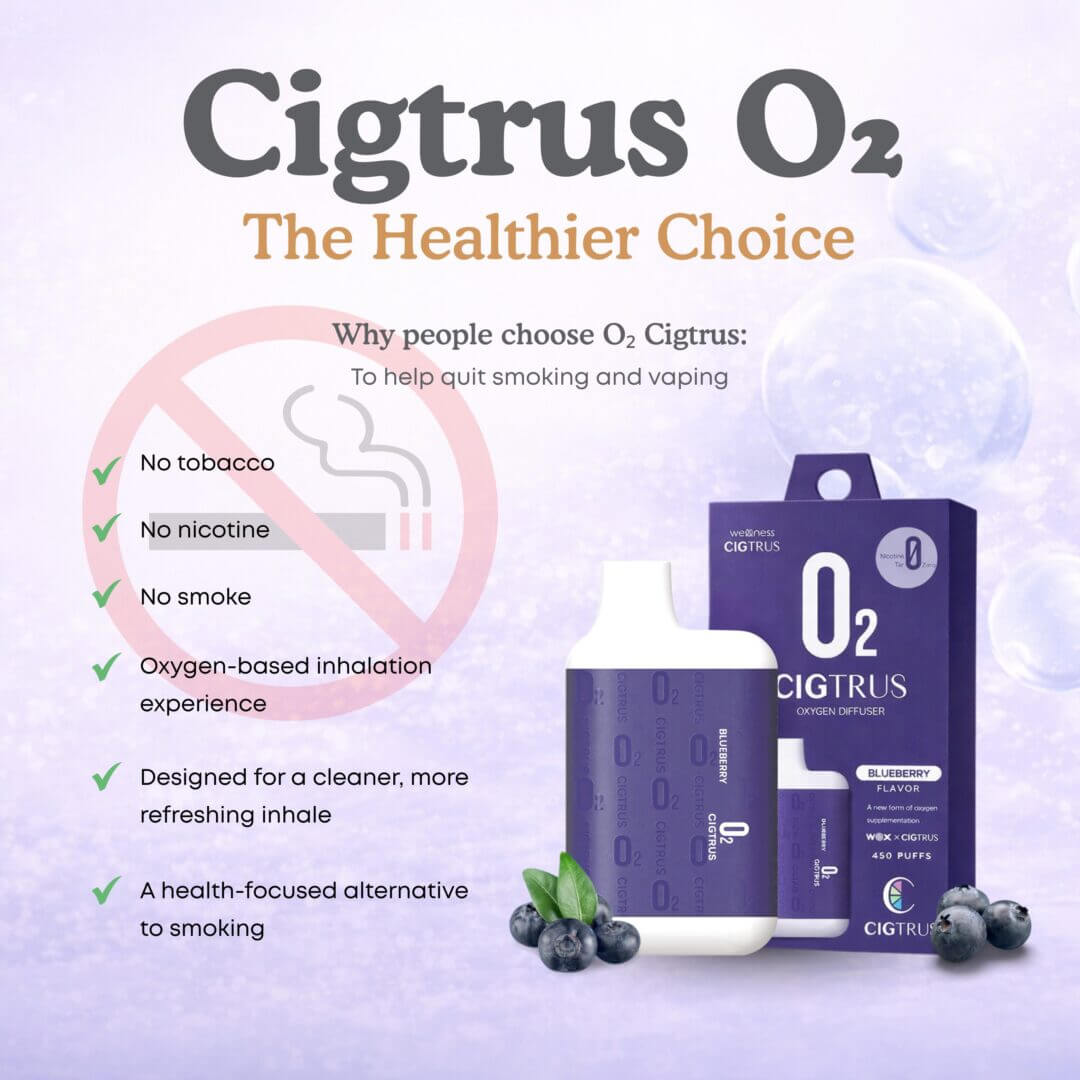
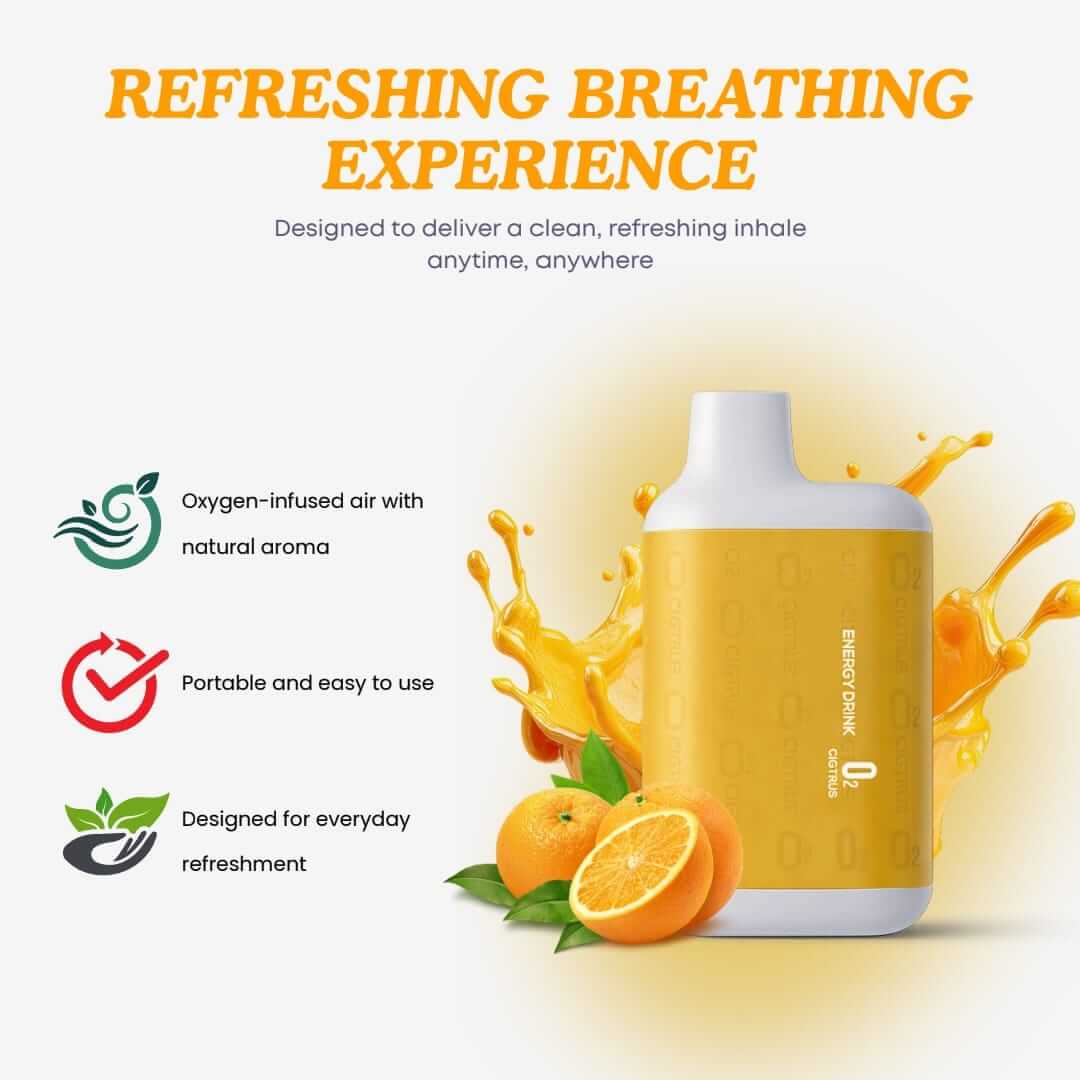
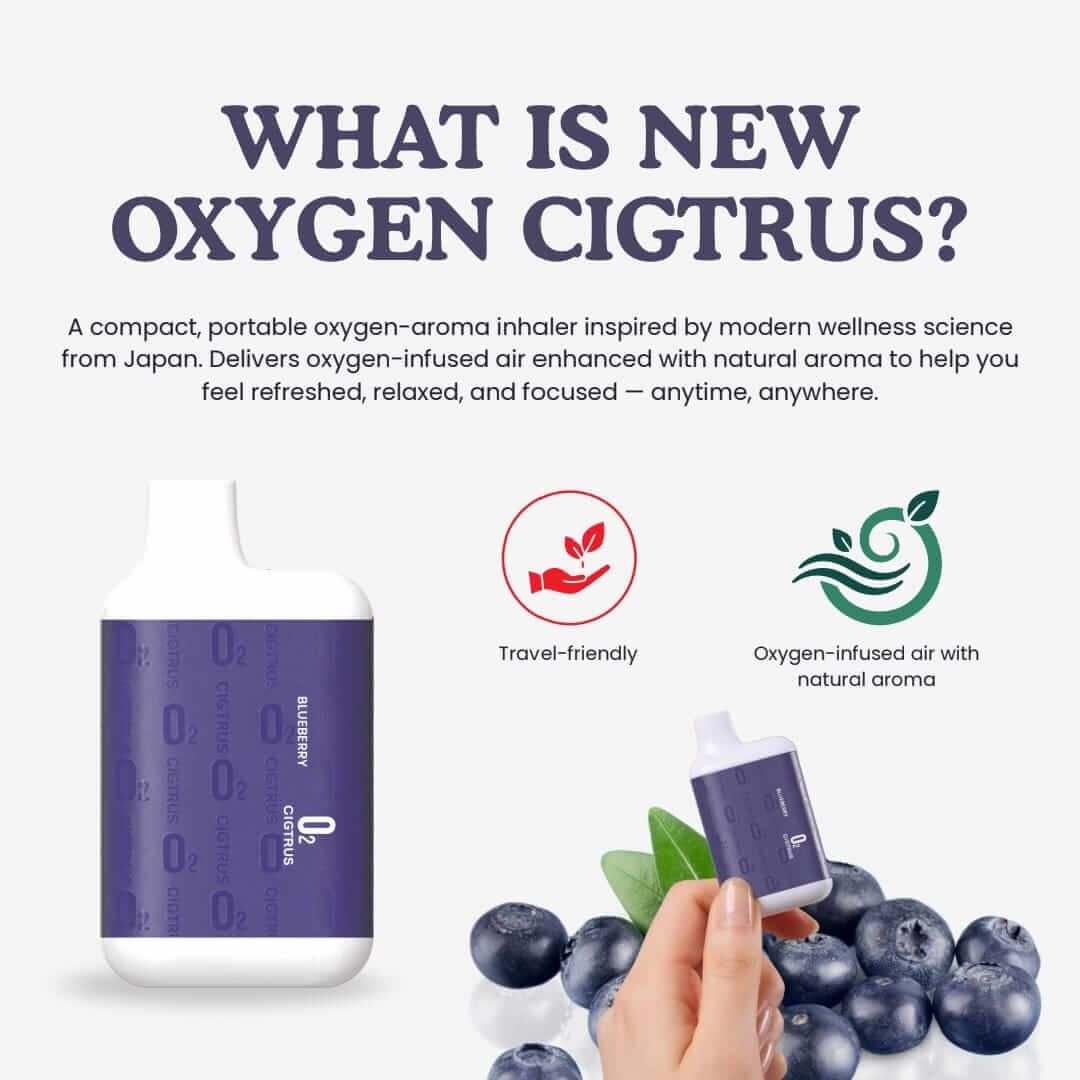
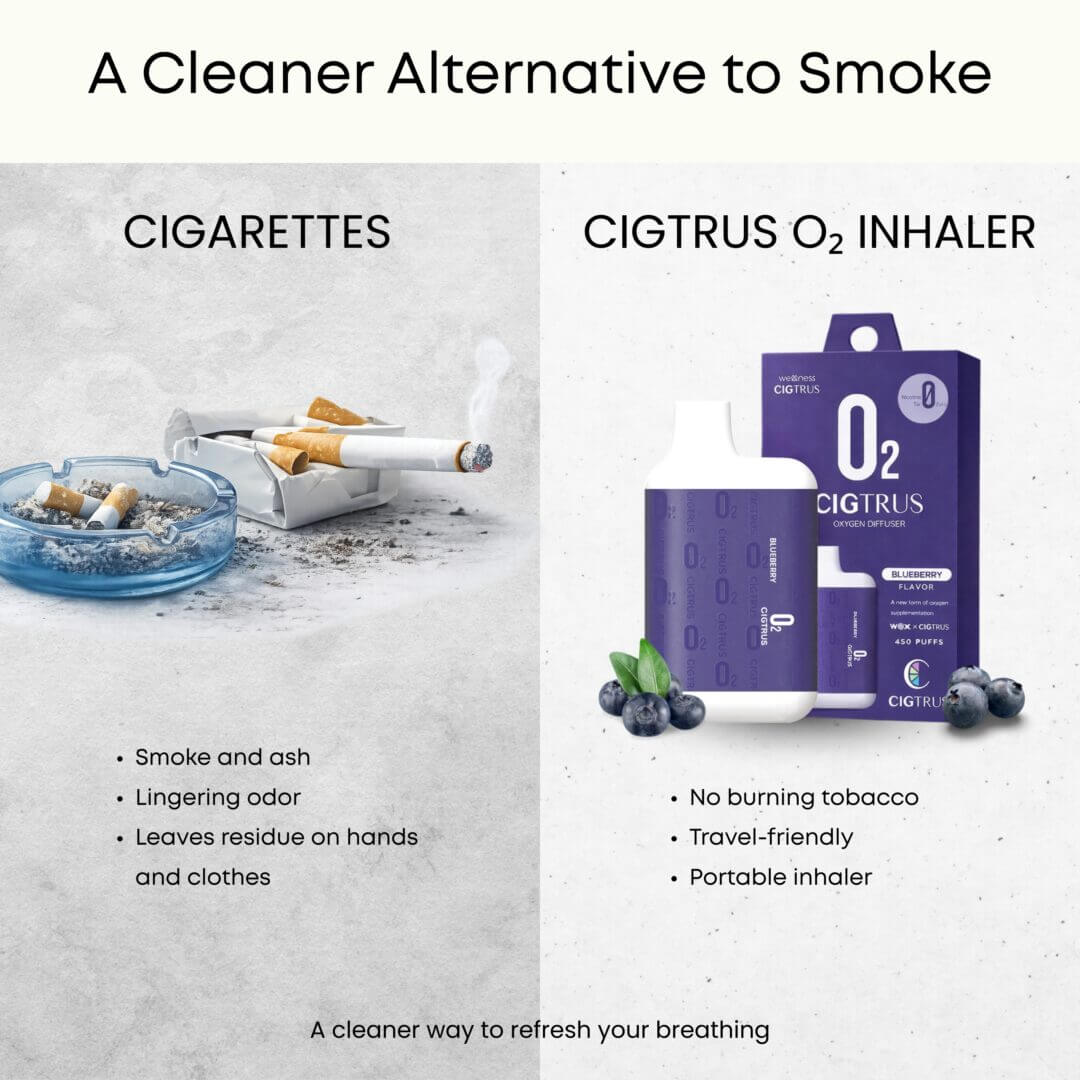
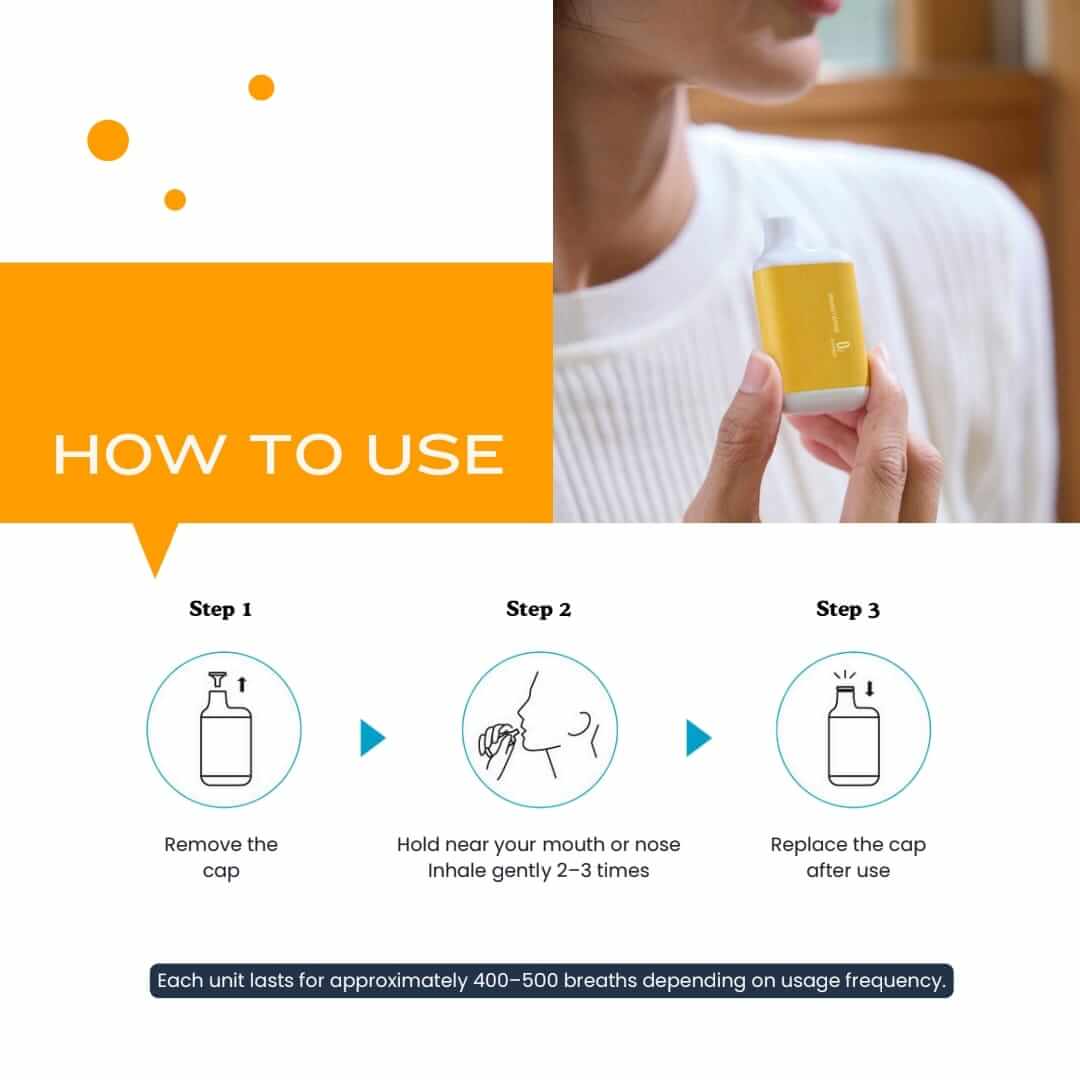
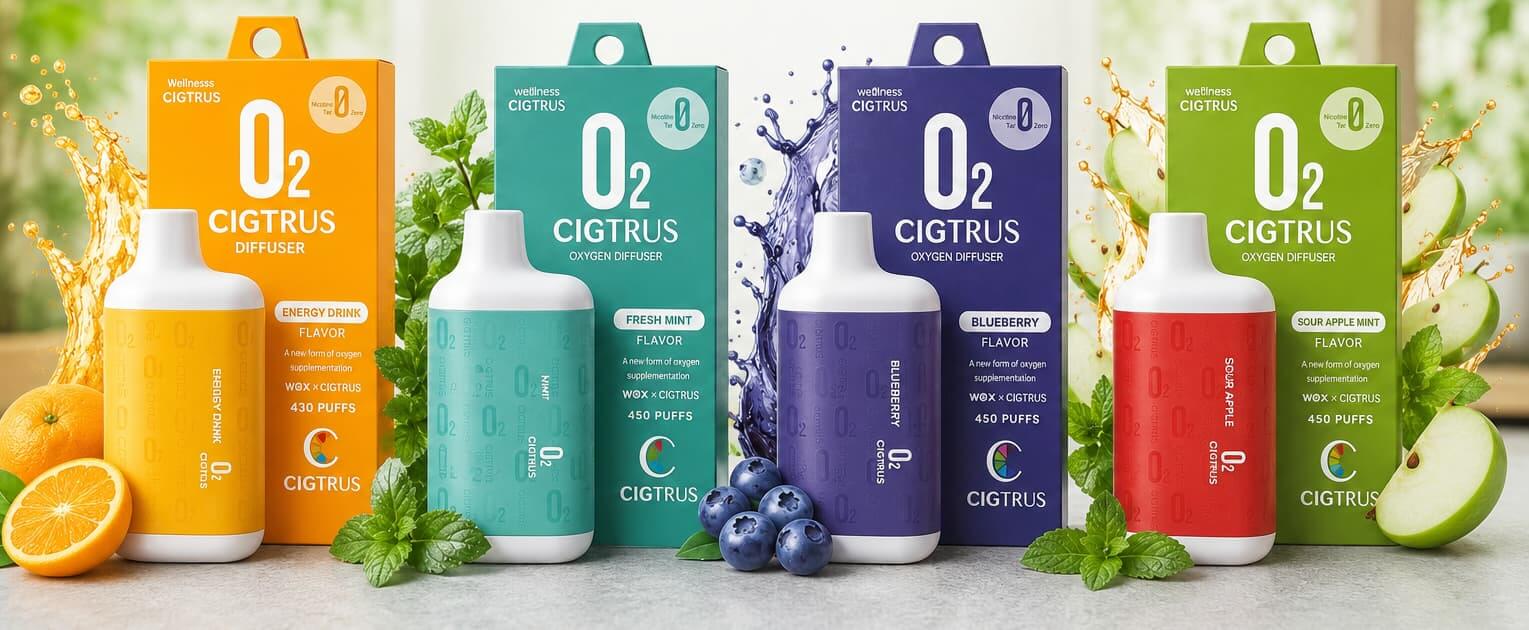
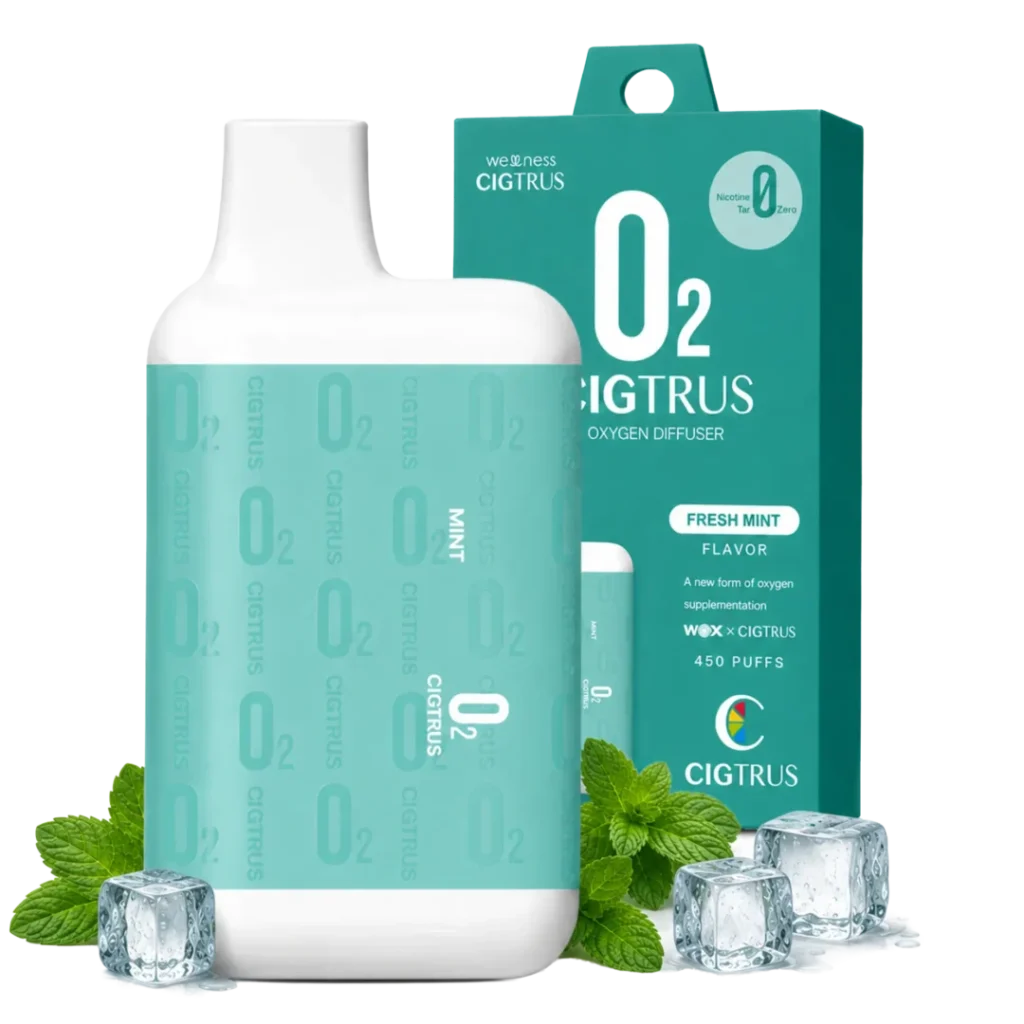
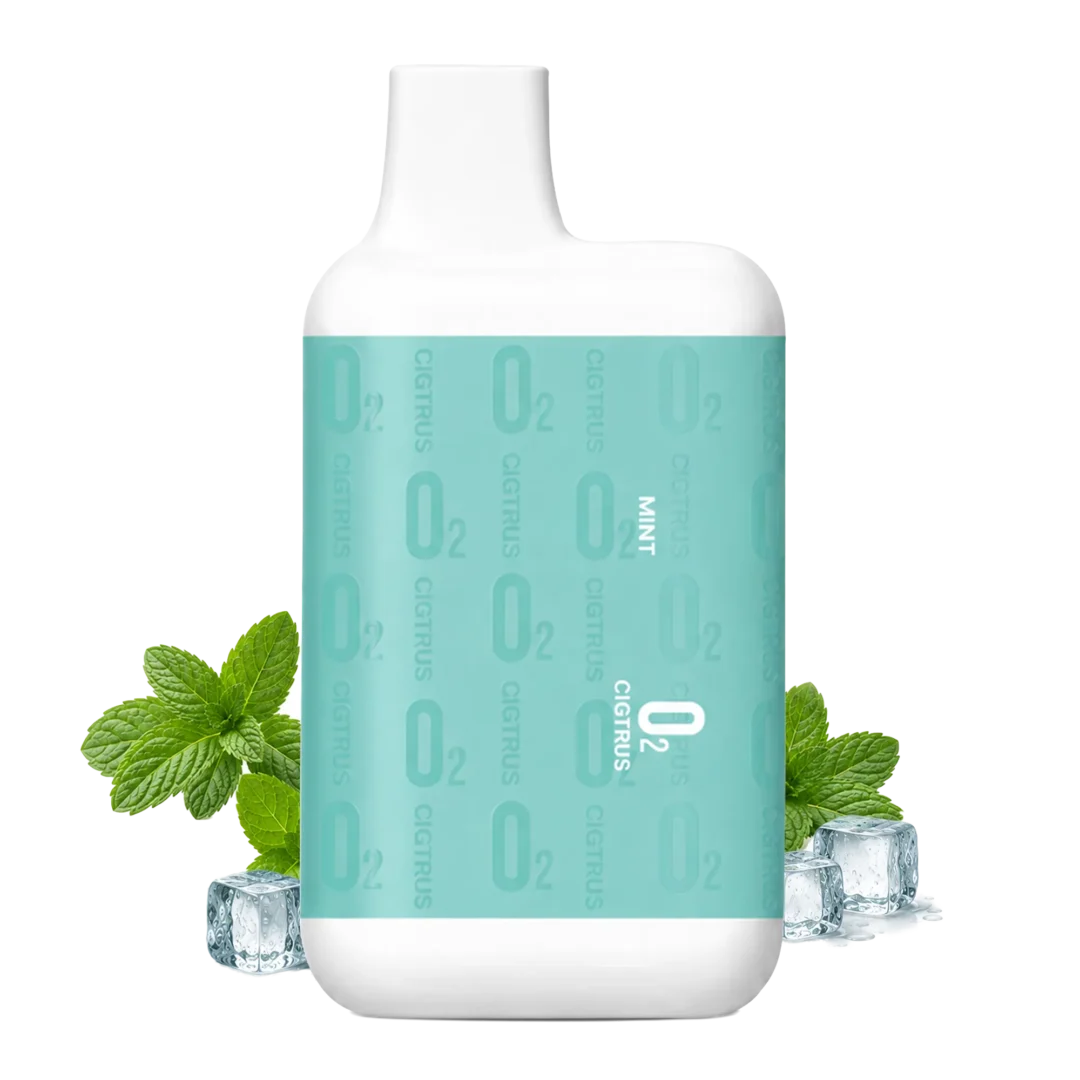
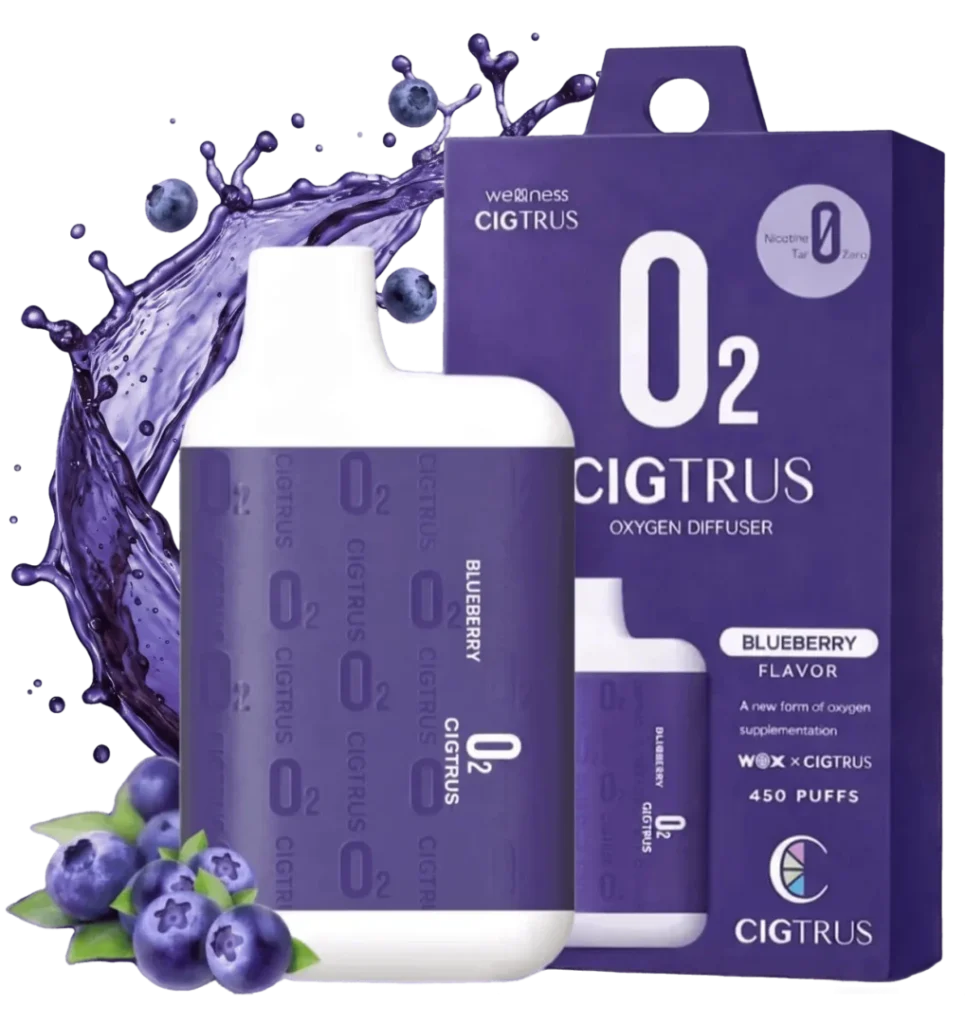
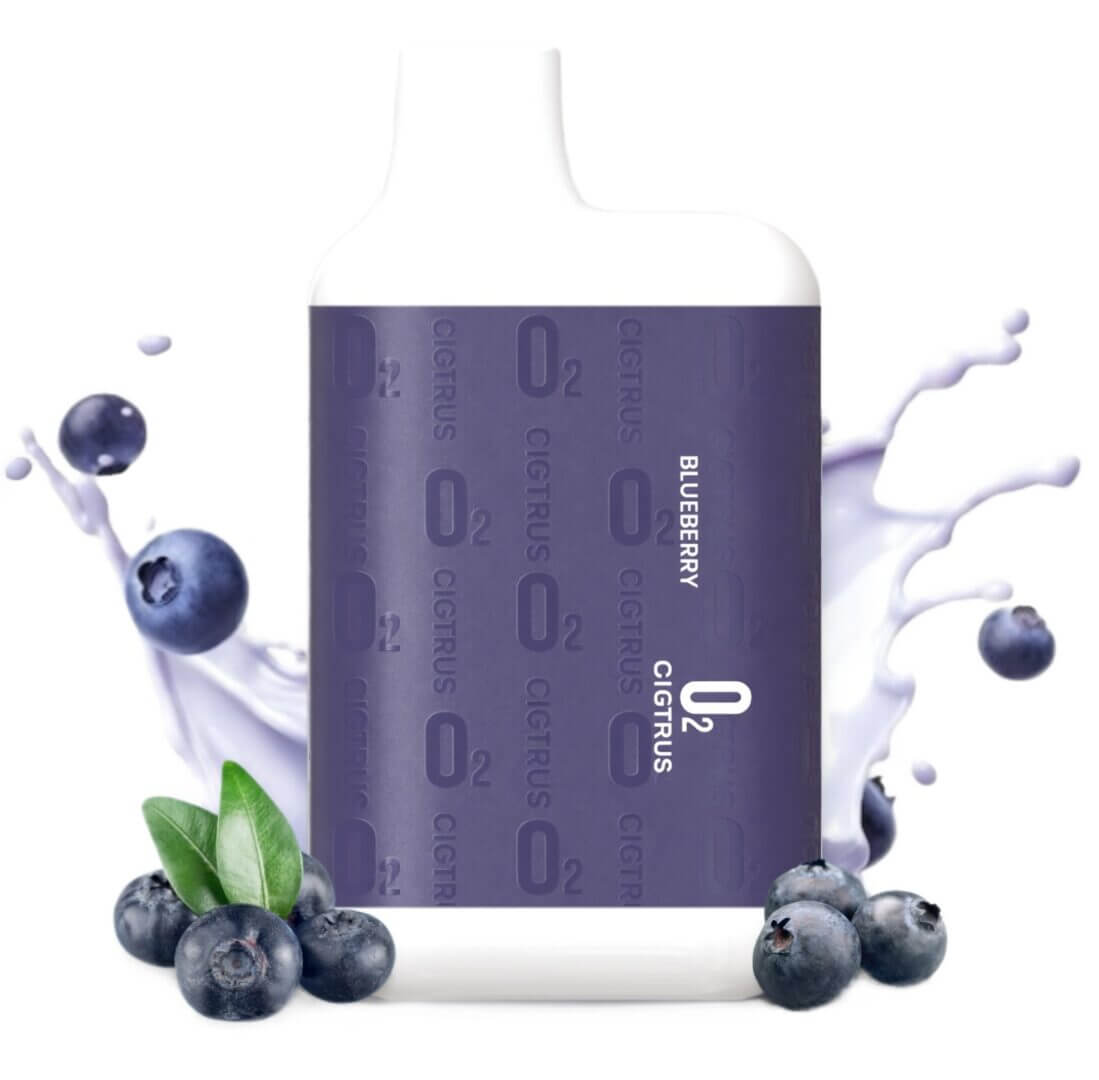
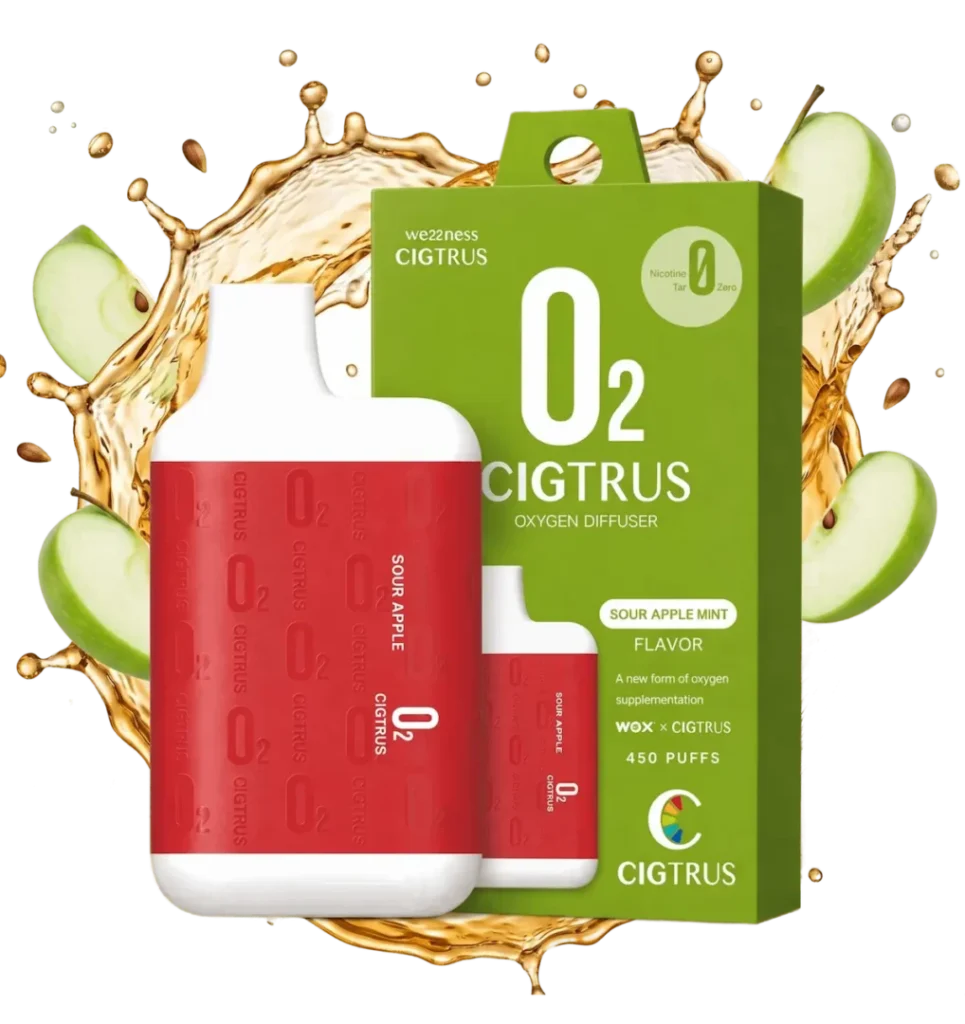
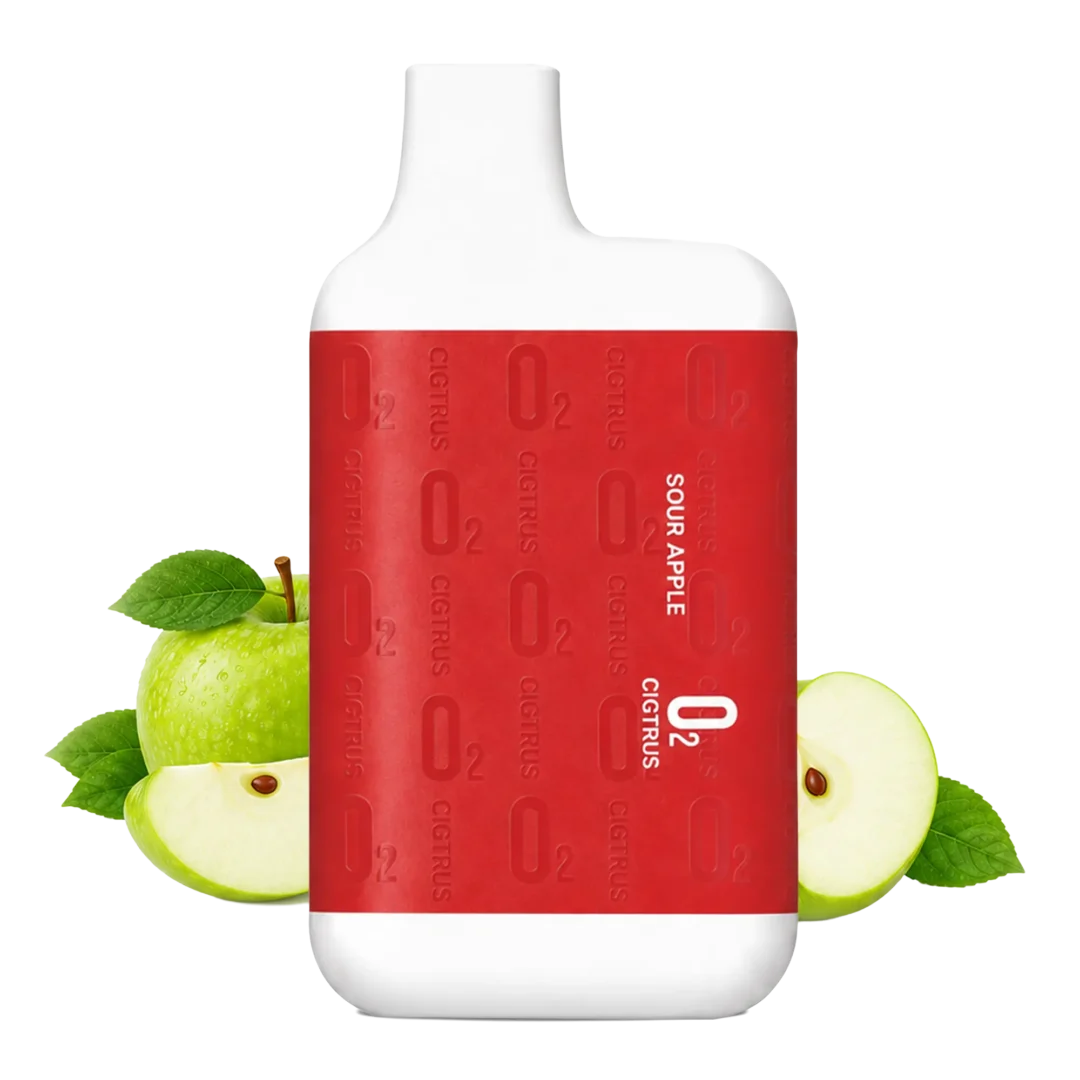
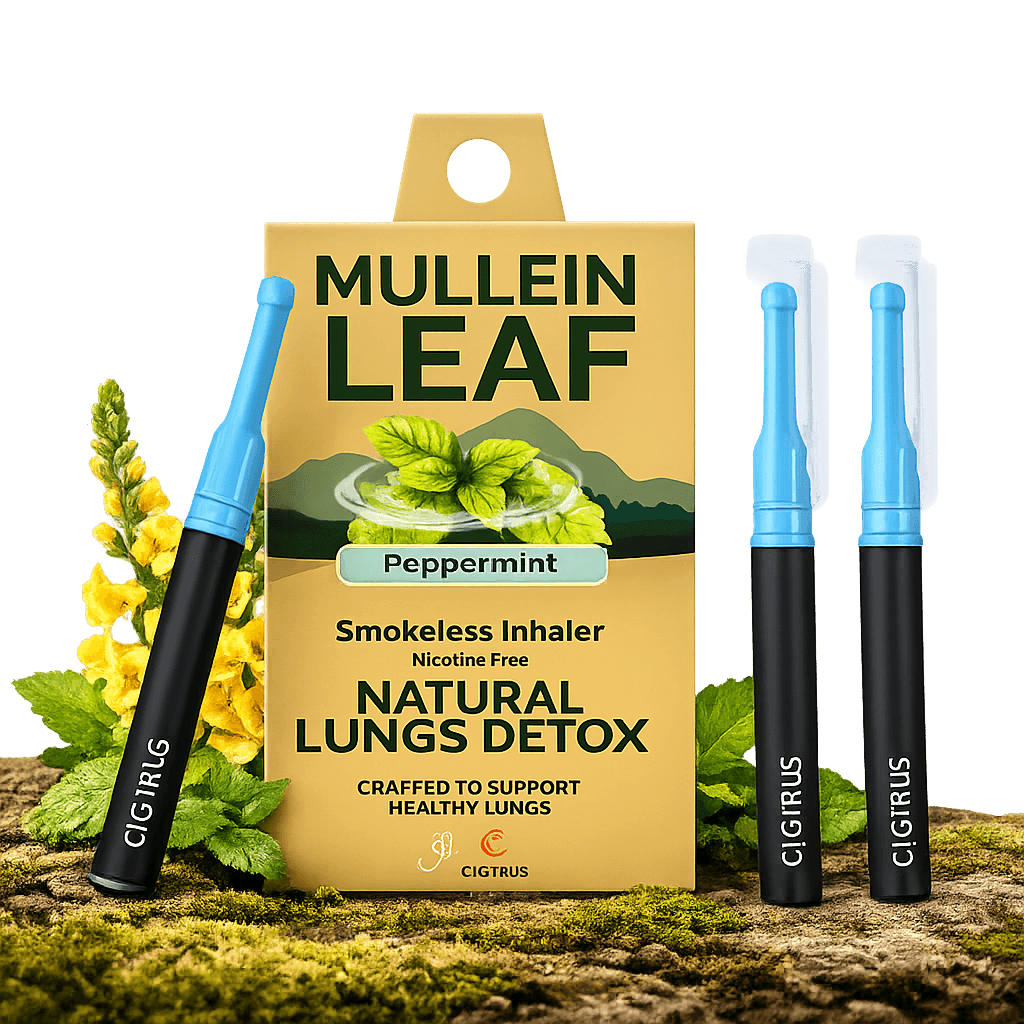
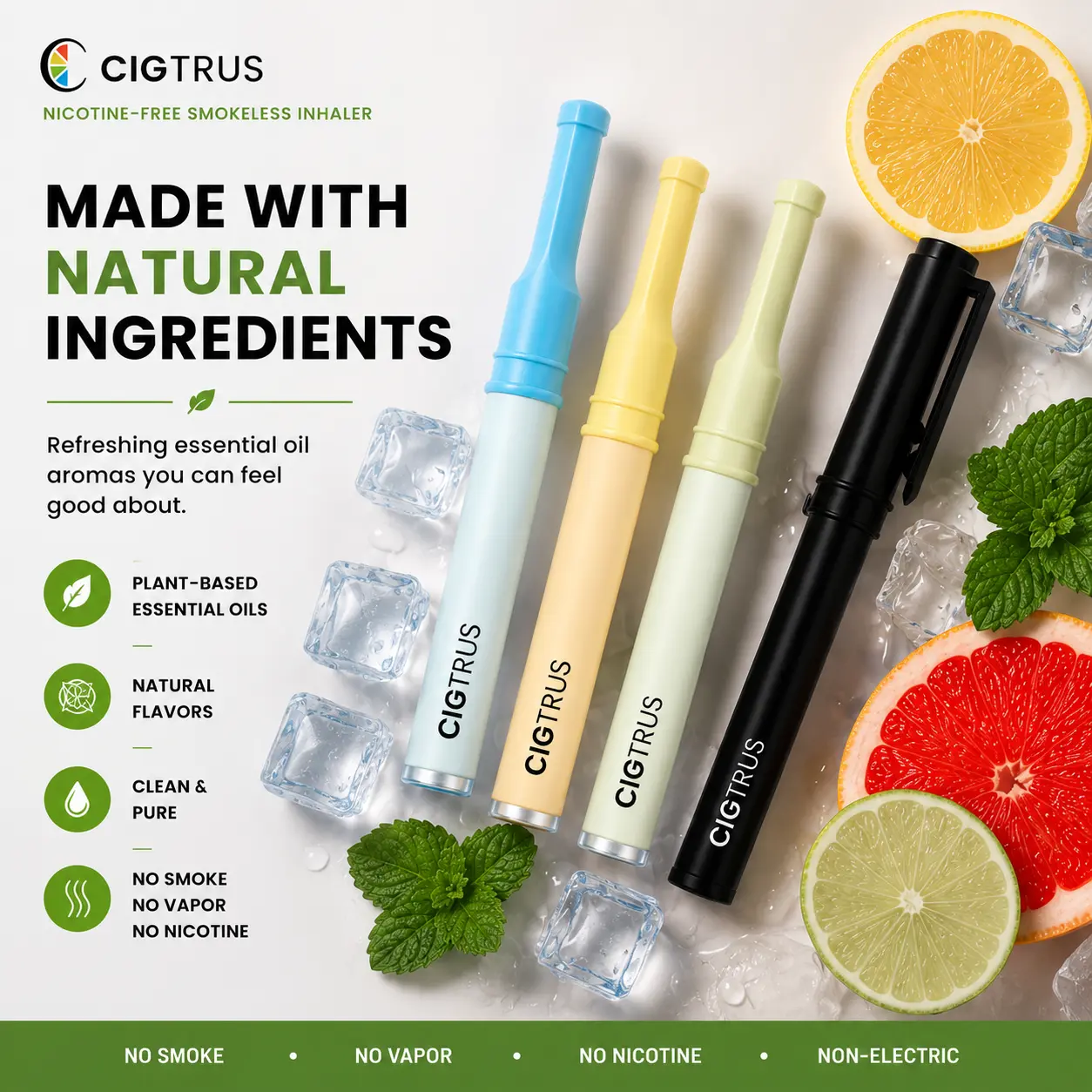
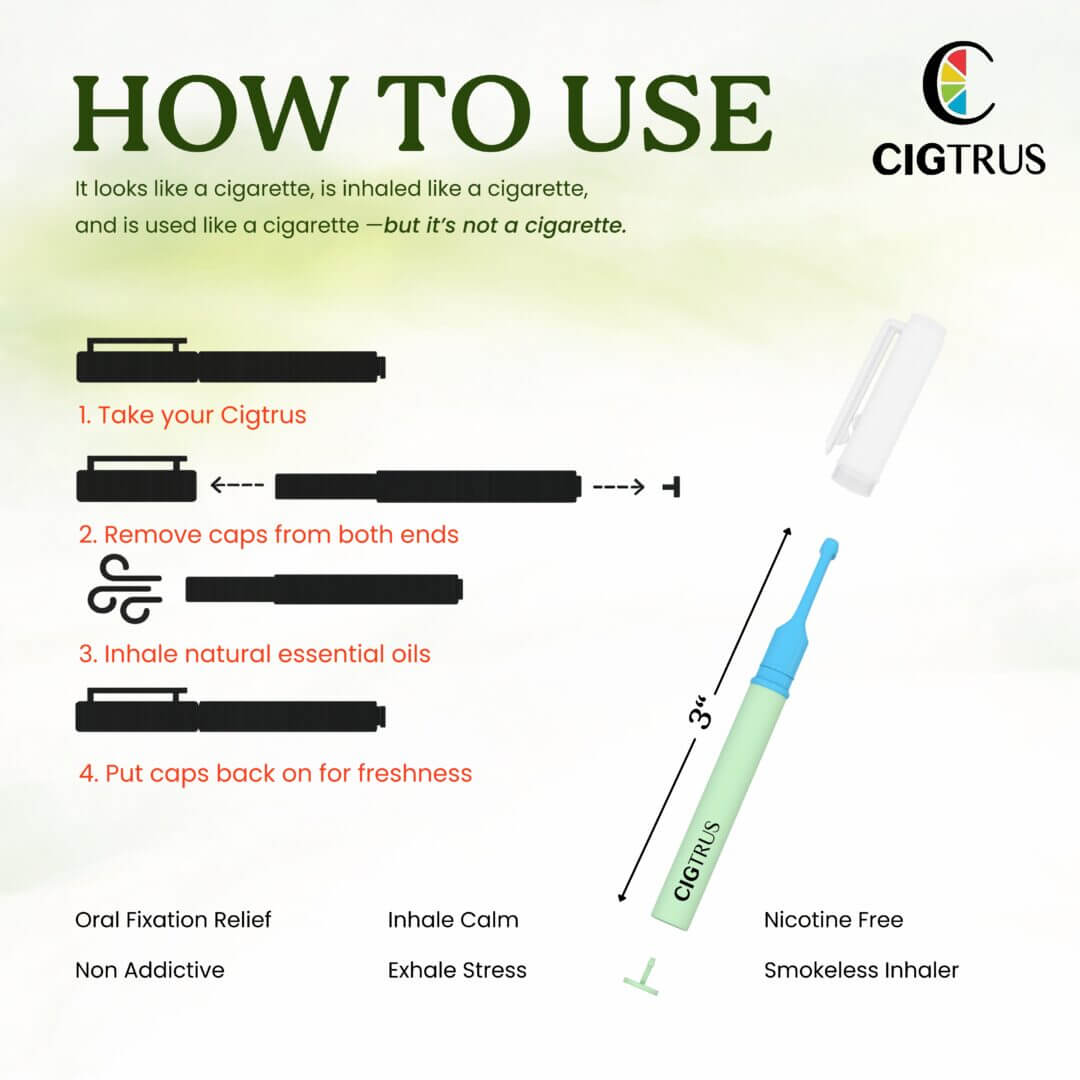
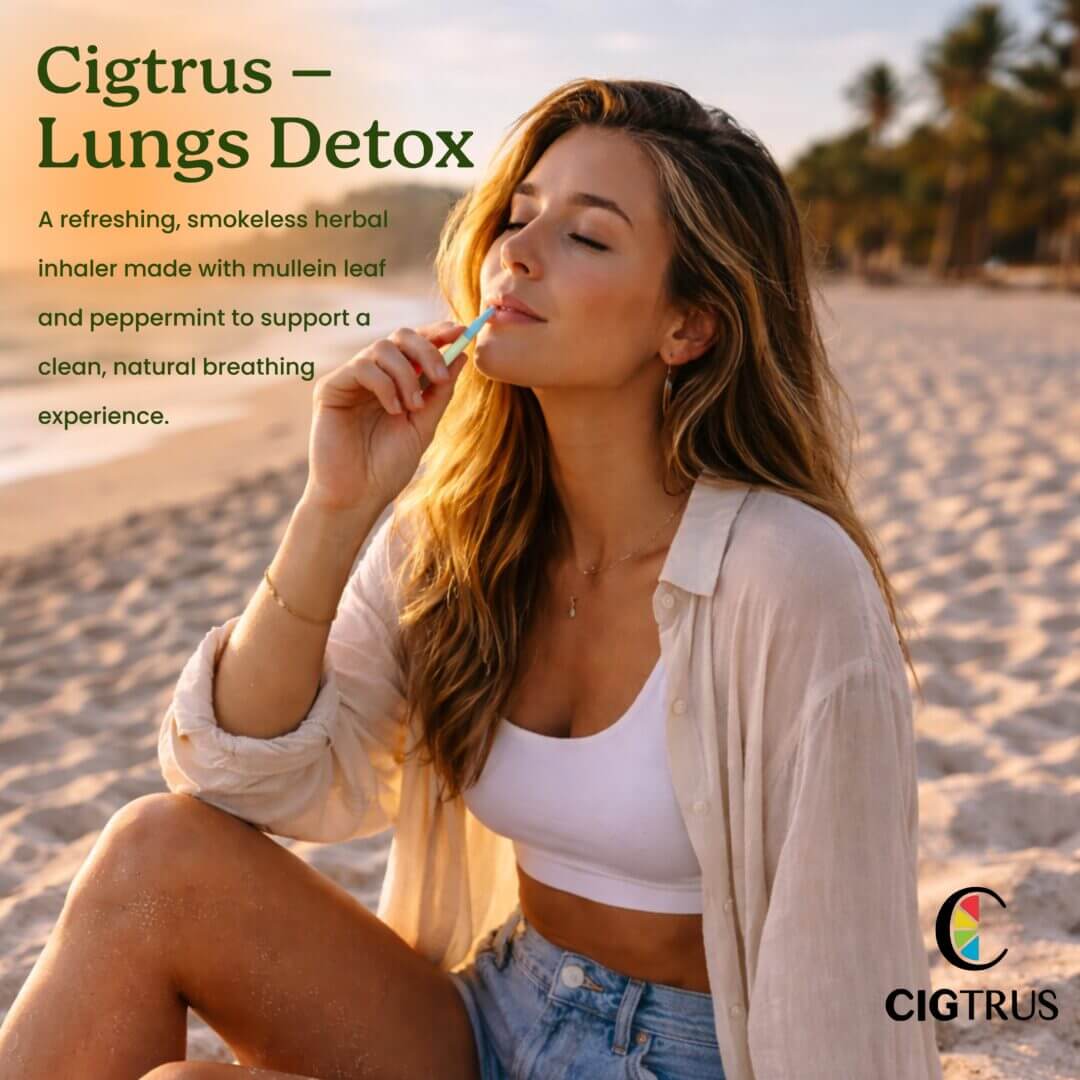
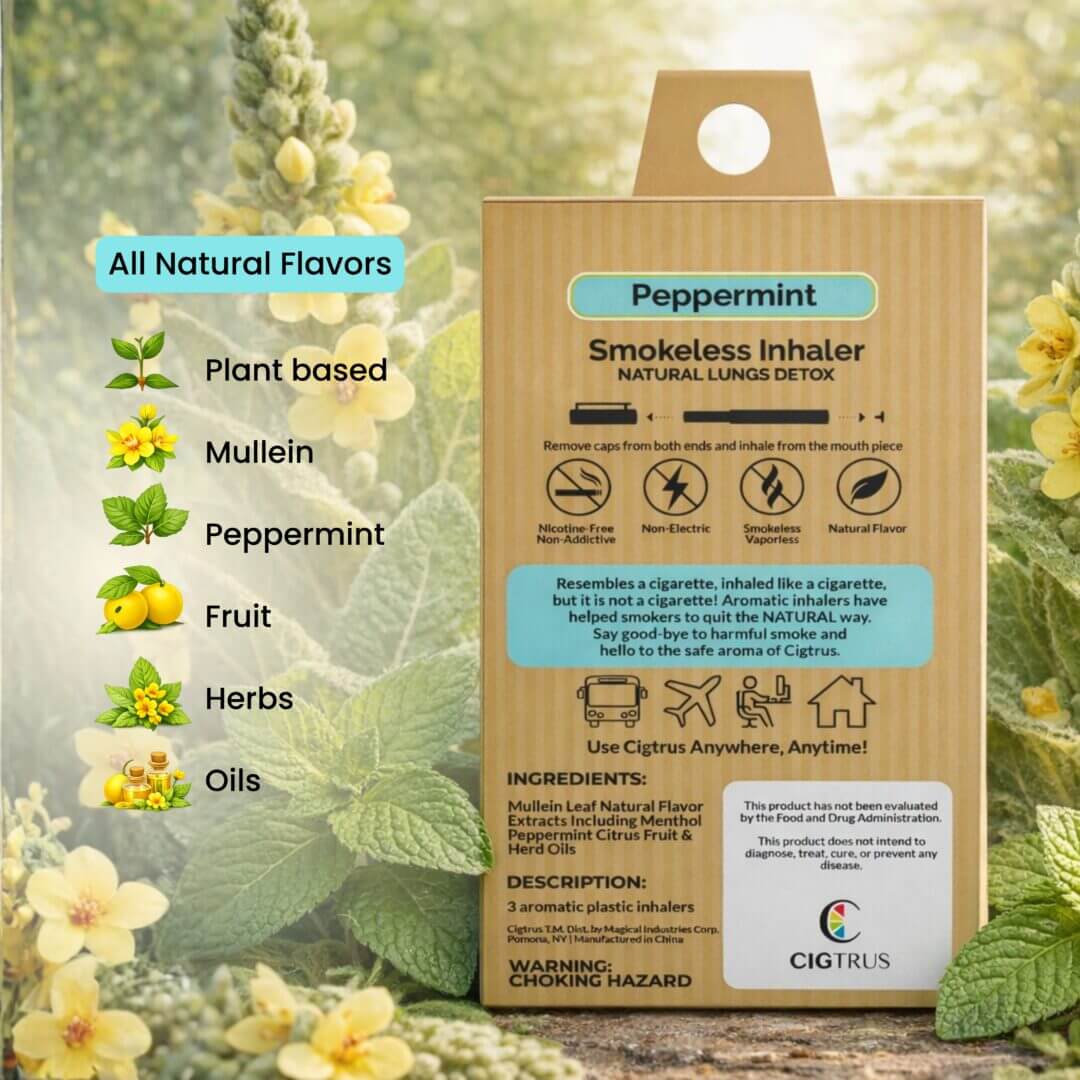
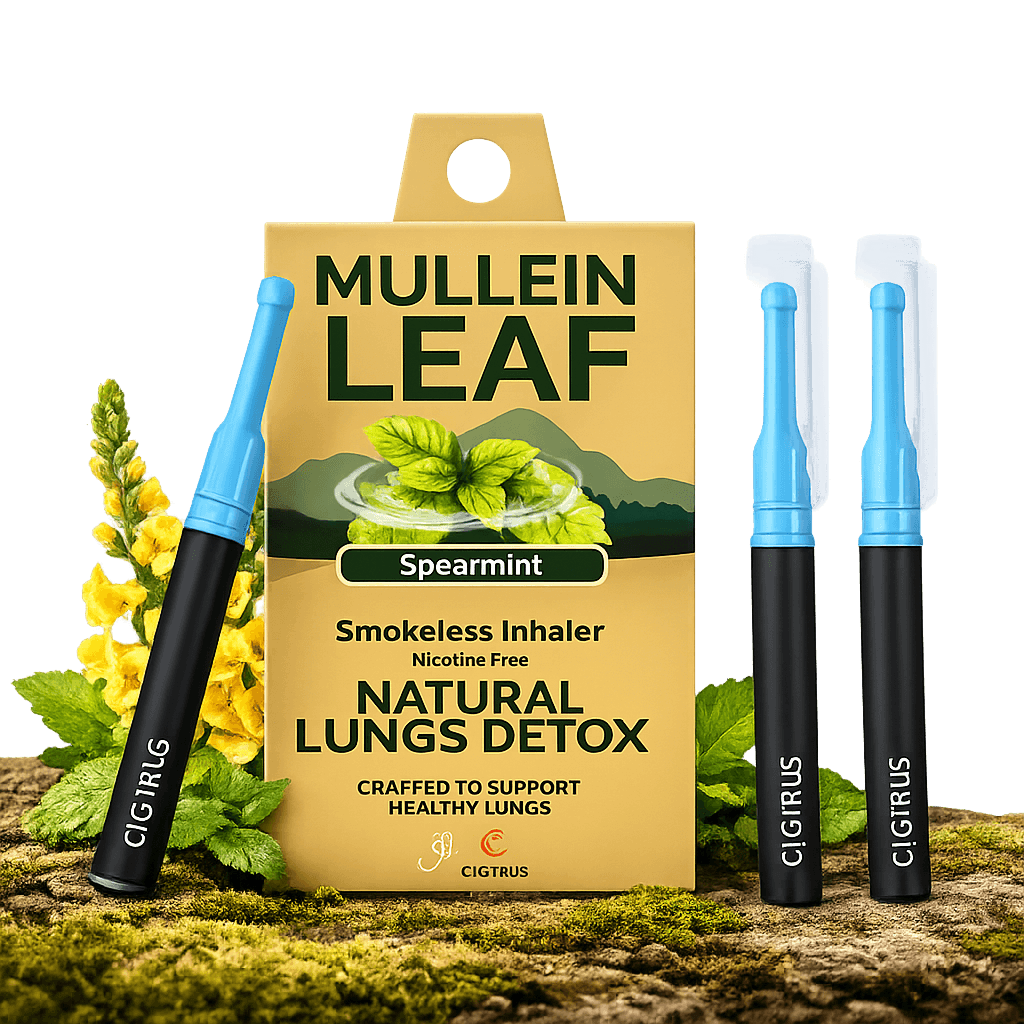
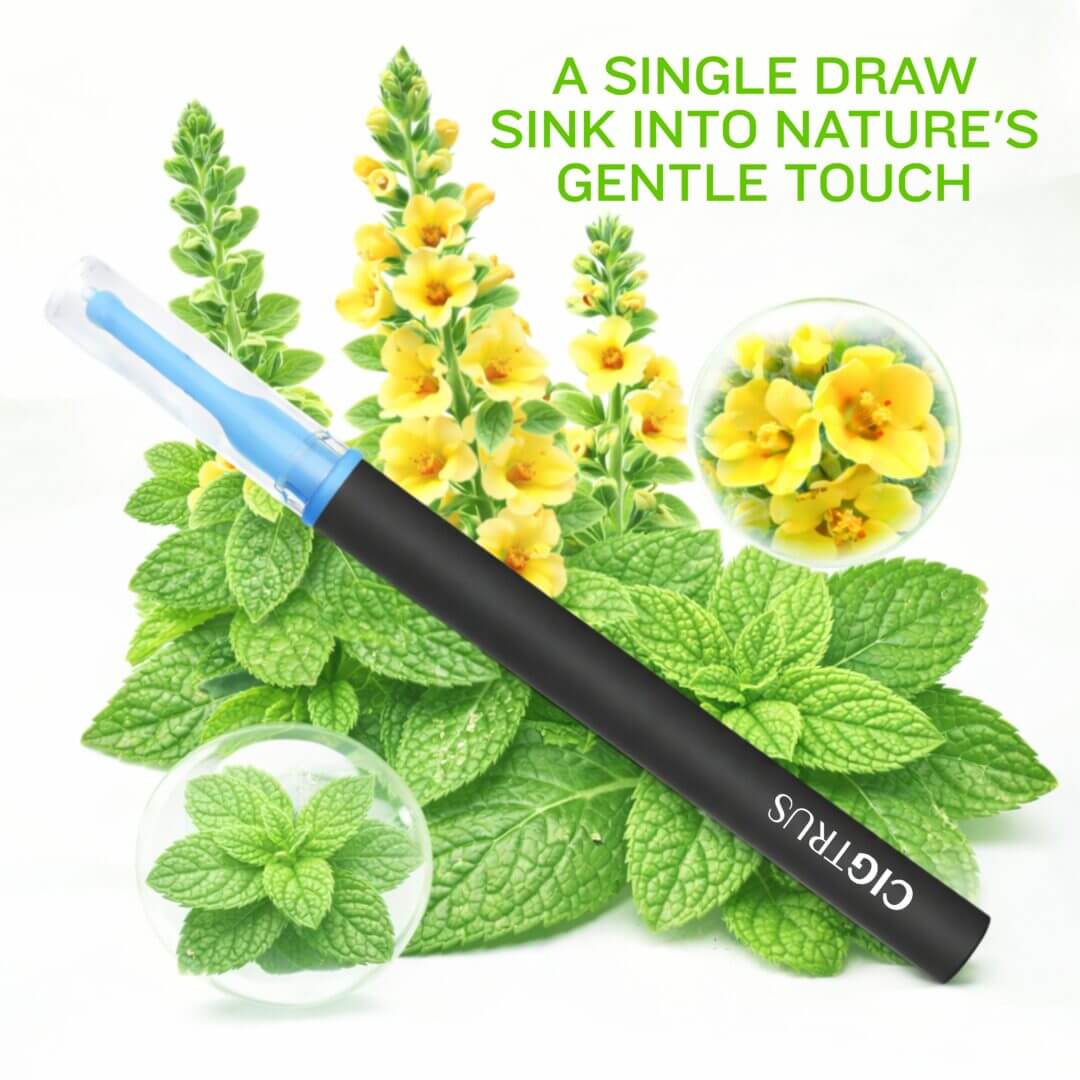
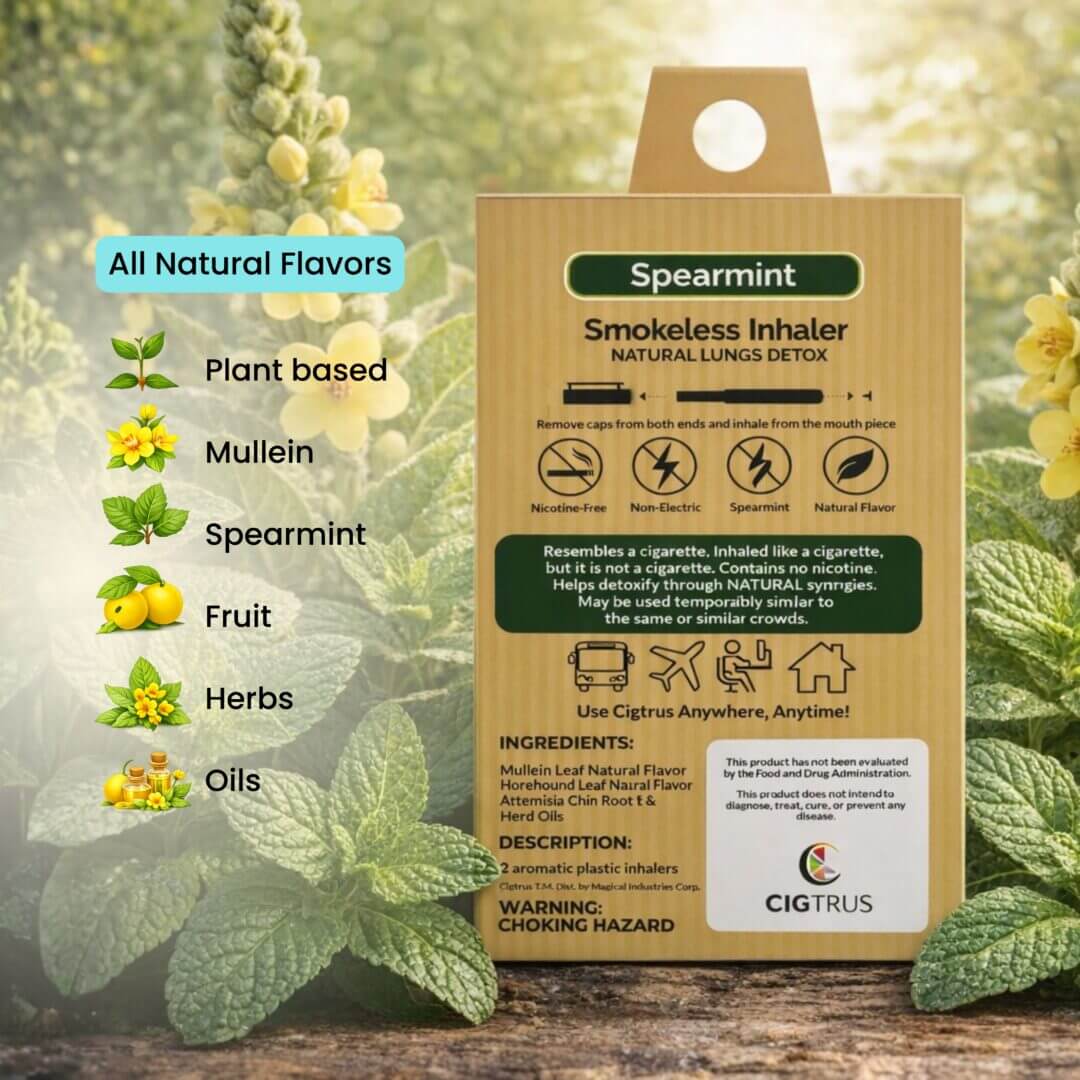
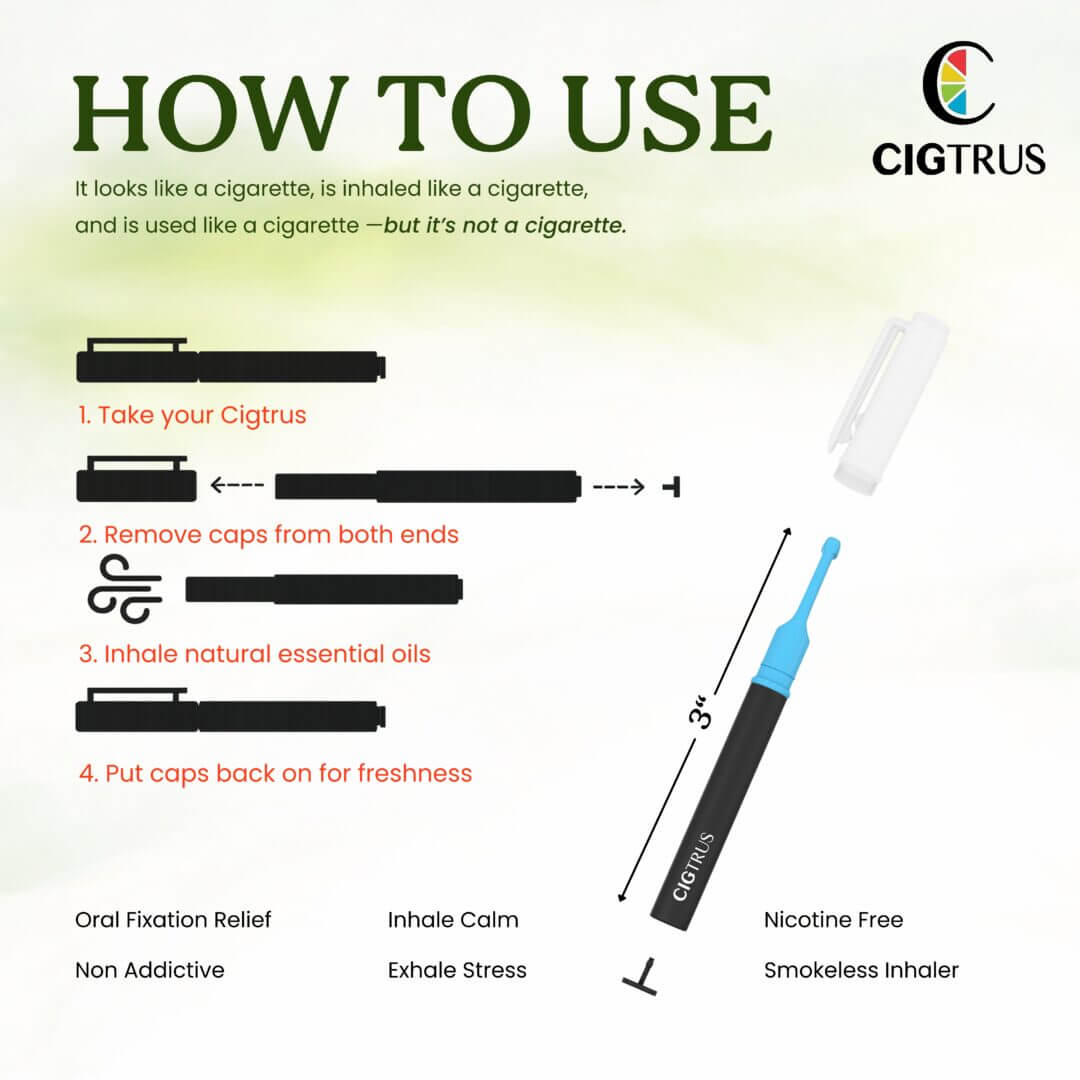
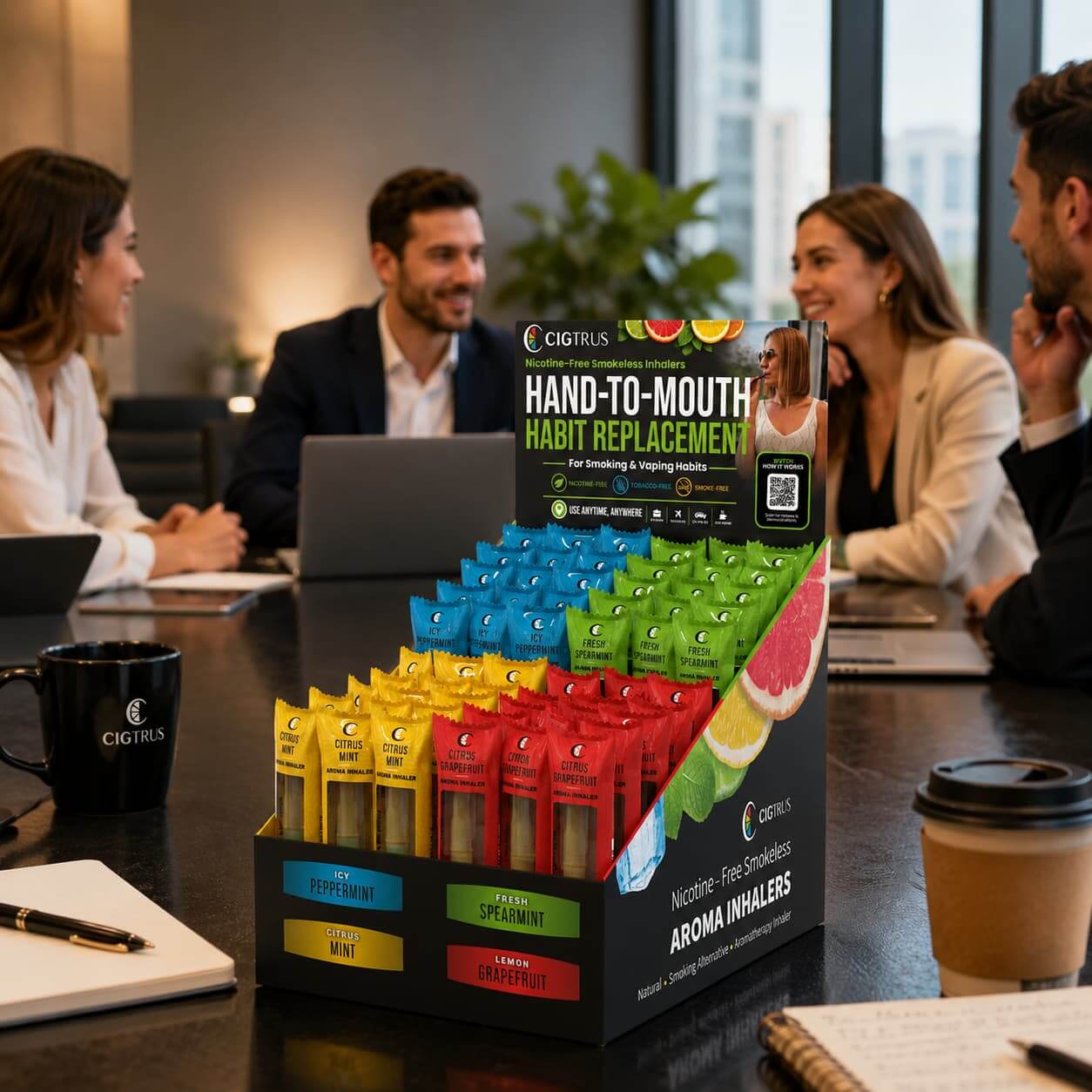
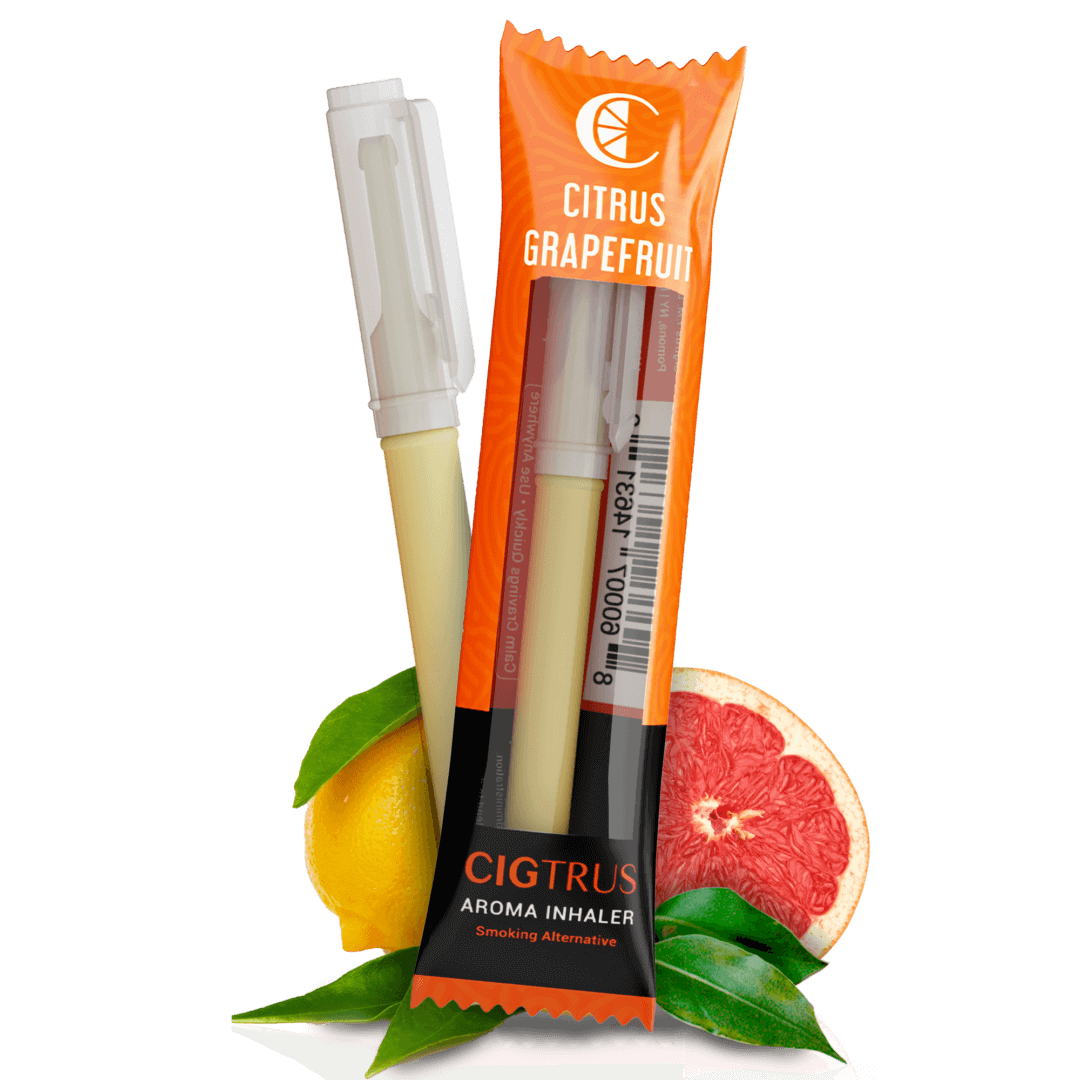
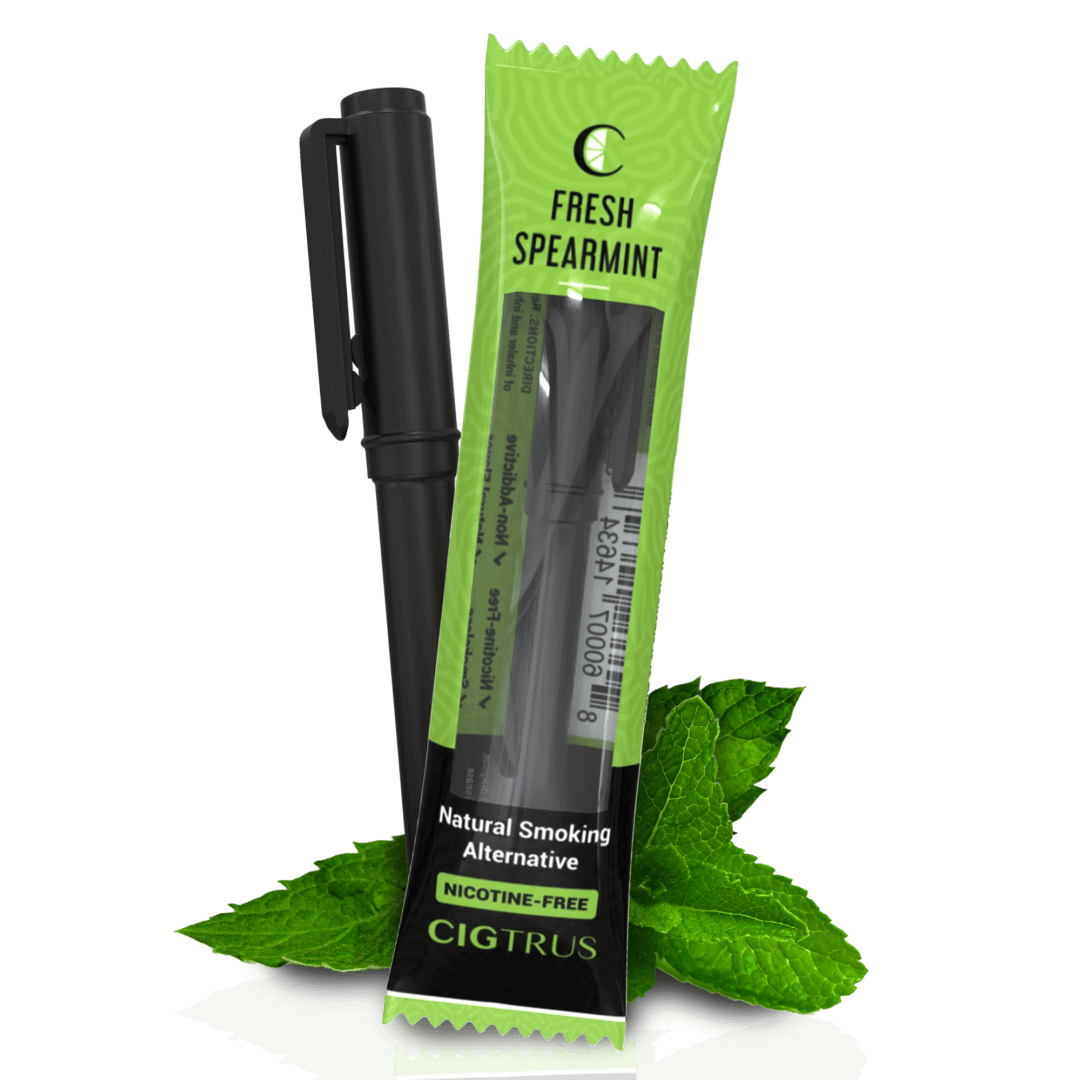
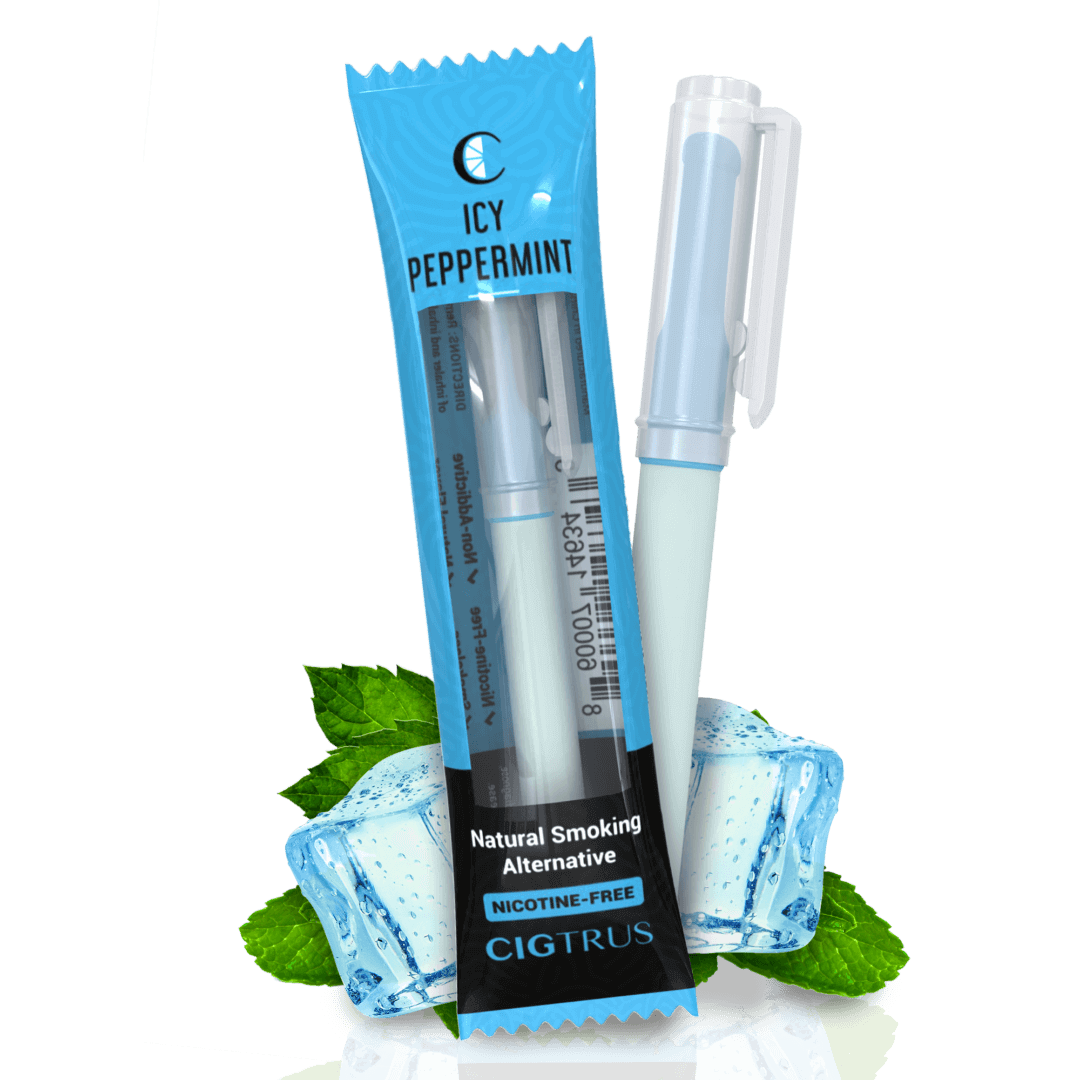
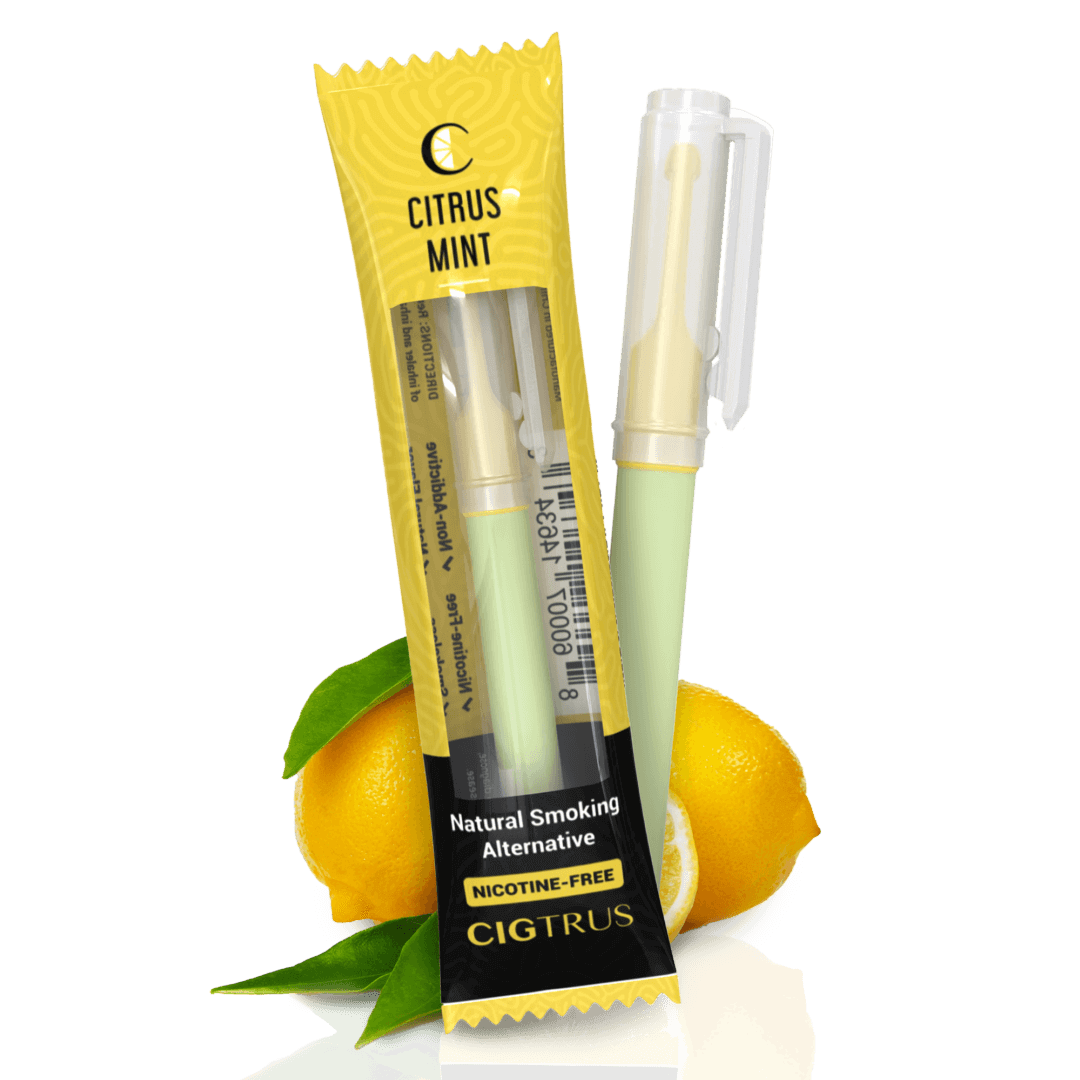
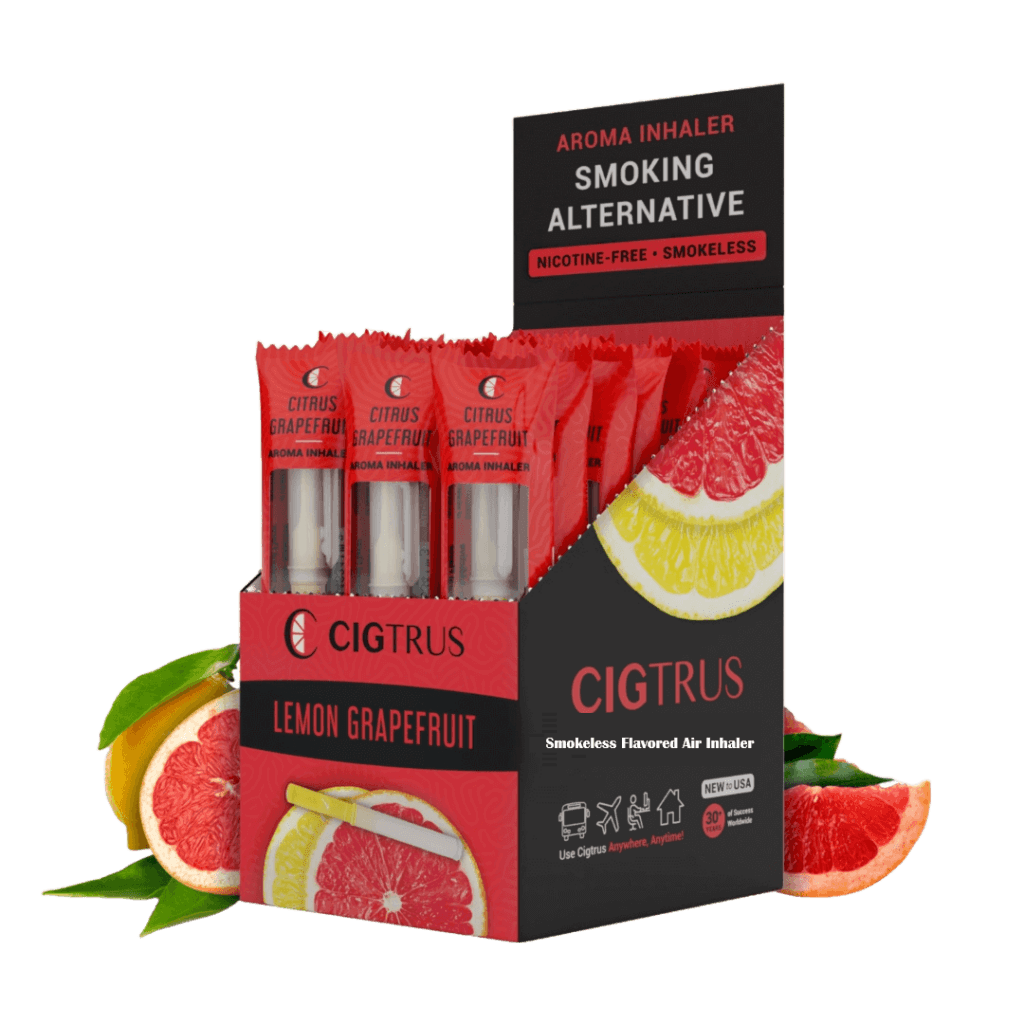
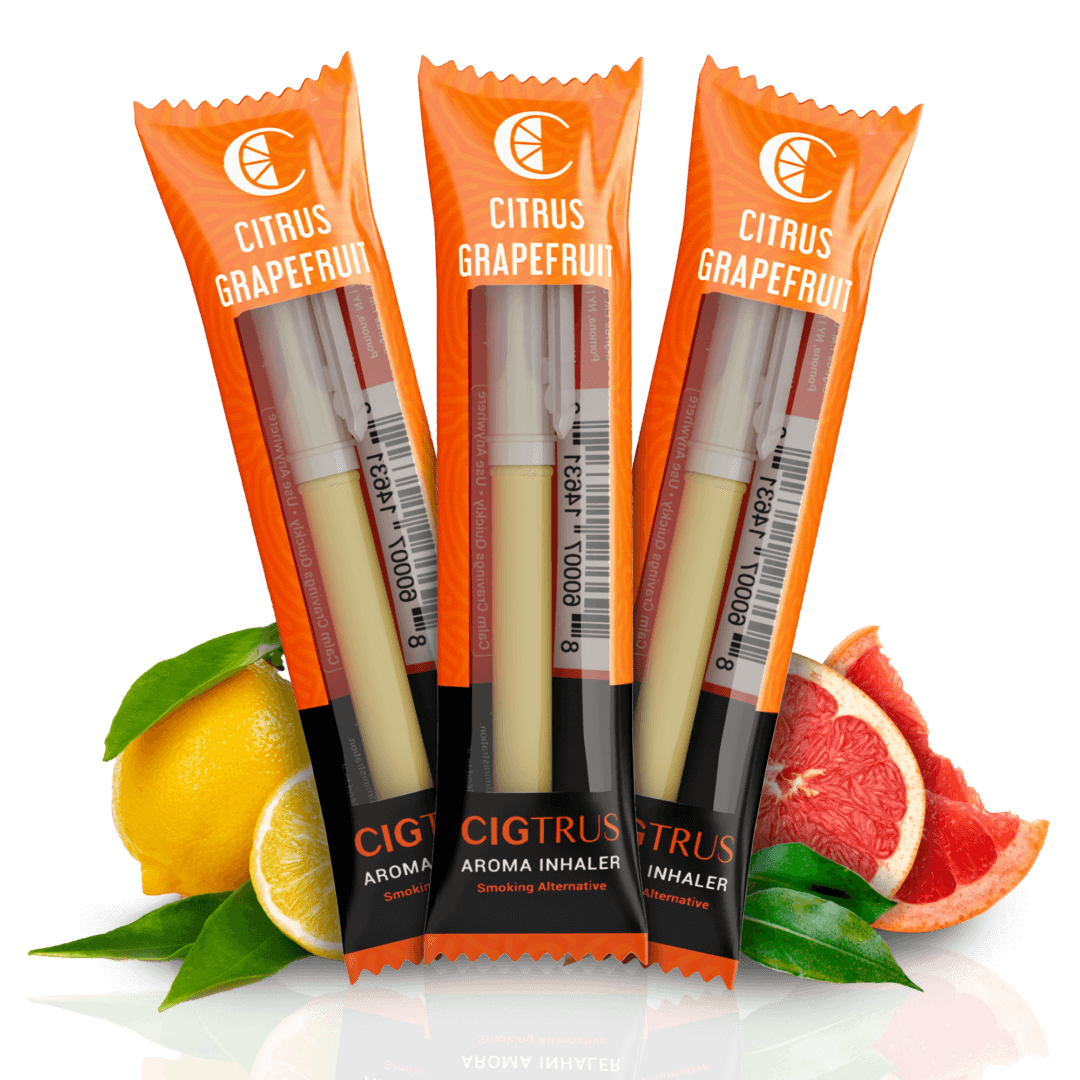
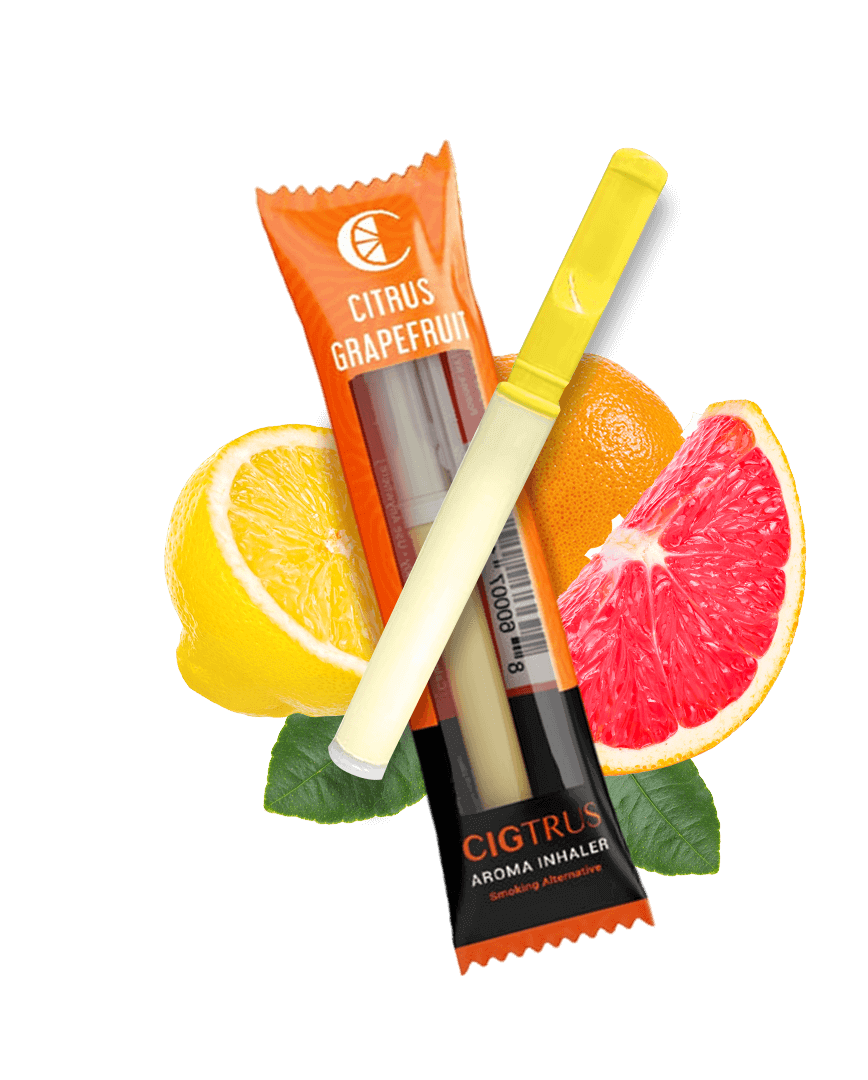
Cigtrus is a nicotine-free, smokeless, non-electric inhaler designed around supporting familiar smoking routines through natural essential oil aromas. Instead of focusing on nicotine delivery, it provides a sensory experience that supports the transition away from smoking habits without continuing chemical dependency.
What Cigtrus Provides at the Craving Moment
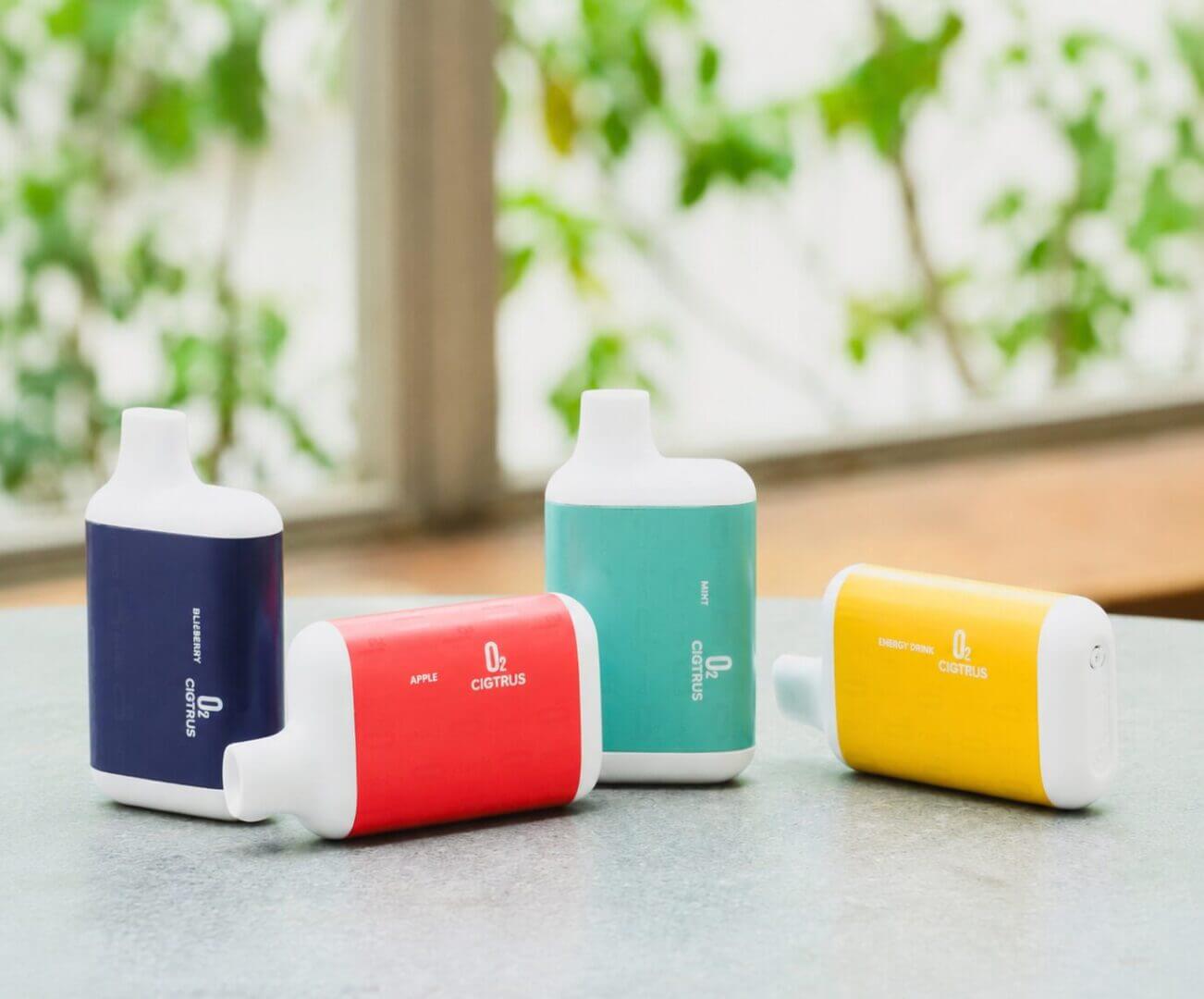
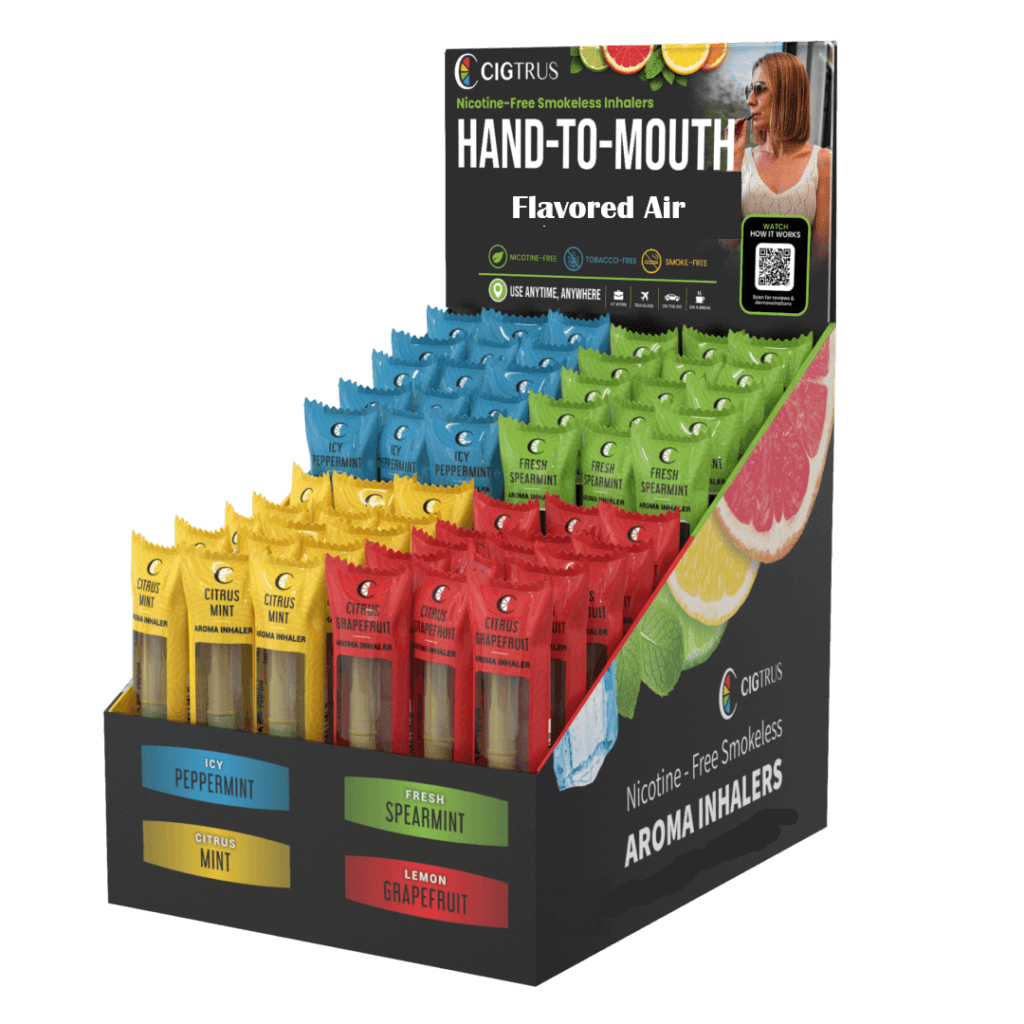
Natural mint and citrus aromas, refreshing sensory stimulation delivered at the exact trigger moment
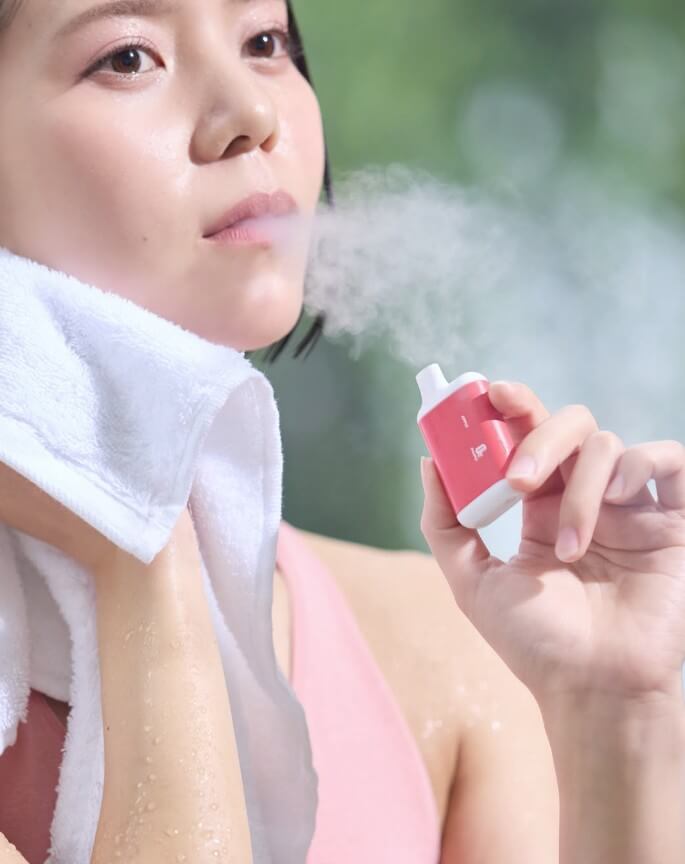
Hand-to-mouth habit replacement, the familiar physical motion without any tobacco or nicotine
Familiar inhalation habits, the deep breath the body still expects throughout the day
Refreshing sensory routines, a new positive association being built at every trigger repetition
Smoke-free lifestyle support, usable in any environment, at any trigger, without restrictions
Many adults prefer Cigtrus because it contains no nicotine, produces no smoke or vapor, requires no battery, remains lightweight and portable, and fits naturally into daily routines, making it a simple option for adults looking for a sensory alternative that genuinely supports smoke-free behavior.
Building Healthier Smoke-Free Habits Through Sensory Support
Replacing cigarette cravings takes time, consistency, and realistic support. For many adults, progress comes from understanding personal triggers and building new habits around them, rather than fighting every craving directly with willpower alone.
Instead of fighting every craving directly, many smokers find it helpful to replace the routine with something smoke-free, portable, and familiar, giving the trigger moment a clean destination rather than an empty gap that eventually fills itself with a relapse.
Frequently Asked Questions
Can scents really help reduce cigarette cravings?
Natural scents can help some adults create a different sensory experience during craving moments, interrupting the automatic trigger response, providing mild mood support, and building new positive associations over time. They address the sensory side of cravings that chemical approaches leave untouched.
Are cigarette cravings always caused by nicotine?
No. Many cravings are connected to stress, boredom, routines, oral fixation, sensory habits, and behavioral triggers that develop through years of repetition, and these continue firing long after nicotine withdrawal has passed.
What is sensory habit replacement?
Sensory habit replacement focuses on replacing the familiar sensory experience of smoking, the scent, the taste, the inhalation rhythm, with smoke-free alternatives that support new routines while gradually weakening the old associations.
Are smokeless inhalers the same as vapes?
No. Smokeless inhalers are non-electric, produce no vapor, and contain no nicotine. They are designed for sensory habit replacement, not vapor or nicotine delivery. They can be used anywhere, including environments where vaping is completely banned.
Why do smokers miss the ritual even after quitting?
Because the ritual, the holding, the inhaling, the familiar pause, becomes automatic behavior through years of repetition. Nicotine fades; the behavioral and sensory pattern continues. Replacing that pattern with a clean sensory alternative is what makes the transition feel sustainable.
The Scent Is More Than Just a Smell
Natural scents work at the level of the trigger, giving the brain a new sensory signal at the exact moment the old automatic response used to fire. Over time, with consistent use, that new signal gradually becomes the new association. Not willpower against the craving. A different response to it.
Cigtrus was built around exactly that principle, a natural, clean sensory experience ready at every trigger, every time.
Give the Craving a Different Sensory Response.
Natural aromas, familiar motion, no nicotine, a cleaner answer to the trigger moment.
👉 Try the Variety Pack