
Quit Smoking Through Nicotine-Free Smoke-Free Habit Replacement
Quitting smoking is one of the most significant lifestyle changes an adult can make. But for many smokers, the challenge is not only reducing nicotine, it is also replacing the deeply ingrained behavioral routines that smoking builds over years. A 4-step approach that addresses both layers gives the quit journey its strongest foundation.
“Quitting smoking is not just about stopping cigarettes. It is about building new routines that support a healthier lifestyle over time, one trigger moment at a time.”
Set a Clear Quit Plan
Choose a specific quit date, tell the people around you, and remove cigarettes and related items from your environment. Having a plan before the quit date, not improvised during it, dramatically improves outcomes.
Identify Your Trigger Moments
Know exactly which situations fire the automatic reach, social situations, driving, after meals, work breaks. Replacing these moments with smoke-free routines may help reduce the urge to smoke at each familiar trigger.
Use Smoke-Free Habit Replacement
For many smokers, replacing the smoking ritual itself becomes one of the biggest challenges. Smoke-free alternatives that feel familiar, support hand-to-mouth habits, and work in indoor or travel settings give every trigger moment a clean destination. Many adults also search for alternatives during moments when smoking or vaping is not possible, understanding what to use when smoking or vaping isn’t possible is part of a complete plan.
Build Healthier Daily Routines
Quitting smoking often becomes easier when combined with healthier lifestyle changes, light exercise, structured daily routines, improved hydration, stress management, and mindful breaks instead of smoking breaks. These small changes reduce dependence on smoking habits over time.
How Cigtrus Supports Smoke-Free Habit Replacement
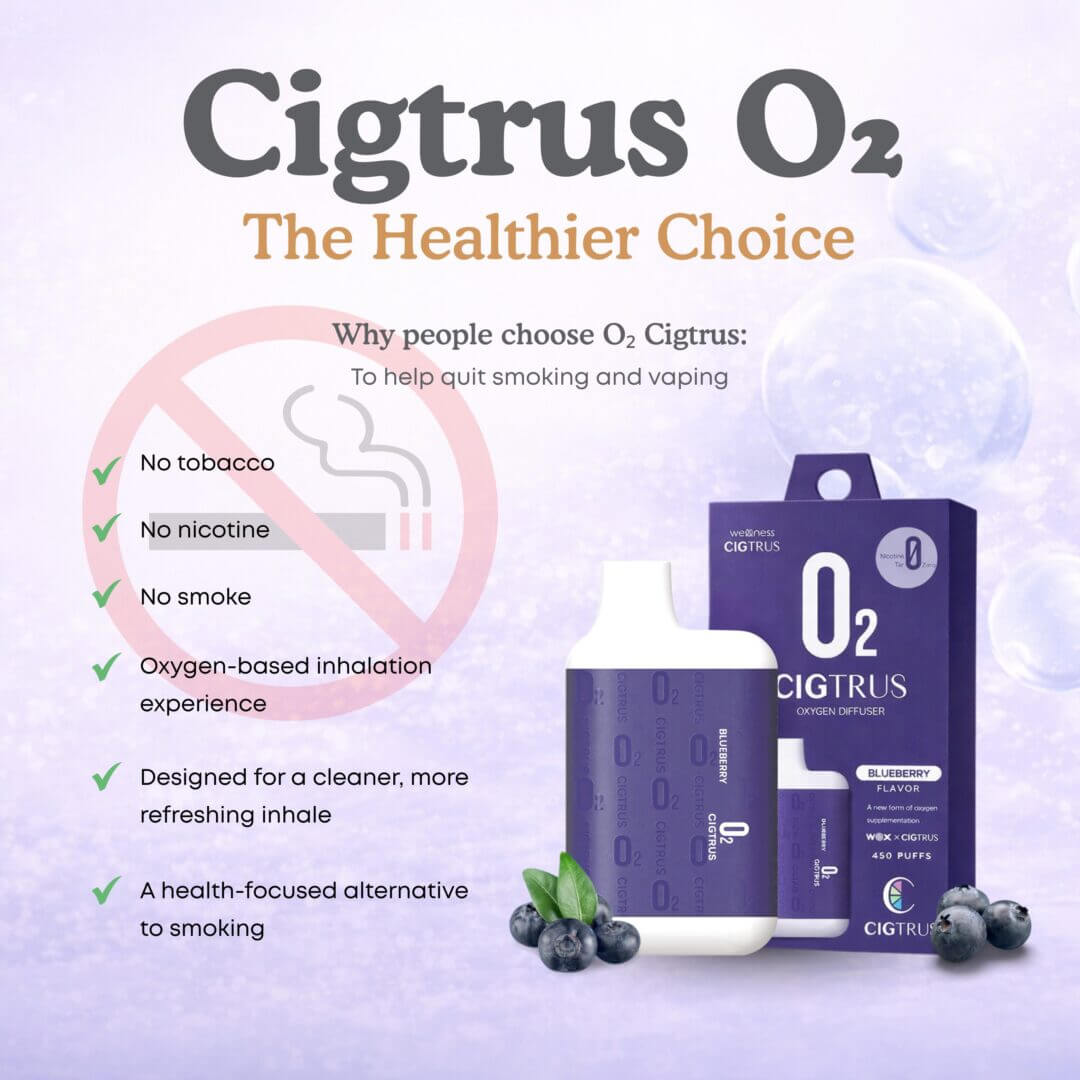
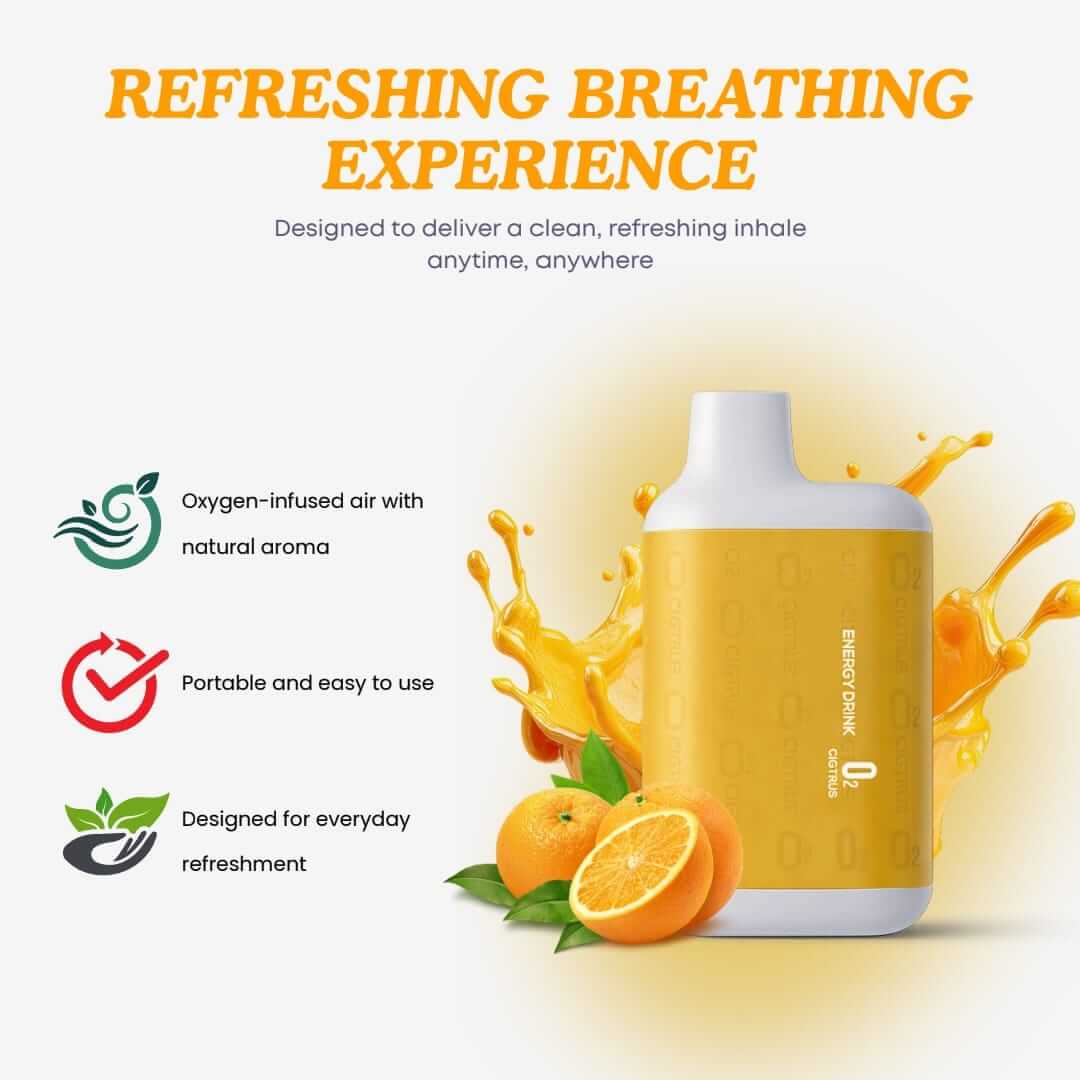
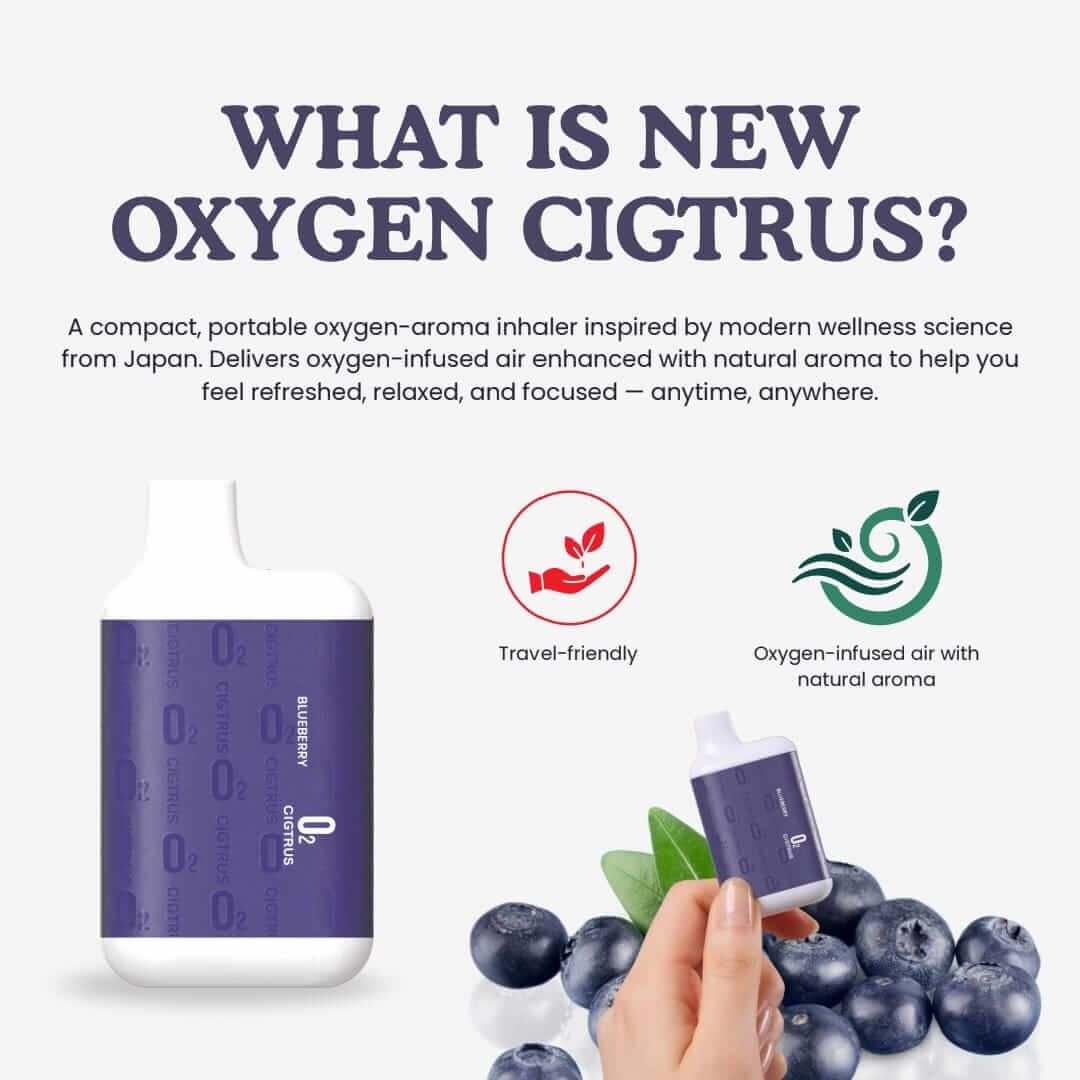
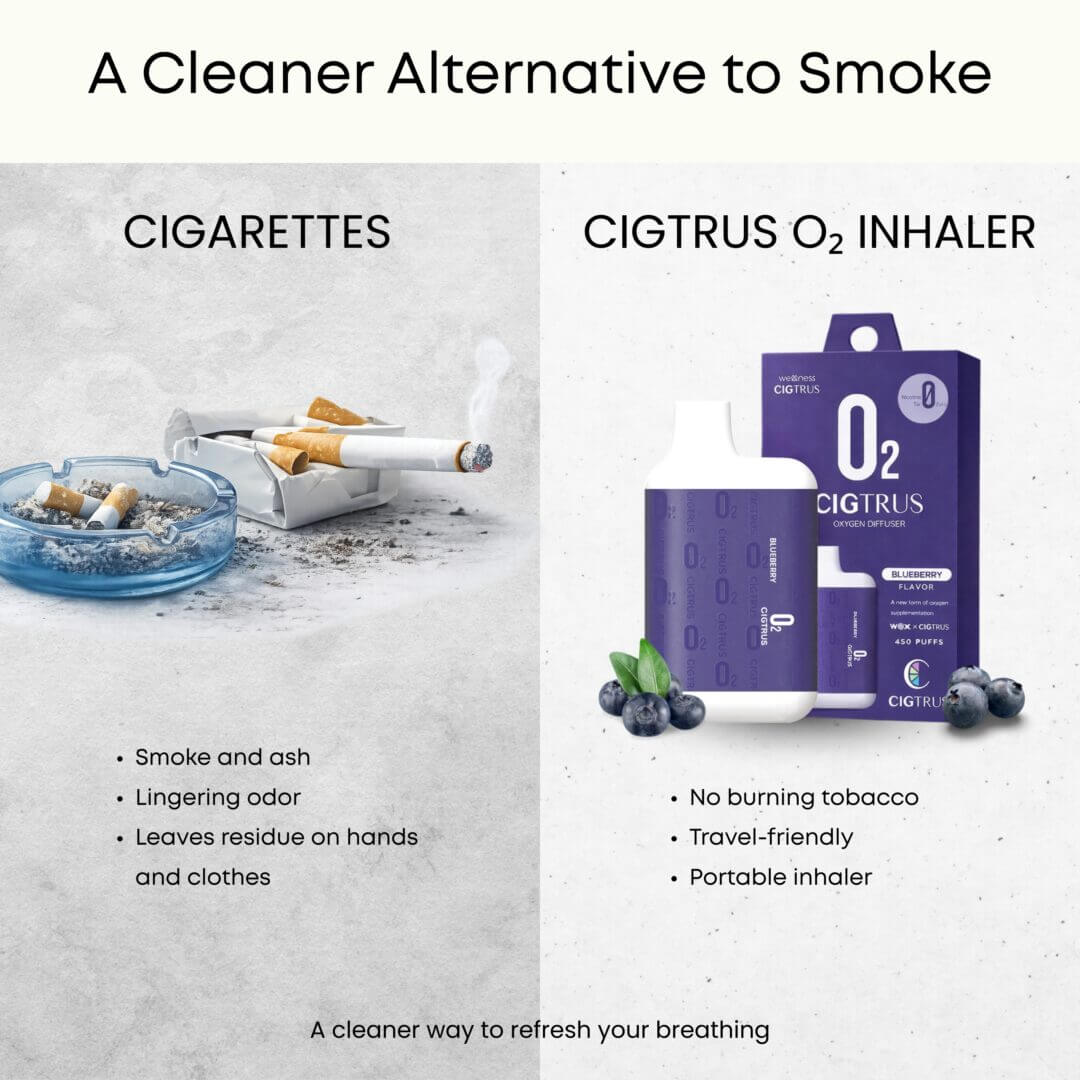
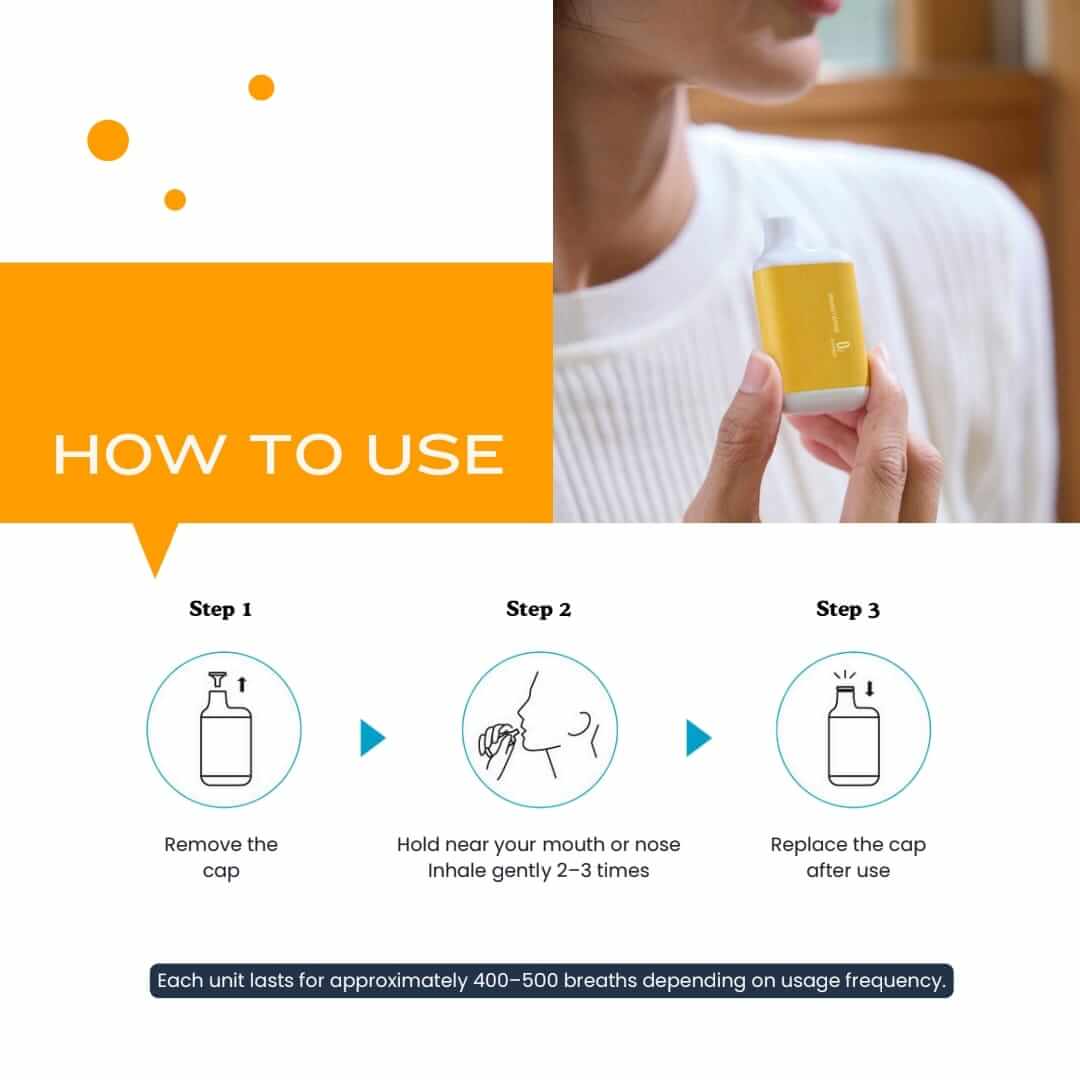
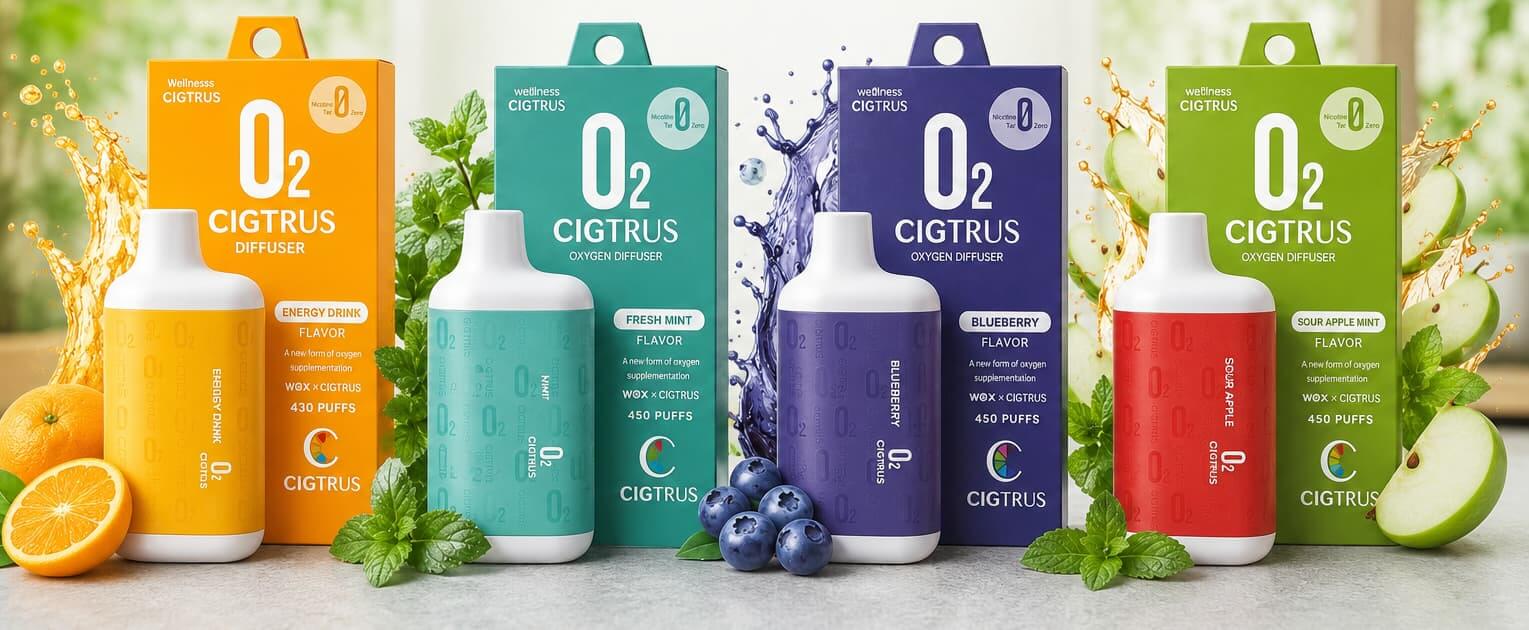
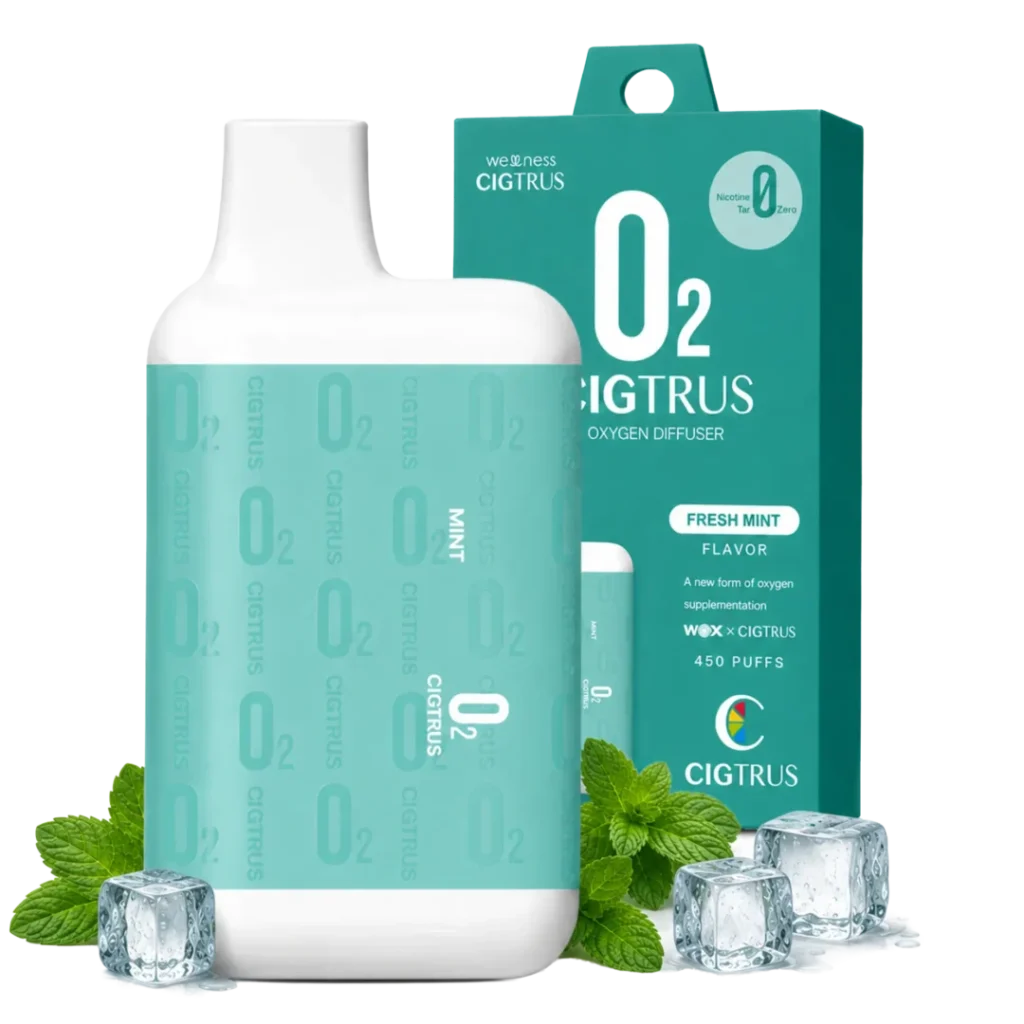
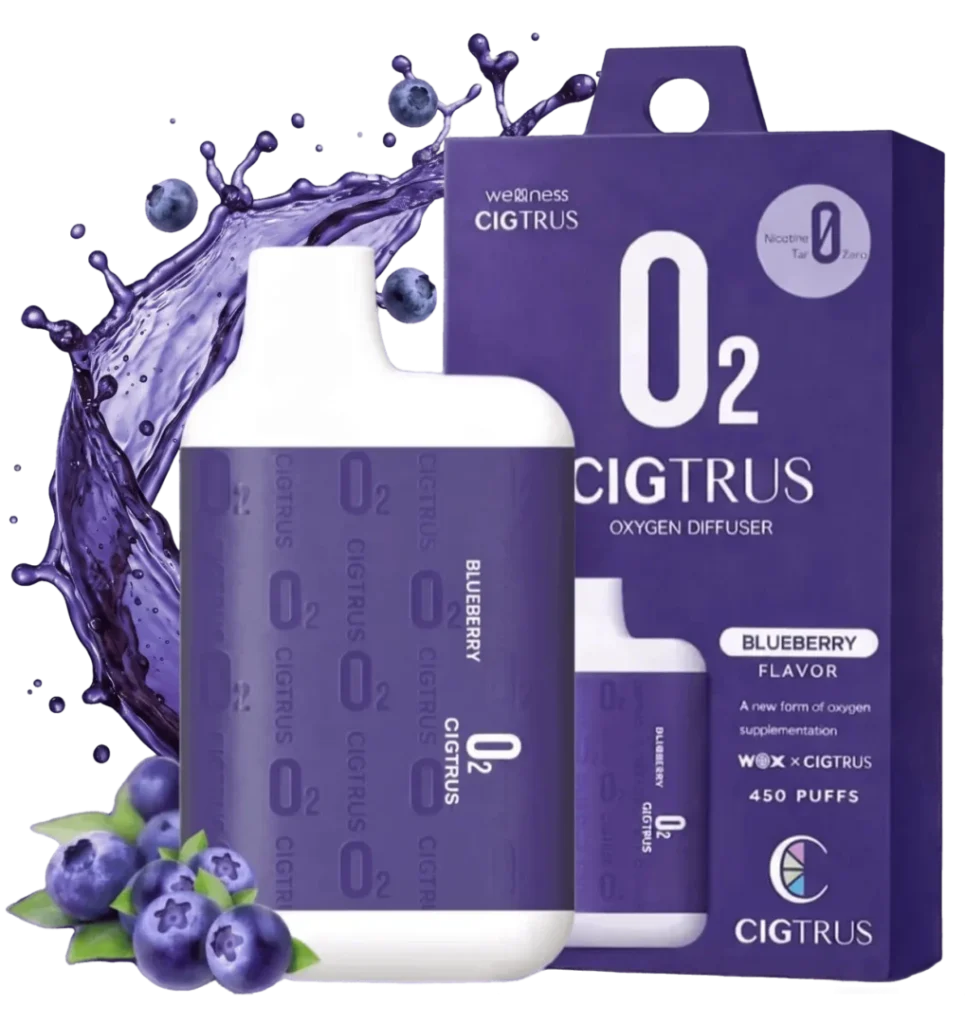
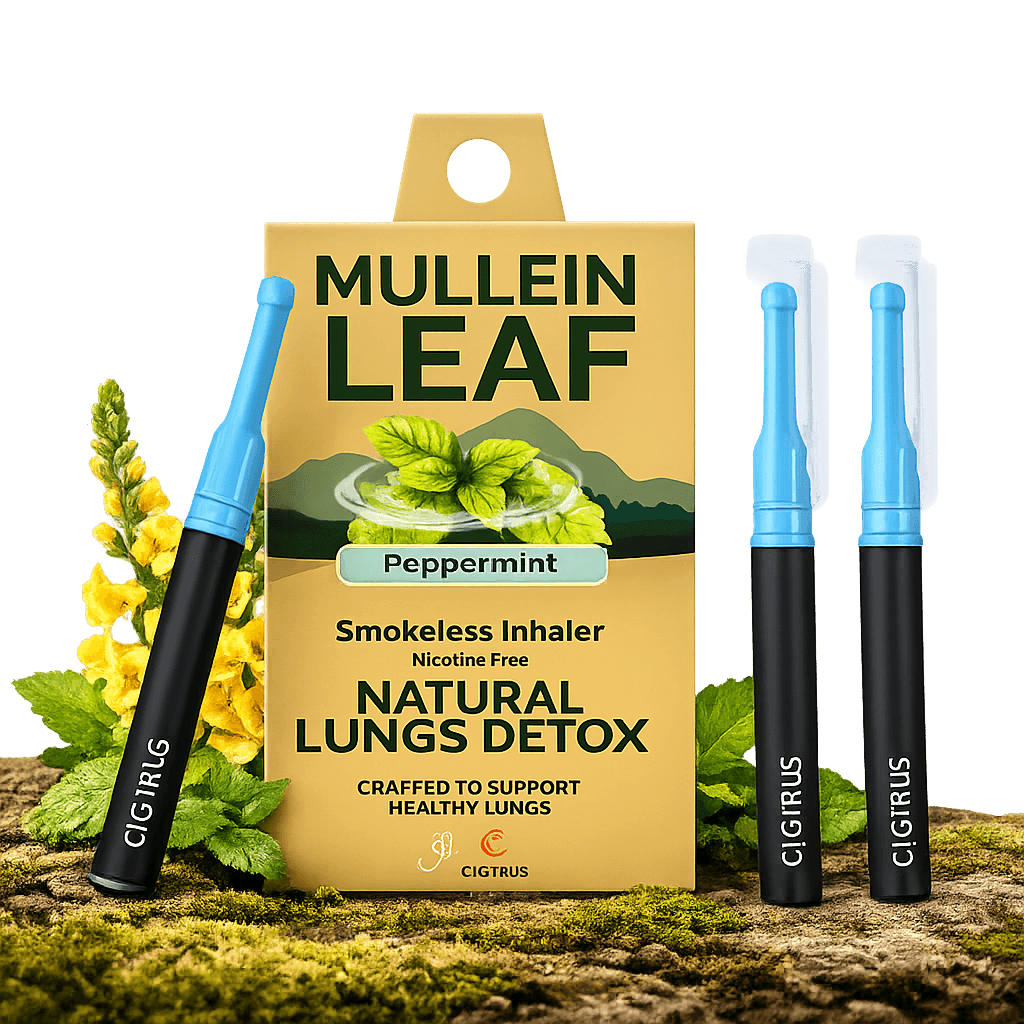
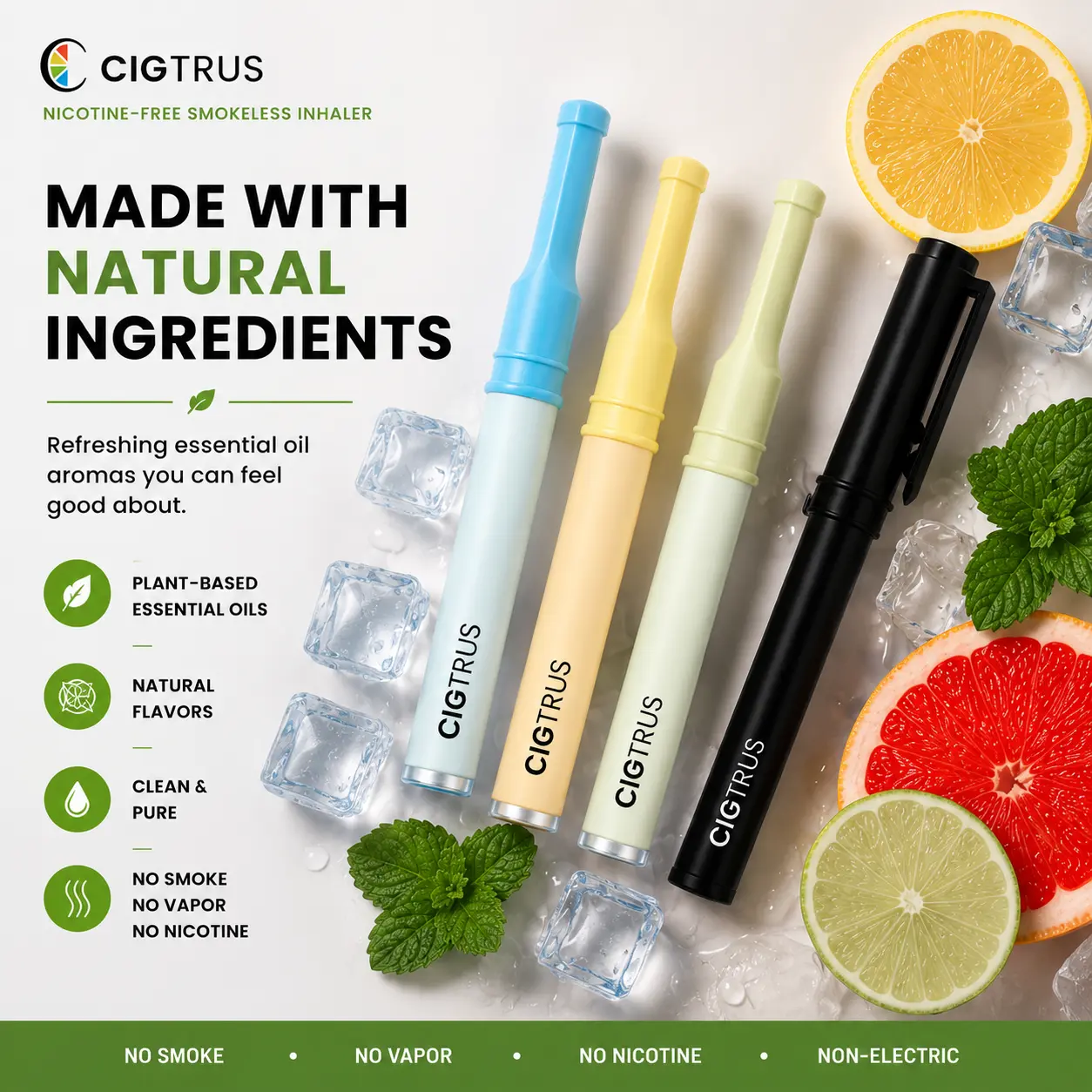
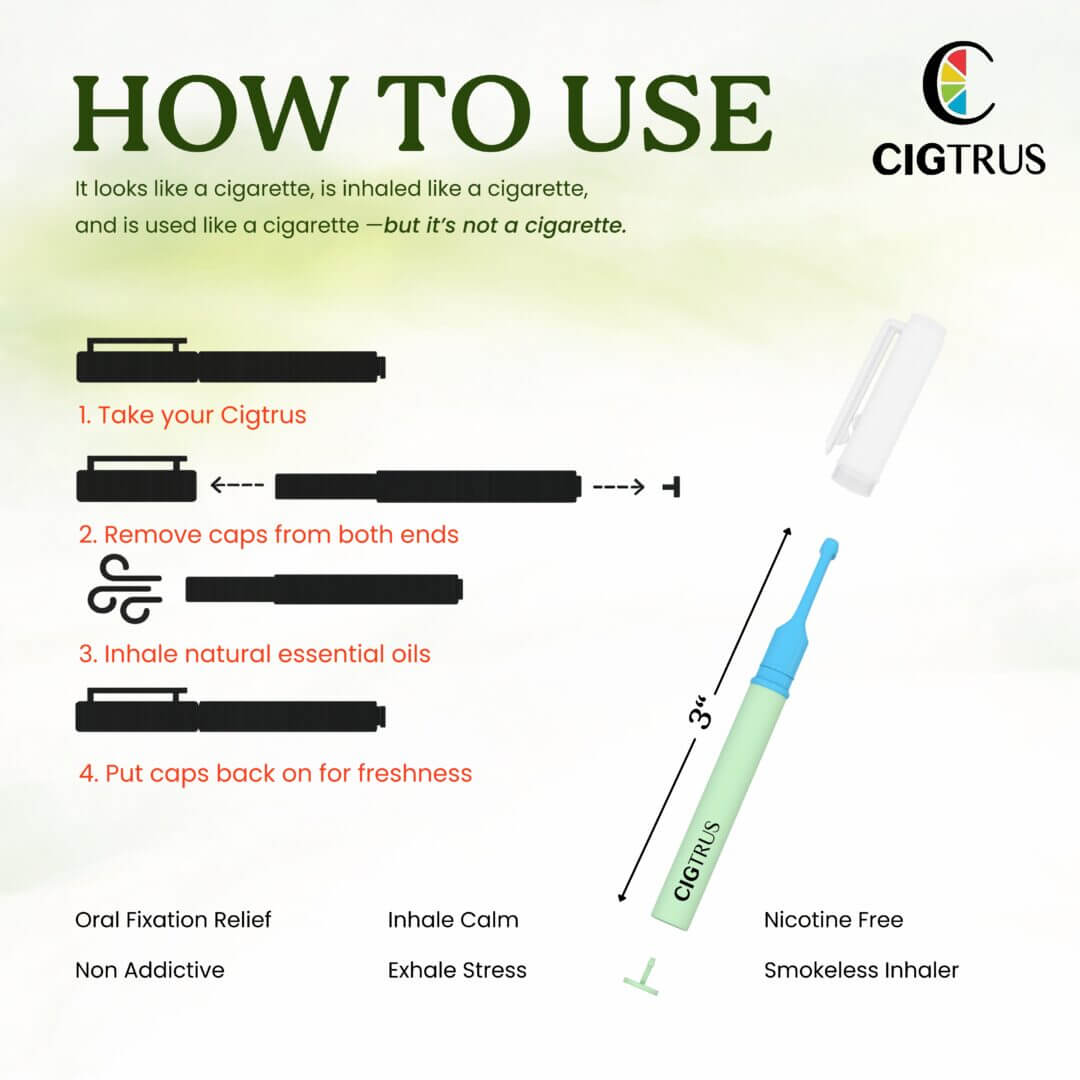
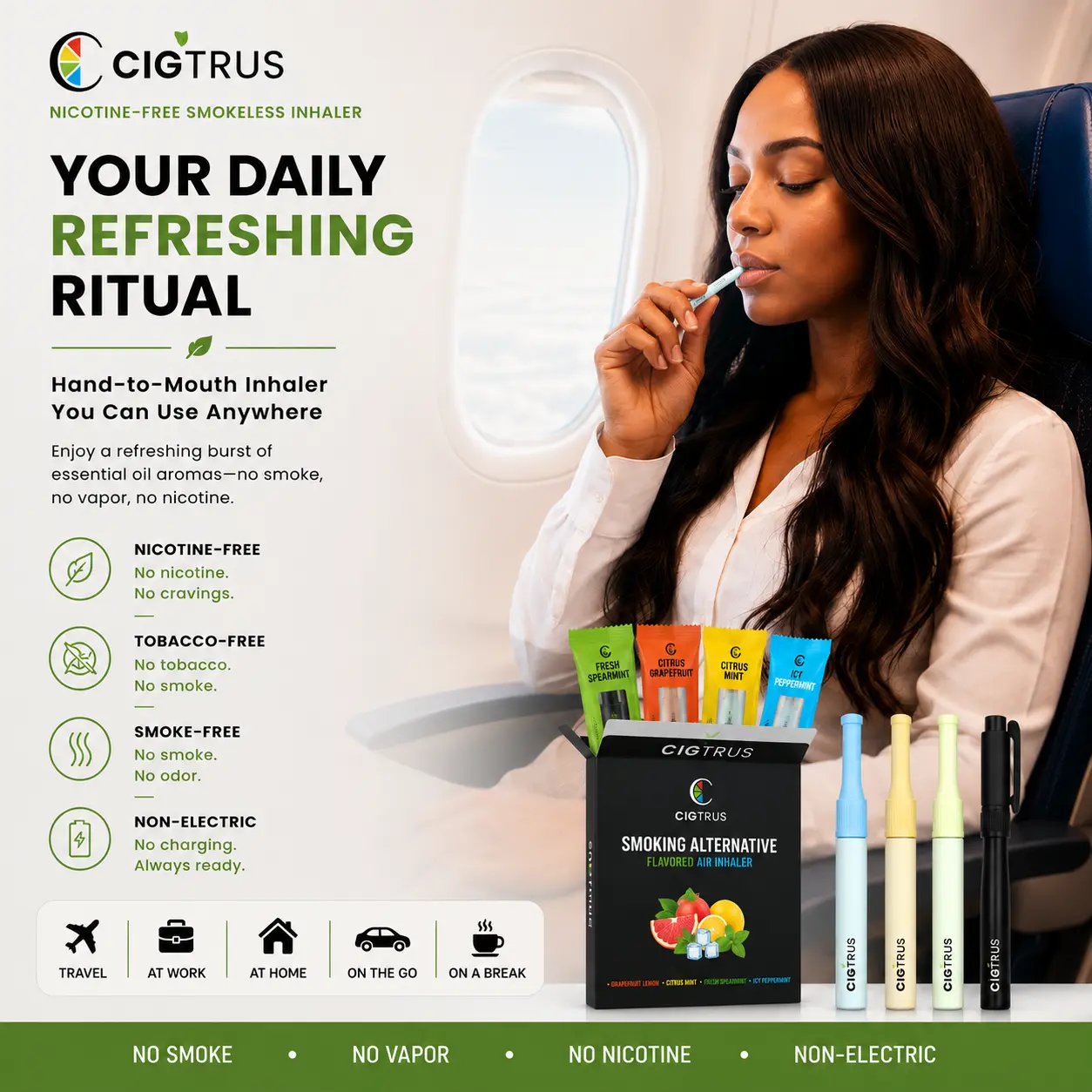
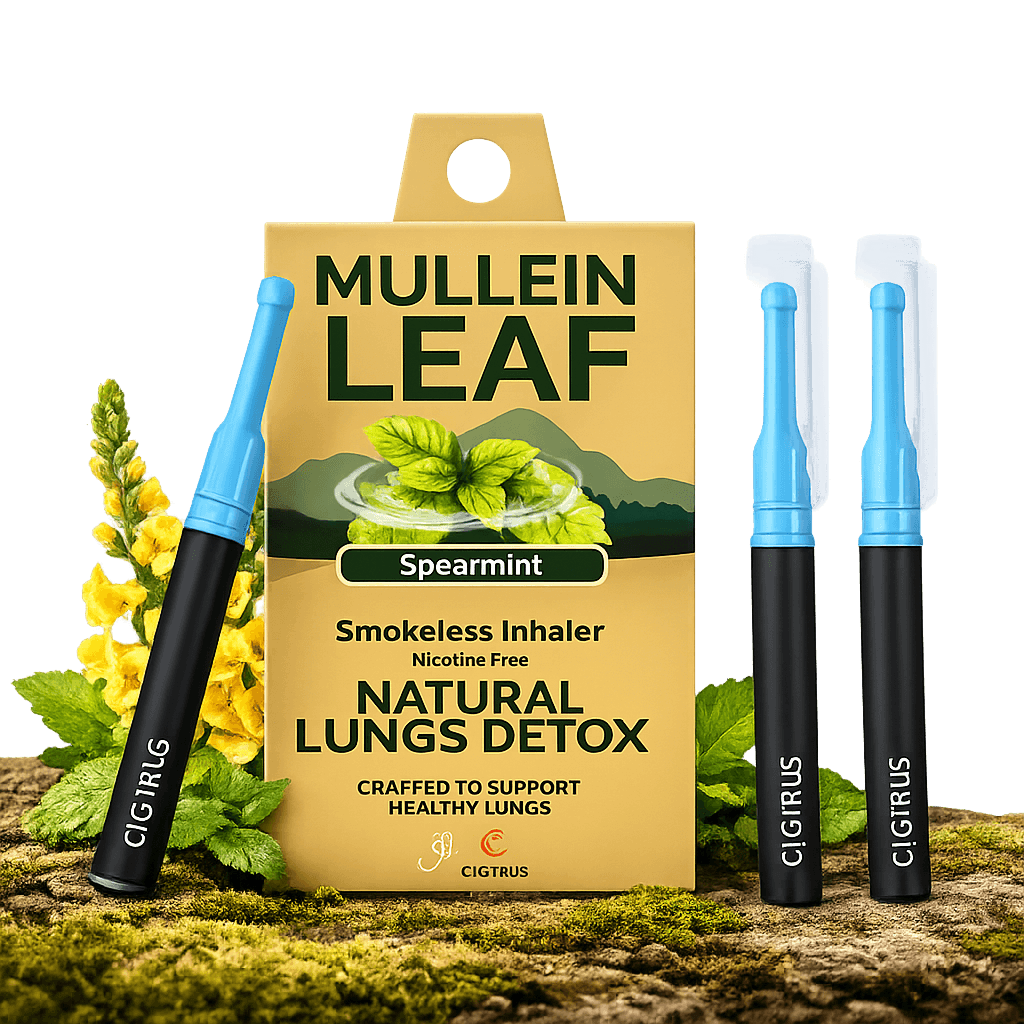
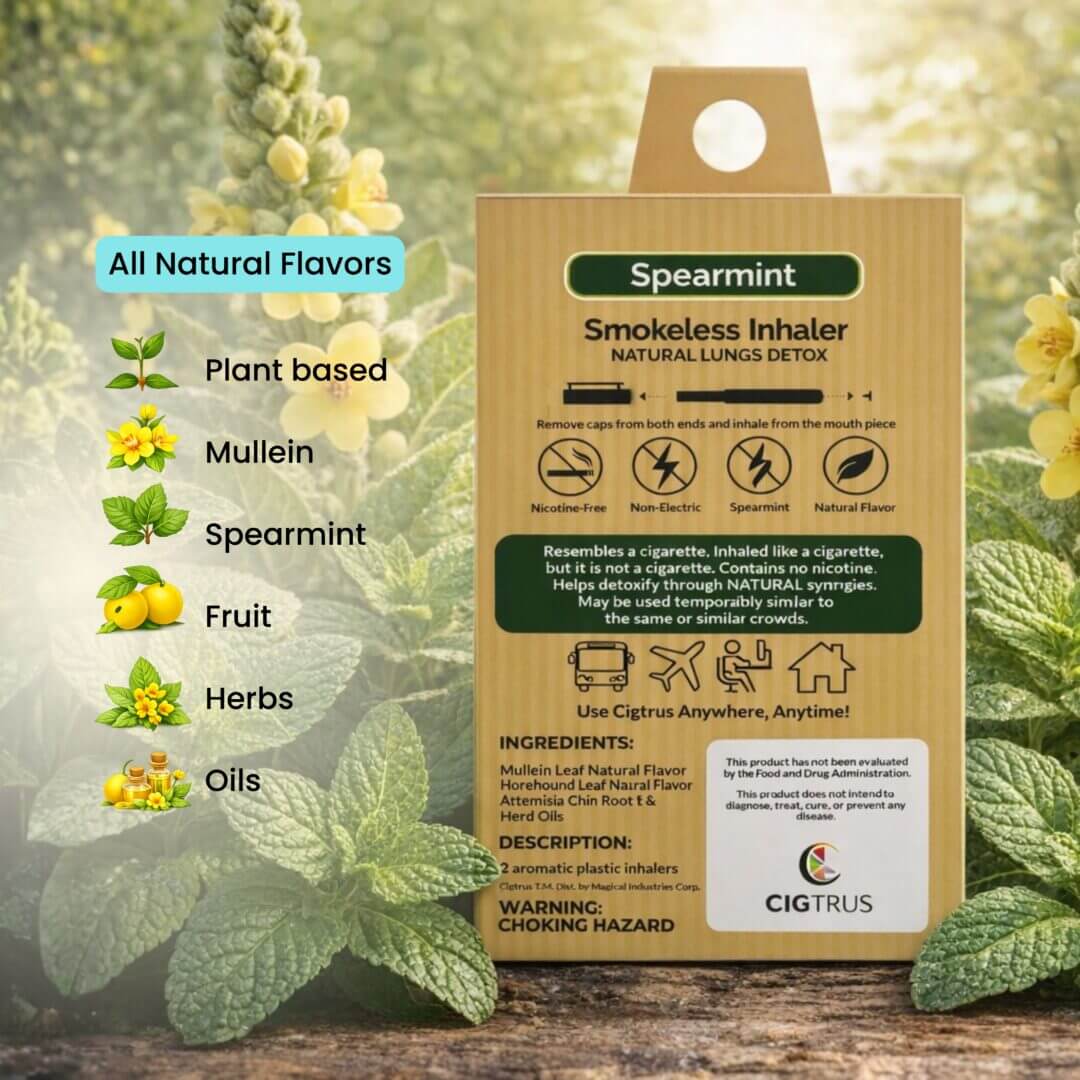
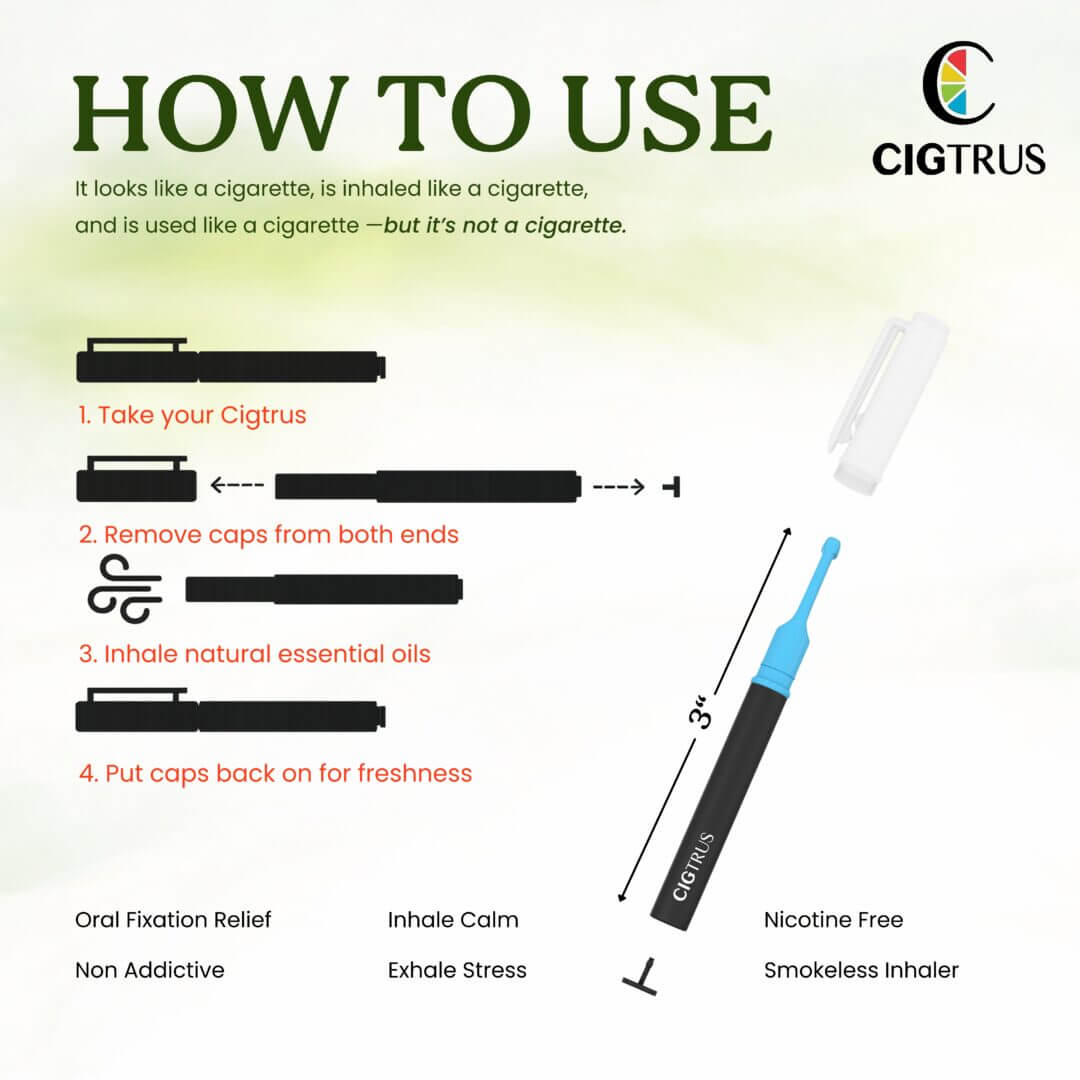
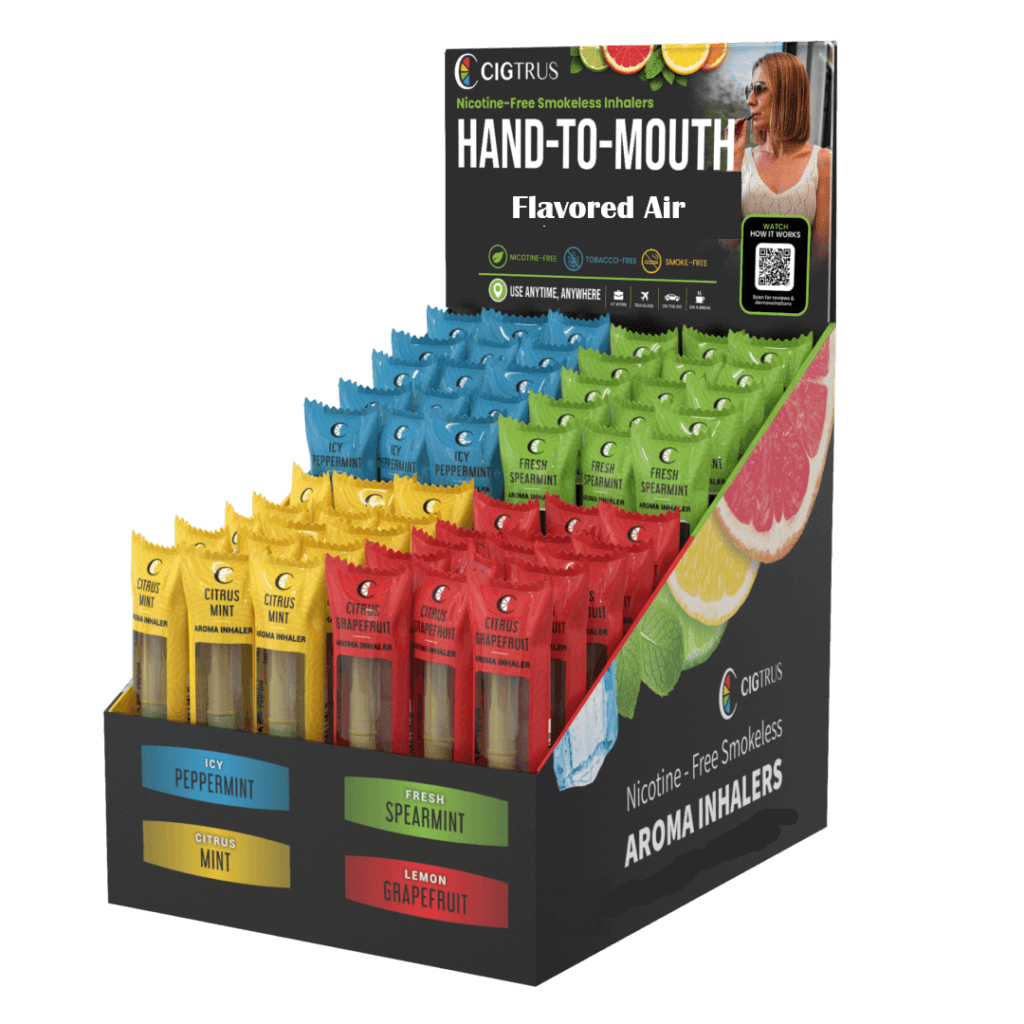
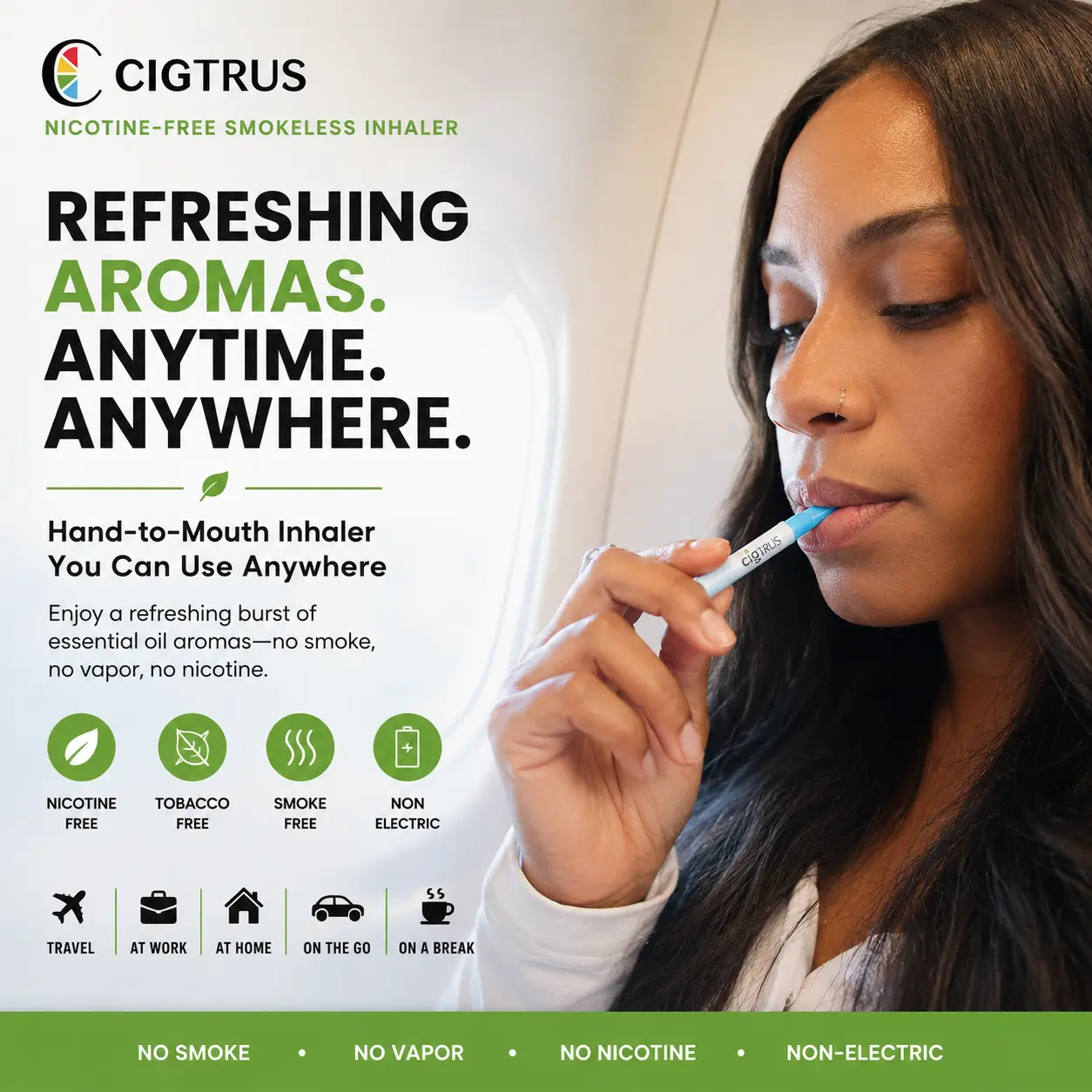
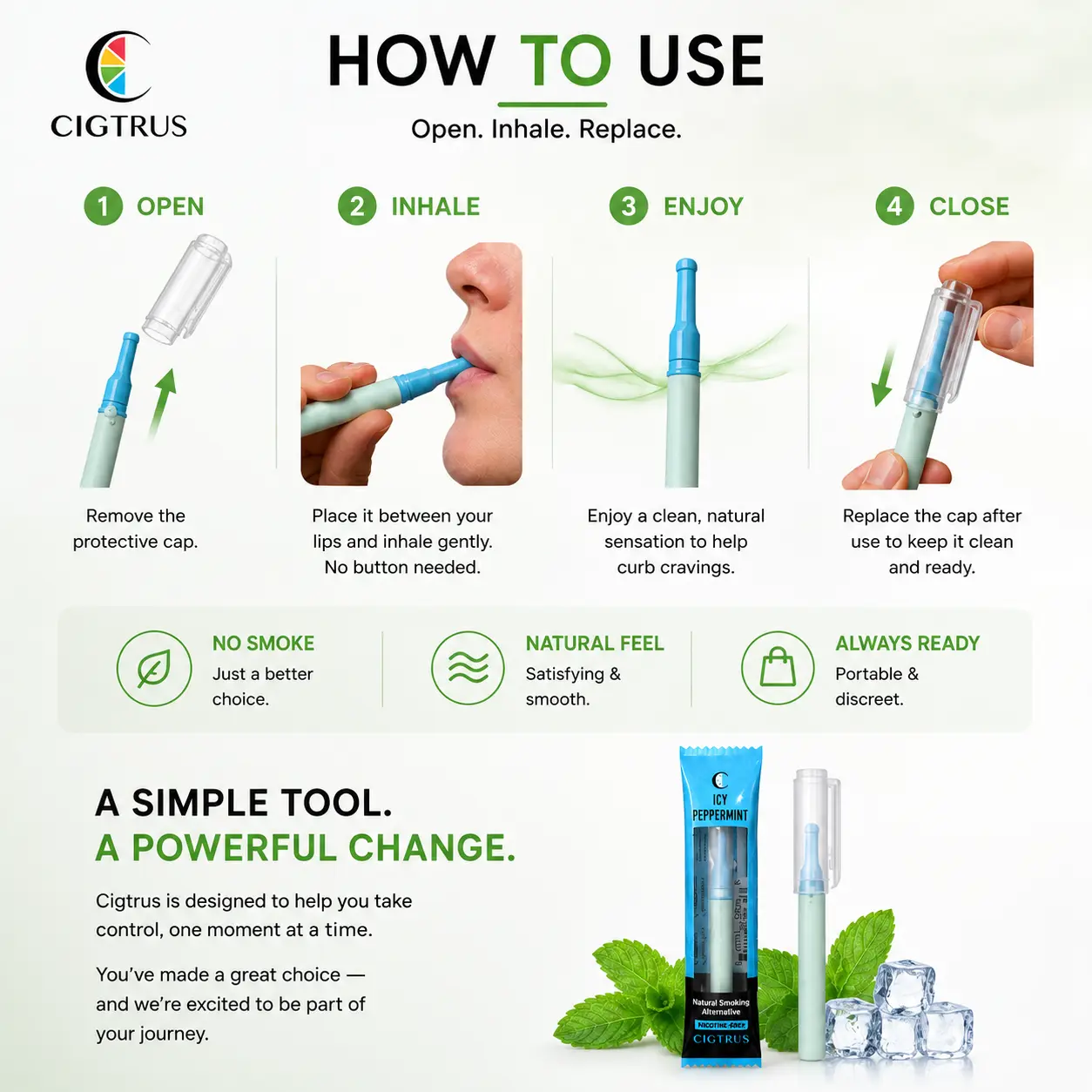
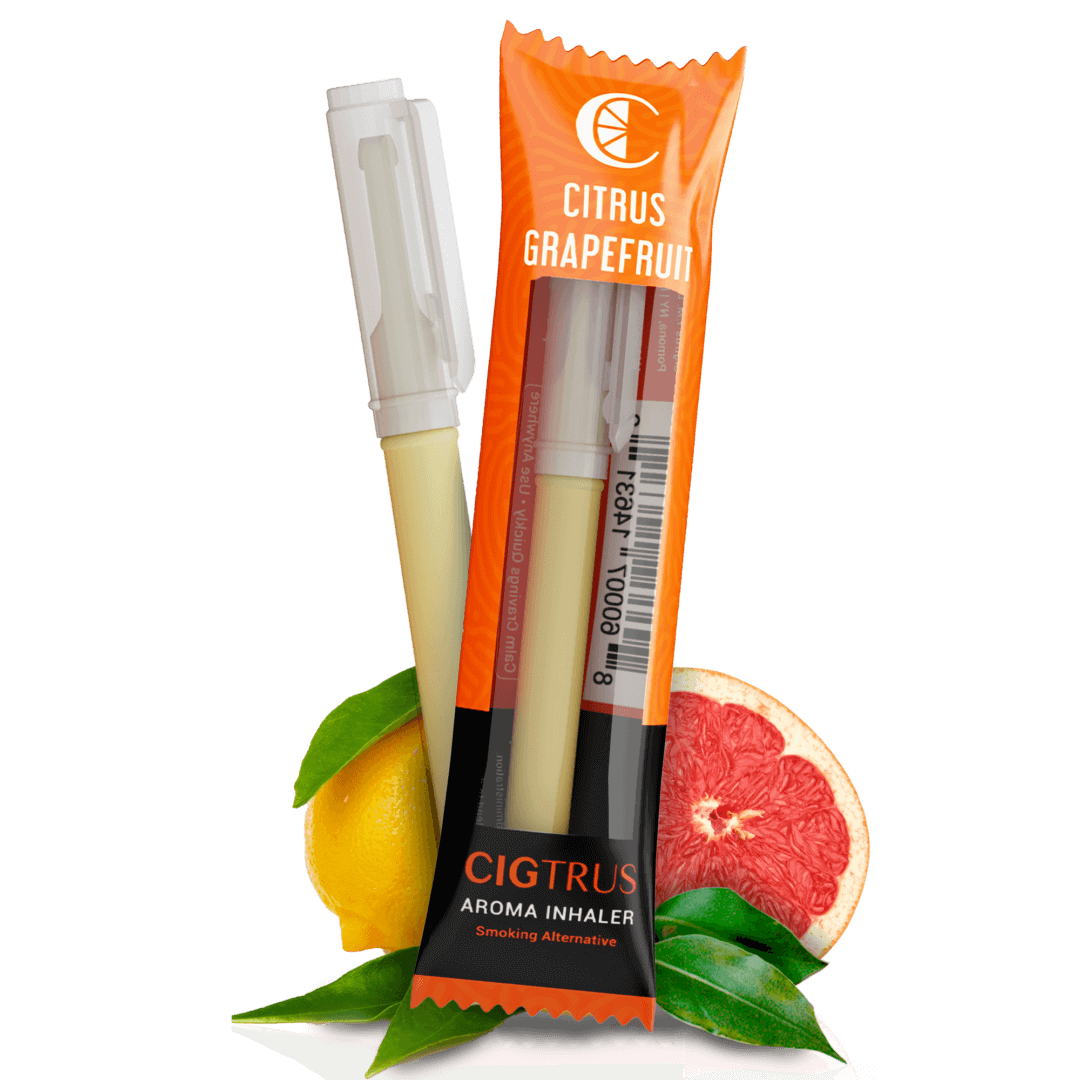
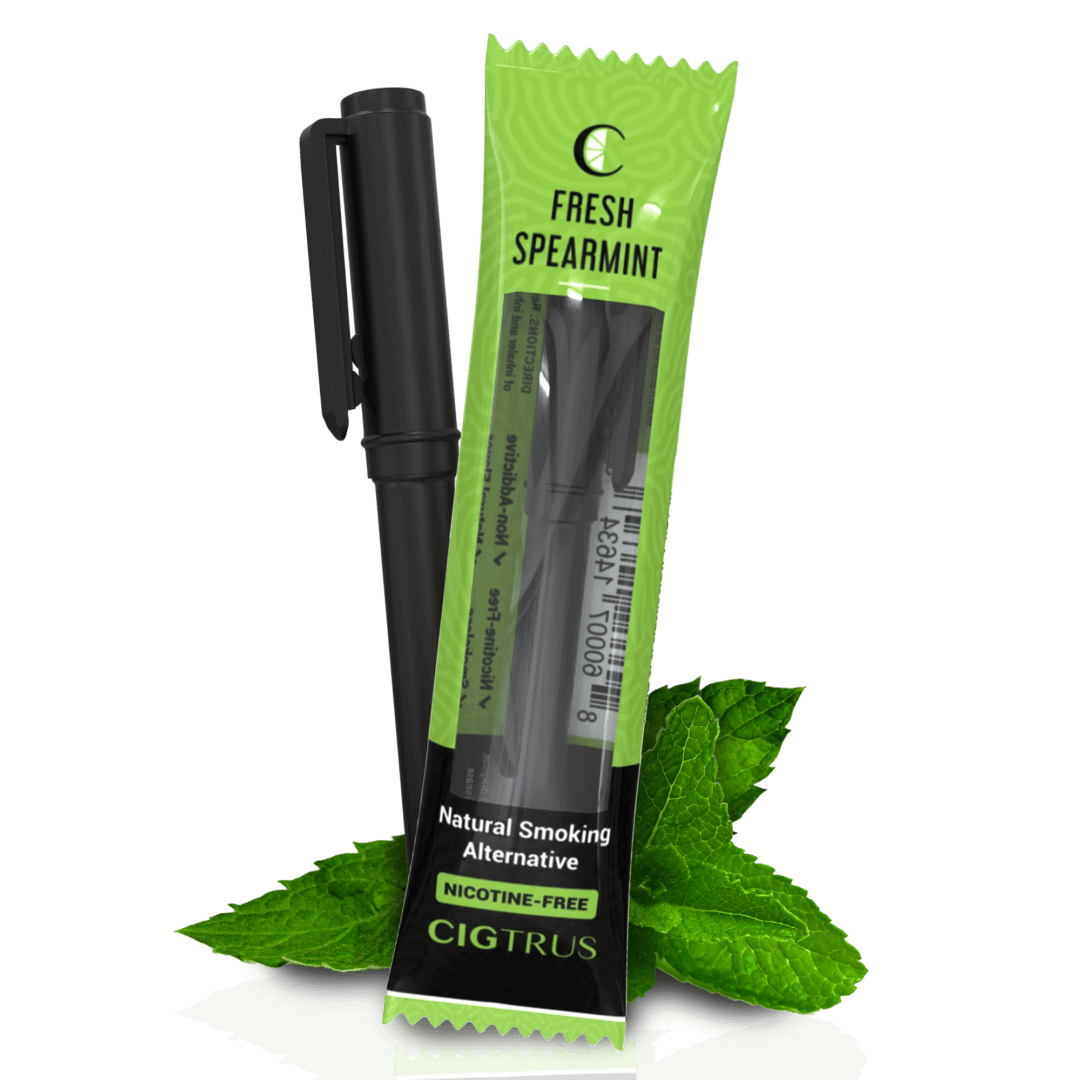
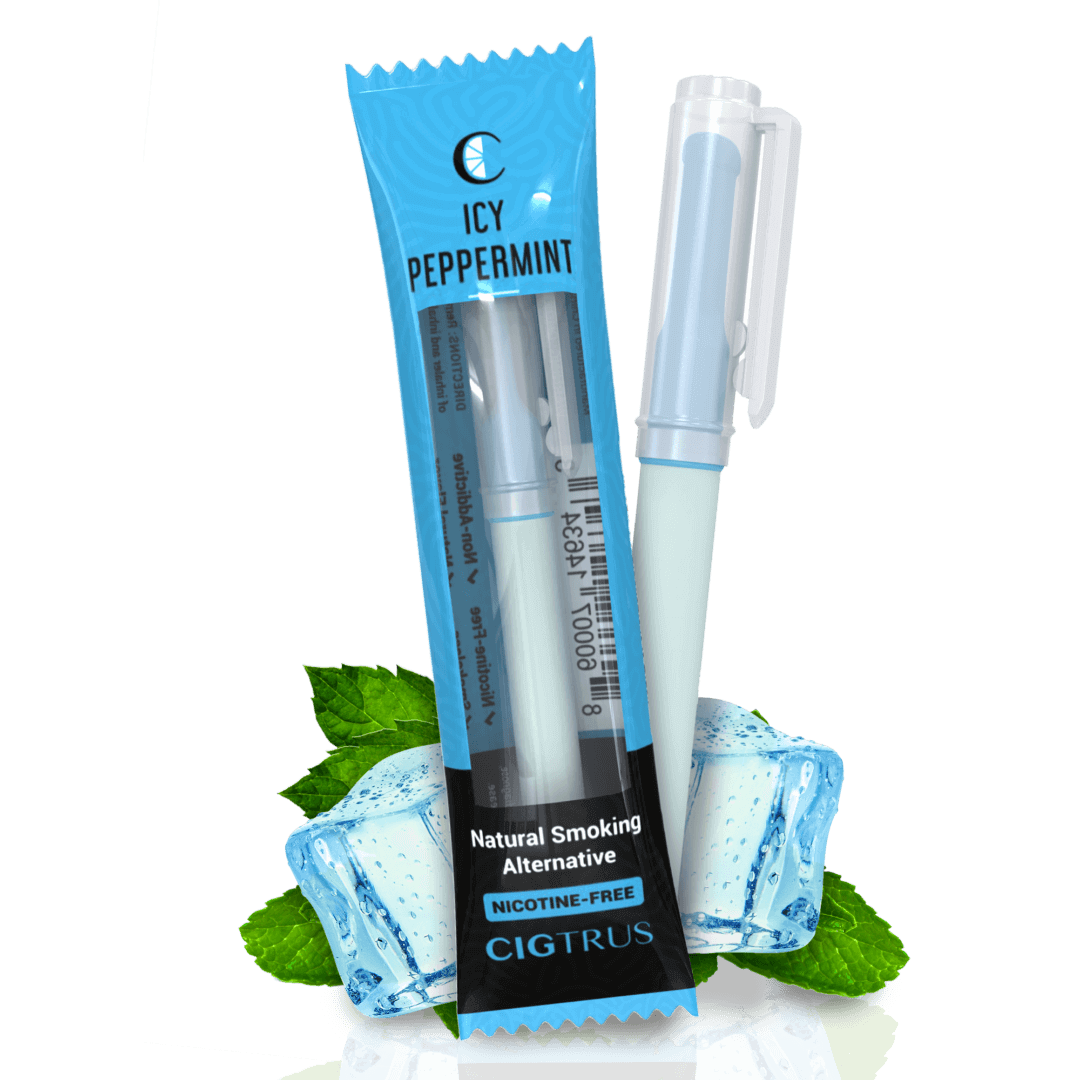
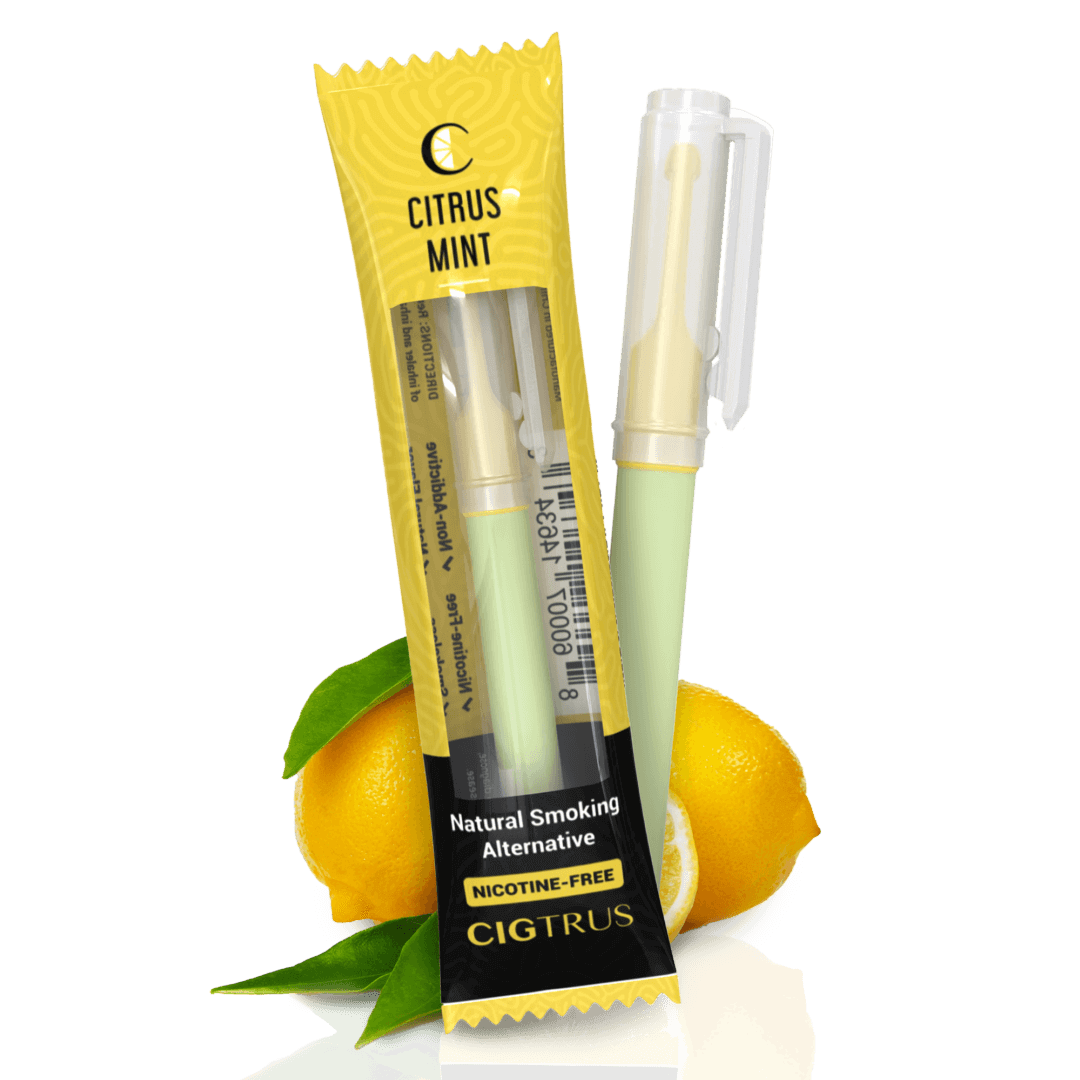
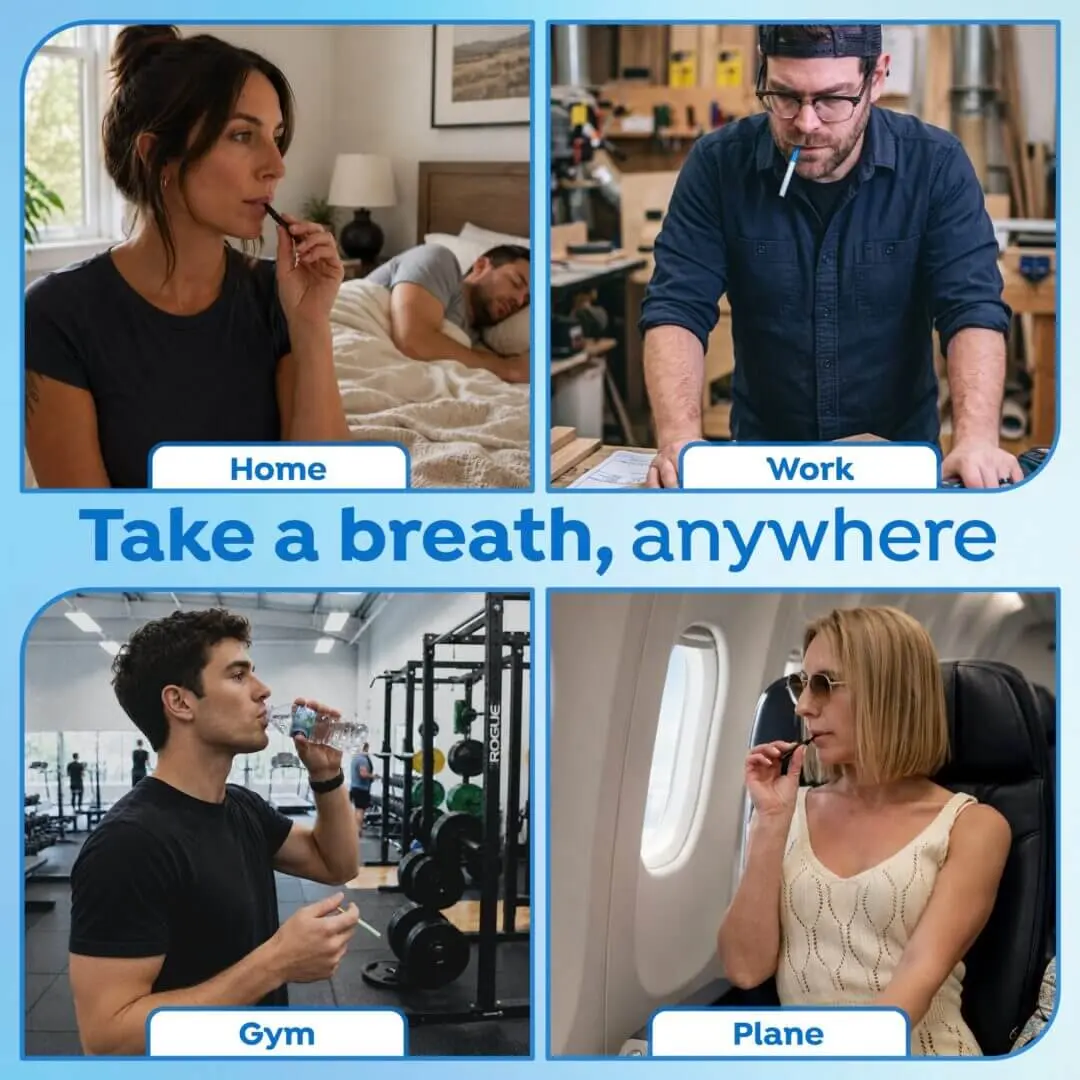
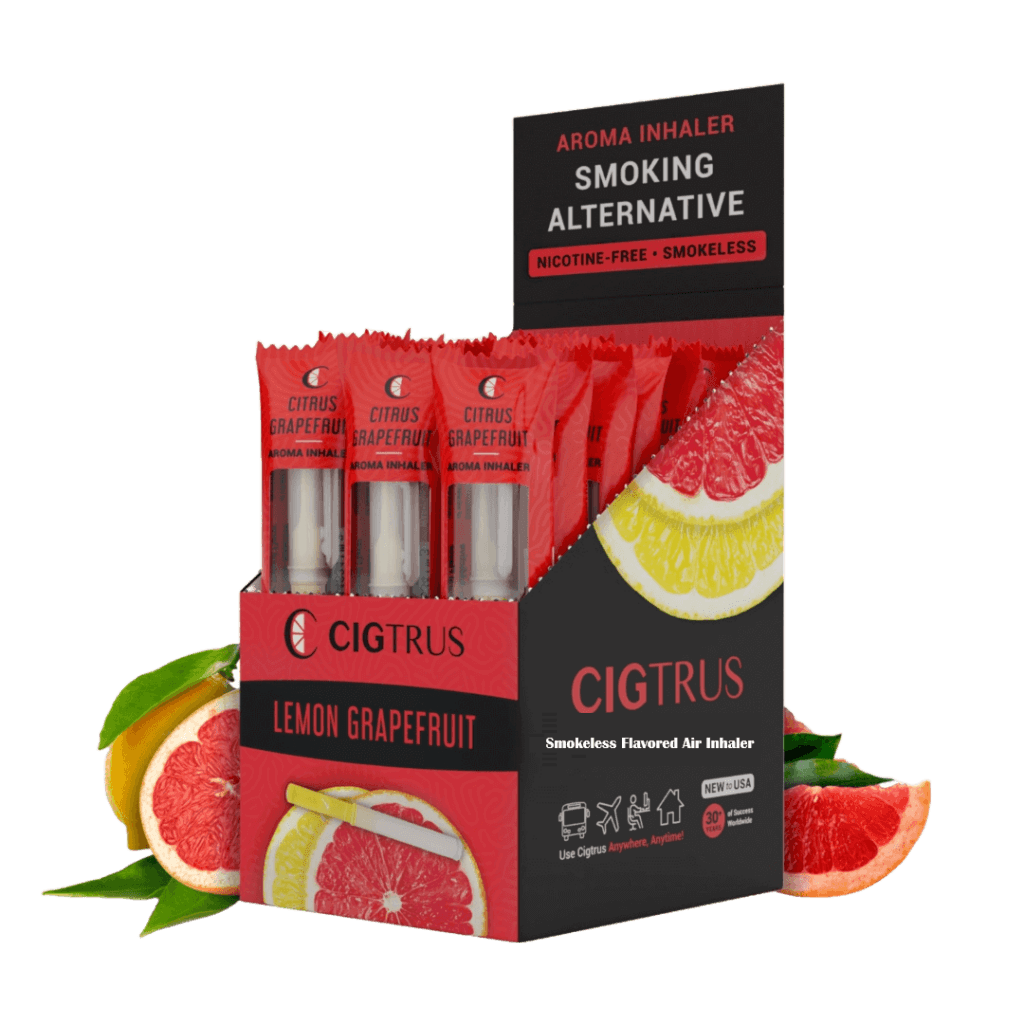
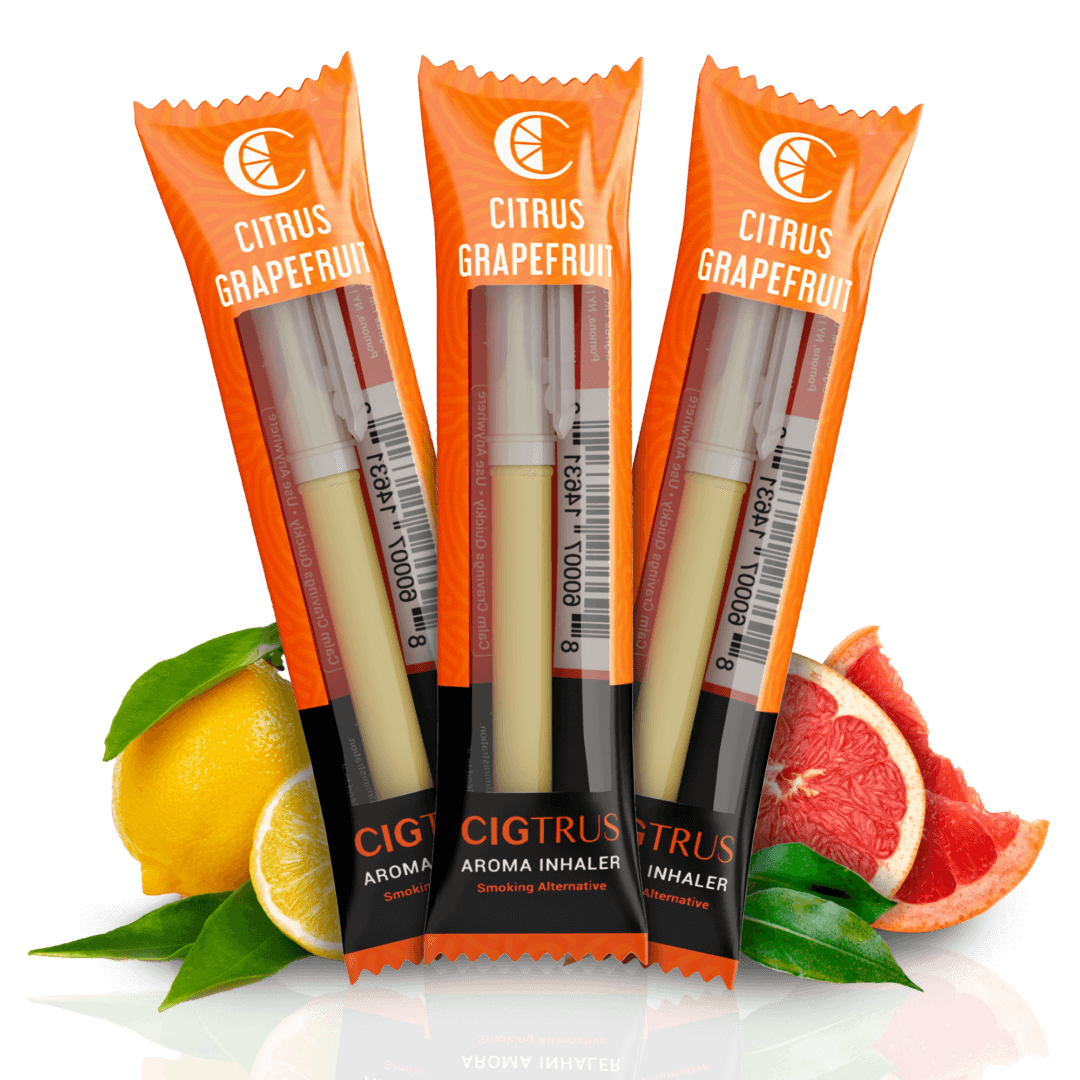
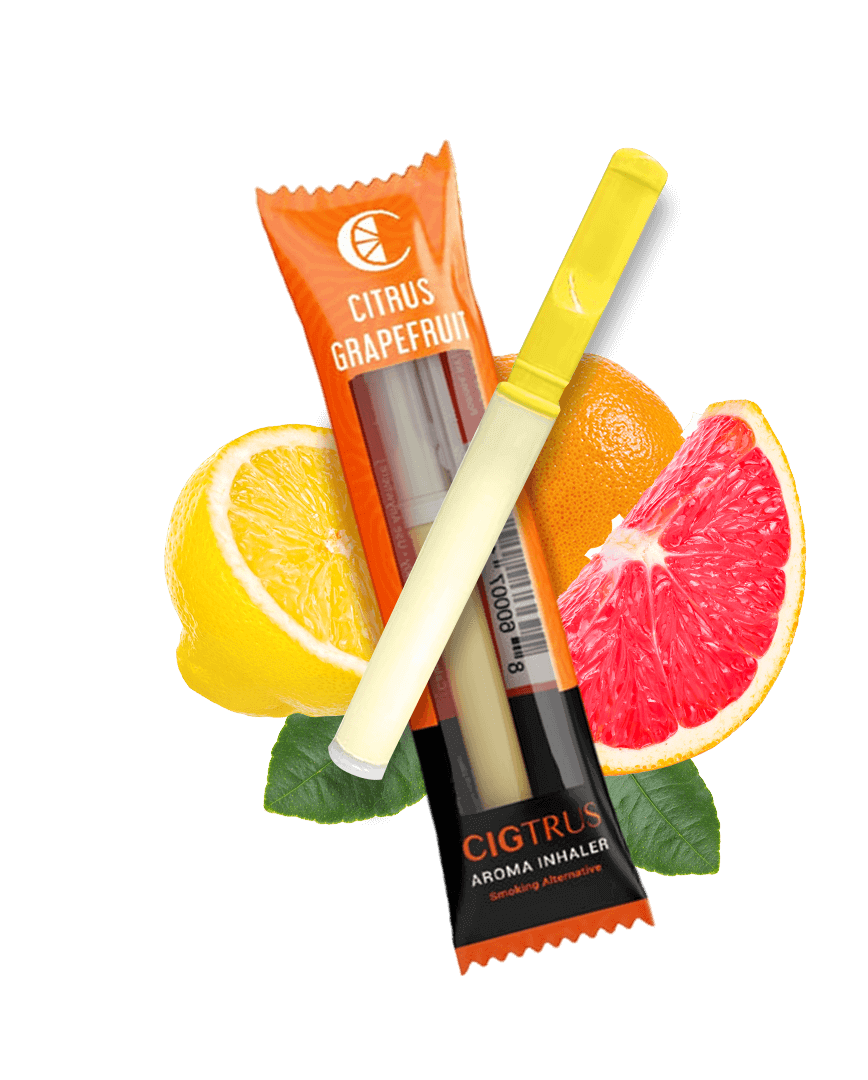
Cigtrus is a nicotine-free, smokeless, non-electric inhaler designed around helping support hand-to-mouth habit replacement, oral fixation, familiar inhalation routines, smoke-free habits, and smoking routine replacement. Because Cigtrus is smokeless and non-electric, many adults use it during work, travel, commuting, and indoor situations.
Why Many Adults Prefer Cigtrus
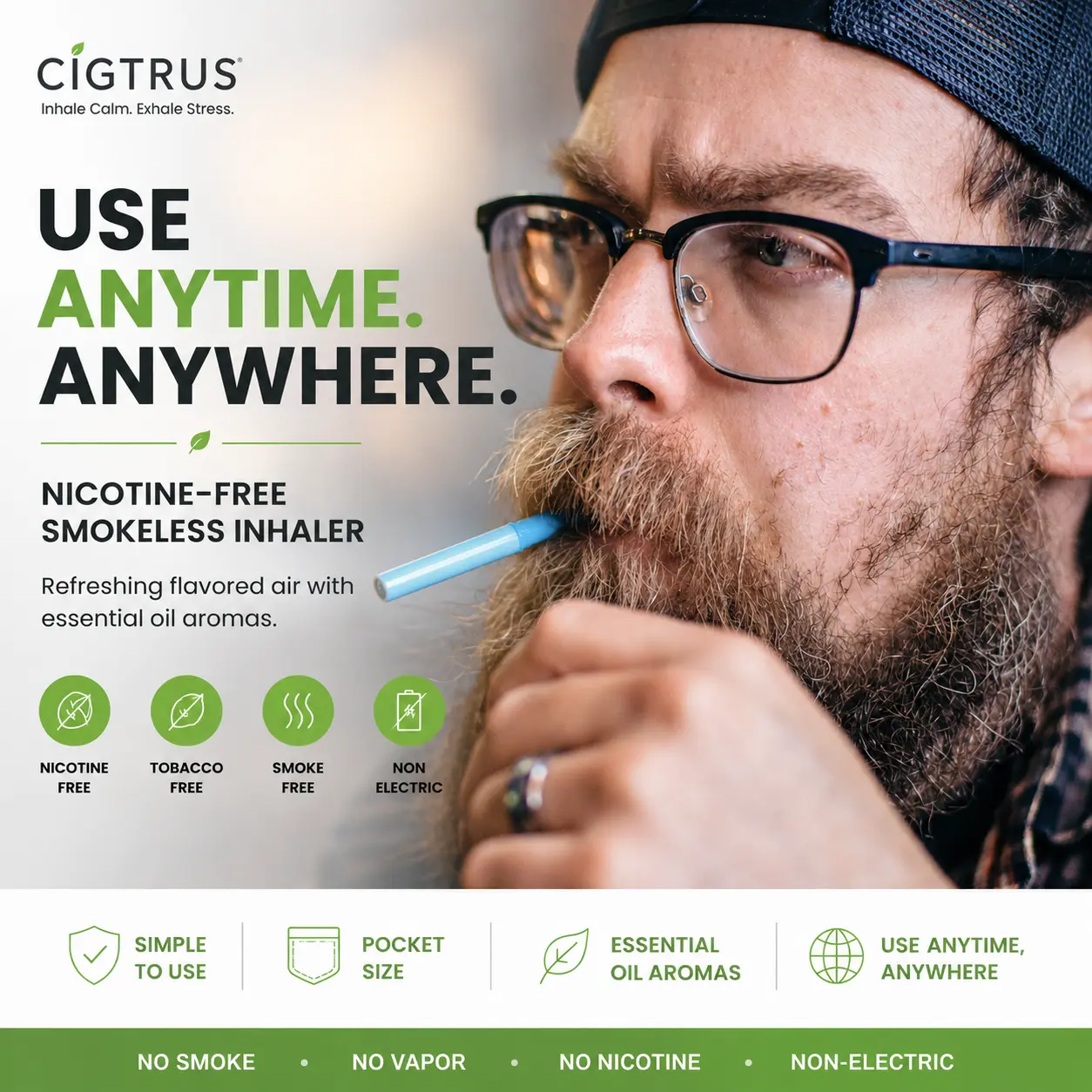
Produces no smoke or vapor, unrestricted in any environment
Requires no charging, always ready when the trigger fires
Lightweight and portable, fits naturally into everyday routines
Supports smoke-free environments, usable anywhere vaping is banned
Some smokers searching for quit smoking support also explore nicotine-free smokeless inhalers. Find out why more smokers are switching to smokeless inhalers.
Building Long-Term Smoke-Free Habits
Most smoking habits develop over time through repetition and routine. Replacing those habits often takes consistency, habit awareness, smoke-free alternatives, healthier routines, and realistic lifestyle adjustments. Many smokers also search for practical ways to manage cravings naturally while building healthier smoke-free habits over time.
Frequently Asked Questions
What is the best way to quit smoking?
There is no single method that works for everyone. Many smokers find success by combining cessation strategies with smoke-free habit replacement that addresses the behavioral layer alongside the chemical side.
Why is quitting smoking so difficult?
Smoking habits often become connected to routines, stress, and repeated behaviors over time, and they persist independently of nicotine, continuing to fire at familiar trigger moments long after withdrawal ends.
What is smoke-free habit replacement?
Smoke-free habit replacement focuses on supporting familiar smoking routines, the reach, hold, and inhalation, without smoke, vapor, or combustion, giving the behavioral trigger a clean destination.
Can smoke-free alternatives help with quitting smoking?
Many adults use smoke-free alternatives to help support familiar habits while reducing smoking behavior, particularly for the trigger moments that persist after nicotine is addressed.
What makes smokeless inhalers different from vaping devices?
Smokeless inhalers are typically non-electric and produce no smoke or vapor. They support behavioral habit replacement through natural aroma, usable anywhere vaping is prohibited.
Four Steps. One Clean Destination for Every Trigger.
No vapor, no nicotine, behavioral habit replacement that supports every step of your quit plan.
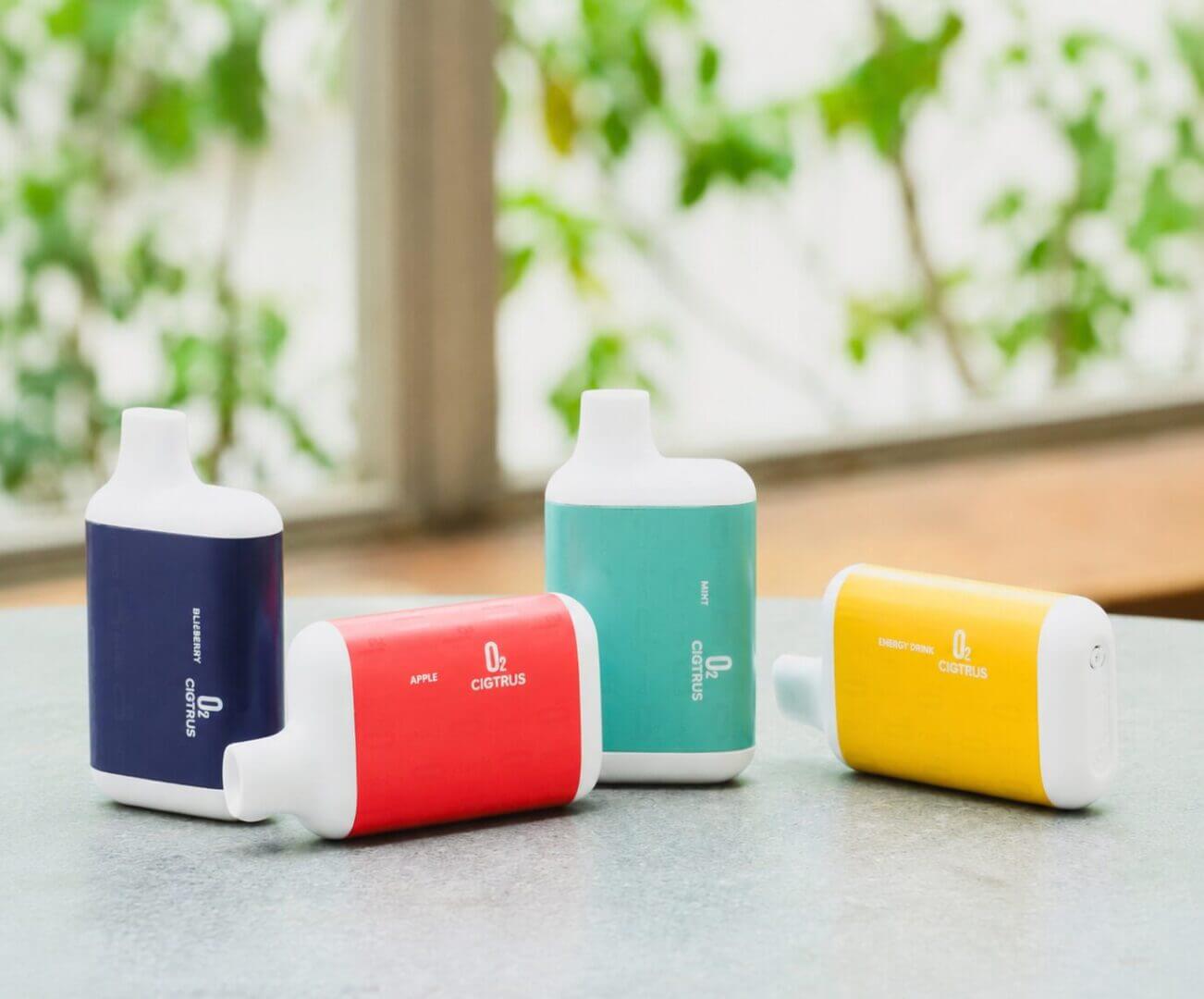
👉 Try the Variety Pack